Corey Regensburg’s working with a shiny chrome La Marzocco — the Cadillac of professional espresso machines. It purrs and whooshes as he pulls a double shot of espresso and sets it up for a latte tutorial. It’s well past Ox’s normal business hours, the sunset peers through the shop’s large windows and pulled-down shades.
Regensburg, one of the shop’s consultants, steams milk in a frothing pitcher and demonstrates his latte pour for a crowd of four people huddled around the quartz countertop at Ox Coffee in Queen Village.
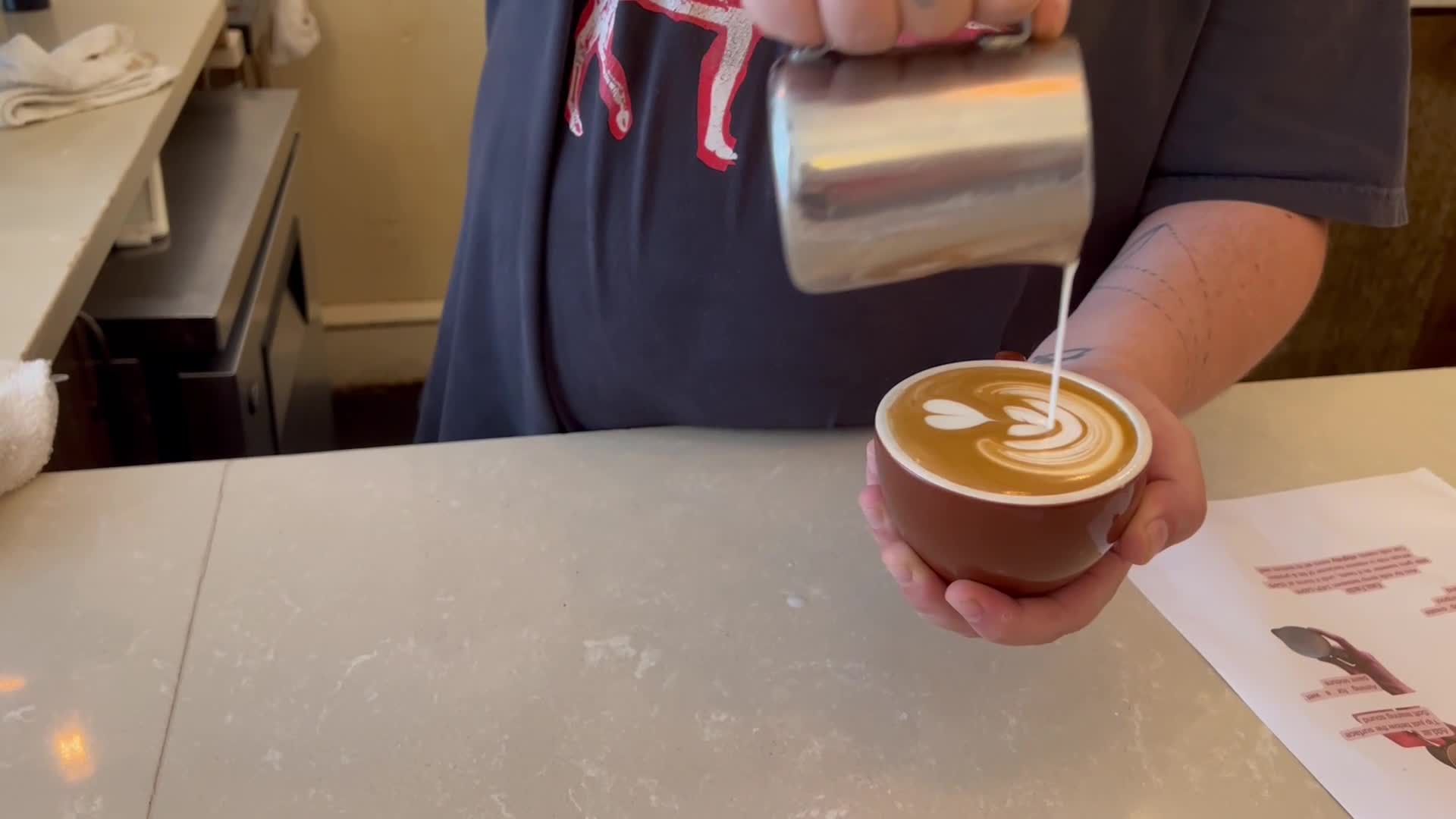
“Pencil thin,” he narrates as the milk streams into the base of the mug, sinking under the espresso’s golden layer of crema. Then, “push, push, glide,” he instructs. The result is a tulip design, finished with two dainty hearts.
The spectators at Ox aren’t new employees — they’re at-home enthusiasts, including a father-daughter duo who took the class to perfect their kitchenside almond milk lattes.
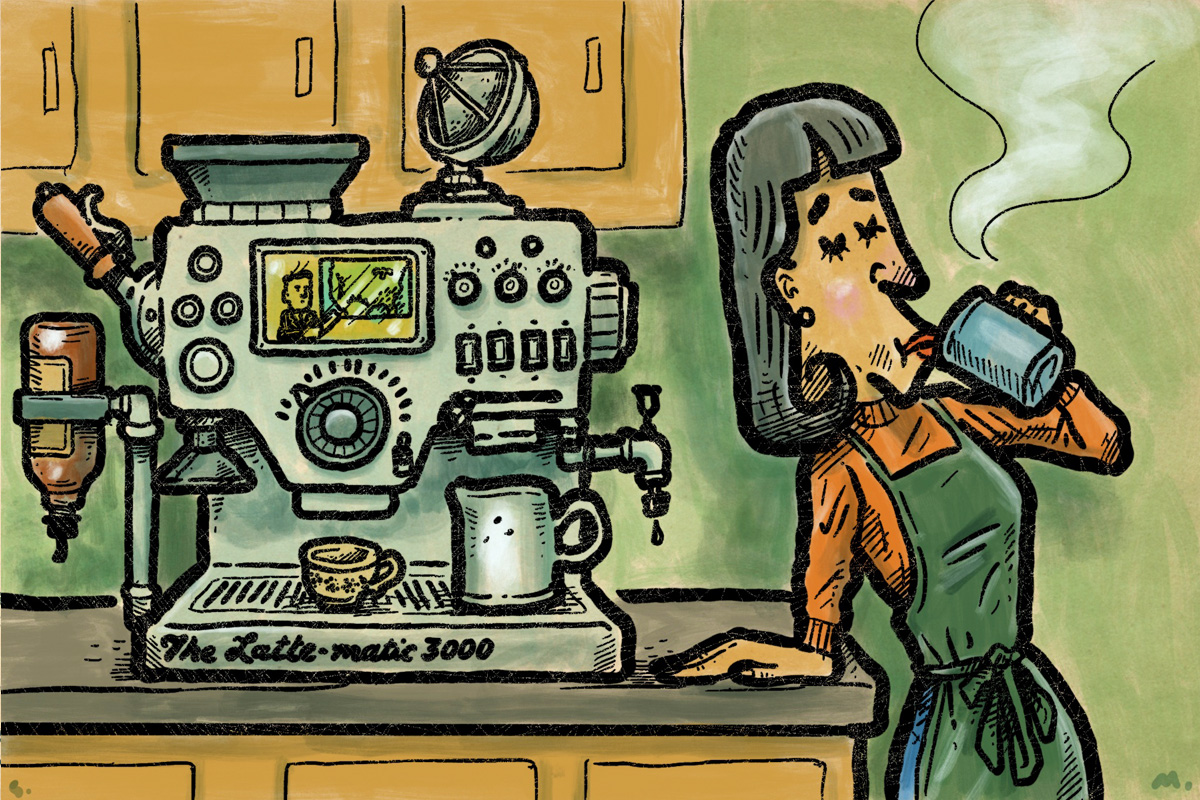
Americans are buying all types of coffee makers and brewing at home more, according to the National Coffee Association, with ownership of countertop espresso machines growing by 50% in 2025 and still on the rise in 2026. Breville Kitchen Group, especially, has seen a surge in sales among amateur espresso makers, with a range of high-end automatic and semi-automatic machines.
“COVID triggered a rise in at-home espresso,” Regensburg said. “Breville boomed like 10 times, and everyone else — from Panasonic to Ninja — hopped on.”
Industry experts say the global espresso and coffee machine market is rapidly expanding, driven by a “prosumer” movement: enthusiasts at home who crave high-end gear to make cafe-style drinks.
Now, coffee shops are leaning into the phenomenon, offering lessons to hobbyists to help master the craft. It illustrates a larger trend across the food service industry: teaching as a way to diversify revenue, build relationships with customers, and fulfill patrons’ desire to peek behind the curtain.
Across Philly, you’ll find Mighty Bread teaching croissant classes, Jezabel’s hosting empanada-making courses, the Bread Room with pizza lessons, Bloomsday with wine 101 sessions, and plenty more.
“It’s really exciting because it adds something to the dynamic besides going to eat or drink, which is wonderful but one-dimensional,” Jonathan Deutsch, director of Drexel University’s Food Lab, said.
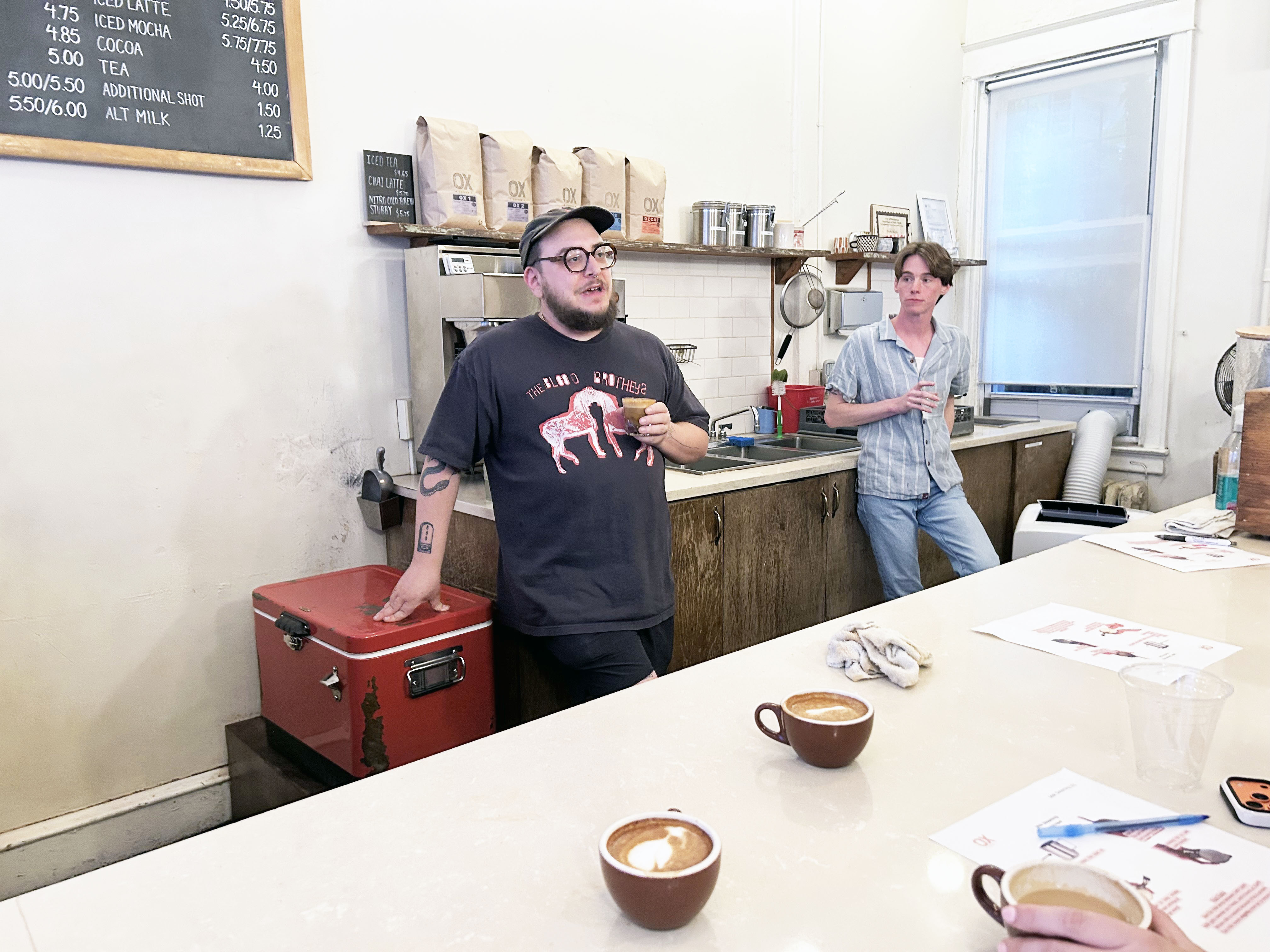
Leo Dowd runs Ox’s coffee class program. He says the shop has hosted about 10 classes so far on topics including espresso 101 and latte art for beginners. The classes allow everyday customers to get behind the bar and learn from the pros.
“The rise of remote and hybrid work has played a big role [in coffee classes], along with DIY culture on social media,” Cody Wood, a barista trainer at Crema Coffee in Nashville, said. Crema runs a host of classes inside a training lab at its downtown location. “Overall, it seems more people are tackling home projects, baking bread, learning to cook, trying new experiences on their own, and learning to make the best coffee at home.”
At Ox, the students take turns behind the La Marzocco — a powerhouse compared to any home espresso machine. They sheepishly tinker with the steam valve under Regensburg’s tutelage, practicing with water before moving onto whole milk.
As the milk steams, he calls out cues for students to look out for, like the sound of paper tearing and the appearance of white paint. Dowd picks out a Sonny Stitt record and puts it on in the background.
Coffee shops giving away tricks of the trade — including recipes — hasn’t hurt sales, either. If anything, the rise of the at-home barista has helped them.
“Zahav’s hummus recipe is published everywhere, for instance, and it doesn’t mean that you are going to necessarily make it,” Deutsch said. “Coffee’s different because on one hand, it’s really easy to make if you know what you’re doing. But on the other hand, to do espresso drinks really beautifully, you need the right equipment. And there’s awesome home equipment like the Breville, but it’s still not the same as going to a coffee shop and having a really properly pulled, professionally done espresso.”
Wood at Crema in Nashville says the same people who take their coffee classes are also coming back to try new roasts and to talk shop.
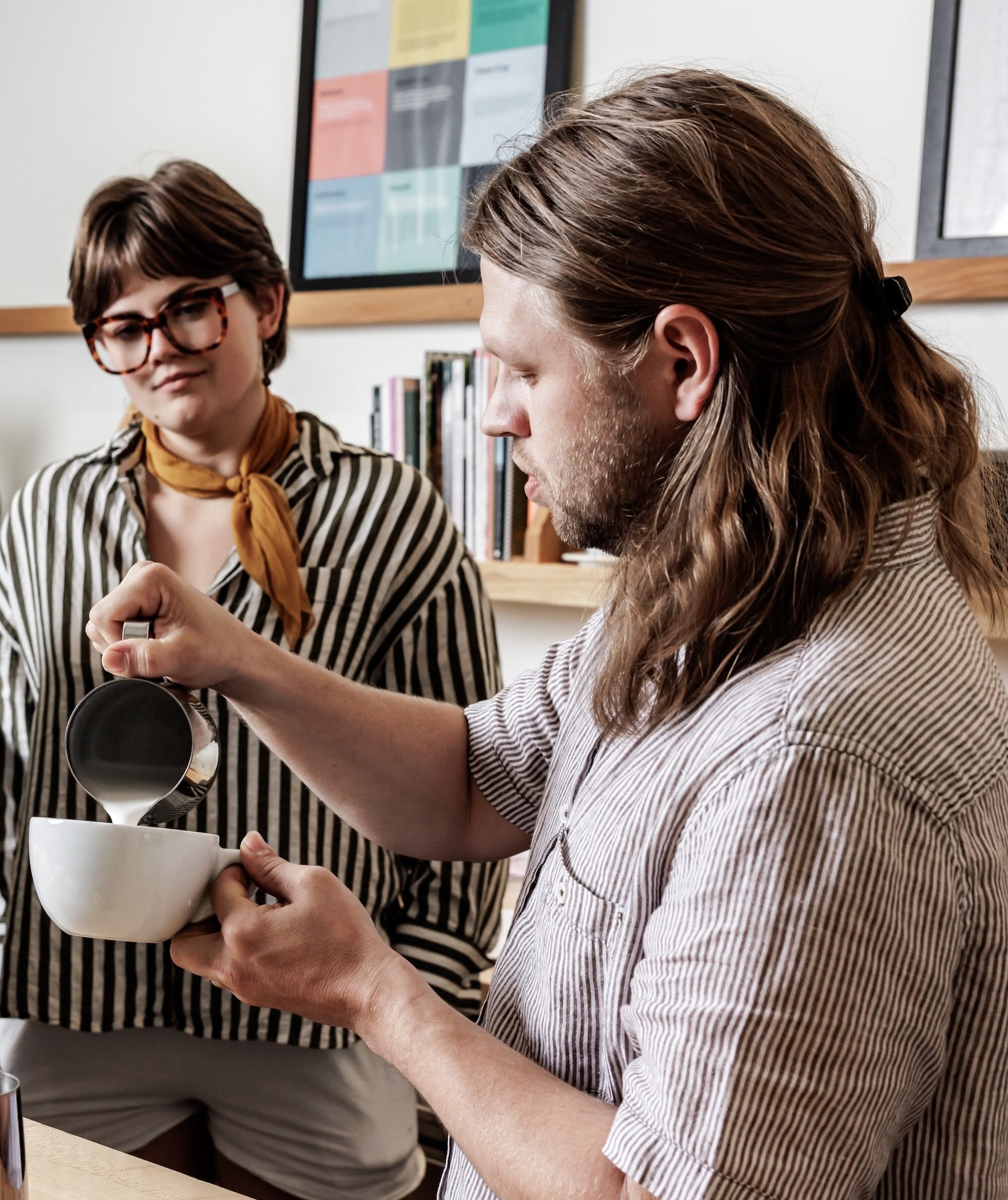
“My hope is that we continue to see better coffee brewed and shared in both cafes and homes,” he said. “Coffee has always been a communal experience. Everyone I know who loves making coffee loves sharing it with others.”
Coffee classes nationwide average around $100 per session. Ox’s classes cost between $95-$135 depending on the intricacy.
“That’s a lot of cups of coffee you would have to sell to get that kind of revenue,” Deutsch said.
Deutsch said this approach is wise since during regular business hours, coffee sales rely on convenience and speed.
“If you’re standing in line at 7 a.m., it’s not really a great time to ask about the sustainability of the beans and provenance and all this kind of stuff you might be curious about as a coffee nerd,” he said. “The whole idea of building a relationship with guests on a more substantive level makes sense. Also, if you go out, you’re going to spend a hundred bucks easily on a few drinks and some music. Why not educate yourself and do something entertaining that will stay with you?”

On social media, TikTok feeds are flooded with content creators attempting to create (or recreate) their favorite lattes and little treats at home.
Philly-based creator Gloria Sullivan — aka @_gloyoyo_ — often documents her morning coffee ritual for her more than 700,000 followers. She alternates between her Breville Bambino, a moka pot, and other methods when making her coffee.
“In the beginning, a lot of coffee creators framed their videos as ‘stop buying coffee out, make this at home instead’ and now it feels more focused on creativity, finding fun ways to make drinks at home exciting,” Sullivan said. “Making coffee is as much of a hobby as knitting or reading or baking, coupled with the fact that a lot of people want to start making content online and there’s not a super high barrier to entry for making coffee at home.”
@_gloyoyo_ banana pudding🍌🌸 & a coffee to match🍌☕️ #bananapudding #bananacoffee #bananasyrup #coffeesyrups #icedcoffeerecipe ♬ original sound – Glo
By the end of class at Ox, half empty mugs and rags are scattered across the bar. The level of proficiency after an hour and a half varies, but every guest has managed to get their milk to skate on top of their mug of espresso.
The amateur work isn’t close to Regensburg’s tulip, but he remains encouraging.
“I know that latte art is sexy and fun and it looks good on Instagram,” he said. “But this — milk texture — is what matters. Latte art got big because it’s indicative of good milk texture.”
Dowd anticipates Ox’s coffee class schedule will ramp up this fall and winter as locals look for indoor activities.
Currently, Ox appears to be the only Philly shop offering courses. But Deutsch wouldn’t be surprised if that changes soon enough.
“I think it’s a really good idea,” he said. “The positives outweigh the risks of teaching people your secrets. I really think that’s more a mythology than a reality that’s born out.”
Leave a Reply