Category: Pop

  • How Philly’s own Buzz Bissinger became the foremost authority on leather jackets

    How Philly’s own Buzz Bissinger became the foremost authority on leather jackets

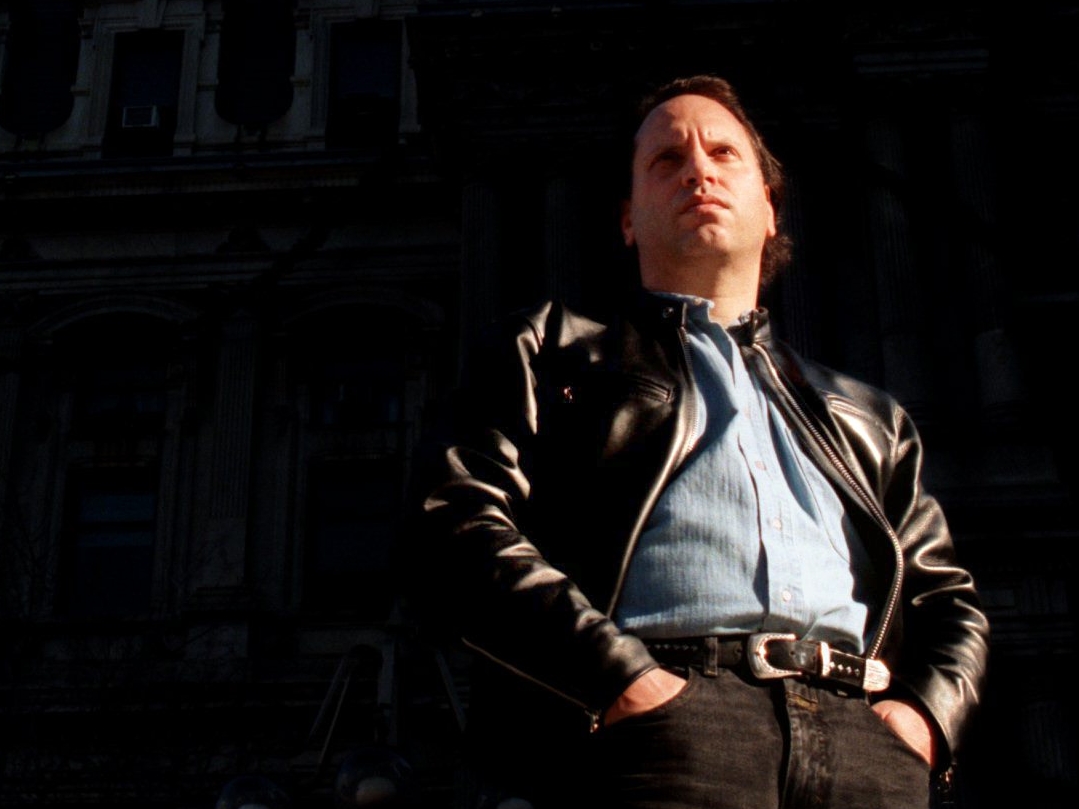
    Buzz Bissinger is tired of the stigma associated with leather jackets — regardless of whether the wearer is a best-selling author or a scandal-plagued, recently ousted tech mogul.

    He let those thoughts be known in his Wall Street Journal essay “In Defense of Middle-Aged Men in Leather Jackets,” which explores Nvidia CEO Jensen Huang’s signature look. Bissinger is, of course, no stranger to the subject.

    The Friday Night Lights author and Philadelphia Inquirer alum became an early internet main character for sharing similar enthusiasm for leather more than a decade ago.

    Huang, the entrepreneur who built an empire as a leader in the AI revolution before getting caught up in a personal and national security scandal and forced to resign, is well known for regularly wearing leather jackets.

    As Huang made headlines for his extramarital dalliances, the New York Times covered his jacket-wearing at length, likening his signature item choice to Steve Jobs’ turtlenecks or Mark Zuckerberg’s T-shirts. The Times also explored the leather jacket’s potential negative implications, cautioning that as details unfold about Huang’s affair with a Chinese businessperson and his second extramarital relationship with an Nvidia executive, that the jacket has gone from feeling “rebellious” to “reckless.”

    That’s where Bissinger comes in.

    Thirteen years ago, the Pulitzer Prize-winning author dropped a lengthy essay for GQ magazine about his self-proclaimed “Gucci addiction.”

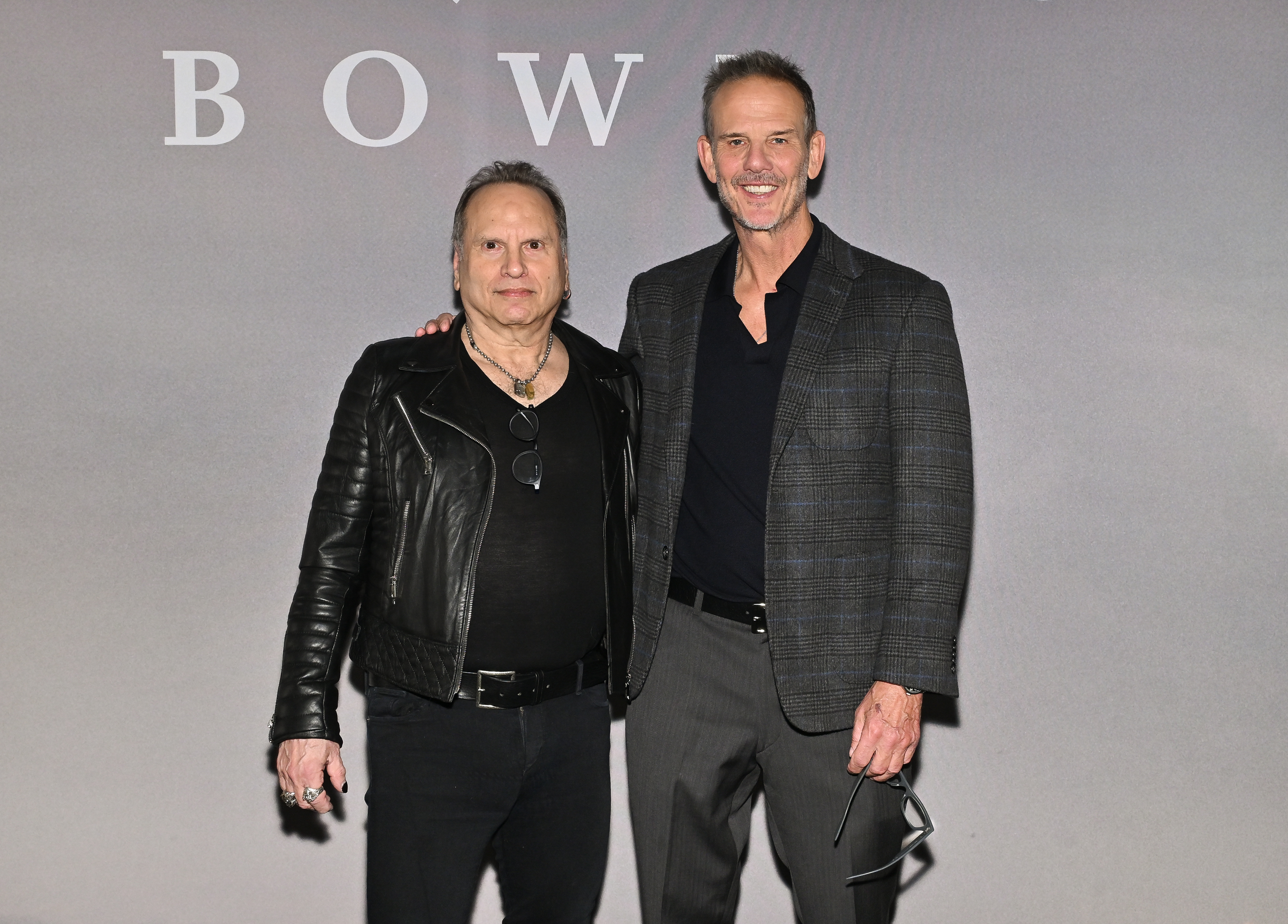
    Buzz Bissinger (left) and Peter Berg participate in a photo call for “The Mosquito Bowl” at the Whitby Hotel last month in New York.Evan Agostini / Invision / AP

    “In the past few years, I’ve bought 81 leather jackets. Dozens of boots and leather gloves. I’ve purchased pants that cost $5,000. I own a $22,000 coat,” Bissinger wrote at the time. “My name is Buzz Bissinger … And I am a shopaholic.”

    The 2013 confessional was both lauded and mocked, but it started a conversation that stuck with people about shopping, public image, luxury items, and aging.

    “The self-expression feels glorious, an indispensable part of me,” Bissinger wrote in the essay. “As a stranger said after admiring my look in a Gucci burgundy jacquard velvet jacket and a Burberry black patent leather trench, ‘You don’t give a f—.’”

    As Emily Gould of New York magazine recalled on X about the essay, “Obama is in office. Glossy magazines are still a going concern, and they publish epic, glorious stories about being addicted to buying leather jackets.”

    Bissinger documented over thousands of words how he’d spent more than $600,000 in a few years on luxury clothing, primarily leather jackets, putting his personal life and health at risk.

    The mix of his vulnerability — revealing intimate details about his marriage and fatherhood alongside his flashiness, flexing on readers with his $14,000 ostrich skin jacket and his trips to Milan for exclusive access to Gucci showrooms — made for a perfect internet storm, becoming a talker that stuck with readers for years.

    “I felt it was important to write,” Bissinger told The Inquirer about his GQ essay. “I felt proud that I’m able to wear what I want and don’t feel self-conscious or silly, and I refuse to be influenced by the parochialism of others.” Bissinger eventually went to rehab for addiction and compulsive disorder.

    When Huang’s own penchant for leather jackets became an item of interest all this time later, some mused that there was only one appropriate subject matter expert prepared to dive into it all. The Wall Street Journal put out a call to the foremost leather jacket aficionado.

    “[The] Wall Street Journal came to me because of my openness in the past,” Bissinger said. “I was happy to write it because I’m tired of the stigma that leather creates. It’s a piece of clothing, and it’s fun to wear, and no one should be judged for it.”

    In his piece for the Journal, Bissinger calls himself “the world’s leading authority on all things leather,” citing his GQ essay. “It is only fitting that I pass final judgment on the sartorial choices of Jensen Huang,” he wrote.

    In his opinion, Huang could actually go further on his leather journey.

    “Much has been made of the fact he owns 30 to 40 leather jackets. It might seem excessive unless you are a leather fetishist. Then it’s child’s play,” Bissinger wrote. “Huang did not go far enough.”

    Much like what happened 13 years ago, Bissinger’s new essay about leather also had a field day on the internet, garnering hundreds of thousands of views across social media platforms.

    “FINALLY the most qualified person alive on this issue has weighed in,” Dennis Young at Front Office Sports tweeted. “Can’t remember the last time I clicked on something so fast,” Laura J. Nelson at the Wall Street Journal wrote.

    So, what does Bissinger think about being “the guy” when it comes to leather?

    “I gave myself the title, but I figure when you have spent as much money as I have on leather, I deserve it,” he said. “At the peak of my compulsive spending, I did have an exquisite collection that I’m pretty sure few could match. Since then, I’ve given much away. I could no longer justify it, much less afford it. But I still have my favorite babies.”

  • Tormund, the viral South Philly cat best known for standing, has died

    Tormund, the viral South Philly cat best known for standing, has died

    Pet loss is a painful and often isolating experience. But for one South Philadelphia family, the end of their cat Tormund’s life is being grieved by thousands of strangers across the internet.

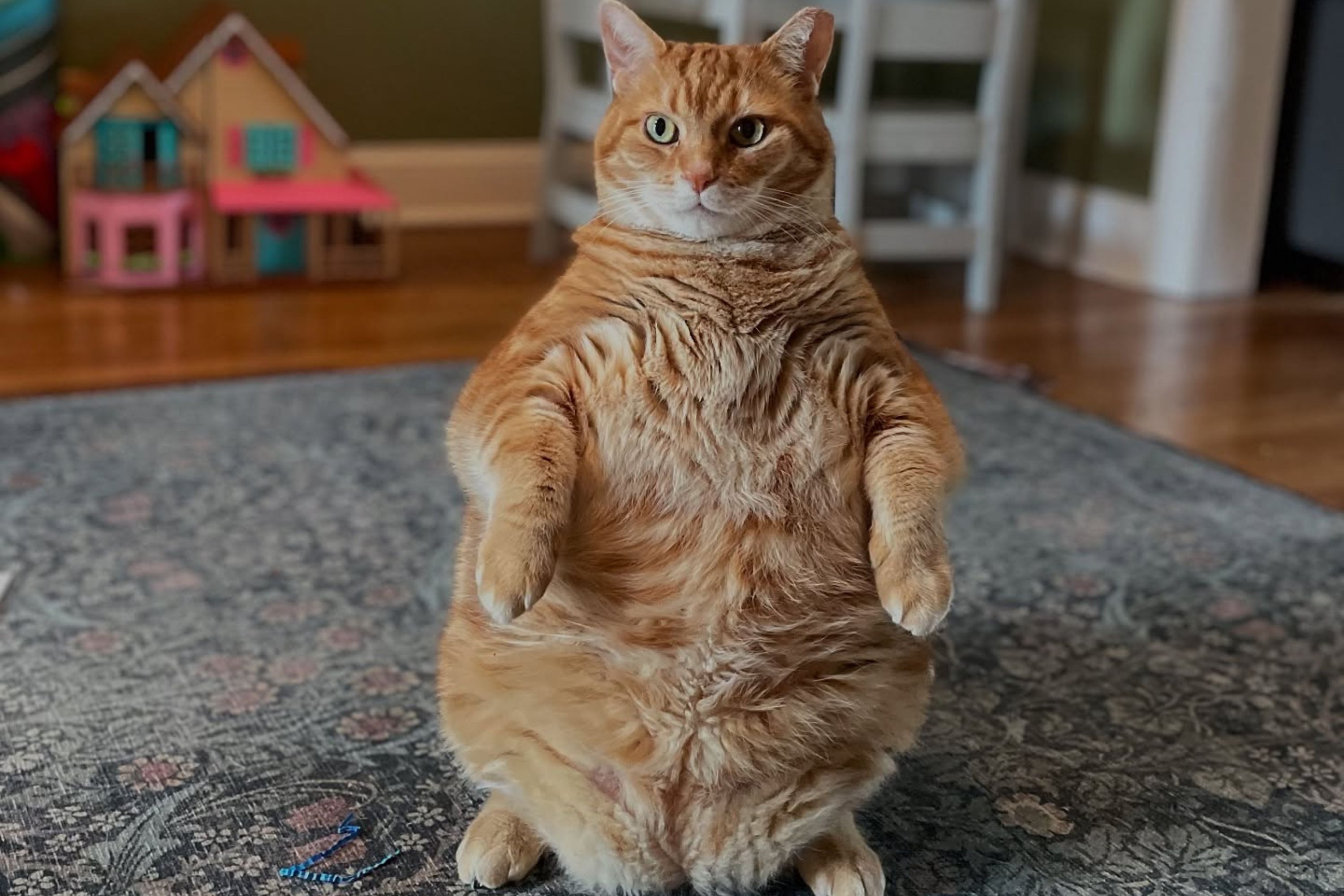
    Tormund, best known as Standing Orange Cat, has died of medical complications, his humans said in a social media post. He amassed nearly 300,000 fans across his dedicated social media platforms because of, well, the funny way he would stand.

    The bulbous orange tabby, with white whiskers, freckles on his lips, and green eyes, was a rescue from the streets — so his exact age was unclear. His owners, Alex and Jeff Holden, began posting photos of Tormund online in 2020.

    In hundreds of photos and videos posted of the chunky feline since, Tormund could be seen perched on his short hind legs, belly protruding, and front arms awkwardly flapping in the front.

    Quickly, the followers came. Comments on social media would call him “rare,” “aloof,” “hilarious,” and “adorable.”

    “We don’t know why he started standing,” the Holdens wrote on Tormund’s website, orangecatstanding.com, which they used to sell stickers and other merch. “We’re just glad he did.”

    His charming standing pose became fodder online for memes, even inspiring a birthday cake carved in the shape of a standing orange cat for Alex Holden’s birthday celebration last year.

    Despite his online virality, Tormund’s owners say he was a sweet, affectionate boy behind the scenes.

    “He would jump on the bed and force me to cuddle,” Alex Holden wrote on social media. “He slept on Jeff’s sweatpants, beside his side of the bed almost every night.”

    And, Garfield-esque appearances aside, Tormund had never tried lasagna. His favorite human foods were popcorn and turkey. The Holdens said he was on an exercise and diet regimen under their care and that the way Tormund stood made him appear larger than he was.

    Last week, the Holdens posted that Tormund’s health appeared to be declining quickly. Veterinarians said he likely had a mass on his spleen, and the cat’s family needed to weigh options fast.

    Within about 72 hours, fans raised nearly $5,000 to go toward Tormund’s ultrasounds, scans, and veterinary care.

    In a Facebook post, Alex Holden wrote that fans’ quick mobilizing efforts gave her family the ability to make decisions without finances being a factor.

    Monday night, she posted the update all pet owners dread.

    “We took Tormund to the vet and it was determined it was time to let him go,” she wrote, explaining that a prolonged vet stay had no guarantees and would be traumatic on the cat who famously already hated going to the vet. “We are absolutely heartbroken and feel his loss around us every minute.”

    Alex Holden added that leftover funds raised for Tormund would go to Jeff Holden’s cousin, Lindsay Gaspari, who is credited as “Tormund’s original fan” and the woman who encouraged Alex Holden to post photos of Tormund standing online.

    Gaspari was diagnosed with an inoperable cancerous brain tumor last year. She has undergone radiation and chemotherapy to slow the cancer’s growth. The Holdens have directed Tormund’s fans to Gaspari’s GoFundMe if they feel compelled to support.

    Alex Holden says she plans to continue posting to Tormund’s Orange Cat Standing social media profiles in time — “when I can look at pics without crying” and plans to do a run of holiday-themed merch.

    “Thank you all for loving him and the community we have created,” she wrote.

    Tormund is survived by “his humans,” Alex and Jeff Holden, their son (known as his “human brother,” Oliver), his cat brothers, Gandalf and Lazlo, and his dog brother, George Costanza.

  • Peggy King, Hall of Fame actor and top-selling Rat Pack-era singer, has died at 96

    Peggy King, Hall of Fame actor and top-selling Rat Pack-era singer, has died at 96

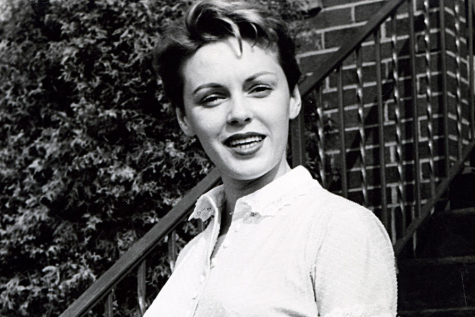
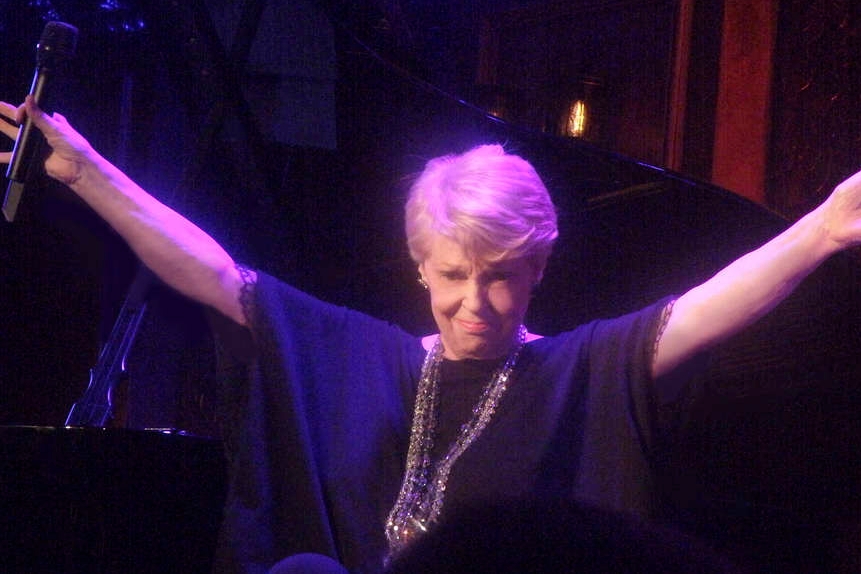
    Peggy King, 96, formerly of Philadelphia, Hall of Fame TV and film actor, top-selling Rat Pack-era singer and entertainer, and popular vocalist with the Philadelphia-based All-Star Jazz Trio, died Sunday, Oct. 25, of complications from Alzheimer’s disease at Saunders House assisted living center in Wynnewood.

    Celebrated for her soaring soprano voice, girl-next-door appeal, photographic memory, and collegial nature, Miss King was discovered singing for a Cleveland radio station in 1950 by bandleader Charlie Spivak. Over the next 10 years, she toured with Spivak and other big bands, recorded hit singles and top-selling albums with Columbia Records, and sang with Frank Sinatra and Bing Crosby. She cohosted The George Gobel Show on TV, and earned film roles in The Bad and the Beautiful, Abbott and Costello Meet the Mummy, and Zero Hour!

    She was nominated for an Emmy Award as best female singer on TV in 1955 and named best new singer in 1956 by DownBeat and Billboard magazines. On Oct. 22, 1955, she was on the cover of TV Guide.

    In 1960, she earned one of the first stars on the Hollywood Walk of Fame. In 2010, she was inducted in the Philadelphia Broadcasting Pioneers Hall of Fame.

    “I belong on a stage singing anything I can touch people with,” Miss King told the Daily News in 1983. File Photo

    Miss King started singing as soon as she could talk, she told jazz journalist Marc Myers in a 2015 interview on JazzWax.com. “Singing, to me, came naturally,” she said, “like waking up.” Her daughter, Suzy, said: “She was wildly creative.”

    She also sang popular jingles for TV commercials in the 1950s and signed contracts with Columbia Records and several movie production companies. She became a favorite guest on TV game and talk shows.

    She performed jazz and popular songs on variety shows and benefits, and played it straight in comedy routines with Crosby, Bob Hope, Tony Bennett, Mel Tormé, Sammy Davis Jr., Jimmy Stewart, Jack Benny, and other entertainers.

    Everyone said she remarkably resembled actor and singer Judy Garland, even Judy Garland. She went shopping with actors Debbie Reynolds, Jane Powell, and Dinah Shore.

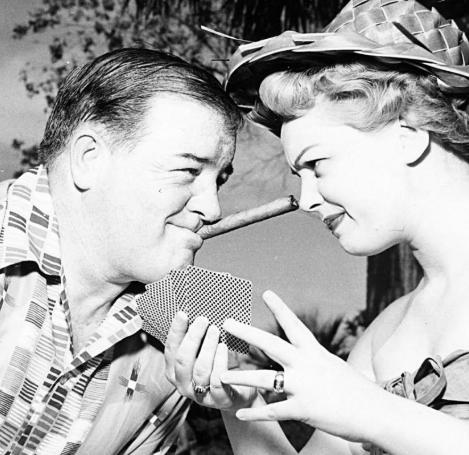
    Miss King performed with comedian Lou Costello.Courtesy of the family

    A writer for The George Gobel Show nicknamed her “pretty perky Peggy King.” Gobel used it on air, and it stuck.

    “The grand dame of song has left us,” composer Andrea Clearfield said on Facebook. Clearfield called Miss King “a musical legend and such a wonderful, heartfelt human being.”

    Miss King stepped away from show business after she married Philadelphia clothier Sam Rudofker in 1961. They lived in Merion, Gladwyne, and Philadelphia, and she returned to performing with the Philly Pops Orchestra and other groups in the 1980s.

    “I know who I am, and I know where I belong,” she told the Daily News in 1983 after her son, Jonathan, and daughter, Suzy, left home for college. “I belong on a stage singing anything I can touch people with.”

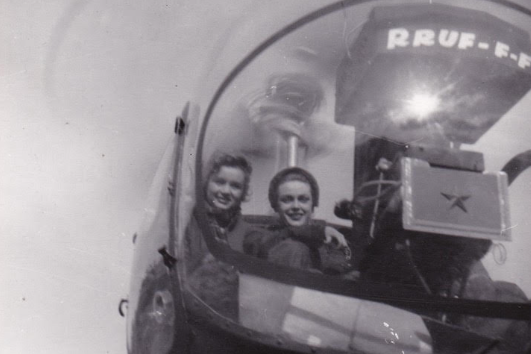
    Miss King (right) and Debbie Reynolds entertained troops in Korea in the 1950s.Courtesy of the family

    She joined the Philadelphia-based All-Star Jazz Trio in 2013 after the death of her husband in 1994 and her son in 2000. In 2016, she released her first album in decades, Songs a la King.

    “People turn to different things when their life turns upside down,” she told The Inquirer in 2016. “I lost them both in a short period. You either completely fall apart or you find a way to live with it. I knew the one thing I could count on was singing.”

    In 2013, music writer A.D. Amorosi wrote in The Inquirer: “There’s bittersweet nuance to everything she sings.”

    Miss King also mentored other singers and supported the Philadelphia Boys Choir, the Curtis Institute of Music, and other organizations. Her husband shared his love of classical music, and she studied Mozart and other composers.

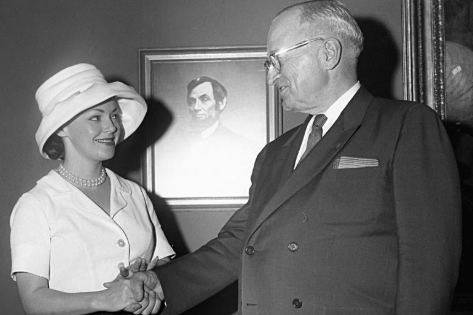
    Miss King met President Harry S. Truman at the White House.Courtesy of the family

    “She hungered for knowledge and always wanted to learn,” her daughter said. “She was a trailblazer.”

    Margaret Elizabeth King was born Feb. 16, 1930, in Greensburg, Pa., 35 miles east of Pittsburgh. She told Marc Myers that she was adopted by her aunt and uncle during the Great Depression and that she inherited her singing voice from her birth mother, with whom she reconciled when she was a teen.

    She practiced singing into a tin can on a broomstick when she was young, performed in all the school plays and musicals, and graduated from high school in Ohio when she was 16. She got jobs singing for a local radio station and a hotel band in Cleveland before being discovered by Spivak.

    “I came from poverty and had to find a way to get out of it through singing,” she told The Inquirer in 2016.

    Miss King (second from right) enjoyed time with family and friends. Courtesy of the family

    She married and divorced musician Knobby Lee in the 1950s and met Sam Rudofker while singing in Chicago. She moved to Saunders House from Philadelphia nine years ago.

    Miss King was an avid reader and a Civil War buff. She posed with President Harry S. Truman in front of a portrait of President Abraham Lincoln at the White House and was close friends with Larry Bowa, the former Phillies player and manager, and his former wife, Sheena.

    Dennis Creedon, former director of education for what is now Opera Philadelphia, said Miss King “celebrated the gift of life in all she did. No matter what crisis life presented, ice cream was always her cure.”

    Marc Myers asked her: “How would you prefer to be remembered?” Miss King said: “As an actress who sings. I’d like to think someone would read that.”

    Miss King released an album with the All-Star Jazz Trio in 2016 when she was 86.

    In addition to her daughter, Miss King is survived by her son-in-law, Dwain Goforth, and other relatives.

    A private musical dubbed “Peggapalooza” is to be held later.

    Donations in her name may be made to the Curtis Institute of Music, Attn: Advancement, 1726 Locust St., Philadelphia, Pa. 19103; the Philadelphia Boys Choir and Chorale, 1336 Spring Garden St., Philadelphia, Pa. 19123; and Main Line Health HomeCare and Hospice, 240 N. Radnor Chester Rd., Suite 100, Radnor, Pa. 19087.

  • Tom Di Nardo, former Inquirer and Daily News music writer, and longtime Peco electrical engineer, has died at 89

    Tom Di Nardo, former Inquirer and Daily News music writer, and longtime Peco electrical engineer, has died at 89

    Even as a young man, Tom Di Nardo was eclectic.

    Born in South Philadelphia and reared in Germantown, he was naturally adept at math and physics. He was good at analyzing and solving problems about structure and distribution.

    He also loved music and was obviously an insightful writer. His teachers at Germantown Friends School encouraged him to write more.

    So, after graduating from high school, he did both.

    Mr. Di Nardo earned a bachelor’s degree in electrical engineering at Tufts University in Massachusetts and spent 36 years, from 1960 to 1996, designing high-voltage outdoor wiring systems for Peco. And when storms ravaged the wires and poles, and the system went down, he worked in his office, sometimes for 24 hours straight, until the lights went back on.

    “He clearly considered that work as a means of service to the community,” his son, Marc, said.

    In 1974, now a music-loving, single father of two and seeking more income, Mr. Di Nardo snapped up a night job as a freelance classical music critic for the Bulletin. He wrote reviews — mostly positive, he conceded later — until the Bulletin closed in 1982. Then he switched to the Daily News and The Inquirer and filed stories until 2017.

    At the Daily News and Inquirer, Mr. Di Nardo was prolific. He wrote more than 1,000 features and news stories about classical music, opera, jazz, and other topics. He enjoyed researching the musicians, conductors, and singers, and did lengthy interviews for in-depth profiles.

    He was friends with conductors Riccardo Muti and JoAnn Falletta, and he interviewed, among hundreds of others, singer Luciano Pavarotti, musician Yo-Yo Ma, and composer David DiChiera.

    “What I was concerned about the most,” Mr. Di Nardo said in a 2016 online interview, “was to find out the heart and soul of these people, not so much the nitty gritty. … I was so interested in the human part of this.”

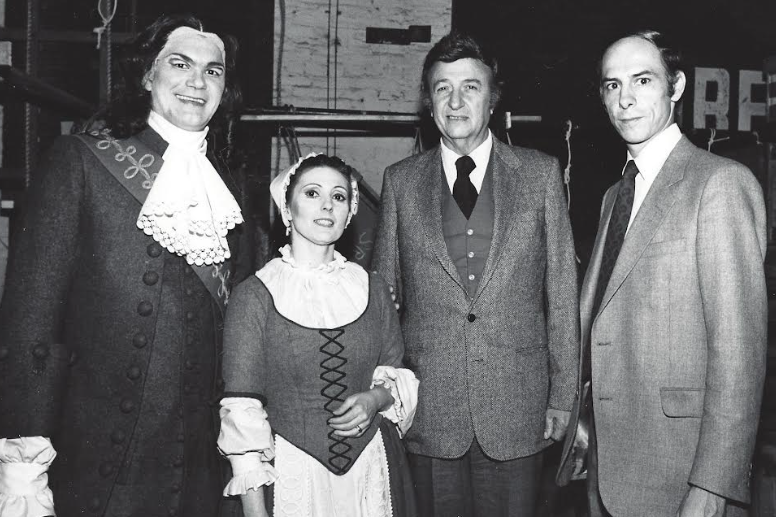
    Mr. Di Nardo (right) stands with composer Romeo Cascarino (second from right), Dolores Cascarino, and singer John Cheek at the 1982 debut of Romeo Cascarino’s opera “William Penn.”Courtesy of the family

    On Saturday, Sept. 19, Mr. Di Nardo died of a brain hemorrhage while traveling and visiting family in Italy. He was 89.

    “He was naturally curious,” his daughter, Lisa Di Nardo Parker, said. “He always wanted to connect and talk.”

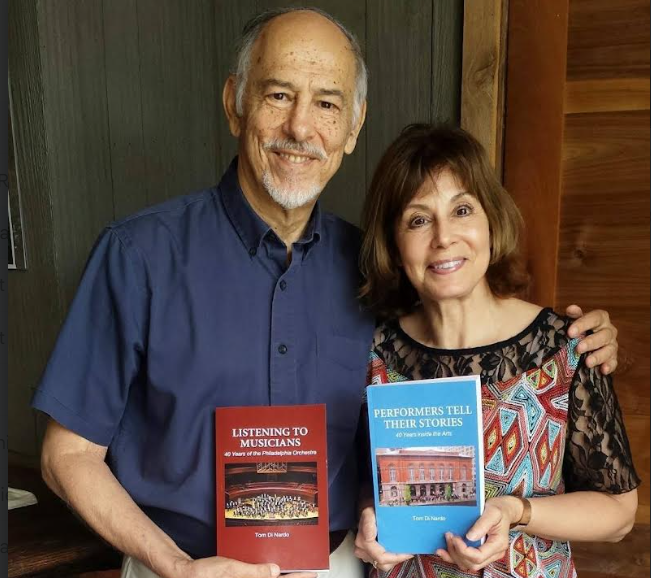
    Mr. Di Nardo also wrote books about music, including 2016’s Performers Tell Their Stories: 40 Years Inside the Arts and Listening to Musicians: 40 Years of the Philadelphia Orchestra. He also cowrote with percussionist Emil Richards and contributed many profiles to The Philadelphia Music Book: Sounds of a City in 2025.

    He championed local artists, especially composer Romeo Cascarino, and served as executive producer of Cascarino’s 1982 opera William Penn. He actively urged his readers to check out opera and classical music performances.

    Mr. Di Nardo poses with conductor JoAnn Falletta and his books.Courtesy of the family

    The Daily News headline for his story on April 29, 1994, was: “Try it, you’ll like it: Four chances to sample opera.” He said in the 2016 online interview: “Once they go once, that’s it. They’re hooked.”

    In 1991, he wrote about a concert that linked music with nature. “Music has the power to inspire, amuse, and enlighten,” he said. “But it also has the ability to educate.”

    In a 1991 Daily News story about doings at the old Opera Company of Philadelphia, he said: “In the precarious world of grand opera, you’ll often find more unexpected drama and sudden crises behind the scenes than on the stage.”

    He also wrote about film, ballet, dance, and local music stores and venues. His children said they whiled away many weekend hours at the old Bulletin office while he wrote his stories.

    Mr. Di Nardo, center above, enjoyed time with his children, Lisa and Marc, and his sister, Martha, below.Courtesy of the family

    In online tributes, former colleagues and friends called him “the very definition of modesty and selflessness” and “warm-hearted and generous with praise for the things he loved.” Retired Inquirer writer David Lee Preston called him a “pro’s pro both as a journalist and as a human being.”

    Composer Kile Smith said on Facebook: “Tom knew everyone who came through Philadelphia who had anything to do with music: classical, jazz, pop.” Conductor Gary White said Mr. Di Nardo “worked tirelessly to bring together members of the arts and help create synergies that otherwise would never have occurred.”

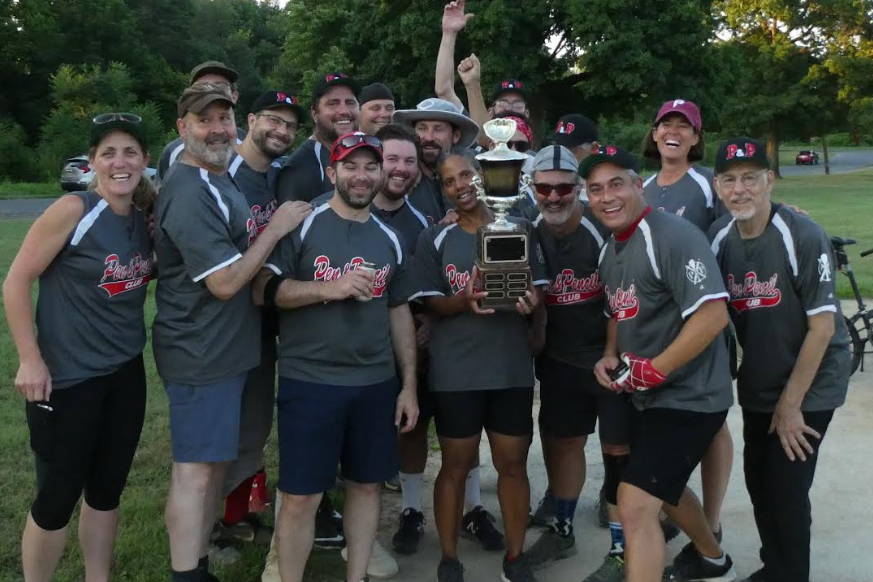
    Thomas Eugene Di Nardo was born Aug. 7, 1937. He played shortstop on the Germantown Friends School baseball team and later on the softball team for his favorite after-hours haunt, the Pen and Pencil Club.

    He married Diane Allen, and they had a son, Marc, and a daughter, Lisa. After a divorce, he met Margie Jones, and they traveled the world together, hosted memorable homemade pizza parties, and became longtime steadfast partners.

    Mr. Di Nardo and his partner, Margie Jones, traveled the world together. Courtesy of the family

    Mr. Di Nardo was interested in photography, history, and culture. He played piano, traveled to Italy often, valued education, and was a board member at Peace Day Philly.

    He followed the Phillies closely and was at Veterans Stadium when they clinched the 1980 World Series. He took his children to many concerts and chatted up the ushers and ticket takers as well as the performers.

    “He was affable, bright, and relational,” his daughter said. “He loved to share his passion.”

    His son said: “He encouraged everyone and treated people with respect and dignity. He wanted to know what they do.”

    Mr. Di Nardo (right) played softball for years with the Pen and Pencil Club team. Courtesy of the family

    In addition to his children, partner, and former wife, Mr. Di Nardo is survived by a sister, a grandson, and other relatives.

    A memorial celebration is to be held later. Memories may be sent to tomdmemories@gmail.com.

    Donations in his name may be made to the American Society of Music Arrangers and Composers, 11333 Moorpark St., No. 174, Studio City, Calif. 91602; and Philadelphia Sinfonia, 1315 Walnut St., Suite 300, Philadelphia, Pa. 19105.

  • Critics slam Shane Gillis for misogyny on ‘Saturday Night Live’ appearance

    Critics slam Shane Gillis for misogyny on ‘Saturday Night Live’ appearance

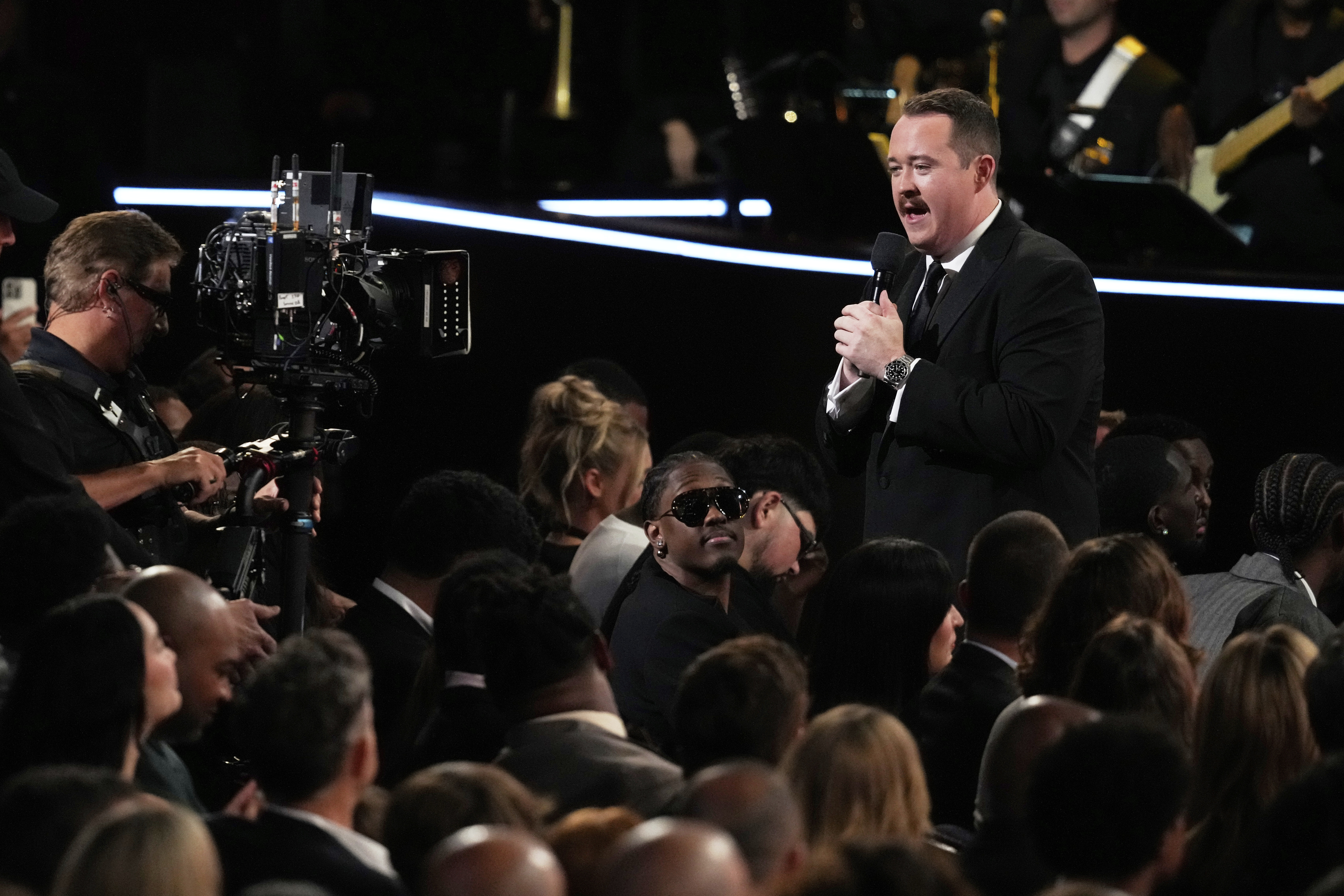
    Comedian Shane Gillis’ third time hosting Saturday Night Live is being characterized poorly by critics and, more broadly, the internet at large.

    Things were so rough that the Mechanicsburg native apologized for a slip-up before the show was over. But viewers say he has a lot more to be sorry for.

    During this weekend’s episode, which featured Gillis and musical guest Rosalía, Gillis said in his opening monologue that women dress like “whores” when they go to the gym.

    “Look, I’m sorry there’s no other way to describe it,” he added. The monologue has been viewed over a million times on SNL’s YouTube channel as of publication time.

    Viewers slammed his language, calling it misogynistic and tone deaf, especially in the weeks following news of the Cornell 7 sexual assault case, where a group of men are accused of a gang rape in 2024 at an Ivy League frat house. The case has led to women speaking out about their own experiences being objectified and abused.

    “Shane Gillis knows that there’s a major national conversation happening right now about sexual assault,” said feminist author Jessica Valenti in an Instagram post with over 1 million views. “When you demean and denigrate and dehumanize women … What do you think rape culture is?”

    Actor and fellow former SNL host Dan Levy also posted a reel criticizing Gillis’s monologue.

    “I’m speechless that something like that can exist on live national television, and to be perfectly honest, more men need to be standing up in opposition to it because it’s complacency that has created the environment with which women are sexually assaulted, and it’s a ‘conversation’ as opposed to a crime,” he said.

    Support for Levy’s stance against Gillis came quickly, including from celebrities like Jersey Shore’s Jenni “JWoww” Farley and Hacks star and Eagles enthusiast Hannah Einbinder.

    It’s not Gillis’ first time catching heat.

    In 2019, he was hired alongside Bowen Yang and Chloe Fineman to join the cast of Saturday Night Live. But before he could make his show debut, his invitation was rescinded after video clips showing Gillis using a racial slur for Chinese people, mocking Asian accents, and using homophobic slurs surfaced.

    Gillis has maintained the quotes from those videos were taken out of context and he would apologize to anyone offended by his remarks. He has gone on to have a successful comedy career, hosting SNL and starring in multiple specials and TV appearances.

    In the Tires star’s most recent SNL appearance, he ended up apologizing for an issue completely separate from the opening monologue. During a Dr. Seuss-themed skit with Andrew Dismukes and Mikey Day, Gillis dropped an f-bomb. The flub happened too quickly to be bleeped on the live broadcast. It has since been censored in reposts of the skit online. Gillis said “sorry about earlier,” at the end of the skit and apologized again at the end of the show during his goodnights.

    In July, Gillis celebrated a sold-out show at Lincoln Financial Field with special guest appearances by Dave Chappelle, Meek Mill, Three 6 Mafia, Jay Oakerson, Matt McCusker, Jason Kelce, Cooper DeJean, and Jordan Mailata.

    As of publication time, neither Saturday Night Live nor Gillis have responded to criticism about the monologue.

  • Fernet, waffles, and friendship: Tattoo tours through the food and hospitality scene

    Fernet, waffles, and friendship: Tattoo tours through the food and hospitality scene

    Chef Liz Grothe was just starting to toy with the idea of breaking out of corporate America and getting behind the line when she walked into a tattoo shop.

    “I thought, ‘If I get a tattoo on my hand, where it can’t be covered for interviews, I can start to force myself out of the safety of my office-job career,” she said. “And I can make the leap into becoming a cook-slash-bad boy.”

    Grothe, now the chef-owner of Scampi in Queen Village, left her job as a food-safety specialist at Tyson Foods about five years ago. She soon after got a shrimp tattoo on her wrist. “This was big for me,” she recalled.

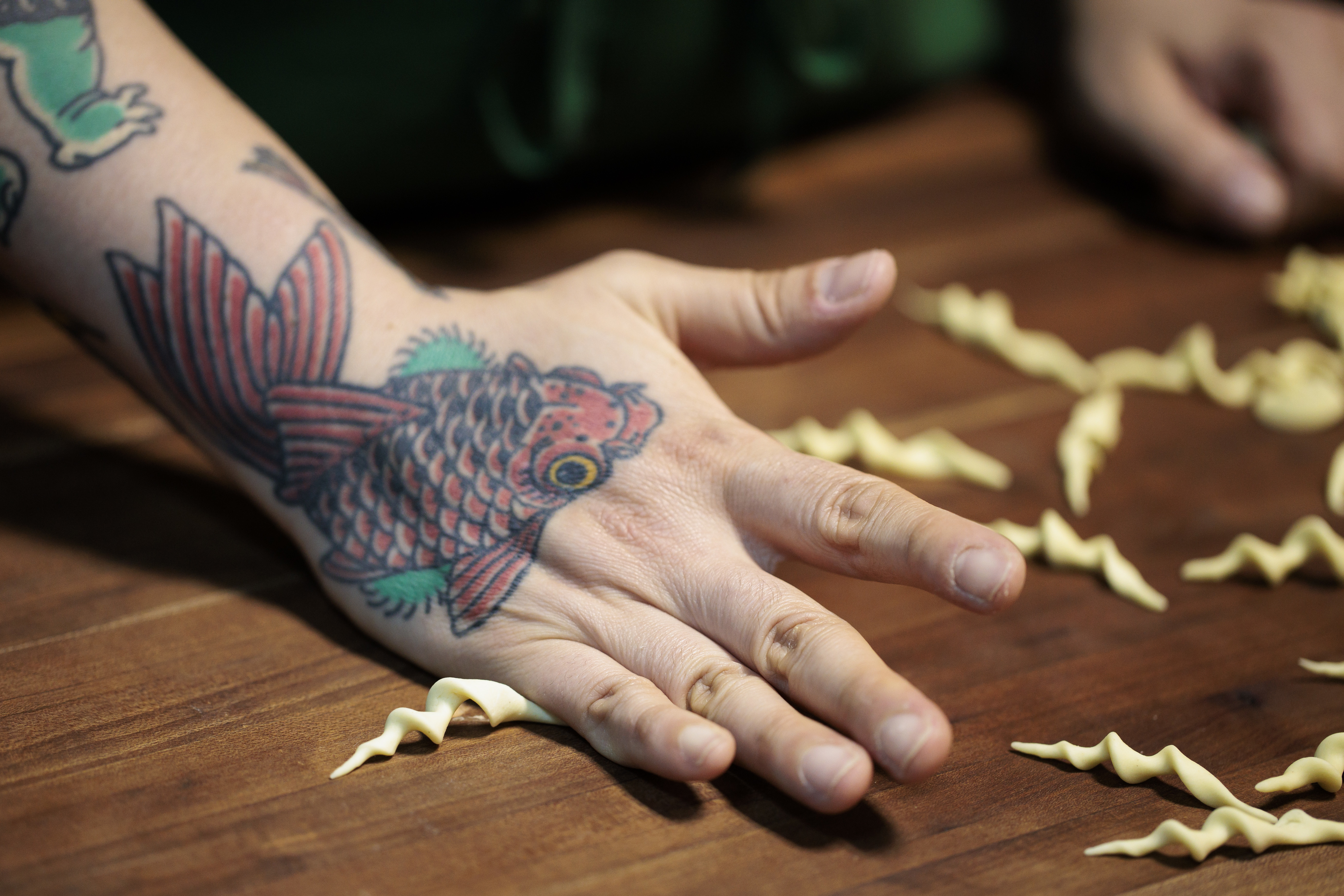
    Today, neck-deep into her passion project, Grothe has added more tattoos to her collection. A fish on her hand is prominently in sight when she rolls out pasta. Going down her arm, there are frogs working with seafood as a cheeky self-portrait: one is wrestling a catfish, and the other is carrying an octopus to be butchered.

    Chef Liz Grothe makes trofie pasta by hand at Scampi on Thursday, April 23, 2026 in Philadelphia.Monica Herndon / Staff Photographer

    She recently went full-tilt, getting a chest piece with two symmetrical shrimp (a nod to a famous Sailor Jerry tattoo piece featuring matching swallows) as an ode to Scampi: the place, the ingredient, and “the experience of it all.”

    Whether it’s a thoughtful tribute piece, a spur-of-the-moment filler, or something to cover an old burn mark from early kitchen days, tattoos historically go hand in hand with the food and hospitality industry — and they often come with fun stories.

    “Tattoos are forever, but so is whimsy,” said Michelle Fecanin, a barista at La Colombe in Rittenhouse. “Some have heavy meanings, some are artistic masterpieces, and some are just because I wanted a Mountain Dew can on the back of my arm! Is that a crime?!”

    We spoke with over a dozen industry pros nationwide about their favorite pieces and the memories behind them. Here are some of their stories.

    Interviews have been edited for length and clarity.

    Nic Macri

    Chef at Royal Tavern and a forthcoming Italian restaurant in Washington Square West (Philadelphia, PA.)

    I have a few on my legs that I hid from my parents for years. When my mom saw them, she threatened to scrape them off with a cheese grater (very Italian of her). When I was finishing up culinary school and somehow had extra cash, I got a few tattoos of Leonetto Cappiello posters on my arm with small illustrations that are in The Silver Spoon [an influential Italian cookbook] as gap fillers. I used and still use that book as a reference 20 years later. I got them over the course of a year at No Ka Oi Tiki Tattoo [near Fourth and South Streets] by Jackie Brown. She was the first person to ask if I was going to marry my wife! I have a tattoo for my wife of a Chicago-style hot dog. I don’t really like them, but my wife is from there. [I got it from] an old line cook, Amanda, who was doing apprentice tattoos there while Royal Tavern was finishing up Dog Days. I wanted to support her journey, and she crushed it.


    Michelle Fecanin

    Barista at La Colombe Rittenhouse (Philadelphia, PA.)

    I have a seemingly meaningless cup of coffee on the back of my arm. Let me paint the scene: I went to school, I got the degree, and found out it was all a scam. Entry-level office job for $15/hour or find the real meaning of it all. Being a barista sounded cool, and for the same hourly pay plus tips? It was a no-brainer. I started working at La Colombe. Being on my feet all day, learning the ins and outs of coffee, talking to hundreds of new, interesting people every day — it has its pros and cons for sure, but I fell in love. A year in, I really committed to it by getting a tattoo of La Colombe’s signature in-house mug, the Deruta cappuccino cup. Being a barista for the last four-plus years has changed my life in so many ways, and I’m so grateful. Shannon Keeley and Electric Artistry Tattoo [in Williamstown, N.J.] helped me bring the piece to life.


    Greg Harbour

    Bartender at Brewery ARS (Philadelphia, PA.)

    I was living in Santa Cruz, Calif., bartending at Surf City Billiards and Tattoo when my buddy Chris came in. I had just gotten back from a skate trip to Baltimore and drank my weight in Natty Bohs [shorthand for the city’s signature beer, National Bohemian]. He was hammered at my bar and started saying how I need a Boh tattoo, and I said, “On my el-boh!” Somehow, he woke up the next day at a decent time and texted me: “We doing this tattoo or what?” My wife, Jane Harbour, is also an amazing tattoo artist and works out of Eastern Pass Tattoo Co. [on East Passyunk Avenue]. Tattoos are a huge part of our life and love story.


    Tiffany Schleigh

    Traveling food stylist (New York City, Pittsburgh, Philadelphia, Cleveland, and Chicago)

    I think I’m up to 42 tattoos and they’re nearly all food. I wanted tattoos my whole life, and finally during the COVID-19 pandemic, I got a croissant tattoo that started out as a bet. The rest of my arm felt so empty; I ended up just giving a giant list of foods I love to the tattoo artist, and he filled my arm! We had mutual friends who got married down the block from his tattoo shop. I made their wedding cake, got to the venue, set up the cake, went to his shop, got tattooed for hours, and then we both changed and went to the wedding.


    Jesse Ito

    Chef-owner of Royal Sushi & Izakaya and dancerobot (Philadelphia, PA.)

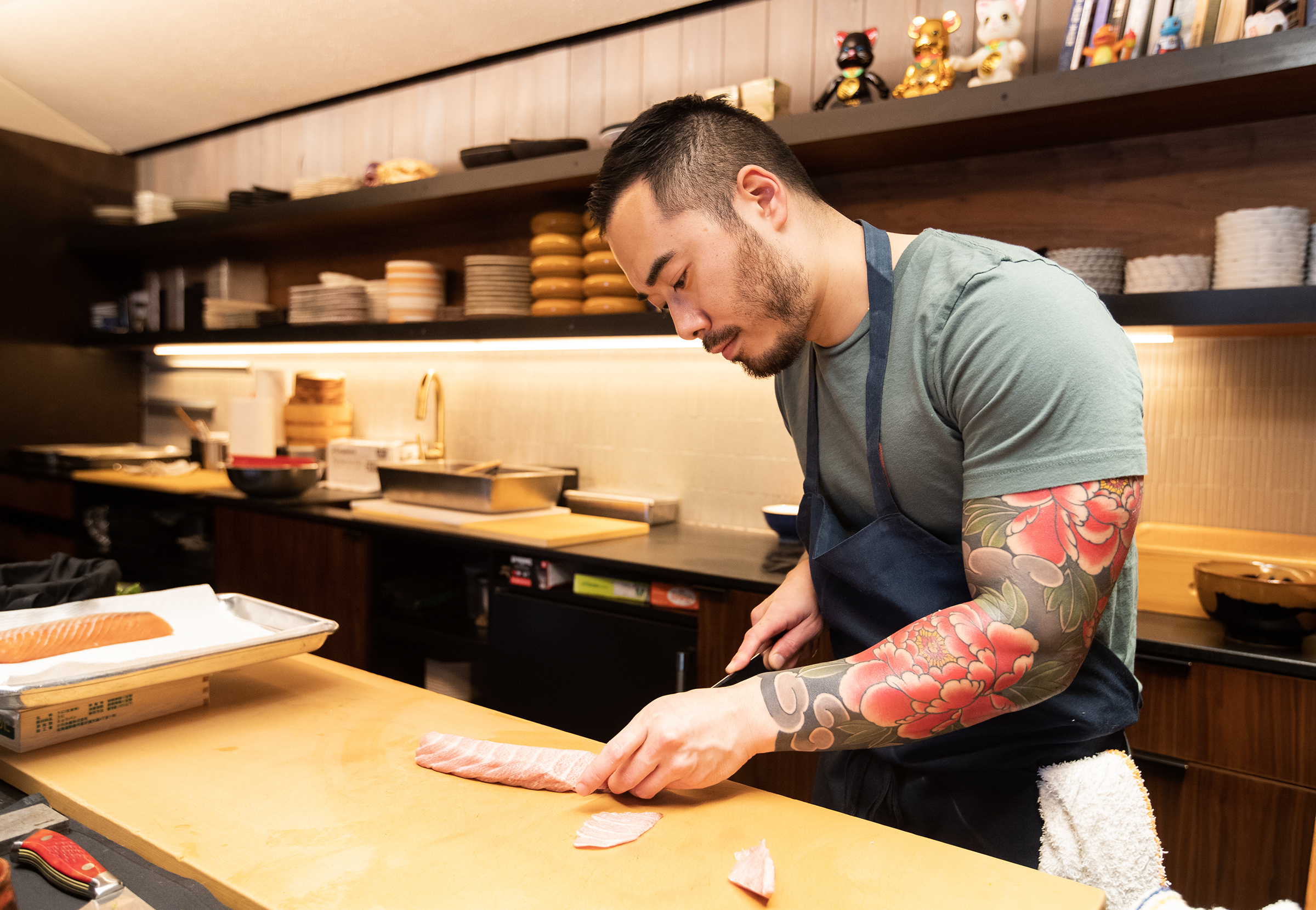
    Chef-owner Jesse Ito at work at Royal Sushi & Izakaya on May 31, 2024.Charles Fox / Staff Photographer

    My arm sleeves were done in London by Rodrigo Souto Bueno, who’s known for his Japanese-style freehand peonies. I went whenever I could get a few days off. My first session was Thanksgiving 2024. All in all, it took two and a half years, six trips, and 50 hours in the chair. My chest and stomach piece is a dragon done by a famous artist in L.A. I got it the morning after North America’s 50 Best ceremony in Las Vegas by the famous artist, Oozy. I left Vegas super-early and did a three-day, 20-hour blitz to get the piece done.


    Francois Castro

    Chef and co-owner of Chancho King (Jacksonville, Fla.)

    Thirteen years ago, I was living in New York and thought a quick job at a restaurant would help pay the bills. Now, it’s my career, and I’m still falling in love with it. I have “YES, CHEF” on my thigh and an oyster in the ditch of my right knee. Oysters give so much: a treat, filtration, protected waters. Plus, every chef has shucked bags and bags of oysters. I can’t help but think of this labor of love.


    Mara Steinitz

    Marketing Manager, Catelli Brothers Family of Foods (Collingswood, N.J.)

    My tattoo is of three cows on the inside of my right bicep. It’s industry-specific because I’m the marketing manager for a meat company, and before that, I was a whole-animal butcher. This tattoo was by Anna Outkin out of Philly, who already had a [pre-drawn] cow flash design. I asked her to do a custom version that was a recognizable steer, which eventually becomes beef — like the cows I work with — instead of a dairy cow. It’s a reminder of my roots in whole-animal butchery and my lifelong love of cows, plus it’s super-cute.


    Casey Rebecca Nunes

    Culinary Director at Sandy’s Muffalettas (San Francisco, Calif.)

    I started getting tattoos when I was 18 and honestly, I can’t get enough of them. At least fourteen of mine are food-related. I have a logo of my friend’s restaurant, Lucky Danger, in D.C. that I’ve never been to. We knew eachother for five days and met at a chef event in Houston. The chefs wanted to get matching tatts — as we’re known to do — and the logo for Lucky Danger is kinda cute [it’s a cheeky character wearing a bear costume] so I said ‘why not?!’ He couldn’t believe I did it. Now I get free orange chicken for life — if I can make it across the country.


    Anthony DiSabato

    Executive chef at Panorama Wine Bar (Philadelphia, PA.)

    I have a pretty good amount of tattoos. One arm is based on food themes, including the Muppets’ Swedish Chef cooking Kermit the Frog with an apple in his mouth and everything. It took seven hours. I also have Remy from Ratatouille holding a hunk of cheese on the inside of my forearm. My most recent addition is a Wu-Tang waffle. And next up in the next few months is going to be a cartoon-style sandwich like the ones from the old Tom and Jerry cartoons. My opposite arm is a full Japanese sleeve. Pretty much all of my pieces were done to cover up old burn scars from the early days on the line.


    Heather Jackson

    General Manager at Frankie’s Summer Club (Philadelphia, PA.)

    I got my Fernet tattoo in 2020 when the brand partnered with Irwin’s and Forever Valentine. I was a host at Irwin’s at the time, and it was my first industry gig. I was probably only six months in and still learning about classic cocktails — I had yet to hear about little miss Fernet. Staff was allowed to get a free tattoo, and I didn’t think twice. I picked the eagle and globe design (Fernet’s logo) and officially became a living ad for a brand I’d never heard of. It wasn’t until my shift was over and I headed to the bar for my shift drink that I got to taste what all the hype was about. The whole ordeal was hilarious to my coworkers. Long story short: I tasted it and loved it. I realized I was pretty much branded with stolen valor, but went on to probably ingest a million ounces of the stuff. Today, I don’t drink anymore — but the tattoo still gets compliments, and I remain good friends with my coworkers who also got tattoos that day. A good lesson learned is do always get the free tattoo. I wouldn’t change it for the world, and I’d do it again.

  • We have lattes at home: The rise of the at-home barista

    We have lattes at home: The rise of the at-home barista

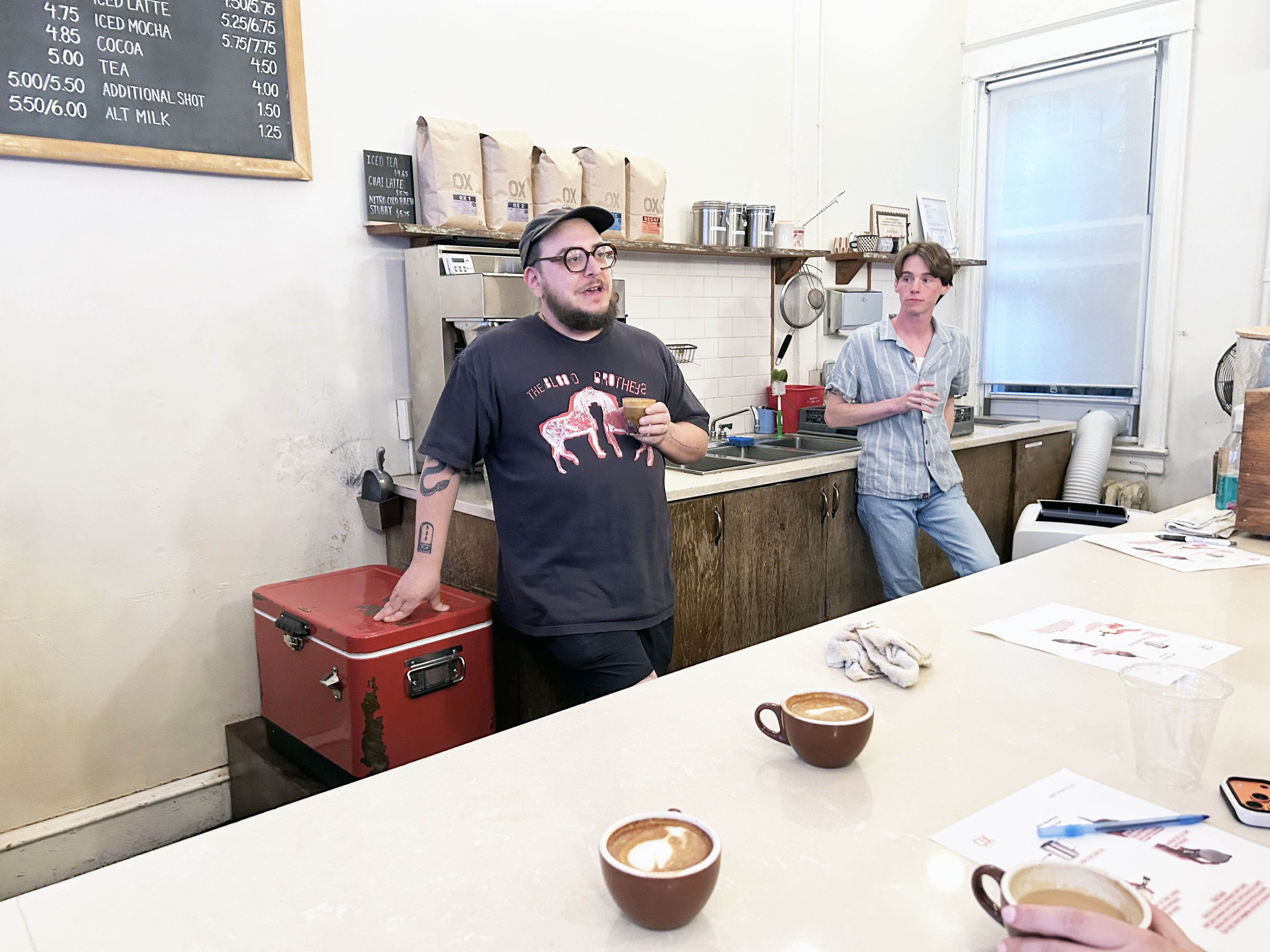
    Corey Regensburg’s working with a shiny chrome La Marzocco — the Cadillac of professional espresso machines. It purrs and whooshes as he pulls a double shot of espresso and sets it up for a latte tutorial. It’s well past Ox’s normal business hours, the sunset peers through the shop’s large windows and pulled-down shades.

    Regensburg, one of the shop’s consultants, steams milk in a frothing pitcher and demonstrates his latte pour for a crowd of four people huddled around the quartz countertop at Ox Coffee in Queen Village.

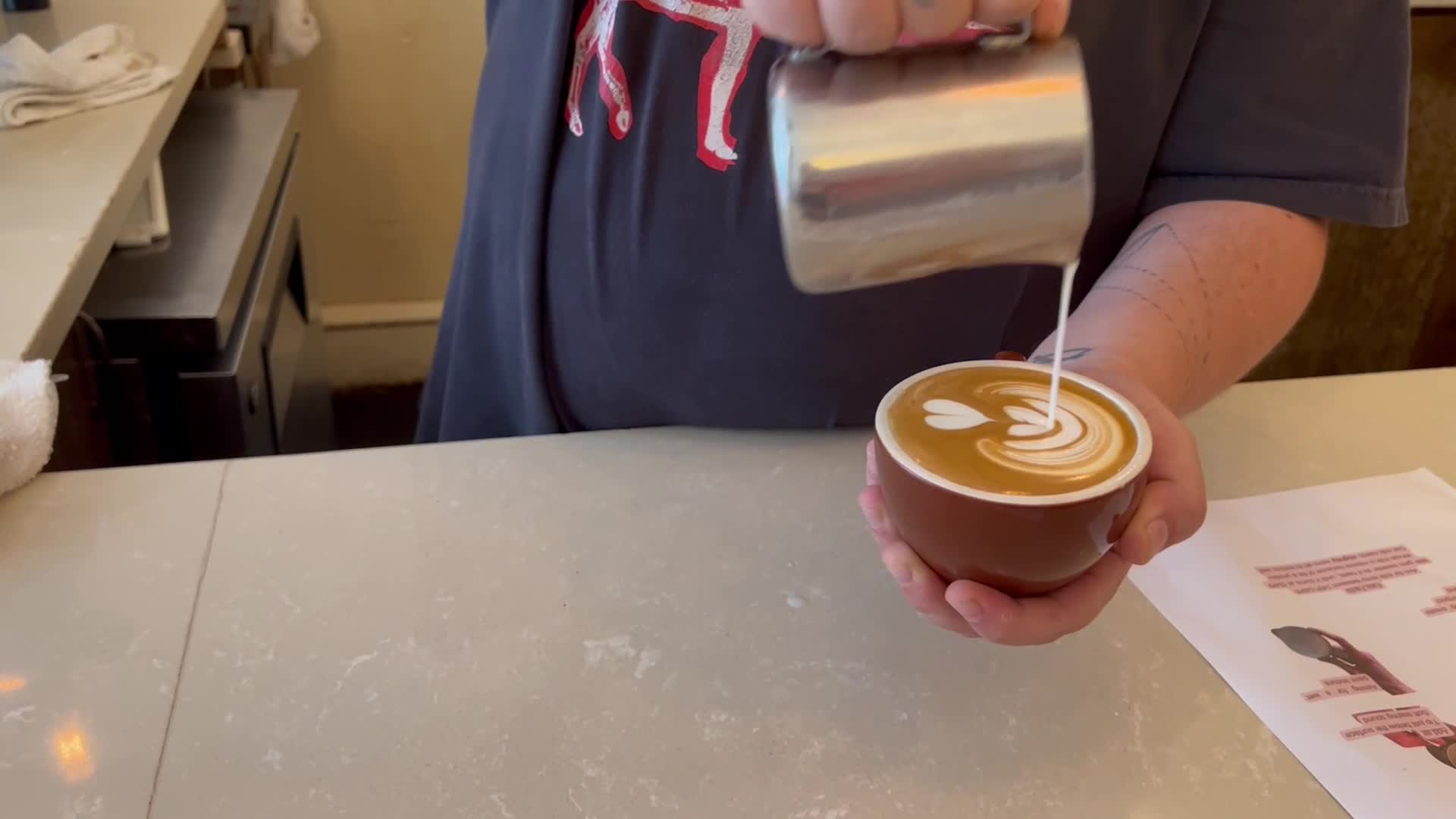
    “Pencil thin,” he narrates as the milk streams into the base of the mug, sinking under the espresso’s golden layer of crema. Then, “push, push, glide,” he instructs. The result is a tulip design, finished with two dainty hearts.

    The spectators at Ox aren’t new employees — they’re at-home enthusiasts, including a father-daughter duo who took the class to perfect their kitchenside almond milk lattes.

    Americans are buying all types of coffee makers and brewing at home more, according to the National Coffee Association, with ownership of countertop espresso machines growing by 50% in 2025 and still on the rise in 2026. Breville Kitchen Group, especially, has seen a surge in sales among amateur espresso makers, with a range of high-end automatic and semiautomatic machines.

    “COVID triggered a rise in at-home espresso,” Regensburg said. “Breville boomed like 10 times, and everyone else — from Panasonic to Ninja — hopped on.”

    Industry experts say the global espresso and coffee machine market is rapidly expanding, driven by a “prosumer” movement: enthusiasts at home who crave high-end gear to make cafe-style drinks.

    Now, coffee shops are leaning into the phenomenon, offering lessons to hobbyists to help master the craft. It illustrates a larger trend across the food service industry: teaching as a way to diversify revenue, build relationships with customers, and fulfill patrons’ desire to peek behind the curtain.

    Across Philly, you’ll find Mighty Bread teaching croissant classes, Jezabel’s hosting empanada-making courses, the Bread Room with pizza lessons, Bloomsday with wine 101 sessions, and plenty more.

    “It’s really exciting because it adds something to the dynamic besides going to eat or drink, which is wonderful but one-dimensional,” Jonathan Deutsch, director of Drexel University’s Food Lab, said.

    Corey Regensburg and Leo Dowd lead a Latte Art 101 class at Ox Coffee.Emily Bloch

    Leo Dowd runs Ox’s coffee class program. He says the shop has hosted about 10 classes so far on topics including espresso 101 and latte art for beginners. The classes allow everyday customers to get behind the bar and learn from the pros.

    “The rise of remote and hybrid work has played a big role [in coffee classes], along with DIY culture on social media,” Cody Wood, a barista trainer at Crema Coffee in Nashville, said. Crema runs a host of classes inside a training lab at its downtown location. “Overall, it seems more people are tackling home projects, baking bread, learning to cook, trying new experiences on their own, and learning to make the best coffee at home.”

    At Ox, the students take turns behind the La Marzocco — a powerhouse compared to any home espresso machine. They sheepishly tinker with the steam valve under Regensburg’s tutelage, practicing with water before moving onto whole milk.

    As the milk steams, he calls out cues for students to look out for, like the sound of paper tearing and the appearance of white paint. Dowd picks out a Sonny Stitt record and puts it on in the background.

    Ox Coffee consultant demonstrates pouring milk in a Latte Art 101 class
    Video: Ox Coffee consultant demonstrates pouring milk in a Latte Art 101 class

    Coffee shops giving away tricks of the trade — including recipes — hasn’t hurt sales, either. If anything, the rise of the at-home barista has helped them.

    “Zahav’s hummus recipe is published everywhere, for instance, and it doesn’t mean that you are going to necessarily make it,” Deutsch said. “Coffee’s different because on one hand, it’s really easy to make if you know what you’re doing. But on the other hand, to do espresso drinks really beautifully, you need the right equipment. And there’s awesome home equipment like the Breville, but it’s still not the same as going to a coffee shop and having a really properly pulled, professionally done espresso.”

    Wood at Crema in Nashville says the same people who take their coffee classes are also coming back to try new roasts and to talk shop.

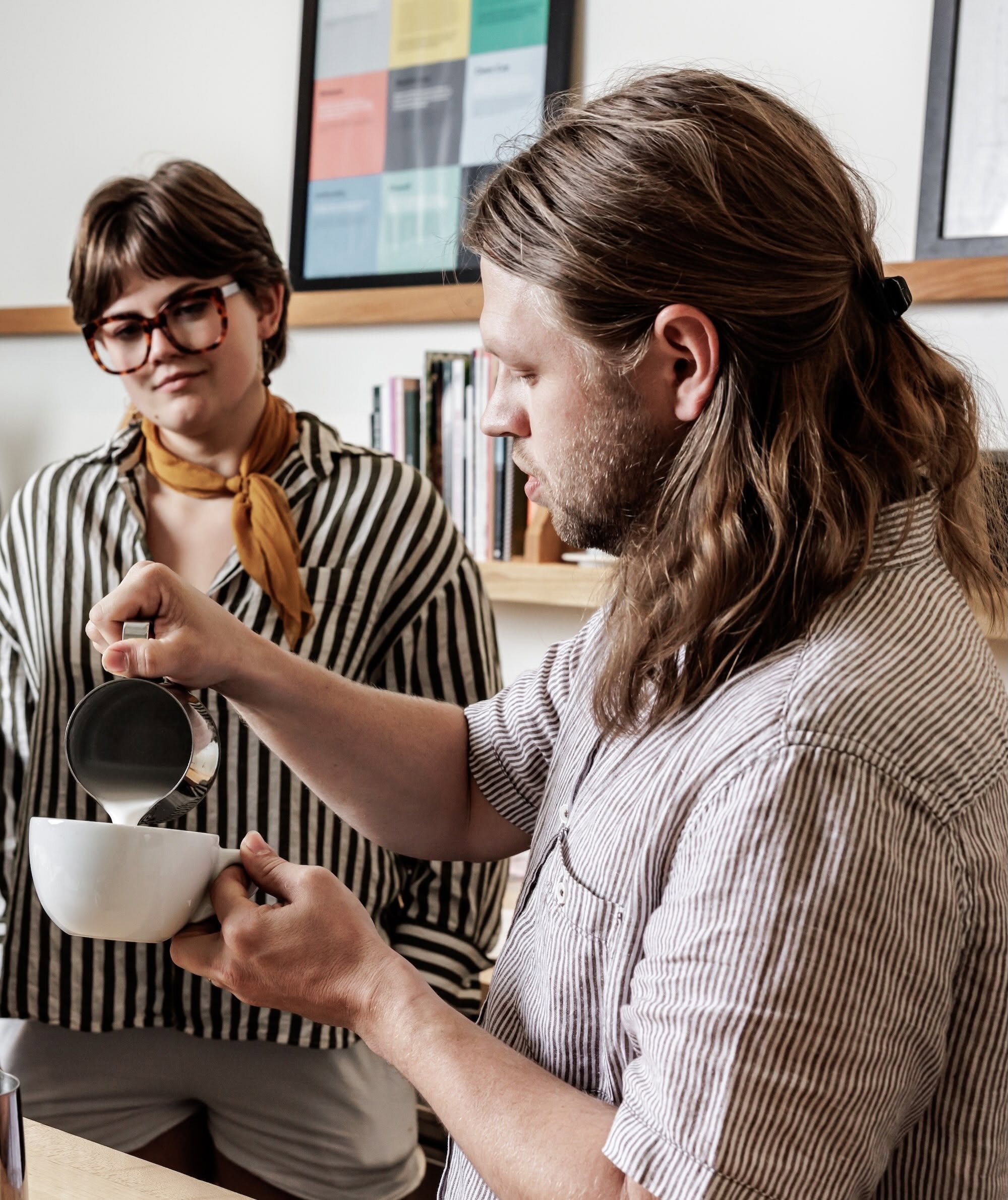
    Cody Wood demonstrates a pour at Crema in Nashville. Wood, a barista trainer, also leads Crema’s public education program.Courtesy of Crema

    “My hope is that we continue to see better coffee brewed and shared in both cafes and homes,” he said. “Coffee has always been a communal experience. Everyone I know who loves making coffee loves sharing it with others.”

    Coffee classes nationwide average around $100 per session. Ox’s classes cost between $95-$135 depending on the intricacy.

    “That’s a lot of cups of coffee you would have to sell to get that kind of revenue,” Deutsch said.

    Deutsch said this approach is wise since during regular business hours, coffee sales rely on convenience and speed.

    “If you’re standing in line at 7 a.m., it’s not really a great time to ask about the sustainability of the beans and provenance and all this kind of stuff you might be curious about as a coffee nerd,” he said. “The whole idea of building a relationship with guests on a more substantive level makes sense. Also, if you go out, you’re going to spend a hundred bucks easily on a few drinks and some music. Why not educate yourself and do something entertaining that will stay with you?”

    Gloria Sullivan tried and reviewed 100 Philly coffee shops for her followers. Today, she creates her own signature drinks at home. She’s shown here trying an Ice Drip Coffee with half and half and an Iced Earl Gray Tea at Vault + Vine in Philadelphia in 2023.Jessica Griffin / Staff Photographer

    On social media, TikTok feeds are flooded with content creators attempting to create (or recreate) their favorite lattes and little treats at home.

    Philly-based creator Gloria Sullivan — aka @_gloyoyo_ — often documents her morning coffee ritual for her more than 700,000 followers. She alternates between her Breville Bambino, a moka pot, and other methods when making her coffee.

    “In the beginning, a lot of coffee creators framed their videos as ‘stop buying coffee out, make this at home instead’ and now it feels more focused on creativity, finding fun ways to make drinks at home exciting,” Sullivan said. “Making coffee is as much of a hobby as knitting or reading or baking, coupled with the fact that a lot of people want to start making content online and there’s not a super high barrier to entry for making coffee at home.”

    @_gloyoyo_ banana pudding🍌🌸 & a coffee to match🍌☕️ #bananapudding #bananacoffee #bananasyrup #coffeesyrups #icedcoffeerecipe ♬ original sound – Glo

    By the end of class at Ox, half empty mugs and rags are scattered across the bar. The level of proficiency after an hour and a half varies, but every guest has managed to get their milk to skate on top of their mug of espresso.

    The amateur work isn’t close to Regensburg’s tulip, but he remains encouraging.

    “I know that latte art is sexy and fun and it looks good on Instagram,” he said. “But this — milk texture — is what matters. Latte art got big because it’s indicative of good milk texture.”

    Dowd anticipates Ox’s coffee class schedule will ramp up this fall and winter as locals look for indoor activities.

    Currently, Ox appears to be the only Philly shop offering courses. But Deutsch wouldn’t be surprised if that changes soon enough.

    “I think it’s a really good idea,” he said. “The positives outweigh the risks of teaching people your secrets. I really think that’s more a mythology than a reality that’s borne out.”

  • Flyers update arena rendering after fans say women were left out of the first version

    Flyers update arena rendering after fans say women were left out of the first version

    The Sixers and Flyers released the first public renderings of their new arena, which is scheduled to open in 2030, earlier this week.

    Two images, which were created by Populous, the global design firm responsible for the arena’s conception, showed fans attending basketball and hockey games in the new state-of-the-art digs. But some fans say the Flyers’ rendering was missing one key detail: female fans. What ensued was a Where’s Waldo? level of analysis by people on the internet. The Flyers have since updated the rendering.

    The original Sixers rendering had a handful of what appeared to be female-presenting fans, wearing crossbody purses over their jerseys, with long hairstyles and ponytails. The Flyers version was more ambiguous. There appeared to be some women sitting toward the top of the image, in clusters across the stairs, but none wearing Flyers gear.

    A Populous spokesperson said the company accepted responsibility for the oversight and worked quickly to update the rendering as soon as it became aware of the issue.

    “The website now reflects the updated image,” the spokesperson said.

    Camille Barrière was one of the initial critics who pointed out the apparent lack of women via an X post. Barrière, who lives in Paris, studied architecture and is pursuing her master’s degree in media design at the School of Design Nantes Atlantique, with a focus on the delegitimization of women and non-male sports fans.

    When the renderings came out, Barrière said online that it was “new source material” for her thesis. Her post has been viewed nearly 200,000 times on X and has since spread to other social media platforms, particularly Reddit and Instagram among women’s sports pages.

    Some fans worry the lack of visibly female fans in the original rendering was more than an innocent mistake and is actually indicative of the male-centric way sports fandoms are still stereotypically viewed. Others say it’s not that serious and this much intense dialogue based off a rendering is laughable.

    “As a woman, I’m hyper aware of the amount of men in public spaces, and it’s for that reason that the image struck me. I continued searching and couldn’t find a single woman in Flyers gear in that picture,” Barrière told The Inquirer.

    Creating architectural renderings is not one size fits all and the process can vary considerably, but the final product can help represent the future of a space and who it belongs to, says Rashida Ng, an architecture professor at the University of Pennsylvania’s Stuart Weitzman School of Design.

    “I wouldn’t presume to know how or why the particular Flyers image was produced, or suggest that the omission was intentional,” she said. “But something can be unintentional and still be meaningful. If an image of a major public venue inadvertently leaves out a substantial part of the public, I think it’s worth asking how that happened.”

    The Gist and Togethxr, two popular women-founded sports media brands, called out the original renderings on Instagram. Reports show women are one of the fastest-growing audiences in sports.

    “They’re buying season tickets, filling arenas, creating fan communities, and shaping sports culture across every major league. The future of sports already includes women,” the Gist wrote in its post. “The renderings should too.”

    Ng says she sees the rendering debacle as a “teachable moment.”

    “Design is not neutral. The spaces we create — and the images we use to imagine and communicate them — both reflect and shape ideas about who belongs, who is welcome, and whose experiences matter,” she said. “That doesn’t mean every design decision or omission is intentional, but it does mean that designers have a responsibility to think critically about the worlds their work helps to envision.”

    Thursday morning, the Flyers updated the rendering on its website with a new version, one that added many new visibly female fans.

    As for Barrière, she’s shocked that a non-fan’s observation from across the world sparked discussion.

    “If my silly tweet that was just meant for my 40 followers can initiate a discussion on the issue, then I’m all for it,” she said. “I think inclusivity in hockey spaces, whether online or in real life, still has a long way to go, and calling out the teams directly is one of the ways we can help move the conversation forward in a positive direction.”

    And thinking about those women fans is particularly pertinent for the new arena — it’s also the future home of Philadelphia’s new WNBA franchise.

  • Metropolitan Museum of Art scraps John Galliano-focused Met Gala plans

    Metropolitan Museum of Art scraps John Galliano-focused Met Gala plans

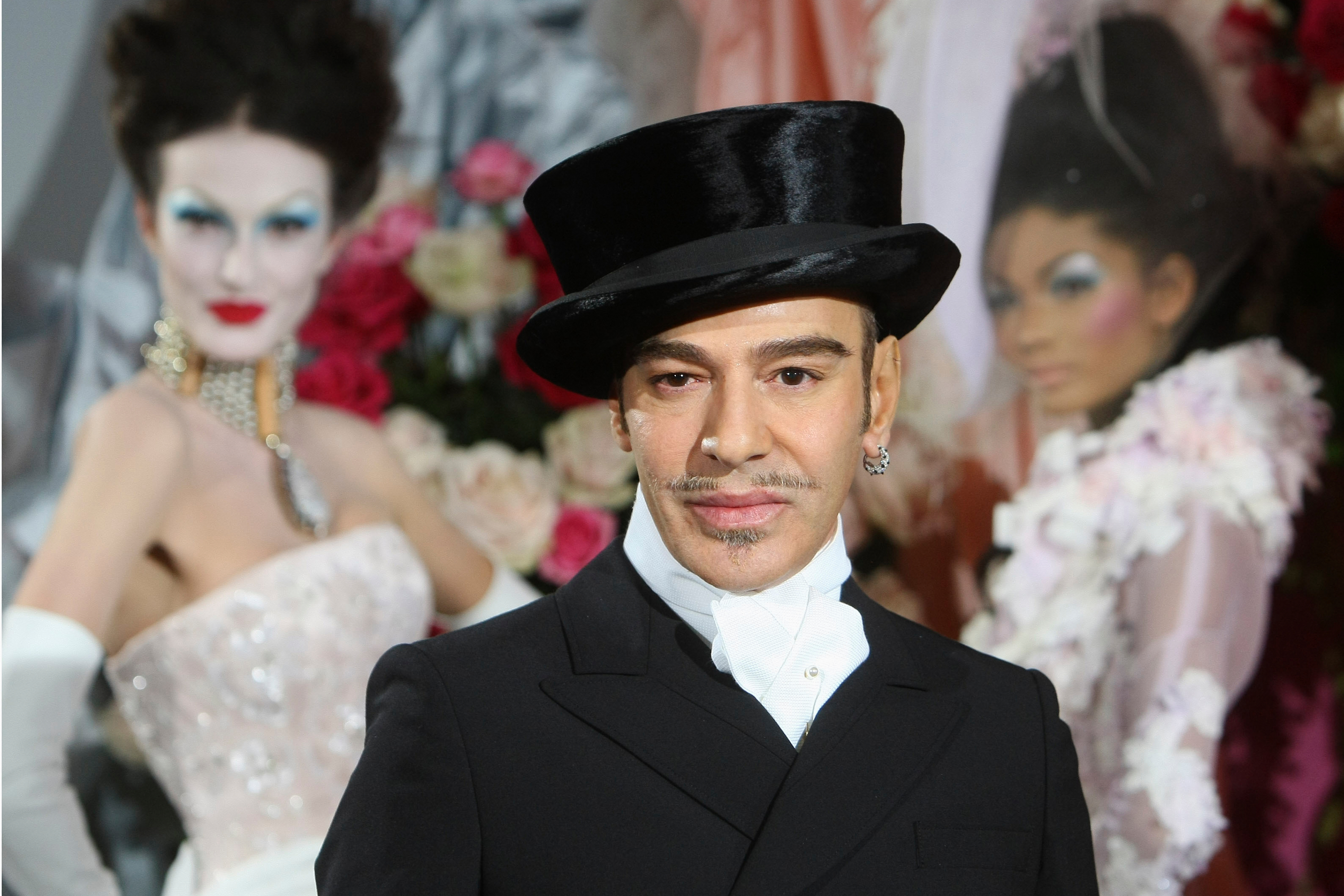
    Next year’s Met Gala will not spotlight controversial fashion designer John Galliano after all.

    The Metropolitan Museum of Art and Galliano announced in a joint statement that the museum would not move forward with John Galliano: Horizons. Galliano, 65, is a British designer who has worked for some of the industry’s top fashion houses, including Christian Dior, Givenchy, and Oscar de la Renta.

    At the peak of his career, he served as Dior’s creative director for nearly 15 years. But in 2011, he was infamously canceled after his conviction in a Parisian court over a series of racist and antisemitic comments. It cost him his job leading Dior. At the time, Galliano said his alcohol abuse sparked the outburst.

    The museum’s retrospective was reportedly going to highlight the fashion director’s portfolio while also addressing his personal life, including his public exile and the work he later did to atone and get sober.

    “Following thoughtful discussions with many stakeholders and with John Galliano, we together have decided not to proceed with the exhibition,” said Metropolitan Museum of Art director Max Hollein.

    The announcement came exactly one month after the initial Met Gala theme reveal. Galliano’s exhibit would have only been the third retrospective for a living designer in the Costume Institute’s history.

    While fashion experts largely agreed the fashion director’s work is seminal, critics said the exhibit’s timing — which coincides with a global surge in antisemitism — was cause for concern.

    Professional thrifter and fashion writer Virginia Chamlee previously told The Inquirer that while the Met was equipped to accurately cover the designer’s checkered past, she was concerned about whether the storytelling would resonate with the average Met Gala consumer.

    The annual exhibit’s largest publicity draw is a televised red carpet where celebrities invited often wear pieces by or paying tribute to the spotlighted designer — not the exhibit itself.

    “Even if the museum intends to offer a complete examination of Galliano’s complicated legacy, it may come off as a straightforward celebration of someone who said things so heinous and racist that they were charged and fired for them.”

    In the joint statement, Galliano himself said he requested not to move forward with the exhibit.

    “After much reflection and discussion with The Met and all those involved, I have decided, with great sadness, that it is best for the exhibition not to take place at this time,” Galliano said. “I remain fully accountable for the pain caused by my words in the past, particularly the hurt I caused to the Jewish and Asian communities, and I remain deeply sorry for it. I understand that meaningful atonement is not achieved through an exhibition, institutional recognition or a single public gesture. It is a continuing responsibility, demonstrated through listening, learning and one’s conduct over time.”

    Galliano went on to thank Anna Wintour, a longtime champion of Galliano’s and the global editorial director of Vogue, chief content officer of Condé Nast, and Met Gala chairperson responsible for the event’s programming.

    In her extended statement to Vogue, Wintour framed Horizons’ cancellation as a “postponement.”

    “John’s decision to ask the Museum to postpone the exhibition devoted to his work is very courageous and a measure of the man he is,” she said. “I believe this is the right decision, and both he and the Museum have my full support.” The Met’s version of Wintour’s statement does not use that phrasing.

    Information on a new Spring Costume Institute exhibition and the 2027 Met Gala will be announced later, the museum said. The Gala itself was initially scheduled to take place May 3, though it’s unclear if that date would shift in light of the exhibit change.

  • Dolly Parton, music star, actor and beloved figure who spanned generations has died at 80

    Dolly Parton, music star, actor and beloved figure who spanned generations has died at 80

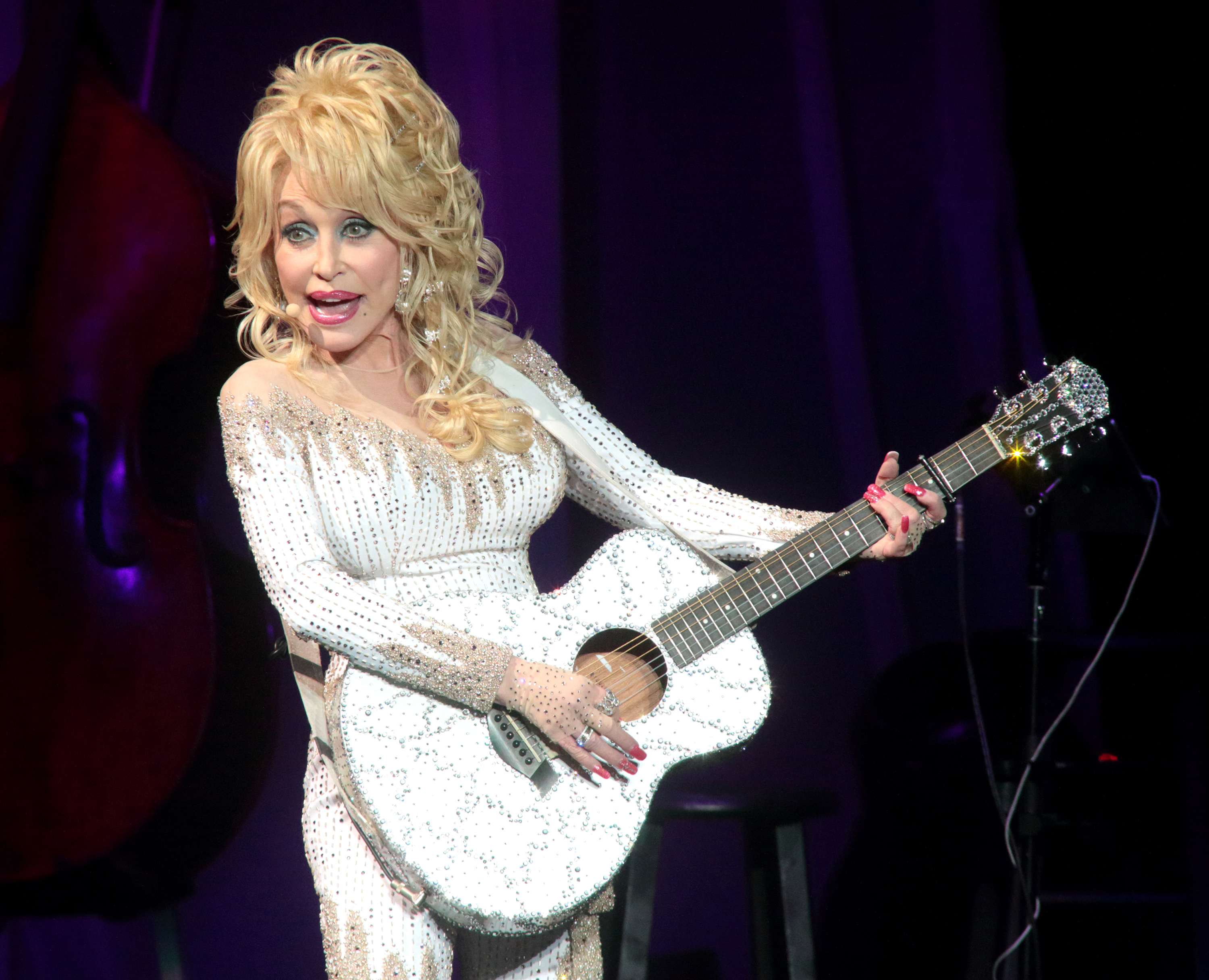
    Dolly Parton, the country music icon whose soaring vibrato vocals, poignant songwriting and sparkling costumes defined her rise from a log cabin in the Tennessee mountains to the height of stardom and acclaim, has died. She was 80 years old.

    Known for her curvy physique, massive blonde wigs and skin-tight outfits that served her self-deprecating wit, she was among the most beloved personalities in music and beyond — the rare celebrity whose appeal transcended generations, geography and politics.

    She wrote hundreds of songs, including classics like “Jolene,” “Coat of Many Colors” and “I Will Always Love You,” that totaled more than 100 million worldwide sales and more than 1 billion online streams. Parton, who plucked bejeweled banjos, guitar and dulcimers with her long fingernails during performances, was a generous philanthropist and successful businesswoman whose projects included a theme park in the Smoky Mountain foothills near her birthplace.

    Her career was forever influenced by her upbringing as one of 12 children born into what she called a “dirt poor” Tennessee family. She started her education nonprofit, Imagination Library, to send free books to children in Tennessee because her father, who quit school to work on the farm, struggled to learn to read.

    Parton’s first musical performances were in church, where her grandfather was a preacher. By age 10, she was learning guitar and singing on local television shows. At 13, she appeared on the Grand Ole Opry in Nashville, where Johnny Cash introduced her as “a little girl here from up in East Tennessee.”

    With a suitcase of songs, she followed her uncle, Bill Owens, also a songwriter, to Nashville after graduating high school in 1964. Fred Foster, who produced Roy Orbison, Willie Nelson and more, saw her potential and got her songs cut by other artists, as well as recording and releasing Parton singing her own material. By the mid-1970s, Parton was a Nashville queen.

    A key collaboration with Porter Wagoner

    Parton’s partnership with Porter Wagoner, a pencil-thin pompadoured star with flashy rhinestone outfits, was key to her career. She honed her acting skills on his syndicated TV show and he advocated for her to get a record deal at RCA. Their first duet, “The Last Thing On My Mind,” was released in 1967, the same year she started her own publishing company.

    While their duets were often big radio hits, Parton’s solo singles didn’t chart as high at first. With Wagoner as a co-producer, she began to adjust her country warble to a more polished, pop-leaning style.

    She got her first No. 1 solo single with “Joshua,” and reached the Top 5 with the ballad “Coat of Many Colors,” about how her mother sewed together scraps of clothes to make a coat Parton wore “so proudly” even as her peers mocked her for being poor. The song, with its Biblical references and ode to maternal love, was later made into a children’s book and a TV movie.

    In 1973, she had the hit that made her career — “Jolene,” a country music standard with its steady, churning rhythm and Parton’s repeated delivery of the title as she pleads for the woman not to steal her man.

    The song topped the country charts, crossing over to pop and later being released internationally, opening up new audiences for Parton. “Jolene” is one of her most covered compositions, including by Miley Cyrus (Parton’s goddaughter), Olivia Newton-John and The White Stripes.

    She left Wagoner’s show in 1974, amid reports of squabbling between the two, although they continued to record together and Wagoner stayed her producer for years after that. But the relationship turned litigious when Wagoner sued her in 1979 for millions in management fees and royalties.

    A pop crossover star

    She followed “Jolene” with a huge hit in 1974, “I Will Always Love You,” an ode and farewell to Wagoner that helped her win the Country Music Association’s female vocalist of the year back-to-back in 1975 and 1976. She famously turned down Elvis Presley, who wanted to record it, because she would not share publishing rights.

    Decades later, Whitney Houston’s version of “I Will Always Love You” became a smash for the soundtrack of her 1992 film “The Bodyguard,” and broke sales records. Houston won a Grammy for her performance in 1994, presented to her by Parton.

    “Here You Come Again,” a pop crossover hit and one of the few she didn’t write, further established Parton as a multi-genre entertainer and brought her first Grammy Award in 1979.

    “A lot of people thought I had totally lost my mind,” she told The Associated Press in 1979 of changing her singing style. “But I had no fear of change. I expected success, but I was braced for failure. I didn’t care if people thought I was wrong. In my own heart, I knew I was doing the right thing.”

    Parton’s other crossover hits included the title song from “9 to 5,” the 1980 comedy starring Parton, Jane Fonda and Lily Tomlin; and her duet with longtime friend Kenny Rogers, “Islands in the Stream,” written by brothers Barry, Maurice and Robin Gibb of the Bee Gees. In 1987, she collaborated with Linda Ronstadt and Emmylou Harris on the million-selling “Trio” album.

    Down home charm

    For millions of fans, she was simply “Dolly,” a mixture of Southern charm, humor and glamour. But she was also considered a feminist role model for holding the reins of her own career, writing her own songs, owning her content and looking after her finances in an entertainment world dominated by men.

    Parton was open to making fun of herself; when she hosted “Saturday Night Live” in 1989 she told the writers that her only restrictions were she wouldn’t curse and she wouldn’t make fun of Jesus. She regularly joked about her breasts or her dumb blonde appearance, but with a wink that she was the one controlling the laughs. In the memoir “My Life So Far,” Fonda remembered Parton’s way with a wisecrack, “usually high raunch,” and a laugh that was “somewhere between a girl’s giggle, an explosive shriek, and a cascade of little bells.”

    After her gown split down the front when she won CMA’s entertainer of the year in 1978, Parton quipped: “My Daddy said that’s what I got for putting 50 pounds of mud in a five-pound bag.”

    Throughout her career, she embraced her glamorous style, often wearing custom curve-hugging rhinestone dresses and bodysuits even if they drew tsk-tsks from others in the industry. Her look was always a part of her larger musical business plan.

    “I knew my songs were good even if I had been ugly as sin,” she told the AP in 2014. “So I thought, ‘Well, I would have probably chose to look this way even if I had been a waitress.’ I mean, this is my look. I mean, I like a lot of makeup. I like a lot of hair. I like flashy clothes. I like to show it off. But that’s just who I am.”

    She married Carl Dean, an asphalt paving contractor, in the mid-1960s; they were together until his death in 2025 at the age of 82. Though rarely seen in public, he was an influence on her career. She told NPR that she wrote “Jolene” about a flirty bank teller who seemed to take an interest in Dean.

    ‘9 to 5’ to Hollywood and Broadway

    In her first major film role, Parton played alongside Fonda and Tomlin as office workers who rebel against their tyrannical boss in “9 to 5.” Critic Roger Ebert called her a “natural-born movie star” and the title song earned her two Grammy Awards and a ranking of 78 on the American Film Institute’s list of top 100 movie songs. Starring roles in the “The Best Little Whorehouse In Texas” and “Steel Magnolias” followed.

    “I never thought of myself as a movie star,” she told AP’s Bob Thomas in 1979. “I knew I’d be a star, but as a singer or as a writer of songs or books or poetry. I wanted to be a famous performer and wear flashy clothes, but singing in movies was not one of my ambitions. My family lived in the mountains and we didn’t see movies.”

    Her love affair with TV and film continued for decades, with appearances alongside Cyrus on “Hannah Montana” and adaptions of her music for Christmas specials, films and streaming series. She also became an author, her books ranging from the memoir “Dolly” to a bestselling novel co-authored by James Patterson, “Run, Rose, Run,”

    The stage adaptation “9 to 5: The Musical” debuted in 2009, and “DOLLY: A True Original Musical” had been set to open in December 2026.

    United States of Dolly

    Beyond her music, Parton’s most lasting legacy might be her generosity and broad appeal.

    When a deadly wildfire swept through the Smokies in 2016, she held an all-star telethon and set up a foundation that sent monthly checks to residents whose homes were damaged or destroyed.

    She opened up her Dollywood theme park in East Tennessee, a major economic driver in Appalachia that draws tourists from around the country, and established the Dollywood Foundation. She wrote books and memoirs, was inducted into the Country Music Hall of Fame and was given a lifetime achievement award by the Recording Academy. She was selected for the Jean Hersholt Humanitarian Award from the Academy of Motion Picture Arts and Sciences in 2025.

    With 55 Grammy nominations and 10 wins, Parton is the third-most nominated woman in Grammy history, only behind Beyoncé and Taylor Swift.

    Parton spanned social and political divides, through multiple generations of fans, urban and rural and in between. In tumultuous election years, it wasn’t uncommon to see “Dolly for President” shirts. But she was strict in not voicing her own political beliefs, often turning aside questions about presidents, candidates, policies and other controversies.

    “I don’t do politics,” Parton told host Jad Abumrad on his hit podcast “Dolly Parton’s America.”

    “I have too many fans on both sides of the fence. Of course, I have my opinion about everything, but I learned years ago to keep your mouth shut about things.”

    When the Rock & Roll Hall of Fame Foundation sent out a ballot in 2022 with her name on it, though she said she felt she hadn’t earned it, the voters answered with a “Hello, Dolly.” Parton showed up to the induction ceremony, performed and then put out a rock album.