Corey Regensburg’s working with a shiny chrome La Marzocco — the Cadillac of professional espresso machines. It purrs and whooshes as he pulls a double shot of espresso and sets it up for a latte tutorial. It’s well past Ox’s normal business hours, the sunset peers through the shop’s large windows and pulled-down shades.
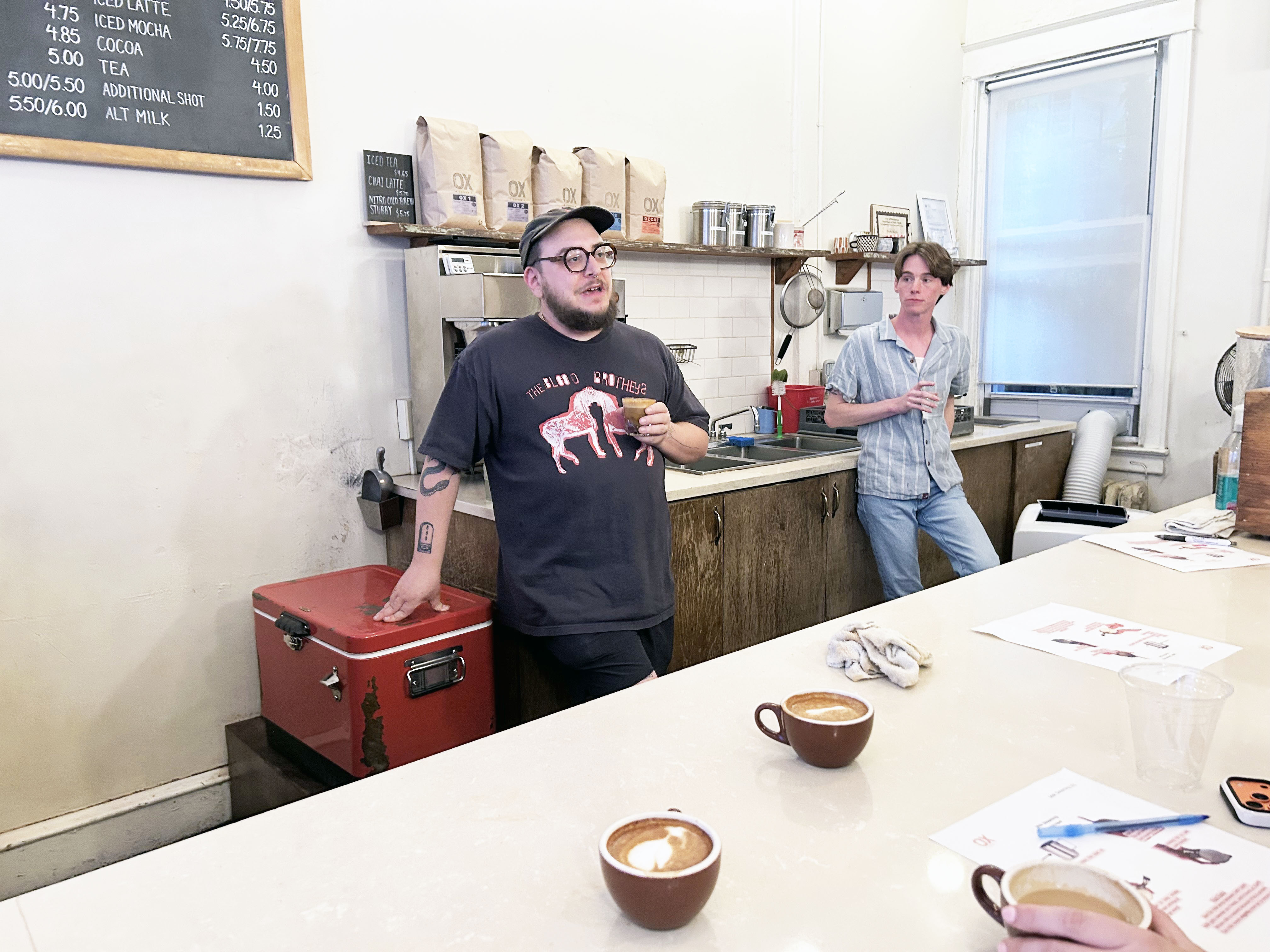
Regensburg, one of the shop’s consultants, steams milk in a frothing pitcher and demonstrates his latte pour for a crowd of four people huddled around the quartz countertop at Ox Coffee in Queen Village.
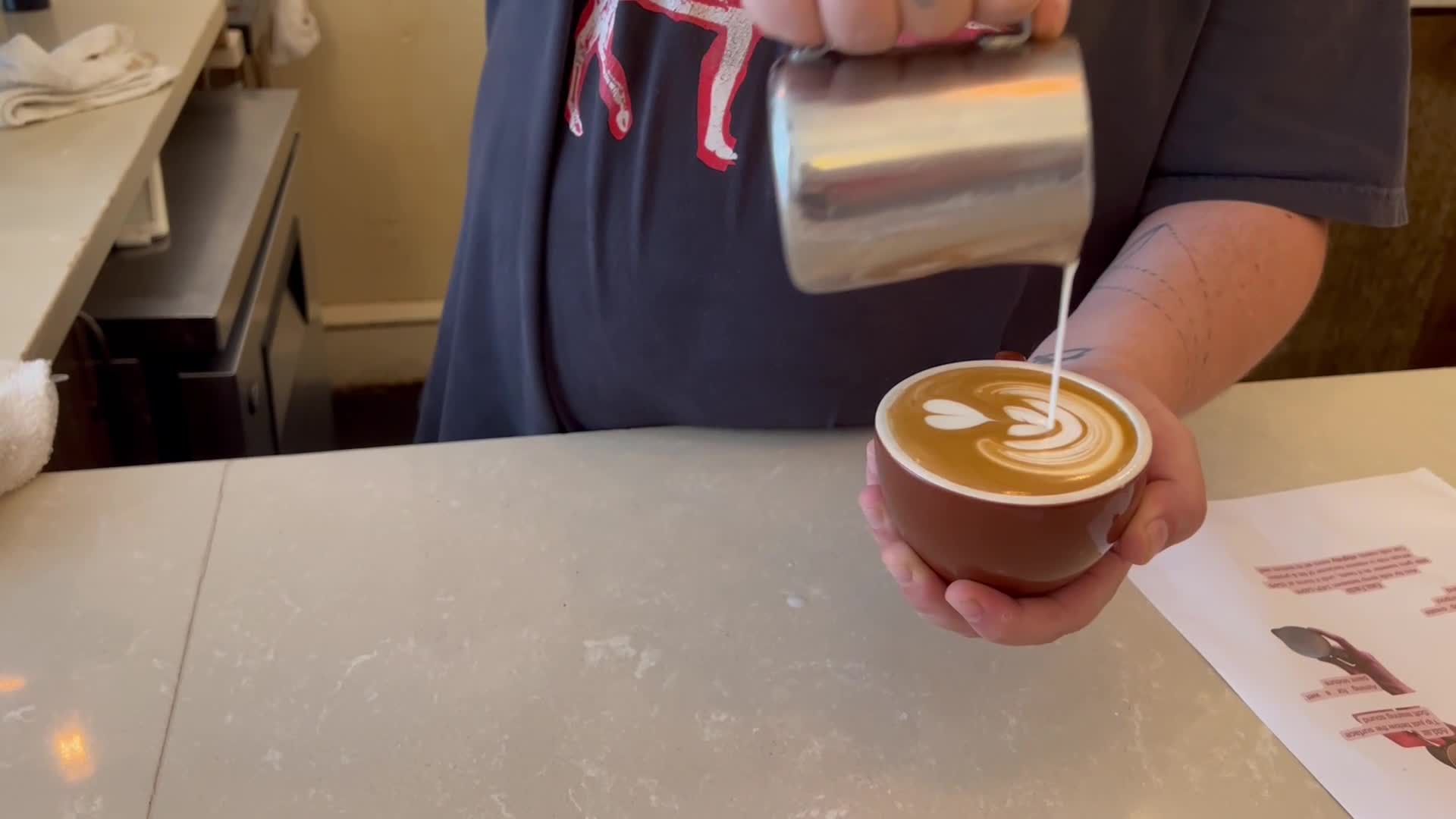
“Pencil thin,” he narrates as the milk streams into the base of the mug, sinking under the espresso’s golden layer of crema. Then, “push, push, glide,” he instructs. The result is a tulip design, finished with two dainty hearts.
The spectators at Ox aren’t new employees — they’re at-home enthusiasts, including a father-daughter duo who took the class to perfect their kitchenside almond milk lattes.
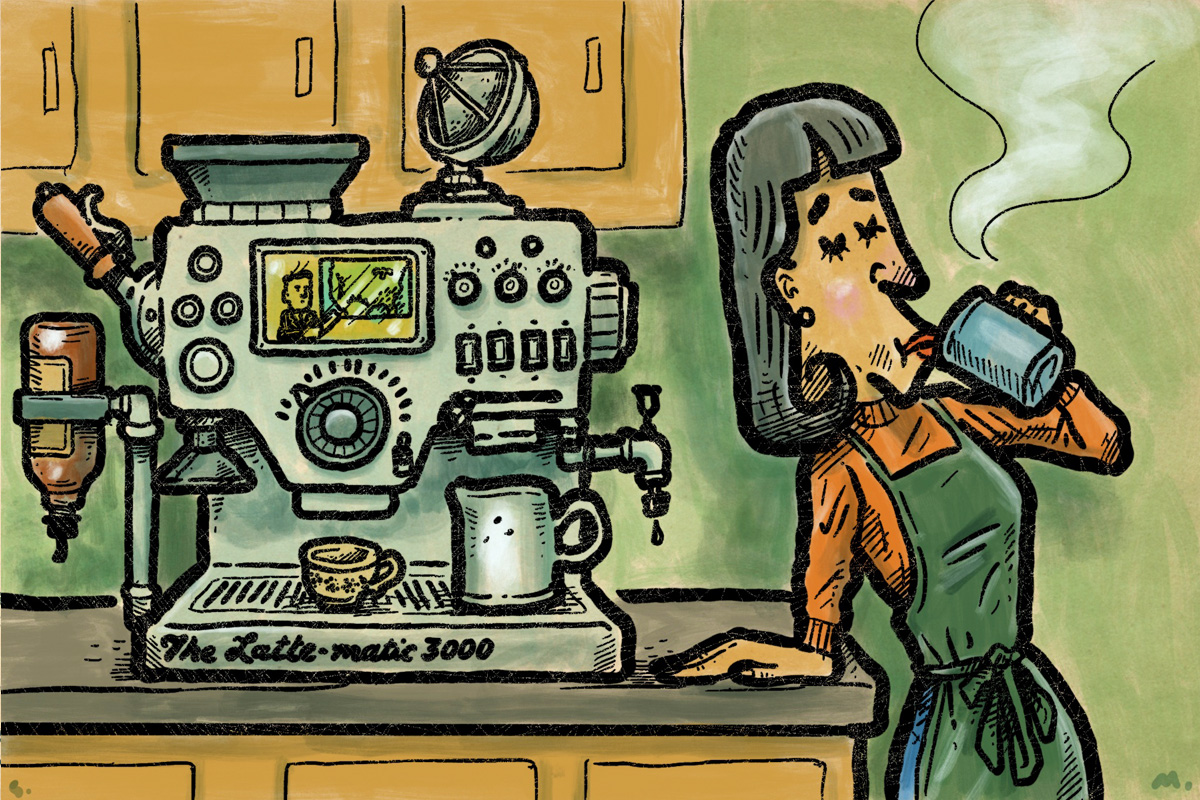
Americans are buying all types of coffee makers and brewing at home more, according to the National Coffee Association, with ownership of countertop espresso machines growing by 50% in 2025 and still on the rise in 2026. Breville Kitchen Group, especially, has seen a surge in sales among amateur espresso makers, with a range of high-end automatic and semi-automatic machines.
“COVID triggered a rise in at-home espresso,” Regensburg said. “Breville boomed like 10 times, and everyone else — from Panasonic to Ninja — hopped on.”
Industry experts say the global espresso and coffee machine market is rapidly expanding, driven by a “prosumer” movement: enthusiasts at home who crave high-end gear to make cafe-style drinks.
Now, coffee shops are leaning into the phenomenon, offering lessons to hobbyists to help master the craft.It illustrates a larger trend across the food service industry: teaching as a way to diversify revenue, build relationships with customers, and fulfill patrons’ desire to peek behind the curtain.
Across Philly, you’ll find Mighty Bread teaching croissant classes, Jezabel’s hosting empanada-making courses, the Bread Room with pizza lessons, Bloomsday with wine 101 sessions, and plenty more.
“It’s really exciting because it adds something to the dynamic besides going to eat or drink, which is wonderful but one-dimensional,” Jonathan Deutsch, director of Drexel University’s Food Lab, said.
Corey Regensburg and Leo Dowd lead a Latte Art 101 class at Ox Coffee.Emily Bloch
Leo Dowd runs Ox’s coffee class program. He says the shop has hosted about 10 classes so far on topics including espresso 101 and latte art for beginners. The classes allow everyday customers to get behind the bar and learn from the pros.
“The rise of remote and hybrid work has played a big role [in coffee classes], along with DIY culture on social media,” Cody Wood, a barista trainer at Crema Coffee in Nashville, said. Crema runs a host of classes inside a training lab at its downtown location. “Overall, it seems more people are tackling home projects, baking bread, learning to cook, trying new experiences on their own, and learning to make the best coffee at home.”
At Ox, the students take turns behind the La Marzocco — a powerhouse compared to any home espresso machine. They sheepishly tinker with the steam valve under Regensburg’s tutelage, practicing with water before moving onto whole milk.
As the milk steams, he calls out cues for students to look out for, like the sound of paper tearing and the appearance of white paint. Dowd picks out a Sonny Stitt record and puts it on in the background.
Video: Ox Coffee consultant demonstrates pouring milk in a Latte Art 101 class
Coffee shops giving away tricks of the trade — including recipes — hasn’t hurt sales, either. If anything, the rise of the at-home barista has helped them.
“Zahav’s hummus recipe is published everywhere, for instance, and it doesn’t mean that you are going to necessarily make it,” Deutsch said. “Coffee’s different because on one hand, it’s really easy to make if you know what you’re doing. But on the other hand, to do espresso drinks really beautifully, you need the right equipment. And there’s awesome home equipment like the Breville, but it’s still not the same as going to a coffee shop and having a really properly pulled, professionally done espresso.”
Wood at Crema in Nashville says the same people who take their coffee classes are also coming back to try new roasts and to talk shop.
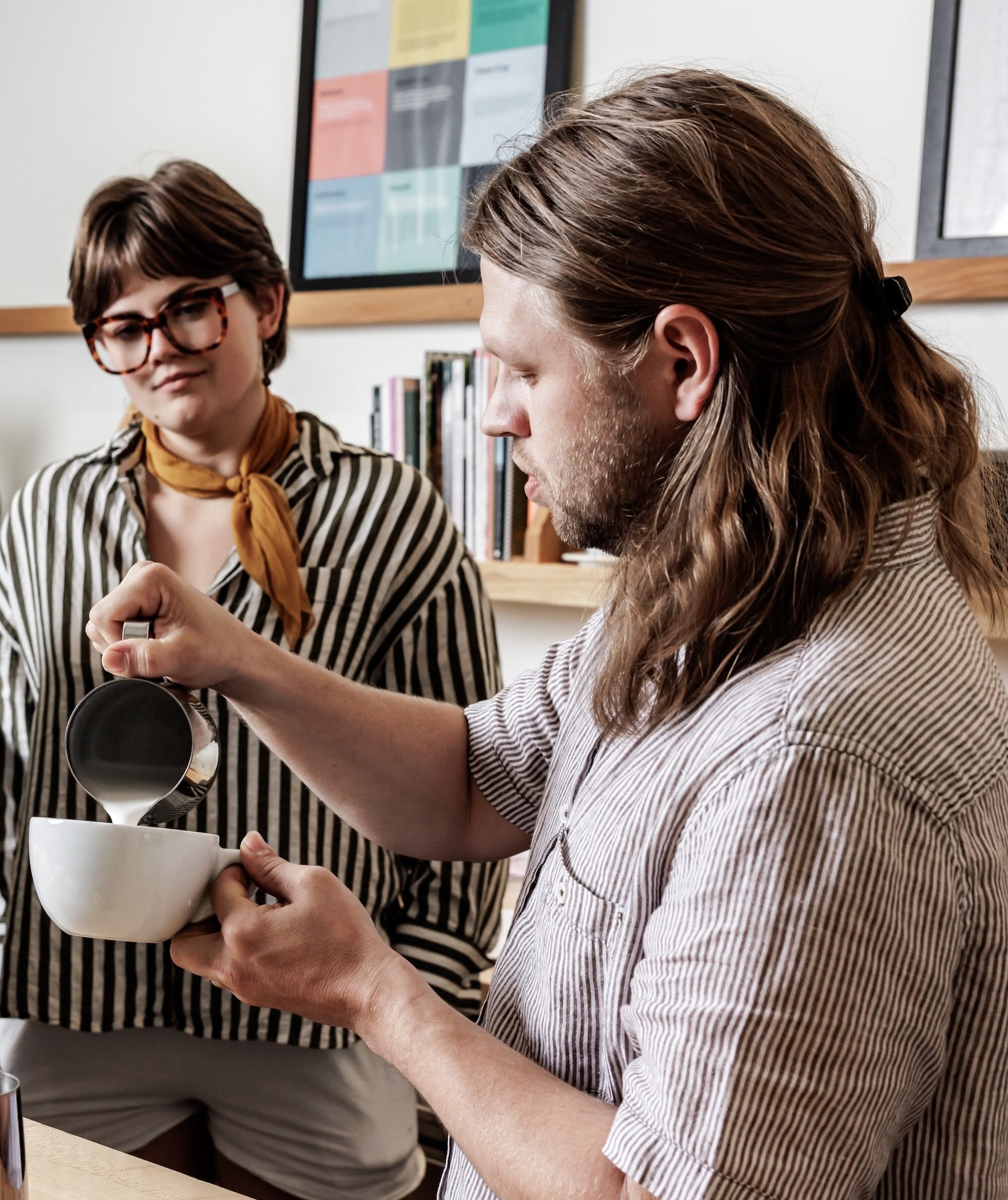
Cody Wood demonstrates a pour at Crema in Nashville. Wood, a barista trainer, also leads Crema’s public education program.Courtesy of Crema
“My hope is that we continue to see better coffee brewed and shared in both cafes and homes,” he said. “Coffee has always been a communal experience. Everyone I know who loves making coffee loves sharing it with others.”
Coffee classes nationwide average around $100 per session. Ox’s classes cost between $95-$135 depending on the intricacy.
“That’s a lot of cups of coffee you would have to sell to get that kind of revenue,” Deutsch said.
Deutsch said this approach is wise since during regular business hours, coffee sales rely on convenience and speed.
“If you’re standing in line at 7 a.m., it’s not really a great time to ask about the sustainability of the beans and provenance and all this kind of stuff you might be curious about as a coffee nerd,” he said. “The whole idea of building a relationship with guests on a more substantive level makes sense. Also, if you go out, you’re going to spend a hundred bucks easily on a few drinks and some music. Why not educate yourself and do something entertaining that will stay with you?”
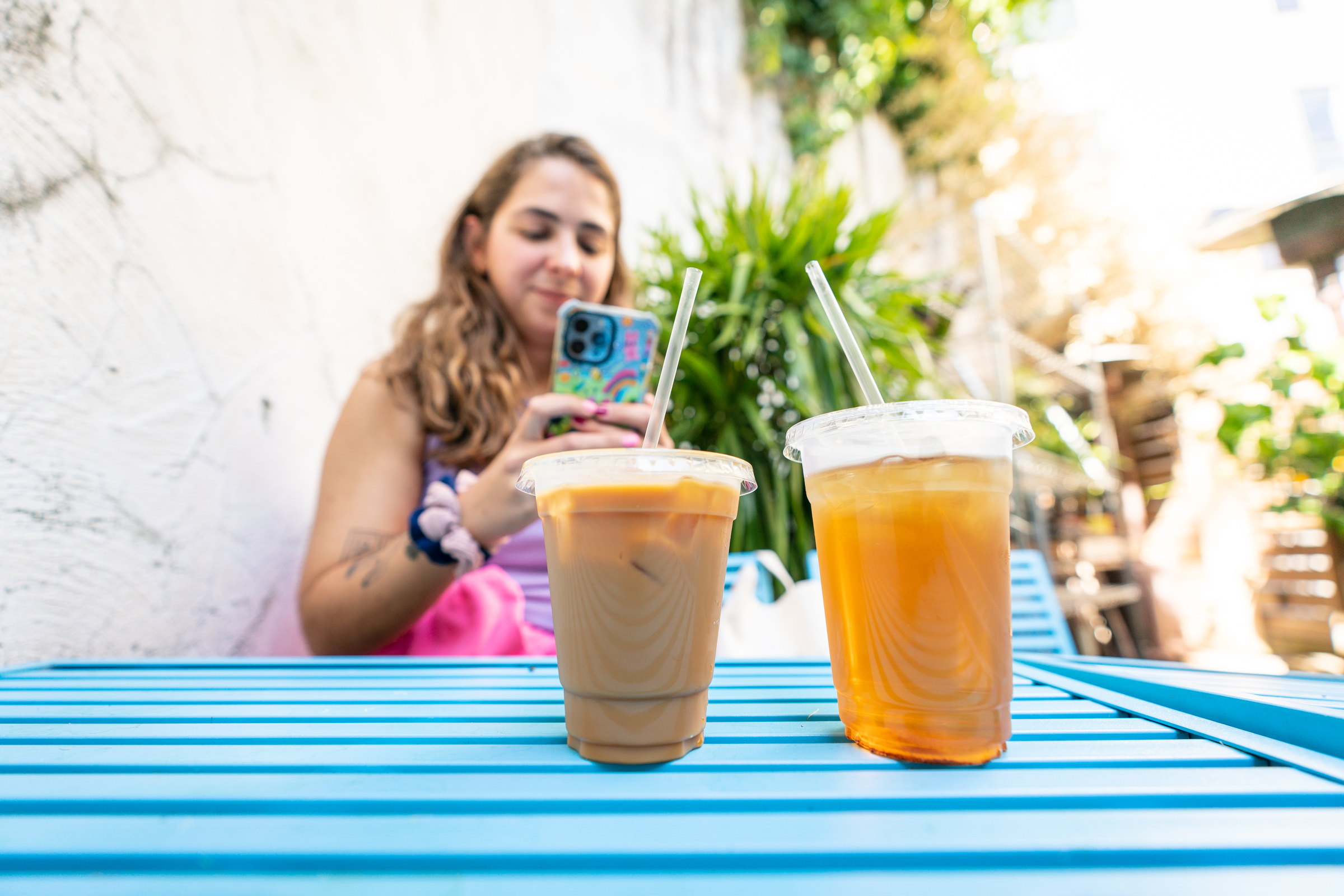
Gloria Sullivan tired and reviewed 100 Philly coffee shops for her followers. Today, she creates her own signature drinks at home. She’s shown here trying an Ice Drip Coffee with half and half and an Iced Earl Gray Tea at Vault + Vine in Philadelphia, Friday, September 1, 2023.Jessica Griffin / Staff Photographer
On social media, TikTok feeds are flooded with content creators attempting to create (or recreate) their favorite lattes and little treats at home.
Philly-based creator Gloria Sullivan — aka @_gloyoyo_ — often documents her morning coffee ritual for her more than 700,000 followers. She alternates between her Breville Bambino, a moka pot, and other methods when making her coffee.
“In the beginning, a lot of coffee creators framed their videos as ‘stop buying coffee out, make this at home instead’ and now it feels more focused on creativity, finding fun ways to make drinks at home exciting,” Sullivan said. “Making coffee is as much of a hobby as knitting or reading or baking, coupled with the fact that a lot of people want to start making content online and there’s not a super high barrier to entry for making coffee at home.”
By the end of class at Ox, half empty mugs and rags are scattered across the bar. The level of proficiency after an hour and a half varies, but every guest has managed to get their milk to skate on top of their mug of espresso.
The amateur work isn’t close to Regensburg’s tulip, but he remains encouraging.
“I know that latte art is sexy and fun and it looks good on Instagram,” he said. “But this — milk texture — is what matters. Latte art got big because it’s indicative of good milk texture.”
Dowd anticipates Ox’s coffee class schedule will ramp up this fall and winter as locals look for indoor activities.
Currently, Ox appears to be the only Philly shop offering courses. But Deutsch wouldn’t be surprised if that changes soon enough.
“I think it’s a really good idea,” he said. “The positives outweigh the risks of teaching people your secrets. I really think that’s more a mythology than a reality that’s born out.”
Hey there! Are you new to Love at First Bite? If so, click the arrow at the top of the page to check out episode one.
If you’re coming back for more, settle in because things are heating up in the pods.
This episode focuses on the connections building between Amy’s Pastelillos, Gilda, Out West, Doro Bet and Scampi. With some fun cameos by Rice & Sambal, Càphê Roasters, Ocho Supper Club, Pine Street Grill, and Emei. Plus, a tease for episode three featuring a hilarious convo between Paffuto and Gilda that has us a little concerned for Gilda’s future collab partner.
Check out the episode and then weigh in on this week’s poll.
Who should Amy’s Pastelillos collab with?
Thanks for voting
In this episode the chefs discuss which foods they enjoy working with most. Amy’s Pastellilos said plantains, Scampi said shrimp, prawns and lobster and Out West said lamb (with a few shout outs for their famous lamb scrapple).
Which chef’s answer are you vibing with most?
We’ll be back with episode three on October 5.
Want to taste what these chefs are cooking up?
Limited tickets are available for The Inquirer’s second ever Food Fest. Join us on Nov. 14, 2026, 11 a.m. for one day to taste it all.
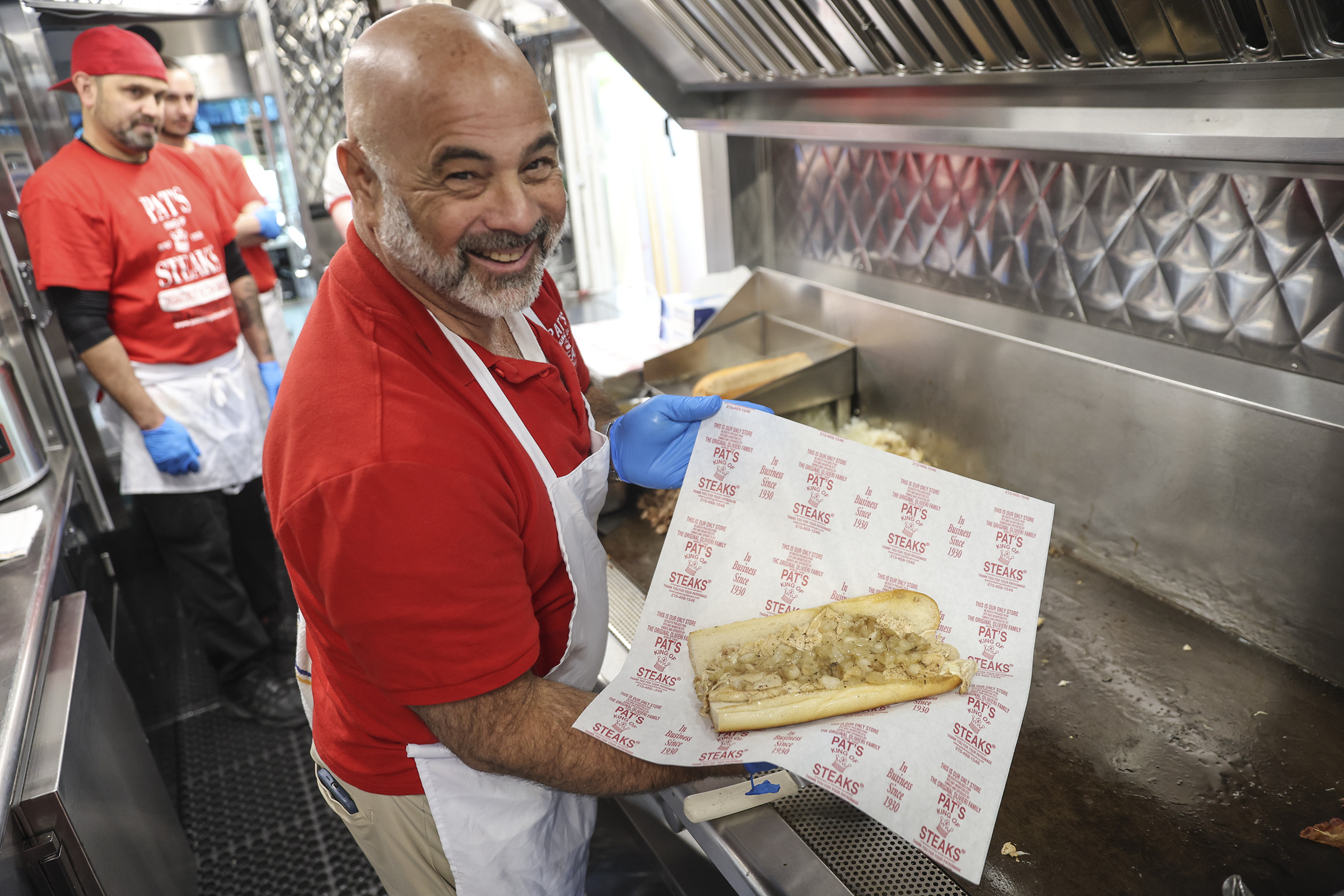
A man ran from Pat’s King of Steaks after throwing a cheesesteak through its service window around dinnertime Wednesday. But the camera he carried left an online trail behind him.
Philadelphia police said Friday that the man, who turned himself in Thursday, was charged with harassment, a summary offense. Police declined to identify him, and it is not clear what prompted him to surrender.
The video he apparently made of the encounter had surfaced on YouTube and Instagram, where Pat’s owner Frank Olivieri said his information-technology team traced it to accounts filled with pranks, music, and Philadelphia street content.
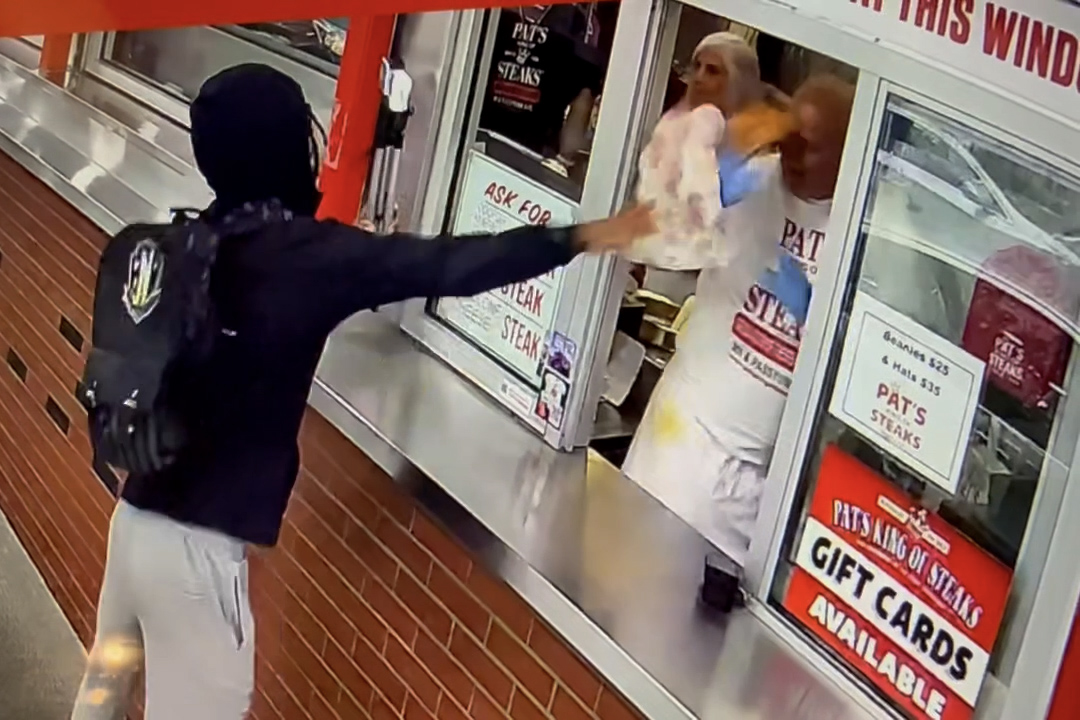
Surveillance video from Pat’s King of Steaks shows a man throwing his cheesesteak at manager Tom Camardo on Sept. 30, 2026.Courtesy of Pat's King of Steaks
“He wanted to be famous,” Olivieri said. “He got exactly what he asked for. Now, he needs to be accountable for his actions and his words.”
The YouTube account, under the name h4ll0w33n, presented the episode as a food review titled “I Threw This Cheesesteak in His Face Geno’s Steaks,” misidentifying the stand with the name of another landmark eatery across the intersection of Ninth Street, Wharton Street, and Passyunk Avenue.
A screenshot of the video’s thumbnail showed what appeared to be an AI-generated image of a cheesesteak flying into a man’s face, with “THIS CHEESESTEAK SUCKED!” in large type and “YAM TV” beneath it.
By Friday morning, the video was unavailable. YouTube said the account associated with it had been terminated.
An Instagram account using the name @h4ll0w33n___ remained online with about 10,500 followers. The video also appeared on a newly created Instagram account called YAM TV, which described itself as “The Reality Food Critic Show” covering Philadelphia and beyond. Neither account disclosed the man’s name. No one from the accounts replied to The Inquirer’s messages requesting comment.
Olivieri said his IT team searched online using a photograph of the man and found the accounts after he posted his recording.
“How brazen are you to assault somebody and then post it?” Olivieri said. “Thank God for stupidity.”
Olivieri had offered a $5,000 reward Thursday for information leading to the man’s arrest and conviction. On Friday, he said he had allocated the money to someone who contacted him with information.
The episode began shortly before 5 p.m. Wednesday, after the customer ordered a cheesesteak with Cheez Whiz and onions.
Surveillance video shows him sitting at a table outside Pat’s, pulling apart the sandwich with his hands without eating it. He later returned to the window, exchanged words with general manager Tom Francano, threw the cheesesteak at him, and ran.
Francano can be seen throwing pieces of the sandwich back toward the fleeing man. He was not injured, police said.
By Friday, Francano was willing to revisit the moment under friendlier circumstances.
Justin Camardo, co-owner of Dough Head Pizza across the intersection, posted an Instagram video with the caption: “We heard Pat’s was throwing food around, so naturally we had to see what all the hype was about.”
The video shows Camardo walking across the street with a slice of pizza and handing it to Francano, who promptly smashes it into Camardo’s face.
Detectives initially investigated Wednesday’s episode as an assault. Olivieri said Friday that he was disappointed that the man had been charged only with summary harassment and questioned whether it would provide the deterrent he sought.
“What are they going to give him, community service?” he said. “Maybe he should come over here and sweep the pavement.”
Pat’s has dealt with thrown drinks, food, coins, and other objects during its 96-year history, Olivieri said. What made Wednesday’s incident different, he said, was the camera — evidence, in his view, that the confrontation had been staged for an audience.
Olivieri said he pursued the case because he feared that allowing the episode to pass without consequences could invite copycats at Pat’s and other restaurants. Businesses already contend with the positive and negative effects of influencers, he said; deliberately provoking employees for online attention crossed another line.
“I not only did this for me,” Olivieri said. “I think it’s for everyone else who has had an issue with a pizza influencer, a hoagie influencer, or whatever.”
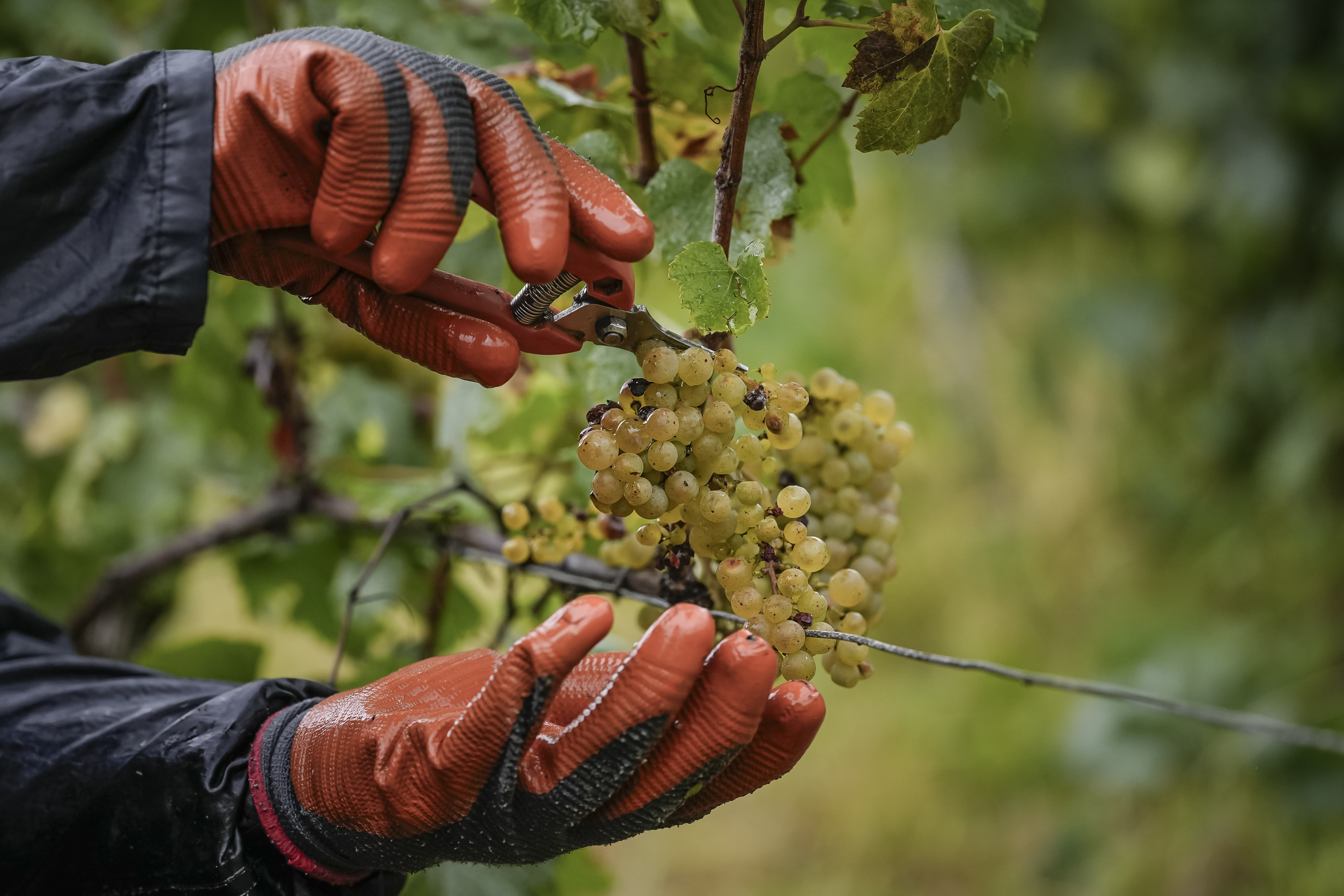
Burgundy is in many ways the birthplace of fine wine. Not only is it the native region for both chardonnay and pinot noir, but Burgundy also was the first place where winemaking practices were systematically organized in Medieval times around quality, not quantity.
Today, Burgundy is still viewed as the world’s most ambitious wine region, which helps explain why more and more of its small producers — including this one — are embracing an “organic lite” approach to grape growing.
The cachet of a certified organic label continues to grow within the wine world, but obtaining the certification is far more costly in some regions than others. In dry and sunny places where fungus and other pests are naturally suppressed, such as southern Spain or most of Chile, certification can be relatively cheap and come with little risk. In cooler and more humid regions like Burgundy, though, a commitment to organic farming can force growers to watch as their entire crop is destroyed before their eyes.
It’s in this context that we see more producers find a middle ground between relying on chemical sprays for pest control and a zero-tolerance policy for manmade chemicals. The French call this lutte raisonée — or the “reasonable fight” — because sprays are avoided where possible but not prohibited. They can be used when absolutely necessary.
This common sense approach also produces more interesting wines, since the regular use of chemical sprays can result in a loss of character and complexity. Here, we find a clean, bright chardonnay with layers of pear and apple flavors that’s laced with palate-cleansing minerality, all in the understated style Burgundian monks first pioneered almost 1,000 years ago.
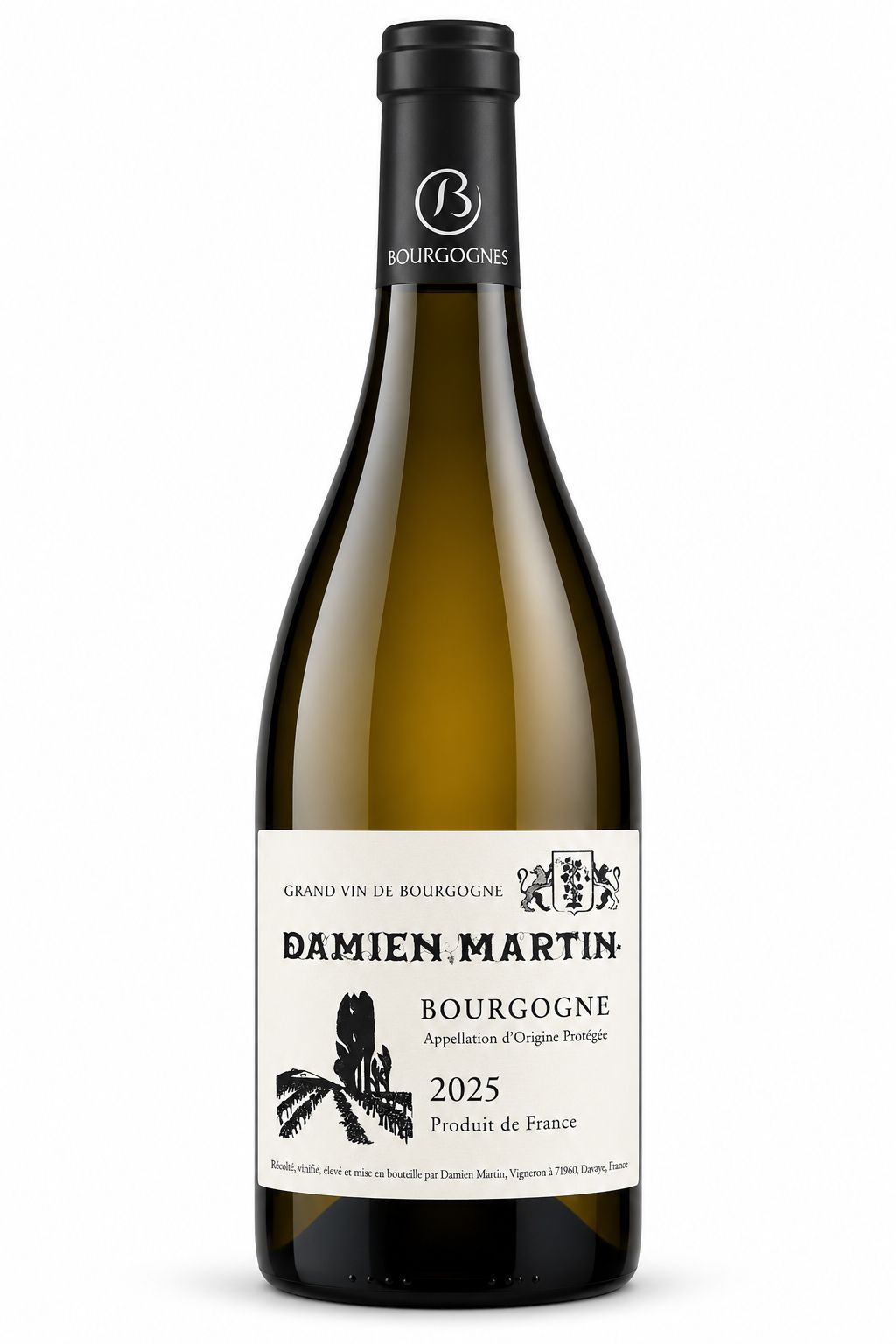
Damien Martin Bourgogne BlancCourtesy of Damien Martin
Damien Martin Bourgogne Blanc
Burgundy, France
13% ABV
PLCB Item #100048584
On sale for $17.99 through Oct. 4 (regularly $19.99)
No alternate retail locations within 50 miles of Philadelphia. according to Wine-Searcher.com.
While the pandemic didn’t fully close Chinatown mainstay David’s Mai Lai Wah, it did shutter its dining room. First opened in 1982 by Hong Kong native David Chan, it became legendary over the years both for its food — in particular, its salt and pepper chicken wings, their spicy, crowd-pleasing adaptation of the classic Cantonese dish made with squid — and for catering to a sometimes rowdy late-night crowd, which started in 1992.
Since 2020, David’s Mai Lai Wah has only operated as a takeout restaurant (with no delivery), despite its now-vintage neon sign proclaiming “Eat In Take Out” remaining lit up through the partial closure.
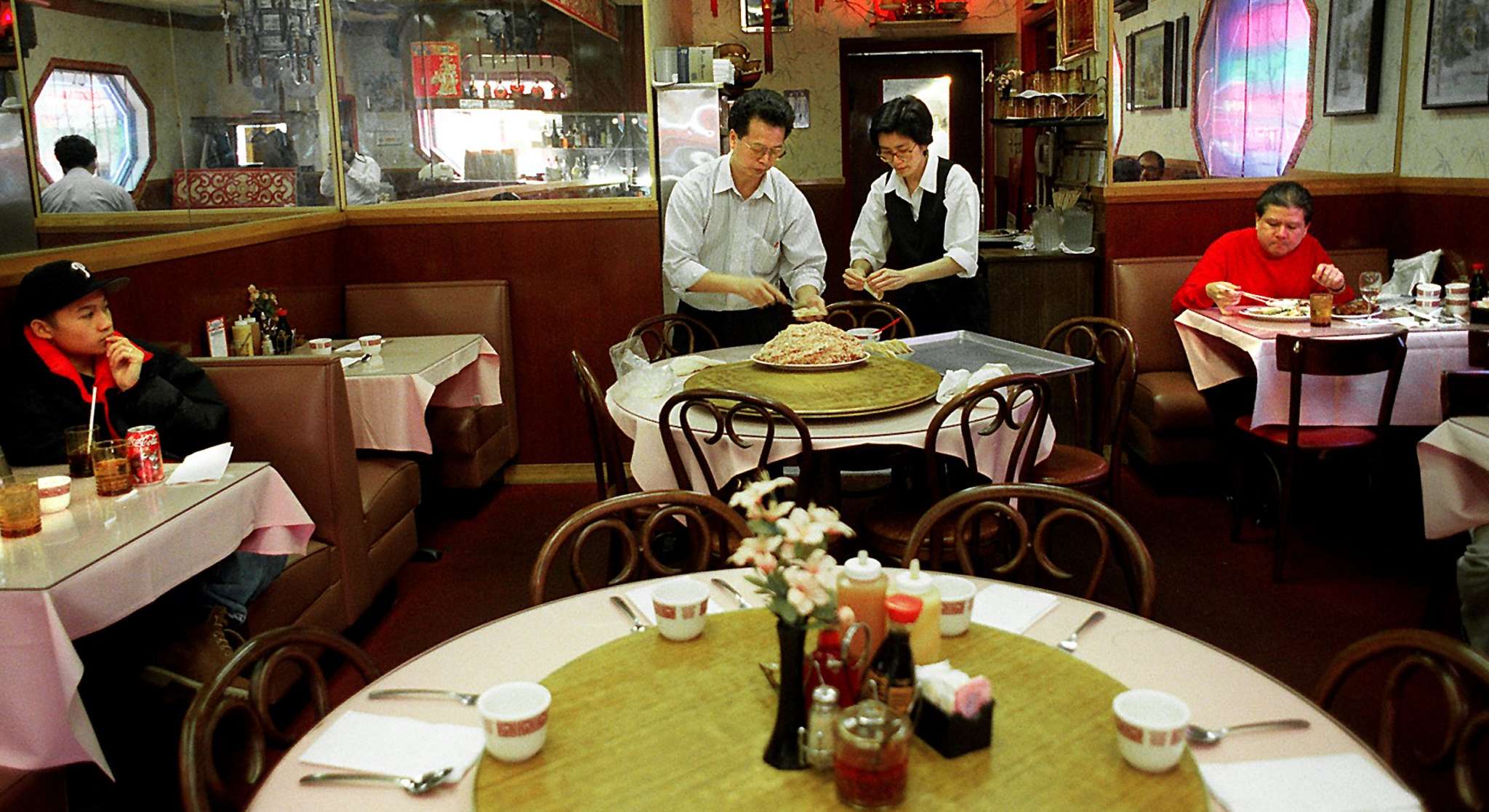
In 1992, David’s Mai Lai Wah was among a small number of dining spots to stay open and serve late-night food. Here, David Chan, restaurant owner, and Ling Luong make dumplings in the dining room.ERIC MENCHER / File Photograph
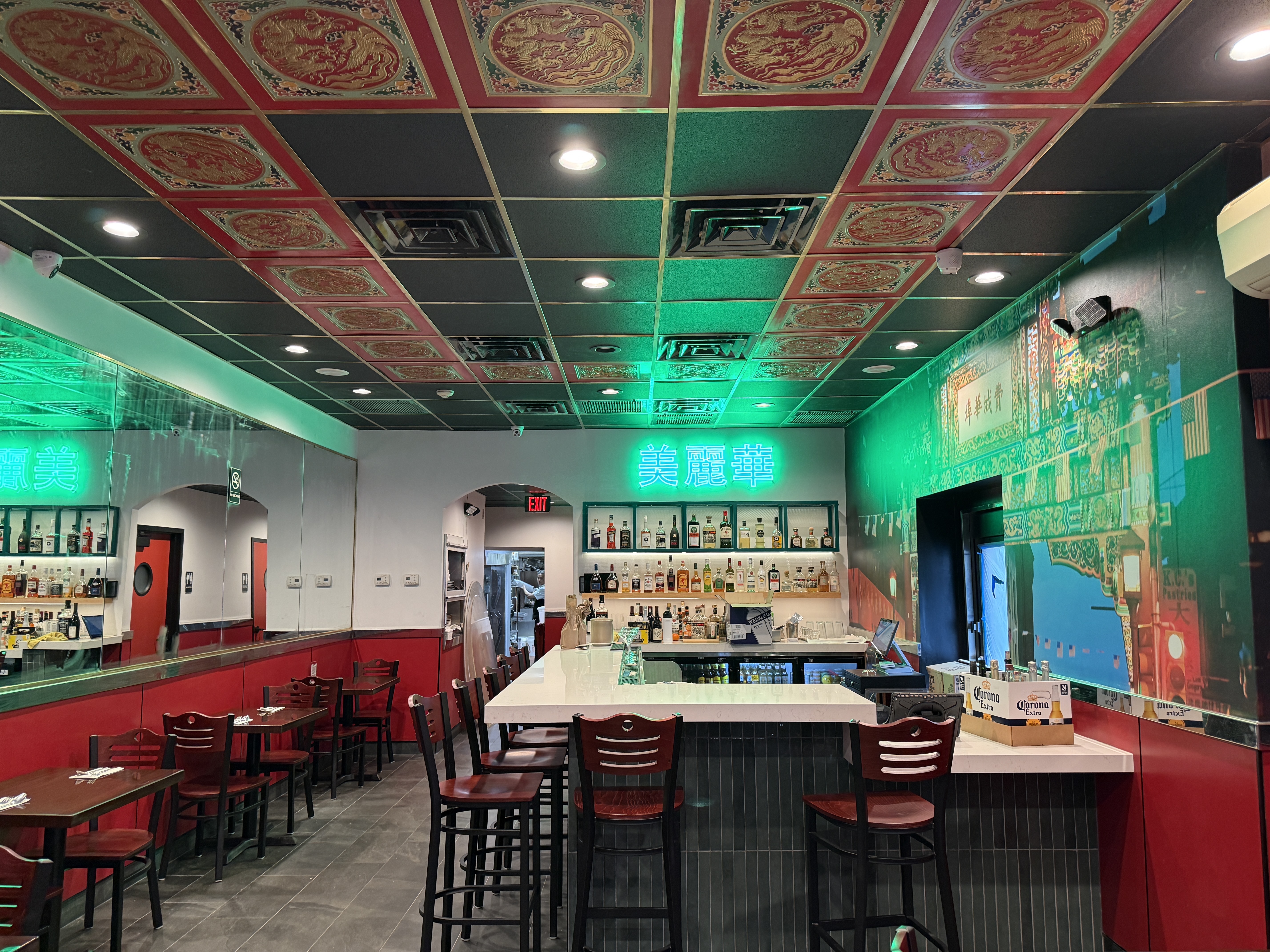
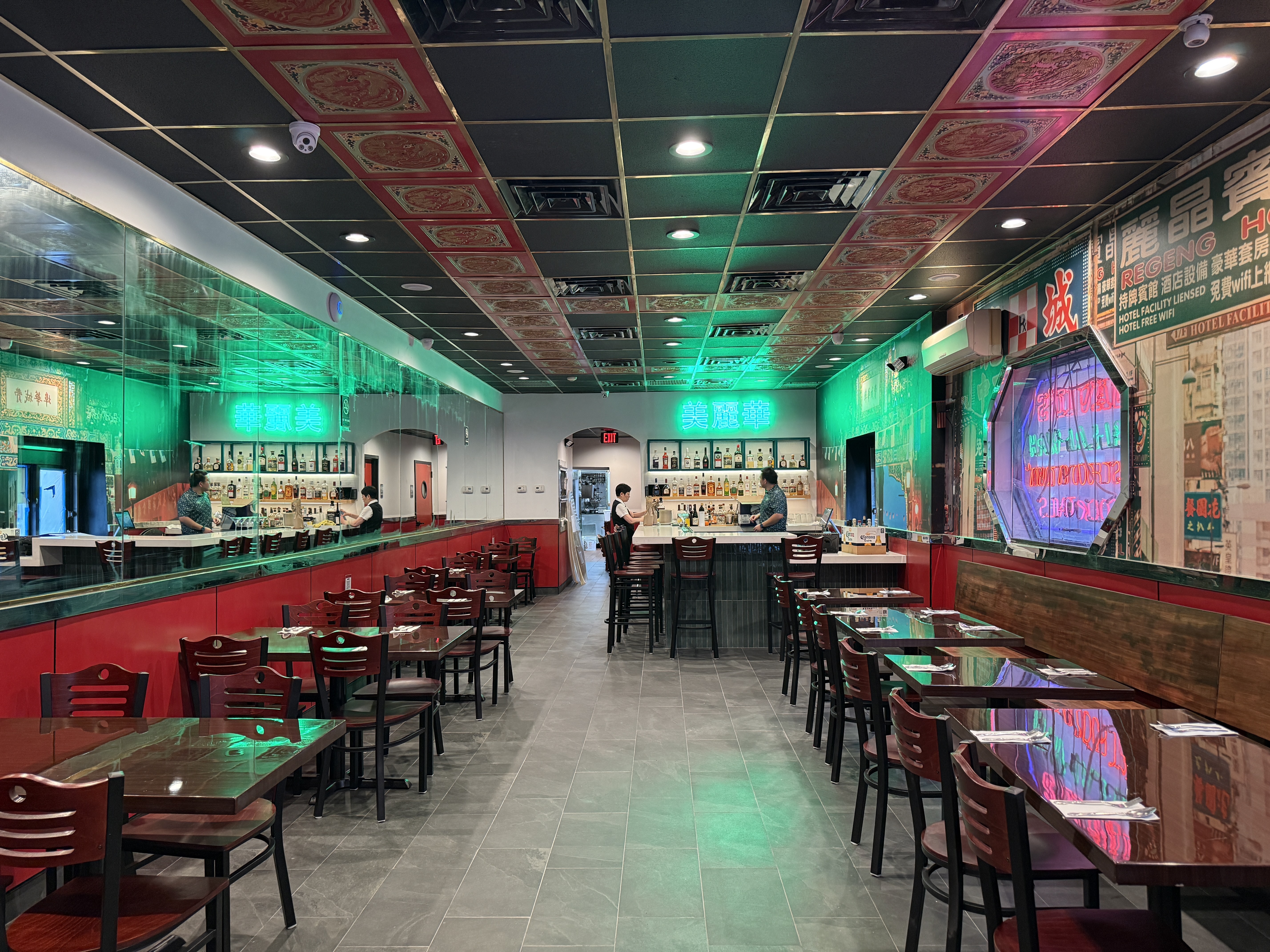
But on Monday, David’s Mai Lah Wah quietly opened up its dining room again, and the renovations were significant. The uneven floor was leveled and completely replaced. Gone are the rickety dining tables covered in pink tablecloths and tamped down with glass table tops. They’ve been exchanged for rectangular tables (with no linens) that flank either side of the room. A new bar glows under a new green neon sign of the Chinese characters “Mai Lai Wah” — a phrase that means “beautiful magnificence.”
Now, the interior lives up to the name.
The renovated dining room at David’s Mai Lai Wah, which reopened Sept. 28.Kiki Aranita / staff /
The mirrored wall on one side of the dining room remains, but the other walls are papered over with vibrant photographs depicting many of Hong Kong’s famous neon signs. Walking in the door now feels like walking into a diorama of Hong Kong’s Wan Chai district, famous for its concentrations of classic neon.
Another image shows Philadelphia’s Chinatown Friendship Arch. The real one is just a few steps outside of the restaurant’s door.
“We had the photos made into wallpaper to create a mix of where [my father] was and where he is now,” said Priscilla Chan, 33. “When he came to Philly he was only 13 years old. His mom sent him here to stay with his uncle, who worked in restaurants and he’s been working in restaurants ever since.”
And restaurant work took a toll. “During COVID, we closed for two weeks and then remained closed because we were still able to do business and at that point my dad was tired,”said Chan. The boisterous late-night crowds also took their toll. He was“sick of all the fighting that would happen at nighttime,” said Chan.
Renovations on the restaurant didn’t start until this past February. Everything was done slowly as David’s Mai Lai Wah remained open for takeout.
The renovated dining room marks a changing of the guard. “My dad is still the owner but he wanted me to start taking things on for him,” said Chan, who was working as a nurse until she and her engineer husband (who had also worked in restaurants), Barry Li, both left their jobs to run David’s.
“We bought a house in July, got married in August, and now it’s September and we’ve reopened dine-in,” she said.
Chan is now the restaurant’s general manager. She and Li overhauled their point-of-sale system as she familiarized herself with the operation. When she started, “They wrote everything down by hand and brought it to the kitchen. We slowly introduced new things.” She cast a critical eye on what items were selling and what items were not, and what cost too much in labor.
“I know a lot of people really love the roast duck but it’s incredibly difficult and really expensive,” she said. “One day we might try to bring it back, but right now, we’re concentrating on opening, finding our flow, and focusing on the big staples, like the salt and pepper series.” (In addition to the famous chicken wings, David’s Mai Lai Wah serves salt and pepper shrimp and scallops.)
Li designed a trendy cocktail menu with a yuzu margarita, a gingery take on an Old Fashioned, and an espresso martini made with Vietnamese coffee.
“We’re excited to welcome in old regulars,” said Chan. “But please don’t fight in here.”
David’s Mai Lai Wah is open for dine-in and takeout (no delivery) from 4 p.m. to 2:15 a.m. Last call for drinks is at 2 a.m.
David’s Mai Lah Wah, 1001 Race St., 215-627-2610, mailaiwah.com
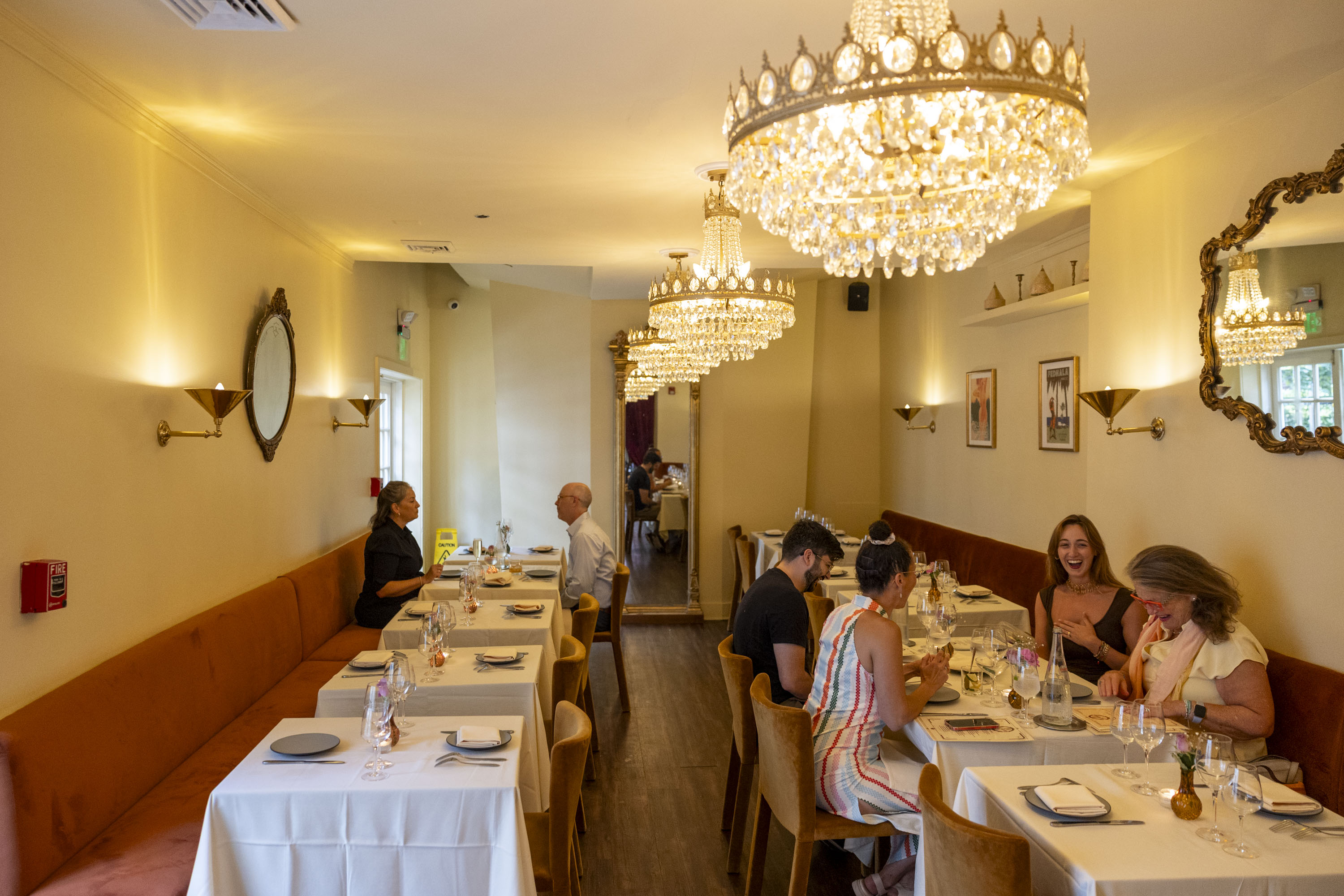
The Morris House Hotel has always had the bones to host a hit restaurant. Its Georgian-style brick buildings boast some genuine historic character dating back to 1787, when the Constitution was being written just a few blocks away. There’s a gracious courtyard oasis tucked behind an iron gate with room for 75 diners beneath a garland-draped tent ringed by dogwood and magnolia trees. A cozy indoor space with room for 45 more beside that garden and a plush bar offer a dramatic view through red curtains onto Eighth Street. Situated close to Washington Square, surrounded by residential neighborhoods and the vital pulse of a hospital district, it’s not lacking for foot traffic.
And yet, the Morris House has long been the Philadelphia restaurant equivalent of the Bermuda Triangle. Over the last 20 years since it was refurbished into an elegant inn, several talented chefs have come along in hopes of unlocking its potential as a destination dinner hideaway — only to succumb to its more profitable use as a wedding party factory. The fits and starts of multiple new operators, most recently the bistro-style Morris, which closed after less than a year in 2023, have continued to cloud the public’s perception of what happens at 225 S. Eighth St.
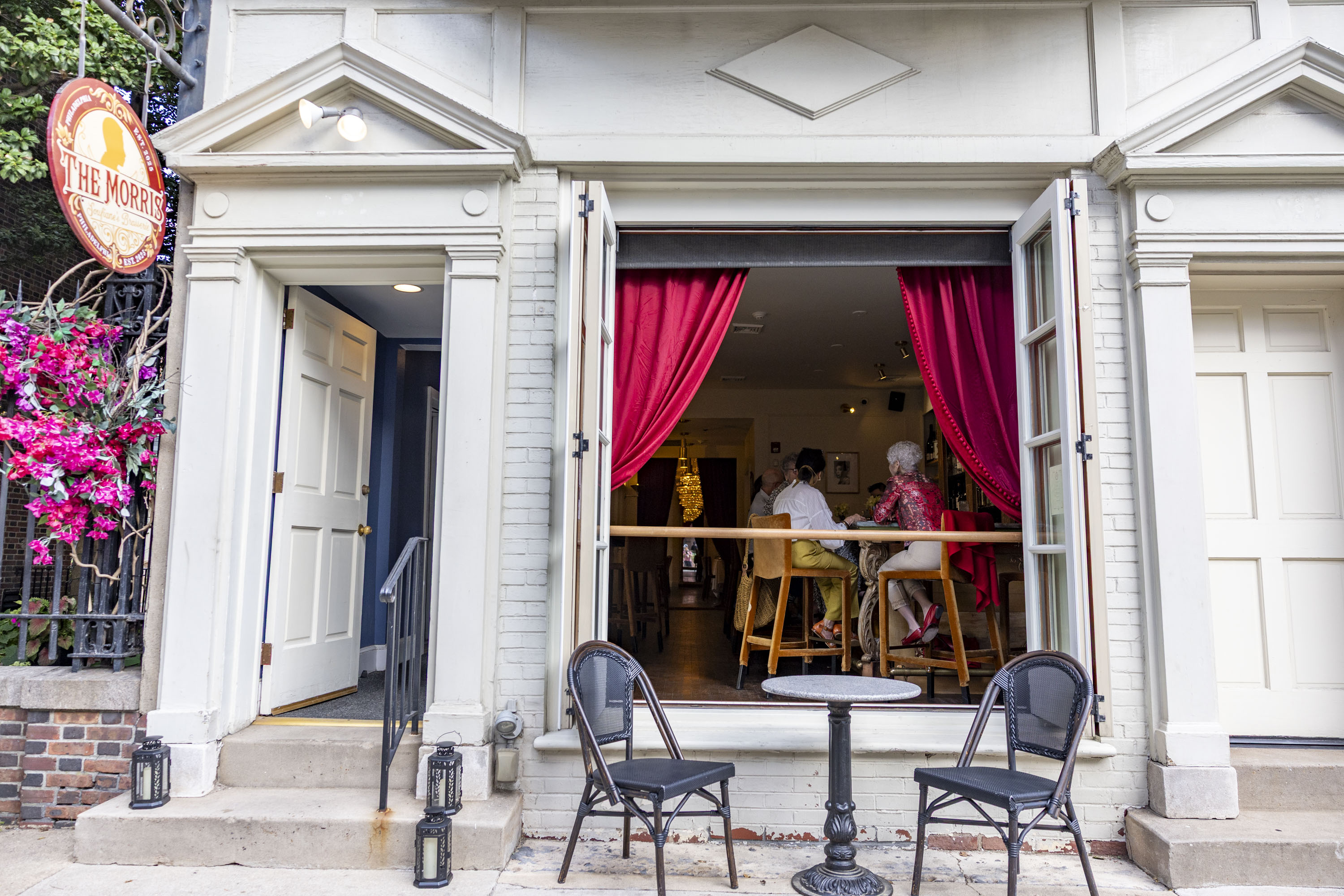
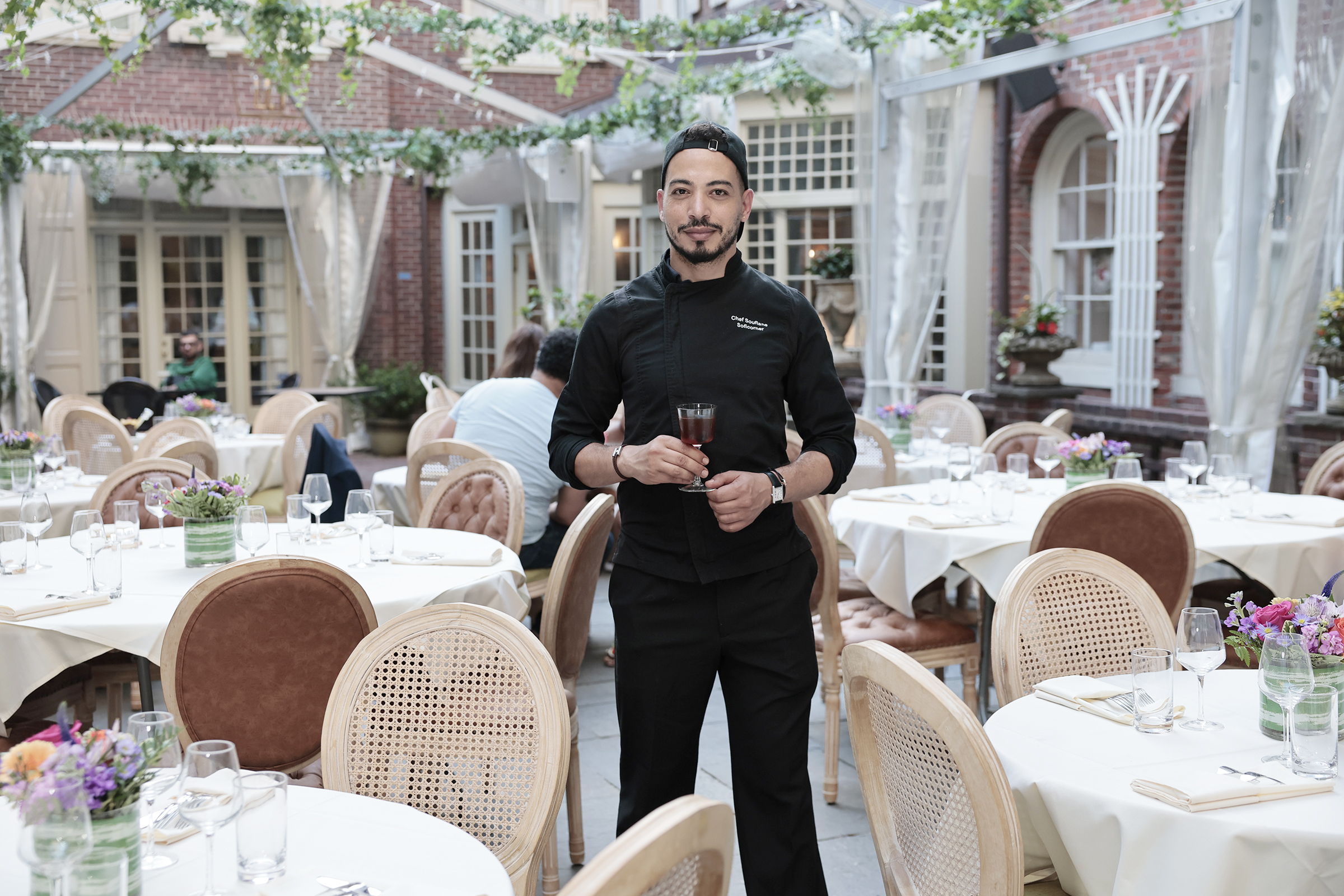
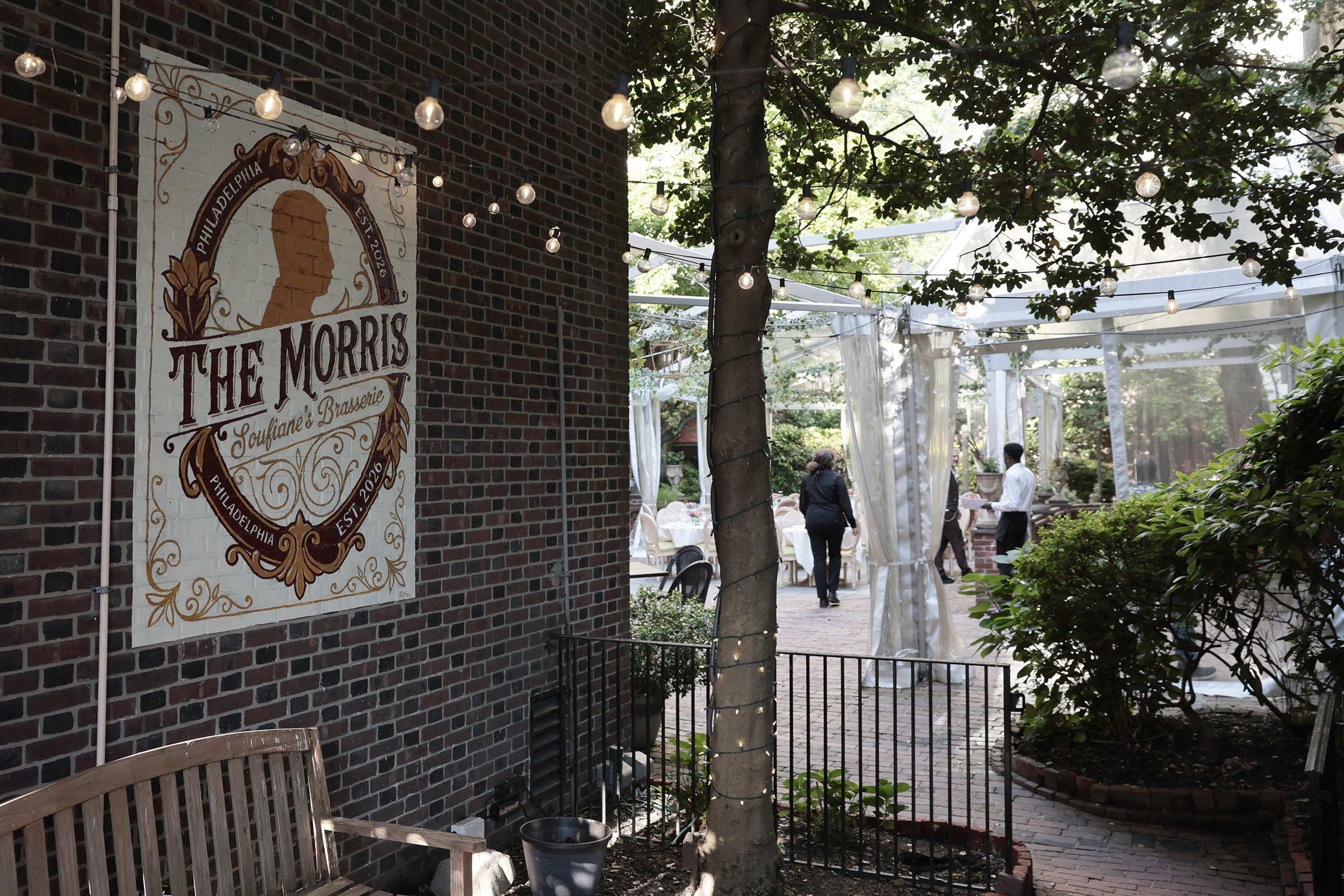
The outside of Soufiane at the Morris on Sept. 10, 2026, in Philadelphia, Pa.Tyger Williams / Staff PhotographerSoufiane Boutliliss shows off the outdoor dining in the garden during a friends-and-family preopening of Soufiane at the Morris in Philadelphia on May 27, 2026.Elizabeth Robertson / Staff Photographer
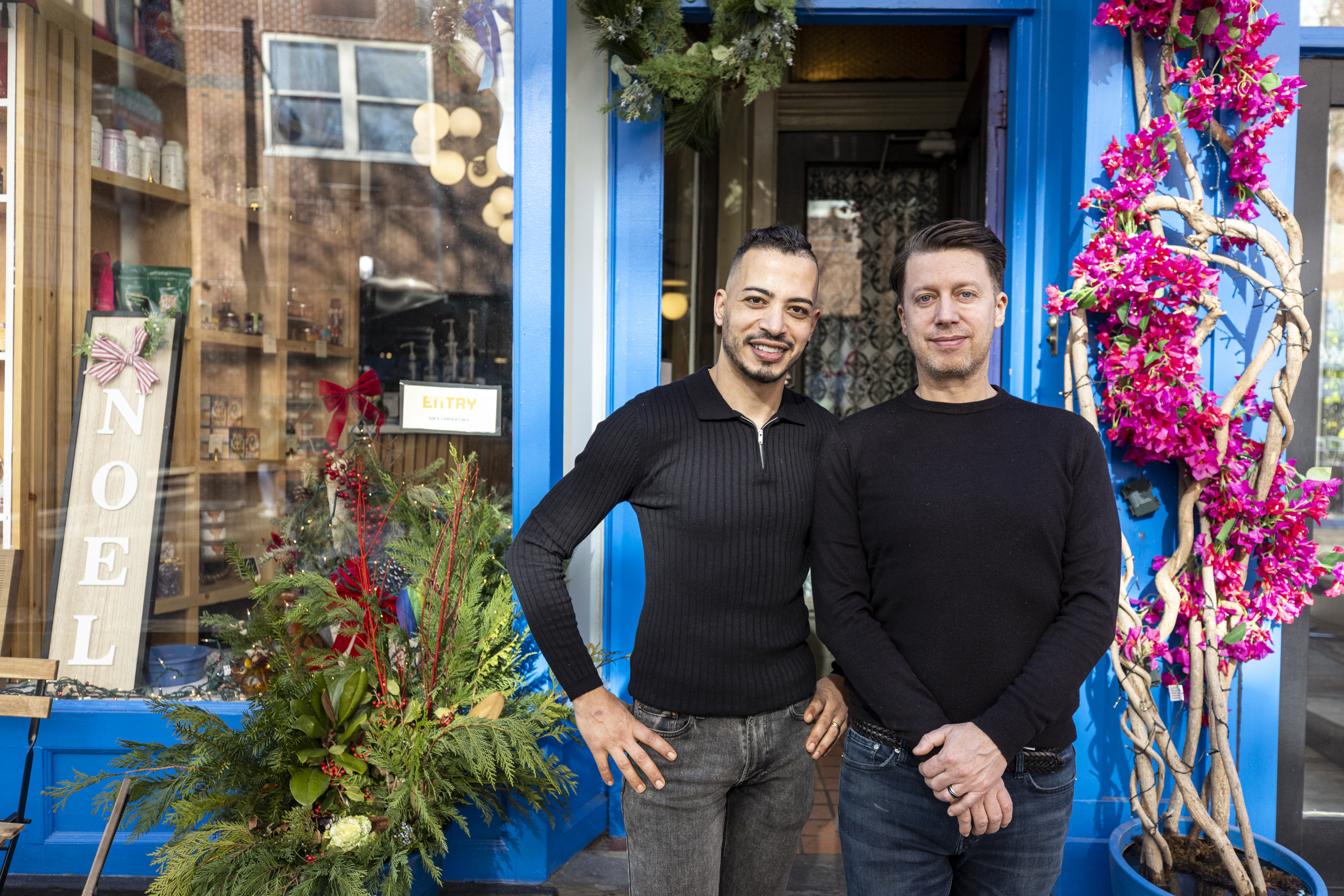
What this space needs is a restaurant with a distinct identity. So I could not have been more excited to learn that Soufiane Boutliliss and Christophe Mathon of Sofi Corner Cafe were bringing a more expansive expression of their Moroccan-French magic to the fine-dining setting of the Morris House.
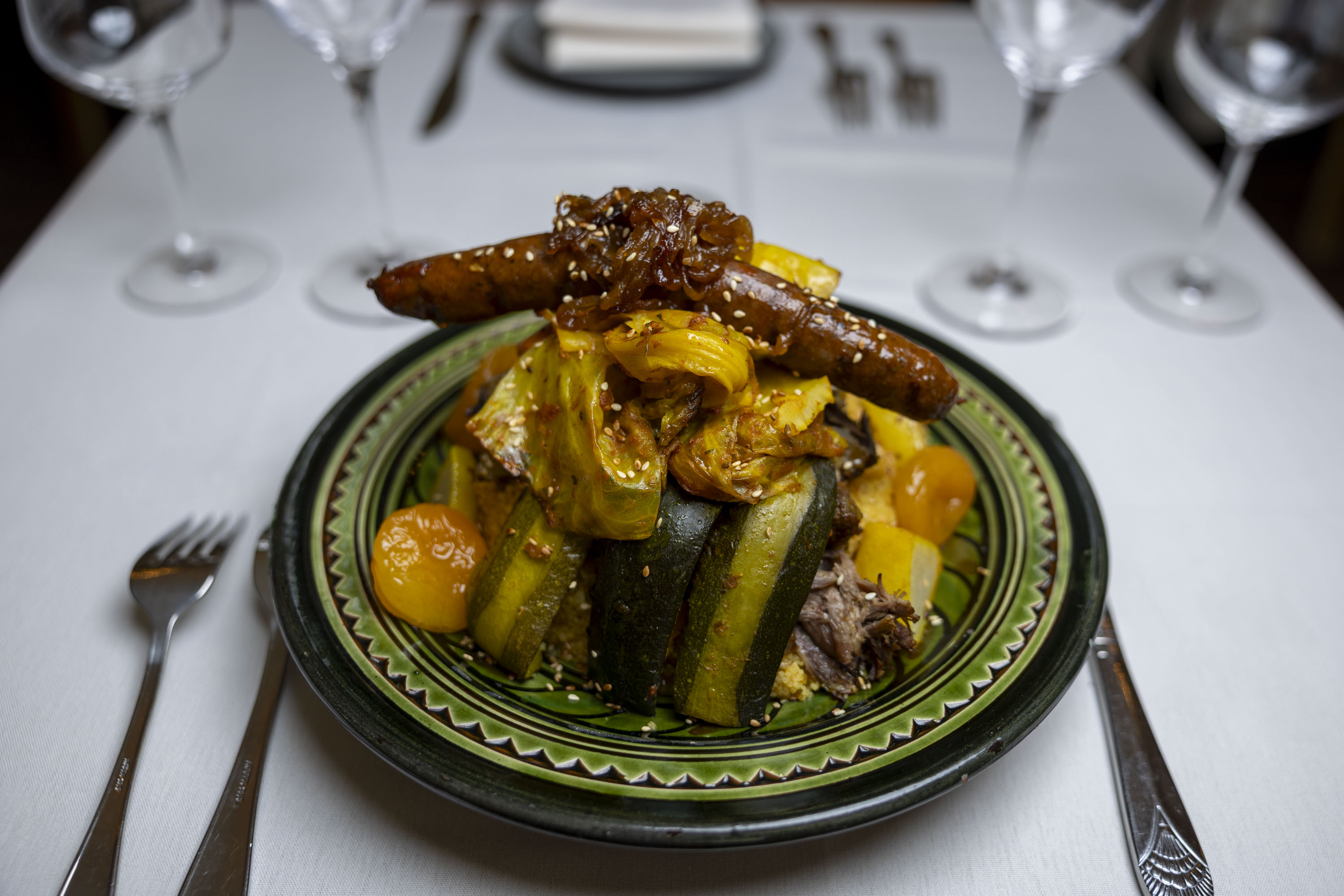
I still daydream of the couscous royale I once ate at Sofi Corner, the casual, counter-service breakfast-lunch cafe this married couple still operates for daytime service a few blocks away on Locust Street. I was thrilled to find another rendition of that cultural keystone dish celebrated here, a deep-green painted terra-cotta platter of mounded couscous scented with nutty aged butter draped with heaps of stewed veggies, tagine-braised chicken and lamb, sesame-speckled dried fruits, and a cuminy link of merguez rocking over top like a sausage seesaw.
Couscous royale with meat at Soufiane at the Morris on Sept. 10, 2026, in Philadelphia.Tyger Williams / Staff Photographer
But something was missing. It wasn’t just the need for a more generous splash of the deeply steeped broth kissed with rose water that should unite these disparate elements. (You can always ask for extra broth with your couscous.) This centerpiece to our dinner also arrived 90 minutes after our arrival, pointing to much bigger issues of service and inexperience with a project this large that are hampering this duo from realizing their vision at the Morris House.
The restaurant was so completely unprepared on a midweek evening for a busy room that what might be a boon of customers for most restaurants became a crisis here. The frantic staff was stretched so thin that it took a server nearly 30 minutes to take our drink orders, and then only with a sigh while leaning halfway through the doorway to the patio, where several more customers waited. Menu items kept dropping out of our reach before we could ask for them. The Moroccan briouats pastries? Gone. The piperade roast peppers and toast? Gone.
Inside dining area at Soufiane at the Morris on Sept. 10, 2026, in Philadelphia.Tyger Williams / Staff PhotographerSoufiane Boutliliss, owner of Sofi Corner Cafe, and his husband, Christophe Mathon, pose for a portrait in front of the restaurant in Philadelphia on Dec. 29, 2023.Tyger Williams / Staff Photographer
“Let me send you a roasted marrow bone compliments of the house!” a manager offered my unlucky-in-ordering guest as a consolation. It never came. Neither did the duck confit, substituted without mention by a seared duck breast, which was salty, tough, and small for $37.
“A couple people did not show up in the kitchen today,” conceded yet another staffer who ultimately took our order. That might also explain why an otherwise wonderfully seasoned duck pâté en croûte marbled with pistachios and herbes de Provence arrived with its underbaked pastry crust still pale and doughy.
It does not take skilled kitchen labor, however, to realize that four hungry diners could use more than a few miserly slices of baguette to dig into a trio of flavorful Moroccan eggplant and carrot salads. “Some more bread, please?” we begged politely, knowing it would be at least another 20 minutes until we saw it.
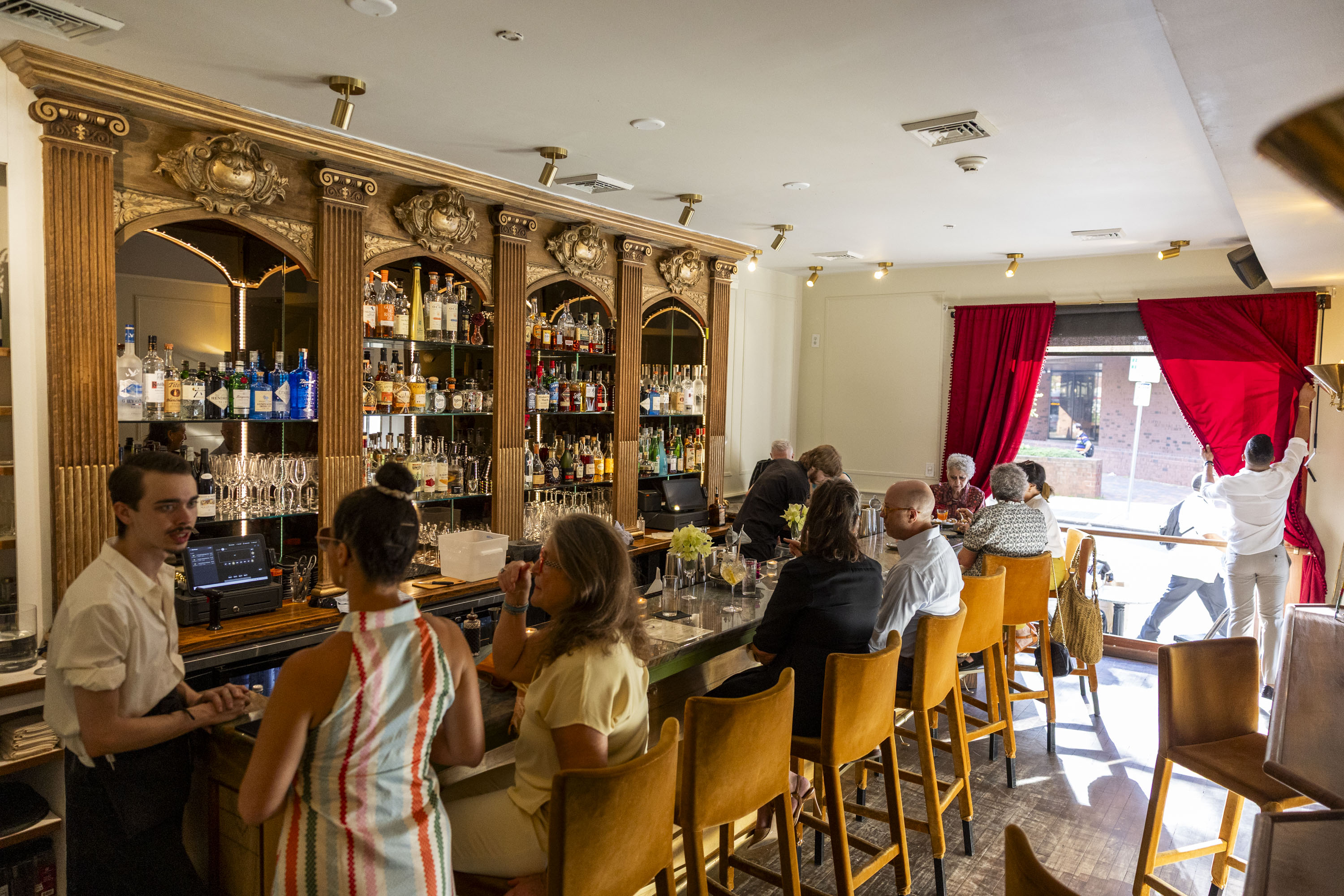
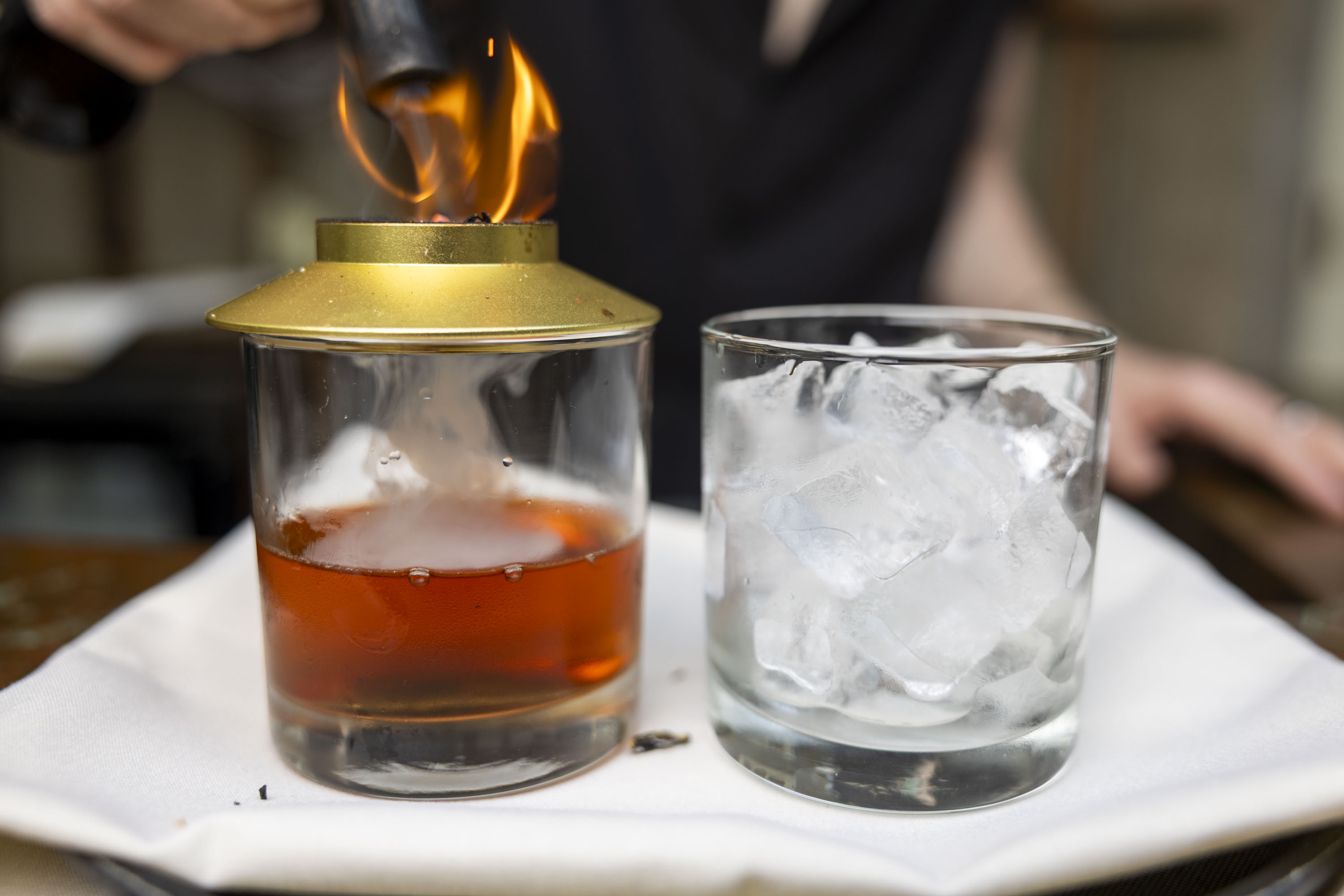
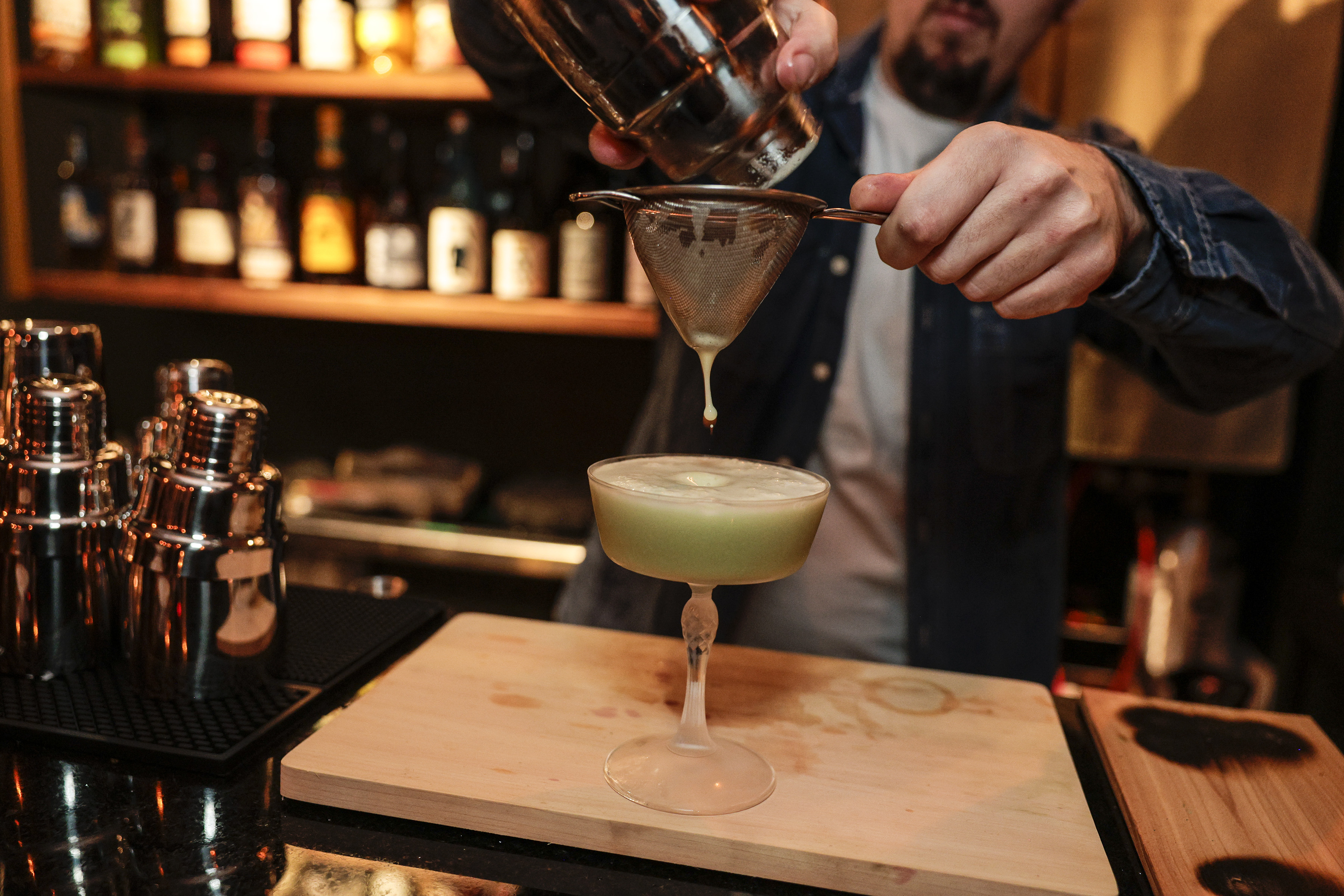
All new restaurants go through growing pains, and some will take longer to sort them out than others. But it would be unfair to suggest that Soufiane at the Morris is not worth the trouble. To the contrary, there were several glimmers of hope in my first meal here. The bar has been beautifully refurbished with wood paneling and pilasters salvaged from Lynnewood Hall along with a gilded antique French rococo mirror. The cocktails served to the diners at cushy barstools there incorporate fun Moroccan touches, from a gin-infused mint tea to an old-fashioned that arrives inside a dome of cinnamon and bay wood smoke.
People enjoying food and drinks at the bar at Soufiane on Sept. 10, 2026, in Philadelphia.Tyger Williams / Staff PhotographerA Moroccan old-fashioned at Soufiane at the Morris on Sept. 10, 2026, in Philadelphia.Tyger Williams / Staff Photographer
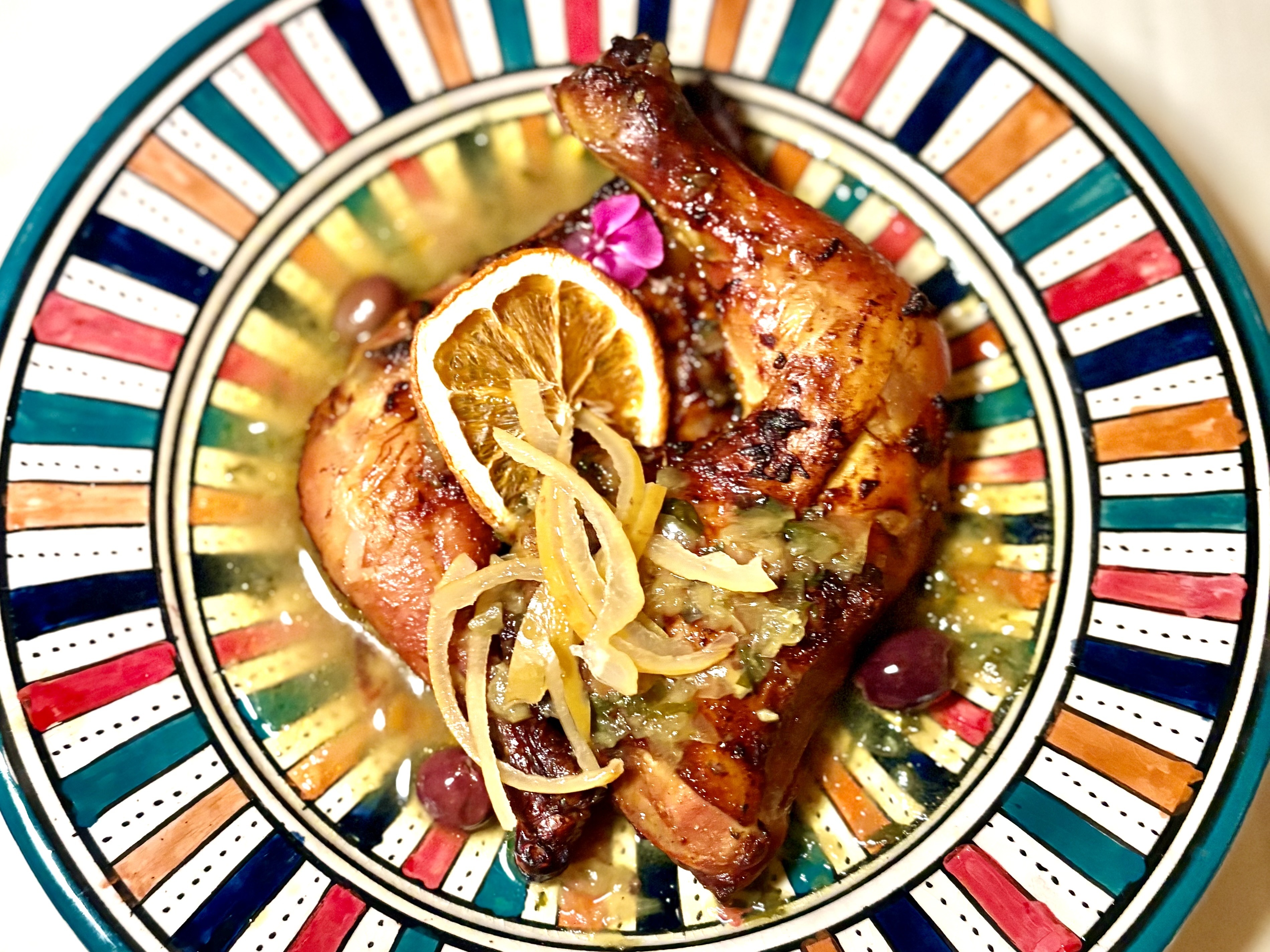
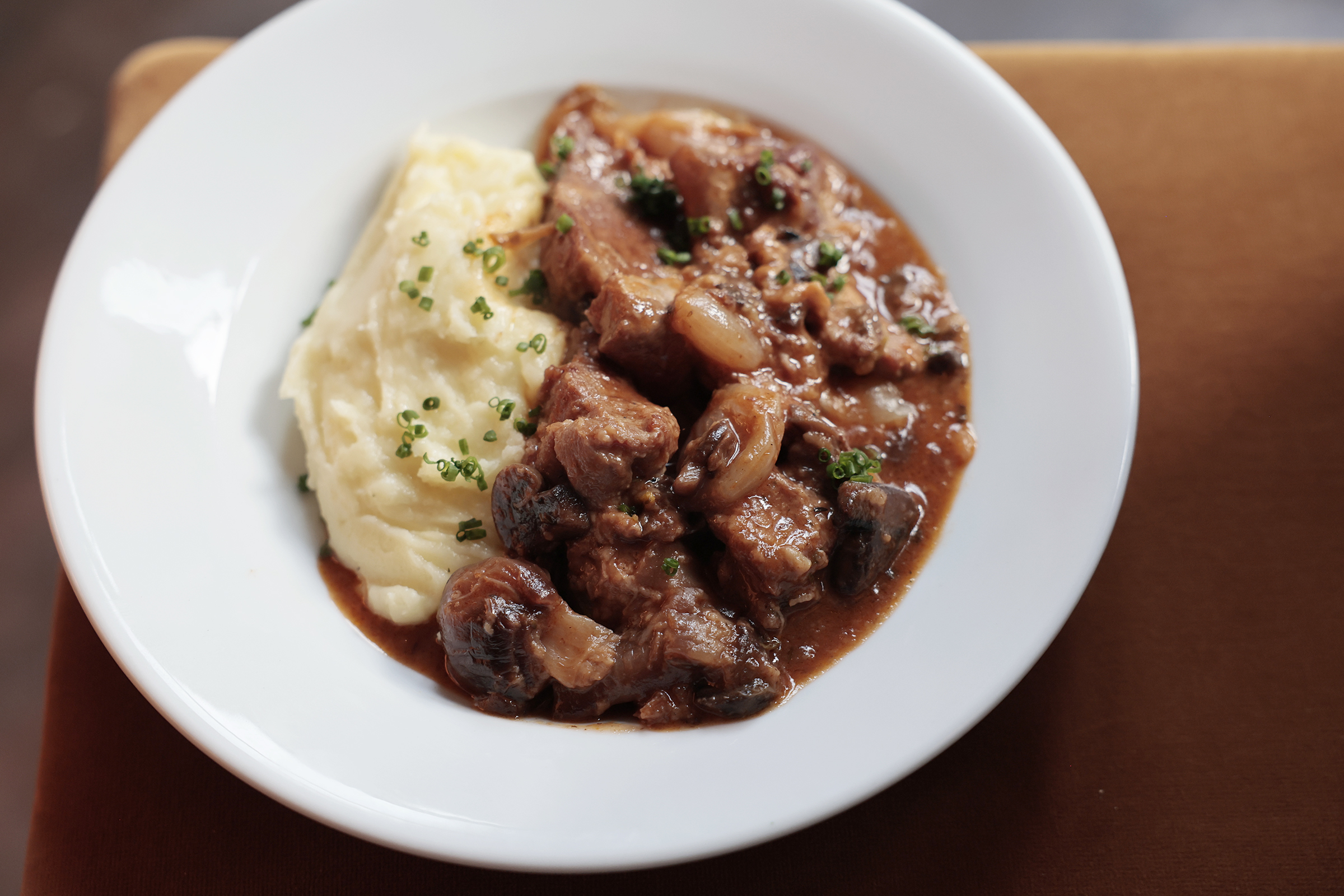
The kitchen also delivered some memorable plates, including a soulfully stewed chicken tagine scented with cardamom, olives, and preserved lemon. We also especially loved an obscure French standby called veal Marengo, a wine-stewed tumble of tender meat, mushrooms, and pearl onions with silky mashed potatoes. It’s a dish that Coast Guard veteran-turned-chef Henry McGuigan (Zahav, Laser Wolf, Lucky’s Last Chance, June BYOB, Tavern on Camac) has been mastering for years. They were both so good we would come back just for them.
In fact, we did. A few weeks later, the service was far more focused and the menu’s bicultural aspirations (with both hits and misses) came into clearer view. The menu is a split concept, more than pure fusion, and is very much a reflection of the couple behind this restaurant, the Tangier-born, Paris-raised Boutliliss and his husband, Mathon, a Frenchman who moved to the States as an executive with Coty.
The Veau Marengo (braised veal with white wine, pearl onions, mushrooms, house purée) served during a friends-and-family preopening of Soufiane at the Morris in Philadelphia on May 27, 2026.Elizabeth Robertson / Staff Photographer
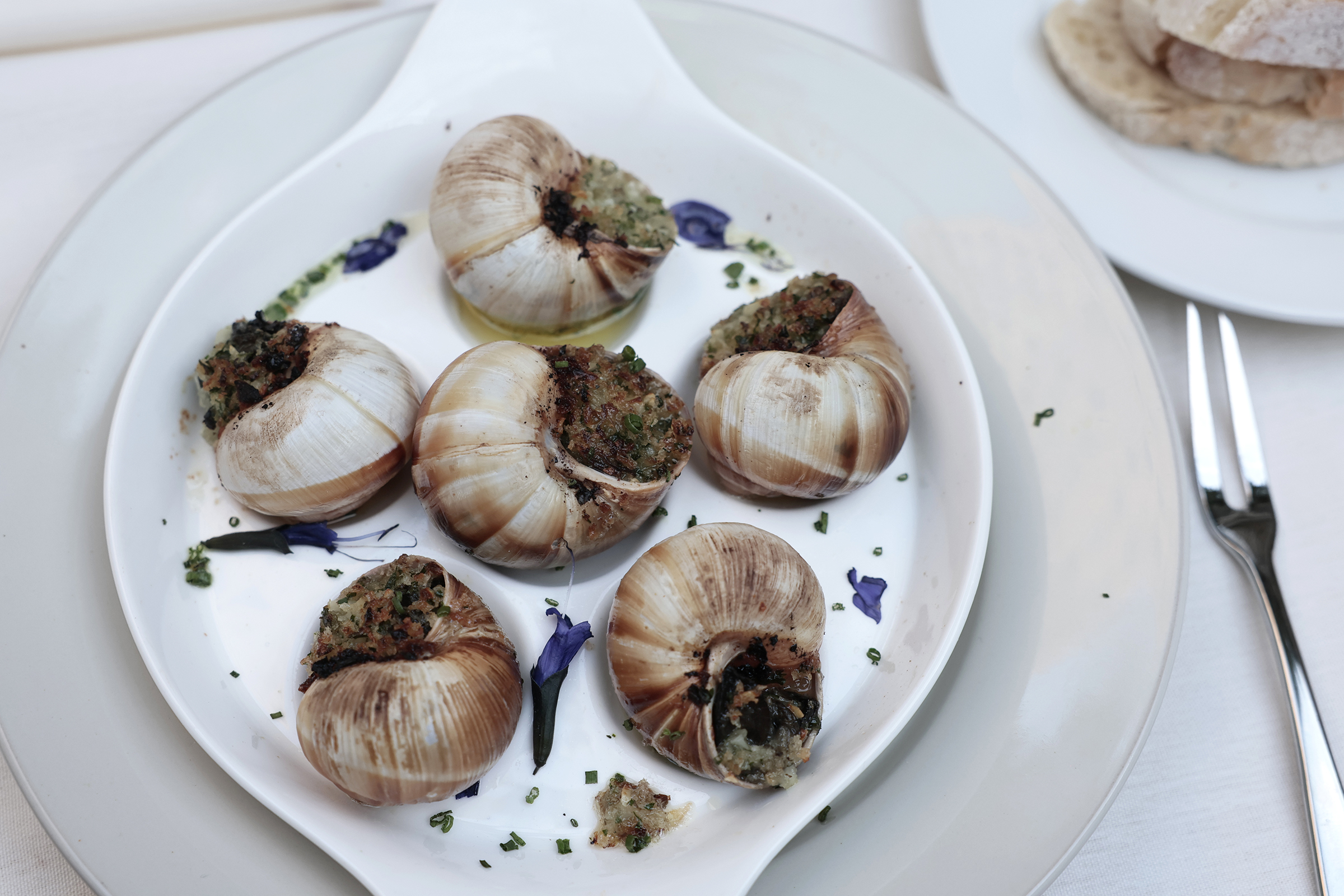
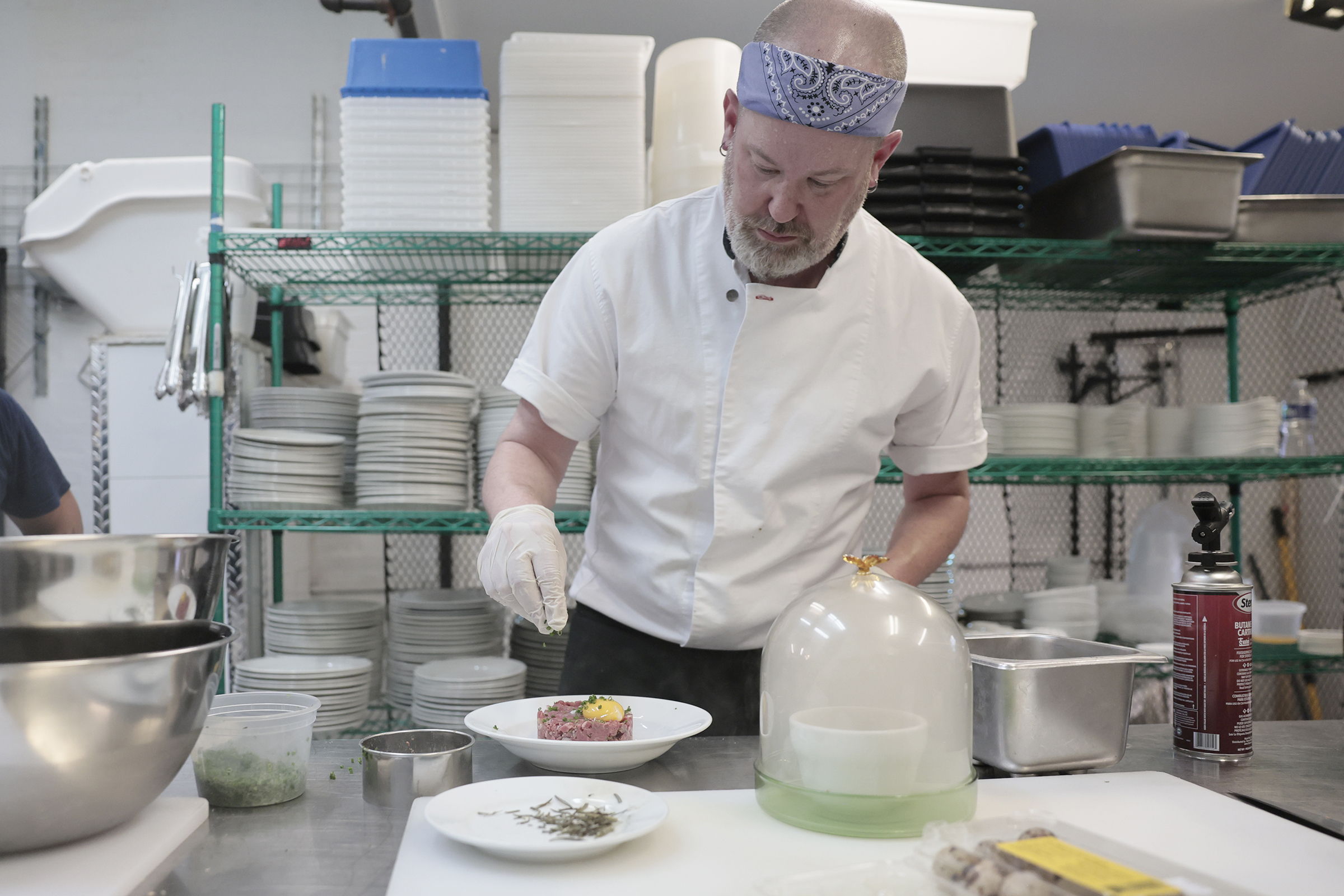
With McGuigan digging deep into his repertoire of French standards, some of the Gallic flavors were among the most satisfying, from a standout beef tartare with a quail egg shrouded in rosemary smoke to some tender escargots broiled with garlicky breadcrumbs inside their shells (worth it just to use the pincerlike escargot tongs!). I’d place Soufiane’s French onion soup among Philly’s best. Made over the course of two days with slowly caramelized onions and both beef and veal stocks steeped in-house, this soup has cognac-splashed layered depth and the satisfaction of a generously cheesy molten Gruyère lid.
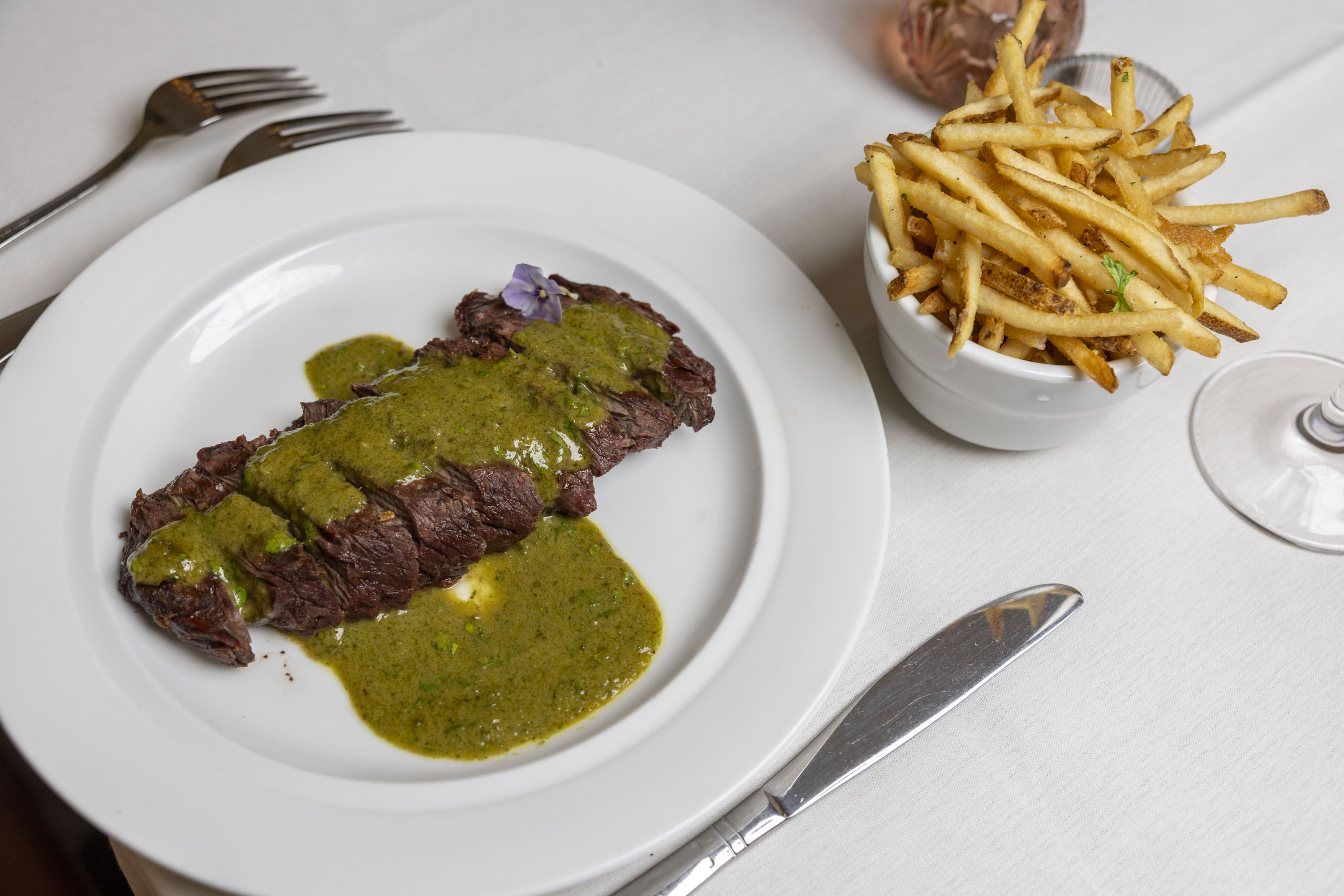
The steak frites is also a winner, a perfectly cooked prime-grade hanger lavished with a garden green spoonful of a zesty parsley purée enriched with shallots, confit garlic, and anchovies. Those shoestring frites cooked in beef tallow were also a crucial, sauce-soaking vehicle for la mouclade de moules, one of the most distinctive mussel dishes in town that taps a traditional preparation from the French coastal town of La Rochelle, its shellfish jus enriched with crème fraîche and curry.
The Escargots de Bourgogne (garlic and herb butter) served during a friends-and-family preopening of Soufiane at the Morris in Philadelphia on May 27, 2026.Elizabeth Robertson / Staff PhotographerSteak frites at Soufiane at the Morris on Sept. 10, 2026, in Philadelphia, Pa.Tyger Williams / Staff Photographer
Where this kitchen most frequently fell short was on the Moroccan side of the menu, where the flavors were often good, but the execution and touch were off — a symptom, perhaps, of the fact that Boutliliss is less involved in the kitchen’s day-to-day operations.
The fish tagine’s tomato-based sauce was appealingly fragrant with cumin and smoked paprika, but the red snapper fillet was overcooked and dry. Chermoula sauce is one of Boutliliss’ family treasures, a velvety green purée of cilantro, parsley, lemon, and olive oil whose aromatics of garlic and cumin must be added in order and in proper balance. (“You have to respect the grandmother’s touch,” says Boutliliss.)
But the tiny bay scallops that arrived inside a terra-cotta crock of that bubbling hot chermoula were terribly overcooked. In both cases, though, McGuigan has recognized the flaws and altered the dishes since my visits, changing the technique on the fish and subbing in larger sea scallops to better showcase the flavors.
Chef Henry McGuigan plates the Tartare de Bœuf “On a Cloud” during a friends-and-family preopening of Soufiane at the Morris in Philadelphia on May 27, 2026.Elizabeth Robertson / Staff Photographer
When it came to dessert, however, it was the Moroccan-inspired flavors that were most successful, a “pain perdue” French toast soaked in orange blossom syrup with caramel and pistachios, as well as a simple lemon tart inspired by Boutliliss’ grandmother with a lime zest-dusted condensed milk custard set into a crust of crushed Biscoff cookies.
It was a pleasant enough finale, but Mathon and Boutliliss must have sensed things had not gone smoothly and could be seen circulating among the room’s lingering guests with complimentary pours of Rémy Martin 1738 Cognac.
“We know we can do better,” Mathon told our table, tipping the brandy our way. “We never want you to leave without a smile.”
That kind of personal touch, the one that earned them fans at tiny Sofi Corner, is certainly the right idea, and when a Frenchman breaks out the cognac you know he means it. But if they hope to change two decades of precedent and transform the larger challenge of Soufiane at the Morris into a lasting restaurant success, they’ve got bigger issues of staffing and kitchen consistency to solve.
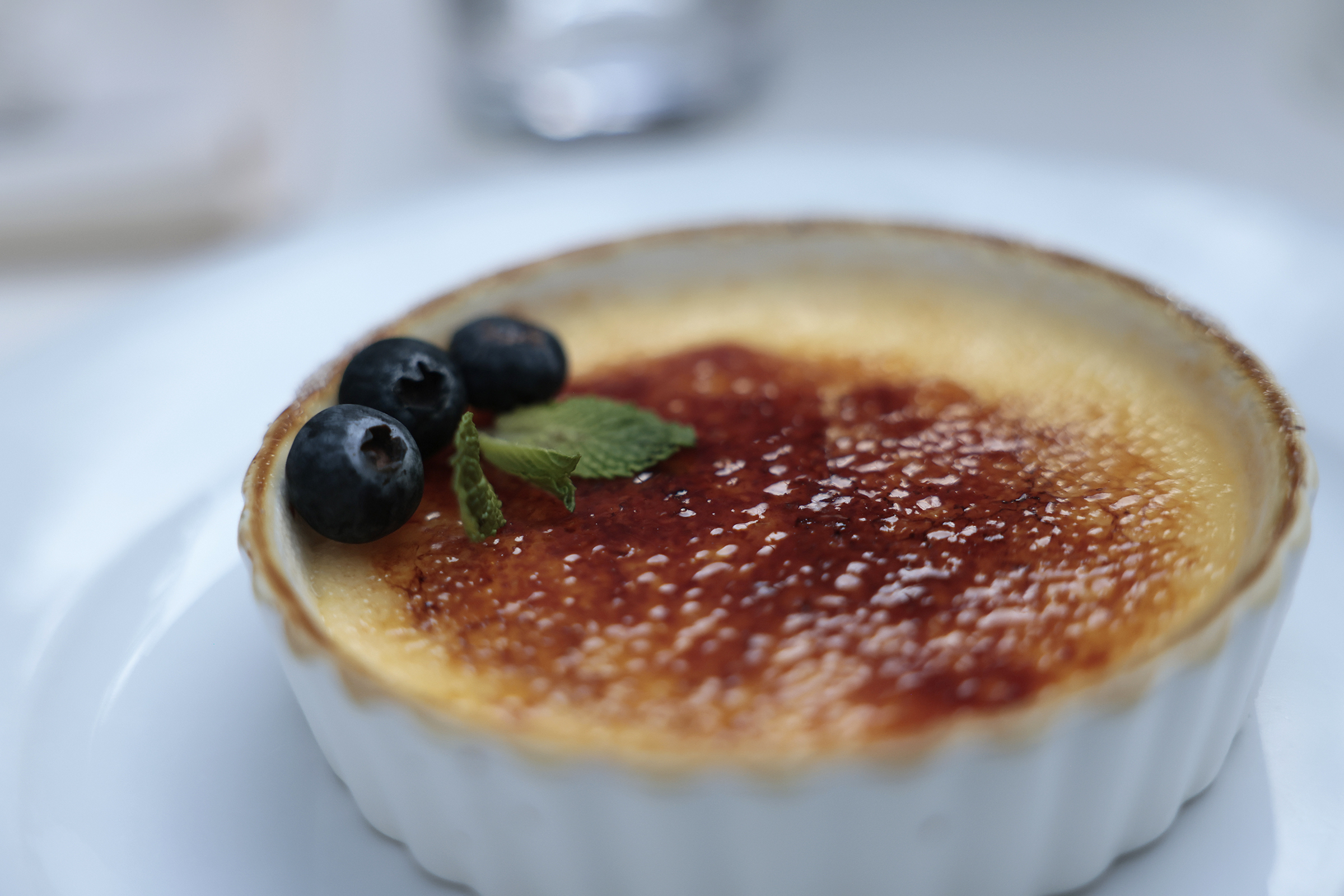
The crème brûlée served during a friends-and-family preopening of Soufiane on May 27, 2026.Elizabeth Robertson / Staff Photographer
Dinner Tuesday through Sunday, 4:30 p.m. to midnight.
Wheelchair accessible through garden entrance.
About 35% of the menu is gluten-free or can be modified.
Entrees, $30-$48 (couscous for two).
Menu highlights: beef tartare; Moroccan briouats; escargots; chermoula scallops; French onion soup; couscous royale; chicken tagine; steak frites; veal Marengo; la Mouclade curried mussels; tarte au citron.
Drinks: Cocktails are the focus, with a range of classic ideas executed with a North African flourish, from a Casablanca old-fashioned smoked with cinnamon and bay wood to a gin- and Carpano-infused Moroccan mint tea. About a dozen wines by the glass, largely French, offer a solid range of standard choices for $16 or less.
The entrance of Soufiane at the Morris on May 27, 2026.Elizabeth Robertson / Staff Photographer
The pods are open. Twelve Philly chefs are looking for their perfect collab partner — but only one team will earn the title of Love at First Bite.
Hosted by The Inquirer’s Ariane Datil, Food Fest Love at First Bite is a reality TV-inspired culinary matchmaking series, where Philly chefs enter the “pods” to find their perfect collaboration partner.
Together, the matched chefs will create a dish for The Inquirer Food Fest. On November 14, at The Fillmore, they will compete for the coveted title of Love at First Bite.
New episodes will be released twice a week leading up to Food Fest.
Come back to watch the chefs “date” each other in the pods, find out who they’ve been paired with, and get a behind the scenes look at the chefs in the kitchen as they figure out what they’ll serve up for the Inquirer Food Fest.
Like one of our favorite reality dating shows, after each episode of Love at First Bite you’ll get a chance to vote on different moments from the episode. More on that later. But first …
Which chef are you most excited to see at the Food Fest?
Thanks for voting
Are you coming to The Inquirer Food Fest?
Thanks for voting
We’ll be back with episode two on October 3.
Want to taste what these chefs are cooking up?
Limited tickets are available for The Inquirer’s second ever Food Fest. Join us on Nov. 14, 2026, 11 a.m. for one day to taste it all.
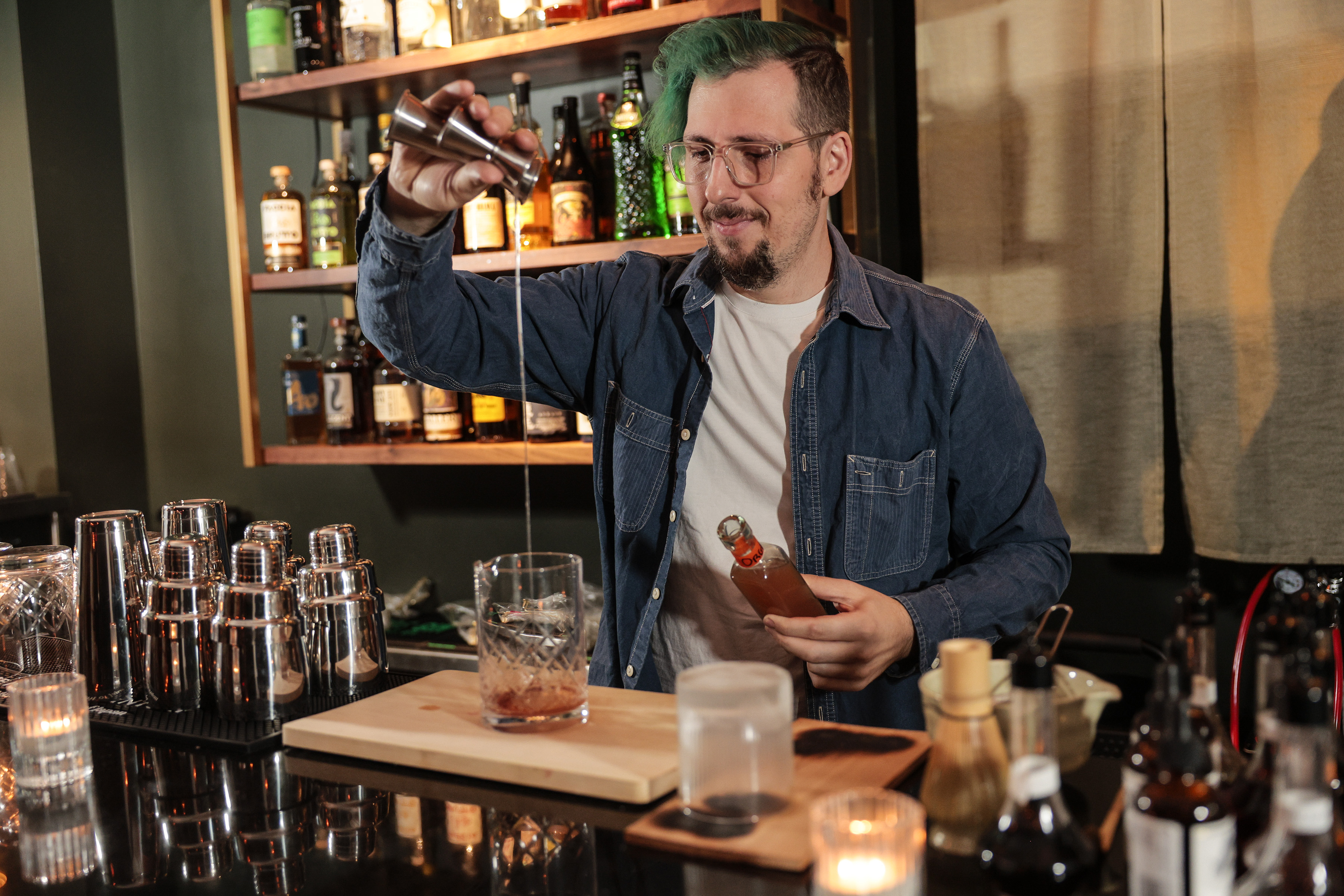
The team behind one of Philadelphia’s most acclaimed new cocktail bars is preparing a larger second act in Rittenhouse.
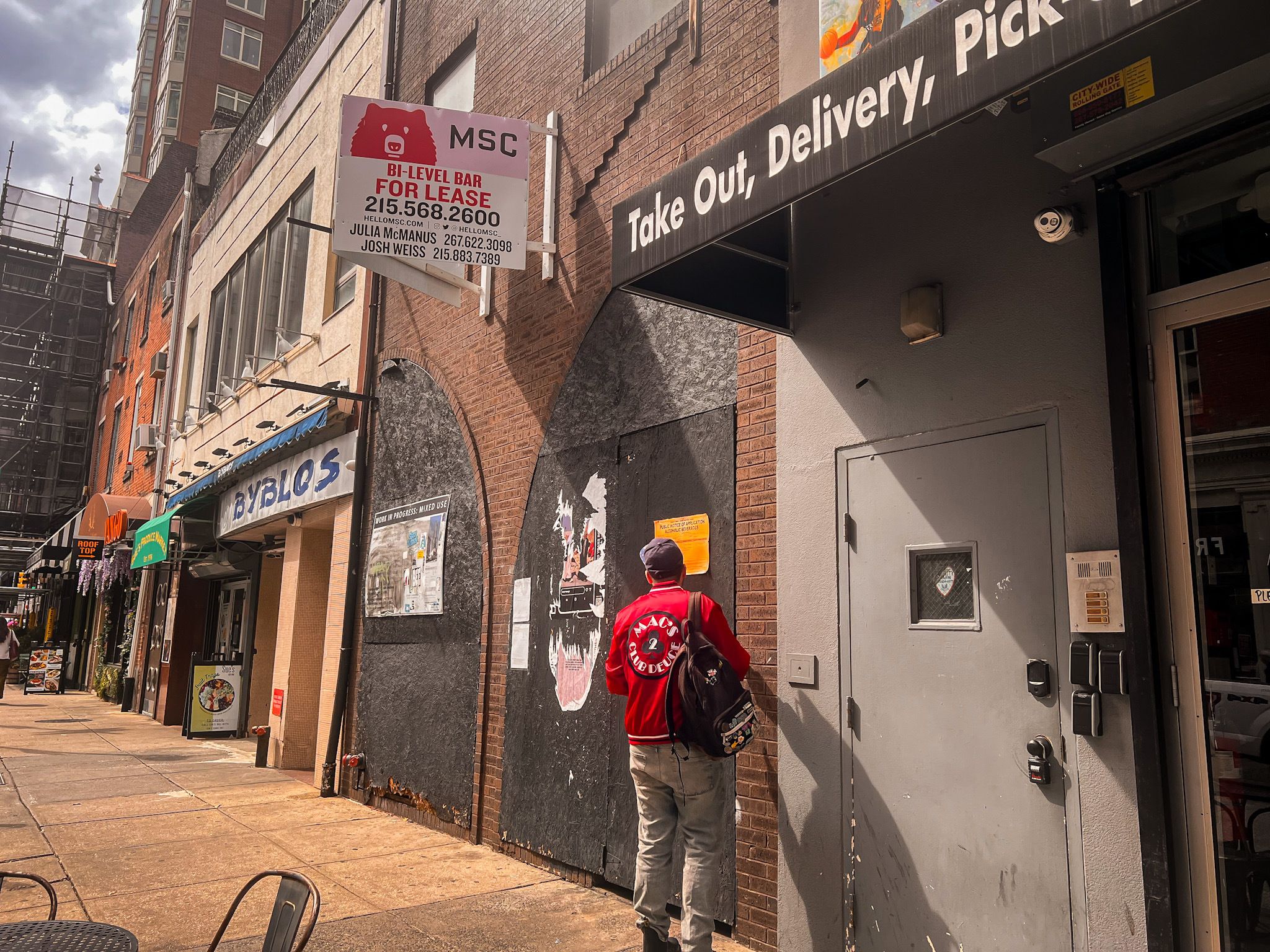
Almanac co-owners Vy To and Victor Ng and bar manager Rob Scott are building a two-level bar in the former Franklin Mortgage & Investment Co. space at 112 S. 18th St. A name and opening date have not been announced. Much more work needs to be done, they said, as the space has been vacant since Franklin left in 2021. It later reopened behind the 1715 Rittenhouse Hotel. The new bar is between Cleavers and Byblos and its upstairs lounge, Vango.
Bar manager Rob Scott making a drink at Almanac’s opening in November 2024.Steven M. Falk / Staff Photographer
To, Ng, and Scott have been riding high on public acclaim since they opened the 23-seat, Japanese-influenced Almanac in 2024 above its sister restaurant, Ogawa Sushi & Kappo, at 310 Market St. in Old City.
To, Ng, and Scott will be partners in the new venture. They started working together in 2024, when the Drexel Food Lab connected To and Ng with Danny Childs, the James Beard Award-winning author of Slow Drinks. Childs recruited Scott, his former colleague at Cherry Hill’s Farm & Fisherman, to run Almanac.
The Rittenhouse bar will divide its personality between two floors, and each will carry its own name. The long, narrow lower level will be calm, dark, and intimate, with a cocktail menu built around a single theme that could remain for 12 to 18 months. Upstairs will be brighter, livelier, and designed to handle more customers.
Its largely fixed beverage menu upstairs will rely on draft, frozen, freezer-door, nitro, and shaved-ice cocktails. Scott said he hopes to avoid conventional shakers, mixing tins, and jiggers upstairs. Most preparation would occur before service, allowing bartenders to pour and garnish drinks quickly while spending more time with customers.
“You can return in a week, a month, or a year, and it will probably still be there,” Scott said of the upstairs menu selections.
The new approach is partly a response to Almanac’s economics. Its hyperseasonal menu and fermentation and preservation work can require hours of preparation, but its size limits capacity. Scott said Almanac’s cocktails cost $19 to $23 partly because labor and ingredient expenses must be divided among relatively few guests.
The new project would preserve Almanac’s distinctive, intimate experience downstairs while increasing volume upstairs to allow more guests to experience Scott’s hospitality without a reservation, To said. Kitchen and preparation employees would work across both floors. The Drexel Food Lab is developing a small-bites menu.
Rob Scott locks the door at the future bar at 112 S. 18th St. on Sept. 23.Michael Klein / Staff
Behind Bars Agency of Oslo is designing a customized downstairs system allowing two bartenders to work independently in the narrow room. Philadelphia designer Ian Chapin, whose resumé includes Middle Child Clubhouse, R&D, and Pub & Kitchen, is handling the interiors; Kylie Silvestri, who worked on Almanac, Ogawa, and Little Water, will oversee graphic design.
The partners plan to divide the downstairs room into smaller lounge areas while preserving sight lines to the bar. Upstairs will feature custom lighting and metalwork. Scott described the contrasting rooms as “two sides of the same coin.”
To said the larger project is intended to turn the hospitality practiced at 12-seat Ogawa and Almanac into a more durable business with enough revenue to create long-term jobs.
“We want our employees to be able to build careers and have a sustainable lifestyle if they choose to remain in this world with us,” she said.
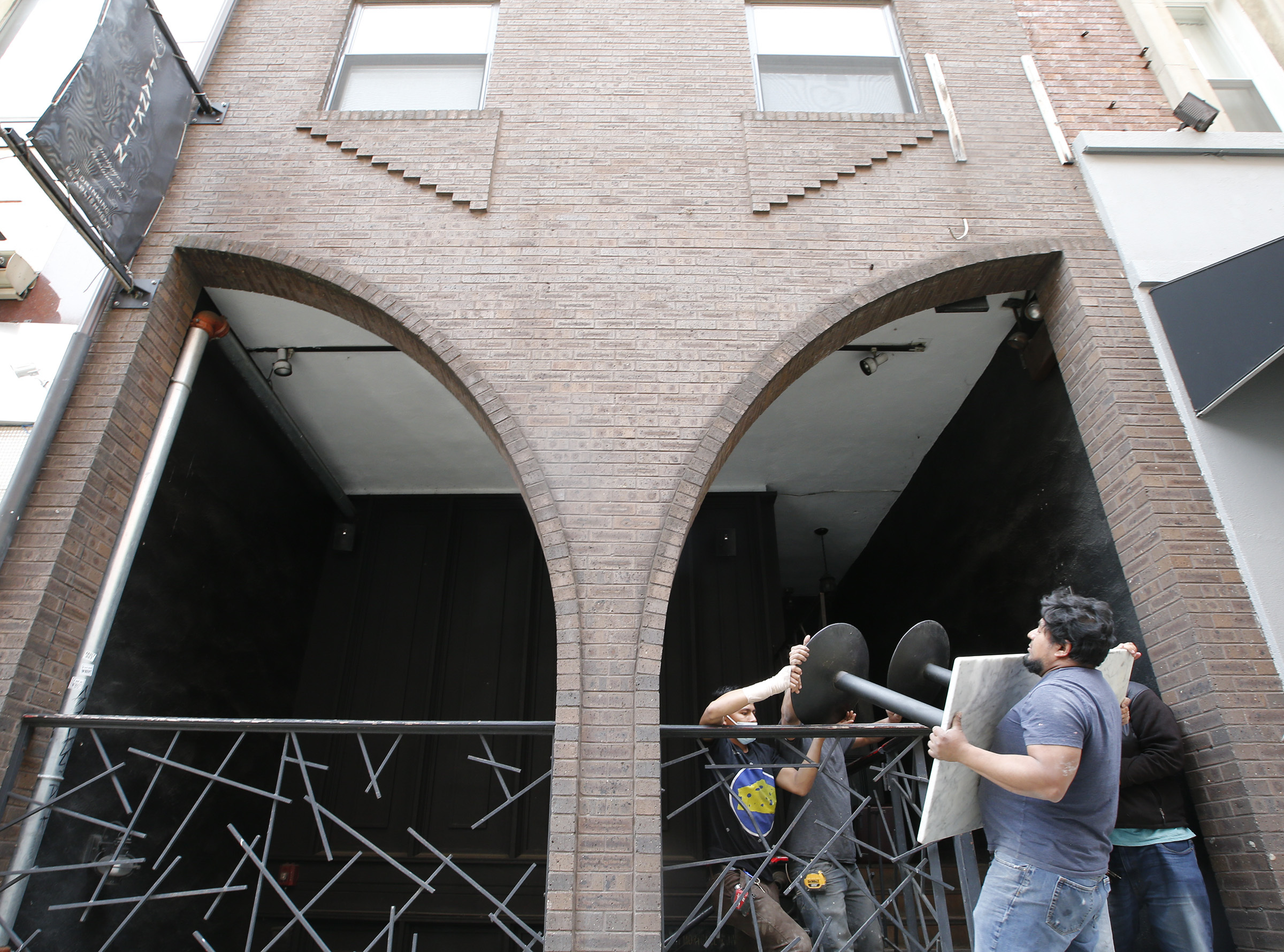
Workers carrying out tables from Franklin Mortgage & Investment Co.’s location at 112 S. 18th St. in May 2021. Franklin later reopened nearby.Yong Kim / Staff Photographer
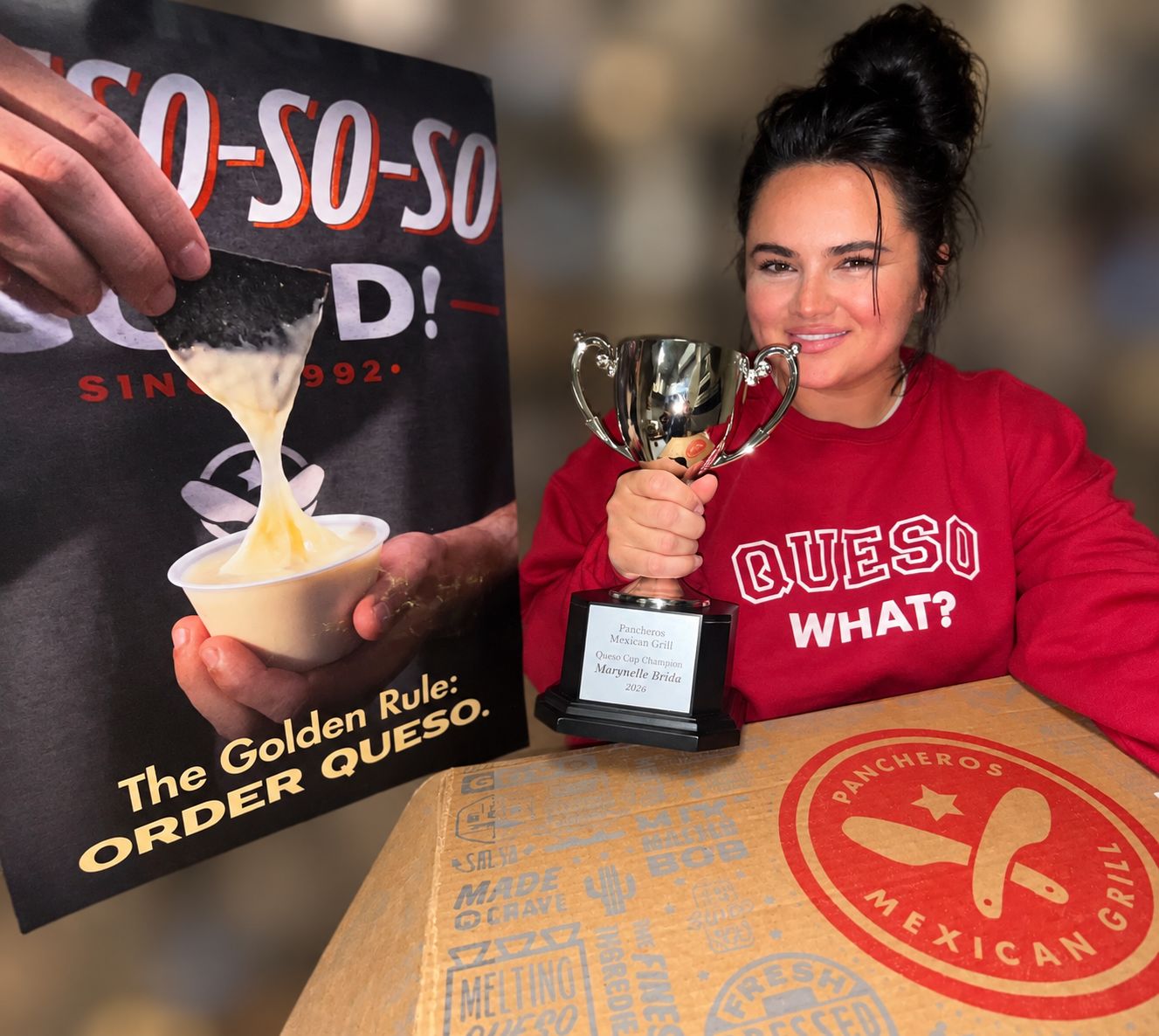
Marynelle Milanese didn’t pick up when Pancheros Mexican Grill called her this month. She thought a message crowning her the nation’s first “Queso Queen” was surely a scam.
But when the Mexican fast-food chain followed her on Instagram, the Voorhees resident realized it was true: Milanese, 33, is the first woman dubbed queso royalty. Her family, which runs Milanese Brothers Pizza in Stratford, couldn’t believe it either.
“We all still just can’t get over it, that this is even a thing,” Milanese said.
Pancheros honors its rewards member who buys the most queso in a given year on Sept. 20, National Queso Day, with a trophy, a personal party at the chain, and a prize box — featuring merch, a helping of burrito coupons, and a signed poster of retired WWE wrestler Big E, who has a partnership with the brand.
She also gets free queso for a year.
Pancheros debuted the award in 2019, and Milanese is the second New Jerseyan to win it. She bought queso 235 times since last September and has visited the chain 434 times over the past six years.
The trophy, which calls Milanese the “Queso Cup Champion,” currently sits on her entertainment center at home, five minutes down the road from her local Pancheros in Voorhees, Camden County. Milanese started eating at the chain 12 years ago, when her husband’s family introduced her to “Panch” and gave her a lifetime love of the burrito bowl, which she orders with cilantro rice, pinto beans, extra steak, queso (of course), and sauteed veggies.
More than 200 queso orders might look like a lot in a year, but Milanese has a reason for buying so much.
Debbie Milanese, 63, is somewhat of a queso queen herself. Milanese’s mother-in-law, who lives with Milanese and her husband, can’t stomach most foods due to various health conditions.
“Not everything sits right with her,” Milanese said. “But Pancheros always does.”
Milanese orders queso for the both of them, and they split it, since it’s something her mother-in-law can enjoy. Plus, it gives the pair something to do.
“It has always brought us together,” she said.
With Debbie’s birthday coming up in November, Milanese said she hopes to turn the 20-person Pancheros party, a perk of her queso win, into a family get-together.
Pancheros has about 70 locations across 12 states, including 10 in New Jersey and three in Pennsylvania. The chain has more than a million rewards members.
Last year, Josh Davis of Iowa won the Queso King trophy for the third time with 326 queso orders, less than he ordered in 2023 and 2021 for his previous queso victories.
In 2022, a resident of Bedminster, Somerset County, became Pancheros’ first New Jersey Queso King with 230 orders.
Sorrentino Pasta & Provisions may have closed its Ambler restaurant and market last month, but owner Rich Sorrentino is not getting out of the pasta business. He is concentrating on the wholesale operation that had grown alongside the storefront while developing a new shop nearby.
Sorrentino’s business, which opened in 2021 on Butler Avenue near Ridge, combined a dining room, pasta workshop, and Italian specialty market in a narrow storefront next to Alice Bakery. You could walk in and buy fresh and dried pastas by the pound as well as focaccia, oils, vinegars, tinned fish, and cheeses from a small refrigerator. But insiders knew about the 15 restaurant seats under a blackboard in the front, where Sorrentino offered a changing menu of dishes such as pappardelle al cinghiale, casarecce with ’nduja, carbonara, and garganelli with pesto, pistachios, breadcrumbs, and arugula.
Rich Sorrentino, at his Ambler workroom, says he started pasta making years ago “as a kind of relief — something therapeutic.”William Thomas Cain / For The Inquirer
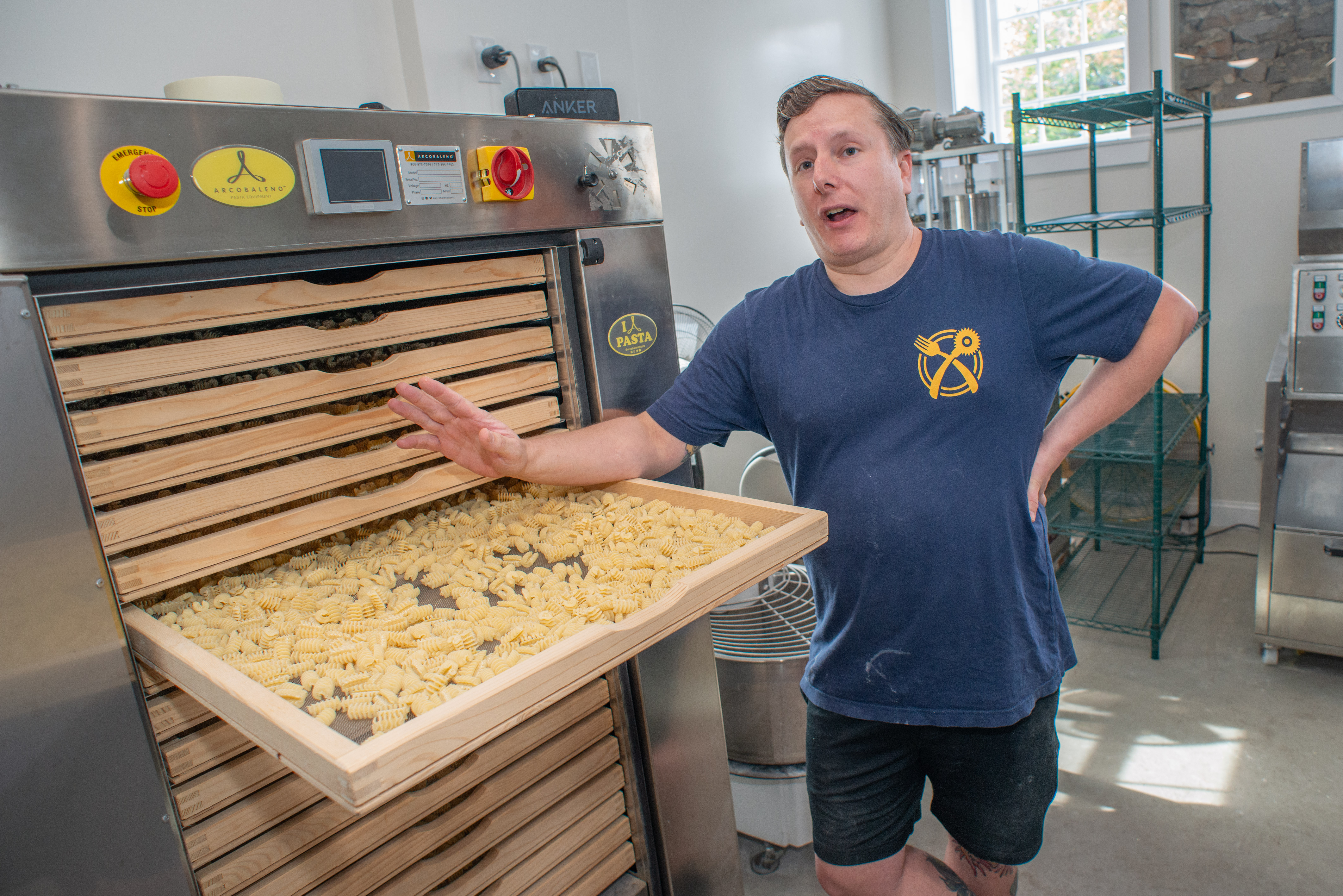
Wholesale pasta has been Sorrentino’s bread and butter for the last three years, especially after he acquired a small garage on a nearby side street, which he turned into a production facility. He supplies local restaurants and country clubs.
Sorrentino said the wholesale business offered greater potential than a restaurant — as well as the attraction of a Monday-through-Friday schedule.
“I can’t be in two places at once,” he said. “I weighed the options between the restaurant and the wholesale business and which one I wanted to keep going.”
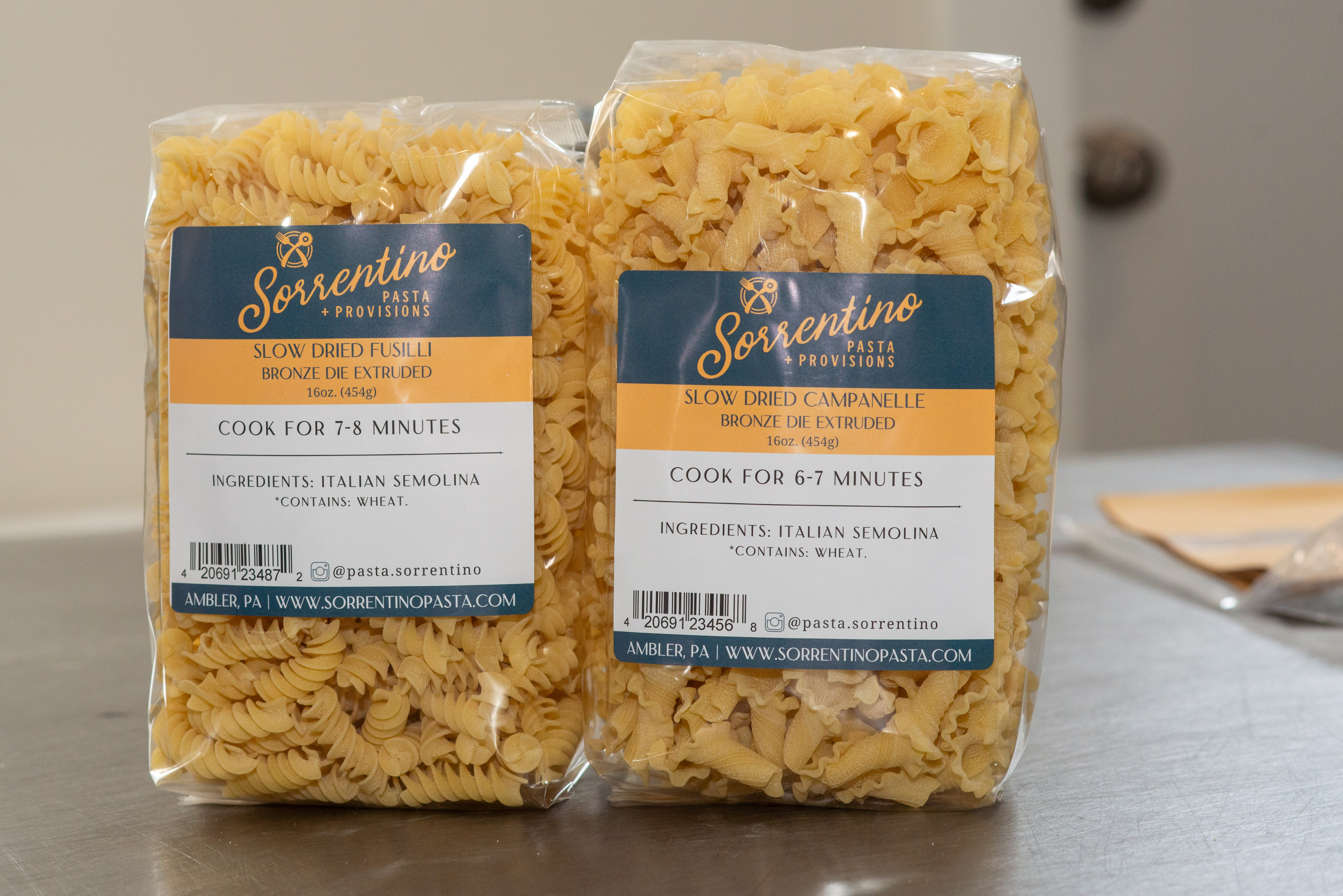
Bags of Sorrentino’s dried fusilli and capanelle before they are boxed up and sent to stores. William Thomas Cain / For The Inquirer
Locally, pasta makers have moved in both directions as their businesses have grown. Scaramuzza’s Pasta Products closed its Clifton Heights walk-in store in 2016 to concentrate on wholesale before later restoring retail at a larger facility, while Settantatré expanded from a combined Milmont Park shop and production space into a larger Berwyn store with a separate gluten-free production facility and event space nearby.
For Sorrentino, the decision ended a five-year run for a business that grew out of his pasta-making hobby. “I come from a big Italian family,” he said. Before opening the shop, he was technical director for a large corporate chain. Given all the travel, “I found myself making pasta as a kind of relief — something therapeutic,” he said.
The hobby eventually took over a room adjoining his kitchen, and small gatherings grew into large dinner parties. “I’d always had the idea of opening a fresh pasta shop,” he said. “Going to Italy as much as I do, I’ve seen a lot of cool concepts over there, and I always thought, ‘Man, this would be cool to do in a town like Ambler.’” He acquired the Butler Avenue building during the pandemic and decided to take the chance. He recently sold the property.
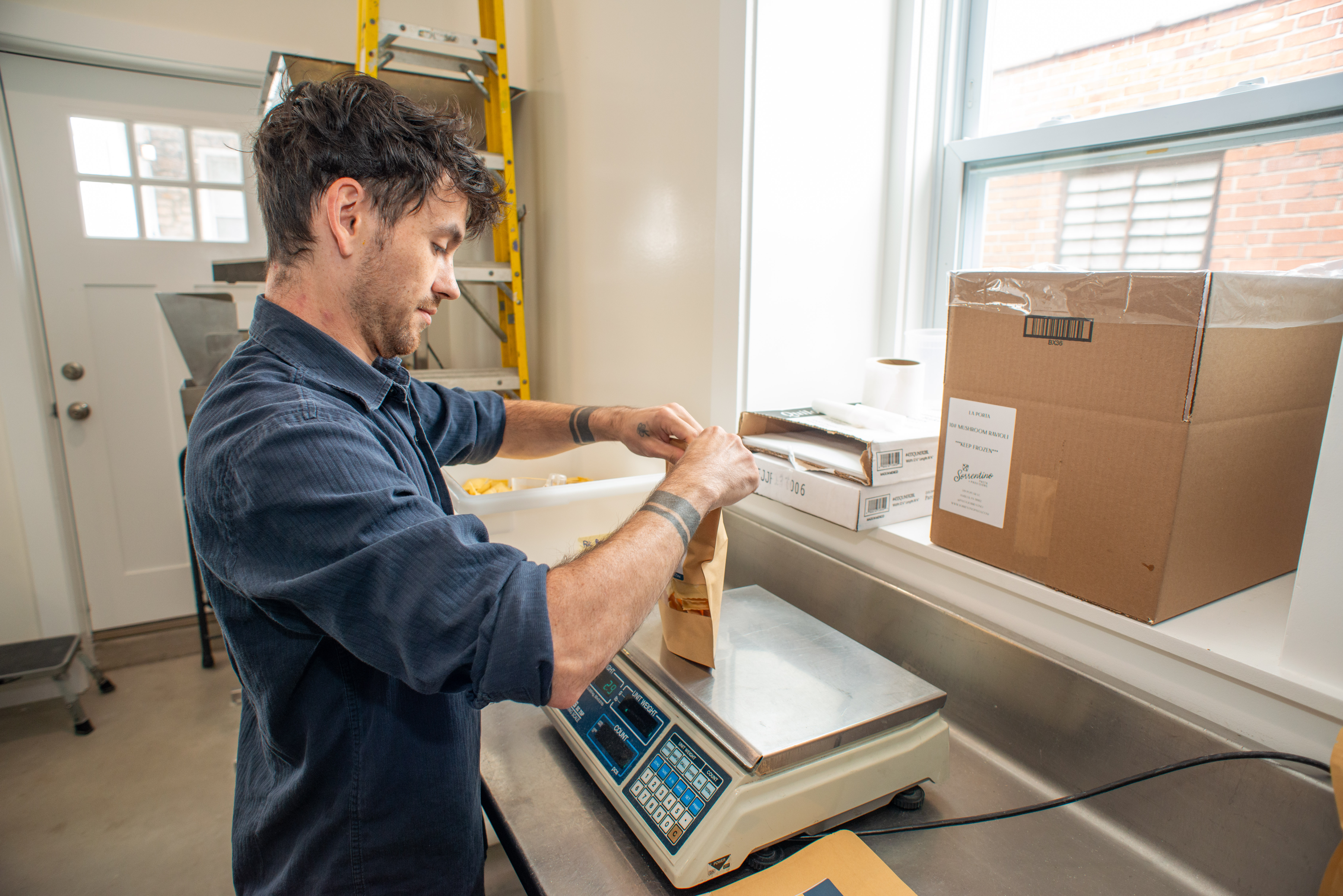
Nick Pfeiffer seals a bag of pasta at Sorrentino in Ambler.William Thomas Cain / For The Inquirer
Meanwhile, the wholesale operation continues, though Sorrentino says at 1,200 square feet, he is running out of room. With the closing of the restaurant kitchen, he cannot produce and package sauces for now.
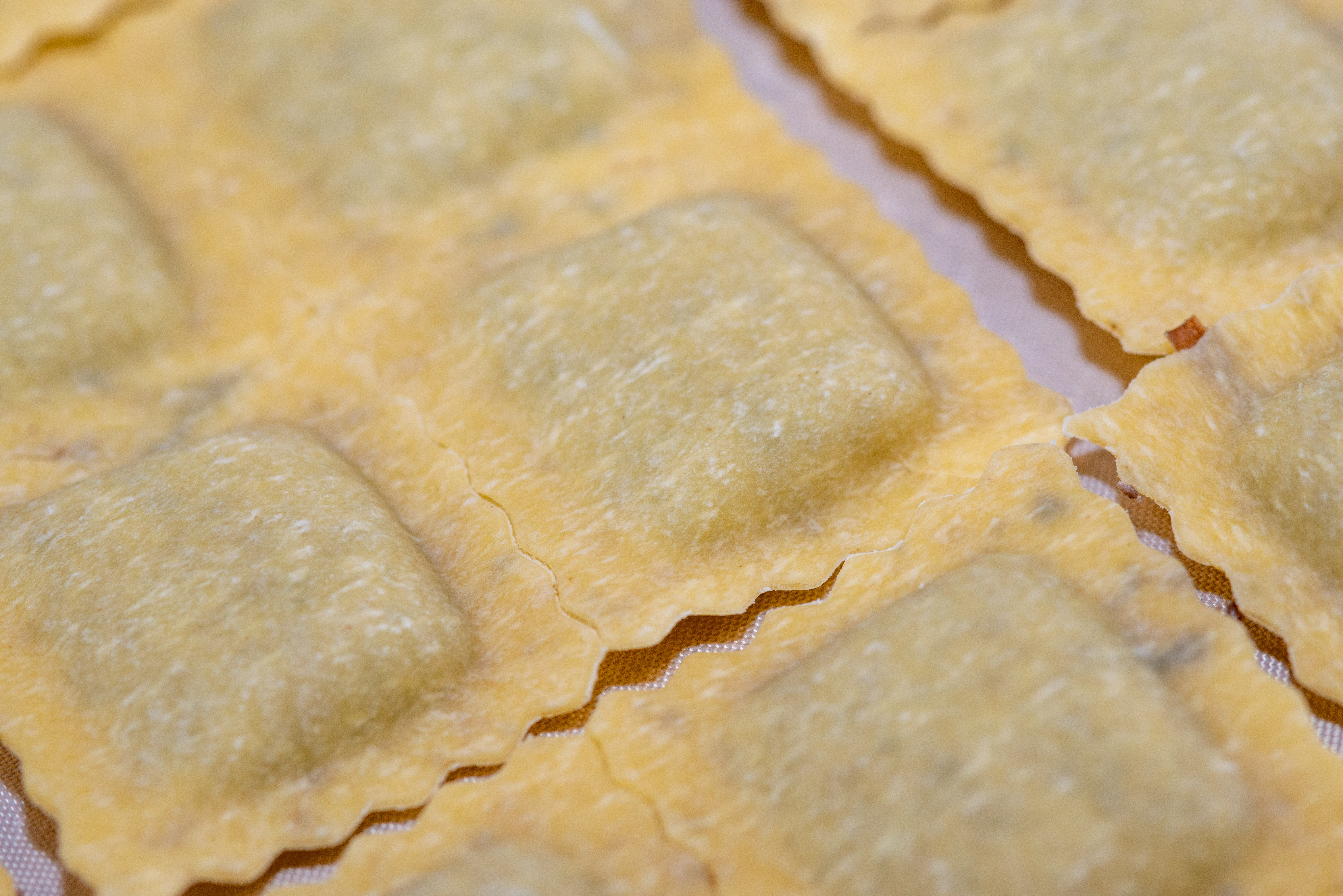
Sorrentino’s line covers both dry and fresh pastas, as well as frozen ravioli and his top seller, potato gnocchi.
The company makes private-label ravioli and gnocchi for Weavers Way, the co-op. Sorrentino products are also sold at Corner Stoop in Philadelphia, Dave’s Backyard Farm in Huntingdon Valley, Tredici Market in Wayne, Sam’s Italian Market in Willow Grove, and Skippack Italian Market. The company alternates Saturdays between the Conshohocken and East Falls Farmers Markets and sets up at Horsham’s on Sundays.
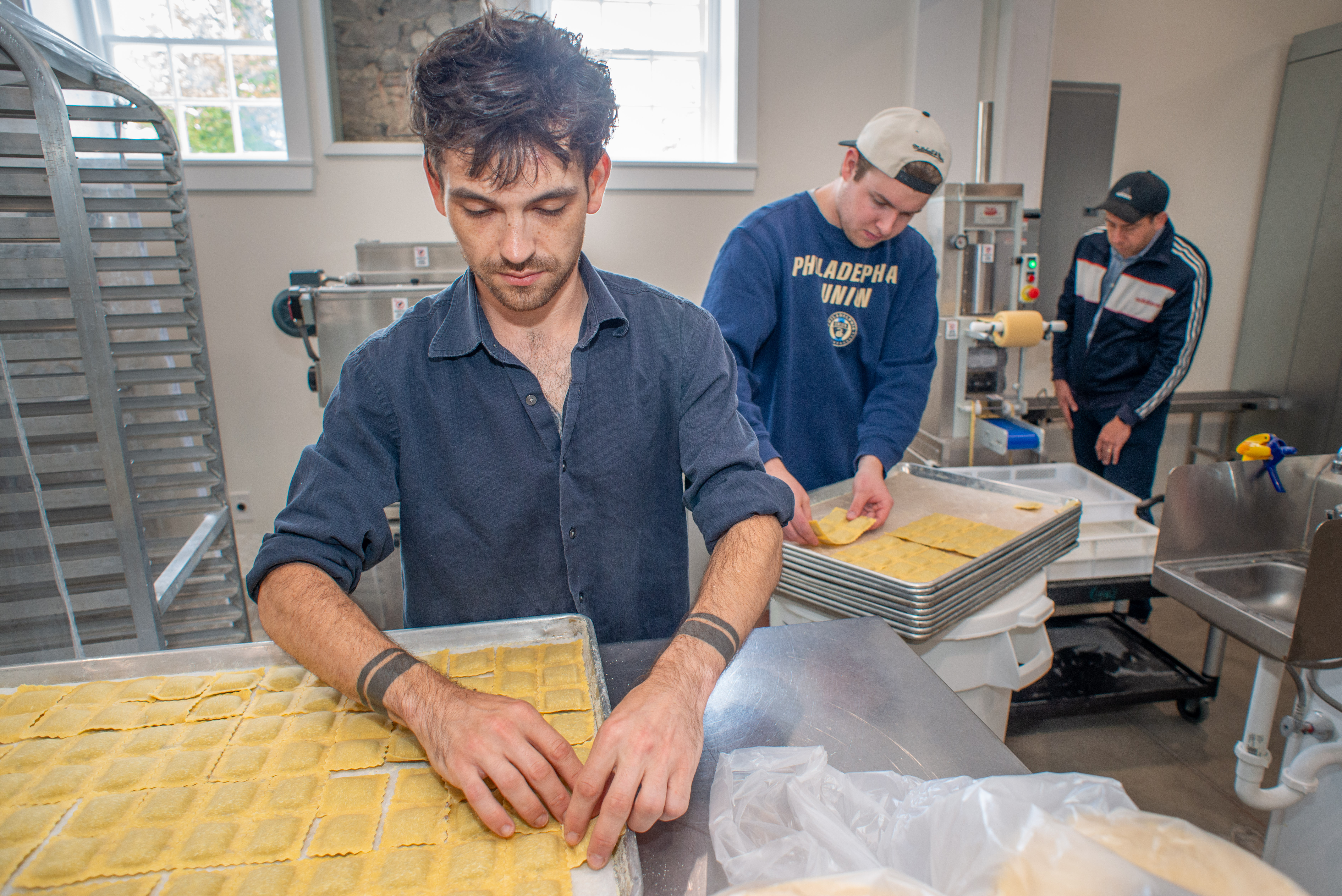
Nick Pfeiffer (left), Nais Ryan, and Matthew Brunetto (right) work on mushroom ravioli at Sorrentino Pasta.William Thomas Cain / For The Inquirer
Expanding retail availability is the next step, Sorrentino said. He is building out a small shop nearby; he’s not sure of the timeline.
“We’re only now slowly getting into the retail world,” he said. “We’ve purposefully been slow about pushing that because we were trying to focus on our restaurant clients. But it’s something we’re going to focus on, now that the store is closed.”