Tag: Weekend Reads

  • Shapiro says Trump’s claims of widespread noncitizen voting are ‘not connected to reality’

    Shapiro says Trump’s claims of widespread noncitizen voting are ‘not connected to reality’

    Gov. Josh Shapiro blasted President Donald Trump Friday morning, a day after the president used a prime-time speech to reignite a series of conspiracy theories about his 2020 election loss that intelligence and voting experts have both warned are based on misrepresentations and falsehoods.

    “It was an unfortunate day for America to have really an unhinged president in the White House spewing a whole bunch of conspiracy theories that are just simply not connected to reality,” Shapiro said on MS NOW’s Morning Joe Friday morning.

    The speech comes less than four months ahead of the November election, which will determine control of Congress and the Pennsylvania governor’s office. As Trump administration looks to usher in sweeping national changes to election administration, Shapiro and other Democrats have promised to continue resisting those efforts.

    Shapiro, a potential Democratic contender for the presidency in 2028, noted his role in battling Trump’s team in court as Pennsylvania attorney general in the aftermath of the 2020 election — which Trump continues to insist he won, without evidence, six years later.

    “I went 43-0,” Shapiro said, calling Trump’s assertions baseless.

    DHS targets Pennsylvania and New Jersey

    While the president did not directly reference Pennsylvania in the speech, the White House did target the state — along with New Jersey, California, and Nevada — in a document it posted online Thursday evening in support of the president’s claims.

    The document claims that the Department of Homeland Security has identified more than 250,000 noncitizens registered to vote spread across the four Democratic-led states, but it provides little explanation of the methodology used.

    Pennsylvania Secretary of State Al Schmidt, a Republican appointed by Shapiro, rejected the allegation in a statement.

    “Pennsylvania follows all state and federal laws when it comes to our elections, and our voter rolls are properly maintained and updated,” Schmidt said in a statement Thursday. “All evidence has shown that noncitizen voting is extremely rare across the country, including in Pennsylvania.”

    The assertions, which Trump said were made in concert with the nation’s top intelligence agency chiefs, are included in memos on the White House homepage that together weave broad allegations of fraud surrounding the 2020 presidential election that remain unproven despite multiple audits and investigations six years later.

    “These disclosures reveal an election system so broken and so vulnerable that no one can possibly defend it. It is not defensible,” Trump said Thursday.

    But none of memos show evidence that would change the outcome of the election and a broad range experts have pointed that some contain information that undercut Trump’s claims.

    The document targeting Pennsylvania and New Jersey is a one-page summary of a Department of Homeland Security investigation, which the White House says identified, a total of 278,000 noncitizens across the country who are registered to vote in federal elections.

    The White House document suggests the number was derived from putting voter files through the federal government’s Systematic Alien Verification for Entitlements (SAVE) tool, which has previously been used to further false claims of widespread voter fraud.

    “While the Department has made clear that we cannot share Pennsylvanians’ private, personal information, we welcome DHS sharing their methodology and list of potential ineligible voters so we can carefully review the validity of their claims,” Schmidt said in the statement.

    The announcement also comes as Pennsylvania and other states have pushed back against requests from the Department of Justice to hand over unredacted voter rolls. Schmidt has argued that sharing the rolls would put voters’ personal information at risk.

    The Trump administration has insisted doing so is the best way to avoid criminal prosecution for “aiding and abetting the violation” of federal voting laws.

    DHS Secretary Markwayne Mullin said 23 states already work with the department to screen for noncitizen voters, in a news conference Friday, and those who continue to resist could face legal consequences.

    States that want to be reimbursed for the cost of running federal elections must implement the department’s requests, he said.

    “We will make sure that we make those states a priority to look at who voted in their states, and hold the election officials accountable,” Mullin said. “If the election officials — once we gave them the information they need to secure their elections — chose not to, then those individuals can also be held accountable by fines, by penalties, and even depending on how far it goes, prison time.”

    But funding from the federal government to run elections “is modest at best and neither reliable nor consistent,” according to the Center for Election Innovation & Research.

    Schmidt, who investigated noncitizen voting in his previous role as Philadelphia’s Republican city commissioner, has repeatedly rebuffed the department’s demands and said it is extremely rare for noncitizens to vote and already prohibited by state law.

    There have been only 77 instances of noncitizens voting in the entire United States between 1999 and 2023, according to an analysis from the Bipartisan Policy Center, and authorities investigated in each instance.

    To vote in Pennsylvania, you must be a U.S. citizen, a resident of the state for 30 days, and 18 years old by Election Day. Registration must be done 15 days prior to an election.

    There are three main ways to register: online, via a paper form handed into a county board of elections, or at PennDot or another state agency. Some people register when obtaining a driver’s license, if eligible, or after a naturalization ceremony.

    But the SAVE system doesn’t always catch up with those changes, said Ben Geffen, a senior attorney at the Public Interest Law Center in Philadelphia who reviews elections. That means, results might show “false positives” that evaporate upon “even a little bit of investigation” into individual circumstances.

    Pennsylvania will be crucial in determining control of the House with four swing districts being targeted by both parties, meaning that the state’s election is likely to fall under the microscope as they repeatedly have since the 2020 election when Trump sought to overturn Joe Biden’s victory.

    “We are prepared here in the Commonwealth of Pennsylvania to once again have a free and fair, safe and secure election,” Shapiro said.

    State audit found only one noncitizen on Pa. voter rolls

    Shapiro said he trusts Schmidt, a Republican, “because we believe here in Pennsylvania the administration of elections is nonpartisan.”

    In 2017, Schmidt, then a Philadelphia city commissioner, identified a glitch in PennDot’s system that had allowed 168 noncitizens to register to vote in the city, and likely a couple hundred statewide.

    The voter rolls were updated in 2018, Geffen said, so none of the glitches would have impacted the 2020 election or any beyond.

    A 2026 audit from Pennsylvania Auditor General Timothy DeFoor, a Republican, found that just one noncitizen was improperly registered to vote at PennDot due to human error. The individual never cast a ballot.

    New Jersey has also fought against the full release of its voter rolls.

    Gov. Mikie Sherrill joined other Democratic governors in calling Trump’s speech “alarming” in a statement issued Thursday.

    “Democratic governors stand ready to fight back against the Trump administration and stop any and all unlawful attacks on every American’s constitutional right to vote,” said the statement from the Democratic Governors Association.

    Sen. Andy Kim, (D., N.J.) referred to Trump’s address as “25 minutes of conspiracy theories from a man who still can’t get over 2020” in a post on X.

    Trump also used the speech, which was not carried live on ABC, NBC, or CNN, to advocate for the SAVE Act, the elections bill that would require people to prove that they are U.S. citizens when registering to vote.

    “Addressing this crisis of election security demands that Congress must pass the SAVE America Act,” Trump said. “How easy is that to do unless you want to cheat?”

    The legislation, which has stalled in Congress, is unpopular among Democrats and even some Republicans. Among the concerns that have been raised from opponents is that it could block married people who take their spouse’s surname from registering to vote because of the mismatch with their birth certificates.

    Sen. Dave McCormick (R., Pa.) urged passage of the bill on social media Thursday, but he did not respond to a question Friday about the Trump administration’s claims about noncitizen voting in Pennsylvania.

    But as November approaches, another Pennsylvania Republican, Philadelphia City Commissioner Seth Bluestein, said voters can be sure their votes will be counted accurately.

    “Prior to every election, we conduct logic and accuracy testing on every piece of equipment that is used for the election,” said Bluestein, the sole Republican on the three-member board that oversees Philadelphia elections.

    “Voters, when they cast their ballots, have a verifiable paper ballot for every single vote that gets cast, and then after the election, we conduct two audits of a random sampling of ballots to verify that they were tabulated accurately,” he said.
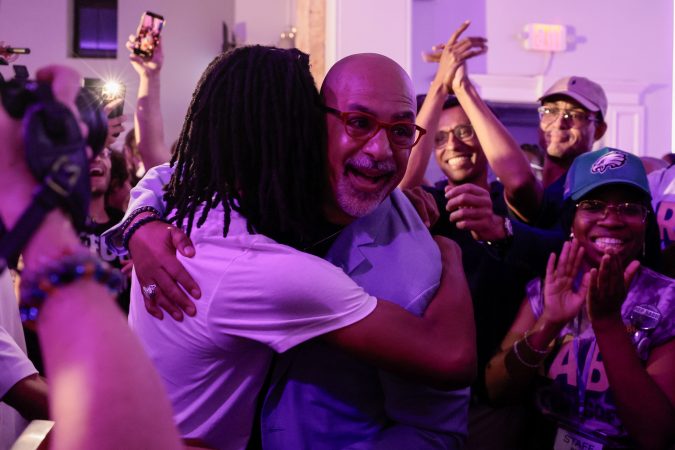
  • Progressive candidates line up to challenge Council incumbents | Shackamaxon

    Progressive candidates line up to challenge Council incumbents | Shackamaxon

    This week’s column looks at next year’s races for City Council, self-driving cars, and Philadelphia’s success as a host city for major events like the MLB All-Star Game.

    Council challenge

    State Rep. Chris Rabb’s success in the 3rd Congressional District’s Democratic primary has galvanized local progressives. According to Inquirer reporting, which aligns with the chatter I’ve heard, the plan is to challenge for more seats on City Council. Specifically, those of 8th District Councilmember Cindy Bass and 1st District Councilmember Mark Squilla. Jeffery “Jay” Young, who represents the 5th District, is also likely to be challenged, although none of those candidates are explicitly aligned with the city’s progressive movement.

    As someone who closely follows City Council, I have mixed feelings about this news.

    I’ve strongly criticized Bass for her handling of land use in her district, which is often perplexing. Many iconic buildings have been left vacant under her watch, and her determination to serve as the decision-maker has frustrated community groups and constituents who have their own ideas for their neighborhoods. However, her likely progressive opponent did not impress me at all during the last election. At candidate forums, on questionnaires, and in his endorsement meeting with my colleagues on the Editorial Board, Seth Anderson-Oberman had admirable passion, but nowhere near Bass’ deep understanding of city government.

    Young has not served his constituents well in his first term. From senior housing in Strawberry Mansion to the renovation of the Cecil B. Moore Library, he’s consistently made baffling decisions. The only thing that could possibly save his reelection is if the vote is diluted by the number of challengers he’s expected to face — Jalon Alexander, Curtis Wilkerson (who ran but failed to secure enough signatures in 2023), Dustin Dove, and Max Tuttleman are all rumored candidates. Perhaps the petition process will shrink the field.

    In the 1st District, why change? I don’t always agree with Squilla, but I can say that he shows up consistently. He answers emails himself, usually promptly. He tries to balance everyone’s input and find a fair way forward. He asks reasonable questions at hearings and doesn’t scapegoat city staff to score easy points.

    Another issue with any progressive takeover is the lack of vision.

    It is good to see the local establishment Democrats forced to campaign and defend their records, but what do progressives plan to do with their power once they get it? Some of the ideas progressives frequently campaign on, like a wealth tax or rent control, are unlikely to pass constitutional muster in Pennsylvania’s courts. Policy ideas that have been implemented, like inclusionary zoning, have failed to deliver.

    It is easy to decry the state of Philadelphia’s schools and services, but where would a progressive Council majority find revenue to invest in them? How would they grow our anemic business sector?

    When progressives have won upset victories, it has been because they have something tangible to offer. Larry Krasner became district attorney because he really could prosecute police officers for misconduct, overturn wrongful convictions, and change the department’s culture if elected. New York’s Zohran Mamdani might not be able to convince the MTA that free buses are a good idea, but he is making them faster, and he has implemented the promised freeze for the city’s rent-stabilized apartments.

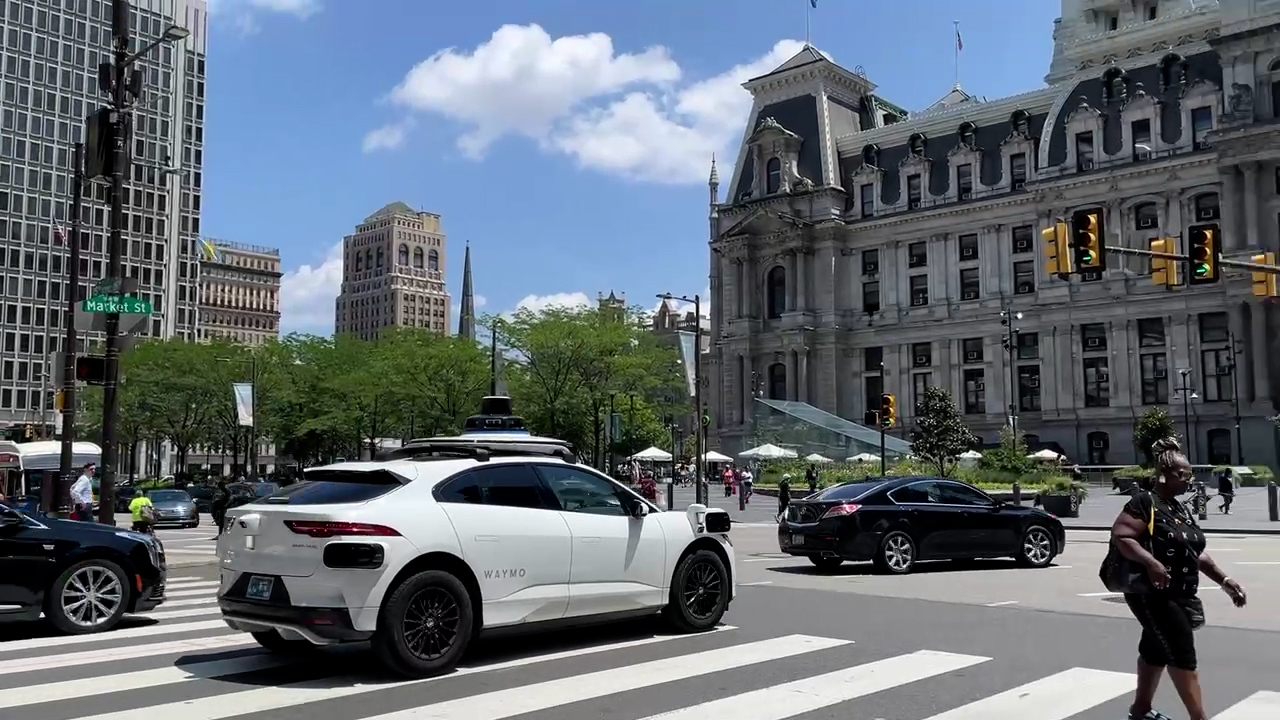
    A Waymo car drives down Market Street.Alejandro A. Alvarez / Staff Photographer

    Driver’s seat

    It seems like every week I see more Waymo vehicles around the city. The autonomous cars are regulated by Harrisburg, not City Hall. At a March City Council hearing, lawmakers were told explicitly: Philadelphia is entirely preempted on this issue.

    At the time, I talked to some opponents of the new technology. They are pushing for a yearslong delay. At a rally before the hearing, speakers referenced both safety concerns and worries about job losses.

    While a couple of speakers referred to admittedly jarring incidents, it does seem like the computers do a better job of driving safely overall. A study done by Swiss Re, an insurance company, found that Waymos are less likely to damage both people and property. Looking at 25 million miles of operations, the Waymo cars recorded nine cases of property damage and two cases of bodily injury. The typical result for human drivers over a stretch like this would be 78 cases of property damage and 26 bodily injury claims. This is a serious and positive shift when it comes to road safety for all users.

    I certainly can understand worrying about losing your job to new technology. At the same time, human drivers have not disappeared from the cities where Waymo already operates, even as rideshare apps keep more and more of the fare for themselves.

    Another argument is that Waymos represent more cars at a time when cities are moving away from auto-oriented policymaking. It is no secret that I am a strong supporter of this shift, but cars aren’t going away anytime soon. Just one in 10 Americans rarely or never drive a car. In much of the country, getting around without a vehicle is arduous, if not outright impossible.

    If Waymo can provide safer and cheaper access to mobility for people who can’t drive themselves, it may be a net positive.

    All-Star players and their families walk the MLB All-Star Game Red Carpet at Independence National Historical Park on Tuesday.Monica Herndon / Staff Photographer

    Hopping host

    The biggest festivities of America’s 250th birthday may be over, but Philadelphia continues to shine as a host. Baseball fans and commentators mostly praised the city’s efforts, and Independence Mall might have been the most historic setting ever for the All-Star Game’s red carpet show. MLB’s tribute to The Sandlot took us to city neighborhoods, the Home Run Derby was enlivened by the antics of our fans, and the fourth annual Swingman Classic gave HBCU athletes the opportunity to play in a big-league ballpark.

    I finally got up to the FIFA Fan Festival in Fairmount Park, which also showcased the city’s strengths as a host. It was genuinely impressive to see the range of options for food and activities, and how short the lines typically were despite the thousands of people who came to visit every day.

    While changing a city’s perception takes time, there are undoubtedly many visitors who are going back home and telling folks that Philadelphia is so much nicer than they expected.

  • Philadelphia filed stop-work orders for Mole Street’s redevelopment. What happens next?

    Philadelphia filed stop-work orders for Mole Street’s redevelopment. What happens next?

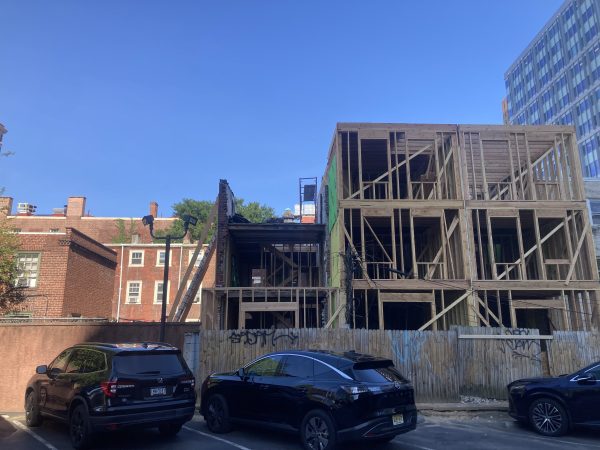
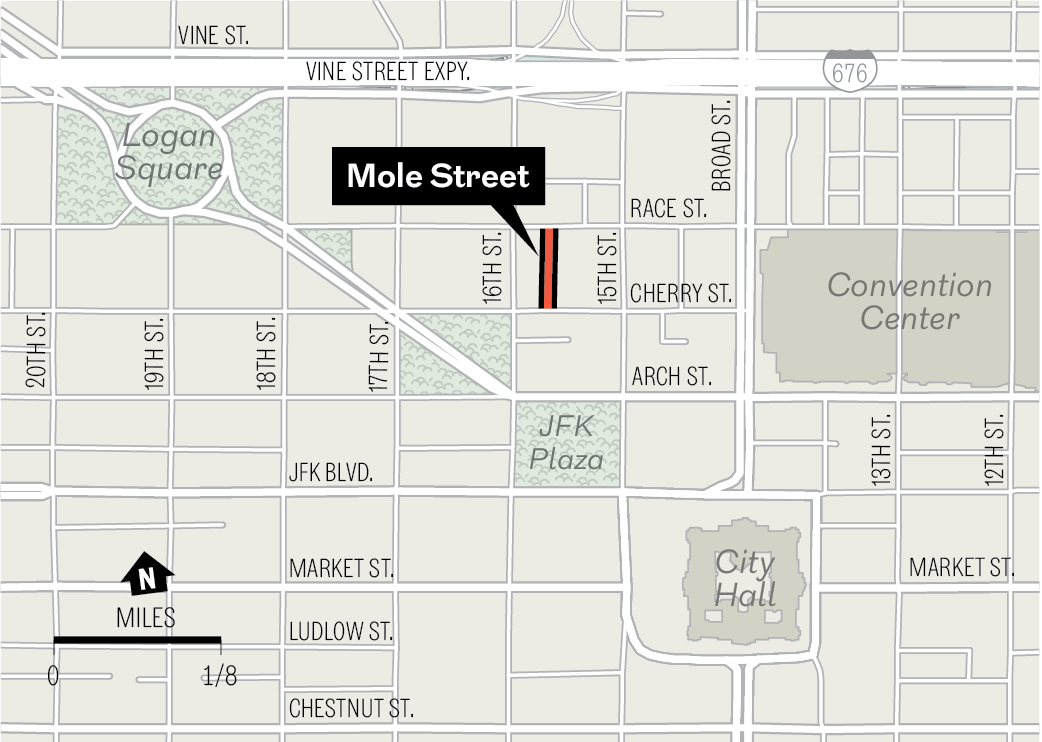
    The work has stopped on the 100 block of North Mole Street, where developers have been attempting to remake this redoubt of historically protected below-market-rate housing.

    The developer Purity Homes Inc. and its architect Canno Design got permission from the city’s Historical Commission last year to redevelop a handful of these almost 200-year-old rowhouses.

    They planned to build expansive additions on the rear of the houses to allow for more square footage and rentable space and to eventually transform the rest of the block.

    However, following an Inquirer article about the project, the Department of Licenses and Inspections issued stop work orders in June for “work not according to approved plans.”

    “The Historical Commission had approved modest alterations to the properties,” said city spokesperson Karen Guss.

    “The PHC staff member who managed the process of reviewing the developer’s proposed alterations observed out the window that the work actually going on seemed way out of line,” Guss said, referring to the fact that the 100 block of North Mole Street is visible from the offices of the commission, a block to the site’s south.

    Armando Ahmad, whose name and address in Arlington, Texas, is listed on several permits for the project, did not respond to requests for comment. Further attempts to reach Purity Homes were unsuccessful as well.

    Last year, Purity Homes bought eight of the 30 North Mole Street homes for $3.1 million. More purchases are in the works, although the original architect has left the project.

    “We have terminated our agreement with the client, no further comment at this point,” said Carey Jackson Yonce of Philadelphia-based Canno Design.

    A Department of Licenses and Inspections spokesperson noted that work continued on the house at 127 N. Mole St., despite the city’s order.

    Mole Street in Center City.John Duchneskie

    “The police have been assisting with enforcement efforts,” L&I spokesperson Shemeka Moore wrote in a June 26 email.

    She also noted that 108 N. Mole had been approved for only a small addition and that a new construction permit would be required for the company’s more expansive plans.

    However, following the stop work orders, preservationists and the Historical Commission said Purity Homes was reacting to city regulators in good faith.

    “The Historical Commission’s staff is engaged in ongoing, productive discussions with the development team for the 100 block of North Mole Street,” said Jon Farnham, executive director of the Historical Commission. “The developers have acknowledged their missteps and are working diligently to develop a plan to bring the block into compliance.”

    For decades, this block of North Mole Street has been a holdout of inexpensive rental rowhouses in an area of Center City otherwise dominated by tall buildings and surface parking lots.

    Just west of the Central Friends Meeting, the street has been owned by a family trust, which dates to the 1800s and belongs to descendants of founding father Robert Morris. In 1960, the 30 homes on the block were given historic preservation protections.

    The buildings were largely carved into group houses, where airline workers, artists, students, and journalists (including Inquirer reporters) have made their homes.

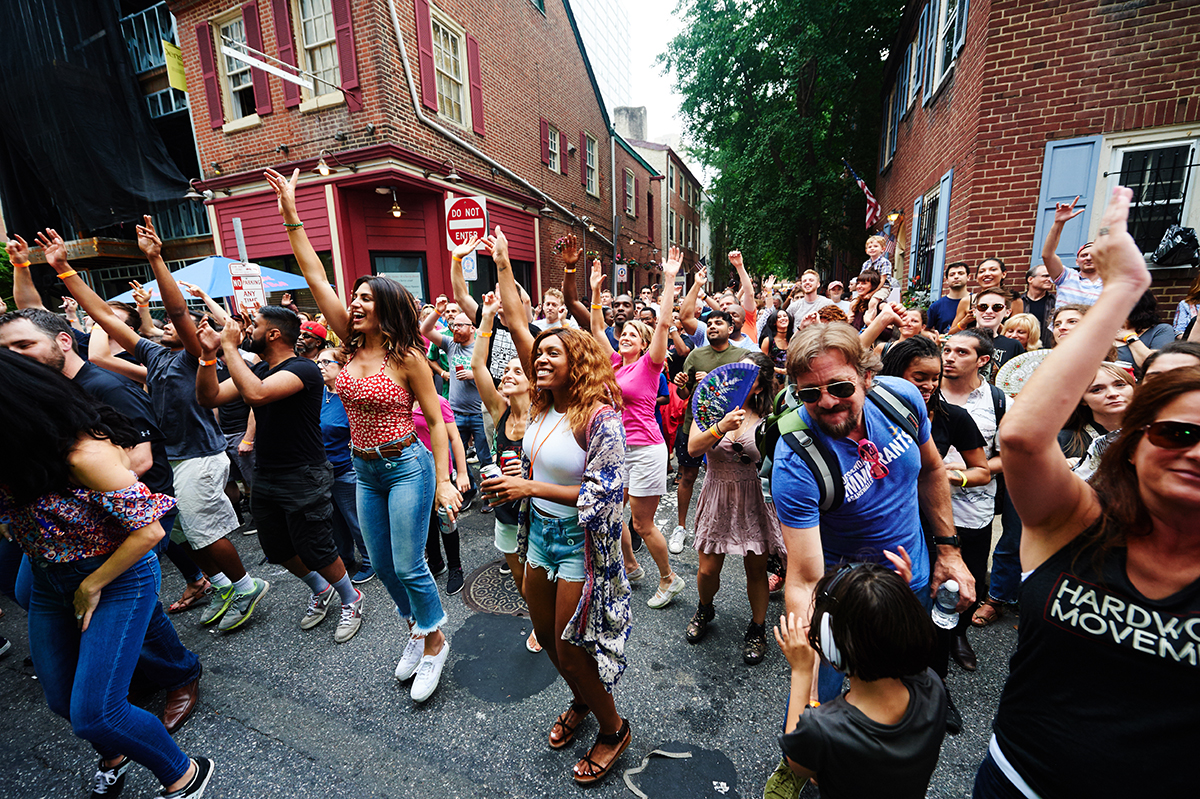
    The block had a reputation for a vigorous party scene, culminating in an annual bacchanalia at the Molestice Festival block party. The celebration began when Jimmy Carter was president and was ended by the COVID-19 pandemic.

    Molestice 2019 takes over the 100 block of Mole Street, in what would prove to be the final iteration of the decades-long tradition. Philip Gabriel Photography

    As Purity moved on to the block, the company wrote letters to tenants promising to “minimize disruption.” Leases have not been renewed for residents living in the houses controlled by the company.

    Tenants who remain have complained about developers starting work extremely early in the morning, parking trucks on the sidewalk in front of their homes, and cutting down all the trees before a scorching summer.

    “They definitely don’t mean what they said about minimizing disruption,” said Alex Numan, a resident whose home is not yet owned by Purity, although his lease has been switched to month-to-month in preparation for a sale.

    A cartoon by The Inquirer and Daily News’ Signe Wilkinson, dating to the 1980s when many reporters lived on the block.Signe Wilkinson

    Since the stop work orders, construction has paused, but many longtime tenants still anticipate being made to leave their homes.

    “The planning is still underway, and nothing has been submitted to the Historical Commission yet, but we will ensure that the revised plans preserve the historic character of the designated buildings,” Farnham said.

  • A young Phillies supporter led to fans being able to keep foul balls on this week in Philly history

    A young Phillies supporter led to fans being able to keep foul balls on this week in Philly history

    “Toughie Reds” wasn’t going quietly.

    On July 18, 1923, this Phillies fan, real name Robert Cotter, caught a foul ball in the right-field bleachers during a day game against the Chicago Cubs at North Philly’s National League Park.

    And the Phillies wanted the ball back.

    The 11-year-old refused to cough it up to security guards, nicknamed “red caps.”

    “I started running up the steps to get out,” Cotter later recalled. “I looked up and saw a red cap [guard] coming toward me. I turned around to run the other way, and there was another one standing behind me.”

    Tough kid

    It may be important to note that “Toughie Reds” did not pay for his ticket.

    The kid and his brother, Raymond, ran out of their house on North 15th Street toward the ballpark, and climbed up a rain spout and into the ramshackle ballpark unofficially nicknamed (derisively by The Inquirer) “Baker Bowl.”

    But not paying the price of admission seemed to pale in comparison to taking home the ball.

    Baseball precedent

    Since Cotter would not relinquish his grip on the ball, ownership saw an opportunity.

    It was a chance to establish, once and for all, a legal precedent.

    The Phillies’ policy in the 1920s said fans who caught foul balls had to give them back. They were team property, and not souvenirs. Mostly because kids like Cotter would try and sell the balls outside the park after outrunning the red caps.

    On that July day in 1923, he couldn’t outrun them.

    He was pulled into a nearby police station, where he was arrested for larceny, and spent the night in the House of Correction.

    The next morning, Cotter and a Phillies rep went before a Municipal Court judge. The court sided with the kid, who was “following his natural instincts,” the judge noted, before adding: “It’s a thing I would do myself.”

    Cotter walked, and the Phillies instituted a new policy of allowing fans to keep balls hit into the stands. And, eventually, every team in the major leagues would follow suit.

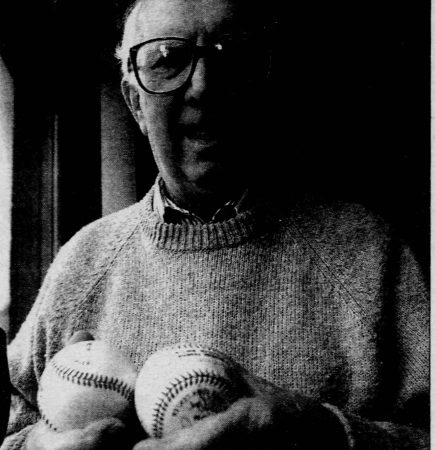
    In 1998, to show there were no hard feelings, the team welcomed back Cotter and his family to Veterans Stadium, and he left with autographed baseballs from the team and Phillies Hall of Fame pitcher Robin Roberts.

    Free of charge.

  • Philly’s kitchen professionals endure one heat wave after another

    Philly’s kitchen professionals endure one heat wave after another

    Even on 100-degree days, Philly’s chefs and cooks are still in the kitchen. For the most part, they only call it quits when the food they’re making can’t take the heat.

    How do they make it through their stifling shifts? The answer comes down to preparedness, hydration, and lots of icy treats to lower body temps and boost morale.

    Restaurant kitchens can easily run 10 or 20 degrees higher than whatever the temperature is outside, abetted by hot fryers and stoves, plus wood-fired grills and ovens that hover around 500 degrees.

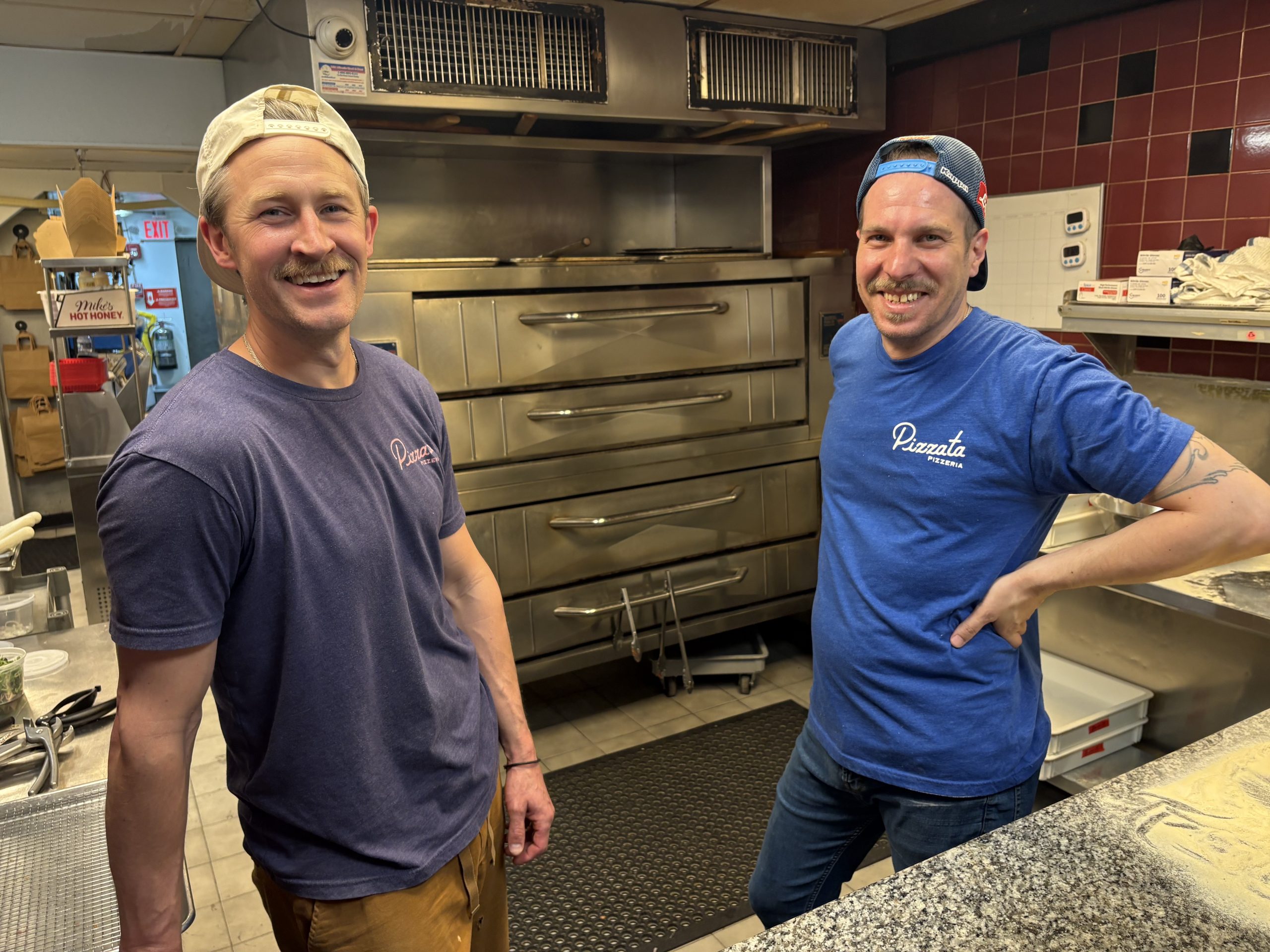
    The planning for heat waves starts long before the mercury rises. At Pizzata Pizzeria‘s South Philly location, recently added split-unit air conditioners and commercial kitchen fans have kept temperatures moderate. “They have been tremendously beneficial and helpful to our staff,” said owner Davide Lubrano Lavadera. “For our Rittenhouse spot, we didn’t have a chance to install these units, so we added an evaporative air cooler there.”

    Pizzata Pizzeria co-owners and chefs Vinny Gallagher and Davide Lubrano Lavadera pose in the kitchen of their original pizzeria location on 22nd Street near Fitler Square.Craig LaBan / Staff

    Two weeks ago, when temperatures spiked over 100 degrees three days in a row, Gilda chef-owner Brian Mattera warned customers on social media that the cafe would close if the heat tipped above 120 degrees in the kitchen — besides being uncomfortable, it would compromise the cooking. The flaky, laminated dough for Gilda’s signature pastéis de nata is notoriously temperamental, Mattera said.

    “Our pastry chef, Sophia Fiorenza, is the star of the show. When she comes to me and says the temperature is one or two degrees up, she’s not being dramatic,” Mattera said. “The dough is tacky and difficult to work with. It’s unfortified and it can feel like papier mache.”

    When the kitchen temperature is too high, the dough expands and falls off the sheeter, the machine that folds the dough into its many layers. “We say the dough is angry with us,” Mattera said.

    The pastéis de nata at Gilda get harder to make in hot weather. Monica Herndon / Staff Photographer

    Even in Gilda’s diminutive space, with just six gas burners and a flat-top, Mattera needs five separate HVAC units to maintain the perfect temperature for the dough, around 70 degrees. They weren’t enough to keep the kitchen open during early July’s heat waves: Gilda’s crew called it a day when the temperature behind the line reached 137 degrees.

    When the heat’s that intense, Mattera has a trick. “I’ll get a deli container of ice water, bring it into the bathroom, pour it over my head, and go back on the line.”

    Chefs in nontraditional kitchens also battle the heat. Josh Broder owns Root to Fruit, a vegan meal-delivery service that operates out of the Culinary Collective commissary space in the Bridesburg neighborhood. “We’ve basically become professional heat dodgers. We start cooking earlier, pack our delivery bags like they’re headed to the Arctic with insulated bags and extra ice packs, and everyone’s usually carrying a water bottle in one hand and a spatula in the other,” he said.
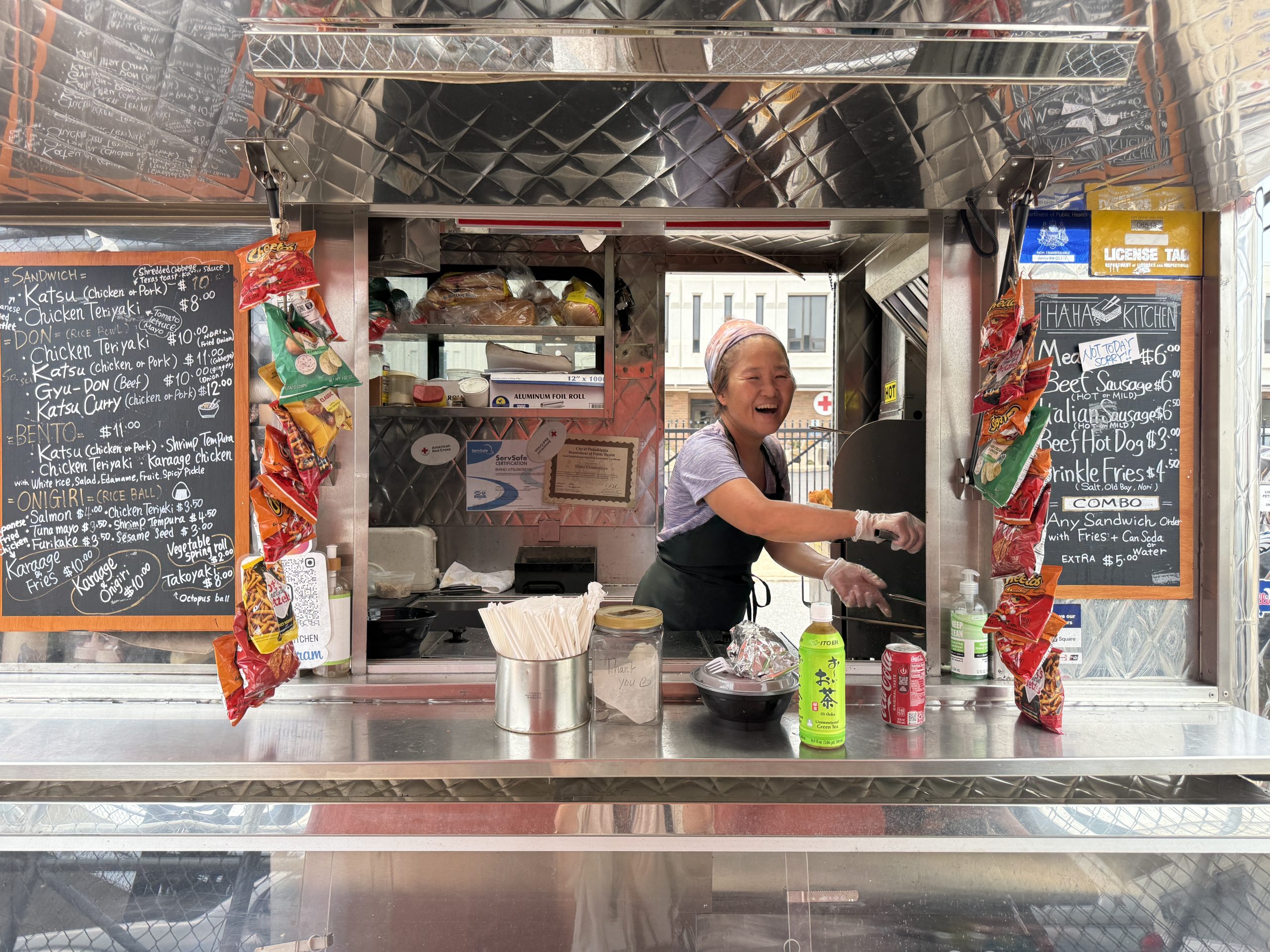
    Shiho Utsonomiya, the chef operator of Haha’s Kitchen, rarely closes the tiny food cart she has operated at the corner of Seventh and Spring Garden Streets since 2018. But she was forced to break for a few days leading up to July 4 this year, when the heat became unbearable. She closed the cart Wednesday for the same reason.

    Shiho Utsunomiya in her food cart during a heat wave.Kiki Aranita / Staff

    “It’s been getting hotter every year,” she said. “Winter, I don’t mind! Minus 17 degrees, no problem. But the heat just kills me.” She’s surrounded by a burner, steam tables, a fryer, and rice cooker. She’s enhanced her setup this year with a rechargeable fan with a mister.

    Utsonomiya’s location has a significant benefit: free ice from her best customer. United Refrigeration’s offices are nearby and her cart is popular with their workers.

    Extreme heat also prompted Little Walter’s — where the wood-fired grill casts off 120-degree heat, according to chef-owner Michael Brenfleck — to close in early July. Brenfleck said reservations were light during the holiday weekend, but the same could not be said of the following Friday, when the restaurant was nearly fully booked. That presents a challenge in itself: The busier the restaurant, the hotter it is inside.

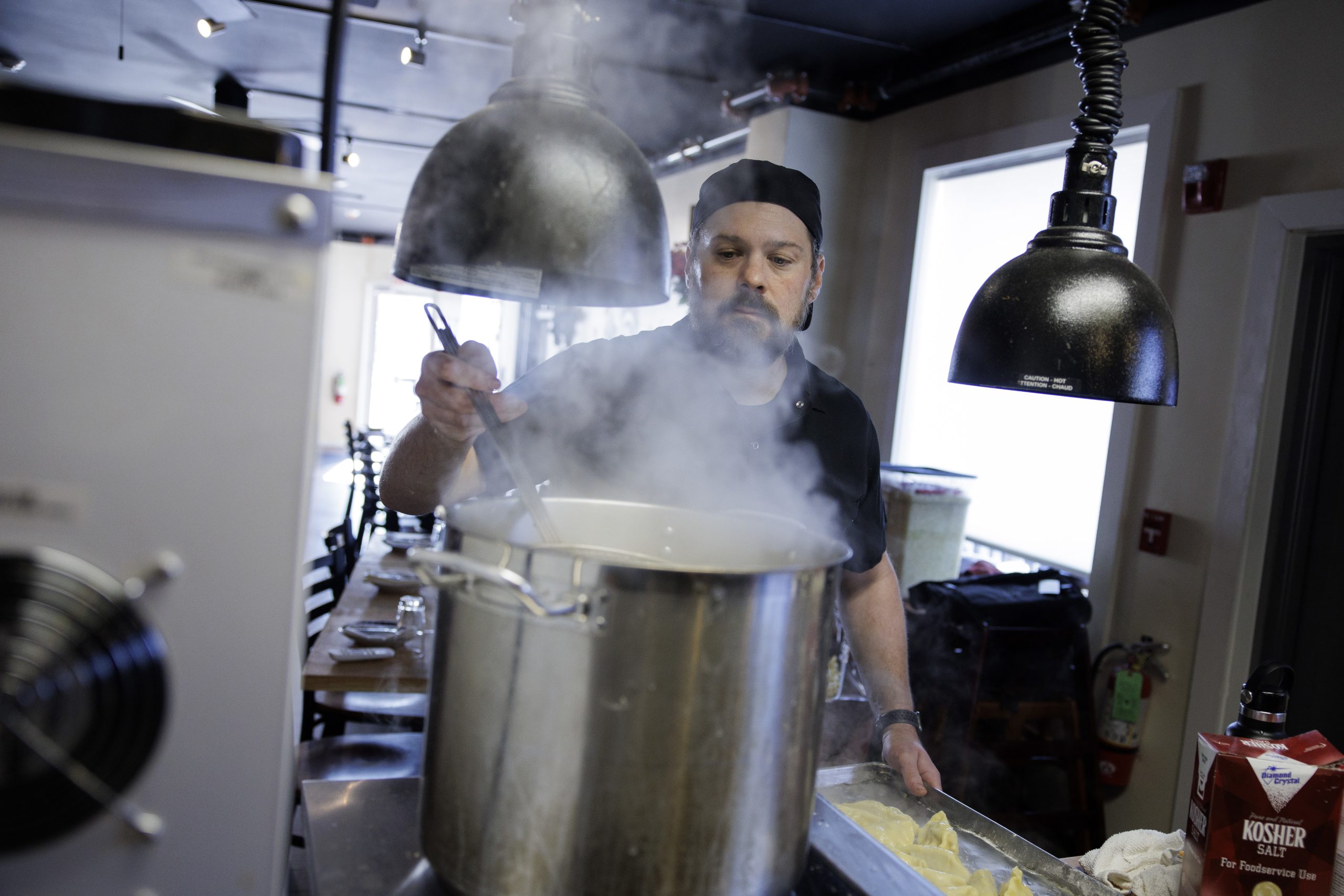
    Chef Michael Brenfleck cooks pierogi at Little Walter’s in Philadelphia on Wednesday, Sept. 4, 2024.Monica Herndon / Staff Photographer

    “Every person’s body radiates a certain number of BTUs, both in the kitchen and in the dining room,” said Brenfleck. His solution: “We’re going to put some cold specials on the menu, like a chilled pickle soup.”

    Brenfleck and Phila Lorn, the chef-owner of Sao and Mawn, were both amazed their respective staff endured the heat without complaint.

    “The real ones plan for these times and problem-solve,” Lorn said. “It amazes me to see my chefs in the kitchen crushing it. They’re eating popsicles, [mopping themselves with] cold wet towels, using Gatorade powder, but I swear to you, not one complaint from the back of house.”

    Liberty Kitchen staff trades tomato pie for soft serve on hot days. Monica Herndon / Staff Photographer

    Heat waves tend to foster community among restaurants — especially when there’s an ice cream shop involved. On the hottest days, the staff at Liberty Kitchen trades boxes of tomato pie with 1-900-ICE-CREAM, according to Liberty Kitchen chef Beau Neidhardt. “They’ll give us individual cups of soft serve for our staff. It’s very neighborly.”

    For many restaurant workers, it’s just part of the job.

    “We aren’t doing anything that needs to be applauded,” said Mattera. “At the end of the day, we’re all professionals. This is what we do. We can handle the heat.”

  • The World Cup has left Philly. But where does all the stuff go? There’s a WhatsApp group for that.

    The World Cup has left Philly. But where does all the stuff go? There’s a WhatsApp group for that.

    When Shane Gillis fans file into Lincoln Financial Field on Friday night for the actor and comedian’s almost sold-out show, they’ll never know that the venue was the center of the soccer universe in Philadelphia for two weeks of the FIFA World Cup.

    At least there will hardly be any reminders.

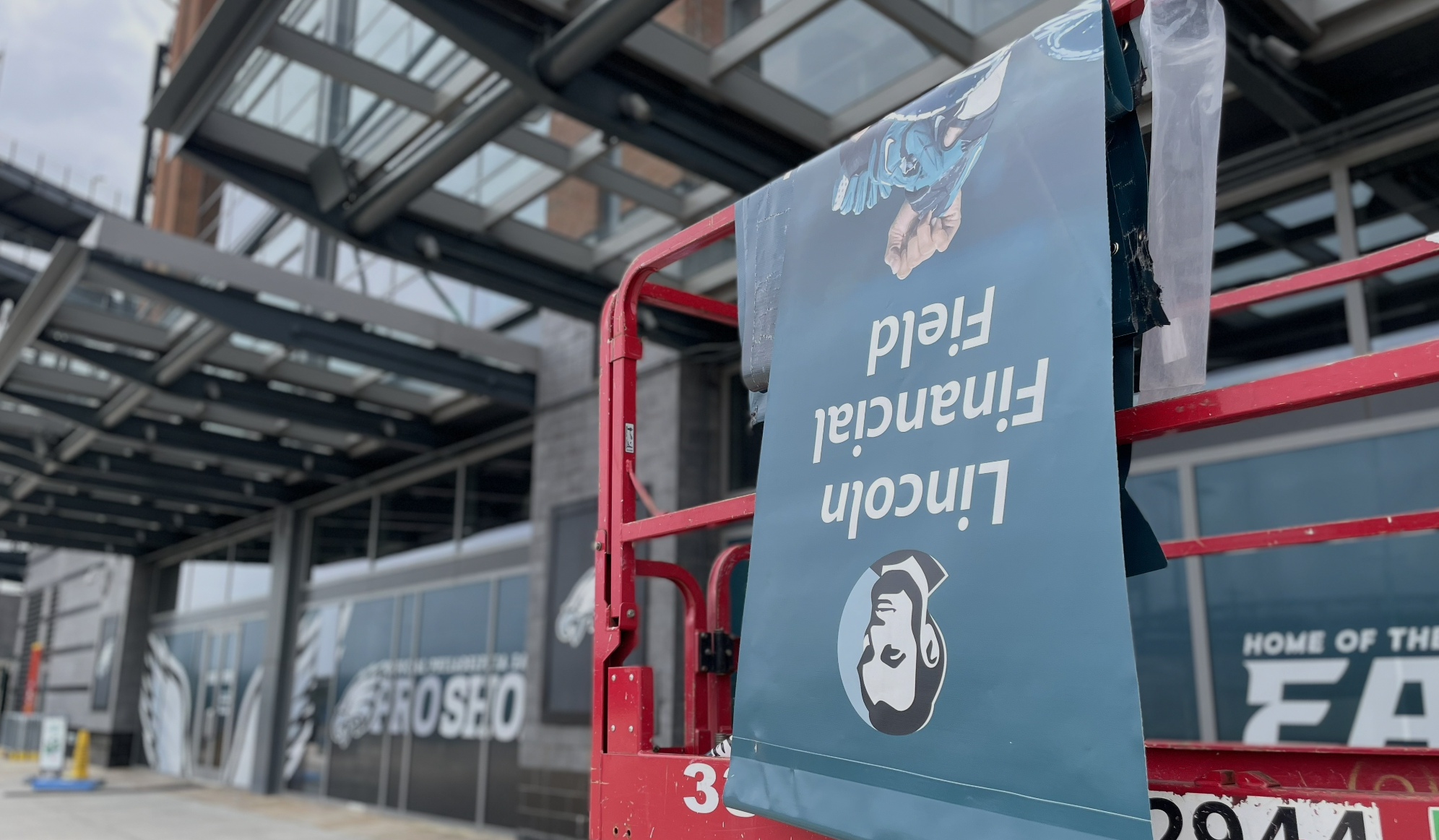
    Signage is gone. Seats that were removed to make way for a wider field have been replaced. And when you drive past the south end of the field along I-95, the outline of Abraham Lincoln’s head has returned, instead of the giant blue banner that covered the Lincoln Financial Field sign.

    In just 11 days, a team of union workers — from crane operators to field turf professionals to painters — flooded the venue, ripped down anything that had FIFA attached to it, and turned Philadelphia Stadium back into the Linc.

    But what happens to all of that signage?

    The giant flags during pregame ceremonies? The way finders located both inside and outside the stadium? The caps on the team benches conveying which side each nation has on the sideline?

    There’s a WhatsApp group for that.

    “A lot of our staff and volunteers who come from those countries get to take them, and people get just so excited when we post them in our WhatsApp group,” said Jolyon Bowman, FIFA’s chief venue operations director for the matches in Philadelphia. “We had a member of our staff the other day show off the banner that she received, and hung it up in her backyard. There’s a lot of pride among all our staff in what we accomplished. And I think people wanted to keep that.”

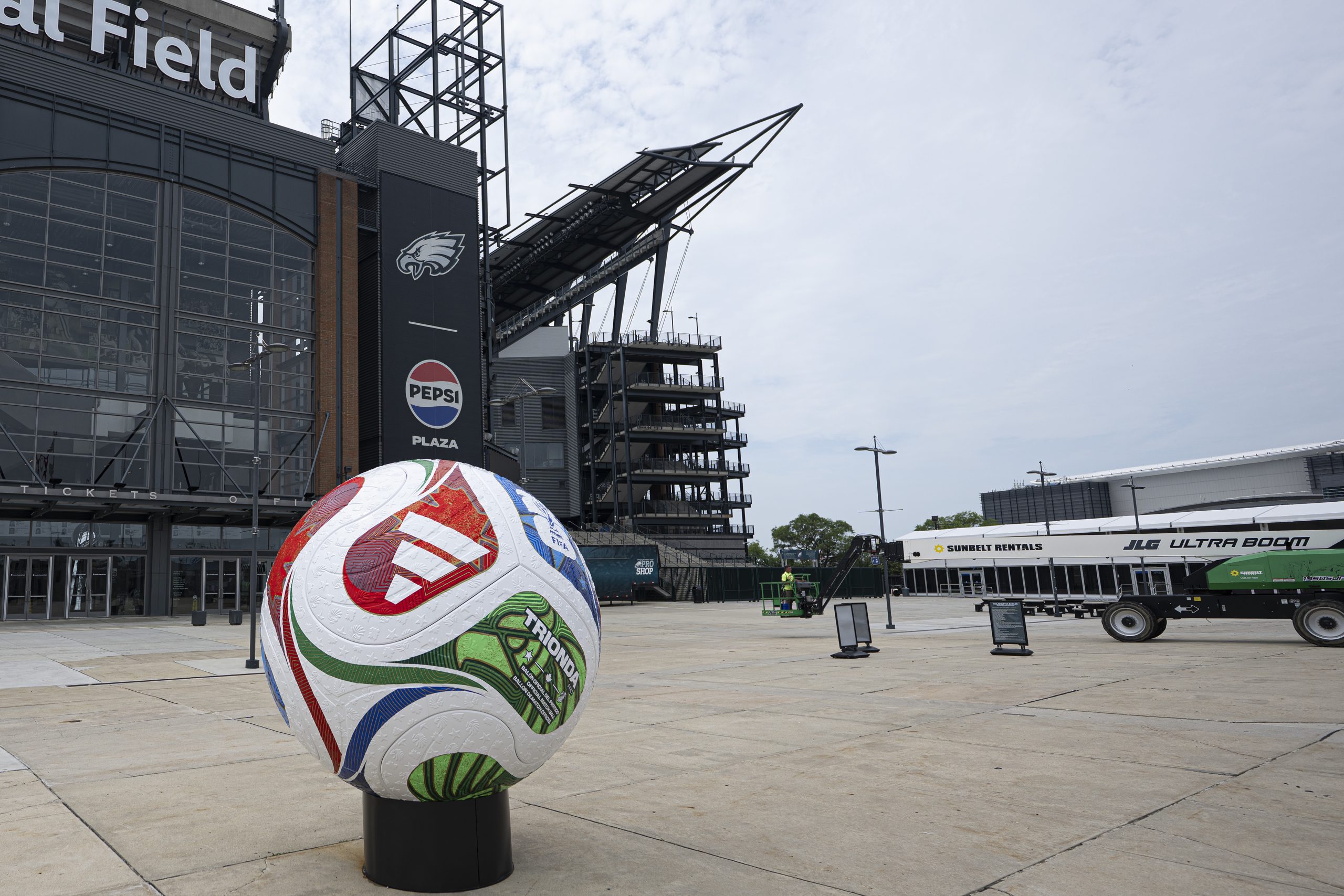
    A giant sculpture of the Adidas Trionda match ball remains the only thing that recalls Lincoln Financial Field as a host for World Cup matches, as workers began dismantling signage last week.Jose F. Moreno / Staff Photographer

    Bowman says for many of the banners, there’s actually a company FIFA works with that takes them and will create tote bags that also get passed on to staff members as a commemoration of the work they put in.

    “We try — I mean, as much as we can — to reduce, reuse, and recycle, and I think we sure did that,” Bowman said. “There are just some things that have to go in the garbage, but a lot of that stuff ends up in the hands of the people [who] have worked the event here; they’re free to take that stuff.”

    Staff at Lincoln Financial Field got an opportunity to keep some items as well, but FIFA also noted that it donated leftover food to local charities. Televisions that were used as monitors during the tournament were gifted to the School District of Philadelphia.

    Jolyon Bowman, was the venue operations director for FIFA in Philadelphia for the World Cup and says that planning the breakdown happened 18 months in advance of the tournament. Kerith Gabriel / Staff

    ‘No room for improvisation’

    The efficiency in restoring an arena back to its original look in just 11 days began 18 months before the start of the tournament, says Bowman. Coordinating labor, collaborating with the Eagles, and looking at the calendar of events for the Linc all come into play — especially when you’re not trying to overstay your welcome.

    “One-hundred percent of it is all talked about and organized before. There’s no room for improvisation when you’re dealing with a change of this scale,” Bowman said. “We start talking about bumping out on the first match day of the whole tournament. We knew there was a huge concert [in Shane Gillis’ show] coming up. Lincoln Financial is going to be hosting 60,000 people on Friday, so we knew we were under the gun to get it done.”

    Bowman is very familiar with the process — he’s been in venue operations for nearly 30 years. He can trace his footprint in Philly working as an operations volunteer back to when the Linc first opened in 2003 with a soccer match between European club powers Barcelona and Manchester United.

    Though he’s not originally from the area, the native Ugandan who now resides in Washington D.C., says his touchpoints here are numerous, including staying in a section of West Philadelphia while his now wife attended Penn.

    Work to restore Lincoln Financial Field to its original look following the FIFA World Cup took place for 11 days, with union working crews doing everything from painting to ripping up the field.Kerith Gabriel / Staff

    Above and beyond

    During his 18-month preparation, which also included last summer’s FIFA Club World Cup, Bowman says he got acclimated to Philly courtesy of the Eagles, to better understand the day-to-day workings and how to incorporate what they wanted to do both on and off the field.

    Perks of the job? He and his team received a season credential to Eagles games to better understand gameday operations, Philly style.

    “I spent almost two years in Philadelphia preparing for this,” Bowman said. “The Eagles were on board for the World Cup right after their Super Bowl victory. They gave us the keys to the stadium. I saw a lot of Eagles games and was able to prep at any event I wanted to go to.

    “The Eagles gave me a credential to learn as much as I wanted and it really prepared me for the whole thing. Talking to other venue directors [in other World Cup cities], I can tell you that was really unique experience. I just felt like the Eagles went beyond what was expected in trying to host and be a great host, and that just trickled down to everybody in the city.”

    That gracious hosting experience started with the Club World Cup, which offered a beta test for how FIFA stadium workers, operations at Lincoln Financial Field, and outside contractors would coexist.

    Crews work to put Eagles banners back on the outside of Headhouse Plaza at Lincoln Financial Field on Friday, July 10.Kerith Gabriel / Staff

    Bowman estimates “hundreds” of people were directly involved in the operations process from the set up to the restoration, along with scores more who worked in a temporary capacity.

    He notes that it’s what made for one of the smoothest restoration projects he’s been apart of, piggybacking what he personally felt was one of the best FIFA World Cups in recent memory.

    He would know, considering his life has been setting them up and breaking them down for over a decade.

    “I’ve been doing sporting events all my life, but there’s nothing quite like the World Cup that brings that international joy and just happiness of being together,” Bowman said. “[During the June 27 Croatia-Ghana match], I left the soccer game for about 15 minutes to go check out the fan experience [in the Linc’s Headhouse Plaza], and when the DJ played Ghanaian songs, Croatians were dancing. And then the DJ plays the Croatian songs, and the Ghanaians are dancing.

    “There was just so much joy, [I think people] enjoyed being together, enjoyed being in Philadelphia. This world needed a World Cup, and I’m happy that I was able to be a little piece of it.”

  • Philly-area Haitians brace for possible deportations as protected immigration status nears its end

    Philly-area Haitians brace for possible deportations as protected immigration status nears its end

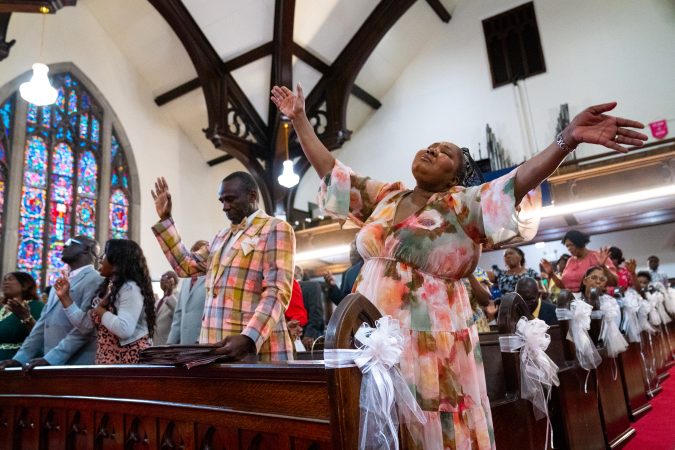
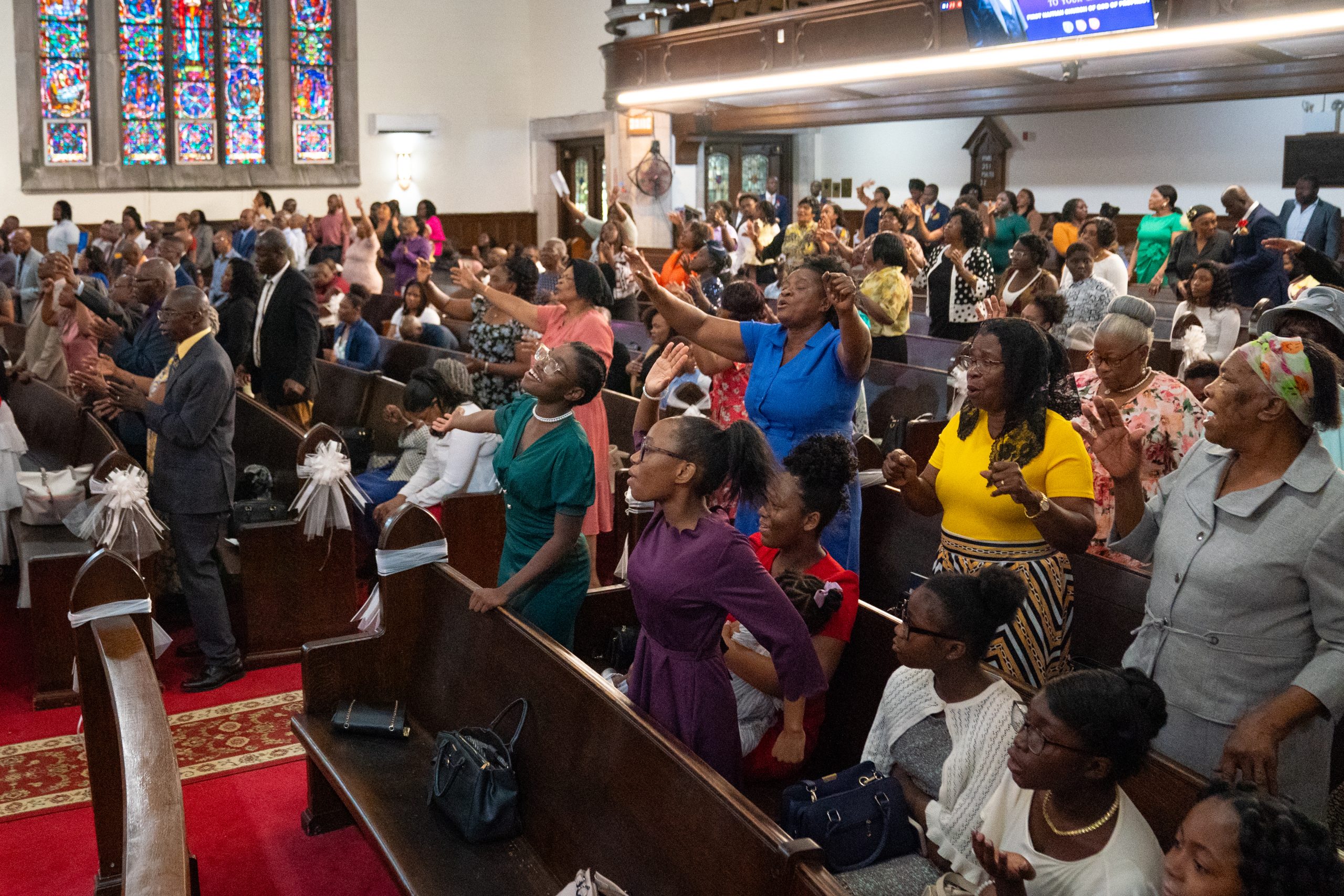
    After taking the pulpit at the First Haitian Church of God of Prophecy on Sunday, the Rev. Frantz Ulysse immediately spoke to the calamity that confronts families in his congregation:

    The end of the special immigration status that for years has allowed thousands of Haitians to live and work in Philadelphia and across the United States with their homeland in chaos ― ruinous natural disasters, governmental collapse, and gang violence that has displaced more than a million people.

    “We, as Haitians, we are in trouble,” Ulysse told worshipers at the Olney church. “We need to pray, because our God is a faithful God, and I believe he’s going to do something for us. … Our homeland, Haiti, it is not a safe place to go back to right now.”

    Prayers have been buttressed by petitions and by pleas to Congress to help before it’s too late.

    President Donald Trump is poised to return roughly 350,000 Haitians to a country that the U.S. government says is too dangerous for Americans, after the Supreme Court ruled last month that he could end temporary protected status for immigrants from Haiti and Syria.

    TPS is a humanitarian status that the U.S. can grant to foreign nationals whose nations are embroiled in war, environmental disasters, epidemics, or other extraordinary circumstances. It provides work authorization and protection from removal, but no path to permanent residency or citizenship.

    Among Philadelphia’s 11,000-strong Haitian community, disbelief over the court decision has turned to misery and fear, advocates say.

    The U.S. State Department has told Americans to stay out of Haiti, issuing its highest “Do Not Travel” advisory and warning those who insist on going to prepare a last will and testament.

    Many Haitians ask: How can Haiti be safe for my family if it’s not safe for others? Some face the prospect of separation from spouses and children who are U.S. citizens. Some will not step outside their homes to go to work, church, or school, afraid that federal agents could be watching, advocates said.

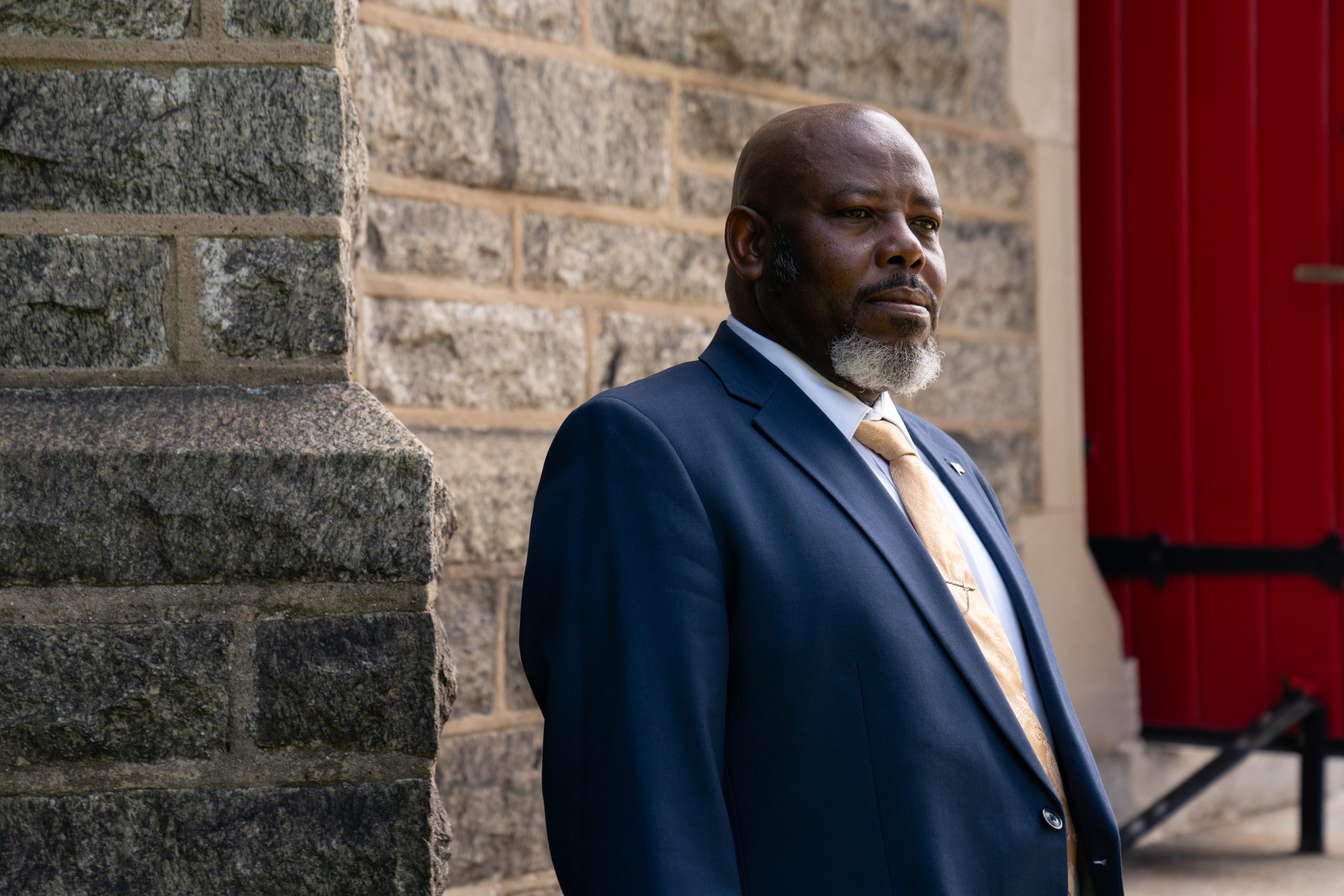
    “A lot of people are suffering now,” said Clifford Solomon, a church usher who is the father of four American children and whose wife is about to deliver a fifth. “A lot of my family is here [under TPS], my friends, my neighbors, all of them.”

    Clifford Solomon, a church usher at the First Haitian Church of God of Prophecy, poses for a portrait before service in Philadelphia on July 12.Sarah Silbiger / For The Inquirer

    The Trump administration insists that “temporary” means temporary. The president tried and failed to end TPS for Haiti, the poorest nation in the Western Hemisphere ― two-thirds of residents live in poverty ― during his first term.

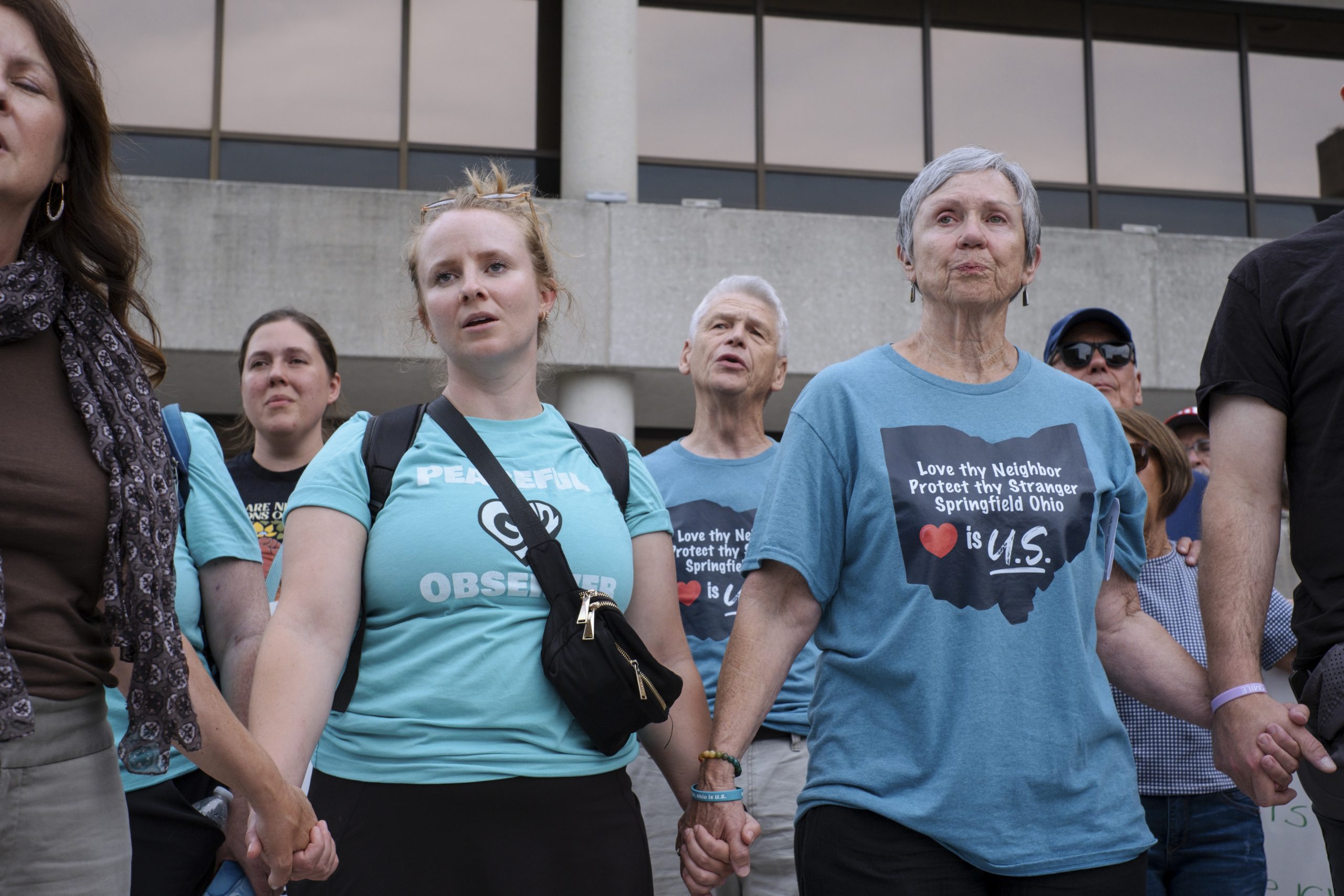
    While running for president in 2024, he falsely accused Haitian immigrants in Springfield, Ohio, of eating cats and dogs, and blamed those in tiny Charleroi, Pa., set on the Monongahela River about 20 miles south of Pittsburgh, of causing “massive crime.”

    The court decision did not immediately terminate TPS for people from Haiti and Syria, but started the process for implementing an order that typically takes 32 days. Once TPS ends, holders revert to their previous immigration status, meaning those Haitians who were undocumented or have no other protection will be subject to arrest and deportation.

    Meanwhile, U.S. Citizenship and Immigration Services says work authorizations for Haitians will expire on July 24.

    “We are seeing the impact on the community in Pennsylvania, in Philadelphia, and across the country,” said Guerline Jozef, founder of the California-based Haitian Bridge Alliance, a national nonprofit. “The fear of deportation, the fear of family separation, the fear of losing everything.”

    The alliance has helped commence a series of pro-TPS rallies led by labor unions, faith leaders, and immigrant rights groups in cities from San Diego to Boston, proclaiming that “families who have built their lives, careers, and communities in the United States deserve stability, dignity, and protection — not fear and uncertainty.”

    Supporters of the Haitian community rally at City Hall in Springfield, Ohio, June 25. In Springfield, some residents see the end of an economic boom after the end of a humanitarian program for immigrants. Others see still darker possibilities. AMY POWELL

    Yet uncertainty rules, and many Haitians with TPS are investigating options even as they hope for relief from Congress.

    Esaie Pierre, founder of Men Anpil, a Philadelphia-based nonprofit that helps Haitian migrants, said he is assisting people who want to apply for asylum in the United States. Others who come to him are considering where else in the world they might be able to live.

    One young man is thinking about Chile, Pierre said.

    “They are not wanted here, but have established some kind of life here,” Pierre said. “We’ve assimilated. I’ve assimilated.”

    The events that led to this moment began in January 2010, when Haiti suffered a massive earthquake ― the 7.0-magnitude seism followed by a 6.1-magnitude aftershock ― that, as the National Immigration Forum put it, fundamentally altered the nation’s trajectory.

    Estimates of the death toll ranged from 100,000 to 300,000 people, while about 1.5 million were forced into unsanitary, overcrowded camps. The damage crippled the government.

    Three days after the initial quake, the Obama administration announced that undocumented Haitian immigrants in the U.S. would be granted TPS.

    Thousands more would be welcomed over time under humanitarian programs, and become eligible for TPS, as Haiti grew mired in crisis ― a deadly cholera epidemic the same year, Hurricane Sandy in 2012 and Hurricane Matthew in 2016, and a 7.2-magnitude earthquake in 2021 that killed more than 1,000.

    That year the assassination of President Jovenel Moïse ― elected four years earlier amid allegations of fraud and corruption ― saw the collapse of basic government functions and the rise of armed gangs.

    “You send them back, it’s like you’re signing a death sentence for them,” said Esther Emmanuel, a church soloist who has family members here under TPS. “We’re asking God to do a miracle and to hear the cries of his people, and to also soften the hearts of Congress.”

    Esther Emmanuel, a church soloist who has family members in the United States under temporary protected status at the First Haitian Church of God of Prophecy in Philadelphia on July 12.Sarah Silbiger / For The Inquirer

    Today the United Nations estimates that 90% of Port-au-Prince, the capital and largest city, is under the control of criminal groups, the violence having left thousands dead and displaced more than 1.4 million people.

    The State Department warns of robberies, carjackings, and sexual assaults. It advises U.S. citizens who go to Haiti to establish plans in case they are kidnapped ― including a “proof of life” protocol, so family members can ask specific questions to kidnappers as a way to determine if their loved one is still alive.

    “The only general hospital in Port-au-Prince has been closed for over two years,” Jozef said. “There’s no infrastructure in Haiti for people to be received. … We find ourselves as a community without a home, without a home to go to, without a home to stay in.”

    Talie Cerin, who lives in Philadelphia’s Cobbs Creek neighborhood, was visiting Haiti at the time of the 2010 earthquake. She watched her childhood home crumble.

    She has lived here under TPS, graduating from Immaculata University, then earning a master’s degree in education from Eastern University, and now working as the founder and lead editor of Woy Magazine, an internet publication about Haitian experiences.

    “The toughest part about being a TPS recipient is the ambiguity,” Cerin said. “The confusion keeps you from making long-term plans. It traps you in a prison of conjecture, whispers of ICE raids, and stories of people in detention centers.”

    Her sister, Lunise Cerin, was born in Philadelphia but lived in Haiti from age 5 to 16 before returning here to attend high school and college. The worry of losing her sister, and possibly their home, has been disorienting, Lunise Cerin said, generating “an enormous cloud of grief.”

    Her family has lived in Philadelphia since the 1980s, she said, and for them the end of TPS would mean the end of an established, multigenerational life.

    “Are we going to be gone?” she wondered.

    Congregants sing during service at the First Haitian Church of God of Prophecy in Philadelphia on July 12.Sarah Silbiger / For The Inquirer

    Many at the First Haitian Church of God of Prophecy ask the same.

    The pastor’s office has been deluged with phone calls. Some people tell Ulysse that they might as well die, that returning to Haiti is impossible, but trying to stay here without TPS means they cannot work to pay rent or to buy food for their children.

    “They don’t know what to do,” Ulysse said. “I let them know God is the same yesterday, today, and forever, to trust the Lord. … Me, my heart is telling me something good is going to happen.”

  • Planning Commission considers how — and if — data centers should be built in Philly

    Planning Commission considers how — and if — data centers should be built in Philly

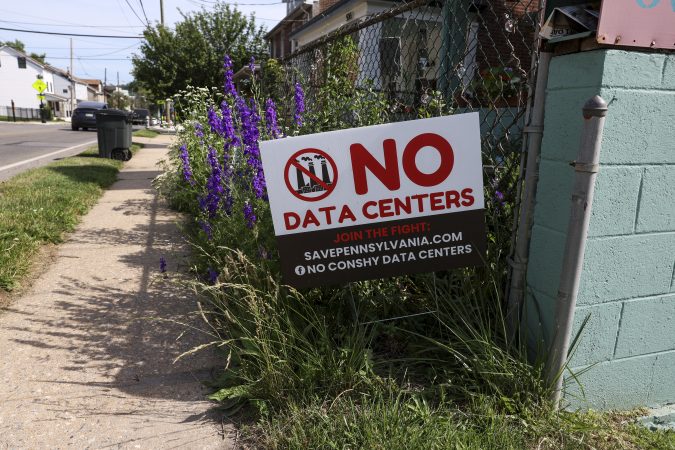
    An information-only presentation about data centers before the Philadelphia Planning Commission provoked a firestorm of controversy Thursday, with more than a dozen community groups and other activists rejecting the idea of bringing this energy-intensive use to the city.

    Demand for data centers has soared in recent years, as tech companies have invested heavily in artificial intelligence products that require vast amounts of computing power.

    Several large projects have been proposed in Philadelphia’s suburban counties and South Jersey.

    Data center foes, who dominated the public comment section of Thursday’s presentation, repeatedly called for a moratorium akin to the policy recently enacted in New York State.

    “Data centers are a hot topic in land use around the country,” said Amy Boyd, a city planner who presented the research to the commission. “Staff wants to stay up to date on this issue, so that when the topic becomes more pressing in our city, we can be prepared.”

    Thursday’s presentation is not a reaction to a particular proposal. Instead, the Planning Commission presented research on the employment, energy, and health effects of data centers, the current state of zoning law in the city, and what parts of Philadelphia could accommodate them.

    The Planning Commission found there are only two sites in Philadelphia that could accommodate the largest size of data center, the kind currently being built to support the artificial intelligence boom. Any other possible sites would require consolidating properties and changing zoning.

    One possible location is the former refinery site in South Philadelphia known as the Bellwether District, 3143 W. Passyunk Ave., which contains 1,300 acres of mostly undeveloped land zoned for industrial uses and has long been rumored as a potential data center site.

    The other possible site is 2600 Grant Ave., a city-owned property by the airport in Northeast Philadelphia.

    The idea of municipally owned land being used for a data center drew protests from citizen attendees of the commission meeting.

    But policymakers emphasized that the presentation was just meant to highlight parcels that were large enough to accommodate the use — and were not meant to indicate support for such an idea.

    “We are not currently considering that site. We have not been asked to consider that site,” Octavia Howell, director of the Planning Commission, said about the Grant Avenue property.

    “We were strictly looking at industrial land that is of a size that could be attractive … to someone who is looking at Philadelphia and curious about data centers,“ Howell said. “There is no proposal that this research is responding to.”

    Boyd’s presentation noted that Philadelphia already hosts eight smaller data centers from an era when they were not such a controversial topic.

    These include 365 Data Center, which operates at 3701 Market St. in University City, and 4775 League Island Blvd. in the Navy Yard. At 25,000 square feet, that South Philly building is only a quarter of the size of the smallest contemporary “hyperscale” data centers.

    Boyd’s presentation also emphasized the amount of resources that are required to keep huge, new data centers going.

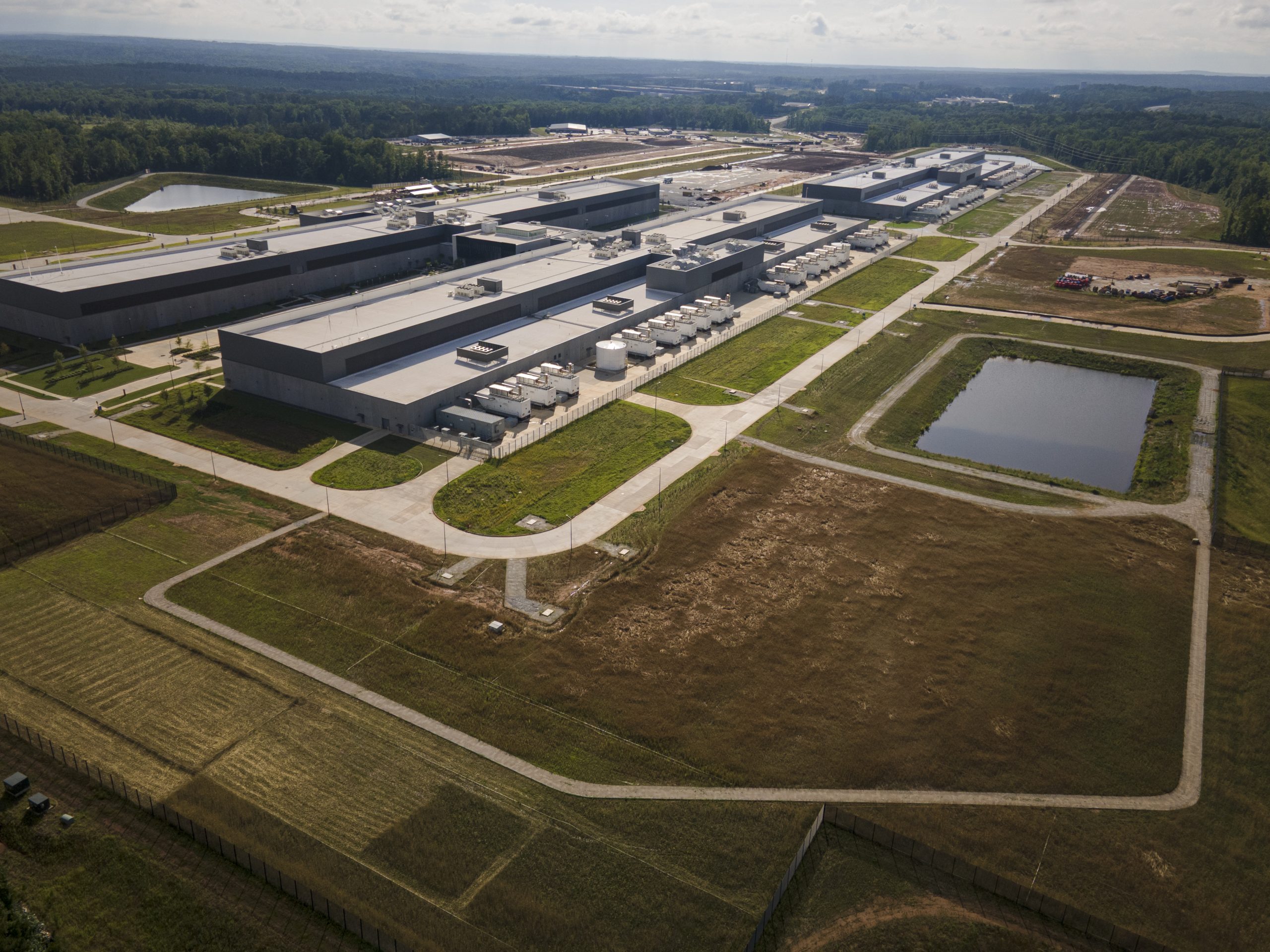
    A Meta data center in Covington, Ga.DUSTIN CHAMBERS

    She reported that data centers are now among the 10 largest water-consuming industries in the United States and use 4% of the nation’s electricity — with that figure expected to grow to 12% by 2035. Local energy providers have had to make large capital investments to accommodate the industry.

    Boyd noted that many of the jobs and tax benefits to data centers take place during construction, when up to 1,500 well-paid union workers are employed.

    Afterward some well-paid positions will still exist, including tech and maintenance staff, but she found that data centers employ only one worker per 5,000 square feet — roughly 13% of the jobs that would be expected in a standard warehouse of a similar size.

    But Planning Commissioner Pat Eiding said he thought that might undercount the job-creation potential.

    “I don’t know if it considers the amount of maintenance that goes on in these critical facilities,” said Eiding, former head of the Philadelphia AFL-CIO. “As we go forward, I’d like to see research on how many man hours are needed for maintenance and keeping a facility going.”

    Public response to the Planning Commission’s report was wholly oppositional to data centers. No one spoke in favor.

    Potential health effects were highlighted, and many speakers expressed concern that the amount of electricity used by potential centers would likely be powered by fossil fuels.

    Others expressed concerns about surging electricity costs, as capital improvements are paid for by increased consumer costs.

    “It’s what’s causing people to not be able to pay their bills,” said Linnea Bond, environment and health education director at Physicians for Social Responsibility Pennsylvania. “It’s a huge health issue, and it’s a huge affordability issue.”

    The Planning Commission staff emphasized that data centers are not currently specifically regulated in Philadelphia’s zoning code and suggested the possibility of a new law creating a specific category for them.

    While talk of a potential data center moratorium swirled around City Council earlier this year, only two nonbinding resolutions have been passed related to the topic so far.

    One from Councilmember Rue Landau called for hearings on data centers, which have not been held yet. Councilmember Isaiah Thomas held hearings late last year about rising energy costs, citing data centers as one of the driving forces.

  • Democratic Sen. John Fetterman has more support among Pa. Republicans than GOP Sen. Dave McCormick, new poll shows

    Democratic Sen. John Fetterman has more support among Pa. Republicans than GOP Sen. Dave McCormick, new poll shows

    U.S. Sen. John Fetterman has insisted he has no plans to leave the Democratic Party, despite continued attempts to sway him.

    “I remain strongly pro-choice, pro-weed, pro-LGBT, pro-SNAP, pro-labor and even pro-rib-eye over bio slop,” the Pennsylvania lawmaker wrote in an opinion piece published in the Washington Post in May.

    But if he were to change his mind, a new poll shows he might have a home in Pennsylvania’s GOP.

    Just under half of registered voters in the state approve of how Fetterman is handling his job as a U.S. senator, according to a Quinnipiac University poll released Wednesday.

    But the vast majority of the first-term Democrat’s support comes from voters in the opposing party: 77% of surveyed Republicans said they approve of Fetterman, while just 19% of Democrats do.

    That is a higher share of voter support than even U.S. Sen. Dave McCormick, Fetterman’s Republican colleague from Pennsylvania, received from his own party, with 68% of surveyed Republicans approving of his job performance.

    Fetterman also faced more ire from Democrats than his GOP counterpart — with 69% of Pennsylvania Democrats disapproving of their party’s senator, compared with 52% who disapprove of McCormick.

    The Quinnipiac survey, conducted June 9-13, polled 895 registered Pennsylvania voters and has a 4.3-percentage-point margin of error.

    President Donald Trump appears at a Defense and Innovation Summit hosted by U.S. Sen. Dave McCormick (left) at the US Army War College in Carlisle Wednesday, July 15, 2026.Tom Gralish / Staff Photographer

    Since Fetterman began casting key votes in support of President Donald Trump and publicly criticizing progressives in his party, conservatives have been leaving the door open and, at times, rolling out a welcome mat.

    (function(){function e(){window.addEventListener(`message`,function(e){if(e.data[`datawrapper-height`]!==void 0){var t=document.querySelectorAll(`iframe`);for(var n in e.data[`datawrapper-height`])for(var r=0,i;i=t[r];r++)if(i.contentWindow===e.source){var a=e.data[`datawrapper-height`][n]+`px`;i.style.height=a}}})}e()})();

    State Sen. Greg Rothman, chair of the Pennsylvania GOP, said he could consider supporting Fetterman’s reelection if he switched parties, and Fox News’ Sean Hannity said Trump himself urged Hannity to coax Fetterman into becoming a Republican in exchange for the president’s support.

    During an interview Wednesday at the Hill Nation Summit in Washington, Fetterman said the Democratic Party’s stance on Israel could push him out.

    “If our party ever becomes — and just makes it official — the anti-Israel party, that’s when I would leave because that’s been a moral clarity for me,” he said.

    Democrats, meanwhile, have mostly taken a hands-off approach. The Pennsylvania Democratic Party has previously declined to comment on Fetterman’s positions and actions, including his new joint fundraising committee with McCormick. The venture, announced earlier this month, allows them to split money from donors who want to give to both of their campaigns, a boost for Fetterman, who has reported raising significantly fewer campaign dollars on his own.

    Democratic Gov. Josh Shapiro has also avoided directly criticizing Fetterman, but admits their relationship is estranged.

    In an interview with Politico in May, Shapiro said it had been “probably years” since he had seen Fetterman at an event in Pennsylvania.

    “I’m not saying he hasn’t been at one, but I haven’t seen him and I’m at most things,” he said.

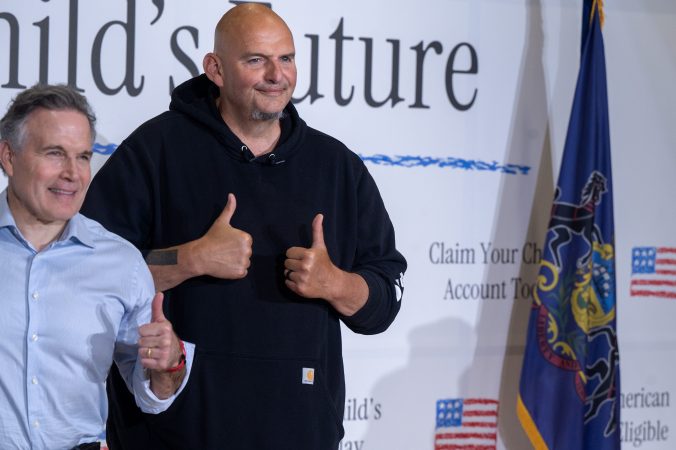
    Fetterman was most recently in Philadelphia at an event with McCormick to promote Trump Accounts, the new federally backed savings accounts for kids that became law with Trump’s signature One Big Beautiful Bill Act.

    More than half of registered Pennsylvania voters want Fetterman to leave the Democratic Party altogether, according to the Quinnipiac poll.

    It is a figure that represents both push and pull: 57% of Democrats surveyed said they want him to leave, and 55% of Republicans do, too. The poll did not ask whether he would be welcomed into the GOP.

    “The Democrats would like to show him the door. The Republicans seem to be welcoming him in. Thus is the political irony of Sen. John Fetterman,” Tim Malloy, a polling analyst at Quinnipiac, said.

    (function(){function e(){window.addEventListener(`message`,function(e){if(e.data[`datawrapper-height`]!==void 0){var t=document.querySelectorAll(`iframe`);for(var n in e.data[`datawrapper-height`])for(var r=0,i;i=t[r];r++)if(i.contentWindow===e.source){var a=e.data[`datawrapper-height`][n]+`px`;i.style.height=a}}})}e()})();

    Fetterman, who is likely to face a primary opponent, has not yet disclosed whether he plans to seek a second six-year term in 2028. U.S. Reps. Brendan Boyle (D., Philadelphia) and Chris Deluzio (D., Allegheny) and former U.S. Rep. Conor Lamb, a Western Pennsylvania Democrat who lost the Senate primary to Fetterman in 2022, are all considered to be potential contenders.

    Malloy called Fetterman’s approval among Republicans “stunningly high.”

    “He’s a maverick,” he said. “He is certainly one of the most unique politicians in the country.”

    “Being an independent voice that works with the other side to deliver for Pennsylvanians might put me at odds with the party that I have stayed committed to and have no plans to leave — but I will continue to put the commonwealth and the country first,” Fetterman wrote in the Post.

  • Philly DA Larry Krasner taunts House Republicans in Washington after getting a subpoena

    Philly DA Larry Krasner taunts House Republicans in Washington after getting a subpoena

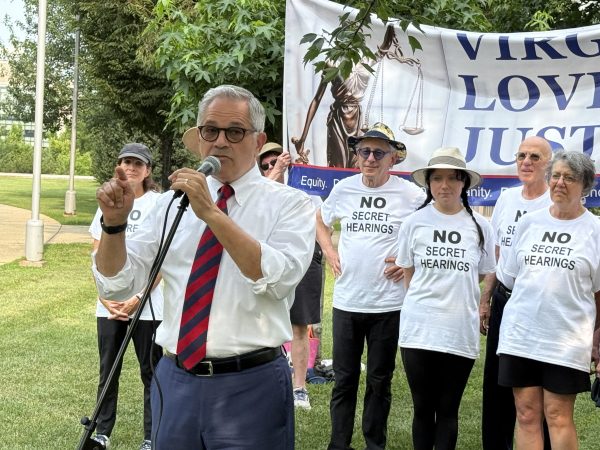
    WASHINGTON — Philadelphia District Attorney Larry Krasner, thumbing his nose at national Republicans on the morning after they subpoenaed him, rallied protesters on Capitol Hill on Thursday as one of his counterparts in Virginia, who had also been compelled by a subpoena from the U.S. House Judiciary Committee, prepared to testify behind closed doors.

    Taunting both Rep. Jim Jordan (R., Ohio), the committee chair, and President Donald Trump outside the building where the committee meets, Krasner railed against Republicans generally and the ongoing legal maneuvers he said are intended to ensure progressive prosecutors like him “roll over and play dead.”

    “Jim Jordan, can you hear me?” he asked as he stood before a crowd of mostly Virginians outside the Rayburn House Office Building. “Why don’t you come out here? We miss you. We haven’t seen you, and apparently, you don’t like us when we’re with you in public.”

    The monthslong war of words escalated on Wednesday, when Jordan ordered Krasner’s office to produce documents about its handling of immigration issues. The Republican-led committee requested the documents in May as it accused the district attorney — as well as Philadelphia Police Commissioner Kevin Bethel and Sheriff Rochelle Bilal — of protecting criminal immigrants through sanctuary policies.

    Republicans have similarly targeted multiple jurisdictions, including Arlington County and the city of Falls Church, in Virginia’s Washington suburbs.

    The committee subpoenaed the area’s top prosecutor, Parisa Dehghani-Tafti, in March for documents related to protests outside the home of deputy White House chief of staff Stephen Miller. After a back-and-forth in which Dehghani-Tafti requested a public hearing, the committee wrote in a July 1 letter that it was compelling her to appear to answer questions about “politicized interference in a doxxing investigation and your preferential treatment of illegal immigrants accused of criminal conduct in your district.”

    “I’m here because I respect the law, and I’m here because I upheld the rule of law,” Dehghani-Tafti said Thursday as she walked by the gathering of about 75 people, some of whom wore shirts and held signs reading “No Secret Hearings.”

    Krasner said the committee was afraid to conduct the questioning in a public setting because Dehghani-Tafti, whom he described as a top-notch prosecutor and communicator, would “wreck them.”

    “And they are not just trying to do it to her,” Krasner said. “They’re trying to do it to a whole bunch of us — pretty much anybody who they see as standing in their way.”

    Krasner did not otherwise address his own subpoena while speaking in Washington.

    Asked for comment, a spokesperson for the committee said Thursday: “We look forward to Mr. Krasner’s compliance with the subpoena.”

    In an interview after his speech, Krasner said it was important for him and other local prosecutors, some of whom were in attendance Thursday, to join together to show that “none of us are backing down.” He said that he has the same legal representation as Dehghani-Tafti to deal with the situation, and that if he was compelled to testify he would answer the committee’s answers truthfully.

    “I’d be shocked if these cowards wanted a public hearing,” Krasner said. “Not because I’m so important, but because the questions are so stupid, and the truth harms them so much.”

    In a private setting, he said, the committee can control any transcripts or videos and decide when and how to make them public. He compared the situation to “Putin’s Russia,” mocked Jordan for not completing law school, and repeatedly called Trump the “criminal-in-chief.”

    Krasner also alleged that part of the reason he and others are being targeted is because of their ability to prosecute state-level crimes, for which Trump does not have the power to pardon. That includes potential crimes related to Jeffrey Epstein, the convicted sex offender and former Trump associate who died in 2019.

    “Make no mistake, Epstein class, we are coming for you,” Krasner said in shouting distance from federal lawmakers. “We’re coming for you now, or we’re coming for you later.”

    Epstein’s private islands were in the U.S. Virgin Islands and his mainland home was in Florida, outside Krasner’s jurisdiction in Philadelphia.

    Late Thursday afternoon in Philadelphia, Krasner said he was in the process of complying with the subpoena.

    “It encompasses an infinite number of documents, many of which they’re not entitled to have, but there’s little doubt they’re entitled to have some of them, and what the law requires is what we’re going to do,” he said. “It is very likely that sooner or later we’re going to turn over some documents.”

    He derided Jordan as “the criminal-in-chief’s little helper” and accused the House committee of being on a “silly mission” to try to show fault with how honest prosecutors are handling immigration issues in their jurisdictions.

    “If they want to mess with Philly, they’re going to come through me,” Krasner said. “My job is to protect Philadelphians. I’m going to do that. We’re not going to have ICE agents or federal agents murdering people on the streets of Philadelphia with no consequence.”

    This month ICE agents fatally shot two men in six days during traffic stops in Texas and Maine.

    The House committee gave Krasner a July 29 deadline to provide the documents it requested. In a letter Wednesday, Jordan said Krasner’s “refusal to cooperate” included “bizarre and baseless demands and conditions.”

    “The Committee has no obligation to entertain your unreasonable demand because as federal courts have explained, it is exclusively the prerogative of the Committee to determine how and in what manner it conducts its oversight,” Jordan wrote.

    Staff writer Jeff Gammage contributed to this article.