Tag: Weekend Reads

  • New Jersey reveals glitch allowed 6,600 noncitizens to register to vote ahead of 2024 election

    New Jersey reveals glitch allowed 6,600 noncitizens to register to vote ahead of 2024 election

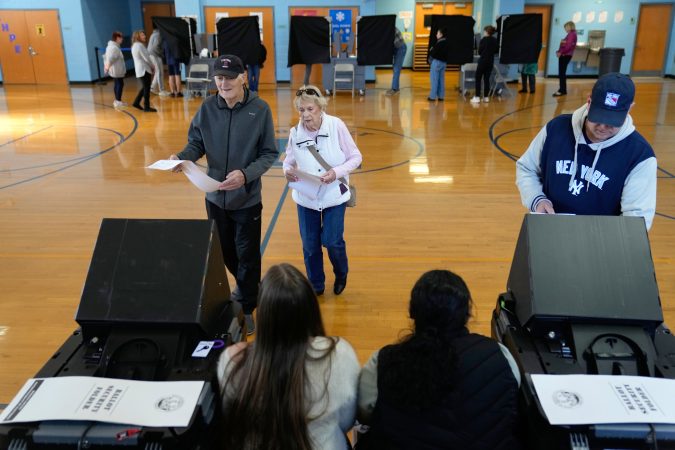
    Roughly 6,600 people who were not citizens were improperly registered to vote over a yearlong span ahead of the 2024 election because of a software error in New Jersey’s motor vehicle system, New Jersey Gov. Mikie Sherrill disclosed Tuesday.

    The revelation came just days after President Donald Trump’s administration targeted New Jersey as one of four states that the Department of Homeland Security claimed had noncitizens on its voter rolls, along with neighboring Pennsylvania. The White House said the announcement from New Jersey underscored the need for Trump’s proposed national overhaul of elections.

    Among the noncitizens, who were wrongly registered between June 2023 and June 2024, fewer than 400 cast a ballot, Sherrill said.

    The voters were scattered across the state and registered as Democrats, Republicans, and unaffiliated voters, though the office did not provide percentage breakdowns.

    Sherrill, a Democrat who took office in January, pointed a finger at her predecessor, noting that the wrongful registrations took place under former Democratic Gov. Phil Murphy. She said that she “immediately ordered” her chief counsel to investigate the issue and that the individuals erroneously added to the voter rolls be removed “before the next election,” which will be the November midterms that will determine control of Congress. The individuals have been notified of their planned removal.

    “As a military veteran who swore an oath to defend our Constitution, and as a former federal prosecutor, I believe the integrity of our elections is fundamental to our democracy. I am appalled by the reckless failures that allowed this to happen and the lack of transparency shown by those in charge at the time,” Sherrill said in a statement.

    Sherrill, at a news conference Tuesday afternoon, said the investigation would determine which elections the noncitizens’ votes were cast in — and whether they included the 2025 gubernatorial race in New Jersey, which Sherrill won, or the 2024 presidential election, when the state went for Vice President Kamala Harris — but neither contest’s outcome would have been changed by these ballots cast.

    The glitch occurred when individuals were applying for driver’s licenses and identification cards in New Jersey. Although they answered “no” when asked on a keypad whether they were a U.S. citizen, “through no fault of their own, the system registered them anyway,” Sherrill’s office said.

    Trump last Thursday delivered a prime-time address in which he, amid conspiracy theories about his 2020 election loss, claimed the Department of Homeland Security had identified more than 250,000 noncitizens registered to vote across four Democratic-led states — New Jersey, Pennsylvania, California, and Nevada — according to a document the White House posted online during Trump’s speech.

    DHS Secretary Markwayne Mullin claimed Tuesday on X that more than 35,000 noncitizens could be registered in New Jersey. However, the department has not shared the methodology it used to arrive at that number, and experts have cautioned it could include new citizens who have not been updated in a system meant to check work eligibility.

    “Just ONE illegal vote cancels out the vote of a U.S. citizen,” Mullin said.

    He said he appreciated Sherrill’s announcement, but “this should’ve been done a LONG time ago.”

    Pennsylvania election officials have disputed DHS claims of noncitizen registrations, but the timing of the New Jersey disclosure is sure to fuel scrutiny of the four states.

    Sherrill said she learned of the error last Wednesday, the day before Trump’s address.

    White House, Republicans call for changes to voting laws

    Trump’s administration has been pushing states to hand over unredacted voter rolls and threatening legal consequences for election officials, but New Jersey and Pennsylvania have resisted, saying doing so could put voters’ personal information at risk.

    “As the Trump Administration tries to weaponize elections for political gain, I am ensuring we protect our elections. Let me be clear: Donald Trump has zero credibility on the issue of election integrity,” Sherrill said in her statement.

    The White House argued that the New Jersey disclosure helped make the case for the SAVE Act, which would require prospective voters to prove their citizenship in order to register to vote.

    “Democrats and their media allies have repeatedly said it is impossible for noncitizens to register to vote, let alone cast a ballot. Time and again, they have been proven wrong. As President Trump has said, there is nothing more important than the integrity of our elections,” said Abigail Jackson, a spokesperson for the White House.

    The legislation has stalled in the Senate, but the New Jersey announcement will likely renew a push for it ahead of the midterms.

    “This is why we must confirm citizenship before anyone registers. Only US citizens should vote in our elections,” U.S. Sen. Dave McCormick (R., Pa.) said on X in response to the Garden State’s news.

    The senator has yet to weigh in on Pennsylvania’s inclusion on the White House’s list.

    U.S. Sen. Cory Booker (D., N.J.) called the failure of the registration software “not acceptable.” But he said he trusts Sherrill and the state to solve the problem and criticized “those who will choose to weaponize this issue” as attempting to undermine confidence in elections.

    “I have full confidence in New Jersey’s ability to administer voter registration and elections accurately and securely, and to ensure every legal ballot is counted,” Booker said.

    U.S. Sen. Andy Kim, a South Jersey Democrat who criticized Trump’s speech last week, declined to comment.

    New Jersey Republicans called for a bipartisan investigation and chastised Democrats for dismissing the issue in the past.

    “We believe this issue is not isolated to this one-year time frame or a software glitch. The system and verification process must be improved in order to safeguard our elections,” said Christine Giordano Hanlon, chair of the New Jersey GOP. “The public also deserves to know why this was covered up and who was responsible for keeping this critical information from the public.”

    U.S. Rep. Jeff Van Drew, a South Jersey Republican facing a challenge from Cape May Mayor Zack Mullock this fall, said the state should end automatic registration through the New Jersey Motor Vehicle Commission and require proof of citizenship to register.

    “We have had extremely close elections in New Jersey, and God knows how many other ineligible voters may still be on the rolls or how many ballots have been cast without ever being identified,” Van Drew said in a statement. “It is unacceptable.”

    The National Voter Registration Act of 1993, commonly known as the motor voter law, requires states to enable people to register to vote through departments of motor vehicles when they are getting a driver’s license. Twenty-three states, including New Jersey and Pennsylvania, provide automatic voter registration through the DMV, according to the National Conference of State Legislatures.

    Micah Rasmussen, the director of the nonpartisan Rebovich Institute for New Jersey Politics at Rider University in Mercer County, said the wrongful registrations were a small slice of the state’s 6.6 million voters.

    “It’s got to be dealt with,” he said. “The administration is dealing with it, but it’s also something well short of systemic.”

    He said that the DMV has long been a weak link in motor vehicle voter registration and that it is worth looking into replacing the vendor that runs the registration software.

    “On Election Day, when voters can go and argue and plead their case before a judge because they’re not registered and they thought that they were, invariably, it surprises nobody when DMV winds up being the problem,” he said.

    This is not the first time a state’s motor vehicle system has incorrectly registered noncitizens.

    Pennsylvania Secretary of State Al Schmidt uncovered a similar glitch in 2017 while he was serving as a Philadelphia city commissioner, discovering that a Pennsylvania Department of Transportation error had allowed 168 noncitizens to register to vote in the city, and likely a couple of hundred statewide.

    The state’s voter rolls were updated in 2018, and Schmidt has emphasized that noncitizen voting remains incredibly rare.

    In a statement, Schmidt said Pennsylvania’s automatic voter registration system, which was implemented in 2023, permits only eligible applicants — American citizens — to register to vote.

    “AVR has allowed hundreds of thousands of eligible Pennsylvanians to register to vote while safeguarding the integrity of our voter rolls,” he said in the statement.

    Sherrill said that she is exploring options to rectify the problem, and that the vendor behind the error will be replaced. Individuals responsible for the error will be held accountable, she said.

    “We’re open to suggestions that make our elections more safe,” she said. “The investigation will have findings on what occurred. We will be looking carefully at what we can do to make sure it doesn’t occur again.”
  • A Philly teacher died after a pole on a Roxborough High’s field fell on her. Her family says the school district should have prevented it.

    A Philly teacher died after a pole on a Roxborough High’s field fell on her. Her family says the school district should have prevented it.

    The Philadelphia School District’s negligence proved fatal for a woman who died when a Roxborough High School utility pole fell and crushed her while she was walking at the school’s athletic complex, a new lawsuit alleges.

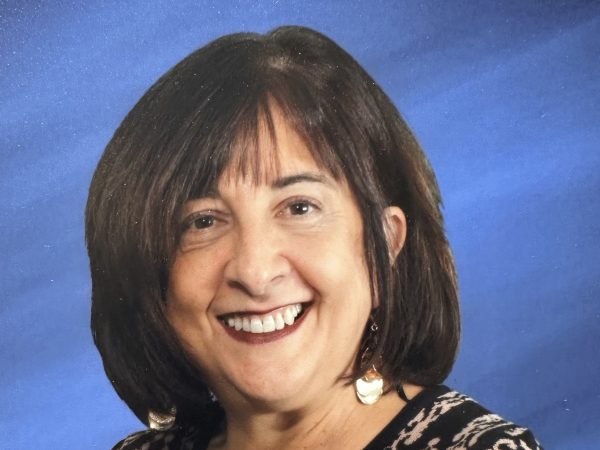
    Paula Budin, a retired teacher, was walking on the Roxborough High track on the morning of Dec. 5, 2024, when a 45-foot wooden pole snapped at its base, striking her.

    A passerby found her, bleeding and unresponsive on the ground, and called emergency services, but paramedics could not revive Budin, who died of blunt force trauma injuries from the accident.

    Lawyers for Budin’s family accuse the district — and the Parsons Corp., which was hired by the school system to complete a facilities assessment of all its properties — of negligence. Officials failed to flag rotting at the base of the pole or properly maintain or inspect the pole, the suit said.

    “The School District of Philadelphia knew or should have known of the dangerous condition of the subject pole as there were visible signs of its decay as far back as 2014,” the suit, filed this week in Philadelphia Common Pleas Court, reads. “Despite this actual and/or constructive knowledge and their appreciation of that risk of catastrophic harm, the district did not take corrective action nor did it warn students or members of the community of the risk of catastrophic harm.”

    Budin’s family is seeking financial damages.

    The school district does not comment on pending litigation, spokesperson Naima DeBrest said. Parsons spokesperson Bryce McDevitt said the same.

    Philadelphia’s underfunded school system has a massive footprint — more than 300 buildings and athletic complexes. It has, in some cases, struggled to adequately maintain its facilities.

    Budin, who was 73 when she died, had enjoyed an active lifestyle, her family said. She had taught at Germantown Academy and the Community Partnership School in North Philadelphia before her retirement and was close to her family — two sisters, two nephews, and a niece.

    On the morning of her accident, Budin was walking near her home on Roxborough’s track on Pechin Street, which is generally open to the public. Four poles typically used to hold lighting or security cameras were positioned around the athletic complex.

    Sometime after the accident, the district removed the three remaining poles from the property, the suit said. A subsequent inspection by Budin’s and the district’s lawyers and experts revealed the poles had no inspection tags, indicating they had not been inspected prior to the accident, the suit says.

    Budin’s lawyers say that the pole in question was buried in grass near a storm drain, on a slope near the track. The drain was filled with debris, and because of the condition of the area, no standing water could drain — leading to “lengthy periods of water exposure to the base of the pole at ground level that caused the pole to deteriorate and rot to the point of severe and dangerous decay,” the suit says.

    The other poles were not situated near storm drains, and had no water damage or decay, the suit says.

    Budin’s estate alleges that Parsons, which was hired by the district in 2015 to complete facilities condition assessments of all of its buildings and athletic complexes, is also culpable.

    Parsons inspected the Roxborough fields more than once, issuing multiple reports about the fields, but did not inspect the poles, Budin’s lawyers say.

    “The Parsons defendants knew or should have known they should inspect the utility poles located on the Roxborough athletic track and field yet failed to do so,” the suit reads. “At the time of December 2024 incident, the pole at issue had discoloration at the base and other visible signs of rot which must have been present for a significant period of time.”

  • President Donald Trump denied Johnny Doc’s request to be let out of prison early

    President Donald Trump denied Johnny Doc’s request to be let out of prison early

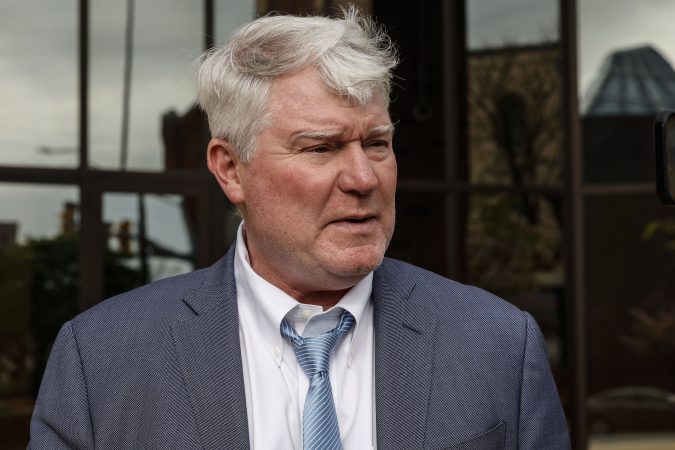
    Convicted former Philadelphia labor leader John J. Dougherty has taken a variety of steps to try to cut his six-year prison term short, including by taking the witness stand this spring to tell a federal judge about the unique health challenges faced by his wife.

    But one other avenue he pursued last year — an appeal to the White House for mercy — apparently hit a dead end.

    President Donald Trump earlier this month denied Dougherty’s request for a commutation, according to the Office of the Pardon Attorney’s website, meaning Trump — at least for now — will not use his broad powers of clemency to clear the way for Dougherty’s early release.

    Dougherty — who, nicknamed Johnny Doc, was once a singular power broker in the city’s Democratic Party — was one of about 5,600 people whose commutation applications were denied on July 10, according to the pardon attorney’s site. A commutation keeps a defendant’s conviction intact but ends or reduces their sentence.

    Trump, a Republican, also denied about 300 applications for a pardon, a broader form of relief that is added to the record of the case and reverses any restrictions stemming from a conviction, such as limitations on voting or seeking public office. The New York Times first reported on the wave of denials this week.

    Presidents have broad authority to issue pardons and commutations in federal cases, and Trump has shown a willingness to grant them to political allies during his second term in office.

    One of his first actions after being sworn in again last year was to issue pardons to nearly every person charged with participating in the riot at the U.S. Capitol on Jan. 6, 2021. Trump has also bestowed clemency on political figures convicted of corruption and those he maintains were “persecuted” by the Justice Department under former President Joe Biden.

    Biden also used his clemency powers in unique ways, granting nearly 1,500 commutations during his final weeks in office, commuting dozens of death sentences, and, controversially, granting a wave of preemptive pardons to family members and allies.

    Dougherty’s attorney, George Bochetto, said Tuesday that he was not involved in the effort to petition for a commutation and did not know about it. It was not immediately clear if Dougherty submitted an application himself or if he had another associate help with its preparation.

    The pardon attorney’s website made basic information about Dougherty’s application available through its case search system, showing Dougherty’s name and his Bureau of Prisons register number and saying his application was filed last year.

    Bochetto has been overseeing a different relief effort: Dougherty’s attempt to have a judge grant him compassionate release.

    In court documents and in testimony before U.S. District Judge Jeffrey L. Schmehl, Dougherty has been saying for months that his wife, Cecilia — who has long suffered from a debilitating brain injury — has seen her condition worsen while he has been imprisoned. Dougherty has asked to serve the rest of his sentence on house arrest in order to oversee her care, saying if he is not allowed to do so, his wife will likely die.

    Schmehl denied that request earlier this year, but has been reconsidering after Bochetto appealed.

    Dougherty, 66, was sentenced in 2024 to six years in prison after being convicted in separate trials — the first after a jury found that he had spent years bribing former Philadelphia City Councilmember Bobby Henon, the second over nearly $600,000 he and others embezzled from his union, Local 98 of the International Brotherhood of Electrical Workers.

  • Fox Chase Farm volunteers disband after more than 30 years following conflict with Philly school district

    Fox Chase Farm volunteers disband after more than 30 years following conflict with Philly school district

    A volunteer group at Fox Chase Farm has dissolved after more than 30 years. The group says dwindling volunteers plus new fees and restrictions from the Philadelphia School District made their work at the city-owned farm too difficult to continue.

    “We finally folded,” said Karen Eble, former president of the group, Friends of Fox Chase Farm. “The farm is administered by the Philadelphia School District and they were, I guess, not very open to us being there.”

    Friends of Fox Chase Farm formed in 1990 to support the 112-acre property that straddles Philadelphia and Abington Township and is owned by the city.

    At its peak, the group drew over 400 local families, who grew thousands of pounds of produce for food banks annually and functioned as a parent-teacher association of sorts for a 4-H program, which some members’ children participated in. The group bought equipment, lent the program money, and attended farm shows with the kids.

    The Fox Chase 4-H allowed more than a dozen youth, including many who live in Philly, to raise animals on the city farm — rare for a program that typically attracts kids whose families own agricultural land.

    “We’d compete with the kids that grew up on farms,” said Jim Kates, a longtime leader of Friends of Fox Chase Farm.

    The farm’s 4-H was suspended in 2022 after the school district began charging fees for services it used to provide the program for free, such as housing the animals.

    4-H had long covered food and veterinary care for the animals and split feeding duties with the resident farmer, members said, but the school district used to board the animals for free.

    “It would’ve cost us $15,000 to have these kids keep their animals there,” Kates said.

    The district said at the time that the 4-H was not complying with new policies and procedures.

    “Fox Chase Farm is an educational facility operated by the School District of Philadelphia and is not in the business of boarding privately owned animals,” a spokesperson said this week.

    Officials did not directly respond to the volunteers’ assertion that they were made unwelcome by the school district, but the spokesperson said this week the farm saw 10,000 “community visitors” in the last year.

    The district spokesperson said there is an active 4-H program on the farm but did not immediately respond to questions about how much access the participants have to the livestock.

    The volunteers also held two fundraisers per year that raised thousands of dollars for the farm, group members said.

    The Philadelphia School District rents the farm for $1 from the city. The district is currently renegotiating that 30-year lease, said Mandy Fellouzis, who runs the district’s programs there.

    In recent years, the Friends group shrank as volunteers aged and the school district placed new restrictions on their activities, members said. By this past March, there were only a handful of active members, Kates said, and they decided to fold.

    One of the issues the school district raised about the group’s events, Kates said, was liability: A volunteer group at Pennypack Park disbanded in 2020 after being named in lawsuits that some considered frivolous.

    “We still had an insurance policy,” Kates said, but with the group dwindling anyway, “we decided it wasn’t worth it.”

    This suburban content is produced with support from the Leslie Miller and Richard Worley Foundation and The Lenfest Institute for Journalism. Editorial content is created independently of the project donors. Gifts to support The Inquirer’s high-impact journalism can be made at inquirer.com/donate. A list of Lenfest Institute donors can be found at lenfestinstitute.org/supporters.

  • Philadelphia’s World Cup and All-Star summer proved something. Let’s not waste it. | Editorial

    Philadelphia’s World Cup and All-Star summer proved something. Let’s not waste it. | Editorial

    It’s been a big year for Philadelphia. The cradle of American democracy has been in the public eye during the nation’s Semiquincentennial and a series of sporting events that have brought visitors from across the world — all to rave reviews.

    In a sign of how far we’ve come from the bad old days of apathy and deterioration, the City of Brotherly Love and Sisterly Affection rose to the challenge and then some.

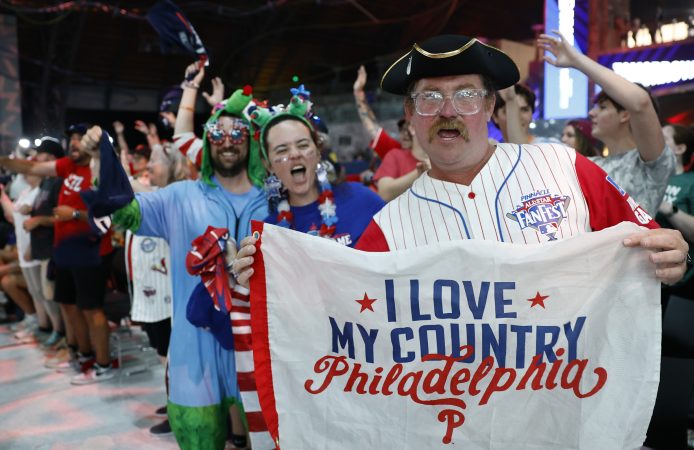
    Those in town for the PGA Tour in nearby Aronimink, the FIFA World Cup and Fan Festival at Lemon Hill, Major League Baseball’s All-Star Game, and the country’s 250th birthday mostly raved. A visiting Brazilian fan called Philadelphia “the most beautiful city” he’d ever seen. A level of effusive praise that stunned many residents who are accustomed to scorn, not admiration.

    Officials must now take the planning, determination, and can-do attitude they brought to making the city succeed on the world stage and prove they can make Philadelphians proud even after the spotlight has dimmed.

    Fifty years ago, during America’s Bicentennial, many in the city rightly felt its best days were long gone.

    Then-Mayor Frank Rizzo, known for his brutal tactics as police commissioner, scared visitors away after he requested federal troops out of fear of protests. No soldiers came to the city, and the planned demonstrations went off without any bloodshed. Still, Rizzo’s warning did little to change the city’s blossoming reputation as a dead-end town.

    Under Rizzo, the city’s economy had stagnated. Roughly a quarter of a million people left Philadelphia during the 1970s. Mismanagement of city government led to a ballooning budget deficit, which officials filled with the biggest tax increase in city history.

    Philadelphia could never lose its place in U.S. history, but its status as the workshop of the world would never return. Instead, it became known as a symbol of America’s urban decline. Blight spread, violence proliferated, employers left, and quality of life deteriorated. This, in turn, fostered the rise of the “negadelphian,” residents and former residents who expected the worst of the city, its teams, and its people at every turn.

    Over time, this sentiment came to dominate conversations about our city. People who had never set foot in the Delaware Valley could all tell the story of how Eagles fans threw snowballs at Santa, while the terms “Filthadelphia” and “Killadelphia” became common.

    That negativity was rarely in sight this summer, as Philadelphia put its best face forward to wow the crowds who focused on the city’s history, architecture, walkability, and friendliness. Even much-maligned and chronically underfunded SEPTA reopened long-closed concourses and seamlessly ferried fans to their destinations.

    The challenge for city officials now is to keep the momentum going. After all, while the city’s faults may have been sanded down for guests, residents know them all too well.

    Mayor Cherelle L. Parker has received positive feedback from residents on cleanliness, and homicide has declined to rates not seen since the 1960s, but many of the city’s day-to-day challenges remain. Taxes on workers and businesses are high enough to impede commercial activity and push residents out of the city and into the suburbs. A lack of job opportunities continues to be the top reason people leave our region.

    Our city’s underfunded educational system is scheduled to close 17 schools soon. The city’s parks and libraries make do with fewer resources than their peers. Brutal transit service cuts could occur next year unless Harrisburg acts.

    Fortunately, the summer of sports may also point to a way out of these long-standing issues.

    Throughout the year, ordinary Philadelphians mobilized to help show off their city. Around 3,000 people signed up to serve as volunteers during the World Cup. Others chose to become Phambassadors through the Visitor Center, working to showcase the city.

    This grassroots energy should be harnessed and turned into political power that can keep Philadelphia moving forward.

    Ultimately, it isn’t enough to simply change the way outsiders talk about our city. For Philadelphia to truly move beyond its decades-long reputation, Philadelphians must truly believe the hype.

  • How the White House turned a Pennsylvania trooper’s death into an immigration scare story

    How the White House turned a Pennsylvania trooper’s death into an immigration scare story

    Pennsylvania State Trooper Michael E. Pahira Jr., 44, would still be alive if Michael Bon had not come here from Haiti. That is what the Trump administration wants people to focus on.

    It was devastating enough that the veteran of nearly two decades with the state police was fatally struck on July 1 by a tractor-trailer the authorities say was driven by Bon.

    But the administration, which since last year has consistently targeted immigrants with both bullets and blame, didn’t stop there.

    Playing out the string on the White House’s misguided way of thinking would lead us to believe that this calamity would not have occurred if the law didn’t allow Bon to work while his immigration application made its way through the system.

    Or if the Massachusetts Registry of Motor Vehicles had taken away Bon’s commercial driver’s license once his application for Temporary Protected Status was denied.

    Or if the situation in Haiti, one of the poorest nations in the world thanks to colonialism and rampant exploitation by Spain, France, and the U.S., had not forced Bon and his family to look for a better life elsewhere.

    Or if Christopher Columbus hadn’t stumbled upon what he dubbed “The Spanish Island” back in 1492 in the first place.

    If you want, you can even throw in the logistics industry, or our consumer culture that sees commercial trucks travel roughly more than 300 billion miles every year, resulting in 5,832 fatal crashes in 2022, according to the latest numbers from the U.S. Department of Transportation.

    The question becomes: At which point in this list do we stop when assigning blame?

    For the U.S. Department of Homeland Security, you send out a news release that stops at, “This illegal alien was granted a commercial driver’s license by the sanctuary state of Massachusetts.”

    This thought exercise is hardly meant to diminish the passing of Pahira, who was, by all accounts, as Gov. Josh Shapiro noted, “one of our very finest.”

    On the contrary: Pahira’s life and work would seem to deserve a richer memorial than being turned into one more talking point on the political right for how immigrants are dangerous. How the stand-up guy who had, as Fox News accurately described, “moved home to care for mom with cancer” must also play political pawn to the first half of that headline: “Illegal immigrant truck driver charged in death of trooper.”

    No one disputes that Bon, 33, was in the country without authorization at the time of the incident, but that fact has nothing to do with the crash that killed Pahira.

    Bon had applied for immigration relief and was denied, so by the time he applied for renewal of his Massachusetts commercial driver’s license, the Systematic Alien Verification for Entitlements, or SAVE, system should have flagged him as ineligible — but it didn’t, according to officials with the Massachusetts Department of Transportation. (That this same federal database is the one the Trump administration wants to use to check if people can vote is another problem for another time.)

    Do immigrants commit crime? Of course, they are human beings who can make bad decisions. That they are less likely to do so than the U.S.-born is statistically proven.

    It’s also cold comfort to victims when it does happen. However, our lives often progress in unpredictable — and, yes, painful — ways.

    Whether you believe in a higher power or an indifferent universe, fate or random chance, Bon and Pahira fatally crossed paths along a stretch of Interstate 81 in Schuylkill County regardless of immigration status.

    There is nothing wrong with calling for tighter commercial driver’s license laws — as a bipartisan group of Pennsylvania legislators in the U.S. House did last week — or implementing additional safety measures for those driving a fully loaded 40-ton vehicle. It is even fair to ask for restrictions on people who may only be in the country temporarily.

    But fearmongering and casting all immigrants as threats is reckless.

    Bon is being held on a $700,000 bond. Among other charges, he is accused of homicide by vehicle. He will be held accountable, evidence will be presented, and hopefully justice will be served. Whatever consequences come his way, he will face them as an individual.

    Using Pahira’s death to further demonize immigrants debases a brave trooper’s memory — and is an insult to everyone else’s intelligence.

  • The Philadelphia Parallel Parking Association Championship already has 400+ applicants for 20 tight spots

    The Philadelphia Parallel Parking Association Championship already has 400+ applicants for 20 tight spots

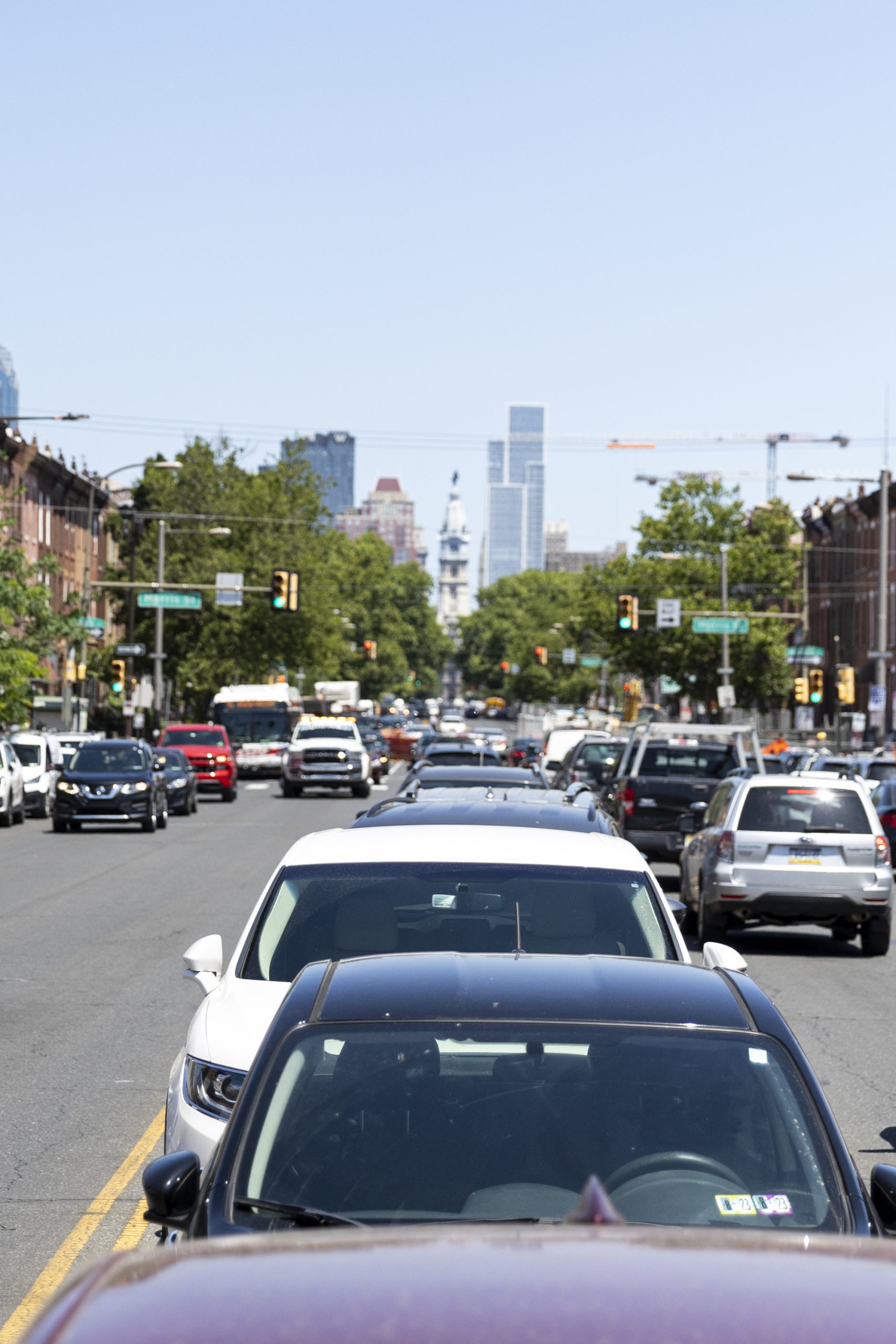
    If you curse people who double-park in West Philly when there’s an open space right there; if you can squeeze your ride into a tight spot in Rittenhouse with a bar full of onlookers waiting for you to fail; or if finding a parking space in residential South Philly is something you actually enjoy, then snagging a spot in the 2026 Philadelphia Parallel Parking Association (PPPA) Championship might be right up your narrow alley.

    But prospective parkers beware — the competition is looking as fierce as a Philly granny determined to get the last parking space near church on Sunday. More than 400 people have already applied for just 20 spots in the city’s first-ever parallel parking competition and applications have only been open for a week, according to PPPA Commissioner Adam Wodka.

    “I always had the sense that this is something that Philly would embrace and a sense that Philadelphians have a particular pride for this skill, but absolutely I’ve been overwhelmed by the response,” Wodka said. “It’s been a joy seeing how passionately people feel about this and I’m really excited for the actual event.”

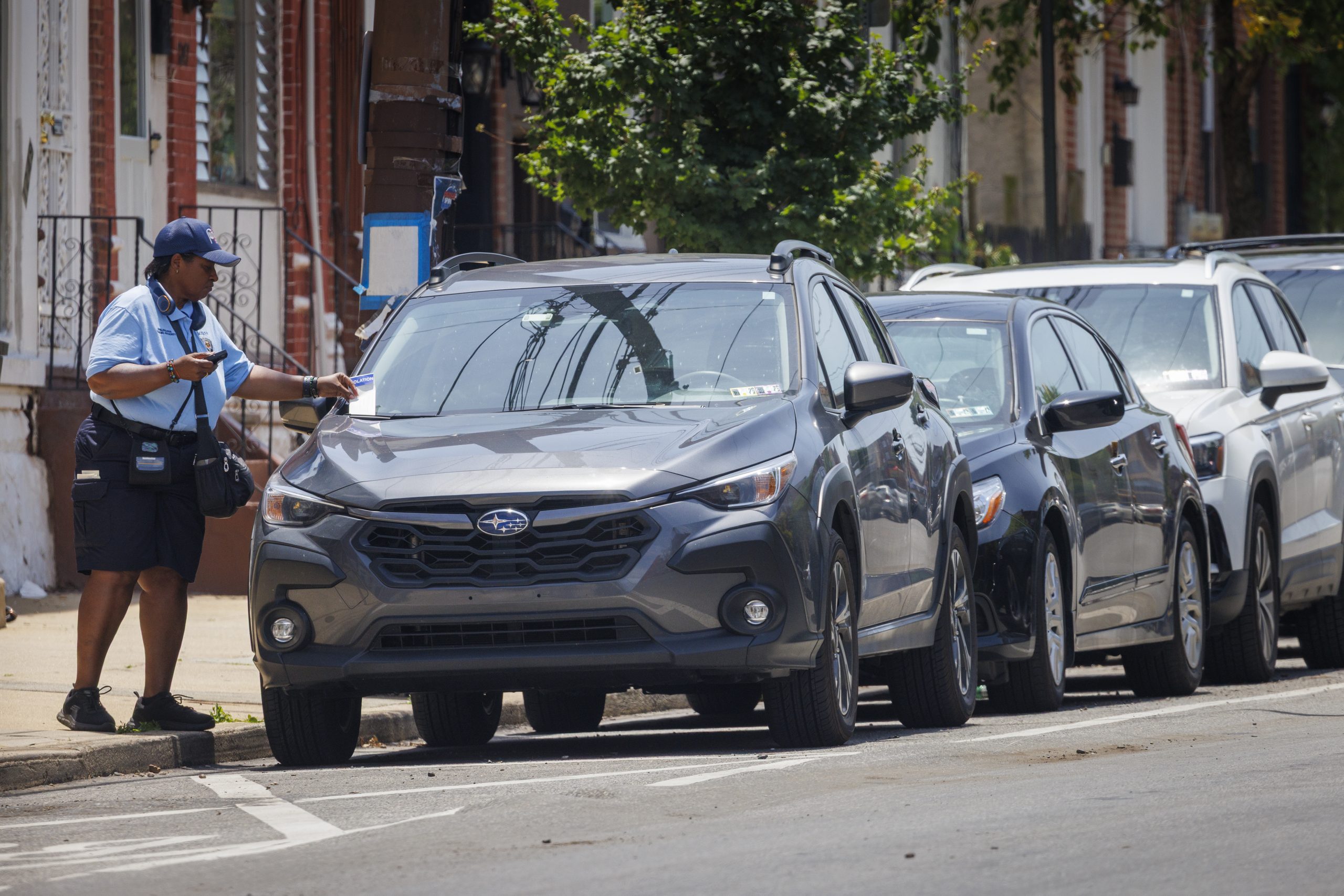
    Despite similarities in their logos, the PPPA is not associated the Philadelphia Parking Authority (PPA). The latter is a government agency that dishes out more tickets than StubHub, puts on more boots than a Dr. Martens store associate, and is so dramatic it once starred in a reality TV show, and the other one was just made up.

    A Philadelphia Parking Authority officer tickets a car along North 29th Street near Thompson Street in Brewerytown.Alejandro A. Alvarez / Staff Photographer

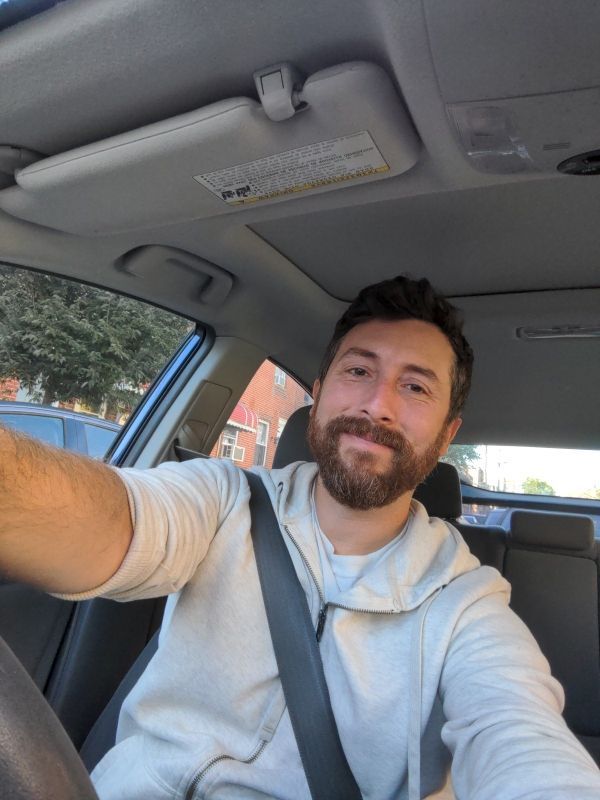
    Wodka said the idea for the PPPA has percolated in his head for years, beginning with his frustrations over poor parallel parking practices on his own South Philly block that led to a reduced number of spots.

    His desire to get people to park more efficiently inspired talks with a friend about starting a parallel parking competition. When he learned Pittsburgh has held one for the last five years, Wodka knew he had to create one for Philly.

    Philadelphia Parallel Parking Association commissioner Adam Wodka behind the wheel.Courtesy of Adam Wodka

    He began planning in earnest about five months ago, put seven of his friends on the PPPA executive board, and named himself the commissioner. This might be considered corruption in other cities, but it’s pretty low on the scandal scale when it comes to Philadelphia parking agencies.

    The PPPA debuted on Instagram on May 9 with a post that said “Promoting excellence in parallel parking since right now.” Subsequent posts have included an image of a sedan in the style of Leonardo da Vinci’s Vitruvian Man and parallel parking affirmations like, “They’re not honking at me. They’re cheering me on.”

    On its accompanying website, the PPPA describes itself as “an independent organization dedicated to promoting excellence in parallel parking in the country of Philadelphia.”

    The site includes the association’s stance on parallel parking techniques (“Signal before slowing. The turn signal is a declaration, not a formality”) and its official position on things like backup cameras (“Permitted in daily driving. Permitted in competition”).

    The use of backup cameras in the competition has been a particular cause of consternation among online commenters, especially those who learned to drive without them. Wodka said he will take the issue before the PPPA board prior to the competition.

    “To me [the backup camera] has been around for a while and it’s part of driving now, but I totally understand and learned how to drive before that existed,” he said. “I think we’re trying to think of a way that we can honor that as well … We are balancing all these amazing ideas on all the different subtle elements and factors of parallel parking.”

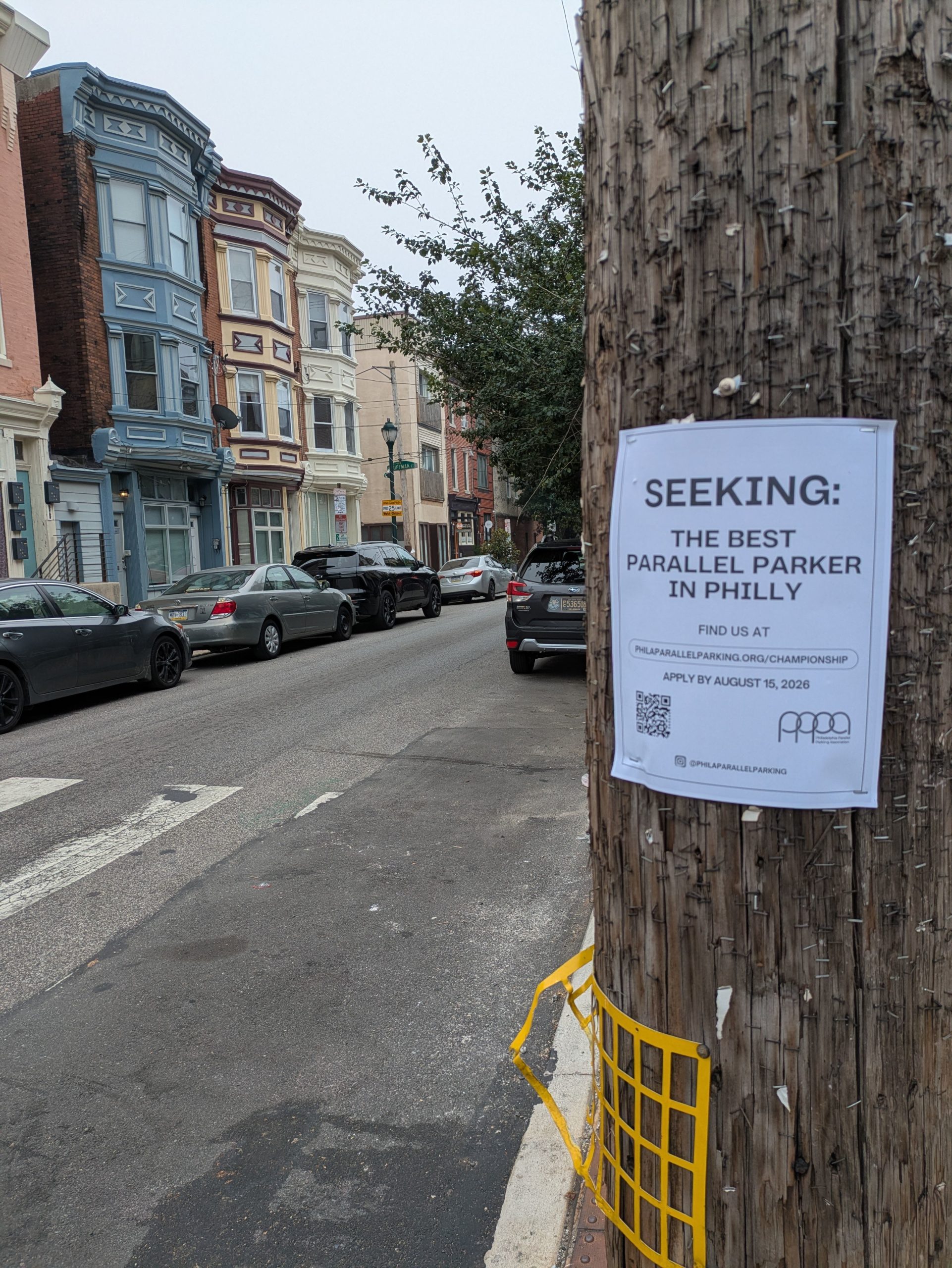
    A sign advertising the 2026 Philadelphia Parallel Parking Association Championship is affixed to a pole across from some fine examples of parallel parking in the city.Courtesy of Adam Wodka

    The PPPA is considering two locations for the contest. The ideal venue will have both a large gathering space, like a parking lot, and it will be closely situated to a Philly street for an authentic parallel parking experience, Wodka said. He declined to name the streets under consideration.

    “I don’t want people going to practice before the competition,” he said

    Once the venue is chosen, the date for the championship — which will be held on a weekend in September or October — will be solidified.

    How it will go down

    Contestants are required to use their own vehicles and they will compete in three categories:

    • One shot: Get closest to the curb in one attempt.
    • Tight squeeze: With 12 inches of clearance, park within six inches of the curb using the least amount of moves (Warning: Wodka is considering shortening the clearance length to 3 or 6 inches).
    • Under duress: Park as fast as you can while faced with distractions and barriers.

    Wodka said the under duress category will force drivers to face the ultimate Philadelphia parking dilemma.

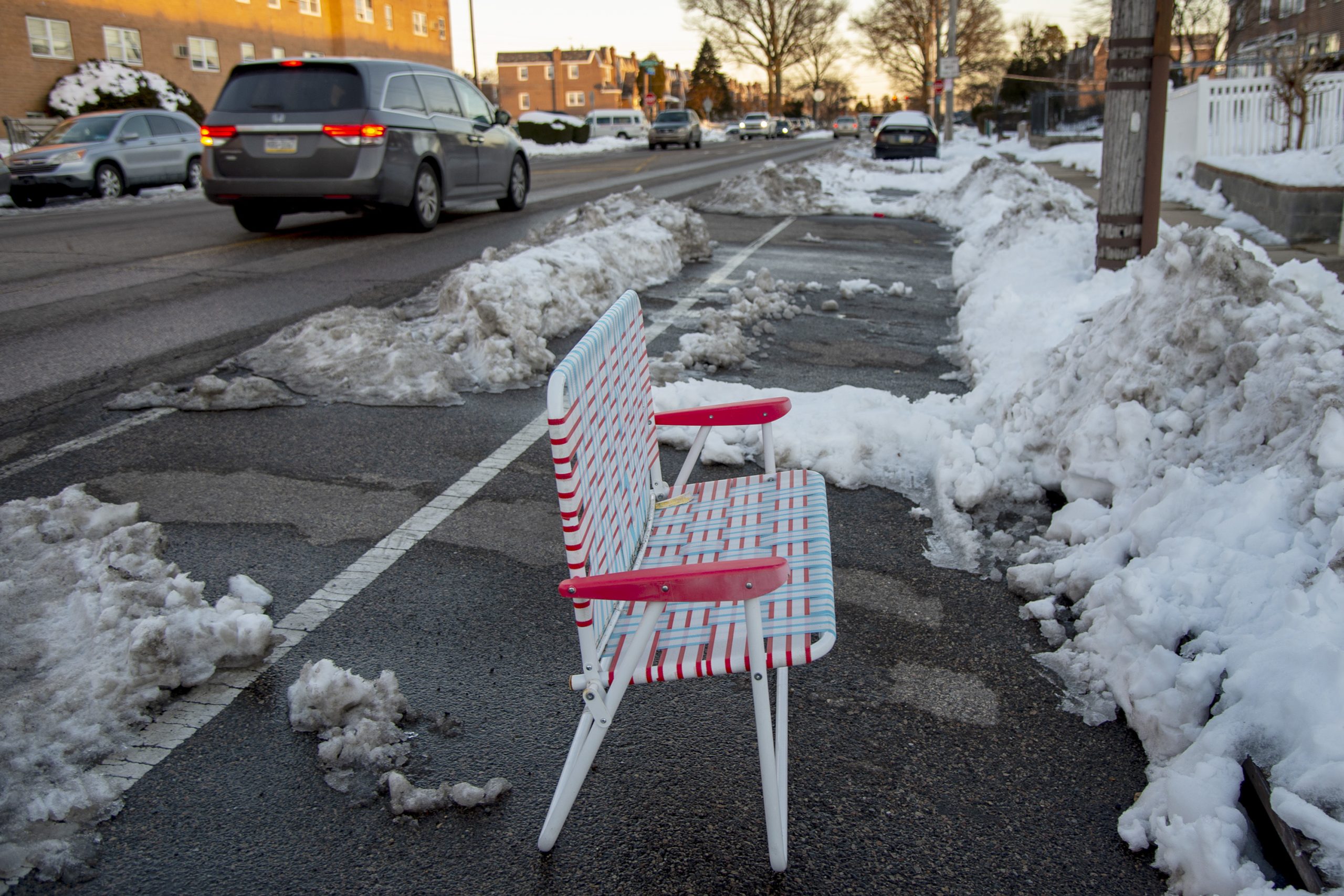
    A parking space marked with a “savesies” chair, as seen here in Northeast Philly, will be one of the challenges contestants in the 2026 Philadelphia Parallel Parking Association Championship must face. TOM GRALISH / Staff Photographer

    “Let’s be honest, it’s one of the most notorious and controversial aspects of parallel parking in Philly — there’s got to be a savesies cone or chair already in the spot and somebody next to it saying, ‘Hey! I’m saving that for my granddaughter don’t move that!’ and there might be a car behind you honking, a truck with sirens nearby, and other special distractions,” he said.

    What won’t be on the test: parallel parking in the Broad Street median.

    “Talk about controversy! That’s a level-two expert category,” Wodka said. “I have never even done Broad Street.”

    Cars parked in the median along South Broad Street.Tyger Williams / Staff Photographer

    Judges will score each contestant on a 10-point scale based on speed, competency, proximity to the curb, and flair. The three drivers with the highest total score will move on to the final round, a “pure show me what you got,” where one will be crowned Best Parallel Parker in Philadelphia 2026, Wodka said.

    Precise parallel parkers primed to participate can apply online on the PPPA’s website. Candidates must live in Philadelphia and are required to provide their years of parallel parking experience and the make, model, and year of their vehicle. Drivers are also encouraged to write about what parallel parking means to them and provide a 60-second video or audio clip detailing how they know they’re a peerless parallel parker.

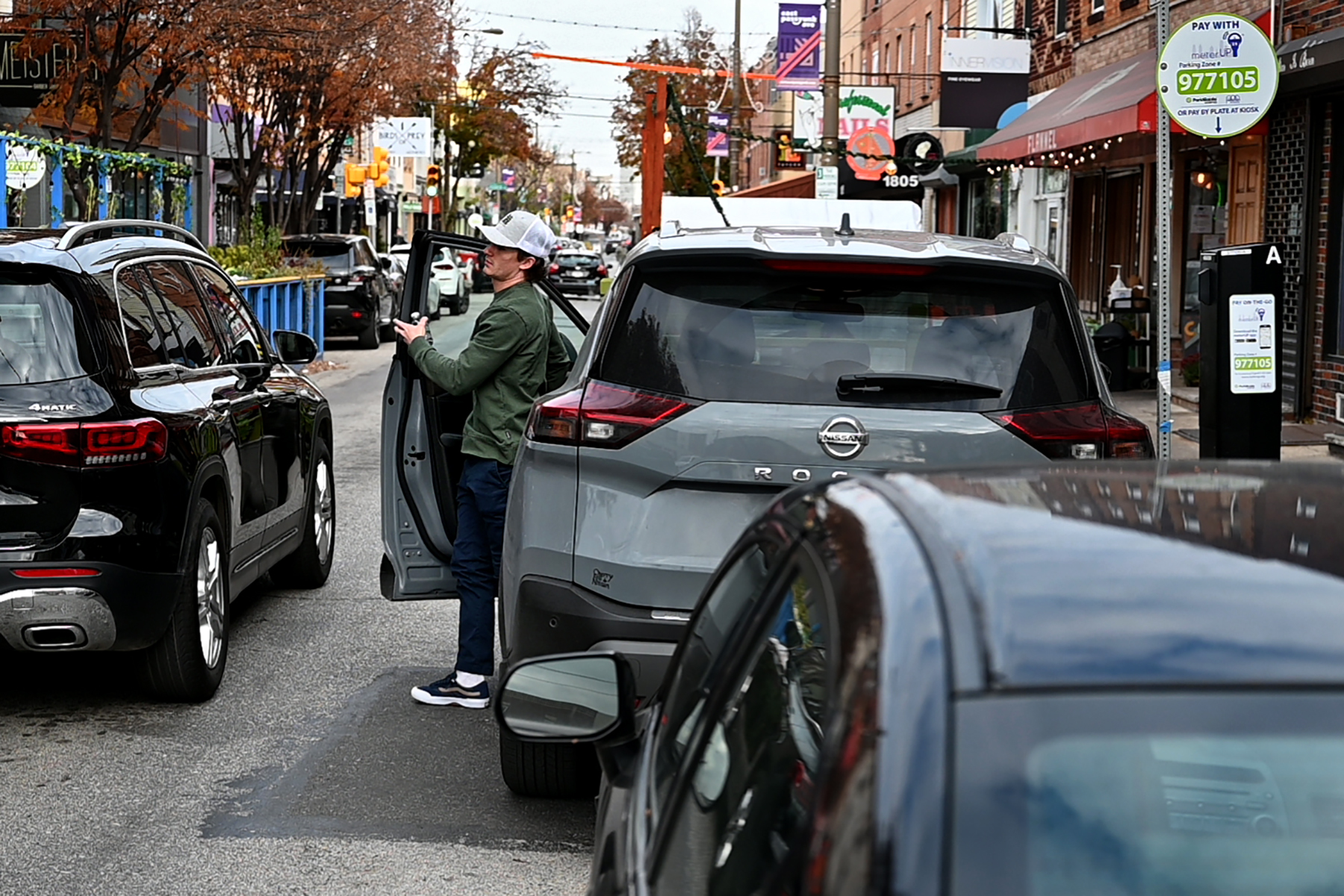
    A motorist exits his car after parking his vehicle along Passyunk Avenue in South Philly in November 2021.TOM GRALISH / Staff Photographer

    According to Wodka, more than 170 people have already submitted video or audio files with their application.

    “Some people are handing their camera off to someone else to video them parking, some people are telling a little story about getting applause or a passenger expressing doubt and then amazement when they’re able to fit inside,” he said.

    The championship will have three judges and Wodka is hoping some Philly-area celebrities with a good sense of humor and appreciation for parallel parking might volunteer.

    While the PPPA hasn’t approached actor Ryan Phillippe yet, it did repost an Instagram video of the actor, who’s a native of New Castle, Del., being impressed by his buddy’s epic Philly parallel parking job in the tightest of spaces this April.

    “He really did that. With relative ease,” Phillippe commented on the PPPA’s post.

    The winner of the 2026 PPPA Championship will receive Best Parallel Parker in Philadelphia bragging rights for a year and a trophy that will include a piece of a curb (what curb is still TBD).

    “As a cash prize we’ll be offering $76, which will essentially cover your next parking ticket,” Wodka said.

    Deadline for applications is Aug. 15.

    “I want Philly people with confidence to apply, that Philly every person who grew up with this as a part of their everyday life and now it’s time to be recognized for it,” Wodka said.


    For more information about the PPPA or to sign up for the championship, visit philaparallelparking.org

  • South Street’s Tattooed Mom says live music events are on hold indefinitely

    South Street’s Tattooed Mom says live music events are on hold indefinitely

    South Street bar Tattooed Mom is unable to host events with music — ranging from drag shows and burlesque performances to karaoke — indefinitely, following an order from the Department of Licenses & Inspections.

    L&I ordered to bar to cease all events involving music performances in March after a Feb. 17 inspection revealed the bar was operating without a special assembly license, records show.

    Getting one could take months, according to Tattooed Mom owner Robert Perry, and would require the bar to apply for a special zoning exception, a process with a reputation for long delays.

    “I’m not asking for better treatment. I’m not trying to be a victim about this,” Perry told The Inquirer. “But having this process have to grind to a halt or drag out does feel wrong. There should be a better way.”

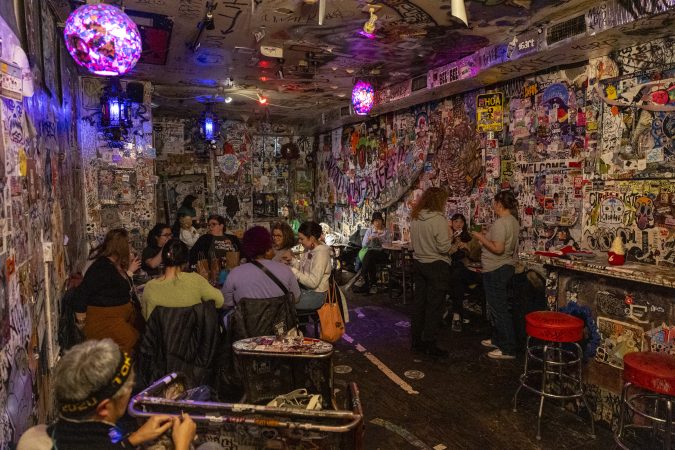
    Perry opened Tattooed Mom in 1997 at 530 South St., where it has developed a reputation among artists — particularly LGBTQ+ performers — as a place to experiment with new work. The bar routinely hosted drag shows, cabarets, and burlesque nights as well as more staid events, such as art markets, craft circles, and stand-up comedy.

    The only hitch: Unbeknownst to Perry, Tattooed Mom hosted many of these events without the correct license.

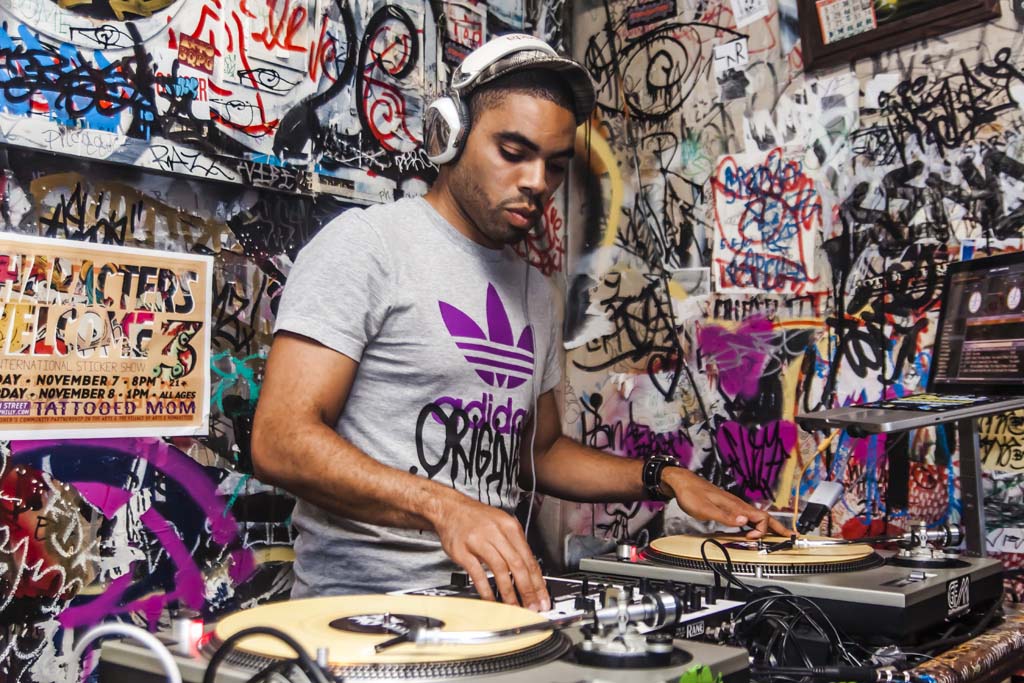
    A DJ spins records during an event at Tattooed Mom in 2014. The South Street will be unable to host DJs, drag performers, or karaoke until it gets a Special Assembly Occupancy License, which could take upwards of six months.

    At least a six-month wait for a solution

    Perry said the issue arose in February, when an L&I inspector visited during the annual Mx. Tattooed Mom pageant, a variety show where drag queens, musicians, and other performers compete. The L&I inspector didn’t ask for a special assembly occupancy license while on site, Perry said. Yet, when he received a copy of the inspection report weeks later, Tattooed Mom was cited for a lack of proper licensure alongside minor fire code violations.

    All Philly establishments that have an occupancy of 50-plus people and offer live or recorded music performances, dancing, or DJs need a special assembly occupancy license. The license costs $253 and is renewed annually, but securing one requires a police recommendation and an entertainment zoning permit, which has a separate and often-lengthy approvals process.

    Perry believed Tattooed Mom was operating lawfully because the bar’s upstairs event space has an occupancy of fewer than 50 people. The violation was a “shocking kind of addition,” he said, “and bigger than what I expected to have to correct.”

    The bar ceased all drag, karaoke, and music events in March, said Perry, canceling upward of 30 performances in order to pass a L&I inspection in April.

    To apply for the license, Tattooed Mom must first secure a zoning exception to host live entertainment since its block’s commercial mixed-use designation (CMX-3) doesn’t automatically allow for it.

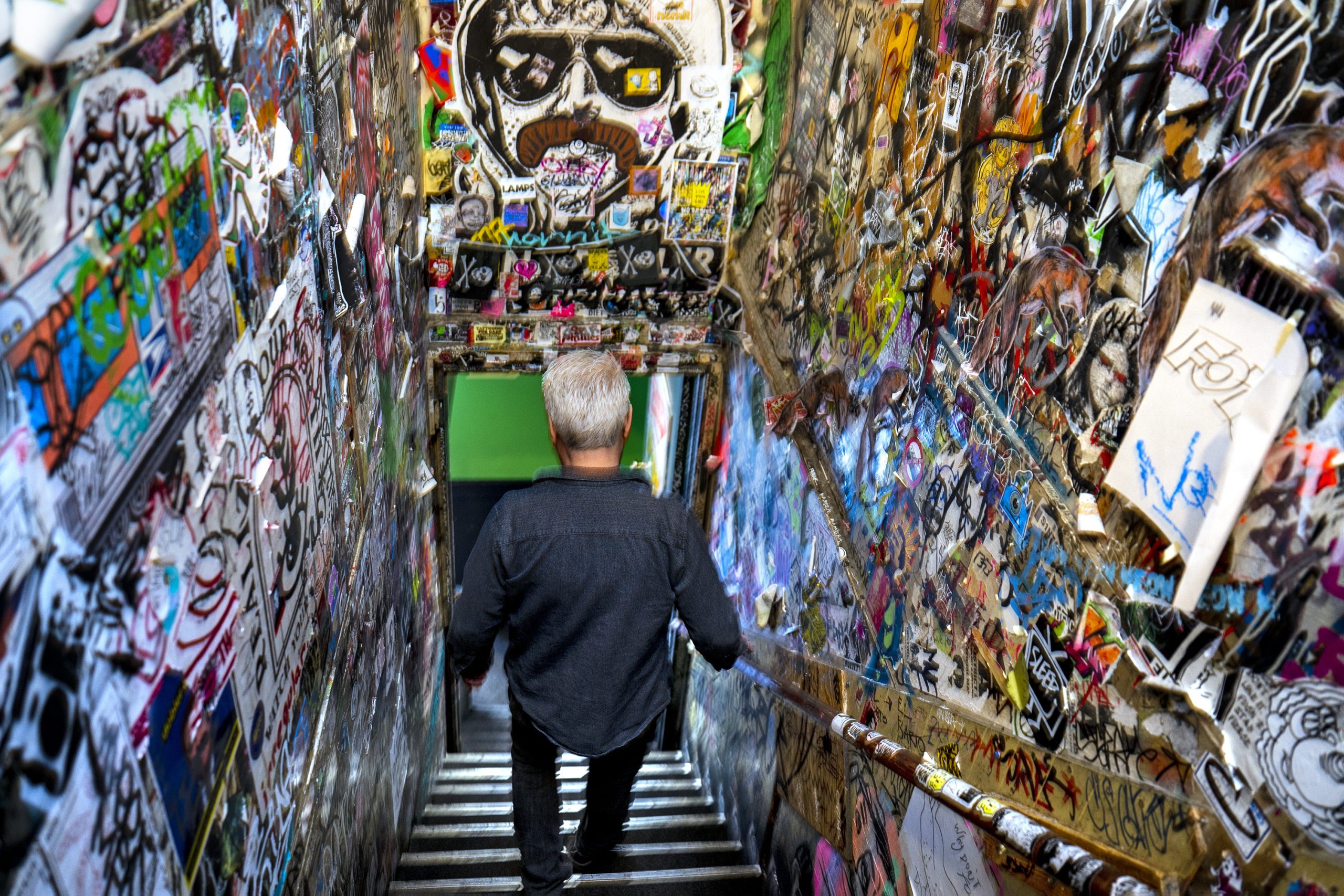
    Owner Robert Perry walks down the stairs at Tattooed Mom. The iconic South Street bar has hosted drag performances, burlesque, karaoke and DJs since it opened in 1997.Tom Gralish / Staff Photographer

    The process requires a public meeting for community feedback followed by a separate hearing with the delay-plagued Zoning Board of Adjustment. As of March 2026, the wait time for a hearing is 180 days — or roughly six months — according to a manual from the City of Philadelphia. (A $750 expediting fee cuts the wait time down to 140 days, or 4.5 months.) Tattooed Mom has yet to apply for the special exception, Perry said.

    Once it became clear there was no short-term solution, the bar announced the change to its events on Instagram in mid-July.

    “Tattooed Mom is still prohibited from hosting live music events of any kind. We’re working with legal, government, and small business support groups to figure out the daunting, complicated, and expensive next steps for zoning, permits, and licenses,” according to the July 11 statement. “We believe the interpretation of some of these rules is unjust to queer communities and creative spaces. There’s no clear timeline yet, but we’ll do our best to keep you in the loop.”

    “We’re not shoot-from-the-hip people. I’m not a reactionary,” Perry said. “We feel like we want to try to move forward. We don’t know if we’ll be able to, but we want to try to.”

    ‘Like if “Footloose” was set in an eviler universe’

    The bar’s Instagram post has been shared more than 1,240 times and received nearly 400 comments. The majority call out the city for allegedly targeting businesses that cater to LGBTQ+ patrons.

    In March, the lesbian-owned women’s sports bar Marsha’s on South Street was raided by a mix of masked and unmasked officers over a bogus underaged drinking tip. And in June, city police fell under scrutiny for getting physical while patrolling Pride celebrations in the Gayborhood.

    “This is outright discrimination,” wrote one commenter.

    “Love that L&I can’t seem to inspect buildings that are literally crumbling but can shut down queer performance spaces,” wrote another. Others called the enforcement “extremely targeted” and “feeling like a Lavender Scare.”

    L&I rebukes that narrative. Tattooed Mom has no current violations, department spokesperson Kandyce Stukes confirmed in an email, and said the bar’s management “seemed to fully understand what they needed to do” for compliance.

    “This is not a targeted effort to stifle a thriving business. It is instead holding all businesses to the same standard, no matter how iconic or popular,” Stukes wrote.

    Others aren’t so sure.

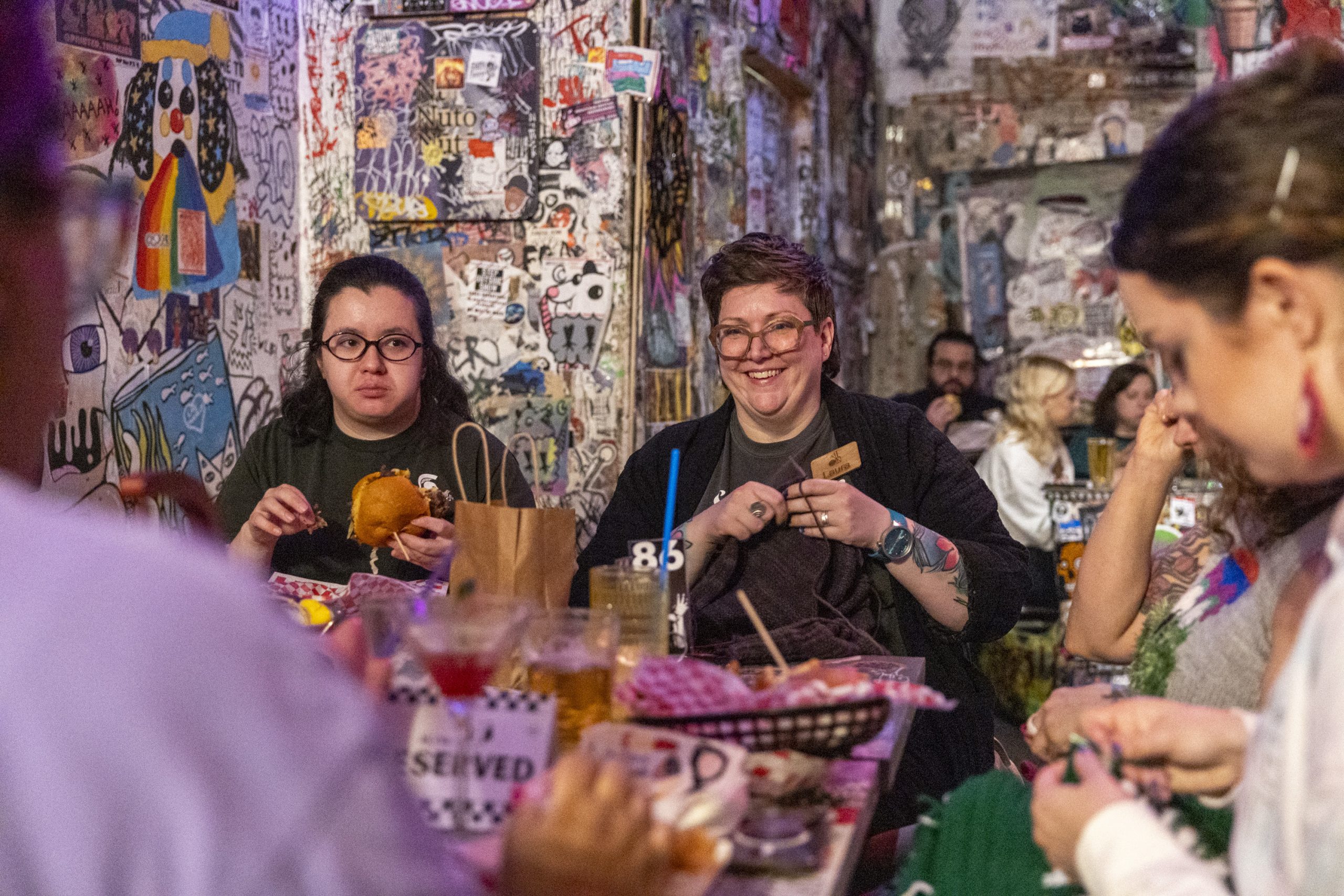
    Crocheters with the Drunken Knitwits work on their craft at Tattooed Mom. The bar is trying to fill the holes in its events calendar with events that don’t involve live music, such as craft nights and comedy.Tyger Williams / Staff Photographer

    “To have a bar that’s not even allowed to do karaoke sounds ridiculous. That’s like if Footloose was set in an eviler universe,” said drag queen Elizabeth New Jersey, who has hosted events and performed at Tattooed Mom at least once a month for nearly two years.

    The bar, they said, has long served as a space for people to try drag since it doesn’t require payment to perform. Producing events at Tattooed Mom helped the drag queen build a portfolio to land a full-time job in the arts. Now, they’re worried a pipeline has been cut off for others to do the same.

    “There’s other performance venues in Philly, but a lot of them are not as receptive to working with newer talent,” Elizabeth New Jersey said. Tattooed Mom “has always been an affirming space for people to be credited, to be paid, and given their flowers for their craft.”

    Jer Nightshade, a musician whose monthly queer variety show the Moment was displaced by Tattooed Mom’s cancellations, only began performing professionally after winning the bar’s 2025 Mx. Tattooed Mom pageant. They said it’s one of the few venues they believe adopts an attitude of “we believe in you” to all performers, regardless of whether they can pull in a crowd.

    The “Accidental Acquaintances” group art show at Tattooed Mom featuring displayed works and live painting by various street artists from around the city on Saturday, July 11, 2015. ( Tim Blackwell / Philly.com )

    Tattooed Mom is working to fill the holes in its calendar with events like comedy shows that can keep drag in the bar without violating city law. On Aug. 16, it will host the Big Gay Bash, its first-ever improv drag show.

    Nightshade is optimistic Tattooed Mom will get the proper license. For now, they’re more concerned about the chilling effect on LGBTQ+ nightlife.

    “Things sometimes feel like they’re regressing,” they said. “In the climate that we’re in now, for any government department to be wasting time shutting down what brings other people joy is frustrating. We’re not hurting anybody. We’re not destroying anything.”


    Staff writer Jason Nark contributed to this article.

  • At Trump-promoted Freedom Fuel gas stations, prices are up and questions linger

    At Trump-promoted Freedom Fuel gas stations, prices are up and questions linger

    Even the Freedom Fuel Network promoted by President Donald Trump isn’t immune to rising gas prices.

    Yet, the Philadelphia-area network of gas stations is expanding anyway, according to the company’s website.

    The enterprise, currently made up of 25 stations spread across the region, garnered national attention earlier this month when it began selling regular gas for $3.47 a gallon — a nod to Trump, and 40 to 50 cents cheaper than other stations.

    Gas station owners suddenly undercut, political observers, and government watchdogs wondered how long the promotion would continue.

    It turns out, not long.

    The Inquirer visited seven Freedom Fuel locations over several days, and while all were still selling gas cheaper than nearby competitors, the deep discounts from earlier were gone.

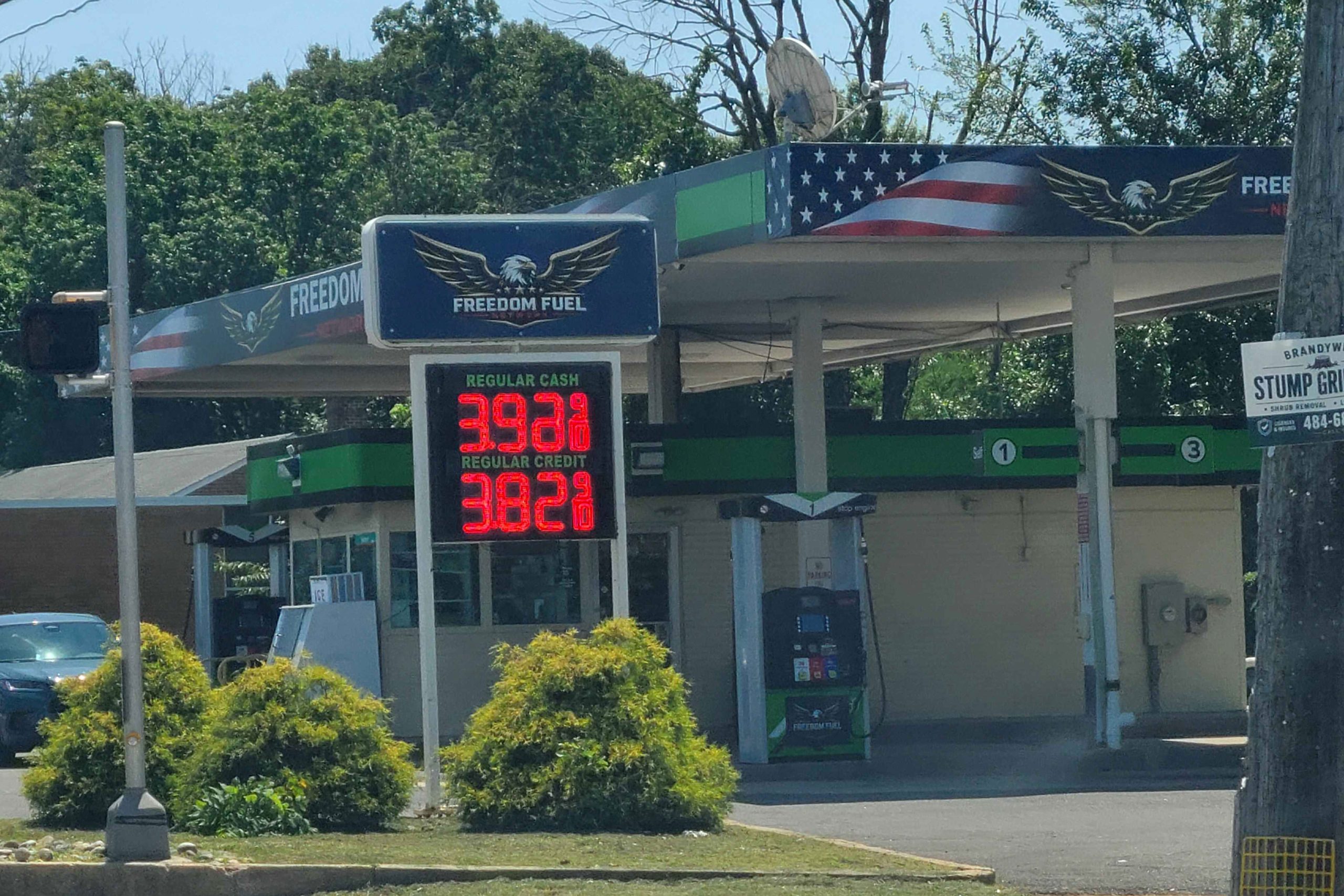
    Gas prices are up everywhere, including the Freedom Fuel Network station on Edgemont Avenue in Brookhaven, Delaware County.Rob Tornoe /

    Three Philadelphia gas stations and two Delaware County locations were among those within the network selling gas at $3.92 a gallon Monday. Near Philadelphia’s Freedom Fuel stations, competitors were charging $3.89 to $4.09 for a gallon of gas. The same was true in South Jersey, where Freedom Fuel stations in Marlton and West Berlin were selling gas around 10 cents a gallon less than their nearby competitors.

    (function(){function e(){window.addEventListener(`message`,function(e){if(e.data[`datawrapper-height`]!==void 0){var t=document.querySelectorAll(`iframe`);for(var n in e.data[`datawrapper-height`])for(var r=0,i;i=t[r];r++)if(i.contentWindow===e.source){var a=e.data[`datawrapper-height`][n]+`px`;i.style.height=a}}})}e()})();

    Selling gasoline is a low-margin business, with owners making just “a few pennies” of profit per gallon sold, according to Eliezer Fich, a finance professor at Drexel University’s LeBow College of Business.

    “They can sustain those losses for a little while, but it becomes unsustainable if you can’t offset that with a convenience store or a car wash,” said Fich.

    Several Freedom Fuel stations visited by Inquirer reporters were small, appeared somewhat rundown, and offered a limited selection of products beyond gas. One location had an inoperable convenience store.

    Fich doesn’t know the specifics of Freedom Fuel. He said independent stations banding together can offer purchasing power with refineries, which can be one route to securing lower fuel costs. But those savings wouldn’t come close to supporting the deep discounts the stations were offering.

    Despite the White House’s involvement in promoting Freedom Fuel, a spokesperson said the company received no government subsidies and did not obtain fuel at a lower cost. The below-market prices would exist “for as long as the company chooses,” the spokesperson said.

    If that’s the case, the business itself was already absorbing dramatic losses before the United States resumed attacks on Iran, leading to a jump in gas prices over the past week.

    The average cost of a gallon of fuel in Philadelphia was $4.17 a gallon Monday, up from $3.95 a gallon last week, according to AAA. Nationally, the average cost of a gallon of gas also jumped back to $4 a gallon, up from $3.14 a gallon compared to last year.

    While questions remain, Freedom Fuel plans to expand

    Little is known about who is taking on the likely losses expected from the promotion.

    Former Evesham Township mayor, Baltimore Ravens assistant coach, and self-proclaimed “proud Trump supporter” Randy Brown, along with former commodities trader Yoni Gontownik, both signed the certificate of formation, first obtained by The Newsground, an investigative news outlet. Neither could be reached for comment.

    Cherry Hill developer Shamikh Kazmi and his brother Syed Kazmi are linked to at least six locations. The brothers, who have been embroiled in at least two lawsuits related to previous gas station ventures, also could not be reached for comment.

    One of Shamikh Kazmi’s businesses was sued as a result of a lengthy trademark dispute with BP America Inc. and BP Products North America Inc. in 2021. That case ended with four deputies with the U.S. Marshals Service seized remaining brand signs in June 2022, according to court documents.

    Also in 2021, the brothers were accused by Petroleum Marketing Group Inc, a fuel distribution company, of stealing thousands of gallons of gas from the company. Petroleum Marketing Group sued the brothers, who were ordered by a federal judge in February to pay $600,000.

    The company has yet to receive payment.

    Still, the people behind Freedom Fuel are looking at expansion.

    “Since launch, drivers have flooded us with one request: bring Freedom Fuel Network to my area,” read the website Monday. “We heard you. Due to overwhelming demand for additional locations, we’re expanding to serve more communities with lower prices at the pump.”

    The website did not give a timeline for when those additional stations could come online and did not respond to a request for comment.

    The Associated Press contributed to this article.

  • Pennsylvania’s state universities will consider offering three-year bachelor’s degrees

    Pennsylvania’s state universities will consider offering three-year bachelor’s degrees

    Pennsylvania’s 10 state universities, facing declining enrollment, will consider offering some three-year bachelor’s degrees as a way to make college more affordable and allow students to get into the workforce more quickly.

    The Pennsylvania State System of Higher Education would join a growing number of colleges nationally launching accelerated bachelor’s degrees that reduce the required credits for graduation from the standard 120 to between 90 and 100.

    The development comes as colleges continue to face criticism over costs and some schools try to stem declining enrollments. PASSHE has lost 30% of its enrollment since 2010, though it recorded an increase last fall for the first time in 15 years.

    For a long time, the four-year bachelor’s degree has been the norm. Some students certainly have completed their degrees more quickly, but only by taking all the required credits at an accelerated rate.

    The new approach, which PASSHE’s board of governors plans to discuss in October, would reduce the number of credits needed.

    “This initiative would provide more options,” said system Chancellor Christopher Fiorentino. “A three-year degree focuses on essential competencies while preserving the liberal arts core. We can reach more students who don’t fit into the traditional path.”

    Three-year degrees emphasize what students should know and be able to do by the time they finish, said Madeleine F. Green, executive director of the College-in-3 Exchange, which is pushing for three-year degrees to become “a widely accepted path” to a bachelor’s.

    “The benefits are reduced cost and time to degree and equal or better learning outcomes than those resulting from a four-year degree,” Green said. “… It is widely accepted in higher education that time does not equate to learning.”

    But the movement already has garnered detractors. The American Association of University Professors and American Federation of Teachers have blasted the idea as more states, including Ohio, Massachusetts, Indiana, and Virginia, explore, plan for — and in some cases even mandate — three-year degrees.

    The three-year degree movement “threatens academic integrity by substituting for a comprehensive education a stripped-down curriculum that prioritizes speed over essential intellectual development,” the two groups said in a joint statement in response to new accelerated degree programs at Suffolk and Merrimack Universities in Massachusetts.

    “Compressing or reducing the curriculum threatens to narrow students’ education at precisely the moment when society needs graduates with stronger critical thinking, communication skills, scientific literacy, and civic understanding,” they said.

    There is no comprehensive inventory of colleges nationally that offer three-year degree programs, Green said. A June study by the Rand Corporation cited 119 programs that had been “publicly announced” as of May 2026, she said. Those programs are in fields such as business, cybersecurity, criminal justice, health administration, public health, and design, the report said.

    The Higher Learning Commission, the nation’s largest college accrediting body, had approved 58 reduced-credit bachelor’s degree programs at 26 institutions, none of them in Pennsylvania or New Jersey, said Laura Janota, a spokesperson for the commission.

    The Middle States Commission on Higher Education, which accredits colleges in the Pennsylvania and New Jersey, does not require special approval for three-year degrees.

    But PASSHE likely would have to get approval from the state. Green, of College-in-3, said both Pennsylvania and New Jersey have regulations that state a bachelor’s degree is 120 credits.

    “We are reviewing all regulatory questions as part of this effort and will share what we learn with the board in October,” said Kevin Hensil, PASSHE spokesperson.

    Robert M. ZemskyCourtesy of the University of Pennsylvania

    ‘Product rejection’

    Robert M. Zemsky, an emeritus professor at the University of Pennsylvania’s Graduate School of Education who co-started College-in-3, said he’s aware of more than 90 colleges planning to or considering offering reduced-credit bachelor’s degrees. The idea attracted quite a bit of attention in 2009 when he first floated the idea — even a cover story in Newsweek — he said, but accrediting bodies were not on board at that time.

    But now, he said, colleges are beginning to realize that their product is being rejected by students who drop out or transfer after their first year or fail to enroll at all.

    “What’s different is the key people in higher education are beginning to figure out that it really is product rejection,” he said, “and they’re going to have to redesign what they do top to bottom.”

    He estimated by 2027 that there would be 200 colleges offering three-year degrees and 500 by December 2028.

    “After you get to 500, it will be everywhere,” he said.

    Christopher Fiorentino, PASSHE chancellor.ED HILLE / MCT

    Fiorentino, the PASSHE chancellor, said he planned in the coming months to propose ways PASSHE could begin to offer a limited number of three-year degrees. PASSHE’s 10 universities are West Chester, Cheyney, Commonwealth, Indiana, Penn West, Shippensburg, Slippery Rock, Kutztown, East Stroudsburg, and Millersville.

    He said adults with some college credits and no degree may be interested, or partnerships in which students attend community college for two years and then finish their bachelor’s in one-year at PASSHE.

    Four-year degrees would remain the norm, he said.

    ‘Less-than degrees’

    Kenneth M. Mash, president of the Association of Pennsylvania State College and University Faculties.Tyger Williams / Staff Photographer

    The move was harshly criticized by faculty union head Kenneth M. Mash, as providing substandard education.

    “Too many students that we are admitting are underprepared for the college experience,” Mash, president of the Association of Pennsylvania State College and University Faculties, said at the board of governors meeting earlier this month. “Well, if they’re underprepared coming in, and we’re telling them you only have to be here for three years, how are they ever going to be ultimately prepared for their future?”

    He said the nation’s elite universities and top research universities aren’t the ones promoting three-year degrees, but rather those that serve large numbers of first-generation students and students of color.

    “I can’t help but wonder why it’s OK to offer these less-than degrees to these students,” he said.

    Federal and state aid programs should be expanded to make college more affordable, according to faculty union groups.

    Cynthia Shapira, chair of the Pennsylvania State System of Higher Education board of governors. Courtesy of the Pennsylvania State System of Higher Education

    But Cynthia Shapira, PASSHE’s board chair, said some states already are home to institutions offering or considering three-year degrees and PASSHE has an obligation to consider doing the same.

    “The idea to not even consider [it] … would be to put our heads in the sand,” she said.

    Eliminate some general education courses and electives

    Fiorentino said the same kind of criticism was leveled at online programs and community colleges when they first started. Pennsylvania was slow to embrace online programs and now lots of Pennsylvania residents are enrolled in programs out of state, he said. He said he doesn’t want PASSHE to be left behind again.

    “We owe it to our students,” he said. “We owe it to the commonwealth, and we owe it to our institutions to at least take a hard look at these three-year degree opportunities.”

    In an interview earlier this year, Fiorentino said that eliminating 30 credits from the four-year degree would be the equivalent of removing 10 courses. Schools would have to explore what to eliminate, he said. They could choose to get rid of some general education courses, general elective courses, and electives in the major, he said.

    The system, he said, will look at “how do you make adjustments to get students out more quickly and still have them prepared to perform effectively in the world.”

    Zemsky, the Penn professor, said general education courses, which have been criticized by some students as a waste of time and money, could be scaled back.

    Eventually, he said he thinks more students will opt for three-year degrees as opposed to four-year degrees.

    How employers will react is uncertain. Three-year degree programs are too new for data on how graduates will fare in the job market or graduate school admissions.

    “We’re looking at 2028, 2029 before there’s going to be any real graduation of three-year degree people,” Zemsky said.

    Green said most colleges pursuing three-year degrees have had conversations with employers.

    “Employers are more interested in students’ skills than in the number of credits they earned in obtaining the degree,” she said.

    Moving to three-year degrees will affect university budgets, and colleges will have to adapt, Zemsky said.

    “Right now, we spend a lot of money on things that the customer doesn’t want,” he said.