I am a breakfast sandwich snob. I also love rules, which is why there’s rigorous criteria a sandwich needs to meet for me to even consider ordering it.
Is it served on brioche, a bread that is entirely too soft for a greasy sandwich? Hard pass.
Is there one of those dreaded rectangular egg patties, which are somehow always dry and a little cold in the center? Don’t even send it my way.
Does it lack whimsy? Unless there’s some sort of intrigue— a fun condiment, fresh-baked bread, a flavor combo that gives a sense of perspective — I’ll just have eggs with a side of bacon and home fries, please.
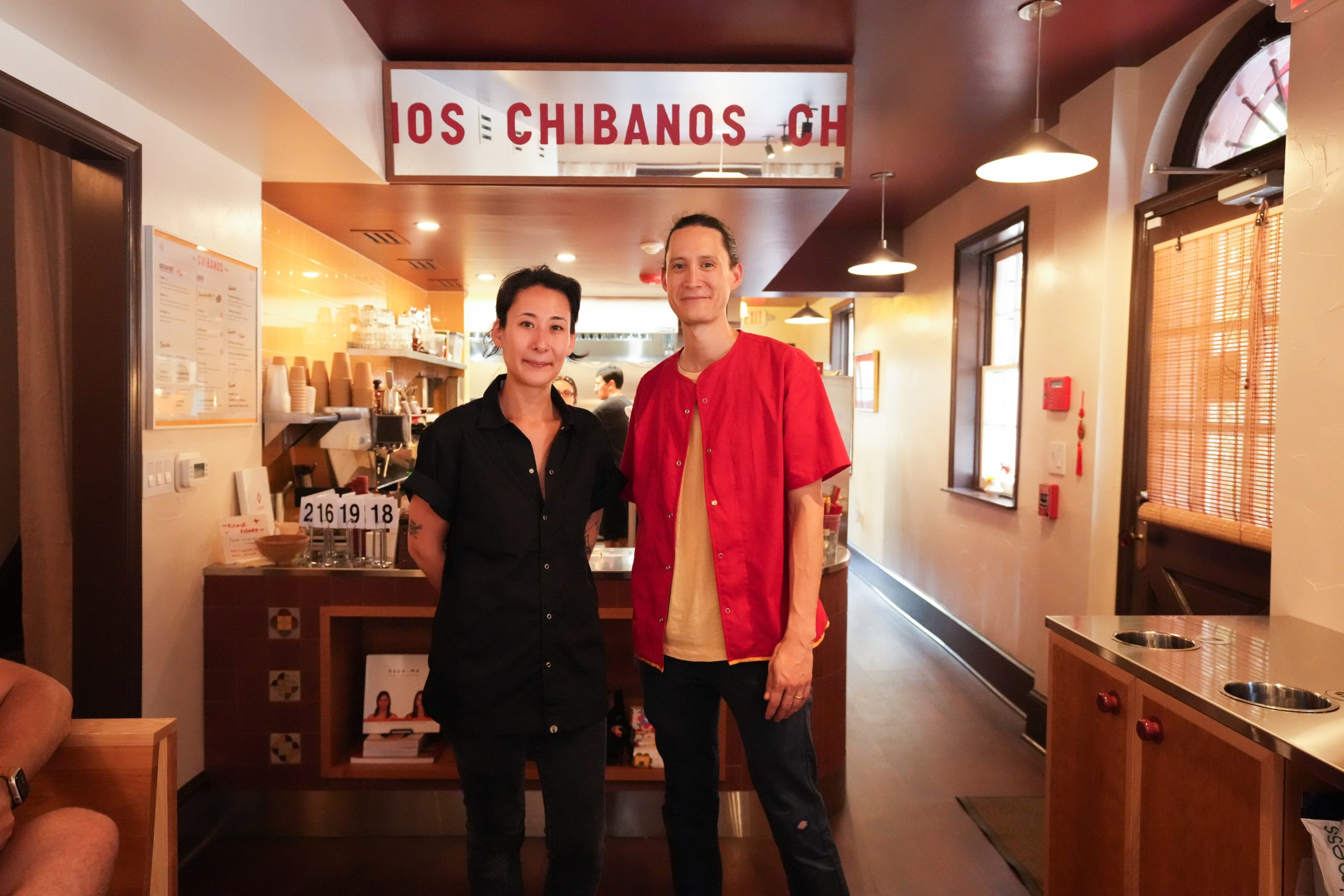
Executive chef Aya Iwatani (left) and owner Evan Jaroff (right) inside Chibanos, their Cuban-Chinese sandwich shop that opened on July 1 at 1127 Pine St.Jessica Griffin / Staff Photographer
The tight menu — eight sandwiches plus a handful of snacks — is an ode to owner Evan Fong Jaroff’s mother, Ana, a Chinese Cuban who immigrated to the U.S. from the island in the 1960s. Jaroff grew up watching her command their home kitchen in Lansdowne, where she’d serve traditional Southeast Chinese fish dishes alongside staple Cuban dishes like fried yucca, beef picadillo, and lechón (aka shredded and slow-roasted pork).
“I don’t think of us as a Cuban restaurant. I don’t think of us as a Chinese restaurant,” Jaroff told me in July. “We’re our own thing.”
Chibanos’ menu pulses with nostalgia. That’s especially true of the Chino, which packs fluffy eggs, melted Swiss cheese, and a sticky-sweet char siu-style sausage patty between a crackle-crusted bolo bao bun smeared with garlicky scallion mayo.
The sandwich is an adult version of Jaroff’s favorite childhood breakfast: a steamed, custard-filled bao from pretty much any bakery in Chinatown.
The Chino breakfast sandwich on a Dodo Bakery bolo bao at Chibanos, a Chinese-Cuban sandwich shop at 1127 Pine St.Jessica Griffin / Staff Photographer
Developed in partnership with executive chefAya Iwatani (formerly of Honeysuckle Provisions), the Chino is the perfect combo of sweet and savory. It conjured up my ownmemories of using sausages to sop up the leftover syrup from diner pancakes. The lightlysweet bao from Dodo Bakery — a Cantonese bread and sweets specialist in South Philly — is equally transportive. It reminds me of the oversized conchas that lined the pastry cases of the panaderias in the tiny Hudson River town I lived in as a teen.
It’s funny how a single sandwich can take me to so many places. Perhaps I should add another question to my breakfast sandwich checklist: Does it make me feel warm and fuzzy?
It’s Friday — time to play our new word game Pillars, presented by Eric The Puzzler. This week, we have three new word games to test your puzzle-solving skills and your knowledge of Philly food, neighborhoods, and icons.
By now you know the drill: Pillars is a game that asks you to find connections between pairs of words. Solve both pairs, and you’ll get a two-word phrase with a distinct Philly flair. Watch the video below to learn how it goes. From there, head over to Pillars to play. We update the game every Friday, and previous puzzles are always available in the Pillars archive.
Here’s one last tip: Since every final answer forms a phrase you know from around Philly, you can work backwards if you get stuck. Solve the pink Pillar but stuck on the blue one? Look at the pink answer to see if it’s part of a common Philly phrase. From there, see if that answer makes sense for the Blue pillar.
Video: Play Pillars, a free weekly word game from The Philadelphia Inquirer
NOTE: This article covers sensitive topics, including drug use and violence against women. Some people spoke with reporters on condition of anonymity to discuss illegal activity or out of fear of reputational harm. Quotes attributed to Raymond Horsch are drawn from a 2013 interview on the Rialto Report, a podcast about the adult film industry; a Q&A in 2014 during his art exhibit at the Papermill in Philadelphia; and undated profiles that were published on his now-defunct erotic website.
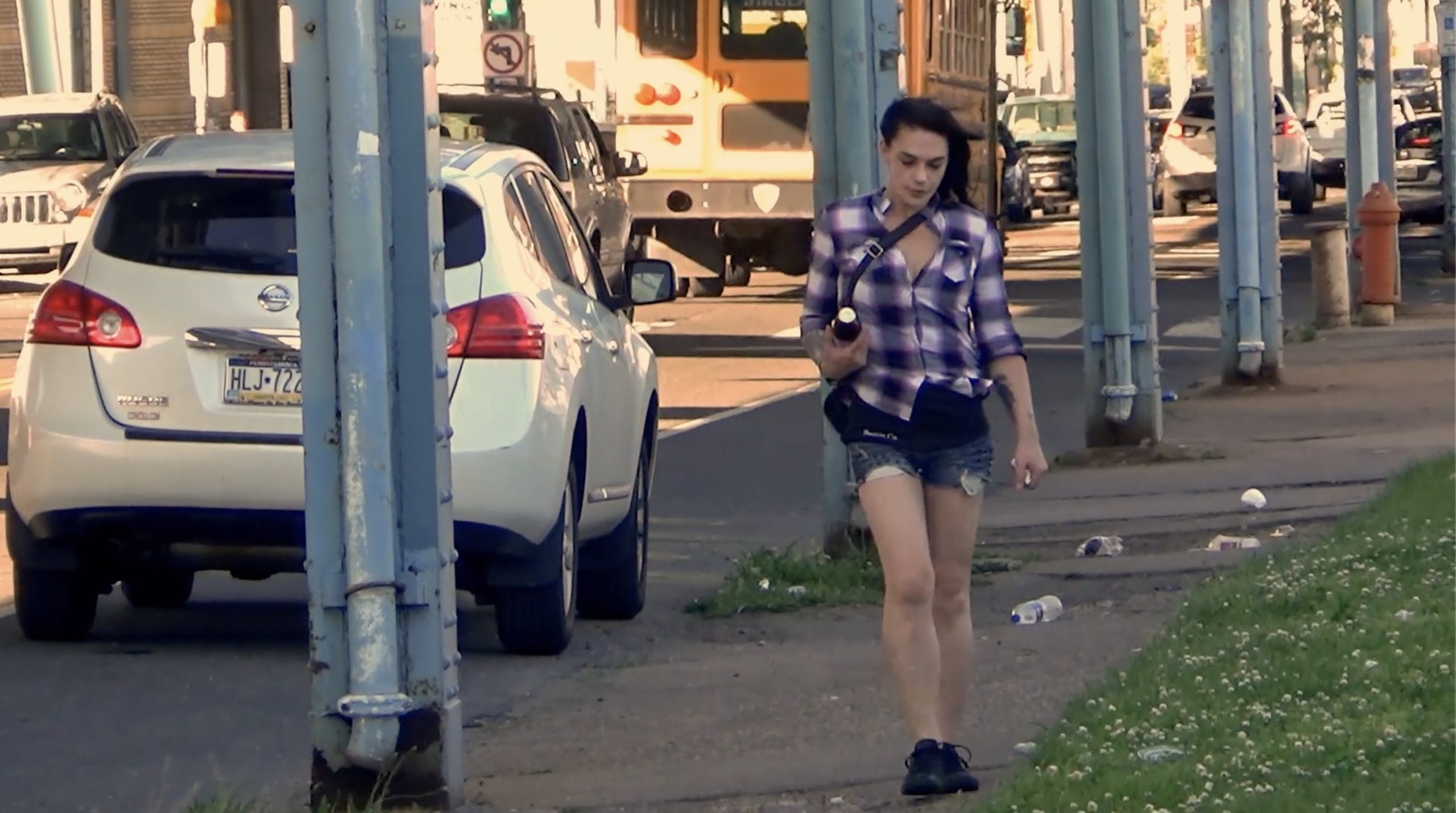
Fentanyl and crack cocaine held Krista Killen hostage, and she did whatever she could to stave off withdrawal. Sometimes that required satisfying the whims of dangerous men prowling Kensington Avenue, who looked to take advantage of women like her in the heart of Philadelphia’s notorious open-air drug market.
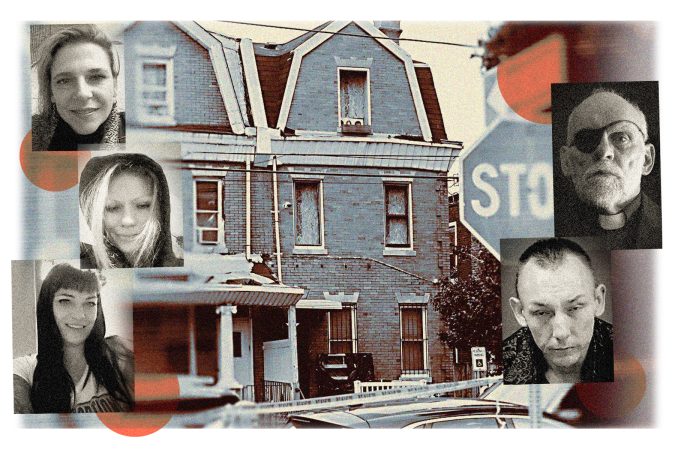
Raymond “R.C.” Horsch seemed different. He had a three-story brick twin in Olney, a working-class neighborhood about three miles north of Kensington. There, he gave Killen a roof over her head. A sense of stability. And drugs.
In exchange, she agreed to pose nude for Raymond’s erotic photos and videos, some simulating brutality or death. Raymond had made similar arrangements with dozens of other women in his decades-long career as an artistic provocateur.
For Killen, who was estranged from her family, the Olney house was a sanctuary from the buckled sidewalks under Kensington’s rumbling El. Yes, Raymond was exploiting her addiction. But she told friends that he was never violent and that she cared deeply about him. She viewed him as her protector.
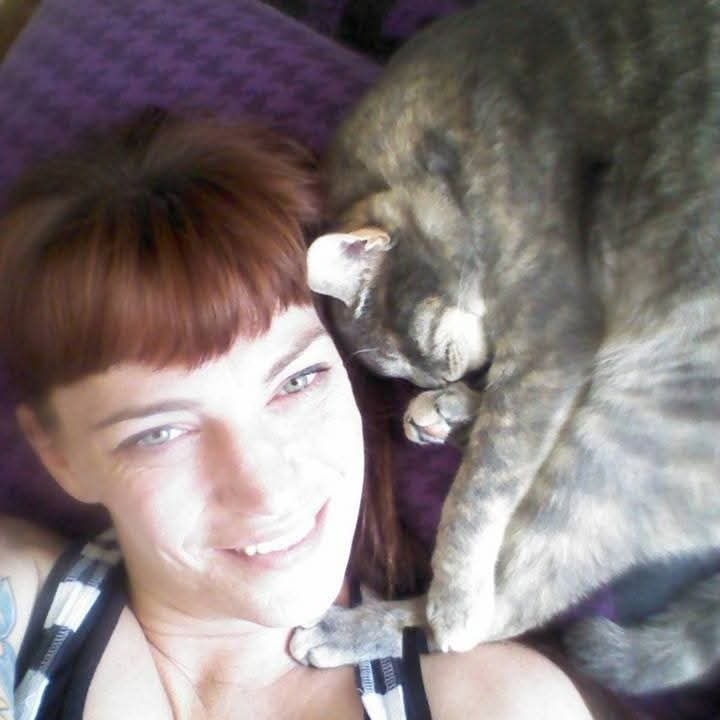
Krista Killen and BabyCat, her beloved tabby, in an image she posted to her Facebook page.Krista Killen's Facebook pages
His son, Eugene, was a different story.
Eugene scared her.
She told friends he was prone to drug-fueled bouts of rage, and he carried around knives and guns.
One night, about two years ago, she was asleep in the dark, dank basement of the Olney home. Beside her slept her beloved tabby, BabyCat.
She awoke to an earsplitting crash as Eugene shattered the lock on her door. He burst into the room, armed with a gun, screaming that he was going to kill her, according to two of Killen’s friends. Raymond, then feeble and 80 years old, had to pull his son away.
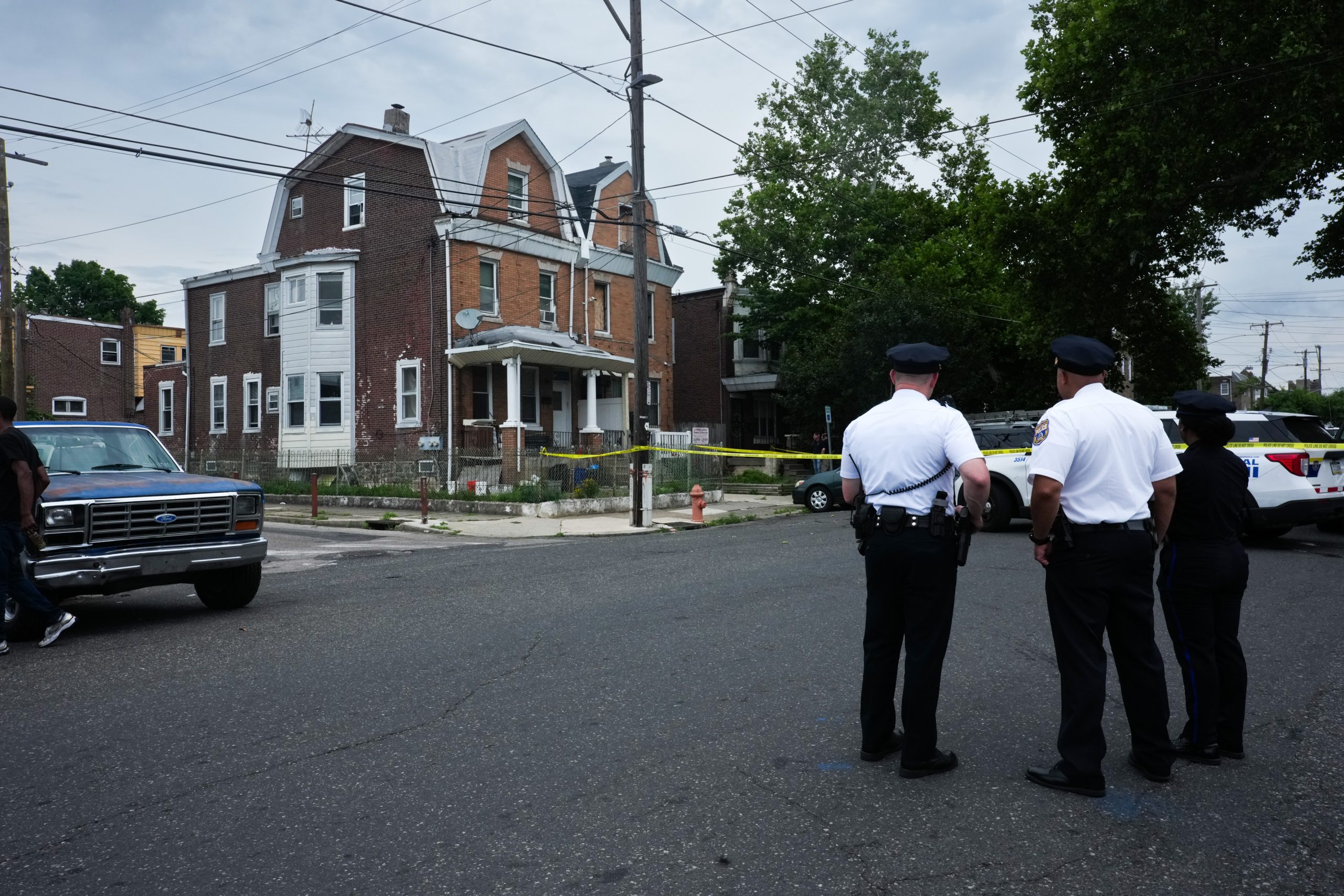
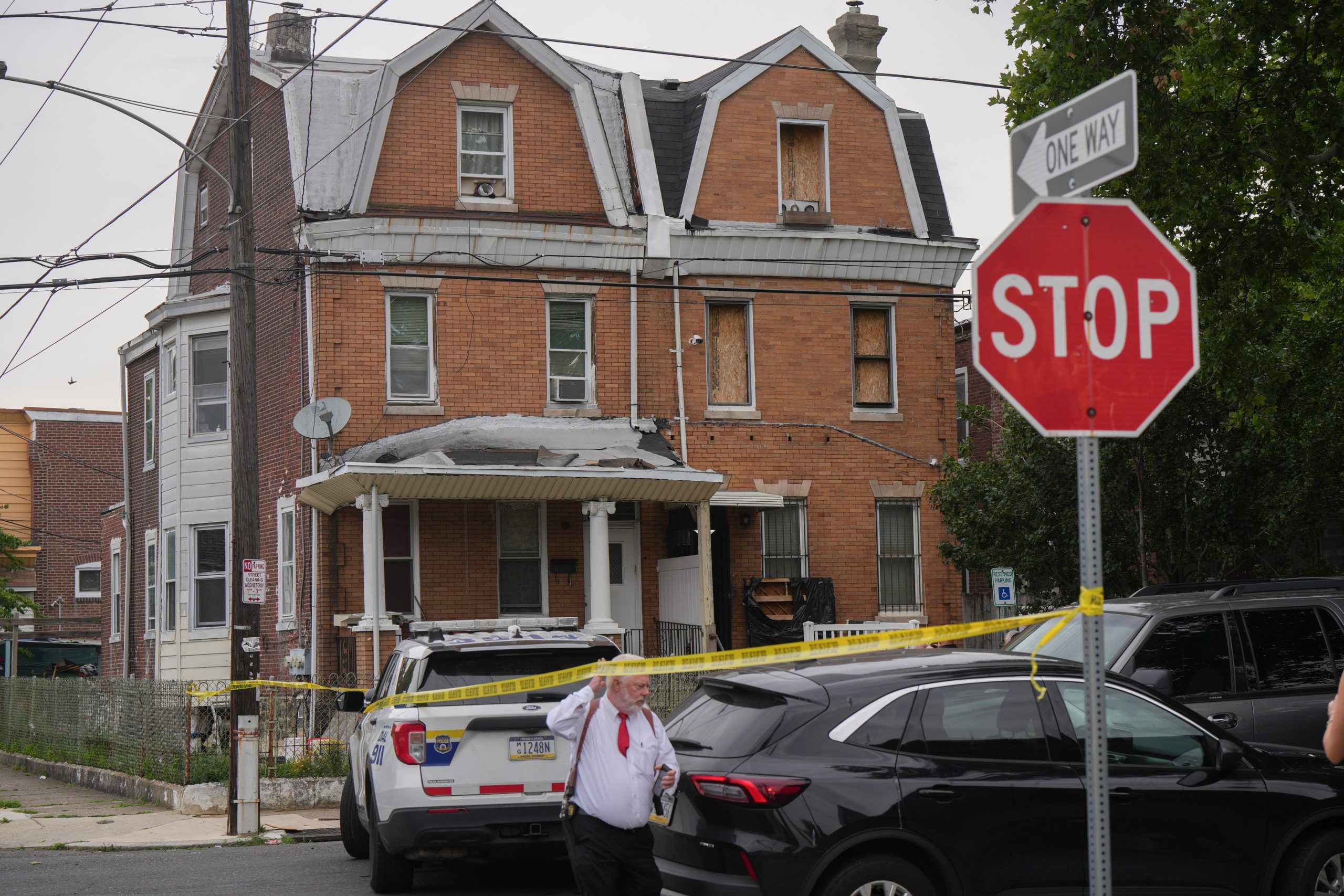
The scene of the ongoing investigation at Eugene Albert Horsch’s home at 417 W Chew Ave, in Philadelphia’s Olney neighborhood, on June 26, 2026. The home has been linked to the disappearance of two women.Jessica Griffin / Staff Photographer
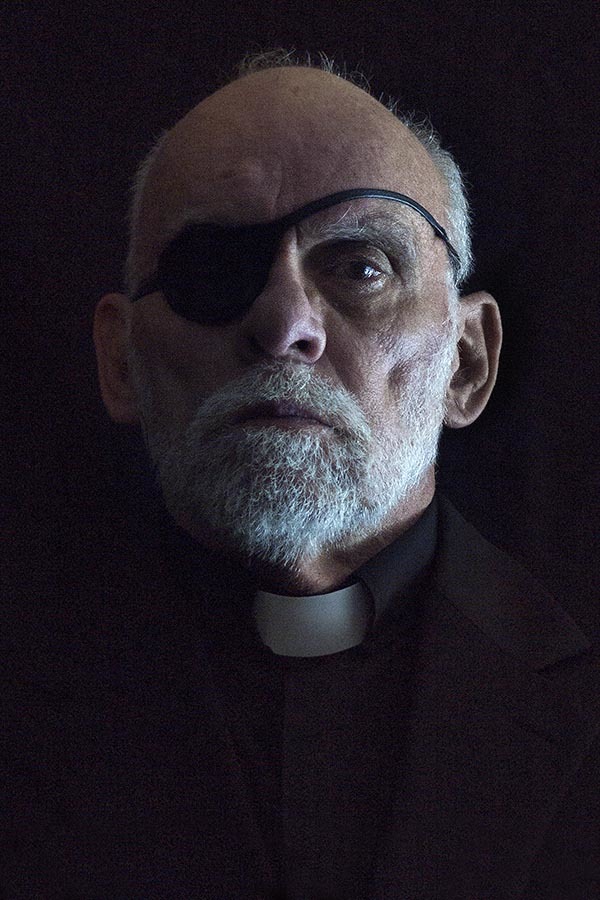
The Horsch home had long been a curious spectacle on West Chew Avenue. A steady stream of women came and went, sometimes in the company of an elderly man wearing an eye patch. The house had caught fire, leaving a hole in the roof and boarded-up windows on the top two floors. Police had raided the place for drugs.
Now, the three-story property has become the center of a sprawling, macabre investigation into the disappearance of at least two women.
The quiet residential street in Olney has been cordoned off, as hazmat teams and excavation crews scour the house and dig up the property for clues. Federal and local investigators are interviewing people who knew the missing women and delving into their dealings with Raymond and Eugene Horsch.
The investigation began in June, after Eugene was arrested near Independence Hall in a black BMW containing weapons, drugs, and a phony drug enforcement officer badge. With him was a frightened, seemingly drug-addled woman flashing an ID in the name of Blair Tonzelli.
Police discovered that it was a fake. The real Tonzelli had been missing for three years and was reportedly last seen at the Horsch home in Olney. The revelation renewed old questions about Raymond’s ex-wife, Amy McHale, who was reported missing in 2016 and was also last seen at the same address.
Eugene remains in jail on illegal gun and drug charges. He has not been accused of any violent crimes connected to the missing women and had been incarcerated at the time of McHale’s disappearance. Raymond died from a lung condition last year at the age of 82.
Detectives initially said they might have found a “significant amount” of blood inside the Olney house. But forensic tests determined it was not blood, and neither Tonzelli’s nor McHale’s DNA was found on the items tested, according to law enforcement sources who spoke on the condition of anonymity to discuss an ongoing probe.
But other developments have raised concern about the fates of the missing women.
An early search of the house uncovered a handwritten note that describes hurting people and makes references to serial killer Ted Bundy. And one woman told investigators that Eugene claimed to know how to dispose of human bodies with chemicals.
Raymond’s body of work as a shock-seeking pornographer has clouded the significance of those findings.
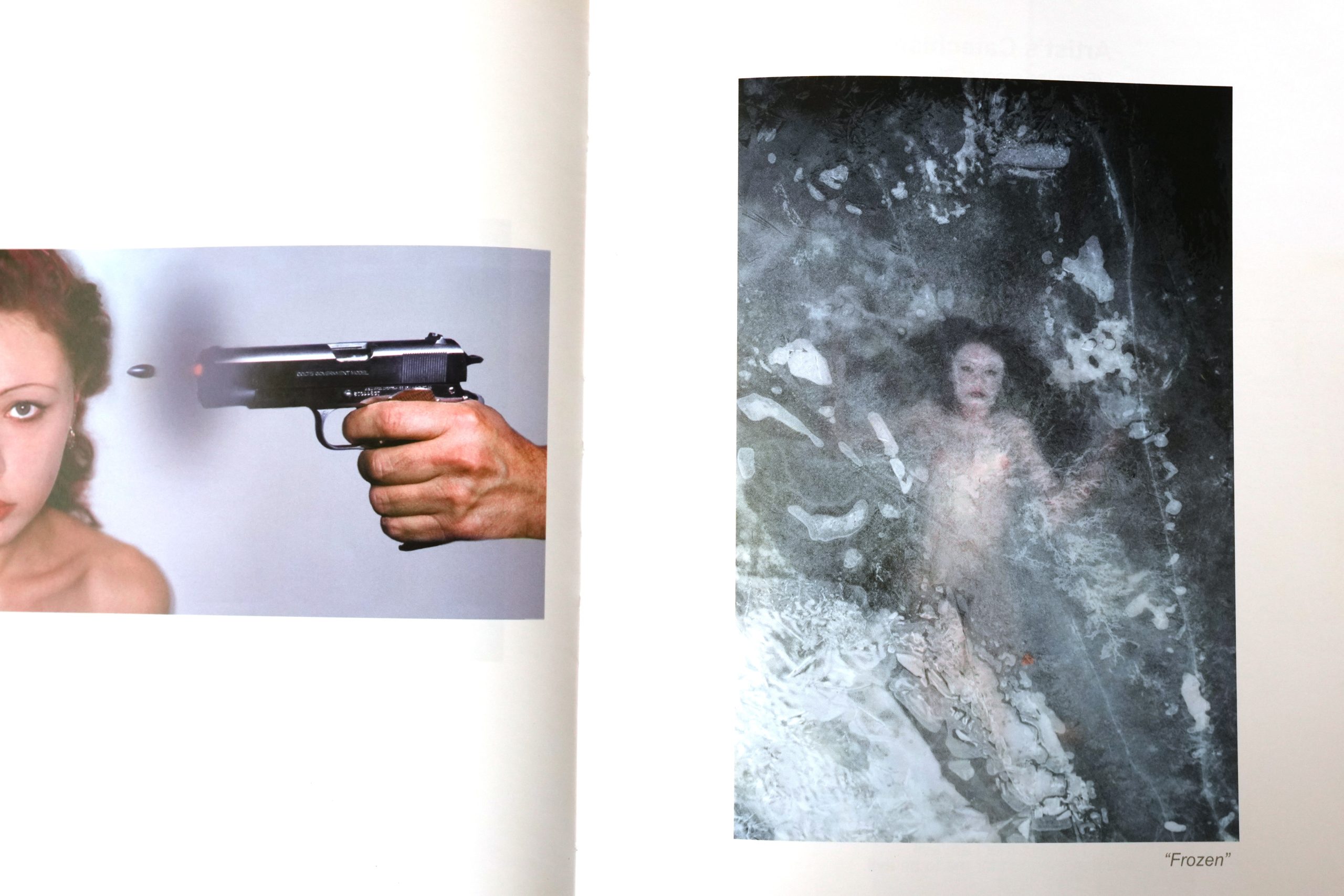
Pages from Raymond Horsch’s 2003 two-volume photobook “Eroto~ To The Prurient Interest” showing an unidentified woman, whom Raymond Horsch introduced as his “wife” Anna, depicted in multiple staged “deaths.”Obtained by The Inquirer
In a dozen films, novels, and photo books, Raymond used women suffering from addiction as props for his violent fantasies, subjecting them to simulated strangulation and drowning. He adopted the persona of an “empathetic” serial killer who murdered addicts to end their pain. And he claimed his writings were autobiographical, yet laced with threads of fiction — toying with his audiences by leaving them to discern what was real.
Meanwhile, Raymond’s sensationalistic art is overshadowed by his almost implausible life story.
An Inquirer review of hundreds of pages of police and court records, newspaper clippings, Raymond’s artistic portfolio, and interviews with more than 30 people has uncovered the saga of a thrill-seeking criminal artist and his troubled son.
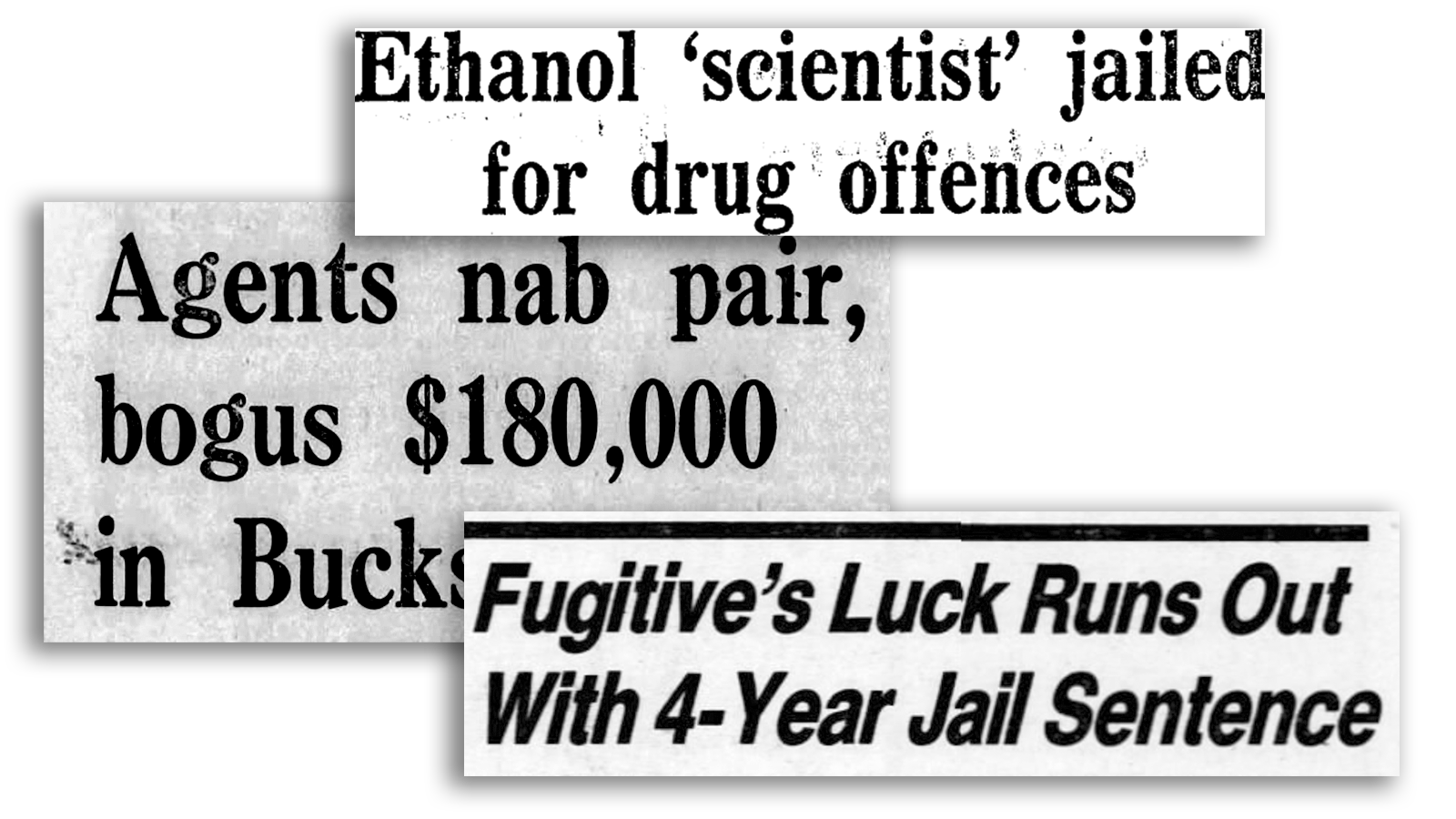
Various newspapers chronicled Raymond Horsch’s exploits, including (top) the Press of Christchurch, New Zealand, in 1985 about Horsch’s arrest in the U.S. after he was revealed to be an imposter; (middle) the Allentown Morning Call from December 1974 about the bust of his Doylestown-based counterfeiting operation; and Daily News in 1985 about Horsch’s sentencing on drug manufacturing charges.Obtained by The Inquirer
Raymond’s humble beginnings in rural Pennsylvania gave way to a career as a drug manufacturer, an identity thief, and an international fugitive in seaside New Zealand. He returned to Pennsylvania to raise Eugene and continue pursuing his dreams as a pornographic artist, luring heroin-addicted sex workers off the streets of Kensington.
At least five women connected to Raymond ultimately died of accidental drug overdoses. Among them is Killen, who overdosed last year at the age of 47, according to the city medical examiner. Eugene would later tell people close to Killen that she had died just outside his Olney house, or shortly after he took her to the hospital.
Those close to McHale and Tonzelli remain tormented by the lack of any such closure. McHale’s mom, Gloria McHale, said she always suspected that Raymond was somehow involved.
“A long time ago, before she even married him, she told me if anything ever happens to her, that he was the one,” McHale said.
Raymond Horsch was born in 1943, the son of a World War II glider pilot, and grew up on a farm in East Stroudsburg, Pa. His parents relocated to Chalfont, in Bucks County, where he graduated in 1961 from Central Bucks High School as editor of a school magazine and a National Merit Scholar.
In yearbook photos, his dark hair is cut short, and he wears a tie and glasses with a thick black frame. He would later call his younger self a “totally asexual nerd.”
He married his 19-year-old high school sweetheart in 1964, and the couple moved to Rittenhouse Square in Philadelphia. Raymond worked commercial film and photo jobs while his wife taught public school.
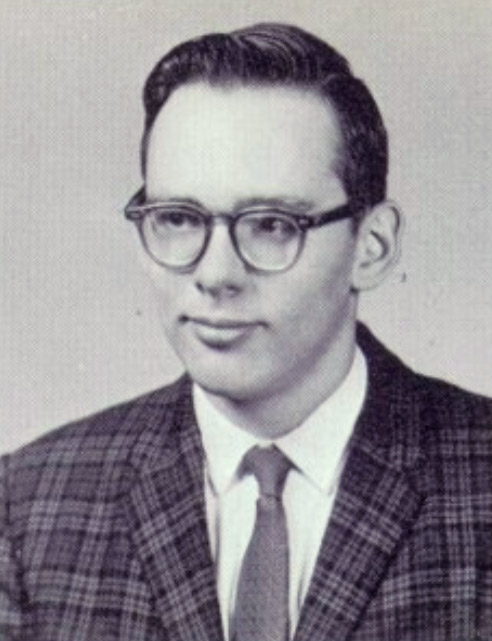
Raymond C. Horsch in his 1961 Central Bucks High School yearbook.Obtained by The Inquirer
He was ill-suited for domestic life, someone who, when he watched Westerns as a kid, did not identify with heroes in white hats.
“I came out of the theater wanting to be the villain,” he said. “I certainly became a villain later in life.”
As the 1960s counterculture movement swept the city, Raymond ran the avant-garde Underground Cinema 16 — later the Roxy — on Sansom Street, then a beatnik mecca. He joined the Pennsylvania National Guard but deserted after he was moved toward active service in Vietnam. Instead of going to war, he traveled to New York City to work in film and showcase his own hyper-sexualized photography in Greenwich Village, alongside contemporaries like Robert Mapplethorpe.
His wife left him in 1970 after finding a women’s nightgown on their bed. In an interview with The Inquirer, in which she agreed to be quoted on the condition of anonymity, she said Raymond was never violent but was an “emotionally abusive” philanderer with an oppressive ego.
“Raymond really thought he was smarter than anybody,” said the 81-year-old Pennsylvania resident. “And he thought that he could get away with anything.”
During the so-called Golden Age of Porn in the early 1970s, when movies like Deep Throat crossed into the mainstream, Raymond worked odd jobs as a crewman on porn shoots. But he dreamed of making his own erotic movies.
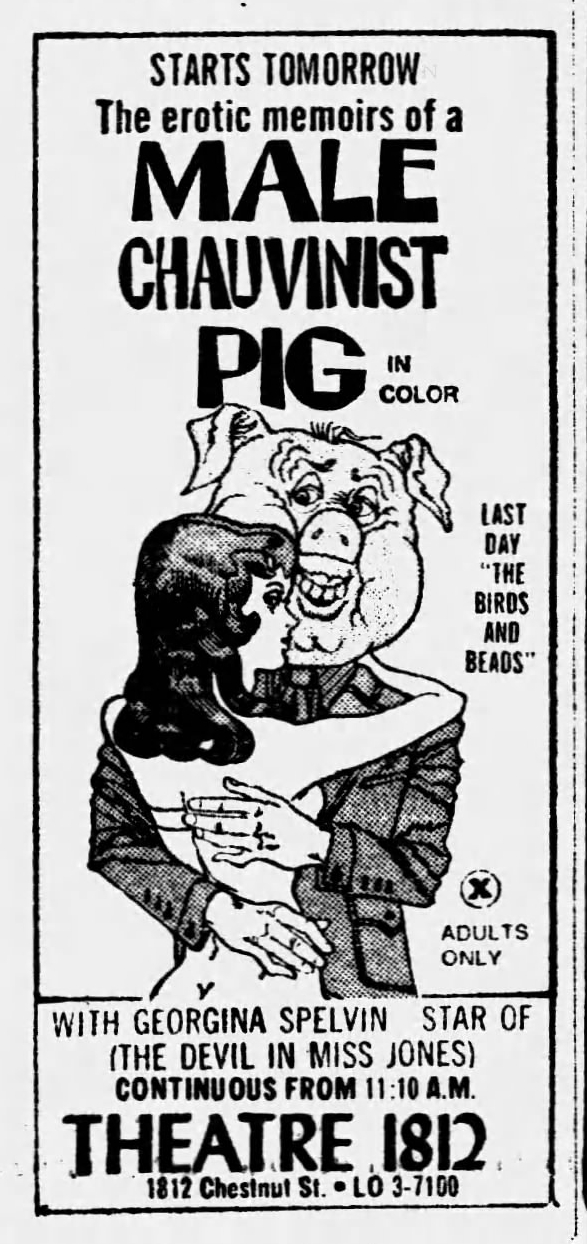
An advertisement in a 1974 edition of the Inquirer for a screening of Horsch’s cinematic debut, “The Erotic Memoirs of a Male Chauvinist Pig.”The Philadelphia Inquirer archives
He got his chance after befriending the Philly tavern owner and mob associate Salvatore “Sam the Barber” La Russa at his long-gone Bag of Nails bar at 13th and Locust. La Russa, who died of a heart attack in 1996, helped Raymond produce The Erotic Memoirs of a Male Chauvinist Pig, which featured Georgina Spelvin, the star of the well-known erotic film The Devil in Miss Jones.
Raymond’s film premiered in 1973 at the 1812 Theater on Chestnut Street. It was a low-budget effort that depicted rape, bondage, underage sex, and the titular character’s violent relationship with a drug-addicted woman — a “sweet comedy,” Raymond later joked.
Raymond’s movie did not experience the same cultural, critical, and financial success of the better-known erotic films of that era. But his mob-backed dream of becoming an auteur was soon interrupted by his other passion: crime.
In 1974, the U.S. Secret Service busted the homegrown counterfeiting operation Raymond ran in Doylestown, seizing the equivalent of over $1 million in phony $10 bills. He served two years in prison.
After he got out, authorities busted him again in 1977 for operating a methamphetamine lab in Philadelphia.
Facing more prison time, Raymond skipped bail and went on the run.
Raymond fled to the West Coast with his longtime girlfriend, Myroslawa Anna Ferkuniak, whom he met sometime after she was arrested in an LSD raid at a house near Temple University. He assumed the identity of Dr. Stanley Eugene Stokowski, a real-life chemist in California with a doctorate from Stanford University.
In 1980, Raymond married Ferkuniak in Nevada using the Stokowski alias. They boarded a plane for New Zealand to evade federal investigators.
They settled in the sleepy port city of Timaru. Raymond, whose years as an illicit drug maker had made him a skilled chemist, boasted that he had a doctorate and got a job with an alternative fuels company with a fraudulent academic transcript under Stokowski’s name. He launched a facility that converted whey into ethanol fuel.
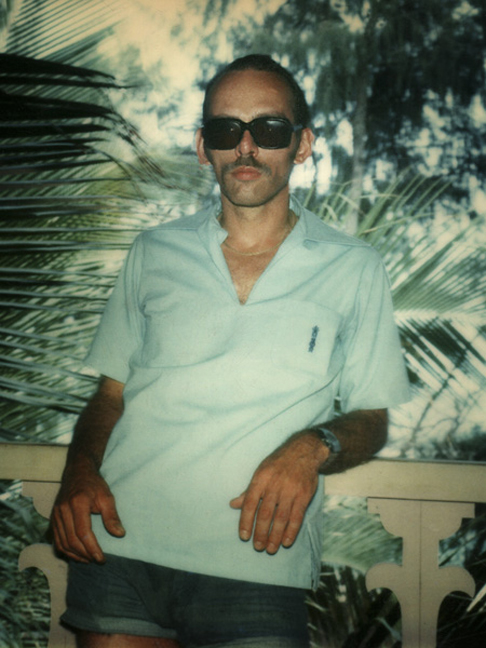
Horsch at an unspecified location in the 1980s.Obtained by The Inquirer
In 1981, Eugene was born, entering the world against the backdrop of his father’s deceit.
Raymond traveled back to the United States multiple times using different aliases. But in 1984, he was caught reentering New Zealand with five fake passports, according to news reports. The incident sparked national inquiries in New Zealand into how a fugitive impostor had managed to get work as a prominent chemist.
Raymond did not stick around for more questioning. He allegedly broke into a house, stole another passport, and fled to America before he could be charged. He left Anna and Eugene behind, and they returned to America later.
The FBI caught up with him in Orlando and extradited him to Philadelphia in 1985. A psychologist, in a court-ordered exam, noted that Raymond had an IQ of 140 but suffered from “deep-rooted emotional problems.”
A federal judge sentenced him to four years. Raymond expressed no regrets.
“I loved being a fugitive,” he would later say. “It was always exciting, always thinking, ‘Who am I going to be today?’”
After an early release from prison in 1987, Raymond moved his family to Northeast Philadelphia and got a job as an IT director. His wife, Anna, found work cleaning houses.
Although Raymond claimed he never took drugs, he watched Anna fall into addiction.
She died in 1989, at the age of 39. She was sitting in their living room and accidentally overdosed on glutethimide and codeine, a dangerous heroin alternative prone to abuse when combined. Eugene, then just 7 years old, was in the room at the time.
Raymond, in a later interview, expressed resentment about his wife “killing herself.”
“All the while things were bad, she held it together,” he said. “Then when things were good, she fell apart. My basic reaction was anger, because she bailed out and left me with a kid to raise.”
Raymond and Eugene moved to a three-bedroom home in Chalfont, close to family. He opened a barbecue restaurant with a colleague from the adult film industry, pursued his art, and raised Eugene as a single father.
In 1994, he directed and starred in Lovers, which was produced by Femme Distribution Co., a feminist porn studio. One reviewer described it as a moody feature that intercut scenes of rape and bondage with “thought-provoking dialogue.”
But Raymond was facing the reality that his attempt to blend pornography and cinema was a commercial failure.
Raymond “R.C.” Horsch in 1999.S. E. Stokowski / Wikimedia
Now well into his 50s, he wallowed in an artistic gutter. He performed in at least eight pornographic films, primarily low-budget exhibitionist features called Streets of New York that were shot in the dumpster-packed alleys of Manhattan.
He also began photographing sex workers, using Kensington Avenue as his casting room. He would shoot photos of women working corners, often without permission, and earned a reputation under the El tracks as a lurker who offered cash or drugs in exchange for nude film shoots.
He launched a now-defunct personal website, Eroto.com, in the late ’90s. Paid subscribers could access his photos and videos depicting sexual violence and women who appeared to be shooting heroin.
Raymond saw himself as a feminist and critic of modern society, but he was unapologetic about exploiting drug-addicted women. He likened himself to the snake in a parable about a woman who cares for a serpent, only to be bitten once it reaches maturity.
“The woman asks, ‘Why?’ And the snake says, ‘Because it’s my nature.’”
Although he had a young son, Raymond didn’t let that stop him from bringing his work home.
In the early ’90s, Raymond placed an ad for a housekeeper and hired a teenage girl, 33 years younger than he was and addicted to heroin. She “looked like a child,” her mother, Charlotte Ring, said. “I think he just wanted to use her for porn.”
They applied for a marriage license in June 1999 but never tied the knot. Ring said she could not persuade her daughter to return to their nearby home in Chalfont until she eventually went into rehab.
Eugene, meanwhile, was a straight-A student, just like his dad had been, at Central Bucks West High School. But his father’s career was a source of embarrassment, according to Eugene’s former classmates, who found Raymond “creepy.”
It was no secret that Eugene’s dad worked in porn. Hanging on a wall of their home was a huge photograph of Raymond — with thinning hair and a ponytail — receiving oral sex from a woman while she held a knife to his head.
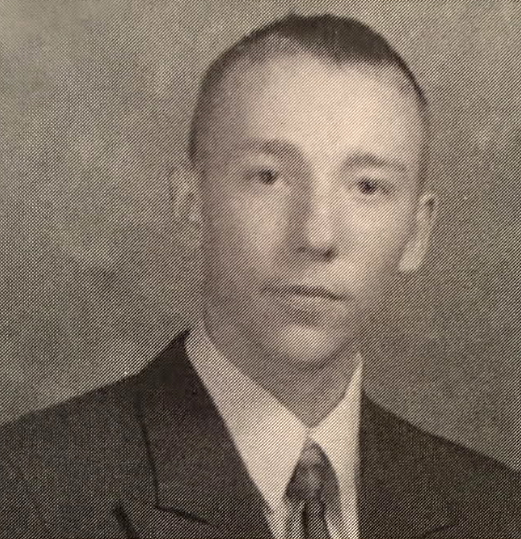
Eugene Horsch’s graduation photo in the 1999 Central Bucks West High School yearbook.Obtained by The Inquirer
Yet friends said Eugene shared many of his father’s other interests: chemistry, forgery, and eluding capture. He once swiped a lawnmower from Home Depot and wheeled it home. When his dad gave him money to go buy groceries at Giant, Eugene preferred to steal them.
“It was like a thrill for him,” one friend recalled.
Eugene’s friends called him “Gizza,” after the Wu-Tang Clan rapper “GZA.” In a trailer in Eugene’s backyard, they smoked weed lifted from Raymond’s grow operation, listened to Wu-Tang, and skateboarded on a halfpipe. According to two former classmates, Eugene sometimes smoked crack cocaine and “wet” — marijuana laced with PCP.
He had an older cousin who was a role model and one of his best friends. But when Eugene was in high school, his cousin, at age 19, crashed a convertible and died.
The loss devastated Eugene.
“When his mother died and his cousin died, he had no moral anchor,” said one relative, who asked not to be identified out of privacy concerns. Eugene “didn’t stand a chance.”
Despite their conflicted relationship, Eugene acknowledged the role his father had played in his life. In a 1999 yearbook graduation photo, Eugene eulogized his cousin and ended with a note to his father: “Thank you Dad, for all you have done for me.”
Eugene never officially graduated from Central Bucks West, according to school administrators. A friend said he forged his diploma, showing off the fake document in his bedroom. It is not clear if he completed his high school education elsewhere, but Drexel University confirmed Eugene enrolled there between 1999 and 2003.
His academic career ended in 2003, following a night of drinking at a Northeast Philly bar. Eugene blew a red light and T-boned another car. The driver suffered a catastrophic brain injury and spent 16 years in a vegetative state before dying.
In 2004, Eugene pleaded guilty to driving under the influence and aggravated assault. He was sentenced to two to four years in prison.
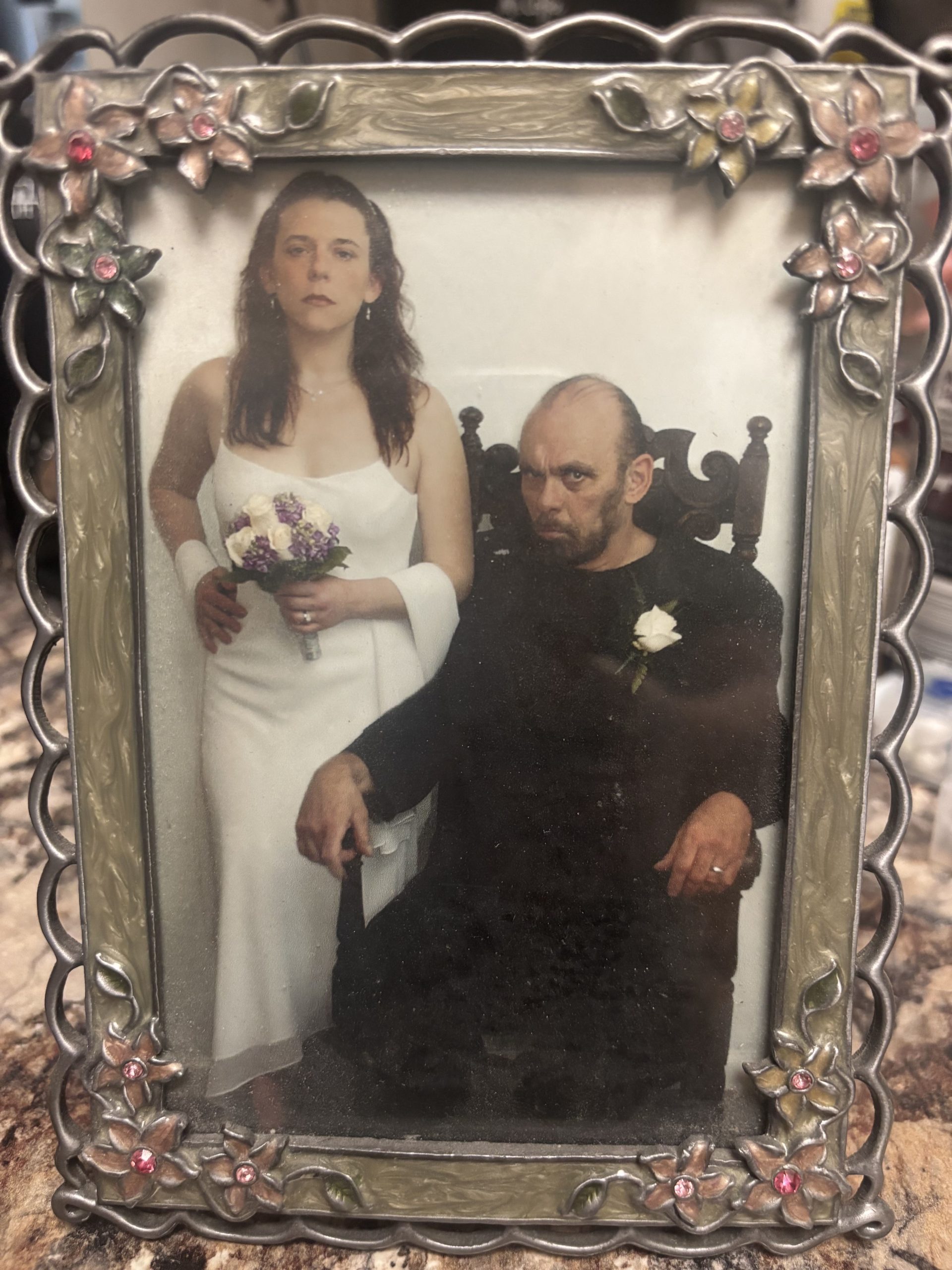
A wedding photo of Amy McHale and Raymond Horsch in 2004, taken during a small ceremony at his residence in Chalfont. The couple divorced a few years later. McHale was last seen at Horsch’s Olney home in 2016.Courtesy of the family of Amy McHale
Raymond was always looking for new women — particularly those who resembled his deceased wife, Anna.
He once asked one of Eugene’s high school friends, who was working at a car wash, if she wanted to star in his films. Another woman heard about him from a cellmate when she was locked up in a Bucks County jail on a drug charge. She later agreed to be photographed nude at his studio for money and drugs. He said she reminded him of Anna and asked her to star in Slaves, a 2003 film he was producing.
Raymond met Amy McHale in Kensington. She was struggling with mental health issues and drug and alcohol addiction, and she came to view Raymond as her savior after he got her off the streets. She costarred with him in a pornographic film.
McHale, 30 years Raymond’s junior, later married him beside a greenhouse in the backyard of his Chalfont home in September 2004, not long after Eugene pleaded guilty to DUI.
That same year, Raymond inherited the Olney house from his aunt. In two self-published photo books — featuring women recruited from Kensington in sexual bondage — a few pictures appear to be staged there.
Eugene got out of prison in 2006. Raymond remained in Chalfont, and he transferred the Olney property into his son’s name.
Three years later, a “highly intoxicated” 21-year-old woman called 911 to report a burglar in Raymond’s Chalfont residence. Responding officers found no evidence of an intruder, but they did find 455 marijuana plants in the basement and two shotguns.
The feds seized the Chalfont home.
After pleading guilty to three felonies and receiving a 54-month sentence, Raymond spent his time in prison writing a series of novels about serial killers and sexual deviants that he later self-published.
In 2013, when he was released from prison at the age of 70, Raymond and Eugene were together again in Olney, living in the aging family home-turned-porn studio.
Raymond described himself as a frustrated, aging porn star.
“I walk down the street seeing all these beautiful, breathtaking women who are now totally inaccessible to me. Totally off-limits now,” he said. “If I stay away from mirrors, I can still convince myself that I’m 18 years old.”
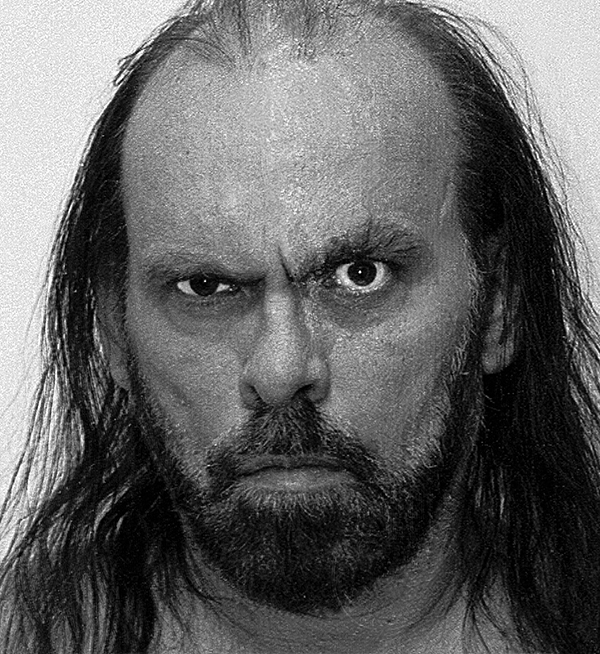
Raymond “R.C.” Horsch in character for a film role, 2014.S. E. Stokowski / Wikimedia
Raymond started wearing an eye patch, although friends were unsure if it was for medical reasons or simply to bolster his villainous persona. His art found a few admirers, including in Europe, and some of his photos appeared in an anthology of erotic art in New York City, prefaced by the prominent critic Camille Paglia.
But Raymond seemed resigned to obscurity, noting that few galleries wanted photographs of “wasted emaciated heroin junkies.”
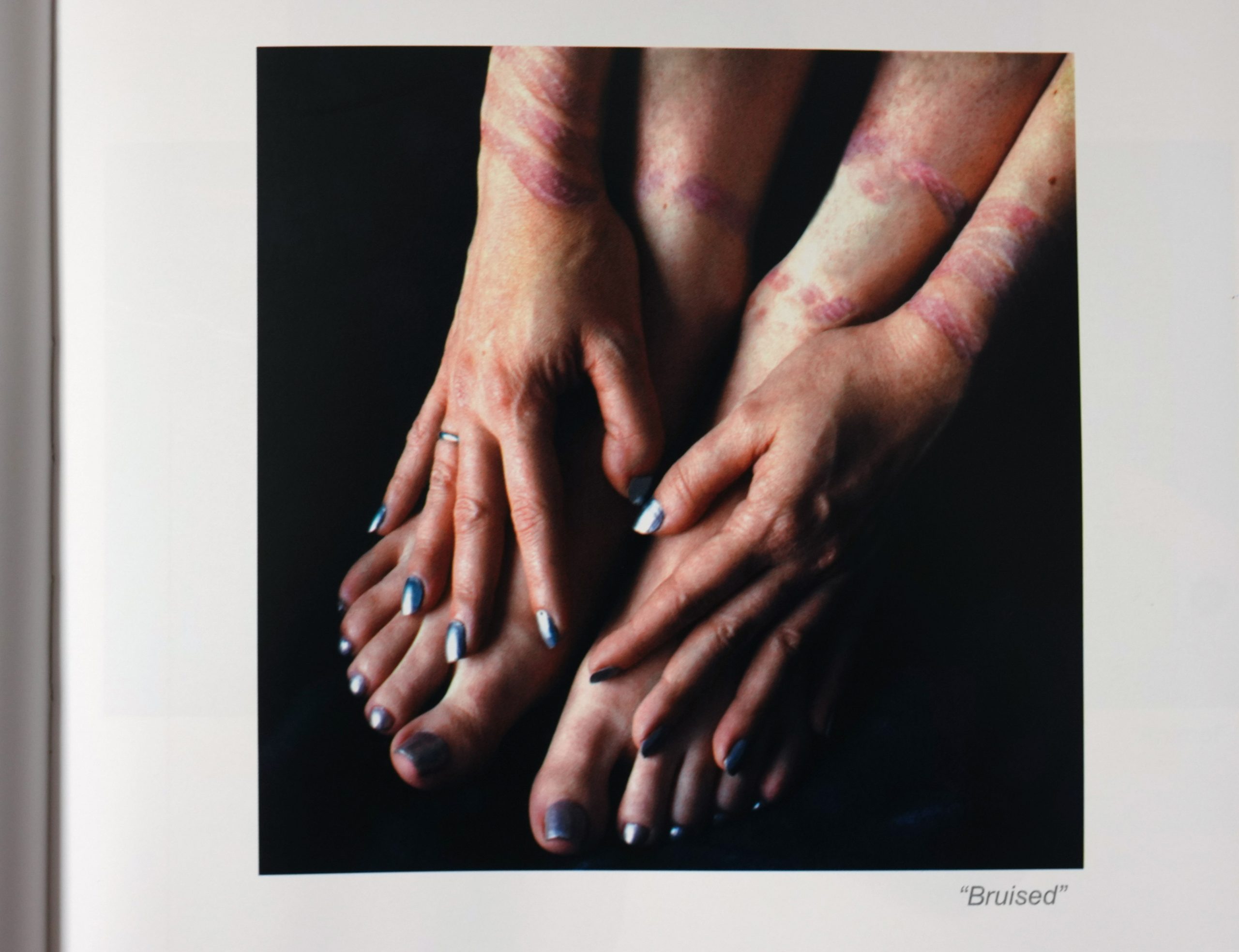
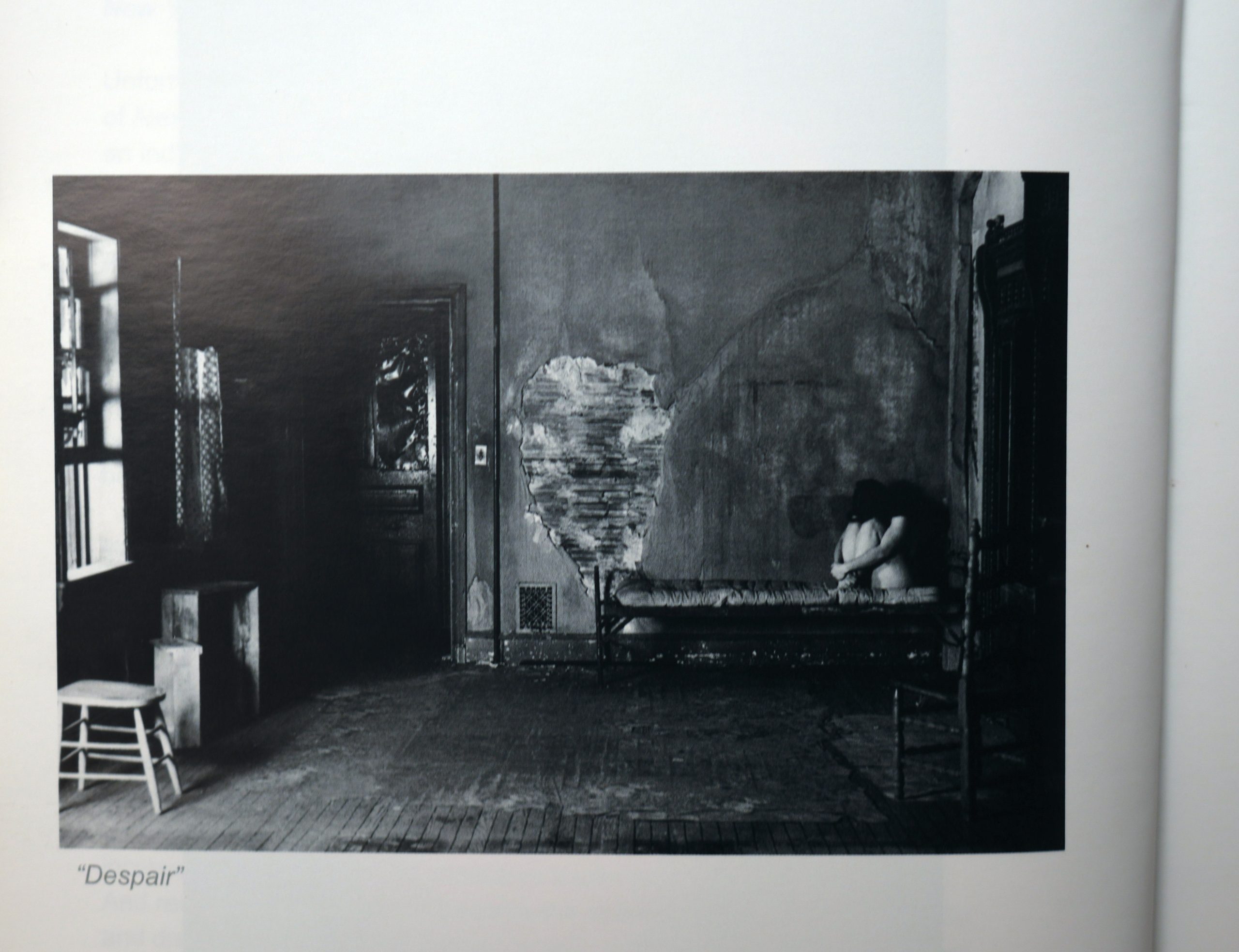
From Raymond Horsch’s photobook “Eroto~ To The Prurient Interest”: Ligature marks on the arms and legs of an unidentified woman, and an unidentified woman in what appears to be Horsch’s Olney bedroom.Obtained by The Inquirer
He landed a 2014 show at the Papermill artist studios in Kensington. Raymond set up a slideshow photo gallery in a warehouse surrounded by needle-littered railroad tracks. The series began with photos of naked women, who became more gaunt and sickly as heroin took its toll. Several shots showed syringes dangling from arms pocked with bruises and sores.
As a finale, Raymond played a video showing the body of a naked woman. Raymond claimed she had died of a drug overdose after he had paid her for sex. The video shows her body being loaded into an oven and cremated.
Some of the attendees were shocked and disgusted. One of them, local audio-visual technician Justin Roman, recalled that Raymond was “totally shameless” when confronted.
“He was doing it all because he wants to have sex with women who are addicted to heroin,” Roman said. “And he seemed very self-aware that he could not stop this compulsion.”
Amy McHale, who married and divorced Raymond, was last seen at the Olney house and reported missing in 2016.Courtesy of the family of Amy McHale
McHale and Raymond divorced in 2008, but she kept returning to visit after he moved to Olney.
She was at the Chew Avenue home on June 13, 2016, when she called her mom to tell her she was coming home. She sounded drunk, so her mother told her to stay.
Early the next morning, McHale — a strawberry blond 44-year-old grandmother of three — left a voicemail with her daughter saying she was OK.
She was never heard from again.
McHale would sometimes be gone for a couple of days, but never much longer. Her daughter, Amanda Stofer, said McHale had been looking forward to Stofer’s forthcoming wedding.
“My mom had her struggles with addiction,” said Stofer, 38. “But my mom would not want to disappear in my life.”
Raymond told police and the McHale family the same story: She was drinking vodka and he went to bed. When he woke up, she was gone.
Eugene Horsch, in a June 5, 2017 photo. He was still in prison at the time of McHale’s disappearance.Pennsylvania Department of Corrections
At the time, Eugene was back in prison for drugs and would not be released until a month after McHale’s reported disappearance.
Detectives were suspicious of Raymond, McHale and Stofer said, but they did not have probable cause to obtain a search warrant. Eventually, Raymond stopped reaching out to her family.
“When she would disappear before, Raymond would always keep calling me,” McHale said. “After this, I never heard from him.”
Years later, Raymond, now in his late 70s, frequented a onetime crackhouse on Wensley Street in Kensington.
He would come there to “pick up [drugs] and grab the girls” for video shoots, said Anna Marie Reveron, 58, who was something akin to a grandmother for the drug-addicted women who lived there.
One of the women Raymond picked up was Blair Tonzelli. She was estranged from her family in Northeast Philadelphia and had been in and out of prison. Friends recalled her as loyal, someone who would “literally give you her last $2.”
Blair Tonzelli, in a photo she posted on Facebook.Facebook account of Blair Tonzelli
It was not unusual for Tonzelli to stay for long stretches at the house in Olney, where Raymond claimed she worked as his home health aide.
David McCarty, 72, said he stopped hearing from Tonzelli entirely in August 2022. The last time she posted on her Facebook account was Aug. 17 of that year.
Fearing the worst, two of Tonzelli’s friends reported her missing in February 2023. One told police she was last seen at Raymond’s house on Chew Avenue.
Another woman who spent time at the home described overdose deaths as a grim reality — but not mysterious cases where bodies vanish.
“I’ve lost probably six to seven friends who overdosed — on the street, in abandoned houses, in cars,” said the woman, a 37 year-old friend of Krista Killen’s who lived at the Olney house last year. “And their bodies are always found. Always.”
Krista Killen under the El tracks, as featured in Raymond Horsch’s 2017 documentary “Whore!”Obtained by The Inquirer
While an array of different women cycled through the Olney property, often for brief stretches, Killen was an old-timer.
She first appeared in Raymond’s 2003 movie Slaves and watched him eat a raw steak and drink prop blood out of a wine glass for one scene.
Years later, in Raymond’s 2017 documentary, Whore!, hefilmed Killen using drugs and describing her own behavior as “slow suicide.” Killen reflected back on her scene with Raymond in Slaves and said she had wondered: “Is he gonna f— kill me?”
“This is a movie,” he reassured her. “I don’t want you to be scared.”
Killen lived off and on in the Olney house while continuing to perform risky sex work. She ran errands for Raymond when his eyesight deteriorated, driving him around in an aging Chrysler luxury sedan.
He would get upset when she left. He once posted on Facebook a photo of Killen in withdrawal, doubled over on a toilet — just to “get back” at her, according to a friend.
Killen never feared Raymond would harm her. But she worried about what might happen if she was left alone in the house with Eugene.
“Krista was always fearful that if something happened to Ray or he passed away, Eugene would not know what to do and not know how to control himself,” said Danielle Wynne, 46, a longtime friend of Killen’s.
Krista Killen lived at the Horsch home off and on since 2016 until her death last year.Krista Killen's Facebook pages
In late 2024, after a yearslong infection in Killen’s leg, doctors had to amputate it above the knee. A month later, BabyCat died of a brain tumor. Raymond’s health was also in decline, and after he died in May 2025, Killen was suddenly alone in the house with Eugene.
Three days after Raymond’s death, a lit cigarette sparked a fire in Killen’s second-floor bedroom, where she had moved after losing part of her leg. The blaze destroyed most of her belongings, leaving charred bricks and boarded-up windows.
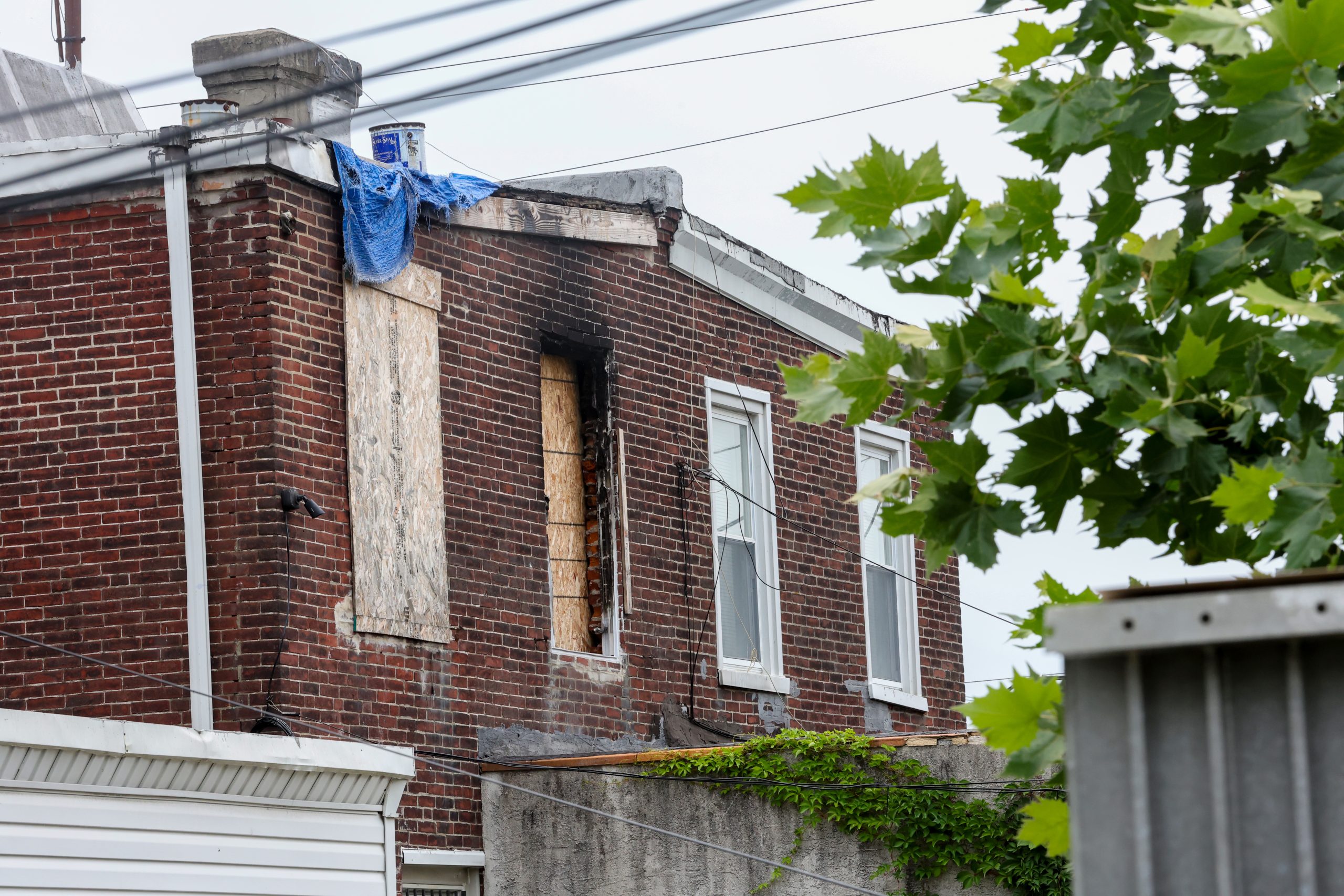
The back of Horsch’s Olney home on June 27, 2026, showing damage from a fire that occurred last summer and led investigators to a weed growing operation and a cache of illegal weapons.Aidan T. Gallo / Staff Photographer
The fire led to police finding guns and a marijuana grow operation inside the property. Eugene was jailed again.
The fire had torn a gash in the roof, and rain pelted into the kitchen, the dining room, and Killen’s bedroom. On Aug. 16, 2025, three months after Raymond passed, she died of a drug overdose.
Eugene announced Killen’s death on her own Facebook page.
“Please let everyone know we were in love and we were going to get married,” Eugene wrote.
Her friends said neither of those things was true.
Eugene’s life continued to unravel in the wake of his father’s death.
Neighbors said they saw him outside, quiet and jittery, often obsessively washing his black BMW. He would be dressed in a nice shirt, as if he were heading to an office, although his only means of income appeared to be selling drugs.
He was arrested again this year in March after he stabbed a man in the stomach during an apparent dispute over a woman at Eighth and Market Streets. The case was withdrawn when the victim failed to appear in court, and Eugene was released from jail in May.
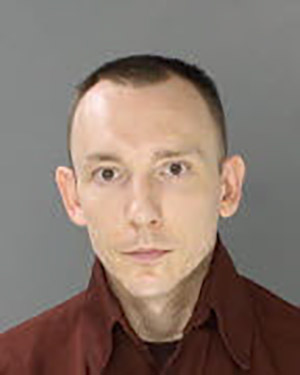
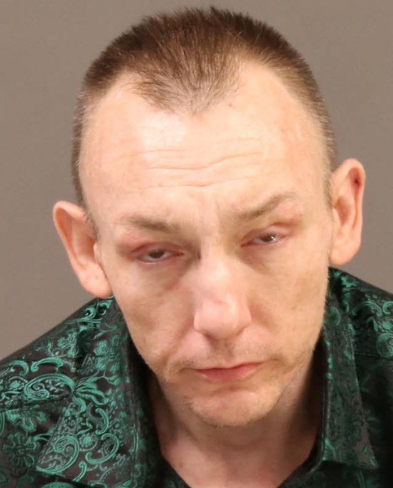
Eugene Albert Horsch, 44, of Philadelphia.Courtesy of Philadelphia police
Just a few weeks later, on the morning of June 19, a U.S. Park Police ranger approached Eugene’s BMW parked near Sixth and Market. A woman inside sounded distraught.
As the ranger got closer, the woman in the back seat said to Eugene, “You’re going to hurt me.”
Inside the car, officers found narcotics, two firearms with obliterated serial numbers, and other weapons — along with a fake U.S. Drug Enforcement badge with Eugene’s photograph under the name “Eugene Frederick Steiner.”
Police called real DEA agents to the scene, who turned their attention to the woman in the car.
The 39-year-old woman told police her name was Blair Tonzelli. She showed officers an ID card bearing her photo, but with Tonzelli’s name. It did not take long to determine she was lying.
She told investigators that she did not know Tonzelli and was not aware that she was missing.
“But I think something bad may have happened to her,” she said.
She said she was afraid to enter the basement of the Olney house because Eugene told her he had hurt people there. He had never been violent toward her, she said, but he was obsessive and would sometimes sit for 24 hours outside her house. She said he had told her he knew which chemicals are needed to reduce a human body so it could be flushed down a toilet.
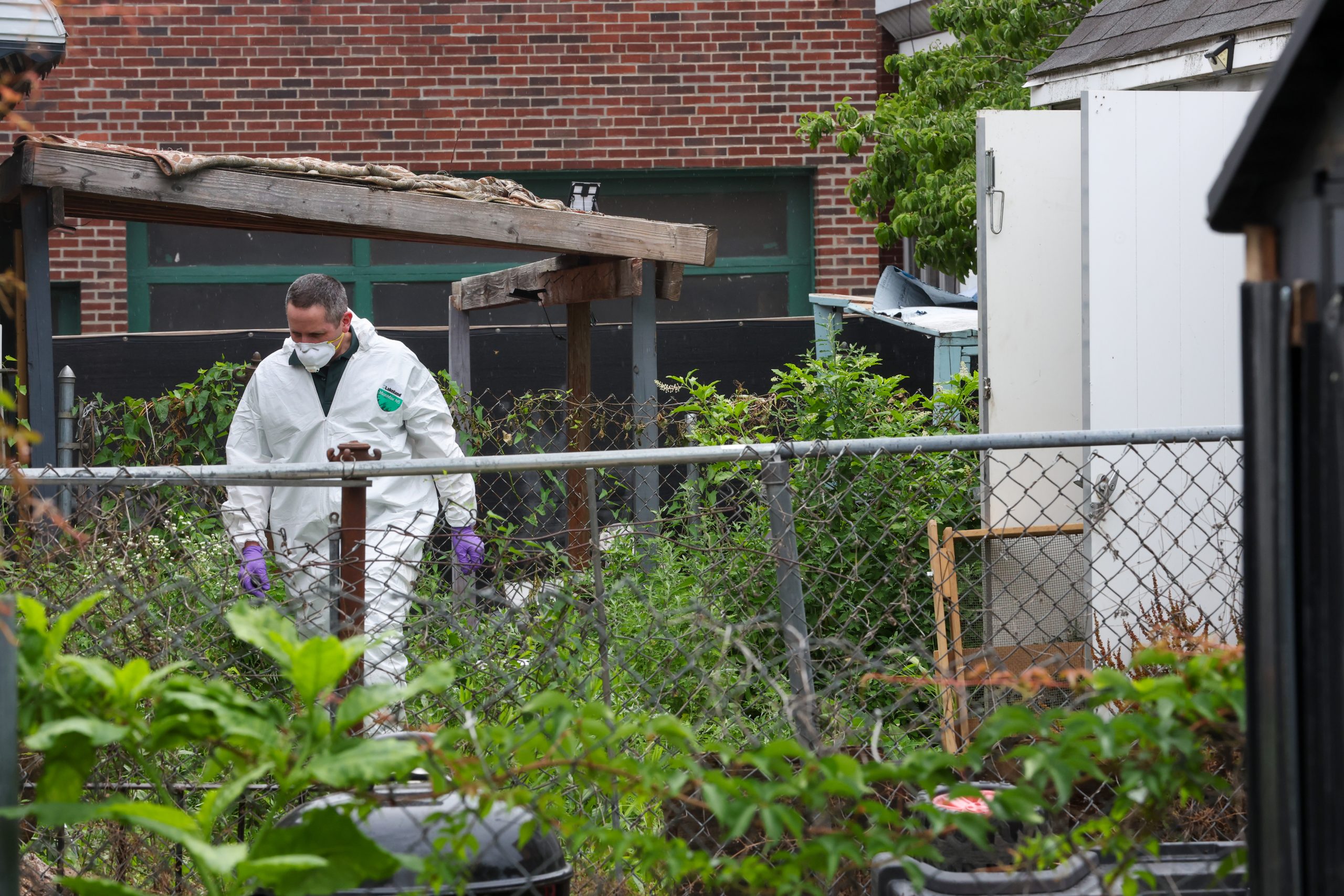
An investigator searches the backyard of Horsch’s home in Philadelphia, on June 27, 2026.Aidan T. Gallo / Staff Photographer
Authorities, including FBI forensic experts in hazmat suits, searched Eugene’s home. They found bank cards in Tonzelli’s name, Killen’s death certificate, and five urns containing plastic bags of unidentifiable cremains. One bore the name Raymond Charles Horsch.
Other findings only deepened the mystery of what had been happening at the house: hidden compartments, including one in a hollowed-out stair; vats filled with chemicals; and a 55-gallon drum with connections to water lines leading into a hole in the ground.
The note mentioning Ted Bundy included confessions for acts of violence, such as having “a 2ft zip tie in my pocket and a drum set up.”
“I had been ready and waiting and I damn sure showed no hesitation,” the note states. “And it was fun.”
Investigators are reviewing Raymond’s films and reading his novels for clues — giving his work the attention in death that he always hoped to achieve in life.
His books describe ways to murder women. One scene depicts a body being dissolved with chemicals in a bathtub.
That same book includes tales of Raymond’s bizarre life story, interspersed with passages that he concedes are complete fiction.
But he leaves the reader guessing.
“Would it surprise you,” he wrote, “to learn that I’m lying?”
Staff writer Michelle Myers contributed to this article.
A detective at the crime scene on Horsch’s property in Philadelphia on June 26, 2026.Jessica Griffin / Staff Photographer
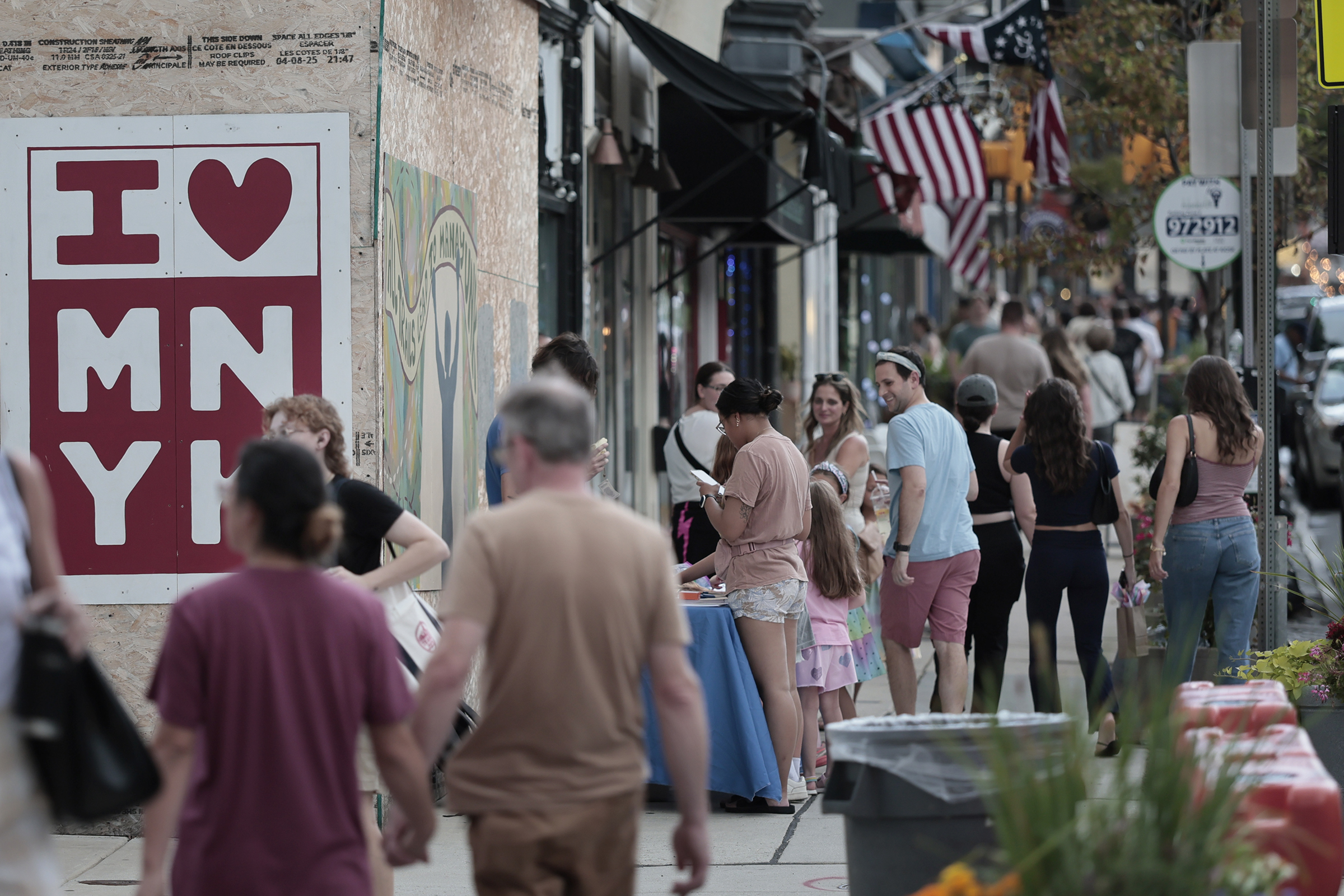
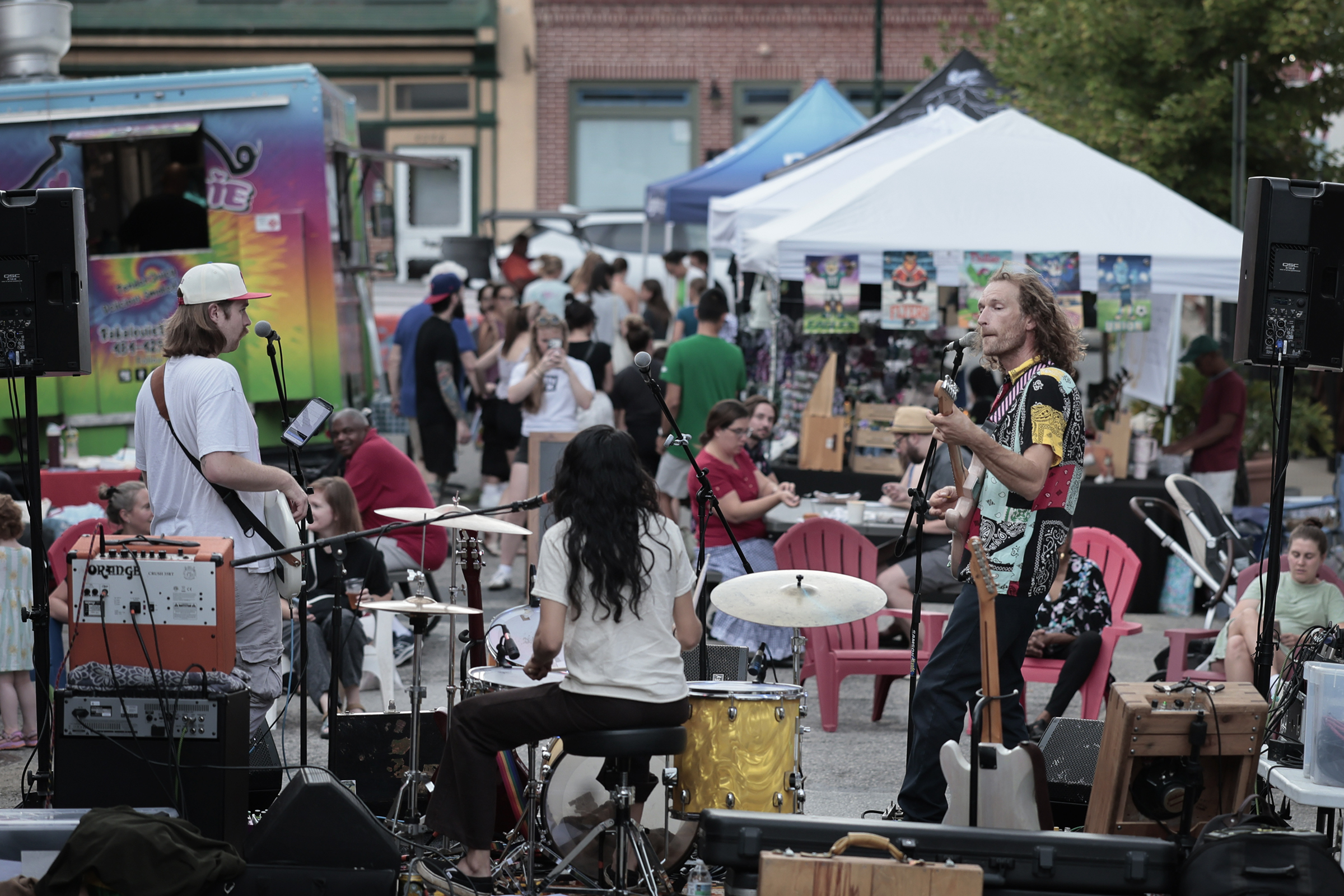
On the last Thursday of July, during Manayunk’s summertime Stroll After Hours event, throngs of young families pushing strollers and couples walking dogs roamed the business corridor.
Some stopped at art vendors with frames sprawled across the sidewalk, while others meandered down Grape Street to grab a bite from a food truck or claim a seat at the outdoor screening of Toy Story.
On such an evening, Main Street Manayunk’s evolution is on full display.
The riverside neighborhood in Northwest Philadelphia has seen many eras, from textile mills in the 19th century to chain retailers in the 1990s, to today’s collection of local upstarts.
“It’s the best it’s ever been,” said Jen Wankoff, 51, of Roxborough, who turned out to Stroll After Hours with her friend, Jen Filip, 50.
“It used to be a lot more commercial. There was a Banana Republic, a Pottery Barn, but then once one left, they all left,” said Filip, who has lived in Roxborough since the early 2000s. “Now it’s all small businesses.”
More changes are coming to Manayunk. Even as apartment development has slowed in much of Philadelphia, over 1,800 new residential units are proposed along or adjacent to Main Street. All that additional population stokes neighborhood anxiety about traffic and parking, but retailers expect it will be good for business.
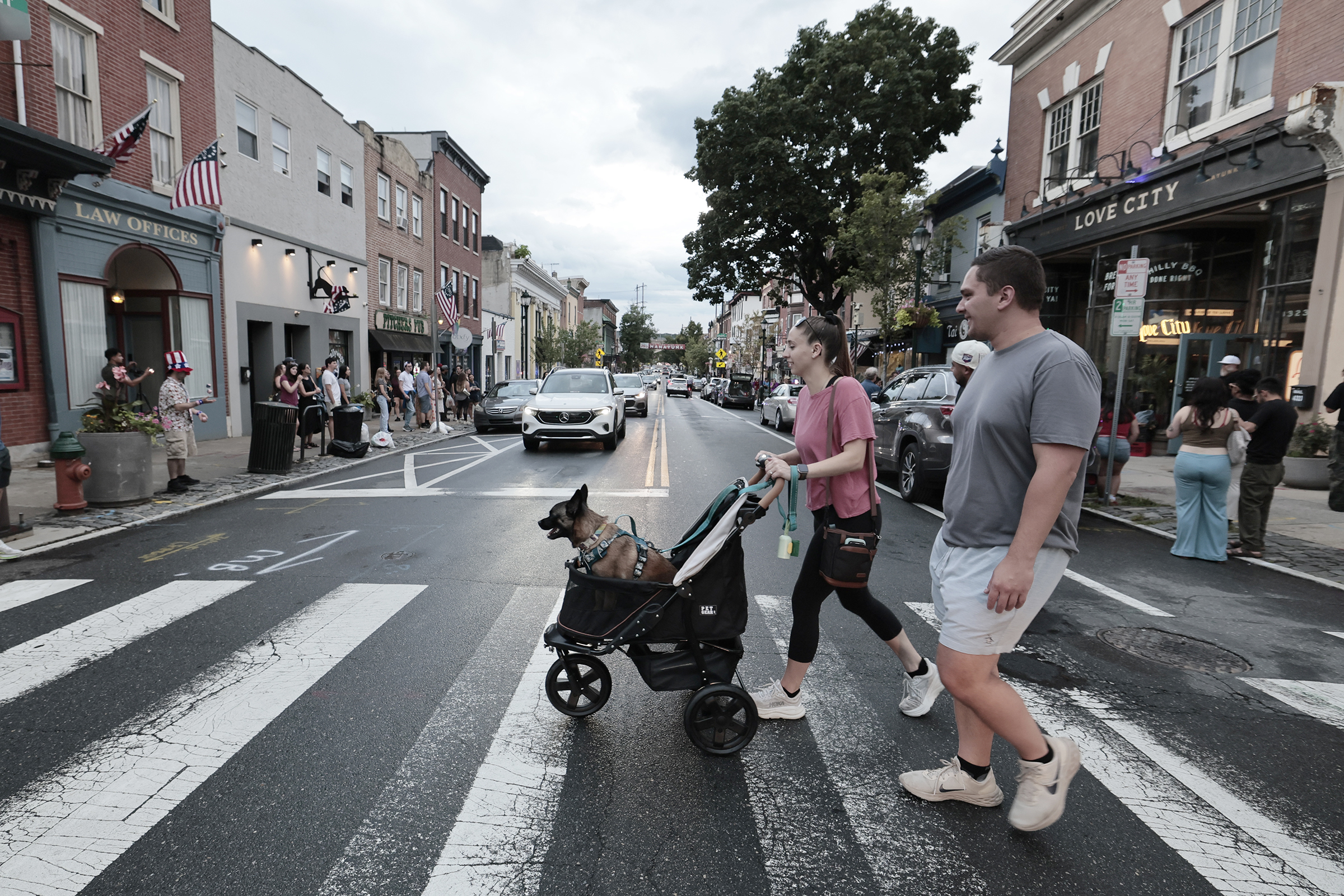
Kim Albanowski of Philadelphia pushes her dog, Koda, across Main Street in “his chariot” as Jason Pepin looks on.Elizabeth Robertson / Staff Photographer
“There’s probably going to be 1,600 new people living in those units, and they’re all going to come to Main Street to shop and eat,” said Dan Neducsin, 83, who has long been the largest property owner on Main Street and helped shape the identity of the corridor.
“The restaurant scene has been strong [since the 1990s], and now I think it’s even going to get stronger,” said Neducsin, who has sold 12 of his properties in recent years to long-term tenants and small-business owners like Tim Spinner, owner of Taqueria Amor.
“I just want to see the people who I have in there now do well, and my tenants have welcomed the opportunity,” said Neducsin, who emphasized that his company is not closing or selling all its holdings. But “it does make sense now for some new people to come in and take advantage of what’s here.”
Manayunk’s Main Street appeal
In the past two years, 12 new businesses opened along Main Street.
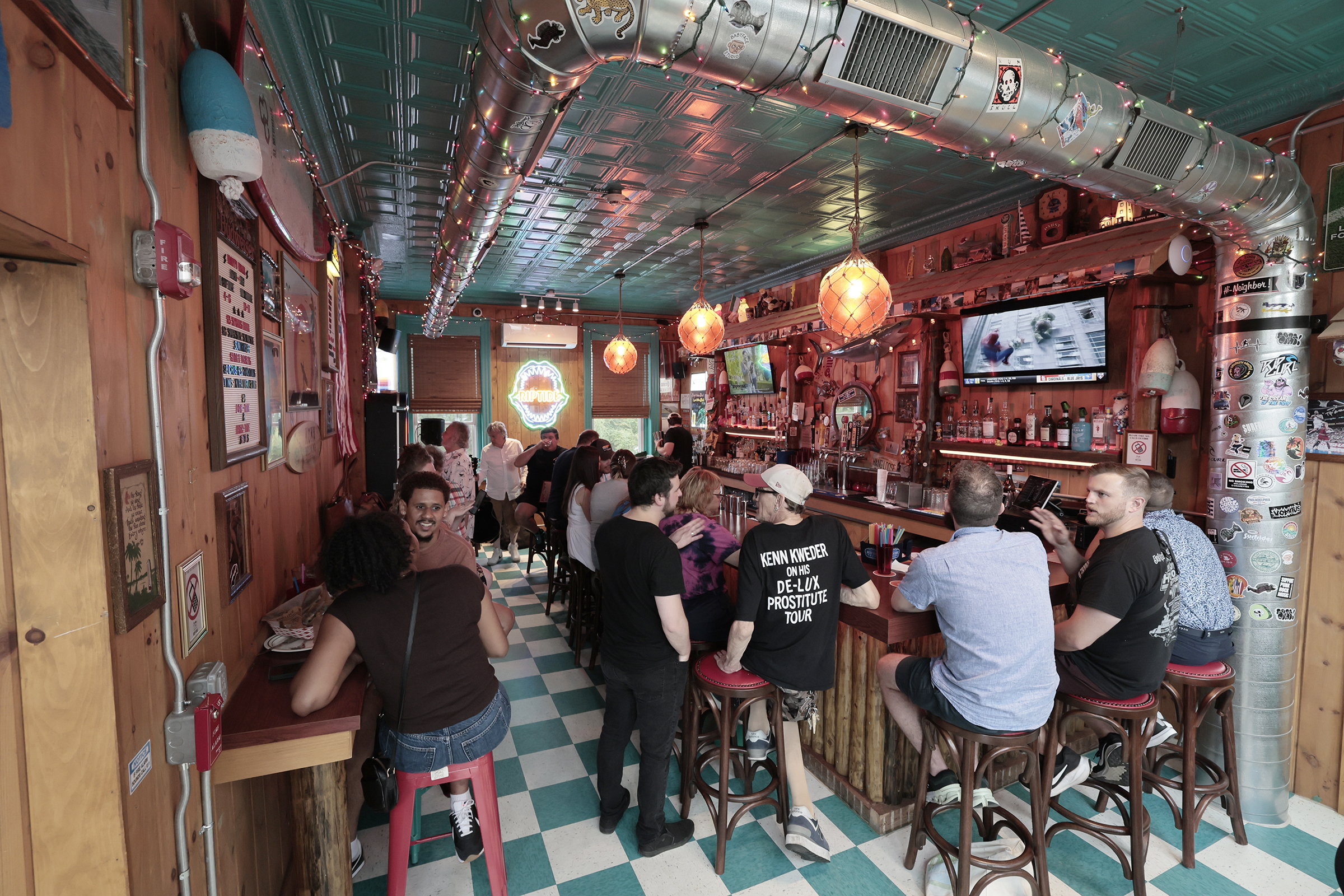
One of them is Riptide Tavern, opened in June by Spinner, who also owns Taqueria Amor next door.
Spinner said he wanted to open a neighborhood bar with creative cocktails and a cheap beer menu — much like a dream restaurant he conceived for a culinary school project years ago.
“I wanted to be in the Caribbean or down the Shore, but along the Schuylkill River with the canal back there is close enough,” Spinner said.
The Riptide Tavern in Manayunk is packed on a Thursday during Stroll After Hours.Elizabeth Robertson / Staff Photographer
Eleanor’s Consignment is set to open on Main Street in October. Owner Emily Mannix, aformer paralegal who has lived in Manayunk for two years, named the consignment store after her late mother, who died in 2023. They shared a love of secondhand-shopping.
“This has been something that has been on my mind for the past four years,” Mannix said. “Life is short, and I might as well jump in and try.”
It’s not a bad place to do that. Realtor Christine Ertz notes that while rent is not low, it’s more affordable than in areas like South Street and Queen Village.
“Manayunk has the demographic businesses want,” said Ertz. “It has the younger folks, but also the more mature folks that have expendable income, and we’ve got the 27-to-35-year-olds that really enjoy the niche, smaller stores.”
The apartment boom in Manayunk promises to add even more. Many of the new developments have smaller units, which are likely to attract single people or younger couples. The price points of the new rentals, while lower than Center City or Northern Liberties, also suggest that tenants will have disposable income.
Those changes haven’t been without controversy. The Manayunk Neighborhood Council has pushed back against development it deems as out of scale with the community, and that’s often lacking new commercial space, affordable housing, and parking while being weighted to small apartments.
John Hunter, an architect and zoning chair of the Manayunk Neighborhood Council, says few of the new buildings have commercial space to add to the neighborhood’s daytime vitality. He disagrees with the idea that the apartment boom will boost local businesses.
“We have heard that misrepresentation for years now — that new apartments will generate pedestrian traffic along Main Street,” Hunter said. “Fifteen years of those promises has proved that is not the case.”
But some neighborhood observers see the development interest along Main Street as a concrete example of the area’s ability to attract people and investors.
“We’re seeing a diverse group of experienced, well-regarded developers all making independent decisions to put their capital and time into Manayunk,” said Veronica Blum, a retail broker with MPN Realty who has been working with Neduscin on leasing and sales.
“When that many smart people come to the same conclusion about a neighborhood, it says a lot,” said Blum. “It’s a real vote of confidence in Manayunk’s future, and I think we’re just beginning to see what’s possible.”
Nervous Nikki and the Chill Pills perform during the Stroll After Hours event on July 30.Elizabeth Robertson / Staff Photographer
The cost of staying open
Still, the commercial corridor has seen turnover and closures.
Pizza Jawn closed andKismet Bagels came in its place — Pizza Jawn’s owner bought the former Manayunk Tavern down the street, which became Bar Jawn. Smiley’s closed and Blu Zone Cafe moved in; and Iron Works Fitness opened up in the former Kismet Cowork.
A large restaurant space sat empty for months after Winnie’s closed last November. But, two Roxborough natives recently leased the space for a new “punk French” restaurant, planned to open in late fall.
Joan Boroff Denenberg, who does marketing and retail strategy for the Manayunk Development Corp. (MDC), said a few storefronts remain empty because the property owners aren’t local and are backed up with other projects throughout the country.
Neduscin says he isn’t struck by an unusual number of vacancies along Main Street. But maybe that’s because when he began buying properties there in the late 1980s, much of the commercial strip was vacant to the southeast of Cotton Street.
“Anytime I saw a property that was available in Manayunk I ended up buying it because I thought if I owned enough properties, I could kind of set the direction of the street,” Neduscin said. “I got to handpick who my potential tenants would be. I tried to bring tenants that I thought would bring additional people here.”
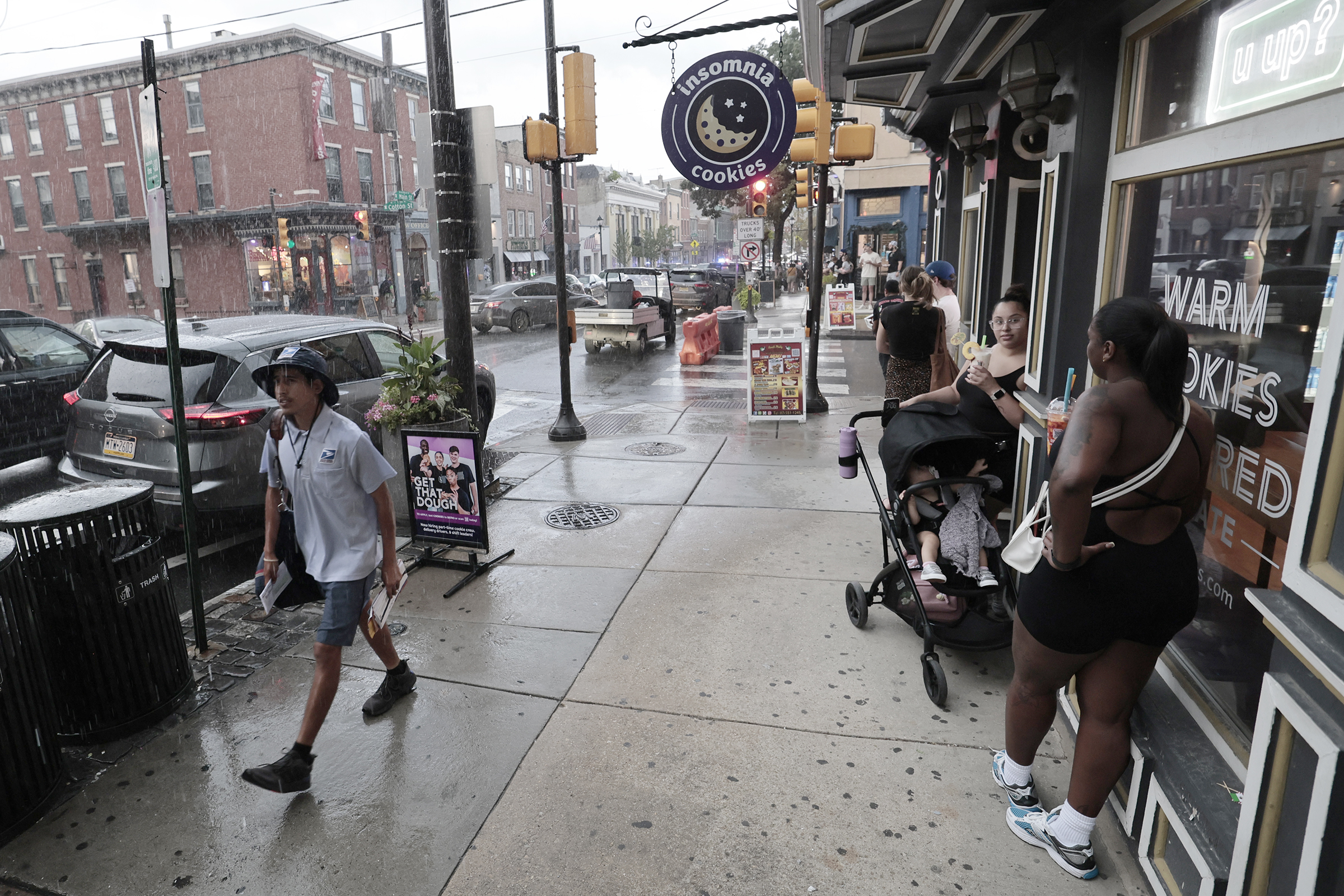
Insomnia Cookies is one of the few remaining chains with a presence on Main Street in Manayunk.Elizabeth Robertson / Staff Photographer
The bustle of Main Street now extends all the way down to Shurs Lane, roughly double its occupied length when he started.
Neduscin also says he really tried to find independent entrepreneurs to lease to — “I didn’t want a McDonald’s on Main Street” — and those restaurateurs and small-business owners gave Main Street a unique identity.
More than 30 years later, that’s why he wanted to sell some properties to one-time tenants like Spinner.
Still, business owners say myriad challenges remain. The permitting process is notoriously slow, especially if a trip to the Zoning Board of Adjustment is necessitated. That can leave business owners paying rent without being able to open their doors as they wait for permission.
“When it takes longer, you have to have deeper pockets, and I think that does scare some prospective businesses,” Neduscin said.
Further, owners on Main Street face the macro challenges affecting small businesses throughout the region. Brandy Deieso, who opened the gift boutique the Little Apple in 2010, said the cost of goods has increased due to tariffs, shipping costs, and rising gas prices.
“Being a street full of locally owned small businesses is great,” said Melissa Walter, co-owner of Love City Brewing, which just opened a second location in Manayunk. “But as we all know, running a small business is really hard.”
Building a business community
The bubblegum pink Cupid’s Bookshop storefront has built a following and even attracted customers from Baltimore and New York since opening last year. Now, it’s upgrading to a bigger location on Main Street.
“The growth we’ve had, it’s been amazing,” said owner Tina Long.
Cupid’s capitalized on the insatiable demand for bodice rippers and love stories, and Long says the bookshop benefited immensely from the MDC’s incubator program. Cupid’s was the first participant.
The program allowed Long to lease a storefront at 106 Grape St., owned by the business association, for a below-market monthly rent of $1,000 for up to three years, and the MDC provided guidance and support. With her new storefront opening in August and a five-year lease, she’s graduating from the incubator space early.
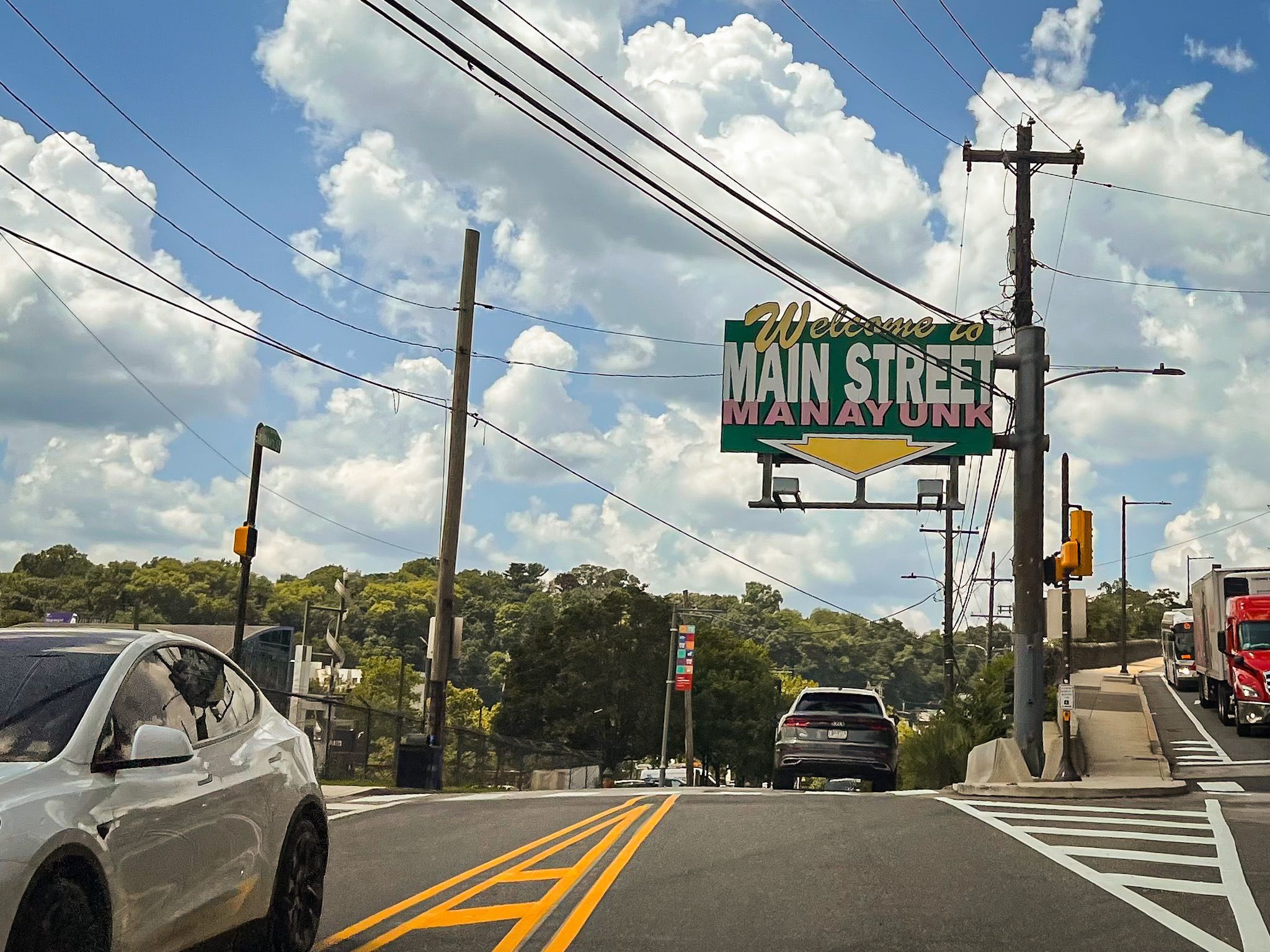
The “Welcome to Main Street” sign hangs over Main Street at Ridge Avenue in Manayunk.Michael Klein / Staff
“We loved the idea, but it turned out beyond our wildest dreams,” MDC executive director Gwen Mccauley said. “She’s now becoming part of the fabric of our district.”
Baby Face Studio also ended up on Main Street in part because of the MDC.
Artist and owner Kim Canefield in 2022 applied for the MDC’s emerging artist tent at the Manayunk Arts Festival, where she could set up shop for $100 instead of operating a $500 tent on Main Street. The festival draws over 300 artists and 150,000 visitors each June, McCauley said.
She set up a full-time vendor tent at the next three Arts Festivals. Each time, she was stationed in front of an art gallery, not knowing that the same space would eventually become Baby Face Studio.
“I just kept looking at it, and peeking through the window,” Canefield said. “The whole time I was staring at the future of what the studio was going to be.”
Love City Brewing already has a foothold in Callowhill, but saw Manayunk as a place to grow. Its second spot opened in the former Fat Lady Brewing. When searching for a new location, co-owner Walter was attracted to Main Street’s critical mass of small, independent businesses.
“Seeing them succeed, we thought: ‘Oh, we’re a small, local Philly business too,’” Walter said. “We can make it work there.”
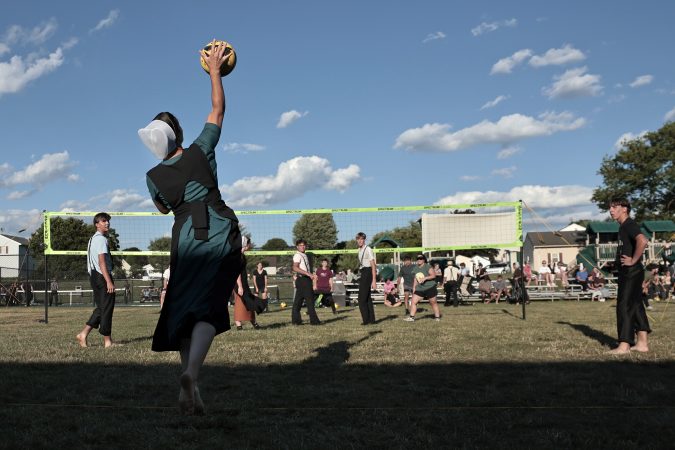
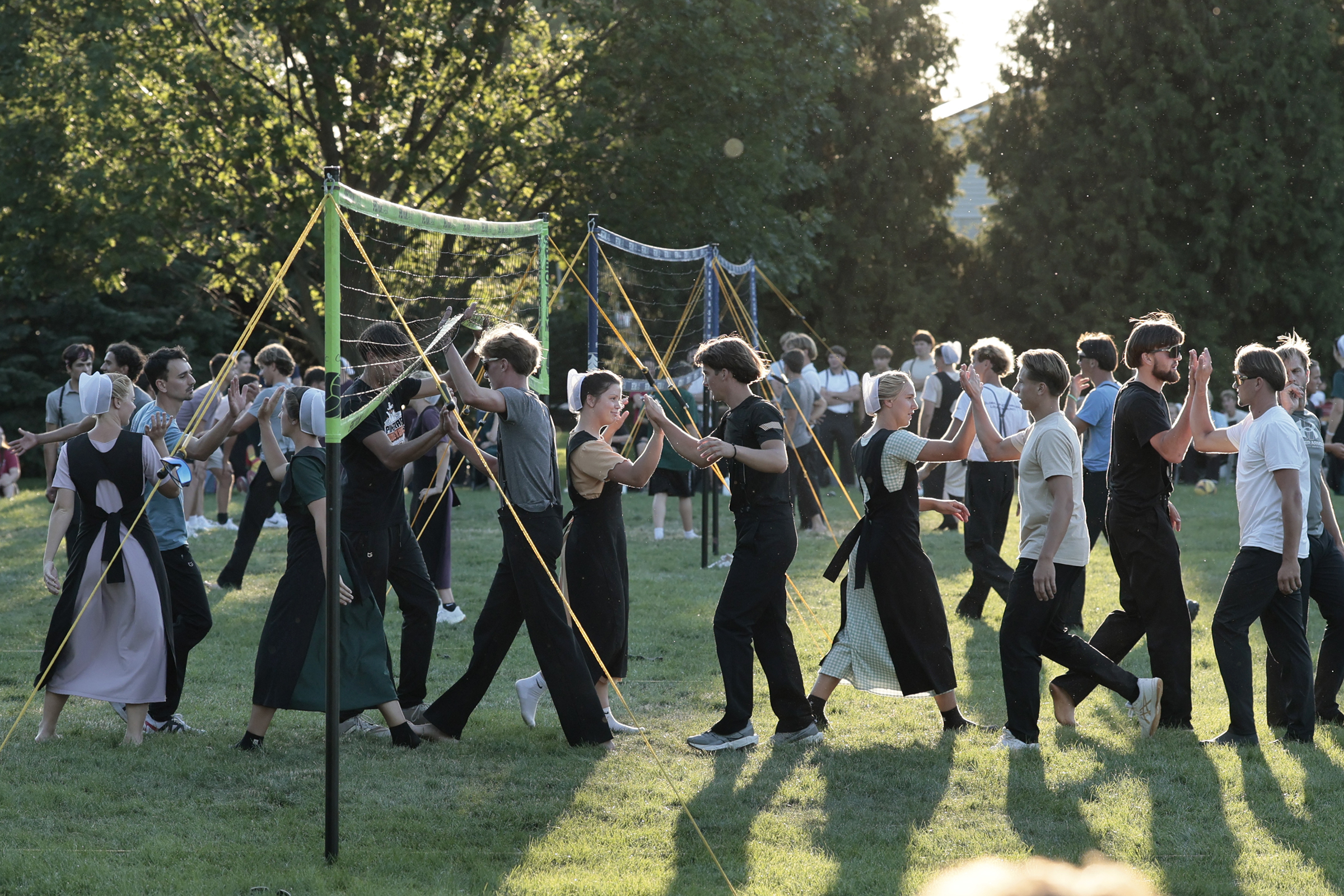
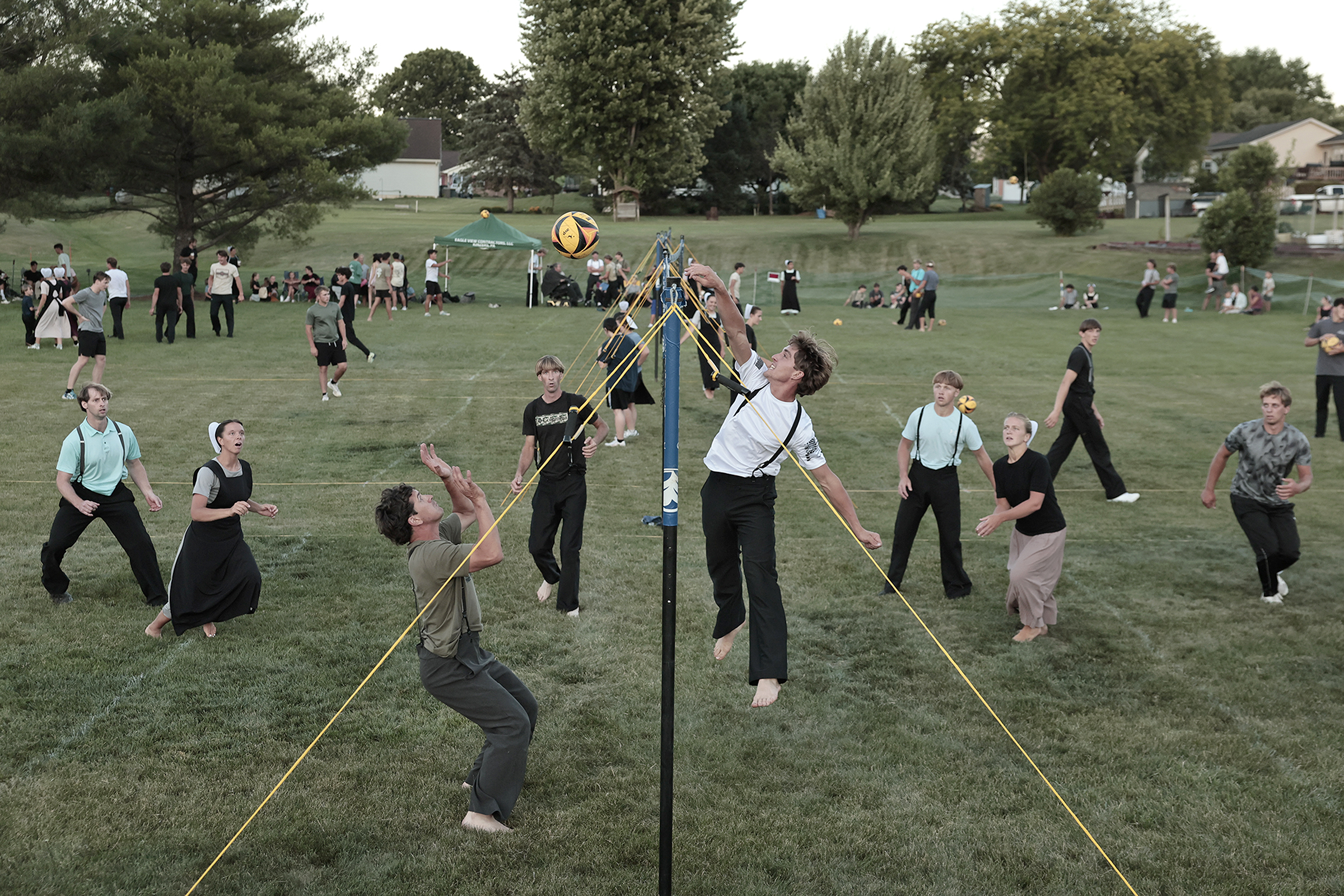
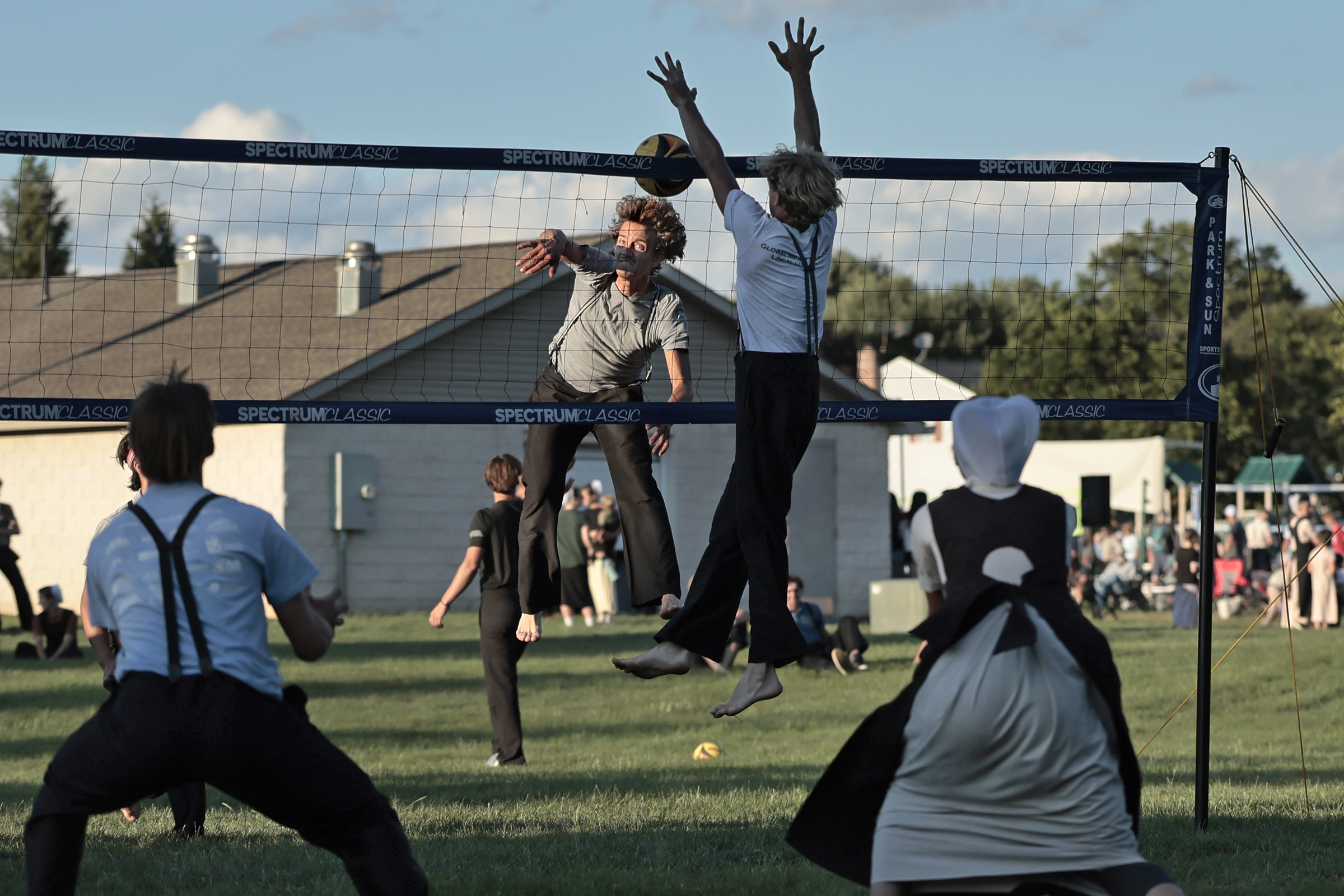
INTERCOURSE, Pa. — A young Amish woman stood barefoot in the back right corner of a grassy volleyball court, spinning a ball in her hands.
She wore a simple green dress with a black apron, and when she leapt and hammered a serve over the net with a grunt, her prayer covering looked as white as the passing clouds.
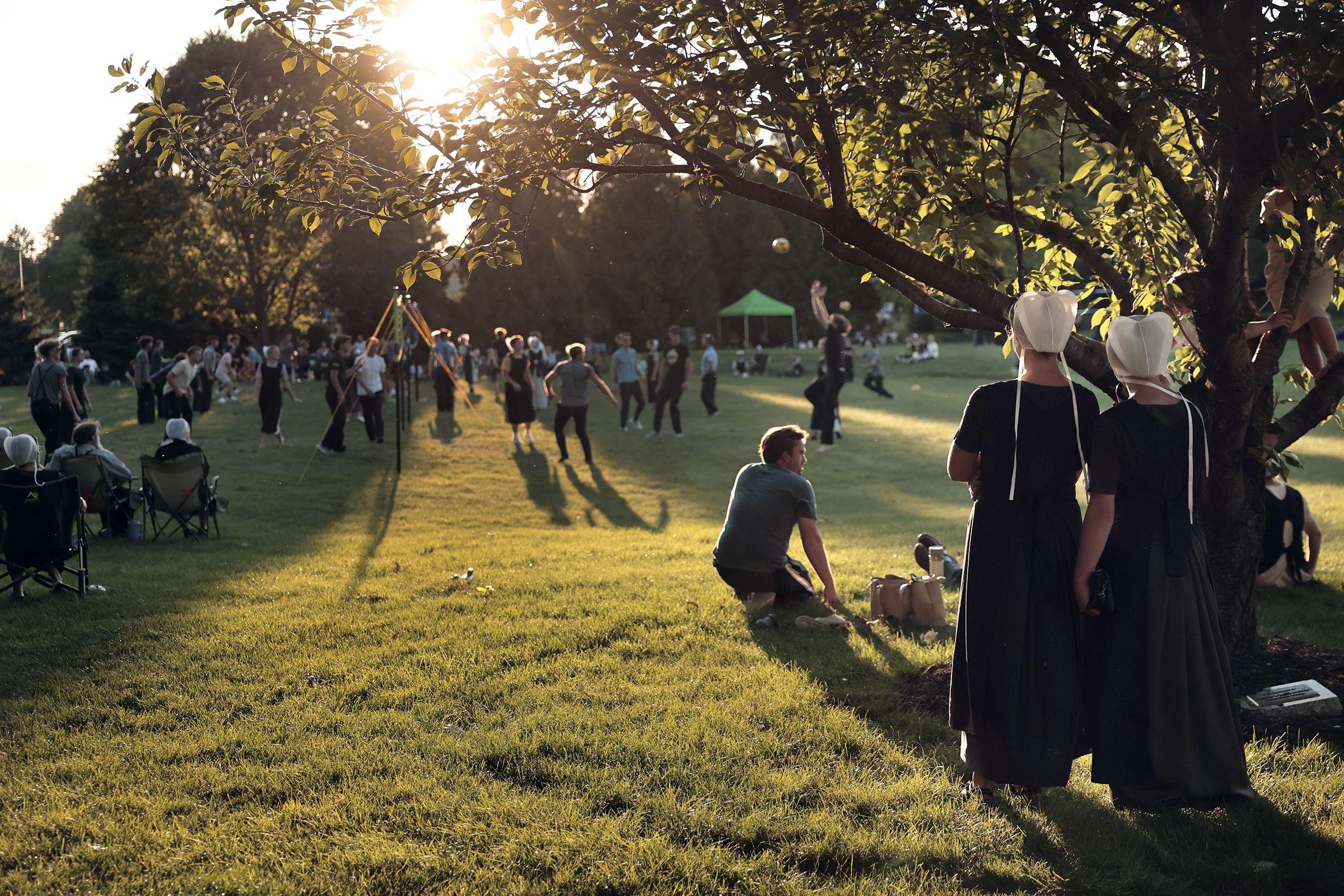
On this beautiful afternoon in late June, the coed competitors were among the hundreds of young Amish players from Pennsylvania, Ohio, and other states who converged on Intercourse Community Park, about 60 miles west of Philadelphia, in Lancaster County, for the annual volleyball tournament. Hundreds gathered around the courts in lawn chairs to watch, including Amish men with long beards alongside “English” children in sneakers and sports jerseys.
Teams high-five each other after a volleyball match during the first day of the Heritage Days Volleyball Tournament at Intercourse Community Park in Gordonville, Pa., on June 19.Elizabeth Robertson / Staff Photographer
The Amish in Pennsylvania, for reasons few could fully explain, love competitive volleyball. Some simply shrugged their shoulders when asked why. Others said they play volleyball because previous generations played too, a skill they learned just by watching, much the same as shoeing buggy horses or baking whoopie pies.
“I guess it’s just part of our culture,” said Ray Beiler, the tournament’s organizer. ”Competition-wise, though, it’s slow-pitch and volleyball, but volleyball is probably the biggest.”
The Amish also dabble in ice hockey when ponds freeze, Beiler said, and, in Indiana, they play basketball, of course. In Intercourse, the sharp pop of pickleball paddles on this Friday afternoon revealed another growing sport among the Amish.
Volleyball, it seems, has always been there, some said.
Ray Beiler updates the scores and standings during the Intercourse Heritage Days and Heritage Days Volleyball Tournament at Intercourse Community Park in Gordonville, Pa., on June 19.Elizabeth Robertson / Staff Photographer
“I grew up with it,” said competitor Irv Beiler, 18, of Christiana, Lancaster County. “It’s a team game.”
One older Amish man said he grew up playing softball, but reckoned volleyball was a new phenomenon. When asked his name, the man spoke to his wife in Pennsylvania Dutch, and declined to answer.
The Amish do have a traditional game called cornerball, or “eck balle” in Pennsylvania Dutch, that looks like a cross between baseball and dodgeball, but is played in a cow pen. According to AmishAmerica.com, the sport was originally played with homemade balls made by “wrapping a quarter-sized steel nut in twine and covering it with black tire tape.”
According to the website, eck balle is a disappearing sport.
Erik Wesner, founder of AmishAmerica.com, said the purpose of volleyball and other sports in Amish communities is mostly about socialization, not competition.
“This is a game that’s played commonly at the Sunday youth group gatherings or meetings at church members’ houses for dinner,” he said. “It’s a way for teens and young adults to interact.”
Older Amish in Intercourse didn’t know much about the rise in popularity, but, ever efficient and resourceful, said volleyball takes up little room, compared to say, soccer, and can keep a lot of children busy at a gathering.
Irv Beiler serves the ball during the Heritage Days Volleyball Tournament at Intercourse Community Park in Gordonville, Pa., on June 19.Elizabeth Robertson / Staff Photographer
John Lapp, 51, of Gap, Lancaster County, said there are “volleyball barns” in the area where the more serious players gather in the winter.
“I played softball,” he said. “Volleyball was just a sport that took hold, I suppose.”
There doesn’t appear to be much trash talk in the competitive world of Amish volleyball, unless you understand Pennsylvania Dutch, but the talent is plain as day. That makes sense, locals said, if you consider the day-to-day life of Amish youth. They’re wrangling calves, riding kick scooters, and lifting hay, building muscle and balance the whole time.
“I used to play too,” said Simon Stoltzfus. “I just can’t jump as high as I could or stay up there as long.”
Wesner said sports tend to be more prevalent in progressive Amish communities, like in Lancaster County, and less so in more conservative areas, like Mifflin and Clearfield Counties.
Serious play during the Heritage Days Volleyball Tournament at Intercourse Community Park in Gordonville, Pa., on June 19.Elizabeth Robertson / Staff Photographer
Last year, The Inquirer spoke to Melvin Byler, who grew up Amish in Western Pennsylvania, after he won the Professional Bull Riding event in Reading. Byler had to leave his Amish community to pursue bull riding as a profession.
“I didn’t even see bull riding until I was 14, and when I told my parents I wanted to do it, they said it was a phase,” Byler said.
Steven Nolt, an Elizabethtown College professor who has researched and written about the Amish extensively, said situations like Byler’s are rare. Ray Beiler said a college coach came to one of the Intercourse tournaments and said many of the competitors could play at higher levels, but Nolt said it’s unlikely that even the most talented volleyball players would pursue the sport more competitively.
“It would be hard to imagine,” Nolt said. “They’d be making a choice not to join the Amish.”
Chris Haley oversaw the pickleball tournament at the Intercourse Heritage Days, where there are new courts. He said the Amish quickly took up that sport, too, and some have makeshift courts at their house.
“They are talented and determined,” Haley said.
They compete in sports for the fun of it, not for the prospects of future scholarships, and, at a tournament as big as Intercourse, the socializing was front and center. Young Amish slipped off their black leather boots and Crocs for sneakers or went barefoot, dozens chatting up one another in both English and Pennsylvania Dutch.
“This tournament is most definitely for the fun of it,” said Wilmer Stoltzfus, 20.
Friends and family watch the play during the Heritage Days Volleyball Tournament at Intercourse Community Park in Gordonville, Pa., on June 19.Elizabeth Robertson / Staff Photographer
The players took big gulps from jugs of water and walked onto one of several courts spread out over several acres in the park. Some of the men wore thick, black work pants with suspenders, but others wore shorts. When one young Amish man dove for a dig and missed, his teammates rushed to help him up.
“Good job,” they said.
By Saturday night, only one net would remain, and a few thousand spectators would be crowding the court for the finals. The winners would get tall trophies housed in an exhibition room, with silver and gold volleyballs fastened to the tops.
They’d also get bragging rights until next year, maybe.
“Not bragging, no,” said Wilmer Stoltzfus. “We don’t really brag.”
Serious play during day one of the Heritage Days Volleyball Tournament at Intercourse Community Park in Gordonville, Pa., on June 19.Elizabeth Robertson / Staff Photographer
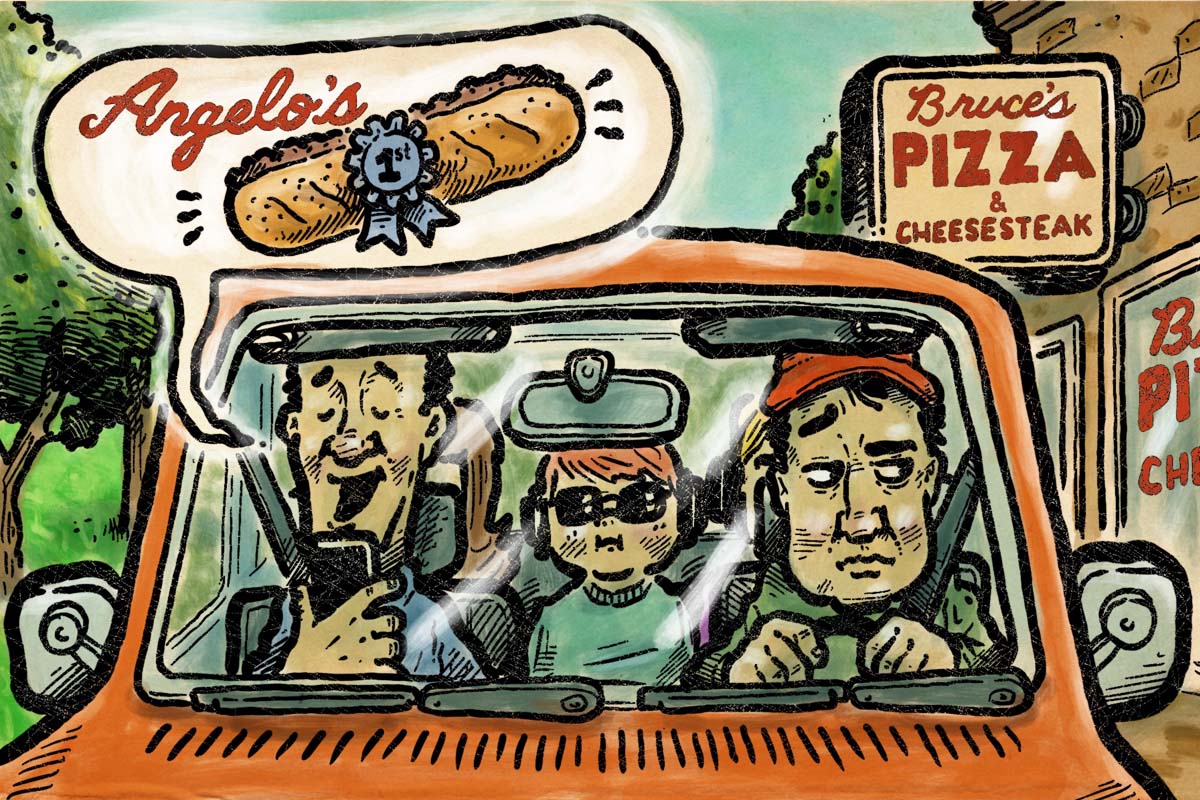
I have family visiting and they want an “authentic Philly cheesesteak.” Should I take the entire day, battle traffic and parking, and shuttle them down to South Philly? Or can I order takeout from our local pizza place in the burbs? Is there that much difference?
Stephanie Farr, features columnist
I don’t want to start any beef, but I’m a big believer that wherever you get your cheesesteak (as long as the shop is in Philly, the burbs, or from certain portions of South Jersey) it’s probably just fine for an authentic Philly cheesesteak meal to an outsider.
Now, if they want the authentic Philly cheesesteak experience — standing in a ridiculous line, overhearing people argue, seriously pondering whether they want liquid cheese ladled onto something they will consume, now that is a different story. What do you think, Tommy?
Tommy Rowan, programming editor and cheesesteak connoisseur
That’s totally cool! You can find good sandwiches anywhere. But I’m a snob, and I want a certain type of roll, and a certain type of cut of meat, and certain cheese options. So I’m the kind of person who would brave the traffic and parking to get something that tastes as authentic as possible.
Stephanie Farr
Great, now I feel terrible that I just ordered my dad a cheesesteak from our local pizza shop when he came to visit last year! Missteaks were made, obviously.
Tommy Rowan
You should not feel terrible! If he enjoyed it, that’s all that matters!
Stephanie Farr
Let me ask, if your out-of-town guest wants an authentic cheesesteak experience and requests to go to Pat’s or Geno’s, as a cheesesteak snob, would you take them or try to convince them to let you take them somewhere else (and, if so, where)?
Tommy Rowan
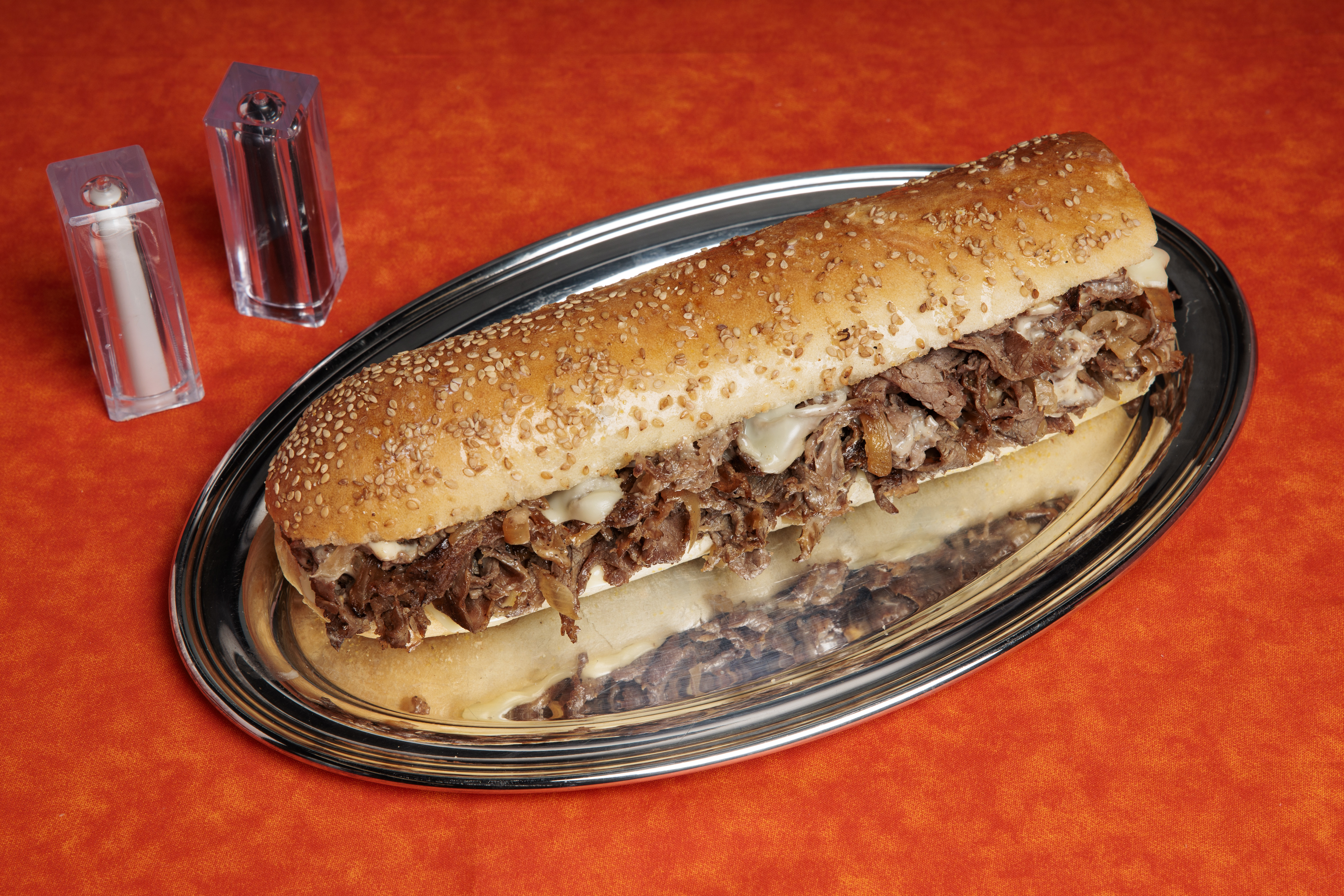
I would absolutely convince them to go otherwise. At its best, cheesesteaks from John’s Roast Pork, Angelo’s, or Shay’s offer an authentic taste of home: a fresh-baked roll worth its salt, tender meat with taste, and cheese that doesn’t soak the whole thing into submission. And, to your excellent point, all three offer an interesting experience. All three are in uniquely Philadelphia buildings, in uniquely Philadelphia spots, and you can pick them up on the way to the ballgame. And the people you meet will add to the experience of eating an authentic sandwich.
John’s Roast Pork cheesesteak at the Inquirer studio on March 5, 2025. Food styling by Emilie Fosnocht.Monica Herndon / Staff Photographer
Stephanie Farr
I fully support your last point. The people you meet when ordering a cheesesteak in Philly definitely flavor the experience.
Would you feel the same way if this reader was asking about another of Philadelphia’s gastronomical delights: Is the hoagie from your local pizza shop the same as one from say a Cut Above Deli or Fink’s or Paesano’s?
Tommy Rowan
Absolutely!
But again, I’m picky with these things. And variety is what makes life great. What is your favorite spot to get a steak, Steph?
Stephanie Farr
My local pizza shop! I’m really not very picky about my steaks and I don’t eat them often, maybe once or twice a season (is eight cheesesteaks a year a lot? When I write it out it sounds like it, but I feel like I’m below average).
Now hoagies on the other hand, I do think it matters where you get those if you’re trying to impress someone with the local culture. I find serious hoagie shops seriously impressive. I’ve definitely called some hoagies works of art before, but I can’t recall ever doing the same for a cheesesteak.
As a cheesesteak snob, do you go for taste or presentation when trying to impress an out-of-town guest? I feel like a lot of folks I’ve taken for cheesesteaks don’t find them as aesthetically pleasing as they’d imagine (where I come from cheese is usually placed on top of the steak and toasted, not mixed all up in it).
Tommy Rowan
I get it! I think cheesesteaks are to me what hoagies are to you. If you are passionate about something, you have rules.
The cheesesteak is a heavy sandwich, but there is definitely an art to the composition. And the best places keep an eye on both taste and look. The key is making sure it’s not a soggy mess.
Stephanie Farr
I feel like the key to cheesesteaks, hoagies, and life is to make sure it’s not a soggy mess!
Tommy Rowan
Amen!!!
Stephanie Farr
Out here in Delco, I love the hoagies at A Cut Above in Newtown Square and Pagano’s in Drexel Hill, but this conversation has made me realize I need to try some new places — both for cheesesteaks and hoagies. I’m a creature of habit, so I tend to find a place I like and stick with it, but there are so many options in the region and so many I haven’t tried yet it’s embarrassing!
Tommy Rowan
We may have to do a part II. I’ll go with you to a few hoagie places and you come with me to a few cheesesteak places and we can compare notes!
Stephanie Farr
Oh, I am so in! Lettuce proceed on this noble quest before us!
Say you’re delivering packages, pizzas, or people. Or you’re a newspaper photographer out looking for pictures. If you’ve been driving around a city for a few years, the streets might seem ordinary, but then something about an intersection, a store front or a sign gives you that feeling of Déjà vu.
Of all our senses, sound, taste and smell are usually considered the most powerful memory triggers. Like when Sam “Plays it again” in Casablanca or Anton Ego tastes Remy’s ratatouille. Or when any of us open a brand new box of Crayola crayons.
But as a photographer it is the visual reminders that are powerful. Driving in the city I am always taken back to a graduation party I photographed down a particular street, or the sunset I framed. Or how I negotiated a hill in a snowstorm, or covered a shooting on that block.
Sometimes I feel like I have been leaving bread crumbs behind me as I drive everywhere, waiting to be remembered.
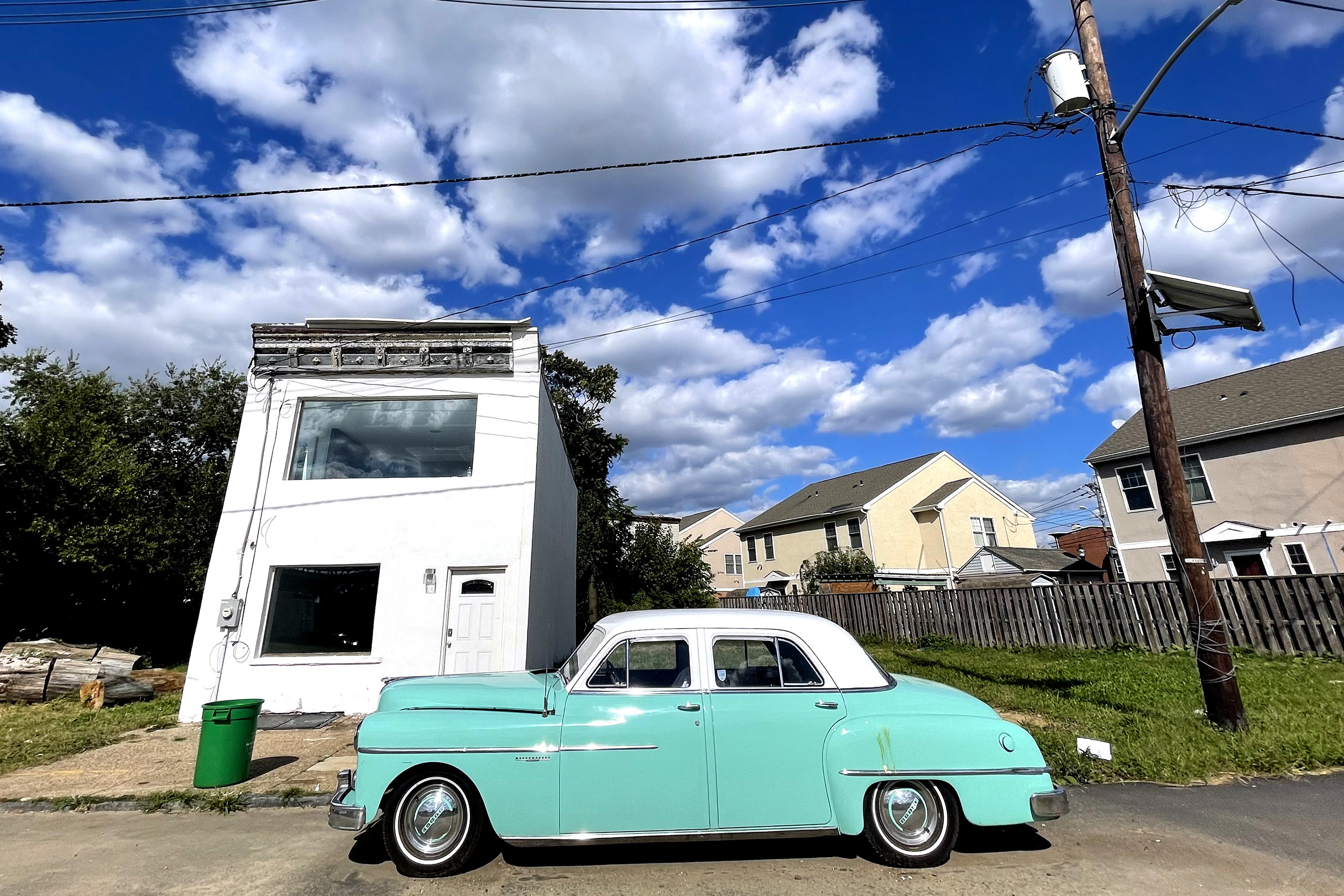
A 1950s Dodge Meadowbrook parked near Front and Main Streets in Camden.Tom Gralish / Staff Photographer
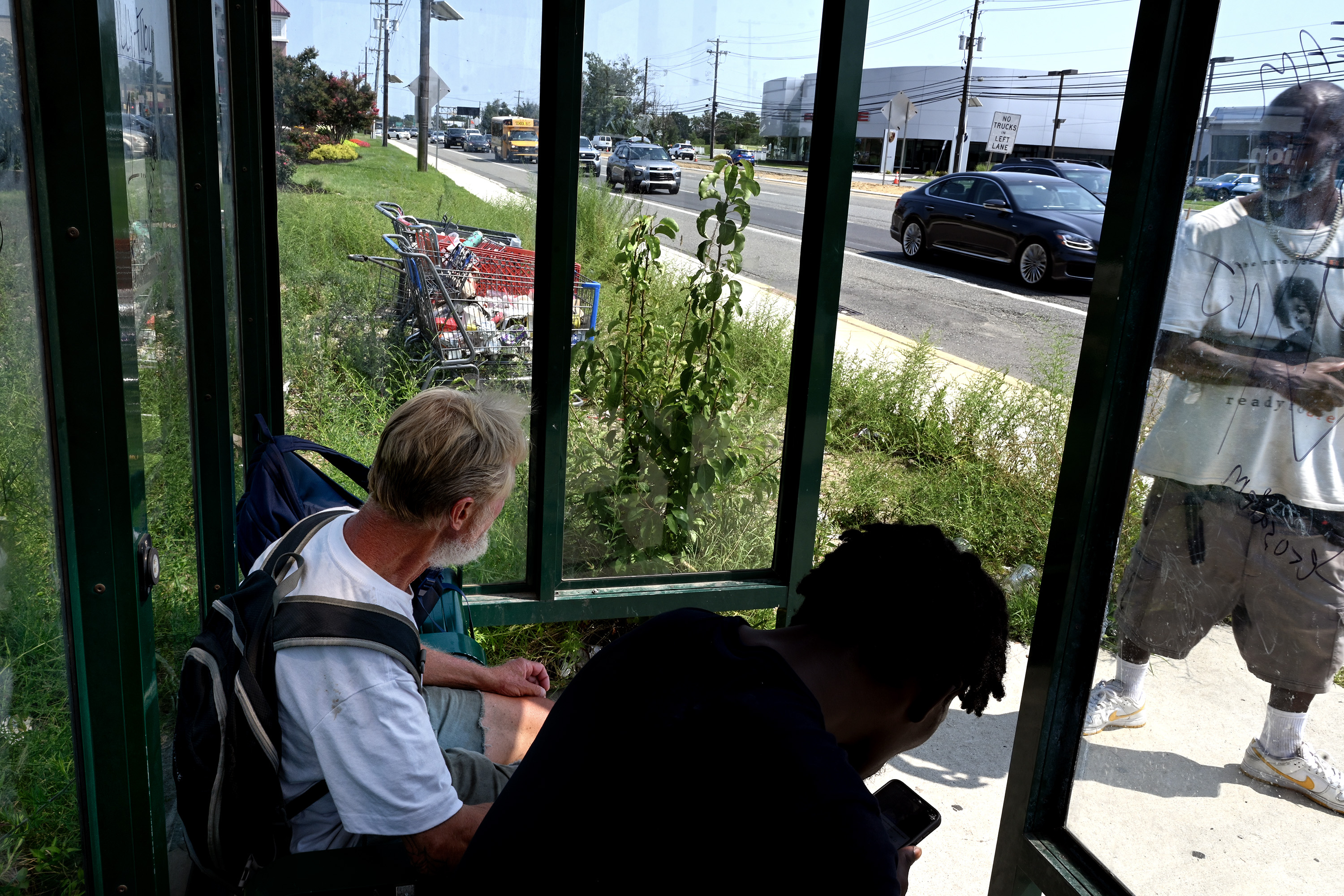
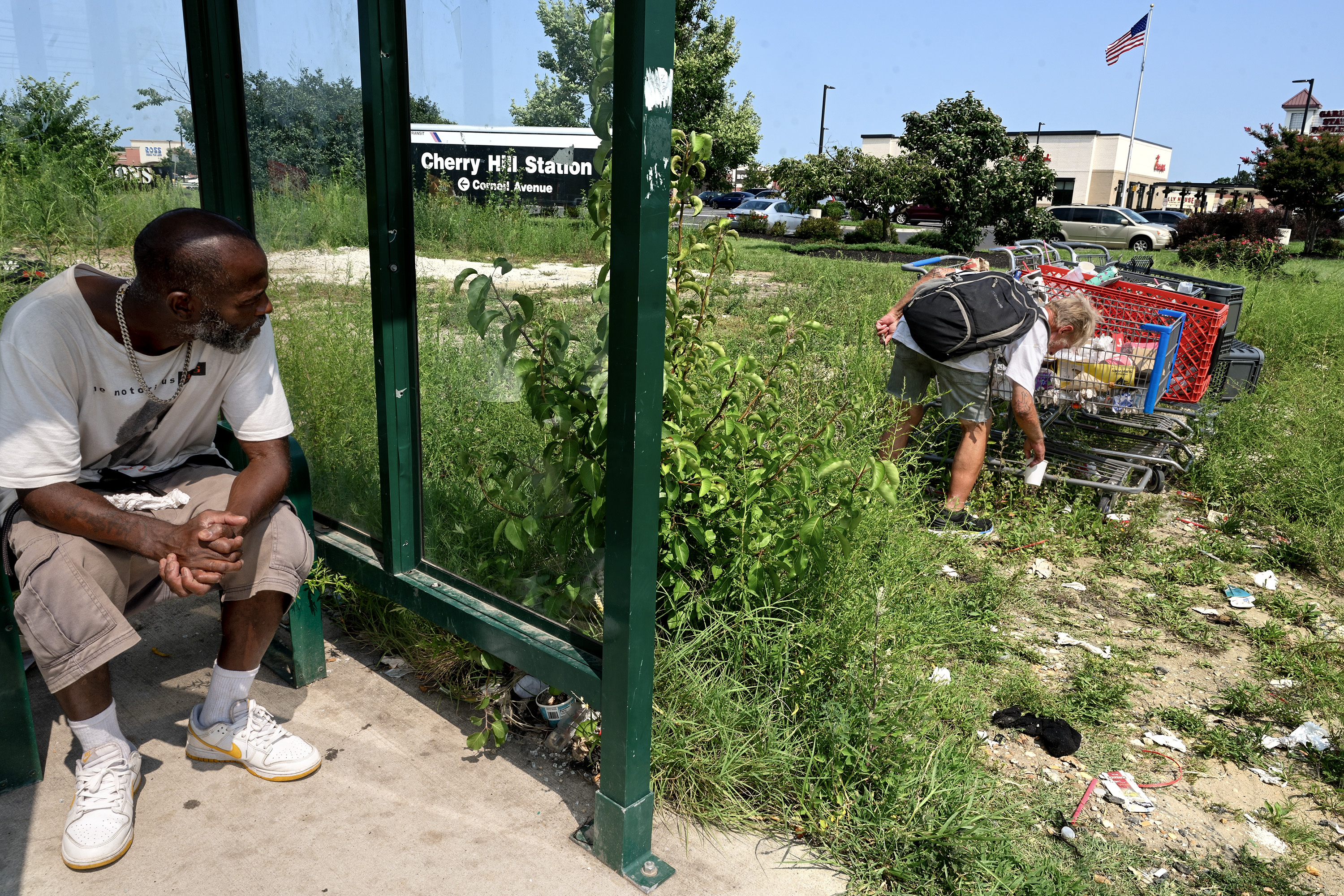
Stalled in backed-up traffic for the ongoing construction on Rt. 70 in Cherry Hill last week, I glanced over at a bus shelter. I recalled years ago seeing riders standing in the slim shadow of a utility pole to get just a tiny bit of some shade from the sun while waiting for their bus.
They waited next to a multimillion dollar retail development on the site of the former Garden State Racetrack. The mostly minimum wage workers who rode the bus to their jobs there didn’t even have a bench to sit on — let alone relief from the elements while waiting to go home. Back then I photographed commuters sitting on overturned shopping carts and tried to interest an editorial writer to take up their cause.
Eventually, a bench was put there, and a few years later a shelter was installed. But as I sat in my car the other day, it still didn’t look right. I turned into the shopping center and walked over.
Wayne Peters picks up trash while waiting for a bus with Bobby White.Tom Gralish / Staff Photographer
Wayne Peters tells me he’s been taking NJ Transit’s 406 bus to and from Camden for about two years, and says this stop has “gotta be the worst in the state.” He says he always picks up trash when he’s there, and adds more to the piles already in the shopping carts that serve as receptacles.
Fellow rider Bobby White added, “You’d think something in Cherry Hill would be better. How hard would it be to put a trash can here?” Before their bus arrives, Peters, trying to be positive about the shelter, reminds him “They fixed a broken window once.”
Another thing about revisiting so many corners of our region is it becomes easy to think I’ve seen it all. And then I hear about a place I didn’t know anything about.
A semi-retired friend from Bucks County and her friend try to take weekly drives every Thursday they call “Highways of History.” Last week she texted me some photos saying “guess where we are.”
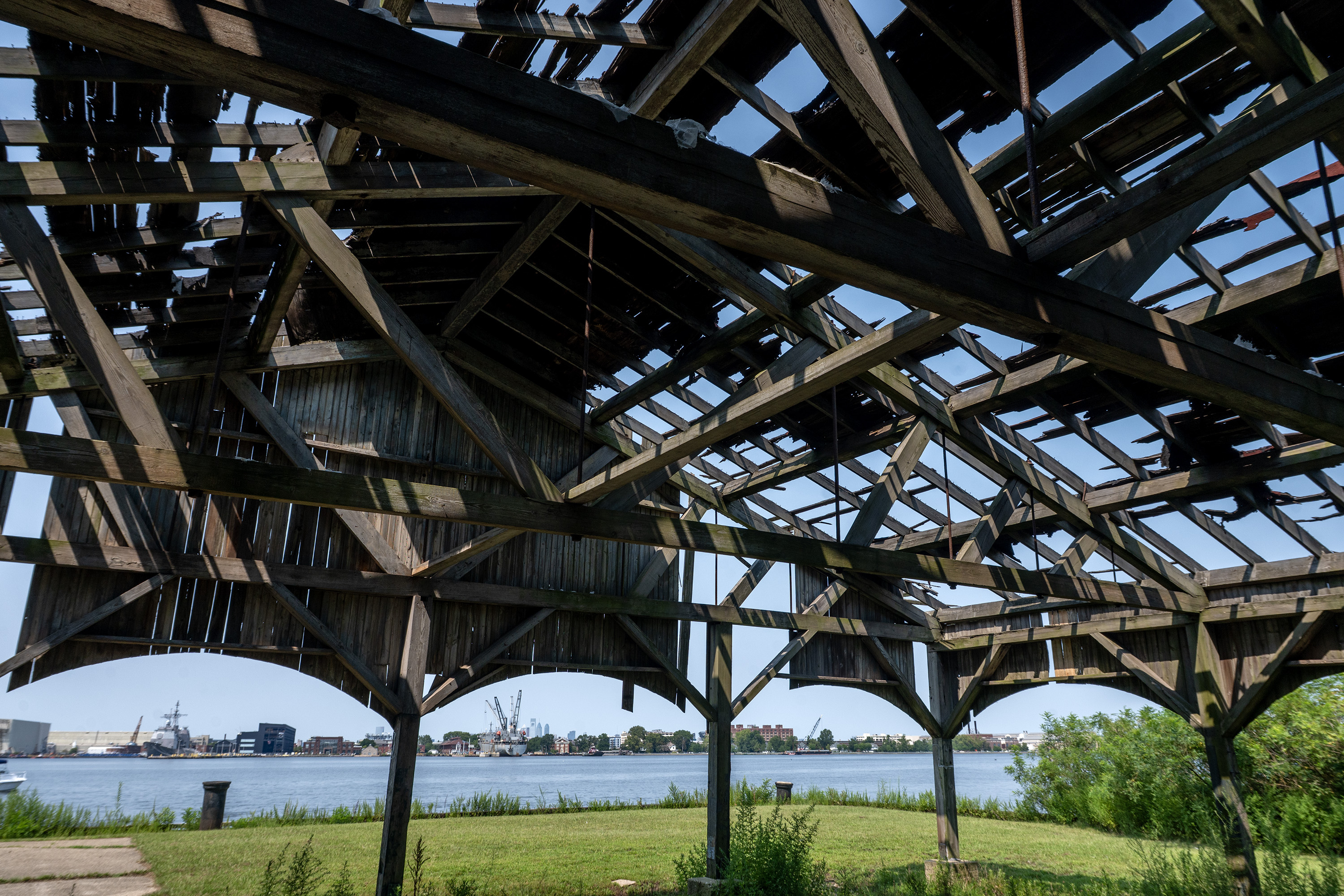
My photo of an old wharf and pavilion on the Delaware River Wednesday, Aug. 12, 2026. The Nary Yard in Philadelphia is across the river.Tom Gralish / Staff Photographer
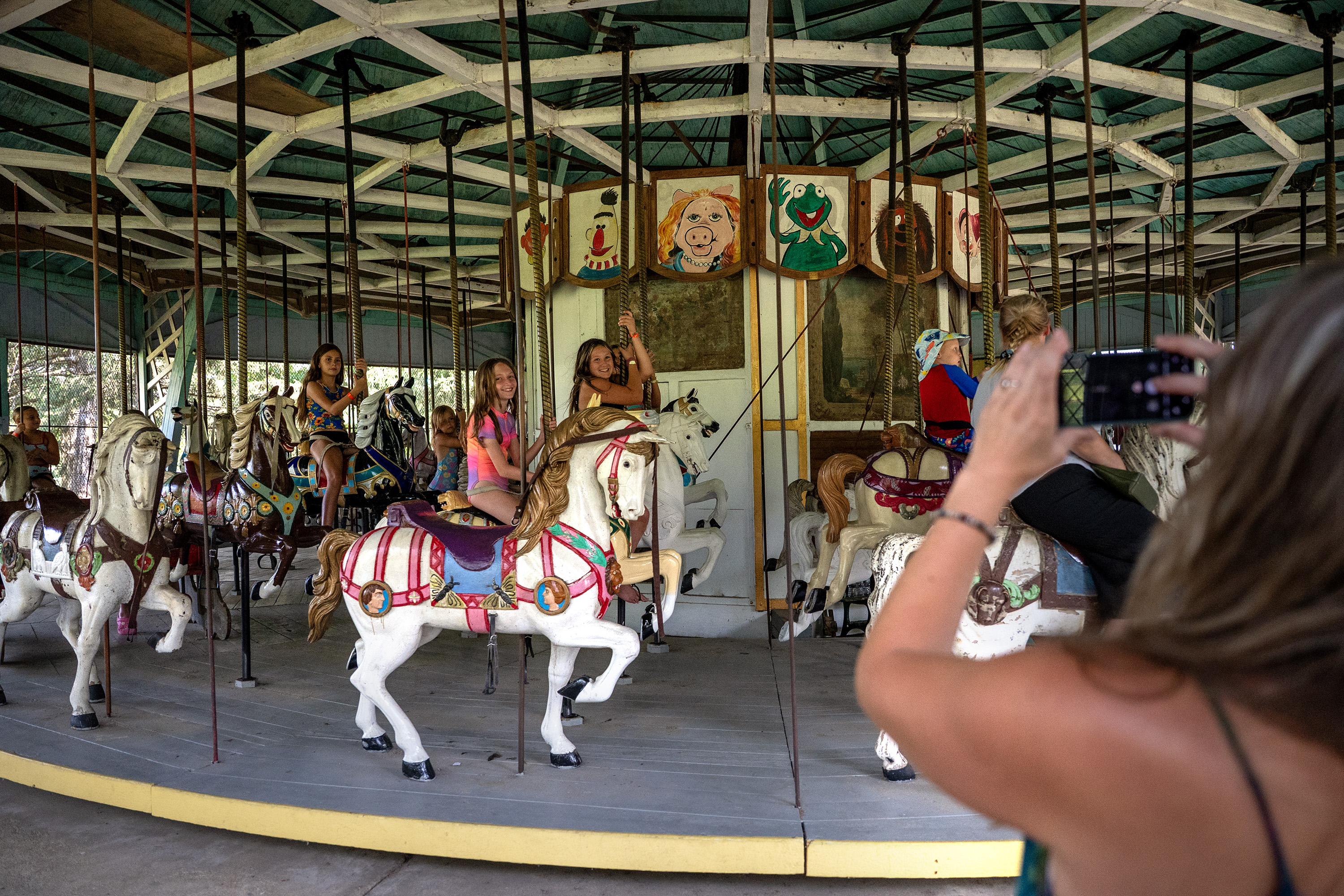
Now in all my years of being like a UPS, DoorDash, or Lyft driver I had never been to the place in her pictures. I could tell from her other stops that she was nearby, which made it even more mysterious. There was a carousel and other things for kids, like a smaller version of the giant covered wooden slide I’d been to at Smith Memorial Playground & Playhouse in Philadelphia’s Fairmount Park.
Just like the well-known Philly playground that is considered a childhood rite of passage, a New Jersey version has been around for well over a century and when she told me it was only twenty minutes from my house I was completely gobsmacked.
Not only had I never even heard of the place as a journalist, but it never even entered my consciousness during those years when my wife and I were constantly googling “things to do with a toddler” finding ways to keep our kids — and ourselves — entertained and out of the house.
She told the me her father took the ferry there from Penn Treaty Park in Fishtown and “spent many a happy day along with hundreds of other poor kids in the 1930s for free soup and crackers and a carefree day.”
It’s called Soupy Island. It was founded in 1877 on an island in the Delaware River by the Sanitarium Association of Philadelphia, a group of doctors who wanted to help sick city kids with tuberculosis recover with fresh air, playtime, and that free soup. When the Delaware was dredged a few years later and the island was wiped out, the camp moved to the mainland, on the Jersey banks of the river.
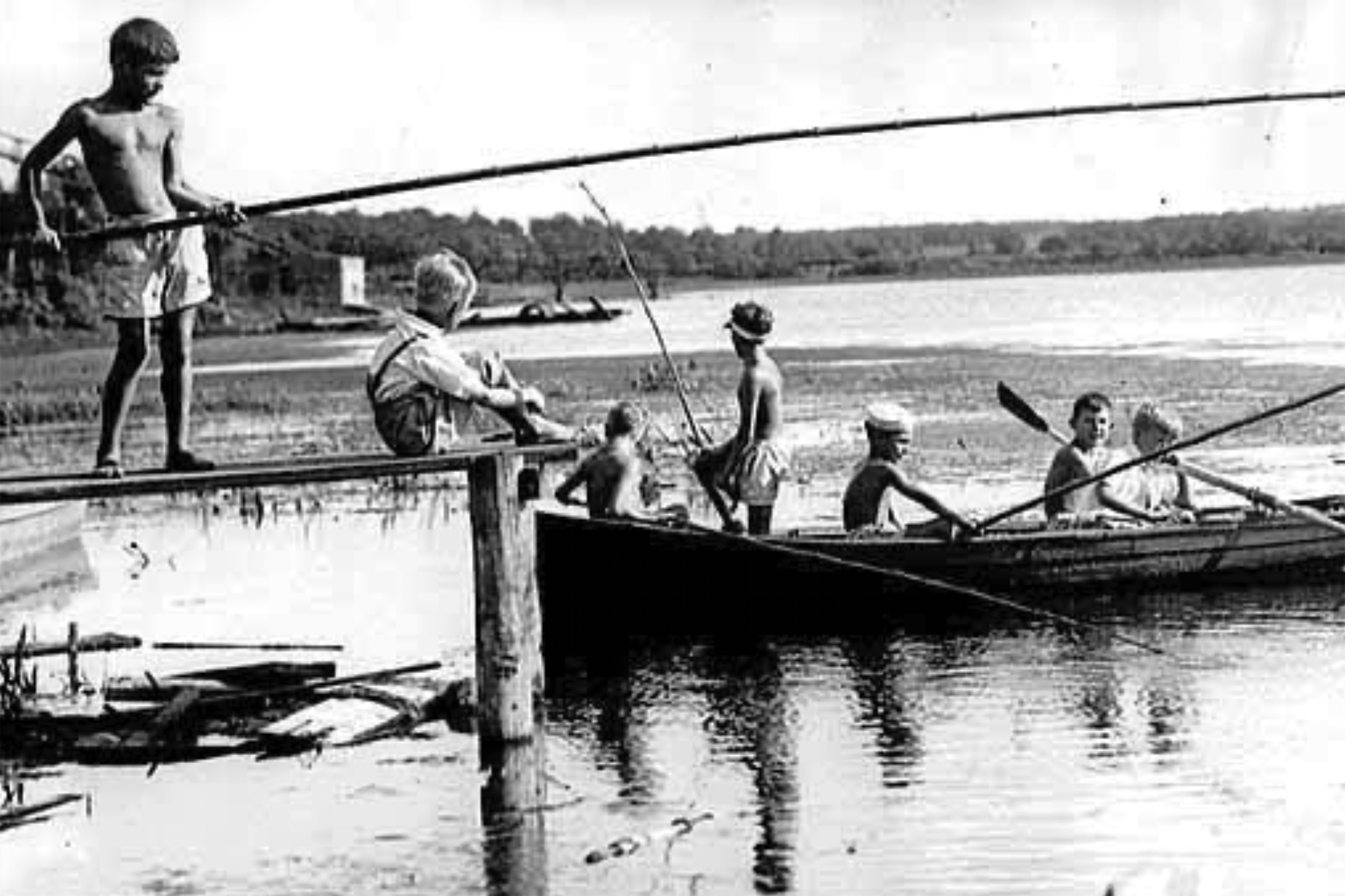
My love of history was sparked and I could not believe the connections. My own father, growing up in St. Paul, Minnesota, was sent away every summer to the “Prev.” He shared many great memories with me of learning how to swim and fish at a preventorium on a lake.
Boys fishing at the Children’s Preventorium on Lake Owasso near Shoreview, Minnesota in the 1930s.Minnesota Historical Society
As its name implies, it was designed to halt tuberculosis among children by getting them away from their crowded, mostly immigrant inner-city neighborhoods and out to the country.
I spent the weekend digging around and reading everything I could to learn all about Soupy Island, amazed to see The Inquirer had done a number of stories about it, even in the years I’d lived here (kids were still coming over by ferry from Penn Treaty well into the 1980s.)
An original 1930s German-made Ferrari-Heyn carousel at Soupy Island.Tom Gralish / Staff Photographer
Seeing that it was closing up for the summer, I planned to reach out the caretaker on Monday to go make pictures. That’s when I learned my colleague, reporter Sarah Nicell, was visiting on their penultimate day of the season. She grew up in South Jersey, and she had never heard of it before either.
Since 1998 a black-and-white photo has appeared every Monday in staff photographer Tom Gralish’s “Scene Through the Lens” photo column in the print editions of The Inquirer’s local news section. Here are the most recent, in color:
The Eagles play on Thanksgiving and again on Christmas Eve. Then, we have the Sixers on Christmas Day. Really, can you blame the networks? The Eagles are one of the biggest draws in football, and the Sixers just added LeBron James. Basically if you need people to stop talking to their relatives and look at the TV for three hours, Philadelphia can help.
Eagles on Thanksgiving Eagles on Christmas Eve Sixers on Christmas Day
Not everyone considers this a gift. One fan corrected “running” the holidays to “ruining” them, while another pointed out that getting together with family is stressful enough without adding an Eagles game. But nothing brings a family together quite like a holiday, until a questionable fourth-down call has Uncle Mike pacing around the living room refusing to speak to anyone.
The only thing we need to complete the calendar, one fan noted, is the Eagles on Valentine’s Day in Super Bowl LXI.
Every summer, someone discovers how much it costs to vacation at the Jersey Shore and the internet holds a small trial.
This year’s defendant is a Philly mom who went viral after revealing her family pays $10,000 for a Shore rental — one where they still have to bring their own sheets, toilet paper, paper towels, coffee, and, presumably, half the contents of their house, the New York Post reported.
Her description was pretty devastating: “Basically, we’re paying $10,000 to camp.”
Naturally, the internet had feelings. “For $10,000, you could go to Greece! The Caribbean! Somewhere with turquoise water where nobody makes you buy a beach tag!”
And, OK, they’re not wrong. Ten grand is a ridiculous amount of money to spend on a house where you arrive Saturday afternoon and immediately realize someone forgot the cardboard box with the BYO ketchup bottle, olive oil, and salt and pepper shakers.
But the Jersey Shore has never been a purely rational vacation decision. For a lot of families around here, it’s the same town every summer, the same pizza place, the same mini golf course, the same people crammed into a rental house together. You know exactly what you’re getting.
Phillies pitcher Orion Kerkering leaves after allowing three runs during the eighth inning of the game against the Toronto Blue Jays at Citizens Bank Park on Aug. 9, 2026. The Phillies won in extra innings 7 to 6.Monica Herndon / Staff Photographer
The Phillies bullpen experience: C-
At this point, a Phillies starter leaving the game with a four-run lead feels less like good news and more like the beginning of a hostage situation.
Jesús Luzardo gave them seven innings Sunday, struck out 12, and handed the bullpen a 5-2 lead. Orion Kerkering promptly helped turn it into a tie game. The Phillies eventually won, but only after 12 innings and considerably more stress than should have been required.
Luckily, Andrew Painter carried a no-hitter into the sixth, Alan Rangel got within one run of disaster before escaping the eighth, and Jonathan Bowlan needed only 10 pitches to record his first major league save. Mattingly summed up the evening afterward: “We survived, right?”
That’s pretty much where we are. The Phillies have enough talent to get to October, but we’re getting awfully close to the part of the season when “we survived” needs to become a less eventful way to win a baseball game.
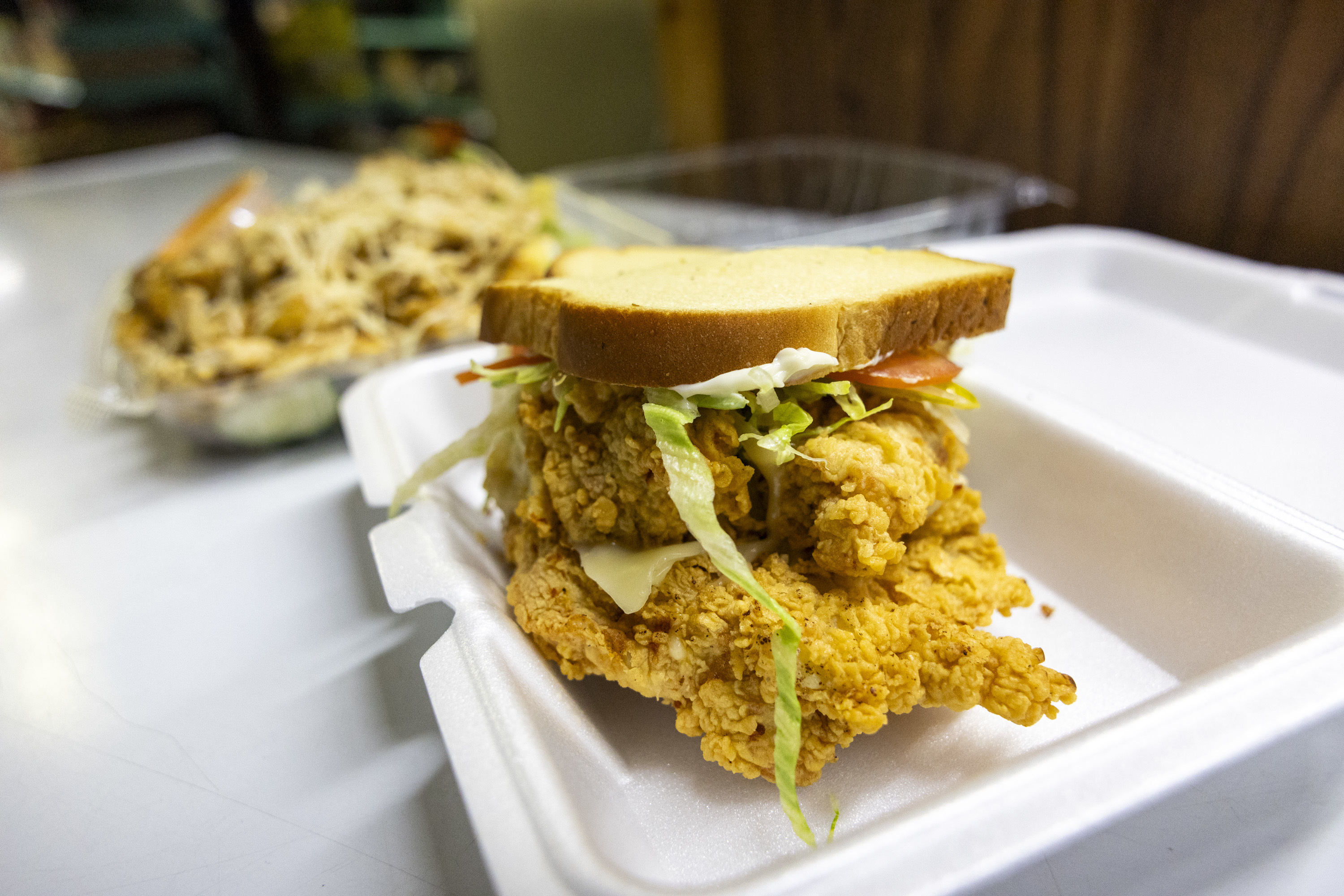
The acclaimed chicken sandwich at the Point Breeze corner store owned by Lynda Cong and her husband, Jimmy Cong, on Aug. 5, 2026.Tyger Williams / Staff Photographer
Some people call it Mrs. Lee’s. Others call it Jimmy’s. Credit card receipts say Kim Woa Store. There’s no visible sign outside to settle the matter, which hasn’t stopped people from finding their way to 17th and Wharton for nearly three decades.
In fact, former Point Breeze residents drive back from New Jersey, Delaware, and even North Carolina for the $9 sandwich, and TikTok has now sent customers from Canada. All for two crispy chicken cutlets on potato bread from a corner store where you can also grab a single roll of toilet paper.
The Cong family says they’re selling about 50 sandwiches a day now, although they seem considerably less impressed by their newfound internet attention than everyone eating them.
Philly vs. the universe: D
The universe put on quite the show Wednesday: a partial eclipse, four planets lined up in the sky, and the Perseid meteor shower reaching its peak overnight.
To be fair, we weren’t missing much with the eclipse. Only about 8% of the sun was blocked here, which an actual astrophysicist said you probably wouldn’t even notice. But the Perseids were supposed to be the real prize, with a moonless sky making this one of the better nights to look up and catch a few meteors.
Unfortunately, after a summer of heat, humidity, and random downpours, the weather couldn’t give us one night off.
The Sixers’ P.J. Tucker tries to block a shot by LeBron James during the Los Angeles Lakers at Philadelphia 76ers game at the Wells Fargo Center on Dec. 9, 2022.Elizabeth Robertson / Staff Photographer
The LeBron tax: B
Remember when we were all having fun with this?
LeBron James is a Sixer! People were sunburning his number into their backs! We’re getting a Christmas Day game! Maybe this really is the year!
Well, here comes the invoice.
Tickets haven’t even officially gone on sale yet, and the cheapest seats on the secondary market for the Sixers’ home opener against Cleveland are already flirting with $500, NBC reported. Last year, comparable seats for opening night were around $100.
It’s not exactly surprising. The Sixers added LeBron James and Jaylen Brown to a team with Tyrese Maxey, and suddenly every game comes with the possibility of seeing something you’ll be talking about for years.
Still, there’s something cruel about finally assembling the kind of Sixers team we’ve been begging for and immediately discovering we may have to enjoy it from the couch. At least it won’t be $30 for a beer at home.
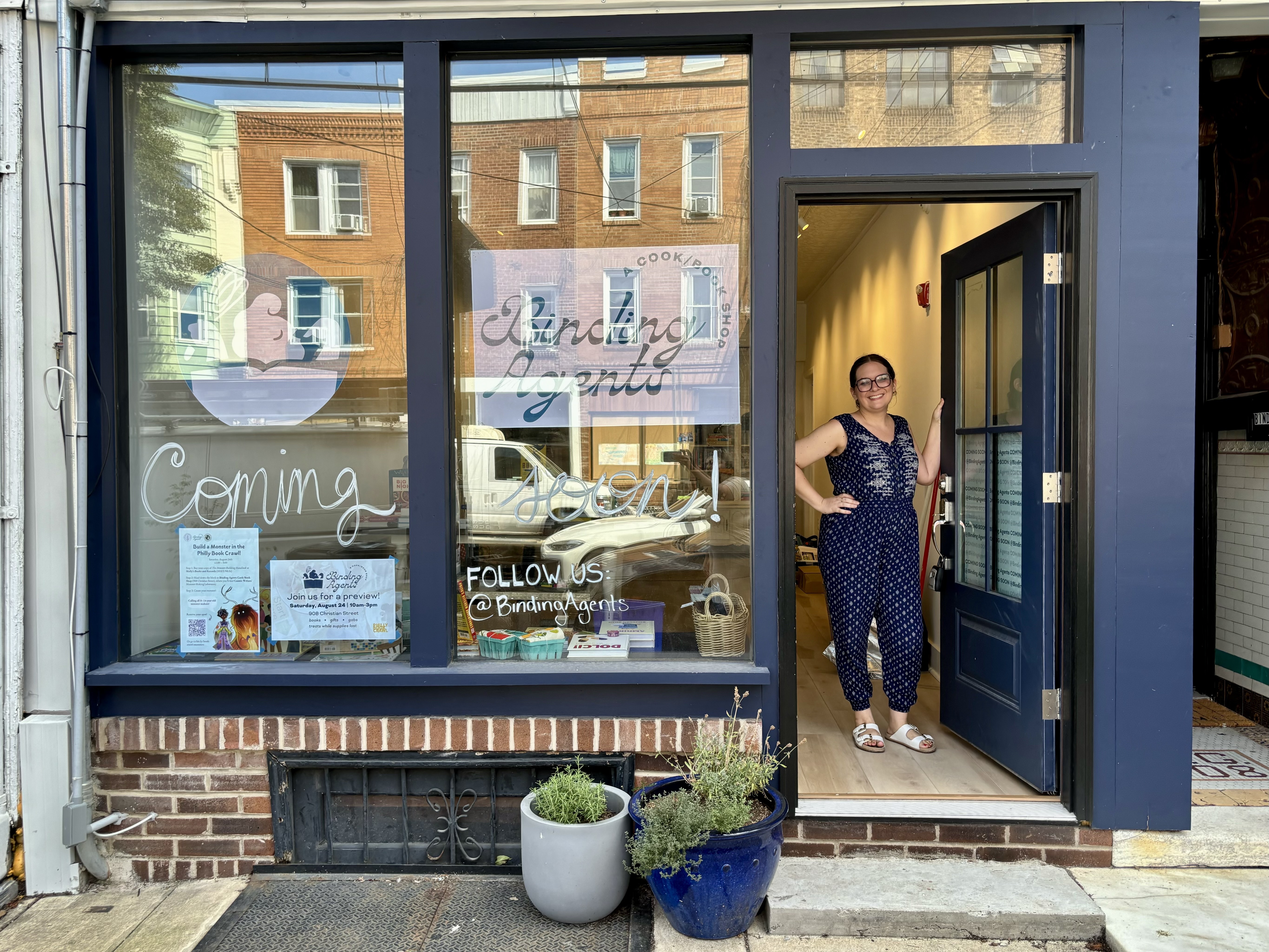
Catie Gainor conceived the idea of a bookstore dedicated to cookbooks in a “fever dream” four years ago. Today, her 350-square-foot shop Binding Agents has become a destination for home cooks, chefs, and authors in the Italian Market neighborhood.
“I really envision myself being a stop on the path in the Italian Market — pick up things on your way up and down Ninth Street and step in to [Binding Agents] to grab a book, whether it’s a beach read or a cookbook to plan your holiday,” she previously told The Inquirer.
The shop has also become a community gathering space where Gainor hosts a monthly cookbook club and every guest brings a dish from a featured cookbook.
On her perfect Philly day, Gainor loves basking in the abundance of the Italian Market. She makes quintessential stops, often running into her customers along the way, and ending the day by cooking an omelet.
7 a.m.
I am not a morning person, but I have a 3 year old, so I usually start clawing my way out of sleep when she wakes up. This is a perfect day, so it’s a Saturday. My daughter is jumping into bed with me for a snuggle and a chat before my husband, Matt — an early riser— takes over the morning routine. I’ll remain horizontal and half awake until about 8 a.m.
8 a.m.
I get up, get dressed, and trundle down the stairs. My husband and daughter have wandered up the street to Mug Coffee & Clay, so I step out to meet them. I love their iced coffee — but since we’re sitting in, I get a cortado. Matt and my daughter have been bringing in pastries from Rougarou Baking on the weekends. [It’s] a gorgeous apricot tart [today]. By the time I sit down, my child is completely covered in croissant crumbs and asking me the names of clay-shaping tools I’ve never seen before — bliss.
9 a.m.
We head over to Gold Star Park to enjoy the perfect weather for a bit. Miraculously, I remembered to bring lawn chairs. So, my husband and I set them up and I pull out a book. I usually have multiple books going, one we carry in the shop and one (or two) we don’t. A recent in-store fave was What I Made for Dinner by former Philly resident Krys Malcolm Belc. Another summer release I loved was Rainbow Rowell’s Cherry Baby — not at all culinary, but I liked it so much that I stocked it in the shop anyway.
10:30 a.m.
Then, I’ll walk my family back home and head up to the store. I feel connected to the neighborhood — and the city, really — in a way I never did before. I say, ‘Hi’ to some local customers and market pals as I make my way up Ninth Street. It’s the best.
11 a.m.
I arrive at the shop and flip the shop sign — and I’m holding back from hollering, “Cookbooks! Cookbooks for sale!” like some kind of deranged Eliza Doolittle. Folks slowly wander in. I love seeing coffee cups from all over, giant bags of Isgro’s Pastries, and hearing reports about the lunch lines at Angelo’s and Mawn. On a perfect day, I’m flinging book recommendations left and right, and everyone’s kitchen problems or gift-giving conundrums are solved.
1 p.m.
My best friend Kate arrives to help for the afternoon after her morning class at Movement Source Pilates (which I also love). She brings me a lavender lemonade from Gleaners and a tofu banh mi from Pho Skyline. I eat my sandwich in the back and eavesdrop while she beautifies the shelves and chats with customers. Someone’s going home with a copy of Dinner Changing the Game by Melissa Clark.
3 p.m.
Later, I’m leaving Kate behind at the store so I can run up to Kin Boutique. Whenever I need a clothing item for any reason/occasion, that’s where I’m starting. It feels like entering Cheers, and I immediately have a Diet Coke in hand and 12 things to try in the dressing room. Everyone in the store celebrates my grand sartorial successes. I love them.
4 p.m.
Shopping took less time than I thought, so I text Matt and a bunch of friends that I’m assembling snacks for a Di Bruno Bros. Piazza happy hour. I gather all my favorite things from Biederman’s, Claudio’s, Di Bruno’s, and Tortilleria San Roman, thenraid Binding Agents for some cutlery, cups, and napkins. While I’m back at the shop, I grab an upcoming cookbook off the shelf of advance copies to take home — I’ll see if I can use it for meal planning next week.
5 p.m.
The shop closes and my crew descends on the Piazza. My kid gives me a full account of her day before becoming engrossed in the giant Connect 4. I pour Gulp Hablo Orange into cups. I am one with the universe.
7 p.m.
The party breaks up as my friends head off for evening plans about town. My family and I head to John’s Water Ice for a slouching-off-to-toddler-bedtime treat. Many years ago, Matt discovered the gelati combo of lemon water ice with raspberry chocolate chip ice cream. The ice cream has teeny tiny little chocolate cups with a dot of raspberry jam inside each one. It is transcendent, and that’s what I get.
8:30 p.m.
My daughter’s book selection is — unsurprisingly — very food focused. Lately Thank You, Omu [by Oge Mora] has been on repeat at bedtime. I love this one because I get to do lots of voices, and the lyrical repetition is so lovely.
Once she’s down, I’m not truly hungry but I am a little peckish — and I am realizing I haven’t cooked today. Turning on the stove sounds good. I grab a half loaf of Mighty Bread Co. sourdough from the counter, pull some vegetable odds-and-ends out of the fridge, and make a French-ish omelet. I am not good at rolling them but enjoy both the process and the eating, so I keep trying. I assemble plates — and Matt and I dig in.
The career of Philly house music singer Alma Hornton — who performs as Lady Alma — stretches back to the 1990s, when she was a featured vocalist at the now “Back 2 Basics” nights at Silk City Lounge and gave voice to projects like King Britt’s soulful “Sylk 130″ and British electronic duo 4Hero.
Hornton had put music aside in the 2010s until a video of a fan dancing to her song “Let It Fall” went viral on Facebook, reviving a career that has gained momentum since, including her 2023 duet with the Eagles’ Jordan Mailata on “Merry Christmas, Baby.”
Lady Alma’s “Liberty” is part of the “Philly Anthems” project by WXPN-FM (88.5) with Pew Center support.Paige Walter
The “Philly Anthems” concept is to give Philadelphia artists “the opportunity to reflect on themes in the Declaration of Independence that resonate today through original music,” according to XPN station manager Roger LaMay.
Hornton does just that in a pulsating dance track that’s a collaboration with esteemed old-school hip-hop producer Marley Marl and 88 Fingerz. “Need some answers for the madness” she sings over a house music groove that aims to find catharsis on the dance floor, “Seeing hope through the sadness.”
In a statement, Hornton describes “Liberty” as “a song that offers an honest perspective on what the world needs right now. The song carries a sense of joy. Embrace the message and find light in the darkness. Celebrate unity, love and the belief that one day we will truly have liberty and justice for all.”
The coming weeks will bring new “Philly Anthems” by Christian McBride and Devon Gilfillian, plus up-and-coming acts Grace Gardner, Black Buttafly, the Bul Bey, J.R. Everhart, Sug Daniels, and Moustapha Noumbissi. A 12-song album will be released timed to Record Store Day in April 2027.
— Dan DeLuca
An arty house in Queen Village
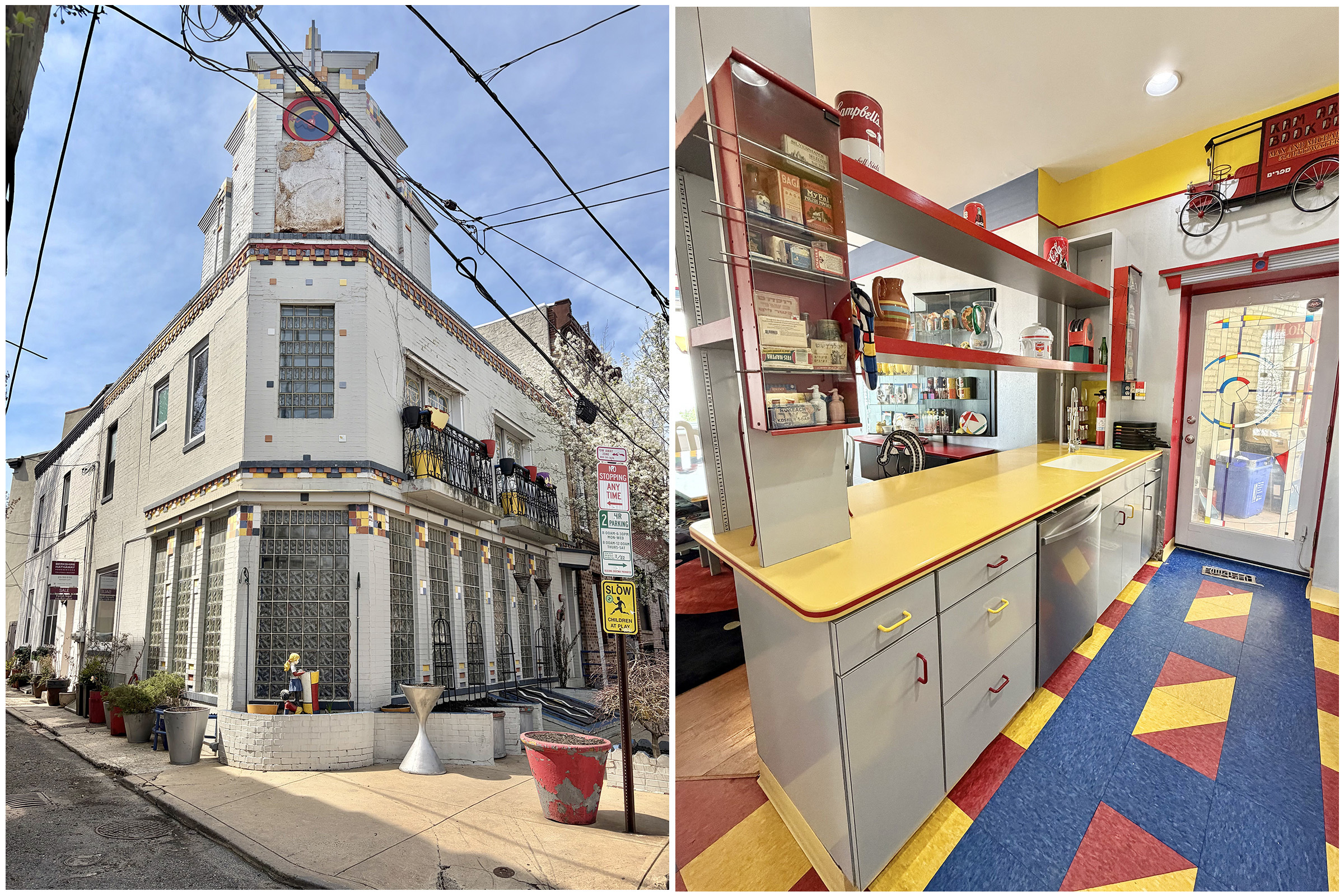
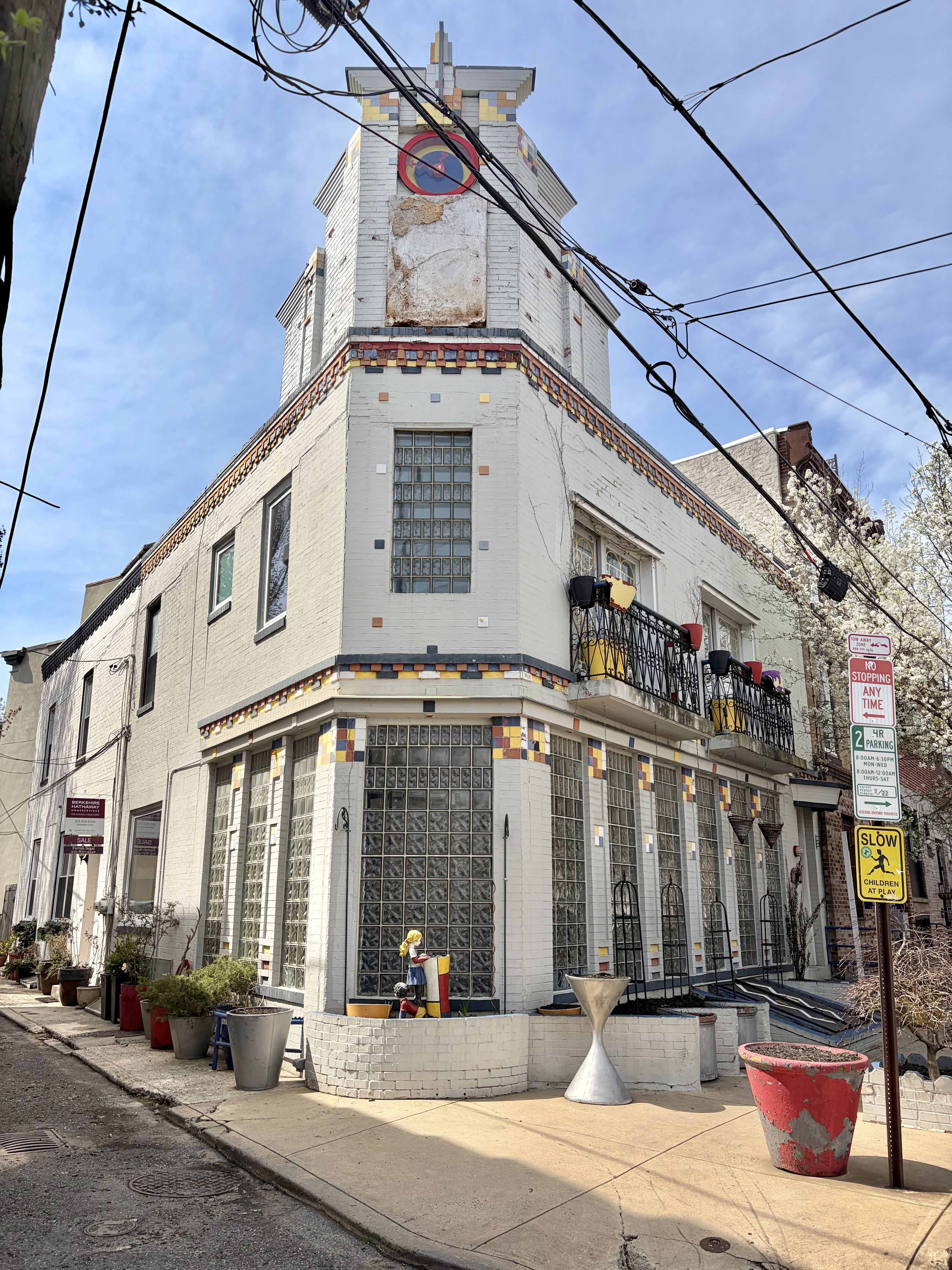
A quirky home at 514 Fitzwater St. in Queen Village.Farrah Segal
There’s a storied house in Queen Village that holds many names: Lego House, Clock-Tower House, Art Deco House, Mondrian (after Dutch painter Piet Mondrian) House. In a city full of architectural gems, it’s one of my favorites.
The marvelous corner building is dotted with color, featuring a cornice of red, yellow, and blue bricks — evoking Mondrian’s signature style — and a clock on the roof. A small statue of a little girl with yellow hair and a blue skirt is hidden among the lush flowers growing in containers in front of the house. The home dates back more than 100 years and once served as a deli before an architect in the 1980s transformed it into this visual landmark.
As striking as the home is on the outside, there’s now a rare chance for curious Philadelphians to get a peek inside, where the artistry continues with boldly colored staircases and decor. The house was sold earlier this summer and the doors are now open for an antique sale this weekend where you can explore the legendary home and find possible treasures within.
The antique sale runs through Aug. 16, 10 a.m. to 7 p.m. 514 Fitzwater St., Phila.
— Rosa Cartagena
Jon Batiste performing at the Met Philly, Oct. 30, 2025.Elizabeth Robertson / Staff Photographer
Jon Batiste’s ‘Black Mozart’ is a balm for the current times
Alas, we didn’t get Jon Batiste in person this week. The pianist, bandleader, and TV personality no doubt disappointed many when, citing “personal circumstances,” he canceled Friday night’s scheduled appearance at the Highmark Mann Center.
He “truly can’t wait to come back and perform for you soon,” Batiste assured fans in a message posted on the Highmark Mann website.
But Friday did bring us Jon Batiste all the same, via the release of Black Mozart. The new recording finds the musician at the keyboard alone in a jazzy, gospel-y, contemplative (though still energetic) mood. Using Mozart tunes as the departure point, he develops the material liberally — harmonically, rhythmically, sliding back and forth across the centuries and genres, and doing so in a natural, fluid way.
With 10 tracks totaling 35 minutes, Black Mozart’s source material is a Mozart piano sonata, a piano concerto, the Symphony No. 40, and other works. Batiste, who has two degrees from the Juilliard School, is at his best when he gets creative with the 18th-century composer.
Gospel Andante uses the slow movement of Mozart’s Piano Concerto No. 21 in C Major, K. 467 as a framework. But it’s when the power of gospel asserts itself — where the genre line really blurs — that the music lifts off into another emotional dimension.
There is nothing revolutionary about Black Mozart. Performers and composers have blended classical with jazz and other genres for decades. Batiste himself covered similar ground with his 2024 release, Beethoven Blues. But if Beethoven was a generally dramatic and soulful impetus, the quieter moments of Mozart transformed by Batiste are the appeal here. These are the easygoing pleasures that might be the counterprogramming you need in the current atmosphere.
“Black Mozart” is available across all music platforms.
— Peter Dobrin
A road trip featuring Goofy and Max
Odyssey this, Spider-Man: Brand New Day, that.
What about the cinematic brilliance that is Disney’s 1995 classic, A Goofy Movie?
The Philadelphia Film Society and Another Corner — a South Street novelty shop devoted to books, photography, coffee, and other specialties — are screening the movie next week for one night only.
It’s part of the Film Society’s series on road trips and Another Corner’s hobby of the month focusing on “movie loving.” Shop owner Lee Frank will say a few words at the beginning and there will be zines and other film buff collectibles on hand.
The movie, which is 31 years old (sorry millennials, I know that hurts!), focuses on Goofy and his son, Max, reconnecting as they head to a concert. They’re on their way to see the iconic fictional band, Powerline, featuring a “Michael Jackson-styled canine,” as described in the Miami Herald’s original review.
The Herald review praised the film, adding that “this fast-paced movie has enough colorful characters and rollicking gags to keep the tykes from getting bored.”
“A Goofy Movie” plays Aug. 20 at the Philadelphia Film Society Center, 1412 Chestnut St. Tickets are $16 and available on the Film Society’s website.