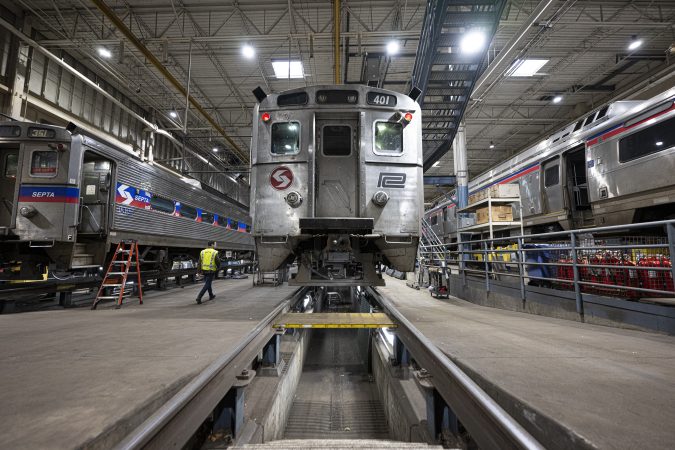
Federal prosecutors have charged a Montgomery County rail parts supplier and its owner with participating for eight years in a bid-rigging conspiracy involving SEPTA contracts.
Hatfield-based Qual-Tran Products Co. LLCand owner Cathleen Shive colluded with competitors and others, including a former SEPTA employee, to manipulate the transit agency’s competitive bidding process, according to a charging document filed July 23 in theU.S. District Court for Eastern Pennsylvania.
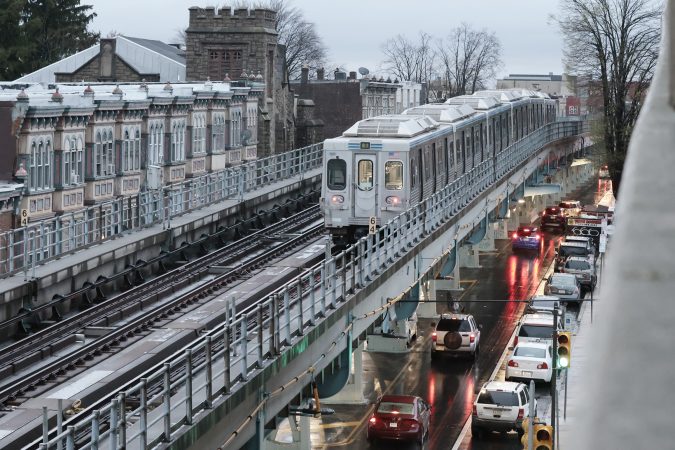
Invoices show SEPTA did $20.3 million worth of business with Qual-Tran from 2007 to 2025, authority spokesperson Andrew Busch said. The transit agency says it bought a variety of train and railway parts from the company, many of them for Regional Rail.
A person answering the phone at Qual-Tran’s listed telephone number declined to comment. Lawyer Fortunato Perri is representing the company according to court records and declined to comment Friday.
“SEPTA’s Office of Inspector General has been working closely with the Department of Justice on this matter and will continue to do so as the investigation moves forward,” Busch said.
Qual-Tran distributes after-market parts to transit systems and freight railroads across the country.
The company specializes in overhead catenary wires, which transfer power to passenger trains, as well as other equipment such as current sensors and third-rail contacts, according to its website and coverage in trade publications.
SEPTA won’t have a complete picture of how much money was involved in the alleged scheme until the government reveals more details as the case progresses, Busch said.
Qual-Tran was able to reverse-engineer replacement parts no longer made for older rail cars in SEPTA fleets, he said.
The U.S. Attorney’s Office for Eastern Pennsylvania declined to comment on the case beyond court records.
Qual-Tran and Shive,prosecutors allege,conspired with five people and two corporations, noneidentified by name in court records. They created the appearance of competition for SEPTA work while deciding among them which company would win some contracts, the charging document says.
The alleged scheme ran from 2016 to 2024, according to the charges. Shive, the documents say, joined Qual-Tran in 2011 and became the president and owner of the company in 2024.
They face antitrust charges of unlawful restraint of trade in interstate commerce.
Prosecutors described five transactions.
In one September 2023 instance, the government said, Shive asked a senior resource controller with SEPTA to arrange for a second corporation to deliberately submit a higher bid of $3,310 each for “30 manhole frames and lids.” Qual-Tran won the contract by quoting a lower price.
SEPTA confirmed that the senior resource controller mentioned in the charging documents is no longer employed by the agency.
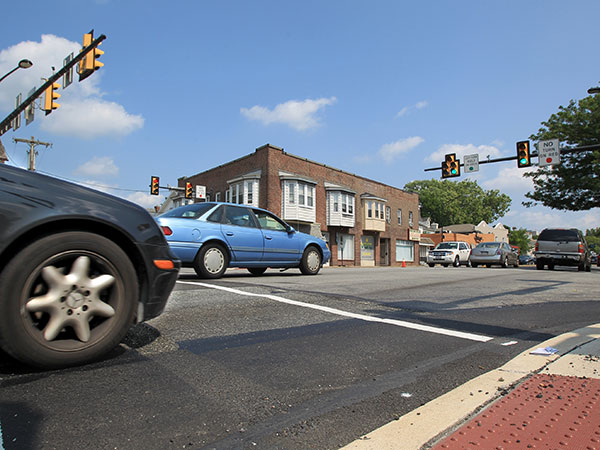
Neck-downs, chicanes, bulb-outs: They sound like threats from a 1930s mobster, but all three are traffic-slowing techniques that could soon arrive on your Abington street.
The township will now allow residents to request traffic-calming measures under a new policy approved last week that requires traffic studies and majority approval from nearby property owners.
The new petition policy adds to over a decade of efforts to curb speeding in Abington, which was the first town outside of Philadelphia to begin installing red-light cameras in 2014. Abington police have said they saw a resurgence in violations after the department limited in-person traffic stops during the pandemic.
Which streets can get traffic calmers?
To qualify for a traffic-calmer application, a street has to average between 500 and 6,000 vehicles per day on three weekdays in a row and cannot be a major artery or an emergency route. Private roads and alleys aren’t eligible, either, and the road has to be at least 500 feet long.
There are other criteria too, depending on why the traffic-calming tool is needed.
If the issue is speeding, only roads where three-day traffic studies show that over 15% of drivers are going more than 10 miles above the speed limit will qualify.
If cut-through traffic on a sleepy street is the problem, the traffic volume has to exceed the expected level under a formula the township uses, either as a daily average or at its peak.
Who decides which roads get bumps?
There are two ways a road can be evaluated for traffic calmers under Abington’s new policy: a property owner’s petition, or the township manager’s request.
If the manager requests it and a traffic study shows the road meets the criteria, property owners “directly adjacent” to the proposed traffic calmers will get at least 30 days’ notice of the proposal, the traffic data for that road will be posted on the township website, and there will be a two-week public comment period on the plan.
If a property owner submits their road, the police will do a traffic study and ensure it meets the criteria, and then get approval from the township manager to proceed with a petition for approval from local residents. The property owner who filed the request has to get signatures from 60% of the directly affected home and business owners supporting the measure within 90 days.
If approved, the property owner would then pass around a second petition to get 60% to 70% approval from a larger group of affected residents for the specific traffic-calming device and its planned location within 90 days.
Ticketable speeding not as common as some Abingtonians think, traffic studies show
The traffic study alone may stop many proposals in their tracks, based on similar studies the township already does when residents complain about speeding.
Most studies on the township’s website from 2025 and 2026, spurred by complaints, found very few enforceable speeding infractions.
For example, an October 2025 study at the 500 block of Montgomery Avenue where the speed limit is 25 mph found zero enforceable speeding violations. The average driver was going 18 mph, with 85% going 21 mph or slower.
Many of the dismissed complaints were for roads posted at 25 mph, where going just 9 mph over is 136% of the speed limit.
But some complaints do reflect frequent, enforceable speeding violations: An August 2025 study of the 300 block of Shelmire Street next to Lawnview Cemetery found an average speed of 31 mph in the 25 mph zone, and about 10% of passing vehicles met the criteria for enforcement. The police department planned to add speed enforcement on that block, according to the report.
“Most of our residential streets tend to have 25 mph speed limits,” said Sgt. Michael Coughlin, the traffic safety officer who introduced the new policy at last week’s commissioners’ meeting. “In our experience, people tend to be a little more concerned about speeds where they live, which helps explain some of the complaints.”
What traffic devices could Abington add?
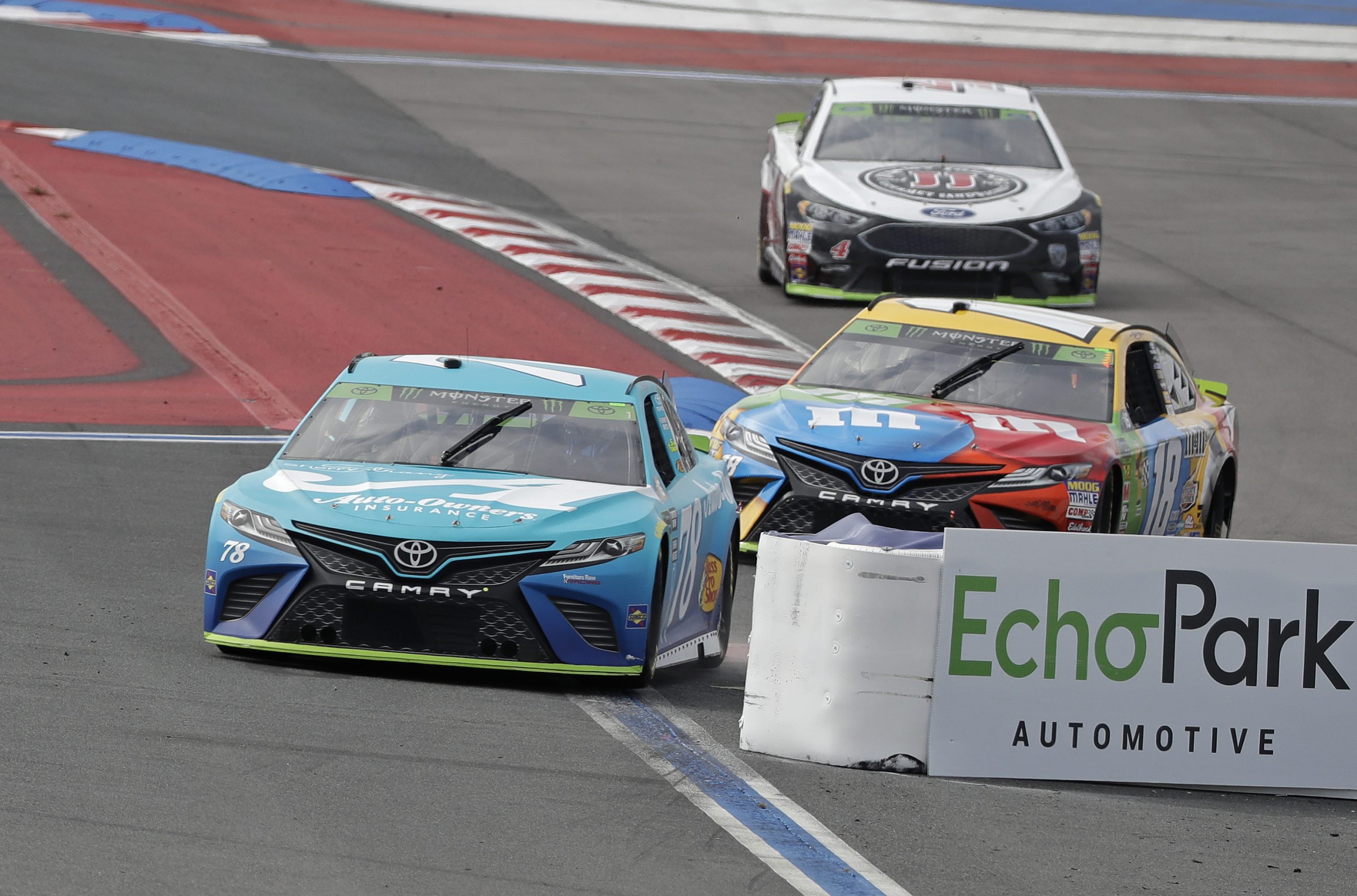
The traffic-calming measures mentioned in the policy include speed humps, roundabouts, road narrowing (called neck-outs), bulb-outs (extended curbs), and chicanes, which create artificial curves in the road with deflectors.
A chicane, or artificial curve, at Charlotte Motor Speedway in Concord, N.C., in 2018. AP
But there are downsides to some devices, township officials have noted at public meetings: Residents might win speed humps on their street, only to realize they now hear the sound of tires thunking over bumps thousands of times per day.
This suburban content is produced with support from the Leslie Miller and Richard Worley Foundation and The Lenfest Institute for Journalism. Editorial content is created independently of the project donors. Gifts to support The Inquirer’s high-impact journalism can be made at inquirer.com/donate. A list of Lenfest Institute donors can be found at lenfestinstitute.org/supporters.
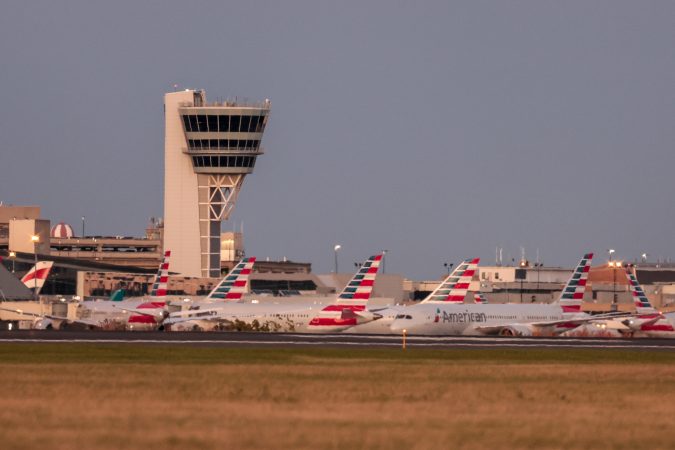
American Airlines said Tuesday night that flights were temporarily halted because of a “technology issue” but have begun to resume.
“A technology issue briefly impacted connectivity for some of our systems on Tuesday evening,” the airline posted on social media.
“Systems are coming back online now and flights are departing again. We put a temporary ground stop in place while our teams worked to resolve the issue. We apologize to our customers for the inconvenience,” the airline said.
American Airlines is the busiest carrier at Philadelphia International Airport.
A technology issue briefly impacted connectivity for some of our systems on Tuesday evening. Systems are coming back online now and flights are departing again. We put a temporary ground stop in place while our teams worked to resolve the issue. We apologize to our customers for…
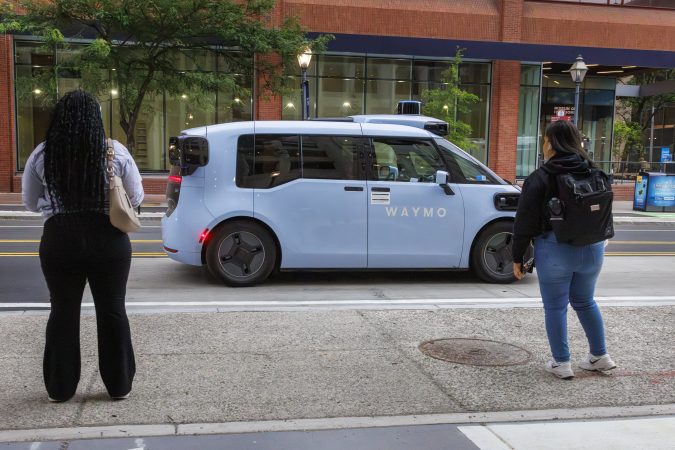
The paper indicates thatthe self-driving vehicles of Alphabet Inc.’s robotaxi service, which is testing the service in the city, are not only safer, but much safer than humans.
“The results provide further evidence that Waymo’s current L4 vehicles have lower crash involvement rates than human drivers,” the authors stated.
Such findings could help lessen fears around the vehicles, which are already ubiquitous in California and headed that way in some other states.
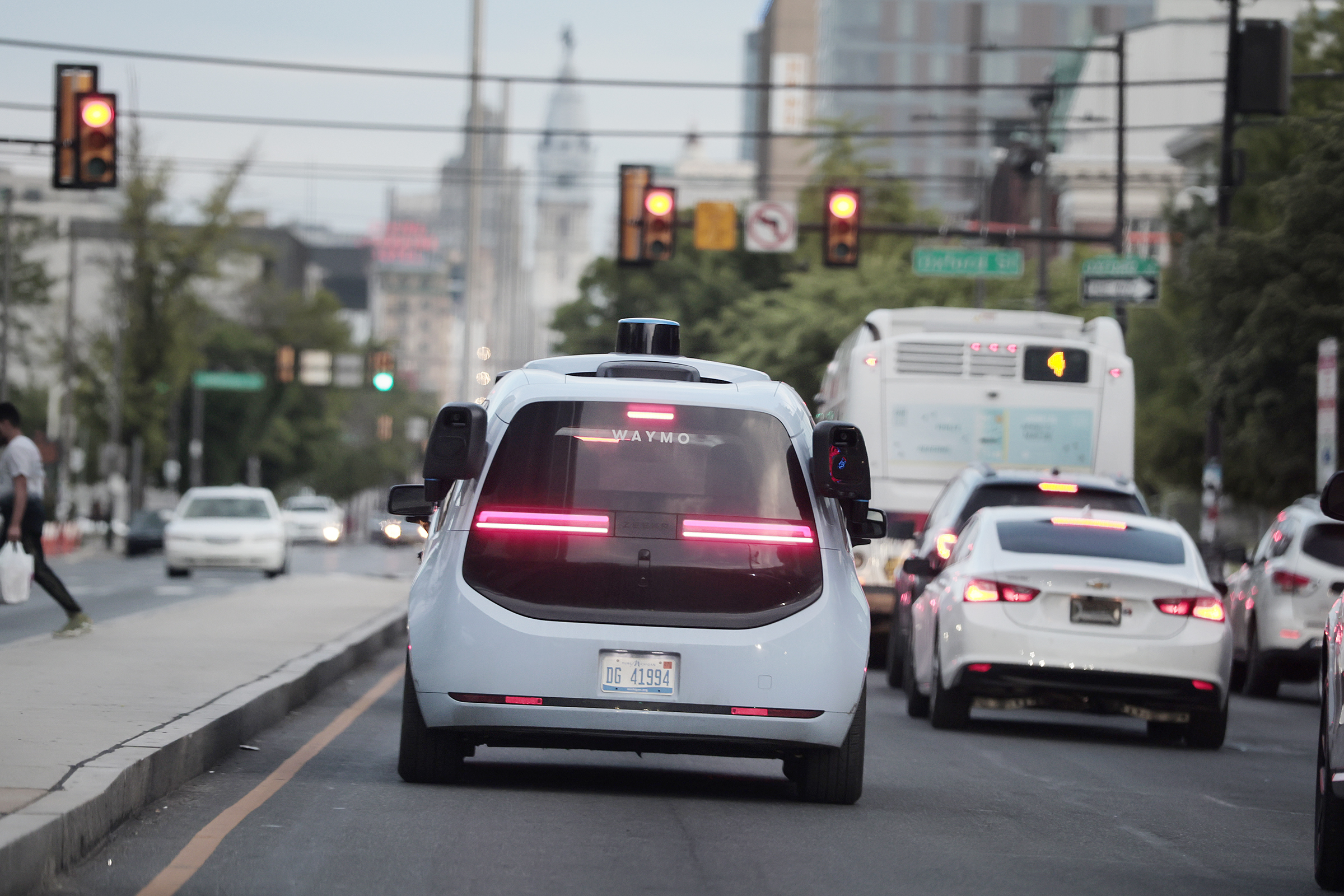
Philadelphia was not part of the study, but Waymo has been testing vehicles in the city without yet offering riderless service.
“We welcome this new research from IIHS, which confirms our previous peer-reviewed analyses and reinforces the significant safety benefits of the Waymo Driver,” Waymo spokesperson Ethan Teicher said in an emailed statement.
Teicher called the study “an important contribution to a growing body of research on AV [autonomous vehicle] safety data” and said more high-quality data like it would help build public trust.
The study’s findings
The authors found that the highly automated Level 4 (L4) vehicles operating without a human driver had a police-reportable crash rate 68% lower than human drivers in comparable areas.
The research also looked specifically at crashes resulting in injuries. Autonomous vehicles performed even better, boasting an 81% lower injury crash rate compared against the human benchmark.
Data indicate that Waymo vehicles were rarely instigators in collisions.
To draw their conclusions, the authors analyzed 736 autonomous vehicle crash reports submitted to the National Highway Traffic Safety Administration (NHTSA) between July 2021 and December 2024.
They found that the autonomous vehicles’ rate of rear-ending another vehicle was 91% lower than that of human drivers, and their rate of being rear-ended was 40% lower.
Furthermore, they were involved in 85% fewer single-vehicle crashes per mile traveled.
The IIHS, which conducted the study, is an independent, nonprofit scientific and educational organization, with the goal of reducing deaths, injuries, and property damage from motor vehicle crashes.
The same organization has been performing crash tests on regular vehicles since the 1990s to rate their safety.
Comparing the safety of robotaxis to human drivers has historically been difficult because of differences in how crashes are reported. Federal regulations require automated vehicle operators to report even the most minor incidents, such as scraping an undercarriage or hitting small road debris.
In contrast, human drivers typically only report crashes that meet state damage thresholds — often $1,000 — or involve injuries, and even then, over halfhuman crashes go unreported.
To overcome that bias, IIHS researchers manually evaluated the descriptions of property damage and injuries. They estimated whether a “reasonable person” would have called the police.
The study found that 78% of the reported automated vehicle incidents were too minor to meet typical police-reporting standards.
Researchers then compared the adjusted crash data from Waymo — which voluntarily publishes its autonomous mileage — against police-reported human crash data from California, Arizona, and Texas. The analysis covered approximately 50 million miles of Waymo driverless operation and 222 billion human-driven miles.
A Waymo car navigates North Broad Street in Philadelphia in May.Elizabeth Robertson / Staff Photographer
The study’s limitations
Despite the promising safety record, the researchers acknowledged several limitations.
First, Waymo did not operate its driverless vehicles on interstates or freeways during the study period, environments that account for 22% of human drivers’ police-reported crashes.
Second, because autonomous vehicles often drive empty, fewer humans are exposed to injury risk during collisions, which can artificially lower the overall injury rate.
As self-driving fleets continue their rapid expansion, the study’s authors warn that manually reading crash narratives is an unsustainable method for monitoring public safety.
The study only looked at Waymo, not other self-driving vehicles. Waymo is the largest such company to offer robotaxis, but Tesla is also testing driverless vehicles.
The IIHS is calling for a standardized, national reporting system for automated vehicle crashes and mileage, arguing that streamlined data are essential for accurate and timely safety evaluations.
Waymo said it supports an industry-standard reporting system that would include air bag deployments and an injury scale.
When will Waymo be available in Philly?
Despite the limitations, the study could reassure Philadelphians hesitant to ride in an autonomous vehicle.
Waymo slowly began introducing the vehicles last summer, but they were driven manually by specialists in the most complicated to navigate parts of the city. They fanned out at all hours across various neighborhoods.
In December, Waymo began autonomous testing in the city but still with a specialist behind the wheel with permission from PennDot.
Teicher, the company spokesman, said Tuesday that Waymo is still currently testing. The next step would be to operate fully autonomously with employee-passengers, he said.
If the feedback is positive, Waymo would be ready to begin taking on public riders.
However, the company has declined to discuss timing and still needs regulatory approval to carry passengers in Pennsylvania.
The robotaxi service has received intense local political scrutiny.
The Inquirer reported in May that some City Council members and a coalition of religious leaders, labor unions, and rideshare drivers urged PennDot to halt Waymo until safety and job-loss concerns were addressed.
Philly does not have the power to directly regulate Waymo.
A new free shuttle bus in Burlington County will be concentrated in a small slice of the county in some of the places closest to Philadelphia and Camden, according to a draft brochure for the service.
But it’ll also serve as a transfer point for other residents in the area.
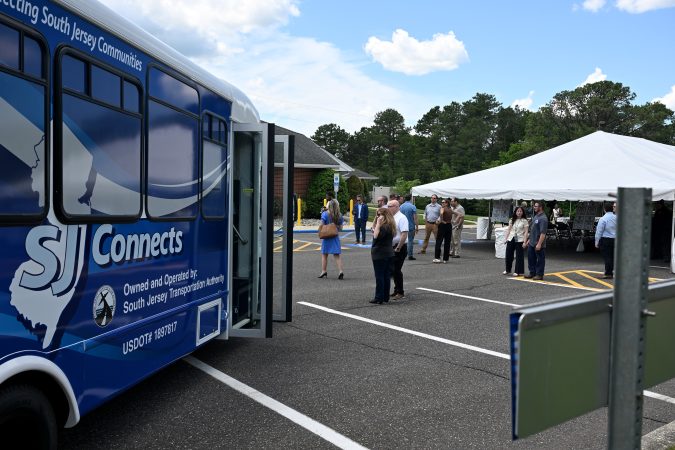
SJ Connects, a free shuttle bus service run by the South Jersey Transportation Authority (SJTA), was granted $5 million under former Gov. Phil Murphy’s administration for an 18- to 24-month trial run to improve transit in the region. All of the service’s routes already began running except for Burlington County’s bus, which is expected to start service in September despite being included in a June 1 launch announcement.
The SJTA has not yet posted the details of the Burlington County route but The Inquirer obtained its draft brochure through a public records request. The document shows that the planned 11-stop route connects Burlington County’s Palmyra, Moorestown, Cinnaminson, Mount Laurel, and Maple Shade with the Pennsauken Transit Center in Camden County.
While it will most directly service the residents who live along the route, the planned route will also connect with existing transportation centers in the area to serve as a transfer point for riders.
Locally, the bus is slated to stop at Cooper University Health Care‘s Moorestown campus, Moorestown Library and Town Hall, Cinnaminson Shop Rite, Fox Meadow Apartments, and the Mount Laurel Walmart Supercenter.
Stops at the Moorestown Mall and Pennsauken Transit Center will connect riders to NJ Transit buses that go to Philadelphia’s 30th Street Station, Trenton, Camden County municipalities such as Cherry Hill, Haddonfield and Gloucester City, and other Burlington County locations such as Mount Holly and Willingboro. It will also link riders with the RiverLine and Atlantic City Rail.
(function() {
var l2 = function() {
new pym.Parent(‘BURLCO28-A’,
‘https://media.inquirer.com/storage/inquirer/projects/innovation/arcgis_iframe/BURLCO28-A.html’);
};
if (typeof(pym) === ‘undefined’) {
var h = document.getElementsByTagName(‘head’)[0],
s = document.createElement(‘script’);
s.type = ‘text/javascript’;
s.src = ‘https://pym.nprapps.org/pym.v1.min.js’;
s.onload = l2;
h.appendChild(s);
} else {
l2();
}
})();
Dominic D’Amico, director of transportation services at the SJTA, said the agency designed the routes to connect with NJ Transit’s existing infrastructure and the region’s “eds and meds.”
Some parts of Burlington County that are excluded from SJ Connects — such as Pemberton and Mount Holly — have access to a separate, existing system called the BurLINK shuttle, which is administered by the county and run by a private company.
The new SJ Connects route is not slated to directly connect with BurLINK. But riders can transfer between the two services using the River Line, for example.
Assembly member Andrea Katz, a Burlington County Democrat, said in an interview earlier this month that she hopes SJ Connects will expand further into her district in the future. The long-term viability for the program will likely depend on whether its advocates can convinceDemocraticGov. Mikie Sherrill and legislative leaders that it’s worth funding in future state budgets.
“We have very little down here in Burlington County, and in South Jersey as a whole, but folks still have those issues that they need a ride to the hospital, they need a ride to a grocery store,” Katz said. “They need to get access to these things, and we’re finally starting to see this expansion into South Jersey.”
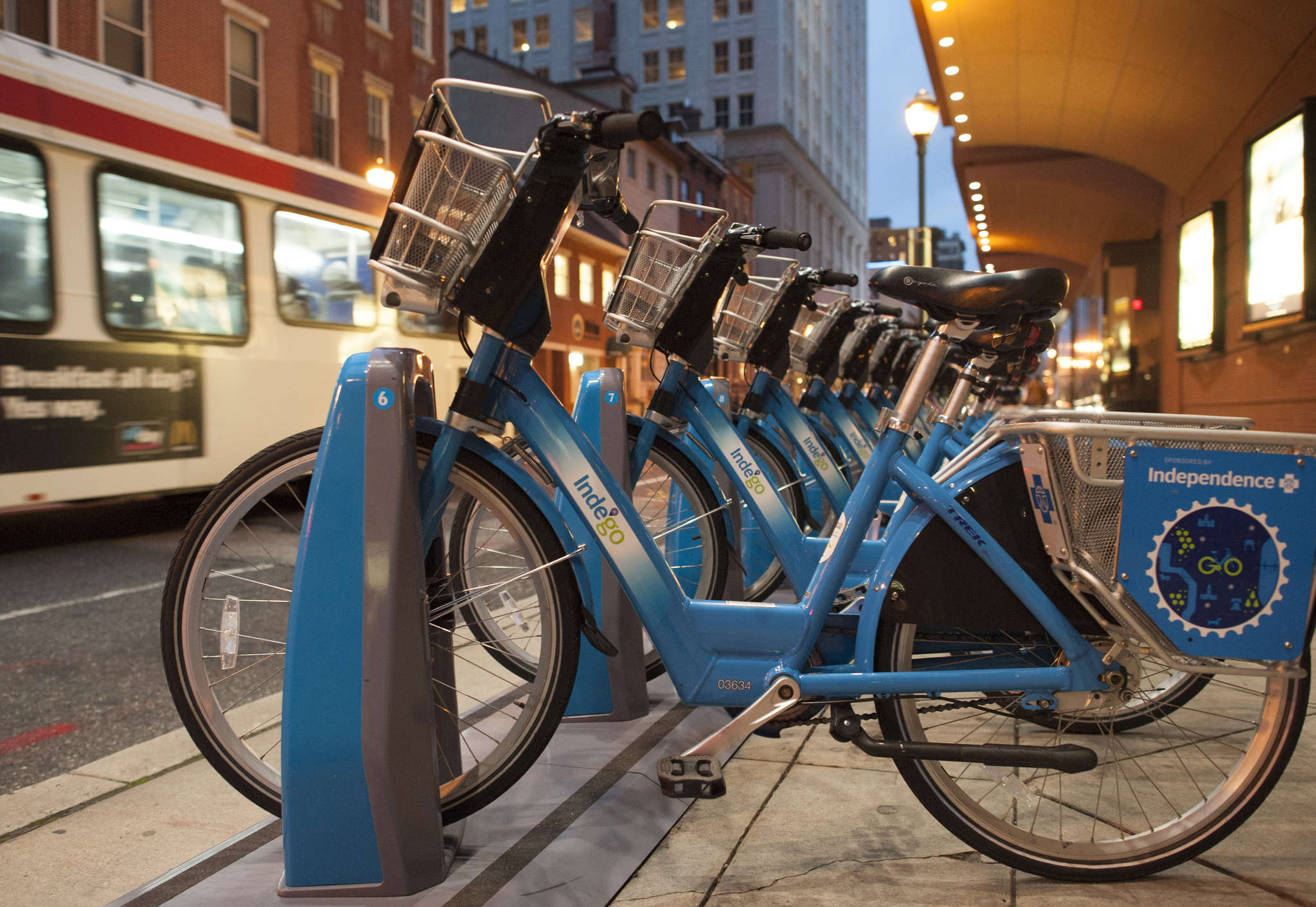
Indego, Philly’s bike share system, may be expanding to the suburbs for the first time.
Lower Merion Township commissioners are set to consider an agreement on Wednesday that would bring the Indego program into Bala Cynwyd, adding three docks and around two dozen e-bikes to a growing corridor in the suburban community.
Under the proposed agreement, bike share docks would be placed at Pencoyd Landing, One Bala Plaza, and One Belmont Avenue. The three sites would house a total of 45 docking points and 22 e-bikes. The agreement between Lower Merion and Indego would last for three years after the effective start date, which would be determined upon the contract’s approval.
Indego launched in 2015 in Philadelphia and has since expanded to include over 250 docks and 2,000 bikes in the city, according to the bike share program. Indego is owned by the City of Philadelphia, operated by Revolution BTS (previously Bicycle Transit Systems), and sponsored by Independence Blue Cross.
The proposed Bala Cynwyd expansion would connect suburbanites to Philadelphia’s extensive Indego network and would make Lower Merion the first municipality outside the city lines to have Indego bikes.
If approved, the township would pay $150,000 up front, all of which would be reimbursed by Montgomery County through its Montco 2040 grant program. Montco 2040 is the county’s comprehensive plan, which outlines land use and growth goals for the county’s 62 municipalities, including “improved bikeability of roads and bicycle facilities.” The county has doled out 173 grants totaling more than $22 million thus far for implementation of the goals outlined in the plan.
Indego, Philadelphia’s bike share program, may be expanding to Lower Merion, marking the program’s first foray into the Philly suburbs.TRACIE VAN AUKEN / For The Inquirer
Efforts to bring Indego to Lower Merion have been in the works for years. Lower Merion received a grant from Montgomery County to expand the bike share program in 2023, and has since received two extensions to carry out the grant after delays caused by “changing market conditions,” according to a staff report.
The proposed bike share expansion is the latest development in an ongoing effort to transform City Avenue from a collection of office parks to a vibrant, mixed-used hub with easy walking, biking, and transit access. Hundreds of new apartments have gone up on City Avenue in recent years, as well as new retail spaces, and more are on the horizon.
The bicycle docks at One Bala Plaza and One Belmont Avenue were included as conditions of approval for the new developments on those sites. The property owners of all three sites will pay $12,000 annually to cover ongoing maintenance costs and will provide the electricity for the stations, if the expansion is approved.
In Montgomery County, Lower Merion is not the only municipality working to expand its bicycle network. Abington Township in 2023 received a Montco 2040 grant to install 6.68 miles of bike infrastructure, including signage and road markings. In 2024, Whitpain Township received a grant from the county to install bicycle repair kits and racks in township parks, and in 2025, Hatfield Borough and Hatfield Township were awarded a grant to install bike racks, repair kits, wayfinding signage, and pavement marking for bike routes.
This suburban content is produced with support from the Leslie Miller and Richard Worley Foundation and The Lenfest Institute for Journalism. Editorial content is created independently of the project donors. Gifts to support The Inquirer’s high-impact journalism can be made at inquirer.com/donate. A list of Lenfest Institute donors can be found at lenfestinstitute.org/supporters.
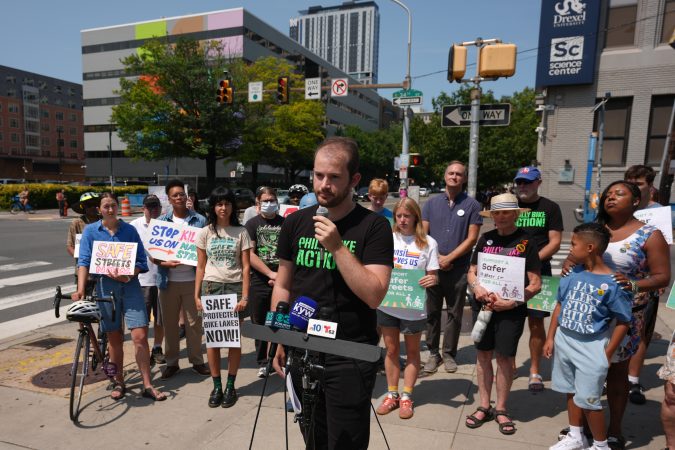
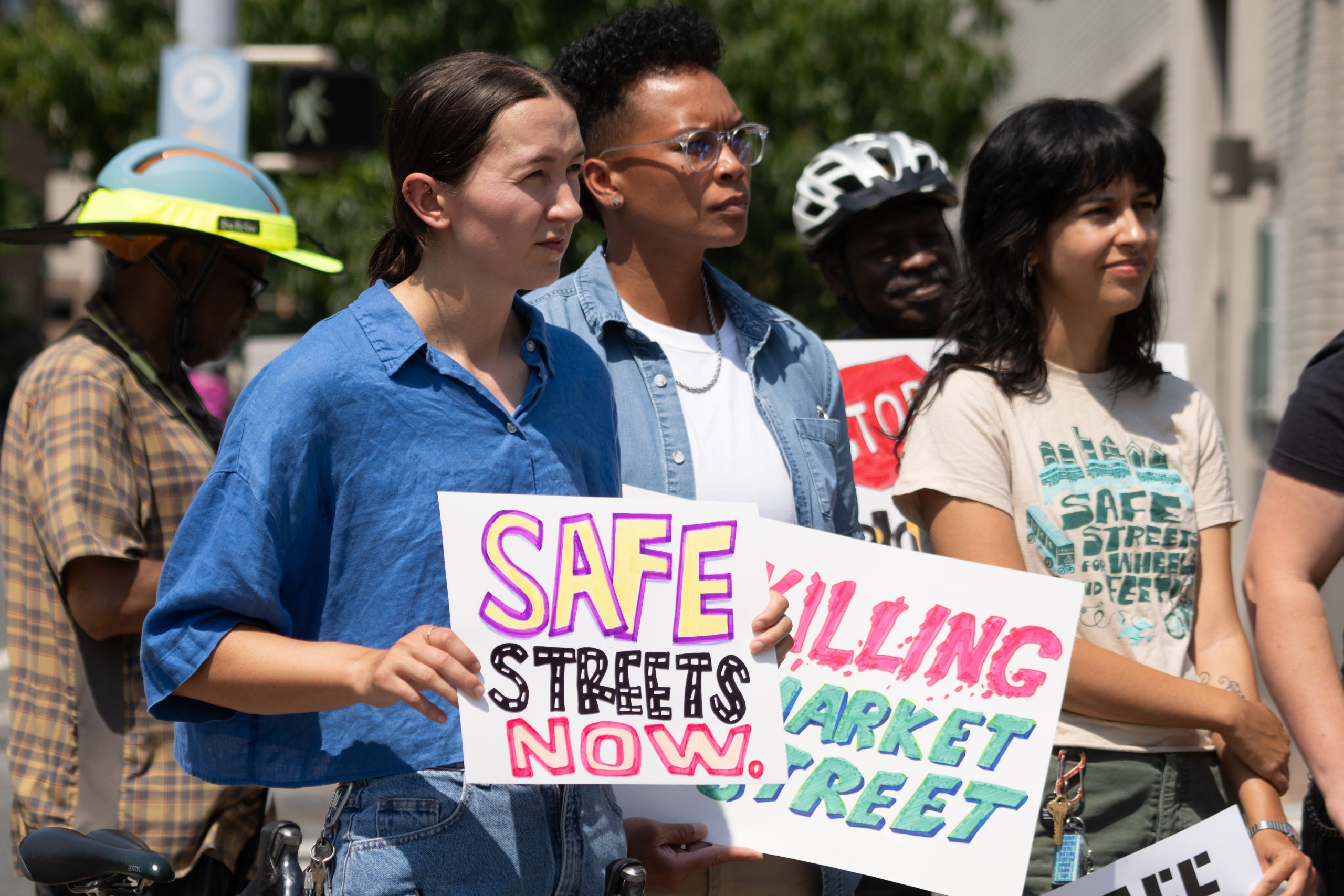
Advocates gathered at 34th and Market Streets on Friday to demand the Pennsylvania Department of Transportation improve pedestrian and cyclist safety along the busy stretch of Market in University City.
Philly Bike Action is asking PennDot to take five steps to improve safety on Market Street, particularly between 38th Street and the Schuylkill: install speed cushions, adjust traffic-signal timing to give pedestrians a head start before vehicles begin moving, place physical barriers along the median, and reduce the speed limit from 30 mph to 25 mph. These measures, they say, are proven to improve pedestrian and cyclist safety.
Gabriel Straus, an organizer with Philly Bike Action, said each measure could be implemented within60 days and should form part of a longer-term plan to make Market Street safer for pedestrians and cyclists.
The advocacy group’s longer-term proposal calls for implementing a road diet, building concrete medians filled with greenery, and constructing a two-way concrete protected cycle-path.
“Potential safety enhancements on Market Street West will be reviewed through the department’s continued collaboration with the City,” a PennDot spokesperson said. “A substantial reconstruction or reconfiguration of Market Street West would require a comprehensive analysis, as well as coordination among PennDot, the City of Philadelphia, the Delaware Valley Regional Planning Commission, SEPTA, and other affected stakeholders.”
David Brindley, 57, a volunteer with the urbanist advocacy group 5th Square, lives in West Philadelphia with his family. When his children started fifth grade at Science Leadership Academy and walked from their home in West Philadelphia, he and his wife would sheepishly call the school each morning to make sure they had arrived safely.
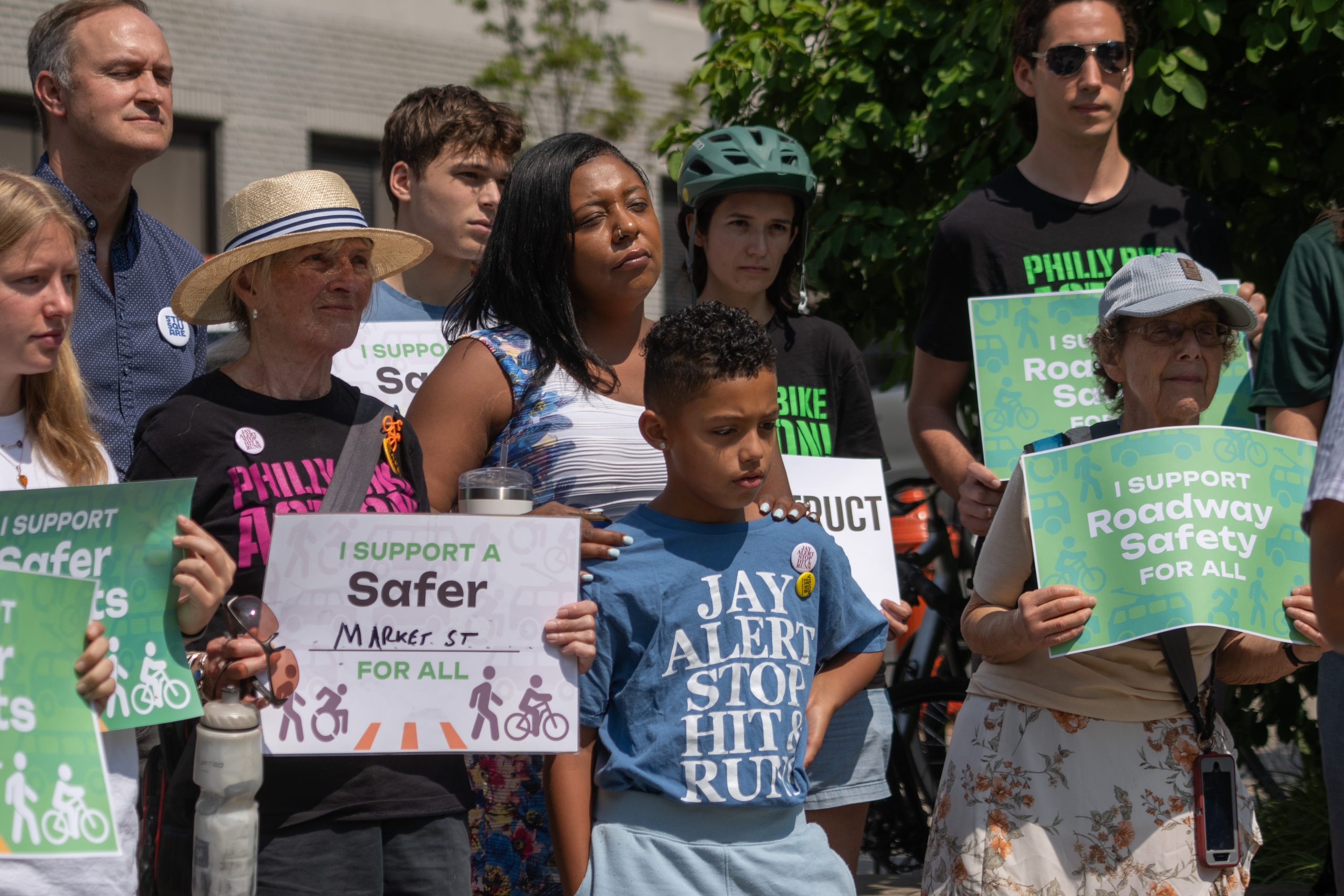
Jasmine Hoffman, and Eshad Hoffman, center, attend a rally to advocate for safer traffic infrastructure, in honor of their young relative, Jayanna Powell.Jessica Griffin / Staff Photographer
His fears are well-founded.
Jasmine Hoffman is among those whose families have lost children to traffic violence. Hoffman’s 8-year-old niece, Jayanna Powell, was killed in a hit-and-run crash in 2016 while walking home from the Lewis C. Cassidy Academics Plus School.
Two of Jayanna’s siblings were also hit, but the impact threw the girl 20 feet into the air, according to Hoffman. The driver took the car to a Chester County auto shop for repairs and told employees he had struck a deer. The shop’s owner became suspicious after seeing a news report and contacted authorities.
Hoffman has been a proponent for the Jay Alert bill, proposed legislation that would send notifications about hit-and-run crashes to auto repair shops and impose fines on shops that fail to report suspicious damage. She also hopes the safety measures proposed for Market Street could eventually be extended to the area around 63rd Street and Lansdowne Avenue, where her niece was killed and where three schools are located.
(Left to Right) Lana Harshaw, executive director for the Bicycle Coalition of Greater Philadelphia; Elise Dudley of Philly Bike Action; and Uma McGuire of the bicycle coalition attend a rally to advocate for safer bike infrastructure at 34th and Market Streets.Jessica Griffin / Staff Photographer
Organizersdescribed street safety as an issue of sustainability, particularly as Philadelphia‘spopulation continues to grow. Walking and biking to work should be safe and viable options, said Will Tung, a volunteer for 5th Square.
Jason Das, 49, regularly commutes by bicycle from the area of 50th Street and Baltimore Avenue, sometimes with a cello strapped to his back.
“My bike is my main means of transportation in the city. It’s more reliable than SEPTA. I don’t have a car, and I don’t want a car,” the musician and artist said.
Das paused as horns sounded across the street.
“I just saw someone almost get hit by a car while I said that,” he said.
Among the energetic and friendly group of roughly two dozen activists and cyclists, there were heavy moments of grief as organizers remembered Brown, Espinosa Rodas, and Jayanna Powell, among others who have died on West Philadelphia’s roads.
“Traffic violence is preventable violence,” remarked Andrew Goodman, who works for City Councilmember Jamie Gauthier.
SEPTA is embarking on an experiment to extend its all-access transit pass, SEPTA Key Advantage, to apartment building residents.
Currently employers and schools can buy into the benefit program. The institutions pay for the passes, and then workers and students sign up toreceive a SEPTA Key card that is free for them to use.
Since its creation in 2022, beneficiaries have used SEPTA Key Advantage for 25 million rides.
Now SEPTA has received a $150,000grant from the Delaware Valley Regional Planning Commission (DVRPC) for a pilot program extending the benefit to apartment building owners.
The two-year program will be open to a handful of apartment buildings so SEPTA can study how tenants use it. The first company to sign on is the HOW Group, a large multifamily developer and owner in Philadelphia.
“A lot of our properties are located near SEPTA stations, and with a lot of our buildings, their biggest amenity is their location,” said Kelli Tomczak, vice president of property management at the HOW Group. “It was a great opportunity to emphasize how big of an amenity that is coupled with the SEPTA pass.”
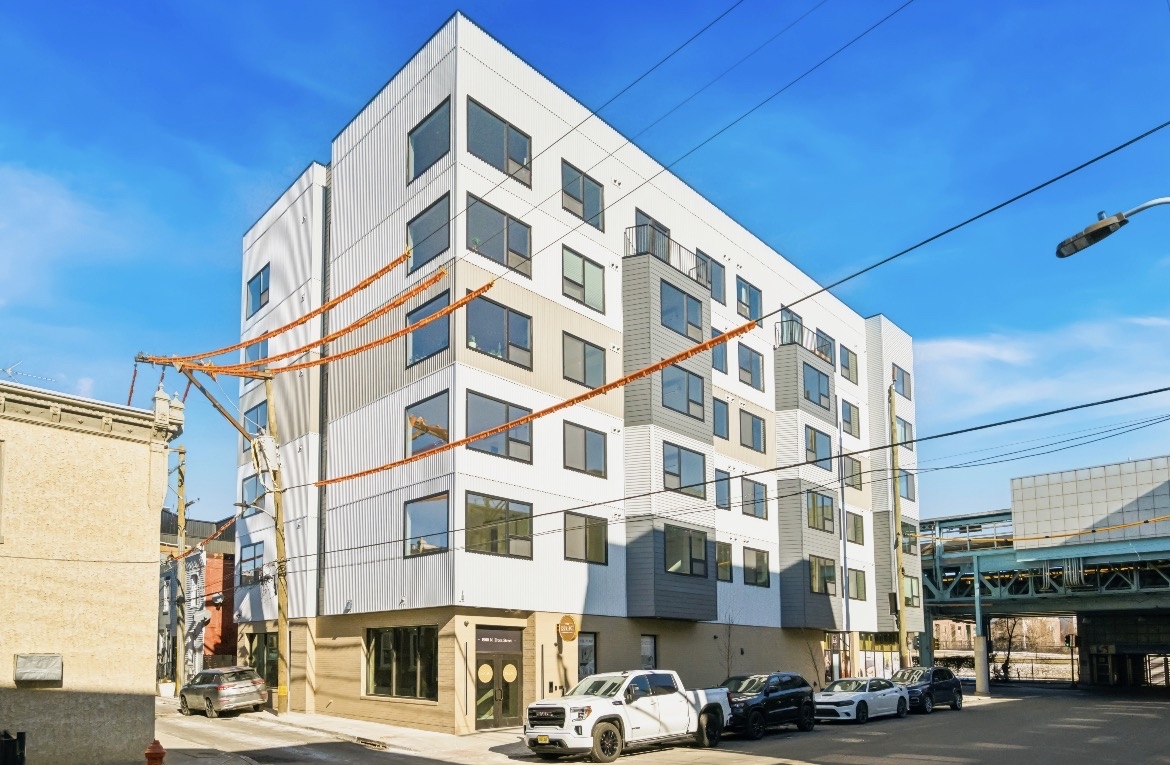
The SEPTA Key Advantage will be offered first to tenants in the HOW Group’s 104-unit apartment building at 1900 N. Front St. known as the Isaac. It has no parking but is directly across the street from SEPTA’s Berks Stationon the Market-Frankford Line.
“A lot of people who are living there are already utilizing the El. That’s what makes this a great amenity,” Tomczak said.
SEPTA says it is in talks about bringing the benefit to another HOW building in University City, which has frequent bus lines to Center City, trolleys, and the Market-Frankford line.
The transit agency also wants to try the pilot in a couple suburban buildings and are searching forpartners with 50- to 100-unit buildings near stations in Philadelphia’s collar counties.
“We are really trying to hone in and really understand, when you have this free pass, do you start to take transit more?” said Gabrielle Pristera, senior sales development specialist with SEPTA.
“We want to really build the case to show other multifamily properties that there is value in adding Key Advantage as an amenity through this pilot,” Pristera said.
The HOW Group’s 100+ unit apartment building at 1900 Front St., on the Market-Frankford line, where tenants will be eligible for free SEPTA cards.HOW Group
The program wascreated to get more people riding SEPTA regularly, while raising revenue for the service. SEPTA estimates that it saves regular riders $110 a month.
Today SEPTA Key Advantage has 60,000 members, 63 participating employers (including the City of Philadelphia), and four participating colleges and universities.
Roughly half the eligible students and workers have taken advantage of the benefit and SEPTA has found that at small companies 80% of employees sign up.
The transit authority has long wanted to expand the program to apartment owners and tenants.
“Especially within Center City, with development being so costly, this is just one of the easiest amenities to get started,” Pristera said. “You don’t have to have space for it. You just can just distribute key cards and go.”
DVRPC’s grant money will pay for the administrative costs of the pilot, as property managers don’t have the same kind of human resources departments as employers and higher education institutions.
The grant from DVRPC will last until 2028. SEPTA will evaluate the results of the program and decide how to proceed from there.
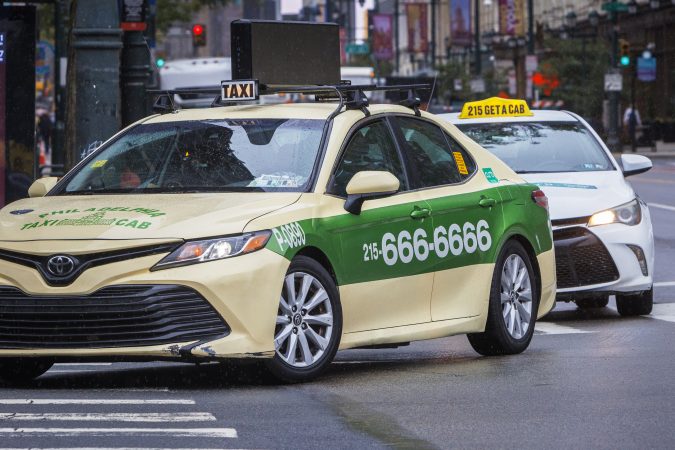
Uber and Lyft helped flatten the taxicab industry. Now they are joining forces.
Last month, Boston became the latest city where drivers of licensed taxicabs can respond to rideshare trip requests, using apps that are integrated with the Uber and Lyft platforms.
But don’t expect to see this change in Philadelphia, even as the city’s taxi business continues its free fall.
Curb, the leading app company for cabs, and Uber petitioned the Philadelphia Parking Authority, which regulates taxis in the city, to allow coordination of rides on a pilot basis but eventually withdrew the proposal.
Pennsylvania law strictly separates licensed cabs and transportation network companies like Uber, said Christine Kirlin, deputy general counsel for the PPA and former head of its Taxi and Limo Division.
“It was a handful of regulations that just couldn’t be integrated,” Kirlin said, adding that state law would need changes for it to work.
For instance, she said, taxi fares in the city are set by the PPA and cab operators are not allowed to flex prices, as rideshare companies do during periods of high demand. Drivers also need a commercial license, and taxi vehicles are subject to safety inspections — and regulatory fees — that rideshare is not.
In other cities, referrals from rideshare companies account for 30% to 60% of total taxi trips, said Dorel Tamam, vice president for mobile business at Curb.
He is in charge of Curb Flow, an open API platform that aggregates available rides from multiple sources, including Uber and Lyft, direct hails from taxi apps, fleet dispatches, and taxi ranks.
“This program is helping actually reduce idle time, increase the overall trips, giving drivers the add-on opportunity to earn more,” Tamam said.
Curb Flow is being used in 17 U.S.cities, including Newark, N.J.; Seattle; Los Angeles; New York; Reno, Nev.; and Charlotte, N.C.
Taxi rides dropped 88% from 2015 to 2025, PPA data show.
(function(){function e(){window.addEventListener(`message`,function(e){if(e.data[`datawrapper-height`]!==void 0){var t=document.querySelectorAll(`iframe`);for(var n in e.data[`datawrapper-height`])for(var r=0,i;i=t[r];r++)if(i.contentWindow===e.source){var a=e.data[`datawrapper-height`][n]+`px`;i.style.height=a}}})}e()})();
Fewer cabs are available. In 2010, a monthly average of 1,600 taxis were on the road. In 2025, there were 674, reflecting a 58% drop.
As of June, 633 taxis were active in the city, suggesting a continued decline.
“Things have not really improved. There’s less people out there driving,” said Ron Blount, president of the Taxi Workers Alliance, who believes the number could be even smaller.
“A lot of drivers do both taxis and [rideshare] switching back and forth, trying to make it work,” Blount said.
He said that Curb Flow would lead to more trips for drivers here, but that it was unclear how much their net incomes would improve.
And the average sales price for a taxi medallion, a license required for each cab to operate in the city, fell to an average of $12,857 last year.
The average price was just over $500,000 during several months of 2014, according to PPA numbers.
“We really hope one day to bring it to Philadelphia,” said Tamam, the company vice president in charge of Curb Flow. ”We’re open to further collaboration with the regulators.”
If you curse people who double-park in West Philly when there’s an open space right there; if you can squeeze your ride into a tight spot in Rittenhouse with a bar full of onlookers waiting for you to fail; or if finding a parking space in residential South Philly is something you actually enjoy, then snagging a spot in the 2026 Philadelphia Parallel Parking Association (PPPA) Championship might be right up your narrow alley.
But prospective parkers beware — the competition is looking as fierce as a Philly granny determined to get the last parking space near church on Sunday. More than 400 people have already applied for just 20 spots in the city’s first-ever parallel parking competition and applications have only been open for a week, according to PPPA Commissioner Adam Wodka.
“I always had the sense that this is something that Philly would embrace and a sense that Philadelphians have a particular pride for this skill, but absolutely I’ve been overwhelmed by the response,” Wodka said. “It’s been a joy seeing how passionately people feel about this and I’m really excited for the actual event.”
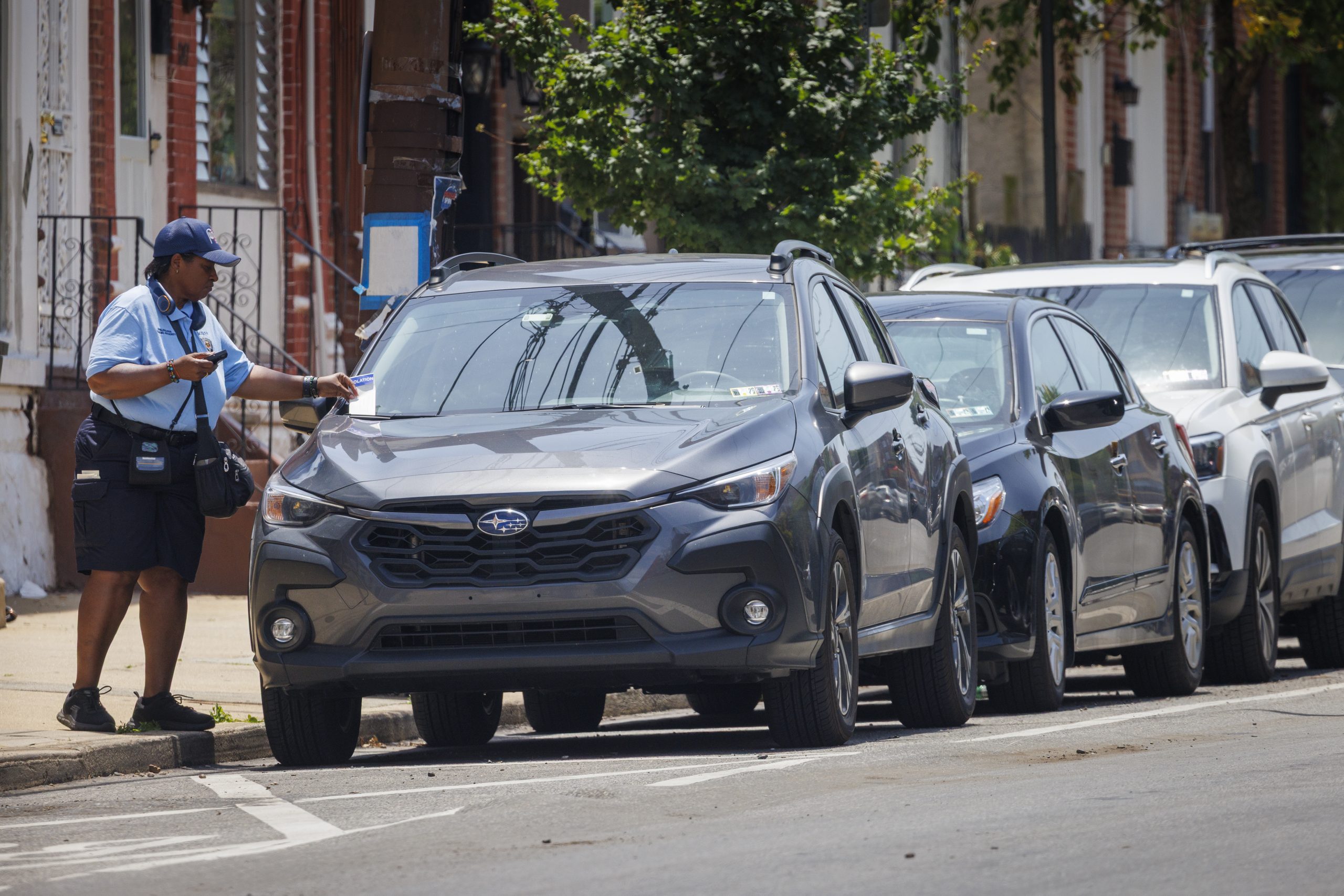
Despite similarities in their logos, the PPPA is not associated the Philadelphia Parking Authority (PPA). The latter is a government agency that dishes out more tickets than StubHub, puts on more boots than a Dr. Martens store associate, and is so dramatic it once starred in a reality TV show, and the other one was just made up.
A Philadelphia Parking Authority officer tickets a car along North 29th Street near Thompson Street in Brewerytown.Alejandro A. Alvarez / Staff Photographer
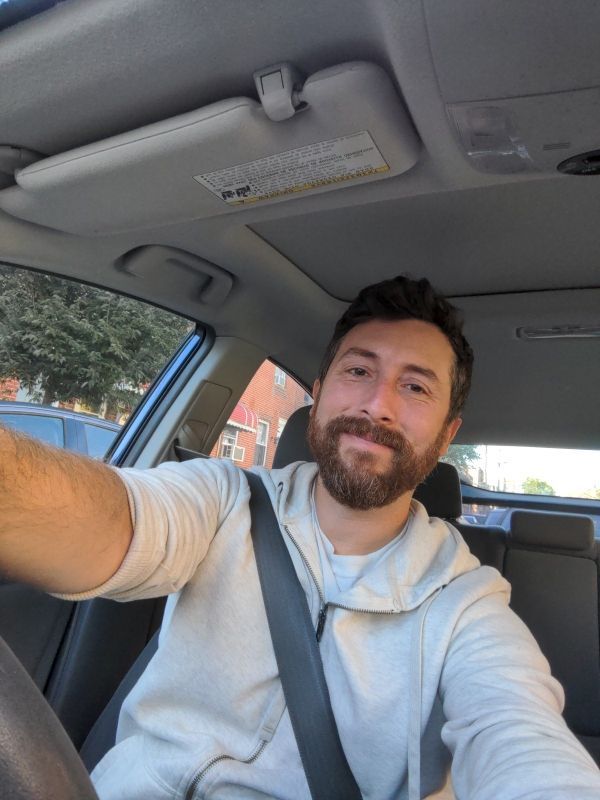
Wodka said the idea for the PPPA has percolated in his head for years, beginning with his frustrations over poor parallel parking practices on his own South Philly block that led to a reduced number of spots.
His desire to get people to park more efficiently inspired talks with a friend about starting a parallel parking competition. When he learned Pittsburgh has held one for the last five years, Wodka knew he had to create one for Philly.
Philadelphia Parallel Parking Association commissioner Adam Wodka behind the wheel.Courtesy of Adam Wodka
He began planning in earnest about five months ago, put seven of his friends on the PPPA executive board, and named himself the commissioner. This might be considered corruption in other cities, but it’s pretty low on the scandal scale when it comes to Philadelphia parking agencies.
The PPPA debuted on Instagram on May 9 with a post that said “Promoting excellence in parallel parking since right now.” Subsequent posts have included an image of a sedan in the style of Leonardo da Vinci’s Vitruvian Manand parallel parking affirmations like, “They’re not honking at me. They’re cheering me on.”
On its accompanying website, the PPPA describes itself as “an independent organization dedicated to promoting excellence in parallel parking in the country of Philadelphia.”
The site includes the association’s stance on parallel parking techniques (“Signal before slowing. The turn signal is a declaration, not a formality”) and its official position on things like backup cameras (“Permitted in daily driving. Permitted in competition”).
The use of backup cameras in the competition has been a particular cause of consternation among online commenters, especially those who learned to drive without them. Wodka said he will take the issue before the PPPA board prior to the competition.
“To me [the backup camera] has been around for a while and it’s part of driving now, but I totally understand and learned how to drive before that existed,” he said. “I think we’re trying to think of a way that we can honor that as well … We are balancing all these amazing ideas on all the different subtle elements and factors of parallel parking.”
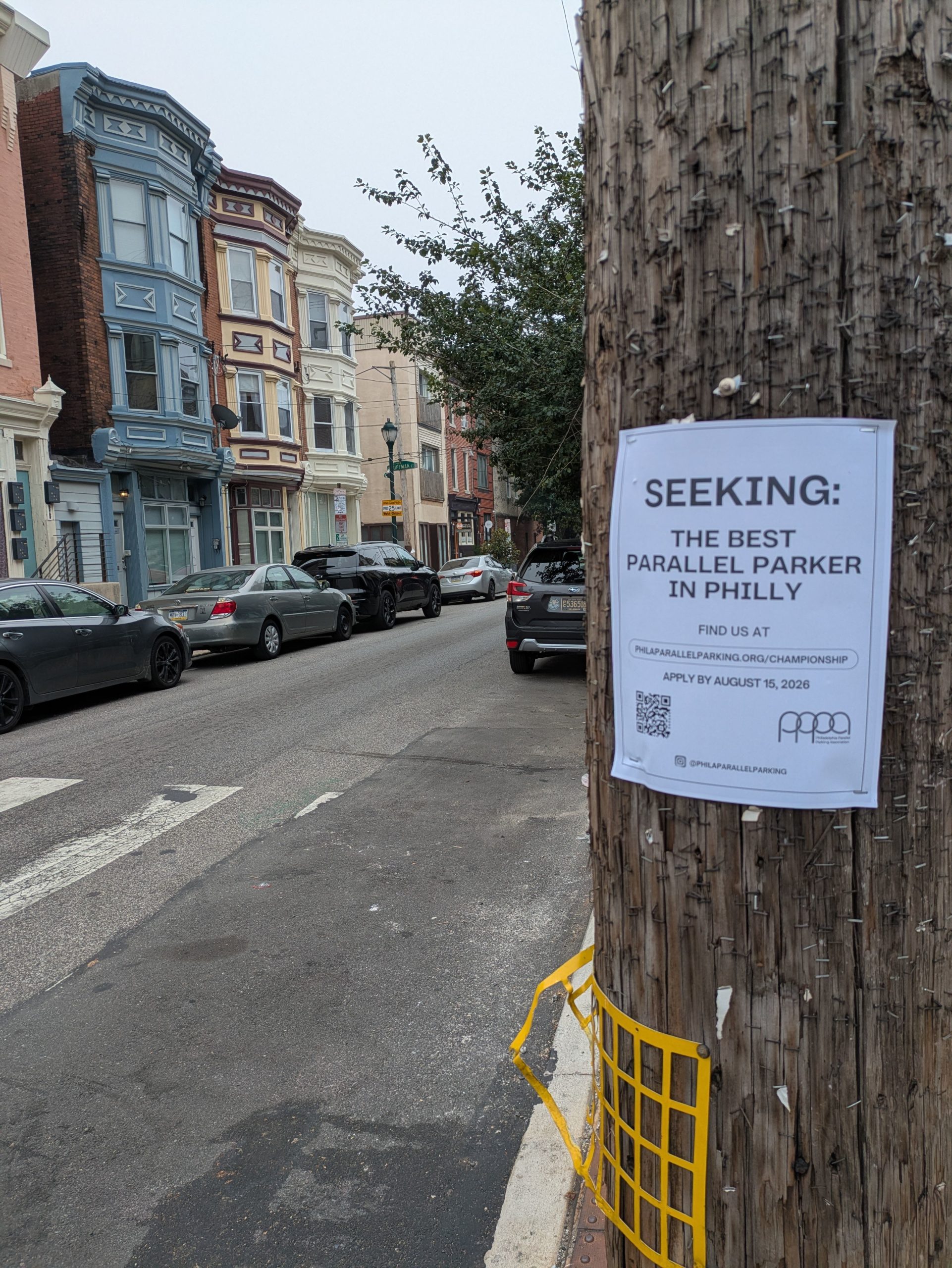
A sign advertising the 2026 Philadelphia Parallel Parking Association Championship is affixed to a pole across from some fine examples of parallel parking in the city.Courtesy of Adam Wodka
The PPPA is considering two locations for the contest. The ideal venue will have both a large gathering space, like a parking lot, and it will be closely situated to a Philly street for an authentic parallel parking experience, Wodka said. He declined to name the streets under consideration.
“I don’t want people going to practice before the competition,” he said
Once the venue is chosen, the date for the championship — which will be held on a weekend in September or October — will be solidified.
How it will go down
Contestants are required to use their own vehicles and they will compete in three categories:
One shot: Get closest to the curb in one attempt.
Tight squeeze: With 12 inches of clearance, park within six inches of the curb using the least amount of moves (Warning: Wodka is considering shortening the clearance length to 3 or 6 inches).
Under duress: Park as fast as you can while faced with distractions and barriers.
Wodka said the under duress category will force drivers to face the ultimate Philadelphia parking dilemma.
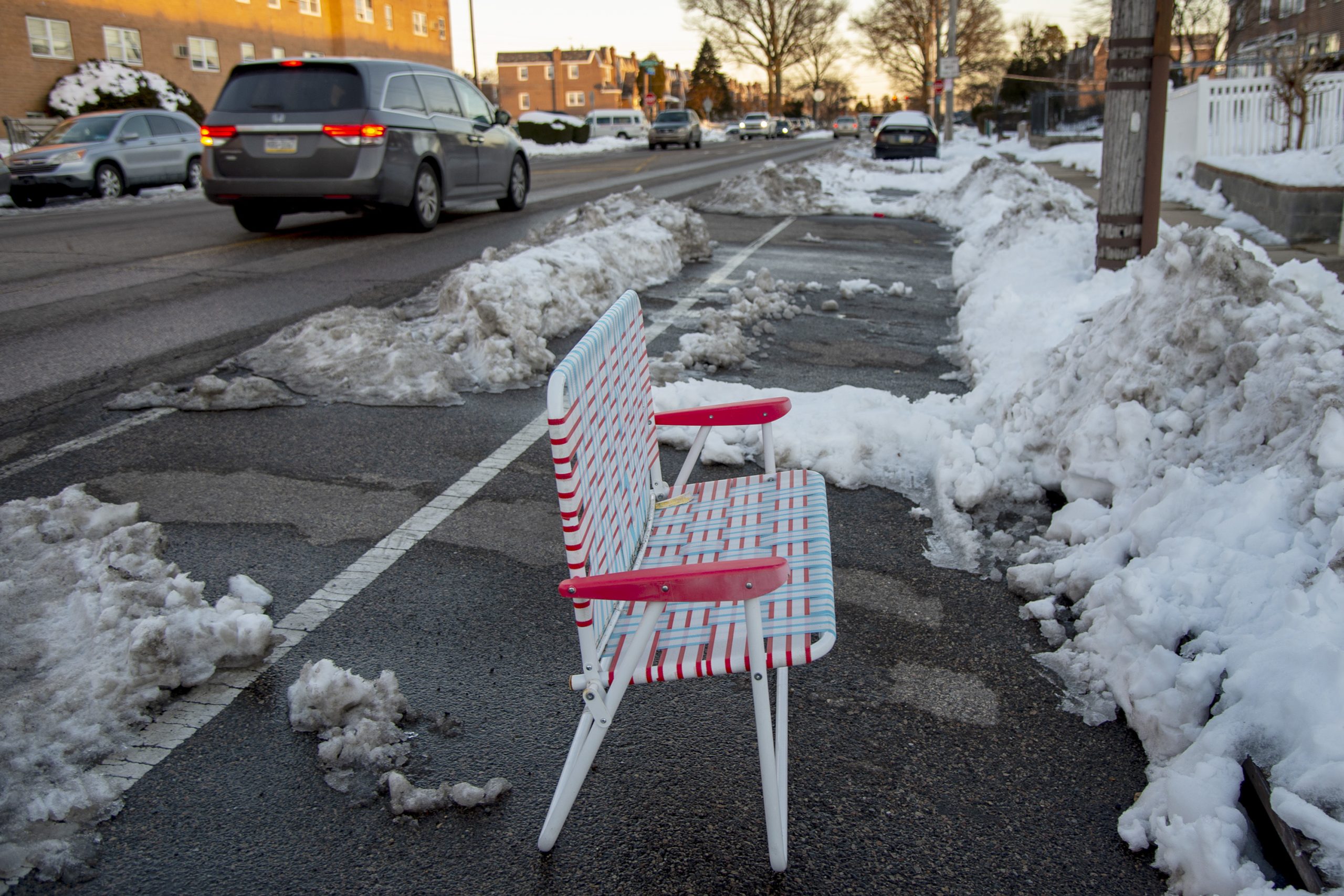
A parking space marked with a “savesies” chair, as seen here in Northeast Philly, will be one of the challenges contestants in the 2026 Philadelphia Parallel Parking Association Championship must face. TOM GRALISH / Staff Photographer
“Let’s be honest, it’s one of the most notorious and controversial aspects of parallel parking in Philly — there’s got to be a savesies cone or chair already in the spot and somebody next to it saying, ‘Hey! I’m saving that for my granddaughter don’t move that!’ and there might be a car behind you honking, a truck with sirens nearby, and other special distractions,” he said.
What won’t be on the test: parallel parking in the Broad Street median.
“Talk about controversy! That’s a level-two expert category,” Wodka said. “I have never even done Broad Street.”
Cars parked in the median along South Broad Street.Tyger Williams / Staff Photographer
Judges will score each contestant on a 10-point scale based on speed, competency, proximity to the curb, and flair. The three drivers with the highest total score will move on to the final round, a “pure show me what you got,” where one will be crowned Best Parallel Parker in Philadelphia 2026, Wodka said.
Precise parallel parkers primed to participate can apply online on the PPPA’s website. Candidates must live in Philadelphia and are required to provide their years of parallel parking experience and the make, model, and year of their vehicle. Drivers are also encouraged to write about what parallel parking means to them and provide a 60-second video or audio clip detailing how they know they’re a peerless parallel parker.
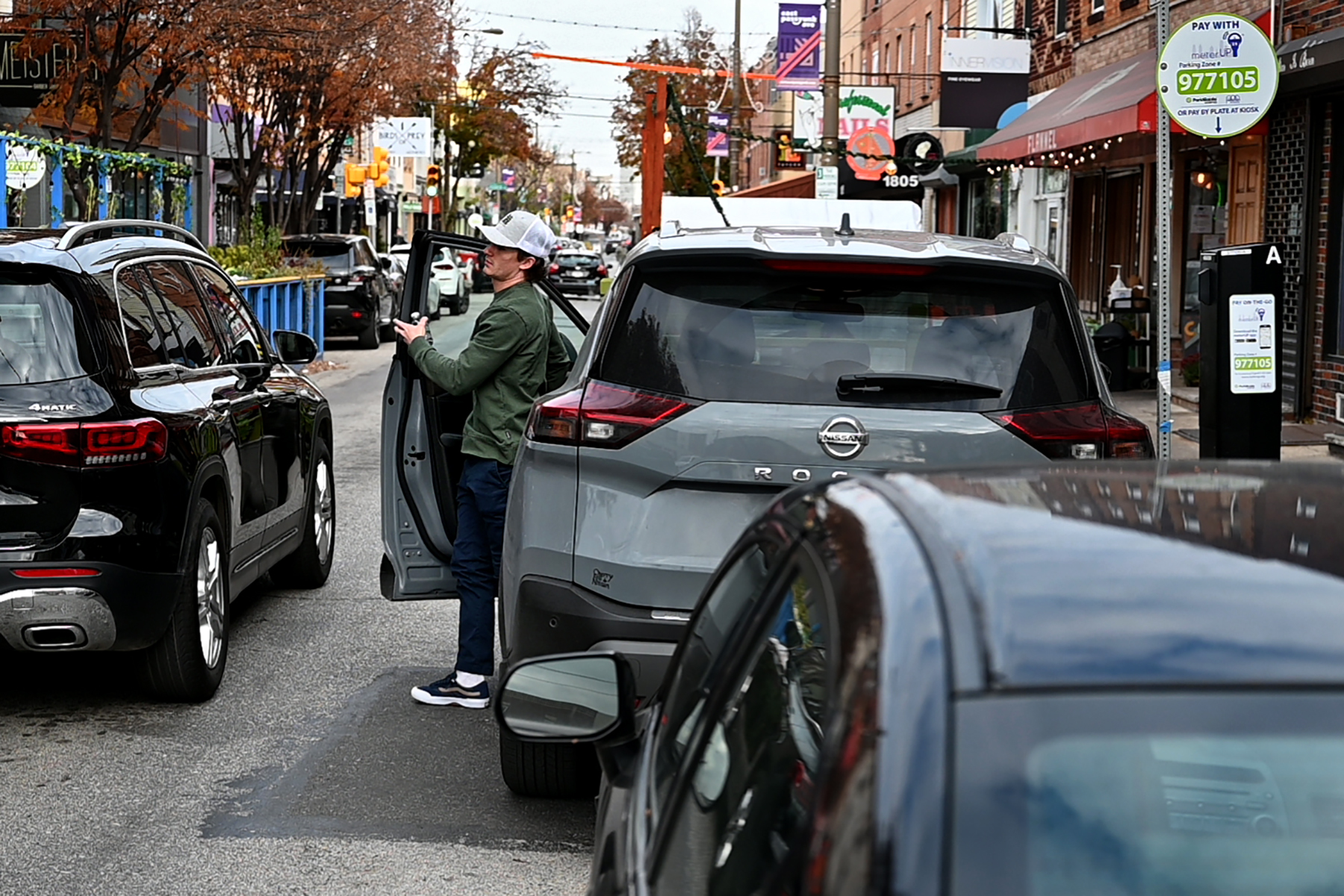
A motorist exits his car after parking his vehicle along Passyunk Avenue in South Philly in November 2021.TOM GRALISH / Staff Photographer
According to Wodka, more than 170 people have already submitted video or audio files with their application.
“Some people are handing their camera off to someone else to video them parking, some people are telling a little story about getting applause or a passenger expressing doubt and then amazement when they’re able to fit inside,” he said.
The championship will have three judges and Wodka is hoping some Philly-area celebrities with a good sense of humor and appreciation for parallel parking might volunteer.
While the PPPA hasn’t approached actor Ryan Phillippe yet, it did repost an Instagram video of the actor, who’s a native of New Castle, Del., being impressed by his buddy’s epic Philly parallel parking job in the tightest of spaces this April.
“He really did that. With relative ease,” Phillippe commented on the PPPA’s post.
The winner of the 2026 PPPA Championship will receive Best Parallel Parker in Philadelphia bragging rights for a year and a trophy that will include a piece of a curb (what curb is still TBD).
“As a cash prize we’ll be offering $76, which will essentially cover your next parking ticket,” Wodka said.
Deadline for applications is Aug. 15.
“I want Philly people with confidence to apply, that Philly every person who grew up with this as a part of their everyday life and now it’s time to be recognized for it,” Wodka said.
For more information about the PPPA or to sign up for the championship, visit philaparallelparking.org