Category: Transportation

  • SEPTA used DJ dance parties, megaphones and extra trains to move World Cup visitors around the city

    SEPTA used DJ dance parties, megaphones and extra trains to move World Cup visitors around the city

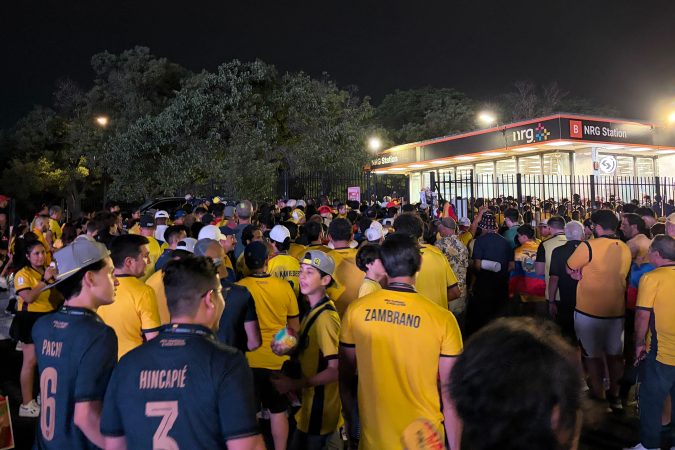
    After Brazil beat Haiti in a World Cup match last month, 29,162 fans swarmed NRG Station to catch the subway. It was SEPTA’s second-highest reported crowd for a single stadium-complex event.

    And the largest? The 31,087 people rode the B line after the Eagles won the NFC Championship in January 2025.

    For three summer weeks, Philadelphia visitors leaned on transit — 155,333 passengers rode the subway also known as the Broad Street Line alone, SEPTA said.

    From June 14 through July 4, the city hosted six World Cup matches, FIFA’s Fan Fest, and celebrations of the 250th anniversary of Independence Day.

    “This was a unique opportunity for SEPTA — possibly one we will not get again for many years,“ spokesperson Andrew Busch said. ”We think there is a lot we can learn that will help improve special event service and everyday operations.”

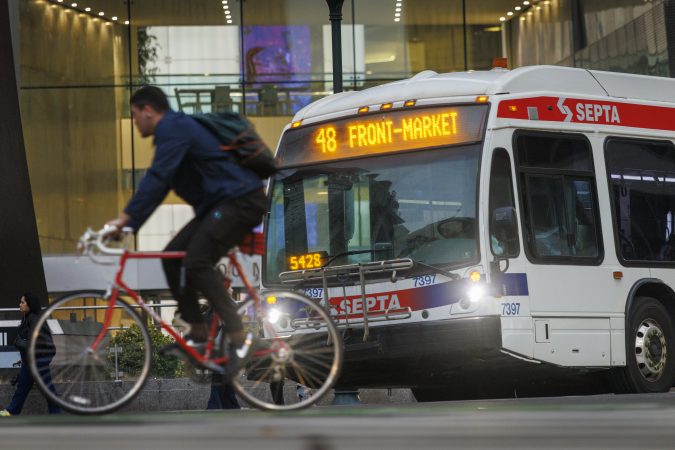
    Regional Rail also saw bumps in ridership, as did transit, primarily bus routes, serving the Fan Fest at Lemon Hill in Fairmount Park, SEPTA said. Bus routes 32 and 48 provided direct service, while Routes 7 and 49 had stops within walking distance of the festival entrance.

    It helped that Brazil and Haiti’s June 19 game fell on the federal holiday of Juneteenth … and that sponsor Airbnb paid SEPTA to provide free rides home for people using the Broad Street Line on match days between halftime and the final whistle.

    On July 4, when Paraguay and France met in an elimination round game and people were coming to Independence Day events, ridership on the overall system was up 15% compared to the previous year. Broad Street Line ridership was 62%; Regional Rail was up 48% and the lines serving FanFest were up 21%.

    Transit agency analysts focused on post-match boardings on northbound trains at NRG Station because it was the most straightforward way to identify fans who attended the game and traveled on SEPTA, officials said.

    Some riders headed to the stadium area were going to Stateside Live or checking out pregame festivities.

    Customer service lessons learned, according to SEPTA:

    • Using megaphones to communicate with riders in crowded stations broke through the noise, helping people unfamiliar with SEPTA navigate.
    • Bringing a DJ to NRG Station soothed post-match crowds waiting for outbound trains. “More than a couple of dance parties broke out, and we think it helped keep the atmosphere festive,” Busch said.
    • SEPTA moved its start and end point for the B Line for the Sports Express trips from Fern Rock to Girard, easing crowds in Center City and shortening turnaround time.
    • Well-positioned multilingual employees proved helpful for international visitors.

    Other SEPTA takeaways:

    • Ridership on the Airport Regional Rail line typically increased 20% or more on the day before and day after a match.
    • Regional Rail’s Trenton line on the Northeast Corridor also carried more passengers than usual, as people took NJ Transit from New York City and northern New Jersey and connected to SEPTA.

    While there were complaints about crowding, few major incidents were reported.

    SEPTA gets another test next week with the MLB All-Star Game July 14 and related events, though they are expected to have a smaller impact.
  • Escape Lounges is opening a new location at the Philadelphia airport

    Escape Lounges is opening a new location at the Philadelphia airport

    A new airport lounge is landing soon in Philadelphia.

    Escape Lounges is set to open a location at the Philadelphia International Airport later this year, according to MarketPlace PHL, which manages the airport’s concessions. The lounges run on a pay-per-visit model, with food and drink included, and do not require customers to have a certain credit card.

    Escape’s 1,500-square-foot space in Terminal D will serve food and drinks, according to MarketPlace PHL, and include a bar and other seating areas that overlook the runways.

    The U.K.-based Escape Lounges operates 20 U.S. locations, including Syracuse and Providence, R.I. The lounges are open to all travelers within three hours of their departing flights, according to the company’s website.

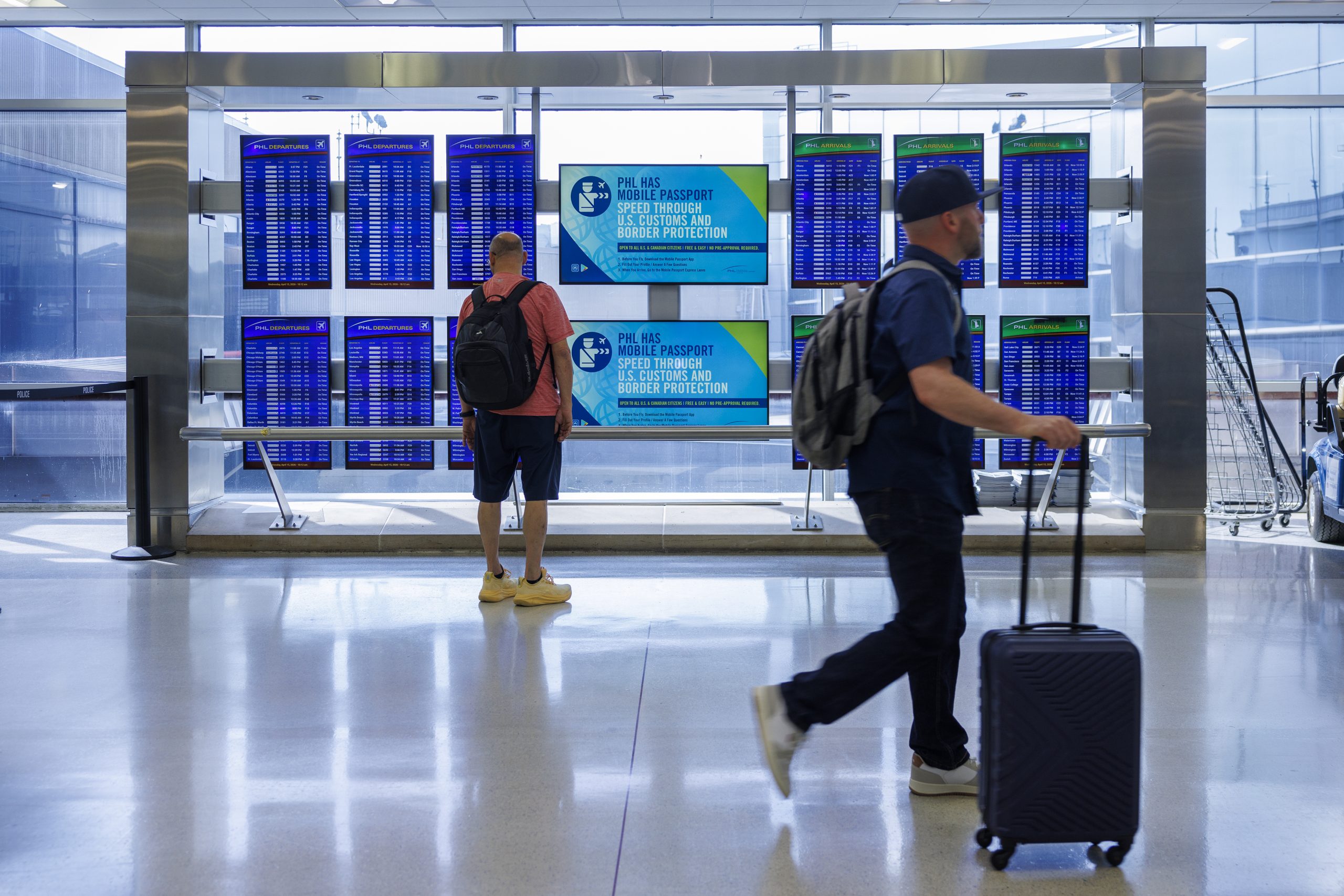
    Someone looks at the arrivals and departures board at Philadelphia International Airport in April.Alejandro A. Alvarez / Staff Photographer

    Prices fall between $45 and $65 per person for walk-ups, while customers who pre-book online can get reduced rates starting at $32. Complimentary access is available for American Express cardholders.

    The cost includes food and drink, including wine, beer, and spirits, according to Escape. Customers also get private Wi-Fi, charging ports and outlets, printing and copy services, and PressReader, which provides digital access to more than 7,000 newspapers and magazines.

    The news comes at a time when airport lounges have become more accessible than ever — and often more crowded. A growing number of credit cards offer lounge access, and travelers without the required cards can buy day passes to most spots.

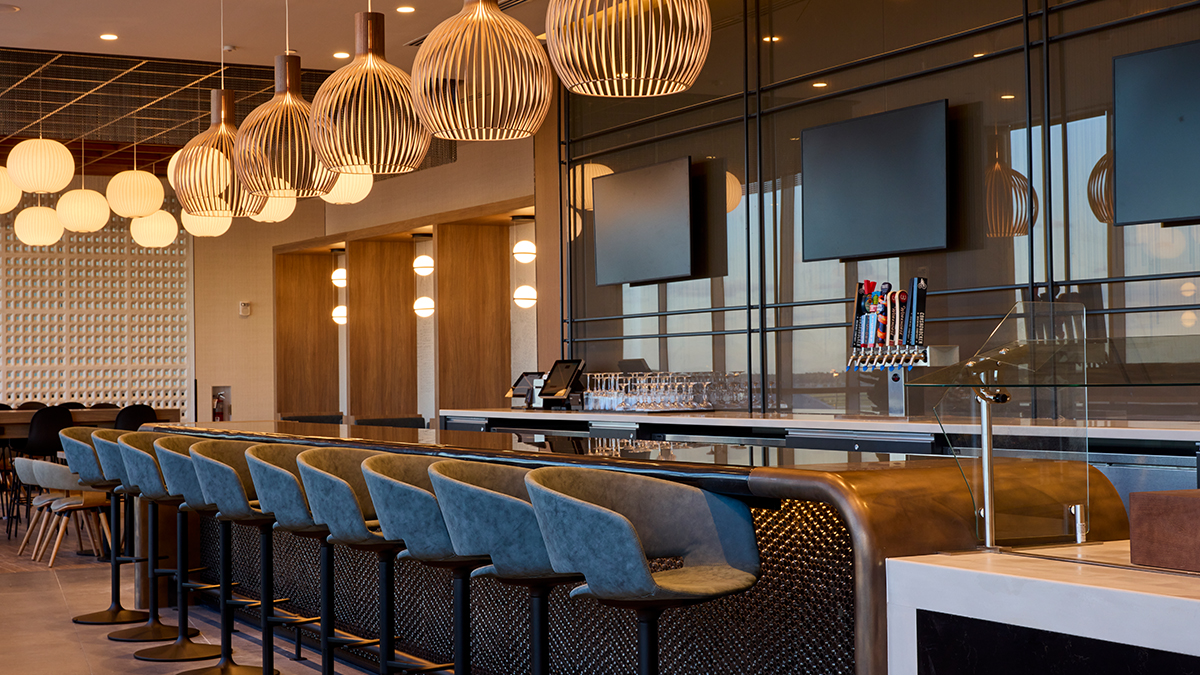
    The bar at the American Airlines Flagship Lounge at Philadelphia International Airport.American Airlines

    As a result, the airport lounge market is evolving and growing, with analysts expecting it to reach $6.4 billion by next year.

    Last year at Philadelphia International Airport, Chase Sapphire opened a lounge between Terminals D and E, and American Airlines opened neighboring lounges in Terminal A-West.

    American Express and British Airways also operate lounges in Terminal A-West, from which many international flights depart.

    The airport also has a United Club between Terminals C and D, and Delta Sky Club between Terminals D and E, as well as private Minute Suites between Terminals A and B.

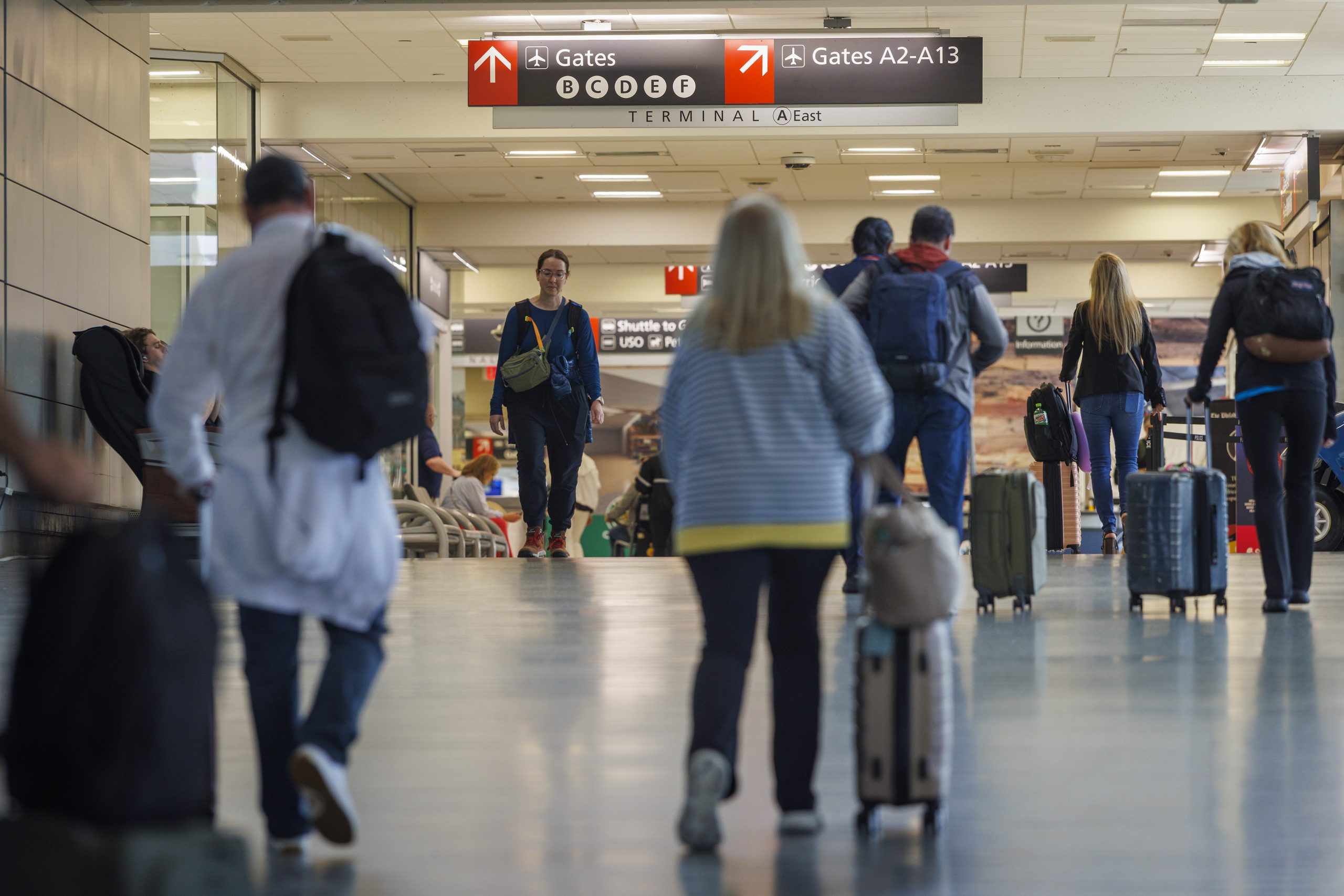
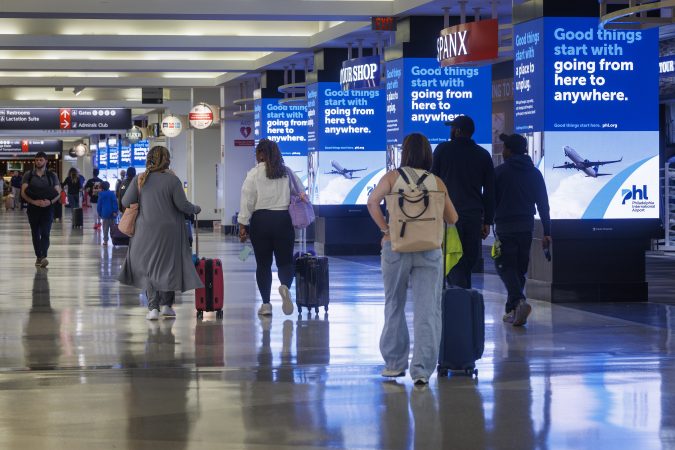
    Travelers walk through Philadelphia International Airport in April.Alejandro A. Alvarez / Staff Photographer

    Last year, more than 30.1 million travelers passed through Philadelphia International Airport, which is getting $500 million in upgrades.

    While the total number of 2025 passengers dropped slightly from the prior year, the airport saw a 7.5% increase in international travelers, executives said.

    It was also the first time since before the pandemic that the airport recorded two consecutive years with more than 30 million annual passengers.

  • SEPTA cuts 3 Glenside Regional Rail trains along with other schedule changes

    SEPTA cuts 3 Glenside Regional Rail trains along with other schedule changes

    SEPTA is trading Glenside Regional Rail riders three daytime trains for new off-peak options, more train cars, and new schedules aimed at reducing congestion between Glenside and Wayne Junction.

    The Warminster Line, which runs through southeastern Montgomery County, is the only Regional Rail line losing multiple trains under systemwide changes that began on July 5 to make trains more consistent and prevent delays.

    The new schedule cuts two weekday trains that left Glenside at 8:40 a.m. and 2:47 p.m. for Center City, and one weekday train that left Suburban Station at 4:53 p.m. toward Warminster.

    The morning train cut leaves a 27-minute gap in service to Center City from Glenside, while the afternoon cuts each add five minutes or less to the wait for the next train.

    SEPTA also added a train to the Warminster Line that leaves Suburban Station at 11:35 p.m. on weekdays, and a train on the West Trenton Line that leaves Suburban Station at 5:28 a.m.

    The late-night train will serve airport workers, and the dawn departure is convenient for people who commute into the suburbs, SEPTA spokesperson Kelly Greene said.

    The changes SEPTA made across the commuter rail system this week are aimed at improving consistency and reliability, the agency said.

    “As SEPTA continues to increase the number of train cars available for service, trains will be longer and provide more space for riders,” officials wrote in a statement.

    Between Wayne Junction and Glenside, SEPTA said, it hopes the new schedule will help “prevent trains from bunching together, which can cause delays.”

    The 8:40 a.m. train from Glenside was cut to reduce congestion, Greene said, and had the lowest ridership of the trains running around that time.

    Other changes affecting the Abington area include new departure times for some trains on the Lansdale/Doylestown, Warminster, and West Trenton Lines.

    SEPTA put out a full list last month of what is changing on each line, along with updated train schedules.

    This suburban content is produced with support from the Leslie Miller and Richard Worley Foundation and The Lenfest Institute for Journalism. Editorial content is created independently of the project donors. Gifts to support The Inquirer’s high-impact journalism can be made at inquirer.com/donate. A list of Lenfest Institute donors can be found at lenfestinstitute.org/supporters.

  • Frontier fills Spirit Airlines’ void left at Philadelphia airport with new flight

    Frontier fills Spirit Airlines’ void left at Philadelphia airport with new flight

    Frontier Airlines has begun new nonstop daily service between Philadelphia International Airport and Detroit, taking over a route formerly operated by discount carrier Spirit Airlines.

    The service began Sunday, the airline said, adding that it is offering a special introductory one-way fare of $79 between the two cities.

    Frontier and other budget airlines such as Allegiant Air have moved to fill gaps in service since Spirit, a pioneer of cheap fares, ran out of cash and shut down May 2.

    “We are pleased to grow our service at PHL, ensuring low-cost travel options remain available for consumers,” Josh Flyr, vice president of network and operations design at Frontier, said in a statement.

    The airline is touting other new products, including UpFront Plus seating, an option with extra leg and elbow room in the first two rows of the aircraft, the airline said. UpFront Plus customers are guaranteed an empty middle seat.

    Frontier carried about 3.1 million passengers into and out of PHL during 2025, ranking second after American, the airport’s dominant carrier, with over 20 million passengers last year.

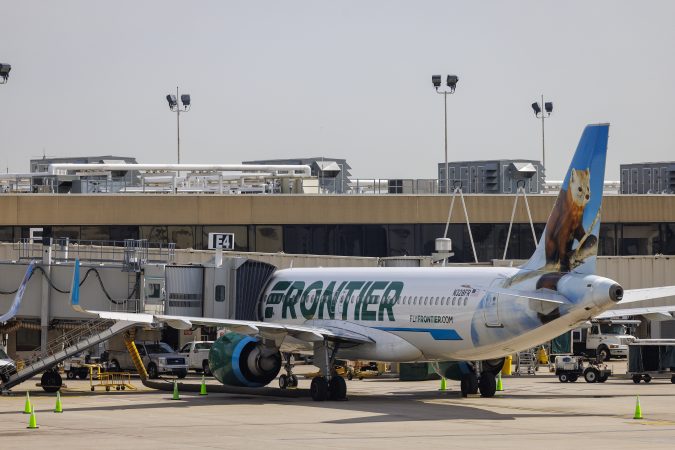
    It operates primarily from 17 gates in Terminal E.

    The promotional $79 tickets must be bought before 11:59 p.m. July 12. They apply to select nonstop flights for travel between Aug. 3 and Sept. 2, according to Frontier.

    Spirit Airlines had been in chapter 11 bankruptcy and was seeking a $500 million federal bailout to keep going. No deal was reached, so it closed and liquidated its fleet of planes. Spirit had high debt and was struggling under the weight of rising costs, especially of fuel.

  • SEPTA’s bus numbering system is a relic from the streetcar era

    SEPTA’s bus numbering system is a relic from the streetcar era

    While waiting for his SEPTA bus, Jake McGovern, 28, noticed at least three routes go by his corner in Point Breeze.

    He wondered if route numbers had any particular meaning: Maybe 7 indicated a north-south route, and 9 meant east-west.

    “There has to be some logic to it,” he thought.

    No amount of looking at the bus maps proved helpful in deciphering the pattern, so McGovern asked Curious Philly, The Inquirer’s forum for questions about the city: “Is there any rhyme or reason for the SEPTA bus numbering system?”

    » ASK US: Have something you’re wondering about the Philly region? Submit your Curious Philly question here.

    Places like New York City have bus lines with a combination of letters and numbers that show the borough they serve: Bx (Bronx), B (Brooklyn), M (Manhattan), and even S for Staten Island.

    Philly, on the other hand, has always vibed to its own logic, even when that might mean not having one.

    SEPTA operates more than 120 bus routes, including the lines to the suburbs. But bus numbers in Philly do not indicate where routes go or which streets they operate on, according to SEPTA spokesperson John Golden.

    SEPTA bus numbers above 90 are lines driving to the suburbs.

    The routes below 90 were formerly Philadelphia Transportation Co. streetcar routes, Golden said.

    The bus numbers in Philly are a relic of a time when Philadelphians moved through streetcars pulled by horses.

    Back then, the lines were named in the order they were introduced, Billy Penn reported in 2020. When bus routes replaced them, the route numbers were retained.

    For areas with new bus routes, letters were assigned as the route identifier. Eventually, new bus routes were numbered in the high 80s, Golden said.

    The letter system ended in February 2025, when SEPTA renamed bus routes named after letters into numbers, turning:

    • The G into 63
    • The H into 71
    • The J into 41
    • The L into 51
    • The R into 82
    • The XH into 81

    Upon hearing the explanation McGovern said, “Oh, jeez” between laughs.

    “It’s kind of a letdown, but it’s funny that it worked out like that,” McGovern said. “I imagine the randomness is probably useful to other people in the city as well, because it makes it very unique.”

  • SEPTA restores Regional Rail service after derailment caused major delays

    SEPTA restores Regional Rail service after derailment caused major delays

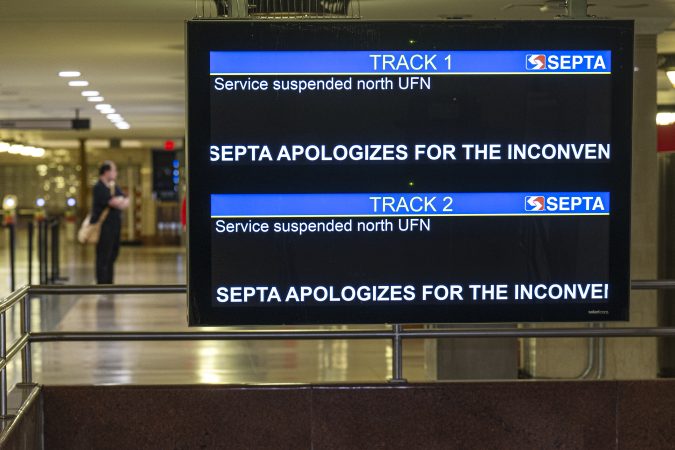
    SEPTA restored Regional Rail service at 3 p.m. Wednesday after major disruptions caused by the midnight derailment of a Manayunk/Norristown train in North Philadelphia.

    Residual delays were expected as the system recovered.

    No injuries were reported when the outbound train went off the rails at the 16th Street Interlocking shortly after midnight, according to SEPTA.

    The incident is under investigation. Crews repaired track damaged in the incident, transit agency spokesperson Andrew Busch said.

    Three suspended lines reopened: Manayunk/Norristown, with 7,779 average daily riders; Fox Chase (2,473 riders) and Chestnut Hill East (3,042 riders).

    On other lines where service was reduced, trains resumed serving all stations, Busch said.

    The accident

    The four-car train was traveling less than 15 mph and carrying 47 passengers and three crew members when the rear axle of the third car derailed just after midnight. Busch said the people aboard declined medical treatment.

    A nearby train brought the passengers to Wayne Junction Station. A shuttle bus pulled out shortly after 1 a.m. and completed the rest of the stops along the Manayunk/Norristown line, Busch said.

    SEPTA crews got the train back on the track and moved around 7 a.m.

    Rail workers also were checking the components of the interlocking, a linked system of signals and switches that allows trains to move from one set of rails to another at a junction.

    Given that the derailment happened in the overnight hours, officials so far do not think that heat was a factor, Busch said. Extreme heat can warp railroad tracks.

    Elsewhere

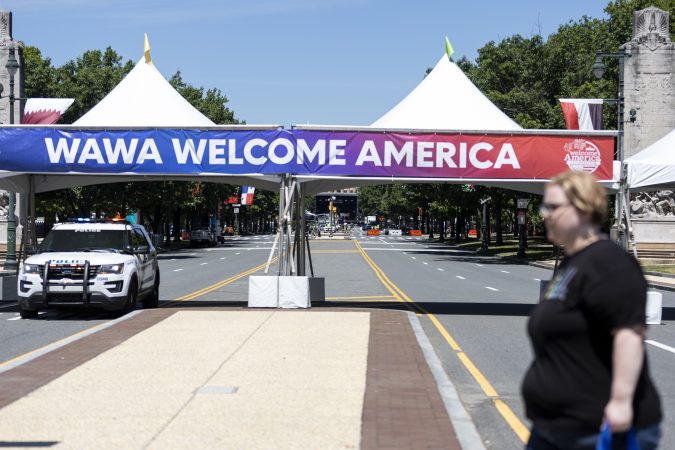
    The Wednesday delays came on a particularly challenging day for traversing the region. In Old City, road closures abounded as the city celebrated Wawa Welcome America’s Hoagie Day, beginning at noon.

    This is the second train derailment in as many days. A CSX freight train derailed in Bucks County Tuesday evening, causing SEPTA delays that were later resolved. There were no injuries reported.

  • How to see the world’s largest steam locomotive, called Big Boy, in Philly

    How to see the world’s largest steam locomotive, called Big Boy, in Philly

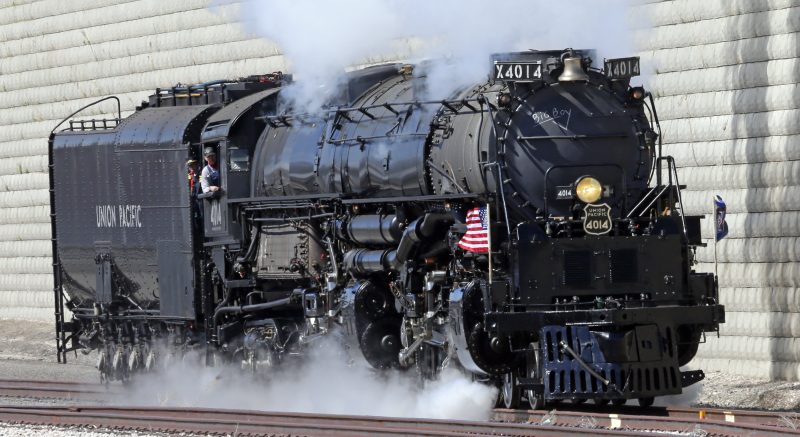
    Union Pacific’s Big Boy No. 4014 will arrive in Philadelphia in time for Fourth of July celebrations, completing its journey from the West Coast. The legendary locomotive has already drawn thousands to tracks across Pennsylvania, according to the railroad.

    The Big Boy is scheduled to arrive in Philadelphia for a Fourth of July display at Intrepid Avenue and League Island Boulevard in the Navy Yard, where the Port of Philadelphia will host a public viewing from 8 a.m. to 2 p.m. Saturday and again on Sunday from 9 a.m. to 3 p.m. before heading west. Admission is free.

    The stop is part of Union Pacific’s coast-to-coast tour marking the nation’s 250th anniversary, a commemoration neatly suited to the locomotive itself: enormous, industrial in purpose, and now preserved as national memory.

    On Thursday, the locomotive is scheduled to stop shortly in Reading (1:30 to 2:15 p.m.) and Pottstown (3:30 to 3:45 pm.) for public viewing before traveling to King of Prussia, from where it will depart at 9 a.m. Friday for Philadelphia. It will leave Philly at 9 a.m. Monday.

      (function() {
        var l2 = function() {
          new pym.Parent(‘BIGBOY2.html’,
                         ‘https://media.inquirer.com/storage/inquirer/projects/innovation/arcgis_iframe/BIGBOY2.html’);
        };
        if (typeof(pym) === ‘undefined’) {
          var h = document.getElementsByTagName(‘head’)[0],
            s = document.createElement(‘script’);
          s.type = ‘text/javascript’;
          s.src = ‘https://pym.nprapps.org/pym.v1.min.js’;
          s.onload = l2;
          h.appendChild(s);
        } else {
          l2();
        }
      })();

    The Big Boys — 133 feet long and weighing 1.2 million pounds — are the world’s-largest steam locomotives. Big Boy No. 4014 was part of a fleet of 25 locomotives designed to haul heavy freight over the mountains between Ogden, Utah, and Cheyenne, Wyo., as rail traffic surged around World War II.

    “There is something romantic about it,” said Robynn Tysver, a spokesperson for Union Pacific. “It echoes back to a time that you and I do not remember. Maybe it’s just the size of it.”

    The restoration project that put Big Boy 4014 back on the track has been called one of the most significant locomotive restoration projects in recent memory by railroad experts. The restoration began in 2013. The locomotive was taken down to its bolts and rebuilt using graphics from 1941, according to Union Pacific.

    Union Pacific’s history reaches back to the Pacific Railway Act of 1862, when President Abraham Lincoln chartered the railroad to help build the eastern portion of the first transcontinental line. Built largely by immigrant labor, the railroads that followed connected markets and cities, transformed the West, and made the country feel physically continuous.

    Big Boy No. 4014 carries some of that history with it. It is both machine and symbol: of movement, expansion, industry, memory, and the complicated national faith that bigger could mean better.

    Union Pacific reports that crowd sizes have increased as the locomotive has traveled from California to the East Coast. Though modern locomotives are more durable and have enhanced safety features — for example, AI software to scan tracks for debris — something inarticulable draws people to the Big Boy.

    “You just have to see it to understand what captivates people,” Tysver said. “When you see it, you’ll understand what captivates people. It’s a living, breathing piece of history.”

  • Shelter-in-place order lifted after freight train derailment in Bucks County

    Shelter-in-place order lifted after freight train derailment in Bucks County

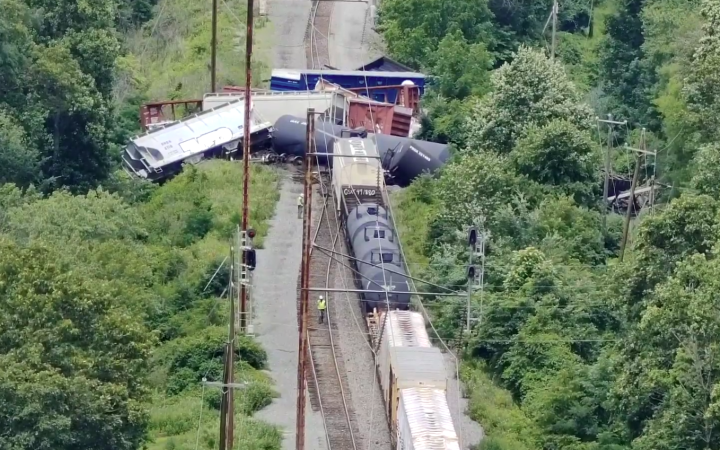
    No injuries were reported after a CSX freight train derailed Tuesday afternoon in Bensalem Township in Bucks County, and shelter-in-place and evacuation orders have been lifted, authorities said.

    Hazmat teams and other emergency personnel responded to the derailment that occurred between Street Road and the Neshaminy Falls train station just before 2 p.m., and no hazmat leaks were found, authorities said.

    A SEPTA spokesperson said the West Trenton Line on the agency’s Regional Rail service was suspended, but later was cleared to resume.

    “We operate on our own tracks in this area, but the CSX tracks are sort of parallel to ours in that area, so we had to suspend due to the emergency response,” said SEPTA spokesperson Andrew Busch.

    Bensalem Township police said 72 train cars were traveling eastbound when 13 cars derailed, though CSX said 16 cars derailed. Three of the derailed cars were marked as possibly containing hazardous materials.

    “Out of an abundance of caution, the Bucks County Hazardous Materials Response Team was activated while police officers established a shelter-in-place order for the surrounding area. Officers also conducted door-to-door notifications along Grove Avenue and Old Lincoln Highway to evacuate nearby residents and businesses,” the Bensalem Township police said.

    “Residents are asked to avoid the area and stay away from the railroad tracks while cleanup operations continue,” the police said.

    A spokesperson for CSX said the train derailed near the crossing of East Bristol Road and Grave Avenue.

    “Our primary focus remains the safety of onsite personnel and the surrounding community,” CSX spokesperson Jonathan Stuckey said in an email.

    “CSX crews are currently on scene and working as safely and quickly as possible to restore the impacted site. The cause of the incident is currently under investigation. We will provide more information as it becomes available,” Stuckey said.

    U.S. Rep. Brian Fitzpatrick, who represents all of Bucks County, said he was closely monitoring the situation and the cause of the accident was under investigation.

    “In moments like this, every minute matters. Response time, coordination, calm under pressure, bravery, and professionalism are what keep people safe,” Fitzpatrick said.

    “We are grateful for the safe outcome, and for the incredible men and women on scene this afternoon who protect our community day in and day out,” Fitzpatrick said.

  • Road closures for Philly’s July 4th concert and other events are announced

    Road closures for Philly’s July 4th concert and other events are announced

    Between concerts at Independence Mall, block parties, Wawa Hoagie Day, fireworks, and a parade, Philly streets will be booked and busy in early July.

    For folks planning ahead, these are roads that will be closed as Philly celebrates the nation’s 250th with the Wawa Welcome America Festival:

    Thursday, June 25

    Starting at 8 a.m., the north traffic lane on Market Street (between Fifth and Sixth Streets) is closed to accommodate the stage buildup for the Independence National Historical Park concert.

    The north lane should reopen to traffic by 10 p.m.

    Friday, June 26

    The stage buildup continues. The north lane on Market Street (between Fifth and Sixth Streets) will be shut down once again from 8 a.m. to 6 p.m.

    Reservoir Drive in front of Smith Playground is also scheduled to be closed for Kidchella. Between noon and 11 p.m. the drive will be shut down to accommodate the free music festival with art stations.

    Saturday, June 27

    Starting at 6 a.m., three roads will close for Concilio’s Hispanic Fiesta:

    • The Benjamin Franklin Parkway from 16th Street to 17th Street
    • Arch Street between 15th and 16th Streets
    • 16th Street from John F. Kennedy Boulevard to Arch Street

    All streets are expected to reopen at midnight.

    Sunday, June 28

    Market Street and its north sidewalk (from Fifth to Sixth Streets) are scheduled to be closed from 6 p.m. to 9 p.m. for the gospel concert at Independence Hall.

    The north traffic lane on Market Street will also be shut down for the concert between 8 a.m. to 9 p.m.

    Tuesday, June 30

    The inner lanes of the Benjamin Franklin Parkway from 20th Street to Binswanger Triangle will close starting at 6 a.m. in preparation for the One Philly: Unity Concert for America July 4th concert and fireworks. Closures will remain in place through Monday at 6 a.m.

    Wednesday, July 1

    Wednesday brings six street shutdowns, some as early as 5 a.m., for the Wawa Hoagie Day (free hoagies at noon) and U.S. Air Force Heritage Band:

    Closing from 5 a.m. to 6 p.m.

    • Arch Street from Fourth to Sixth Streets
    • Fifth Street between Market and Race Streets
    • Sixth Street from Market Street to Race Street

    Closing from 9 a.m. to 9 p.m.

    • Market Street north traffic lane from Fifth to Sixth Streets
    • Market Street between Fifth and Sixth Streets

    Closing between 1 p.m. to 4 p.m.

    • North sidewalk on Market Street from Fifth to Sixth Streets

    Thursday, July 2

    Two days before the 250th, road closures are ramping up for the Red, White, and Blue To Do celebration, the All American Block Party, and the Salute to Service: United States Army Field Band and Soldiers Chorus.

    Closing between 5 a.m. to 11 p.m.

    • Arch Street from Fourth to Sixth Streets

    Closing between 7 a.m. to 6 p.m.

    • Third Street between Chestnut and Walnut Streets
    • Dock Street between Third and Walnut Streets
    • Walnut Street between Second and Third Streets

    Closing between 9 a.m. to 11 a.m.

    • Market Street north traffic lane from Fifth to Sixth Streets

    Closing between 11 a.m. to 1 p.m.

    • Walnut Street from Second to Fourth Streets

    Closed between 11 a.m. until the parade ends or passes

    • Chestnut Street between Second and Fifth Streets
    • Market Street at Fifth Street
    • Chestnut Street at Fifth Street closure starts at 11:15 a.m.

    Closing between 3 p.m. to 9 p.m.

    • Market Street between Fifth and Sixth Streets
    • Sixth Street between Arch and Market Streets
    • Market Street north sidewalk from Fifth to Sixth Streets

    Closing July 2 and July 3

    • Fifth Street from Race Street to Chestnut Street is closed from July 2 at noon to July 3 at 5 p.m.

    Friday, July 3

    With the Salute to Independence Parade the Philly Pops concert at Independence Mall, and the Parkway concert and fireworks, Friday brings more road closures. Expect some streets to close as early as 4 a.m.

    Closing between 4 a.m. to 1 p.m.

    Three streets will be closed between Spruce and Arch Streets:

    • Third Street
    • Fourth Street
    • Fifth Street

    Closing between 6 a.m. and 9 p.m.

    • Market Street from Fifth to Sixth Streets

    Closing from 6 a.m. Friday to 6 a.m. on Monday

    • 1900 block of Race Street 
    • 1800-1900 Vine Street 
    • I-676 off-ramp at 22nd Street 
    • I-676 on-ramp at 22nd Street 
    • I-76 eastbound off-famp at Spring Garden Street 
    • Spring Garden Tunnel 
    • Park Towne Place between 22nd and 24th Streets 
    • 20th Street between Arch Street and Pennsylvania Avenue 
    • 19th Street between Callowhill and Cherry Streets 
    • Benjamin Franklin Parkway from 17th Street to Eakins Oval (all lanes) 
    • Eakins Oval (all lanes) 
    • Kelly Drive between Eakins Oval and Fairmount Avenue (Kelly Drive inbound closed at Fountain Green Drive beginning at about 5 p.m.) 
    • Rear of Art Museum – Anne d’Harnoncourt Drive 
    • 2000-2100 Winter Street 
    • MLK Drive from Falls Bridge to Eakins Oval 
    • Spring Garden Street between Pennsylvania Avenue and 31st Street 
    • 23rd Street between Pennsylvania Avenue and Eakins Oval 
    • 22nd Street between Winter Street and Pennsylvania Avenue 
    • 21st Street between Winter Street and Pennsylvania Avenue 
    • All roads from Arch Street to Spring Garden Street, 18th to 22nd Streets (local access maintained for residents) 
    • All roads from Arch Street to Fairmount Avenue, 22nd to Corinthian Streets (local access maintained for residents) 
    • 16th and 17th Streets, between Arch and Spring Garden Streets will be closed only if conditions warrant in the interest of public safety 
    • 1600-1700 Benjamin Franklin Parkway will be closed only if conditions warrant in the interest of public safety 

    Closing from 11:30 a.m. until the parade ends

    • Market Street from Sixth to 17th Streets
    • Seventh Street between Arch and Walnut Streets
    • Eighth Street between Arch Street and Walnut Streets
    • Ninth Street between Arch and Walnut Streets
    • 10th Street between Arch and Walnut Streets
    • 11th Street between Arch and Walnut Streets
    • 12th Street between Arch and Walnut Streets
    • 13th Street between Arch and Walnut Streets
    • John F. Kennedy Boulevard between Juniper and 17th Streets
    • North Broad Street between John F. Kennedy Boulevard and Arch Street
    • 15th Street between Cherry and Chestnut Streets
    • Benjamin Franklin Parkway between Arch and 20th Streets
    • 16th Street between Cherry and Chestnut Streets
    • 17th Street between Race and Arch Streets
    • 18th Street between Vine and Cherry Streets
    • 19th Street between Vine and Cherry Streets
    • 20th Street between Vine and Race Streets
    • Chestnut Street between 11th and 16th Streets

    Closing between 1 p.m. to 9 p.m.

    • Sixth Street from Market to Race Streets
    • North sidewalk on Market Street from Fifth to Sixth Streets

    Saturday, July 4

    Sealing the 250th festivities, the Celebration of Freedom Ceremony brings few more road closures. Closures related to the Parkway concert and fireworks continue.

    Closing between 8 a.m. to noon

    • Market Street between Fifth and Sixth Streets
    • Market Street north sidewalk from Fifth to Sixth Streets

    Closing between 8 p.m. and 1 a.m. on Sunday, July 5

    • Kelly Drive from Fairmount Avenue to Fountain Green Drive 
    • Waterworks Drive 
  • Could a Pa. Supreme Court decision on skill games help fund SEPTA?

    Could a Pa. Supreme Court decision on skill games help fund SEPTA?

    More funding for SEPTA and dozens of financially strained mass transit systems across Pennsylvania has been on the back burner in this year’s budget debate, but it may get some more attention now.

    The Pennsylvania Supreme Court ruled June 15 that tens of thousands of the so-called skill games in bars and convenience stores are in fact slot machines — and illegal unless licensed, regulated, and taxed like casino-based slots.

    “By dedicating a portion of skill game revenue to transportation, we can protect and strengthen transit services without placing additional burdens on taxpayers, while ensuring our transit agencies have the resources they need,” Republican State Sen. Frank Farry of Bucks County said Friday in a statement.

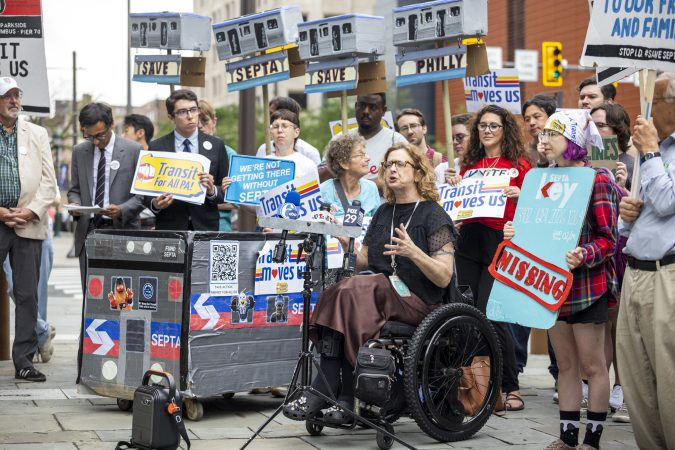
    Transit advocates renewed what has become an annual public push for more money for SEPTA and fellow transit agencies at a news conference in front of the Fifth Street/Independence Hall Station — prompted in part by the court decision.

    Farry issued the statement in support of that effort.

    “I have the freedom to be able to come here, thanks to this elevator behind us, which was recently renovated,“ said Julie Rea, an organizing fellow for Transit Forward Philadelphia who uses a wheelchair and depends on the Market-Frankford El (now called the L).

    “Without the long-term funding that SEPTA really needs, we’re not going to be able to keep the system accessible for all,” she said.

    Last year, lawmakers and Gov. Josh Shapiro failed for a third time to reach agreement on his proposal to dedicate an increased portion of general sales tax revenue to consistently fund transit agency operations for five years.

    Republicans, who control the Senate, did not want to take more sales tax revenue for transit, and the Democrats in charge of the House did not want to take up the GOP leadership’s counterproposal to use state money for infrastructure projects for operations instead.

    Farry offered legislation in 2024 to regulate and tax skill games and dedicate 50% of the revenue to create a stable source of funding for public transit. The most optimistic assessments are that taxes on the games at or near the rate casinos must pay for their slots could generate up to $1 billion a year.

    Taxing skill games has been discussed in budget deliberations for several years, though it never came together, in part because of differences of opinion in the GOP Senate caucus.

    “Maybe the court decision will spur people to get their act together,” Farry, who is up for reelection in the fall, said in an interview. “We have a pathway.”

    Shapiro has proposed taxing skill games at 52%, the same rate casinos pay for slot machine proceeds. Last year, the Senate GOP proposed a tax rate of 35% on the machines.

    When a transit funding deal failed to come together in 2025, SEPTA raised fares and slashed service, eliminating 32 bus routes outright, until a Philadelphia court ordered it to restore cuts in service.

    Shapiro then allowed SEPTA to use $394 million of reserved capital money in a state trust fund to pay to operate the transit system for two years; ironically, that was the same maneuver behind the GOP’s proposal.

    Meanwhile, this year, paratransit and shared-ride services are in trouble throughout the state and transit systems in Lancaster, Westmoreland County, and the Lehigh Valley are considering service cuts.

    “We know that the rural-urban divide is manufactured, and that a public good, like transit, touches us all,” said Connor Descheemaker, statewide campaign manager for Transit for All PA.