Category: Transportation

  • Pa. Supreme Court says SEPTA special prosecutor is constitutional, another blow to Krasner

    Pa. Supreme Court says SEPTA special prosecutor is constitutional, another blow to Krasner

    A 2023 Pennsylvania law creating a special prosecutor to pursue crimes on SEPTA is constitutional, a unanimous state Supreme Court ruled Thursday.

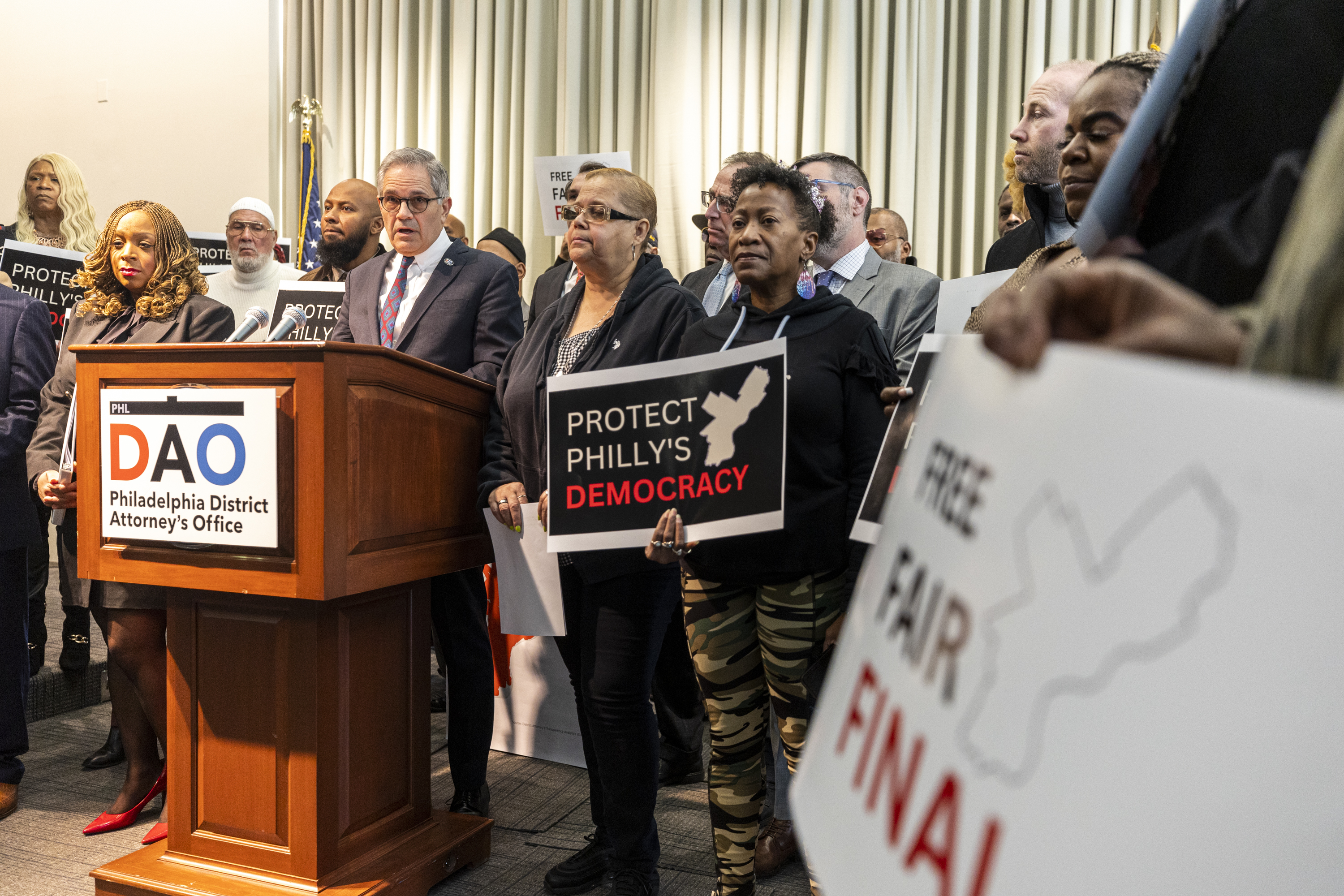
    All seven justices rejected District Attorney Larry Krasner’s argument that the law unconstitutionally strips the authority of an elected district attorney by granting jurisdictions to crime “within” SEPTA to a special prosecutor appointed by the Pennsylvania attorney general. But they did not unanimously agree on the reason.

    The special prosecutor can investigate crimes in all counties in which SEPTA operates, but can take over cases unilaterally only in Philadelphia.

    Chief Justice Debra Todd wrote in the majority opinion that the part of the special prosecutor law specific to Philadelphia serves a “legitimate state interest: promoting public safety through the protection of SEPTA employees and riders by supporting the prosecution of crimes within SEPTA, and specifically, SEPTA-related crimes in Philadelphia.”

    The law responds to “public safety concerns regarding increased SEPTA-related crime in Philadelphia, and the belief that such crimes were not being sufficiently prosecuted,” Todd wrote.

    State Attorney General Dave Sunday, who is authorized to appoint the special prosecutor, said the law “has paid great dividends in holding violent offenders accountable” for crimes on SEPTA.

    “Our mass transit prosecutor will continue to prosecute criminals who have killed and assaulted other individuals, perpetrated acts of gun violence, and stolen SEPTA property,” Sunday said in a statement.

    A spokesperson for the district attorney’s office did not return a request for comment.

    The special prosecutor’s office has become more active in the last year after a slow start. The office initially hired a sole attorney and did not prosecute a case until 2025, two years after its creation. The office has since taken on a portfolio of around two dozen cases, a spokesperson for the attorney general said. Serious crime on SEPTA has trended downward, according to the agency, falling around 20% in mid-2026 compared with the same period the previous year.

    Earlier this year, the special prosecutor, Michael Untermeyer, took on an assault case involving a woman accused of pepper-spraying and punching a conservative influencer during a viral confrontation on a SEPTA bus. And a representative for Sunday’s office said the prosecutor was preparing for a homicide trial in November, and the office was recently referred a case involving an assault on a SEPTA bus driver.

    The ruling is the latest in which the Supreme Court has shown willingness to take away from Krasner functions that county prosecutors traditionally have had sole discretion over. The justices in June found that Philadelphia prosecutors had engaged in a pattern of misleading judges when seeking to overturn murder convictions, and instructed judges to notify the state attorney general’s office so it can review cases when Krasner’s office makes such requests going forward.

    But the ruling on the SEPTA special prosecutor might be short-lived.

    The law that authorized the role is set to expire at the end of the year, and while Harrisburg lawmakers set aside $1.2 million for the special prosecutor’s operations next year, they have not yet agreed on extending the measure.

    Krasner filed a lawsuit in January 2024 attempting to quash the Republican-sponsored state law that gives a special prosecutor authority over crimes around SEPTA properties in Philadelphia. Gov. Josh Shapiro had signed the bill into law as part of a state budget deal in December 2023.

    Krasner’s lawsuit called the law an “unconstitutional, radical, and unprecedented measure” amounting to a “shocking usurpation of power.”

    In June, Commonwealth Court issued a 4-3 decision against Krasner, finding the law constitutional. In the majority opinion, Judge Anne E. Covey said the act “does not clearly, palpably, and plainly violate the Pennsylvania Constitution.”

    In a Thursday concurring opinion, Justice David Wecht emphasized the ways the special prosecutor law was tailored to Krasner specifically.

    The law disqualifies anyone who worked at the Philadelphia district attorney’s office as of roughly the beginning of Krasner’s tenure from serving as special prosecutor, the justice noted. And the measure was set to expire a year after Krasner’s second term ended (he has since won a third, which began in January).

    The special prosecutor law is “tailored to hamstring Philadelphia’s thrice-elected and sitting District Attorney’s customary prerogatives relative to crime within the jurisdiction that office serves,” Wecht wrote.

    “But none of that matters,” he said, because since 1951 the Pennsylvania Constitution has allowed for laws ”regulating the affairs of the City of Philadelphia.”
  • How do you travel? Your regional planning commission wants to know

    How do you travel? Your regional planning commission wants to know

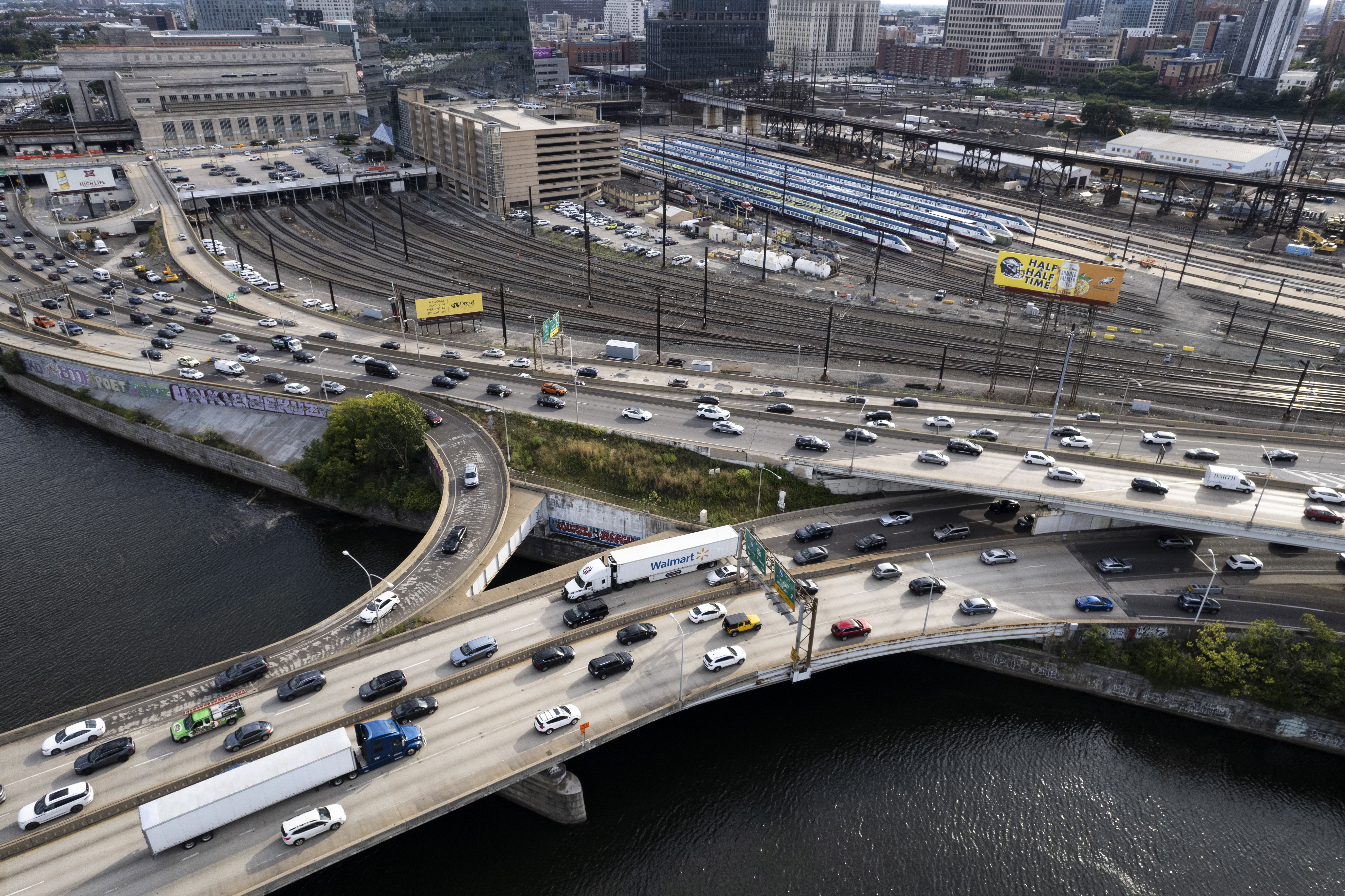
    The Delaware Valley Regional Planning Commission is collecting granular information about daily travel: Where did people go? Why? Did they drive, take transit, walk, bike, or use an electric mobility device?

    Planners working on the project aren’t nosy or trying to surveil anybody.

    They need real-time data to update DVRPC’s travel demand model for the nine-county Philadelphia area that will guide funding decisions about infrastructure projects and transportation plans for the next decade.

    “Compared to any other 10-year period that I can recall, there has just been so much transformation in how people travel,” said Mike Boyer, the agency’s director of regional planning.

    Information from a new household travel survey will show a clear picture of exactly how it changed and provide clues about where regional transportation might be headed. The last household survey was conducted in 2012 and 2013 and a final version was published in 2015.

    Typically, DVRPC conducts a travel survey every decade, but officials waited 13 years this time to allow transportation patterns to settle into a “new normal” after the massive disruptions of the pandemic.

    How do they find households to take the travel survey?

    Beginning in January, DVRPC has been recruiting participants by mailing postcard invitations to randomly selected households in South Jersey and Southeastern Pennsylvania. It has also used some social media posts.

    People cannot reach out to nominate themselves.

    Random invitations help ensure that respondents reflect the population of the region. Participants need to represent each of DVRPC’s nine counties, as well as a mix of households by income, size, number of workers, and other demographics.

    It is expected to take the rest of the year to get the 9,000 to 10,000 completed household surveys required for a good picture of the region’s habits, said Matt Gates, associate director of travel trends and forecasts for DVRPC.

    Based on typical response rates, it may take as many as 300,000 postcards to recruit enough participants, he said.

    Recruitment paused for the summer and started up again after Labor Day.

    DVRPC serves Burlington, Camden, Gloucester, and Mercer Counties in New Jersey as well as Bucks, Chester, Delaware, Montgomery, and Philadelphia Counties in Pennsylvania.

    Survey data will be held confidential and anonymized, used in the research but not attached to any specific household or phone number, Boyer said.

    “Data won’t be sold or used by any third party,” he said. “We want to be forthright about that.”

    What do participants do?

    Most will report household trips for one 24-hour period, starting around 2 a.m. or 3 a.m., using a smartphone app that runs in the background, tracking each trip via GPS.

    When it detects what might be a trip, it prompts the participant to confirm it and provide details such as the trip’s purpose and what type of transportation is used.

    “If you leave your house in the morning and go to work, and then you leave work and go somewhere for lunch, and then you go back to the office, and then, on the way home, you stop at the dry cleaner — all of those pieces of your daily travel are joined together,” said Gates, the chief travel modeler.

    That would be counted as a “tour,” broken into separate trips, each attached to a specific activity.

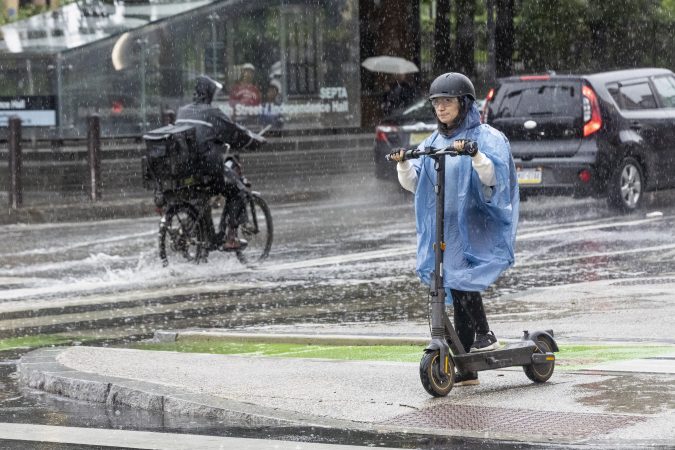
    The survey also asks for basic household information — size, ages, jobs, school attendance, income, and vehicles. E-bikes, e-scooters, personal mobility devices for people with disabilities, traditional pedal-powered bicycles, and walking will be counted as separate modes of travel.

    In the 2012-13 survey, walking and biking were separate options, but the travel model combined them in one category called “nonmotorized.” A catchall “other” category covered everything else.

    Participants who do not want to use the app can keep a paper travel diary and then either enter their trip information on a website or reach a call center, where a person will walk them through the questions and record the data.

    How will the information be used?

    After it is fed into the travel model, DVRPC will use it to help draft a Transportation Improvement Program (TIP). That is the federally mandated priority list for allocating federal and state funding of transportation, transit, and highway projects across the region.

    But that’s not all.

    Planners use it to decide on traffic safety projects, to chart where new recreational trails should go, and to test scenarios in response to events.

    Combining the data with information about the transportation network can provide insight into how people make decisions about, say, using a SEPTA train vs. driving between two points, Gates said. “Is it time? Is it cost? The number of vehicles available in a household?”

    A good travel demand model with those insights can help answer “what if” questions such as what effect a new train line or highway would have, or rising gas prices, transit fare increases, and service cuts, Gates said.

    It can help planners think about how the transportation network could accommodate a spurt of growth in Quakertown, Bucks County, for example, or Woolwich Township, Gloucester County.

    Last year DVRPC used existing data to project added motor vehicle traffic amid SEPTA service cuts, which began but were quickly rolled back.

    What trends are the experts looking for?

    • The extent to which hybrid work and e-commerce may be reducing trips per person or household. For example: How many shopping trips have been replaced by deliveries?
    • Transit changes: They want to understand SEPTA’s ridership recovery from COVID-19 and how often people are using transit for a mix of nonwork trips at different times, rather than just traditional commutes.
    • How are people using ride-hailing services like Uber and Lyft, which have mushroomed over the last decade?
    • How are micromobility options like e-scooters and e-bikes affecting traffic flow?
  • E-scooters are too dangerous to recommend, Consumer Reports says

    E-scooters are too dangerous to recommend, Consumer Reports says

    Consumer Reports said it no longer recommends any brand of e-scooter, citing higher top speeds for the popular vehicles and a sharp nationwide increase in rider injuries.

    In 2017, about 10,500 people were injured on e-scooters, and by 2024 there were nearly 80,000 injuries — a jump of 662%, according to the U.S. Consumer Product Safety Commission.

    Children account for more than 45% of all e-scooter injuries, according to a study published by Johns Hopkins Children’s Center researchers.

    Consumer Reports tested 13 e-scooter models in August, and said they were much faster than in 2022, when it first tested the devices.

    “The most common top speed for e-scooters now is 20 mph,” said Bernie Deitrick, a Consumer Reports engineer who oversees e-scooter testing. One model had a top speed of 28 mph, “almost twice as fast as the models we tested in 2022,” he said.

    Four years ago, the top speed for the scooters Consumer Reports tested was 15.5 mph.

    Some e-scooters on the market today, called hyper scooters, can hit speeds of 75 mph or more. Consumer Reports did not test them and says they shouldn’t be used.

    People took 58 million trips on shared e-scooters in 2025, an increase of 29% year over year, the National Association of City Transportation Officials found in a survey of 31 cities where the public can rent the devices per ride, along with shared bicycles and e-bikes.

    That doesn’t count the millions of e-scooters sold to private owners, estimated at about 1.4 million last year.

    The federal government has not established safety rules for e-scooters sold to consumers. Consumer Reports found that there is no comprehensive voluntary standard from manufacturers of e-mobility devices, and independent industry laboratories have not developed one either.

    “Consumers simply cannot trust that manufacturers are putting safety first as long as e-scooters come with such glaring hazards,” William Wallace, CR’s director of safety advocacy, said in a statement.

    “If this industry is going to help reduce injuries, they need to agree on a set of strong baseline standards to make sure all e-scooters are designed and built to be safe,” Wallace said.

    States have varying regulations for e-scooters and e-bikes and some allow municipal governments to establish stricter rules.

    Since electric scooters are not defined in Pennsylvania law, it is illegal to operate them on public highways, including sidewalks, bike lanes, and roads, according to PennDot.

    People can ride e-bikes in Pennsylvania as long as they have electric motors smaller than 750 watts and do not exceed 20 mph.

    New Jersey rolled out the toughest laws in the nation this summer for e-bikes and e-scooters, requiring licenses for riders based on age, vehicle registration, and even liability insurance for faster models.

    Electric scooters that have a top speed of 19 mph are treated as bicycles and do not require licensing or registration under New Jersey law.

  • Attorneys botched a case against Amtrak over the deaths of two young boys, lawsuit says

    Attorneys botched a case against Amtrak over the deaths of two young boys, lawsuit says

    The mothers of two Chester kids who were struck and killed by a train in 2023 are accusing their former attorneys of botching their wrongful death lawsuit against Amtrak.

    Jahaad Atkinson, 9, and Ah’Yir Womack, 12, were walking on the railroad tracks and hit by a southbound Acela train. Amtrak operators knew people had been on the tracks at least 20 minutes prior, but the Acela proceeded as scheduled, according to the legal malpractice complaint.

    That information shows Amtrak acted “wantonly and recklessly,” the suit says, but the attorneys who initially represented the mothers failed to include it in their case until it was too late.

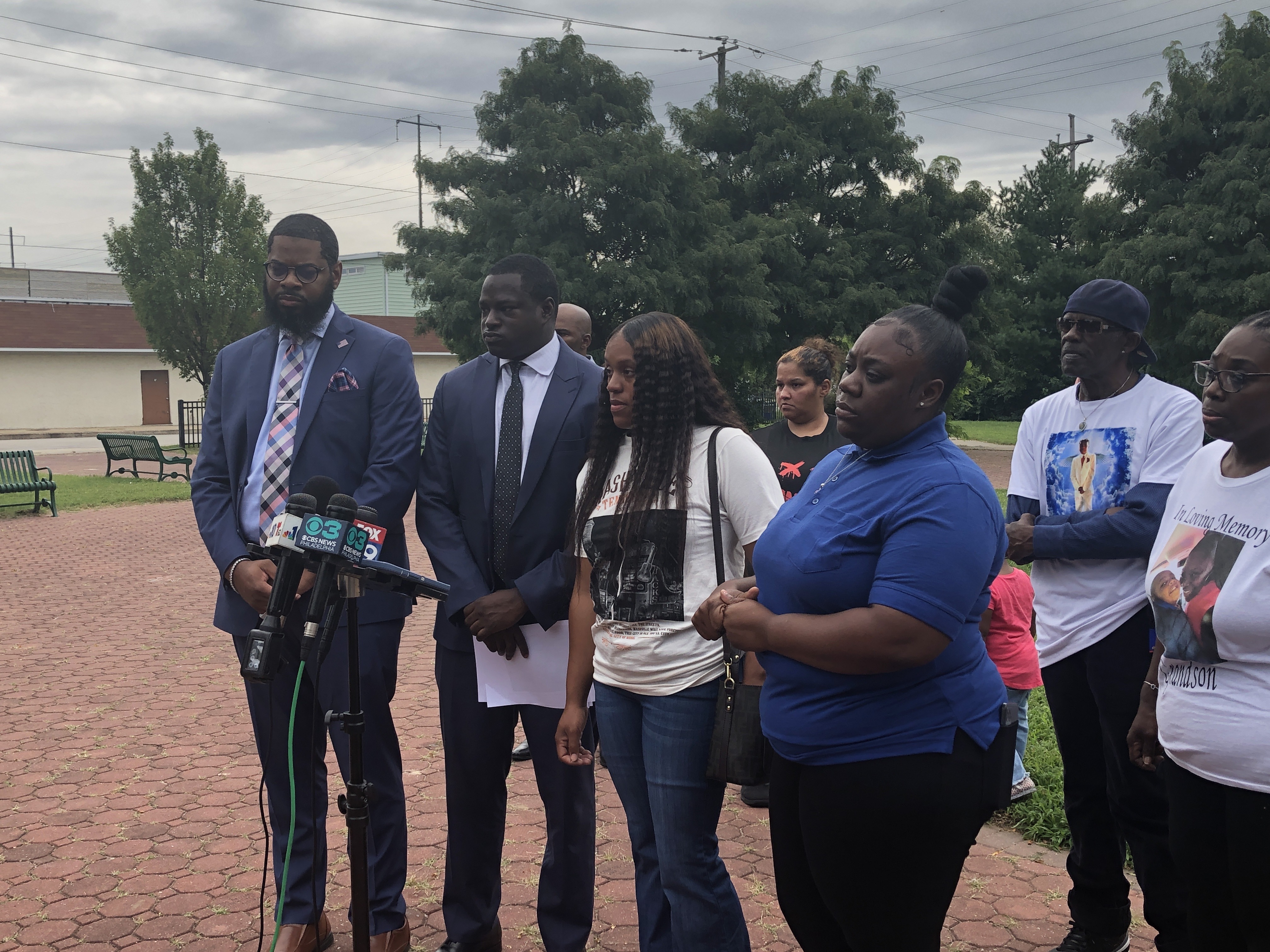
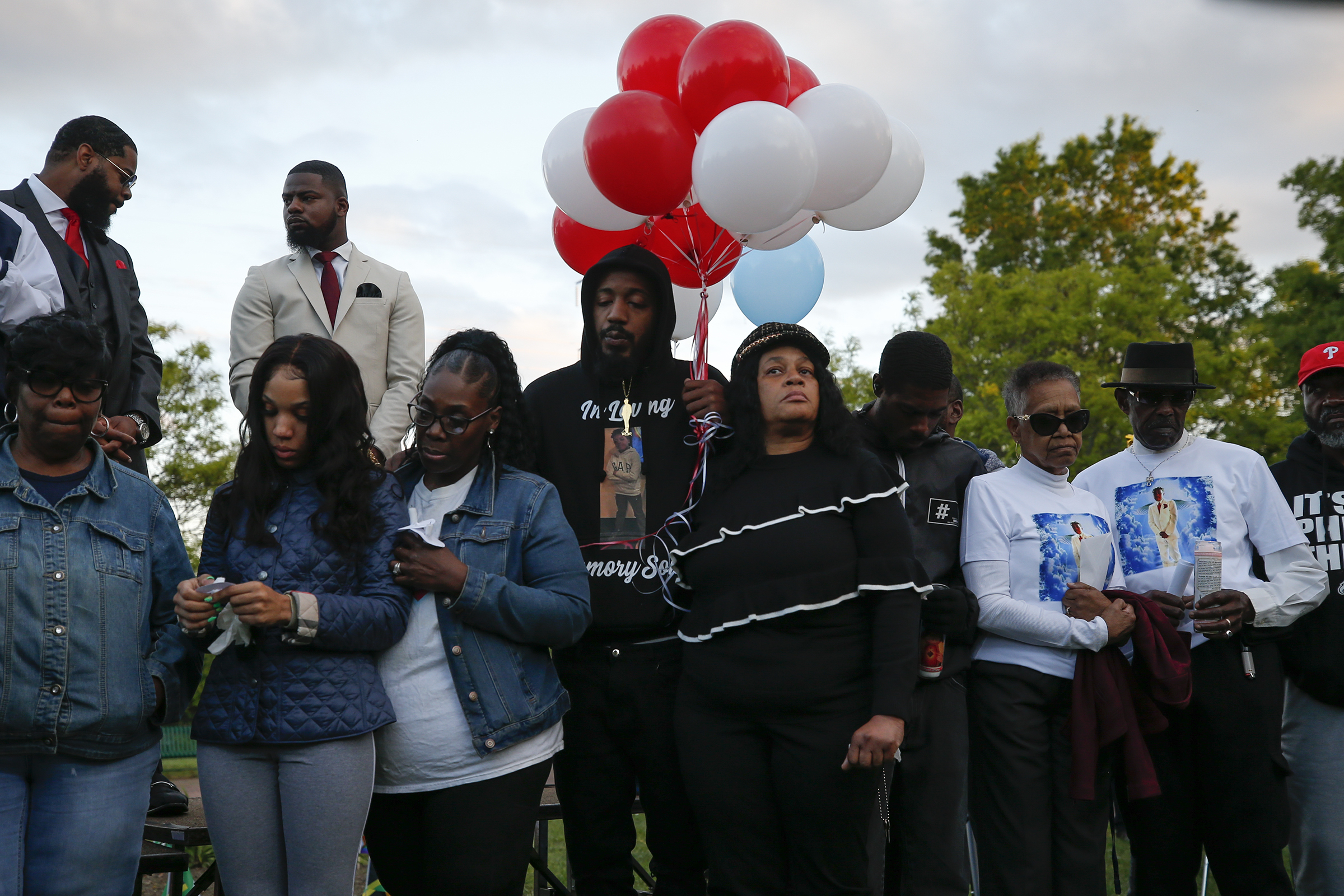
    Emeka Igwe (second from left) discusses the lawsuit he filed on behalf of Siani Gordon (third from right) and Wydeia Kimble (fourth from right). The two mothers both lost their sons when they were struck and killed by an Amtrak train in Chester in April.Vinny Vella / Staff

    Atkinson’s mother, Siani Gordon, and Womack’s mother, Wydeia Kimble, say lawyers Emeka Igwe and Daniel Purtell, as well as their respective firms and colleagues, were professionally negligent when pursuing their case against Amtrak.

    “This was an avoidable result,” says the suit, which was filed last month in Common Pleas Court in Philadelphia. “Defendants failed to present necessary evidence in their possession to pursue valid legal theories that would have led to a successful recovery.”

    Aaron Freiwald, the mothers’ current attorney, declined to comment.

    Igwe said in a statement he disagreed “in the strongest terms possible” with the notion he did not represent his clients “competently and diligently.”

    “The case is in active litigation and we are unable to substantively comment outside of the fact that we continue to support our former clients’ best interests,” Purtell said in a statement.

    The wrong theory

    Atkinson loved to play Roblox, the color red, and dressing up as Spider-Man to get his siblings to laugh. Womack had an infectious smile, a similar proclivity for a funny bit, and couldn’t dance to save his life.

    That’s how family members and other community mourners remember the children who on April 29, 2023, took a fateful shortcut on the way to a park in Chester’s West End.

    Atkinson, Womack, and other children passed through a hole in the fencing and walked along the tracks of Amtrak’s ultra-busy Northeast Corridor. It was a popular route for neighborhood children.

    Mothers Gordon and Kimble sued the National Railroad Passenger Corp., the entity that operates Amtrak, in Philadelphia federal court in July 2023. Igwe hitched the case to the hole in the fence, and sought $20 million in damages.

    “Amtrak knew this was a danger, which is why they erected this fence in the first place,” Igwe said in August 2023.

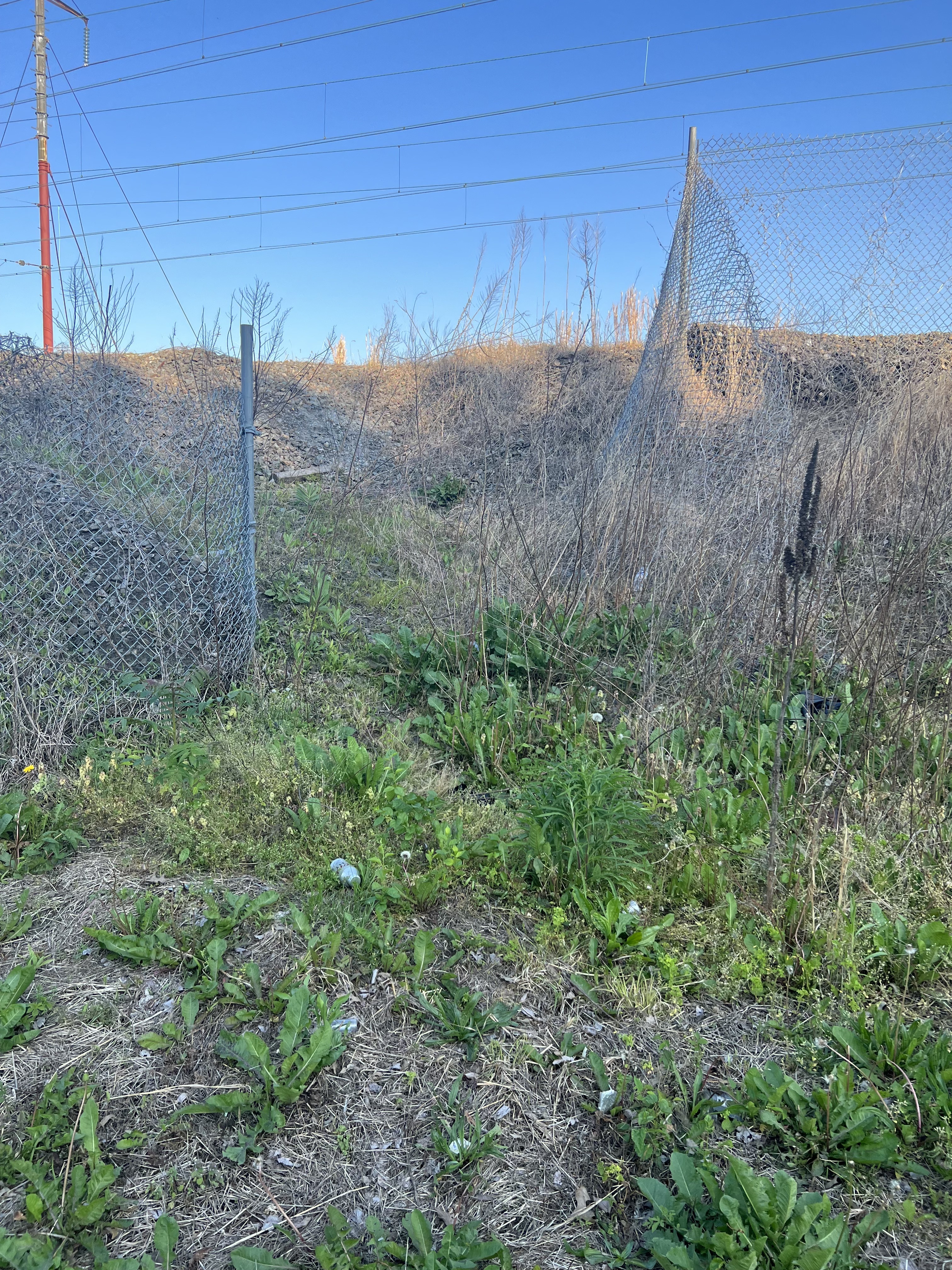
    Jahaad Atkinson, 9, and Ah’Yir Womack, 12, used this hole in a fence to climb onto the Amtrak tracks in Chester, according to their families’ attorney.Courtesy Emeka Igwe

    Amtrak argued Pennsylvania law does not require railroads to erect or maintain fencing around tracks. And because the boys were trespassing, Amtrak cannot be held liable for injuries caused by negligence, the rail company asserted.

    A federal judge sided with Amtrak in March 2024, dismissing the mothers’ complaints but saying they could file an amended pleading.

    Roughly two weeks later, Igwe filed an updated complaint that argued the tracks heading to the collision area were straight and provided “unrestricted visibility,” so the train operators “should have observed” the children.

    In March 2025, Igwe was deployed to Kuwait as part of his service as an attorney with the Delaware National Guard. He turned the case over to Purtell and his firm.

    The McEldrew Purtell attorneys blamed Igwe for deficiencies in the case, according to the malpractice lawsuit.

    Igwe did not follow up on deposition requests, the attorneys said in one court filing. In another, they attributed the case’s “general malaise” in part to Igwe’s “lack of diligence.”

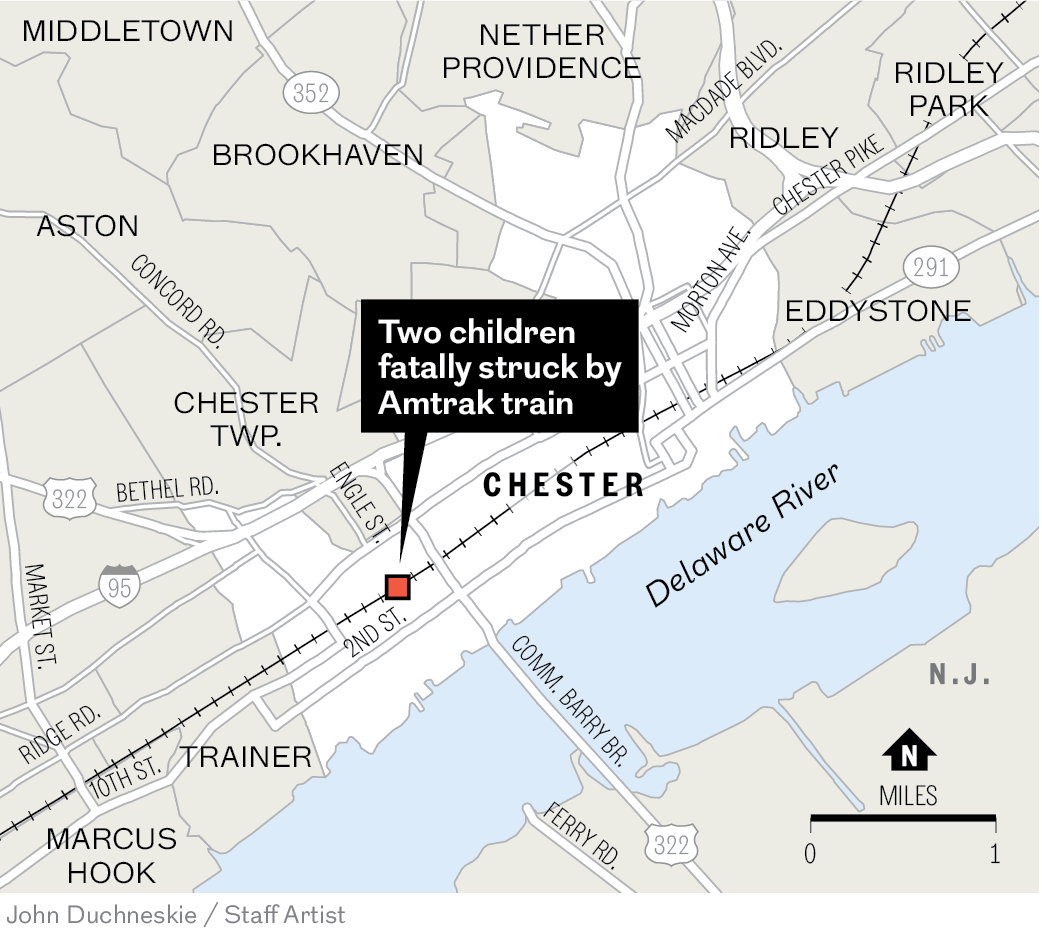
    Locator map of the site where two children were fatally struck by an Amtrak train while on the tracks in Chester.John Duchneskie

    The malpractice suit also claims Igwe and Purtell declined an offer by the railroad to mediate, without informing the mothers.

    In a May 2025 hearing, U.S. District Judge Mary K. Costello asked a McEldrew Purtell attorney directly: “Is there willful and wanton conduct?”

    “On this record, no,” the attorney said, according to a recording of the hearing.

    “I think that kind of seals it up,” Costello responded.

    Two months later, the judge sided with Amtrak and ended the case.

    Family of Jahaad Atkinson and Ahyir Womack gather for a vigil for the two boys at Martin Luther King Park in Chester, Pa. on Friday, May 5, 2023. The boys, who were 9 and 12-years-old, were killed after being struck by an Amtrak train.Heather Khalifa / Staff Photographer

    Doomed case or legal malpractice?

    But according to the legal malpractice complaint, the attorneys did have evidence to allege willful or wanton conduct by Amtrak: the Amtrak Police incident report, which notes over-the-radio discussions of someone on the tracks.

    McEldrew Purtell neglected to raise that “vital record” at the hearing, the malpractice suit says, and the firm’s lawyers filed a separate lawsuit in April 2025, which relied on the Amtrak Police investigation findings.

    Costello earlier this year dismissed the case for the final time.

    The malpractice lawsuit says Igwe’s and McEldrew Purtell’s representation of the mothers amounted to professional negligence.

    Igwe has asked a Philadelphia judge to dismiss the malpractice lawsuit.

    The dismissal happened because of Pennsylvania law and the facts of the case, Igwe said in a statement, not any issue with the representation.

    “No amount of additional discovery could have altered the Court’s determination that a railroad has no duty to fence its property, that moving trains are not hidden dangers to children, and that longitudinal walkers along tracks are not licensees,” Igwe said.

  • Fewer people are running red lights, PPA says

    Fewer people are running red lights, PPA says

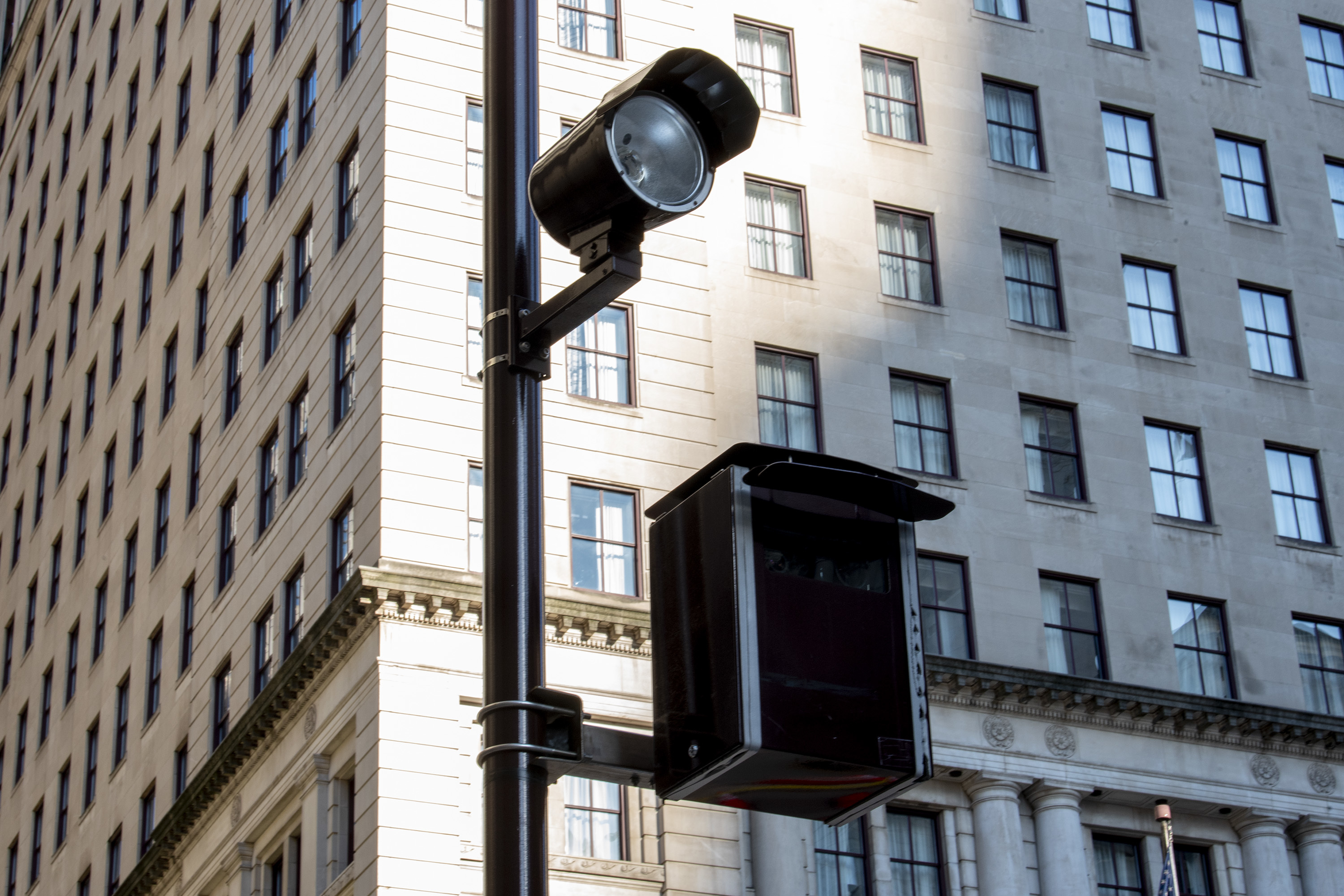
    Automated red-light enforcement cameras caught up to 17.4% fewer violations this year than in 2025, according to the Philadelphia Parking Authority’s annual report to the state legislature.

    Those cameras have been on guard in the city since 2005, but the program will expire next July, unless legislators renew the law that authorized them.

    “The numbers speak for themselves, and our hope is that they see the benefit of it,” said Gabe Roberts, interim executive director of the PPA.

    Recorded violations citywide declined from 340,931 in fiscal year 2025 to 338,979 in fiscal year 2026 — a decrease of 0.58%

    However, four new intersections were added at different points during this fiscal year. For the PPA, the fiscal year runs from April 1 through March 31.

    Excluding those four intersections, violations at existing program locations declined by 17.4%. Compared with 2024, they dropped 10.4%.

    “The way we measure success is through consistent enforcement, demonstrated changes in behavior, fewer people running red lights, and safer streets,” Roberts said.

    The red-light program has proved its worth, he said.

    New locations

    Over the 21 years of red-light cameras in the city, violations have trended down overall, Roberts said, though when a new location is added, tickets spike at first before leveling off and declining.

    As of March 31, PPA was operating 160 cameras at 38 locations.

    The newest locations are: 20th Street and John F. Kennedy Boulevard; Front Street and Hunting Park Avenue; Kelly Drive and Eakins Oval; and 58th Street and Baltimore Avenue.

    Cameras there led to 50,589 warning notices and violations.

    When a red-light camera is installed, there is a 45-day grace period when violators get a warning before tickets start. The fine is $100 per offense, but no points are assessed to a driver’s license.

    There has been continued demand for red-light cameras in the city. PPA received requests for coverage of 19 intersections from the Philadelphia Office of Transportation and Infrastructure and City Council members through March 31.

    Intersections are evaluated on the basis of crash statistics and a fresh traffic study that includes observations of violation levels there.

    Also considered: sight lines, driveways, trees, wires, crosswalk visibility, and the condition of the surrounding infrastructure.

    Usually an intersection gets some upgrades when red-light cameras are installed — new sidewalk accessibility ramps, new signal boxes, better lighting, more visible crosswalks, or the like, said deputy PPA director Corrine O’Connor.

    “You’re not going to put cameras in and have old infrastructure out there,” said O’Connor, who is in charge of automated enforcement programs. “It’s an opportunity to make it better and safer.”

    PPA says it typically takes one to two years to complete an intersection.

    Speed cameras

    In addition to the red-light program, PPA operates automated speed enforcement cameras.

    Speed cameras were first installed on Roosevelt Boulevard in 2020 on a trial basis and more were added in the next two years. State lawmakers made the program permanent in 2023 and gave Philadelphia permission to add them on up to five more dangerous corridors.

    Broad Street, for instance, now has 31 speed cameras spread over 13 miles. They began operating last September.

    New speed cameras went live on portions of Route 13 in North and West Philadelphia on Aug. 31.

  • Fans are paying $350 for signs at SEPTA’s vintage sale (yes, Broad Street already sold out)

    Fans are paying $350 for signs at SEPTA’s vintage sale (yes, Broad Street already sold out)

    Transit fans who asked what in the El was happening with SEPTA’s old stuff inspired a sale of vintage items from its vault this month, marking the first time in the agency’s six decades of existence that Philly’s biggest fleet has held anything close to a garage sale.

    Dubbed “RETROmania,” the sale began online Sept. 14 and is already proving to be a gravy train for SEPTA, with decommissioned transit signs selling out for up to $350 a pop.

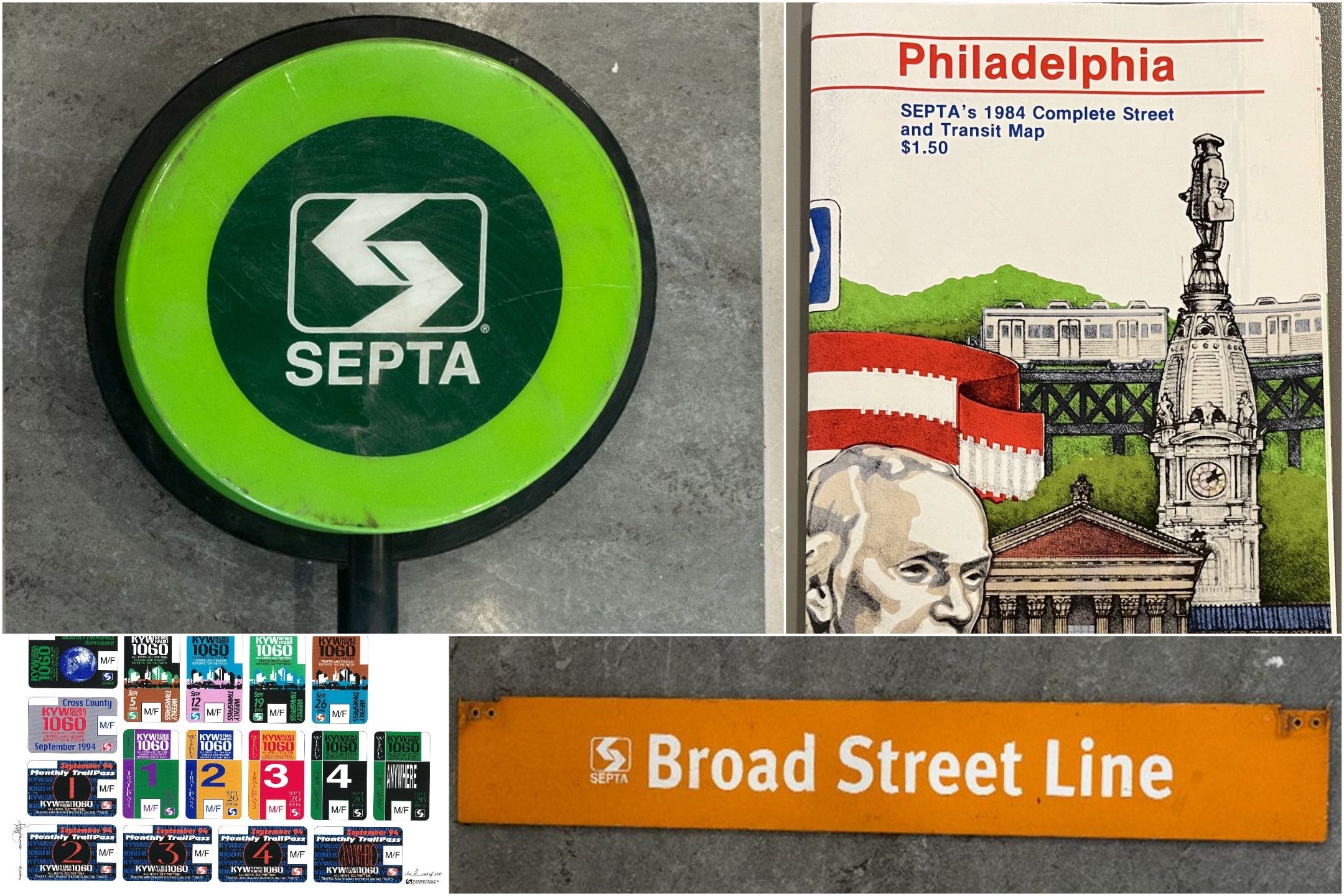
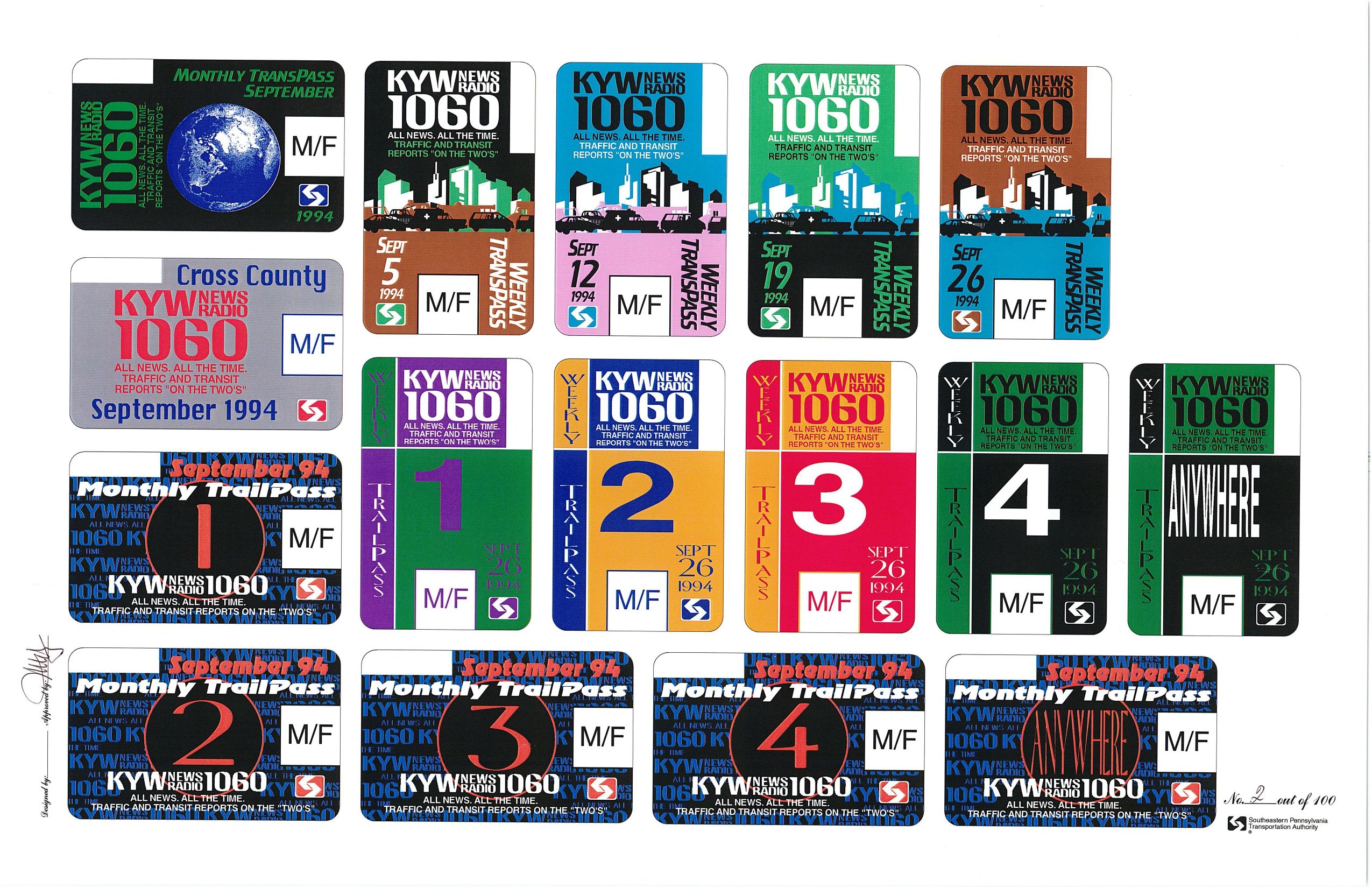
    It’s no surprise that signs for the Broad Street Line, which has shuttled Philly sports fans to and from the stadium complex for decades, have been among the hottest-ticket items. Other available products include old street and transit maps and vintage TransPass design sheets.

    A TransPass sheet from 1994 is selling for $50 during SEPTA’s RETROmania sale.Courtesy of SEPTA

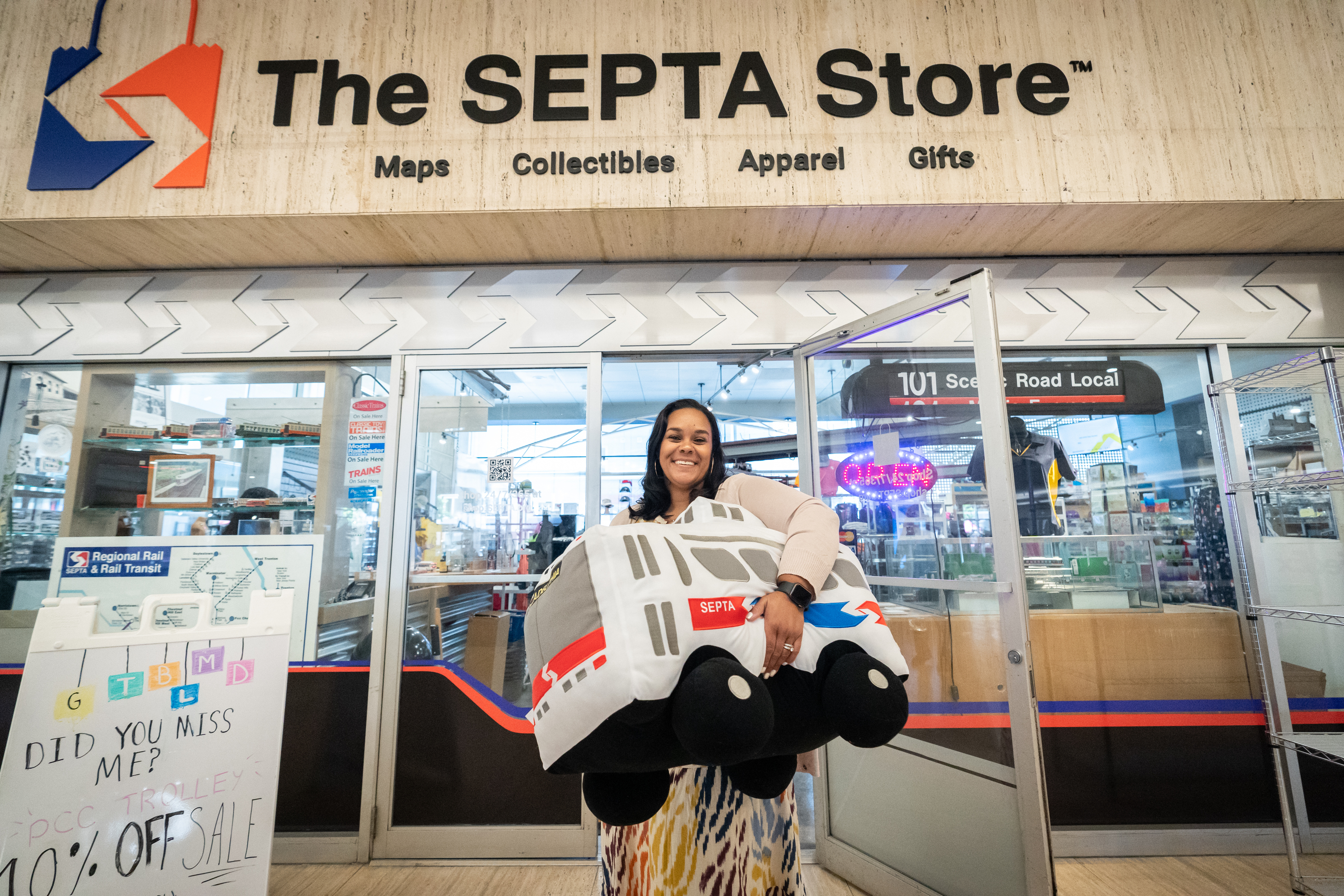
    The early success of the online sale has SEPTA Store manager Al’Lee Floyd and store supervisor Melissa “Meli” Smalls excited for the in-person sales at the store on Oct. 2 and 3.

    “It was a big surprise … we did not anticipate some of the signs would sell out in one day,” Floyd said.

    Since taking over the SEPTA Store at the agency’s headquarters on Market Street near 12th in Center City in 2021, Floyd has reinvigorated the agency’s merchandise and fan base with wildly popular items like viral pint glasses and must-have ugly Christmas sweaters.

    Al’Lee Floyd, manager of the SEPTA Store, outside of the store at the SEPTA headquarters in Center City in 2024. Jessica Griffin / Staff Photographer

    But SEPTA’s vintage sale — the first of its kind anyone can recall — was inspired squarely by its customers. Over the last two years, as SEPTA rebranded the names of its lines and signage, like switching the Broad Street Line to the B (a change many Philadelphians have neither accepted nor acknowledged), SEPTA fans have inquired about what’s happening to the signs with the old names on them.

    “When people started noticing the stations were switching over, a lot of people were coming into the store and asking what we were doing with the signs coming down,” Smalls said. “We got with our wayfinding team and asked what the plans were and they said they could get them to us if we wanted them.”

    Smalls and Floyd took their customers’ curiosity as a sign and went full steam ahead with a vintage sale, digging up other items from SEPTA’s warehouse.

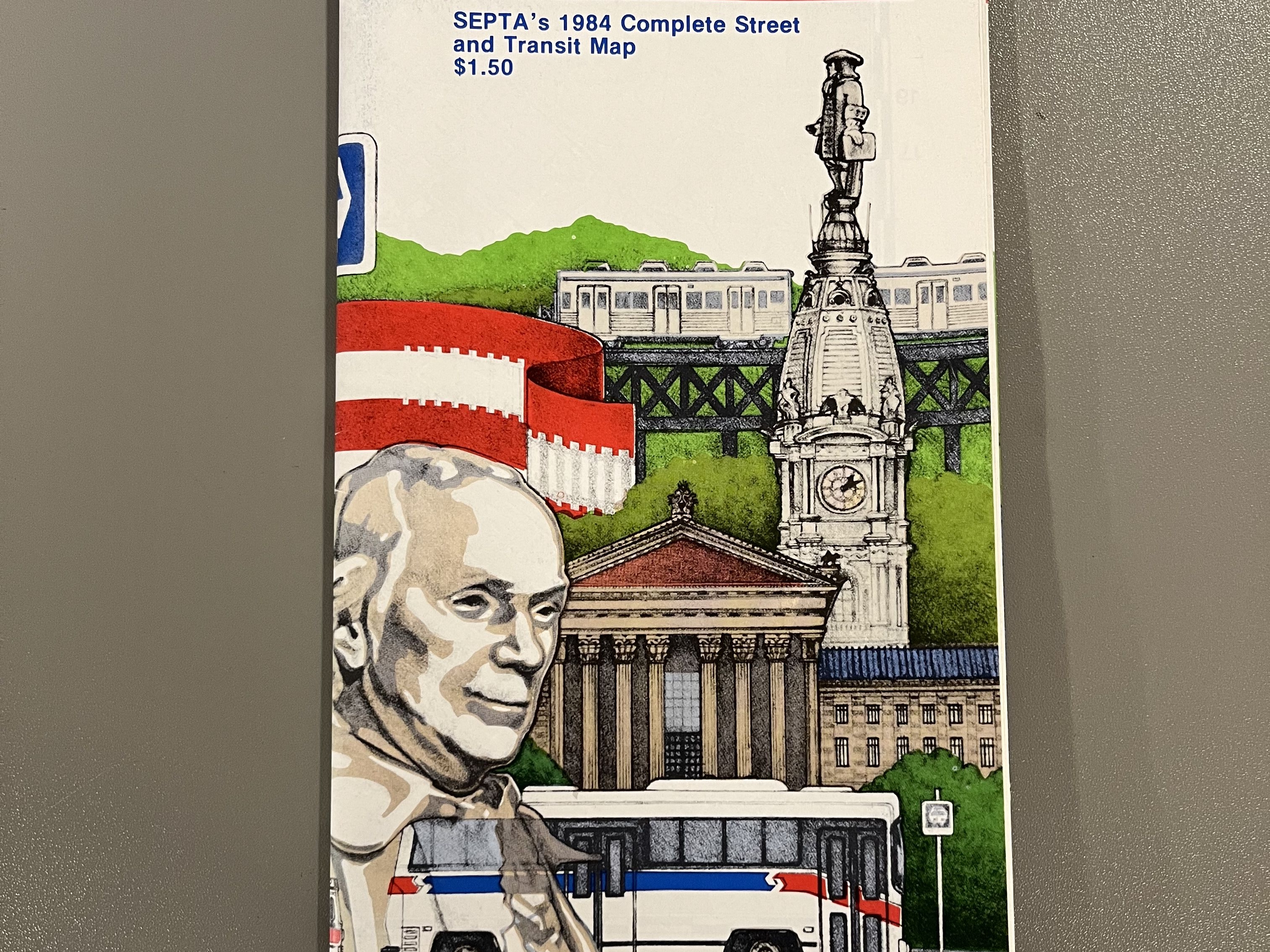
    This 1984 street and transit map from SEPTA sold for $25 in its RETROmania sale.Courtesy of SEPTA

    Street and transit maps from 1966 to 1999, which were priced at $25 each, have already sold out, but a Delco Public Transit Map and Guide from the 2010s is still available. There are also plenty of vintage TransPass sheets from 1993 and 1994 still for sale at $50 each.

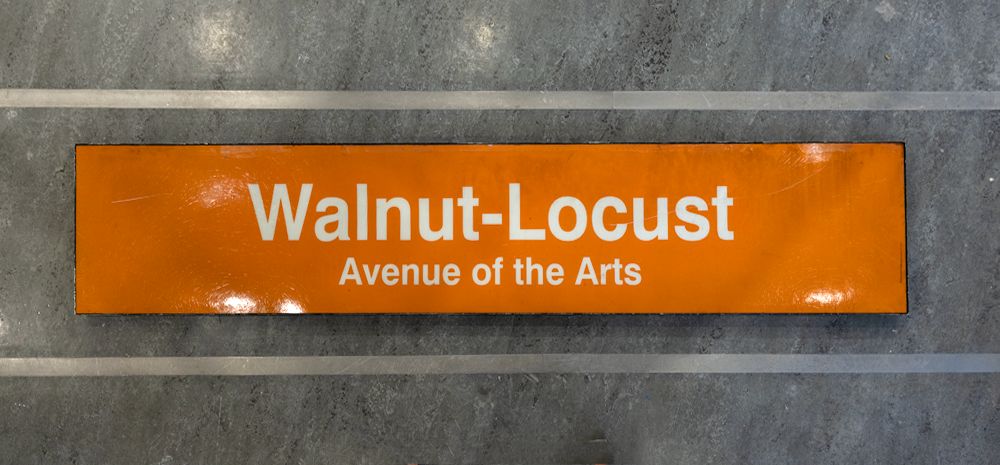
    Some decommissioned signs were still available as of publication, like one for Walnut-Locust / Avenue of the Arts that’s going for $350 and an Olney Transportation Center sign priced at $125.

    This Walnut-Locust sign was still available, as of publishing time, for $350 in SEPTA’s RETROmania sale.Courtesy of SEPTA

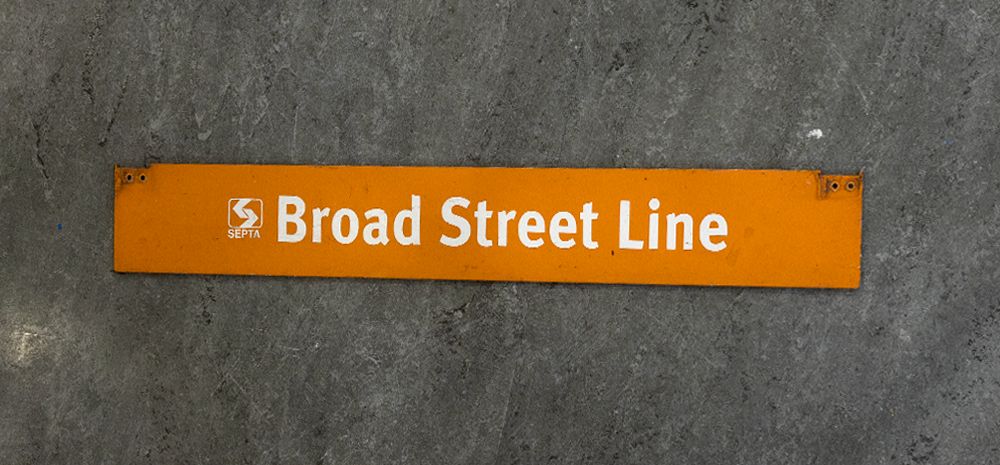
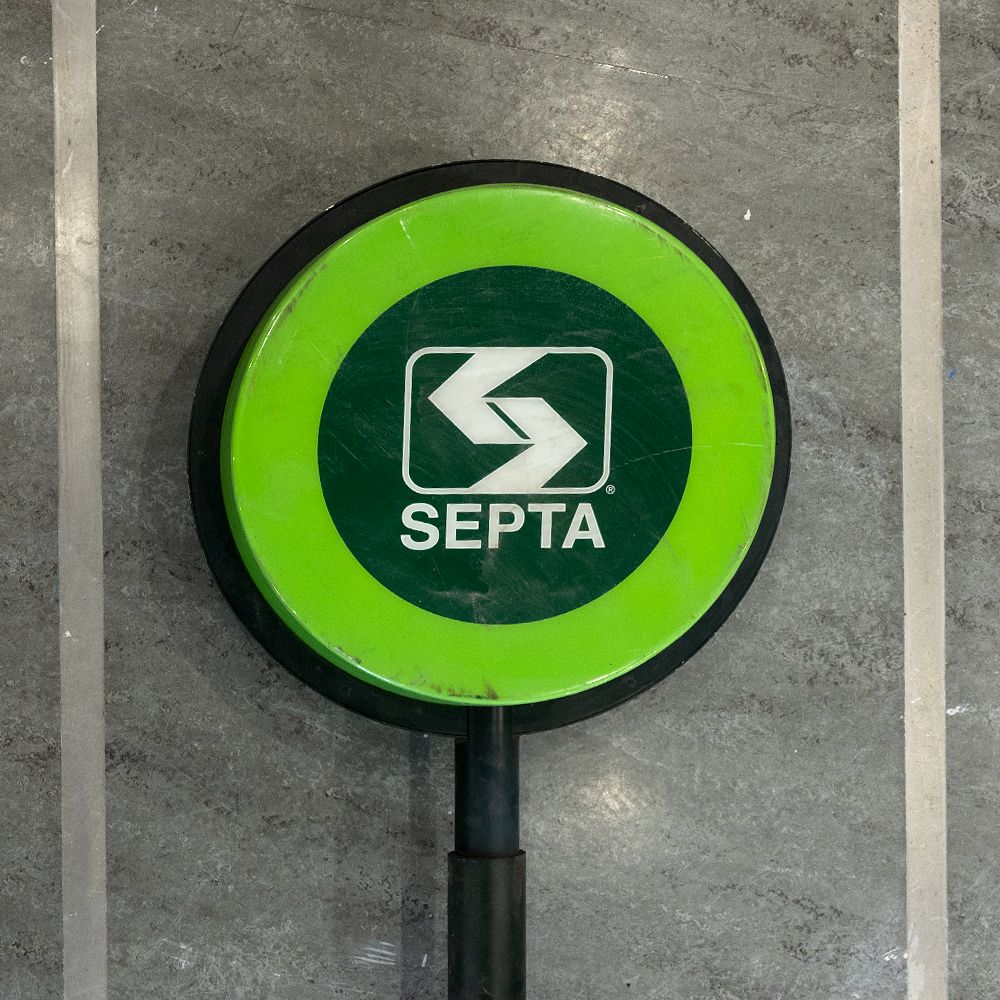
    Among the most popular items were what SEPTA calls its “lollipop” signs, circular plastic signs ringed in green with the SEPTA logo in the center, that sold for $350, and, of course, the Broad Street Line signs, which ranged from $125 to $350.

    “If a sign identified anything to do with NRG [Station] or any sports complex stuff, it was a little more of a higher ticket item,” Floyd said.

    Broad Street Line signs, like the one pictured above, quickly sold out in SEPTA’s RETROmania sale.Courtesy of SEPTA

    SEPTA had already sold more than 100 signs as of Sept. 18, when it dropped a new batch of signs into the mix — prototypes with the current names of the lines on them for $50 each.

    Unsurprisingly, those haven’t been as popular as the old signs that are drenched in nostalgia (and probably other things) and aged with a fine Philadelphia subway patina.

    Anyone who buys a decommissioned SEPTA sign is required to sign an agreement that they will not use it for commercial purposes, Floyd said.

    Affectionately referred to by staff as “lollipop” signs, these circular signs already sold out at $350 a pop during SEPTA’s RETROmania sale.Courtesy of SEPTA

    The in-person sale at the SEPTA store will include merchandise similar to that in the online sale, along with vintage apparel. A preview sale will be held from 10 a.m. to 4 p.m. Oct. 2 at the store, with the main sale taking place from 10 a.m. to 4 p.m. Oct. 3.

    Floyd recommends getting in line early.

    “It’s first come, first served, once it’s gone, it’s gone,” she said.

  • SEPTA got 24 commuter trains from Montreal, but it could be months before you can ride one

    SEPTA got 24 commuter trains from Montreal, but it could be months before you can ride one

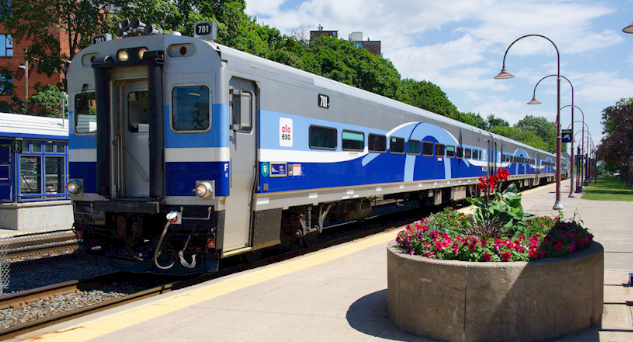
    It’s not easy to move 24 passenger train cars from Montreal to Philadelphia, especially amid trade tensions with Canada.

    The surplus Bombardier Comet cars SEPTA bought from Montreal’s Exo transit system for $8.58 million arrived Sunday, pulled by Canadian National and CSX locomotives.

    They’re headed to the transit authority’s Frazer Shops and Yard in Malvern for some modifications before joining the Regional Rail fleet in two to three months.

    No tariffs were added to the purchase price, SEPTA spokesperson Andrew Busch said. The agency had estimated that it might have to pay up to $3.5 million extra in U.S. duties, but it was determined the cars did not fall under a complex web of new trade rules.

    It took months of research and discussion.

    “We sent someone to Montreal, and they crawled under the cars taking pictures of plates with serial numbers on the steel components that showed they were made in the USA,” Busch said.

    The pictures convinced U.S. Customs and Border Protection that the used rail cars were not subject to duties, he said.

    “We essentially repatriated those items by bringing them over,” Busch said.

    SEPTA also worked with the offices of Pennsylvania’s U.S. senators. Exo and Canadian transportation officials helped dig up contracts from when the cars were made to verify the origin of the steel.

    The Trump administration imposed a 25% tariff in March 2025 on imported Canadian goods not covered by a trade treaty between the two countries, one negotiated by the president. That surcharge was also extended to steel, aluminum, and automobiles.

    This month, Trump imposed 50% tariffs on $20 billion in Canadian goods, including hockey sticks, agricultural items, and building materials.

    Canadian Prime Minister Mark Carney retaliated with 50% tariffs on a number of imported U.S. products.

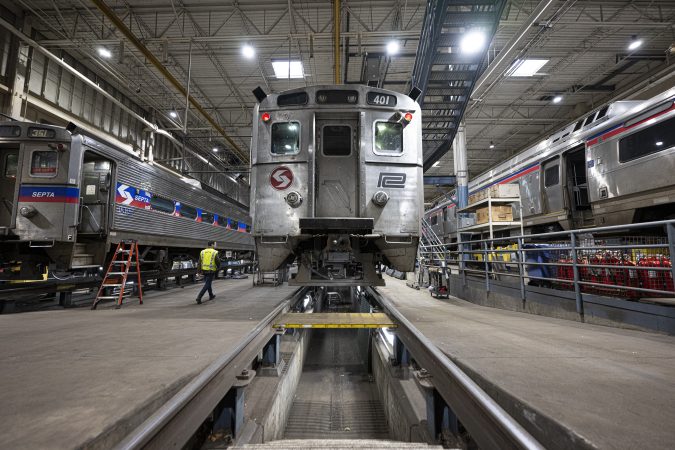
    The Exo cars from Montreal are intended as reinforcements after the fallout from five fires on SEPTA’s 50-year-old Silverliner IV Regional Rail cars last year, which disrupted service on the commuter lines for months.

    They will be mixed in with the rest of the Regional Rail cars, along with 10 coaches leased last year from Maryland’s commuter transit agency.

    Federal authorities last October ordered SEPTA to inspect all 223 Silverliner IV cars for safety problems and to fix them.

    Passengers dealt with canceled trips, delays, and skipped stops as the Silverliner IVs were fixed. Many trains were shorter than usual.

    Unlike Silverliner IVs and the newer V series, which both carry passengers and power the train, the Montreal cars must be pulled or pushed by locomotives.

    SEPTA has 15 electric locomotives, which it bought in 2019, and it operates 45 Regional Rail passenger cars that need to be pulled.

  • PHL and Newark airports experiencing delays after FAA equipment issue grounded planes

    PHL and Newark airports experiencing delays after FAA equipment issue grounded planes

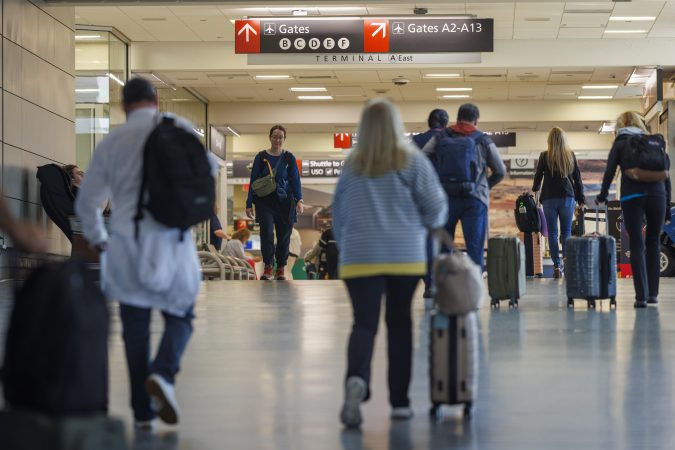
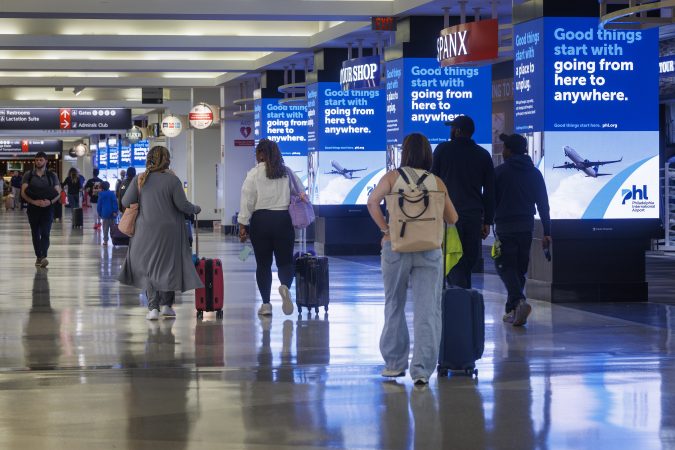
    Philadelphia International Airport and Newark Liberty International Airport were still experiencing some delays and cancellations Tuesday after an air traffic control equipment issue had grounded all incoming flights the day prior.

    As of Tuesday afternoon, there were 90 delays and 30 cancellations in place at Philadelphia’s airport, out of more than 700 scheduled flights, said PHL spokesperson Heather Redfern.

    “We remind all passengers with plans to fly today to check with their airlines for the most up-to-date flight information,” Redfern said.

    Newark airport has experienced 137 delays and 61 cancellations as of Tuesday afternoon, according to FlightAware data.

    The Federal Aviation Administration ordered the ground stoppage Monday for all flights coming into Philadelphia after the region’s air traffic control center began experiencing issues with radio frequencies. The ground stop was lifted at about 5 p.m. Monday.

    The Philadelphia airport experienced 436 delays and 238 cancellations Monday, according to data from flight tracking website FlightAware. Newark saw a staggering 8,556 flights delayed and more than 2,000 canceled Monday. The FAA has no advisories out for PHL on Tuesday.

  • SEPTA has a new, ambitious plan that offers funders a vision of better transit

    SEPTA has a new, ambitious plan that offers funders a vision of better transit

    After another high-wire financial rescue from the state, SEPTA leaders are determined to flip their script in the transit funding debate from warning of calamity to showing what the system could be with more investment.

    “I wanted to get away from the doom and gloom message,” SEPTA general manager Scott A. Sauer told The Inquirer.

    The transit system has been chronically underfunded, but “we never pivoted to ‘Imagine what we could be if we got more than just enough,’” Sauer said.

    And so on Tuesday, SEPTA is putting out “Accelerate,” its strategic vision for the next decade with investments in a new trolley fleet with stations instead of corner stops, new subway cars for the El, and a reimagined Regional Rail service with more frequent service on critical lines, many in the city.

    When those and other, smaller changes are in place, SEPTA says two million people in the region will be within a quarter mile of frequent transit service — up from 900,000 today — and 100% of all trips will go through an accessible station. Today only about 60% of rail and subway stations are accessible.

    It’s an ambitious goal, and that’s deliberate, Sauer said.

    “You can inspire people to action when you show them what they could get for their investment,” he said.

    The idea for a message shift developed as SEPTA representatives and supporters advocated for more state funding last year and lawmakers said that they didn’t have a concrete picture of what SEPTA wants to be and what that would take.

    Instead of a demand, the report is framed as a menu of choices for legislators, local officials, business leaders, and the public.

    SEPTA projects a structural operating deficit of $192 million in the coming fiscal year. If the state meets that, current levels of service would be preserved along with some improvements.

    Beyond that — including a plan to reorganize Regional Rail so trains run every 15 minutes on lines in the city and some suburbs — would require more funding. As would making 50 old stations ADA accessible.

    “If you ask me how much do you need, I would say I need enough to do what the people want us to do,” Sauer said.

    Last year, Harrisburg lawmakers and the Shapiro administration failed for the third straight year to agree on a steady source of new state funding for SEPTA and other transit agencies.

    By the start of the 2027-28 fiscal year next July 1, the temporary aid for operations SEPTA received in 2025 will run out, and things will get tight again.

    Already, some of the promised improvements are underway, including procurements of new rail vehicles: El cars, trolleys, and Silverliner Regional Rail cars to replace 50-year-old Silverliner IV models.

    In 2025, five of those cars caught fire, and the federal government ordered a massive safety inspection and repairs, as needed, for all 223 of them.

    Last month, SEPTA implemented the first phase of a major overhaul of its bus network, aimed at streamlining service and having it come more frequently.

    The transit agency also says it has found about $30 million in annual savings, as well as increased income from advertising, parking, and real estate, and a spike in ridership during a busy summer of big events.

    Sauer said SEPTA needs to chip away at changes right away, using what’s at hand, rather than waiting to accomplish a big project in a decade.

    “We can’t have everything all at once, so we are trying to move methodically,” he said. “We have to show people continual improvement.”

  • Equipment outages grounded flights into Philly airport and caused long delays

    Equipment outages grounded flights into Philly airport and caused long delays

    Flights into Philadelphia International Airport were grounded for much of the day Monday due to a stop instituted by the Federal Aviation Administration that impacted hundreds of flights in the Northeast in the wake of equipment outages.

    Incoming flights were briefly allowed to resume at one point, but were again halted a short time later, according to the FAA’s airspace system status. The ground stop was again lifted at about 5 p.m. Monday.

    As of late Monday afternoon, PHL had experienced about 400 delays and 200 cancellations, according to data from flight tracking website FlightAware. Some airlines were allowing their customers to change flights without fees. The FAA advised travelers to check the status of their flights with their airline before heading to the airport.

    On Monday night, arrivals and departures at Philadelphia were still delayed by an average of at least two hours, according to Flighty, the popular flight-tracking app.

    During the stops, FAA said planes departing from a U.S. airport and heading to PHL should remain on the ground. At times, flights at John F. Kennedy International Airport, LaGuardia Airport, Newark Liberty International Airport, and Bergen County’s Teterboro Airport were also affected.

    The ground stop came after a circuit failed at an air traffic control tower in Philadelphia, and officials found that a line from a backup system was cut at a construction site in New Jersey, FAA Administrator Bryan Bedford said. The technical problems happened at the same FAA facility in Philadelphia that caused numerous disruptions at Newark Liberty International Airport in spring 2025.

    “Unfortunately, that circuit failed today,” Bedford said at a Monday news conference. “And when it went to flip into the backup, we discovered that the backup fiber had a break, and that fiber break is probably 13 hours to repair.”

    Bedford described the break as “massive,” and said it consisted of about 600 feet of fiber line somewhere between New Brunswick and Newark. It was not immediately clear when the break in the fiber line for the backup occurred, he said.

    Verizon said contractors had dug up and cut the cable that runs along the Amtrak rail line in New Jersey. The company said in a statement that its technicians were racing to get the cable fixed.

    Transportation Secretary Sean Duffy said the ground stop showed the need for more funding to modernize infrastructure.

    “This is not shocking to us,” Duffy said. “It’s an old system that we’re stuck working with.”

    The FAA on Monday also began testing a new computer system that uses AI to help predict schedule conflicts and weather issues, but it did not appear to be linked to the outage because it was only being tested in the Washington, D.C., area.

    Inquirer staff writer Robert Moran contributed to this article, which also contains information from the Associated Press.