Category: Transportation

  • Pa. State Police helicopter in midair crash with small plane west of Harrisburg

    Pa. State Police helicopter in midair crash with small plane west of Harrisburg

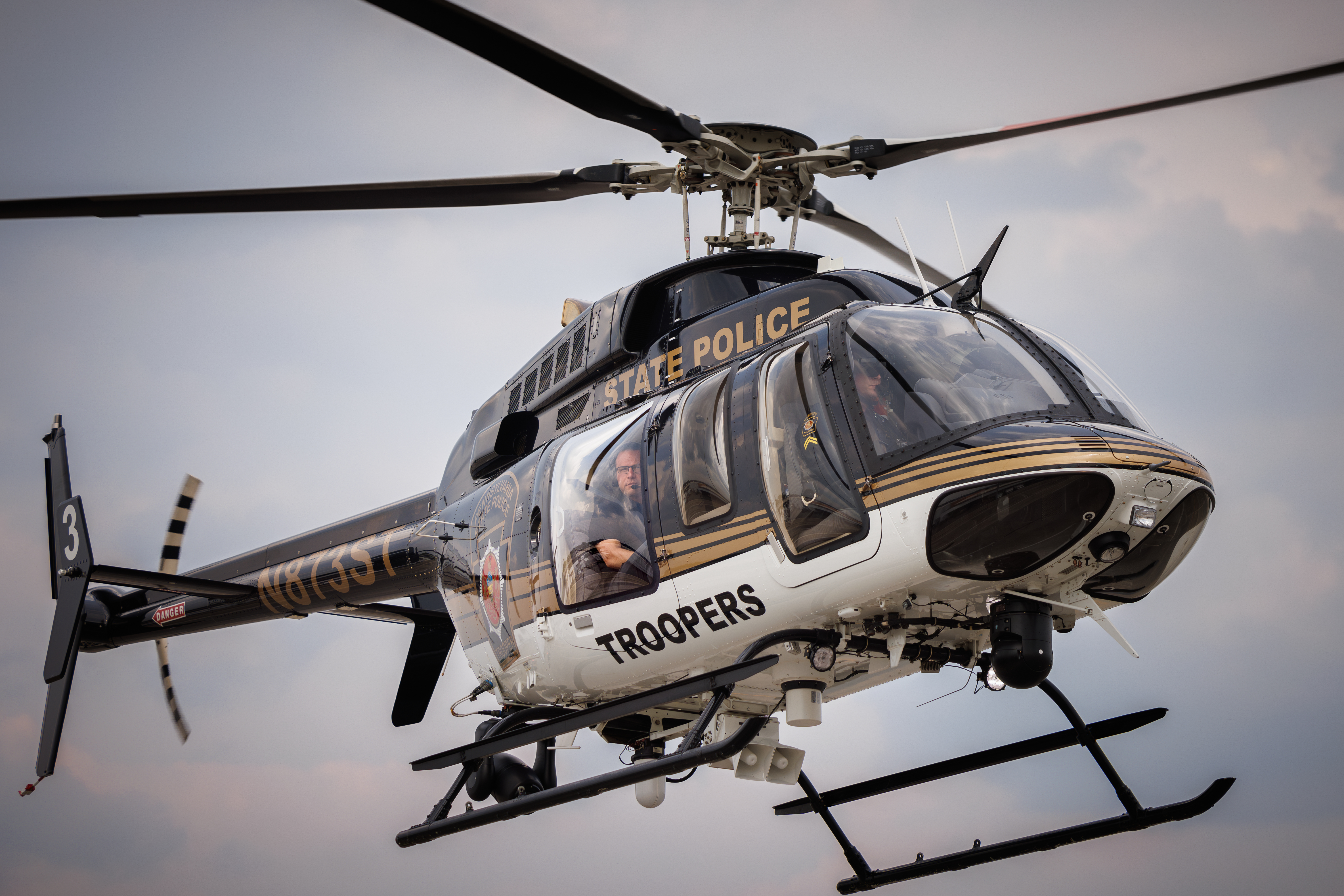
    A Pennsylvania State Police helicopter was involved in a midair collision with a small plane Wednesday night at an airport west of Harrisburg, officials said.

    One person from the crashed plane is dead, Lt. Col. George Bivens, acting state police commissioner, said at a late-night news conference at the Penn State Milton S. Hershey Medical Center.

    Two members of the state police who were aboard the helicopter, Cpl. Bryce Corman and Trooper Jason Mills, were listed in stable condition at the hospital, said Ashley Ludwig, trauma medical director at Penn State Hershey.

    Gov. Josh Shapiro said he was “pleased and relieved” that the state police members survived and were not seriously hurt.

    ‘Tonight could have been much worse,” Shapiro said.

    The Federal Aviation Administration, which is investigating the incident with the National Transportation Safety Board, reported that a state police Bell 407 helicopter collided in midair with a Cessna 150 airplane at the Carlisle Airport, about 20 miles west of Harrisburg.

    Bivens said that around 6:30 p.m., the state police were conducting a training exercise at the airport and were hovering the helicopter a few feet off the ground in a grassy when they were struck from behind by a Cessna that unexpectedly veered from a runway.

    The plane crashed and was torn apart into pieces, Bivens said.

    CBS21 posted photos on social media showing the crash scene and the helicopter lying on its side.

    Earlier Tuesday night, Shapiro posted on social media that he had been briefed on the crash “and I am heading there now,” he said.

    “Lori and I are praying hard and we ask all of our fellow Pennsylvanians to join us,” Shapiro said.

  • What you need to know about SEPTA’s bus route changes

    What you need to know about SEPTA’s bus route changes

    The first phase of SEPTA’s bus network overhaul begins Aug. 23, and Brandon Miller is mobilizing hundreds of employees for a final push to meet face-to-face with riders in the days leading up to the changes and during the first week after they take effect.

    “It’s a blitz,” said Miller, manager of planning programs at SEPTA, describing discussions at “pop-ups” as an effective way to help people navigate the new network.

    “This is the evolution of the ‘Bus Revolution,’” Miller said.

    Unlike some transit agencies, SEPTA has not done a comprehensive redesign of its bus network in its 58-year history. The agency has publicly pushed to do so since 2021, but change was delayed by opposition, political wrangling, and, later, a two-year fiscal crisis.

    Originally the “Bus Revolution” was supposed to happen all at once, but SEPTA ultimately decided to phase in changes to routes.

    The process has been quieter this time around.

    Dan Nemiroff, SEPTA’s director of city service planning, , said people are more open to the need for changes, especially after SEPTA had to shut down bus routes last year because of a budget deficit. A court ordered those cuts reversed, and the agency later received an infusion of cash from PennDot.

    “I think there’s more willingness to accept the fact that … we need to make the bus network a little bit more efficient,” Nemiroff said. “We need to make the system more attractive for people.”

    In the first wave, 30 routes will be affected in some way.

    Some routes with low ridership or that duplicate nearby service will be eliminated. Others will be extended or run more frequently, and two new routes will be added.

    What routes will change?

    New and expanded routes: Route 72, a new crosstown bus running along Cheltenham Avenue, and the new Route 76 bus from Columbus Commons to Rising Sun and Olney. Route 45 will be extended to provide service to the Navy Yard, and Route 79 will be extended from South Philadelphia into University City.

    Eliminated routes: 35, 47M, 62, 78, 80, 89, and 106.

    I have specific questions. How can I ask SEPTA?

    There will be a Zoom session on Aug. 19 from 6 p.m. to 7 p.m. Register here to attend.

    Miller said the talk is informally called “back-to-school,” with more discussion of the changes’ effects on students than in previous meetings.

    SEPTA has a webpage dedicated to Phase One changes, as well as an overview of the New Bus Network.

    Riders can call SEPTA customer service at 215-580-7800 or email specific questions to planning@septa.org.

    I want to talk to someone in person.

    Beginning Monday, street teams will conduct “pop-up” visits at key transit hubs at various times between 6 a.m. and 8 p.m.

    Next week, visits will include South Broad Street and Snyder Avenue, Cedarbrook Plaza, Hunting Park Station for changes to Route 53, Spring Garden Station, and Willow Grove Mall.

    Staff are also attending community events.

    When will changes happen?

    The majority of changes will take effect Sunday, Aug. 23, followed by the Route 105 extension and elimination of Route 106 on Monday, Aug. 24.

    What areas are most impacted?

    How can I find alternative routes?

    SEPTA’s website provides alternative routes. Look up your route here.

    What other changes are planned?

    Phase 2 changes are planned to begin in February.

    Phase 3 changes are planned to begin in June 2027.

    Phase 4 changes are planned to begin in Fall 2027. Many details are still being worked out.

    Why redesign the bus network?

    SEPTA launched its bus redesign efforts in earnest after ridership declined 13% from 2013 to 2019, a drop attributed to slow speeds, reliability problems, and competition from ridesharing companies. And that was before the COVID-19 pandemic.

    Bus ridership rebounded faster than it did on other transit services, but SEPTA’s thinking is that simplifying the network will make it easier to use, with more frequent service on fewer or shorter routes.

    Will bus stops be changed?

    Stops will disappear during the first phase on routes that are eliminated, but there will be no wholesale changes yet.

    Philadelphia had the shortest median distance between bus stops of any large U.S. city as of 2021, at 564 feet. Pittsburgh’s median distance was 623 feet, while Chicago’s was 673 feet.

    Having more stops per mile provides access to more people, but closely spaced stops can also slow buses and make them less reliable.

    Early plans for Philadelphia’s bus network redesign aimed to “rebalance” stops by spacing them farther apart to improve speed. But the idea has been unpopular.

    SEPTA may revisit the issue later.

    More questions about the New Bus Network?

    Email transportation reporter Thomas Fitzgerald at tfitzgerald@inquirer.com.
  • Lights, camera, action on the El. SEPTA police to star in a TV docuseries.

    Lights, camera, action on the El. SEPTA police to star in a TV docuseries.

    Film crews are hard to hide on the subway.

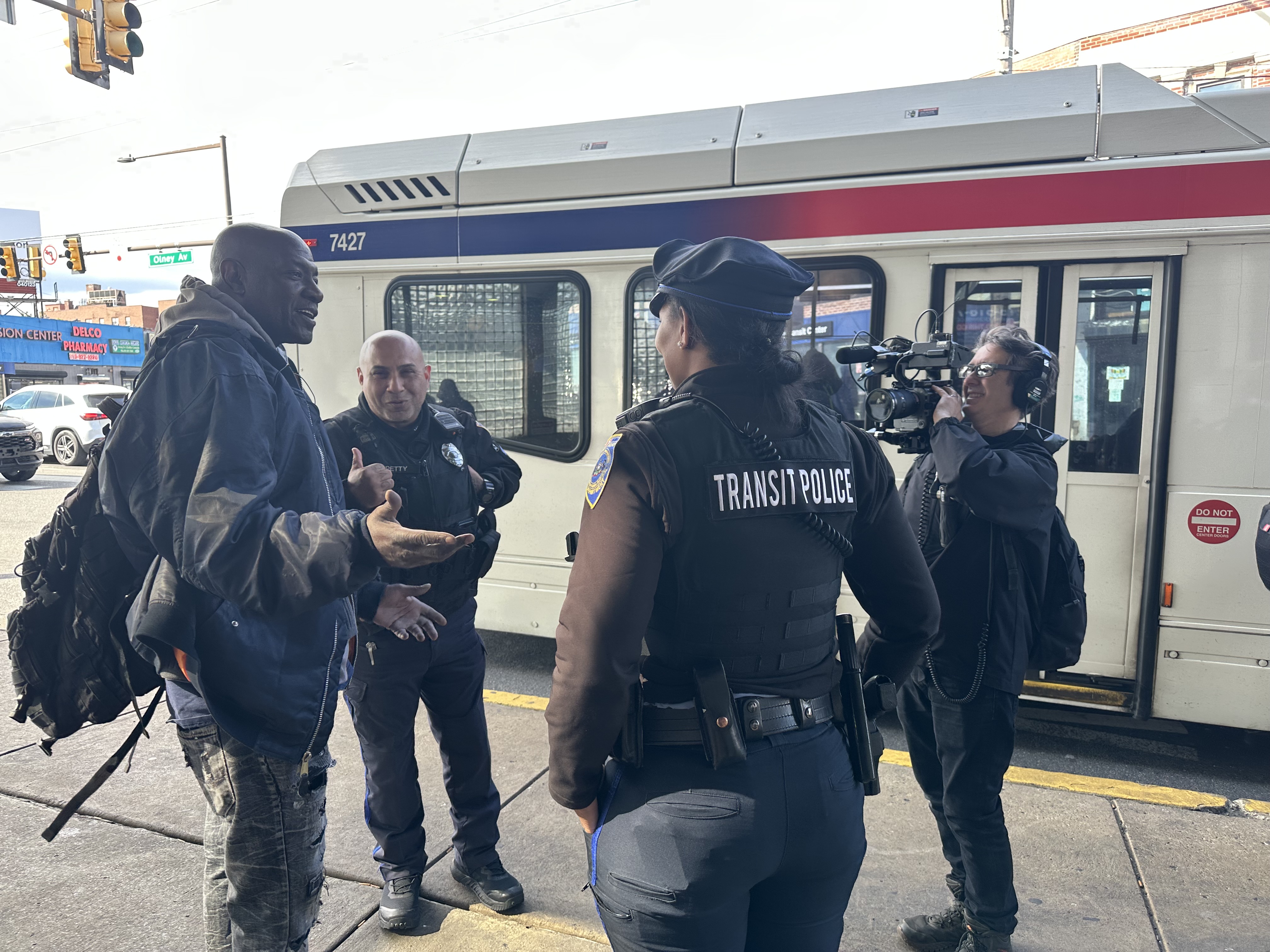
    SEPTA said a production company is making a TV docuseries for A&E on the work of the transit police, shadowing officers in Philadelphia as they patrol trains, buses, and streets.

    SEPTA riders posted a flurry of photographs, questions, and comments on social media platforms after sightings of TV crews.

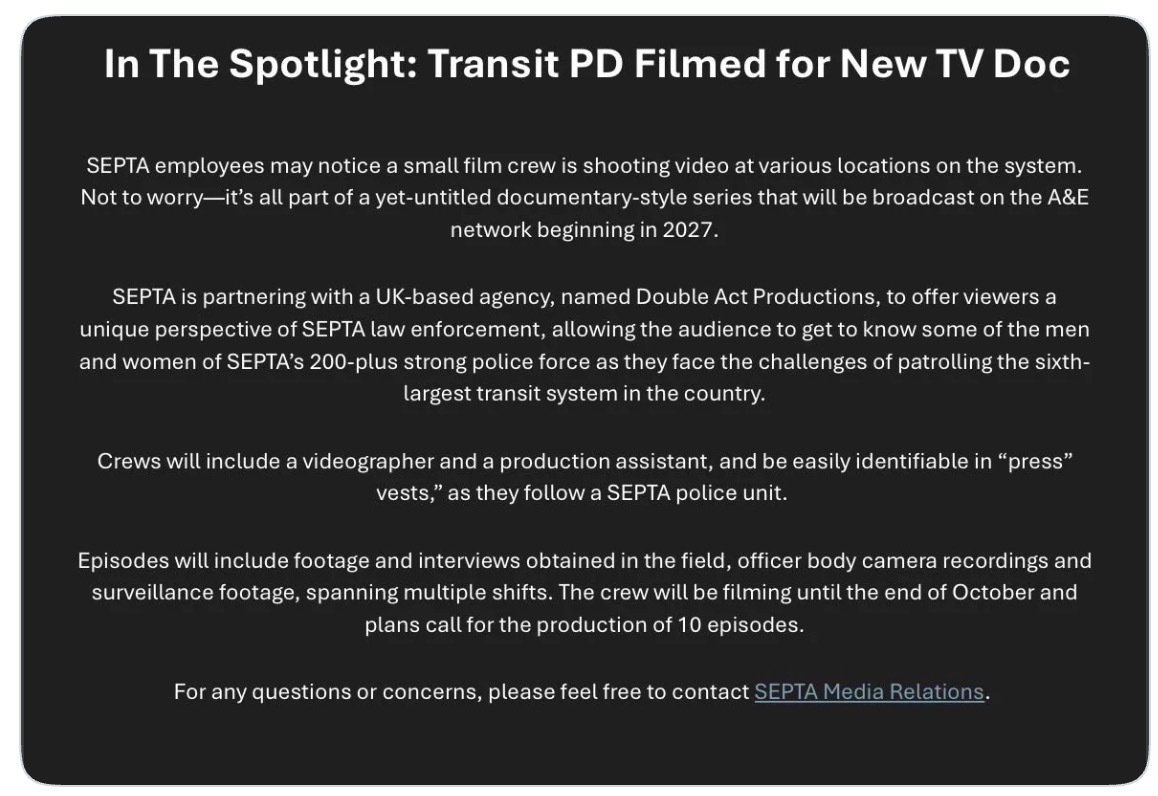
    An email was sent to SEPTA employees last week explaining what’s behind filming they might see on the system.

    The documentary will ”offer viewers a unique perspective of SEPTA law enforcement, allowing the audience to get to know some of the men and women of SEPTA’s 200-plus strong police force,” the internal message said.

    Screenshot of a post on X of an internal email sent to SEPTA employees about the A&E documentary.X.com

    SEPTA says it looks forward to having the transit police being in the spotlight, noting their challenging job, a sharp drop in violent crime on the transit system, and a crackdown on fare evasion and anti-social behaviors like smoking in stations and on vehicles.

    The production company has editorial control but has SEPTA’s permission to embed with police units. The transportation authority says it is not receiving any compensation from the production.

    SEPTA senior press officer John Golden said the eventual series will not be so-called reality TV.

    “There is nothing scripted about this,” he said, and the action as crews follow officers is not staged. It also is not focused only on arrests or confrontations.

    The docuseries project was first reported Thursday by news site Philly Voice.

    Alastair Cook, cofounder and owner of Double Act Productions, emailed that he was traveling and not able to immediately discuss the show.

    The company, headquartered in the Brixton district of London, has produced dozens of documentaries and fact-based dramas for outlets like A&E, the BBC, National Geographic, and Discovery+.

    A representative for A&E Global Media did not respond to a request for comment.

  • Self-policing loading zones have worked in Center City, the PPA says, so they’re adding more

    Self-policing loading zones have worked in Center City, the PPA says, so they’re adding more

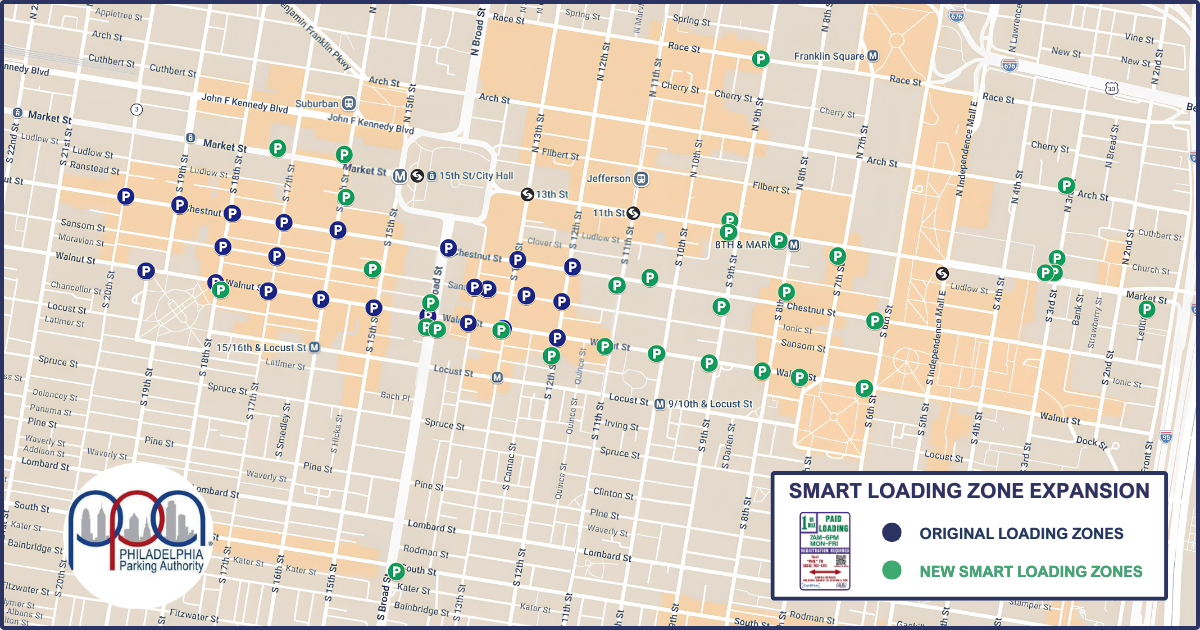
    The Philadelphia Parking Authority is expanding tech-enforced smart loading zones in Center City beginning Monday, citing reduced curb congestion and faster travel on two corridors over the last 15 months.

    Average traffic speeds are up 32% compared to historical averages on Chestnut Street and 28% on Walnut Street since the PPA installed the loading zones in May last year, according to a study by INRIX, the transportation analytics firm.

    During the middle of the day, that means vehicles are moving at around 10 mph, on average, vs. 7 mph before.

    High-res cameras track how long a delivery truck or a car stays in the zone, and software calculates a 10-cent-per-minute fee. That is then charged to the driver’s wallet on the CurbPass app. If needed, license plate pictures are used as evidence to issue $51 tickets for staying longer than the one-hour limit.

    “Really, the goal is ensuring curb space is available for the folks who need it most … and improving traffic flow through some of the most congested parts of the city,” said Gabe Roberts, interim executive director of the PPA.

    Turnover of vehicles is the key. It is a kind of EZ-Pass for curbs.

    The Philadelphia Parking Authority is adding 30 new smart loading zones in Center City, for a total of 52. Officials say the first set improved traffic flow.Philadelphia Parking Authority

    The system was developed by Los Angeles-based Automotus, a pioneer in curb management used in cities across the country, including Pittsburgh. PPA and the company installed smart loading zones on 22 blocks in May 2025.

    On Monday, the loading zones will begin operating on 30 blocks across Center City, PPA says. No tickets will be issued in the new spaces during a monthlong warning period.

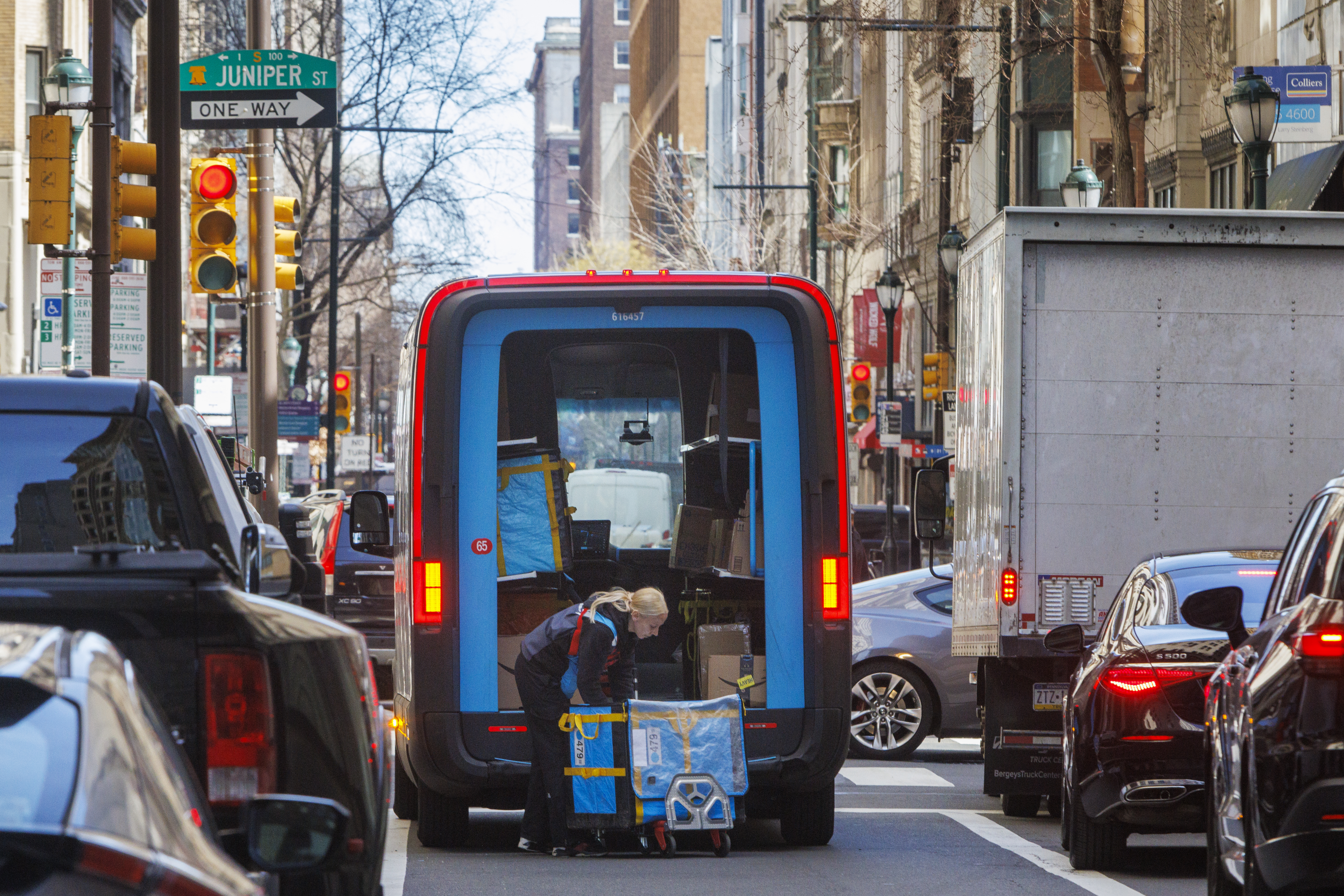
    Darting delivery vehicles from DoorDash, Amazon, FedEx, UPS, and the like — along with Uber, Lyft, and regular drivers — have proliferated beyond the supply of curb space in Philadelphia and other cities in recent years, slowing through traffic to a crawl.

    Philadelphia has had business and passenger loading zones for years, but they had been overflowing, forcing some delivery trucks to double park in the traffic lane.

    Existing smart loading zones have effectively added curb space for 730 additional vehicles a day because vehicles are moving in and out instead of sitting for a long time, PPA says.

    PPA says it has seen a 97% increase in commercial freight and delivery trucks using the loading zones, cutting down on double parking that blocks traffic.

    The technology also captures plenty of vehicles double-parking in the zones, which are marked by purple, red, and white signs. That results in a $76 e-ticket.

    “Enforcement is much more exact and consistent,” Roberts said. “It develops an expectation” that can change behavior, he said.

    Indeed, PPA says about 78% of violators have received only one citation.

    CurbPass accounts are not limited to commercial vehicles. Anybody can sign up, including rideshare drivers. The first three minutes are free, so a driver can pull in and create an account on the spot from a QR code before the toll starts.

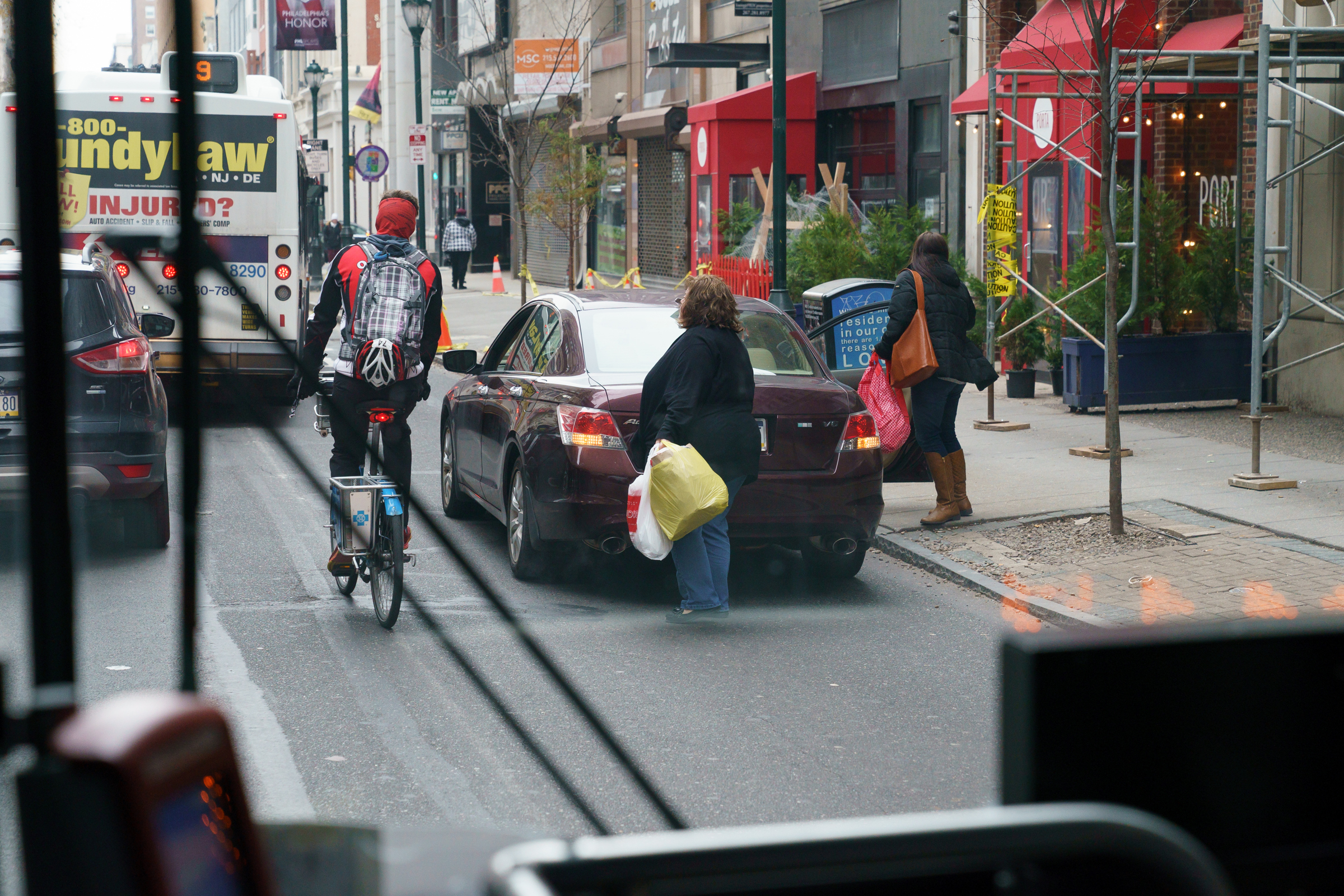
    In addition to loading zones, PPA is enforcing parking violations that block transit lanes and stops with AI-powered cameras mounted on bus and trolley windshields in Center City and West Philly.

    Roberts stressed cameras only capture data necessary for enforcement and, in the case of loading zones, billing: license plate, time in, time out, and location.

    “Our goal is to monitor the vehicle, not the person,” he said.

  • A Philly mom fights for more speed bumps after her son was killed near one of the city’s most dangerous roads

    A Philly mom fights for more speed bumps after her son was killed near one of the city’s most dangerous roads

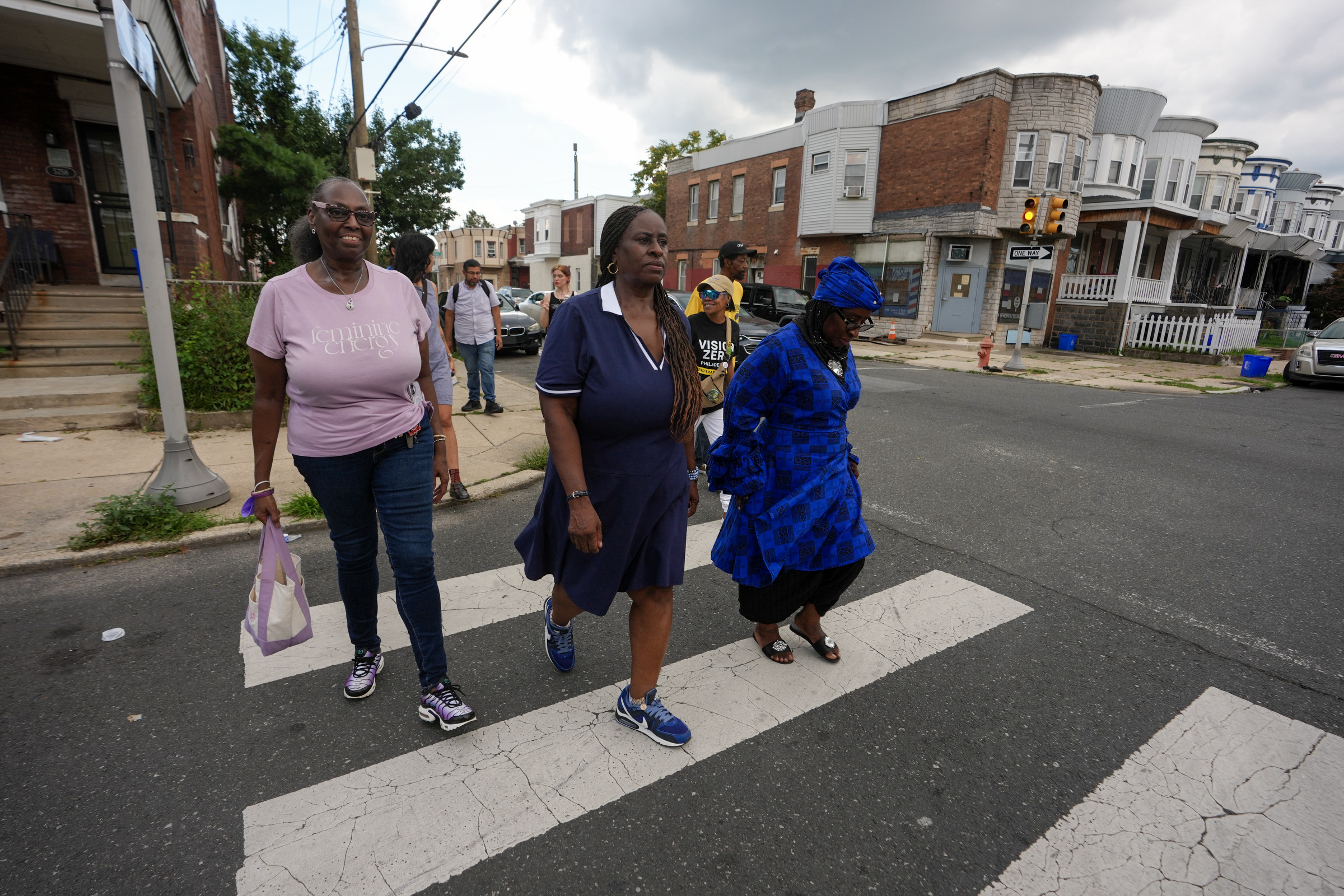
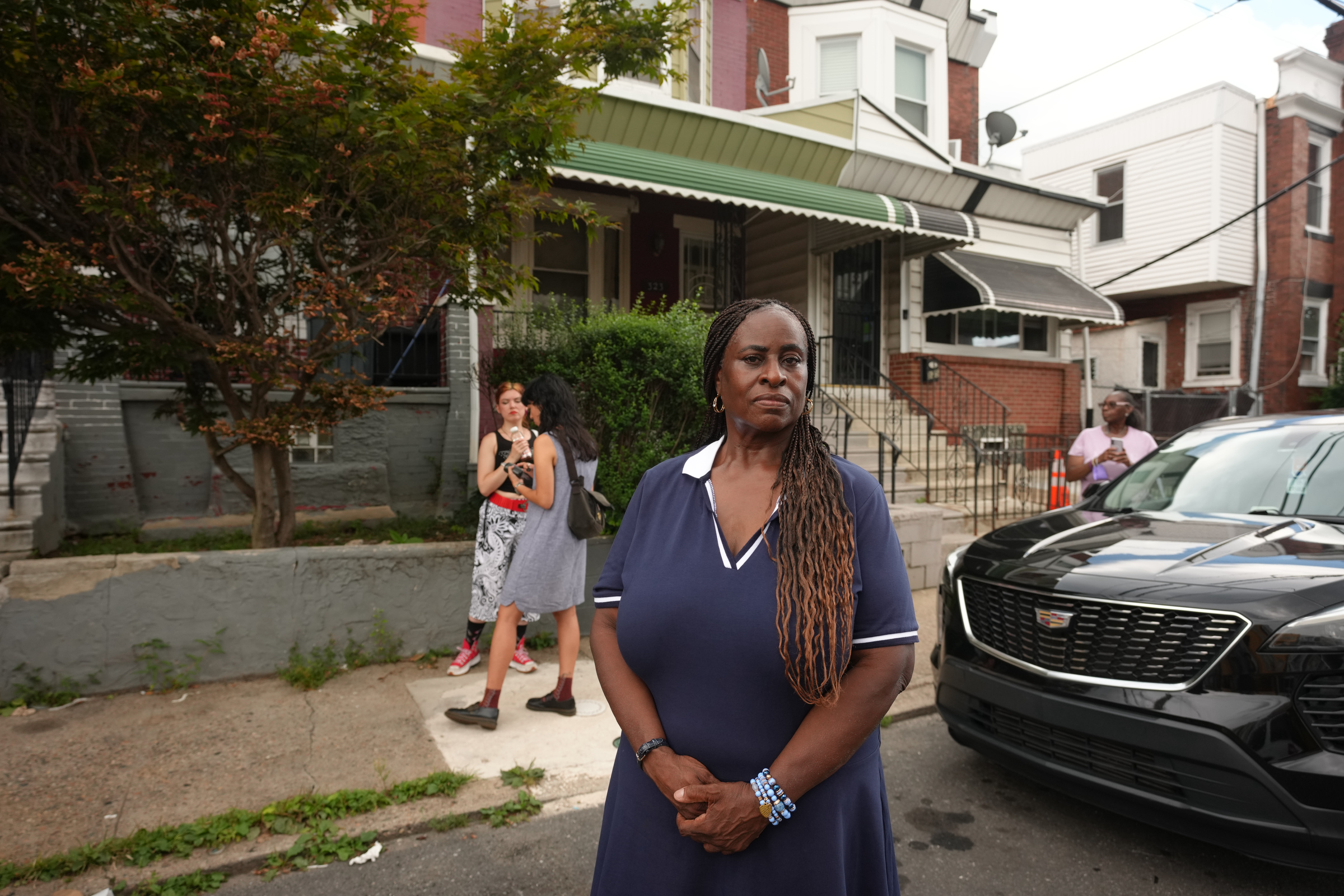
    Angela McDonald caught her breath on the sidewalk at the intersection of South 58th and Delancey Streets in Cobbs Creek, a few feet from where her son, Mark Ringgold, was killed last year in a hit-and-run crash by a speeding driver in a Jeep Cherokee.

    She wants someone to answer for her son’s death and for the city to install speed bumps on the streets and other road-design changes to slow drivers down. And surveillance cameras.

    “This is what my purpose is now,“ McDonald said Friday, a year after the crash. ”I will fight until God calls me home.“

    Ringgold, 33, was crossing Delancey Street after leaving a friend’s house shortly before 3 a.m., when he was hit and left in the street. The family calls it a blessing they were able to say goodbye to him in the hospital before he died.

    Last year, 28 pedestrians were killed in hit-and-run crashes in Philadelphia, according to the city’s count.

    “Don’t wait for it to come to your door before you do something. Nobody knows what’s coming. Make change now,” said McDonald, 62, a retired Philadelphia police officer.

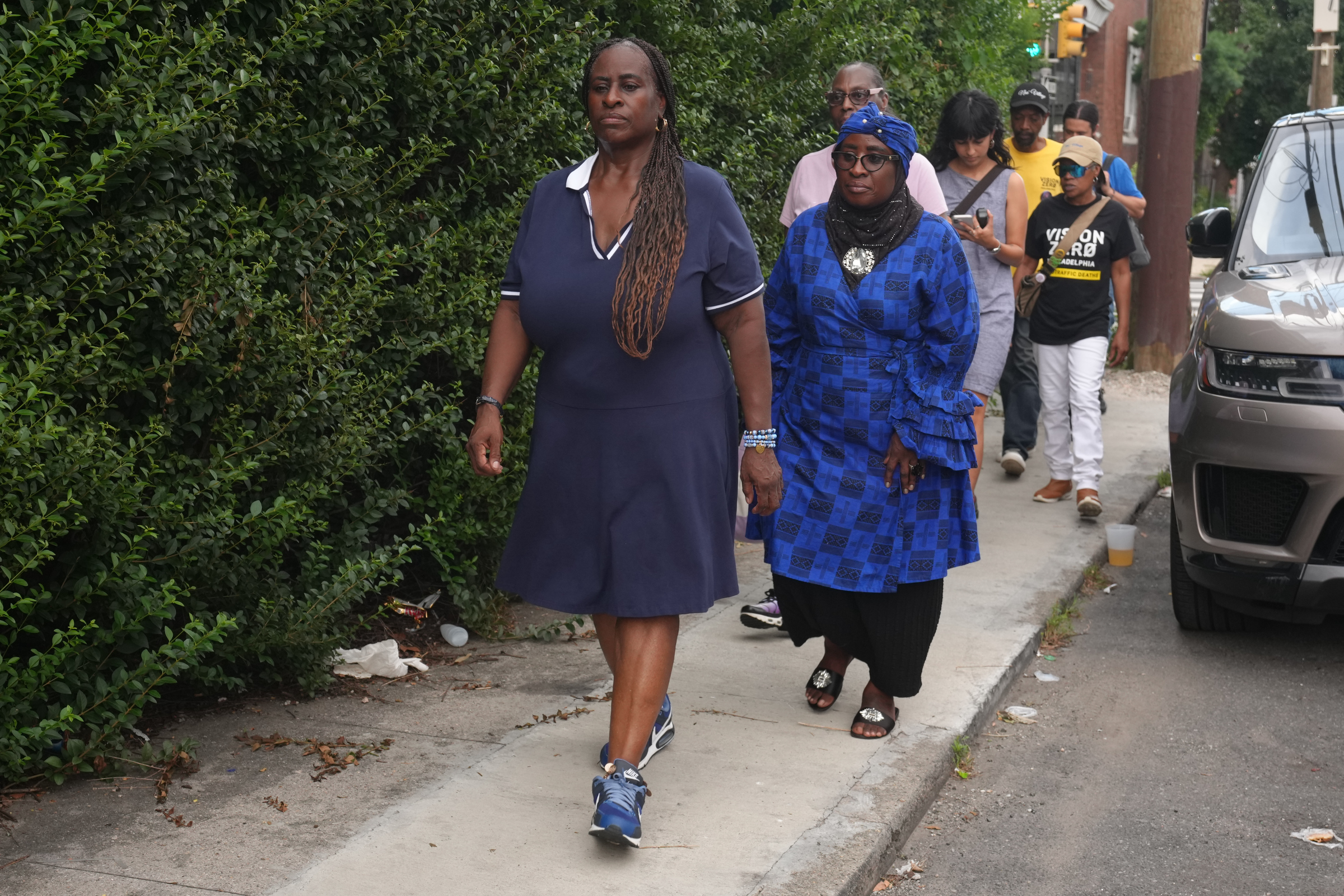
    Angela McDonald and other traffic-safety advocates held a community walk in memory of her son Mark, who was killed by a hit-and-run driver. Jessica Griffin / Staff Photographer

    A group of family, neighbors, and traffic safety advocates walked the streets Friday in heat brushing triple digits as thunderstorms rolled in.

    Cobbs Creek Parkway, a state-designated highway not far away, is listed on the High Injury Network, one of the 12% of city roads where 80% of traffic crashes have occurred. Many of those streets are thoroughfares or state highways, like Broad Street (Route 611).

    South 58th Street is not on the map, though there are speed bumps near a recreation center at South 58th and Spruce Streets.

    And the city is working on a Neighborhood Slow Zone nearby, about five square blocks bounded by 52nd Street, 57th Street, Spruce Street, and Baltimore Avenue. The program imposes a 20 mph speed limit on residential streets and adds traffic-calming infrastructure such as speed cushions, narrower pedestrian crossings at intersections, and other elements.

    “We have a lot of traffic violence on streets in regular Philadelphia gridded neighborhoods, not just on the High Injury Network or thoroughfares,” said Andrew Goodman, director of equitable development in the office of Councilmember Jamie Gauthier, who is working on getting some safety treatments for South 58th Street and Delancey Street.

    Evidence shows that the interventions work, city officials say.

    “We get calls from people asking for speed bumps consistently,” Goodman said. “There are so many needs, so much demand. Driver behavior seems to be getting worse by the day.”

    McDonald wants the neighborhood to get consideration. Speed-enforcement cameras are limited, with installations requiring specific authorization by the state legislature.

    But she wonders about police surveillance cameras. If there is a hit-and-run crash, they might be able to capture the image of the driver. Police have recovered the car that hit her son, but there is no footage of the driver and there has been no arrest.

    “As long as I have been traveling this road, since I was a young girl, 58th Street has always been a racetrack,” McDonald said.

    “Speed bumps are definitely going to slow people down, because if you don’t, you’re going to tear your car up,” she said. “You may flip yourself over.”

    One year after a fatal hit-and-run took the life of Angela McDonald’s son, Mark, she and other traffic-safety advocates are pushing for traffic-calming improvements.Jessica Griffin / Staff Photographer
  • I-95 on-ramp in Northeast Philly is closing for good next week

    I-95 on-ramp in Northeast Philly is closing for good next week

    An I-95 ramp in Northeast Philly is set to close for good next week.

    The ramp from Bridge Street to I-95 North is slated to shut down at 8 p.m. on Friday, Aug. 21, the Pennsylvania Department of Transportation announced Monday.

    The closure will make way for construction of a new I-95 entrance from Tacony Street and the Delaware Avenue extension, which the agency expects to open in late 2027.

    Until then, drivers will be detoured to Tacony Street and State Road/New State Road, where they can get on I-95 North via the Milnor Street ramp.

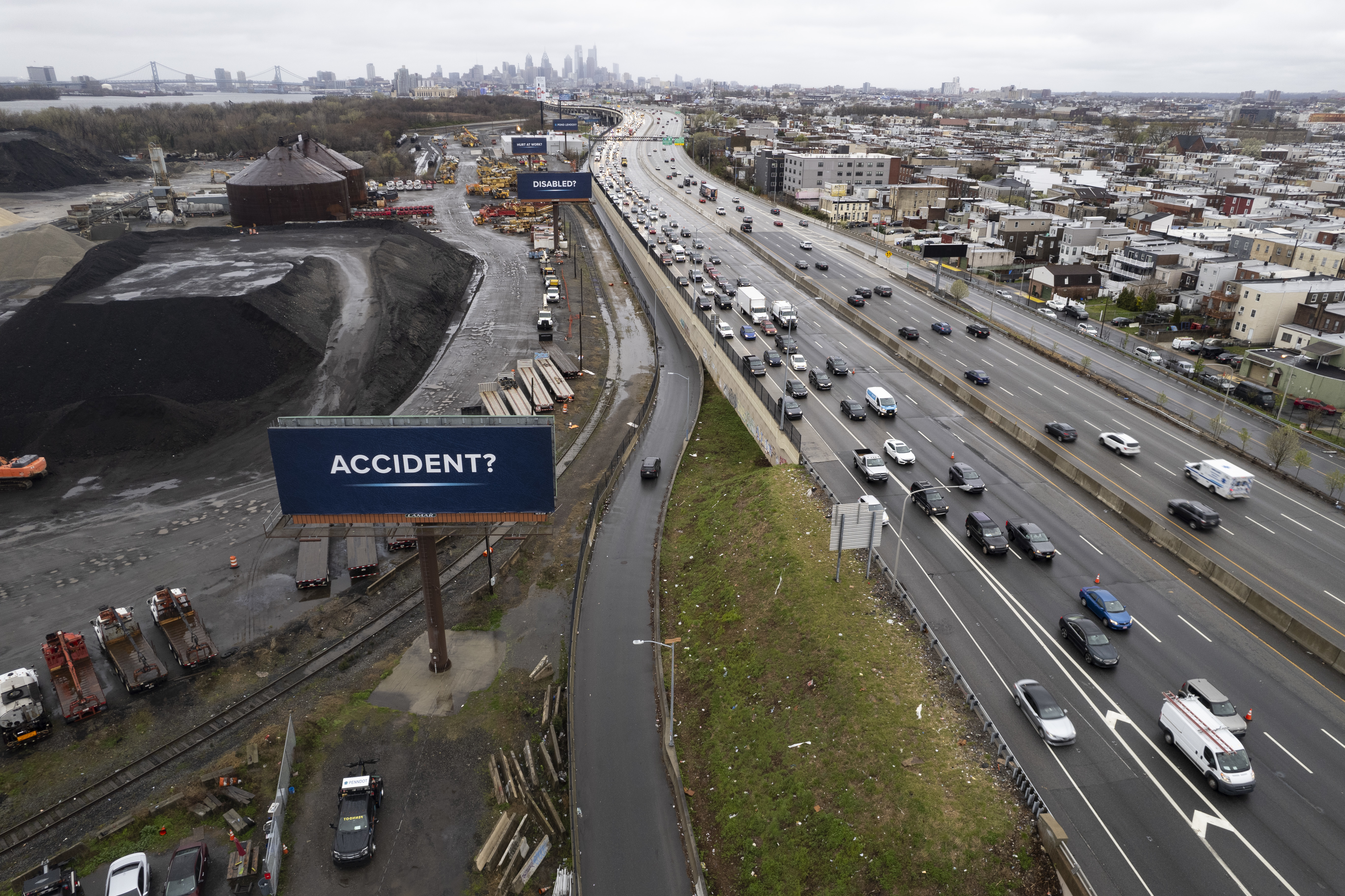
    The rerouting is part of a larger I-95 rehabilitation, which includes nearly $268 million of Northeast Philly improvements, including the reconstruction of the viaduct over Bridge and Tacony Streets.

    In addition to the ramp closure, I-95 North drivers will experience a traffic shift from 8 p.m. Aug. 21 to 5 a.m. Aug 22. They will be temporarily rerouted to southbound lanes as northbound reconstruction begins at the Bridge Street Interchange. PennDot expects to complete that project in 2028.

    The agency advises drivers in the area to allow for extra time, as backups and delays are expected due to the ramp closure.

  • Commodore Barry Bridge is getting a paint job and restoration, and traffic is jammed

    Commodore Barry Bridge is getting a paint job and restoration, and traffic is jammed

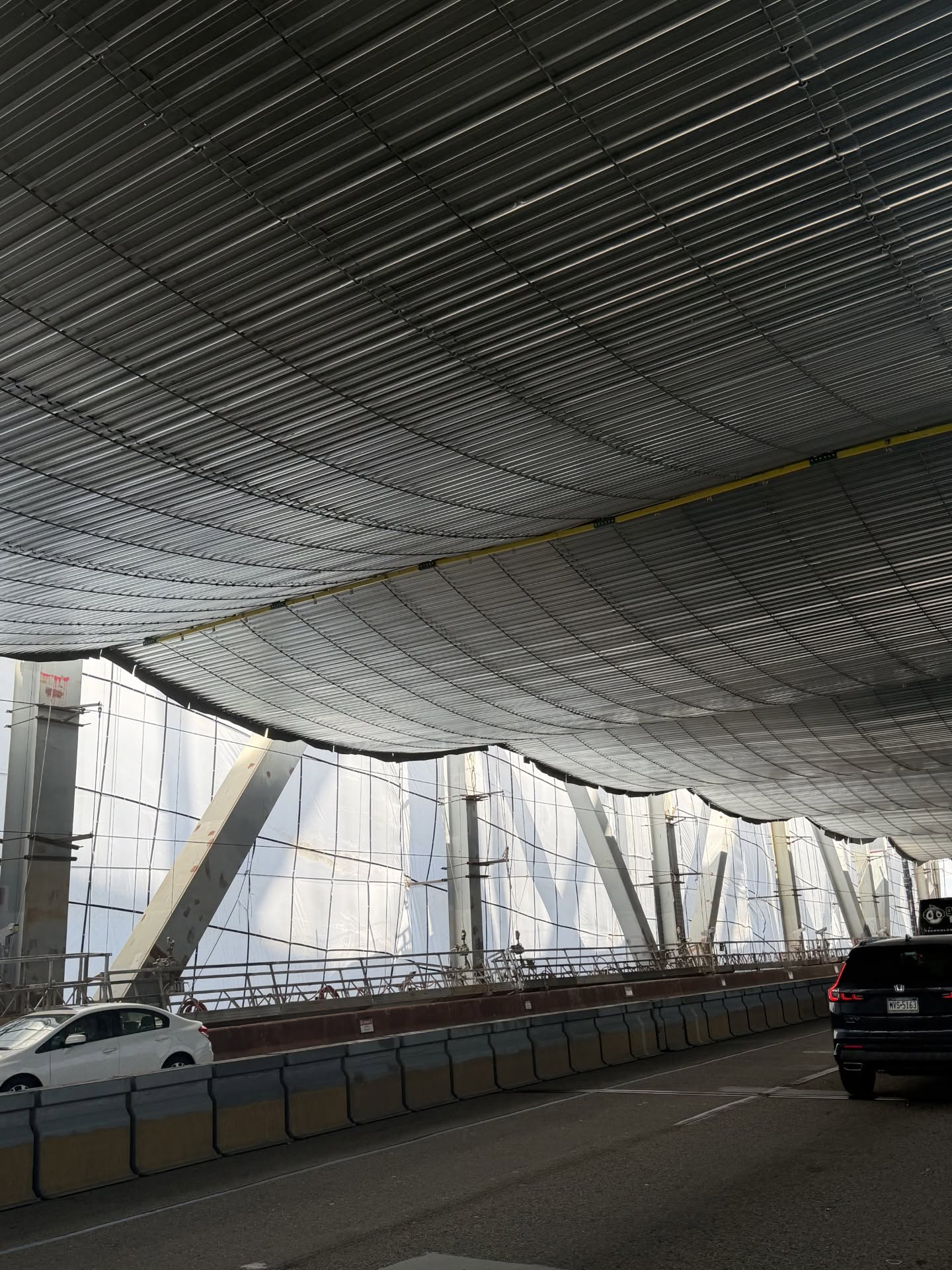
    Canvas shrouds the Commodore Barry Bridge as workers blast clean and repaint the high steel trusses holding up the roadway.

    The $220 million project, expected to finish in 2028, has caused havoc this summer with commuter and Shore-bound traffic on a crucial link between Delaware and Gloucester Counties.

    Traffic is squeezed into one lane in each direction from 7 p.m. to 5 a.m., and residual morning delays have been reported. Crews sometimes also have to close lanes or temporarily stop all traffic during daytime to move equipment and materials.

    It is a major undertaking for the Delaware River Port Authority, the bistate agency that owns and runs the Commodore Barry, as well as the Walt Whitman, Ben Franklin, and Betsy Ross Bridges.

    As they move along the 13,912 feet of the bridge, industrial painting crews first sandblast layers of old paint and protective coatings that have built up over the years.

    They work from suspended platforms in enclosed spaces of canvas, with containment systems that capture the gritty material used to clean the steel, lead-based paint, and other grime.

    Although that up-in-the-air work is most visible to motorists, massive repairs are going on underneath, on the deck, and in the support structures below that, including the piers in the river.

    Crews are removing crumbling concrete and replacing it, repairing the drainage system, and installing 14,000 feet of new electrical conduits and wire, DRPA officials say.

    The rehab began in spring 2025, with replacement of the movable “zipper” barrier that separates lanes of bridge traffic. It was finished last summer.

    The bridge opened in 1974 after five years of construction.

    Earlier, people relied on ferries to cross from one state to another.

    In 1930, the Chester-Bridgeport Ferry began running, with a capacity of 60 cars per trip. Six years later, the ferry’s boats were added to the federal highway system, as moveable parts of U.S. Route 332.

  • FDR sent federal troops to break a racially tense transit strike on this week in Philly history

    FDR sent federal troops to break a racially tense transit strike on this week in Philly history

    So many young Americans who signed up for World War II in 1944 thought they were headed across the Atlantic to help pull European towns away from Adolf Hitler’s grip.

    But many GIs, fresh out of basic training at New Jersey’s Fort Dix, instead ended up sleeping in two-man tents in Fairmount Park.

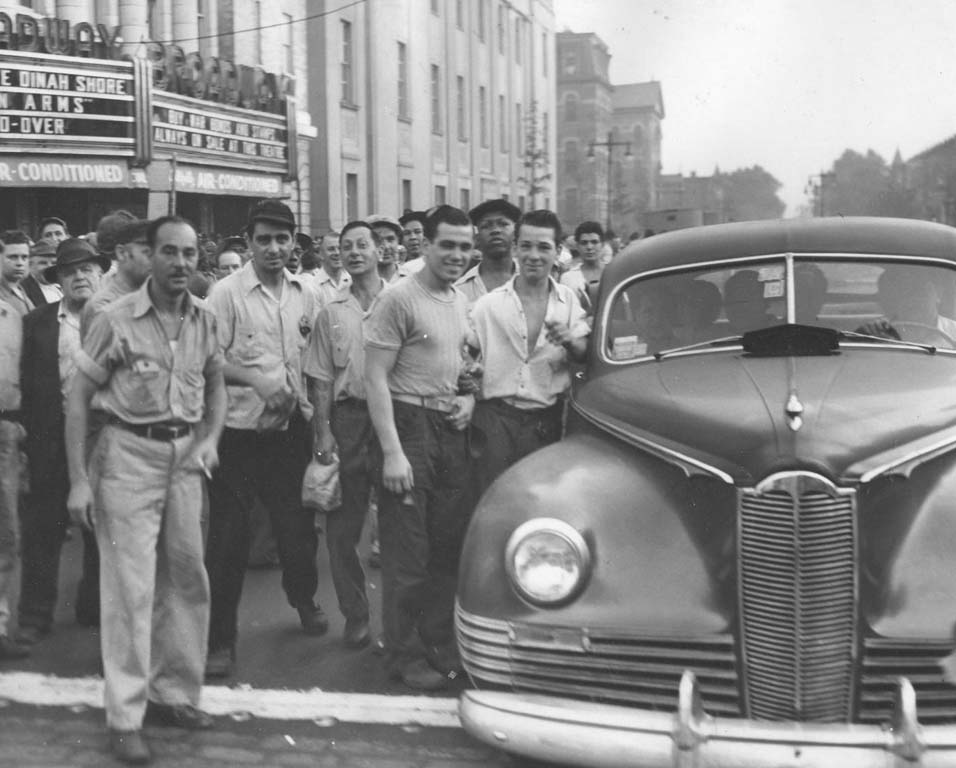
    On Aug. 5, 1944, President Franklin D. Roosevelt dispatched about 5,000 U.S. Army troops to Philadelphia to intervene in an ugly transit strike.

    When covering a trash strike in July 1978, the Daily News spoke with military members who were sent to the city during the tumultuous six days of the 1944 transit strike.

    “I had to work on Diamond Street,” James Denning of Maywood, N.J., recalled to the Daily News. “That was worse than Germany.”

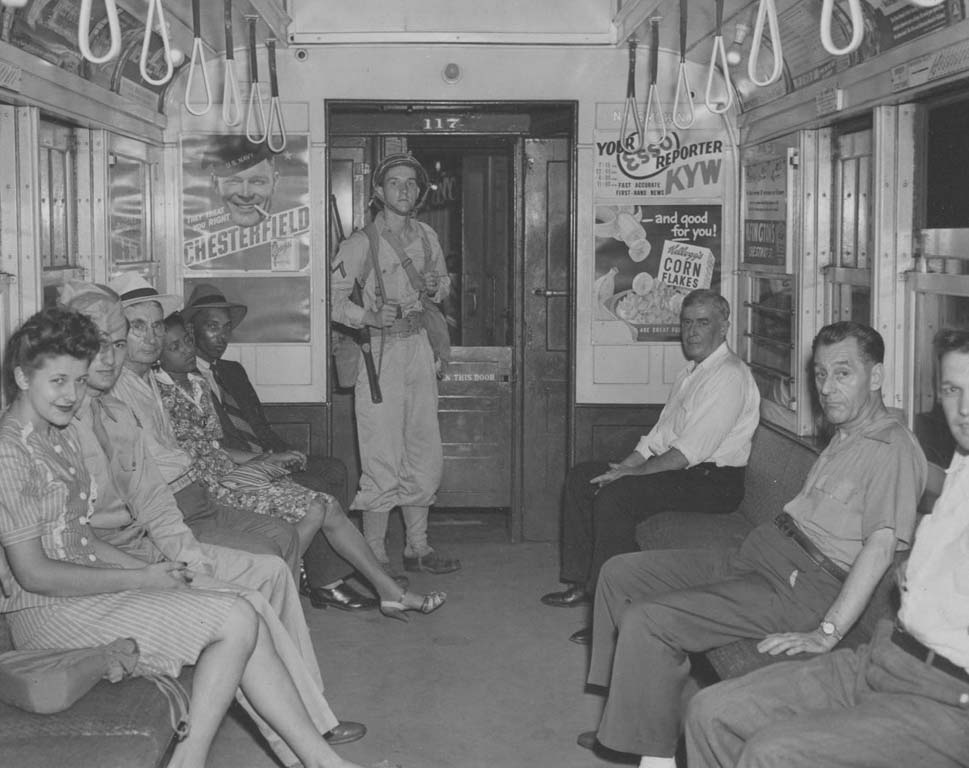
    Photo shows one of the subway car with passengers with a Armed soldier during the 1944 Philadelphia Transit strikes.Culross (Phila. Inquirer)

    It marked one of the first major federal interventions amid the fight for civil rights.

    On Aug. 1, white transit workers with the Philadelphia Transit Co. had gone on strike over the hiring of Black trolley operators.

    Black workers were now being given operator jobs, graduating to higher pay and better conditions than in their previous jobs in mechanics and labor.

    The Black drivers threatened to leave their posts unless they were guaranteed protection from racially motivated attacks. And the strike itself threatened to slow down the Philadelphia war machine feeding the need for ships, tanks, and uniforms.

    The Army took over the transit agency three days into the strike, and on Aug. 5, Roosevelt ordered the troops to break the strike.

    The intervention helped lead to the end of the strike after six days, but federal troops remained in the city, riding streetcars 24 hours a day, keeping them moving, and protecting Black transit workers on the rails and on the roads.

    Troops withdrew from the city on Aug. 17, and by early September, Black trolley drivers took their rightful places behind the wheel.

  • Under the watchful eye of SEPTA’s AI bus cameras, a decline in parking perpetrators

    Under the watchful eye of SEPTA’s AI bus cameras, a decline in parking perpetrators

    AI-powered cameras on SEPTA buses and trolleys have captured about 212,000 parking and stopping violations that delay trips since automated enforcement began last year, according to the Philadelphia Parking Authority.

    The median travel time of buses in the enforcement areas dropped 41 seconds in March compared with the same month last year before the cameras, SEPTA said.

    “It’s not massive, but it is appreciable,” said Matthew Zapson, manager of planning programs for SEPTA.

    The parking authority has issued $14.5 million in fines from May 2025 through June 30.

    But violations have trended down from the high numbers recorded in May 2025, when enforcement began.

    That means hefty fines seem to be nudging more drivers to avoid adding to congestion, particularly in Center City.

    In just over a year, no-stopping violations in bus-camera enforcement areas were cut in half, said Gabriel Roberts, interim executive director of the PPA, while violations for blocking bus stops decreased by 27%.

    “Drivers are learning, in large numbers, to not park illegally in no-stopping zones, bus lanes, and bus stops,” Roberts said.

    (function(){function e(){window.addEventListener(`message`,function(e){if(e.data[`datawrapper-height`]!==void 0){var t=document.querySelectorAll(`iframe`);for(var n in e.data[`datawrapper-height`])for(var r=0,i;i=t[r];r++)if(i.contentWindow===e.source){var a=e.data[`datawrapper-height`][n]+`px`;i.style.height=a}}})}e()})();

    Violations fell from 1.8 to 0.75 per camera per hour, Zapson said.

    Windshield-mounted cameras, powered by artificial intelligence, on buses in Center City and West Philadelphia are scanning for violations for about 14,000 hours per month — a rate that has stayed steady, Zapson said.

    “I think that is perhaps the most telling point about the success of the program,” he said.

    Measuring violations per camera hour avoids the possibility that violations appear to be down only because of lower camera use.

    The penalty for parking and stopping violations is $76 in Center City and $51 elsewhere.

    Tickets are sent to the owners of vehicles based on evidence gathered by windshield-mounted cameras on 152 buses on 16 routes. But human parking enforcement officers have to verify violations first.

    PPA, SEPTA, and the city have partnered on the program.

    The indications of progress come as SEPTA prepares to roll out the first phase of its long-delayed long awaited New Bus Network on Aug. 23. That project aims to speed up bus service and make it more reliable.

    Buses navigating Philadelphia traffic averaged 8 mph in Center City, slower than the national average of about 14 mph. Every year, congestion in Center City causes 1.7 million hours of passenger delays and adds $15.4 million to the transit agency’s operating costs, according to a 2019 Econsult Solutions study commissioned by SEPTA.

    On April 1, cameras were added to 38 trolleys in Philadelphia, making SEPTA the first transit system to use them on streetcars. Early PPA numbers show 30,856 violations for cars and trucks blocking trolley lanes and stops.

    City ordinance authorizes the camera program in Center City from river to river from the northern edge of Spring Garden Street to the southern edge of South Street. Violations also can be camera-enforced on Chestnut, Walnut, and Market Streets westward to 63rd Street. The law also covers any roadway in Philadelphia that conveys trolleys.

    Zapson cautioned that a variety of factors influence bus speeds, including continued growth in ridership since the pandemic, which increases the amount of time the vehicles spend at stops to load and unload people.

    So, more work is needed.

    “Parking on trolley tracks or in bus lanes is a recurring issue, despite having these cameras,” Zapson said. SEPTA is working with the city and PPA “to see what other policies might be available to us,” he said.

  • South Philly will soon have a new path to the Delaware with the Washington Avenue Connector

    South Philly will soon have a new path to the Delaware with the Washington Avenue Connector

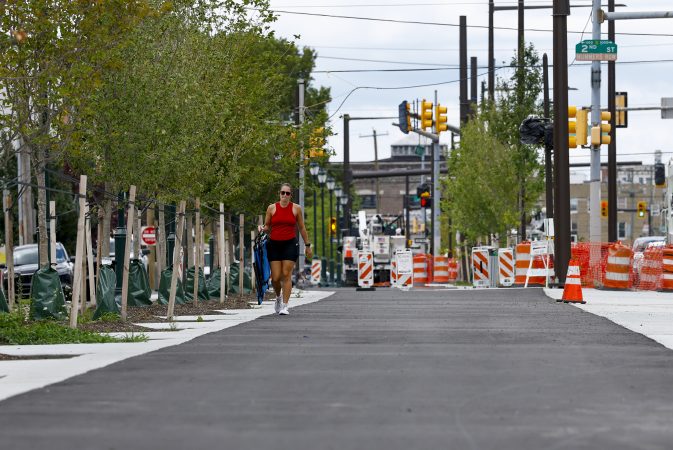
    A new pedestrian and bicycle route connecting Jefferson Square Park to the Delaware River is expected to be completed this month, with the asphalt median largely in place and other construction continuing.

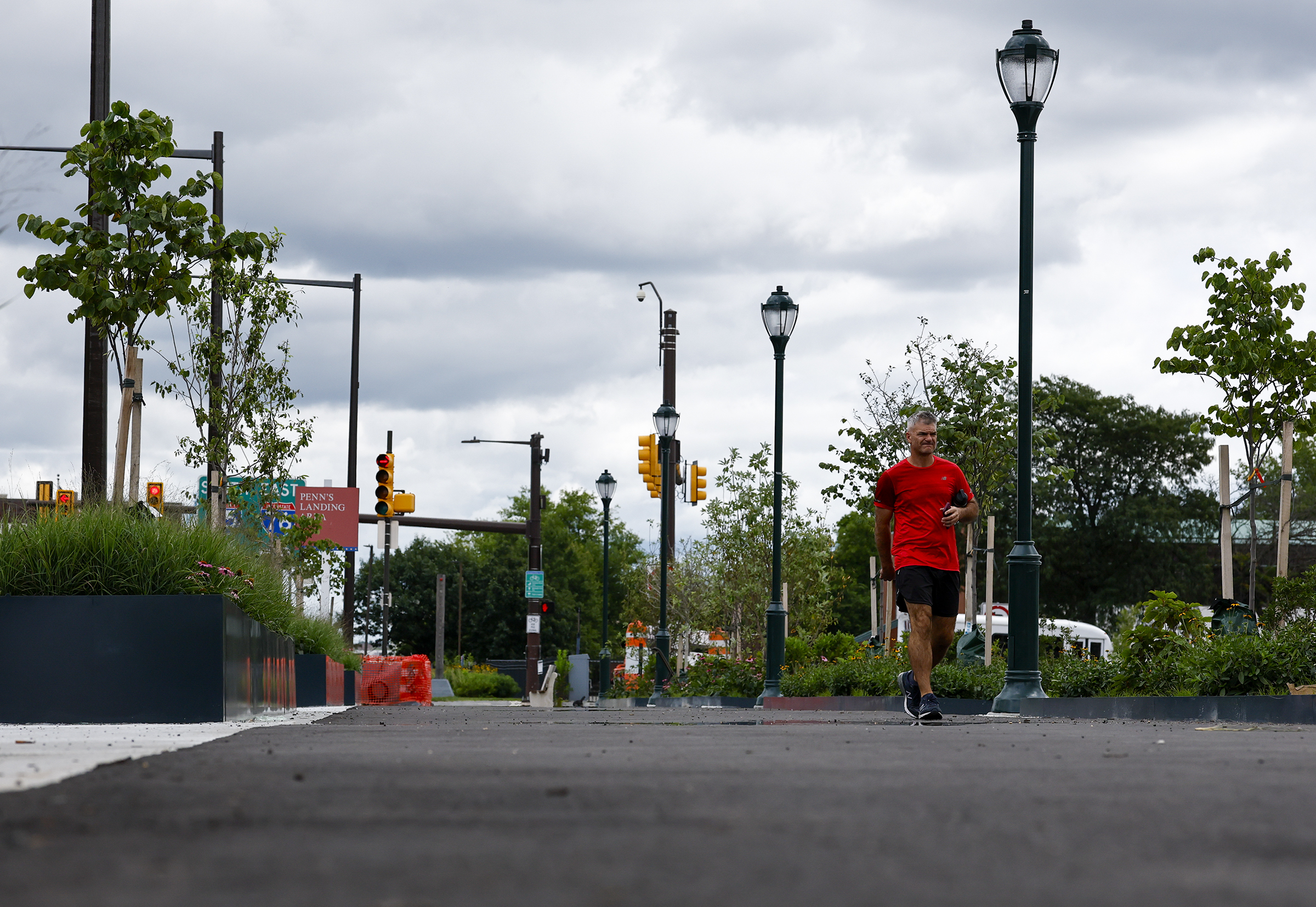
    Along portions of the unfinished route, new plantings soften the expanse of pavement, offering an early glimpse of the connection planners hope to create: a path that makes the river feel less like the far side of a highway and more like part of the neighborhood.

    For now, the stretch of Washington Avenue between the South Philadelphia neighborhood park and Columbus Boulevard remains an overwhelming landscape of asphalt and concrete, with a multilane roadway separating pedestrians from the riverfront trail to the east.

    The Washington Avenue Connector is intended to change that. Plans from the Delaware River Waterfront Corp. and the City of Philadelphia call for a tree-lined route planted with seasonal flowers, a curb-separated shared-use path, and safer crossings to guide pedestrians and cyclists from Fourth Street to the Delaware River Trail. The $9.5 million project — funded by the city, the state, and grants provided to the waterfront corporation — is one piece of an ambitious plan to revitalize Philadelphia’s riverfront by making it more accessible to pedestrians and cyclists and encouraging investment by nearby businesses.

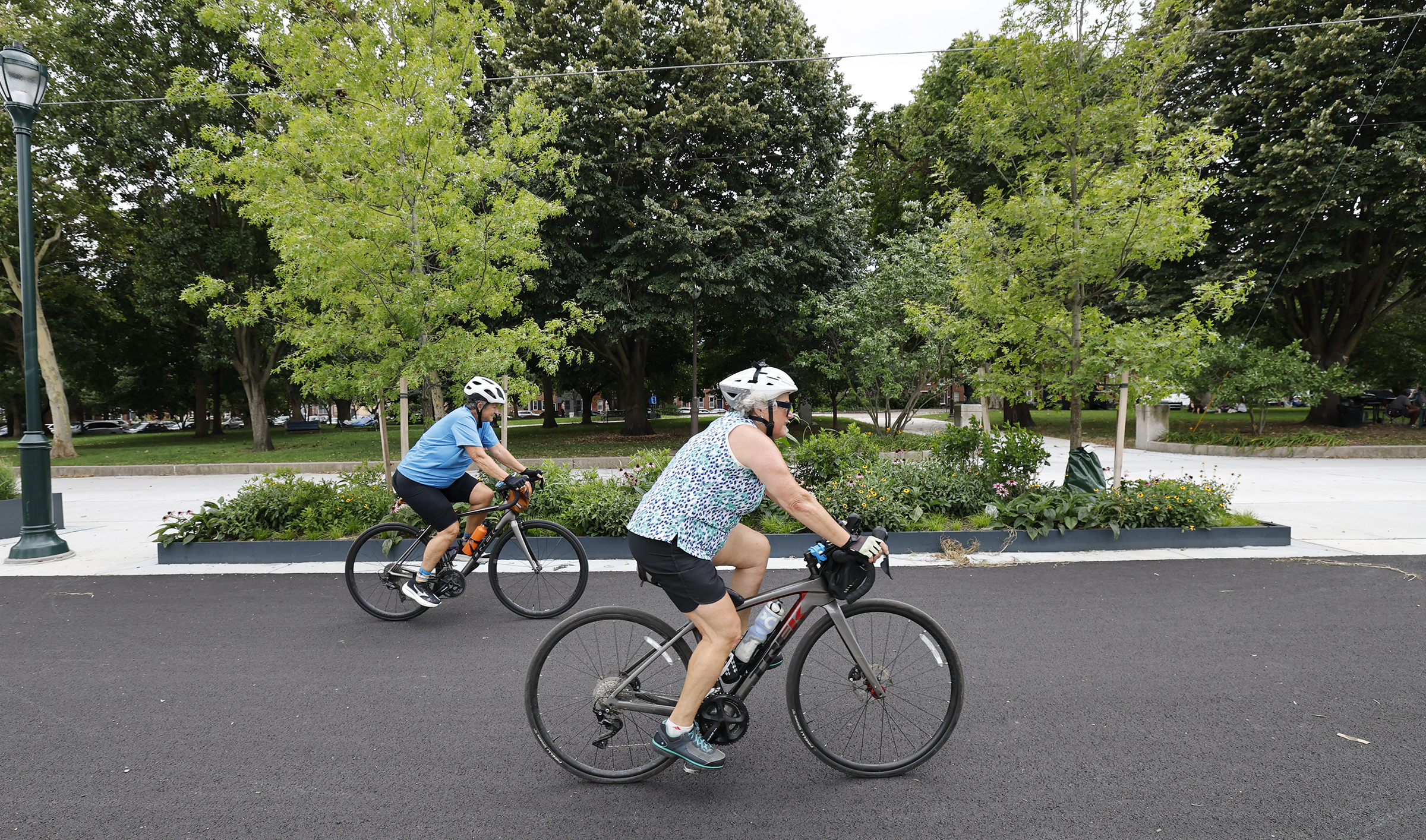
    Bicyclists ride along the Washington Avenue Connector heading westbound near Jefferson Square Park in South Philadelphia on Thursday, July 30, 2026.Yong Kim / Staff Photographer

    The connector is “meant to bridge this gap of the physical and psychological connection that I-95 created when it was built and sort of cut off certain neighborhoods from the waterfront,” said Joe Forkin, president and CEO of the Delaware River Waterfront Corp.

    Although waterfront connector projects often extend only about a block, the Washington Avenue Connector will reach four blocks inland, extending to Jefferson Square Park and connecting the waterfront with nearby South Philadelphia homes and businesses.

    The project is designed to transform the area not only aesthetically, but also by making it safer and easier to navigate on foot or by bicycle, said Lizzie Woods, senior vice president for strategic planning and real estate development at the Delaware River Waterfront Corp.

    Designers had to contend with what Forkin described as “a crazy tangle of transportation infrastructure.”

    From Race Street to Walnut Street, the highway creates a physical divide between the waterfront and Old City. Farther south, the barrier is less absolute but still discourages people from approaching the river.

    “That’s where there’s more of a psychological barrier,” Forkin said. “You can get through it, you can approach the neighborhood and you can approach the waterfront, but it’s not always very welcoming to do so.”

    Forkin pointed to the Race Street Connector, completed in 2016, as an example of how a redesigned route can change the way people move between a neighborhood and the river. He said he once rarely saw people turn to walk to the river. Today, he said, there is a steady flow of pedestrians between Old City and the waterfront.

    A walker strolls westbound using the Washington Avenue Connector in South Philadelphia on Thursday, July 30, 2026.Yong Kim / Staff Photographer

    The Washington Avenue project will create a curb-separated path along the south side of the road, running from Fourth Street to Columbus Boulevard and connecting directly with the Delaware River Trail. On the north side, a parking-protected bicycle lane will carry cyclists westbound and connect with improvements the city previously installed west of Fourth Street.

    At Jefferson Square Park, the slip lane between Third and Fourth Streets will be closed and converted into a plaza intended to function as a “front porch” for the park. The project also includes curb extensions and pedestrian islands designed to shorten street crossings and give people a protected place to pause. By forcing turning vehicles to travel more slowly and make wider turns, planners say, the changes should improve pedestrian safety.

    New traffic signals have been installed but are not yet operational between Fourth Street and Columbus Boulevard on Washington Avenue. The improvements are intended to make crossings clearer and safer while keeping vehicle traffic moving at a more consistent speed. A dedicated left-turn lane at Front Street and Washington Avenue will also address a longstanding request from the Pennsport community.

    At Washington Avenue and Columbus Boulevard, another under-construction plaza will mark the entrance to the waterfront. Trees, flowers, and other plantings are meant to signal the transition from the city street to the river’s network of parks and trails.