Category: Politics

  • Democrats make a huge bet on Platner in Maine, which could decide the Senate

    Democrats make a huge bet on Platner in Maine, which could decide the Senate

    Graham Platner’s primary victory in Maine sends Democrats barreling into one of this year’s most important Senate contests with a rush of insurgent energy but gnawing uncertainty about the withering Republican scrutiny to come.

    His decisive victory offered a vivid display of the deep Democratic desire for a new generation of leaders, suggesting that many primary voters in Maine embraced his populist economic message and working-class appeal.

    Yet in nominating Platner, Democrats are making an enormous bet in their quest to regain control of the Senate, staking their chances in a crucial race on an untested and scandal-plagued oysterman.

    Maine is a linchpin of both parties’ midterm strategies. With Republicans holding 53 seats in the Senate, Democrats will have to defend all the seats they hold and flip four more to win control in November. For months, party leaders have believed their most likely path ran through North Carolina, Ohio, Alaska, and especially Maine — the only state of the four that voted against President Donald Trump in 2024.

    But Platner’s controversy-filled ascent to the Democratic nomination has complicated those plans, leaving some strategists worried that the party may need to win in deep-red Iowa or Texas to offset a loss in Maine.
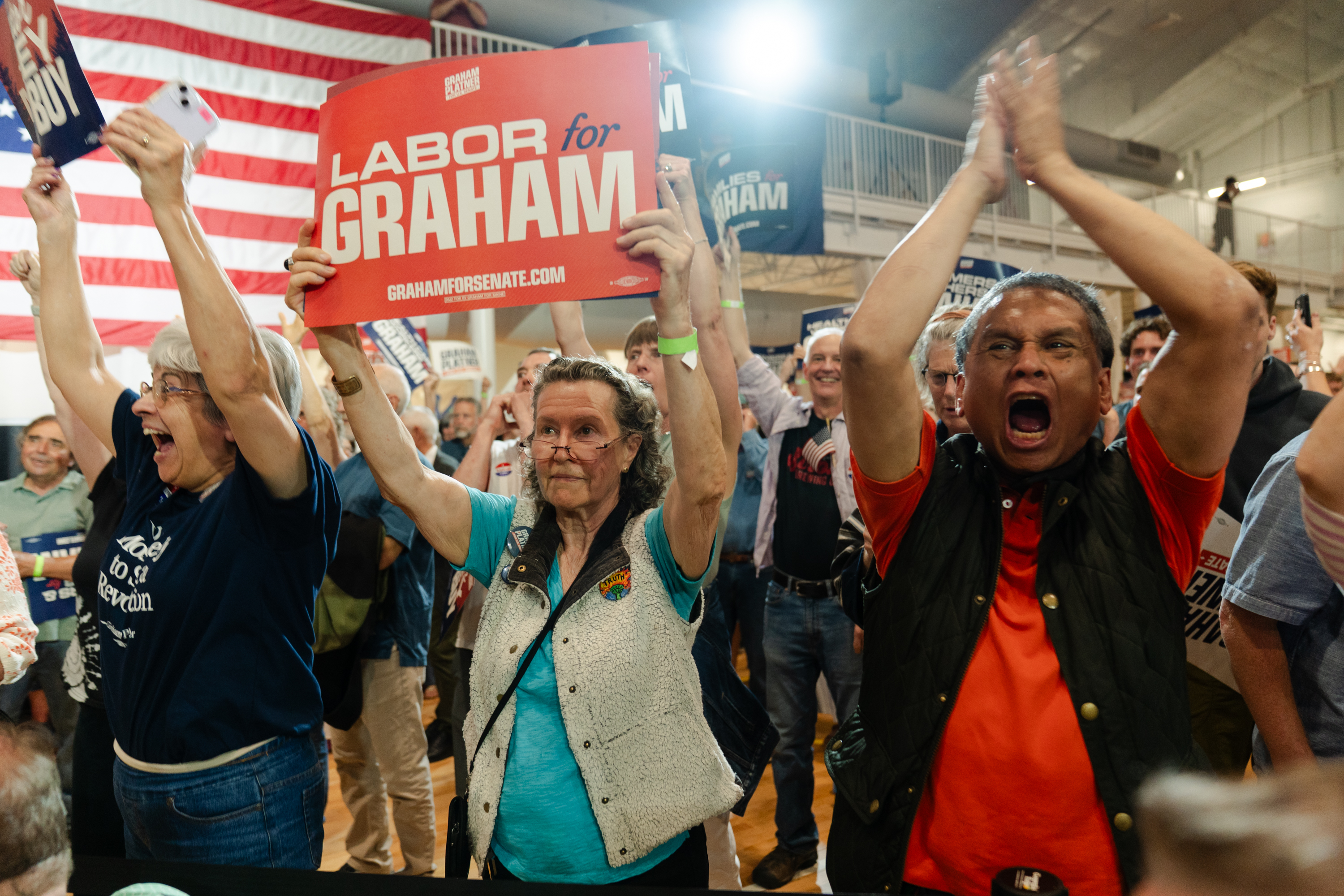
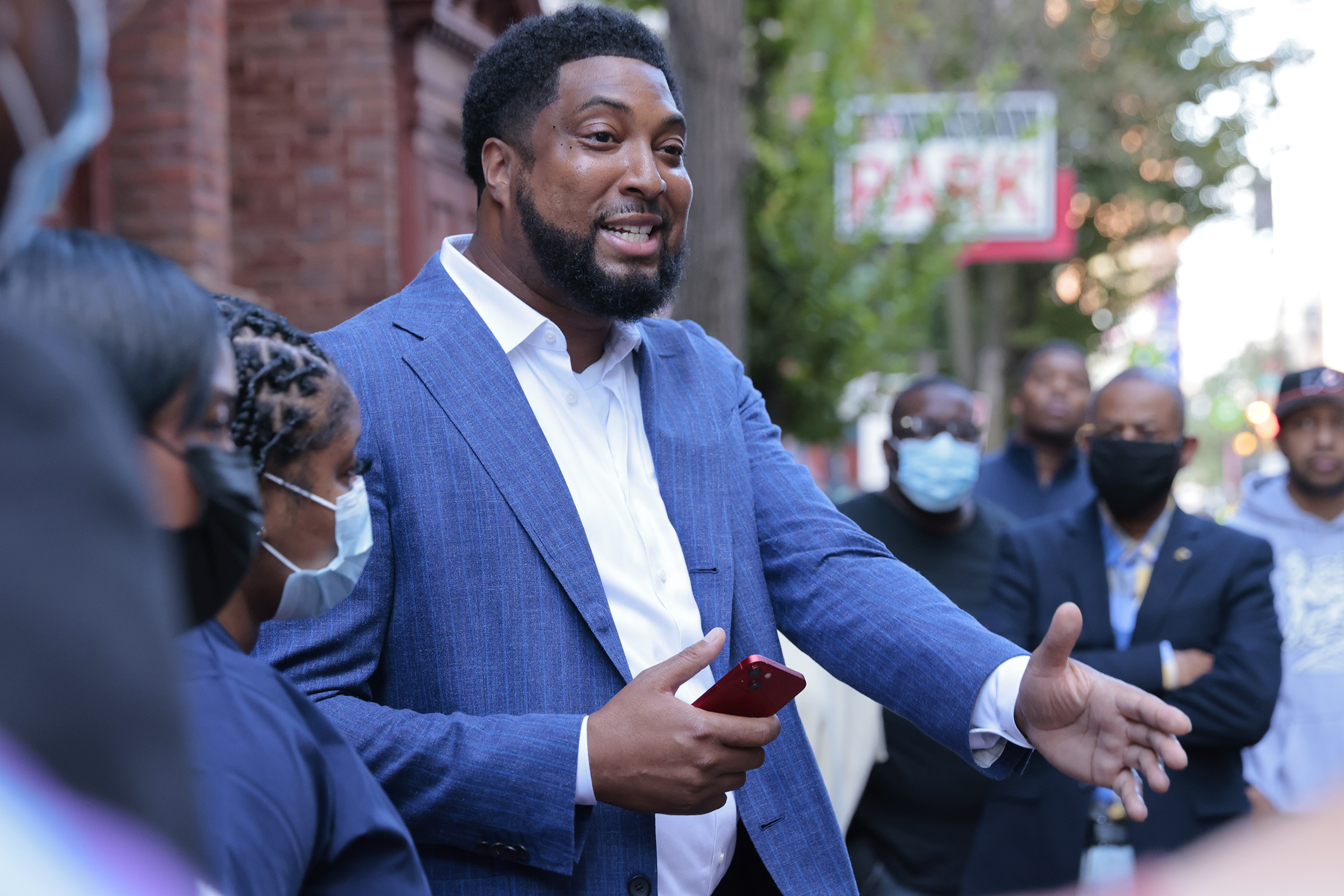
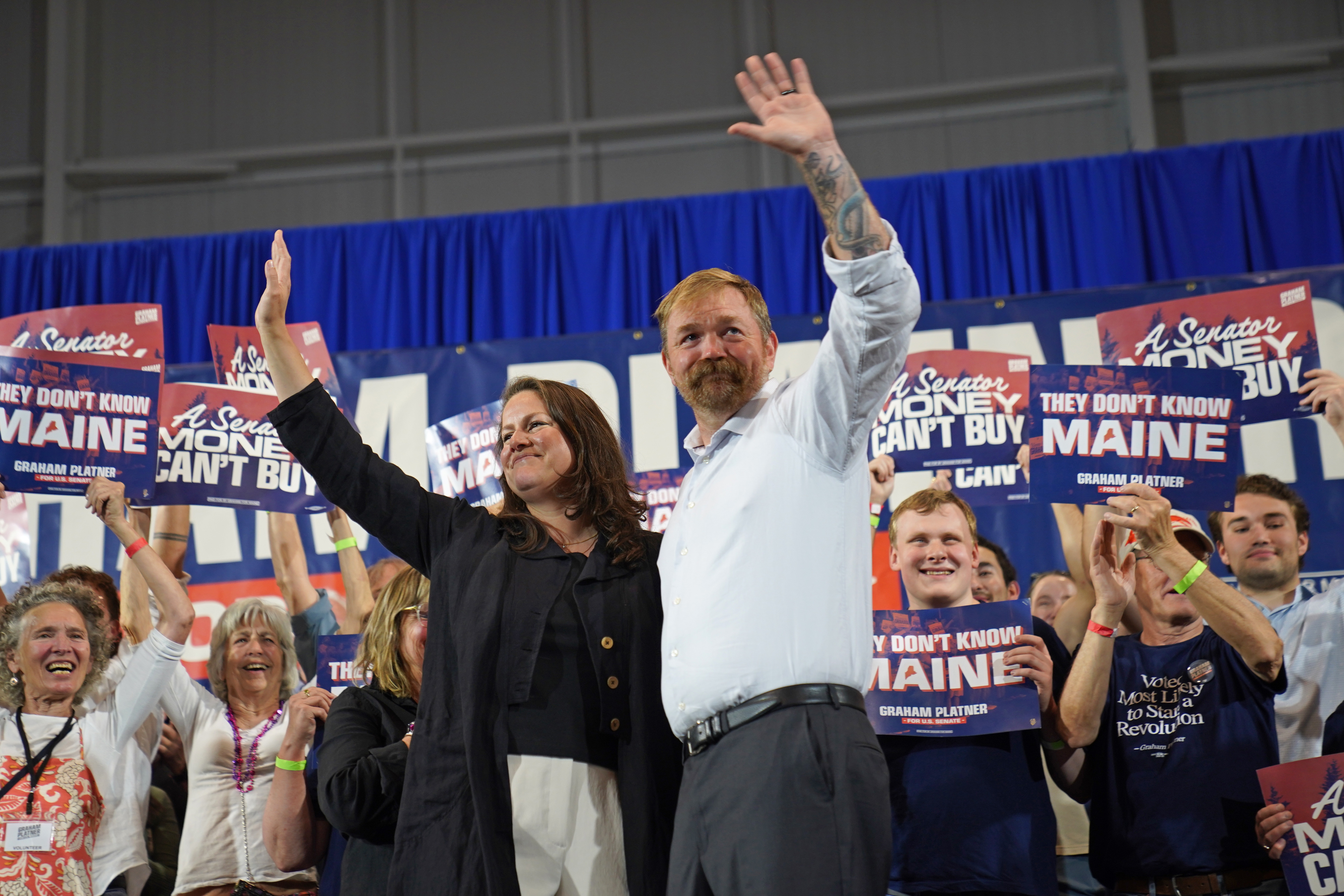
    Supporters of Graham Platner celebrate in Blue Hill, Maine, after he won the Democratic nomination for the Senate on Tuesday night.Sophie Park

    Even with many Maine liberals excited about his candidacy, the road ahead for Platner remains difficult.

    He is facing Sen. Susan Collins, a powerful moderate Republican legislator with a three-decade record of winning over the female voters, who make up a majority of the Maine electorate.

    He must pivot from being a left-wing insurgent — Sen. Bernie Sanders (Ind., Vt.) has been one of his fiercest champions — to winning over general-election voters in Maine.

    And he must dispel the concerns of the nearly 30% of primary voters who, according to incomplete results Tuesday night, cast ballots for other Democratic candidates.

    Those efforts began with his victory speech Tuesday night.

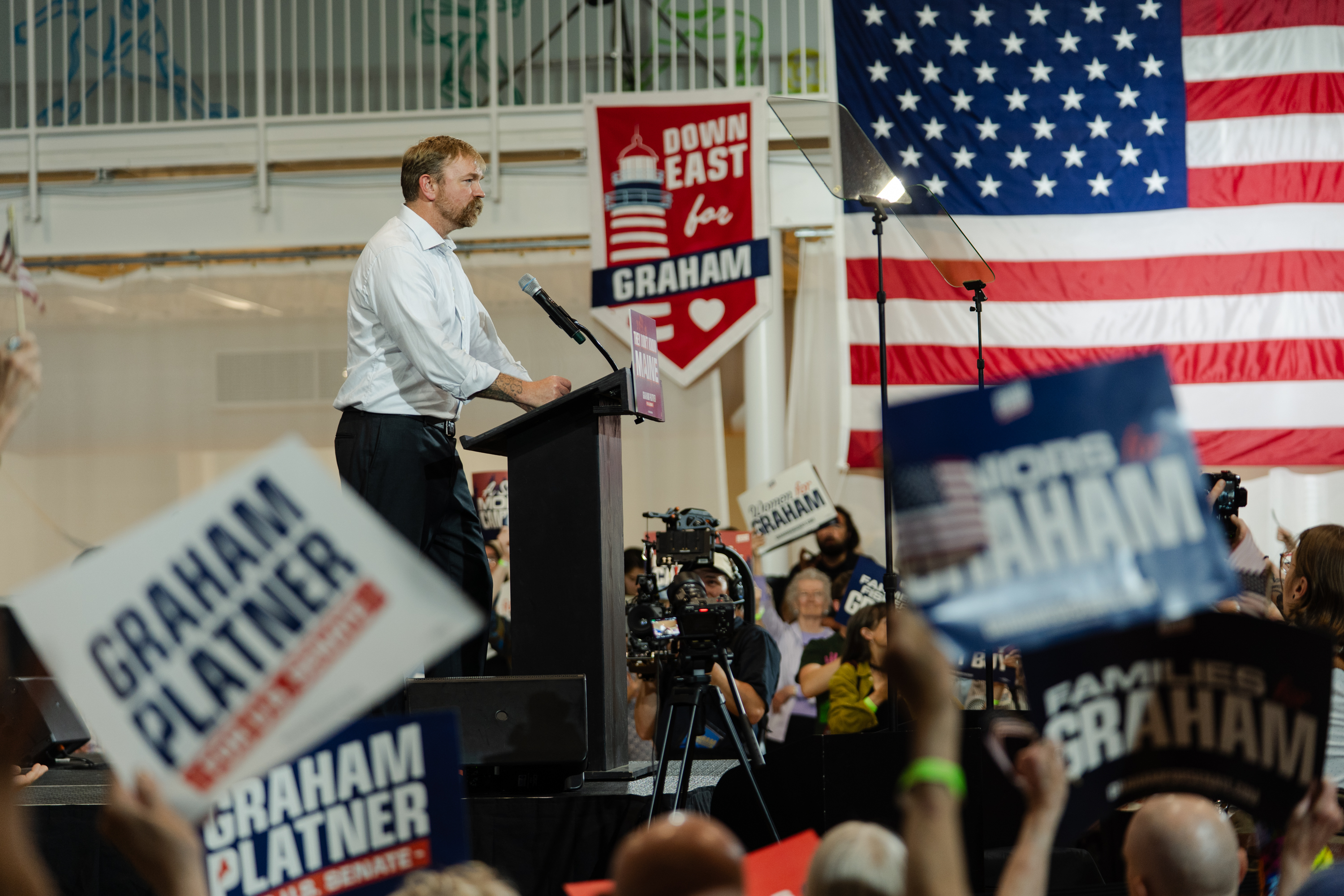
    “If you believe as I do that we can change our politics and change our country, then you must also believe that people can change,” he told supporters in rural Blue Hill, where he was born. “Every day, I wake up and I try to be a little better and a little bit kinder than I was the day before.”

    Collins, who is widely seen as the most vulnerable Republican incumbent, faces her own considerable challenges. She must outrun the difficult national political environment for Republicans, with Trump’s approval ratings sagging amid an unpopular war with Iran that has driven up gas prices and inflation. And she must convince voters eager for generational change and new leadership that she remains fit for a sixth term at age 73.

    Platner sought to remind voters of those liabilities in his victory speech, lacing into Collins with scathing attacks intended to tie her to the Trump administration.
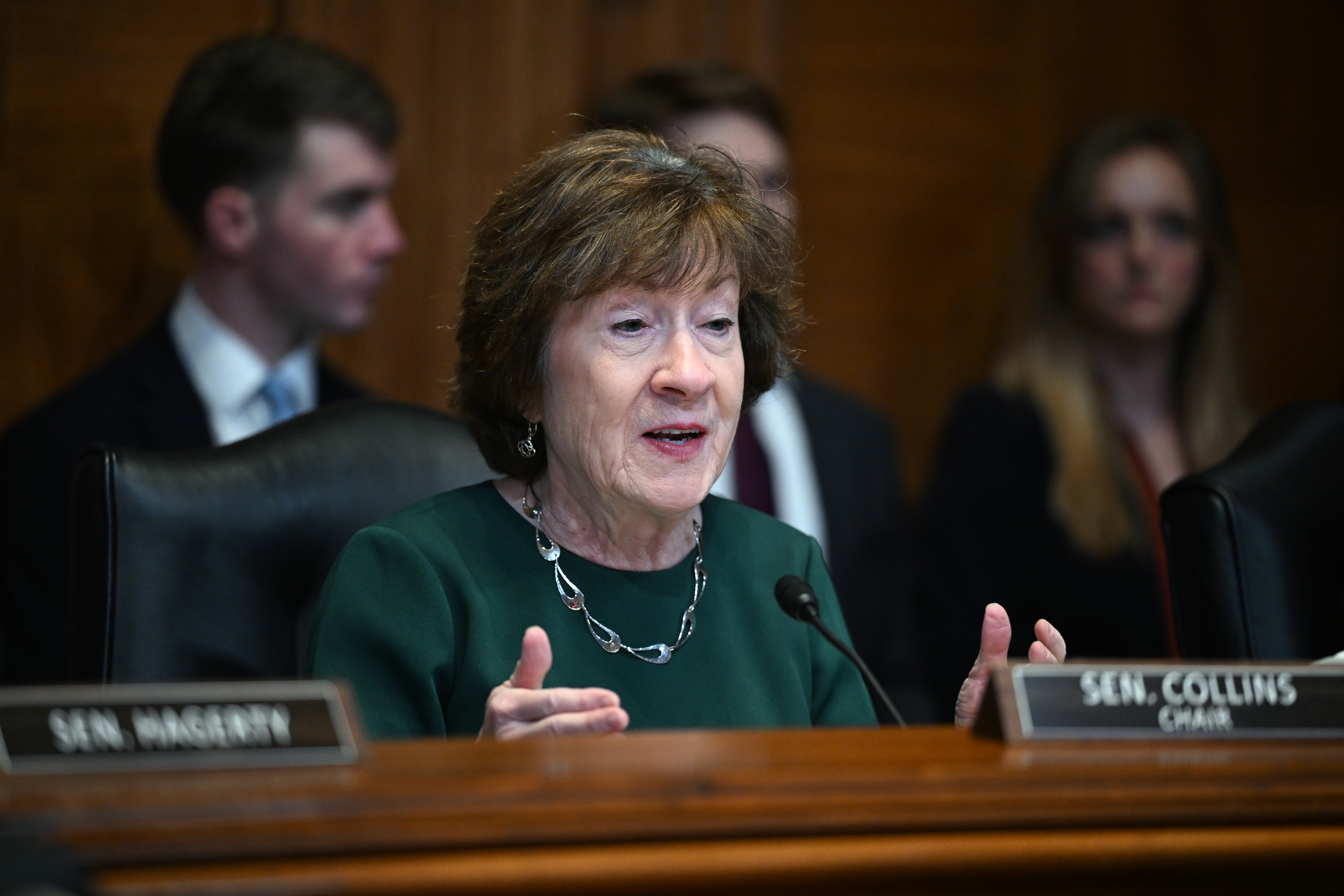
    Sen. Susan Collins (R., Maine) has a long history of winning tough elections, but she must persuade voters eager for generational change that she remains fit for a sixth term at age 73.Kenny Holston

    “The truth is, Susan Collins doesn’t serve us,” he said. “She serves Donald Trump.”

    For their part, Republicans have already signaled that they plan a flood of advertising focused on Platner’s character, with the party’s main super political action committee lashing him as “untrustworthy, unhinged and unfit for Maine.”

    On Tuesday evening, the Republican Senate campaign arm released a digital ad contrasting the two candidates, accompanied by a news release featuring eight bullet points highlighting Platner’s controversial past conduct and statements.

    “Susan Collins doesn’t have a Nazi tattoo,” a narrator states in the ad, a reference to a tattoo Platner had that was widely recognized as an SS symbol. (He later had it covered up.)

    Collins’ moderate image poses an additional obstacle for Platner, Republican strategists say, because she presents as an acceptable alternative for voters who dislike Trump but are unsure about Platner.

    “If Susan Collins were Ted Cruz, this would be a different conversation, but Susan Collins is the most moderate member of the Senate,” said Brad Todd, a veteran Republican strategist. “Susan Collins is the best cross-party-appeal candidate Republicans have fielded anywhere in the last 10 years.”

    But progressive leaders quickly heralded Platner’s victory as more evidence that voters across the ideological spectrum wanted the opposite of Collins: a populist fighter who will challenge the political establishment.

    “This shows that the candidate’s stance on the genocide in Gaza, on opposing foreign wars, and on taking on the billionaire and donor class matters far more than imperfections in their own personal life,” said Rep. Ro Khanna (D., Calif.), who has emerged as one of Platner’s most vocal supporters. “The country and Democratic Party are looking for candidates who are willing to challenge the broken status quo.”

    But while many Democrats like the idea of a combative working-class candidate, they’re worried that Platner’s baggage will be fodder for Republican ad makers for weeks and months to come.

    Platner has been dogged by controversies including the tattoo, his yearslong trail of inflammatory online posts and revelations of explicit text messages he sent to women while he was married.

    In recent days, some Democratic elected officials have voiced their worries about the latest allegations against Platner, which included reporting from the New York Times that several women he dated said that he had engaged in unsettling and, in at least one case, physically threatening behavior.

    From the campaign trail to private meetings with senators, Platner has repeatedly promised that there is no more damaging information to come out about him.

    Some moderate Democrats are voicing their skepticism.

    As voters cast their ballots Tuesday, Rep. Josh Gottheimer, a moderate Democrat from New Jersey, called on Platner to exit the race so Democrats could replace him with a stronger candidate before the fall.

    “Ultimately, it may be just clear that he can’t win,” Gottheimer said. “And if you believe we have to win, which most Democrats do, then I think the writing’s on the wall already.” He added, “What’s already come out, there’s plenty to disqualify him.”

    In a gauzy video released by his campaign Tuesday, Platner sat with his wife in waders, shucked oysters and encouraged his supporters to cast ballots in the primary.

    He added an assessment of the past few weeks that could also sum up the months to come.

    “This whole thing as you can probably tell: brutal,” he said.

    This article originally appeared in The New York Times.
  • Philly’s Democratic Party is likely to order a rerun of Councilmember Cindy Bass’ contested ward election

    Philly’s Democratic Party is likely to order a rerun of Councilmember Cindy Bass’ contested ward election

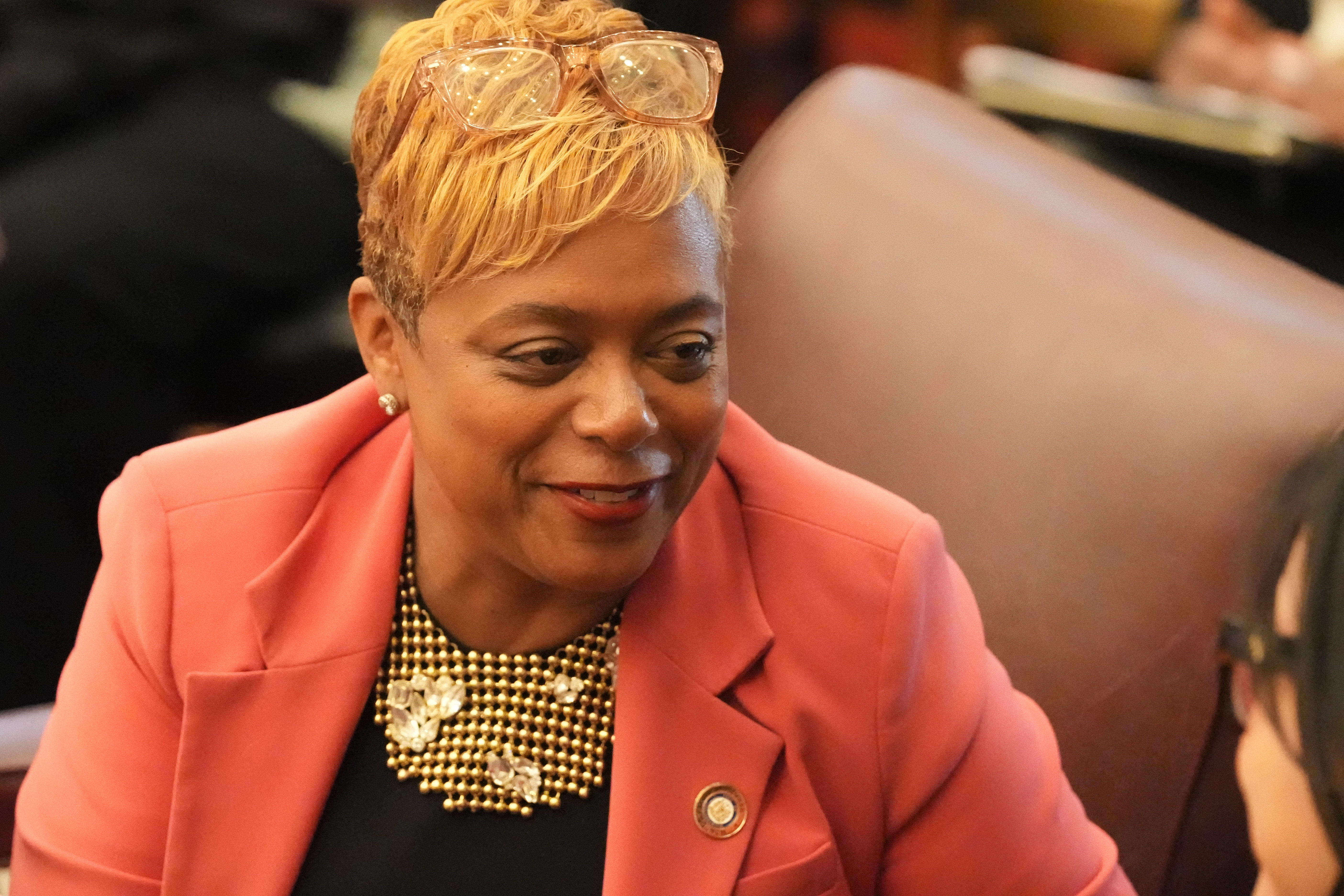
    Philadelphia’s Democratic City Committee is likely to take the rare step of ordering a redo of Monday’s controversial 22nd Ward leader election, in which City Councilmember Cindy Bass declared herself the victor after a closely divided voice vote, according to a person with knowledge of the party’s decision-making process.

    City committee chair Bob Brady confirmed that Octavius Price, a progressive who ran against the incumbent Bass in the Mount Airy ward, has filed a formal challenge to the election results.

    The party’s contest committee, which is made up of other ward leaders, will meet on Sunday to hear from both sides, Brady said. That committee will then make a recommendation on how to proceed that will be considered by the full body of duly elected ward leaders from across the city — excluding Bass. From political endorsements to disciplinary decisions, the ward leaders in the past have almost always followed the recommendations of the party’s committees.

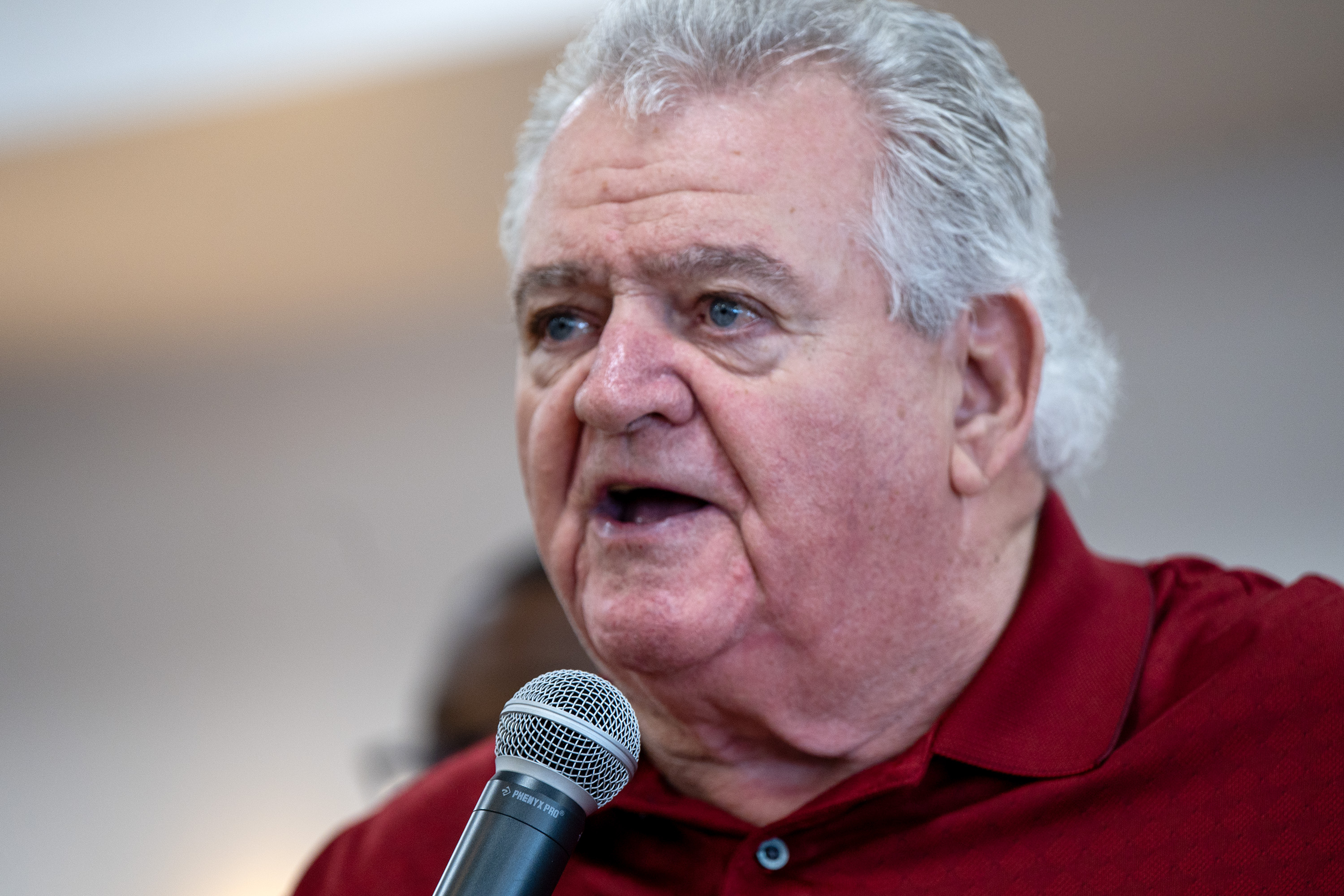
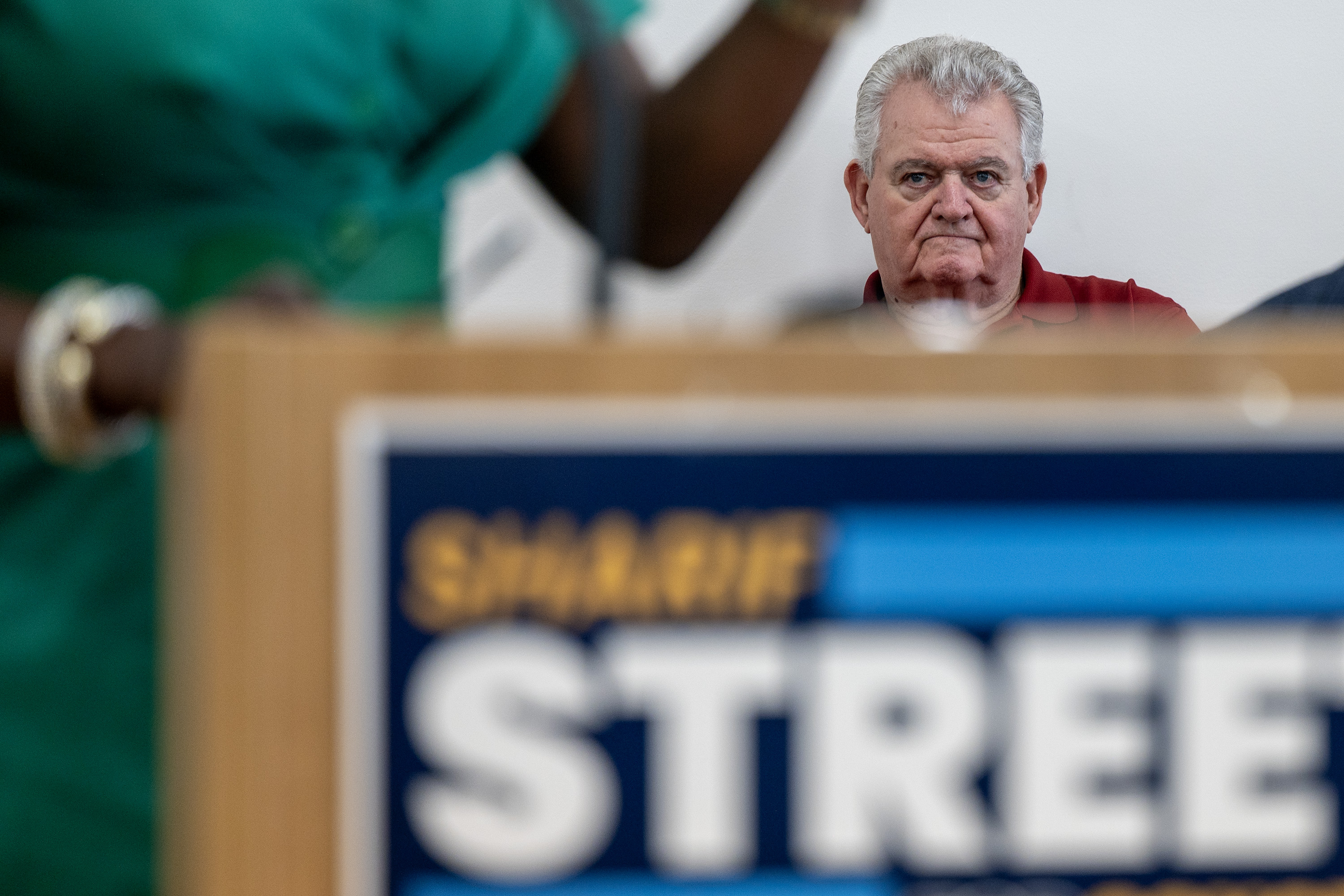
    Philadelphia Democratic Party Chairman Bob Brady listens as Mayor Cherelle L. Parker speaks at a rally for 3rd Congressional District primary candidate State Sen. Sharif Street May 18, 2026.Tom Gralish / Staff Photographer

    Possible outcomes include the party declaring that either Bass or Price had won on Monday night — or ordering a rerun of the election, in which the ward’s committeepeople would have to meet for another election overseen by a neutral party.

    Given reports from Monday — including a video showing Bass adjourning the meeting after declaring victory, while ignoring cries for a roll call to clarify the vote — the city committee is all but guaranteed to order a rerun of the election, according to the source, who was not permitted to discuss the party’s plans publicly and spoke on the condition of anonymity.

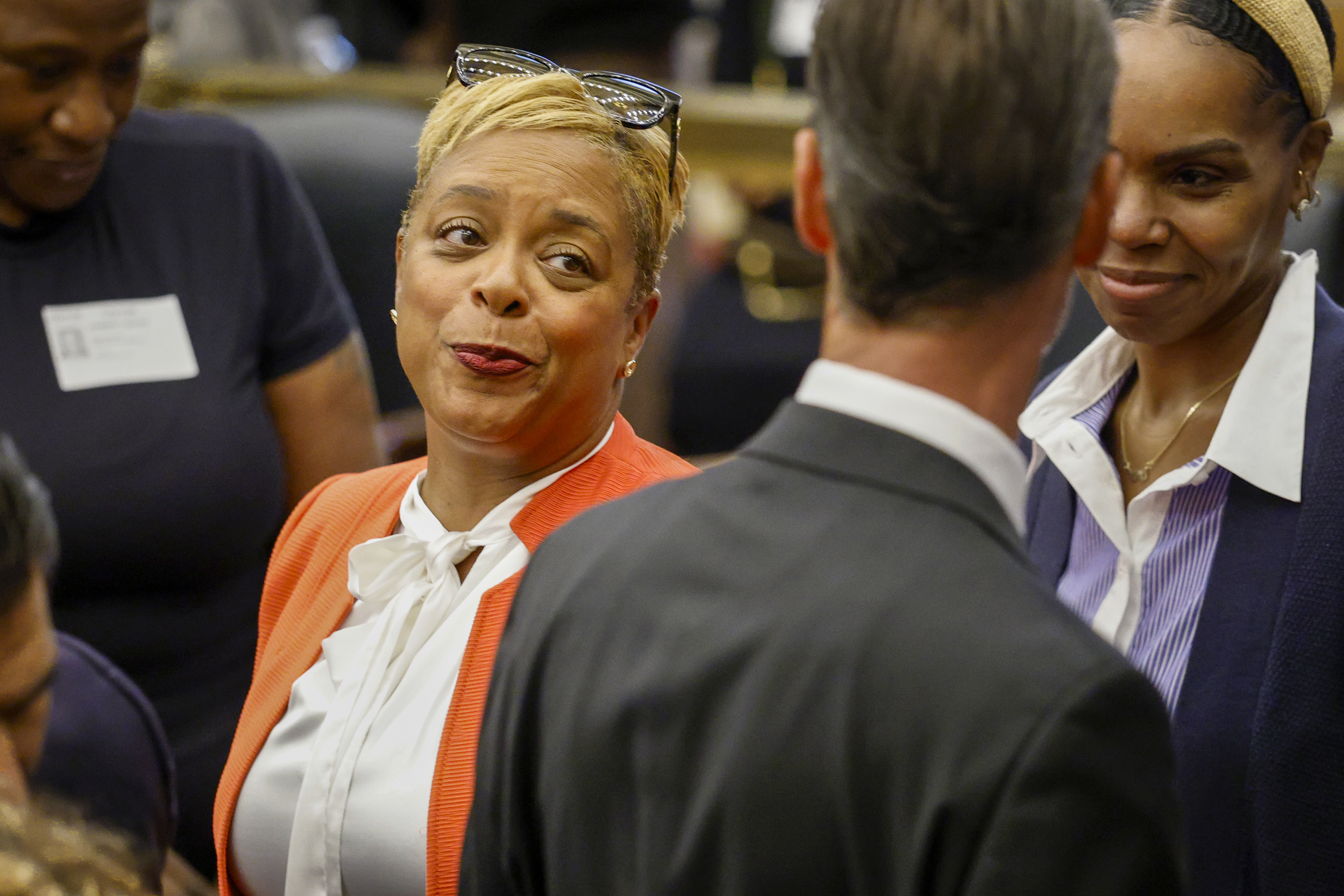
    That decision would represent a notable rebuke from the city’s Democratic establishment for Bass, a centrist who has been a ward leader since 2018 and holds a leadership role in the citywide party as a vice chair.

    Bass has repeatedly clashed with progressive activists in her Northwest Philadelphia-based 8th Council District and was narrowly reelected in 2023. She is likely to face another challenge from the left in next year’s Council election, and control of the 22nd Ward could be an important factor in the race.

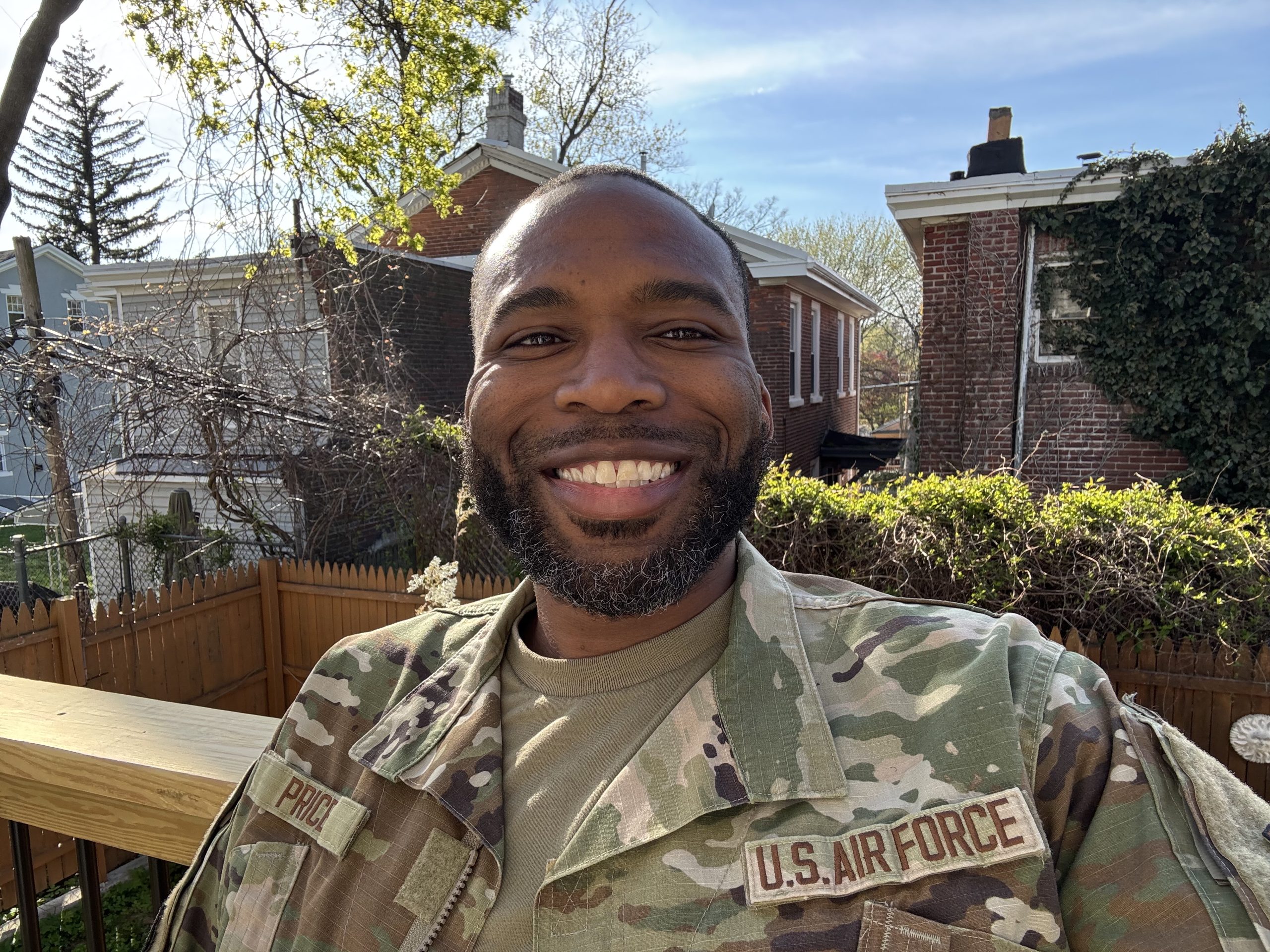
    Octavius Price, a fiber optic engineer and member of the Pennsylvania Air National Guard, ran for 22nd Democratic Ward leader. Sean Walsh

    Bass said she is confident she will have the votes to win another four-year term as ward leader if there is a rerun.

    “It’s not in my hands,” she said Wednesday. “It’s totally up to the Democratic City Committee, and I’ll support whatever the decision is.”

    Ward leaders and committeepeople are the foot soldiers of the Philadelphia Democratic Party. They are tasked with knocking on doors to get out the vote for party-endorsed candidates, as well as sometimes fielding constituent services requests.

    As the incumbent ward leader, Bass chaired Monday night’s election at the Germantown Seventh-day Adventist Church in Mount Airy. A video of the meeting obtained by The Inquirer showed that numerous people voted for Bass and for Price during the voice vote, and that Bass ignored requests for a vote-by-vote roll call that could have clarified who won.

    Brady said Monday that while voice votes can be used to decide ward leader elections, any requests for roll-call votes must be honored. He added that having a video of the meeting would provide “great proof” for the contest committee as it tries to sort out what happened.

    “There’s always ‘he said, she said,’” Brady said. “But if there’s a video, we gotta take a look at that.”

    Price, a fiber optic engineer, said that Democratic City Committee officials have made “no guarantees” to him that there will be a new election. But, he said, they have briefed him on how a rerun would work if the ward leaders order one.

    The election would take place at a time negotiated by Price and Bass, he said, and it would be at the city committee headquarters on Spring Garden Street, not in Mount Airy. Price said he was not informed how votes would be cast.

    “We just want a fair vote. It’s supposed to be one person, one vote,” he said Wednesday. “I hope that we do get our fair shot. I hope that we get transparency and an opportunity to get our voices heard.”

  • Former Philly union leader Chris Woods found not guilty of fraud

    Former Philly union leader Chris Woods found not guilty of fraud

    Christen “Chris” Woods, the former leader of one of Philadelphia’s largest labor unions, was acquitted of theft and conspiracy charges Wednesday by a judge who rejected prosecutors’ allegations that he used a union-funded renovation project to secretly funnel money into local political campaigns.

    In delivering her verdict, Common Pleas Court Judge Tracy Brandeis-Roman said prosecutors had failed to prove beyond a reasonable doubt that Woods — who once led District 1199C of the National Union of Hospital and Healthcare Employees — acted criminally when he hired longtime political operative Tracy Hardy to oversee the renovation of a bar inside the union’s Center City headquarters in 2019. The case against him, she said, relied on circumstantial evidence that did not definitively tie Woods to any wrongdoing.

    As the judge declared Woods, 41, not guilty, he lowered his head toward the defense table, overcome with emotion. Behind him, family members and friends sprang to their feet, raising their hands toward the ceiling and shouting in celebration until Brandeis-Roman restored order by rapping her gavel.

    The verdict brought to an end a protracted prosecution by the Pennsylvania Attorney General’s Office that accused Woods of orchestrating a plot to covertly channel money into Philadelphia’s 2019 Democratic primary elections.

    Prosecutors alleged that Woods used a bar renovation project as a vehicle to steer more than $100,000 in union funds toward political consulting and campaign work benefiting candidates he supported, including one of Woods’ closest friends, Isaiah Thomas, who won a City Council seat.

    Rather than rely on traditional campaign contributions, prosecutors said, Woods hired Hardy — who owned bars but did not work in construction — to develop fake and inflated estimates for the renovation project, then got one of those bloated proposals approved by the union’s board. Then, they said, Hardy took the excess money and used it to surreptitiously support the candidates.

    Woods, who now owns a consulting firm and medical transportation business, was once viewed as a rising star in city political circles, and dozens of supporters sat in the courtroom to watch the case unfold. Thomas was among those who attended the proceedings, making a brief appearance during the trial’s opening phase in February. Brandeis-Roman conducted the nonjury trial over the course of months, before hearing closing arguments in May and issuing her verdict Wednesday.

    During the trial, Woods’ attorneys blamed Hardy for any issues with the renovation’s cost or the accuracy of its invoices. Woods never intended to use the union’s funds for anything other than construction, they said, and if Hardy overbilled the union, he did so on his own — and to line his own pockets.

    Hardy pleaded guilty in federal court last year to charges stemming from the bar renovation, as well as a separate scheme in which he fraudulently obtained $2 million in pandemic relief funds.

    He is scheduled to be sentenced in September.

    “This isn’t a case about theft from a union,” Woods’ attorney, Keir Bradford-Grey, said in court. “This case is about a fraud between Hardy and [his contractors].”

    Among the evidence presented were financial records and witness testimony that prosecutor James Price said showed the renovation project’s cost ballooned from an initial estimate of about $47,000 to nearly $150,000 by the time the board approved it. Price said that was because Woods and Hardy were secretly using the arrangement to fund political consulting by Hardy for candidates of Woods’ choosing.

    “You cannot spend union money just because you think it’s for the best,” he said in his closing argument.

    But Woods’ attorneys said that the initial estimate for the construction project was unrealistically low, and that Hardy did ultimately renovate the bar.

    If Hardy was a sloppy bookkeeper or dubious project manager, they argued, that did not make Woods guilty of knowingly misdirecting his union members’ funds to another purpose.

    Woods’ trial also included testimony by Ryan Boyer, head of the politically influential Philadelphia Building and Construction Trades Council and one of the city’s most powerful political figures. Boyer spent half a day on the witness stand answering questions about his relationship with Woods and Hardy, as well as his assessment of the bar renovation’s costs.

    Although Boyer served as a prosecutors’ witness, he delivered testimony that appeared to bolster Woods’ case: He said Hardy was a shady operator who cut corners and spread himself too thin, and suggested that any issues with the bar renovation likely stemmed from Hardy’s conduct.

    On Wednesday, Brandeis-Roman said the evidence left room for competing interpretations, with facts that felt as if they “could go both ways.” Combined with testimony from 19 character witnesses who vouched for Woods’ integrity, she said, the uncertainty convinced her that prosecutors had not met their burden of proof.

    “Sometimes,” she added, “all you have is your good name, and that should mean something.”

    Among those in the courtroom was Woods’ mother, Valencia, who jumped from her seat after the verdict and repeatedly shouted, “Thank you, Jesus. Thank you, God,” until she embraced her son in the hallway outside the courtroom.

    There, surrounded by loved ones, Woods said the verdict meant “I’m finally able to move on with my life.”

    Bradford-Grey added: “I am glad people will finally get to see he is not the person he was portrayed originally in the paper. It’s time to put this to bed and let Chris be the man we know he is.”

  • Nancy Mace’s thrashing in South Carolina governor’s race caps a rough downfall

    Nancy Mace’s thrashing in South Carolina governor’s race caps a rough downfall

    Rep. Nancy Mace’s trouncing in Tuesday’s South Carolina gubernatorial primary dealt a blunt defeat to a once rising GOP star, a politician who had basked in national attention during her dramatic political transformation.

    Mace had real political talent and promise, but her downfall and isolation followed years of brazen political opportunism, a hunger for media attention at any cost, rejecting advisers’ counsel and turning on many allies, more than a dozen former aides, colleagues and supporters in both South Carolina and Washington said in interviews.

    She finished fifth in the contest, according to unofficial returns, solidly losing even her own home county and district.

    Mace arrived in Congress after flipping a Charleston-area district in 2020 and built a reputation as a moderate who appealed to swing voters. She voted to codify same-sex marriage rights, called herself “pro transgender rights” and urged her party to “meet in the middle” with Democrats on abortion. By last year, Mace had begun repeatedly mocking transgender people as “trannies” and disparaged gay relationships on social media. In recent days, Mace suggested a Republican opponent in the governor’s race came from “a slum in India.”

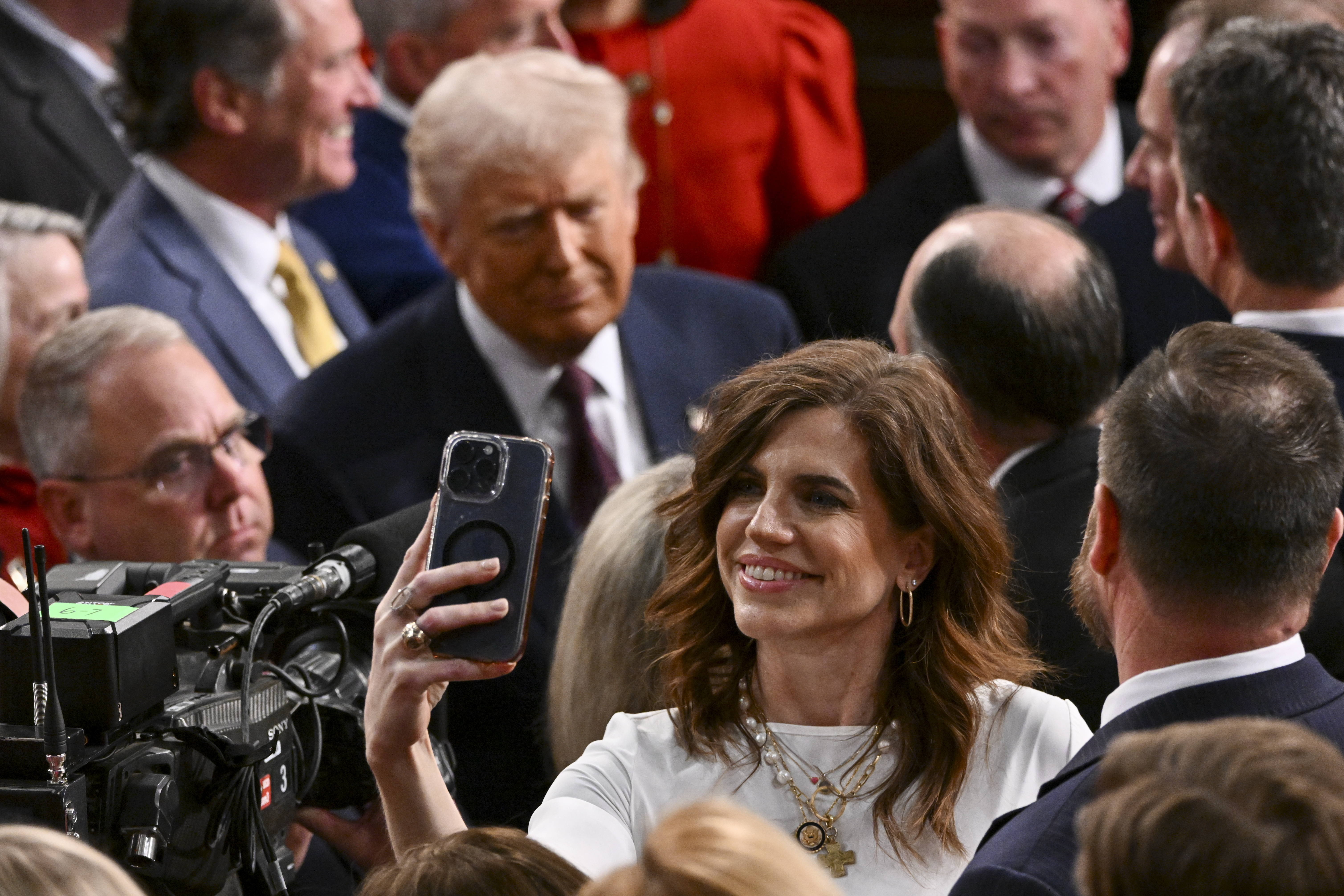
    Rep. Nancy Mace (R., S.C.) takes a selfie as President Donald Trump leaves the chamber after addressing a joint session of Congress on March 4, 2025. Ricky Carioti

    Her relationship with President Donald Trump was similarly mercurial. She distanced herself from him soon after taking office, survived his attempt to oust her in 2022, rebranded herself as a MAGA warrior, defied Trump on the Epstein files and sought his endorsement in the governor’s race, only to watch him back a rival. No high-profile Republican endorsed her campaign.

    The spectacle of Mace’s transformation often unfolded on the cameras she gravitated toward in television interviews, selfie videos posted on social media and dramatic exchanges in committee hearings. Her public appearances grew increasingly combative and bizarre.

    “The only thing I hope is she gets the help she needs,” former Republican House speaker Kevin McCarthy told the Washington Post, saying he watched as her “political and personal life unraveled” in recent years.

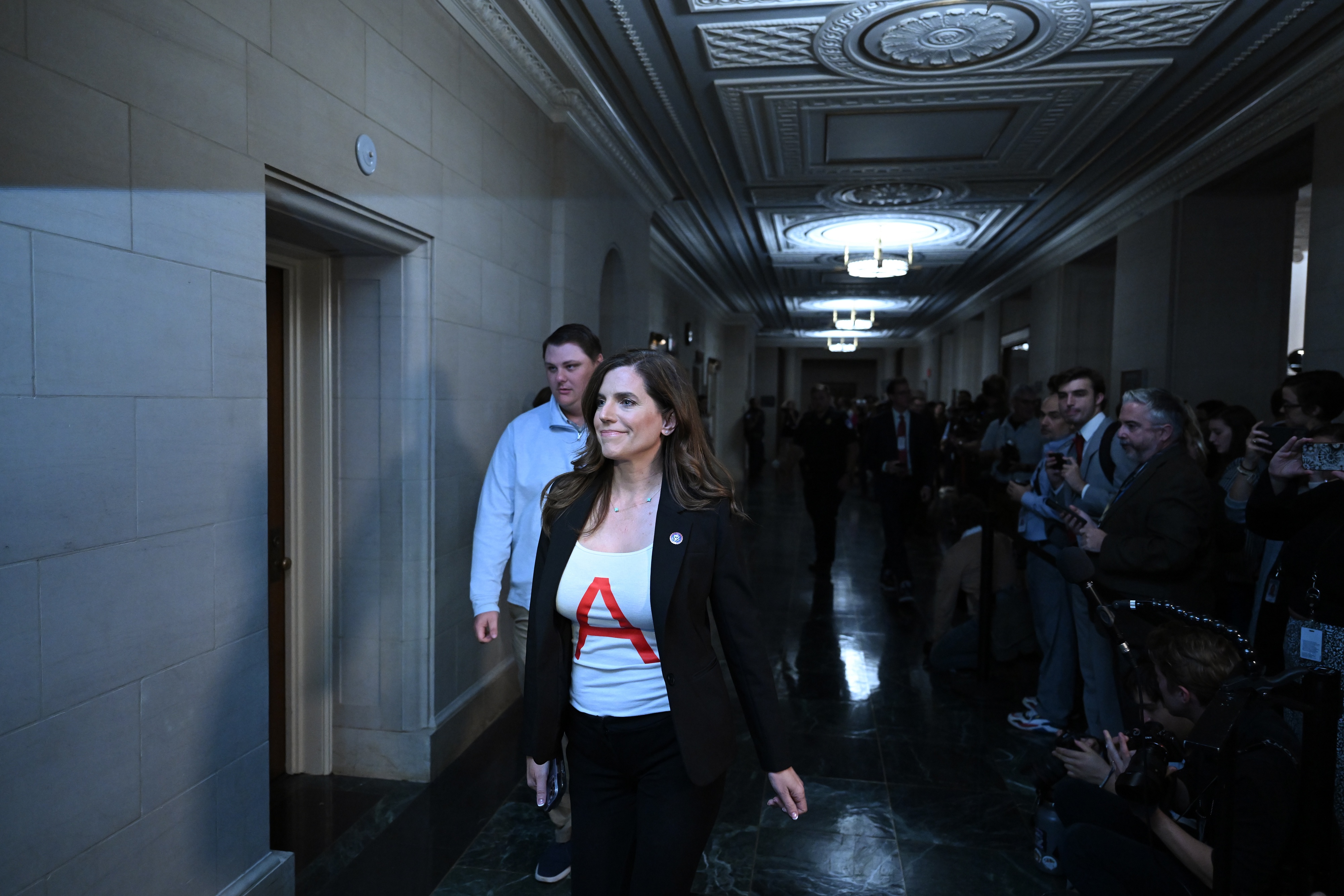
    Mace, whom McCarthy had helped to unseat Democrat Joe Cunningham in 2020, cast an unexpected vote for his ouster as speaker in 2023, joining right-wing hard-liners and Democrats as she abruptly turned on him. She later walked around the Capitol wearing a large scarlet “A” on her shirt, because she said she had been “demonized” for that vote.

    “I helped her win. But I just watched her change along the way,” said McCarthy, who supported an unsuccessful primary challenge to Mace in 2024. “Some people warned when she was an early candidate, ‘Watch out, she’s not all there.’ I didn’t.”

    Former staff said Mace embraced stories about her being a “caucus of one” on a “lonely political island.”

    Mace and her campaign did not return requests for comment. She previously accused her former staff of mismanaging money and spying on her, and has dismissed criticism that she is overly focused on getting attention.

    “I will always be grateful for the people of South Carolina who trusted me, fought with me, and refused to look the other way,” Mace posted on social media after her loss Tuesday evening. “This isn’t the end of the fight. It’s just the end of this chapter.”

    Public outbursts

    Mace raised eyebrows in Washington year after year for drawing attention to herself, such as wearing an arm sling after accusing a foster care activist of “trans violence” during a handshake — having him arrested on assault charges only for prosecutors to drop the case. Her behavior in the months preceding her gubernatorial run became even more confounding to those observing it.

    In the throes of her split from her ex-fiancé, Mace in February 2025 spoke on the House floor for nearly an hour, accusing him and three other men of rape and other sex crimes, which the men denied. During a congressional hearing on surveillance months later, she showed a “naked silhouette” photo of herself, saying it was taken without her consent.

    In April 2025, Mace posted a video she took at a makeup store where she repeatedly cursed out a constituent who asked when she planned to host her next town hall.

    A week and a half later, Mace confronted her nephew John Mace McGrath as he sat next to local elected officials during Vice President JD Vance‘s visit to a steel plant in Huger, S.C. She stood over him and pointed her finger in his face as she upbraided him for accepting an endorsement in a local party chairman race from state Attorney General Alan Wilson, whom she had also criticized during her lengthy House floor speech and would later run against her for governor.

    “You f— up taking Alan’s endorsement, and you’re going to pay for that someday,” Mace said to the 26-year-old, according to two people who witnessed the May 1, 2025, scene, which has not previously been reported. The people spoke on the condition of anonymity, saying they did not want to attract any additional wrath from Mace.

    After conceding Tuesday, Mace endorsed Wilson in the gubernatorial runoff, despite repeatedly accusing him in the last year of being a “pedophile protector.”

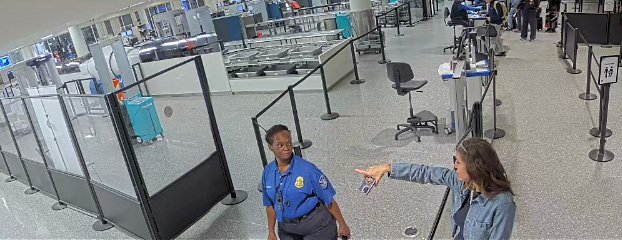
    The highest-profile eruption took place in October, when officials at Charleston airport reported that Mace had berated airport staff and police after a misunderstanding about her security escort preferences. A police report of the encounter described an expletive-laced tirade where she called airport police “f— incompetent.”

    Mace is seen speaking with an officer during the confrontation at the Charleston International Airport.

    Dozens of local elected officials in her district signed a letter condemning her behavior, and the state’s Republican senators, Tim Scott and Lindsey Graham, criticized her actions. Mace refused to apologize, threatening to sue the airport for defamation and claiming the incident report had been “fabricated.”

    “People can say she’s crazy, but they’re still talking about her,” said Austin McCubbin, Mace’s former political adviser who resigned in December after disagreements about campaign decisions and compensation. “It’s kind of one of those things where just so long as you spell my name correctly, that’s all that matters.”

    Shifting political persona

    Days after the former state lawmaker entered Congress, Mace criticized Trump in the aftermath of the Jan. 6, 2021, attack on the Capitol, saying she did not believe he had a future in the Republican Party.

    As the insurrection unfolded, Mace told aides she wanted to go out and get punched by rioters “so she could get on TV,” Natalie Johnson, her communications director at the time, told the Post. But Mace months later decided to pare back criticisms of Trump after a poll she commissioned showed they were unpopular in her district, Johnson said.

    “I don’t know of anybody who puts their finger in the wind and tries to see which way it’s blowing more than Nancy Mace,” said Justin Evans, a longtime GOP political operative in the state who supported her state House run and now works for Pam Evette, the Trump-endorsed candidate who placed first in Tuesday’s gubernatorial primary. “She was a good-looking, talented communicator, had the social media following, had all the ingredients that a successful candidate should have. It’s just her moral compass was completely missing.”

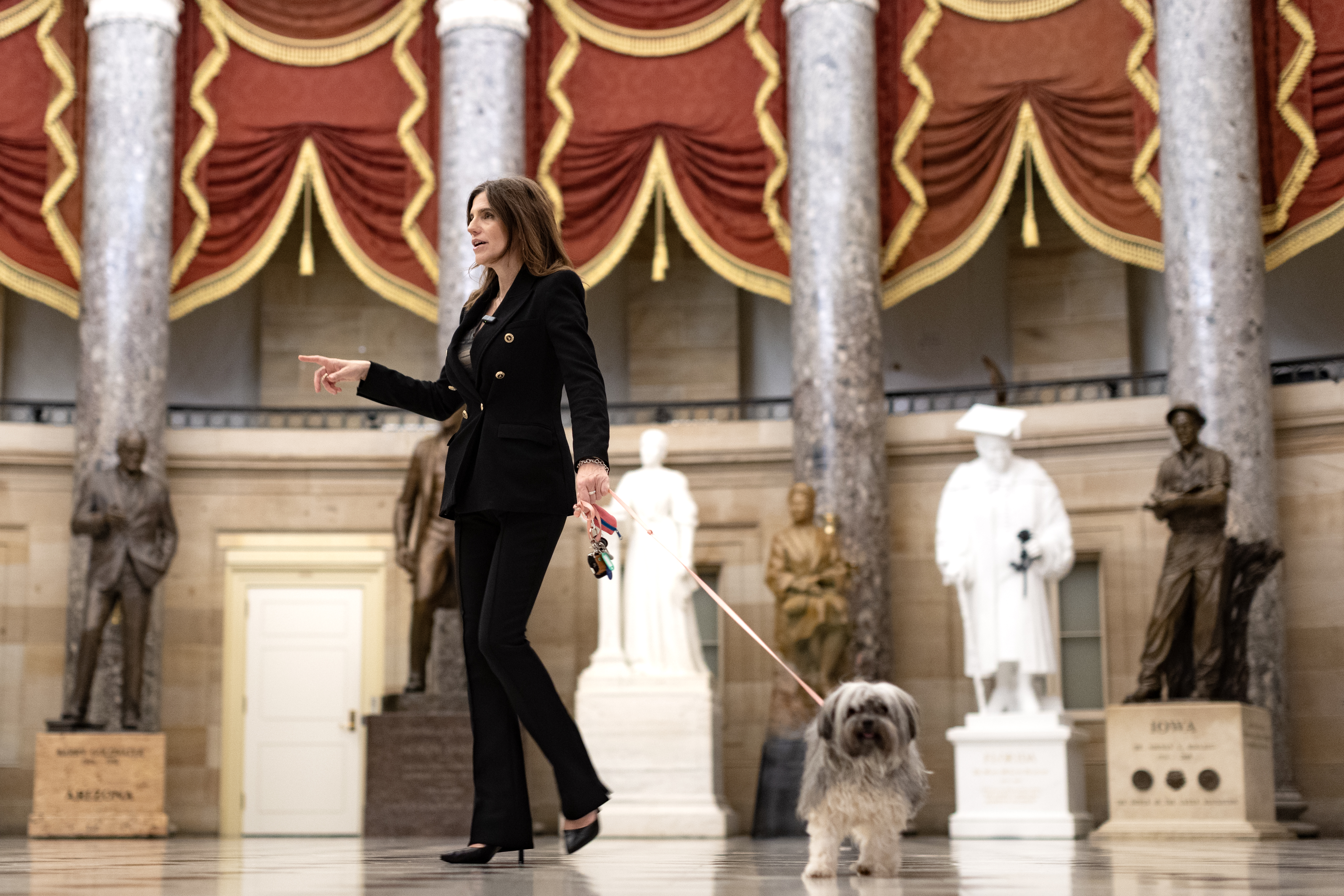
    Mace walks with a dog through Statuary Hall near the House chamber on July 5. Tom Brenner

    Soon after entering office, Mace had shown herself to be a powerful force in politics who told a compelling backstory. A rape survivor at 16 and high school dropout who once worked as a Waffle House waitress, she became the first woman to graduate from The Citadel.

    CJ Westfall, chairman of the Dorchester County Republican Party who worked on Mace’s 2022 general election campaign, described her as inspiring and hardworking. He credited her win that year to Republicans believing she was an “independent voice,” despite Trump’s opposition.

    Since then, Westfall said her penchant for drama became clear and described her as a “crybully” who liked to provoke controversy and then “play the victim” when someone pushed back.

    After her defeat, Mace said she challenged the powerful even if it cost her politically.

    “Every vote I cast, every hearing I called, every fight I picked — it was always for you,” she wrote in a social media post. “I’ve seen what happens when good people stay quiet. And I’ve seen what happens when they don’t. I would choose the latter every single time.”

    Strained alliances in Congress

    Soon after Mace’s vote to oust McCarthy in fall 2023, Rep. Don Bacon (R., Neb.) greeted several of Mace’s congressional staff eating lunch at the Rayburn cafeteria and asked who they worked for.

    “I used to really like her,” Bacon replied. “Not anymore. We can’t work with her.”

    He told the Post he got along with her during her early time in the House, but her vote to push the speaker out “was a tough pill for many of us to swallow.”

    At times, Mace allied with liberal Democrats including Reps. Ro Khanna of California and Jamie Raskin of Maryland.

    “She would interact with Democrats in a way very few Republicans do, because she has sided with victims of sexual violence and sexual harassment,” Raskin said. “A lot of the people on the GOP side want to quickly brush those subjects under the rug, and Nancy, in her more freethinking, uninhibited moments, is willing to side with Democrats.”

    Mace and Khanna, who had founded a joint caucus focusing on affordable child care, largely stopped their joint appearances after Mace fixated on transgender people. Mace introduced a resolution to ban transgender women from using women’s restrooms in the Capitol, in response to the 2024 election of Rep. Sarah McBride (D., Del.) as the first openly transgender member.

    Mace, however, signed on to a successful petition last year by Khanna and Rep. Thomas Massie (R., Ky.) to release federal investigation files related to convicted sex offender Jeffrey Epstein.

    She said she wanted justice for Epstein’s victims, even though Trump initially opposed the release of the files. But Mace’s decision surprised her own dwindling team of aides because she was bent on getting the president’s endorsement for her gubernatorial run.

    Wooing Trump

    A few days before Mace announced her run for governor in August 2025, she tried calling Trump to give him a heads-up. She left a voicemail for the president, who later texted her with well wishes, according to a person familiar with their communication who spoke on the condition of anonymity to discuss private conversations. But Mace panicked when Trump also passed along two polls that showed her struggling in a hypothetical race. Mace commissioned her own poll days later that showed her leading the field and with the highest name recognition.

    Mace sent the poll to the president, who then posted it to Truth Social that month without comment — which political operatives said lent credibility to her nascent campaign.

    In the final days of the race, Mace repeatedly said her support for releasing the Epstein files was the reason Trump did not endorse her. The president did not publicly criticize her for supporting the effort.

    Mace’s congressional office frequently shed staff, some of whom she forced out, while others resigned citing difficult work conditions. At one point, in a three-month span after her McCarthy vote, her entire nine-member staff had turned over.

    Mace during a staff meeting at her congressional office on April 25, 2023.Ricky Carioti

    Mace also struggled to maintain political allies. She spoke of her love for former governor Nikki Haley, who backed Mace in the difficult 2022 reelection primary. But Mace went silent the next year when Haley sought her endorsement in her 2024 presidential run, and proceeded to blast Haley while campaigning for Trump.

    “I don’t think Nancy Mace has ever seen a bridge in her life that she hasn’t burned down,” said Will Hampson, one of her former communications directors.

    Hampson said his former boss was self aware that she was on an island. But he’s not sure if she recognizes she put herself there.

    “She was her own best weapon,” he said, “and own worst enemy.”

  • National Democratic super PAC steers money into Northeastern Pa. as battle for Congress heats up

    National Democratic super PAC steers money into Northeastern Pa. as battle for Congress heats up

    A race for a key swing district in Northeastern Pennsylvania has caught the eye of a major Democratic super PAC that plans to spend around $50 million on advertising targeting Republican-held seats, according to the New York Times.

    “We’re going to Republican territory and planting a flag,” Bradley Beychok, the president of American Bridge, a Democratic super PAC, said in an interview with the Times. “These Republicans are in a world of hurt.”

    American Bridge is targeting 14 House races, the report said, with a television, radio, streaming, digital, and direct mail advertising blitz focused on economic issues like the cost of living and tariffs.

    That includes the 8th Congressional District, which includes Scranton and Wilkes-Barre. U.S. Rep. Rob Bresnahan, a freshman Republican who narrowly flipped the seat in 2024, will face a challenge in November from Scranton Mayor Paige Cognetti.

    Cognetti, who was unopposed for the Democratic nomination in last month’s primary, has attacked Bresnahan over stock trades he has made since taking office and over cuts to healthcare.

    U.S. Rep. Rob Bresnahan introduced before remarks from President Donald Trump made his first stop on an “economic tour,” in Mt. Pocono Pa., Tuesday, December 9, 2025 .Steven M. Falk / For The Inquirer

    Bresnahan voted for President Donald Trump’s One Big Beautiful Bill Act, which cut Medicaid to help pay for tax cuts, but he was one of a handful of Republicans to vote to restore Affordable Care Act subsidies that lapsed earlier this year.

    “Rob ran for Congress on a promise to ban stock trades,” Cognetti said in an ad launching her campaign. “This year, he’s already made 600 trades — 600.”

    Bresnahan made up 79% of the Pennsylvania delegation’s stock activity reported in 2025, according to Quiver Quantitative. Bresnahan has faced scrutiny over his trades, including offloading $130,000 in Medicaid provider stocks ahead of a House vote on Trump’s bill, as reported by NBC News.

    The lawmaker has stated he does not trade his own stocks.

    “I think you need to know that the trades are being executed on my behalf. I do not have any dialogues with my financial advisers,” Bresnahan said in response to a question during a June 10, 2025, telephone town hall.

    This year’s $50 million spend is the most American Bridge has spent on a midterm election, according to the New York Times, which cited Trump’s falling approval ratings as the reason.

    Bresnahan’s campaign contended that the spending is proof that Cognetti will be beholden to national Democratic Party leaders.

    “Paige Cognetti is and always will be a loyal Democrat establishment shill and the millions of dollars she’s accepting from outside liberal groups make it clear she’s not fighting the machine, she’s a cog in it,” Bresnahan campaign spokesperson Samantha Bullock said in a statement.

    The nonpartisan Cook Political Report has classified the race as a toss-up, which helps explain that national investment.

    “Your opponent’s drowning,” Beychok told the Times. “We need to throw them an anvil.”

    This story has been updated to include a response from Bresnahan’s campaign.

  • Mayor Parker responds to the police use of force during Philly’s Pride celebration

    Mayor Cherelle L. Parker says she is looking for answers after Philadelphia police arrested 15 people at a Pride celebration in the Gayborhood on Sunday that drew anger from community members over police use of force.

    “I know that members of our LGBTQ+ community are hurting, frustrated, and looking for answers. … I want everyone to know that I hear you, I see you, and my Administration is taking your concerns seriously,” Parker said on social media Tuesday evening.

    Images and videos spread across social media of police using crowd control tactics to disperse Pride-goers in the neighborhood, in what some considered to be an outsize and aggressive law enforcement presence.

    In one image shared on X, a police officer on a motorcycle appears to push against a woman’s chest, and, in a separate photo, another officer pushes the same woman against a storefront security door while arresting her.

    Other videos posted on social media showed police on horseback dispersing young people from a sidewalk, as well as officers physically struggling with a man outside the gay bar Woody’s. Another clip shows a row of police officers — two of them wearing face coverings — forming a line to clear a barricaded Gayborhood street while officers on motorbikes rode along the sidewalks.

    On Wednesday, Sgt. Eric Gripp, a spokesperson for the police department, said that officials had identified five officers who wore face coverings during the enforcement, and that those officers had violated department policy by doing so.

    The department is still working to determine what type of corrective action will be taken depending on the outcome of an internal investigation, he said.

    On Tuesday, Parker said she and some of her top staff, Director of LGBTQ+ Affairs Tito Valdes, and Philadelphia Police Commissioner Kevin Bethel had met to “review the information available to us and discuss next steps.”

    “In the days ahead, we will meet with community leaders as part of that effort. As we move forward, we must reject the notion that public safety and accountability are mutually exclusive,” Parker said in the statement posted to social media.

    Commanding officers at the scene gave orders to disperse crowds, according to Gripp, the police spokesperson.

    The crowd control tactics used on Sunday drew ire from local elected officials like City Councilmember Rue Landau, who said she has been in talks with city departments and police to understand why PPD used this strategy. “Police brutality has no place at Pride,” Landau said.

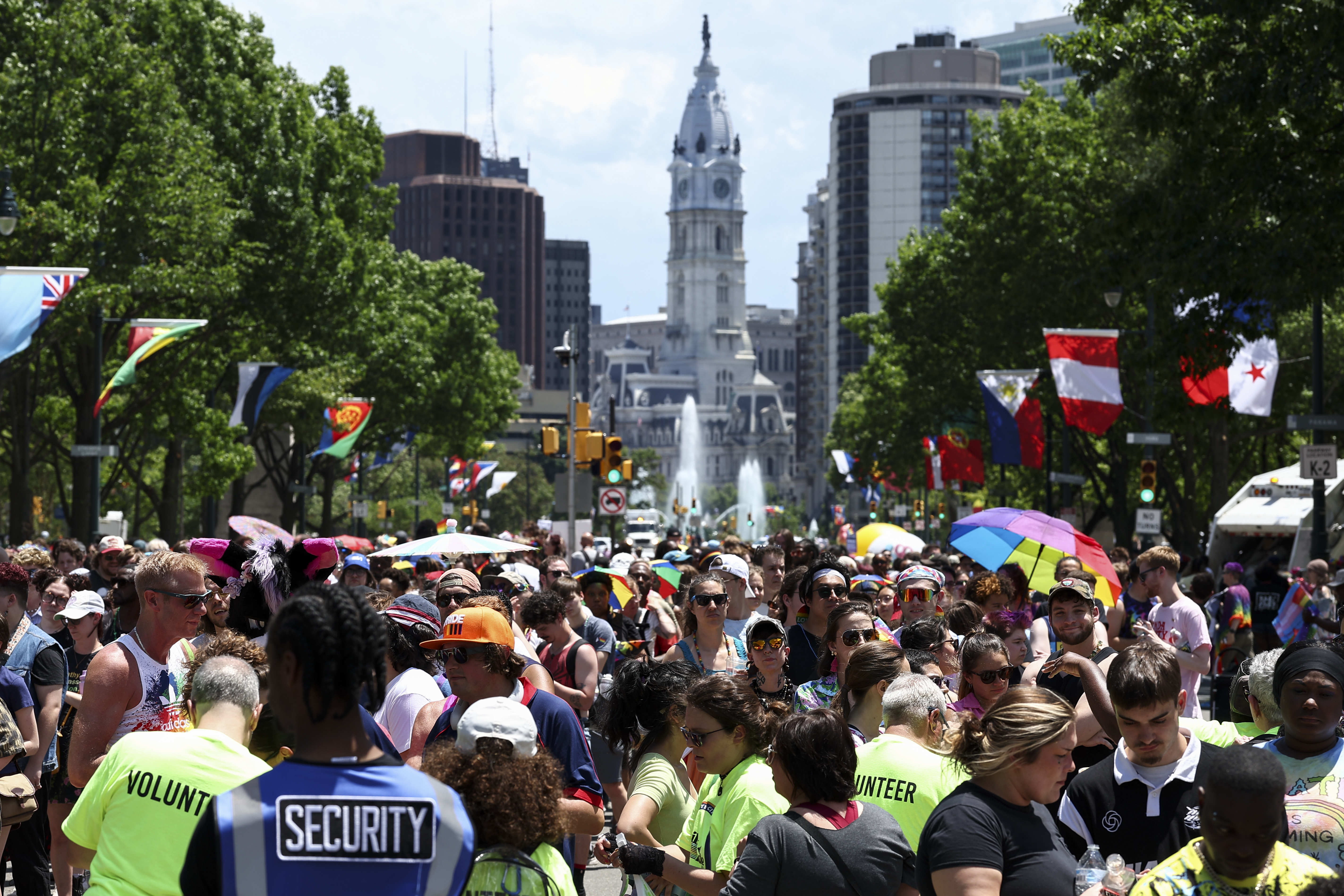
    People wait to enter the Philly Pride Festival at 21st Street on the Ben Franklin Parkway on Sunday.Monica Herndon / Staff Photographer

    A different Pride this year

    This year’s Pride looked different from that of earlier years. Usually, Philadelphia Pride celebrations and parades occur within the Gayborhood in Center City, east of Broad Street. But this year Philly Pride 365 and the city moved the parade and festival to the Benjamin Franklin Parkway because of security concerns over crowd sizes that had grown to more than 150,000 people, among other reasons, festival organizers said.

    The festival portion of Pride also asked attendees to pay $10 to enter an event that for years had been free to attend.

    Before and after the official celebrations ended, Pride-goers gathered in the Gayborhood, patronizing bars and spilling into the streets — a common practice during the celebration. But guests were surprised to find that several Gayborhood blocks around 13th and Walnut Streets were blocked with metal barricades, limiting crowds to sidewalks, said Joshua Stokem, a New Jersey resident who regularly attends the city’s Pride celebrations.

    Stokem said the layout caused large groups to pack into the corridors outside bars and restaurants and, in his view, created confusion and exacerbated some of the issues attendees had with police.

    On Sunday, police had 600 officers assigned to Pride celebrations with around 150 officers in the Gayborhood monitoring festivities, Bethel said.

    “By all accounts, [it was] a successful event attended and enjoyed by thousands of people. As crowd sizes increased in the Gayborhood, officers responded to a growing number of public safety concerns, including fights, disorderly behavior, blocked roadways, and the challenges associated with safely managing large crowds in a confined area,” he said in the statement.

    Bethel said the department had expected the Parkway celebration to gradually transition to the Gayborhood event, but that did not happen.

    Instead, he said, two separate gatherings were essentially happening at once, creating a situation that was “challenging to manage safely” and led to the decision to clear parts of the neighborhood.

    “That decision was not made in any way, shape, or form because people were celebrating Pride,” he said.

    Most of the arrests during Sunday’s event were for disorderly conduct, according to Bethel, while one person was charged with aggravated assault of a police officer.

  • Rep. Donald Norcross’ union contract bill passes in House, bucking Republican leaders

    Rep. Donald Norcross’ union contract bill passes in House, bucking Republican leaders

    WASHINGTON — The House on Tuesday approved a Democratic bill aiming to fast-track contract negotiations between employers and newly created unions, after 20 Republicans defied their leaders to force it to the floor and push it to passage.

    The measure, which passed on a 230-193 vote, faces a slim chance in the Senate and would be all but certain to be vetoed by President Donald Trump even if it were to reach his desk. Still, the vote was the latest reflection of Speaker Mike Johnson’s weak hold on his narrow majority, whose members have steered around him time and again and teamed with Democrats to win passage of legislation that he has toiled to block.

    On Tuesday, a sizable bloc of Republicans, including several from competitive districts who are slogging through tough reelection fights, joined with Democrats to push through a pro-union bill. It would impose an initial 90-day deadline on contract negotiations for new unions and their employers, along with paths to mediation and arbitration if the parties reach an impasse.

    Rep. Donald Norcross (D., N.J.), the sponsor of the bill, said he had written it to speed up workplace contract negotiations so that employers could not drag them out in the hopes of undercutting workers’ leverage.

    “Union busting is illegal, and it’s wrong and it has been for generations,” Norcross said. “But with the dirty tactics of indefinite delays, many employers are working relentlessly to kill their employees’ unions.”

    While several Republicans supported the legislation from the outset, party leaders declined to act on it. So Norcross turned to a procedural maneuver known as a discharge petition, which allows lawmakers to circumvent House leaders and force a bill to the floor if a majority of members sign on in support.

    Seven GOP lawmakers did so and even more joined Democrats on Tuesday, in voting in favor of the legislation. Among the Republicans who banded together with Democrats to force action on the measure, several are seeking reelection in competitive districts, including Reps. Mike Lawler of New York, and Brian Fitzpatrick and Rob Bresnahan Jr. of Pennsylvania. Another, Rep. Don Bacon, who represents a center-leaning district in Nebraska, is retiring.

    Some other swing-district Republicans joined them Tuesday night in backing the bill, including Reps. Derrick Van Orden of Wisconsin and Maria Elvira Salazar of Florida.

    Historically, discharge petitions have rarely been successful, but this Congress has been an exception, as Johnson has been unable to stop Republicans from straying from the party line on a wide variety of issues. Democrats successfully employed the tactic to win passage of legislation directing the Justice Department to release files related to convicted sex offender Jeffrey Epstein, which became law, as well as another labor-related bill aimed at overturning Trump’s executive order stripping federal workers’ union protections, which has stalled in the Senate. Last week, they used it to win approval of a bill with new aid for Ukraine that also would impose new sanctions against Russia, defying both Johnson and Trump.

    The trend reflects growing frustration among Republicans toward Johnson and party leaders as the midterm elections loom. Before the vote, Fitzpatrick wrote on social media that the tactic had succeeded so many times only because Republican leaders were shirking their responsibilities by blocking popular policies.

    “A successful discharge petition is clear and direct evidence of a poorly managed House Floor — because it demonstrates that the will of the majority of the People is being thwarted by the privileged few,” he wrote.

    The vast majority of House Republicans on Tuesday opposed the bill. Rep. Tim Walberg (R., Mich.) described the legislation as “a massive expansion of Washington’s power over American workers and job creators.”

    “It is the latest attempt to put workers under the thumb of federal bureaucrats,” Walberg said.

    This article originally appeared in The New York Times.
  • Game on in Maine: 3 takeaways from Tuesday’s primary election results

    Game on in Maine: 3 takeaways from Tuesday’s primary election results

    Graham Platner, a military veteran and first-time candidate whose populist message resonated with voters in Maine, prevailed over the state’s governor to win the Democratic primary for Senate on Tuesday. Now, he will face Sen. Susan Collins, a vulnerable Republican incumbent, in one of the most consequential races in the country this fall.

    Platner’s campaign has survived a series of scandals about his personal life, which Republicans began highlighting within minutes of his victory. And he used his speech Tuesday night to cast Collins as a tool of a political establishment that has let Maine down.

    In other primaries on Tuesday, Democrats in Nevada picked Aaron Ford, the state attorney general, to oppose Gov. Joe Lombardo, solidifying the matchup in a competitive governor’s race in a key swing state. And Republicans in South Carolina showed their loyalty to President Donald Trump, supporting his preferred candidates in races for Senate and governor.

    Here are three takeaways from the night of primaries.

    Amid a barrage of scandals, Platner sought to shift to the fall

    Platner, a Marine veteran who owns a small oyster farm, has been hampered for most of his campaign by scandal, including old, unearthed social media posts in which he made offensive comments about women and rape, and a tattoo resembling a Nazi symbol that he has since covered with new ink. The latest controversy came last week, when three women who had dated him told The New York Times that he had engaged in unsettling behavior toward them.

    On Tuesday, Platner attempted to shift the focus to his general-election matchup with Collins, a battle-tested incumbent, while also acknowledging his stumbles. In a fiery speech, he said that members of the political establishment “keep looking for that one story, that one headline, that one moment in my life that they can define the campaign by.”

    He added: “In trying so hard to understand me, they failed to understand that this is not about me at all. This is a movement about us, about the far too many, working far too hard and struggling far too much.”

    Still, nearly 30% of primary voters cast ballots for other Democratic candidates, according to incomplete results early Wednesday, despite that fact that his main opponent, Gov. Janet Mills, had suspended her campaign. That suggested that some Mainers remained skeptical of him, and left him with the challenge of persuading voters in the general election that Collins’ shortcomings were greater than his.

    In his effort to pivot, Platner blasted the moderate image Collins has cultivated, describing her as “only bipartisan when it doesn’t matter” and saying she had failed to protect abortion rights.

    “If you are an independent voice, why do you vote with Donald Trump 95% of the time?” he said, addressing his opponent directly. “If you’re so bipartisan, why are you the deciding vote to put Brett Kavanaugh on the Supreme Court?”

    Trump’s candidates advanced or were leading

    Trump’s backing is usually the gold standard in a Republican primary, all but guaranteeing victory. His record suffered a rare blemish last week when the candidate he backed in the Iowa governor’s race lost the Republican primary.

    On Tuesday, Trump returned to form, with candidates he supported winning their races, advancing to runoffs or leading challengers in races yet to be called. In South Carolina’s crowded Republican primary for governor, Lt. Gov. Pamela Evette, backed by Trump, led the field and advanced to a runoff with Alan Wilson, the state attorney general, who was close behind.

    In Nevada, two of three House candidates the president backed — Carrie Buck and Marty O’Donnell — won their primaries. The third was too close to call early Wednesday.

    Finally, in North Dakota, Rep. Julie Fedorchak easily fended off a primary challenge with help from Trump’s nod.

    Lindsey Graham avoided the embarrassment of a runoff

    Graham, an outspoken Republican who once clashed fiercely with Trump before becoming a staunch ally, has never been beloved by the MAGA base. He faced a serious Republican challenger, Mark Lynch, and a real chance that he could have been forced into a runoff by failing to earn more than 50% of the vote.

    But Graham, too, had Trump’s backing, and he managed to avoid that embarrassing outcome. After his campaign and allied groups raised and spent millions on his reelection bid, Graham posted a strong enough showing among South Carolina primary voters to earn a spot on the November ballot. In a deep-red state, Graham will be overwhelmingly favored to win another six years in the Senate.

    This article originally appeared in The New York Times.
  • Philly’s state lawmakers will still push to close a tax loophole requested by Mayor Parker, as Pa. budget talks move along

    Philly’s state lawmakers will still push to close a tax loophole requested by Mayor Parker, as Pa. budget talks move along

    HARRISBURG — Pennsylvania lawmakers could still deliver additional revenue to Philadelphia, even after City Council last week largely rejected Mayor Cherelle L. Parker’s proposed tax increases for the next fiscal year.

    Philadelphia’s powerful House delegation to Harrisburg will push state lawmakers to close a loophole that allows online sellers to avoid paying Philadelphia’s 2% sales and use tax, its chair, Democratic Rep. Morgan Cephas, said Tuesday, as legislative leaders seek a quick state budget deal in a consequential midterm election year.

    The tax would be exacted on online sellers based outside the city selling goods to Philadelphia customers, including retail giants such as Amazon. Currently, sellers outside the city have to collect only the 6% state sales tax.

    The proposal — estimated to generate an additional $1.5 million for the city — would require authorizing legislation to be passed by the state and signed by Gov. Josh Shapiro.

    When asked about the Philadelphia delegation’s effort to revive one of Parker’s tax proposals — albeit the one that would generate the least revenue for the city — Joe Grace, a spokesperson for Parker, said it is a “technical amendment.”

    That development comes as top lawmakers are in closed-door budget negotiations trying to find additional revenue to close the state’s deficit, where Pennsylvania is expected to spend more than it brings in this fiscal year and in the future, ahead of the constitutionally required June 30 deadline. Legislators often blow past that deadline, with last year’s budget agreement stretching nearly five months after talks stalled over mass transit funding and resurfaced Pennsylvania’s rural-urban divide.

    Here is a look at the status of state budget negotiations, what Philadelphia’s delegation wants in a final budget deal, and the potential sticking points as the deadline draws nearer.

    Talks are ‘further along’ — in a big midterm year

    Senate Majority Leader Joe Pittman (R., Indiana) said in an interview last week that legislators are “a lot further along” in their budget negotiations than they were at this point last year, but still have more to do to rein in spending.

    Other top legislative leaders echoed a similar hope that budget talks will not draw out into another monthslong impasse during the midterm election year in Pennsylvania’s split legislature, where Democrats hope to ride an anticipated blue wave to gain seats in both chambers while Republicans hope to stave it off and maintain control of the state Senate.

    “There’s nothing like a political wave to help politicians focus,” said House Majority Leader Matt Bradford (D., Montgomery) in an interview last week.

    All 203 state representatives and half the Senate are up for reelection this year. Additionally, Shapiro is seeking a second term and is hoping to flex his political muscle to bring Pennsylvania Democratic wins in Congress and at the state level.

    Shapiro proposed a $53.2 billion budget earlier this year, which would be a 6.2% spending increase over last year and would largely rely on the state’s Rainy Day Fund and new revenue streams from skill games and adult-use cannabis to help fill a $4.6 billion budget hole. The state House in April passed Shapiro’s budget as introduced, though the final product will be struck in closed-door meetings involving Pittman, Bradford, and Shapiro. The three negotiators may call on additional leaders to join the budget talks in the state’s tightly divided legislature, where Democrats hold a one-seat majority in the House and Republicans control the Senate with a three-seat majority.

    In previous midterm election years, the electoral pressure has sped up negotiations, as legislators want to bring home results to their constituents before they return to the campaign trail in a year when the governor’s mansion and control of the state House and Senate are on the line.

    ‘An opportunity to regroup with Council and regroup with our mayor’

    Philadelphia’s delegation to Harrisburg, made up of 25 lawmakers representing parts of the state’s most populous city, will take up Parker’s requested sales tax loophole closure, in addition to any other requests from City Council once the city’s budget receives final approval on Thursday, Cephas said.

    “City Council hasn’t finalized their budget just yet. So we are paying close attention as to what is the final product that gets across the finish line, and then we look at it, look at it as an opportunity to regroup with Council and regroup with our mayor to see where we are and where there’s still gaps that would potentially fill,” Cephas added.

    State Rep. Morgan Cephas, who leads the Philadelphia delegation in Harrisburg, attends a get-out-the-vote rally for State Sen. Sharif Street at the Church of Christian Compassion in West Philadelphia Monday, May 18, 2026 on the day before Tuesday’s Democratic primary election for the 3rd Congressional District. Cephas was a candidate for the same seat, but withdrew early in the race.Tom Gralish / Staff Photographer

    As part of several proposals meant to juice revenue from gig economy companies, Parker requested the city’s sales tax loophole be closed in her budget pitch in March.

    Closing the loophole, however, was an easier sell in Harrisburg than Parker’s efforts to raise taxes on city hotels and short-term rentals, which would have also required state legislative approval.

    Last week, sources close to state budget negotiations told The Inquirer there was no interest in raising taxes in Philadelphia as Parker had proposed, even on big tech companies, in an election year. Shortly after, any support appeared to evaporate in City Council for Parker’s proposed taxes on hotels and rideshare services to fund homelessness-prevention programs and help plug the Philadelphia School District’s $300 million structural deficit.

    Shapiro previously said he was uninterested in raising any taxes, and has boasted about cutting taxes in past budgets.

    Shapiro’s office did not immediately respond to a request for comment.

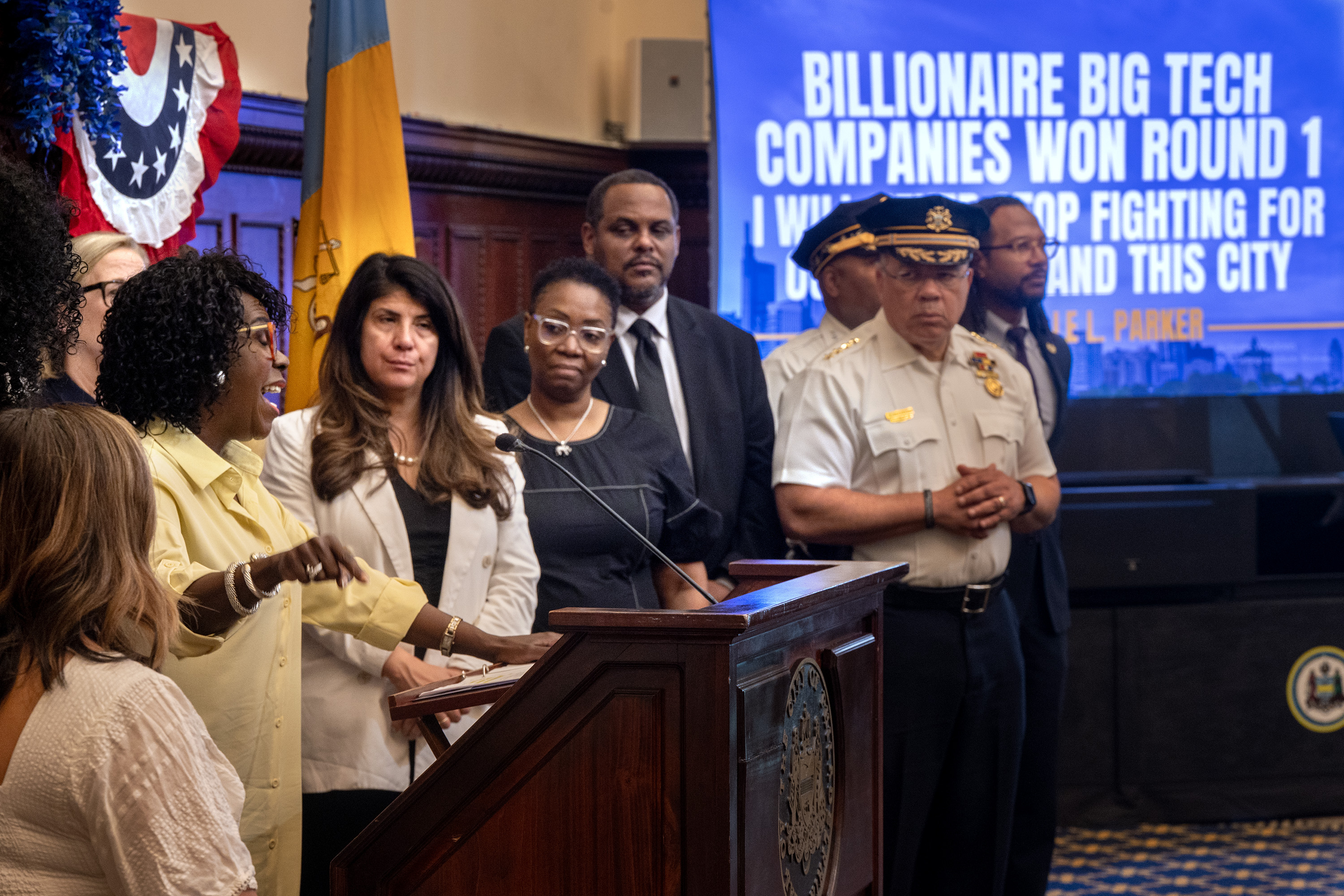
    “Billionaire big tech companies just won round one in this process,” says Mayor Cherelle L. Parker at City Hall Thursday, June 4, 2026 after City Council rejected most of her tax proposals for the city budget.Tom Gralish / Staff Photographer

    Cephas said Philadelphia’s statehouse delegation is also focused on continuing to increase public education funding through the state’s new adequacy formula, expanding a popular student-teacher stipend program, and increasing funding to improve school facilities.

    The delegation — which includes Democratic legislative leaders such as House Speaker Joanna McClinton and House Appropriations Chair Jordan Harris, who are involved in budget talks — will also push to expand a working families tax credit, a childcare tax credit, and an increase to the state minimum wage from its current $7.25 per hour, Cephas said.

    Potential sticking point: Skill games and gaming expansions

    The big unknown in Pennsylvania’s Capitol is whether lawmakers this year will finally address skill games and other gaming expansions in the state as an effort to raise additional revenue.

    Skill games are slot-machine look-alikes that have proliferated around Pennsylvania and, despite coaxing from Shapiro to tax them at a much lesser rate than the hefty 52% levied on slot machines, remain unregulated and untaxed by the state. Shapiro estimated that taxing machines at the same rate as slots would generate $765.9 million in its first year.

    A case is before the state Supreme Court to determine whether the machines found in restaurants, corner stores, and bars are legal — and distinct from other gambling devices.

    Skill games can be seen through the door of a mini mart on Kensington Avenue in the Kensington section of Philadelphia on Wednesday, July 30, 2025.Elizabeth Robertson / Staff Photographer

    The deep-pocketed skill games lobby had long been an ally of the Senate GOP until recent years, when Republicans considered a higher-than-desired tax on the industry that the lobbyists claim would hurt small businesses. The relationship eroded further last month when a conservative group tied to the skill games lobby helped fund three unsuccessful primary challenges to Republican state senators.

    Now, top GOP lawmakers say they are awaiting the court ruling before they decide how to tax the devices.

    Another emerging form of gaming that could require state regulation would be prediction markets like Kalshi or Polymarket, which allow users to place bets on the outcome of events, including elections. Pittman said he wants federal lawmakers to regulate the new industry, while House Minority Leader Jesse Topper (R., Bedford) said “it will need to be addressed.”

    “Prediction markets, to me, seem to be a whole new world,” Pittman said last week. “That is something that the federal government really needs to grab onto in a very consistent manner to make sure that you have consistent policy nationwide on that front.”

  • Philly progressives made gains in Democratic ward elections. But party chair Bob Brady remains well-positioned for reelection.

    Philly progressives made gains in Democratic ward elections. But party chair Bob Brady remains well-positioned for reelection.

    Former City Councilmember Jannie Blackwell, who has been a fixture of Philadelphia politics for decades, is no longer a Democratic ward leader. State Sen. Sharif Street — weeks after losing the city’s heated congressional race — just became one.

    And the Rev. Lewis Nash Sr., who in 2024 was removed as leader of the 47th Ward after The Inquirer reported he was recorded making anti-LGBTQ+ remarks, has returned to the post after being reelected in his North Philadelphia ward Monday night.

    Meanwhile, the upstart group Wards That Work, which was backed by progressive activists and sought to recruit hundreds of people to run for committee openings in the May 19 Democratic primary, claimed victories in six wards that were previously seen as aligned with the party establishment or more centrist Democrats.

    Despite those notable gains, fewer than one-third of Philadelphia’s 69 Democratic ward leaders are seen as closely aligned with the party’s left wing.

    That means Bob Brady, who has led the local Democratic Party since 1986 and is seen by many as the embodiment of the political old guard, will likely coast to victory in party leadership elections — decided by the ward leaders — next week, securing an 11th term as chair of the Democratic City Committee.

    The party’s internal politics have become a key battleground in the fight between progressive upstarts and the Democratic establishment. There has also been a renewed push to grow the number of “open wards” — those that allow committeepeople to vote on political endorsements rather than allowing ward leaders to decide unilaterally.

    Brady, a former U.S. representative, has over the last few weeks struck a conciliatory tone regarding the party’s left wing after clashing with activists in a series of elections, most notably when the party sought to punish committeepeople who endorsed the elections of Councilmembers Kendra Brooks and Nicolas O’Rourke from the progressive Working Families Party.

    “These labels — Working Families, Reclaim, socialist — the best labels they have that I love is they’re Democrats,” he said in an interview, referring in part to Reclaim Philadelphia, a group inspired by U.S. Sen. Bernie Sanders’ presidential runs that organized the local progressive movement’s first successful ward takeovers in 2018.

    Now, he said, he is focused on unity as Democrats hope to make gains in this year’s midterm elections and defeat candidates aligned with President Donald Trump in future elections.

    “We can come together and beat that nut in the White House,” Brady said.

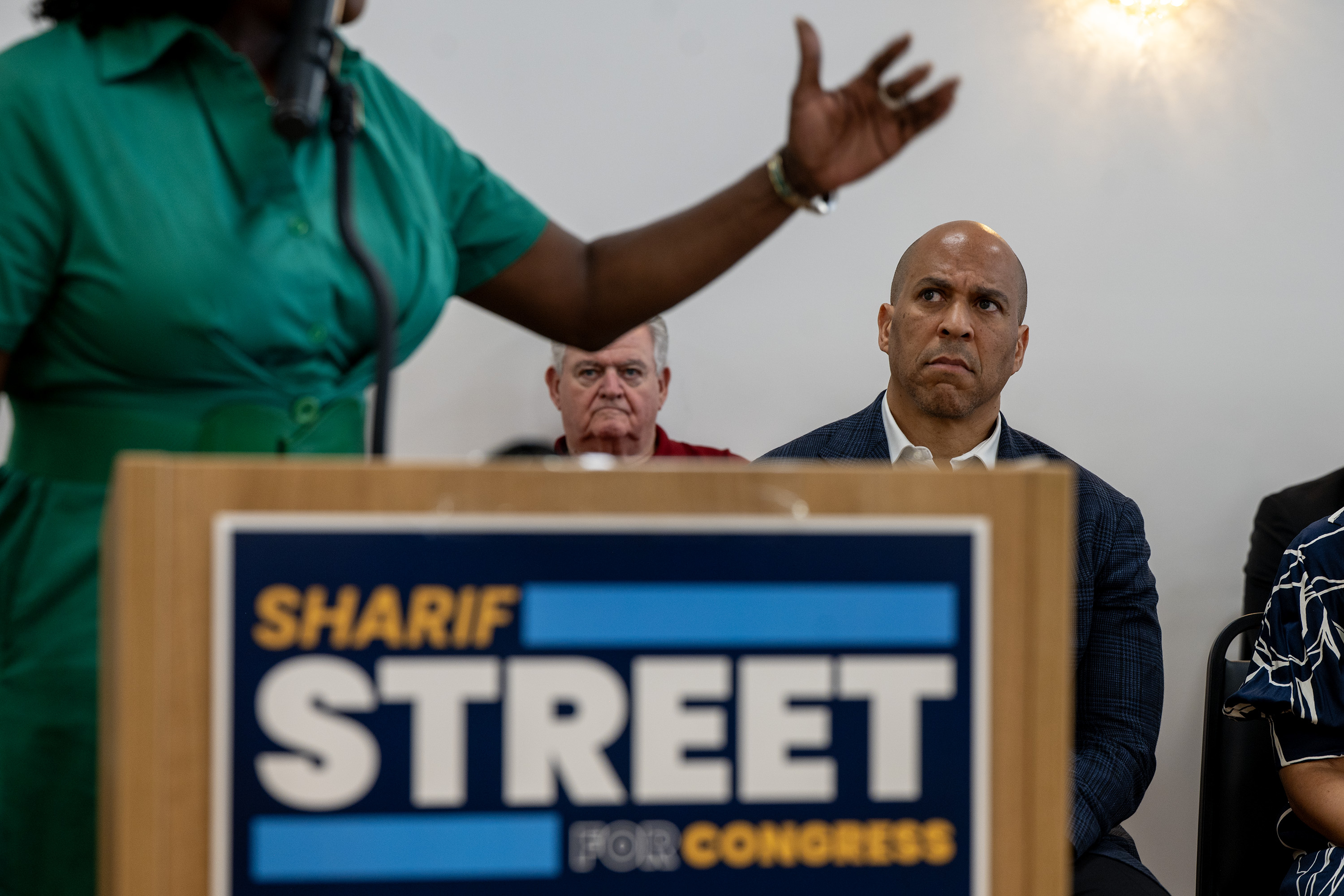
    Philadelphia Democratic Party Chairman Bob Brady (left) and U.S. Sen. Cory Booker (right) listen as Mayor Cherelle L. Parker speaks in support of State Sen. Sharif Street at a get-out-the-vote rally at the Church of Christian Compassion in West Philadelphia Monday, May 18, 2026 the day before Tuesday’s Democratic primary election for the 3rd Congressional District.Tom Gralish / Staff Photographer

    Earlier this year, however, Brady acknowledged that the Democratic City Committee funded mailers opposing some of the committeepeople backed by Wards That Work, and many on the left are still hoping for major changes in the local party.

    District Attorney Larry Krasner, for instance, recently called on Brady to resign, and State Rep. Chris Rabb, a democratic socialist who last month won the Democratic primary for an open Philadelphia congressional seat, has emerged as a leading critic.

    Rabb beat Street, the party’s endorsed candidate, in the 3rd Congressional District race, and has accused the city committee of neglecting the work of turning out the vote, instead concerning itself with backroom dealings among party insiders.

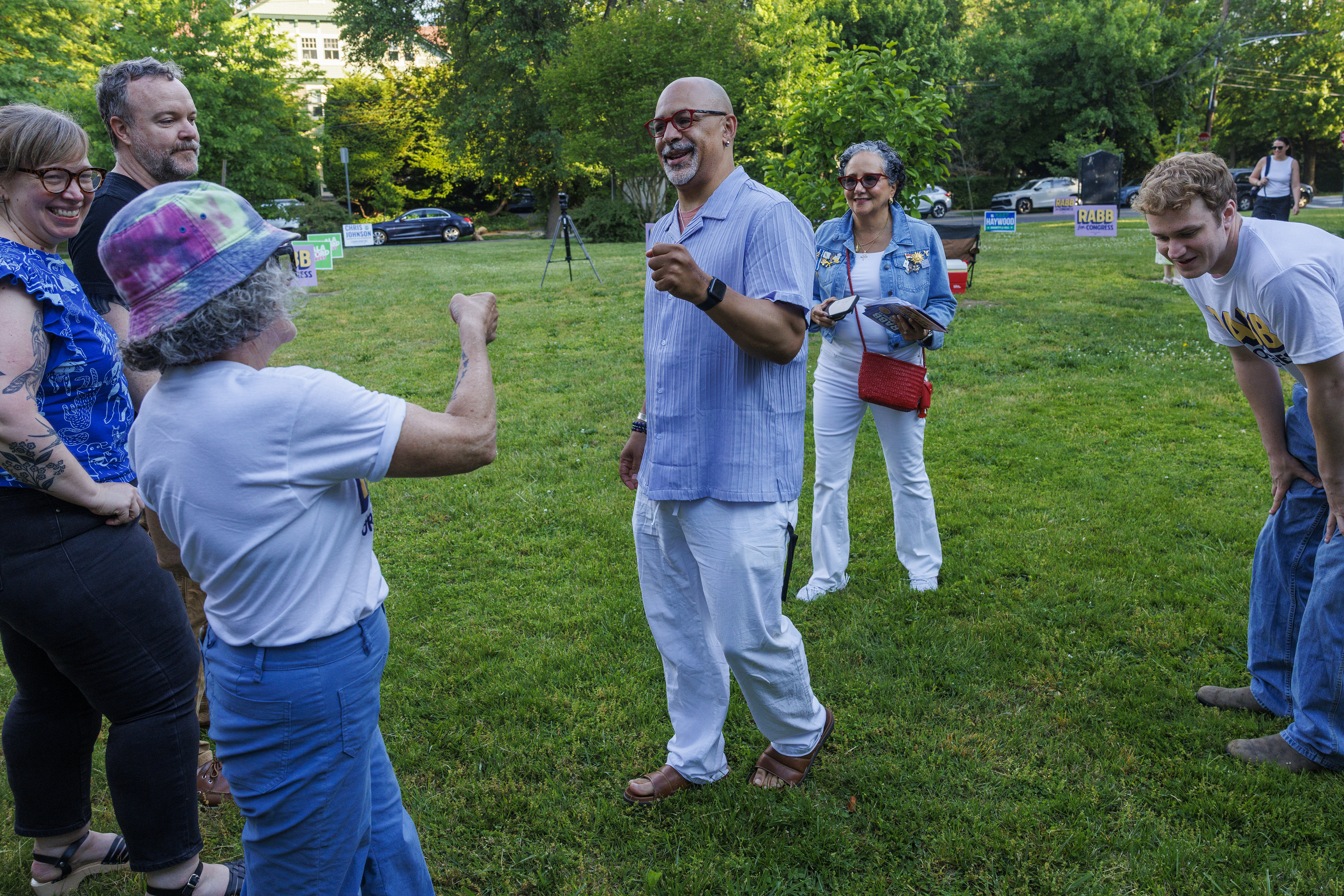
    State Rep. Chris Rabb greets supporters on election day. He is arriving to his polling place to vote, Grace Epiphany Episcopal Church, Philadelphia, Tuesday, May 19, 2026.Alejandro A. Alvarez / Staff Photographer

    Rabb has not explicitly called for Brady to resign. But he is now calling for a dramatic overhaul of the party, from its leaders to its bylaws to the city’s antiquated ward boundaries.

    “What I’m asking for is for the ward leaders — whatever candidate is running for chair, whether it’s Bob Brady or anyone else — that they demand that their first order of business is to overhaul the bylaws by Labor Day [to focus] on building a local party built on transparency integrity and inclusion,” Rabb said in an interview last week.

    Progressives make gains

    On paper, Philadelphia’s Democratic Party structure is bottom-up. Every four years, during the primaries of presidential midterm cycles, registered Democrats elect two committeepeople from their precincts, as they did this year on May 19. The committeepeople then elect neighborhood-level ward leaders, and the ward leaders in turn elect the top officials in the city party, including Brady.

    But in practice, many critics of the city’s old guard see a top-down reality, with Brady and other high-ranking city officials controlling the party’s agenda.

    Progressives are hoping to wrest control of the party from the establishment or to force reforms that make it more hospitable to left-leaning candidates. But it remains an uphill battle given the diffuse nature of the party system.

    Among the notable progressive wins in Monday night’s ward elections:

    • 5th Ward (Center City): Ryan Alsayegh, a political consultant currently working for State Reps. Tarik Khan and Joe Hohenstein, unseated Mike Boyle.
    • 25th Ward (Port Richmond, Kensington): Alexandria Mercedes Murphy, a neurophysiologist and volunteer with Reclaim Philadelphia, succeeded Tommy Johnson.
    • 31st Ward (Fishtown, East Kensington): Molly Hartman, a staffer for Councilmember Rue Landau, faced no opponents in her bid to succeed Margaret Rzepski.
    • 27th Ward (University City): Benjamin Moss-Horwitz, a staffer for State Rep. Rick Krajewski, won a contested race to succeed retiring ward leader Carol Jenkins, a party stalwart.
    • 46th Ward (Squirrel Hill, Cedar Park): James Bridgeforth, a University of Delaware professor, ran an uncontested race to succeed Blackwell, who retired this year after defeating a progressive challenger for her ward in a contentious election four years ago.

    In West Philadelphia’s 60th Ward, State Rep. Amen Brown, a centrist Democrat, was unseated by Lorraine White-Johnson.

    White-Johnson, who had the backing of Wards That Work, said in an interview that she is not aligned with one faction and welcomes all Democrats. She added that she plans to explore opening up the ward but has not made formal plans to do so yet.

    Philadelphia City Councilmember Cindy Bass on Thursday, September 11, 2025.Alejandro A. Alvarez / Staff Photographer

    In Mount Airy’s 22nd Ward, Councilmember Cindy Bass declared herself reelected to a new term in a controversial move by saying she won a contested voice vote of committeepeople and denying motions for a roll-call vote that could have clarified the results. Her opponent, Octavius Price, was backed by progressive organizers and said he plans to challenge the election.

    Some notable ward election results did not involve major ideological shifts.

    Nash, who on Tuesday denied having made the anti-LGBTQ+ comments that previously cost him his seat, won a three-way race to reclaim the 47th Ward.

    “I forgive everybody that was involved with those unforeseen circumstances,” Nash said in an interview Tuesday. “To anyone that was offended by the alleged comments, forgive me and the person who made those comments, allegedly and falsely, and let’s move forward.”

    Also in North Philadelphia, Street, a former chair of the Pennsylvania Democratic Party, unseated 11th Ward leader Dwayne Lilley just weeks after losing his congressional bid to Rabb.

    In a statement, Street said he would “take a back-to-basics approach, listening to my neighbors about their concerns and filling vacant committee member seats.”

    “Last month’s election results galvanized my belief that we need to build the party from the ground up,” Street said in a statement. “We need to increase voter turnout in Black communities, like North Philadelphia, by demonstrating every day that Democrats are fighting for them.”

    Staff writer Anna Orso contributed to this article.