Category: Politics

  • More Philadelphians would get assistance to pay rising water bills under a plan passed by City Council

    More Philadelphians would get assistance to pay rising water bills under a plan passed by City Council

    More Philadelphians struggling to pay their water bills would be able to apply for help under new legislation from City Council.

    Others would see higher water bills to pay for the plan.

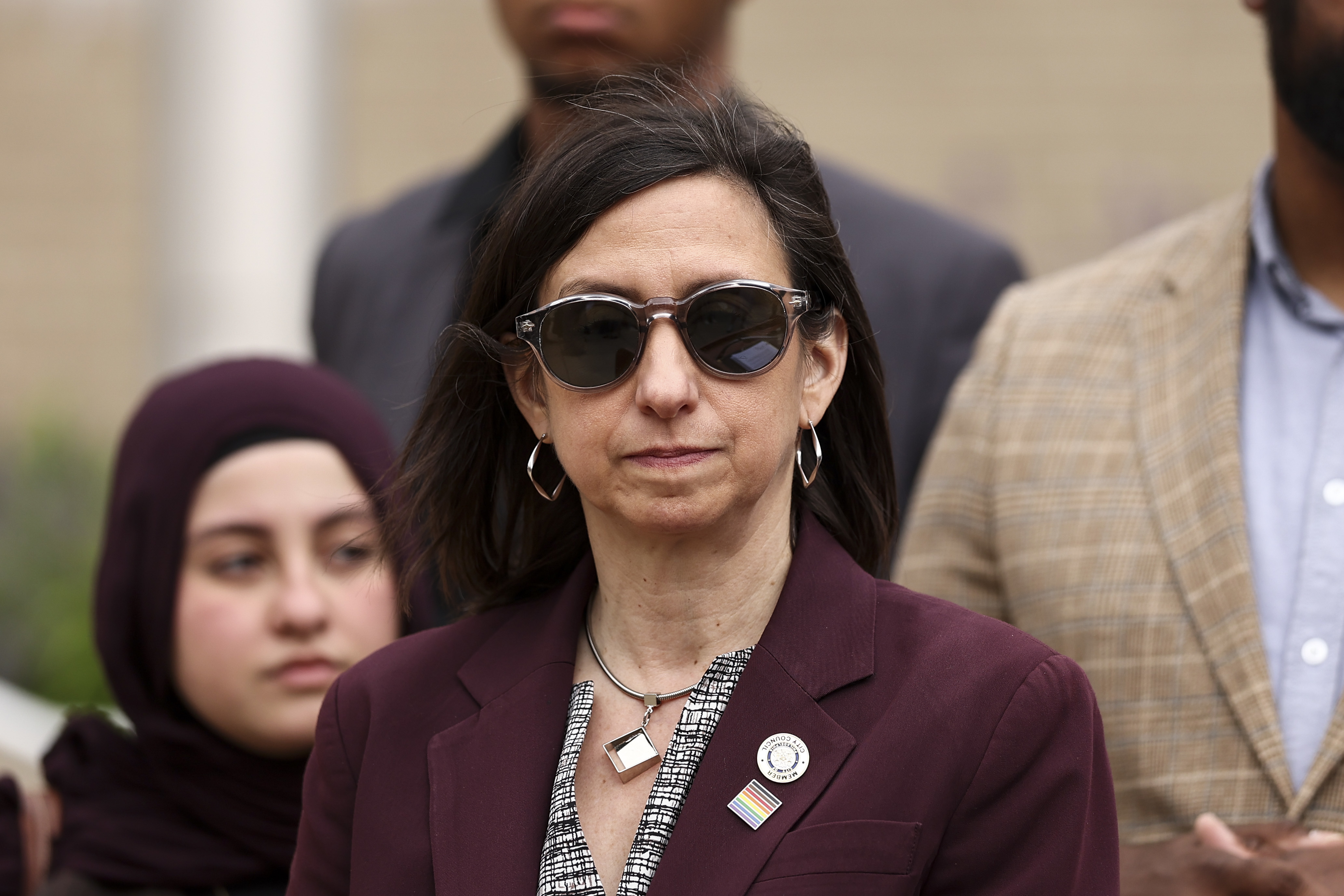
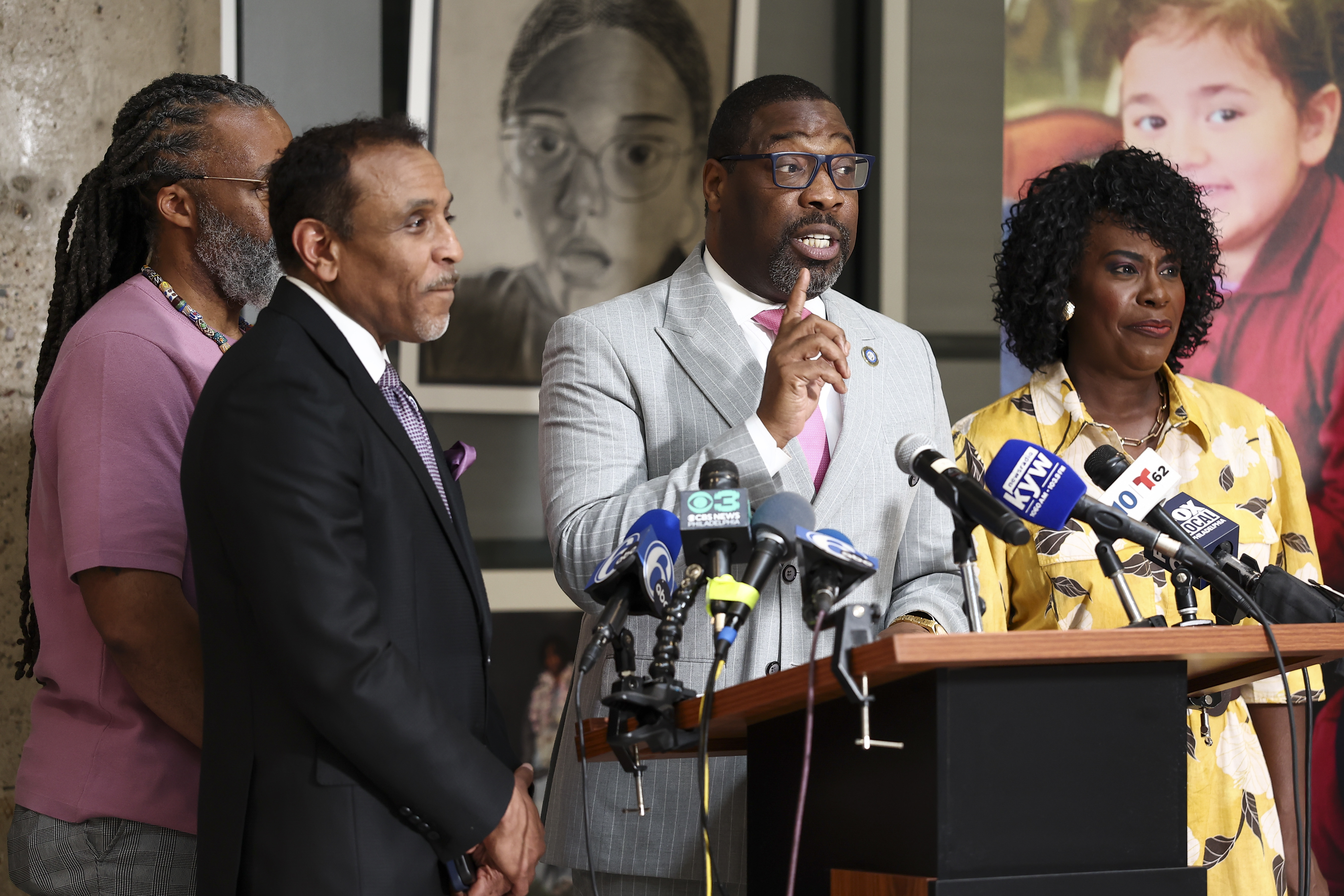
    The unanimously approved legislation, introduced by District 3 Councilmember Jamie Gauthier, expands who is eligible for the Philadelphia Water Department’s tiered assistance program. The program gives people a fixed, income-based monthly payment, offers debt forgiveness for some past-due water bills, and protects residents from having their water shut off.

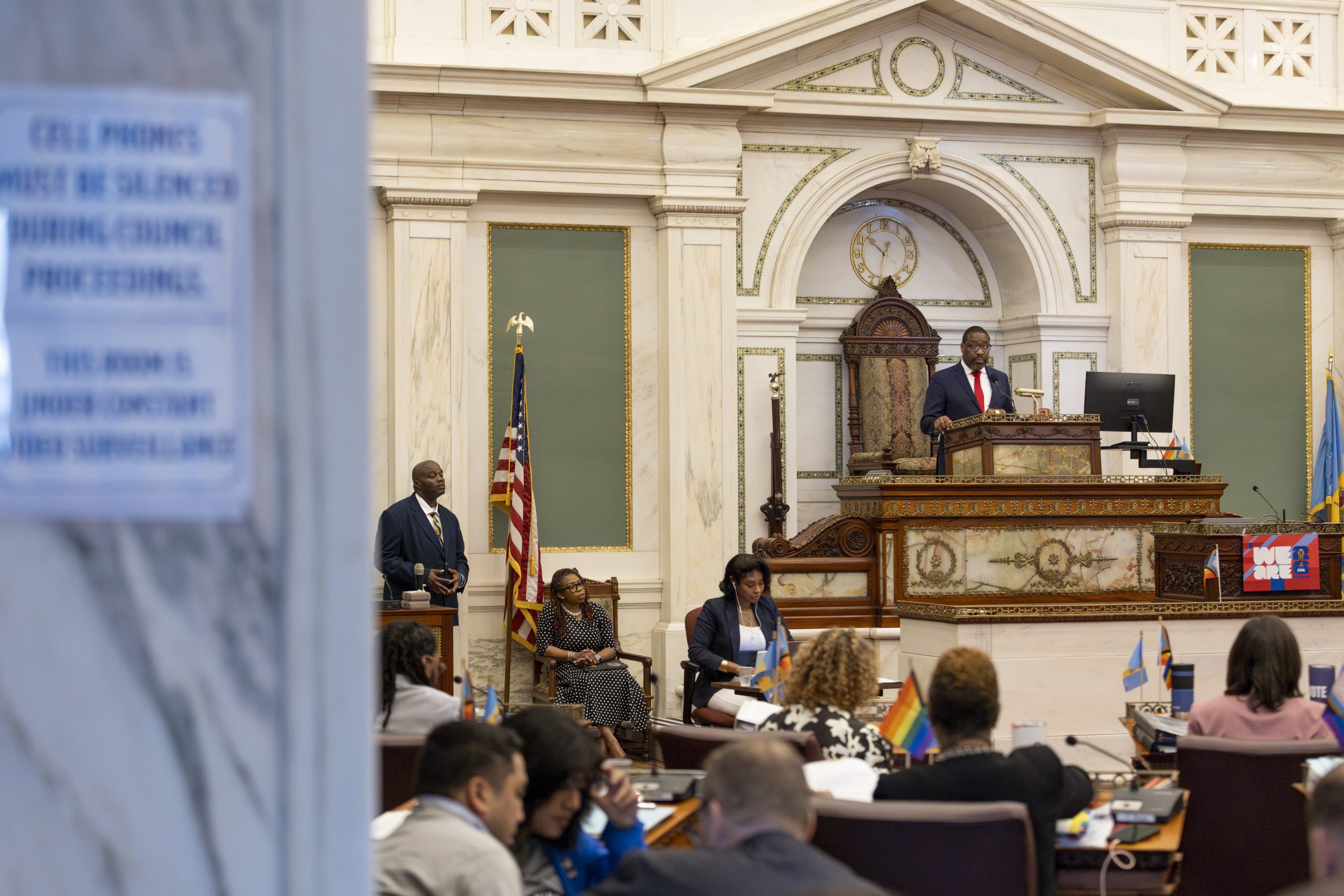
    “Without running water, our constituents can’t wash their hands, clean dishes, or prepare food,” Gauthier said during a Council meeting Thursday. “It’s unsafe, unsanitary, and unacceptable.”

    Currently, people earning up to 150% of the federal poverty line qualify for the program. Under the new rules, households earning up to 200% of the poverty line would qualify, Gauthier’s office said. This means a single person earning $31,920 would be eligible; so would a family of four earning up to $66,000, per federal data.

    Households earning up to 300% of the federal poverty limit would qualify for structured payment plans, rather than having to pay off the past-due amount all at once, Gauthier’s office said.

    Another provision protects people from receiving surprise bills from the water department as a result of past errors in calculating water usage. Gauthier said one of her constituents had gotten an $8,000 water bill after having an old water meter replaced in her new home.

    “For too long, this city has made residents pay for faults in government infrastructure,” Gauthier said.

    The legislation comes after a 9.4% water rate increase last September and with a 5.5% rate increase set to take effect this year, Gauthier’s office said. The average bill is currently $89.42 per month.

    “At the same time, nearly half of renter households are cost-burdened, spending more than they can afford on housing,” the Council member’s office said in a news release.

    About 42,000 households used the tiered assistance program in 2024, Gauthier’s office said, and thousands more would be eligible with the new law.

    City Revenue Commissioner Kathleen McColgan estimated that 70,000 households may use the tiered assistance program next year. On average, each household would save $63 per month.

    To pay for these subsidies, however, increased costs would have to be passed on to everyone else who lives in the city, McColgan said.

    “This is because the anticipated revenue loss to the Water Fund would need to be restored,” McColgan said during a June 2 meeting of City Council’s Transportation and Public Utilities Committee. “Any expansion of the TAP [tiered assistance program] population would further reduce the non-TAP population, increasing cost‐recovery pressures and amplifying rate impacts.”

    McColgan said residents are already paying $2.10 per month to subsidize others. She estimated that this would rise to above $5 per month under the new law.

    McColgan estimated that the water department would need to recoup between $22.1 million and $127.6 million over the next five years, mostly because of the 200% eligibility rate.

    “We recognize this is a large range, but this range reflects the anticipated number of new TAP enrollees to be between 4,000 and 40,000,” McColgan said.

    The legislation goes to Mayor Cherelle L. Parker, who can sign the two bills into law, veto them, or let them become law without her signature. If she were to veto, Council could override it with a two-thirds vote. Parker’s office did not respond to a request for comment Friday.

  • Pennsylvania is working to fill a spot in Trump’s ‘Great American State Fair’ as other Democratic-led states boycott

    Pennsylvania is set to have a presence at an upcoming two-week “Great American State Fair” on the National Mall, one of the signature 250th anniversary events hosted by President Donald Trump celebrating America’s founding.

    What that presence will look like for Pennsylvania — the state where the nation’s independence was declared — is still up in the air.

    All 50 states and six U.S. territories are expected to be represented with booths showcasing aspects of their culture and history. Some blue states, however, are opting out of sending their own staff to participate, citing a partisan tilt to the event and the cost to participate.

    Pennsylvania, a quintessential swing state led by Democratic Gov. Josh Shapiro, is still preparing to participate in an exhibit, according to a person familiar with the planning. But state officials have struggled to find a Pennsylvania business that wants to associate with the Trump-affiliated event.

    The Great American State Fair has hit numerous roadblocks in its planning in recent weeks. More than half of the acts announced to perform at a Semiquincentennial concert series withdrew shortly after its announcement over concerns the nation’s birthday planners were politically motivated. Trump then replaced the concert series with a political rally, which he will headline on June 24 and he billed as “A Rally to end all Rallies!” in a Truth Social post.

    Freedom 250, the nonprofit organization behind the 16-day event kicking off June 24, has deemed it a “first-of-its-kind world’s fair” while some Democratic officials have railed against it as a waste of taxpayer money.

    Unlike other states, Pennsylvania’s state government did not commit to sponsoring a booth. But Shapiro’s office has been trying to connect Freedom 250 with organizations and companies that could represent the state, according to federal and state sources familiar with the planning.

    It was not clear what type of Keystone State company or group would fill the gap.

    Freedom 250 was still finalizing plans with several states’ tourism boards, cultural and heritage groups, and other organizations as of Friday — less than two weeks before Trump was scheduled to headline the fair’s “kick-off celebration.”

    The event is set to include remarks by Trump and members of his cabinet, fighter jet flyovers, and a performance of “God Bless the USA” by Lee Greenwood, a staple of Trump’s major campaign events over the years. Each day of the fair from June 25 through July 10 will have a theme — including “land & prosperity,” “military & veterans appreciation day,” “faith, values and inspiration” and “MAHA Monday.”

    At least a half-dozen states have opted not to participate, according to NOTUS and other news outlets.

    “He invited all the states to participate and wants to charge us. Charge us to go down and put something on his exhibit, whatever he’s creating for Freedom 250. It’s just ridiculous,” Democratic Gov. Maura Healey, of Massachusetts, said in a Boston Public Radio interview earlier this month.

    Shapiro — a Democrat who’s also frequently challenged Trump and is widely considered a potential contender in the 2028 race to succeed him — has not similarly criticized the fair. The governor has been involved in other 250-focused events in Pennsylvania, such as the Commonwealth Concert Series that includes concerts in five cities across the state.

    Pennsylvania Gov. Josh Shapiro speaks during a Visit PA pep rally Tuesday, March 31, 2026, ahead of the nation’s 250th anniversary and other major events in the state. Jose F. Moreno / Staff Photographer

    Freedom 250 has pushed back against the idea that the fair and other anniversary celebrations are partisan.

    “The idea that a president’s presence at America’s 250th birthday is somehow a political act is not a serious argument — and frankly, it is not serious journalism to treat it as one,” Freedom 250 spokesperson Rachel Reisner said. “No one suggested the Biden-Harris administration would have kept the president away from this moment, nor should they have. We proudly welcome President Trump, who has shown genuine enthusiasm for celebrating America and its patriotic traditions, just as we would have welcomed any sitting president. Freedom 250 looks forward to celebrating America together and hosting once-in-a-generation events.”

    The organization has announced several pieces of the program, including “classic state fair” elements like livestock competitions and interactive experiences with companies such as John Deere and Northrop Grumman, the aerospace and defense company.

    It has not detailed the focus of each state’s designated section on the mall.

    An instructional pamphlet directed to state officials explains that every state and territory can “tell its own story” by “presenting a pavilion that reflects their history, culture, and contributions to the nation.” It does not include pricing, though a source familiar with the planning said states or organizations are only responsible for covering the cost to fill the space.

    Some states are sponsoring their exhibits directly through their state agriculture or tourism departments. For example, Arizona and Colorado are planning interactive experiences that highlight their states’ scenic outdoors, and New York’s “I Love NY” tourism campaign will showcase the state’s vacation areas, according to USA Today.

    The Freedom 250 pamphlet suggests other ways states can celebrate the Semiquincentennial — through flags and signage, or “projection experiences” to light up buildings like a state Capitol. It recommends governors issue official proclamations to recognize the moment, as well as foster civic and educational opportunities like student art contests and field trips.

    “The true power of this anniversary will not come from Washington alone,” Freedom 250 CEO Keith Krach wrote to state and local officials in the document. “It will come from you.”

  • Judge extends block on Trump’s $1.8 billion ‘Anti-Weaponization Fund’

    ALEXANDRIA, Va. — A federal judge agreed on Friday to extend a court-ordered block on the Trump administration’s creation and operation of a $1.8 billion settlement fund for compensating people who claim to be victims of a weaponized government.

    Earlier this month, acting Attorney General Todd Blanche told Congress that the government is scrapping its plans for the fund in the face of a fierce bipartisan backlash. Government attorneys have argued that lawsuits challenging the fund are now moot, but plaintiffs’ attorneys aren’t satisfied by Blanche’s assurances that the fund won’t move forward.

    Neither was U.S. District Judge Leonie Brinkema, who ruled that the “Anti-Weaponization Fund” will remain blocked until further notice from the court.

    “The (government’s) mootness argument, in my view, doesn’t go anywhere,” the judge said.

    President Donald Trump, meanwhile, has not publicly and unequivocally endorsed its cancellation. He has continued to express support for the fund in remarks to reporters.

    Brinkema gave the parties a week to negotiate an agreement for Blanche to submit a sworn declaration that the administration won’t revive the fund.

    Brinkema previously agreed to temporarily block the administration from proceeding with the fund for at least two weeks. Her May 29 order was due to expire on Friday.

    Trump’s Republican administration created the fund to resolve his lawsuit against the Internal Revenue Service over the leak of his tax returns.

    Plaintiffs who sued to block fund payouts argue that the government can’t legally divert taxpayer money into what they argue is a slush fund for compensating Trump’s allies.

    In a separate case on Wednesday, a different judge in Washington, D.C., rejected a government watchdog’s parallel request for a court order temporarily blocking the Trump administration from forging ahead with the fund. U.S. District Judge Richard Leon said he accepts Blanche’s representation that the fund is now moot.

    Leon had asked Justice Department attorney Andrew Block why Blanche doesn’t formally rescind his May 18 order establishing the fund. Block said he didn’t know. He still didn’t have an answer to that question when Brinkema posed it two days later.

    “It’s a huge gap in the record that we don’t have an answer to that question,” the judge said.

    In the Virginia case, attorneys from the legal advocacy group Democracy Forward asked for an order to temporarily suspend the fund’s implementation and stop the Trump administration from disbursing any payouts from it.

    The plaintiffs include a fired prosecutor and a college professor acquitted of assaulting federal agents at a protest.

    Even before the administration said it was dropping the fund, the Justice Department did not form the five-member commission that would decide on payout criteria, so no money was paid out nor claims accepted.

    Many of the Republican president’s allies are opposed to compensating rioters who stormed the U.S. Capitol on Jan. 6, 2021. In May, however, Blanche wouldn’t rule out the possibility that Capitol rioters who engaged could be eligible to apply for payments from the fund.

    Trump issued mass pardons to Capitol rioters on his first day back in the White House last year. More than 1,500 people were charged in the Jan. 6 attack before Trump erased every case with his sweeping act of clemency.

    Brinkema was nominated to the bench by President Bill Clinton, a Democrat.

  • Banning ‘convenience’ fees, buying the police headquarters, and approving the city budget | City Council roundup

    Banning ‘convenience’ fees, buying the police headquarters, and approving the city budget | City Council roundup

    Sick of being charged with “processing” or “transaction” fees when shopping online?

    So is City Councilmember Rue Landau, and she introduced a bill Thursday to help Philadelphians avoid so-called pay-to-pay fees for online transactions.

    “This will keep money in people’s pockets,” Landau said in an interview. “Oftentimes, people are paying these fees every single month to simply pay their bills to an entity that only allows you to pay it in a certain way. They are unnecessary. We are making them unlawful.”

    The legislation aims to ban fees that are not related to actual costs to the seller. That means standard credit card processing fees, which retailers must pay to credit card companies, would not be banned under the bill. Instead, the bill aims to tackle additional fees beyond those processing charges by:

    • Mandating online payment portals have at least one option that involves no additional fees.
    • Requiring “cost justification” for fees, which Landau’s office said would essentially ban convenience fees by necessitating proof they are related to real costs borne by the seller.
    • Compelling online retailers to disclose all fees up front in “total-price advertising” before a transaction begins.

    To enforce the bill’s provisions, the city’s law department would be authorized to sue businesses charging illegal pay-to-pay fees. The bill would also allow private individuals to sue for damages from companies charging the fees, including as part of a class-action lawsuit.

    Next, Council President Kenyatta Johnson will refer the bill to a committee, where it could get a hearing as soon as this fall.

    Philadelphia City Council members inside the caucus inside City Hall in Philadelphia, Pa. on Thursday, June 11, 2026.Aidan T. Gallo / Staff Photographer

    What was the meeting’s highlight?

    All’s well that ends well?: Thursday was the last session before lawmakers adjourn for summer recess, and Council members pushed through a raft of legislation, including the $7.1 billion city budget for the fiscal year that begins July 1.

    City budget negotiations wrapped up last week, and Thursday’s votes were largely procedural.

    But the fallout continued Thursday from Council’s decision last week not to adopt Mayor Cherelle L. Parker’s proposal to plug the Philadelphia School District’s budget deficit with a new $1-per-ride tax on rideshare services like Uber and Lyft.

    Council President Kenyatta Johnson speaks during an announcement at the School District of Philadelphia Headquarters on Wednesday, June 10, 2026 in Philadelphia. Philadelphia School District officials will move to restore 340 classroom-based jobs that were slated to be cut, despite top district leaders saying last week that they did not have the recurring funding needed to keep the positions.Monica Herndon / Staff Photographer

    Council instead pulled roughly $50 million, the amount the tax would have generated next year, from the existing city budget to help fund the schools. District officials, however, said after that vote that they would have to move forward with cuts to 340 classroom positions because Council did not provide recurring revenue.

    Parker, Johnson, and school officials on Wednesday announced they had reached an agreement to provide recurring funding that will allow those jobs to be saved. But they offered few details on where the money would come from.

    What else happened?

    The Tower of Taxpayers: The city will soon own the 18-story tower at 400 N. Broad St., the beaux arts landmark that is the Philadelphia Police Department’s headquarters and was dubbed the “Tower of Truth” when it was the home of The Inquirer.

    Council on Thursday voted 17-0 to approve legislation authorizing the city to borrow $200 million so it can own the building, part of a complex and controversial deal in which the city is buying outstanding debt on the property that is currently held by developer Bart Blatstein.

    The Philadelphia Public Services Building (PPSB) at 400 North Broad Street is the historic former Inquirer and Daily News building. It will soon be owned by the city of Philadelphia.TOM GRALISH / Staff Photographer

    The purchase stems from an agreement inked in 2017 during former Mayor Jim Kenney’s administration. Under the terms of the deal, the city’s current $15 million annual rent on the building was set to nearly double if the city did not exercise a one-time option to buy the property.

    Parker administration officials testified to a Council committee last week that, while the building is appraised to be worth $21.5 million, in order to purchase the structure, the city was required to assume the debt that Blatstein incurred to renovate the property.

    Council members on the Finance Committee balked at the $200 million price tag and initially held up the proposal, but eventually approved the measure.

    The city will issue bonds to buy the debt and will pay roughly $15 million a year in debt service.

    Expanding the definition of ‘the line of duty’: The city appears poised to offer death benefits to the families of first responders who die by suicide, a change that amounts to an expansion of how the government defines a death that occurred “in the line of duty.”

    Council approved legislation to offer pension payments, healthcare coverage, and other forms of compensation to the families of city workers who either had a diagnosed psychiatric disorder due in “significant part to exposure to one or more traumatic events in the line of duty” or died by suicide within 45 days of exposure to a traumatic event at work.

    That was despite the city’s risk manager testifying last week to a Council committee that the Parker administration opposes the change. Sharolyn Murphy told Council members that the administration is focused on suicide prevention, and that expanding who is eligible for death benefits would result in higher costs to the pension fund.

    Several members were deeply critical of the administration’s testimony, calling it “cruel” and “outrageous.”

    On Thursday, Council approved the bill in a 17-0 vote, sending it to Parker’s desk with a veto-proof majority.

    Quote of the week

    Philadelphia City Council members inside the begin the session inside the chamber at City Hall in Philadelphia, Pa. on Thursday, June 11, 2026.Aidan T. Gallo / Staff Photographer

    A bittersweet Pride: That was Mark Segal, the publisher of the Philadelphia Gay News and one of the most recognized leaders of the city’s LGBTQ+ community. He spoke Thursday during a Pride celebration in Council, and he called for accountability following the police response to Pride festivities on Sunday that many have called heavy-handed.

    Landau introduced legislation to hold hearings examining the police force’s tactics. It passed unanimously.

  • A key U.S. government surveillance program is set to expire. A look at what that means

    WASHINGTON — A key surveillance tool seen as vital in preventing terror attacks and catching foreign spies was set to expire Friday after congressional efforts to temporarily extend it failed in bipartisan fashion.

    It’s a significant lapse for the program known as Section 702, and even as President Donald Trump nominates a new national intelligence director more palatable to both Republicans and Democrats than his initial pick, it’s unclear how soon lawmakers — set for recess — would be able to revive the spy program.

    Still, there is not expected to be an immediate drop-off in intelligence collection given that a court order from March certified that government surveillance powers under the law could remain in effect for another year.

    Section 702 allows for sweeping powers

    The provision is a part of the Foreign Intelligence Surveillance Act, known as FISA, and grants American spy agencies sweeping powers to collect and examine the communications of foreigners located outside the United States without first getting a warrant.

    U.S. officials see the law as an invaluable national security tool that has helped disrupt potential acts of terrorism, yielded valuable insight into ransomware attacks on critical infrastructure, and contributed to the killing of al-Qaida leader Ayman al-Zawahri in a 2022 drone strike.

    The law was passed in 2008 as an effort to codify key aspects of a predecessor spy program created by President George W. Bush’s Republican administration.

    Since then, officials across administrations of both major political parties have warned that without the law the government won’t be able to collect crucial intelligence overseas.

    Program’s renewal historically has been contentious

    The periodic need to reauthorize the law has prompted protracted debate in Congress well before this year, including discussion over whether additional guardrails are needed to protect the privacy of Americans and their personal data.

    That’s because when the government eavesdrops on foreigners abroad, it also sweeps up the communications of American citizens and others in the U.S. who are in contact with those surveillance targets.

    Civil liberties advocates have raised concerns over revelations that FBI analysts over the years have improperly queried the vast repository of intelligence collected through the program for information about Americans, including related to the Jan. 6, 2021, riot at the Capitol by a mob of Trump supporters and the racial justice protests of 2020, as well as about state and federal political figures.

    Some of those advocates have said the government should be required to have a warrant before examining communications collected from Americans. U.S. officials have said that a warrant would be legally unnecessary and overly cumbersome and that corrective measures have been implemented to reduce the number of improper queries.

    Complicating the debate is the unlikely political alliances it has produced, uniting a coalition of lawmakers skeptical of government surveillance that includes both privacy-minded liberal Democrats and Republicans who still regard the intelligence community with suspicion over the investigation of ties between Russia and Trump’s 2016 Republican presidential campaign.

    Pushback over acting intelligence pick Bill Pulte

    Democrats balked when Trump picked Bill Pulte to serve as acting national intelligence director and refused to support a FISA extension until the selection was withdrawn. Pulte, a Trump loyalist with no known national security experience, has set off alarms by using his perch as director of the Federal Housing Finance Agency to facilitate dubious mortgage fraud investigations of perceived Trump adversaries.

    A House vote this week that would have temporarily extended the program collapsed, with 19 Republicans and nearly all Democrats rejecting the temporary measure, 198-218. A Senate effort to approve its own versions also failed.

    After those votes, Trump announced he was tapping Jay Clayton, the U.S. attorney in Manhattan who previously served as chairperson of the Securities and Exchange Commission, as his permanent pick for director of national intelligence, or DNI. The pick was warmly received on Capitol Hill, but it was not enough to break the impasse before Friday’s scheduled expiration.

    Connecticut Rep. Jim Himes, the top Democrat on the House Intelligence Committee, said that he has “known and respected” Clayton for decades and that had he been tapped a week ago, “lots of pain might have been avoided.”

    “His intelligence, temperament, and deep commitment to public service will make him a terrific DNI,” Himes said.

    Next steps for the spy powers provision

    Before the congressional votes, Republican Arkansas Sen. Tom Cotton, chairperson of the Senate Intelligence Committee, and Iowa Sen. Chuck Grassley, chairperson of the Senate Judiciary Committee, had warned the Trump administration to prepare “for a potential significant gap in foreign intelligence collection.” Other lawmakers since then have voiced similarly dire concerns.

    The expiration is likely to be the first meaningful lapse of Section 702 since the law was created more than 15 years ago. In 2024, the Senate barely missed its midnight deadline before voting to approve a bill that was then signed by President Joe Biden, a Democrat, creating a brief lapse.

    Despite this year’s sunset of the statute, there’s no expectation of any immediate halt to intelligence collection as the U.S. hosts a series of events this summer with potential national security concerns, including the World Cup and festivities surrounding the 250th birthday of the United States.

    A March opinion from the secretive Foreign Intelligence Surveillance Court certified the program’s renewal for another 12 months, meaning that Section 702’s authority is expected to remain intact through then. Even so, it’s conceivable that without congressional reauthorization, communications companies forced to provide data to the government under the law could try to cease that compliance and argue that they cannot be compelled to cooperate.

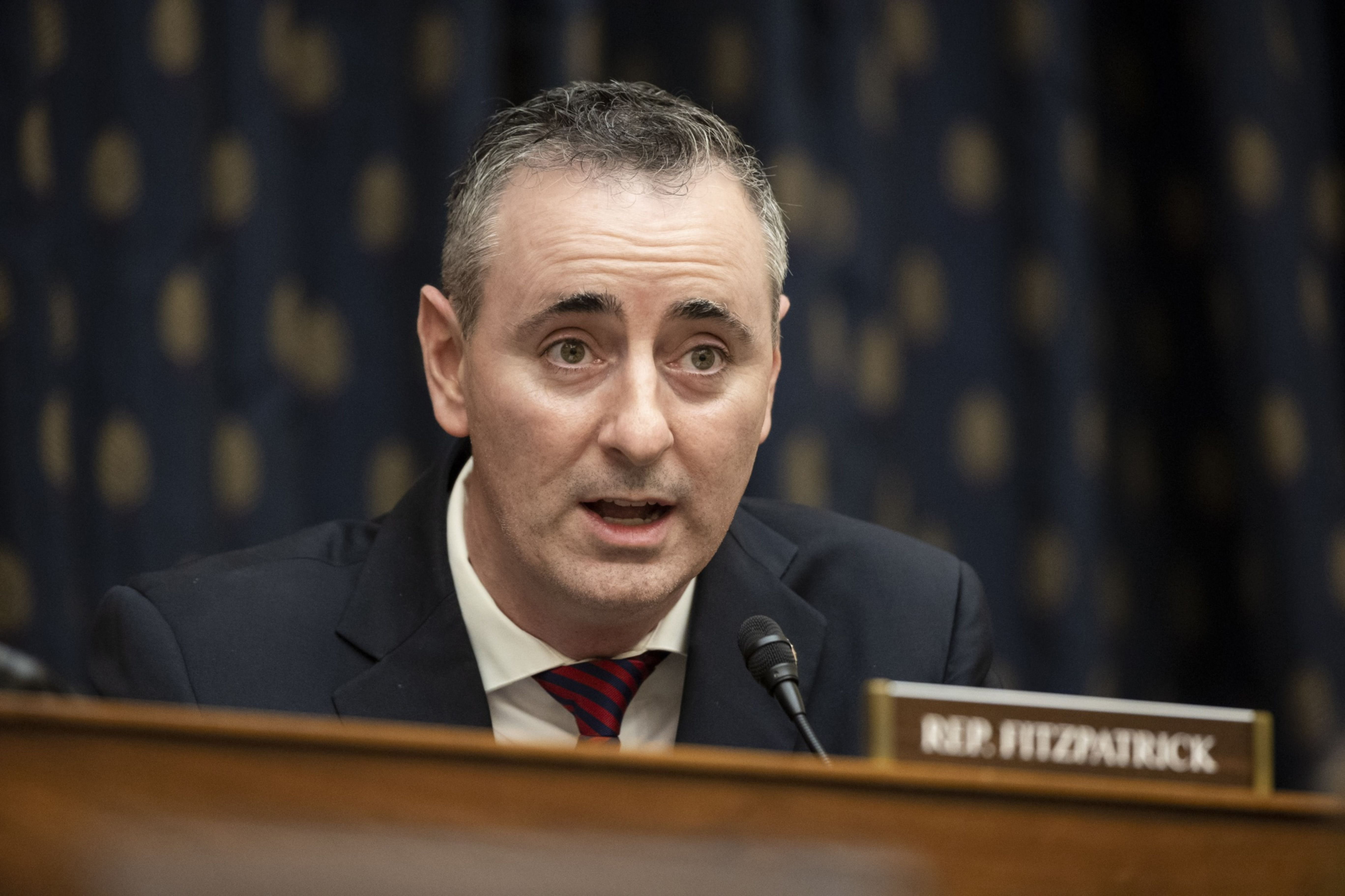
  • Brian Fitzpatrick steps up criticism of House Republican leaders while he starts to lean on their campaign cash

    Brian Fitzpatrick steps up criticism of House Republican leaders while he starts to lean on their campaign cash

    WASHINGTON — As U.S. Rep. Brian Fitzpatrick’s fiercest reelection battle in years got underway in the last two months, the moderate Bucks County Republican has called to restrict President Donald Trump’s war in Iran and prohibit a so-called “anti-weaponization fund” that could reward the president’s allies.

    He’s talked up Democratic Gov. Josh Shapiro’s potential run for president, and he’s said he would “100%” become an independent if Pennsylvania didn’t have closed primaries.

    He went even further this week — deriding House Republican leadership for opposing a process that allows lawmakers like him to force a vote on issues like the weaponization fund.

    “Leadership of both parties have been guilty of this for years… just further evidence of the brokenness of the two-party system — and the rise of Independent voters is a direct manifestation of this,” Fitzpatrick wrote on social media.

    Behind the scenes, though, Fitzpatrick has started to lean on his party’s vast resources to help win his reelection and, Republicans hope, keep the narrowly divided 435-member House in GOP control.

    In a newly scheduled television ad campaign that will begin later this month, Fitzpatrick is teaming up with the National Republican Congressional Committee — the official campaign arm of House Republican leaders — to launch ads aimed at boosting his campaign in the 1st Congressional District against Democratic nominee Bob Harvie, a Bucks County commissioner who won last month’s primary with support from Shapiro and national Democrats.

    The $120,000 worth of cable TV ads represent the first foray by the NRCC in any Pennsylvania district so far this year, according to the tracking firm AdImpact.

    Both parties are competing heavily over four Republican-held seats in Pennsylvania, making the state one of the centerpieces in the fight to win the House majority during this year’s high-stakes midterms.

    The NRCC and other Republican groups have promised to help reelect all four incumbents. And with the new ads benefiting Fitzpatrick, the NRCC is spending first on the candidate who’s been the most publicly critical of their leadership and even gotten some blowback from Trump as a result.

    “Trump can say whatever Trump wants,” Robin Kolodny, a Temple University political science professor, said of the president’s accusations that Fitzpatrick is insufficiently loyal. “But you get to 218 by adding one race at a time. And if you have an incumbent who’s been successful, the party has every incentive to support them until they find that the polling says it’s the lost cause.”

    Fitzpatrick has won five terms in a nearly evenly divided Bucks County-based district with what observers have called a specific brand of politics. He votes with his party and supports Trump’s priorities the vast majority of the time, though he’s broken with them in instances like the final passage of the One Big Beautiful Bill and the expiration of COVID-era Affordable Care Act tax credits that kept costs lower for individuals using the public marketplace.

    His recent opposition to the anti-weaponization fund has echoes of that healthcare debate in December, when Fitzpatrick joined with Democrats in trying to use a process called a discharge petition to force a vote that Republican House Speaker Mike Johnson declined to set up.

    Fitzpatrick’s office and campaign did not respond to requests for comment for this story.

    But earlier this week, the Pennsylvania lawmaker and U.S. Rep. Tom Suozzi (D., N.Y.) said they would launch a discharge petition to prevent Trump from creating a fund to compensate people who claim to be victims of a weaponized federal government, Punchbowl News reported. The idea for the $1.8 billion fund emerged from a settlement between Trump and the Department of Justice in a case about the leak of Trump’s tax returns.

    Republican lawmakers who have often acquiesced to the president’s demands voiced deep concerns. Acting Attorney General Todd Blanche responded by saying the administration was walking away from the idea. Still, Trump officials have quietly worked to keep it alive and have not ruled out payments going to individuals previously charged with attacking the Capitol on Jan. 6, The Atlantic reported Thursday.

    “The statement’s not satisfactory,” Fitzpatrick said on CNN earlier this month while discussing Blanche’s comments. “We need both a legal avenue here and a statutory legislative avenue. That’s what Tom and I have introduced, and that’s what we’re going to force to the floor.”

    He called the fund an “abuse” of the law. In a post on X this week, he also disparaged Republicans leaders’ “poorly managed House Floor” for preventing a discharge petition to squash it.

    Johnson, the Louisiana Republican who leads the chamber, headlined a fundraiser earlier this year for Fitzpatrick, who generally does vote for GOP priorities — including this week’s successful effort to provide additional funding for immigration enforcement within the Department of Homeland Security.

    Fitzpatrick and Suozzi had not yet launched the discharge petition as of Thursday evening, after Punchbowl reported that Republican leadership was frustrated with the idea. Some even proposed pulling back campaign contributions from NRCC “patriots” who signed on to a discharge petition, according to Punchbowl.

    Fitzpatrick is one of 15 Republicans in the NRCC’s “patriots” program that prioritizes sending resources to competitive districts.

    Also on the list are U.S. Reps. Scott Perry, in a Harrisburg-based district; Ryan Mackenzie, in the Lehigh Valley; and Rob Bresnahan, in a Scranton-based district. Each of those races are considered more of a “tossup” than Fitzpatrick’s, and Kolodny said it’s likely the NRCC will invest in advertising and campaign operations to help them as well, possibly a little later in the summer.

    She said the earlier spending on behalf of Fitzpatrick is likely a sign they found him to be “newly vulnerable” after the May 19 primary, when Harvie was nominated.

    Widely considered the most formidable challenger to Fitzpatrick so far, Harvie has already been elected by voters twice in a majority of the district and both national and state Democrats have coalesced around him.

    Kolodny called the size of the NRCC’s ad-buy “modest” but said that “they’ve done anything at all means that their polling has shown them they’ve got a problem.”

    “They have a new level of concern that they didn’t have before,” Kolodny said.

    Harvie, who is expected to benefit from outside spending by the NRCC’s counterpart, the Democratic Congressional Campaign Committee, said in a statement that the ads are proof Republican leaders “can count on [Fitzpatrick’s] vote when they need it most.”

    “We are tired of politicians like Fitzpatrick talking out of both sides of their mouth,” Harvie said. “He claims to be ‘independent,’ but he’s seeking a bailout from Trump’s Republican Party because he is one of their own.”

    Charlie Gerow, a Republican strategist with a Harrisburg-based public affairs firm, said he didn’t view Fitzpatrick’s latest moves as much different from any other instance in which he’s successfully walked a “political tightrope” in his district, which is one of only nine GOP-held districts in the country that went for Kamala Harris in 2024.

    He said the assist from the NRCC also makes sense because of how large Fitzpatrick’s district looms in a House that’s currently split 218 Republicans to 212 Democrats, with one independent and four vacancies.

    “Leadership has an absolute interest in making sure that Brian Fitzpatrick gets reelected, despite their displeasure from time to time with what he says and does,” Gerow said.


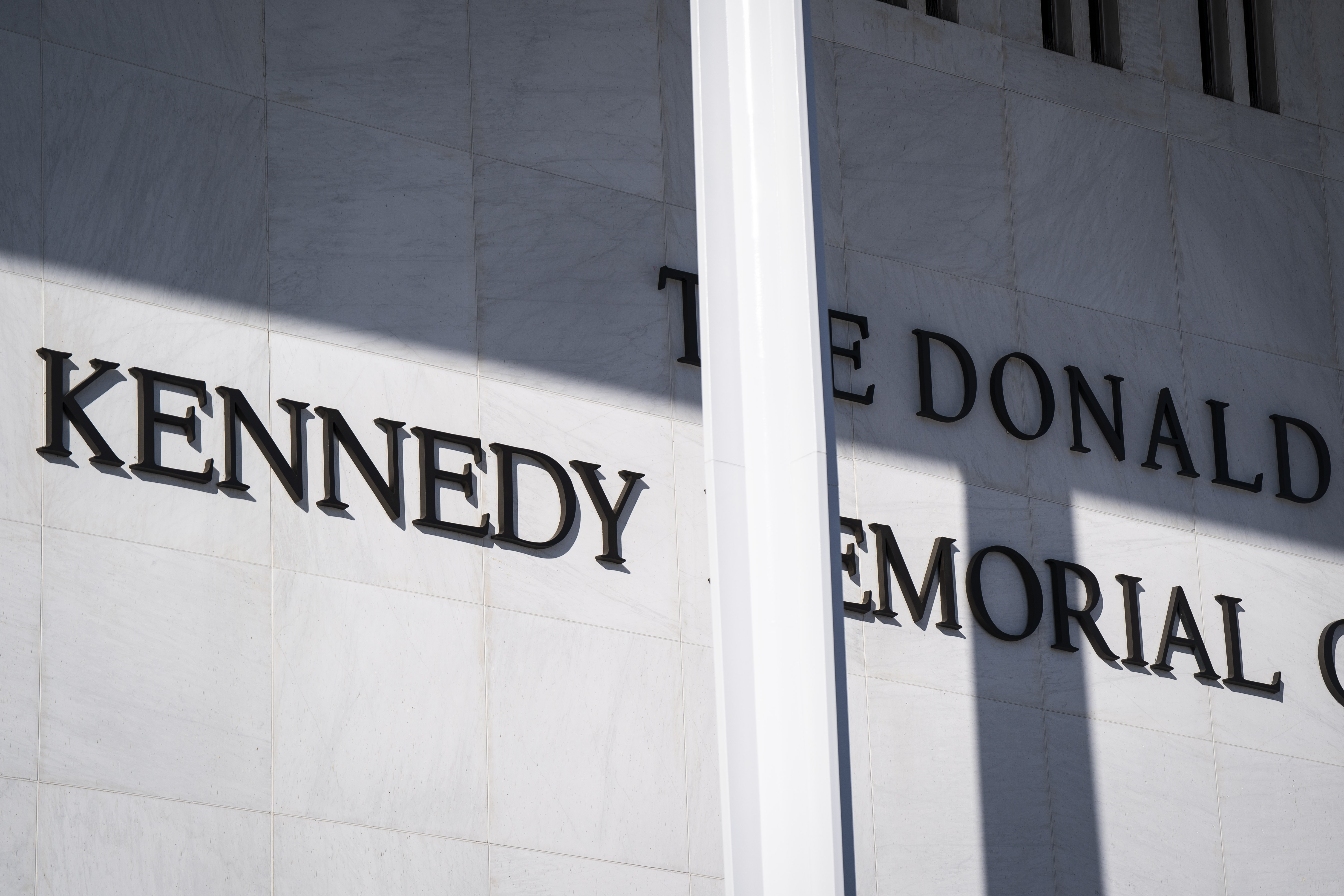
  • Kennedy Center board to fight order to remove Trump’s name as deadline looms

    Kennedy Center board to fight order to remove Trump’s name as deadline looms

    The Kennedy Center’s board plans to fight a federal judge’s order to remove President Donald Trump’s name from the performing arts center.

    The center’s trustees on Thursday voted to seek a last-minute stay of U.S. District Judge Christopher Cooper’s directive to take Trump’s name off the center’s exterior by Friday as they appeal his ruling that renaming the center was illegal, according to a meeting attendee and someone briefed by a meeting attendee, who both spoke on the condition of anonymity for fear of retribution.

    The board’s decision came a day before Cooper’s deadline for the center to remove Trump’s name from its building and branding, part of a ruling in which the judge also granted a request from Rep. Joyce Beatty (D., Ohio) to temporarily block steps toward a planned two-year shutdown.

    Cooper’s order, the most significant legal blow yet to Trump’s effort to remake the Kennedy Center, found that the board exceeded its authority in December when it voted to rename the venue “The Donald J. Trump and The John F. Kennedy Memorial Center for the Performing Arts.” Congress gave the center its name, Cooper wrote, and only Congress can change it.

    In February, Trump announced that he planned to close the center for two years starting in early July. The closure was necessary, he said, to make roughly $250 million in renovations, a decision that blindsided staff, artists, and even some trustees. The board — stacked with loyalists who elected Trump chairman after he purged his predecessors’ appointees in February 2025 — voted in March to approve the closure. The center’s executive director, Matt Floca, testified in April that the building’s deterioration is so severe that staying open during construction would be “irresponsible,” citing failing roof panels and water seeping into electrical vaults.

    But Cooper ruled that the closure decision was made rashly, without the board weighing enough information about the potential harms. He did not bar trustees from ever shuttering the building, leaving the door open for the board to reconsider whether it should “come to this decision anew after independently balancing its multiple obligations to the Center in a prudent fashion.” The center’s general counsel highlighted that language last week in a memo to staff, noting that the court did not require the center to stay open during renovations or present any particular programming.

    The center has so far signaled that it will comply. In last week’s memo, the general counsel’s office ordered employees to erase all references to Trump from official materials, starting immediately with email signatures, letterhead, and other documents, followed by signs, brochures, ID cards, and the building’s exterior by Friday’s court-ordered deadline. On Monday, the center erased Trump’s name from its website and YouTube page, and by Thursday, it had done the same with its Facebook, LinkedIn, and X accounts.

    “We are complying with the court’s order while evaluating all legal options to preserve this revitalization and recognize President Trump’s leadership,” spokeswoman Roma Daravi said.

    Late Thursday afternoon, the center’s Instagram account was still branded “The Trump Kennedy Center,” and the president’s name remained emblazoned across the building’s facade.

    Hours after Cooper’s rulings, Trump lashed out at the judge and suggested he would abandon his involvement in the Kennedy Center altogether. In social media posts after the ruling, the president insisted that the building must close for renovations to proceed safely and said that unless he was “free to do what I do better than anyone else,” he had no interest in continuing. Trump said he had instructed the Commerce Department to arrange a “full and complete transfer” of the institution to Congress, a proposal that puzzled lawmakers and legal observers, since federal law vests management of the center in its board of trustees.

    Last week, Trump appeared to walk that back. When asked on Friday how he wanted to be involved at the center, Trump said, “The same way it is.”

    “I’m the chairman, so we’ll just keep it going,” he told reporters aboard Air Force One.

    On Wednesday, a White House official said the president will remain engaged in the center’s affairs as administration officials devise plans to fix “the facility’s major issues.” The White House contested the notion that Cooper’s rulings were a “defeat” for Trump.

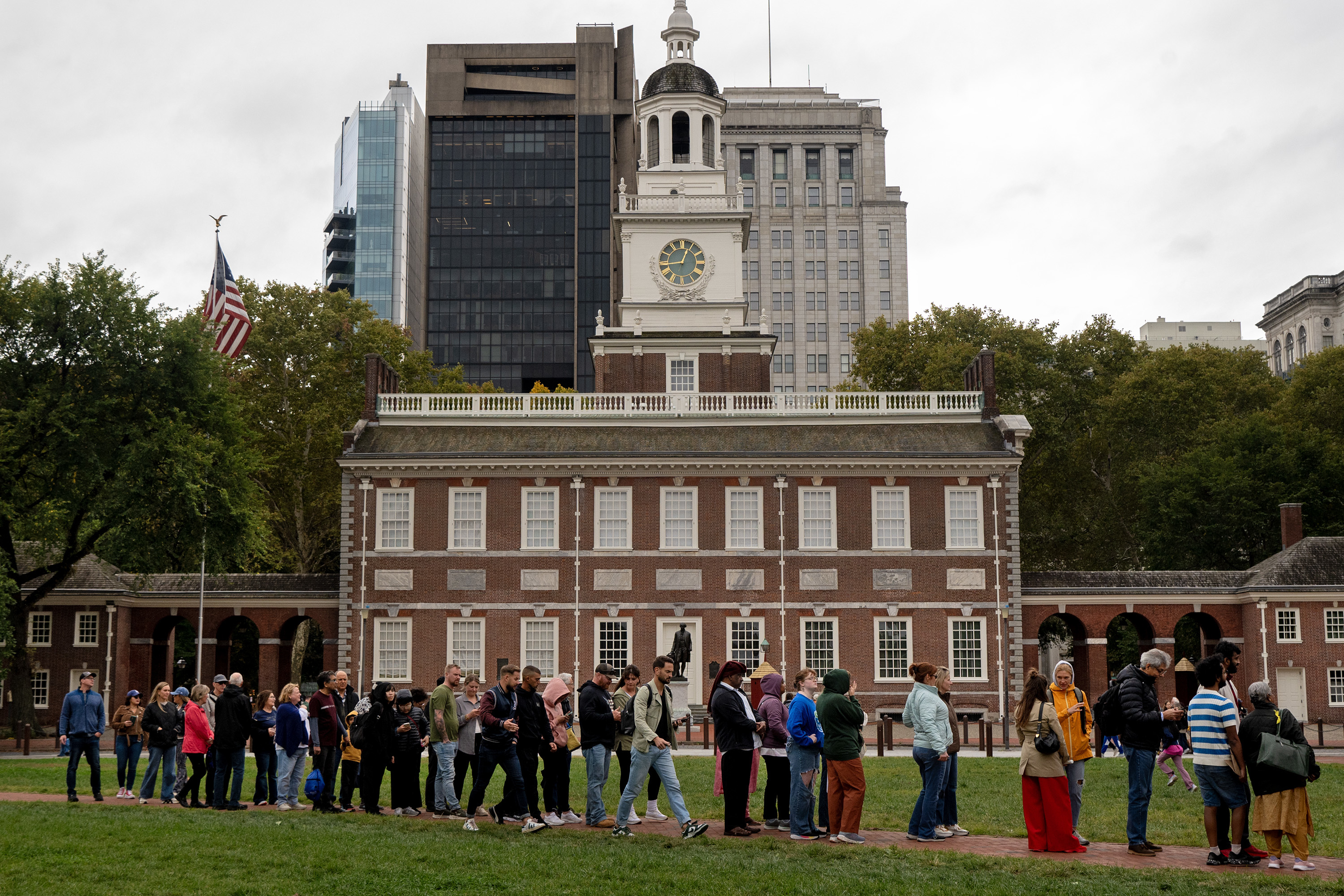
  • Members of Congress will gather at Independence Hall for a ceremonial event during the 250th anniversary week

    Members of Congress will gather at Independence Hall for a ceremonial event during the 250th anniversary week

    A ceremonial event with members of Congress will convene at Independence Hall during the upcoming celebration of America’s 250th anniversary, the first such gathering in Philadelphia since a ceremonial joint session in 1987 to mark the bicentennial.

    The event, set for July 2, will feature visits from members of Congress but is not expected to include all 535 members in a building that, when it was in use in 1776, held only 56 delegates.

    It will fall on the anniversary of the day that the Second Continental Congress voted to adopt a resolution for independence. The Declaration of Independence was drafted and formally approved on July 4.

    The gathering is years in the making. U.S. Rep. Brendan Boyle, a Democrat whose district includes the national historic site, introduced legislation starting in 2024 that called for a joint session at the site on July 2.

    Congress has convened for a ceremonial session outside of Washington, D.C. on only two other occasions — a 1987 event in Philadelphia with 55 lawmakers, and in September 2002, when more than 300 met in New York City for the one-year anniversary of 9/11.

    The congressional event comes as the City of Philadelphia and the Trump administration are engaged in an ongoing legal battle over the federal government’s efforts to remove slavery exhibits from the President’s House, an adjacent site which memorializes the nine people George Washington enslaved in Philadelphia during the nation’s founding.

    U.S. Rep. Brendan Boyle holds a news conference about legislation intended to protect the President’s House in Philadelphia. Alejandro A. Alvarez / Staff Photographer

    Boyle, whose legislation did not pass, announced this year’s event in a statement that did not describe it as a ceremonial joint session but as a “ceremonial event.” Details about participants and programming would come later, his office said Thursday.

    “Exactly two years ago I launched this effort to bring Members of Congress, both Democrats and Republicans, back to the place where it all began 250 years ago: Independence Hall,” Boyle said in a statement. “I am very proud and excited this historic and special event is happening. It will be a unifying moment for the Congress and our country, at a time when we need it most.”

  • Trump plans to nominate U.S. Attorney Jay Clayton to be national intelligence director

    WASHINGTON — President Donald Trump said Thursday that he plans to nominate Jay Clayton, the U.S. attorney for the Southern District of New York and a former Securities and Exchange Commission chairman, as director of national intelligence.

    Trump announced the nomination on social media amid pressure from Congress to name a permanent replacement for Tulsi Gabbard, who announced her resignation last month. Trump faced intense pushback over his decision to name Bill Pulte, head of the Federal Housing Finance Agency, as acting director. The job oversees the coordination of 18 intelligence agencies.

    The resulting uproar led to a standoff in Congress after Democrats said they would refuse to renew foreign intelligence powers unless Trump pulled Pulte’s nomination and named a permanent nominee.

    “Few people anywhere in the Legal Community are respected at the level of Jay,” Trump wrote. “I encourage the United States Senate to confirm Jay as soon as possible.”

    Speaking later Thursday in the Oval Office, Trump said he still plans to keep Pulte in the role “for a little while” after earlier saying he wants Pulte to downsize the office. He called Clayton an “incredible talent” and said, “Nobody has better credentials.”

    As the U.S. attorney in Manhattan, Clayton oversees the most prestigious of the Justice Department’s prosecution offices, with a vast portfolio ranging from terrorism and espionage cases to security fraud and public corruption.

    He took over from interim U.S. Attorney Danielle Sassoon, who resigned in February after refusing to carry out orders from the Justice Department to drop corruption charges against Mayor Eric Adams. The case was eventually dropped after prosecutors from Washington submitted a request to a judge.

    Republicans hope to move quickly on nomination

    The Senate Intelligence Committee plans to hold a confirmation hearing for Clayton on Wednesday, according to a person who requested anonymity to discuss it ahead of an official notice.

    Senate Majority Leader John Thune (R., S.D.) told reporters that the Senate hopes to receive Clayton’s nomination paperwork from the White House as soon as Thursday. “We will move quickly,” he said.

    Democrats are holding up the renewal of a key surveillance law, the Foreign Intelligence Surveillance Act, in protest of Trump’s decision to temporarily tap Pulte. They say they won’t support an extension of the law, which expires at midnight Friday, until Trump withdraws Pulte’s appointment.

    Trump previously said Pulte would take over on June 19. It is unclear whether the Senate could move quickly enough to confirm Clayton before that date.

    “I don’t know what realistic is, but we’re gonna probe the limits of it,” Thune said.

    Connecticut Rep. Jim Himes, the top Democrat on the House Intelligence Committee, said that he has “known and respected” Clayton for decades and that if Trump had named him as the DNI nominee last week, “lots of pain might have been avoided.”

    “His intelligence, temperament and deep commitment to public service will make him a terrific DNI,” Himes said.

    Asked about Clayton’s nomination, Senate Democratic Leader Chuck Schumer said, “Pulte has to go.”

    “He cannot be in the DNI role,” Schumer said. “It’s too important.”

    Trump’s pick has led SDNY during a tumultuous period

    Clayton navigated his way through a 14-month tenure in the Southern District of New York without clashing with the federal judges in the busiest court in the nation, unlike his counterparts in upstate New York and New Jersey. After his interim term expired after 120 days, the judges of the Southern District appointed him as U.S. attorney.

    Clayton was sworn in April 2025 on the same day three prosecutors resigned, saying they felt pressured to admit wrongdoing or regret about prosecuting the case against Adams.

    Then, weeks later, the office had to withstand controversy over the Trump administration’s firing of one of its most respected and successful prosecutors, Maurene Comey. She claims she was fired because of Trump’s dislike of her father, former FBI Director James Comey.

    Under Clayton, the Manhattan U.S. Attorney’s Office facilitated the unsealing of thousands of pages of court records from the prosecutions of Jeffrey Epstein and Ghislaine Maxwell — documents that were made public as part of the Justice Department’s release of records related to the late sex offender and his longtime confidant.

    Clayton filed documents with the court explaining the process the government followed in releasing the materials.

    Clayton has also overseen the prosecution of former Venezuelan President Nicolás Maduro and Maduro’s wife, Cilia Flores, on drug trafficking charges.

    Clayton has overseen cases involving national security threats

    Several recent terrorism cases brought by Clayton’s office touch on the global threats and influences that he’ll be navigating if confirmed as director of national intelligence.

    They include the May arrest of Mohammad Baqer Saad Dawood al-Saadi, an Iraqi and Iranian citizen accused of plotting 20 attacks in Europe and Canada and planning to attack a Manhattan synagogue and Jewish centers in Los Angeles and Scottsdale, Ariz., in retaliation for the U.S. war on Iran.

    “There are foreign nations and terrorist organizations that see our success as a threat. A threat that they want eliminated,” Clayton said at a recent press briefing. “That is a stark truth.”

    “And don’t take my word for it,” he added. “Take their words and their actions. When your enemies tell you something, and when they act, you should know that they mean it.”

    The first Trump administration tried in June 2020 to install Clayton, then the chairman of the SEC, as U.S. attorney in Manhattan, but backed down and instead allowed Deputy U.S. Attorney Audrey Strauss to serve in the post. The reversal came after then-U. S. Attorney Geoffrey S. Berman agreed to step down, following assurances that probes into Trump allies would not be disrupted and that Strauss could lead the office.

    At the time, the office was looking into dealings by Rudy Giuliani, who was serving as Trump’s personal attorney, and was also investigating the actions of a state-owned Turkish bank.

  • ICE arrests six in Phoenixville Thursday, say immigration advocates

    ICE arrests six in Phoenixville Thursday, say immigration advocates

    At least six people were detained in Phoenixville by U.S. Immigration and Customs Enforcement Thursday, according to a nonprofit that works with undocumented people in the Greater Philadelphia area.

    Rachel Rutter, executive director of Project Libertad, said the tips regarding ICE sightings started pouring in at around 7 a.m. Agents were reportedly at an Acme, a Wawa on the other side of the borough, and a car stop at an intersection.

    “It really was just kind of a feeling of the town crawling with ICE because it was just kind of coming from everywhere and they’re moving around quickly,” said Rutter, whose organization confirmed the arrests and was still pinning down the locations of where they took place.

    ICE did not immediately respond to questions regarding the alleged flurry of activity and arrests.

    One Phoenixville resident, who declined to give her name out of privacy concerns, said she was walking her dog when she saw four SUVs with tinted windows and siren lights on their back dashboards in the middle of a car stop just blocks from the borough’s main commercial corridor. About eight plainclothes officers, some in face masks and wearing vests with “police” emblazoned on them, were at the scene, she said.

    After dropping her dog off, the woman returned to Washington Avenue, near Star Street, where she saw the officers arrest two of the car’s passengers.

    “From the time I saw them until the time I left, I’d say the total time was probably about 10 minutes,” she said, adding the driver of the car would later tell her the group was heading to work.

    As of Thursday afternoon, Project Libertad, which has been connecting families of people detained by ICE to legal help, food, and financial assistance, was still in the process of reaching those affected by the arrests.

    Some Phoenixville immigration advocates say the timing of the sudden arrests, after what felt like a lull in ICE activity, comes two days after a unanimous Phoenixville Council vote to pass an ordinance amendment that would limit immigration enforcement on borough property.

    The change was introduced in Council earlier this year after the controversial arrest of two Guatemalan men off the borough’s main commercial corridor in February.

    The mayor’s office and members of the Borough Council could not be reached for comment by publication.

    “We’ve seen this in other areas across the country where when a city or a town, especially around sanctuary cities, takes a stand, ICE responds in force,” said Parker Studebaker, director of the Phoenixville Liberation Center, which has been hosting “know your rights” immigration trainings.

    Studebaker also expressed concern over how the arrests took place a day after President Donald Trump signed a bill funding ICE and Border Patrol through the end of his term. Many immigration advocates worry that the roughly $70 billion going to the agencies comes with little oversight.

    For now, immigration advocates in Phoenixville vowed to continue organizing and educational efforts.

    “We really want to make it heard and make it known that the community is coming together and is willing to defend our neighbors, and that will not change, and so that’s the best we can do is show up and meet this where it’s at,” he said.

    Correction: This story has been updated to reflect that six people were detained.