Category: Politics

  • Why a child’s stuffed bunny is blowing up a political race — and the internet

    Why a child’s stuffed bunny is blowing up a political race — and the internet

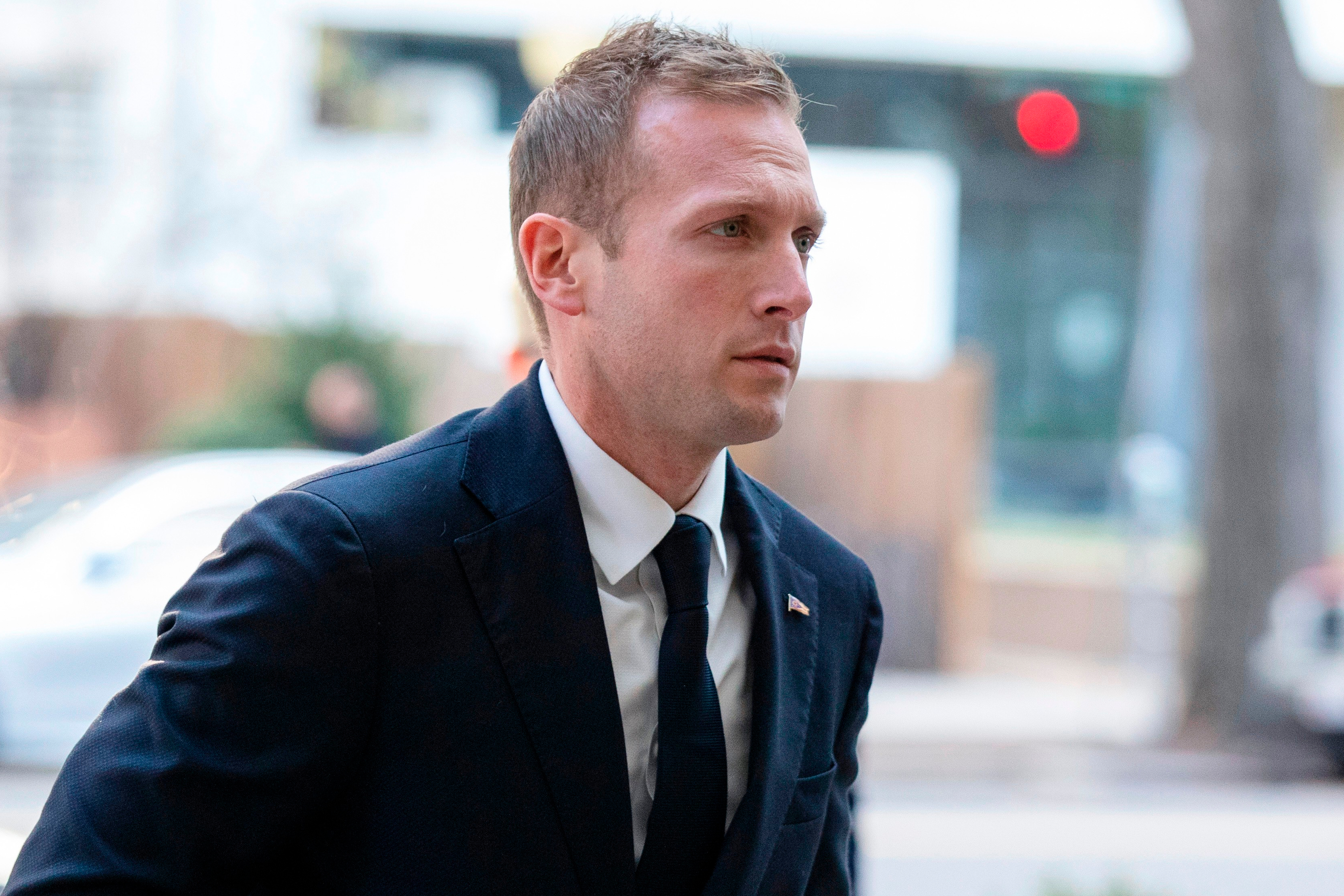
    Until now, the mom in Pennsylvania had never heard of Rep. Max Miller or the “little blue bunny.” But she knew all about Buddy.

    Her 10-year-old daughter would not sleep without that pink blanket attached to a teddy bear’s head. Long missing an eyebrow, the plushie looked forever quizzical.

    “He’s the most precious thing in the world to her,” said Beth Tyson, a 47-year-old family therapist.

    Though she rarely had time to stay on top of politics, let alone a House race in Ohio, Tyson kept reading about what she suspected was another little girl’s most precious thing in the world. All over the country, parents on social media seemed equally invested in the saga of a stuffed animal that turned a MAGA firebrand’s reelection campaign into a national news frenzy.

    Miller, 37, has faced domestic violence and physical abuse allegations for years, most recently from his ex-wife, the mother of his 2-year-old daughter. But no detail has broken through quite like the “little blue bunny.” Conservative colleagues who previously had avoided commenting on Miller’s personal life called this week for his resignation after his former father-in-law, another powerful Ohio Republican, accused the second-term congressman of holding his granddaughter’s stuffy “hostage” for 48 hours.

    “This girl is crying at night because she can’t sleep without her little blue bunny, and his answer is, ‘I’m just not going to give it to you,’” Sen. Bernie Moreno told reporters Tuesday.

    Miller, who has denied all claims of abuse, posted screenshots on X the next day that he said exonerated him. His ex-wife’s team had sent the wrong “conduit” to fetch the bunny, he said, according to the text messages between the two, which delayed the handoff by 14 hours — not 48.

    She asked him to please just leave it in the mailbox, according to the exchange, which racked up 2.3 million views. CNN’s Jake Tapper asked the question on so many minds, “Did you hold this doll hostage?”

    “No, Mr. Tapper,” Miller replied, asserting that doing so would be “incredibly disturbing.”

    On this, the internet agreed.

    “What kind of father wouldn’t deliver the bunny himself, knowing that it helps his little girl sleep at night?” one commenter asked.

    “This does not make you look better,” added a reporter for Gateway Pundit, a far-right news site.

    “There are literally thousands of fathers reading those tweets and thinking: ‘When my daughter lost her favorite toy, I led a search party as if for a downed NATO nuclear warhead. And when that failed, I paid $300 for a replica on eBay,” posted David Frum, a former speechwriter for President George W. Bush.

    Suddenly, the standoff over a toy in Ohio had sparked passionate chatter nationwide.

    “Everybody gets it, no matter which side of the aisle they are on,” said Jon Krosnick, director of the Political Psychology Research Group at Stanford University. The little blue bunny, he added, “communicates so powerfully to all of us.”

    Perhaps everyone has loved their own snuggle buddy or knows someone who does. Parents posted about the little blue bunnies in their homes (and the secret replacements in their closets). Tales of lost comfort items read like horror stories.

    “We have six backup monkeys,” said Danielle Baumann, a 35-year-old mother of twin toddlers following the Ohio tale from Los Angeles.

    Her daughter is especially attached to what she believes is the sole Punch, always trying to feed him dinner.

    “I can’t even imagine her losing him for one night,” Baumann said.

    The image of a child separated from a beloved pal cuts to our emotional cores, said Eve Ng, an Ohio University professor who studies mass communication. It also resonates in a world that consumes information in snippets.

    “This visual is particularly powerful,” she said, “because it manages to sum everything up in one symbol.”

    Tyson, the family therapist, didn’t want to pass judgment or wade into politics. She doesn’t have much of a stomach for America’s us-versus-them clashes, anyway. But she often speaks to the power of stuffies. Adults, she believes, should handle them carefully.

    Buddy has been her daughter’s companion since she was a baby. The girl still grasps it in her fingers at night. Him — not it. They used human pronouns for Buddy. Kids tend to be magical thinkers, Tyson said, so that thing is real.

    From her work, she knew a stuffy can soothe a young nervous system. Getting super attached to one, she added, is a healthy sign that a child can form a secure bond.

    “It can be something to tell secrets to,” she said, “or something that helps you cope, or something that makes you feel safe.”

    Randi Jaffe, 39, wondered if anyone had posted a picture of the little blue bunny. As the founder of the Lost Stuffy Project, she has replaced synthetic critters lost in the California wildfires or Texas floods.

    Now she wanted to source a duplicate for an embattled congressman’s kid. “She could keep one at Mom’s and one at Dad’s,” Jaffe said, working through a possible solution to the impasse.

    Of course, those parents might have to make sure the second bunny had the same degree of wear and tear as the first. A pristine replacement can register to a tiny person as a stranger. But not always. She thought of one survivor of the Los Angeles blaze, a girl who had lost her purple rabbit named Bubbles.

    “WANTED,” Jaffe had posted to her Instagram followers with a photo of the out-of-production Squishmallow.

    Someone in Canada replied that she had a Bubbles to spare, and where could she ship it?

    Later, Jaffe received a tender email.

    “Since the fire there have been so many things that felt impossible to replace,” the girl’s mother wrote, expressing her gratitude. Her daughter had lost so much, she added, “and Bubbles somehow became the symbol of it all.”

  • Senate narrowly approves Blanche as attorney general, capping a tough confirmation fight

    Senate narrowly approves Blanche as attorney general, capping a tough confirmation fight

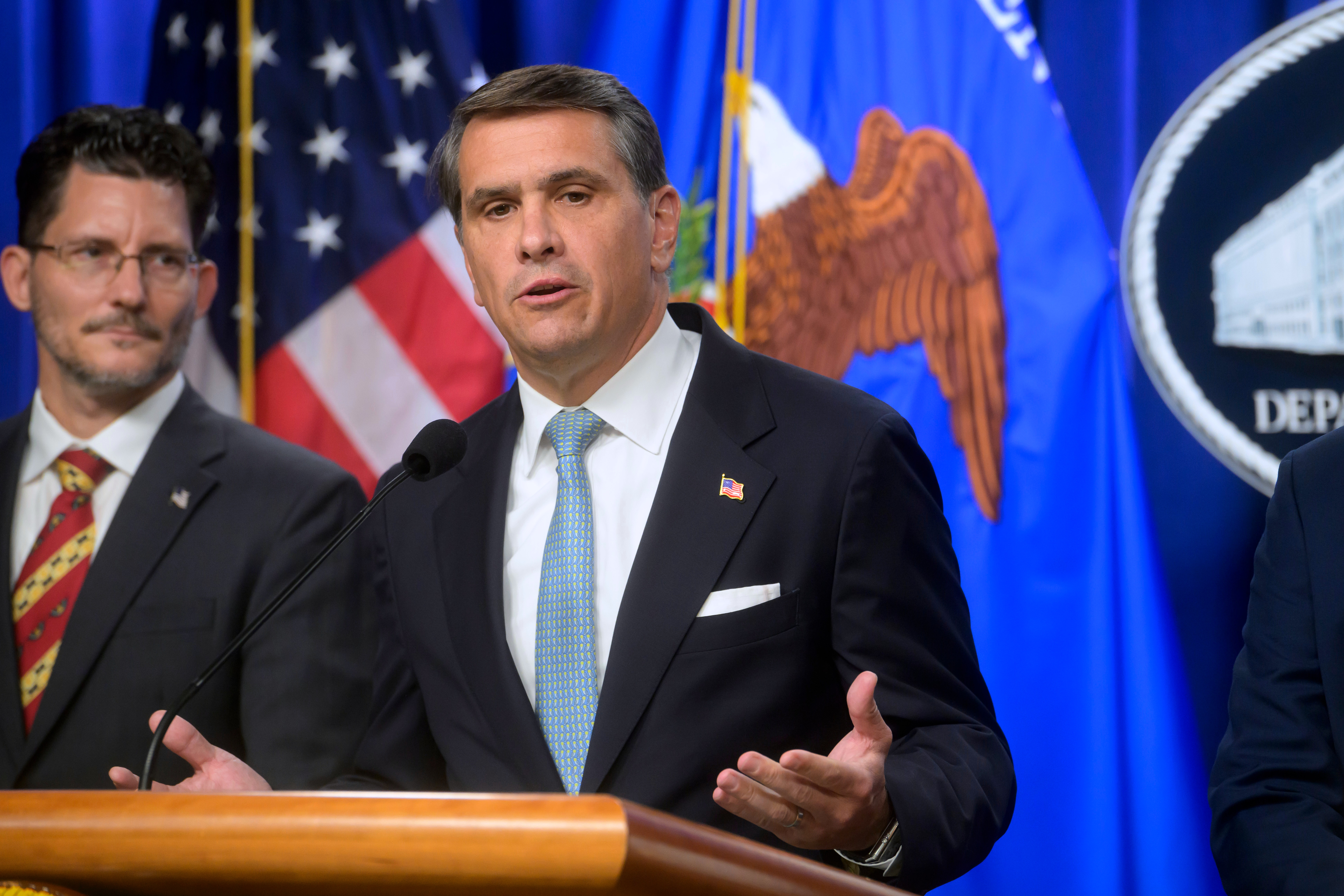
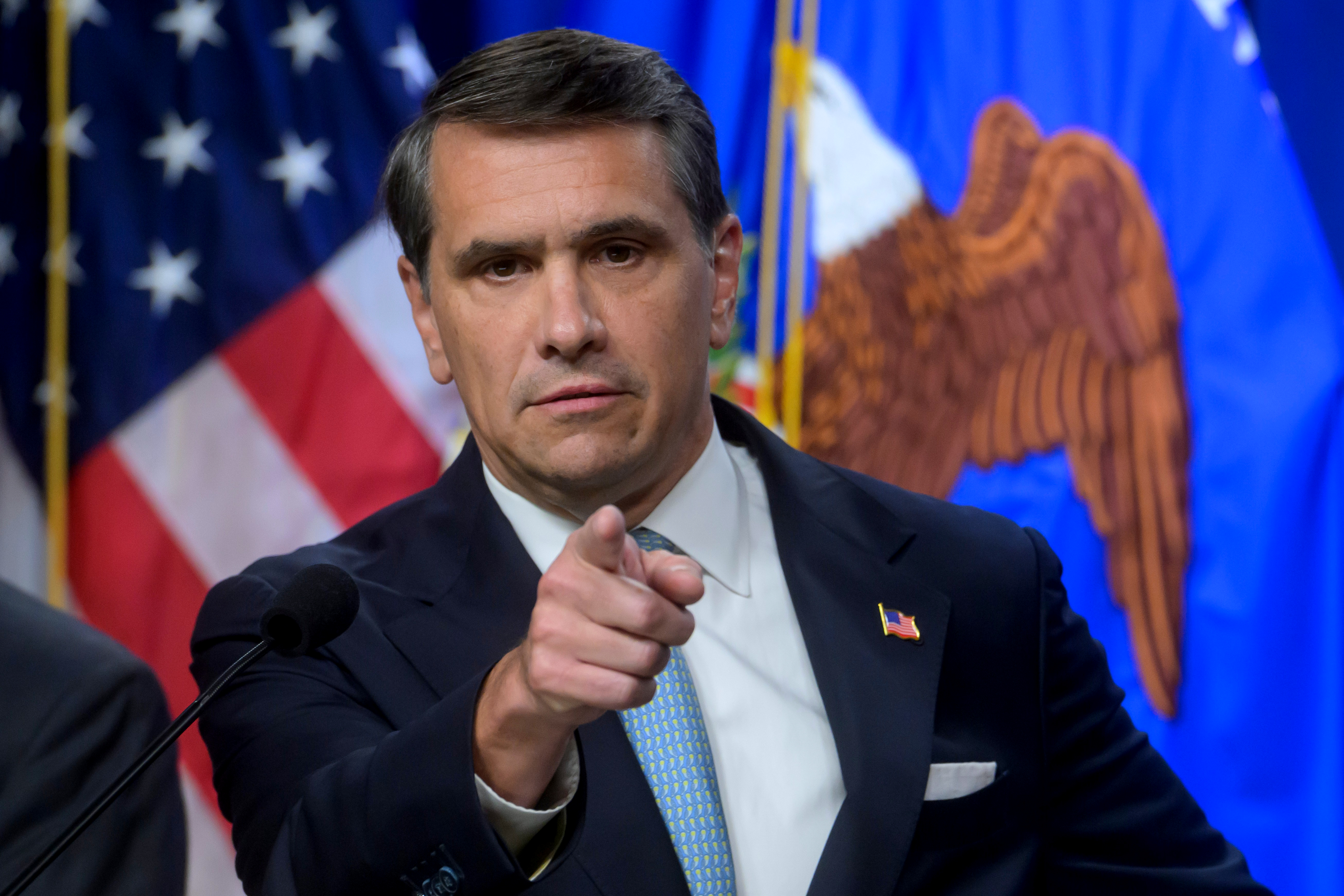
    The Senate narrowly voted to confirm Todd Blanche as attorney general early Saturday morning, cementing President Donald Trump’s former criminal defense lawyer as the head of the Justice Department despite rare pushback from Republicans that had left his nomination in doubt.

    Sen. Bill Cassidy (R., La.) provided the crucial vote for Blanche as two other Republicans — Sens. Lisa Murkowski of Alaska and Susan Collins of Maine — sided with Democrats against the nominee. Sen. Mitch McConnell (R., Ky.), who has been absent from the Senate since he suffered a fall in June, missed the vote.

    The 50-49 vote at 4:31 a.m. — right before the Senate left for a five-week recess — gives Blanche the imprimatur of Senate confirmation in a job he has held on an acting basis since Trump fired former attorney general Pam Bondi in April.

    But it hardly amounted to a full-throated endorsement.

    Cassidy, despite voting in Blanche’s favor, joined Murkowski and Collins in publicly raising questions about the politicization of the Justice Department under Trump. The three also voiced concerns about Blanche’s role in a controversial deal struck this spring to resolve the president’s legal claims against the IRS — an agreement that included a now-scuttled proposal for a $1.8 billion fund to compensate people who claimed they were victims of political prosecutions.

    Two other Republican senators — John Cornyn of Texas and Thom Tillis of North Carolina — expressed similar reservations and threatened earlier in the process to vote against the nomination, although both ultimately backed Blanche.

    Explaining his decision, Cassidy described it as a choice between Blanche — who before his time as Trump’s personal lawyer had spent years as a federal prosecutor and a partner at a prestigious Manhattan law firm — and the possibility that Trump might pick someone worse.

    “Mr. Blanche is not perfect, and he will tell you this, but the choice is not between perfection and Mr. Blanche,” Cassidy said on the Senate floor Friday. “It is between Mr. Blanche and another acting attorney general who may not run the department as effectively under President Trump and who, indeed, may not be as good as Mr. Blanche.”

    For his part, Blanche said after the vote that he was “deeply honored by the trust and confidence President Trump has placed in me” and thanked the Senate for staying late for the vote.

    “To the dedicated public servants of the Department of Justice,” he said in a post to social media, “thank you for your work each day to uphold the law and keep our country safe.”

    With the confirmation fight now behind him, Blanche sheds the “acting” part of his title and, with it, any doubt about his authority as the head of a cabinet agency that Trump has made central to his second-term agenda.

    Since returning to the White House last year, the president has eroded the Justice Department’s long tradition of independence, demanding it pursue prosecutions of his political enemies and directing resources toward rewarding his allies.

    Meanwhile, the department has been ravaged by vacancies, low morale among career staff, and increasing credibility problems with federal judges.

    Blanche, first as Bondi’s No. 2 and then as the department’s acting leader, has played a central role in that transformation, although his boosters in Congress have praised his efforts to step up fraud enforcement, prosecute illegal immigration and combat violent crime.

    “America is safer with Todd Blanche at the helm of the Justice Department,” said Sen. Chuck Grassley of Iowa, the Republican chair of the Senate Judiciary Committee.

    Cassidy called aspects of Blanche’s track record troubling, but he cited the bond Blanche built with Trump as he defended him in four criminal cases during his years out of office. The senator said he hoped that trust would strengthen Blanche’s ability to talk the president out of decisions that run contrary to the rule of law.

    But Democrats insist that, at every turn, Blanche has proven unable — or unwilling — to do just that.

    Since becoming acting attorney general, Blanche has defended the president’s “right” to intervene in criminal investigations and his controversial pardons of those who attacked the U.S. Capitol on Jan. 6, 2021. He has breathed new life into probes of Trump critics, including investigations of former FBI Director James B. Comey, former CIA Director John Brennan and Cassidy Hutchinson, a former White House aide from the president’s first term who testified against him in Congress.

    “This nation deserves an Attorney General who loves the Constitution more than he loves the President. Sadly, for our nation, Todd Blanche, is not that person,” Sen. Dick Durbin of Illinois, the top Democrat on the Senate Judiciary Committee said in a statement Saturday.

    But it is the out-of-court deal Blanche announced this spring to resolve a lawsuit the president filed against the IRS earlier this year, over the leak of his tax returns to the media, that has drawn the most unified criticism from lawmakers.

    In addition to the taxpayer-backed nearly $1.8 billion payout fund, the deal also extended unusual tax protections to Trump, two of his sons and their businesses, shielding them from any preexisting tax audits.

    Lawmakers from both parties decried the agreement, describing the proposed payouts as a “slush fund” designed to reward Trump’s allies, and denouncing the tax provisions as a corrupt exercise in self-dealing from a president who has often complained of burdensome audits.

    Facing bipartisan pressure, Blanche walked back plans for the fund. But Cornyn and Tillis, both of whom are not running for reelection after Trump declined to support them, demanded written assurances from Blanche that the president would not later reverse that decision before they agreed to support his nomination.

    Blanche ultimately relented, issuing statements late last Sunday declaring the fund officially dead and clarifying that the deal’s tax provisions protected the Trumps only from past tax audits and would not prevent the IRS from reviewing their finances in the future.

    But critics have questioned whether Blanche’s written pledges hold any legal weight, given that they were not signed by Trump and his legal team, and could be ignored by the president at any point.

    Murkowski raised that possibility in a statement Friday announcing her decision to vote against Blanche’s nomination. The only reason the payout fund was now off the table, she said, was because Blanche needed Senate support for his nomination.

    “Once we vote, that will end, and there is no telling what the future holds,” she said.

    “The country needs an attorney general who will check the worst impulses of this administration,” Murkowski added. “I hope Mr. Blanche is able to achieve that if confirmed, but I simply do not have confidence that will be the case.”

  • New Trump-promoted Freedom Fuel station pops up in Philly. Another could be shut down.

    New Trump-promoted Freedom Fuel station pops up in Philly. Another could be shut down.

    Philadelphia drivers looking to save a few bucks at the pump streamed into the city’s newest Freedom Fuel station Friday afternoon, even while the station’s deep discounts remain a mystery.

    The station, located in Bustleton on Roosevelt Boulevard, is one of four new Freedom Fuel locations added this week. The other three are in New Jersey, including one all the way up in Morris County.

    The gas network, which was promoted by both the White House and President Donald Trump last month, is now up to 29 stations across the Philadelphia region, stretching east to the Jersey Shore.

    (function(){function e(){window.addEventListener(`message`,function(e){if(e.data[`datawrapper-height`]!==void 0){var t=document.querySelectorAll(`iframe`);for(var n in e.data[`datawrapper-height`])for(var r=0,i;i=t[r];r++)if(i.contentWindow===e.source){var a=e.data[`datawrapper-height`][n]+`px`;i.style.height=a}}})}e()})();

    Nearly all the pumps were full at Philly’s newest Freedom Fuel spot Friday afternoon, with the station selling a gallon of regular gas for $3.79 a gallon. That’s nearly 35 cents a gallon less than a Wawa just up Roosevelt Boulevard, where a gallon of regular gas went for $4.13 on Friday.

    A nearby Lukoil was a bit closer to Freedom Fuel’s prices, offering a gallon of regular gas for $3.99.

    An enduring mystery remains how Freedom Fuel has been able to consistently offer lower prices than nearby competitors.

    Experts told The Inquirer Freedom Fuel was likely suffering losses for selling fuel at such a low price, especially since many of the company’s stations don’t have robust convenience stores or car washes to create revenue.

    “It becomes unsustainable,” Eliezer Fich, a finance professor at Drexel University’s LeBow College of Business, told The Inquirer last month. “Unless prices go down. But if they do, they go down for everybody.”

    According to public records, the newest Freedom Fuel station is owned by Celik Plaza II l.l.c., which had previously run it under a “Red Lion Fuel” banner. Engin Celik, who is listed as a principal with the company, according to documents reviewed by The Inquirer, did not respond to a request for comment.

    Philly Freedom Fuel station faces closure after failing inspection

    The Freedom Fuel station on Bustleton Ave. in Philadelphia. Dana Munro / staff

    While Freedom Fuel is adding locations, it could soon lose one in Philadelphia.

    The station on Bustleton Avenue, one of at least six locations linked to Cherry Hill developer Shamikh Kazmi and his brother Syed Kazmi, has an expired fuel dispensing license and failed an inspection last week, according to city records.

    If unresolved, the station could be forced to close by Sept. 4, according to a city spokesperson.

    The Kazmi brothers, who have been embroiled in at least two lawsuits related to previous gas station ventures, could not be reached for comment.

    Freedom Fuel owners remain quiet

    Ravens special teams coach Randy Brown signed Freedom Fuel’s formation papers. Terrance Williams

    While Freedom Fuel’s launch was proudly promoted last month by Trump, the company’s owners have remained quiet about the enterprise and how they’re able to maintain low fuel prices.

    A White House spokesperson previously told The Inquirer Freedom Fuel is a private company receiving no government subsidies and not accessing fuel at a lower cost.

    “Freedom Fuel Network is a privately owned and proudly patriotic company — along with its convenience store operators, haulers, sign companies, and operational partners — that answered President Trump’s call to action to lower prices at the pump,” the company said in a statement on its website.

    Baltimore Ravens assistant coach Randy Brown, the former mayor of Evesham Township, N.J., and a self-proclaimed “proud Trump supporter,” signed Freedom Fuel’s certificate of formation in Delaware on June 23. Brown has declined to comment on the enterprise.

    Former commodities trader Yoni Gontownik also signed the certificate of formation, and has not responded to requests to comment. Gontownik and his wife, Bellen, have hosted Republican fundraisers through NORPAC, a New Jersey-based political action committee supporting pro-Israel lawmakers in both parties.

    Staff writer Ryan W. Briggs contributed to this article.

  • N.J. attorney general announces investigation into detainee deaths at Delaney Hall

    N.J. attorney general announces investigation into detainee deaths at Delaney Hall

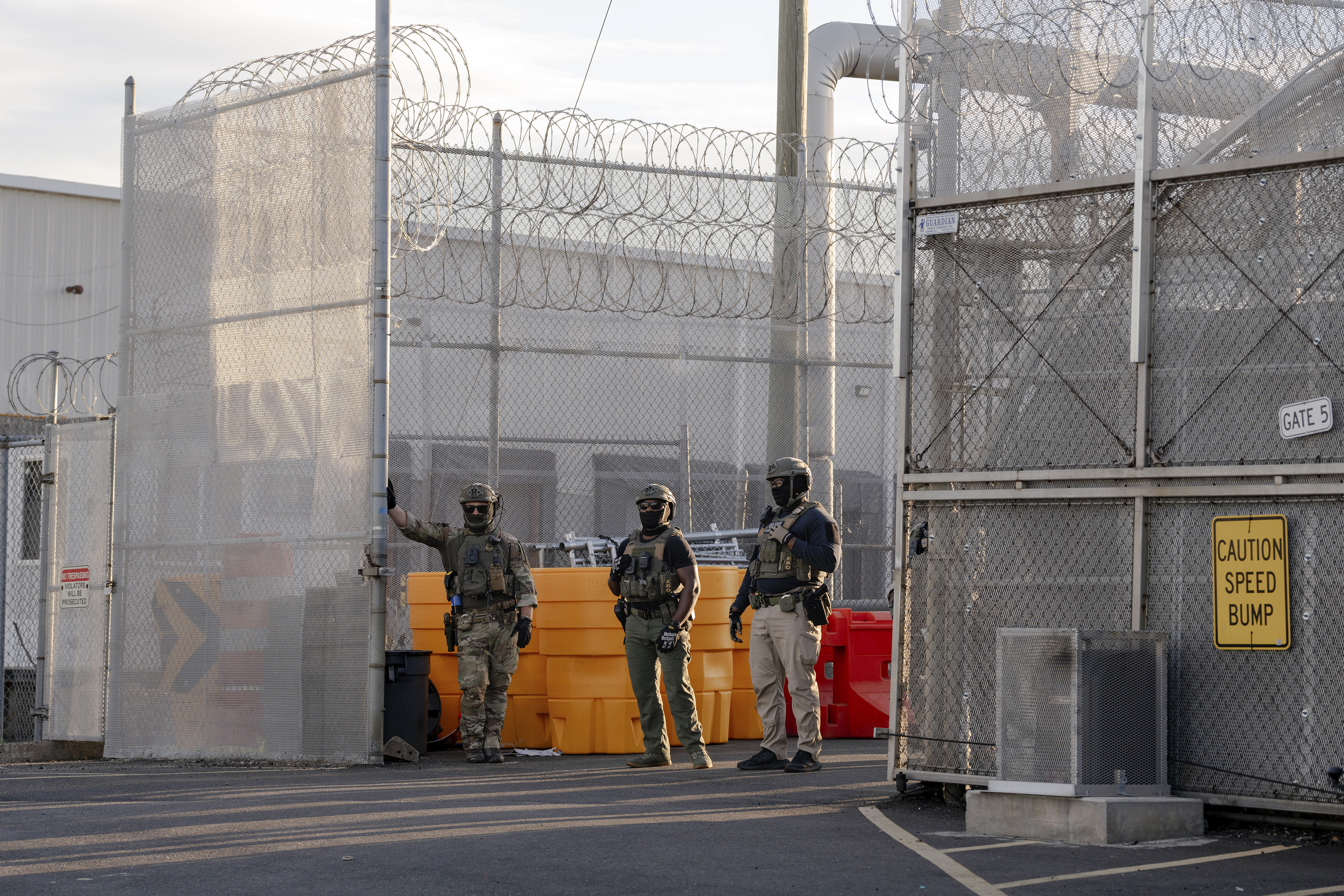
    New Jersey Attorney General Jennifer Davenport announced Friday that her office’s civil rights division is investigating the operation of Delaney Hall, the privately run ICE facility in Newark where several detainees have died.

    Davenport said the investigation will look into how the facility is run by the GEO Group Inc. and whether its employees have violated the civil rights of people detained there, citing reports about conditions and the deaths.

    On Aug. 1, Edwin Jeovanny López Cornejo, 41, died in ICE custody after having a medical episode at Delaney Hall. His family said he had been living in the United States for two decades.

    Concerns have been raised about the death in December of Jean Wilson Brutus, a 41-year-old Haitian, shortly after he arrived at Delaney Hall.

    Congressional Democrats this week alleged that a third person at the facility had died.

    Critics say detainees at Delaney Hall endure poor conditions. The facility has been the subject of ongoing protests and clashes between federal officials and elected Democrats.

    File photo of Immigration and Customs Enforcement agents watching protesters at Delaney Hall, an immigration detention center, in Newark, N.J., on June 7, 2026.LEXI PARRA

    “New Jersey has both a legal and a moral duty to stand up for the civil rights of people within our state,” Davenport said in a statement.

    “For people who are held involuntarily, including by a private corporation like GEO Group, those rights include the right to humane treatment and adequate medical care,” Davenport said.

    “We will take every action available under law to safeguard these core legal principles. We ask individuals to share their personal experiences with us so that we can take action to ensure that rights are protected,” she said.

    Anyone with information that could be helpful for the investigation can contact the New Jersey Attorney General’s Office Division of Civil Rights at AffirmativeEnforcement@njcivilrights.gov.

    A spokesperson for the GEO Group referred questions to U.S. Immigration and Customs Enforcement.

    Spokespersons for ICE and the U.S. Department of Homeland Security could not be reached for comment Friday evening.

    The Trump administration has previously rejected calls for Delaney Hall to be closed as it pursues mass deportations.

    Gov. Mikie Sherrill said in a statement that the investigation was necessary.

    “We’ve heard the reports of disturbing conditions and have been heartbroken by recent deaths of detainees at the facility,” Sherrill said.

    “ICE and The GEO Group have continued to block our efforts for a full health inspection and there are now reports that visitations have been stopped. We will not tolerate a facility that abdicates any transparency and accountability,” Sherrill said.

    “I have long opposed private detention facilities, and my position is clear that Delaney Hall should be closed. My administration will continue to do everything in our power to hold ICE and The GEO Group accountable to New Jersey laws,” the governor said.

    On Thursday, U.S. Sen. Cory Booker (D., N.J.) called for the closure of Delaney Hall but was rebuffed by Senate Republicans.

    “A body count is not normal. A mother’s son whose face went numb the night before is not normal. Edwin Lopez Cornell’s death was preventable. Keeping Delaney Hall open is another deliberate decision to let it continuing,” Booker posted on social media.

    Also on Thursday, all nine House Democrats in New Jersey sent a letter to Homeland Security Secretary Markwayne Mullin and acting ICE Director David J. Venturella asking for detailed information about the deaths and conditions at the facility.

    “Three deaths, repeated allegations of medical neglect, restricted oversight, and less public transparency are a terrible track record of care for individuals in your custody,” the Democrats wrote.

    “At this point, the question is no longer whether ICE knows what is happening inside Delaney Hall. It is, ‘why does ICE continue to allow the GEO Group to put lives at risk?’” they wrote.

  • Senate confirms Hamilton to lead FEMA and clears more than 70 other Trump nominees

    Senate confirms Hamilton to lead FEMA and clears more than 70 other Trump nominees

    The Senate on Friday confirmed Cameron Hamilton as head of the Federal Emergency Management Agency, returning the former Navy SEAL to the embattled agency he led temporarily last year only to be fired after he publicly opposed eliminating it.

    Hamilton was among a group of 74 nominations approved by the Senate, including President Donald Trump’s pick to lead the Transportation Security Administration, David Cummins, and his choice for ambassador to Brazil, Daniel Perez.

    Upon his swearing in, Hamilton will take over an agency whose future has been uncertain since Trump threatened to get rid of it days into his second term. Hamilton’s nomination signaled that Trump may be moving on from that idea, but his Republican administration is still promising drastic changes in how the government handles disasters.

    Hamilton will have to shepherd that overhaul while stabilizing an agency of more than 20,000 employees recovering from Kristi Noem’s chaotic tenure as Department of Homeland Security secretary, during which FEMA saw mass staff departures, disruptions to grant programs, and delays of disaster aid.

    While her successor, former Oklahoma Sen. Markwayne Mullin, has worked to reverse some of the upheaval, Democrats are accusing Trump of politicizing disaster relief. Trump has approved 80% of disaster requests from Republican governors but only about 60% from Democratic governors, a July analysis by the Associated Press found.

    In his June hearing before a Senate committee, Hamilton pledged to advocate for FEMA and its workforce while promising to ensure FEMA is “objective, is fair and reasonable, follows the law, and is consistent in the approach to how we adjudicate and process claims and requests for disasters.”

    He also maintained that the agency is burdened by bureaucracy and cannot be expected to respond to every disaster. “We would need to strike a new balance to encourage cost reasonableness and cost savings,” he said.

    Hamilton was fired from a temporary role leading FEMA

    Hamilton had limited emergency management experience before Trump named him FEMA’s temporary leader in January 2025. Formerly a critic of the agency, Hamilton has said he came to appreciate FEMA’s mission. His tenure proved short after he broke with Noem and other DHS officials over FEMA’s future.

    “I do not believe it is in the best interest of the American people to eliminate the Federal Emergency Management Agency,” Hamilton told a House panel in May 2025. He was fired the next day.

    His stand drew admiration among some emergency management professionals.

    “It tells you exactly who he is and how he will lead when the pressure is highest and the easy answer is the wrong one,” Pete Gaynor, FEMA administrator in Trump’s first term, said in a statement supporting Hamilton’s confirmation.

    The National Emergency Management Association said it welcomes Hamilton as the FEMA administrator.

    Still, some FEMA staffers have remained wary of Hamilton’s role in controversial decisions last year like canceling a multibillion-dollar resilience grant program.

    FEMA has been an agency under siege

    Hamilton will take over in the middle of a busy summer disaster season that has already brought destructive wildfires and dangerous flooding and as FEMA manages more than 1,000 open disaster declarations. He will be FEMA’s first permanent administrator in Trump’s second term, overseeing an agency eager for stability.

    More than 4,300 employees separated from FEMA in the 2025 budget year, more than 1,500 through voluntary reductions, resulting in a “loss of institutional knowledge and experienced personnel,” according to a Government Accountability Office report.

    Since replacing Noem in March, Mullin has rehired for some eliminated positions and rescinded a rule that any expense greater than $100,000 needed to be approved by the secretary’s office — a requirement that backlogged billions of dollars in disaster aid.

    But DHS has also introduced policies stirring up new controversy. Twenty-five states and the District of Columbia sued the Trump administration last month over new election security requirements in FEMA counterterrorism grants to states.

    The Trump administration and lawmakers are advocating for sweeping changes to federal disaster response. At a meeting of governors last weekend, Mullin called FEMA “bloated.”

    “The biggest reform you’re going to see is more responsibility is going to go back to your states,” Mullin said, with “FEMA there for worst of the worst, not every storm.”

    In May, a Trump-appointed FEMA Review Council recommended major changes to how the federal government supports states, tribes, and territories during disasters. That could speed assistance but might reduce how much and how often FEMA helps. Many of the suggested changes require congressional action.

    Gaynor told the AP he expects that Hamilton will work quickly to make changes within his authority. “I think his biggest priority in general is making the whole recovery system simpler for disaster survivors, for states and locals to navigate, to make it less of mystery, and cut out red tape,” Gaynor said.

    Senate approves 74 nominations, including for airport security

    Other nominees confirmed included Cummins as head of the Transportation Security Administration, an agency also facing persistent challenges, particularly after this year’s record partial government shutdown left TSA employees working for weeks without pay. The funding lapse prompted thousands of officers to call out of work and about 1,100 to quit.

    Cummins is a former senior vice president at the government contractor Serco, which runs air traffic control towers at 60 American airports. He is taking over as the Trump administration seeks to expand private airport screening and cut thousands of TSA jobs.

    The Senate also confirmed Perez, a close friend of Secretary of State Marco Rubio and a former speaker of Florida’s House of Representatives, to be the next U.S. ambassador to Brazil.

    Perez has been central to an ongoing diplomatic dispute between the Trump administration and the government of Brazilian President Luiz Inácio Lula da Silva.

    Earlier this week, the State Department said the Brazilian government’s refusal to accept Perez’s appointment was a main reason for its decision to revoke the visa of Brazil’s ambassador to the United States. International diplomatic protocols demand that host countries approve any foreign ambassadors before they can take their posts.

  • Chris Rabb warns of ‘great peril’ for Democrats if party ignores Michigan’s Abdul El-Sayed and other progressive wins

    Chris Rabb warns of ‘great peril’ for Democrats if party ignores Michigan’s Abdul El-Sayed and other progressive wins

    WASHINGTON — Chris Rabb is on a winning streak.

    Since his victory in Philadelphia’s highly contested Democratic congressional primary in May, the state lawmaker and presumptive successor to retiring U.S. Rep. Dwight Evans has campaigned across the country — going nine for 10 in races where he’s supported progressives against more establishment-backed, moderate Democrats.

    That wave of momentum — for a left-leaning faction hoping to transform the next generation of the Democratic Party — culminated this week in Michigan, where Dr. Abdul El-Sayed won a consequential U.S. Senate primary in the key swing state.

    Though not a self-described democratic socialist like Rabb, El-Sayed ran on a similar anti-corporation, anti-Israel platform that focused on enacting policies like Medicare for All and dismantling U.S. Immigration and Customs Enforcement.

    Rabb, who was on the ground in Detroit for the final push of the campaign and at El-Sayed’s victory party on Tuesday, said the Michigander prevailed “against extraordinary odds.”

    U.S. Rep. Haley Stevens, with establishment support and about $62 million in outside spending on her behalf, had a roughly 9-to-1 spending advantage over El-Sayed, according to The New York Times. Her loss amid that kind of massive spending “is a testament to the power of economic populism and the growing frustration with incrementalism,” Rabb said.

    “His primary win proves that economic populism and bold progressivism has growing support across the ideological spectrum among Democrats whether they’re voting in Michigan or Pennsylvania,” Rabb said.

    The five-term state representative from East Mount Airy has thrown his energy into other campaigns as his own is pretty much complete. In one of the bluest in the country, he defeated a pair of more moderate Democrats — State Sen. Sharif Street and physician Ala Stanford — and will not face a Republican opponent in the November election. The district covers about half of the city, from South Philadelphia through the Northwest.

    Rabb began looking beyond his district borders almost immediately after the primary.

    In New Jersey’s Trenton-based congressional district, he campaigned for Dr. Adam Hamawy, a former combat surgeon who has also provided medical care to Gazans during the war with Israel. In New York, he threw his weight behind Darializa Avila Chevalier and Claire Valdez, two of the democratic socialists also backed by New York Mayor Zohran Mamdani.

    He turned to other candidates in California, Colorado and Michigan as he door-knocked, called voters and appeared in virtual events.

    “Ever since May 19, which was the night I won, I’ve been paying it forward with so many amazing candidates,” Rabb said during a recent virtual fundraiser for El-Sayed in which Rabb said he was signing and giving away the pink “Philadelphia” baseball hat he was wearing to a lucky donor.

    Rabb hasn’t weighed in on every battle between progressives and moderates. He did not endorse Cori Bush, the former member of Congress and democratic socialist who failed in her attempt at a comeback in Missouri this week. He also has not endorsed every congressional candidate promoted by two key national coalitions that supported him — Justice Democrats, which has been a force behind the election of U.S. Rep. Alexandria Ocasio-Cortez and others, and the Democratic Socialists of America.

    The one candidate he endorsed who did not win was Saikat Chakrabarti, a former campaign manager and chief of staff to Ocasio-Cortez who tried to beat former House Speaker Nancy Pelosi’s hand-picked successor in San Francisco.

    And not all of Rabb’s endorsees are guaranteed to join him in Congress next year. Justin Pearson, a Tennessee state lawmaker who won a U.S. House primary on Thursday, will be the nominee in a state where Republicans redistricted this year in an attempt to root out Democratic incumbents. Pearson’s district is considered “solid Republican” by the Cook Political Report, a nonpartisan group that rates competitive districts.

    While some Democrats have questioned whether progressives can win competitive general election races, Rabb said he was “confident that strategically supporting anti-establishment populist candidates who bring with them new, more active and enthusiastic voters will significantly increase turnout in November.”

    “Ignoring the unique strengths of such candidates and campaigns will be at the Democratic Party’s great peril,” he added.

    That sentiment echoed other comments he’s made in recent months as more centrist leaders in his party questioned the progressive momentum. In June, he responded to an interview in which Gov. Josh Shapiro called the democratic socialists who won in New York an example of “performative politics.” Those candidates would now need to govern effectively, he said, adding that they were not indicative of the types of Democrats winning in Pennsylvania.

    “You’re seeing very different-looking congressional races, and certainly very different Democratic candidates here in Pennsylvania,” Shapiro told CNN, prompting Rabb to respond on social media with, “Ummm…”

    Shapiro, a popular figure as he seeks reelection this fall, has been lending his support to Democrats in four competitive congressional seats in Pennsylvania that are held by Republicans, including a swing district in suburban Bucks County. Flipping those seats in a way that could help Democrats capture the U.S. House majority has been a top priority and has further fueled speculation that Shapiro is eyeing a run for the White House in 2028.

    At the same time, Shapiro has not appeared with or supported Rabb during his campaign, though his team has said the governor looks forward to working with whoever replaces Evans.

    As Rabb has crisscrossed the country, he’s also drawn more ire from the state’s other most nationally prominent Democrat — U.S. Sen. John Fetterman, who Rabb dismissively refers to as “the F word.”

    Fetterman has included Rabb in his broad denouncements of progressives who are winning Democratic primaries. Progressives like Rabb, meanwhile, have indicated they hope to replace Fetterman with a progressive candidate in 2028.

    “Rabb, he won, and he ran on being a very, very anti-Israel guy,” Fetterman said in early June at an American Jewish Committee conference in Washington. “It’s actually a virtue (in the modern Democratic Party)… It’s heartbreaking for me.”

    After El-Sayed’s win this week against a candidate who received more money from the American Israel Public Affairs Committee than possibly any other candidate on record, Rabb and the coalition behind him have shown no signs of slowing down.

    “Ground Zero was Chris Rabb in Pennsylvania, winning a key congressional primary,” Adam Green, co-founder of the Progressive Change Campaign Committee said on the livestreamed fundraiser with Rabb this week.

    The “ripple effects of winning a battleground Senate contest,” like in Michigan, Green said, will be significant.

    “The message will be undebatable that we won, that we’re on the rise, and that we can win anywhere,” he said.

  • Chris Rabb’s former campaign treasurer was charged with wire fraud for routing money into her own bank account

    Chris Rabb’s former campaign treasurer was charged with wire fraud for routing money into her own bank account

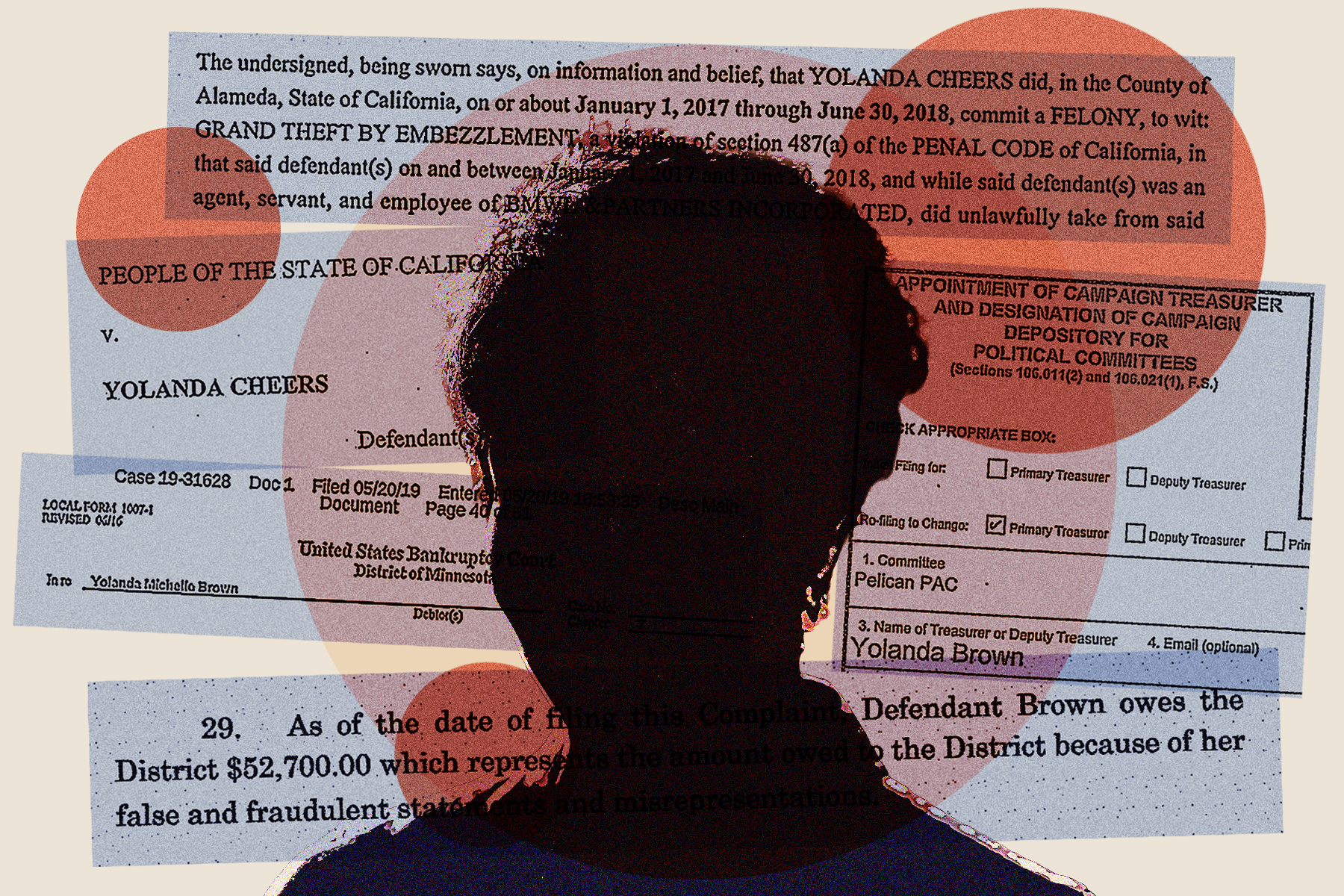
    A Florida-based political consultant who once worked as the campaign treasurer for Philadelphia congressional candidate Chris Rabb was charged Friday with wire fraud after she defrauded more than 20 clients out of about $1 million, according to federal prosecutors.

    Yolanda Brown was charged in federal court in Philadelphia with one count of wire fraud, according to documents unsealed Friday. She was charged by information, which typically indicates a person intends to plead guilty.

    She did not have an attorney listed in court records, and attempts to reach a lawyer who previously represented her were not immediately successful.

    Brown had been under scrutiny for months over allegations from campaigns in several states that she had mismanaged, embezzled, or taken unauthorized withdrawals from accounts meant to support political candidates.

    And Rabb accused her earlier this year of making unauthorized withdrawals from his campaign accounts, saying he had fired her and reported the allegations to federal authorities.

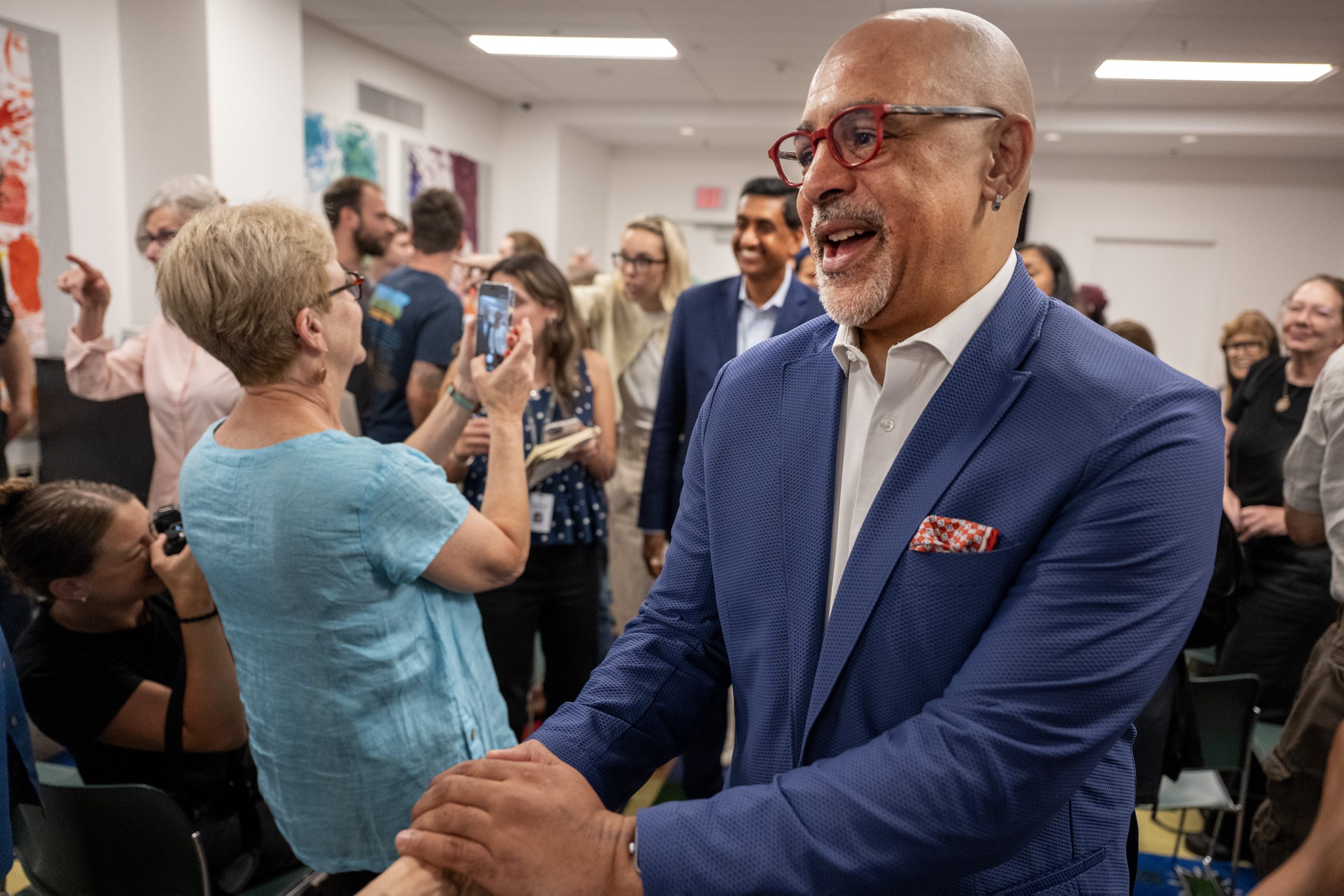
    State Rep. Chris Rabb greets supporters on Tuesday, July 28, 2026.Tom Gralish / Staff Photographer

    While Brown worked on Rabb’s campaign in 2025 and early 2026 — identified in court documents only as “Political Campaign #1″ — prosecutors said she set up new bank accounts on which she could serve as a signatory. She then transferred $19,000 into one of those accounts, they said, and went on to steer about $6,000 into her personal bank account without Rabb’s knowledge.

    In April, Rabb’s campaign said it identified about $160,000 that had been routed into the account Brown had set up. But it was not clear Friday how much of that may have been embezzled for Brown’s personal use, and it is also not uncommon for prosecutors to formally charge a more limited scope of wrongdoing if a defendant has agreed to plead guilty.

    Still, in charging documents, prosecutors said Brown, who ran Brown Financial & Consulting Services Group and worked primarily with Democrats, committed her fraud against Rabb actions as part an “overall scheme” in which she defrauded about 20 clients out of more than $1 million. Prosecutors did not name the other victims, or offer details on how the other cases unfolded.

    Brown has been accused of other wrongdoing in recent years.

    Earlier this year, Ken Welch, the mayor of St. Petersburg, Fla., said Brown embezzled more than $200,000 from his campaign committee. Another Florida-based political consultant also accused Brown of wiring $25,000 out of PAC’s bank account.

    And in 2024, Brown — who also used different surnames, including her married name, Yolanda Rumph — pleaded no contest to felony embezzlement in California, where prosecutors said she stole from two different companies, including a nonprofit. She was ordered to pay $330,000 in restitution but served no jail time.

    An attorney for Brown, Khambrel Davis, told The Inquirer earlier this year that one of Brown’s employees — not Brown — had actually committed the most recent fraud in Philadelphia and Florida.

    But the employee had since disappeared, Davis said, and “everyone’s just assuming [Brown] must have done this. They’re kind of putting together this narrative that she’s just this habitual thief.”

    Rabb — a longtime state representative who won a competitive Democratic primary this spring in the state’s 3rd Congressional District — declined to comment.

  • Cassidy backs Blanche for attorney general, appearing to clear way for confirmation

    Cassidy backs Blanche for attorney general, appearing to clear way for confirmation

    Sen. Bill Cassidy (R., La.) said Friday that he will vote to confirm Todd Blanche as attorney general, giving President Donald Trump’s pick to lead the Justice Department the last expected vote he needs to be approved by the full Senate.

    Cassidy made the announcement on the Senate floor just hours after Sen. Lisa Murkowski of Alaska, another critical GOP vote, said she would oppose Blanche’s nomination. Sen. Susan Collins (R., Maine) announced earlier this week that she would also be voting no.

    But with Cassidy’s support now in hand, the Senate’s Republican leadership is expected to move forward with a vote on Blanche’s confirmation as soon as Friday after weeks in which the acting attorney general’s prospects appeared to be in doubt.

    With all Democrats expected to oppose Blanche and Sen. Mitch McConnell (R., Ky.) absent for health reasons, a no vote by Cassidy would at minimum have forced an embarrassing delay in the full Senate’s confirmation vote.

    Cassidy said Friday he shared concerns raised by Murkowski and Collins over the “politicization” of the Justice Department under Trump and the controversial deal Blanche oversaw this spring to settle Trump’s claims against the IRS, which included a now-scuttled plan for a nearly $1.8 billion fund to compensate people who claim they were victims of political prosecutions.

    But the senator couched his decision to back Blanche, who previously served as Trump’s personal defense lawyer, as a choice between the current nominee and the prospect that Trump could pick someone worse.

    “Mr. Blanche is not perfect, and he will tell you this, but the choice is not between perfection and Mr. Blanche,” Cassidy said. “It is between Mr. Blanche and another acting attorney general who may not run the department effectively under President Trump and who, indeed may not be as good as Mr. Blanche.”

    He added: “I’ll be criticized for this vote. What’s new?”

    The fact that Blanche’s nomination was in doubt at all early Friday and hinging on Cassidy’s vote underscored the growing unease that has emerged in some corners of the president’s party over the Justice Department’s direction.

    It also highlighted the extent to which Trump’s attacks on GOP lawmakers whom he deems insufficiently loyal have prompted an increased willingness among Republicans to buck his demands.

    Cassidy lost his bid for reelection this year after Trump backed his GOP primary rival, Rep. Julia Letlow (R., La.). He has repeatedly criticized the president since then and threatened to vote against administration priorities.

    “I have a history with Mr. Trump, but that history does not matter one bit,” Cassidy said Friday in explaining his vote on Blanche.

    The senator said he came to his decision after weeks of conversation with Blanche and current and former Justice Department officials, including former attorney general William P. Barr. Barr resigned late in Trump’s first term amid disagreements over the president’s false claims that the 2020 election had been stolen.

    Barr, Cassidy said, advised him to back Blanche’s nomination, suggesting that as the lawyer who guided Trump through the criminal prosecutions he faced during his years out of office, Blanche had established a unique trust with the president, which could enable him to talk Trump out of bad decisions.

    “I am realistic that President Trump can be unrelenting,” Cassidy said. “This will be true no matter who the attorney general is. And this is the rationale for having a Senate-confirmed attorney general with more leverage to push back.”

    Since returning to the White House last year, Trump has eroded the Justice Department’s long-standing tradition of independence while demanding it pursue prosecutions of his political enemies and reward his political allies.

    Blanche has overseen many of those efforts serving first as the No. 2 official under then-Attorney General Pam Bondi and then as the department’s acting head after Trump fired Bondi in April. He has defended the president’s “right” to interfere with criminal investigations and his controversial pardons of those who attacked the U.S. Capitol on Jan. 6, 2021.

    Democrats have decried Blanche as a uniquely dangerous nominee who thus far has proved unable or unwilling to talk the president out of decisions that run contrary to the rule of law. As his confirmation battle has worn on, more and more Republicans have expressed similar concerns.

    Earlier this week, Sens. John Cornyn (R., Texas) and Thom Tillis (R., N.C.), two members of the Senate Judiciary Committee, had threatened to kill Blanche’s nomination in committee over reservations they harbored about the out-of-court deal Blanche oversaw to resolve Trump’s lawsuit against the IRS over the leak of his tax returns to the media.

    In addition to the taxpayer-backed payout fund, the deal also provided unusual tax protections to Trump, two of his sons, and their businesses, shielding them from any preexisting tax audits.

    The fund proposal drew immediate bipartisan backlash with Democrats deriding it as a “slush fund” designed to reward Trump’s allies, forcing Blanche to walk back the proposal days after its announcement.

    But Cornyn and Tillis, who are leaving the Senate after this year after tangling with Trump, demanded written assurances from Blanche that the president would not later reverse that decision before they agreed to support him.

    Blanche ultimately relented, issuing statements late Sunday declaring the fund officially dead and clarifying that the deal’s tax provisions protected the Trumps only from past tax audits and would not prevent the IRS from reviewing their finances in the future.

    But critics have questioned whether Blanche’s written pledges hold any legal weight, given they weren’t also signed by Trump and his legal team, and could be ignored by the president at any point.

    Murkowski raised that possibility in her statement announcing her decision to vote against Blanche’s nomination Friday. The only reason the payout fund was now off the table, she said, was because Blanche needed Senate support for his nomination.

    “Once we vote, that will end, and there is no telling what the future holds,” she said, adding later: “The country needs an attorney general who will check the worst impulses of this administration. I hope Mr. Blanche is able to achieve that, if confirmed, but I simply do not have confidence that will be the case.”

    Despite pledging his support for Blanche, Cassidy echoed Murkowski’s concerns. He said Blanche showed “poor judgment” in signing off on Trump’s IRS deal and added that he was “particularly concerned about episodes of apparent lawfare — DOJ bringing suits against political enemies.”

    The Justice Department has, at the president’s demand, launched probes of critics including former FBI director James B. Comey, New York Attorney General Letitia James (D), former CIA director John Brennan, ex-White House aide Cassidy Hutchinson, and Democratic lawmakers who recorded a video this year calling on military service members to resist illegal orders.

    “A never-ending cycle of prosecuting political enemies undermines the rule of law, degrades the public’s trust in our institutions, and makes our politics more extreme when we need to unite to solve the big problems of our time,” Cassidy said.

  • Trump tries new tack against birthright citizenship after Supreme Court snub

    Trump tries new tack against birthright citizenship after Supreme Court snub

    President Donald Trump took another stab at restricting automatic citizenship for people born in the United States after the Supreme Court rejected his earlier attempt.

    In two executive orders signed Thursday, Trump reached for different legal maneuvers to test the limits of the 14th Amendment’s guarantee of birthright citizenship.

    The first order said children would be ineligible if born to “alien enemies,” members of foreign terrorist organizations, or foreign lobbyists. The second order said children of people who fraudulently request tourist visas for the purpose of giving birth in the U.S. would not become citizens.

    Trump harshly criticized the Supreme Court’s June decision reaffirming that the 14th Amendment grants citizenship to nearly everyone born on U.S. soil, including the children of undocumented immigrants, striking down his executive order from the first day of his second term.

    The new orders marked a fresh effort to overcome that setback and deliver on a campaign promise by expanding the categories of people who the administration argues fall outside the constitutional guarantee. Constitutional scholars broadly agree that the president lacks the authority to eliminate birthright citizenship unilaterally.

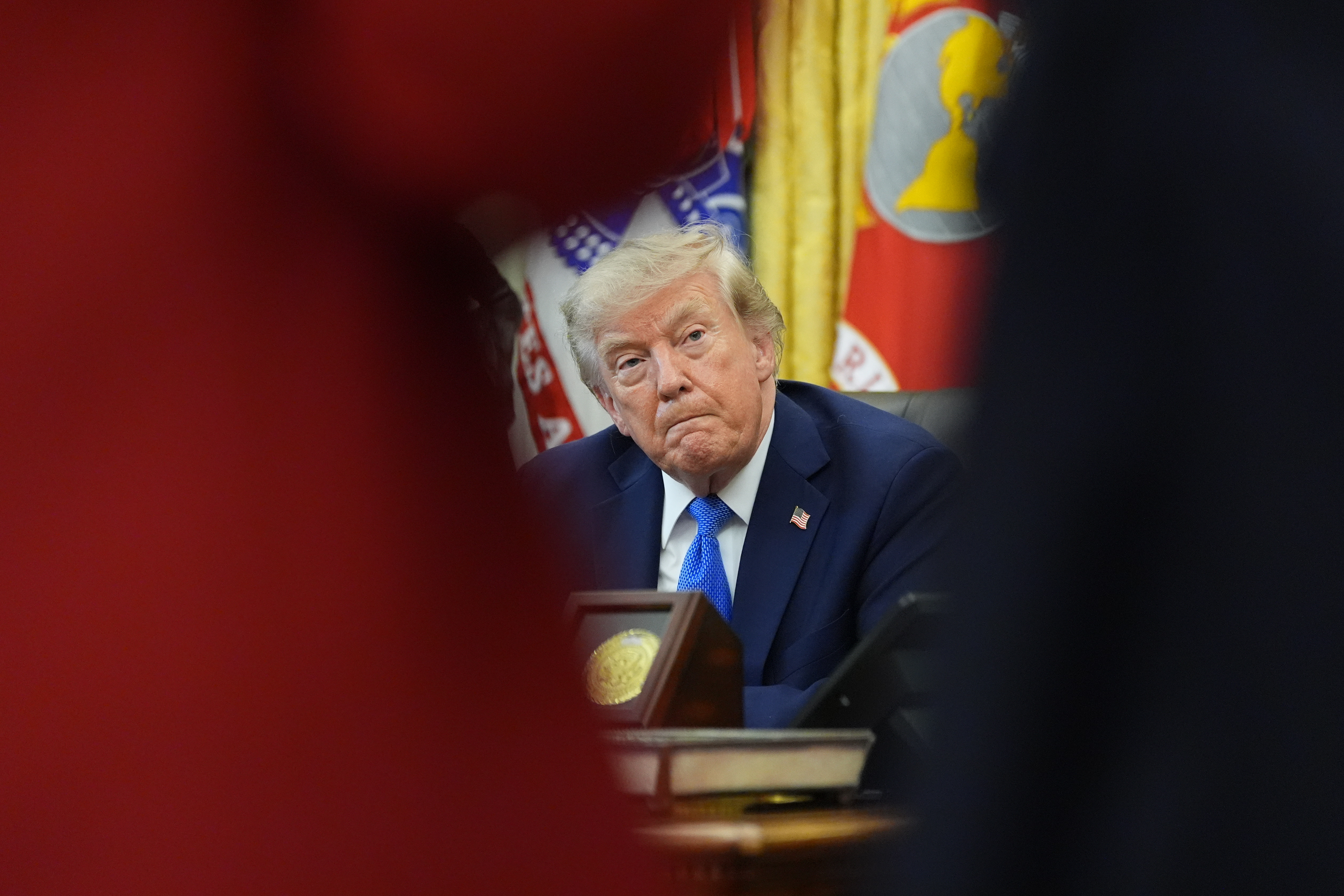
    “We had a bad decision, very unfair decision,” he told reporters in the Oval Office on Thursday. “Our country suffers because of it, and we’re ending it a different way.”

    The new orders were certain to face legal challenges, and if they survive, would affect far fewer people than the original. An estimated 15 million undocumented immigrants live in the U.S., while only a few thousand people are foreign lobbyists registered with the Justice Department.

    No significant populations of U.S. residents are designated as alien enemies or foreign terrorists, making that provision largely symbolic. The administration faces ongoing litigation over whether it can deport alleged gang members by treating them as alien enemies.

    The second executive order draws on the president’s authority under the Immigration and Nationality Act to control international travel, according to White House Deputy Chief of Staff Stephen Miller, who appeared with Trump at the signing.

    “People come here, pretend to be a tourist, pretend to be a visitor, say they want to go to Disneyland, they want to go visit a monument or go to a national park. But the real reason they’re here is to have a child, to make that child automatic citizen, leave our country and then have a U.S. citizen child,” said Miller, arguing that lying on a visa application amounts to fraud and invalidates the visa.

    There is no official data on “birth tourism.” In 2024, fewer than 10,000 babies were born in the U.S. to people with foreign addresses, out of 3.6 million total live births, according to data from the Centers for Disease Control and Prevention analyzed by the nonpartisan Migration Policy Institute.

    Trump’s initial executive order sought to deny automatic citizenship to children of unauthorized immigrants and foreigners on temporary work, student and tourist visas — a population that some studies found numbers more than 150,000 a year. That order was based on a reinterpretation of the 14th Amendment, which was ratified in 1868 and grants citizenship to those born on U.S. soil who are “subject to the jurisdiction” of the federal government.

    Two coalitions of Democrat-led states and several immigrant rights groups filed more than half a dozen lawsuits against the Trump administration. Those challenges led multiple federal courts to temporarily halt the administration from implementing the citizenship ban.

    A divided Supreme Court upheld birthright citizenship in June in one of the most closely watched cases of the recently concluded term. Writing for the 5-4 majority, Chief Justice John G. Roberts Jr. said the framers of the 14th Amendment intended to extend citizenship to virtually all people born on U.S. soil with limited exceptions for the children of diplomats and others.

    “Citizenship, then and now, was the right to have rights — to freely participate in our political community. The Framers of the Fourteenth Amendment extended that promise to ‘every free-born person in this land,’” Roberts wrote. “We keep that promise today.”

    The Trump administration had argued for a narrower reading of the amendment, saying its language did not apply to people who were here illegally or temporarily because they had not demonstrated the necessary political allegiance to the country.

    The Supreme Court’s ruling marked a major loss for Trump, who had attended the oral arguments at the high court in April, becoming the first sitting president to do so.

    Amanda Frost, an immigration law professor at the University of Virginia, said significant parts of Trump’s new executive orders appear largely unconstitutional and at odds with the Supreme Court’s decision.

    “This is my very clear legal take: He cannot issue an executive order that saying that children of birthright tourism — even if the mother violates immigration law to come to the United States — are not U.S. citizens,” Frost said.

    Likewise, David Bier, an immigration expert at the libertarian Cato Institute, said Trump cannot credibly argue that undocumented immigrants in the U.S. who are declared by his administration as “enemies” of the country are not subject to the jurisdiction of the U.S. government.

    “None of the [Supreme Court] justices adopted the logic that illegal immigration is an invasion or any of those types of thing,” Bier said “None of the conservatives used that line of argumentation.”

    Bier added that the president’s efforts on birthright tourism are “pretty obviously contrary to what the Supreme Court just ruled and are likely to get no further than the prior order did.”

  • ICE will release body camera video only when seen in the agency’s ‘best interests,’ policy says

    ICE will release body camera video only when seen in the agency’s ‘best interests,’ policy says

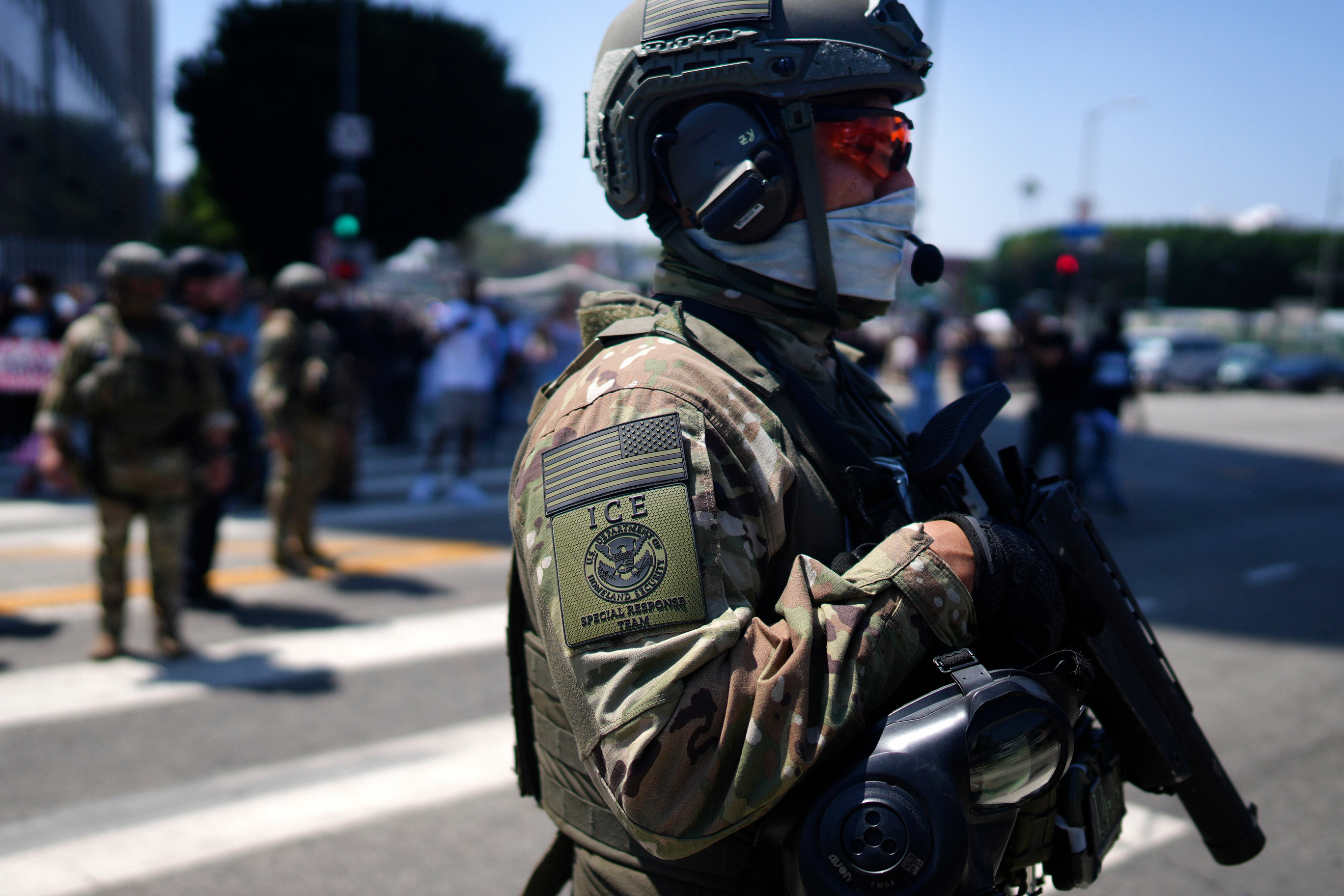
    Immigration and Customs Enforcement is moving to equip officers with body cameras in the next two months but the agency’s policy gives it broad control over what footage will be made public by specifying any releases must be in its “best interests.”

    After years of delays, ICE said its field officers nationwide will have body-worn cameras by the end of September. The rollout comes after recent fatal shootings by officers enforcing President Donald Trump’s immigration crackdown have intensified pressure for accountability that the cameras could provide.

    But the agency’s body-worn camera policy could mean taxpayers who are pitching in tens of millions of dollars to pay for the cameras may be kept in the dark about some high-profile confrontations, at least in their immediate aftermath.

    The policy says ICE will promptly release video of shootings and other encounters in which its agents cause death or serious injury only after determining “it is in the best interests of the agency” to do so. That gives its director discretion to release recordings that reflect well on the agency’s image while working to keep others secret, experts on body camera policies said.

    Such selective releases are routine in some law enforcement agencies but usually not so clearly contemplated in policy, according to professor Christopher Schneider of Brandon University in Canada, a co-author of the new book Police Body-Worn Cameras: Media and the New Discourse of Police Reform.

    “In some ways, ICE is saying the quiet part out loud,” he said. “Body-worn cameras are being used as contemporary image-work tools to present the police to the public in the most favorable way possible.”

    Body camera policy allows withholding some video

    The policy requires officers to activate cameras during routine enforcement activities, including while making arrests, executing search warrants and responding to emergencies.

    After shootings or other serious confrontations, a committee that includes top ICE officials and lawyers will review footage and recommend whether to release it promptly, according to the body camera policy issued in February 2025.

    If the answer is yes, the recording could be released within 72 hours. But if the ICE director finds that “specific and compelling circumstances” justify withholding the video, they have the authority to block or indefinitely delay the release, the policy says.

    The policy does not elaborate on such circumstances, and ICE did not respond to a question from the Associated Press about how it would make such decisions.

    Practices vary widely in the U.S. In Chicago, a police watchdog agency routinely releases body camera video of shootings and other serious use-of-force incidents within 60 days. In Philadelphia, the police department very rarely uses its discretion to release video of specific incidents and has no policy for when to do so.

    Even when footage is released, ICE’s policy will require the redaction of all officers’ identifying features such as their faces, names, and badge numbers to preserve their privacy.

    Schneider, who has studied body cameras since their use began spreading a decade ago, said he does not expect ICE to release footage of fatal shootings like those last month in Houston and Maine.

    He noted ICE’s sister agency, Customs and Border Protection, has not released footage of the January shooting of Alex Pretti in Minneapolis even though it was captured on agents’ cameras. CBP Commissioner Rodney Scott told lawmakers in February that the video and other materials were under investigation and would be made public “when it’s appropriate.”

    ICE says all officers will have cameras by end of September

    ICE spent $30.9 million in July to purchase body camera equipment from Axon, the Arizona-based company that also manufactures Tasers, federal spending records show.

    The spending began one day after the fatal shooting of a 25-year-old motorist in Maine by an ICE officer with a history of violent behavior. Days earlier, another ICE officer shot and killed a homebuilder in Houston who was driving to work.

    Neither shooting was recorded with body cameras. That news angered members of Congress, who had given ICE $20 million to purchase body cameras in a bill passed to end a partial government shutdown on April 30.

    ICE said body cameras have been sent to more than half its field officers and the rest will receive them by the end of September. That timeline pushes back estimates from earlier public statements. Maine Republican Sen. Susan Collins, who backed funding for cameras, said last month that the agency informed her they would be deployed by the end of August. ICE had said earlier that they would be issued by mid-September.

    ICE officers working in the Houston area, where the agency sent more than 800 cameras, are among those who have started training, according to U.S. Rep. Henry Cuellar, a Texas Democrat and member of the House Appropriations Committee.

    At least one member of every arrest team will be required to have a camera, the agency said.

    “I think the American people need to see what that officer sees and hears,” White House border czar Tom Homan said July 19 on CBS News’ Face the Nation. “And if you look at the data, body cameras actually exonerate agents more than they, you know, provide evidence of wrongdoing.”

    Schneider said he expects ICE to release recordings that promote the agency’s mass deportation program by portraying officers as brave and immigrants as dangerous criminals.

    “Much of what law enforcement does is convince the public that we need them and feel safe and they do all this good stuff for us,” he said. “The more bad stuff the public sees, the more angry the public gets. And this causes problems for the police brand.”

    ICE has taken years to adopt body cameras

    ICE began testing body cameras in 2021 during President Joe Biden’s administration and distributed 1,400 devices three years later, saying use would expand as funding became available.

    After returning to office in 2025, President Donald Trump rescinded a Biden order that required federal law enforcement agencies to use body cameras.

    ICE did not buy body cameras even after it received a historic $75 billion infusion in Trump’s signature policy bill in 2025 and began hiring thousands of new officers. The two July purchases from Axon were made through an existing government contract that began in 2023, records show.

    “This is not hard to deploy, but they’ve slow-rolled it,” said Jason Houser, who was ICE chief of staff under Biden and helped implement the agency’s pilot program.

    Houser said the Trump administration should have equipped officers with body cameras when it expanded mass arrests and traffic stops. Doing so only after several shootings and pressure from Congress “is clearly a political response” that will not make officers or the public safer, he said.

    “This doesn’t fix the problem of putting officers in a place where they’re not trained or equipped to carry out the style of operations that the administration is asking them to do,” he said.