Category: Opinion

  • Shining the spotlight on America’s Black Revolutionary Era icons | Shackamaxon

    This Juneteenth edition of Shackamaxon looks at the housing debate in Harrisburg, the recent state Supreme Court decision on skill games, and some Revolutionary Era stories you might not have heard before.

    Erla Dögg Ingjaldsdóttir exits a Santa Monica, Calif., accessory dwelling unit in 2022. Carolyn Cole / MCT

    Preemption the key

    It is increasingly clear that legislators in Harrisburg want to do something about housing affordability in Pennsylvania. What’s less clear is whether they’re willing to take the most necessary step: preempting local governments.

    The recent push to legalize accessory dwelling units, or ADUs, is a classic example of this tension. For the wide coalition of supporters, ADUs — think a backyard apartment — represent an obvious fix to the housing crisis. They allow families to live close to one another without the awkwardness of sharing a kitchen, while empty nesters can monetize their homes without moving and typically rent at affordable rates. There’s also significant demand for them.

    Mario Mascioli, from Acorn Built Homes, says his company gets between 200 and 300 inquiries a month. A recently passed bill in the state House would allow property owners to build one unit per lot and restricts the ability of local authorities to regulate them out of existence.

    It is now up to the state Senate to pass the bill. The Senate’s housing committee has met just twice so far this year. Some Republicans have been reluctant to embrace housing reform, citing a desire to avoid infringing on local control of zoning.

    While the input of local communities will always be part of development politics, housing affordability is a regional issue. Acting as a commonwealth ensures that all of our cities, townships, and boroughs do their share when it comes to new housing — and that no municipality can sabotage ADU construction.

    Additionally, some conservative organizations like Americans for Prosperity have backed the bill. For these groups, property rights and economic opportunity make embracing preemption worthwhile.

    In fact, the coalition to reform housing rules is refreshingly broad. From right-leaning groups like Americans for Prosperity to self-described socialists like State Sen. Nikil Saval, there is a growing understanding that change is essential. This need is underlined by the rapidly increasing costs to purchase a home. In Villanova, even the most affordable options now cost $1 million.

    Unregulated gaming devices known as “skill games” in a barber shop in Hazelton in August.Tom Gralish / Staff Photographer

    Same old slots

    For the entirety of Josh Shapiro’s first term as governor, one question has dominated the revenue side of state budget proceedings. Will Pennsylvania regulate and tax so-called games of skill, and at what rate, and under what authority?

    Proponents of the games argued they are distinct from slot machines and should pay a lower rate. They also want the devices to avoid being placed under the state Gambling Control Board. Critics say otherwise. Some want the machines to be gone altogether, citing their negative impact on communities. Others want them restricted and taxed like slot machines, which can only operate at licensed casinos and hand over most of their revenue to the commonwealth. Efforts by local governments, like Philadelphia’s, to ban the machines have been stymied by the courts.

    At least until this week.

    After years of debate, the state Supreme Court ruled that the devices are actually slots after all, reversing an earlier Commonwealth Court ruling that had maintained there is a difference. This new ruling aligns with my own experience testing the machines. You put in cash, press a button, and hope the symbols align.

    Given this fact, which is now the legal opinion of Pennsylvania, it doesn’t make much sense to tax the machines at a different rate than existing slots. Neither does allowing them to proliferate in every gas station, corner store, and bar that wants them. Like slots, skill games should be limited to operating in designated areas, and access must be controlled by age. They should also be controlled by the same regulators as other gaming devices. While the commonwealth absolutely could use the revenue boost legalizing the machines will bring, the priority should be on mitigating their impact.
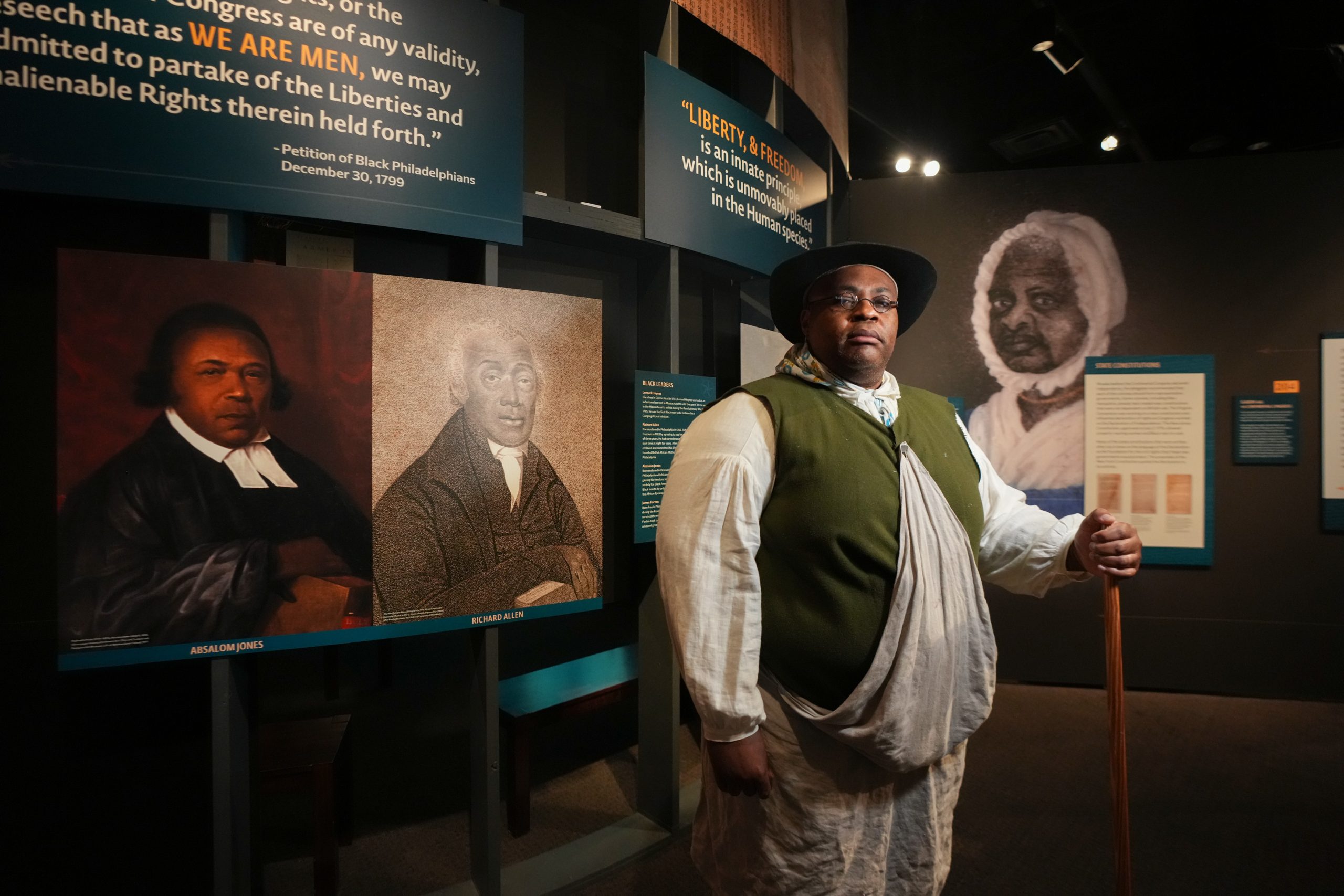
    The historian Michael Idriss dressed as Cyrus Bustill, an 18th-century baker who supplied George Washington’s troops at Valley Forge.Jessica Griffin / Staff Photographer

    Remembering revolutionaries

    Philadelphia has been known as the home of Ben Franklin and Betsy Ross for centuries and boasts several professional reenactors who bring these Revolutionary Era leaders to life. While both Franklin and Ross have earned their public profiles, they are far from the only local figures worth memorializing.

    Michael Idriss, a former classmate of mine at Temple University who now manages the Museum of the American Revolution’s African American Interpretive Program, has brought another name to light: Cyrus Bustill, an enslaved baker who freed himself, supplied George Washington’s troops at Valley Forge, and helped found the Free African Society of Philadelphia.

    Idriss also helped set up the museum’s Black Founders exhibit, which focused on James Forten, a Black patriot and business owner who funded abolitionist causes.

    Idriss refers to himself as an interpreter rather than a re-enactor and has brought to light a pivotal but until now under-appreciated Founding Father. Bustill’s work has even qualified his descendants, like Joyce Mosley, for membership in the Daughters of the American Revolution, an elite service organization.

    An elder statesman to figures like Forten, Absalom Jones, and Richard Allen, Bustill represents the lesser-known stories of the Free Philadelphians of African descent before, during, and after the revolution. By 1838, there were 20,000 free Black Philadelphians.

    In many ways, their story should sound familiar. After the revolution, many felt that America should live up to its lofty ideals. Pennsylvania passed a law ensuring gradual emancipation, and many people of all races became abolitionists. Then came the backlash. A populist and crass president had come to power and Black stories were buried. It sounds sadly familiar, doesn’t it?

  • After two nights of riots, Belfast was on the brink. Then it remembered its hard history.

    BELFAST, Northern Ireland — The morning of our walking tour of Belfast, my first task was to check Twitter for updates on local rioting the night before.

    This tour covered “The Troubles” — the period in the 1970s when Catholics in Northern Ireland first marched for their civil rights, then escalated to vicious bombings to pressure the British Army to leave.

    Now The Troubles 2.0 seemed to be erupting, threatening to plunge this weary city back into those dark times.

    The spark was a shocking knife attack the evening of June 8; a Sudanese immigrant, who was in the country legally as a refugee, was charged in connection with it. The attempted beheading had been caught in a viral video so brutal it came with warnings.

    For the next two nights, violence flared in several neighborhoods. Masked rioters quickly set up barricades, burned cars, torched the homes of ethnic minorities, and pelted police with paving stones they’d pulled from the streets and smashed with sledgehammers.

    A generation after the Good Friday Peace Accords ended sectarian violence in 1998, rioting techniques live on in the muscle memory of Belfast. Need something to chuck at police? Ask your Da — he’ll show you how to break up the paving stones.

    News of the riots spread internationally, and soon I had to reassure worried relatives back in the States that our vacation itinerary kept us in the city center, miles away from any commotion. Fanning the flames in the U.S. were the likes of Steve Bannon and Elon Musk, who both cheered on the pushback against immigration.

    Yet over the next several days, a small miracle unfolded: There were two nights of rioting, followed by appeals for calm from the five main political parties, then a large peace march.

    The march was even attended by 77-year old Gerry Adams, the reputed head of the Provisional Irish Republican Army who reinvented himself and went into politics. Earlier this week he wrote on Twitter, “Elon Musk and others who support these despicable actions from afar should shut up. Belfast says NO to racism.”

    That a man whom many suspected was associated with flat-out terrorism was condemning the riots embodied the change that has taken root here.

    Then lo and behold, the rioting stopped.

    The incident actually dropped off the front page, temporarily replaced by this universal headline: “Belfast residents upset over pickleball noise.”

    Belfast let the world know it has come too far — and its collective PTSD is still too raw — to be dragged back to that traumatizing era.

    To be clear, riots or not, immigration remains a smoldering political issue in Northern Ireland. Immigrants from anywhere can apply for political asylum in any European Union country. Once that is granted, they are free to hop over to the Republic of Ireland, which is also in the EU.

    From there, they can saunter into Northern Ireland without having to cross any physical border because all residents of the island are able to live, work, and travel freely between the two countries.

    (As foreigners, we had to get a visa to enter the United Kingdom, but never had to show it to anyone. The only sign we’d driven across the border was a text message from Verizon, welcoming us to Northern Ireland.)

    That makes Northern Ireland’s immigration concerns world’s apart from those of the United States, no matter how hard Musk wants to link them. Both the details and the scale are vastly different.

    Our tour guide, who wrote her doctoral dissertation about the generation born after the 1998 Peace Accords, said what bothered her most about these newest riots was the sight of “40-year-olds egging on teenagers.”

    That view was echoed by the elderly proprietor of our bed-and-breakfast just south of the border the next day. She shook her head sadly, pursing her lips as she dismissed the rioters. “They’re just young tugs” — thugs, in her Irish brogue.

    That generation has grown up in peace, spared the trauma of their elders. In the key years of The Troubles, 3,700 people were killed in bombings and executions, more than half of them civilians who were in the wrong place at the wrong time. Imagine if Pittsburgh, nearly the same size as Belfast, had seen that many deaths.

    We heard sickening stories of “No warning” bombs, execution-style slayings of young off-duty British soldiers out for a night at a pub, and an unrelenting stream of tit-for-tat retaliatory killings.

    It was a descent into pure madness, as chronicled in Belfast, actor Kenneth Branagh’s movie about his childhood, and Say Nothing, the true-crime novel about the 1972 disappearance of a widowed mother of 10 thought to be a police informant.

    The long shadow of those tragic years denied Belfast the economic development that makes Dublin a robust city of building cranes. Tourists still visit Belfast to see the Titanic Museum, but the designer shops catering to them disappear just a few blocks from City Hall.

    The city’s nightlife remains muted — a legacy of the “Ring of Steel,” the fortified perimeter of barriers, turnstiles, and military checkpoints installed by the British in 1972 to protect the city’s commercial center.

    Strikingly absent from this tragic landscape is any public expression of grief. Memorials to the innocent victims of the bombing campaign are absent in the “shared space” of the city center, our guide said, because they are too polarizing.

    Instead, a discreet panel of ceramic tiles is embedded in a wall in Jubilee Square. Called the “Numbers Wall,” it assigns a digit to each of the first 1,500 victims of sectarian violence. However, it comes with no key, no way of telling which number represents which person. That’s intentional — a statement that each loss is equal.

    The “Numbers Wall” in Jubilee Square in Belfast, Northern Ireland honors each of the first 1,500 victims of sectarian violence in Northern Ireland.Kathleen O’Brien

    Our vacation itinerary also took us 125 miles to the west, where a picturesque County Sligo harbor village has its own link to The Troubles. It’s where an IRA bomb killed Lord Mountbatten on his fishing boat in 1979, an attack designed to devastate Britain’s royal family. (See Season 4, Episode 1 of The Crown.)

    Here, too, there is little in the way of a public memorial. There was a photograph displayed of the 2015 reconciliation visit by Prince (now King) Charles and his wife Camilla, but since the harbor is in the Republic of Ireland, it was soon vandalized, Charles’ face scratched out.

    Instead, our travels through Northern Ireland revealed many examples of artwork dedicated to peace. There is a Peace Bridge in Derry/Londonderry, peace statues and murals in Belfast, and “Peace Walls” in both. Such walls are there not to celebrate a solid peace, but rather to help protect a fragile one by separating neighborhoods.

    Our Derry tour guide, who as a teenager hid under his bed whenever he heard bombs explode nearby, summed up the irony of the term: “They’re evidence we’re not in a perfect peace.”

    Perhaps this last week has shown Northern Ireland’s peace may be sturdier than people thought. It teetered for a few days, but Belfast displayed the resolve it showed three decades ago, when 71% of Northern Ireland residents voted in favor of the Peace Accords, turning a page on violence.

    For a city in which everyone over the age of 30 is likely to have known a victim of The Troubles, peace is more than the absence of violence. It is a tangible state of being — and precious enough to be nurtured and protected.

    Kathleen OʼBrien is a retired newspaper columnist who lives in North Jersey. While her recent DNA analysis shows her to be 78% Irish, she returned from her trip feeling 100% American.

  • No more gambling with public health: Pa. must ban skill games | Editorial

    No more gambling with public health: Pa. must ban skill games | Editorial

    The Pennsylvania Supreme Court finally made clear what has been obvious to every other commonsense observer: Skill games are slot machines.

    The question now is what will the General Assembly do about the estimated 70,000 skill games that it irresponsibly allowed to proliferate across the commonwealth?

    If Gov. Josh Shapiro and state lawmakers place public health and safety above raking in more tax revenue, they will follow Kentucky’s lead and ban skill games.

    But don’t expect Harrisburg to do the right thing when it comes to gambling. Governors and state legislators here have been hooked on gambling for two decades.

    They view the billions in tax revenue that comes from gambling as easy money that helps avoid raising taxes or operating the government more efficiently. But they ignore the hard truth that much of that tax revenue comes from billions of dollars in losses from repeat and problem gamblers.

    Research has found that slot machines are designed to addict users. Indeed, some Pennsylvania casino operators boasted early on that many customers came as often as six times a week.

    The explosion of online gambling apps — especially on sports — via smartphones, is even more addictive. One Pennsylvania man said he sometimes placed 500 bets a day.

    Unregulated gaming devices known as “skill games” inside a convenience store in Philadelphia. The State Supreme Court recently ruled the devices are slot machines.Tom Gralish / Staff Photographer

    Studies have linked problem gambling to job loss, depression, suicide, domestic violence, and divorce. But lawmakers continue to ignore the growing public health crisis that impacts broader society. That’s because the same lawmakers are also in the vise grip of the influential gambling lobby that pours millions into their campaign coffers.

    Recall that the gambling lobby helped write the law that legalized slot machines in Pennsylvania back in 2004. Then-Gov. Ed Rendell and former State Sen. Vince Fumo (D., Philadelphia) pushed through the measure with little debate. They morphed a 33-line document about background checks at horse racetracks into a 145-page bill known as Act 71, which cleared the way for up to 61,000 slot machines in 14 locations.

    In the ensuing years, Harrisburg lawmakers have legalized more and more gambling, adding table games, online betting, and sports betting.

    Pennsylvania now leads the country in gambling revenues it takes in, thanks to a surge in online betting that is reaching teens and kids as young as 11.

    The commonwealth also has one of the highest addiction rates.

    Casino backers argue that problem gambling only affects around 3% of the population. But that includes most people who do not gamble.

    Advertisements for sports betting apps are seen in downtown Kansas City, Mo., in November.Charlie Riedel

    Studies found 60% to 90% of casino revenues come from problem or at-risk gamblers. When it comes to sports betting, 86% of the revenues come from just 5% of the gamblers. So, the business model essentially depends on problem gamblers.

    But as Harrisburg lawmakers rushed to legalize additional gambling options, they looked the other way as thousands of skill games popped up in local taverns, gas stations, laundromats, convenience stores, and social clubs, like VFW halls.

    In the gambling industry food chain that preys on the most vulnerable, skill games are among the bottom-feeders.

    But skill games have been allowed to operate for years with no regulation or taxation. Many machines are in poor neighborhoods in Philadelphia and small towns.

    Some small business owners — such as the corner taverns and social clubs — argue that skill games help attract customers. But if a business is dependent on repeat gamblers mindlessly pumping money into a machine, it is time to innovate.

    In addition, skill games have been linked to increased crime, including armed robbery and murder.

    Last year, a Philadelphia jury ordered Pace-O-Matic, the leading skill game maker, to pay $15.3 million to the estate of a Hazleton store clerk killed during a 2020 robbery.

    A convenience store clerk in Frankford who was shot during an armed robbery recently sued Banilla Gaming, a North Carolina-based skill games manufacturer, alleging it enticed the robbery because of the large amounts of cash the store maintained to pay gamblers.

    Skill game devices inside Philly Market in the city’s Frankford section.Court records

    In 2024, the Philadelphia City Council voted to ban skill games because they attracted crime, but the Commonwealth Court quickly lifted the ban.

    Now, it is up to the General Assembly’s lawmakers to fix what they have long ignored.

    Shapiro has proposed regulating and taxing skill games at 52% — the same rate as slot machines in casinos. Before becoming governor, he expressed disdain for gambling, but now he is all in. Shapiro estimated skill games could bring in $2 billion in revenue for the state — glossing over that the money comes from individual gambling losses. (The state doesn’t even use the word gambling; they call it “gaming” as if it is all good, clean fun.)

    Pace-O-Matic, the most influential skill game player, wants a much lower tax rate of around 16%. Its army of lobbyists — and lawmakers willing to do their bidding — will surely have a lot to say about what comes next. So will the lawmakers on the side of the casino lobby, which wants an even playing field.

    Average citizens don’t have a voice in this fight.

    The state Supreme Court gave the General Assembly 120 days to figure out what to do next. If the legislature fails to act within that period, the skill games will be deemed illegal and could be subject to seizure.

    During the 2023-2024 session, three state Senate Democrats introduced a bill that called for banning skill games. That remains the best path forward.

    But expecting Harrisburg to protect citizens from gambling ills is a long shot.

  • For Haitians in Pa. facing deportation, the World Cup is a rare source of hope

    For Haitians in Pa. facing deportation, the World Cup is a rare source of hope

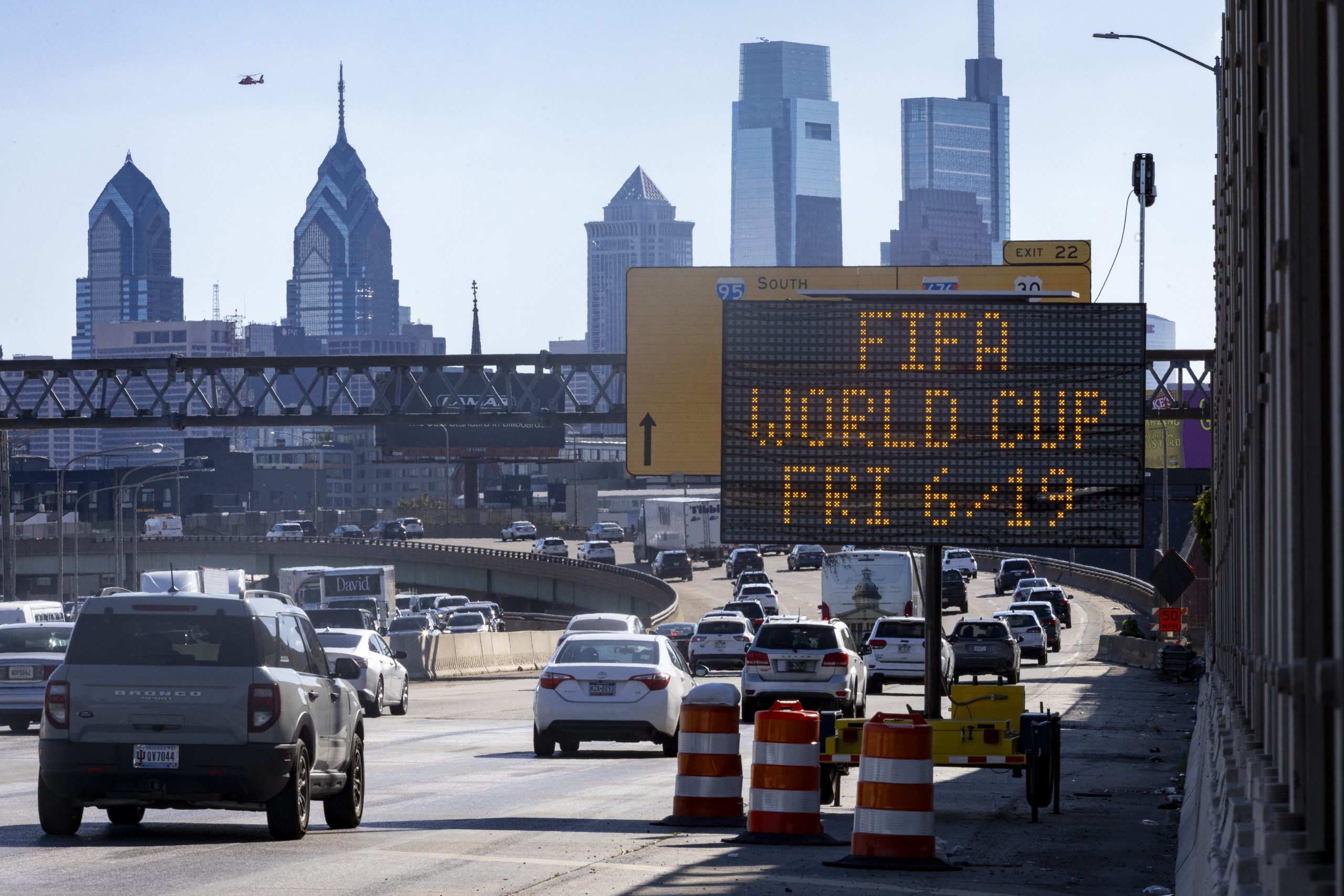
    Haiti’s June 19 World Cup match against soccer’s most decorated nation, Brazil, held at Philadelphia’s Lincoln Financial Field, encapsulates the contradictions at the heart of FIFA’s flagship event this summer.

    A traffic sign on I-95 informs drivers of expected traffic delays to occur because of the World Cup match — Brazil is set to face Haiti — on Friday at Lincoln Financial Field in Philadelphia.Aidan T. Gallo / Staff Photographer

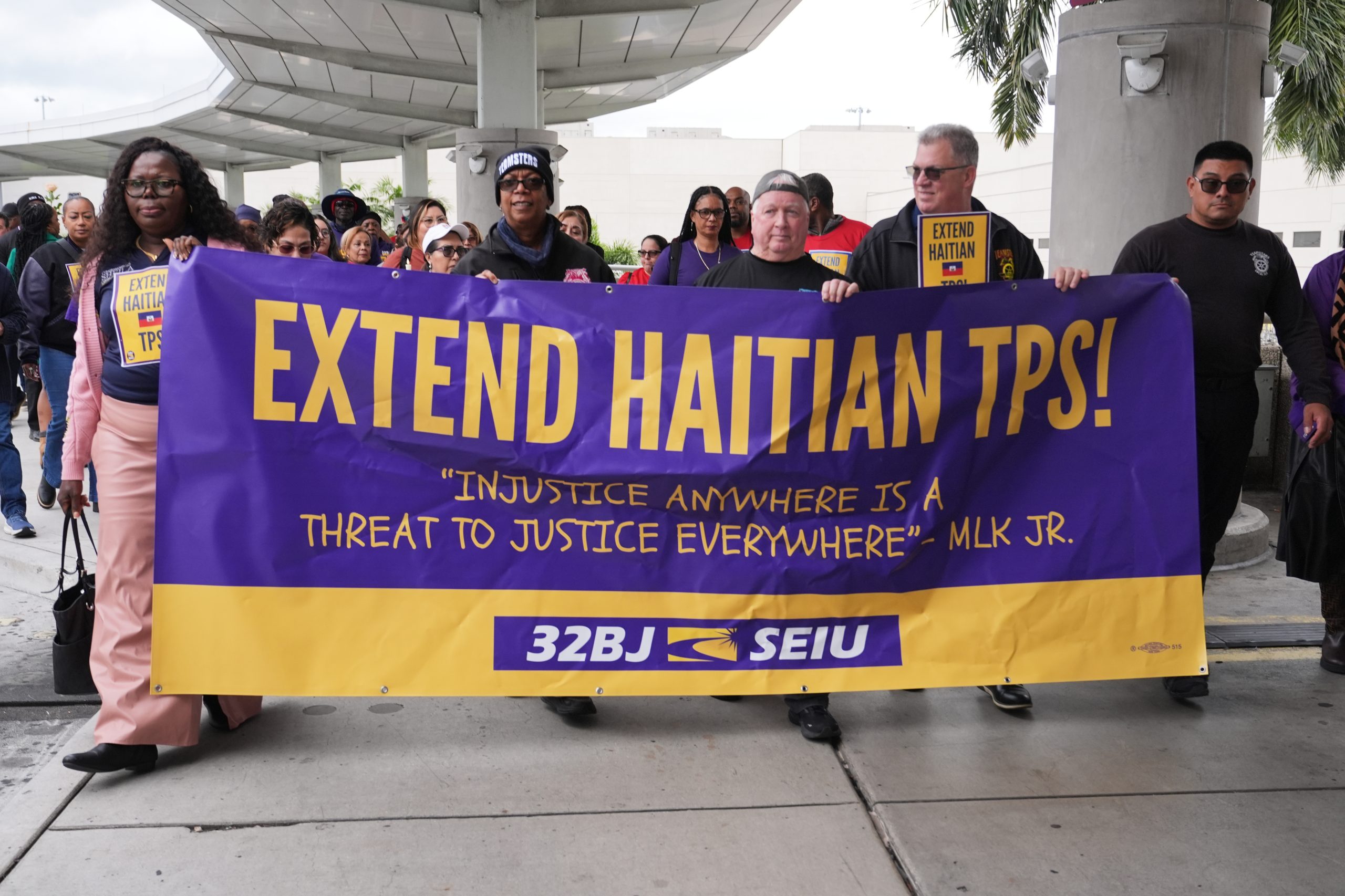
    The World Cup — and Haiti’s first appearance in it since 1974 — is a welcome distraction from the humanitarian and security crisis at home. For many Haitians, however, the Trump administration’s cruel immigration policies, including its effort to terminate this Caribbean country’s temporary protected status (TPS) — a form of protection against deportation to dangerous situations — casts a shadow over the tournament.

    Since a catastrophic 2010 earthquake, Haitians have dealt with one disaster after another, including a cholera epidemic, devastating hurricanes, increasing violence, and chronic political instability.

    The current crisis, during which criminal groups have consolidated control over most of the capital, Port-au-Prince, and expanded to at least four more of Haiti’s 10 regions, has killed thousands, displaced more than 1.5 million people, and led to widespread sexual violence.

    Even before the World Cup began, the odds were stacked against Haiti’s “Grenadiers” — a nickname that pays homage to the revolutionary soldiers who fought for Haiti’s independence in 1804. The squad managed to top their regional qualifying group for the tournament despite not being able to play a single game on home soil; their national stadium is in an area controlled by criminal groups. It was a remarkable feat — one that ended Haiti’s 52-year wait to participate in another World Cup, and became a source of immense pride for Haitian soccer fans around the world.

    Haiti fans cheer during the World Cup Group C soccer match between Haiti and Scotland in Foxborough, Mass., near Boston, on June 13.Charlie Krupa

    For the coming weeks, Haitians will be celebrated on the world stage and their players welcomed with open arms, but their fans may find their paths to the stadiums — or to the United States itself — inaccessible.

    In Philadelphia, many by now will have already seen proud Haitian fans sporting their team’s blue and red jerseys. But while the World Cup inspires hope and pride for Haitians living in the U.S., the Trump administration’s immigration policies, including the possibility of U.S. Immigration and Customs Enforcement presence at or near World Cup venues, may elicit anxiety, fear, and exclusion.

    Haiti is one of 39 countries affected by U.S. government travel restrictions that prevent fans from supporting their countries in person this summer. Although the ban includes an exception for athletes, Woodensky Pierre, the only Haitian player based in the country, missed a vital pre-tournament match after his U.S. visa wasn’t approved in time. He landed at Miami airport shortly after the game began and was later embraced by his teammates on the pitch at the final whistle.

    It is the attempts to terminate Haitians’ temporary protected status, however, that pose the most serious human rights concerns for Haitians who are already in Philadelphia and other cities.

    Under U.S. law, the Department of Homeland Security can designate a country for this status when conflict, environmental disasters, or other circumstances temporarily prevent its nationals from returning safely, or when the country cannot adequately handle their return.

    TPS protects beneficiaries from removal, allows them to apply for work and travel authorization, and prevents Homeland Security officials from detaining them solely based on their immigration status.

    Haiti first received this designation after the 2010 earthquake. Since then, and because conditions in Haiti itself have not improved, hundreds of thousands of Haitians in the U.S. have built lives, raised families, and become essential contributors to local communities, including in Philadelphia. Approximately 330,000 Haitians now have TPS in the United States.

    Haitian TPS holders in the U.S. need stability, protection, and a durable path forward, writes Robbie Newton.Lynne Sladky

    The Trump administration is now trying to strip Haitians of this protection.

    Despite clear evidence that the human rights crisis in Haiti is worsening, the Department of Homeland Security insists that “country conditions have improved to the point where Haitians can return home safely.” A Supreme Court decision on the legality of ending this protection is expected this summer.

    Residents flee their homes to escape clashes between armed gangs in Port-au-Prince, Haiti, in May.Odelyn Joseph

    Terminating the protection would have devastating consequences, exposing hundreds of thousands of Haitians to detention and possible return to the “cataclysmic” situation unfolding at home, where they would face serious risks of kidnapping, extortion, and other abuses by criminal groups.

    For the 15,000 Haitians protected by TPS in the state of Pennsylvania, making it to the World Cup and cheering on their team represents a powerful symbol of hope and unity at a precarious time for the community.

    Other soccer fans who root for the underdog will very likely cheer on Haiti as it makes its way through all of its Group C matches (and, hopefully, into the knockout stage). But support for Haiti should extend beyond the World Cup. The U.S. government should renew temporary protected status for Haitians.

    Haiti’s Grenadiers deserve their place at the World Cup. For Haitian TPS holders in the U.S., the stakes go far beyond the tournament.

    Robbie Newton is a senior coordinator and in the sport and human rights team at Human Rights Watch.

  • Letters to the Editor | June 19, 2026

    Letters to the Editor | June 19, 2026

    Birthday spectacle

    Donald Trump built an arena at the White House to stage a UFC fight on his birthday. It is an abomination, which means it is loathsome and disgusting. Not only is it disgusting to look at but also detestable for the violence and greed it displays and promotes. The “fight scape” should be revolting to those who appreciate American constitutional values.

    I want to point out that the arena is an abomination in the matter of religious faith, too. Biblically speaking, an abomination was (and is) something ritually and ethically repugnant to God and to those who follow a religious path. Called “detestable things,” abominations were objects associated with idolatry and heathen deities, unclean or prohibited foods, and offensive violation of religious customs. A revolting example of this was the attempt by the Roman emperor Caligula, in 40 A.D., to have his statue erected in the temple in Jerusalem.

    The arena is another effort by President Trump to spread his name, image, and likeness in areas of American public life, so he can stand foremost in the eyes of our nation’s people. His face is on banners, and his name is on buildings. He has his (blessed) statue. He’s looking for approval and idolization, but these attempts strike me more like a meandering dog profanely marking his territory.

    His birthday festival usurped Flag Day. Trump appeared as the main attraction for his birthday — and he will also make July Fourth all about himself as well. His UFC fights happened. He hinted that the arena may stay up beyond that date. What for? Maybe he will try to establish new gladiatorial games holding matches between UFC champions and Mr. Trump’s “enemies.” What could be more detestable? That’s a big “thumbs down.” We already have enough bloodshed, corruption, and violence. One abomination at the White House is already too many.

    The Rev. Jack McAnlis, Langhorne

    Water weaponized

    A reported U.S. attack on two water reservoirs in southern Iran shortly before the ceasefire was announced left 20,000 people without access to drinking water, according to the Mizan news agency in Iran. In a statement, the local Iranian water utility company said the reservoirs were “targeted and completely destroyed” in the U.S. strikes in the Bemani area of Sirik in Iran. If true, it would be a crime against humanity, something no American would want our country to do.

    Andrew Mills, Lower Gwynedd

    Join the conversation: Send letters to letters@inquirer.com. Limit length to 150 words and include home address and day and evening phone number. Letters run in The Inquirer six days a week on the editorial pages and online.

  • The ‘Minneapolis 15’ ICE-protester indictments are meant to shut you up

    In the tumultuous five-plus months since masked federal immigration agents descended on her hometown, the Rev. Jen Crow of the First Universalist Church of Minneapolis has already been arrested at an airport sit-in, organized a vigil after the murder of her neighbor Alex Pretti, and held trainings at her church for volunteer observers.

    So when Crow learned on Tuesday that 15 local activists had been indicted by federal prosecutors on felony conspiracy charges for monitoring and allegedly at times impeding U.S. Immigration and Customs Enforcement and Border Patrol officers, she did the one thing the Donald Trump regime does not want anyone to do.

    She went down to the St. Paul federal courthouse to protest, again. Crow told me by phone Wednesday that everyday Americans who oppose immigration raids can’t surrender to the fear that the Justice Department wants to create by threatening long prison terms.

    “When you see the federal government turning on its own people, the thing is we have to act anyway and just trust in the purpose and trust in what we’re doing and our care for each other, and just really lean into that,” Crow said. “To let the fear wash through, but not get stuck in it.”

    Crow and as many as 200 other Minnesotans chanting “Free them all!” outside the 15 activists’ arraignment on Tuesday were rewarded for their ongoing courage with a blast of chemical irritants from U.S. Marshals, which, according to videos, started with little or no provocation by the outside protesters.

    “Witnesses tell me that what was going on at the time is that they were holding the doors open, so that you could hear the chants inside the building, when suddenly somebody saw folks putting on gas masks inside the courthouse,” local journalist Pilar Pedraza of KSTP-TV reported. “And all of a sudden they came out and started spraying a chemical irritant at them.” Videos showed other protesters hit with pepper spray, with one violently thrown to the ground.

    The indictment of the Minneapolis 15 — a so-called “conspiracy” that included innocuous acts of dissent like discussing ICE activities on the Signal app or publishing an article on a pro-anarchist website — and the chemical assault against citizens exercising their free-speech rights are all the same instinct from a violently repressive government.

    They want you to shut up. They want you to stay in your home. And they want to make you very afraid — five months before an election that they are practically screaming they plan to do everything in their dictatorial powers to steal.

    The good news is that the government’s intimidation campaign is being met with renewed resistance in the Twin Cities — the place where regular folks with whistles and cell phones eventually drove away most of the immigration raiders, albeit at the horrible cost of more than 4,000 immigrant arrests and two citizens gunned down in the street.

    “The only thing I did was care about this, my community and my neighbors,” Natasha Rakotz — one of the Minneapolis 15, a caretaker whom prosecutors accused of sideswiping an immigration agent’s vehicle — told reporters after her arraignment.

    The charges against the Minneapolis 15 — tied to a protest group known as Direct Action Minnesota, or DAMN — is arguably the most aggressive in a flurry of actions by Trump’s Justice Department aimed at convincing the public that the ideology of aggressively fighting fascism, known as “antifa,” is some kind of highly organized terrorist cell along the lines of ISIS or al-Qaeda.

    It’s one more over-the-top lie from a regime that swims in a stinky green algae pool of falsehoods.

    Federal prosecutors have been racing to crayon in the blanks since Trump’s September 2025 executive order that declared “antifa” — again, not an actual group — as a “domestic terrorist organization.” The Minnesota indictments are the most dramatic of a myriad of federal cases from New Jersey to Oregon.

    These prosecutions have run the gamut. In Texas, an actual criminal act that warranted charges — when a protester at an ICE detention site fired a gun — became the impetus for a sweeping dragnet that led to convictions against nine activists. In Spokane, Wash., prosecutors recently gained convictions against three protesters who tried to stop ICE agents from transporting two Venezuelan immigrants, even after an acting U.S. attorney resigned because he believed the charges were unwarranted.

    But other Trump efforts to criminalize dissent have collapsed, almost farcically so — from a jury’s speedy acquittal of the Washington, D.C. man who threw a salami sandwich at an agent, to the implosion of a case against Chicago ICE-detention-center protesters, including congressional candidate Kat Abughazaleh, known as “the Broadview Six.” The former defendants and some members of Congress are calling for an investigation of alleged grand jury misconduct by Chicago U.S. Attorney Andrew Boutros and his underlings to obtain their indictment.

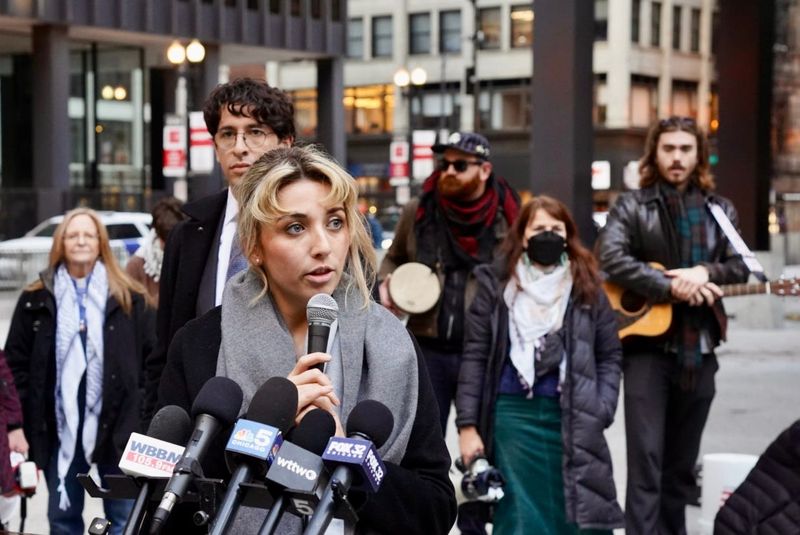
    Democratic Congressional candidate Kat Abughazaleh addresses supporters in downtown Chicago outside the federal courthouse where she pleaded not guilty to charges filed in connection with a protest against the Trump administration’s mass deportation campaign.Michael Loria, USA TODAY

    In Minnesota, U.S. Attorney Daniel Rosen strived on Tuesday to defend the new prosecution as skeptical reporters asked him why felony charges were lodged when not a single agent was hurt, why the urgency of this case when there’s been no prosecution of the agents who shot and killed Pretti or the unarmed motorist Renee Good, and whether the case amounted to what writer George Orwell famously called “thoughtcrime.”

    Rosen insisted that “whether or not they actually, at the end of the day, caused bodily harm is not the measure of whether or not they committed a serious federal crime.”

    Still, the federal case against the Minneapolis 15 contained just a couple of instances of alleged property violence ― the sideswipe and the kicking out of a vehicle’s tail light. Mostly, the indictment describes a lot of activities —like Signal chats, monitoring the movement of immigration agents on public streets, discussing the use of protective gear like shields, or an anarchist’s speaking tour about the protests — that would seem to be constitutionally protected free speech.

    With the enactment of the First Amendment in 1791, America’s founders vowed to protect “the right of the people peaceably to assemble, and to petition the Government for a redress of grievances.” Just days before the nation’s 250th birthday, an authoritarian regime in Washington wants to make this a crime for which you could spend a large chunk of your life in prison.

    “It does look like the government is throwing the book, maybe even over-charging some of the protesters,” Roy Gutterman, director of the Tully Center for Free Speech at Syracuse University, told me yesterday, noting that any act of actual violence wouldn’t be protected by the First Amendment. But he added that “even if some of the charges end up being thrown out, the breadth of the government’s arguments and the weight of the charges certainly send a message to protestors.”

    Exactly. Although the indictments are a living hell for the Minneapolis 15, the real target here is regular American folks like you — citizens who aren’t normally inclined to protest the government, but are starting to wonder what to do as the regime and its 80-year-old and increasingly out-of-touch leader spiral out of control.

    Before you even dare venture out to a church meeting where they pass out whistles and teach you how to warn your neighbors that masked ICE agents are snatching people off the streets, they want to plant seeds of doubt. Am I risking my freedom, and my family, just for posting something in a Signal or WhatsApp chat?

    They want you to be terrified, and on some level you should be afraid, not just of what the government is doing but why they are doing this now. Trump was already nearing record-low approval numbers before this week’s humiliating surrender deal aimed at ending the president’s foolhardy war of choice with Iran. The near inevitability of a Democratic House in 2027 all but guarantees Trump’s next impeachment and two years of political hell to end his 47th presidency.

    Thus, Trump’s desperate determination to interfere in the November election is becoming increasingly clear, with everything from unwarranted meddling by the U.S. Post Office to his insistence that grossly unqualified loyalist Bill Pulte serve as his director of national intelligence, in order to invent foreign election plots.

    Criminalizing dissent isn’t a sideshow. It’s central to the plan. They want to stop you from taking to the streets in massive numbers if and when they take illegal actions to keep the Republican Party in power. They are using these bogus indictments to lay the foundation for the solution that Vice President JD Vance proposed for Minneapolis back in January — to invoke the Insurrection Act and send in tanks.

    The case against the Minneapolis 15 reminds me of the remarkable novel Every Man Dies Alone by the German novelist Hans Fallada, based on the true World War II era heroism of Otto and Elise Hampel, who placed postcards around Berlin criticizing Adolf Hitler and the Nazis for two years before they were arrested and executed by guillotine. Are we now becoming such a totalitarian society?

    Hopefully not, if American citizens like the Rev. Jen Crow continue to speak out.

    “We’re not going anywhere,” she said after the feds’ courthouse chemical attack. “Those of us who care about each other and care about the rule of law and care about following the rules we’ve set out as a society that protect basic human rights, we’re not going anywhere.”

  • Juneteenth wasn’t the end of slavery in America. Here’s what history left out.

    Juneteenth wasn’t the end of slavery in America. Here’s what history left out.

    Juneteenth has been called America’s second Independence Day, and surely it is a glorious occasion worth commemorating, but it is important to remember that Juneteenth was not the end of slavery.

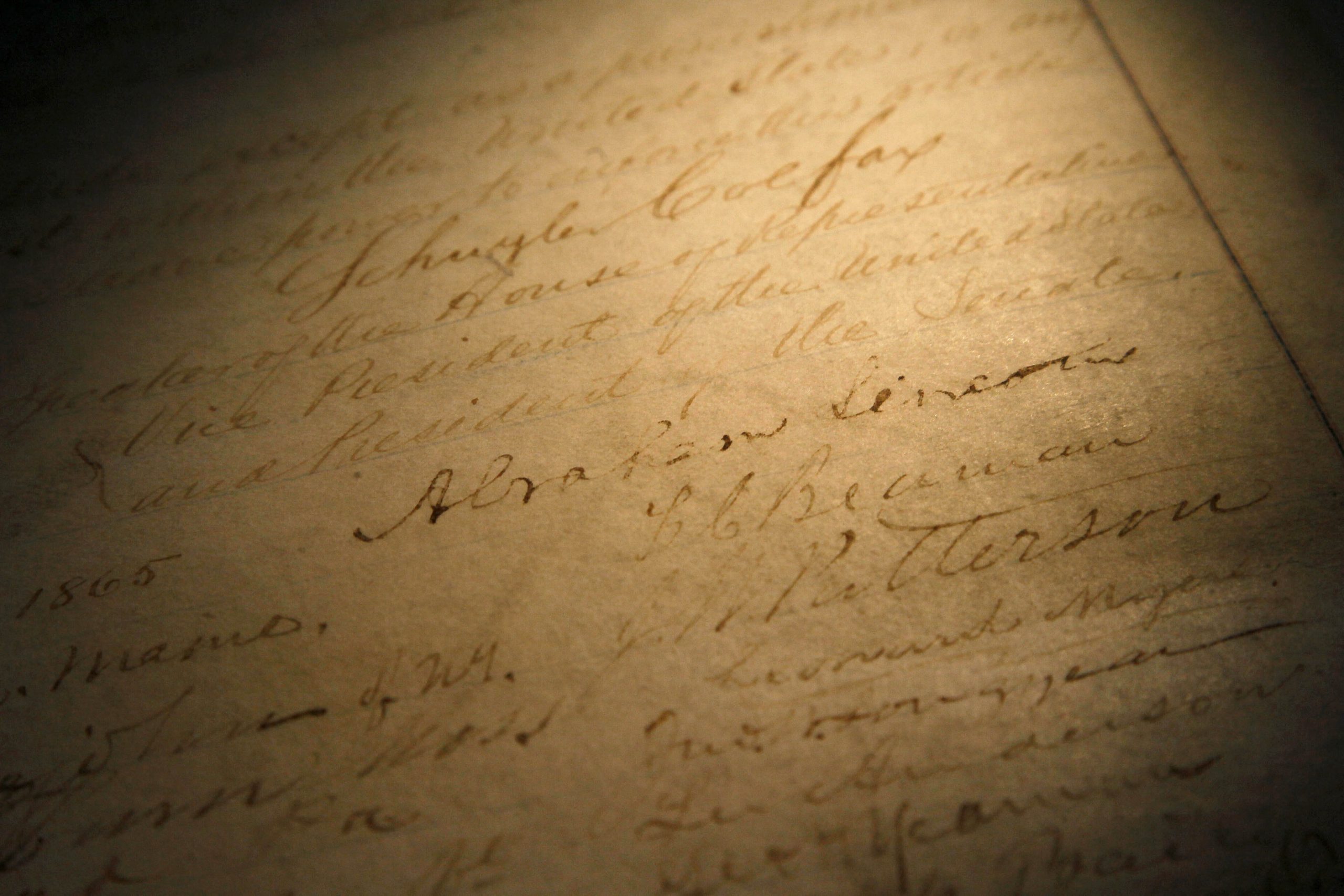
    The Emancipation Proclamation did not apply to the border states, nor to Northern states where slavery was technically still legal (like Pennsylvania). The 13th Amendment ended slavery in those states and all states in December of 1865.

    The signature of president Abraham Lincoln on a rare, restored copy of the 13th Amendment that officially ended slavery.Charles Rex Arbogast

    But the 13th Amendment did not end slavery in all of America either. Thousands of Black people remained enslaved after its ratification, held in chains by the so-called Five Civilized Tribes.

    The Cherokee, Choctaw, Chickasaw, Creek (or Muscogee), and Seminole nations were considered “civilized” because they adopted, in order to better assimilate with white people, an American way of life in governance, economy, religion, and attire. Part of being “civilized” included being an enslaver, so the Five Civilized Tribes began enslaving Black people.

    By 1861, more than 8,000 Black people were enslaved throughout the Indian Territory.

    The Cherokee Nation was the largest enslaver, holding 4,600 Black people in bondage in 1860. Enslaved Black people made the grueling march with their captors on the Trail of Tears, and then helped them rebuild their new life in Indian Territory. The Cherokee forced their enslaved laborers to work as translators, interpreters, maids, butlers, and farmhands.

    The Choctaw Nation counted 2,298 enslaved Black people in 1860. Choctaw leaders saw enslaved workers as economic commodities that could be used for international trade, and also as a tool to increase their social status among white people.

    Choctaw military and political leader Peter P. Pitchlynn, principal chief from 1864-1866, enslaved 81 Black people. Choctaw business mogul Robert M. Jones enslaved more than 500.

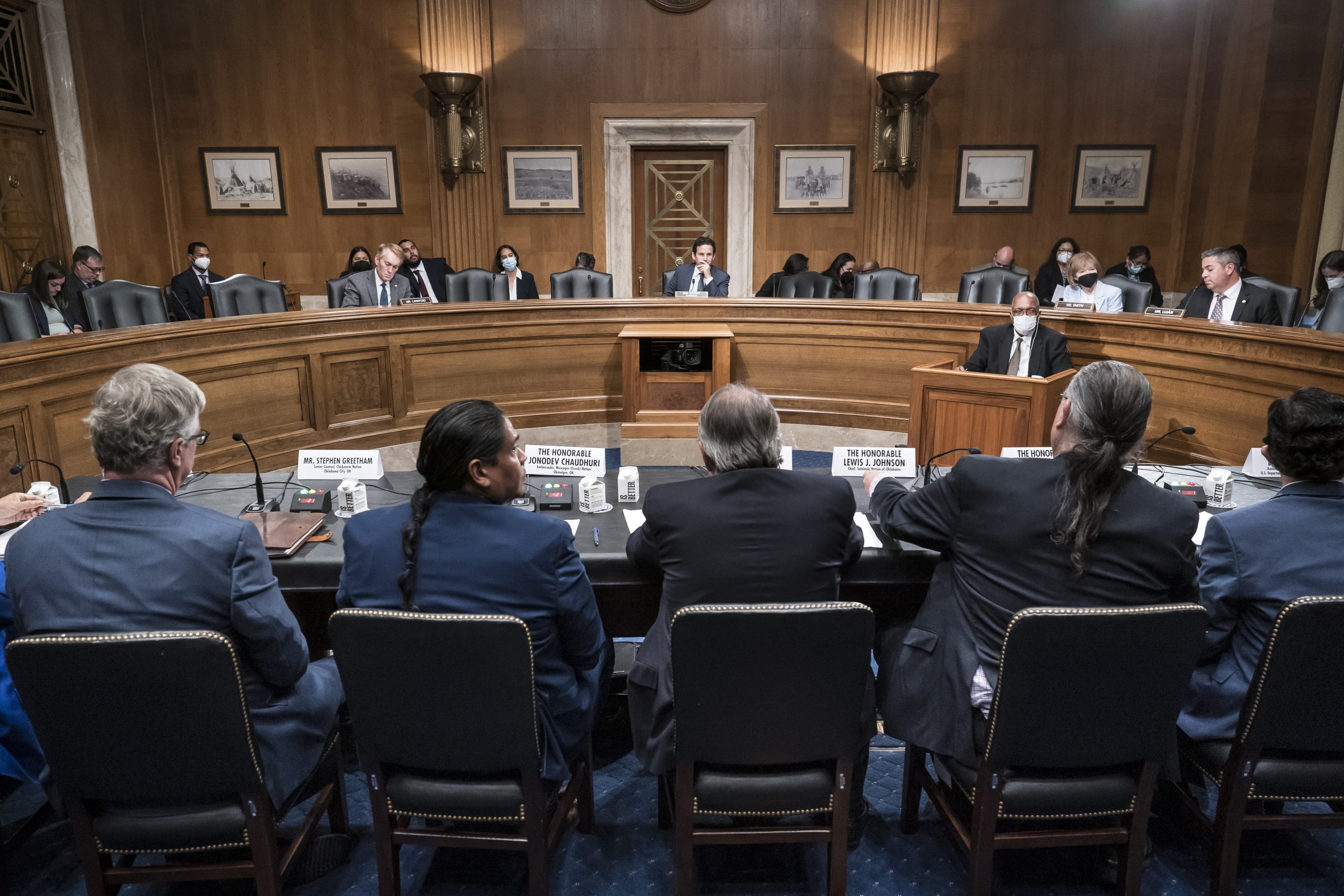
    The Senate Committee on Indian Affairs holds a hearing on “Freedmen” provisions in tribal treaties, at the Capitol in Washington, in July 2022. Freedmen were the freed Black people enslaved by the Five Tribes — Cherokee, Seminole, Choctaw, Muscogee (Creek) and Chickasaw nations — who were guaranteed the rights of citizens of the tribes under separate 1866 treaties with the United States. J. Scott Applewhite

    The Chickasaw Nation held 917 Black people in slavery in 1860. They were forced to work as interpreters, servants, wagoners, blacksmiths, and carpenters. Black people cut and shaped stone masonry on Chickasaw buildings and built public and private Chickasaw dwellings with their bare hands.

    As an expression of love, Chickasaw parents would often present an enslaved Black person as a gift to their daughters on their wedding day.

    The Muscogee (Creek) forced Black people to work in the deerskin trade, and as farmers, blacksmiths, cowboys, horse trainers, interpreters, and boatmen. They traded enslaved Black people for English-made guns, which made them the best-armed and most feared Native Americans in the Southeast.

    The Seminole Nation is well-known for providing a safe haven for Black people who fled bondage, but they enslaved Black people, too. British officials would present Seminole chiefs with gifts of enslaved Black people to strengthen alliances, and the Seminoles themselves enslaved Black people that they captured from other tribes.

    Because Native nations are not states, the Emancipation Proclamation and the 13th Amendment did not apply to the Five Civilized Tribes, which supported the Confederacy during the Civil War.

    After the South’s defeat, the tribes had to sign new treaties with the U.S. government. The tribes had to agree, as punishment for siding with the Confederacy, to give up a large portion of their territory, and among other tenets, outlaw slavery in their lands.

    The new treaty terms came into effect in the spring and summer of 1866, and then and only then did slavery come to an end in America (unless you have been convicted of a crime).

    The end of slavery in the Five Civilized Tribes doesn’t necessarily call for a holiday, but we could do our ancestors justice by putting a spotlight on Black people enslaved by Native Americans — an often-overlooked group — and including them in discussions and celebrations about the end of slavery.

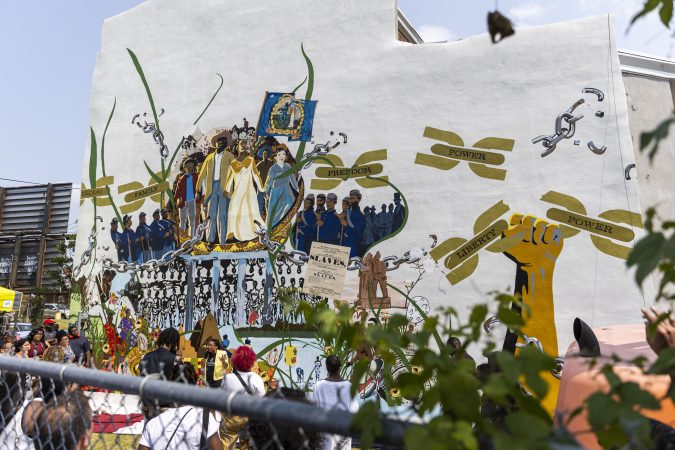
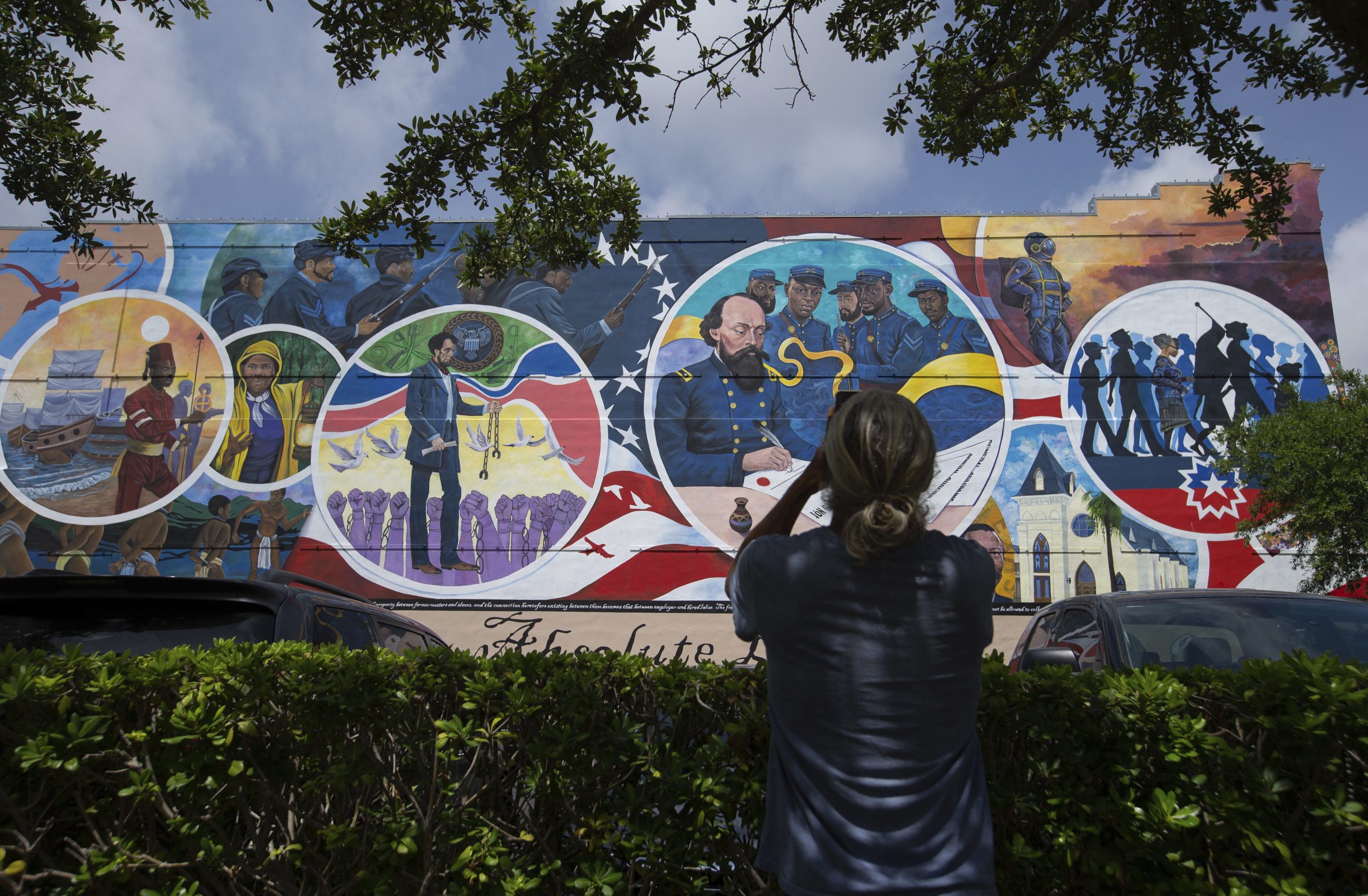
    A visitor takes a photograph of the Absolute Equality Mural, which was unveiled on Juneteenth 2021 in Galveston, Texas. Galveston is the birthplace of the Juneteenth celebration.Yi-Chin Lee / AP

    So this Juneteenth, rejoice, to the high heavens, for Black people in Texas who escaped from hell on Earth and found freedom, but save a few moments of silence for their brothers and sisters in Indian Territory and elsewhere who were still in chains, still yearning to be free.

    Greg Johnson is a writer and editor in Philadelphia, and the creator of “The History of Black Philadelphia” Facebook page. He is working on a book about the history of Black people in Philadelphia. gregjohnson1804@gmail.com

  • The World Cup is in Philadelphia. So far, the city is delivering. | Editorial

    The World Cup is in Philadelphia. So far, the city is delivering. | Editorial

    After years of anticipation, the World Cup has finally come to Philadelphia, and the city is rising to the occasion.

    The FIFA Fan Festival, located at Lemon Hill in Fairmount Park, has free admission and is open daily. During Mexico’s 2-0 win over South Africa in the tournament’s opening match, Mayor Cherelle L. Parker watched and celebrated there alongside fans of El Tri.

    The city’s sizable contingent of Mexican Americans made the stretch of grass their own, but they weren’t the only ones. According to the Philadelphia Visitor Center, more than 100,000 people visited the fan festival over the four-day opening weekend. Attendees have given the experience positive reviews, with one notable exception: bike parking, which has been scarce despite officials urging visitors to leave their cars at home.

    Also, a success was opening night at Lincoln Financial Field, which has been renamed Philadelphia Stadium for the tournament. While fans of Ecuador left disappointed after their team’s 1-0 loss against Côte d’Ivoire, they could quickly make their way to one of the city’s bars — some of which won state approval to stay open until 4 a.m. during the World Cup — to drown their sorrows.

    Not so in places like Boston or New York City — two of the other 11 American cities selected to host tournament matches — where officials have resorted to closing major streets near transportation hubs to accommodate the crowds. Those cities have also dealt with extensive gridlock.

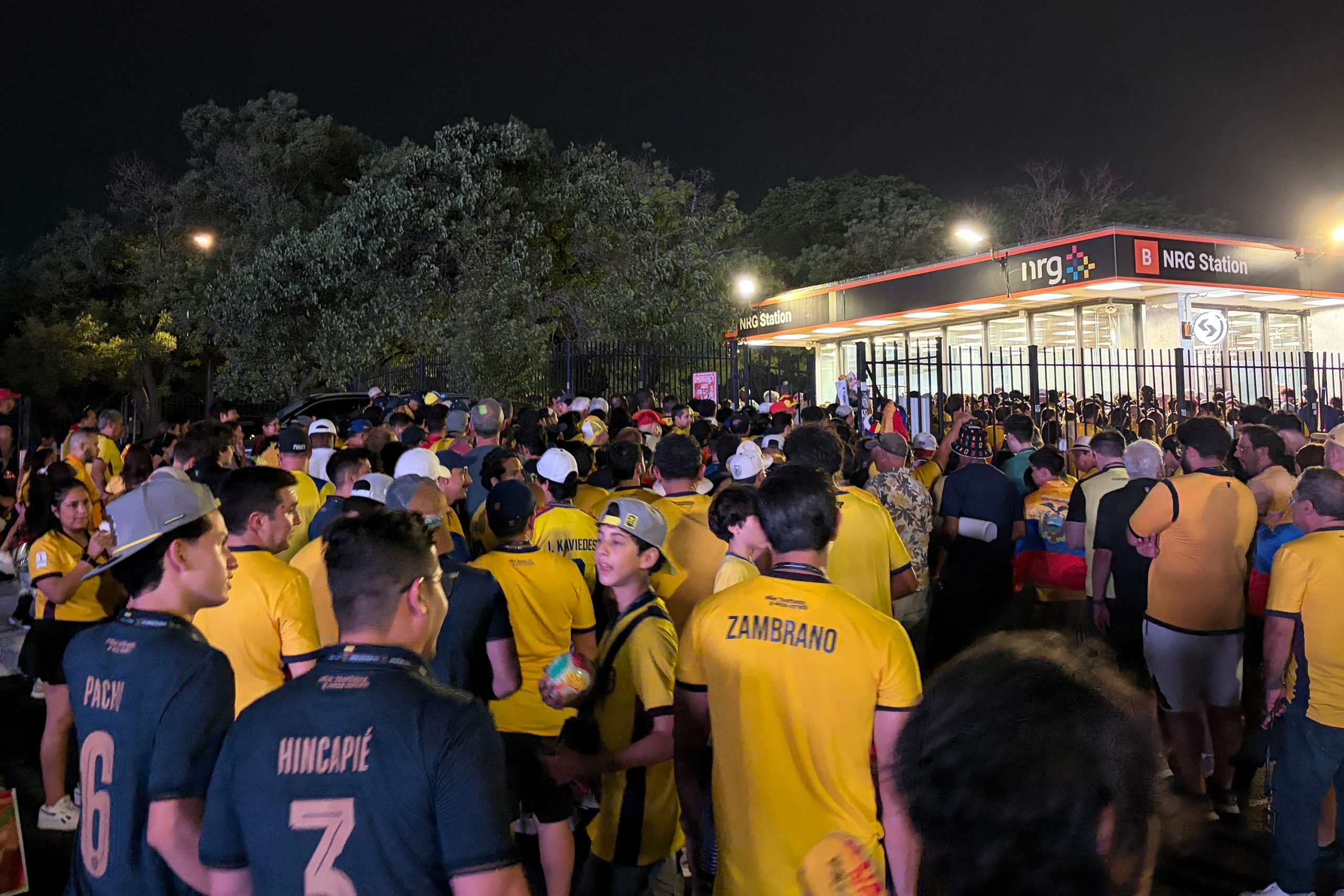
    Fans wait outside SEPTA’s NRG Station near the sports complex following Côte d’Ivoire’s victory over Ecuador Sunday.Michelle Myers

    The various efforts to fight North Jersey congestion still left some fans waiting for a ride home well after midnight. Spectators at other World Cup sites also faced steep costs for using mass transit, with New Jersey charging $98, and Massachusetts charging $80 for the train and $95 for the bus.

    In Philadelphia, however, costs are far lower for fans. Getting to a match via the Broad Street Line doesn’t require any charges beyond the system’s usual one-way fare — $2.90. And, thanks to a sponsorship agreement with Airbnb, rides back to Center City are free beginning at halftime and continuing until two hours after the match concludes.

    While SEPTA is operating additional service to support games at the sports complex and the fan festival, that has not come at the expense of trips for anyone else. Per SEPTA, roughly 19,000 people used NRG Station to get home from the game.

    National media outlets have taken note of Philadelphia’s moment — no small thing for a city accustomed to skepticism. The Washington Post praised the city as a model of affordability and access. Inquirer soccer writer Jonathan Tannenwald has detailed how Philadelphia became the envy of fans from across the country, thanks to a yearslong fundraising and organizing campaign.

    Given this effort and the city’s comparatively straightforward mass-transit situation, it is worth wondering why FIFA did not award more games to the Delaware Valley. There are just six matches scheduled in the city, as compared with nine in Dallas, and eight in Atlanta and New Jersey. All have experienced the kind of regional congestion woes we have so far avoided here in Philadelphia.

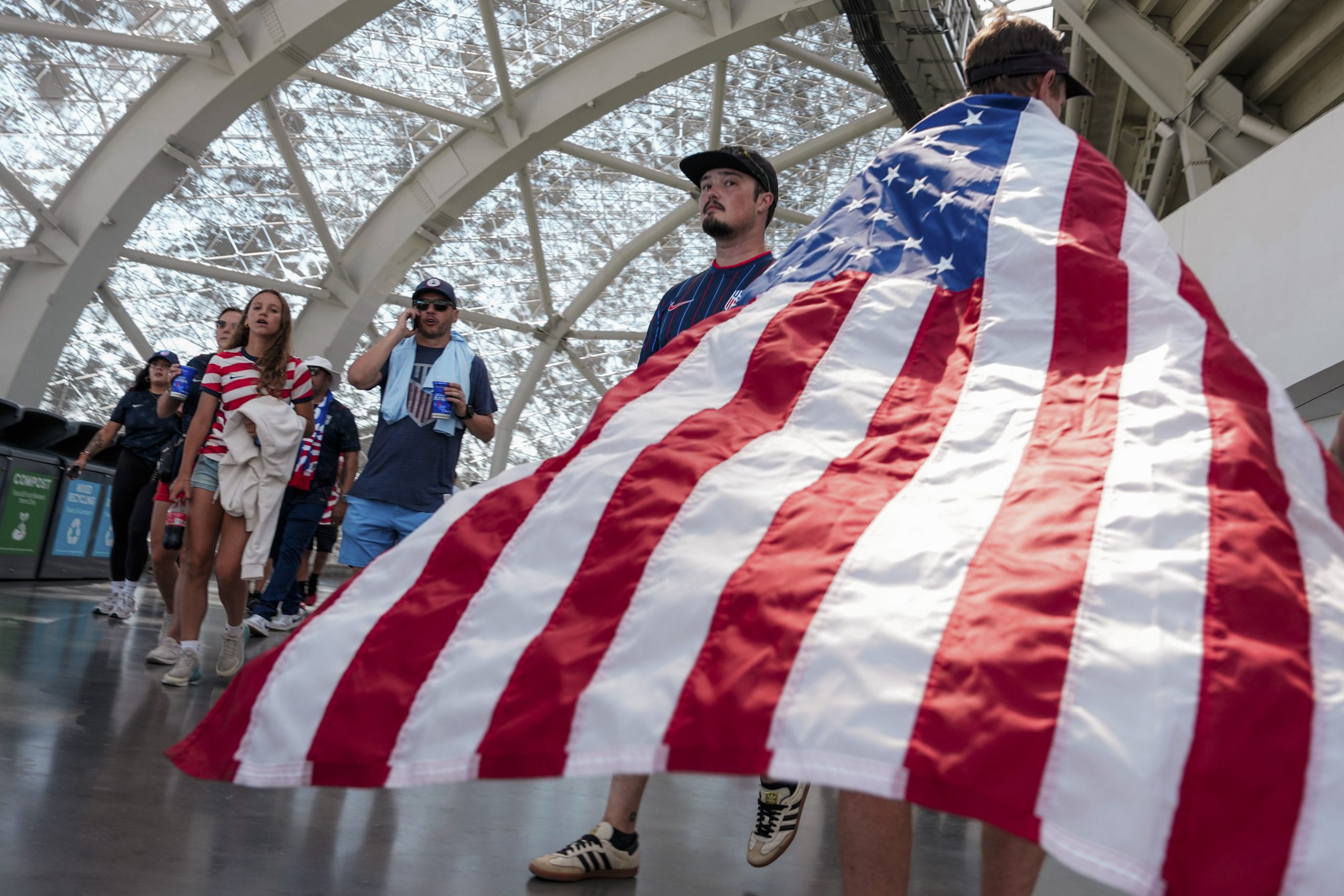
    A fan wrapped in an American flag ahead of the World Cup soccer match between the U.S. and Paraguay at Los Angeles Stadium in Los Angeles on Friday.GABRIELA BHASKAR

    That said, it hasn’t all been kudos. Those who live closest to the Fan Festival in Fairmount Park have borne the brunt of the match-day fallout during the festivities so far. Residents have complained about noise, traffic from road closures, dangerous motorists, and hiccups with the temporary parking permit system, with four vehicles mistakenly towed.

    With the festival running through July 19, city officials should work to mitigate these issues, perhaps by putting up sound barriers, installing no parking signs in the surrounding neighborhoods, and stationing police near streets that have seen an uptick in reckless driving.

    It is likely impossible to host a major event like the World Cup without any negative impacts, but Philadelphians can be proud that, so far, we’ve shown the world our best face.

  • Riding two horses | Editorial Cartoon

    John Cole spent 18 years as editorial cartoonist for The (Scranton) Times-Tribune, and now draws for various statesnewsroom.com sites.

  • Physician attrition isn’t a result of lack of commitment

    Physician attrition isn’t a result of lack of commitment

    When you live in the city of eds and meds, the ins and outs, ups and downs, successes and stumbles of the educational journey make a seasonal backdrop. Just as the sights and sounds of caps and gowns, family photos, and generational pride, joy, and accomplishment are in the air around us this time of year, the cycle of applications restarts.

    And so, too, do requests for letters of recommendation. Being asked to write a letter of support for any of my students is an honor. It’s also a responsibility I don’t take lightly.

    For those I’ve written to medical schools, the task feels even weightier. I only want the best future doctors, clinicians, and colleagues caring for patients. But I also want what is best for the students I have come to know and value.

    For the first time this year, I caught myself almost trying to dissuade a student from applying to medical school. Not because they lacked ability or mission. But because they had the very qualities that make someone an extraordinary physician — intelligence, empathy, curiosity, selflessness, ethical centeredness, creativity, and a desire to serve.

    The U.S. healthcare system can be punishing to people with those qualities. My inclination is to protect the students who may be at risk of experiencing the moral injury I have come to know.

    The question in my mind is not whether they are good enough to be accepted into medical school. I now question whether the world of healthcare is worthy of them.

    The understood pact

    I am hard-pressed to think of another degree that immediately conveys demonstrated intelligence and accomplishment in the way a medical degree does. It transcends culture, ethnicity, and geography.

    Beyond the respect and prestige, medicine used to offer a near-sacred promise, especially noted by first-generation and immigrant families: work hard, distinguish yourself among the best students nationally, endure the training, become a doctor, and you will have security, standing, and a life of meaningful contribution and fulfillment.

    That bargain seems to have changed.

    Misdiagnosis and politics

    On May 19, U.S. Rep. Greg Murphy, a physician and congressman from North Carolina, responded to a study in the Permanente Journal looking at clinically inactive physicians for factors associated with their attrition. On X, Murphy issued an indictment of medical schools. He wrote that anyone unwilling to commit to clinical practice for 20-25 years should not be in medicine.

    A year ago, almost to the day, on May 20, 2025, Murphy introduced legislation to ban DEI in medical schools — the Embracing anti-Discrimination, Unbiased Curricula, and Advancing Truth in Education (EDUCATE) Act. He and those who supported the legislation saw diversity, equity, and inclusion in medical school and the medical profession as “discrimination,” “politicization,” and “woke ideology.”

    Murphy’s EDUCATE legislation frames increased diversity as a threat to merit and excellence, and his recent X post suggests physician attrition is a failure of admissions screening. Together, his position seems to be that the wrong people are being let into medicine and that this is the key cause of healthcare’s attrition crisis.

    It shows Murphy’s lack of awareness of the current realities of healthcare. To tell anyone that they must commit to decades of full-time practice without scrutinizing the systems dictating that practice is not workforce planning — it is a coerced loyalty oath. There are harsh truths we in Philadelphia know well.

    From Hahnemann/Drexel, to Jennersville and Brandywine Hospitals of Tower Health, to Crozier Health System, we have been witnesses to the closures and collapse of hospitals and entire systems because of poor leadership, incompetent management, and systems-dismantling by private equity. We may be watching this process unfold in real time at Our Lady of Lourdes in Camden.

    At no point was this failure one of commitment or dedication from the impacted trainees, physicians, clinicians, or caregivers.

    Nurses, physicians, and support staff can do everything “right” and still be discarded by the institutions that once seemed permanent. Murphy chastises students for not committing to medicine for 25 years, but no academic institution, hospital system, corporate employer, or political leader is asked to commit 25 years to that student in return.

    A curious distinction

    I was serving on the board of trustees of the College of Physicians of Philadelphia when I left my position as associate professor in academic medicine. At one board meeting, a trustee turned to me: “What’s new? I heard you left.” Before I could answer, she turned to another trustee at the table, saying, “Women these days just aren’t as committed to medicine.”

    In that moment, it became clear that “leaving” was called “leadership” for some and “a lack of commitment” for others.

    Associate deans who no longer care for patients do not see themselves as having left clinical medicine.

    Graduates of prestigious medical schools who use their MD as a credential to move into consulting, venture capital, insurance, or government aren’t usually judged on whether they were worthy of medical school admissions and a coveted seat — even if they didn’t finish residency training or get board certified.

    “Leaving” and the attendant opprobrium are reserved for those who do the lion’s share of patient care and clinical work before they go.

    Is this the new reality?

    Doctors increasingly work inside systems designed by people far from the bedside.

    Doctors are accountable for patient outcomes, patient satisfaction, documentation, throughput, billing, safety, and liability — yet, they have little control over staffing, scheduling, payer rules, hospital finances, closures, corporate strategy, or leadership decisions.

    I’ve had a front-row view of all of these in the last 25 years.

    Medicine wants the A+ student: the one who excels academically, volunteers, leads, researches, listens, and cares. The one who is a driven self-starter, adaptable, and gets tasks accomplished with minimal oversight or direction. But once on the other side of the years of education and training, agency and autonomy are stripped away. More and more, doctors are forced to be the face of, and the shock absorbers for, decisions they have no say in making.

    In the setting of AI in healthcare, the corporate practice of medicine, insurance-driven permissions and protocols, do we really need the best and brightest to spend nearly a decade in education and training, only to then treat them like cogs or widgets?

    The selflessness, ethics, and humanity that make the best doctors are also the traits most likely to be wounded by a system that rewards productivity over presence, margins over missions, silence over candor, and institutional protection over accountability.

    To be clear, the physician shortage is real. Emergency departments are full of people who turn to us when the next available appointment is months away. Entire swaths of rural areas have seen their hospital close or their doctors leave. Communities need doctors to care for them throughout their lives and particularly as they age.

    The solution won’t come from a myopic focus on who we let into medical school. Instead, we should focus on building a career trajectory that physicians can sustain, survive — and ideally thrive.

    Retention is not built by threatening the pipeline, but by addressing the leaks and reconfiguring the parts that are broken.

    The people drawn to medicine for the right reasons will always exist. They are the ones who show up and step up. They teach, heal, listen, advocate, sit with families, mentor others, and build new paths when the old ones fail. And they are not easily dissuaded — from their goals, missions, values, or calling. When they are free to be the doctors their patients need, the rest of the hassles of the job feel bearable. If not, the hassles can feel insurmountable.

    The silver lining is not that doctors will keep enduring anything simply because of their drive or values — nor should they. That is not hope; that is exploitation.

    The silver lining is that medicine still attracts people who want to use their gifts in service of others. Our obligation is not to test how much harm they can withstand. It is to build a profession aligned with the values we claim to admire.

    Priya E. Mammen is an emergency physician, healthcare executive, and public health specialist who helps the nation’s most impactful companies integrate clinical integrity at scale.