Category: Opinion

  • Bob Harvie is the best choice for Pennsylvania’s 1st Congressional District | Endorsement

    Bob Harvie is the best choice for Pennsylvania’s 1st Congressional District | Endorsement

    U.S. Rep. Brian Fitzpatrick (R., Pa.) has been a member of Congress for nearly a decade, and it is difficult to determine what exactly he has accomplished.

    Fitzpatrick, 52, claims to be a problem solver, but he is really part of the problem. Fitzpatrick entered Congress with the MAGA wave that first swept into Washington with Donald Trump in November 2016.

    He is a member of a Republican House majority that has been one of the least effective and most dysfunctional in modern times. The GOP controls the House, Senate, and the White House — and still can’t do much to help the American people.

    Because Fitzpatrick represents a swing district that covers Bucks County and portions of Montgomery County, he doesn’t always vote lockstep with his Republican colleagues. But when Fitzpatrick’s vote is needed, he backs Trump’s incoherent agenda, which has made life more expensive for everyone.

    That agenda speaks for itself: costly tariffs, cruel deportations, unprovoked war, tax breaks for the superrich, massive debt, healthcare cuts, brazen corruption, abuses of power, self-enrichment schemes, and constant chaos.

    For Fitzpatrick’s constituents, Republican control in Washington has resulted in higher interest rates, sluggish job growth, and increased prices on everything from gasoline to food, cars, housing, and utility bills. Not to mention a host of constitutional, ethical, and legal abuses with no oversight or pushback.
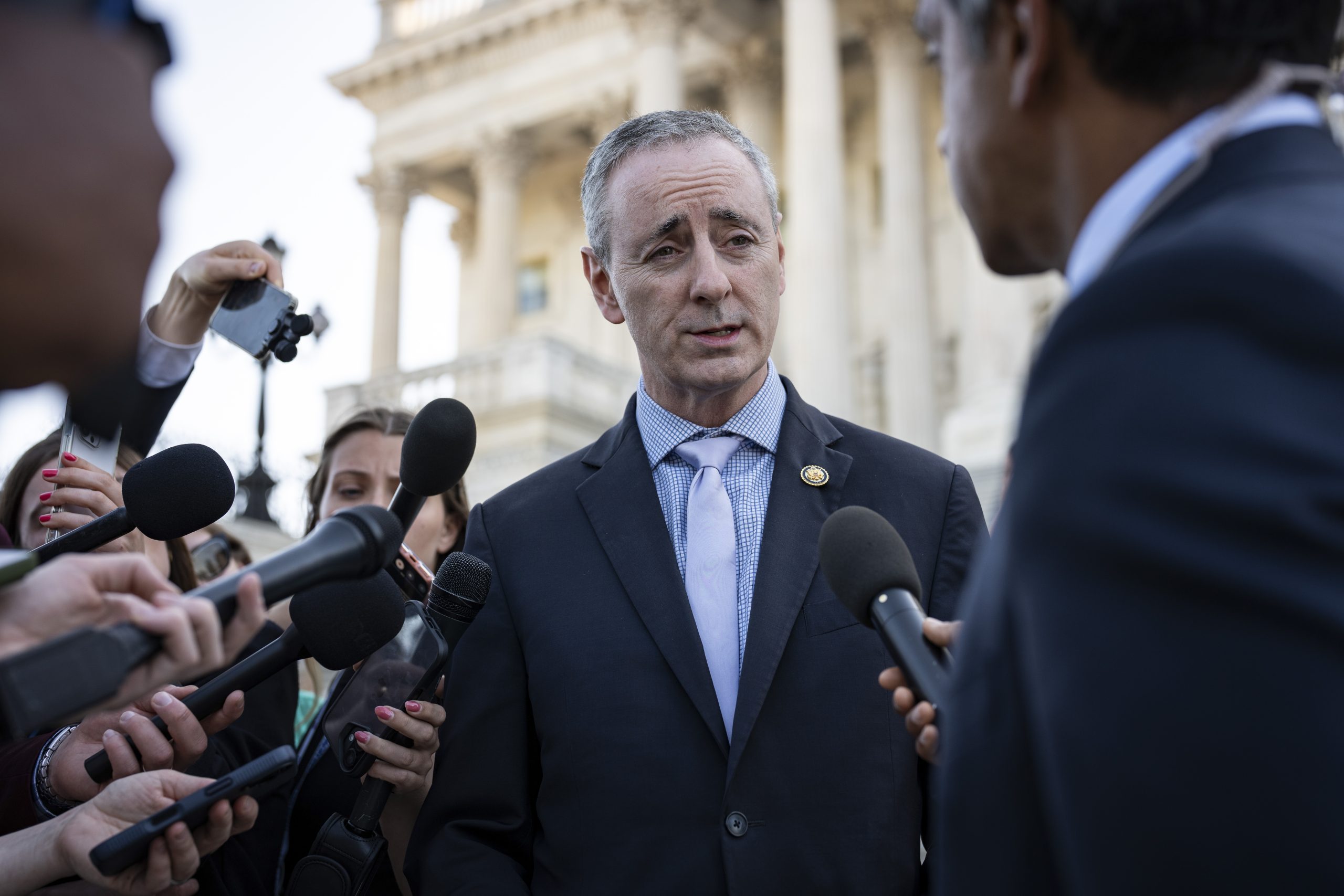
    U.S. Rep. Brian Fitzpatrick (R., Pa.) doesn’t always vote with his Republican colleagues. But when his vote is needed, he backs Donald Trump’s incoherent agenda, the Editorial Board writes.Haiyun Jiang

    He did vote against Trump’s signature legislative accomplishment: the so-called Big Beautiful Bill, which added trillions to the ballooning deficit, extended tax cuts for the wealthy, slashed Medicaid and other support for the most vulnerable citizens, and added billions to support Trump’s deportation roundups.

    But Fitzpatrick’s no vote came only after final passage of the measure was assured. Weeks before the measure’s final passage, he was the deciding vote to advance the bill that ultimately became law.

    He often performs this type of calculated two-step to appear not so extreme to his more moderate constituents. But the results spell pure MAGA.

    Fitzpatrick, who recently married a Fox News correspondent, pulled a similar switcheroo on Trump’s costly war in Iran. Initially, he voted against limiting Trump’s power to wage war in Iran before voting to block further military action. He even issued a muddled statement about the war that said nothing.

    So he was for the war before he was against it. The result of Trump’s strategic blunder that GOP congressional members enabled has been higher gas prices, billions wasted on bombs, and needless death and destruction with no way out.

    Fitzpatrick has harmed his constituents in other ways. He repeatedly supported Trump’s tariffs, which have upended trade relations with allies, roiled financial markets, and increased prices for small businesses and consumers.

    He is increasingly out of step with his own constituents. He supports data center development, which most voters oppose. He also opposes codifying abortion rights, which a majority of the public supports.

    Fitzpatrick has also been largely missing in action in his own district. He has not held a town-hall meeting with voters since 2017, calling them a waste of time.

    He has refused to debate his opponent, Bob Harvie, a Bucks County commissioner. Fitzpatrick declined to meet with this Editorial Board to make his case for reelection — even though The Inquirer endorsed him in the past.

    If 80% of success is just showing up, Fitzpatrick has failed his constituents.

    The problem may rest with who Fitzpatrick really represents. His campaign is largely funded by billionaires and out-of-state corporate PACs backed by Wall Street banks, Big Pharma, and Koch Industries.

    More broadly, the GOP-controlled Congress has failed to uphold its sworn oath to support the Constitution and serve as a check on the executive branch of government.

    Fitzpatrick’s true character is shining through in the onslaught of attack ads aimed at his opponent. An ally with a checkered past was recently exposed for planting negative articles about Harvie. That’s a Tammany Hall move.

    Fortunately, voters in Pennsylvania’s 1st Congressional District have a more upstanding alternative in Commissioner Harvie.

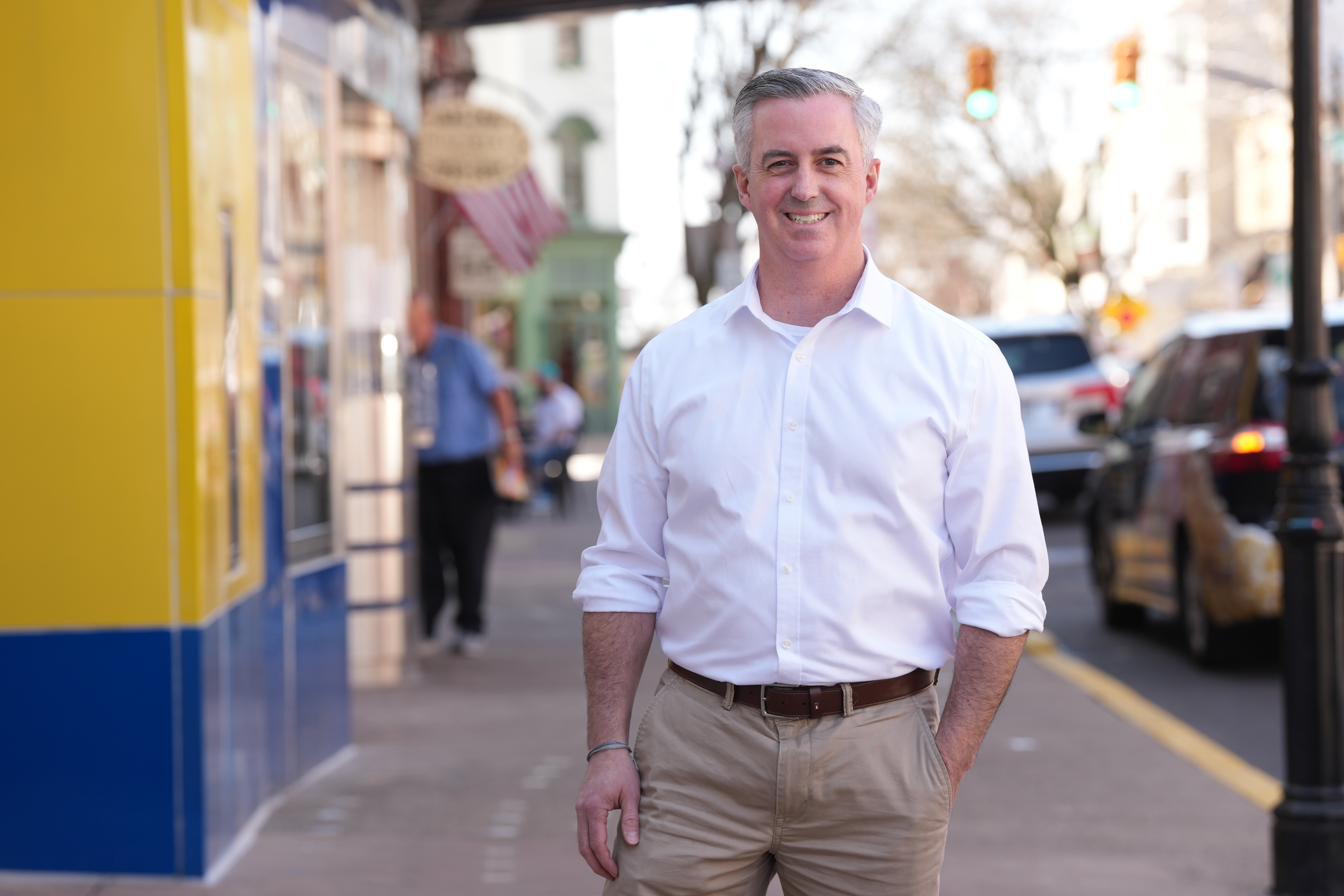
    Harvie, 54, is a Bucks County native who grew up in a blue-collar family (Bristol Borough) and was the first member in his family to go to college. He taught social studies in the public schools there for many years. He is humble, hardworking, and understands the affordability challenges facing Pennsylvanians.

    Democratic Bucks County Commissioner Bob Harvie understands the affordability challenges facing Pennsylvanians, the Editorial Board writes.Monica Herndon / Staff Photographer

    He would bring some much-needed compassion and decency to a Congress that is turning into TikTok performance artists more interested in viral posts than making government work for the people they represent. Even better, Harvie will answer to the people, not Trump.

    Unlike Fitzpatrick, who has not held an in-person town hall in nearly a decade, Harvie has held five town halls since April and has four more scheduled this month.

    Harvie was elected commissioner twice. He knows how to work with Republicans and Democrats. The three-member commission includes one Republican, yet more than 90% of the votes have been unanimous.

    The commissioners have opened mental health care facilities, launched sustainability programs, and passed a bipartisan resolution opposing the use of warehouses as U.S. Immigration and Customs Enforcement detention facilities.

    If elected, Harvie said his top priority would be to address affordability issues facing residents. He also wants to restore trust in government, starting with a ban on stock trading by members of Congress and a clampdown on corporate control of politics by passing a constitutional amendment to overturn Citizens United.

    “I was raised to love this country,” Harvie told the Editorial Board. “I cannot stand what’s happening to it.”

    Many Americans agree. That’s why The Inquirer endorses Bob Harvie for Congress in Pennsylvania’s 1st District.


  • Out of hand | Editorial Cartoon

    Out of hand | Editorial Cartoon

    John Cole spent 18 years as editorial cartoonist for The (Scranton) Times-Tribune, and now draws for various statesnewsroom.com sites.

  • Letters to the Editor | Oct. 4, 2026

    Letters to the Editor | Oct. 4, 2026

    Enduring legacy

    My father, Russell Byers, a beloved Daily News columnist, believed deeply that the greatest gift we can offer a child is “roots to grow and wings to fly.” He believed in high-quality public education to transform lives. When his life was tragically cut short, our family — his widow, Laurada, my sister, Alison, and me — chose to honor his commitment by founding the Russell Byers Charter School.

    The school has grown to serve more than 700 students from 43 neighborhoods. Grounded in expeditionary learning, the school treats the entire city as a living classroom.

    As we celebrate our 25th anniversary, we know that educating a child in a bustling urban landscape takes a village.

    That is why this anniversary must also serve as a profound call to action: We need more mentors.

    For a middle schooler navigating the complexities of growing up, having an outside mentor — a caring professional, a retiree, a local artist, or an engineer — can alter their trajectory. You do not need a degree in education to be a mentor; you simply need presence, patience, and a willingness to listen.

    As we celebrate our first quarter century of educational excellence, let us honor Russell Byers’ legacy not just with words, but with action.

    W. Russell G. Byers Jr., chair, Byers School Foundation

    Self-regulation?

    Artificial intelligence companies say they can self-regulate. The agreement some Big Tech companies signed at the White House is “morally binding,” says Donald Trump. And we know huge corporations are well known for their morals.

    The president may also be naive enough to believe that because the companies want to be successful and profitable, they won’t let anything bad happen. But nothing ever goes wrong in other industries, right? Except we all saw what happened with uncontrolled accelerations in Toyota’s cars, Firestone’s tire tread separations, the many cases of exploding Ford Pintos, the problems with General Motors’ faulty ignition switches, and those emissions-cheating Volkswagen Jettas (I owned one).

    And let’s not forget the 1984 to 1996 models of the Ford Bronco, which could tip onto two wheels and possibly roll over, even at low speeds. Ford discovered this design defect during prototyping, but decided it was too expensive to fix.

    Government regulation is required.

    Mark Driscoll, Philadelphia

    Utility surcharges

    I was taken aback by the Philadelphia Building Decarbonization Project’s new analysis showing a 67% increase in ratepayer bills since 2012, fueled mainly by utilities’ heavy investments in replacing gas pipes and other delivery infrastructure. Utilities were able to transfer these costs directly to ratepayers due to a little-known state law, Act 11, that gives them broad latitude to impose surcharges. Distressingly, such surcharges now account for about two-thirds of a typical residential gas bill in Pennsylvania. If rates continue to increase, even families that try to conserve energy will end up paying more.

    Eliminating Act 11’s perverse incentives to load pipe replacement costs onto ratepayers should be a key part of making Pennsylvania energy more affordable. Utilities should also be required to consider alternative energy sources that avoid harmful emissions — including electrification and thermal networks — before replacing gas pipes. Allowable pipeline investments should focus on safety issues. I have contacted my state representatives to urge reforms along these lines, and I would urge other Inquirer readers to do so, too.

    Elaine Fultz, Philadelphia

    Join the conversation: Send letters to letters@inquirer.com. Limit length to 150 words and include home address and day and evening phone number. Letters run in The Inquirer six days a week on the editorial pages and online.

  • I’m a nurse who helps sexual assault survivors. Jane Doe’s texts from Cornell sound like what I hear in Philadelphia.

    I’m a nurse who helps sexual assault survivors. Jane Doe’s texts from Cornell sound like what I hear in Philadelphia.

    I am a sexual assault nurse examiner in Philadelphia. For the past 10 years, I have also studied how people heal after sexual harm, and I answer anonymous questions from survivors on Our Wave, a free online healing platform for people who have experienced violence. In both places, the question I hear most often is “Does this count?”

    Cornell University’s Jane Doe spent three weeks asking herself that question.

    Title IX records obtained by the New York Times show the sophomore, who says she was assaulted by multiple men at a fraternity house in October 2024, texting with some of the men she would later accuse.

    The Chi Phi fraternity house at Cornell University in Ithaca, N.Y., where a Cornell student reported being gang-raped in 2024. A special prosecutor has recently been appointed by New York state to investigate the allegation.HEATHER AINSWORTH

    According to the Times, two days after the party, she reassured one of them that none of the sexual stuff was illegal. Two days after that, she wrote that her reputation was destroyed and that all she could do was sleep and cry. She later told investigators that things shifted when she read an anonymous post online. She said it was the first time she had heard anyone say “that I wasn’t a whore and that I was assaulted.”

    Those texts are now being used against her.

    The Tompkins County, N.Y., district attorney declined to bring charges in 2024. He has since said his office never saw the transcript of her police interview, in which she reportedly said she was certain she had been raped, and he has reopened the case. The New York attorney general is also reviewing how Cornell handled it.

    The legal process will decide what happened that night. As a nurse, I recognize the weeks that followed.

    Healing after sexual harm rarely starts with the word rape. My research has followed the healing journeys of survivors across the globe, including hundreds here in Philadelphia. Survivors have taught us that there are multiple pathways people may move through as they heal. Two of the earliest are normalizing, when violence feels like just what happens, and minimizing, when a survivor knows something was wrong but insists it wasn’t that bad.

    On campus, survivors often normalize and minimize because of what hookup culture has taught students to accept, so pressure, coercion, and sex with someone too drunk to consent can feel like just part of a night out.

    People move back and forth between these pathways for months or years, and each one helps them get through the day. But our systems tend to treat whatever a survivor says during them as the whole story.

    Cornell University students and American Civil Liberties Union student chapter members Jane Wang (left) and Sophia Riley Sim speak about sexual violence on campus during a student assembly meeting at the university on Oct. 1.Matt Rourke

    I first saw this as a student working at the University of Michigan’s sexual assault center. Women who came in late at night almost never started with the word rape. They usually started with “I’m probably being dramatic but …”

    Jane Doe’s texts read like the normalizing and minimizing I have seen again and again in my research. Many survivors tell us they didn’t realize they had been sexually assaulted until after they had time to process. What helped survivors move forward was connection, and sometimes one supportive person was enough. For Jane Doe, it was a stranger online who finally called it assault. The way we respond to survivors really does matter.

    At Our Wave, where I direct research and survivor support, survivors share their stories so others can see themselves in them and make sense of their own experiences.

    The questions survivors send us show how often doubt comes first. When my team searched the nearly 1,000 questions submitted to our Q&A for the language of doubt, phrases like “does this count,” “am I being dramatic,” “it was my fault,” and “I froze,” we found it in about one in four.

    Survivors are everywhere, but we do not always recognize their experience as survival, and survivors do not always recognize it in themselves. Perhaps that is why so many people have been posting “I am Jane Doe” this week. They see themselves in her story.

    We ask survivors to make one big decision — whether to report — at the moment many are least able to make it. A survivor who is still minimizing what happened is not going to file a police report. She might read another survivor’s story at 2 a.m., ask an anonymous question, or come in for medical care and an exam, which she can have without going to the police.

    Survivors need a menu of options that meets them where they are in their healing journey. Some need anonymous support first, like a hotline or an online Q&A. Some need medical care and evidence collection now, with the decision about reporting saved for later.

    Some need a confidential campus advocate who won’t automatically open an investigation. Those who are ready need formal Title IX and criminal processes. And some want restorative options, in which the person who caused harm must take responsibility and face consequences outside the criminal legal system, such as losing campus housing or leadership roles.

    More options can also mean more accountability. In the Cornell case, with no criminal charges, the university’s process was the only accountability available. One woman in my research said she wished her school had “more teeth.” In my experience, survivors who know they have options are more likely to come back when they are ready.

    Philadelphia can lead on this.

    We have dozens of colleges and universities, including Temple, Penn, Drexel, and La Salle, and our city’s rape crisis center, WOAR, already offers a restorative justice program, although recent funding cuts have threatened its sustainability. As faculty adviser to Students Activists Against Sexual Assault at Temple, I know students here are ready for this conversation. Our campuses should build the full menu, and every student should hear that they don’t have to be sure it counts before they ask for help.

    Healing isn’t linear, and in my experience, naming isn’t, either. Jane Doe needed three weeks to find the word. That is common. To survivors who are still asking whether it counts, your story matters, and healing is possible.

    Together, we can create a more supportive healing world for survivors, one where people are still listening, and options are still open when they get there.

    Laura Sinko is an associate professor of nursing at Temple University’s College of Public Health, faculty adviser to Temple’s Students Activists Against Sexual Assault, a sexual assault nurse examiner in Philadelphia, and the director of research and survivor support at Our Wave.

  • Mayor Parker — and her mixed record — reaches 1,000 days in office | Shackamaxon

    Mayor Parker — and her mixed record — reaches 1,000 days in office | Shackamaxon

    This week’s column covers the ongoing Washington West Historical District saga, a 1,000 mayoral days, a City Council member who should retire, and an NFL coach who is a secret urban planning enthusiast.

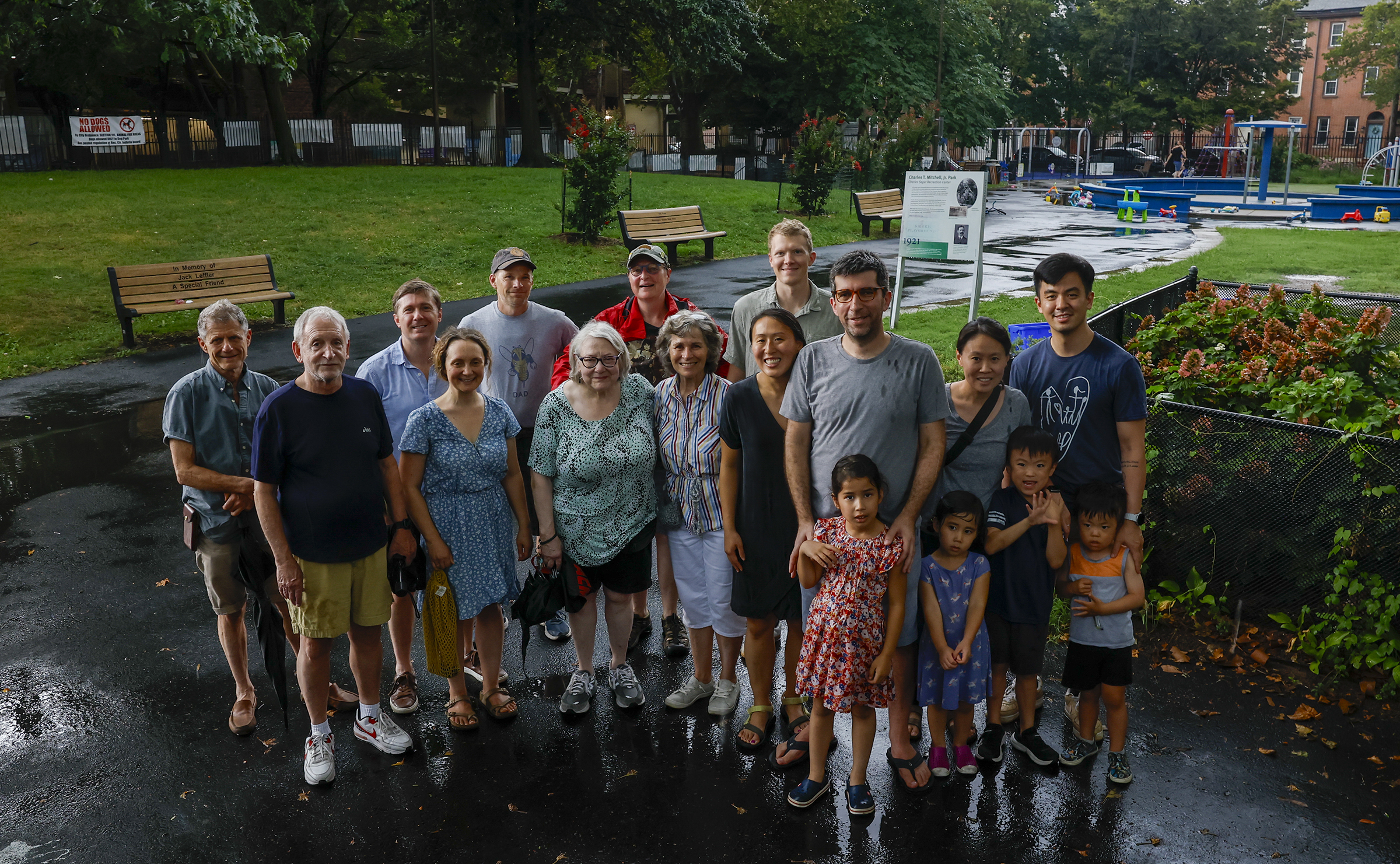
    Members of the Philadelphians for Rational Preservation gather at Seger Park in the Washington Square West neighborhood in July 2025. The group opposes the Washington Square West Historic District designation.Yong Kim / Staff Photographer

    People vs. preservation

    In a City Hall courtroom, lawyers for the city and the preservation alliance sought to defend the designation of the Washington West Historic District against a coalition of homeowners who have claimed the decision has cost them time and money. The outcome could have significant ramifications for such districts across Philadelphia.

    Dan Auerbach, a lawyer for the homeowners, says the district was created without sufficient evidence, and that a historic commissioner’s participation in drafting the document represents a conflict of interest. Attorneys Leonard Reuter and Paul Toner, who represented the defendants, took a different approach.

    When Common Pleas Court Judge Christopher Hall repeatedly asked for evidence, beyond the nomination itself, for the district’s historic significance, Toner replied, “I don’t need to.” The commission’s decision to approve is apparently all that’s required. They also argued that historic designation does not impose significant costs on homeowners.

    Hall seemed to take a skeptical view of these claims. As Auerbach pointed out, most pages of that document simply inventory the existing properties. Often, newly designated homes have no specific justification at all, or just a few words.

    Personally, I also find the dismissal of the real costs imposed on homeowners to be unconvincing. According to evidence supplied by Philadelphians for Rational Preservation, the group that formed in opposition to the district, homeowners who have been added to the district are already seeing adverse impacts. Door and window replacements now require permits, for example, and homeowners must spend considerably more to acquire historically accurate versions. This costs real time and real money.

    If Hall sticks with his initial ruling, which overturned the district designation, it could have serious consequences for the city’s preservation law.

    It may be that this district is simply too large and too broad. The period of significance covers nearly the entire history of Philadelphia, and many of the newly designated buildings are frankly unremarkable. While the city and the preservation alliance may feel the urge to appeal the matter to the Commonwealth Court, my suggestion is that they don’t.

    While I am skeptical of this particular nomination, I do think historic districts have a role to play in our city. Many of them are popular with residents, or have existed for so long that most homeowners were aware of the restrictions before purchasing.

    In the case of Washington West, however, the commission may simply have been too ambitious. The geographic range is just too large, the period of significance too extensive, and the residents themselves too strongly opposed.

    Mayor Cherelle L. Parker at a news conference in September.Jessica Griffin / Staff Photographer

    Mayoral milestone

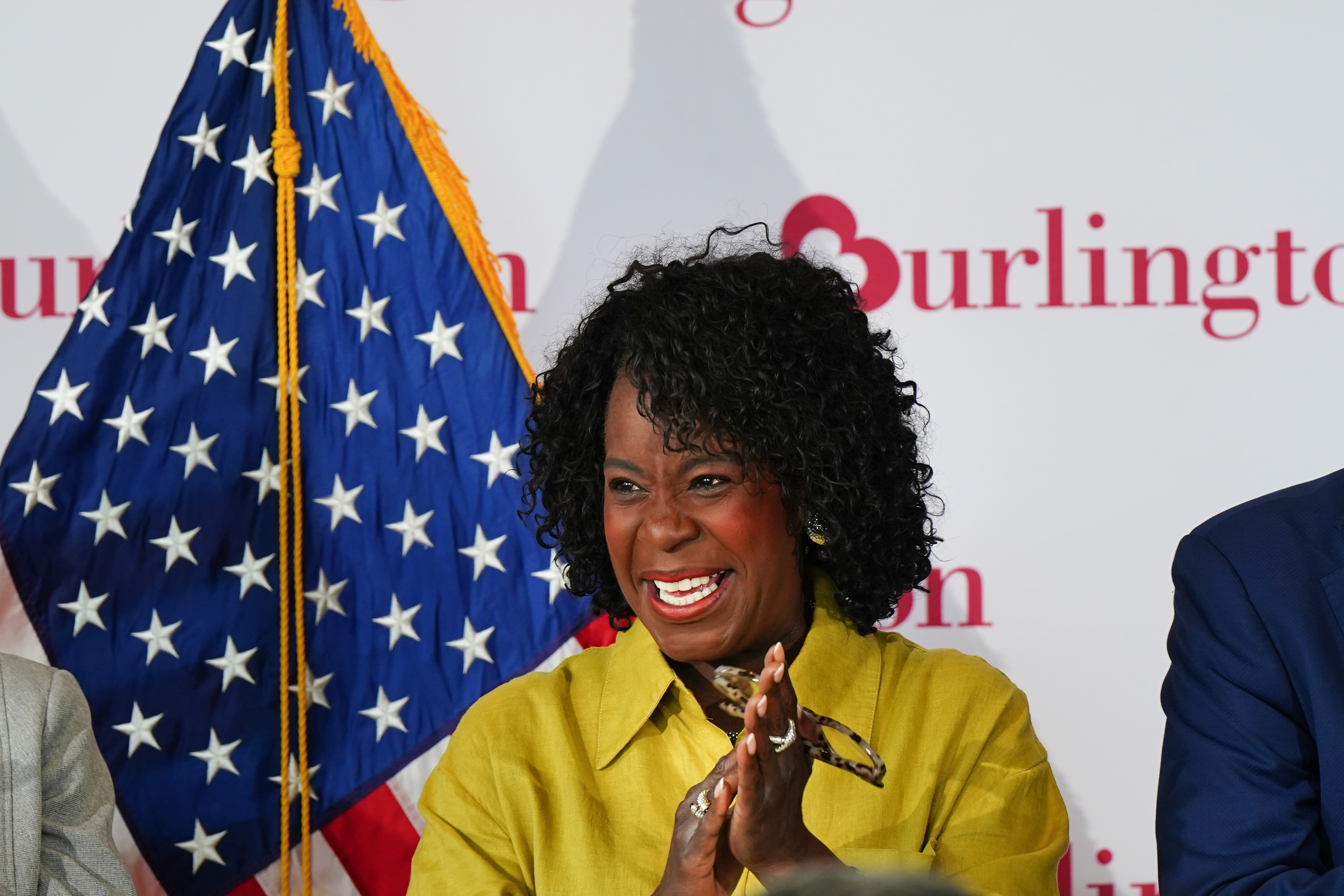
    Mayor Cherelle L. Parker celebrated her 1,000th day in office earlier this week at McPherson Square Library in Kensington, which is set to receive a $21.7 million renovation. Parker has made investing in Kensington a priority in her administration, although some of her priorities have been contested.

    She’s added police patrols to the neighborhood, sought to dismantle the drug market, and increased cleaning and greening efforts. She’s also come under fire from harm reduction advocates for eliminating funding for the nonprofit Prevention Point and city efforts to rein in a network of services built to alleviate the struggles of addiction, which some residents have blamed for the drug market’s continuing presence in their community.

    In many ways, Kensington is a microcosm of Parker’s tenure.

    Her administration has made genuine progress. Violent crime is at historic lows, with decreases in the city’s most dangerous neighborhoods driving the decline. Surveys suggest residents believe the city has gotten cleaner under her leadership. Yet discontent, some legitimate and some not, continues. Parker’s approval rating sits at 44%, a number that is likely high enough for reelection next year, but isn’t strong enough to give her the political capital she needs to take on and win fights with City Council.

    The biggest factors in whether residents approve or disapprove of the mayor seem to be their age and race. Among Philadelphians of color and those older than 45, Parker is popular. For those under 45 and white voters, she’s not.

    It is easy to say this divide is based on style. As Parker herself has said, she’s unapologetic about who she is and where she came from. To residents who may be fans of New York’s Zohran Mamdani, Parker may seem old-fashioned and unexciting. Of course, Mamdani also has a municipal budget of $126 billion at his disposal, while Parker makes do with just $7 billion.

    But a lot of it has to do with substance. Small-business owners have lost a crucial tax exemption; her vaunted ability to work across the aisle has not resulted in sustainable transit funding or enabled the school district to avoid closing 17 schools; and Parker has shied away from the ambitious civic reformer causes embraced by predecessors like Michael Nutter.

    If the mayor intends to reach 2,000 days in office without becoming yet another tired and unpopular chief executive, she’ll have to step up her game.

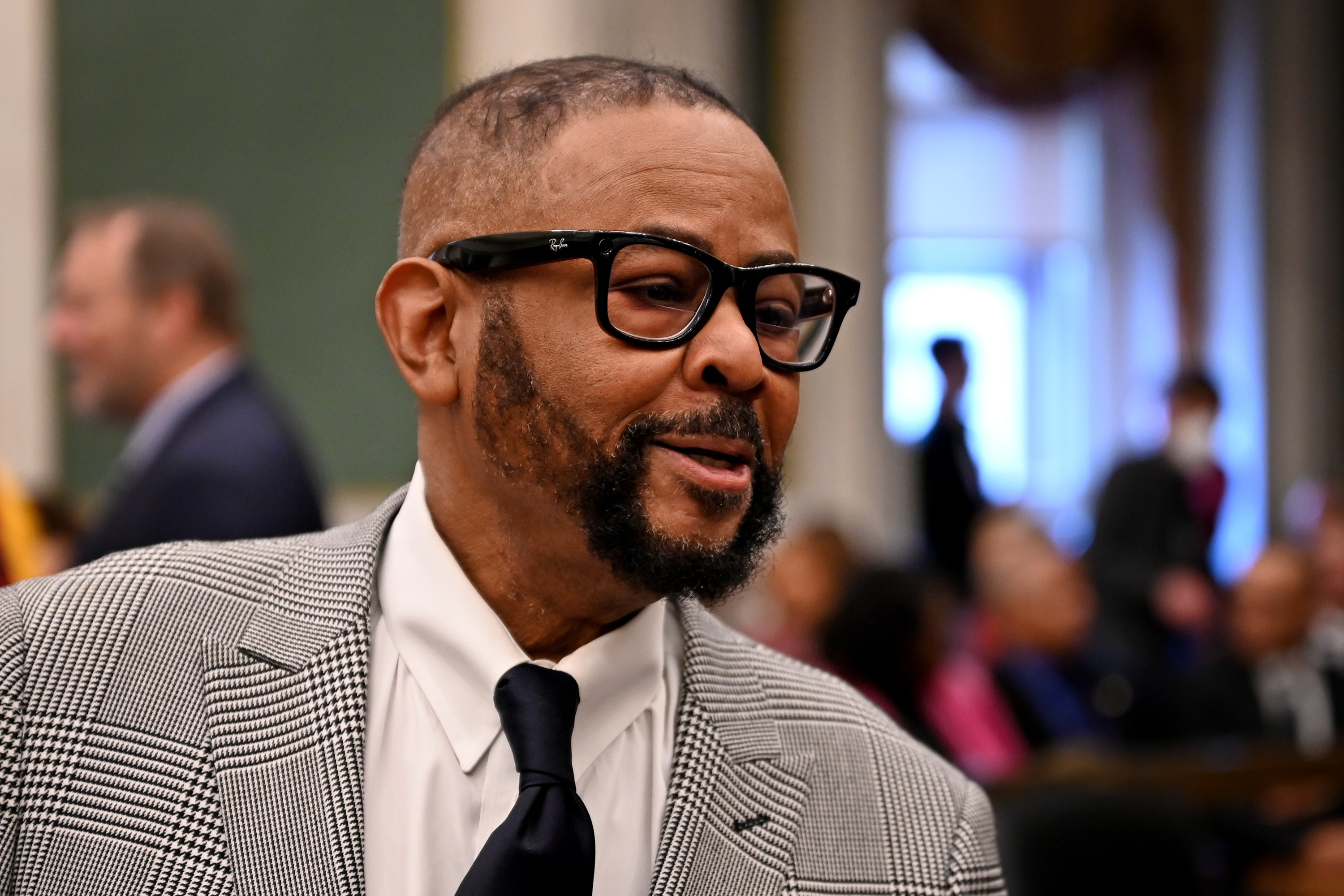
    Councilmember Curtis Jones Jr. in chambers as City Council meets in December.Tom Gralish / Staff Photographer

    Jonesing to stay

    Fourth District Councilmember Curtis Jones Jr. has had a long and often laudatory career in public service. But it is now time for it to end.

    My Inquirer colleagues have reported that even some of Jones’ closest friends and allies are urging him to consider retiring for real, rather than simply exploiting the city’s notorious Deferred Retirement Option Plan (DROP) program. Jones has only himself and his own statements to blame for his newly precarious position.

    It isn’t just that Jones and his wife are taking hundreds of thousands worth of taxpayer money while avoiding retirement; he also asked to delay a critical infrastructure project for his own political benefit.

    Jones cited his ongoing health issues as justification to The Inquirer, saying he needed the money to pay for treatment. I certainly sympathize with anyone struggling to maintain their health. However, Jones represents a city where the median household income is just over $60,000. At 69 years old, he is also eligible for Medicare.

    Retirement would also give Jones a chance to relax and focus on staying healthy. For his sake and ours, he should listen to his friends.

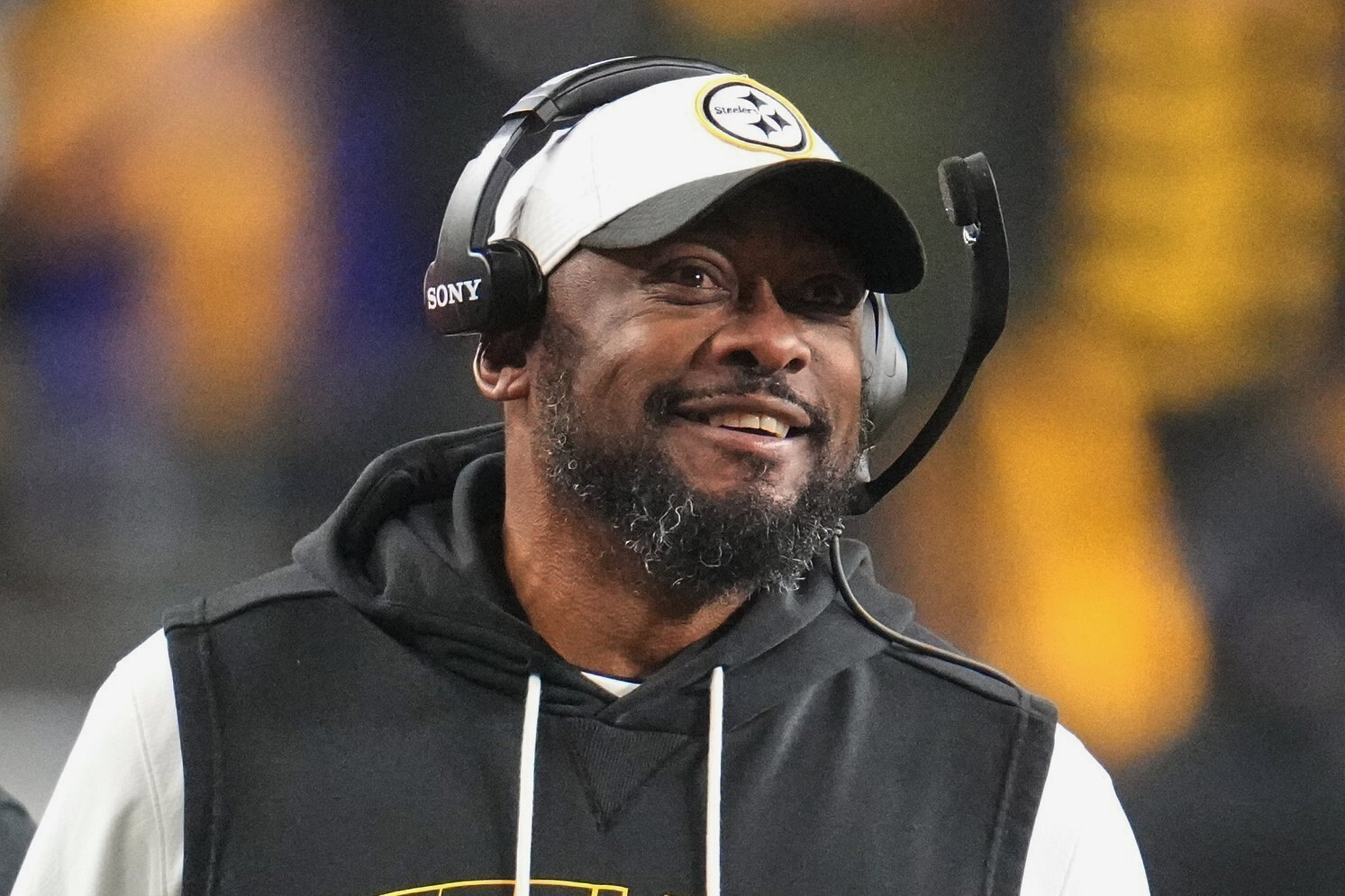
    Pittsburgh Steelers head coach Mike Tomlin stands on the sidelines during the second half of an NFL football game against the Baltimore Ravens in Pittsburgh in January.Gene J. Puskar

    Tomlintown

    When you write frequently about transit and housing, you tend to hear from the small cadre of people who are extraordinarily enthusiastic about these issues. This week, I found out about a surprising member of their ranks: former Pittsburgh Steelers head coach Mike Tomlin.

    Famous for his uncanny resemblance to actor Omar Epps and being the second Black NFL coach to win a Super Bowl, Tomlin used the game Minecraft to build his own fantasy city — a project that took place over a dozen years. He’s now giving the public a tour of his work.

    Tomlin said he wanted densely populated buildings because of his interest in architecture, and went as far as creating interiors for each of his creations. His work is remarkably cognizant of genuine urban questions like lighting and viewsheds.

    Like many gamers, he said his habit helped him “detach from the realities and the pressures of life.” We all need a way to unplug sometimes, but Tomlin’s impressive urban planning side project may have turned him into an unlikely urbanist hero.

  • Orifice the Awebot is Philly’s ‘magical’ response to Uber Eats robots

    Orifice the Awebot is Philly’s ‘magical’ response to Uber Eats robots

    Orifice the Awebot rolled down the sidewalk across from the Betsy Ross House last Friday, striking joy, confusion, and mild terror in those who unexpectedly encountered her — and nobody expects to encounter a two-foot-tall, pink, potato-shaped robot with a dangling tongue, blue eyes, and a shock of blond hair.

    As I trailed behind the little bot, I could hear people whisper and scream.

    “Oh that’s adorable!”

    “What did I just see?”

    “It’s terrifying!”

    Tourists on top of a double decker bus pointed at her. Philadelphians who didn’t have time for whatever this nonsense was steered clear. But after the initial shock of seeing Orifice wore off, most people smiled and laughed, like Justin Lutz of California.

    Orifice the AwebotJessica Griffin / Staff Photographer

    Lutz had already seen the Uber Eats robots on our sidewalks while visiting Philly and he immediately recognized that Orifice, despite being approximately the same size, was something quite different.

    “I bet you Betsy Ross never thought a little robot would be scooting around in front of her house,” he said. “I love the personality and it’s super cool. We don’t even have these in California.”

    I wanted to tell Lutz there’s a lot of great things we have in Philly they don’t have in California, like all four seasons and Gritty and the Phanatic, but I stopped short.

    “Have a great time in our city,” I said, instead. “It’s just this weird here all the time!”

    ‘Kind of like a dog’

    I was invited to follow Orifice around Old City with some folks from the Ministry of Awe (MoA), the interactive and immersive art installation created by Philly muralist Meg Saligman that’s housed in a 19th-century Old City bank.

    The “Awebot” was born out of one of MoA’s community Co-Creation Nights as people were bouncing around ideas and discussing the Uber Eats robots that have become ubiquitous in Philly since they descended upon our city in March.

    “We thought what if [robots] didn’t just bring things, what if they were used for purposes other than just delivery and business and commerce. Would that somehow let us reflect in a different way?” Saligman said.

    Artist Madison Polidoro (aka 10 Ton Fetus), a sculptor and metal fabricator whose human-animal-hybrid creatures like “Skin Horse” inhabit the bathrooms at MoA, brought Orifice to life. She’s affectionately known as the robot’s “mommy.”

    “Skin Horse” is one of the sculptures from artist Madison Polidoro that inhabits the bathrooms at the Ministry of Awe. Tyger Williams / Staff Photographer

    “What I find interesting about the Uber Eats robots is that they do create this kind of horror, this dystopian feeling in a lot of people,” Polidoro said. “So I was excited about the idea of making my own robot creature to sort of do an opposite thing where it could inspire something lighthearted and silly and fun and kind of magical.”

    Polidoro fabricated Orifice’s base out of aluminum and left an empty vessel in the center, so it can carry things. She made the skin out of weatherproof urethane rubber and included an orifice on the robot’s rear end, which is where it gets its name.

    Orifice is driven via a wireless remote but the range of the controller is quite far (at least half a city block), so the driver can remain pretty inconspicuous. The Awebot’s large blue eyes blink independently at intervals, but they can also be controlled by the operator. The dangling tongue, however, remains permanently out.

    Artist Madison Polidoro with her creation, Orifice the Awebot.Jessica Griffin / Staff Photographer

    “She’s a sweetie pie who’s curious and likes to explore and try new things. And she loves attention. She’s kind of like a dog,” Polidoro said of her creation.

    ‘They’re gonna fight!’

    As a team of folks from MoA, including Saligman and Polidoro, set out with Orifice in Old City last Friday, they didn’t even get a few hundred feet down the block before people stopped to pet the Awebot and ask questions.

    “Is this a good hair day or a bad day for it?” a man in an Eagles jersey asked.

    “Does it poop?” another guy wondered.

    He was assured it did not.

    This yellow Labrador retriever was very dubious of Orifice the Awebot. Jessica Griffin / Staff Photographer

    As Orifice rolled down the sidewalk, she scared a few dogs, people pulled over their cars to see her, and others ran across the street to take her picture.

    An Xfinity van driver sitting in his vehicle looked stunned as we passed. Then we made eye contact, he shook his head, I shrugged my shoulders, and were shared an “only in Philly” laugh.

    At one point, Saligman spotted an Uber Eats robot down the sidewalk and ran to stand in front of it and stop it so Orifice could meet it face-to-face.

    “They’re gonna fight!” Polidoro said.

    Alas, the meeting did not result in a new kind of BattleBots, but it was clear that at one point, a human must have taken control of the Uber Eats robot, because it skillfully maneuvered its way around Orifice and Saligman. I can only imagine what the person on the other end of that camera thought.

    An Uber Eats robot rudely ignores Orifice the Awebot on the sidewalks of Old City. Jessica Griffin / Staff Photographer

    All the while, MoA staffer Jordan Rampulla — who served as Orifice’s “conduit to humanity” — encouraged people to interact with the robot, handed them fliers for the MoA, and told them to click a QR code on an MoA flag attached to the robot, which leads to a landing page about the creation on the MoA website.

    Orifice is not just MoA’s creative response to the dystopian Uber Eats robots, it’s also a inventive marketing tactic. While some people we met had heard of MoA, others had not, and they seemed interested in learning more about the experience after meeting its Awebot ambassador.

    ‘Bringing delight and surprise’

    As the little pink robot passed by the little pink Tarte’s Pastry Shop on Arch Street near Second, owner Teresa Wall popped outside of her business, stunned by what she saw.

    “It’s hysterical! We need more of that. I love it,” Wall said. “Any of this in today’s climate is great, any joy and laughter, we need it more.”

    When Stephanie Gentle, who was out walking her French bulldog, Frank, first saw Orifice, she worried it might be a new kind of delivery bot. She was relieved to learn it was a creation of the MoA.

    “I would much rather have this on the streets than an Uber Eats robot. It’s much less scary and much less evil,” Gentle said. “I’m so happy I ran into this. This made my day.”

    A passerby takes a photo of Orifice the Awebot as she roams the streets of Old City. Jessica Griffin / Staff Photographer

    I too would rather have Orifice wandering around Philly than those Uber Eats robots any day. She’s the rare kind of robot that connects humans with each other and illustrates the creativity of humanity in a unique way.

    “When people see a lot of my creatures they intuitively connect with them through these anchoring points of the eyes and the skin and the hair and the orifices. Those are things that sort of force you to engage with another person when you look at them and meet them,” Polidoro said.

    “They also force you to engage with my work in a very specific way, and I think that that’s something that I’ve really been leaning into and enjoying lately in a time of food-delivery-robot-dystopian-level technology that’s sort of separating us all from those very basic, but fundamental, important human connections.”

    Polidoro and Saligman have big dreams for Orifice’s future. They’d like to take her to an Eagles tailgate and maybe out to lunch at Parc one day. If it doesn’t rain this Friday, they’re planning on bringing her to Elfreth’s Alley for the 11th anniversary celebration of the destruction of hitchBOT.

    Orifice will make special appearances at MoA and her upcoming public appearances around the city will be announced on MoA’s social media channels, though she could pop up anywhere, unannounced, any day.

    “She’s part of our bringing delight and surprise and letting it ripple through the city,” Saligman said.

    Artist Madison Polidoro with her creation, Orifice the Awebot. Jessica Griffin / Staff Photographer
  • Letters to the Editor | Oct. 2, 2026

    Letters to the Editor | Oct. 2, 2026

    All the president’s men

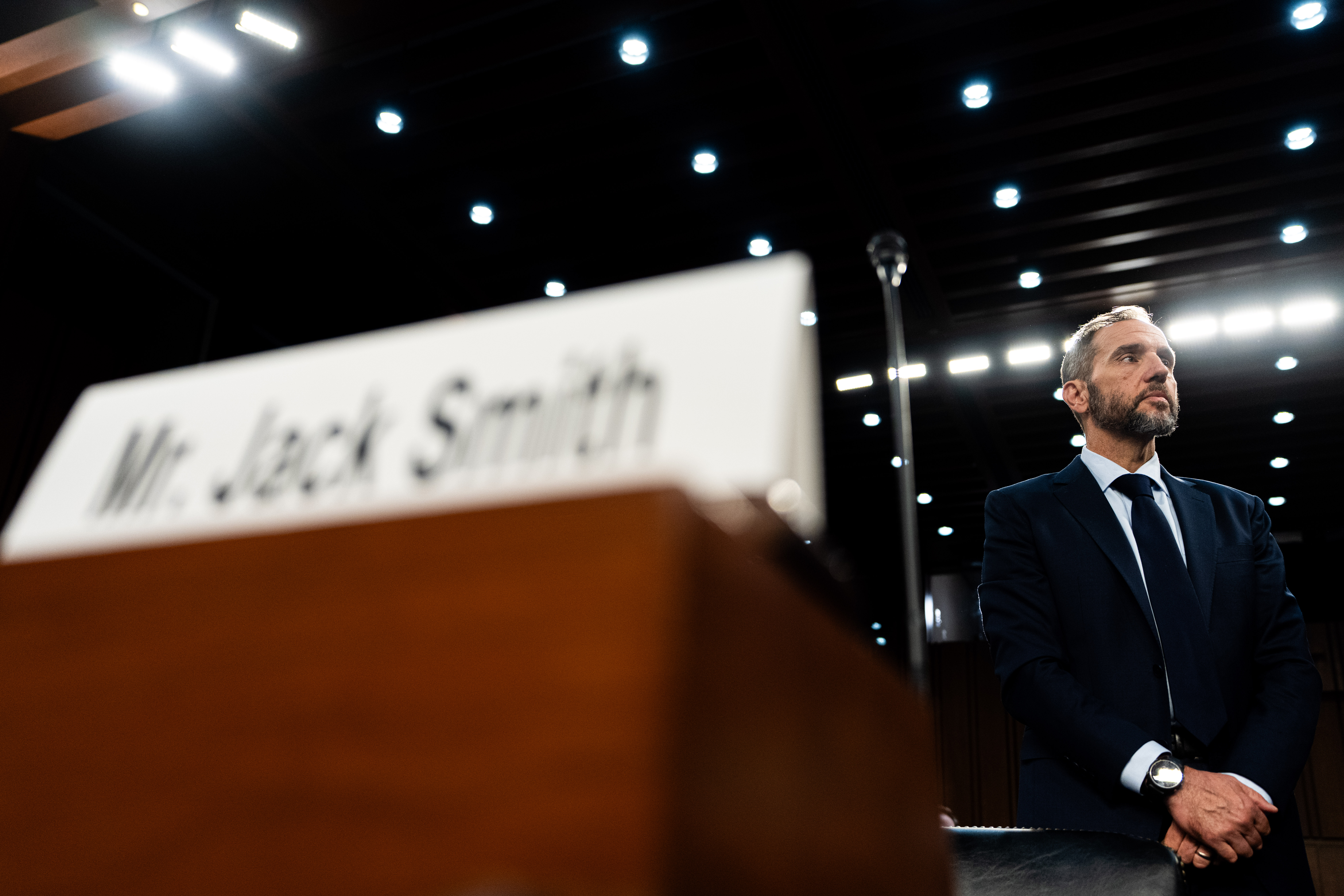
    The political depths to which the Republican Party has descended may be best demonstrated by the Republican senators who questioned former special counsel Jack Smith. There is incontrovertible evidence that Donald Trump took classified documents with him to Mar-a-Lago after he left office (the photos of boxes of these documents prove it), and that he egged on his followers as they attacked the U.S. Capitol to prevent the certification of Joe Biden’s win. But during the recent hearings, Smith was insulted and demeaned as the GOP members of the committee showed their obeisance to Trump. Instead of trying to stop an unpopular war or regulating AI, the GOP can only persist in defending a very unpopular president. Not only is it necessary that the Democrats control both houses of Congress, but they also must win control of as many state legislatures and governorships as possible to prevent the Republicans from carrying out the agenda of their master — Trump — on the state level. We have, I believe, the worst president in our history — and one whose sanity is increasingly called into question. He must be stopped.

    David C. Harrison, Philadelphia

    Voter integrity

    The recent article about Pete Hegseth saying that national security forces will guard U.S. election systems during next month’s midterm elections should concern us all. When the press allows political spin to rewrite facts, it creates a dangerous blueprint for democratic subversion. With the midterms a few weeks away, Donald Trump’s designs on election interference are on full display. Under the guise of voter integrity, the president has ordered a series of disturbing actions by government agencies that actually amount to voter suppression: seizing ballots and records, purging voter registries, restricting mail voting, and stoking illegal voting myths.

    Driven by a cadre of experienced election deniers embedded within the federal apparatus, this bureaucratic overreach claims to protect the electorate. Nonsense. This is election rigging of the highest order.

    Democracy is undermined when the media ignores a core journalistic principle: to serve as a watchdog over government. To prevent the electorate’s most fundamental right from being forever compromised, the press must shatter the illusion of “voter integrity” and call it what it truly is: democratic subversion.

    Jim Paladino, Tampa, Fla.

    A must-read

    Knowledge is a powerful tool under any circumstance. I congratulate The Inquirer for “The Art of the Steal” — its series of editorials about President Donald Trump’s expanding wealth. The journalists who contributed to this section were thorough and brilliant. Now the only problem we have is whether any MAGA follower is going to push aside their beliefs, take the time to read it, and maybe have an “aha” moment. Each editorial is based on facts, not a conspiracy theory or “fake news.”

    I challenge every follower of MAGA to read this.

    It seems that all the MAGA disciples wake up every morning and forget what happened the day before — and what’s been going on for years.

    They complain about the rest of us suffering from TDS, but they have their version, too: Trump denial syndrome.

    Sad.

    Alan Golombek, Langhorne

    . . .

    I must thank The Inquirer editors for devoting the entire Sunday Opinion section to “The Art of the Steal.” It should be required reading for all high school seniors and college freshmen who may be voting for the first time this November. It would also help if all voters were to read it.

    Paul Cosdon, Solebury

    . . .

    I just want to say what a great series of editorials “The Art of the Steal” was. The writers did a wonderful job of capturing all the corruption of the entire Trump family.

    The thing is, we all know this has been going on, and yet so many people just look the other way. Whether you’re a Democrat or a Republican, you can’t deny that the man is just corrupt, and those who can do something about it won’t. But on Nov. 3, we can.

    Evelyn Lare, Plymouth Meeting

    School crossroads

    Jenice Armstrong’s fine column on the regrets of 1619 Project author Nikole Hannah-Jones about keeping her daughter in a failing public school is a cautionary tale of what happens when innocent people fall victim to someone else’s ideology.

    Hannah-Jones states that there are only two viable educational options for Black parents: send your child to a failing public school in the naive belief that you can rescue it, or spend thousands of dollars to attend a private school that enrolls few Black students.

    But there is a third way, and both Armstrong and Hannah-Jones have seen its benefits: Catholic school. It is an open secret that many of America’s parish Catholic schools no longer attract the number of students they need to remain open. Instead, many upwardly mobile Black families have been filling those seats. They are attracted to the structure, discipline, and high expectations that Catholic schools provide.

    An example: While Ms. Hannah-Jones is shocked to realize her daughter did not get homework in middle school, my grandson gets homework regularly in his Catholic school — and he’s in kindergarten.

    There are also private religious schools, such as the Gesu School in North Philadelphia and St. James (Episcopal) School in East Falls, which are nearly 100% Black and offer scholarships. Children thrive there.

    Saving city schools requires a multigenerational fix. In the meantime, reasonable alternatives exist. Ms. Hannah-Jones should send her child to the best school she can — and then volunteer to be on the board of her local public school, where she can share her extensive expertise.

    Rosemary McDonough, Narbeth

    . . .

    I appreciate Nikole Hannah-Jones’ New York Times essay regarding the consequences of sending her daughter to a mostly Black and brown underresourced Brooklyn public school. But I’m surprised there is so much chatter about it — and why there are so many questions asking why the Hannah-Jones family made the choice they did. The attention should instead be directed to finding the remedies and solutions for the generations of Black and brown students who are being grossly undereducated.

    For decades, the dilemma the Hannah-Jones family faced is what many Black families attempting to provide quality education for their children have faced, except most Black and brown families do not have the resources to have a choice.

    But as indicated in the essay, the “haves” in our communities have figured out many ways to ensure they bypass our failing public schools. However, many of the “haves” in our community who seemingly advocate for quality education for the “have-nots” have done little to rectify the continuing issue of a failing education system for the “have-nots.”

    In Philadelphia, in reality, very little has changed regarding state educational test scores. (Check out the state test scores published in U.S. News and World Report.)

    Local media and school officials are complicit because they continue to mostly provide nuanced information that doesn’t really show just how poorly Philly public school students are doing.

    What is also troubling to me is that most of our elected officials are not adequately sharing the dire conditions in our public schools — is that because of their allegiance to the teachers’ union?

    Another reality that is often overlooked is that children attending private K-8 schools are transferring to the few high-performing high schools in the city, thereby blocking students who come through the public school system.

    Scholar, writer, and parent Nikole Hannah-Jones has put the issue of failing schools on full blast. The question now is, what are we going to do about it?

    Karen Warrington, Philadelphia

    Join the conversation: Send letters to letters@inquirer.com. Limit length to 150 words and include home address and day and evening phone number. Letters run in The Inquirer six days a week on the editorial pages and online.

  • In a disgraceful emergency ruling, SCOTUS lets Trump resume violating human rights

    In a disgraceful emergency ruling, SCOTUS lets Trump resume violating human rights

    Just when you are tempted to assign sole blame for our growing reputation as human rights abusers to President Donald Trump and his misbegotten administration, up steps the Supreme Court of the United States.

    In an emergency ruling Monday, the Supreme Court cleared the way for the Trump administration to resume uncontested deportation of immigrants to countries that are not their nations of origin, where they may be subjected to further human rights abuses and persecution.

    The ruling, which was not signed by the justices, does not make a determination on the legality of the process itself — the court will begin hearing arguments on that question in December. Nevertheless, it was, according to the New York Times, being celebrated as a victory by the Trump administration, which has deported more than 25,000 migrants to 29 “third countries.”

    Yet, for those of us who look to our judicial system as a means to ensure this White House doesn’t get away with every human and civil rights violation it can think of, the court’s decision is deeply troubling.

    Sarah H. Paoletti, the director of the Transnational Legal Clinic at the University of Pennsylvania Carey Law School, says the order is “yet one more example of the Supreme Court majority ceding exceptional deference to the Executive.”

    “In granting the stay, the court has cleared the way for [the U.S. Department of Homeland Security] to disappear individuals overnight and transport them to countries without notice, and without the opportunity to be heard on their fear-based claims as to those countries, with callous disregard to the grievous rights violations they are likely to face,” Paoletti said via email.

    Paoletti noted that the court’s ruling came on the same day 20 independent human rights experts appointed as U.N. Special Rapporteurs and a Special Rapporteur of the African Commission on Human and Peoples’ Rights condemned the practice of third-country removals.

    Malka Older — writer, sociologist, aid worker, and executive director of Global Voices, the international newsroom made up of writers and human rights activists — sees the harms as part of a pattern of unethical national choices.

    “The Supreme Court allowing the government to continue removing immigrants to third countries — countries where they know no one, have no safety net, no connections, no assistance, and may be under active threat for their identity or convictions — is allowing irreparable harm to continue being done to those people,” Older told me via Facebook. “This kind of deportation rips apart people’s lives, leaving them stranded, and it demonstrates the moral vacuity of U.S. policy, pushing people off somewhere else as though that absolves us of all responsibility.”

    “It is the same dynamic that sees the U.S. export plastic waste, dangerous industrial byproducts, unappealing jobs, and increasingly data centers, hoping that if people can’t see the harm they’ll pretend it isn’t happening but in this case, the harm is happening very directly to human beings, to our neighbors.”

    The administration releases no real information about who it has sent to third countries, and it has reportedly started vanishing thousands of detainees held for deportation from DHS’s online detainee locator system. According to the most reliable tracking data, however, more than 70% of current detainees have no criminal convictions (and, lest we forget, even people who have been criminally convicted have rights).

    But anecdotally, and through the work of journalists here at The Inquirer and at other media organizations, we know that most of those being detained for deportation — even to third countries — are mostly just ordinary human beings.

    “There are people who have lived in this country for upwards of 30 years who are being deported because they lack residency,” Guatemalan-born and Brooklyn-based author and translator David Unger said via Facebook.

    A deportee from the United States who was sent to Liberia stands on the balcony of a hotel in Marshall, Liberia, in August.CARIELLE DOE

    “My daughter, an immigration lawyer, had a Jamaican client who was deported to Eswatini in Africa and held incommunicado for three months before finally being sent to Jamaica, where he has no living relatives,” he added. “Guatemala has accepted 2,000 deportees originally from Mexico. Who knows what danger they may be in when they finally reach their birth land. This is simply cruel and, possibly, lethal to them.”

    Trump is fond of repeating that our nation is the hottest country in the world right now, but what I see is that we’re radioactive. Our ranking in the Human Rights Measurement Initiative rights tracker, which compares us with our peer high-income countries and fellow members of the Organization for Economic Co-operation and Development (OECD), is pretty terrible: 3.7 out of 10. And a number of the categories in which we are dead-last — “freedom from torture and ill-treatment,” “freedom from arbitrary arrest,” and “freedom from forced disappearance” — are tied directly to the administration’s mass deportation plan.

    You know what to do. Thirty-three days from now, get yourself to a polling place and elect people willing to limit the executive branch’s morally disgraceful inclinations. And come December, pray the Supreme Court is willing to limit it, too.

  • It may be ‘A Different World,’ but ageism and misogyny still rule

    It may be ‘A Different World,’ but ageism and misogyny still rule

    The reboot of A Different World on Netflix is a welcome distraction from ruminating about the upcoming midterm elections and worrying about whether AI will kill us all.

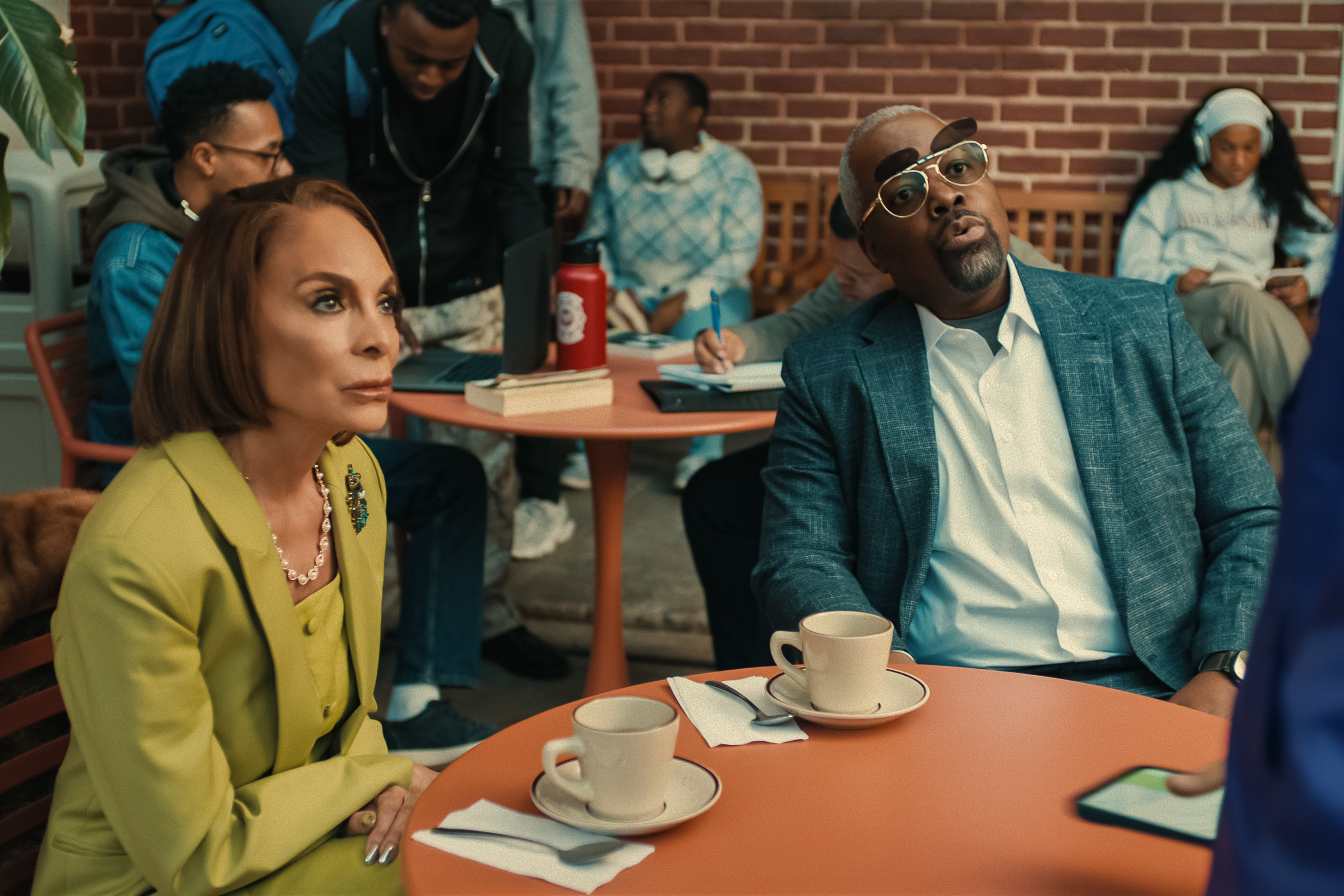
    I’ve enjoyed getting reacquainted with the characters from The Cosby Show spinoff, which originally debuted in 1987 and is set on the campus of the fictitious HBCU Hillman College. The show’s leads, Whitley Gilbert, played by Jasmine Guy, and Dwayne Wayne, played by Kadeem Hardison, have gone from being undergraduates to serving as the president and first lady of Hillman. They both look considerably older, and therein lies the proverbial rub.

    Hardison, who was a skinny kid with flip-up glasses during his days on the show, is heavier now and has gray hair. Guy, who in our modern vernacular would have been considered a WCW back in the day, has visibly matured, too. At age 64, she’s refined, elegant, graceful, and still attractive, but she doesn’t look 25 anymore and — despite the vitriol she’s getting on social media — that’s completely natural and not a bad thing.

    The actress Jasmine Guy in 1988 when she was 26 years old.Lynn Goldsmith / Getty Images

    This shouldn’t be a big deal. Maturing — emotionally and physically — is part of life. But from the way some commenters have criticized Guy for looking older, you’d think she was the only one on the show who has been touched by the hands of Father Time.

    I take umbrage at some of the online vitriol. I was a young woman myself when the show first aired and have gotten older right along with the cast members. An awful lot has happened since the show ended in 1993.

    Guy, 64, during an appearance on “The Jennifer Hudson Show” last month.Chris Haston /WBTV via Getty Images

    Guy must have read some of the terrible things people have been saying online about her appearance because on Monday, she addressed them by posting on social media: “The internet can be brutal to women as we grow older. It asks us to celebrate life while criticizing every sign that we’ve lived it.”

    Some national cultures venerate older people, but that’s not so here in the United States. We are obsessed with beauty and youth, which is why TikTok filters and AI-generated “de-aging” photos proliferate. Older women in all walks of life don’t always get the respect they deserve. It irritates some people when older females refuse to fade quietly into the sunset. An estimated two out of three female workers over 50 regularly face ageism, according to a survey by AARP.

    Former Secretary of State Hillary Clinton experienced this when she ran for president in 2016. Instead of being praised for launching a presidential bid when she was 68, she faced questions about her age. Donald Trump, who happens to be two years Clinton’s senior, publicly mocked her after she contracted pneumonia on the campaign trail and claimed she lacked the stamina to be president. Trump also accused her of not looking presidential enough for the job.

    Democratic presidential nominee Hillary Clinton speaks as Republican presidential nominee Donald Trump listens during a presidential debate in St. Louis in October 2016.Rick T. Wilking

    You’d think female Republicans would have automatically disqualified him for that. Instead, many nodded right along with his ageist, sexist rhetoric and most voted for him. This is one reason why America is in the situation it is today, with a narcissistic megalomaniac running the country.

    Deep-seated bias against older women might also be what keeps America from electing a female president during our lifetime. I respect former CNN anchor Don Lemon and his work as an independent journalist. But Lemon uttered what a lot of voters thought when he said on air in 2023 that then-GOP presidential candidate Nikki Haley, who was 51, “isn’t in her prime.” He went on to say, “If you google when is a woman in her prime, it will say 20s and 30s and 40s.”

    Meanwhile, white male politicians don’t have to waste inordinate amounts of time convincing skeptics that their advanced age doesn’t automatically disqualify them from holding elected office. Female candidates shouldn’t have to, either. The same should apply to women in other walks of life, as well.

    It’s A Different World, all right. But when it comes to ageist bias against women, some things haven’t changed a bit.

  • New Jersey Gov. Mikie Sherrill has set an ethical example for a corrupt era | Editorial

    New Jersey Gov. Mikie Sherrill has set an ethical example for a corrupt era | Editorial

    In announcing the resignation of New Jersey Lt. Gov. Dale Caldwell last week amid allegations of harassment and ethics violations, Gov. Mikie Sherrill said an independent investigation had found “a pattern of behavior that does not meet the standards of this administration.”

    In a state where official misconduct has often been not just tolerated but embraced — and at a time when our national government is making workaday New Jersey corruption look quaint — Sherrill responded swiftly, fairly, and decisively to the accusations against the lieutenant governor, who doubled as the state’s chief elections official.

    The governor’s decision was particularly principled given that Caldwell is not only a fellow Democrat, but also the running mate she chose just last year. Demanding his exit after just eight months of service effectively required Sherrill to acknowledge she had made a poor choice.

    Accepting mistakes, embracing accountability, and moving forward are qualities voters should expect from all elected officials.

    An investigation led by former state Attorney General Christopher Porrino, who was hired by the administration’s chief ethics officer to look into anonymous complaints about the lieutenant governor, found several of the accusations credible.

    Among the most troubling was that after Caldwell unsuccessfully propositioned a friend of an employee, he complained to the employee that young women like her and her friend were “looking for young sperm.” The investigation also substantiated that Caldwell pushed for the promotion of a sometime romantic partner in another state department without disclosing their relationship. And it found he had a habit of taking nonpaying personal guests to ticketed functions he attended in his official capacity.

    Dale Caldwell speaks before Mikie Sherrill as they celebrate their victory at an election night party in East Brunswick, N.J., Nov. 4, 2025.Tom Gralish / Staff Photographer

    Porrino’s report noted that all this conduct was in violation of state policies Caldwell had been informed of in training sessions to no apparent avail.

    Granted, this wasn’t a question of throttling interstate travel for political reasons or inventing a state job for a paramour, to name a couple of the Garden State’s more infamous gubernatorial scandals — let alone anything approaching the brazen, unprecedented corruption that has characterized President Donald Trump’s second term. But Caldwell’s alleged behavior would and should constitute a firing offense in any number of more obscure private-sector jobs. The standard for public officials should be higher, not lower.

    Caldwell, who continues to deny the allegations, deserves credit for stepping down and allowing the administration to move on nevertheless. His resignation allowed the governor to immediately appoint a new secretary of state whose full attention can be devoted to the role, which is especially crucial considering the approaching midterm election and the Trump administration’s efforts to interfere with it. Sherrill said she would select a new lieutenant governor within 45 days.

    The governor’s handling of the matter has certainly not been flawless. Especially given published reports of the allegations and Caldwell’s service as acting governor during Sherrill’s out-of-state travels, she should have been quicker to disclose the existence and general nature of the investigation. She could have done so while reserving judgment and without discussing unsubstantiated allegations in detail.

    That being said, the outcome is more important and encouraging. As Sherrill noted, “There has been a culture in Trenton, probably since the birth of our nation, to sweep this under the rug.”

    The governor is to be commended for a stark departure from that history.