Category: Opinion

  • What John Fetterman forgot about his U.S. Senate seat | Editorial

    What John Fetterman forgot about his U.S. Senate seat | Editorial

    Pennsylvanians were well acquainted with John Fetterman’s idiosyncrasies by the time he was elected to the U.S. Senate four years ago. No one had a right, for example, to expect him to report for Capitol Hill duty with a clean shave and a pressed suit.

    His supporters do deserve to be dismayed, however, at their increasingly right-leaning senior senator’s self-indulgent recent threats to leave the Democratic Party entirely. Fetterman won a competitive race as a Democrat thanks to voters who believed in him and his politics even after a stroke forced him off the campaign trail for months. If they wanted a Republican senator, they could have voted for the crudité-shopping TV doctor Fetterman was running against, Mehmet Oz.

    For a man who styles himself as such a Washington outsider that he can barely be bothered to put on a pair of long pants, Fetterman is making a very inside-the-Beltway mistake. Judging by his willingness to change his positions and party at a whim, he seems to think the Senate seat belongs to him rather than the people he represents.

    After nearly half the Democrats in the House voted against aid to Israel recently, Fetterman said he would leave the party should it incorporate such opposition into its platform and “officially become the anti-Israel party.” That makes his inconstancy sound more high-minded than it really is.

    While the vote represented a high-water mark of Democratic opposition to Benjamin Netanyahu’s government and its wars in Gaza and Lebanon, there is no sign Fetterman suddenly finds himself in a party that believes Israel “doesn’t deserve to exist,” as the senator put it. Nearly 100 Democratic representatives took the pro-Israel side of the same vote, after all.

    Nor is this some inexplicable or unforeseeable about-face on the part of Fetterman’s fellow Democrats in Congress. The party’s lawmakers are only beginning to catch up with public dismay at the conduct of Israel’s hard-right regime. One recent poll found that about a third of American adults, including a similar share of Jewish Americans and half of Democrats, believe Israeli forces committed genocide in Gaza.

    That suggestion has been vociferously deflected by the Netanyahu government, which launched its campaign against Hamas in Gaza after the horrific terror attacks of Oct. 7, 2023. In a statement last week, the prime minister’s office said that “Israel has taken unprecedented wartime measures to minimize harm to civilians while confronting Hamas, a genocidal terrorist organization that uses Palestinians as human shields and deliberately targets innocent Israeli civilians.”

    Even if Fetterman’s stated pro-Israel principles are accepted at face value, moreover, they don’t account for the extent of his ideological migration. Perhaps his defense of Israel can be stretched to explain his avid and anomalous support for Donald Trump’s unpopular and unsuccessful war in Iran.

    But the senator has also voted for Republican measures to fund Trump’s immigration crackdown, supported his billion-dollar ballroom, objected to fewer cabinet nominees than any other Democrat, and signed off on one of Trump’s judicial nominations, the first in his caucus to do so this term. (Despite backing those initiatives, Fetterman says that his internal metrics show he votes with his party 93% of the time.)

    He has also become a Fox News fixture who has accused the Democratic base — the people who, you know, gave him his job — of being “anti-American.” No wonder he is polling better among the state’s Republicans than the GOP’s own senator from Pennsylvania, Dave McCormick.

    Despite Fetterman’s proclaimed “moral clarity” on Israel, he often speaks of his grievances with his fellow partisans — and his appreciation for Trump — in political rather than policy terms. He has groused about the repercussions of left-leaning Democrats’ positions for swing-state politicians like him, enthused about Trump’s sheer political talent, and lamented the electoral fate of Democrat Bob Casey, his former Senate colleague.

    Maybe the senator’s red shift is motivated less by foreign policy than by an impulse to keep his job — even if it means betraying his voters. In that case, he should at least do his former supporters the courtesy of refraining from dressing up his careerism as morality.

  • I watched ‘Six’ with my sister. I didn’t expect a side serving of racism.

    I watched ‘Six’ with my sister. I didn’t expect a side serving of racism.

    Toward the end of Six — in which the six wives of Henry VIII reweave their stories of divorce, beheadings, death, and survival into a celebration of 21st-century girl power — the protagonists wondered whether by repeatedly recounting the horrors of their experiences, they were inadvertently platforming the patriarchy.

    In recounting the stories of the harm he had inflicted, had they inadvertently made him the main character and axis of their lives? Was he still shaping their identities? Who were they without Henry?

    I often wonder the same about racism. Are we feeding the monster of white supremacy and racism when we choose not to ignore it? When we decide to tell and retell our personal experiences of it?

    See what you think.

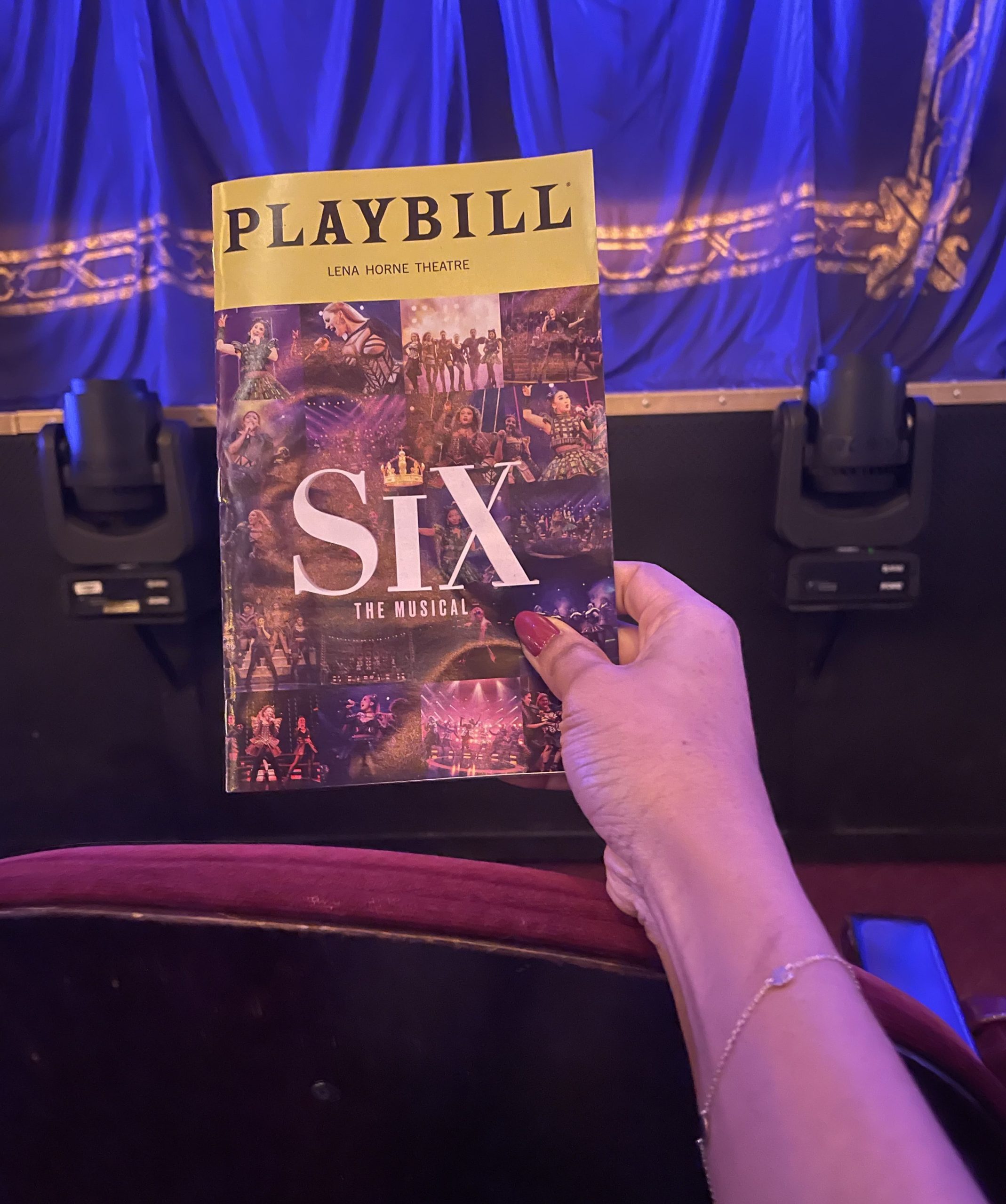
    Ifeoluwa M. Olawole holds the playbill for the musical “Six” which she recently traveled to New York to watch during its Broadway run.Courtesy of Ifeoluwa M. Olawole

    My sister and I love Broadway, so earlier this year we went to the musical as part of a birthday trip she planned for me.

    As we sat, waiting patiently for the show to start, an older white lady sitting next to me turned and asked, “Are you also on Row A?” Her incredulity almost seemed obligatory.

    I looked at her, my senses ringing the alarm. If you are Black, you probably know where this is going.

    “What does that mean?” I asked the woman. I made sure my voice was calm and measured. I wanted to give her the benefit of the doubt.

    “I want to know if you are also here,” she said, and pointed to our row.

    “You can see us sitting here, can’t you?” I said, keeping my face neutral and unreadable.

    Her voice buckled a bit, but again she insisted, “Are you sure you’re not in the wrong seat?”

    “Why would we be in the wrong seats?” I held her gaze as I asked it.

    Her voice started to quiver. “I just … but I just wanted to check.”

    There is a pervasiveness to racism, to whiteness really, and how it imposes itself with vehement insistence. It demands — perhaps dares you — to define yourself as it defines you. But the moment you push back, it raises its hand in utter disbelief, armed with feigned innocence and wondering why you would be so offended.

    My sister and I ended up having a phenomenal time at the show and in New York. When I talk about our trip to friends, family, and even acquaintances on Instagram, I don’t leave out this disrespectful incident.

    Coincidentally, our experience happened a day before two of our best and brightest actors got called a racial slur on the world stage. Does recounting Michael B. Jordan’s and Delroy Lindo’s experience, or telling the story of my Broadway encounter, shift the main character of our stories?

    What manner of insanity emboldens someone to doubt that two Black girls cannot afford front row seats at a Broadway show, and then to express that doubt to them? Who gets to decide who is expected to occupy certain spaces? What kind of audacity propels someone to assume we couldn’t possibly belong?

    In the end, the very function of racism, as Toni Morrison put it, is distraction. It ruffles us (or at least tries to). It wants to squeeze out every iota of joy from us. It keeps us explaining over and over again why it’s devastating for two Black men to get called a slur in a room full of their peers — even if the intent was not malicious.

    So, when that lady acted shocked to see Black girls in the front row, what it revealed was her own assumption about who is supposed to occupy spaces associated with art, pure, undiluted, transcendent art. It is rooted in a stereotype that “Black people don’t go to Broadway,” and comes from the same cultural logic that sees certain forms of enjoyment, art, joy, prestige as belonging only to a particular race or class.

    And this is where I respond, because she couldn’t be more wrong. The problem with stereotypes, acclaimed writer Chimamanda Ngozi Adichie once said, isn’t that they are untrue; it is that they are incomplete.

    Ifeoluwa M. Olawole at the musical “Six” on Broadway.Courtesy of Ifeoluwa M. Olawole

    In our intricate hair, in our swagger, in our style, in our diversity, we, ourselves, are art. Theater has never been foreign to us.

    Performance traditions have always been central in African societies, such as in Nigeria, where storytelling, masquerade traditions, dance, poetry, and staged community performances have long been a part of public and cultural life. Even today, stage plays and live performances remain an important part of Nigerian culture.

    Enslaved Africans did not arrive in the Americas without these artistic traditions. Performance and storytelling have endured among African Americans who have used these expressions for activism, for redemption and resistance, and for escapism since the era of slavery.

    In much of the 19th century, one of the most popular forms of entertainment in America was minstrel shows, which involved white performers portraying Black people in a dehumanizing manner while stealing performance elements from Black acting troupes.

    In 1821, William Alexander Brown founded the first Black theater in Lower Manhattan. And in the next century, the Harlem Renaissance marked a particular zeitgeist of African American creative expression across literature, arts, and performance.

    Black audiences have participated in American theater for generations.

    However, Broadway itself was historically segregated, culturally exclusionary, and increasingly expensive. During the Jim Crow era, for instance, Black theatergoers were often forced into separate or inferior seating sections.

    In response, Black performers and audiences built their own theater ecosystems because mainstream venues excluded them. Even so, when white attendees came to see the shows, they were often “hostile, harassing the actors and rioting until the performances couldn’t go on.” Rather than arresting the disruptors, police would arrest the Black performers.

    In 1993, when Washington’s Arena Stage attempted to expand the body of work it presented to make it more diverse, it lost many subscribers, with former subscribers calling the multiracial casting “disconcerting,” “distracting,” and even outright advocating for white supremacy.

    Broadway has long skewed toward affluent audiences, with recent Broadway audience reports showing the average household income of Broadway attendees is over $250,000, making it inaccessible to many working- and middle-class people of all races. Broadway audiences are still disproportionately white — not because Black people devalue theater, but because Broadway has historically been marketed, priced, and culturally coded as an elite white space.

    The easy thing, some might argue, would have been to laugh off that woman’s prejudice and shove it down into the same silence we have been forced to swallow for too long, where it festers into wounds carried across generations.

    But silence relinquishes the power to define belonging to those who have always assumed it was theirs. As the protagonists of Six reclaim their stories from Henry VIII, so we must keep reclaiming ours from those determined to exclude us.

    Ifeoluwa M. Olawole is a political scientist and writer. You can find more of her writing at www.themoderncedar.com and on Instagram @themoderncedar.

  • From bike lanes to historic districts, Philadelphians hash it out in court | Shackamaxon

    With City Hall taking their summer break and Harrisburg finally passing a budget, this week’s edition of Shackamaxon looks at what’s going on in the courts.

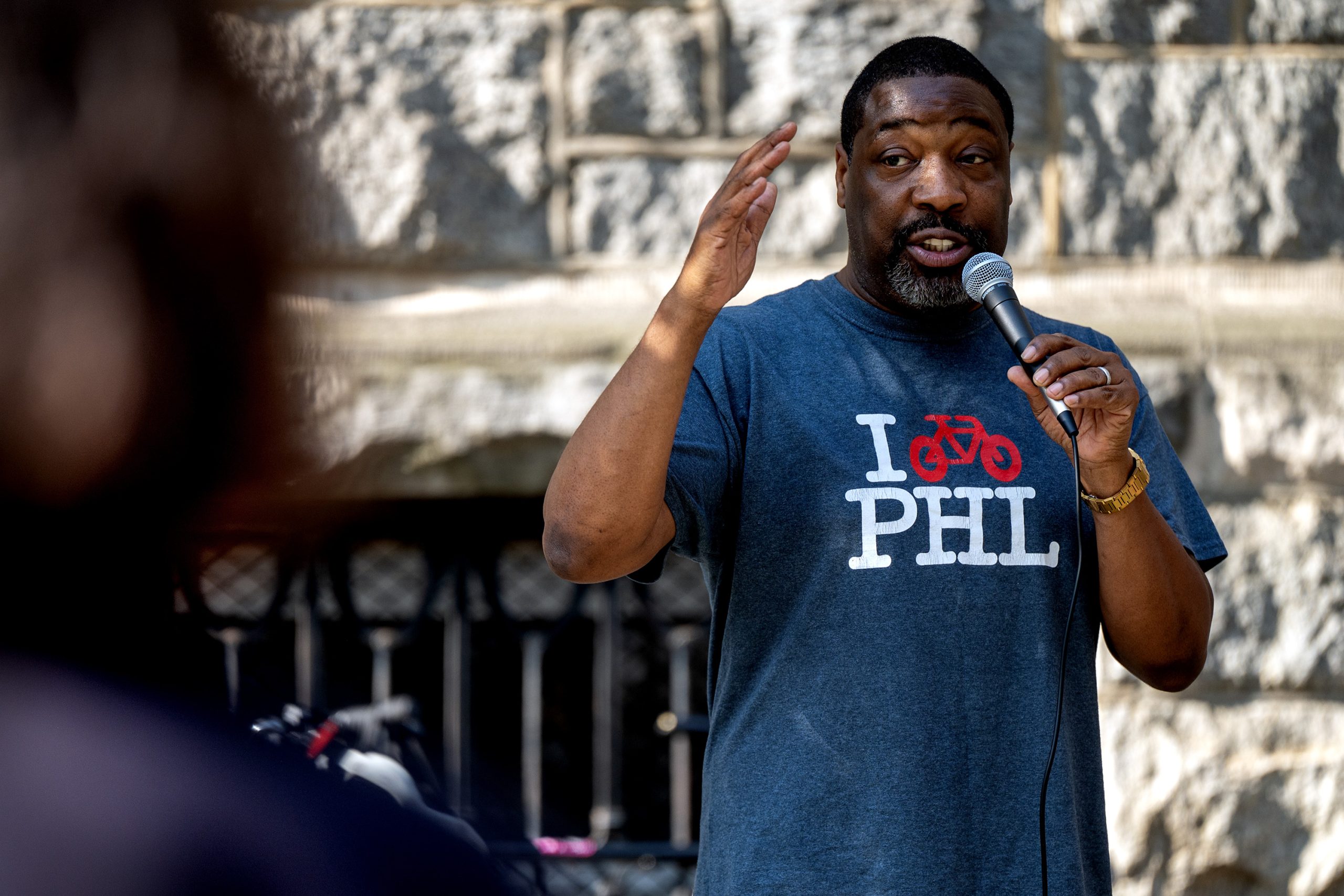
    City Council President Kenyatta Johnson speaks as friends, family, and Philly Bike Action members gather at a memorial for Barbara Friedes at 18th and Spruce streets on Sunday.Tom Gralish / Staff Photographer

    Street fight

    It has been two years since Barbara Friedes, 30, a physician specializing in children’s cancer, was killed riding her bicycle in Rittenhouse Square. The man who struck her, Michael Vahey, was driving at 50 mph, twice the speed limit, and his blood alcohol level was measured at .16, double the limit for intoxication.

    According to a prosecutor, Vahey, 69, could have easily chosen to walk home from the bar that night. Instead, he was impaired when he impatiently veered into the bike lane. Vahey was convicted last year and is now serving a six- to 20-year sentence.

    But the story did not end with Vahey’s imprisonment. For once, city officials took decisive action.

    City Council, led by Council President Kenyatta Johnson, passed the “no stopping in the bike lane bill.” Mayor Cherelle L. Parker pledged to add protection to the route, which could have prevented the kind of reckless maneuver that led to Friedes’ death. Yet, two years later, nothing has happened.

    The blame for the holdup, however, does not lie with City Hall. In fact, Johnson made an appearance at a vigil for Friedes hosted by her loved ones and Philly Bike Action this week.

    Instead, it has been the courts that have stymied the proposal. After a group called Friends of Pine and Spruce sued to stop the plan, a Common Pleas Court judge issued an injunction requiring the city to pass legislation codifying the administration’s right to install loading zones. City Council passed the legislation, only for another Common Pleas Court judge to decline to lift the injunction while the case proceeds.

    Frankly, things should never have gotten this far. Issuing loading zones is the exact kind of decision the Streets Department exists for, and having City Council pass a law for every loading zone in the city is a fool’s errand.

    It is certainly understandable that some neighbors would prefer to keep the status quo. The right venue to advocate for this position, however, is not the courts, but City Council. If the Court of Common Pleas fails to return control of city streets to city officials, the ruling must be appealed to the Commonwealth Court. Streets belong to everyone, not just the people who live alongside them.

    If residents want to stop bike lanes, they can do what cyclists have done. They can form advocacy groups, lobby elected officials, build a coalition, and pass legislation.

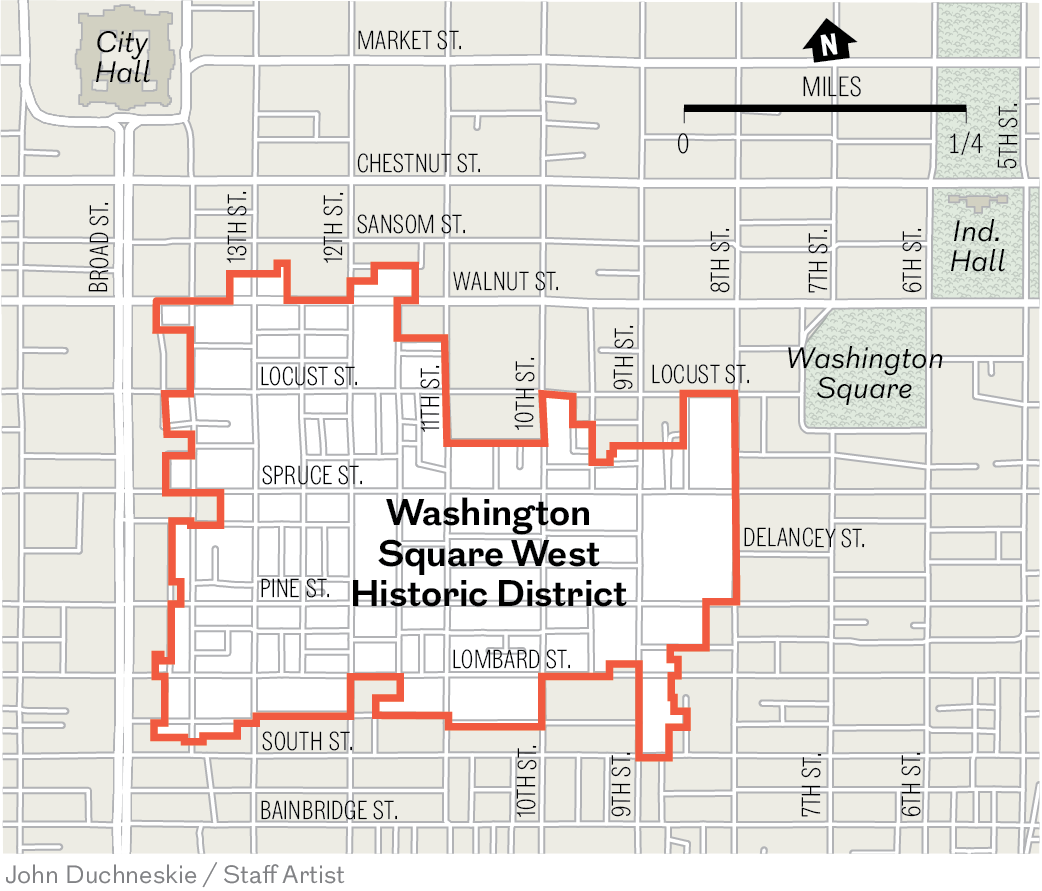
    Map of the Washington Square West Historic District. Some property owners are working to eliminate or curtail the district.John Duchneskie / Staff

    Historic challenge

    For some Center City residents, the Spruce and Pine saga contains a bitter irony. While some of their neighbors are suing to stop the city from designing public streets, they are suing to maintain the right to design their own homes.

    No one questions that the Washington Square West Historic District contains some of the city’s best architecture and links the present day to the city’s past. What’s been contentious throughout this process is how broad and restrictive the plan has been. While most districts cover a relatively small area, and typically pay homage to a specific era, style, or even architect, this district covers nearly all of Philadelphia’s history, from colonial times to the postwar era. More than 1,400 properties are listed as contributing, many of them fairly unremarkable.

    As a result, property owners like Jonathan Hessney have been working to eliminate or curtail the district. Most submissions to the Philadelphia Historical Commission were in opposition to the plan, with many citing both the personal financial burden and the fact that many of the most significant properties already have individual protections.

    Hessney also pointed out that Emily Cooperman, who is a member of the commission, helped draft the proposal. To some, this made the whole process feel like a foregone conclusion.

    Hessney and his neighbors sued. They won an early victory when Common Pleas Court Judge Christopher Hall overturned the designation. This was appealed by the city, keeping the district in place pending an appeal. The Preservation Alliance has filed its own brief in support of the district.

    Of course, the city could make everything easier by declining to pursue this suit further.

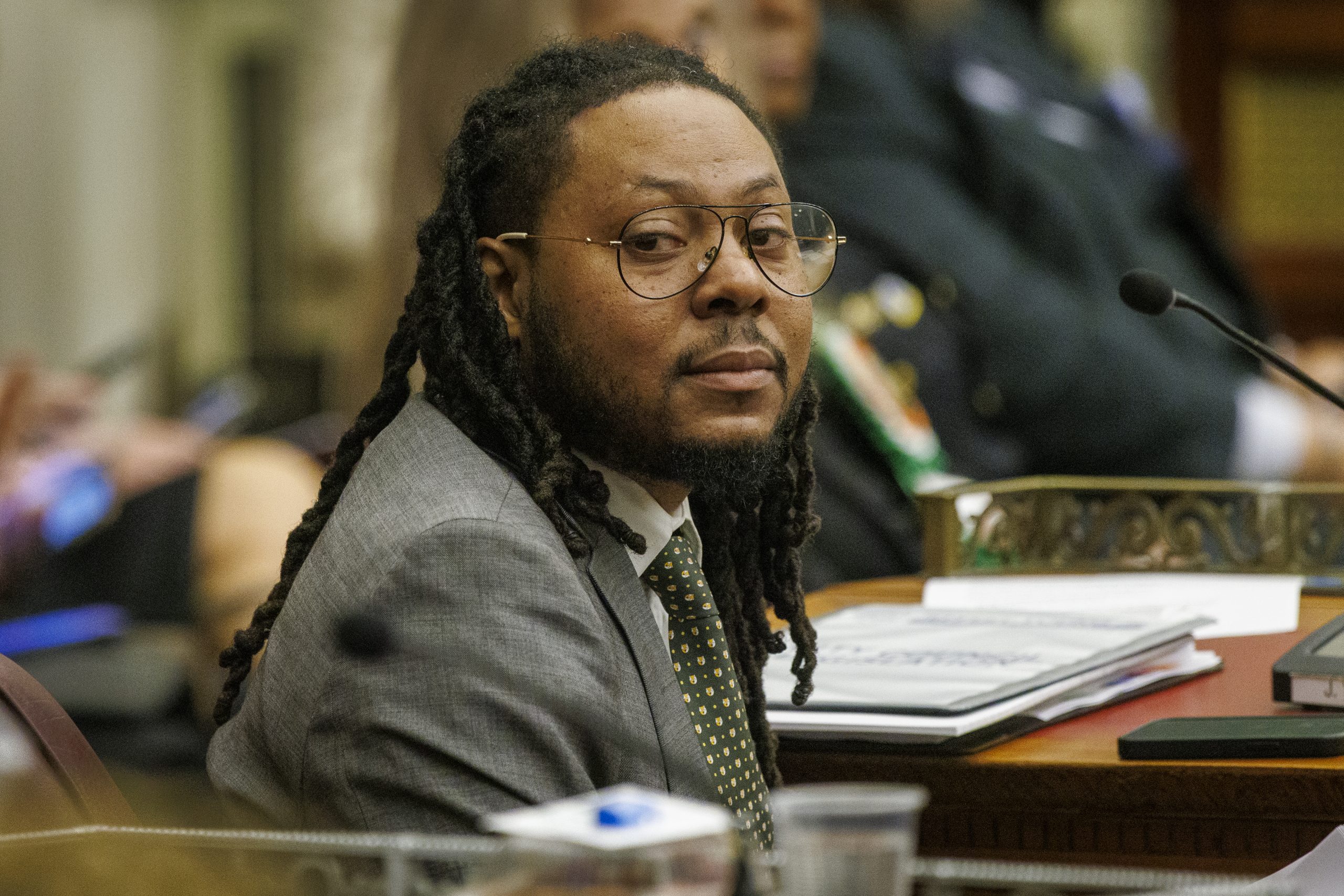
    Councilmember Jeffery “Jay” Young Jr. listens during the mayors budget address at City Hall in March.Alejandro A. Alvarez / Staff Photographer

    Senseless prerogative

    In another legal case concerning City Hall, the Commonwealth Court has ruled against Councilmember Jeffery “Jay” Young’s efforts to block a series of housing projects in North Philadelphia. Going forward, Young and his colleagues will have to secure the mayor’s signature before granting themselves standing to oppose zoning decisions.

    Young is one of Council’s most prolific users of what’s known as councilmanic prerogative, a tradition that gives district Council members final say on transportation and land-use decisions within their districts. While Council often defends this tradition as a way to ensure communities have a say, Young’s tactics usually attract the ire of his constituents, rather than representing their input.

    I talked to Ruth Birchett, a lifelong resident of North Philadelphia. Birchett has worked with both of Young’s immediate predecessors, supporting them at times and holding them accountable when needed. As the founder of Heritage Community Development Corp., she’s helped build affordable housing and fought against Temple’s efforts to build a football stadium. She told me that the way Young does business is very different. He does not seek input from her or other community leaders. He goes it alone.

    In particular, Birchett is upset over Young’s decision to block an affordable senior housing proposal. She took him to task in person. This situation is similar to Young’s opposition to renovations at the Cecil B. Moore Library branch. He came in at the very last minute to scuttle a shovel-ready project that had taken years of work to put together, and which had already secured funding.

    Birchett told me that the development was a “no-brainer.” Many seniors, herself included, live in homes that are much larger than their current needs. Philadelphia has a shortage of affordable senior housing. If seniors like Birchett can move into new housing in their own neighborhoods, this also helps younger residents access the city’s stock of sizable homes. That’s the housing circle of life.

    Instead of continuing to waste city resources by reauthorizing the appeal, Young should just let the project move forward.

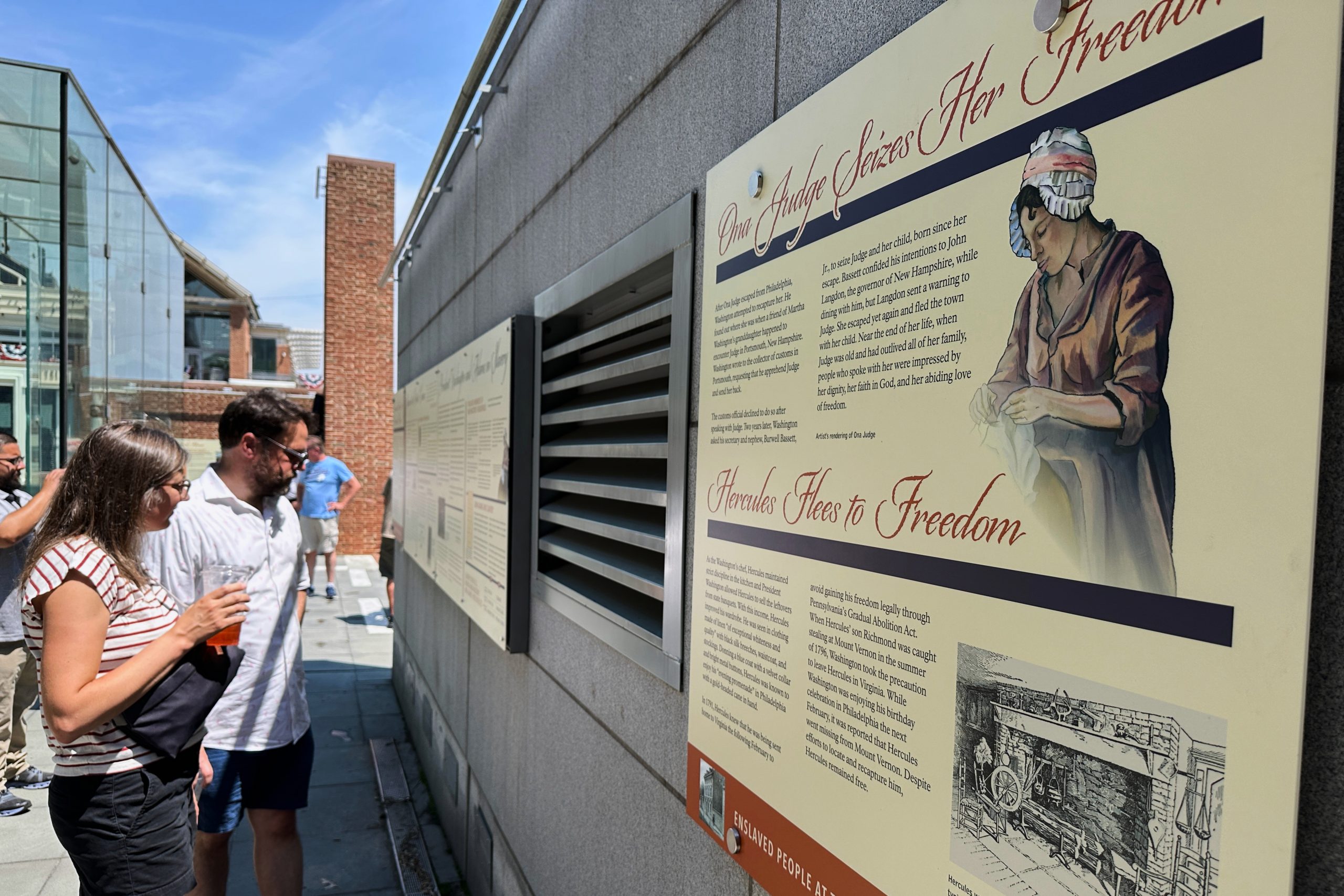
    Visitors view the recently reinstalled educational panels about slavery at the site of President George Washington’s home in Philadelphia.Tassanee Vejpongsa

    Washington whitewash

    For now, it seems the Trump administration has won the battle for the President’s House at Independence National Historical Park. After initial victories for the city, federal courts have affirmed the White House’s right to remove panels that were first installed roughly 20 years ago and replace them with new versions that advocates say minimize George Washington’s participation in America’s original sin of slavery. Mayor Parker has vowed to restore the originals.

    While some Founding Fathers, like Philadelphia’s Benjamin Franklin, realized the hypocrisy of calling for liberty while enslaving human beings, Washington showed he had no similar qualms. While living in Philadelphia, he acted with intent to evade Pennsylvania law, which stated that any enslaved person brought into the commonwealth would be emancipated after six months of continuous residence.

    The former panels ensured the stories of all Americans are heard, including those who were not given the rights of liberty during their own time. They also serve as a reminder that even the greatest heroes are still human.

    Washington deserves immense credit for helping secure America’s independence, and his decision to forgo the crown many assumed he’d take when he left office peacefully after two presidential terms — a precedent all but one of his successors (so far) has held to. He also deserves to be known as a man who failed to live up to the ideals he fought for.

  • Letters to the Editor | July 24, 2026

    Letters to the Editor | July 24, 2026

    Transparent leadership

    On its face, the fact that more than 6,000 people who were not U.S. citizens were able to register to vote in New Jersey — and approximately 400 of them did cast ballots — was rightfully big news. Lost in the headlines, I believe, was the fact that Gov. Mikie Sherrill learned about this last week and, within six days, went public, knowing it would look bad for all those involved. This leadership — in which transparency and accountability are prioritized over political gain — is exactly what is needed in a situation such as this. I can speak to that as a resident of New Jersey and say I am proud to have Gov. Sherrill leading the way.

    Steve Clayton, Ocean, N.J.

    Flip-flops

    I read Mike Sielski’s recent column suggesting that in order for soccer to become a staple sport in the United States, “flopping” must be eliminated.

    I respectfully disagree. Flopping has little to do with soccer’s struggle to gain a major foothold here. Instead, it is the lack of scoring that turns American fans away. Americans are accustomed to the high level of excitement that comes from scoring in our most popular sports. We want the thrill of touchdowns in football, high-scoring basketball games, and more offense than a typical 1-0 baseball or hockey game.

    The key to increasing soccer’s popularity in the U.S. is to increase scoring. This could be achieved by changing the rules to favor offense, or increasing the width and height of the goals.

    Soccer is a beautiful game. Making it more exciting through more scoring will truly enhance its growth.

    Iz Cakrane, Haddon Heights

    Nuclear proliferation

    The Trump-Kushner cabal has decided to use the U.S. government to promote a Saudi nuclear enrichment program. Curious.

    Saudi Arabia is an autocratic kingdom run by a violent young Saudi prince, Mohammed bin Salman, whose wealth and power are much admired by President Donald Trump. Also, bin Salman’s financial tentacles directly enrich the president and his son-in-law, Jared Kushner.

    The Saudi Sunni branch of Islam operates madrassas dedicated to ideals that have faced criticism from human rights groups — misogynistic, homophobic, anti-democratic, and opposed to “decadent” Western humanist values.

    Now, in return for undisclosed financial considerations, President Trump promotes a Saudi nuclear enrichment program. Will there be meaningful oversight of the president’s business partner to prevent weapons-grade nuclear enrichment? Why empower the Saudi nuclear program? What will we do when China or Russia decide to enable proliferation in Iran? What about other nations seeking nuclear weapons to guard against a fickle U.S. regime?

    Will Congress exert restraint on the president’s nuclear business deal? Doubtful. More likely, history will witness this cultish Republican Congress unleash global nuclear proliferation. How will Americans respond?

    Mike Shivers, Altoona

    Join the conversation: Send letters to letters@inquirer.com. Limit length to 150 words and include home address and day and evening phone number. Letters run in The Inquirer six days a week on the editorial pages and online.

  • Wu Shaoping escaped China’s repression, only to get busted by ICE in Pa.

    Wu Shaoping escaped China’s repression, only to get busted by ICE in Pa.

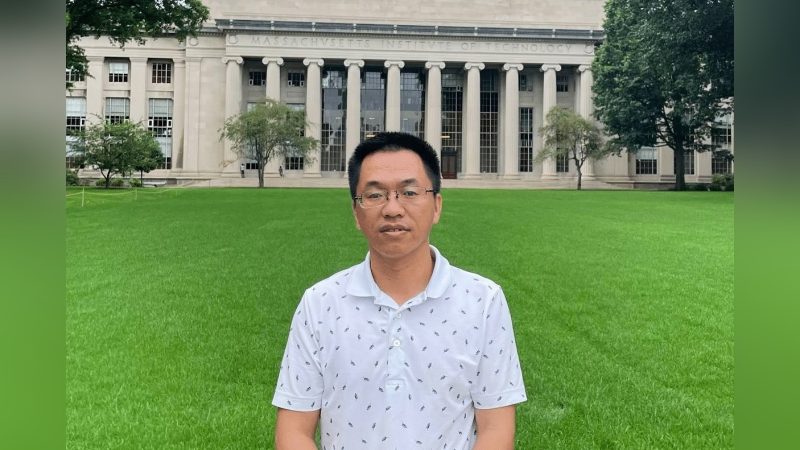
    Seven years ago, the walls were closing in on Wu Shaoping in his native China.

    Like a firefighter who rushes into a burning building, attorney Wu had watched China’s repressive Communist Party arrest scores of human rights lawyers under a crackdown that began in 2015, and responded by joining their dangerous cause, representing practitioners of Christianity or the Falun Gong sect.

    “It is simply a duty of my profession, part of my responsibility, to uphold the legal right of every person,” Wu said in a 2023 video urging his fellow Chinese to quit the Communist Party, or CCP. “It’s one of the things we should do as lawyers.”

    In late 2019, China’s totalitarian government began arresting human rights advocates who’d attended a secretive conference in the southern city of Xiamen and charging them with subversion of state power. Wu was at that confab, and — fearing he’d be next — he fled with his wife and young daughter to a place that had offered a safe haven to so many Chinese dissidents: the United States.

    Wu’s family traveled to New York on a tourist visa, and before that expired, the attorney applied for political asylum. As his case lagged in the clogged U.S. immigration courts, Wu built a life in his new country.

    In 2023, the family moved to a more affordable town just outside Lancaster and joined a local Chinese Christian church, while Wu’s daughter enrolled in Hempfield High School. Wu supported them by driving for Uber, delivering packages for Amazon, and trying his hand at construction work. But he also built up his connections with the diaspora of Chinese dissidents while using his newfound free speech to speak out against the CCP.

    It took just one traffic stop in Donald Trump’s America to turn everything upside down.

    On July 15, Wu was making Amazon deliveries in Cumberland County, Pa., when a local police officer pulled him over and later placed him in the custody of U.S. Immigration and Customs Enforcement. Despite having a work permit and an active application for asylum — which should have shielded him from deportation — Wu was quickly sent to ICE’s notorious Moshannon Valley Processing Center in Northwestern Pennsylvania, which has been criticized for squalid conditions.

    Wu’s arrest and detention have stunned and demoralized the close community of Chinese political refugees on U.S. soil, who for years have faced harassment here from agents and allies of Xi Jinping’s dictatorship. Now they find themselves fighting on a second front as the reality sets in that the U.S. government they saw as their protector is no longer a reliable ally.

    “The CCP is the ultimate source of fear, whereas the threat of being detained by ICE like this is more kind of imminent, immediate,” Zhou Fengsuo, who’d been jailed as a student leader of the 1989 Tiananmen Square uprising and gained asylum and U.S. citizenship after fleeing here in 1995, told me on Wednesday.

    But Wu’s arrest is also a powerful symbol of an inhumane mass deportation policy that has become a mindless and lawless machine of evil banality. It is sweeping up all kinds of refugees to fill its gulag detention quota, without any thought to why its victims have come to America or preserving the U.S. legacy as a safe place for the world’s stateless dissidents, which is getting permanently destroyed by this meat grinder.

    How can anyone possibly make sense of the twisted logic of the Trump regime, which in arresting Wu has targeted an outspoken critic of communism and the Chinese government — the same government the president has just accused (with no evidence) of attacking our elections.

    But locking up an asylum-seeking Chinese dissident is no less illogical than the Minnesota ICE raids against the Hmong people who came here after aiding the CIA in Laos in the 1960s and ‘70s, or the detention of Afghan nationals who worked with U.S. troops after 2001, or so many others who thought America offered them safety. Instead, there is terror — not just for the detained and their families, but for those who fear they could be next.

    “I came here not only for my freedom, but for the freedom of other Chinese people,” Wu said this week in a conference call from the Moshannon Valley lockup that was translated into English by a dissident friend and reported by Lancaster Online. He added that he shouldn’t have been arrested because “America is a country built on the rule of the law.”

    Well, it was supposed to be.

    Wu’s passion for fighting injustice has burned since he was a teenager and took a year off from his studies in 1997 to leave his rural home and earn some money by working in bustling Shanghai. The cramped, filthy back alleys where factory workers lived looked nothing like the thriving communist state he’d learned about in school. He started tracking down banned books, where he learned the truth of the 1989 Tiananmen Square massacre that the government had lied about when he was in third grade.

    “It was upside down,” Wu said, as translated in the 2023 video. “They lied to the world and praised themselves, making the butcher the sweetest person in the world.” He said his dissatisfaction with China’s regime only grew after he became an attorney and witnessed rampant bribery, or saw residents whose homes were getting demolished for new projects get beaten by police when they tried to complain.

    The turning point was a date that’s little known to most Americans but holds great significance in the Chinese dissident community: July 9, 2015. More than 300 human rights lawyers and activists were detained in a government crackdown that launched that day, while others lost their law license and have been subjected to harassment.

    That’s also when Wu stepped up his legal representation of clients targeted by the regime — especially those facing persecution for their religious beliefs in the officially atheist nation. That’s how he came to be one of roughly 20 pro-democracy activists who attended the private December 2019 meeting in Xiamen, and why he fled when two prominent attendees were arrested, and others felt they were in the crosshairs.

    Wu Shaoping (right), his wife Li Caoliu, and their daughter after their 2022 baptism in Texas. Handout art

    Wu’s life in America with his wife, Li Caoliu, and their daughter, now 17 and entering her senior year at the Lancaster County high school, has been divided between his quest for a normal family life and his tireless political activism. He helped found the Overseas Chinese Human Rights Lawyer Alliance — refugee attorneys who continue to advocate for the rule of law in their homeland.

    The family converted to Christianity in 2022, and joined the Chinese Bible Church of Lancaster after moving to Pennsylvania. The pastor there, the Rev. Daniel Luo, described his congregant Wu as a busy man who nonetheless would drop everything to drive cancer-stricken Chinese children from New York City airports to a hospital in Hershey.

    “He was so inspired by these persecuted Christians that he represented, and he felt a conviction to follow Christ,” said Wu’s close friend, the Rev. Bob Fu, the leader of the Christian diaspora group China Aid, who baptized the entire family during a 2022 retreat.

    Big changes were happening for Wu — except for his asylum case, which stalled as the surge at the southern border in the early 2020s slowed immigration courts to a crawl.

    The details of what happened when Wu was stopped by police earlier this month remain somewhat murky. Wu’s attorney in Montgomery County, John C. Visher, didn’t return calls or emails, but he’d previously told the New York Times that Wu was pulled over by police in Mount Holly Springs, Pa., while making his Amazon deliveries, and informed the officer of his work permit and his pending asylum application. But the officer called in ICE, whose agents detained Woo and eventually shipped him to Moshannon Valley.

    An ICE spokesperson claimed last weekend that Wu lacks legal status and had overstayed his visa by six years. Advocates find the arrest baffling and are hopeful the case can be resolved in Wu’s favor in a scheduled hearing before an immigration judge on Monday.

    His plight has gained support from two members of Congress — Republican Chris Smith of New Jersey and Democrat James McGovern of Massachusetts, who said in a letter to Homeland Security Secretary Markwayne Mullin and Secretary of State Marco Rubio that Wu “would face a severe risk of persecution — including detention and harsh punishment — if returned to China.”

    Fu said that on this week’s call from Moshannon Valley, his friend was grateful for the support, but “he’s very, very nervous, very concerned about the possible deportation.” His friends and allies agree that returning Wu to China would ensure the arrest he thought he’d avoided when seeking asylum in the United States.

    But he’s already been arrested, in a nation where the beacon of democracy has nearly died out.

    This man who has done absolutely nothing wrong is behind barbed wire walls in his adopted homeland, in a detention center where others have complained of rotten food and medical neglect. The irony is painful: Trump’s increasingly senseless human rights nightmare has totally lost the plot.

  • Who protects problem gamblers? Not the states cashing in on sports betting.

    Who protects problem gamblers? Not the states cashing in on sports betting.

    Terry Thompson’s spiral into gambling addiction offers a window into the human destruction Pennsylvania lawmakers unleashed when they legalized online betting.

    Before sports gambling was legal, the Montgomery County resident placed occasional bets through bookies. But in 2020, shortly after Harrisburg legalized sports betting, Thompson created an account with FanDuel Sportsbook to bet on the Eagles.

    He began placing numerous microbets through FanDuel and DraftKings, the two main gambling apps, and soon became addicted. Within five years, he wagered more than $22 million between the two companies, and lost more than $1.8 million.

    To feed his gambling addiction, Thompson sold his company and took out additional mortgages on his home. He hit rock bottom in February, gambling away his last dollar and planning to take his own life, according to a lawsuit filed in the Common Pleas Court of Philadelphia against FanDuel and DraftKings, and detailed by Inquirer investigative reporter David Gambacorta.

    Thompson’s story lines up with many others who get hooked on gambling. But it included a new wrinkle that adds to the insidious way gambling companies entice people to keep betting.

    In November 2024, Thompson received a personalized video message from Phillies superstar Bryce Harper.

    In the video, Harper references Thompson by name, mentions his young son, and thanks him for his support. Harper adds that he was reaching out on behalf of the VIP manager at FanDuel who wanted to make sure Thompson had an “extra special Thanksgiving.”

    In a personalized video that was sent to a problem gambler, Phillies slugger Bryce Harper said he was reaching out on behalf of an official at FanDuel.Obtained by The Inquirer

    A few days after Gambacorta’s story was published, Harper issued a statement claiming he was not aware of FanDuel’s involvement even though he mentions the company’s VIP manager by name.

    Harper said he joined the messaging site Cameo to engage with fans by providing paid video messages. Indeed, there is no evidence Harper was paid by FanDuel or aware of Thompson’s addiction.

    Strategic ignorance aside, it seems pathetic for a star athlete paid roughly $25 million a year to work a side hustle shilling videos to strangers. Talk about not elite.

    Clearly, everyone is finding a way to make money off gamblers, including state lawmakers, sports leagues, gambling apps, and former and current players.

    It’s all about the fans, right?

    More disturbing is how the apps entice gamblers.

    In Thompson’s case, FanDuel rewarded him with perks, including champagne, hotel stays, and Super Bowl tickets. His VIP manager texted him about the Eagles as well as personal exchanges about family and travel plans.

    FanDuel said its VIP managers do not work on commission. The company has a number of systems in place to help gamblers bet responsibly, including a dashboard so customers can track spending, real-time check-ins if players deviate from usual habits, and devices that let gamblers set limits on losses or time spent on the app, as well as cooldown periods or formal self-exclusions.

    That’s well and good, but gamblers find workarounds, and the VIP perks sure seemed designed to keep high rollers gambling. Expecting gamblers in the throes of addiction to police themselves is not a serious solution.

    One recovering gambling addict not involved in this case told me how FanDuel and DraftKings would send him numerous incentives a day to keep betting.

    Indeed, the gambling business model depends on a small percentage of gamblers making frequent bets. One study found 5% of sports gamblers generate 86% of the industry’s revenue.

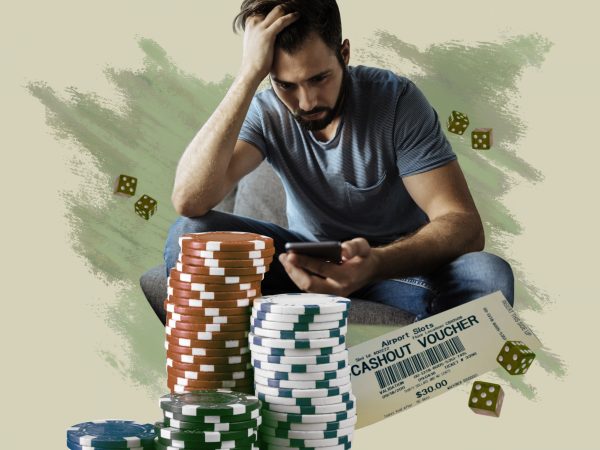
    The ease of online gambling has turned everyone’s mobile phone into a casino. Nearly 40% of men and 20% of women gamble online daily, according to the American Psychiatric Association.

    Online betting has enabled companies to attract younger gamblers. Two-thirds of 18- to 22-year-old men surveyed by the NCAA had bet on sports. Many teens and adolescent children have become hooked on gambling, including some as young as 11.

    In a statement, FanDuel said it “is committed to fostering a culture of responsible gaming and protecting our customers” and that “employees are trained to recognize and flag signs of problem gambling.”

    Thompson’s experience, as alleged in his lawsuit, indicates otherwise.

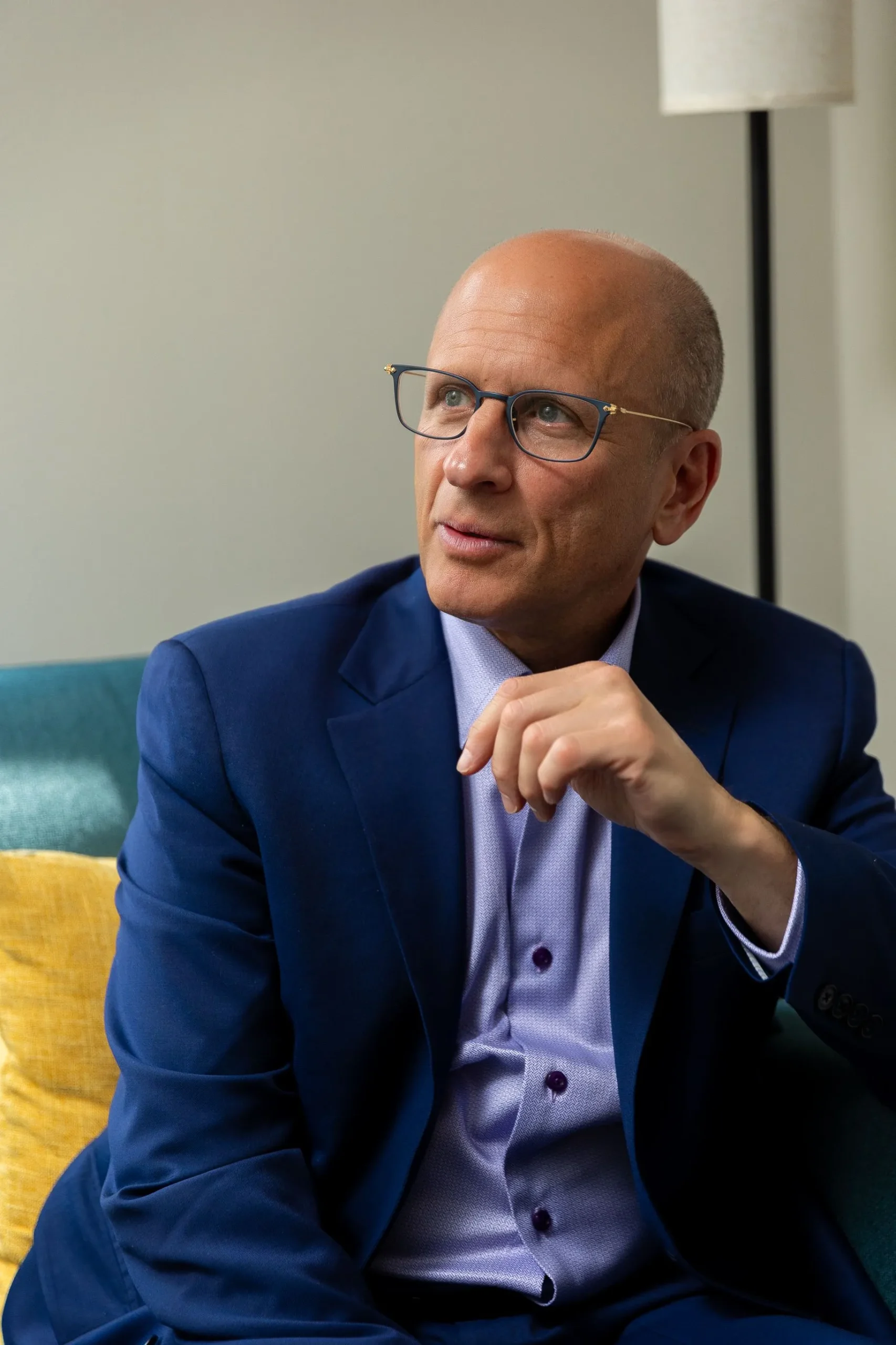
    “There are millions of Terry Thompsons out there,” Harry Levant, a former Philadelphia attorney who is now the director of gambling policy for Public Health Advocacy Institute, told me.

    Levant, an addiction recovery coach, said he gets frequent calls from spouses, parents, and children seeking help for loved ones addicted to gambling. He said he has clients who gamble in the shower or before they get out of bed in the morning.

    Harry Levant, an addiction recovery coach, said he has clients who gamble in the shower or while they’re lying in bed in the morning.Courtesy Harry Levant

    Levant said the surge in online sports gambling has been fueled by a partnership between professional sports leagues and sports betting companies that provide a nonstop stream of in-game betting opportunities on everything from the next pitch to the next home run.

    Microbets — such as betting on the outcome of the next pitch or play — and same-game parlays — where gamblers make a single bet that requires multiple events to happen — keep bettors engaged throughout a game. When the game is over, there is always another game somewhere in the country or across the world.

    Levant said microbetting is designed to be addictive. “We are dealing with a fundamentally different form of gambling,” he told me. “It’s machine vs. humans, and no way can humans keep pace.”

    Levant has called on Congress to pass the Safe Bet Act, which would require operators to conduct “affordability checks” on customers before accepting wagers; prohibit microbetting and the use of AI to track individual gambling habits and offer individualized promotions; and prohibit sportsbooks from marketing during live sporting events.

    Even for us non-bettors, prohibiting sports gambling ads — the same way tobacco ads are not allowed — would be a welcome relief. The incessant ads from casinos and sportsbooks, as well as the in-game promotions, are beyond annoying.

    The problem is the sports leagues, the TV networks, and the gambling companies are essentially in business together. The state lawmakers who are sworn to protect the public enjoy campaign donations from the gambling lobby and hefty taxes for state coffers.

    But it is up to the 39 states and Washington, D.C., that have legalized sports betting to implement real safeguards to protect citizens from a system designed to keep people gambling. The states ignore the reality that all of their betting-related tax revenue comes from the pockets of gamblers.

    Last year, Americans bet more than $166 billion on sports — and billions more at casinos and state lotteries. Before the U.S. Supreme Court cleared the way in 2018 for states to legalize sports betting, sports betting amounted to $4.9 billion.

    Now, up to 30% of Pennsylvania adults engaged in some form of online gambling in the past year, researchers at Penn State University found.

    The Philadelphia-area market leads the country in online gambling. The rapid growth has resulted in a doubling of calls to a problem gambling hotline.

    Anthropologist Natasha Schull wrote a book years ago that explained how slot machines were designed to addict gamblers. The industry jargon was to get gamblers to “play to extinction.”

    Now, online gambling saves a trip to the casino, but the endgame remains the same.

  • Smoky skies? Throw shade at the fossil fuel industry.

    Smoky skies? Throw shade at the fossil fuel industry.

    Last week’s air quality is brought to you by the fossil fuel industry.

    To quibble about how much of the Canadian fires are due to human-caused climate change as opposed to poor forest management or normal climatic changes is to not see the fire for the trees. The fossil fuel industry has created human-made climate change, and it has won the war against it.

    If your first reaction to this claim is to think the climate is always changing and that there is nothing out of the ordinary about the speed of current global temperature rise, that, too, was brought to you by the fossil fuel industry.

    Since the 1970s, this industry has known about the impact of its products on climate. Rather than prioritize planet over profit, it chose to “manufacture uncertainty” about these impacts, fostering climate denial in order to delay government action that might otherwise address the problem.

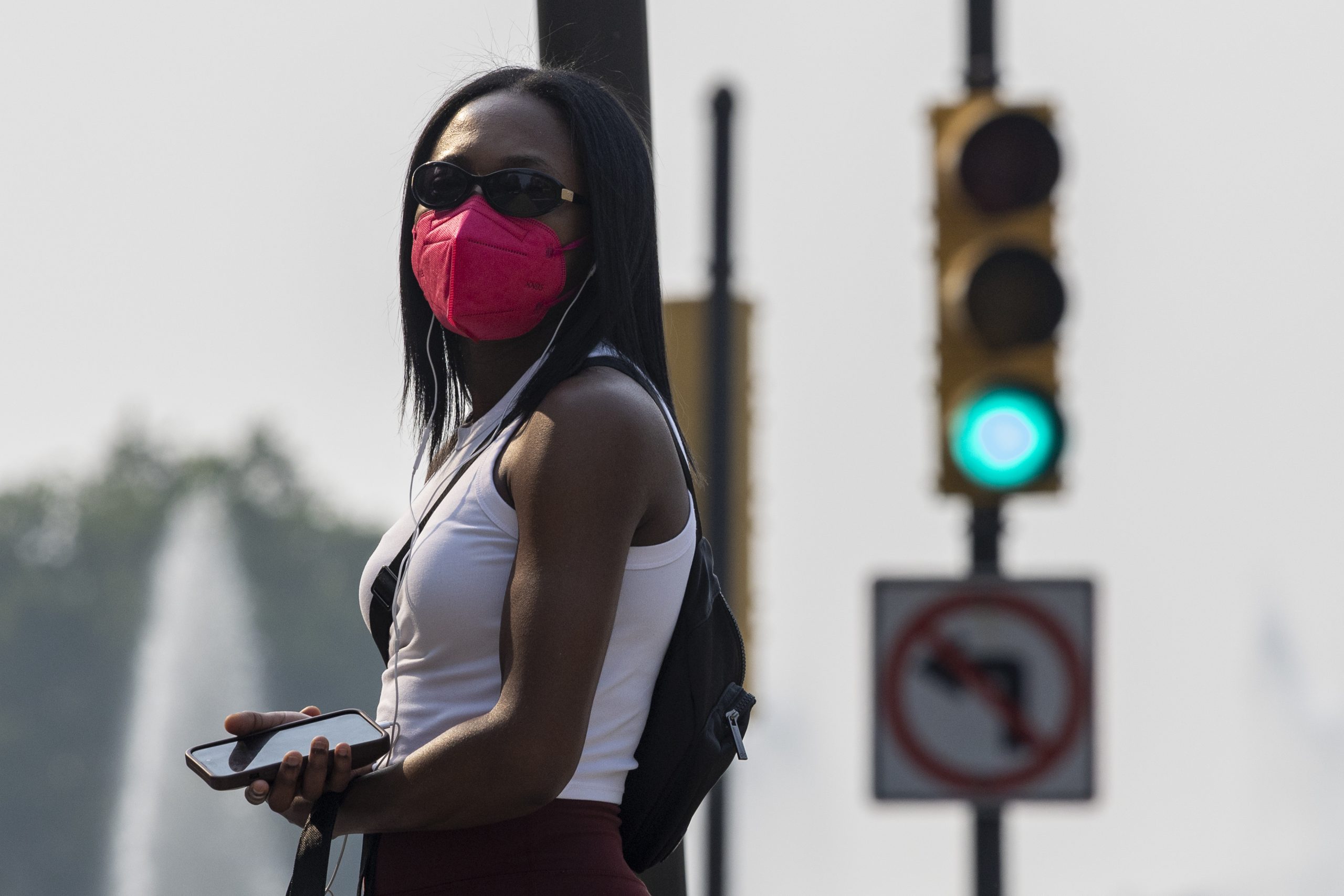
    A woman wears a mask because of the smoke in the air from the wildfires in Canada on Friday in Philadelphia.Aidan T. Gallo / Staff Photographer

    The fossil fuel industry’s “playbook” involves sustained and well-funded efforts to diminish climate reduction targets, protect subsidies to fossil fuel companies, and push for “energy independence” that is achieved through more oil and gas drilling. To extend their reach beyond their very successful lobbying of politicians, energy corporations have even sponsored university centers that lend academic credibility to their preferred climate solutions, such as relying on natural gas rather than renewable energies that would have far lower climate impacts.

    If thinking about the role of climate change in causing the fires that are to blame for last week’s haze makes you feel guilty about your own energy consumption, that guilt was also brought to you by the fossil fuel industry.

    Most prominently, in 2004, British Petroleum funded a $250 million marketing campaign to introduce the public to the “carbon footprint calculator” while rebranding itself as a green energy company. This fostered widespread framing of the climate problem as something caused by individual lifestyles, a problem that could be solved by individual behavior changes such as recycling and the use of energy-efficient appliances.

    The carbon footprint framing created and promulgated by the fossil fuel industry focused public concern on voluntary changes that could be made by individuals, rather than on regulation of the industry profiting from sustained use of planet-heating fuels.

    That guilt you feel about your own energy consumption was put there to prevent your individual anger from turning into collective anger that could bring down the industry profiting from your fossil fuel consumption.

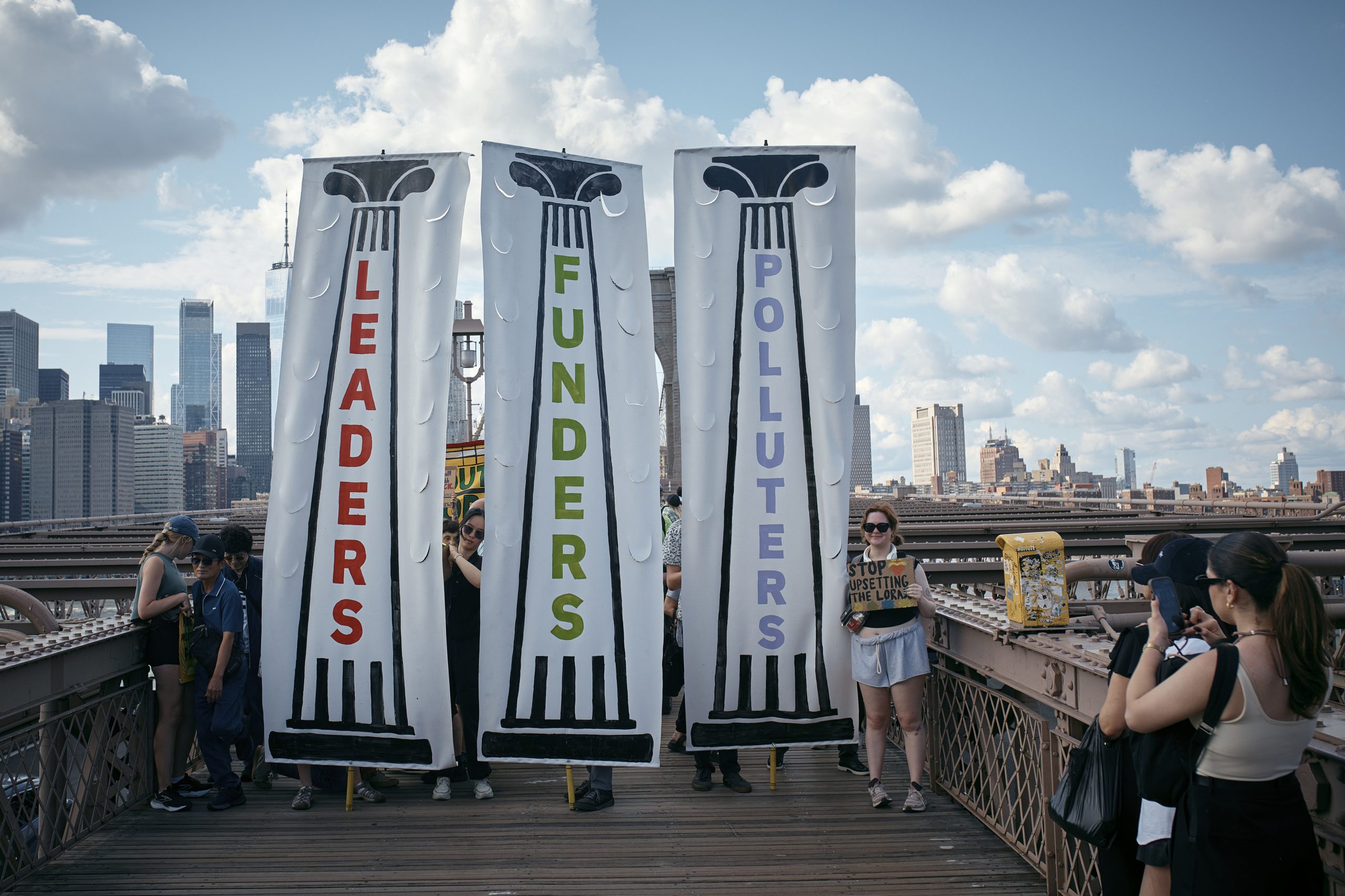
    Protesters carry placards as they cross the Brooklyn Bridge in New York during a Youth Climate Strike march to demand an end to the era of fossil fuels in 2024. Andres Kudacki

    But the industry isn’t just making you personally responsible for climate change; it’s using its immense economic power to influence political decisions shaping domestic automobile markets.

    It is fitting, then, that a large part of North America is choking on smoke from rampant fires at the end of a fiscal quarter in which China’s BYD electric car company again outsold Tesla in global electric vehicle sales.

    In contrast to many countries around the world that are benefiting from access to low-price, high-quality EVs manufactured in China — which will simultaneously diminish the cost of driving and its climate impact — the Trump administration is doing a solid for Elon Musk’s EV company by virtually blockading Chinese EVs from entering the U.S. domestic market through the use of 100% tariffs and related technology bans.

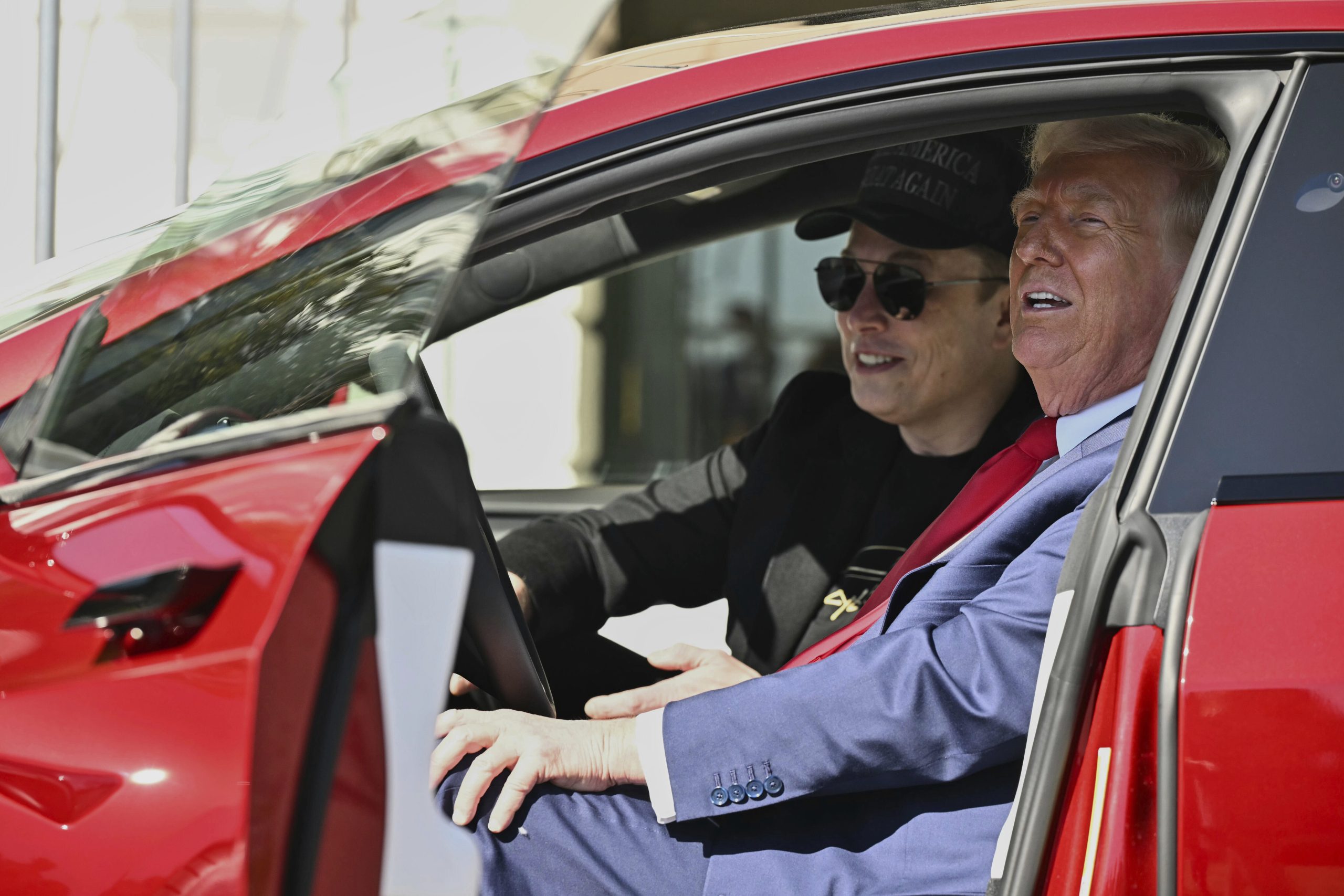
    President Donald Trump and Tesla CEO Elon Musk speak to reporters as they sit in a red Model S Tesla vehicle on the South Lawn of the White House in March 2025. Uncredited

    Effectively, this protects billionaire Musk’s domestic market dominance while keeping EV prices high enough to ensure Americans stay dependent on gas-powered cars.

    It should come as no surprise that the fiscally savvy prime minister of Canada just pivoted to deliver a blow to the fossil fuel industry that President Donald Trump will never even try to land. In a reversal of its protectionist stance, Canada cut its 100% surtax on Chinese EVs down to a 6.1% tariff rate, allowing up to 49,000 Chinese EVs per year, conditioned on Chinese automakers’ investment in joint ventures with Canadian manufacturers.

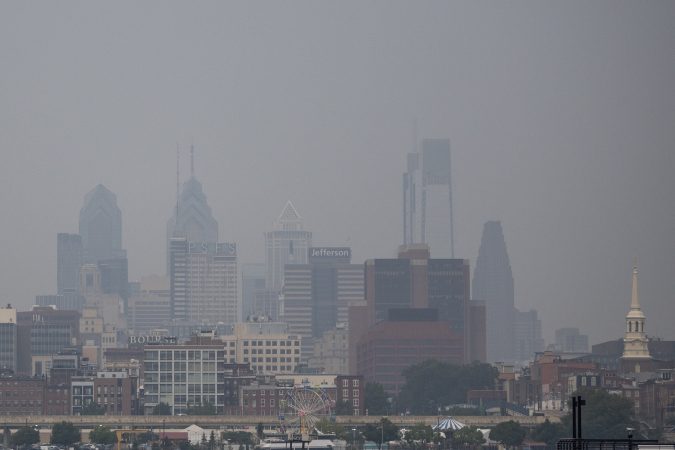
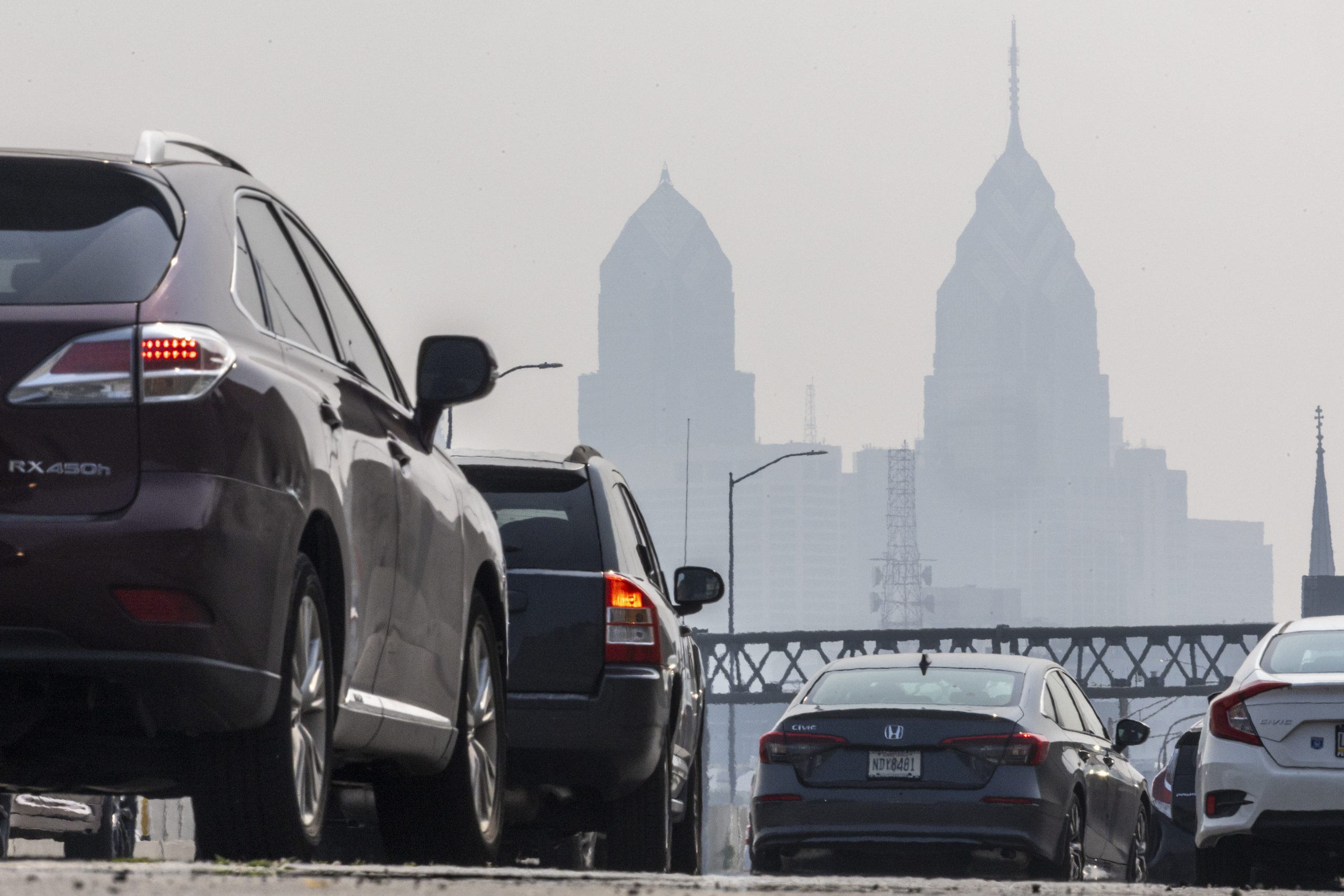
    Hazy skies over the skyline caused by wildfires in Canada on July 17 in Philadelphia.Aidan T. Gallo / Staff Photographer

    Access to affordable, high-quality EVs that diminish climate harms currently wreaking havoc on Canada is no consolation for all the humans and animals whose homes, habitats, and lives are currently being burnt to a crisp. But it reflects the behavior of a country that is still capable of doing something besides protecting the profits of its billionaire class.

    If you want to do something that will save your bank account and your lungs, stop voting for political candidates who are bought and brought to you by the fossil fuel industry.

    Breena Holland is an associate professor of political science and environmental studies at Lehigh University. Her research focuses on domestic environmental policy and air quality in the Lehigh Valley.

  • Krasner’s office is accused of lying and cutting corners to win exonerations — and the wrongly convicted could pay the steepest price | Editorial

    Krasner’s office is accused of lying and cutting corners to win exonerations — and the wrongly convicted could pay the steepest price | Editorial

    District Attorney Larry Krasner has a growing credibility problem and needs to take steps soon to repair the damage to his office.

    During an extraordinary hearing in federal court last week, one of Krasner’s former prosecutors testified that his office colluded with defense attorneys to try to overturn a murder conviction, and encouraged her to lie to the judge to conceal the shoddy handling of the man’s appeal.

    In sworn testimony before U.S. District Judge Paul S. Diamond, former Assistant District Attorney Jaclyn Mason said she refused to move forward with a plan to take the blame and instead resigned last month.

    The federal court hearing came on the heels of other damaging rulings that determined prosecutors in Krasner’s office have been lying to the courts.

    The Pennsylvania Supreme Court ruled last month that Krasner’s office misled judges in several previous cases alleging wrongful convictions.

    Justice Kevin Dougherty wrote that Krasner’s office repeatedly “made unreliable concessions unsupported by the facts and law” and “violated its duty of candor.”

    In December, a panel of federal judges disbarred a prosecutor in Krasner’s office from practicing in the region’s federal court after concluding he “lied repeatedly” while trying to overturn the death sentence of a man convicted of killing a couple in East Mount Airy and leaving their infant daughter inside to die.

    Mason’s testimony last week amounted to strike three.

    She testified that supervisors in the district attorney’s office failed to independently investigate the trial transcripts, witness interviews, or homicide files before determining whether Dennis Johnson’s conviction should be set aside.

    Mason had recommended Johnson’s conviction be overturned, but said she did so at the direction of her boss, Matthew Stiegler, the head of the Conviction Integrity Unit. She added that Stiegler met with Johnson’s defense lawyers, including from the Pennsylvania Innocence Project, to discuss the best path to secure Johnson’s release.

    “Matt told me, ‘If it’s good enough for the Innocence Project, it’s good enough for me,’” Mason said in court.

    This week, two prosecutors in the district attorney’s office filed a court document claiming Krasner instructed them to push forward with Johnson’s appeal in a manner that would “protect the office.”

    Assistant District Attorneys Katherine Ernst and Steven J. Wildberger wanted the state attorney general’s office to take over the appeal because of conflicts. But when they pressed Krasner to refer the case to state prosecutors, he “stated that there would be ‘consequences’ for anyone who notified the court of the conflict issues.”

    For those keeping score, that would be strike four.

    But there are two sides to every story. The hearing in Judge Diamond’s court has not concluded. Additional prosecutors from Krasner’s office, including Ernst and Wildberger, are expected to testify and shed more light on the handling of Johnson’s case.

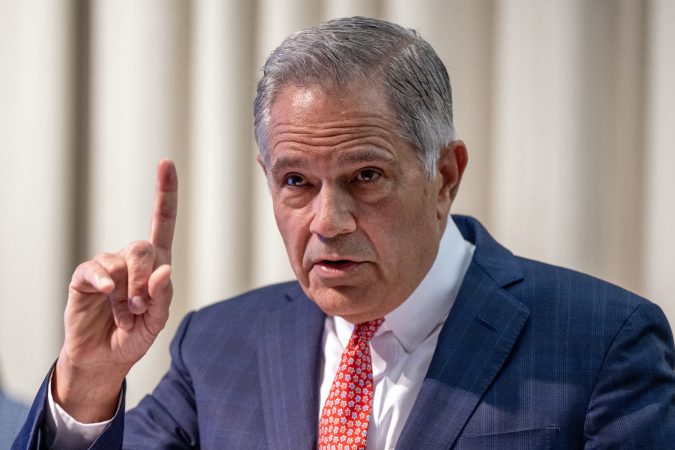
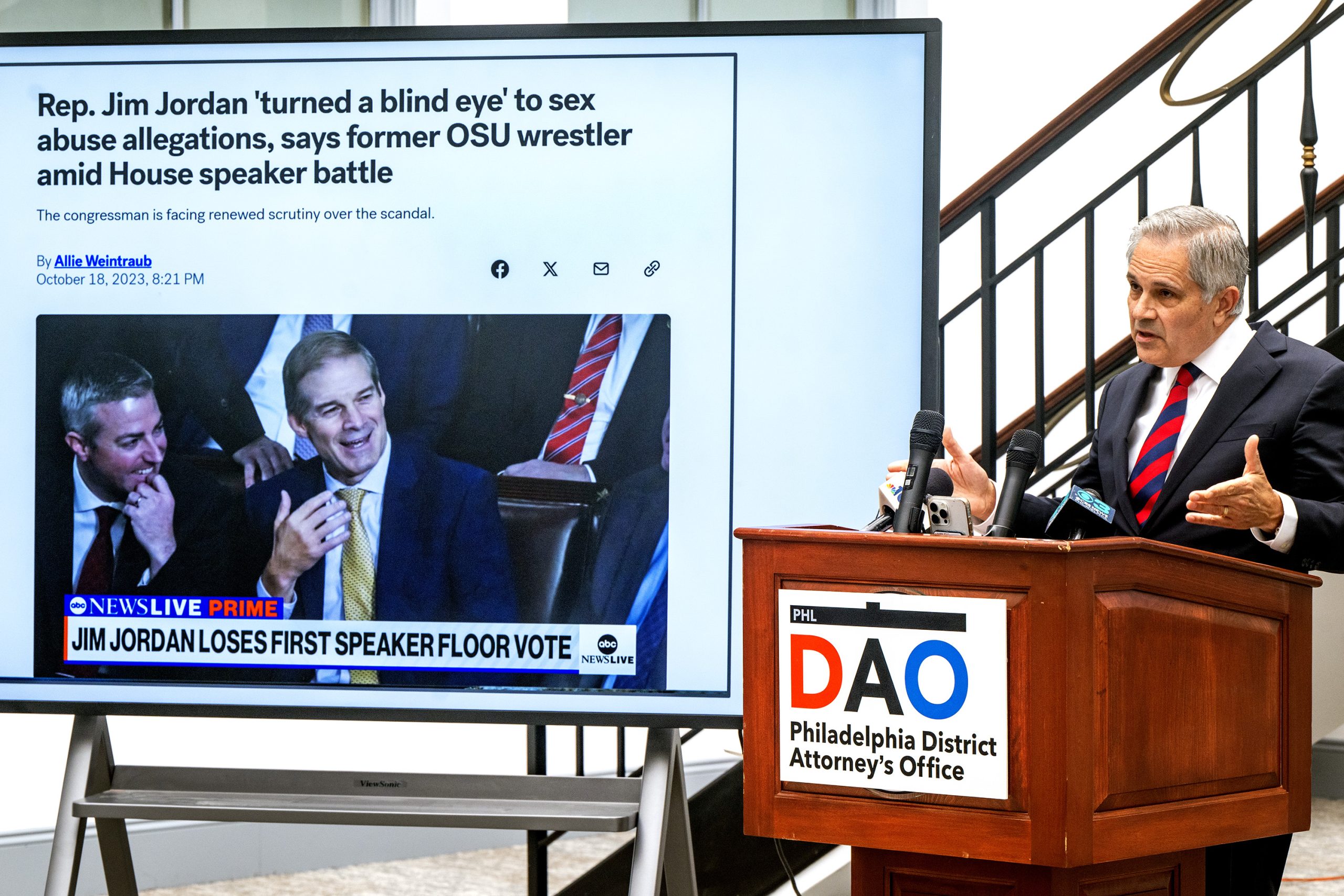
    District Attorney Larry Krasner at a May news conference denouncing criticism of his office leveled by Republican members of the House Judiciary Committee, and specifically its chairman, Rep. Jim Jordan (on screen).Tom Gralish / Staff Photographer

    In an interview with members of the Editorial Board, Krasner said he could speak more freely after the hearing ended. He added that more information would come out, and he hoped that until then the public would keep an open mind.

    This board has long supported Krasner’s efforts to examine claims of wrongful convictions. But the board does not support cutting corners or lying to the court.

    City, state, and federal prosecutors come into court with a level of credibility and trust earned over generations. Just as we have seen Donald Trump’s Justice Department fritter away its trust and credibility with repeated lies and sloppy lawyering, Krasner’s office risks doing the same.

    That could result in a major setback for others who have been wrongfully convicted. It is extremely difficult to get convictions reversed, and often takes years. If the courts don’t believe the prosecutors in Krasner’s office, anyone seeking an exoneration may face an even steeper hurdle.

    Studies indicate thousands of people nationwide are behind bars for crimes they did not commit, including some 4% of inmates on death row.

    Many wrongful convictions nationwide are the result of misconduct by police or prosecutors as well as misidentification by eyewitnesses. Philadelphia has a history of police corruption and abuse that has largely gone unchecked.

    Krasner’s decision to hold police accountable and investigate claims of wrongful convictions has been a long-needed correction. It has also animated Krasner’s law enforcement critics — of which there are many.

    That is all the more reason why his office must ensure its work involving exoneration cases is beyond reproach.

    Since taking office in 2018, Krasner’s office has freed 59 people, most of whom are Black men. That’s an impressive number in a short period of time.

    By comparison, over the past 34 years, the Innocence Project has helped to exonerate 257 people nationwide, largely through the use of DNA technology.

    But the state Supreme Court recently ordered the state attorney general to review any case in which the Philadelphia District Attorney’s Office wants to alter or overturn a past conviction.

    This board wrote earlier this month that the state Supreme Court went too far in ordering the added layer of oversight by the state attorney — which will live on long after Krasner leaves office — for fear it could slow down appeals and politicize the process.

    The court’s unprecedented overreach aside, the recent sworn testimony by a former prosecutor and two current prosecutors with firsthand knowledge of the office’s inner workings has raised doubts about the integrity of Krasner’s Conviction Integrity Unit.

    Public confidence in the district attorney’s office is paramount. Nothing should be off the table to ensure justice is delivered to victims and the accused in a safe, fair, and legal manner.

  • Letters to the Editor | July 23, 2026

    Letters to the Editor | July 23, 2026

    Do the right thing

    U.S. Rep. Brian Fitzpatrick posted a photo on social media with the caption, “Every child deserves a healthy start — and no family should have to navigate outdated barriers to access the nutrition and care their children need.” As a 28-year Bucks County resident, I found Fitzpatrick’s statement hypocritical.

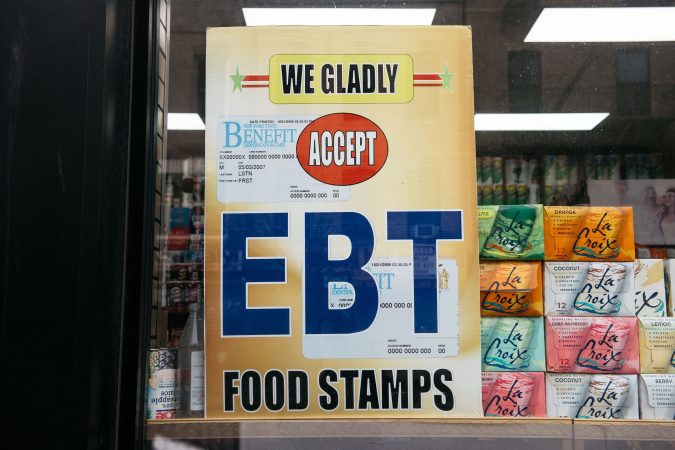
    The Republican-led Congress passed the One Big Beautiful Bill Act (OBBBA), which cut about $19 billion a year from the Supplemental Nutrition Assistance Program, which provides food stamps to low-income children.

    Fitzpatrick initially supported the OBBBA — despite its deep cuts to benefits for low-income families and children. All his fellow Pennsylvania Republicans — including Reps. Ryan Mackenzie, Scott Perry, and Daniel Meuser — voted for Donald Trump’s bill and its huge cuts to SNAP and Medicaid. Fitzpatrick was only able to vote against the final bill because the Republicans in Congress could pass it without his aye.

    Fitzpatrick has shown he can do photo ops but cannot do the right thing for the families and children of Bucks County.

    Stephanie Bariahtaris, Wrightstown

    Get on the bus

    I was pleased to read your article about how state lawmakers were able to find money in the budget to support a prison bus program. I worked for a nonprofit that transported children every two months to their mothers at the Muncy Prison. They had done so for several years — funding 50% from their endowment and 50% from the state. It was year-to-year state funding. We had a part-time social worker and a part-time psychologist working with the children and the guardians. A social worker and a full-time social worker, who volunteered without pay, accompanied the children on the bus to the prison. They also provided counseling to the mothers. Around 2010, the state rescinded the funding, and the program had to stop because the state also cut back on other programs. The agency’s endowment could not cover the differences. Years ago, an accountant for a children’s mental health facility told me that it took three years to get fully reimbursed by Pennsylvania. They were only able to keep running because other states sent their children there and paid promptly. Many good programs for children are regularly abandoned due to inconsistent state and federal payments and funding.

    John Marquess, retired auditor and nonprofit accountant, Haddon Heights

    Bamboozled

    What a prime example of voter fraud! Mike Lindell, endorsed by Donald Trump to run for governor of Minnesota, is registered to vote in Texas.

    Karel Kilimnik, Philadelphia

    Join the conversation: Send letters to letters@inquirer.com. Limit length to 150 words and include home address and day and evening phone number. Letters run in The Inquirer six days a week on the editorial pages and online.

  • Let’s stop giving hate a partisan exception. Extremism doesn’t check political affiliation.

    Let’s stop giving hate a partisan exception. Extremism doesn’t check political affiliation.

    The same weekend America turned 250, I also watched a mosque burn in Northeast Philadelphia, a governor threatened with violence he’d already survived, and masked men march past the U.S. Capitol chanting “Reclaim America.”

    None of it happened in the same city or involved the same people — and that is exactly why it matters.

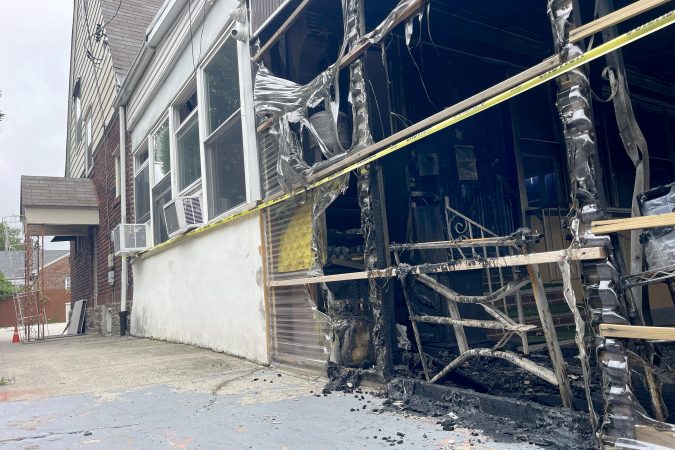
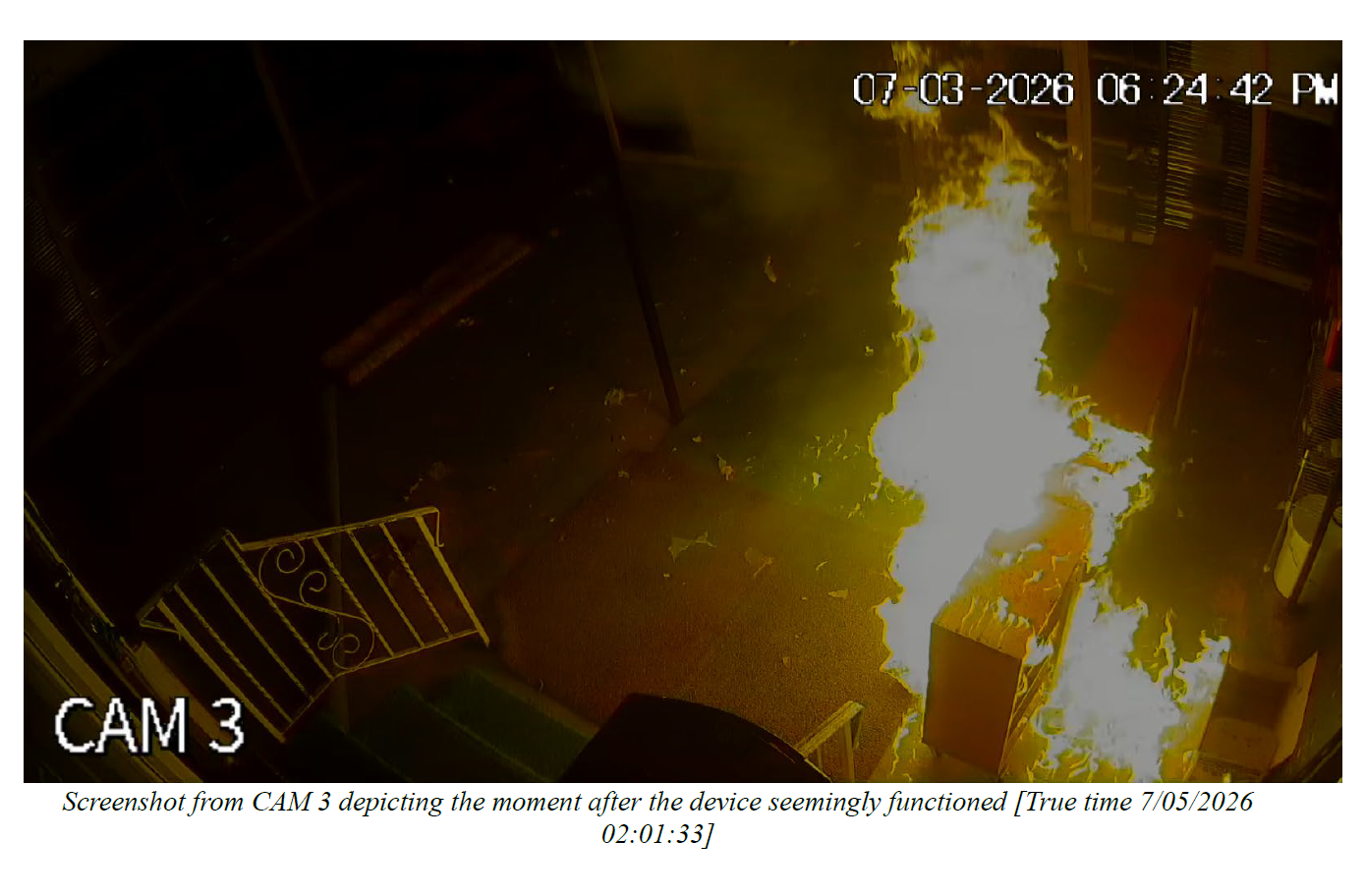
    Someone threw a flaming object into the Northeast Philadelphia Islamic Center. No one was hurt, thankfully, but a community that gathers there to pray was left afraid in a building meant to be a sanctuary. State Sen. Sharif Street called it what it was: “This wasn’t just an arson. This was a hate crime.”

    Image from security video of fire started by an incendiary device on July 5 at the Northeast Philadelphia Islamic Center.U.S. Attorney's Office

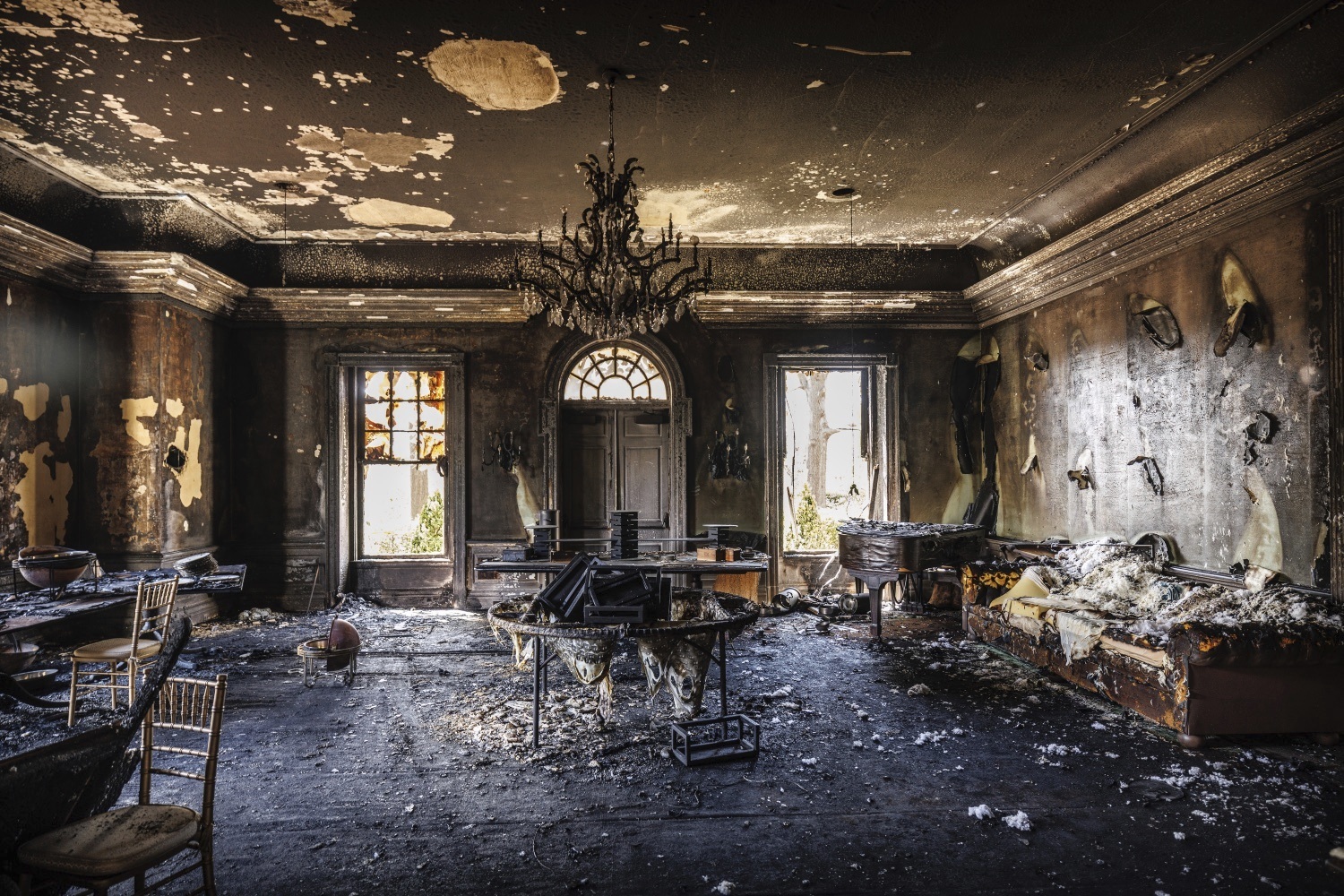
    Two days later, in Delaware County, a man walked into a legislator’s office for help with his taxes, used an antisemitic slur while talking about Gov. Josh Shapiro, and threatened to burn down the governor’s mansion again. He called the threat itself “sympathetic,” because Shapiro’s family had already survived a real arson attack in 2025.

    This image provided by Commonwealth Media Services shows damage after a fire at the Pennsylvania governor’s mansion while Democratic Gov. Josh Shapiro and his family slept inside on April 13, 2025, in Harrisburg, Pa.Commonwealth Media Services

    Read that twice. A man was arrested for describing arson against a governor’s family as an act of sympathy.

    That same week, Graham Platner’s Senate campaign in Maine finally collapsed. It wasn’t the Nazi tattoo he’d worn for nearly 20 years. A symbol tied to Nazi concentration camp guards was, on its own, apparently not enough.

    On the National Mall, hundreds of Patriot Front members, a group the Anti-Defamation League calls the most visible white supremacist organization in the country, marched in coordinated uniforms, carrying Confederate flags, chanting about reclaiming a nation they insist belongs to them alone. They did this in broad daylight, on Independence Day, and walked away unbothered.

    It doesn’t have to be this way. Pennsylvania has offered a glimpse of the right response to hate.

    After mailers went out to Upper Bucks County voters attacking a Democratic candidate as the pick of the “corporate, Israel-first Democratic party,” alongside a photo of State Sen. Steve Santarsiero, who is Jewish, with an Israeli flag under his face, he called the language exactly what it was: “an antisemitic trope that falsely implies Jewish Americans are disloyal to the United States.” Republican Attorney General Dave Sunday agreed, as did State Rep. Dan Frankel (D., Allegheny) and State Sen. Judy Schwank (D., Berks), who called the mailers “unacceptable and dangerous.”

    That’s what the response to hate should look like every time, not because it’s convenient, but because antisemitic hate speech is hate speech, and in the end, it is incumbent on all parties and political leaders to speak out.

    Extremism doesn’t wait for permission from a party platform. It shows up as a firebomb thrown into a mosque, a slur hurled at a governor, matching uniforms marching past the Capitol, a hateful symbol that doesn’t disqualify a candidate.

    The only real defense is what happened with the mailer in Bucks County: leaders naming it immediately, without waiting to see who it benefits politically to stay quiet.

    I have spent my career watching people search for the loophole: this hate doesn’t count, this extremist isn’t really one of ours, this symbol was just a tattoo. There is no loophole. Hate doesn’t get a partisan exception, and neither does our responsibility to name it the first time we see it.

    Here is what I’d ask, whatever you believe and whomever you vote for:

    • Condemn it the first time, not the 10th.
    • Refuse the whataboutism. “The other side does it, too” has never made anyone safer.
    • Show up for communities that aren’t yours. A mosque needs the same solidarity a synagogue would after an attack, and vice versa.
    • Report what you see. Silence is how patterns become normal.

    This year marks 250 years of a promise: that all people are created equal.

    That promise doesn’t come with a partisan carve-out. Leaders in Pennsylvania showed us it doesn’t have to. The question is whether we follow that example, or wait for the next arson, slur, or tattoo before it finally matters.

    Andrew Goretsky is the senior regional director for ADL Philadelphia.