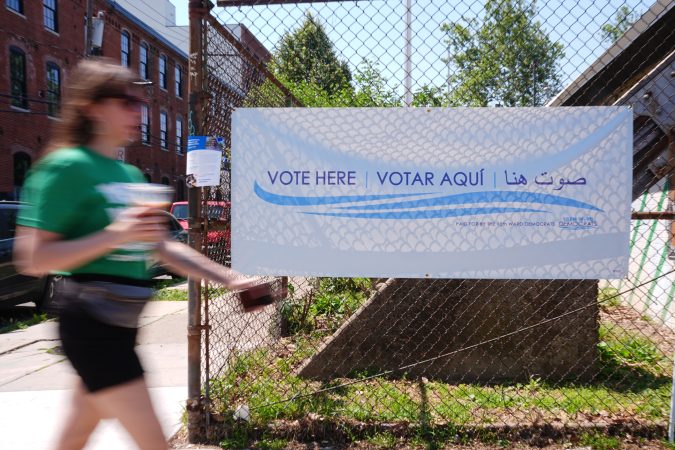
Last month, the city commissioners certified the results of 2026’s primary election — another safe, secure, and accurate election, one whose results Philadelphians can trust.
But those results highlighted an obvious flaw: Most of our neighbors didn’t show up to vote.
The 2026 primary turnout numbers tell a story of silence in which there should be a vibrant force of civic engagement:
Turnout citywide was just 22.3% — a drop from four years ago, whose 23.6% turnout was already nothing to brag about.
When you don’t include the three top-performing wards — the vaunted 9th, 22nd, and 50th Wards, which comprise the Northwest corner of the city — the citywide average drops even further, to just 20.4%.
Ward 7 saw the lowest turnout in the entire city, with fewer than 6.5% of registered voters casting a ballot.
There are always logistical hurdles to voting, including language barriers, childcare, and rigid work hours, and my office at the Philadelphia City Commissioners works tirelessly every day to tear those barriers down. We’ve made progress, but clearly, there’s still work for all of us to do.
If everything in your neighborhood, your school, your block is exactly how you want it, fine, sit this one out.
If not, there are a few things you can do — and you don’t need to wait until November.
This month marks the kickoff of “Between the Ballots: No Days Off for Democracy,” a citywide outreach initiative designed to bring voter education, election services, poll worker recruitment, and civic engagement opportunities directly into Philadelphia neighborhoods during the summer. The next event in the series will take place on Tuesday at the 3rdDistrict satellite office at 4029 Market St., and will include food, family fun, community resources, and more.
We made significant strides when we opened satellite election offices in every City Council district in the city, and now we’re giving everyday Philadelphians even more reasons to engage with those offices any time of the year, not just when there are votes to cast.
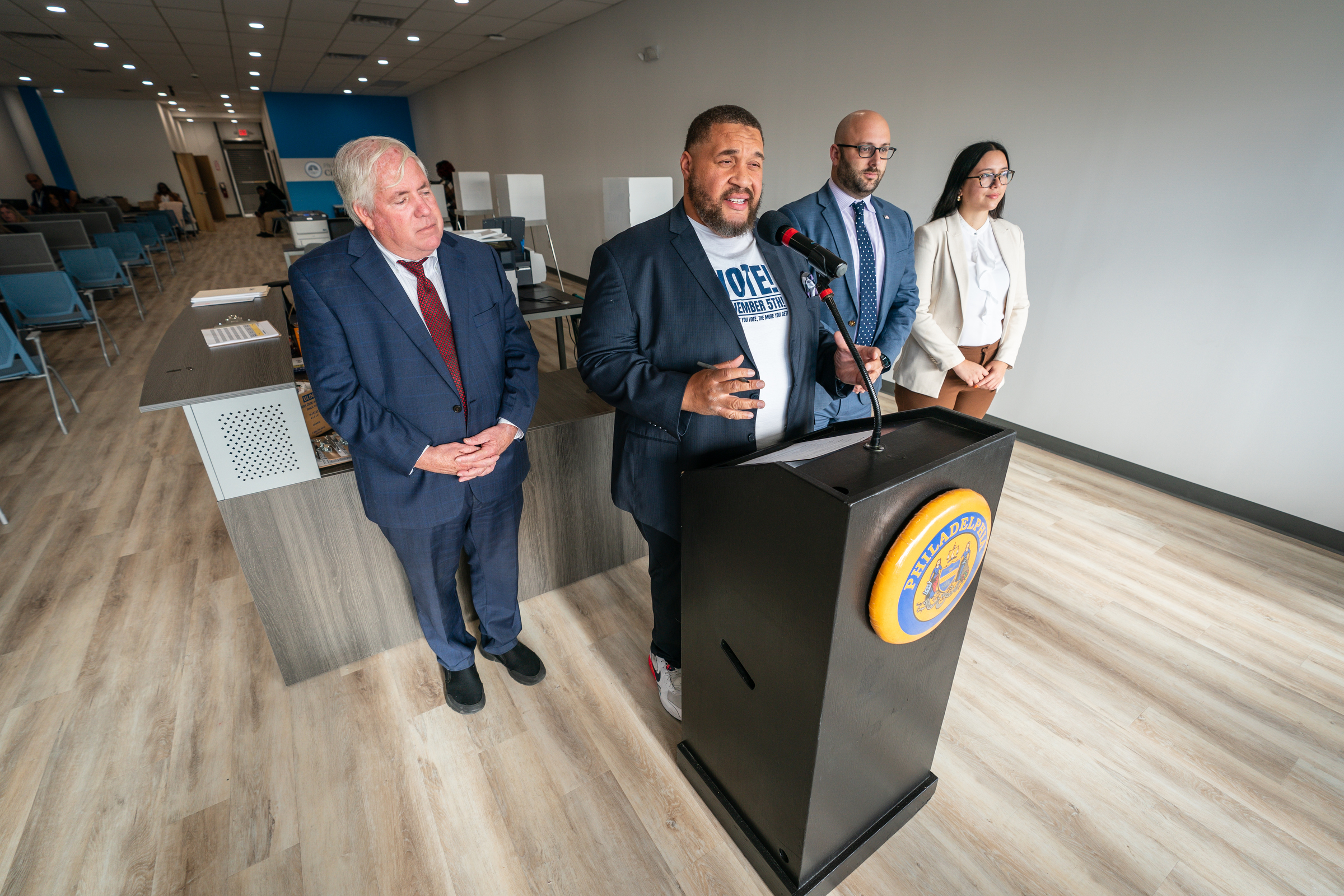
Philadelphia City Commissioner Omar Sabir speaks at the opening of the 10th permanent satellite election office, located at 6420 Frankford Ave., in October 2024.Jessica Griffin / Staff Photographer
Philadelphia has lots of ways to get involved. Our Election Academy, which launched this past spring in partnership with the nonprofit Committee of Seventy, invited registered voters from every corner of the city into our satellite election offices and our Northeast election warehouse to see exactly how voting machines are secured, tested, and audited. No taking our word for it. You can watch it happen. The program was a great success, so much so that we will continue these public sessions through the fall.
Philly Rises is our initiative to engage youth, recruiting students who are ready to make their voices heard.
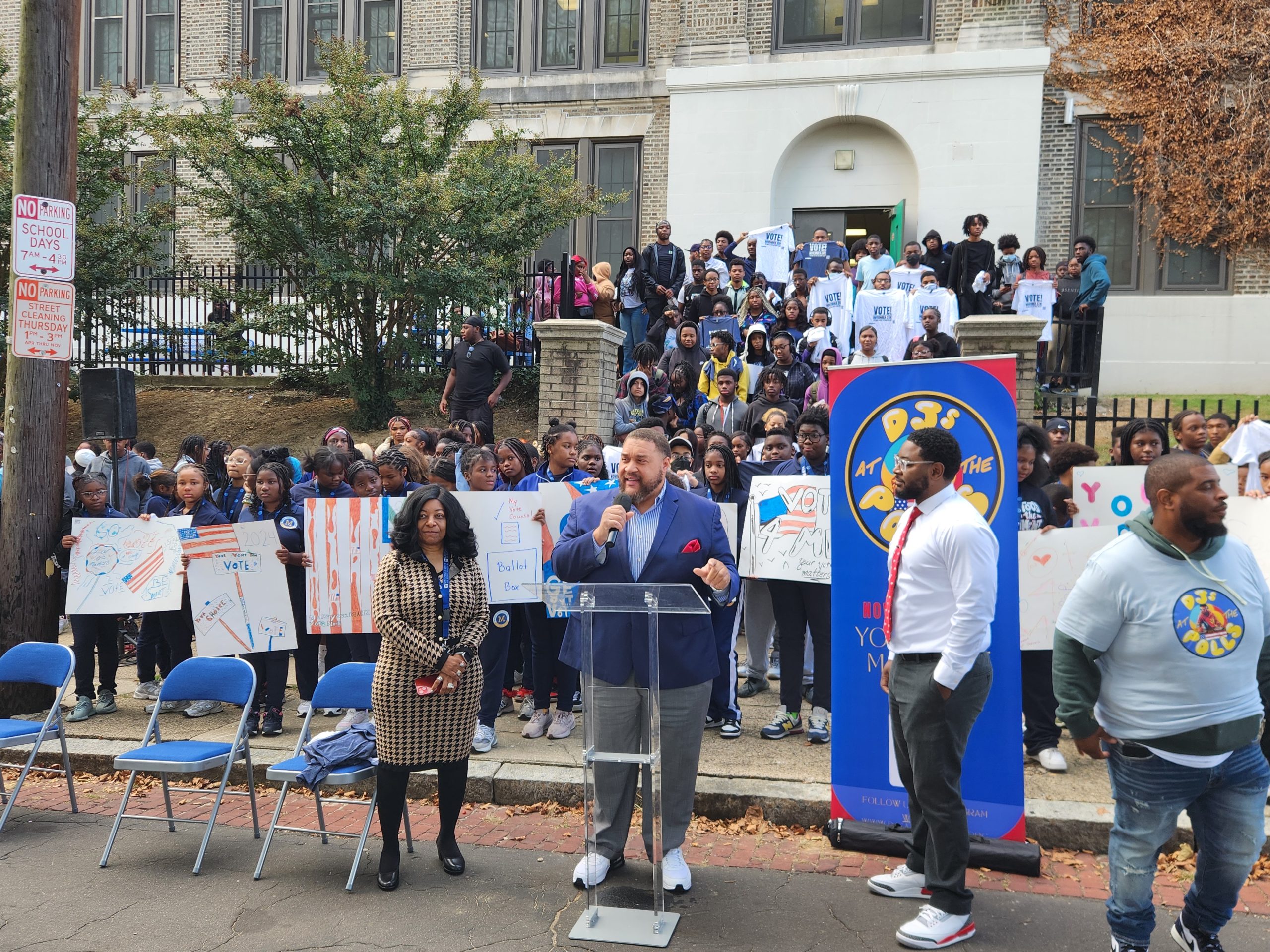
Philadelphia City Commissioner Omar Sabir rallies Parkway West High School students to get involved in the general election in November 2024.Jesse Bunch
The Involved at 17 program allows high school seniors to serve as poll workers, giving them a front row seat to the election process and paying them to do it.
Regardless of age, education, or income, voters cannot expect change if they don’t participate.
Political noise is louder than ever, and the resulting fatigue is real. But as we’ve seen time and again, in Philadelphia and around the country, the only thing louder is the voice of voters and their power, which has always mattered and always will.
Disengaging from local races is consequential for everyone: If you choose to sit out, you’re opting not to weigh in on everything from school board decisions and zoning matters to property taxes and what development does or doesn’t happen in your neighborhood.
Do you really want someone else making those decisions for you?
Two hundred and fifty years ago, Philadelphia didn’t sit on the sidelines. We’re not about to start now.
Omar Sabir is the chairman of the Philadelphia City Commissioners, a three-member bipartisan board of elected officials responsible for voter registration and election administration for the city of Philadelphia.
Gov. Mikie Sherrill revealed last week that 6,600 noncitizens were improperly added to New Jersey’s voter rolls. This happened even though, when they applied for driver’s licenses and checked the no box indicating they were not citizens, the computer system improperly registered them as voters anyway. The problem was discovered and is being remedied by the computer contractor. The state is responsible for this situation, and is taking action to fix it consistent with its constitutional authority over local elections. Donald Trump’s proposed SAVE America Act would not have prevented this from happening, and New Jersey doesn’t need any help from Trump’s sycophants to fix it. There is no evidence that any noncitizen votes affected the outcome of any election. The Sherrill administration has learned a valuable lesson, and will no doubt take special care to ensure this does not happen again.
Rich Hluchan,Cherry Hill
Impact for whom?
I appreciated the recent article highlighting the Parker administration’s decision to spend an additional $75,000 in taxpayer money to measure the “economic impacts” of the events this summer, including the controversial “One Philly: Unity Concert for America” on the Fourth of July, which cost taxpayers $15.5 million. As the article correctly notes, economic impact analyses from paid consultants often frame the “impact” in such a way as to justify the decisions made. However, a point that was not mentioned in the article is that no matter how the Parker administration and these consultants frame the “impacts” of this summer’s events, the question remains as to who actually benefits from that economic impact. Moreover, how will this benefit everyday, working-class Philadelphians? The long and short of it is this: it doesn’t, and this economic impact analysis is simply a distraction from the fact that our tax dollars were spent on a party while our schools are closing. So Mayor Cherelle L. Parker may have brought in some money, but for whom, and to what end?
We are both former United States attorneys. We are both troubled by many actions of the current U.S. Department of Justice because we see that, in some cases, the commitment to making decisions based only on the facts and the law has been pushed aside. Instead, decisions have been made because political leaders wanted them made. We both know that is wrong.
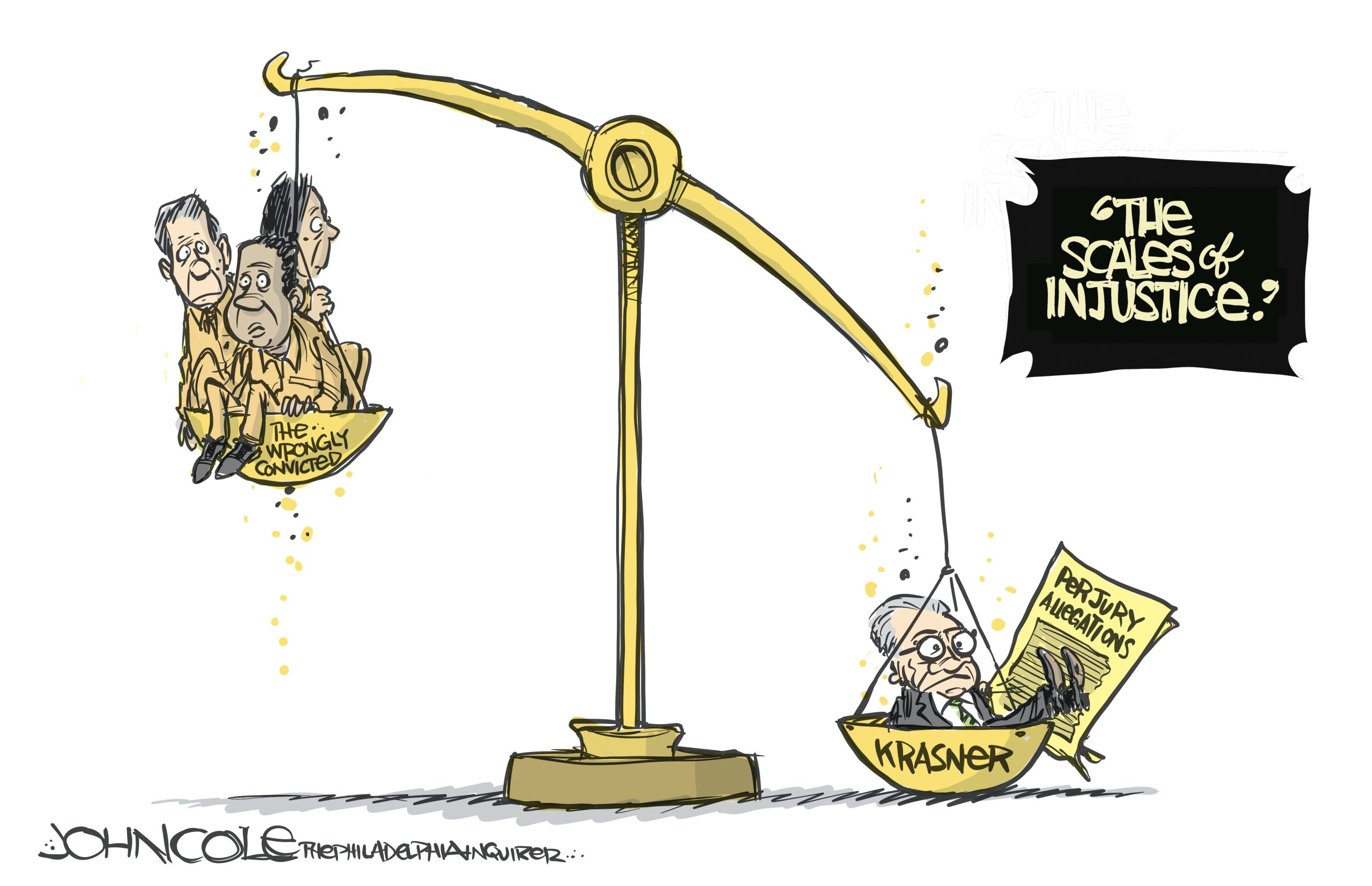
Unfortunately, recent decisions by the federal courts and the Pennsylvania Supreme Court show that some decisions by the Conviction Integrity Unit may also have been made by ignoring the facts or the law. (The hearing now before Judge Paul S. Diamond is not over, so we do not yet know what facts he will find. Still, the testimony reported in The Inquirer should trouble anyone who believes in the rule of law.)
Prosecutors should not start with a desired result and figure out how to bend the facts to get there. Nor should they act like ostriches and ignore facts to reach a desired result. Every lawyer must act with commitment and dedication to the client’s interests. Prosecutors’ clients are the government they work for. Prosecutors also have a special duty to make sure no one is wrongfully convicted, but that does not mean failing to investigate the facts.
It should not matter whether we support freeing innocent people from prison or want stronger enforcement of immigration laws. Both goals are worthy. But carrying them out requires professionalism. As Mr. Memeger and I both know, following the facts and the law can lead to decisions we would rather not make. Even so, those decisions may be the right ones. When we give up those ideals, we betray the principle John Adams expressed when he drafted the Massachusetts Constitution of 1780: that we should have “a government of laws and not of men.”
Michael Levy, former chief of computer crime, former interim U.S. attorney, Philadelphia
Inflated assessments
Are we in the “kick down at Kensington” mode with your Shackamaxon column? Daniel Pearson shows little knowledge of our community or conditions here. While assessments overall rose about 3%, those here in Kensington — one of the poorest parts of Philadelphia — rose 15%, the biggest jump of any neighborhood in the city. The revised assessments are far above the actual value of my home here. On my block, we have constant drug traffic and an opioid camp on the corner. We have five long-term empty houses, including one that’s been occupied by squatters for more than a year, and another that’s been repeatedly sealed up by city officials and then breached by drug users. Yet suddenly my house is worth $20,000 more? Sorry, but no. There is no evidence that leads to increased property assessments here. We are victims of the city’s neglect and longtime disinvestment. Bottom line, assessments must be accurate and transparent. These are neither. City Council will hold hearings with the Office of Property Assessment in the fall over this. We’ll be there.
Alfred Klosterman,Philadelphia
Humility needed
I don’t get it: Our elected officials like Sen. Dave McCormick are complicit with all this adulation of Donald Trump. The president got a road and airport named after him. (Of course, that was in Florida, and they’re off the charts already.)
The opening paragraph of Associated Press writer Matt O’Brien’s recent article should make your blood run cold.
“ChatGPT maker OpenAI says it is still investigating the unprecedented cyber incident that led its artificial intelligence systems to break out of a testing environment and hack into another AI company.”
Artificial intelligence now has the capacity to evade the controls placed on it by its human creators. Given the ability of AI to learn, it’s reasonable to assume that no guardrails placed on AI will prevent it from figuring out how to skirt them.
Imagine any threat to our society — a nuclear Iran, climate change, uncontrollable illegal immigration — and it would pale in comparison to the possibility of an uncontrollable intelligence having access to the very core of our society. Electronic digital systems control virtually every aspect of our lives. Having an out-of-control, unfettered, electronic digital entity able to infiltrate our systems and control them is not only a doomsday-like scenario, it has also become frighteningly real. Terminator 2: Judgment Day, indeed.
Steven Barrer,Huntingdon Valley, sjbarrer@gmail.com
Join the conversation: Send letters to letters@inquirer.com. Limit length to 150 words and include home address and day and evening phone number. Letters run in The Inquirer six days a week on the editorial pages and online.
Late Thursday afternoon, news began to spread on social media that a Black man had been gunned down by police officers at a street corner in Madison, Wis. Over the next couple of hours, we learned that the shooting victim had died, and that a neighborhood bystander had captured much of the encounter, including the three fatal gunshots, on video.
The video shows the man — chased by Madison police officers after a report of someone checking door handles on parked cars — had fallen off his bicycle and was on the ground when four officers surrounded him. There is a struggle. Analysts say the suspect appeared to have a knife, and police would later say an officer was injured. The man is Tasered before one officer fires the deadly shots into the suspect while he’s lying on his side.
The dead man was identified as 38-year-old Corey Ruiz, and as the video of his killing spread, experts on policing raised serious questions. “What’s particularly egregious to me is that this person seems to have been going into compliance at the time he was shot in the head,” Ion Meyn, an associate professor of law at the University of Wisconsin-Madison, told the Capital Times.
The Ruiz case adds one more name to the ever-growing list of victims of American police violence, preceded by the likes of Eric Garner, killed in a New York Police Department choke hold after selling loose cigarettes; Tamir Rice, the 12-year-old killed with a toy gun on a Cleveland playground; and George Floyd, whose 2020 police murder in Minneapolis sparked the largest mass protests in U.S. history.
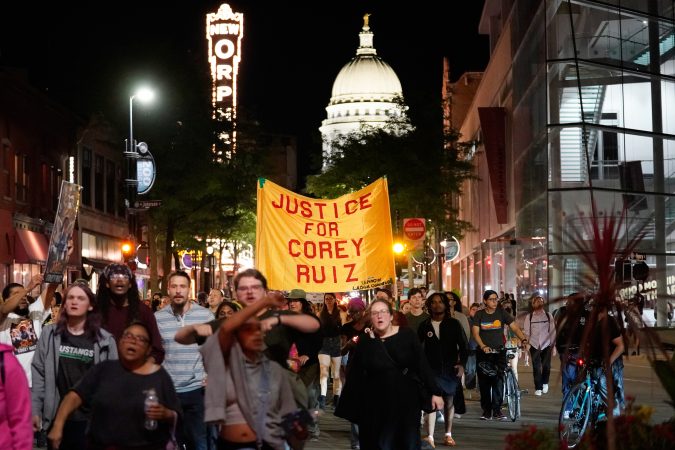
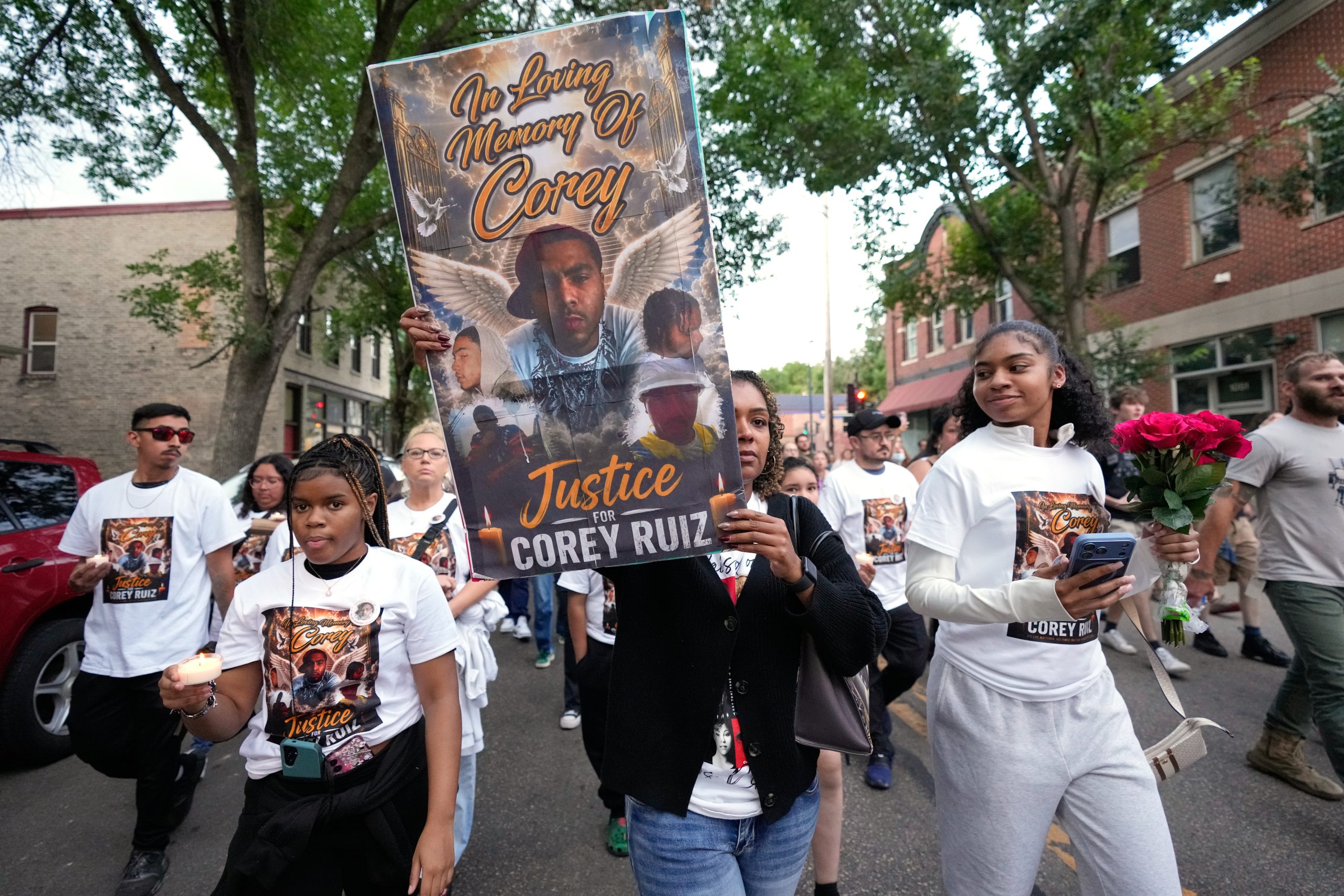
Yet, the brutal shooting of Ruiz also felt very different in one important way. Although the public outrage was real — hundreds have marched through the streets of the Wisconsin state capital each night since the incident, chanting for justice — it also felt quarantined, a virus of anger contained largely to Madison before it could spread nationally like the Black Lives Matter marches of six years ago.
On social media last week, while many posts did express dismay and anger over the actions of the Madison cops, the prevailing vibe was warning people to turn off autoplay functions, that they might want to avoid the gory footage of the man’s death. “Huge warning,“ one Bluesky poster wrote, echoing many others. ”The Madison police shooting is horrific. Careful watching news with kids around.”
No one shut down the expressways in New York City or Chicago, as we saw in the contentious era from 2014 to 2020 after the killings of Floyd, Ferguson, Mo.’s Mike Brown, and too many others. There was a nationwide day of marches and vigils on Saturday against violence by law enforcement, but it was all about recent killings by the immigration cops of U.S. Immigration and Customs Enforcement (ICE). These tragedies have seized the political attention that once focused on rank-and-file police.
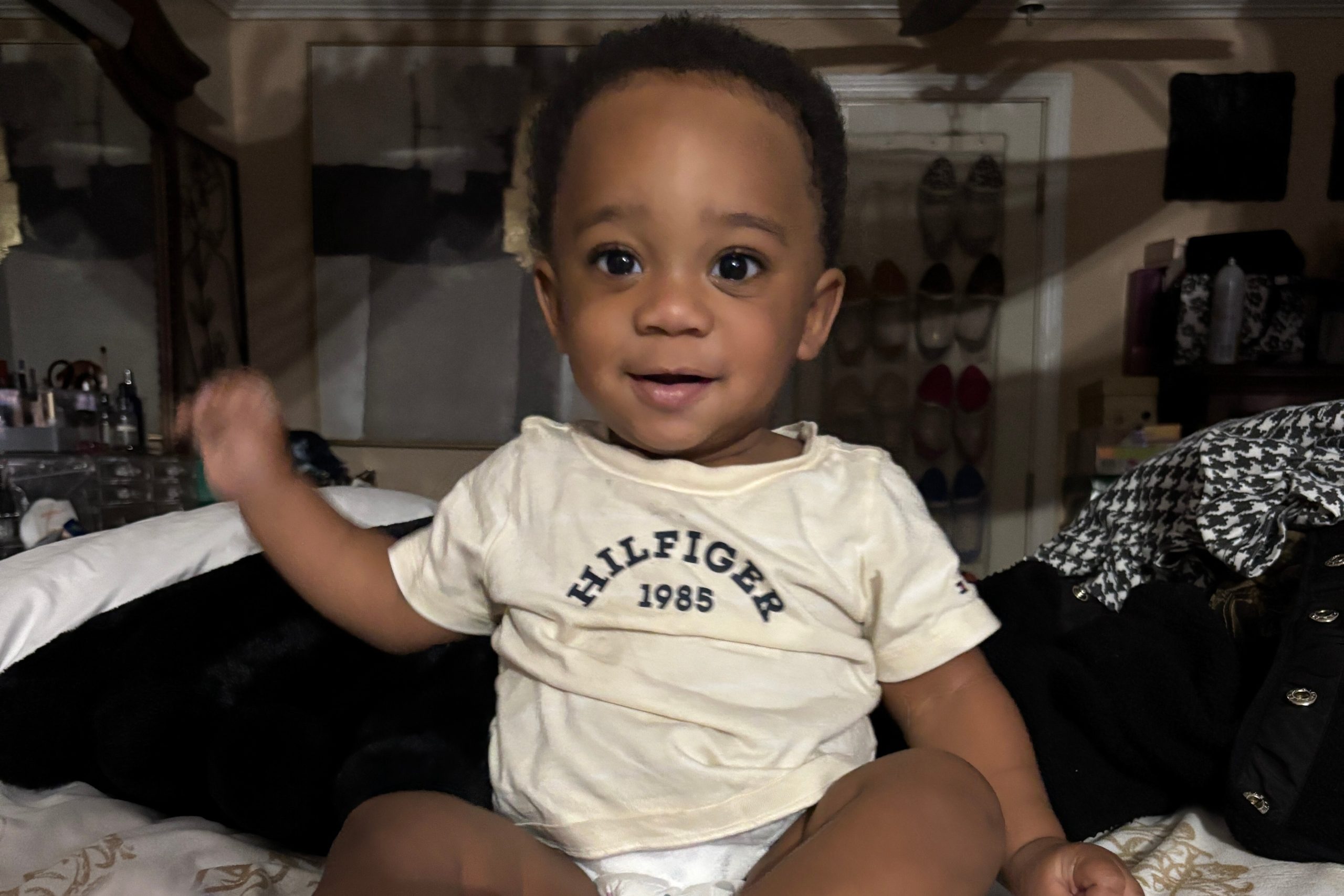
How else to explain the similarly muted reaction to June’s police killing of a 1-year-old baby, Kohen Wiley, in Senatobia, Miss., who was inside a car with his mother; employees of a Walmart store had accused herof shoplifting diapers. An independent autopsy suggested the infant was shot from the side of the vehicle, raising questions about the official police version of events. Yet, Kohen — innocent victim of police violence — has also not become a household name like Floyd, Brown, or Rice.
Sure, part of the problem is that in the second year of Donald Trump’s second presidency, we have become as overloaded as the Texas power grid in an ice storm. I woke up this Sunday morning with potential columns about killer heat waves from Des Moines, Iowa, to Bordeaux, France, the idiocy of Trump’s Iran war and the administration’s efforts to pretend four U.S. deaths didn’t happen, the utter embarrassment of Trump’s speech to the White House Correspondents’ Association dinner and the assembled journalists who enabled it, or the Trump family’s latest, planet-threatening get-rich-quick scheme.
But I elected to write about this because it is alarming how numb the U.S. body politic has become to violence, especially the kind perpetrated by our warrior cops, in the years since the last echoes of the Floyd protests faded out.
Demonstrators in Madison, Wis., staged a protest Thursday after a police officer shot and killed Corey Ruiz the day before.Kayla Wolf
It’s not just that very little came about despite the massive nature of the protests — a few good municipal ideas here and there, a handful of state laws, but nothing along the lines of radical police reform that millions clamored for in 2020. It’s that police violence has actually gotten worse in the years since Minneapolis cop Derek Chauvin held his knee on George Floyd’s neck for nine minutes and 29 seconds.
The statistics tell the story. So far in 2026, with the year barely half over, police have already killed 703 people, on pace with the worst years on record, according to the tracking site Mapping Police Violence. It has only recorded seven days this year when there was not a police-involved fatality. What’s more, victims are 2.8 times more likely to be Black, like Ruiz and Kohen, than white.
Here’s the part that demands our attention: This sustained level of police violence — on a scale that is simply unfathomable in other developed nations around the world — is happening despite the fact that murder rates and other crime stats are plummeting.
“In the decade [prior] to 2024, the number of Americans killed by police jumped by about a third,” wrote the U.K.’s Economist, covering a topic the American news media has largely ignored. “Police killings dipped last year but this year have risen again. Perversely, the rise comes as national murder rates are falling. A growing share of Americans who are killed — one in ten — are dying at the hands of police.”
The problem isn’t crime. It’s the zeitgeist. While bloodshed has always been a problem in a nation with a Wild West mentality, awash with guns, violence from an Iranian girls’ school to fishing boats in the Caribbean to the icy streets of Minneapolis has become utterly pervasive. The omnipresence of state-sanctioned murder is arguably why so many elected not to even watch the Ruiz video.
This undated photo provided by Veronica Roberson shows her grandson, Kohen Wiley, of Senatobia, Miss.Veronica Roberson
And rather than tackle police violence as a social problem, Trump and his regime have encouraged it —in word(“Please don’t be too nice,” the president famously told a cop convention in 2017) and in deed, such as ending consent agreements with big-city police departments known for unwarranted brutality.
Meanwhile, those George Floyd marchers in 2020 arguably spiked the football way too soon — thinking they’d made their point when, within weeks, cowardly politicians in both parties would start running away from any notion of police reforms. Much of the worst police violence takes place in overwhelmingly Democratic cities run by ostensibly progressive mayors — places like Madison, a university town and a hotbed of left-wing activism and protest since the 1960s.
The shooting of Ruiz was the third contentious police killing in the same Madison neighborhood since 2012, when 30-year-old Paul Heenan, who was white, was fatally shot by an officer who claimed Heenan was trying to grab his gun. In 2015, a Madison cop shot and killed an unarmed 19-year-old biracial man, Tony Robinson. No officers were charged, even as the city paid out some $5.65 million to settle lawsuits.
So much about the Madison police echoes the broader problems of American policing. Federal data show nearly half of the department’s use-of-force incidents were against African Americans, even though the city’s population is just 7% Black. And despite Madison’s reputation for liberalism, major police reforms have been slow in coming.
None of the officers who apprehended Ruiz were wearing a body camera. Both activists and many public officials have been urging body cams for Madison officers since Robinson’s 2015 killing, yet the city has never come up with the money to fund them. Such footage would have provided the cops’ view of why they felt it necessary to shoot Ruiz in the scuffle.
Experts say Ruiz’s possession of the knife and the allegation that it was used to wound an officer all but guarantee no one will be criminally charged, noting the grounds of self-defense. No one is denying that police have a right to defend themselves — and that they oftenface tough decisions in the heat of the moment.
But that shouldn’t obscure the bigger debates over whether police have the training to prevent these encounters from needlessly reaching that point. The two most controversial police killings of 2026 began with allegations of shoplifting diapers and fiddling with locked car doors — not exactly capital offenses.
“He was a lyricist,” Marjorie Aliomar — Ruiz’s partner and mother of his 13-year-old daughter — told a tear-laden news conference this weekend. “He was a poet. He was an artist. He was very kind, and he was extremely funny.”
Yet, his story is already fading from our headlines. It doesn’t have to be this way. Ruiz’s killing could have been our wake-up call to fight for all the causes — the end of qualified immunity for officers, universal use of body cams, the death of occupation-style warrior cop policing, and the return of a U.S. Department of Justice that again treats brutality as a crime — that have been tossed down the memory hole since 2020.
If you can emotionally handle it, don’t avoid the Ruiz video — or the problem. Many of youreading this column marched for Floyd. Now’s a good time to look in the mirror and ask yourself: What have I done lately to oppose the violence of an American police state? In other words, have I become comfortably numb?
When Herman Welker came to Washington in 1951, he had what seemed to be the ideal résumé to become a man of influence.
The Republican senator from Idaho was an unwavering conservative — a former prosecutor and World War II veteran — whose opinion counted on matters including war, national security, and U.S. Supreme Court seats.
But Welker’s path to power and prominence — serving as a close ally and faithful wingman to Republican Sen. Joe McCarthy in his abusive, power-hungry, and attention-seeking campaign to root out American communists — undid him in a single term. Welker, known in the Senate as “Little Joe from Idaho,” was implicated in another senator’s blackmail-driven suicide. When McCarthy faced censure in the Senate, Welker tried to delay, dissuade, and, according to accounts at the time, bully others out of officially expressing their disgust.
Welker lost his seat in the next election, then, after a brief illness, died.
That’s the thing about influence attained through a grand bargain with those who wield power in ways that defy the law, norms, and anything approaching restraint: It requires a grasp of time and mortality few humans can reliably claim. Which is precisely the risk Sen. Lindsey Graham, a lawyer and a veteran of the wars in Iraq and Afghanistan, ran until his sudden death this month.
Unlike Welker, Graham transformed in full public view from a man who was once one of Donald Trump’s most strident and vociferous critics into a dependable MAGA workhorse in Congress.
Now, Graham’s legacy will be forever bound up with that of the 47th president, who took pains to tell NBC News that his faithful wingman’s death would be a “big blow” to the passage of the SAVE America Act.
In 2015, Sen. Lindsey Graham described Donald Trump as a bigot. Much changed over the next decade, Janell Ross writes.Jacquelyn Martin
In 2015, Graham was a third-term senator from South Carolina vying for the Republican presidential nomination — a field that included more than a dozen others — en route to being crushed by Trump.
Graham, for his part, described Trump as a bigot, interested in anti-American policy, and a malignancy that, if nominated, would destroy the GOP.
Given that, when Graham offered his pithy prescription for America in a December 2015 appearance on CNN, I wasn’t exactly surprised.
“You know how you make America great again?” he said. “Tell Donald Trump to go to hell.”
It was a riff on the recycled bit of American political sloganeering that Trump had pushed into the zeitgeist, again. Trump’s vision was to make America more like it was in the past: less diverse, more exclusionary, with group suspicion as public policy, and strict racial and gender hierarchies governing national life.
In 2015, Graham’s position on Trump seemed clear and immutable. He told reporters he did not vote for Trump in 2016. Then, Trump won the election, and Graham spent most of the decade since transforming into one of the president’s most steadfast defenders.
There was a brief interregnum, a wobble of sorts on Jan. 6, 2021. After Trump supporters invaded the U.S. Capitol, Graham gave a speech. On the Senate floor, Graham seemed to point the finger of responsibility directly at Trump.
Sen. Lindsey Graham (R., S.C.) speaks with reporters during the second impeachment trial of former President Donald Trump in February 2021 at the U.S. Capitol Building.Stefani Reynolds
“Trump and I, we’ve had a hell of a journey,” Graham said. “I hate it to end this way. Oh my God, I hate it. From my point of view, he’s been a consequential president. All I can say is count me out. Enough is enough.”
But Graham, converted MAGA bannerman and, his critics say, Trump-era opportunist, soon returned.
Graham’s devotion to Trump was so sweeping and so sudden that the more conspiracy-minded have embraced the idea that Graham was the victim of blackmail or controlled by some sort of kompromat.
In death, Graham’s defenders — a group that, in these contentious times, notably includes Republicans and Democrats — have described his Trump transition as pragmatic, even admirable; what a skilled legislator must do.
Graham, they say, managed, in the final days of his life, three substantive foreign policy victories. He hammered out the details of a Russian economic sanctions bill Trump has said he will sign. He secured U.S. approval for Ukrainian strikes in Russia. And with these agreements, Graham effectively shored up NATO and its fundamental goal of staving off world war. Of course, all of that is contingent upon a mercurial president remaining uncharacteristically disciplined and consistent.
Sen. Lindsey Graham (R., S.C.) with President Donald Trump at a rally in Charlotte, N.C., in March 2020.DOUG MILLS
And therein lies the public lesson for us all. Time can and will run out. Redemption arcs, periods of public reconsideration, and book-tour explanations are not guaranteed.
Entirely honest assessments of the dead are rare. Many will offer familiar strings of superlatives, words of admiration, mutual respect, and sympathy — perhaps in the hope that those sentiments will be reciprocated when their time comes.
Others might just say our passing was a “big blow” to one of their pet projects.
Ultimately, though, our actions and associations will speak unvarnished truths about us long after we are gone.
Visit the block where Welker lived in Washington, D.C. Today there is not so much as a plaque. There’s just a Marriott.
Janell Ross is a former senior correspondent at Time magazine who frequently writes about race, politics, and identity.
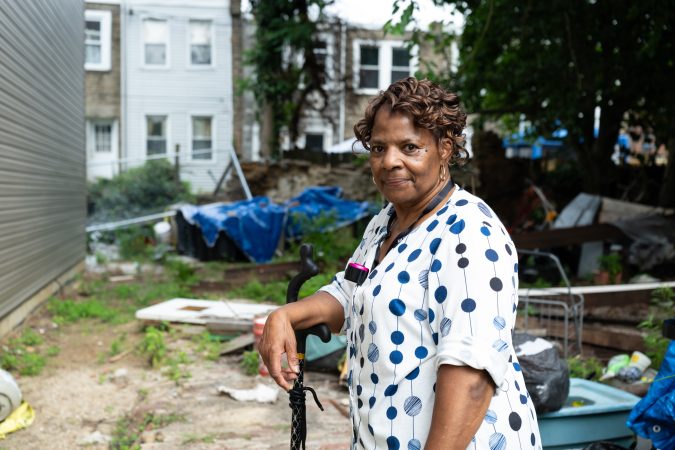
Most days during the summers — sometimes well into the evening — Delores Lawrence is outside her home in Germantown weeding, watering, and otherwise tending her garden.
Her small front yard is where she grows tomatoes, blackberries, purple daisies, and orange and yellow lilies, all planted closely together. There’s also a narrow strip on the side where Lawrence cares for a mix of potted calla lilies, peonies, and other vegetation.
The land around her home is her peace.
It’s her little slice of the American dream.
But instead of being able to enjoy another summer growing season, Lawrence is livid about how the construction of a new apartment building next door has disrupted life on the block where she has lived for more than 30 years.
Her garage is no longer standing, her brick driveway damaged, and the construction noise at times was absolutely unbearable.
Lawrence, who worked in nursing before being injured, doesn’t know what to do. “I want my garage built back up. I want my driveway reconstructed,” she told me recently over the phone. “It makes me angry. It makes me upset. I even went to the doctor. I can’t even sleep.”
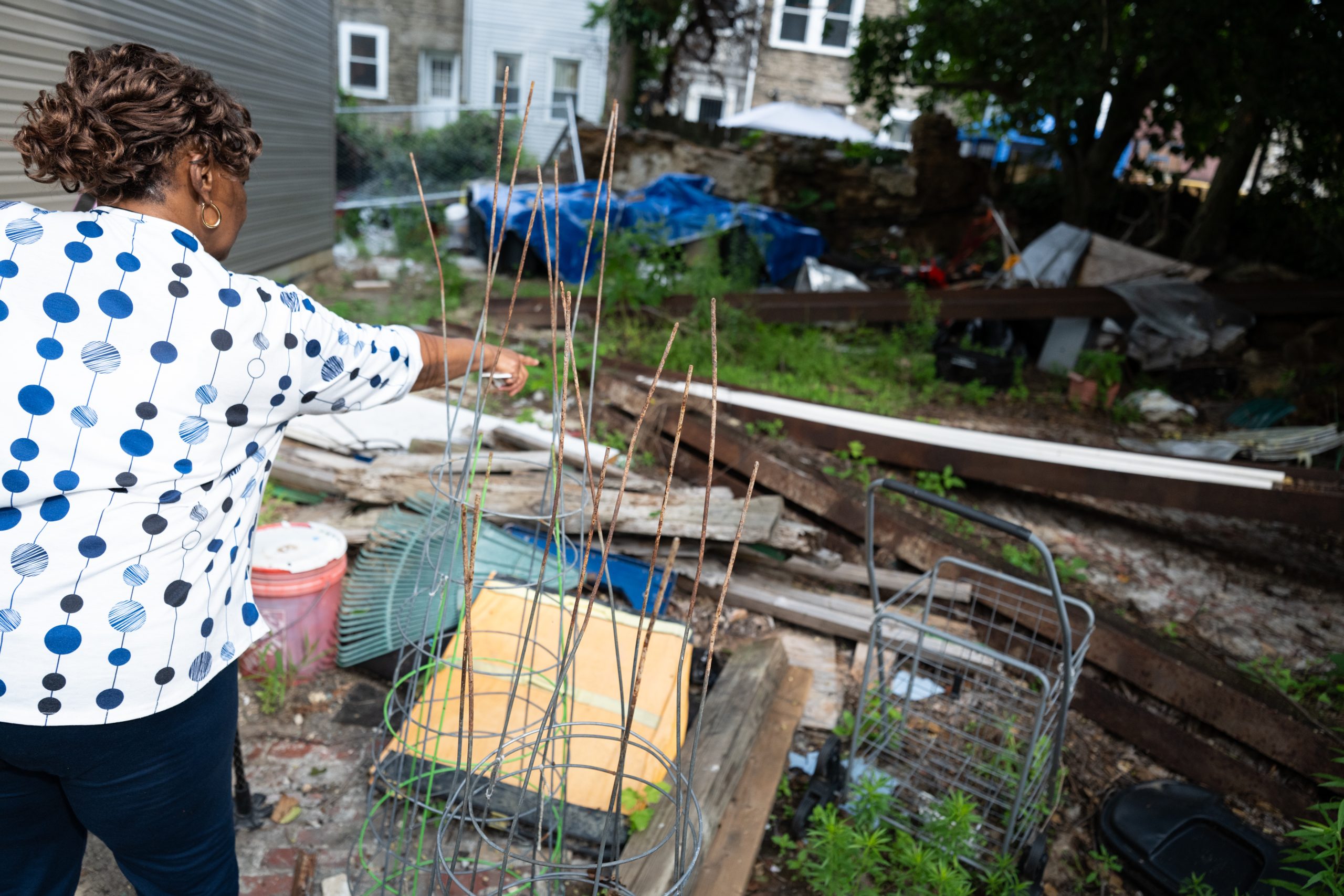
I recently paid a visit to the 200 block of East Bringhurst Street and walked with Lawrence as she pointed out the shambles the construction had made of her beloved yard.
There was a stack of old bricks that had been removed from her driveway. The remnants of an old stone garage where she would do arts and crafts projects. “These are iron beams that they took off the roof,” she said. “It was a building back here.”
There was more — a tree trunk lying on its side with its roots exposed, what looked like electrical cables in the rear, and containers of paint that she said belonged to the builders working next door.
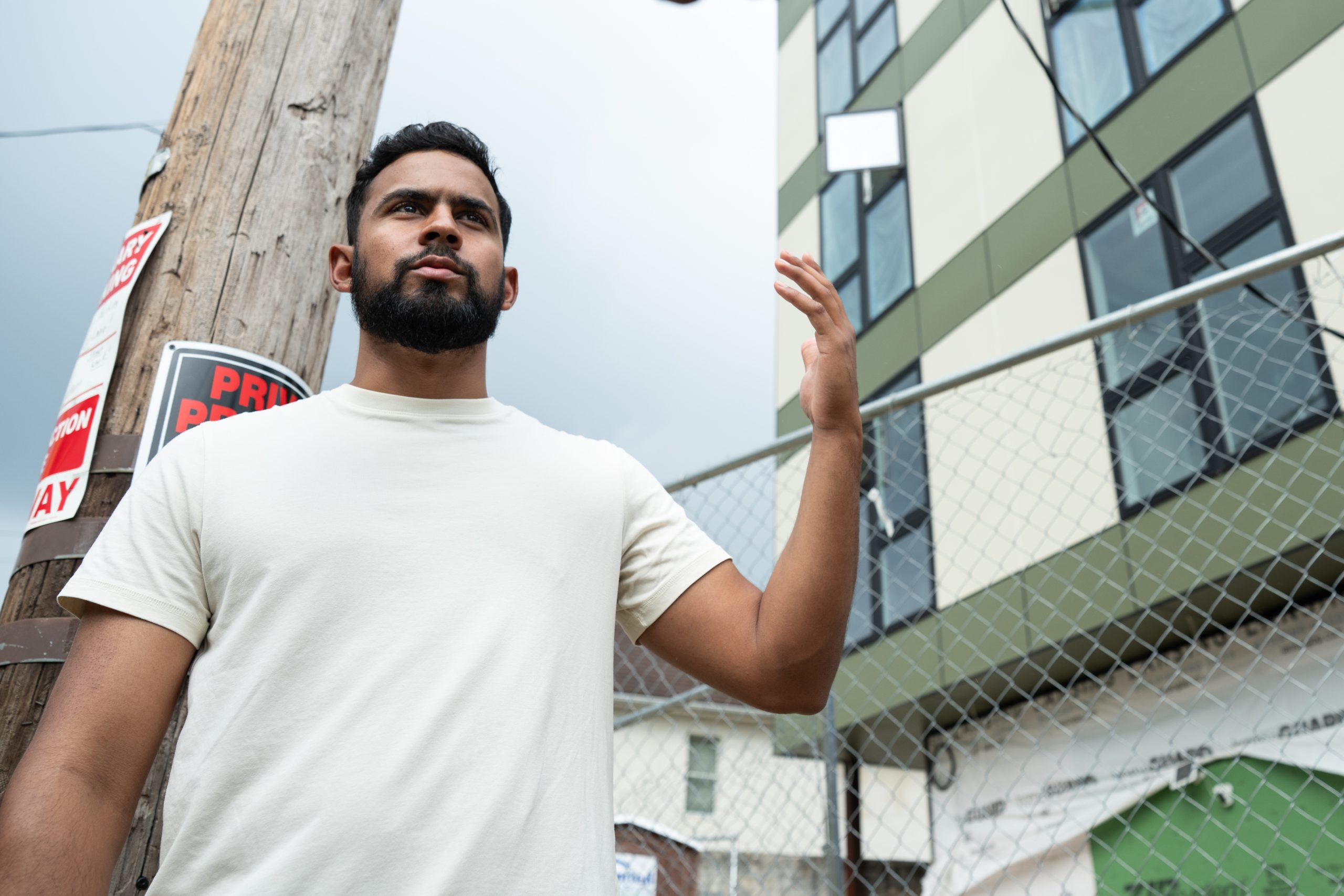
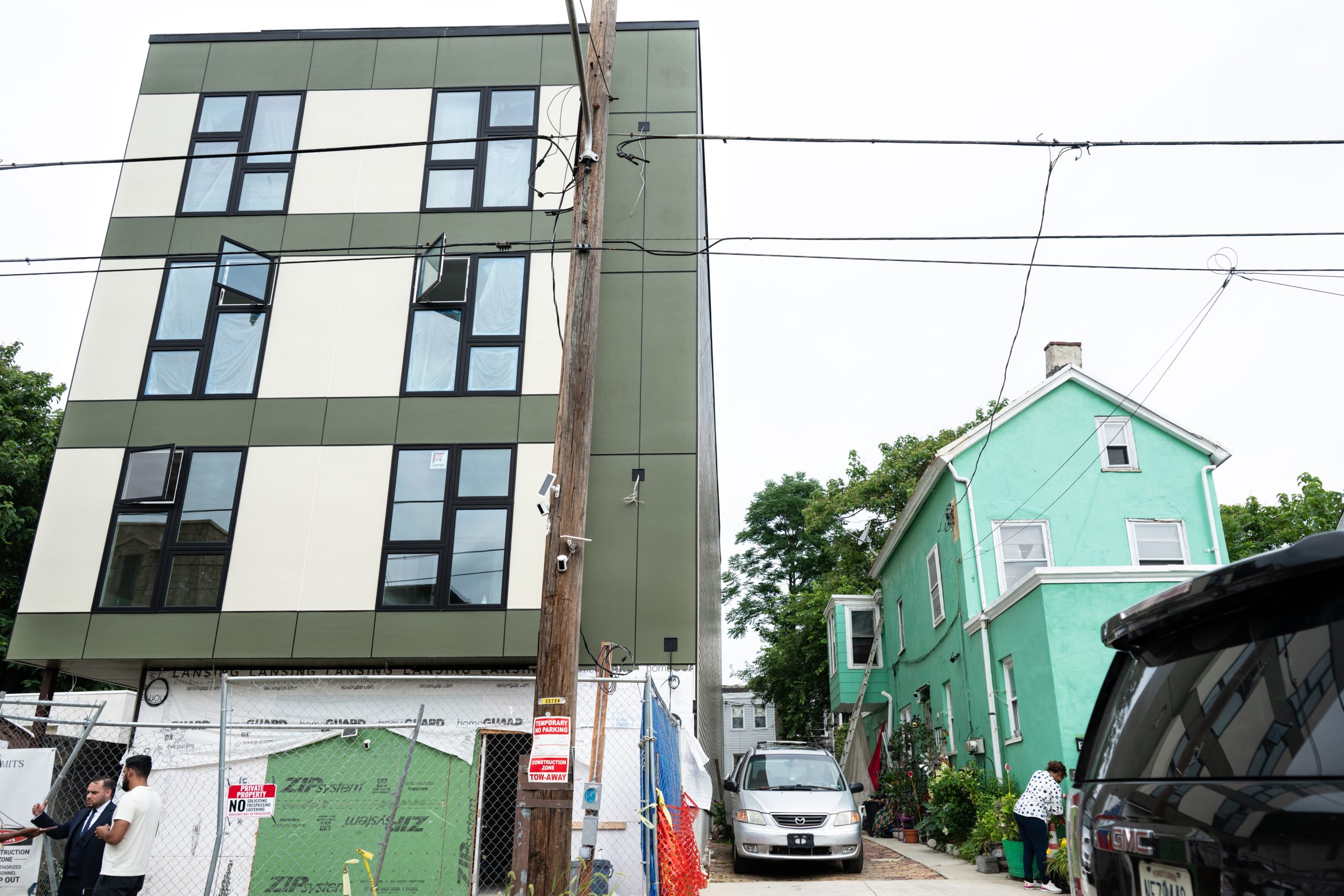
Delores Lawrence points to the remains of a garage where she used to do arts and crafts projects amid the detritus of a construction project next door. The project — a 15-unit apartment building — has been underway since 2024.Erin Blewett / For The Inquirer
Taking in the scene, I thought to myself that this is a whole situation — and I saw how it has turned into a court fight that is shaping up to be as messy as Lawrence’s backyard.
On one side, there’s Lawrence, a 70-year-old homeowner who has filed a lawsuit demanding compensation for damage to her property caused by the construction of a new four-story, 15-unit building immediately adjacent to her driveway.
On the other side is Danilo A. Burgos, the cofounder of Burg Properties and the 29-year-old son of State Rep. Danilo Burgos, a Democrat who was first elected in 2018 and who serves the North Philly neighborhoods of Kensington, Hunting Park, and Feltonville. The four-story, 15-unit building is under the charge of the younger Burgos and has been in the works since 2024.
Given everything going on in Philly right now, it would be easy to ignore the situation between a politically connected developer creating much-needed affordable housing and a senior citizen upset about its impact on her property. But I can’t help but feel for Lawrence.
Besides, hers isn’t an isolated situation. What’s happening to her in Germantown is actually emblematic of similar struggles playing out between residents and developers in neighborhoods around the city.
Residents of Chinatown successfully pushed back against a proposal to build a new Sixers arena along Market Street. In Northern Liberties, several neighbors on Brown Street are suing a developer, claiming their homes were damaged by the construction of a nearby apartment building. In 2024, my colleagues at The Inquirer produced an entire series called Crumbling City about how housing redevelopment created construction issues among some rowhouses.
Whatsets the situation in Germantown apart is the reality that the developer is the son of a state legislator.
“This is about entitlement and privilege,” Kevin L. Valentine, Lawrence’s attorney, told mein an email.
Property owner Danilo A. Burgos speaks to the press outside his affordable housing project under construction in the Germantown section of Philadelphia on Thursday, July 9.Erin Blewett / For The Inquirer
I reached out to Burgos, the state representative, who said: “My son has not done anything wrong. The lady, she’s suing him, and they’re in court. That’s it.” He added, “They have everything documented, and when the court case comes, everything will be squared away, God willing.”
As for the son, he says he’s doing good for the community by providing affordable housing. Philly is in the midst of a “severe housing crisis,” which is why Mayor Cherelle L. Parker has made building and restoring roughly 30,000 homes a cornerstone of her legislative agenda.
But developers still need to respect neighbors in the communities where they build. Christopher Edwards, a block captain and president of the Baynton Hill Neighbors Association, is deeply concerned about the impact the new Bringhurst Street apartment building will have on the narrow street with limited parking.
“We can see where this thing is going to become very unpleasant, especially for those of us who have lived there for years,” he told me.
After meeting with residents who aired their concerns, Burgos, a Temple University graduate, said he purchased a nearby lot that he intends to convert into a parking lot for his tenants’ use. Neighborhood residents, he said, will have priority when it comes to renting units.
As far as the garage in the rear of Lawrence’s home that had been negatively impacted, Burgos said that “it wasn’t a structure. It wasn’t a garage. It was like freestanding walls scattered [around]. Because some were up. Some weren’t.”
He said his workers knocked down a party wall the properties shared. “We notified her of the wall that we were going to knock down,” Burgos told me as we stood with his attorney in front of his new apartments. “Everything we did, we didn’t do it behind her back; we did it with her knowing what we were going to do.”
Attorney Saury A. Mejia and property owner Danilo A. Burgos (left) speak to the press outside Burgos’ affordable housing project under construction as neighbor Delores Lawrence (right) tends to her garden in the Germantown section of Philadelphia on July 9. Lawrence says construction of Burgos’ low-income housing project next door damaged her property.Erin Blewett / For The Inquirer
I liked hearing him say he was prepared to fix any of the property damaged by his workers. But Burgos said he is awaiting permission from Lawrence to do it.
“We’re willing to put it back to its prior condition,” Burgos said, adding that he’s willing to negotiate. “We’ve been open to dialogue the entire time.”
It sounds to me as if a meeting with all parties involved needs to happen quickly.
“I want him to sit down with my client and for him to make her whole,” Valentine said. “I’m just trying to get some justice for this woman.”
Councilmember Cindy Bass is willing to convene such a gathering. “If we can get all parties together, we’re certainly willing to do that and to do it soon,” she said.
Meanwhile, the proverbial clock continues to tick. Time is money. That’s not something Lawrence, who worked at Shriners Hospital for Children, has much of.
The more I think about what Lawrence is going through, the angrier I get. I’ve never been in her situation personally, but who would want workers coming onto their property and damaging it? People work hard for what they have. Your home is supposed to be your sanctuary. You may not have a say in what goes on around you, but you’re the custodian of what goes on inside your proverbial picket fence.
“I’m here minding my business. I’m not bothering nobody,” Lawrence told me. Her voice broke into sobs as she added, “How long do I have to put up with this?”
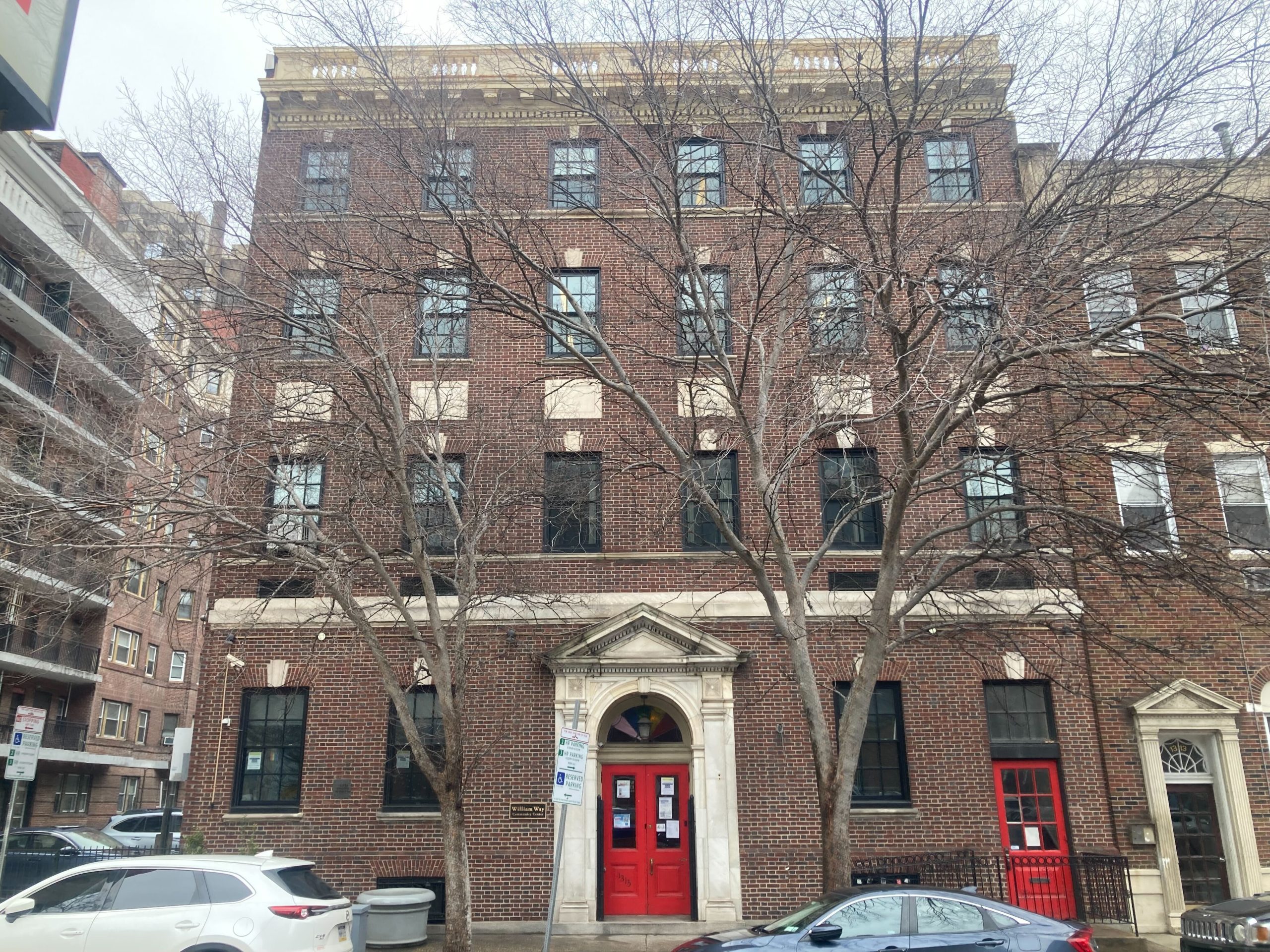
The first time people openly referred to the pocket of Center City between Jefferson University and Broad Street as the “Gayborhood” was 1995. Within a year, the William Way LGBT CommunityCenter made it official by purchasing a stately, Georgian-style clubhouse at Juniper and Spruce. The building has been a refuge for Philadelphia’s LGBTQ+ community ever since.
Sadly, that groundbreaking haven is now closed. It was shuttered in December to address maintenance issues, including an outbreak of black mold. At the time, the board said it was gearing up for a major renovation and would temporarily relocate its core services to St. Luke’s church on 13th Street.
Just three months later,William Way’s boardabruptly changed course and revealed the center would be demolished to build subsidized housing aimed at LGBTQ+ seniors.
The announcement came not from William Way’s board, but from Mark Segal, a longtime activist who founded the Philadelphia Gay News and oversees a nonprofit that has built affordable housing, the dmhFUND. The timing was noteworthy: The plan was made public a few days after a Common Pleas Court judge overturned the neighborhood’s historic district protections.
Segal’s announcement stunned William Way regulars, including many former board members. Sure, COVID-19 had scrambled the organization’s finances, as it did for many Philadelphia nonprofits. Revenue and donor gifts fell precipitously. The center laid off nearly a third of its staff in 2024, and its longtime director, Chris Bartlett, retired soon after.
The building was known to be in poor condition. But total demolition? Nothing suggested that the building was unsalvageable, including a major facilities assessment by Metcalfe Architecture& Design in late 2024.
While there is no doubt that the building requires extensive renovations, demolition is the wrong solution. It would rob all of Philadelphia — not just its LGBTQ+ community — of a major cultural touchstone.
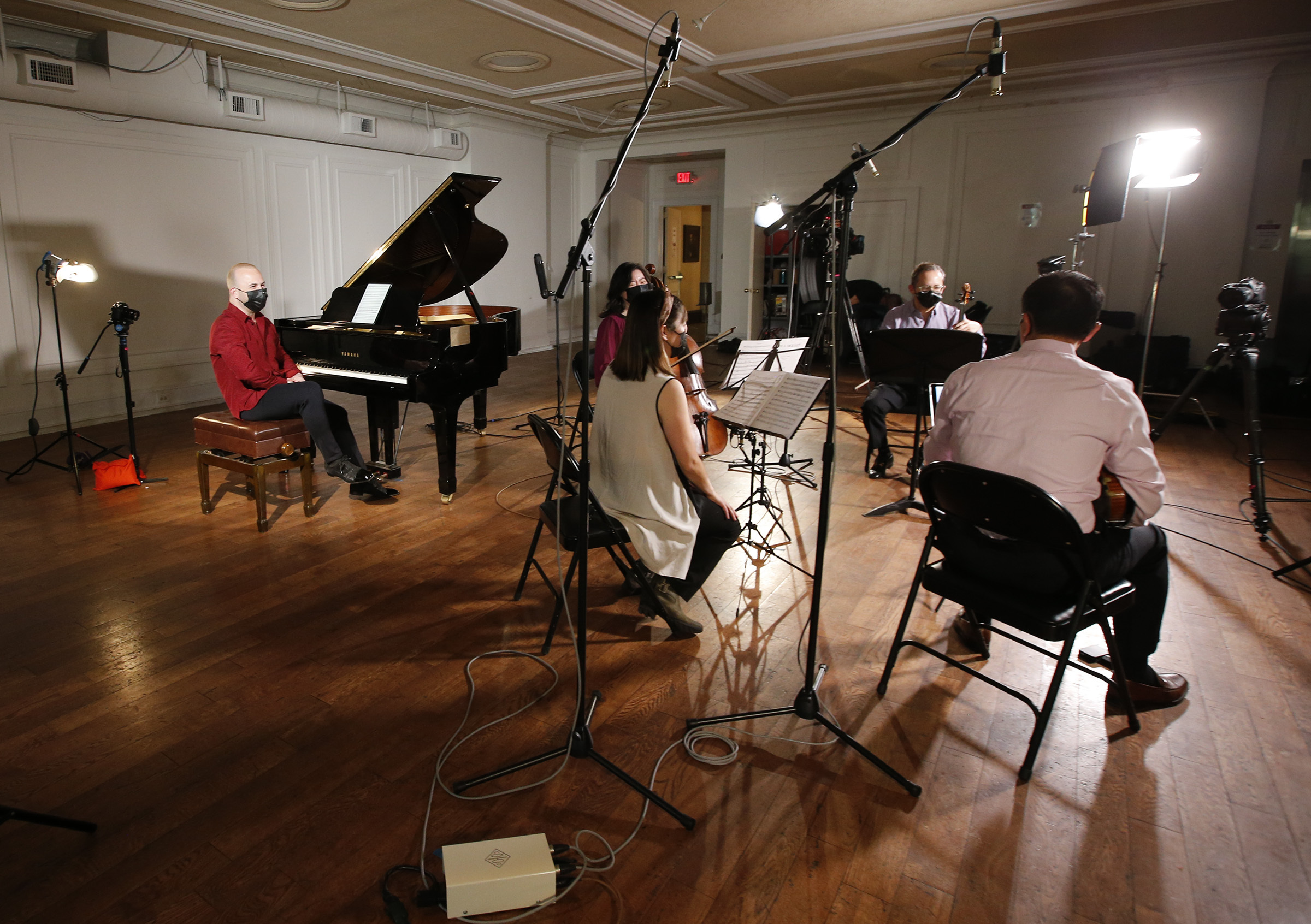
Philadelphia Orchestra music director Yannick Nézet-Séguin filmed a series called “Our City, Your Orchestra” in the William Way center ballroom in 2021, along with violist Pierre Tourville and other musicians.YONG KIM / Staff Photographer
A civil rights landmark
Although the William Way center has called 1315 Spruce St. home for only three decades, its presence has transformed the 19th-century building — originally a private club for engineers — into a civil rights landmark.
This is where Philadelphia’s LGBTQ+ community fought to address the AIDS crisis, advance marriage equality, and be accepted into the mainstream of American life. It’s where they attended cabarets in the elegant ballroom and art exhibits in the wood-trimmed parlor. The building’s visibility makes it the architectural equivalent of being out.
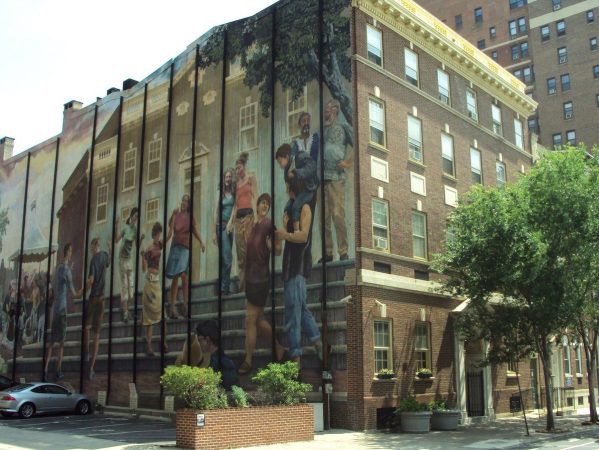
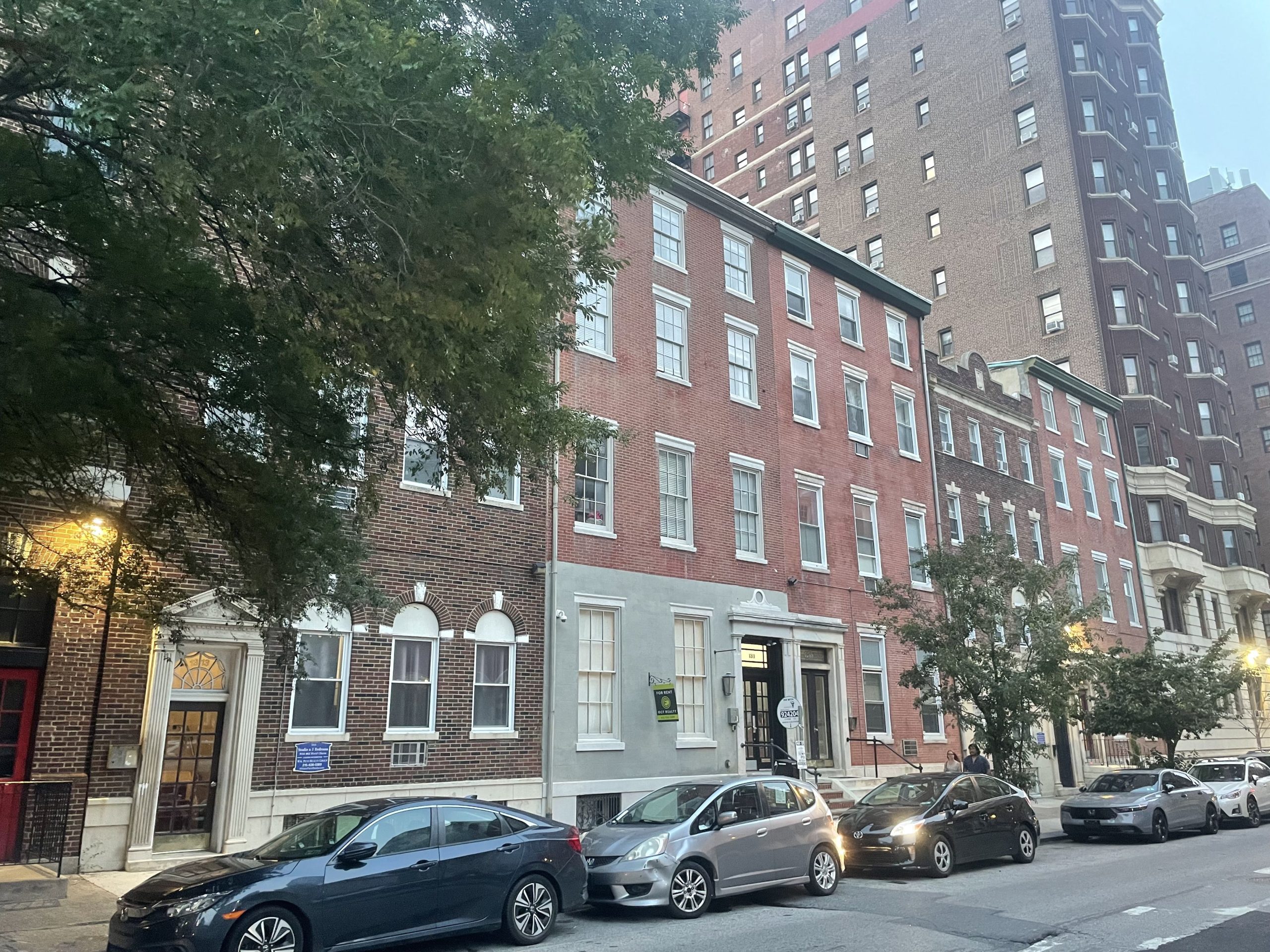
Beyond losing a place with profound cultural resonance, the demolition would break up the historic 1300 block of Spruce Street, a stretch that is still remarkably intact despite the presence of two unsightly parking lots at the Juniper Street corners.
Although the block’s large townhouses, which were built for lawyers and doctors in the 1840s, have been divided into apartments, the row retains most of its original architectural features and reads as a single ensemble. The William Way building, which was created in 1929 by fusing two townhouses behind a single facade, was designed to blend in with its neighbors.
No one would consider demolishing other community anchors, such as Christ Churchin Old City, Mother Bethel A.M.E. Churchin Center City, Rodeph Shalom synagoguein Spring Garden. So why is this one being written off so casually?
The 1300 block of Spruce Street, where the William Way Center is located, remains a largely intact architectural ensemble. The townhouses date from the 1840s and were originally private homes occupied by doctors and lawyers.Inga Saffron
I couldn’t get any of William Way’s board members or employees to answer that question. A communications consultant did provide written responses to several queries, but eventually directed me to Segal.
He told me that the financially strapped nonprofit had reached out to him because of his development experience, as well as his long association with the center. The second-floor ballroom is named in his honor.
Segal was also the guiding force behind the John C. Anderson Apartments on 13th Street, the first subsidized housing in the United States marketed to low-income LGBTQ+ seniors. After the building opened to raves in 2014, Segal began searching for another Gayborhood site for a second affordable project. But land prices in the desirable Washington Square West neighborhood were just too high.
Completed in 2014, the John C. Anderson apartments at 13th and Spruce Streets were the first subsidized housing in the U.S. marketed to low-income LGBTQ+ seniors.
A new plan for William Way
William Way’s troubles provided a solution.
Segal told the board he could replace its 180-year-old clubhouse with a mid-rise building that would include both subsidized apartments and a new home for William Way. Theboard chairs, Dave Huting and Laura Ryan, readily accepted the deal and signed a letter of intent with the dmhFUND earlier this year. In exchange for providing the land, William Way would be given a condo space large enough to accommodate its programs for a dollar.
Completing that project won’t be easy, however. To raise money for the apartments, Segal and the dmhFUND will have to cobble together a mix of federal, state, city, and private grants. Most affordable housing projects rely heavily on Low Income Housing Tax Credits from Washington, and there is stiff competition for those funds. Any new construction on the site would also require Philadelphia Historical Commission approval, eventhough the historic district is currently in limbo.
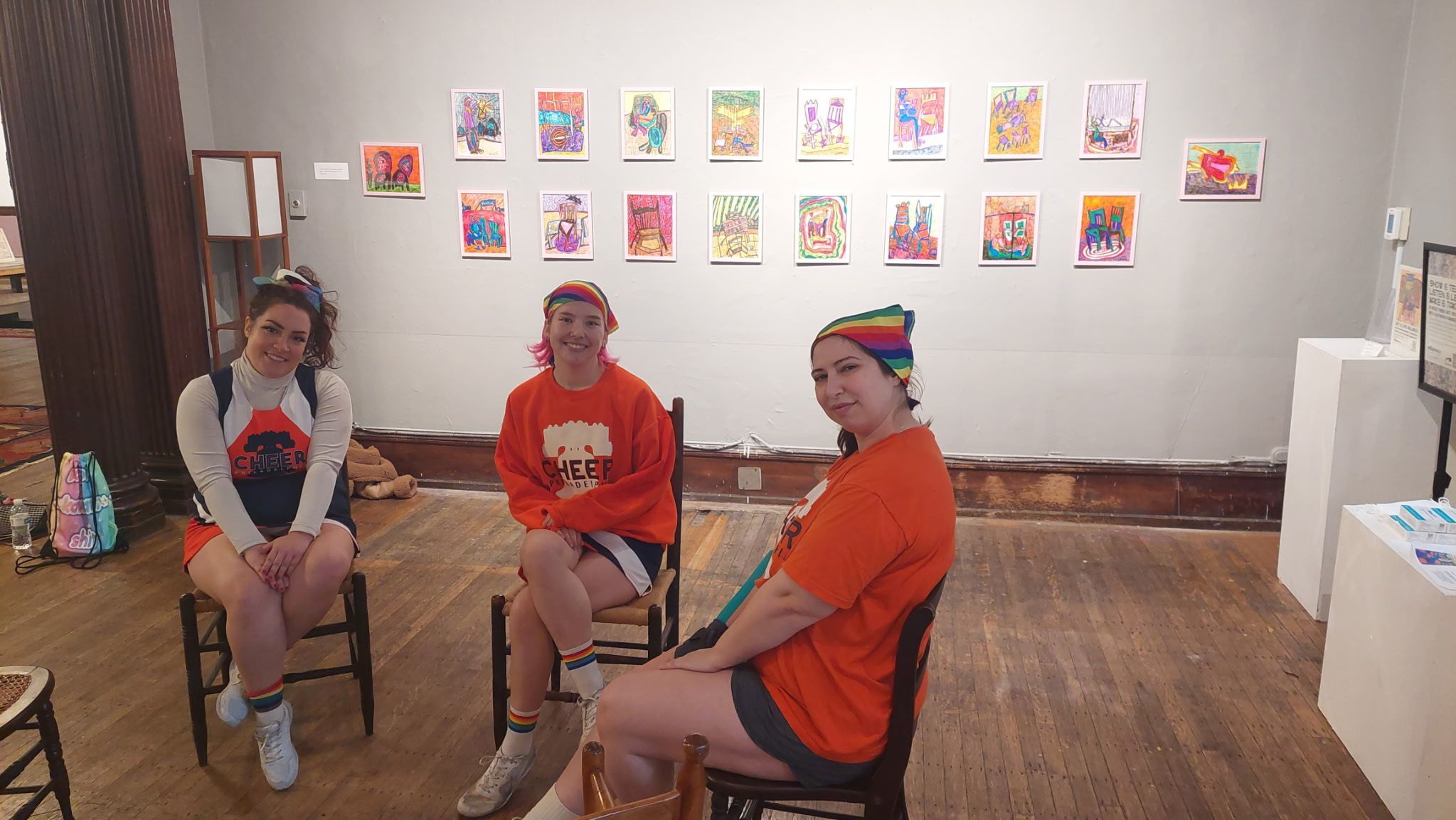
Artist Kathryn Pennepacker staged one of the last art exhibits in the William Way center’s wood-trimmed reception area. Titled “You are welcome here. I saved a chair for you,” it encouraged visitors to sit, talk and view her artwork.Courtesy of Kathryn Pennepacker
Because of those hurdles, Segal told me, it could take five to seven years to complete the apartments. During that time, William Waywould be without a permanent home. And once it moves back to Spruce Street, it’s unlikely the new space will have the same level of visibility as the existing building.
Segal says he is undaunted by the challenge. “People told me John C. Anderson was impossible,” he said. “People told me all the things I’ve fought for were impossible.”
Despite the Metcalfe report’s conclusions and a more upbeat assessment from J&M Preservation Studio, Segal maintains that the building is too far gone to be saved at a reasonable price. In his view, William Way must now choose between saving itself or saving the building.
Alternatives to demo?
It’s hard to believe the situation is that binary. Several people who have been involved in the center’s programs told me that the decision to go with Segal’s plan was made by a small circle of board members, without consulting the larger William Way community and its longtime donors.
Demolition “wasn’t even mentioned” as an option at the organization’s 50th anniversary gala celebrations in February, held just a week before the arrangement with Segal became public, noted Paul Steinke, executive director of the Preservation Alliance for Greater Philadelphia and a former William Way board member.
In a guest essay published last month in the Philadelphia Gay News, Steinke and a group of activists urged the board to hold a community meeting where the issues could be aired and debated. Segal has responded by forming an advisory board composed of a handpicked group of William Way staff, activists, elected officials, and neighborhood residents.
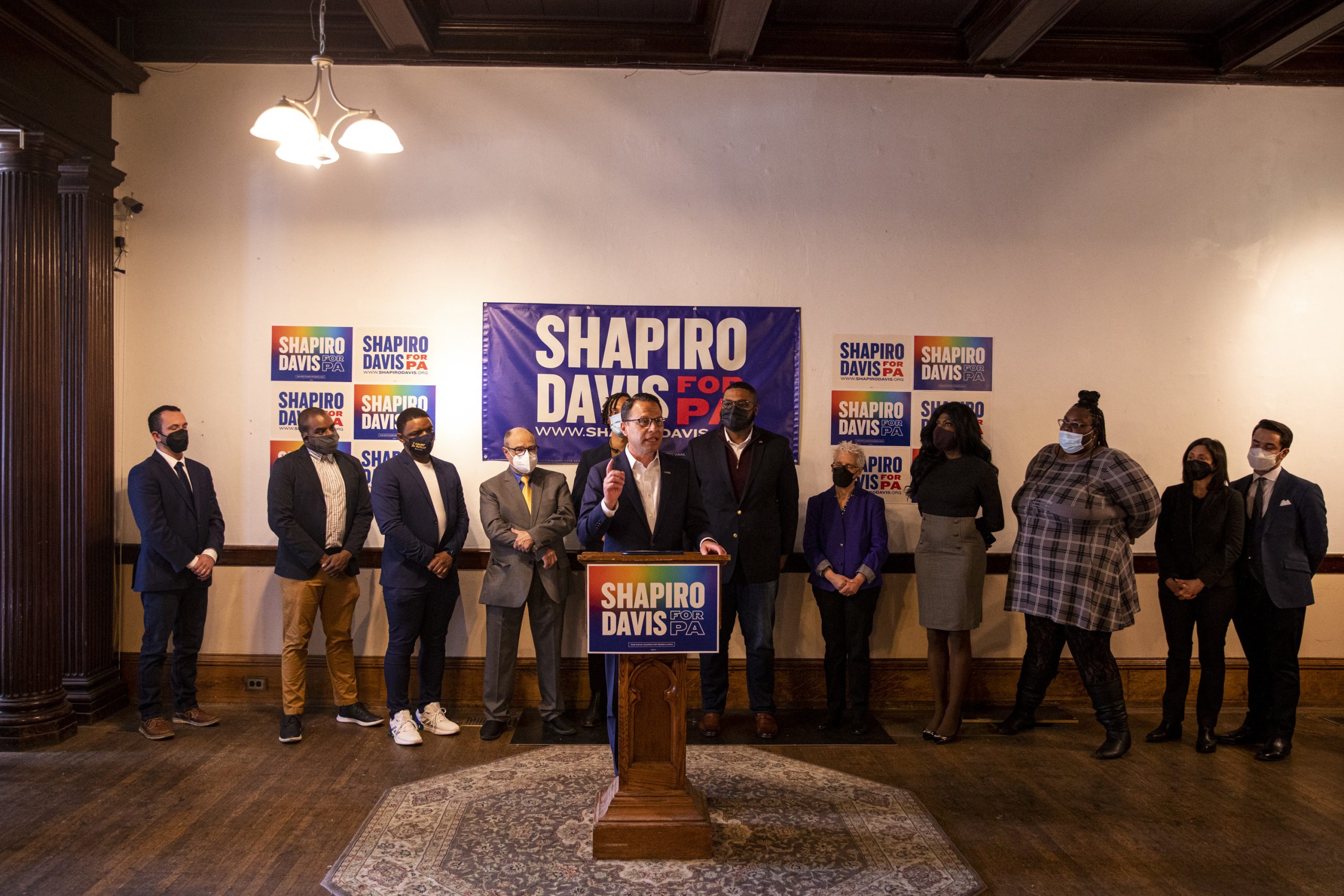
In 2022, Gov. Josh Shapiro spoke in the parlor of the William Way center, where he received endorsements from a variety of LGBQT+ leaders. TYGER WILLIAMS / Staff Photographer
Before COVID interfered, the board had been working on a design to reconfigure the building to address longstanding circulation issues. The plan called for slicing off the back of the structure and inserting a small tower with space for offices or apartments. The arrangement would have preserved the facade and the two most important ceremonial rooms, the ballroom and the large lobby area.
Why not use that idea to create affordable housing?
Segal argues that it would be difficult to insert two separate entrances — one for the William Way center, the other for the apartments. But there are plenty of narrow rowhouses in Philadelphia that have separate entrances serving apartments. I know it’s heresy in progressive circles to say this, but how about partnering with a market-rate developer who could finish the overbuild in less than five years?
An even faster option? Renovate the existing building. It can be done in stages so the center could move back sooner.
The William Way LGBT Community Center already has two entrances, which could be repurposed to serve an apartment tower inserted behind the front rooms.Jake Blumgart / Staff
Building affordable housing in Center City, close to transit, is a noble goal, and Segal deserves praise for making it a priority. But there is something seriously wrong when we demolish a building rich in Philadelphia history, while leaving the surface parking lots that flank it in place.
Since COVID, Philadelphia has lost a series of legacy cultural institutions that shaped the city’s identity. The Painted Bride. The Atwater Kent history museum. And, most painful of all, the University of the Arts.
William Way worked too hard for visibility to now be erased.
Clean? Reactors generate more than 100 radioactive chemicals, similar to atomic bomb explosions. This waste is stored at plants for hundreds of years, or escapes into air and water. The cancer death rate in Salem County, N.J., was slightly below the state until the mid-1980s (after three reactors opened), but is now 33% higher.
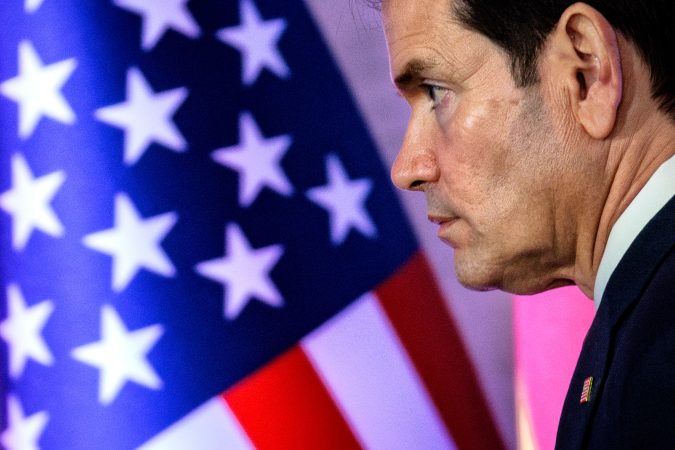
Marco Rubio is organizing an “antifa summit” to target “left-wing extremists,” which he claims pose a violent threat. Can he cite an example? There is no left-wing equivalent to the Ku Klux Klan, Proud Boys, or Oath Keepers. Right-wing individuals and groups have committed many acts of violence, including mass shootings at churches and synagogues. They held marches displaying racism and antisemitism, and played a prominent role in the violent (and televised) attack on the U.S. Capitol. The administration seeks to quell “violent secular political groups whose ideology is anti-American, radically pro-transgender, and anarchist.” Although no such groups exist, I will address those labels. For anti-American, Rubio should look at the White House. Donald Trump has expressed the desire to “terminate” any portion of the Constitution that stands in the way of his own agenda. When asked on Meet the Press if he needed to uphold the Constitution, he said, “I don’t know,” even though he swore an oath to do so. There is nothing more un-American than violating the Constitution, and Trump has done just that countless times. As for “pro-transgender,” I have read the Constitution, and there is not a word in it prohibiting people from being transgender, or requiring Americans to treat them with animosity. Nor is anarchy a goal of the left wing. On the contrary, the millions of people participating in No Kings rallies are doing so to remind Washington that the supreme law is the Constitution, and it applies to all, including elected officials.
Jean A. Kozel,West Norriton
Join the conversation: Send letters to letters@inquirer.com. Limit length to 150 words and include home address and day and evening phone number. Letters run in The Inquirer six days a week on the editorial pages and online.
In 1992, I started teaching at West Chester University. My students were mostly working-class kids from the collar counties who saw higher education as a way to move up in the world. But they often struggled in subjects like history — my own field — which they saw as irrelevant to their future employment.
So let’s make college shorter, shall we? We can save a year by paring away the dull “general education” classes — in English, history, and so on — that the students hate anyway. They can focus on their majors, graduate in three years, join the workforce, and save a quarter of their tuition costs.
I think that’s a bad idea, but I don’t blame people for wanting it. Instead, I blame us.
I’m looking at you, my fellow professors. Put simply, we didn’t do a good enough job with what we have.
College is expensive. Families are strapped. And a lot of general education courses are — as the students correctly perceive — a waste of time and money.
The only way to make the case for them is to make them better. But you won’t hear that from our educational establishment, which pretends we were delivering on the promise of college before the three-year proposal raised its ugly head.
Witness the joint statement from the American Association of University Professors and the American Federation of Teachers condemning Massachusetts’ approval of three-year degrees at two state colleges. “Compressing or reducing the curriculum threatens to narrow students’ education at precisely the moment when society needs graduates with stronger critical thinking, communication skills, scientific literacy, and civic understanding,” they declared.
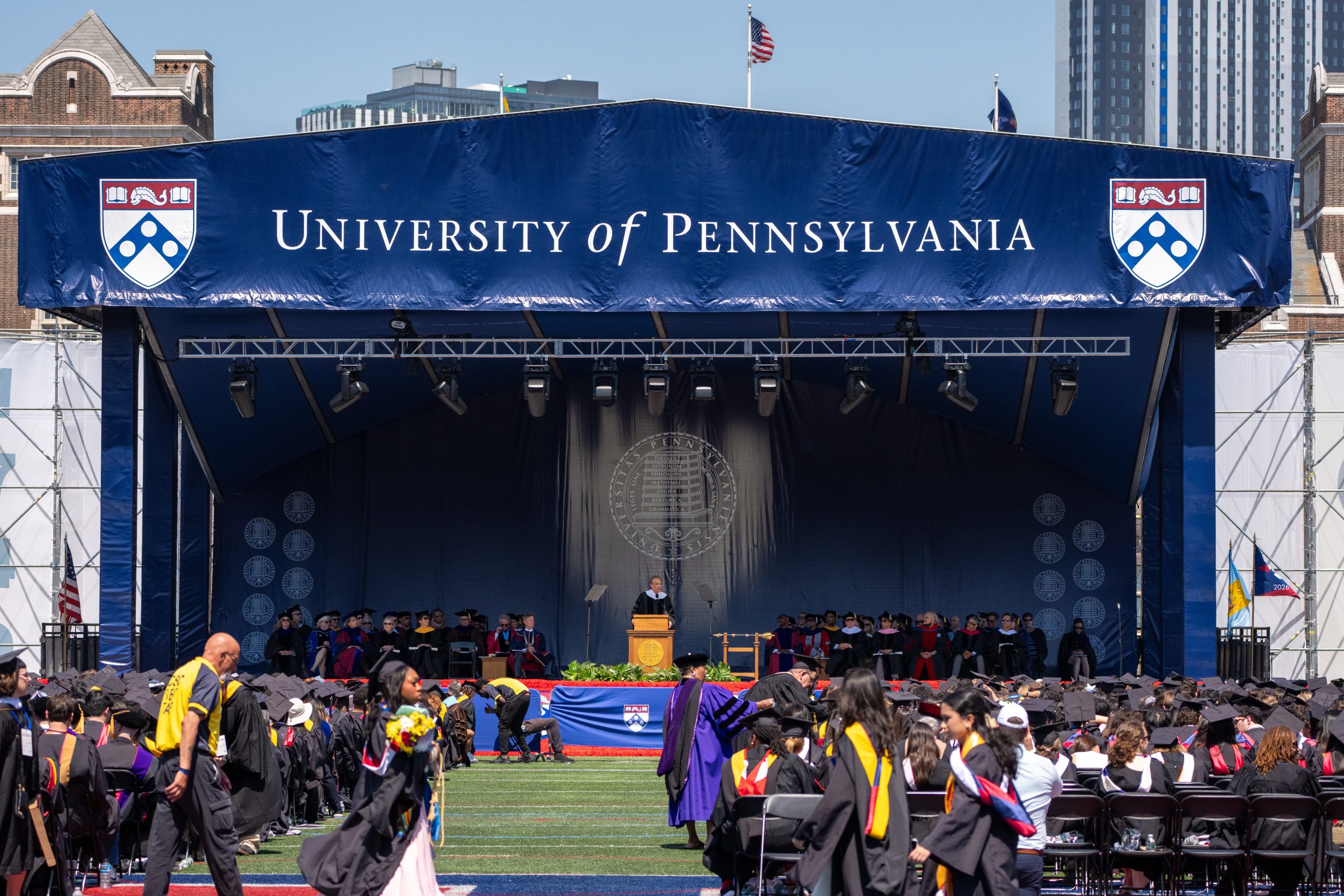
Award-winning presidential historian and best-selling author Michael Beschloss speaks at the University of Pennsylvania’s graduation ceremony in May.Jessica Griffin / Staff Photographer
Kenneth M. Mash, president of the PSSHE faculty union, said almost exactly the same thing. “At a time when there are calls for critical thinking, calls for knowledge about civics, what we’re doing is reducing the amount of time that students have to get that in,” Mash warned.
But here’s what these spokespeople won’t tell you: We’re not teaching those skills now. Even with four years of college, our students remain woefully undereducated.
According to a survey administered earlier this year by the American Council of Alumni and Trustees, only 39% of college students know that U.S. senators serve for six years and representatives for two. And just 37% can correctly identify the branch of government that has the power to declare war. (Answer: legislative.)
So much for civics. What about critical thinking? Cornell University has instituted an online module to teach it to students, precisely because their coursework often didn’t. “Many of us include it in our learning objectives,” one faculty leader admitted, “but when you look at courses, it’s often not taught explicitly.”
That’s especially alarming in the face of artificial intelligence, which threatens to envelop our students in mindless slop. Unless they learn to use their own brains, they won’t be able to critically evaluate what AI spits out.
And we’ve never taught critical thinking well. In 2010, when generative AI was still science fiction, sociologists Richard Arum and Josipa Roksa found that nearly half of all college students showed no improvement in critical thinking skills during their first two years on campus.
There’s no evidence that things have picked up since then. Instead, a growing body of research suggests that AI is eroding students’ capacity to think. The bots have made it easier to cheat your way to a BA while pretending you know what you’re talking about. So why not reduce the degree to three years? Or two, or one? Heck, why not just give it to anyone who will pay?
Because we’re not simply selling credentials, that’s why. I don’t get out of bed in the morning and say, “I’m going to help people affix letters next to their names today!” My goal is to help them learn. And if you think we’re doing that well, you just haven’t been listening.
I know our students need jobs, too. But when you survey employers, it turns out they want precisely the critical thinking skills we’re not teaching. Those irrelevant gen ed classes could have a real market value if we played our cards right.
Last week, I had dinner with a beloved student from my days at West Chester. She succeeded wildly there, but many of her peers failed. They didn’t need a shorter college experience. They needed a better one.
Jonathan Zimmerman teaches history and education at the University of Pennsylvania. His next book, “Schooling Citizens: How Education Can Save Democracy,” will be published next spring by the American Philosophical Society Press.