This is a tumultuous week for Philadelphia’s schoolchildren. If members of City Council and the school board can find a path forward before lawmakers take a final vote on the budget on June 11, 340 school staff jobs will be saved. More than 3,700 Philadelphia students will enter the summer knowing that when they come back to school next year, their teachers, counselors, and climate staff will still be there.
A lot could still go right in the final days of the city budget negotiations. To its credit, City Council worked hard to find $48 million this year to save the jobs for a year. But the school district can’t reverse the cuts without recurring funding. That would not be sound fiscal management. If these positions are cut, critical school staff will be forced to find other jobs, and it will be almost impossible to bring them back.
City Council, the school district, and the mayor are ultimately on the same side — the side of the kids. Finding a way to keep the 340 school staff jobs is about more than balancing budgets; it is about protecting the educators, counselors, and support staff whose work shapes students’ lives. The decisions made in the coming days will determine whether our students start the next school year with stability or disruption.
Priyanka Reyes-Kaura,K-12 education policy director, Children First, Philadelphia
Budget questions
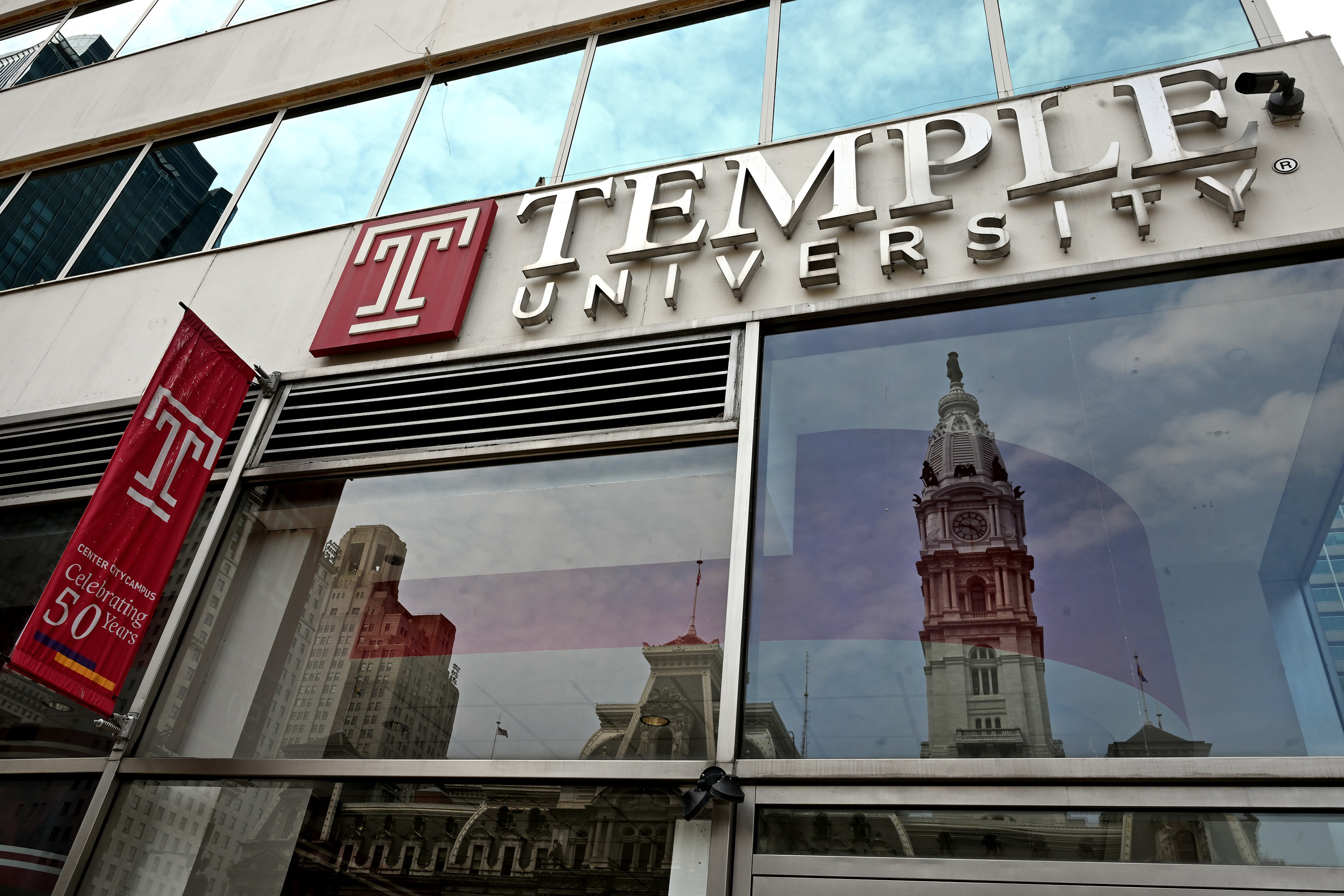
After reading that Jason Wingard was paid $1.5 million by Temple University — a year after resigning as president — I’m looking at my alma mater’s current budget situation in a different light.
In April, Wingard’s successor, John Fry, announced that the operating budget for next year was projected to have an $85 million deficit, a figure that has since come down.
I know capital budgets are in a separate category from other spending, but this doesn’t look good for the university. And has anyone calculated the increased operating expenses related to these new buildings? Or is it assumed that the cost will be covered by tuition from declining enrollment?
As a triple alum, I only want the best for the university, the students, and the staff. Hopefully, whoever’s reading this wants the same.
Ronnyjane Goldsmith,Palm Beach, Fla.
Join the conversation: Send letters to letters@inquirer.com. Limit length to 150 words and include home address and day and evening phone number. Letters run in The Inquirer six days a week on the editorial pages and online.
This should be a moment for sports fans to be insanely happy. The finals are underway in both the NHL and NBA, and the matchups and the games so far have never been more compelling. Soccer’s World Cup — always the greatest show on earth — starts Thursday (see below). Yet, something seems off. If you wanted to attend Monday night’s Knicks-Spurs Game 3 at Madison Square Garden, it would have cost about $4,500 — not courtside, but in the last row. Equally insane and opaque ticket pricing has ruined the World Cup for many fans. Sports are supposed to be an escape from life’s problems, not a PowerPoint demonstration of them.
Orange-clad Ivorians bring soccer joy to a World Cup tune-up in Chester
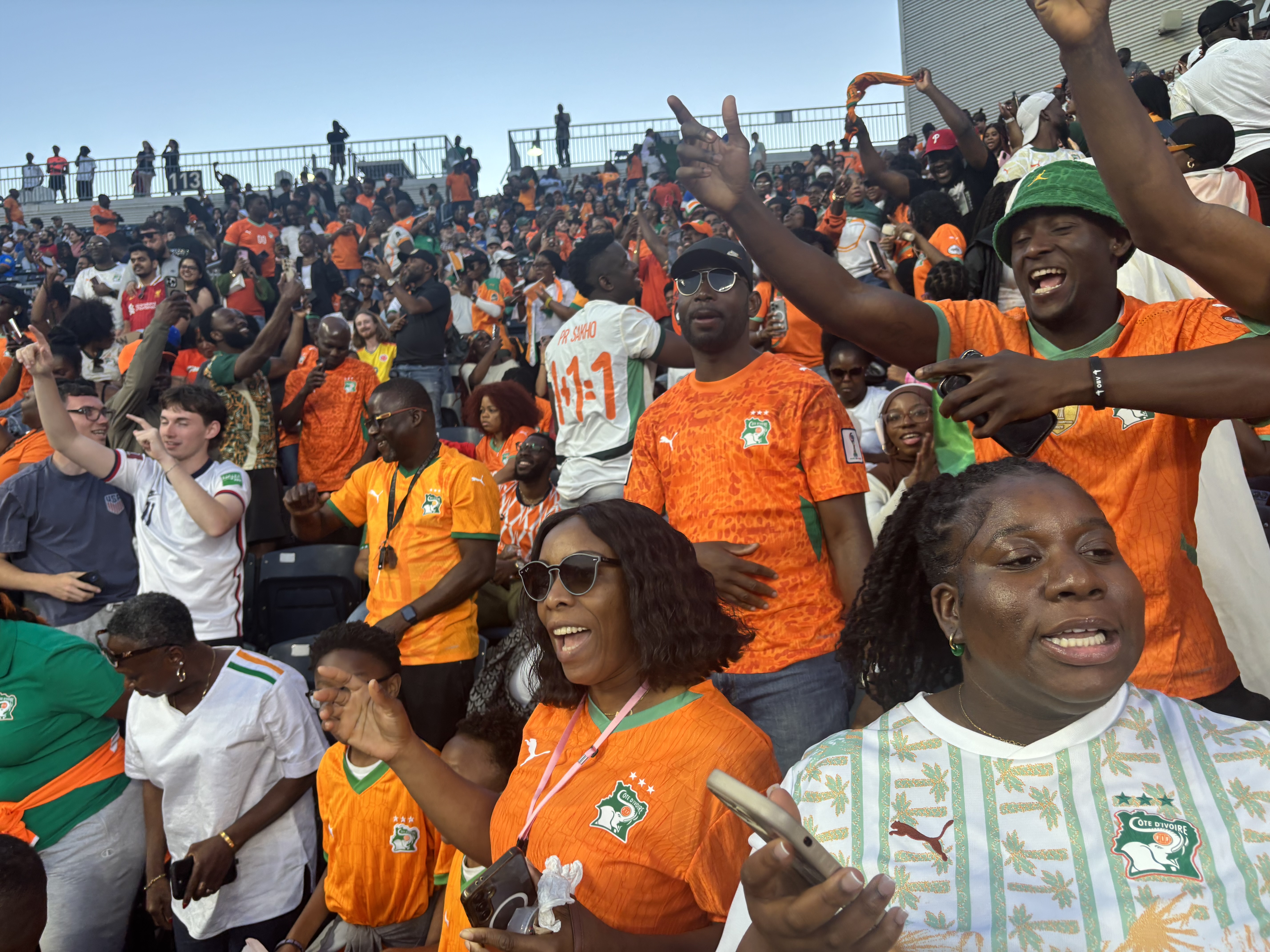
Fans of the Côte d’Ivoire national soccer team erupt in cheers during their team’s 2-0 friendly match win over the Philadelphia Union II squad at Subaru Park in Chester on June 8, ahead of the 2026 World Cup.Will Bunch
The cosmic vibes were not great Monday night. On the car radio, the news brought a new cycle of bombs dropping across the Middle East, and yet another onscreen meltdown from an American president who is stumbling toward his 80th birthday in confused anger. Reports from the eve of the much-anticipated return of soccer’s World Cup to North America were less about the game and more about U.S. immigration outrages, including a Somali referee turned away at the airport.
Then at about 6:59 p.m., I walked through a long tunnel in suburban Chester and into an undulating orange sea of pure joy.
On the green soccer pitch of Subaru Park, the national team from Côte d’Ivoire lined up in rapt attention as “L’Abidjanaise,” the national anthem of the West African nation, blared from a loudspeaker. But in the stands, fans wearing their native country’s iconic orange jerseys could not sit still, laughing and waving their cell phones, confirming with videos that their heroes were actually here, on U.S. soil.
For a you-can’t-beat-it ticket price of zero dollars, in a year of maximum sports greed, members of an African diaspora scattered along the Eastern Seaboard had driven up or down I-95 for hours to watch Côte d’Ivoire — also known by the anglicized Ivory Coast — easily win its World Cup tune-up match against the young American prospects of the Philadelphia Union II, 2-0.
Fatim Toure, 27, in her Côte d’Ivoire jersey, and her 26-year-old sister, Ferima, wearing her headwrap like many female fans at the stadium, had driven down from North Jersey to see the match, and were now beaming as they watched the kickoff from the tunnel as the sun set on a crisp, perfect June evening.
Fatim said the sisters “were filled with nationalism and pride, so we’re excited to see how it goes.”
The cheerfulness of the Côte d’Ivoire faithful who turned the 18,500-seat stadium bright orange — drowning out scattered dots of Philadelphians in the Union blue of the regular home squad — was infectious. It was truly what the world needs now.
Soccer fans like me have been waiting since 1994 with patience, then anticipation, and finally something bordering on dread for the World Cup — Planet Earth’s ultimate sporting event — to finally return to U.S. grass. With the opener in Mexico City (75% of the matches are in the United States, with the rest in Canada and Mexico) slated for Thursday, news about the World Cup and soccer’s corrupt, authoritarian-loving governing body, FIFA, has been dominated by grim headlines.
Indeed, the political rise of Trump — the stuff of cartoon satire not long after the first World Cup matches were played here 32 years ago — and his hostile border regime have sparked the greatest angst, and on the eve of the kickoff, these fears are coming true.
Top soccer referee Omar Artan from the African nation of Somalia was turned away at Miami International Airport on Saturday, denied the pinnacle of his profession by U.S. Customs and Border Protection agents for reasons still unknown. The star striker for the Swiss national squad was also initially denied entry (since reversed), while a star player from Iraq was interrogated for hours.
Players from Iran — the nation Trump decided to bomb back in late February and is still engaged in a murky war — are going ahead with matches in Los Angeles and Seattle, but U.S. officials are forcing them to immediately return to their base camp over the Mexican border in Tijuana and not stay here overnight.
Côte d’Ivoire, an ethnic melting pot of 32 million people on Africa’s Atlantic coast where French is the official language, hasn’t been immune to the xenophobic U.S. turn on immigration. The nation is one of several under a restrictive travel ban by the Trump regime, and efforts to allow visas for some soccer fans have been plagued by confusion, including a $15,000 bond that was announced, then canceled.
While Monday’s free friendly match was a gleeful coming-out party for a diaspora that’s rooted in East Coast urban neighborhoods such as Southwest Philadelphia, most acknowledged that fans back in their native Côte d’Ivoire, where soccer is the national obsession, could never afford the cost of coming here — or the risk.
“The ICE situation has killed the entire momentum of the World Cup,” a Liberian-born woman from Southwest Philly, who said she came out to support her African neighbors, told me. “America could have used this to boost the economy and generate income, but because of the whole ICE situation, a lot of people are afraid to come.”
No World Cup squad will be more deeply tied to Philadelphia than Côte d’Ivoire, which plays two of its three matches at the temporarily unbranded Lincoln Financial Field, starting against Ecuador on Sunday night. The team is training in Chester at the Union’s facilities and staying in Delaware. But with the cheapest tickets on StubHub for that Ecuador showdown starting at $836, few whom I spoke with will be attending the matches that actually count for Côte d’Ivoire’s long-shot dream of becoming the first African nation to win the World Cup.
“I wish, but I couldn’t get any tickets, unfortunately — it was too expensive,” Audrey Yao, a 32-year-old Ivorian American researcher from the University of North Carolina who was visiting Philly from Chapel Hill, told me. “So the opportunity to see the team today — that’s why I’m here.“
For many Ivorians, Monday’s free friendly was essentially their World Cup, and they partied accordingly — swaying and gyrating to piped-in African Zouglou music between breaks, and celebrating wildly as keeper Alban Lafont stopped a penalty kick for Les Éléphants against rising young Union star Cavan Sullivan.
As a die-hard — emphasis on the word die — Union supporter for their 16-year tortured history, I’ve seen some great matches in Chester, but I’ve never had so much fun.
Monday night wasn’t just how the World Cup should have, could have been. It was very much the way America is supposed to be — with people who were proud and happy to be here, with one foot still planted in their bright-orange African heritage as they lived and breathed that Philadelphia freedom, with no masked goon squads there to hassle them.
By the setting-sunlit banks of the Delaware River, there was no U.S. Immigration and Customs Enforcement, no need to raid the ATM, no bad news from outside the stadium walls. Just 90 minutes of the Beautiful Game.
Yo, do this!
Don’t expect a lot of high-class book or film reviews this month, as my waking nonwork hours are devoted to watching the World Cup. Three games to circle this week are Thursday afternoon’s opening match in Mexico City between Mexico and South Africa (3 p.m., Fox); the first U.S. match against Paraguay in Los Angeles Friday night (9 p.m., Fox); and Philadelphia’s first contest between Côte d’Ivoire and Ecuador Sunday night at 7 p.m. on FS1, or in person at “Philadelphia Stadium” if you can spare the cash.
What if the biggest story of our time isn’t Trump’s outbursts, or even the World Cup — but the growing inability of our young people to sit down and read a book from cover to cover? The latest installment in this genre comes from university professor Tyler Jagt in a searing essay for the Chronicle of Higher Education: “My Students Can’t Read.” Is the culprit the smartphone and now AI, or the lost COVID-19 years, or the teach-to-the-test dictates of the Common Core curriculum? There’s a strong case for “All of the Above.”
Ask me anything
Question: You recently wrote about data centers. Have there been any groups who have successfully gotten data center plans aborted? What do you think are the most effective ways for communities to fight back? — @silvermoonfafo.bsky.social via Bluesky
Answer: There are already signs that the backlash against these massive, noisy, energy-and-water-sucking data centers powering the artificial intelligence revolution is becoming one of the most successful grassroots movements in American history. I wrote this spring about how everyday folks in rural Montour County, Pa., successfully blocked an Amazon-backed site that started with a lot of support from elected officials. How’d they do it? I wish there was some big secret, but basically it was: showing up. They organized petitions and got big crowds to speak at county commission and zoning board meetings, and the politicians had little choice but to listen. They have money, but we have people. Never forget that.
What you’re saying about …
Well, you won’t know it from today’s soccer-heavy newsletter, but not all readers share my deep passion for the Beautiful Game. Most questions that aren’t some variation on how much do you hate Donald Trump, or John Fetterman, or the media get low responses, but my World Cup question about a favorite team besides the U.S. set a record for reader nonparticipation. Andrew Ross is rooting for Portugal because he moved there from Philly three years ago (and we are all jealous). Weekly correspondent Mary Ann Petro isn’t rooting for anyone and hopes the Yanks “go down in flames.” I’m rooting for the U.S. and Côte d’Ivoire, but you knew this.
📮 This week’s question: Few things are more outrageous these days than Donald Trump’s expensive desecration of Washington, starting with that $1 billion-or-whatever proposed ballroom at the White House. So what happens to the ballroom when the good guys retake power? Tear the whole thing down, or blow it up on national television? Or repurpose it as a community health center or midnight basketball court, or something else? Please email me your answer, and please put “Ballroom future” in the subject line.
Backstory on how an LA mayor’s race could blow up America
Everything about the doomed bid of a B-list reality-TV star, Spencer Pratt, to become a Republican mayor in the ultra-liberal enclave of Los Angeles has been utterly predictable. That includes his campaign that was big on the kind of social media stunts that an entertainment-oriented LA media loved, and short on substantive ideas for a city with big problems that are both chronic (its incurable homelessness) and acute (violent immigration raids, the 2025 wildfires). It also includes the fact that Pratt wasn’t likely to get more than the roughly 27% his highest-profile fan, Donald Trump, received in 2024 from America’s second-largest city.
And now the least surprising thing of all: The right-wing conspiracy theories that Pratt’s apparent defeat by two Democratic women of color — incumbent Mayor Karen Bass and progressive upstart Nithya Raman — is their long-sought proof of massive voter fraud, after Pratt had started the lengthy vote counting in second place.
It’s not just the usual loudmouths on X. Trump is taking the lead role, again, in spreading election lies, telling Kristen Welker of NBC’s Meet the Press in their now-notorious Wisconsin interview that the California voting was rife with fraud, and, when asked for any proof, blurted angrily: “No, they’re crooked … Just like you’re crooked.” When House Speaker Mike Johnson was asked about these lies on Capitol Hill, he only amplified them, stating that “everybody knows instinctively that something is wrong.” No proof, just “instincts.” Trump’s handpicked and apparently incompetent top prosecutor for Southern California is now threatening an investigation.
Here’s the thing. California’s elections are among the most democratic and inclusive in America. There is extensive opportunity for the convenience of mail-in voting, and voters are allowed to send these ballots right up until Election Day. Local officials then have up to 30 days to meticulously count all the votes. That means a) it takes longer to declare a winner in California than anywhere else, and b) it unexpectedly turns out there are significant differences between who votes by mail instead of in-person, and the shape of the race can change dramatically from election night to the end of the lengthy counting. To today’s GOP, any fair and measured vote-counting must be a conspiracy.
Why does it matter? Pratt loses and — according to some reports — moves out of LA. End of story, right? Not exactly. We don’t know yet what ridiculous claims California’s train wreck federal prosecutor will make about supposed election fraud, but it’s almost guaranteed that the Trump regime is looking to make California the bogus argument for extreme measures to influence the general election in November.
Sending in troops? Seizing election machines? Invalidating results? It will all be on the table for Team MAGA in November, and the fact that the former bad boy from MTV’s The Hills couldn’t get elected mayor of one of the nation’s most diverse and liberal cities will be cited as a reason. Spencer Pratt has landed a starring role in the worst reality show ever.
What I wrote on this date in 2023
Even though it was only three short years ago, memories of this week in early June back in 2023 are a little foggy — because the skies here in Philadelphia and around the Eastern Seaboard were filled with suffocating, thick smoky haze from wildfires up in Canada. Before digging up my column, I’d forgotten that a Phillies game at Citizens Bank Park was canceled because of the horrendous air quality. I wrote: “In a perfect world, [President Joe] Biden would have donned an N-95 mask Wednesday and spoken in front of the orange blur of the Statue of Liberty to declare unconditional war on fossil fuels.”
I’ve never had so many column ideas swirling around in my head as this chaotic start to the summer of 2026. Last week’s Sunday column looked at the openly fascist coming-out party for the former U.S. chief immigration raider Greg Bovino, who attended a European white supremacist conference. I said it matters a lot that he is now screaming the not-that-quiet part about U.S. xenophobia out loud. I shifted gears over the weekend and wrote about the growing panic of U.S. elites over grassroots opposition to data centers, which has sparked bizarre accusations of Chinese influence, as well as spying on activists by some police agencies. The 1 Percent can’t admit it’s really the noise pollution and higher electric bills.
Wrapping up this week’s theme in a bow, I have to say I’ve been blown away both by the quality and the quantity of The Inquirer’s coverage of the World Cup, which has truly matched, if not surpassed, some of the national outlets. Lead writer Jonathan Tannenwald, with a well-deserved reputation as one of the nation’s top soccer journalists, has been following the U.S. team in its Georgia training and at its warmup matches, profiling key American players like its star Christian Pulisic, and filing other human interest stories like a Penn soccer standout who’ll be taking the pitch for Haiti. Other Inquirer writers have contributed with in-depth features about everything from the role the late Tug McGraw’s widow played in bringing soccer to Philadelphia, to the storied history of the cinder (ouch!) pitch in Fishtown that brought Philly “attytood” to the sport’s slow rise here. That’s not to mention the comprehensive guide we published earlier this year. You won’t be able to read all this without a subscription, so now is the time to finally sign up. And let the games begin.
By submitting your written, visual, and/or audio contributions, you agree to The Inquirer’s Terms of Use, including the grant of rights in Section 10.
It wasn’t always like this. I’m old enough to remember the Bicentennial celebration back in 1976. After being struck by the trifecta of the Civil Rights Movement, the Vietnam War, and Watergate, it felt as if the country was moving forward.
I lived in the nation’s capital, the epicenter of America’s Bicentennial celebration. Practically everything had a Bicentennial theme. Even the fire hydrants were painted red, white, and blue. I spent much of that hot, humid summer attending free Bicentennial-themed events such as the Smithsonian Institution’s Folklife Festival and the July Fourth fireworks display.
At our house in Brookland in northeast Washington, D.C., my parents hosted their annual backyard BBQ with the usual Southern favorites. My dad, a Korean War veteran, proudly hung the American flag from our front porch. Patriotism wasn’t code for MAGA back then. Political affiliation didn’t matter as much. Americans celebrated the nation’s 200th birthday together.
Those were happy times.
I shudder to think about what this year’s celebration of America’s 250th anniversary in Washington will be like with President Donald Trump living in the White House.
But that’s how it is with him. Trump is going to Trump. That’s why he’s furious about having his name ordered removed from the Kennedy Center for the Performing Arts.
It’s also why his scowling face appears on commemorative U.S. passports, National Park Service passes, and gold coins made specially for the 250th anniversary.
It’s not enough for him to have large banners featuring his image hanging from various government office buildings — he’d love it if he could get his mean mug on $250 bills, as well.
Take what happened after musical artists started dropping out of a series of concerts after learning it wouldn’t be the nonpartisan event they expected. The president went on Truth Social and trashed the performers, and also floated the idea of hosting a giant MAGA rally instead — featuring none other than himself.
“We should have a giant MAKE AMERICA GREAT AGAIN RALLY, for 250, instead of having overpriced singers, who nobody wants to hear, whose music is boring, and yet who do nothing but complain,” Trump posted, adding, “Cancel it.”
Cue the fireworks! Finally, the president and I agree on something. He’s right about canceling the musical performances. But in my opinion, he didn’t go far enough. Trump should cancel all of the Freedom 250 events, which have been billed as nonpartisan but were actually organized by a group formed by Trump.
At this great age, America deserves better than a president who has installed a massive red, white, and blue cage on the South Lawn of the White House for a UFC fight on Sunday, June 14, the day of his 80th birthday.
It’s problematic enough that America’s Founding Fathers were too sexist and racist to include equal rights for women, African Americans, and Native Americans in the Constitution, but fast-forward to today, and we have the griftiest of grifters in the Oval Office.
Trump has finagled it so that the IRS is “forever barred and precluded” from auditingTrump, his family, and the Trump Organization’s taxes prior to May as part of a deal to settle his $10 billion suit against the Internal Revenue Service.
And if the courts don’t permanently block it, Trump intends to create a $1.776 billon slush fund using taxpayer money that could be used to compensate rioters who stormed the U.S. Capitol on Jan. 6, 2021, among other things.
Demonstrators storm and breach the US Capitol building in Washington on Jan. 6, 2021. Victor J. Blue
Meanwhile, migrants are being systematically rounded up, denied basic human rights, and packed into squalid detention centers such as Delaney Hall in Newark, N.J., and America is engaged in an intractable and unprovoked war with Iran that has sent gas prices and the cost of living skyrocketing for all of us.
Trump is focused on the wrong things: his daily stock trades, building a $400 million ballroom at the White House, rehabbing the Reflecting Pool, erecting a giant arch in D.C., and adding a promenade onto the Lincoln Memorial.
Instead of helping heal the country’s divisions and bring Americans together, the president does whatever is best for him.
His leadership has put America in a sunken place, and that’s nothing to celebrate.
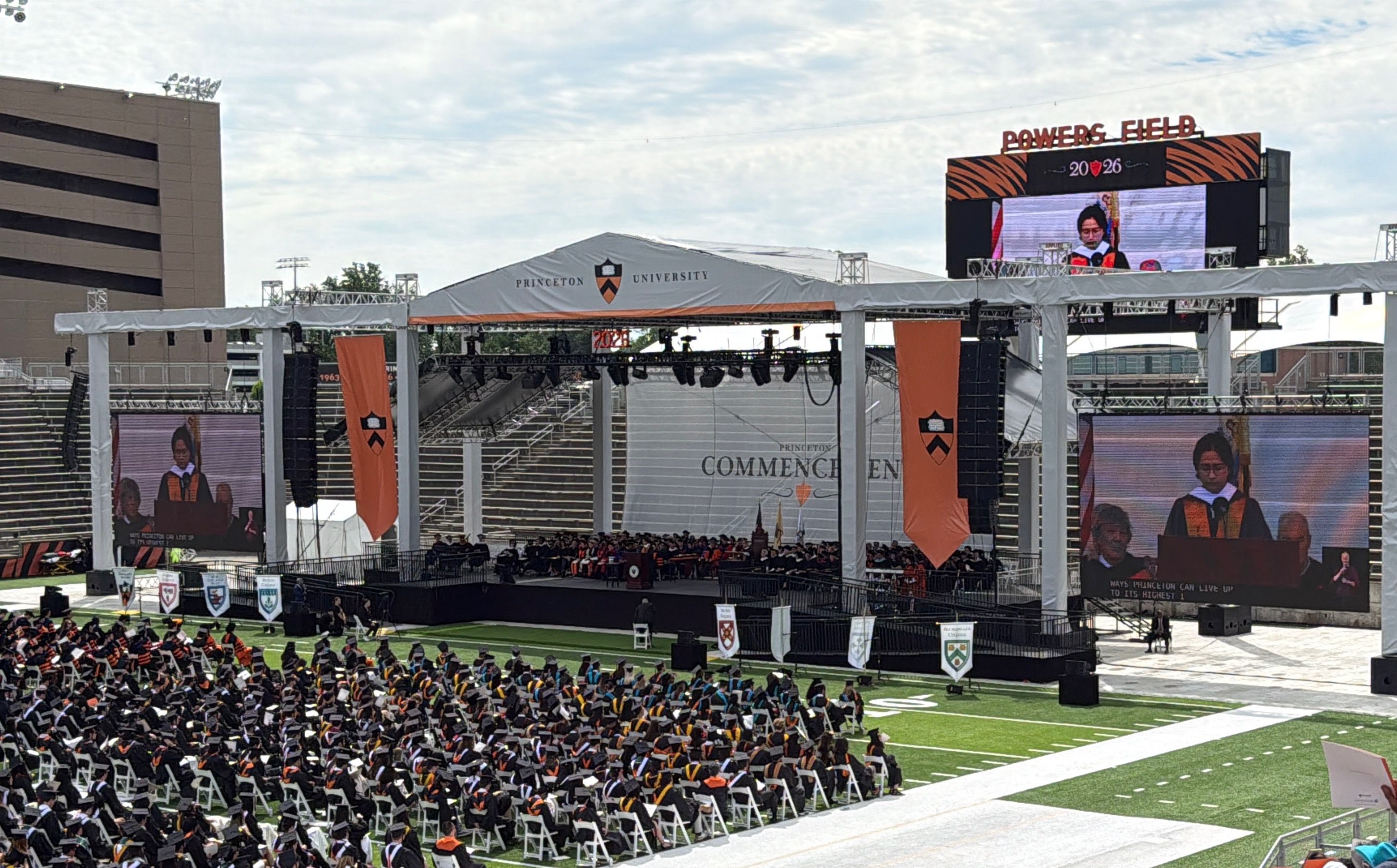
Several weeks ago, I took the stage at Princeton University’s 2026 commencement as this year’s valedictorian. My selection marked an institutional milestone: I am the university’s first valedictorian to major in African American studies since the department’s founding in 2015. In my remarks, I emphasized the importance of the critical humanities and celebrated my classmates’ achievements.
What I can share now, however, is that the occasion was not entirely celebratory.
The weeks leading up to my selection had been some of the most difficult of my life, as thousands of strangers across social media platforms wrote, liked, and reposted comments ridiculing my selection. Their anger centered on my choice of major. Recapitulating virulently racist tropes about both Asian and Black communities, they mocked my Asian appearance and heritage while deriding my Black colleagues and mentors.
Throughout my time at Princeton, I had observed similar — and sometimes much more aggressive — campaigns against my professors and peers across the field of African American studies.
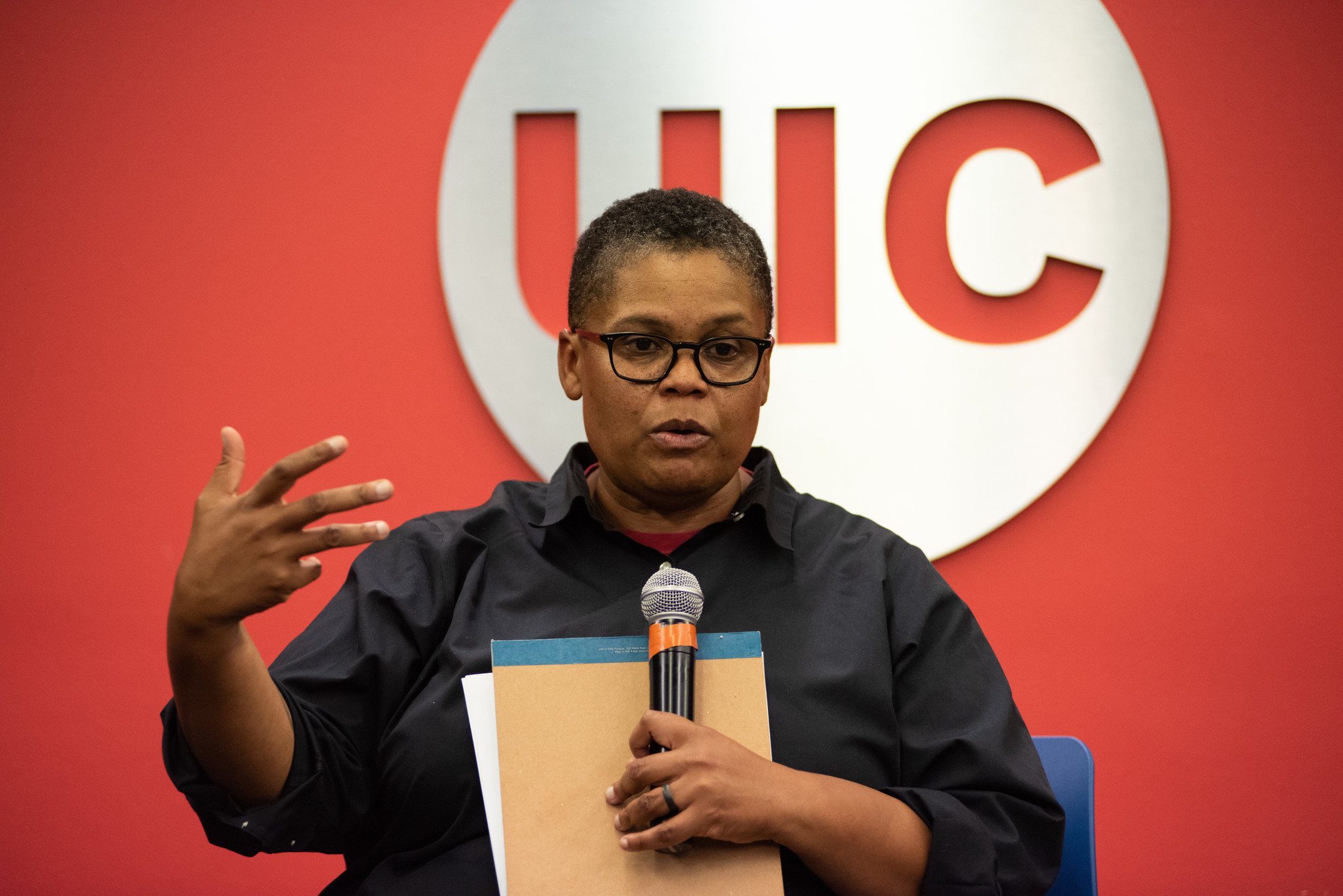
Keeanga-Yamahtta Taylor, the Hughes-Rogers Professor of African American Studies at Princeton, author, and finalist for a 2020 Pulitzer Prize in history, is one of the African American studies professors who have faced derision and even death threats related to their work.Matthew Alan Lang / MCT
The logic of these attacks is familiar to any student of ethnic studies, gender studies, or any of the critical disciplines deemed “radical indoctrination” by the Trump administration. African American studies, these commenters argued, lacks genuine intellectual rigor. It does not belong in the same sentence as academic excellence.
In recent years, university administrators and faculty have claimed that the contemporary university is suffering from a crisis of academic rigor, accelerated by the prevalence of grade inflation and generative AI.
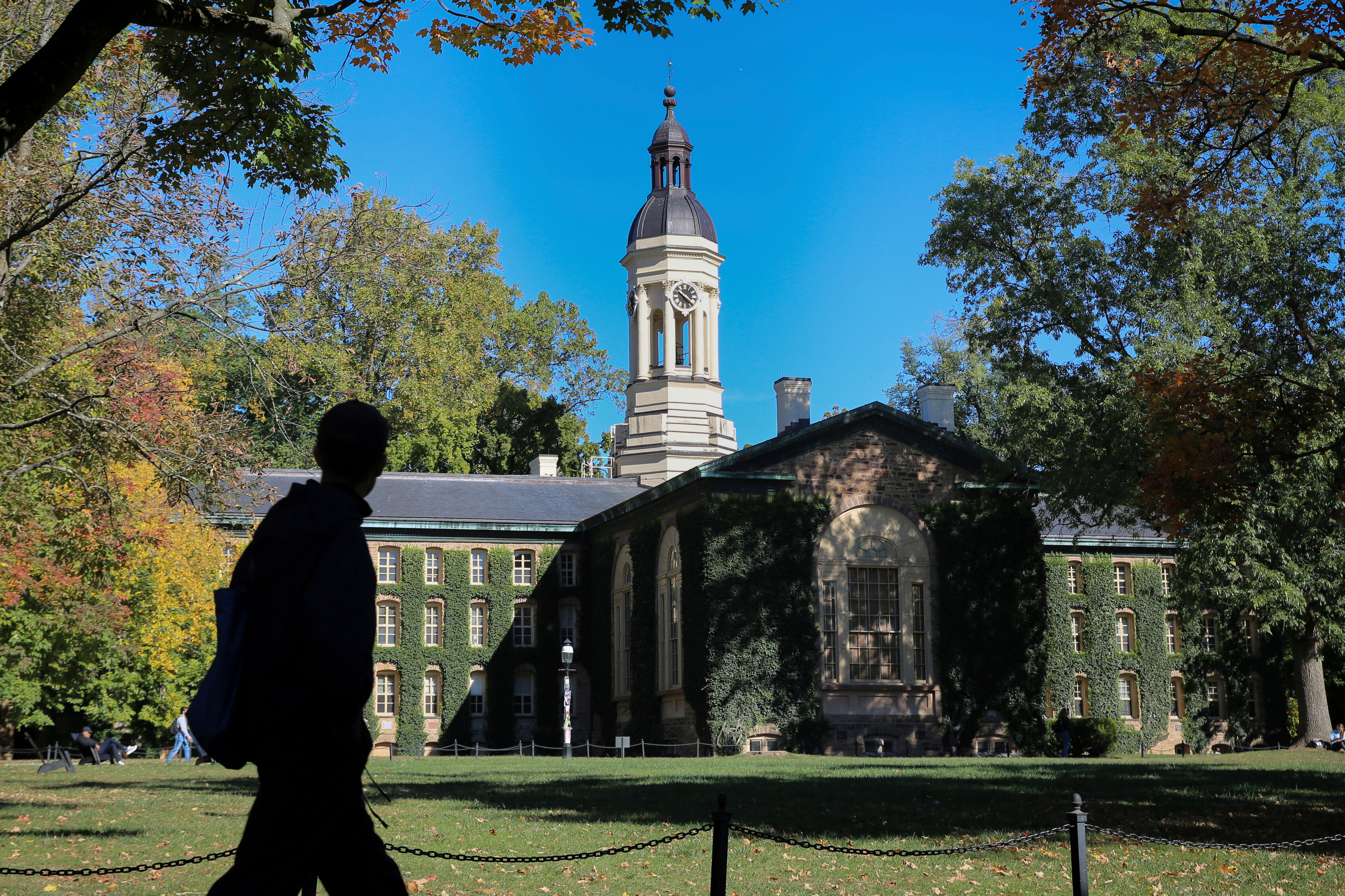
Nassau Hall at Princeton University. Daniel Yu writes that in recent years, university administrators and faculty have claimed that the contemporary university is suffering from a crisis of academic rigor.Ted Shaffrey
Combined with shrinking university budgets, these claims have increased the burden on disciplines like African American studies — already maligned as unserious and unscientific — to prove their intellectual seriousness to administrators, funders, politicians, and the public.
This is the paradox of the backlash to African American studies: The field is villainized by the far-right as dangerous, radical indoctrination, while simultaneously, it is maligned for shallowness, insularity, and frivolousness.
In rebuttal to the latter proposition, manyhavecompellinglyargued that Black studies has all the components of a rigorous academic field. Though correct, these defenses concede an assumption that deserves greater scrutiny — that rigor itself is the central criterion by which a field ought to justify its place in the university.
Difficult and valuable are not synonymous. A challenging task is not necessarily a worthwhile one. Consider, for instance, the large introductory engineering courses at many universities, including my own alma mater. These courses are considered to be difficult, and they demand excellent technical skills.
But technical skill is not the same as moral judgment, and such courses rarely ask students to reckon with how the skill they are developing will be used. What of the aerospace engineers who will deploy that skill in the service of defense contractors, whose problem sets will prepare them to destroy countries from afar?
Disciplines like African American studies expand “rigor” to include forms of intellectual excellence not reducible to grades. Forget percentiles and curves — this vision of rigor requires sustained, critical engagement with power and inequality, which forces the thinker to reconsider their most fundamental assumptions about culture and society. A definition of rigor that considers the former without the latter is incomplete; it may make skilled engineers/bankers/doctors/lawyers, but perhaps not ethical ones.
Both the rising supremacy of the quantitative disciplines in higher education and universities’ insistence on “institutional neutrality” have helped reinforce this restrictive notion of excellence, defined by technical expertise and grading distributions.
In the process, elite universities have lost sight of their ultimate obligation — to shape not just learners but citizens, people, and leaders. Student activists recognize what their administrations cannot: that the university cannot escape our most pressing political questions, and that intellectual inquiry and civic engagement are inseparable.
Thus, my final remark as Princeton’s 2026 valedictorian, to administrators, students, and all Americans alike: Take an African American studies class.
They must learn from the Black radical tradition that a truly rigorous education forces us not just to do but to question — and, always, to keep a more just world in our sights.
Daniel Yu is a recent graduate of Princeton University, where he was named the 2026 valedictorian — the first from the department of African American studies.
As our administration wages war against Iran, we are reminded daily that Iran is a nation defined by religious nationalism — a system where political authority is fused with a single religious ideology, and dissent is treated as a threat to the nation’s spiritual purity. We are told this is dangerous, destabilizing, and incompatible with democratic values. On that point, I agree.
What’s harder to ignore is the irony that, while condemning Iran’s model abroad, we are watching a homegrown version of Christian nationalism gain traction here. This ideology insists that America was founded as a Christian nation, that government should enforce a particular religious doctrine, and that political authority can be divinely sanctioned. These are not expressions of personal faith. They are political claims dressed in theological language.
The consequences are already visible. FBI data show that in recent years, hate crimes have surged to their highest levels in decades, with sharp increases in incidents targeting religious minorities, LGBTQ Americans, and racial and ethnic communities. When leaders describe opponents as ungodly, when groups are cast as existential threats to the nation’s spiritual identity, and when political conflict is framed as “spiritual warfare,” it creates a permission structure for real‑world harm.
In other words, we are condemning Iran for the very dynamic we are beginning to tolerate at home: a fusion of religion, nationalism, and grievance that inevitably produces intolerance and, too often, violence. It is difficult to claim we are defending democracy abroad if we are quietly eroding it within our own borders.
Steve Abramovitz, Cherry Hill
. . .
Remember when Barack Obama was president and negotiated the nuclear deal with Iran? Former Sen. Pat Toomey and other Republican senators wrote directly to Iran to try to kill the deal. Why not have Democrats do the same, but in this case, end the war and reinstate the Obama deal that was working?
George Magakis Jr.,Norristown
Protect peaceful protests
I’ve visited Delaney Hall twice since late April. The stories that detainees shared with me about the poor conditions inside were heartbreaking, and U.S. Immigration and Customs Enforcement’s (ICE) track record hasn’t earned the agency any benefit of the doubt.
I’m proud of New Jersey’s delegation for its continual in-person oversight, especially since congressional visits are about the only access the outside world can get to Delaney Hall right now. I’m also grateful to Gov. Mikie Sherrill for fighting to change that, and for her balancing act to sustain pressure on those running Delaney Hall while maintaining public safety.
Across the country, we have witnessed heavy-handed tactics by federal immigration agents who repeatedly turn tense situations into dangerous — and even fatal — encounters. Sherrill’s decisiveness to get ICE out of the protests and reestablish local control potentially saved lives — and will make it safer for demonstrators to peacefully organize.
And the peacefulness of those demonstrations is critical. When my dear, late friend John Lewis promoted “good trouble,” he specifically called for nonviolent civil disobedience — not assaulting law enforcement or destroying property.
With the ability to peacefully demonstrate no longer threatened by ICE, the opportunity is now to put the focus back on the core issue: The need to stop the Trump administration’s gross mistreatment of detainees at Delaney Hall.
Donald Norcross, U.S. House of Representatives, New Jersey’s 1st Congressional District
Join the conversation: Send letters to letters@inquirer.com. Limit length to 150 words and include home address and day and evening phone number. Letters run in The Inquirer six days a week on the editorial pages and online.
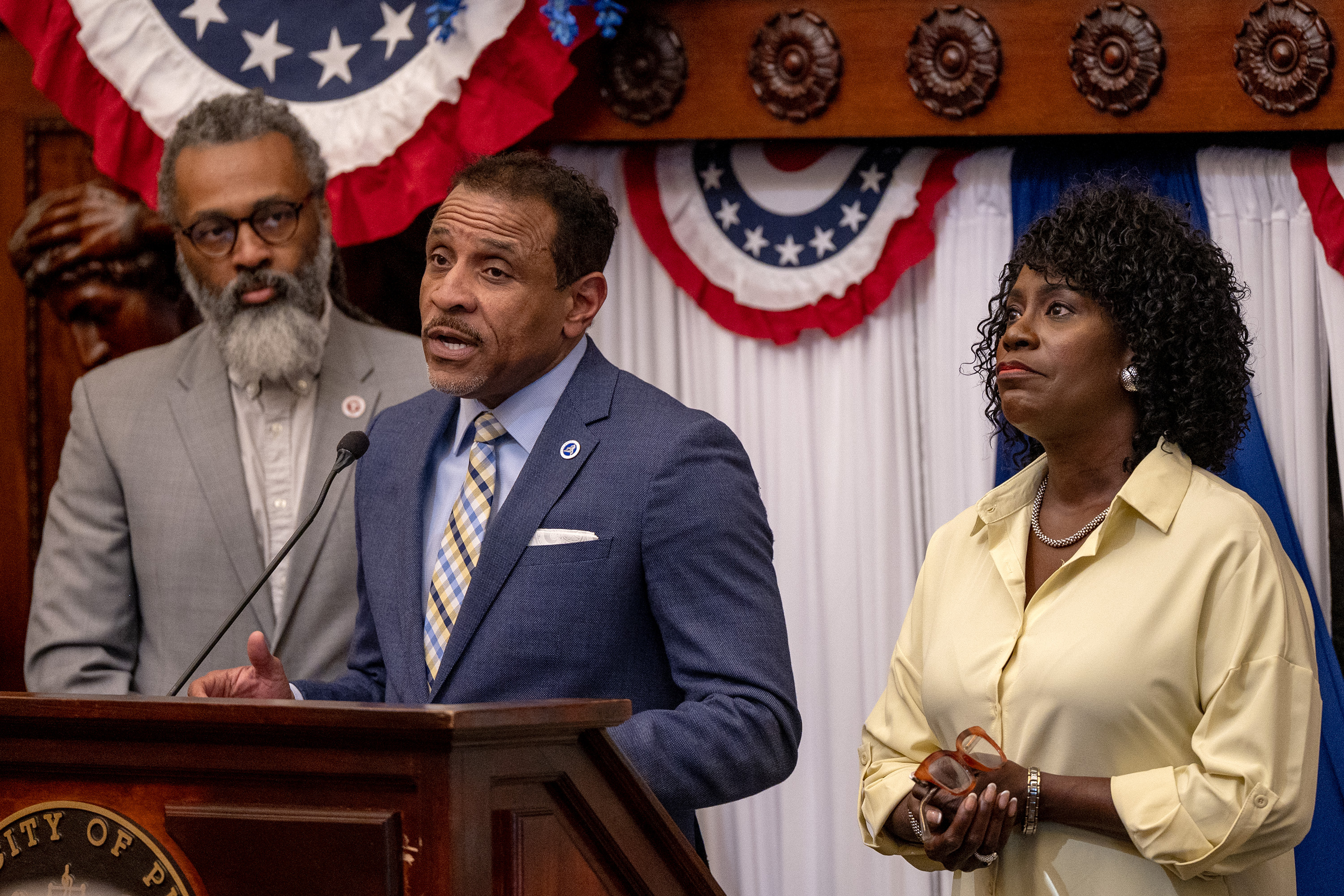
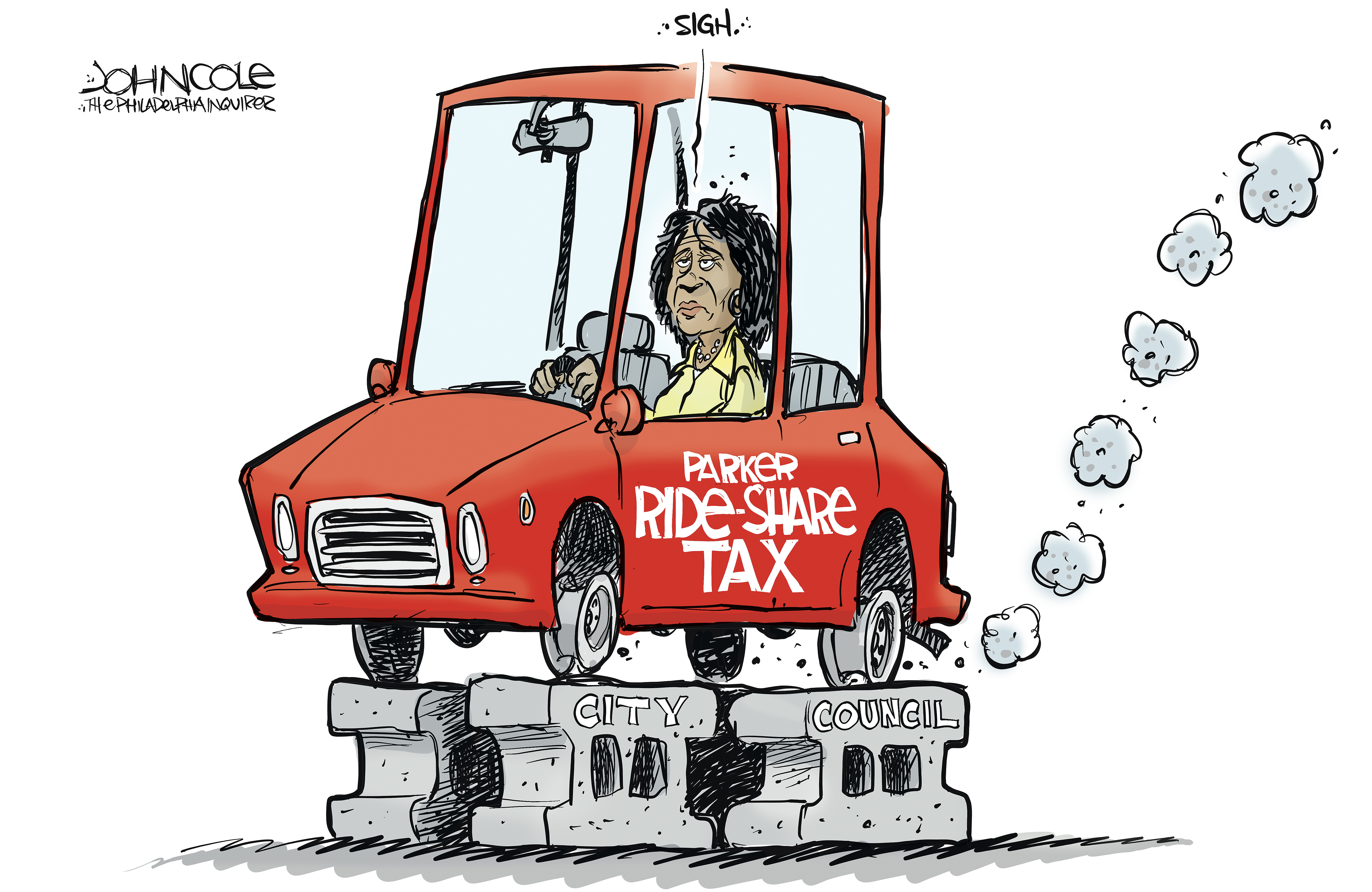
Mayor Cherelle L. Parker and members of City Council could not agree on how to bridge the Philadelphia School District’s structural budget deficit. Now, students and staff will bear the brunt of a political failure.
In some ways, the scope of the deficit seemed to catch policymakers off guard. The mayor’s initial budget proposal included a 20-cent per-trip tax on rideshare services, which then ballooned to $1 per ride. Neither figure came close to filling the $300 million hole in the district’s financial plan.
While both the mayor and City Council have strong oversight powers when it comes to school spending, neither seemed to anticipate the size of that gap — even though Superintendent Tony B. Watlington Sr. had warned of a looming fiscal crisis during the last budget season.
The ripple effects of the deficit are already clear. Principals and teachers have described this hiring season as chaotic. Some district employees whose positions are slated for elimination have begun looking for jobs in suburban school systems, many of which are facing their own budget issues.
The cuts to Philadelphia’s schools come at a time when students are making progress, although pandemic-era declines have yet to be fully reversed. According to the Education Scorecard, the school district’s “learning rate” outpaces other big cities. That could be undermined by shedding hundreds of staff positions and shuffling teachers around to fill the gaps.
Magnifying the impact of the staffing cuts is the scheduled closure of 17 schools across the city. The closure plan — which was finalized in April after a long and contentious process marked by City Council’s opposition — eroded support for the district with both residents and lawmakers. Council members did little to hide their fury over the inclusion of Paul Robeson and Lankenau High Schools on the district’s closure list, despite their efforts to preserve them.
It did not help matters that some of the mayor’s plans seemed somewhat haphazard. Closing the gap between internet retailers and their brick-and-mortar competitors through online taxes makes a lot of sense, as does taxing delivery services in order to fix potholes. But many of Parker’s other proposals were unconventional.
For example, most cities that tax rideshare services use the funds to support public transportation. That use of the revenue may feel more intuitive to taxpayers: If improved transit access allows current rideshare users to take more trips on SEPTA, they’ll save money overall. Instead, the proposal was to send money from the rideshare tax to the school district, and at a level that was still significantly below its needs.
Whatever the details, the proposed tax did not pass. In a news conference last week, Parker said there were just three votes for the plan from the 17-member council. Instead, Council members approved a one-time payment of $50 million in an attempt to forestall the district’s job cuts.
Despite the windfall, Watlington announced that the planned cuts would go through. He has spent weeks citing the need for a recurring source of revenue for the district, and the school system found itself facing the reality that a one-time payment of $50 million simply isn’t enough to stem a $300 million annual shortfall.
This episode has lessons for everyone involved.
For Parker, it is a sign that she must find a more effective way to work with Council. Mayors in Philadelphia tend to lose momentum over time, but she is still in her first term. If she’s already failing to “get to yes” with City Council over such relatively straightforward proposals, it may not bode well for the balance of her tenure.
For Council, there must be a recognition that there is more to governing than just saying no. At some point, inaction is itself a choice. Philadelphia’s students cannot afford another year of this.
The import of budget figures, particularly those large values contained within the federal budget, has become something to which we are numb, or worse, indifferent.
A $1.5 trillion request for the U.S. Department of Defense, when all government expenditures total just over $7.5 trillion, is a large number and gets the attention of Congress. But the public is systematically desensitized to expenditures in the billions, and millions barely get noticed.
This is not new; it just seems worse. “A billion here, a billion there, and pretty soon you’re talking real money” is a wry observation widelyattributed to the late U.S. Sen. Everett Dirksen in the 1960s.
An interesting thought experiment is to imagine what alternative investments could be made in place of some currently controversial choices, since budgets are not unlimited.
An arch may enhance the architecture of Washington, D.C. A ballroom might be desired to entertain dignitaries. And a weaponization fund, assuming Donald Trump does not permanently drop this proposal, and it is not ultimately deemed illegal, may serve certain matters of justice. But these expenditures should not be thought of in absolutes.
They need to be weighed against other choices that could be made. What other investments cannot be made with these dollars if they are used for these three expenditures?
At a time when the nation’s families are facing a housing crisis, and when low-income families are pressed by rising prices for the most basic necessities of life, we find it useful to consider how proposed expenditures for one initiative, if reprioritized, could positively impact our housing condition and efforts to lift people out of poverty.
Think about these three large expenditures: the Triumphal Arch, the White House ballroom, and the anti-weaponization fund. What could the funds for these three items alternatively do to enhance housing affordability or reduce poverty?
According to official federal reports of a measure called the aggregate income deficit, $1.776 billion distributed to each poor family in Alabama would bring their incomes above the poverty line. Alternatively, $1.776 billion could raise all Mississippians out of poverty, leaving almost $400 million.
In other words, the federal government pays landlords $14,400 per year on behalf of each supported renter household.
That $1.776 billion could pay rent to landlords for an additional 25,000 families each year for five years. Those families would not have to decide between clothes for their children, medication, food, transportation, or housing for five years into the future.
What about $400 million for a White House ballroom? Those dollars could support almost 28,000 additional renters this year.
Alternatively, that $400 million deployed in the state of Alaska could bring every low-income Alaskan out of poverty for three years, North Dakota for 11 years, or Delaware for nearly two years.
In Philadelphia, there is a $10,000 grant for first-time homebuyers. Recipients will be able to live in a home they own, providing shelter and stability for their families and an opportunity to accumulate wealth for themselves and future generations. That $400 million could help 40,000 Philadelphia families become first-time homeowners. In place of the arch, $100 million would support 10,000 more families.
Given that budgets are finite, a decision to spend money on one thing represents a choice about what you value, and importantly, those items on which you cannot invest. Sen. Dirksen would probably be shocked at some of the decisions currently being made by some of our elected officials. All of us should be.
Ira Goldstein is a member of the National Housing Crisis Task Force and a lecturer at the University of Pennsylvania in the urban studies program. Gregory D. Squires is a research professor and professor emeritus of sociology at George Washington University and a member of the advisory committee to the Philadelphia Home Appraisal Equity Program.
It’s graduation season in Philadelphia and across the country. But before the caps fly and diplomas are handed out, there’s another moment that reveals just as much about who our young people are becoming: prom.
Nobody does prom like Philadelphia.
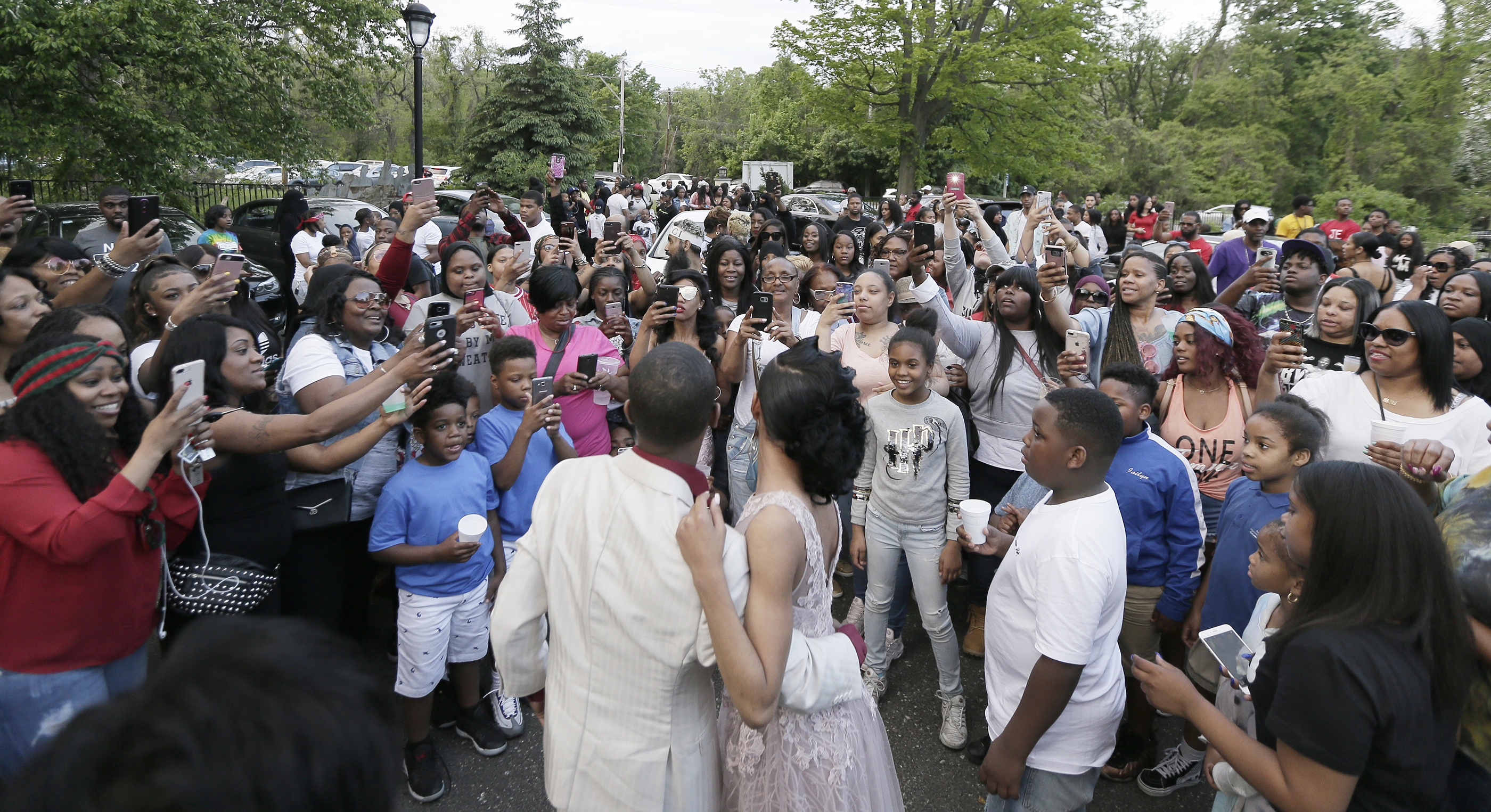
Here, prom isn’t just a dance. It’s a declaration. Send-offs spill onto stoops and sidewalks as families, neighbors, and whole blocks gather to celebrate.
Polished cars, bold outfits, unforgettable entrances — it’s Philly style and excellence on full display.
In this photo from 2018, Saajid Barlow and Nydiyra Bryant Giles stop briefly to pose for photos as they arrive for their prom send-off at the Belmont Mansion in Philadelphia.Elizabeth Robertson / Staff Photographer
But it’s also a moment to pause and celebrate what students have accomplished as we send them toward graduation with pride.
Last month, my son stepped off our porch in a black embroidered Chinese-cut tuxedo he designed himself. Watching him walk into that moment, confident in who he is, reminded me of something powerful: Our young people already know how to show up boldly. They just need to carry that energy into what comes next.
Because graduation is not just a milestone, it is a transition into a world that will not always feel as affirming as that sidewalk send-off.
It has been a while since I have given a commencement speech, but I do have a message for this year’s graduates:
The world you are entering will not always celebrate your arrival, recognize your brilliance, or make room for your voice.
That means you will have to do what you did on prom night: show up anyway.
Show up boldly in rooms where you are not expected. Show up creatively when there is no clear path. Show up as yourself, even when it would be easier to shrink.
Carry that same confidence into every room you enter — whether it is a college classroom, a first job, a new city, or the community that raised you. Some of you will build your futures right here in Philadelphia.
Others will carry Philadelphia with you into new cities, new campuses, new workplaces, and new communities. Wherever you go, bring the creativity, grit, compassion, and presence this city has already helped shape in you.
And for those who stay, Philadelphia needs that energy now more than ever. We need your ideas, your leadership, your care for your neighbors, and your willingness to help build the city’s next chapter.
We need that Philly energy.
I know that energy matters because I carried it to the state Capitol when I served our city as a state representative, and I carry it now in my work to end homelessness as president and CEO of Project HOME. Every day, I walk into rooms where the stakes are high and the challenges are real, and I am reminded that leadership requires the same presence, courage, and authenticity our young people show on prom night.
It takes vision when the path is uncertain, confidence when the work is hard, and the boldness to believe we can solve homelessness in our lifetime.
Philadelphia’s prom culture teaches our youth not to wait to be seen, not to wait to lead. Instead, step forward and let the world catch up.
Leadership is not about position. It is about participation, initiative, and showing up even while you are still figuring things out.
It is about caring enough to act and using whatever platform you have, no matter how small it may seem, to make a difference.
And like those prom send-offs, none of this happens alone.
Behind every graduate is a supportive network of families, teachers, mentors, and neighbors who showed up, sacrificed, and believed in you long before this moment. That support does not disappear. It becomes something you carry with you, and something you are called to extend to others.
That is how we build stronger communities, here in Philadelphia, or wherever your path takes you.
So to the Class of 2026: Celebrate this moment. You earned it.
But do not leave that prom energy behind.
Donna Bullock is the president and CEO of Project HOME.
Brent Hershey argues in a recent op-ed that a bipartisan farm bill provision that has passed the House of Representatives would undermine Pennsylvania farmers, threaten animal health protections, and destroy markets producers have spent years building. Those are serious claims. They deserve careful examination.
The provision under debate does not prevent Pennsylvania from regulating farms within Pennsylvania. It does not affect the state’s authority to manage livestock disease, conduct inspections, or respond to outbreaks. Claims that it somehow jeopardizes protections against avian influenza, bovine tuberculosis, or chronic wasting disease simply are not what Congress is considering.
Hershey also argues that Pennsylvania farmers invested to meet California’s standards and now earn premiums from those markets. Even if true, a business opportunity created by California’s policy does not answer the question now before Congress.
The actual issue is whether one state may impose farming production requirements on farms located in other states as a condition of market access.
Reasonable people can disagree about animal housing standards — and on this issue, the American Veterinary Medical Association does not support California’s arbitrary and unscientific approach that it says provides no demonstrable advantage for animals. What should not be in dispute is the question being debated.
That question is where state authority ends, and interstate commerce begins. It deserves to be characterized accurately and debated on those terms.
Andy Curliss, chairman, Carver Center for Agriculture and Nutrition, Des Moines, Iowa
. . .
California’s Proposition 12 is driving up food costs across the country by imposing mandates on pork and egg farmers. Prop 12 prohibits farmers from selling pork and eggs in California unless they make expensive and arbitrary changes to their operations, driving up costs for all consumers, not just Californians.
Prop 12 is opposed by major veterinary and farm organizations. If it’s allowed to stand, it will set the stage for more overreaching state laws that drive up the cost of meat and reduce consumer choice at the supermarket.
So why does pork farmer Brent Hershey approve of the law? Because he happens to already be California-compliant — meaning the law drives up the costs of other farmers who compete with him. It’s a cynical and selfish position.
Congress should pass a fix in the Farm Bill that keeps state laws within state borders. California should not be allowed to impose costly regulations on farmers in other states. A federal fix will help consumers and farmers by preventing these hidden food taxes from taking hold in more states.
Will Coggin, research director, Center for the Environment and Welfare
Delaney Hall protests
As a child of the ‘60s and a frequent protester, I disagree completely with Will Bunch’s critique of New Jersey Gov. Mikie Sherrill’s handling of the demonstrations at the Delaney Hall immigrant detention center. Any kind of protest by the left instantly becomes fodder for Rupert Murdoch’s conservative news agencies, which spin video images into “lawlessness and anti-Americanism.” I’m sure the governor was torn as to how to handle this situation, and — as much as I admire the protesters — I also see them becoming fodder for a future campaign commercial for the party that spouts “law and order” in every other sentence. You may accuse Sherrill of being too harsh, but she is keeping the Delaney Hall protesters from being the lead story on right-wing television.
Gerard Iannelli,Haddon Heights
Cruel Medicaid requirements
Reading a recent article about stricter rules for Medicaid work requirements, my stomach curdled. The cruelty of Trump’s administration has reached a new high. The preamble to the Constitution states: “We the people of the United States, in order to form a more perfect union, establish justice, provide for the common defense, promote the general welfare …”
Healthcare is “general welfare.” Yet now, people working at minimum wage jobs 20 hours per week would have great difficulty obtaining and submitting proof of employment to keep their Medicaid. People with terminal kidney disease and cancer will have to prove their inability to work 20 hours a week to keep their Medicaid.
Where’s the outrage? Let heartless legislators and policymakers know this is unacceptable.
Mardys Leeper, Bryn Mawr
Teen employment challenges
Many adults encourage teenagers to get jobs to build responsibility, gain experience, and prepare for the future. However, what is often overlooked is how difficult it can actually be for teenagers to find and maintain employment while balancing school, family responsibilities, and transportation limitations.
As a high school student, I have seen firsthand how challenging it is to manage academics, extracurricular activities, and responsibilities at home while also trying to enter the workforce. Many teenagers are eager to work, but employers often want experience that young people have not yet had the opportunity to gain. In some cases, limited transportation and restricted work hours for minors create even more barriers.
Teen employment is important because it teaches communication, time management, independence, and financial responsibility. Yet, many teenagers are caught in a cycle in which they are told they need experience to succeed, while struggling to find opportunities that allow them to gain that experience in the first place.
Communities and employers should recognize the value that motivated young workers bring. Offering more flexible scheduling, entry-level opportunities, and support for teen workers would benefit both businesses and young people preparing for adulthood.
Deanna Giorgio,Ardmore
Gracious in defeat
As a college Hall of Fame athlete and U.S. national team coach, I was taught from an early age that competition carries responsibilities beyond simply winning. One of the most important lessons was that when you lose, you shake your opponent’s hand, accept the result with dignity, and work harder to “get them next time.”
That is one reason I could never again support Donald Trump after the events surrounding Jan. 6, 2021. Disputing election procedures through lawful courts is one thing. But continuing to encourage the belief that the election was illegitimate after repeated court losses, and then watching the U.S. Capitol being attacked during the certification process, crossed a line for me.
Now, discussions about compensating some individuals with taxpayer dollars who were convicted in connection with the Capitol riot only deepen that concern. As a Republican, I have always believed our party stood for law and order, personal responsibility, and respect for police officers and constitutional institutions. Rewarding people involved in that event feels inconsistent with those values.
Reasonable Republicans can disagree on taxes, immigration, spending, or foreign policy. But sports taught many of us that character is revealed most clearly in defeat. Leaders, like athletes, are ultimately judged not only by how they win, but by how they lose.
Thomas E. Feaster, Tampa, Fla.
Join the conversation: Send letters to letters@inquirer.com. Limit length to 150 words and include home address and day and evening phone number. Letters run in The Inquirer six days a week on the editorial pages and online.