Category: Opinion

  • Trump’s Supreme Court is still helping him try to steal elections | Editorial

    Trump’s Supreme Court is still helping him try to steal elections | Editorial

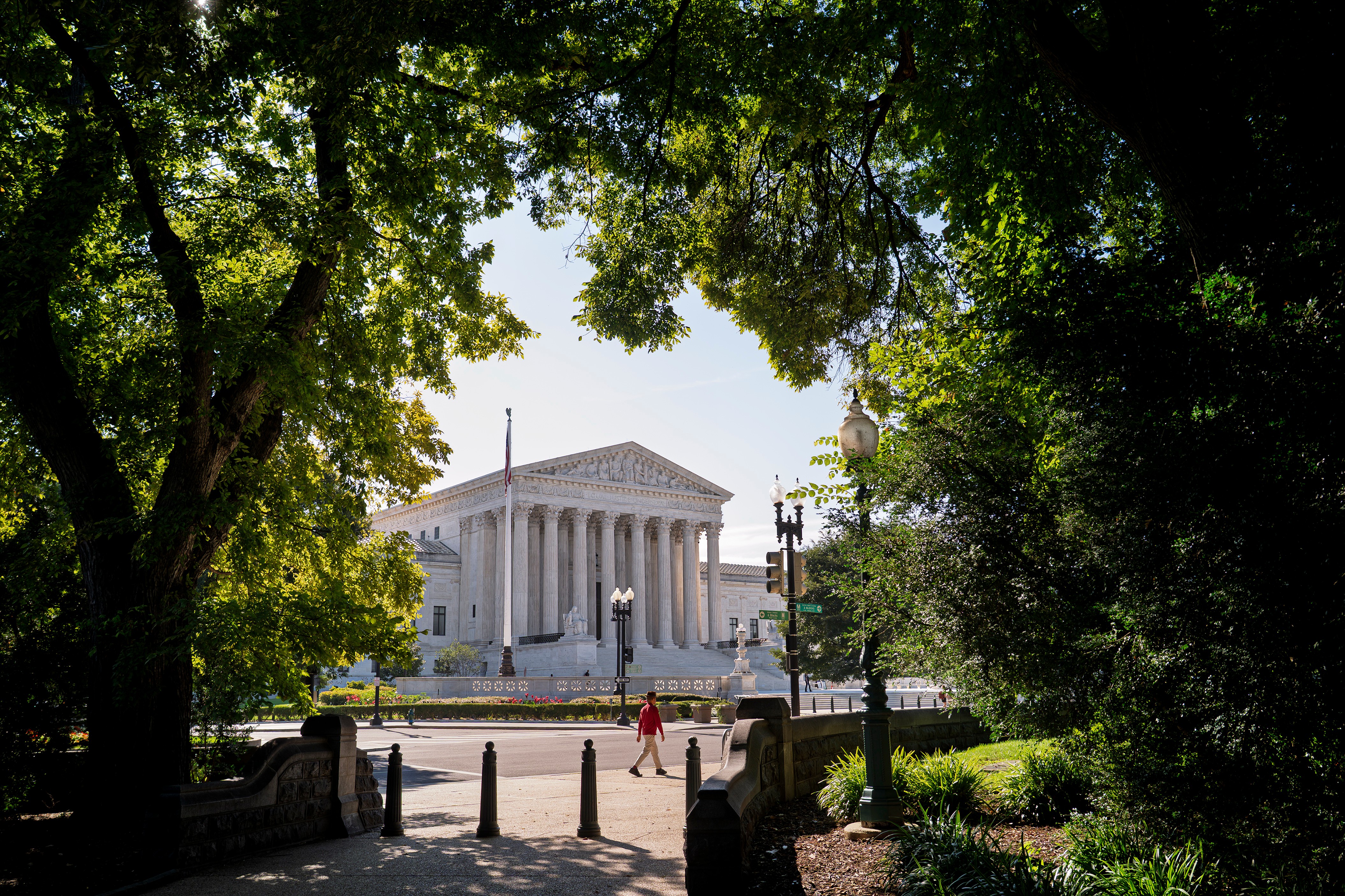
    The U.S. Supreme Court, as one of its members recently noted, has held that judges “are not required to exhibit a naiveté from which ordinary citizens are free.” And yet, that is precisely what its conservative justices just did.

    Considering one of Donald Trump’s latest attempts to illegally suppress votes, the court’s Republican-appointed majority was — or pretended to be — so naive as to fail to notice the president’s plain intent.

    At issue was Trump’s March order directing the U.S. Postal Service to restrict mailed ballots by delivering only those sent by “confirmed” citizens listed by the U.S. Department of Homeland Security.

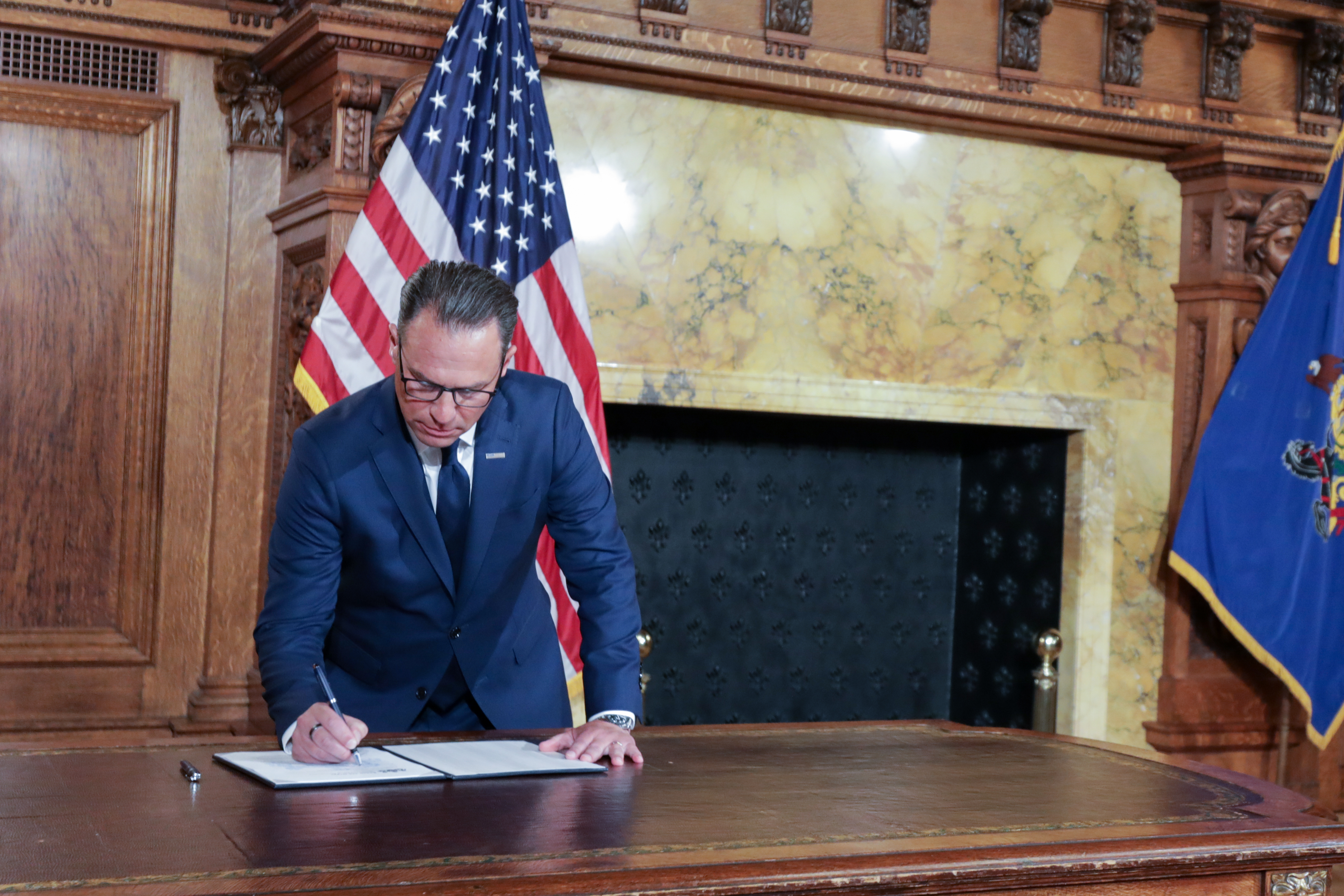
    The court allowed the government to proceed with this plot on the grounds that it wasn’t fully hatched. Because postal and other officials hadn’t yet developed a full-fledged plan to meddle with the election, the justices reasoned, it was too soon for Gov. Josh Shapiro and 22 other state officials to sue to stop them.

    The ruling came, by the way, with just over two months left until the midterm elections, and some mail-in ballots expected to be sent to voters in less than a week.

    It doesn’t take half a dozen elite jurists poring over this set of facts to understand what’s going on.

    It isn’t genuine presidential concern about a means of voting that Americans have practiced since the Civil War and even beforehand — Pennsylvania pioneered military absentee ballots in the War of 1812 — and which Trump used as recently as this month, when he cast his ballot by mail in Florida.

    Rather, the president is trying to head off a well-earned midterm shellacking of his fellow Republicans in Congress any way he can other than by actually persuading Americans to vote for them. He has already pushed unprecedented partisan gerrymandering, lobbied for legislation to make voting harder, and after his 2020 defeat, attempted to overturn results with fraud and violence. The Supreme Court helped him get away with that, too.

    But it’s not impossible for a federal judge to dispense with a state-sponsored attack on democracy swiftly, decisively, and appropriately. We know that because it’s what happened when U.S. District Judge Indira Talwani ruled on Trump’s mail heist in June.

    The Boston-based judge blocked the president’s executive order until after the midterms in light of the elections’ imminence and because, as she succinctly put it, “The Constitution does not grant the President any specific powers over elections.” As Talwani pointed out, the founding document delegates authority over elections to Congress and the states, neither of which ever asked a post office to take over for them.

    The judge is not an outlier here: The First U.S. Circuit Court of Appeals upheld her decision in July, noting that the administration hadn’t even argued that Trump’s order was legal, only that it was too soon to consider it. The appellate court added that the states, given the approach of elections they play a substantial role in running, had “no practical choice but to respond” to the executive order when they did.

    It’s not impossible for a member of the Supreme Court to recognize reality when she sees it, either. In dissenting from the majority, Justice Ketanji Brown Jackson wrote that “what makes today’s ruling so off-base is the Court’s lack of situational awareness.” She added that her colleagues overlooked the administration’s “actual objective: to secure our imprimatur for its effort to foment chaos ahead of the November elections.”

    As unstinting as Jackson’s dissent is, her attribution of the majority’s decision to obliviousness is charitable. The problem is less likely that the Republican appointees don’t know what Trump is up to than that they don’t care.

    While the court’s ruling isn’t close to the end of the legal challenges to Trump’s scheme — another lawsuit was filed Wednesday in response to the Postal Service’s newly finished plan to lose our votes in the mail — it does perpetuate unnecessary confusion over a popular means of participating in a crucial election. Even if the president is never permitted to block ballots outright, bewildering the people who cast them will serve his purposes just fine.

    In an age of official disinformation and artificial intelligence, the country could use some clarity. Fortunately, we have a Constitution that provides a crystalline degree thereof on the subject of authority over elections. Unfortunately, we have a Supreme Court that refuses to acknowledge the obvious.
  • The sheriff’s office doesn’t need a babysitter; it needs to be abolished | Shackamaxon

    The sheriff’s office doesn’t need a babysitter; it needs to be abolished | Shackamaxon

    This week’s edition of Shackamaxon covers data centers, property assessments, and more woes at the Philadelphia Sheriff’s Office.

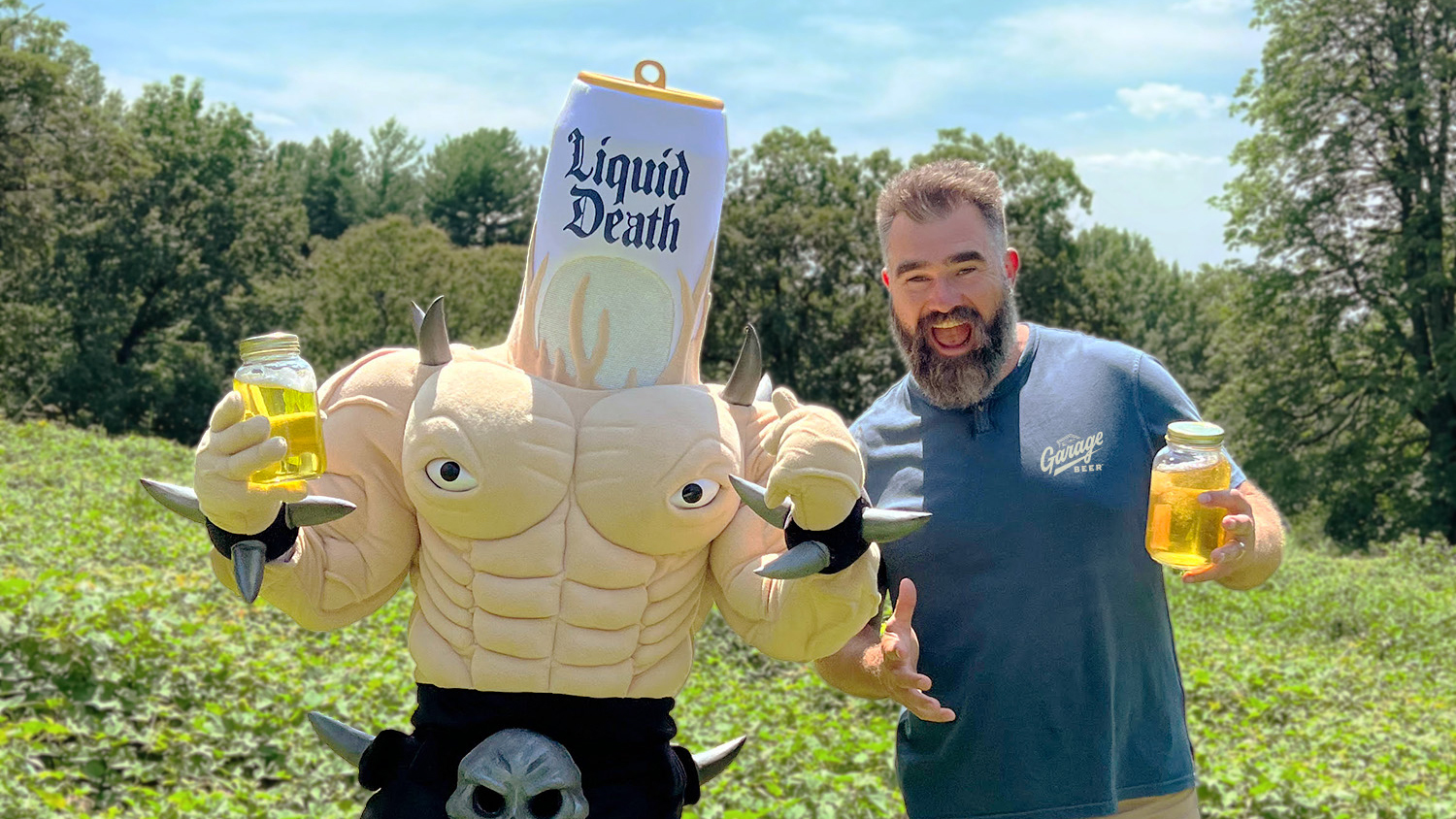
    Jason Kelce with Liquid Death mascot Murder Man in an ad for the canned water and Garage Beer.Garage Beer

    Sports data center

    Former Eagles offensive lineman Jason Kelce seems to be more omnipresent in retirement than he was during his career. Most recently, he filmed a commercial for Garage Beer and Liquid Death that asked Americans to send him their urine to supply data centers.

    While conjuring a negative image of yellow liquid in a cup is probably an unwise strategy for someone who co-owns a light beer company, Kelce’s commercial had another major problem — data centers don’t actually use as much water as public perception suggests.

    In fact, the biggest threat to U.S. water supplies is something far more mundane: alfalfa farming.

    Across the arid Western states, farmers are using vast amounts of water to irrigate their fields, which are then used to feed cows for the beef industry. A single acre of alfalfa uses 1.6 million to 2.5 million gallons of water. In Utah, feed farming uses over half the state’s water supply. Meanwhile, the data centers themselves increasingly rely on closed-loop systems. The water used as coolant gets purified and reused, reducing their own need.

    The confusion over water use is emblematic of the general debate over the centers, which is rife with hard-to-vet claims. And shifting public opinion has left politicians in both parties flat-footed and scrambling to react.

    Gov. Josh Shapiro, the ever-Ambitious Abingtonian, issued his own response to the situation. Much of what Shapiro said is reasonable. He wants tech companies to pay for their own power and contribute to community benefits agreements, and to respect the Pennsylvania Constitution’s guarantee of clean air and pure water. Some of it is less sensible, specifically his commitment to local control.

    Local control sounds great in theory: Why shouldn’t communities have the final say over how they are developed? In practice, however, it is shortsighted. There are two reasons for this.

    One, the impact of data centers is regional, not local. If opponents are correct about the impact on water and electricity bills, this impact will exist no matter where the centers operate. Given the PJM grid Pennsylvanians rely on spans multiple states, there is no plausible pathway for local communities to insulate themselves from rising energy demand by blocking data center proposals.

    Two, not every community can afford to say no. Take the bankrupt city of Chester, for example. From its efforts to sell the Chester Water Authority to its role as host for the Reworld Trash Incinerator, financial considerations already play a big role in that city’s policymaking. By handing control to local authorities, the governor is ensuring cities like Chester will disproportionately play host to data centers.

    For those who believe they will have a strong negative impact on quality of life, how is that possibly fair?

    Instead, what is needed is federal, regional, or at least statewide coordination.

    The 1700 block of North Newkirk Street on Aug. 20. On this block in Strawberry Mansion, some homeowners saw their property assessments double.Monica Herndon / Staff Photographer

    Fair value

    Over in Allegheny County, home to Pittsburgh and many of its suburbs, the courts have ordered local officials to begin a full property reassessment, which must be completed by 2032. Pennsylvania is unique in not requiring regular reassessment.

    Pittsburgh’s values were last set in 2012, but more than a third of the state’s counties haven’t been reassessed since the 20th century. This leads to wildly out-of-whack and unfair tax bills for some residents.

    Of course, Philadelphians can tell you that regular reassessment is not a panacea for discontent. The city’s most recent valuations have set off a firestorm of consternation, especially given how many lower-income areas saw big increases. It doesn’t help matters that the neighborhoods Cherelle L. Parker used to represent on City Council, and powered her election as mayor, saw some of the smallest boosts in valuation.

    As tempting a story as the mayor favoring her core supporters while squeezing the city’s poorest neighborhoods may be, that is not an accurate assessment.

    Given the massive decrease in shootings and consistent efforts to clean and green the city, it is not surprising to see increased demand for neighborhoods like Kensington, Grays Ferry, and Fairhill. While there is still a long way to go on public safety, higher valuations are a sign of progress.

    It also should remind Council members that their theory that development drives property appreciation is faulty. Many of the neighborhoods with higher appreciation have seen little to no new development. In Northern Liberties/Fishtown, one of the city’s hot spots for new construction, values increased by just 1.7%.

    Additionally, the city has a powerful tool for protecting low-income homeowners: the homestead exemption. While the city’s stated property tax rate is 0.013998, owner-occupants pay a much lower rate. For a home valued at the city’s median of $260,000, the total tax bill is $2,239.68, or 0.008614. In Fairhill, where the median home value is $80,000, the homestead exemption eliminates the total tax liability for many residents. Boosting the exemption from $100,000 to $110,000 or $120,000 would ensure more low-income homeowners are protected from rising tax bills.

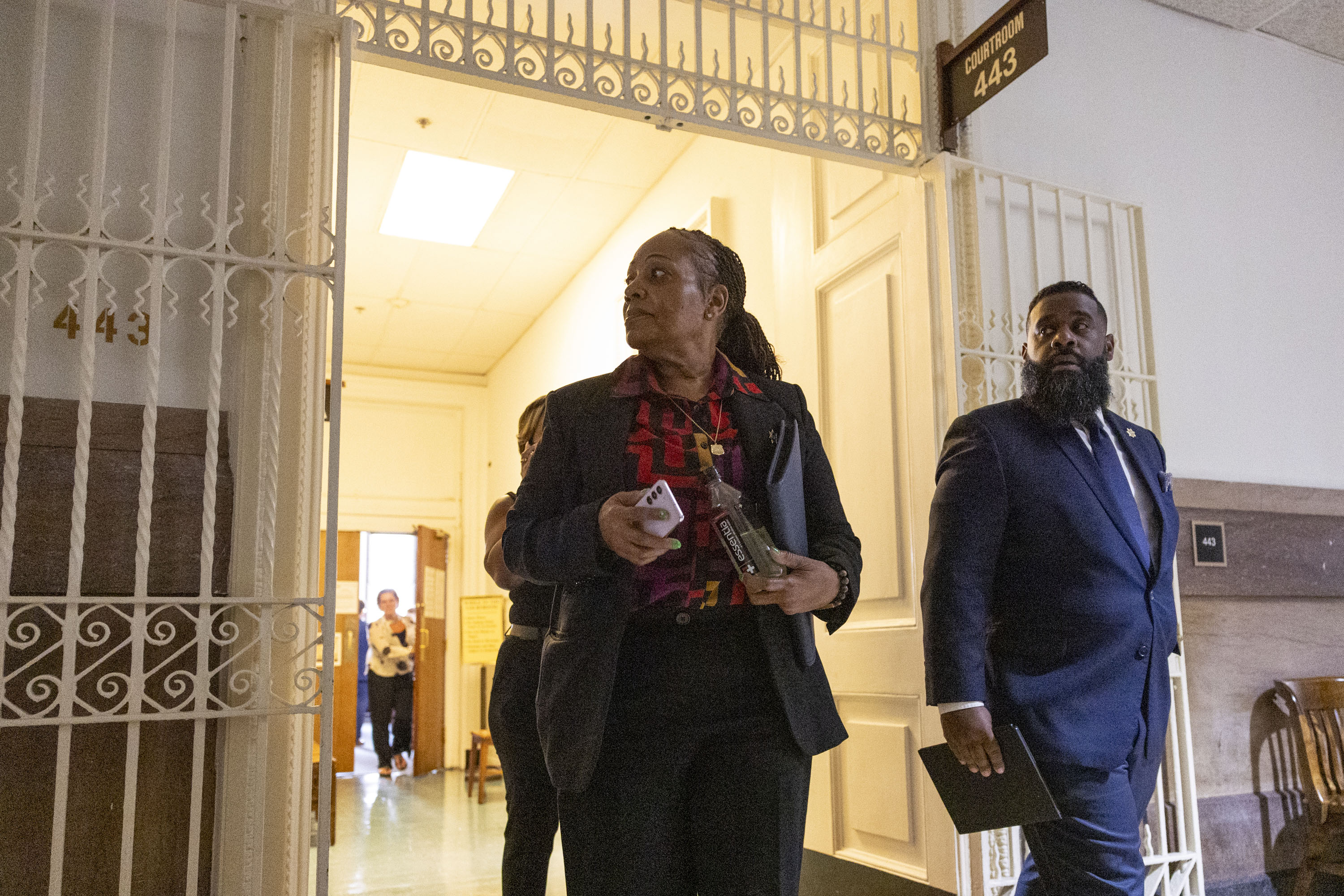
    Sheriff Rochelle Bilal is seen exiting a courtroom at City Hall on Wednesday.Tyger Williams / Staff Photographer

    Bilal’s babysitter

    Mayor Parker wouldn’t do it. City Council wouldn’t, either. Accountability for the Philadelphia Sheriff’s Office instead came from Common Pleas Court Judge Paula A. Patrick.

    After listening to a list of excuses and promises, it was clear Patrick had her fill of incompetence. The beleaguered department, which had been ordered to produce a specific set of documents months ago, suddenly released thousands of pages the night before the hearing.

    Instead of putting officials before the court with direct knowledge of why a backlog in processing property deeds began, Sheriff Rochelle Bilal instead sent Steven Wakefield, a deputy undersheriff who was hired just two months ago. Wakefield was tasked with testifying about past events he was not privy to, despite repeated warnings from the judge.

    As for Bilal herself, she claims to have “limited personal knowledge of the underlying facts.”

    Issuing deeds is one of the core functions of her job, but apparently the sheriff had no idea what was going on. Instead, Wakefield tried to scapegoat a former employee named Melissa Simpson, who had apparently been handling the entire process on her own without oversight from anyone.

    This testimony led to an agreement in which Bilal will have to identify someone to oversee deed sales for six months. A babysitter, essentially.

    While it is good to see someone holding the sheriff accountable for once, a temporary babysitter is only a partial solution. The office should be abolished.

    Sadly, that seems unlikely. Bilal may struggle to perform her day job, but she has thrived at building up political allies. She has been invited to news conferences by District Attorney Larry Krasner, remains a political player after her years running the Guardian Civic League, and faces next to no criticism from City Council. She was even honored by the Phillies as a “hometown hero.”

    Troublingly, Bilal does not even seem to have an opponent in next year’s elections, despite the continued public mismanagement of her office. That, at least, should change.

    Perhaps the Ambitious Abingtonian can find a Perspicacious Philadelphian willing to take on the challenge of replacing Bilal.

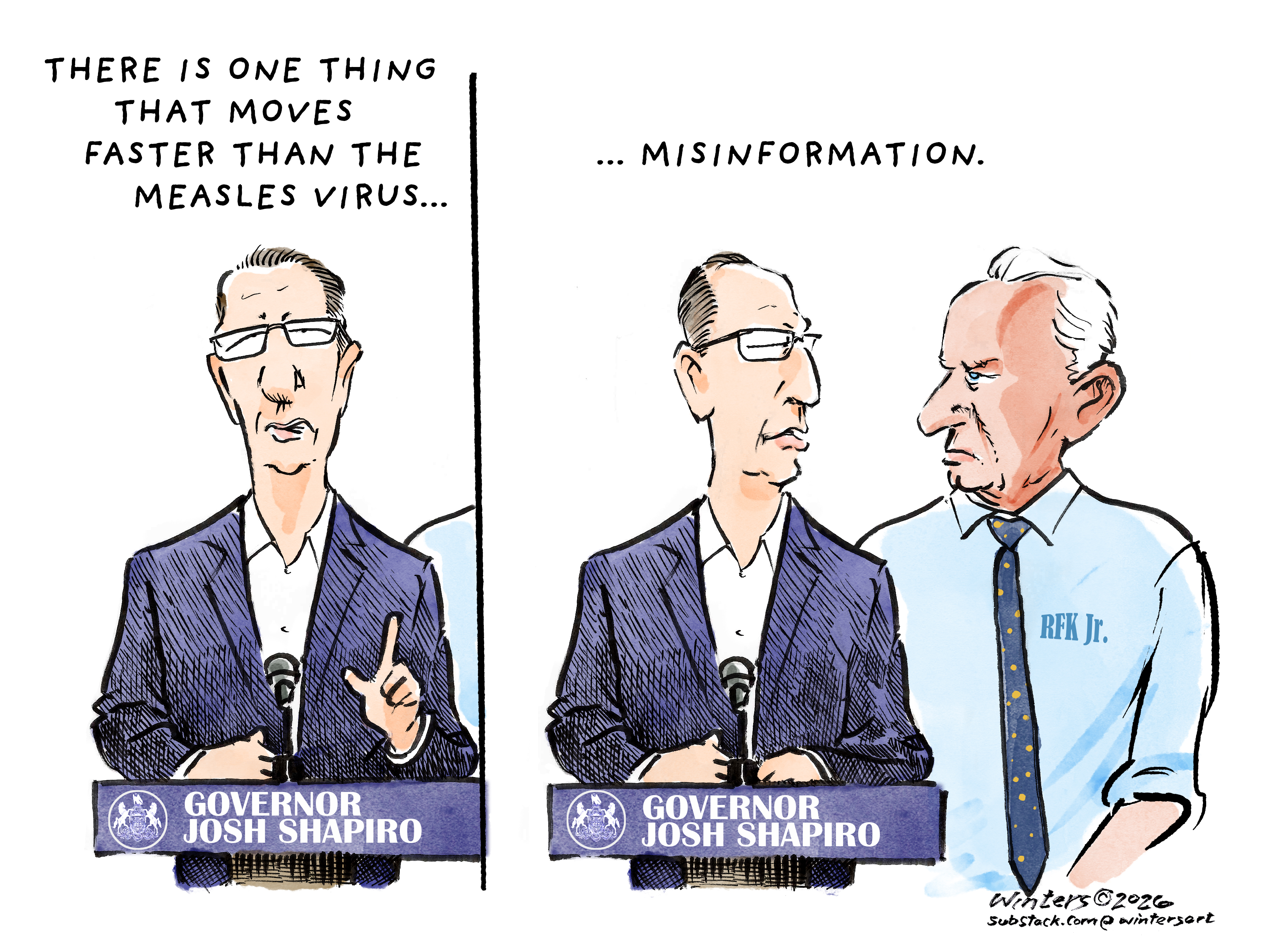
  • The real contagion | Editorial Cartoon

    Andy Winters is a freelance illustrator and editorial cartoonist focused on current events in Pennsylvania.

  • Letters to the Editor | Aug. 28, 2026

    Letters to the Editor | Aug. 28, 2026

    Bright future

    A recent article described how a former dump site in Voorhees is now going to become a site for a community solar project on land unsuitable for other buildings. When complete, it will power about 4,000 households who cannot otherwise access solar power. It will join the current roster of 209 community solar projects now running in New Jersey, with more than 51,000 households subscribed, with a current capacity of 291 megawatts. There are now 392 more projects in development or under construction. The law in New Jersey for community solar requires that at least 51% goes to low- and moderate-income households. There has been a bill in Pennsylvania’s General Assembly, HB 504, which has passed the House, but the Republican majority in the Senate refuses to bring it to a vote. Pennsylvania is so much larger geographically than New Jersey. Imagine if we had community solar in Pennsylvania; how many homes could be served here?

    Peter Handler, Philadelphia

    Don’t blame AI

    A Russian drone guided by artificial intelligence has killed three civilians at a gas station in Ukraine, but the blame for their deaths still belongs to the humans who launched the drone. The endless wars in the Mideast and the pointless war in Ukraine are current chapters in a book as old as humanity itself. AI may make mistakes in wars, but humans start them in the first place.

    Allen N. Smith, Philadelphia

    Join the conversation: Send letters to letters@inquirer.com. Limit length to 150 words and include home address and day and evening phone number. Letters run in The Inquirer six days a week on the editorial pages and online.

  • Trump’s tariffs prove even Canada can’t afford to be nice to the United States anymore | Editorial

    Trump’s tariffs prove even Canada can’t afford to be nice to the United States anymore | Editorial

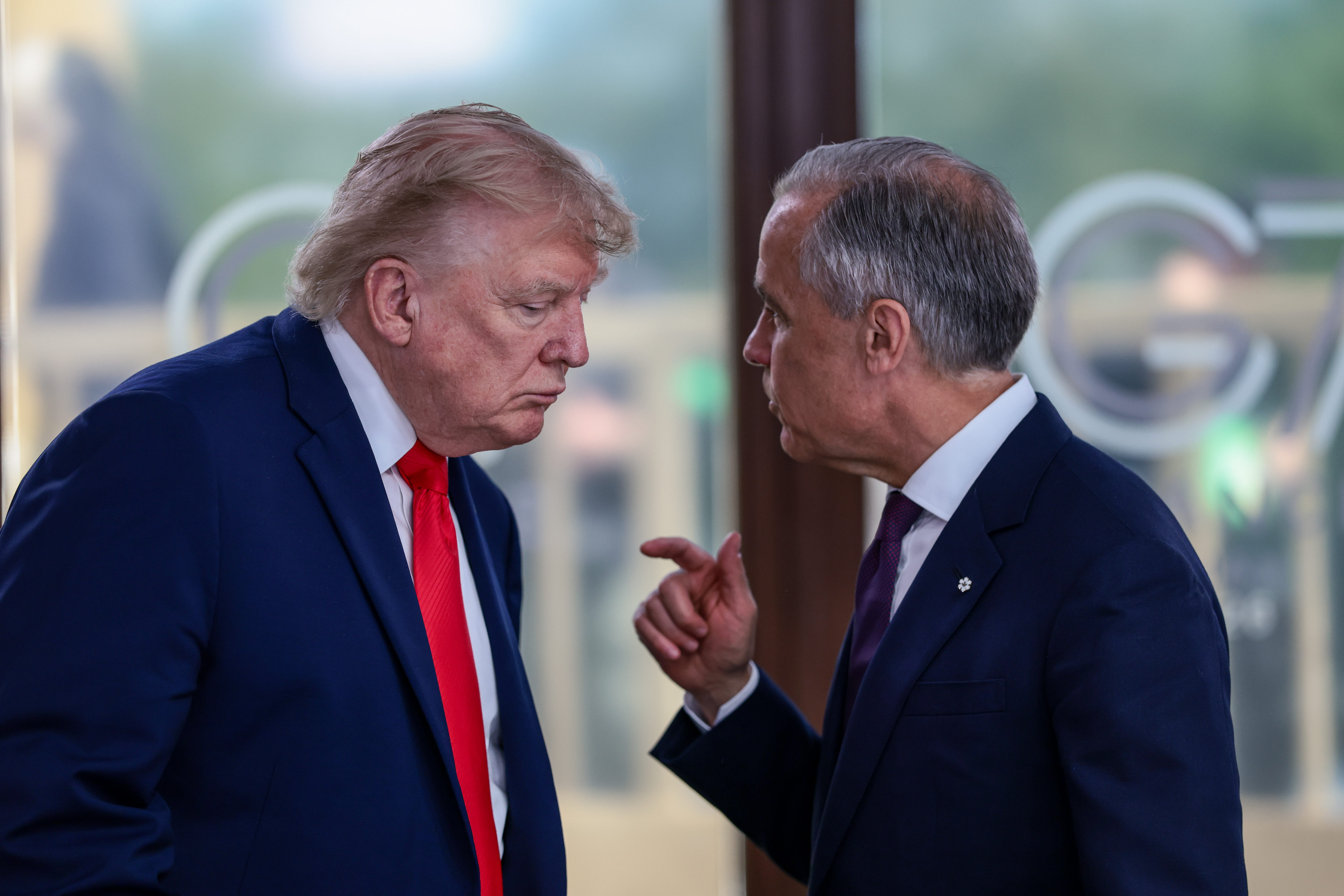
    It fell to Canada, a country famous for friendliness, to demonstrate the limits of an age-old friendship with the United States. After a decade of dealing politely with President Donald Trump’s manic ricocheting between trade agreements and trade warfare, supplies of northern niceness are sorely depleted, and rightly so.

    Prime Minister Mark Carney’s defiance in the face of his neighbor’s unprovoked bullying should inspire other traditional American allies to abandon appeasement and stand up for their values, the only response to Trump that has ever been effective.

    Negotiations to avert the president’s latest threat to impose punishing tariffs against one of our largest trading partners broke down last week after Canadian officials withdrew from the talks. Already contending with an untrustworthy U.S. government whose “signature is written in pencil,” as Carney put it, Canada appears to have been pushed too far by inconsistency within the Trump administration and demands that infringed on its sovereignty and identity.

    American officials reportedly tried to dictate restrictions on Ottawa’s trade relations with other countries and limit requirements to comply with Canada’s official recognition of French as well as English, one of its most sensitive domestic political issues. Carney instead opted to “hit back” against Trump’s 50% taxes on Canadian whiskey, plywood, and other goods with levies on American dairy, steel, and appliances, among other exports.

    So has Trump managed to end more than a century and a half of peaceful trade relations in favor of costly and counterproductive trade hostilities? “You’re at war when you’re attacked,” Carney said last weekend, “and we got attacked.”

    It’s a preposterous turn of events by any rational analysis.

    Having endlessly demagogued the North American Free Trade Agreement (NAFTA), Trump renegotiated and rebranded it in his first administration as the United States-Mexico-Canada Agreement, which he declared “the largest, fairest trade agreement ever achieved.” Having never been particularly hung up on consistency or coherence, he proceeded to violate his own NAFTA 2.0 soon after returning to the White House, threatening Canada with tariffs over fentanyl smuggling, wildfire smoke, and other nonsensical grievances. He imposed the latest import taxes after Canada had the temerity to retaliate against U.S. tariffs levied last year.

    Trump’s repeat economic assaults on the Great White North are at least partly a manifestation of his antiquated authoritarian obsession with territorial expansion. He has menaced Canada with annexation, griping during the latest standoff that it can’t enjoy the free trade benefits a U.S. state does while refusing American dominion. As is typical of his blinkered ideology, this completely misses the reality that the two countries’ more than $700 billion trade relationship is by definition mutually beneficial, a basic economic principle he seems incapable of grasping.

    Carney, by contrast, has been more perceptive than most world leaders. While other longtime allies have tried to preserve good relations through submission, the Canadian prime minister understood that those alliances have effectively ended.

    In January, he noted that the world is “in the midst of a rupture, not a transition,” one that his and other less powerful countries must recognize and adapt to. His insight was probably informed by the circumstances of his own election, which Trump inadvertently assured by angering Canadian voters, causing a surge of support for a liberal expected to be less friendly to the president. Carney continues to give his outraged public what it wants.

    The ensuing standoff could make Canadians’ lives more difficult, but it will also hurt Americans already weary of tariff-fueled inflation, which is the opposite of what Trump’s campaign promised. Given the potential repercussions for the midterm elections, the president could soon face more opposition not just from Canada’s government, but also from ours.

  • Why we need vaccines

    Why we need vaccines

    Imagine you are a general about to go to war. The enemies are known to be fierce fighters. Would you rather have three soldiers on your side or 300,000?

    Let’s personalize it. You are the general of your body under attack by a new flesh-eating bacterium. Would you rather have three antibodies on your side or 300,000 antibodies? Survival or death? Pretty easy choice.

    There is a lot of misunderstanding surrounding vaccines, but their greatest value is in creating the antibodies to fight off initial infections.

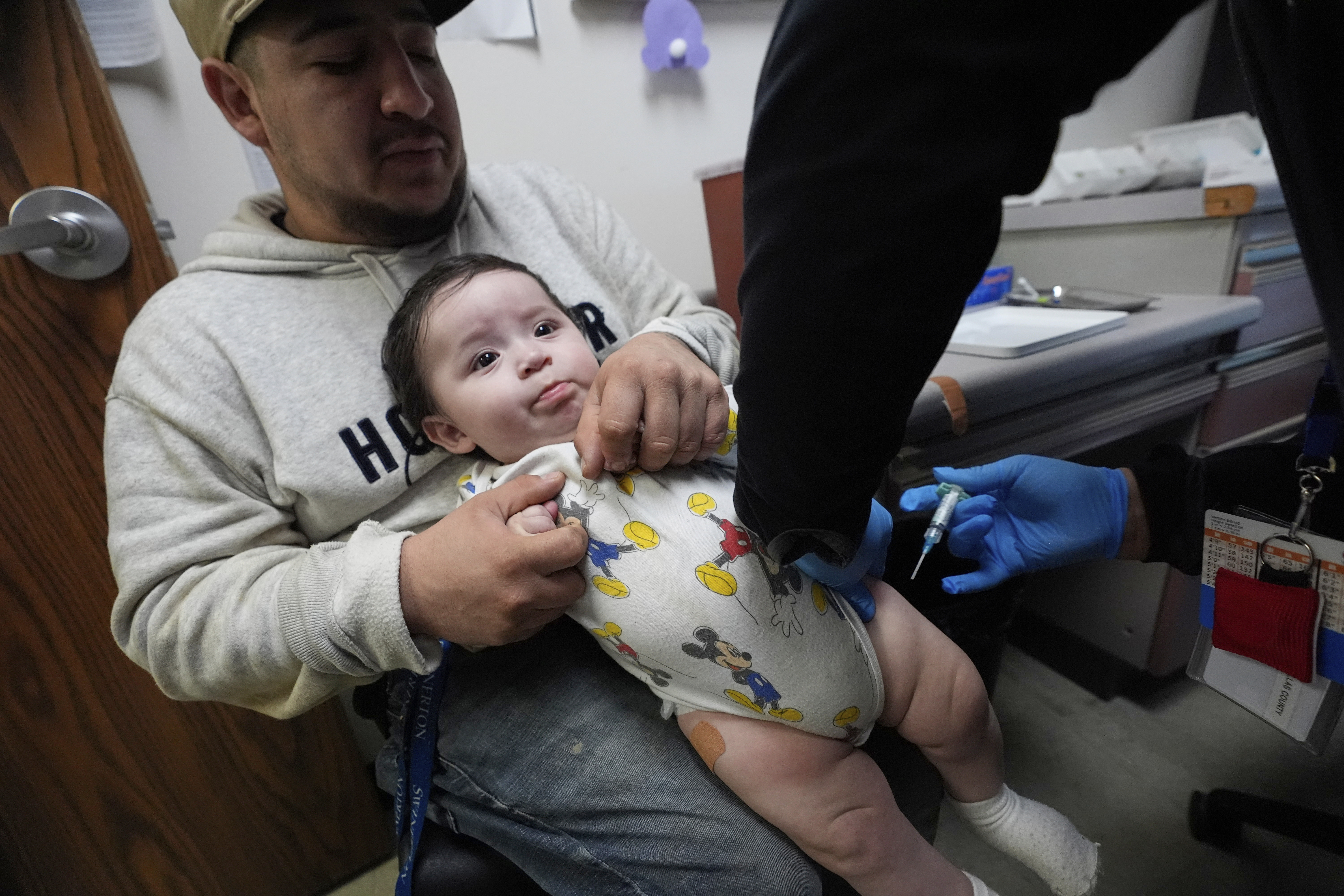
    President Donald Trump, now playing a role as pseudo-physician, has announced an executive order to reduce the number of childhood vaccines from 17 to 11. Hepatitis B, one of the nastiest viruses, is among the vaccines that are no longer required.

    Hepatitis B is a highly infectious virus, even more infectious than HIV. Undetected, it can pass from a mother who is carrying the virus to a baby during birth, infecting the newborn on Day One of life. Months later, the virus has infected the liver, causing the newborn to be fatigued, not eating, maybe even jaundiced. Years later, they can develop chronic hepatitis B and even liver failure or cancer.

    What is remarkable is that all of this is preventable with a vaccine administered at birth.

    Undetected, hepatitis B can pass from a mother who is carrying the virus to her baby. For years, the vaccine had been recommended for all U.S. infants at birth.Getty Images

    Americans are very concerned about healthcare costs. The greatest way to cut healthcare costs is to prevent the disease in the first place. The more antibodies in our bodies able to fight the onslaught of viruses out in this hostile world, the more likely we will be in preventing disease in the first place.

    People, including Trump, wonder why there are so many vaccines. There are three factors: First is that there are a lot of bacterial and viral diseases. Each needs its own unique antibodies to fight them. There are a lot more than just 11 or even 17 viruses or bacteria in the world — which is why new recommendations and combinations are tested and recommended.

    Second is that researchers can measure antibody levels, and building up enough antibodies to defeat diseases may require more than one shot.

    Finally, viruses are very tricky and can mutate, camouflaging their detection from existing antibodies. Classic viruses that have this capability are influenza and SARS-CoV-2 (the virus that causes COVID-19). So recommendations have changed to reflect the changing flu and COVID shots to be given annually rather than just once and done.

    Vaccine researchers are on the cusp of even greater breakthroughs.

    At least two current vaccines can prevent cancer. The HPV vaccine prevents human papillomavirus from infecting the cervix, which, in turn, prevents cervical cancer. HPV has also been linked to head and neck cancer.

    And the aforementioned hepatitis B vaccine can help prevent liver cancer.

    The Nobel Prize-winning discovery of mRNA vaccines developed by Philadelphia scientists is being used to create inactive tumor proteins that our immune system can recognize. Future researchers will be able to identify our personal cancers, create individual tumor proteins that our immune systems will recognize, and create a personalized immune response that can kill cancers in our bodies.

    These are heady times in medical research, which desperately needs the support of our government. Unfortunately, many of these discoveries, including new vaccines against scourges like Ebola, bird flu, hantavirus, malaria, and many others, are being stopped by our failure to invest in research. It is a lost opportunity to prevent disease using our own bodies’ immune system by creating an army of antibodies at the ready.

    And nothing is more frightening than trying to fight a virus with only three antibodies.

    Walter Tsou is the former health commissioner of Philadelphia and the past president of the Philadelphia County Medical Society.

  • I don’t care what anyone says: Being ‘woke’ isn’t a bad thing

    I don’t care what anyone says: Being ‘woke’ isn’t a bad thing

    I was chatting with a friend recently whom I’ve known for a long time when she used the term woke as if it meant something disgusting.

    I was so stunned that I didn’t bother trying to correct her. But I hung up the phone thinking about how the concept has become a political football, with even some Dems kicking it around.

    African Americans created this vernacular. It preexisted MAGA’s hijacking of it by decades, dating back to the days of civil rights activist Marcus Garvey, founder of the Universal Negro Improvement Association. It has long been a part of pop culture, showing up in musical performances by everyone from Depression-era blues singer Lead Belly to Erykah Badu in her 2008 song, “Master Teacher.”

    I first heard it during the early 1990s. Back then, if someone said, “You’re not woke,” it was considered the ultimate insult, right up there with being an Uncle Tom — or worse. Being woke refers to being alert to racial transgressions. The opposite of woke is to be asleep, and therefore oblivious to systemic racism and injustice.

    No matter how President Donald Trump and Secretary of Defense Pete Hegseth attempt to vilify the term, I stand by the notion that being woke is a good thing. As in the exhortation, “Stay woke, brother.”

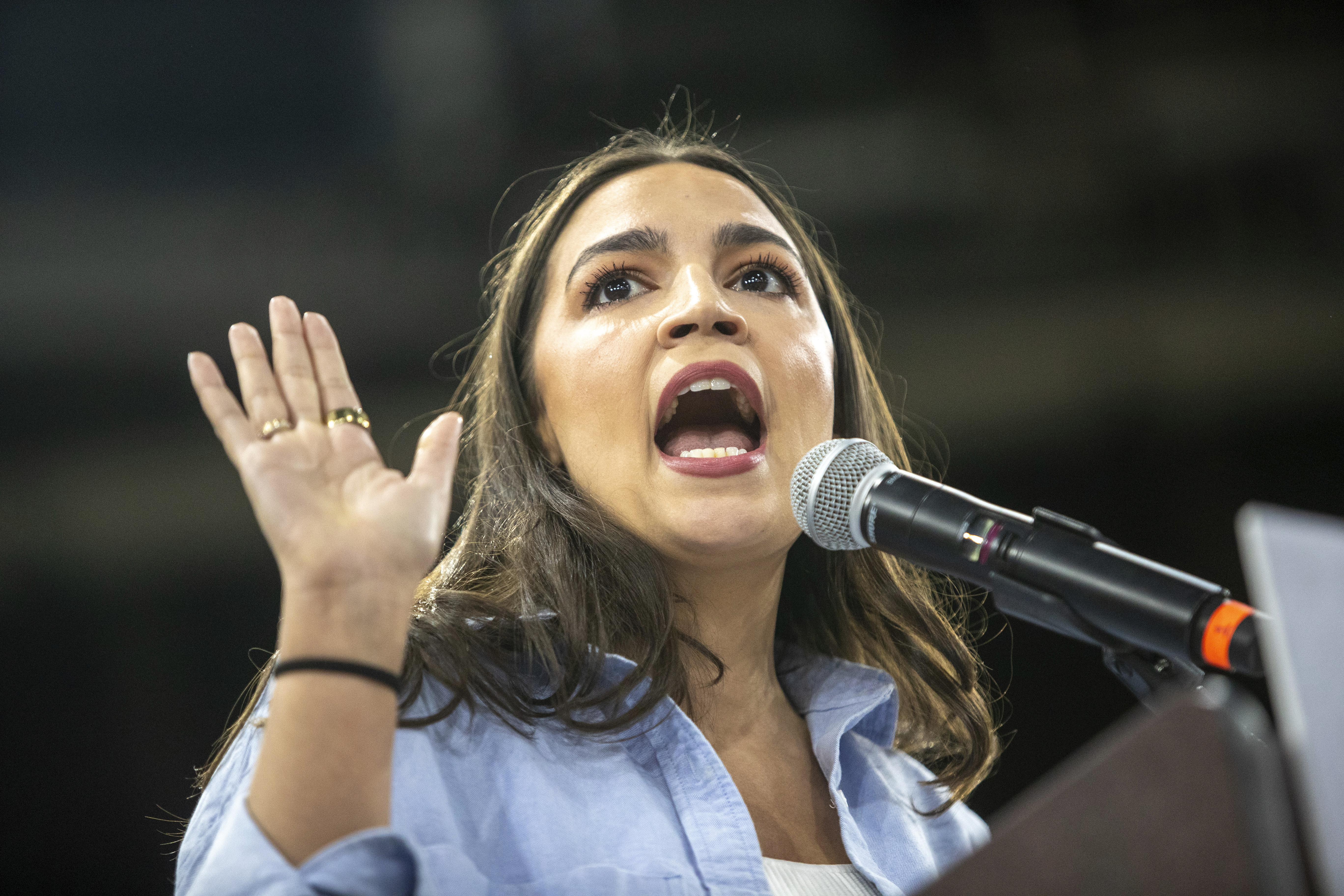
    It’s galling to watch politicians bastardize it. U.S. Rep. Alexandria Ocasio-Cortez recently brought it up during an ABC News interview when she said, “I have a local city councilman that has this saying: ‘Woke 1 was crazy.’”

    She was talking about Francesca Hong, a progressive candidate running for governor of Wisconsin with a history of making radical statements, and was also quoting New York City council member Chi Ossé, who used the “woke 1” term on social media. I get that Ocasio-Cortez was referring to far-left calls to defund the police — which most Black people never fully supported — among other extremist ideas. But her words still stung.

    I found myself wondering: Since when did the concept of being woke become a bad thing for Democrats?

    I have an awful lot of respect for Ocasio-Cortez. I recognize she may be weighing a run for the presidency in 2028 and trying to center herself politically. But this kind of virtue signaling won’t be as beneficial as she hopes if it also alienates African Americans.

    M.K. Asante said that “the idea of staying woke became associated with consciousness,” but that the meaning of the term has changed after being co-opted by the mainstream.

    For insight, I reached out to M.K. Asante, a professor at Morgan State University whose father is Molefi Kete Asante, a renowned professor of Africology at Temple University. “The idea of staying woke became associated with consciousness,” Asante told me, but added that the term was co-opted around 2020 following the widespread uprisings after the murder of George Floyd by a police officer.

    Asante pointed out, “Now it does not have the same meaning in the mainstream.”

    That’s mainly because of Trump, who, after his return to the White House, immediately began vilifying woke and other things associated with diversity.

    He declared an all-out war on diversity, equity, and inclusion efforts in both federal and private sectors, and has also taken aim at museums he says are “essentially, the last remaining segment of ‘WOKE.’” Trump also has cut funding from key government programs that support DEI.

    Even the military hasn’t been immune. Trump summarily dismissed Air Force Gen. Charles Q. Brown Jr., who was the second Black person to serve as chairman of the Joint Chiefs of Staff, and set about renaming military bases after Confederate generals.

    Earlier this year, Pentagon spokesperson Sean Parnell announced on X that officials were targeting Stars and Stripes, an independent newspaper that covers the military, in part to “refocus its content away from woke distractions that syphon morale.” Since then, the paper’s publisher, editor-in-chief, and a reporter have all been terminated, ending 155 years of editorial freedom, as my colleague Will Bunch reported.

    Meanwhile, the United States is at war with Iran, Canada, our closest ally, has announced retaliatory tariffs on U.S. products, and American consumers are wondering if the influx of tariff-free foreign beef imports Trump is pushing will be safe to consume.

    Yet, Trump says woke is the enemy.

    Despite the president’s best efforts, he can’t stamp the term or its real meaning out.

    As Asante pointed out, “You can co-opt a word, but the spirit of what ‘stay woke’ means is alive and well.”

  • Letters to the Editor | Aug. 27, 2026

    Letters to the Editor | Aug. 27, 2026

    Oh, Canada

    For many years, Canada has been our closest and certainly among our best allies. It is deeply saddening to see the foolish disrespect shown to that country through the outrageous tariffs that have been imposed by our current administration.

    If there is a solution to this issue, I do not know what it is. However, I will happily purchase Canadian maple syrup and other products as a show of support.

    These tariff wars are not helping our country or anyone else’s.

    Hoping and praying for a return to common sense, economically and otherwise. And I’m looking forward to voting in November, too.

    Margaret Zanoni, Edgewater Park

    Lifesaving

    A recent U.S. Supreme Court decision allows private insurers to push new dialysis patients — those who take frequent treatments for kidney failure to survive — off their plans they’ve worked hard to keep. It’s a direct assault on the lives of dialysis patients across America. Forcing patients off their private insurance immediately after diagnosis — often within months — is unjust.

    I’ve lived on dialysis for over four years, endured the pain of needles tearing through my skin twice daily, and fought to keep my dignity in a system that often prioritizes profits over people. I’ve been lucky: I served this country and have good healthcare coverage with Veterans Affairs. But many are losing private insurance coverage, and they’re left to pay the 20% Medicare doesn’t cover. It’s a crushing financial burden that jeopardizes their access to lifesaving treatments and, crucially, their standing on transplant lists.

    We are not statistics or profit centers. We are mothers, fathers, veterans, neighbors — human beings demanding the right to life, which means the right to healthcare. U.S. Rep. Herb Conaway should cosponsor and help pass the Restore Protections for Dialysis Patients Act. This bipartisan bill would stop insurers from pushing vulnerable patients into chaos and ensure fewer dialysis patients are forced to bear the heavy burden of unnecessary financial distress.

    C. Andre Daniels, Westampton

    Name shame

    Donald Trump seems to want his name all over everything and everywhere. At the Kennedy Center for the Performing Arts, a judge told him no, but Trump found a way around the judge by listing himself as a renovator — tacky. Now, Trump wants a previously named aircraft carrier to be named for him. That the USS Doris Miller was to be named for a Black World War II hero but might instead be changed to honor a president who avoided serving in the Vietnam War reeks of the racism that permeates everything touched by Trump. I can imagine the president offering a trade with Miller’s family — the name of the ship in exchange for the Medal of Honor. What’s in a name? Plenty — duty, honor, respect. Doris Miller earned our respect.

    Sheryl Kalick, Philadelphia

    Join the conversation: Send letters to letters@inquirer.com. Limit length to 150 words and include home address and day and evening phone number. Letters run in The Inquirer six days a week on the editorial pages and online.

  • Trump’s Ukraine negotiators are too chicken to visit Kyiv and support its independence

    Trump’s Ukraine negotiators are too chicken to visit Kyiv and support its independence

    There were two noticeable no-shows as Western leaders gathered Monday to mark the 35th anniversary of Ukraine’s independence — and its five years of resistance to Vladimir Putin’s effort to re-subjugate the country to Russian rule.

    There were multiple news reports that President Donald Trump’s clueless peace envoys — son-in-law Jared Kushner and real estate magnate Steve Witkoff — might finally join European allies at anniversary ceremonies.

    I say “finally” because neither of these supposed peacemakers has ever deigned to visit Ukraine. Not once. Meantime, Witkoff has visited Moscow eight times, and gushed over Putin as he and Kushner (also a repeat visitor) discussed business deals with Russia.

    It is no surprise, then, that Trump’s blinkered envoys postponed their trip, reportedly blaming their absence on intensified Russian missile and drone strikes. Never mind that former Vice President Mike Pence, British Prime Minister Andy Burnham, and other European leaders showed up.

    They recognized — as Trump and his envoys still do not — that Ukraine is fighting not just for its own freedom, but for the security of Europe and the United States.

    Burnham, who came to Kyiv on his first foreign trip as prime minister, understands the significance of Ukraine’s brave stand against the world’s second-largest army. A Russian military that is heavily aided by the dictators of China, North Korea, and Iran, all eager to undermine America and the democracies of the West.

    The U.K. leader rightly compared Ukraine’s resistance against Russian imperialism to Britain’s fight against Nazi Germany in the 1940s, telling Ukrainians, “My nation kept the flame of European freedom alive in the 20th century; you hold that flame in the 21st.”

    Burnham is right on the mark.

    Ukraine’s President Volodymyr Zelensky hands over the flag of a military unit during the ceremony to mark Ukraine Independence Day in Kyiv, Ukraine, Monday.Efrem Lukatsky

    The image of London firefighters bravely battling the blazes caused by the German Blitz, which rained rockets down on civilians in order to break their morale, comes right to mind when watching video of Ukrainian rescue workers pulling women and children out of the rubble of collapsed apartment towers that have been hit with Russian missiles or drones.

    Then-Prime Minister Winston Churchill understood that if Britain fell, the Nazis would take over Europe. The Battle of Britain in the summer and fall of 1940, in which incredibly courageous Royal Air Force pilots pushed back the Luftwaffe, forced Adolf Hitler to abandon his planned invasion of England. The courage and spirit of Britons under bombing gave the RAF the time to regroup and attack the Nazis in Europe. It gave President Franklin D. Roosevelt time to act on sending Lend-Lease war supplies to Britain.

    Burnham grasps that Putin is a stalking horse for an axis of adversaries – namely China, North Korea and Iran – that backs and finances Russia’s crimes.

    Ukraine’s battle of the skies is effectively the first round of World War III. And only one weapon can take down the ballistic missiles Russia is pouring down on Ukraine’s civilian infrastructure: U.S.-made Patriot interceptors.

    Yet, Trump has wasted much of America’s Patriot missile stock chasing cheap Iranian drones, and refuses to sell Kyiv a small percentage of what the U.S. retains. And after proposing joint production of Patriots with Ukrainian President Volodymyr Zelensky, the U.S. president immediately backed off.

    That is why Burnham announced Monday that the U.K. (along with France) will help Ukraine make its own version of a Anglo/French long-range cruise missile by sharing classified technical information. That will help Ukraine preempt Russian missiles by eliminating the firing sites.

    But setting up that production line will take months or years, and Ukraine desperately needs Patriots now.

    Ukraine’s President Volodymyr Zelensky (left) hands over the Ukraine state award to European Council President António Costa during a commemorative ceremony in Kyiv, Ukraine, Monday, marking Ukraine’s 35th Independence Day.Efrem Lukatsky

    It is hard for many Americans to grasp how important Ukraine’s survival is to our future security. Few U.S. politicians consider Ukraine to be a critical campaign issue. Trump has communicated his disdain for Kyiv to his MAGA followers, and Vice President JD Vance boasts that his proudest moment was helping cut off aid to Ukraine. As for Democrats, they’d rather focus on cost of living and the endless Iran war.

    But Gen. Ben Hodges, former commander of U.S. Army Europe, nailed it when he told me recently that what’s been missing from the lack of U.S. attention “is the recognition that it’s in the U.S. interest for Ukraine to be successful.” President Joe Biden was too timid, he noted, and Trump is worse.

    America’s enemies are taking full notice.

    China is watching and learning from the drone, robot, and electronic warfare being fought in Ukraine, while sharing dual-use weapon parts and technology with Moscow. Every lesson is being fed into the hopper of Xi Jinping’s massive agglomeration of data used for prep to take back Taiwan and dominate South and East Asian neighbors and territorial waters.

    North Korea is earning hard currency by sending troops and missiles to aid Russia’s war on Ukraine. In return, it is accessing Russian technology to build up its nuclear arsenal. Iran sends Shahed drones to Russia and learns from Russian upgrades of those drones, which helps Tehran attack U.S. bases and threaten Gulf Arab states in the Middle East.

    Meantime, Trump is focused on his White House ballroom, car races, and starting a trade war with Canada, while Kushner and Witkoff chicken out of visiting Kyiv. They have no clue that the fate of the Ukraine war will overshadow everything they now think is important.

    Their trips to Moscow are feckless unless they recognize that Putin has no interest in peace. Any “peace process” is dead (irrespective of CIA Director John Radcliffe’s secret visit to Moscow last weekend) until the United States recognizes reality and joins Europeans in squeezing Putin until he fears the war is endangering his survival.

    I believe Ukraine will hold out via its tech brilliance and innovation, and its people’s determination not to surrender to the brutal domination of Russia. But the United States will pay a dear price for failing to step up when it could have blocked Putin and his allies — before their war on the West got much, much worse.

  • Shapiro deserves kudos for data center regulation efforts. But he can’t do it alone. | Editorial

    Shapiro deserves kudos for data center regulation efforts. But he can’t do it alone. | Editorial

    Gov. Josh Shapiro’s sweeping executive order to slow the burgeoning data center development boom in Pennsylvania is a good first step, but it does not go far enough in curbing looming challenges to the state’s energy and water supply.

    Shapiro’s directive is a sharp reversal from just a year ago, when he embraced high-tech investment in the commonwealth. Since then, bipartisan public sentiment has turned against data centers as reports about the downsides have come to light.

    Even if Shapiro is following the polls instead of his gut, he deserves credit for listening to his constituents. Too many elected officials these days ignore voters once they get into office. (We’re looking at you, Sen. John Fetterman.)

    Shapiro’s executive order certifies standards that he initially pitched as voluntary. Under the measure, all data center projects will be required to follow environmental, economic, and transparency requirements that are outlined in Shapiro’s so-called Governor’s Responsible Infrastructure Development benchmarks.

    The governor’s mandate includes several other requirements for data centers regarding water conservation and the need to provide their own electricity generation or pay the costs associated with increased usage. The order also demands data centers provide community benefit agreements that include promises to hire and train local employees along with investments in schools or infrastructure.

    Those are major improvements over the state’s initial efforts to essentially bend over backward for Big Tech. Yet, more must be done to protect Pennsylvanians and the environment.

    For starters, it makes no sense to offer lucrative tax breaks to data centers, which are largely being built by deep-pocketed companies controlled by mega-billionaires, including Sam Altman (OpenAI), Elon Musk (xAI), and Mark Zuckerberg (Meta).

    The state House voted to repeal the tax breaks in June, but the measure stalled in the Republican-controlled Senate.

    While Shapiro’s order gives local governments more control over data centers, it also creates the potential for a patchwork system in which one town opposes a center while a neighboring town approves its construction — with everyone in the region left to deal with the consequences. It may also leave poorer towns at the mercy of data center developers dangling economic development.

    To be sure, data centers are not all bad. They offer billions of dollars in construction investment, tax revenue, and job creation.

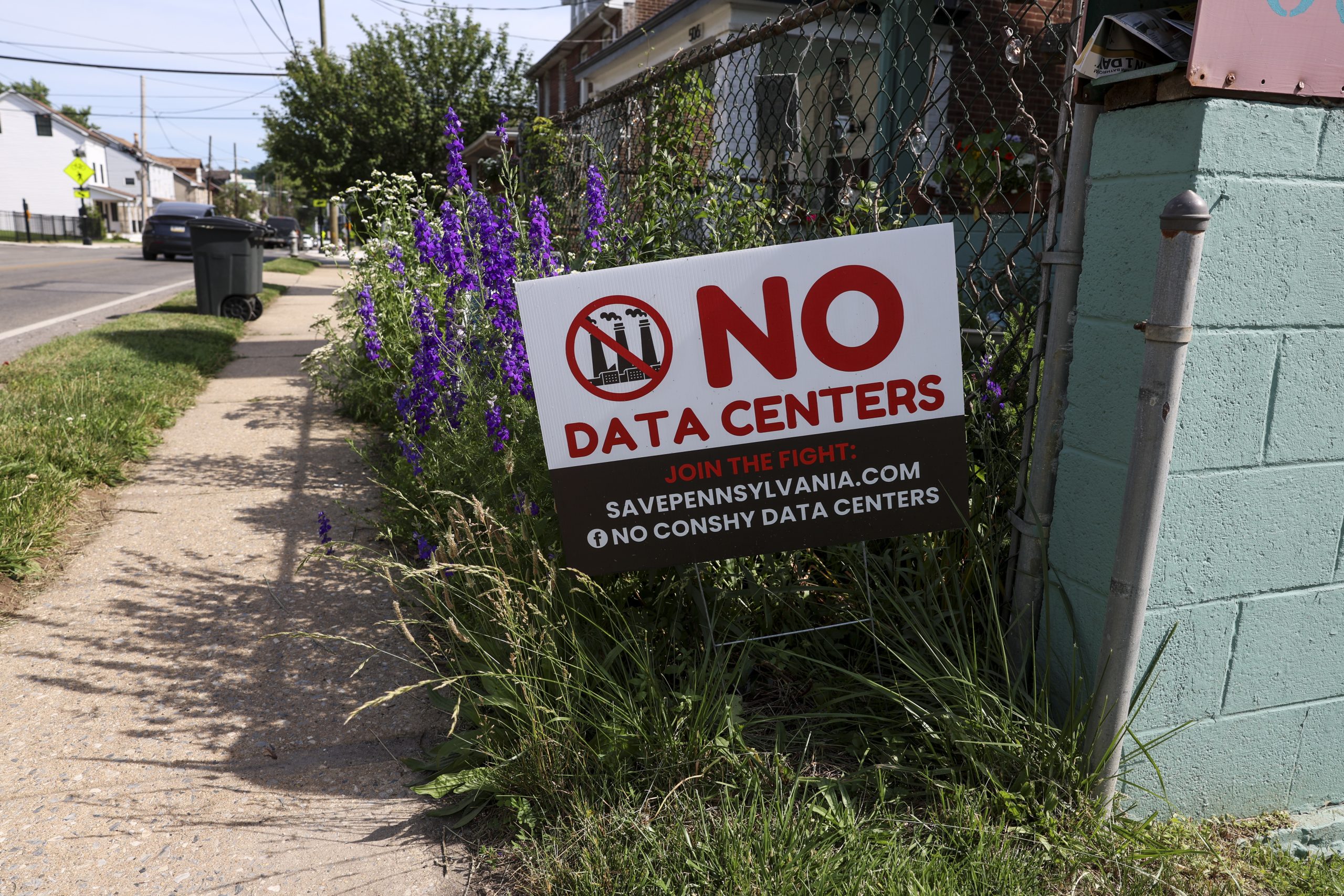
    A yard sign protests the proposed data center on New Elm Street near the closed Cleveland-Cliffs steel mill in Conshohocken.Monica Herndon / Staff Photographer

    But there are real concerns about the impact they will have — and are having — on the power grid and water supply. Residents have experienced sharp increases in electric bills, including a 20% increase in Pennsylvania since 2024.

    Some said data centers caused their water wells to run dry, while others have complained about noise pollution at the facilities, including one in Vineland, N.J.

    Electric executives across the country have warned of blackouts because of the surging demand for power from data centers.

    Then there are the real safety and environmental concerns about plans to restart the nuclear reactor at Three Mile Island in order to provide power exclusively for Microsoft’s artificial intelligence data centers. The nuclear plant near Harrisburg was the site of a partial meltdown in 1979.

    Pennsylvania lawmakers need to develop a comprehensive plan to address those concerns before the data centers get built and not after, when the bills literally come due to homeowners who will be left to shoulder higher utility costs.

    Data centers present both a major opportunity and a challenge not just for Pennsylvania, but for the country and the rest of the world. So it should not just be on Shapiro to try to find a fair balance.

    The most logical plan should include an all-out effort to expand the growth in clean energy to offset the power demands of data centers. Unfortunately, the political divide undercuts the viability of any such proposals.

    Donald Trump is a climate change denier who has worked relentlessly to undermine clean energy initiatives, while cozying up to oil executives. Meanwhile, Trump and recalcitrant Republican lawmakers in Harrisburg and Washington remain largely in the pocket of the billionaires behind data centers.

    One of the biggest data center cheerleaders is Pennsylvania’s billionaire Sen. Dave McCormick, whose wife landed a big job earlier this year at Meta to help lead their global business and artificial intelligence expansion. Meta is a major developer of data centers.

    Trump continues to champion policies that boost data centers and AI, which directly benefit his family’s lucrative cryptocurrency ventures that led to a windfall of more than $1 billion last year.

    Pennsylvania’s constitution guarantees residents the right to clean air, pure water, and environmental preservation. Shapiro and other state lawmakers should focus on how to ensure that constitutional guarantee before moving ahead with more data centers.

    Until a plan is in place, pausing data center development makes the most sense.