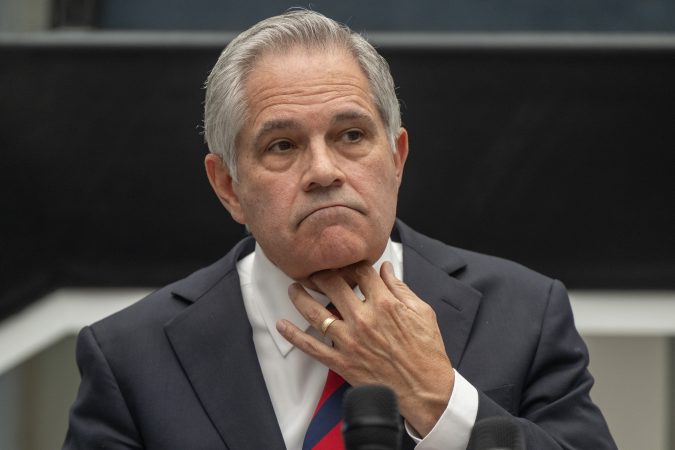
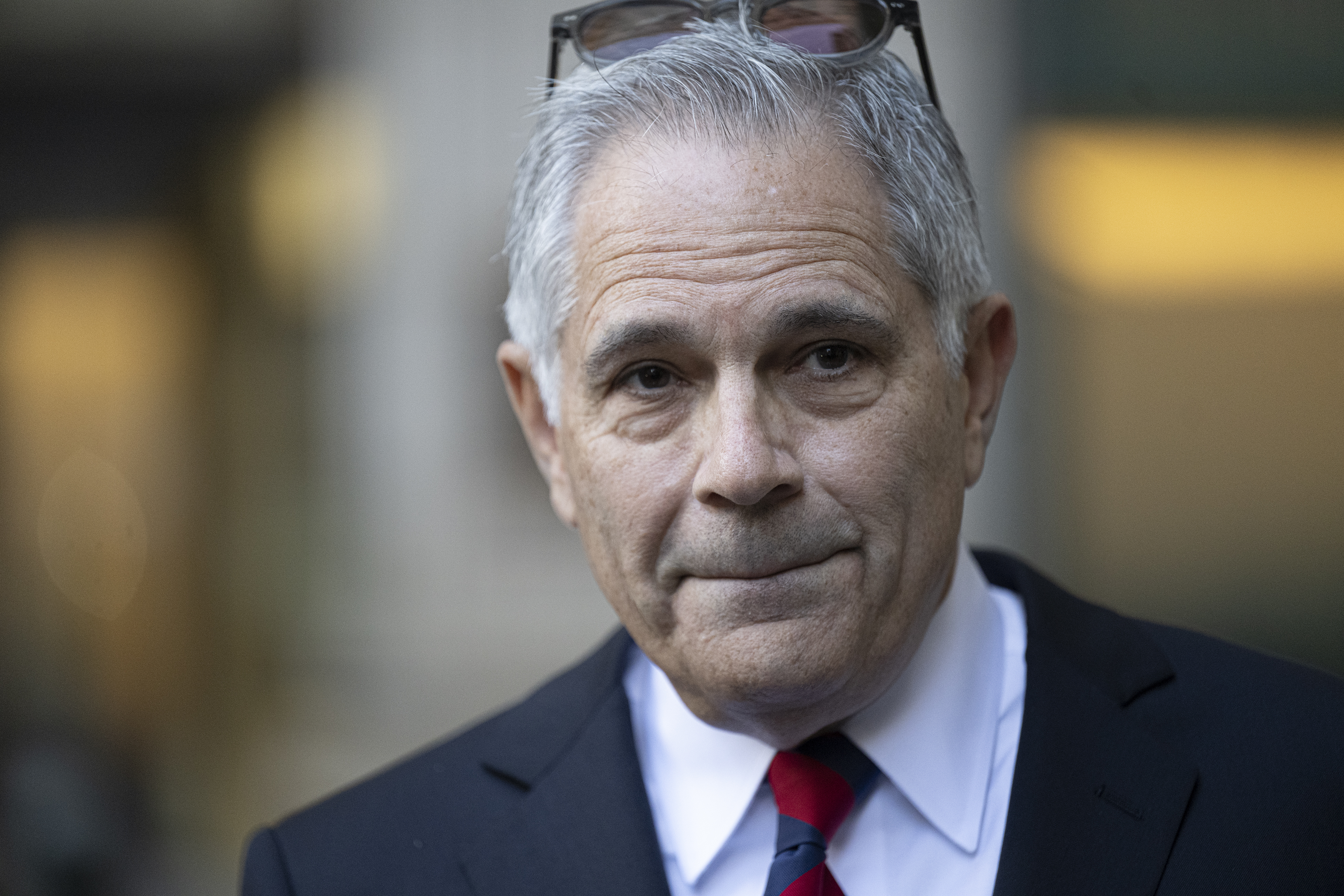
I’ve seen The Inquirer’s extensive coverage of the office of our district attorney, Larry Krasner, including its internal discussions. In general, scrutiny of an elected official is a good thing. If previous DAs had been subjected to such scrutiny, perhaps there would be fewer innocent people in prison, and fewer wrongful convictions to overturn. What the reporting fails to consider, however, is how much opposition there is to Krasner’s work. There are a lot of people who would rather see an innocent person remain behind bars than admit error. And there are a lot of people who figure that if someone is in prison, they must have done something wrong, even if it’s not the crime they were convicted of.
These people want to see our district attorney fail. And they’ve tried very hard to make that happen, helping explain the DA’s caution, which columnist Paul Davies calls paranoia. Krasner has been impeached, his office undermined, his actions subjected to state oversight, and so on. Has any Philadelphia DA ever been impeached for overzealous prosecution? I don’t think so. Please take this into account. Krasner is fighting the good fight, on the side of the innocent, as he should be.
Jon Webb,Philadelphia
Broken system
The overall need for mental health care has surged significantly post-pandemic, yet according to a 2024 survey, about 34% of psychologists and 45% of psychiatrists do not accept health insurance. For a private-pay psychiatrist, evaluations typically cost $300 to $500, and standard sessions range from $100 to $300. Enter Lindsay Clancy, married mother of three, a former labor and delivery nurse. Described by her coworkers as compassionate, kind, and an advocate for her patients.
Months following the birth of her third child, Clancy recognized a change in her mental health. She had the courage to share those terrifying thoughts with her husband and parents. She called a crisis hotline, went to an emergency room, and voluntarily checked herself into a psychiatric hospital. She did all of this because she did notwant to harm herself or her children. She desperately wanted to get well and was caught in a mental health care system strained by provider shortages and understaffed clinics. Mental illness, like every serious condition that threatens life, needs the proper treatment. Treatment that she didn’t receive. Compassion for Clancy, not conviction.
Kathy Carroll, Wayne
A true loss
The planned closing of the Academy of Natural Sciences of Drexel University is a profound loss for our region and the history of science. Few institutions anywhere can claim a more consequential place in paleontology. In 1868, the academy became the first museum in the world to mount and publicly display a genuine dinosaur skeleton: Hadrosaurus foulkii, unearthed a decade earlier from a marl pit in Haddonfield. That landmark installation transformed dinosaurs from fragmentary scientific curiosities into creatures the public could see, imagine, and understand.
The mounted Hadrosaurus helped ignite public fascination with dinosaurs that soon helped fuel the great fossil-hunting rivalries of the late 19th century — the era now remembered as the Bone Wars. It also helped establish the model of a natural history museum as the place where scientific research and public wonder meet. The dinosaur displays that now draw crowds around the world owe something to that moment in Philadelphia.
To allow this museum to go dark would be an astonishing act of cultural and civic neglect. Philadelphia rightly invests enormous sums in sports and entertainment. It should not abandon an institution whose legacy reaches far beyond the region — a place bound to one of the defining chapters in the worldwide history of paleontology. The museum deserves not closure, but preservation, investment, and a secure future.
Hoag Levins,Haddon Township
Join the conversation: Send letters to letters@inquirer.com. Limit length to 150 words and include home address and day and evening phone number. Letters run in The Inquirer six days a week on the editorial pages and online.
There’s a special place in hell for a cop who leaves a human being lying in the street, and they get run over by a car.
It doesn’t matter who the person is, or if they are under the influence of a substance. It doesn’t matter if they resist. They need to be escorted to safety. If needed, rescue workers or a behavioral health expert should be summoned. No one — and I mean no one — should be left lying in the street.
If the police officer who encountered the 48-year-old pedestrian who wound up lying in the bike lane in the 5500 block of Rising Sun Avenue in the wee hours of Aug. 27 had a shred of humanity left in his soul, that man would still be alive today.
Instead of being a hero and saving that man’s life, the officer talked to the victim as he lay on his back in the roadway, then got into his police cruiser and drove away. Minutes later, the man was fatally injured by a hit-and-run driver. Two unidentified people pulled the man out of the street and contacted authorities.
The same officer who had encountered the man earlier was the first to respond. Did he even try to make up for what happened? Not according to First Deputy Commissioner John Stanford, who said at a news conference on Friday that the officer didn’t administer first aid or file a police report. “That goes against everything that we stand for,” Stanford told reporters. “We talk about empathy. We talk about compassion as an organization, and none of those things were on display.”
The officer, whose name hasn’t been released, has since been placed on administrative leave and is still on the Philadelphia police force.
He shouldn’t be.
His job is to serve and protect. But he lacks the human decency and compassion it takes to do that.
What happened last week reminds me of a similar incident that took place four years ago, which I also wrote about. In that case, Elizabeth Negron had wandered into the middle of Germantown Avenue near Coulter Street around midnight one hot summer night in 2022.
It’s unclear what exactly was going on with her, but clearly something was off. She stood in the roadway and blocked the path of a SEPTA bus as vehicles veered around her in different directions. Soon, a police car arrived. Officers got out of their vehicle and interacted with her briefly before driving off, leaving Negron still in the roadway.
They left her in the street like an old discarded shoe. At one point, Negron can be seen lying on her back. A video, recorded by a nearby business, ends shortly thereafter, leaving viewers to imagine what happened next as a passing car ran her over and then fled the scene.
I’ve had the privilege of meeting and interviewing many incredible police officers over the years. Most are good people both on and off the job. But there are some who forget that the people they encounter out on the streets acting oddly are as human as anyone else. They matter, too.
Negron was loved by her two young daughters, a devoted sister, and others who still mourn and miss her. Her sister, Jackie Martinez, told me she had been scrolling on her phone when she learned someone else had suffered a similar fate. “I’m hanging in there and trying my best to not let it bother me,” she said.
Martinez said she would never just walk by someone in harm’s way. “You put them somewhere safe,” Martinez said. “If you walk away and they end up back in the middle of the street, at least you know that was on them.”
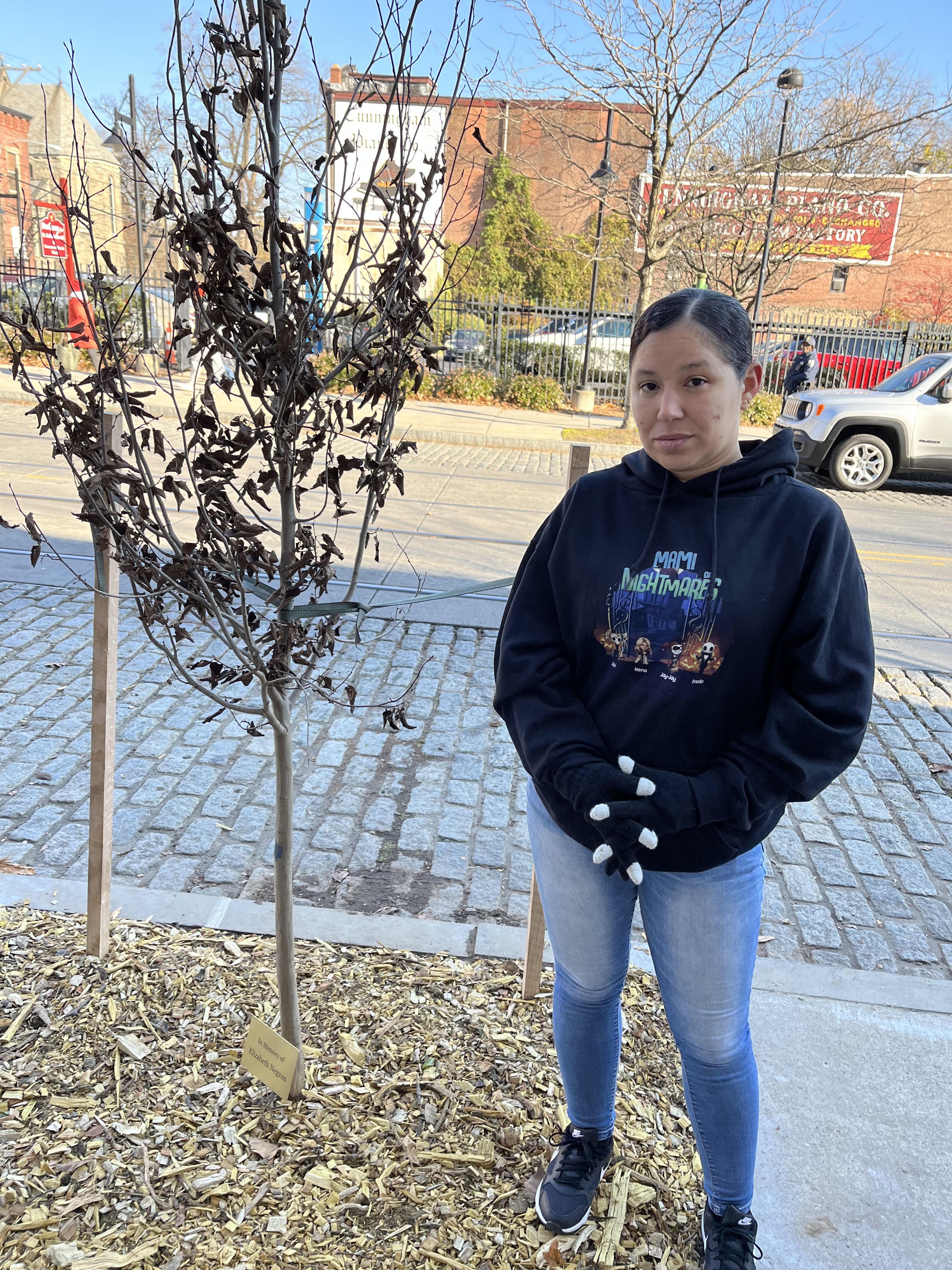
Jackie Martinez poses next to a tree planted in honor of her sister, Elizabeth Negron, who was killed on Germantown Avenue near Coulter Street by a hit-and-run driver in July 2022.Jenice Armstrong
David Fisher, a 29-year veteran of the Philadelphia Police Department and president of the National Black Police Association, agreed, saying, “You don’t leave somebody on the street needing care.”
It’s really that simple. It should be obvious. But apparently it isn’t.
In early August, Philadelphia Zoo had the honor of being celebrated as part of Philadelphia’s “52 Weeks of Firsts,” recognizing the people, places, and ideas that have made our city a birthplace of American innovation.
Our place on that list is well-established. Chartered in 1859 and opened in 1874, Philadelphia Zoo is America’s first zoo. But what makes us most proud is not simply that we were first. It is what we have done with that distinction, and what it challenges us to do next.
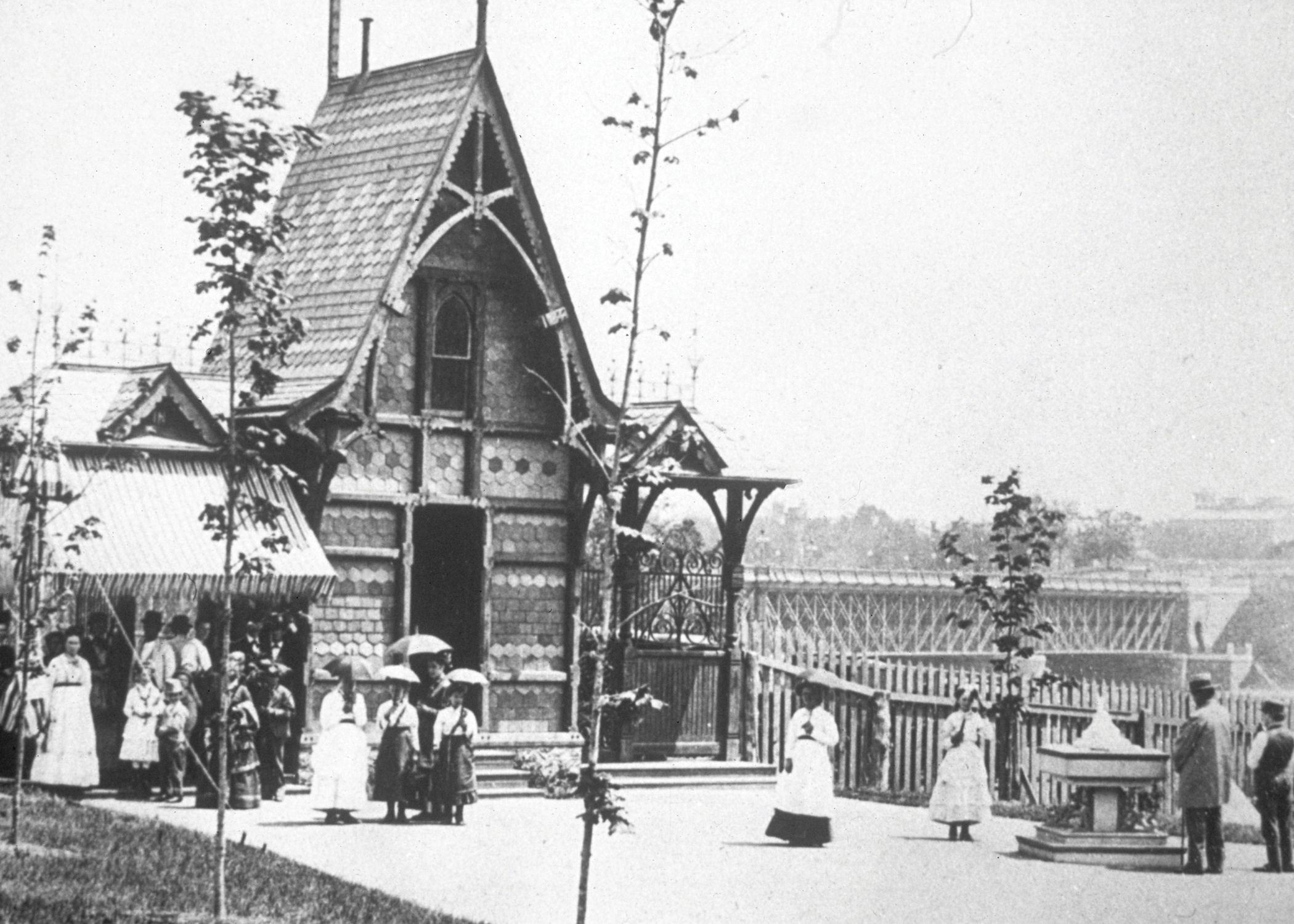
The Philadelphia Zoo on opening day, July 1, 1874.The Philadelphia Zoo
For more than 150 years, Philadelphia Zoo has pioneered advances in animal care, conservation, education, and the visitor experience. We recorded the first successful births of orangutans and chimpanzees in a U.S. zoo, and opened the nation’s first children’s zoo.
At the Philadelphia Zoo, Momma Maggie and Baby Lucky, the first orangutan born in an American zoo, in 1928.The Philadelphia Zoo
More recently, we created Zoo360, a first-in-the-world network of trails that gives animals greater opportunities to move, explore, and make choices while allowing visitors to experience wildlife from an entirely new perspective.
Those innovations matter. But the most important thing a zoo can create is not a record or a “first.” It is a connection. When a child comes face-to-face with an animal they have only seen on a screen, suddenly that animal is more than an image or an abstraction. It is alive, individual, and extraordinary. And perhaps that child begins to understand that we humans are animals, too, connected to an astonishing web of life we have both the privilege and responsibility to protect. It led both of us to the work we do today.
During America’s 250th anniversary, Philadelphia Zoo is not only looking backward. We are asking what we can build together for the next 250 years.
The story we tell about wildlife conservation often centers on grand gestures — a landmark law, a sweeping treaty, a species pulled back from extinction’s edge by heroic intervention. But grand gestures only occur because ordinary people, over and over, choose to act in ways too small to make headlines.
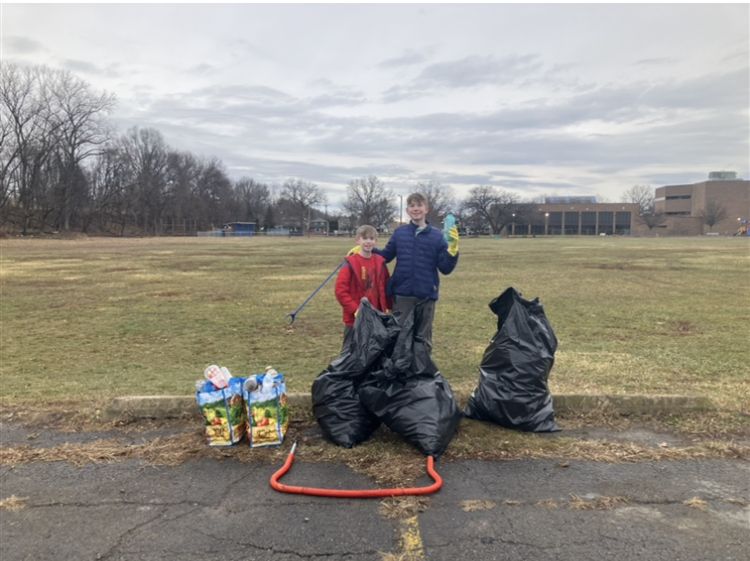
As part of the Philadelphia Zoo’s 250,000 Actions for Animals Challenge, two young boys picked up nearly 80 pounds of trash at a park in Wilkes-Barre, Pa.Courtesy of the Philadelphia Zoo
Through our 250,000 Actions for Animals Challenge, we are asking Philadelphia — and the world — to complete a quarter million individual actions by the end of 2026 that make life better for animals, habitats, and the people who share space with them.
When a baby squirrel fell out of its nest, a Manayunk resident took care of them overnight and transported them to a rescue the next day.Courtesy of the Philadelphia Zoo
Some actions are wonderfully simple: Plant native flowers. Pick up litter. Refill a bird bath. Make a sustainable swap. Participate in a wildlife survey. Help an animal in need. Introduce a child to nature. None of them require expertise or money. They require only the decision to act, repeated.
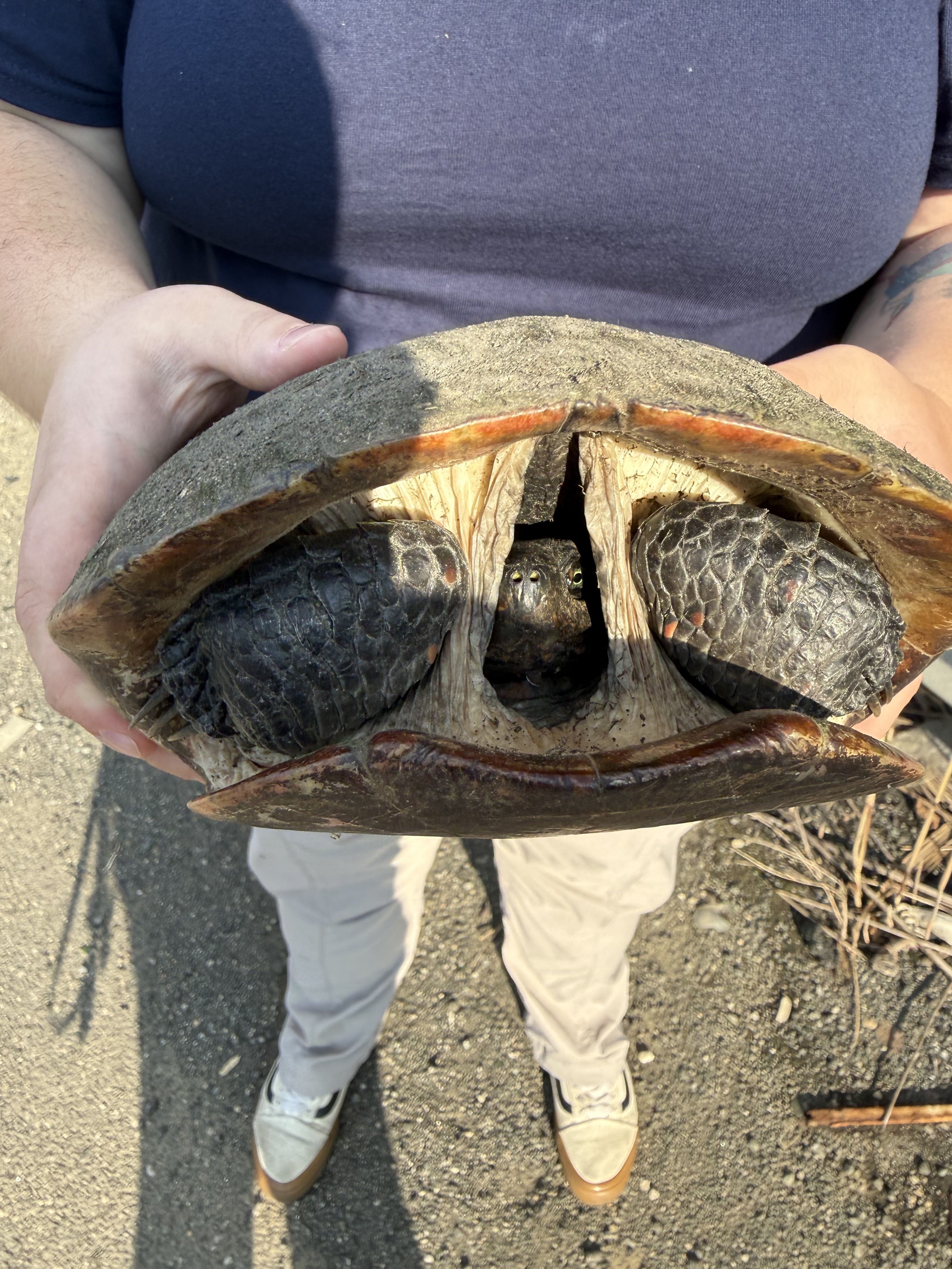
An individual in Philadelphia saved an endangered red-bellied turtle who was caught in the middle of crossing a busy highway.Courtesy of the Philadelphia Zoo
Our community is answering the call. A Tinicum resident has stopped traffic to help snapping turtles safely cross a four-lane highway.
A family in Mantua planted 500 plants and bulbs in memory of a city worker who died in the line of duty.
Neighbors in Fort Washington faithfully refill bird baths and tend butterfly gardens.
A mother and toddler in the Lehigh Valley have spent two summers raising caterpillars into monarch butterflies, and their backyard is now a thriving ecosystem the monarchs return to.
These individual actions will never appear on a list of Philadelphia firsts. But multiply them by 250,000, and they become something remarkable. In many ways, this is how change has always been made — through individual choices repeated until they become collective action.
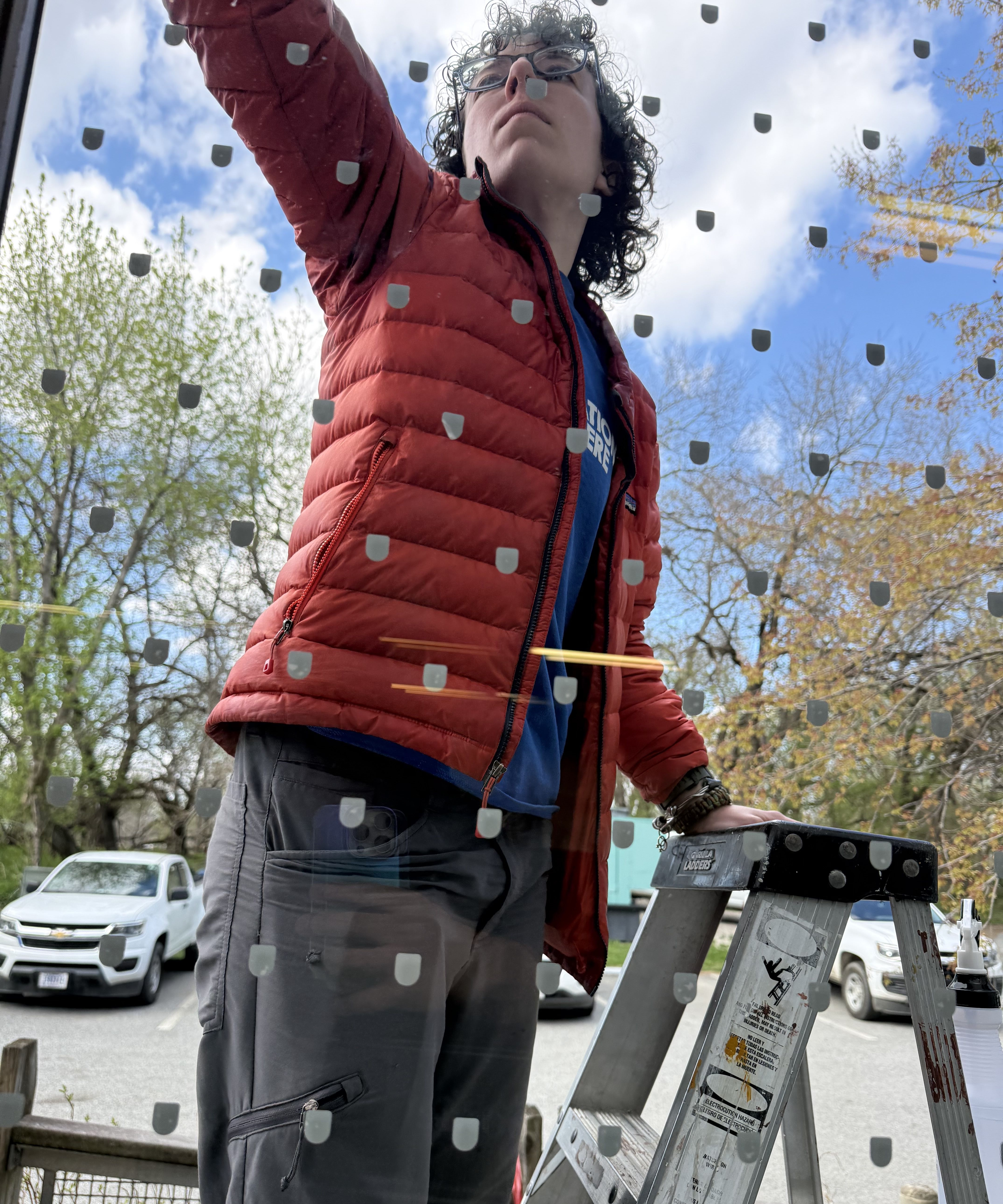
An individual helped install bird-safe window decals at John Heinz National Wildlife Refuge in Tinicum.Courtesy of the Philadelphia Zoo
Philadelphia Zoo is proud to have been first. We are proud of the generations of people who have made this institution a leader in wildlife conservation, education, animal care, and innovation.
But as Philadelphia and America celebrate 250 years, our greatest responsibility is not simply to honor what came before us. It is to decide what we want the next 250 years to look like — for wildlife, for people, and for the planet we share.
Our future won’t be written by a handful of grand gestures, but by a multitude of individual actions — turtle by turtle, season by season, neighbor by neighbor — growing into something much bigger: a movement.
The U.S. Supreme Court has ruled that the National Trust for Historic Preservation cannot challenge the construction of Donald Trump’s monstrous ballroom, partly because the trust’s objections constitute “mere offense, disagreement, or distaste.” While this narrow view may be legally correct (though Chief Justice John Roberts dissented), taste is the essence of the problem.
As originally built at the turn of the 19th century, the White House was a restrained two-story rectangular block in the Greek Revival style. The north and south porticoes with their elegant tall columns were added in the 1820s. The capitals of the columns are Ionic, an order that is graceful but not showy, in keeping with the understanding of the building as the “executive mansion” rather than a presidential palace. Roman emperors preferred the larger, more ornate Corinthian capital, a taste shared by later kings and despots and Trump. His ballroom will have Corinthian columns inside and out, and it will be heavily gilded, expressing his desire for imperial wealth and power. With missile-resistant columns, it will also be indestructible. We will be stuck with it, just like if his attempts to manipulate voting access are successful, we may be stuck with him.
Dale Kinney,Bala Cynwyd
Cruel politics
Columnist Jonathan Zimmerman’s take on Australian politics is quite interesting. Their style may be different from ours, but history and current events show real currents of racism, antisemitism, and cruelty that wind through Australian culture and should not be minimized. But where Zimmerman states that “American politics is an accident waiting to happen,” he is behind events. It is happening right now. Encouraged by the current administration, currents of cruelty, fear, voter intimidation, demonization of immigrants, and unnecessary war permeate our culture and are already destroying our elegant experiment in democracy that once was the envy of the world. Let’s not look to Australia for a more positive experiment in democracy, but look to ourselves to live the ideals we all inherited as Americans.
Dorothy Smith,Ambler
Penalty questions
I think there is one glaring omission around reporting about illegal tire dumping at Fairmount Park, and many of us would appreciate an answer. While these dumpers face potentially gigantic fines, what happens when they can’t be paid? What is the deterrent in that case? I would expect most of these people to operate small independent shops. If they had money to pay fines, then they’d surely use it to pay to have tires hauled away. So when “Jack’s Auto” can’t pay a $4 million or even $100,000 fine, what happens next?
Is there jail time in their future? Property seizure? Business licenses revoked? What exactly is the progression of accountability if the monetary punishment can’t be met? The cost of these fines is stated repeatedly — I assume to accentuate how severe and impressive they are — and that is a commendable endeavor. But there’s no difference in fining someone $1,000 or $1 million if there’s no money to pay it. Not only would readers like to know this information, I think it would be important for the violators to know these things, as well.
David Altimari, Philadelphia
Sheriff scrutiny
Congrats to Judge Paula Patrick for calling out the incompetence of the Philadelphia Sheriff’s Office under the “leadership” of Sheriff Rochelle Bilal. As witnessed in court, Bilal decided to appoint a scapegoat, Steven Wakefield, to fall on his sword and blame other tertiary or unemployed functionaries for any title deed backlog. Confounding this was the sheriff’s incredulous claim that she had no “personal” knowledge of deed processing issues. Anyone with any experience as an administrator of any department would know that claiming ignorance is a damning indictment.
Mayor Cherelle L. Parker should ignore the party cabal insulating Bilal and disband an obviously incompetent office. Further, an administration so easily beguiled by incompetence deserves reevaluation, and City Council owes an apology to the people of Philadelphia for endorsing such a culture of proven incompetence. I can only hope this embarrassment does not become national news.
Richard O’Connell,Philadelphia
Cruel tactics
U.S. Sen. Chris Murphy of Connecticut was right to call out the fundamental cruelty of U.S. Immigration and Customs Enforcement agents waiting near school bus zones to arrest parents the moment their children board the bus. School should be a safe haven for children, and the journey to and from school ought to offer peace of mind. Instead, this tactic deliberately targets the precise moment a child is separated from their family, inflicting maximum emotional distress.
Forcing a child to watch their parents be detained — and sending them off to school wondering if they will ever see them again — is not just an enforcement strategy; it is a profound psychological trauma. What kind of law enforcement agency intentionally designs methods that inflict such calculated harm on innocent children? Enforcing immigration laws should never come at the expense of human decency, basic moral standards, and the fundamental well-being of our community’s youth. This is grotesque.
Maria Duca, Philadelphia
D.C. nursery
America’s ongoing master class in bullying serves an essential purpose of enlightenment. It has now been clearly demonstrated that inside every bully is a baby, forever parroting: “I want, I want. Me, me, me.” The bullying babies are everywhere — in homes, work settings, and, as we have clearly seen, in elected office. Prone to tantrums, they bluster constantly but often do not follow through. They merely adore reading and hearing about themselves, putting their names wherever they can, and complaining that all of their genius has not been lauded fully enough. A sure sign of a bullying baby is how much they love toys and games, such as a new private plane, with all kinds of bells and whistles, gifted by those we must be wary of.
Some have found a way to ignore the bullying baby in the White House. As to the baby’s rants and threats, Brando Benifei, the chair of the European Parliament’s delegation for relations with the United States, said, “We don’t take them so seriously anymore.” Still, there are dangers inherent in these bullying babies. When their bluff is called, they can act out to prove to the world — and themselves — that they are strong. So far, the U.S. has kidnapped the president of Venezuela and his wife, killed dozens in illegal strikes against alleged drug boats, and started an ill-conceived war that has claimed thousands of lives, including those of 18 Americans. At home, National Guard troops needlessly patrol Washington, and his immigration agents have brought terror and misery across the nation.
An all-consuming trait shared by bullying babies is the inordinate need for control — over everyone and everything. Would that extend to seeking control over our upcoming midterm elections? As incredible as that threat may seem, who could have imagined our bullying baby in chief’s refusal to accept a legitimate 2020 electoral defeat, his undermining of the rule of law, his desertion of America’s friends, his stomach wrenching adoration of dictators, or his violations of the people’s White House? This inconceivable threat cannot be ruled out.
SaraKay Smullens, Philadelphia
Join the conversation: Send letters to letters@inquirer.com. Limit length to 150 words and include home address and day and evening phone number. Letters run in The Inquirer six days a week on the editorial pages and online.
Few positions carry more authority in American medicine than that of medical school dean. They don’t just shape curriculums; they shape how medicine is practiced. They don’t just oversee students; they oversee massive clinical enterprises, set research agendas, and manage budgets of hundreds of millions of dollars. Almost all had illustrious careers as researchers or clinicians, and they are among the most authoritative voices in medicine.
Yet, as Robert F. Kennedy Jr. methodically undermines our government’s commitment to science and public health, the voices of medical school deans are barely audible. For all the statements individual physicians and medical professional societies have issued defending vaccines and denouncing RFK Jr., it is striking how few sitting medical school deans have publicly called the health secretary out by name.
When RFK Jr. was nominated to head the U.S. Department of Health and Human Services in November 2024, my colleagues and I were shocked. We started petitions, called our representatives, wrote op-eds. But we knew we were just individuals. So we waited for our leaders to lead the fight against his nomination.
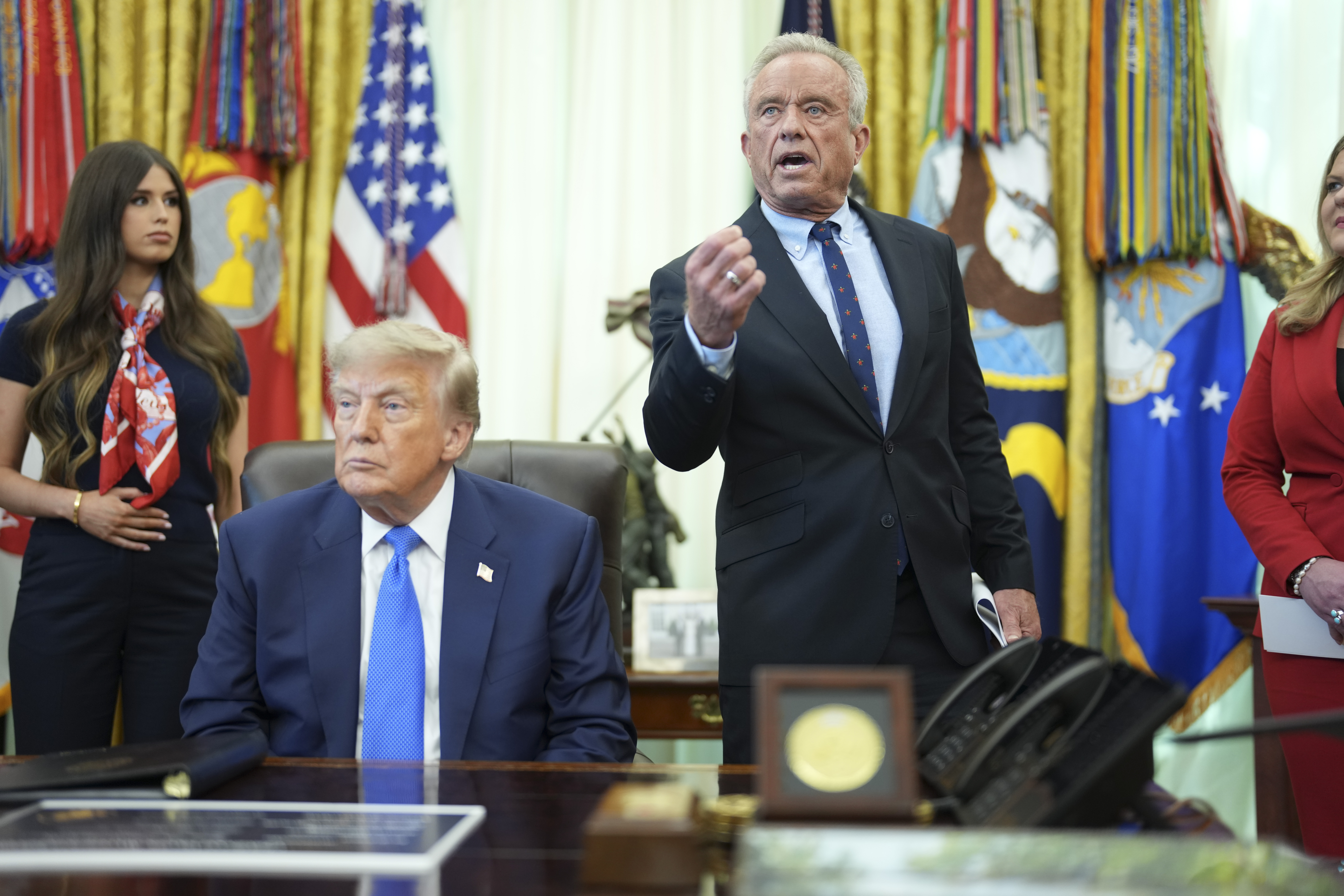
Health and Human Services Secretary Robert F. Kennedy Jr. speaks from behind President Donald Trump during an executive order signing event on reducing the number of recommended childhood vaccines in the Oval Office of the White House in Washington, on Aug. 10.DOUG MILLS
Personally, I envisioned a news conference in which the deans of America’s 200-plus medical schools would stand together — arms linked — and state their position on RFK Jr’s nomination clearly: “An anti-vax conspiracy theorist as HHS secretary? Over our cold dead bodies.”
Of course, that news conference never happened.
A year and a half later, the consequences of RFK Jr.’s appointment — including eroding public confidence in vaccines — are getting harder to ignore. Measles cases are surging, with 460 confirmed cases in Pennsylvania this year and 83 hospitalizations. Nationwide, annual cases of measles are at their highest number in 30 years — and it’s only September.
Are the deans of American medical schools alarmed? I know they are. So why haven’t more spoken out — and why hasn’t American academic medicine spoken with anything approaching a unified voice?
The answer, I suspect, is fear. Academic medical centers, after all, depend on federal funding, and leaders of medical schools have employees to protect, clinical operations to run, and institutions that can be damaged by federal retaliation. Their boards of trustees no doubt counsel them to stay out of the fray. Support vaccination? Sure. Defend science? Of course. Mention RFK Jr. by name? That seems to be where the line is drawn.
So while American medical schools — and their leaders — have accumulated enormous cultural capital, they seem reluctant to spend it when it matters most. And for institutions that have been criticized for being overly focused on their multibillion-dollar hospital systems and lucrative industry partnerships, that timidity risks tarnishing the very reputation they have spent decades building.
Perhaps keeping their heads down and waiting for all this to blow over is the prudent strategy. Just a few more years, the thinking goes, until the political winds change, order is restored, and we go back to the way things were before.
But maybe not.
Because increasingly, silence feels like assent. And once we normalize government health officials contradicting established scientific evidence, it may be difficult to put the genie back in the bottle.
So let me make a plea. The next time you are horrified by something outrageous RFK Jr. says or does — don’t call your local member of Congress. Call your local medical school dean. Tell them you know a dean who speaks out alone may risk retaliation, but a hundred deans speaking together cannot be dismissed.
Remind them that the levers of power do not only reside in Washington, D.C. They exist throughout civil society, and that medical deans are far more influential than they may appreciate.
Tell them there is still time to hold that news conference.
David Oxman is a critical care physician and member of the Committee to Protect Healthcare.
As a businessman, Donald Trump often cut corners, broke promises, and made bad deals. Now that he has the power of the U.S. government at his disposal, the submission of Republicans in Congress, and a pliant U.S. Supreme Court, the only difference is the scale of the abuse, corruption, and foolishness he brings to his ventures.
Late Friday, the president announced on Truth Social that he had reached an agreement with Venezuela to secure more than 65 billion barrels of oil. “This Historic Transaction MORE THAN DOUBLES American Oil Reserves, greatly increases our Oil Supply, and will substantially lower Gas Prices for all Americans, long into the future,” he wrote.
The deal, such as it is, is, in fact, very significant, as total proven U.S. reserves are about 81 billion barrels. But the rest of Trump’s claims, and the agreement itself, should be buried under caveats.
Trump noted that this comes “at no expense to the American taxpayer.” This is true unless you count the roughly $5 billion the U.S. has spent on military operations around Venezuela since August of 2025, including extrajudicial killings at sea and the illegal invasion that ended with the kidnapping of President Nicolás Maduro and his wife on Jan. 3.
There is also the incalculable reputational cost as the United States’ revived imperialistic push into Latin America mirrors the president’s transactional nature and authoritarian bent.
The deal was reached with the unelected Venezuelan President Delcy Rodríguez, who took office after Maduro was taken. Never mind that she was part of the same repressive socialist regime that is accused of rampant corruption and human rights abuses; she has proved a lot more willing to work with the Trump administration than her predecessor.
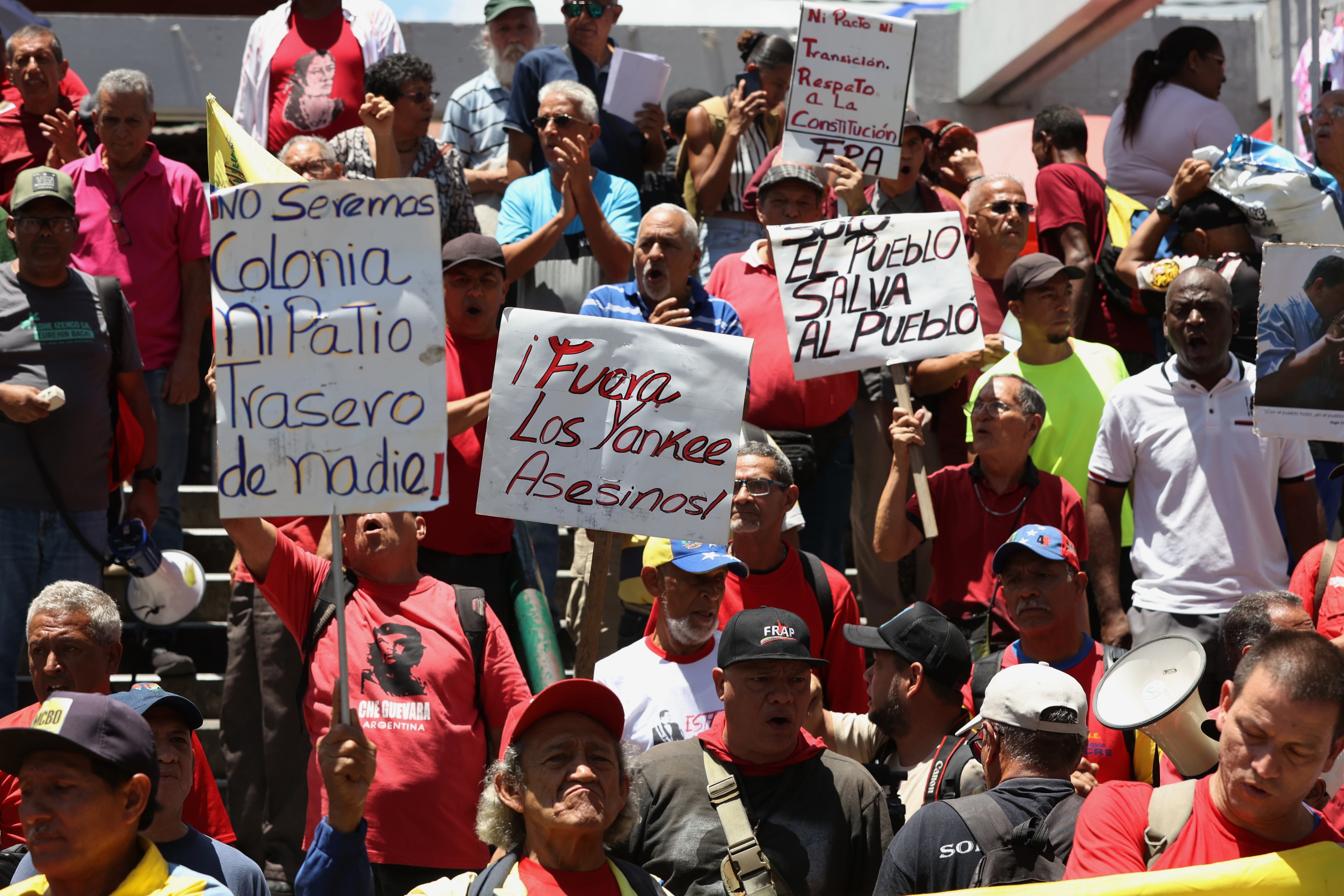
Venezuelans protest against President Donald Trump’s deal giving the United States a stake in Venezuela’s oil reserves in Caracas, Saturday.Pedro Mattey
Reports out of Venezuela find some people are hopeful U.S. investment will benefit the nation, yet under a government rife with cronyism, only a select few will likely reap any reward. Although details are still scarce, the agreement already sees the U.S. partner with a private company run by Alejandro Betancourt, an ally of Rodríguez, who has been under investigation by prosecutors in Zurich.
Trump’s assertion that gas prices will drop thanks to this deal is delusional, at least any time soon, as it would take years for this Venezuelan oil to have any impact on costs at the pump.
And that’s if the deal comes to fruition at all. The risks, at home and abroad, are significant.
The agreement would reportedly give Betancourt’s company access to 17 oil fields that are said to contain 65 billion barrels of oil. Development would cost billions of dollars and could take more than a decade. The Pentagon would finance the plan, but the legality of its participation is in question — as well as how the deal was crafted in the first place — meaning court challenges may be inevitable.
There are also political realities to contend with.
With Maduro gone and Trump threatening use of force, the Venezuelan government changed its position on working with the U.S. overnight. That could change just as quickly once Trump leaves office and if the new occupant of the White House has different priorities or if the current government of Venezuela is replaced and decides to honor the country’s 1999 constitution, which states that oil reserves belong to the nation and cannot be sold.
The high investment cost and political volatility are why U.S. oil companies have been reticent to enter Venezuela, even under pressure from Trump. According to the Wall Street Journal, Exxon and other energy interests are in talks to expand operations there, which is the prerogative of any private company that is willing to roll the dice on long-term investment, but should be far from the purview of the U.S. government and its taxpayers.
Trump’s half-baked oil agreement in Venezuela tramples that country’s sovereignty, benefits corrupt interests, and will likely fail to deliver for the American people. The art of the deal strikes again.
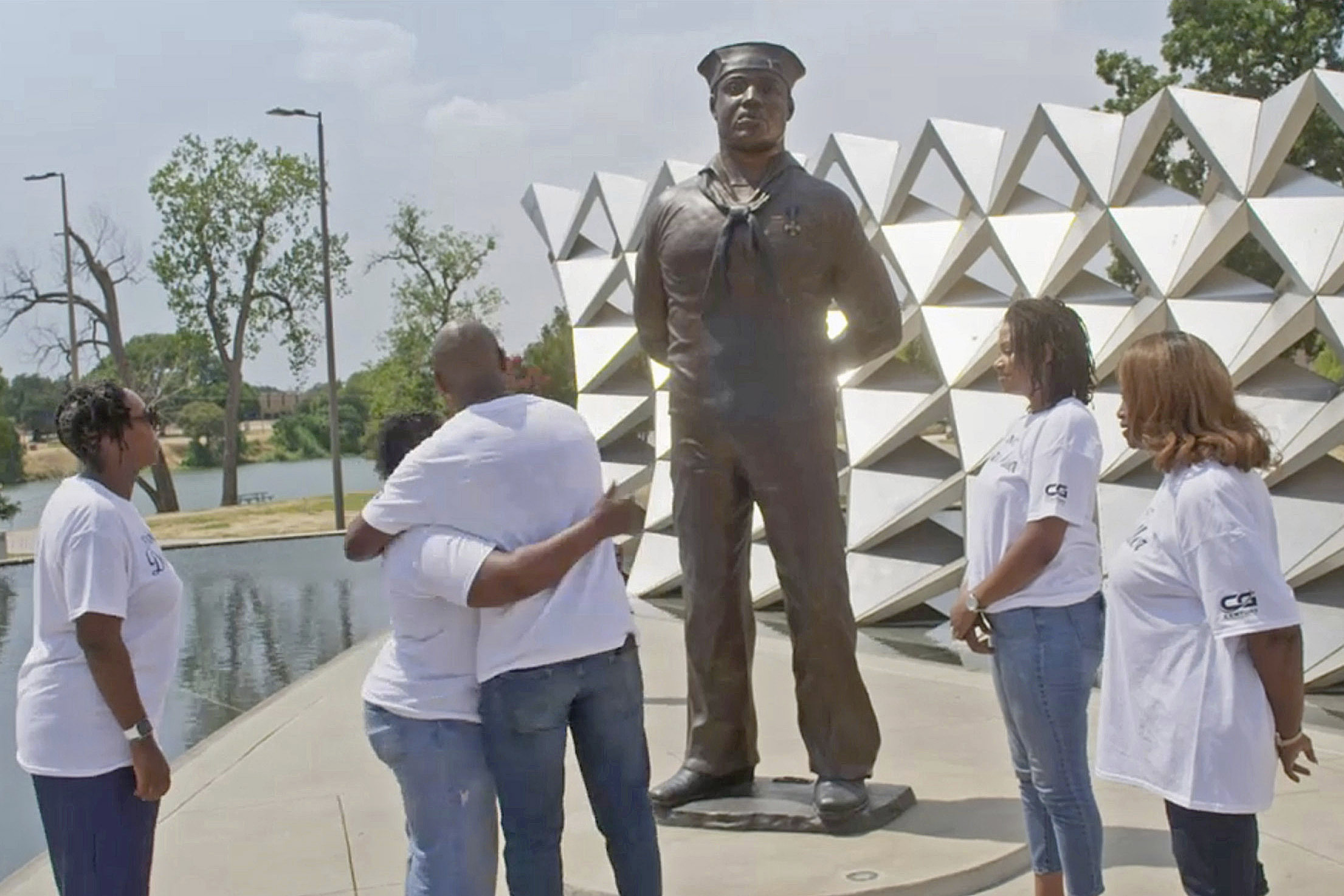
Doris Miller was a sailor serving aboard the battleship USS West Virginia in World War II. During the attack on Pearl Harbor, his ship was bombed and strafed with enemy gunfire. He disregarded his own safety and carried his mortally wounded captain to a safer location. Returning to his ship, although untrained, he operated a .50 caliber Browning anti-aircraft gun. Miller successfully shot down several enemy planes until he ran out of ammunition and was ordered to abandon ship.
Fast-forward to today. We have a U.S. president who avoided any type of service in our military due to bone spurs. This commander in chief wants to take the naming of an aircraft carrier away from Miller, a bona fide war hero, and put his own name on the ship. Outrageous, despicable, and scandalous! Every combat veteran, everyone who served in the military, and every American should be sickened by the very thought. Let me ask you, in a moment of extreme distress, who would you want to have your back: Doris Miller or Donald Trump?
William D. Markert Jr.,Vietnam veteran, Warminster
Mission creep
U.S. Immigration and Customs Enforcement is back in the news with its record-breaking July arrest total of nearly 50,000. Most arrests were made in Texas and Florida, largely due to financial incentives offered to cooperating local police departments. An arrest of a Haitian immigrant in Key West, Fla., who was seeking asylum due to death threats in his country of origin is particularly concerning. According to The Inquirer, the restaurant owner, who employed the Haitian as a cook and supervisor, claimed: “He was an excellent worker, he learned very fast, he never had any problem with the law …. He was a nice kid; he was a family man.” I wonder if any ICE agents who responded to the ad that ICE would rid our nation of the “worst of the worst” are getting second thoughts about their mission?
John Groch,West Chester
Memorable footnote
As Donald Trump attempts to whitewash history by rewriting the story of George Washington’s house on Independence Mall, a significant footnote has been widely overlooked. On Friday evening, April 18, 2008, five days before the Pennsylvania primary, a presidential candidate rose to speak from almost the exact site where enslaved people lived and served the nation’s first president. The young senator addressed an overflow crowd of more than 35,000. Barack Obama lost the primary five days later, but would go on to become the country’s 44th — and first Black — president.
Martha Jablow, Philadelphia
Grid collapse
Cuba’s national power grid has collapsed several times this year. Not a neighborhood, not a province — the whole island, all at once, over and over. Hospitals are rationing care. Ventilators are going quiet. Water pumps have stopped. In parts of the country, the outages exceed 20 hours at a stretch. This isn’t a natural disaster. It’s an oil blockade the Trump administration has enforced since January, letting a grand total of one tanker reach Cuban shores in seven months. Congress can end it. There is a privileged resolution sitting in the House right now, H.Con.Res.106, that would force a vote to stop these unauthorized hostilities. House Democratic leadership just has to schedule it. Will you tell your member of Congress to call for the vote?
Andrew Mills, Lower Gwynedd
Join the conversation: Send letters to letters@inquirer.com. Limit length to 150 words and include home address and day and evening phone number. Letters run in The Inquirer six days a week on the editorial pages and online.
Sixty-one years ago, the U.S. Supreme Court decided Griswold v. Connecticut — striking down a state law that banned married couples from using contraception. The court recognized what should have been obvious: that the most intimate decisions people make about their bodies, their families, and their futures belong to them, not to the government. That ruling established the constitutional right to privacy, and laid the foundation for modern reproductive healthcare.
Today, those rights are not as secure as they once seemed.
The political landscape has shifted. Forces that once operated at the margins of American politics are now driving policy — and contraception is squarely in their sights, along with access to in vitro fertilization (IVF) and even vaccines.
Lab staff prepare small petri dishes, each holding several 1- to 7-day-old embryos, for cells to be extracted from each embryo to test for viability, at the Aspire Houston Fertility Institute in vitro fertilization lab in 2024 in Houston.Michael Wyke
The legal landscape has also shifted, with the Supreme Court a standout case in point when it issued its decision in Dobbs v. Jackson Women’s Health Organization and took away women’s hard-fought right to abortion care.
In his concurring opinion, Justice Clarence Thomas went even further in his endeavor to strip women of their bodily autonomy. He wrote that the court should “reconsider” earlier rulings, specifically naming Griswold. The right to contraception has been settled law for more than half a century, and this was not an offhand comment. It was a sitting Supreme Court justice signaling that, in his view, the constitutional protection for birth control could be reconsidered next.
Those of us in Harrisburg cannot wait for that to happen.
That is why I introduced legislation to ensure everyone in Pennsylvania has a clear statutory protection to the right to contraception and fertility treatment, no matter what the Supreme Court does. If Washington will not protect this right, Pennsylvania will.
The same constitutional principles Griswold recognized — privacy, autonomy, and freedom from government interference in personal medical decisions — deserve protection under state law, so no court ruling can strip them from Pennsylvanians overnight.
We have already seen how quickly long-established rights can disappear. We watched Roe v. Wade fall in Dobbs. We have seen misinformation about birth control spread — false claims that common forms of contraception are abortifacients — designed to create legal grounds to restrict them.
Contraception and fertility treatment are a part of everyday life for millions of Americans. People use birth control to plan their families, pursue their education and careers, and manage health conditions like endometriosis and polyendocrine metabolic ovarian syndrome (PMOS). These are deeply personal decisions that belong to individuals and their doctors — not politicians.
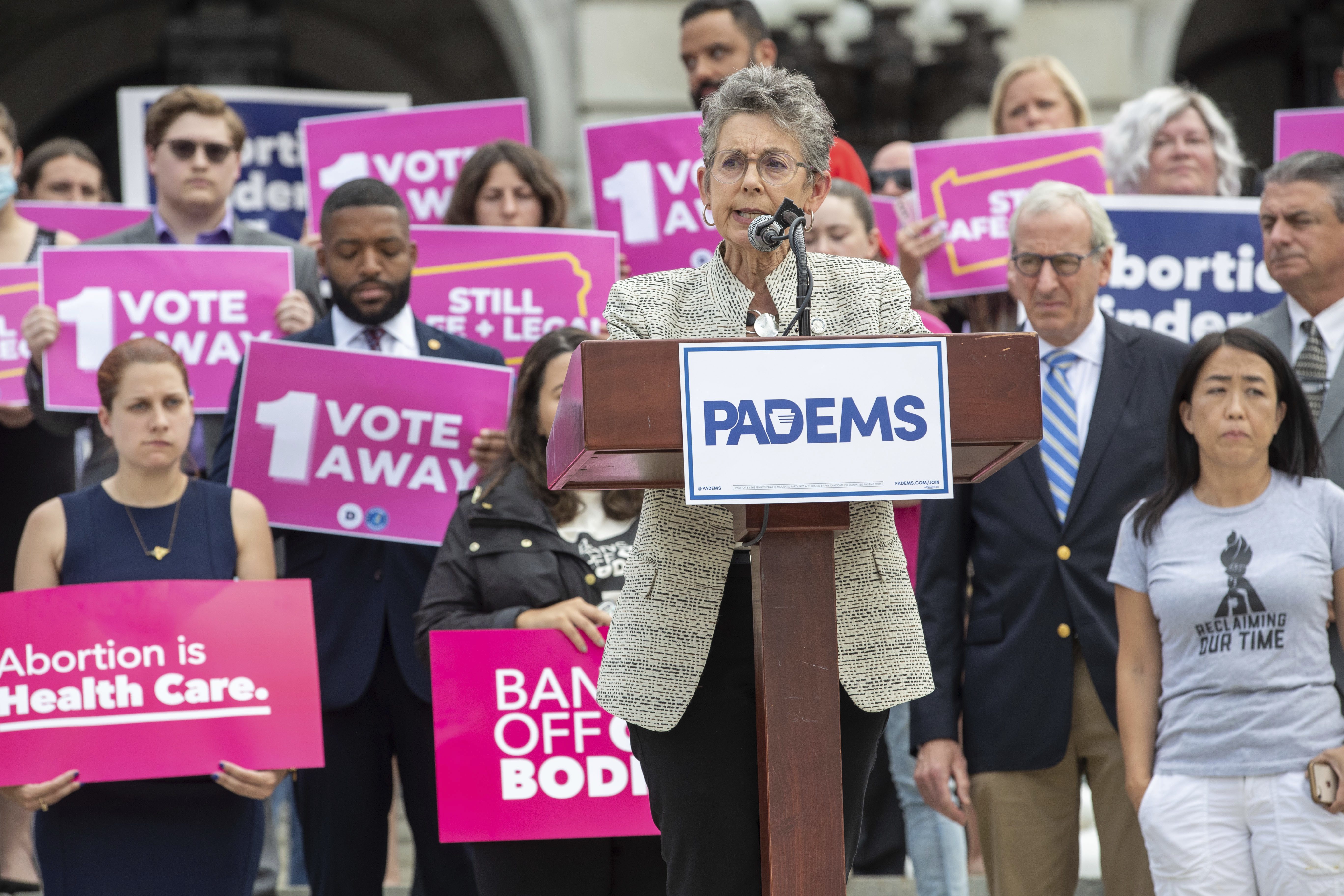
Supporters of abortion access listen to Democratic State Rep. Mary Jo Daley speak in 2022 in Harrisburg.Mark Pynes | pennlive.com / AP
Yet, there remains a gap between what the public supports and what some lawmakers set out to personally and politically accomplish. That is why action by states matters.
The lesson of Dobbs is that rights cannot be taken for granted.
Pennsylvania has an opportunity to act before another right comes under attack. The question is not whether contraception and fertility treatments deserve protection. The question is whether we are willing to protect them.
I am. And I hope my colleagues are, too.
State Rep. Mary Jo Daley (D., Montgomery) represents the 148th Legislative District. She is cochair of the Pennsylvania Women’s Health Caucus.
There were so many jaw-dropping moments in U.S. District Court Judge Paul S. Diamond’s courtroom on Thursday that it is hard to know where to begin.
For starters, I had a stint covering courts in the mid-2000s, and have never seen a courtroom packed with so many lawyers — including lawyers representing lawyers — for a hearing in an exoneration case. An overflow room was needed to handle the rapt onlookers.
The hearing grew out of efforts by Philadelphia District Attorney Larry Krasner’s office to overturn the conviction of Dennis Johnson, who was found guilty of second-degree murder in the 2007 shooting of a man at a North Philadelphia convenience store. While Johnson’s future was ostensibly on the line, it quickly became clear that so was Krasner’s.
By the end of the day, the future for both men looked bleak.
While Johnson was in court with his attorneys, the hearing focused on the machinations within Krasner’s office.
The office has already run into a heap of legal trouble over previous efforts to overturn other convictions or reduce sentences, mainly for those convicted ofmurder.
Federal courts have disbarred and suspended prosecutors in Krasner’s office for lying to the court. The state Supreme Court found more lies and, in an unprecedented move, appointed the state attorney general to review future efforts to undo prior convictions.
So essentially, Krasner’s office now has a court-appointed babysitter because it can no longer be trusted.
It was easy to see why after three prosecutors — who still work for Krasner — provided damning testimony about their own office’s sloppy handling of efforts to vacate Johnson’s conviction. They accused Krasner of conduct that bordered on paranoia and cover-up, and painted a picture of an office that seemed less focused on the pursuit of justice than on shielding itself.
Katherine Ernst, the chief of training in the law division, went first, followed by colleagues Steven Wildberger, an assistant district attorney in the appeals unit, and David Napiorski, the head of the law division.
David Napiorski, the head of the law division in the Philadelphia District Attorney’s Office, testified that Krasner eschewed his official email account and “always prefers oral, in-person conversations.”Alejandro A. Alvarez / Staff Photographer
They came with receipts, providing meeting times, memos, and emails documenting conversations with Krasner about how to handle errors in court filings by the DA’s office related to an attempt to undo Johnson’s conviction.
Krasner did not respond to a request for comment, but in an earlier filing his office said the prosecutors were “ill informed.”
The three prosecutors provided alarming testimony detailing how Krasner avoided using his official office email and threatened them.
“DA Krasner typically didn’t use that email,” Ernst said about his office email. “He wouldn’t check it. And so, if you wanted to email him, then you typically had to email his private address.”
Napiorski backed that view: “He always prefers oral, in-person conversations.”
In late June, after the three prosecutors drafted a memo to Krasner detailing the office’s conflict of interest in handling the Johnson matter, he responded with an email sent from the account of his chief of staff, Jennifer Lin, which began, “This response is not from Jen Lin, it is from Larry Krasner.”
At another point, Wildberger testified that when they presented Krasner a letter turning the Johnson case over to the state attorney general, he went “apoplectic.”
“He said something about having already told us not to bring him printed-out material, things in writing,” Wildberger said.
‘Paraguay’
The prosecutors pushed for the attorney general to take over, because their self-interest had become a focus rather than the merits of the case. In their view, they had conflicts, and so did Krasner.
But Krasner wanted to hire an outside lawyer to handle the matter, and repeatedly resisted efforts to turn the case over to the state Office of Attorney General, or OAG.
Ernst testified that Krasner “hated” everyone in the OAG. Wildberger said Krasner “referred to the Office of the Attorney General as Paraguay” and “the people that work there as Nazis.”
Adding to the drama was the fact that the attorney questioning Ernst and Wildberger was John Boscia, a senior deputy attorney general in the OAG.
To clarify, Boscia asked Wildberger, “So that the people from the OAG’s office were escaped Nazis who had gone to Paraguay?”
“That’s my understanding,” Wildberger responded.
All three prosecutors testified that throughout the internal discussions, Krasner remained adamant about retaining control of the case in order to “protect the office” — a phrase that came up more than two dozen times during the hearing.
At one point, Judge Diamond asked if Krasner’s reference to “protect the office” meant “protect himself?”
“I think that was probably part of it,” Napiorski said.
In another twist, Thomas Gaeta, the DA’s civil litigation supervisor, was involved in some of the internal discussion, yet he handled the brief and mild cross-examination of his colleagues on Thursday.
The roots of the DA’s conflict began after Johnson appealed the verdict, claiming his defense attorney was ineffective.
In 2022, then-Assistant District Attorney Jaclyn Mason filed a document that agreed with the arguments made by Johnson’s attorneys at the Pennsylvania Innocence Project, and that his conviction should be overturned. According to the document Mason signed, the detective’s testimony in Johnson’s trial was improper and had “tipped the scales” toward a conviction.
But this spring, following an order from Diamond, Ernst and some of her colleagues reviewed the case. Ernst said she found multiple errors in Mason’s motion and confronted her.
Ernst and her colleagues urged Mason to fall on her sword for the office,take responsibility for the errors, and withdraw the motion. Napiorski said he told Mason he had done something similar in a different exoneration case that blew up.
Profiles in courage.
‘Reluctantly but loudly’
The main hero in what is shaping up to be an unraveling of Krasner’s mass exoneration scheme appears to be Mason.
Her dramatic testimony in Diamond’s courtroom last month provided a window into the lack of independent investigation by Krasner’s office into the wrongful conviction claims. (Mason also appears to have provided some backbone to the three prosecutors who testified on Thursday.)
Mason explained that she had only been on the job a few months in 2022, and had largely taken directions from her supervisor, Matthew Stiegler, who she said told her if Johnson’s claims were good enough for the Innocence Project, they were good enough for him.
In the meeting with the prosecutors, Ernst recounted that Mason said, “This is all Matthew Stiegler’s fault.”
Mason told her colleagues that Stiegler should have to sign the withdrawal motion, as well. Apparently, that was not an option. Instead of going along with the plan to take all the blame, Mason resigned on June 2.
In a two-page resignation letter addressed to Krasner, Mason wrote that she had limited experience with federal habeas law when she was hired. Yet, the first two cases Stiegler assigned to her “involved complicated cases where he determined that it was appropriate to concede habeas relief.”
Mason said she “trusted” Stiegler, but later learned about a mass exodus of prosecutors when he oversaw the federal litigation unit.
Mason said Stiegler had “worked closely with the Innocence Project and the Federal Defenders on the [Johnson] case, deeming it worthy of a concession with little independent investigation.”
Therein lies the problem when it comes to reviewing past convictions. Under Krasner, the prosecution and defense are largely on the same team.
Mason added that Stiegler reviewed several drafts of the concession she filed in the Johnson case, but did not sign his name to it. Mason ended by writing that she “reluctantly but loudly” resigned.
After Mason quit, all three prosecutors testified that Stiegler hatched a plan to manage the fallout. He suggested combing through Mason’s past cases for errors and claiming she was a rogue operator.
Ernst testified that Stiegler asked to meet and told her, “Mason purposely inserted the false facts into the response.” Ernst explained that Stiegler wanted to make it seem as if any mistakes in the case were “100% [Mason’s] fault and 0% his fault.”
Krasner was on board with Stiegler’s plan, according to Ernst, who recounted a conversation with the district attorney.
Krasner said Stiegler “gave me this really good idea,” Ernst testified. “I think that we should go through Ms. Mason’s cases, say that this was a pattern by her, and then file something with the court saying that.”
Why the deference to Stiegler is unclear. He has come and gone from Krasner’s office three times and remains a lightning rod. Stiegler now oversees the Conviction Integrity Unit, a departmental name fast becoming an oxymoron.
Stiegler sat in the front row of Judge Diamond’s courtroom on Thursday as the other prosecutors testified about his role and reputation with the office.
Wildberger testified that in the meeting with Mason and the other prosecutors, he told her, “You’ll find no Matt Stiegler apologists here.” He later explained that Stiegler “was not well liked” and had chased away many prosecutors.
The internal drama and legal troubles have roiled Krasner’s office. Ernst testified that many frontline prosecutors were “angry” at Krasner for what happened to Mason. Wildberger said he had “lost faith in the administration of the Philadelphia District Attorney’s Office.”
Amid the discussions over whether to tell the court about the errors in the Johnson case came another bombshell.
Ernst testified that Napiorski warned her Krasner had threatened “to fire anyone who tells the judge about this.” She added that Wildberger clarified Krasner didn’t use the word fire, but said that “there would be consequences.”
Early on in the proceeding, Judge Diamond signaled his take on the emerging testimony.
“If what they say is true, potential wrongdoing abounds,” Diamond said. “There’s a question of whether perjury was committed, subornation of perjury was committed, criminal conspiracy was committed, and obstruction of justice was committed.”
The hearing is scheduled to continue on Tuesday. It is unclear what the judge will do next.
I left the courthouse thinking about the Watergate hearings and, in particular, a March 1973 meeting in which White House counsel John Dean warned RichardNixon about a “cancer” on the presidency.
Has something similar metastasized in Krasner’s office?
Donald Trump seemed genuinely happy last Sunday as he waved the green flag to start the Freedom 250 Grand Prix, the first IndyCar race in the nation’s capital. Whether you regarded the event as crass exploitation or a rousing sports presentation, it certainly wasn’t surprising.
Way before he became a politician, the president was an entertainer.
Trump made cameos in movies, headlined his own reality TV show, The Apprentice, and organized high-profile boxing matches and MMA fights at his casinos. He owned the Miss Universe pageant and a football franchise of the short-lived USFL, brought in Michael Jackson to the grand opening of his Trump Taj Mahal in Atlantic City, and he even “fought” in wrestling bouts himself.
As a journalist based in Berlin, I’ve done a great deal of reporting over the past decade about the global tilt to the political right. What Trump has done as president, especially in his second term, echoes what autocrats around the world do to boost their public image.
The race was already the final event of Trump’s attempt to commandeer America’s Semiquincentennial festivities under the Freedom 250 banner. But just in case it wasn’t clear who the star was, the military flyover and the presidential limousine cruising down Pennsylvania Avenue before the race made it obvious. The president was also front and center (it was coincidentally his birthday, after all) when he used the South Lawn of the White House to host a mixed martial arts event on June 14.
It seems fitting that, just like Trump’s family businesses have no problem taking large amounts of money from the leaders of authoritarian nations like Saudi Arabia and the United Arab Emirates — including $2 billion to a private equity firm founded by son-in-law Jared Kushner and $500 million for the Trumps’ crypto ventures — the president would also take to their sportswashing playbook.
Both the Saudi government and the UAE have used sports and entertainment to improve their global reputation and distract from allegations of human rights abuses and repressive policies.
Trump’s supporters may argue that the president’s great race wasn’t much different from the high-profile sporting contests that are held in European capitals — and they would be right, up to a point. A crucial difference is that most of those European events have historical and communal aspects to them that are very different from the spectacles Trump is setting up left and right.
The Monaco Grand Prix, for instance, was first held in 1929, during a time when European motor sports were gradually turning professional. In the years leading up to the first race in the principality, other famous European circuits like Monza, the Nürburgring, or Spa-Francorchamps had held their first races, so it was fitting for the time.
The Tour de France has been held since 1903 and was founded as a marketing ploy for a French sports paper. The first tour consisted of only six stages, ended in a small suburb of Paris, and developed steadily over time to become the global phenomenon we know today. Formula E races are held in world capitals, but in restricted spaces like former airports or fairgrounds.
Trump’s Freedom 250 Grand Prix had more in common with the Azerbaijan Grand Prix in Baku.
A former member state of the Soviet Union, Azerbaijan had been ruled autocratically by former Azerbaijani KGB head Heydar Aliyev since 1993. Shortly before his death in 2003, he had his son take over in an election described as fraudulent by independent observers. Ilham Aliyev has been ruling the country ever since — and has implemented a thorough sportswashing strategy for more than a decade.
Baku has hosted European Football Championship games and has been a sponsor of Spain’s Atlético Madrid. For the grand prix, the country pays 40 million to 50 million euros per year to Formula One — all while freedom of speech is highly restricted, journalists are being jailed, and there’s a gap — in both income and equity — between the shiny capital of Baku and the rural areas filled with subsistence farmers.
With the ongoing war in the Middle East, the Jeffrey Epstein issue still looming, and the cost of living continuing to rise thanks to his bad policies, Trump may believe he can paper over the cracks with a checkered flag.
After all, if the people can’t afford bread, Trump’s happy to give them circuses.
Wim Orth is a journalist with WELT in Berlin and an Arthur F. Burns fellow at The Inquirer.