Category: Commentary

  • Should an insurer or a doctor decide where your care takes place?

    Should an insurer or a doctor decide where your care takes place?

    Every day, physicians, patients, and the families who care for them make hundreds of decisions together about where and how care should be delivered. Those choices reflect what matters most to the patient and family, alongside clinical expertise, patient safety, medical complexity, and access to the resources needed to achieve the best possible outcomes.

    Increasingly, however, these collective judgments are being second-guessed — and often overruled — by large insurance companies through policies that prioritize administrative convenience and cost-shifting over clinical judgment and the needs of the people receiving care.

    At Jefferson, where I am chief physician executive, we believe healthcare decisions should be made by patients, their families, and their care teams — not by insurance company policies that create barriers to treatment.
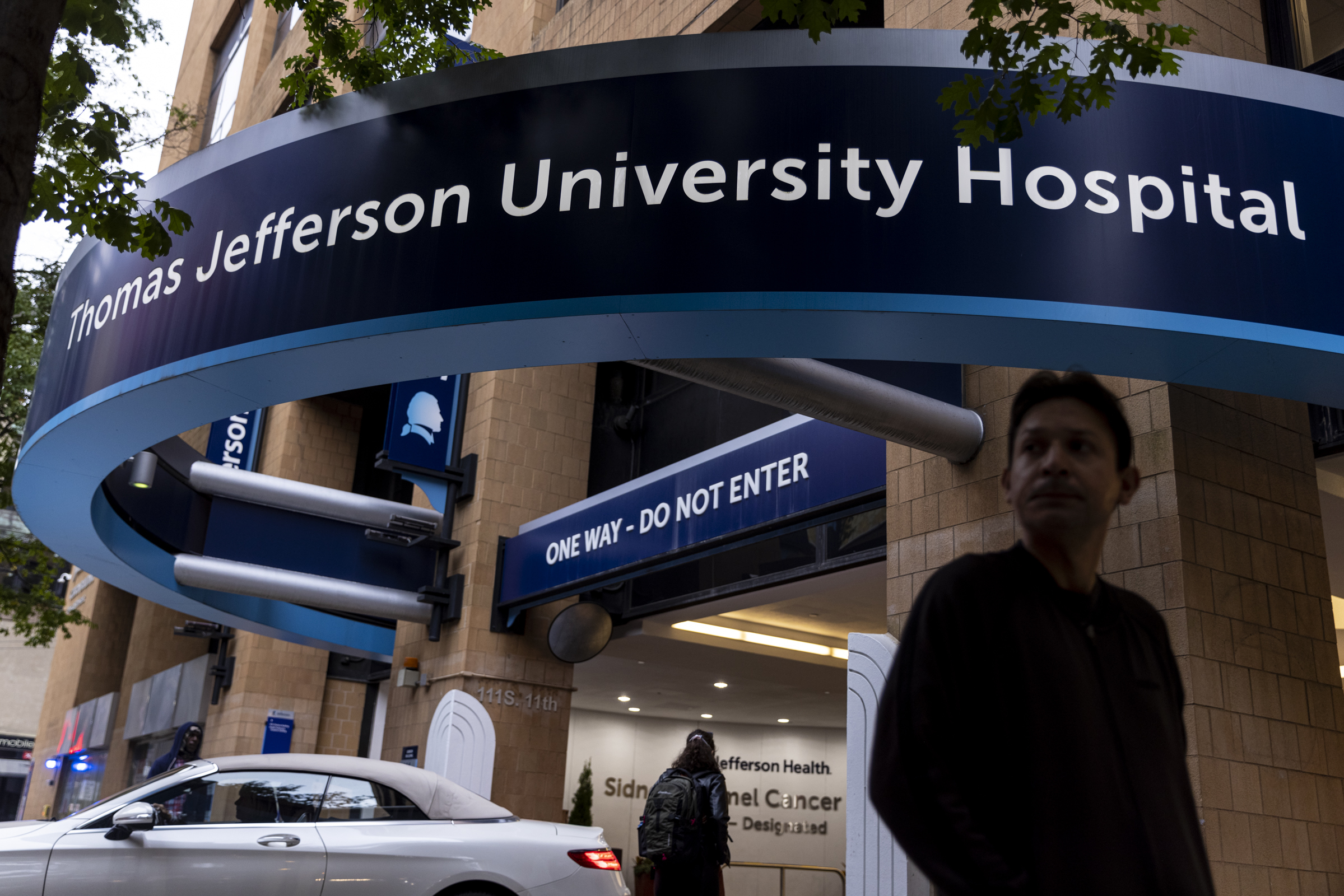
    Pedestrians walk by the entrance of the Gibbon Building at Thomas Jefferson Hospital in Center City in October 2021.TYGER WILLIAMS / Staff Photographer

    That is why we are speaking out against a growing number of managed care policies, including recent actions by Independence Blue Cross, that delay care, increase administrative burden, and interfere with the ability of physicians and patients to determine together the most appropriate setting for treatment.

    Supporters of these policies describe them as efforts to control healthcare costs, but they have the opposite effect — at the expense of patient access, clinical judgment, and safe care delivery. When insurers insert additional layers of authorization, site-of-care reviews, exception requests, and excessive documentation requirements into the care process, the result is not greater value. It is greater friction.

    For patients and families, that friction can mean postponed procedures, unexpected changes in where care will be received, canceled appointments, additional paperwork, and uncertainty at a moment when many are already carrying the weight of a serious diagnosis.

    Families rearrange work schedules, travel plans, childcare, and other responsibilities around a procedure date — and then learn the date has moved for reasons that have nothing to do with the patient’s medical condition. Too often, patients and families are the last to know that a decision about their care is under review, and they are given little explanation of who made it or why.

    That is not information sharing. It is not participation. And it does not reflect the dignity and respect patients and families are owed as full partners in their own care.
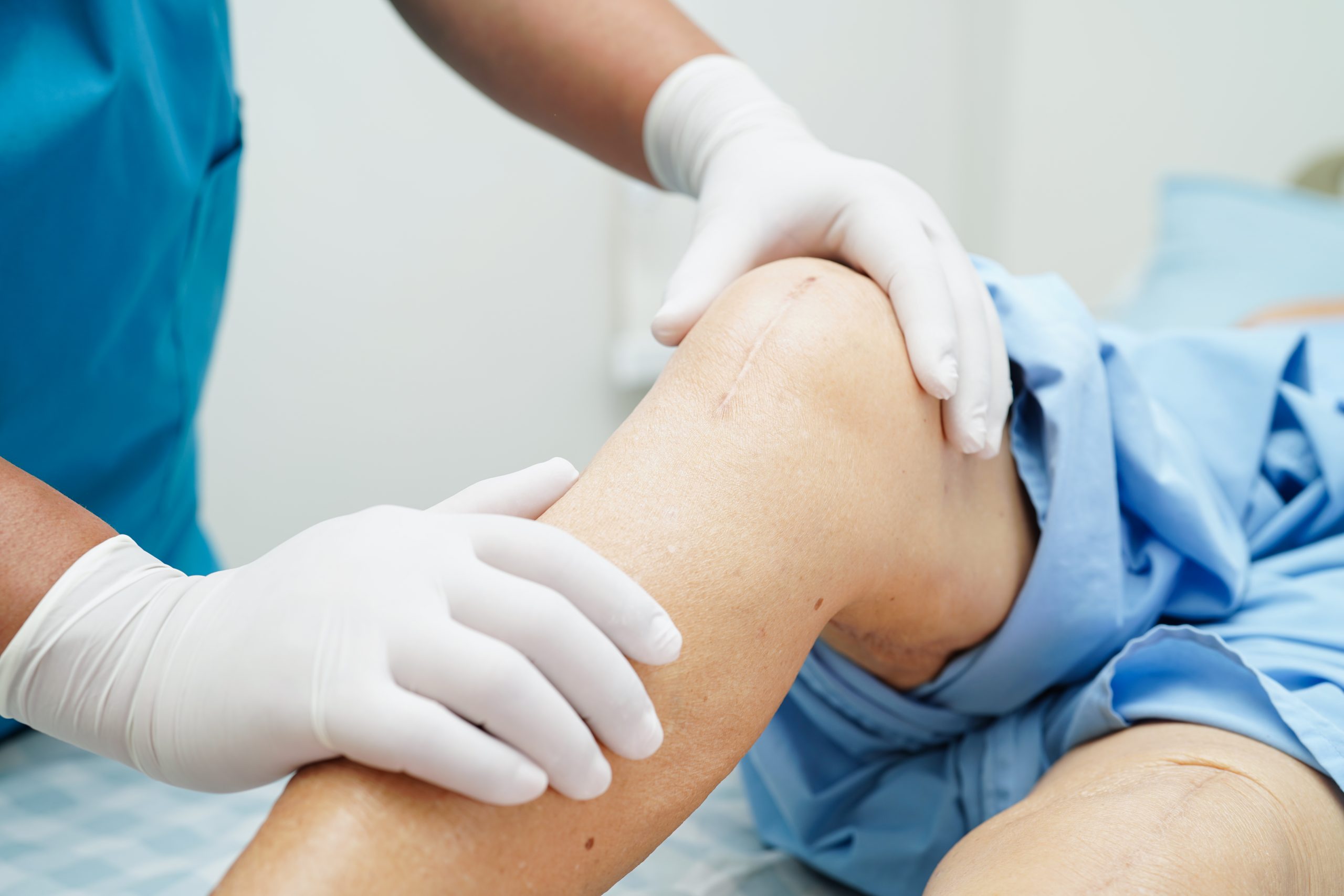
    Too often, Edmund Pribitkin writes, patients and families are the last to know that a decision about their care is under review by insurers.manassanant pamai

    For physicians, nurses, and the rest of a care team, it means spending valuable time on administrative requirements rather than at the bedside, answering the questions patients and families actually need answered.

    The IBX Site of Care policy is one example. Under this new rule — which was implemented in June — certain procedures that have long been performed safely in a hospital outpatient setting must now undergo additional review that goes beyond determining whether the care is medically necessary. Physicians may need to prove why a patient cannot receive care in an alternative setting, submit exception requests, supply additional documentation, and navigate new administrative workflows before treatment can proceed.

    These requirements may sound modest on paper, but their cumulative impact is significant. They create new administrative costs that do not improve the quality of care, require additional staffing and resources, slow scheduling, and increase the likelihood of delays and disruptions for patients and families.

    Particularly concerning is the effect on high-volume services such as colonoscopies and other diagnostic procedures that are essential to prevention and early detection — the very care that keeps families healthy and catches disease when it is most treatable.

    This issue extends far beyond a single insurer or policy. Across the healthcare industry, patients, families, and their care teams are confronting an expanding web of insurer-imposed administrative requirements: prior authorizations, repeated documentation requests, portal submissions, denials, appeals, and site-of-care restrictions. Each requirement consumes time, resources, and attention that could otherwise be devoted to care itself.

    The question policymakers, employers, patients, and families should be asking is a simple one: Are these requirements improving care, or are they simply making care harder to access?

    Patients and families deserve a healthcare system that removes barriers to care rather than creating new ones. They deserve to be told, clearly and promptly, when an insurer’s policy is affecting their care, and to have a real voice in decisions about where and how that care is delivered.

    Physicians deserve the ability to exercise clinical judgment, in partnership with patients and families, without unnecessary interference.

    And health systems should be able to devote their resources to caring for patients rather than navigating ever-changing administrative mandates.

    Jefferson supports accountability, transparency, and responsible stewardship of healthcare dollars. But we will continue to challenge policies that place insurance company bureaucracy between patients, families, and the care they need.

    Healthcare works best when decisions are guided by medical expertise, in partnership with patients and families — not by administrative hurdles that add cost, complexity, and delay without improving outcomes.

    Edmund Pribitkin is chief physician executive and executive vice president at Jefferson Health.
  • Making the invisible visible: Betye Saar’s legacy lives on in Philadelphia

    Making the invisible visible: Betye Saar’s legacy lives on in Philadelphia

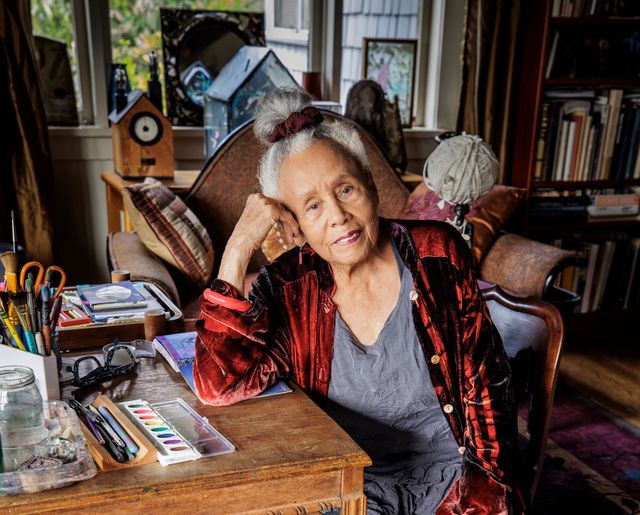
    Los Angeles-based artist Betye Saar died on July 26, just days short of her 100th birthday. A champion of the advancement of all underserved and underrecognized female artists, her assertive and sometimes combative spirit mirrored that of other African American artist-activists of her generation, such as Elizabeth Catlett and Samella Lewis, who fought racism and the oppressive nature of an arts ecosystem that fostered white male dominance.

    While Saar’s glowing presence will be missed, she leaves a legacy of art that is connected to Philadelphia in both actual and symbolic ways.

    Saar spent time here as a visiting artist in printmaking at Philly’s Brandywine Workshop and Archives in 1989, and again in 1992, when she was also a recipient of the organization’s Lifetime Achievement Award.

    Across seven decades, her creative efforts in assemblage and printmaking foretold the evolution of what art is or could be — by contributing to an evolving medium and studio practice that relied upon salvaging memories and emotions embedded in discarded, everyday objects and materials.

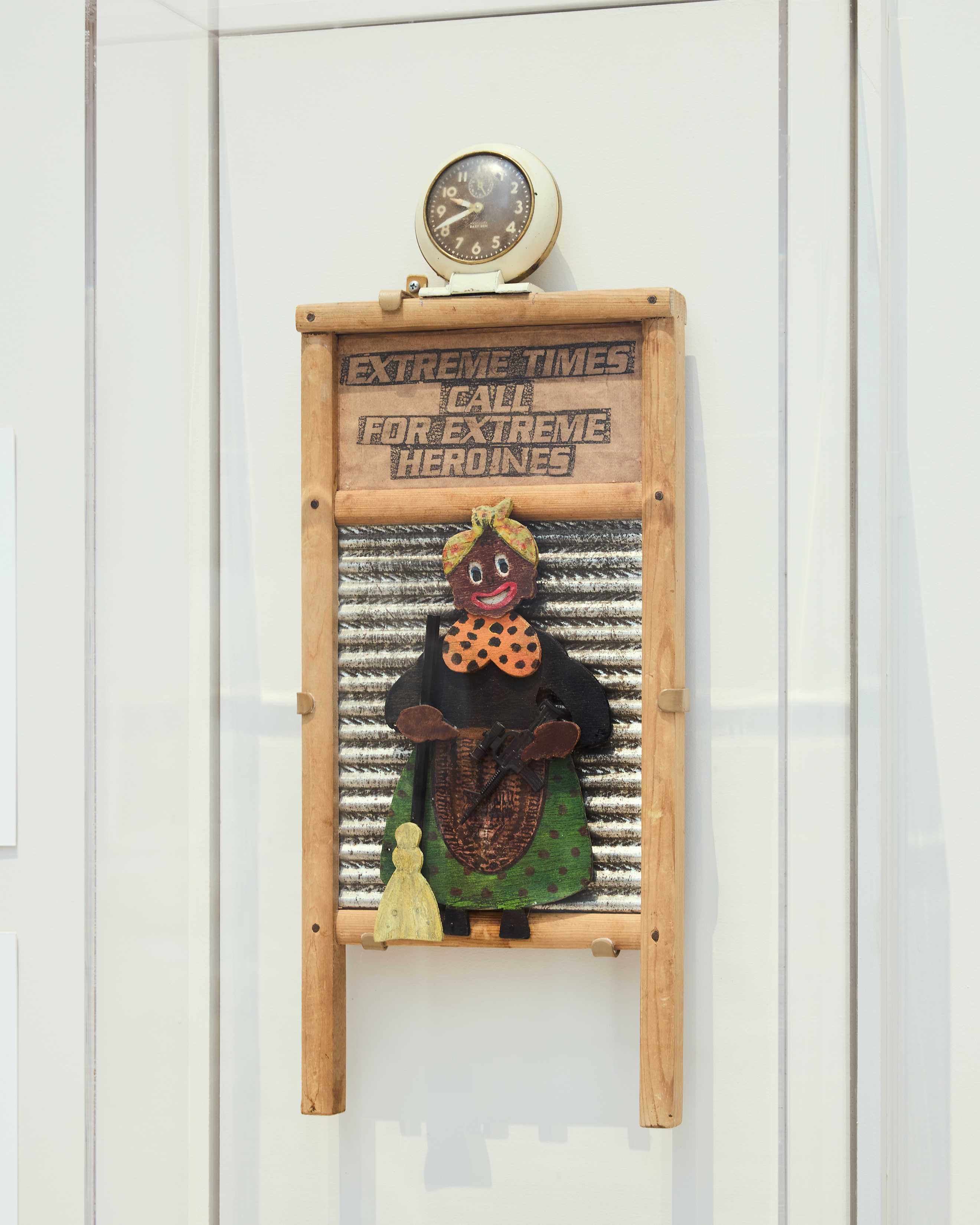
    Betye Saar, “Extreme Times Call for Extreme Heroines,” 2017, on display at the New York Historical in New York in June. LUIS CORZO

    Saar described herself as a scavenger: always looking down in order to find useful materials for her artmaking. At flea markets and swap meets, Saar would source images that portrayed African Americans in grotesque and negative narratives, which she would then use and recontextualize in her art assemblages and prints.

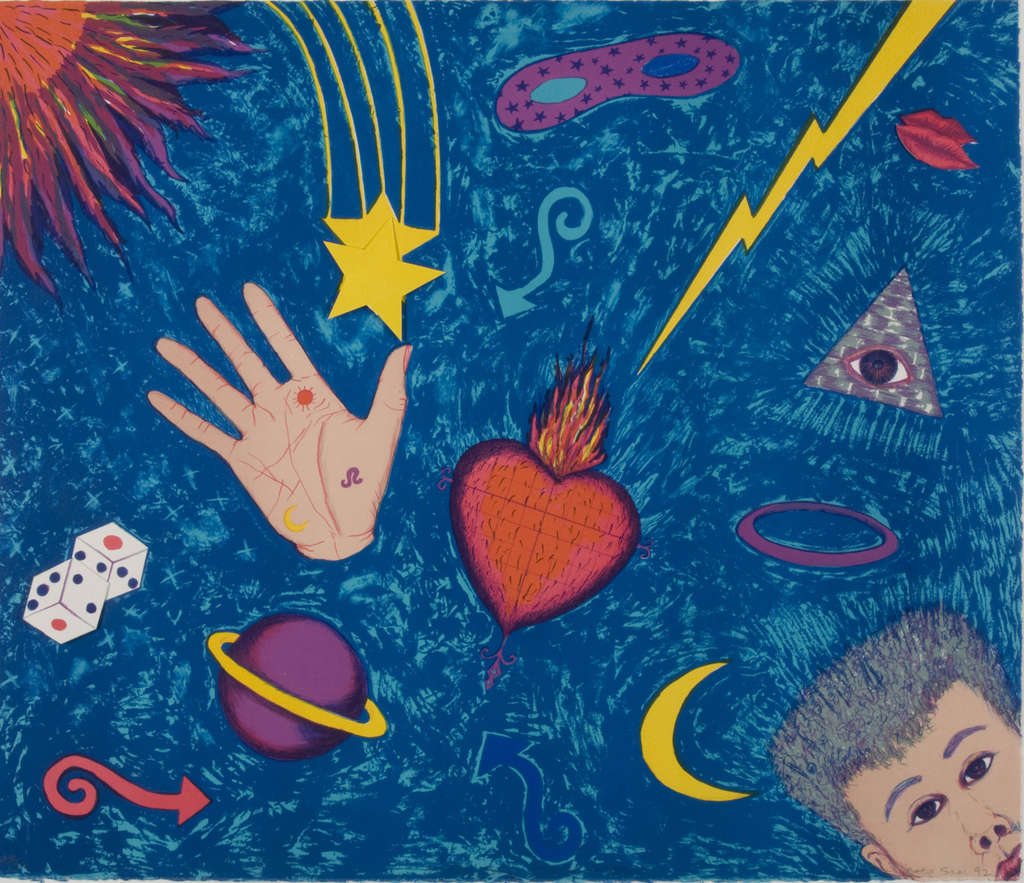
    This process of “scavenging” also informs the two mixed-media prints she created at Brandywine, LA Sky with Spinning Hearts (1989) and Mystic Sky with Self-Portrait (1992).

    Betye Saar’s “Mystic Sky With Self Portrait,” 1992, which she created when she was a visiting artist at the Brandywine Workshop and Archives in Philadelphia.

    Saar and her contemporaries, Catlett and Lewis (who were also visiting artists and Brandywine Lifetime awardees), experienced long, impactful careers during which high recognition came extremely late. This was an indicator of the market’s exclusionary agenda and inability to grapple with and comprehend their artistic talent and messaging. Despite the market and cultural biases and professional disadvantages of being people of color, women, and mothers (Saar’s daughters, Alison and Lezley, are also artists), they demonstrated a vision of social responsibility and aesthetic investigation highlighted by quality craftsmanship.

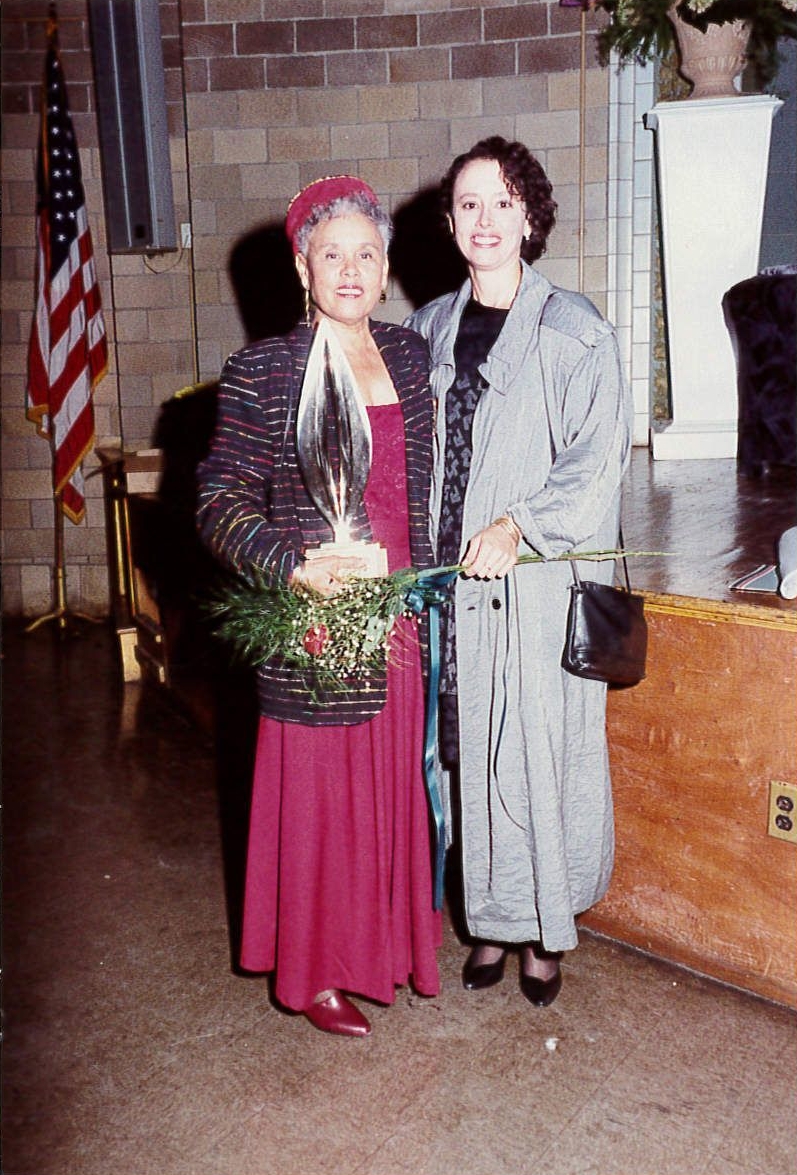
    Betye Saar and her daughter, Alison, at the Brandywine Workshop and Archive Awards Gala in 1992 at the Penn Museum.James O'Neal

    While Catlett’s and Lewis’ work in a variety of media focused on figurative art in the modernist tradition, all three can be described as social realists because of their dedication to sharing their life experiences and those of other African Americans. The themes of their art reflect ethnic identity and pride, while also conveying social messages — resistance and resilience. Collectively, they made the invisible visible.

    In the present cultural and historical environment, where censorship by politicians and uncertain economics place extraordinary demands on individual artists and the institutions that serve them, the commitment of community-minded artists seeking social justice is most reflected in the art and activism of women in the arts. These include major curator-historians such as Leslie King Hammond and Deborah Willis (raised in Philly), as well as young scholars such as Tatiana Reinoza at the University of Notre Dame and Imani Roach and Heather Hughes at the Philadelphia Museum of Art — all affiliated in some manner with Brandywine.

    Institutions such as the National Museum of Women in the Arts in Washington, D.C., the Sackler Center for Feminist Art at the Brooklyn Museum, and Philly’s own Colored Girls Museum are centers for cultural exchange and discourse about the role of art and narratives being shared through the contemporary expressions of female artists.

    Saar and other female artists of her generation in places like Cuba, Mexico, and other nations in Latin America, Africa, and Asia have been among the leaders demanding greater empowerment of women in the arts and culture sector, and society as a whole.

    What connects the legacy of African American female artists with the struggle for social justice, women’s rights, and financial equity is the global struggle among women for political and economic empowerment. The COVID-19 pandemic and #MeToo movement have highlighted the disparities women face in gaining assistance and recognition. Attacks on abortion rights and the mass removal of undocumented immigrants, especially women with children, have exacerbated efforts to afford greater respect and opportunity for women in general.

    In the United States, the 1960s Civil Rights Movement opened the door to advance the women’s rights and human rights movements. Today, women make up the majority of students on college campuses (56%). The employment population ratio for women was 54.4% as of June. Women hold 155 seats combined in the U.S. Senate and the U.S. House of Representatives. There are 14 female governors, and — following a national trend — Philadelphia has elected its first female mayor, notably an African American.

    While the statistics show progress, women, especially artists, think globally and connect globally. Advancement of women in the visual arts has been marked by the increase in women of all ethnic backgrounds receiving art history degrees with a focus on diverse art across the globe. Many now research and lecture on the diasporas of Africa, Asia, and Latin America, and how cultures move through migration patterns. Their art, writings, and instruction demonstrate how contemporary art exists within a global community with transnational identities.

    Saar’s legacy endures through the great art she left the world to enjoy and to engage with its profound social commentary.

    But in addition to that material legacy, her resilient spirit and passion to create — in a space that was not welcoming to mothers, women of color, or professionals who sought to disrupt the status quo — are qualities to emulate. Her spirit lives on in the City of Brotherly Love in the growing generation of female leaders of local museums and galleries building collections of art created by women.

    Allan L. Edmunds is an artist, a retired educator and arts administrator, and the founder of the Brandywine Workshop and Archives. Haeley Green is an AUC Collective intern at Spelman College in Atlanta.

  • Trump wants tariffs over Canada’s wildfire smoke. That’s not how neighbors treat a climate crisis.

    Trump wants tariffs over Canada’s wildfire smoke. That’s not how neighbors treat a climate crisis.

    I’ll never forget how deeply the wildfires in Australia during the 2019-2020 “Black Summer” affected my son, Nick. Scientists estimate that nearly three billion more-than-human relatives (also known as animals) were killed or displaced. Incomprehensible devastation.

    The 2019-2020 Australian bushfire season, known as the “Black Summer,” had catastrophic environmental impacts — with more than 59 million acres burned, three billion animals killed or displaced, and smoke impacting weather conditions on other continents. In the photo, fire burns near Bumbalong, south of the Australian capital of Canberra, in February 2020. Rick Rycroft

    We ordered T-shirts to support the recovery effort. The image was an outline of Australia, one edge consumed by flames, its interior filled with the country’s beloved wildlife.

    Ever the 76ers fan, Nick was glad Ben Simmons was raising money and awareness for his native Australia. Nick felt the suffering of other living beings deeply. He loved wearing that T-shirt throughout quarantine while we were home doing virtual school.

    Nick and I had no firsthand experience with wildfires, living in this area, but for many people, fire season is an inescapable reality that evokes fear and demands respect and attention.

    I learned about wildfires while living in Montana. I moved there for graduate school, where many classmates studied fire science. I stared at the constant helicopters flying over Hellgate Canyon, where I lived, on their way to do aerial water drops into burning areas.

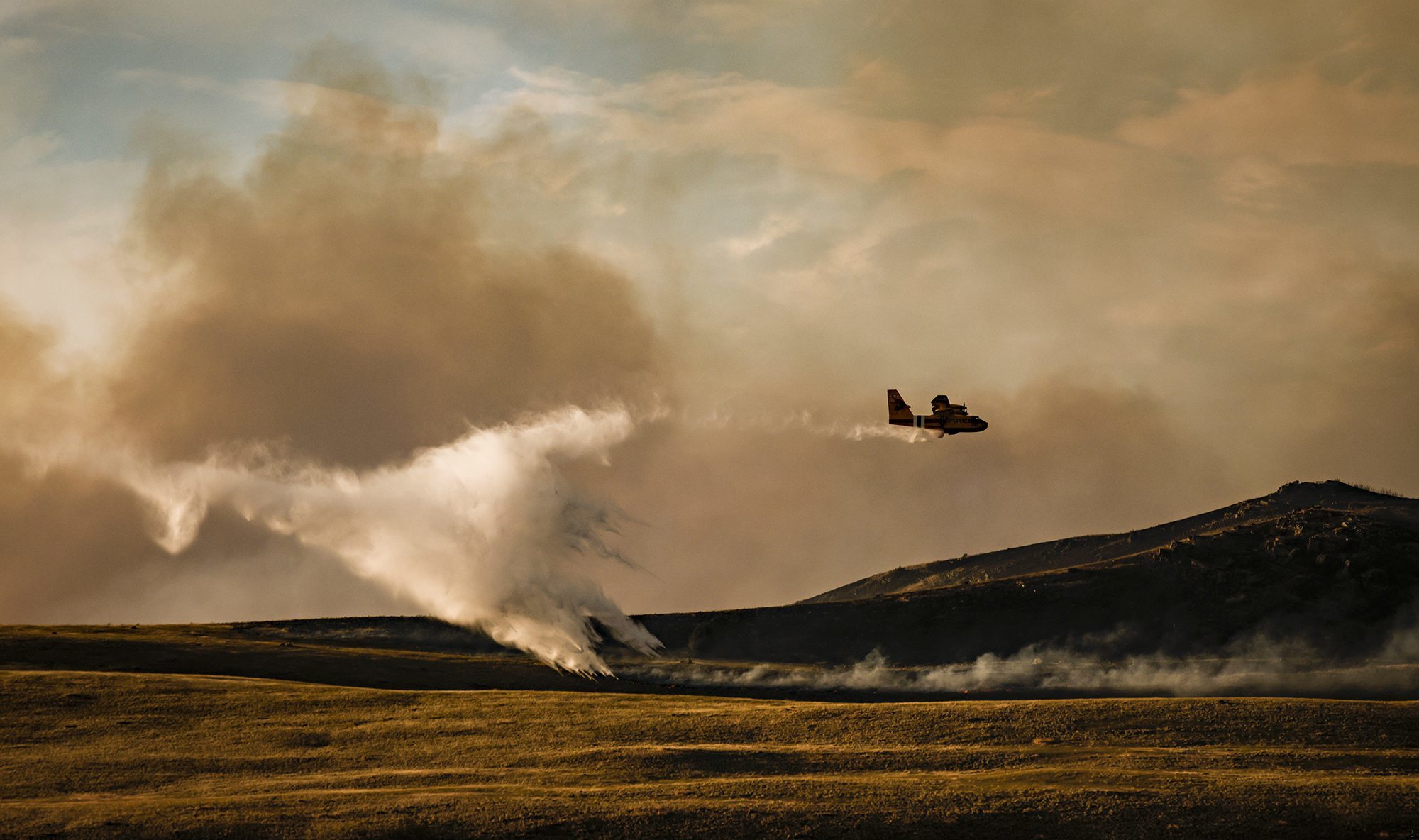
    An aircraft dumps water on the edge of the Elmo Fire burning on the western shore of Flathead Lake, Mont., in August 2022.Hunter D'Antuono / AP

    I remember the smell. The thick air. Wondering what the inside of my lungs looked like.

    Fire was simply part of everyday conversation. People knew the weather, fuel conditions, evacuation routes, and the difference between a prescribed burn and a wildfire. I realized how privileged I had been never to need that knowledge.

    Last year, I had the honor to sit in a circle in Lubrecht Experimental Forest with an elder of the Confederated Salish and Kootenai Tribe, from the Flathead Reservation, who told my class about his tribe’s traditional fire practices. He explained that prevention is the key, something Indigenous peoples have known since time immemorial.

    Sadly, Indigenous fire management was a casualty of colonialism. Their knowledge was forced underground, and generations of fire stewardship were interrupted just as landscapes became increasingly vulnerable to catastrophic fire.

    It is well known in climate science that those who do the least damage to Mother Earth suffer the effects of climate change the most. The scientific consensus is clear that climate change is lengthening fire seasons and increasing the conditions that produce larger and more severe wildfires. The threat is real, and it is reaching places that once believed themselves safely outside fire country.

    Which is why the recent political response to the Canadian wildfires is so baffling. Rather than asking how two neighboring countries can confront a shared ecological crisis, President Donald Trump threatened to impose tariffs on Canada over wildfire smoke. As if punishment were an effective response to an ecological crisis.

    Not only is this an abominably foolish threat, but it created a scapegoat in a time of great fear.

    Ontario’s premier, Doug Ford, responded to the president’s threats by saying that those who share Trump’s opinion that Canada has been “willfully negligent … have a very short memory.”

    I remember sitting in school on 9/11 and hearing that first responders from Canada were headed to New York City. Many diverted international flights landed in Atlantic Canada, while the small town of Gander welcomed nearly 7,000 stranded passengers — almost doubling the town’s population. Newfoundlanders welcomed passengers with open arms, rooms, and cupboards.

    And while conducting research in Nova Scotia last fall, I learned about the Halifax Explosion of 1917, which killed almost 2,000 people and injured approximately 9,000. Boston was the first to respond, and Nova Scotia has been sending a Christmas tree to Boston as a token of thanks since 1971.

    Learning about all of this propelled me to seek out more examples of cooperation between our northern and southern borders. Read enough of these stories, and nationalism masquerading as patriotism begins to dissolve.

    We must seek out what unites us as North Americans and acknowledge our shared history, good and bad, to move through an ever-worsening climate crisis that will require all of us to work together if we wish our future generations to survive.

    Maybe all you can do now is buy a T-shirt, like Nick and I did in 2019. Maybe you can start that conversation. Maybe you can volunteer. No act is too small. Make no mistake — you have a dog in this fight. When your neighbor is in trouble, regardless of the effect on you, pitch in.

    Nick understood this instinctively. He didn’t know fire science. He simply saw suffering and wanted to help. In an age of climate change, that childlike impulse — to care before we condemn — may be exactly what survival requires.

    Natural disasters don’t recognize borders. Neither should our compassion.

    Meredith Elizalde is Nick’s mom. A former Philadelphia high school teacher, she is currently a graduate student at the University of Montana.

  • Film attendance has been diminishing, but not at BlackStar. It’s bigger than ever.

    Film attendance has been diminishing, but not at BlackStar. It’s bigger than ever.

    Across Hollywood, industry leaders are cheering the “return” of summer moviegoing.

    Last month, Variety published a cover story titled “The Box Office Bounces Back,” which celebrates attendance levels not seen since before the COVID-19 pandemic, and a projected $10 billion in domestic profits this year. Carried both by blockbusters like The Odyssey and lower-budget hits like Obsession, the article claims that “everyone had it wrong” about the cinematic appetite of Gen Z and the future of the art form. Actor/director Seth Rogen finds a “sense of optimism” among studio heads that mirrors “how it felt 15 years ago.”

    Yet, buried at the end of the effusive piece is the familiar admission that “industry watchers” also know that ”there aren’t enough films geared to women or Black or Hispanic ticket buyers.”

    Nehad Khader, the BlackStar Film Festival director, at the 2020 festival at the Mann Center for the Arts in Philadelphia.Daniel Jackson

    Which begs the question: To where — or to what — exactly do they want us to return?

    Experts in the article and elsewhere credit the apparent shift in cinematic habits to a generation raised on YouTube and Letterboxd that is now antsy to get off their phones, for the apparent shift in cinematic habits. But it remains unlikely that the most influential voices behind internet culture — namely Black creators — will be the ones to benefit from these observations.

    Maori Karmael Holmes, the founder of the BlackStar Film Festival and current chief executive and artistic officer of BlackStar Projects, at the BlackStar Film Festival at the International House in Philadelphia in 2015.Daniel Jackson

    Despite the fact that people of color bought the majority of opening weekend tickets for five of the Top 10 films released in theaters last year (including Ryan Coogler’s Sinners), and specifically represent “the majority of the audience share” for the most profitable genres of film (horror and animation), most of the mainstream excitement around the rising fortunes at the box office has focused on white directors like Backrooms’ Kane Parsons.

    At the BlackStar Film Festival, we’ve felt the disconnect between the cinematic doomsayers of the past few years and the reality on the ground at our festival, which also started 15 years ago and has substantially grown since the onset of the pandemic.

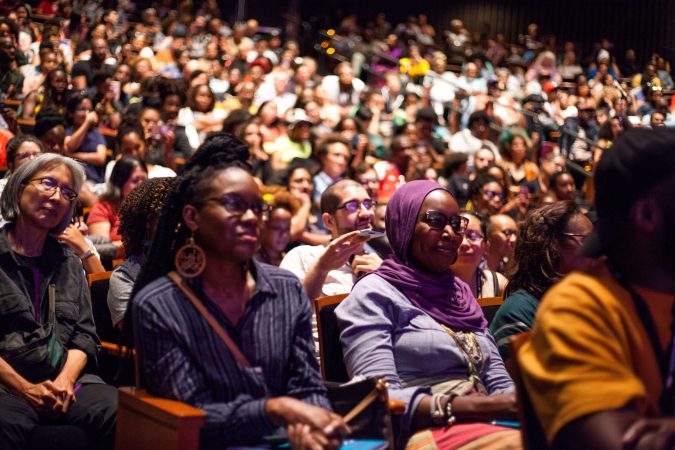
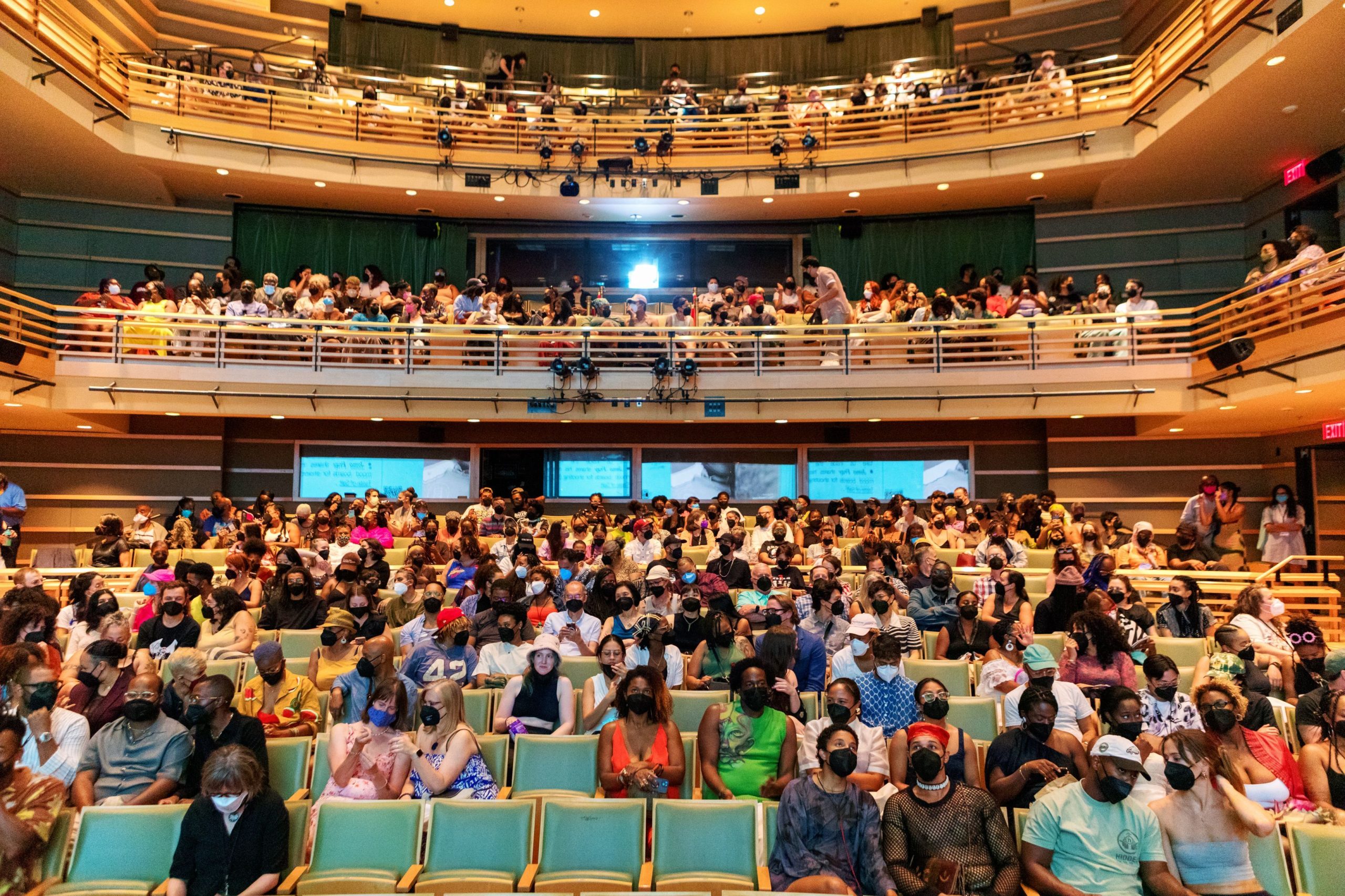
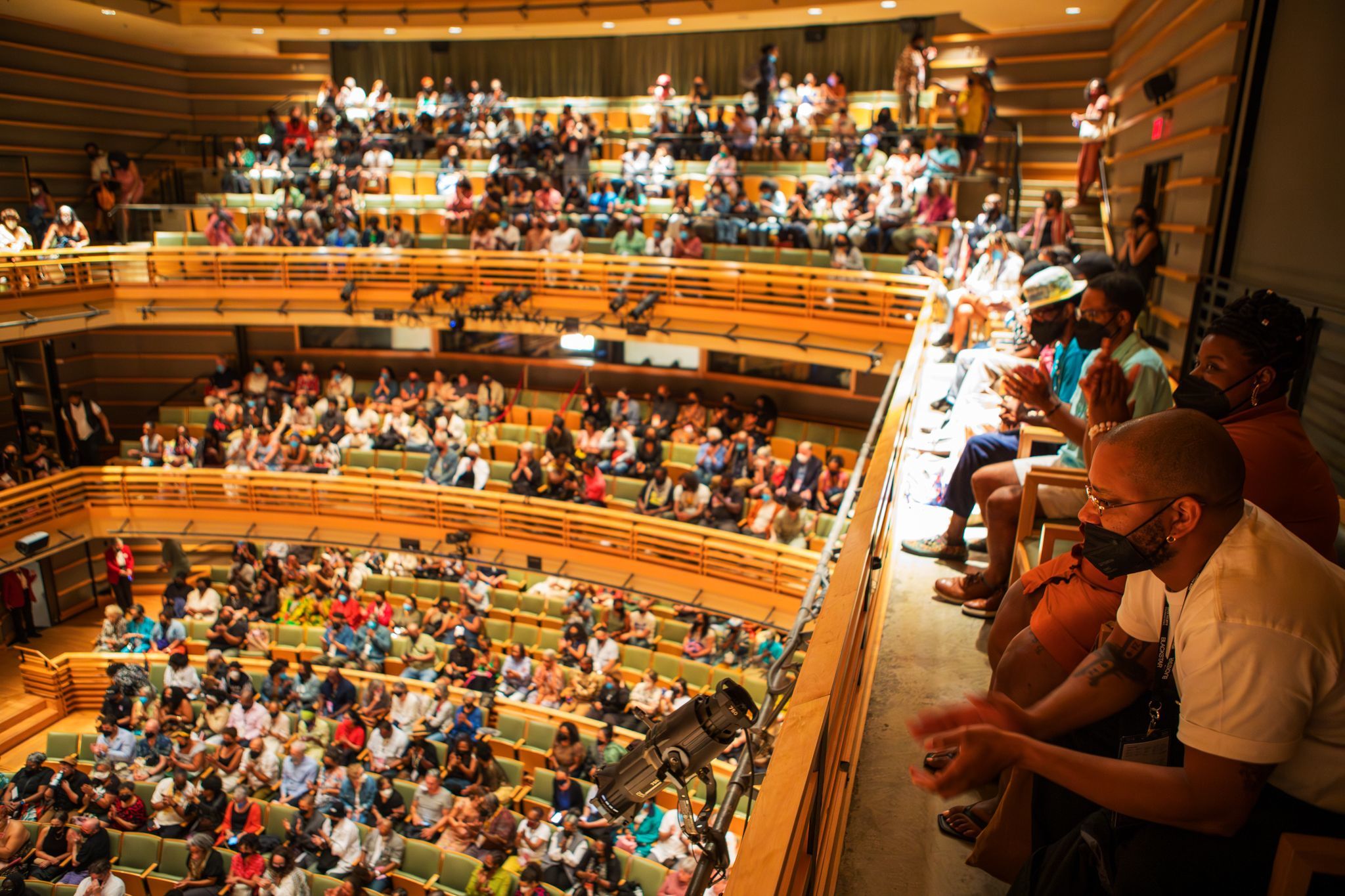
    The audience at the 2024 BlackStar Film Festival at the Kimmel Center’s Perelman Theater in Philadelphia.Daniel Jackson

    In 2024, while the same publications were fearing disaster based on still-dipping box office receipts, we were experiencing record attendance in Philadelphia at a festival where masking was still required. This included a sold-out screening of Shatara Michelle Ford’s Dreams in Nightmares on opening night that brought over 500 people into the Kimmel Center to watch the world premiere of a feature film rooted in Black queer culture.

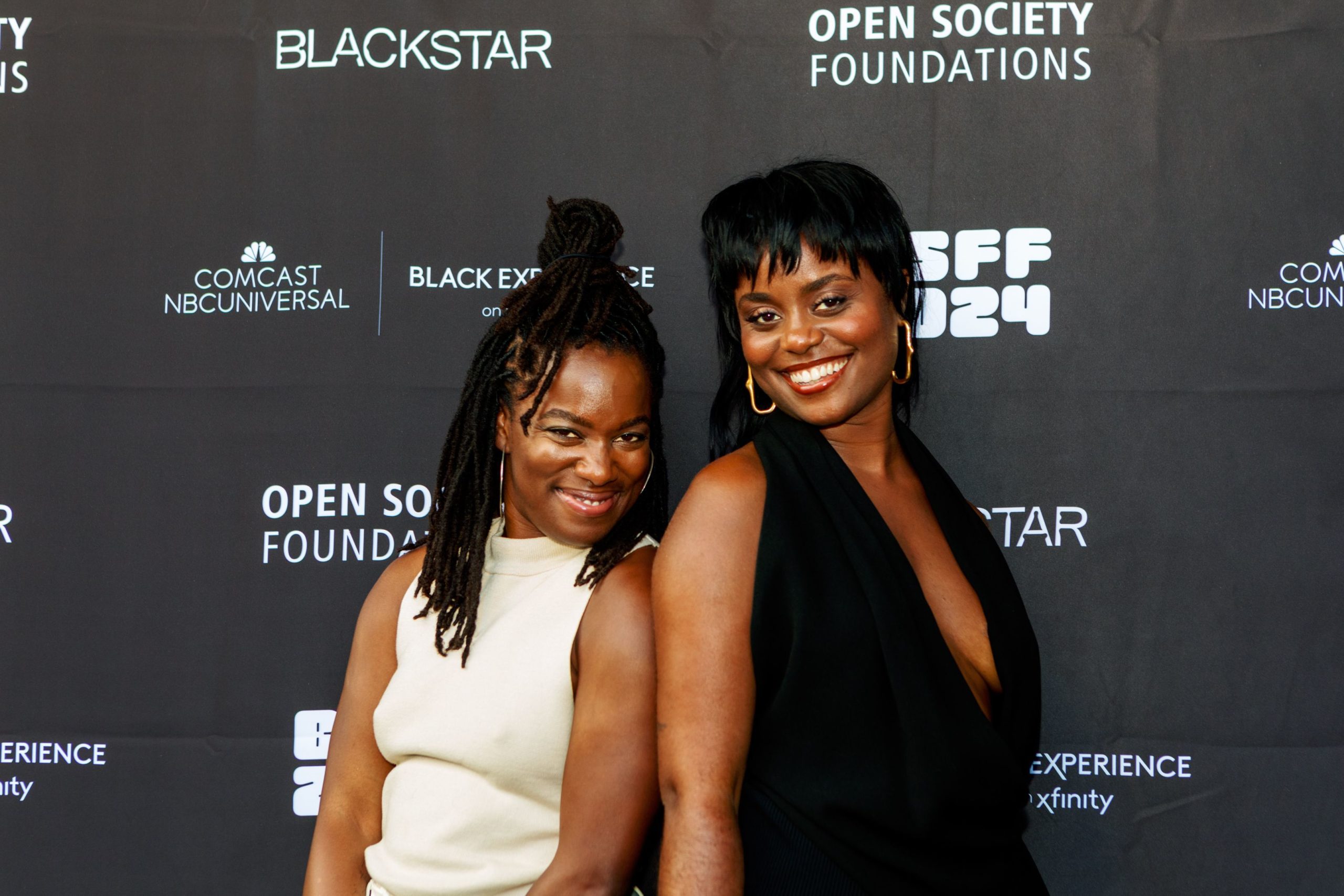
    Director, producer, and writer Shatara Michelle Ford (left) and actor and singer Denée Benton at the 2024 BlackStar Film Festival at the Kimmel Center in Philadelphia.Daniel Jackson

    It was an unforgettable moment of intergenerational joy and community safety that felt very much like the future of moviegoing to us.

    We’ve never doubted the desire for the kind of space that BlackStar provides, but we have felt, like many sister organizations in the field, the impact of a film industry with limited imagination that’s still reliant on very narrow measures of “success.”

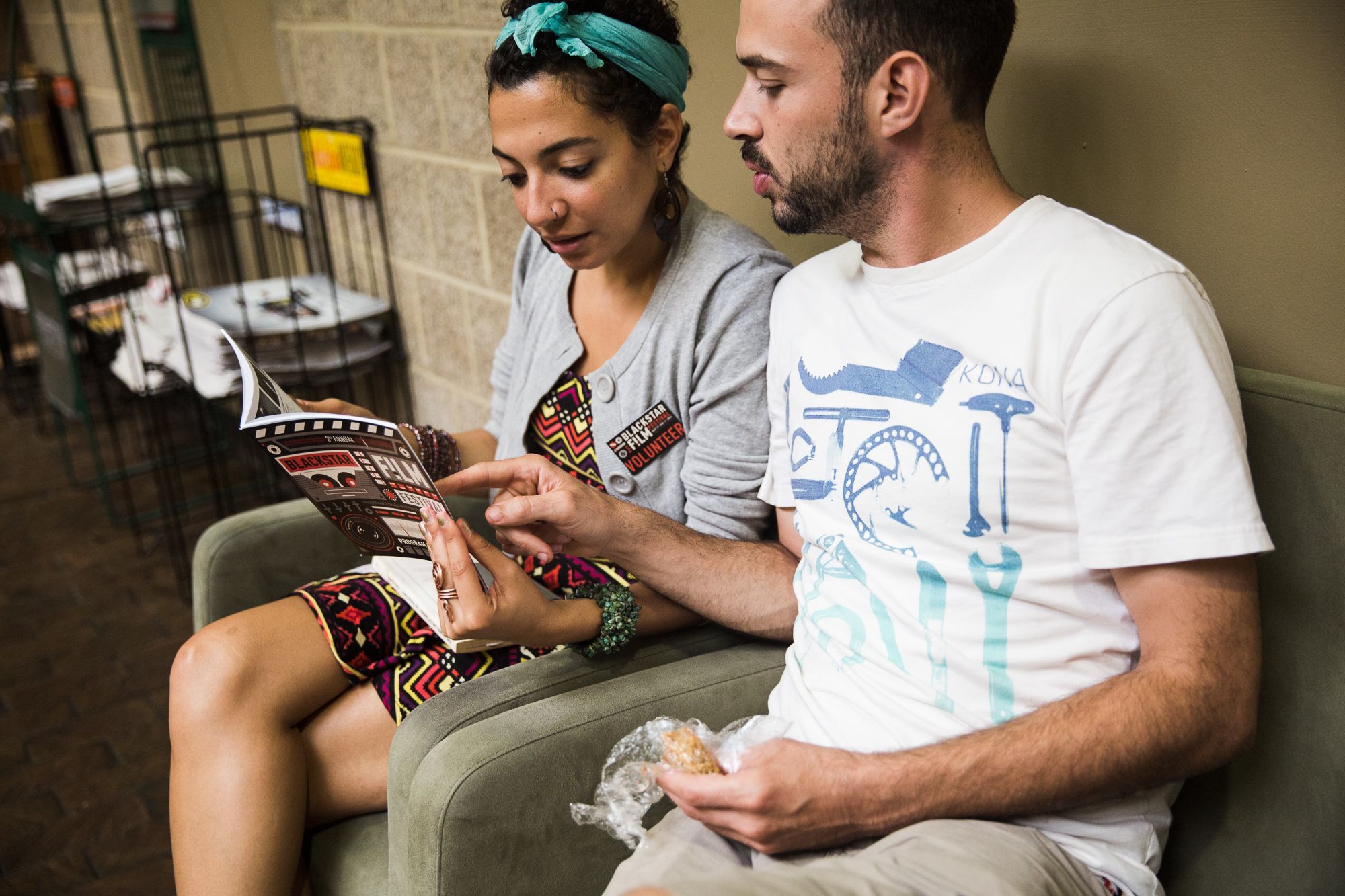
    In 2014, Nehad Khader (left) and Jacob Winterstein at the BlackStar Film Festival at the International House in Philadelphia. Khader first became involved with BlackStar as a volunteer, but later took on programming and senior roles within the organization, and now serves as the festival director.Jati Lindsay

    Funding for our nonprofit, BlackStar Projects, started to dwindle in 2024, not based on our numbers — which were, again, on the rise — but based on a lack of corporate interest in Black independent cinema after an initial influx of support during the racial reckoning that followed the killing of George Floyd in 2020.

    As much as things change in Hollywood, they seem to stay the same — or at least attempt to return to the median.

    Former MOVE members and independent filmmakers Mike Davis Sr. and Debbie Davis at the 2021 BlackStar Film Festival at the Annenberg Center for the Performing Arts in Philadelphia.Daniel Jackson

    Which is why box office results have always been an imperfect indicator of film trends or what audiences crave. Especially if you’re interested in building a sustainable, care-based ecosystem for filmmaking which challenges rather than sustains the status quo.

    A more interesting question than which movies make the most money, particularly given the state of the world, is which movies are contributing to real change? Which filmmakers can speak to and for the people working to free us from white supremacist capitalism?

    As we celebrate the 15th edition of the BlackStar Film Festival this week, we have ample evidence that what Black, brown, and Indigenous communities want is a space that actually brings us together around such movies; not just to watch, but to talk, critique, celebrate, learn, laugh, and cry.

    The 2025 audience at the BlackStar Film Festival at the Kimmel Center Perelman Theater in Philadelphia.Daniel Jackson

    In 2025 we started using the tagline “Cinema for Liberation,” but from the beginning BlackStar has been committed to building environments where films are seen as tools for broader social change. And we’ve watched our audience expand even as we’ve stuck to our values and insisted on centering care amid the most challenging moments.

    Maybe flying under the radar is how we have managed to sustain this for so long, but nevertheless, if the film industry is truly looking for a model on how to build and retain an audience long term, they could try looking here.

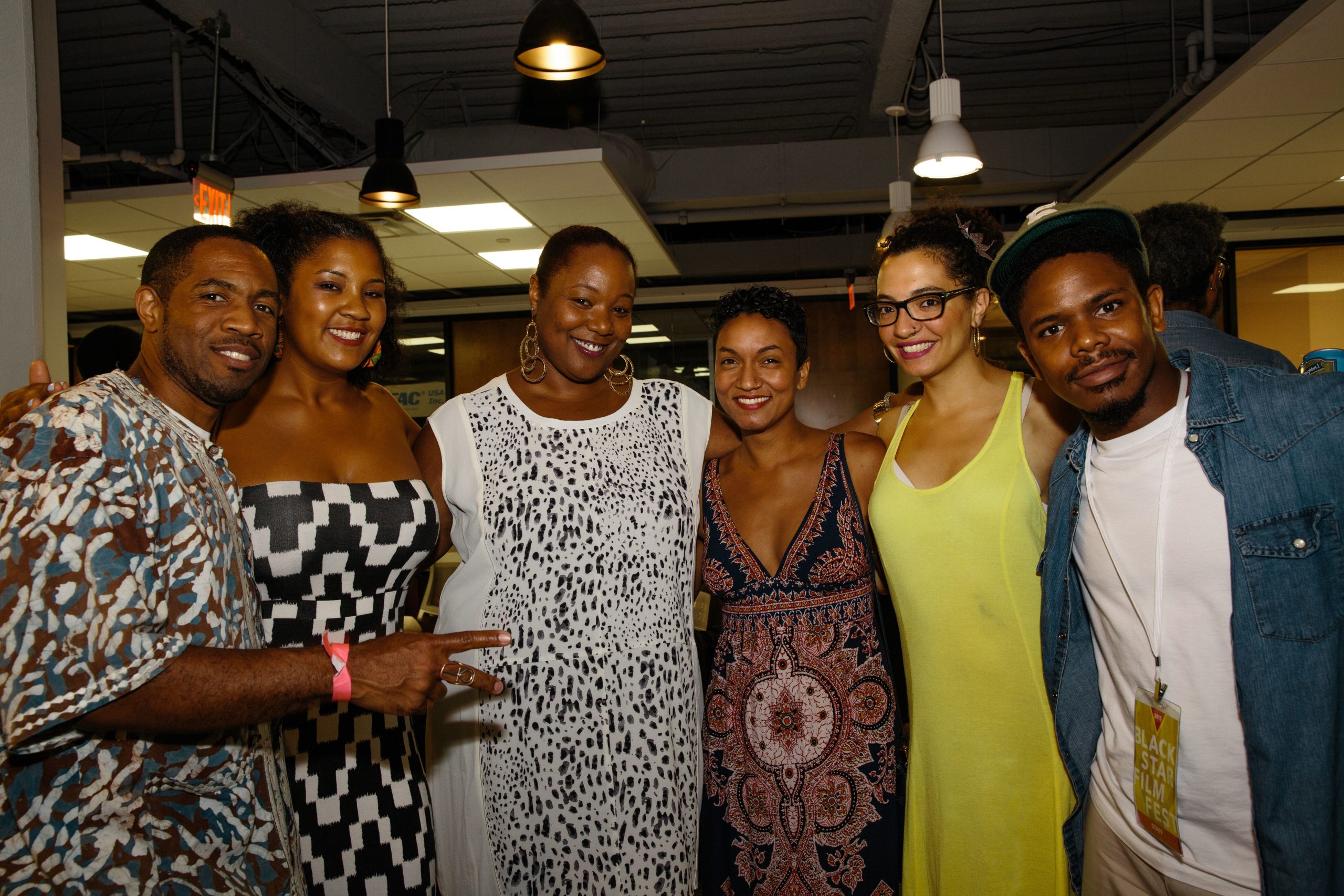
    The BlackStar Film Festival producing committee (from left to right), Louis Manon, Lauren Jane Holland, Maori Karmael Holmes, Nuala Cabral, Nehad Khader, and Lendl Tellington at Pipeline Philly in 2015.Gralin Hughes

    We pride ourselves on our curation, facilitated by some of the world’s greatest programmers, but there’s no doubt that the context in which our films play is just as important. Too many of those in charge of arts institutions have devalued the importance of safety, in the physical and emotional sense, referencing the losses of the pandemic without thinking of the mass loss of life.

    The pandemic wasn’t a business problem to solve, but rather a health crisis to adapt to, compounded by racist, misogynistic, and oppressive state policies that made — and continue to make — it frightening to gather in large groups. What our model proves, though, is that leaning into your politics rather than shying away from them is a pathway to keeping your audience coming back, summer after summer.

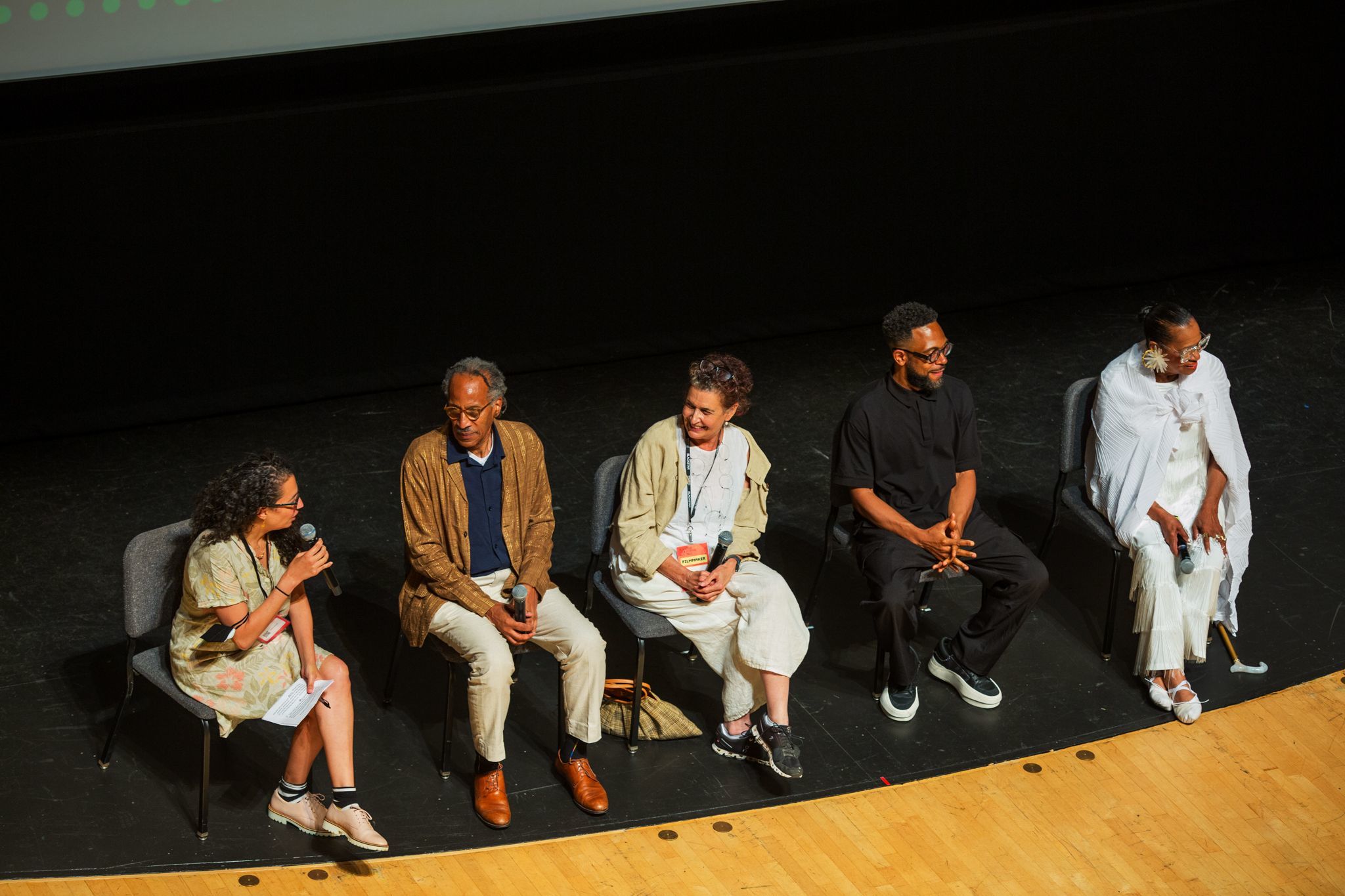
    From left to right, BlackStar Film Festival director Nehad Khader; MacArthur Prize winner, filmmaker and Scribe Center founder Louis Massiah; Venezuelan film director and editor Monica Henriquez; Emmy Award-winning composer and drummer Jerome Jennings; and Eleanor Traylor, scholar and chair of the department of English at Howard University, during a panel presentation on the work of Toni Cade Bambara, at the 2025 BlackStar Film Festival at the Kimmel Center Perelman Theater in Philadelphia.Daniel Jackson

    This looks like a goal of making every screening as accessible as possible, giving a documentary about the formidable late cultural worker and author Toni Cade Bambara the spotlight moment at the 2025 festival — knowing her ideas would speak to the moment — or by leaning into our values and showing up in solidarity with our people in Haiti, Palestine, Sudan, and beyond, in these moments of human-made catastrophe and genocide.

    It also means, since 2012, paying filmmakers and thinkers in a way that feels respectful, knowing that many of them are not making back the money they’ve spent to produce their work.

    It’s not only BlackStar that makes this radical space possible, but the vibrant organizing and artistic history in Philadelphia. As outlined in Robin D.G. Kelley’s Freedom Dreams, there has been a legacy of Black internationalism in our liberation movements — specifically so in Philadelphia.

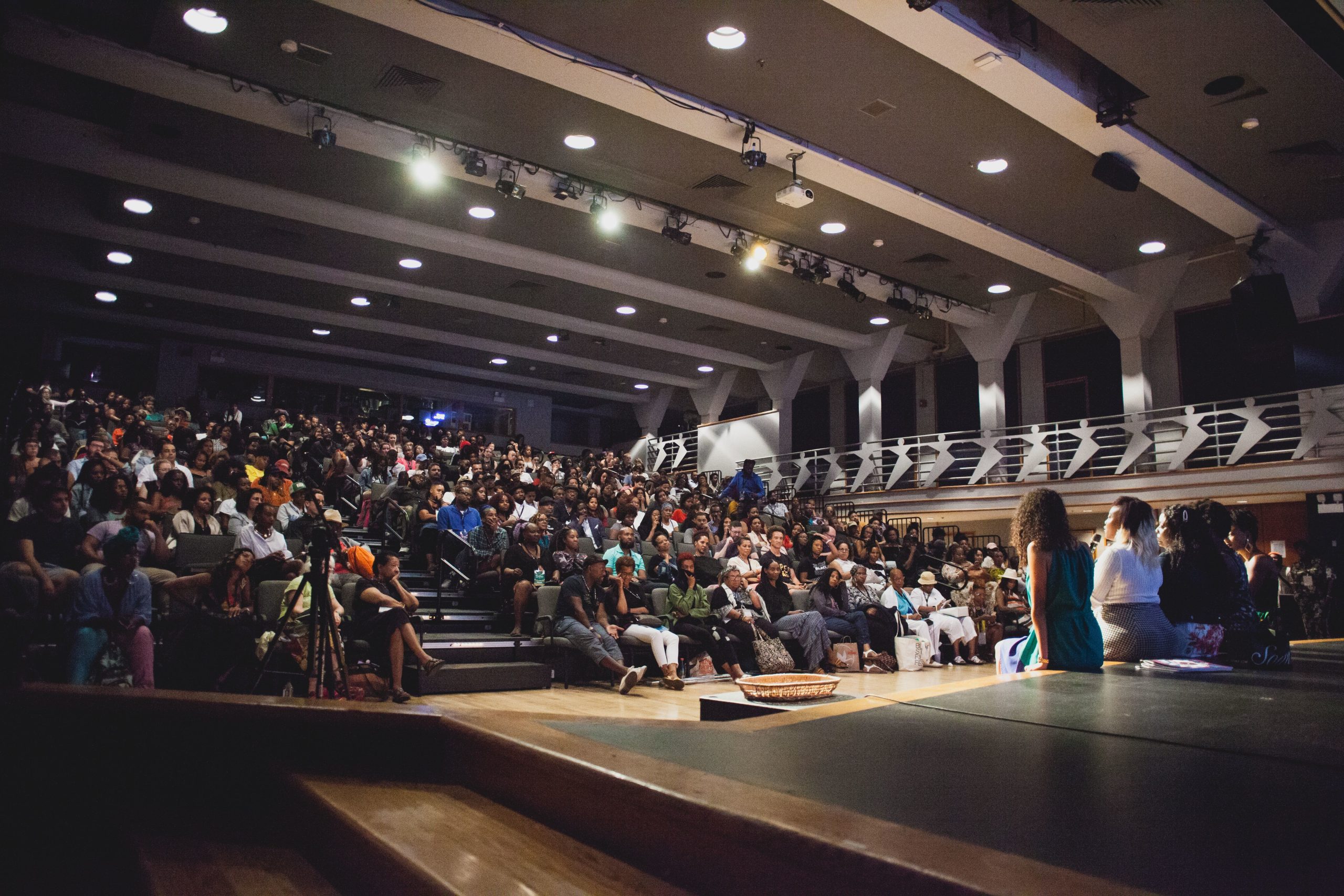
    The crowd at the BlackStar Film Festival at the International House in Philadelphia, 2019.Daniel Jackson

    By Black internationalism, we mean a global, transnational framework in which Black Americans connect our struggles to those of worldwide anti-colonial liberation movements. For example, this fall we’re proud to launch the “People’s Cinema Club” at the Village of Industry and Art, a weekly film series in collaboration with some of the city’s diverse independent cinema organizers, including cinéSpeak, the Philadelphia Asian American Film Foundation, and the Philadelphia Latino Arts and Film Festival.

    At BlackStar, we’re not interested in returning to a Hollywood system that was built to exclude and demean us, but we are invested in learning from our elders and ancestors who have been using moving images to expand our vision since the advent of the art form.

    What we find in that archive is a long history of independent screenings, festivals, and organizing around cinema as a tool to dream bigger and organize together, across racial and class lines. We see the filmmakers of color we platform not just as artists, but as the architects of the better world in which we want to live.

    The 2026 BlackStar Film Festival takes place from Aug. 6 to 9, at venues across the city. For a full schedule of events, click here.

    Maori Karmael Holmes is the founder of the BlackStar Film Festival and chief executive and artistic officer of BlackStar Projects. Nehad Khader is the BlackStar Film Festival director.

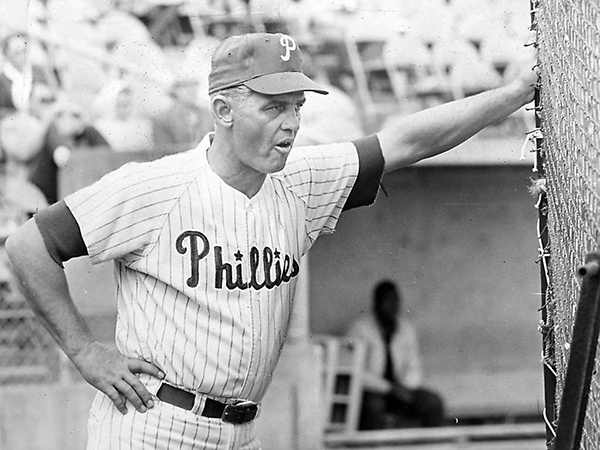
  • Before the Phillies could sell you a beer, fans were throwing them at the umpires

    Before the Phillies could sell you a beer, fans were throwing them at the umpires

    The Phillies tell me they sell more than 40 brands of beer, priced from $6.99 for a 12-ounce can of nonalcoholic beer to $17.69 for a 24-ounce premium can. Beer is everywhere at Citizens Bank Park, including at a humongous walk-through cooler on the main level.

    I recently strolled into that cooler and found a lager — at $38.48 for two 19-ounce cans — that paired nicely with chicken fingers and the Fightin’ Phils. OK, so 64 ounces of the exact same beer costs $11.99 at Acme, but you can’t watch the Phils live from Acme, can you?

    “Sometimes, things become clichés because they’re true: A cool beer on a warm summer day at the ballpark is among the great joys of fandom,” says the avuncular Glen Macnow, the former Inquirer reporter (and colleague) and sports talk-show host whose What’s Brewing PA beer show appears on the NBC Sports Philadelphia networks.

    Macnow — who is, full disclosure, also the part-owner of Conshohocken Brewing Co., which vends two of its brands at the ballpark — adds: “I’ve spent many an afternoon (or evening) with a beer in one hand, a hot dog in the other, juggling both so I can fill out the scorecard balanced on my knees.

    “Those are simple and eternal pleasures. Baseball isn’t designed for trendy cocktails in a can; it’s designed for the tradition of leisurely enjoying a cold brew over several innings as you try to convince the guy in the next seat that the manager (whoever he is) is the dumbest one in Phillies history.”

    OK, but just in case you don’t care for a brewski, the Phillies also sell about a dozen different trendy cocktails in cans, with prices running from $14.55 to $23.99. These are no bargains, either, but consider the alternative: The Phillies used to not sell booze at all.

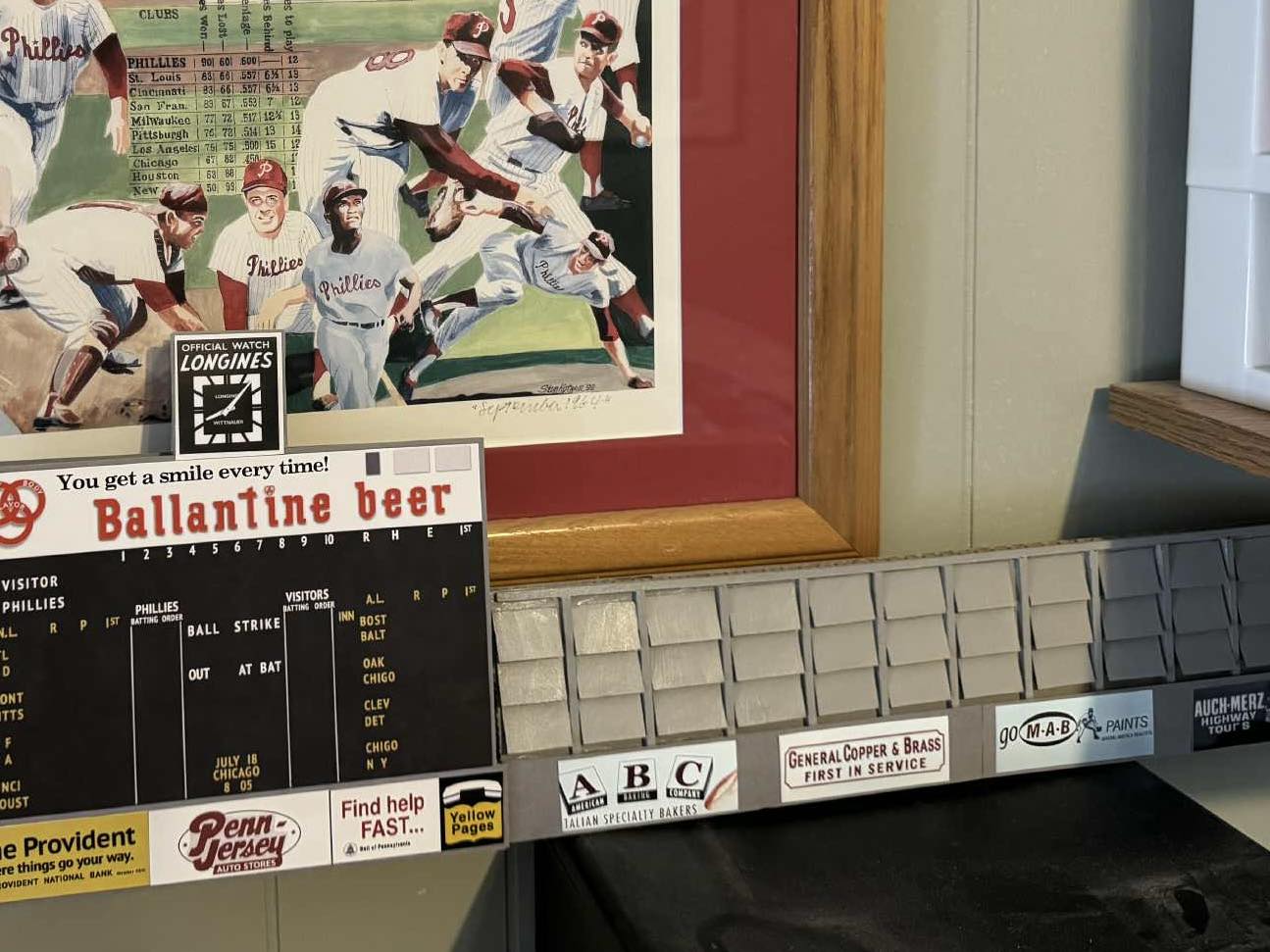
    Baby boomers like me vividly remember the towering, then-state-of-the-art right field scoreboard at Connie Mack Stadium, topped by a gigantic advertisement for Ballantine Beer (and its three-ring logo, for Purity, Body, and Flavor).

    A handmade model of the iconic Ballantine Beer scoreboard at Connie Mack Stadium by Phillies fan Bernie Valente.Courtesy of Bernie Valente

    Well, that scoreboard was erected in 1956, five years before beer was sold there.

    The Phillies first legally sold beer inside Connie Mack Stadium, their musty old park in North Philadelphia, on Aug. 7, 1961, when they put seven local brands of bottled beer on sale for 35 cents, first poured into a paper cup by eight vendors working the aisles.

    The paper cup was a vital part of the transaction, because, prior to legal sales, Phillies fans used to sneak in cans of beer, often sold in “cold packs” at nearby bars like Charlie Quinn’s Deep Right Field Cafe at 20th and Lehigh.

    Beer cans were heavier in those days, so they tended to become missiles when the umpires missed a call, or if the Phillies stank, which was quite often.

    The low point probably came on June 12, 1959, when a twi-night doubleheader against San Francisco was halted after five innings because of rain. The Phillies were no-hit — but even worse, fans were denied rain checks to both games because the first game was official.

    As Frank Fitzpatrick, the now-retired Inquirer reporter who attended the game as a 9-year-old, recalled in the paper in 2016: “Suddenly, one empty can fluttered toward the field. A second followed quickly. Soon, it was a dangerous deluge. So many were tossed that cans obscured the tarp, from the mound to the batter’s box.”

    That was not good news for Robert R.M. Carpenter, the Phillies owner, who dearly wanted a new ballpark for his team. Plans had been drafted for a 45,000-seat, $8 million stadium in the Torresdale section of Philadelphia, with an adjoining theme park, yacht basin, and bird refuge park adjacent to I-95. Beer sales would bring in some cash for that amazing project.

    On June 20, 1961, the Pennsylvania Senate passed a previously approved bill by the state House that would permit the sale of beer every day but Sunday at sporting events at stadiums in the state that seated more than 25,000. (The Pittsburgh Pirates also happened to be looking for a new ballpark.)

    But they faced stout foes. After voting against the bill earlier in 1961 that would have enabled the Phillies to sell beer, a Democratic state assemblyman from Philadelphia, Charles Heavey, predicted that the sale of beer would actually “contaminate” youngsters.

    So … first the beer had to be poured into a paper cup before drinking, preventing another beer can pileup on the field like the one in 1959. And there would be more than one starting pitcher: Schmidt’s, Esslinger, Old Dutch, Horlacher, Neuwiler and, yep, Ballantine were all included in the original sudsy rotation.

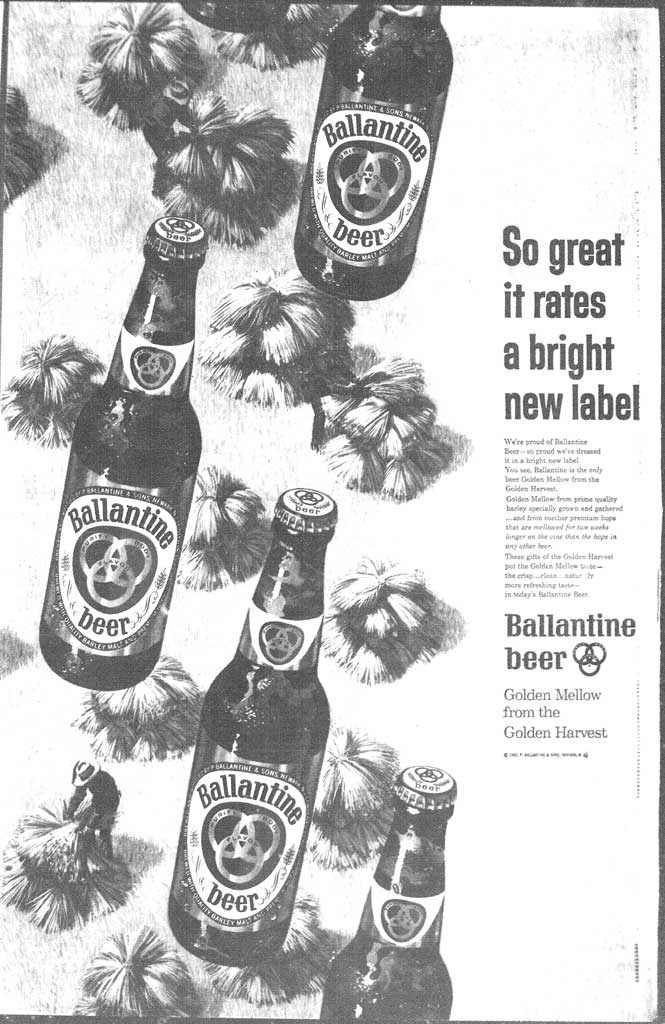
    A 1962 newspaper advertisement for Ballantine beer.

    Larry Merchant provided statistics in his Daily News column the next day: A total of 3,739 beers were served to 5,586 who attended that Aug. 7 game, a 3-1 Pittsburgh victory on a Monday, which was also the Phillies’ 10th straight loss. No bottles or cans were thrown on the field, he reported, but fans did pop the cups and try to throw those onto the field — often in vain.

    “For serious drinkers, it was about a four-beer game, just two and a half hours long,” Merchant joked. “For serious Phillies fans, it was a six-beer job. They look better that way.”

    Merchant made note of signs at the entrances that read, “Bringing in of canned beer or bottled beverages will be a cause for ejection from the park.” Nonetheless, he reported, seven would-be beer smugglers were caught at the gate, their brews returned when they left the park.

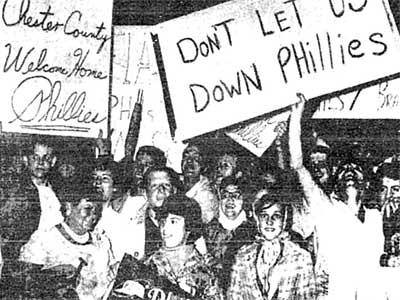
    Those 1961 Phillies were so lousy that their losing streak grew to 23 games, still a modern record. After the Phillies beat Milwaukee, 7-4, on Aug. 20 in the second game of a doubleheader, their flight home was welcomed by 500 fans at 1 a.m. the next day at the airport.

    About 500 Phillies fans welcomed the team home at the airport like conquering heroes after the club broke a 23-game losing streak in August 1961.

    “They are selling rocks at $1.50 a pail,” Phillies pitcher Frank Sullivan, looking out of the plane, joked to his teammates.

    He then wisecracked: “Leave the plane at five-minute intervals. That way, they can’t get us all with one burst.”

    In truth, the beer ploy sales did not seem to provide much of a boost to the 1961 Phillies, who lost 107 games and finished last in the National League in home attendance in 1961, averaging only about 7,600 per home game. But a door, or many brewskis, had been cracked.

    Beer would not be sold at Sunday home Phillies games until 1972, after the Phillies moved to Veterans Stadium, following the amendment of the ancient Pennsylvania Blue Laws, intended to curtail activities on Sundays (including Phillies and A’s home games until 1934).

    “My parents didn’t drink, so I always associated the public consumption of alcohol as something dark and troubling,” Fitzpatrick told me recently. “That feeling was confirmed in spades at that 1959 game.

    “By 1966, the summer I worked at the ballpark, I felt differently. I was a soda vendor, and beer suddenly was a precious commodity. Now I envied the beer sellers, because they made the most money and had the least amount of walking. Occasionally, rowdy fans would harass young vendors like me, hurling popcorn containers or wadded-up cups at us, [but] it definitely was comforting to know you wouldn’t have to dodge metal cans. On the other hand, in ’66 the smell of spilled beer now permeated the place. I don’t remember that same aroma when fans brought their own.”

    Carpenter never did get his Torresdale stadium. After a one-year delay because of construction, however, the Vet opened in 1971 in South Philadelphia. A few fans grumbled about paying 75 cents for a 12-ounce beer served there by a vendor, perhaps because those same items were 40 cents and 60 cents, respectively, at Yankee and Shea Stadiums in New York.

    Gene Mauch managed the Phillies during their historic 107-loss season in 1961. That team dropped 23 straight contests.

    The pricing was actually meant to be sort of a deterrent. Bud Vye, the Connie Mack stadium manager, told The Inquirer, “At these prices, they’ve got to bring a bankroll just to get bombed out.”

    But beer stuck around. A 1998 Daily News exposé into how Ogden Entertainment, then the vendor at the Vet, was caught skimming a half million dollars in annual beer sales led to a price reduction. Local brands, kicked to the side by the national brews, were sold again when the Phillies moved to Citizens Bank Park in 2004. (Large premium drafts then sold for $6.)

    Cups were eventually discontinued, and most beer at the ballpark is sold in much lighter cans (which, it should be noted, are opened by the cashier, lest someone try to hurl a full can on the field). Dozens of different brands of beer can be spotted at any Phillies game.

    “A big part of this is marketing,” Macnow tells me. “Beer at the ballpark is no longer poured into paper cups, so there’s a long-term benefit to seeing people walking around the park holding cans of your beer. Labeling becomes important. Naming beers becomes important.”

    And so is the vessel itself. The Phillies continue to sell “beverage bats,” large hollow plastic souvenir baseball bats that can be filled with any beverage. Those are not cheap, either. Phillies fans may be held captive by the prices, but beer and baseball are inseparable.

    Dave Caldwell lives in Manayunk and covered sports for The Inquirer from 1986 to 1995.

  • The solution to AI’s effects on school? School.

    The solution to AI’s effects on school? School.

    You’ve heard about it. Students don’t do school because artificial intelligence does it for them. AI summarizes readings, answers questions, generates essays, and adds citations. Agents log into learning management systems and complete coursework. Bots now “write” at human — rather than algorithmic — speed to evade metadata detectors.

    Students have achieved wicked technoefficiency, saving time and engagement while generating correct answers and polished products.

    Responses? Some teachers pore over (often inaccurate) AI detector results and police students instead of interacting with them. Some assign less homework and reading and instead have students read and write in class so they can watch them. Or they convert essays to blue books — remember those? — shifting writing from an inquiry and exploration process into a content dump.

    Dutiful students suffer the surveillance, do the work, and requirements are checked off. “School” happens. Everyone’s disheartened.

    But that’s not how it has to be.

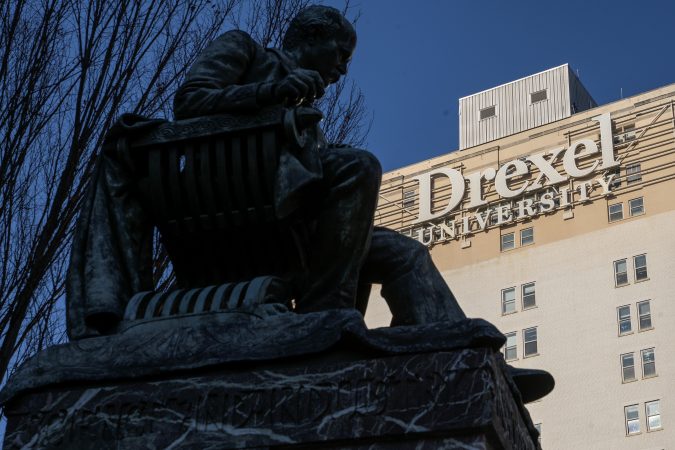
    We’re longtime Drexel writing teachers who last term taught a new course, “Writing For and About AI.” In the class, we worked with students to take on AI — machine learning — and its impact on writing and their intellectual lives.

    We worked with students as they wrote for the machine. It’s their reality: Writing into AI apps already is part of their professional, personal, and civic lives.

    We also helped them write about the machine, about AI’s consequences for writing, learning, creativity, work, and the environment.

    We aren’t futurists. We couldn’t tell students what their lives will be in five years. But we did all read challenging texts and resources about how transformers parse and mathematicize writing to generate language back at us, how AI may affect our voices and exposure to other voices, differences between writing and generating text, data centers, the future of work, and search technology.

    Our students read critiques of AI, but the course wasn’t anti-technology. They also read pro-AI perspectives, and heard from those who see ways to harness AI for school and work.

    What we found, as we often do working with our smart, curious undergrads, was not what we — or you — might think.

    Our students didn’t want to do less work, or turn over learning to machines. We’re at Drexel, known for its co-op, and so many students had used AI in business and corporate settings. They’re not naive. They took critical, nuanced stances about AI, its generated content, and the effects of integrating it into their lives.

    Students weren’t anti-AI, but they were stressed about AI paranoia, being talked at about AI, and how the “Are students using AI?” focus has damaged their classrooms.

    They expressed frustration, worry, and anger about how some students rip through schoolwork with AI. But they were also frustrated about some schoolwork, wondering why they’re not asked more often to do authentic, meaningful assignments. They want to take on problems and questions that matter, thinking deeply and connecting with classmates and teachers.

    When overwhelmed with work that feels meaningless, the whole endeavor can become a series of obstacles to the college degree finish line. We don’t — nor did they — justify cheating, but given all that, might they at least be tempted to outsource work to AI?

    More broadly, they voiced doubt and often opposition to how AI colonizes their writing, thinking, and working lives. They recognized tension between using AI to automate/eliminate tasks and a desire to preserve meaningful work.

    These talented writing students were annoyed that apps would do the powerful writing and thinking they do. As they sharpened prompting skills and experimented with AI — two of our course objectives — they saw how AI does information and language well, but writing, not so much.

    Given space to experiment, explore, and learn, our students developed sturdy questions and insights:

    • How can smart prompting reduce AI’s environmental effects?
    • When using AI in class, what are boundaries for authentic work?
    • What makes writing assignments meaningful — and why aren’t there more?
    • Who trains large language models (LLMs)?

    Things meaningful to our students matter to us. School is not just learning answers. This class reinforced how important — and enjoyable — it is to work with students asking and developing complex questions.

    We didn’t start with answers: The process of thinking, creating, and refining questions is what it was about. In fact, our students might argue that in school — especially with tools that automate so much work — this is exactly what humans should be doing.

    Dan Driscoll and Scott Warnock are writing faculty in Drexel University’s department of English and philosophy.

  • Philadelphia should use the Waymo testing period to get this right, not rush it

    Philadelphia should use the Waymo testing period to get this right, not rush it

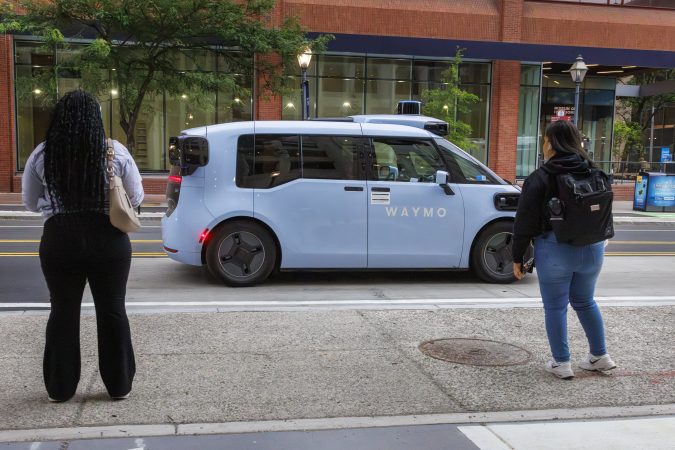
    Waymo’s driverless cars have been rolling through Center City for almost a year now. Still with a trained specialist behind the wheel, still without a commercial launch date.

    Some of our local elected officials have expressed concerns about driverless vehicles on Philadelphia streets. Based on what has happened in other cities, their concerns are not unfounded. When it comes to deploying robotaxis, Philadelphia should slow down, not speed up.

    The pattern that has emerged across the country is that problems that should have been caught during testing are instead being confronted when the autonomous vehicles have already been deployed and are carrying passengers.

    Start with what happened in Austin, Texas, this spring. When a gunman opened fire outside a bar on Sixth Street, killing three people and wounding more than a dozen, several Waymo vehicles ended up blocking the emergency response. One sat sideways in the road as an ambulance tried to get through, with bystanders shouting at it to move, while a police officer worked the car’s speaker system trying to get a human being on the line.

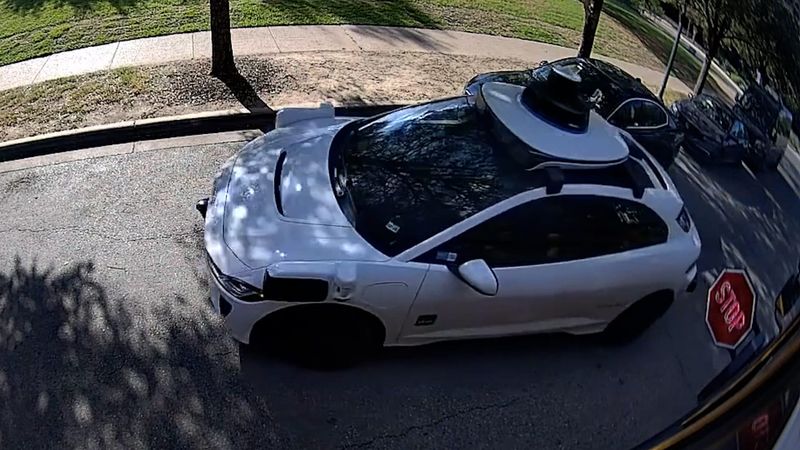
    The safety of Waymo robotaxis has repeatedly been questioned. In December of last year, Waymo had to replace software that allowed the autonomous vehicles to pass stopped school buses in Austin, Texas, and Atlanta. And earlier this year in Austin, writes Amy Witherite, the robotaxis blocked emergency responders’ access to the site of a shooting with mass casualties.Austin Independent School Distri

    In San Francisco, fire crews and other first responders have had to physically take control of stalled Waymos to move them out of the way during emergencies. These aren’t isolated glitches.

    Federal regulators counted at least six incidents nationally in which first responders had to take control of a Waymo vehicle during an emergency. In July, the National Highway Traffic Safety Administration told the industry that emergency scenes are not rare or extreme “edge cases,” and that an automated vehicle unable to interact safely with first responders is a danger to the public.

    That’s the backdrop against which Philadelphia is being asked to move forward.

    Councilmember Nina Ahmad gave voice to concerns after a City Council hearing in May. “Progress for the sake of progress isn’t enough. We need to look at the impact of that progress,” she said during a news conference. She wasn’t the only Council member who expressed reservations, or whose questions for Waymo went unanswered at the hearing.

    Under state law, PennDot holds the authority to certify these vehicles for full commercial service. City officials have said Philadelphia is preempted from regulating this technology at all.

    After Waymo vehicles became immobilized and helped bring San Francisco traffic to a standstill during the city’s July Fourth celebration, Mayor Daniel Lurie called for stronger statewide standards that verify that the autonomous vehicles’ systems can handle major events and emergencies before they are allowed to operate. His message was simple: “Prove it before you deploy it.”

    Here is the question I’d ask before this moves one step further in Philadelphia: Have the police officers, firefighters, and paramedics who will be on the street been trained, specifically and verifiably, to handle a car that will not pull over for a siren, will not respond to a hand signal or a flare, and has no driver to negotiate with?

    A first responder trained to deal with a human behind the wheel is not automatically equipped to deal with an empty vehicle that only takes instructions from a call center hundreds or thousands of miles away. Austin’s ambulance crews and San Francisco’s fire companies found out about that gap in real time, during emergencies — Philadelphia doesn’t have to.

    The company cites a substantial reduction in serious-injury collisions compared with human drivers, and that’s worth weighing. But a strong overall safety record and a specific, unresolved gap around emergency scenes are not the same question, and cities where Waymo has already launched are the ones now writing the incident reports.

    Philadelphia has something Austin and San Francisco didn’t have when they signed up for driverless service at scale: time.

    This is the moment to apply Mayor Lurie’s standard: Prove it before you deploy it.

    Amy Witherite is a traffic safety advocate and founder of the Witherite Law Group, which has offices in Philadelphia.

  • AI surveillance is already here. Urban governance isn’t.

    AI surveillance is already here. Urban governance isn’t.

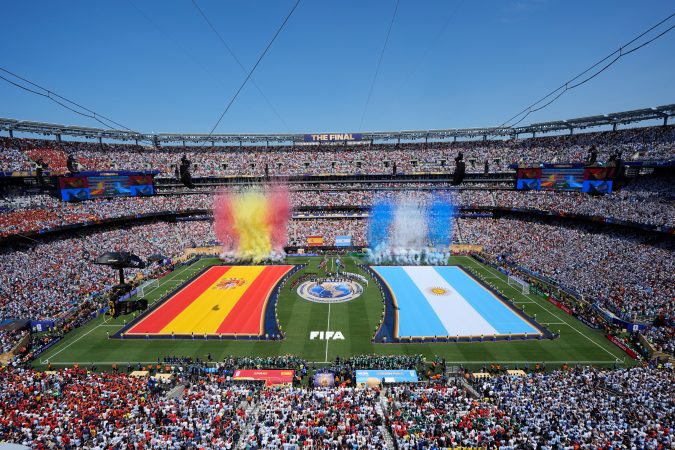
    When the largest World Cup in history ended at MetLife Stadium, it marked the culmination of a summer in which millions of visitors moved through American host cities under the eyes of computerized systems most of them never noticed.

    The federal government directed more than $1 billion to World Cup security, funding facial recognition cameras in and around stadiums, police drones over crowds, and AI-driven monitoring of transit hubs. More than 120 civil society organizations issued a travel advisory warning visitors about the screening they would face.

    The tournament turned host cities into laboratories for urban artificial intelligence, and the experiments ran on tourists.

    The two of us have conducted research on the use of electronic monitoring in urban areas, and we do not write to argue that cities should abandon these tools. Tourism contributed $10.9 trillion to the global economy in 2024, roughly 10% of global GDP, and safety increasingly decides where that money goes. Thirty-two percent of travelers now call safety the primary factor in choosing a destination, up from 23% in 2021.

    AI can genuinely help cities deliver that safety. London’s transit authority uses smart video to spot trouble on crowded platforms. Singapore’s police fly drones that map crowd density at large events in real time. Used well, these systems find lost children, reroute crowds before crushes form, and speed emergency response.

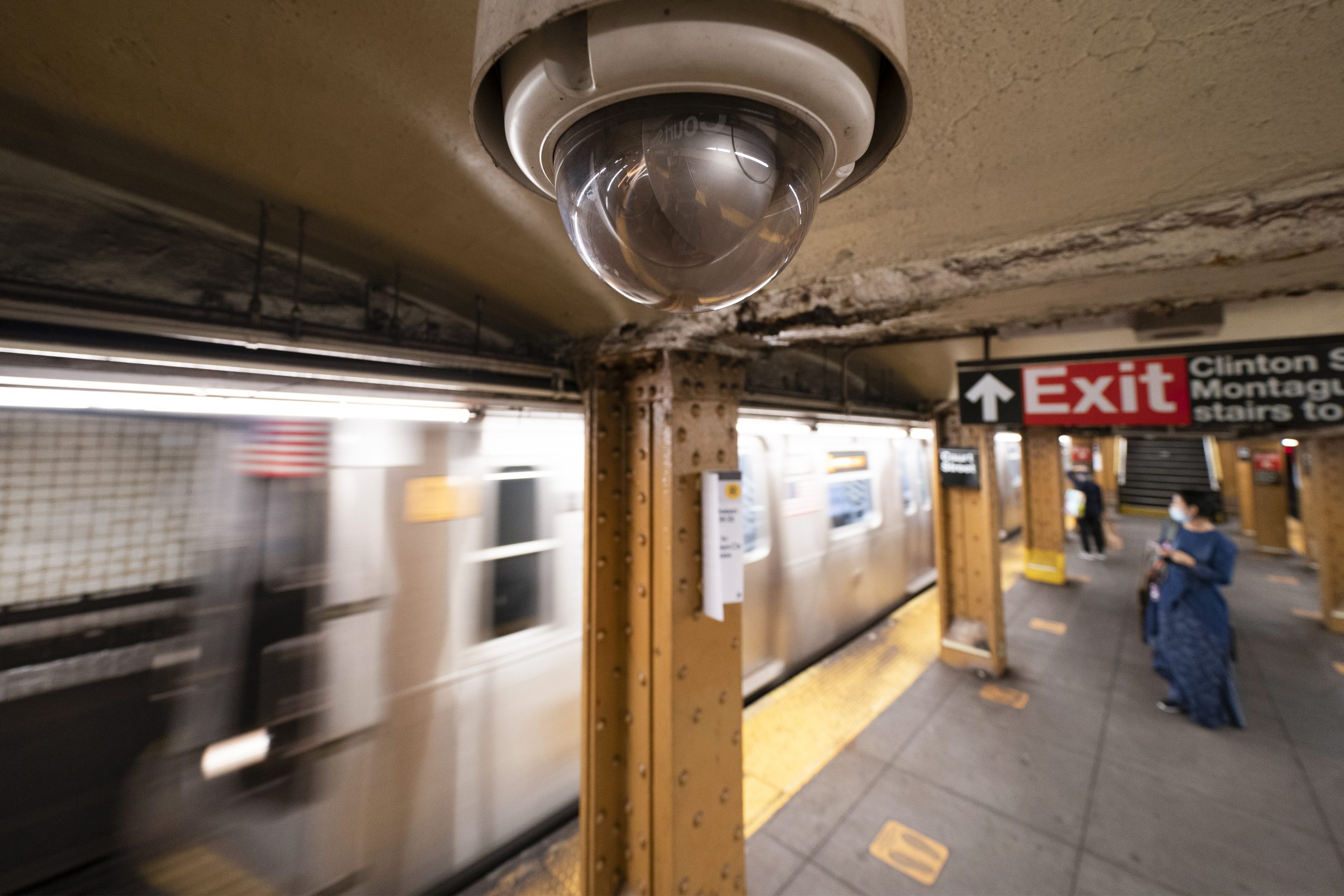
    A video surveillance camera hangs from the ceiling above a New York City subway platform in October 2020. Mark Lennihan

    The problem is the gap between deployment and governance.

    In research we published with the University of Pennsylvania’s Institute for Urban Research in December, we found that 52% of surveyed cities already use AI in some capacity and another 32% plan to, yet only 31% have established a formal ethics review process — even though 88% of them rate ethics as very or absolutely important.

    Cities are running the experiment first and writing the protocol later.

    That order of operations should worry anyone who remembers that surveillance systems, once installed, rarely come down. Mega-events have long served as the justification for permanent expansions of monitoring capacity.

    The gap matters because safety is not only physical. Our research frames tourist safety in three dimensions: physical safety from crime and disaster, digital safety from data breaches and fraud, and psychological safety, the felt sense of trust that makes a visitor relax in an unfamiliar place. An algorithm that marginally improves the first while quietly eroding the other two is a bad trade.

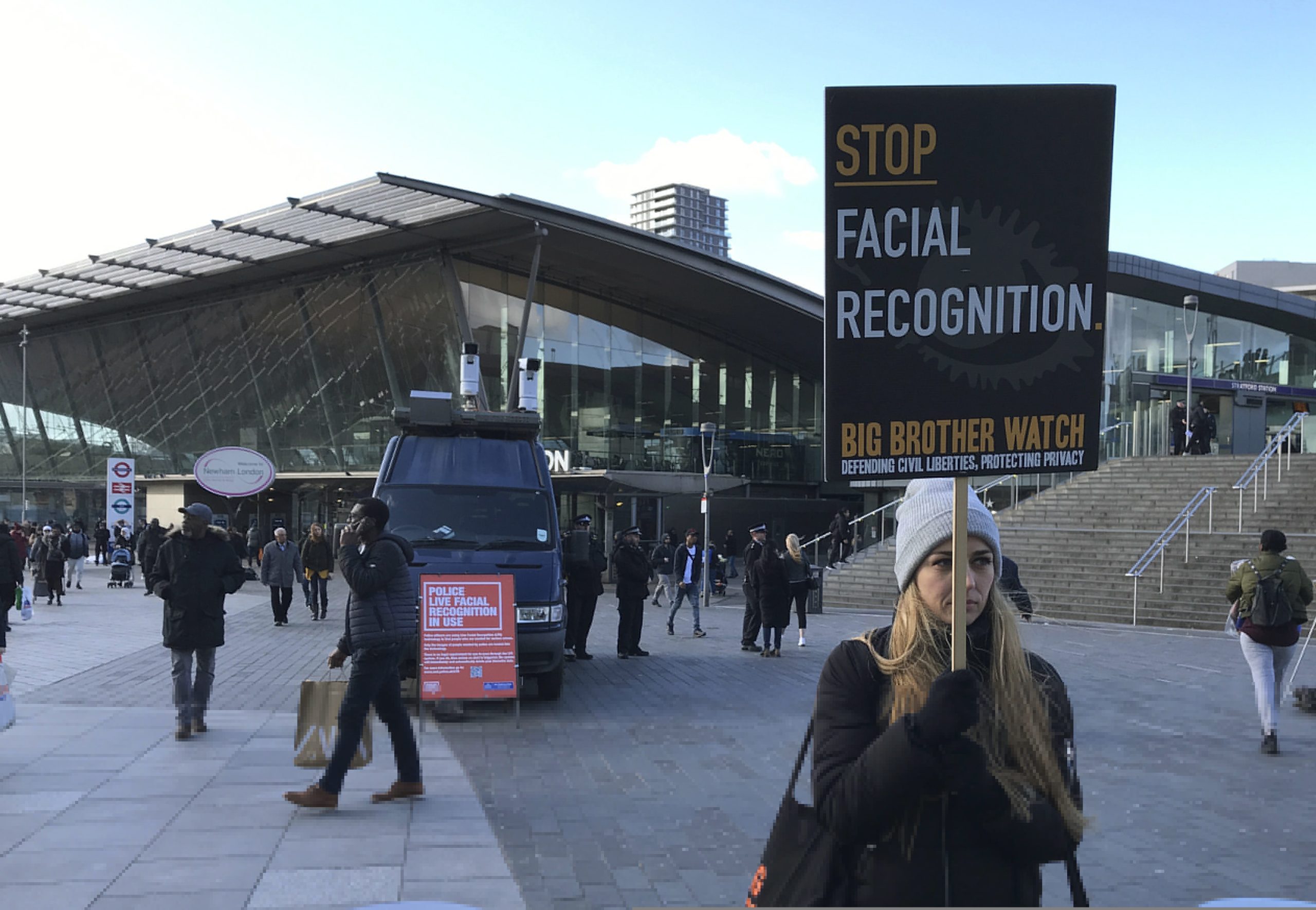
    Rights campaigner Silkie Carlo demonstrates in front of a mobile police facial recognition facility outside a shopping center in London in February 2020.Kelvin Chan

    The public senses this. Two-thirds of respondents in surveys we reviewed insist that people should be informed when AI is used to prevent, detect, or investigate crime. London learned the hard way that deploying facial recognition vans in high-footfall areas without that transparency generates backlash that outlasts the deployment.

    Some cities show what the alternative looks like.

    Barcelona created an external advisory council of independent experts that evaluates high-stakes algorithms before deployment; that panel rejected fully automated decision-making outright. Helsinki maintains a public AI register that lists every municipal algorithmic system — what it does, what data it uses, and what safeguards constrain it — so any resident or visitor can look up exactly what is watching them. Neither city sacrificed safety for principle. They built the trust that makes safety technology legitimate.

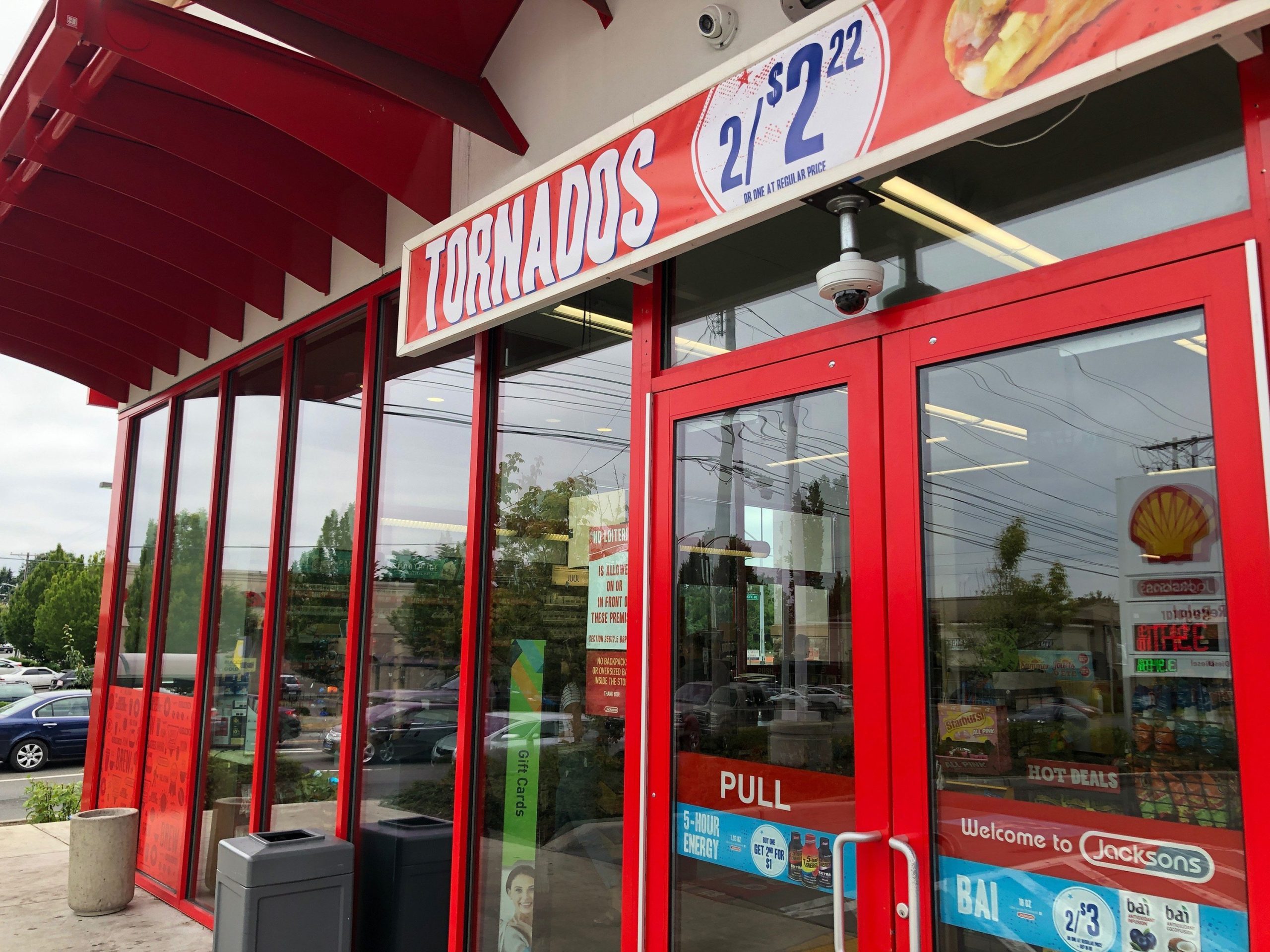
    This convenience store in Tacoma, Wash., tested facial recognition technology to prevent theft in 2019. Melissa Hellmann / MCT

    American cities do not need to invent this from scratch. The road map we propose starts with three steps any city council can take this year:

    1. adopt an AI governance framework tailored to tourism and public safety;
    2. extend legal protection to residents’ and visitors’ data whenever private vendors handle it;
    3. publish a public register of every AI system the city operates.

    None of these steps requires new technology. All of them require political will.

    The window is small. Nine in 10 mayors worldwide say they want AI in city management, while only 2% actively deploy it today.

    That means the great wave of municipal AI adoption is still ahead of us, and so is the chance to shape it.

    Los Angeles hosts the Olympics in 2028. The cities that spent this summer as laboratories should spend the next two years writing the rules — in public — before the next surge of visitors arrives. Tourists chose these cities for a sense of welcome and security. Cities owe them systems worthy of that trust.

    Eugènie L. Birch is the Nussdorf professor of urban research at the Weitzman School of Design, and co-director, Penn Institute for Urban Research at the University of Pennsylvania. Mauricio Rodas is the former mayor of Quito, Ecuador, and professor of practice at the Weitzman School of Design. Luke Campo, a graduate of the University of Pennsylvania, supported this research.

  • We are overlooking the most critical element of public health for Americans: feeling stuck

    We are overlooking the most critical element of public health for Americans: feeling stuck

    Tracy Chapman’s “Fast Car,” a ballad about a dead-end life, made the Billboard Hot 100 twice, nearly 40 years apart. As a doctor, I’m not surprised. “Fast Car” is about someone trying desperately to move up in life even as obstacles mount — bleak job, insufficient finances, family obligations, and increasing isolation. The song endures because it validates the experience of millions of Americans.

    I hear versions of “Fast Car” every time I set foot in the hospital as a general internist. My patients tell me stories about how, no matter how hard they work, the path to a better future slips farther away. It inevitably comes up as the reason they feel sick. My patients even have a name for their condition: they feel stuck.

    The more I listened, the more I realized this wasn’t just an individual problem. We’ve reached our 250th anniversary as a stuck country.

    I’ve been documenting what our research group has come to call “stuckness” for a decade. It’s more than poverty, loneliness, or a lack of opportunity. Stuckness emerges when real barriers in our jobs, finances, relationships, health, neighborhoods, and politics coalesce to keep people from having a real shot at success and happiness. It is a feeling and a reality that reinforce each other, robbing us of hope, generating chronic stress, and making it harder to move forward.

    As one young man, stuck with dwindling job prospects, mounting debt, and few close relationships, said: “I’m not hopeful. I may not make it past the age of 35 if things continue this way.”

    My patients are right to identify stuckness as the biggest threat to their health. Yet, our country hasn’t found effective ways to fix it. Part of the issue is that when people tell us they are stuck, we believe it can be solved by self-help books, a positive attitude, or the latest wellness fad.
    The bigger issue is that we haven’t really understood the problem.

    My colleagues and I at the research nonprofit Opportunity for Health decided to change that. In a recent survey, we asked working-age adults across America whether they felt stuck. We found that more than one in five respondents — representing about 40 million adults — strongly felt stuck. Nearly half of the people taking our survey felt at least somewhat stuck. Stuckness was most common among lower-income Americans, but one out of 10 of the richest or most educated Americans felt stuck, too.

    Respondents got stuck because of job or financial challenges, worsening conditions in their neighborhood, social isolation or fraying relationships, or because of a sudden illness or disability. Once any one of these challenges set in, others quickly piled on.

    A health problem leads to lost work, creating financial strain that weakens relationships, and the resulting hopelessness and stress further damage health. That cycle helps explain why people who felt strongly stuck were five times more likely to report being in poor health than those who didn’t feel stuck at all.
    While our survey covers only a single year — no one had bothered to ask about it before — other data show that stuckness has grown over time.

    That tracks with what I hear from my patients. The likelihood that low-income Americans can move up the economic ladder has fallen since at least the 1980s. So has the share of Americans who are able to leave neighborhoods that aren’t working for them in search of new opportunities.

    Using economic survey data, the fraction of working-age Americans facing multiple challenges — whether unemployment, a work-limiting disability, low household income, social isolation, or being moored in place — rose from 14% in the late 1980s to 24% today, writes Atheendar S. Venkataramani.Lynne Sladky

    Based on my calculations using economic survey data, the fraction of working-age Americans facing multiple challenges — whether unemployment, a work-limiting disability, low household income, social isolation, or being moored in place — rose from 14% in the late 1980s to 24% today.

    Stuckness also shows up more often in our culture. In the more than three decades bookending the appearances of “Fast Car” on the Billboard Hot 100, the share of songs mentioning feeling stuck rose from one out of every 100 to one out of every 20 — and that doesn’t include Chapman’s hit or other songs by Bruce Springsteen or Garth Brooks that describe stuckness without using the term.

    It is not a coincidence that the rise in stuckness coincides with our flatlining life expectancy. We are getting sicker despite the trillions of dollars we throw at healthcare. My patients wouldn’t find that surprising: they aren’t asking for more medicines or tests. They just want to get unstuck.

    Because stuckness arises from a cascade of factors, solutions must do two things: prevent people from falling into those slumps and help them escape when they do.

    That means ensuring that work once again provides a pathway to security through fair wages, ample opportunities to develop new skills, and ensuring that new technologies like AI expand rather than replace human potential.

    It means investing in communities that have been left behind, building up local economic capacity and infrastructure so that every corner of America has the basic tools for people to thrive.

    Because stuckness arises from a cascade of factors, solutions must include investing in communities that have been left behind and building up local economic capacity and infrastructure, writes Atheendar S. Venkataramani.Jose F. Moreno / Staff Photographer

    It means making healthcare, childcare, paid family leave, and other basic supports reliable foundations that keep temporary setbacks from becoming permanent ones.

    Finally, we shouldn’t ignore growing concerns about affordability or the economy. We shouldn’t make it harder for people to access safety net programs like Medicaid and the Supplemental Nutrition Assistance Program (SNAP), as the administration is now doing, because they can help our neighbors escape stuckness.

    And we shouldn’t make it harder for people to weigh in at the ballot box to seek the wider changes that will improve their lives on how to get their communities unstuck.

    The solutions to stuckness will vary across regions. We will need to argue productively, try, fail, and try again to get it right. One of the most shocking findings from my team’s research is that stuckness touches us all: even richer Americans are less healthy when people in their communities get stuck. There’s a reason for that. When millions get stuck, we collectively become less productive, angrier, and more divided.

    Now that our country has turned 250, we face a critical choice. We can keep pouring resources into treating the consequences of stuckness or we can confront its causes.

    My patients already understand this distinction. They know that what makes them sick is not simply a disease. It is the growing feeling that no matter how hard they try, their future remains limited and bleak. If we want a healthier America, we need to build a country where effort once again leads somewhere.

    Atheendar S. Venkataramani is a physician and professor of medical ethics and health policy at the University of Pennsylvania. He is the founding director of Opportunity for Health and is a senior fellow at the Penn Leonard Davis Institute of Health Economics.

  • 50 years after Harold Rosenthal’s death, his legacy lives on

    50 years after Harold Rosenthal’s death, his legacy lives on

    Fifty years ago this Aug. 11, my brother Harold Rosenthal was late for a plane out of Istanbul bound for Jerusalem. He was always late — school, appointments, parties, or late finishing dinner at Horn & Hardart’s, the only restaurant working-class families patronized in Philly then.

    While my younger brother Norman and I agonized on the sidewalk, Harold would take bites of food in between whatever book he was reading, a passion cultivated when he was a student at Central High in the early 1960s.

    On this August day his tardiness put him near the back of the line at the gate for El Al Airlines. At the time, Harold was working as a senior aide to Republican New York Sen. Jacob K. Javits. He was heading to Israel as part of an assignment for the Senate Foreign Relations Committee, which had sent him on a tour of American embassies in the Mediterranean, ending with a seminar at Jerusalem’s Van Leer Institute.

    Four gunmen from the Popular Front for the Liberation of Palestine stormed the gate in an attempt to hijack the plane. When guards blocked them, they opened fire and then threw a grenade. Four people were killed, including Harold. He was only 29.

    Fifty years on, I’m certain Harold’s improbable rise was built in Philadelphia.

    Harold Rosenthal, on Tulpehocken Street in West Oak Lane, in 1966.Courtesy of Mark Rosenthal
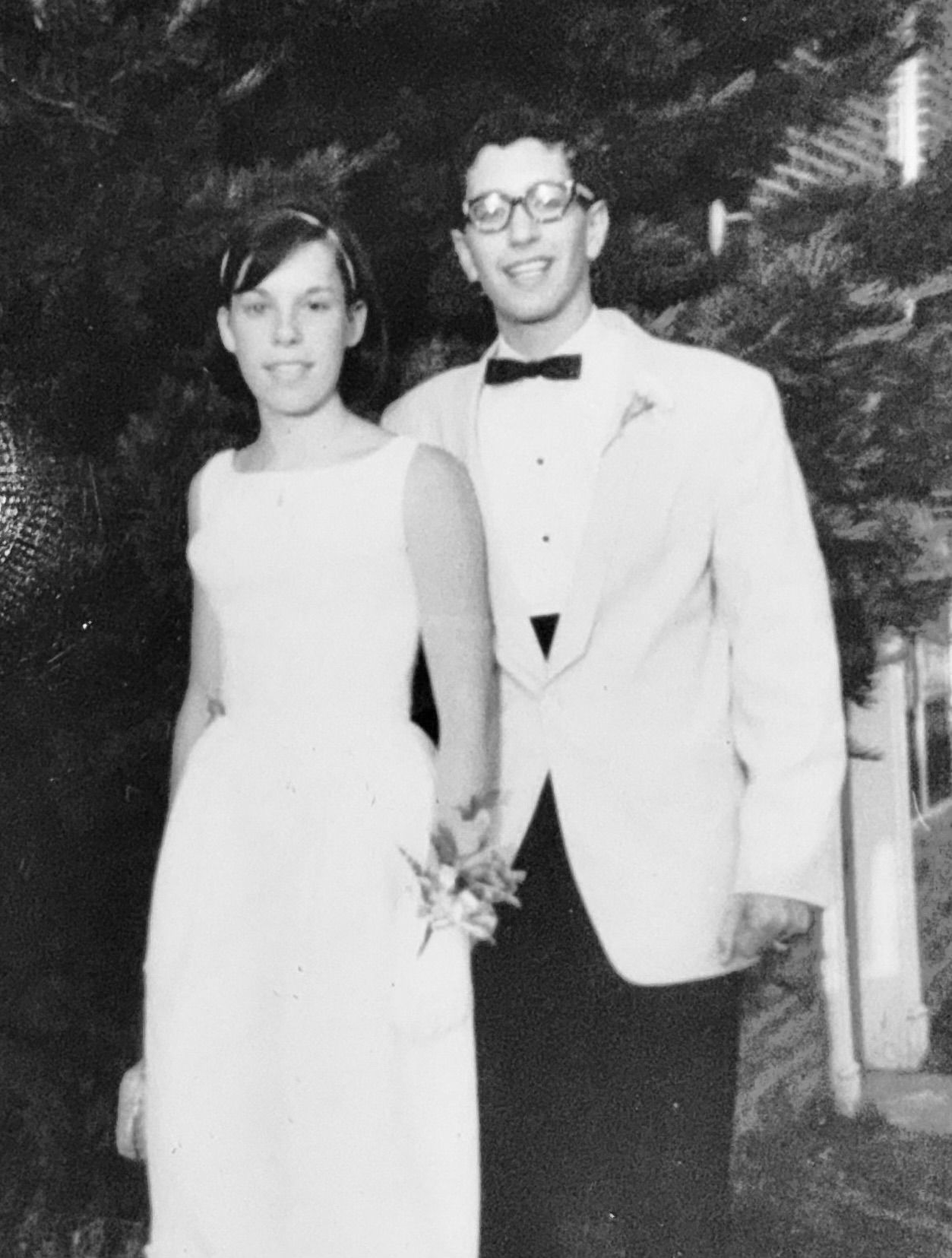
    Harold Rosenthal ready for his senior prom at Central High School, May 1965.Courtesy of Mark Rosenthal

    We grew up in a rowhouse on Tulpehocken Street in West Oak Lane, the kind of block where everyone knew everyone and you learned early which streets were yours to walk down and which weren’t.

    Our parents worked hard but nearly lost that house to foreclosure twice. No kids had cars back then, which was fine. You walked to Pennypacker Elementary and then, to get to Wagner Junior High, Central High, and Temple University, you learned the buses, trolleys, and subways.

    Harold Rosenthal (right) running for student council at Temple University in 1966.Courtesy of Mark Rosenthal

    Out of this modest life, Harold built a career in a world that seemed unknowable to the rest of us — all on his own. We didn’t have a word yet for “nepo baby” because no one we knew had money or connections. But Harold was audacious about wanting more. That audacity carried him to a scholarship in France, then Cambridge University in England, and finally Harvard.

    I was awed by his fearlessness. At Cambridge, seated at the back of a church for an Advent Carol service, he watched choristers slip through a side door and, deciding his seat wasn’t good enough, followed them. His friends — the ones who’d never dare follow — watched an hour later as he processed down the aisle in white robes, candle flame dancing, past Prince Charles, biting back a laugh.

    That was Harold in full: certain that any door marked not for you was the one worth opening.

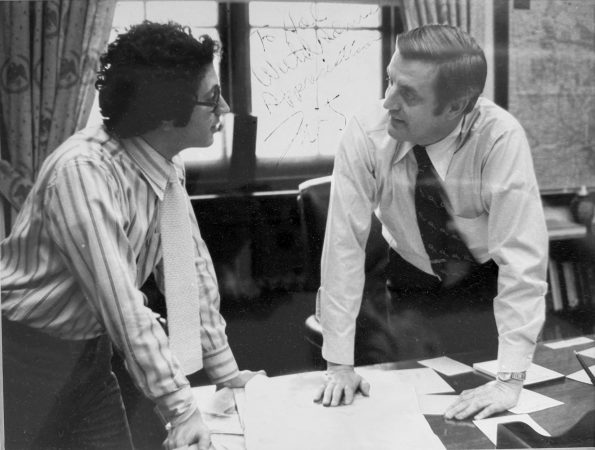
    After Harvard, his climb was stunning. Legislative assistant to New York Rep. Hugh Carey, then for Sen. Walter Mondale of Minnesota, a stint at the Rockefeller Brothers Fund, and finally a senior adviser to Javits.

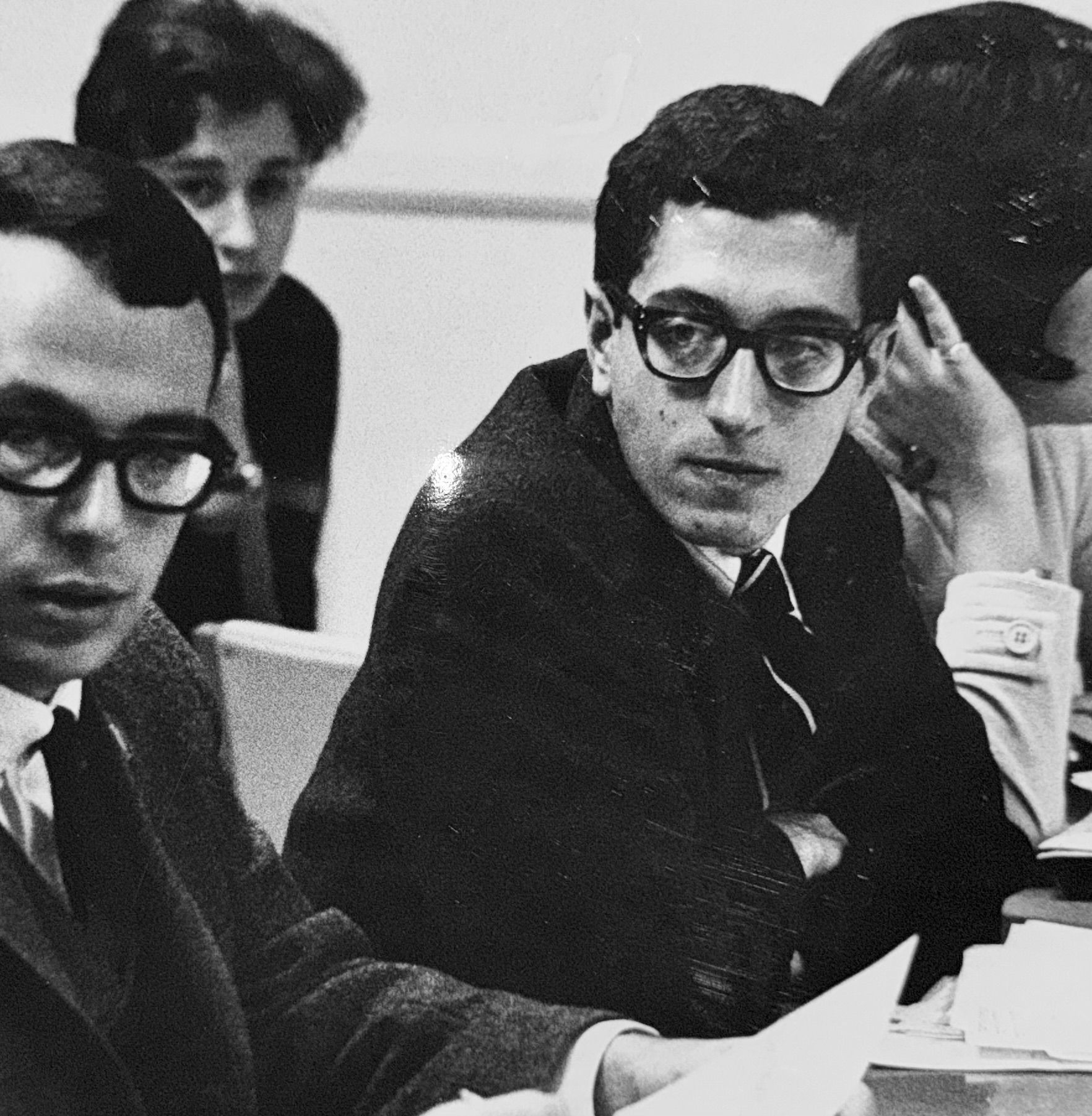
    Harold Rosenthal at a Harvard seminar in November 1972.Courtesy of Mark Rosenthal
    Harold Rosenthal’s official portrait for the Senate Foreign Relations Committee, 1976.Courtesy of Mark Rosenthal

    Sen. Mondale had already told him that if Jimmy Carter won the White House in November, there’d be a staff position for Harold in the West Wing or as part of an undersecretary’s desk at the State Department. A public school kid from a Philly rowhouse, one election away from the top of the government.

    That August I took a position as a teaching assistant at the University of the Pacific in California, more hiding from adulthood than pursuing a doctorate. Our younger brother, Norman, was already on his way to an influential career as an endocrinologist.

    Harold Rosenthal (center) during a State Department visit to South Africa, 1974.Courtesy of Mark Rosenthal

    If my future was uncertain, Harold was rewarding my overworked parents with the gift of an insider’s view of his rise. He always shared his itinerary, printed on Senate stationery, with my mother, who tracked this Mediterranean tour almost hourly. He was only passing through Istanbul.

    I was at a going-away dinner near Penn when I called home and heard the fear in my mother’s voice — something about an attack on an El Al flight. There was no cable news then, no way to know. I quickly said my goodbyes and drove to Roxborough.

    I opened the door to find my mother collapsed on the floor and my father — who’d flown with the Flying Tigers in China during World War II, and who’d lost his own cousin on D-Day — slamming his head against the wall. A stranger from the State Department had called and quickly said, “We regret to inform you that your son is dead. Someone will contact you soon.” That’s all.

    It took time to bring Harold’s body home. Turkish law required an autopsy first, and a friend of Harold’s quietly warned me it would leave him unrecognizable. Waiting for Harold, my father consoled himself with the fact he’d be able to see his son one last time. In the back of a limo to Roosevelt Cemetery, Norman and I had to tell our father the casket would be closed — one of the hardest sentences I’ve ever spoken.

    Sens. Mondale and Javits both eulogized Harold at the funeral on Broad Street. Weeks later, after a memorial at the Capitol, I sat with my parents outside, silently, in the brutal heat and viscous humidity waiting for a valet to find their car, which had been misplaced. Watching people coming and going up and down the marble steps, I realized this world wouldn’t stop for Harold. It doesn’t pause for anyone. It was already looking for his replacement.

    Years later, because of a new thing called the “internet,” we were handed a second wound. Just a year after the attack, a Christian-supremacist cult leader had fabricated a grotesque “Rosenthal Interview,” inventing a confession in which Harold revealed how Jews secretly run the government. So witless — it was dated a year after Harold died. It was too absurd to survive anywhere but in fringe pamphlets — that is, until the internet gave it a permanence no pamphlet ever could.

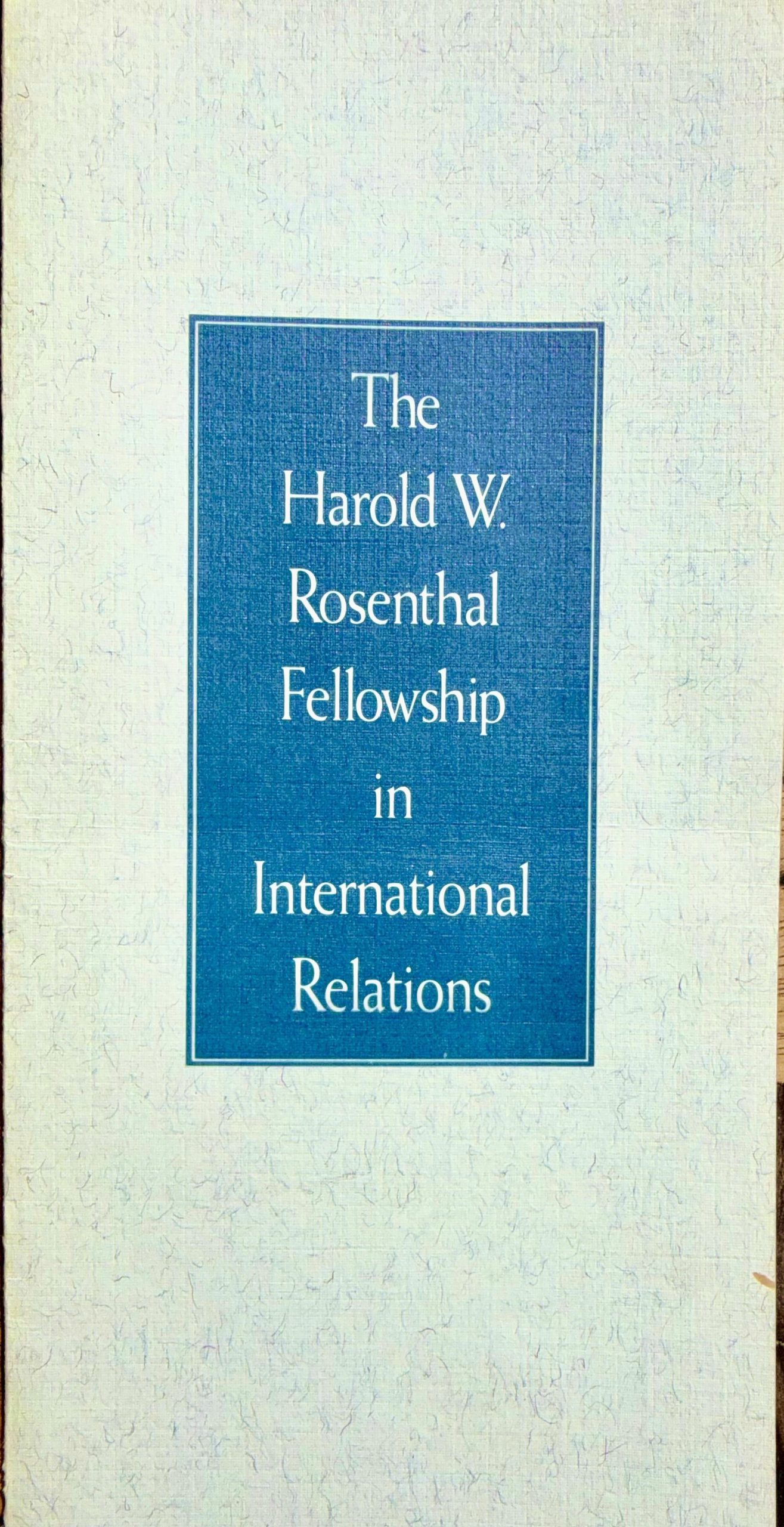
    What outlasted the hoax is the Harold Wallace Rosenthal Fellowship in International Relations, founded by his friends in 1977. Fifty years and over 300 fellows later, it’s still helping ordinary students from ordinary families into congressional offices and embassies — through the same door Harold forced open with nothing but nerve.

    The fellowship started by Harold Rosenthal’s friends on Capitol Hill is still going strong, placing graduate students into offices from the Senate to the Pentagon.Courtesy of Mark Rosenthal

    The night Harold’s shiva ended, sitting in my parents’ now quiet apartment, I demanded of myself to learn something from Harold’s death. Two things happened. First, I admitted the only thing I actually cared about was movies, not academics, and after my doctorate was done, I packed my car, which had been Harold’s car, and drove to Los Angeles to figure out a way into the movie business.
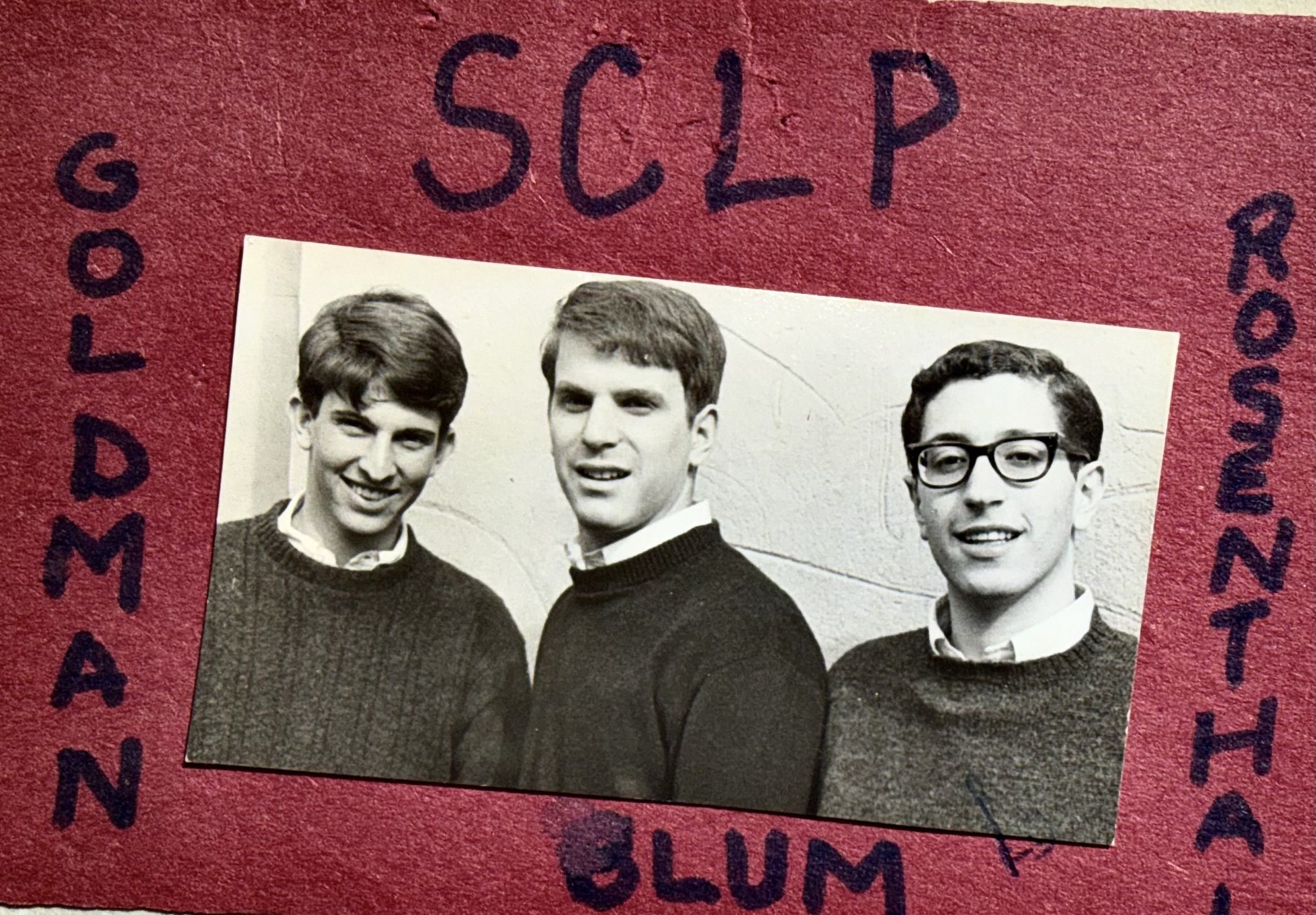
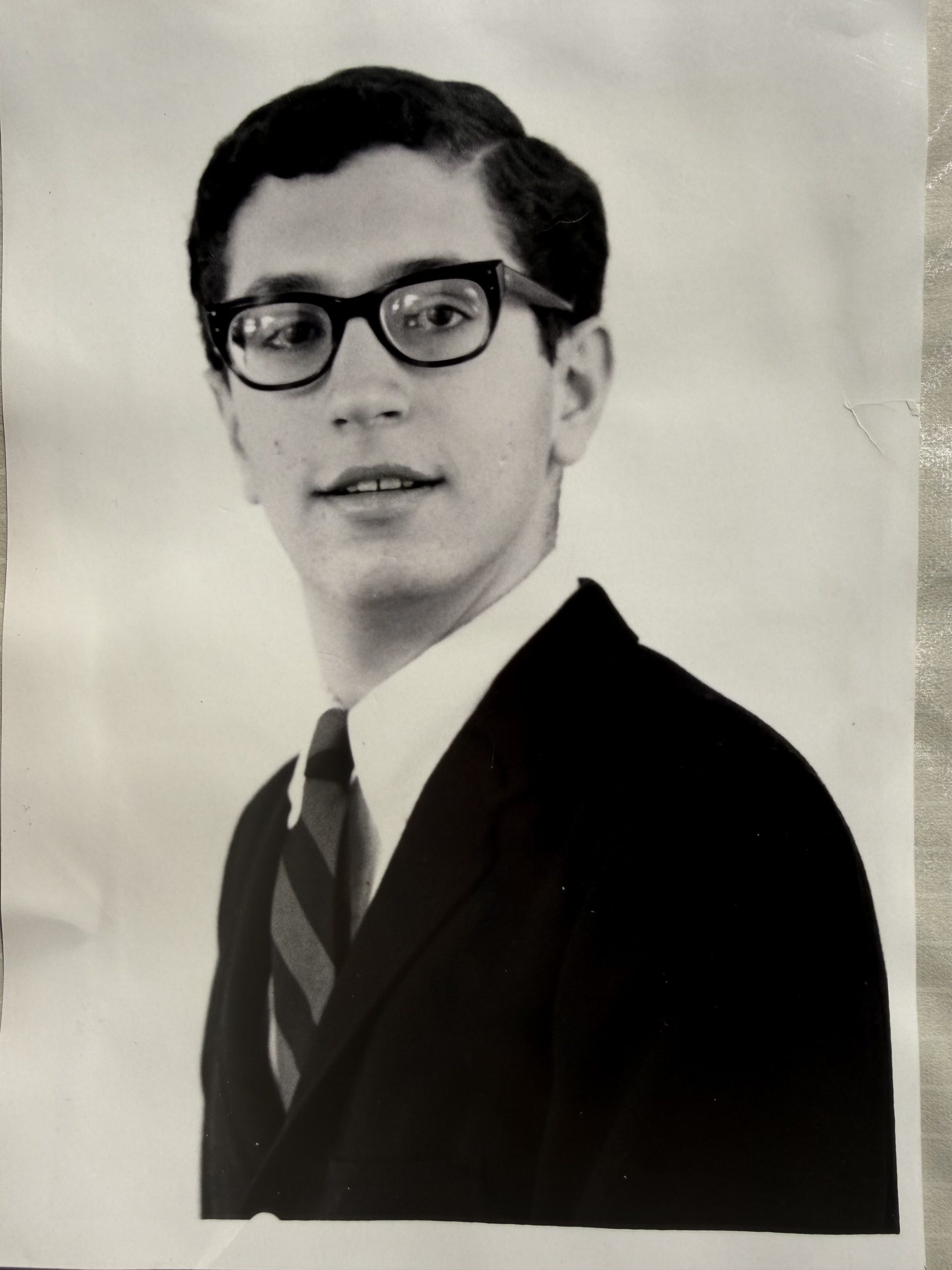
    Second, I swore never to hear news the same way again. We measure disasters in body counts — just two, just eight — a statistic filed away and forgotten by people with their own lives to return to. I promised myself I’d stop, every time, and imagine the families behind each number.

    In floods in Texas. In Gaza. In Kyiv. The dead are aggregated. Grief is always singular. Every one of those numbers is somebody’s brother, somebody’s family.

    Mine was Harold.

    Mark David Rosenthal is a writer and producer of film and television. He is a member of the Motion Picture Academy of Arts and Sciences and the Writers Guild of America, West. He was nominated for an Emmy for the 2016 miniseries, “Roots,” and his WGA credits include “Mona Lisa Smile,” Tim Burton’s “Planet of the Apes,” and “The Jewel of the Nile,” among many others.