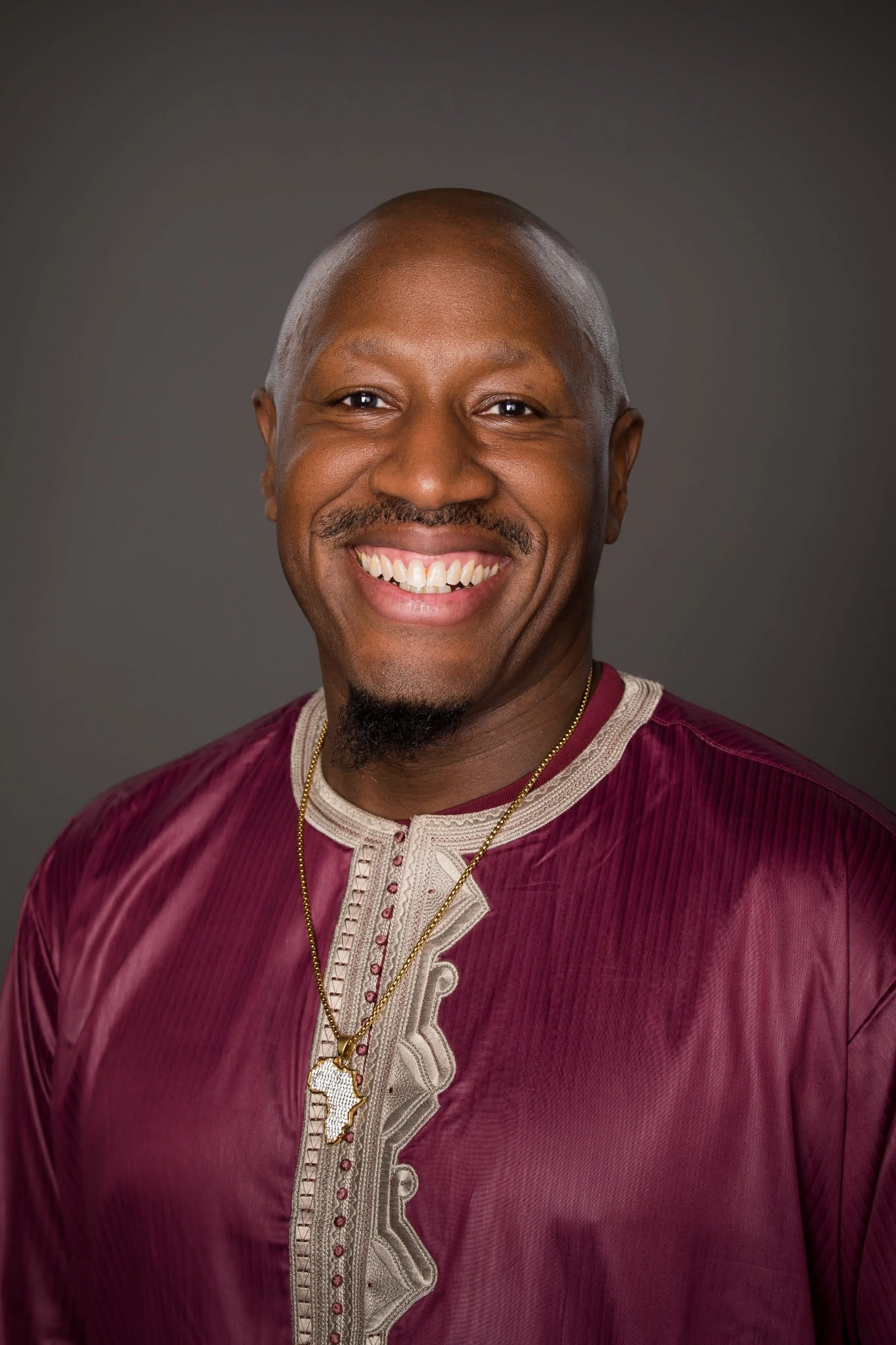
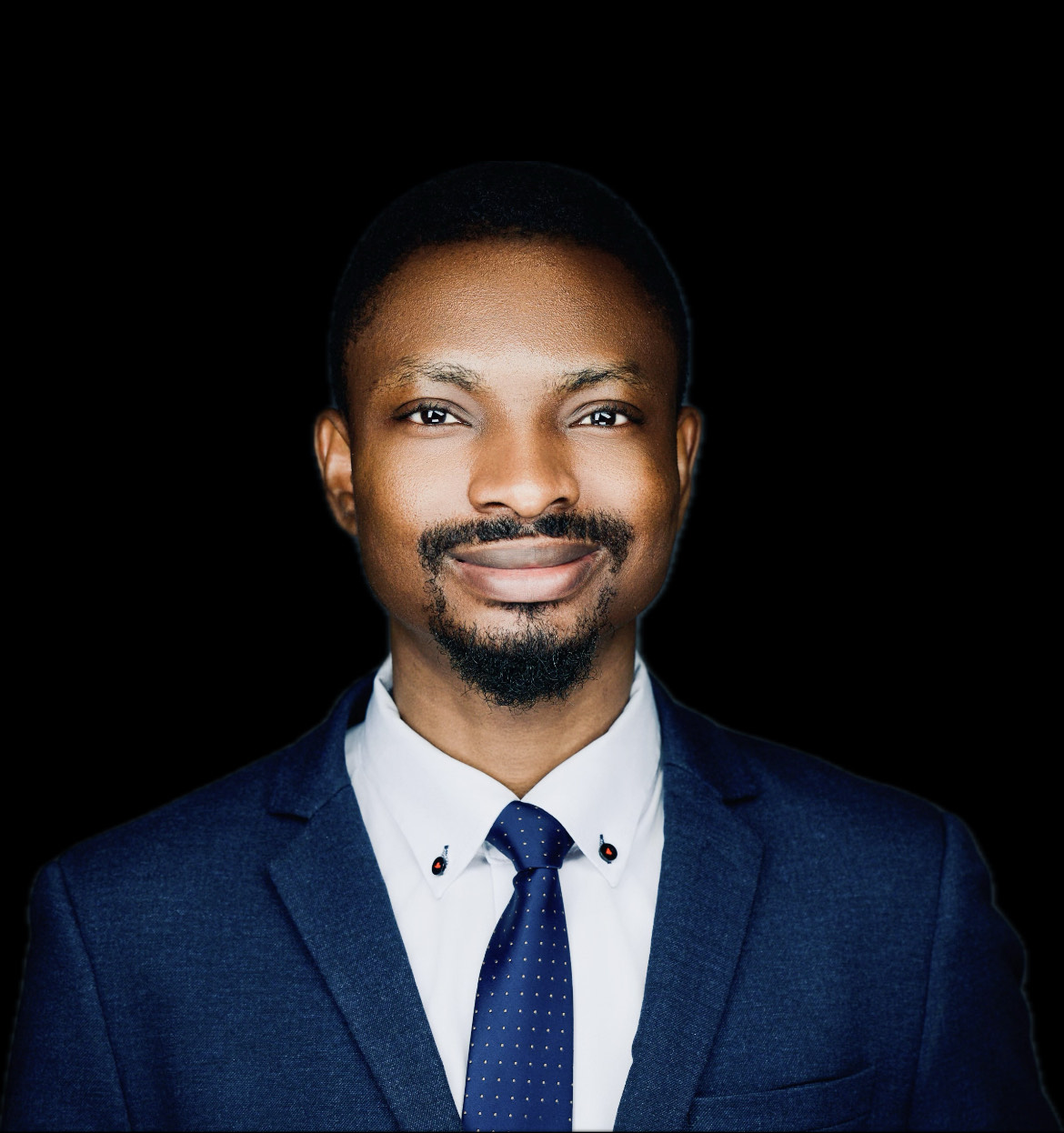
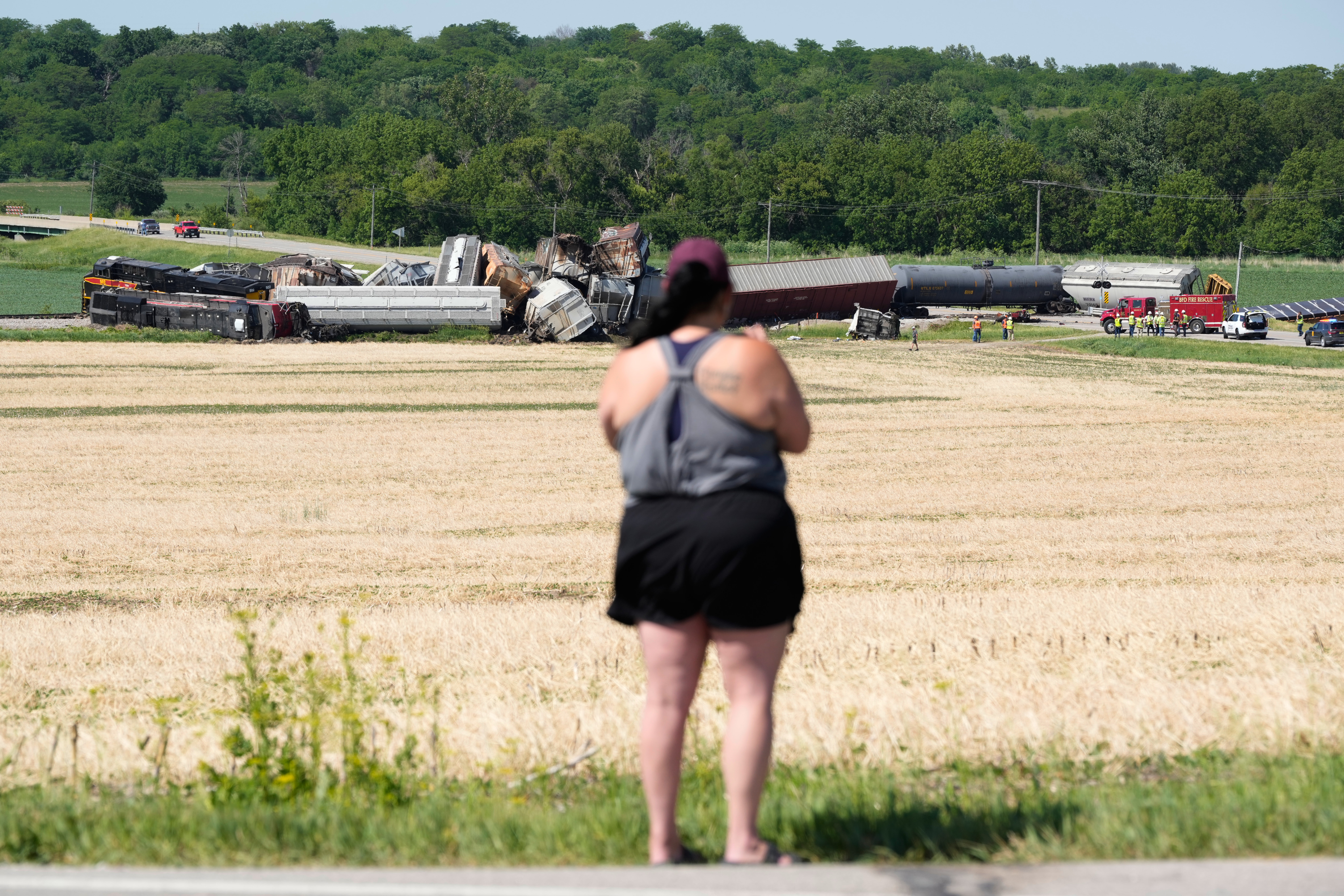
For the better part of two decades, I have been living with cancer. I’m grateful for the advances in treatment that have made that possible, but I also have faced denials and delays to my care that could have meant a different outcome for me.
In 2010, I went to the doctor with what I thought was the flu. I was having trouble sleeping, frequent heartburn, and a persistent cough. My life quickly took an unexpected turn when I was diagnosed with chronic myelogenous leukemia (CML), a cancer that starts in the bone marrow.
Again, the unexpected. Suddenly my family and I were navigating an unknown and scary world — multiple tests and treatments I couldn’t spell, countless decisions, and most unexpectedly, despite having insurance coverage, wondering how we’d be able to afford the treatments to save my life.
For most of my adult life, like most people, I paid insurance premiums for my family, expecting that if my wife or I or one of my daughters gets sick, the money I’ve paid into that pool will be there to help cover what we need. But when I was diagnosed, I quickly realized this wasn’t the case.
It turns out the insurance company had a treatment plan of its own for me, but not the one my actual oncologist had prescribed.
I was told that before the insurer would grant coverage for the treatment my oncologist felt was best for me, I had to try and fail on medications the insurance company preferred. That practice is called step therapy, and for cancer patients, it can be deadly.
I can’t speak for everyone, but for me, failure is not really a word you want to be part of the discussion when it comes to cancer. The companies driving it, pharmacy benefit managers like OptumRx, Express Scripts, and CVS Caremark, profit from controlling what drugs get covered and in what order.
For patients with other blood cancers like chronic lymphocytic leukemia, the most common adult leukemia, the consequences can be even more severe. Delays and forced substitutions can allow the disease to evolve in ways that close the window on the best available treatment entirely.
If I had been diagnosed 10 years earlier, the treatment for CML would have included chemotherapy or a bone-marrow transplant. Today, thanks to medical advances, the most effective treatment option for my type of leukemia is daily oral anti-cancer therapy.
There are no comparable IV medications, and the self-administered pills allow me to continue to work and be an active person. In the last several years I’ve started running again, which has been a great outlet for me and another way to protect my health.
Thankfully, when my insurance tried to force me to try and fail on their alternative treatment plan, my oncology team was able to get me enrolled in a program with a drug company through which I’m able to get my medication directly from them and at low cost. But without that option, I could be forced to deal with my insurer and likely face delays and denials for my care.
Thanks to medical advances, the most effective treatment option for his type of leukemia is daily oral anti-cancer therapy, writes Paul O’Hara.Pongsak Tiantad/Dreamstime/TNS
Congress has an opportunity to stop this from happening to cancer patients, and everyone else who has been put through the dangerous process of step therapy.
The House Oversight Committee is already leading the charge. In a letter to Mehmet Oz, administrator of the Centers for Medicare and Medicaid Services (CMS), Oversight Committee Chair James Comer called on the centers to do more to protect Medicare Part D patients from insurer- and pharmacy benefit manager-imposed step therapy.
Part D plans are already bound by national cancer treatment guidelines that make clear not all cancer drugs are interchangeable, yet insurers and their pharmacy benefit managers routinely substitute treatments for financial reasons rather than medical ones. CMS has the tools to crack down and needs to use them.
Comer also played a critical role in crafting pharmacy benefit manager reforms. He and his colleagues should seize on the momentum of those successes by passing the Safe Step Act, which would ensure patients can receive timely exceptions when step therapy is medically inappropriate.
The commitment to putting patients first should extend to ending fail-first policies that can delay access to the cancer treatments that physicians determine are most appropriate for their patients.
All cancer patients want is to live life to its fullest, to see the other side of their diagnosis, and to get back to knowing what to expect out of each day. Patients deserve to know that their health insurance will provide the care their doctors say they need. I ask the Pennsylvania federal delegation to get behind the Safe Step Act. It is vitally important to the lives of American patients.
Paul O’Hara is a Doylestown resident and the president of Connected Cloud LLC, an information technology consulting firm specializing in cybersecurity.
The fights over the next surgeon general and the next Centers for Disease Control and Prevention director have been shaped by a movement that calls itself holistic while practicing its opposite. Last month, senators grilled Erica Schwartz, Trump’s CDC nominee, on whether she would defend vaccine science under a wellness-aligned U.S. Department of Health and Human Services. She would not fully commit.
The replacement, Nicole Saphier, is a radiologist who also sells herbal supplements, hosts a podcast called Wellness Unmasked, and wrote the 2020 book whose title, Make America Healthy Again, became the slogan of a national movement.
The specifics differ. The underlying category error is the same.
On its critique of American medicine, the MAHA movement is not wrong. After performing thousands of spine surgeries, I have come to believe — along with much of the literature in my own field — that a meaningful share of the elective spine operations in the U.S. are performed on patients who would do better without them.
We medicate teenagers for inattention without asking how they sleep. We treat the disc and forget the life it sits inside. When the wellness movement says American medicine has been reduced to organ systems and 15-minute appointments, the criticism lands because the charge is true.
The trouble is what the movement offers instead. The word holistic — from the Greek holos, whole — was supposed to mean a way of seeing that integrates what reductive medicine has pulled apart. In the movement claiming the word, it has come to mean the opposite: a parallel architecture that excludes vaccines, excludes the cardiologist, excludes the entire framework that produced antibiotics, anesthesia, and the survival of children who, a century ago, would simply have died.
That is not integration. It is the same fragmentation in different clothes.
I think about two patients I saw last year in clinic, a week apart. The first was a woman in her 20s with six months of worsening back pain. She had seen a chiropractor weekly, taken supplements from a wellness coach, and tried three essential oil protocols. She had not seen a primary care physician in four years. When she finally reached me, her foot had begun to drop. Her MRI showed a large disc herniation crushing the L5 nerve root. She needed surgery within days.
The second was a man in his 60s, wealthy and well-connected, who had already undergone two lumbar fusions and was being recommended for a third. His pain was real. His anatomy did not explain it. No surgeon had asked him about his sleep, his weight, the 70 hours a week he sat at a desk, or whether he had tried any of the dozen nonsurgical paths that might have helped.
Both were failed by a system that has lost the capacity to put the pieces back together. One by a wellness world that calls itself holistic but excludes the tools of modern medicine. The other by a medical system that calls itself evidence-based but excludes anything that does not fit into a billing code. They are the same problem in mirror image.
Real holism is harder. It says that a child benefits from both unstructured play and the pediatrician who notices the heart murmur. That a patient with back pain benefits from both yoga and the surgeon who knows when to — and when not to — operate. Holism integrates. The movement that owns the word does not.
Patients do not have to wait for Washington.
Integrated programs — where physical therapists, behavioral health clinicians, nutritionists, pain specialists, and surgeons share a single chart and a single conversation about the same patient — exist around the country. They are not yet the default, but they can be found.
If you are navigating a chronic problem, three questions are worth asking your clinician: Do you have colleagues outside your own discipline who will be part of my care, and do you talk with them? Is the goal of the first visit to decide on a procedure, or to decide whether a procedure is the right answer? Last, what would have to be true for you to recommend a treatment other than the specific thing you do for a living? A clinician who can answer those questions without flinching is closer to holism than any movement claiming the word.
This is what the country’s next surgeon general — and its next CDC director — should be arguing for. Not another round of the wellness-vs.-medicine fight, with two sides accusing each other of missing the whole.
A real defense of the whole person would acknowledge what each gets right and refuse what each gets wrong, and insist that the institution — not the patient — do the integration.
Whoever takes those offices next will be asked, eventually, what holistic means. It would be worth the country’s time if their answer were a real one.
Vijay Yanamadala is vice chair of neurosurgery at Hartford HealthCare’s Ayer Neuroscience Institute, associate professor of surgery at Quinnipiac University’s Frank H. Netter School of Medicine, and a 2026 public voices fellow with the OpEd Project.
It was my fourth year teaching, and I had just completed a unit on descriptive writing with my ninth graders. I sat down to read their final pieces, both curious and terrified to see what they had come up with. The first few were solid, if unremarkable, but then I picked up a piece that opened with a line that remains crystal clear in my mind 25 years later.
The trees were sprayed with the scent of wonderful.
Once I finished reading, I couldn’t wait to get to school the next day to talk to the author about her work, a delightful evocation of a place in South Carolina where she had gone for a family reunion. For the rest of the year, I recommended poems and stories she might like, and we stayed in touch for years after she graduated.
Contrast this with my experience last semester in a college course I’m teaching. I began reading my students’ response papers to the week’s readings and encountered a particularly astute opening line.
This time I was neither excited nor delighted. Instead, I was wary. I spent the next 15 minutes using a variety of tools to try to figure out if AI wrote the paper.
I am not alone. According to an NPR/Ipsos poll, almost 60% of teachers believe artificial intelligence is eroding trust between educators and students. I’ve talked to my university colleagues, as well as the many current high school and middle school teachers I work with, and in the classrooms of America, suspicion pervades. Now when we teachers see great work, we don’t feel pride or wonder or joy. We feel skepticism.
To make matters worse, schools at all levels are inviting the vampire into the house, spending millions on AI products and, in some cases, mandating that teachers incorporate AI use into their curriculum, despite the misgivings of many teachers.
These policy decisions are not happening in a vacuum. Our school districts are a lucrative market for Silicon Valley and have become targets of relentless campaigning.
So, teachers and students end up stuck in a Groundhog Day cycle, as districts continue to pursue the latest technological solution, despite the repeated failure of this strategy.
In a photo from 2018, students use their cell phones to look up information on political races during a social science survey class at Fremd High School in Palatine, Ill.Stacey Wescott/Chicago Tribune/MCT
Cell phones were marketed as a great way to enhance participation and engagement by students — for example, teachers were encouraged to use tools like Poll Everywhere. Now, states are increasingly passing bills banning phones from schools because we recognize their distracting effects.
AI companies are making familiar bold claims about how this latest technology will improve learning and revolutionize classrooms with little consideration or acknowledgment of the downsides.
During one of my recent AI conversations, I was reminded by a friend that 25 years ago, American author and educator Neil Postman asked us to be thoughtful when adopting new technology. He told us to ask not only what a new technology will do, but also “What will a new technology undo?”
We have an answer for what AI will undo: AI is spoiling the interactions between students and teachers, undoing the relationship-building that is vital for learning.
There have been and should continue to be vigorous debates about whether and how AI helps or doesn’t help student performance. But we must include in these debates the damaging effects such tools are having on relationships between teachers and students. Those relationships are critically important to learning no matter what technology surrounds them, and we neglect them at our peril.
Jeremy Glazer is a former high school teacher in Philadelphia and Miami, and is currently an associate professor in Rowan University’s College of Education focusing on teacher preparation.
Once again, Head Start — a program beloved by millions of families and with overwhelming public support — is being threatened by the Trump administration.
I was a Head Start teacher, administrator, and coach for nearly 15 years, and can attest to the transformative power of the program. I saw children thrive thanks to Head Start’s visionary emphasis on the whole child by providing a high-quality education, welcoming classrooms, healthy nutrition, and dental and health screenings. Through home visiting, regular parent communication, and frequent parent participation in the classroom, I saw families become stronger and more resilient.
Research has shown, time and again, that Head Start increases high school, college, and postsecondary graduation rates, leads to higher self-esteem for participants, and has a positive effect on future generations, as examined through parents’ practices exhibited decades later.
Which is why I am astounded by the methodical steps to dismantle a program that is the gold standard when it comes to early childhood programs. Back in 2023, the Heritage Foundation made exaggerated claims of fraud and abuse in its call to eliminate Head Start in the now-infamous Project 2025 plan for the second Trump administration.
A year later, word leaked that President Donald Trump was planning to use the biased Heritage Foundation report to zero out federal funding for Head Start. Widespread public outcry and political pressure thwarted that plan.
Undeterred, the Heritage Foundation developed a new strategy to kill off Head Start through death by a thousand cuts: If Head Start can’t be eliminated outright, deregulate it until it’s a skeleton of itself. Trump’s Department of Health and Human Services is proposing changes to Head Start that will do just that.
In May, Health and Human Services put out a proposal to retract wage increases for Head Start teachers. This move would exacerbate the already significant challenges in recruiting and retaining the standard high-caliber staff, resulting in fewer slots and lower enrollment.
Recently, Health and Human Services announced another proposed change to Head Start that would lower staff qualifications while raising the teacher-student ratios. The latest proposal would also eliminate some of the structures that keep lines of communication open between parents and providers, like parent-teacher conferences. And a new English-only mandate in instruction, written materials, and family communications would isolate parents and children who are dual-language learners.
Once again, people-power can successfully defend Head Start. Contact Sens. John Fetterman and Dave McCormick and your representative and tell them to pressure the Trump administration to withdraw these proposed changes.
Members of the public — like you — are able to voice your opinion, life experiences, academic research, or general passion for Head Start in response to the proposed changes. You can submit public comments on the Health and Human Services website — comments Health and Human Services must read and report on before finalizing anything.
Head Start sets up society as we know it for success. We must defend against this tactic of death by a thousand cuts and make sure future generations are able to reap the rewards of this tried-and-true program.
Zaina Cahill is the early childhood education policy director at Children First.
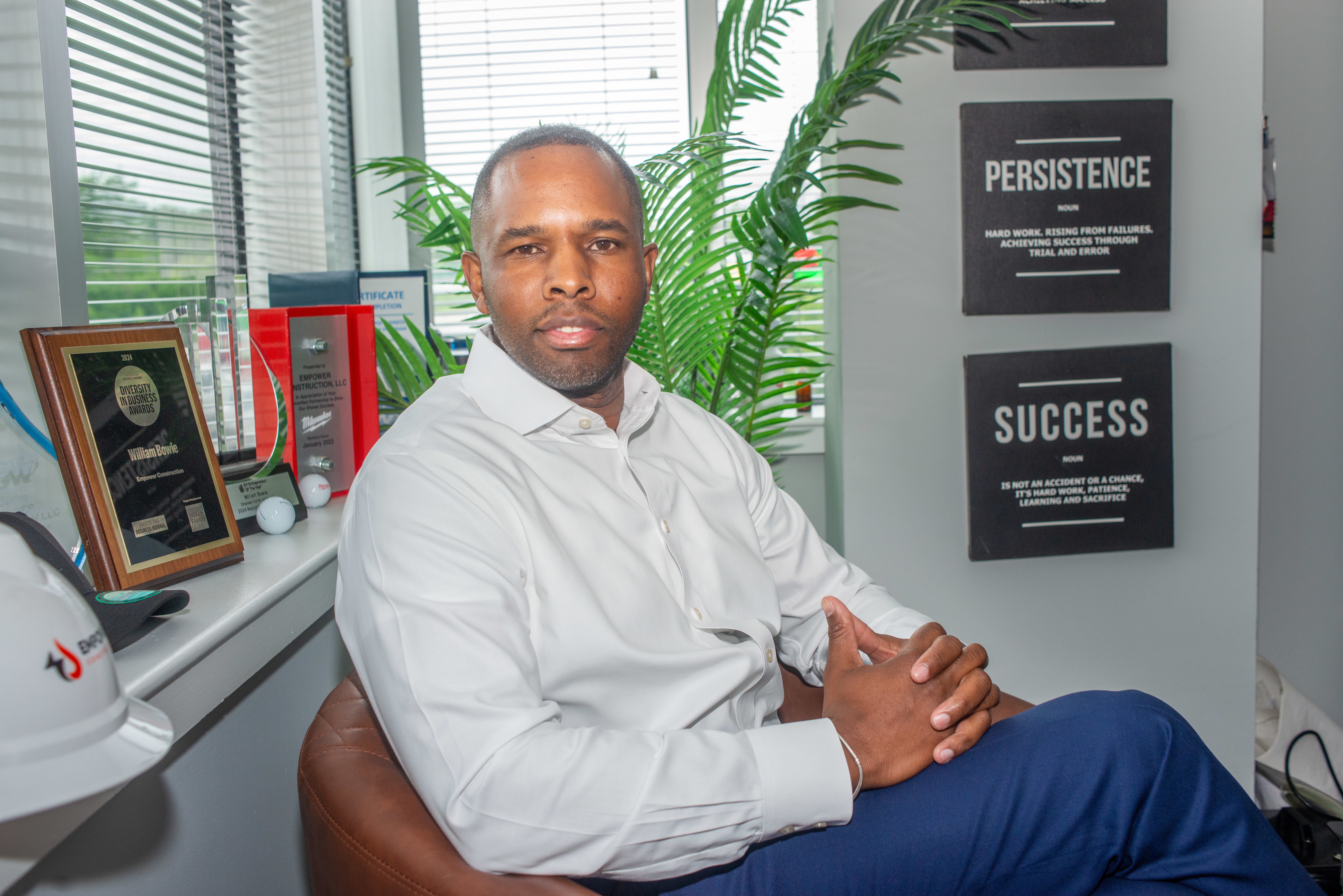
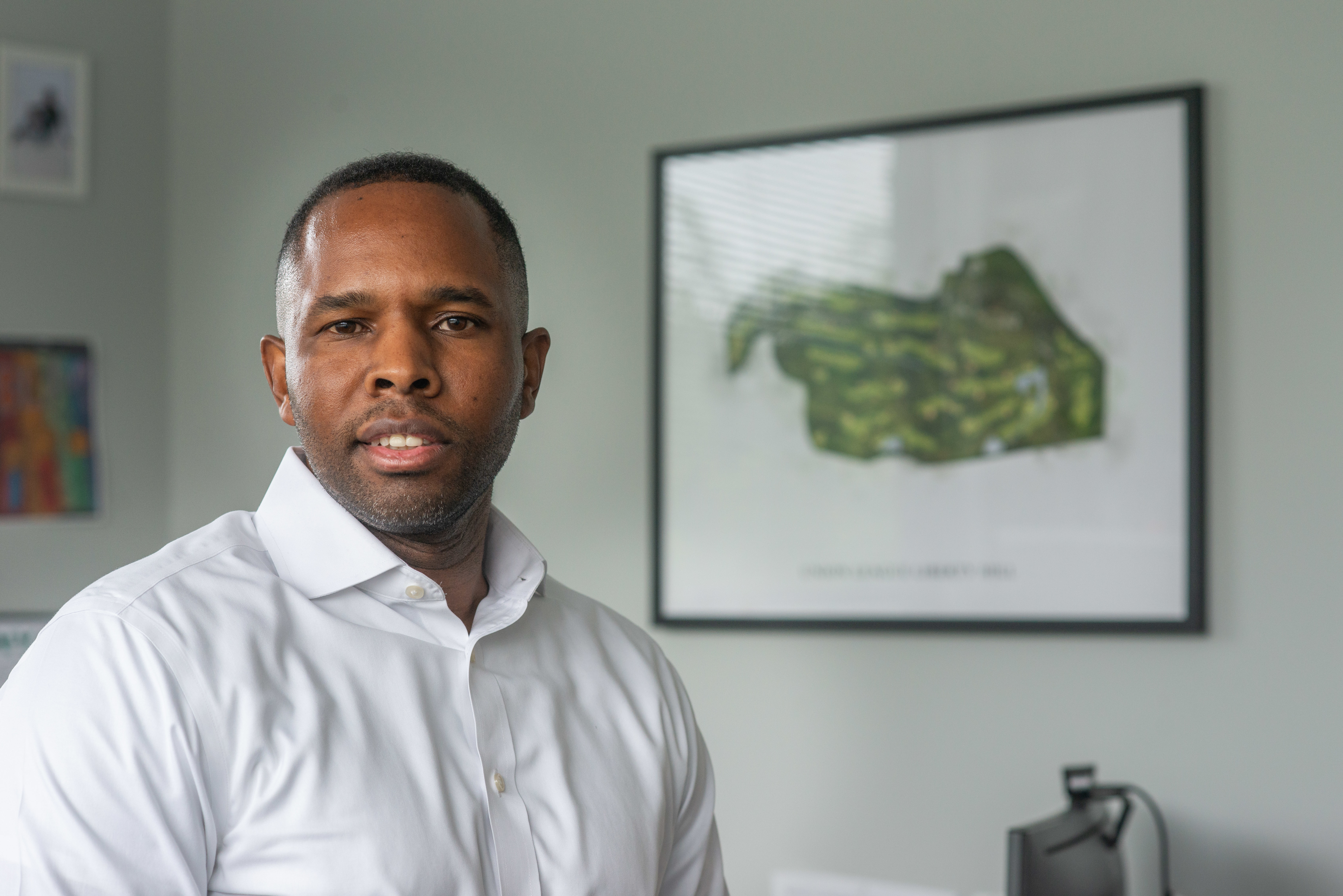
Growing up, William Bowie measured poverty in cups of water warmed in the microwave for his morning baths at a sink. He lived in the Richard Allen public housing project in the Poplar section of North Philadelphia, raised with his brother by a single mother. Even as a high schooler, he was eager to improve his life’s circumstances, but lacked just about everything he needed to do so except a willingness to work hard.
Three decades later, Bowie is president and CEO of his own nine-figure construction company, a journey that he largely attributes to a Philadelphia-based trade community apprenticeship system, similar to the “Nwa Boy” model that has been practiced in West Africa for centuries.
“I kind of challenged myself,” said Bowie, who’s 42,referring to his mindset when he was embarking on his career. “Why can’t I be the best? And why can’t I open that door for others?”
Bowie’s path is hardly an isolated success story. It is one node in a growing, informal network — from union apprenticeships in Philadelphia to a training cohort in Oakland, Calif. — of programs borrowing the Nwa Boy model’s core promise: a credentialed path from labor to ownership, built on relationships and trust rather than credit scores or venture capital.
As race-conscious funding efforts designed to level the playing field for African Americans are dismantled, that promise is drawing new attention from investors, workforce officials, and Black entrepreneurs looking for an alternative route to generational wealth.
The Nwa Boy system, which has its roots in the communities of the Igbo people in southeastern Nigeria, works this way: An established craftsman or business owner — known as the “Oga,” or master — takes on the training of a young person — known as the “Nwa Boy” (pronounced: nwah), or apprentice — often straight out of secondary school.
The apprentice lives and works closely with the Oga for as long as eight years, learning the nuances, logistics, and administration of their chosen craft.
When the apprenticeship ends, the Oga provides the graduate with a “settlement,” or capital — which often includes giving them money or business space — to launch their own independent businesses. The apprentice then continues the cycle.
The Harvard Business Review has called the Nwa Boy system “a Nigerian model for stakeholder capitalism” in which community, workers, and shared prosperity take precedence over individual shareholder return.
In 1970, at the conclusion of three years of civil war, the Igbo people used the Nwa Boy system to build a multibillion-dollar economy from the ground up. That’s when the Nigerian government seized control of the nation’s financial institutions and gave the equivalent of only about 20 British pounds (or roughly $400 in today’s money) to every Igbo adult, regardless of how much they had in their bank accounts before the conflict.
Today, at a moment when Black Americans are witnessing the erosion of affirmative action and DEI programs through court rulings and presidential executive orders, Bowie and others believe the Nwa Boy system may provide an answer to the question of what happens when the system meant to fix a problem becomes the next thing that needs fixing.
As he was embarking on his career in construction, North Philadelphia native William Bowie said he asked himself, “Why can’t I be the best? And why can’t I open that door for others?”William Thomas Cain / For The Inquirer
The blueprint
While Bowie’s blueprint moves from employment to ownership, it did not happen in a vacuum.
After finishing his first year at Drexel University, Bowie faced a dilemma — he had no way to pay a $6,500 bill to enroll for his sophomore year.
“I tested into a magnet school,” Bowie said. “Academics wasn’t a problem. I was thriving in that environment. It’s just that financially I couldn’t afford it after the first year.”
Bowie was not deterred.
“I looked for a different path,” he said. “I tried to make money to get back into my second year in college.”
In Nigeria, young men had been solving the same problem for generations — not with legislation, but with a handshake that meant more than a contract between an Oga and their apprentice. The pact is simple: The master teaches. The apprentice serves.
In North Philadelphia, though, the syndicate of trust had little that resembled the stalls of Lagos’ Alaba International Market. It had Frank Murray.
Murray, a member of the International Brotherhood of Electrical Workers (IBEW) and a family friend of Bowie’s mother, Margaret, encountered a young man desperate for an opportunity. He told Bowie, “This is where the money is at.”
In the Nwa Boy system, the Oga does not simply teach a trade — he transfers his reputation, his customer network, and at the end of the apprenticeship cycle, his start-up capital. The system does not run on contracts, but on trust enforced by community witnesses.
Murray gave Bowie the same thing — a pathway — and Bowie walked through it. Bowie joined IBEW at 19 years old.
He completed a four-year U.S. Department of Labor-certified apprenticeship in three and a half years, earned $75,000 in his first year, and rose to become the youngest area manager overseeing about $300 million in business.
Bowie says IBEW gave him what the Nwa Boy system has always understood, and American institutions have always struggled to replicate — a means to succeed that required no college degree, no venture capital pitch, and no generational wealth.
‘Financial gravity’
Bowie’s playbook from two decades ago is what many American venture builders and investors are now being forced to consider as the formula for prosperity is being recalibrated. They must confront the brutal reality that even seven-figure salaries are no guarantee for wealth creation.
“A paycheck — even a seven-figure one — is just a stay of execution. It doesn’t detach you from financial gravity,” Brandon Jones, founder and CEO of Gravy Capital, said during a virtual panel in April hosted by Visible Hands VC.
When Bowie applied for capital to launch his company, Empower Construction, he felt the earth tugging at his dreams. Even though he had two decades of industry experience and managed a $300 million book of business, the banks still said no.
What finally opened the door was not a stronger application, but a different messenger.
One of Bowie’s mentors, Daniel K. Fitzpatrick, an executive at Citizens Bank, made a single phone call to his colleagues. A line of credit came through. To Bowie, it was the equivalent of receiving an Oga’s settlement.
Saantis Fenmu Davis, a Philadelphia-based financial literacy educator and founder of Geb Cultural Exchange, said the problem starts earlier than the bank. He said it’s essential that Black Americans are taught how to be producers and investors, and not just consumers. “While higher spending and status-signaling often masquerade as affluence, they represent a fundamental mirage of social capital, which may or may not translate to equity or wealth,” he said.
Saantis Fenmu Davis, a Philadelphia-based financial literacy educator and founder of Geb Cultural Exchange, says consumerism is a “fundamental mirage of social capital.”Courtesy of Saantis Fenmu Davis
Murray did not teach Bowie to consume. He taught him to produce.
Patrick Clancy, president and CEO of the city’s workforce development program, Philadelphia Works, is trying to replicate what Murray did across its programs. Philadelphia Works manages roughly $11 million in apprenticeship funding across skilled trades and emerging sectors including IT, healthcare, and education.
Murray was Bowie’s Philadelphia Works, but the path is not without its shadows.
For every successful apprenticeship program or Nwa Boy story told, there is a possibility of exploitation.
In the Nwa Boy framework in Lagos, Nigeria, some apprentices have reported exploitation at the hands of their masters.
Naboth Nwaikwu spent 20 grueling years navigating three successive apprenticeships before finally being settled. He was an orphan. His first master did not settle him because his aunt and uncle instructed him not to. The same thing happened the second time.
It wasn’t until his third attempt, under the apprenticeship of a friend, that he got his settlement, all of which could not account for the years lost.
Nwaikwu now sells construction accessories for a living at Lagos’ Alaba International Market, and makes enough profit to take apprentices of his own if he wanted to, but told me he refuses to do so because “There is a thin line between unpaid apprenticeship and indentured service. I do not want to be the one to cross it.”
Uyi Samuel Oni, a corporate attorney licensed in Nigeria and trained at the University of Pennsylvania’s Carey Law School, said the covenant must become a contract before it can successfully cross continents. “The Nwa Boy system must avoid negative historical connotations linked to terms such as master,” Oni said.
Uyi Samuel Oni, a corporate attorney licensed in Nigeria and trained at the University of Pennsylvania’s Carey Law School, says the Nwa Boy covenant must become a legally binding contract before it can successfully be used in America.Courtesy of Uyi Samuel Oni
A legally compliant American adaptation, he said, must be a win-win for both parties — not merely vocational or community service, but a binding agreement that protects the apprentice’s right to the capital payout that makes ownership possible.
In Oakland, a program called Built Here has emerged as a 21st-century proxy for the Nwa Boy system.
Onye Ahanotu, a former Harvard engineering research fellow and founding member of Built Here, uses training cohorts to mirror the communal trade apprenticeships of southeastern Nigeria. “We meet every week,” Ahanotu said.
The frequency is intentional. In the Nwa Boy system, the covenant is not a one-time transaction — it is a continuous relationship between master and apprentice, reinforced week by week, skill by skill, until the apprentice is ready to stand alone.
Clancy, of Philadelphia Works, understands that frequency. But he said the barriers that push apprentices out are not about ambition. They are about logistics. Most apprentices who do not complete the program fall offbecause of logistics — literacy gaps, a lack of childcare, transportation difficulties, and rigid drug-testing requirements.
The apprenticeship demands sacrifice.
Bowie was 19 years old and the only African American male in a trade that was overwhelmingly white and male. The culture shock was real. His determination was not given. It was chosen every single day.
Bowie narrated his apprenticeship years as a period of determination and exposure to wealth — not suffering. Once he entered IBEW, his obstacles became opportunities.
Clancy said Philadelphia Works offers pathways into the building trades and is open to second-chance applicants. Prior convictions are not automatic disqualifiers. The door is open. Most people do not know it is there.
At the Philadelphia Navy Yard, Hanwha builds ships. The company needs welders. It cannot find them.
Patrick Clancy, president and CEO of Philadelphia Works, the city’s workforce development program, which offers pathways into the building trades and is open to second-chance applicants.Courtesy of Patrick Clancy
Not because the welders do not exist. Not because the work is not there. Not because the wages are not competitive — apprenticeship wages in the building trades start at $25 per hour and can exceed $100,000 annually with overtime. The positions have gone unfilled for three years, Bowie said, because nobody told the kids in North Philadelphia, West Philadelphia, and Germantown that the door is open.
Bowie knows this the way he knows everything about the trades — from the inside. He gives talks online. He goes into Philadelphia schools. And while he may not have known about the Nwa Boy system when he was an apprentice, he regularly references its principles today.
He stands in front of teenagers the same age he was when the system ran out of road for him and tells them what Murray told him: This is where the money is at.
“In Philadelphia, there’s a shipbuilding company at the Navy Yard,” Bowie said. “They need welders. They can’t find them. And you’re telling me that in the city of Philadelphia, in the communities that we come from, that we can’t find welders?” He paused. “The parents don’t know. The kids don’t know. Nobody’s telling them.”
Clancy is trying to change that. Philadelphia Works is actively pursuing apprenticeship funding for Hanwha’s shipyard — planned cohorts of 20 to 30 apprentices at a time. The infrastructure, funding, and jobs exist. What is missing is the same thing that was missing when Bowie was standing at the edge — someone to point at the door.
Murray pointed. One phone call — and a kid from the Richard Allen Homes became a $100 million CEO. Philadelphia has not yet produced its Frank Murrays at scale.
Bowie is working on it. One conversation — and one handshake — at a time.
Ibe Imo is a Philadelphia-based investigative journalist whose reporting examines technology, power, capital, and the systems that determine who builds wealth and who pays for it. He is a recent graduate of the master of journalism program at Harvard University.
Within minutes, photos begin appearing online. Someone posts a video from the shoulder of the road. Someone else starts speculating about what happened in the comments. Before police have had the chance to notify a family, strangers are watching someone else’s worst day unfold on their phones.
Every time I see those kinds of images of car crashes on social media, I think the same thing.
Someone in that vehicle is a husband. A wife. A son. A daughter. A best friend.
Someone’s family may not even know yet.
For one of us, Kristi Hughes, I know how sacred those first hours are. Having lost my husband, Sean, in a preventable car crash, I understand through the worst kind of lived experience that families deserve the chance to receive devastating news from loved ones — not from Facebook, TikTok, Instagram, or a stranger’s livestream. They deserve the privacy to process the unimaginable before the world begins watching.
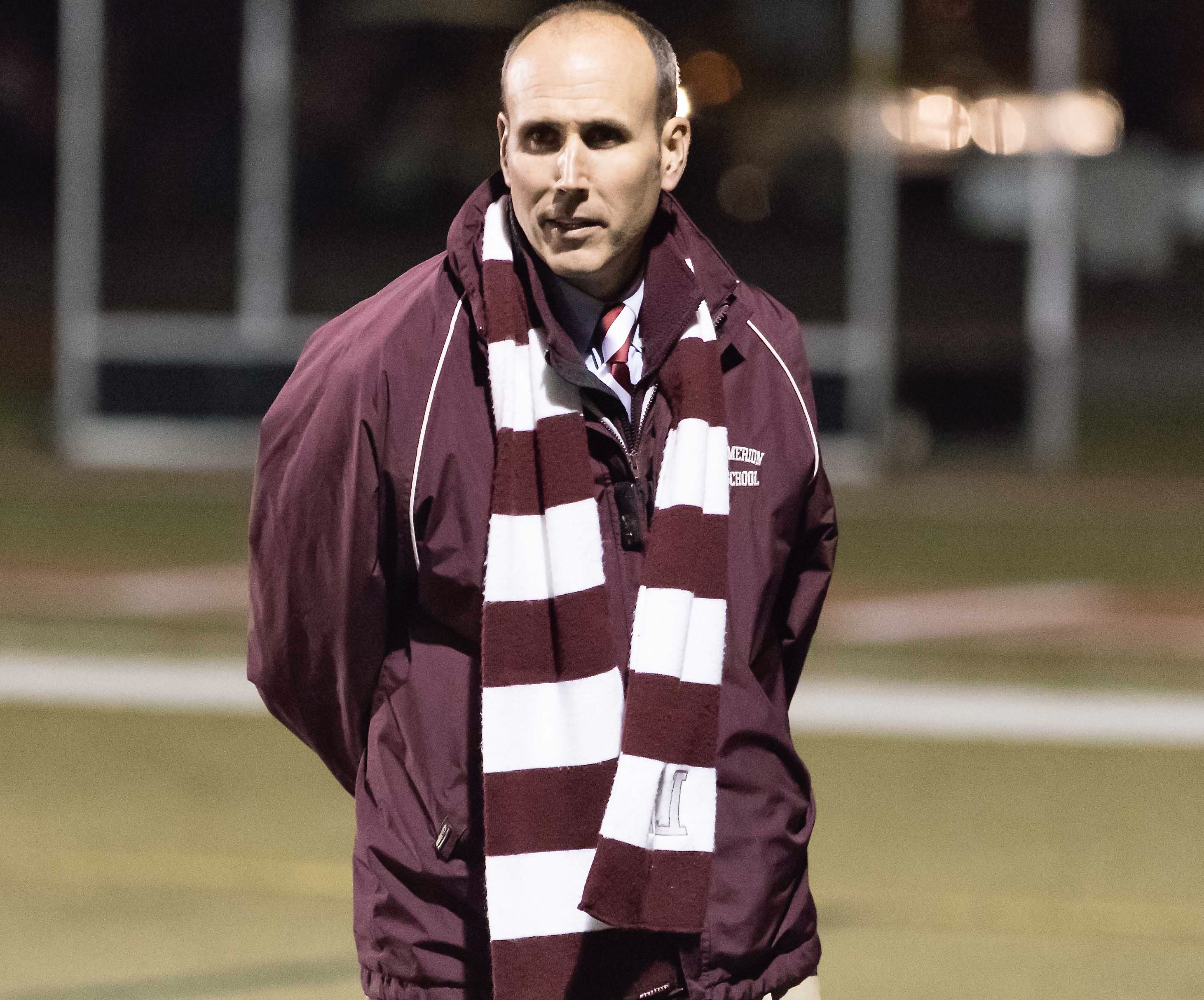
Lower Merion principal Sean Hughes in 2016.Courtesy of Lower Merion School District
The dead deserve dignity.
The living deserve the space to grieve.
As for the second author of this essay, my name is Michael L. Saile Jr., and I have spent more than two decades representing families after catastrophic injuries and wrongful death as a trial attorney. I have seen firsthand the emotional, financial, and legal challenges they face. In recent years, however, another layer of trauma has emerged. Families are no longer grieving in private. Increasingly, they are forced to confront photos, videos, and online commentary documenting some of the worst moments of their lives.
Technology has transformed how we experience emergencies. Smartphones allow anyone to become an eyewitness, and social media rewards immediacy.
In this image made from video taken from social media, a massive video screen suspended above the stage fells onto performers at a concert in Hong Kong in 2022. Two dancers of the dancers onstage were injured.UGC via AP
Unfortunately, somewhere along the way, many of us stopped asking, “How can I help?” and started asking, “Should I record this?”
That shift should concern all of us.
To be clear, technology itself is not the problem. Photos and videos can preserve important evidence, help investigators reconstruct crashes, and even support legal claims. Social media can mobilize communities, connect families with resources, and raise awareness about important issues.
But there is a profound difference between documenting an event for a legitimate purpose and turning another person’s tragedy into content.
For families living through these moments, those images are not simply photos on a screen. They are someone’s final moments. They are the wreckage of a future that will never happen.
Long after emergency vehicles leave and headlines fade, those images can remain online indefinitely. Years later, a child may search for a parent’s name and discover photographs or videos of the crash that took their life. A spouse may unexpectedly encounter graphic images while scrolling online. A family member trying to remember a loved one for the life they lived instead finds the moment they died.
Every time a crash photo appears in my social media feed, I think about the family that hasn’t received that call yet. I think about a spouse sitting at work, a parent picking up another child from school, or grandparents making dinner, completely unaware that life is about to change forever.
There are practical consequences, as well. After a serious crash, insurance companies, investigators, and attorneys routinely review publicly available social media posts. Images, videos, and comments — whether shared by those involved or by well-meaning friends and witnesses — can complicate investigations, spread misinformation, and, in some cases, become evidence.
For anyone involved in a serious accident, a few simple precautions can make a difference:
Let law enforcement determine the facts before posting or commenting publicly.
Avoid speculating about fault or the extent of injuries.
Ask family and friends not to share updates or photos without permission.
Preserve photos and documentation privately rather than posting them online.
Remember that once something is shared publicly, it can be difficult — or impossible — to remove.
Perhaps even more important is what each of us can do as bystanders.
If you come upon a crash scene, pause before reaching for your phone. Ask yourself whether recording the moment will truly help — or whether your attention would be better spent moving safely through the area, giving first responders room to work, or simply respecting the privacy of the people involved.
Not every heartbreaking moment belongs on social media.
Before you hit “post,” ask yourself one question:
If this were my spouse, my child, my parent, or my best friend, would I want the world watching before I even knew what had happened?
Every crash scene represents more than twisted metal and flashing lights. It represents a family whose life may never be the same. Technology will continue to evolve. Social media isn’t going away. But compassion is still a choice.
The next time you witness someone else’s worst day, choose humanity over curiosity.
Because the dead deserve dignity. And the living deserve the privacy to grieve. And every child deserves to remember a parent by the life they lived — not by the images the internet refused to forget.
Kristi Hughes is a communications strategist and president of the Sean Hughes Memorial Fund. After losing her husband, Sean, in a preventable car crash in 2021, she has dedicated her work to advancing conversations around roadway safety and preparedness and supporting families navigating tragedy. Michael L. Saile Jr. is a Pennsylvania trial attorney, a partner at Cordisco & Saile LLC, and the host of the “Injury Pros Podcast,” who has, for more than two decades, represented individuals and families affected by catastrophic injuries and wrongful death.
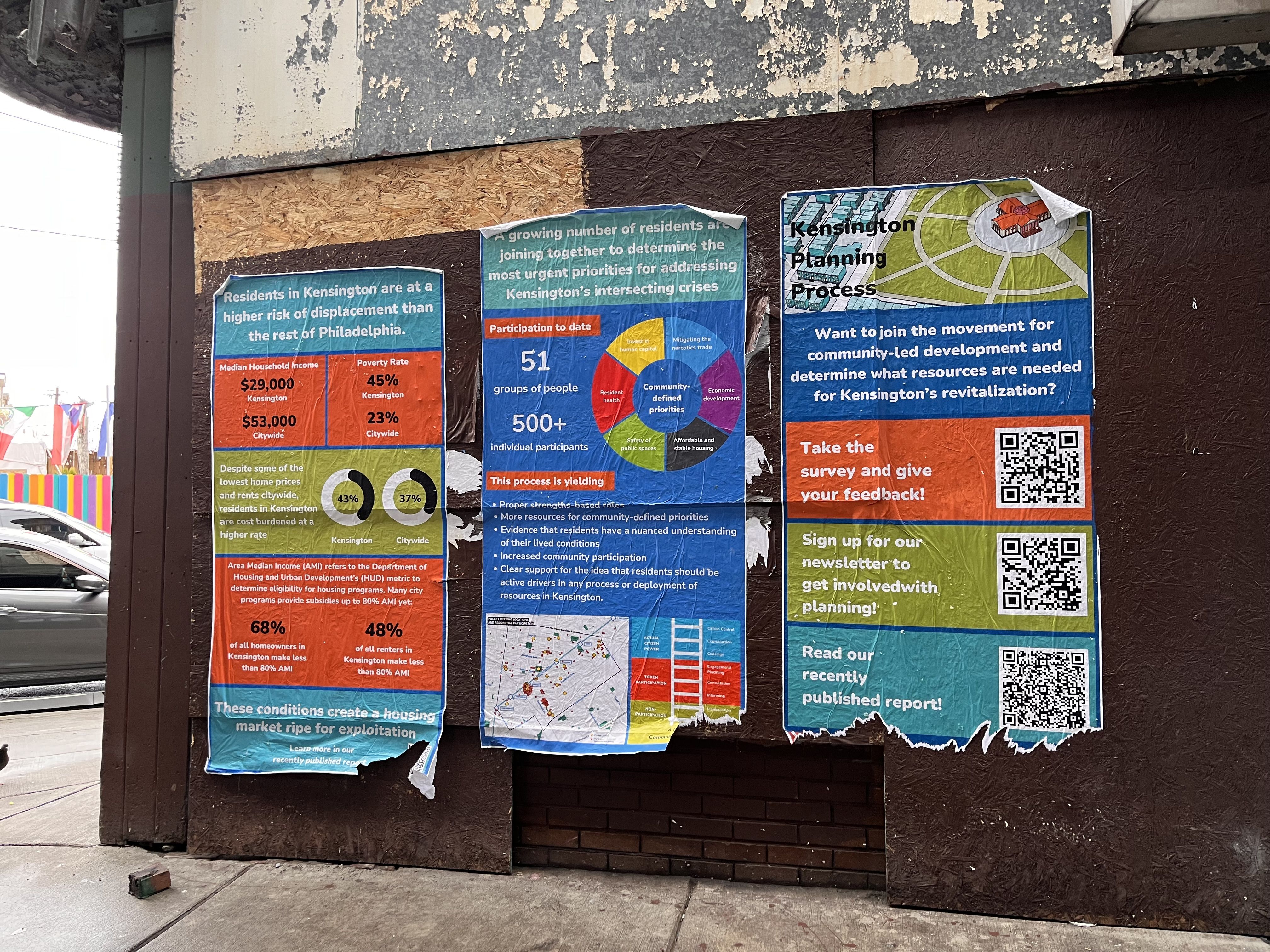
What do all of the latter communities have in common? They are all under pressure from rapid gentrification, and they are all communities where residents are the least equipped to pay the property taxes associated with the increased home valuations.
Response across the city was surprise — as if the warning signs had not been there all along.
Some people have remained willfully ignorant about the pressures of gentrification in Philadelphia’s neighborhoods because they don’t want to acknowledge that long-standing city programs were not built to prevent this moment from occurring.
Another set of people are feigning surprise, but are not really surprised at all, because this was the plan all along and part of the displacement strategy of “fixing” these neighborhoods.
And then there are those who are honestly surprised because they simply weren’t paying attention.
While we have acted surprised, we have missed the point that the system that created these conditions is operating exactly as it is intended to function, and that without addressing the city’s reliance on property taxes and its detrimental impact on those least able to pay, we won’t find a way forward and dangers foretold will progress.
Challenges foretold
We should not be surprised.
As a Kensington resident, and the executive director of New Kensington Community Development Corp., I — along with many others — have been sounding the alarm, ringing the warning bells about the likely displacement of long-term community residents for years.
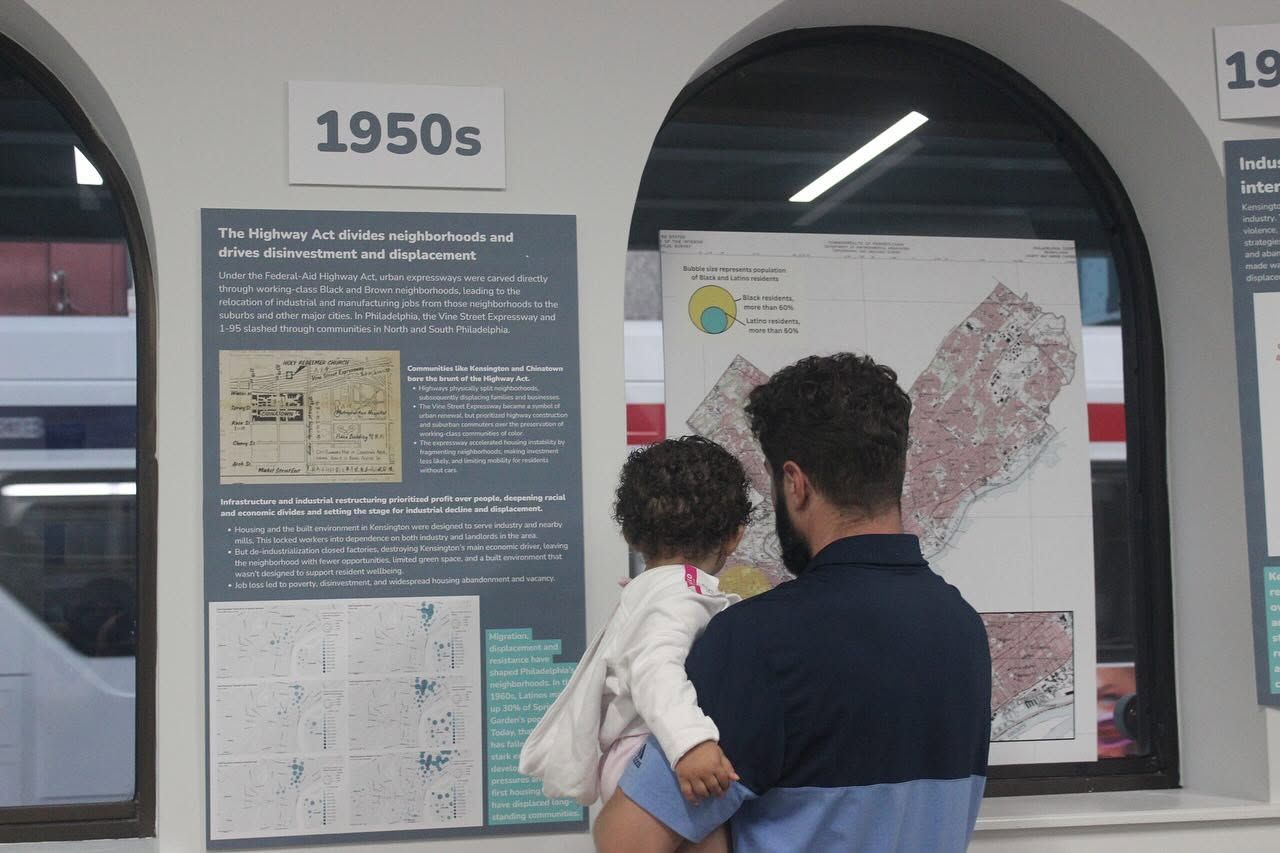
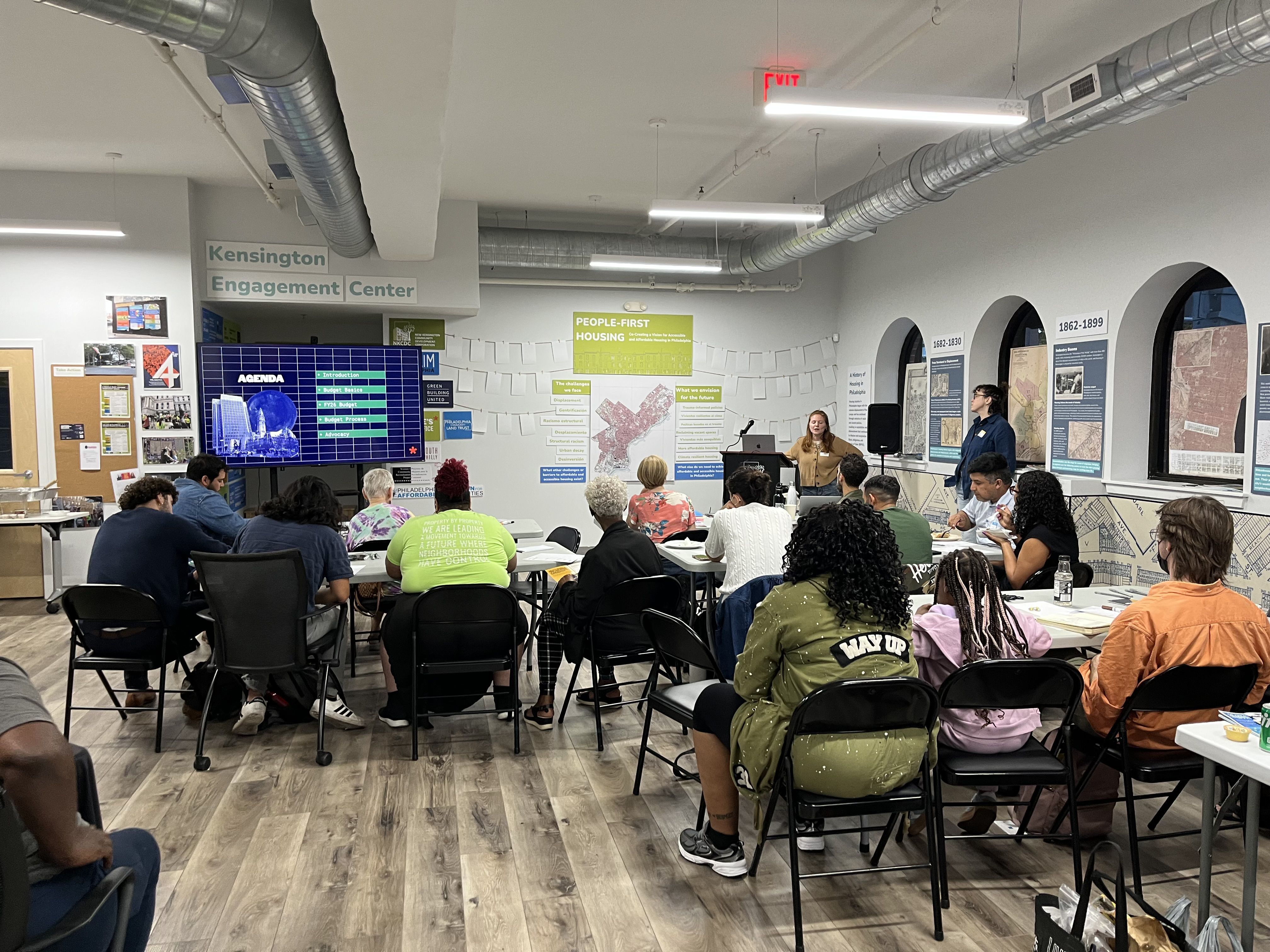
An attendee reads one of the Kensington history panels on display at the opening of the “People-First Housing” exhibit and engagement series at the Kensington Engagement Center in September 2025. The series explored Philadelphia’s history of profit-first housing strategies and a new people-first vision for the future.Courtesy of NKCDC
After a period in 2017-2018 that left Kensington ripe for massive investment by prospectors and developers, I warned in an opinion piece in The Inquirer that without a greater plan cocreated with the community, “Kensington will be turned over to privatization and the free market — neither of which have ever been kind to people of color and those with limited means.”
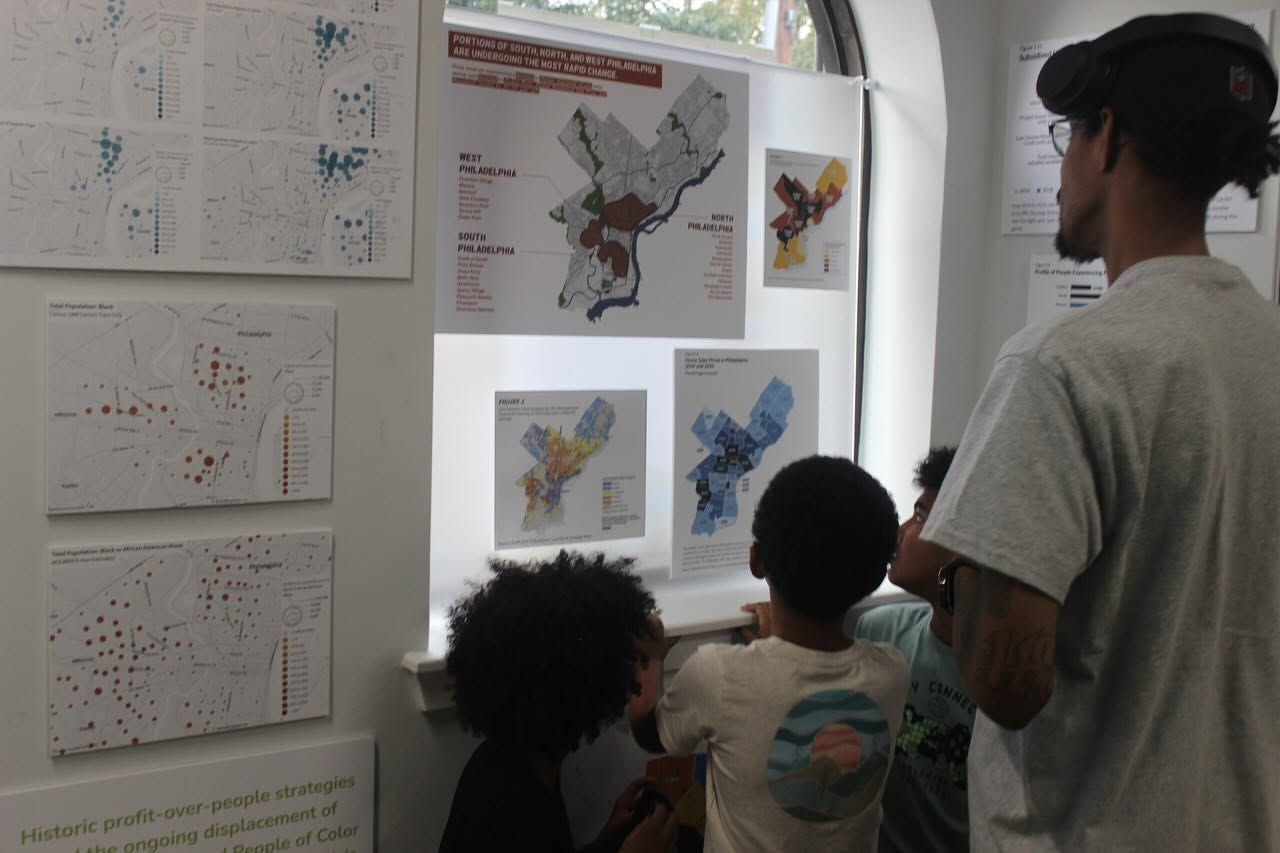
Attendees looking at neighborhood maps and charts at the opening of the “People-First Housing” exhibit and engagement series at the Kensington Engagement Center in September 2025. Courtesy of NKCDC
In 2024, while the opportunity was there, it was critical that “any effort to fix Kensington should not just be about eliminating the drug economy or ending Kensington as a containment strategy for the city; it should be about preserving a community,” and that “if none of these answers exist, the second stage of displacement — this time of long-term residents — is already underway” and that “without a greater plan to address the long-term needs of residents that’s cocreated with the Kensington community, my neighbors and I could be cheering our own demise.”
In 2025, I warned of not only the corporate commodification of our community’s housing stock and the detrimental effects that has on communities, but also how in communities such as Kensington — with high rates of poverty and old housing stock — we would see increases in purchases of homes by private equity. Those would then be turned into rentals where new corporate landlords would evict tenants from previously owner-occupied homes at three times the rate of small investors.
At the time, my organization saw that 70% of the more than 500 evictions we had prevented over the last few years were in properties owned by LLCs — many of which were from out of state.
Because we did not act when we were warned or take advantage of the opportunities presented to us, the system is working exactly as it was designed to function — and that has created additional pressures and crises.
Rather than addressing the core problems of poverty and extraction from our most vulnerable, we chose single-issue approaches. How will someone who earns the area median income in Kensington — $30,000 a year — pay for a 15% increase in property taxes, while also trying to survive after cuts to Supplemental Nutrition Assistance Program benefits, to Medicaid, and an underfunded transportation system?
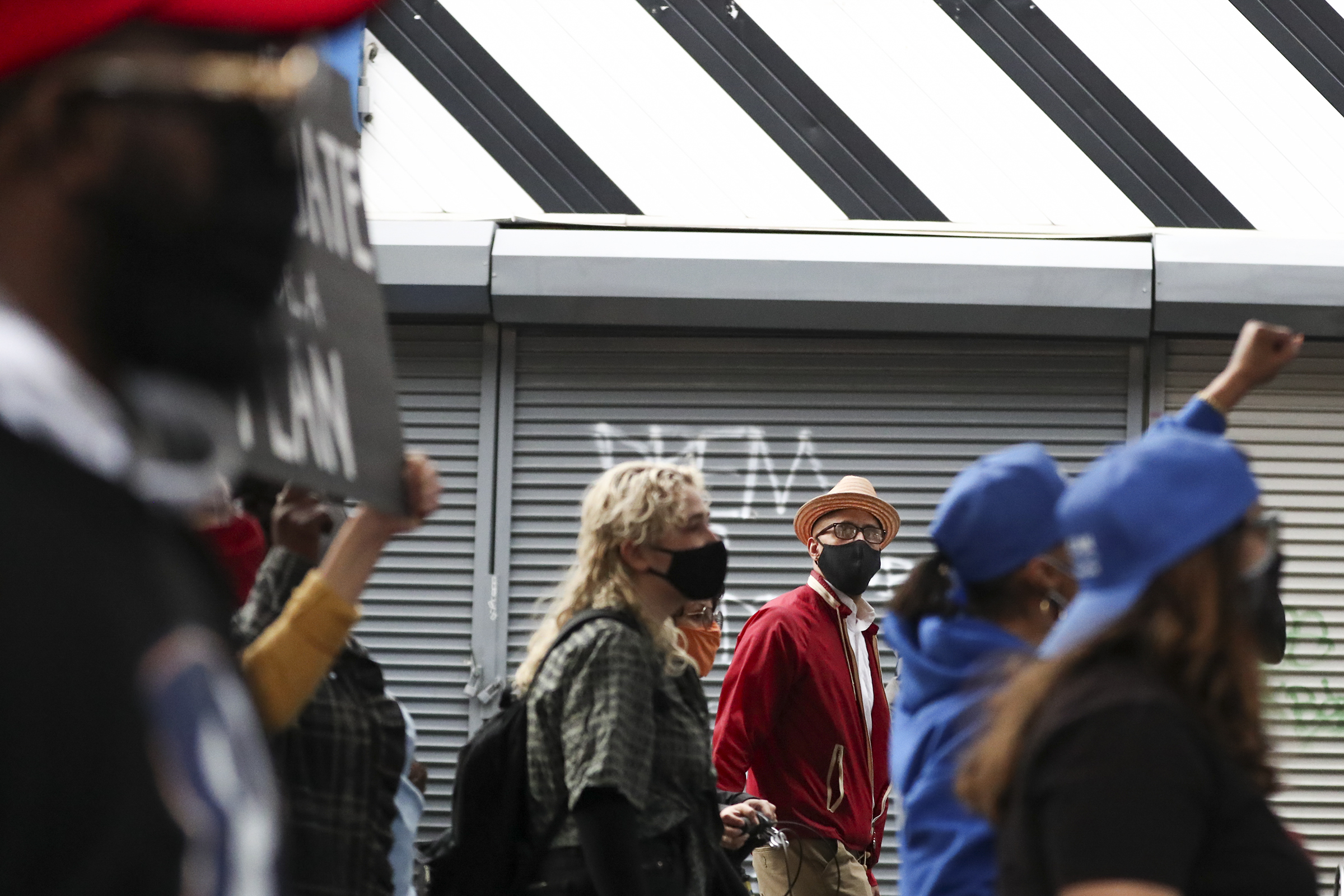
Bill McKinney, executive director of the New Kensington Community Development Corp. (center), walks with demonstrators underneath the El down Kensington Avenue in March 2021.HEATHER KHALIFA / Staff Photographer
Longtime residents of Kensington are nothing if not resilient, but they cannot absorb injury after injury to their already difficult daily circumstances. After this property tax increase, more of them will find themselves considering moving out of their homes.
Like my neighbors in Kensington, I receive five or six calls, emails, and texts every week asking to purchase my home. As the Reinvestment Fund indicated, communities under pressure — like mine — are at the greatest risk from outside investors.
A different path forward
I acknowledge we have a number of existing programs to provide relief to homeowners feeling the pressure of increases to property taxes, such as the homestead exemption, the Longtime Owner Occupants Program, tax freezes, and filing appeals. These programs should be utilized, modified, and expanded, but none of them will solve our greater problems.
A community group known as the People’s Budget Office facilitates a workshop on Philadelphia’s municipal budget at the Kensington Engagement Center in October.Courtesy of NKCDC
We have left housing solutions to the free market, where the goal is to maximize profit and therefore displacement.
We need to address the city’s overreliance on, and benefit from, the $2 billion in property taxes, much of which is also levied from the most vulnerable residents of the city — and we need to develop a comprehensive affordability plan that is cocreated with the community and those actually implementing anti-displacement strategies.
There are a variety of approaches we can take that mitigate impacts on its low-income residents, and that will counter the rush to displacement:
Address poverty by advocating for the state to finally adopt an increase to the minimum wage so that our working poor are less exploited for their labor, and so they have the money to address these property tax and social safety net changes.
Expand home repair programs such as Built to Last, which make necessary repairs to prevent homeowners from selling their homes to investors, as well as making their homes more affordable through green upgrades.
Utilize city revenue that doesn’t burden the most vulnerable and truly makes a difference to the budget. If 10,000 homeowners in upper Kensington all receive an annual increase of $250 to their property taxes, the burden is significant to low-income residents, yet only generates $2.5 million for the city.
Eliminate the recent reductions in the Business Income and Receipts Tax (BIRT), which cut as much as $300 million annually in revenue for the city.
Hospitals, universities, and churches should pay property taxes, too. More than a third of all of the property in the city is owned by hospitals, universities, and churches that don’t pay property taxes due to their nonprofit status while accumulating massive endowments and limiting access to healthcare as they shift from serving as charitable organizations to corporations. As a result, we receive only about two-thirds of the possible revenue from property taxes, leaving at least $1 billion on the table each year.
The wealthiest should pay their fair share. Philanthropy is part of the social contract within capitalism that tries to maintain a balance between extraction and a point of collapse of the host, the city. It is clear the extractors must do better. We allow people to profit immeasurably from others’ labor and consumption as long as they give pennies back on the dollar. Philanthropic entities are only required to, cumulatively, give 4% of what they have gleaned from earned and unearned income sources to recipients of their largess. It is not enough. The host is not going to survive; the contract has been broken.
We are currently at the front end of the budgeting season, when we have the ability to use our collective brain power to develop and implement a strategy that will prevent anyone from ever having to say “I told you so” again — and for residents to not be victims of the shortsightedness of the city they reside in.
I have just identified billions of dollars in revenue that does not come from the city’s most vulnerable — and there is much more than what I quickly listed. I write this as an invitation to work with others so we can collectively attack the disease of willful ignorance and the displacement of our most vulnerable with a cure of cocreated solutions.
At this moment of surprise, despair is not a strategy — and change is possible. We must have the courage to share or take the power necessary to implement these very actionable solutions.
Bill McKinney is a Kensington resident and the executive director of the New Kensington Community Development Corp.
Broad Street is one of Philadelphia’s great ceremonial boulevards.
A defining urban design element in William Penn’s pathbreaking 1682 plan for Philadelphia, Broad Street intersects with Market at Penn Square, creating the armature for the colonial city that gives Philadelphia its je ne sais quoi — its unique sense of place. For out of this intersection sprang our majestic City Hall, anchoring the four original quadrants of Penn’s city, each coalescing around one of Penn’s great public squares.
South Broad Street is a place where the city comes together. Think of the great swell of civic ecstasy that suffused the street on either of the occasions in recent years when it hosted the Eagles’ Super Bowl victory celebrations. And then there is the perennial only-in-Philadelphia Mummers Day Parade, which animates the street on New Year’s Day as glittering costumes and the strains of string bands bounce and reverberate among the canyons of South Broad.
Still, the street struggles to invite people to linger, stroll, dine, and shop along its sidewalks on a daily basis, never matching the urban vibrancy of the great streets of the world like Fifth Avenue in Manhattan or Oxford Street in London. And it’s not for lack of trying.
The Avenue of the Arts was created to do just this during the Rendell administration. In defining an area for the performing arts, the street soon saw the arrival of the Kimmel Center, the Wilma Theatre, and other arts-based performance spaces. And yet, the street continued to flounder as a welcoming urban place.
Now, to be sure, South Broad has a lot going for it. One need only stand at the intersection of Broad and Walnut, surrounded by handsome towering buildings with majestic light fixtures along the sidewalk, and you have a sense of what the street was — and what it could be. The street certainly needs some TLC, but not radical surgery.
Which makes the recent “improvements” on the block of South Broad in front of the Kimmel Center all the more perplexing.
For there, officials have unveiled a beta test for a new Avenue of the Arts streetscape project smack in the middle of South Broad Street that includes an egregious four-foot-high continuous planter with trees on top of it. All intended to increase the attractiveness of the street and thereby encourage a livelier street life.
But therein lies the rub.
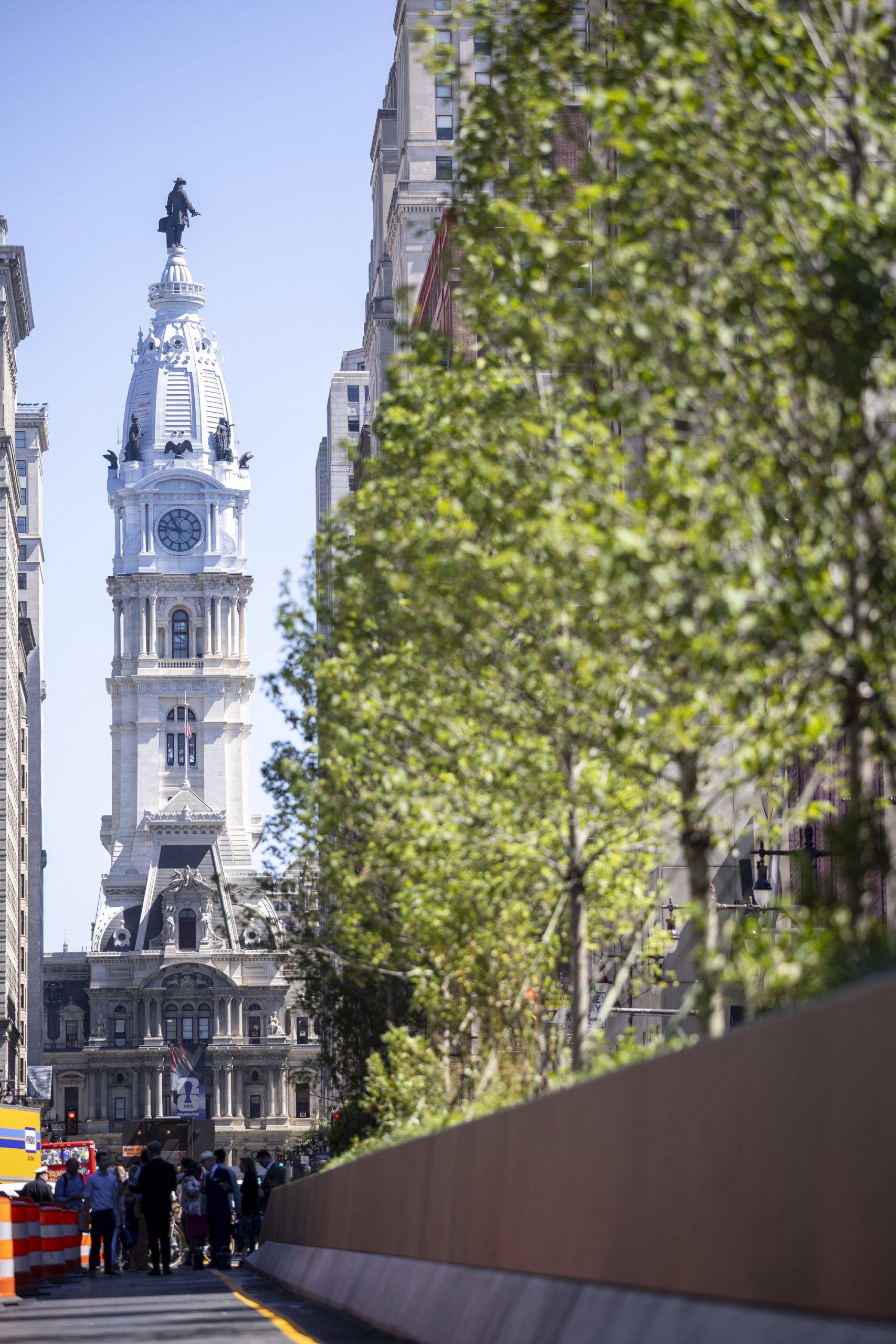
In creating this continuous concrete highway divider-cum-planter in the center of the street, the project actually has a chilling effect on South Broad. Not only do the planter and the trees destroy the primacy of the view of City Hall tower along the street, but it reinforces the nature of Broad Street as a highway, and makes it impossible to see the other side of the street while either walking or driving. And forget about parades and festivals.
The planters and trees destroy the primacy of the view of City Hall Tower along the street, write Alan Greenberger and Harris M. Steinberg.Tyger Williams / Staff Photographer
We are told this is to be replicated on the street from City Hall to Washington Avenue to the tune of $150 million, or $15 million per block. Who thought this was a good idea?
And, as if to add insult to injury, the project proposes outsized planters along the sidewalks that will further isolate the two sides of the street, crowd out whatever street life exists, and create, along with the tall planter in the center of the street, a series of cattle chutes for 10 blocks.
Welcome to Broad Street Narrows.
This can’t stand. The project must not be replicated along the length of the Avenue of the Arts. There are ways to integrate plantings into great streets, such as along Michigan Avenue in Chicago, but they are low in scale, do not include trees in the center of the street, and do not destroy the sensation of the street as a whole.
And the proposed planters have got to go, as well. One could think of planting shade trees along the sidewalk offering respite from the sun and inviting people to sit along the street and have a bite to eat. The subway concourse below South Broad is extremely wide and could undoubtedly accommodate the tree roots below grade.
The goal of increasing street life is crucial. To do so, it would be better to widen the sidewalks to allow for cafes and strolling. Street life needs foot traffic, and foot traffic is generated by people living, working, and shopping in the area, along with attending performances.
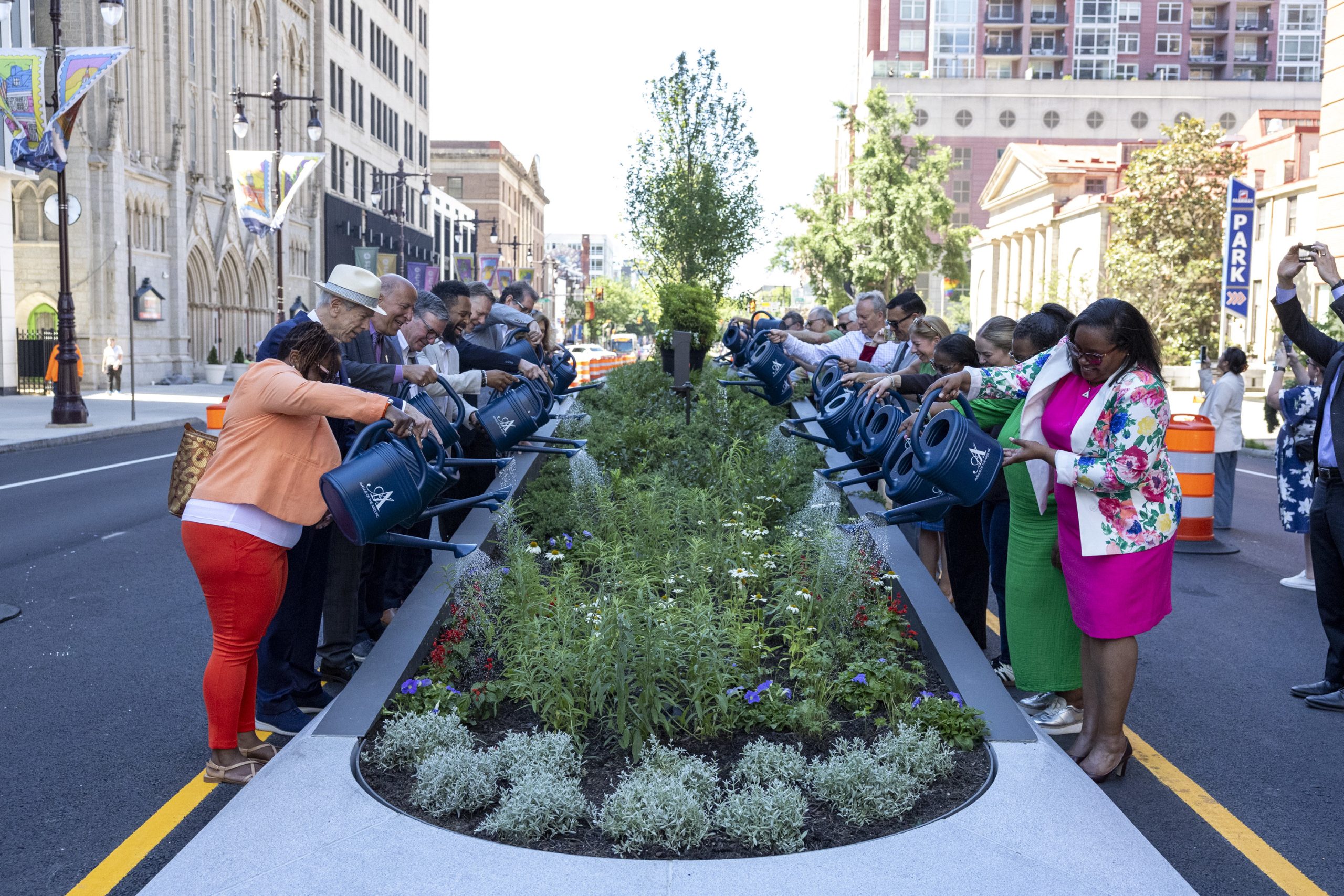
Guests at a June ceremony to unveil one of the redesigned medians water the greenery in its planter just outside the Kimmel Center.Tyger Williams / Staff Photographer
How is it that a street lined with hotels, residences, and offices has only one place for outdoor dining — at Arthaus? Broad Street wants bustling sidewalks, but landscaping and hardscape improvements alone will not increase street life. We learned this the hard way on the ill-fated Chestnut Street Transitway of the 1970s, and the planter fiasco should serve as a cautionary tale for the current design process for Market East.
We must not fall prey to the false choice that in order to maximize urban vibrancy, we must sink millions of dollars solely into landscaping and other surface improvements.
South Broad can be the best it can be with some thoughtful planning and a little gentle nurturing — it doesn’t need a Jersey barrier running down the middle of the street.
Alan Greenberger served as deputy mayor for economic development and director of commerce under Mayor Michael A. Nutter, and chaired the Philadelphia City Planning Commission. Most recently, he served as vice president of real estate and facilities at Drexel University. He is a fellow of the American Institute of Architects. Harris M. Steinberg served as the founding executive director of PennPraxisat the School of Design at the University of Pennsylvania. He led the planning process for the Central Delaware Waterfront, which is currently guiding the development of the riverfront. Most recently, he served as the founding executive director of the Lindy Institute for Urban Innovation at Drexel University. He is a fellow of the American Institute of Architects.
Two hundred and fifty years ago, a group of ordinary men walked into a brick building in Philadelphia and signed their names to the most consequential document in American history, the Declaration of Independence. Throughout this year, and all across the nation, Americans are gathering to celebrate those first steps toward freedom.
Last month, while I listened to the concerts on the Parkway and watched the fireworks over the Art Museum, I found myself thinking about the people who have kept it going ever since.
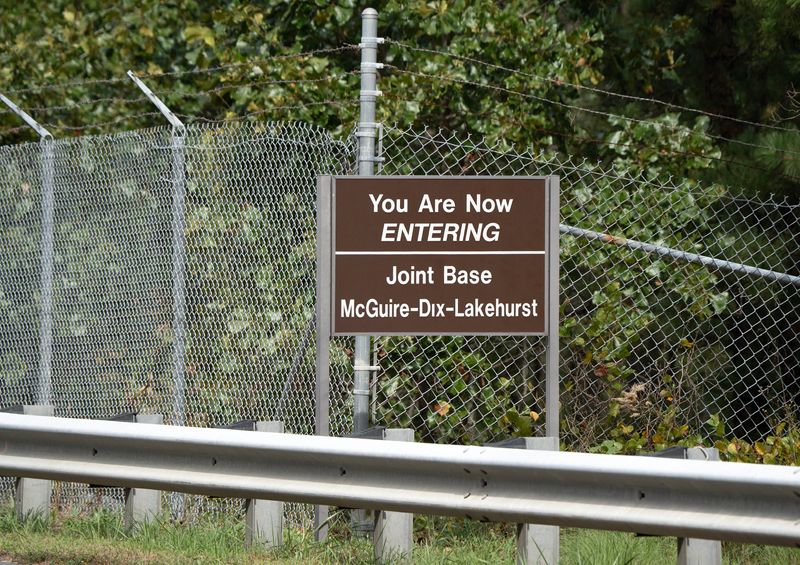
Joint Base McGuire-Dix-Lakehurst is shown along Route 539, Whiting-New Egypt Road, Manchester Township, N.J. The author has served nearly all of his 26-year Air Force career at the 514th Airlift Wing at Joint Base McGuire-Dix-Lakehurst.Doug Hood/Asbury Park Press
I have spent nearly my entire 26-year Air Force career right here, at the 514th Airlift Wing at Joint Base McGuire-Dix-Lakehurst in South Jersey, affectionately known as the Freedom Wing. That name has always meant something to me, but this anniversary year, it carries a particular weight.
Freedom is not a monument or a date on a calendar. Freedom is a daily act of service, renewed by ordinary people who choose to do an extraordinary thing: raise their right hand and pledge to lay it all on the line for their fellow citizens.
The members of the Freedom Wing are your neighbors. Truly and literally. They teach your children in Philadelphia classrooms. They run toward the smoke when your house is on fire. They wear a SEPTA uniform in the morning and a flight suit in the evening. They are nurses, corporate executives, police officers, and small-business owners. They coach Little League in the summer and strut down Broad Street on New Year’s Day.
And then, when the nation calls or the mission demands, they put on the uniform and get to work. They leave their families, their jobs, and their routines, and they go where they’re needed. No questions asked.
In the Air Force Reserve, we call them citizen airmen. I call them my chosen family and the best people I have ever known.
Since this wing was originally designated in 1949, our citizen airmen have answered the call in every major conflict our country has faced — Korea, Vietnam, Iraq, Afghanistan — and in humanitarian missions across the globe. The Freedom Wing has never sat on the sidelines of history.
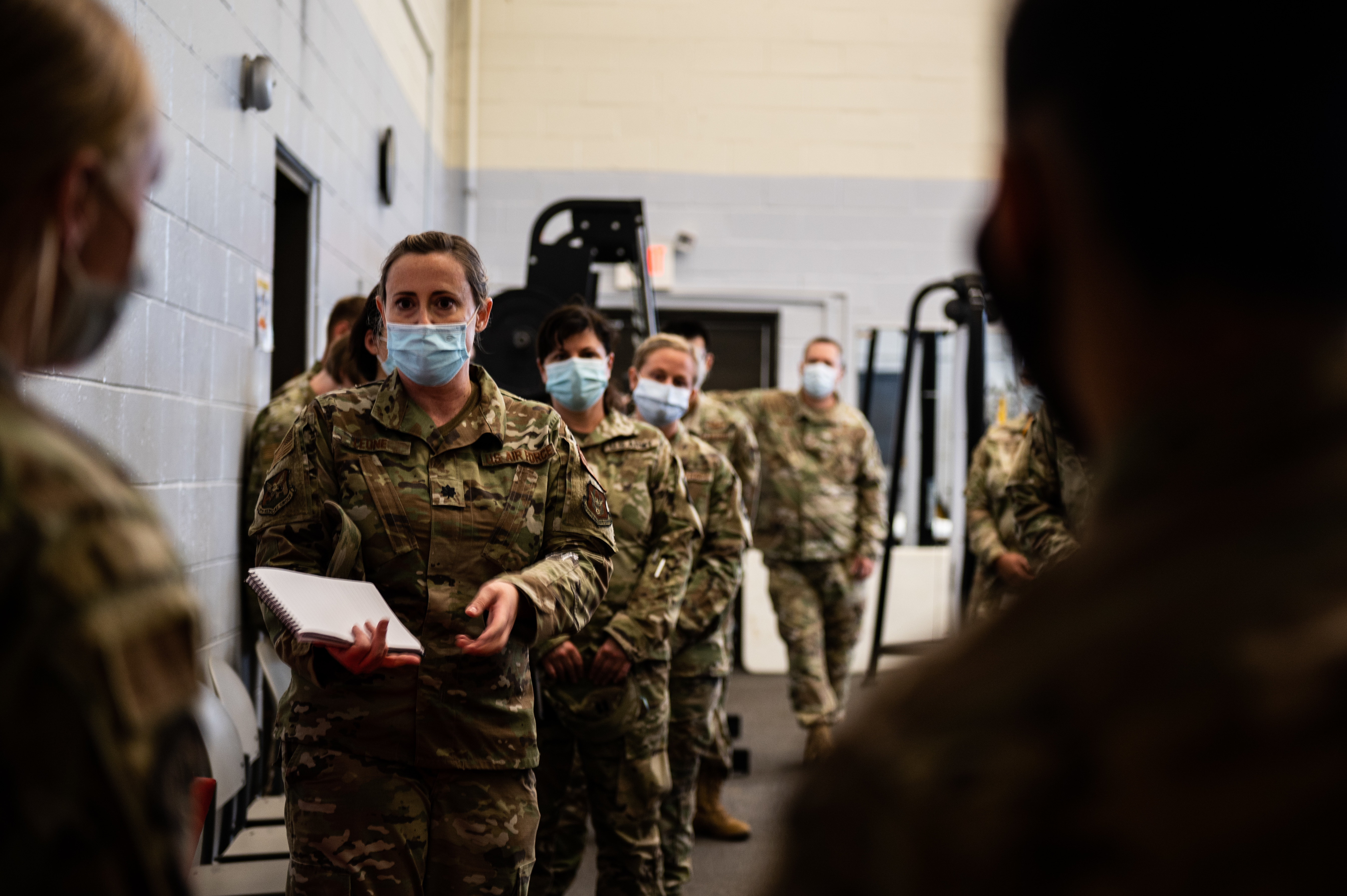
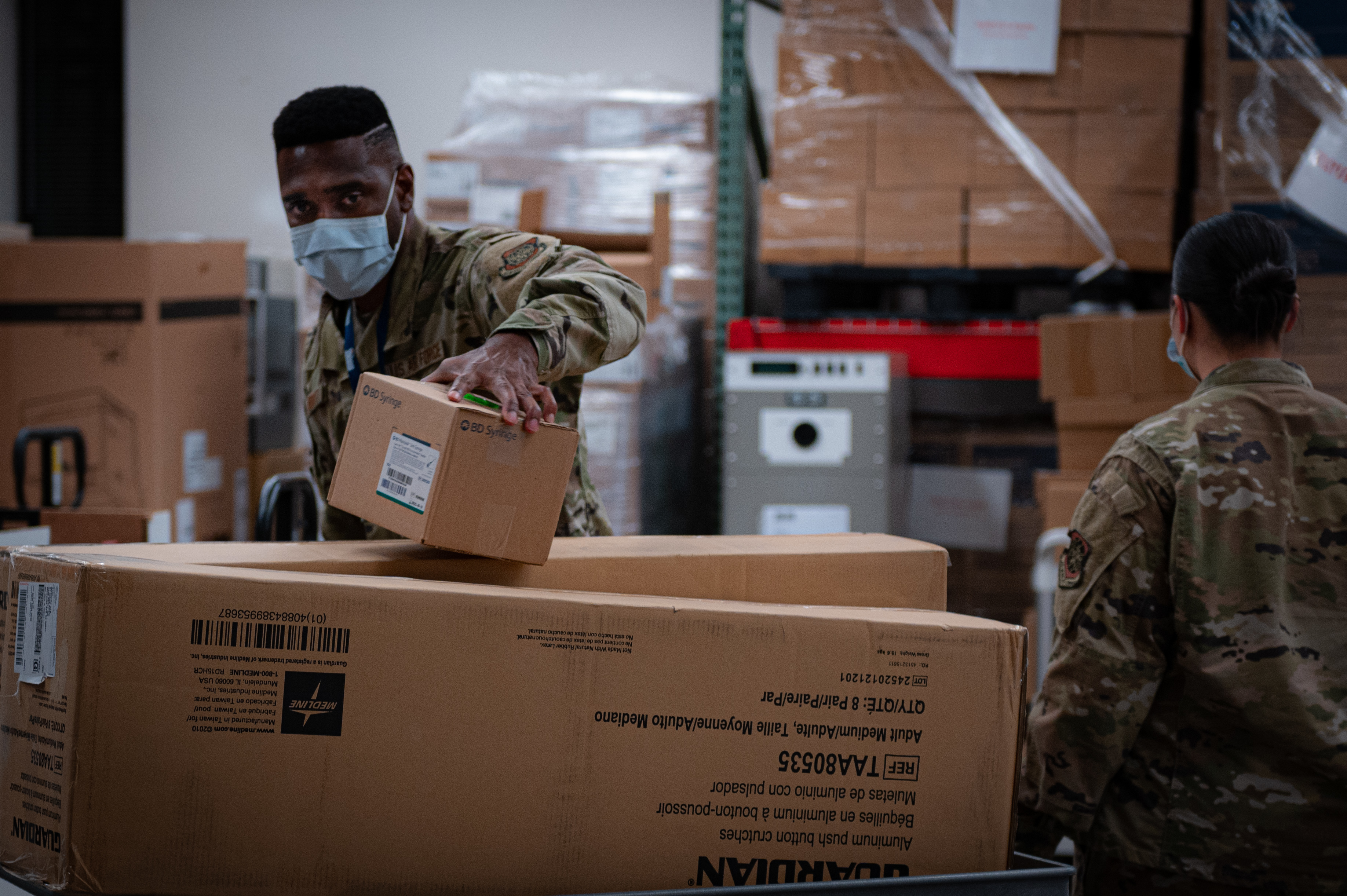
Task Force McGuire-Dix Airmen prepare personal protective equipment to aid in the arrival of Afghans in support of the U.S. Department of State-led Operation Allies Refuge at Joint Base McGuire-Dix-Lakehurst in New Jersey in 2021.U.S. Air Force photo by Airman 1st Class Joseph Morales
After more than a quarter century standing alongside these individuals, what strikes me most is not the mission accomplishments, though they have been extraordinary — it’s the sacrifice that surrounds each one.
It’s the spouse who holds the household together for a sixth month of deployment. It’s the firefighter who tells his crew he has to leave again, and the crew that jumps to cover his shifts. It’s the teacher who builds training plans instead of lesson plans in the back of an aircraft at 30,000 feet, and the students who send hand-drawn cards and care packages.
The uniform isn’t what makes these people and their loved ones remarkable. Their character does. Their grit does. This city is known for it, and so are our citizen airmen.
As Philadelphia continues to celebrate 250 years of this improbable, magnificent country, take a moment to consider how we got here.
Look around for the people who have dedicated their lives to preserving our freedom — they are already among you. Tell them you see them. That recognition costs nothing, and to a citizen airman who has given up more than most will ever know, it means everything.
The truest way I know to celebrate Freedom 250 is not just to enjoy the freedoms we have inherited, but to honor the people who are still out there, right now, making sure we keep it.
Col. Thad Amundson is the deputy wing commander of the 514th Airlift Wing, the “Freedom Wing,” at Joint Base McGuire-Dix-Lakehurst in New Jersey. The Philadelphia resident has flown combat sorties in Operations Enduring Freedom, Iraqi Freedom, New Dawn, and Inherent Resolve. He is a command pilot with over 4,000 flying hours, 800 hours flown in combat, and more than 5,000 flying hours as a civilian airline pilot.
It’s been said that a social movement can start with the smallest gestures. Ten years ago this month, a simple act by Colin Kaepernick sparked a movement. He chose to protest the playing of the national anthem by sitting and later kneeling, breaking with the norm of showing respect and pride by standing. On Aug. 26, 2016, during a preseason game, Kaepernick was photographed sitting on the bench as the anthem was being played. When questioned by reporters, Kaepernick explained:
“I am not going to stand up to show pride in a flag for a country that oppresses Black people and people of color … To me, this is bigger than football, and it would be selfish on my part to look the other way. There are bodies in the street and people getting paid leave and getting away with murder.”
Numerous professional athletes joined in his protest and spoke out to call attention to the history of anti-Blackness in the United States. African Americans were inspired to continue organizing and protesting — specifically around a series of high-profile killings of Black people, including Trayvon Martin in 2012, Michael Brown in 2014, and Freddie Gray in 2015.
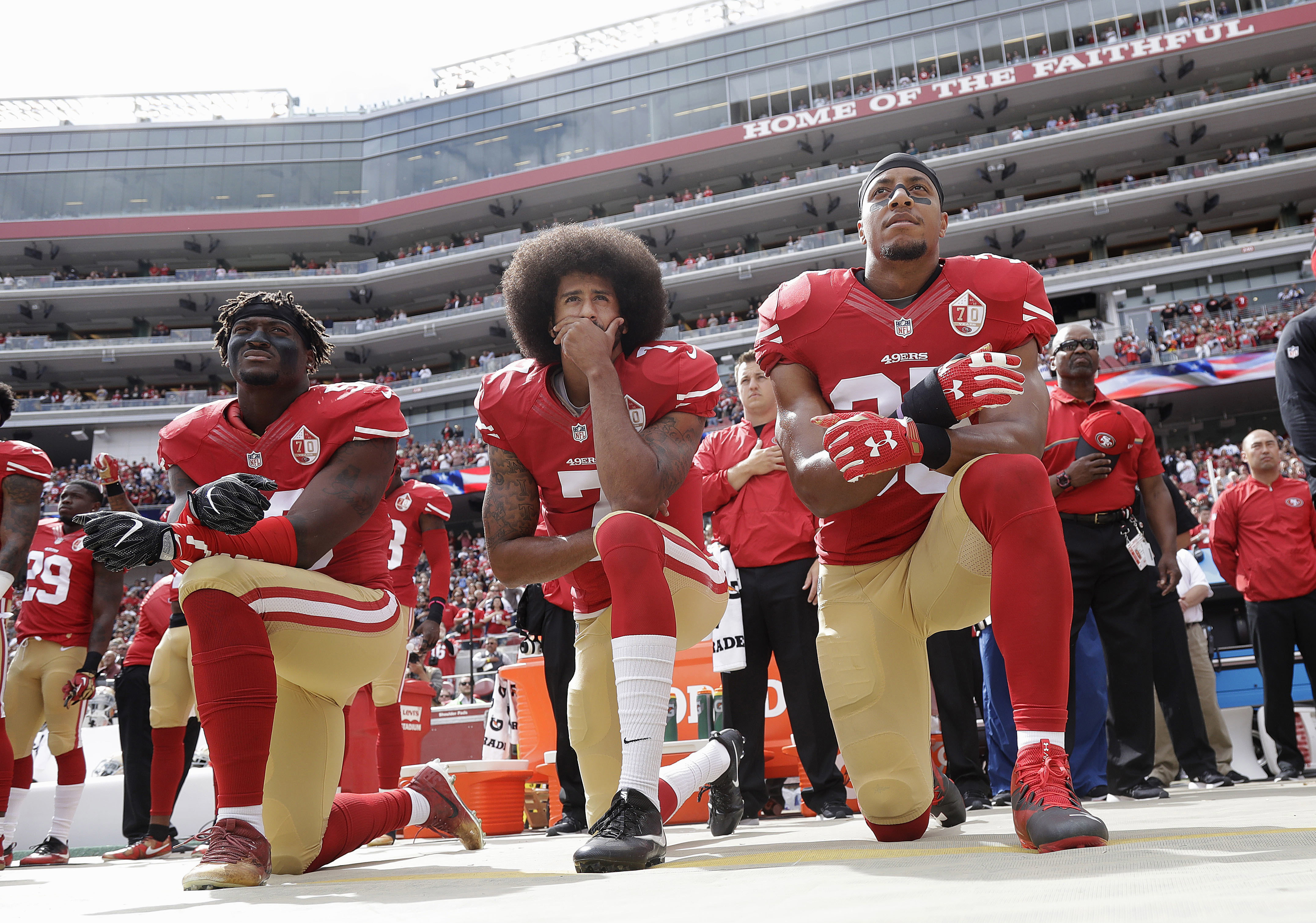
In this Oct. 2, 2016, file photo, (from left) San Francisco 49ers outside linebacker Eli Harold, quarterback Colin Kaepernick, and safety Eric Reid kneel during the national anthem before an NFL football game against the Dallas Cowboys in Santa Clara, Calif.Marcio Jose Sanchez
However, a poll conducted during that season labeled him the most disliked player in the NFL. Kaepernick became an easy target of political conservatives, including Donald Trump, who said, “Wouldn’t you love to see one of these NFL owners — when somebody disrespects our flag — to say, ‘Get that son of a bitch off the field right now, out, he’s fired.’”
It shouldn’t be lost on anyone that Kaepernick’s protest began in August. Among many activists, August is referred to as “Black August” — a nod to numerous historical milestones in our community, from the arrival of the first enslaved Africans in America in August 1619, to the March on Washington in August 1963, to the assassinations of members of the Black Panthers in California prisons in August of 1970 and 1971.
One social justice group describes the month as being “a celebration of freedom fighters past and present.” It is also meant to honor the lives and sacrifices of Black political prisoners and martyrs of the Black Freedom Struggle while calling attention to the plight of African Americans, particularly those in prisons — a recognition that Black people remain incarcerated at disproportionately high rates. The efforts of these freedom fighters are a modern rendering of the Black radical tradition.
The same is true for many Black athletes whose protests came at a cost to their careers and livelihoods.
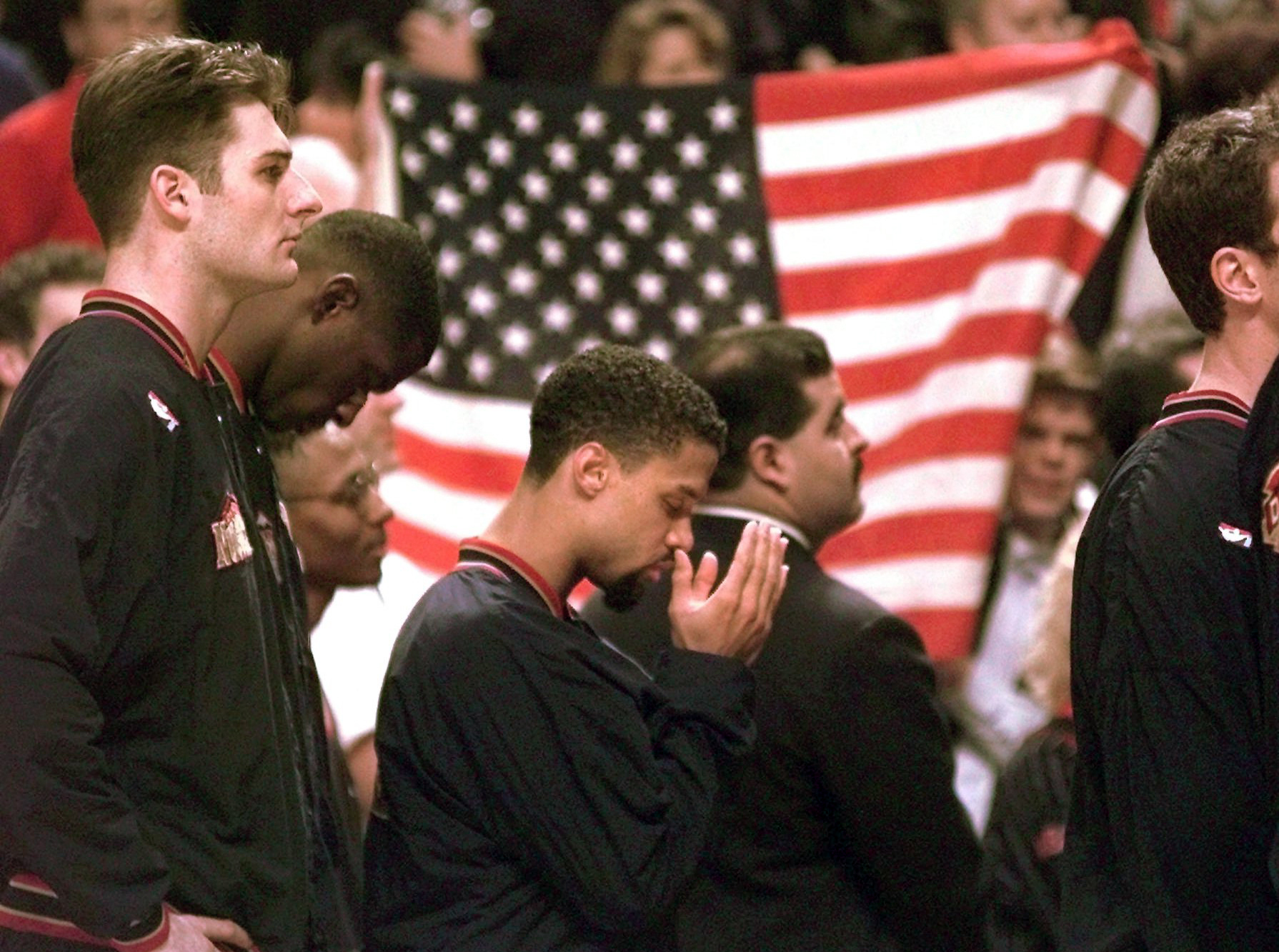
Mahmoud Abdul-Rauf was suspended for one game during the 1995-96 season for refusing to stand during the national anthem. Former NBA commissioner David Stern was the one who made the call.AP FILE
Folks like Mahmoud Abdul-Rauf, whose NBA career was cut short for protesting the anthem.
Or Muhammad Ali, who lost his prime earning years and was stripped of his heavyweight title when he refused to fight in the Vietnam War.
Or Paul Robeson, whose career and freedom were derailed not only for naming anti-Black racism, but for organizing against it — and Jackie Robinson, of all people, played a role in discrediting him.
Kaepernick experienced a version of all of the above, too — months after he started his protest, he opted out of his contract, became a free agent, and was not signed by another NFL team. He later alleged in a lawsuit that the league’s owners colluded to keep him out of the game; that suit was settled in 2019.
That is the role of the freedom fighter: to advocate on behalf of oppressed people everywhere in ways that disrupt the status quo. Their advocacy marks the line of demarcation between those who fight for freedom no matter the cost, or work to continue the legacy of global oppression and exploitation.
Colin Kaepernick made that already divided line even more stark.
Inarguably, Kaepernick’s legacy is that he inspired others, athletes included, to find their voice in advocating for social justice.
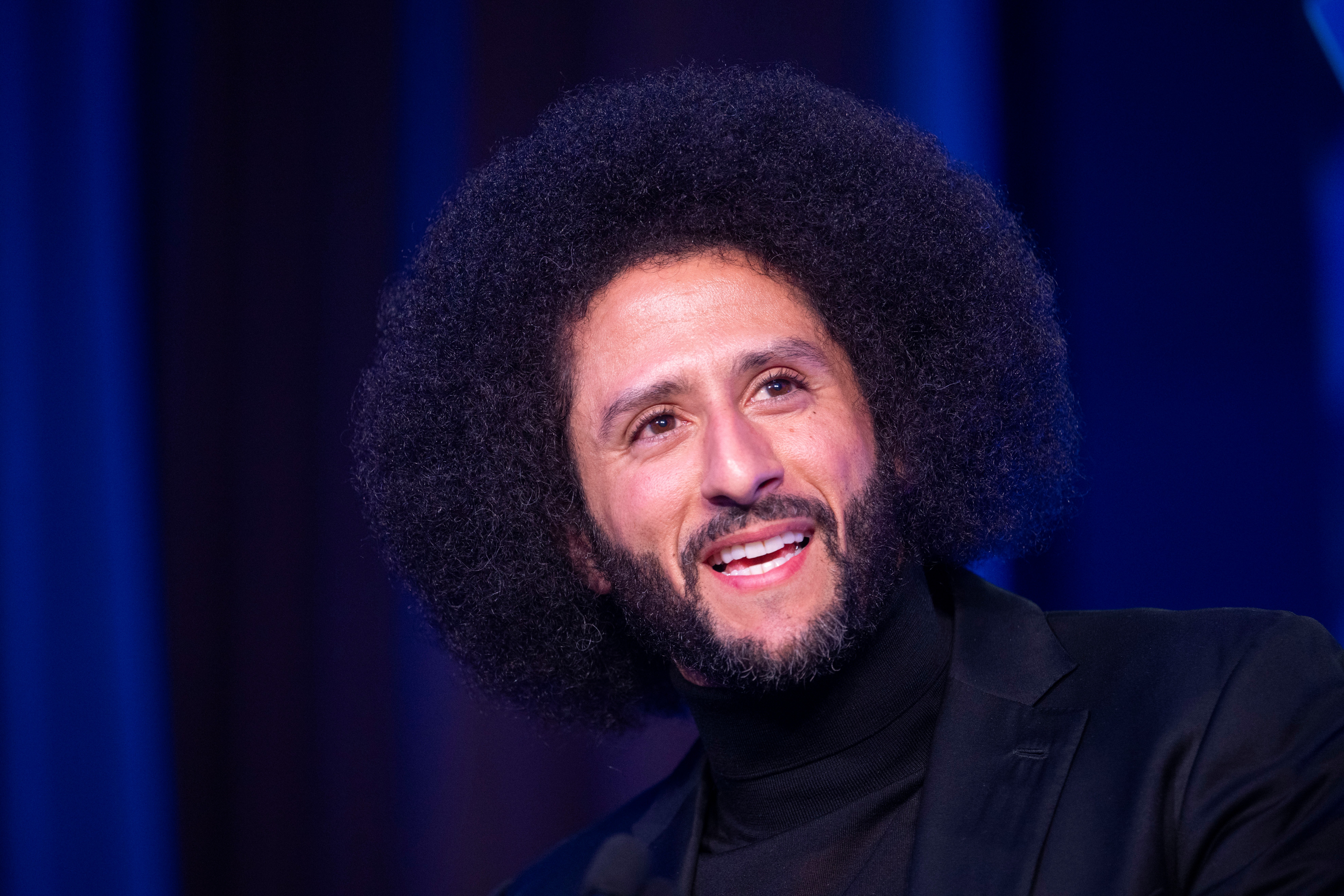
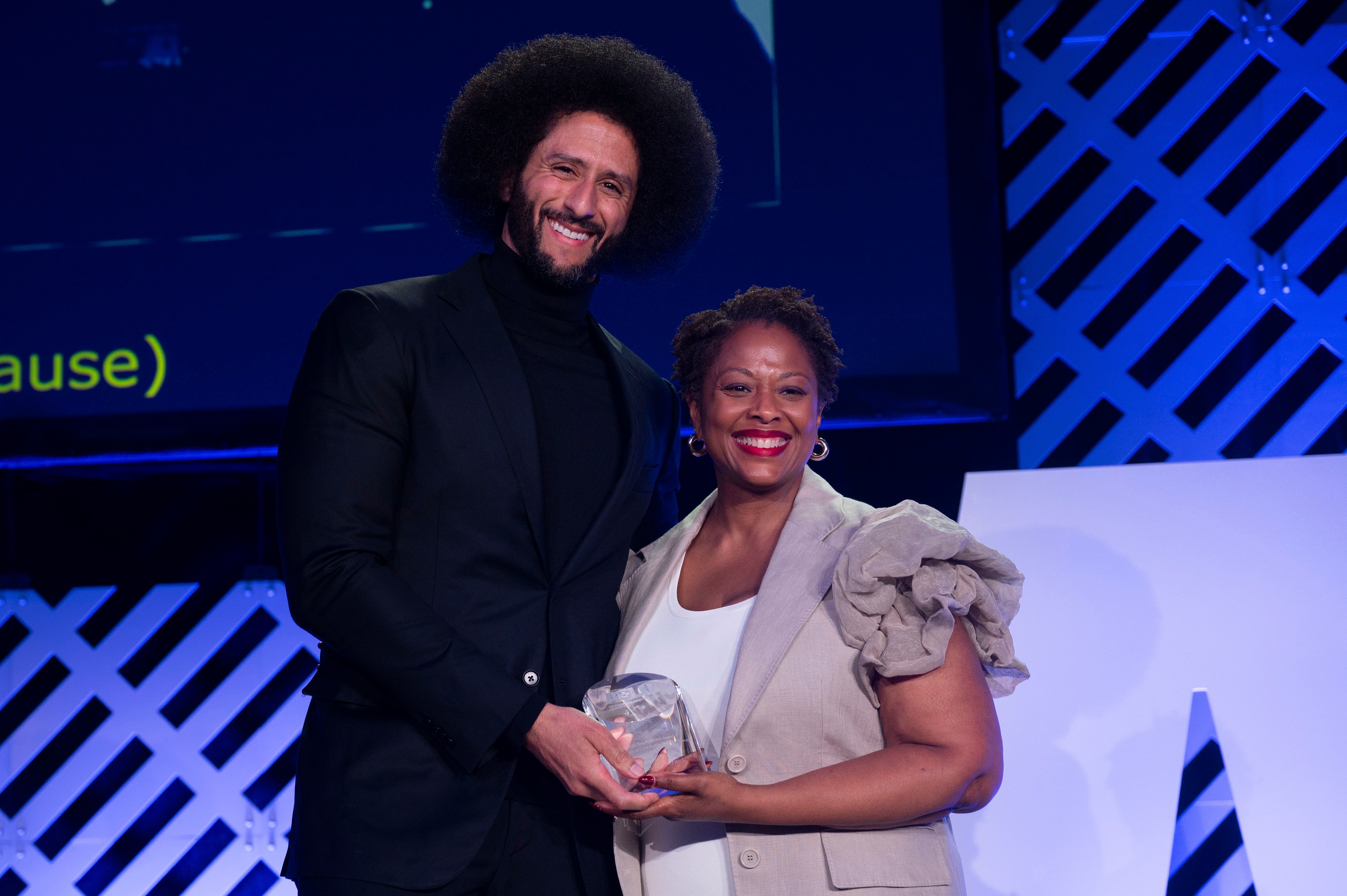
Colin Kaepernick is presented with the American Civil Liberties Union’s Ralph Ellison Award for Defenders of Civil Rights and Civil Liberties in the Arts, Business, Science, and Sports by Deborah Archer at the ACLU’s 2026 Biennial Leadership Conference on July 24 in Washington.Kevin Wolf
Kaepernick, who now works as a civil rights activist, joined the aforementioned athletes as part of what sports writer Howard Bryant calls “the heritage”: the tradition of Black athletes using their public visibility and star power to speak out against racial injustice, even at professional and personal cost.
These athletes throughout history have made their positions clear. Whether we’re talking about Black lives in America, lives in Palestine, Congo, Sudan, Haiti, or Cuba, you’re either working on the side of empowering or exploiting. Kaepernick made clear where he stood 10 years ago.
To sufficiently honor his costly protest — and the protests of so many others — during Black August, we must ask ourselves if we can say the same.
Rann Miller is an educator and freelance writer based in Southern New Jersey. His “Urban Education Mixtape” blog supports urban educators and parents of children attending urban schools. urbanedmixtape.com@UrbanEdDJ