Category: Commentary

  • Crestmont is the product of American racism and Black survival

    Crestmont is the product of American racism and Black survival

    Before you can understand Abington Township’s historically African American unincorporated community of Crestmont, you have to understand Willow Grove Park.

    Not the mall with that name, but the Willow Grove Park that predates it: One of the largest and most famous amusement parks on the East Coast.

    It opened in 1896, built by the Philadelphia Rapid Transit Co. It had roller coasters, a lake, restaurants, concerts, a massive music pavilion, and crowds pouring in.

    It shaped the entire local economy and brought thousands of people out to the suburbs every week. A place like that needed labor. Real labor. Constant labor. And that’s where Crestmont’s story begins.
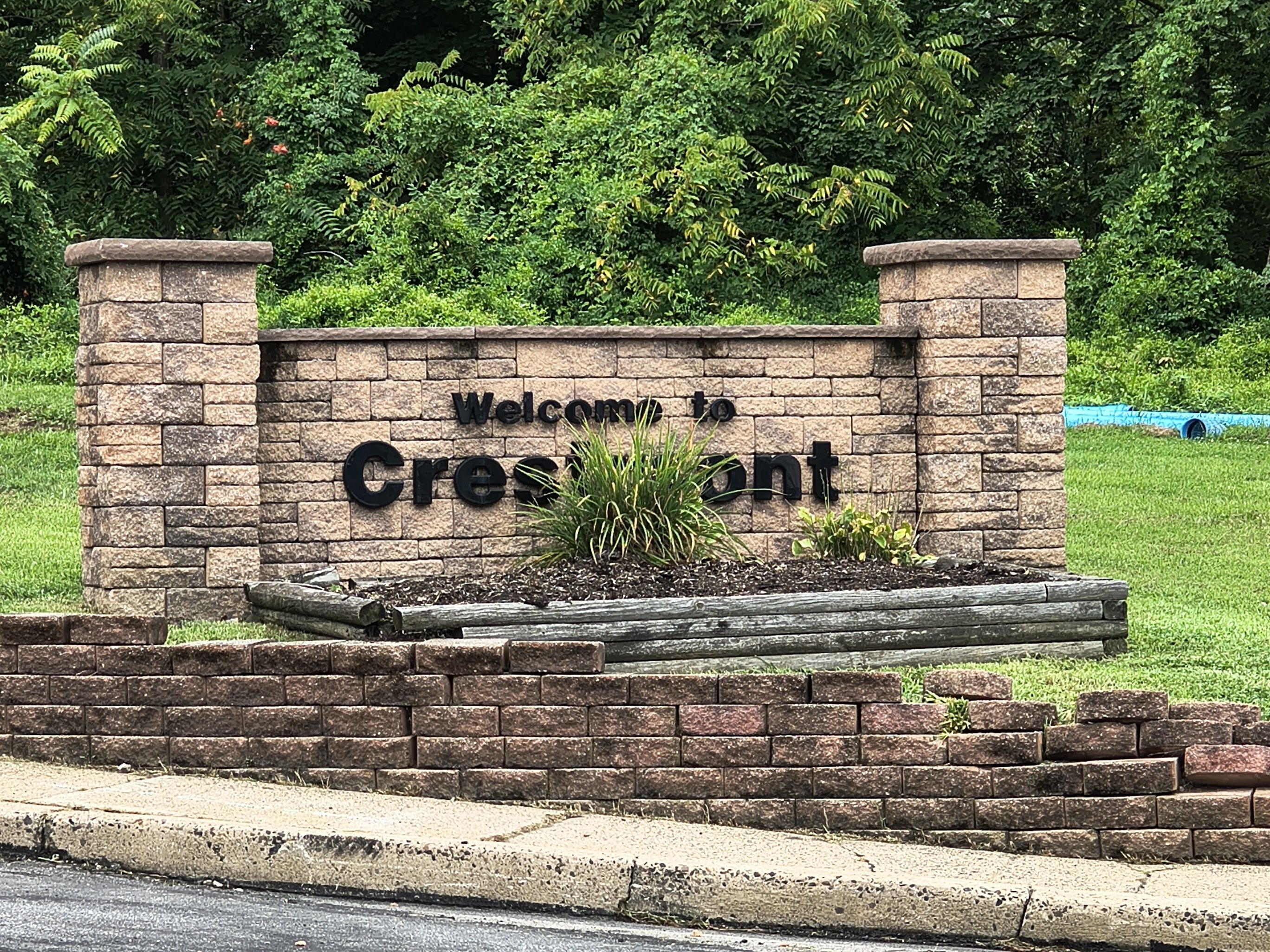
    The “Welcome to Crestmont” sign sits directly across from the Willow Grove Mall.DJ Atkins

    I didn’t grow up in Glenside or Willow Grove. I came out here for work, almost 15 years ago, and eventually I moved here. Eight years living in these suburbs gives you time to notice things, to ask questions, to wonder about the layout of the place. And one question kept coming back to me: Why is Crestmont, a mostly Black community, sitting right in the middle of overwhelmingly white suburbs?

    If you know the area, you know exactly what I mean. Roslyn, Glenside, Willow Grove, Abington … they’re all majority white, and have been that way for generations.

    Then suddenly, right next to the Willow Grove Mall parking lot, there’s Crestmont.

    Houses closer together. A different feel. A different history. A different story.
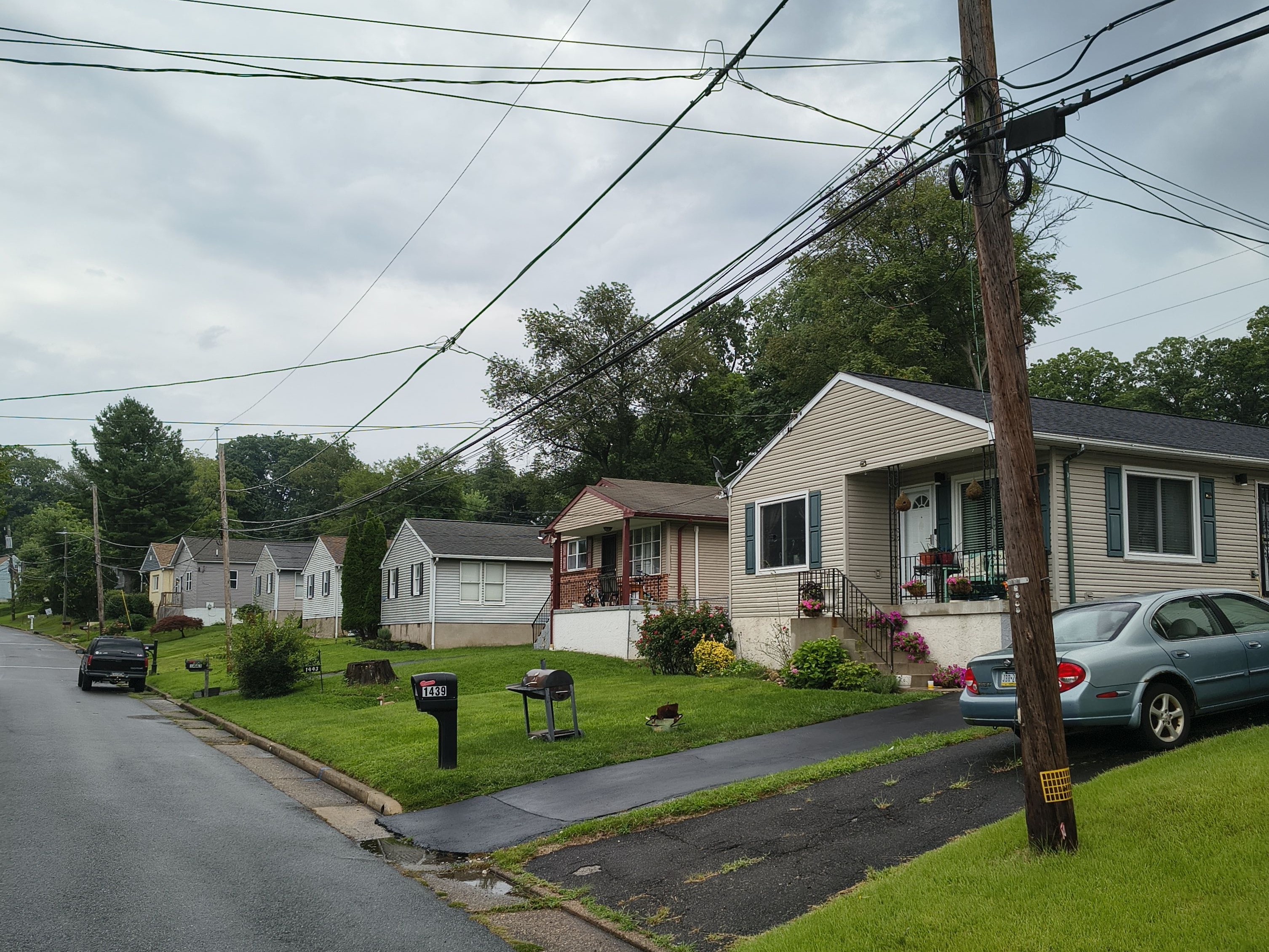
    Crestmont’s density, the layout, the architecture, the vibe, the community identity — all of it comes from early working‑class development, limited access to loans, limited access to improvements, township decisions, generational continuity, racial boundaries, economic exclusion, and the strength of the people who lived there, writes DJ Atkins.DJ Atkins

    I started talking about Crestmont to people who grew up here. I started learning about Willow Grove Park, looking at the geography, thinking about the era, and the truth became impossible to ignore.

    It’s a truth all of us need to hear, because it shows exactly how racism shapes the places we live.

    Willow Grove Park opened only 31 years after slavery ended. That was the same year Plessy v. Ferguson legalized segregation. Old newspaper coverage, township references, and public history written about the park all describe a large-scale operation with ties to the trolley company, township officials, police, contractors, and local business owners.

    A machine like that needed workers who could show up every day, early, late, and in all seasons. Black workers came to fill Willow Grove Park jobs and stayed because the work kept coming. In line with what the public record shows, people with long family histories in Crestmont talked to me about how common it was for their relatives and neighbors to all work at the park.
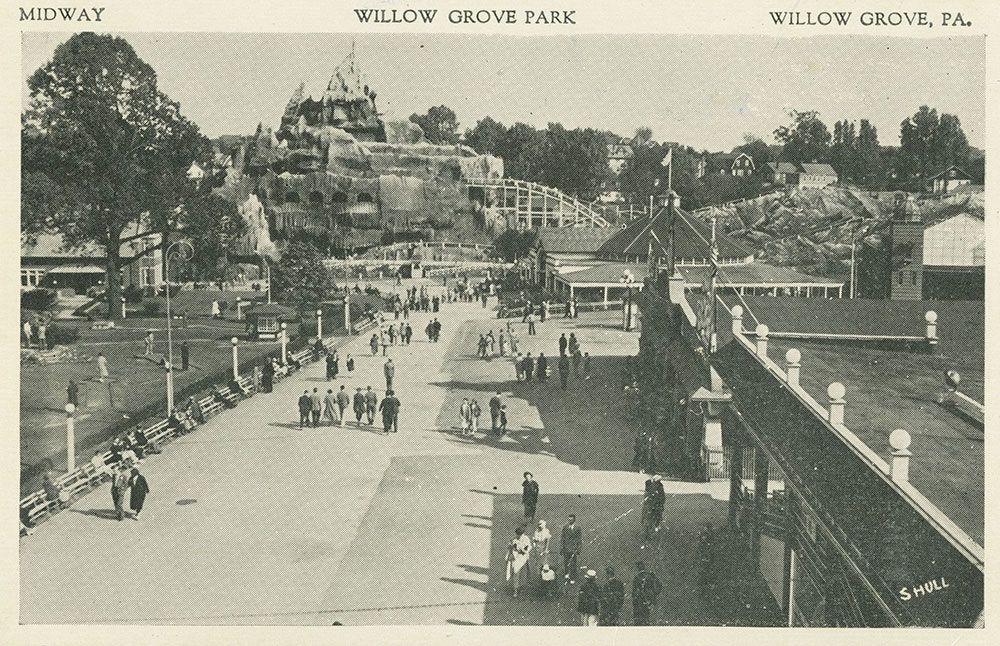
    A vintage postcard showing the Willow Grove Park midway. Willow Grove Park opened in 1896; it was closed in 1975 and demolished a year later.Courtesy of D.J. Atkins

    But many of those workers didn’t have cars, and walking through certain neighborhoods wasn’t safe. Black people weren’t welcome. Renting was restricted, and loans for home purchases were denied. Still, the workers needed to live close. Close to the park, close to the trolley line, close to the commercial strip that fed the park.

    Exactly where Crestmont is.

    Once a few Black families moved in, the neighborhood took shape. Word spread. More families followed. White buyers stayed away. Black buyers were directed toward the same area. The lots stayed small. The houses stayed close. The community grew through necessity, connection, and resilience.

    People who grew up here remember the tensions between high schoolers. They remember buying packaged goods in Crestmont because they couldn’t get them elsewhere. They remember the social boundaries. They remember how Crestmont stood out from the surrounding suburbs. None of that is random. It’s the long-term result of how the neighborhood began.

    Crestmont exists because Willow Grove Park existed. Segregation created the boundary. The park created the need. Together, they created the neighborhood.
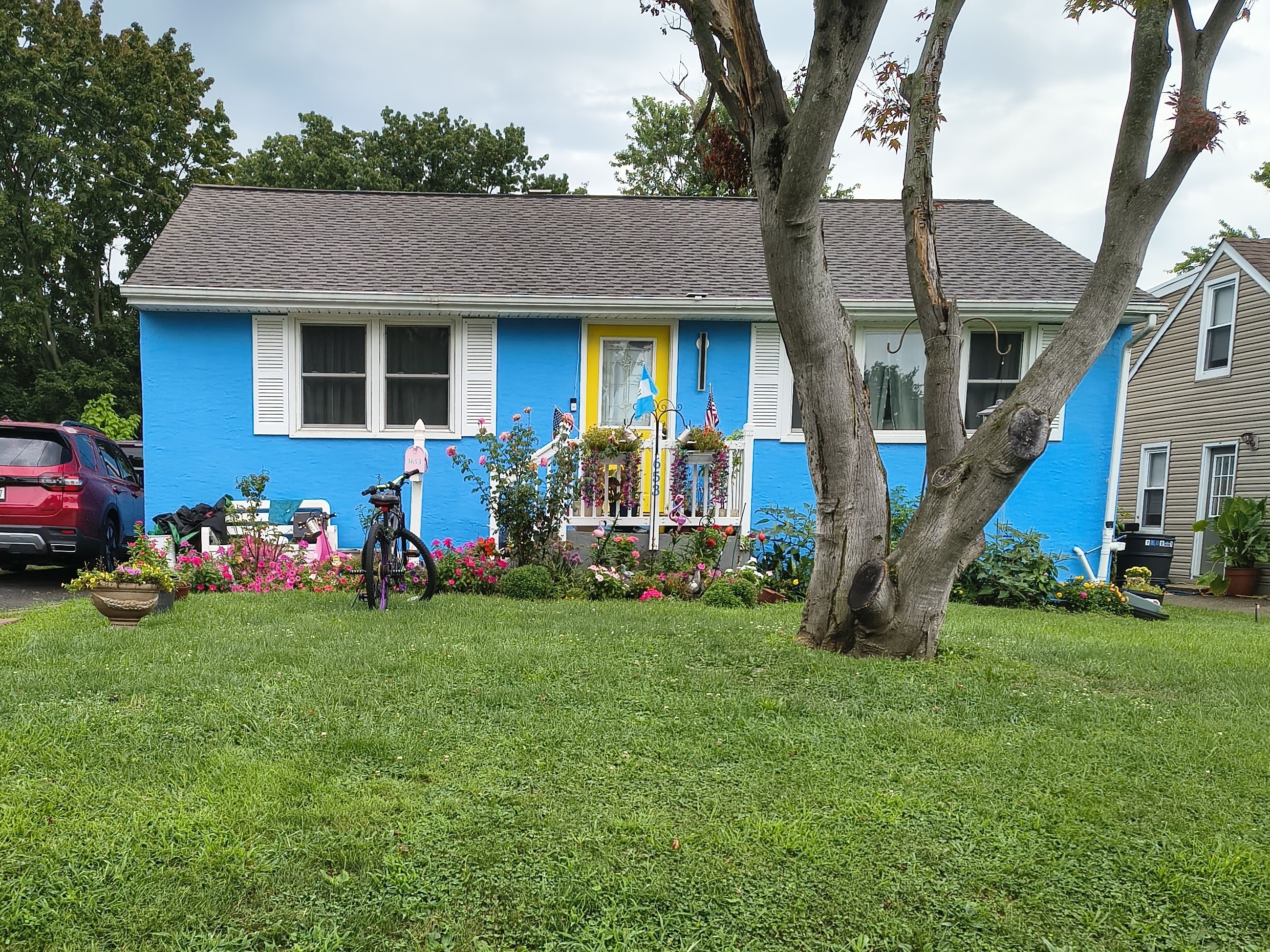
    One of the homes in Crestmont, photographed in 2026.DJ Atkins

    Crestmont isn’t unique.

    Across the country, Black neighborhoods formed near major employers because segregation blocked housing everywhere else.

    In Ardmore, Black families lived near the railroad and the estates they worked in. In Bryn Mawr, the Black neighborhood grew beside the service corridors of the Main Line mansions. In Atlantic City, Black workers lived near the Boardwalk hotels they kept running. In Pittsburgh’s Hill District, Black families settled near the steel mills and rail yards. In Baltimore, Black neighborhoods formed beside the shipyards and factories.

    Wherever a big employer needed labor, and wherever white neighborhoods refused to open their doors, a Black community formed in the one pocket where the pressure made it possible — and they look the way they do today because of their origins.
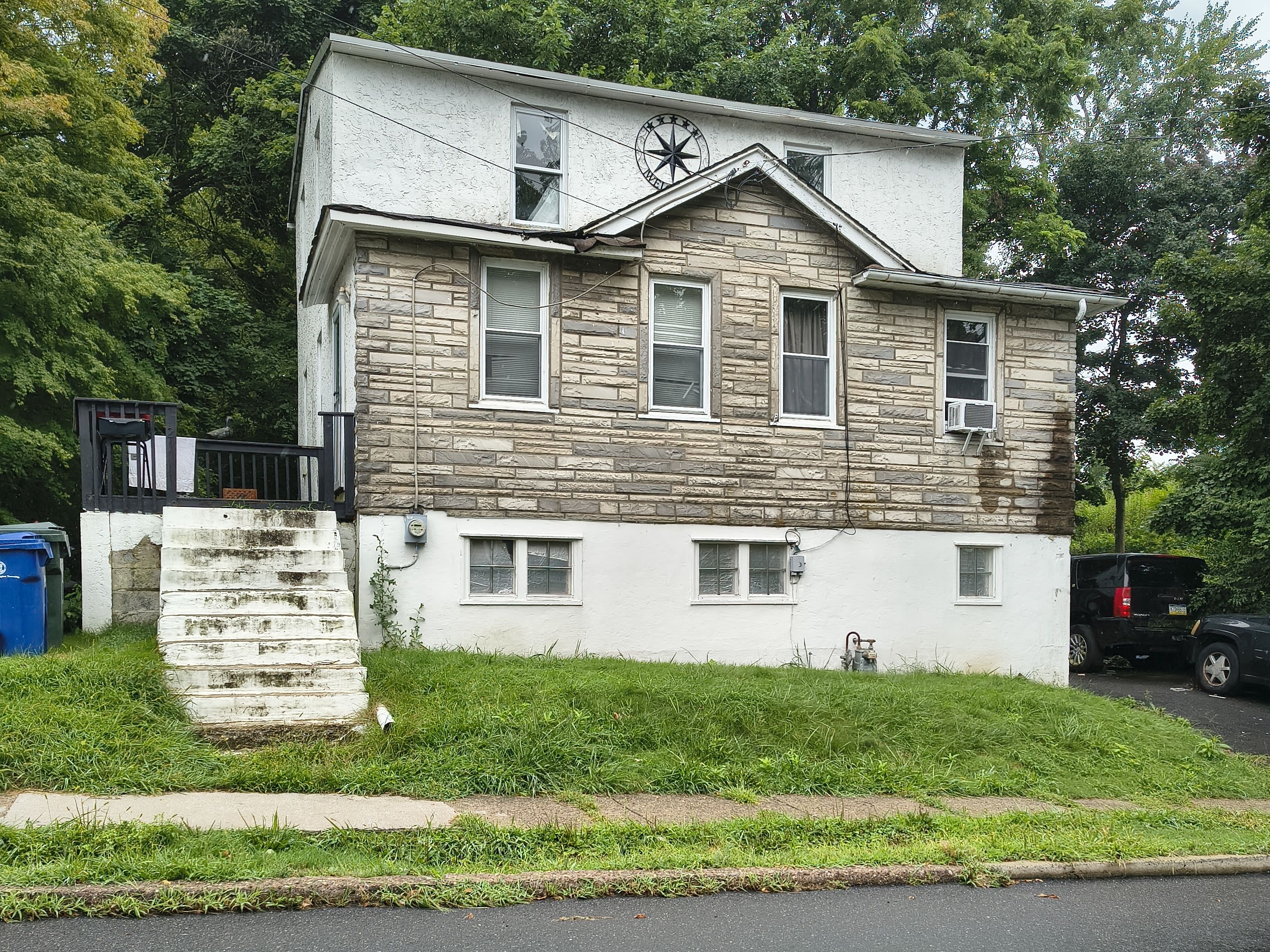
    One of the homes in Crestmont, an unincorporated community in Abington Township that owes its existence to Willow Grove Park and to housing segregation in the surrounding communities.DJ Atkins

    Crestmont’s density, the layout, the architecture, the vibe, the community identity — all of it comes from early working‑class development, limited access to loans, limited access to improvements, township decisions, generational continuity, racial boundaries, economic exclusion, and the strength of the people who lived there.

    It’s not a mystery. It’s not random. It’s not accidental. It’s a product of American racism and Black survival.

    People around here know Crestmont. But they don’t necessarily know its origin or see in it an example of how racism shapes geography and how Black communities build life anyway.

    Once you see that, you can’t unsee it.

    DJ Atkins is a Philly‑area DJ, radio host, and cultural writer. He also works in poetry, blending storytelling, music, and community history in his creative work.
  • Closing a 200-year-old institution will wound both the city and science

    Closing a 200-year-old institution will wound both the city and science

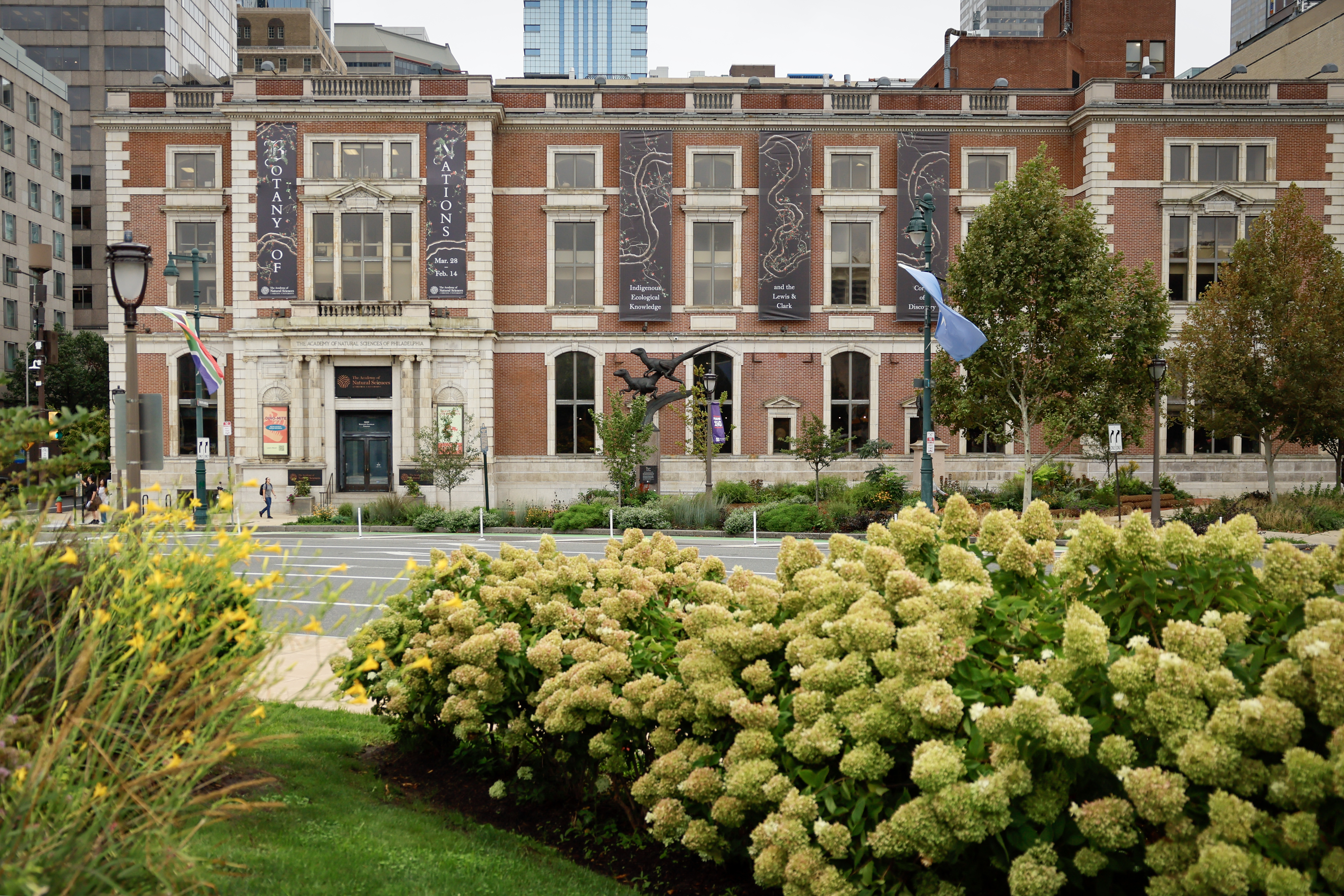
    When I committed to attending Drexel University at 17, I was excited for many reasons.

    Drexel is a fantastic school for science and engineering. It’s in a vibrant and central part of the city. It was near enough to my parents that I could take SEPTA to visit them on the weekends. And at that time, in 2014, it had recently become affiliated with the Academy of Natural Sciences.

    That meant, as a Drexel student, I could flash my blue-and-yellow ID and be granted instant free access to the Academy museum, one of the coolest places I’d ever been.

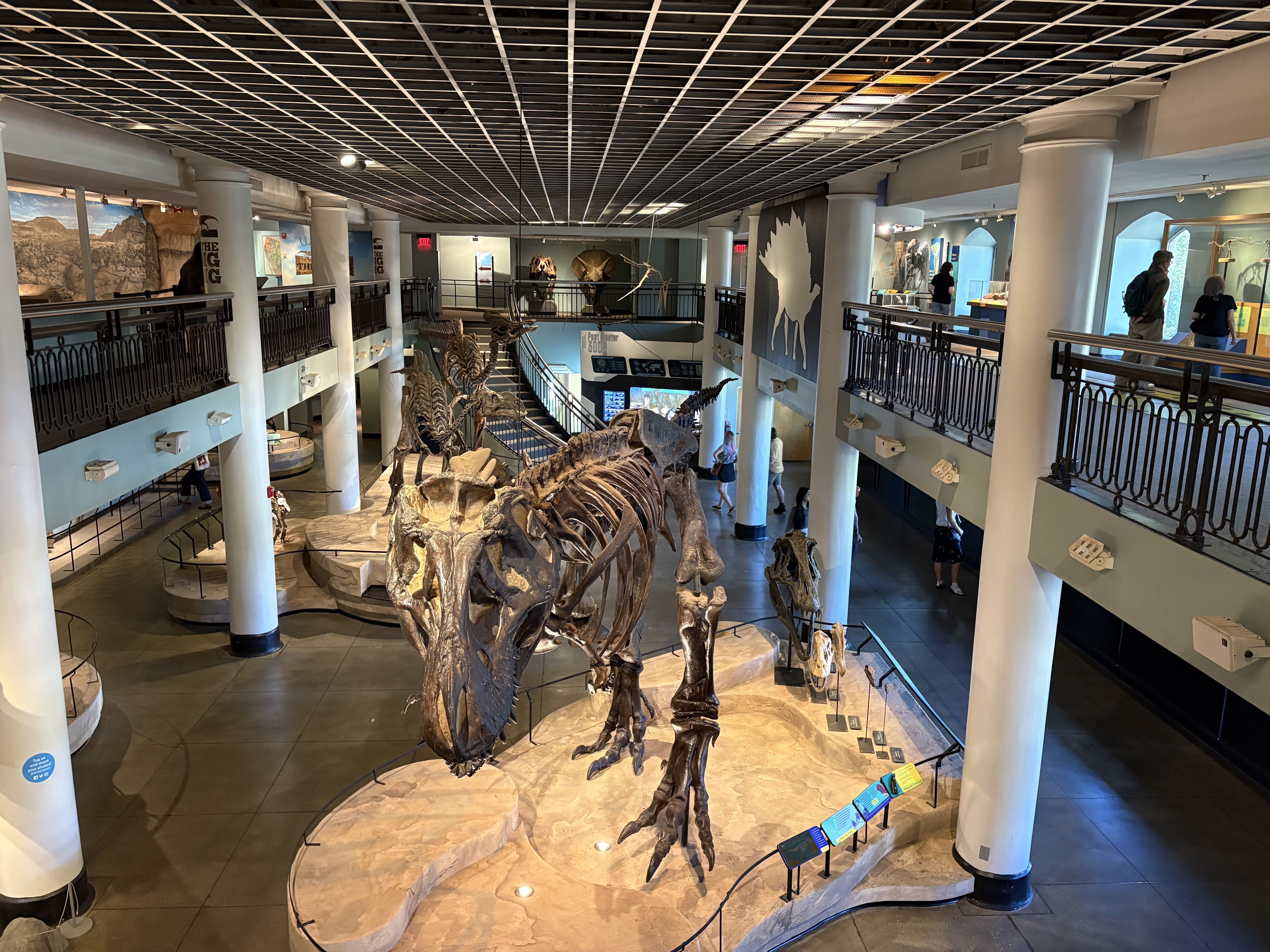
    As a kid, I dug around in the mock archeology site where replica bones were buried under sediment; I learned to gingerly dust them off to avoid damaging fossils. I marveled at the Tyrannosaurus rex at the entrance with bones bigger than my whole body. I felt the humidity rush over my skin as I walked into the butterfly exhibit, where I learned how caterpillars build cocoons, how they must struggle to emerge unaided from their chrysalises so they properly develop their wings, and how wonderful it feels to see a butterfly with wings the size of soft pretzels land right at your feet or — if you were lucky — on your raised arm, goosebumps and all.

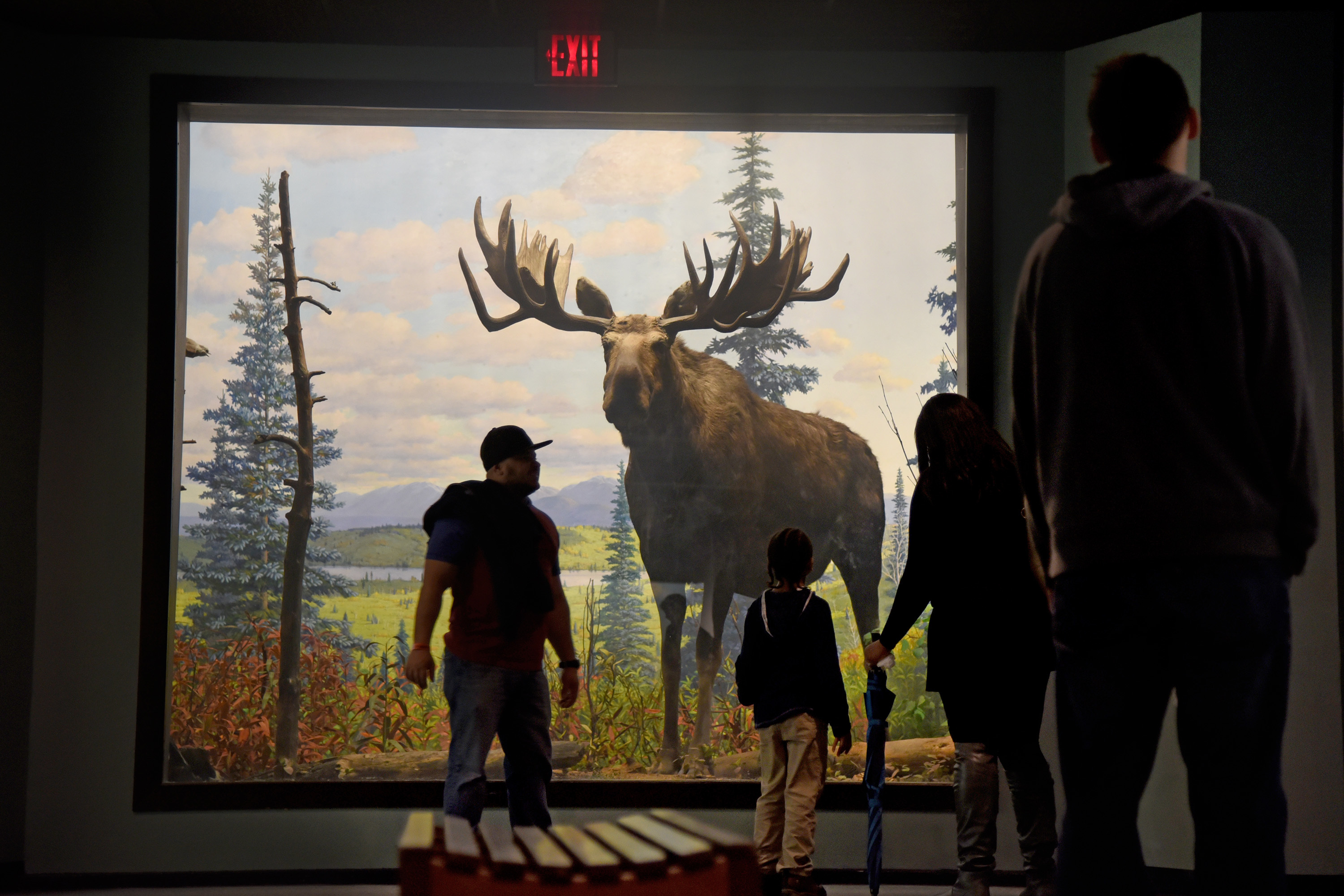
    Visitors look over the moose diorama at the Academy of Natural Sciences in 2018. Drexel University has announced that the museum will close at the end of the month because of high costs and dwindling attendance.Tom Gralish / Staff Photographer

    When you expose a child to science, you open a door to a new universe. In almost 200 years in the city, the Academy museum achieved something extraordinary and rare: It got kids (and adults of all ages) excited about dinosaurs and insects and animals from faraway places. It taught thousands of visitors about their connection to the natural world. It inspired generations of science-curious people to don lab coats and hiking boots and advance our understanding of what surrounds us.

    I’m no exception. My work now as a science journalist consists, in large part, of helping other people understand the wonders of science. I credit the Academy with helping me understand those wonders first — back when I was just a kid with a magnifying glass, an insatiable curiosity, and a terrific natural history museum accessible to my family by the regional train.

    The Academy of Natural Sciences is scheduled to close at the end of the month unless Drexel University finds a way to save it, writes Gina Vitale.Elizabeth Robertson / Staff Photographer

    Like many others, I felt my stomach sink to see the news that the museum would close at the end of this month.

    If we lose the Academy museum, we don’t just lose the fossil-digging pit and the grand hall of dinosaurs. We lose one more way to introduce Philadelphia’s kids to science. We lose future ecologists and conservationists and people working to save a warming world. We shut one more door to that magnificent universe.

    I’m thankful Drexel is committed to the stewardship of the Academy’s collections, even if the museum closes. Recent reporting indicates that Drexel may have a chance to help preserve or reestablish the museum in some way.

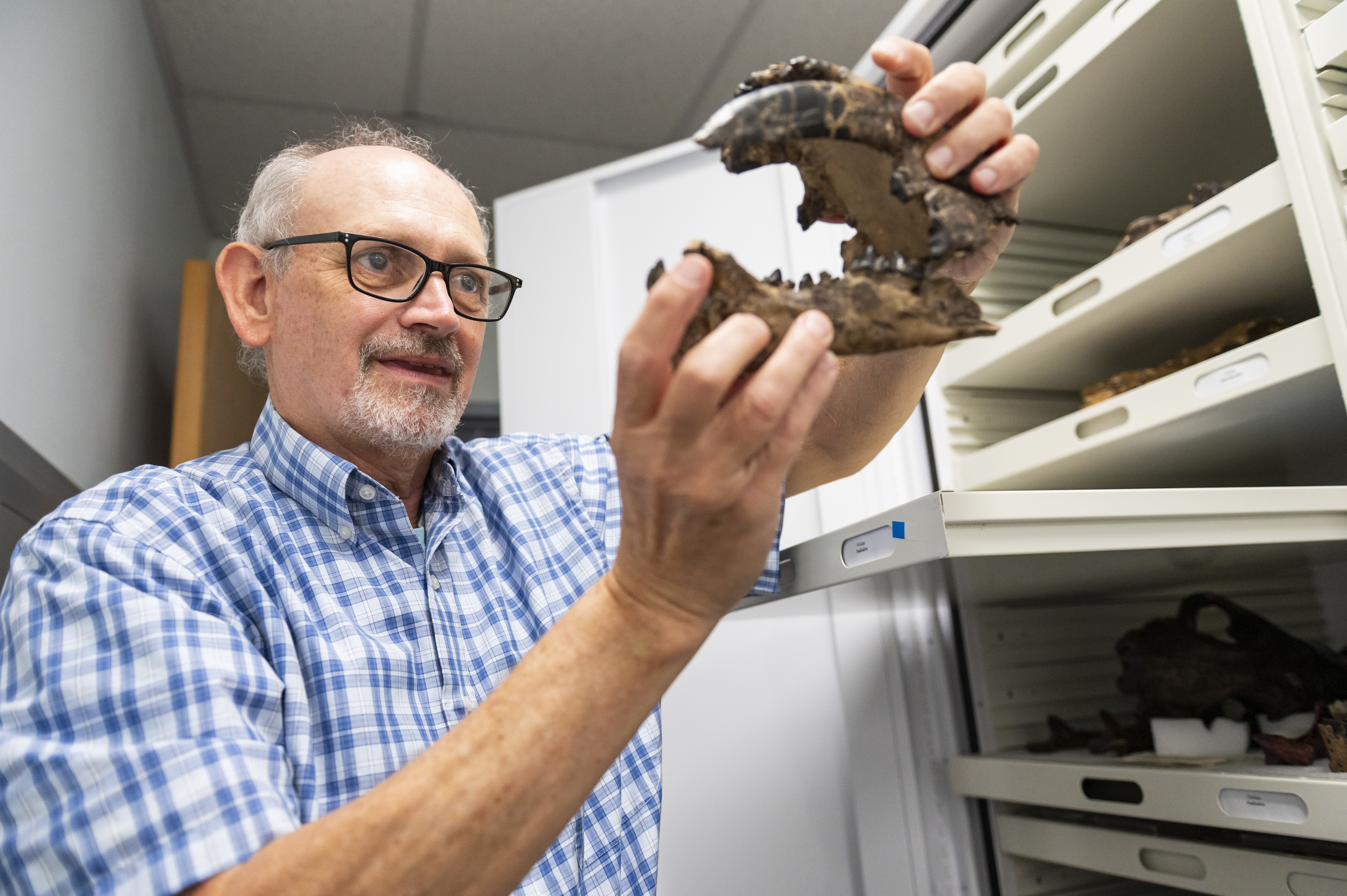
    Ned Gilmore, the collection manager for vertebrate paleontology, holds up the mouth of a Smilodon gracilis, a type of saber-toothed tiger, at the Academy of Natural Sciences last month.Allie Ippolito / For The Inquirer

    When I was a student, I loved that my university supported an institution like the Academy — the oldest natural history museum in the United States. I can think of no better thing to do for the city and for future Drexel students than for the university to help find a way to preserve this incredibly special museum in Philadelphia.

    If they do that, they won’t just have my gratitude. They’ll have the thanks of current and future science enthusiasts throughout the city, and along the tracks of the regional trains.

    Gina Vitale is a journalist and writer who grew up in Greater Philadelphia.

  • I spent the night at ground zero on 9/11. I’ve lived the trauma ever since.

    I spent the night at ground zero on 9/11. I’ve lived the trauma ever since.

    I have been faking it for 25 years. Not about the people and issues that matter to me. Not my work or anything like that.

    But in the way everyone tells you to “fake it till you make it.” Get up. Go to work. Act like you’re doing fine when you’re not, hope nobody notices, and hope you’ll eventually get better.
    When I got to ground zero late on Sept. 11, 2001, nothing felt real. Therapists have since explained that I may have slipped into what they call a dissociative state, and it was frightening.

    I hadn’t exactly lost my grip on reality, but I felt detached, like I was living in a movie, feeling uncertain about what was real and what wasn’t.

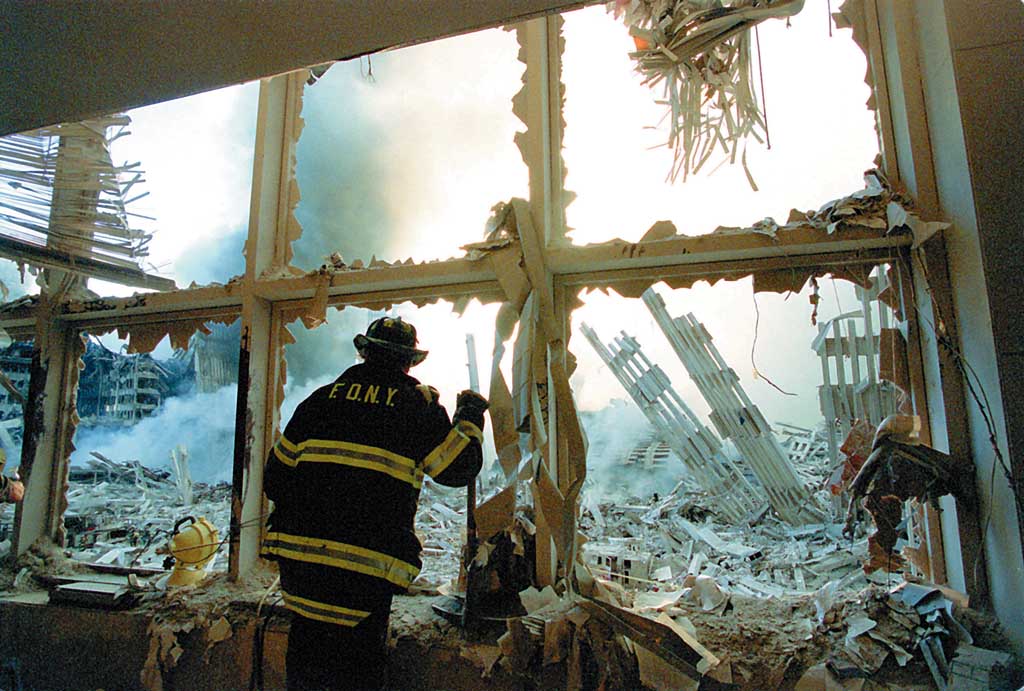
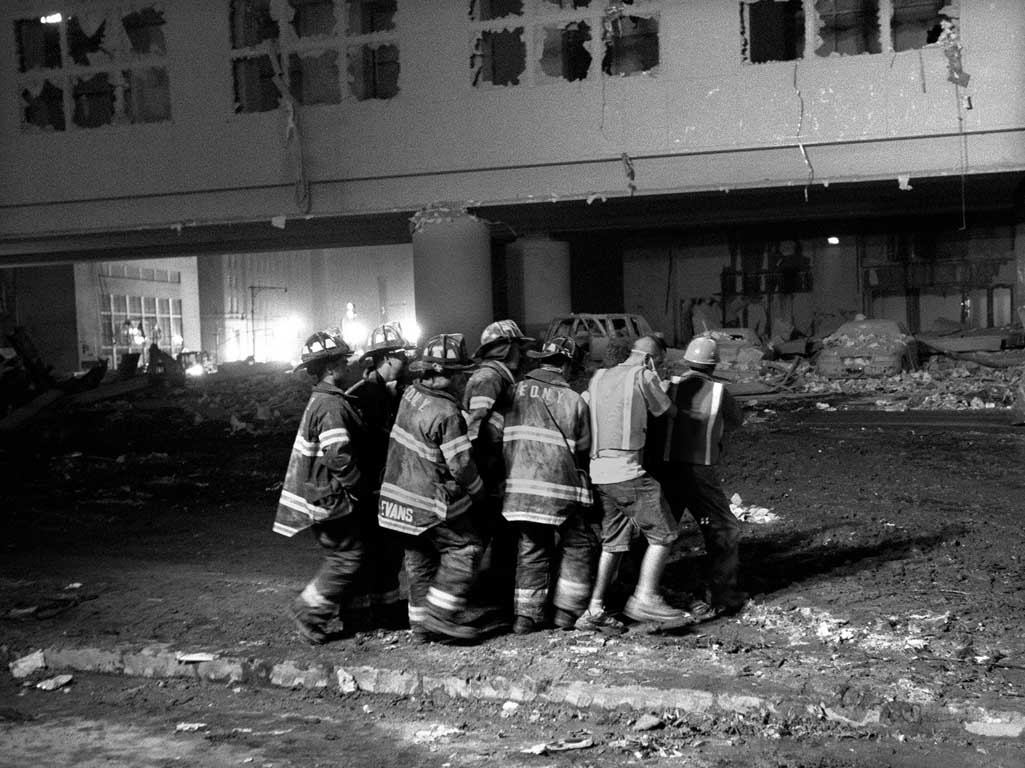
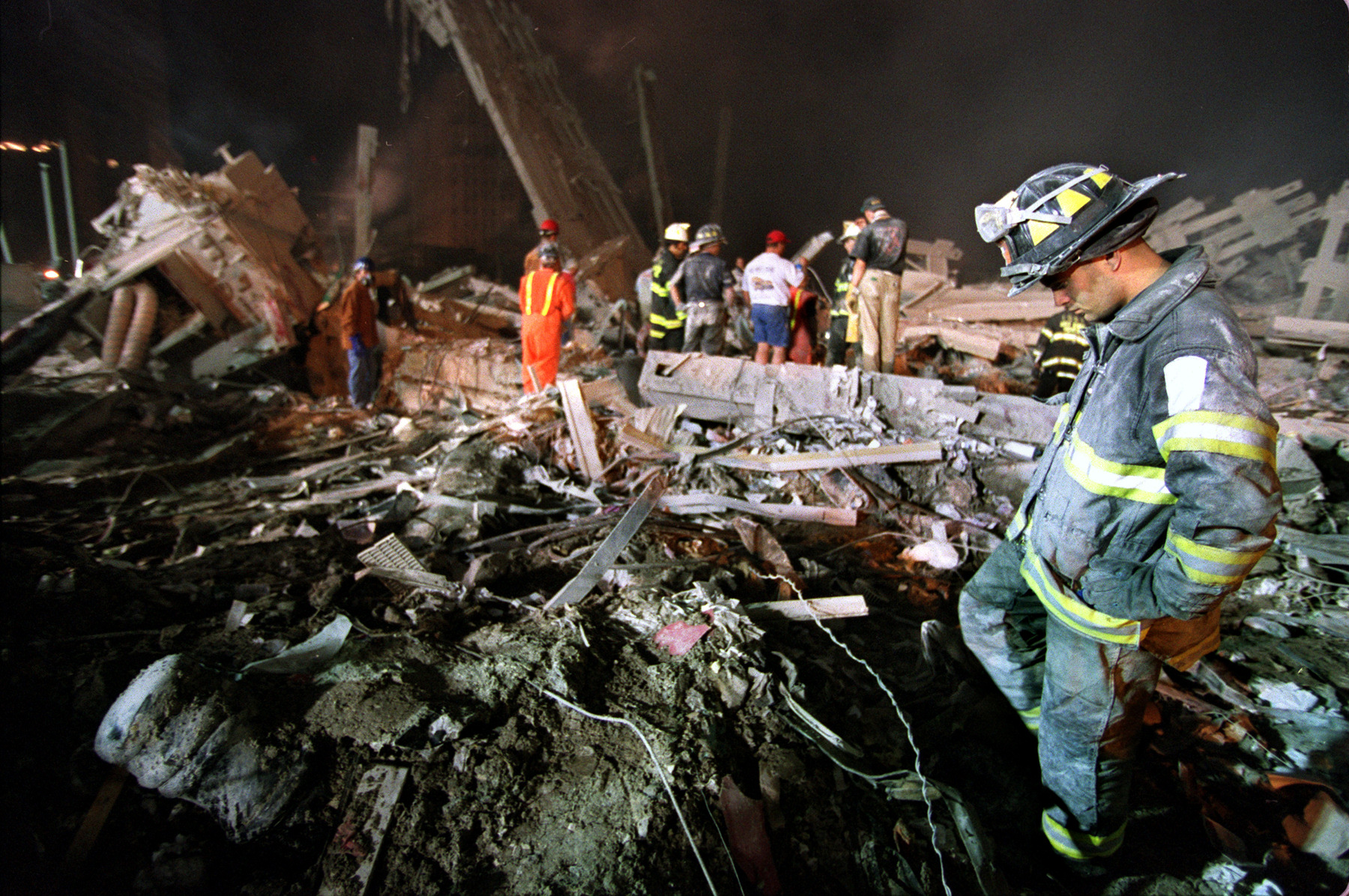
    A New York City firefighter looks out onto the collapsed World Trade Center on the morning after the attack of Sept. 11, 2001. Chronicling the devastation there has haunted the author over the years.

    I managed to keep taking pictures, leaning into the parts of myself that were still working, as I have in some ways every day since.

    My friend and colleague Chris Brennan, the reporter with whom I had gone to the scene for the Daily News, later wrote about our journey together and the early aftermath.

    A harrowing aftermath

    The next 18 months were the worst for me, filled with flashbacks, nightmares, extreme insomnia, memory blackouts, mood swings, and broken relationships.

    Serendipitously, a psychiatrist wrote to me in early 2003 about acquiring some of my photographs for instructional use. She also sensed what I was going through, and provided the treatment I needed to get the most crippling symptoms under control.

    But that wasn’t the end of the story. Far from it.

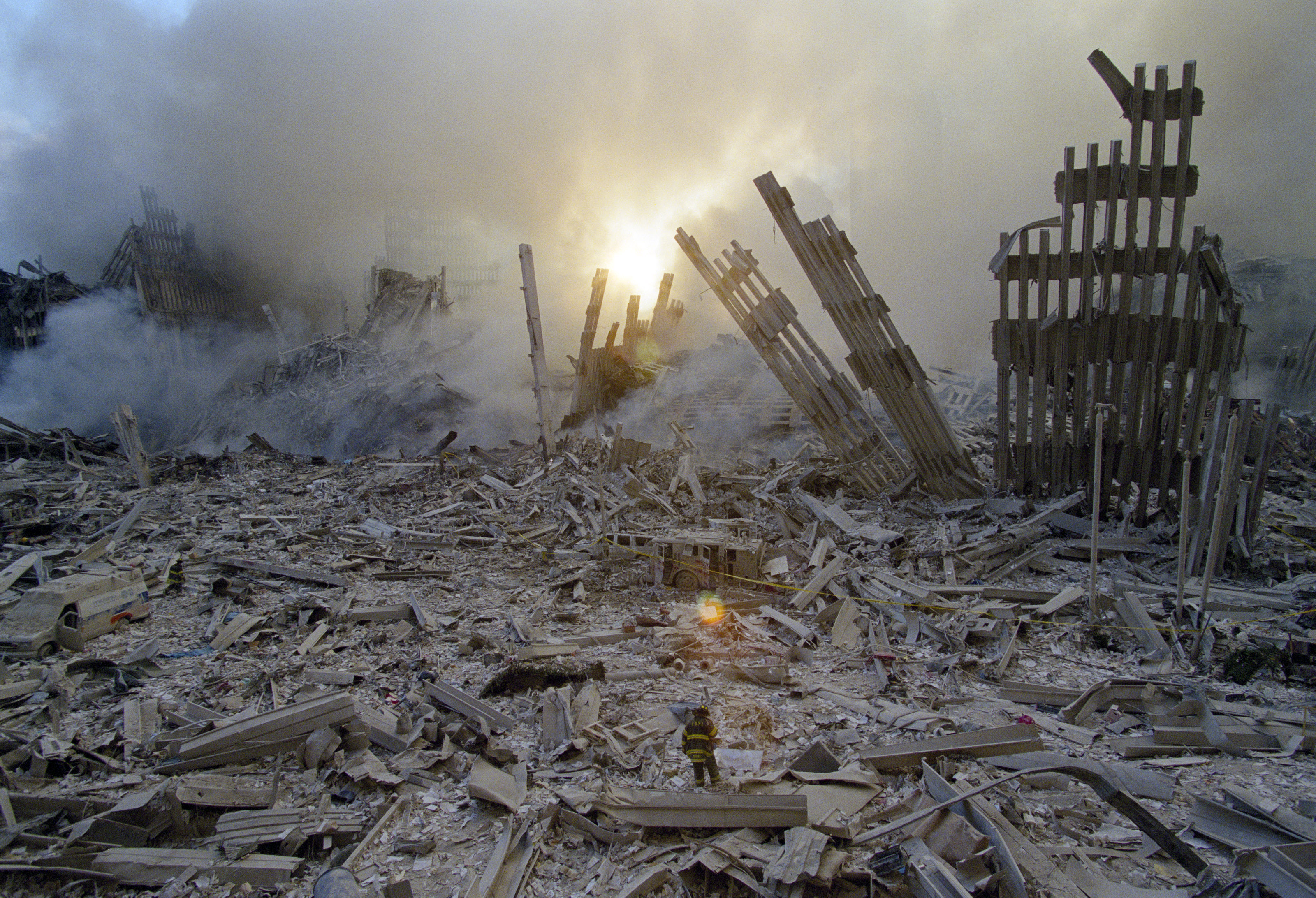
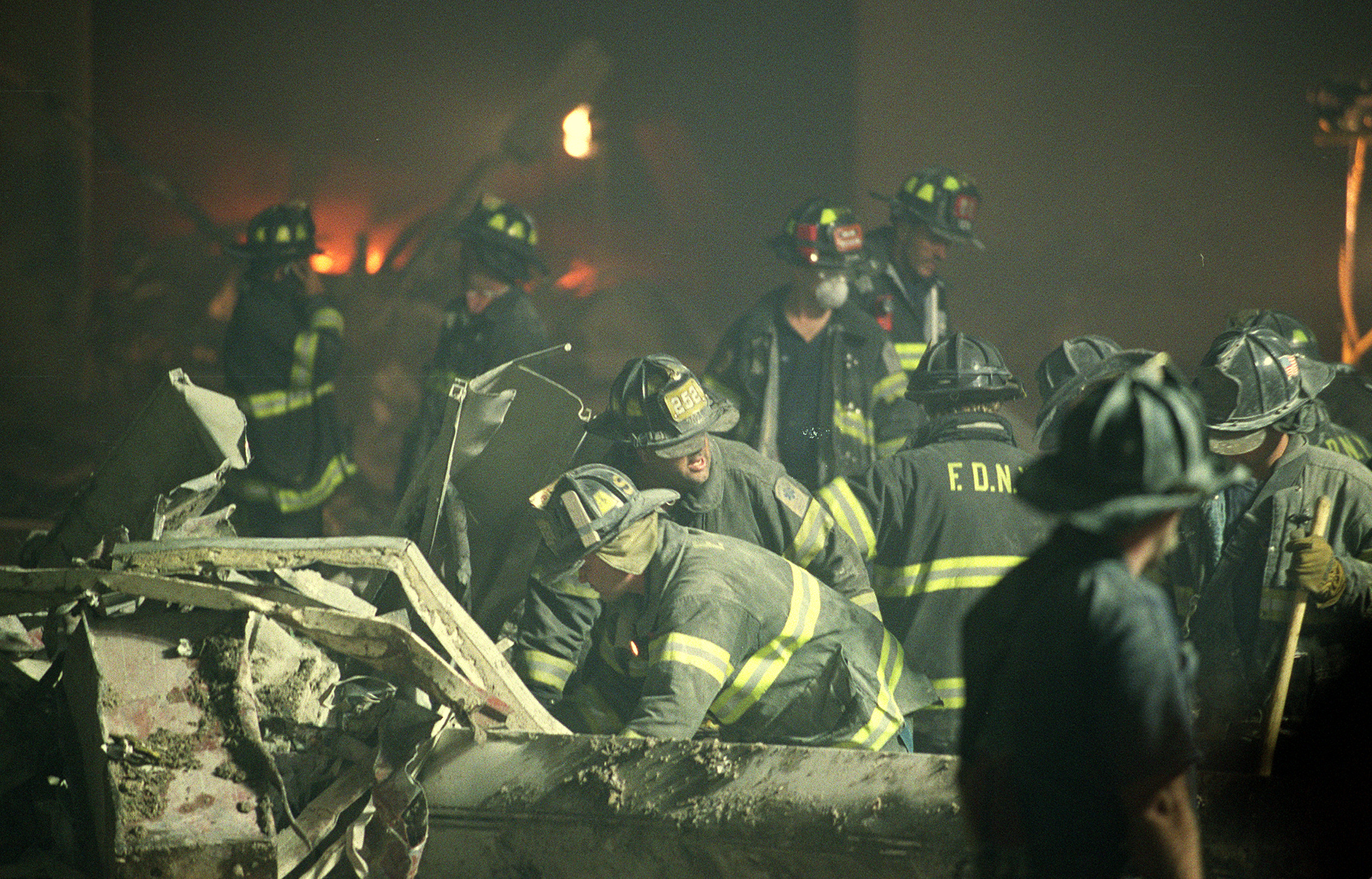
    New York City firefighters sift through the rubble of the World Trade Center on the evening of Sept. 11, 2001.Jim MacMillan

    From the outside, what followed looks almost ridiculously good: a career filled with fellowships, faculty appointments, and even a Pulitzer Prize in 2005 for my photographs from the war in Iraq.

    I had accompanied U.S. troops on hundreds of combat missions over the course of a year, feeling indestructible following my initial recovery, but then some new and old symptoms emerged, and I needed more care when I got back. I got better again, although I still overreact when startled.

    One of my pictures from 9/11 went on to have a remarkable life of its own. The New York Times wrote about the time it toured alongside some of the great artworks of the 20th century. My alma mater, Tufts University, hung it in a gallery next to a Picasso.

    Looking back now, it feels painfully obvious that I have also spent the past 25 years stockpiling accomplishments as if to prove I was OK, probably to myself as much as anyone else.

    We talk a lot in the news about surviving terrible events and their immediate aftermaths. And we love stories of recovery. But we don’t talk much about the long tail of trauma.

    Our traumatic pasts aren’t so easily fooled. There is no unseeing what we have seen.

    Rescue workers carry a body from the ruins of the World Trade Center to a temporary morgue at the heavily damaged Dow Jones Building in the early morning after the Sept. 11 attack.

    I still have occasional nightmares and persistent phobias that seem obviously related to things I saw at ground zero.

    And random reminders can bring me back there in every sense. The smoke and rubble appear behind my eyelids in an instant. I can hear the sounds and taste the dust. My breath deepens, and my skin crawls again.

    Giving back

    Most of the time I am completely fine. Sometimes I get triggered, and I’ve got my hands full again for a couple of days or a couple of weeks. I had a bad year not so long ago.

    Living my best life takes maintenance, just as I imagine countless people quietly manage other long-term health challenges.

    Since 2006, I have also spent a lot of time studying and teaching students and journalists about trauma. Giving back has felt both cathartic and critical to maintaining my well-being.

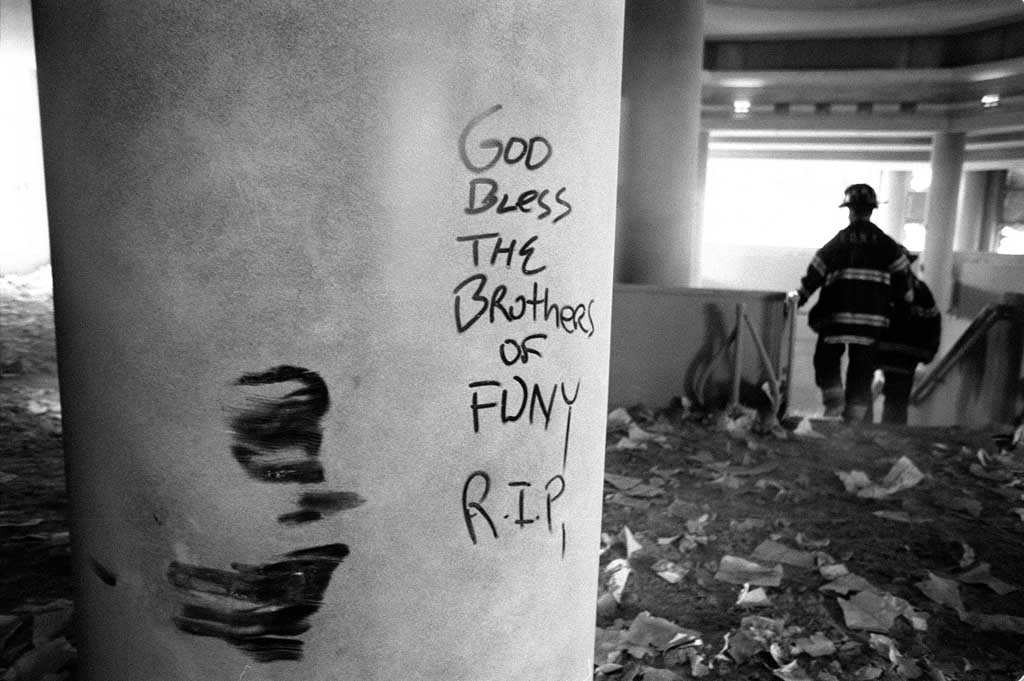
    A message is scrawled in ash on a column inside One Financial Center, adjacent to the World Trade Center ruins at ground zero.Jim MacMillan / Staff Photographer

    I have spoken previously about covering the Oklahoma City bombing, Hurricane Katrina survivors, violent demonstrations in American cities, and endless gun violence in Philadelphia.

    But while journalists and other first responders are frequently invited onto stages for these conversations, most people carrying trauma will never get the spotlight.

    Domestic violence and other crimes can alter lives without ever making the news. Trauma can accumulate alongside structural violence, from racism and concentrated poverty to overpolicing and mass incarceration.

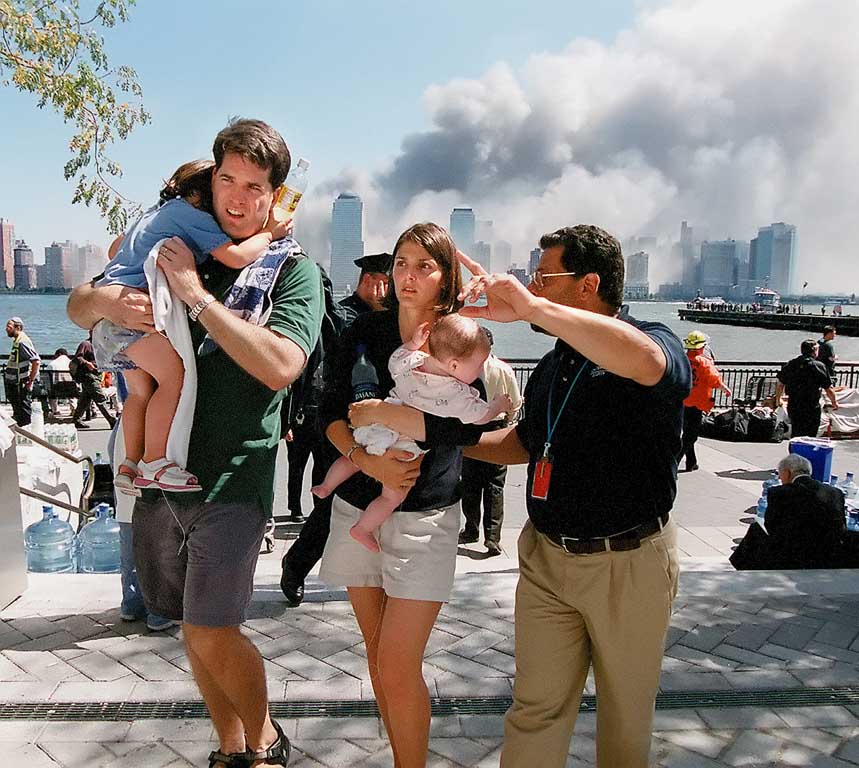
    Rescued from Lower Manhattan, a family lands in Liberty State Park in New Jersey hours after the attack on the World Trade Center. The trauma from that day lives on for survivors and witnesses.

    Communities most vulnerable to trauma are often the least likely to have access to the kind of care that helped me endure.

    Too many are left to carry their burden alone, while resources seem perpetually overstretched, and horrifying headlines keep coming at us with relentless frequency.

    If nobody is coming to save us, we’ll need to get better at taking care of one another, now more than ever.

    I’m no clinician, but I can tell you what I needed: Listen when people tell you about their struggles. Don’t turn up the heat or ask when they’re going to get over it. Ask what they need, ask how you can help, and help them find more support.

    A New York City firefighter surveys the wreckage of the collapsed World Trade Center on the evening of Sept. 11, 2001.Jim MacMillan

    I recently moved to Ireland, where my grandparents were born, thinking I might have one more chapter to write in my career and that, for once, I might step away from all the trauma.

    Instead, every new relationship and opportunity seems to be leading me back to the same work: helping journalists stay safe and healthy while reporting responsibly on survivors.

    The distance has also helped me see more clearly what I’ve carried all these years, and what we can’t fake.

    Jim MacMillan spent 17 years as a photojournalist at the Daily News. His photographs from ground zero now reside in the Special Collections Research Center at the Charles Library at Temple University, and one was acquired last year by the National September 11 Memorial and Museum. He founded the Philadelphia Center for Gun Violence Reporting in 2019 and served as its director until June.

  • Living in an exhausted, morally distressed nation

    Living in an exhausted, morally distressed nation

    This is not us.

    This is not the America we thought we were. As nurses, we’re sensitive to negative shifts in compassion and empathy. Almost two years of multiple, relentless attacks on America’s core values have left us morally distressed.

    It is not like us to set a weekly quota of arresting 2,000 of our law-abiding neighbors seeking asylum in the United States. It’s not like us to propose spending $20 million in taxpayer dollars on a device that will allow immigration agents to deliver painful electric shocks to any human being. It’s not like us to put those without criminal records in jails and provide them with less than adequate medical care that has now resulted in the deaths of at least 50 innocent human beings.

    Values out of whack

    As a nation, our actions are out of alignment with our values.

    We are overwhelmed by the constant barrage of toxic messages and distressful events that shape our sense of who we are as a society and negatively affect our physical and mental health. We have seen, and some have personally experienced, the horrific public health impact of the resurgence of preventable diseases and deaths from measles, a disease that had been eradicated from the U.S.

    As nurses, we have seen how words are used to evoke false beliefs. We have never seen a “vat” of solution injected into any person — let alone an infant, as President Donald Trump recently claimed about the childhood vaccination regimen. We have witnessed the fear and confusion of parents related to the mixed messages coming from non-pediatricians about the value of childhood vaccinations. Why change the vaccination schedule without evidence?

    We see reductions and disinvestments in essential research funding that will hurt Americans waiting for scientific breakthroughs. Discouraging the next generation of investigators threatens our standing as a global leader in research innovation.

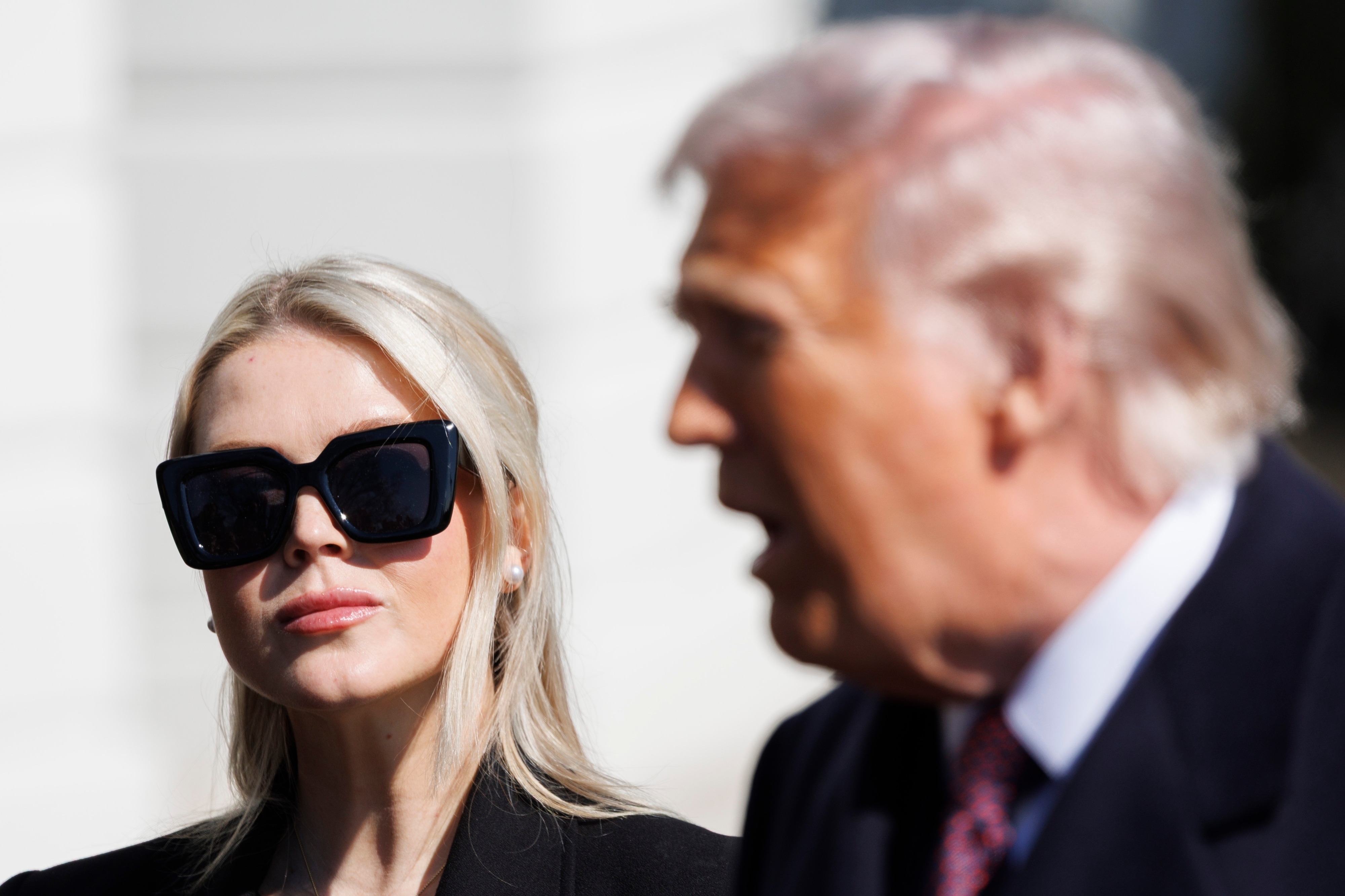
    President Donald Trump and his former press secretary Karoline Leavitt at the White House earlier this year. Both have brought a new level of coarseness and personal denigration to official public discourse.Tom Brenner

    We experience ourselves the rising costs of life’s necessities, such as food, housing, and healthcare. And we endure public coarseness and disgraceful conduct among those elected to represent us, increasingly characterized by contempt and by labeling those with whom they disagree as “radicals,” “socialists,” “fascists,” or worse.

    These developments are not mutually exclusive, and they represent a troubling sign for a country where trust in the values of public institutions and in government leaders and workers is being eroded by outright lies and a lack of mutual respect. In 2025, only 17% of Americans trusted the government to do “what is right.”

    Moral distress occurs when one’s values are constrained because of institutional, social, political, or other barriers.

    The concept is often applied to healthcare workers, such as nurses. For example, moral distress has been widely documented when nurses are unable to deliver a treatment they know is best because of restraints imposed by the healthcare system in which they work.

    Repeated experiences of moral distress often lead to a sense of disillusionment, disengagement, moral outrage, burnout, and apathy. When this moral distress and resulting harm is experienced by a broad swath of the general population, we call this civic moral distress.

    So what can we do?

    We know respectful dialogue instead of derision advances collaborative agendas and builds solid coalitions. We know public health is key to the prevention of disease. We know respect for the dignity of our fellow humans has nothing to do with their age, race, gender, political ideology, or immigration status. We know a lack of basic healthcare leads to emergency room visits and higher costs. We know the average citizen is not being heard by those who represent them to address the broader societal and moral problems at home and feels powerless to change any of it.

    Don’t be disillusioned

    There are no easy antidotes to civic moral distress. Experts coalesce around key principles, grounded in a foundation of trust, that could move us from a morally distressed nation to one characterized by moral strength and integrity.

    For everyone: Be kind, be truthful, perform one random act of kindness every day, care for your neighbors. For newspapers: Publish one issue a week that focuses on local community issues. For all government officials: Don’t break everything just because you can; stay in your lane and do not make healthcare recommendations out of your area of expertise.

    For all Americans: Do not be disillusioned.

    Advancing this agenda will require significant moral courage. Failing to do so will further erode our society, our humanity. And although civic moral distress is our current reality, it need not be our future.

    Connie M. Ulrich is a registered nurse and professor of nursing and of medical ethics and health policy at the University of Pennsylvania School of Nursing. She is a Hastings Center Fellow. Mary D. Naylor is a registered nurse and professor of gerontology and nursing at Penn’s School of Nursing. Martha A.Q. Curley is a registered nurse and professor of pediatric nursing at Penn’s School of Nursing.

  • Being first is only the beginning for the Philadelphia Zoo. We want to build a movement.

    Being first is only the beginning for the Philadelphia Zoo. We want to build a movement.

    In early August, Philadelphia Zoo had the honor of being celebrated as part of Philadelphia’s “52 Weeks of Firsts,” recognizing the people, places, and ideas that have made our city a birthplace of American innovation.

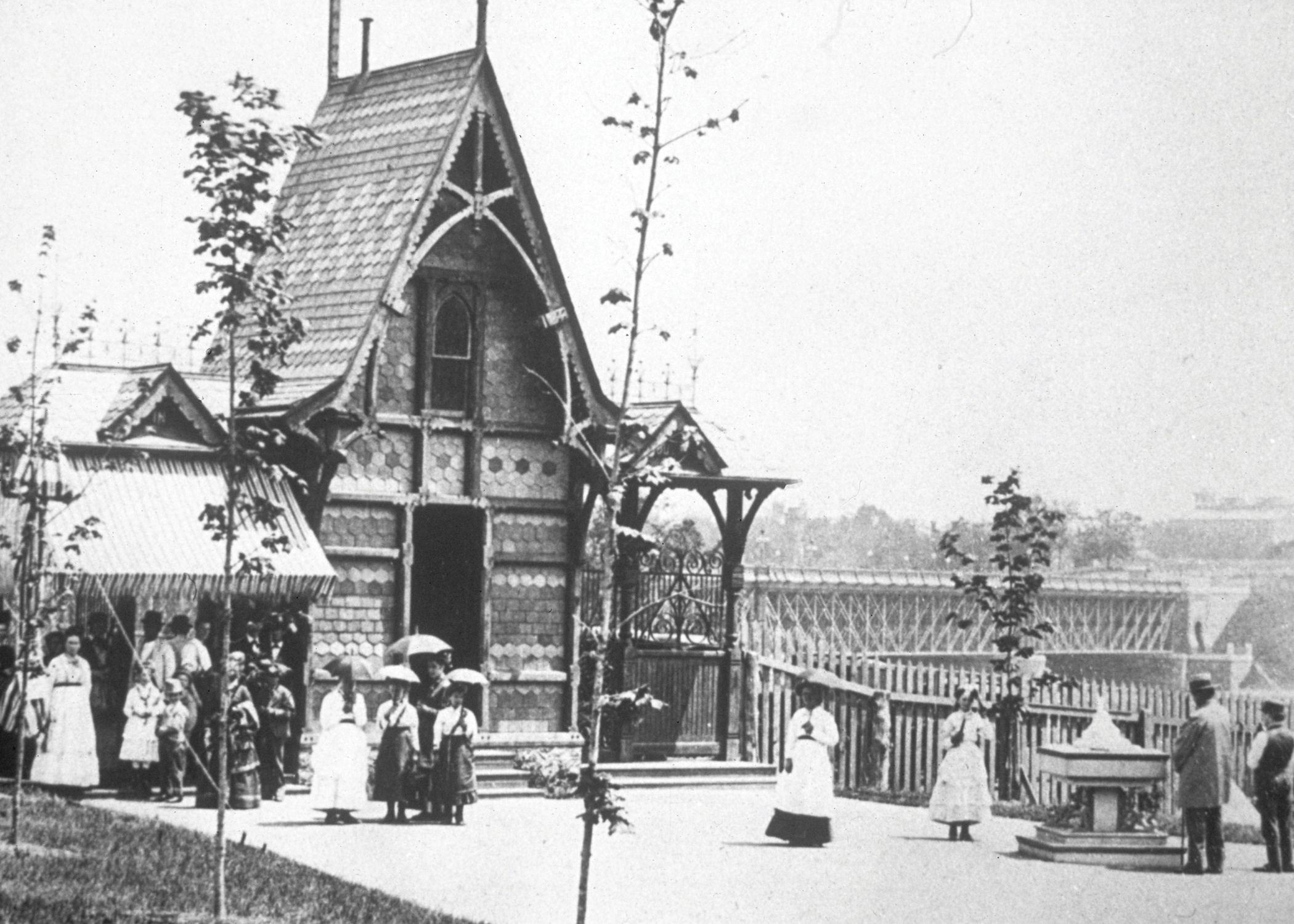
    Our place on that list is well-established. Chartered in 1859 and opened in 1874, Philadelphia Zoo is America’s first zoo. But what makes us most proud is not simply that we were first. It is what we have done with that distinction, and what it challenges us to do next.

    The Philadelphia Zoo on opening day, July 1, 1874.The Philadelphia Zoo

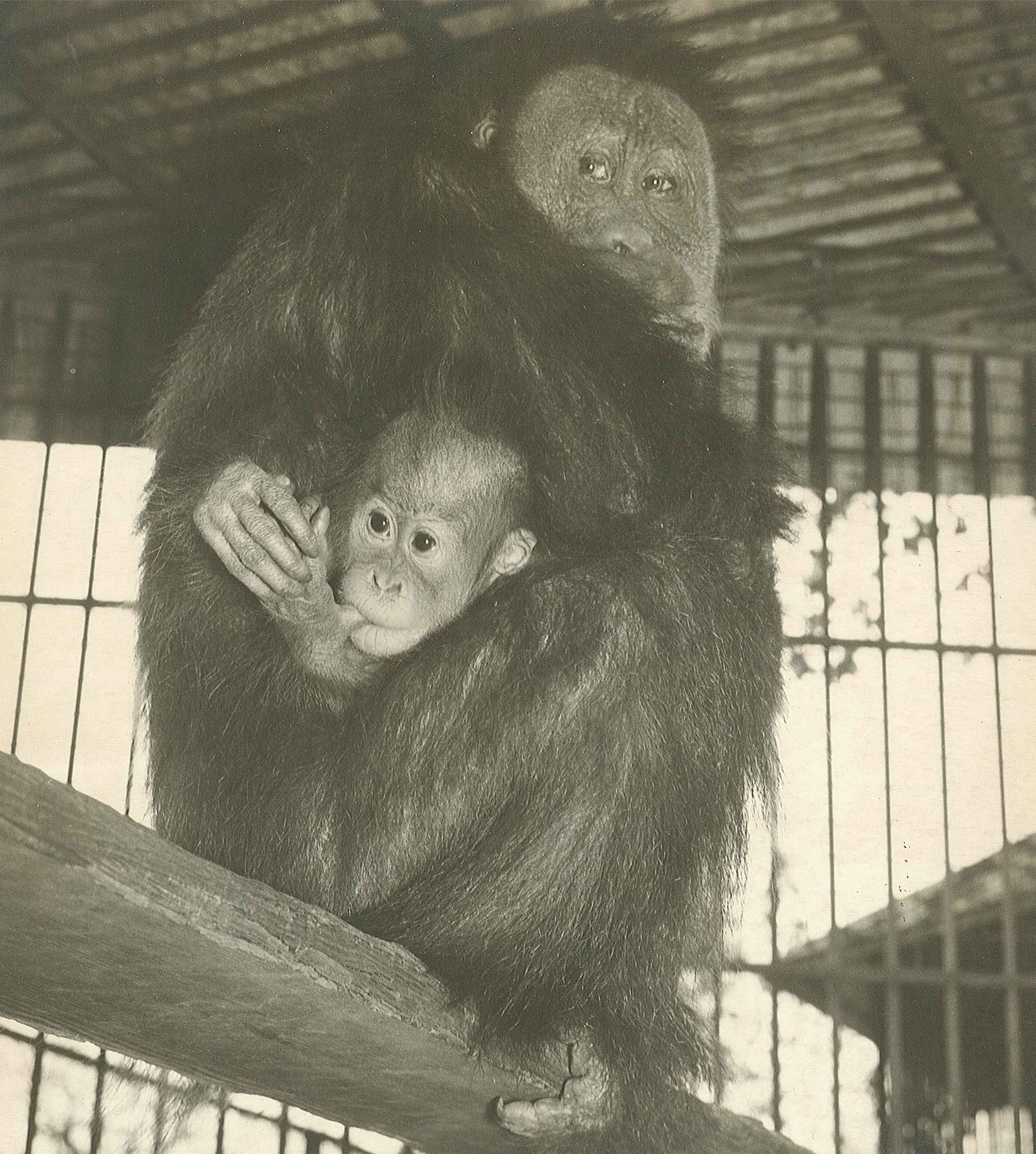
    For more than 150 years, Philadelphia Zoo has pioneered advances in animal care, conservation, education, and the visitor experience. We recorded the first successful births of orangutans and chimpanzees in a U.S. zoo, and opened the nation’s first children’s zoo.

    At the Philadelphia Zoo, Momma Maggie and Baby Lucky, the first orangutan born in an American zoo, in 1928.The Philadelphia Zoo

    More recently, we created Zoo360, a first-in-the-world network of trails that gives animals greater opportunities to move, explore, and make choices while allowing visitors to experience wildlife from an entirely new perspective.

    Those innovations matter. But the most important thing a zoo can create is not a record or a “first.” It is a connection. When a child comes face-to-face with an animal they have only seen on a screen, suddenly that animal is more than an image or an abstraction. It is alive, individual, and extraordinary. And perhaps that child begins to understand that we humans are animals, too, connected to an astonishing web of life we have both the privilege and responsibility to protect. It led both of us to the work we do today.

    During America’s 250th anniversary, Philadelphia Zoo is not only looking backward. We are asking what we can build together for the next 250 years.

    The story we tell about wildlife conservation often centers on grand gestures — a landmark law, a sweeping treaty, a species pulled back from extinction’s edge by heroic intervention. But grand gestures only occur because ordinary people, over and over, choose to act in ways too small to make headlines.

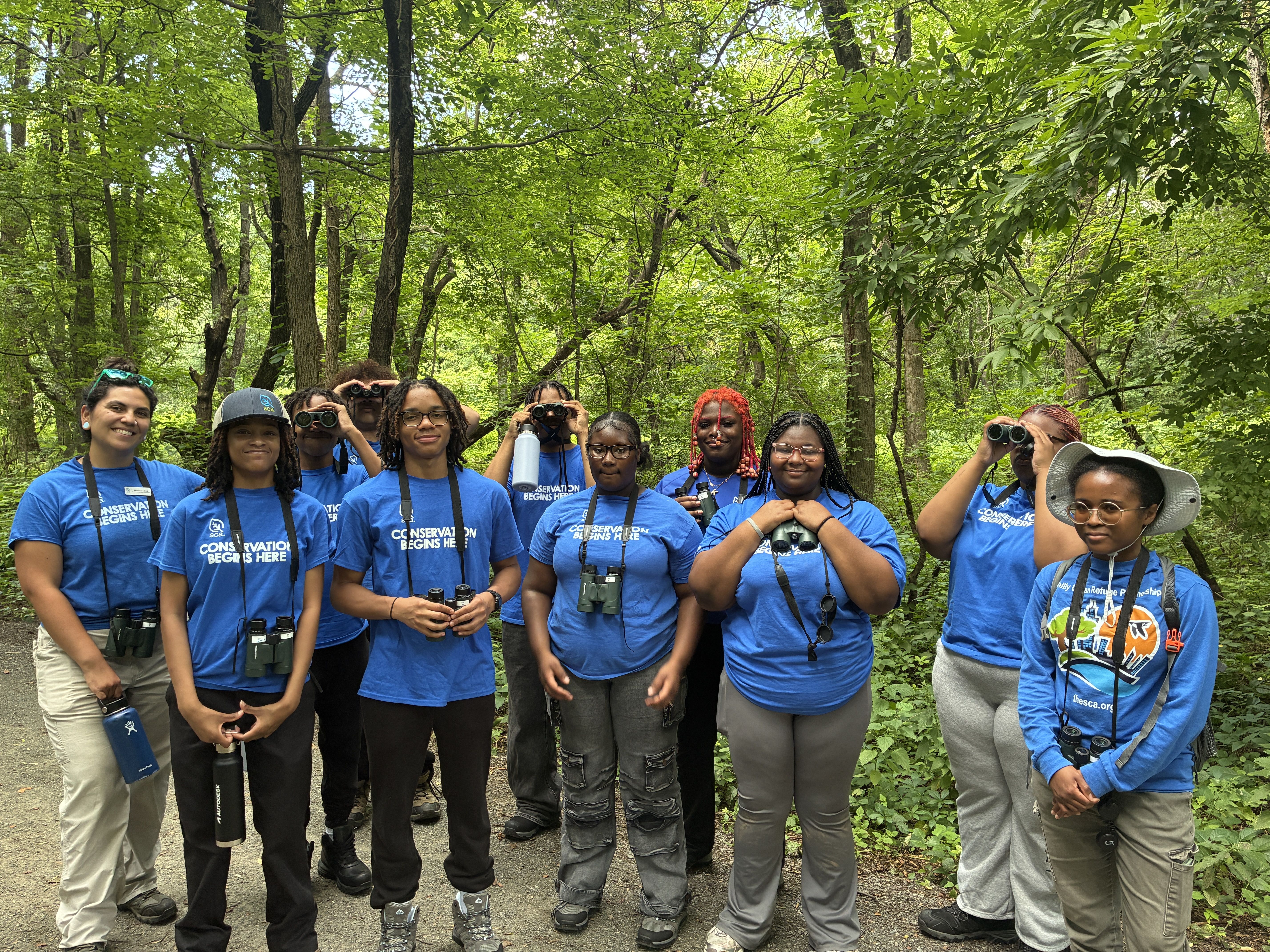
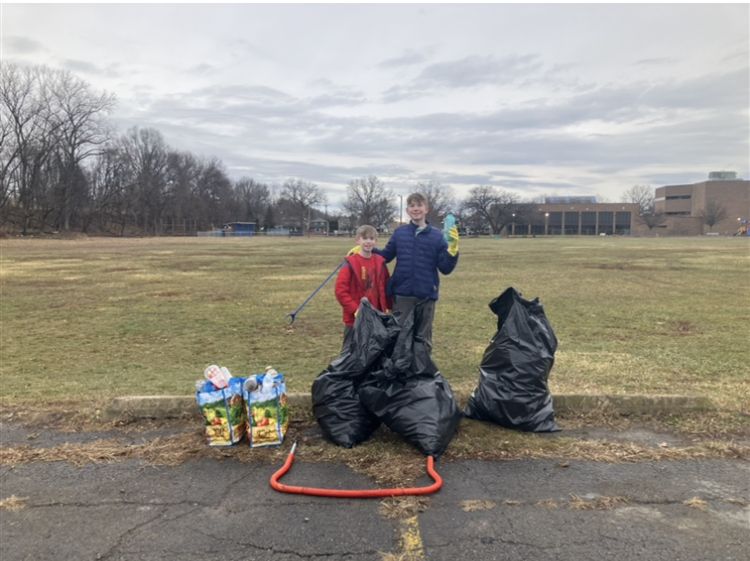
    As part of the Philadelphia Zoo’s 250,000 Actions for Animals Challenge, two young boys picked up nearly 80 pounds of trash at a park in Wilkes-Barre, Pa.Courtesy of the Philadelphia Zoo

    Through our 250,000 Actions for Animals Challenge, we are asking Philadelphia — and the world — to complete a quarter million individual actions by the end of 2026 that make life better for animals, habitats, and the people who share space with them.

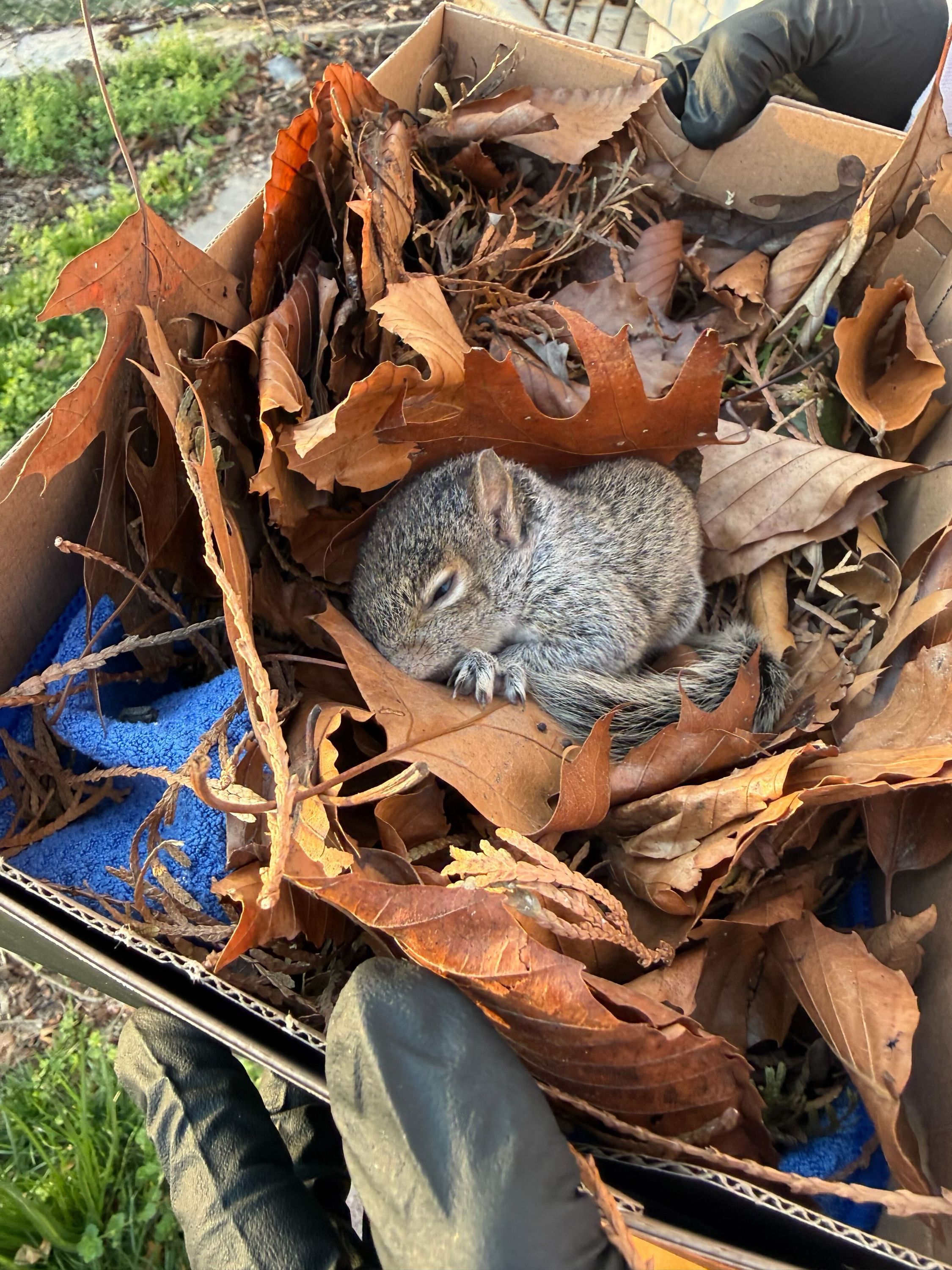
    When a baby squirrel fell out of its nest, a Manayunk resident took care of them overnight and transported them to a rescue the next day.Courtesy of the Philadelphia Zoo

    Some actions are wonderfully simple: Plant native flowers. Pick up litter. Refill a bird bath. Make a sustainable swap. Participate in a wildlife survey. Help an animal in need. Introduce a child to nature. None of them require expertise or money. They require only the decision to act, repeated.

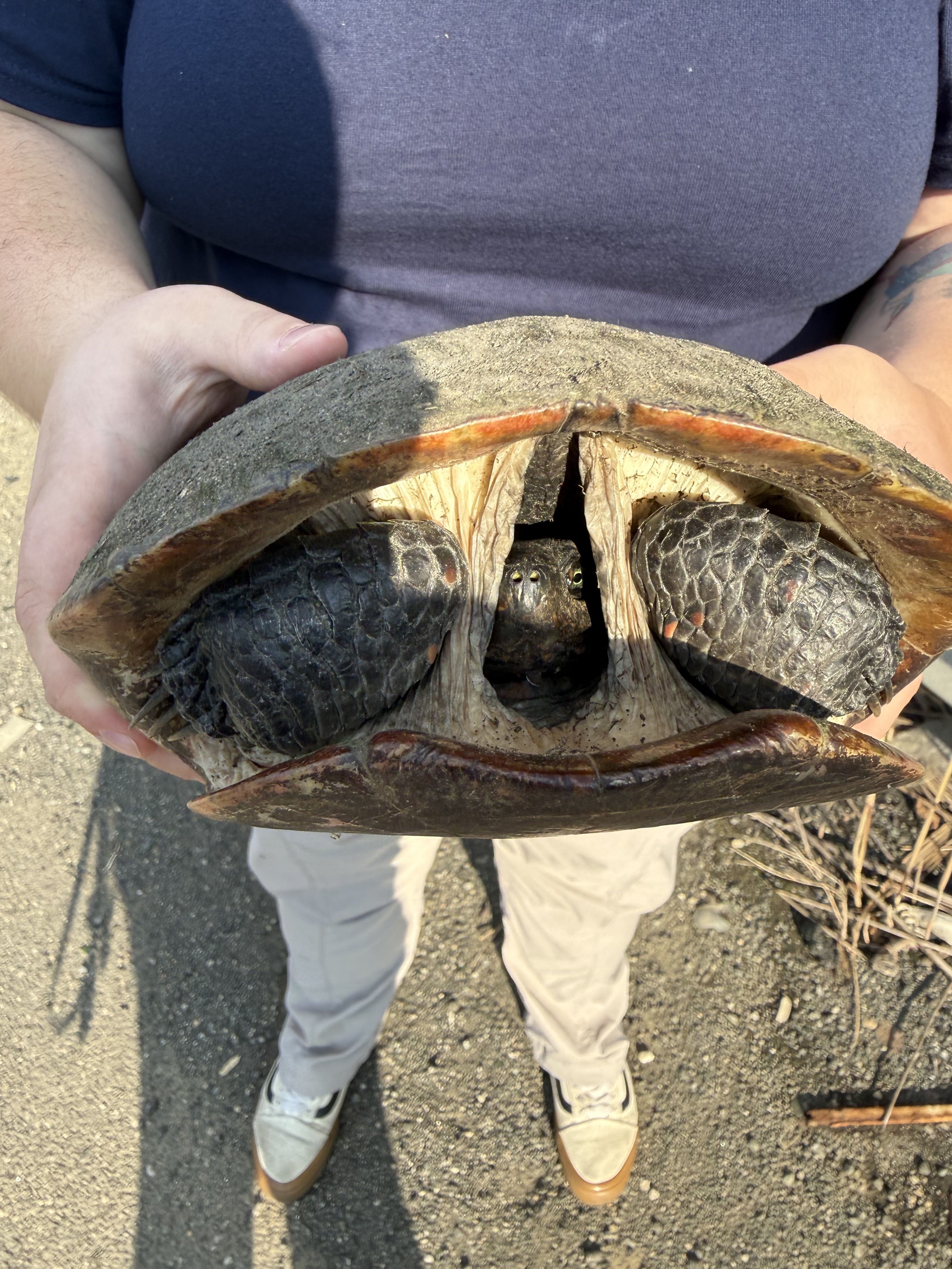
    An individual in Philadelphia saved an endangered red-bellied turtle who was caught in the middle of crossing a busy highway.Courtesy of the Philadelphia Zoo

    Our community is answering the call. A Tinicum resident has stopped traffic to help snapping turtles safely cross a four-lane highway.

    A family in Mantua planted 500 plants and bulbs in memory of a city worker who died in the line of duty.

    Neighbors in Fort Washington faithfully refill bird baths and tend butterfly gardens.

    A mother and toddler in the Lehigh Valley have spent two summers raising caterpillars into monarch butterflies, and their backyard is now a thriving ecosystem the monarchs return to.

    These individual actions will never appear on a list of Philadelphia firsts. But multiply them by 250,000, and they become something remarkable. In many ways, this is how change has always been made — through individual choices repeated until they become collective action.

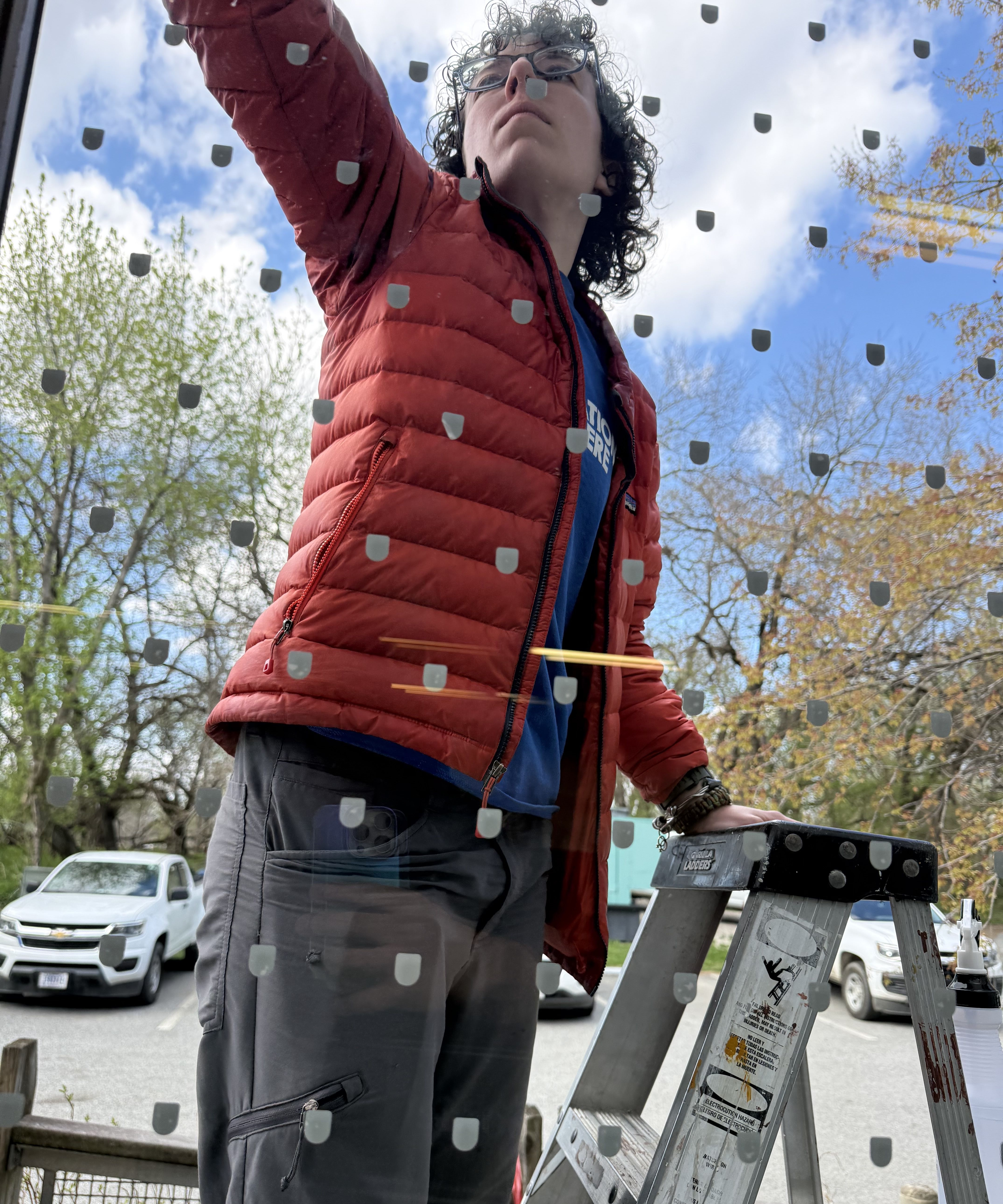
    An individual helped install bird-safe window decals at John Heinz National Wildlife Refuge in Tinicum.Courtesy of the Philadelphia Zoo

    Philadelphia Zoo is proud to have been first. We are proud of the generations of people who have made this institution a leader in wildlife conservation, education, animal care, and innovation.

    But as Philadelphia and America celebrate 250 years, our greatest responsibility is not simply to honor what came before us. It is to decide what we want the next 250 years to look like — for wildlife, for people, and for the planet we share.

    Our future won’t be written by a handful of grand gestures, but by a multitude of individual actions — turtle by turtle, season by season, neighbor by neighbor — growing into something much bigger: a movement.

    Submit your actions for animals at philadelphiazoo.org.

    Dani Hogan is the director of mission integration at the Philadelphia Zoo, and Jo-Elle Mogerman is the zoo’s president and CEO.

  • It’s time med school deans start talking about RFK Jr.

    It’s time med school deans start talking about RFK Jr.

    Few positions carry more authority in American medicine than that of medical school dean. They don’t just shape curriculums; they shape how medicine is practiced. They don’t just oversee students; they oversee massive clinical enterprises, set research agendas, and manage budgets of hundreds of millions of dollars. Almost all had illustrious careers as researchers or clinicians, and they are among the most authoritative voices in medicine.

    Yet, as Robert F. Kennedy Jr. methodically undermines our government’s commitment to science and public health, the voices of medical school deans are barely audible. For all the statements individual physicians and medical professional societies have issued defending vaccines and denouncing RFK Jr., it is striking how few sitting medical school deans have publicly called the health secretary out by name.

    When RFK Jr. was nominated to head the U.S. Department of Health and Human Services in November 2024, my colleagues and I were shocked. We started petitions, called our representatives, wrote op-eds. But we knew we were just individuals. So we waited for our leaders to lead the fight against his nomination.

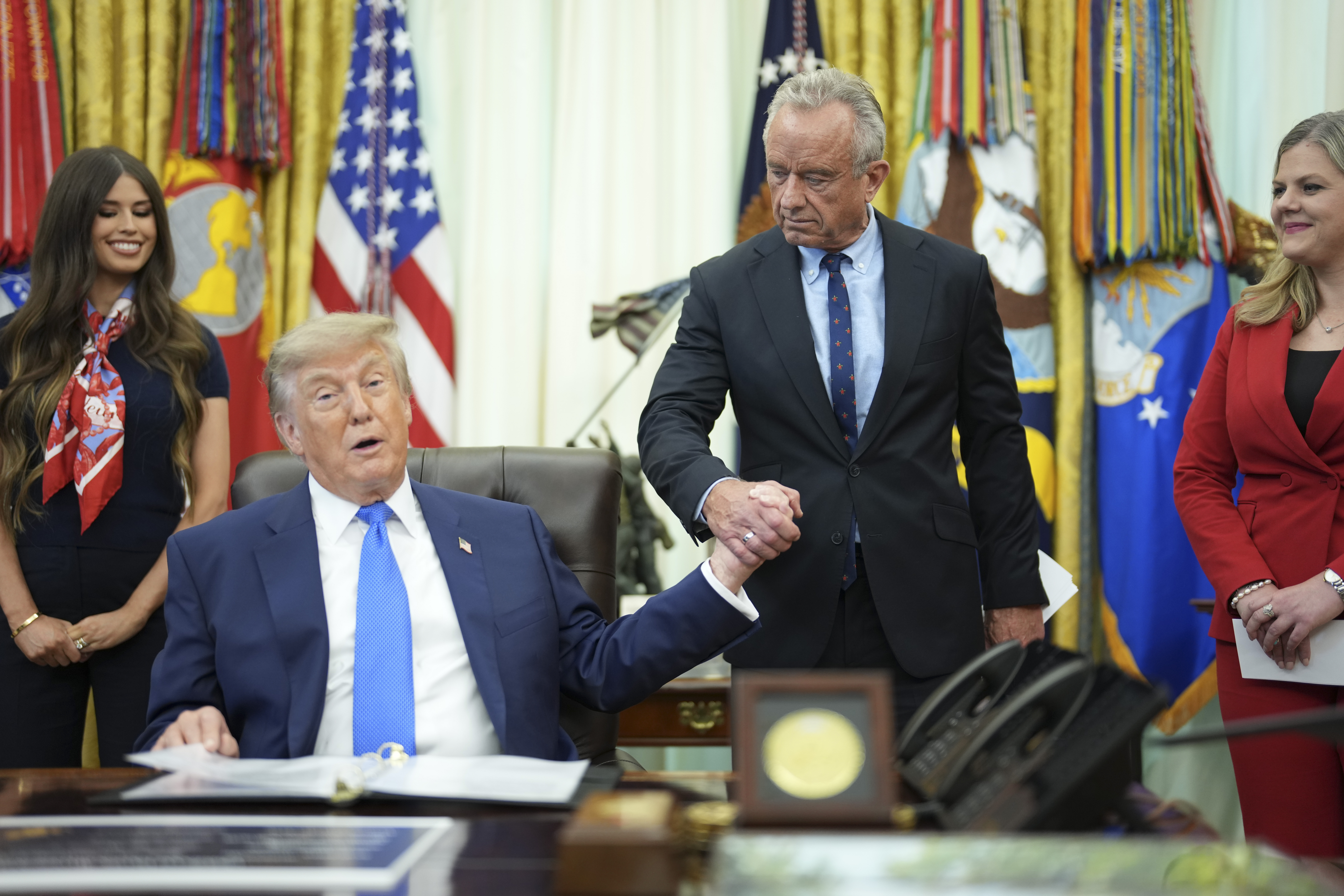
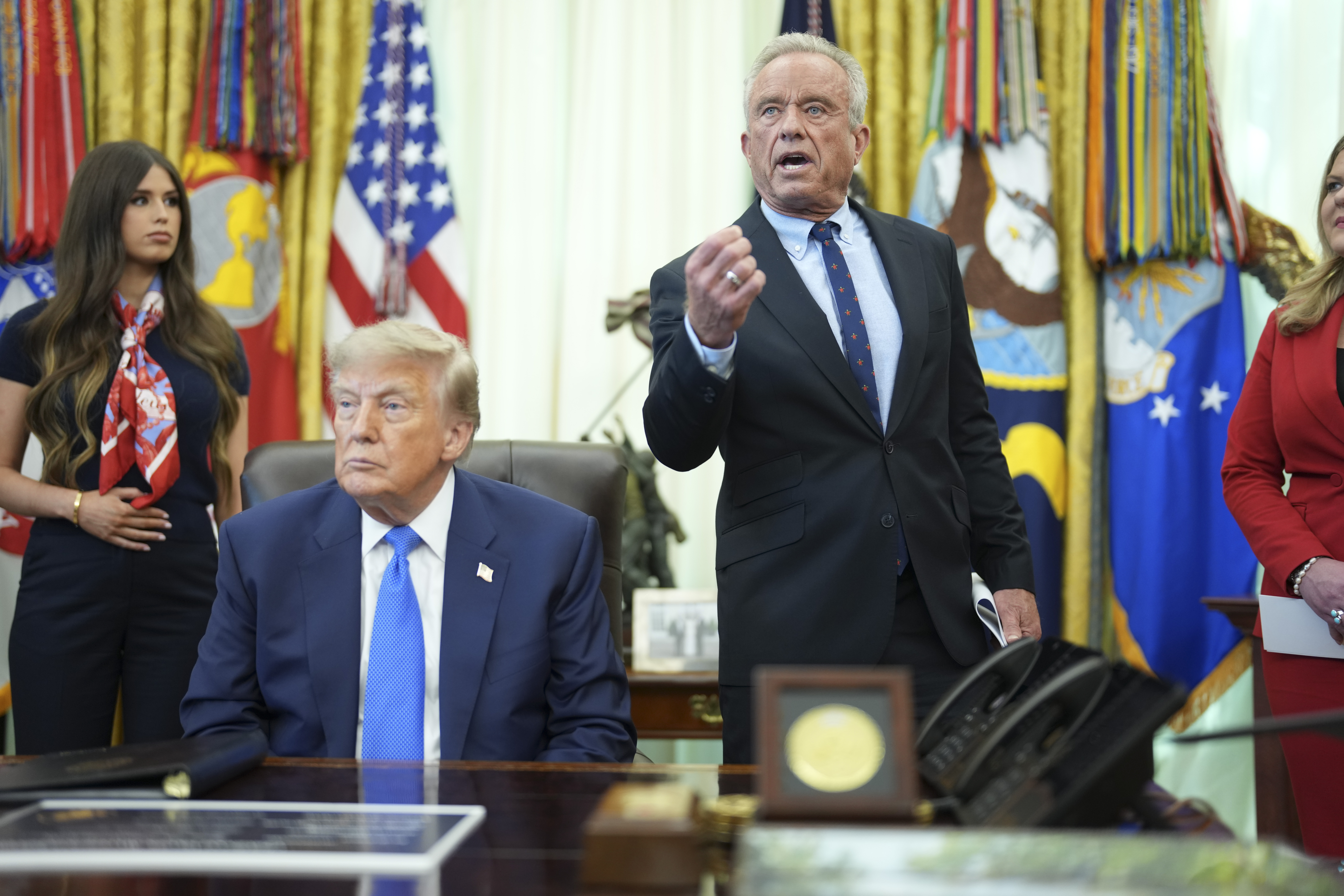
    Health and Human Services Secretary Robert F. Kennedy Jr. speaks from behind President Donald Trump during an executive order signing event on reducing the number of recommended childhood vaccines in the Oval Office of the White House in Washington, on Aug. 10.DOUG MILLS

    Personally, I envisioned a news conference in which the deans of America’s 200-plus medical schools would stand together — arms linked — and state their position on RFK Jr’s nomination clearly: “An anti-vax conspiracy theorist as HHS secretary? Over our cold dead bodies.”

    Of course, that news conference never happened.

    A year and a half later, the consequences of RFK Jr.’s appointment — including eroding public confidence in vaccines — are getting harder to ignore. Measles cases are surging, with 460 confirmed cases in Pennsylvania this year and 83 hospitalizations. Nationwide, annual cases of measles are at their highest number in 30 years — and it’s only September.

    Meanwhile, the vaccination rates against measles at Philadelphia schools are dropping to dangerously low levels, with 98 Philadelphia-area schools reporting vaccination rates below 90% — well below the 95% needed to provide herd immunity for those too young or too sick to be immunized. But measles is just the canary in the coal mine. When vaccination rates fall far enough to allow measles to regain a foothold, it is a warning that a resurgence in other preventable childhood diseases may not be far behind.

    Are the deans of American medical schools alarmed? I know they are. So why haven’t more spoken out — and why hasn’t American academic medicine spoken with anything approaching a unified voice?

    The answer, I suspect, is fear. Academic medical centers, after all, depend on federal funding, and leaders of medical schools have employees to protect, clinical operations to run, and institutions that can be damaged by federal retaliation. Their boards of trustees no doubt counsel them to stay out of the fray. Support vaccination? Sure. Defend science? Of course. Mention RFK Jr. by name? That seems to be where the line is drawn.

    So while American medical schools — and their leaders — have accumulated enormous cultural capital, they seem reluctant to spend it when it matters most. And for institutions that have been criticized for being overly focused on their multibillion-dollar hospital systems and lucrative industry partnerships, that timidity risks tarnishing the very reputation they have spent decades building.

    Perhaps keeping their heads down and waiting for all this to blow over is the prudent strategy. Just a few more years, the thinking goes, until the political winds change, order is restored, and we go back to the way things were before.

    But maybe not.

    Because increasingly, silence feels like assent. And once we normalize government health officials contradicting established scientific evidence, it may be difficult to put the genie back in the bottle.

    So let me make a plea. The next time you are horrified by something outrageous RFK Jr. says or does — don’t call your local member of Congress. Call your local medical school dean. Tell them you know a dean who speaks out alone may risk retaliation, but a hundred deans speaking together cannot be dismissed.

    Remind them that the levers of power do not only reside in Washington, D.C. They exist throughout civil society, and that medical deans are far more influential than they may appreciate.

    Tell them there is still time to hold that news conference.

    David Oxman is a critical care physician and member of the Committee to Protect Healthcare.

  • Pa. must institute statutory protection for the right to contraception and fertility treatment

    Pa. must institute statutory protection for the right to contraception and fertility treatment

    Sixty-one years ago, the U.S. Supreme Court decided Griswold v. Connecticut — striking down a state law that banned married couples from using contraception. The court recognized what should have been obvious: that the most intimate decisions people make about their bodies, their families, and their futures belong to them, not to the government. That ruling established the constitutional right to privacy, and laid the foundation for modern reproductive healthcare.

    Today, those rights are not as secure as they once seemed.

    The political landscape has shifted. Forces that once operated at the margins of American politics are now driving policy — and contraception is squarely in their sights, along with access to in vitro fertilization (IVF) and even vaccines.

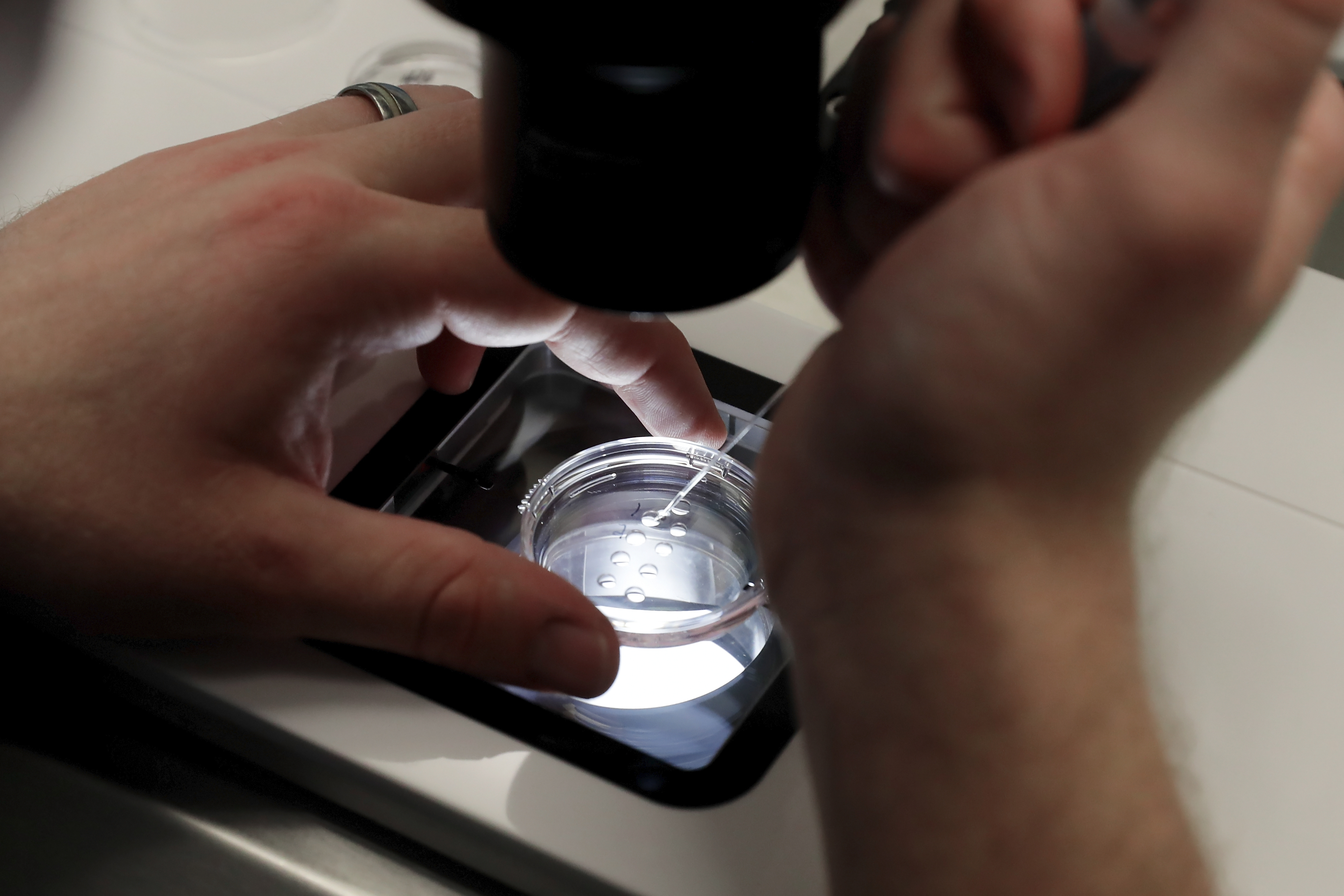
    Lab staff prepare small petri dishes, each holding several 1- to 7-day-old embryos, for cells to be extracted from each embryo to test for viability, at the Aspire Houston Fertility Institute in vitro fertilization lab in 2024 in Houston.Michael Wyke

    The legal landscape has also shifted, with the Supreme Court a standout case in point when it issued its decision in Dobbs v. Jackson Women’s Health Organization and took away women’s hard-fought right to abortion care.

    In his concurring opinion, Justice Clarence Thomas went even further in his endeavor to strip women of their bodily autonomy. He wrote that the court should “reconsider” earlier rulings, specifically naming Griswold. The right to contraception has been settled law for more than half a century, and this was not an offhand comment. It was a sitting Supreme Court justice signaling that, in his view, the constitutional protection for birth control could be reconsidered next.

    Those of us in Harrisburg cannot wait for that to happen.

    That is why I introduced legislation to ensure everyone in Pennsylvania has a clear statutory protection to the right to contraception and fertility treatment, no matter what the Supreme Court does. If Washington will not protect this right, Pennsylvania will.

    The same constitutional principles Griswold recognized — privacy, autonomy, and freedom from government interference in personal medical decisions — deserve protection under state law, so no court ruling can strip them from Pennsylvanians overnight.

    We have already seen how quickly long-established rights can disappear. We watched Roe v. Wade fall in Dobbs. We have seen misinformation about birth control spread — false claims that common forms of contraception are abortifacients — designed to create legal grounds to restrict them.

    The attacks on reproductive freedom are systematic, and they are escalating.

    Contraception and fertility treatment are a part of everyday life for millions of Americans. People use birth control to plan their families, pursue their education and careers, and manage health conditions like endometriosis and polyendocrine metabolic ovarian syndrome (PMOS). These are deeply personal decisions that belong to individuals and their doctors — not politicians.

    Supporters of abortion access listen to Democratic State Rep. Mary Jo Daley speak in 2022 in Harrisburg.Mark Pynes | pennlive.com / AP

    The public understands that. Americans overwhelmingly support the right to contraception, including strong majorities of Democrats, Republicans, and independents.

    Yet, there remains a gap between what the public supports and what some lawmakers set out to personally and politically accomplish. That is why action by states matters.

    The lesson of Dobbs is that rights cannot be taken for granted.

    Pennsylvania has an opportunity to act before another right comes under attack. The question is not whether contraception and fertility treatments deserve protection. The question is whether we are willing to protect them.

    I am. And I hope my colleagues are, too.

    State Rep. Mary Jo Daley (D., Montgomery) represents the 148th Legislative District. She is cochair of the Pennsylvania Women’s Health Caucus.

  • When it comes to sportswashing, Trump is off to the races

    When it comes to sportswashing, Trump is off to the races

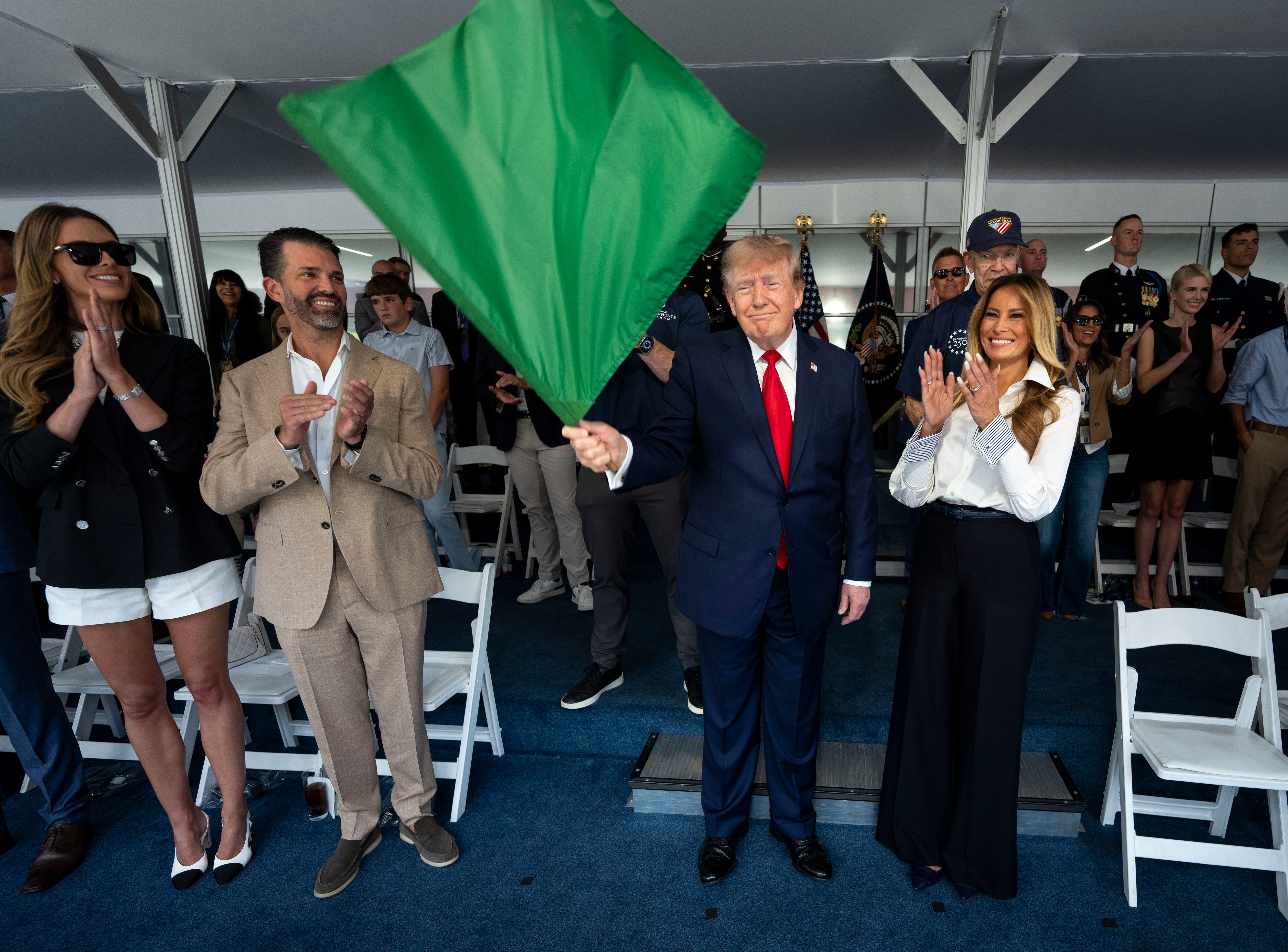
    Donald Trump seemed genuinely happy last Sunday as he waved the green flag to start the Freedom 250 Grand Prix, the first IndyCar race in the nation’s capital. Whether you regarded the event as crass exploitation or a rousing sports presentation, it certainly wasn’t surprising.

    Way before he became a politician, the president was an entertainer.

    Trump made cameos in movies, headlined his own reality TV show, The Apprentice, and organized high-profile boxing matches and MMA fights at his casinos. He owned the Miss Universe pageant and a football franchise of the short-lived USFL, brought in Michael Jackson to the grand opening of his Trump Taj Mahal in Atlantic City, and he even “fought” in wrestling bouts himself.

    As a journalist based in Berlin, I’ve done a great deal of reporting over the past decade about the global tilt to the political right. What Trump has done as president, especially in his second term, echoes what autocrats around the world do to boost their public image.

    The race was already the final event of Trump’s attempt to commandeer America’s Semiquincentennial festivities under the Freedom 250 banner. But just in case it wasn’t clear who the star was, the military flyover and the presidential limousine cruising down Pennsylvania Avenue before the race made it obvious. The president was also front and center (it was coincidentally his birthday, after all) when he used the South Lawn of the White House to host a mixed martial arts event on June 14.

    It seems fitting that, just like Trump’s family businesses have no problem taking large amounts of money from the leaders of authoritarian nations like Saudi Arabia and the United Arab Emirates — including $2 billion to a private equity firm founded by son-in-law Jared Kushner and $500 million for the Trumps’ crypto ventures — the president would also take to their sportswashing playbook.

    Both the Saudi government and the UAE have used sports and entertainment to improve their global reputation and distract from allegations of human rights abuses and repressive policies.

    Trump’s supporters may argue that the president’s great race wasn’t much different from the high-profile sporting contests that are held in European capitals — and they would be right, up to a point. A crucial difference is that most of those European events have historical and communal aspects to them that are very different from the spectacles Trump is setting up left and right.

    The Monaco Grand Prix, for instance, was first held in 1929, during a time when European motor sports were gradually turning professional. In the years leading up to the first race in the principality, other famous European circuits like Monza, the Nürburgring, or Spa-Francorchamps had held their first races, so it was fitting for the time.

    The Tour de France has been held since 1903 and was founded as a marketing ploy for a French sports paper. The first tour consisted of only six stages, ended in a small suburb of Paris, and developed steadily over time to become the global phenomenon we know today. Formula E races are held in world capitals, but in restricted spaces like former airports or fairgrounds.

    Trump’s Freedom 250 Grand Prix had more in common with the Azerbaijan Grand Prix in Baku.

    A former member state of the Soviet Union, Azerbaijan had been ruled autocratically by former Azerbaijani KGB head Heydar Aliyev since 1993. Shortly before his death in 2003, he had his son take over in an election described as fraudulent by independent observers. Ilham Aliyev has been ruling the country ever since — and has implemented a thorough sportswashing strategy for more than a decade.

    Baku has hosted European Football Championship games and has been a sponsor of Spain’s Atlético Madrid. For the grand prix, the country pays 40 million to 50 million euros per year to Formula One — all while freedom of speech is highly restricted, journalists are being jailed, and there’s a gap — in both income and equity — between the shiny capital of Baku and the rural areas filled with subsistence farmers.

    With the ongoing war in the Middle East, the Jeffrey Epstein issue still looming, and the cost of living continuing to rise thanks to his bad policies, Trump may believe he can paper over the cracks with a checkered flag.

    After all, if the people can’t afford bread, Trump’s happy to give them circuses.

    Wim Orth is a journalist with WELT in Berlin and an Arthur F. Burns fellow at The Inquirer.

  • Four years after Nick Elizalde’s death, I’m rooting for Roxborough football

    Four years after Nick Elizalde’s death, I’m rooting for Roxborough football

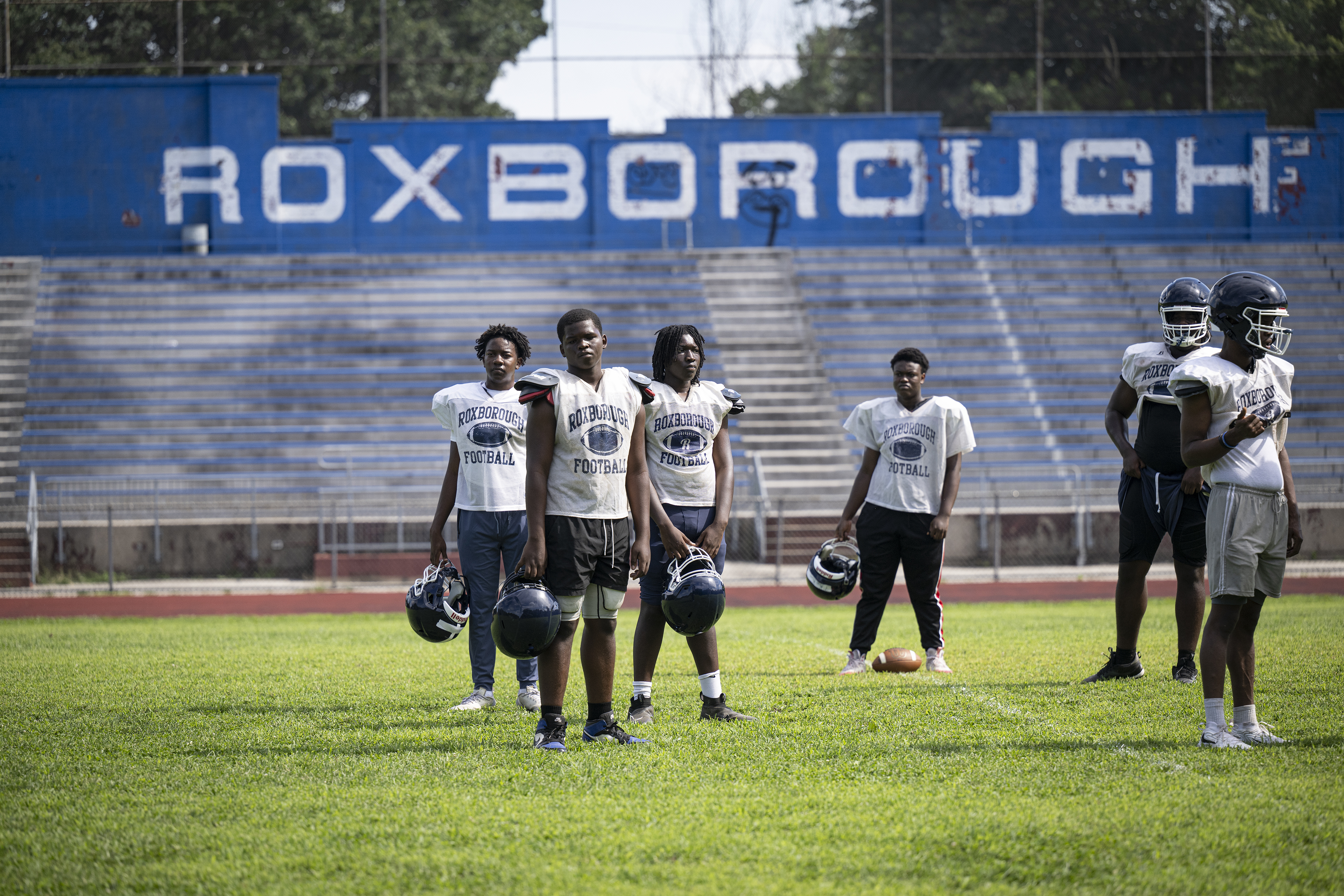
    School is back in session, and a fresh high school football season is underway, so foot traffic has picked up on the sidewalk on Pechin Street that separates the locker room at Roxborough High School from its dusty, weathered, 87-year-old football stadium.

    At least twice a day, down a short hill along that stretch of sidewalk to practice or a game and back up, players and coaches pass a well-tended bronze memorial for Nick Elizalde, the 14-year-old freshman who had only started playing football at Roxborough four years ago.

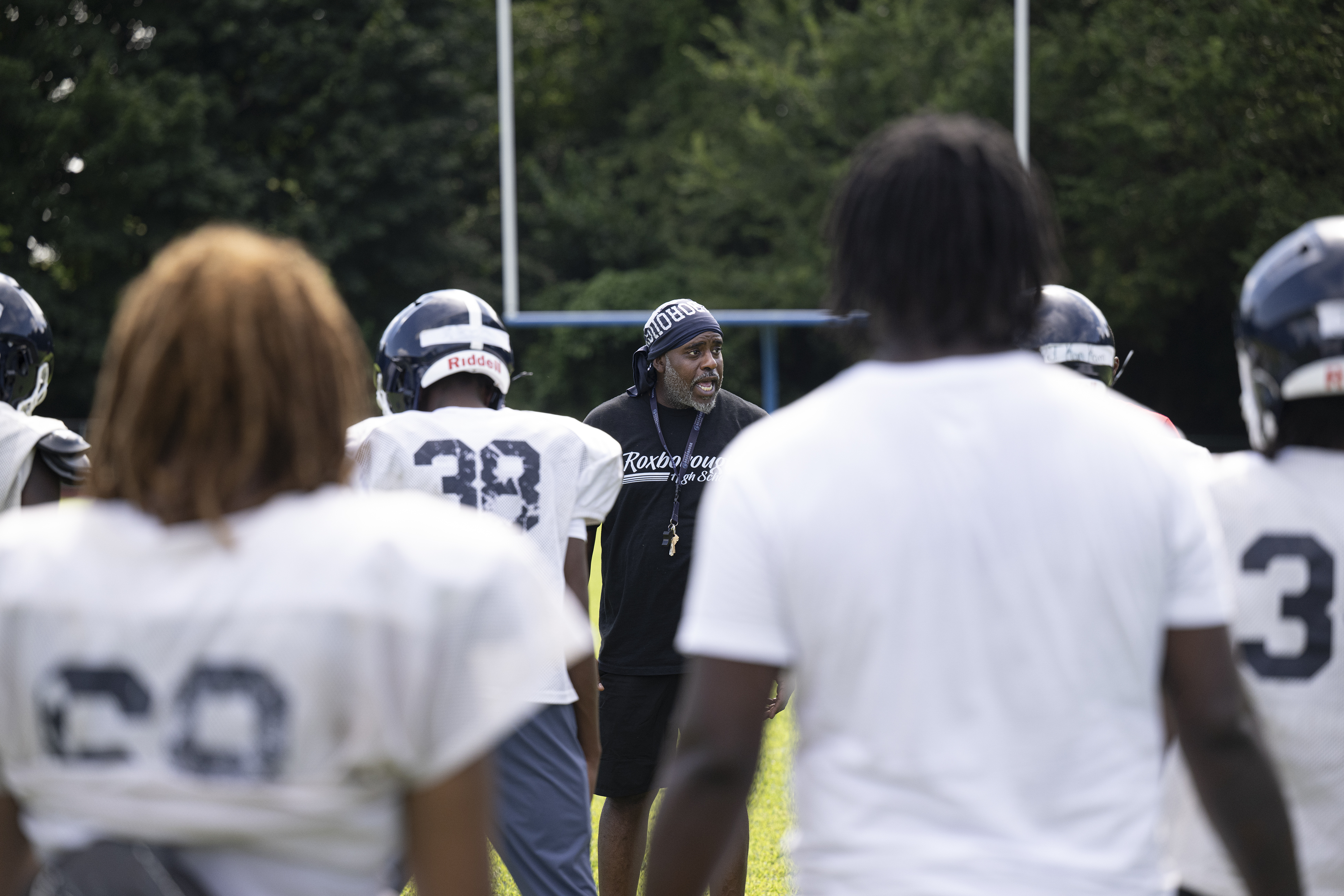
    “Quiet kid, wasn’t very outspoken. But he was starting to open up and become more social,” Marc Skinner, the 47-year-old head football coach at Roxborough, told me before practice last week. “Then we ran into that tragedy.”

    Yes. That tragedy. The memorial is roughly at the spot where Nick was gunned down when five shooters fired more than 60 bullets toward a group of football players following an afternoon scrimmage on Sept. 27, 2022. Skinner, then an assistant coach, was there.

    But none of the 35 or so members of the current Roxborough football team were there because they all were in junior high school. Two captains, senior defensive end Zaid McDonald and senior quarterback Javon Jones, said they certainly know about Nick even though they never got a chance to meet him.

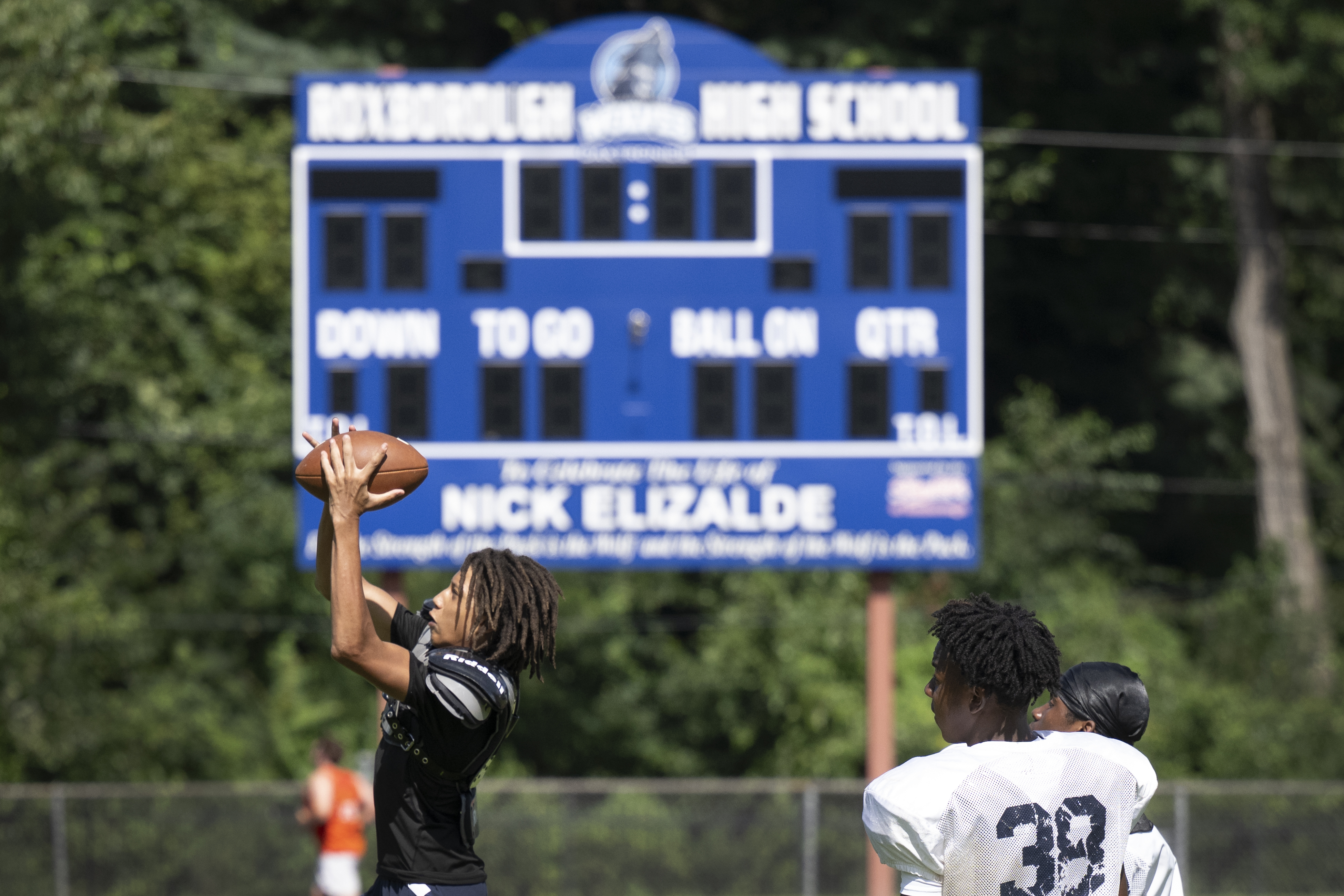
    There is a new mural with a large “62” — Nick’s jersey number — at the back of the school, and a new scoreboard at the field celebrating Nick. Skinner said he was planning to put No. 62 stickers on the players’ navy-blue helmets before Friday’s season opener.

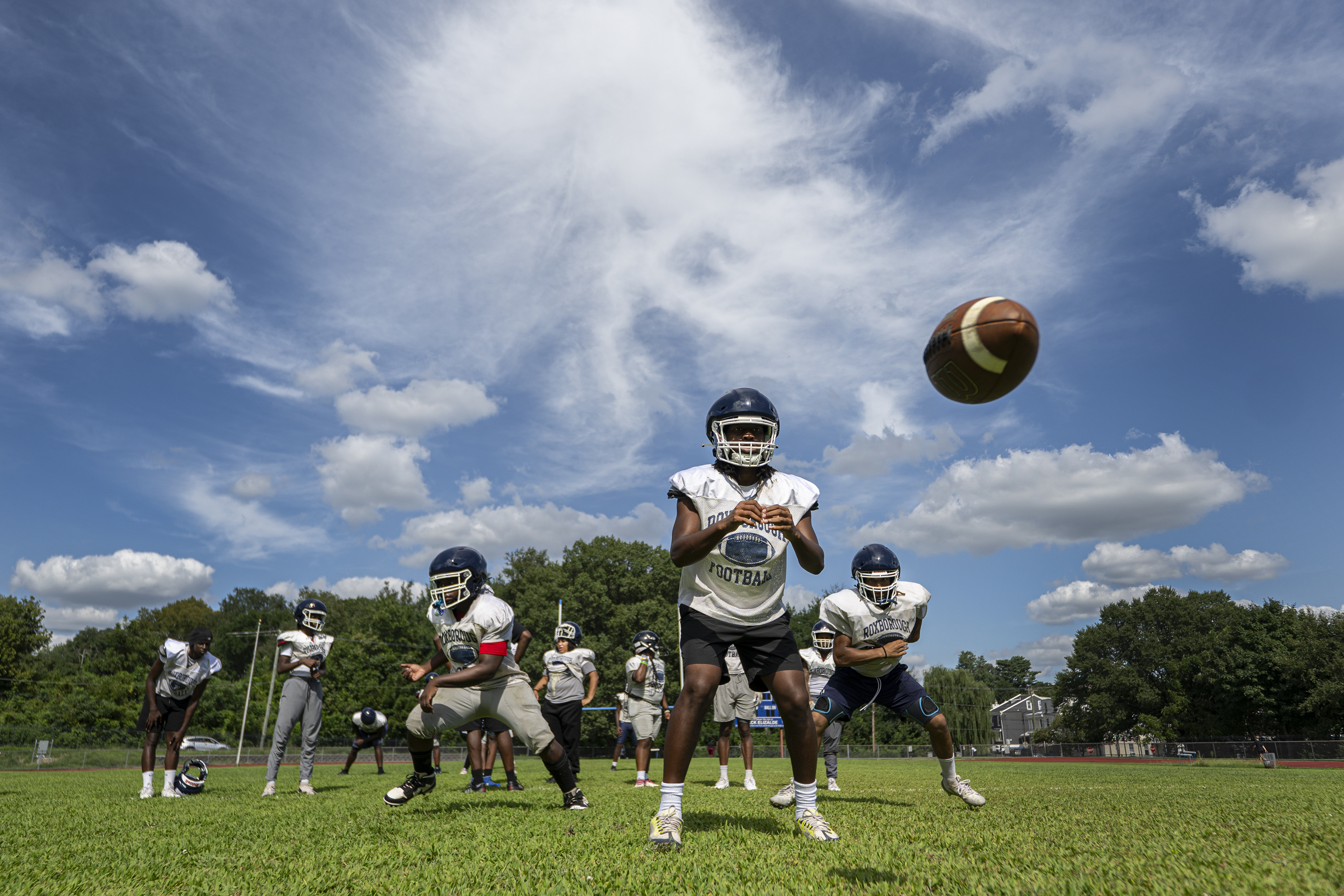
    Roxborough High School football players gather for on-field drills during an after-school practice Aug. 21 at Nick Elizalde Stadium.Jose F. Moreno / Staff Photographer

    But make no mistake: The Roxborough Wolves are excited about their chances this season. Last year’s team won four of its 11 games, and the first winning season in seven years feels within reach. As Jones said of the 2025 season, “I feel like we got better as the season went on.”

    McDonald would add, smiling, “Playing for Roxborough — oh, you really got to work, because not everyone is on the same level.”

    Of 571 high school football teams in Pennsylvania, Roxborough ranked 514th entering the season, according to the MaxPreps ratings website. But the Wolves, like the 570 other teams, will start each game this fall with a 0-0 score and a fighting chance.

    And I, for one, hope to be at as many Roxborough games as I can. I live a 20-minute walk from the stadium, and as someone who both played and then wrote about high school football way back in the day, the competition is as spirited and ferocious here as anywhere. Really.

    It is just that the backdrop is a little different. Games tend to be played Friday after school. Admission is free. Seats in the 2,100-seat grandstand, with a fence still separating Roxborough fans from visiting fans, are easy to find, because 100 people, tops, might show up. There is a dance team on occasion, but there are no lights, no refreshment stand, no press box, no programs, and no marching bands. The patchy grass gridiron is lined only every 10 yards.

    Roxborough football coach Marc Skinner leads his team during practice on Aug. 21. Of the Wolves’ 4-7 record last year, one player said, “I feel like we got better as the season went on.”Jose F. Moreno / Staff Photographer

    How some things have changed. The Academies at Roxborough High School, the full name of the stately, 102-year-old institution on Ridge Avenue in Northwest Philadelphia, has an enrollment of only about 600 students, less than one-third the school’s size in 1972.

    The stadium, built for $300,000 by the Works Project Administration, opened on Oct. 7, 1939, for a 14-0 Roxborough victory over Olney. About 3,000 showed up, The Inquirer reported. It was Roxborough’s first game in the Philadelphia Public League.

    The very next year, a full-out riot broke out after players from Roxborough tangled with players from Simon Gratz during a 33-0 Roxborough victory, with many fans joining in. Three Philly cops were needed to help the two flustered head coaches break up the melee.

    Roxborough won Public League titles in 1957 and 1963, but it had become an also-ran in recent years. A Thanksgiving Day game against Roman Catholic ended in 2018 because Roxborough had not won since 1991, and lost each of the last 14 games by three touchdowns.

    Skinner, who became the head coach in 2023, said turnout for football slipped during the pandemic and after the shooting, with a few potential opponents telling him they’d rather not play at Roxborough. The besieged 2022 team won its only game 11 days before the shooting.

    Each of the 35 or so members of the current Roxborough football team was in junior high school when Nick Elizalde was fatally shot four years ago following a scrimmage at the school.Jose F. Moreno / Staff Photographer

    “We have kids from different walks of life, and we’re bringing them together to do something they thought they could never do,” Skinner said.

    A year after the shooting, the school changed its nickname from Indians to Wolves. The wolf was Nick Elizalde’s “spirit animal”: For the strength of the pack is the wolf, and the strength of the wolf is the pack, reads an inscription under his name on the new scoreboard.

    Kristin Williams Smalley, the principal at Roxborough, told me two years ago that the school had been considering a new nickname, and she said: “The mascot was not necessarily named to honor him. It just happened that all of the stars aligned, and the wolf was selected.”

    But the name change helped to reset, or refocus, the football program, Skinner said. Because of suspensions and academic ineligibility, Roxborough had only 17 players for a game last year against Olney. But the Wolves stuck together, played hard, and lost by only 22-7.

    “Upon further reflection, the wolf is the perfect mascot to represent the Academies at Roxborough High School,” Williams Smalley said. “Wolves are complex, highly intelligent animals who are caring, playful, and above all devoted to family. That is who we are!”

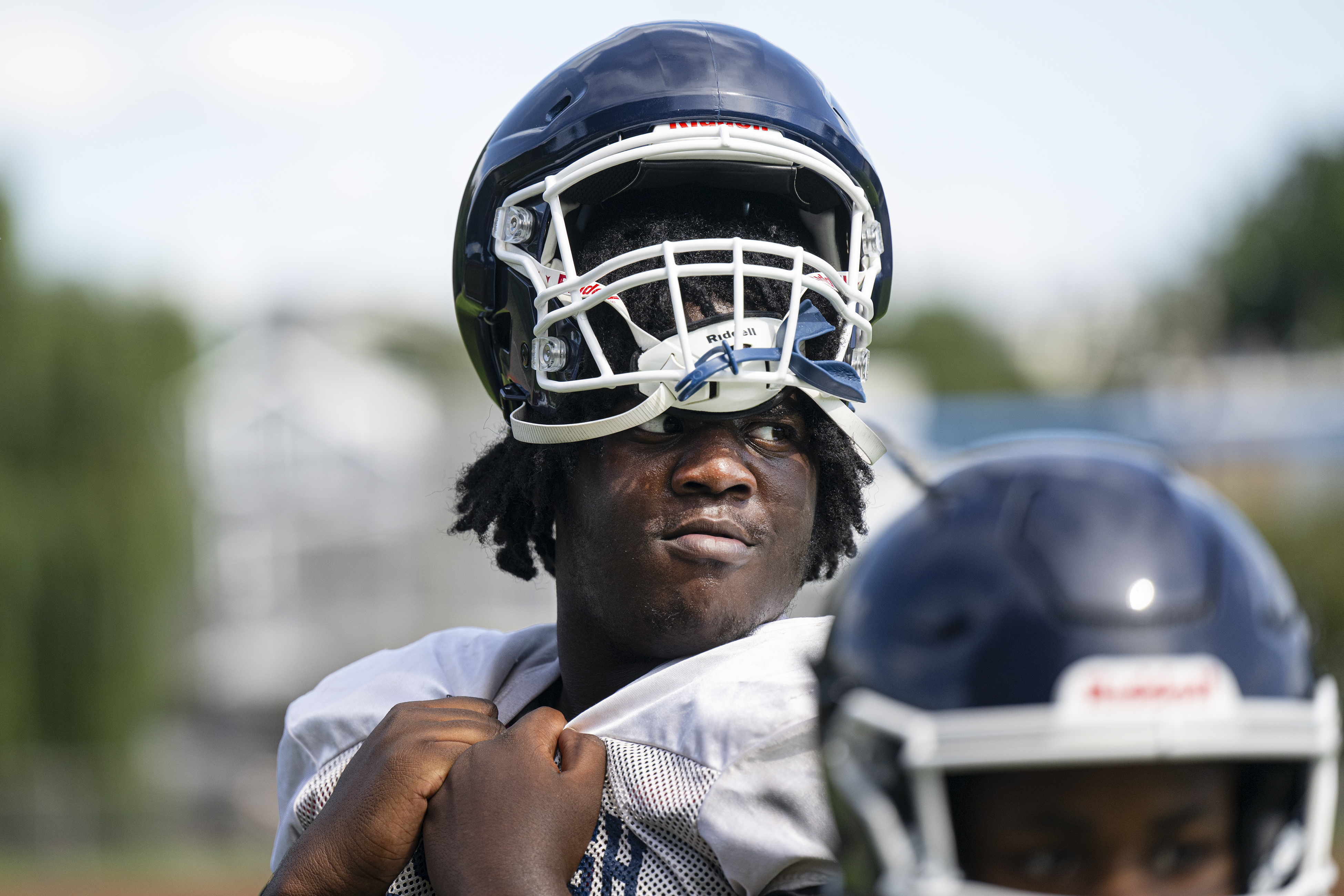
    Roxborough football player Domenick Washington, a defensive tackle, looks on during practice on Aug. 21.Jose F. Moreno / Staff Photographer

    The best high school football players don’t have to stay close to home anymore. The best scholastic player in Pennsylvania last year was Joey O’Brien, a wide receiver and safety from La Salle College High School, the state Class 6A champs. O’Brien, now a freshman at Notre Dame, played for the Roxborough Eagles youth program. Skinner never met him.

    He and his small staff will do the best with who shows up. These Wolves have worked hard, and together, during the offseason, he said, but there are still a few students each year who only decide to join the football team after school starts. Skinner brings them on. Nick was a student at Saul High School, but because it doesn’t have any athletic teams, he played for Roxborough.

    The players on this team were too young to be around, but the coaches and many former players did know him, and could recall that awful afternoon in 2022. It needs to be remembered, but as Skinner says, “We just try not to dwell on it.”

    So, click-clacking on their cleats, the players trudge up and down that hill on Pechin Street, past the site of the shooting. Four other teenagers were wounded on that awful day, and six people were arrested in connection with the shooting. The memorial to Nick serves as a reminder that the impact of gun violence is not so far away.

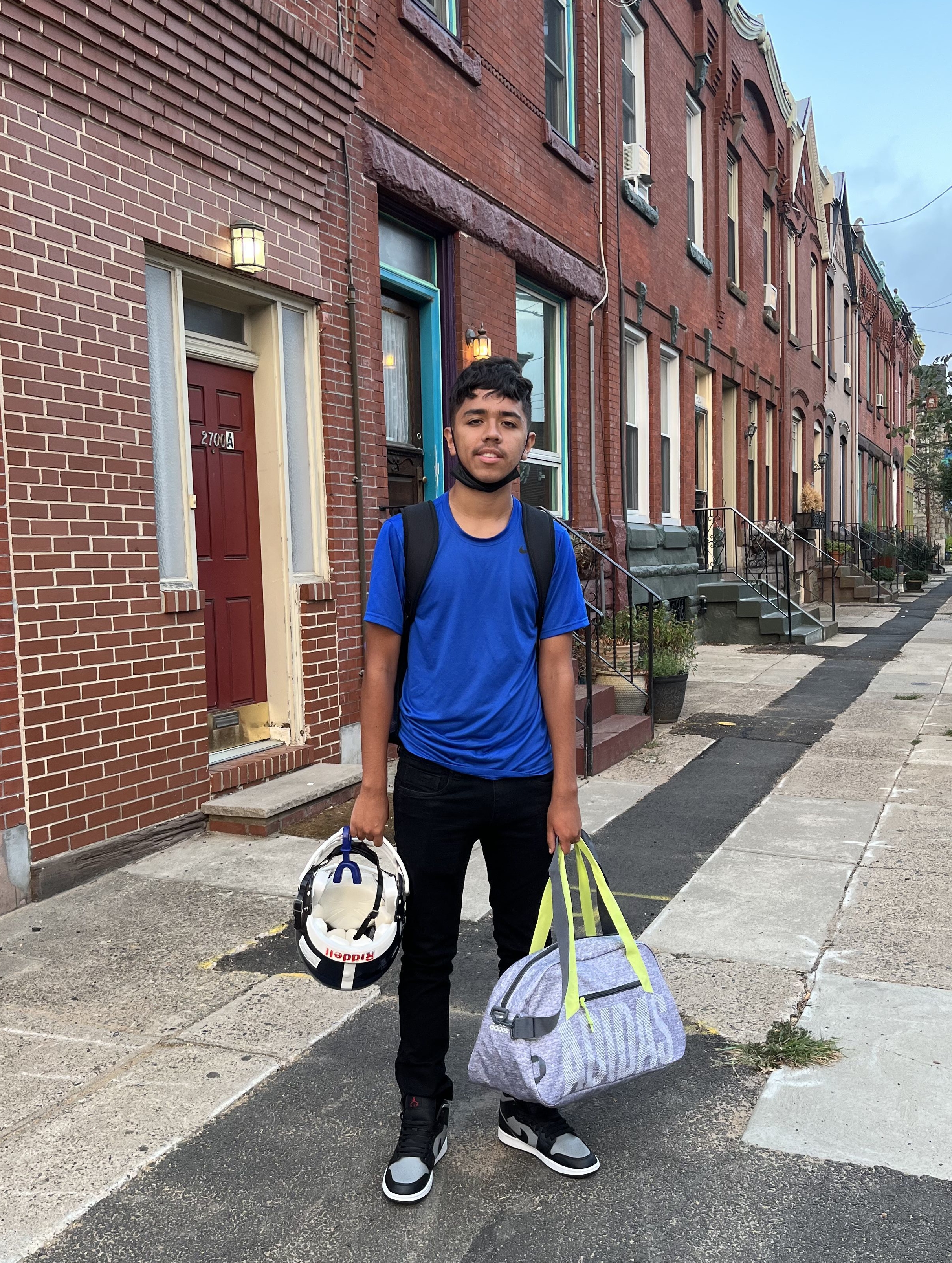
    Nick Elizalde, 14, waiting for the bus before his first day of ninth grade at Walter B. Saul High School in August 2022. Because Saul doesn’t have its own athletic teams, Nick played for Roxborough. Meredith Elizalde

    “We’re trying to keep our eyes open in the hope that our children are not involved in anything bad,” said Skinner, who is a member of the “climate staff” that keeps order at the school.

    Students come from all over the city: Zaid McDonald is from Germantown, and Javon Jones is from North Philadelphia. Each would love to go on to play college football, but the opportunity would come at a small school if it did, and Jones said he would go to trade school if it did not.

    But football is there for at least the next three months. A winning season and the playoffs are possible, just as they are for any of the state’s other 570 teams. And that is all any high schooler can ask for. Go see for yourself some Friday afternoon. Watch kids play football with joy.

    Dave Caldwell lives in Manayunk and covered sports for The Inquirer from 1986 to 1995.

  • Why we need vaccines

    Why we need vaccines

    Imagine you are a general about to go to war. The enemies are known to be fierce fighters. Would you rather have three soldiers on your side or 300,000?

    Let’s personalize it. You are the general of your body under attack by a new flesh-eating bacterium. Would you rather have three antibodies on your side or 300,000 antibodies? Survival or death? Pretty easy choice.

    There is a lot of misunderstanding surrounding vaccines, but their greatest value is in creating the antibodies to fight off initial infections.

    President Donald Trump, now playing a role as pseudo-physician, has announced an executive order to reduce the number of childhood vaccines from 17 to 11. Hepatitis B, one of the nastiest viruses, is among the vaccines that are no longer required.

    Hepatitis B is a highly infectious virus, even more infectious than HIV. Undetected, it can pass from a mother who is carrying the virus to a baby during birth, infecting the newborn on Day One of life. Months later, the virus has infected the liver, causing the newborn to be fatigued, not eating, maybe even jaundiced. Years later, they can develop chronic hepatitis B and even liver failure or cancer.

    What is remarkable is that all of this is preventable with a vaccine administered at birth.

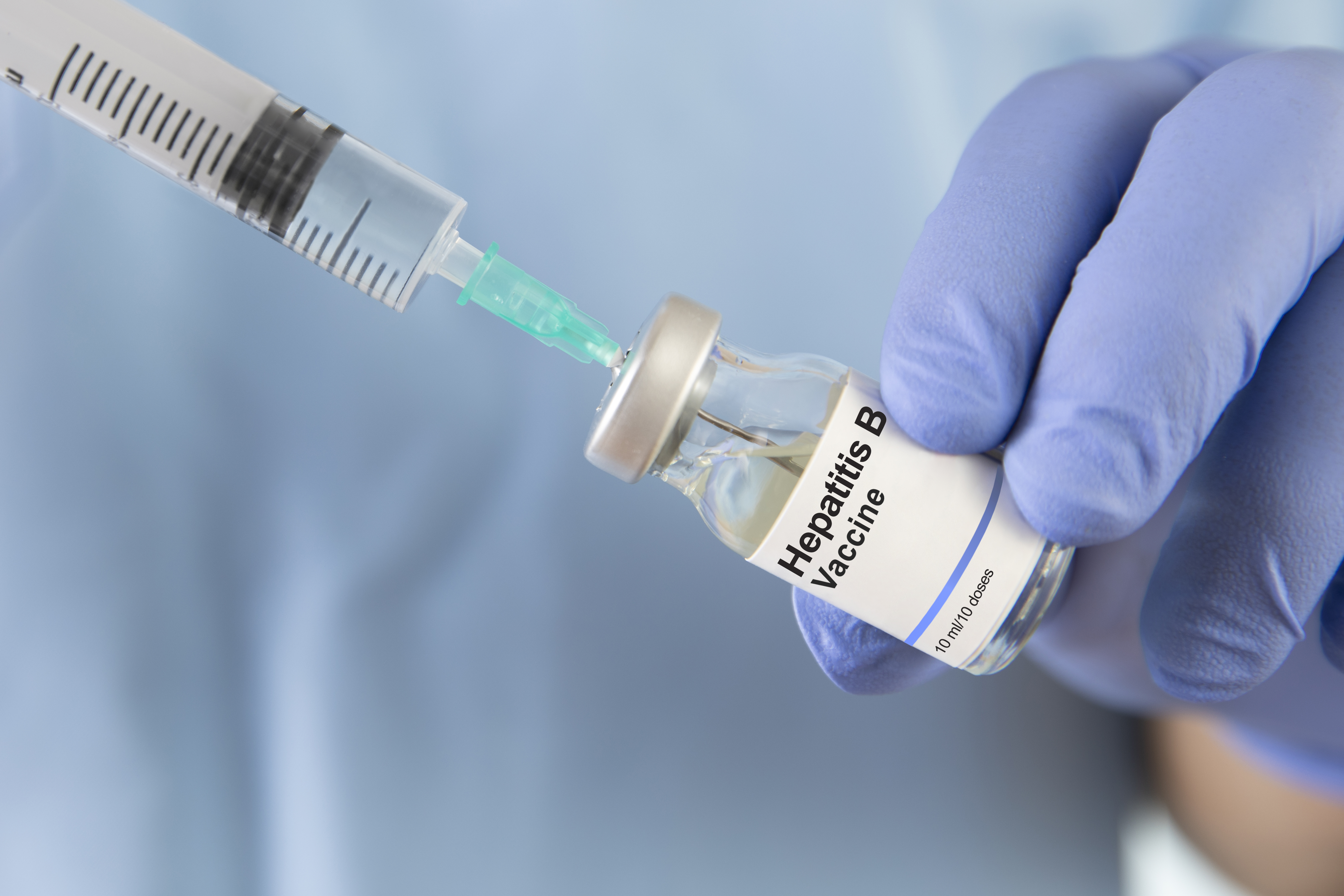
    Undetected, hepatitis B can pass from a mother who is carrying the virus to her baby. For years, the vaccine had been recommended for all U.S. infants at birth.Getty Images

    Americans are very concerned about healthcare costs. The greatest way to cut healthcare costs is to prevent the disease in the first place. The more antibodies in our bodies able to fight the onslaught of viruses out in this hostile world, the more likely we will be in preventing disease in the first place.

    People, including Trump, wonder why there are so many vaccines. There are three factors: First is that there are a lot of bacterial and viral diseases. Each needs its own unique antibodies to fight them. There are a lot more than just 11 or even 17 viruses or bacteria in the world — which is why new recommendations and combinations are tested and recommended.

    Second is that researchers can measure antibody levels, and building up enough antibodies to defeat diseases may require more than one shot.

    Finally, viruses are very tricky and can mutate, camouflaging their detection from existing antibodies. Classic viruses that have this capability are influenza and SARS-CoV-2 (the virus that causes COVID-19). So recommendations have changed to reflect the changing flu and COVID shots to be given annually rather than just once and done.

    Vaccine researchers are on the cusp of even greater breakthroughs.

    At least two current vaccines can prevent cancer. The HPV vaccine prevents human papillomavirus from infecting the cervix, which, in turn, prevents cervical cancer. HPV has also been linked to head and neck cancer.

    And the aforementioned hepatitis B vaccine can help prevent liver cancer.

    The Nobel Prize-winning discovery of mRNA vaccines developed by Philadelphia scientists is being used to create inactive tumor proteins that our immune system can recognize. Future researchers will be able to identify our personal cancers, create individual tumor proteins that our immune systems will recognize, and create a personalized immune response that can kill cancers in our bodies.

    These are heady times in medical research, which desperately needs the support of our government. Unfortunately, many of these discoveries, including new vaccines against scourges like Ebola, bird flu, hantavirus, malaria, and many others, are being stopped by our failure to invest in research. It is a lost opportunity to prevent disease using our own bodies’ immune system by creating an army of antibodies at the ready.

    And nothing is more frightening than trying to fight a virus with only three antibodies.

    Walter Tsou is the former health commissioner of Philadelphia and the past president of the Philadelphia County Medical Society.