Category: Pennsylvania News

  • A new $10 million fund is a ‘first step’ toward recovery for Pa. farmers after a disastrous April freeze

    A new $10 million fund is a ‘first step’ toward recovery for Pa. farmers after a disastrous April freeze

    For the second time in five years, a freeze wiped out all of Morgantown farmer Ed Weaver’s peaches this spring.

    What was an unassuming late April frost for most Pennsylvanians this year created devastation for farmers across the state. High temperatures at the beginning of the month accelerated orchards’ blooming process. But an ensuing sudden drop below freezing quickly killed what had grown. The freeze hit 13 states on the East Coast, costing Pennsylvania fruit farmers almost $200 million.

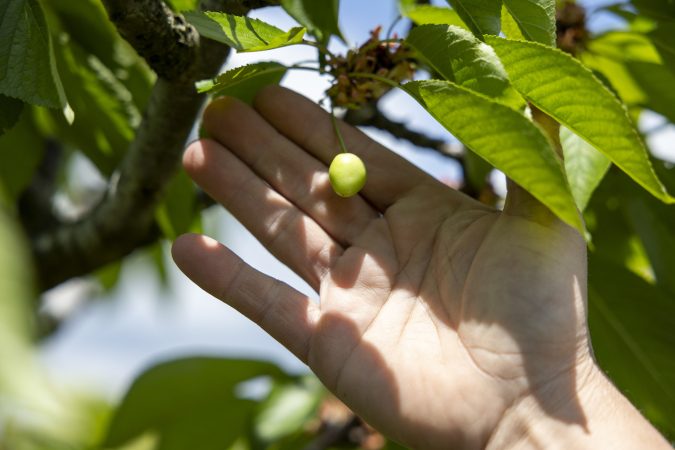
    Along with the peaches, the cold decimated nectarines and cherries at Weaver’s Orchard in Berks County. Now, just 15% of the apples and pears there remain, and about half of the berries are gone. Weaver estimates the freeze caused him to lose between 70% and 80% of his orchard’s revenue this year.

    Weaver is not alone. A surge in extreme weather has taken a toll on fruit farmers’ crops across the state, in an industry growing increasingly sparse from rising costs.

    Weaver — who has overseen his family’s nearly-100-year-old business for four decades — said many farmers are starting to question whether losses from extreme weather are a new standard and are determining the best next steps to maintain stability.

    “How do we move forward? How are we going to mitigate these risks? And is this a new type of normal for us?” he said.

    Attempting to reclaim some of the lost money from the frozen crops, Weaver plans to apply for a Freeze Disaster Assistance Recovery Grant — a $10 million initiative approved last month in the Pennsylvania state budget to assist farmers who have lost 30% or more of their crops.

    Pennsylvania Agriculture Secretary Russell Redding said the department is still determining how the funding will be distributed to eligible farmers, but is hopeful the money can be given by fall, when farmers typically see profits from their spring fruit crops.

    “We wouldn’t forget about the harm that was done through this frost, and the lingering effects of it. So we’re here to deliver on that promise,” Redding said last month.

    The funding comes after Democratic Gov. Josh Shapiro’s administration called for federal assistance to further offset the impact of the freeze. Last month, the United States Department of Agriculture expanded low-interest loan options for some Pennsylvania apple growers with federal crop insurance. Additionally, 17 counties have been designated by the USDA as disaster areas, making farmers there eligible for low-credit loans.

    Berks County, home to Weaver’s Orchard, lost 85% of its crops in the freeze. But the county still hasn’t received the federal disaster designation, Weaver said. State officials have said they’re pushing for more assistance.

    Weaver said the state’s grant program is a great first step, but that it’ll take years for his orchard to recover.

    He said much of the financial strain is born from costs like pruning and fertilizer for the decimated crops.

    Weaver said his orchard is fortunate to have other sources of income, like its market and storefront, rather than relying entirely on its fruit crops. But the freeze impacted Weaver’s “pick-your-own” service, where customers can harvest their own fruit, since there are so few fruit crops available.

    Typically, Weaver said that when farmers’ crops are damaged, they can buy fruit from other growers to sell, but that has been challenging this year, because the freeze was so widespread.
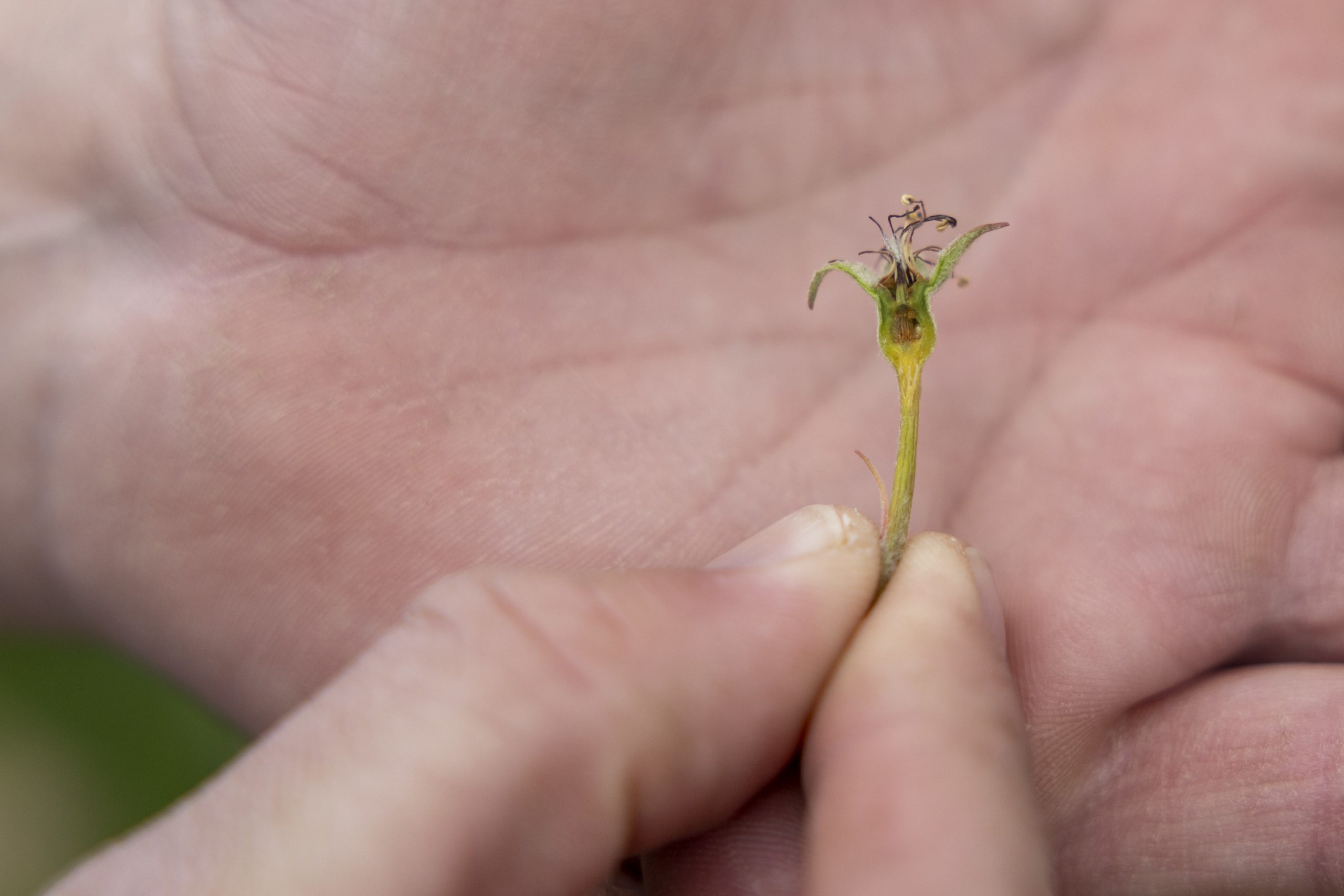
    A flower bud with a brown center, which indicates the apple tree couldn’t produce apples due to the frost, at Highland Orchard in West Chester, on Friday, May 8, 2026.Tyger Williams / Staff Photographer

    For Norm Schultz, farmer at Linvilla Orchards in Media, the freeze took out nearly all of his peaches and apples.

    Schultz said much of his orchard’s rebuilding will rely on the fall season, and how Linvilla’s pumpkin sales fare.

    But the harvest lost in the April freeze will have lingering impacts come fall, he said. Apple crops were affected, meaning that candy apple and cider sales could take a hit.

    The freeze was the latest blow to Pennsylvania’s fruit farmers.

    Both Weaver and Schultz said it’s becoming harder for farmers to pass down their land to their families, partly because of financial unpredictability but also because land is worth more if sold instead.

    The number of farms in Pennsylvania has fallen by 18% over 10 years from 2012 to 2022, according to the most recent agriculture census data.

    Schultz said he hopes the state’s newest grant for affected farmers “can keep the people who only grow fruit in the game, because so many farms and fruit growers go out of business in this area.”

    Similarly, Weaver said there are costs burdens in needing to continually upgrade equipment and make capital investments to maintain facilities, which could reduce profitability and efficiency for future generations.

    “If we’re going to have a good food supply of these kinds of crops in Pennsylvania, it needs to be something that the next generation wants to do,” he said. “And if it burns them financially, they’re going to make a decision of whether they want to [farm] or not.”

    In the meantime, Weaver said it’s important for people to purchase storefront goods from local farms or make use of other services.

    “Especially right now, it’s so important for people to get out and support the local farms and buy local.”

    Natalie Javitt is an intern with the Pennsylvania Legislative Correspondents’ Association. She can be reached at natalie.javitt@gmail.com.

  • 6 new eateries to know about | Inquirer Lower Merion

    6 new eateries to know about | Inquirer Lower Merion

    Hi, Lower Merion! 👋

    Restaurants and eateries continue to proliferate in the region, including two new dessert cafes, a bagel shop, a Jamaican patty joint, a rooftop bar, and a forthcoming Southern Italian spot that’s taking over a longtime staple. Also this week, the township is weighing the future of its aging parking meters, plus the latest on the district’s technology policy.

    We want your feedback! Tell us what you think of the newsletter by taking our survey or emailing us at lowermerion@inquirer.com.

    If someone forwarded you this email, sign up for free here.

    A pair of dessert cafes have opened in Ardmore

    Half A While serves teas and pastries, including a matcha silk crepe. Aidan T. Gallo / Staff Photographer

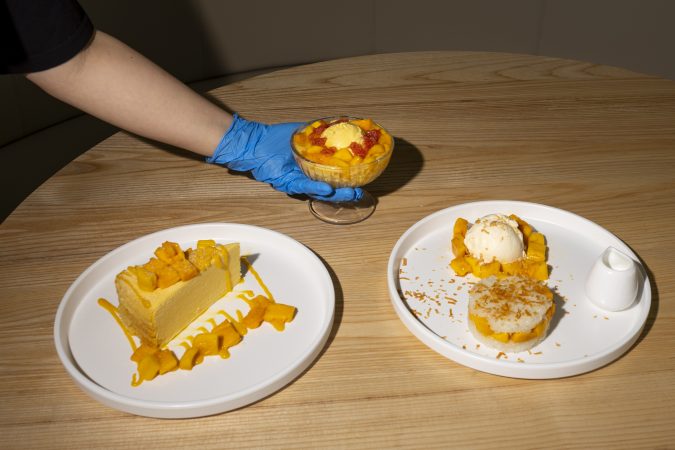
    Two new dessert cafes, Half A While and Mango Mango, have opened in Ardmore.

    Half A While, which took over the former Kung Fu Tea space and is currently in a soft opening phase, specializes in cold-brewed teas as well as pastries and cakes with Asian influences.

    It’s joined by Asian-inspired dessert chain Mango Mango, which dishes up desserts and teas that lean heavily on the tropical stone fruit.

    Here’s what to know about the new additions.

    Bala Cynwyd’s Aldar Bistro says farewell

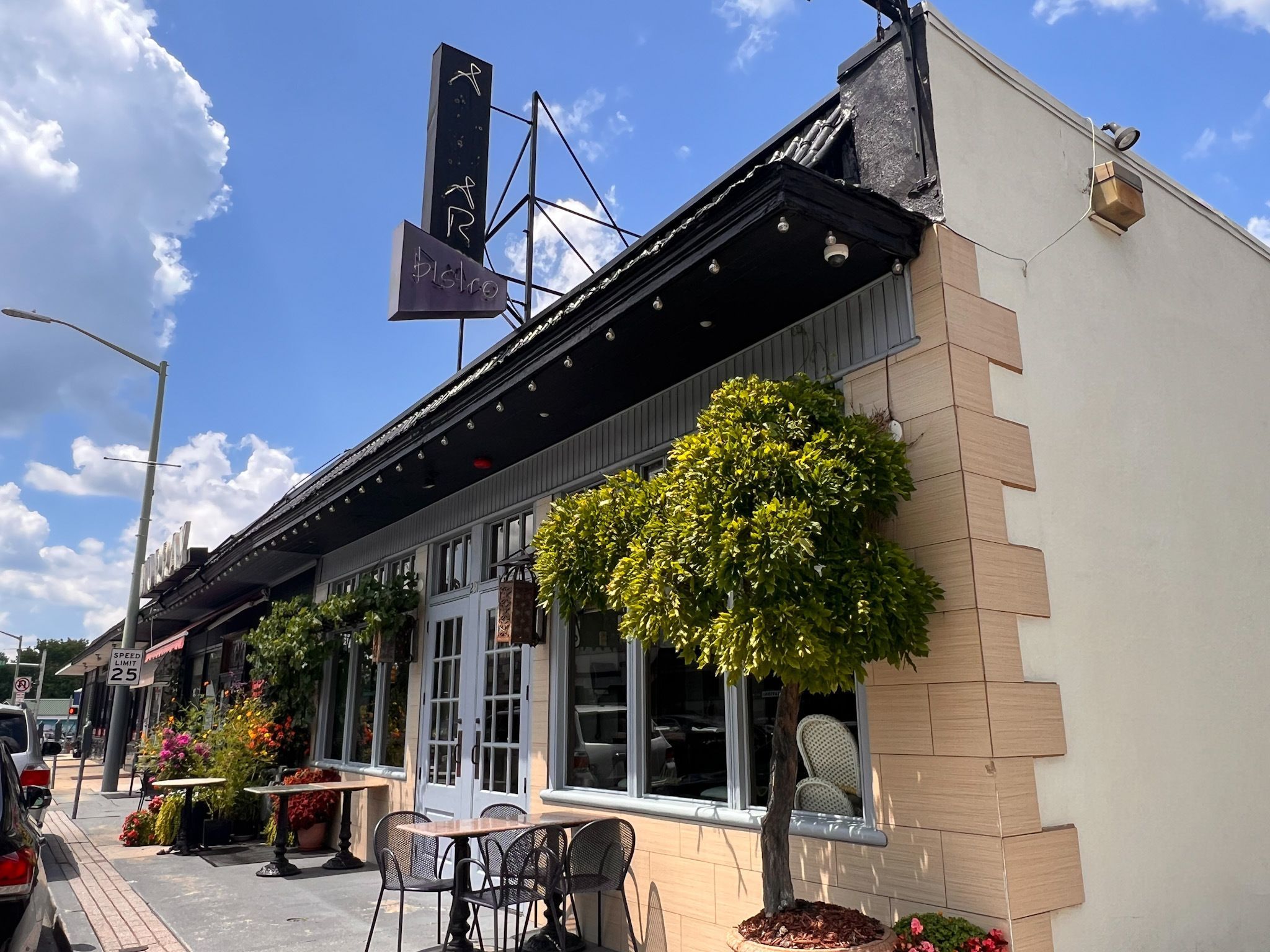
    Aldar Bistro is located at 281 Montgomery Ave. in Bala Cynwyd.Michael Klein / Staff

    Longtime Bala Cynwyd staple Aldar Bistro is closing its doors, with the owners selling to the two couples behind Gran Caffè L’Aquila in Center City.

    They plan to convert the Lebanese restaurant into a Southern Italian-focused concept, complete with white tablecloths. Bruzi will dish up house-made pastas and a robust beverage program.

    The Inquirer’s Michael Klein has the details.

    🍽️ In other food news …

    • Bart’s Bagels is now open at 273 Montgomery Ave. in Bala Cynwyd. This marks the third location for the New York-style bagel shop founded by brothers and Bala Cynwyd natives Brett and Kyle Frankel.
    • The Jamaican Pattie Shop is now open at 107 E. County Line Rd. The Ardmore eatery is currently in a soft opening phase.
    • Pomelo Rooftop Terrace is opening this weekend at The Brandywine hotel in Radnor, where it will serve shareable plates, a raw bar, and botanical-focused cocktails.

    💡 Community News

    🏫 Schools Briefing

    • The school board’s policy committee voted to advance updated technology rules earlier this week after shutting down public comment and moving to Zoom for the vote. The new guidelines, which scale back screen time for the youngest students, will go before the full board later this month, The Inquirer’s Maddie Hanna reports.

    🎳 Things to Do

    🎶 Bryn Mawr Twilight Concerts: Steve Forbert, an early pioneer of Americana music, headlines this week’s show. ⏰ Saturday, Aug. 8, 7 p.m. 💵 $25.88, free for kids 12 and under 📍 Bryn Mawr Gazebo

    🚴 Ardmore Rock n’ Ride: Watch the race and catch live music at this annual event benefiting Narberth Ambulance. ⏰ Sunday, Aug. 9, races run from 10:15 a.m.-5 p.m., live music is from noon-7 p.m. 💵 Free 📍 Downtown Ardmore

    🎞️ The Princess Bride: Catch a screening of the 1987 cult classic. ⏰ Wednesday, Aug. 12, 7:15 p.m. 💵 $17.75 📍 Bryn Mawr Film Institute

    🏡 On the Market

    A Wynnewood Colonial with curb appeal

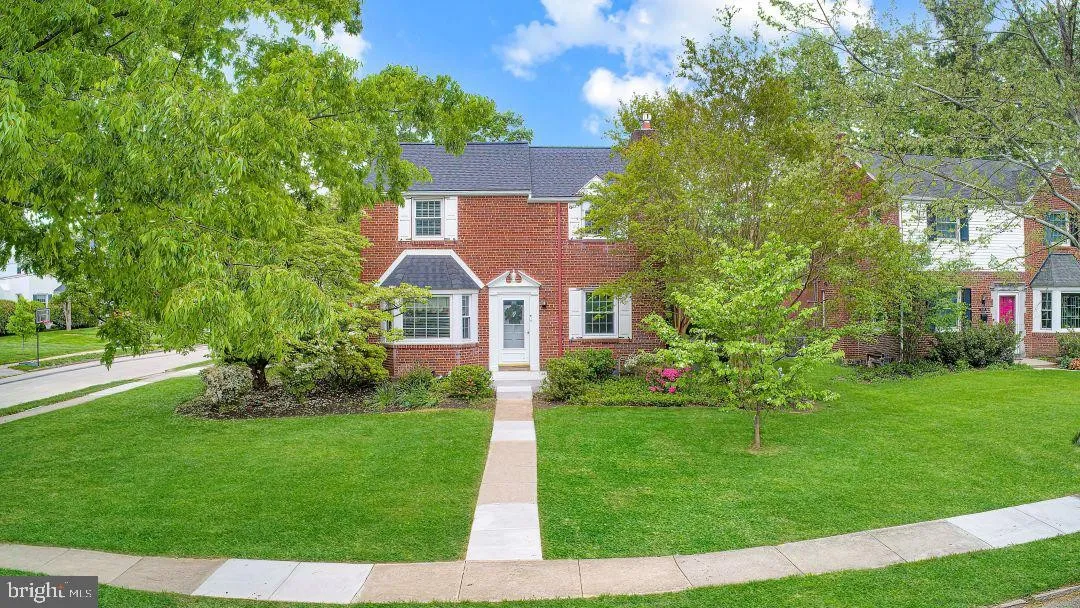
    The home sits on a corner lot in Wynnewood.Courtesy of Brett Furman/Real Broker LLC

    Situated on a corner lot near South Ardmore Park, this brick Wynnewood home packs a lot into a small space. The first floor has a living room with a fireplace, a dining room with a bay window, and a kitchen, while all three bedrooms are upstairs. One opens onto a covered second-floor deck, and there’s another covered patio out back. There’s an open house Saturday from noon to 2 p.m.

    See more photos of the home here.

    Price: $675,000 | Size: 1,408 SF | Acreage: 0.17

    🗞️ What other Lower Merion residents are reading this week:

    By submitting your written, visual, and/or audio contributions, you agree to The Inquirer’s Terms of Use, including the grant of rights in Section 10.

    This suburban content is produced with support from the Leslie Miller and Richard Worley Foundation and The Lenfest Institute for Journalism. Editorial content is created independently of the project donors. Gifts to support The Inquirer’s high-impact journalism can be made at inquirer.com/donate. A list of Lenfest Institute donors can be found at lenfestinstitute.org/supporters.

  • A can’t-miss tomato tart | Inquirer Greater Media

    A can’t-miss tomato tart | Inquirer Greater Media

    Hi, Greater Media! 👋

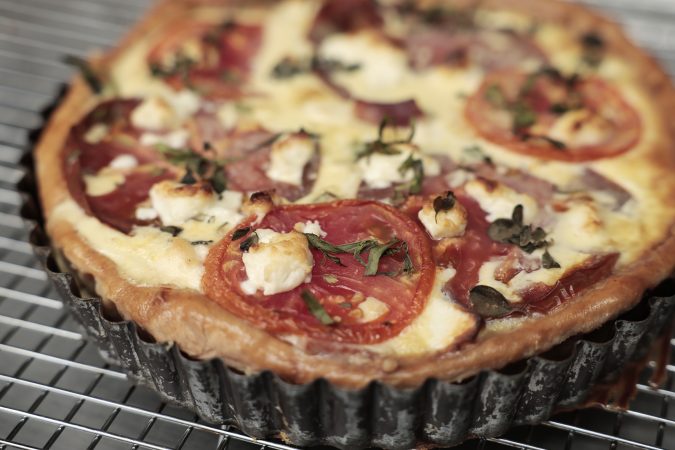
    Peak tomato season is here and you won’t want to miss this savory tart showcasing the summer staple. Also this week, a Media Farmers Market breadmaker has expanded, county measles vaccination rates have declined slightly, plus, Middletown Township will continue discussions about Rose Tree Media School District’s proposed K-1 Early Learning Center.

    We want your feedback! Tell us what you think of the newsletter by taking our survey or emailing us at greatermedia@inquirer.com.

    If someone forwarded you this email, sign up for free here.

    Two local farmers’ markets staples to know about

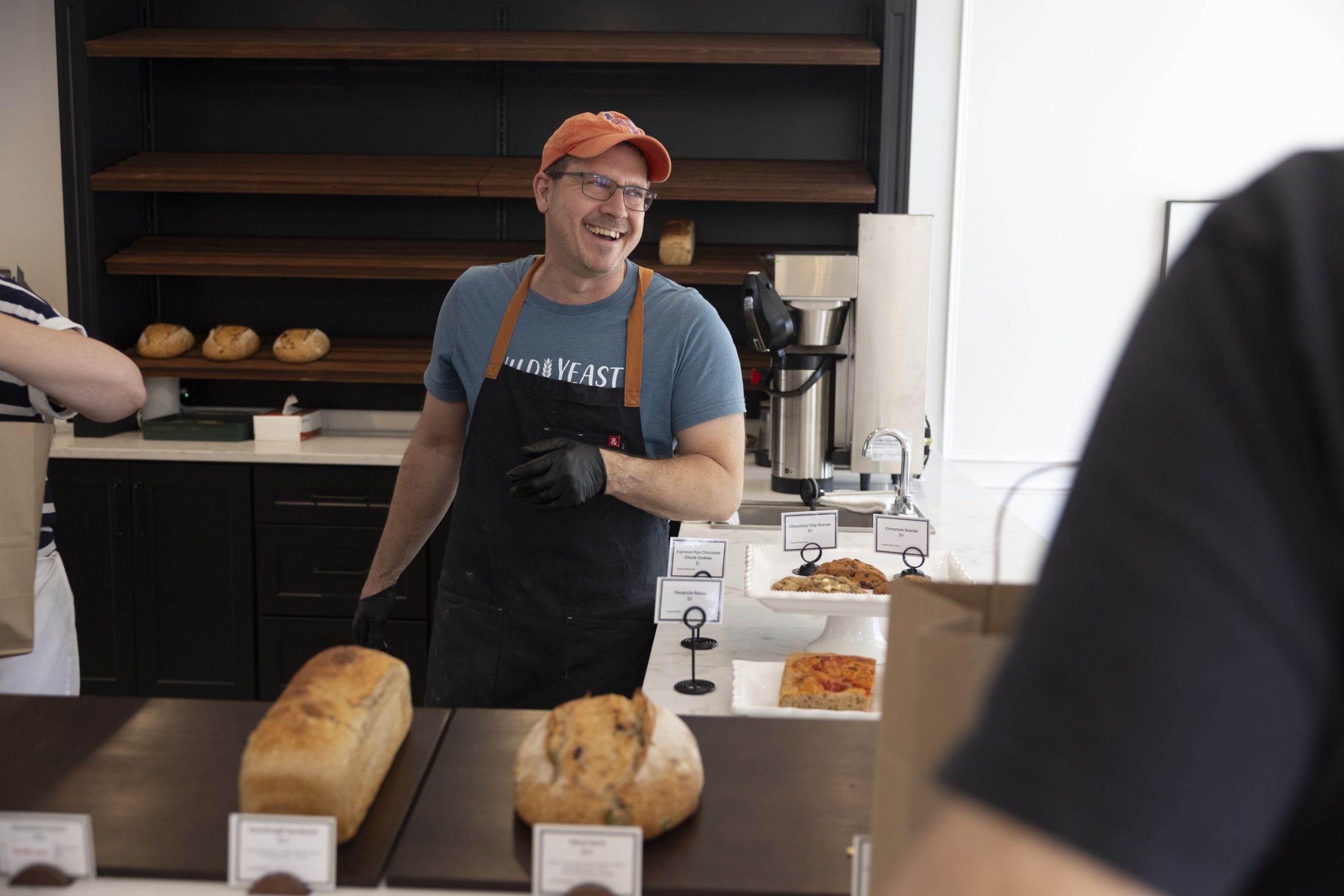
    John Goncher recently expanded Wild Yeast Bakehouse. Tyger Williams / Staff Photographer

    Two brands that might be familiar to local farmers’ market goers have raised their profiles this summer.

    Wild Yeast Bakehouse, the sourdough startup that frequently has sell-out crowds at the Media Farmers Market, has opened a Main Line storefront, allowing it to expand its capacity.

    🥖 The Inquirer’s Jenn Ladd has the details.

    And Market Day Canelé’s savory tart recently got a shout out from Inquirer reporter Kiki Aranita, who said it was the best thing she ate last week. She’s especially loving the mushroom, tomato, corn, ham, gruyère, and egg tart right now, at the height of tomato season.

    You can score a piece when the eatery sets up shop at the Swarthmore Farmers Market.

    🍅 Read more about Aranita’s thoughts on the tart.

    💡 Community News

    • Delaware County has fully restored operations after a June cybercriminal attack, but is continuing to investigate what may have been compromised, noting hackers were able to access data “maintained within the network.”
    • The executive director of DELGO Community Transit, a Delaware County subsidized transportation organization for seniors and people with disabilities, is facing felony charges of child endangerment after a DUI arrest. Nick Miccarelli, a former state representative and Ridley Park native, was previously accused of physical and sexual assault.
    • New data shows that 93.9% of Delaware County kindergarteners are vaccinated against measles, which is below the 95% threshold scientists say is needed to prevent the spread of the contagious virus. Across grades, the county has seen a slight drop in measles vaccination rates.
    • The Walgreens at 51 Baltimore Pike in Glen Mills is closing its doors on Sept. 3.
    • Spooky season may still be a couple of months away, but Spirit Halloween has already opened at a former Joann space in the Marple Crossroads shopping center in Springfield. It’ll be joined this month by another Springfield location in the former Party City on Baltimore Pike, as well as one in the former Joann at the Concordville Town Centre in Glen Mills.
    • Planning to take the D1 trolley in the next few days? SEPTA will be doing work on the Lansdowne Avenue grade crossing and substituting in bus service tomorrow through Sunday.

    🏫 Schools Briefing

    • Middletown Township’s planning commission will consider Rose Tree Media School District’s application to reverse subdivide a parcel at 134 Barren Rd. with the goal of building a K-1 Early Learning Center there. The meeting will take place Tuesday at 6:30 p.m. at Penn State Brandywine.

    🎳 Things to Do

    🎶 Rose Tree Summer Concert Festival: The upcoming lineup features performances from wind ensemble Pennsylvania Symphonic Winds tonight, the Americana-rooted Matt Santry Band tomorrow, Barbershop’s Best on Saturday, and Polynesian luau band Paradise Island on Sunday. Zydeco-inspired New Orleans Fish Fry will play on Wednesday. ⏰ Thursday, Aug. 6-Wednesday, Aug. 12, 7:30 p.m. 💵 Free 📍 Rose Tree Park, Media

    🌻 Sunflower Festival: Pick your own sunflowers, participate in dance workshops, and listen to live music. ⏰ Saturday, Aug. 8, 8 a.m.-6 p.m. (rain date: Aug. 9) 💵 Pay as you go 📍 Linvilla Orchards, Media

    🎵 Tribute to Fleetwood Mac: Tickets are going fast for this concert featuring covers of some of the band’s most iconic songs. ⏰ Saturday, Aug. 8, 6:45 p.m. 💵 $52.92-$63.72 📍 Media Theatre

    🗞️ What other Greater Media residents are reading this week:

    By submitting your written, visual, and/or audio contributions, you agree to The Inquirer’s Terms of Use, including the grant of rights in Section 10.

    This suburban content is produced with support from the Leslie Miller and Richard Worley Foundation and The Lenfest Institute for Journalism. Editorial content is created independently of the project donors. Gifts to support The Inquirer’s high-impact journalism can be made at inquirer.com/donate. A list of Lenfest Institute donors can be found at lenfestinstitute.org/supporters.

  • Albert Gury, popular painter and award-winning professor of art education, has died at 74

    Albert Gury, popular painter and award-winning professor of art education, has died at 74

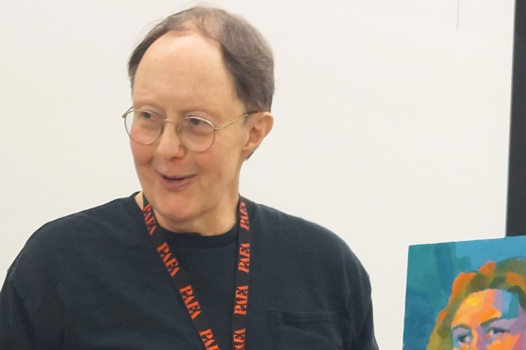
    Albert Gury, 74, of Philadelphia, lifelong painter, former chair of the painting department at the Pennsylvania Academy of the Fine Arts, award-winning lecturer at the old University of the Arts and other institutions, author, mentor, community advocate, and cat rescuer, died Thursday, June 25, after a long illness at the Hospital of the University of Pennsylvania.

    Born in Peoria, Ill., Professor Gury came to Philadelphia in the early 1970s after a professor at St. Louis University advised him to enroll at the Pennsylvania Academy of the Fine Arts. He did, and he never left.

    He earned a four-year certificate in painting at PAFA in 1976 and, starting in 1980, taught painting, drawing, figure drawing, anatomy, art history, and art education at PAFA. He was chair of the painting department from 2000 to 2022 and creator of several innovative art education programs.

    He painted portraits of young gun violence victims for PAFA’s Lost Dreams on Canvas exhibit and founded and directed the academy’s popular after-school free art program for high school students in 1994. In 2026, he earned a community recognition award from the Philadelphia School District.

    “This is a way for us to reach out to the community and really try to do something beneficial,” Professor Gury told The Inquirer in 2005. “We train them as if they are college freshmen, not high school kids. It raises the bar on the quality of their work.”

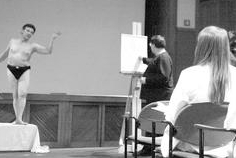
    Professor Gury also lectured for decades at University of the Arts, the Fleisher Art Memorial, the Barnes Foundation, and elsewhere. He instructed students at Jefferson Medical College on anatomy, consulted for the city’s mural arts program, and ran art seminars and painting workshops regionally and in Scotland and Croatia.

    He earned a master teacher’s award from University of the Arts and a master’s degree in fine arts at the University of Delaware in 1992. Former students called him “unfailingly caring, and supportive, and smart,” and “very generous in sharing his wealth of knowledge” in online tributes. One said: “What a great example to us all.”

    In a tribute, PAFA officials said: “We remember Al not only for what he taught but for how he taught: with patience, conviction, humor, discipline, and an open heart.”

    Professor Gury (center) draws and explains the nature of the human form to students at Jefferson Medical College in 2007.

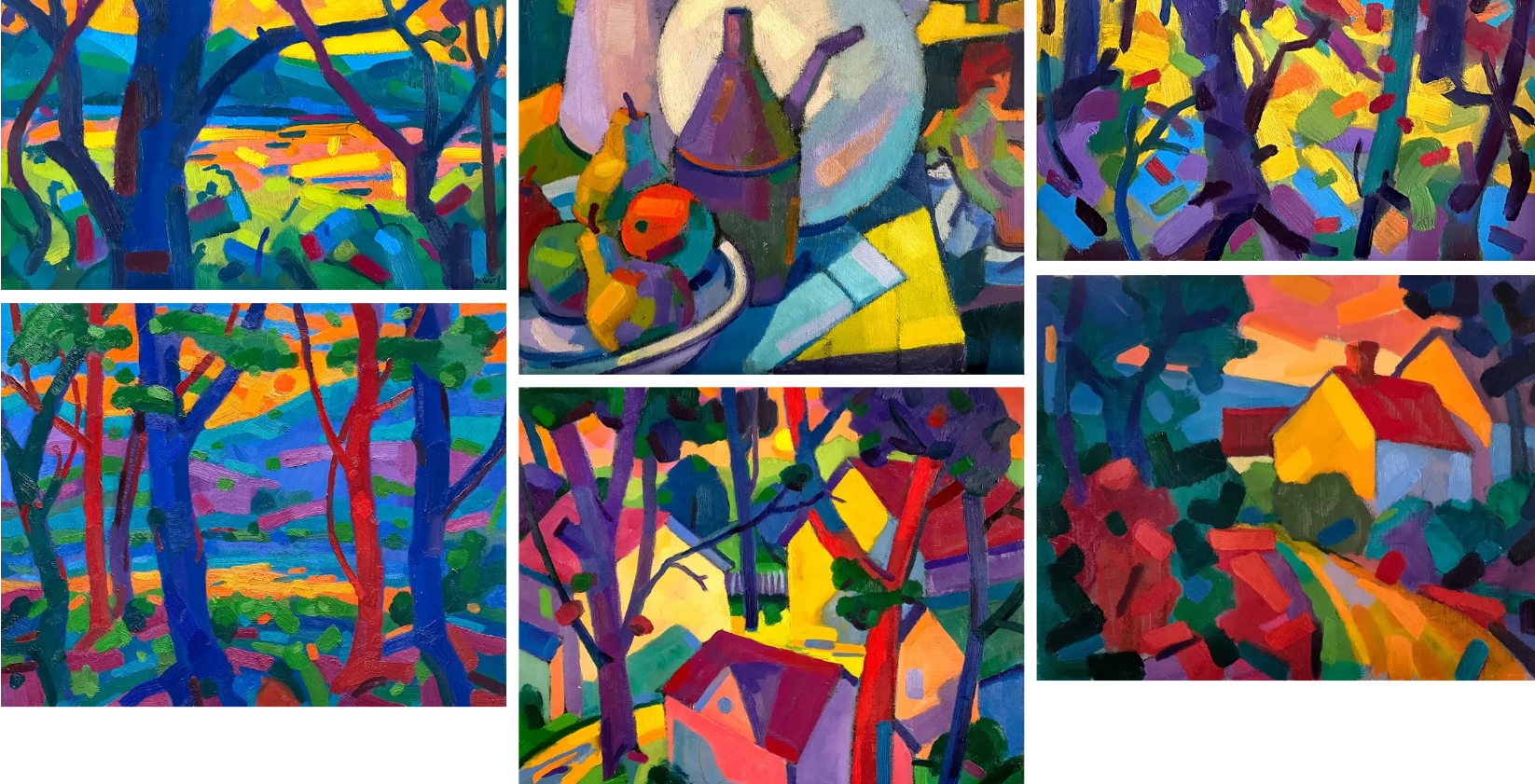
    In the studio, Professor Gury painted colorful figures, landscapes, still life, and portraits. His portrait Alice of Dunk’s Ferry hangs in historic Christ Church in Old City, and he showed at the Philadelphia Museum of Art, the F.A.N. Gallery on Arch Street, the National Academy of Design in New York, the U.S. Capitol in Washington, and elsewhere.

    He especially enjoyed painting abstract landscapes, he said in a 2014 video, because “they are pure.” He told the Daily News in 2000: “I like to paint the things I love. I like the intimacy of small paintings. I move the paint around and put together elements in nature even if they don’t exist that way. I like to imagine things rather than just paint what is in front of me. Sometimes it becomes a little surreal.”

    In 2000, critic Anne R. Fabbri said in the Daily News that many of Professor Gury’s paintings are “united by his layered brushwork, tonal depths, and the creative act that transforms color, line, and composition into a life-enhancing work of art.” He was honored by the Philadelphia Sketch Club in 2017.

    Professor Gury wrote three textbooks: Alla Prima: A Contemporary Guide to Traditional Direct Painting in 2009, Color for Painters: A Guide to Traditions and Practice in 2010, and Foundations of Drawing: A Practical Guide to Art History, Tools, Techniques, and Styles in 2017. He also contributed articles about painting and art to magazines and museum publications around the world, and was a contributing editor for the international journal Per Contra.

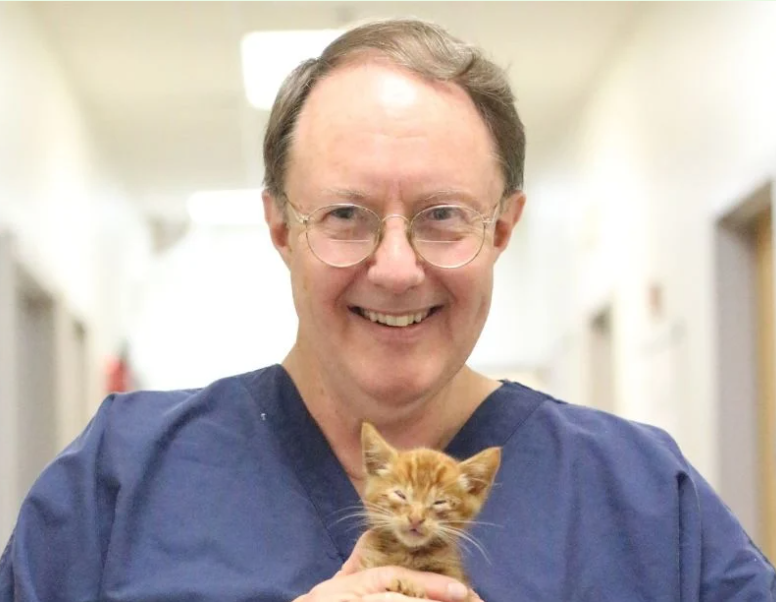
    In his neighborhood, Professor Gury advocated for better housing and fostered rescue cats in his home. He volunteered at the Philadelphia Animal Welfare Society and was named its 2015 volunteer of the year. The group renamed its kitten maternity ward after him.

    “We are searching for words to express just how extraordinary Al was, what a profound difference he made, and how much we loved and appreciated him,” colleagues at PAWS said in a tribute. “We hope he knew what an immense impact he made, and how much better and more beautiful the world is because of him.”

    Albert Francis Gury was born Oct. 23, 1951. A family friend introduced him to painting when he was young, and he spent many days roaming the galleries at the Art Institute of Chicago while his father worked downtown.

    He earned a bachelor’s degree in fine arts at St. Louis University in 1973 and won scholarships, grants, and honors as both a student and a professor at PAFA. He collected quilts and rare books on art.

    Professor Gury loved animals, especially cats.Philadelphia Animal Welfare Society

    In 2018, his apartment building on Chestnut Street burned down in an early-morning fire. Several of his cats and parakeets perished, and much of his artwork was lost. “The whole thing is just tragic,” he told The Inquirer then.

    Friends called him “a classic caregiver” and a “protector of the underdog.” Longtime friend and colleague Reza Ghanad said: “If you were feeling down, he would pick you up.”

    Friend and colleague Morgan Hobbs said: “He noticed students who could have gone unnoticed without him. He had a special gift for that.”

    Professor Gury is survived by several relatives.

    His ashes are interred at Christ Church Burial Ground. A celebration of his life is to be held later.

    Donations in his name may be made to the Philadelphia Animal Welfare Society, 100 N. Second St., Philadelphia, Pa. 19106.

    Much of Professor Gury’s work features color and shape. Al Gury
  • A bridge replacement’s new repair timeline prompts concerns over increased traffic in Downingtown and other delays

    A bridge replacement’s new repair timeline prompts concerns over increased traffic in Downingtown and other delays

    A bridge replacement near Downingtown will stretch into next year, prompting a call to Gov. Josh Shapiro’s administration about the extended closure’s impact on traffic flow through the borough and the sequencing of other projects — including another bridge replacement.

    Replacing the nearly 60-year-old, three-span bridge that carries Boot Road over Amtrak in East Caln Township will now wrap up in early 2027, rather than in fall 2026 as initially projected.

    The elongated timeline is, in part, thanks to a change in the foundation design. After the original bridge was demolished, the Pennsylvania Department of Transportation found a different type of rock from what was anticipated, which required a new design, said Helen Reinbrecht, community relations coordinator for the department.

    The department expedited a redesign, which was completed in June. Construction is anticipated to be a bit slow into early August, as PennDot awaits proprietary materials, Reinbrecht said.

    In Downingtown, the delay will have ripple effects — prompting Mayor Erica Deuso to call on state leadership to approach this project with the “same urgency, accountability, and focus here” as when Gov. Josh Shapiro’s office quickly reopened I-95 in Northeast Philadelphia after a tanker crashed and a section of the bridge collapsed in 2023, and with the early completion of another bridge in Pittsburgh in July.

    Deuso said in a news release Tuesday that the public was prepared for a one-year closure of the Boot Road bridge, but that the extended timeline is “a serious failure with real consequences for everyone forced through Downingtown each day.”

    “Our roads, intersections, emergency routes, business district, and residents are paying the price,” she said.

    She requested a review of whether additional crews, work shifts, equipment, and engineering support could make up for the lost time, and asked for help addressing traffic signal adjustments, detour enforcement, pavement and bridge condition monitoring, emergency-response planning, “and assistance with extraordinary local public safety and infrastructure costs.”

    Following Deuso’s letter, PennDot press secretary Alexis Campbell said that the department “understands how vital the Boot Road Bridge is to the community and is expeditiously working to reopen the bridge as soon as possible.”

    “The Department expedited the new design of the bridge and is working with the contractor to accelerate construction by adding additional crews and working through the winter so long as the weather permits,” she said.

    The delayed bridge replacement has trickled down into the sequencing of other Downingtown projects, including the rehabilitation of the borough’s Lancaster Avenue bridge, which crosses the east branch of Brandywine Creek, due to its poor condition.

    That will not get underway until the detours from Boot Road and another effort — relocating the Downingtown train station half a mile to the east, where the Keystone Corridor crosses U.S. Route 322 — are completed, borough officials said. Deuso was concerned the Boot Road delays would also hamper the train station relocation.

    The Boot Road bridge replacement is a $13.3 million project that replaces the 193-foot three-span bridge with a 105-foot single-span structure. It carried roughly 12,000 vehicles a day before its closure, officials said.

    The full closure of the road, between Quarry Road and Southwind Lane, began in late September 2025. Motorists are being detoured to U.S. Route 322, Business U.S. Route 30, and Quarry Road. That is expected to continue until the work is fully completed next spring.

    The bridge was structurally deficient, Reinbrecht said.

    “I know it can be frustrating and time-consuming to have to use the detours. But this really will be safer and more efficient when the construction is completed,” she said.

    This suburban content is produced with support from the Leslie Miller and Richard Worley Foundation and The Lenfest Institute for Journalism. Editorial content is created independently of the project donors. Gifts to support The Inquirer’s high-impact journalism can be made at inquirer.com/donate. A list of Lenfest Institute donors can be found at lenfestinstitute.org/supporters.

  • Could auction-bound St. Peter’s get more housing? | Inquirer Chester County

    Could auction-bound St. Peter’s get more housing? | Inquirer Chester County

    Hi, Chester County! 👋

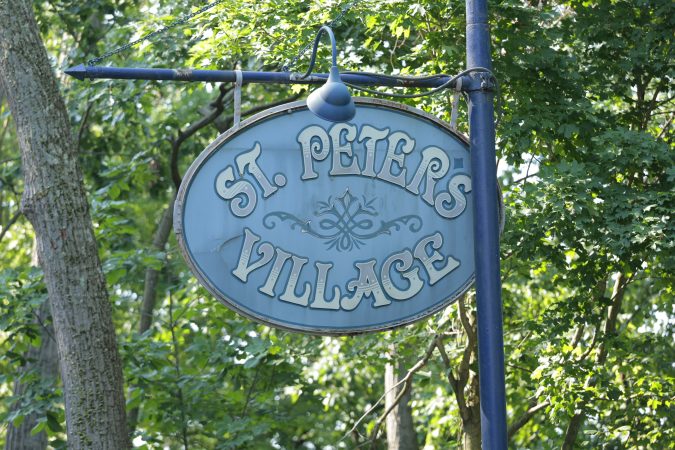
    Could the auction for the majority of St. Peter’s Village mean more housing density? We look at some of the options on the table. Also this week, a new vinyl listening room is opening in Kennett Square, some Tredyffrin Township residents are concerned that a park conversion isn’t worth the hefty price tag, plus, work has resumed at a controversial data center site.

    We want your feedback! Tell us what you think of the newsletter by taking our survey or emailing us at chestercounty@inquirer.com.

    If someone forwarded you this email, sign up for free here.

    Could more housing be coming to St. Peter’s Village?

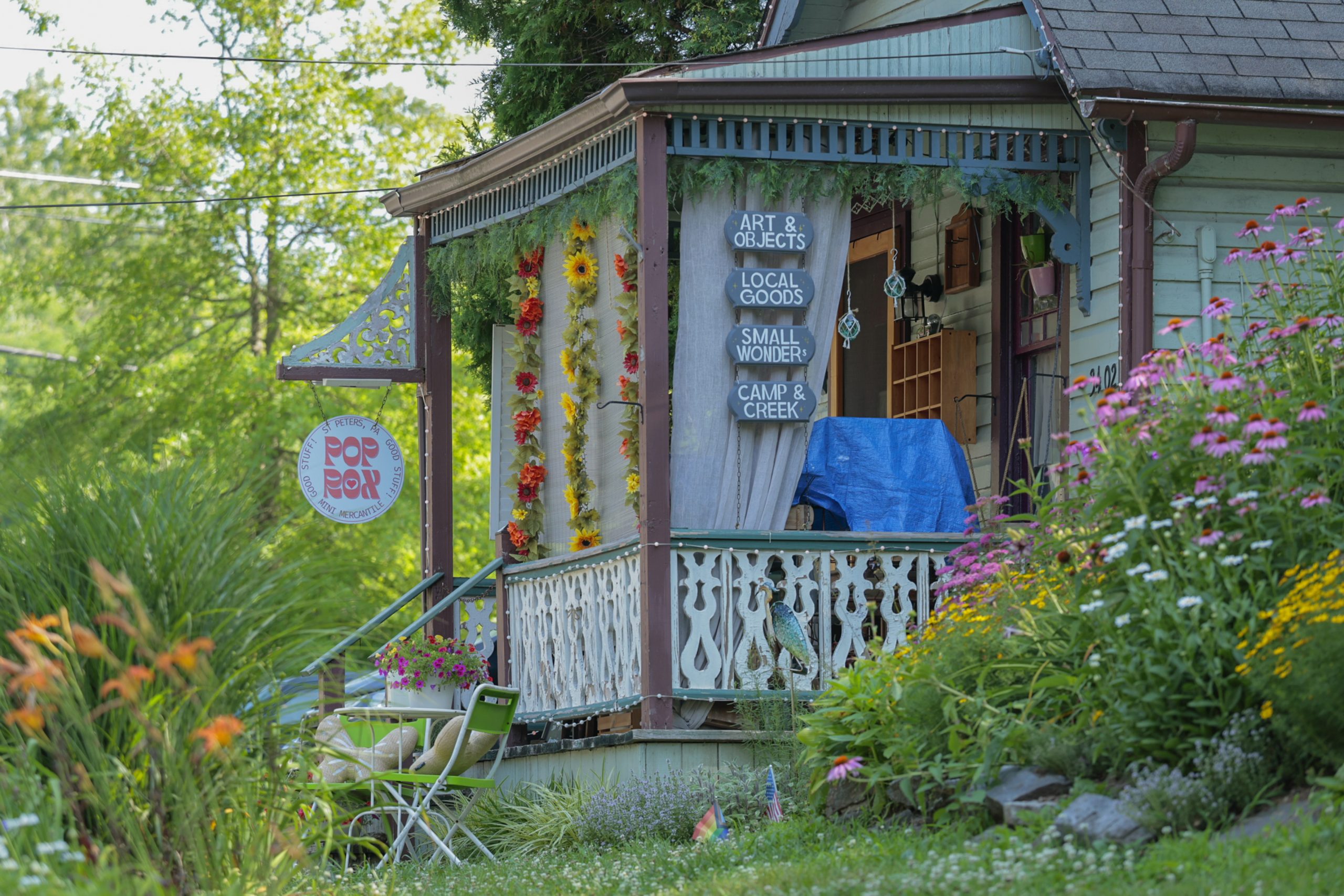
    There’s the potential for a future owner to add housing to St. Peter’s Village. Steven M. Falk / For The Inquirer

    Nearly two months out from an auction that will see the quaint St. Peter’s Village go to the highest bidder, some local business owners are excited, if a little apprehensive, about the prospect.

    “There is this rural charm there, and that is part of what the village has built its reputation on over the years,” said Doug Reeser, who owns Excursion Ciders at the Snug. “So, if development could be done with an eye towards preservation and minimal impact, I think that would be great.”

    There are several high- and lower-density housing developments on the table that could bolster it into a tiny town, but not without its challenges.

    The Inquirer’s Brooke Schultz looks at some of the potential outcomes.

    Kennett Square is getting a new vinyl listening room and bar

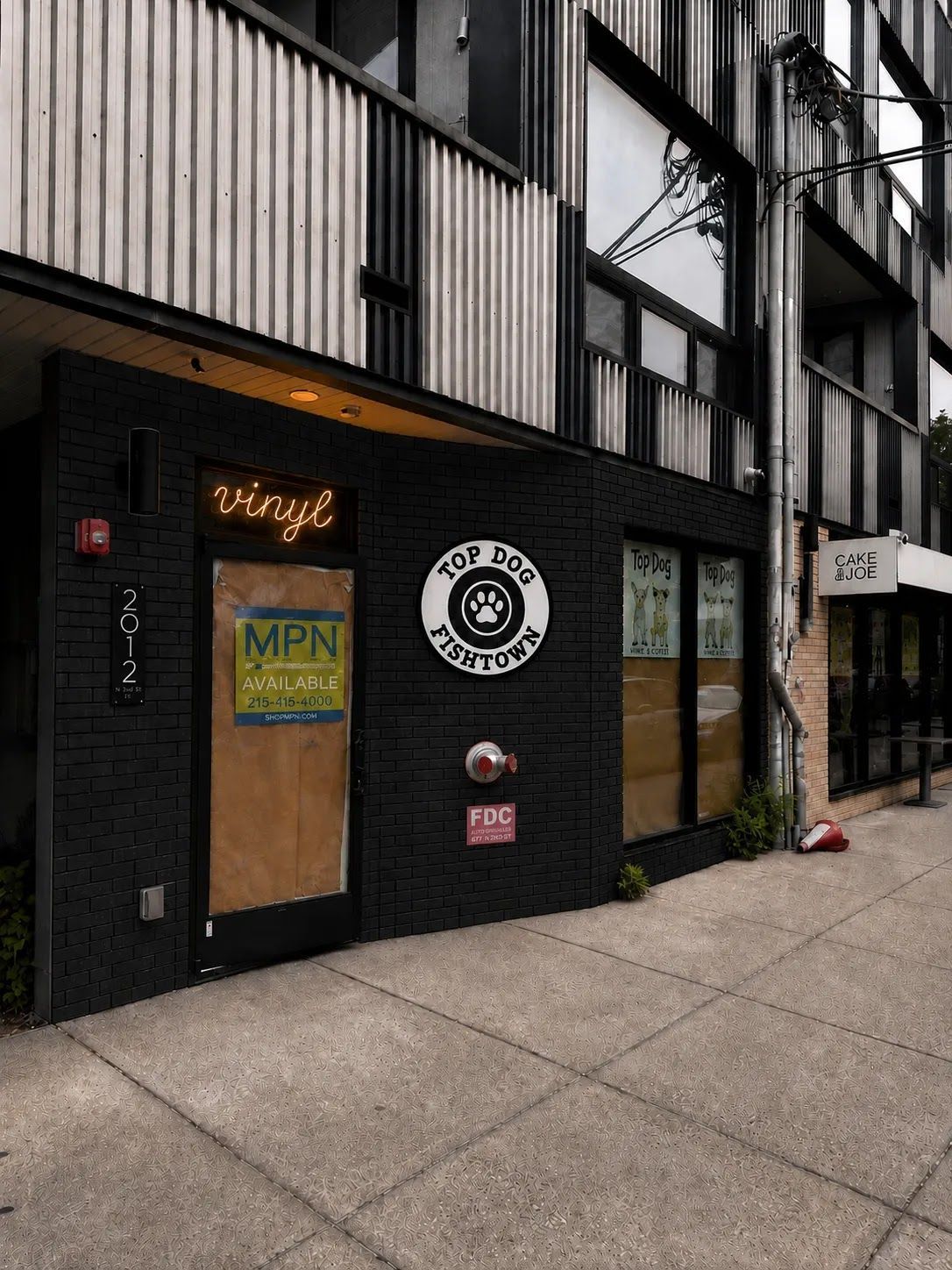
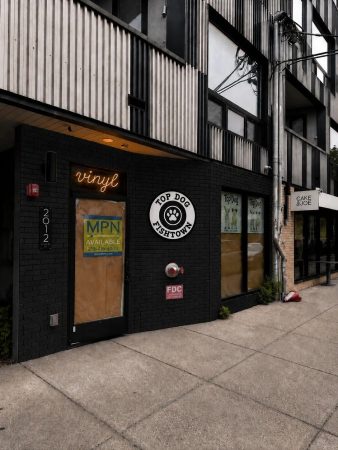
    Top Dog Cocktails is also opening a listening room in Fishtown. Courtesy of Ken Smukler

    Top Dog Cocktails is expanding its offerings in Kennett Square, with plans to add a Japanese-inspired vinyl listening room and bar.

    The ready-to-drink cocktail brand, which already has distilling operations at 110 E. State St., has hundreds of albums to spin, with a goal of offering “a quieter, safer, more sophisticated space to consume alcohol and listen to really good music,” founder Ken Smukler said.

    Top Dog also has plans to partner with nearby music venue Kennett Flash.

    Here’s what you can expect when the new concept opens.

    📍 Countywide News

    💡 Community News

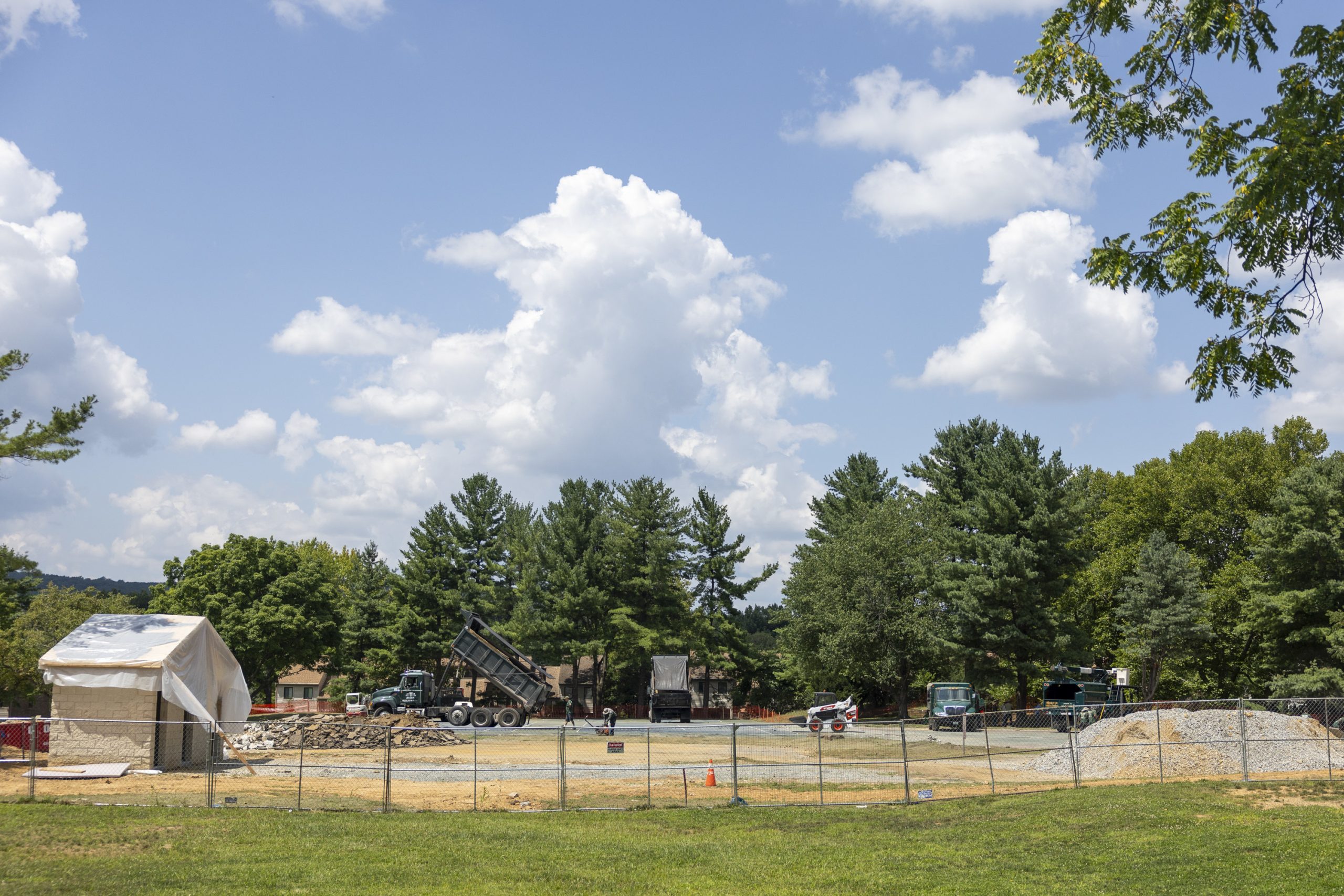
    The construction site at Chase Road Park in Tredyffrin Township.Tyger Williams / Staff Photographer
    • Tredyffrin Township residents are expressing concern after work to convert the dilapidated Chase Road Park has swelled from $725,000 in the first year to $1.7 million this fiscal year. Here’s what to know.
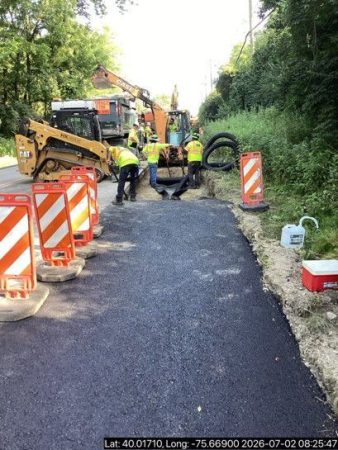
    • Work on the 1.5 million-square-foot data center at an East Whiteland Township Superfund site resumed last week after a temporary order halting work.
    • Tyler Humphreys, a 24-year-old Malvern man and former Sharon Hill police officer, was sentenced to nine to 20 years in state prison after admitting he raped and sexually assaulted three children.
    • A 20-year-old Coatesville man, Kevin Reza-Gonzales, has been arrested and charged with first- and third- degree murder, as well as strangulation, in the death of his girlfriend.
    • The University of Valley Forge, a Christian institution in Phoenixville, announced last week that it will suspend operations after the summer semester.
    • Oxford’s borough council voted last week to pursue joining the Southern Chester County Regional Police Department amid rising costs. At a special meeting Monday night, New Garden Township’s board of supervisors agreed to move forward with negotiations for Oxford to join the regional police department.
    • Caln Township’s board of commissioners approved E. Khan Development Corp.’s proposal to build a 97-townhome community on a roughly 29-acre parcel at 4109 Lincoln Highway.
    • Developer D.R. Horton is looking to build a 130-townhome community known as Meadowview at the nearly 30-acre site at 200 N. Church St. in Parkesburg. The borough will hold a zoning hearing tomorrow at 7 p.m.
    • Imaging Associates, LLC, along with Toll Brothers, is looking to build an age-restricted community on a nearly 119-acre site at 500 Hibernia Rd. in Coatesville. Plans call for 163 single-family homes and 74 twin homes. West Brandywine Township will hold a conditional use hearing for the project tonight at 7 p.m.
    • Speaking of Toll Brothers, the homebuilder recently opened Regency at Valley Creek, a 317-home 55-and-over community in Exton.
    • East Fallowfield swore in its new township supervisor, Robert Sparr, last week.
    • The Hot Spot, a pottery painting, candle-making, and mosaic concept, has opened at 34 S. Main St. in Phoenixville.

    🏫 Schools Briefing

    • Coatesville Area School District’s board voted last week to approve a bond resolution of up to $100 million, funding that will support the yearslong North Brandywine Middle School construction project.
    • The tracks at both Downingtown Area School District high schools are closed for renovations for several weeks. The Downingtown East track is expected to reopen Sept. 7, with the Downingtown West track to follow on Sept. 21.

    🍽️ On our Plate

    • Cutter and Cannon Spirits opened its new location at 104 E. Gay St. in West Chester over the weekend. The distillery’s new spot has a tasting room and bottle shop.

    🎳 Things to Do

    🎆 Phoenixville First Responders Appreciation Night: Rescheduled from the Fourth of July, the event includes water ice, pizza, and a fireworks show. ⏰ Thursday, Aug. 6, 6 p.m. 💵 Free 📍 Friendship Field, Phoenixville

    🚴 Tour-de-Trike: See teams of adults compete in tricycle races. ⏰ Friday, Aug. 7, 3:30-6 p.m. (rain date: Aug. 8) 💵 Free 📍 Gay Street, West Chester

    🎻 Old Fiddler’s Picnic: Now in its 97th year, the festival brings together performers for free concerts. There will also be food trucks, vendors, and yard games. ⏰ Saturday, Aug. 8, 10 a.m.-4 p.m. (rain date: Aug. 9) 💵 Free 📍 Hibernia County Park, Coatesville

    🥕 Phoenixville VegFest: Check out all things vegan at this festival, complete with food trucks and a beer garden. ⏰ Saturday, Aug. 8, 11 a.m.-6 p.m. (rain date: Aug. 9) 💵 Pay as you go 📍 Reeves Park, Phoenixville

    ✈️ 2026 Festival of Flight: See acrobatic flight displays, a drone show, and fireworks at this two-day event. ⏰ Saturday, Aug. 8, 2-10 p.m. and Sunday, Aug. 9, 10 a.m.-5 p.m. 💵 $13.57-$47.02 📍 New Garden Flying Field, Toughkenamon

    🏡 On the Market

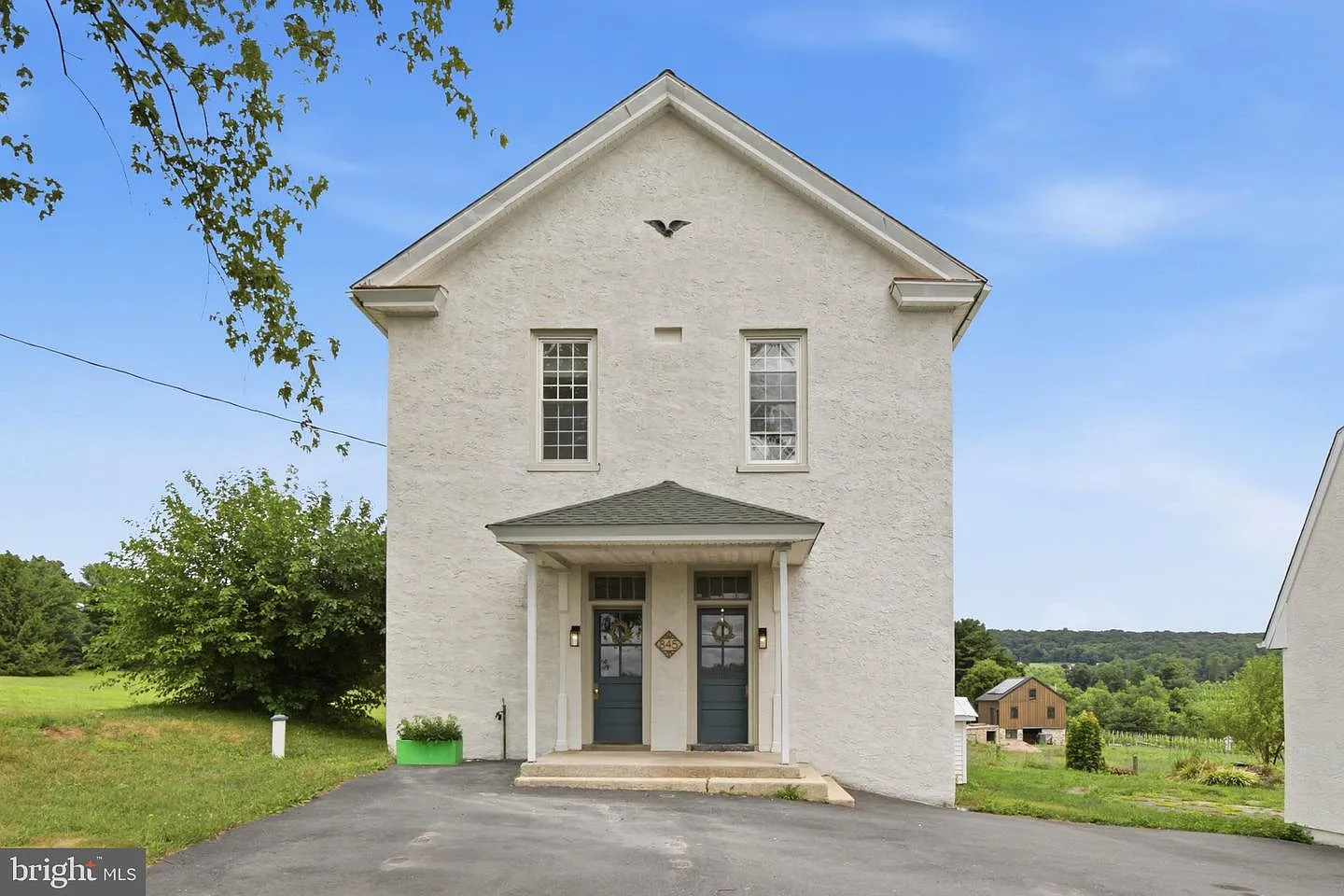
    A century-old Honey Brook farmhouse with a modern interior

    The home also has a detached garage.Courtesy of Alex Whitt/Keller Williams Elite

    Built in 1900, this farmhouse has been renovated to bring it into the 21st century while retaining its historic-looking exterior. The first floor has an open-concept living and dining area that opens onto a kitchen, plus two bedrooms. There are two additional bedrooms upstairs, including a primary suite with a sleek, updated bathroom. The property also has a large detached garage with room for additional living space.

    See more photos of the home here.

    Price: $550,000 | Size: 2,128 SF | Acreage: 0.61

    🗞️ What other Chester County residents are reading this week:

    By submitting your written, visual, and/or audio contributions, you agree to The Inquirer’s Terms of Use, including the grant of rights in Section 10.

    This suburban content is produced with support from the Leslie Miller and Richard Worley Foundation and The Lenfest Institute for Journalism. Editorial content is created independently of the project donors. Gifts to support The Inquirer’s high-impact journalism can be made at inquirer.com/donate. A list of Lenfest Institute donors can be found at lenfestinstitute.org/supporters.

  • Investigative report criticizes Quakertown police chief for role in anti-ICE clash with student protesters

    Investigative report criticizes Quakertown police chief for role in anti-ICE clash with student protesters

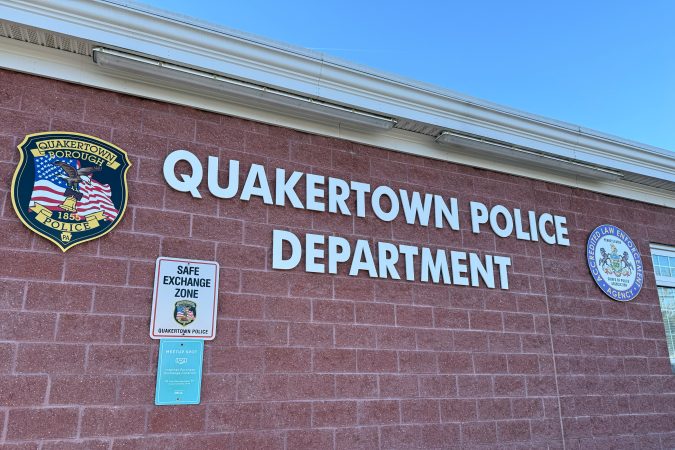
    An investigative review of the February clash between student anti-ICE protesters and Quakertown police sharply criticized Police Chief Scott McElree for his “calamitous” decision to charge into the crowd of demonstrators.

    The 20 page review, ordered by by the Bucks County District Attorney’s Office, however did not call for any new criminal charges against either the protesters or police.

    “The investigation established that the precipitating factor that led to violence was Chief McElree’s decision to swiftly enter an agitated crowd of teenagers while wearing plain clothes, with no visible badge, uniform, body-worn camera, or handcuffs,” the investigative report said.

    “This decision created a ‘fog of war’ where students — believing that an unidentified vigilante was attacking them — acted to defend themselves or others, while police officers, seeing McElree attacked, acted lawfully to stop and arrest people who were assaulting a police officer,” the report said.

    McElree’s “ill-advised decision to do so was the precipitating incident which led to violence,” the report said.

    Quakertown Police Chief Scott McElree.Courtesy of Bucks Back the Blue

    Five teens were initially charged with aggravated assault as well as misdemeanor offenses, but all the aggravated assault charges were eventually dropped. Prosecutors have since struck diversion-program deals with the teens.

    The clash between the students and police on Feb. 20 was captured on video by onlookers and circulated widely online. One video showed McElree grappling with a boy on the sidewalk. Another captured the 72-year-old McElree with his arm around a teen girl’s neck.

    The Quakertown Police Department had sought additional charges against juveniles for allegedly assaulting McElree, who also holds the position of borough manager, but the District Attorney’s Office announced Monday that it has denied the request.

    Officials said McElree had sought medical care after the clash for injuries that included fractured ribs. He also took worker’s compensation leave for several weeks before returning to work in May.

    A panel of area police chiefs later cleared McElree of wrongdoing following a review of the case.

    A spokesperson for Quakertown Borough could not be reached for comment Monday evening.

    The investigative report also placed blame on some of the students.

    “The truth is that while most students protested lawfully, some broke the law. While most protestors and observers did not recognize McElree as a police officer at first, a few students assaulted police officers in uniform and assaulted McElree even after it should have become evident that he was with the” Quakertown Police Deparment,” the report said.

    Investigators also looked at allegations that McElree was ideologically hostile to the anti-ICE protest and had tried to stop it from happening.

    The investigation “found no evidence to support these claims,” the report said.

    Ettore Angelo, a lawyer for one of the teens who was charged, said in a statement Tuesday that the police chief should have faced more consequences for his actions.

    “My client was incarcerated for four days, on house arrest for 28 days, has been vilified in the community, has been harassed in school, and has faced trauma and turmoil no 15-year-old should ever have to endure. She is a remarkable child, and I am very proud of her, as are her parents,” Angelo said.

    “She did not deserve this, nor did the other kids. Meanwhile, Chief McElree ends up with no consequences. Apparently, even when not wearing a badge or uniform, he can manhandle children with impunity,” Angelo said.

    District Attorney Joe Khan said in a statement that he and members of his staff will “engage in conversations with the Quakertown community” over the next 45 days and then release recommendations “about how to move forward to help heal these rifts.”

    Khan also said it was important to remember the events leading up to the Quakertown protest.

    “Kids across Bucks County, including my own, learned of the horror of civilians like Renee Goode and Alex Pretti being shot and killed in the streets of Minneapolis by ICE and Border Protection agents,” Khan said.

    “Young people witnessed their immigrant neighbors living in fear. Bucks County students raised their voices and spoke up about the grievous injustices they saw,” Khan said.

    “It’s true that some students broke the law, though most protested and exercised their First amendment rights peacefully. It’s also true that the police chief made terrible mistakes even as most officers acted with professionalism and restraint that day,” Khan said.

    “The heavy-handed actions of ICE nationwide have caused stress between law enforcement and the communities they serve. We saw that reflected in so much of the footage we reviewed of the protest. For many folks, it was traumatic to see front page images of a law enforcement officer with his arm around the neck of a teenage girl who was protesting ICE. That is why it is important for our office to explain our findings and to engage the community in a meaningful dialogue in the weeks ahead,” Khan said.

    The investigative review was assigned to the Special Investigative Unit of the district attorney’s office, with prosecutors and detectives who had no ties to Quakertown or any involvement in the delinquency proceedings against the five juveniles.

    County detectives conducted more than two dozen interviews over the course of five months. The interviews included 22 civilian witnesses, including four juveniles who could not be interviewed until after their prosecutions had been resolved. The last interview took place last week.

  • WHYY and Penn State take next step to transfer ownership of WPSU

    WHYY and Penn State take next step to transfer ownership of WPSU

    WHYY is one step closer to taking ownership of Pennsylvania State University’s public radio and television station, WPSU, with a new Federal Communications Commission filing.

    WHYY and Penn State filed an application with the FCC late last week to transfer WPSU-FM and WPSU-TV, among other properties, to WHYY for a sale price of $1, according to commission records. The station said in a statement that it was “pleased to have reached an agreement with Pennsylvania State University that marks an important milestone.”

    “We are appreciative of Penn State’s partnership throughout this process, as they have been integral to ensuring uninterrupted service for WPSU’s viewers, listeners and communities,” the station added. “Our shared goal is to preserve and strengthen WPSU’s longstanding mission of providing trusted local journalism, educational programming and community storytelling for the enjoyment and enrichment of generations to come.”

    The FCC needs to approve the deal before it can be completed, the station said. It was not immediately clear how long that process could take, but the review period typically includes a 30-day window during which the public may submit comments.

    The application’s submission marks the latest step in a lengthy process. In October, Penn State trustees unanimously approved a revised proposal to sell WPSU’s operating assets to WHYY, which itself revived a path to keep the station alive following a previous failed deal.

    Under the approved agreement, WHYY is to continue operating WPSU for at least three years following the station’s sale, and give current employees the opportunity to interview for roles under the new leadership. About 44 employees remained at the station following layoffs in June last year, The Inquirer previously reported.

    Previously, WHYY said it was working to raise funds to support WPSU to allow it to continue broadcasting.

    In September, WPSU’s days appeared to be numbered, with Penn State saying it planned to wind down the station’s operations and lay off employees by the end of June. The station’s annual budget was funded largely by the university coupled with federal dollars, the latter of which had been slashed after President Donald Trump’s administration stripped away federal funding for public media, The Inquirer previously reported.

    School trustees in September unanimously voted down a plan for WPSU’s sale to WHYY, largely citing concerns about $17 million in subsidies Penn State would have to provide to WHYY over five years as part of that deal. Under the plan approved in October, the university said last year, WHYY agreed to raise funds itself.

    WPSU began broadcasting more than 70 years ago. When it was faced with a possible closure last year, university leaders said that they received about 1,300 public comments about the station, many of which urged the school to reconsider its decision to wind down operations. WHYY president and CEO Bill Marrazzo later said WPSU would “continue to be here” for listeners.

    “WHYY and WPSU are joining forces to expand what is possible — strengthening local journalism, creating new educational opportunities, and developing innovative ways to deliver the content people value most,” Marrazzo said last year.

  • Booker Rowe, celebrated trailblazing Black violinist with the Philadelphia Orchestra, has died at 85

    Booker Rowe, celebrated trailblazing Black violinist with the Philadelphia Orchestra, has died at 85

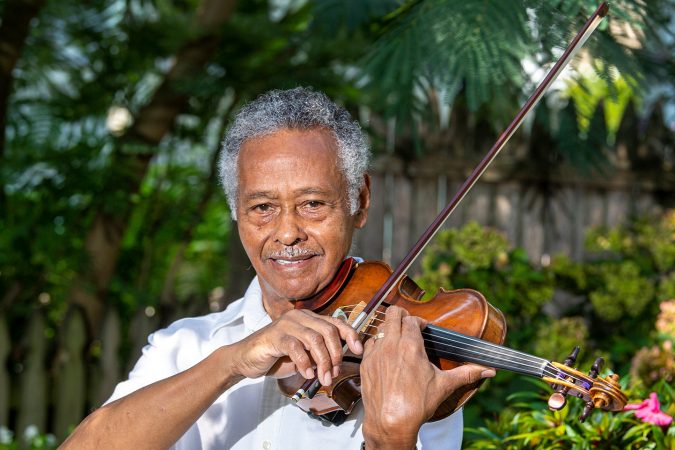
    Booker Rowe, 85, of Philadelphia, award-winning violinist, the first Black musician to play with the Philadelphia Orchestra and the Nashville Symphony String Quartet, the second permanent full-time Black player in the Philadelphia Orchestra, teacher, mentor, and role model, died Friday, July 31, of complications from pneumonia and sepsis at Jefferson Abington Hospital.

    A lifelong musician — he played piano at age 5 and violin at 11 — Mr. Rowe was invited by famed music director Eugene Ormandy in 1968 to become the first Black musician to perform with the Philadelphia Orchestra. He was a substitute violin during most of the 1968-69 season and returned for good in 1971 as the orchestra’s second Black permanent full-time member.

    Mr. Rowe stayed for 49 years.

    “My first day, I came in late from New York, and the orchestra was already rehearsing, and I sat myself down on the last stand to play,” Mr. Rowe told The Inquirer’s Peter Dobrin in 2020. “The sound was amazing. It was like stereo all around me. The stage was slanted down, and when the brass and winds would play I had to brace myself with my right leg from being blown off stage. It was just so beautiful.”

    For five decades, until his retirement in 2020, Mr. Rowe played with half a dozen elite conductors and traveled the world in the orchestra’s second violin section. He and his colleagues gave thousands of memorable performances at the Academy of Music, the Kimmel Center, and the Mann Center in Philadelphia, Carnegie Hall and the Lincoln Center in New York, and the Saratoga Performing Arts Center in Saratoga Springs, N.Y.

    They played at the 1993 World Series at Veterans Stadium, for Pope Francis in 2015, and at the Vail Music Festival in Colorado. They played in Europe, South America, Asia, and elsewhere around the world.

    This photo of Mr. Rowe (left) appeared in the Daily News in 1993Newspapers.com

    In 1973, the orchestra made a historic 10-day, five-concert cultural exchange tour in China, and Mr. Rowe told the Daily News afterward that he visited a commune and returned with Chinese instruments. In 2008, he mingled with former Secretary of State Alexander Haig and other international notables after a concert in Beijing.

    In 2013, he posed for pictures with the Chinese welcoming contingent at Shanghai Airport. “Booker was such a kind soul, and his passion, his artistry, and his humanity are woven into who we are,” Yannick Nézet-Séguin, the orchestra’s music and artistic director, said in a tribute.

    Ryan Fleur, the orchestra’s president and chief executive officer, said: “He was a warm and steadying presence in our orchestra.”

    Born in Kentucky, Mr. Rowe and his family moved to North Philadelphia when he was 2. His father was a singer, and his mother played piano, and they “pushed me in the direction of classical music,” he told the Daily News in 1981.

    He became concertmaster for the West Philadelphia High School orchestra, the All-City high school orchestra, and the old all-Eastern Conference college orchestra. He earned a bachelor’s degree in music at Temple University in 1963 and a master’s degree in music at Yale University in 1968.

    Before Philadelphia, he played solo in New York and with symphony orchestras in Nashville, New Haven, Conn., and Washington. Later, he played with the old Symphony Club of Philadelphia, the Lansdowne Symphony Orchestra, and other local groups.

    Mr. Rowe (left) stands with fellow musicians Andre Watts (center) and Renard Edwards.Courtesy of the family

    He also got freelance gigs with Sammy Davis Jr., Isaac Hayes, Smokey Robinson, the Supremes, Barbra Streisand, Aretha Franklin, and other stars. He played with chamber music ensembles around the country and gave dozens of free concerts for children, churches, and community and scholarship fundraisers.

    He championed racial and ethnic diversity, and was active with the Philadelphia Orchestra’s cultural diversity initiative. He sought and performed work by Black and other minority composers, and mentored dozens of colleagues and students.

    He encountered at least one racist incident that first year in Philadelphia and told the Daily News in 1981: “The time was right for an Afro-American in the Philadelphia Orchestra. It was just a matter of finding somebody who was ready.”

    Mr. Rowe and his family lived in Center City, East Mount Airy, and Germantown. Courtesy of the family

    A friend said on Facebook: “His legacy and historical contributions are unparalleled.”

    Mr. Rowe taught at Settlement Music School and gave private lessons. He earned music and service awards from City Council, the American Foundation for Negro Affairs, and other groups.

    In 2019, he was asked to advise young musicians in a video interview for the Philadelphia Orchestra website, philorch.ensembleartsphilly.org. “Practice, practice, practice,” he said. “But also enjoy, enjoy, enjoy. Do it with love in your heart.”

    Booker Taliaferro Washington Vance Rowe Jr. was born Dec. 10, 1940, in Lexington, Ky. In Philadelphia, he studied at the old Philadelphia Musical Academy and Settlement Music School, and his father worked at RCA Victor records in Camden. So their home was always filled with music.

    Mr. Rowe (rear center) stands with Philadelphia Orchestra colleagues and members of the Chinese welcoming contingent in 2013.

    Jan Regan / Philadelphia Orchestra

    He met soprano Patsy Baxter at a Philadelphia Orchestra concert, and they married in 1970 and had a son, Landis, and a daughter, Vivian. They lived in Center City, East Mount Airy, and Germantown, and visited his family often back in Kentucky and Tennessee.

    Mr. Rowe enjoyed puzzles, hiking and kayaking with his family, and tai chi. Friends noted his “kindness,” “million-dollar smile,” and “cheerful presence” in Facebook tributes.

    “He liked people,” his wife said. “He liked socializing. He liked to stick with one thing and concentrate on it.”

    His son said: “My father and I always had a good time together, and we never knew when playful sparring would break out.”

    Mr. Rowe and his wife, Patsy, married in 1970.
    Jose F. Moreno / Staff Photographer

    His daughter said: “He was very fiery and lovable. He was always who he was. He was one of a kind.”

    In addition to his wife and children, Mr. Rowe is survived by a daughter-in-law, Maria, two granddaughters, and other relatives.

    A celebration of his life is to be held later.

    Mr. Rowe (rear second from left) enjoyed time with his family.Courtesy of the family
  • A vinyl and cocktail spot is coming to Kennett Square and Fishtown, bringing perhaps the neighborhood’s smallest bar

    A vinyl and cocktail spot is coming to Kennett Square and Fishtown, bringing perhaps the neighborhood’s smallest bar

    A new vinyl listening room and bar concept is coming to Kennett Square and Fishtown this fall, seeking to help people connect in person around music and over cocktails.

    Top Dog Cocktails, a ready-to-drink 12.5% ABV cocktail brand with a distillery based in Kennett Square, will open its first two brick-and-mortar locations in the coming months, embracing the Japanese jazz kissa model — a music cafe or bar that’s focused on listening to vinyl records.

    “It’s all to drive this analog feel in a digital world,” said founder Ken Smukler, a longtime political strategist who dipped his toe into the alcohol space roughly a decade ago. “It’s all about the community, listening and respecting music, and enjoying the cocktails at the same time.”

    Philly has had a history with listening rooms, with a flurry of openings starting in 2022 that then fell into a downtrend in more recent years. But the concept may now be making a comeback.

    With his distillery location in Kennett Square already tied to music, and a teeny space in Fishtown in a former ATM calling for some creative reimagining, Smukler saw opportunity.

    The locations will look a little different from each other, but the heart of both will be similar. There will be a small retail component, a bar that will double as recipe development for the brand, and, of course, an expansive catalog of music on rotation.

    Top Dog Cocktails is “designed for a more sophisticated consumer” who “recognizes what a craft cocktail is in a can,” he said.

    That vibe applies to these locations; Smukler envisions their demographic as cocktail appreciators, who want to unplug from their phones or TVs.

    “This is a quieter, safer, more sophisticated space to consume alcohol and listen to really good music,” he said.

    Smukler, a former political operative for then-U.S. Rep. Bob Brady, was first drawn to ready-to-drink cocktails in 2015, and began raising capital to launch his own brand. That early effort dissolved in 2019, when he went to federal prison for campaign finance law infractions.

    But while in prison during the COVID-19 pandemic, quarantined without much to do other than chat, he learned his cellmate’s brother worked in the alcohol industry. On his way out of prison, Smukler called his friends and family — and his former cellmate’s brother.

    “There’s literally a straight line from there into launching Top Dog,” he said.

    He reconstituted the investor group, and the brand launched in 2022. They’ve sold nearly 1.5 million cans, Smukler said, with distribution in Pennsylvania, New Jersey, and Florida.

    Options include a few variations of the margarita, an espresso martini, a vodka and grapefruit Greyhound, and a whiskey lemonade.

    The brand’s distillery operation is in Kennett Square, near Kennett Flash, a live entertainment venue. He first picked the spot, at 110 E. State St., because he felt there could be “synergy” between Top Dog’s tasting room and live music. The roughly 750-square-foot space will be the bigger of the two listening rooms.

    Smukler plans to work with the Kennett Flash in a joint venture; the nonprofit will be able to use the venue as a green room for performers, a space for music classes, or however they see fit. They’ll also get a cut from the retail sales.

    He’s looking to do something similar with the Fishtown location, but is still seeking a partner, he said. The location, at 2012 Frankford Ave., may be the smallest bar in Fishtown, at 350 square feet. It’ll have a 15-seat bar, a two-turntable DJ station, and a retail component.

    Fishtown feels like “ground zero” for the demographic they’re trying to reach, Smukler said. As for Kennett Square, he just happens to love it.

    “I just think it’s a gem, and I think if we can do something with the Kennett Flash … and for the community, that’ll pay back in spades for us,” he said.

    They’ll be able to test new drinks through the outposts, Smukler said. They’ve never had a gin or a rum product, for instance, and this will give them a chance for some R&D.

    As for music, they’ve amassed more than 500 albums ready to spin. Smukler’s creative director is planning themed nights to let them shine. Though the Japanese kissa model is usually jazz-forward, there will be a cross section of what gets played, he said.

    Moving the business into physical locations has been a creative challenge, but an exciting one, he added.

    “If you ask me, what is the most fun part of my job? It’s not trying to figure out how to sell more cases in Florida. I guarantee you, it is designing a kissa concept in Fishtown or working with a nonprofit in Kennett,” he said. “That’s the fun part.”

    This suburban content is produced with support from the Leslie Miller and Richard Worley Foundation and The Lenfest Institute for Journalism. Editorial content is created independently of the project donors. Gifts to support The Inquirer’s high-impact journalism can be made at inquirer.com/donate. A list of Lenfest Institute donors can be found at lenfestinstitute.org/supporters.