Category: News

  • Voters are turning out in droves to cut autocrats down to size

    Voters are turning out in droves to cut autocrats down to size

    It’s not just the U.S. midterms: An anti-authoritarian wave appears to be crashing over elections around the world.

    In country after country that has struggled with creeping authoritarianism and democratic decay, outraged electorates have turned out in record numbers, delivering indisputable victories that have checked the autocratic advance.

    The United States crossed into “competitive authoritarianism” during President Donald Trump’s second term, according to eminent political scientists Steven Levitsky and Lucan A. Way. Voters issued a stunning rebuke in the midterms, when an expected blue wave turned out to be a blue tsunami.

    The outpouring was just what Kamala Harris, the former Democratic presidential contender, urged before the vote when she told supporters, “We just need to turn out in really large numbers that would be too big to rig.” It even overcame exceptional efforts by Trump and his party to gerrymander impenetrable Republican districts.

    Voters are still seen as more likely to go to the polls to defend their pocketbooks than democratic principles. But when those issues intersect — for instance, in angry accusations of corruption, at a time when voters are struggling economically — the combination has proved especially motivating.

    The year has provided a host of examples, as voters turned out in numbers that capsized the efforts of nationalist autocrats, tainted by corruption accusations, to tilt the political playing field their way even before elections could begin.

    Last month, when Aleksandar Vucic, Serbia’s longtime nationalist strongman, was swept out of power, estimates suggested that voter turnout was nearly 70%, the highest since the breakup of the former Yugoslavia.

    In Brazil, President Luiz Inácio Lula da Silva defeated Flávio Bolsonaro, whose father, the former president Jair Bolsonaro, was jailed for attempting a coup after he lost the last election to Lula. In this year’s election, turnout increased by nearly 3 million voters between the first and second rounds, bucking the usual trend of votes falling in the runoff. Voter absenteeism fell to the lowest level of any Brazilian presidential election.

    In Hungary, Viktor Orban, a MAGA favorite who had proclaimed himself the champion of “illiberal democracy,” was ousted in April after nearly 16 successive years as prime minister. Voter turnout reached its highest level since the fall of Communism in 1989 — about 80%.

    ‘Too big to rig’

    The overwhelming turnout and high margins of those victories were important, because they neutralized the tactics that authoritarian leaders often use to prejudice electoral outcomes in their favor, said Kim L. Scheppele, a professor at Princeton University who studies democracy in Eastern Europe.

    “If you have a close vote, then autocratic capture can always pull them over the line with dirty tricks of different kinds,” she said. But when the margin is huge, such tricks no longer work, and disfavored leaders must either step down or fully abandon democracy in favor of a violent crackdown, as former President Nicolás Maduro of Venezuela did when he faced a loss in 2024.

    In Hungary, for example, the opposition Tisza party won an absolute majority in Parliament, overcoming even the rejigged rules that Orban had long used to ensure that a plurality of votes gave his party a supermajority in the legislature.

    In Israel, by contrast, Prime Minister Benjamin Netanyahu’s coalition lost its parliamentary majority in elections in October, due in part to record-high turnout among Israeli Arabs. But the coalition bargaining is so narrow that Netanyahu has tried to cast doubt on the results by claiming without evidence that the Arab parties stole the election.

    Youth in revolt

    Young people have been a crucial element of this new anti-authoritarian wave.

    “I want to thank the generosity of Brazilian youth, who took to the streets to defend democracy,” Lula said in his victory speech, referring to student protests that broke out after he finished in second place in the first round of the presidential election. In the second round, Lula’s substantial advantage with voters younger than 35 powered him to victory.

    In the United States, 70% of all voters younger than 30 cast their ballots for Democrats, according to New York Times data. Even more notably, 61% of young men voted Democrat — a big change from 2024, when more than 56% of them supported Trump.

    In Hungary, according to exit polls, 67% of voters younger than 30 cast their ballots for the victorious Tisza party, compared with just 8% for Orban’s party, Fidesz.

    The most notable youth effects came in Serbia, where the opposition’s victory was driven by a new youth-led political bloc called Student List-Students Win, which grew out of a longtime student protest movement. The students recruited candidates from outside the political system: doctors, scientists and others. Their message — anti-politics but pro-democracy — resonated with voters.

    “If you can get all new faces, then you can build these big-tent parties and let young people power it with social media,” Scheppele said. “Then you can get these huge election victories, which enable you to really root out the prior autocratic government.”

    This article originally appeared in The New York Times.

  • Court weighs Trump’s appeal in the Stormy Daniels hush money case

    Court weighs Trump’s appeal in the Stormy Daniels hush money case

    NEW YORK — New York appeals judges grilled President Donald Trump’s lawyers and prosecutors Thursday about his bid to erase his historic hush money conviction, but the court didn’t signal how or when it would rule.

    The judges delved into legal theory, presidential immunity, and some evidence in Trump’s 2024 trial. Convicted of 34 felony counts of falsifying business records to obscure a $130,000 payment to adult film performer Stormy Daniels, Trump denies any wrongdoing. He has turned to state and federal courts in hopes of unwinding the verdict.

    Trump, who denounced the case on social media as recently as September, didn’t attend Thursday’s court session.

    Much of the back-and-forth focused on prosecutors’ theory that the hush money was meant to keep unflattering information about Trump away from the electorate before the 2016 vote, and that it amounted to an illegal campaign contribution under the Federal Election Campaign Act.

    Trump lawyer Robert Giuffra Jr. told the judges that Manhattan District Attorney Alvin Bragg’s office has no place tying a case to a federal election law.

    “We think it’s the most obvious ground for reversal,” he said.

    Prosecutors argued that they weren’t prosecuting an alleged federal campaign finance offense, but rather presenting it as a factor underlying what they claim was a Trump-orchestrated conspiracy.

    “So are you relying upon FECA in order to prove your falsifying business records (charge)?” Justice Troy Webber asked.

    “Only partially,” replied Bragg’s appeals chief, Steven Wu, adding that it was “important only to show that the purpose for the falsifying business records here was to conceal that conspiracy.”

    Judges drill down on question about White House conversations

    The appeal also concerns whether jurors should have been allowed to hear testimony about supposed White House workflow and conversations — some with then-Communications Director Hope Hicks — and even Trump social media posts during his first term. His lawyers cite presidential immunity for official acts, and they argue his official conduct included responding to the Daniels drama once it became public in 2018.

    “Ms. Hicks was serving as a White House official,” talking with the president about how to respond to press inquiries that implicitly concerned his fitness for office, Giuffra told the appeals judges.

    Wu countered later: “In this conversation, they were not speaking about a press response. … The president was talking to her about his private opinion.”

    The appeals judges pressed both sides about the matter and the specifics of Hicks’ testimony. She told jurors that she asked Trump how he wanted to respond, but as for what he said, she testified only that he expressed relief that the Daniels story hadn’t emerged during the campaign.

    Bragg’s office contends that all the White House-related evidence was fair game. The conversations were “unofficial conduct,” some of the other evidence was public record, and some was a general description of office practices, prosecutors say. They maintain that even if some of the evidence should have been excluded, its admission was a “harmless error” that doesn’t warrant overturning a conviction that rested on “a mountain” of other proof against Trump.

    Justice Bahaati E. Pitt-Burke wondered aloud about that.

    “If you take all of those things cumulatively, right, and there’s a problem with this evidence, there’s a problem with this evidence, at what point … does it stop being harmless error and turn into something else?” she asked.

    “It would have to be a lot more than there was in this case,” Wu responded.

    Trump’s lawyers also have argued the case was political

    While the appeal turns on complex legal disputes, political overtones aren’t hard to find. The very first paragraph of one of the Trump team’s court filings contended that the case was the flimsy product of “immense political pressure” on a Democratic prosecutor to go after Trump — rhetoric that echoes the Republican president’s own oft-repeated claims in the court of public opinion.

    The May 2024 verdict made Trump the first former — and now current — U.S. president with a criminal conviction. While historic, it didn’t impede his return to the White House or subject him to any punishment.

    The trial involved $130,000 that Daniels got from Trump’s then-fixer and lawyer, Michael Cohen, weeks before the 2016 election. The money bought, for a time, her silence about an alleged sexual encounter with the married Trump a decade earlier. He says that nothing sexual happened between them.

    Trump’s company reimbursed Cohen in 2017, logging those payments as legal expenses.

    Trump’s lawyers argue there’s only “weak” evidence that he even knew about Cohen’s dealings at the time. His trial attorneys also said that payments to Cohen were indeed legal expenses, and that any hush money expended on Trump’s behalf wasn’t hidden campaign spending, just an effort to avoid embarrassing his family.

    The distinction matters because, under New York law, falsifying business records isn’t a felony unless it’s done with an intent to commit or conceal a separate crime.

    While pursuing his state appeal, Trump also has been trying to shift the case to federal court and have it dismissed on immunity grounds. A federal judge said no — for the third time — in August. Trump’s attorneys are appealing that decision, with arguments set for Nov. 16.

  • Multiple flights in Europe diverted because of bomb threats after earlier hoaxes

    Multiple flights in Europe diverted because of bomb threats after earlier hoaxes

    MILAN — Multiple flights in Europe made emergency landings on Thursday after being diverted because of bomb threats, authorities said. The incidents followed hoax bomb threats earlier this week that prompted searches, diversions and in one case a military escort.

    More than a dozen flights from cities including Copenhagen, Dublin, Helsinki, Madrid, Milan and Warsaw were confirmed to have been targeted with bomb threats, most diverted to other airports for emergency landings while others landed safely at their destinations. So far inspections have not turned up hazardous or suspicious materials.

    Such threats are not new, but the latest incidents come at a time of increased geopolitical tensions and other disruptions, like attacks on supermarket refrigeration systems, drone incursions in Europe and mysterious triggers to alert apps. Authorities have warned that hybrid threats abound.

    Czech police said searches of another four planes that landed in Prague after being targeted by bomb threats were clear. They have not given details on where the flights originated.

    Earlier, a flight from Dublin to Rome was diverted to a military air base in western France because of a bomb threat, the French prime minister’s office said. The flight landed safely at the base in Evreux in Normandy, Prime Minister Sebastien Lecornu’s office said. All 151 passengers and six crew members were safe and military bomb disposal teams were examining the plane, the office said.

    It added that it was following the situation in real time. No other information was immediately released.

    Authorities report ‘abstract threats’ to several airports

    A LOT Polish Airlines flight from Warsaw to Brussels landed at its destination, where inspections found no hazardous or suspicious items, the airline said. A Wizz Air flight from Milan to Bucharest landed safely in Bucharest following a bomb threat, airport spokesman Teo Postelnicu said.

    A Finnair flight from Helsinki to Rome landed safely at Rome’s Leonardo da Vinci airport at around 9:30 a.m., escorted by Italian air force fighter jets, according to an airport official with knowledge of the situation. The official spoke on condition of anonymity because they weren’t authorized to speak publicly.

    An emailed bomb threat had been received, and security clearance procedures by police bomb disposal experts were completed, with no explosives found, the official said.

    A flight to Warsaw landed in Vienna following a mail to Polish authorities containing an abstract threat, said Stefan Loidl, a police spokesperson in Lower Austria province. Nothing was found and the plane continued to Warsaw.

    He said there was also an abstract threat to Vienna Airport concerning four other flights, which he declined to identify, but operations were not disrupted.

    Polish authorities checked a LOT flight that was about to depart from Warsaw to Paris on Thursday morning after a threat was reported at Warsaw’s Chopin Airport, said airport spokesman Piotr Rudzki. No threat was ultimately identified. One runway at Chopin airport was temporarily closed while authorities carried out standard security procedures.

    Three Ryanair flights bound for Sofia, Bulgaria, had to make emergency landings because of bomb threats on board. Two of the flights, one from Copenhagen, Denmark, and the other from Madrid, landed safely at Sofia’s Vasil Levski Airport, airport officials told reporters. The third Sofia-bound flight, from London’s Stansted Airport to Sofia, had been diverted and landed safely at the airport in Plovdiv, Bulgaria’s second-largest city, Plovdiv Airport CEO Krassimir Peshev said.

    Hoaxes prompted similar searches earlier this week

    Several flights across Europe received hoax bomb threats earlier this week that prompted searches, diversions and, in one case, an escort by the Italian air force until landing, officials said.

    The flights included Polish airline LOT, Scandinavian Airlines, Wizz Air and Ryanair. The hoax threats came after a plane headed for Bulgaria was diverted to Hungary after receiving a similar bomb threat while in the air. No one was injured.

  • Pa. police are rushing to help ICE with immigration enforcement. Formal agreements have nearly doubled in six months.

    Pa. police are rushing to help ICE with immigration enforcement. Formal agreements have nearly doubled in six months.

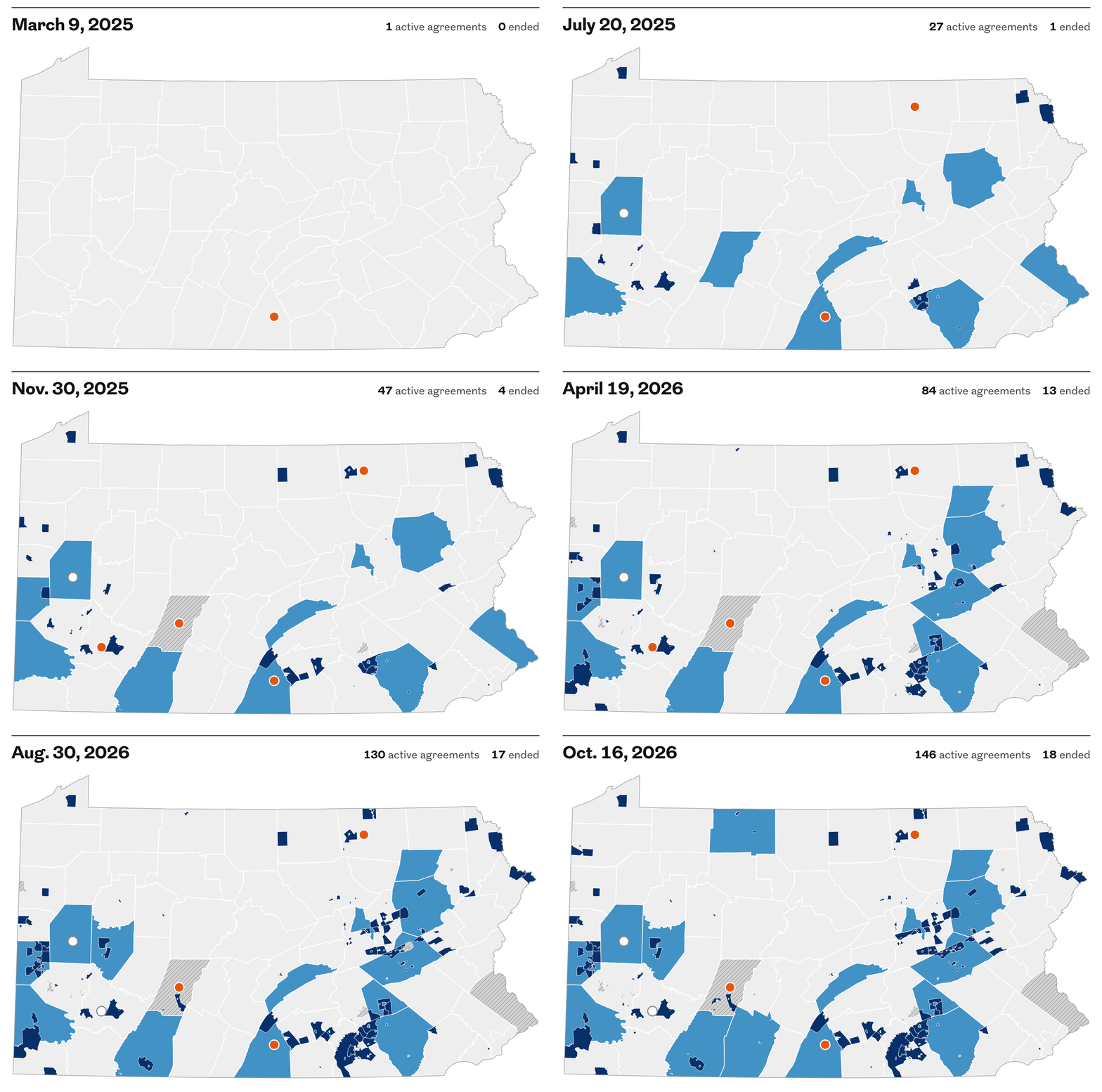
    The number of Pennsylvania police agencies signing up to help ICE enforce federal immigration law has nearly doubled in the last six months.

    That is on top of a big, earlier increase that took place in winter and spring.

    Today 146 local agencies have inked formal agreements to assist U.S. Immigration and Customs Enforcement in its work, up to and including arresting immigrants and turning them over for deportation proceedings.

    That is up from 78 in April.

    (function(){function e(){window.addEventListener(`message`,function(e){if(e.data[`datawrapper-height`]!==void 0){var t=document.querySelectorAll(`iframe`);for(var n in e.data[`datawrapper-height`])for(var r=0,i;i=t[r];r++)if(i.contentWindow===e.source){var a=e.data[`datawrapper-height`][n]+`px`;i.style.height=a}}})}e()})();

    The police-ICE alliances are part of a controversial agency initiative known as 287(g), named for a section of a 1996 immigration act, in which state and local police assist the agency in identifying, arresting, and removing immigrants. The Trump administration says the agreements make Americans safer, acting as a force multiplier for immigration enforcement.

    “Under the Biden Administration, Pennsylvania had zero 287(g) partnerships with ICE,” a spokesperson for the Department of Homeland Security said in a statement. “Under President Trump’s leadership, they are surging because state and local law enforcement want to help make America safe again.”

    Nationally, as of Oct. 20, the number of program partnerships had increased nearly 1,900% since the beginning of Trump’s second term ― from 135 agreements to 2,698, according to the department.

    “Our 287(g) partners work with ICE to protect the public safety of the communities in which they live and serve, without fear, favor, or prejudice, and they should be commended for doing so,” the department said. “Partnerships with law enforcement are critical to having the resources we need to arrest criminal illegal aliens. … When politicians bar local law enforcement from working with DHS, our law enforcement officers must have a more visible presence so that we can find and apprehend the criminals let out of jails and back into communities.”

    Some of the agencies that recently signed up in Pennsylvania include the district attorneys’ offices in Bedford, Armstrong, and McKean Counties, the Butler Township Police Department, the Pottsville City Police Department, the Lehigh Township Police Department, and regional police departments in Northern York County, Eastern Pike County, and Conneaut Lake, which serves Conneaut Lake Borough, Sadsbury Township, North Shenango Township, and Linesville Borough.

    They join other municipal police departments, county sheriff’s offices, and constables’ offices that work with ICE to serve the president’s push for mass deportations of immigrants.

    (function () {window.addEventListener(‘message’, function (e) { var message = e.data; var els = document.querySelectorAll(‘iframe[src*=”‘ + message.id + ‘”]’); els.forEach(function(el) { el.style.height = message.height + ‘px’; }); }, false); })();

    During the first 18 months of Trump’s second term, DHS completed about 980,000 deportations ― a faster pace than under the Biden and first Trump administrations, though still below early-2000s levels, according to a new analysis by the Migration Policy Institute in Washington.

    “It’s a very harmful program, because it’s turning local police into ICE agents,” said Patty Torres Vera, co-executive director of the immigrant rights group Make the Road Pennsylvania. “It erodes the trust that the community should have in police. People become afraid, afraid to report crimes, to help in investigations, because they fear consequences.”

    The agreements foster racial profiling of Black and brown people, she said, while putting local communities at risk of paying big legal settlements.

    “Local police, they’re not required to enforce local immigration laws ― they’re choosing to sign these agreements,” Torres Vera said. “Their limited resources should be focused on keeping their communities safe, not carrying out the duties of federal authorities.”

    The new statistics come from the Deportation Data Project, a group of attorneys and academics committed to transparency in immigration enforcement data. The organization used government statistics, provided by ICE in response to a Freedom of Information Act request, that were then processed by the project and analyzed by The Inquirer.

    The figures show not just the overall number of agreements, but also how local alliances with ICE are shaping immigration arrests in Pennsylvania.

    The first Pennsylvania arrest under the program occurred in July 2025. Since then, 1,342 people have been arrested under 287(g), about 13% of the 10,163 ICE arrests in the state.

    Program arrests hit a monthly high of 414 in July, constituting one out of three ICE arrests that month. While arrests under the program are making up a larger share of all immigration arrests in the state, the geographic distribution varies widely.

    In dozens of cities, arrests under 287(g) make up more than 90% of all ICE arrests. In hundreds of other places, however, they account for less than 10%.

    The arrests data are current as of Aug. 5.

    The program designates three main models under which local authorities can help ICE:

    • The Task Force model, the most expansive, which enables local police to enforce federal immigration laws during routine patrols. That includes arresting people who police suspect are not citizens.
    • The Jail Enforcement model, where local officers identify and process for possible immigration offenses those who have been arrested on criminal charges.
    • The Warrant Service Officer program, which authorizes local police to execute ICE administrative warrants at jails.

    All but three of the 146 agreements in the state fall under the task force model.

    (function(){function e(){window.addEventListener(`message`,function(e){if(e.data[`datawrapper-height`]!==void 0){var t=document.querySelectorAll(`iframe`);for(var n in e.data[`datawrapper-height`])for(var r=0,i;i=t[r];r++)if(i.contentWindow===e.source){var a=e.data[`datawrapper-height`][n]+`px`;i.style.height=a}}})}e()})();

    Some police departments and local governments, including those in Philadelphia, not only avoid the agreements but also deliberately limit their cooperation with ICE. They say that their sanctuary and welcoming policies create trust in immigrant communities, and that undocumented crime victims and witnesses will not come forward if they fear being arrested for lack of legal status.

    ICE says the program adds staff strength to an agency workforce that numbers an estimated 21,000 nationwide. DHS Secretary Markwayne Mullin encourages local officials to join forces with ICE, saying they can be key partners in keeping Americans safe.

    ICE provides incentives for local police including stipends, equipment, and financial reimbursements.

    Opponents insist that turning police officers into immigration agents hurts local economies, including at farms and restaurants, as communities use their own tax dollars to help drive away the workforce on which they depend.

    New Jersey has long barred local collaboration with ICE, first by directive and, as of March, by law, after Gov. Mikie Sherrill signed legislation prohibiting those agreements.

    Pennsylvania has no such restrictions.

    Nationally, the number of agencies signing on to help ICE grows nearly every day, covering 38 states and two ​U.S. territories.

    Vanessa Stine, a senior staff attorney for immigrants’ rights at the ACLU of Pennsylvania, said she sees the federal government aggressively pushing the expansion of 287(g) ― increasing racial profiling and legal risk for local taxpayers.

    “It’s shameful and squarely wrong for so many law enforcement agencies in Pennsylvania to enter into 287(g) agreements, and really calls into question their core mission and values, when they voluntarily choose to do a job that is not actually their job,” she said. “Pennsylvanians should be upset about that.”

  • Rival Bros. is coming to Wayne | Inquirer Radnor

    Rival Bros. is coming to Wayne | Inquirer Radnor

    Hello, Radnor!

    Philadelphia coffee company Rival Bros. is expanding to Wayne next year. Here’s what to know about the new cafe. Also this week, Main Line Health has stopped accepting cash and checks as payment, Villanova University student athletes presented Pope Leo XIV with gifts during their visit to Rome, plus voters approved a $120 million open space referendum.

    — Lisa Dukart (radnor@inquirer.com)

    P.S. Tell us what you think of the newsletter by taking our survey or emailing us at radnor@inquirer.com.

    If someone forwarded you this email, sign up for free here.

    Rival Bros. is expanding to Wayne

    Rival Bros. has several locations in Philadelphia, including at 1134 Sansom St.Jason Varney

    Popular Philadelphia coffee shop Rival Bros. has chosen Wayne for its first suburban cafe. The owners are targeting a spring opening for the Eagle Village Shops outpost that will span about 2,100 square feet.

    Cofounders Jonathan Adams and Damien Pileggi said they chose Wayne after seeing many of their urban customers move to the suburbs to start families. Despite Wayne’s large coffee shop culture, they’re not worried about oversaturation, they said.

    Their new cafe is expected to have seating for up to 60 people, with two areas that allow for lingering.

    The Inquirer’s Beatrice Forman has more details.

    💡 Community news

    • Delaware County voters on Tuesday approved a $120 million bond referendum to conserve open space. It gives council 10 years to issue bonds toward projects that would protect drinking water sources, wildlife habitats, wetlands, and more. It’s projected to cost less than $24 for the average household each year. See other election results here.
    • Speaking of the election, county residents can recycle unwanted yard signs tomorrow and Saturday at Rose Tree Park in Media.
    • Radnor-based Main Line Health, which owns four area hospitals, is no longer accepting cash or checks for any transactions, including patient copays and gift shop purchases. Here’s why.
    • Villanova University’s men’s and women’s basketball teams were in Rome over the weekend to kick off the NCAA basketball season, each facing the University of Notre Dame. The Sunday doubleheader saw the men’s team fall 74-72 and the women’s team lose 99-75. While the Wildcats weren’t victorious on-court, they did get to present Pope Leo XIV, a 1977 graduate, with gifts, including a golden basketball. See video from the presentation here.
    • The township began collecting leaves this week and will continue through Dec. 14. See your pickup days here.
    • The state’s auditor general has accused Delaware County Intermediate Unit of “frivolous” spending, including “hundreds of thousands of dollars on retreats for executives, team-building activities for staff, [and] food any time they had a meeting.” The Inquirer’s Maddie Hanna has the details.
    • Delaware County-set HBO drama Mare of Easttown was named to the New York Times’ list of the 100 best television shows of the 21st century so far. One reviewer said it delivers “Pennsylvania atmosphere so thick you could slap it on a hoagie and eat it with sweet peppers.”

    🗺️ Other nearby news

    🍽️ On our plate

    • South Philadelphia eatery Taco Heart has soft opened for walk-up service at the Ardmore Farmers Market.

    🎳 Things to do

    🎵 Kelsey Waldon: The country musician will make a local stop on her “Out of the Dirt” tour. ⏰ Friday, Nov. 6, 8 p.m. 💵 $33.90 📍 118 North, Wayne

    🐉 How to Train Your Dragon: Catch a screening of the 2010 animated film. ⏰ Saturday, Nov. 7, 11 a.m. 💵 $6.75-$7.75 📍 Bryn Mawr Film Institute

    🎁 Artisan Holiday Market: Get a jump on holiday shopping at this market, which features over 30 artists selling a range of goods. ⏰ Sunday, Nov. 8, 11 a.m.-4 p.m. 💵 Pay as you go 📍 Main Line Art Center, Haverford

    🏡 On the market

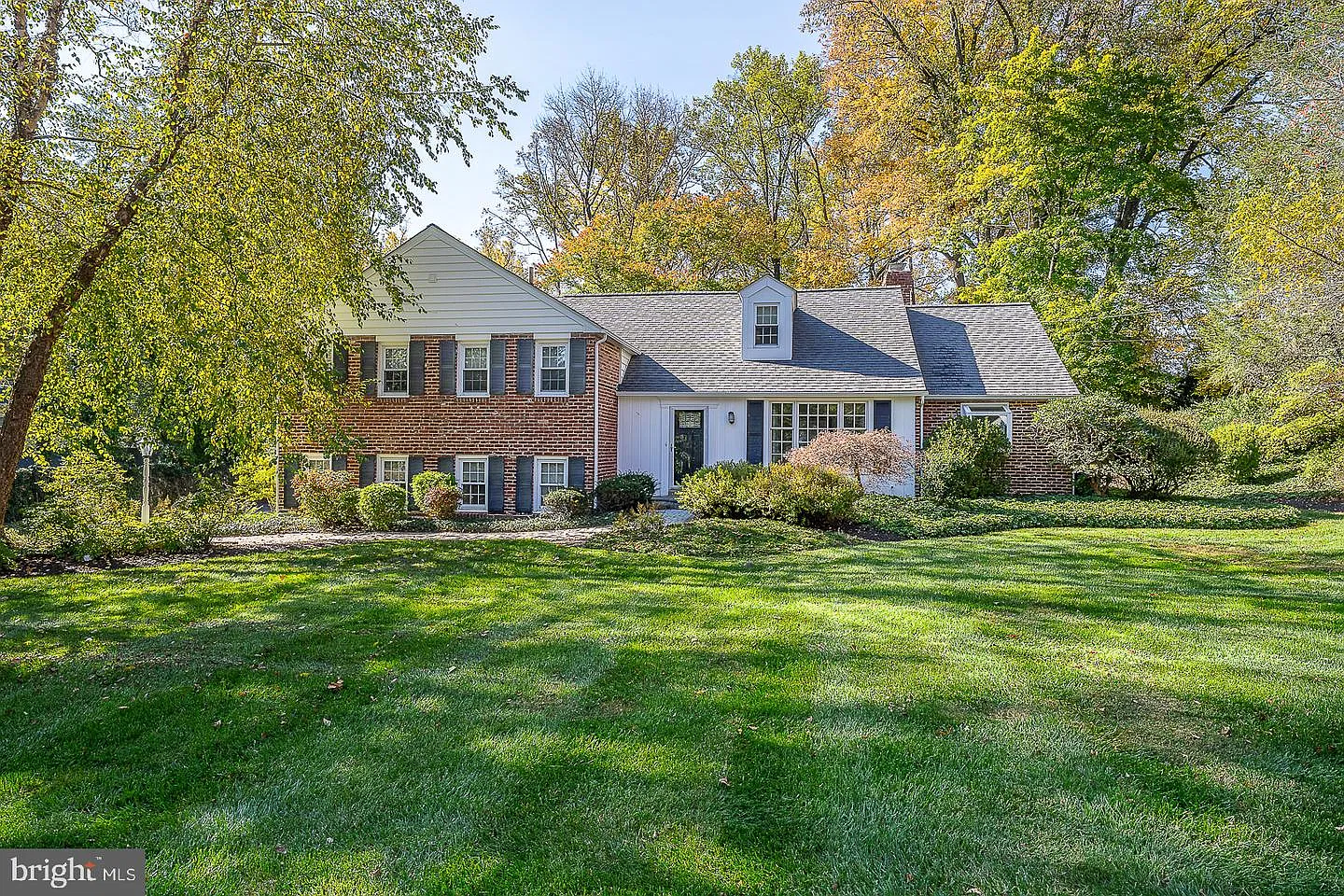
    A four-bedroom split-level with a spacious backyard

    This four-bedroom Wayne split-level has an updated eat-in kitchen with granite countertops and stainless steel appliances. It’s adjacent to a family room with vaulted ceilings, skylights, and a built-in work space. There’s also a living room with a fireplace and a dining room. Two lower levels, one with a half-bathroom and fireplace, add living space. Outside, there’s a deck with a retractable awning. There’s an open house Saturday from 1 to 3 p.m.

    See more photos of the home here.

    Price: $1.195M | Size: 3,275 SF | Acreage: 0.92

    Each week we feature an interesting local listing in or around the township. Have one we should consider? Email us at radnor@inquirer.com.

    🗞️ What other Radnor residents are reading this week:

    By submitting your written, visual, and/or audio contributions, you agree to The Inquirer’s Terms of Use, including the grant of rights in Section 10.

    This suburban content is produced with support from the Leslie Miller and Richard Worley Foundation and The Lenfest Institute for Journalism. Editorial content is created independently of the project donors. Gifts to support The Inquirer’s high-impact journalism can be made at inquirer.com/donate. A list of Lenfest Institute donors can be found at lenfestinstitute.org/supporters.

  • Inside a Havertown couple’s Shore cottage | Inquirer Haverford

    Inside a Havertown couple’s Shore cottage | Inquirer Haverford

    Hello, Haverford!

    Fall has been relatively warm so far, but a change in the polar vortex could mean chilly weather and even a few snowflakes in the coming weeks. Wishing you could go back to Shore season? While we can’t rewind the clock, we can give you a peek inside a Havertown couple’s unplugged Ocean City retreat.

    Also this week, a township resident and former state trooper was sentenced to prison for creating deepfake pornography. Plus, a popular New York bakery is eyeing the region for future expansion.

    — Lisa Dukart (haverford@inquirer.com)

    P.S. Tell us what you think of the newsletter by taking our survey or emailing us at haverford@inquirer.com.

    If someone forwarded you this email, sign up for free here.

    Inside a Havertown couple’s unplugged Shore retreat

    Steve and Regina Pannepacker in their home in Ocean City, N.J.Vernon Ogrodnek / For The Inquirer

    Decades after launching a search for a Jersey Shore cottage to call their own, Havertown couple Steve and Regina Pannepacker finally made that dream a reality in 2015.

    In the years since, they’ve turned their three-bedroom, one-bathroom Ocean City cottage into a cozy gathering place for family and friends. In a nod to their passions, it’s filled with surfboards, sea glass, and books.

    “It’s a combination of Ralph Lauren and a Hawaiian style,” Steve said of the eclectic mix.

    Noticeably absent is a TV or Wi-Fi, an intentional choice to encourage conversation.

    Take a peek inside.

    💡 Community news

    🗺️ Other nearby news

    🏫 Schools briefing

    • The School District of Haverford Township is among the best school districts in Pennsylvania for 2027, according to the latest ranking from data firm Niche. The district came in No. 25 in the state and got an “A” grade.

    🍽️ On our plate

    🎳 Things to do

    🎸 Peppino D’Agostino: Hear the Italian guitarist perform live. ⏰ Friday, Nov. 6, 7:30-10 p.m. 💵 $26.50-$36.70 📍 Kelly Center

    🎶 Eggy: The jam band will perform for two nights. ⏰ Friday, Nov. 6 and Saturday, Nov. 7, 8 p.m. 💵 $35.67-$72.42 📍 Ardmore Music Hall

    🐉 How to Train Your Dragon: Catch a screening of the 2010 animated film. ⏰ Saturday, Nov. 7, 11 a.m. 💵 $6.75-$7.75 📍 Bryn Mawr Film Institute

    🎁 Artisan Holiday Market: Get a jump on holiday shopping at this market, which features over 30 artists selling a range of goods. ⏰ Sunday, Nov. 8, 11 a.m.-4 p.m. 💵 Pay as you go 📍 Main Line Art Center

    🏡 On the market

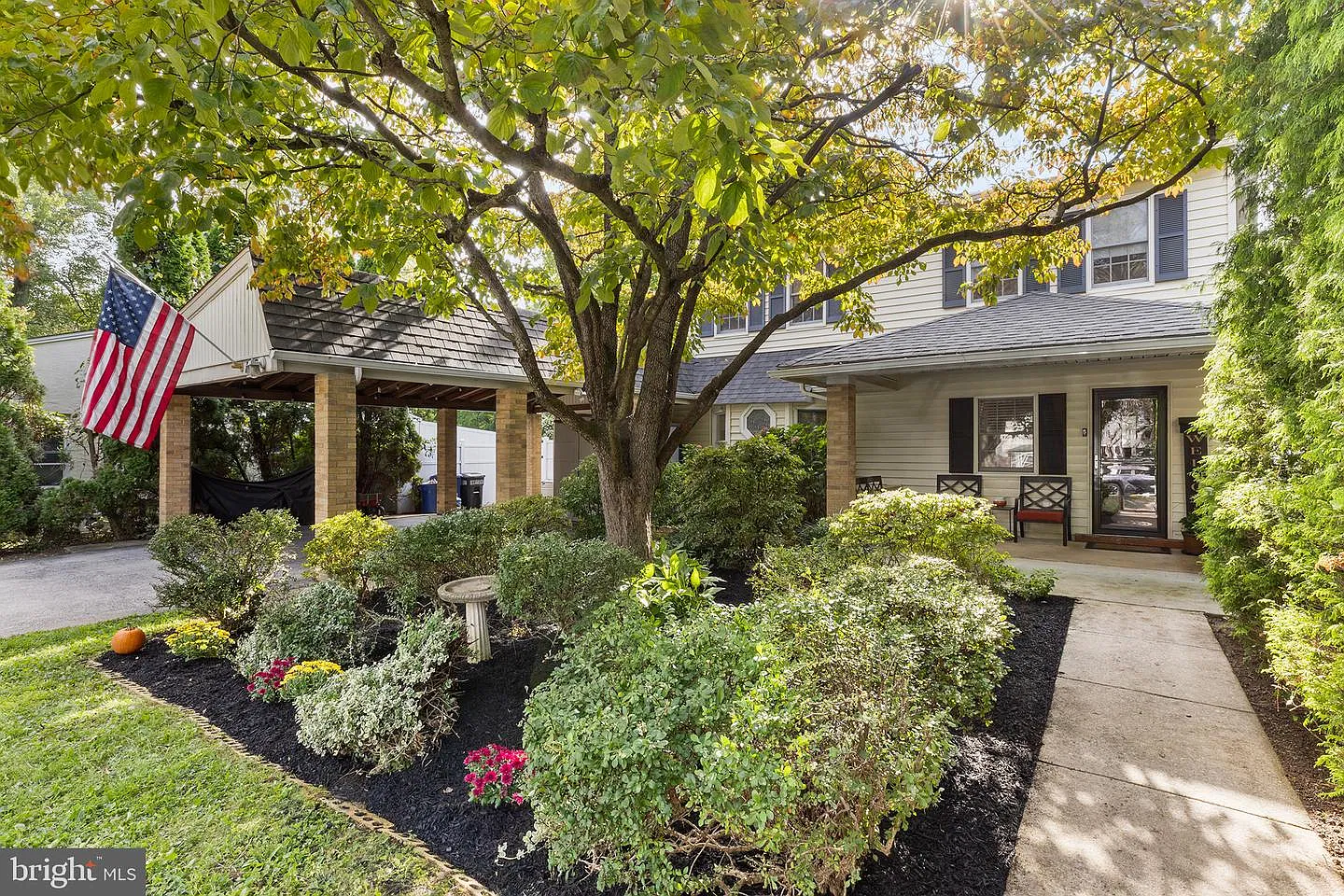
    A four-bedroom Havertown home with a fenced backyard

    This 1945 Colonial in Havertown’s Beechwood neighborhood has a cozy entryway with a wood-burning stove set in a brick wall. The first floor features a family room, dining room, office, and kitchen. There’s also a sitting room with a full bathroom that could be converted into a first-floor suite. There are four bedrooms upstairs and additional living space outdoors thanks to a covered front porch, and a deck and patio out back that open onto a fenced yard. There’s an open house Sunday from 1 to 3 p.m.

    See more photos of the home here.

    Price: $699,000 | Size: 2,876 SF | Acreage: 0.15

    Each week we feature an interesting local listing in or around the township. Have one we should consider? Email us at haverford@inquirer.com.

    🗞️ What other Haverford residents are reading this week:

    By submitting your written, visual, and/or audio contributions, you agree to The Inquirer’s Terms of Use, including the grant of rights in Section 10.

    This suburban content is produced with support from the Leslie Miller and Richard Worley Foundation and The Lenfest Institute for Journalism. Editorial content is created independently of the project donors. Gifts to support The Inquirer’s high-impact journalism can be made at inquirer.com/donate. A list of Lenfest Institute donors can be found at lenfestinstitute.org/supporters.

  • Weighing limits on data centers | Inquirer Lower Merion

    Weighing limits on data centers | Inquirer Lower Merion

    Hi, Lower Merion!

    As data center proposals proliferate throughout the region, the township is looking to restrict where they can be built. Here’s what that could look like. Also this week, a new Verizon telephone pole is in the works in Narberth, Gladwyne Fire Company’s model is being used elsewhere to recruit volunteers, plus a new taco joint has opened at Ardmore Farmers Market.

    — Lisa Dukart (lowermerion@inquirer.com)

    P.S. We want your feedback! Tell us what you think of the newsletter by taking our survey or emailing us back here.

    If someone forwarded you this email, sign up for free here.

    Lower Merion looks to limit data centers with a new ordinance

    The Ironworks at Pencoyd Landing sits in one of the potentially allowable areas for data centers. TIM TAI / Staff Photographer

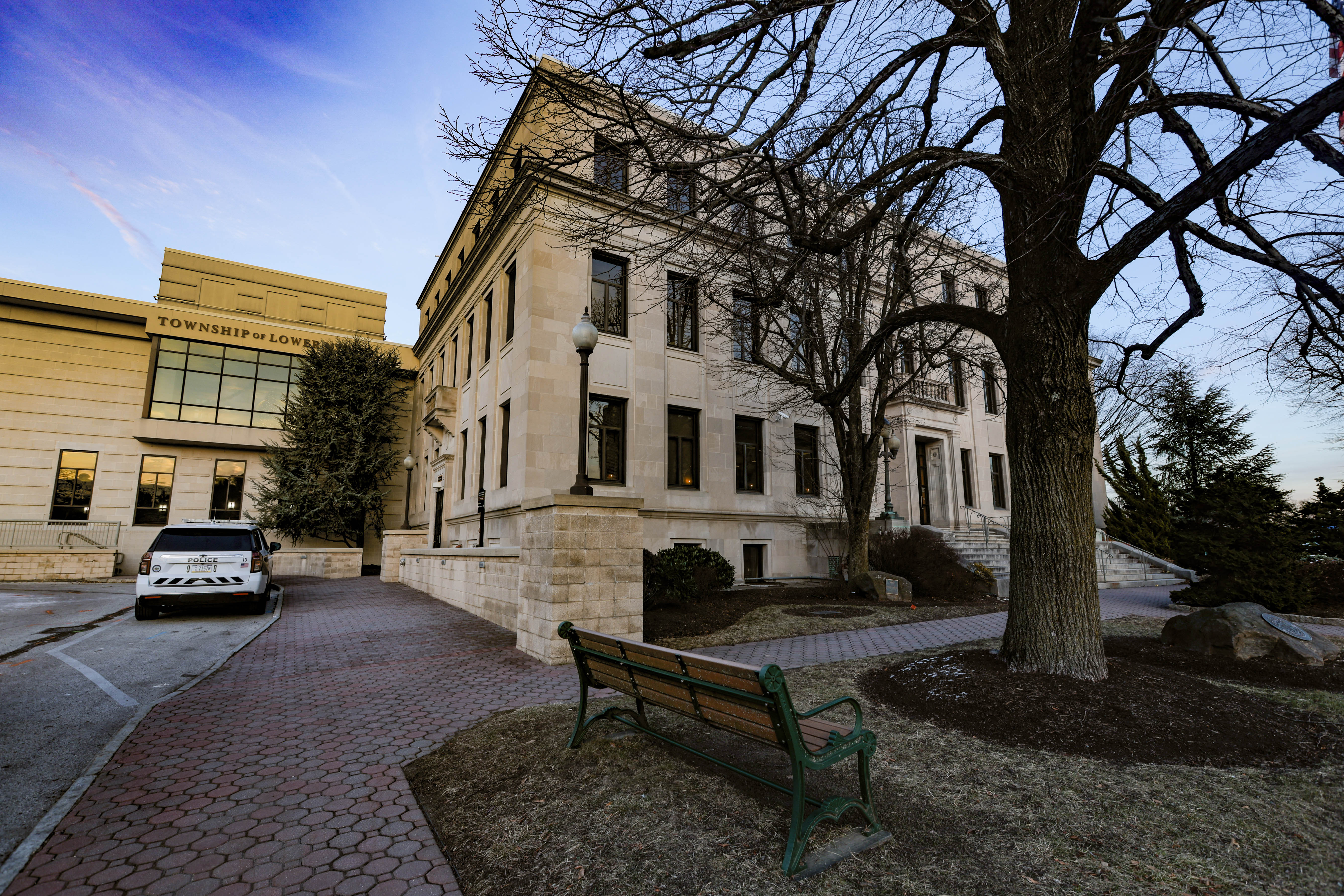
    Lower Merion officials are looking to put guardrails in place for any future data center proposals, restricting their development to a former industrial corridor in Bala Cynwyd.

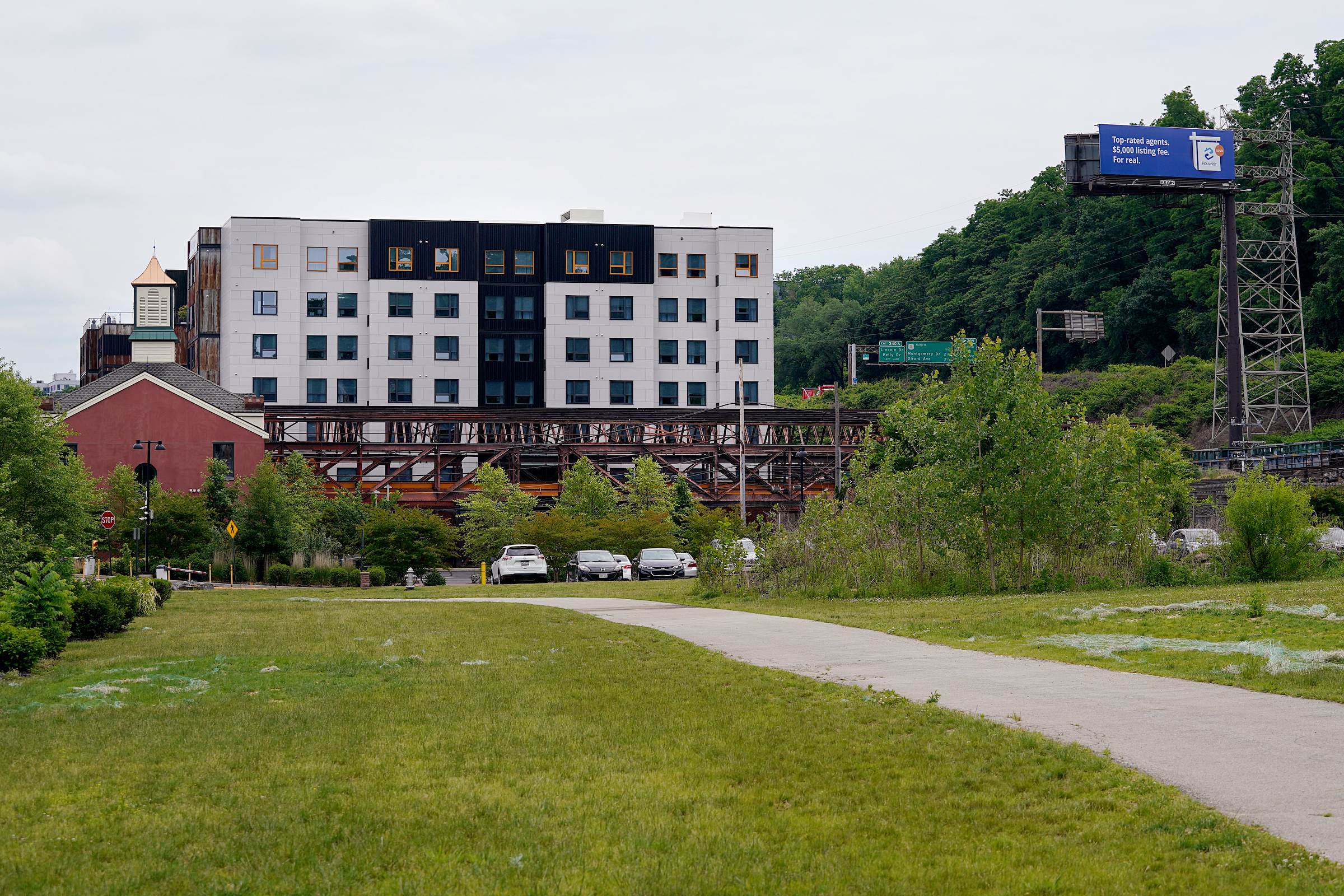
    While there aren’t any data center proposals currently, the township wants any future ones to be limited to the light industrial zoning district along part of the Schuylkill River and a section of Righters Ferry Road.

    The planning commission voted Monday to recommend the proposed draft ordinance, albeit with two changes for consideration. Rather than having data centers be approved by special exception, they suggested requiring conditional use approval. They also wanted to revise the definition of a data center to make it clear that certain telecommunications infrastructure isn’t included.

    The Inquirer’s Denali Sagner looks at what other limits the township wants to put in place and what the process moving forward could look like.

    💡 Community news

    • A new telephone pole is slated to go up at the corner of Haverford and Forrest Avenues in Narberth early next year, pending approvals. It’s intended to alleviate Verizon customers’ longtime frustrations with spotty service in the borough.
    • Montgomery County fire departments are grappling with more calls and fewer volunteer firefighters, forcing some, like Gladwyne Fire Company, to get creative with their recruitment efforts. Recognizing the high cost of living in the community, the company has purchased multiple properties to offer reduced rent to its firefighters. It’s also added a gym in the station. Its model is now being duplicated elsewhere nearby, The Inquirer’s Jess Rohan reports.
    • Main Line Health, which owns Lankenau Medical Center and Bryn Mawr Hospital, is no longer accepting cash or checks for any transactions, including patient copays and gift shop purchases. Here’s why.
    • Gov. Josh Shapiro’s campaign stopped in Narberth Monday ahead of the Tuesday election, when he overwhelmingly defeated opponent Stacy Garrity. Shapiro said that the borough “symbolizes a place of kindness, a place where people from all different walks of life come together, a place where we respect one another, and where we try and lift up our neighbors.”
    • The township is expected to release its proposed 2027 budget this week, with the first presentation Wednesday.
    • Starting Monday and continuing through Nov. 18, Harriton Road will be closed between Old Gulph Road and Morris Avenue for bridge repairs on weekdays from 8 a.m. to 4 p.m.
    • Work on Wynnedale Road is scheduled to begin today, with possible intermittent closures near its intersection with Shady Lane.
    • Ardmore plant and gardening shop Plant 4 Good recently moved half a block from its home at 100 Cricket Ave. to 123 Cricket Ave. Its new space will debut Saturday.
    • Maeve, Anthropologie’s popular in-house brand, is opening a standalone store in Ardmore’s Suburban Square today.
    • A Kobe Bryant jersey that the NBA All-Star wore during his tenure with the Aces sold at auction last week for roughly $2.2 million, making it the highest-ever price tag for a high school jersey sale, according to Bleacher Report.
    • Have unwanted election signs? You can drop them off at Lower Merion Transfer Station through Nov. 12 for recycling.

    🗺️ Other nearby news

    🏫 Schools briefing

    • Lower Merion is among the best school districts in Pennsylvania for 2027, according to the latest ranking from data firm Niche. The district came in number five in the state and got an “A+” grade.

    🍽️ On our plate

    🎳 Things to do

    🎸 Eggy: The jam band will perform for two nights. ⏰ Friday, Nov. 6 and Saturday, Nov. 7, 8 p.m. 💵 $35.67-$72.42 📍 Ardmore Music Hall

    🐉 How to Train Your Dragon: Catch a screening of the 2010 animated film. ⏰ Saturday, Nov. 7, 11 a.m. 💵 $6.75-$7.75 📍 Bryn Mawr Film Institute

    🔎 Narberth Scavenger Hunt: Gather your team and follow clues on an adventure throughout the borough. ⏰ Saturday, Nov. 7, 6-9 p.m. 💵 $25 per person 📍 Throughout Narberth, events kick off and end behind Greeks Next Door

    🏡 On the Market

    A seven-bedroom Bryn Mawr estate with a pool

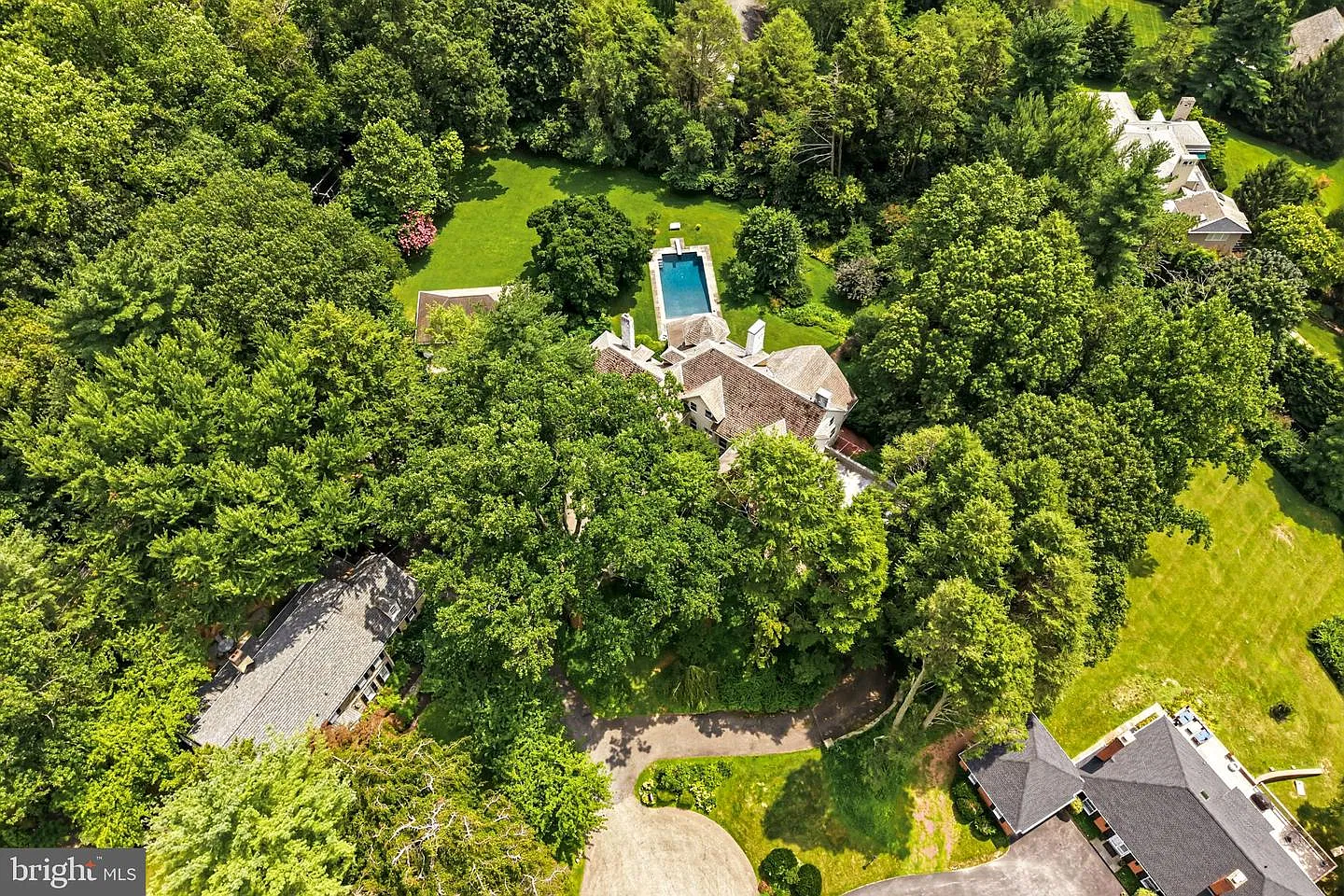
    Built in the late 1800s, this Bryn Mawr estate was once home to railroad magnate Martin W. Clement, the late president of the Pennsylvania Railroad, according to its listing. Known as Crefeld, the home features original architectural details like lattice-style millwork, crown moldings, and chair rails. Designed for entertaining, the first floor features a large living room, a hall, a family room, a sunroom, and a kitchen with an adjoining butler’s pantry. The home has seven bedrooms as well as an in-ground pool and terrace. There are open houses Nov. 14 from 1 to 3 p.m. and Nov. 15 from 10 a.m. to noon.

    See more photos of the property here.

    Price: $2.195M | Size: 8,279 SF | Acreage: 1.98

    🗞️ What other Lower Merion residents are reading this week:

    By submitting your written, visual, and/or audio contributions, you agree to The Inquirer’s Terms of Use, including the grant of rights in Section 10.

    This suburban content is produced with support from the Leslie Miller and Richard Worley Foundation and The Lenfest Institute for Journalism. Editorial content is created independently of the project donors. Gifts to support The Inquirer’s high-impact journalism can be made at inquirer.com/donate. A list of Lenfest Institute donors can be found at lenfestinstitute.org/supporters.

  • Top birding spots near Media | Inquirer Greater Media

    Top birding spots near Media | Inquirer Greater Media

    Hi, Greater Media!

    Birding is on the rise. Want to try it for yourself? We look at some top local spots. Also this week, county voters approved a $120 million open space referendum, Main Line Health has stopped accepting cash and checks as payment, plus a countywide agency has been accused of “frivolous” spending.

    P.S. We want your feedback! Tell us what you think of the newsletter by taking our survey or emailing us at greatermedia@inquirer.com.

    If someone forwarded you this email, sign up for free here.

    Top spots to go birding near Media

    Birding is gaining popularity in more densely populated areas. Tyger Williams / Staff Photographer

    Birding in densely populated communities around the region has gained popularity in recent years, driven in part by modern apps that can help users better understand the world around them.

    In Pennsylvania, users of eBird — the citizen-science project created by Cornell University’s Lab of Ornithology to allow birders to log the species they see and their locations — grew 66% between 2020 and 2025.

    Looking for the best local spots? Birders have logged 151 species over the last five years in the Crum Creek Reservoir area, a good place to spot waterfowl like hooded mergansers and raptors like the red-shouldered hawk. It’s located near Martin Park and the Crum Creek Water Treatment Plant.

    Taylor Memorial Arboretum in Wallingford has also been identified by birders as a strong choice.

    The Inquirer’s Frank Kummer delves into the growing interest in birding and how it’s helping create community.

    💡 Community news

    • Delaware County voters on Tuesday approved a $120 million bond referendum to conserve open space. It gives council 10 years to issue bonds toward projects that would protect drinking water sources, wildlife habitats, wetlands, and more. It’s projected to cost less than $24 for the average household each year. See other election results here.
    • Speaking of the election, if you have unwanted campaign signs, you can drop them off at Rose Tree Park tomorrow from 9 a.m. to 4 p.m. and Saturday from 9 a.m. to noon for recycling.
    • The state’s auditor general has accused Delaware County Intermediate Unit of “frivolous” spending, including “hundreds of thousands of dollars on retreats for executives, team-building activities for staff, [and] food any time they had a meeting.” The Inquirer’s Maddie Hanna has the details.
    • Main Line Health, which owns Riddle Hospital, is no longer accepting cash or checks for any transactions, including patient copays and gift shop purchases. Here’s why.
    • Pennsylvania Institute of Technology recently opened its $7.3 million expansion at the Walter R. Garrison College of Nursing facilities and the Walter R. Garrison Gateway to Success in Upper Providence Township, the Daily Times reports.
    • There will be a lane closure on weekdays from 9 a.m. to 3 p.m. and 7 p.m. to 5 a.m. on Manchester Avenue/Rose Valley Road/Yale Avenue between Baltimore Avenue and Route 320 in Nether Providence Township and Media, Rose Valley, and Swarthmore Boroughs. The milling, paving, and utility adjustment work is expected to continue through Nov. 24.
    • Starting today and continuing through December, Media’s Baltimore Avenue parking garage will undergo repairs, resulting in some reduced parking availability.
    • Middletown Township’s curbside leaf collection program is underway and will continue through Dec. 4.
    • Nether Providence Township is hosting a bulk trash drop-off for residents on Saturday from 10 a.m. to 2 p.m. at Hepford Park and South Media Fire Station.

    🏫 Schools briefing

    • Wallingford-Swarthmore is among the best school districts in Pennsylvania for 2027, according to the latest ranking from data firm Niche. The district came in No. 10 in the state and got an “A+” grade. Rose Tree Media also cracked the top 50, ranking No. 45 statewide and earning an “A” grade.

    🍽️ On our plate

    • Apple cider doughnut season is here. Main Line Today rounded up spots to score the treat, including Linvilla Orchards, which also sells them at Wolff’s Apple House on weekends.

    🎳 Things to do

    🍖 Food Truck Frenzy: Linvilla Orchards will have over two dozen food trucks on hand, serving everything from barbecue to bacon on a stick. There will also be music, face painting, and pony rides. ⏰ Saturday, Nov. 7, and Sunday, Nov. 8, 11 a.m.-4 p.m. 💵 Pay as you go 📍 Linvilla Orchards, Media

    🪩 Delco Dance Night: Hit the dance floor as a DJ plays popular tunes from the 1970s to now. ⏰ Saturday, Nov. 7, 7-10 p.m. 💵 $25.50 📍 Park Avenue Community Center, Swarthmore

    🎤 Joe Conklin and the City Rhythm Orchestra: The comedian will be accompanied by a nine-piece orchestra for this sports-themed show. ⏰ Saturday, Nov. 7, 7 p.m. 💵 $65-$105 📍 Media Theatre

    🗞️ What other Greater Media residents are reading this week:

    By submitting your written, visual, and/or audio contributions, you agree to The Inquirer’s Terms of Use, including the grant of rights in Section 10.

    This suburban content is produced with support from the Leslie Miller and Richard Worley Foundation and The Lenfest Institute for Journalism. Editorial content is created independently of the project donors. Gifts to support The Inquirer’s high-impact journalism can be made at inquirer.com/donate. A list of Lenfest Institute donors can be found at lenfestinstitute.org/supporters.

  • The controversial head of West Philly’s Mariposa Food Co-op is out. Can it make a comeback?

    The controversial head of West Philly’s Mariposa Food Co-op is out. Can it make a comeback?

    With more than 3,000 member-owners and a 55-year track record, the Mariposa Food Co-op looms large in West Philadelphia. But in recent years, many residents felt that it had lost its way — both financially and spiritually.

    So when the co-op board announced late last month that its longtime controversial head was out, effective immediately, the news sped through the neighborhood. “Co-op executive officer” and general manager Aj Hess had managed the co-op since 2016, despite repeated attempts by volunteer board members and workers to oust them.

    On social media, some neighbors rejoiced as if a despot had finally been removed from the throne. “I want to dance in the streets,” one wrote.

    “It’s weird that someone who just basically ran a grocery store has so much ill will built up in the community that people are celebrating,” said Will Inglis, a local who was, himself, celebrating. Inglis worked at the co-op as an overnight stocker and helped organize a union there in 2022. He left in 2023 and was subsequently banned for life from the store for accusing Hess of wage theft in a public meeting.

    Hess declined to comment for this story.

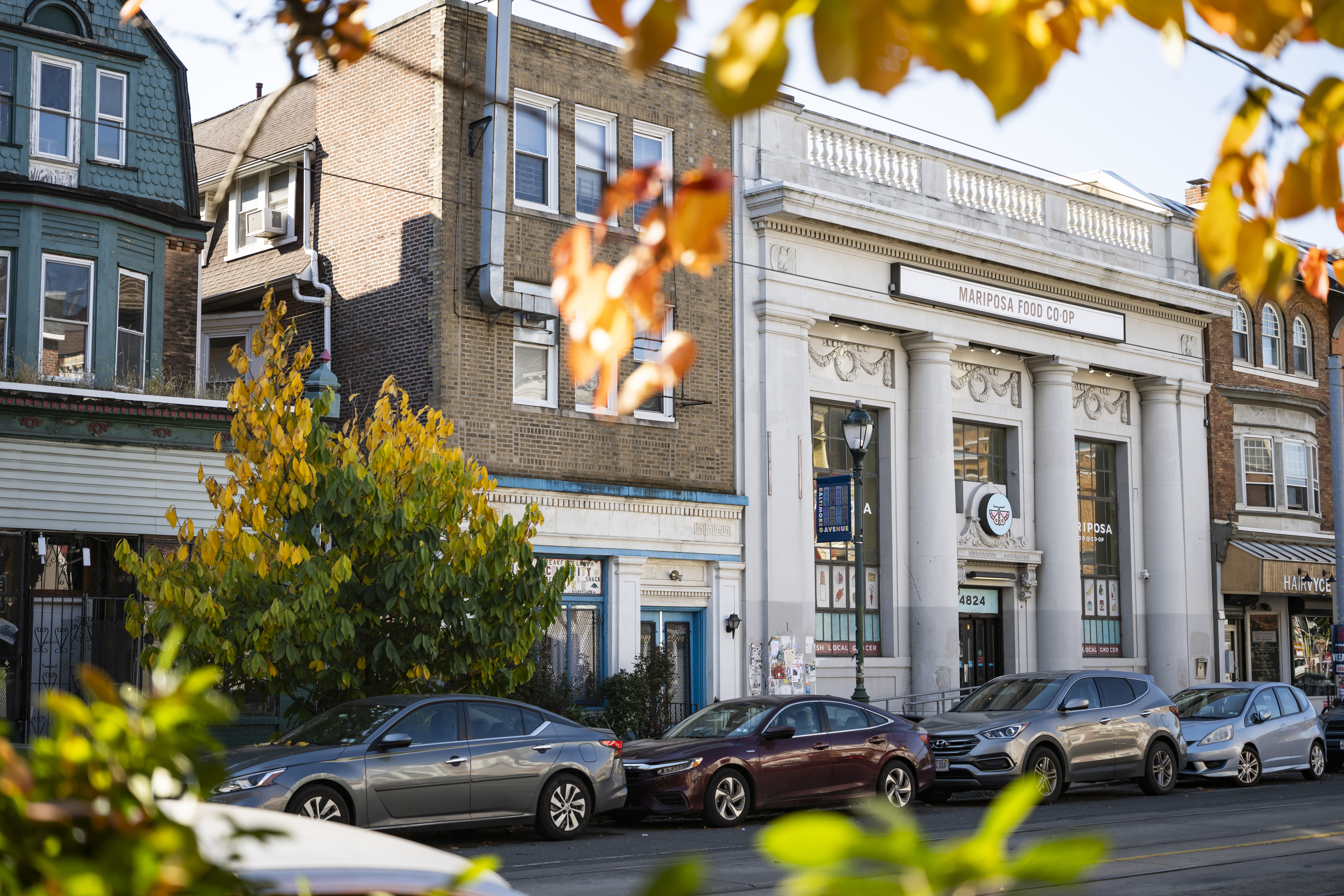
    Mariposa moved to the former bank on Baltimore Avenue and opened to the public in 2012. Before that, only members could purchase food there. Allie Ippolito / For The Inquirer

    Founded in 1971 as a buying club run by member consensus, the co-op inspires such fervor partly because it is owned by its neighbors. Anyone can buy a $200 stake in the cooperative and have a say in decision-making, although the general manager maintains wide latitude to run the store.

    It is also the rare neighborhood institution that pitches itself as a meaningful alternative to some of the problems of our late-stage capitalist era. It is supposed to be a truly community-owned space, one that supports local farmers and food producers while offering neighbors healthy, affordable food. If there are profits, they flow to member-owners as dividends.

    Yet in recent years, Mariposa seemed to drift from its ideals. Workers described a culture of vindictiveness, favoritism, and retaliation under Hess’ management, and a workplace teeming with surveillance cameras. Some members complained of unfair board elections that effectively kept Hess in charge.

    “This is not what a neighborhood co-op is supposed to be,” Inglis said.

    On a practical level, shelves were often bare, making it hard for even those devoted to Mariposa’s values to regularly grocery shop there. Sales tumbled, reflecting the resulting loss in customer traffic.

    Now that Hess is gone, the question is whether Mariposa can return to its origins — and remake itself as the thriving co-op it once was.

    Aminah Brinkley, a clerk at Mariposa, stocked bagels on a recent Friday. Allie Ippolito / For The Inquirer

    Losing money and morale

    Hayley Tintle, a West Philly resident and senior budget analyst at Penn, ran for the Mariposa board in June of this year because she wanted to understand what had happened to the grocery store.

    The complaints she heard after she was elected as a board member were similar to those she had as a customer: The shelves were barren, the store wasn’t clean, there were missing staples. Staff turnover was noticeably high.

    “It just felt kind of hard to shop there,” Tintle said. “It didn’t have the same vitality that it once did.“

    Financially, the co-op was struggling. Since 2019, sales had plummeted by about 40%, from $7 million to $4 million, according to financial records The Inquirer reviewed. The amount of cash on hand — a figure that represents how long the business could survive if it stopped generating any income — dropped from seven weeks in 2025 to 4 weeks this year. Membership had plateaued around 3,700 people.

    At the same time, worker unrest had repeatedly spilled into public view. In both 2018 and 2023, workers submitted statements of no confidence in Hess to the board, pointing to “high staff turnover, abysmal staff morale, inefficient store functioning, and financial risks incurred by both the co-op itself as well as our member-owners.”

    After staff won its first union contract in 2022, some told The Inquirer their hours were cut in retaliation.

    Aj Hess, the CEO of Mariposa Food Co-op, pictured outside the store in 2023.Tom Gralish / Staff Photographer

    Hess, who had worked in cooperatives for more than 20 years, largely dismissed the staff concerns and told Grid Magazine last year that the pandemic, as well as “negative press,” had hurt Mariposa sales, but that “overall we are still doing well.”

    Over the years, community members had tried to shake up the co-op’s board and oust Hess. But it had never worked, said Kitty Jauregui, who was elected to the Mariposa board in 2024 as part of a reformist slate. Within a year she was kicked off by her fellow board members for sharing an anti-Hess Reddit post, she said, and her membership was terminated.

    The whole experience left her with such a sour taste that she avoids walking on the same side of the street as Mariposa these days. But looking back, Jauregui blames more than just Hess. The annual membership meetings were perpetually under-attended.

    “The whole community, we all let it happen,” she said. “When only a handful show up, I think we kind of got what we deserved.”

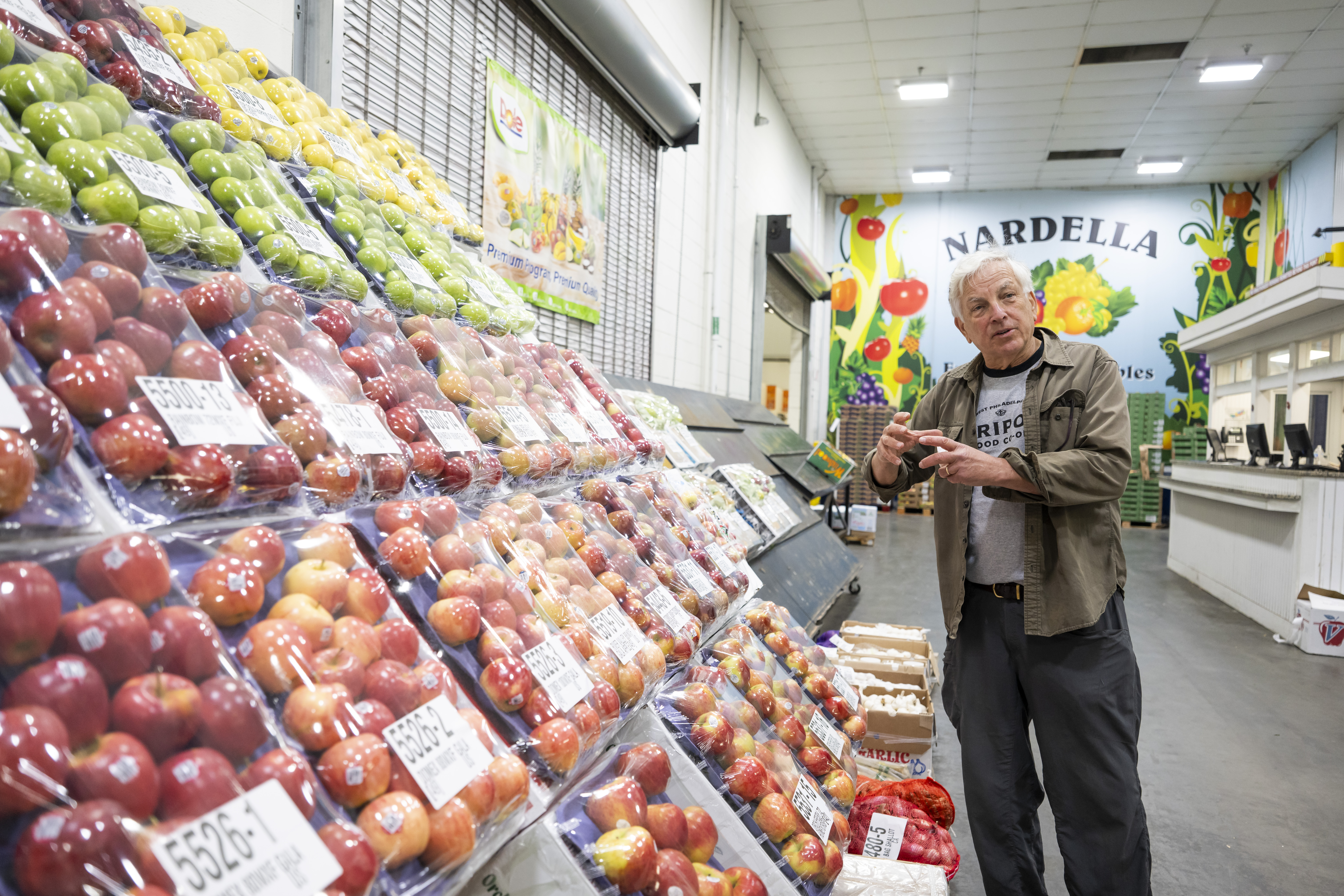
    Glenn Bergman, the interim manager for Mariposa, organized a staff field trip to the local Philadelphia Wholesale Produce Market in his first week. Allie Ippolito / For The Inquirer

    Fresh perspective, old hand

    Tintle and the board declined to comment on the nature of the separation with Hess, citing confidential personnel matters.

    But in late September, Tintle reached out to Glenn Bergman, a veteran of Philadelphia co-ops, to ask him to temporarily take over the store. When Bergman became general manager of Weavers Way in 2004, that co-op was facing its own financial hardships; when he left 11 years later — to lead Philabundance as executive director — the co-op was an unqualified success. Today, Weavers Way has four grocery stores in Northwest Philly and Ambler.

    Bergman, who used to live around the corner from Mariposa in the 1980s and has a soft spot for do-gooder businesses facing trouble, agreed to come out of retirement for three months to serve as interim manager. The board is now beginning its search for a permanent general manager.

    “This place is too good to let it go. It’s sacred ground,” said Bergman, 75, on his second day. He was wearing a small red co-op pin buttoned to his corduroy shirt, with two pairs of reading glasses in his front pocket.

    He was already full of ideas for how to revitalize Mariposa. More staff, more produce. The calendar should be full of music and classes, the place needs its own newsletter. He wants to revive the working-member program, in which members work volunteer shifts in exchange for discounts. In the first week, he planned a field trip for Mariposa staff to visit the Philadelphia Wholesale Produce Market, as well as a meeting between Weavers Way and Mariposa staff to trade ideas. Maybe the front cashier table could become a bulk olive oil station.

    “I feel like it’s a new beginning,” said Bull Gervasi, a former Mariposa general manager who lives across the street and was instrumental in moving it to its current location in 2012.

    In between pulling products forward on the shelves and ringing people up, Bergman greeted every customer who entered.

    Talking to people was just a start, and there would be a long journey ahead. There were no bananas, Bergman noted. Refrigerator bins for dark ground turkey and white ground turkey were cleared out.

    “It’s going to take a little time, but the plan is to have more produce — a lot more produce — more staff,” he told a customer.

    “And are you planning to get quart-sized half-and-half?” she asked. He wrote down the idea on a little piece of paper and tucked it in his pocket. (A few days later, the requested half-and-half was stocked).

    When Bergman arrived, some shelves at the Mariposa Food Co-op were bare. He’s building back the produce section. Allie Ippolito / For The Inquirer

    He was sympathetic to residents who were upset about what had happened at Mariposa and he had already reached out on Facebook to those posting bad experiences, asking them to chat. (He quickly unbanned Inglis, the former union organizer.)

    “It’s their money, it’s their investment, it’s their community store,” he said. “They should be upset.”

    “That’s done,” he added about the controversies of the past. “I said to the staff, ‘We just gotta do good things for the people. We have to be trying really hard and they have to see us trying hard.’”

    Local apples for a local store

    One of the first problems to address was the apples.

    A longtime member-owner who lives nearby had popped in to Mariposa buy apples. But, as she reported to Bergman, there were no local apples available, despite it being the middle of apple season in one of the states that grows the most apples in the country.

    Bergman examined the varieties on offer: Pink Lady and Gala and Honeycrisp, shipped from thousands of miles away and selling for upward of $2.99 per pound. (Eastern apples often have to be sprayed with fungicide, so they’re technically not organic, he noted — but they’re straight off the tree and taste much better.)

    “I don’t want any more apples coming from California or Washington state,” he told Mariposa’s purchasing manager. “I want only local apples here. And I want about 10 varieties.”

    Two days later, he sent a photo from Mariposa’s produce section. The half-filled cardboard box of pumpkins that used to sit at the front of the store was gone. In its place were boxes upon boxes of green and red and yellow-flecked and golden apples, all grown at Beechwood Orchards in Biglerville, Adams County.

    Mariposa was selling them for $1.99 per pound — with a special 15% discount for member-owners.

    “This,” Bergman wrote, “is fun.”

  • Woman found shot in the head inside Mayfair home

    A 35-year-old woman was hospitalized in critical condition after she was found shot in the head inside a residence in the city’s Mayfair section Wednesday night, police said.

    Just after 8:40 p.m., police responded to a reported shooting inside a home on the 2800 block of Benner Street, said Chief Inspector Scott Small.

    The woman was found unresponsive on the kitchen floor and rushed by police to Jefferson Torresdale Hospital, Small said.

    Police had no immediate suspect or motive for the shooting, and no one else was at the home when police arrived, Small said.

    The woman had recently moved there, Small said.