Category: News

  • Cheltenham football coaches held for trial for failing to report a player’s locker room assault; victim testifies

    Cheltenham football coaches held for trial for failing to report a player’s locker room assault; victim testifies

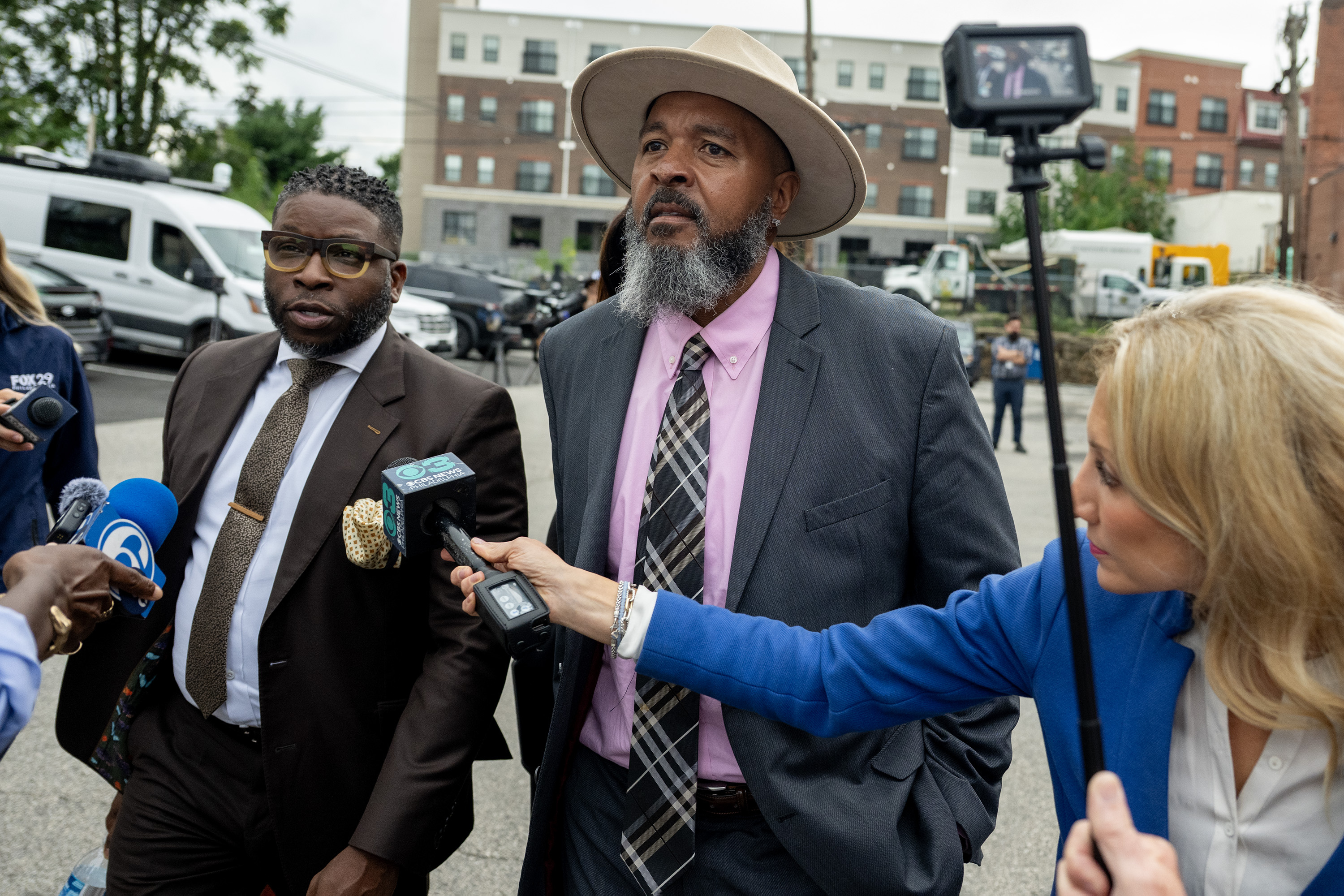
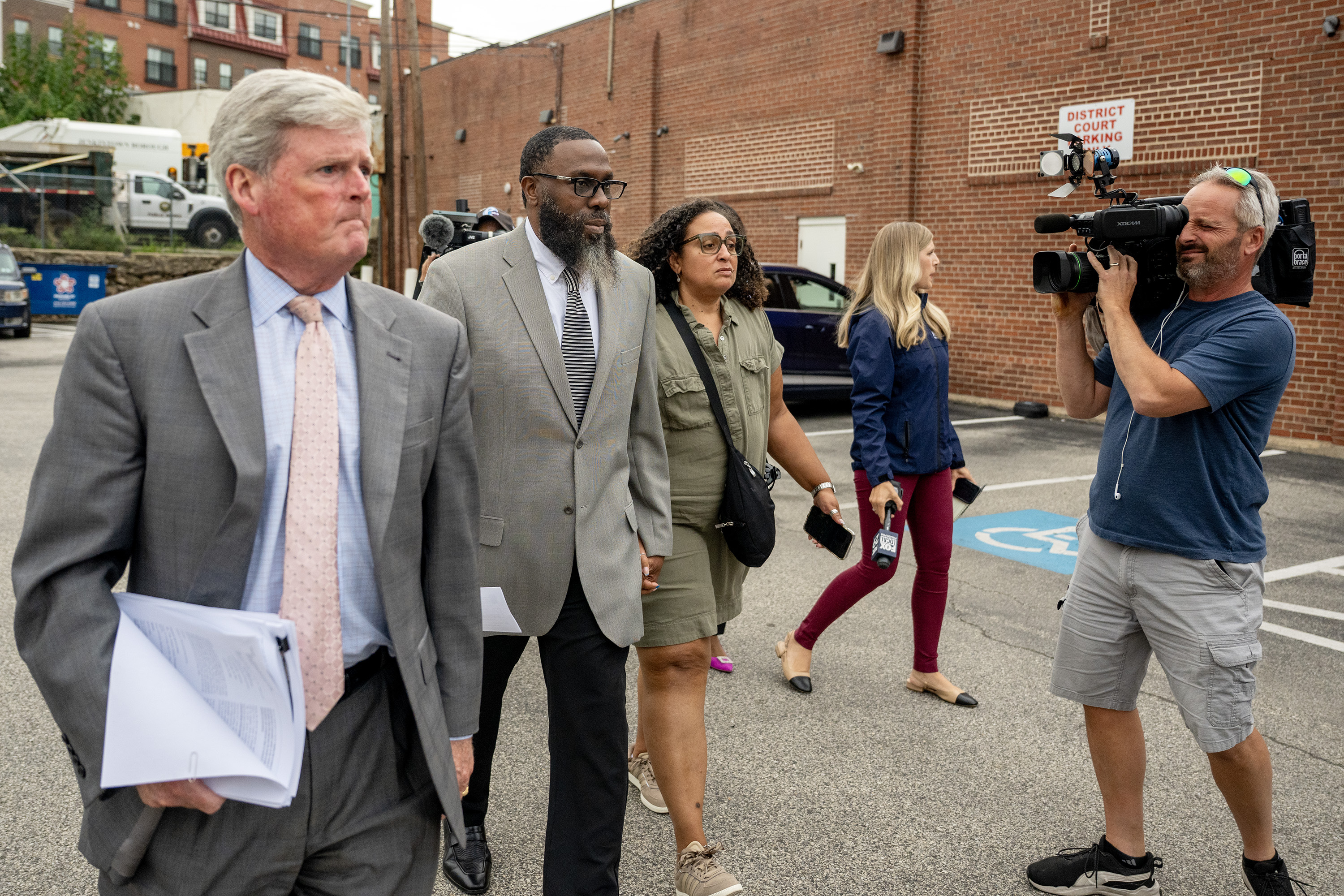
    A district judge ruled Monday that four former Cheltenham High School football coaches presided over a “cone of silence” last year by failing to report that one of their players had been beaten by his teammates in two locker room assaults.

    District Judge Christopher Cerski told head coach Terence Tolbert, 55; associate head coach Darian McFadden, 42; assistant coach Benjamin Johnson III, 45; and volunteer coach Ralph Burnley, 60, that they had failed in their duties to protect the then-15-year-old by encouraging him not to tell his mother about the assaults, and insisting on handling the matter themselves.

    During the lengthy proceedings, the victim testified about the assaults and how it affected him.

    After a marathon preliminary hearing in Jenkintown, Cerski held all four men over for trial on two counts of endangering the welfare of a child and one count of conspiracy, but dismissed another count of conspiracy that they faced.

    Their lawyers argued against the merits of the case, saying the coaches were never told the full scope of abuse the teen suffered. He had deliberately downplayed the assault to them, according to testimony Monday, because he was embarrassed that his teammates had used a broomstick to poke at his buttocks.

    The group only found out the full details months later, when video of an earlier assault surfaced during Cheltenham School District’s internal investigation.

    Tolbert’s attorney, Thomas Egan III, called the prosecution’s “grand conspiracy to stomp on this teen’s voice” completely false.

    “[Tolbert] could only act in the scope of what he knew,” Egan said. “He had a player who didn’t have major injuries and intended to still play football and not tell his mother.”

    But Assistant District Attorney Samantha Cauffman balked at that theory of the case, saying adults who should have known better were improperly foisting their responsibility onto a teenager.

    “This case boils down to the fact that a 15-year-old was beaten up, and you tell him not to tell his mother,” she said. “It doesn’t matter if he didn’t want to tell her. You are the adults in the room.”

    Two players charged alongside the former coaches, Isaiah Simpson and Josiah Peeler, both 18, waived their hearings and will also face a Montgomery County judge: Simpson for conspiracy to commit aggravated assault, simple assault, reckless endangerment, and related crimes for his role in the September assault, and Peeler for false swearing for being untruthful to police.

    Locker room assault victim takes the stand

    The victim of the assault, whom The Inquirer is not naming, testified Monday that Simpson and a group of other players pulled him into the team’s locker room after practice in September 2025 and “jumped him.” The group stomped on his head while wearing cleats, kicked him in the groin, and assaulted him with the broom.

    They were acting out a reference to a Meek Mill song, he said, that included the lyrics “broomstick all in his butt, tell him take that.”

    In a quiet voice, as he faced his former coaches, the teen said the group attacked him because he had taken Peeler’s shoulder pads after his had been stolen out of his locker. Peeler reported the theft to the coaching staff, who made the entire team run extra laps as a punishment.

    After the assault, the teen said he walked outside, asking Burnley for a ride home. He was crying, he said, and icing his groin to ease the pain he felt.

    When he explained to Burnley what happened he omitted the detail about the broomstick, feeling embarrassed.

    Burnley told him to call his mother. He declined, he said, because he was afraid she’d force him to stop playing football.

    As he drove the teen home, Burnley called the other coaches to tell them about the assault. Later, Johnson, Tolbert, and McFadden spoke to him over the phone and told him not to tell anyone about the incident, and that they would handle it internally.

    Privately, the coaches sent incriminating text messages to one another, prosecutors said, expressing concern that the incident “has to be handled and kept quiet.”

    McFadden wrote “if this gets out we are [expletive]. They will cancel the whole season,” according to messages displayed in court.

    However, the teen’s mother learned of the assault a week later from someone in the community, and Cheltenham began investigating the case.

    During that probe, the district received video of a similar, earlier assault of the teen, which had taken place in August 2025. The video, played in court, showed a group of players ganging up on the teen to beat and mock him as he cries out for them to stop.

    The teen testified that he didn’t disclose that assault to the coaches because he considered it more minor and was closer to “horseplay.”

    The four coaches are expected to be arraigned in county court next month.

  • Presley Gerber, son of Cindy Crawford and model, dies at 27

    Presley Gerber, son of Cindy Crawford and model, dies at 27

    LOS ANGELES — Presley Gerber, the son of supermodel Cindy Crawford and businessperson Rande Gerber, died Sunday at age 27, a family representative said.

    Mr. Gerber died at a rehabilitation facility, according to online records of the Los Angeles County Medical Examiner. The medical examiner did not provide a cause of death Sunday. An autopsy was performed, but more testing is required before investigators can give a cause, according to the medical examiner’s website.

    The death was confirmed by Allie Jenkins, a representative for Crawford and Rande Gerber, who were married in 1998.

    “The family is asking for privacy during this very difficult and painful time,” Jenkins said in an email Sunday night.

    Mr. Gerber was a model and the older brother of model and actor Kaia Gerber. He had been open about his struggles with mental health and substance abuse, documenting his journey on Instagram. He even started a “Mental Health Mondays” series on the platform to raise awareness and share wellness tips. Across multiple episodes, he related his own experiences with substances ranging from ketamine to kratom, as well as his time at rehabilitation facilities.

    He posted an Instagram video in March from Mexico, where he said he planned to take ibogaine, a potent psychedelic that is being studied as a treatment for opioid addiction, post-traumatic stress disorder and other conditions. Ibogaine — known to sometimes trigger potentially fatal heart problems — is banned in the U.S. under the federal government’s most restrictive category for illegal, high-risk drugs, although President Donald Trump directed his administration to ease restrictions and spur research.

    Raised in Malibu, Calif., Mr. Gerber signed with the management agency IMG as a teenager and made his runway debut for Moschino at 16. In 2018, he appeared alongside his mother — whose famous beauty mark he inherited — in a Pepsi Super Bowl ad that paid homage to her 1992 commercial for the soda brand. That same year, he and his sister shot a campaign for Calvin Klein jeans.

    Mr. Gerber later signed with DNA Models. His biography on the agency’s website describes him as an entrepreneur and model who was inspired by “his mother’s legendary modeling career and his father’s lucrative business career.” Rande Gerber’s businesses have included restaurants, nightlife companies, and Casamigos — a tequila brand he cofounded with George Clooney and Mike Meldman that was sold to Diageo in a $1 billion deal.

    Mr. Gerber’s modeling biography also described him as an “avid surfer and skater.” In an Instagram video posted in July 2025, Mr. Gerber described growing up as a dedicated athlete who spent hours in the water nearly every day — a routine that came to a halt when he started working. With less physical activity, Mr. Gerber said, he was put on more medication and his quality of life suffered.

    “For me it took 10 years of looking back at my life being like, ‘Well, what changed?’ A lot of the time people would ask like, ‘You were such a happy kid; what happened to you?’” he recalled. “What happened was life happened and I wasn’t able to worry about one thing, which was my next meal and then get back in the ocean. Like I had to start making money, I had to start — I got a job.”

    In an interview with Vogue last month, Kaia Gerber praised her brother for being so open about his experience with addiction.

    “My parents for most of our lives were very, very private and didn’t share anything—and now we have this absolute teacher, my brother, who says, ‘I’m gonna be very human for everyone,’” she told the magazine. “There’s only so much you can hide from the world. And trying to put a lid on something just makes the person feel like you’re ashamed of them.”

    In addition to his testimonial videos, Mr. Gerber’s Instagram was a collection of modeling shoots and memories that stretched back to childhood. His life around cameras influenced his own interest in photography as an art form.

    “I have always been the type of person to stop and take a picture when everybody is just focused on the destination,” he told Vogue in 2016, on the occasion of his runway debut. “I feel like people walk by a countless amount of beauty in the world every day, and I hope that I don’t miss all of it.”

  • Tiny wild cat newly identified as a species draws curious visitors in Bolivia

    Tiny wild cat newly identified as a species draws curious visitors in Bolivia

    COROICO, Bolivia — A tiny wild cat hidden away in the cloud forests of Bolivia has become an unlikely tourist attraction, drawing a stream of visitors hoping for a glimpse of the animal that scientists have identified as a brand new species.

    There is just one problem: Tigrino, as he has been affectionately dubbed, doesn’t like the attention.

    The small, spotted feline with large, leopardlike spots is easily stressed, so caretakers at the wildlife sanctuary near La Paz keep him out of public view, turning away the crowds eager for a closer look. When the Associated Press visited Sunday, Tigrino cautiously emerged from his shelter, sniffed the air and paced around for a few minutes before slipping back into the foliage.

    Tigrino belongs to Leopardus tilcayo, the first living wild cat species described by scientists in more than a century. At just 18 inches from head to the base of his tail and 3 pounds, he is smaller than the average house cat.

    The discovery published Thursday in the journal Current Biology set off a flurry of excitement on social media. Visitors from across Bolivia and beyond have flocked to the Senda Verde Wildlife Sanctuary, where Tigrino has lived since 2017, when a family brought him there after trying unsuccessfully to make a house cat of him.

    “Tigrino has become, in just a few days, an ambassador for conservation,” said sanctuary co-founder Marcelo Levy, adding that the new species designation has helped raise awareness about the need to protect wild cats and their habitat in Bolivia’s tropical forests.

    “He’s such a tiny animal, and he has become something so important,” Levy said.

  • Ex-Haitian official, 17 others appear in U.S. court related to 2021 plot to kill Haitian president

    Ex-Haitian official, 17 others appear in U.S. court related to 2021 plot to kill Haitian president

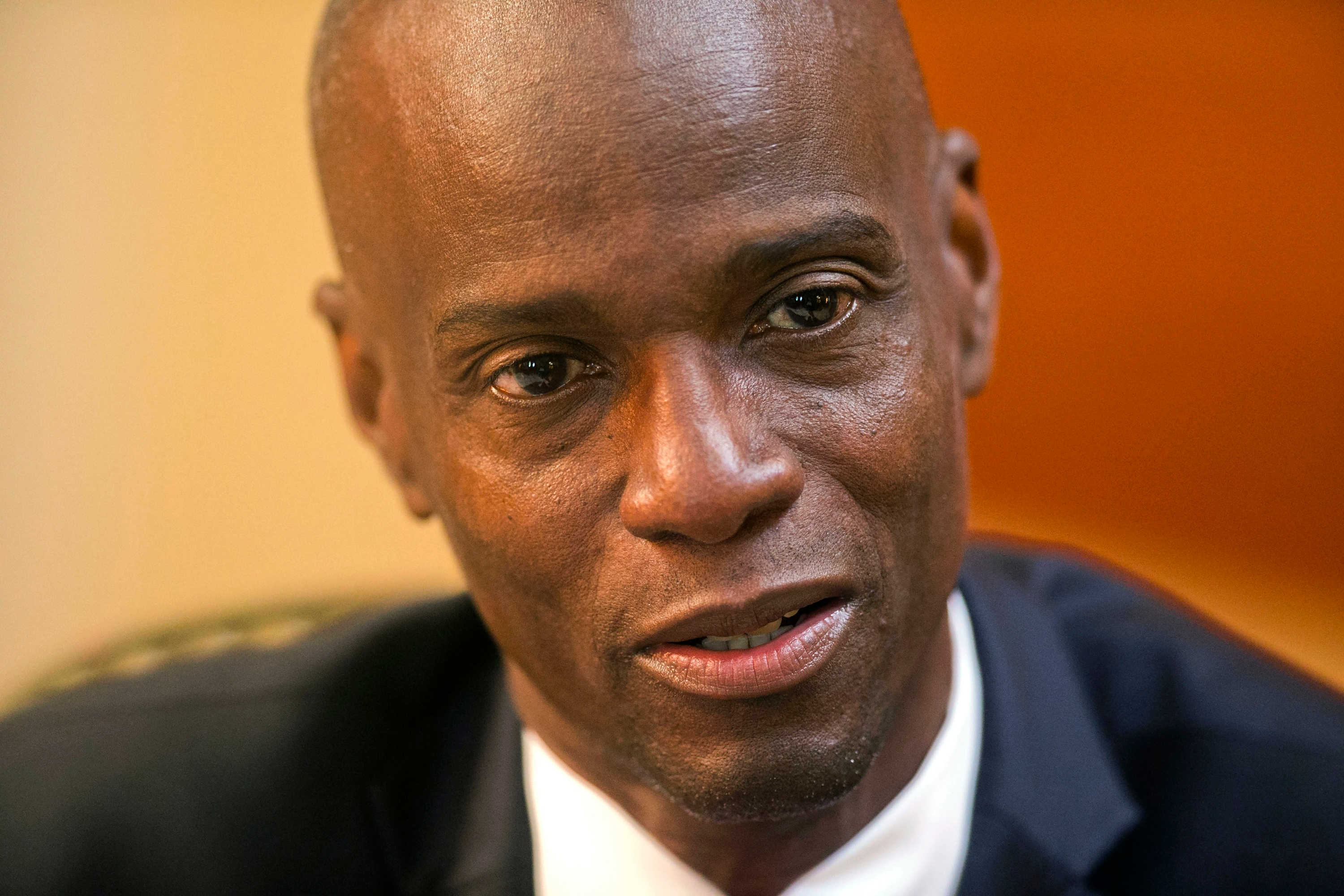
    MIAMI — A former Haitian government official and more than a dozen other people appeared Monday in federal court in Miami on charges related to the 2021 assassination of Haitian President Jovenel Moïse.

    Joseph Badio, a former Haiti Ministry of Justice employee, was brought into the Florida court in a wheelchair. The hearing happened a day after he and 17 others described as Colombian mercenaries were flown to the United States from Haiti, where they had been in custody.

    They’re among 30 people charged in the indictment, including Christian Sanon, a Palm Beach County, Fla., resident and dual Haitian-American citizen who was already preparing to face trial next week. Authorities said he aspired to be Haiti’s president.

    South Florida served as a central location for planning and financing the plot to oust Moïse and replace him with someone of the conspirators’ choosing, U.S. authorities have alleged. At least nine people so far have been convicted at trial or through guilty pleas.

    Moïse was “assassinated by individuals seeking to profit from illicit financial opportunities and business contracts,” U.S. Attorney Jason Reding Quiñones said.

    Moïse was killed on July 7, 2021, when about two dozen foreign mercenaries, most from Colombia, attacked his home near Port-au-Prince.

    In 2025, justice officials in Haiti asked the U.S. and Canada for help after a local court of appeals ordered a new investigation into Moïse’s killing, the third inquiry of its kind since he was shot 12 times at his private residence. His wife, Martine, also was injured in the attack.

    The previous investigations were stalled because Haitian judges kept resigning from the case, fearing for their lives, and gangs seized control of the downtown Port-au-Prince courthouse where the judges were interrogating suspects.

    Any proceedings in Haiti “continue to face significant difficulties,” the Ministry of Justice and Public Security said Sunday.

    The indictment says Badio, who is charged with conspiracy, posed as a U.S. drug agent and participated in Moïse’s killing. A lawyer appointed to temporarily represent him could not immediately be reached for comment.

    Badio once worked in the government’s anti-corruption unit until he was fired for alleged ethics violations weeks before the assassination.

    U.S. Magistrate Judge Lisette Reid assigned lawyers and set additional court dates during a series of brief dialogues with each of the 18 defendants.

    The scheme to kill Moïse included paying mercenaries with money obtained from U.S. government programs that were intended to help businesses during the COVID-19 pandemic, the indictment says.

    Haiti has not had a president in the five years since Moïse’s death. It has instead been overwhelmed by gang violence: More than 3,000 people were killed this year by June and about 1.5 million people were displaced, according to the U.N.

  • Jury convicts man who shot three Palestinian students, including one from Haverford, in Vermont

    Jury convicts man who shot three Palestinian students, including one from Haverford, in Vermont

    The man who shot three Palestinian students in Burlington, Vt., including one from Haverford College, during the 2023 Thanksgiving weekend was convicted on three counts of second-degree attempted murder Monday.

    The students, who’d known each other since grade school in the West Bank, were together for the holiday. They had been walking along a street near the University of Vermont when a man confronted them with a handgun and fired at least four rounds before running away, according to police.

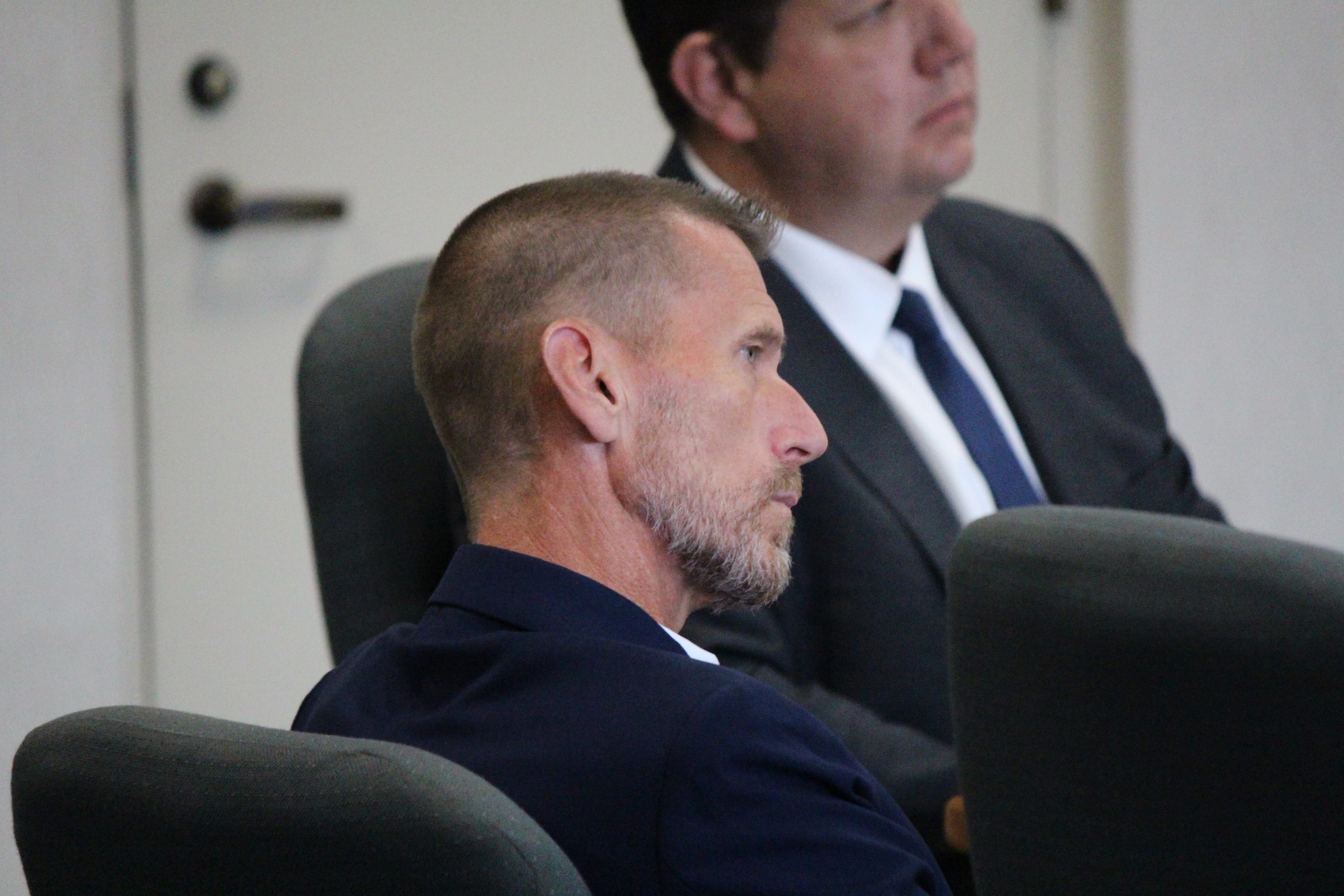
    That man was later identified as Jason Eaton, 51, who did not dispute that he shot Hisham Awartani, Tahseen Aliahmad, and Kinnan Abdalhamid that Saturday evening.

    His attorneys, however, argued he was not guilty by reason of insanity, presenting testimony that Eaton was suffering from a delusional, psychotic disorder after having lost his job two weeks before the shooting.

    Eaton believed he was receiving messages from the CIA ordering him to “go out and shoot somebody,” said his attorneys.

    Abdalhamid, the Haverford student, suffered non-life-threatening injuries; Trinity College student Aliahmad was shot in the chest; and Awartani, a Brown University student, was paralyzed from the waist down as a result of his injuries.

    Haverford College student Kinnan Abdalhamid, one of the three Palestinian American men who were shot in Vermont in 2023.Charles Fox / Staff Photographer

    The case garnered national attention because of the rising tensions around the Israeli-Palestinian conflict and the continuing fallout of the Oct. 7 attacks close to two months prior. All three students were of Palestinian descent, speaking Arabic, and two were wearing keffiyehs at the time of the attack, according to police.

    Abdalhamid, who was 20 at the time, returned to campus weeks later, calling on school leaders to join him in calling for a ceasefire.

    “I’ve gotten more than enough support as an individual,” Abdalhamid said in December 2023. “I’m advocating for the school to back a ceasefire.”

    The parents of the victims and groups including the Arab American Anti-Discrimination Committee asked that the attack be investigated as a hate crime, though prosecutors could not support the charges.

    The Chittenden County State’s Attorney Office is seeking a life sentence for Eaton.

  • The Netherlands is bracing for potentially devastating U.S. sanctions against the ICC

    The Netherlands is bracing for potentially devastating U.S. sanctions against the ICC

    THE HAGUE, Netherlands — Dutch officials are preparing for the United States to impose a tough new round of sanctions on the International Criminal Court as it seeks to dismantle the global tribunal over what the Trump administration sees as overstepping its authority.

    Officials in the court’s host country, the Netherlands, have been notified that the sanctions are imminent and are looking at ways to help the tribunal keep operating, including paying staff, protecting witnesses, and maintaining the detention facility, diplomatic and government officials with knowledge of the briefings told the Associated Press. They spoke on condition of anonymity because they were not authorized to speak publicly.

    Washington has already sanctioned more than a dozen current and former staff members, including half of the court’s sitting judges, in what U.S. Secretary of State Marco Rubio has described as a “sweeping campaign to dismantle the threat posed by the International Criminal Court.”

    The U.S. and Israel have strongly objected to the court’s arrest warrants for top Israeli officials, including Prime Minister Benjamin Netanyahu, over the war in Gaza. The U.S. also has opposed investigations into its military actions in Afghanistan.

    Like Russia, China, India, and Israel, the United States is among countries that have never joined the panel, with Washington citing fears of politically motivated prosecutions of its military. The court currently has 125 member states.

    The sanctions could prevent the court from accessing financial and IT services, and even paying its U.S. employees. When the court’s former chief prosecutor was sanctioned in 2025, he lost access to his Microsoft email, his bank accounts were frozen, and he was barred from entering the United States.

    According to two sources familiar with the situation, U.S. officials warned their Dutch counterparts that sanctions would be levied as early as Monday and encouraged the court’s host state to withdraw from the institution.

    Two U.S. officials told the AP that more ICC sanctions may be coming, but stressed that the scale and scope of the penalties had not yet been finalized and that no announcement is expected this week. The officials were not authorized to comment publicly on the matter and spoke on condition of anonymity.

    The ICC was established in the Hague in 2002 as the court of last resort to prosecute individuals responsible for the world’s most heinous atrocities: war crimes, crimes against humanity, genocide, and the crime of aggression. It takes on cases when nations are unable or unwilling to prosecute crimes on their territory.

    U.S. officials did not immediately reply to a request for comment. “The Trump Administration has been clear: the International Criminal Court is a corrupt and fatally politicized supranational court that has maliciously abused its authority and exceeded its mandate,” Secretary of State Marco Rubio said in a statement when announcing sanctions on the court president last month. “We will not tolerate its assault on state sovereignty.”

    The ICC has been preparing for months for the possibility of sanctions. Earlier this year, the court migrated off Microsoft products onto a German software provider, according to three ICC staff members who were not authorized to speak on the record. The tribunal has also changed insurance and other financial providers to companies without a footprint in the United States, they said.

    Dutch and court officials are hoping for a six-month grace period before the sanctions come into effect, arguing that the institution needs time to sever itself from American companies, which could face huge financial penalties if they are found to be in violation.

    Beyond migrating to European-based alternatives, the Netherlands and the European Union have few options to protect the institution.

    The EU “blocking statute” can be used to protect European court staff by preventing European companies from complying with the U.S. measures, though it’s unclear whether the statute would shield the ICC itself, because it’s an international body, not a European one. EU citizens are entitled to a basic bank account, but that doesn’t provide access to credit cards or U.S. payment facilities.

    A small but growing number of the global tribunal’s member states have announced plans to leave the institution in recent months, including Venezuela and Chad.

    Chad specifically cited the United States in its decision to withdraw. Foreign Minister Abdoulaye Sabre Fadoul said in a statement that during a phone call with a U.S. official in July, “the American side expressed its concerns regarding the functioning of this institution and requested that Chad reconsider” its membership.

  • Pennsylvania measles cases near 800 in ongoing outbreak

    Pennsylvania measles cases near 800 in ongoing outbreak

    Pennsylvania recorded nearly 100 new cases of measles in the last week, bringing the total case count for this year to 792, state officials said Monday.

    The state’s measles outbreak is the largest in the country in 2026 and is centered in Lancaster County, which has reported more than 300 cases this year.

    Chester County has confirmed 76 measles cases so far this year, the third-highest total in the state behind Mifflin County in Central Pennsylvania, which has reported 93 cases.

    State officials have reported four deaths associated with the outbreak: two infants in Lancaster County, a 40-year-old woman in Jefferson County, and an 18-year-old in Mifflin County.

    (function(){function e(){window.addEventListener(`message`,function(e){if(e.data[`datawrapper-height`]!==void 0){var t=document.querySelectorAll(`iframe`);for(var n in e.data[`datawrapper-height`])for(var r=0,i;i=t[r];r++)if(i.contentWindow===e.source){var a=e.data[`datawrapper-height`][n]+`px`;i.style.height=a}}})}e()})();

    The state defines a “measles-associated” death as one that occurs within 30 days of symptom onset in a person with clinical evidence of infection and a positive laboratory test for measles, and who did not die of another unrelated cause, like a car crash.

    Lancaster County’s coroner said one of the infants died from a lacerated spleen, not measles, though the baby tested positive for the disease. Physicians have noted that measles can weaken a spleen and make it more vulnerable to rupture.

    Federal officials have clashed with the state over its characterizations of the deaths.

    Democratic Gov. Josh Shapiro has faulted President Donald Trump’s Health and Human Services secretary, Robert F. Kennedy, Jr., a longtime anti-vaccine activist, for spreading misinformation about the safety of the measles vaccine and contributing to declining vaccination rates.

    Kennedy, in turn, suggested Shapiro’s administration “fabricated” two of the deaths, though he later acknowledged one death was caused by measles.

    The Centers for Disease Control and Prevention still has not listed the deaths on its data dashboard for measles outbreaks.

    (function(){function e(){window.addEventListener(`message`,function(e){if(e.data[`datawrapper-height`]!==void 0){var t=document.querySelectorAll(`iframe`);for(var n in e.data[`datawrapper-height`])for(var r=0,i;i=t[r];r++)if(i.contentWindow===e.source){var a=e.data[`datawrapper-height`][n]+`px`;i.style.height=a}}})}e()})();

    Officials there have suggested the state is not cooperating with the agency and said officials had not requested emergency help from its Epi-Aid program, which provides short-term technical assistance and subject matter expertise during health crises, as other states with outbreaks have. Trump, in a White House appearance with Kennedy on Friday, called Shapiro “close to incompetent.”

    “Incompetence is denying the tragedy of four measles-associated deaths in Pennsylvania,” Shapiro wrote on X in response.

    Pennsylvania health secretary Debra Bogen said last week the state was already working with CDC staff, and had begun the process of requesting an Epi-Aid team — on the condition that the agency acknowledges the deaths in Pennsylvania.

    Measles exposures in Philadelphia

    Chester County is the only county in the Philadelphia area that has reported measles cases in the current outbreak, which began in April. (Montgomery County confirmed three cases in a separate outbreak in the winter.)

    But Philadelphia health officials have reported two potential measles exposures, at the Children’s Hospital of Philadelphia and the Philadelphia International Airport.

    On Sept. 11, city health officials said, a person with measles visited a neonatal intensive care unit and several other areas at the hospital at 3401 Civic Center Blvd. in University City. Infants exposed in the NICU were isolated and treated with antibodies to help decrease their chances of acquiring or becoming seriously ill from the highly contagious disease, CHOP officials said.

    Two days later, on Sept. 13, a person with measles traveled through Terminals B and F at the airport, as well as areas connecting to Terminals C, D, and E, health officials said. The potential exposure was unconnected to the CHOP incident.

    Measles infects up to nine in 10 unvaccinated people exposed to it, and young children are at particular risk for complications from the virus, which can include pneumonia and brain swelling.

    State efforts to vaccinate

    About 95% of a community must be vaccinated against the virus to prevent its spread, but vaccination rates across Pennsylvania have been dropping for years. Hundreds of kindergartens in the Philadelphia region report vaccination rates well below this “herd immunity” rate.

    State officials said in a statement Monday that more Pennsylvanians have expressed interest in getting vaccinated as the outbreak spreads.

    The health department will offer free measles, mumps, and rubella vaccinations from Sept. 26 through Oct. 3 at the Bloomsburg Fair in Columbia County, which has reported two measles cases.

    The clinic is “just the latest way the department is meeting Pennsylvanians where they are, to ensure they have the facts and evidence to make decisions about vaccination for themselves and their family,” officials said.

    State workers have hosted 148 pop-up vaccination clinics and given out more than 4,800 MMR vaccinations in affected areas since April, with “dozens” more scheduled in the weeks and months ahead, officials said, “based on community interest and need.”

    Other healthcare providers have also seen renewed interest in vaccination this year, state officials said. Typically, providers give out about 25,000 MMR doses a month, but in August, more than 46,000 doses were administered, and more than 25,000 doses were given out in the first two weeks of September.

  • White House plan to subsidize stay-at-home parents divides conservatives

    White House plan to subsidize stay-at-home parents divides conservatives

    WASHINGTON — Republicans are sharply divided over a new plan being drafted by the Trump administration that would allow stay-at-home spouses to collect childcare subsidy payments from a federal program intended to assist working parents.

    Some commentators and lawmakers called the policy, which could help realize a vision of stay-at-home motherhood championed by Vice President JD Vance, a “grand slam,” “no-brainer,” and “President Trump’s greatest legacy.”

    Others eviscerated it as “socialism,” “rank politics,” and “stupid.”

    The split reaction reflects one of the emerging fractures in Donald Trump’s MAGA coalition. Traditional Republicans, religious conservatives, and America First populists have jostled for influence with the pronatalist movement, which aims for women to have more children and stay home to raise them, and supporters of Health Secretary Robert F. Kennedy Jr.’s Make America Healthy Again movement.

    And the role of the federal government in shaping family policy has proved to be a key flashpoint.

    When news of the plan broke over Labor Day weekend, Rachel Campos-Duffy, the co-host of Fox & Friends, declared on air, “I think this might be my favorite policy, like, ever, that Trump has brought.”

    Campos-Duffy, the wife of Transportation Secretary Sean Duffy and a mother of nine, is a prominent voice in the pronatalist movement. She and others in the movement said the proposed subsidy would be the administration’s largest step toward achieving pronatalists’ goals.

    Conservative podcasts, broadcasts, and social media buzzed with excitement. A coterie of conservative lawmakers, some of whom have tried but failed to push through legislation to pay stay-at-home parents, including Sen. Eric Schmitt of Missouri and Rep. Anna Paulina Luna of Florida, cheered their support.

    But many on the right, even those who embrace Vance’s promotion of traditional families, said that handing out government money to parents so they could stay at home would go against core conservative tenets. They also maintained that the proposal contradicted the administration’s efforts to require Americans to work to get other forms of federal support.

    “Add work requirements here, but take them away there, just to use the power of the state to promote the family?” said Douglas Holtz-Eakin, an economist who served under President George W. Bush and now runs the American Action Forum, a conservative think tank. “A traditional conservative would say this is none of the government’s business.”

    And Erick Erickson, the conservative pundit and radio host, wrote on social media, “Didn’t realize how many conservatives want to be or want their wives to be welfare queens, dependent on a government handout.”

    If carried out, the transformation of the childcare subsidy program would be the federal government’s most concrete policy for advancing the family structure championed by Vance, who since his days as an Ohio senator has called to reform childcare subsidies and to promote stay-at-home parents.

    Under the draft proposal being considered by the Trump administration, parents who stay home with their children could get a payment from an existing Health and Human Services Department fund set up to help low-income and working-class parents afford childcare so they could work or go to school, the New York Times previously reported. The current program typically provides annual subsidies of about $9,000 per child.

    The proposed change to open the program to stay-at-home parents, which originated in the White House, has not yet been finalized or released.

    News of the proposal was immediately met with some sharp criticism on the right, revealing a willingness among some conservatives to challenge Vance, who is seen as a likely presidential contender in 2028.

    Critics of the proposal said that the administration’s proposal was at stark odds with its push for work requirements for federal benefits.

    Trump’s signature domestic policy law, passed last year, included strict new work requirements for certain recipients of Medicaid and expanded work requirements for recipients of federal food assistance benefits. Those changes have already contributed to a loss of about 5 million recipients of food assistance and are projected to cause more than 5 million people to lose health insurance.

    “When JD steps out and has a government expansion program, a government handout, we should be calling it out,” said Marc Short, who served as chief of staff to Vice President Mike Pence. “I don’t question his commitment to nuclear family. I just question a policy that stinks.”

    An administration official, who discussed the draft proposal on the condition of anonymity, wrote in a text message that the discussion of the proposal was based on speculation. The official said that the draft rule would apply work requirements to households but “not every individual in the household,” and that it would strengthen anti-fraud measures.

    In a fiery keynote speech on Sept. 10 at the Republican midterm convention in Dallas, Vance celebrated “the nuclear family.” He did not specifically mention the childcare proposal, but claimed that Democrats were “radicals who wish to abolish my family and the thousands and millions of other families all across our country.”

    Some defenders of the subsidy for stay-at-home parents acknowledged that was an imperfect policy, but said that it would serve to redirect current federal funding toward a conservative goal.

    Kevin Roberts, president of the Heritage Foundation, the influential conservative think tank, wrote on social media: “The welfare state already exists. The subsidies already exist. And conservatives do not have the votes to dismantle either. Until that changes, taxpayer dollars should reward family formation, not subsidize its decline. That is the conservative option.”

    Beccah Williams, a married, stay-at-home mother in Edon, Ohio, said the reworked program could help her family.

    “The $9,000 a year would definitely help a lot with groceries and being able to stay home,” she said. “I feel like it’s important to have one parent that stays home. It goes by so fast.”

    Williams, who said she voted for Trump, said she had looked into applying for the childcare subsidies when her son, Isaiah, was born six years ago and she was employed in a package factory. But she learned that her joint household income, which included that of her husband, a dockworker, was too high to qualify.

    Williams instead arranged free childcare with her sister-in-law for two years, until her daughter, Madelyn, was born.

    When her sister-in-law went back to work, the family could not afford childcare. So Williams quit her job, reducing the family’s income so much that the children are now on Medicaid and Madelyn is on a government voucher program for women, infants, and children, known as WIC.

    “I’m kind of stuck in a way that I can’t get a full-time job because childcare costs too much, but when I’m not working we don’t have that income,” said Williams, adding that a federal subsidy “wouldn’t make up for the lost paycheck, but it’s better than what it is now, which is zero.”

    Since the 1990s, the $12 billion Child Care and Development Fund has subsidized the care of children up to age 13, offsetting the costs for caring for about 1.3 million children. There are also about 400,000 children on waitlists for the subsidies.

    Under the current rules, most of the money is distributed to states, which in turn disburse it to parents, usually in the form of vouchers or direct payments to childcare providers.

    To qualify, parents must prove that their income is lower than 85% of their state’s median income and that they are working, in school, or receiving job training. Some states set a lower threshold of 60% of the state’s median income.

    Under the proposed rule changes, the same pot of money would also be used to pay married parents who meet the income requirements when one parent works and the other cares for the child. The money would be intended to help offset the lost income of the stay-at-home parent.

    Opening up the subsidy program to stay-at-home parents could tilt the resources away from working parents, particularly one-parent households, critics have said. About 80% of families that receive the subsidy have single working parents, most of them mothers.

    This article originally appeared in The New York Times.

  • Swarthmore College renames hall for two prominent Black scholars with Philadelphia ties

    Swarthmore College renames hall for two prominent Black scholars with Philadelphia ties

    Swarthmore College has renamed the former Trotter Hall and its adjacent lawn for two Black scholars who feature prominently in its history: the school’s first African American professor and an alumnus who served as a policy adviser to several U.S. presidents and formerly led the University of California, Berkeley School of Law.

    The move comes after the college last year stripped former professor Spencer Trotter’s name from the hall after the school learned Trotter had dug up a Native American burial ground in Chester County in 1899 and displayed human remains on campus.

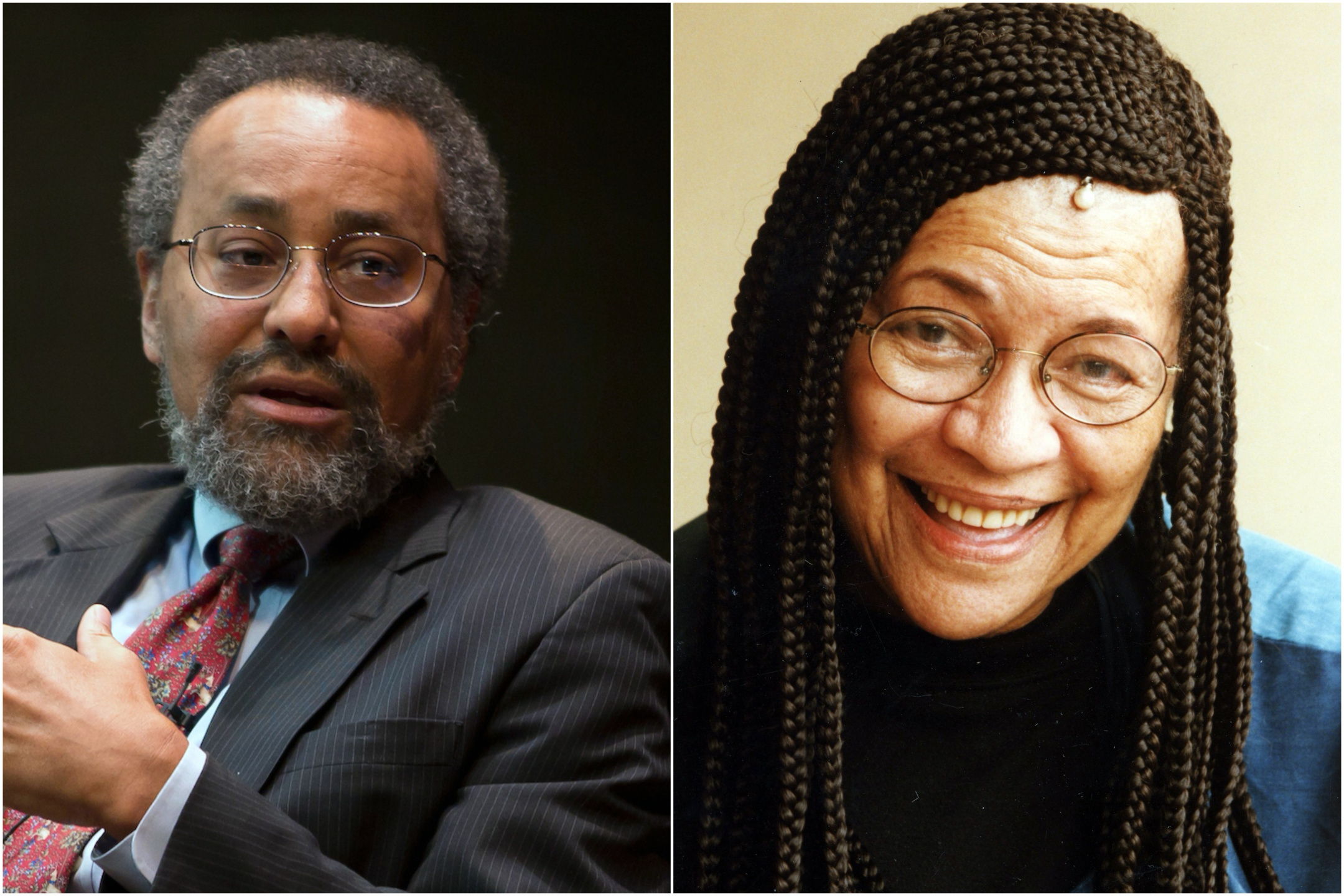
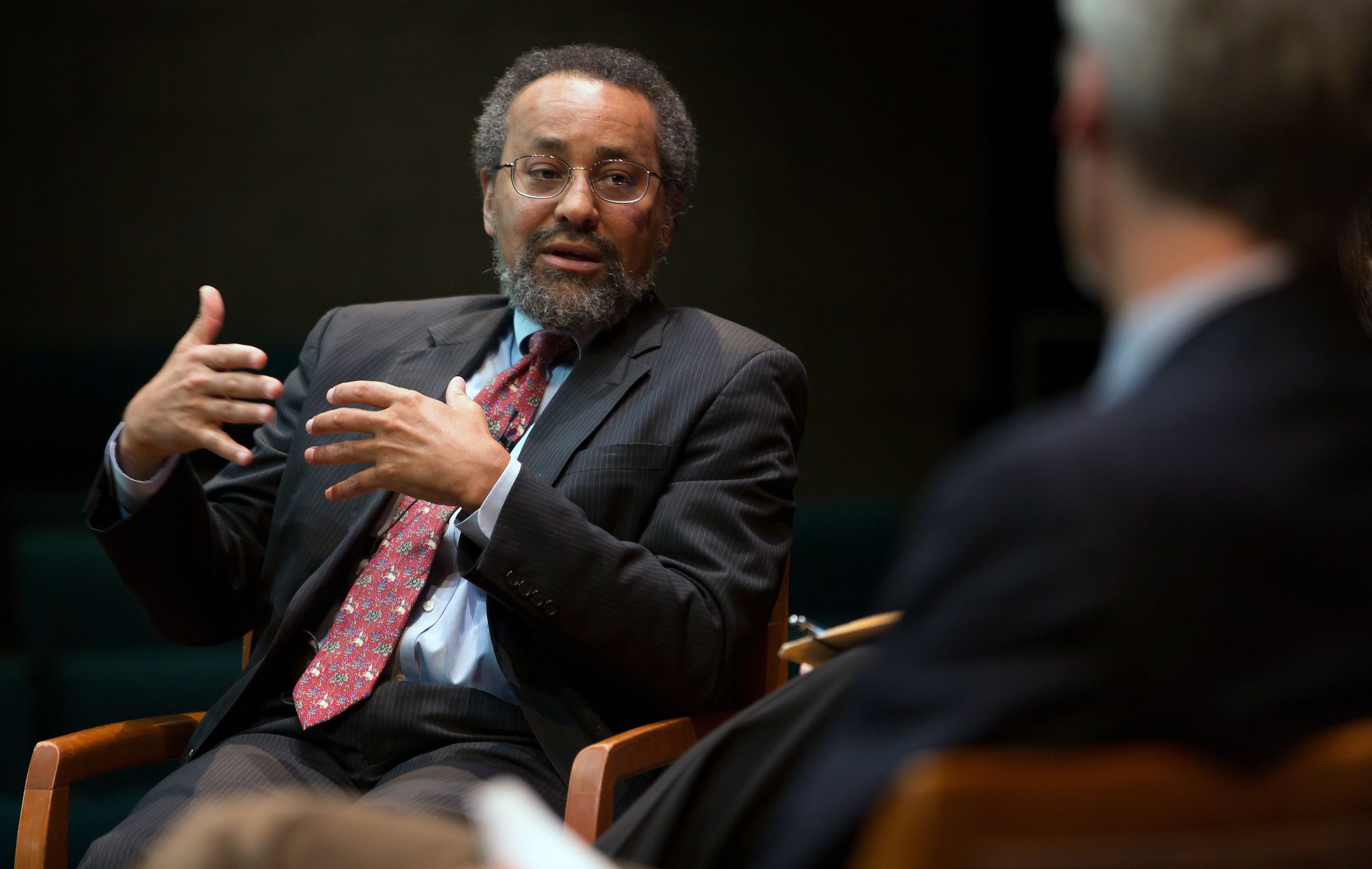
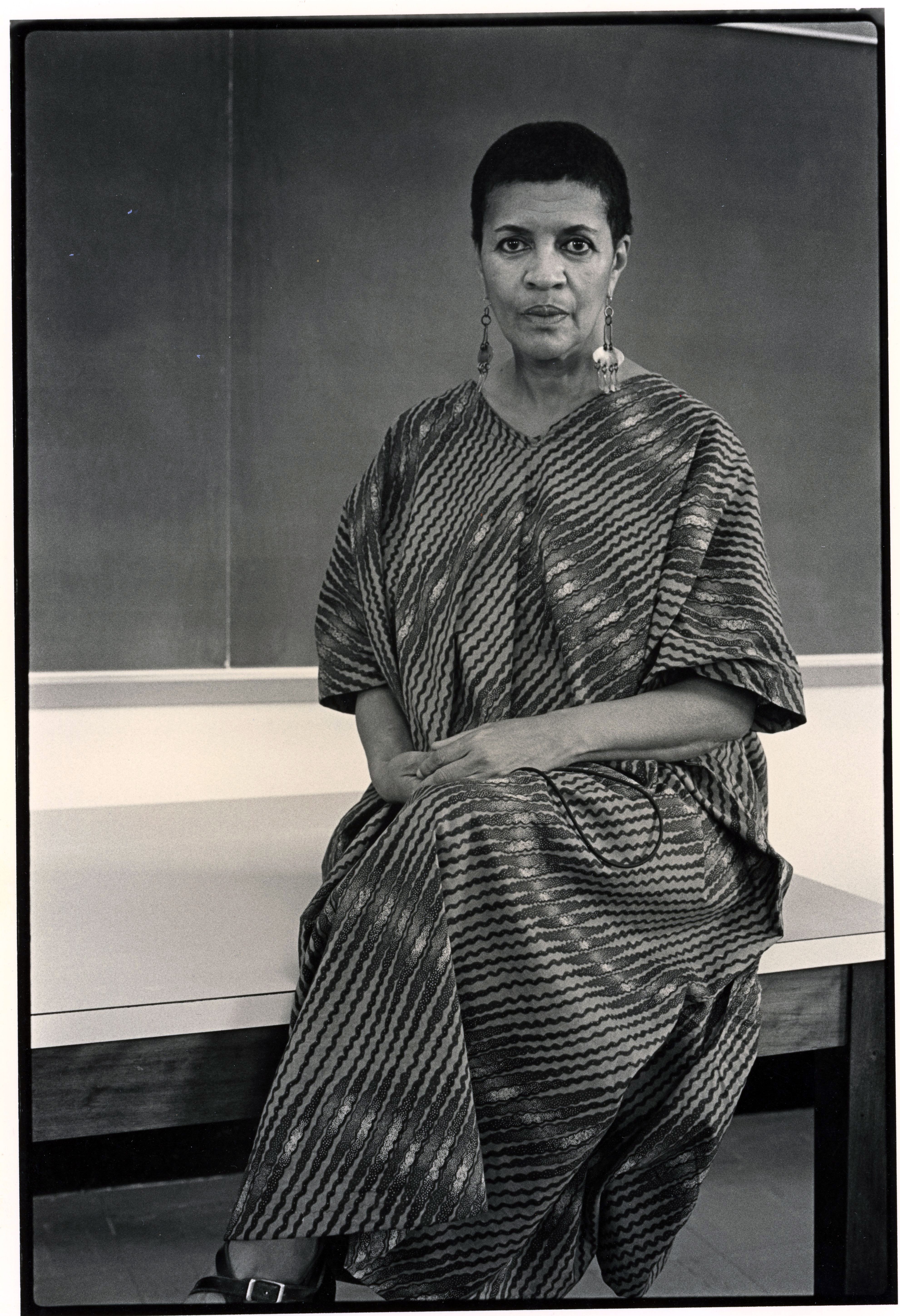
    Effective immediately, the hall and its adjoining lawn will be known as Edley-Morgan Hall and Edley-Morgan Lawn, named for Kathryn L. Morgan, the late Swarthmore professor emerita of history, and Christopher F. Edley Jr., the late legal scholar and proponent of affirmative action who worked closely with three Democratic presidents and with six presidential campaigns.

    “This renaming is an important milestone, but not the end of this work,” Swarthmore president Valerie Smith said in a message to campus Monday. “Our further efforts will also ensure that this reckoning with the past is appropriately documented and acknowledged so our community can continue to learn and heal.”

    The late Christopher F. Edley Jr. is a legal scholar and Swarthmore College alumnus. Swarthmore announced it is naming the former Trotter Hall and its adjoining lawn for Edley and Kathryn L. Morgan, the late Swarthmore professor of history, who was the college’s first African American professor.Courtesy of Swarthmore College

    The college undertook an extensive process that included input from more than 500 students, faculty, and staff through a campus survey, a panel discussion with other college leaders who had gone through renaming processes after controversies, a session with a leader of the Delaware Tribe of Indians, and research on potential new namesakes.

    Through the process, the community concluded the new namesake or namesakes should be someone with a direct connection to the college and honor departments based in the building — history, political science, classics, and the writing associates program. The community also wanted the new namesake or namesakes to be “consistent with or expand the diversity of representation on campus.”

    When the process began, of Swarthmore’s 70 primary buildings, 67% were named for people, and of those, 53% were named for one or more men, 26% for one or more women, and 21% for both, the college had said. All but two of the namesakes were white and about half were Quakers.

    More than 75 names were considered for the hall, which initially opened in 1882, the college said.

    Swarthmore hired Morgan in 1970, and she joined the history department as its first folklorist, according to a 2011 Swarthmore story about her passing in 2010. She got her bachelor’s degree from Virginia State University, a master’s degree from Howard University and another master’s degree and doctorate from Penn.

    She taught classes including Folklore and Folklife Studies, History through Folklore and Literature, Black Women in Historical Perspective, and Black Culture and Consciousness, according to the college. Though she initially was denied tenure, she eventually became the first Black woman to get it at Swarthmore and talked about tensions in her department in a 2000 Swarthmore College Bulletin interview, the college said in its piece.

    Her work Children of Strangers: The Stories of a Black Family (1980), was the first work of African American family folklore by a folklorist.

    In 2000, a scholarship was established in her name and a poetry festival in her name was held in 2009.

    “One of the first things I tell my students,” Morgan said, according to the Swarthmore piece, “is to go home, look to your families, to the stories you were told as children. They’re the most important stories in the world.”

    Morgan, who was born and raised in Philadelphia, was described in the Swarthmore piece as “a wise, charismatic woman who intellectually bridged the gap between W.E.B. Du Bois and Malcolm X, a militant yet gentle soul who embraced everything of interest with intensity, and a radiant presence who drew on lessons learned from her ancestors as others draw breath.”

    The late Kathryn L. Morgan, professor emerita of history at Swarthmore College, was the first African American professor at the school. The college is renaming the former Trotter Hall and its adjoining lawn for Morgan and legal scholar Christopher F. Edley Jr., a Swarthmore alumnus.Courtesy of Swarthmore College

    Edley, who died in 2024 and spent part of his youth in Philadelphia, got a degree in mathematics and economics from Swarthmore in 1973 and later a master’s in public policy and a law degree from Harvard. Before serving as law school dean at Berkeley from 2004 to 2013, he was a professor at Harvard. He served on Swarthmore’s board of managers from 1982 to 1993.

    He worked for the White House domestic policy staff in the 1970s when Jimmy Carter was president, advising on issues including food stamps, child welfare and disability, according to an article on the Swarthmore website. During Bill Clinton’s administration, he worked in the Office of Management and Budget and served as special counsel to the president. And in 2008, he worked on Barack Obama’s successful presidential campaign and served on his presidential transition board. Obama had been a student of Edley’s at Harvard, according to Edley’s obituary in the Washington Post.

    When he received an honorary degree from Swarthmore in 1999, Edley talked about what he learned at the school.

    “I learned to face the limits of my intelligence, without fear,” he said, according to the Swarthmore piece. “I learned what it means to really understand something hard, only to realize that I was dead wrong, or that there was another, perhaps better way to understand it … And I learned that when there is trouble, find a grove of lilac bushes, lie down, get drunk on the fragrance, and think about important things.”

    Swarthmore’s renaming process started after a 2022 article in The Inquirer that mentioned how a former Swarthmore professor and student had dug up a burial ground and moved a skeleton and objects buried with it to the college.

    Swarthmore researched and discovered the professor was Trotter. The college first checked to make sure there were no remains from Trotter’s collection being improperly handled at the school; there were not. Officials found a collection of unidentified human bones that the college likely had obtained legally — but probably were initially acquired unethically — and moved them into storage.

    The college renamed the building Old Science Hall last December when Smith named a task force of students, faculty, and staff members to consider the next steps.

  • Kamala Harris launches into the 2026 midterms as her 2028 decision looms

    Kamala Harris launches into the 2026 midterms as her 2028 decision looms

    As Kamala Harris mulls whether to run for president again, she’s throwing herself into the midterms by campaigning with fellow Democrats, starting with a Tuesday trip to Michigan on behalf of Senate nominee Abdul El-Sayed.

    It’s an especially notable destination for the former vice president. Michigan was one of seven battlegrounds she lost to Donald Trump two years ago, and it’s now one of six states that will start Democrats’ next presidential nominating process. Harris has additional rallies scheduled in Nevada and Georgia, two other key places on the political map.

    Her campaigning could serve to solidify or undermine her status as a potential Democratic front-runner. Although she’s one of the nation’s best-known politicians and a barrier-breaking figure, there are others eager to turn the page after she failed to defeat Trump when she replaced President Joe Biden on the top of the ticket.

    “I think she’s run her course,” said Barry Goodman, a Democratic National Committee member from Michigan who raised money for Biden and then Harris. “I just don’t think her running again would be the right thing for America moving forward.”

    Some Democratic candidates, especially in places Trump won handily, have curtly dismissed any possibility of campaigning with Harris. “No thanks,” Iowa gubernatorial nominee Rob Sand told Politico. “Let’s move on. We need some new leadership.”

    But plenty of Democrats, including some influential Black women who helped convince Biden to select Harris as his running mate in 2020, said she has more than earned the space to consider her options without being rushed or pilloried. Underscoring her unique position, California Gov. Gavin Newsom recently told CNN that he would not seek the nomination if Harris does.

    “Kamala isn’t under any deadline to run for anything,” said Donna Brazile, a former Democratic National Committee chair who managed Al Gore’s presidential campaign in 2000. She called it a “waste of time” to relitigate Harris’s truncated 2024 campaign and said any White House hopefuls “should follow Kamala’s lead and get out there” by trying to help midterm candidates.

    Harris has not announced any upcoming trips to South Carolina, where Democrats will hold their first primary. Antjuan Seawright, a political consultant in the state, said she could make a strong case for herself but another campaign would need to look and sound different.

    “She’s going to have to admit that she was wrong about some things,” he said.

    Michigan presents risk and opportunity

    Harris has painful political history in Michigan. During the 2024 campaign, the state’s prominent Arab American communities were outraged over Biden’s support for Israel’s military operations in Gaza, and they were disappointed when Harris did not break with him after she became the party’s nominee.

    El-Sayed, on the other hand, is an outspoken critic of Israel who has described the war as a genocide against Palestinians, an accusation rejected by Israel. He’s been viewed warily by some Jewish voters, which he’s tried to address by apologizing for some past controversial comments.

    El-Sayed told MS NOW that “there were some hurt feelings” in Michigan over the 2024 election, with some Black voters feeling like Arab Americans didn’t do enough to help Harris.

    With the former vice president coming to visit, he said it’s a chance “to bring communities together that have often been torn apart by recent events.”

    Their joint appearance will be closely scrutinized for other reasons too. Harris has a strained relationship with the party’s progressive wing, which includes El-Sayed, and El-Sayed is eager to solidify establishment support during his campaign against Republican nominee Mike Rogers, a former congressman.

    “We can build together on the areas of agreement, and we can come to understand each other far better on the areas where we might have seen eye to eye, and I think her coming into town will help us to do that,” El-Sayed said.

    Harris’ political travel has been light compared to potential presidential candidates like Pete Buttigieg, who ran in 2020 before serving as Biden’s transportation secretary. He recently visited South Carolina and he’s been stumping for other Democrats in the midterms.

    Harris went to South Carolina in the spring, but for smaller, local party events. She recently spoke on an organizing call aimed at registering and turning out 1 million more Black voters.

    “There’s value in doing a lot of stuff behind the scenes instead of being front and center, especially for her,” said Bre Maxwell, a Democratic National Committee member from South Carolina. She said there’s little benefit for Harris to insert herself into news cycles knowing “she’s still a target of Donald Trump right now.”

    Jaime Harrison, a South Carolinian who served as national party chair when Biden and Harris were in the White House, said the former vice president’s stature affords her the advantage of time that other potential candidates will not have.

    “Many of these folks who do get in quickly would love to have that type of name ID, would love to have that type of network, to have that type of email list,” Harrison said.

    Harris herself has said multiple times, including in an Associated Press interview last year, that she feels no rush to decide her next move. “Right now – midterms, midterms, midterms,” she told Megan Rapinoe on a recent podcast. Harris spokesperson Eduardo Negrón declined to comment when asked about her timeline.

    Harris’ other campaign events this fall include stops for Nevada’s Democratic candidate for governor, Aaron Ford, and Georgia Sen. Jon Ossoff, who has generated 2028 chatter of his own as he seeks reelection.

    “She is certainly being strategic,” said Seawright, the South Carolina political consultant.

    He noted that Harris’ tour for her campaign memoir, 107 Days, hit virtually every major Southern city in states where Black voters hold strong sway in presidential primaries that come early in the nominating process.

    Meanwhile, Goodman said he’s heard no evidence that Harris is working the party’s top donor network. Harrison said he hasn’t heard from her since last December.

    Past campaigns offer Harris lessons

    Harris first ran for president in the 2020 cycle, when she was a U.S. senator from California. But she dropped out late in 2019, before any primary votes were cast.

    Some progressives saw the former prosecutor as part of a criminal justice establishment that disproportionately imprisons Black men. Some moderates saw her as another San Francisco liberal.

    Biden chose Harris as his running mate, and she became the first woman and Black person to serve as vice president.

    When Biden dropped his reelection bid after a disastrous debate performance, Harris generated visible enthusiasm, drawing crowds that rivaled or exceeded Trump’s. She delivered a convention address and debate performance that most analysts lauded.

    But she could not distance herself from Biden on inflation or immigration. Harris infamously told friendly interviewers on The View that she couldn’t think of anything she’d have done differently than Biden. Trump hammered her with advertisements exploiting her support for transgender rights, saying “Kamala is for they/them. President Trump is for you.”

    If she runs again, Seawright said, Harris would need to emphasize moderate positions and “be willing to say, you know, ‘I’ve rethought some things.’” Voters, he said, “reward that kind of authenticity and humility.”

    Harrison argued it would be easier for Harris to articulate her own agenda than when “she was a sitting vice president, somebody else’s No. 2.” But, he warned, she would also have to shed the pomp and circumstance of the vice presidency, not just its political burdens.

    “You can’t act like a sitting vice president, standing up on that stage,” he said. “I’d tell her she has to run hard, just as hard as everybody else, working every rope line, taking every selfie.”

    Unlike Biden’s handoff to her in 2024, Harrison said, “This is going to be the wild, wild west.”