Category: News

  • Cherry Hill will get rid of its 10 Flock cameras at the end of the year

    Cherry Hill will get rid of its 10 Flock cameras at the end of the year

    As public pushback against the use of automated license plate readers continues to grow nationwide, Cherry Hill announced this week that it will not be renewing its contract with controversial company Flock.

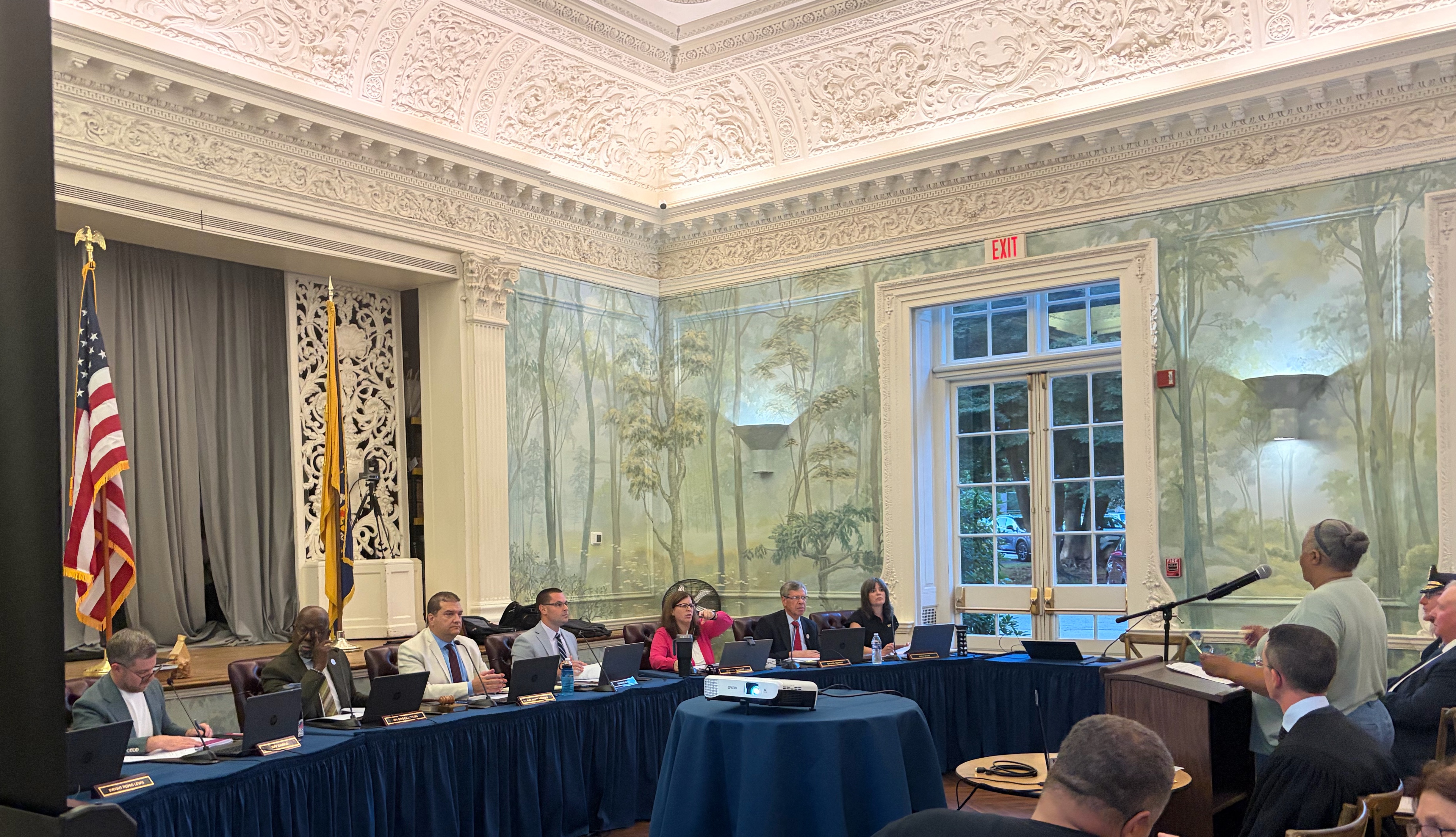
    The township’s contract with the company expires on Dec. 31, Cherry Hill Mayor Dave Fleisher announced at the Sept. 14 township council meeting.

    “The Cherry Hill Police Department continues to evaluate its use of technology,” Fleisher’s chief of staff, Brian Bauerle, said in an email Friday. “In conjunction with that evaluation, Cherry Hill Township was also aware of ongoing nationwide conversations concerning the Flock network.”

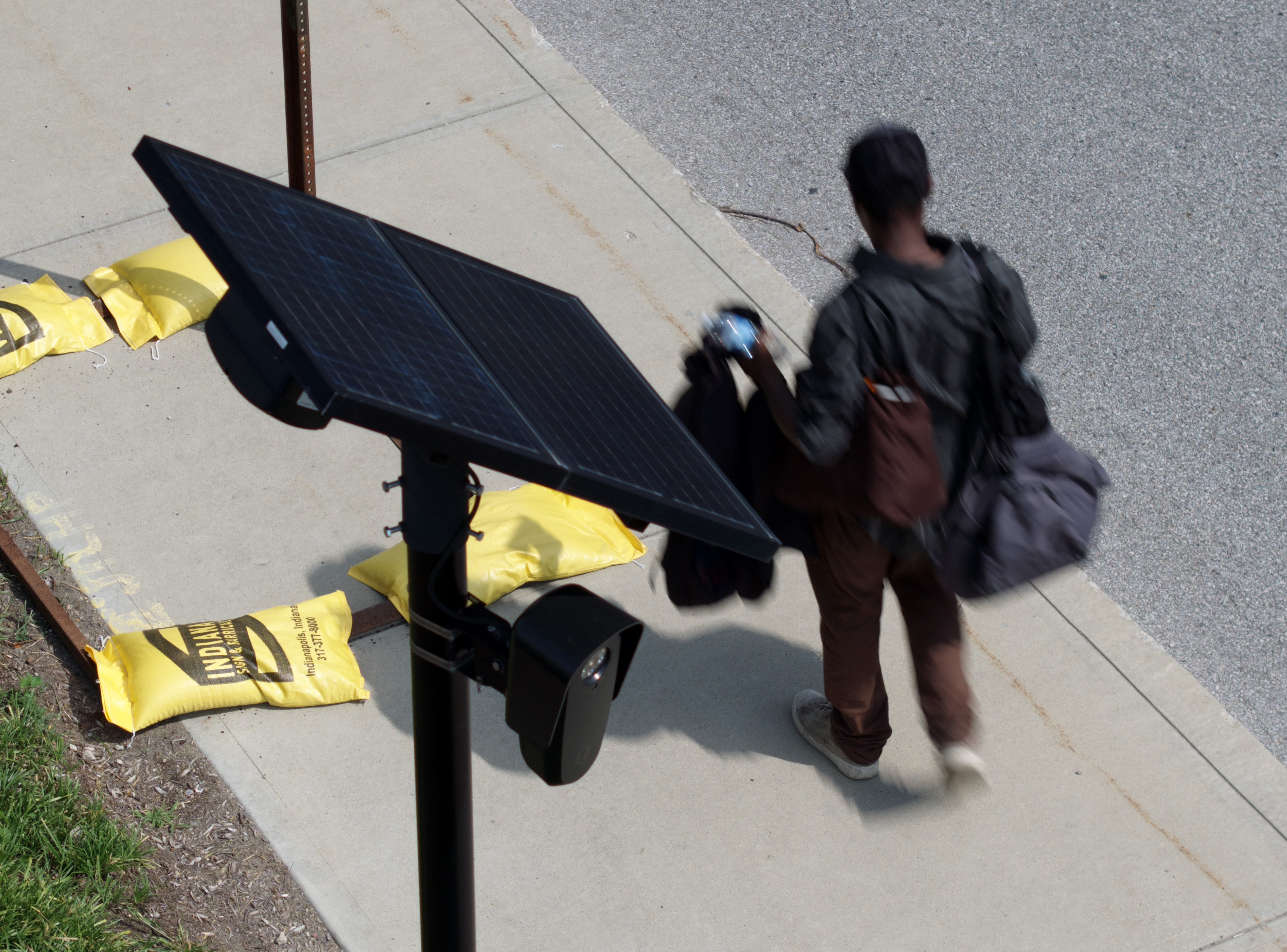
    Flock cameras capture the license plates and identifying features of passing vehicles, including bumper stickers and dents, in addition to the make, model, body type, and color. That information is then compiled into a searchable database that can be accessed by law enforcement and private owners of the cameras.

    In 2022, Cherry Hill entered into a two-year, 10-camera pilot program with Flock, Bauerle said.

    Once the contract expires, the cameras, which were installed at the end of 2024, “will become inactive immediately with the hardware to be removed by the vendor,” he said.

    As the township prepares for the cameras to come down, the Cherry Hill Police Department is now looking into other options for similar technology that can be used in town.

    “The police department is in the final stages of evaluating Axon automated license plate readers,” the same company that provides the department’s body-worn and dash cameras, Bauerle said. Axon’s dash cameras can serve as mobile automated license plate readers while the police car is in operation, he said.

    “These cameras do not connect to the Flock network,” Bauerle noted. “The Department uses automated license plate recognition technology only for authorized law-enforcement and public-safety purposes and in accordance with both New Jersey law and New Jersey Attorney General directives.”

    The department has not yet moved beyond the “evaluation phase” of the Axon cameras, but if it does, Bauerle said, the decision will be subject to various approvals by the township.

    Cherry Hill’s decision to sever ties with Flock comes as people across the country increasingly push back against the technology. Critics argue that the cameras amount to mass surveillance and unconstitutionally track the movements of citizens.

    Earlier this month, rural Shamong Township in neighboring Burlington County introduced an ordinance that would ban the cameras within the township for one year.

    “Flock cameras basically create a surveillance system for people who have done nothing wrong,” Shamong Mayor Michael Di Croce said at the time.

    “We should not create a permanent or searchable record of where law-abiding residents drive merely because they happen to pass a government camera or, in the case of Flock, private-entity cameras,” Di Croce said.

  • Johnny Doc reportedly switches to Republican Party after receiving prison commutation from Trump

    Johnny Doc reportedly switches to Republican Party after receiving prison commutation from Trump

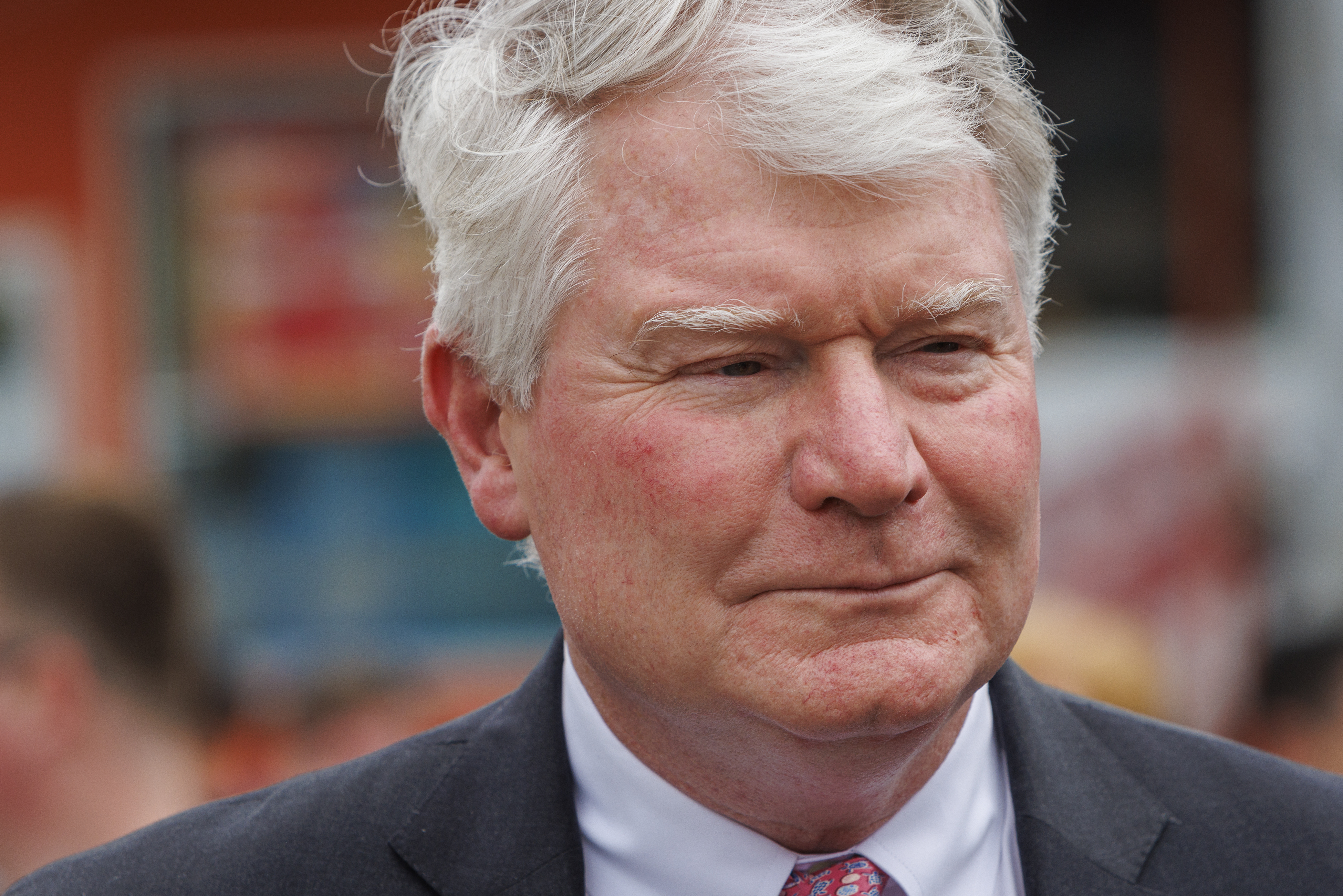
    John “Johnny Doc” Dougherty, the former Philadelphia labor leader and longtime Democratic power broker whose prison sentence for a corruption conviction was commuted by President Donald Trump earlier this month, has reportedly switched political parties.

    Claudia Vargas, a former journalist for NBC10 and The Inquirer, reported Friday that Dougherty changed his party registration on Sept. 11 to Republican, and that he has since moved from South Philadelphia, where he had served as a ward leader, to Center City.

    The website for the Office of the Pardon Attorney in the U.S. Department of Justice shows Trump signed Dougherty’s commutation Sept. 3.

    Dougherty, who served less than two years of his six-year sentence, had been seeking an early release so he could care for his gravely ill wife, Cecilia. He was released Sept. 4 from the federal penitentiary in Lewisburg, Pa., his lawyer, George Bochetto, confirmed that day.

    Neither Dougherty nor Bochetto could be reached for comment on Friday.

    Dougherty was found guilty of bribing former Philadelphia City Councilmember Bobby Henon in one trial, and was convicted in a second trial for his participation in an embezzlement scheme that cost his union nearly $600,000.

    He had petitioned U.S. District Judge Jeffrey L. Schmehl to release him on house arrest so he could care for his wife. Schmehl repeatedly denied those efforts.

    As a result of Trump’s commutation, Dougherty not only had his incarceration cut short, but also will no longer have to pay about $1.6 million in restitution to the union he was convicted of defrauding.

    A representative for Local 98 of the International Brotherhood of Electrical Workers could not be reached for comment about the loss of the restitution funds.

    Dougherty, whose conviction remains intact, also will not be subject to monitoring or house arrest.

    On the day Dougherty was released, Bochetto called Trump’s decision “a magnificent gesture of compassion.”

    Bochetto said he had been in regular communication with White House staffers about the health challenges faced by Dougherty’s wife.

    A White House official said those circumstances figured into Trump’s decision, particularly because Dougherty’s father-in-law, who had been serving as the primary caretaker, died last year.

    Bochetto said there was “absolutely no reason” to keep Dougherty locked up while his wife’s health was continuing to decline.

    Federal prosecutors had opposed Dougherty’s early release.

  • Duncan Sheik, who traded pop stardom for Broadway, dies at 56

    Duncan Sheik, who traded pop stardom for Broadway, dies at 56

    Duncan Sheik, an introspective singer-songwriter whose alt-pop hit “Barely Breathing” became a Generation X touchstone, but who squirmed under the label of MTV heartthrob and eventually decamped to Broadway, winning two Tonys for composing the smash musical Spring Awakening, died Thursday in Manhattan. He was 56.

    His death, in a hospital, was confirmed by his mother, Suzanne Sheik, who said that the cause was organ failure.

    Soft-spoken and cerebral — complete with a degree in semiotics from Brown University — Mr. Sheik seemed like a long shot for fame when he arrived in Los Angeles in 1992 with a demo tape and a deep unease with the spotlight.

    Though he had played guitar in a band with future hitmaker Lisa Loeb in college, he “could barely sing in public to save my life at that point,” he recalled in a 2011 interview with the site Pop Dose.

    Yet in just a few years, he was a rising star. In 1996, Rolling Stone called his first album, Duncan Sheik, a “defiant debut — beautiful and benevolent of spirit” and praised his “raw and articulate singing.”

    The single “Barely Breathing,” an unvarnished sketch of a dying relationship that was propelled by candy-sweet hooks, saturated the radio airwaves. It earned a Grammy nomination and rose to No. 16 on the Billboard Hot 100, remaining on the chart for 55 weeks — at the time, the fourth-longest run ever.

    In the decade of Nirvana and Soundgarden, Mr. Sheik intended his artfully crafted record “as a reaction against the existing alternative music,” he said in a 1997 interview with the Palm Beach Post, complaining that alt rock had become “this kind of monolithic distorted guitar chord.”

    With a grounding in classical composition, and influences as diverse as Joni Mitchell, the Cocteau Twins, and Estonian composer Arvo Pärt, Mr. Sheik mixed heart-rending melodies with lyrics that mined Buddhist philosophy and brimmed with existential angst.

    In a review of his second album, Humming (1998), in the New York Times, Stephen Holden wrote that Mr. Sheik’s “beautifully orchestrated meditations suggest that pop can still aspire to a lofty, searching classicism.”

    Fans embraced him as a tortured troubadour, like Jeff Buckley or Elliott Smith. Critics often noted his musical similarities to Nick Drake, the haunting and haunted British singer-songwriter of the late 1960s and early ’70s.

    But Mr. Sheik — with looks that called to mind the Gen X dreamboat John Cusack and a female-tilting fan base — was also cast in the news media as a sensitive, soulful sex symbol. The Palm Beach Post noted his “name straight out of a romance novel and the face of a GQ model.”

    “Don’t hate Duncan Sheik because he’s beautiful,” critic Ann Powers wrote in a review of a 1998 concert in the New York Times. “He is trying very hard to distance himself from that fact.”

    Duncan Scott Sheik was born Nov. 18, 1969, in Glen Ridge, N.J., to Jack and Suzanne (Tracy) Sheik. By the time he was 6, he was learning piano from his grandmother, who had studied at Juilliard. After his parents divorced, his mother moved to Hilton Head Island, S.C., where Duncan got his first electric guitar and played in a band that performed Def Leppard and Van Halen covers.

    After graduating from Phillips Academy in Andover, Mass., in 1988, he enrolled at Brown, where he holed up in the campus recording studio working on his own material, when he wasn’t playing with Loeb, a fellow student who in 1994 would hit No. 1 with “Stay (I Missed You).”

    It took a few years of living in Los Angeles after college for his career to take off — but once it did, he found fame to be at times overwhelming.

    “I was put in situations that I didn’t have the experience to handle,” he recalled in a 2003 interview with University Wire, adding that he had performed on David Letterman’s and Jay Leno’s late-night shows when he had “just made one album and I had played maybe 30 or 40 shows in my life. And I’m sure I sucked.”

    An adherent of Nichiren Buddhism, rooted in 13th century Japan, since he was 19, he found that daily chanting helped him to be “just a bit more positive about life in general,” he told the Palm Beach Post.

    Despite critical plaudits, Humming sold modestly. Sheik’s somber third album, Phantom Moon (2001) — a collaboration with the poet and playwright and his fellow Buddhist Steven Sater — was, according to Holden’s Times review, “the most entrancing collection of pop dream songs since Nick Drake’s 1969 album, Five Leaves Left.”

    That, Holden added, was “not to suggest that this hauntingly melancholy suite is poised to hurtle up the charts anytime soon.”

    By that point, Mr. Sheik said in a 2015 interview with HuffPost, “the ‘authenticity’ of the alt-rock era of the early and mid-90s was over and the music business took a hard right turn back toward artifice and the more overtly pop sound of Britney, Christina, ’N Sync, and Backstreet Boys.”

    He scored an unlikely dance hit in 2002 with the percolating “On a High,” from the album Daylight, but he was growing ever more weary of the industry hustle.

    “I thought, I’m not going to win in this game of trying to be Justin Timberlake,” he recalled in a 2022 interview with the Houston Chronicle. “Maybe I should try and do something different.”

    Mr. Sheik met Sater through the Buddhist association Soka Gakkai, and in 1999, Sater broached the idea of working together on a musical based on Spring Awakening, Frank Wedekind’s 1891 play exploring the tormented inner lives and flowering sexuality of a group of teenagers.

    After initial doubts, Mr. Sheik ended up feeling a kinship with the material. “Being a recording artist who tours and performs and who has never had a normal job or anything, I have never really evolved past my 17-year-old self,” he said in a 2014 interview with Broadway World.

    In development for years, the rock-meets-folk-meets-emo musical — striking for its raw treatment of topics such as abortion, abuse, and suicide — ran off-Broadway at the Atlantic Theater Company starting in spring 2006, before opening on Broadway that December.

    “It was really about ‘Can we make a musical score that sounds as cool as the music that any alternative rock kid is listening to on their iPod?’” Mr. Sheik recalled in a 2020 interview.

    Before the show premiered, he coached the cast — which included future stars like Lea Michele, Jonathan Groff, and John Gallagher Jr. — to steer clear of traditional Broadway bombast.

    “Imagine that you’re Thom Yorke,” he said he told them. “Imagine that you’re a young David Bowie. Imagine that you are Fiona Apple. And please forget about all the vocal training you’ve ever had.”

    In a rave review in the Times, critic Charles Isherwood praised Mr. Sheik’s “ravishing rock score,” calling the show a “brave new musical, haunting and electrifying by turns.”

    Spring Awakening won eight Tony Awards, including best musical, with Mr. Sheik taking home two, for the score — an honor he shared with Sater, who wrote the book and lyrics — and for his orchestrations. The show ran for over two years on Broadway, where it was revived in 2015; a new production opens off-Broadway in November.

    Mr. Sheik wrote the scores for several other musicals, including Alice by Heart, a version of “Alice’s Adventures in Wonderland” set in London during World War II, and American Psycho, an adaptation of the blood-soaked Bret Easton Ellis novel, which flopped on Broadway in 2016.

    He is survived by his parents; his wife, Nora Ariffin; their daughter, Ines Sheik; and his half siblings, Peter and Kacie.

    Along the way, Mr. Sheik continued to release nontheater albums, including a 2011 collection of covers of songs by British acts of the 1980s like Depeche Mode and Tears for Fears. His final album, Claptrap (2022), wove his trademark delicate melodies into an ambient electronic soundscape.

    In interviews over the years, his Buddhist outlook came through as he described fame, critical success, and even life itself as capricious and beyond anyone’s control.

    “I subscribe to the death-of-the-author theory,” he said in a 1997 interview with the Orange County Register, “that once a cultural product has been created and sent out into the world, it no longer has any attachment to its author.”

    This article originally appeared in the New York Times.
  • Judge isn’t swayed by government’s claims that plans for an ‘anti-weaponization fund’ are dead

    Judge isn’t swayed by government’s claims that plans for an ‘anti-weaponization fund’ are dead

    ALEXANDRIA, Va. — A federal judge who blocked the creation of a $1.8 billion “anti-weaponization fund” for compensating President Donald Trump’s political allies wasn’t swayed by a government attorney’s assurances Friday that the administration has abandoned the concept.

    U.S. District Judge Leonie Brinkema in Virginia didn’t rule from the bench on the government’s request for her to dismiss a lawsuit challenging the fund’s formation and operation. But the judge rejected the notion that the case’s claims are moot because the Trump administration says the fund is dead and won’t go forward.

    “The issues that underlie this case are still alive and kicking, in my view,” Brinkema said.

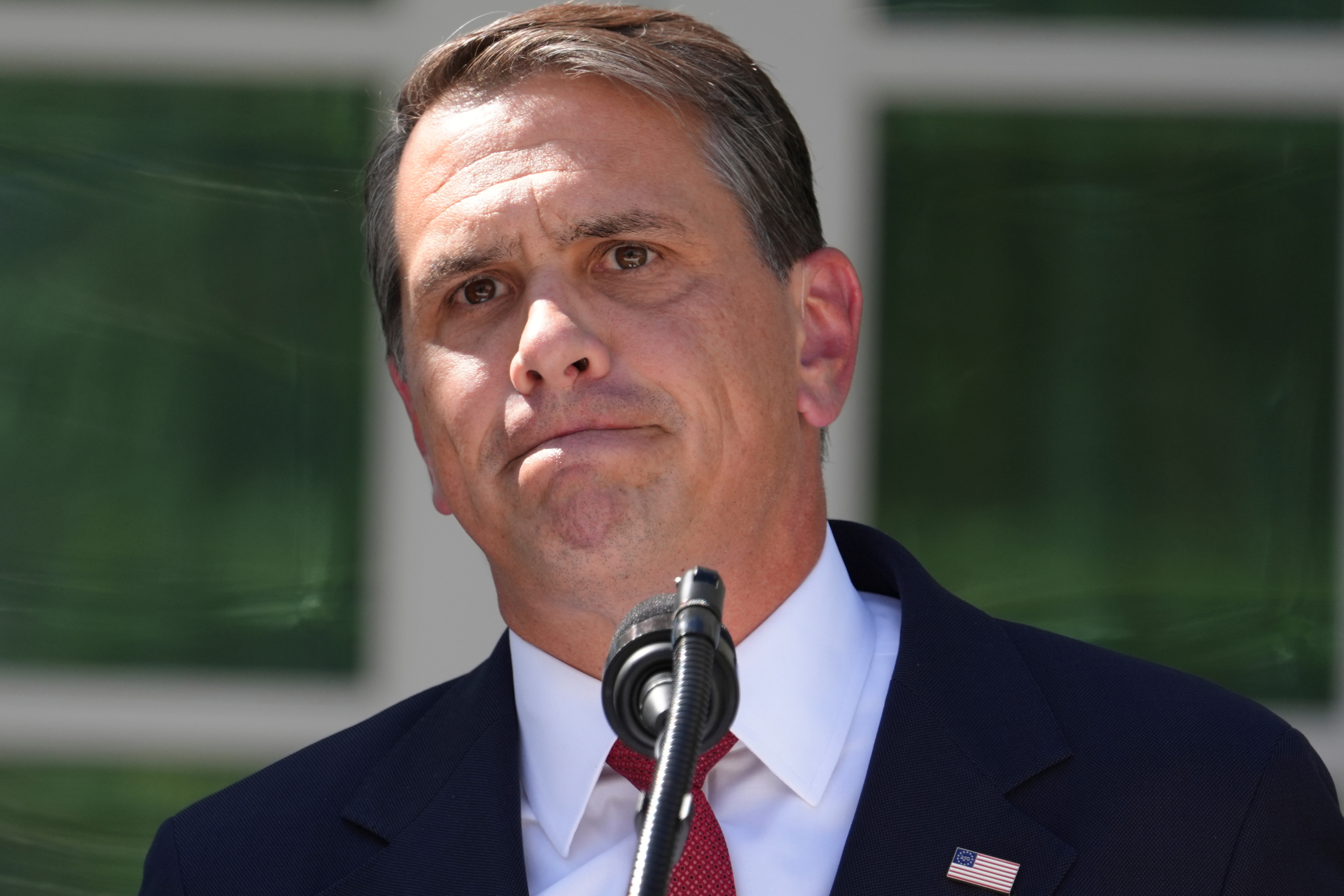
    The fund for compensating Trump’s political allies encountered a fierce bipartisan backlash and threatened to derail Attorney General Todd Blanche’s Senate confirmation. On Aug. 2, Blanche issued a formal order terminating the fund after negotiating for weeks with two Republican senators who wanted to see the promise in writing before they endorsed his nomination.

    “The case is moot,” Justice Department attorney Andrew Block told Brinkema. “The mootness has been addressed at every stage.”

    But the judge noted that Blanche’s assurances have been undercut by the president and other administration officials. Trump, a Republican, continued to publicly express support for the fund even as Blanche insisted it was dead.

    “They contradict themselves all the time,” Brinkema said.

    The administration created the settlement fund to resolve Trump’s lawsuit against the IRS over the leak of his tax returns. The plan stoked outrage over the notion that Trump supporters who attacked police officers while storming the U.S. Capitol on Jan. 6, 2021, could be eligible for payments.

    Attorneys from the legal advocacy group Democracy Forward sued in May, asking the Alexandria, Va., court to suspend the fund’s implementation temporarily and stop the Trump administration from disbursing any payouts. Plaintiffs’ attorneys argued the government can’t divert taxpayer money to a slush fund for enriching Trump’s allies.

    Brinkema, who was nominated to the bench by Democratic President Bill Clinton, agreed in June to extend an order blocking the fund until further notice from the court.

    Democracy Forward attorney Pooja Boisture told the judge on Friday that the administration will most likely move forward with the fund — “either in its current iteration or a new one” — if her order is lifted.

    The Virginia lawsuit’s plaintiffs include a fired prosecutor and a college professor acquitted of assaulting federal agents at a protest. Also named as plaintiffs are the government watchdog Common Cause; the city of New Haven, Conn.; and the National Abortion Federation, an association of abortion providers.

    “This scheme is an unprecedented, unlawful, and corrupt attempt to manipulate the legal process and laws intended to prevent political interference to achieve benefits that President Trump and his political allies could not have obtained lawfully,” the plaintiffs’ attorneys wrote.

    Justice Department attorneys argue the plaintiffs don’t have a legal basis for claims challenging a fund that “has never existed and will not exist.”

    “The time has come to stop this inquisition,” they wrote.

  • Cheltenham police will use AI-enabled surveillance cameras at a construction site, and could expand use around town

    Cheltenham police will use AI-enabled surveillance cameras at a construction site, and could expand use around town

    Cheltenham police will soon use AI-enabled cameras to deter crime at a construction site, and may use them in the future for crime hot spots and community events.

    The $35,000 contract with Packetalk, a New Jersey technology company, that township commissioners approved Wednesday includes artificial intelligence-enabled camera technology with motion detection and software that allows police to both review live feeds and search recorded footage for license plate numbers and vehicle characteristics.

    Packetalk is smaller than the more widely known Flock Safety, but the company is not without controversy.

    In 2023, Packetalk’s current CEO, Tamer Zakhary, was charged with allegedly selling Chinese surveillance equipment banned under the National Defense Authorization Act as his own product, asking a manufacturer to change the color and logo to hide it, and lying to public safety clients about compliance.

    The federal charges were dropped in 2024 without explanation or prejudice, meaning prosecutors are allowed to charge Zakhary again for the same thing in the future.

    Township Manager Jonathan Altshul said Friday he had not been aware of the case.

    The Packetalk cameras will initially be used at the La Mott Community Center construction site, but police will keep the cameras for use at crime hot spots and community events, IT director Michael Rubin said at a Tuesday committee meeting. The contract includes five years of maintenance.

    Packetalk also allows police to create a surveillance network using both public and private cameras with owners’ permission. The township already has Packetalk cameras at Wall Park, Rubin said.

    Cheltenham officials, in an interview Friday, characterized the existing Wall Park technology as more akin to conventional surveillance cameras. Though the department may access the cameras through the same Packetalk monitoring platform, the Wall Park cameras are not integrated with other surveillance systems and do not use AI-powered tools.

    The Packetalk systems can help solve crime, Police Chief Richard Schaffer said at the Wednesday meeting where commissioners approved the AI surveillance contract: “These cameras don’t get tired, they don’t leave … they don’t sleep.”

    Schaffer added Friday that camera technology was critical to solving cases like the 2023 homicide of Rachel King.

    “For any investigation, we would take any legal avenue for trying to solve a case,” Schaffer said. “That would include if we identify cameras.”

    Several Cheltenham commissioners also emphasized that the camera contract was well worth the cost to protect the more than $8 million investment the township is making in the community center.

    Flock cameras have raised questions across the country — including in neighboring Abington, where both police and residents became concerned about data security and privacy.

    Like the Flock cameras, the Packetalk system can flag wanted vehicles, according to the company’s website.

    But unlike Flock cameras, which can be connected to a nationwide network where other agencies can request access, the data from the Packetalk system will be stored by the township, and only Cheltenham will have access, Schaffer said.

    Cheltenham does not have its own Flock cameras, but has access to Flock’s surveillance network via private companies within the township, police previously said.

    The new cameras have not yet arrived, but in general, the police department retains video for a minimum of 60 days, officials said.

    The township originally planned to order two surveillance trailers from Packetalk for $35,000 each, but commissioners amended the agenda item to approve just one, which will be paid for via Cheltenham’s capital fund.

    Packetalk was significantly cheaper than other vendors, a township memo noted.

    This suburban content is produced with support from the Leslie Miller and Richard Worley Foundation and The Lenfest Institute for Journalism. Editorial content is created independently of the project donors. Gifts to support The Inquirer’s high-impact journalism can be made at inquirer.com/donate. A list of Lenfest Institute donors can be found at lenfestinstitute.org/supporters.

  • Tesla’s AI-powered Cybercabs have been spotted in Philly. Will you be able to try one soon?

    Tesla’s AI-powered Cybercabs have been spotted in Philly. Will you be able to try one soon?

    Tesla seems to be testing its autonomous Cybercabs in the Philadelphia area after launching them in Austin earlier this month.

    Local Cybercab sightings have been posted on Reddit and other social media in recent days, with photos and excited commentary reminiscent of trainspotters. Several people posted shots of the gold vehicles parked in the lot of a Devon Tesla dealership.

    One Reddit user reported being told at the dealership that vehicles are undergoing “training” for future deployment in Philadelphia.

    “We’re not at liberty to discuss that,” a person who answered the phone in the sales department said Friday.

    Tesla’s corporate media team did not respond to a request for comment about its Cybercab plans in the Philadelphia market.

    Competitor Waymo is already here, so if Tesla does make a Philly play, a robotaxi arms race is possible.

    On Sept. 3, two-seat Cybercabs began offering driverless rides to the public in parts of Austin, Texas. after a closed-door launch party attended by Tesla enthusiasts and influencers.

    The fully autonomous version has no steering wheel, pedals or mirrors, and is piloted by AI, using an array of cameras to navigate.

    Waymo has not announced when it will start carrying passengers in Philadelphia. Under state law, PennDot must approve before people can hail one of its autonomous taxis and pay for a ride.

    Waymo started manual testing and mapping in Philadelphia in July 2025 and in December shifted to testing autonomous driving with safety specialists behind the wheel as backup.

    The Cybercabs caught the attention of James Mosley this week.

    Mosley, a commercial and fashion photographer, was waiting for a Route 65 SEPTA bus on City Avenue for the second leg of his commute to work Wednesday morning when he saw the brassy gold, soundless EV with a Cybercab logo on the front bumper and a Texas license plate on back.

    “It was shock and awe,” Mosley said. “I thought, ‘This is crazy.’”

    He captured a short video clip of the autonomous vehicle passing through an intersection and changing lanes (with signal) to make a left turn at the next traffic light.

    Mosley said he didn’t see a person in the cab, which has tinted windows. In any case, he wouldn’t trust AI to drive him in a fully autonomous Cybercab.

    “I don’t even like the self-checkout at the grocery store,” he said.

  • Hundreds of thousands attend Iran’s biggest government-organized rally since the war began

    Hundreds of thousands attend Iran’s biggest government-organized rally since the war began

    CAIRO — Hundreds of thousands of Iranians rallied Friday in a government-organized show of defiance after months of war, pledging their readiness to take up arms in the biggest such demonstration since the United States and Israel attacked in February.

    Iran’s government has sought to rally the people and stress national unity, even as the economy worsens under a U.S. naval blockade of Iranian ports and new U.S. sanctions. On Friday, it claimed another attack on a tanker in the Strait of Hormuz, a key waterway it has sought to control since the start of the war.

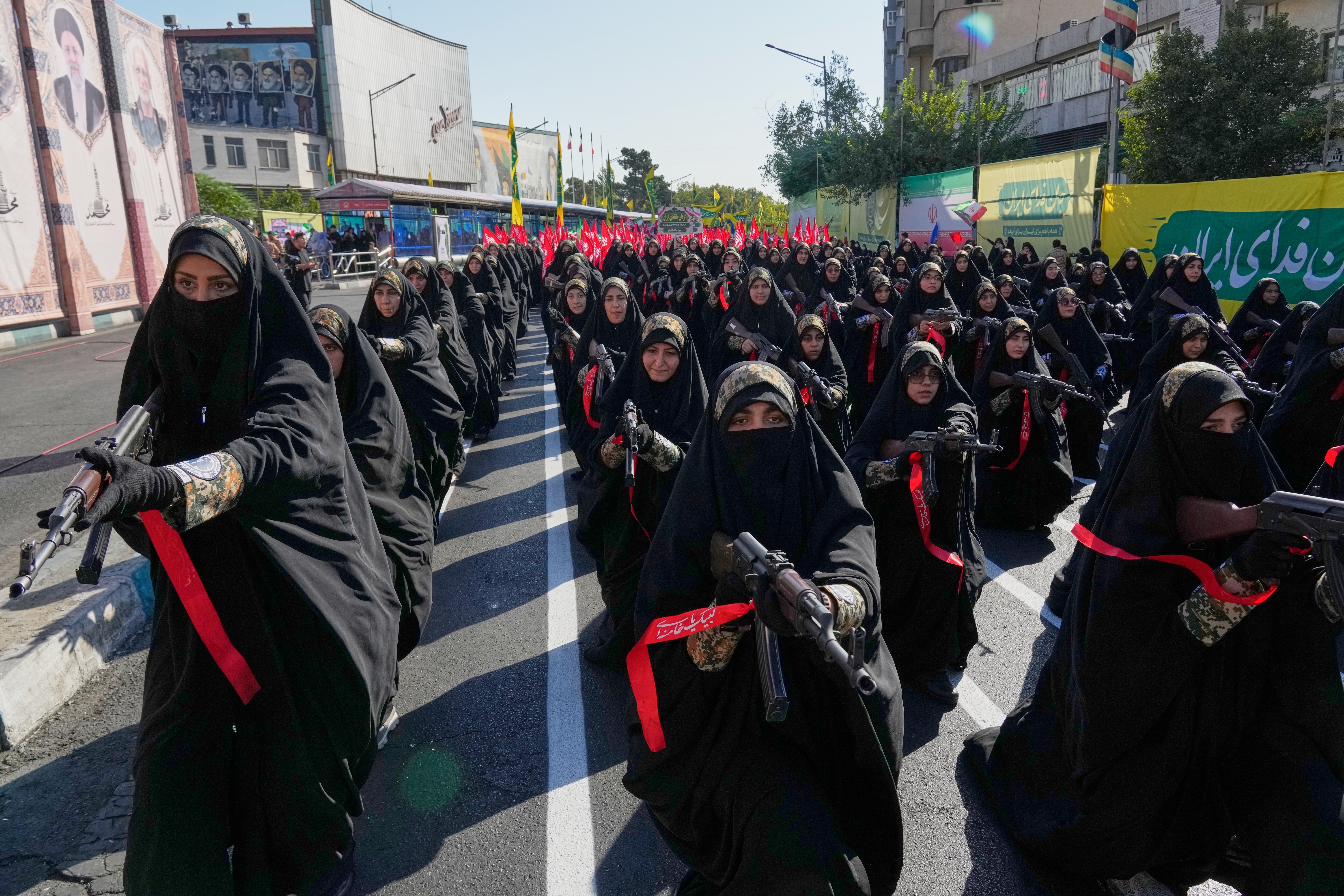
    Estimates varied of the number of people volunteering to receive limited military training and defend the country in an effort described as “Janfaday-e Iran,” or the “ones who sacrifice their lives for Iran.” They marched through downtown Tehran in combat uniform, carrying flags, as onlookers cheered.

    For days, state media have encouraged Iranians to join the campaign, saying training with assault rifles would begin soon. The volunteers would be an additional layer of security to the paramilitary Revolutionary Guard and the Basij militia, which has played a key role in quashing anti-government protests.

    Rally seeks to project strength under U.S. pressure

    Tehran’s Guard chief, Gen. Hassan Hassanzadeh, told the state broadcaster that over 600,000 people had registered to participate, with over 1 million expected to take part in the training. On Friday morning, the broadcaster estimated over 300,000 people were on the streets.

    The new head of the Basij, Hossein Taeb, declared in a speech as the rally began that the volunteers will be ready for “full-fledged defense” and similar rallies will take place in other cities soon.

    The new trainees will make a “nightmare” for Iran’s enemies, Taeb added, as President Masoud Pezeshkian, military commanders, and other senior officials watched the march.

    Some participants trampled flags of the U.S. and Israel. Others chanted “Death to America” and “Death to Israel.”

    “I am here to tell (U.S. President Donald) Trump that we Iranians have no fear about his threats against our homeland,” said Marzieh Afaghi, 24, who attended the rally with her toddler and husband. “No one in history could invade Iran and remain there.”

    The rally was also a chance for Iran to show off military hardware. Anti-aircraft batteries were on display, while female Guard members in black headscarves sat with truck-mounted machine guns.

    Iran says it attacked another tanker in the Strait of Hormuz

    The Guard displayed drones that have been used against ships in the Strait of Hormuz, where Iran’s attacks and threats have severely affected the Gulf region’s shipments of oil and natural gas to the rest of the world.

    Iran said it had attacked a Togo-flagged oil tanker, the Trend, for what it called an “illegal attempt” to pass through the Strait of Hormuz, the state broadcaster reported. The U.K. Maritime Trade Operations center said a tanker was hit by a projectile, sparking a fire on board that was extinguished.

    The UKMTO in a separate update said ship transits facilitated by the U.S. military off Oman have averaged 24 a day over the past week but overall traffic remains about 90% lower than before the war.

    Iran’s new volunteers could help suppress future dissent

    Friday’s events also suggested that hard-liners like Taeb among Iran’s leadership will be more prepared to suppress any future demonstration against the theocracy.

    In January, shortly before the war, Iran saw some of its largest nationwide protests in history, which began over the struggling economy and turned to wider grievances. Activists have said a crackdown killed over 7,000 people and saw tens of thousands detained.

    In May, government officials said more than 30 million people in Iran — which has a total population of some 90 million — had volunteered via an online form or at public gatherings to lay down their lives for the theocracy. The Associated Press could not independently confirm that.

  • More U.S. troops have died amid Iran war than Pentagon has disclosed publicly

    More U.S. troops have died amid Iran war than Pentagon has disclosed publicly

    More American service members have died in the Middle East during the ongoing Iran war than the Pentagon has disclosed publicly, according to six U.S. officials familiar with the Defense Department’s internal casualty accounting data.

    Five of the officials said there have been at least 22 military fatalities — four more than what appears in the Pentagon’s public database, known as the Defense Casualty Analysis System, or DCAS.

    A sixth official, who like the others spoke on the condition of anonymity to discuss the figures, said 23 service members have died since Feb. 28, when the Trump administration, in concert with Israel, initiated the Iran war. Not all of the undisclosed deaths are directly tied to the conflict but have involved U.S. personnel who were in the Middle East amid ongoing hostilities, this person said.

    Additionally, the official said, three U.S. contractors who were based in the region have died since combat operations began.

    As of Friday, the Pentagon’s DCAS database lists 18 U.S. military fatalities, including deaths caused by hostile and nonhostile action dating to the start of the Iran conflict.

    Details surrounding the undisclosed deaths — including the service members’ identities, as well as when, how, and where they died — remain unclear. Officials familiar with the higher casualty number expressed frustration that the additional loss of life is not reflected in the Pentagon’s public casualty portal.

    The Pentagon declined to address questions about the accounting discrepancy.

    The Iran war, which polls show is deeply unpopular with the American public, has become a political liability for President Donald Trump and the Republican Party ahead of November’s midterm elections. The administration’s casualty accounting practices faced intense scrutiny earlier this year when the names of four U.S. troops who died as a result of the Iran war were briefly excluded from the Pentagon’s official tally.

    The proper accounting of military fatalities has implications beyond public transparency. Whenever a U.S. service member dies, the military conducts a line of duty investigation to determine whether the death occurred while performing official duties. Those findings affect the survivor benefits for which service members’ families are eligible.

    As of Friday, 14 fatalities are listed in the database as having occurred during Operation Epic Fury, the Trump administration’s name for the Iran war. Four others, reflected in a separate category called Overseas Operations, date to a July ceasefire between Washington and Tehran that later collapsed leading to the resumption of attacks.

    Separately, the Pentagon has said that, since February, two U.S. service members died in the Middle East while participating in missions unrelated to the Iran war. Their deaths, which occurred at bases that have been attacked by Iranian forces, are not reflected by name in the DCAS database either.

    Sgt. Devin Seibel died in Irbil, Iraq, on May 31 in a training accident, the Defense Department said in a news release. The announcement specified he was assigned to Operation Inherent Resolve, the ongoing campaign against Islamic State militants. Seibel’s name is not included among the Inherent Resolve tally in DCAS.

    Maj. Sorffly Davius suffered an unspecified medical emergency in Kuwait and died on March 6. It is unclear whether his death was tied to an Iranian attack. An announcement of Davius’ death said he deployed under Operation Spartan Shield, a mission to partner with regional militaries.

    More than 820 U.S. service members have been wounded in action since the Iran conflict began, the public casualty database says. Many have suffered traumatic brain injuries as a result of Iranian counterstrikes on U.S. bases throughout the Middle East.

    The war has taxed the military’s stocks of precision weapons, damaged U.S. bases across the Persian Gulf, and roiled global energy markets after Tehran closed the Strait of Hormuz, a vital waterway for oil and fertilizer.

    According to a document reviewed by the Washington Post, U.S. Central Command, which oversees operations in the Middle East, has estimated that the Iran war has cost about $43.6 billion through early September. The total includes $28 billion in munitions expended during the conflict but does not account for the damage to U.S. bases.

    As the Post reported last month, several top U.S. military officials have warned Defense Secretary Pete Hegseth that prolonging large-scale operations against Iran is unsustainable and risks weakening their ability to confront threats elsewhere, including the U.S. homeland.

    According to a September Reuters-Ipsos poll, 28% of Americans support Trump’s approach to Iran, whereas 62% disapprove.

    On Tuesday, a record seven GOP lawmakers joined Democrats and helped pass a largely symbolic measure intended to halt the war — the latest of several war powers resolutions to advance in Congress.

    All war deaths and injuries are supposed to be publicly reported on the Pentagon’s public DCAS system, where the military accounts for personnel lost or injured in its conflicts.

    Over the summer, when the four combat deaths were temporarily excluded from the casualty database, the Trump administration reclassified renewed hostilities with Iran as Overseas Operations instead of being tied to Operation Epic Fury.

    The change, which occurred as U.S. negotiators struggled to broker a permanent peace deal with Tehran, coincided with efforts by the administration to portray the war as a success even as Iran continued to fire on American forces and continued to target shipping in the Strait of Hormuz.

    Senate Democrats have pledged to investigate the Pentagon’s handling of casualty notifications if they retake the majority after the midterms.

    Reps. Pat Ryan (N.Y.), Jason Crow (Colo.) and 10 other House Democrats, all of them military veterans, on Friday said they were pursuing legislation that would prevent the Pentagon from manipulating government data on troop casualties. Sen. Tammy Duckworth (D., Ill.) is leading a companion effort in the Senate.

    One Republican, Rep. Thomas Massie (Ky.), moved this week to force a House vote on impeaching Hegseth over the war, alleging the defense secretary violated provisions of the War Powers Resolution of 1973 by pursuing hostilities without congressional authorization.

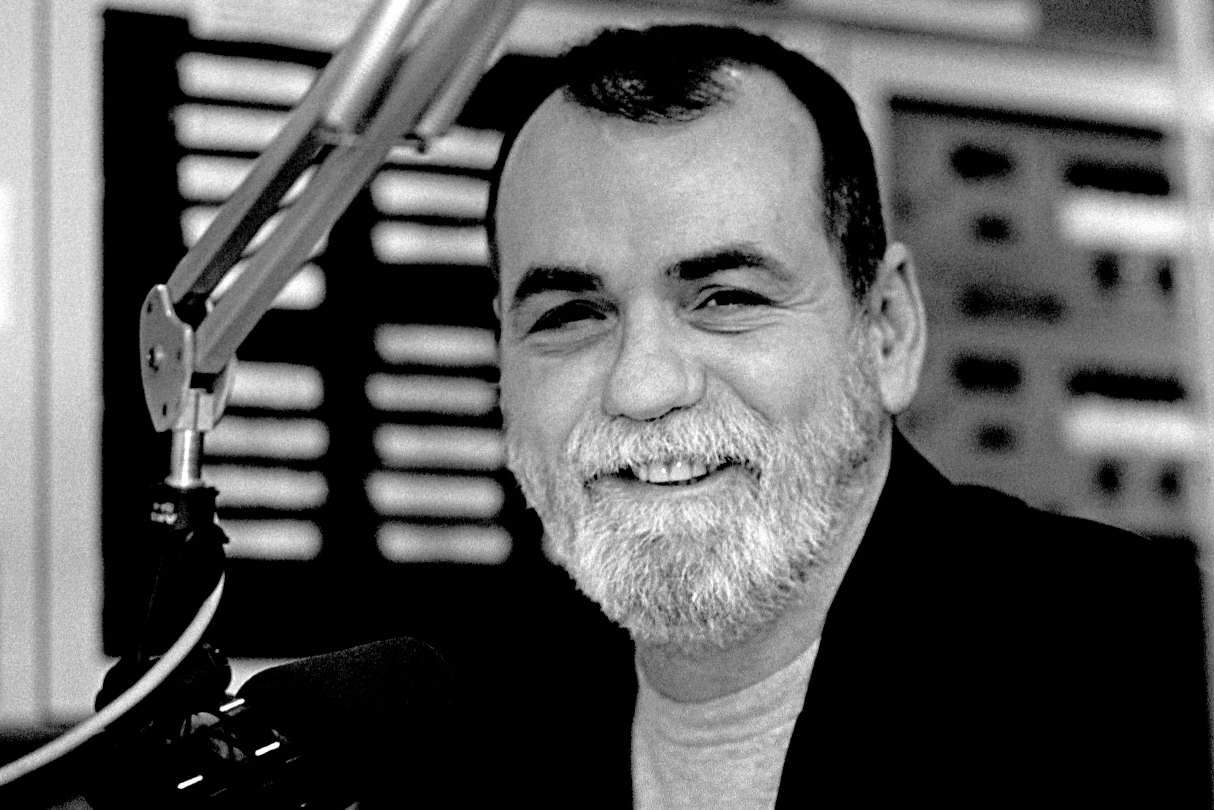
  • Mike Bowe, popular longtime radio disc jockey, has died at 76

    Mike Bowe, popular longtime radio disc jockey, has died at 76

    Mike Bowe, 76, of Audubon, Camden County, longtime local disc jockey and popular radio show host at WMGK, WPEN, WHAT and other stations, Army veteran, devoted Phillies fan, and proud son of Gloucester City, died Monday, Sept. 14, of complications from cancer at his home.

    Mr. Bowe enjoyed music and socializing as a teen at Gloucester Catholic High School, and was skilled at chatting with people about their favorite songs and other interests. So he was a natural fit later as a radio show host and disc jockey for more than 40 years in studios and at remote appearances, dance parties, charitable fundraisers, and other events.

    “I like to think I communicate with people,” he told the Courier-Post in 1987. “I think I can relate the same way to somebody whether he’s on Ninth Street in South Philly or at a bank in Center City.”

    Fellow DJ Chris McCoy said. “He had something intangible. He made you feel like he knew you, and you knew him.”

    Using what his fans and colleagues described as a “calming and smooth voice” and “velvet intonations,” Mr. Bowe hosted music shows at WMGK from 1977 through the early 2000s, at KISS 100 in the 1990s, and at WPEN and WHAT between 2000 and 2011. Colleagues called him “loyal, dedicated, witty” in online tributes, and praised his “down to earth and friendly style.”

    They credited him with making WMGK’s Saturday Night ’70s show a hit in the mid-1990s. “He was the very foundation of that success,” McCoy said.

    Listeners called him “truly a master of this craft,” “one of the best ever,” and “a memorable radio legend.” He worked after 2011 at other local stations and iRadioPhilly.com.

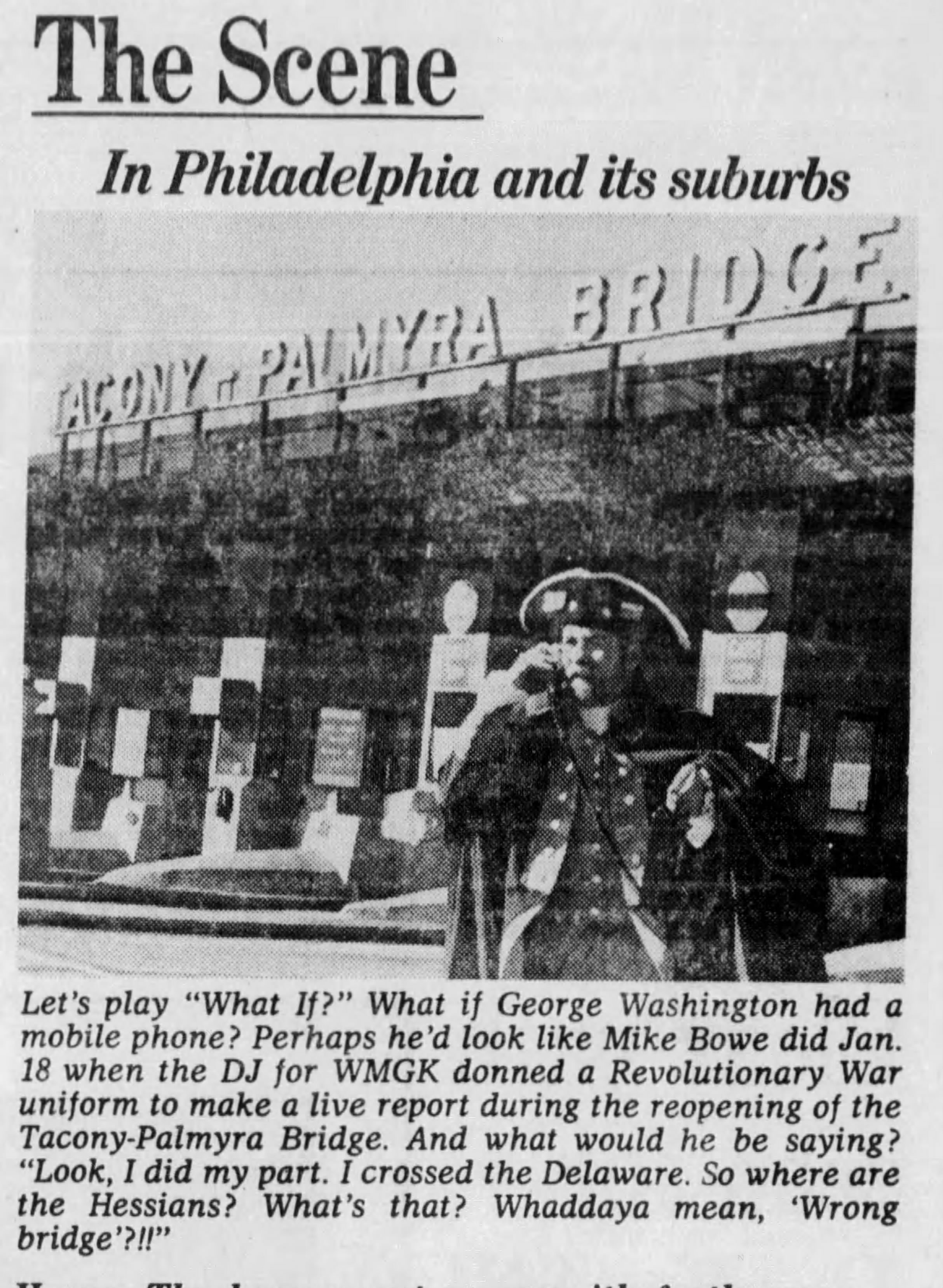
    He teamed up with other popular DJs on morning, afternoon, and evening shifts, interviewed performers, took phone calls from listeners, and broadcast from Phillies games and charitable benefits. In 1989, he dressed up as George Washington to cross the Delaware River when the Tacony-Palmyra Bridge was finally reopened after repairs.

    He liked to air remotely from his favorite clubs and pubs, and ride shuttle buses with listeners to concerts. He also worked DJ dance party gigs at nightclubs, holiday parades, and private events in Philadelphia and South Jersey.

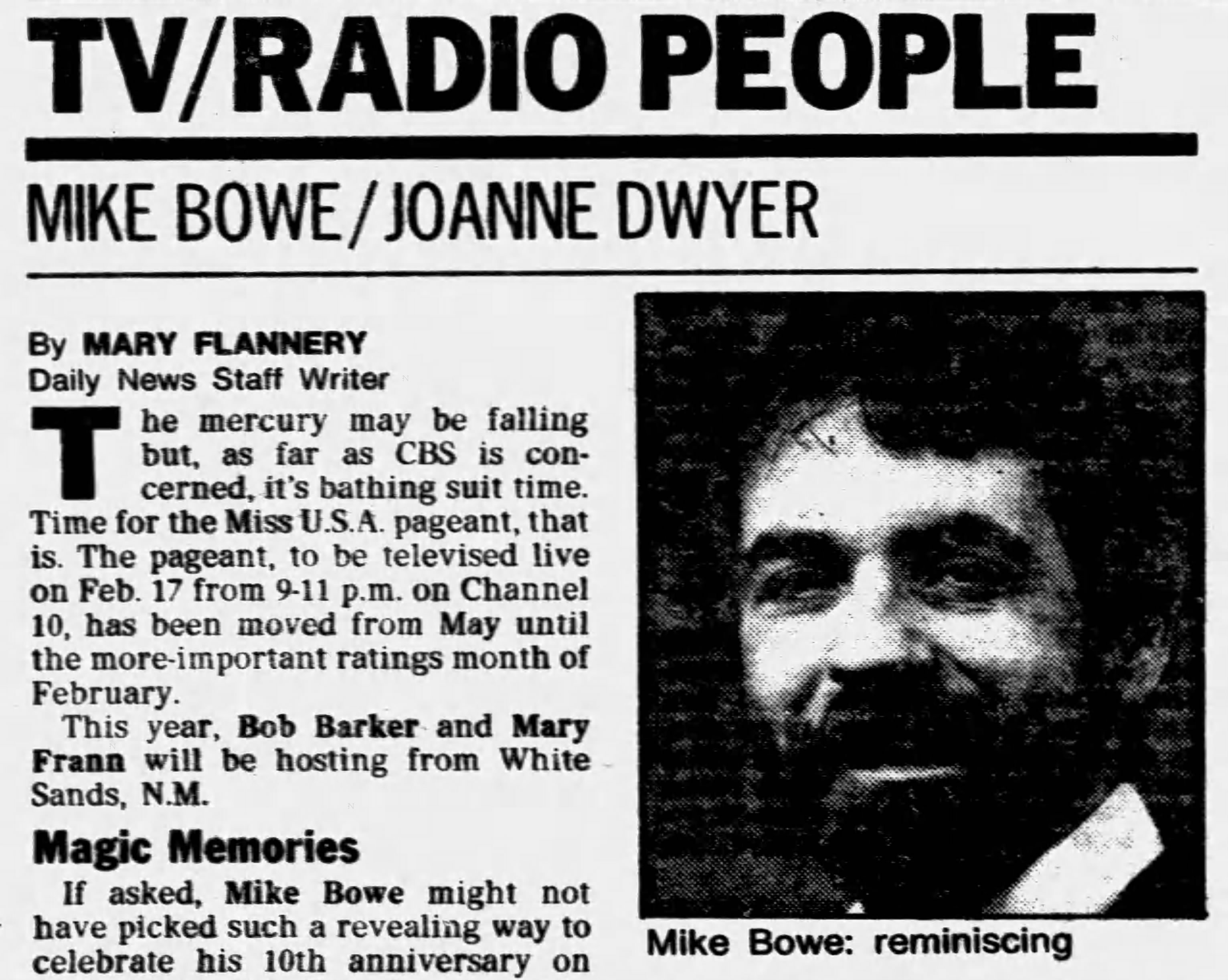
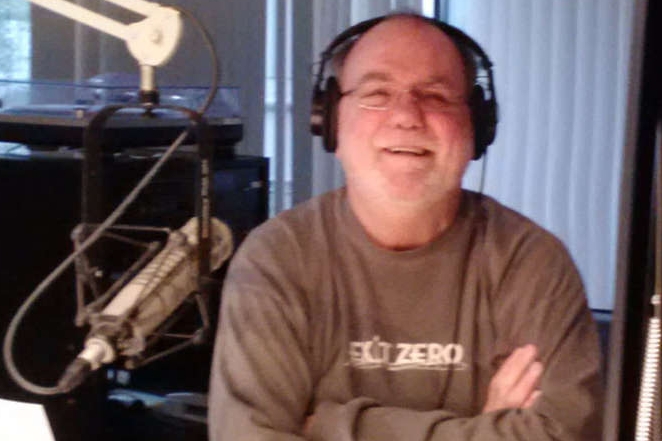
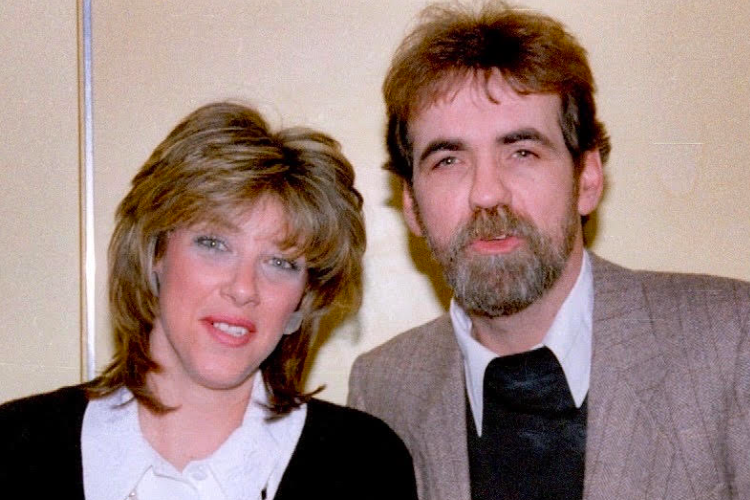
    Mr. Bowe appeared often in The Inquirer and Daily News, including in 1987 (above) and 1989 (below.)Newspapers.com

    His favorite song was “Ain’t No Woman (Like The One I’ve Got)” by his favorite group, the Four Tops. “He knew Philadelphia from A to Z,” McCoy said. “He brought a smile to your face.”

    Mr. Bowe served three years in the Army, 11 months and 11 days in Vietnam in 1968-69, and earned several medals and service stars, and an achievement badge. Fellow DJ Sue Serio said online that she enjoyed annual Veterans Day lunches with Mr. Bowe, “a treasured tradition that we never took for granted.”

    One day, a former WMGK colleague said online, Mr. Bowe took him to Mr. Bowe’s favorite three local landmarks: the Melrose Diner in South Philadelphia, Mel’s Italian restaurant in Bala Cynwyd, and the pool table at the VFW in Gloucester City.

    “Mike was a gift to Gloucester City and to the Delaware Valley professionally and as a man,” longtime friend Patrick Healey said. Longtime friend F. Emmett Fitzpatrick III said: “He prized honesty of character above all else.”

    Mr. Bowe, right above, was an avid Phillies fan. Below, he worked morning, afternoon, and evening shifts in the studio.F. Emmett Fitzpatrick III

    Mr. Bowe’s niece, Debra Ann Leblang, said: “He lived the ultimate American dream.”

    Michael Joseph Bowe was born Nov. 4, 1949, in Gloucester City. He graduated from Gloucester Catholic in 1967, studied broadcasting in Minnesota, and worked his way through the radio ranks in South Jersey and Philadelphia.

    He married Debbie Durso in 1985, and they lived in Audubon. Where one of them went, family and friends all said, the other followed.

    “They were partners, companions, and best friends,” his family said in a tribute. His wife died in June.

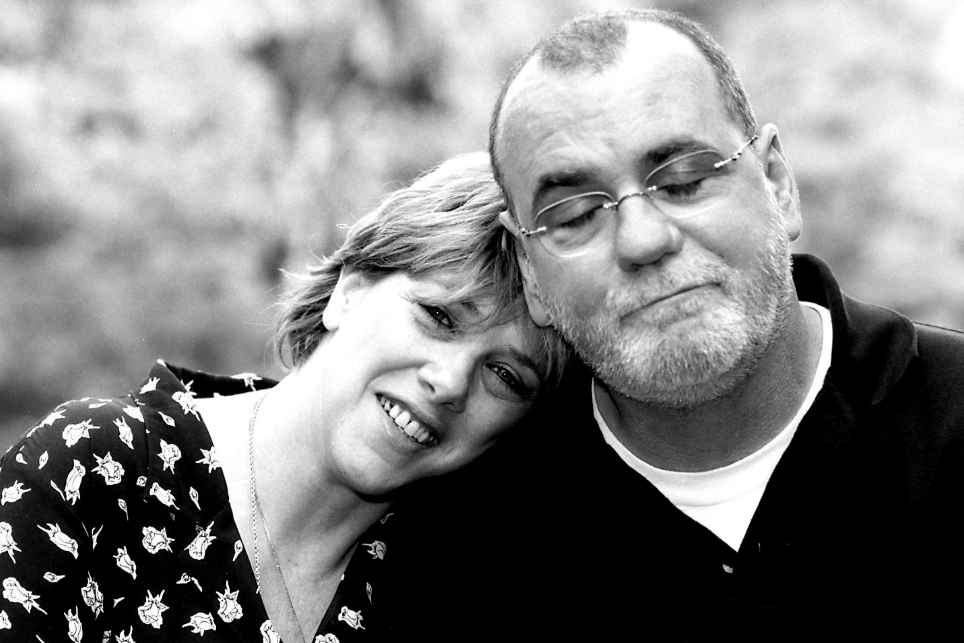
    Mr. Bowe and his wife, Debbie, married in 1985. Where one of them went, family and friends all said, the other followed. F. Emmett Fitzpatrick III

    Off the air, Mr. Bowe played softball and enjoyed visits to Atlantic City and Brigantine. He was a Sunday morning usher at St. Mary’s Catholic Church and belonged to the Townsend C. Young VFW post.

    He used to take dates to Jim’s Pizzeria in Gloucester City, and he told The Inquirer in 1994 that he enjoyed the place’s acerbic camaraderie. “Gloucester’s always been like that,” he said. “People love it. It’s a sarcastic, get-under-your-skin kind of thing. You don’t even get to order your own food.”

    His family said: “He was funny, quick-witted, sentimental, outspoken, and unforgettable. He carried his South Jersey roots with him wherever life took him.”

    In addition to his niece, Mr. Bowe is survived by a sister, a brother, and other relatives. Two brothers died earlier.

    Visitation with the family is to be from 8:45 to 9:45 a.m. Tuesday, Sept. 22, at the McCann-Healey Funeral Home, 851 Monmouth St., Gloucester City, N.J. 08030. Funeral services are to be at 11 a.m. at Brigadier General William C. Doyle Veterans Memorial Cemetery, 350 Province Line Rd., Wrightstown, N.J. 08562.

    Donations in his name may be made to the Wounded Warriors Project, Box 758516, Topeka, Kan. 66675; and St. Mary’s Roman Catholic Church, 426 Monmouth St., Gloucester City, N.J. 08030.

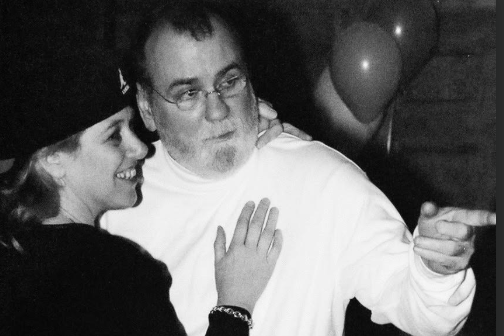
    Off the air, Mr. Bowe played softball and enjoyed visits to Atlantic City and Brigantine.F. Emmett Fitzpatrick III
  • Build columns, not Trump’s arch, D.C. official tells administration

    Build columns, not Trump’s arch, D.C. official tells administration

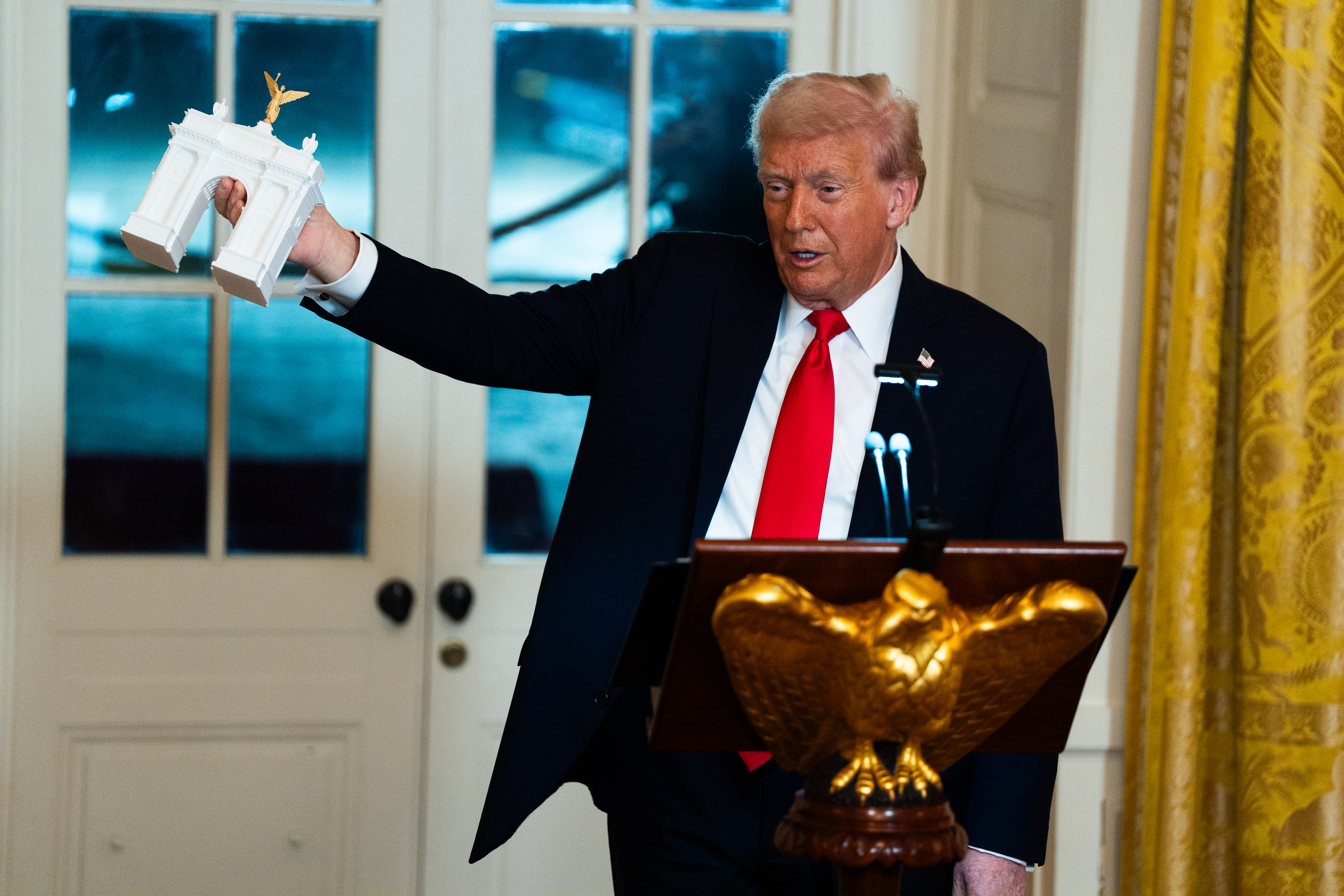
    President Donald Trump has insisted that a 250-foot-tall triumphal arch should be built near Arlington National Cemetery, citing long-abandoned plans to construct a monument there.

    Local officials, preservationists, and historians are now pushing an alternate idea: Abandon the arch and consider building the slender columns that were originally envisioned by architects and lawmakers a century ago.

    “We request meaningful consideration of an alternative that more accurately reflects the spirit and intent of the 1924 McKim Mead & White design and the 1925 Act of Congress,” C. Andrew Lewis, an official in Washington’s historic preservation office, wrote in a letter to the Trump administration on Wednesday and obtained by the Washington Post.

    “Specifically, we request the [National Park Service] to evaluate design concepts consisting of two columns that truly frame, rather than limit the historic view corridor.”

    The administration has been consulting with D.C.’s and Virginia’s historic preservation offices as part of a required federal preservation process before building the new structure.

    Other officials and advocates have raised the idea of erecting columns, rather than a large arch, including in a meeting last week with National Park Service officials overseeing the planned project.

    The requests represent advocates’ latest effort to delay or prevent the construction of the new arch, which has been widely opposed in Washington. It is unlikely, however, that Trump would agree to discard his plans for a large triumphal arch. The president has been attached to the idea of an arch since being privately pitched on the project and publicly announcing it last year

    “We’re the only important and major city that doesn’t have one. We don’t have a triumphal arch,” Trump said in the Oval Office in May. “So, it was meant to be built for many years.”

    The issue centers on lawmakers’ intent for Memorial Circle, a traffic roundabout tucked inside Washington’s boundaries, located near the entrance to the military cemetery and managed by the National Park Service.

    The administration is pursuing a plan to begin construction as soon as November, despite objections from veterans groups, historic preservationists, and others. Opponents say the arch will overshadow the cemetery, alter pedestrians’ views of the Lincoln Memorial and other historic sites, and cause other disruptions.

    The Trump administration has acknowledged that the large arch will unavoidably harm local historic sites if built as planned.

    The administration contends that it does not need approval for the arch from Congress since lawmakers a century ago authorized the columns. In that case, advocates say, the administration should hew to the original, congressionally authorized plan.

    Historic preservationists also note that the 250-foot-tall, roughly 165-foot-wide arch that Trump wants in Memorial Circle is very different from the narrow, 166-foot-tall columns that were initially envisioned to be built about 300 feet apart.

    “In terms of size, scale, massing, and design, the proposed arch is not in any way comparable to the unbuilt columns contemplated in the 1924 design proposal,” Judy Chesser and Paul Edmondson, of the Committee of 100 on the Federal City, wrote in their own letter to the Interior Department on Wednesday. The letter was shared with the Post.

    Chesser and Edmondson added that the Arlington Memorial Bridge Commission, which was overseeing the original project, dropped plans for the columns in 1931 amid concerns about the planned design and the proximity to a nearby airport, among other factors.

    The Interior Department, which oversees the Park Service, did not respond to questions about whether the administration would consider building columns instead of an arch. The department referred to social media posts by Interior Secretary Doug Burgum that referenced the past efforts in Congress to build a monument near Memorial Circle.

    Burgum’s posts did not specifically mention columns.

    Tammy Stidham, a Park Service senior official helping oversee the arch project, said last week that the administration had not considered building columns instead of an arch.

    “Different sizes were considered of the same structure, but not different structures,” Stidham said at a meeting with preservationists and other groups, according to a recording of the meeting posted by the Park Service.

    Asked about how the arch envisioned by Trump complied with plans in 1924 to build a structure that would not interfere with the views between the cemetery and the Lincoln Memorial, Stidham said the arch was a “replacement” for the original concept.

    “It is not intended to be the same structure,” Stidham said.

    One federal commission, which Trump has packed with allies, has already approved the planned arch. A second commission is expected to offer final approval as soon as Nov. 5. The Trump administration has laid out a plan to build the arch within two to three years, which they say would require 20 hours per day of construction.

    In his letter to the administration, Lewis said that Trump officials had not heeded or fully acknowledged the widespread objections to the plan.

    “Approximately 93% of the roughly 11,000 comments submitted from within the District of Columbia expressed very strong opposition to the proposal,” he wrote.

    He also said that the administration’s acknowledgment of harms from building the arch did not go far enough to capture its impact on other historic sites.

    “The arch would not merely be ‘prominently visible,’” Lewis wrote. “Instead, it would visually overwhelm the surrounding historic context.”