Category: News

  • Here’s what a 34% hike in health costs could mean for Camden and hundreds of other N.J. school districts in 2027

    Here’s what a 34% hike in health costs could mean for Camden and hundreds of other N.J. school districts in 2027

    Health insurance premiums will cost 34.4% more for 300,000 public school and county college employees and their families across New Jersey next year as medical costs continue to escalate and the popularity of costly prescription drugs soars.

    The change will affect teachers and other school staff in Camden, Pemberton, Evesham, and nine other South Jersey districts, as well as six unions at four local colleges.

    What is to come for students, employees, and taxpayers may be just as dire. Cutting jobs, reducing transportation and student extracurricular activities, and raising property taxes are the most likely options school districts and colleges will consider, said Jonathan Pushman, advocacy director for the New Jersey School Boards Association.

    “The dilemma is there are limited options we can turn to,” Pushman said. “A lot of difficult decisions are ahead.”

    On Friday, the New Jersey School Employees Health Benefits Commission voted 4-2 to accept the premium increases forecast by the state’s actuary. Democratic Gov. Mikie Sherrill’s administration had warned that if the commission did not act, it would have closed down the insolvent program at the start of the new year.

    Instead, the rate hikes will take effect in January.

    The School Employees’ Health Benefits Program serves 212 school districts and county colleges, representing 300,000 employees, retirees, and their dependents.

    The local districts covered by the plan are Camden, Brooklawn, Beverly, Delanco, Evesham, New Hanover, Pemberton, Willingboro, Elk, Newfield, Camden County Technical Schools, and the Burlington County Board of Special Services, which serves special-needs students.

    It also provides coverage for employees of Camden County College, Rowan College at Burlington County, Rowan College at Gloucester County, and Rowan College of South Jersey, according to the New Jersey Treasury Department.

    There are a total of 590 school districts in New Jersey, with the majority of them, including Cherry Hill, obtaining health coverage outside the state plan. In recent years, steeper costs have compelled many districts to leave in search of a more affordable option. Those who stay tend to serve an older and sicker — and therefore a more expensive — population and cannot afford a better deal on the open market.

    These conditions have created a “death spiral” for the plan, actuarial and state officials say. The State Health Benefits Plan for state and local workers faces a similar crisis.

    As it is, the health benefits program owes the state $70 million to cover midyear shortfalls, according to Aon, the state’s healthcare actuary.

    The union-affiliated members on the commission voted against the premium hikes, insisting there had to be a way to cut costs.

    After the vote, New Jersey Education Association president Steve Beatty and other top officials said in a statement that their members on the commission “requested information, proposed specific steps to reduce the rates and sought greater transparency about the factors driving these increases. Unfortunately, the division has refused to meaningfully engage in that effort.”

    The rate hikes “threaten the resources available for students,” the union officials’ statement said. “They should not lose out because health care costs are out of control. When districts are forced to spend significantly more on health care, that leaves less money for the programs, staff and services our students rely on every day.”

    School officials huddled this week to consider the array of unpalatable options. Few were ready to say what comes next.

    Rowan College of South Jersey “will continue to evaluate the situation and make adjustments as necessary while keeping student success our priority,” said Susan Nardelli, vice president of communications, marketing, and enrollment management. “Every industry is facing the same healthcare struggle.”

    Union leaders said they are counting on state lawmakers to find a solution. They said they seek action on a proposed bill that would create a new health benefits trust, composed of union and management leaders, and establish a three-doctor medical advisory panel. Districts that join would not be permitted to leave, according to the bill.

    The new insurance trust would “provide greater transparency and accountability and is focused on controlling costs,” the union’s statement said.

    School boards agree that dramatic changes are necessary, Pushman said. This must include “honest conversations with unions,” he said.

    Schools — which are funded by taxpayers — bear 98% of the cost of health insurance compared with the 2% covered by employees, Pushman said. In the private sector, employers pay about 90% of the cost.

    A law enacted during the pandemic set specific limits on what school employees must pay for healthcare, based on their income level. That law, which expires at the end of next year, has limited the options for savings, Pushman said.

    “As much as we want to provide quality healthcare coverage, bearing the costs of these incredibly rich plans is getting to the point of unsustainability,” he said.

    State Sen. Troy Singleton (D., Burlington) agreed.

    “We have to be honest with … what the state can afford to provide sufficient coverage for employees. It’s not a bottomless pit for taxpayers,” Singleton said. “It’s become a frustrating point for all parties.”

  • Saxophonist Immanuel Wilkins, an Upper Darby native, gets a MacArthur ‘genius grant’

    Saxophonist Immanuel Wilkins, an Upper Darby native, gets a MacArthur ‘genius grant’

    Upper Darby native and saxophonist Immanuel Wilkins is among the MacArthur Foundation’s 20 “genius grant” recipients for 2026, the foundation announced Tuesday.

    In more official terms, that makes Wilkins, 29, a MacArthur Fellow — the youngest member of his class. All fellows will receive $800,000 in unrestricted funding over the next five years, with the awards giving financial flexibility to recipients for their artistic and scholarly visions.

    Wilkins, in an interview Tuesday with the Associated Press, said he received word that he had been named a MacArthur Fellow while traveling from New York to Philadelphia.

    “I was just outside,” he said. “Which was nice because then I could yell as loud as I wanted to and celebrate.”

    In a video introducing the 2026 fellows, Wilkins described himself as a saxophonist and composer who anchors “original compositions in history and spirituality.” He added that as a performer, he was “looking to escape the gaze that might be on me and direct my creative energy inwards and upwards.”

    Widely considered a leading contemporary jazz musician, Wilkins was joined by jazz great Odean Pope for “RECESS,” an immersive musical experience staged at the Power Market, a former Peco electrical station in North Philadelphia. Pope, 87, and Wilkins met when Wilkins was a young student at the Clef Club of Jazz and Performing Arts, and Pope took him on as a mentee, The Inquirer reported.

    Presented by Ars Nova Workshop, “RECESS” featured the musicians playing on a stage modeled into a combination playground and bandstand, which Wilkins earlier told The Inquirer was a way to inspire “radical play.”

    “I started thinking about the landscape of Philadelphia as functioning as a kind of abstracted play space,” Wilkins said in a May interview.

    Wilkins’ debut album, Omega, was released in 2020, and connects the 1918 lynching of a pregnant Black woman, Mary Turner, to the 2014 fatal police shooting of a Black teenager, Michael Brown. The abstraction of music, Wilkins told the AP, allows him to represent these stories without “recreating the violence of them.”

    “Although it is some of the most painful material, the music itself feels so good,” Wilkins said in the MacArthur Foundation clip.

    Most recently, Wilkins released Immanuel Wilkins Quartet: Live at the Village Vanguard Vol. 1, a three-volume recording of performances at the iconic New York City jazz club.

    In addition to Wilkins, two other MacArthur Fellows this year have ties to the Philadelphia area. Both are Princeton University professors.

    Ellora Derenoncourt, an associate professor in the university’s economics department, told the AP that she would use the award to translate issues of economic justice for the broader public and interested policymakers. And Elizabeth Ellis, an associate history professor, hopes to support research projects focusing Native American history, the university said.

    This article contains information from the Associated Press.

  • Jeff Scott, award-winning TV writer and former Bucks County journalist, has died at 72

    Jeff Scott, award-winning TV writer and former Bucks County journalist, has died at 72

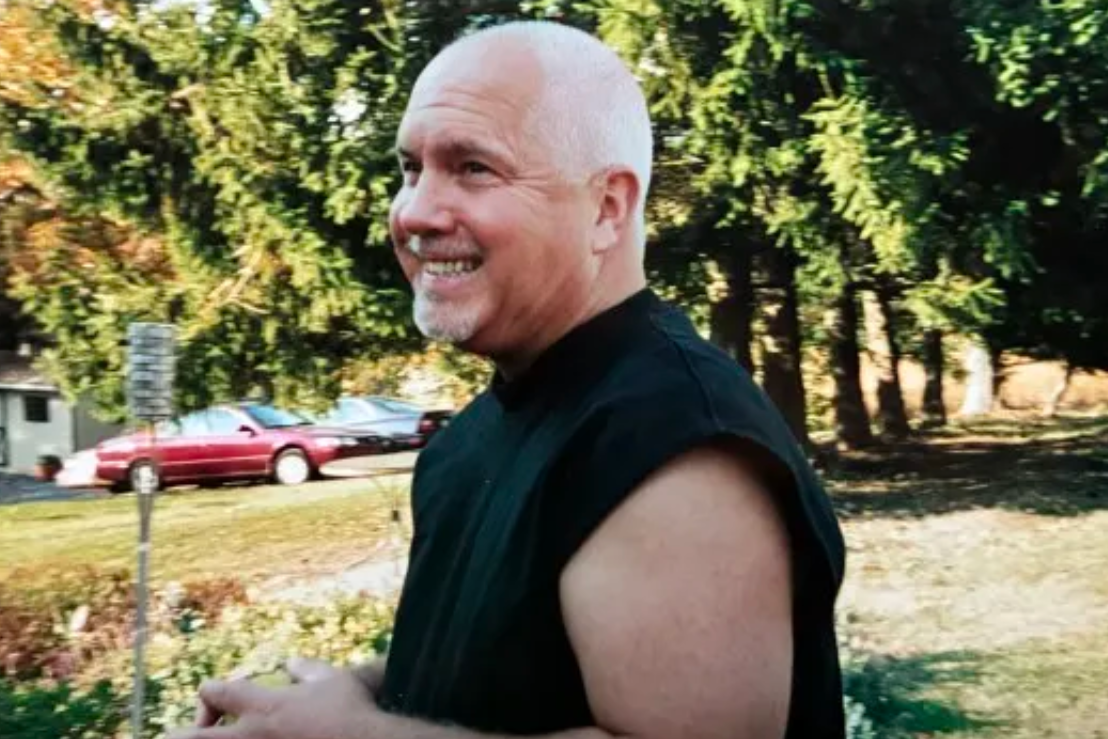
    Jeff Scott, 72, formerly of Hilltown, Bucks County, longtime award-winning TV and video scriptwriter, director, and producer, former columnist and editor at the Quakertown Free Press, and green-thumb gardener, died Saturday, Sept. 19, of pulmonary fibrosis at Hunterdon Medical Center in Flemington, N.J.

    Born in Philadelphia, reared in Hilltown, and a graduate of Pennridge High School, Mr. Scott turned his lifelong interest in sports, affable collegiality, and writing, reporting, and editing skills into an award-winning career as a TV and print journalist that spanned more than four decades.

    For 32 years, from 1983 to 2015, Mr. Scott wrote scripts, directed talent, and produced shows for TV, film, video, radio, and DVDs. He worked for Major League Baseball Productions through Phoenix Communications from 1988 to 2015 and wrote more than 1,000 TV show scripts for ABC, NBC, ESPN, Fox, and other networks, including 176 episodes of ESPN’s Major League Baseball Magazine and 450 consecutive episodes of the popular This Week in Baseball.

    His dramatic scripts detailed many memorable baseball seasons, went behind the scenes with championship teams, and shared stories about star players on and off the field. They were narrated by iconic announcers such as Mel Allen, Curt Gowdy, Bob Costas, and Harry Kalas, featured thousands of players, coaches, and managers, and earned 16 New York Emmy Awards.

    Mr. Scott earned 16 New York Emmys.Courtesy of the family

    Former colleagues at MLB Communications posted a video tribute to Mr. Scott on X and noted his “indelible impact” on This Week in Baseball. Buzz Brainard, a former narrator for This Week in Baseball, said on Facebook: “Honored to bring his words to life every season for 11 years.”

    Earlier, from 1983 to 1988 at the old Halcyon Days Productions, Mr. Scott wrote scripts for the weekly This is the USFL for ABC and other shows about John Madden, Mike Schmidt, and other sports and entertainment notables. Sports reporter Jayson Stark said on X: “You may not know the name, Jeff Scott. But you should.”

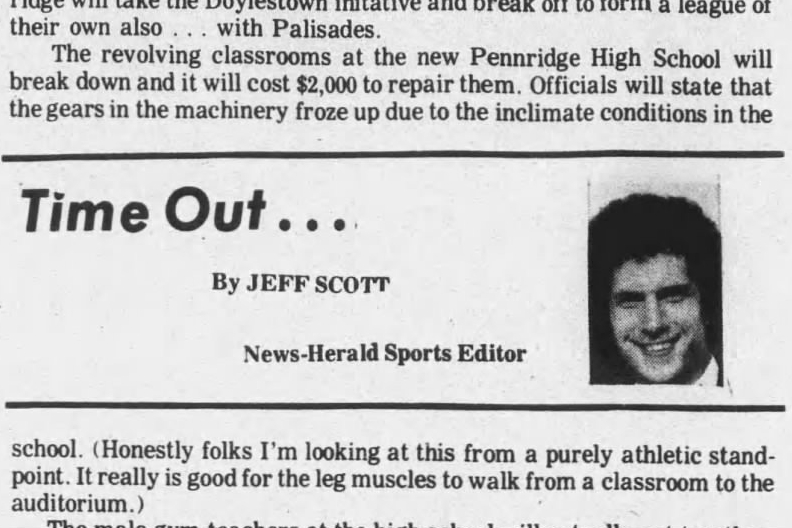
    In print, Mr. Scott was a columnist and weekend magazine editor for the Free Press in the early 1980s. In the 1970s, he was sports editor and a features writer for the Perkasie News-Herald, and a part-time sports reporter for the Doylestown Intelligencer.

    At the Free Press, he won awards and covered all kinds of local stories, including his publisher’s triple-bypass heart surgery. At the News-Herald, he wrote a sports column called “Time Out” and a news feature called “Know Your Community.”

    To know Mr. Scott, a friend said, “was to like him.”Courtesy of the family

    In 1976, he opened a News-Herald sports story with: “Some would call it luck. Some might call it breaks. And some might even consider the fact that somebody upstairs is carrying the fate of the Pennridge football team this year. We prefer to call it pure, unadulterated hustle.”

    A former Pennridge baseball player said in a tribute: “It always was a big deal when he came to our games.” A former colleague at the Free Press said: “He made me feel important, and he made sure I knew that he was my friend.”

    Other former colleagues praised Mr. Scott’s “sense of humor,” “warmth and kindness,” and “quick wit that never waned” in online tributes. “To know Jeff was to like him,” longtime friend and colleague Jim Burger said. “To know him well, which I had the good fortune to do, was to love him.”

    Jeffrey Llewellyn Scott was born Nov. 18, 1953. He played street hockey in Hilltown and baseball at Pennridge, and attended what is now West Chester University.

    Mr. Scott wrote a sports column in Perkasie in the 1970s.Newspapers.com

    After college, he drove a truck, worked as a disc jockey, and traveled across the country. He married and divorced Lorrie Greenly and Amber Hudson.

    He met Lenore Homeward on vacation in Tobago, and they married in 1991 and lived in Manhattan and Pittstown, N.J. He created seven flower beds on their property and tended many flower pots. “It was like a full-time job,” his wife said.

    Mr. Scott enjoyed music and followed the Phillies, Eagles, 76ers, and Flyers. “He was a homebody,” his wife said.

    His niece Shanice said: “My uncle Jeff had a big heart and meant the world to me.” A longtime friend said: “The world will be a less warm and kind place without him in it.”

    Mr. Scott enjoyed time with his family.Courtesy of the family

    His wife said: “He was loyal, funny, humble, and compassionate. He had the ability to see the better in people. He was friends with everybody.”

    In addition to his wife and niece, Mr. Scott is survived by a sister, Kathleen, and other relatives. Three brothers and one sister died earlier.

    Private celebrations of his life are to be held later.

  • Supreme Court allows rapid third-country deportations, for now

    Supreme Court allows rapid third-country deportations, for now

    WASHINGTON — The Trump administration can resume rapidly deporting immigrants to countries other than their own, the Supreme Court agreed Tuesday.

    The one-page emergency ruling was unsigned and gave no vote count, as is typical in such cases. Although the justices cleared the way, for now, for the swift removals to continue, the court also announced that it would fast-track the case and hear oral arguments about it in December, setting up a final ruling on the issue next year.

    The court’s three liberal justices noted that they would have denied the government’s request to resume the deportations.

    The decision was a victory for the administration, which has made sending immigrants to so-called third countries, including those that have faced allegations of human rights abuses, a major part of its mass deportation efforts.

    The deportation flights had been blocked in recent weeks, however, after a federal court ruled the administration could not deport migrants to third countries unless they were given an opportunity to contest their removals, including to voice concerns that they might be persecuted or tortured abroad.

    The justices’ ruling means that the administration can, for now, continue its program and conduct rapid deportations including to countries such as Equatorial Guinea, where U.S. deportees were hooded, bound, and beaten by police, according to reporting by the New York Times.

    The Supreme Court had weighed in previously on the administration’s efforts to send immigrants to third countries.

    In May 2025, the Trump administration asked the justices to step in and clear the way for third-country deportations after a federal judge in Massachusetts temporarily blocked the administration from sending people to countries not their own — in that case South Sudan — without the chance to object.

    In a one-paragraph ruling, the court’s conservatives allowed the administration to continue the deportations over the noted dissents of the three liberals.

    Since then, the Trump administration has continued to deport immigrants under the program, including to authoritarian countries with histories of human rights abuses. So far, the administration has sent more than 25,000 people to third countries as part of its mass deportation efforts, according to a social media post by James Percival, the top lawyer at the Department of Homeland Security. Among the countries were Liberia, Equatorial Guinea, Costa Rica, Honduras, and the Central African Republic.

    Some immigration and human rights experts have asserted that the third-country deportations may be part of a broader strategy by the Trump administration to encourage immigrants lacking legal status to leave on their own, rather than face the fear of being sent to a country where they have no ties.

    In his brief, Solicitor General D. John Sauer characterized the third-country deportation program as “an essential tool to remove certain aliens, including some of the worst criminal aliens.”

    Sauer wrote that the appeals court ruling had “created substantial logistical problems with ongoing removal operations,” including canceled deportation flights and disrupted delicate diplomatic negotiations with other countries.

    Lawyers for a group of immigrants challenging their removals said in a brief that the Trump administration had ignored “the significant harm resulting from deporting thousands of longtime U.S. residents, many with no criminal history, to third countries without regard to the persecution or torture they face there.”

    They argued that the Trump administration could avoid any delays in its deportation program simply by “providing the notice and opportunity to be heard that the law requires.”

    This article originally appeared in the New York Times.

  • Trump administration probably can use NFL footage of Brian Dawkins without permission, expert says

    Trump administration probably can use NFL footage of Brian Dawkins without permission, expert says

    Neither the NFL nor Brian Dawkins gave President Donald Trump’s administration approval to post game footage of the former Eagles player on social media. But the Department of Homeland Security posted a montage of Dawkins to promote its immigration policies anyway.

    The NFL asked DHS on Monday to take down the post, in which the agency responds to news about immigrants near the U.S.-Mexico border with a video of an edited NFL broadcast featuring Dawkins’ iconic walkout entrance. The video uses copyrighted NFL material and Dawkins’ likeness, and the band Korn’s “Blind” can be heard in the background.

    When asked if DHS would comply with the request, a department spokesperson responded with a meme photo of Bugs Bunny saying, “no,” posted to social media by DHS general counsel James Percival.

    But is the government allowed to use copyrighted material without permission? In the case of the Dawkins video, it likely can, said Guy Rub, a Temple University law professor and intellectual property expert, who said the NFL footage and Dawkins’ likeness could fall under “fair use.”

    Under the fair use doctrine, copyrighted material can be used without permission when the material is used in a “transformative” way to add new meaning or messaging, Rub said.

    “There is a pretty good argument to say that this is transformative use. It takes the underlying footage and uses it for a new purpose — it’s not trying to compete with the NFL when they posted it. They are giving it new meaning, a new context under this framework,” Rub said, who noted he did not endorse the Trump administration’s messaging.

    A major factor in fair use is whether the copyrighted material is being reused to make money. DHS was tying the footage to political speech, which is protected under the First Amendment, Rub said. It just happens that the government was the one making the political statement in this case.

    The Dawkins dustup is the latest controversy in the Trump administration’s use of copyrighted material in its meme-centric, Gen Z-inspired postings on social media, often deploying beloved cartoon characters and pop music to amplify Trump campaign slogans or immigration messaging.

    Trump has drawn the ire of musicians for years for using music in videos and campaign events without permission since the 2016 election. But in his second term, Trump’s federal agencies have opened the floodgates with their takes on pop culture references.

    So much so that companies like the one behind Pokémon, the hit children’s anime and video games, objected to the White House’s use of its cartoon creatures. Musicians from Tom Petty (through his estate) to Sabrina Carpenter have requested the removal of their songs from posts.

    It can be hard to enforce these rules on the federal government, Rub said, but some do succeed, as was the case with the firm that owns the rights to Vince Guaraldi’s “O Tannenbaum” from A Charlie Brown Christmas, which settled with the Trump administration for $20,000 for a copyright violation.

    However, collecting money, called “damages,” is the only recourse. Courts cannot force an injunction on the federal government, due in part to “sovereign immunity” — the government cannot be sued in its own court without consenting to it, Rub said.

    The NFL is likely not looking for damages in the DHS case, as it would be a very small sum for the 30 seconds of NFL footage repurposed for the meme, Rub said. But Dawkins might have a stronger case for “false endorsement,” as the post could be taken to mean Dawkins supports the Trump administration’s messaging. Still, Rub said, false endorsement protections are usually applied only to those whose likeness or trademark has been used commercially. The DHS post would likely fall under noncommercial political speech.

    “It’s part of the U.S.’s commitment to free speech,” Rub said. ”Free speech sometimes helps causes that you like, and sometimes it’s ones that you don’t. That’s part of free speech.”

  • Trump launches government chatbot, urging a wary public not to fear AI

    Trump launches government chatbot, urging a wary public not to fear AI

    After weeks of Washington being gripped by a new wave of fear about artificial intelligence gone awry, the Trump administration took a sharply different stance Tuesday, seeking to convince a skeptical public that the nation is instead about to embark on a tech-powered “golden age.”

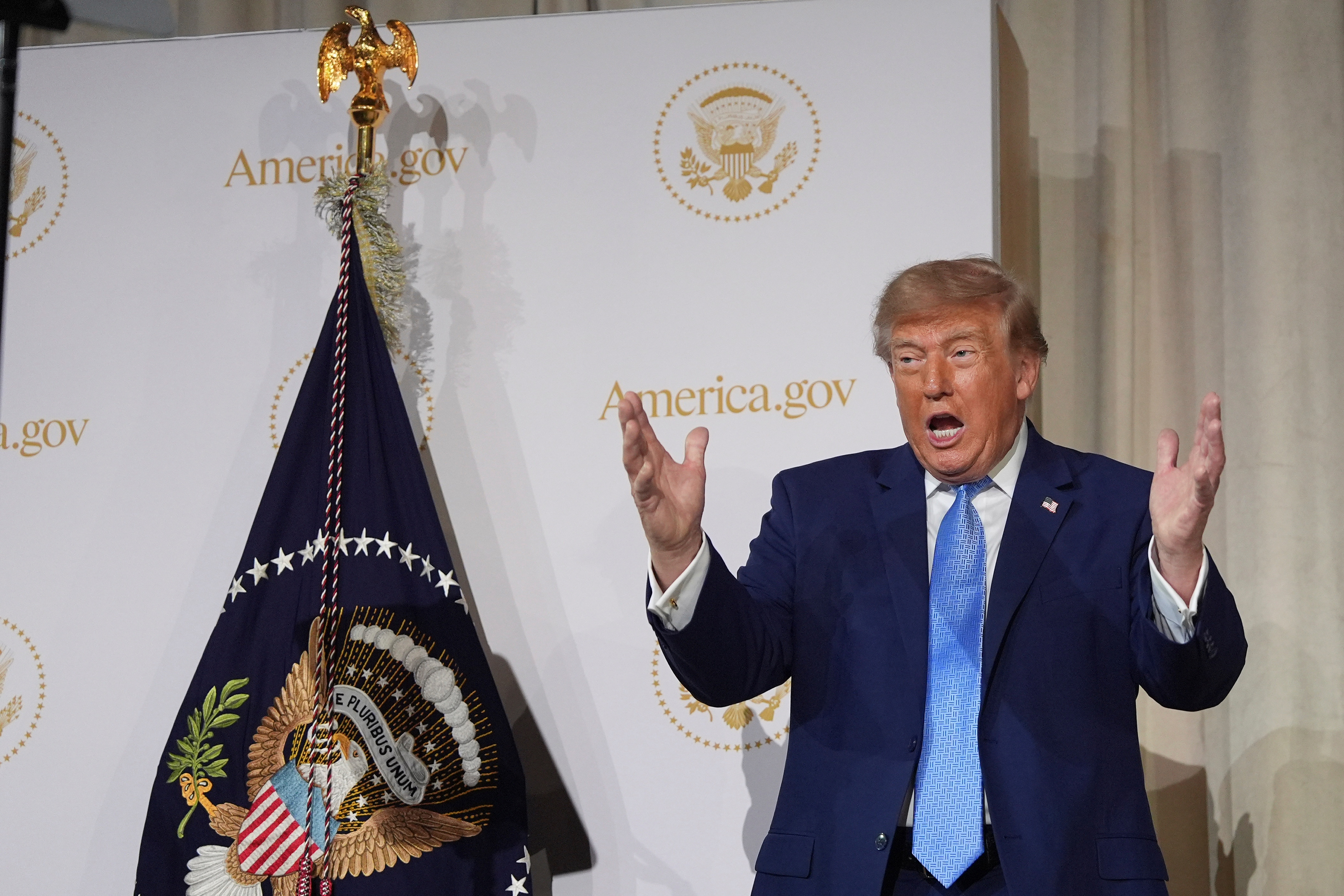
    President Donald Trump launched America.gov, a government chatbot for researching public services, as part of a daylong event featuring members of his Cabinet and tech executives. AI company leaders were also set to meet with him and House Speaker Mike Johnson (R., La.).

    “This kind of innovation in government is just a preview of what is possible with super intelligence,” Trump said, using his new nickname for AI.

    The events come at a pivotal moment for the technology. AI firms say their latest systems have become increasingly powerful, showing signs of being able to design their own more-potent successors. But companies have struggled to keep control of the technology, as rogue AI agents have hacked into company and government systems, and a roster of top industry figures have warned that the end result could be catastrophic for humanity.

    Last week, it was disclosed that the federal government itself had been a victim, with a handful of websites probed by AI agents deployed by ChatGPT maker OpenAI. (The Washington Post has a content partnership with OpenAI.)

    Yet, even as the public’s concerns have grown and Democrats in Congress have pressed for regulation, Trump has largely dismissed the risk, calling it a “hoax.”

    “We do not surrender to fears about what technologies will do to us,” Trump said Tuesday. “We decide that those technologies will do for us some very, very incredible things.”

    Tuesday’s events are a chance for the administration to focus on the upsides of the technology, propelling a different narrative than the warnings introduced by company CEOs in recent weeks. AI’s many boosters expect it will invigorate the economy, push the boundaries of science, and help cure diseases. But that message has found only limited traction with a public worried about job losses and rogue bots sowing chaos online.

    The U.S. government is unveiling AI tools amid growing concerns about the ways that chatbots store and share data. Last week, OpenAI announced that ChatGPT leaked 53 “user-provided images” to image-hosting providers.

    The website was rolled out at a conference in the gilded Andrew W. Mellon Auditorium, which was set up to evoke a tech company product release stage. Music played as staff members distributed cans of La Colombe iced coffee to attendees, while a sleek “Hello, America” logo was projected on a large screen at the front of the room.

    Joe Gebbia, the chief design officer of the United States and architect of America.gov, described the website, a partnership with Google’s Gemini and SpaceXAI’s Grok, as a “concierge to navigate government.”

    “Don’t think of it as a website, it’s more of a conversation that you start with the government to try to get access to the answers you need,” he said on Fox News on Monday.

    The website will initially enable users to search for information across government websites, providing access to job postings or the files that the Trump administration has released about UFOs, he said.

    But in the coming months, the goal is for the chatbot to help people enroll in government programs such as Medicare or complete tasks such as passport renewals.

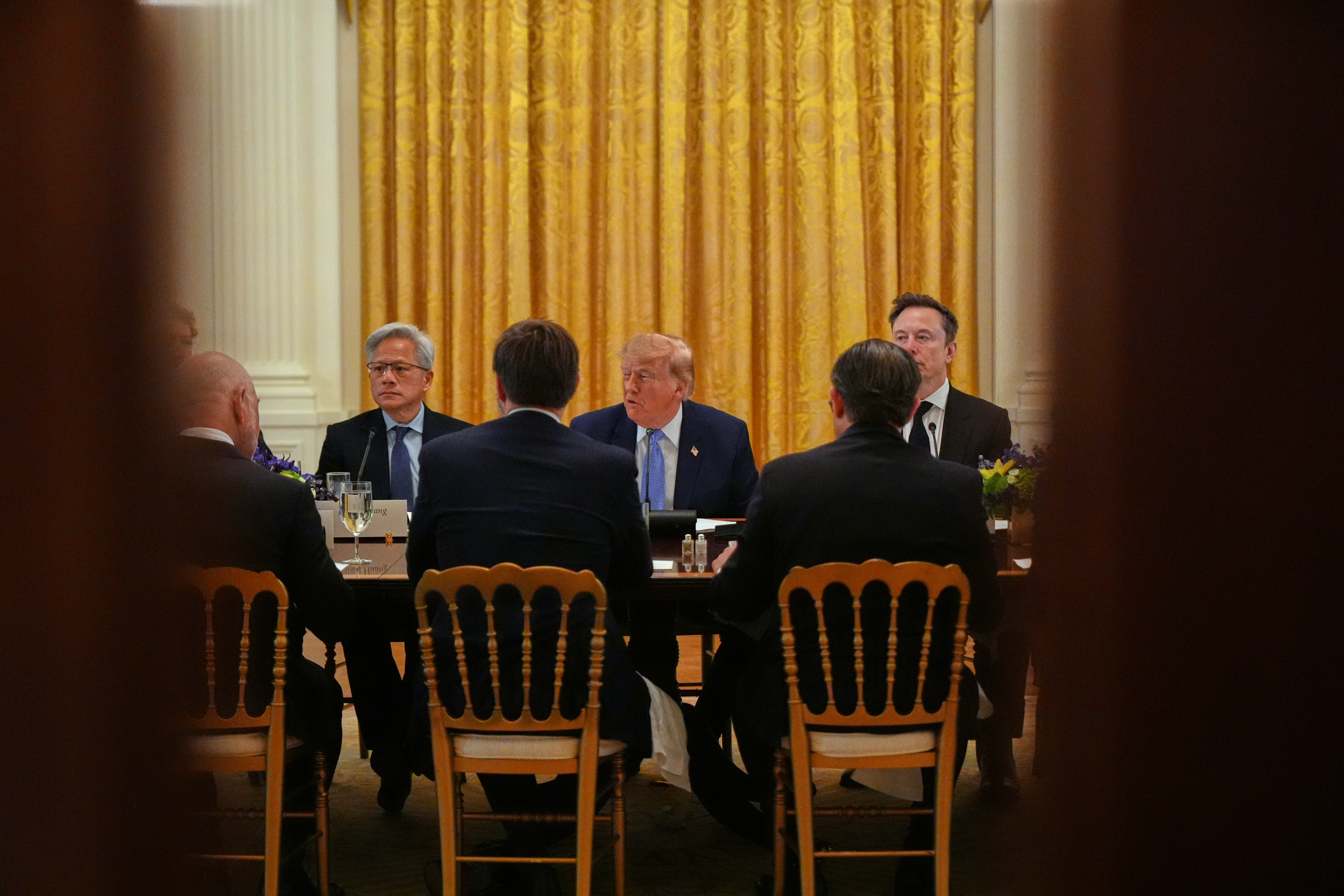
    After the rollout of the website, CEOs such as Anthropic’s Dario Amodei and Nvidia’s Jensen Huang had lunch with the president at the White House. Johnson said Monday that his goal for the meeting was to find a “balance.”

    “We want to keep America’s lead over China and all of our other competitors, but we want to make sure that it’s being done in a safe way,” Johnson said in an interview with Fox Business. “So, a little oversight, a little transparency, I think, would go a long way here.”

    As the industry has tried to navigate those concerns, the private summit between tech CEOs, the president, and the speaker could be the most consequential part of the day, giving officials and executives a chance to discuss a common vision.

    Amodei led the industry this month in issuing a call to slow the pace of development to better focus on safety. But the idea has divided his peers and has not been endorsed by the White House.

    Amodei, who previously clashed with the administration over the use of his company’s technology by the military, dined with the president late Sunday in their first one-on-one meeting. He was expected back at the White House on Tuesday to attend the private meeting.

    Amodei was joined by Huang and Meta CEO Mark Zuckerberg, according to people familiar with their plans who spoke on the condition of anonymity to discuss a private meeting. Both have resisted calls for any coordinated slowdown, saying it is up to individual companies to ensure that their products are safe. Sundar Pichai, the chief executive of Google, was also expected to attend, according to a person familiar with his plans who spoke on the condition of anonymity to discuss a private meeting.

    The Associated Press reported that Trump said on Tuesday that he and a large group of leaders of artificial intelligence companies had signed a voluntary accord that will include internal and external reviews during the meeting at the White House.

    “I think I’m seeing tremendous self-policing. And they understand that they have to self-police,” Trump told reporters during an impromptu press conference outside the West Wing.

    Zuckerberg said the accord included “a set of principles and commitments around building robust internal controls and detecting if there are any issues with the technology, coupled with multiple layers of of auditing and controls.”

    “We’re going to have all of our boards of directors independently review the reports that come from the auditors,” said Zuckerberg, who has distanced his company from calls for a slowdown in AI.

    Trump suggested there would be about 10 people named to a committee to “watch over the whole enterprise” and said the accord would be “morally binding.” He also said he would name someone to oversee the agreement in coming days after consulting with industry.

    Senate Majority Leader John Thune (R., S.D.) said Monday that he would not attend but will meet with some of the participants.

    Trump recently said he plans to name a new AI czar and create an “AI Force,” although its role is unclear. The president made clear at a speech to the United Nations General Assembly last week that he wants to see the U.S. continue to race ahead — rebranding the technology as “super intelligence.”

    “I’m not going to stifle growth of something that will be bigger ⁠than the Industrial Revolution,” he said.

    Trump’s AI push comes as his administration has cultivated relationships with Silicon Valley executives and investors. Gebbia, who co-founded Airbnb and joined the Trump administration through the U.S. DOGE Service, is among a group of tech leaders who argue they can improve Washington by applying Silicon Valley principles.

    During the Obama administration, healthcare.gov crashed amid the rollout of the Affordable Care Act, sparking criticisms of the government’s technological prowess. Despite years of efforts to modernize government technology, it has continued to lag behind the corporate sector. Other government tech initiatives have fueled privacy and surveillance concerns. In 2022, the government abandoned a plan to require Americans to submit to a facial recognition scan in order to access their tax information following fierce criticism.

    Gebbia pushed back on concerns that the new website would collect Americans’ data, describing it as “private by design” to Fox News. He said that the website does not store chats and that people do not need to log in to use it.

    Fears about AI took on new urgency in Washington in early September, when a researcher quit Anthropic and said the technology could bring about human extinction. Many lawmakers said they wanted to take action to impose guardrails, but Congress is set to leave ahead of the midterm elections without advancing any legislation.

    In the absence of formal federal leadership, OpenAI, Anthropic and Google — the companies at the cutting edge — have discussed creating their own group to set standards for the industry. In the meantime, OpenAI said it was pausing training of its powerful systems until it was confident it had more safeguards in place. It also announced Monday that it will cancel a planned model release because of safety concerns.

    The decision to pause training was announced Friday, when the company also confirmed that its agents accessed information from the Census Bureau using a log-in found online and copied information from the Securities and Exchange Commission. Transluce, an AI research organization, said agents had also tried to hack into an Education Department civil rights website.

    “People want to know AI is being developed safely, and that starts with what companies like ours do ourselves,” said OpenAI spokesperson Drew Pusateri, adding that the company “will resume training only when we are confident that we have additional safeguards in place.”

    But on Monday, Florida Attorney General James Uthmeier (R) asked a court to step in and force the company to pause development work, in a sign of how Republicans are split on their approach to the technology. Uthmeier, whose office has sued OpenAI, alleging it has put children at risk, said he was inviting company chief executive Sam Altman to join his request.

    “If he will not, we ask the court to do what OpenAI will not do for itself — protect Florida families,” Uthmeier said in a video posted Monday to social media.

  • Kensington Voice newsroom has laid off staff and ceased publication

    Kensington Voice newsroom has laid off staff and ceased publication

    Kensington Voice — the independent, nonprofit newsroom and community hub covering the lower Northeast and North Philadelphia — has ceased publication.

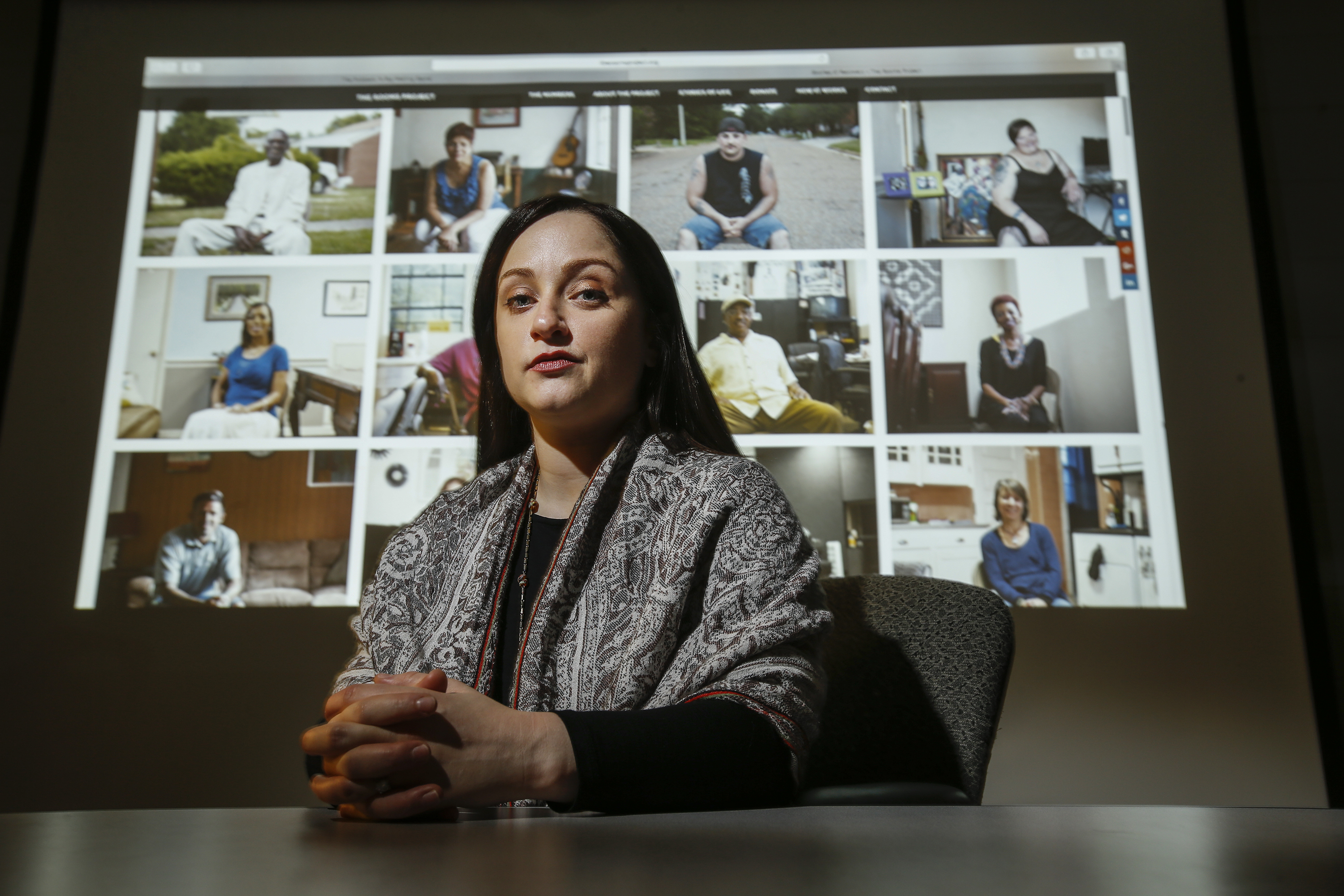
    “Kensington Voice has run out of money needed to pay our staff,” said Jillian Bauer-Reese, cofounder of Kensington Voice in a letter to readers published Monday.

    The outlet’s website, which provided news, guides, community-authored opinions, and neighborhood resources created with community reporting, has been largely dormant for months.

    “We should have shared this update sooner,” Bauer-Reese explained. “We stayed quiet while we worked through what would happen next, and that process has taken much longer than we expected.”

    The hub is working with partners to preserve Kensington Voice’s work and resources, Bauer-Reese said, and to continue any ongoing projects where possible. The small news organization’s archives will stay online. Staff members — the hub employed six to eight journalists at its peak — had been laid off during the weeks and months leading to the announcement.

    Funding for Kensington Voice — which operates with nonprofit status through a fiscal sponsor, Movement Alliance Project — had been a challenge for the last two years, Bauer-Reese wrote on the site.

    “Thank you to everyone who read our work, shared it, trusted us with their time and their stories, corrected us, and helped make Kensington Voice what it has been,” she said.

    News by and for residents

    Serving the neighborhoods of Kensington, Fairhill, Harrowgate, Norris Square, and Port Richmond, Kensington Voice aimed to be something new when it was founded by Bauer-Reese and more than a half-dozen of her journalism students. Its communal reporting on the opioid overdose epidemic, housing, homelessness, poverty, and quality of life considered solutions to issues of inequality that have plagued North Philadelphia communities for decades.

    The seeds of the news outlet took root during the height of the opioid crisis, Bauer-Reese wrote in a 2019 Inquirer op-ed on the paper’s founding.

    As the neighborhood seemed to suffer worse than ever from the grip of drugs and violence, Kensington Voice became an advocate for a community often overlooked — and stigmatized. Like when a 2018 New York Times Magazine story famously referred to the languishing community as the “Walmart of Heroin.”

    “The idea for Kensington Voice came from a hunch I had that in a neighborhood often at the center of our national news media’s drug and addiction journalism, the news and information needs of the community itself weren’t being met,” she had said in 2019.

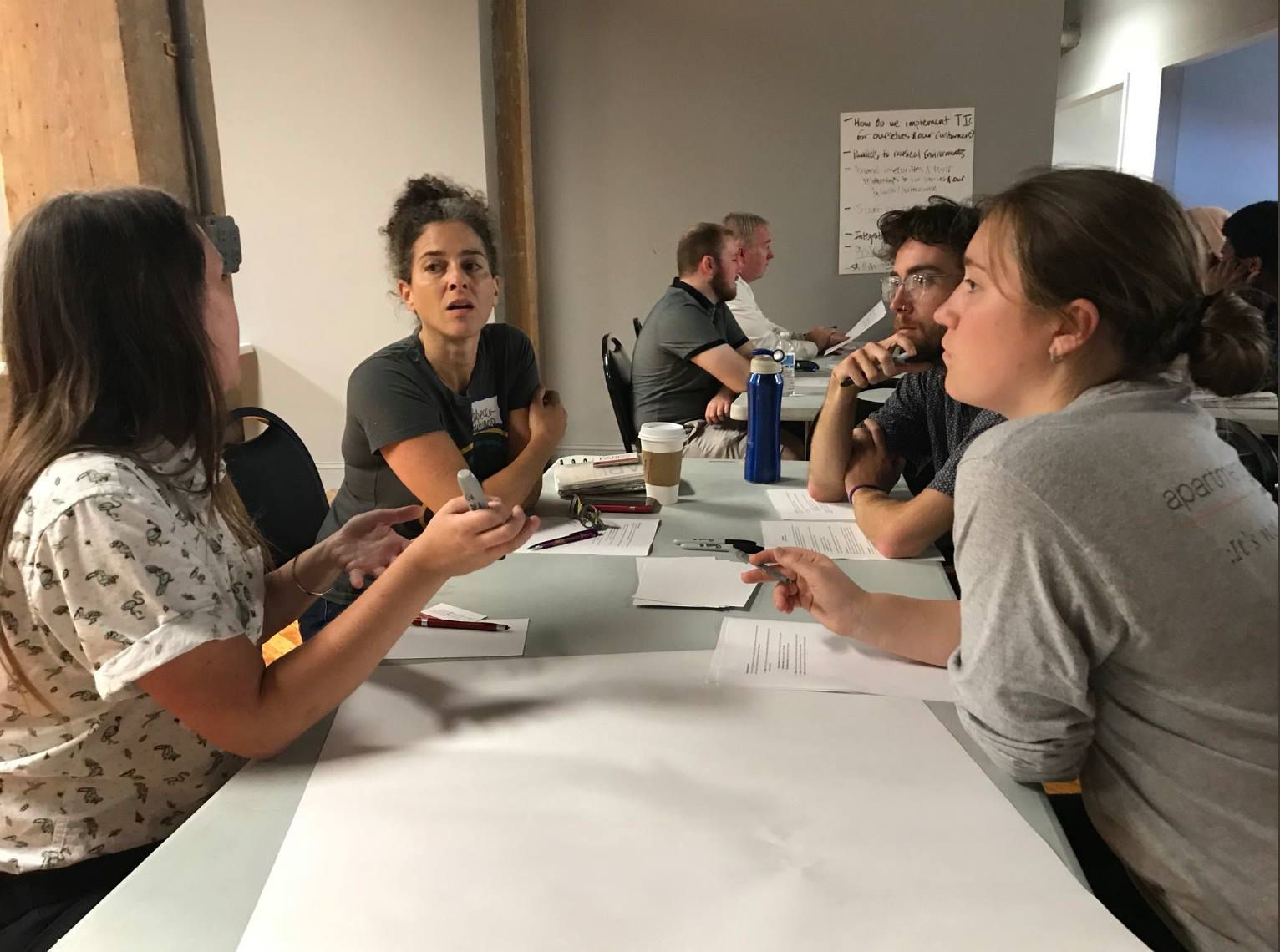
    A Kensington Voice meet-and-greet in October 2018 at Impact Services. The event brought together community partners to talk about ideas for news coverage of the area.Handout

    Within months, Bauer-Reese and her students operated a rotating pop-up community newsroom, run out of libraries, rec centers, and on street corners, and putting community voices foremost. At these pop-up stations, residents submitted story ideas and built storytelling bridges, where the realities and solutions of the community-led reporting. Reporters would meet residents at tables. Some residents published their own stories.

    “The more I work in the community, the more I realize how the work of journalists impacts those who live and work there,” Bauer-Reese said in 2019.

    During the peak of the opioid overdose crisis in Philadelphia in 2022, when more than 1,400 people died in Philadelphia from drugs, the Kensington Voice relied on shoe-leather reporting from the front lines to draw attention to the city’s struggling response.

    The newsroom shared empowering first-person narratives from people in addiction building new lives, young mothers navigating complex support services systems, and the writings and art of gifted local high school students.

    “I look up at that blue sky and wonder how much longer will it be blue until it is filled with smog,” wrote 16-year-old Kensington student Jazielys Serrano in a 2024 poem published through the hub’s Youth Voices Program.

    Amid the challenges of reporting on the largest open-air drug market on the East Coast, Kensington Voice’s coverage received criticism as being too sympathetic to people who use drugs.

    That was the point, Bauer-Reese explained. Flipping the lens so the most vulnerable had a chance to be heard.

    “By being a part of the Kensington community and helping neighbors share their own voices, we hope to shed a new light on this community,” Bauer-Reese said in 2019.

    Fading funding

    Staffed by reporters, photojournalists, and editors at its peak, Kensington Voice began to leak funding as attention slowly began to fade from the neighborhood.

    Before going dormant in the spring, the outlet published reports about medical mobile service bans in Kensington, police brutality, Mayor Cherelle L. Parker’s affordable housing plan, and plans to renovate Kensington’s embattled McPherson Square. The newsroom detailed community members’ heightened anxiety over U.S. Immigration and Customs Enforcement in North Philadelphia. It also published guides helping citizens connect with vital public resources, like information on how to report illegal dumping and abandoned cars, and where to find jobs, housing, and health support.

    The work — and the relationships — will live on, Bauer-Reese wrote.

    “What this community built with Kensington Voice doesn’t end here,” he said.

  • Trump administration has abandoned plans to hold immigrants at a South Jersey military base, GAO says

    Trump administration has abandoned plans to hold immigrants at a South Jersey military base, GAO says

    The Trump administration has dropped its plans to build an immigrant-detention center at Joint Base McGuire-Dix-Lakehurst in South Jersey, according to a new report from the Government Accountability Office.

    The office said that in October, after the opening of an ICE detention site at Fort Bliss in El Paso, Texas, Pentagon officials said they “no longer plan to build detention facilities on other military installations.”

    Specifically, the report said, Defense Department and Immigration and Customs Enforcement officials “told us that they did not move forward with plans for facilities in Indiana and New Jersey.”

    The development was first reported by NJ Spotlight News.

    More than a year ago, in July 2025, the administration confirmed plans to house detainees at the South Jersey base as a way to support President Donald Trump’s plans for mass deportations.

    Estimates were that Joint Base McGuire-Dix-Lakehurst, which spreads through parts of Burlington and Ocean Counties, could hold 1,000 to 3,000 detainees.

    Specific details were not released, and as time went on it was unclear if planning had gone forward.

    In November 2025, local Democratic elected officials said they had received a letter from the administration saying there was currently no approved construction plan, nor a timeline, for confining people at the base.

    U.S. Reps. Donald Norcross and Herb Conaway, both New Jersey Democrats and members of the House Armed Services Committee, requested more information about the administration’s plans from the Department of Homeland Security.

    The administration’s response said the government’s need for more detention space “reflects the Trump administration’s commitment to restoring the rule of law and ending the catch-and-release policies of prior years that jeopardized American communities.”

    The base had been named as one of two sites certified to hold immigrants, the other being Camp Atterbury in Indiana.

    The report by the GAO, a nonpartisan, investigative arm of Congress, said ICE had begun new detention initiatives before developing a plan for expansion, resulting in waste. Since January 2025, ICE had invested significant resources in six new initiatives to increase detention capacity, but by July 2026 had scaled back four of them, the GAO said.

  • DOJ probe into Trump foes sees another prominent departure

    DOJ probe into Trump foes sees another prominent departure

    Another prominent Trump loyalist working on the wide-ranging conspiracy investigation in Florida into President Donald Trump’s political foes has abruptly left the probe, according to three people familiar with the matter, marking the latest departure in a high-profile inquiry that has become a central focus for the administration and its allies.

    Kurt Olsen — who before joining the so-called “grand conspiracy” investigation in June had served several months as Trump’s election security czar — tendered his resignation from the Justice Department on Monday, the people said. Olsen did not respond to requests for comment.

    Two of the people said Olsen had become frustrated by pressure from Justice Department officials in Washington to increase the pace of the probe and secure grand jury indictments. The third person, who disputed that description, said Olsen left after issues arose with his security clearance that prevented his further involvement.

    The resignation was the latest staffing shake-up to roil the investigation in recent days, prompting questions about its direction and its future. Earlier this month, Joseph diGenova, another Trump ally who was appointed to lead the inquiry, suddenly quit five months in after publicly lobbying for the job.

    Multiple other attorneys who had been dispatched to Florida to work on the case have since left to return to previous assignments or take on new ones, and other new lawyers have since joined the case, the three people familiar with the staffing situation said.

    They all spoke on the condition of anonymity to describe the inner workings of the “grand conspiracy” investigation, which has become the ambitious and legally complicated investigation of the Justice Department’s efforts to prosecute Trump’s political foes.

    The theory, as officials have described it, is that high-ranking officials from the Obama and Biden administrations engaged in a decadeslong, “deep state” conspiracy to violate Trump’s civil rights.

    Those efforts, investigators contend, include the FBI and intelligence community investigations of potential ties between Russia and Trump’s 2016 campaign, as well as the push under special counsel Jack Smith to prosecute Trump after his first term for allegedly mishandling classified documents.

    Speaking to the Washington Post earlier this month, DiGenova declined to discuss in detail the reasons for his departure, saying in a text message that he still believed in the strength of the case the team was building, but that “time was needed to build those cases” and “people differ on how long that should take.”

    He was the second prosecutor overseeing the investigation to step aside. Maria Medetis Long, a veteran national security prosecutor in Miami, left the investigation in April after expressing discomfort with its direction, the Post has reported.

    Olsen joined soon after Meditis’s departure. Before that role, Olsen had been working in the White House, investigating Trump’s baseless claims that the 2020 election was stolen, and had played a central role in initiating the FBI’s ongoing investigation into the vote count in Fulton County, Ga., which was pivotal to Trump’s loss that year.

    Before the second Trump administration, Olsen was among a group of lawyers who had unsuccessfully pushed the Justice Department in 2020 to endorse those false claims.

    His resignation from the Justice Department and the “grand conspiracy case” was first reported Monday by the Daily Mail.

    Despite that staffing uncertainty, signs have emerged in recent days that the investigation is moving forward under the leadership of Jason Reding Quiñones, the U.S. attorney in Miami whose office has been tasked with overseeing the probe.

    Attorneys for former CIA director John Brennan — one of the investigation’s purported targets — said in a recent court filing that he had been subpoenaed to testify next week before a grand jury in Fort Pierce, Fla. Several former FBI agents tied to the 2022 search of Trump’s Mar-a-Lago estate in Florida have also indicated that they have been summoned to offer testimony.

    Two of Attorney General Todd Blanche’s top deputies, Trent McCotter and Aakash Singh, traveled to Florida in recent weeks to meet with the investigative team, a person familiar with that trip said.

    Speaking Monday, a Justice Department spokesperson rejected any suggestion that top officials had pressured DiGenova, Olsen, or anyone else involved in the “grand conspiracy” investigation to bring charges before the inquiry was complete.

    “Leadership has full confidence in the great team of experienced prosecutors in the Southern District of Florida led by U.S. Attorney Quiñones,” the department said in a statement. “Work on this investigation continues, and we are grateful to the talented team of attorneys, which continues to grow, doing the work each day.”

  • Jack Smith clashes with senators over Trump probes, says he will not be silenced

    Jack Smith clashes with senators over Trump probes, says he will not be silenced

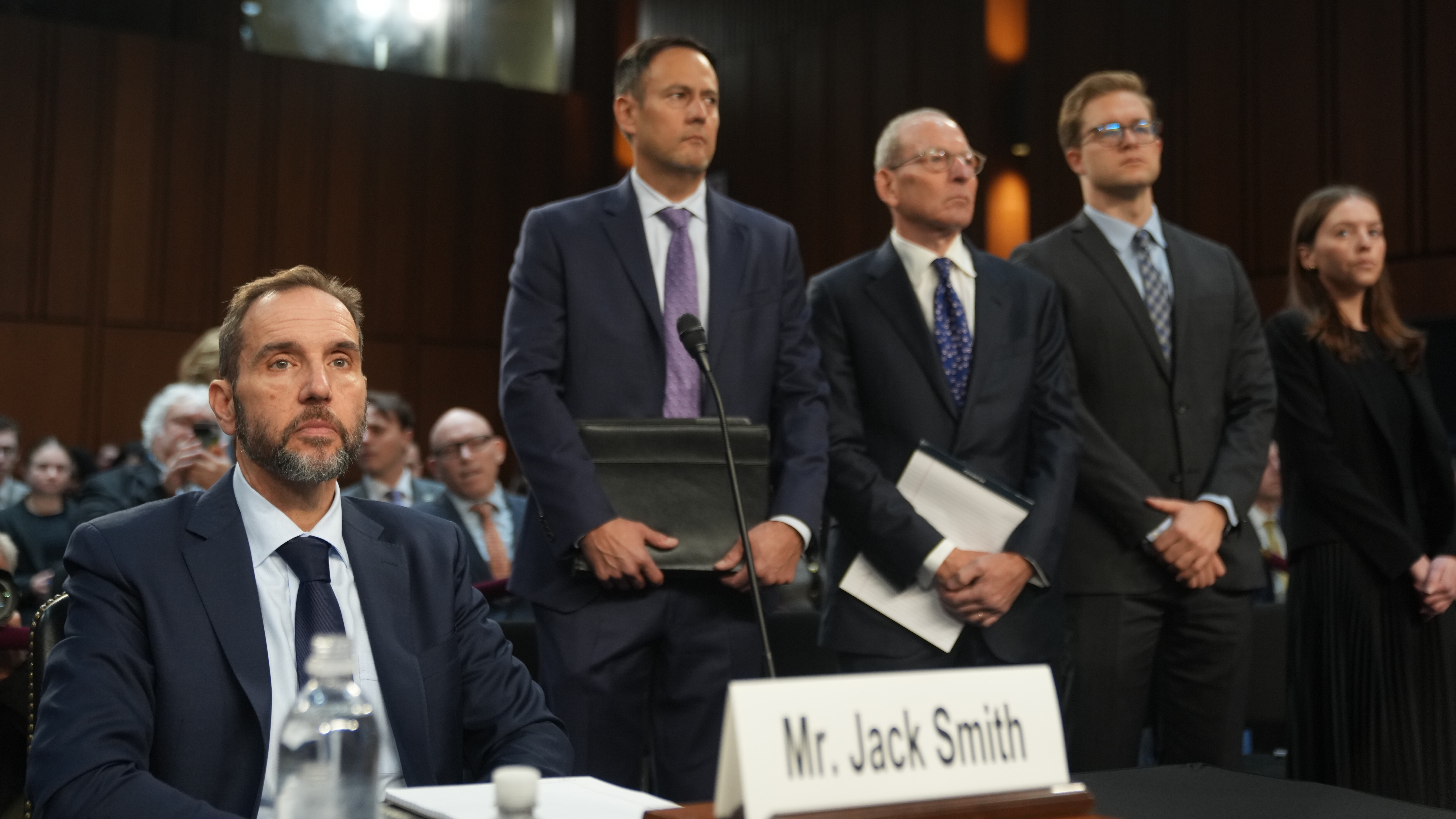
    Former special counsel Jack Smith forcefully defended his derailed efforts to prosecute President Donald Trump on Tuesday, telling lawmakers he would not “be silenced by continued threats of prosecution” from the president.

    Testifying before the Senate Judiciary Committee, Smith rejected Republican assertions that his investigations of the then-former president were driven by partisanship or were used to improperly surveil GOP lawmakers during the Biden administration.

    Smith said he stood by his decision to charge Trump in two felony indictments during his years out of office, the first focused on his alleged mishandling of classified documents and the second on his efforts to overturn the results of the 2020 election.

    “If asked whether to prosecute a former president today based on the same facts, I would do so regardless of whether the president was a Republican or a Democrat,” Smith said.

    But with few new insights into his investigations on offer and Republicans intent on pressing old attacks, the proceeding quickly devolved into an opportunity for the former special counsel’s critics to deliver a public tongue-lashing.

    “No matter what you say, there’s no legitimate basis for what you did,” committee Chairperson Chuck Grassley (R., Iowa) said. Sen. Eric Schmitt (R., Mo.) piled on, telling Smith he “will go down as a total dirtbag.”

    “You have brought the Department of Justice into disrepute,” Sen. Ted Cruz (R., Texas) added. Sen. John Kennedy (R., La.) told Smith: “You make me want to throw up in my mouth.”

    The nearly four-hour flogging grew so intense that Sen. Cory Booker (D, N.J.) marveled at the relentlessness of the Republicans’ message.

    “This is gaslighting of the American people,” he said, telling Smith, “I am so sorry that they’re attempting to put investigators on trial while ignoring the extraordinary conduct that that they are duty bound to really investigate.”

    But not all of the Republican attacks landed. Schmitt at one point accused Smith of perjury when he said he had not attended an Atlanta Hawks basketball game in February 2024. Schmitt said he had texts proving otherwise and suggested, with no evidence, Smith had made a secret trip to Atlanta to meet with Fani T. Willis, the district attorney who prosecuted Trump in Georgia.

    But within minutes, Sen. Amy Klobuchar (D, Minn.) deflated Schmitt’s “gotcha” moment. After Smith said he had attended a basketball game around that time featuring the Iowa Hawkeyes, Klobuchar suggested Schmitt had mixed up the team names of the Hawks and Hawkeyes — meaning Smith had not been in Atlanta at all.

    “Perhaps you should have looked at it more carefully,” Klobuchar told Schmitt.

    Behind those theatrics, Tuesday’s proceedings carried very real stakes for Smith — who Trump has repeatedly said should face prosecution — and the Republican senators, who have sought to wrest control of the public’s understanding of the special counsel’s twin probes, both of which he was compelled to abandon after Trump won the 2024 election.

    The president and his allies for years have asserted that Smith and other prosecutors weaponized law enforcement against them and deserve to be punished. Democrats say Trump plainly committed indictable offenses and that it is he who has corruptly turned the Justice Department into a cudgel to target perceived political foes.

    “The aspersions cast on Mr. Smith nonstop are petty, personal, and political,” said Sen. Dick Durbin (Ill.), the committee’s top Democrat. “They are nothing but a smoke screen to distract from the president’s own clear unlawful conduct.”

    Smith responded to it all Tuesday with little emotion, except when Republican lawmakers questioned his wife’s past support for President Barack Obama or sought to vilify members of his former staff of career prosecutors and investigators. Many of them were fired from their Justice Department jobs soon after Trump returned to office last year.

    “I’m extremely proud to have worked with them,” Smith told the senators. “The fact that they have been targeted illegally, lost their jobs illegally, and had their lives turned upside down by this Department of Justice is an outrage.”

    Smith said he expects to face personal consequences as well, and that he believes the Trump administration will do “everything in its power” to try to build a case against him despite lacking any legitimate basis to do so.

    After similar testimony earlier this year before the House Judiciary Committee, committee Chairperson Jim Jordan (R., Ohio) referred Smith to the Justice Department for prosecution, alleging he had lied to Congress. Department officials have said they are reviewing the evidence and have not decided whether to seek a grand jury indictment against Smith.

    Separately, federal prosecutors in Florida earlier this month subpoenaed former FBI agents involved in the 2022 raid of Trump’s Mar-a-Lago estate that led to Smith’s classified documents case against Trump. Those interviews are part of a broader “grand conspiracy” probe pursued by the Justice Department under a vague legal theory that Biden- and Obama-era officials engaged in a decadelong conspiracy to violate Trump’s civil rights.

    “The rule of law faces challenges unlike any we have experienced in our lifetime,” Smith told the senators Tuesday. “Individuals are threatened with criminal prosecutions because they are perceived to have opposed the president. Predetermined outcomes increasingly seem to take precedence over the Justice Department’s long-standing core values, traditions, and norms.”

    Nonetheless, Smith lobbied for months for the opportunity to publicly address lawmakers and defend his investigations’ conclusions that Trump committed felony crimes.

    Smith said Tuesday that strict secrecy rules bar him from answering many questions about grand jury interviews or materials. He also said he was limited in what he could discuss about his team’s investigation of Trump’s handling of classified documents because of a court ruling on a final report he drafted summarizing his findings.

    U.S. District Judge Aileen M. Cannon, who oversaw that case, permanently barred the report’s release and blocked officials from discussing its contents with those outside the Justice Department.

    Still, Smith forcefully defended his team’s investigative methods.

    Grassley seized on subpoenas that Smith’s team had obtained to secretly review phone records of several GOP lawmakers as part of the investigation into Trump’s actions in the aftermath of the Jan. 6, 2021, attack on the U.S. Capitol — a step the senator described as a “rampant abuse of authority.”

    Smith described those requests as essential to tracking phone calls made from the White House that day to Trump’s allies in Congress as he sought to delay certification of the 2020 election results.

    The records included the times and lengths of those phone calls and text messages, but did not disclose the contents of any senators’ communications.

    But the Justice Department has since revealed that Smith also obtained the incidental communications of 44 lawmakers’ text messages as part of a separate subpoena to the National Archives and Records Administration seeking information on several White House affiliated phones.

    Smith has said Trump is to blame for the need to obtain that information in the first place, given his unprecedented actions as Congress was preparing to certify Joe Biden’s victory in the 2020 election.

    “It was an important part of our investigation and it was centrally relevant to the issue of [Trump’s] criminal intent,” he said.

    Cruz tried to paint those subpoenas and others, which provided information on donations from some Trump allies, as a “fishing expedition” to broadly investigate Republicans.

    “Is it a crime to be a Republican?” Cruz demanded at one point. Smith responded: “Absolutely not.”