Category: Health

  • What do we know about the deaths reported in Pennsylvania’s measles outbreak?

    What do we know about the deaths reported in Pennsylvania’s measles outbreak?

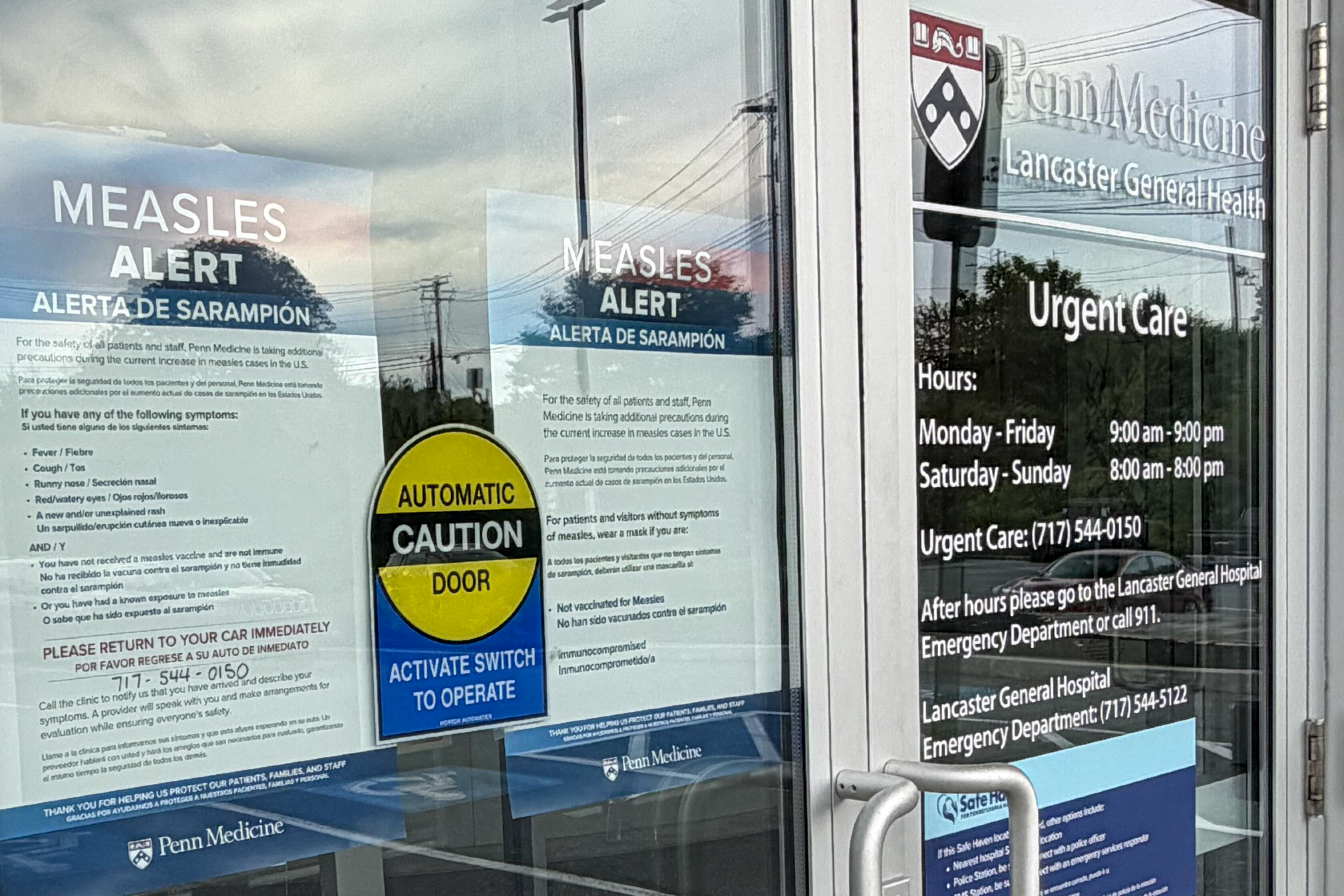
    Pennsylvania officials reported two deaths associated with measles last week, amid a growing outbreak that has already sickened more than 500 people in the state this year.

    Gov. Josh Shapiro, a Democrat, has clashed over the state’s characterization of the deaths with President Donald Trump’s head of the Department of Health and Human Services, Robert F. Kennedy Jr., as the outbreak has rapidly become one of the nation’s largest this year.

    Shapiro has said Kennedy, a longtime anti-vaccine activist, is spreading misinformation about the safety of vaccines long recommended to prevent measles. Kennedy has disputed what Shapiro and state health officials have disclosed about the deaths, going so far as to accuse the administration of “fabricating” them.

    Here’s what’s known about the deaths, the state’s first involving the highly infectious disease in more than 30 years, and the ongoing measles outbreak in Pennsylvania.

    What do we know about the measles-associated deaths in Pennsylvania?

    State officials announced two measles-associated deaths in unvaccinated Lancaster County residents last Tuesday, but initially provided no further information about the patients’ ages, medical conditions, or what had been investigated.

    The state later explained that it defines a measles-associated death as deaths of people where evidence of measles is present, even when the disease may not be assessed by the coroner as the immediate cause of death.

    Lancaster County coroner Stephen Diamantoni said the same day that his office was investigating one death involving a newborn who had measles and died shortly after birth. Later, the state confirmed that this was one of the measles-associated deaths they had announced.

    According to Diamantoni, an elected Republican who is also a physician, postmortem testing of the child’s lung tissue showed the infant had a measles infection acquired before birth. But he said he does not believe measles contributed to the child’s death. He said the child died of a lacerated spleen, citing trauma to the torso. He said he was not sure how the lacerated spleen or trauma occurred.

    Subsequently, Diamantoni said a forensic pathologist had included “measles” on the newborn’s death certificate under a section that lists “significant conditions contributing to death but not resulting in the underlying cause.” He said the condition was listed on the death certificate because the baby tested positive for measles and the pathologist said he would put any “significant finding” in that section.

    The state’s decision to call the deaths measles-associated came after the state health department’s “epidemiology team thoroughly investigated and verified both individuals tested positive for measles,” Pennsylvania Health Secretary Debra Bogen said in a statement.

    Experts like physician Paul Offit, head of the Vaccine Education Center at the Children’s Hospital of Philadelphia, have pointed out that measles can cause the spleen to become fragile, and that the trauma of birth can cause it to rupture. Offit says the coroner needs to explain more about his conclusions, if he does not believe measles contributed to the death.

    The state has not released any information about the second measles-associated death, citing privacy laws.

    Diamantoni told The Inquirer that his office is reviewing another instance where measles was listed on a person’s death certificate. “It’s a death of a child who had measles,” he said. On Wednesday, he said the child was an infant.

    He declined to say how “measles” was characterized on that child’s death certificate. A healthcare provider signed the death certificate, he said, and his office was not involved at the time. The child did not die at a hospital, he said.

    It is not clear if the case was the second measles-affiliated death announced by state officials.

    Pennsylvania officials have cited state laws protecting privacy in saying that they can’t disclose more about the deaths without compromising patient confidentiality and the community’s trust.

    Several prominent public health experts have criticized the Shapiro administration for not revealing more information, like the ages or causes of death of the victims, saying not doing so created a void for conspiracy theorists to spread misinformation.

    What is the CDC saying?

    The Centers for Disease Control and Prevention omitted the two measles-associated deaths in Pennsylvania from its last measles outbreak update on Monday.

    The agency said that the deaths were not included because ”available information does not establish whether measles caused or contributed to the deaths or whether the individuals died from other causes while infected with measles,” in an update posted to the CDC’s website Sunday.

    Kennedy also said Shapiro’s administration is not cooperating with the CDC in giving information on the deaths.

    Pennsylvania “thoroughly reviews” all reported measles cases to ensure they meet CDC definitions and has provided “all required epidemiological data” on the measles-associated deaths to the CDC, state health department spokesperson Neil Ruhland said in a statement on Monday.

    How far has measles spread in Pennsylvania? Where is it now?

    Measles cases have been reported in 36 counties in Pennsylvania, with 530 cases confirmed this year as of Wednesday. The outbreak is centered in Lancaster County, which has reported 242 cases.

    Chester County has reported the second-highest case count, with 52 cases so far this year. Health officials there believe many infections are going unreported, and say measles is generally circulating in the western area of the county.

    Montgomery County reported three cases in a separate outbreak this winter.

    Allegheny County, Pennsylvania’s second most-populous county after Philadelphia, has reported measles exposures at a children’s hospital in Pittsburgh, but no cases in residents.

    Philadelphia has not identified any cases, although several people who tested positive for measles have traveled through the city this year. The last outbreak reported in the city sickened nine people, with six requiring hospitalization, in 2024.

    How is measles transmitted? How contagious is it? Can you get measles if you’re vaccinated?

    Measles is transmitted through the air, when an infected person coughs or sneezes, according to the CDC. It can linger in the air for up to two hours.

    Two doses of the measles, mumps, and rubella vaccine has proven 97% effective at preventing the disease, the CDC says. The more people who are vaccinated, the less likely it is for measles to spread. Scientists say that about 95% of a community should be vaccinated to prevent spread. Nine in 10 unvaccinated people exposed to measles will acquire the disease.

    No one who has gotten measles in Pennsylvania this year was fully vaccinated.

    According to the CDC, it is possible but extremely rare to acquire measles if you’re vaccinated. The CDC says that about 3 in 100 people with two doses of a measles vaccine will still get the disease if exposed.

    Sometimes this occurs if someone’s immune system “did not respond as well” to the vaccine, the CDC says. Other times, vaccinated people can get the virus if they’re exposed for a long period to the disease — like living in a house where multiple unvaccinated people have measles. Vaccinated people tend to have a milder illness if infected, and they’re less likely to spread measles to others.

    In 2025, Bucks County reported a case of measles in a vaccinated resident who had recently traveled to Texas, then the site of a major measles outbreak. The person’s symptoms were mild.

    What are measles symptoms?

    Typical measles symptoms appear one to two weeks after exposure, but sometimes they can take up to 21 days to manifest. They include a high fever, a cough, runny nose, red, watery eyes, and a rash.

    How deadly is measles?

    About three in 1,000 children who contract measles will die. Measles can cause severe complications, especially in young children, including pneumonia and brain swelling. Physicians on the front lines of the Pennsylvania outbreak have reported treating patients with these symptoms, as well as organ damage from the disease.

    Editor’s note: This story has been updated with additional detail from the Lancaster County coroner’s office.
  • Joan E. Lynaugh, nursing trailblazer, historian, and professor emerita at Penn Nursing, has died at 90

    Joan E. Lynaugh, nursing trailblazer, historian, and professor emerita at Penn Nursing, has died at 90

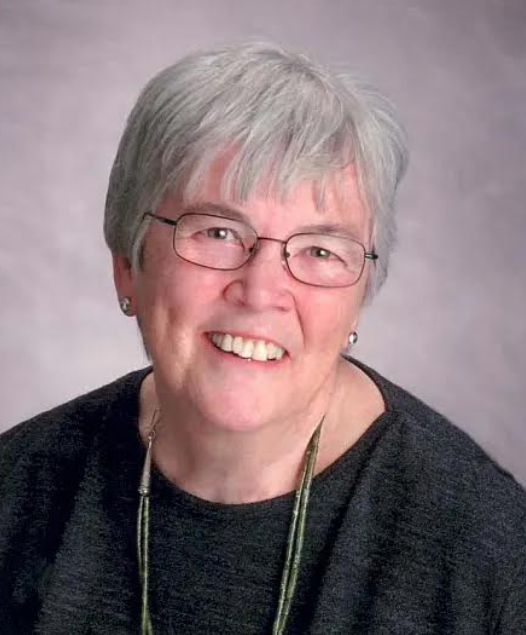
    Joan E. Lynaugh, 90, of Gwynedd, Montgomery County, pioneering primary care nurse practitioner, award-winning professor emerita of nursing at the University of Pennsylvania, historian, mentor, author, birdwatcher, and “living legend,” died Friday, July 10, of age-associated decline at Foulkeways at Gwynedd retirement community.

    Reared on a dairy farm in the Finger Lakes region of upstate New York, Dr. Lynaugh became a pioneering international expert on primary care nursing and nurse practitioner policies, education, and history. For decades, from the early 1960s through her retirement in the late 1990s, she treated patients, taught students, researched history, and joined colleagues in defining and expanding the role of nurses in modern healthcare.

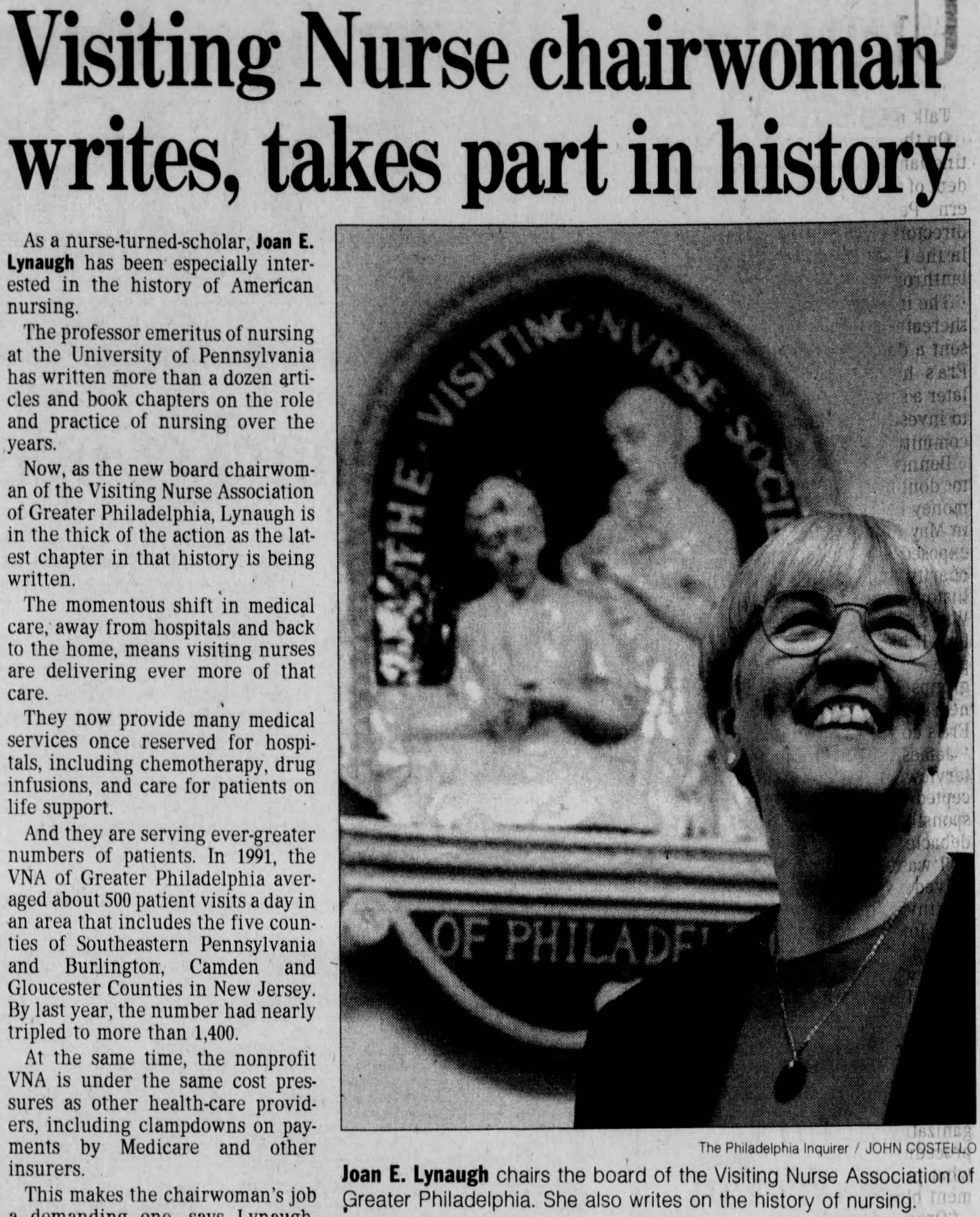
    During her career, the benefits of home care, the importance of critical care, and the need for nursing history education were hot topics in healthcare. “As a historian,” she told The Inquirer in 1997, “I take great interest in this shift from the intense emphasis on hospitals to the more balanced emphasis on other kinds of care.”

    Dr. Lynaugh joined Penn’s School of Nursing in 1980. She took charge of the school’s new primary care nursing unit and went on to be director of the Robert Wood Johnson Foundation primary care nurse practitioner program and associate director of the foundation’s teaching nursing home project.

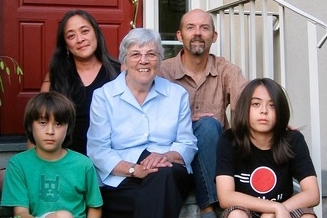
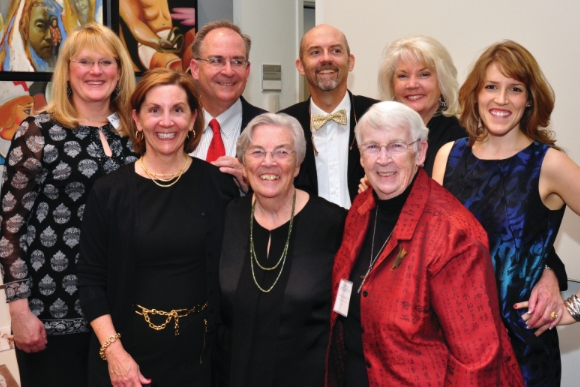
    Dr. Lynaugh (front center) and her family celebrate her 2005 award as a “living legend.”Courtesy of the family

    She was also the nursing school’s associate dean and director of graduate studies from 1993 to 1996, and chair of the nursing, history, and healthcare department from 1994 to 2000. In a tribute, colleagues at Penn Nursing said: “Dr. Lynaugh was a visionary leader, a prolific scholar, and a dedicated mentor whose extraordinary career left an indelible mark on Penn Nursing and the global nursing profession.”

    In 2000, she told writer Suzanne Gordon: “We know we can’t get into the hospital without a doctor. That’s no surprise. We are, however, surprised to discover that we can’t get out of the hospital without a nurse.”

    She was a founding director of Penn’s Barbara Bates Center for the Study of the History of Nursing in the mid-1980s, and her research focused on the origins of community hospitals and critical care units. In 2005, she was named a “living legend” by the American Academy of Nursing and earned a lifetime achievement award from the National Organization of Nurse Practitioner Faculties.

    Penn Nursing created the Joan Lynaugh Award for a graduating midwifery student for excellence in clinical practice, and the Bates Center features the Joan Lynaugh Founders Fund to support educational and archival activities, and the Joan Lynaugh Digitization Project Fund to preserve data and material from the Joan E. Lynaugh papers.

    This story and photo of Dr. Lynaugh appeared in The Inquirer in 1997.Newspapers.com

    In 2018, the center named its archives the Joan E. Lynaugh Archives and Special Collections. Before Penn, Dr. Lynaugh practiced and taught nursing at the University of Rochester and the old Providence Hospital in Washington, D.C.

    She was a fellow at the American Academy of Nursing, board chair of the Visiting Nurse Association of Greater Philadelphia, and active with the College of Physicians of Philadelphia, the American Association of Critical Care Nurses, and other groups. She cowrote Critical Care Nursing: A History with Penn colleague Julie Fairman in 1998, and coedited the award-winning textbook Enduring Issues in American Nursing in 2000.

    Colleagues at the American Association for the History of Nursing said in a tribute: “Joan’s intellectual curiosity, generosity as a mentor, commitment to excellence, and passion for nursing history left an indelible mark on the nursing profession worldwide.”

    A friend on Facebook called her “one of the smartest, kindest scholars I ever had the honor and pleasure to be mentored by.”

    Dr. Lynaugh (center) enjoyed time with her family.Courtesy of the family

    Joan Estelle Lynaugh was born Aug. 30, 1935, in Canandaigua, N.Y., about 28 miles southeast of Rochester. She studied nursing at St. Mary’s Hospital School of Nursing in Rochester and earned bachelor’s and master’s degrees in nursing at the University of Rochester, and a doctorate in history at the University of Kansas in 1982.

    Her whole life, she enjoyed traveling, bird-watching, camping, and hiking. She was an engaging host and liked to read mysteries and newspapers.

    She was a longtime colleague and personal partner of fellow medical professional Barbara Bates, and they lived in Bryn Mawr for years. Bates died in 2002, and Dr. Lynaugh moved to Gwynedd a few years later.

    “Joan will always be remembered for her generous spirit, wonderful sense of humor, persistent intellectual curiosity, and a sincere commitment to making the world a better place,” her family said in a tribute.

    Dr. Lynaugh grew up in the Finger Lakes region of upstate New York.Courtesy of the family

    Her niece Mary Clare Hamlin said: “She was understated, humble, practical, and scientifically minded. She always wanted to help others.”

    In addition to her niece, Dr. Lynaugh is survived by other relatives. Two brothers and a sister died earlier.

    A celebration of her life is to be held at 1 p.m. Friday, Oct. 23, at Penn’s Claire M. Fagin Hall, Room 316, Third Floor front, 418 Curie Blvd., Philadelphia, Pa. 19104.

    Donations in her name may be made to the Joan Lynaugh Founders Fund at Penn’s Barbara Bates Center for the Study of the History of Nursing, Office of Institutional Advancement, Claire M. Fagin Hall, 418 Curie Blvd., Suite 445, Philadelphia, Pa. 19104.

    Dr. Lynaugh “was understated, humble, practical, and scientifically minded,” her niece said. Courtesy of the family
  • Employer health costs are expected to spike in 2027

    Employer health costs are expected to spike in 2027

    Large and small employers are bracing for what looks to be the sharpest increase in healthcare costs in more than two decades. The cost per worker is projected to go up an average of 11% next year, or somewhat lower if workers’ insurance benefits are reduced, according to a U.S. survey released Wednesday.

    The employers’ final costs, after they make changes to health plans, are still expected to increase about 8% next year, the steepest since 2003, according to Marsh, the benefits consultant formerly known as Mercer.

    More than a third of the 1,800 employers surveyed said they anticipated that costs would rise at least 10% after making cuts.

    “This year was a rough year, and next year looks like it will be even rougher,” Beth Umland, director of employer research for health and benefits at Marsh, said in an interview.

    The Marsh survey is the latest report by an employer group or benefit consultant predicting a sharp rise in healthcare costs next year. Many Americans, even those with insurance, are already struggling to afford care, according to various surveys, and healthcare has become a top issue for voters.

    “This seems to be a new normal,” said Ellen Kelsay, the CEO of Business Group on Health, which represents large employers that offer health benefits.

    From 2018 to 2027, healthcare costs could increase 76%, roughly twice the rate of general inflation, according to a survey the employer group released last month. For next year, companies predicted a 9.2% median increase, which fell to 8% after they made benefit changes.

    The cost of providing coverage to employees is becoming an existential business issue, said Mike Pasterick, an executive at insurance broker Aon, which issued its own projection last month. Aon estimated employers’ costs would rise 9.5% next year, pushing the average cost per employee above $19,000 if no changes are made. “This is impacting the companies in a very material way,” he said.

    The upshot is that about 160 million people under 65 who rely on employers for health insurance will again confront higher costs and shoulder more of the burden. More and more, workers are facing year-over-year increases that further stress household budgets already dealing with the growing expenses of groceries and gasoline.

    Workers are facing higher premiums, deductibles and copays, which require them to carry a larger share of their medical bills. Some companies are cutting benefits by discontinuing coverage of expensive GLP-1 drugs to treat obesity, or dropping coverage for spouses who have other insurance options.

    Employers and benefits consultants cited a number of factors contributing to higher costs: rising prices for hospital care and prescription drugs, including expensive medicines for cancer, and robust demand for GLP-1 drugs to treat conditions like diabetes.

    But they also pointed to new contributors like hospitals’ and doctors’ use of artificial intelligence to increase payments through better documentation of care. They also blamed increasing reimbursements to some doctors who are out of network and are exploiting a new consumer protection law that allows them to challenge what they were originally paid.

    The pressure by hospitals and doctors to charge employers even more is likely to intensify with looming cuts to government plans like Medicaid, the federal-state program for low-income individuals. Hospital groups are already seeing an increase in the number of patients who don’t have insurance or can’t pay their bills, and many are expected to charge employers more to help make up for lost revenue.

    Many employees are already being asked to pay significantly more of their medical bills. Workers are paying an average of 10% more in out-of-pocket costs in 2026 — some $2,167 — than they were last year, Aon estimated.

    These kinds of increases are not sustainable, said Rosa Novo, the benefits administrator for Miami-Dade County Public Schools, which covers about 45,000 employees and their families. “It’s become really, really difficult, extremely difficult,” she said. The bulk of the system’s costs are for hospital care, she said, but among the fastest-growing expenses are pharmacy costs.

    For the first time, the school system is exploring new ways of delivering care. “We’re having to reinvent the way we operate,” Novo said. The system is considering contracting directly with hospitals and doctors for some of its employees’ care, like imaging, rather than relying on its insurer to negotiate for it. The system is also starting to demand more visibility into what it pays for care, requiring audits and detailed information about claims.

    “I personally see a readiness to do things differently,” said Elizabeth Mitchell, the CEO of the Purchaser Business Group on Health, which represents employers. She said employers were more interested in seeing more information from insurers about how they were spending their money and consideration of alternatives.

    “It’s more than just talk,” she said, saying many companies are revisiting their arrangements with their insurer or pharmacy benefit manager.

    Like the Miami-Dade school system, many companies are in discussions directly with local hospital groups or other organization to provide care outside their traditional insurance plans. Others are contemplating ways to steer patients to select hospitals or doctors, either by charging them less to see those providers or limiting where employees can get care.

    “We’re seeing a lot of employers taking a closer look at the network,” said Eric Miller, a vice president at Segal, another benefits consultant, despite concerns that employees will be upset if they can’t see their longtime doctor or go to the hospital of their choice.

    “Unequivocally, there is more openness to change and disruption than there ever has been,” he said.

    Smaller employers may be making the most significant changes, said Shawn Gremminger, the CEO of the National Alliance of Healthcare Purchaser Coalitions, many of whose members are smaller companies.

    “I think it’s the smaller market where the pain is most acute,” he said.

    While some are considering moves like offering employees a fixed amount of money to pay for a plan, others are taking a close look at the giant companies that sell them insurance or pharmacy benefit management. In the alliance’s most recent survey, 54% of employers said they were working with one of the three largest pharmacy benefit managers, a drop from 63% the year before. Many said they were moving to one of the smaller pharmacy benefit managers, many of which promise more transparency about how they operate and what they pay for drugs.

    “We may be seeing a tipping point,” Gremminger said.

    This article originally appeared in The New York Times.

  • MyChart Medicare phishing scam raises concern among Philadelphia health systems

    MyChart Medicare phishing scam raises concern among Philadelphia health systems

    Philadelphia-area health systems are warning residents to beware of an online phishing scam that mimics MyChart, the secure online patient portal used by most leading health systems.

    The scam involves emails and text messages that encourage people to claim a “MyChart Medicare Kit” by clicking on the embedded link to complete a survey. The resource kit is fictional, and clicking the malicious link could give hackers access to their MyChart portal, which stores identification information, including birth dates and addresses, and private health details, such as medications, medical conditions, and doctor conversations.

    Penn Medicine, Jefferson Health, Temple Health, Main Line Health, and Virtua are among the local systems that have posted warnings on their websites and sent notices to patients urging them to not to share passwords or other personal information through email links.

    Attorney General David Sunday has also urged people to “stay on the lookout for this new scam tactic.”

    Phishing emails are becoming more sophisticated, as artificial intelligence does away with misspellings, grammatical errors, and graphics irregularities that were once telltale signs of a scam.

    Phishing attacks have grown more than 40-fold since ChatGPT, an AI program that can draft emails and letters based on a prompt, was introduced in 2022, according to a 2026 trend report from HoxHunt, a cybersecurity risk management and training company.

    Scams that relate to people’s healthcare or insurance can be especially dangerous because of the type of information they may expose and because of the urgency people may feel to respond to the message, said Tom Gordon, chief information officer at Virtua Health.

    “The leverage with healthcare is you’re going to have a certain reaction,” Gordon said. “It drives an emotion, it affects people’s defenses.

    A screenshot of a MyChart Medicare Kit phishing email shows one of the ways scammers attempt to obtain personal information.Sarah Gantz / Philadelphia Inquirer

    Philadelphia hospitals take action

    Philadelphia-area health systems work together to track scams and alert patients, said Lou Dignam, Virtua’s vice president of cybersecurity.

    Virtua is part of Health Information Sharing and Analysis Center, known as Health-ISAC, a nonprofit membership organization for hospitals, insurers, pharmaceutical companies, and other health security professionals across the country to share real-time threats and best practices.

    When Digman and Gordon heard about the MyChart Medicare scam, they turned to their group chat with security officers at Penn, Jefferson, Cooper, Inspira, Main Line Health, and others. They talked about what to do, even coordinating what to write in online notices and emails to patients.

    “People may look at these organizations as competitors, but on this type of thing, it’s very collaborative and unified,” Gordon said.

    Cohesive communication across health systems is especially valuable in the Philadelphia area, where a high concentration of providers means patients may see doctors at multiple systems, he said.

    Their main message: Always be curious and cautious.

    How to avoid phishing scams

    Cybersecurity experts say vigilance is the best protection against phishing scams.

    “Scammers are always looking for new ways to obtain as much of your personal information as possible,” Attorney General Sunday said in a statement.

    Sunday and Gordon offered consumers some tips:

    • Be skeptical of unsolicited free offers and rewards.
    • Hover over email addresses and links, which can be disguised to appear to be from a trusted sender.
    • Avoid clicking links in emails and text messages. Instead, go directly to the website or mobile application.
    • Do not “unsubscribe” from emails that you suspect could be phishing attempts, as the “unsubscribe” link could also be malicious. Instead, delete the email.
    • Report phishing attempts sent to work email to your employer.

  • The CDC left two measles-associated Pa. deaths out of its latest count after RFK Jr. sparred with Gov. Shapiro

    The CDC left two measles-associated Pa. deaths out of its latest count after RFK Jr. sparred with Gov. Shapiro

    Two measles-associated deaths in Pennsylvania last week were omitted from the Centers for Disease Control and Prevention’s latest measles outbreak update, continuing an increasingly political clash over the nature of the deaths announced by the state last week.

    The two deaths reported by Pennsylvania — the first in the country this year — were not included because ”available information does not establish whether measles caused or contributed to the deaths or whether the individuals died from other causes while infected with measles,” the agency says in an update posted to the CDC’s website Sunday.

    President Donald Trump’s head of the Department of Health and Human Services, Robert F. Kennedy Jr., has disputed what Democratic Gov. Josh Shapiro and state health officials have disclosed about the deaths.

    Kennedy, a longtime anti-vaccine activist, wrote on X that the deaths may have been “fabricated” by the Shapiro administration, which has confirmed the deaths announced last Tuesday were “measles-associated.”

    Pennsylvania “thoroughly reviews” all reported measles cases to ensure they meet CDC definitions and has provided “all required epidemiological data” on the measles-associated deaths to the CDC, state health department spokesperson Neil Ruhland said in a statement.

    The state health department said it has death and medical records associated with the cases and the department’s investigation of them. The state does not disclose death certificates but does provide “de-identified” information to the CDC.

    “DOH values its long-standing collaborative relationship with professional staff at the CDC and will continue to work with federal partners moving forward to address the ongoing measles outbreak,” Ruhland said.

    The department declined to comment on “information the CDC may have obtained from third parties.” Kennedy said last week on social media the state was not providing requested information to the CDC.

    “CDC has a responsibility to ensure its reporting accurately and transparently reflects what is known and what remains unconfirmed,” HHS press secretary Grace Davis Jamison said in a statement Monday, adding that Pennsylvania’s two announced measles-associated deaths “have not been confirmed based on the information currently available to CDC.”

    Shapiro’s administration did not respond to a request for comment. He told reporters on Friday that “getting into a back-and-forth with people online who are spewing irresponsible conspiracy theories” does not “serve the public interest.”

    Measles cases in Pennsylvania

    The CDC publishes weekly updates tallying measles cases and deaths by state, tracking the spread of a highly contagious disease that was once considered eradicated in the United States due to widespread vaccination.

    (function(){function e(){window.addEventListener(`message`,function(e){if(e.data[`datawrapper-height`]!==void 0){var t=document.querySelectorAll(`iframe`);for(var n in e.data[`datawrapper-height`])for(var r=0,i;i=t[r];r++)if(i.contentWindow===e.source){var a=e.data[`datawrapper-height`][n]+`px`;i.style.height=a}}})}e()})();

    As of Thursday, 2,887 confirmed measles cases were reported by 47 states, with another 16 cases reported among international visitors, according to the CDC’s latest update.

    As of Monday, Pennsylvania had reported 497 measles cases in 2026, with 87 hospitalizations, amid the state’s largest outbreak in three decades. Officials said they had recorded 100 new cases in just a week, and half of Pennsylvania’s counties have now reported at least one measles case this year.

    About a third of the cases were diagnosed in children under 18. All were in unvaccinated residents. The disease is so contagious that it can infect nine in 10 unvaccinated people.

    (function(){function e(){window.addEventListener(`message`,function(e){if(e.data[`datawrapper-height`]!==void 0){var t=document.querySelectorAll(`iframe`);for(var n in e.data[`datawrapper-height`])for(var r=0,i;i=t[r];r++)if(i.contentWindow===e.source){var a=e.data[`datawrapper-height`][n]+`px`;i.style.height=a}}})}e()})();

    Pennsylvania health officials have said they define “measles-associated deaths” as deaths of people where evidence of measles is present, even when the highly contagious disease may not be assessed by the coroner as the immediate cause of death.

    The state has not provided any additional information on the deaths beyond confirming both people were unvaccinated residents of Lancaster County, and one patient was a newborn.

    Measles deaths are rare. Although most patients recover after mild illness, the virus can cause pneumonia and brain swelling and kills about one to three patients in 1,000.

    Controversy around communications

    Public health experts have said that, by not disclosing information like the victims’ ages, reasons for being unvaccinated, and causes of death, state officials created an information vacuum in which conspiracy theories could spread.

    Officials said that state law prevents them from revealing more details about the deaths.

    “There’s been a complete politicization of this event,” said Paul Offit, a Children’s Hospital of Philadelphia physician who heads the hospital’s Vaccine Education Center.

    A longtime Kennedy critic, Offit said the state should have released more information on the deaths to prevent a “void” for conspiracy theorists to fill.

    He’s also concerned that debate over the deaths will obscure efforts to address the growing outbreak centered in Lancaster County, which has some of the lowest kindergarten vaccination rates in the state.

    “It’s August. This is only going to get worse. What can we do to prevent more children suffering and being hospitalized?” he said. “That’s really the question, and that’s not the question we’re asking.”

    Democratic state lawmakers who are also medical professionals came to Shapiro’s defense on Monday, saying that the governor was right to announce the deaths and that it wasn’t surprising to see the ensuing public debate.

    “Our governor had a responsibility to speak out. We’re glad that he did,” said State Sen. Maria Collett, a Montgomery County Democrat and registered nurse.

    State Rep. Arvind Venkat, an Allegheny County Democrat and an emergency physician, said an immediate determination of death can be imprecise and require further evaluation. He urged the public to not “get distracted by this debate about the immediate versus underlying cause of death” when there is no doubt that the infant contracted measles in utero.

    “I’ve had to fill out death certificates,” Venkat said. “It’s not a simple thing, and I’m not surprised that there is this controversy. But I think we’re losing the forest for the trees.”

    State Rep. Bridget Kosierowski, a Lackawanna County Democrat and nurse, said advocating for vaccination to stop the spread of measles was personal.

    On Monday morning, she was receiving treatment for breast cancer and considering the outsized impact measles would have on her and other patients if they weren’t vaccinated.

    “It is really dangerous, and the outcomes can be catastrophic for people that are fighting cancer right now,” Kosierowski said.

    What’s known about the measles death

    Lancaster County’s coroner has said he handled one of the deaths, a newborn who died shortly after birth.

    The coroner, Stephen Diamantoni, has said the child had a measles infection acquired before birth and died from a ruptured spleen, citing trauma to the torso. Diamantoni, a Republican elected official, said he was still investigating and that he does not believe measles was the cause of death. Measles can cause the spleen to become fragile, heightening the risk of rupture, Offit has noted, saying the coroner’s statements were also adding to the public confusion.

    Diamantoni told The Inquirer last week that he had spoken with the CDC about his conclusions on the child’s death. He did not respond to an additional request for comment on the child’s death certificate on Monday.

    Measles was listed on the baby’s death certificate, he told the Pittsburgh Tribune-Review, in a section of the certificate that reports other “conditions contributing to death but not resulting in the underlying cause.” Measles was included on the death certificate “to offer a broader view of the general health of the child,” he told the Pittsburgh paper.

    The CDC’s latest measles update features an asterisk in lieu of a number for measles deaths in 2026, explaining that the agency is reviewing “additional information regarding the circumstances and causes of death.”

    The agency updated the dashboard multiple times this weekend, and at one point had included the two deaths, the Washington Post reported.

    “The information currently posted reflects the best available information and our commitment to transparency and telling the American people the truth — a foundational principle of the Trump Administration,” said Jamison, the HHS press secretary.

    Lancaster Online reported late on Monday that Diamantoni said his office is investigating another death of a person infected with measles.

    He would not provide details on the circumstances of the person’s death and said he was investigating “if measles has played any role.”

    State health officials would not confirm whether the case Diamantoni is investigating is the second-measles associated death announced last week, Lancaster Online reported, adding that Diamantoni said his office “did not get information about the death from the state.”

    A Lancaster family grieves

    An Amish family in Lancaster County detailed in an article published Sunday in The Atlantic how their son had died shortly after birth earlier this month, after his mother was infected with measles.

    The child had died on the same day as the newborn whose death was investigated by Diamantoni, who would not confirm the baby’s identity to The Atlantic.

    The family has 13 surviving children, all of whom recently contracted measles. Only the father, identified by a pseudonym in The Atlantic, had been vaccinated against measles. Both parents said they did not have “strong feelings against vaccination.”

    They had not known that their child’s death was potentially at the center of a national controversy and did not know who Shapiro or Kennedy were, they said.

    They also hadn’t spoken to the coroner about the cause of their child’s death, but assumed that his mother’s illness had contributed. A midwife had told them measles was likely a factor in the boy’s death, they said in the report.

    Still grieving the loss of their child, they said his death was “part of God’s plan,” the magazine reported.

    The father confirmed to an Inquirer reporter that he had spoken to the Atlantic but declined to comment further.

    Inquirer staff writers Sam Janesch and Michelle Baruchman contributed to this article. Editor’s note: This story has been updated with additional comment and developments.

  • Links exposed physician cell numbers and work schedules at health systems in Philly and nationwide

    Links exposed physician cell numbers and work schedules at health systems in Philly and nationwide

    Philadelphia-area health systems have been moving swiftly to pull offline web links that publicly revealed the daily work schedules and cell phone numbers of healthcare workers, information that hospitals traditionally do not make available online.

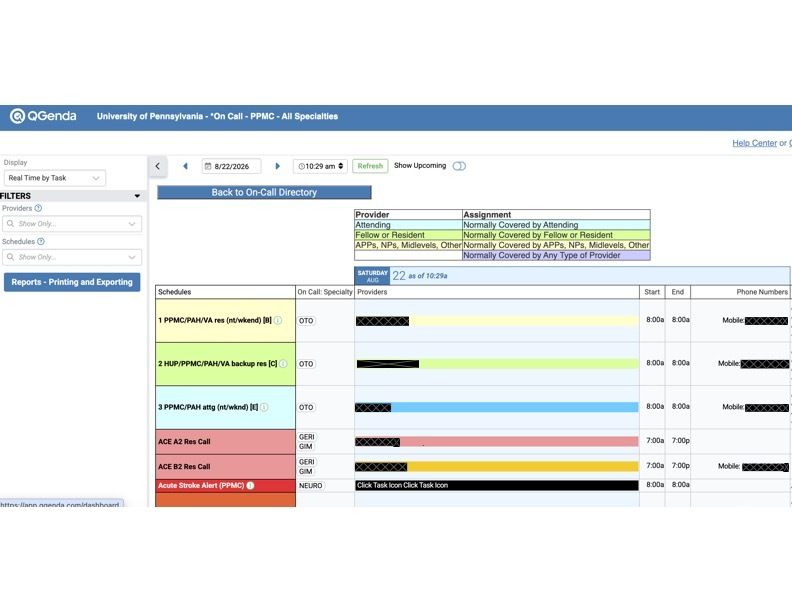
    The information for thousands of medical workers at Penn Medicine, Children’s Hospital of Philadelphia, ChristianaCare, and dozens of hospitals nationwide was published online through a popular scheduling service, QGenda.

    Experts said the online availability of internal information raises serious security and privacy concerns at a time when healthcare workers increasingly face the threat of workplace violence and doxing.

    The Philly-area health systems took down the schedules in late August after The Inquirer alerted them that the information was publicly available. Penn and CHOP did not respond to questions about whether they were aware the link was accessible without a log in.

    A spokesperson for ChristianaCare said the system “recently became aware” the pages were public, and “immediately” worked with the QGenda to “eliminate the vulnerability.”

    “We are not aware of any impact to caregivers, clinicians, patient care, or operations,” Christiana’s statement said. “Protecting the privacy and security of our caregivers, clinicians, patients, and information systems remains a top priority.”

    Other Philadelphia-area systems did not appear have publicly available links.

    The web pages managed by QGenda, an Atlanta-based workforce management software company, exposed months of schedules of physicians, nurse practitioners, social workers, and other hospital employees.

    The links don’t appear on Google searches, but anyone with access to basic AI chatbots could pull up live schedules showing the hours and assigned hospital service for on-call doctors and other providers.

    “That’s very concerning,” said Lane Kantor, a fourth-year medicine-pediatrics resident at Penn and CHOP, explaining that healthcare providers’ work “sometimes comes with patients who can harass and threaten us.”

    Kantor, a leader at Penn’s resident union, said the public information of providers who work with undocumented immigrants or in the areas of gender-affirming or abortion care was especially concerning.

    QGenda is used by more than 4,500 organizations, according to the company’s website, including many hospitals that use the software as a one-stop source of information about providers who are on-call and available for consult at any given moment.

    It is not clear how the schedules became public, how long the information was available online, to what extent hospital administrators knew the information was not safeguarded with a log in requirement, or whether anyone — let alone someone wishing to inflict harm — accessed the information.

    QGenda did not respond to multiple requests for comment.

    The Hearst-owned company offers “QuickLinks” to allow “any staff member without a QGenda account” to easily access the schedule, according to the company’s website. The site also notes that “on-call schedules may contain sensitive information” and that there is risk of “unauthorized access or data breaches” without proper safeguards.

    The platform also enables healthcare systems to restrict access, “so that only devices on your practice’s secure network can access schedule data on the public-facing landing page,” the company’s site says.

    Health systems in the Philadelphia area and across the country have taken steps in recent years to minimize doctors’ publicly available information in response to the growing politicization of many health services, especially those involving diversity, equity and inclusion, abortion, and gender-affirming care.

    CHOP, for example, removed provider names from the webpage of its gender and sexual development program in 2022 as the clinic received threats because it provides gender-affirming care for teens. But information on clinic’s providers was available through the now-removed public schedule.

    Security experts say releasing public work times and locations alongside cell numbers leaves providers vulnerable to being targeted by dissatisfied patients, or individuals who disapprove of the type of medicine a doctor practices.

    “This is really alarming,” said Will Owen, a spokesperson for Surveillance Technology Oversight Project, a New York-based privacy nonprofit. “Hospitals must scrutinize the platforms they work with in their data collection to minimize information that can be weaponized.”

    Live hospital schedules exposed

    After receiving a confidential tip that three East Coast health systems had public QGenda web pages, The Inquirer identified public landing pages for nearly 50 health systems or hospitals nationwide, including Veterans Affairs hospitals, using OpenAI’s Codex.

    For some, like Penn and CHOP, the landing pages for the entire system were public. For other hospitals, schedules for only one department or service surfaced.

    Some of the United States’ largest and most prestigious institutions had public QGenda links, including Johns Hopkins Medicine and the University of California-San Francisco.

    The Inquirer attempted to reach out to each hospital or system for which it found schedules before publication. At least 10, including Hopkins and UCSF, have removed the public link completely or added a password requirement.

    A spokesperson for Cedars-Sinai Medical Center in Los Angeles said it was “unaware” that its anesthesia department’s schedule was public. The schedule has since been removed.

    The call schedule for the Children’s Hospital of Philadelphia, and dozens of hospitals nationwide, was available online through a public QGenda link. CHOP updated the web page’s permissions to require a login after being alerted by The Inquirer.Screenshot

    CHOP informed hospital staff last week about security updates made to QGenda “out of an abundance of caution.”

    “We are taking a precautionary step to update access to the QGenda platform used to display CHOP on-call schedules,” CHOP said in an email to staff obtained by The Inquirer.

    QGenda’s platform does not contain patient information, and CHOP “continually assess our systems, processes, and technologies with an eye toward privacy, security, and operational needs,” a CHOP spokesperson said in a statement.

    Penn said it uses QGenda to support communication among care teams.

    “We continually monitor the risk environment surrounding online information and, as it continues to evolve, we are adding controls that both preserve appropriate protection and provide reliable access for those who need the information to coordinate patient care,” Penn said in a statement.

    Privacy concerns rattle doctors

    Healthcare workers have been reporting increased rates of online harassment and workplace violence since the COVID-19 pandemic.

    The problem has become so pronounced that Colorado, for example, enacted in 2021 an anti-doxing law that made it a crime to share the personal information of health workers and their families online.

    An American Medical Association policy from 2024 says the organization supports data privacy and anti-doxing laws to prevent threat and harassment.

    Gennadiy Ryklin, a hospitalist at ChristianaCare, was surprised to learn a colleague had done a work-hour analysis for ChristianaCare’s attending union using an AI model.

    “I asked him, ‘well, how’d you do that without having Claude get access to our private schedules?’ And, well, it’s not private, there’s a public link here,” Ryklin said.

    Privacy and data security are principles are drilled into physicians through policies, procedures, and training courses, Ryklin said.

    “We understand that patient information in the wrong hands can cause a lot of harm,” the doctor said. “Where’s that same concern for us?”

    A June shooting that killed one IT intern and left another injured in ChristianaCare’s Wilmington Hospital underscored for Ryklin the threat of violence within health systems. Law enforcement charged a third intern in connection to the incident.

    He reached out to hospital administrators and last week the hospital began removing the public web pages.

    Employee privacy exists in a legal gray area, with protections often dependent on institutional policies, said Matthew Bodie, a law professor at the University of Minnesota.

    Publicly sharing schedules and cell numbers does “feel invasive,” Bodie said, “especially if employees didn’t know about it.”

    The combination of cell numbers and work schedules could be used to cause harm, whether by patients, politically motivated individuals, or stalkers, said Sharona Hoffman, a co-director of the Law-Medicine Center at Case Western Reserve University.

    The lack of any sweeping federal employee privacy requirements makes the online availability of the information, “not surprising though very disturbing,” the professor said.

  • Why was this previously healthy 14-year-old so sick? | Medical Mystery

    Why was this previously healthy 14-year-old so sick? | Medical Mystery

    A previously healthy 14-year-old male was brought to the emergency department after experiencing fatigue, fevers, and decreased appetite for four days. Two days earlier, he’d been seen in an urgent care center, where doctors prescribed a course of amoxicillin for suspected middle ear infection. Now, he was feeling worse and complaining of abdominal pain.

    When examined in the ED, the patient had a fever, an increased heart rate, and low blood pressure requiring IV fluids. He was admitted to the pediatric intensive care unit for close monitoring. His doctors were worried about sepsis, which is the body’s extreme response to infection and is a life-threatening medical emergency.

    But what was the underlying cause of his illness? Initially, doctors were concerned about pancreatitis, as his pancreatic enzymes (amylase and lipase) were elevated in his blood. However, the patient developed new symptoms including neck pain and limited neck motion, as well as reddening of his eyes, which is not consistent with this diagnosis.

    The answer

    Further laboratory testing revealed elevated heart enzyme levels, indicating damage to his myocardium, or heart muscle, as well as very high levels of c-reactive protein, which indicates generalized inflammation. Due to the evidence of inflammation in multiple organ systems, his doctors now suspected a condition called multisystem inflammatory syndrome in children, or MIS-C.

    What is MIS-C?

    MIS-C is a rare but serious complication of COVID-19 that can occur in susceptible patients, usually presenting around 2-6 weeks after initial COVID infection. This patient was not aware of having had COVID recently, but an asymptomatic COVID infection can still spur MIS-C. MIS-C can present with persistent fever, multiorgan dysfunction, and elevated inflammatory markers, which were all present in our patient. This condition was much more prevalent at the heights of the COVID-19 pandemic. Cases dropped rapidly after distribution of the COVID vaccine. This particular patient presented before the creation of the COVID vaccine.

    Since this patient’s inflammatory symptoms were progressing and tests showed signs of heart involvement, treatment for MIS-C was started. Specific treatment courses can vary but all include intravenous immunoglobulin (IVIG), steroids, and aspirin. The patient’s symptoms improved quickly; he was soon able to move his neck without pain, and the redness in his eyes abated. COVID-19 antibody testing eventually came back positive, further supporting the diagnosis.

    The bottom line

    As we get further into life with COVID-19 as a part of our overall medical picture, it’s important to take a step back and look at all we have already learned about the disease. MIS-C is a well documented complication of a COVID infection; however, it may no longer be foremost in physicians’ minds. COVID vaccination has proven highly effective in preventing this frightening condition; a CDC study from 2021 reported 91% effectiveness of these vaccines in preventing MIS-C, as well as more severe disease in MIS-C patients who were unvaccinated. For this patient, there was a full recovery thanks to doctors who quickly recognized the signs and symptoms of MIS-C and started treatment rapidly. Moving forward, it’s important for parents to understand that vaccination can help prevent COVID-related complications, and for our primary care teams to continue communicating everything we have learned over the past six years.

    Jordan Priess is a third-year pediatric resident and Hayley Goldner is a pediatrician in the adolescent medicine department at Nemours Children’s Hospital, Delaware.

  • Penn Medicine reported a $337 million operating profit for the year ended June 30

    Penn Medicine reported a $337 million operating profit for the year ended June 30

    The University of Pennsylvania Health System had $337 million in operating profit in fiscal 2026, up from $247 million the year before, the Philadelphia nonprofit reported to bond investors Friday.

    “We saw good growth in several of our clinical programs that helped us to generate the operating performance,” Julia Puchtler, the health system’s chief financial officer, said in an interview.

    That’s money “we’re going to be able to reinvest in the academic missions and in our clinical programs and our workforce,” she said.

    Here are more details:

    Revenue: Penn’s total revenue rose 13.7%, to $13.6 billion from $12 billion the year before. Revenue from patient care accounted for $11.4 billion of the total in fiscal 2026, according to Penn’s report to bondholders.

    Outpatient cancer care and outpatient surgeries by urologists and ear, nose, and throat doctors stood out as areas of growth, Puchtler said. On the inpatient side, neurosciences and transplants had notable increases, she said.

    Expenses: For the first time since 2021, the average length of time a patient spent in the hospital fell below 6 days. Longer stays have higher expenses, even though hospitals generally don’t get paid more for them.

    The average in fiscal 2026 was 5.93 days, from 6.14 days the year before. That looks like a small decline, but it adds up when spread over the health system’s more than 161,000 admissions in the year. The reduction helped Penn reduce expenses relative to revenue. It also freed capacity for more patients, Puchtler said.

    In employee benefits, Penn had an additional $20 million in expenses because it aligned retirement plans across the system, Puchtler said.

    Notable: Penn refinanced about $300 million in debt last month at a lower interest rate. That means the health system will save $28 million in interest payments over the next 9 or 10 years, Puchtler said.

  • Dispatch Bio launches its first clinical trial to develop a universal treatment for solid cancers

    Dispatch Bio launches its first clinical trial to develop a universal treatment for solid cancers

    A University of Pennsylvania biotech spinout recently launched its first clinical trial of an experimental cancer treatment for hard-to-treat solid tumors.

    Its approach builds upon groundbreaking work harnessing the body’s immune system to fight cancer.

    Based in Philadelphia and San Francisco, the company, Dispatch Bio, launched a year ago with CAR-T pioneer and Penn researcher Carl June as a scientific co-founder and $216 million in funding from private investors.

    The company aims to succeed where CAR-T, an immunotherapy that genetically modifies a patient’s immune cells to recognize and attack cancer, has struggled.

    Although CAR-T has revolutionized the treatment of blood cancers, scientists have yet to replicate that success in solid tumors. By painting a target on tumors and revving up the immune system, Dispatch believes its platform could.

    It dosed its first patient earlier this month.

    “With one approach, we are addressing the two main challenges that we have faced over the last decade or so,” said Mauro Avanzi, the chief medical officer of Dispatch.

    Success is not guaranteed. Most exploratory scientific efforts do not advance to the point where they are found safe and effective in humans. Even if the results are promising, it could take years before a potential new treatment becomes widely available.

    Dispatch’s first clinical trial focuses on advanced gastrointestinal cancers, including cancers of the stomach, esophagus, and colon. The company also announced a clinical trial earlier this year in China that has not yet started dosing patients.

    If the treatment turns out to be safe and effective, Dispatch hopes to expand to other solid tumor types with significant unmet need.

    “As many patients as we can deliver that for, we will keep striving to do,” said Lex Johnson, Dispatch’s co-founder and chief platform officer.

    ‘A Trojan horse’

    Solid cancers are notoriously difficult to treat with immunotherapy for two main reasons: they’re hard to target, and they’re good at suppressing the immune system.

    To attack a cancer cell, you need to be able to find it. Sometimes cancer cells have more unique identifiable elements on the outside, but other times they don’t. Imagine trying to identify someone when all you know is that they’re wearing jeans.

    Many of the proteins found on solid cancer cells are also present in healthy tissue, making them potentially risky targets.

    Solid tumors are also good at building an environment around them that blocks and suppresses the immune system. Think of it like a protective shield.

    “They prevent your immune system from recognizing and clearing aberrant cells,” Johnson said, referring to cancer cells.

    Dispatch Bio’s signature treatment — called the Flare platform — is designed to overcome both of these challenges by tagging cancer cells with a unique target and boosting the immune system.

    The strategy revolves around a virus that, when injected intravenously, will traverse the body in search of tumor cells. Once the virus finds its target, it’ll take up residence inside the cell and tag it with a target protein called “the Flare.”

    “You can create that Flare protein to be something that is not present on healthy tissue throughout the body,” Johnson said.

    In colon cancer, for example, they would use a protein that is not present on any healthy colon cell, to avoid toxicity.

    At the same time, the Flare platform secretes chemical signals to re-engineer and reset the environment around the tumor. This enables the immune system to better attack the tumor.

    “It is a Trojan horse,” Avanzi said, describing the virus.

    When a tagged cancer cell is destroyed, it goes on to release thousands more viral particles carrying the Flare. That chain reaction helps spread the therapy’s effect across multiple sites.

    In animal studies, the platform has been able to completely clear out tumors without off-target effects or toxicity.

    But results in animals are often difficult to replicate in people, and the ongoing clinical trial is the first time the platform is being used in humans.

    The trial

    Mauro Avanzi is the chief medical officer of Dispatch Bio.Courtesy of Dispatch Bio

    If the virus successfully paints cancer cells with the target, CAR-T cells can then find and clear them. (CAR-T therapy uses what’s called a chimeric antigen receptor, a protein that recognizes a cell as cancer based on what’s on the outside of the cell.)

    The first phase of the trial involves escalating the dose of the virus alongside a standard dose of an approved CAR-T therapy to figure out the ideal regimen.

    Once Dispatch determines the safest dose of the virus, they’ll move into the dose expansion phase, where they test that dose in a bigger group of patients.

    “We are really trying to optimize the virus,” Avanzi said.

    There is no expected timeline yet for the trial.

    Dispatch is actively enrolling patients at City of Hope in California and the University of Cincinnati, and is in the process of activating four or five additional sites. They plan to open a site in Philadelphia, too.

  • These 109-year-old friends say this is the secret to their longevity

    These 109-year-old friends say this is the secret to their longevity

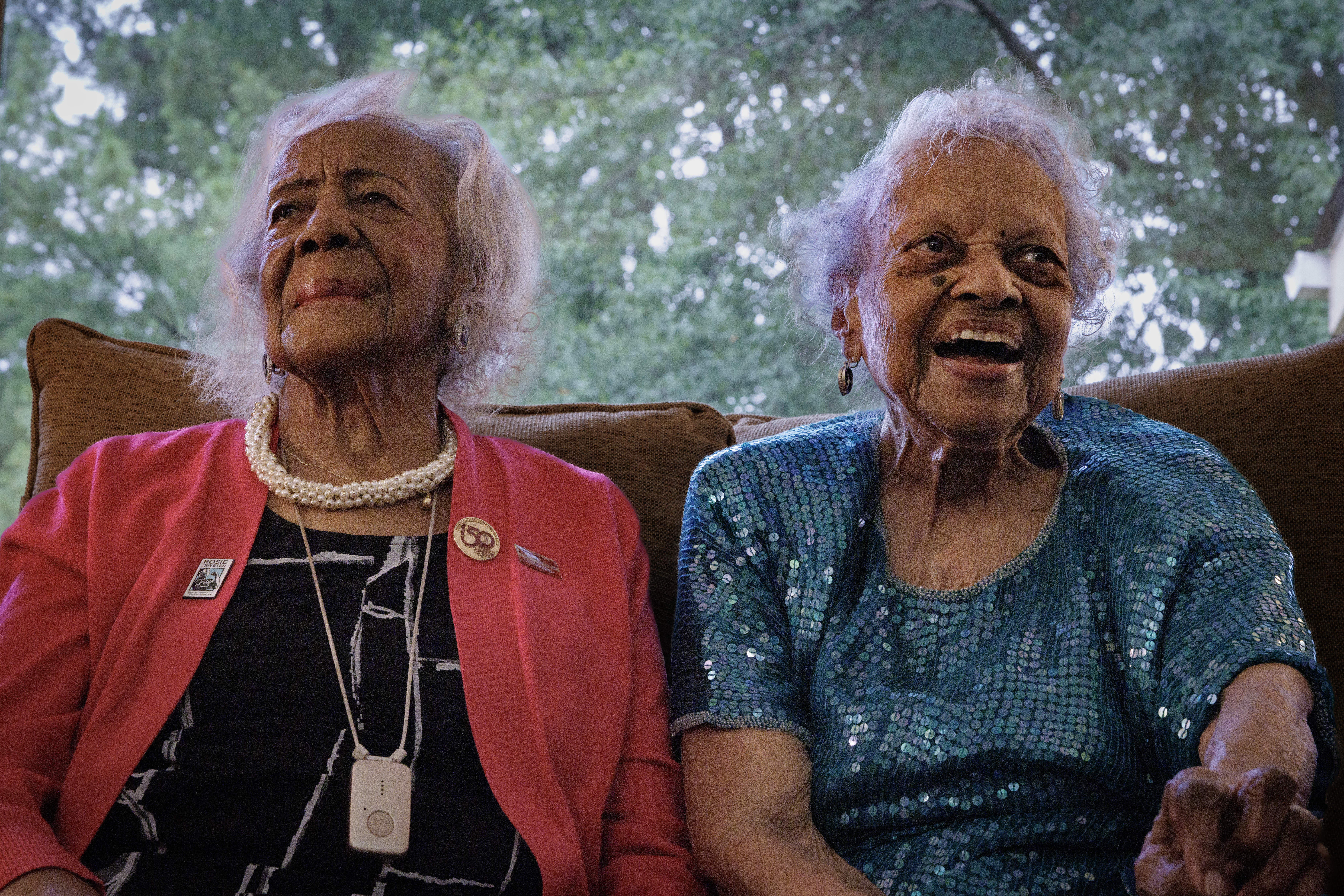
    Dorothy Boggess starts every day the same way: with exercises in her kitchen.

    She plugs in an old boom box and hits play on the “Cha Cha Slide.” Then she stands with a hand on the counter, swinging one leg and then the other back and forth. When DJ Casper asks how low she can go, she bends her knees and sinks her hips and shimmies, laughing. On her shelf is a mug that says “109 and fabulous.”

    Reaching this age puts Boggess in an exclusive club. Just 0.03% of Americans live into their 100s. But Boggess is lucky enough that one of them is her friend of more than eight decades, Velma Long.

    Long celebrated her 109th birthday this month by inviting Boggess to church with her. (Long went to Boggess’s church for her 109th birthday, in May.) Both wore sensible shoes on their birthdays this year, but Long’s daughter noted that her mom was dancing in heels on her 100th birthday.

    Called to serve

    In the early 1940s, Boggess was in Atlanta studying social work when she decided to come to Washington to join the war effort.

    Both Boggess and Long were “Rosie the Riveters” — women who joined the workforce during World War II to help fill the factory lines, shipyards, and offices vacated by the young men sent overseas.

    “It was very exciting,” Boggess said. “I didn’t know anyone at all in Washington, D.C.” She took the train up, and a friend of a friend picked her up from Union Station, bringing her along on an errand in Baltimore before taking her home.

    “That was really exciting — to go to a whole other state. Of course, now we know Baltimore is nowhere. But to me, that was a really big deal,” Boggess said, laughing.

    Both Boggess and Long went to work as clerk typists for the government — Long for the Navy and Boggess for what was then called the War Department, earning a salary of $1,440 annually. They met their husbands through work, and their respective romances started with lunch dates.

    “We used to walk over to the Interior Department at lunchtime because it was not segregated,” Boggess said. “The food was better.”

    It was soon after that Boggess and Long met each other and became fast friends. Their husbands were cousins and were very close, so nearly every date was a double date.

    “My husband loved her husband,” Boggess said. “We spent a lot of time together and traveled everywhere.”

    Boggess and her husband were very involved in the civil rights movement, and her home is full of mementos from that era. At the time, she didn’t realize she was helping make history.

    “I was just having fun,” Boggess said.

    In the late 1990s, The Washington Post ran a story about women known as “The War Girls” for their role in World War II, but the piece referred only to white women. Boggess wrote a letter to the editor correcting the record, and it ran in the paper the following month.

    Friendship and humor

    For more than 80 years now, Boggess and Long have lived near each other in and around D.C. When they were younger, they went to exercise classes together and threw parties for the kids’ birthdays in Boggess’s backyard. It’s harder to get together as often now, but they check in by phone almost every day.

    “We’ve both lost so many close friends,” Boggess said. “It’s amazing that we’re still functioning.”

    They exercise and eat well, but when asked about the secret to their longevity, they say it’s being social. And while they’ve made many friends through church and their kids and grandkids (Long has a great-great-granddaughter, age 4), there’s something different about a friend who has known you since you were 23.

    “They’ve been friends for years,” said Kenneth Boggess, Boggess’s son. “They are close, and they can relate to one another.”

    Dorothy Boggess still makes Long laugh like no one else. But they stay engaged with the world outside, too.

    “I go out with my daughter a lot,” Long said. “She always insists that I come along. I say, ‘I’m really too old.’ She says, ‘No, you’re not. People love to see you — to see a person that’s your age.’”

    “All my friends say she’s their mom, too, now,” said Long’s daughter, Phyllis Valentine, 78.

    Both Long and Boggess have been involved with their churches, neighborhoods, social clubs, and sororities. They stay as active as possible, and Boggess learned to swim later in life, at age 69, which she said is her proudest accomplishment.

    “All I can say is I’m very proud of her,” Kenneth Boggess said of his mom. “I’m proud of the people who have supported her.”

    Both Dorothy Boggess and Long have traveled extensively since retiring from careers in social work in the 1970s: Boggess has a list of the countries she’s visited on the wall in her basement, in alphabetical order, from Argentina to Turkey. Places Long loved the most were Bermuda, Montreal, and Hawaii.

    “She loves to fly,” Valentine said of her mom. Valentine brought Long to Texas last year for a celebration at Long’s college marking the school’s 150th anniversary. “As we were descending into Austin, she was looking out the window just like a little kid. And I asked her, I said, ‘What are you thinking about?’ She said, ‘I just never thought I’d get to come back.’”