Category: Health

  • A 20-year-old Amish woman with leukemia got measles and died in Pa.’s largest outbreak in three decades

    A 20-year-old Amish woman with leukemia got measles and died in Pa.’s largest outbreak in three decades

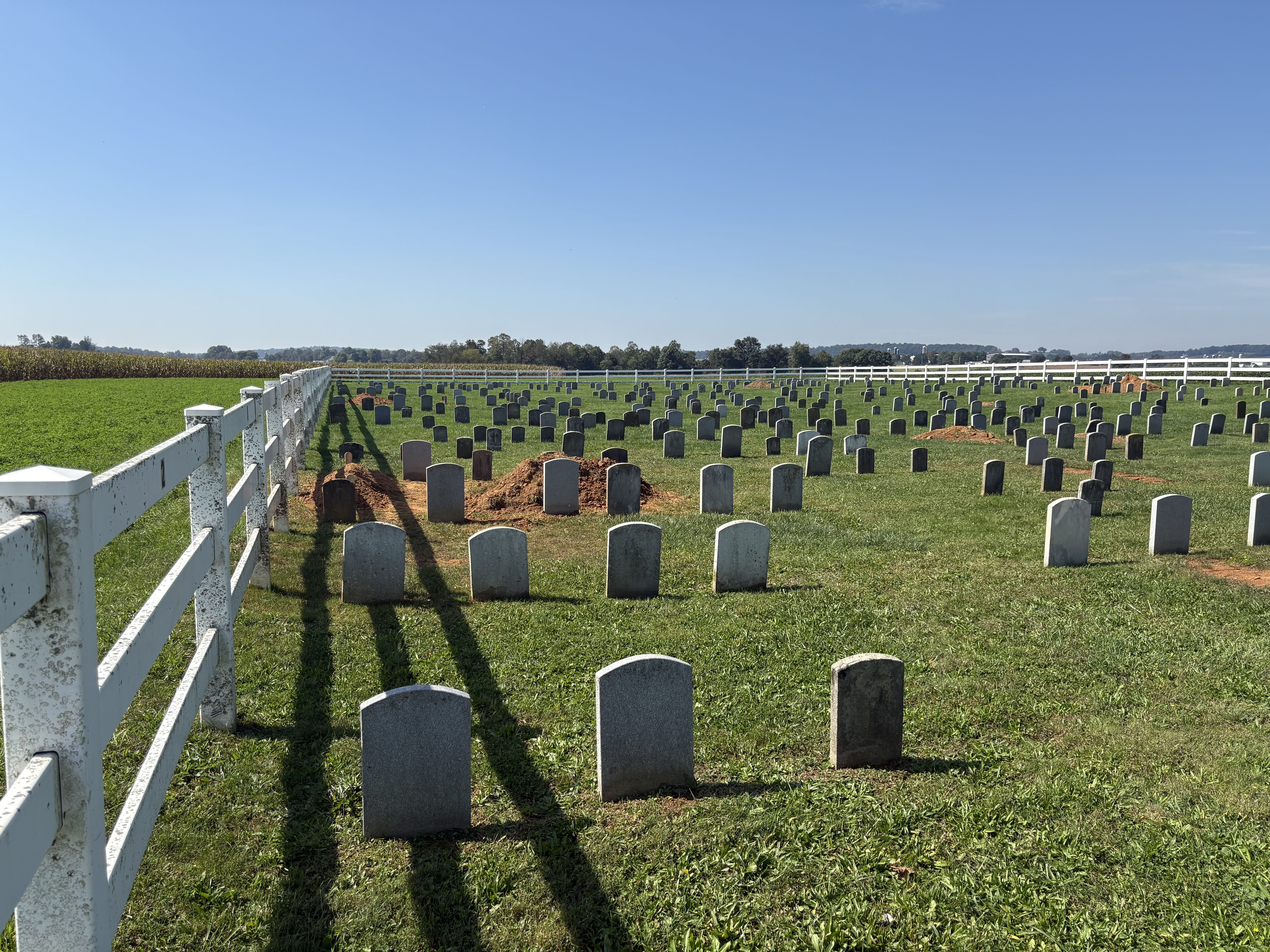
    The headstone had not yet been placed Thursday on the freshly dug grave where a 20-year-old Amish woman was buried this week amid the rolling clover fields and dairy farms at the edge of suburban Philadelphia.

    Newly wed, and receiving treatment for blood cancer, she was the last of nine siblings sickened when measles swept through her unvaccinated family’s home on a one-lane road in Lancaster County.

    At first, the home remedies that eased their symptoms seemed to help her, too: Soothing the fever with bath soaks. Calming the rash with coconut or olive oil. Cloistering in a dark room to ease light sensitivity.

    Then her fever spiked. She struggled to breathe and had to sleep sitting up in a recliner in the living room, her maternal grandmother recalled.

    Her family does not operate cars, in keeping with Amish beliefs, so they hired a driver to take her to the emergency department at Hershey Medical Center about an hour away. She died about two weeks later in the intensive care unit there, her grandmother said.

    Speaking on the porch of her stone farmhouse, the grandmother described the family’s experience with Pennsylvania’s largest measles outbreak in three decades, now the nation’s largest. At her request, The Inquirer withheld her name and that of her deceased granddaughter to protect the family’s privacy.

    She said her granddaughter ultimately developed double pneumonia and died after the family decided to discontinue use of a ventilator.

    The cancer made her especially vulnerable to a virus as contagious as measles, which will infect 9 in 10 unvaccinated people who are exposed.

    “Her immune system wasn’t built up,” the grandmother said. “She just couldn’t take it with the measles.”

    The Lancaster County borough where a 20-year-old Amish young woman died from pneumonia caused by measles is dotted with diary farms and grain silos.Wendy Ruderman

    Pennsylvania reported on Wednesday its fifth measles-related death, revealing only that the latest fatality was an unvaccinated Lancaster County resident. Health officials did not provide further details, citing privacy laws.

    But it appears from the grandmother’s account, along with other records and news reports, that three of the five deaths occurred in adults with measles. Other reported deaths included an 18-year-old Amish woman from Mifflin County and a 40-year-old from Jefferson County with severe respiratory conditions. Two Amish infants in Lancaster County who had confirmed measles cases also died. All five cases involved people who were unvaccinated, either by choice or because they were too young to receive vaccines.

    The number of deaths in adults is striking, said Paul Offit, who heads the Vaccine Education Center at the Children’s Hospital of Philadelphia. Widespread childhood vaccinations had eradicated the disease in the United States, leaving mostly children too young to be vaccinated at high risk in recent decades. Now multiple generations of unvaccinated children are adults, exposing wider vulnerabilities across the state, Offit said.

    “We’re aging out a population that was never vaccinated,” he said.

    After learning the details of the 20-year-old’s death from The Inquirer, Offit explained that measles commonly leads to pneumonia.

    “The measles virus reproduces itself in the lungs and can cause severe and occasionally fatal infection,” he said.

    The Amish cemetery where the 20-year-old woman is buried.Wendy Ruderman

    Too late to get vaccinated

    The young woman, the second oldest in a line of nine siblings, ages 6 to 22, feared getting measles in the outbreak in Lancaster County, her grandmother said.

    About two years ago, she was diagnosed with leukemia, a blood cancer, and began medical treatment with the help of an “English” neighbor — as Amish call outsiders — to drive her to her medical appointments.

    The treatment regimen of chemo and steroids further weakened her immune system. She knew she was at risk of more severe sickness from a viral infection like measles, which started spreading throughout her family in the late summer.

    Her eight siblings, her parents, and her new husband all got sick, the grandmother said.

    Along with home remedies, family members drank extra fluids to stay hydrated, the grandmother said.

    “They weren’t worried,” the grandmother said. “Measles just has to take its course.”

    Although no one in the household was vaccinated, they are not opposed to the vaccine based on Amish beliefs. They believe it’s an individual choice, she said, and many Amish people opt not to get vaccinated because they “don’t know what’s in it.”

    “We wouldn’t tell people not to get vaccinated,” the grandmother said. “It’s up to each person.”

    As illness spread in her household, her granddaughter grew more worried about getting the virus than about the vaccine that medical authorities have long considered safe and effective.

    She asked her doctor if she could get a measles vaccination. Her doctor said no. “She wasn’t allowed to get the shot because she was on chemo,” the grandmother said.

    The measles vaccine contains a live but weakened virus, and her granddaughter was already immunocompromised from the leukemia treatment.

    After getting measles, her granddaughter began to feel better in early September. She picked vegetables from the family’s garden to make soup using tomato juice as the broth. She canned jars for the coming cold months, her grandmother said.

    “She had good days,” the grandmother said.

    Then, in mid-September, she spiked a high fever, and her breathing became labored.

    “She could hardly breath. Her lungs were just in bad shape,” she said.

    The Amish typically only seek emergency hospital treatment until “sometimes we’re dying,” the grandmother said, recalling how her husband got chided by a doctor in 2018 for waiting too long to get the heart surgery he desperately needed.

    “We do what we can at home,” she said. “We have so many natural things we can do.”

    By Sept. 11, the family knew it was time to take her granddaughter for emergency care at Hershey Medical Center.

    At Hershey’s ER, doctors gave her a chest X-Ray, but sent her home before reading it, the grandmother said.

    “They wouldn’t do anything for her. They didn’t want her there,” she said. (A Hershey spokesperson did not reply to a request for comment on Friday.)

    A Hershey provider later called and left a voicemail message asking the family to bring her back. Although the family has a phone in their house, the grandmother said they rarely use it. With the ringer off, all calls go to voicemail, she said.

    A driver took them back to the hospital, where she was admitted on Sept. 14. An ultrasound showed fluid between the lining of her lungs and in her lungs. She was diagnosed with double pneumonia, her grandmother said.

    Hospital staff hooked her up to supplemental oxygen.

    “They had the oxygen up as far as they could and she still had to work to breathe,” the grandmother said.

    About a week later, they moved her to the intensive care unit, where they sedated her so they could put her on a ventilator while intubated.

    The hospital allowed two family members at a time to sit by her bed. Her granddaughter’s young husband and the girl’s mother sat vigil, the grandmother said.

    As she continued to deteriorate, life support was the only remaining option, and it carried the risk of neurological complications, including brain death.

    The family didn’t want that, the grandmother said. “They couldn’t do anything more,” she said.

    They turned off the oxygen and shut off the ventilator, Family members, including her new husband’s parents, gathered around her bed.

    She died with a breathing tube still in her mouth, the grandmother said.

    A happy first year of marriage

    More than 300 people came to the family’s home on Monday for the funeral service and viewing. She was buried in a cemetery near the family’s home, about a month before what would have been her first wedding anniversary.

    Despite being ill with leukemia, her granddaughter’s trademark “rosy pink cheeks” and “beautiful smile” beamed on her wedding day, her grandmother recalled.

    The November 2025 wedding, held at the family home, was a festive affair, with plates loaded up with chicken and vegetables, chicken and filling, pickled cabbage, and cooked celery.

    She feels sorry for her granddaughter’s husband, who declined to be interviewed. “They had a good year together,” she said.

    At the young woman’s home, two black dogs, with hay in their matted curly hair, greeted an Inquirer reporter on Thursday. Some of her family members were outside, unloading cornstalks from a horse-drawn wagon and feeding them into a John Deere harvesting machine.

    They stopped working and spoke to one another in Pennsylvania Dutch, a centuries-old German dialect, before fetching the young woman’s father, who declined to be interviewed.

    Staff writers Aubrey Whelan and Sarah Gantz contributed to this article.

  • Pa. revokes license of Resources for Human Development after death of medically neglected Philadelphia resident

    Pa. revokes license of Resources for Human Development after death of medically neglected Philadelphia resident

    Pennsylvania regulators revoked Resources for Human Development’s license to operate homes for people with intellectual disabilities in Southeastern Pennsylvania after medical neglect led to the February death of a Philadelphia resident, state officials confirmed Friday.

    RHD, a Philadelphia-based human services provider with 91 homes in the region, has the right to appeal the revocation and to continuing operating during that process. The state, which will conduct more unannounced inspections during the appeal, said RHD serves 136 residents in Southeastern Pennsylvania.

    The Sept. 22 revocation comes about two years after RHD was taken over by fast-growing Reading nonprofit Inperium Inc.

    RHD it was on the verge of bankruptcy at the time. Inperium also owns Supportive Concepts for Families, a Reading nonprofit with services similar to RHD’s that has been operating under a revoked license since April 2025.

    Officials at Inperium and RHD did not respond Friday to emails or voicemails requesting comment.

    Investigators of the February death at an RHD house found “serious neglect and systemic failure by RHD to ensure health safety, timely medical intervention, and adherence to [individual support plan] requirements,” according to documents provided by the state Department of Human Services .

    The redacted documents did not reveal details on what had happened to the individual, who was found dead on the morning of Feb. 23.

    An assistant regional director had alerted RHD’s CEO and other top leaders in January to the individual’s need for therapeutic and behavioral support, but RHD did not seek a medical evaluation, the documents say.

    RHD provides services in 12 states, employs 2,800 people, and had $280 million in revenue in the year that ended June 30, 2025, according to a recent bond offering statement. Fiscal 2026 financial results are not yet public.

    Following the Philadelphia death, RHD management failed to submit an acceptable plan to correct regulatory violations, leading regulators to issue their own on Sept. 2. It’s not clear what happened in the period leading up to the revocation on Sept. 22.

    Last year, state regulators revoked Supportive Concepts’ license following at least four deaths, 11 abuse incidents, and dozens of cases of neglect at Supportive Concepts’ homes in the year ended February 2025.

    That revocation impacted operations in 15 northeastern Pennsylvania counties, including Berks. Under the terms of the revocation, the organization cannot open any new homes or accept new clients in existing properties.

    Seventeen Supportive concepts facilities in western Pennsylvania have been operating under provisional license since February. The provisional status requires them to implement a correction plan. As of August 26, the homes were still operating under a provisional license.

  • A Pa. coroner doubted a measles-linked death, sparking anti-vaccine outcry. Records show the state tried to reach him.

    A Pa. coroner doubted a measles-linked death, sparking anti-vaccine outcry. Records show the state tried to reach him.

    Over five days in August, Pennsylvania health officials called the Lancaster County Coroner’s Office at least three times and sent an email asking to discuss the death of an infant who had tested positive for measles.

    They did not connect with coroner Stephen Diamantoni before Gov. Josh Shapiro came to the county to announce at an Aug. 25 news conference that two unvaccinated Lancaster residents had died in a growing measles outbreak, the state’s first measles-associated deaths in 35 years.

    Soon after, the county coroner — an elected Republican who has presided over the office for nearly two decades — was telling reporters the state had not talked to him directly, raising questions about the state’s communications.

    His comments, coupled with his position that he did not believe one of the two infants affected had died from measles, kicked off a viral exchange of misinformation cited by anti-vaccine activists — and spiraling up to federal health leaders — to discredit the dangers of Pennsylvania’s growing measles outbreak.

    Now emails from the coroner’s office, obtained by The Inquirer through an open-records request, show that state officials made significant outreach to Diamantoni, far beyond his prior statements acknowledging only that his deputy spoke with state officials shortly before the news conference.

    In fact, doctors from the state health department had tried to contact his office about the case for days, with increasing urgency. At one point, a doctor told one of Diamantoni’s staffers that they were ready “24/7” to speak with someone from the office.

    Yet two weeks after the announcement, he continued to emphasize the state’s lacking communication in an in-person interview with The Inquirer. “I have not received any information directly from the state [health] department,” he said on Sept. 9.

    By then, his statements had enabled President Donald Trump’s health secretary, Robert F. Kennedy Jr., to question whether the deaths reported in Pennsylvania were real.

    The Centers for Disease Control and Prevention for weeks omitted the first two deaths and those subsequently reported by the state in its national reporting, marking an extraordinary departure from public health norms. As of Thursday, the agency had updated its tally to recognize two deaths nationally this year, while Pennsylvania has reported five measles-related deaths.

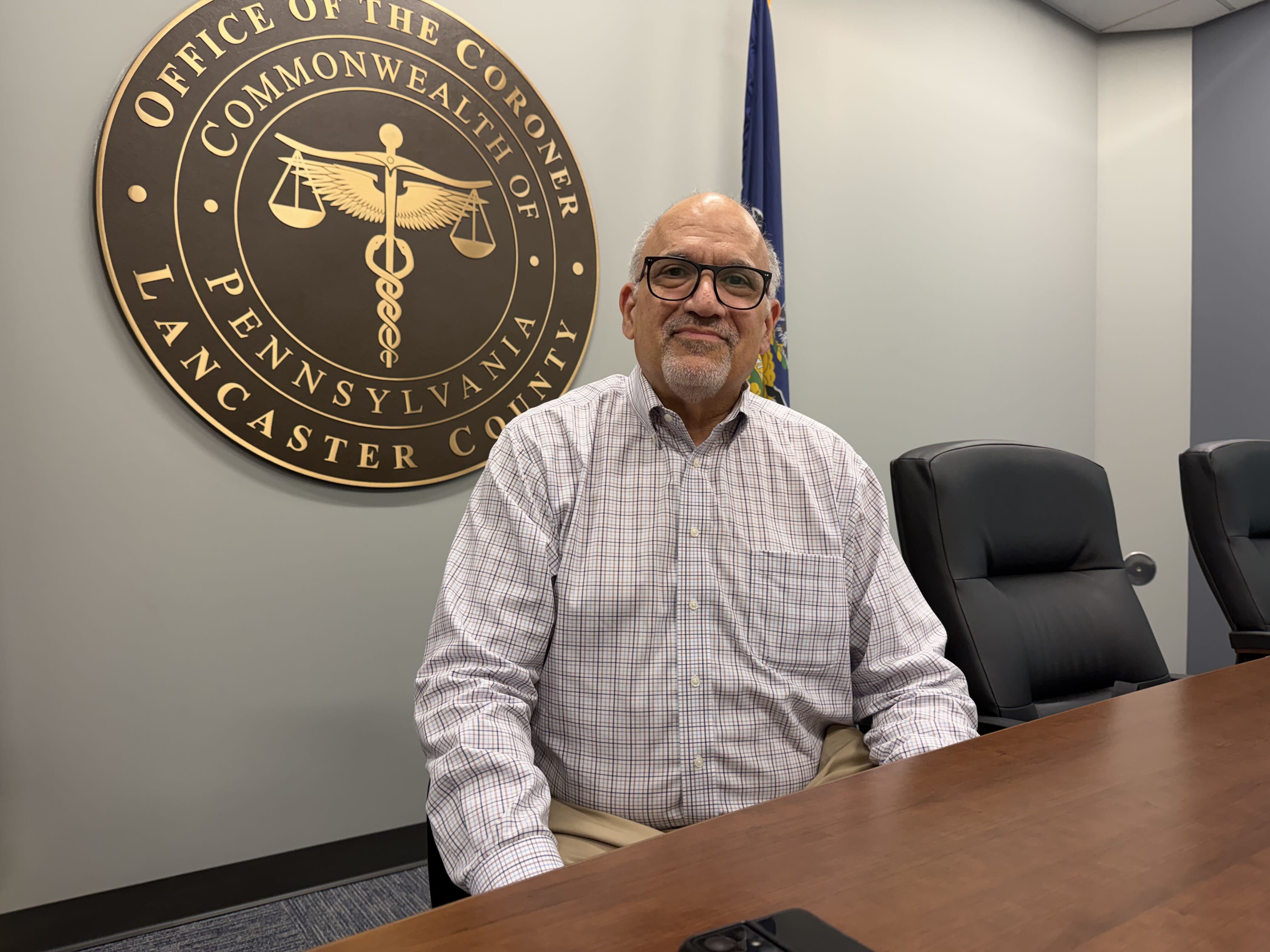
    Lancaster County coroner Stephen Diamantoni poses for a photo in his office in September.Gillian McGoldrick

    Asked to comment on the records, Diamantoni said he was not aware of the state’s outreach ahead of Shapiro’s announcement.

    He said state officials should have been more explicit in the calls they made to his office staffers, who sent him and his deputy emails relaying messages. The communications did not make it clear that they needed to speak to him about a measles-associated death, Diamantoni said, adding that he is easy to reach.

    “It didn’t sound like there was urgency. It didn’t sound like anyone indicated that there was a measles death that we want to talk to the coroner about,” he said.

    Public officers like Diamantoni have an obligation to ensure staff can get timely messages to him, especially in a public health emergency like a measles outbreak, said Kathleen Hall Jamieson, director emerita of the Annenberg Public Policy Center at the University of Pennsylvania. Likewise, she noted, state officials must ensure communications with the public are transparent and easy to understand.

    State officials did not immediately say how they define a “measles-associated death” and have provided few details on the deaths themselves, leaving county coroners to fill in the blanks.

    Public health experts have noted that the politically charged back-and-forth and competing narratives around the deaths risks confusing the public at a time when clarity is crucial — amid the largest measles outbreak in the country, with state officials reporting nearly 1,000 cases and five measles-associated deaths.

    (function(){function e(){window.addEventListener(`message`,function(e){if(e.data[`datawrapper-height`]!==void 0){var t=document.querySelectorAll(`iframe`);for(var n in e.data[`datawrapper-height`])for(var r=0,i;i=t[r];r++)if(i.contentWindow===e.source){var a=e.data[`datawrapper-height`][n]+`px`;i.style.height=a}}})}e()})();

    The contradictory communications from the state and the local coroner’s office around the initial Lancaster deaths set the stage for Kennedy to attack Shapiro in an X post, claiming the Democratic governor may have “fabricated” two of the deaths in Pennsylvania.

    Shapiro has sharply criticized Kennedy, a longtime anti-vaccination advocate, for spreading misinformation about vaccine safety and Pennsylvania’s outbreak, now the largest in the nation this year, with the most deaths reported by any state since 1992.

    Asked for comment on communications with Diamantoni, state officials provided a statement by email saying Pennsylvania law bars them from providing further information on the initial measles-associated deaths.

    The health department’s epidemiology team “thoroughly investigates and verifies” measles-associated deaths to ensure that they meet the state’s definition, and does not announce deaths until they have finished an investigation, health department press secretary Neil Ruhland said in an email.

    He said state law does not require the department to report deaths to a coroner’s office; rather, coroners and “other certifiers” report deaths to the state health department.

    “PA DOH has followed this explicit process for all measles-associated deaths in Pennsylvania,” Ruhland wrote.

    ‘No one looks good’

    News outlets began calling Diamantoni as soon as the first measles-related deaths were reported in Lancaster, where he is a family medicine doctor and former Lancaster City Council president. First elected to the coroner’s office in 2007, he said he views his duties as apolitical and describes himself as a strong advocate for vaccination.

    He told media outlets he had been surprised by the state’s announcement, as his office had not identified any deaths from measles.

    The office had investigated the death of an infant who tested positive for the disease, but Diamantoni has maintained that the child had died from a lacerated spleen, not the highly contagious illness.

    As his claims were widely reshared on social media and in national media stories, state officials said they stood by their findings that both deaths were measles-related. They were not told that the infant’s death was not associated with measles, they said.

    Diamantoni told The Inquirer repeatedly that state health officials had never spoken personally with him about the death of an infant later identified as Ivan Miller, who was hours old when he died on Aug. 14.

    He said that state health officials had only reached out hours before their news conference, and that his deputy, Eric Bieber, had spoken to them.

    (function(){function e(){window.addEventListener(`message`,function(e){if(e.data[`datawrapper-height`]!==void 0){var t=document.querySelectorAll(`iframe`);for(var n in e.data[`datawrapper-height`])for(var r=0,i;i=t[r];r++)if(i.contentWindow===e.source){var a=e.data[`datawrapper-height`][n]+`px`;i.style.height=a}}})}e()})();

    Internal office records reveal that five days before the news conference, a staffer in the coroner’s office e-mailed Diamantoni, saying that an infectious-disease doctor with the state health department was looking to speak to “one of you” about “the positive measles case with the infant we just had.”

    The state health department followed up on its initial Aug. 20 call with subsequent emails and calls on Aug. 21, a Friday, and Aug. 24, the following Monday, records show.

    One doctor included his state-issued cell phone number in an email to a coroner’s office staffer and Bieber and emphasized that he was available “24/7” to discuss the case.

    When Bieber spoke to representatives from the state health department on Aug. 25, the office did not realize that the state was about to announce two measles-associated deaths, according to Diamantoni.

    Diamantoni added that since he did not believe Ivan Miller’s death was caused by measles, he had not been expecting any outreach from the state.

    “I don’t think it would have brought a red flag to me. It just looked like a request we usually receive from different individuals, different agencies, requesting cause and manner information,” Diamantoni said.

    Yet it is the responsibility of public officials to establish communication procedures at their offices, especially when a contagious disease is spreading and the public needs clear information, according to Penn’s Jamieson.

    In public offices, she said, “you shouldn’t be seeing a situation in which the person doesn’t get the information, or is able to say, ‘I didn’t get it.’”

    State officials could have communicated more clearly in announcing the deaths as well, she said, noting that they did not immediately define “measles-associated death” in an initial news release.

    Jamieson said it is important for health officials to explain “what we know, what we don’t know, and how we’re finding out what we don’t know” in terms the public can understand.

    “Anytime the public is listening to voices that are supposed to be speaking with authority, and the public, instead of hearing a clear message, is confused, you have a problem,” she said. “No one looks good.”

    Measles-associated deaths in Pennsylvania

    State officials have repeatedly cited state privacy laws in response to criticism of their communications, saying they cannot provide detail about how they investigated the measles-associated deaths.

    The state defines a measles-associated death as one that occurs within 30 days of symptom onset in a person with clinical evidence of infection and a positive laboratory test for measles, and who did not die of another unrelated cause, like a car crash.

    Officials have provided little information beyond the fact that none of the five people who have died were vaccinated, and their county of residence.

    Local coroners like Diamantoni have offered more details.

    For example, in early September, Jefferson County’s coroner, also an elected Republican, confirmed the death of a 40-year-old woman from measles. He disclosed that the woman also had severe respiratory conditions, including chronic obstructive pulmonary disease, that made her vulnerable to serious complications from a respiratory illness like measles.

    Later in the same week, the Mifflin County coroner, another Republican, confirmed that an unvaccinated 18-year-old had died from a rare neurological complication of measles.

    Diamantoni has shared that Ivan Miller, who died at a birthing center in Lancaster County, tested positive for a measles infection acquired before birth. His family, who is Amish, told the Atlantic that his mother had a severe case of measles and gave birth early.

    Although Diamantoni did not consider measles to have caused the death, he said, measles was included on the boy’s death certificate in a section that lists “significant conditions contributing to death but not resulting in the underlying cause.”

    Physicians have noted that measles can weaken the spleen, putting it at risk of rupture. Diamantoni cited a lacerated spleen as the primary cause of death.

    The second death, another Amish infant, was not initially reported to Diamantoni; Lancaster’s Clinic for Special Children, which treats Amish children with genetic conditions, had treated the baby until her death.

    Diamantoni’s office investigated the death about a week after the state’s news conference; he later told reporters that the baby was 6 weeks old and had Amish lethal microcephaly, a fatal genetic condition that makes respiratory illnesses particularly risky. Diamantoni said measles caused the baby’s death.

    On Wednesday, state health officials announced a fifth death, a Lancaster County resident who tested positive for measles and died. Diamantoni told The Inquirer that he had not handled that death, but that state health officials had informed him about it. He said they provided no further information.

    State officials did not say whether the person, who was unvaccinated, died in Lancaster County.

    Diamantoni told an Inquirer reporter in early September that he was proud that his office was one of the first in the country to be certified by the International Association of Coroners and Medical Examiners.

    “People may not always agree with our findings, but they’re well investigated and well thought out,” he said.

    Staff writer Gillian McGoldrick contributed to this article.

  • St. Christopher’s Hospital for Children named Claire Alminde permanent president

    St. Christopher’s Hospital for Children named Claire Alminde permanent president

    St. Christopher’s Hospital for Children named Claire Alminde permanent president on Thursday, following a period of leadership turmoil at the North Philadelphia safety-net institution.

    Alminde, who will continue to serve as chief nursing officer, had taken over in January from another acting president.

    “Claire brings a unique combination of frontline clinical experience and hospital leadership, along with firsthand knowledge of what it takes to operate a hospital like St. Chris that plays such a vital role in Philadelphia and beyond,” St. Chris said in an email.

    One of Alminde’s tasks will be to work with leaders at Nemours Children’s Health, Jefferson Health, and Temple Health to build an alliance announced in July to secure the future of St. Chris, which struggles financially because most of its patients have low-paying Medicaid insurance.

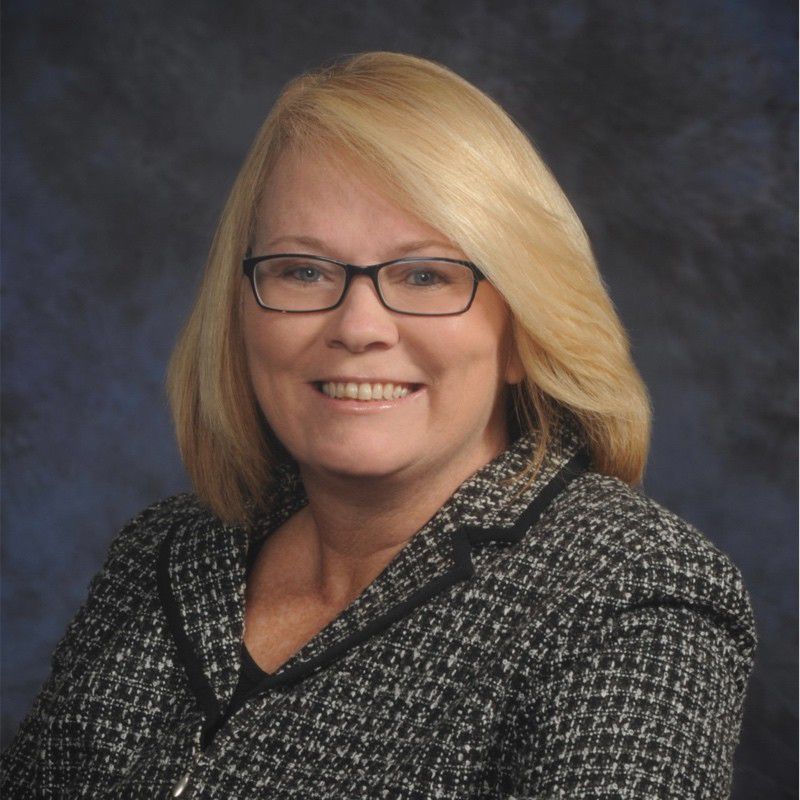
    St. Chris’ chief nursing officer, Claire Alminde, has been named president of the North Philadelphia safety-net provider.St. Christopher's Hospital for Children

    Alminde was the third interim or acting executive appointed to the top management position at the nonprofit hospital since February 2024 and its fourth leader since 2020.

    Drexel University and Tower Health have owned St. Chris in a 50-50 joint venture since 2019. Tower oversees day-to-day operations.

    “After several years of leadership changes, this appointment gives St. Christopher’s strong, permanent leadership from someone who knows our hospital, our people and the community we serve incredibly well,” Tower CEO Michael Stern said in a message to employees. “Claire understands what makes St. Chris such a special place and what it will take to move us forward.”

    St. Chris’ most recent financial results showed that it had an operating profit of $1.1 million in fiscal 2025, compared with a $31.6 million loss the year before.

    The safety-net provider received a $76 million revenue boost from its inclusion for the first time in a program that taxes Philadelphia hospitals and uses the money to increase the government’s Medicaid funding for facilities that disproportionately care for low-income patients.

  • Drugs and devices already on the market await FDA-ordered studies

    Drugs and devices already on the market await FDA-ordered studies

    When the FDA was deciding whether to approve the drug Tavneos several years ago to treat a set of rare autoimmune diseases, agency experts argued that would be a mistake, according to FDA records.

    One problem cited: The manufacturer had provided only “limited safety data.”

    As it often does, the FDA in 2021 approved the drug with a proviso: It required the manufacturer to conduct an additional yearslong safety study once the drug was on the market.

    Today, like many similar “postmarket” studies mandated by the FDA, that additional study is delayed, according to a federal database. As of last fall, only 21 of the planned 300 patients had been enrolled, the FDA said in an April letter and regulatory posting.

    Meanwhile, the FDA has identified dozens of cases of liver damage “possibly” or “probably causally associated” with the drug. That was one of the potential side effects the postmarket study was meant to evaluate.

    Tavneos illustrates the perils of the FDA’s approach to many drugs and medical devices — and the frequent lapses in follow-through.

    A KFF Health News analysis of Food and Drug Administration data found hundreds of postmarket studies listed as delayed. In some cases, the work was delayed by more than a decade or the manufacturer was still developing a plan for the study.

    As a result of delays, patients, doctors, and others could be left in a fog about the risks and benefits of the drugs or devices, even as they stake their money, their health, or their lives on the products.

    Postmarket study requirements “have often proven toothless,” said cardiologist Sanket Dhruva, an associate professor of medicine at the University of California-San Francisco who has published related research.

    The FDA’s reliance on postmarket studies reflects a balancing act.

    Making new treatments available faster can save or improve lives, especially when patients with grim prognoses and no good options have little to lose. The full risks and benefits may be revealed only over the long term, and when therapies are used by far more people than even large clinical trials enroll.

    But relying on post-approval studies to resolve questions risks exposing patients to products that do more harm than good. Whoever is paying the bills — patients, insurance companies, employers, or government health programs such as Medicare and Medicaid — can end up wasting money and rewarding manufacturers for useless or risky products.

    “Doctors rely on this evidence, patients rely on this evidence, and if that evidence is not there, it’s going to lead to a lot of uncertainty,” Dhruva said.

    Trump administration policy changes designed to hasten drugs through FDA review could leave more riding on postmarket studies, medical researchers say.

    For example, in February, FDA leaders announced that “the default requirement” for agency approvals will be one clinical trial instead of two.

    Reducing pre-approval testing “will inevitably put a lot of pressure on the post-approval system,” said Aaron Kesselheim, a professor at Harvard Medical School who has analyzed postmarket studies.

    FDA officials said the new policy would “substantially reduce costs” for manufacturers and “speed drugs to market.” Writing in The New England Journal of Medicine, they denied the change would compromise safety or efficacy, saying that “erroneous conclusions may be reached even with two, three, or four studies.”

    In response to questions for this article, a spokesperson for the Department of Health and Human Services, which includes the FDA, said postmarket studies can experience delays for legitimate reasons. “Assessing the significance of any delay requires a case-specific review,” said the spokesperson, Emily Hilliard.

    The fact that a study is delayed “should not be treated as evidence that a product has an unresolved safety or effectiveness issue,” Hilliard said.

    Amgen, the company that makes Tavneos, is still working on the postmarket research the FDA mandated, company spokesperson Alison Chartan said, adding, “We remain committed to completing this important study.”

    Amgen headquarters in Thousand Oaks, Calif. The company’s subsidiary’s drug Tavneos can cost more than $220,000 per year. Its approval has been pulled by the EU. MUST CREDIT: Eric Thayer/BloombergEric Thayer

    Behind schedule

    An FDA database downloaded by KFF Health News in August tracks the progress of postmarket studies that makers of drugs or biologics — such as vaccines and gene therapies — were required to perform or promised to perform.

    The database showed almost 600 were running behind schedule.

    Of those, more than 250 originally had final reports due before July 31, 2026 — the date that, according to an FDA webpage, the database last had been updated.

    About a third of ongoing studies were listed as delayed.

    In some cases, the FDA has granted extensions. In others, it has denied them. And in rare instances, the products were discontinued before the studies ran their course.

    Postmarket studies can involve clinical trials or other analyses of patient data. They can look at safety or efficacy. A product can be the subject of more than one postmarket study.

    The nearly 600 delayed studies involved almost 350 products, KFF Health News found.

    The FDA has defined delayed as behind the original schedule. That can mean off track or overdue.

    As of August, other FDA databases tracking medical devices listed dozens of postmarket studies as behind schedule.

    Products included:

    The CustomFlex Artificial Iris, a prosthesis implanted in the eye in place of damaged, defective, or congenitally missing irises. The protocol for a study in children was accepted in 2019, the database said. The study was meant to follow patients for five years. According to an FDA page downloaded in August, zero patients were enrolled.

    Barbara Fant of Clinical Research Consultants, to whom the FDA’s 2018 letter approving the product was addressed, said the rarity of an eye disease called aniridia poses challenges for post-approval studies. The German manufacturer, the U.S. distributor, and Clinical Research Consultants are working with the FDA to identify alternative ways to fulfill the postmarket requirements, Fant said.

    “Confirming the long-term safety of the device remains a top priority for both the study team and FDA,” Fant said.

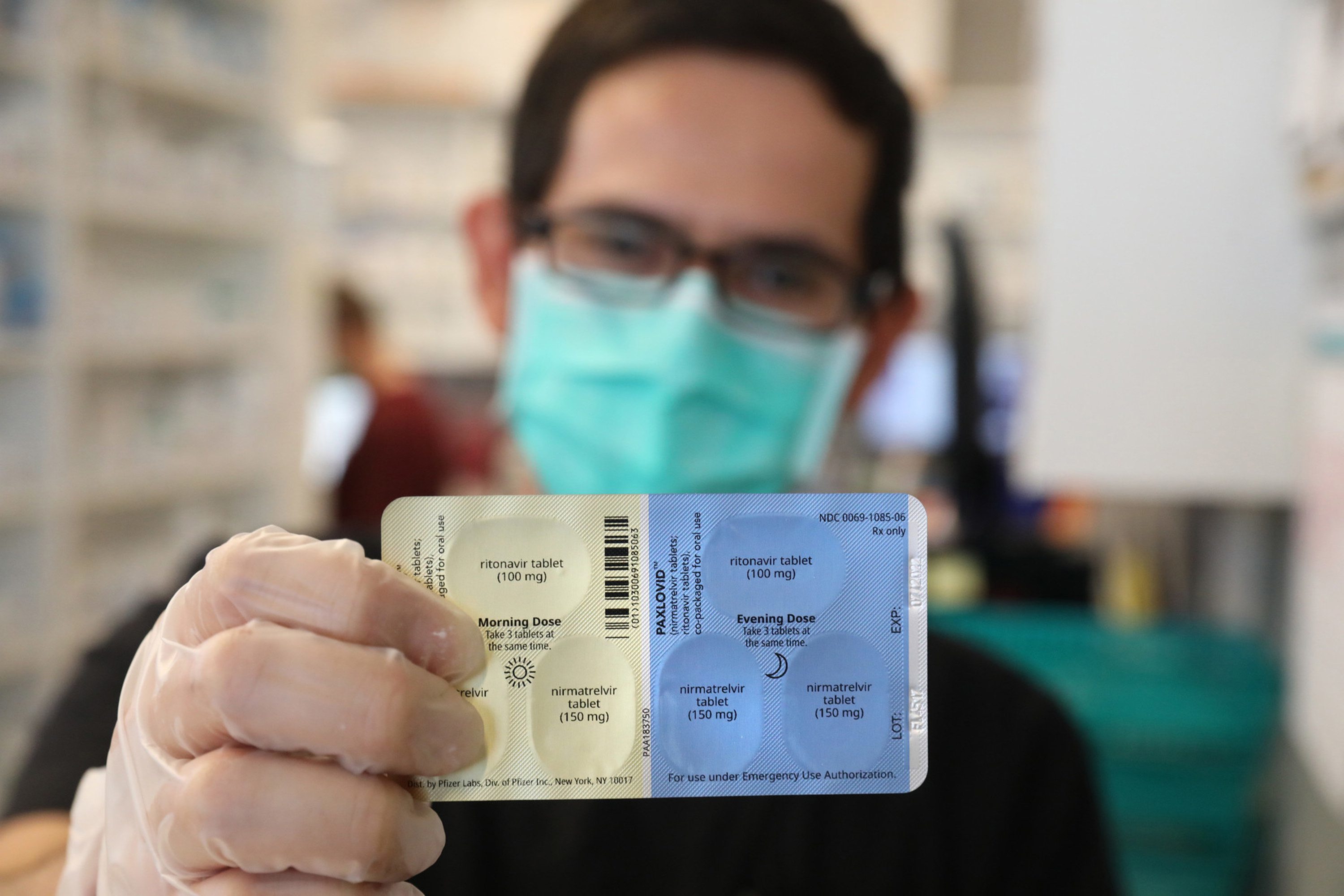
    Paxlovid, a treatment for COVID. A study to assess its safety in pregnant women was originally to be completed by the end of 2024, the FDA database said. “The trial completion and final report milestones were missed,” the database said.

    Pfizer, the manufacturer, is working with the FDA and remains committed to “submitting results as soon as practicable,” Pfizer spokesperson Jerica Pitts said.

    The Scandinavian Total Ankle Replacement system. The device and the original protocol for the clinical trial were approved in 2009. The study was meant to include a minimum of 500 subjects, the database said, but the actual number enrolled was 142. Almost half those patients had one or more adverse events, with dozens of “reoperations,” “revisions,” or “removals,” the database said.

    Rachel Colloff and Cristina Pasquino — spokespeople for Enovis, which markets STAR Ankle — did not respond to multiple inquiries. Jenny Braga, a spokesperson for Stryker, which previously sold the product, did not answer questions about the postmarket study.

    Oxaydo (originally named Oxecta), a form of the potentially addictive opioid painkiller oxycodone touted as designed to deter abuse. When the FDA approved it in 2011, it required the manufacturer, part of Pfizer, to conduct a postmarket study to assess whether it reduces “misuse and abuse, and their consequences: overdose, death, and addiction.” The final report was originally scheduled to be submitted in 2016.

    The FDA database listing the study as delayed said the agency “issued a failure to respond letter” in 2022.

    Today the issue may be all but moot.

    Control of the product passed from company to company over the years until 2023, when Acura Pharmaceuticals said in a Securities and Exchange Commission filing that patents on Oxaydo would begin expiring that year and it didn’t intend to continue marketing the drug.

    According to another FDA database, Oxaydo has been discontinued.

    The FDA has enforcement powers and uses them “where appropriate,” HHS’ Hilliard said. She did not provide requested details, and she did not answer questions about the studies listed above.

    Delay can pay

    For manufacturers, delay can pay, Harvard’s Kesselheim said. While postmarket studies are ongoing, companies can continue to sell the products.

    “Medicare and Medicaid spent more than $18 billion from 2018 to 2021 for accelerated approval drugs with incomplete confirmatory trials past their original planned completion dates,” the HHS Office of Inspector General estimated in 2022.

    The FDA can demand postmarket studies for a variety of reasons, including to address concerns that arise after a product has been approved. Some look at uses not covered by the original approval, and some are meant to shed light on serious risks that are already known.

    In April, when it approved Foundayo, a weight loss drug made by Eli Lilly, the FDA required the company to conduct additional research to assess a variety of concerns, including “retained gastric contents,” “major adverse cardiovascular events,” and “drug-induced liver injury,” as well as effects of exposure during pregnancy, such as “major congenital malformations,” “spontaneous abortions,” and “stillbirths.”

    The FDA said it approved the drug under the new Commissioner’s National Priority Voucher program, intended for products that “address critical national health priorities.” The program strives for an “ultrafast” review, the FDA has said — one to two months, instead of six months or more with other expedited pathways.

    “Postmarketing requirements and enhanced safety monitoring are a routine part of the FDA’s approach to evaluating newly approved medicines,” Eli Lilly spokesperson Kristiane Silva Bello said, “including ongoing monitoring in areas identified during clinical development.”

    ‘False Hope’

    The FDA waded into a world of uncertainty in 2016 when it granted accelerated approval to a drug for Duchenne muscular dystrophy, a degenerative disease that primarily affects boys, disabling them at a young age and ultimately killing them.

    Agency scientists had found that the drug, Exondys 51, was unproven and argued against greenlighting it.

    Ellis Unger, then a senior drug evaluation official at the FDA, wrote in an internal memo that “thousands of patients and their families would be given false hope in exchange for hardship and risk.”

    The manufacturer, Sarepta Therapeutics, conceded the uncertainty. “A clinical benefit of EXONDYS 51 has not been established,” it said when the drug, also known by the generic name eteplirsen, was approved.

    The drug, the first FDA-approved treatment for Duchenne muscular dystrophy, targeted a subset of patients with the disease.

    The FDA required Sarepta to conduct further studies and warned that it could withdraw approval if postmarket trials failed to verify a clinical benefit or were “not conducted with due diligence.”

    Sarepta Therapeutics, headquartered in Cambridge, Mass., reported to investors that its drug Exondys 51 brought in $538 million in revenue in 2025. An FDA-ordered study on the drug, ranked as the second most expensive on the market, missed a 2021 deadline. (AP Photo/Charles Krupa)Charles Krupa

    Unger issued a warning of his own: “FDA has not succeeded in withdrawing the marketing of a single drug for lack of verification of clinical benefit following accelerated approval. The reality is that if eteplirsen is given accelerated approval, it is highly likely to remain on the market indefinitely, irrespective of whether or not efficacy is verified.”

    Sarepta was originally required to submit a final report on a postmarket study by a May 2021 deadline, according to an FDA database and a 2016 FDA letter to the company.

    Almost a decade after the drug was approved, and more than five years after that deadline, the study was listed in an FDA database as delayed.

    “The final report milestone was missed, because the sponsor requested milestone extensions due to study delays,” the database said.

    Meanwhile, in 2022 the website Pharmaceutical Technology ranked Exondys 51 as the second-most expensive drug in the U.S., at an annual cost of $750,000 to $1.5 million.

    Last year, the drug generated $538 million in sales for Sarepta, according to a company presentation to investors.

    Sarepta found it difficult to recruit patients for the postmarket clinical trial, company spokesperson Tracy Sorrentino said. The target population is small, patients were hesitant to enroll, and Sarepta was competing with other clinical trials for participants, Sorrentino said.

    The study has been fully enrolled since 2023, Sorrentino said, and the company plans to provide an initial look at the data late this year.

    ‘Manipulated’

    Amgen has cited similar challenges, even as Tavneos generated $459 million in global sales last year.

    When an approved treatment is available, patients may be reluctant to enroll in a study in which they could be given a placebo, Amgen’s Chartan said.

    The clinical trial was originally supposed to be done by the end of 2030. As of July 24, just 49 patients had been enrolled, Chartan said.

    The FDA has said the study was to include 300 patients, and each patient enrolled must be followed for five years, said Hilliard, the HHS spokesperson.

    Tavneos was approved to treat severe cases of a group of diseases — known by the shorthand ANCA-associated vasculitis — in which, as the Cleveland Clinic explains, the immune system inflicts potentially fatal damage on blood vessels and organs.

    “As of January 2026, estimated real-world exposure” to Tavneos “exceeds 25,000 patient-years globally, consisting of over 6,500 in the United States and 19,000 abroad,” Amgen has said. (For context, one patient taking a drug for five years would amount to five “patient-years.”)

    A clinical trial sponsored by ChemoCentryx to secure approval of Tavneos failed to prove it was effective, the FDA now alleges. Instead of disclosing that outcome to the FDA, company personnel “manipulated” the results, the FDA alleged in an April letter to Amgen.

    Amgen, the parent company of ChemoCentryx, has denied the results were manipulated and has said the data “remain valid.”

    Nonetheless, the European Union recently revoked its approval of Tavneos.

    The FDA is trying to pull Tavneos from the market, and Amgen is fighting that effort.

    The company has a lot riding on the outcome. Tavneos can cost more than $220,000 per year, according to the drug discount website GoodRx, and when Amgen acquired ChemoCentryx in 2022 for $3.7 billion, Tavneos was the only drug ChemoCentryx had brought to market.

    In a June letter to the FDA, Amgen said the benefits of Tavneos outweigh the risks.

    The FDA disagrees.

    The FDA “can no longer conclude that there is, or has ever been, a valid demonstration of substantial evidence of effectiveness for TAVNEOS,” the agency wrote.

    Citing 76 cases of DILI — drug-induced liver injury — the agency said it was “increasingly concerned about the safety profile of TAVNEOS.” Without proof of effectiveness, at least for its approved use, “the drug’s benefits cannot outweigh its known risks,” the FDA wrote.

    Data reporter Maia Rosenfeld contributed to this report.

    KFF Health News is a national newsroom that produces in-depth journalism about health issues and is one of the core operating programs at KFF — the independent source for health policy research, polling, and journalism.

  • Independence Blue Cross settled a Medicare Advantage false claims suit for $22.5 million

    Independence Blue Cross settled a Medicare Advantage false claims suit for $22.5 million

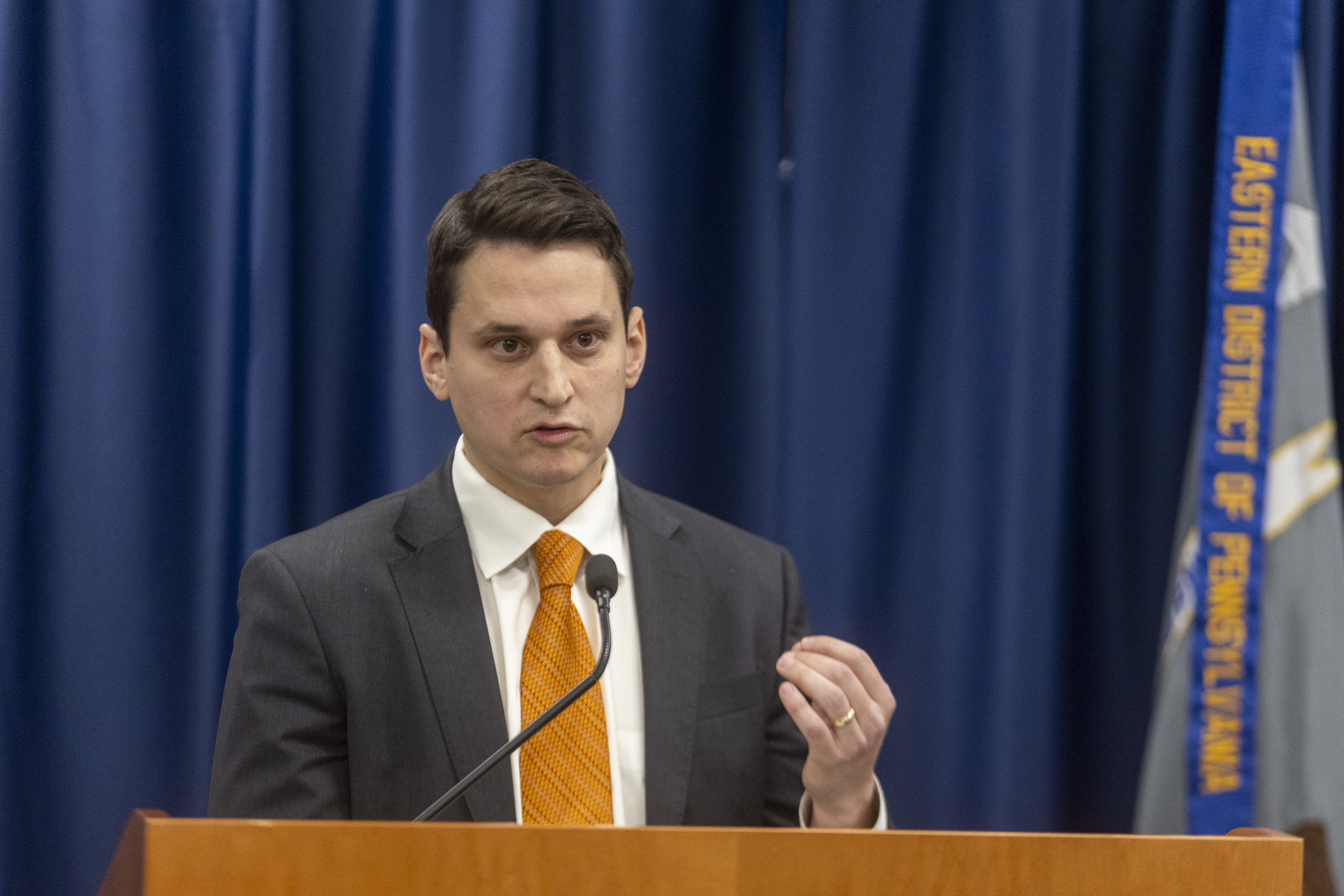
    Independence Blue Cross, Philadelphia’s largest Medicare Advantage insurer, agreed to pay $22.5 million to settle a whistleblower lawsuit alleging that the company submitted inaccurate diagnoses for enrollees to increase payments, the U.S. Attorney for the Eastern District of Pennsylvania said Wednesday.

    The IBX settlement, like several others this year, centers on how private Medicare insurers evaluate the health of the individuals in their plans, a process known as risk adjustment. The government gives insurers more money for sicker patients.

    “This matter was not about the quality of care our members received. It involved differing views regarding certain documentation and reporting requirements under the Medicare Advantage risk adjustment program,” Independence said in an email. The company did not admit wrongdoing.

    Federal officials said that for five years ending in 2020, IBX used nurses to review patient records and look for additional medical conditions that could be submitted to regulators. That generated additional payments for the insurer under Medicare Advantage’s risk adjustment models.

    According to the government, the chart reviewers also found diagnoses that were not supported by the patients’ records, but IBX failed to withdraw those diagnoses. Had the company done so, it would have had to return money to the Centers for Medicare and Medicaid Services.

    “Many major health plans have faced similar government scrutiny regarding Medicare Advantage risk adjustment requirements and practices, reflecting industry-wide challenges in the application of these standards,” Independence said in an email.

    IBX’s settlement followed an agreement in May by Aetna, the Philadelphia region’s second-largest Medicare Advantage insurer, to pay $117.7 million for coding violations.

    Nationally, two settlements this year topped half a billion dollars. Kaiser Permanente, a California-based insurance company with a large hospital business, agreed to a $556 million settlement in January, and Villages Health System LLC, a Florida provider group, settled for $541.5 million.

    The whistleblower, a former IBX employee, will collect $3.8 million of the settlement amount. Government and company officials signed the settlement Sept. 11.

  • Pennsylvania confirms a fifth death associated with widening measles outbreak

    Pennsylvania confirms a fifth death associated with widening measles outbreak

    A fifth person has died amid Pennsylvania’s growing measles outbreak, state health officials confirmed on Wednesday.

    The Pennsylvania Department of Health said in a news release that an unvaccinated resident of Lancaster County tested positive for measles and has died.

    Health officials said they would not release any additional identifying details about the person who died, citing state privacy laws.

    The state has confirmed two other measles-associated deaths this year in Lancaster County residents, both involving infants in the Amish community.

    Mifflin and Jefferson Counties have also reported two measles-associated deaths involving an 18-year-old and a 40-year-old, respectively.

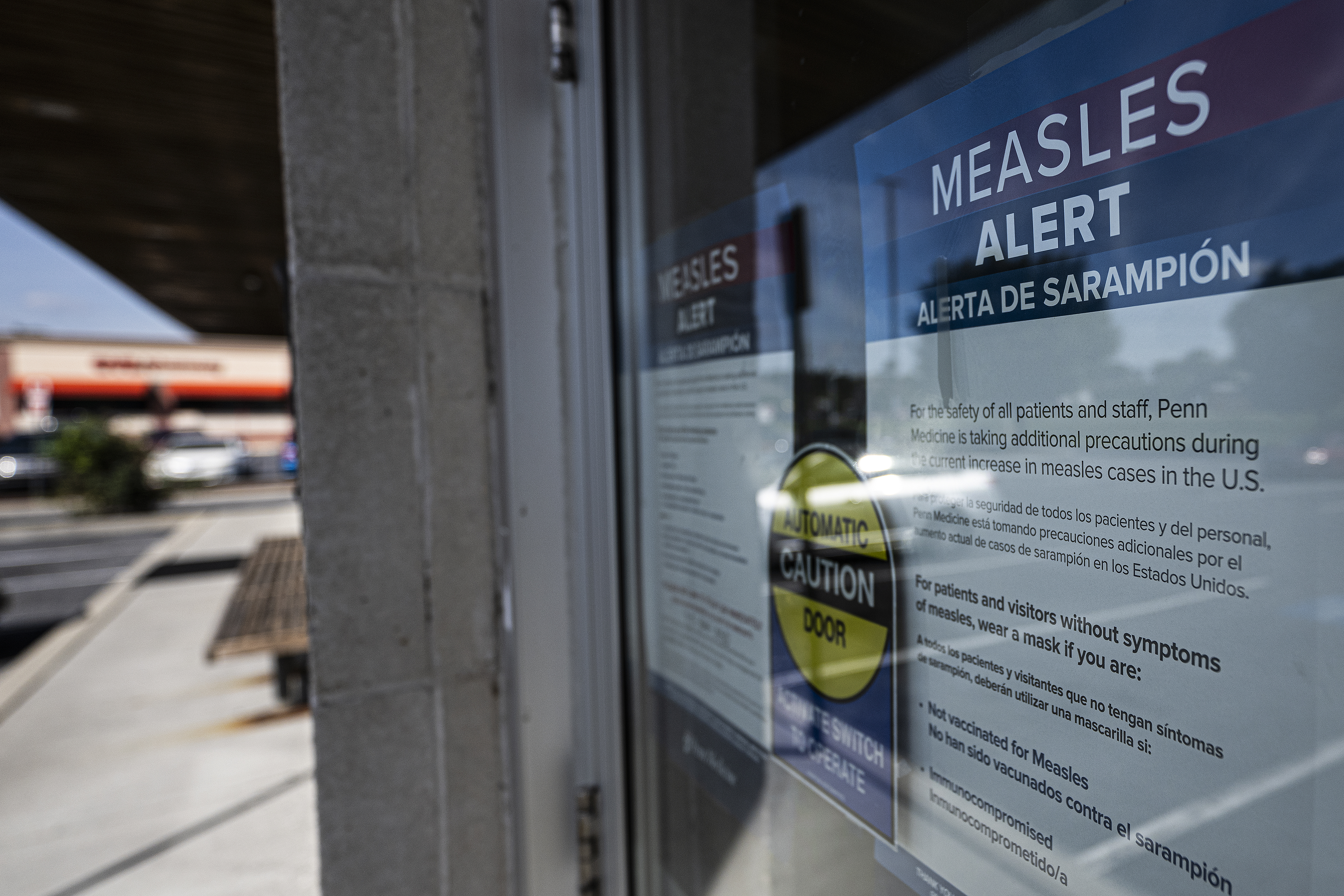
    The announcement came as confirmed measles cases in Pennsylvania reached 943 so far this year, the largest outbreak in the state in three decades and the highest case count nationwide this year. The state has confirmed 40 new cases in the last two days.

    The outbreak is centered in Lancaster, where nearly 400 people have been sickened so far this year, but also expanding in other counties, including Chester County in suburban Philadelphia, which had reported 83 cases as of Wednesday, the third-highest countywide case count in the state.

    (function(){function e(){window.addEventListener(`message`,function(e){if(e.data[`datawrapper-height`]!==void 0){var t=document.querySelectorAll(`iframe`);for(var n in e.data[`datawrapper-height`])for(var r=0,i;i=t[r];r++)if(i.contentWindow===e.source){var a=e.data[`datawrapper-height`][n]+`px`;i.style.height=a}}})}e()})();

    The death toll reported in Pennsylvania is also the nation’s highest since 1992, but state and federal officials have clashed over how to characterize the four previous deaths reported in the state, all in people who were unvaccinated and confirmed to have measles infections.

    The CDC’s public tracking of the toll of measles outbreaks nationally currently only shows two deaths from measles, reflecting decisions made under the leadership of President Donald Trump’s Health Secretary Robert F. Kennedy, Jr., a longtime anti-vaccine activist. The CDC’s website does not say where the two deaths occurred.

    Gov. Josh Shapiro, a Democrat, has accused Kennedy of spreading misinformation about the safety of the measles vaccine, contributing to declining vaccination rates statewide. Kennedy has faulted Shapiro for politicizing the deaths and initially said his administration may have “fabricated” two deaths.

    Pennsylvania officials said the latest death also fits the criteria for the state’s definition of a measles-associated death: One that occurred within 30 days of symptom onset in a person with clinical evidence of a measles infection and a positive lab test, that wasn’t due to an unrelated cause, like a car crash.

    In confirming measles-associated deaths, the state also considers medical records and whether the person was exposed to measles before their death.

    Statewide, nearly one in five people with reported cases have been hospitalized.

    About a third of confirmed measles cases have occurred in children under 18.

    Physicians and local officials in affected counties have warned that there are likely far more cases than have been officially reported.

    Nearly all of the confirmed cases of measles have been in unvaccinated people, state officials said. The state confirmed four cases involving extremely rare “breakthrough” infections in people who were vaccinated, less than 1% of the total cases reported.

    (function(){function e(){window.addEventListener(`message`,function(e){if(e.data[`datawrapper-height`]!==void 0){var t=document.querySelectorAll(`iframe`);for(var n in e.data[`datawrapper-height`])for(var r=0,i;i=t[r];r++)if(i.contentWindow===e.source){var a=e.data[`datawrapper-height`][n]+`px`;i.style.height=a}}})}e()})();

    Lancaster County coroner Stephen Diamantoni said state officials called him Wednesday to inform him of the latest measles-associated death, but provided no additional information on the case.

    He said his office had not handled any recent deaths involving a person who tested positive for measles.

    State officials have noted that not all deaths are referred to a coroner. They did not specify whether the latest death occurred in Lancaster County.

    Diamantoni, an elected Republican who is also a physician, had questioned the state’s conclusions about an earlier death in Lancaster County, in an infant who tested positive for a measles infection acquired before birth.

    The baby died shortly after birth from a lacerated spleen, Diamantoni said, adding that he did not believe the child’s death was caused by measles.

    State officials have said that the baby’s death fits their definition of a measles-associated death, and physicians have noted that measles can weaken the spleen, putting it at risk for rupture.

    Diamantoni also investigated the death of a second infant, which was not initially reported to his office. The six-week-old had a fatal genetic condition that made her particularly vulnerable to respiratory illnesses. That death was caused by measles, Diamantoni said.

    The other two deaths, in Mifflin and Jefferson Counties, involved an 18-year-old who died from a rare neurological complication of measles and a 40-year-old woman with serious respiratory issues that also put her at higher risk of death from measles.

  • WIC is now fully funded through 2026, but another deadline looms | Expert Opinion

    WIC is now fully funded through 2026, but another deadline looms | Expert Opinion

    Last month, I saw a single mother in my medical clinic who had recently lost her SNAP food benefits. She was now struggling to afford enough food for her three children, including solid foods that her 9-month-old baby needed for growth and development. Stories like hers are becoming more common as federal SNAP cuts strain families at a time when food insecurity is higher than at the height of the COVID-19 pandemic.

    As a pediatrician in Philadelphia, I care for many infants and families who rely on the Women, Infants, and Children (WIC) program for nutritional support. I referred this patient to WIC, but I can’t prescribe her the necessary childcare, transportation, and time off work to visit her WIC office every few months, as required in Pennsylvania to receive benefits. These logistical barriers have long challenged Pennsylvania participants, as well as many of the nearly 12 million people nationwide who are eligible for WIC each year.

    For families already struggling to put food on the table, these are not minor inconveniences. They often determine if a family can access adequate nutrition at all. The good news is the pandemic showed us a path to overcome this.

    In 2020, the U.S. Department of Agriculture issued emergency waivers allowing WIC agencies to offer remote appointments and services. Nearly all state agencies reported that the changes made WIC more accessible. They provided a lifeline for WIC families when in-person visits were almost impossible.

    Studies in the years since have suggested that waiving in-person requirements can increase WIC participation. In addition, families who used phone counseling and online education were more likely to stay enrolled. Remote services have modernized and expanded a program long known to promote better diets and health for mothers and children. That is why WIC advocates and policy researchers alike are pushing to keep these services permanent.

    But the federal waivers will expire on Wednesday.

    Earlier this month, Congress passed a temporary funding bill that keeps the program funded through the end of the year. Unfortunately, funding alone is not enough. Without action to extend remote services, families across the country risk losing WIC access due to work obligations, childcare needs, or travel barriers.

    Congress should also support universal adoption of remote benefit loading. Pennsylvania is one of the few states that still does not allow participants to load their WIC benefits remotely, though it plans to introduce a digital WIC card in 2027. Research from the Children’s Hospital of Pennsylvania and the University of Pennsylvania in 2021 found a 14% improvement in WIC participation in states that allowed remote benefit transfer, compared to “offline” states.

    Both the Modern WIC Act in the House and the 21st Century WIC Act in the Senate would formalize these changes, but neither has a clear path to passage. Like the National WIC Association and many public health organizations, I urge our lawmakers to prioritize these bills before the end-of-month deadline. All states should also commit to modernizing their WIC systems to make benefits and services easier for families to access.

    In the last few years, WIC still hasn’t reached nearly half of those eligible. Traveling to appointments is consistently cited as a major barrier, especially for working parents, rural families far away from any WIC office, and those without reliable transportation.

    Congress and state agencies must act together soon to protect families’ access to WIC, one of our country’s most valuable investments in maternal and child health. At a time when high cost of living and federal benefit cuts further threaten food security, we should strive to make WIC easier to use. No family should lose out on critical nutrition support because getting to a WIC appointment is harder than it needs to be.

    William Zhuo-Ming Li is a pediatrician in his final year of residency training at the Children’s Hospital of Philadelphia. He is interested in neonatal health equity and infant nutrition advocacy.

  • Temple Health posted a $22.7 million operating profit in fiscal 2026

    Temple Health posted a $22.7 million operating profit in fiscal 2026

    Temple University Health System saw a $22.7 million operating profit in the year that ended June 30, up slightly from $21.9 million in fiscal 2025, the North Philadelphia nonprofit told bondholders this week.

    The result showed solid business operations while the system was “navigating intense professional liability and inflationary headwinds in a competitive Philadelphia healthcare market,” Temple said in an email to The Inquirer commenting on the results.

    Here are more details:

    Revenue: Temple’s total revenue rose nearly 10%, to $3.62 billion in fiscal 2026 from $3.29 billion the year before. Outpatient surgeries and cancer services were among the significant contributors to revenue growth from patient care, Temple said in its notice to bondholders.

    Expenses: Insurance expenses climbed $19.3 million because of “higher professional liability costs related to inflationary legal expenses and the accelerated settlement of claims to mitigate rising awards by local courts,” Temple said.

    Notable: Temple reported a 12% decline in cardiology procedures in fiscal 2026, to 4,654 from 5,274 the year before, because an unspecified number of physicians left. “As of late summer, 100% of these cardiology positions have been successfully filled,” Temple said.

  • 25 years later, the anthrax threat not only has not gone away — it may be worse

    25 years later, the anthrax threat not only has not gone away — it may be worse

    Twenty-five years ago this month, America was still reeling from the attacks of Sept. 11 when another, quieter threat arrived in our mailboxes.

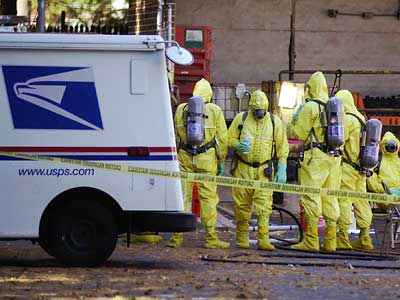
    Letters laced with anthrax spores were sent to news organizations and members of Congress. The weaponized anthrax in those letters killed five Americans and sickened 17. And a nation already on edge confronted a terrifying new reality: Someone could use an invisible biological agent to attack Americans in their workplaces, in their homes, and through one of the most stalwart institutions in our society — the U.S. Postal Service.

    I remember those days vividly.

    I had only recently arrived in Washington to serve President George W. Bush as his homeland security adviser. The U.S. Department of Homeland Security was brand new, created in the immediate aftermath of Sept. 11, 2001. We focused on preventing and protecting Americans from other catastrophic terrorist attacks and events affecting our national security.

    Then came anthrax.

    FBI officials in protective suits prepare to enter the Chester home of anthrax attack suspects in 2001.DAN LOH / Associated Press

    Suddenly, the question was not how terrorists might hijack airplanes or attack buildings. We had to confront the possibility that a small amount of biological agents could create fear and disruption far beyond the physical damage it caused.

    That experience has stayed with me for 25 years.

    It is also why I, along with my colleagues at the Bipartisan Commission on Biodefense at the Atlantic Council, remain deeply concerned about the biological threats facing America today.

    In some respects, the threat remains the same. Bad actors still send white powder letters through the mail (some containing ricin) to threaten others, including elected officials like President Donald Trump and former President Barack Obama. In other respects, the challenge is more difficult than it was in 2001.

    Science has advanced dramatically. Biotechnology produces extraordinary breakthroughs in medicine, agriculture, and human health. And now we have artificial intelligence accelerating biology and every other field of science.

    AI can analyze enormous datasets, identify patterns, model structures, and assist with design at speeds that were unimaginable when those anthrax letters arrived in 2001.

    A letter and envelope that were mailed as part of the anthrax mail attacks of 2001 are displayed at the Smithsonian National Postal Museum in July 2025 in Washington.Mark Schiefelbein

    The National Academies of Sciences has warned that AI-enabled tools can accelerate biological discovery and design while creating new opportunities for misuse. That should concern every American.

    The danger is not that an AI system will suddenly decide to manufacture a biological weapon on its own. The danger is that AI can lower the barriers that once separated a determined individual, terrorist organization, or hostile government from highly specialized biological knowledge.

    Fewer people, with less time and greater computational assistance, can now accomplish what once required teams of scientists, years of research, and enormous resources.

    That is the vulnerability we cannot afford to ignore.

    Our commission made artificial intelligence a major new priority in the Apollo Program for Biodefense precisely because the technology is changing both the offensive and defensive sides of biological security. Our latest issue brief released this summer warned that AI can compress timelines and make sophisticated biological capabilities more accessible, while also offering powerful new tools for surveillance, diagnostics, medical countermeasures, and attribution.

    The answer is not to stop AI or biotechnology. That would sacrifice enormous benefits to humanity.

    The answer is to get ahead of the threat.

    We need stronger safeguards around AI systems and biological design tools. We need better screening of synthetic DNA. We need dramatically improved disease surveillance to detect unusual outbreaks before they become national crises. We need to ensure federal, state, local, tribal, and territorial governments, academia, and industry are prepared to respond together.

    We need to recognize that biodefense is national defense.

    Twenty-five years ago, anthrax arrived in envelopes. We could see the envelope, but not the danger inside it.

    Tomorrow’s threat may be far less visible.

    It may emerge from a laboratory, criminal network, terrorist organization, or hostile nation-state, aided by technologies that did not exist when I started at the White House in 2001. Those possibilities should not paralyze us. They should motivate us.

    The lesson of those anthrax attacks is not simply that biological weapons are frightening. It is that threats that seem remote can become real with astonishing speed.

    I learned that lesson personally a quarter century ago.

    I have not forgotten it.

    Neither should America. Our responsibility now is to make sure that when the next biological threat emerges — whether natural, accidental, or deliberate — we are not looking backward and asking why we failed to prepare.

    Tom Ridge is cochair of the Bipartisan Commission on Biodefense at the Atlantic Council, part of the Scowcroft Center for Strategy and Security. He served as the first secretary of Homeland Security from 2003 to 2005, the first homeland security adviser from 2001 to 2003, and the 43rd governor of Pennsylvania from 1995 to 2001.