Penn Medicine announced a $50 million gift from Stanley C. Middleman on Thursday to support early-stage research and will name a recently expanded building at 3600 Civic Center Blvd. in the businessman’s honor.
Income from the fund will be used to accelerate work on therapies for cancer, autoimmune diseases, infectious diseases, and other serious conditions, with a goal ofshortening the path from the laboratory to the market, Penn said.
“I was born and raised in Philadelphia, and I’m proud to support Penn Medicine and the extraordinary work being done there to advance medicine and improve people’s lives,” Middleman said in a news release provided to The Inquirer in advance.
The Middleman Center “will bring together the people and ideas” to support new approaches to treatment and scientific discovery, he added.
The $50 million gift marks his first to Penn. He previously donated undisclosed amounts to his alma mater, Temple University, and to Children’s Hospital of Philadelphia, which named the main patient tower at its King of Prussia hospital for Middleman’s family.
Middleman founded privately owned Freedom Mortgage Corp. in South Jersey in 1990 and grew it into one of the nation’s largest lenders before moving the company’s headquarters to Florida in the early 2020s.
The building being renamed for Middleman underwent a $376 million, 217,000-square-foot expansion that opened last year. Itadded seven floors, including as many as 37 labs. Penn originally opened the building in 2018 with eight floors and 250,000 square feet of office space, which has also been renovated.
The new floors house the Colton Center for Autoimmunity at Penn and the High-Throughput Institute for Discovery, a specialized lab testing patient samples to help make diagnoses and guide treatments. The Middleman Center also includes a Biosafety Level 3 lab, which is specially equipped to handle infectious disease specimens.
“Anchoring the western edge of Penn Medicine’s campus, the Middleman Center is uniquely positioned to bring together biomedical researchers, physicians, medical students, patients, and experts from engineering, business, and other areas of the University of Pennsylvania,” said university president J. Larry Jamesonin the news release.
“This creates an extraordinary environment for discovery — not just sparking ideas but seeing them all the way through to the moments where lives change for the better, as a result of discovery,” he said.
Highmark plans to end its Pennsylvania contract with Rothman Institute on Oct. 1, according to a letter to members. The insurer claimed that about a half-dozen Rothman surgeons had abused a federal process designed to protect patients from unforeseen out-of-network bills.
The dispute centers on the use of out-of-network physician assistants by Rothman surgeons who do not have residents or fellows working for them and need help treating patients, Rothman president Alexander Vaccaro said in an interview Wednesday.
Rothman physicians are under contract with Highmark, but the physician assistants used by some doctors work for a separate company that Rothman has no control over, he said. He said it’s hard for some doctors to keep physician assistants on staff because there’s so much demand for those skills.
“Now they’re kicking us out, so now we’ll be that out-of-network provider. We will be that individual that Highmark is trying to go after,” Vaccaro said.
From Highmark’s perspective, the use of out-of-network clinicians violates a contract that took effect at the beginning of last year, said Dan Tropeano, president of Highmark’s Southeastern Pennsylvania market.
Even if some Rothman surgeons use out-of-network assistants, they don’t have to go through arbitration for payment, he said. They could instead accept standard out-of-network reimbursement, he said. That’s usually based on Medicare rates, plus some additional percentage.
Help for patients turned into controversy
Congress passed the No Surprises Act in 2020 to prevent patients from facing unexpected bills from out-of-network doctors when they receive care at an in-network hospital. This was a particular problem in emergency departments. The law has been successful on that front.
However, it also created what has become a controversial arbitration process to determine what insurers should pay out-of-network clinicians. Sometimes, that has led to arbitration decisions for amounts that are many times the in-network price, according to the New York Times and other news outlets.
Highmark’s dispute with Rothman centers on that arbitration process, also known as independent dispute resolution (IDR).
“We feel like they’re egregiously abusing the No Surprises Act and the arbitration or IDR process that comes along with it,” Tropeano said in an interview.
Rothman physicians’ use of arbitration for out-of-network physician assistants had caused “significant increased costs to Highmark and its self-insured clients,” Highmark said in a statement posted to its website in July.
Vaccaro said that if Highmark paid a fair rate for physician assistants some doctors need to use, arbitration wouldn’t be needed.
Patients caught in the middle
The dispute is bad news for James Pavlock, a retired federal prosecutor who has a form of Medicare supplemental insurance from Highmark.
“It’s a big deal for me. I’m supposed to have surgery on Oct. 13. Do I go forward and pay thousands of dollars potentially?” the Fairmount resident said in an interview Tuesday, the day he received a letter from Highmark dated Sept. 2 about the termination.
Highmark said 10,100 Highmark members had used Rothman services in the past year.
Highmark will help patients in Pennsylvania find alternate sites of care, including at Penn Medicine and Main Line Health.
Rothman will work with patients to use out-of-network benefits to continue receiving care from Rothman, Vaccaro said. The dispute with Highmark will not impact New Jersey patients, he said.
As a pediatrician, I recommend children get approximately 30 injections between birth and 18 years of age, following the American Academy of Pediatrics vaccination schedule — and that’s not including their annual influenza vaccine.
While these vaccines keep children healthy from vaccine-preventable illnesses, I recognize that pain related to these shots can worry children and their parents. Unfortunately, myths surrounding vaccine pain — including that pain is something that needs to be endured without help, or that the pain is too much for a small child to handle — can lead families to delay vaccination.
This is risky at a time of rising vaccine hesitancy. Pennsylvania is currently experiencing the nation’s third-largest outbreak of measles, a vaccine-preventable disease, with more than 500 cases reported statewide so far this year.
Most parents want to do everything they can to protect their children. That can feel hard when protection comes with a painful experience. Many parents tell me and my colleagues they “can’t look” when their child receives a shot. Some may be drawing on their own fear of needles; others simply find it difficult to watch their child cry or experience pain.
As children grow older and begin to voice their own concerns about shots, these fears can become even more difficult to navigate. “I hate shots,” kids say to me all the time. And while I often quip that “no one likes getting shots,” that’s not entirely true.
The experience of vaccine pain varies by child — age, developmental stage, prior experiences with pain, and temperament can all impact their pain perception. It takes time to assess how best to address a patient’s pain, because there is no one-size-fits-all approach.
Historically, healthcare providers viewed vaccine pain as a normal part of a pediatric medical visit. We expected patients to bear it without any support. In a survey of nurses and medical assistants at Children’s Hospital of Philadelphia in 2022 regarding vaccine pain, one nurse said, “better to get it done and move on.” While well-intentioned, that mindset overlooks what we know about children’s experiences with pain.
Pain is complex and deeply personal. Children’s memories of past procedures and their fears can shape how they respond to future vaccinations and medical visits. Anticipation and anxiety can become as important as the procedure itself.
For some children, fear of pain can become a barrier to healthcare, affecting not only a single visit but their willingness to return for future care. By addressing pain proactively, pediatric practices can reduce distress, strengthen trust, and help children feel safer engaging with healthcare throughout their lives.
That’s why CHOP created the Guided by Comfort program, enabling patients in our primary care locations to choose from a menu of comfort measures to address needle-related pain.
Using evidence-based guidelines on the best way to manage needle pain, patients can be positioned for comfort and offered distractions. We also offer additional options for the appropriate ages, such as breastfeeding, sweetened water, vibration with ice, a plastic disc, and cooling spray. The comfort menu includes photos and descriptions of each item, much like the menu at a restaurant.
In the 16 months since we introduced the Guided by Comfort program in all primary care offices, we have reached nearly 200,000 patients, with 82.5% electing to use a menu offering. One parent reported that her child “felt understood and in control of her own health.” These comfort menu options are helping parents and children to build trust and partnership with their healthcare team.
This program offers a solution to a common concern identified through Pediatric Health Chat, a CHOP initiative tracking common myths and rumors in pediatric healthcare. CHOP teams have also created informational videos that empower parents and their children with practical strategies to make vaccinations more comfortable and help prevent pain from becoming a barrier to vaccination.
We have proven that offering comfort measures to patients and families can make getting vaccines on schedule less stressful. Comfort isn’t an extra; we are treating it as part of the vaccination experience.
The views expressed in this article are those of the authors and not necessarily those of CHOP. This information is not intended to provide medical advice, diagnosis, or treatment. Always consult a qualified healthcare professional regarding any health or medical concerns.
Katie Lockwood is a primary care pediatrician at Children’s Hospital of Philadelphia and cofounder of Pediatric Health Chat, an online initiative providing resources for families looking for good information on the latest myths and misconceptions about children’s health.
Nurses at three Jefferson Health facilities want to unionize under the Pennsylvania Association of Staff Nurses and Allied Professionals, saying their effort addresses safety and quality-of-care concerns.
Nurses at Jefferson Bucks Hospital filed paperwork with the National Labor Relations Board for an election to form a new union chapter at the hospital that, if approved, would represent 170 staff members.
In a separate filing, nurses at Jefferson Health — Center One, a primary care and outpatient facility in Northeast Philadelphia, and Willowcrest, a skilled nursing center at Jefferson Einstein Philadelphia Hospital, are seeking membership in the existing nurses’ union at Jefferson Einstein Philadelphia. If approved, the move would add 43 nurses from Center One and Willowcrest to Einstein Nurses United.
The organization efforts would bring more than 200 Jefferson Health nurses into union chapters affiliated with PASNAP.
At a news conference outside Jefferson Bucks Hospital in Langhorne Tuesday, nurses said they wanted to organize because hospital administrators have not heeded their concerns that understaffing, heavy workloads, and insufficient resources could harm patients and lead to staff burnout.
“Jefferson Bucks nurses are being asked every day to do more with less and less, and it’s getting harder and harder to feel like our concerns are actually being heard,” Ashley Bupp, an emergency room nurse at Jefferson Bucks Hospital, said in a statement.
Jefferson Health accused PASNAP, which represents some 11,000 nurses and other healthcare professionals across Pennsylvania, of “promoting a narrative that serves its organizing efforts and ultimately, its own bottom line.”
“PASNAP has once again relied on a predictable campaign of misleading claims and public attacks designed to generate headlines rather than constructive solutions,” the nonprofit health system said in a statement. “Jefferson remains focused on supporting our nurses, caring for our patients, and meeting the healthcare needs of the communities we serve.”
Kiersten McCalmant, a nurse at Jefferson Bucks Hospital, said she and her colleagues were inspired to organize by the nurses at Jefferson Einstein Philadelphia Hospital.
Einstein Nurses United, which represents nearly 1,200 nurses, signed a new contract earlier this year that gave nurses raises, strengthened staffing, and included protections against forced shift rotations.
“We saw what a great contract they had already, and the fact that they were able to stand together and win improvements, and protect what they already had,” McCalmant said in a statement. “We thought, if nurses at Einstein can bargain with Jefferson and be successful, why can’t we?”
Amanda Parezo, a self-professed “beach bum,” can no longer get onto the sand or lay out a beach blanket on her own.
The loose grains are “just impossible to navigate through” in a wheelchair, she said.
Still, she seizes every opportunity to return to the Shore — an activity that has brought her healing since her childhood in New Jersey.
Parezo loved spending time at the beach while growing up in New Jersey.Courtesy of Amanda Parezo
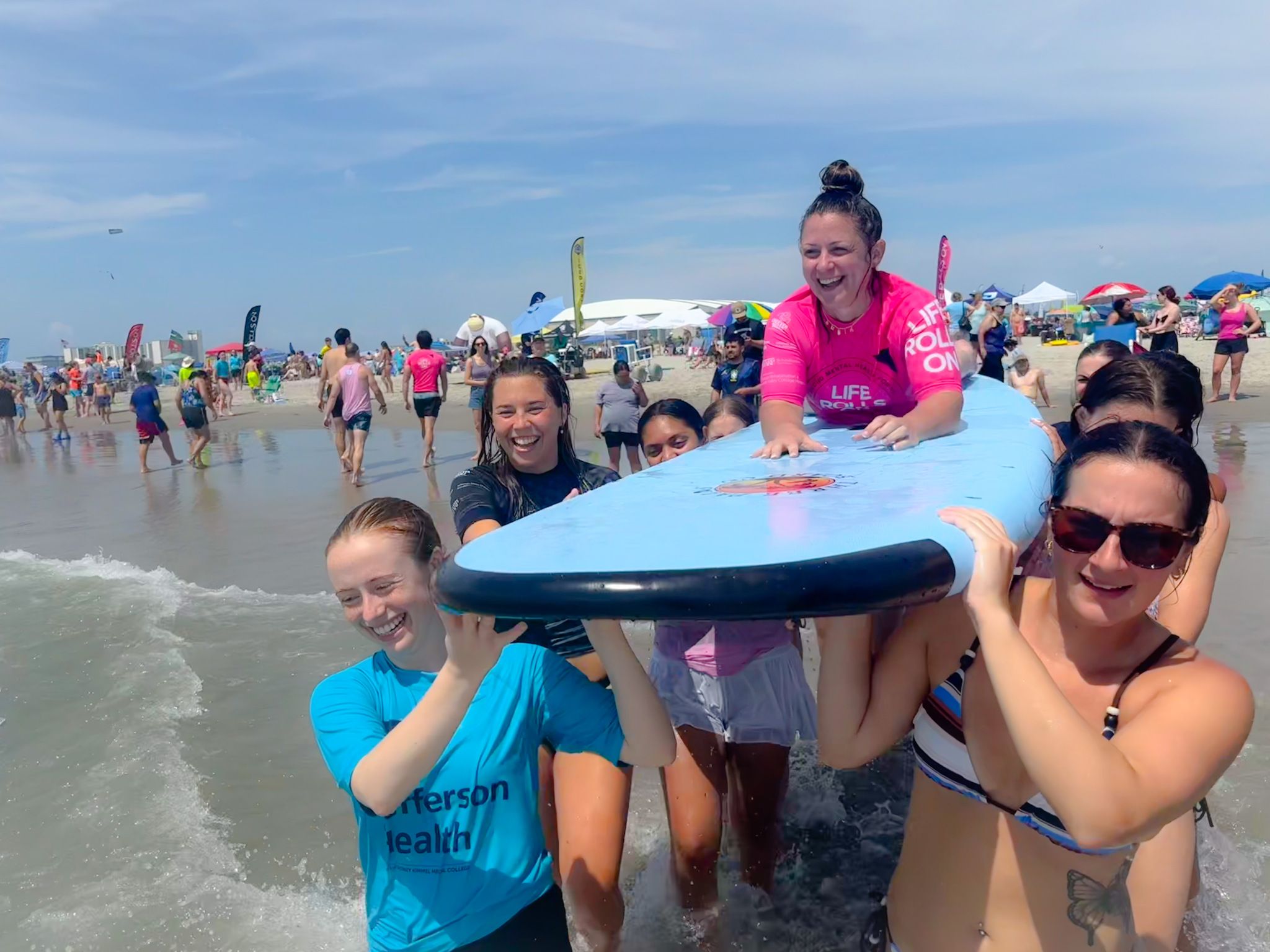
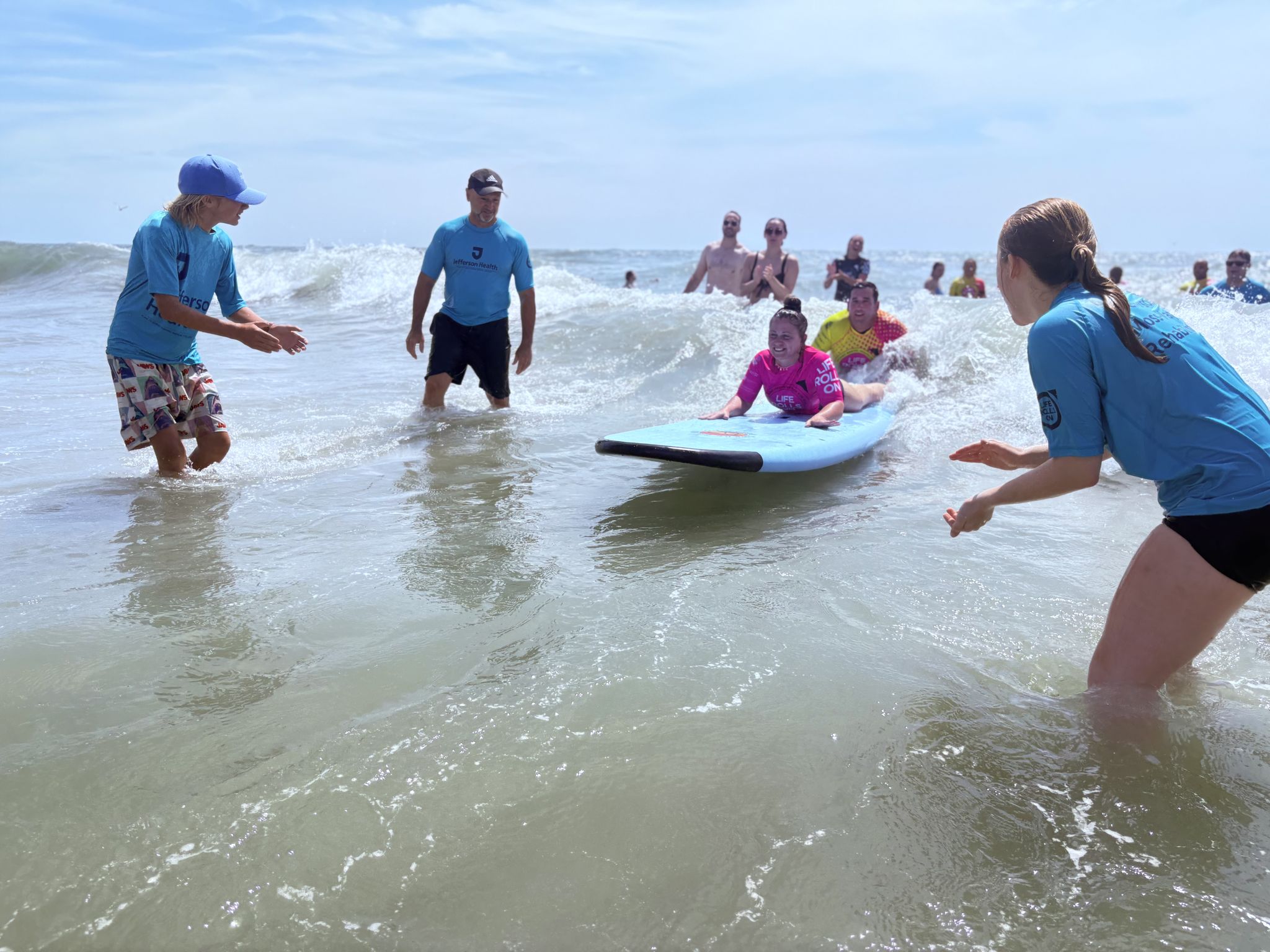
Five years after a random shooting in Olde Kensington left her paralyzed from the waist down, she participated in “They Will Surf Again,” an adaptive surfing event in August in Wildwood, N.J. Designed for people with physical disabilities, the event was hosted by California-based nonprofit Life Rolls On and sponsored by Jefferson Health.
Volunteers and friends helped her onto an adaptive surfboard that was wider and thicker for greater stability.
The first time she participated in 2022, she was afraid of how her legs might shift while riding. But whenever she fell off the board, volunteers scooped her back up immediately.
Parezo loved the feeling and energy of going fast in the wave. That sensory experience brought her relief as someone living with constant nerve pain.
“You can’t even describe it. It just felt so good,” she said of the summer surf event.
In the years since her life-altering injury, Parezo has had to take similar leaps of faith as she’s worked to rebuild her life.
She now had to worry about how she would shower, use the bathroom, drive, and simply enter public spaces while in a wheelchair. An assistant professor of occupational therapy at Jefferson, Parezo was used to helping patients, not being one herself.
“It was a lot of just mourning who I was before,” she said.
In the process, she has become an accessibility advocate, competed in a pageant for women who use wheelchairs, and taken on adaptive sports from surfing to chair yoga.
She says her former patients are her biggest motivators.
“I think about them every day,” said Parezo, now 40. “I haven’t forgotten a single one of them that I’ve treated in outpatient.”
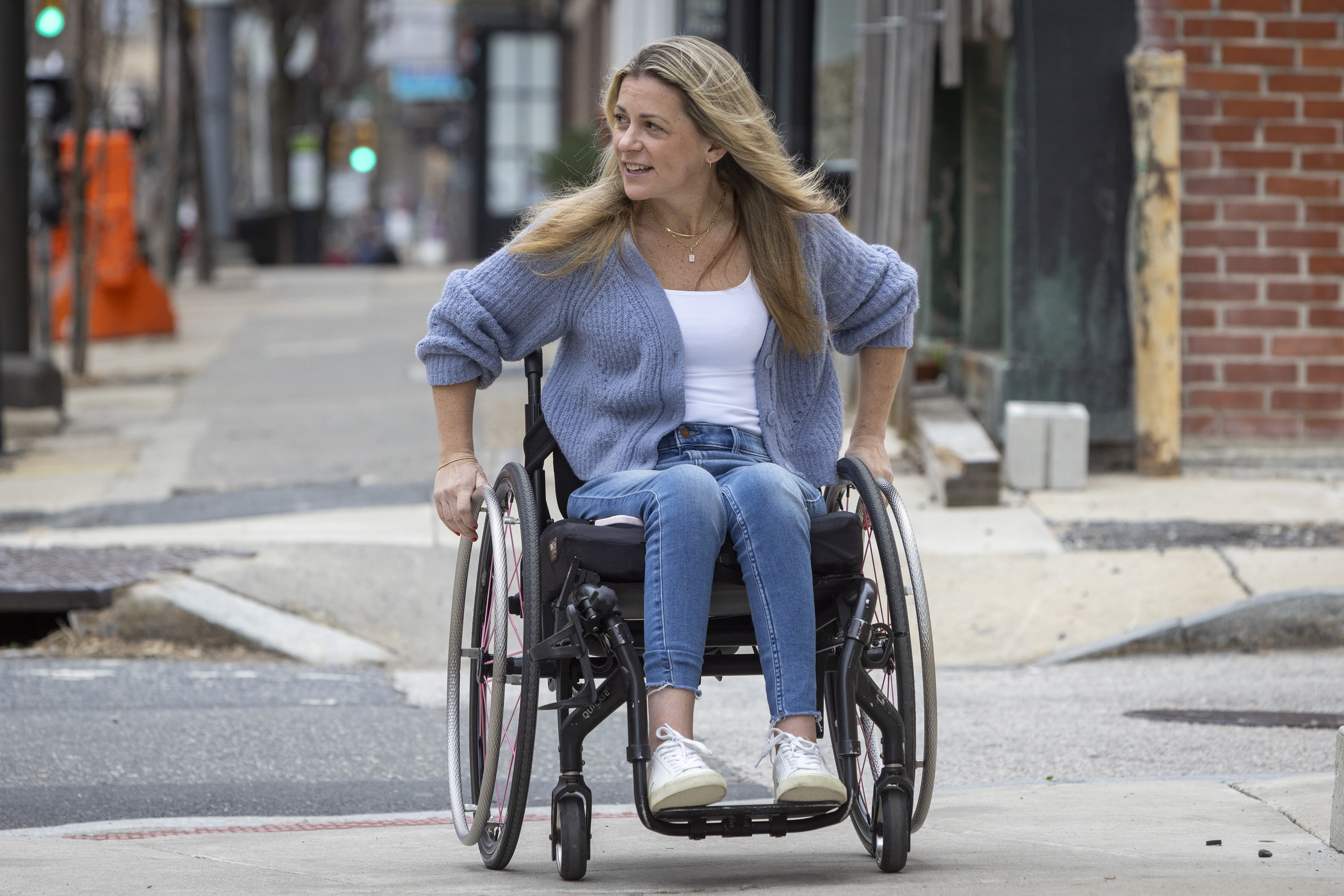
Amanda Parezo was paralyzed after a stray bullet hit her spine. She is now in a wheelchair.Alejandro A. Alvarez / Staff Photographer
The injury
On the evening of the shooting in 2021, Parezo, then 36, had just finished playing a game of kickball at Hancock Playground in Olde Kensington with her friends. They were sitting near the benches, chatting and packing up, when gunshots from a nearby shooting suddenly rang out.
As her teammates ducked for cover, she felt a stinging sensation enter the right side of her body, just below her ribs. Parezo immediately fell backward as a wave of numbness swept from her hips down into her toes.
In that split second, a series of images flashed through her mind.
She saw patients she had treated as an occupational therapist. She saw herself sitting in a classroom, studying a PowerPoint slide about spinal cord injuries. And she imagined herself in a wheelchair.
“There was no doubt in my mind that I had a spinal cord injury, and I knew it was bad,” she said.
She screamed in pain as everything the stray bullet touched started to dysfunction. Authorities have not identified the shooter.
At Temple University Hospital, she would be diagnosed with a complete spinal cord injury, leaving her paralyzed from the waist down.
“You don’t think you’re going to have to spend the rest of your life in a wheelchair the next day,” Parezo said.
Although she knew a yoga studio near her Old City home offered chair yoga, she was intimidated by the idea of going. She worried she would feel upset seeing women whose bodies looked like hers before her injury, wearing the outfits she once wore and attending 6 a.m. yoga classes, as she once had.
Then she attended an open house for the studio.
“They were just phenomenal women,” she said.
Now, she goes every Monday and is good friends with the instructor.
Parezo said she is grateful for the people in her life who encouraged her to get out of bed and do things.
She thought about a patient who had been shot in the head but continued coming to her clinic every other day for occupational therapy. If the patient could remain motivated after such a traumatic experience, Parezo thought, she needed to be motivated, too.
“I am just so grateful for my background, and just the irony of being on the other side of things,” Parezo said.
Advocating for accessibility
Parezo frequently encounters accessibility challenges in her daily life.
But she has turned those stressful moments into opportunities for advocacy, through posting to social media and reporting issues around the city to 311, the non-emergency contact center.
When Parezo arrived at a SEPTA subway station in 2024, she discovered the elevator down to the street level was broken.
The station had three flights of stairs, but no signage indicating that the elevator was out of service. SEPTA’s app also hadn’t marked the elevator as inoperable.
She posted a video to Instagram of her stuck in the station, in tears, frustrated by the lack of accessibility. That post went semi-viral on Instagram and caught the attention of SEPTA, who reached out for a conversation about her concerns.
“As we continue work to improve accessibility across the system, SEPTA is committed to working closely with riders to help them navigate outages and other challenges,” a spokesperson said in a Friday statement.
SEPTA recently began its latest accessibility improvement project at 11th Street Station on the L, and will invest more than $700 million to make Metro and Regional Rail stations accessible.
Her friend Katie Adams recalls seeing Parezo bump off curbs and nearly fall into traffic because of obstacles on the sidewalk.
“Never in my wildest dreams [did I think] anyone in this situation would turn this around and make this not a life-defining moment, but a lifelong work and advocacy,” Adams said about Parezo.
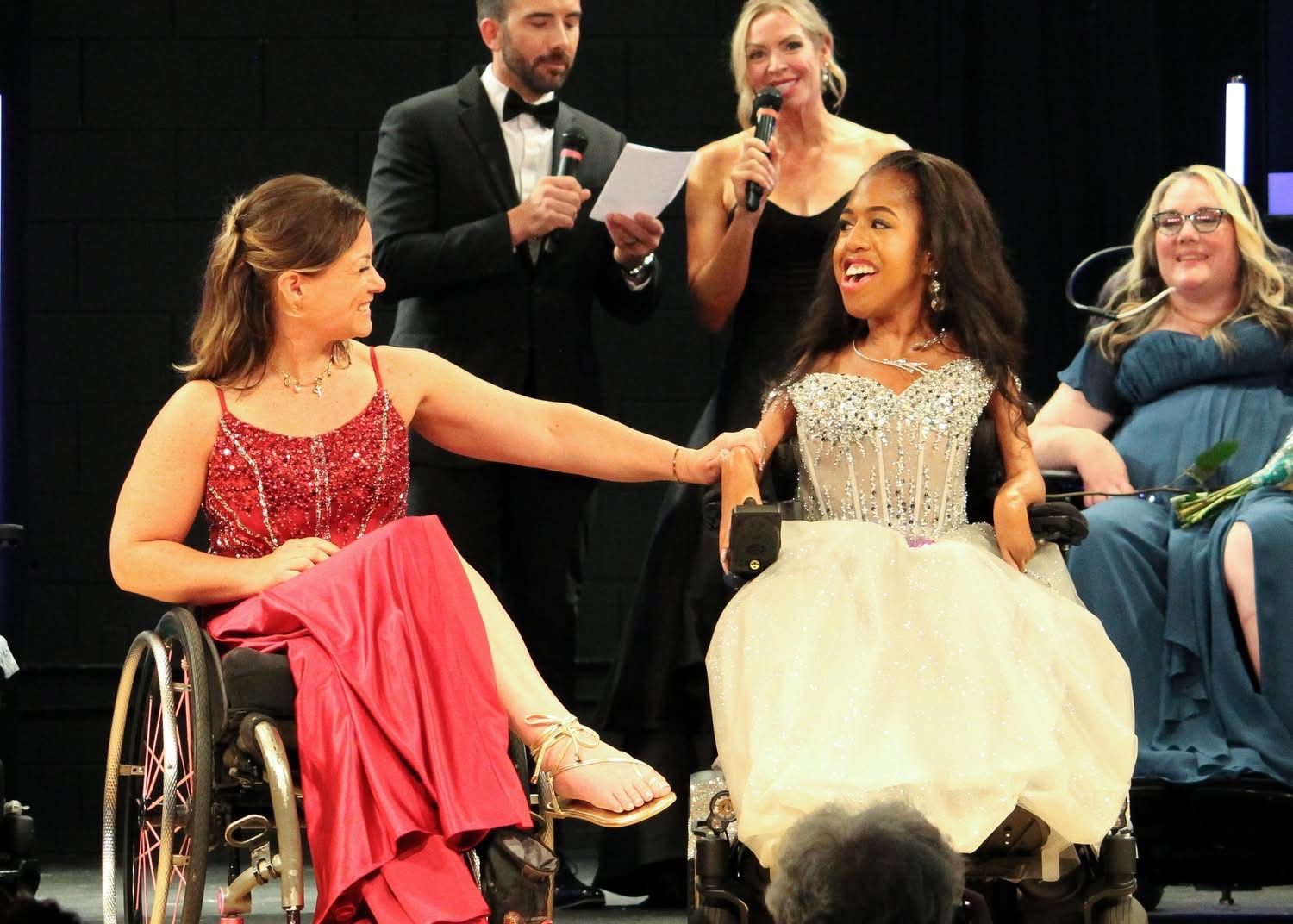
In July, Parezo represented the state of Pennsylvania in the Ms. Wheelchair USA pageant.
In July, Parezo represented the state of Pennsylvania in the Ms. Wheelchair USA pageant.Courtesy of Amanda Parezo
She was named first runner-up and received awards for education and inspiration. She also serves on the Pennsylvania Governor’s Advisory Commission for Women and draws on her experience as a wheelchair user to teach her occupational therapy students at Jefferson.
“Having to live the life of a patient that they might treat [gives] me a perspective I can share with my students that a lot of people probably couldn’t,” Parezo said.
Amanda Parezo serves on the Pennsylvania Governor’s Advisory Commission for Women.Courtesy of Katie Adams
Finding relief in surfing
Life Rolls On founder Jesse Billauer started the “They Will Surf Again” event 25 years ago after a surfing injury left him quadriplegic.
The first time his friends took him surfing after the accident, he experienced “that freedom, that independence, and just joy being on the water.”
The event became his way of sharing that sense of freedom with other people with spinal cord injuries and physical disabilities.
“It just gets people out of their wheelchair, doing things that they never thought was possible,” he said.
Amanda Parezo participated in the They Will Surf Again event in Wildwood in August.Courtesy of Jefferson Health
A little boy born with a spinal cord injury was among the 150 participants at this year’s event in Wildwood.
Parezo, who knows the boy’s mother, hopes seeing older participants with disabilities surfing will inspire him as he grows up.
“There are no limits to what we’re able to do,” she said.
The disturbing story of the assaults in the Cheltenham High School football locker room is sadly not unique. Incidents of hazing and locker-room violence have made headlines for decades.
The allegations in Cheltenham have many familiar features: a younger or more vulnerable student was targeted, other students knew what was happening, and adults appear to be protecting the team rather than a victimized child.
But within this terrible story, I see two heroes — and both offer lessons for parents.
The first is the person who reported the violence through Pennsylvania’s Safe2Say system. That report helped move information about the abuse outside the closed world of the football program and into the hands of authorities.
That matters. According to prosecutors, coaches exchanged messages saying the incident had to be “kept quiet,” with one writing that if it became public, “They will cancel the whole season.”
Closed systems are dangerous. Information cannot get out, outside help cannot get in, and problems can fester — especially when the people responsible for setting the rules are also the people with something to lose.
The second hero is the victim’s mother.
She knew her son well enough to recognize that something was wrong. Their relationship was strong enough that he eventually told her he had been attacked. And when he did, she acted.
Experts will undoubtedly recommend changes in supervision, reporting, hazing prevention, and school culture. But there are also things parents can do, starting at home.
Lesson 1: Make it clear: We never blame the victim.
One of the most heartbreaking details in this story is that the young man eventually switched to virtual school after being harassed by other students following the attacks.
Being victimized should never become a source of shame for the person who was harmed.
Parents can make one family value unmistakably clear: In our family, we never blame or humiliate someone for being victimized.
We do not mock someone for being smaller, frightened, or embarrassed. We do not treat reporting abuse as weakness or betrayal. We think about how it feels to be in their shoes.
Schools can adopt programs and conduct training, but culture begins long before a child walks through the schoolhouse door. When parents send kids to school already believing that cruelty is unacceptable and victims deserve support, schools have a much better chance of creating and maintaining a healthy culture.
This is particularly important in adolescence. Teenagers can reason remarkably well, but the brain systems involved in empathy, impulse control, and weighing consequences are still developing. At the same time, adolescents are especially sensitive to the opinions of peers, social pressure, and belonging.
That is not an excuse for cruelty. It is precisely why adults should create environments in which empathy, respect, and intervention are explicitly expected.
Lesson 2: Don’t wait for a crisis to talk about sex and sexual violence.
Too many families wait until there is a sense of immediacy; puberty is about to arrive, a child sees something explicit online, a dating relationship begins, or a frightening story about sexual assault like Cheltenham appears in the news.
In that moment both parent and child may feel distressed and unprepared.
Research consistently finds that parents remain an important influence on their adolescents’ sexual decision-making, even though parents often underestimate how much influence they have. Parent-child communication about sexuality is also associated with healthier and safer sexual behavior.
Too many kids are now learning about sex from peers, pornography, and predators, and what they learn is often inaccurate and rarely matches the values parents have for their children.
In The Sex-Wise Parent, I encourage parents to share sexuality information and values not as “the talk,” but as an ordinary part of parenting that begins early and develops as children grow. Parents need not know every answer in the moment. Rather, they should communicate that questions are welcome, and children can bring uncomfortable experiences to them without fear of being blamed.
The Cheltenham victim eventually told his mother because something in their relationship allowed him to. Every parent can build that kind of relationship before a child ever needs it.
And a relationship where a child can ask questions about sexuality is important for more than just crisis intervention; ultimately, we want our kids to grow up and be sexually safe and healthy in every aspect of their life. Parents who can discuss sexuality with their kids of every age are a gift; they send sexually safe and healthy people out into communities where they are safe peers, partners, and members of the public.
Janet Rosenzweig, Ph.D., is a longtime child welfare and sexuality-education professional and author of “The Sex-Wise Parent,” a practical guide for parents to support healthy sexual development. The updated third edition was released in July.
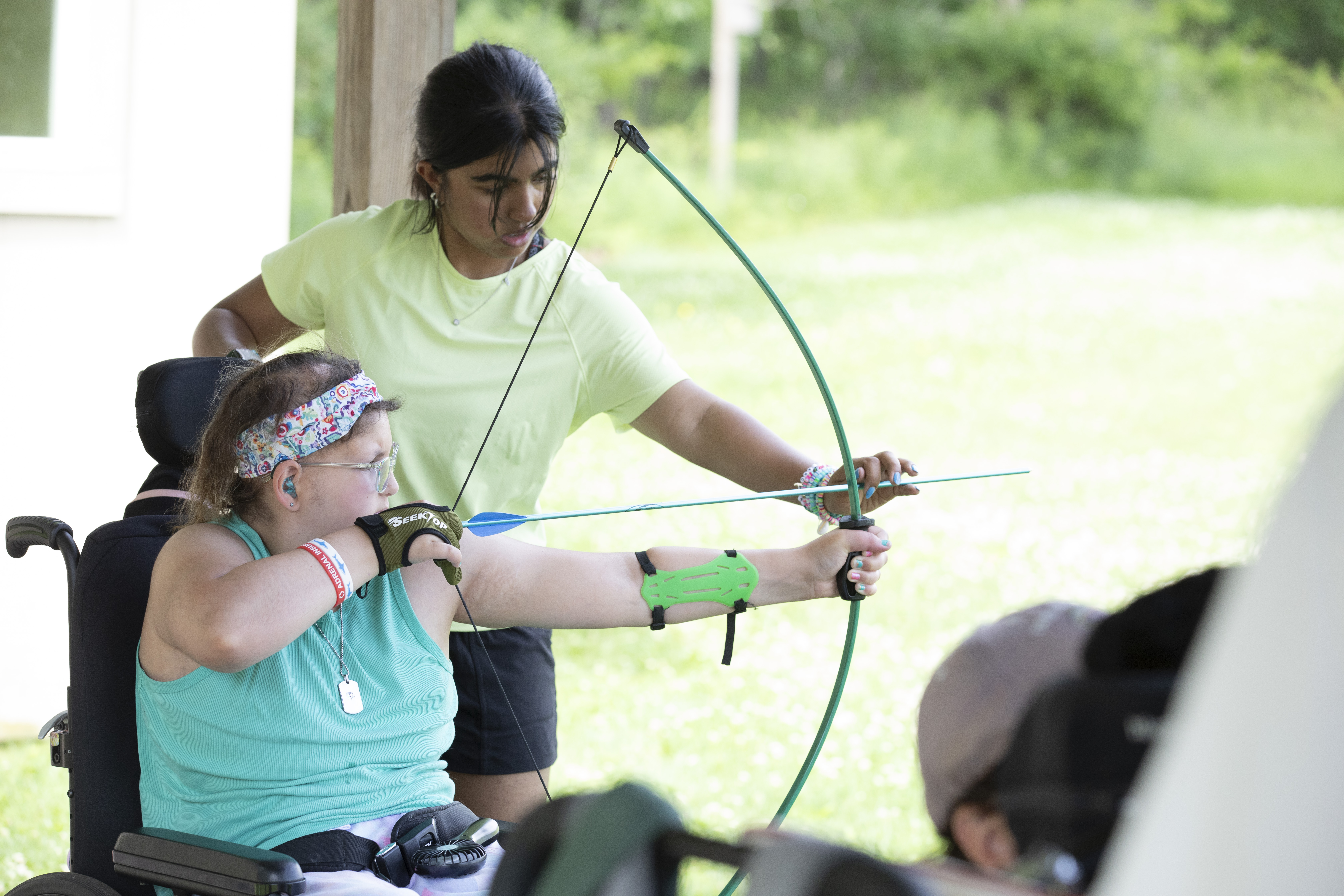
MILLVILLE, Pa. — In an open field, arrows whizzed through the humid June air and struck their targets. Campers and counselors cheered.
It was archery hour at Camp Cranium. Operations director Drew Meyer watched, a few tears escaping from behind his dark sunglasses.
“They will surprise you, like, flat out,” he said of the campers, who have all survived brain injuries. “They’ll come out here, and they’ll shoot for three hours and start hitting the target.”
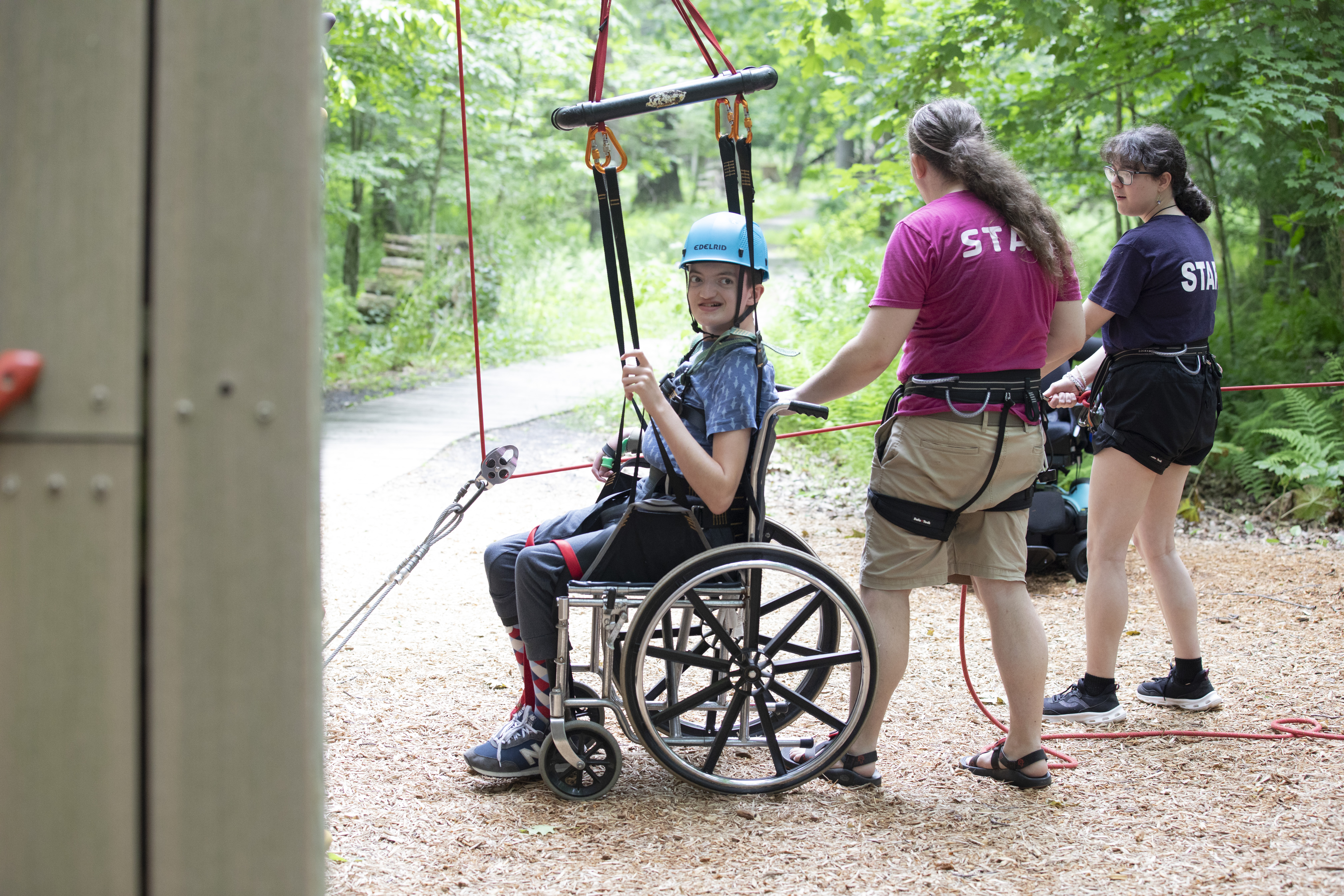
Campers, ranging in age from 10 to 21, have been coming to Camp Cranium in Pennsylvania’s rural Columbia County since 2008. Some of their brain injuries are so severe that they have to relearn basics, from talking to tying their shoelaces. Some use wheelchairs or crutches. But during a week at camp, they climb rock walls, swim, and whiz down a zip line through the lush forest.
The existence of Camp Cranium, and a handful of others like it, is a response to a decades-long national trend: More people, including children, now survive crises resulting in brain injury than did in the 1980s. The improvements in survival are largely due to seat belt laws and federal investments in research and trauma centers that can treat injuries quickly.
But recently, efforts to track and prevent one type of brain injury, traumatic ones, are in flux after Congress didn’t renew a law to further research and prevention of traumatic brain injuries, and the Trump administration fired hundreds of employees at the Centers for Disease Control and Prevention, including the team tracking traumatic brain injuries, or TBIs.
Lucas Hardy uses a hoist to climb the rock wall at Camp Cranium, a weeklong event in Pennsylvania’s Columbia County that helps children with brain injuries gain confidence. (Sarah Hofius Hall/WVIA News) Sarah Hofius Hall / WVIA News
Tracking brain injuries
Lucas Hardy, 14, smiled at the encouraging crowd below. In a shady clearing in the woods, he climbed the 30-foot rock wall, aided by a hoist that pulled him out of his wheelchair and helped support his moves. Hardy suffered a traumatic brain injury at age 3, when a tree branch fell on him at a birthday party.
Annually, an estimated 2.8 million Americans experience a TBI — including about 475,000 children, according to the Brain Injury Association of America.
Recent data suggests those are undercounts. In 2018, a CDC team piloted a household survey asking about TBIs in a sample of U.S. children and adults. The results informed a study concluding that such injuries, which are often considered “hidden” because the damage is internal and unseen, are more widespread than hospitalization numbers suggest.
The mass firings at the CDC in early 2025 gutted the team studying TBI, right before they were expected to launch a nationwide concussion surveillance system. A spokesperson for the Department of Health and Human Services, Emily Hilliard, did not respond to questions about the number of employees terminated, or if they were reinstated or replaced.
In a statement, she said: “The Trump Administration remains committed to supporting efforts to prevent traumatic brain injuries, improve surveillance, and ensure Americans have access to practical, evidence-based information that can help protect their health and safety.”
She said the agency’s TBI work is now handled by other staff members at the National Center for Injury Prevention and Control.
Hilliard said the CDC is deciding how to establish a cost-effective national concussion surveillance system within the bounds of current funding, and said the agency in 2026 dedicated funds to support, among other things, an educational campaign about concussions, an injury prevention program, and concussion surveillance.
But Wolfkiel still worries about how the CDC firings and the impasse over federal funding will affect brain injury research and prevention efforts in the long term.
“The lack of resources and programs and information that’s out there is really just sort of appalling,” Wolfkiel said.
Tony Sadowski (right) serves as executive director of Camp Cranium. He first learned about the camp when a speech therapist recommended it to his son, Bryan, who had suffered a brain bleed that caused a hemorrhagic stroke at age 6. Now 18, Bryan (left) is preparing to study occupational therapy at Elizabethtown College. (Sarah Hofius Hall/WVIA News) Sarah Hofius Hall / WVIA News
Federal funding uncertainty
Tony Sadowski, the camp’s executive director, remembers when his son, Bryan, suffered a brain bleed that caused a hemorrhagic stroke at age 6. “You’re in the emergency room,” he recalled, “not knowing what version of your son’s going to wake up.”
Now 18, Bryan Sadowski has attended the camp for years.
“We’re very lucky to be able to be here,” the elder Sadowski said.
In 1996, before Bryan was born, Congress passed the Traumatic Brain Injury Act, which has provided many states with grants for TBI research, advocacy, and services. Since then, Congress reauthorized the act four times, largely with bipartisan support, until 2024.
It has remained lapsed since then. Trump’s secretary of the Department of Homeland Security, Markwayne Mullin, supported reauthorizing funding when he was a senator. Congress is still considering whether to reauthorize funding through 2030.
Despite the lapse in funding, money is still flowing to TBI programs at the CDC and in states, according to Rick Willis, president and CEO of the Brain Injury Association of America.
Congress did appropriate $8.25 million for TBI program activities through the Consolidated Appropriations Act of 2026. That’s far less than the $23 million Congress provided for each fiscal year, from 2020 through 2024, the last time it reauthorized the act.
“The TBI Act is the only piece of federal funding for traumatic brain injury at the federal level,” Willis said. “We’re aiming to preserve what we have.”
The funding uncertainty has not affected the handful of brain injury camps, including Camp Cranium and Bright Ideas TBI Camp in Alabama, because they are nonprofits that mostly rely on private donations.
Brianna Engleman (right) collects song requests for a dance scheduled that night at Camp Cranium. Engleman has been a camper since 2018 and says she plans to come back as a counselor to support other campers like herself. (Sarah Hofius Hall/WVIA News) Sarah Hofius Hall / WVIA News
Back at Camp Cranium, bursts of laughter, whoops of delight, and distant chatter punctuated the humid summer air.
While her fellow campers did archery or art, Brianna Engleman moved between groups, collecting song requests for a dance that evening. When she was 5, doctors performed a hemispherectomy to relieve her of debilitating seizures. But the surgery itself can injure other parts of the brain.
She lives in Northern Virginia and first attended Camp Cranium as a teen in 2018. It was her first time being around so many people like her, said Engleman, now 21.
“I’ve gotten more confident,” Engleman said. “It made me think, well, there’s actually good people out there.”
Next time she returns to camp, she said, she plans to do so as a counselor.
This article is from a partnership that includes WVIA, NPR, and KFF Health News.
KFF Health News is a national newsroom that produces in-depth journalism about health issues and is one of the core operating programs at KFF — the independent source for health policy research, polling, and journalism.
Philadelphia health officials confirmed the city’s first four human cases of West Nile virus for the year Friday, and asked residents to take some simple actions to help stop the disease’s spread.
“We all have a role in preventing the spread of West Nile Virus,” said Health Commissioner Palak Raval-Nelson in a statement. “And it’s easy to do: Wear mosquito repellent and dump out standing water.”
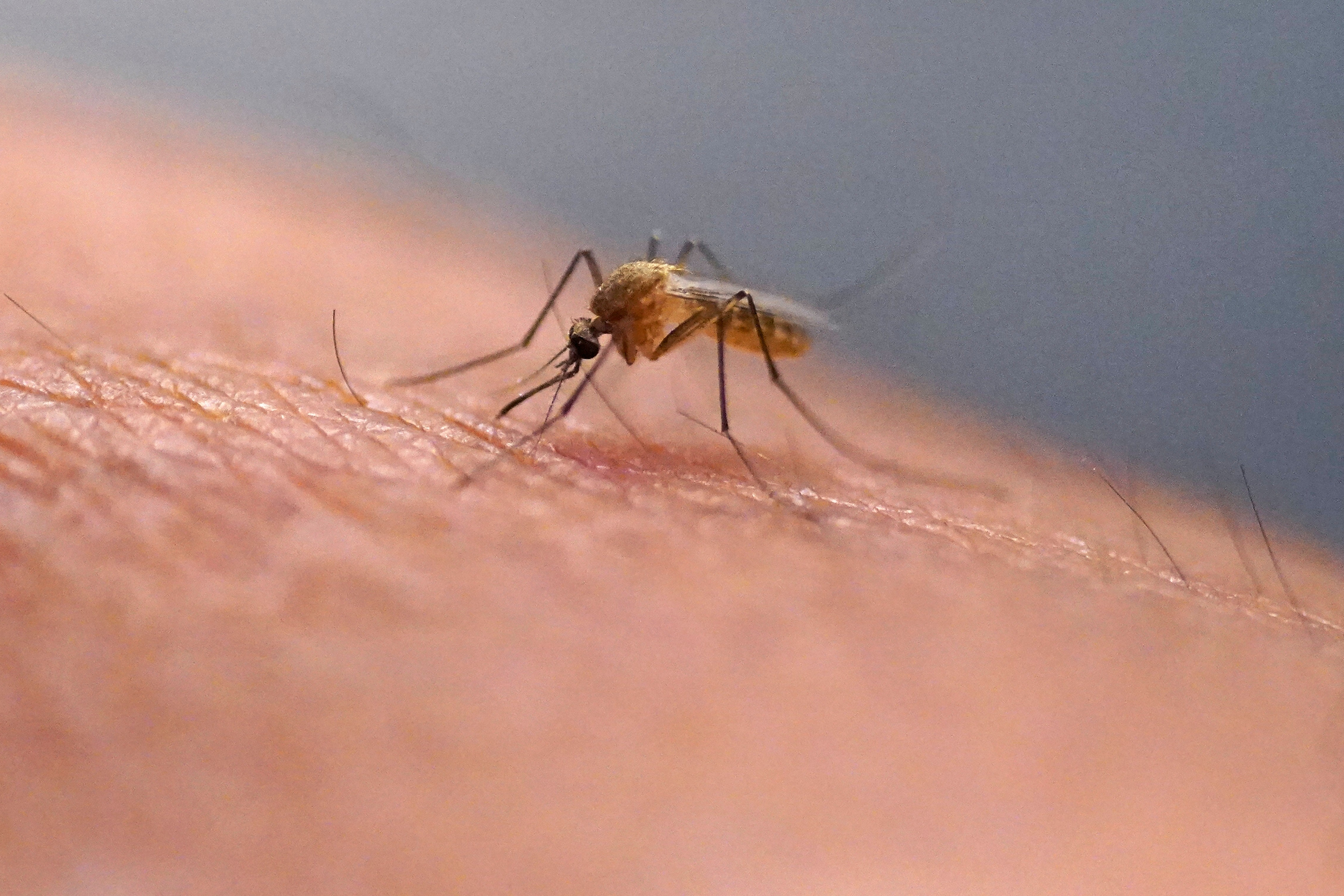
Spread by bites from infected mosquitoes, West Nile virus is a neurologic infection that often presents no symptoms in people, health officials said. However, it can result in a fever and flu-like symptoms in about 20% of cases, and rarely may cause swellings of the brain and spinal cord.
Officials said that people aged 50 and older have the highest risk of developing severe disease. Those experiencing symptoms such as unexplained fatigue, weakness, and headaches should contact their doctor. There is no specific treatment or vaccine for West Nile virus, though rest, fluids, and pain medication can ease symptoms.
Health officials did not provide further information about the human cases of the disease it had identified.
West Nile virus is common in Pennsylvania, and has been detected in mosquitoes in a majority of the state’s 67 counties, according to the state Department of Environmental Protection’s website. Two human cases of the ailment were previously identified in Allegheny County, city health officials said.
Mosquitoes breed in standing water, and their spread can be lessened by periodically emptying any container outdoors — such as flowerpots, birdbaths, and buckets — that may become a breeding site. Additionally, health officials recommended that residents clear clogged rain gutters and aerate ornamental ponds, among other steps.
Residents, officials said, should also wear insect repellent when outdoors, wear long-sleeved shirts and long pants when possible, and limit outdoor activity at dawn, dusk, and the early evening.
The health department’s Vector Control Services program, meanwhile, works to keep the spread of mosquitoes down by treating public areas and storm drains with insecticide. This summer, workers have treated more than 50,000 storm drains with larvicide to keep mosquitoes from breeding, officials said.
Mosquito-related complaints can be reported to the health department’s mosquito hotline at 215-685-9000.
The Centers for Disease Control and Prevention’s latest update Friday on the toll of measles outbreaks nationally continued to omit two measles-related deaths reported last week in Pennsylvania, extending an unusual standoff between federal and state health authorities.
The agency instead placed an asterisk in a column where, if reported, the Pennsylvania deaths would be recorded as the first in the nation this year. A note below stated that ”available information does not establish whether measles caused or contributed to the deaths or whether the individuals died from other causes while infected with measles.”
The omission marked a clear departure from the agency’s normal operating procedure, as President Donald Trump’s administration and Democratic Gov. Josh Shapiro continue to clash over how the deaths were characterized.
States report to the CDC cases and deaths for dozens of infectious diseases, such as hepatitis, influenza, and measles. The CDC has long compiled the data into reports that help epidemiologists monitor outbreaks and risk, and can inform lawmakers’ efforts to improve public health policy.
In a rare break from that norm, Health and Human Services Secretary Robert F. Kennedy Jr. asked the CDC’s newly appointed director, Erica Schwartz, to omit the Pennsylvania deaths, according to Reuters.
The move escalated a spat between Kennedy, a longtime anti-vaccine activist, and Shapiro, which began when the governor announced the deaths last Tuesday at a news conference in Lancaster County.
Shapiro accused Kennedy of spreading vaccine misinformation that has contributed to declining measles vaccination rates, and Kennedy suggested that Shapiro’s office had fabricated the deaths to win political points.
Public health experts warned that the ongoing political controversy sows doubt in what was designed as an unimpeachable health resource — national disease surveillance — and detracts from the ultimate public health goal of limiting the spread of illness.
“Every data point is a broken family, a mother crying, a future that’s lost. Instead of grieving that and making sure it never happens again, you’re debating the mechanism of death,” said Brian C. Castrucci,an epidemiologist and president and CEO of de Beaumont Foundation, a community health philanthropy outside Washington, D.C.
The Pennsylvania Department of Healthreported the two deaths to the CDC the morning of Aug. 25, and professional staff at the CDC “did not express any concern regarding the information,” Neil Ruhland, a department spokesperson, said in an email.
He described the communication that followed as an extension of the department’s ongoing communications around the state’s outbreak:
The next day, the state health department discussed the details of each case with CDC professional staff. The CDC requested records containing identifiable information, which the health department did not share, consistent with its past practices.
Shapiro has cited state privacy laws, and the need to protect the privacy of the families involved to ensure community trust, with limiting his ability to release more information.
Instead, the health department asked the CDC for a case report form to provide de-identified information. The health department says it has not yet received that form.
Pennsylvania health officials have a measles outbreak response meeting with the CDC every other week, and most recently met on Tuesday.
“CDC professional staff have repeatedly made it clear that it has been supportive of DOH’s measles outbreak response,” Ruhland said.
The CDC’s website says the agency plans to update its measles death count once it has completed its review of Pennsylvania’s cases. But officials have not said what additional information they need from Pennsylvania or when they expect to complete their review.
The agency did not respond to a request for comment in time for publication.
Joshua Sharfstein, a physician who served as Maryland’s Health Secretary from 2011 to 2014, said he has never heard of the CDC omitting disease surveillance data reported by states.
“I wouldn’t say it’s off the table for the CDC to want more information,” but the way the agency went about it in Pennsylvania’s case is unusual, said Sharfstein, who also served as Baltimore’s health commissioner and currently works as a health policy professor at Johns Hopkins University.
He said he would expect the agency to report Pennsylvania’s data, while alerting officials they are looking for more information. “It’s supposed to be a collaborative relationship,” Sharfstein said.
Pennsylvania officials initially provided no additional information to the public about the two people who had died, other than they were unvaccinated Lancaster County residents.
The state’s decision to call the deaths measles-associated came after the state health department’s “epidemiology team thoroughly investigated and verified both individuals tested positive for measles,” Pennsylvania Health Secretary Debra Bogen said in a statement.
Pennsylvania defines a measles-associated death as deaths of people where evidence of measles is present, even when the disease may not be assessed by the coroner as the immediate cause of death.
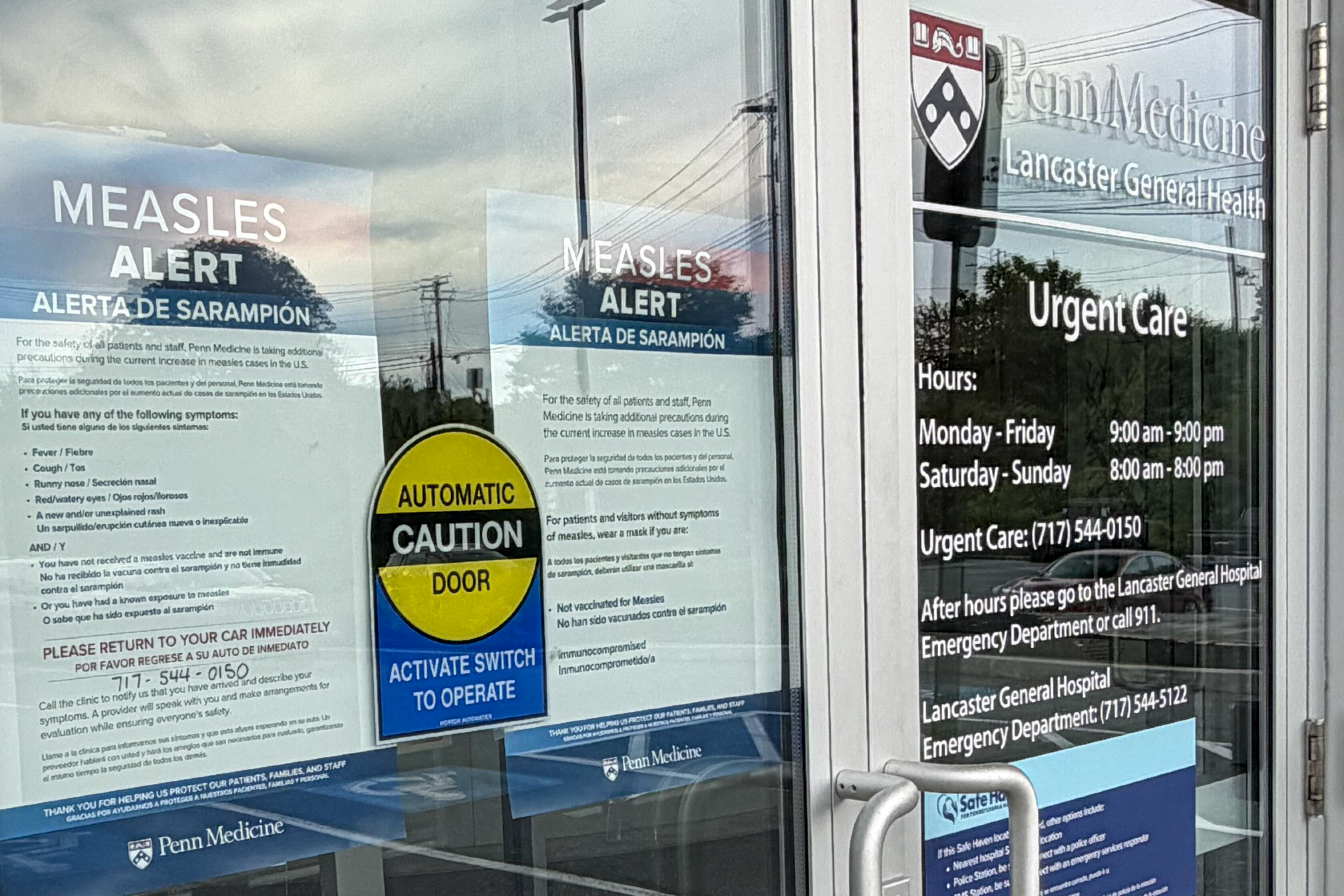
An alert about measles is posted in the window of a medical clinic in Lancaster.Gillian McGoldrick / Staff
Lancaster County’s coroner, Stephen Diamantoni, added confusion last week when he contradicted the state’s account.
Diamantoni, a physician and elected Republican, said his office was investigating one death involving a newborn and said postmortem testing showed the infant had a measles infection acquired before birth. But he said he did not believe measles contributed tothe child’s death.
The child died shortly after birth of a lacerated spleen with trauma to the torso, Diamantoni said. He did not know what caused the lacerated spleen or trauma.
He later said measles was noted on the infant’s death certificate as a significant condition “contributing to death but not resulting in the underlying cause,” because the baby tested positive for measles.
On Friday, he said a 6-week-old Amish infant who was being treated for a deadly genetic disorder had died of measles in mid-August. He said he did not know if the case was the second measles-related death Pennsylvania reported, saying that he reported the death to the CDC on Friday.
Pennsylvania’s health department said it was aware of the information the coroner reported Friday and had “no new measles-associated deaths to report at this time.”
Shapiro reshared a news article about the death on X. In his post, he blamed Kennedy for creating “a firestorm of conspiracy theories that denied these families’ pain, invaded their privacy, and undermined public health.”
“It’s long past time for RFK to stop playing games with people’s lives, report these deaths accurately on the CDC dashboard, and heed the guidance of actual medical experts so people get accurate information to discuss with their trusted healthcare providers and can best protect themselves and their children against this deadly disease,” he wrote.
Kennedy fired back, highlighting the Lancaster coroner’s disclosures, in another X post later on Friday: “The facts emerging now demonstrate why CDC waited for the evidence rather than allowing political grandstanding to dictate its reporting.”
Politicizing public health
Fixating on whether a patient died “because of” or “with” measles inevitably politicizes the issue and does not benefit people’s health, Jake Scott, a clinical associate professor of infectious diseases at Stanford University, wrote in an opinion piece published online by the Center for Infectious Disease Research and Policy at the University of Minnesota.
Measles usually kills through the complications it causes, such as pneumonia, encephalitis, secondary bacterial infections, and pregnancy complications, he wrote.
“A death tally that can be altered by officials whom it embarrasses will not be trusted by anyone, including the officials who edited it,” Scott wrote.
Diamantoni, Lancaster’s coroner, told The Inquirer earlier this week he did not want “to be dragged into a political fray.”
“Our role in our office is not political in any way. We’re focused on determining the cause and manner of death, and using objective and scientific methods to do that,” he said. “We’ve worked hard to be sure that the information we’re providing is based on objective things.”
More than a week into the controversy, lawmakers continue to take political jabs.
“I am disgusted the Trump administration is putting Pennsylvania families at risk by spreading dangerous misinformation and politicizing these tragic deaths,” U.S. Rep. Brendan Boyle (D., Phila.) said in a statement.
Pennsylvania’s highest-ranking federal lawmakers — U.S. Sens. John Fetterman, a Democrat, and Dave McCormick, a Republican — did not respond to a request for comment Thursday about the state’s standoff with the CDC. McCormick voted to approve Schwartz as the new CDC director; Fetterman voted against.
U.S. Rep. Brian Fitzpatrick (R., Bucks), the only federal GOP lawmaker in the Philadelphia region, also did not respond to a request for comment. Neither did U.S. Rep. Lloyd Smucker, the Republican who represents Lancaster County and who blasted Shapiro last week for not providing more information about the measles-associated deaths.
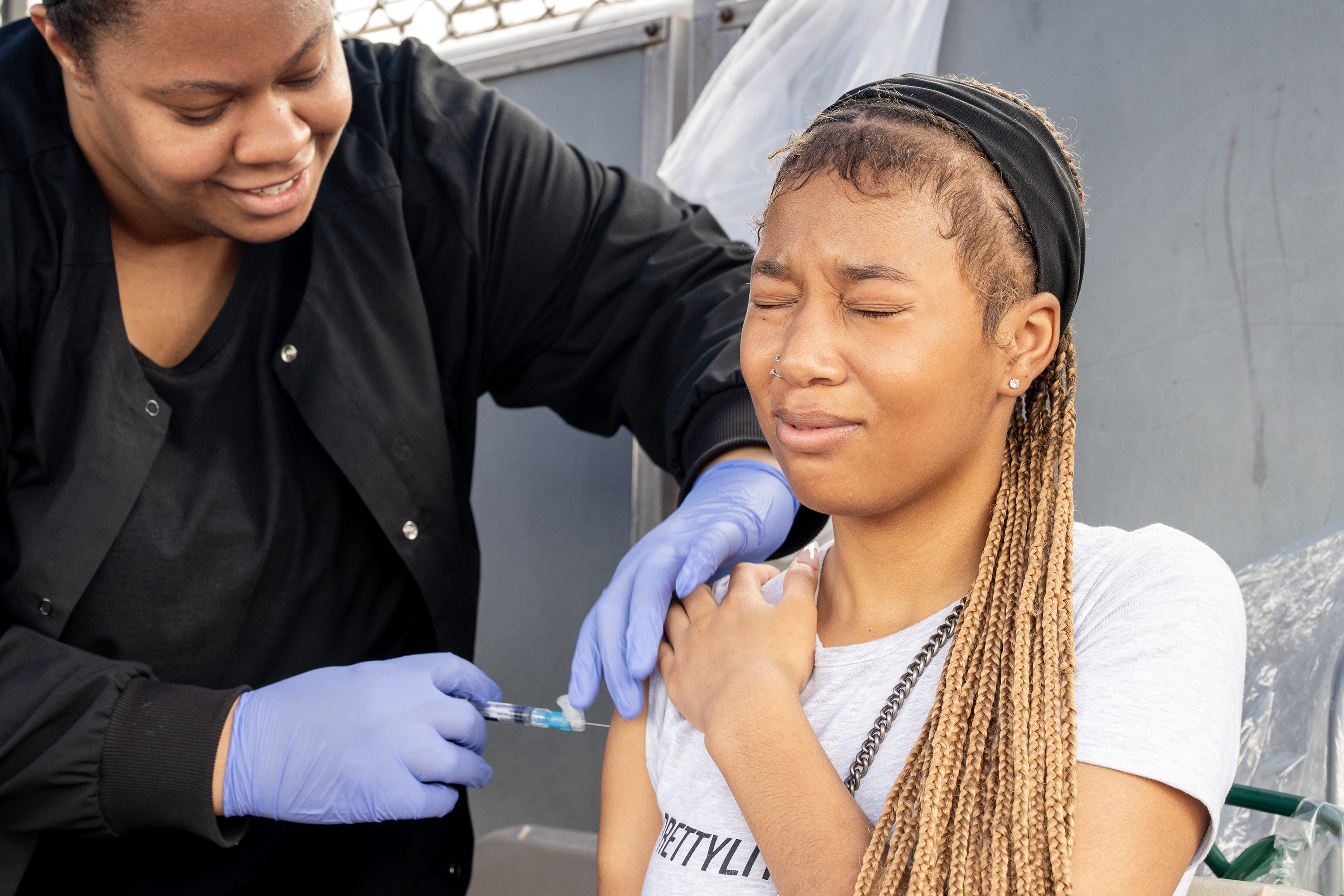
Cianey Brown, 16, receives an immunization last month during the School District of Philadelphia’s sixth annual Back-To-School Bus Tour stop at Marcus Foster Memorial Stadium. Tom Gralish / Staff Photographer
Measles outbreak continues
Public health leaders, doctors, and epidemiologists say that finding a path forward has become an increasingly partisan issue at a time of rising vaccine hesitancy.
Medical experts will be tasked with trying to rebuild trust in health authorities in order to contain a rapidly spreading outbreak.
“How can any American citizen begin to make decisions about their health right now, in the milieu of misinformation and falsehoods we’ve created?” said Castrucci, de Beaumont’s CEO. “We have to get back to a point where at least the data can be trustworthy.
As of Friday, there have been 577 measles cases in Pennsylvania, including 115 reported within the last week, according to the state health department’s online measles dashboard.
Only South Carolina has reported more measles cases than Pennsylvania so far this year, according to the CDC’s measles webpage. There have been 3,134 cases nationally this year, the agency reported in its latest update Friday.
Pennsylvania’s measles-associated deaths remain an asterisk.
Inquirer staff writers Sam Janesch and Aubrey Whelan contributed to this article.
Marriage has been well-studied and has even been linked with certain mental and physical health benefits. But new research suggests that singlehood comes with its own boon.
In a series of three studies, which included two diary studies followed by an experimental one, researchers examined what they call “singlehood self-expansion potential,” or the belief that being single offers opportunities to broaden your sense of self via exposure to new experiences, perspectives, and relationships in a way that has previously been associated with being in a partnership.
“Self-expansion theory has assumed that self-expansion happens in the context of close relationships,” said Yuthika Girme, an associate professor at Simon Fraser University and co-author of the study published in August 2026 in the Personality and Social Psychology Bulletin. “While that is true, our findings also highlight the potential benefits of personal growth and expansion during solo activities.”
With this research, “we hoped to deviate from the existing social narrative that romantic relationships are the key to living a fulfilling life and personal growth, and recognize singlehood itself as an opportunity for self-expansion,” said Elina Moreno, the study’s lead author who conducted the research as a social-personality undergraduate mentee at Simon Fraser University and is now a graduate student at the University of Toronto.
The value of self-expansion while single
Psychologists have extensively studied self-expansion, or the idea that people are wired to want to develop new perspectives, abilities, and identities throughout life. Much of that existing research has focused on romantic relationships, with findings showing that a partner can introduce you to new people, interests, and ideas.
Researchers set out to see how this concept may apply to single people, in particular. “The lived experiences of single people are understudied despite the rising numbers of folks who are delaying romantic relationships and choosing to remain single instead,” Moreno said.
Across three studies, the researchers measured how strongly single participants believed their relationship status offered them opportunities for expansion and examined how those beliefs affected their experiences and emotional well-being.
Here’s what they found: People with stronger beliefs in singlehood’s potential for growth engaged in more self-expanding activities, from hiking and trying new restaurants to learning skills and playing sports. Those beliefs were also linked to greater satisfaction with singlehood and life overall, less fear of being single, and stronger feelings of autonomy, competence, and connection to others.
But single people weren’t always engaging in these enriching experiences by themselves. Up to 82% relied on friends and family to join them in these moments of self-expansion — no romantic relationship required.
Why mindset matters
Generally, how you look at a situation can influence how you respond to it. “So much of what we experience and perceive in daily life is influenced by our mindset,” Moreno said. But there’s some nuance to that idea when it comes to this study’s findings.
People who already had higher self-esteem and felt happier about being single were more likely to view singlehood as an opportunity for expansion. Similarly, those who were more anxious about remaining single or felt a romantic relationship was necessary for their happiness were less likely to see that potential.
“The important variable may not simply be whether someone is single, but what being single means to that person,” said psychologist Avigail Lev, director of Bay Area CBT Center, who was not involved in this research.
In the third study, the researchers asked participants to imagine specific scenarios meant to encourage them to see singlehood as an opportunity for growth. They found that this did little to change people’s preconceptions.
“Although people reported engaging in more self-expanding activities and positive mood after our intervention, we were not able to increase people’s singlehood self-expansion potential scores,” Girme said. “This was surprising and highlights that shifting people’s overall mindsets about singlehood may be more challenging than anticipated.”
Other research on singlehood points in a similar direction. One study of lifelong singles found that those who chose to remain single viewed their relationship status as a source of autonomy and self-fulfillment, while those who felt forced into that choice expressed more regret. Another study on young adults found that those who attributed being single to self-enhancing motivations or a lack of interest in relationships reported greater well-being than those who reported “self-defeating” reasons.
That distinction is important, said Mandolin Moody, an associate therapist at Gateway to Solutions in New York City who was not part of this research. Singlehood can create room to explore interests and identities independently, but that doesn’t mean everyone experiences it positively, particularly when being single isn’t what they want.
The study series has a few limitations: Most participants were young adults, Girme said. People in this group may have more time or social permission to prioritize exploration than older adults who may be juggling more responsibilities. More research is needed to determine whether the findings apply across different stages of life.
Additionally, the well-being boost from solo self-expanding activities — such as an increase in life satisfaction and strong feelings of autonomy and competence — was short-lived. “The research showed that benefits were largely limited to same-day associations rather than indicating prolonged benefits,” Moody said.
How to make singlehood more expansive
Self-expansion doesn’t require booking an expensive bucket-list vacation, for instance. Trying a new hiking trail, sampling a cuisine that’s new to you, or joining a pickup pickleball game can count, Girme clarified. What matters is allowing yourself to try something new and step outside your usual routines. Consider the following tips:
Try something new. Take an online class, pick up a new hobby, or start learning about new subjects you’ve always been curious about.
Get to know yourself better. Journaling can create space to reflect on what interests you and what you’re learning about yourself. “Therapy can be a great resource for enhancing self-discovery and for evaluating belief systems that may be impacting your self-esteem or personal singlehood self-expansion potential,” Moody said.
Find new communities. Look for opportunities to meet people who share your interests, whether that’s through a recreational sports team, book club, sewing circle, or community garden. Moody recommends staying consistent and open-minded as you build connections outside of romantic ones.
Travel solo. “Solo travel is known to be a great opportunity for self-expansion, as it fosters the full exercise of personal freedom, decision-making, self-reliance, and socializing outside of your usual environment,” Moody said.
Think of being single as an opportunity to focus more of your time and energy inward, Moody added.
Ultimately, the goal isn’t to decide whether being single or partnered is better than the other, Lev said. “It’s to stop treating singlehood as a state that must be escaped. When we approach it as an opportunity rather than a deficiency, we gain the freedom to use it for exploration, connection, and growth, and to become more intentional about who we want to be.”