About 12.5 trillion tons of ice from glaciers in Greenland and Antarctica have melted since 1979, which is enough frozen water to stack ice 5 feet deep across the continental United States, according to a major scientific report.
A warming Earth is accelerating the melting of the planet’s two major ice sheets, with five-sixths of the melt not coming from hotter air, but from warmer waters eating away at the ice sheets from below and the sides, with glaciers flowing into the oceans, according to a study in Wednesday’s journal Scientific Data. That’s bad news for future sea level rise, the study’s authors said.
“The ice sheets are melting away fast,” said study co-author Eric Rignot, an ice scientist at University of California, Irvine. “We are melting the polar regions, sea level is rising worldwide and will exacerbate the vulnerability of coastal regions.”
Huge numbers for ice melt, people flooded
The numbers behind the melt are both mind-bogglingly huge and deceptively small.
All that melted ice turned into nearly 3 quadrillion gallons of water, which pushed global sea levels up about an inch since 1979, on top of other climate factors raising ocean heights, the report said.
An inch may not sound like much, but for every third of an inch (or centimeter) of sea level rise, another 2 to 3 million people get flooded at least once a year, said lead study author Ines Otosaka, an ice scientist at Northumbria University in England.
The Jakobshavn glacier in Greenland is now retreating up to 164 feet a day, Otosaka said.
The international collaboration of polar scientists, headed by the European Space Agency, had in the past only looked at ice sheet melt since the 1990s based on European satellite data. But by incorporating NASA satellites, the scientists were able to chart ice sheet volumes in Antarctica back to 1979 and in Greenland back to 1972.
The melting is accelerating
“There is a clear trend that the ice sheets are losing more mass and it has been increasing from decade to decade, especially if you look at the ice being discharged to the ocean,” Otosaka said. “And that’s quite clear that there’s a link to climate change.”
It showed that in the 1970s, 1980s and into the 1990s, the ice sheets were relatively stable, but then melt started happening and it really kicked in during the 2010s, Otosaka said.
“That’s something to be concerned about as it shows that the changes are tracking decades behind global warming, which means we can expect them to continue for decades more — even if we are able to stop heating the planet,” said study co-author Andrew Shepherd, also of Northumbria.
The accelerating numbers seemed to pause from 2020 to 2023, but the study’s authors said it more reflected short-term weather variations not long-term trends. Otosaka said the study stopped with 2023 data, but she’s looked at measurements since and found the accelerating trend has picked back up.
A lot of the stability in Antarctica was because East Antarctica had record snowfall, which compensated for the rapid melting in the less stable West Antarctic Ice Sheet, the authors said.
The three-year hiatus was “just a bump in the record,” Rignot said. “The long rise is climate and the threat is crystal clear.”
Worrying about a collapse scenario
The biggest changes scientists saw are in what they call dynamic processes, which are more abrupt and active than the slow steady melting from the air, and that’s something prone to trigger runaway “tipping points,” Otosaka said.
New York University ice scientist David Holland said that’s what concerns him “because most of the ice loss is dynamical and that is exactly what you would expect in an ice sheet instability collapse scenario.”
The international team used 45 independent surveys and 27 different satellites. “The use of relatively independent methods gives me greater confidence in the result,” said Holland, who wasn’t part of the study. “The upward trend is real.”
“The ‘wild cards’ of Antarctic mass loss continue to pose a challenge for human management of the planet — a clear and present danger, but many decades in the future,” said University of Colorado ice scientist Ted Scambos, who wasn’t part of the study. “We are now as a society smart enough to know the future, but not prudent enough to act upon the knowledge.”
An inmate at the Delaware County prison has tested positive for bacterial meningitis and remained hospitalized Tuesday night, officials said.
The inmate at the George W. Hill Correctional Facility in Thornton tested positive on Sunday after being transported to a local hospital, officials said.
The Delaware County Health Department is advising prison administrators on identifying close contacts of the inmate among other incarcerated individuals, staff members, and any other people who may have had close contact from Sept. 2 through Sept. 12, officials said.
The county did not identify the inmate.
“Close contacts that are considered higher risk include people who have had direct exposure to a case’s oral secretions through frequently eating or sleeping in same dwelling as a case, kissing, and/or sharing toothbrushes or drinking water bottles, eating utensils, or cigarettes,” the county said in a statement.
Staff members and inmates who had close contact with the individual are being supplied with preventive antibiotics and information about monitoring symptoms, the county said.
Meningococcal disease is an infection caused by Neisseria meningitidis bacteria, also known as the meningococcus bacteria, the county said.
“The bacteria is spread from person to person by respiratory and throat secretions and is not spread by casual contact. Symptoms of the disease include sudden fevers, headache, stiff neck, altered mental status, and light sensitivity. Additionally, symptoms of chills, muscle aches, nausea, vomiting, and diarrhea can occur. In later states, a dark purple, brown, or black rash may appear,” the county said.
People with questions about personal health should consult with their health provider, the county said. Anyone with general questions about bacterial meningitis and public health may contact the Delaware County Health Department at 484-276-2100 or delcowellness@co.delaware.pa.us.
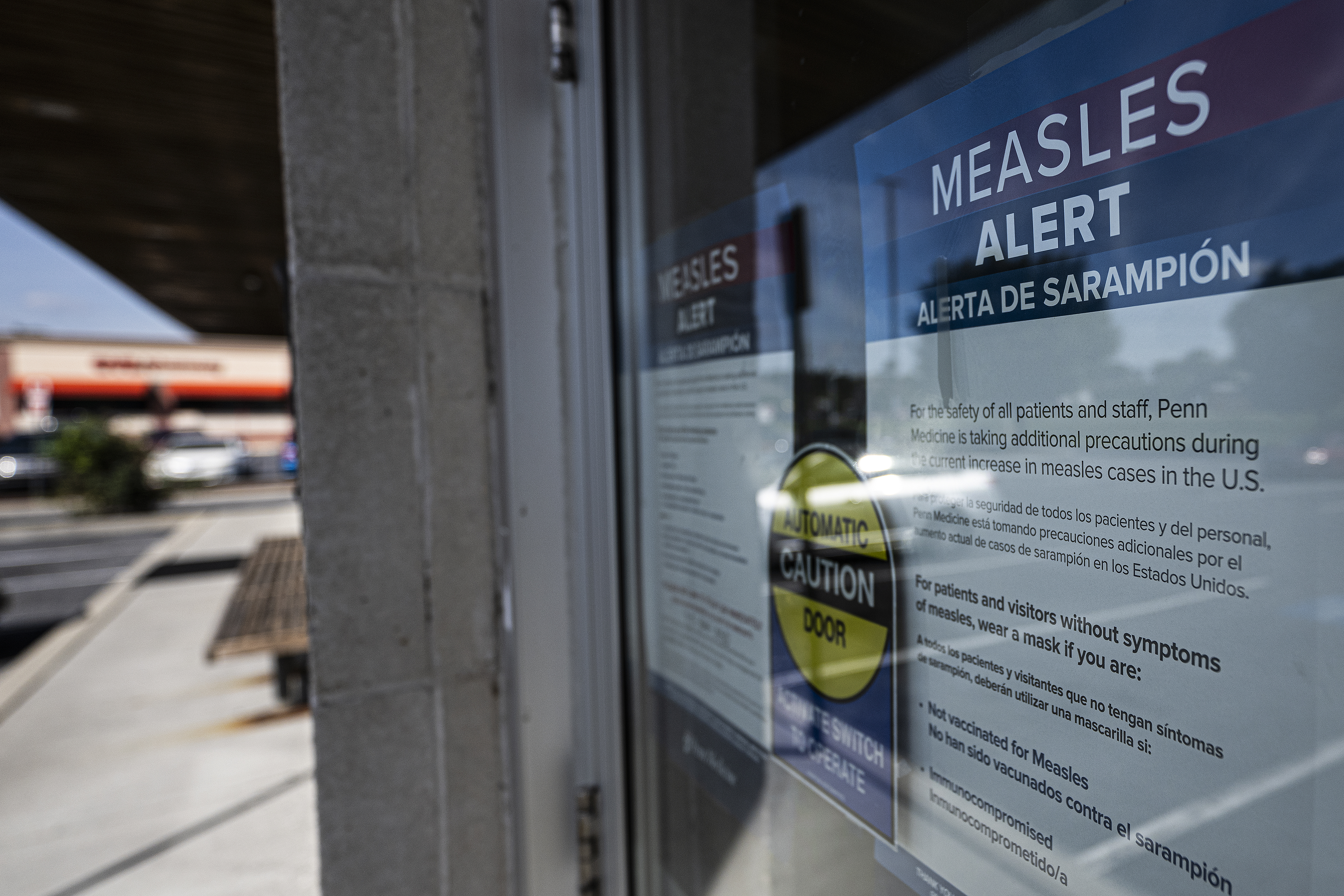
Pennsylvania health officials on Tuesday confirmed two more deaths associated with measles, involving a resident of Jefferson County and a resident of Mifflin County.
The state has now reported four measles-related deaths amid a growing outbreak that has sickened nearly 700 people this year. The deaths mark the state’s first in three decades related to the highly contagious disease, and the most reported in the U.S. in a year since 1992.
Both residents tested positive for measles and were unvaccinated, state officials said.
An 18-year-old in Mifflin County died due to measles complications, the county coroner said in a news release Tuesday. The cause of death was acute disseminated encephalomyelitis, “a rare and severe neurological complication of measles.”
The condition occurs after a measles infection triggers a harmful autoimmune response, said Paul Offit, a physician and vaccine expert who heads Children’s Hospital of Philadelphia’s Vaccine Education Center.
“It’s rare. It occurs in maybe one in 1,000 cases. But it’s real, and it can be fatal,” he said.
The death of a 40-year-old woman was reported over the weekend by Jefferson County’s coroner. She also had severe respiratory conditions and died of respiratory failure after showing signs of measles.
She had been exposed to a person with a lab-confirmed case of measles, and the coroner onMonday evening confirmed in a news release that postmortem testing showed the woman had an active measles infection when she died.
Health Secretary Debra Bogen, offering condolences to the victims’ families, noted the state’s efforts to “stem this outbreak and prevent more deaths” include ensuring people have access to and accurate information about the measles, mumps, and rubella (MMR) vaccine.
Measles deaths are rare, with typical symptoms including a high fever, a cough, runny nose, red, watery eyes, and a rash.
Yet the disease can cause severe complications, including pneumonia and brain swelling, especially in young children. About one to three children for every 1,000 infected will die from complications, according to the Centers for Disease Control and Prevention.
With 693 cases in 38 counties confirmed so far in Pennsylvania this year, experts fear the mounting death toll indicates that significant numbers of cases are going unreported.
“I think we are severely underestimating this epidemic,” Offit said.
Mifflin County, where the 18-year-old patient died, had reported 79 measles cases as of Monday — the second-highest total in the state, behind Lancaster County, where 296 people have been sickened and two deaths were previously reported.
Jefferson County, where the 40-year-old woman died, has seen 28 cases of measles so far this year.
Pennsylvania defines a “measles-associated death” as one that occurs within 30 days of symptom onset in a person with clinical evidence of infection and a positive laboratory test, and who did not die of another unrelated cause, like a car crash.
(function(){function e(){window.addEventListener(`message`,function(e){if(e.data[`datawrapper-height`]!==void 0){var t=document.querySelectorAll(`iframe`);for(var n in e.data[`datawrapper-height`])for(var r=0,i;i=t[r];r++)if(i.contentWindow===e.source){var a=e.data[`datawrapper-height`][n]+`px`;i.style.height=a}}})}e()})();
Shapiro again criticizes RFK Jr.
Since last month, state and federal officials have sparred over whether two other deaths reported in Pennsylvania were tied to the state’s measles outbreak.
U.S. Department of Health and Human Services press secretary Emily G. Hilliard said that state officials had notified the CDC of the two additional deaths reported Tuesday.
“CDC remains in contact with state health officials as they continue to assess these deaths,” she said in a statement.
With the news of the additional deaths, Democratic Gov. Josh Shapiro on Tuesday continued his criticism of President Donald Trump’s HHS secretary, Robert F. Kennedy Jr., accusing him of spreading misinformation about vaccine safety through his longtime anti-vaccine activism.
“This serious situation continues to be made worse by RFK Jr. playing games with public health and safety,” Shapiro said in a X post Tuesday.
In its latest update Friday, the CDC still had not listed the first two deaths on its website highlighting data on ongoing measles outbreaks around the country.
Shapiro also noted a news report that Kennedy directed the CDC’s decision not to include the deaths. “It is also deeply concerning to learn that the Secretary personally intervened in an otherwise administrative process to direct the CDC to not report these Pennsylvania deaths, presumably because it doesn’t fit his phony narrative,” he wrote.
Kennedy has accused the Shapiro administration of “fabricating” the first two deaths, although he later said one had been caused by measles.
Federal health officials also note that unlike several other states with measles outbreaks, Pennsylvania has not required an “Epi-Aid” team from the agency, “which would deploy epidemiologists to provide on-the-ground measles outbreak support.”
In a post on X, Kennedy said that Shapiro had “chosen to politicize this outbreak instead of implementing a unified public heath response.”
“He continues to point the finger at me and the federal government and to malign the Amish while refusing the federal assistance that might help end the outbreak,” he wrote. (The two Lancaster County deaths occurred in Amish children.)
State health officials have said they meet regularly with the CDC and will continue to evaluate if they need additional support from the agency.
Kennedy also said he had not directed the CDC to “suppress Pennsylvania deaths.”
“CDC is applying a consistent national standard rather than allowing politicians to decide which deaths appear in federal mortality statistics. CDC will report measles-caused deaths when the National Center for Health Statistics reports measles as the underlying cause based on death record information submitted by the states,” he wrote.
He added that MMR vaccination is “the most effective way to prevent measles infection.”
Pennsylvania officials have declined to publicly release additional information on the deaths, citing state privacy laws.
Details on the circumstances involved with the deaths have come from local coroner’s offices, which at times has heightened the scrutiny on the state’s reporting.
Lancaster County’s coroner said he had investigated one death caused by measles, in an infant with a deadly genetic disorder that made her vulnerable to respiratory infections.
He investigated another death in an infant who contracted measles before birth and died shortly after. The coroner, a physician and an elected Republican, has said that infant’s death was caused by a lacerated spleen, not measles. Yet prominent physicians have noted measles can weaken a person’s spleen, putting it at risk of rupture. State officials have maintained that the death was associated with measles.
Both children were too young to be vaccinated against the virus that is transmitted through the air, when an infected person coughs or sneezes, and can linger in the air for up to two hours.
Jefferson County’s coroner, also an elected Republican, said from his first news release Sunday that complications associated with measles were behind the death of the 40-year-old woman in his county. He said her death was due to “suspected measles” and other underlying conditions, because she had symptoms of the disease, including a rash and fever, and had been exposed before her death.
He shared on Monday that he was updating the woman’s death certificate to read “probable measles” after receiving paperwork confirming the woman had been in contact with an infected person with a positive lab test for measles. Later that night, he confirmed in a news release that the woman’s postmortem measles test was positive.
Two doses of the MMR vaccine are 97% effective at preventing the disease, the CDC says.
The more people who are vaccinated, the less likely it is for measles to spread. Scientists say that about 95% of a community should be vaccinated to prevent spread.
But vaccination rates in Pennsylvania have dropped in recent years, including in areas now seeing measles-related deaths.
In Mifflin County, for example, MMR vaccination rates for kindergartners dropped from 92.3% during the 2024 school year to 89% in the 2025 school year.
Lancaster County’s kindergarten MMR rates were already low and dropped by about 1 percentage point to 87.5% in 2025.
About 93% of Jefferson County kindergartners were vaccinated in 2025, a slight decrease from the year before.
Staff writer Stephen Sterling contributed to this article.
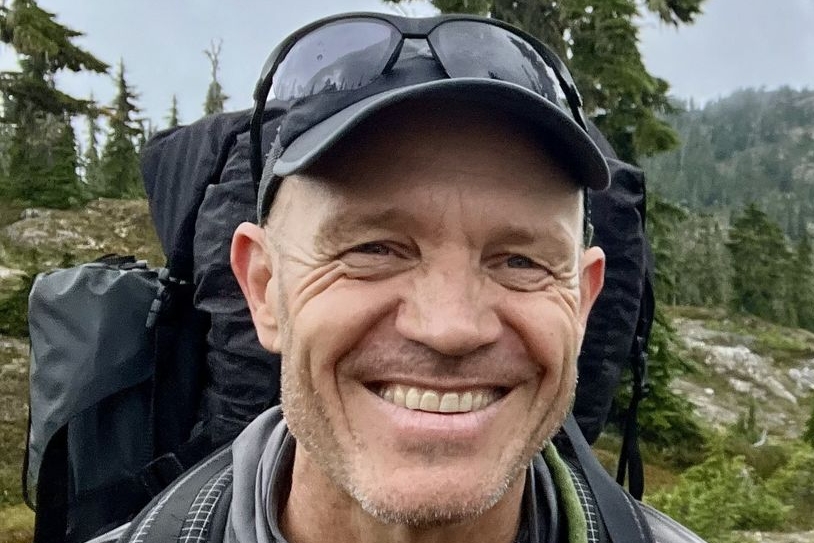
Peter D. Yeomans, 58, of Philadelphia, innovative clinical psychologist at the Corporal Michael J. Crescenz Department of Veterans Affairs Medical Center, founder of Cold Mountain Counseling LLC, worldwide mountaineer and backcountry adventurer, teacher, author, mentor, Quaker, and volunteer, died Friday, Aug. 28, of cardiac arrhythmia at the VA Medical Center in University City.
Dr. Yeomans was an expert in trauma, substance use disorder, moral injury, and spiritually integrated healthcare. He joined the Philadelphia VA Medical Center as a staff psychologist in 2009 and became director of its innovative PTSD outpatient team program in 2019.
He opened his own psychology practice, Cold Mountain Counseling, in 2021 and advised thousands of veterans, fellow backcountry adventurers, and other clients in need across the country. “He was instrumental in the healing process for so many veterans that it is hard to fathom the reach of his influence,” a VA colleague said in a tribute.
R. Tyson Smith, a friend and colleague, said several veterans told him: “Peter Yeomans saved my life.”
At the VA center, in addition to physical and mental ailments, Dr. Yeomans and others innovated a treatment for what are called “moral injuries” from military service. They connected therapists with VA chaplains to link emotional healing with faith rituals, and veterans in the program spoke appreciatively about shifting the guilt and shame of moral failures during war from soldiers in general to society at large.
“These are stories to hear and also for the public to wrestle with,” Dr. Yeomans told The Inquirer in 2019. His wife, Kate O’Shea, said: “He was the most responsible person you could imagine, and he felt he had a responsibility to humanity.”
Outside the medical center, Dr. Yeomans spent weeks at a time hiking, backpacking, packrafting, skiing, rock climbing, and mountain biking around the world. He reached summits in Alaska and Argentina, had to be rescued from a deep crevasse, and worked as a program supervisor and senior field instructor in the 1990s for the National Outdoor Leadership School in Alaska, Wyoming, Arizona, and Utah.
Later, he cofounded the local Wilderness Outdoor Leadership Force for teens in Kensington. Talia Young, a longtime WOLF member, called him “genuine and earnest … and joyful with kids.”
Dr. Yeomans was an avid cyclist.Bicycle Coalition of Greater Philadelphia
Longtime colleague Rob Riman said he was a “consummate adventure partner and wildly inspired guide.” On his website, coldmountaincounseling.com, Dr. Yeomans said: “Many of the fondest memories of my life are from adventures in the mountains.”
He earned a bachelor’s degree in psychology from Harvard University in 1991 and came to Philadelphia from Wyoming in 1997 to be with O’Shea. He earned a master’s degree in psychology from Lesley University in Massachusetts in 2001 and a doctorate in clinical psychology from Drexel University in 2008.
Dr. Yeomans traveled to New Zealand, Rwanda, Burundi, and elsewhere to train other counselors. He worked in state correctional institutions in Philadelphia and Chester, and earlier for the American Red Cross in Germany.
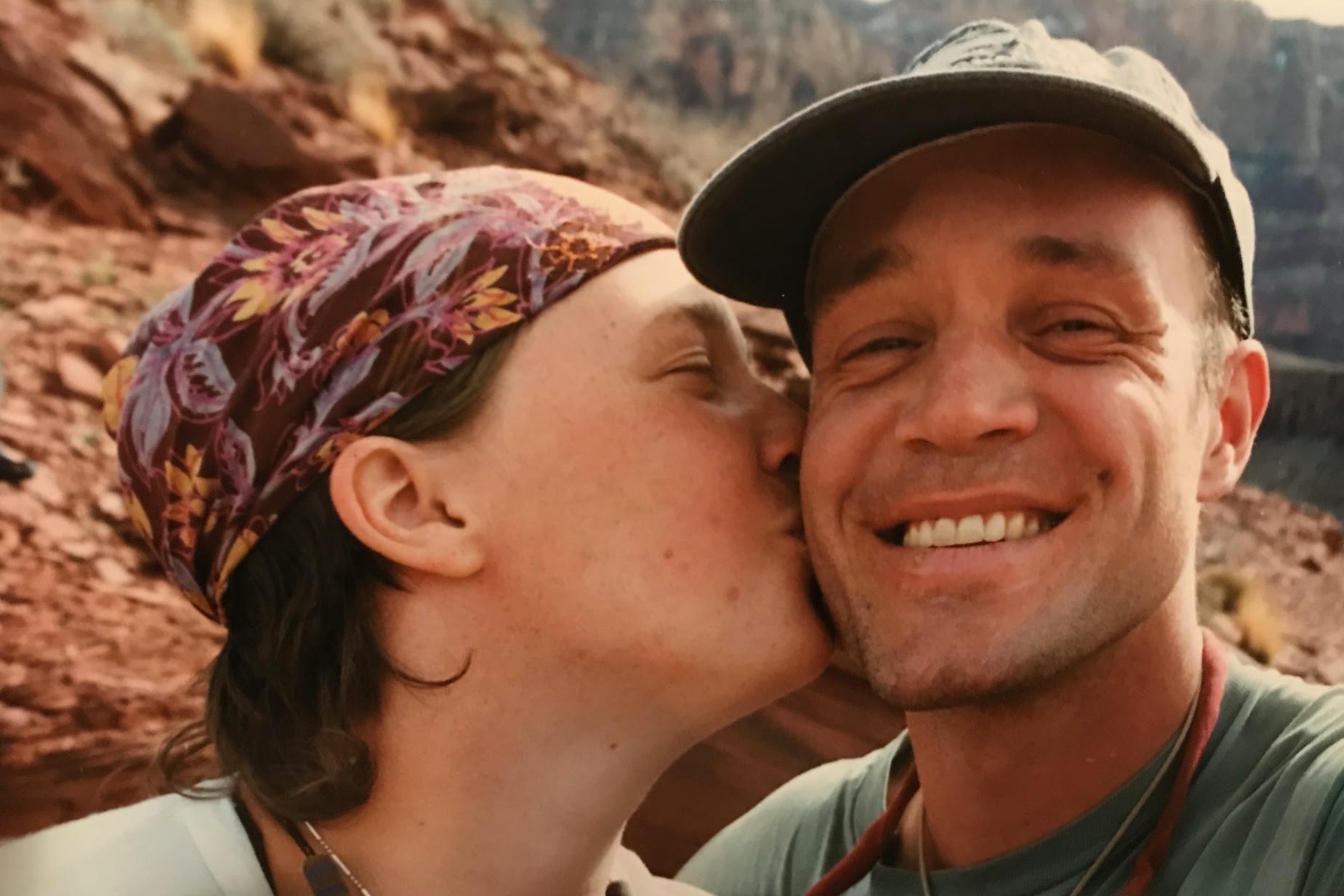
Dr. Yeomans and his wife, Kate, married in 2002 and had many adventures together. Courtesy of the family
He taught classes on moral injuries at Germantown Friends School, the University of Pennsylvania, and elsewhere. Longtime friend William Anninger said: “He was particularly good at creating emotional sharing among men.”
Friend Lila Berman said: “He exuded warmth and care for the people around him, and for the natural environment.”
Peter Douglass Yeomans was born Aug. 27, 1968, in Berkeley, Calif. The family moved to Massachusetts when he started high school, and he graduated from Concord Academy in 1986.
He met Kate O’Shea at an environmental ethics course in Utah in 1996, and they married in 2002 and lived in Germantown. He made her tea in the mornings and left love notes behind when he left the house first. They reared a daughter, Ada, and sons Josiah and Levi, and they all went on memorable adventures in Wissahickon Valley Park, across the country, and around the world.
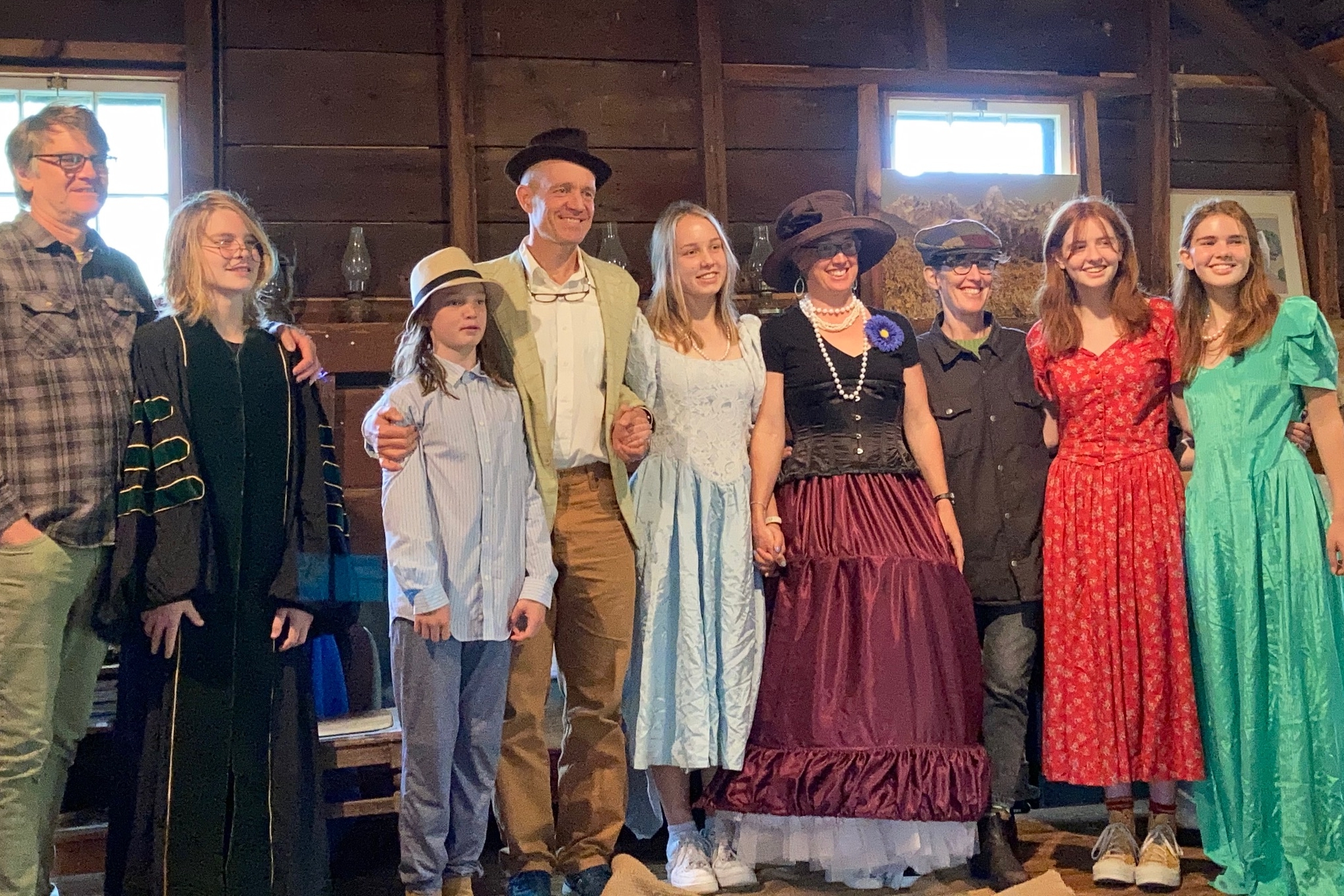
Dr. Yeomans, rear left on top and fourth from the left on bottom, enjoyed time with his family in the mountains and on stage. Courtesy of the family
“They complemented each other perfectly,” their daughter said. “He taught us how to read a map, find a campsite, and most importantly bake cinnamon rolls in the backcountry.”
Dr. Yeomans was a member of the Bicycle Coalition of Greater Philadelphia, and he rode his bike often from home in Germantown to work in University City. He went to Germantown Friends Meeting, played guitar, sang, and acted in theatrical shows in high school and later with community groups and his family.
He was inclusive and encouraging, his brother, Ben, said, “drawing out capacities in me I wasn’t yet trusting.” His parents, Anne and Tom, said: “It has been a great privilege to have been Peter’s parents.”
His mother-in-law, Margaret O’Shea, praised his “compassion, selflessness, nobility, and grace,” and his father-in-law, Dan O’Shea, said: “When our daughter met Peter she described him as ‘Mr. Perfect.’ Little did we know how perfect.”
“It has been a great privilege to have been Peter’s parents,” his parents said.Courtesy of the family
Kate O’Shea said: “Because of Peter, our world is a kinder, more generous, and more loving place.”
In addition to his wife, children, parents, brother, and in-laws, Dr. Yeomans is survived by other relatives.
A memorial service is to be held at 2 p.m. Saturday, Oct. 3, at Germantown Friends Meeting, 47 W. Coulter St., Philadelphia, Pa. 19144.
The number of cancer deaths estimated to be attributable to alcohol in the United States doubled from 1990 to 2023, particularly among men and people aged 55 years and older, according to a University of Miami study published this month, adding to the body of recent research underscoring the health risks of alcohol consumption.
Around 23,126 people died of alcohol-attributable cancer in 2023, up from 11,361 in 1990, according to the study, which estimated the deaths using a global database of disease mortality and population-level estimates of alcohol exposure.
The impact of alcohol, a known carcinogen, increased over the past decades as cancer mortality decreased overall, according to the study.
“Even though overall the cancer mortality was going down for some of these cancers … alcohol-associated mortality was going up,” said Chinmay Jani, a hematology-oncology fellow at the University of Miami’s Sylvester Comprehensive Cancer Center and one of the authors of the study. “Which means that alcohol as a risk factor was impacting more cancer deaths in 2023 than it was in 1990.”
What cancers have been linked with alcohol consumption?
The breakdown of alcohol in the body produces chemicals that can damage DNA and cause cancer. Alcohol can also affect hormone levels, including estrogen, which can lead to breast cancer.
The leading causes of alcohol-attributable cancer deaths in 2023 were liver, esophageal, and colorectal cancer, according to the study. The incidence of colorectal cancer in particular has increased among younger people in recent years, other studies have found.
For many cancers, the proportion of deaths attributed to alcohol increased over time, even as overall cancer mortality declined. The increases were more pronounced in people 55 or older.
While alcohol has been closely linked to several types of cancer, including mouth, throat, liver and breast cancer, its connections to other types of cancer like stomach and pancreatic cancer are still being investigated, researchers said. The study also found links between deaths from those cancers and alcohol use, which could warrant further research, Jani said.
The study also found large disparities in alcohol-related cancer deaths across states. Washington, D.C., had the highest alcohol-attributable cancer mortality rate in 2023, while Utah had the lowest, according to the study. Previous studies have found links between states with less restrictive alcohol policies and higher shares of alcohol-related cancer deaths, the authors wrote.
Is there any ‘safe’ amount of alcohol?
Jani said that the study did not analyze individual-level data on alcohol consumption or confirm a reason for why alcohol-attributable cancer deaths increased.
Gilberto Lopes, chief of the division of medical oncology at Sylvester and another author of the study, added that the data did not establish a safe threshold for alcohol consumption.
“It is difficult to ascertain exactly what the safe level of alcohol is,” Lopes said. But “it is quite clear that we do know the mechanisms through which alcohol causes cancer. So that there’s no dispute about.”
Other researchers have urged the tightening of U.S. drinking guidelines, a push that has drawn political controversy. A June study initially commissioned by the federal government found that having more than one drink a day can raise the risks of cancer and other illnesses, though the Department of Agriculture loosened its drinking guidelines in January.
Priscilla Martinez-Matyszczyk, a researcher at the Public Health Institute and a co-author of the June study, said that the University of Miami study did not examine the risks of people’s average daily alcohol intake but that its findings on alcohol-associated deaths supported previous research.
“These findings reinforce the growing literature that alcohol plays an important role in the cancer landscape,” she said.
Lopes said that people should make their own decisions on alcohol consumption but that everyone should be aware of its health risks.
“Our job as cancer doctors is not to tell adults how to live. It is to make sure they are making that decision with accurate information,” he said. “If someone wants to minimize their cancer risk from alcohol, less is better, and none is best.”
The Trump administration is accelerating efforts to make artificial intelligence an integral part of medical care in the United States, throwing the resources and support of the federal government into projects that deploy AI agents to diagnose and prescribe treatments to patients.
The multifront effort at the Department of Health and Human Services (HHS) has raised concerns among some officials over the last few months that change is moving too quickly, with inadequate evidence of the technology’s safety and effectiveness, according to people who have been involved the discussions. They also worry about outsized influence of Silicon Valley investors that have previously played little role in federal health policy.
Vinod Khosla, a billionaire Silicon Valley venture capitalist whose son has a healthcare AI company, has been particularly influential in conversations with top health department officials, according to people close to the matter. Those officials include Mehmet Oz, head of Medicare and Medicaid. Chris Klomp, who faces a confirmation hearing this week to be the second-in-command at the health department, said on a podcast in May that the use of AI in patient care was the “holy grail” in the agency’s quest to improve the nation’s health and reduce costs.
Khosla has predicted for more than a decade that AI would largely replace doctors. “It’s over for doctors, human doctors,” he said at a July AI startup event. “AI is just going to be better.”
In an interview, Khosla trumpeted Curai Health, his son’s company, which he has backed financially, saying it could offer an AI primary care provider that could give underserved people rapid access to care. “CMS seems to be very excited,” Khosla said, referring to the Centers for Medicare and Medicaid Services.
Concerns about the dangers of AI, and calls to regulate it, have erupted in recent days as some top executives of AI labs have called for slowing the pace of development. In medicine, doctors are increasingly relying on AI for help with administrative tasks, but the prospect of AI taking over physician roles in assessing and treating patients is unnerving to some.
Models meant to render care independently to patients “are not ready for primetime,” said John Whyte, CEO of the American Medical Association, the nation’s largest physicians organization.
He said the evidence that Khosla and others have cited as showing AI’s superiority to doctors — including in a recent essay in an American Medical Association publication whose authors included Khosla and his son, Neal — was not convincing and largely based on simulations.
“AI in health should not be driven by the tech industry,” Whyte said. “It should be driven by the clinical community. And right now, what we have going on is that tech is the tail wagging the dog.”
Grace Davis Jamison, a health department spokesperson, said the department was taking a “responsible, evidence-based approach” to AI deployment and “expanding its use as the evidence demonstrates value.”
“HHS is embracing cutting-edge American innovation, including AI as a practical tool, to better serve patients, families, and clinicians as we work to Make America Healthy Again,” she said in a statement.
As part of the effort, federal health officials are working on developing a new payment category for Medicare, the federal health program that covers more than 60 million older Americans, to reimburse companies for AI software that supports medical care or diagnosis. Medicare officials have urged private insurers covering about 165 million Americans to reimburse for “technology-supported care,” including some AI projects, if they improve care and cut costs.
The Food and Drug Administration has approved more than 1,500 medical devices that include AI to perform discrete tasks, such as spotting a tumor or a blood clot. But the agency does not have rules built to address newer models, such as chatbots or so-called agentic AI that perform tasks that a doctor would do, such as prescribing a drug. Jamison said the FDA was examining how its rules should change to keep up with AI systems “that operate with greater autonomy.”
Still, Medicare officials are moving an array of pilot programs forward without FDA approval. Medicare has allowed more than 200 companies to try out pilots that can include AI.
Through a program aligned with the Medicare effort, the FDA has rejected many of those applicants but has allowed the use of four otherwise-unapproved AI models that meet safety criteria and appear likely to benefit patients. They include a project that offers talk therapy with an AI chatbot to Medicare beneficiaries with depression or anxiety.
The FDA is still discussing how it should regulate complex AI models that change over time and perform actions like prescribing. The task is daunting. The agency would have to manage the risks of large-language models; one was already accused of giving “dangerous” medical advice to a man who delayed care for a life-threatening blood clot.
It would also have to contemplate whether AI doctors could go rogue in a manner akin to the OpenAI agents that coordinated a hacking campaign on a company called Hugging Face. Robert F. Kennedy Jr., the health secretary, has publicly acknowledged the risks, but said during a congressional hearing in April that AI was “going to revolutionize medicine.”
“AI is very dangerous potentially,” he said at the hearing. “But it also has the capacity to bring really great things to humanity, particularly in the realm of human health.”
One of his sons, Finn, started a venture capital fund this year that says it “builds and invests in generational health companies” and was reported to have solicited funds to invest in healthcare AI.
Last year, Finn Kennedy worked for 8VC, a venture capital firm run by Joe Lonsdale, a billionaire ally of President Donald Trump’s; the younger Kennedy coauthored articles at the firm, saying that AI doctors “won’t work for free,” suggesting that the companies that create the technology should be paid. He laid out the federal overhaul needed to deploy them, which included appointing a person at the FDA to focus specifically on artificial intelligence.
Jared Seehafer, an FDA official with Silicon Valley ties, proposed a plan to centralize artificial intelligence oversight at the health department or in the FDA commissioner’s office. U.S. FOOD AND DRUG ADMINISTRATION
Last week, the health department did just that, announcing that it had elevated Jared Seehafer, a former tech entrepreneur, to a newly created post of deputy commissioner for technology and artificial intelligence. Seehafer, a political appointee who has been at the agency about a year, has been described by people who worked with him as wanting to pare back the agency’s oversight of medical AI.
Seehafer’s appointment drew notice in Silicon Valley investment circles. “Great choice from the HHS team,” Sebastian Caliri of 8VC, who cowrote the AI articles with the younger Kennedy, posted on the social platform X. Lonsdale, his boss, whose venture capital firm has invested in medical AI, wrote: “Excited to see the right talent going in.”
Seehafer began working at the FDA after he sold his startup that provided software to help companies comply with FDA rules. Soon he began to clash with Marty Makary, then the agency’s commissioner, and with the director of medical devices, whose division oversees software that directs patient care.
Seehafer proposed a plan to centralize AI oversight at the health department or in the FDA commissioner’s office, raising concerns that decisions would be more influenced by the tech sector than by medical considerations, according to people familiar with the plan who were not authorized to discuss it publicly.
The plan met with resistance from Michelle Tarver, the top medical devices official overseeing AI software, favoring leadership from expert scientists with a focus on patient safety.
Makary, who had been outspoken about the influence of Silicon Valley investors, then got word that health department officials wanted him to fire Tarver, according to people with knowledge of the matter. He refused.
The FDA said in a statement, “The work, expertise and involvement of career staff is a vital component of FDA successfully delivering public health for the American people.”
The statement added that Seehafer “has nothing but respect for Dr. Tarver” and her division’s “long history of facilitating innovation while ensuring the safety and effectiveness of medical devices.”
Within the administration, conversations about AI in medicine have continued, including on whether to pay AI doctors operated by tech companies and startups as much as 60% to 80% of what human doctors earn for the same service, according to a person involved.
A demonstration of a Limbic AI mental health app in London on Sept. 10, 2026. Jeremie Souteyrat
Other projects offer payment based on whether they demonstrate benefits to patients and cost savings to Medicare. One of them is from the company Limbic, offering cognitive behavioral therapy to Medicare beneficiaries who were diagnosed with depression or anxiety.
The company, which was backed by the elder Khosla, was selected by the FDA to participate in a Medicare AI pilot.
In it, an AI counselor, which has a female voice and uses the name “Hope,” offers an hourlong session each week with check-ins as needed. A study by company scientists and engineers that was published in the journal Nature Medicine found that clinicians who were unaware if they were reviewing a therapy transcript led by a human or a chatbot concluded that the Limbic AI outperformed humans and a general chatbot.
Ross Harper, Limbic’s CEO, said that one clinician would supervise thousands of AI therapists.
“It is a moral issue to get this out into the hands of people who can’t access care,” said Harper, who holds a doctorate in computational neuroscience. He added: “We have to remind ourselves: What are we comparing this against? We’re comparing it against no treatment, a long wait list.”
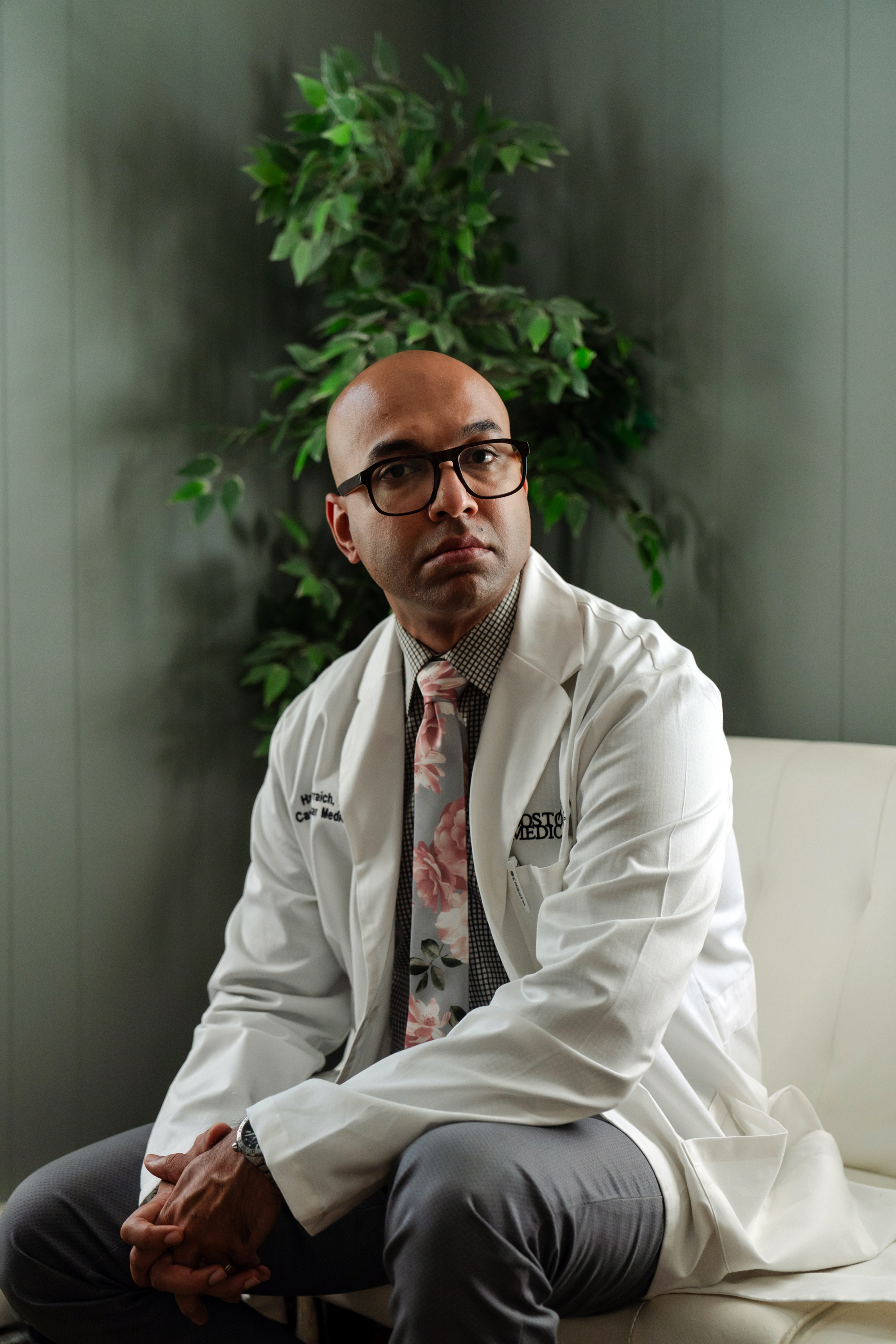
Another medical AI pilot with about $60 million in funding is moving forward at the health department’s Advanced Research Projects Agency. Haider Warraich, a former FDA official and cardiologist, said the Advocate project is meant to ultimately deploy autonomous AI to manage care for heart failure patients, giving them access to a chatbot that can prescribe and manage medications.
Warraich said the project was inspired by his experience as a cardiologist managing heart failure patients during the COVID-19 pandemic. He said his team had routine phone contact with patients, many of whom were afraid to enter the hospital and catch the virus, and found that patients improved with the regular check-ins.
He said the AI effort, put into practice by teams at Stanford University and Duke University, among other groups, would include remote monitoring or wearable sensors linked to the AI, which could adjust medications if a patient’s condition began to deteriorate. (Given current laws and rules, a doctor will oversee the AI.)
The goal, he said, “is to really bring safe and effective clinical AI to the bedside, and build a regulatory pathway for this technology, so that we can really help unlock the potential of this technology — not just for heart failure, which is our main focus, but really for all conditions.”
Dr. Haider Warraich, a former FDA official and cardiologist, says his health department pilot project is meant to ultimately deploy autonomous artificial intelligence to manage care for heart failure patients, giving them access to a chatbot that can prescribe and manage medications.Sophie Park
Other companies accepted into Medicare’s pilot programs include Slingshot AI and Devoted Health, organizations backed by Andreessen Horowitz, a venture capital firm that has heavily supported Trump.
Neal Khosla’s company, Curai Health, was selected by Medicare and has an application pending with the FDA to deploy its autonomous AI primary care doctors. In a prepublished study by company scientists and engineers, his team found that clinicians concurred with the AI doctor’s diagnosis about 91% of the time across about 2,300 cases. However, in three cases, the AI suggested a telehealth visit in situations where a human doctor advised an urgent or emergency evaluation.
Given the promise to vastly expand affordable care, the younger Khosla said he was surprised by the vitriol generated by the recent editorial that he and his father and Ezekiel Emanuel, vice provost for global initiatives at the University of Pennsylvania and a health policy official in the Obama administration, wrote with Abe Baker-Butler in a JAMA journal. The article argued that autonomous AI outperformed human doctors in several areas and would be in widespread use by 2030.
Emanuel said that he got feedback from peers reminding him of the role doctors play in consoling patients. Overall, he said the response has been about “40% supportive.”
Jefferson County’s coroner is updating a death certificate to note that a “probable” case of measles led to the death of a 40-year-old woman over the weekend.
The woman’s death certificate initially had stated that she died of respiratory failure due to a “suspected” case of measles and other underlying conditions. She also had clinical signs of measles, including a rash and fever, coroner Greg Furlong said Monday.
Furlong said he had paperwork confirming that the woman had been exposed to a person who had a positive lab test for measles and subsequently decided to change the death certificate.
The woman’s death marks the third reported amid an ongoing measles outbreak in Pennsylvania that has sickened nearly 700 people. State officials announced last month two other measles-related deaths and say they’re investigating the death reported in Jefferson County.
Here’s what to know about the case and the ongoing outbreak.
(function(){function e(){window.addEventListener(`message`,function(e){if(e.data[`datawrapper-height`]!==void 0){var t=document.querySelectorAll(`iframe`);for(var n in e.data[`datawrapper-height`])for(var r=0,i;i=t[r];r++)if(i.contentWindow===e.source){var a=e.data[`datawrapper-height`][n]+`px`;i.style.height=a}}})}e()})();
What are the details of the death in Jefferson County?
Jefferson County’s coroner reported Sunday the death of a 40-year-old woman in the county.
The woman, who died Saturday, was unvaccinated and had serious respiratory issues, requiring her to use supplemental oxygen 24 hours a day, Furlong said.
Her death certificate initially listed her cause of death as “acute on chronic hypoxemic and hypercapnic respiratory failure” due to “suspected measles,” chronic obstructive pulmonary disease, and asthma, Furlong told The Inquirer, though he is updating the death certificate to read “probable measles.”
The certificate also lists “supplemental oxygen dependence” as a “significant condition contributing to death but not resulting in the underlying cause.”
The woman also had hypertension and high cholesterol, Furlong said.
Furlong said the woman had declined a measles test while she was alive, but his office tested her for measles after her death and was waiting on results on Monday.
Can respiratory issues put you at higher risk for death from measles?
Yes, measles is especially risky for people with respiratory conditions, says Paul Offit, a physician and vaccine expert who heads the Children’s Hospital of Philadelphia’s Vaccine Education Center.
“This person was particularly compromised, with chronic obstructive pulmonary disease and asthma,” he said on Sunday. “That’s a person who could well die from this virus.”
In young children, complications from pneumonia, or infection of the lungs, are the most common cause of death from measles, the CDC says.
How are state officials responding to the case?
Officials at the state health department are aware of the coroner’s report and conducting a “thorough review” of the case, they said in a statement Monday.
According to the health department’s measles outbreak website, Pennsylvania defines a “measles-associated death” as one that occurs within 30 days of symptom onset in a person with clinical evidence of infection and a positive laboratory test.
The state also considers additional information on a case, including a person’s medical records and whether they were exposed to measles before their death.
Deaths without lab evidence of infection, deaths of people who have fully recovered from measles before death, and deaths from unrelated causes, like a car crash, are not counted as measles-associated.
How are federal officials responding to the case?
Since last month, state and federal officials have clashed over whether two other deaths reported in Pennsylvania were tied to the state’s measles outbreak.
In its latest update Friday, the CDC still had not listed two deaths reported by the state on its website highlighting data on ongoing measles outbreaks around the country.
In announcing the two deaths, Democratic Gov. Josh Shapiro criticized President Donald Trump’s Health and Human Services secretary, Robert F. Kennedy Jr., for spreading misinformation about vaccine safety through his longtime anti-vaccine activism. Kennedy then accused the state of “fabricating” the deaths, although he later acknowledged one had been caused by measles.
Lancaster County’s coroner has said he investigated one death caused by measles, in an infant with a severe genetic disorder, and another in an infant who contracted measles before birth and died shortly after.
CDC director Erica Schwartz said in a statement Monday that state officials had not notified the agency about the death in Jefferson County.
“Despite repeated offers of assistance, Pennsylvania has not requested a CDC Epi-Aid, which would deploy epidemiologists and provide on-the-ground measles outbreak support,” she said.
Several other states, including Texas and South Carolina, requested such assistance when dealing with large outbreaks over the last year and a half, she said, adding that the CDC will respond with Epi-Aid support if the state officially requests it.
State officials said in a statement Monday that the health department “maintains a strong working relationship” with CDC professional staff and meets regularly with them.
“We will continue to evaluate any additional CDC support as this outbreak contributes,” the statement read.
Earlier this month, they said the department meets regularly with CDC staff and has discussed the details of the two previously reported measles-associated deaths with them.
They added that the CDC requested records about the cases that contained identifiable information, which the state did not share, a decision in line with past practices.
State officials have maintained that privacy laws keep the department from releasing more information on the cases. Earlier this month, they said the CDC had not provided them with a case report form that would allow them to share de-identified information about the deaths with the agency.
Can you get measles if you’ve been vaccinated?
Nearly all of the 693 measles cases reported so far this year in Pennsylvania have been among people who were not fully vaccinated against the disease.
But last week the state identified four people — three adults and a child — who were “appropriately vaccinated for their age” and still contracted measles. These “breakthrough cases” are rare, accounting for less than 1% of the cases reported in Pennsylvania, and typically result in milder symptoms and less risk of spreading the disease.
People born before 1957, before the first measles vaccines became available, are generally considered protected against measles through natural immunity — because the disease was once prevalent in children.
Between 1968 and 1989, most children in the United States received one dose of the MMR vaccine, which is about 93% effective against the virus.
In 1989, measles cases among vaccinated schoolchildren prompted health officials to recommend children receive two doses of the vaccine, which together are 97% effective against the virus, a change that also prompted some older children to get a second shot.
How do you get a measles vaccine and who is eligible?
The measles, mumps, and rubella vaccine is available at many doctors’ offices, urgent care centers, pharmacies, federally funded health centers, local health departments, and health centers run by the state health department. The state has also hosted pop-up clinics in affected areas during the outbreak.
People interested in getting a vaccine for themselves or their children should call ahead to providers to check availability, the state says.
Typically, the MMR vaccine is given in two doses, one at around a year old, and one between 4 and 6 years old. Amid the measles outbreak, state health officials are now recommending that parents in affected areas vaccinate children early to protect them against the highly contagious disease, which can infect up to 90% of unvaccinated people exposed to it.
Babies between six and 11 months who live in, or will travel to, affected areas, can get an early dose of the MMR vaccine, then a second dose at 12 to 15 months and a third at 4 to 6 years old, the state says.
Children over a year old who haven’t received any MMR shots should get one dose now, and a second at least 28 days later. Children with one dose of the MMR vaccine should get a second dose now, provided it’s been 28 days since their first shot.
Adults and teenagers who have never had measles or a measles vaccine should get two doses at least 28 days apart.
Infants younger than six months cannot receive the vaccine. People with severely weakened immune systems, those with a history of severe allergic reactions to the MMR vaccine or a vaccine component, and pregnant women should talk to their doctors about their options, the state says.
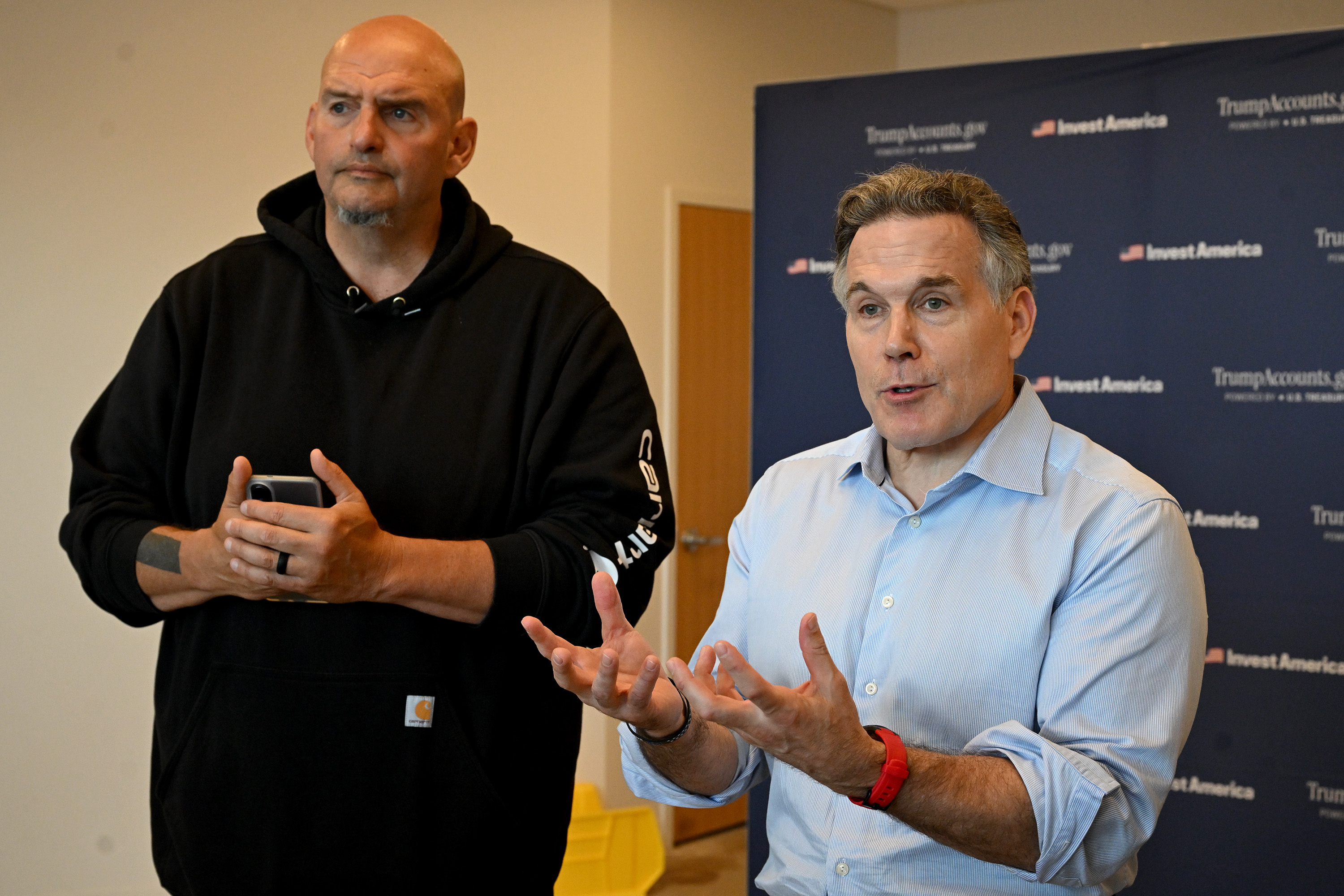
Sens. Dave McCormick and John Fetterman are pushing the federal government to explain recent cuts to healthcare research funding in Pennsylvania, the bipartisan pair announced Monday.
In an Aug. 25 letter to Department of Health and Human Services Secretary Robert F. Kennedy Jr., the Pennsylvania senators requested a briefing on the decisions and warned that abruptly ending long-term projects after substantial federal investment “risks wasting taxpayer resources while disrupting research, eliminating jobs, and delaying innovations to improve patient care.”
The Agency for Healthcare Research and Quality stopped funding more than 100 grants nationwide in July, totaling hundreds of millions of dollars. These cancellations affected multiple programs at the University of Pennsylvania and Children’s Hospital of Philadelphia, disrupting studies into how healthcare systems can be organized and financed to improve health outcomes.
That included projects on improving translation services for hospitalized patients and expanding access to hormone therapy for menopausal women.
For McCormick, a Republican and close ally of President Donald Trump, the letter to Kennedy reflected a rare public break with the president. Though McCormick has largely supported Trump’s drastic changes to the federal government, he’s continually pushed back on cuts to National Institutes of Health grants and other research funding.
The letter, which McCormick’s office publicized this week, is also the latest in a string of cross-aisle collaborations with Fetterman, a Democrat.It followed a similar request for information from Rep. Brendan Boyle, the top Democrat on the U.S. House Committee on the Budget.
HHS did not immediately respond to a request for comment on the letter Monday. The department previously told The Inquirer that the AHRQ director determines “whether continuation funding is in the best interest of the federal government.”
“To be clear, these grants were not terminated — they were not awarded continued funding,” an Aug. 5 HHS statement said. “The Trump administration remains committed to the responsible stewardship of taxpayer dollars.”
The senators’ public push to support institutions like CHOP comes after the Wall Street Journal reported earlier this month that Fetterman privately dismissed CHOP leaders’ concerns when they were trying to set up a meeting with him last year.
“I’m convinced they just want free trips to DC,” Fetterman wrote to a staffer after indicating he did not agree with their concerns about changes to vaccine policies and Medicaid spending under Trump, according to the report.
Fetterman condemned the report as a “hit piece” and said the text exchange he had about CHOP was a “dumb joke.” Critics, including other Democrats who have repeatedly complained about Fetterman’s job performance, said it was further evidence that the senator was not doing his job.
In their letter, the senators called on HHS to explain the criteria used to cancel the grants, how it plans to reallocate the funds that would have supported them, whether affected institutions can appeal the decisions, and what its long-term plan is for AHRQ.
“Over time, this instability risks weakening our nation’s leadership in scientific research,” the letter stated.
Parks and Recreation Commissioner Susan Slawson said she approved renovations to FDR Park’s Ashburn Field without required statepermitting because she wanted renovations to be complete by the MLB All-Star Game.
The missingpermit was designed to address erosion control and stormwater release at the site.
“We were mindful of the waterways and natural areas within FDR Park,” Slawson said of the decision. “All erosion and sediment controls were in place during construction, and safety was never an issue.”
Slawson told WHYY last week that approving projects without proper permits is not how the department “typically” handles projects, but she allowed the work to proceed “to accommodate the MLB All-Star Game.”
Typically, state law supersedes city approvals.
The city’s parks department actively manages “the natural areas within FDR[Park]to protect water quality and support healthy natural systems while balancing the park’s important role in active recreation,” Slawson said.
Missing permits
In the lead up to the MLB All-Star Game,which took place in July at Citizens Bank Park, the MLB and the city partnered to renovate the 28-year-oldAshburn Field.
However,as first reported by The Inquirer last month, the Phillies and the city did not receive a required permit from the state’s Department of Environmental Protection. The permit was designed to address erosion control and stormwater release at the site.
The Phillies applied for the permit May 13, according to the Department of Environmental Protection’s website. Nearly two weeks later, the department sent the Phillies a letter denying the permit, citing 32 issues the team would need to address before receiving the permit to continue renovations. That letter noted that final plan drawings had not been submitted, other drawings failed to include the project’s boundary, and not all water discharge areas were noted.
A local engineering firm hired by the Phillies responded in June to the May letter.
On July 7, the Department of Environmental Protection sent another letter to the Phillies noting technical deficiencies. It sent another letter July 24, about two weeks after the ribbon cutting, noting an outstanding deficiencyandadvisingthe Phillies to resubmit information in coordination with the Philadelphia Water Department.
What’s next
Bonnie Clark, a spokesperson for the Phillies, said the team metwith the Water Department last week and was continuing to remedy issues to obtain the permit.
The permit is still pending on the Department of Environmental Protection website. DEP spokesperson Robyn Briggs declined to comment on possible enforcement actions or penalties as internal deliberations continue.
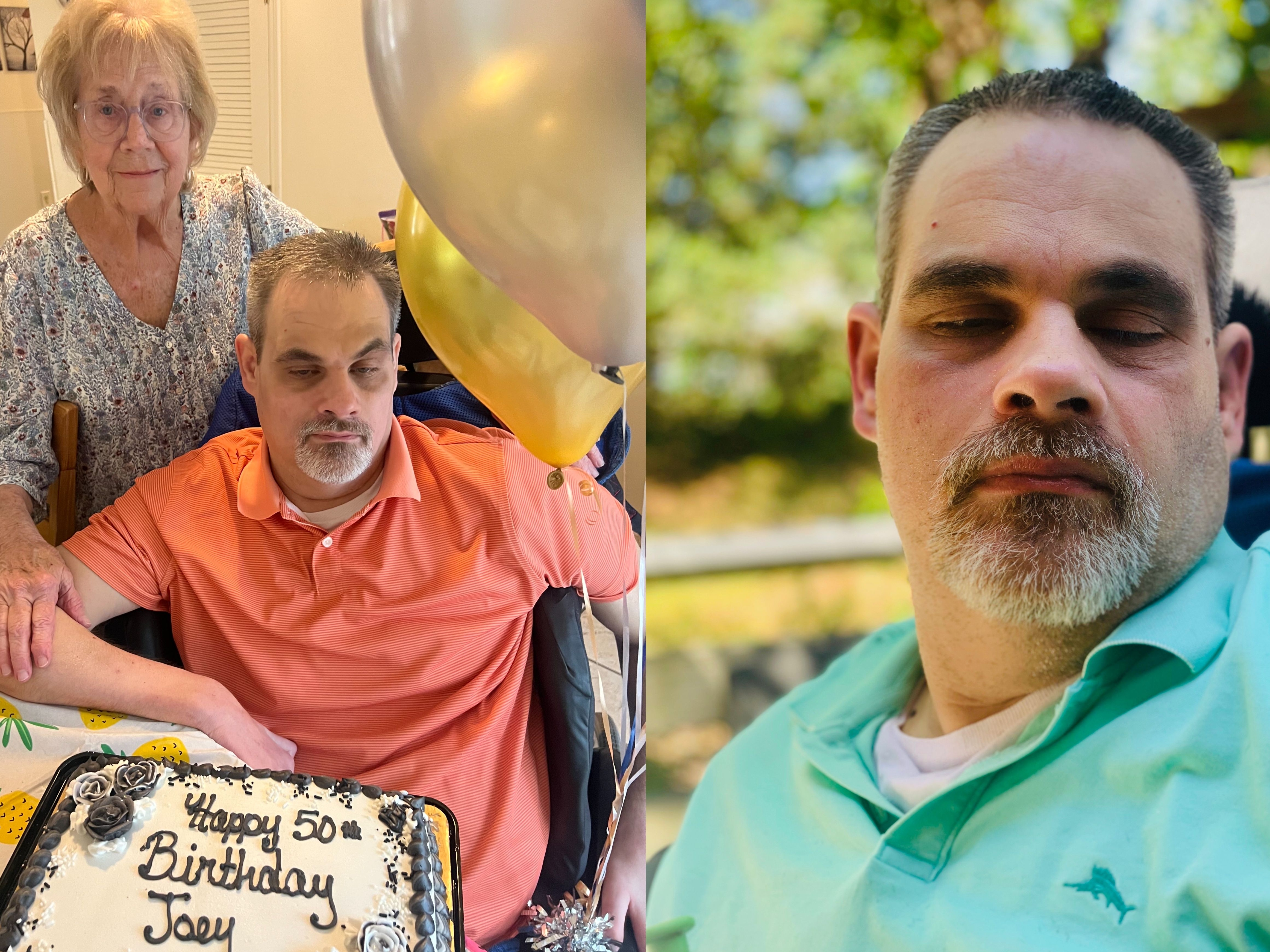
Joey Shevenock suffered repeated urinary tract infections, kidney stones, partially amputated toes, and a broken hip during his last years living in a Reading-area group home for people with intellectual disabilities.
Then, on July 2, the 52-year-old with a history of swallowing difficulties choked and breathed in rice while he was being fed. That led to cardiac arrest. Shevenock died three days later at Reading Hospital.
The Shevenock family has hired a lawyer and plans to file a lawsuit claiming that negligence led to his death, which came 15 months after state regulators had revoked the license of the operator of his Exeter Township group home, Supportive Concepts for Families.
State law allows the nonprofit owned by Inperium Inc. to continue operating while it appeals the revocation,which followed at least four deaths, 11 abuse incidents, and dozens of cases of neglect at Supportive Concepts’ homes in the year ended February 2025.
The license revocation covered 103 of its group homes across northeastern Pennsylvania, including those in Berks County.
Joey Shevenock’s brother, Jeff, questions why state law gives Supportive Concepts so much time.
“I’m a chef, and they’ll shut a restaurant down for X, Y, or Z, and they don’t let you reopen until you correct whatever the violations are,” he said.
“It just blows me away that they know this is going on, but they’re like, well, we’re going to give you six months, a year, whatever, to work on it,” he said.
Supportive Concepts CEO Colleen Miller declined to comment, citing privacy laws. “We remain committed to the health, safety, and well-being of the individuals we serve,” she said in an email Wednesday.
Inperium did not respond to questions about the license revocation.
Homes like the one where Joey Shevenock lived for more than 20 years are regulated by the Pennsylvania Department of Human Services, which said it “cannot comment on specific incidents or investigations, and we cannot comment on pending appeals.”
Like many states, Pennsylvania gives operators time to correct deficiencies, with no set timeline on how long an appeal can go on. “It’s not unusual to allow them to continue operating,” said Mark Davis, CEO of Pennsylvania Advocates and Resources for Autism and Intellectual Disabilities, a Harrisburg trade association for service providers.
During appeals, providers are subject to more frequent, unannounced inspections.
The deathat Supportive Concepts reflects a bigger problem in Pennsylvania’s system of care for adults with autism and intellectual disabilities, said Dee Coccia, cofounder of Vision for Equality, a Philadelphia nonprofit advocacy group for these individuals and their families.
Shevenock’s death, detailed to The Inquirer by his family, follows 25 choking-related deaths reportedin Pennsylvania group homes for intellectually disabled individuals in the last 3½ years through June 30, according to state data.
“You wouldn’t stand for it if you were taking care of animals,” Coccia said.
Deteriorating conditions for Joey Shevenock
Cyndi Shevenock, Jeff’s wife, started closely monitoring Joey’s care about eight years ago, after her in-laws moved to South Carolina.
Joey was blind, had cerebral palsy, and needed a wheelchair to get around. He required support for most daily living activities, including dressing, eating, and getting into bed.
After the July Fourth holiday weekend in 2025, a Supportive Concepts staffer took Joey to the hospital with a urinary tract infection, Cyndi recalled.
Cyndi said anurse called while she and Jeff were driving from their home near Baltimore to the hospital and told her that Joey’s urine had become a concerningly darkiced tea-like color.
The nurse also shared that, according to the aide who brought Joey to the hospital, his urine had started smelling three or four days earlier.
Cyndi said “by the time they took him in, the infection was so bad” that the nurse advised the family to report the incident to Adult Protective Services. The investigator found no signs of neglect, Cyndi said.
Cyndi subsequently reviewed 1,448 pages of Joey’s medical records andfound a half dozen urinary tract infections in the last couple years, two choking incidents that he survived, and 26 hospitalizations between January 2020 and his death.
Joey was prone to urinary tract infections and kidney stones because he was incontinent and spent all his time either in his wheelchair or lying down.
He sat in wet diapers far too long before being changed, Cyndi said, and almost always had sores in that area. Regulators consider bed sores a sign of poor care, often found in nursing homes.
In Cyndi’s view, the lack of dignity in his careextended beyond medical needs.
Every visit, she would check his clothes, to make sure they were clean. She invariably found that they “were just shoved into drawers, inside out, wrinkled, shoved in any drawer,” she said. “Sometimes, the clothes weren’t even his.”
Ongoing troubles at Supportive Concepts
A week after Joey’s death, Inperium announced its founding CEO Ryan Smith had returned to Supportive Concepts as acting president.
Smith had started at Supportive Concepts in 1993, rising to CEO in 2000. He remained in that position until 2018, according to hisLinkedIn profile.
He continues to serve as CEO and chairman of Inperium, a nonprofit also based in Reading, which Smith founded a decade ago to acquire Supportive Concepts — and since then dozens of other typically financially struggling nonprofits.
After acquiring a nonprofit, Inperium consolidates back-office and other business functions in a subsidiary called Apis Management Services to save money.
For example, Inperium told investors recently that Apis saved $8 million at Philadelphia-basedResources for Human Development, which it acquired in 2024.
The main entrance to Resources for Human Development on Wissahickon Avenue in Philadelphia. It was acquired by Inperium Inc., a Reading nonprofit that has grown rapidly through acquisitions since its founding in 2016.Harold Brubaker / Staff
Smith’s return to Supportive Concepts has not ended its license revocation affecting operations in 15 northeastern Pennsylvania counties, including Berks. Under the terms of the revocation, the organization cannot open any new homes or accept new clients in existing properties.
State regulators have alsofound significant violations of care standards at Supportive Concept group homes in Western Pennsylvania. Since February, 17 facilities have been operating under provisional license, Inperium disclosed in a recent bond offering statement. The provisional status requires them to implement a correction plan.
The sanctions have led to sharply lower profits for the Supportive Concepts, according to Inperium’s bond statement.
The state sanctions haven’t stopped Inperium from making additional acquisitions in Pennsylvania as Smith aims to build a $1 billion enterprise. (Inperium reached $819 million in revenue for the 12 months that ended June 30.)
Inperium’s most recent sizable acquisition brought into its portfolio KidsPeace, a financially troubled provider of youth mental health services based in Lehigh County.
Inperium’s track record is troubling, said Leonard G. Villari, a Philadelphia lawyer hired by the Shevenock family to represent them in a lawsuit against Joey’s death. He pointed to its ability to keep growing a business largely funded with Medicaid through acquisitions with little state intervention.
“This looks like a very concerning company to me,” he said. “It’s only getting bigger, and they’re aggressive. They’re bolder.”
Bright spots for Joey
Before his choking death, Joey had some memorable relationships with Supportive Concepts staff, the family recalled.
A part-time caregiver would go to Joey’s house on Sundays, give him a fresh shave, make sure he had a nice shirt on, and take him to church with her. After church, they would go out to lunch, Cyndi said, noting the visits ended when the woman stopped working at Supportive Concepts.
In an Instagram comment to a familypost about Joey’s death, another former caregiver recalled how much they loved listening to oldies music like Johnny Cash and Elvis Presley. Joey knew every word of Wizard of Oz and Home Alone, she wrote.
“We’d sit outside together and he was always interested in what the birds and squirrels doing. He’d laugh at the cutest stuff,” she wrote.
The Fourth of July was a significant holiday for Joey and their father, Jeff said. Even though he couldn’t see the fireworks, he loved the sound.
Jeff was so saddened by the thought of his brother dying on that day that the family waited to end his life support the next day.