Category: Health

  • Pennsylvania measles cases near 800 in ongoing outbreak

    Pennsylvania measles cases near 800 in ongoing outbreak

    Pennsylvania recorded nearly 100 new cases of measles in the last week, bringing the total case count for this year to 792, state officials said Monday.

    The state’s measles outbreak is the largest in the country in 2026 and is centered in Lancaster County, which has reported more than 300 cases this year.

    Chester County has confirmed 76 measles cases so far this year, the third-highest total in the state behind Mifflin County in Central Pennsylvania, which has reported 93 cases.

    State officials have reported four deaths associated with the outbreak: two infants in Lancaster County, a 40-year-old woman in Jefferson County, and an 18-year-old in Mifflin County.

    (function(){function e(){window.addEventListener(`message`,function(e){if(e.data[`datawrapper-height`]!==void 0){var t=document.querySelectorAll(`iframe`);for(var n in e.data[`datawrapper-height`])for(var r=0,i;i=t[r];r++)if(i.contentWindow===e.source){var a=e.data[`datawrapper-height`][n]+`px`;i.style.height=a}}})}e()})();

    The state defines a “measles-associated” death as one that occurs within 30 days of symptom onset in a person with clinical evidence of infection and a positive laboratory test for measles, and who did not die of another unrelated cause, like a car crash.

    Lancaster County’s coroner said one of the infants died from a lacerated spleen, not measles, though the baby tested positive for the disease. Physicians have noted that measles can weaken a spleen and make it more vulnerable to rupture.

    Federal officials have clashed with the state over its characterizations of the deaths.

    Democratic Gov. Josh Shapiro has faulted President Donald Trump’s Health and Human Services secretary, Robert F. Kennedy, Jr., a longtime anti-vaccine activist, for spreading misinformation about the safety of the measles vaccine and contributing to declining vaccination rates.

    Kennedy, in turn, suggested Shapiro’s administration “fabricated” two of the deaths, though he later acknowledged one death was caused by measles.

    The Centers for Disease Control and Prevention still has not listed the deaths on its data dashboard for measles outbreaks.

    (function(){function e(){window.addEventListener(`message`,function(e){if(e.data[`datawrapper-height`]!==void 0){var t=document.querySelectorAll(`iframe`);for(var n in e.data[`datawrapper-height`])for(var r=0,i;i=t[r];r++)if(i.contentWindow===e.source){var a=e.data[`datawrapper-height`][n]+`px`;i.style.height=a}}})}e()})();

    Officials there have suggested the state is not cooperating with the agency and said officials had not requested emergency help from its Epi-Aid program, which provides short-term technical assistance and subject matter expertise during health crises, as other states with outbreaks have. Trump, in a White House appearance with Kennedy on Friday, called Shapiro “close to incompetent.”

    “Incompetence is denying the tragedy of four measles-associated deaths in Pennsylvania,” Shapiro wrote on X in response.

    Pennsylvania health secretary Debra Bogen said last week the state was already working with CDC staff, and had begun the process of requesting an Epi-Aid team — on the condition that the agency acknowledges the deaths in Pennsylvania.

    Measles exposures in Philadelphia

    Chester County is the only county in the Philadelphia area that has reported measles cases in the current outbreak, which began in April. (Montgomery County confirmed three cases in a separate outbreak in the winter.)

    But Philadelphia health officials have reported two potential measles exposures, at the Children’s Hospital of Philadelphia and the Philadelphia International Airport.

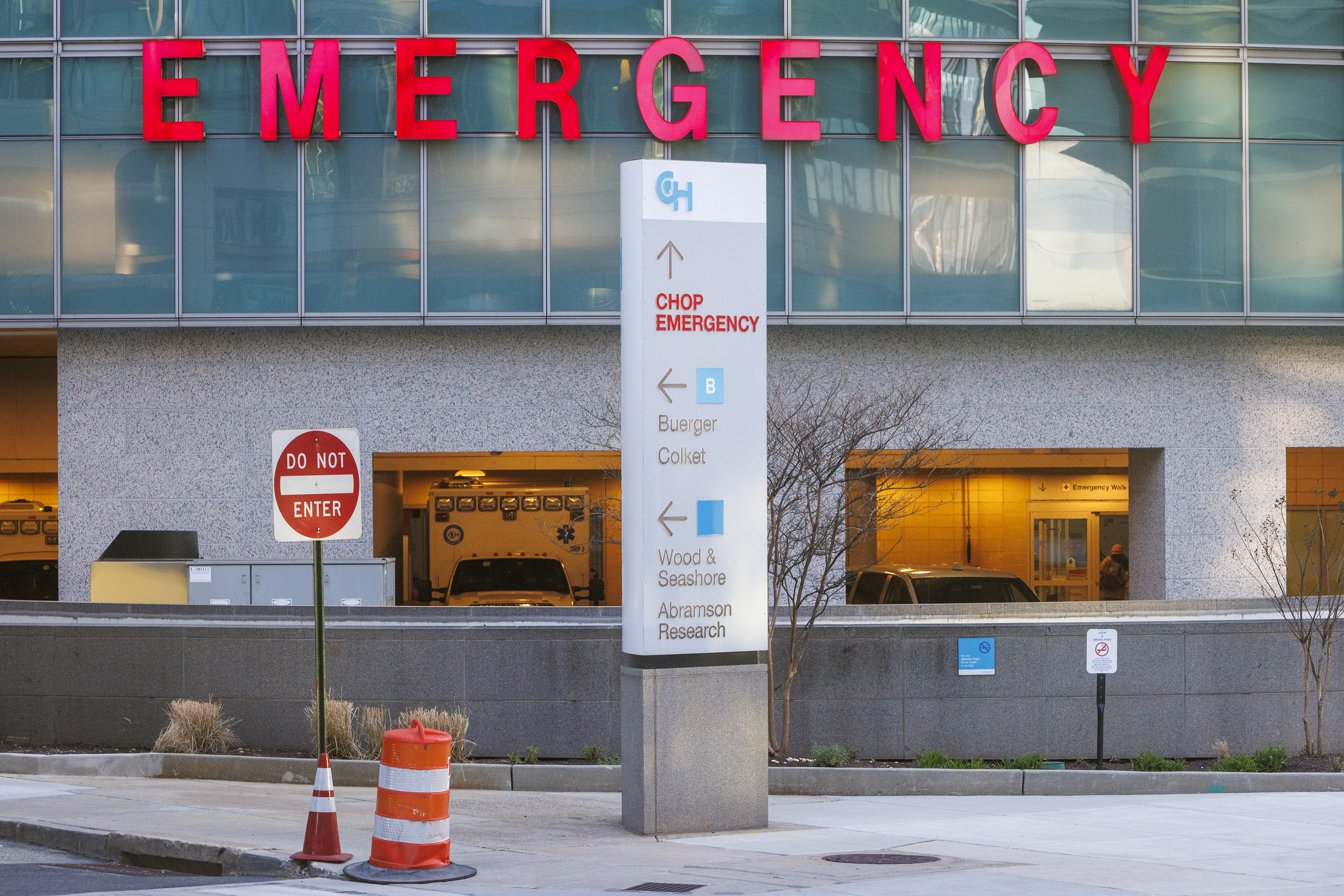
    On Sept. 11, city health officials said, a person with measles visited a neonatal intensive care unit and several other areas at the hospital at 3401 Civic Center Blvd. in University City. Infants exposed in the NICU were isolated and treated with antibodies to help decrease their chances of acquiring or becoming seriously ill from the highly contagious disease, CHOP officials said.

    Two days later, on Sept. 13, a person with measles traveled through Terminals B and F at the airport, as well as areas connecting to Terminals C, D, and E, health officials said. The potential exposure was unconnected to the CHOP incident.

    Measles infects up to nine in 10 unvaccinated people exposed to it, and young children are at particular risk for complications from the virus, which can include pneumonia and brain swelling.

    State efforts to vaccinate

    About 95% of a community must be vaccinated against the virus to prevent its spread, but vaccination rates across Pennsylvania have been dropping for years. Hundreds of kindergartens in the Philadelphia region report vaccination rates well below this “herd immunity” rate.

    State officials said in a statement Monday that more Pennsylvanians have expressed interest in getting vaccinated as the outbreak spreads.

    The health department will offer free measles, mumps, and rubella vaccinations from Sept. 26 through Oct. 3 at the Bloomsburg Fair in Columbia County, which has reported two measles cases.

    The clinic is “just the latest way the department is meeting Pennsylvanians where they are, to ensure they have the facts and evidence to make decisions about vaccination for themselves and their family,” officials said.

    State workers have hosted 148 pop-up vaccination clinics and given out more than 4,800 MMR vaccinations in affected areas since April, with “dozens” more scheduled in the weeks and months ahead, officials said, “based on community interest and need.”

    Other healthcare providers have also seen renewed interest in vaccination this year, state officials said. Typically, providers give out about 25,000 MMR doses a month, but in August, more than 46,000 doses were administered, and more than 25,000 doses were given out in the first two weeks of September.
  • Congressional leaders warn White House against adding controls over NIH grants

    Congressional leaders warn White House against adding controls over NIH grants

    Leaders of the House and Senate appropriations committees on Monday warned the White House not to impose new controls on how the National Institutes of Health awards billions of dollars in research grants.

    Sens. Susan Collins (R., Maine) and Patty Murray (D., Wash.), the Senate panel’s chair and vice chair, and Rep. Rosa DeLauro (Conn.), the top Democrat on the House panel, said White House officials were threatening to further politicize the federal grant-making process.

    The Washington Post first reported Friday that administration officials had discussed an executive order to create a commission that would review NIH grants. Some White House officials were frustrated that the $47 billion health agency had funded projects that they said clashed with President Donald Trump’s agenda.

    The White House budget office “should not be involved in agency decisions on the awards of grants,” Collins said in a statement, adding that any attempt “to politicize grant-making at the National Institutes of Health” goes against the intent of Congress.

    “NIH funding doesn’t belong to Donald Trump — it belongs to the patients and families waiting on the next medical breakthrough,” Murray added in a statement.

    The appropriations leaders and other top lawmakers have previously clashed with the White House over its efforts to place new constraints on NIH funding. Earlier this year, Collins publicly opposed a 15% cap on indirect research costs. Last year, Collins and Sen. Katie Boyd Britt (R., Ala.) led a letter signed by a dozen other Senate Republicans urging the White House’s Office of Management and Budget to quickly disburse NIH funds that they said had been delayed.

    Russell Vought, the White House’s budget chief, and other officials met with Trump on Friday to discuss the potential executive order, the Post reported. Vought has criticized the NIH for awarding grants that he and other administration officials say fund “woke” initiatives and go against Trump’s executive order barring “equity-related” grants and contracts.

    Jay Bhattacharya, the Trump appointee who leads the NIH, which is the nation’s largest single funder of biomedical research, defended the agency’s grant-making process to the president Friday, the Post reported. The NIH quickly moved last year to terminate some grants after Trump took office.

    Spokespeople for OMB and the NIH did not immediately return requests for comment Monday on the lawmakers’ statements. Rep. Tom Cole (R., Okla.), chair of the House Appropriations Committee, also did not immediately respond to a request for comment.

    Healthcare advocacy groups, university leaders, and other organizations have urged the administration not to pursue the plan.

    “Americans want investments in cures and treatments,” said Erika Sward, executive director of United for Cures, a network of patient advocacy groups. “Politically hijacking those kind of advancements is not American, and it’s going to mean that those cures and treatments won’t be there for people across the country.”

    OMB has recently moved to assert more control over federal grant-making through a proposed rule that would require political appointees to review grants before they’re awarded to ensure projects advance the president’s priorities.

    In their recent government funding measure, congressional appropriators blocked implementation of the rule through December.

    Collins defended the NIH’s grant-making process.

    “Imposing a political review on awards that have already been selected through a rigorous scientific and merit-based process undermines the long-standing principle that the government funds awards based on scientific need and merit, rather than political ideology,” she said in her statement.

  • You should feel safe, not judged, at a doctor’s visit | Expert Opinion

    You should feel safe, not judged, at a doctor’s visit | Expert Opinion

    A friend and colleague recently told me that he can feel anxious about going to see his doctor for follow-up care if he has not accomplished the health goals discussed at his last visit.

    When I asked why, he said he worried that he would be labeled “nonadherent” or scolded for being unprepared. He did not want to waste his doctor’s time.

    I was surprised, since many of my own patients come in for visits without completing every goal we set out. I may not have communicated the plan clearly, and sometimes, as the saying goes, life gets in the way.

    Then I began to wonder about patients who cancel appointments, miss follow-up visits, or never schedule them at all. Could some be avoiding care because they fear being judged for not meeting expectations?

    As physicians, we often emphasize treatment plans and health goals. Less often do we consider whether patients feel safe admitting when they have struggled to follow them.

    I would never scold a patient if they did not complete everything on the to-do list. At the same time, I don’t think I have ever directly said that I want to be sure they come back for follow-up regardless. I realized that I could address this with phrasing like:

    I trust you will try your best to follow our plan. But whether you are able to get these things done or not, I still want to see you back in a few months.

    Astute problem-solving, empathy, compassion, and clear communication are qualities clinicians aspire to in our professional roles. Equally important, though less emphasized, is creating a psychologically safe environment. This means ensuring patients can speak honestly without feeling at risk of being judged.

    Psychological safety was originally studied in workplace teams, based on the work of Harvard researcher Amy Edmondson. To reach high performance, Edmondson found team members need to feel comfortable taking risks, admitting mistakes without fear of shaming or reprisal.

    The principles of psychological safety apply to many settings. Planet Fitness, for example, posts signs on the walls and equipment declaring “Judgement Free Zone” and “No Gymtimidation” in an effort to make members feel welcome regardless of their level of fitness.

    In medicine, a psychologically safe office or exam room may help patients feel more comfortable being vulnerable and discussing more emotionally sensitive concerns. It may also improve the likelihood of scheduled follow-up.

    So what did I tell my friend-colleague? I suggested that he think about the source of his follow up worries. Some of this may require self-exploration, but there may also be areas where his own medical practice could do a better job at creating a psychologically safe, nonjudgmental environment that encourages follow-up.

    Patients should know that a missed goal is not a failed appointment. In health, as in life, progress is rarely linear. In fact, the times when things have not gone according to plan are often the times when medical follow-up matters most. Clinicians should make that message clear.

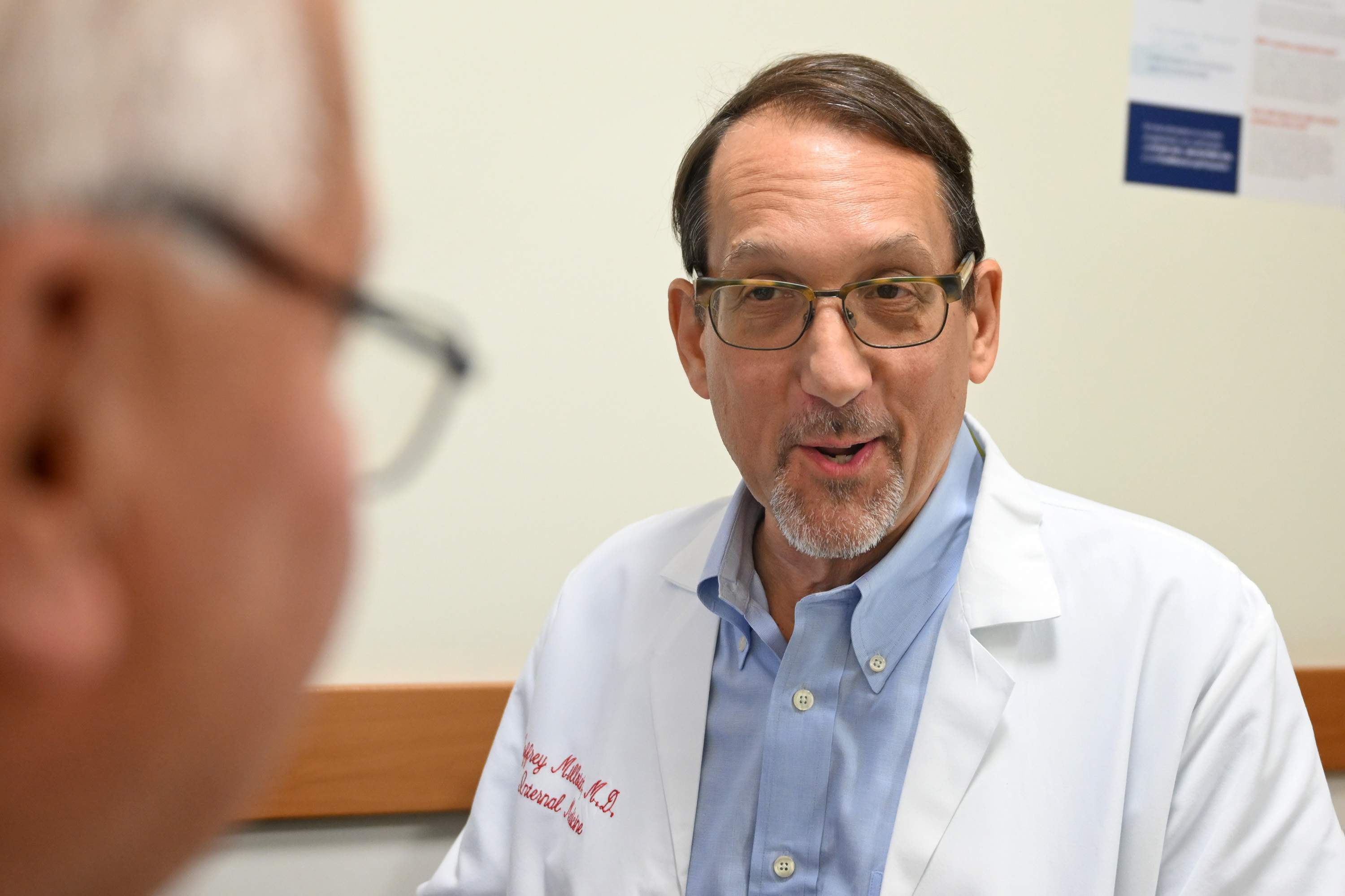
    Jeffrey Millstein is an internist and regional medical director for Penn Primary and Specialty Care.

  • Why haven’t state officials revealed more about Pennsylvania’s measles deaths?

    Why haven’t state officials revealed more about Pennsylvania’s measles deaths?

    In the last month, Pennsylvania health officials have announced four measles-associated deaths but have been tight-lipped about almost every detail, beyond sharing their county of residence and that all were unvaccinated.

    Most of what the public knows about the four deaths linked to the outbreak — ranging in age from a newborn to a 40-year-old — has come from local coroners in Jefferson, Mifflin, and Lancaster Counties. In one case, a family also spoke to the media.

    Pennsylvania’s health department has cited state privacy laws that they say prohibit them from releasing more information. Legal and public health experts acknowledge the state faces legal restrictions, but some argue that the state should do whatever it can to ensure more information about the deaths is made public.

    More details about a death, they say, help the public to understand the risks of measles and the benefits of vaccination to prevent the spread of the highly contagious disease.

    Transparency around how the state defines measles-associated deaths and unvaccinated people can also head off misinformation, they said, in a highly politically charged environment.

    The spreading outbreak has sickened 767 people — now the largest outbreak in the United States — and hospitalized 150 people as of Friday. The deaths reported by the state mark Pennsylvania’s first in 35 years, and the most seen nationally from measles in three decades.

    Here’s what to know about Pennsylvania’s privacy laws and how officials communicate in infectious disease outbreaks.

    What is known about the measles-associated deaths in Pennsylvania?

    State officials announced two “measles-associated” deaths in Lancaster County late last month, though they did not define the term in an initial news release on the cases. They did not provide any additional information, beyond saying both victims were unvaccinated and residents of Lancaster County.

    Lancaster County’s coroner subsequently shared that he had investigated one of the deaths, involving an infant who contracted measles in utero and died shortly after birth. The baby tested positive for measles, but, the coroner said, died from a ruptured spleen. Physicians have pointed out that measles can damage a person’s spleen, putting it at higher risk for rupture.

    The state has continued to characterize the Lancaster County infant’s death as “measles-associated,” meaning it occurred within 30 days of symptom onset in a person with clinical evidence of infection and a positive laboratory test for measles, and who did not die of another unrelated cause, like a car crash.

    Lancaster’s coroner said a second death, in a 6-week-old Lancaster County baby, was caused by measles. The child also had Amish lethal microcephaly, a fatal genetic disorder that makes it especially risky to contract a respiratory illness like measles.

    State officials confirmed two more measles-associated deaths last week.

    Jefferson County’s coroner said measles led to the death of a 40-year-old unvaccinated woman with severe respiratory conditions. A postmortem test showed the woman had an active measles infection, and she had also been exposed to a person with a lab-confirmed measles case.

    Mifflin County’s coroner also confirmed that an unvaccinated 18-year-old died of a rare neurological complication of measles.

    (function(){function e(){window.addEventListener(`message`,function(e){if(e.data[`datawrapper-height`]!==void 0){var t=document.querySelectorAll(`iframe`);for(var n in e.data[`datawrapper-height`])for(var r=0,i;i=t[r];r++)if(i.contentWindow===e.source){var a=e.data[`datawrapper-height`][n]+`px`;i.style.height=a}}})}e()})();

    Why are state and federal officials clashing over the deaths?

    Starting with the initial news conference to announce the first two deaths, Democratic Gov. Josh Shapiro has traded barbs with President Donald Trump’s Health and Human Services secretary, Robert F. Kennedy, Jr., over the outbreak.

    Shapiro has accused Kennedy, a longtime anti-vaccine activist, of spreading misinformation contributing to a decline in vaccination rates. Kennedy said in a social media post that Shapiro’s staff may have “fabricated” the deaths, after the Lancaster County coroner’s comments, though Kennedy later acknowledged one infant’s death was caused by measles.

    Federal officials said Tuesday they were aware of the third and fourth deaths reported in Pennsylvania but have not updated the federal website tracking measles cases to reflect any of the deaths reported by Pennsylvania. They have said they will record measles-related deaths when the National Center for Health Statistics “identifies measles as the underlying cause based on death record information submitted by the states.”

    Democrats and public health experts have harshly criticized the decision, saying it’s a departure from established procedures for recording infectious disease deaths.

    State health officials said they have discussed the details of each case with CDC professional staff, “at length.”

    “At no point did CDC staff express any concern or issue with the data we provided,” they wrote in a statement.

    Why is the health department not releasing more information on measles-associated deaths? Why can coroners give out more information?

    Pennsylvania health officials have cited two state laws: one prohibiting public access to death records and another that requires the state to keep records of diseases confidential, except when it’s necessary to inform the public of the risk of communicable disease.

    But coroners and medical examiners are county officials who operate by different rules, the state said in a frequently-asked-questions document posted online last week. Laws governing coroners’ duties and the state’s right-to-know statute allow them to provide the public with identifying details like a person’s cause and manner of death, the state says.

    “Releasing additional details beyond what we did could have led to the unnecessary identification of individuals and their families. Further, the specific details of a single case do not change the important message that measles is a highly contagious virus that can cause severe illness and complications, and the MMR vaccine is the best protection against it,” state health officials said in a statement.

    Legal experts say decision-making around what to reveal about a death during a measles outbreak is difficult, and privacy laws do apply to health departments.

    Robert Field, a professor emeritus at Drexel University’s Thomas R. Kline School of Law, said health departments typically release aggregate data about disease outbreaks, not individual deaths.

    “Confidentiality and privacy are major issues for any health department, which is why the regulations are stricter,” he said. With just a few measles-associated deaths reported, he said, releasing further details about the deaths could risk identifying families.

    “A newborn dying with a ruptured spleen — there aren’t a lot of those,” he said, referencing one case in Lancaster County. “In terms of additional information, further details that would ID the patients — that would be off-limits.”

    Why are some experts criticizing state officials over their communications strategy?

    Releasing less information about a death risks creating an “information vacuum,” especially in a highly politically charged environment, said Amesh Adalja, an infectious disease physician at the University of Pittsburgh Medical Center.

    Unlike the first two deaths, announced by the state last month without further detail, the public immediately knew more about the two disclosed last week, he noted, crediting coroners in Jefferson and Mifflin Counties who have been forthcoming with information about the deaths.

    “Coroners talking in detail about cases they’ve been handling, as well as the parents of the neonate that died” provided “really important information that helped bring a lot of clarity to an information vacuum,” said Adalja, who is also a senior scholar at the Johns Hopkins Center for Health Security.

    Adalja has said the state should have been clearer from the onset about how it defines measles-associated deaths, and could have provided information about the victims’ general age ranges — for example, whether they were adults or children. And the state could involve other officials who are not restricted by the same privacy laws, he said.

    “If they assess they are bound by Pennsylvania state law in a way that county coroners are not, include coroners in the press conferences,” Adalja said.

    He added that Shapiro and Kennedy’s political fight over the nature of the deaths risks overshadowing a serious measles outbreak that has sickened hundreds.

    “The anti-vaccine movement has really made inroads here — people are calling this a hoax,” he said. “It’s obviously not a hoax. And there are real actions that need to be taken. It’s much harder to do that work when you [are] engulfed in some political problem.”

    (function(){function e(){window.addEventListener(`message`,function(e){if(e.data[`datawrapper-height`]!==void 0){var t=document.querySelectorAll(`iframe`);for(var n in e.data[`datawrapper-height`])for(var r=0,i;i=t[r];r++)if(i.contentWindow===e.source){var a=e.data[`datawrapper-height`][n]+`px`;i.style.height=a}}})}e()})();

    Arthur Caplan, a New York University professor emeritus, wrote in an Inquirer op-ed Thursday that the state should provide “maximum information” about the deaths “in order to prevent further harm.”

    He sharply criticized Kennedy, accusing the nation’s top health official of spreading misinformation about vaccine safety and the threat of measles: “[Nothing] the federal government has to say about measles is trustworthy,” he wrote.

    In an interview, he said state should weigh privacy obligations with the need to inform the public about whether victims had exposed others to measles.

    “In the middle of an epidemic, those laws need to be pushed as far as you can,” he said.

    Drexel’s Field said the state could also have emphasized that “unvaccinated” does not necessarily mean that a person chose not to take a measles, mumps, and rubella vaccine. Some people, like newborns, pregnant women, and people with weakened immune systems, are unable to be vaccinated.

    “People should know that if they choose not to be vaccinated and contribute to the spread, it could affect people who did not decline vaccination by choice but are in such fragile health that there is no choice,” he said.

    State officials have said that even revealing that someone was too young to be vaccinated would be enough to identify the deceased in small communities.

    It’s imperative that health officials balance the need to inform the public and maintain trust amid the growing outbreak, Field said, especially as vaccination rates drop.

    “If the credibility of the state health department is questioned by the public, then I think we’re in big trouble. And that would be a very unfortunate outcome of this,” he said.

  • The equinox arrives Tuesday in Philly, and it finally feels like fall

    The equinox arrives Tuesday in Philly, and it finally feels like fall

    Nature already is splashing its flecks of yellow on the trees, and soon the Technicolor waves of foliage will ripple toward Philadelphia in what the experts predict will be quite a spectacular season.

    Right on schedule, at 8:04 p.m. Philadelphia time Tuesday, the astronomical fall begins with the instant of the autumnal equinox, when the sun beams its direct light on the equator and nature continues to turn down the dimmer switch in the Northern Hemisphere. It is as though the trees brighten to compensate for our daily loss of 2½ minutes of daylight.

    It’s the season when the night skies are stunningly crowded with winged traffic, when a remarkable 2-inch-long, Halloween-hued creature has its days in the sun.

    And on the nation’s 251st autumnal equinox, we take a look at what nature might offer in the only season with two widely accepted names, “autumn” and “fall.” And we peek at the coming winter — for which a lot of people around here have other names.

    Another Red October?

    A beautiful view along Kelly Drive during a sunny day in the quite warm October of 2024.Jessica Griffin / Staff Photographer

    For the third time in the last four years, an equinoctial cooldown is due this week, with daytime highs in the 60s, as much as 10 degrees below normal.

    But the federal Climate Prediction Center on Thursday had the odds tilted toward above-normal temperatures in October in Philly.

    Monthly readings have been above normal in 15 of the last 16 Octobers. In 2024, it hit 84 degrees on Halloween. In that period, annual average temperatures at Philadelphia International Airport have been about 1.3 degrees above normal, but the Octobers have been a full 2 degrees above.

    A very early line on winter

    The intensifying El Niño in the equatorial Pacific is a major player in the center’s winter outlook, posted Thursday. It favors above-normal temperatures here and in most of the nation. The center eschews snow forecasts, but it does foresee a potentially active storm track along the East Coast.

    A cautionary note: This whole seasonal-forecast exercise remains quite the work in progress, and last winter was yet another victory for atmospheric chaos over science. No one foresaw the 30 inches of snow for Philly or a historic snow-and-ice cover.

    The ‘woolly bears’ vs. science?

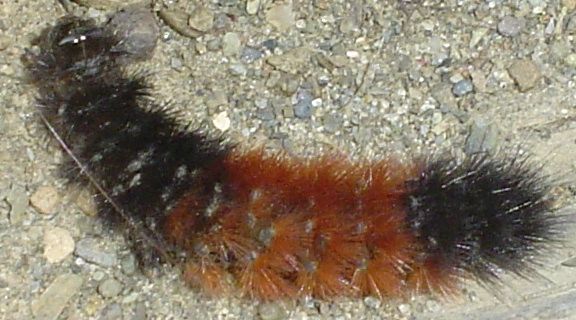
    A “woolly bear” caterpillar. Do those rings say anything about the coming winter?Wiki Commons

    The so-called woolly bear caterpillar had long held a legendary place nationally in weather folklore, but in 1948 the forecasting reputation of the incipient Isabella tiger moths took wings.

    That year a respected entomologist with the Natural History Museum in New York City ventured to a state park and announced that, based on his analysis of the caterpillars’ black-and-orange-ish rings, the subsequent winter would be mild in the New York region. His forecast was dutifully reported in a New York newspaper, and, indeed, the winter was quite mild.

    He continued reporting his annual analyses (however waggishly) that correctly foretold of several mild winters.

    As it happened, some of the winters in that period were so snow-deprived in the Northeast they became the impetus for the snow-making industry that has forever changed skiing.

    Don’t credit or blame the woolly bears, said Douglas S. Richmond, entomology professor at Purdue University. Their ubiquitous presence this time of year all over North America indicates little more than a 100% probability that it is autumn.

    A single crimson tree in Cherry Hill’s Wallworth Park greets Michel and Brigitte Mistler, from Normandy, France, as they take a morning walk while visiting their daughter in the township Oct. 22, 2025. Tom Gralish / Staff Photographer

    They are quite fascinating creatures, he notes, that survive winters by producing “body fluids that function as cryoprotectants — essentially biological antifreeze.”

    Their bodies actually may contain clues about the behavior of a previous season, according to Richmond.

    “It’s probably better to think about woolly bears as being much better equipped with a rearview mirror than a crystal ball,” he said.

    A natural place to look for clues

    Bill Cullina, executive director of the Morris Arboretum and Gardens of the University of Pennsylvania, holds a collection of acorns in November 2019. Regardless of what the acorns said, that winter was virtually snowless.Jessica Griffin / Staff Photographer

    Humans have had a long history of forgoing global forecast models and oscillation indexes in favor of consulting nature for winter clues.

    One popular myth cited by The Old Farmer’s Almanac holds that if the acorns keep raining down from the trees like hailstones, get ready for a big chill.

    Leaves would be another indicator: If they drop early, winter will be a breeze. If they linger late, those breezes might be cold.

    Among Native Americans, beavers were bellwethers. The thicker their autumnal coats and stronger their lodges, the harsher the winter.

    The natural world is where to look for clues about the season to come. The waning sun may dim human energy, but it is an ultra-busy time for a lot of other species. It is prime mating season for animals such as birds, bears, deer, moose — and porcupines. We won’t ask how they hug.

    And birds — billions of them — are on the move.

    An avian air force in the night sky

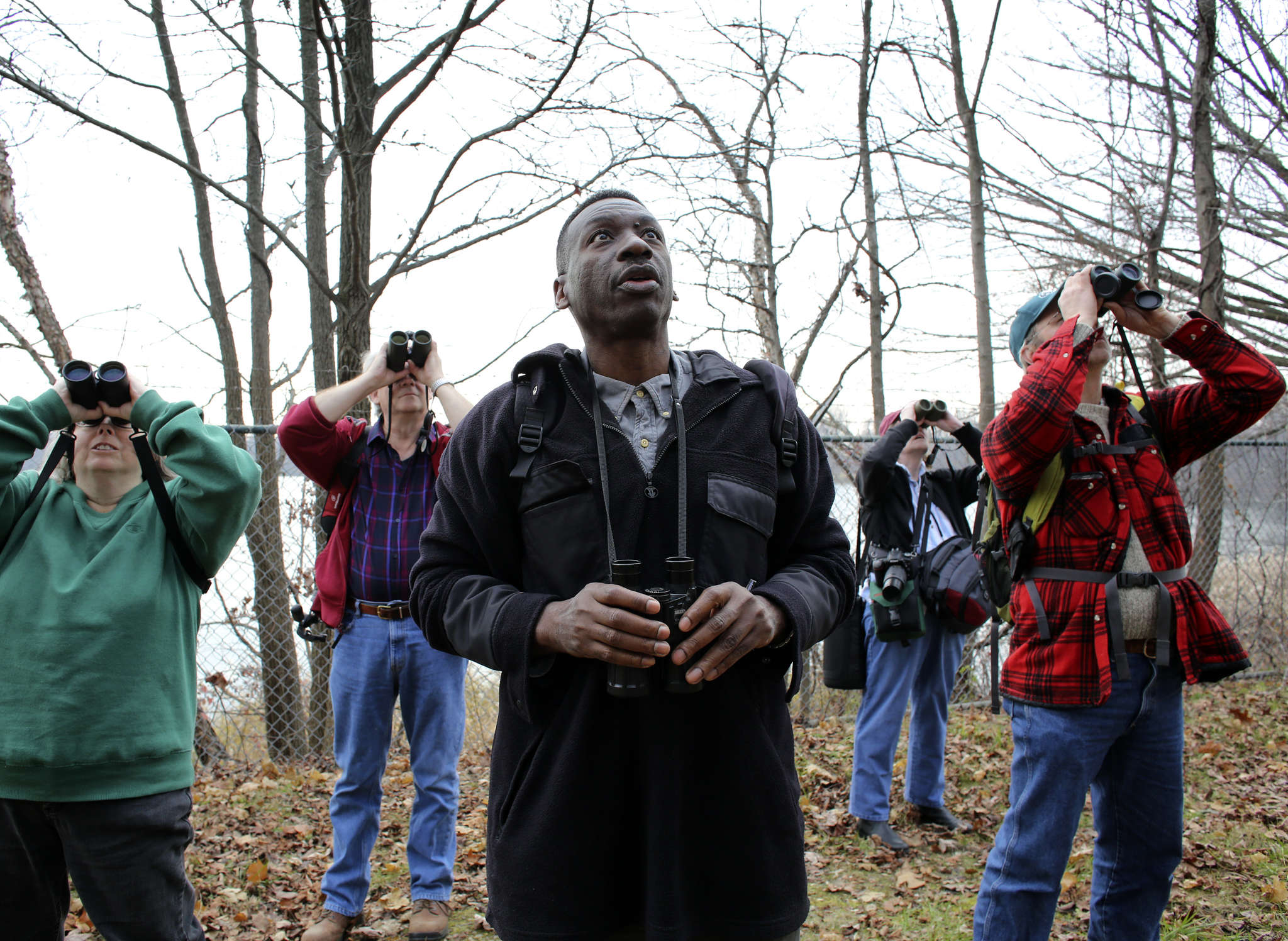
    Audubon’s Keith Russell looking to the skies over Strawberry Mansion while leading a tour.JOSEPH KACZMAREK

    The bird feeders and baths are getting ever emptier these days, but something quite amazing is happening after nightfall about 3,000 feet over our heads.

    An estimated 1.3 million birds flew across Philadelphia on Friday night and early Saturday. And Chester County was the regional hot spot, with 3.8 million heading south-southwest, according to the Cornell University Ornithology Lab’s radar-powered BirdCast dashboard, With a tail wind from the north, they were zipping along at 25 to 30 mph about 1,600 to 1,800 feet above our heads. On the site, you can track bird traffic live, county by county.

    This is the peak migration season, continuing into the first week of October, says Keith Russell, urban-conservation program manager for Audubon Mid-Atlantic, with about 300 species racing through the region, including ruby-crowned kinglets and black-throated green warblers.

    To travel thousands of miles, the birds evidently use a remarkable assortment of clues from the sun, the stars, the Earth’s magnetic field, and even landmarks, according to the Cornell lab.

    If anyone calls you a “bird brain,” be flattered.

    Be grateful for the Earth’s equinoxes

    A NASA/Johns Hopkins University Applied Physics Laboratory/Carnegie Institution of Washington image of Mercury in 2013. You probably don’t want to visit. It has lots of equinoxes but it’s mighty hot, mighty cold, and it has no atmosphere. AP

    Our planet is arguably in the solar system’s sweet spot for equinoxes, which occur twice a year.

    By contrast, Saturn gets one only every 15 Earth years, and Neptune every 82 years, says Harry J. Augensen, director of the Widener University Observatory and a physics and astronomy professor emeritus.

    Mercury has four a year, but temperatures range from 800 degrees Fahrenheit to 290 degrees below zero.

    Earth never looked so good.

  • What caused this teenager’s weight loss, fatigue, and passing out? | Medical Mystery

    What caused this teenager’s weight loss, fatigue, and passing out? | Medical Mystery

    A previously healthy 17-year-old girl went to the emergency department after she had passed out while trying to walk up the stairs at home.

    Fortunately, she wasn’t seriously injured as her mom caught her. The girl said she had been very tired and had unintentionally lost about 20 pounds over the last few months.

    In the Emergency Department, her blood pressure was a little bit low at 100/60, with normal being closer to 120/80. On examination, she looked tired but was otherwise stable. Blood and urine samples went to the lab, and she was admitted for further workup.

    Unintentional weight loss, fatigue, and syncope (fainting) are often nonspecific symptoms that can be caused by a variety of conditions, including nervous system, blood, and hormone disorders.

    Sometimes, the nervous system does not respond appropriately when a person moves from sitting to standing. The sympathetic nervous system should ramp up and increase heart rate and blood pressure to make sure the brain gets the blood and oxygen it needs.

    This can go awry in patients who are very dehydrated or have less responsive nervous systems. In such cases, the result can be low blood pressure when standing up (called orthostatic hypotension) and passing out.

    This patient did not have any signs of dehydration, and her blood pressure stayed low whether she was sitting, prone, or standing. Sometimes drugs or medications can cause such symptoms, but her urine drug screen was negative, and she did not report taking any medications.

    Blood disorders, such as anemia or cancer, are a more concerning cause of these symptoms. Anemia is when there are not enough red blood cells or hemoglobin to carry oxygen throughout the body, which can cause shortness of breath and fatigue.

    Cancers can cause an increase in metabolism, also resulting in weight loss and fatigue. Thankfully, her exam and blood tests ruled these diagnoses out.

    Another potential culprit might have been type 1 diabetes, in which the immune system mistakenly targets and destroys the pancreas, causing low insulin production. This can lead to high blood sugar, weight loss, and fatigue. However, this patient’s blood sugar level was slightly low in the Emergency Department, rather than elevated.

    High thyroid hormones can cause high heart rate, weight loss, and anxiety; while low thyroid hormones can cause fatigue, weight gain, and depression. The patient’s thyroid levels were normal on her blood tests, so this ruled out thyroid disease as a cause.

    One more possibility could have been her adrenal glands, which release several hormones that regulate metabolism, as well as blood pressure and “fight or flight” responses.

    Decreased adrenal hormones, particularly cortisol, can cause decreased appetite and weight loss, low blood pressure, and low blood sugar — all symptoms that she had. A test of her morning cortisol showed a very low level, and a follow-up test showed that her adrenal glands were not producing any cortisol in response to triggers.

    This finding suggested that adrenal insufficiency was the cause of her symptoms, though the root cause was still unclear.

    The solution

    There are many possible causes of adrenal insufficiency. Some children are born with dysfunctional adrenal glands due to genetic conditions. Injuries during birth, infections, or medications can cause decreased blood flow or direct damage to the adrenal glands and subsequently decreased function.

    Autoimmune disorders, where the immune system accidentally attacks its own organs instead of infections, can cause adrenal damage. More rarely, brain injuries or tumors can cause decreased adrenal hormone production through various mechanisms.

    One final laboratory test found that this patient had antibodies in her blood which were attacking her adrenal glands. This confirmed the diagnosis of adrenal insufficiency, which in this case is called Addison’s disease.

    By the time of this diagnosis, she was feeling better and went home with medications to replace the missing hormones. She will likely be on replacement adrenal hormones for the rest of her life to manage symptoms.

    Our advice

    Vague symptoms can be common in many different conditions, some more serious than others. Children and adolescents with unintentional weight loss and prolonged unexplained symptoms such as fatigue should see their doctor to be screened for potentially dangerous causes. This may include blood work, imaging, or other tests to help determine the underlying diagnosis.

    Rebecca Mirochnik is a third-year pediatric resident and Hayley Goldner is a pediatrician in the adolescent medicine department at Nemours Children’s Hospital, Delaware.

  • There was a possible measles exposure at Philadelphia International Airport

    There was a possible measles exposure at Philadelphia International Airport

    Philadelphia health officials are warning travelers of a possible measles exposure at Philadelphia International Airport early this week.

    The Philadelphia Department of Public Health is notifying travelers and others who may have been exposed. This incident is unrelated to the recent measles exposures at the Children’s Hospital of Philadelphia, the department said in a news release.

    The airport exposure occurred in Terminals B and F, and in areas connecting to Terminals C, D, and E, on Sunday, Sept. 13, from 7:25 p.m. to Monday, Sept. 14, at 12:05 a.m.

    A person with measles was traveling through Philadelphia and stayed in the airport, according to the health department. Officials are encouraging anyone who may have been exposed to check their vaccination status and monitor symptoms.

    “Anyone who is not immune, is unsure of their vaccination status, is an infant, is pregnant and not immune, or is immunocompromised should contact a healthcare provider as soon as possible,” the department said in the release on Saturday, adding that some people may still be eligible for treatment that can prevent the disease or reduce its severity.

    Officials are urging anyone experiencing symptoms to call ahead before visiting a healthcare facility and notify the provider about the exposure.

    “This week’s measles exposures are a reminder of how important it is for all of us to be up to date on our vaccinations,” city Health Commissioner Palak Raval-Nelson said in the statement. “Every Philadelphian who is fully vaccinated has little to fear from the situation at CHOP and the airport. Even more importantly, every one of those people is doing their part to help protect our most vulnerable from measles.”

    Raval-Nelson is encouraged residents to visit the city’s website, phila.gov/measles, to learn more about measles and the MMR vaccine.

    Pennsylvania’s measles outbreak, the largest in the nation this year, has sickened more than 760 people. The state has confirmed four measles-associated deaths, the most seen in the nation in more than three decades.

    The state’s outbreak is centered in Lancaster County, right outside of the Philadelphia region, and measles is actively spreading in suburban Chester County. The widening outbreak has affected more than half of Pennsylvania’s 67 counties.

    Two doses of the measles, mumps, and rubella vaccine have proven 97% effective at preventing the disease, the Centers for Disease Control and Prevention says.

    Nine in 10 unvaccinated people exposed to measles will acquire the disease.

    Typical measles symptoms include a high fever, a cough, runny nose, red, watery eyes, and a rash. Measles can cause severe complications, especially in young children, including pneumonia and brain swelling. While deaths are rare, about three in 1,000 children who contract measles will die.

    Measles, long considered eradicated in the United States, is resurging amid declining vaccination rates. Scientists say that about 95% of a community should be vaccinated to prevent spread.

    In the Philadelphia region, at least 40% of kindergartens were vulnerable to an outbreak as of last school year, up from 33% the prior year, according to an Inquirer analysis of school immunization data widely used to assess community protection levels.

  • As measles cases grow in Pennsylvania, some parents are speeding up vaccinations and avoiding Lancaster County

    As measles cases grow in Pennsylvania, some parents are speeding up vaccinations and avoiding Lancaster County

    Leah Santos still wears a mask during her daily Regional Rail commute into Philly.

    The 35-year-old nurse from Springfield, Delaware County, never stopped implementing COVID-19-era precautions. And she’s just as careful with her 1-year-old son.

    So when Santos learned in May about the growing measles outbreak in nearby Lancaster County, she started asking a new question of friends and family who regularly make excursions around the region for shopping and dining: Have you been to Lancaster lately?

    “I have a child to protect at all costs. So I’m making sure I’m not in contact with anyone who’s been traveling out to Lancaster,” Santos said.

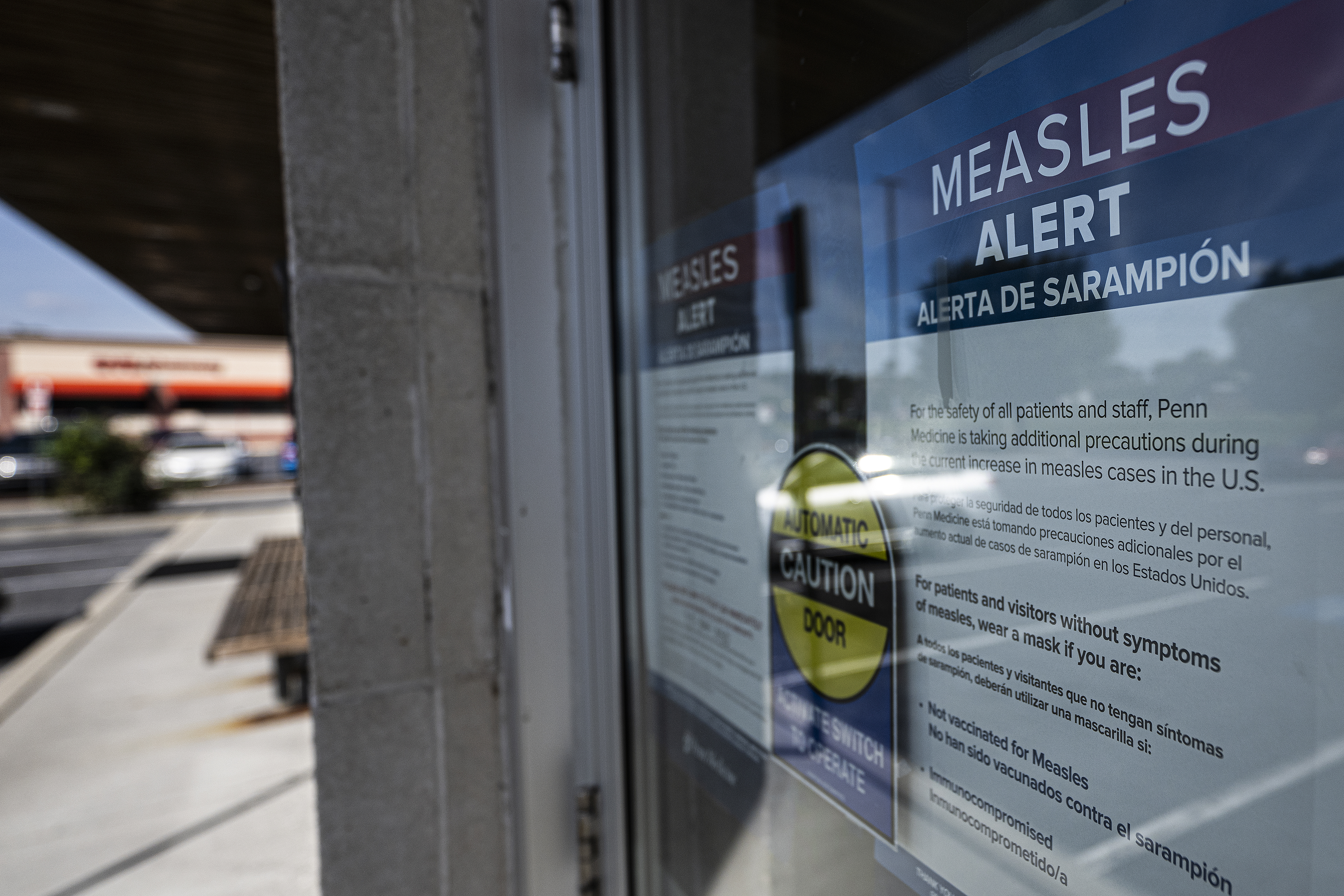
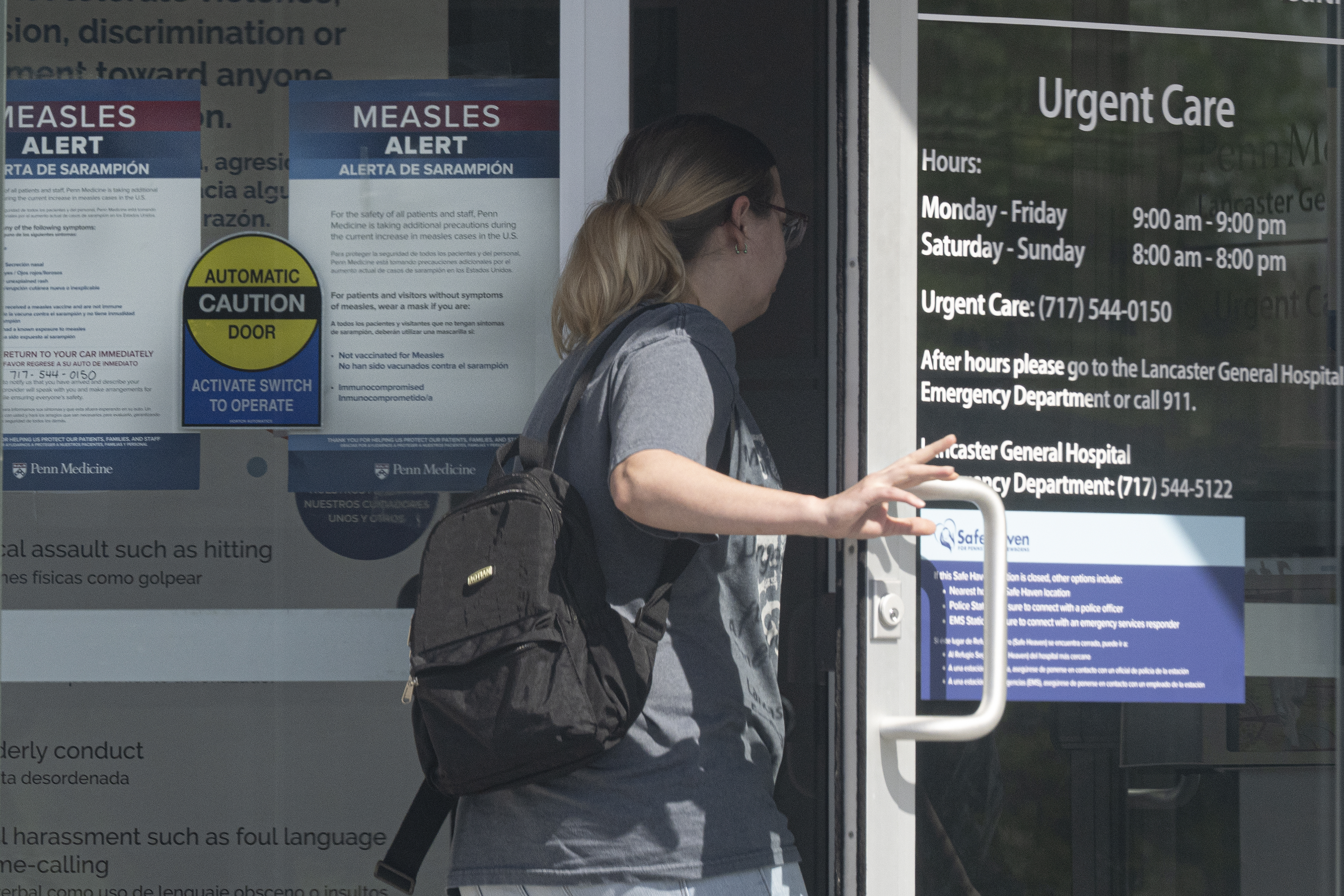
    Measles alert signs in English and Spanish are posted on the front doors of an urgent care facility this month in Lancaster County amid a measles outbreak that has affected local Amish and Mennonite communities.Jose F. Moreno / Staff Photographer

    A spreading measles outbreak in Pennsylvania has sickened 767 people already this year, and hospitalized 45 children under age 18. State officials have announced four deaths related to the outbreak: two infants in Lancaster County, a 40-year-old in Jefferson County, and an 18-year-old in Mifflin County.

    Chester County remains the only Philadelphia-area county with confirmed cases — more than 65 this year, the third-highest in the state.

    But in a densely populated region where crossing county lines for work and socializing is the norm, some worried parents are vaccinating babies early, delaying daycare, and weighing the risks of attending crowded festivals with their kids or visiting family in affected areas.

    Measles can be more dangerous for some

    Young children are especially at risk from the vaccine-preventable disease, which in severe cases can cause pneumonia, blindness, and brain swelling that can lead to brain damage.

    None of the Pennsylvania residents who died were vaccinated against a virus so contagious that it will infect nine in 10 unvaccinated people who are exposed.

    Measles deaths are rare, and the four deaths confirmed as “measles-associated” by Pennsylvania health officials, sparked a political standoff between Democratic Gov. Josh Shapiro and President Donald Trump’s Health Secretary, Robert F. Kennedy Jr., a longtime anti-vaccine activist.

    Experts say that life shouldn’t change much for families whose children are vaccinated and otherwise healthy. But it’s important to take the disease seriously at a time when declining vaccination rates have left communities across the state increasingly vulnerable, including in the Philadelphia region.

    Even as countywide immunization levels in the area remain relatively high, hundreds of kindergartens across Philadelphia and four surrounding suburban counties dropped below the “herd immunity” threshold — a vaccination rate of 95% or higher — for the 2025-26 school year, an Inquirer analysis of state data found.

    This is the level at which a given population must be fully vaccinated against measles to prevent the spread of disease. In the Philadelphia region last school year, about 40% of kindergartens failed to meet that threshold, up from about a third the year before.

    What are the pediatric guidelines to protect against measles?

    Pediatricians typically recommend a child’s first vaccine for measles, mumps, and rubella at 1 year old, unless the child is likely to travel overseas, and then a second between 4 and 6 years old.

    But Pennsylvania health officials are now encouraging a “dose zero” for children as young as 6 months old in counties affected by the state’s worst outbreak in three decades. Children can then get a second dose at 1 year old and another at 4 to 6 years old. The state is also recommending that children older than 1 who haven’t started their MMR vaccine series get two doses of the vaccine at least 28 days apart.

    Santos said her son recently had his first vaccination, and her son’s pediatrician recommended he get his next shot at just 15 months old.

    “We have gotten so far from knowing what vaccinations have done for us that we have no idea how terrifying this disease is,” Santos said.

    ‘One of those things you never think would affect you’

    Caitlin Buttery of Kennett Square, in Chester County, recalls her trip, earlier this summer, to Lancaster when she was nine months pregnant, only to regret it after learning about the measles outbreak.

    Now, with a healthy 6-week old baby, as well as an 18-month old, she’s avoiding the Lancaster area and also monitoring cases in her own county, where measles is circulating.

    She worries about taking her children to public spaces like the YMCA or Kennett Square’s annual Mushroom Festival, which earlier this month drew thousands to the rural town.

    “Measles is definitely one of those things you never think would affect you,” she said. “Now, I need to be a lot more cognizant of the chance that it could.”

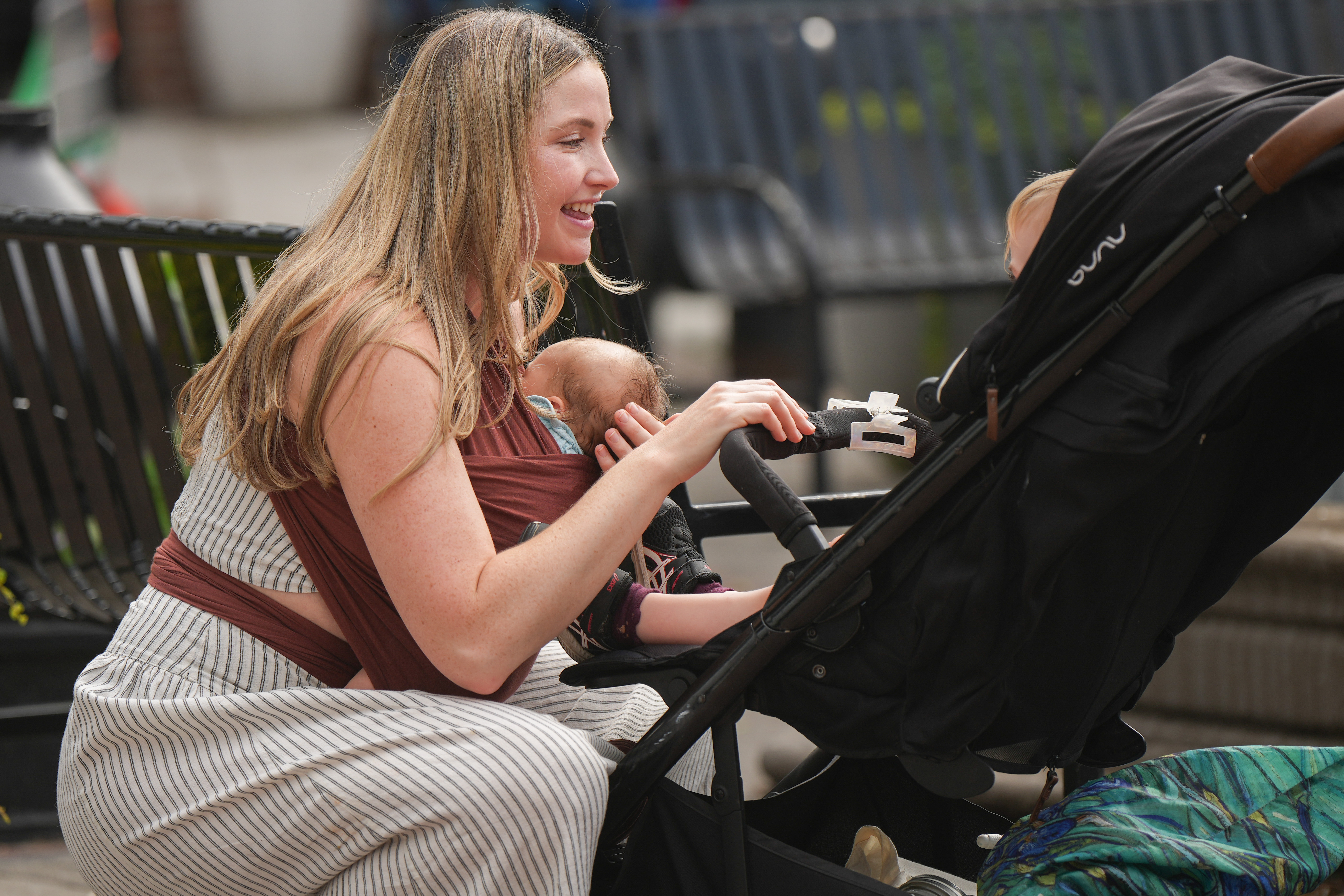
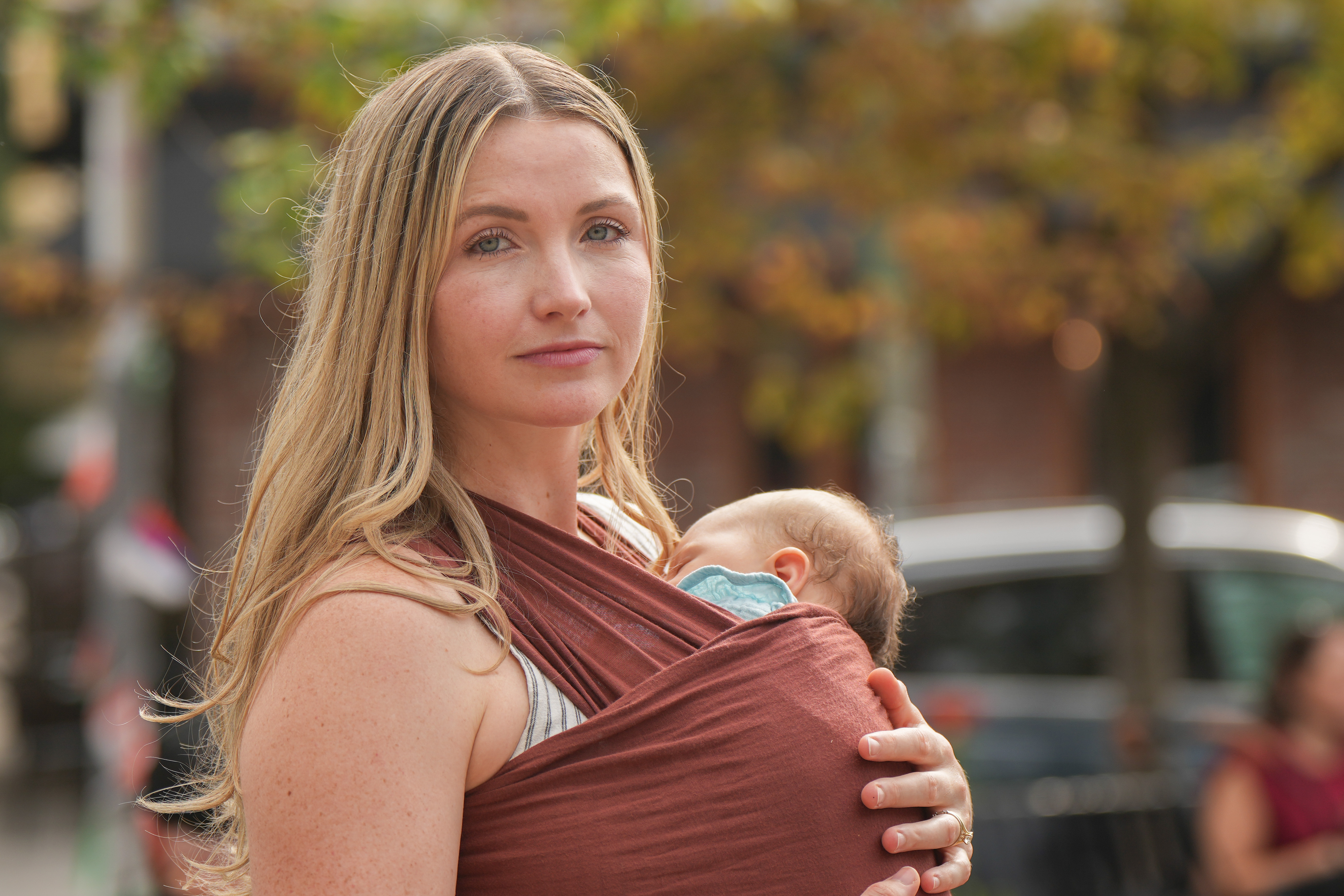
    Caitlin Buttery in East Passyunk with her daughter this month. The Chester County mother is avoiding the Lancaster area, the epicenter of the state’s outbreak, and also monitoring cases in her own county, where measles is circulating.Jessica Griffin / Staff Photographer

    The 33-year-old said she plans to get her youngest the measles, mumps, and rubella vaccine at 6 months old.

    Public health experts have warned that there are likely far more measles cases circulating in Pennsylvania than have been recorded by the state. And the disease doesn’t confine itself to county or state borders. Across the United States, more than 3,100 people this year have tested positive for the disease, the CDC said last Thursday.

    (function(){function e(){window.addEventListener(`message`,function(e){if(e.data[`datawrapper-height`]!==void 0){var t=document.querySelectorAll(`iframe`);for(var n in e.data[`datawrapper-height`])for(var r=0,i;i=t[r];r++)if(i.contentWindow===e.source){var a=e.data[`datawrapper-height`][n]+`px`;i.style.height=a}}})}e()})();

    Amina Lowery lives in Upper Darby. No cases have been reported in Delaware County, but health officials there did identify measles in a wastewater sample earlier this summer, meaning someone with the disease used a bathroom connected to the county’s public water supply.

    Lowery opted to get her 6-month-old daughter vaccinated early. She also quit her job in the insurance industry to keep her daughter out of daycare, “since we can’t control what other parents decide.” She said the plan now is to enroll her child when she’s closer to 2 years old.

    She feels safer having her child vaccinated ahead of a family trip later this year to Florida, which is also dealing with a measles outbreak.

    “We have the research and documentation to show that vaccines work and are for the greater good. It feels like we are in the midst of societal decline,” Lowery said.

    Like Lowery, Shelby Steele of Springfield opted to keep her daughter out of daycare. Her daughter is now nearly 2 years old, but Steele, a consultant who works from home, isn’t any closer to enrolling her.

    “We obviously worry about the socialization aspect of things, but measles is no joke. We’d rather find more creative ways to socialize her safely for now,” Steele said.

    Steele and her partner want to have another child if possible. But she said the measles outbreak “and just the current state of things overall” makes them think twice about the risks a child could face.

    Steele said she’d like to send her daughter to school, but the outbreak even has her considering homeschooling. “We are having to reconsider a lot of things, schooling being one of them,” she said.

    Physicians advise parents on navigating the outbreak

    Pediatrician Katie Lockwood says parents coming to her Children’s Hospital of Philadelphia practice in Montgomery County say they’re changing childcare and vacation plans to avoid measles exposures.

    Montgomery County has reported three measles cases this year.

    “If you’re fully vaccinated and healthy, I don’t think there’s a change in how you need to operate right now,” Lockwood said.

    “But if you have someone in your family who is particularly vulnerable, if they’re immunocompromised, pregnant, or unvaccinated because they’re too young, then you may want to change your behaviors.”

    She advises parents to talk to school officials and daycare providers about their vaccination policies, keep sick kids home to avoid spreading illness, and make sure children are up to date on all recommended vaccines.

    “It’s awful that now parents are having to make a decision between work and childcare for something that we can prevent safely with vaccination,” she said. “Not everyone has the ability to quit their job or stay home, and they may not have an alternative childcare resource.”

    Like many practicing physicians today, most schools and daycares have never had to deal with a measles case. Lockwood recently had several childcare providers refer children with rashes to her practice, worried about measles.

    None of the children had the disease, but “I would rather a school or a daycare overreact,” she said, explaining that keeping a child out of school to evaluate a rash that proves harmless prevents “potentially exposing a bunch of kids to measles.”

    (function(){function e(){window.addEventListener(`message`,function(e){if(e.data[`datawrapper-height`]!==void 0){var t=document.querySelectorAll(`iframe`);for(var n in e.data[`datawrapper-height`])for(var r=0,i;i=t[r];r++)if(i.contentWindow===e.source){var a=e.data[`datawrapper-height`][n]+`px`;i.style.height=a}}})}e()})();

    In Bucks County, pediatrician Toni Richards-Rowley often counsels parents frustrated about having to navigate the outbreak.

    She also serves as president of the Pennsylvania chapter of the American Academy of Pediatrics, which has been working to educate doctors about measles and how to recognize it.

    In her own practice, Richards-Rowley is also offering “dose zero” shots for children whose parents work or plan travel to affected counties.

    “If a parent asks for it, even though there’s not community spread in Bucks yet, we’re not going to turn a family away,” she said.

    “Measles doesn’t respect borders. Just because we don’t have an index case doesn’t mean it’s not going to happen. You do have to be fairly vigilant wherever you go.”

    Correction: This story has been updated to delete an incorrect reference to Upper Darby’s geography in the region.

  • CHOP’s measles exposure shows the growing danger of Pa.’s outbreak, experts say

    CHOP’s measles exposure shows the growing danger of Pa.’s outbreak, experts say

    The visitor arrived at a neonatal intensive care unit at the Children’s Hospital of Philadelphia in University City last Friday morning.

    Then they visited a family lounge. An atrium. A cafeteria.

    At each stop, the person, now known to be infected with measles, potentially exposed others to the highly contagious disease that is particularly risky for young children, city health officials announced this week.

    Hospitals have spent years preparing for such incidents, no longer a theoretical concern as Pennsylvania now deals with the nation’s largest measles outbreak this year, which has already sickened more than 760, experts in infectious disease prevention say.

    Nemours Children’s Hospital in Wilmington reported an exposure in its emergency room in February, although the state has seen only 23 cases of measles all year.

    And across the state in Allegheny County, the University of Pittsburgh Medical Center Children’s Hospital has reported several possible measles exposures this summer.

    Health officials did not specify how many babies and others were potentially exposed at CHOP in announcing the exposure late Thursday. Philadelphia health officials have issued only general details on the infected person’s visit, along with guidelines for anyone potentially exposed to the virus over the course of several hours on Sept. 11 at the hospital at 3401 Civic Center Blvd.

    The hospital is working with NICU families to ensure its patients are protected, Julia Sammons, vice president and associate chief medical officer of CHOP’s Office of Preparedness, Prevention and Response, wrote in an email.

    The hospital took “immediate action” after being notified of the exposure to identify babies who might have been exposed and offer preventive treatments to protect them from the virus, Sammons said. Exposed patients have also been placed in isolation and doctors are monitoring them for symptoms.

    The hospital is also working with staff and patients outside the NICU to ensure they understand the situation, Sammons said, and partnering with the state and city health departments “on contact tracing, timely testing, and safe quarantining practices for all the areas served by the CHOP enterprise.”

    Infectious disease experts say hospitals around the country have been monitoring an explosion of measles cases in the last several years.

    Pennsylvania as of Friday had seen 767 cases of measles in 2026, with 93 reported in the last week. One in five people with reported cases has been hospitalized.

    State officials have confirmed four measles-associated deaths in the last several weeks, the most seen in the nation in more than three decades, sparking a clash with federal officials over how to characterize the deaths.

    “Measles has been up and coming. It’s definitely on the radar of hospitals,” said Ericka Kalp, who directs Drexel University’s infection prevention and control academic programs. “Your risk has increased when you have multiple measles cases within your vicinity.”

    Every year, hospitals work on an infection control risk assessment, monitoring rising diseases around the country and internationally, and developing plans on how to treat sickened patients.

    That could include triaging patients with respiratory illnesses and isolating those with suspected cases in special rooms, said Kalp, who was not involved in the response at CHOP.

    Screening visitors to a hospital is tricky, she said.

    “We can ask visitors and the public not to visit if you’re sick, and visitors need to take it upon themselves to not go to the facility if they’ve been around a particular exposure,” she said.

    But some may not know they are ill: A person can be contagious for four days before measles’ telltale rash appears.

    Sammons said that CHOP screens visitors daily for signs or symptoms of illness at the hospital’s welcome desks, and signs remind visitors that no one with symptoms should be admitted to the NICU. She did not say whether the NICU visitor who exposed others on Friday was symptomatic.

    “We have been in constant communication with families in our NICU to discuss guidance to keep them safe,” she said. “As the measles outbreak continues to evolve, we continue to review and update our screening processes to reduce the risk of exposure to our patients and families.”

    The virus can linger in the air for up to two hours and infect nine in 10 unvaccinated people exposed to it.

    Pregnant women, babies under six months, and some immunocompromised people are among the groups who cannot be vaccinated. Their protection depends on nearly everyone else in a community being vaccinated to prevent the disease from spreading.

    But more parents have opted against vaccinating children for religious or philosophical reasons in recent years, The Inquirer has found, leaving hundreds of area schools and communities vulnerable to the spread of the virus.

    “When you see fewer people are becoming vaccinated and they have less immunity, it opens up a portal of spread,” Kalp said. “We’ve always trained for this type of thing.”

    Sammons said CHOP has stepped up public health education for families and is offering early MMR vaccines for eligible children amid the outbreak, as state health officials have recommended. The hospital is also improving its measles screening capabilities and “developing contingency plans for more widespread community transmission in our area,” she said.

    “The best way to control measles outbreaks remains vaccination with the measles, mumps, and rubella vaccine, which is safe and highly effective in preventing measles,” she said, noting the hospital’s long-running Vaccine Education Center, aimed at debunking misinformation about the safety of vaccines.

    (function(){function e(){window.addEventListener(`message`,function(e){if(e.data[`datawrapper-height`]!==void 0){var t=document.querySelectorAll(`iframe`);for(var n in e.data[`datawrapper-height`])for(var r=0,i;i=t[r];r++)if(i.contentWindow===e.source){var a=e.data[`datawrapper-height`][n]+`px`;i.style.height=a}}})}e()})();

    Treating those exposed

    CHOP is offering post-exposure treatments “in the form of antibodies” to infants who may have been exposed to the virus, Sammons said.

    Doctors can administer immunoglobulin, a treatment made from the plasma of adult donors, that helps boost a baby’s antibodies to infectious diseases like measles, said Sarah Long, a Drexel pediatrics professor and a physician specializing in infectious disease at the Bristol-Myers Squibb Children’s Hospital in New Brunswick, N.J.

    In an outbreak, she said, hospitals can consider limiting visitors to prevent exposures, especially for a virus like measles, which is particularly dangerous for young children and kills about 1 to 3 for every 1,000 infected.

    But responding to measles cases or exposures can require hospitals to expend extensive resources.

    “It’s an enormous number of meetings, manpower, education about IDing cases early, and sequestering as soon as a patient comes in with a fever,” she said. “It’s an enormous amount of money, gowning, gloving, and masks.”

    The latest rise in cases — and rising anti-vaccine sentiment — frustrates Long, who treated children during Pennsylvania’s last major measles outbreak in the early 1990s, which sickened 1,400 people and killed nine children.

    Now she’s worried again about vulnerable children. Nearly one-third of Pennsylvania’s cases this year have been reported in children under the age of 18, and two of the measles-associated deaths involved infants.

    “It makes me just angry, angry, angry. There are so many catastrophes in children’s healthcare that are not preventable,” she said. “To have catastrophes that are preventable is just unconscionable.”

  • Penn launches mobile eye clinic to detect disease early and help prevent blindness

    Penn launches mobile eye clinic to detect disease early and help prevent blindness

    Penn Medicine’s newest mobile medical van features a giant mural of Philadelphia’s City Hall set against a bright, colorful eye.

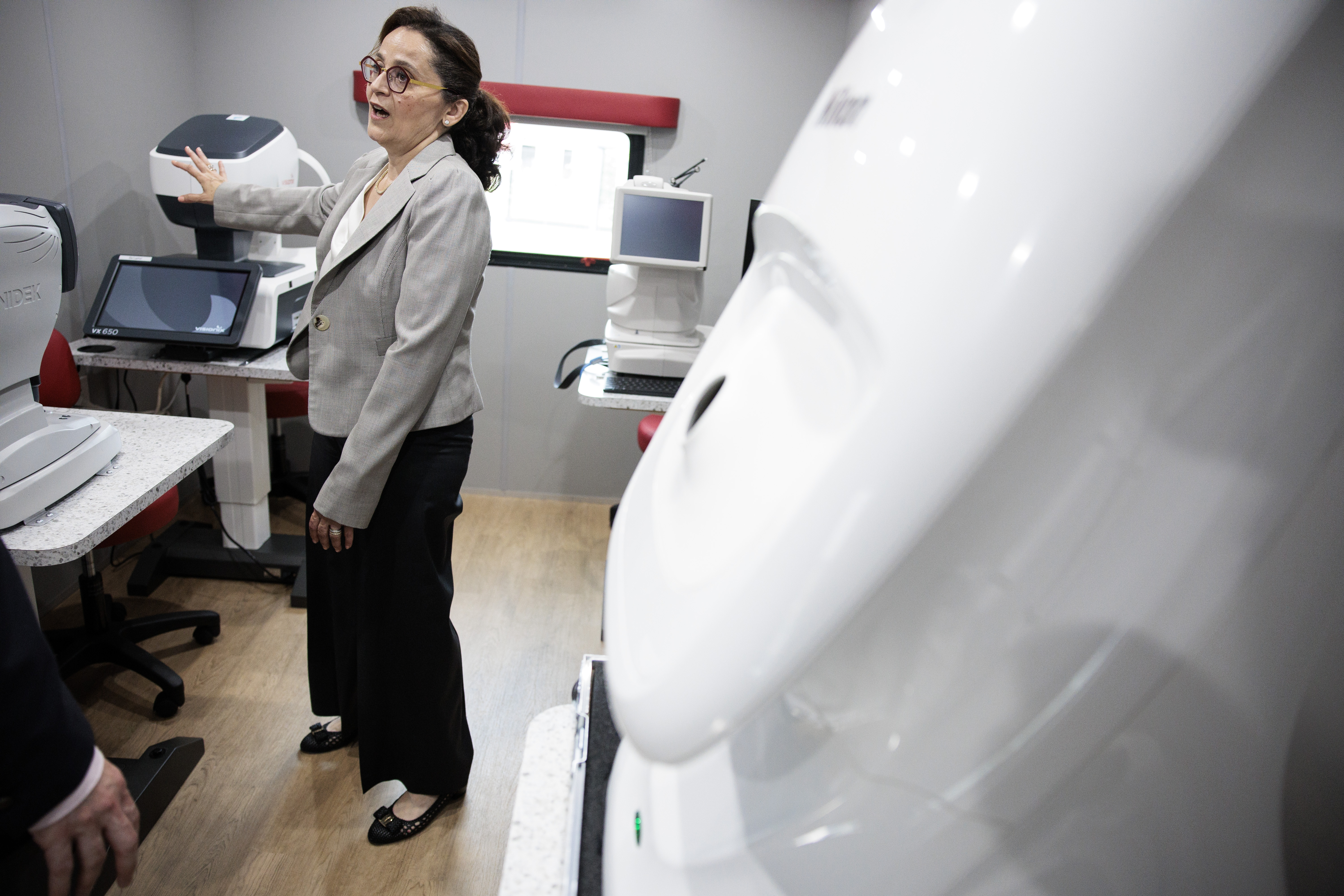
    It’s right on theme: the 26-foot-long van will travel around the city, offering free eye exams and education services to underserved communities. The project is led by Penn ophthalmologist Lama Al-Aswad, whose vision is to prevent blindness by improving access to eye care.

    Called the Scheie Eye Institute In MOTION, the van will screen adults for the four major causes of blindness: glaucoma, macular degeneration, diabetic retinopathy, and cataracts.

    The goal is to detect eye diseases early, so they can be treated before progressing to blindness. Half of an estimated 2.2 billion cases of visual impairment worldwide could have been prevented or still haven’t been properly treated, according to the World Health Organization.

    Lama Al-Aswad is the lead physician behind the new Scheie Eye Institute in MOTION mobile unit.Monica Herndon / Staff Photographer

    Al-Aswad had previously launched a similar effort in New York City that screened more than 8,500 people for glaucoma. She found more than half of them had never seen an eye doctor before.

    By teaching community members about eye diseases and expanding access to care, she hopes they can avoid worse outcomes.

    “By the time we say [patients] have a disease, we are improving their eye health literacy, so they understand the impact and the need to follow up,” Al-Aswad said.

    Those who cannot afford follow-up care can receive services for free, thanks to donations from Philadelphia native Rick Campbell and family, and the New York-based organizations, Save Vision Foundation and Envision Health Technologies.

    The van made its first appearance at Saunders Park in West Philadelphia in mid-September. The unit aims to run at least two to three times a week and see 25 patients at each event.

    The Inquirer spoke with Al-Aswad about the new mobile screening van in an interview lightly edited for length and clarity.

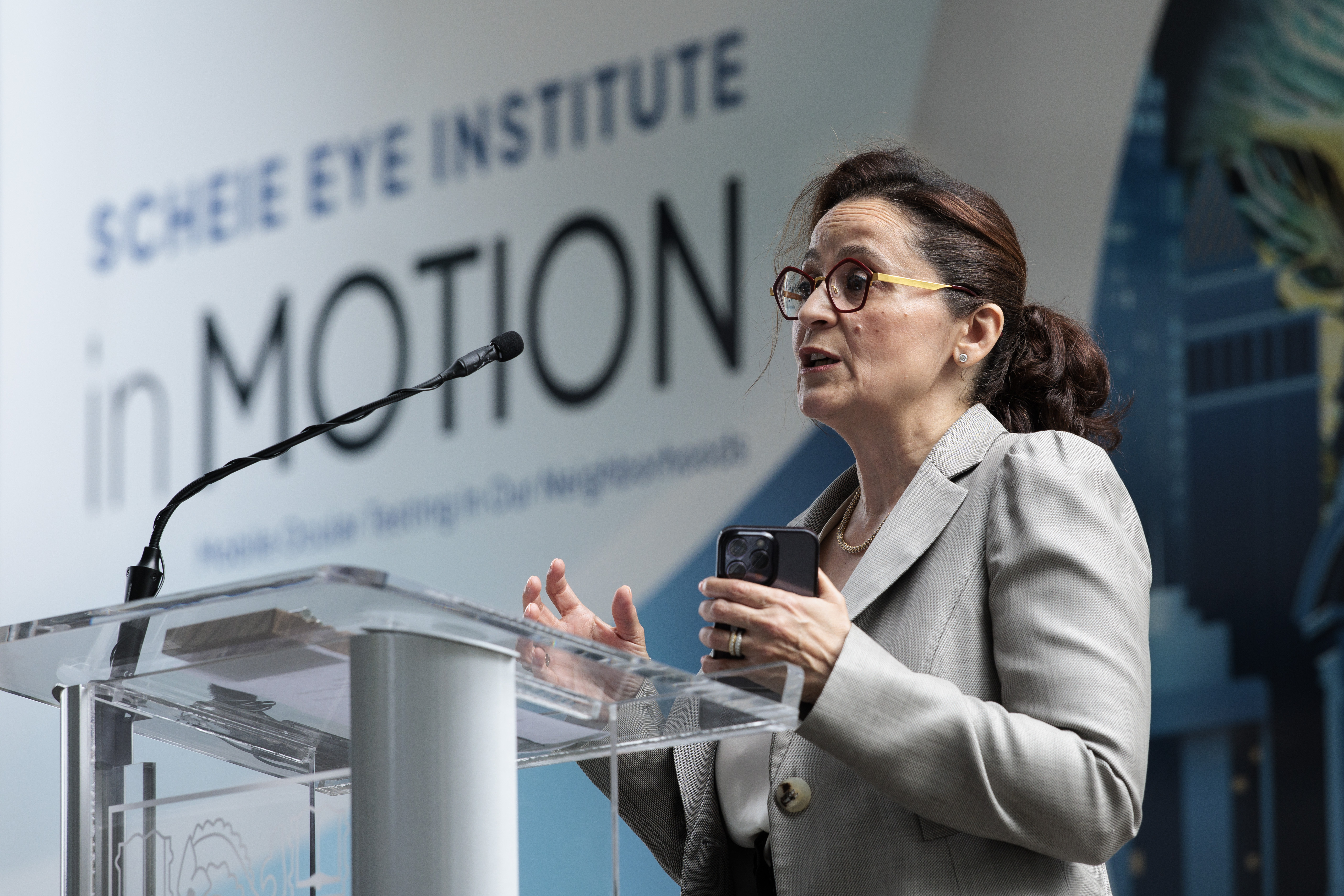
    Lama Al-Aswad speaks during an event introducing the Scheie Eye Institute in MOTION mobile unit.Monica Herndon / Staff Photographer
    What should the public know as part of eye health literacy?

    The four leading causes of blindness: That includes cataracts, which are reversible. People who have cataracts slowly lose vision, but once we do cataract surgery, it goes back to your baseline vision.

    Glaucoma is the leading cause of irreversible blindness. It’s called the silent thief of blindness because it’s asymptomatic until the end.

    Diabetic retinopathy is another leading cause of blindness. That’s preventable too, if there is annual evaluation for it and better control of diabetes.

    Macular degeneration is a disease that affects the macula and, with aging, slowly over time can affect vision. That can be treated with injection and monitoring.

    A lot of eye diseases can be blinding. But, in general, if we catch it early and take care of it continuously, we can prevent blindness.

    What communities are you hoping to reach?

    We are hoping to reach the underserved or vulnerable communities in West Philly, North Philly, and other places. We are even targeting the unhoused community with this mobile unit.

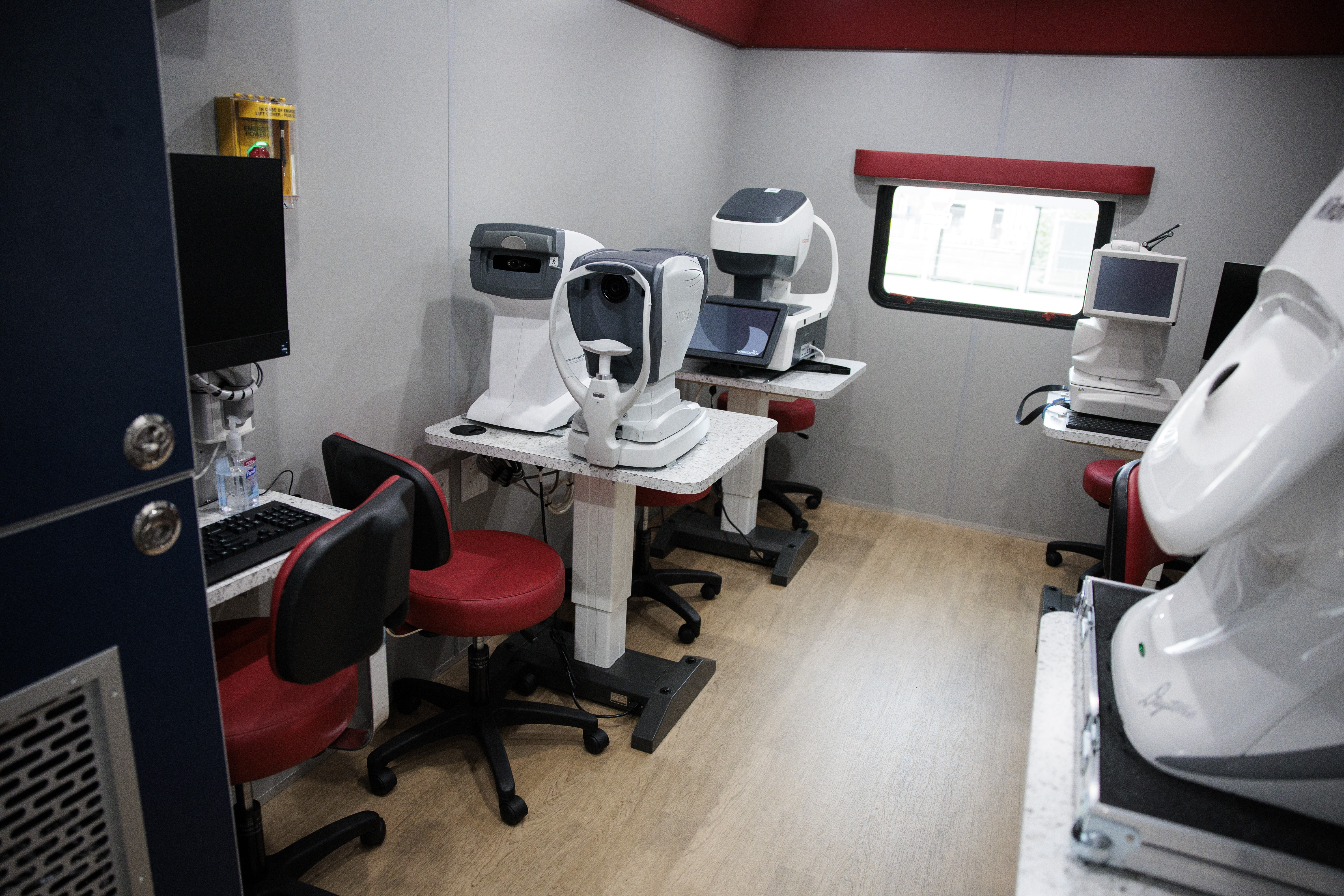
    The inside of the mobile unit.Monica Herndon / Staff Photographer
    What are some lessons that you learned in New York that will be guiding your new effort at Penn?

    One of the lessons that I learned is how to close the loop.

    Let’s say you go out to the community and you screen. But what happens after that? You tell the patient they have a disease. If you’re lucky, 50% follow up.

    When we did a lot of the screening in New York, I did an analysis of the people who followed up and people who didn’t follow up. A couple of things came up:

    It’s hard for individuals with mid- to low-socioeconomic status to take time off work. Second, eye health literacy is very, very important for blindness prevention. A good number of patients didn’t understand the need to follow up.

    We would call them and they would say, “I have no problem, I don’t feel anything, and I have other priorities.” The other thing is how to target populations at a higher risk.

    How will you help patients who require follow-up care after screening?

    If we identify disease, we refer them to our practices to be seen in person by one of our physicians. If they are uninsured, we see if we can help them access insurance, and if they cannot access insurance, we can provide care for them for free, thanks to Mr. Campbell and his family’s generous support for this project.

    Why is it important to catch eye diseases early?

    People go to their internists or other doctors, but the last thing that they think about is their vision.

    That’s because eye diseases most of the time are asymptomatic early on, so patients only go when it’s advanced. That’s a problem in itself because a lot of the vision loss we cannot reverse.

    It’s really important to identify disease early and manage it for blindness prevention.

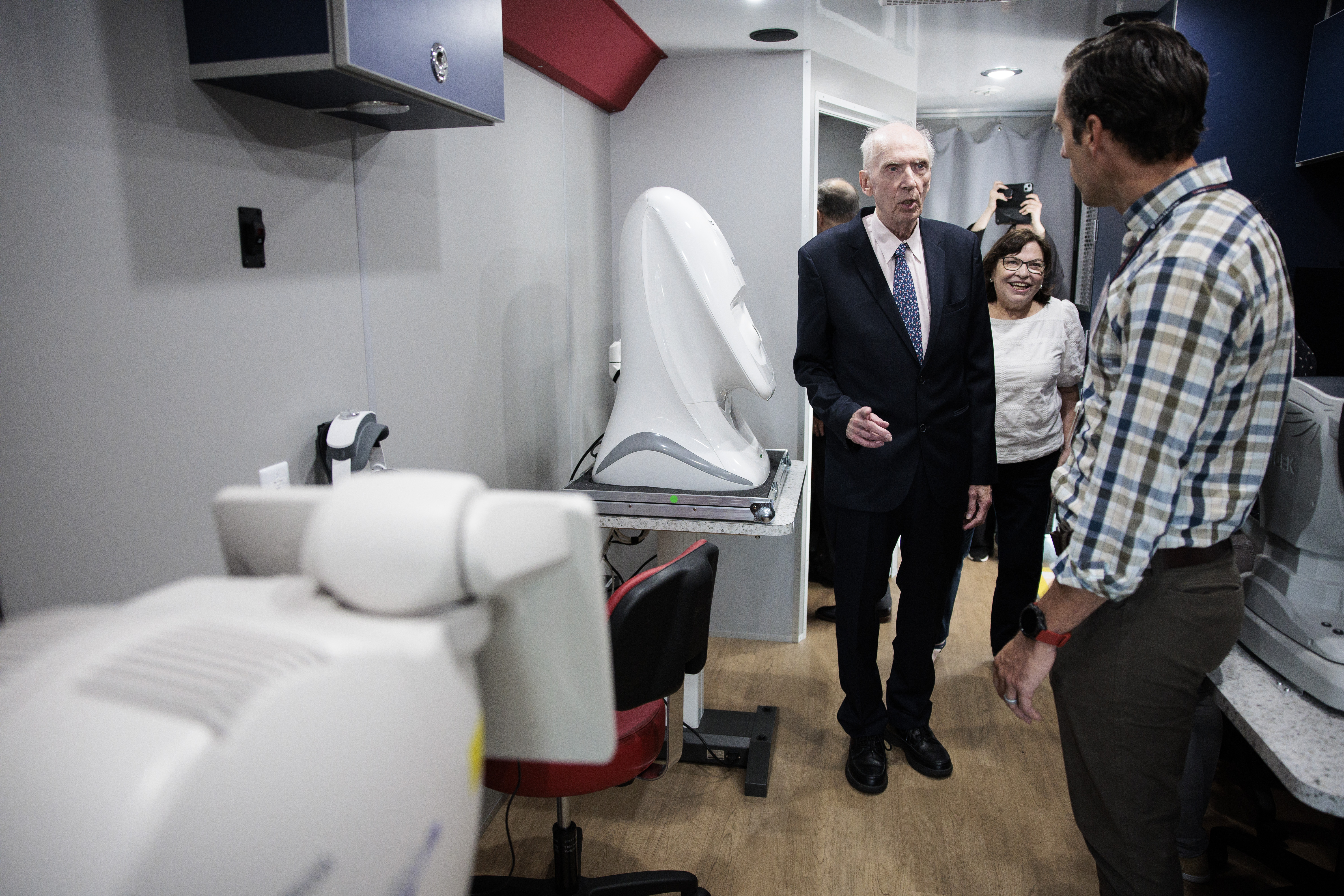
    Donor Rick Campbell and his wife Marie Campbell walk into the Scheie Eye Institute in MOTION mobile unit.Monica Herndon / Staff Photographer
    How do you feel about the launch?

    Closing the loop is going where patients are, providing screening and diagnosis, providing education, and providing care to the uninsured. This is a dream come true to be able to do all of this together.