The two busiest surgery centers in the Philadelphia region last year were operated by Penn Medicine in Radnor and Jefferson Health in Center City.
Such facilities have grown increasingly popular as a cost-saving option for procedures that do not require intensive hospital resources or overnight stays.
While they offer convenience, the facilities operated by Penn and Jefferson both count as hospital departments for billing purposes, which means they cost more than surgery centers operated by independent physicians or other companies.
Penn Medicine Radnor Surgery Center operates within a large outpatient facility near the intersection of I-476 and Route 30. It logged 12,464 surgical visits in 2025, up from 8,961 the year before, according to data published last month by the Pennsylvania Department of Health.
Penn attributed the growth to the addition of new gastroenterologists in Radnor to perform colonoscopies, upper endoscopies, and other procedures. Colonoscopies, in particular, account for a large portion of the overall volume in surgery centers outside hospitals.
Jefferson Surgery Center was close behind, with 12,261 surgical visits, up from 2,639 in 2024. It sits within the Honickman Center, which opened in 2024 at 1101 Chestnut St. in Philadelphia. Jefferson has gradually expanded the array of surgical services offered there.
“Growth has been driven by both increasing patient demand and the strategic transition of services from other Jefferson locations, allowing us to provide care in a state-of-the-art outpatient environment,” Jefferson said in an email.
Other fast-growing surgery centers include two independently operated facilities focused on orthopedics, Premier at Exton Surgery Center in Exton and Restore Orthopaedic Surgical Institute in Chadds Ford.
(function(){function e(){window.addEventListener(`message`,function(e){if(e.data[`datawrapper-height`]!==void 0){var t=document.querySelectorAll(`iframe`);for(var n in e.data[`datawrapper-height`])for(var r=0,i;i=t[r];r++)if(i.contentWindow===e.source){var a=e.data[`datawrapper-height`][n]+`px`;i.style.height=a}}})}e()})();
Surgery center ownership matters
Even though the Penn and Jefferson outpatient facilities are not in hospitals, their ownership by large hospital systems enables providers to get paid as if they were located inside the Hospital of the University of Pennsylvania or Thomas Jefferson University Hospital.
Hospital outpatient department billing rates are sometimes twice as much as the rates paid to independent surgery centers.
For example, surgery to remove torn cartilage from a knee can cost $7,190 when performed on an outpatient basis in a hospital, nearly three times the $2,477 cost in ambulatory surgery centers (ASCs), according to Philadelphia-area commercial insurance averages from Turquoise Health.
Health insurers Independence Blue Cross and Highmark have implemented policies this year seeking to save money for employers and patients by moving care out of hospitals and into ambulatory surgery centers or ASCs. Both insurers say they will only pay for certain procedures if they are done in an ASC.
But it’s not enough to move surgeries to a setting outside a hospital, given the hospital-like billing status of certain surgery centers.
“The cost savings from an ASC depend on the facility’s ownership, licensing, and billing model,” Richard Snyder, IBX’s chief operating officer, said in a email to The Inquirer.
IBX would like to see more ASCs in its Southeastern Pennsylvania market and is “prepared to help catalyze growth through continued value-based arrangements, strategic partnerships, and investments,” Snyder said.
Litigation over ASCs and other policies
In a July lawsuit against IBX, Jefferson claimed that the insurer’s ASC policy amounted to a change to the financial terms of their contract that needed to be negotiated.
The lawsuit said that ASC mandate will cost the health system $35.4 million, but doesn’t specify over what time period.
IBX filed a motion last weekto dismiss the lawsuit, which was moved to U.S. District Court in Philadelphia from the Philadelphia Court of Common Pleas.
The insurer says that the lawsuit was premature because Jefferson filed it before completing a contractual process designed to resolve such policy conflicts.
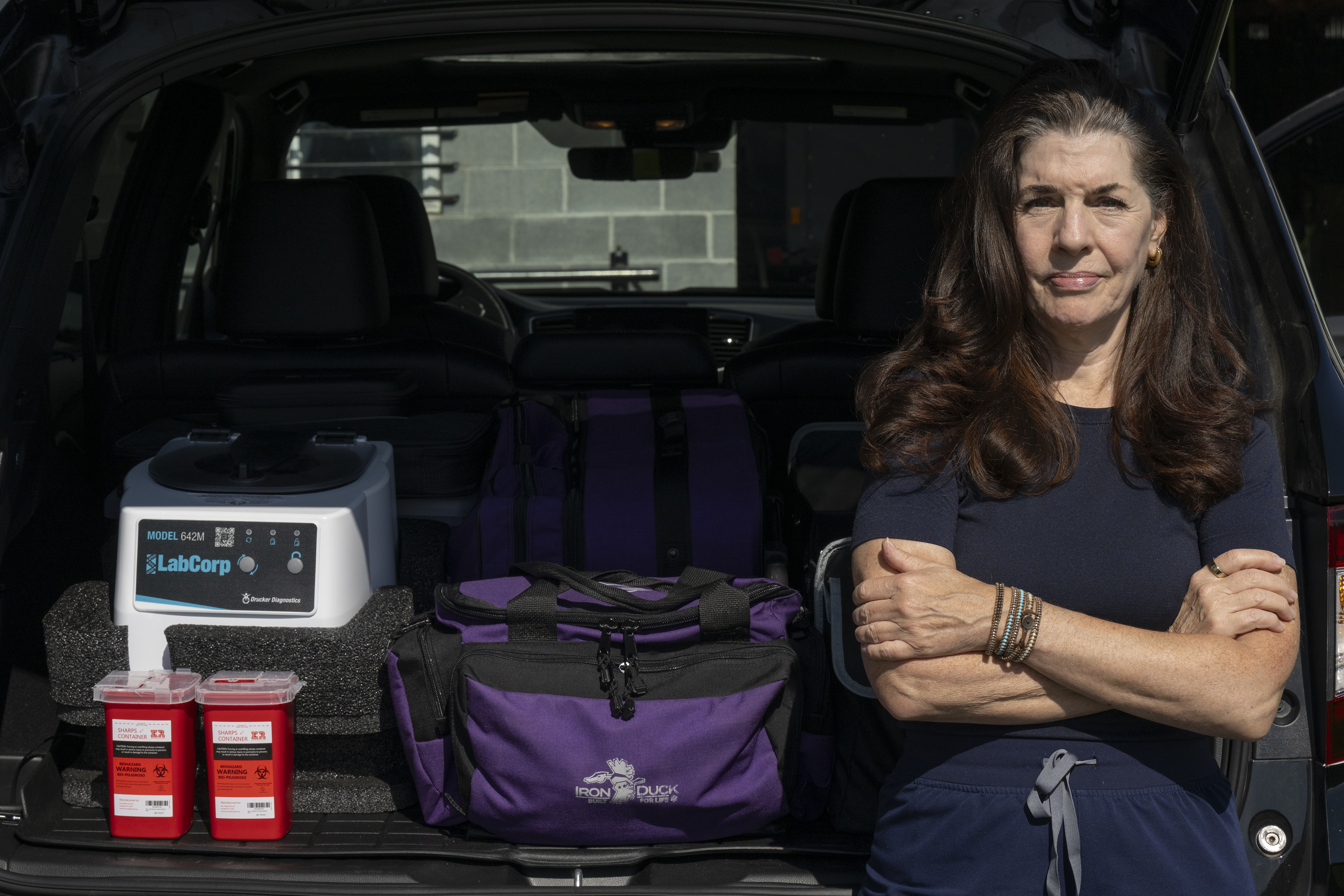
LANCASTER — Amish families peer into Roberta Devers’ Honda Passport as she drives between prenatal checkups along the rolling hills of Lancaster County. They ask her increasingly frequent questions about the vaccine: Do you have some measles in your car?
Devers, 63, works asa traditional midwife in communities at the epicenter of Pennsylvania’s largest measles outbreak in more than 30 years. She belongs toa class of midwives who follow age-old practices and are unregulated by the state, unlikethestate-licensed midwives one may find in a hospital. She received the full childhood vaccination schedule but, as an adult, chose not to vaccinate her son and is part of the rising number of people in Pennsylvania refusing to get vaccinatedagainst preventable diseases due to unfounded concerns about their safety and necessity.
And she thinks she should be able to offer the vaccine to her patients, as a trusted caretaker among Amish residents.
“Babies are dying,” said Devers, who is not Amish but has been a traditional midwife for 38 years. Shesays she fearsthat Pennsylvania’s Amish community, one of the oldest and largest in the country, cannot wait to reach herd immunity. “You’re going to lose too many babies,” she said.
Devers occupies a unique vantage point from the front lines of the nation’s largest measles outbreak this year. State health officials said the deaths of two local Amish infants were measles-related, sparking a clash between Democratic Gov. Josh Shapiro and President Donald Trump’s Health and Human Services secretary, Robert F. Kennedy Jr.,over how to report the outbreak’s death toll. An 18-year-old from Mifflin County and a 40-year-old woman from Jefferson County alsodied from measles-related illnesses in recent days, according to the counties’ coroners.
As of Wednesday, the state had reported 731 cases in 38 counties. Lancaster has recorded the highest number of known cases in Pennsylvania, as the highly contagious disease has spread among the area’s significant number of unvaccinated people, including many from communities beyondthe county’s Amish population.
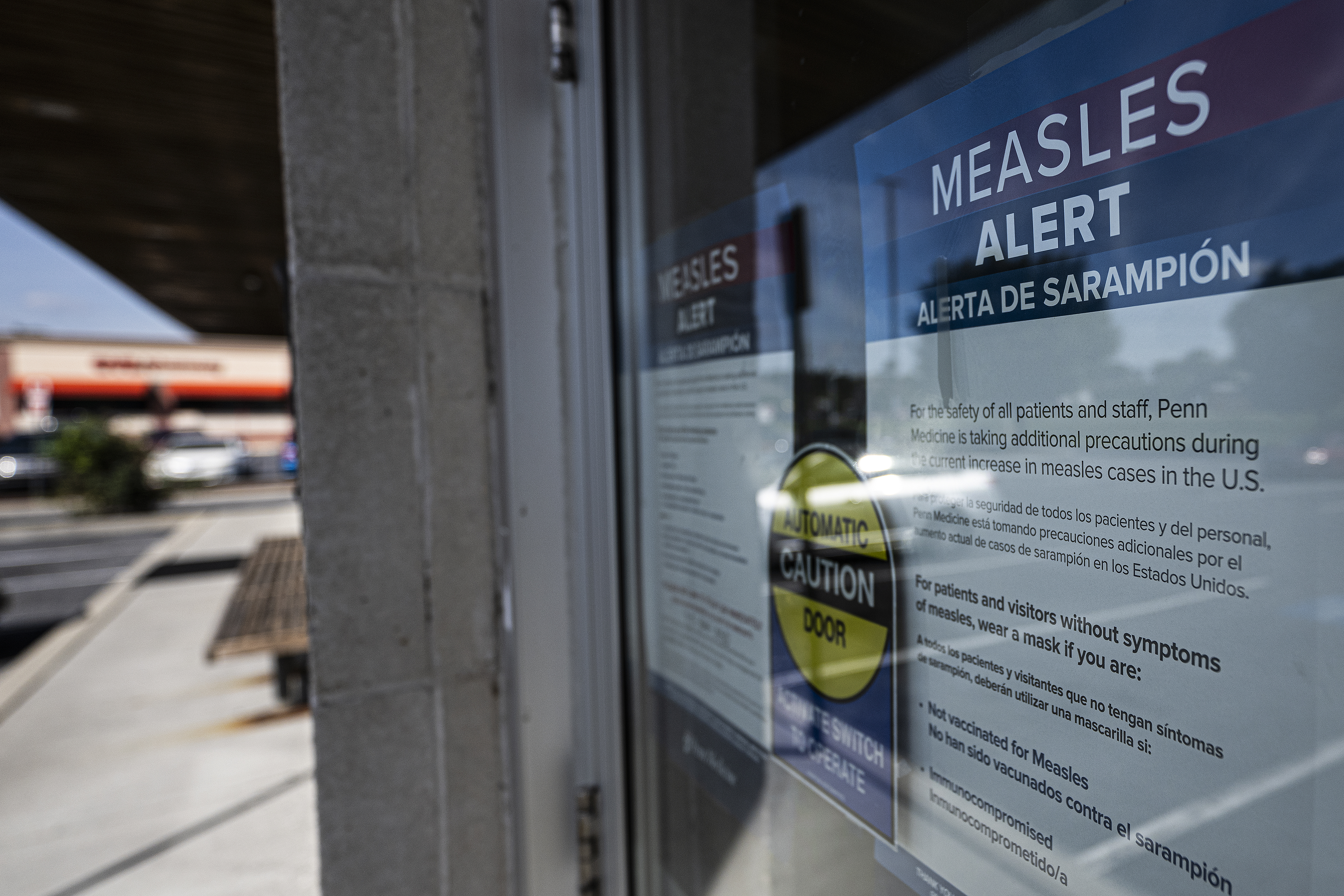
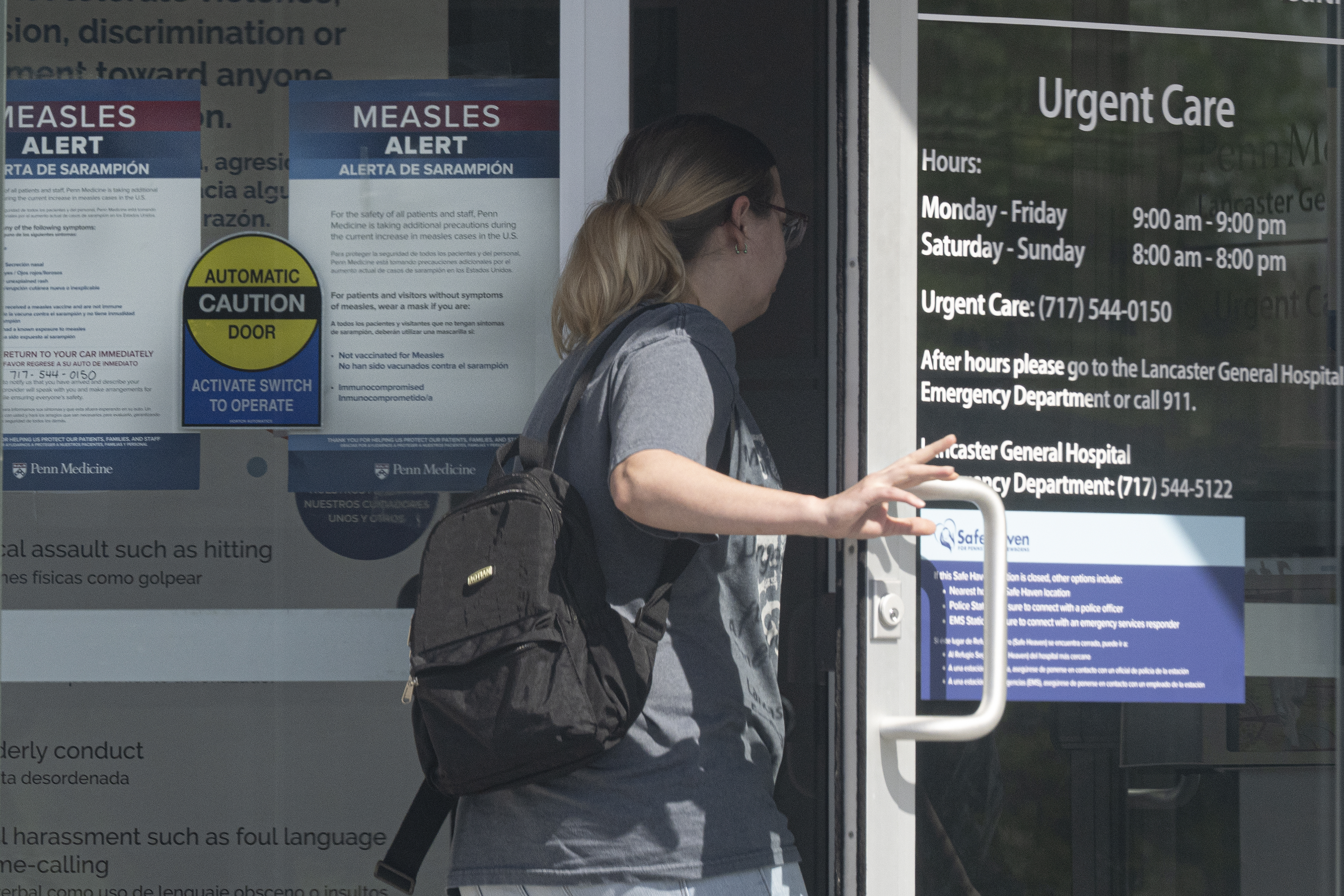
Measles alert signs in English and Spanish are posted on the front doors of an urgent care facility Tuesday, Sept. 8, 2026, in Lancaster County, Pa., amid a measles outbreak that has affected local Amish and Mennonite communities.Jose F. Moreno / Staff Photographer
Traditional midwives like Devers — also known as lay midwives or direct-entry midwives — broadly oppose being regulated by the modern medical system and often do not receive the medical and scientific training or college-level educationrequired of certified nurse midwives and midwives. Because of this, top medical associations like the American College of Obstetrics and Gynecology oppose traditional midwives from being able to practice at all. State lawalso prohibits traditional midwives from practicing medicine, such as administering vaccines or sutures.
Until this summer when it was quietly repealed in state budget documents, an unenforced 1929 law allowed traditional midwives to practice in Pennsylvania. A group of midwives have sued the state to formally recognize them, but thatwould still not permit them to practice medicine, including administering vaccines.
Yet, traditional midwives are the main care providers who oversee home births in certain Amish communities, or for people who want their help with a personal and private birth experience. Their influence is particularly prominent in Pennsylvania, which has one of the nation’s highest rates of home births. Devers’ practice, Mount Laurel Midwifery, delivers about seven babies per month across south-central and Southeastern Pennsylvania, with a number of student midwives studying underher.
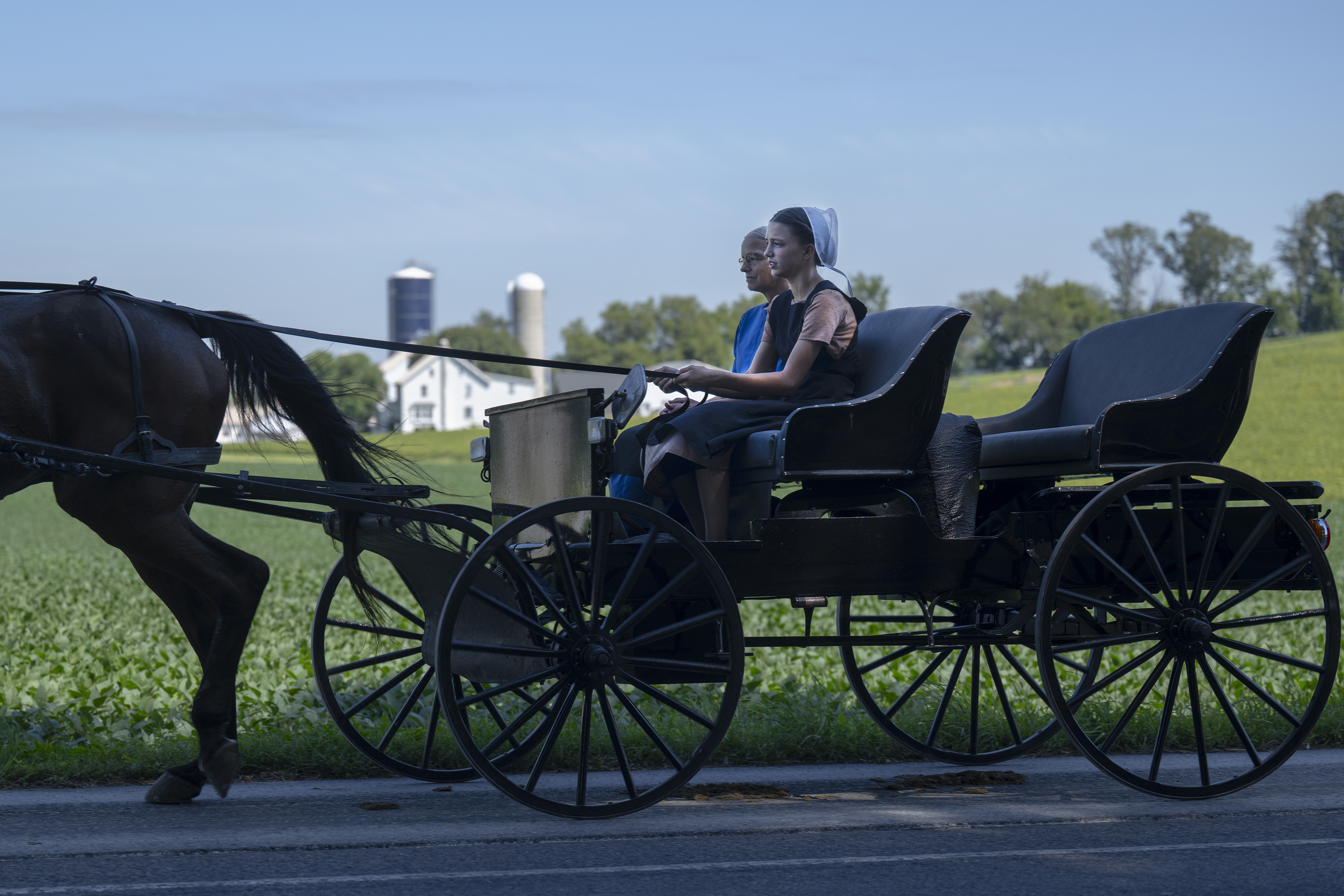
An Amish woman drives a horse-drawn buggy along a road Monday, Sept. 7, 2026, in Lancaster County, Pa., amid a measles outbreak that has affected the local Amish and Mennonite communities.Jose F. Moreno / Staff Photographer
In Lancaster, Devers’ clients are not talking about the political debate. Rather, their conversations center on the spread of measles — did she hear about the recent baby deaths, what should they do if they were exposed, does she have a vaccine with her?
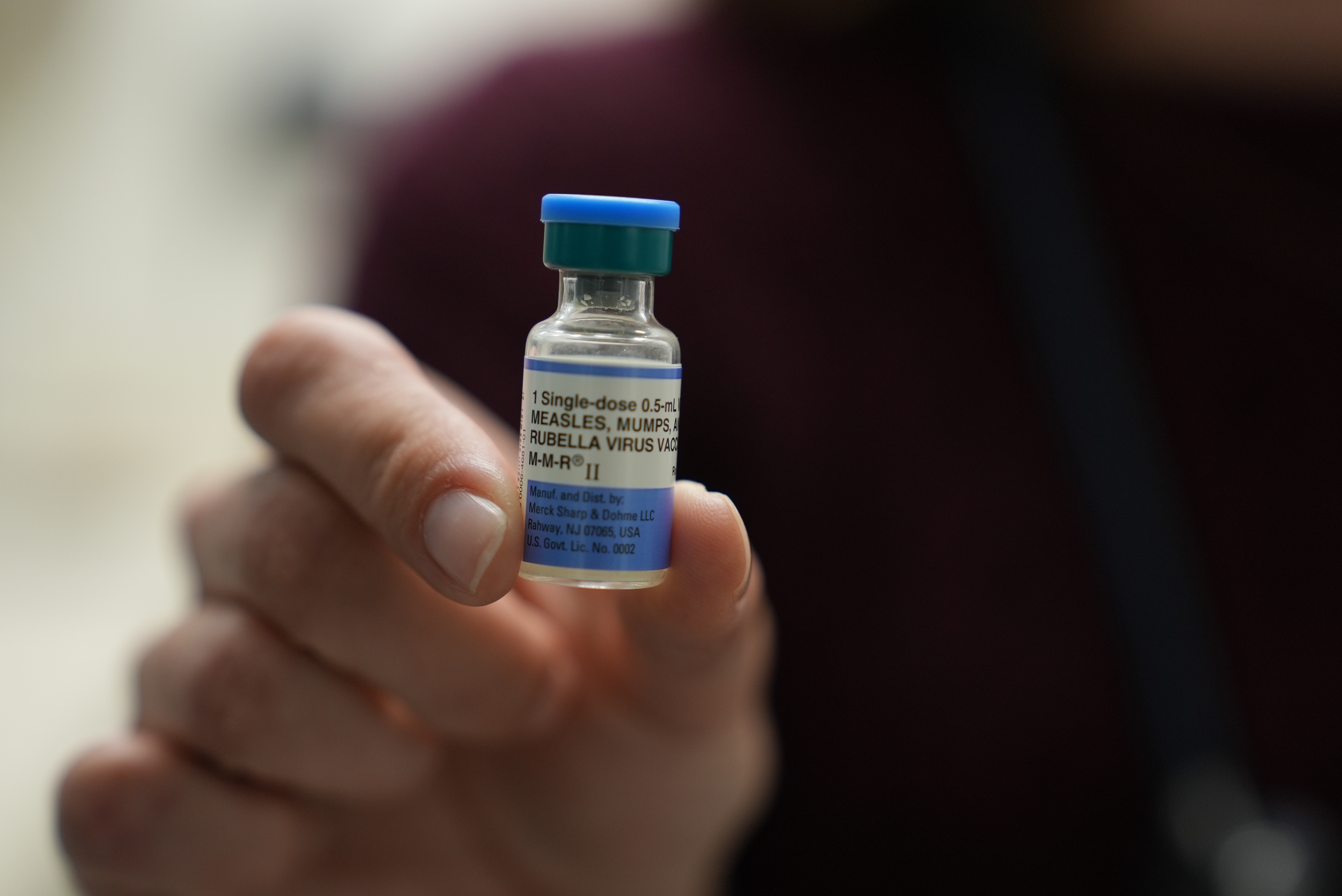
Two doses of the measles, mumps, and rubella vaccine have proven 97% effective at preventing the disease, the Centers for Disease Control and Preventionsays. Nine in 10 unvaccinated people exposed to measles will acquire the disease.
Pregnant people are not eligible to receive the vaccine.
In her daily prenatal checkups, she is seeing moms who have the infection’s signature bumpy, red rash and fever, and families who have watched the sickness move through one family member to the next.
About three in 1,000 children who contract measles will die, according to the CDC. Measles can cause severe complications, especially in young children, including pneumonia and brain swelling. And measles during pregnancy can lead to pregnancy loss, premature delivery, and low birth weight, according to the CDC.
Devers said sherecently saw a case in which a mother lost her baby at 17 weeks. The Amish woman was recovering froman active measles infection at the time of the miscarriage, in addition to at least one other underlying medical condition, Devers said.
Amish families traditionally have funerals for stillborn babies or miscarried fetuses, sharing obituaries in the local newspaper. Devers attended the funeral for one such death, involving the 17-week-old fetus,last month.
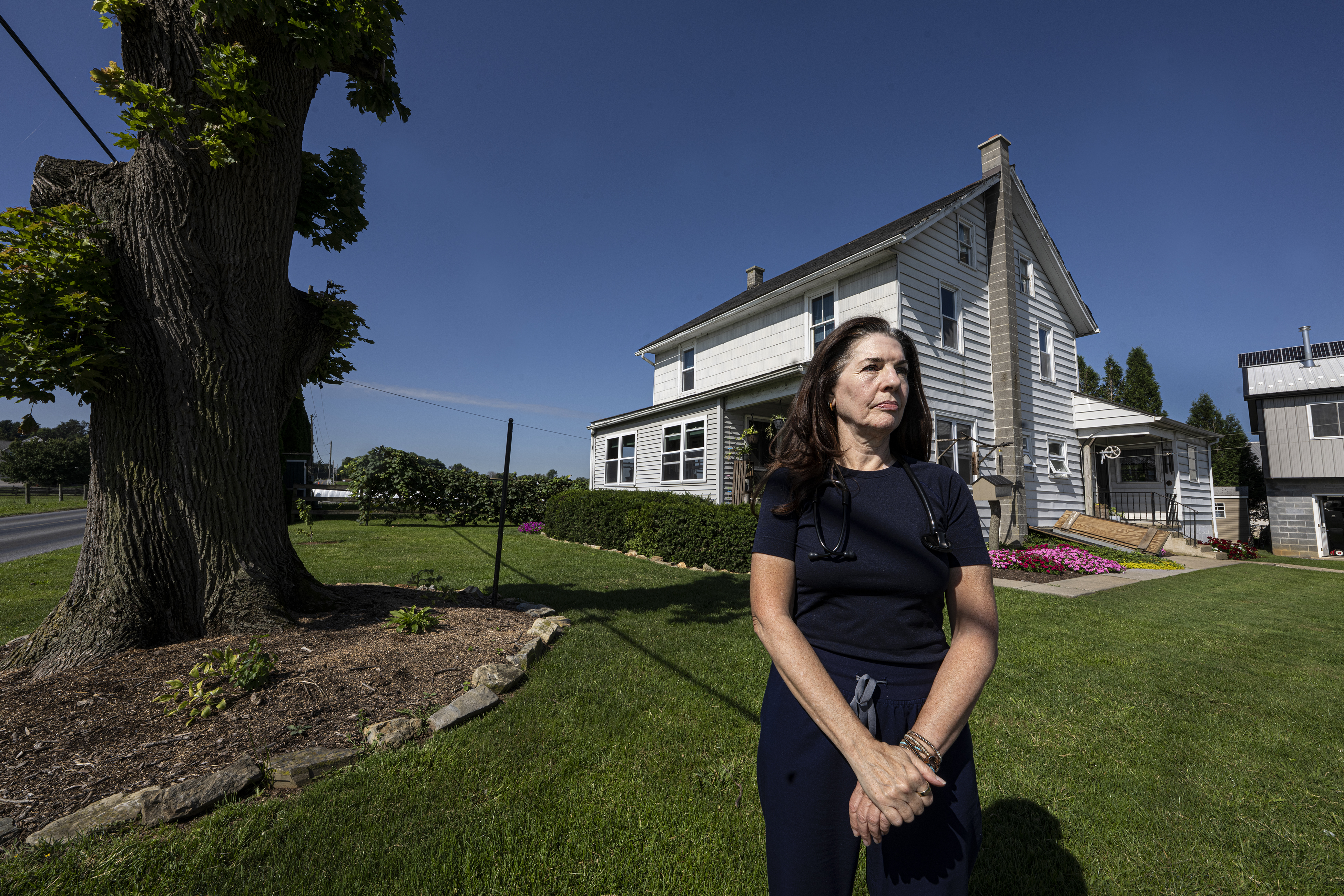
Midwife Roberta Devers is photographed Tuesday, Sept. 8, 2026, near the home of one of her Amish patients in Lancaster, Pa. Devers, who primarily serves Amish mothers, discusses the measles outbreak and why she believes unlicensed midwives should be allowed to administer MMR booster shots.Jose F. Moreno / Staff Photographer
During previouspublic health emergencies, state and federal governments have usedlimited emergency approvals to expand who is allowed to administer vaccines, though the authority was not extended to unregulated groups like traditional midwives.
Now, Devers wants state or federal health officialsto extend approval to allow traditional midwives to administer the measles, mumps, and rubella vaccine.
But the Pennsylvania Department of Health saysit does not have the authority to allow traditional midwives to administer vaccines, because they are not certified healthcare providers. Currently, state law allows licensed healthcare providers like doctors and certified nurse midwives to administer vaccines, and any expansion of the list would require an amendment to state law, spokesperson Stephanie Nojiri said in a statement.
HHS and the CDC did not respond to requests for comment. Devers said sherecently accepted an invitation fromthe CDC to participate in a paid interview to discuss how midwives serving Plain communities are approaching the measles outbreak. She sees the outreach as asignal ofthe agency’s interest in working with midwives.
The Amish and vaccines
Vaccination rates among Pennsylvania children have been falling for years. The spread of misinformation about vaccine safety reached the highest echelons of the U.S. governmentafter Trump picked Kennedy, a longtime anti-vaccine activist, to lead the nation’s health agencies.
Amish communities do not have a religious objection to vaccinations, said Steven Nolt, a top Amish scholar at the Young Center for Anabaptist and Pietist Studies at Elizabethtown College.
He said low vaccination rates in the groups, who dress in plain clothes and widely object to using technology in favor of a more traditional way of life, aredue to their partial abstention from modern medicine, as well as a lack of nearby access given their rural lifestyles.
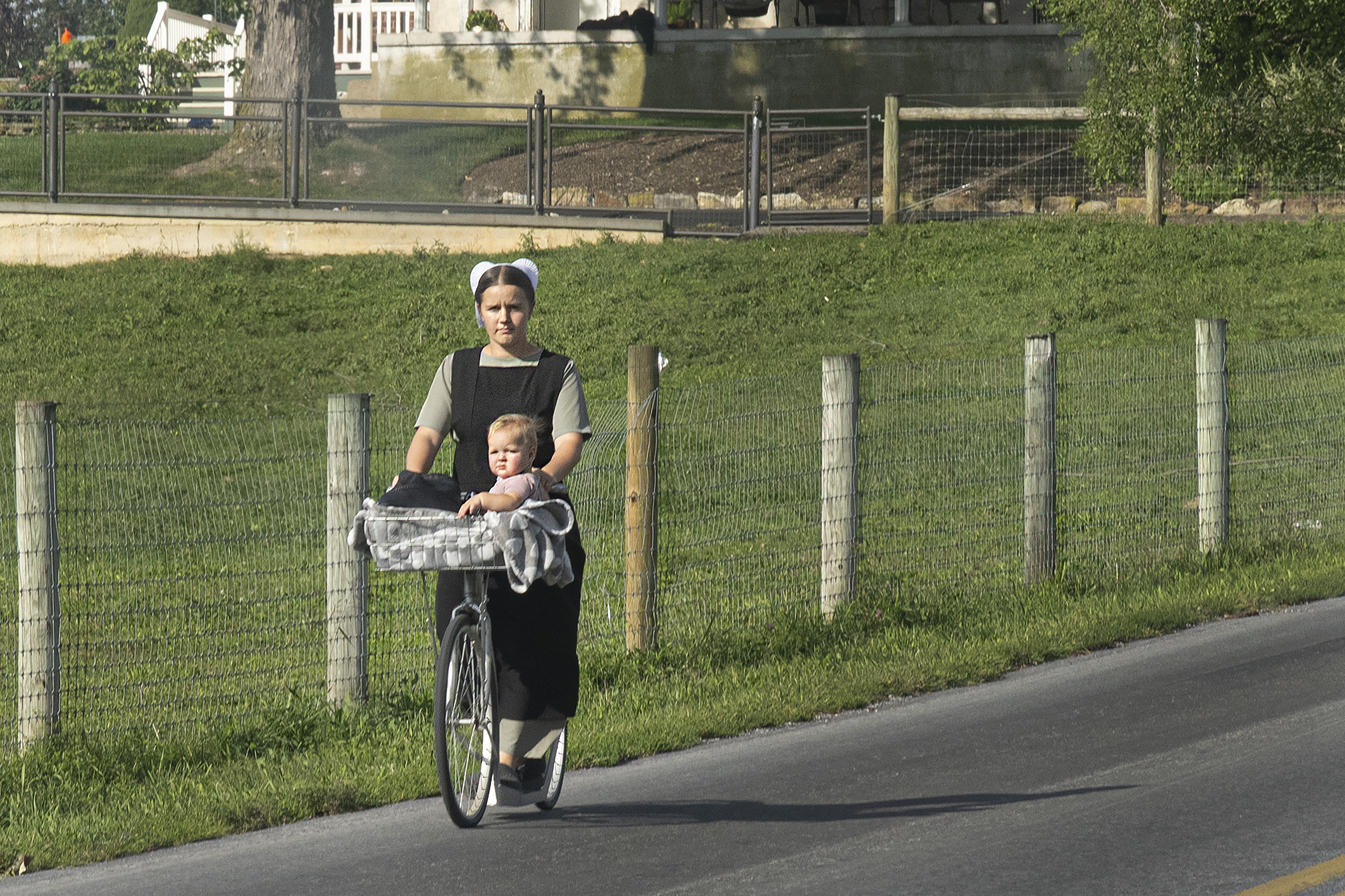
An Amish woman rides a kick scooter with a baby secured in a front basket attached to the scooter Tuesday, Sept. 8, 2026, along a road in Lancaster County, Pa., amid a measles outbreak that has affected local Amish and Mennonite communities.Jose F. Moreno / Staff Photographer
In Lancaster County, 30% of Amish families had their children vaccinated and believed vaccinations were safe and effective, according to a 2022 surveyof 433 Amish and Old Order Mennonite residents, published by Elizabethtown College and conducted by Franklin and Marshall College.
The numbers are much higher among Old Order Mennonites — a different religious group thatsimilarly dresses in plain clothes — with94% vaccinating their children and 72% believing they are safe and effective.
When a 1991 rubella outbreak spread through Amish communities, families welcomed the booster shots, Nolt said. So didAmish groups during a polio outbreak in the 1970s.
“When there would be an outbreak, that was a bit of a wake-up call,” he added. “Then people would come out for immunizations.”
Another “wake-up call” has now arrived for Lancaster’s Amish residents, Devers said.
Amish vendors work at their stands inside the popular Central Market in Lancaster, Pa., Tuesday, Sept. 8, 2026, amid a measles outbreak that has affected local Amish and Mennonite communities.Jose F. Moreno / Staff Photographer
Amish groups broadly approach their health through a “medical pluralism” lens — a term coined by Martha King, a medical anthropologist at the University of North Carolina at Chapel Hill. This means Amish communities view medical doctors, chiropractors, midwives, and homeopathic remedies as all being “on the same playing field,” rather than being supplementary to a primary care physician, as is common among most Americans, Nolt said. Sometimes Amish people will choose treatments thatcontradict each other or lack any scientific backing.
“They kind of all function in a way that doesn’t necessarily make sense the way many ‘normal’ Americans think about healthcare,” Nolt added.
Prior to his appointment as HHS secretary, Kennedy helped lead anti-vaccination efforts across the country. During a 2021 speech in Lancaster County, he mocked measles as a serious threat.
It is unclear what effect the efforts have had on Amish populations, Nolt said. During the COVID-19 pandemic, some anti-vaccine groups ran advertisements in Amish newspapers, discouraging the Amish from getting any immunizations, he added.
Devers said she largely supports Kennedy, but believes Shapiro was right to raise alarm about the need to vaccinate against measles. She said she has been disappointed in Kennedy for downplaying the dangers of the outbreak.
“My God, use your head,” Devers said. “He can’t mean this in the midst of an epidemic like this.”
Pennsylvania’s healthdepartment, in partnership with local health systems, says it has been working with Amish communities. And Shapiro has emphasized that the outbreak stretches much further than just among any one community, now that confirmed cases have spread to more than half of Pennsylvania’s 67 counties.
Since the start of the measles outbreak in Pennsylvania in April, state health officials have hosted 124 pop-up vaccination clinics across the state in locations like churches, fire halls, and private homes to give more than 4,100 doses of the MMR vaccine, Nojiri said. More pop-up clinics are planned in the near future.
But traditional midwives should be part of the solution, too, Devers argued.
“Different times call for a change in thinking,” she said.
This story has been updated to remove identifying information.
Philadelphia health officials warned that people may have been exposed to measles at the Children’s Hospital of Philadelphia in West Philadelphia on Friday.
Health officials said the potential exposure took place at the following times and locations on Sept. 11 at the hospital at 3401 Civic Center Blvd.:
CHOP neonatal intensive care unit (NICU) West: 9:30 a.m. to 4:15 p.m.
CHOP NICU West Family Lounge: 9:30 a.m. to 4:15 p.m.
CHOP Atrium: 9:30 a.m. to 4:15 p.m.
CHOP main cafeteria: 12:05 p.m. to 2:45 p.m.
In a press release, Philadelphia’s health department said that they are working with CHOP and the state health department to ensure infants in the NICU receive a “preventive antibody product” to protect them from contracting the highly contagious virus, or to lessen the chance they develop a serious disease.
Measles can infect up to nine in 10 unvaccinated people exposed to it, and can linger in the air for up to two hours.
People who were exposed at the hospital should check their vaccination status and watch for symptoms of measles, the city health department said.
Symptoms of measles include a fever, a runny nose, a cough, and red, watery, eyes, followed by a rash. Most cases are mild, but the disease can cause severe complications, including pneumonia, brain infection, and death. Young children are at particular risk for complications.
The exposure comes as Pennsylvania deals with a major measles outbreak that, as of Wednesday, has sickened 731 people across 38 counties, including in neighboring Chester County, which has reported 67 cases this year. State officials have confirmed four measles-associated deaths in the last several weeks, and have clashed with federal officials over how to characterize the deaths.
Philadelphia has not reported any cases of measles, though the health department earlier this year noted potential measles exposures at the airport and 30th Street Station.
Philadelphia Health Commissioner Palak Raval-Nelson said in a statement that she did not believe the exposures at CHOP poses a “broad risk” to Philadelphians because most are vaccinated.
But she urged residents to ensure they get the measles, mumps, and rubella vaccine.
“Given the ongoing outbreaks in Pennsylvania and other places, it is imperative that everyone who is not up to date on their MMR vaccine gets their vaccine as soon as possible,” she said. “Remember, this is not just about protecting yourself, it’s about protecting our most vulnerable Philadelphians.”
Some people cannot be vaccinated, including infants too young for the vaccine, pregnant people, and some immunocompromised people.
Typically, children get their first dose of the MMR vaccine at 1 year old, and a second between 4 and 6 years old.
In recent months, as Pennsylvania’s measles outbreak has spread, state officials have recommended vaccinating children early if they live in or are traveling to areas with measles.
City officials said they recommend an early first dose of the MMR vaccine for infants between six and 11 months old before international travel or travel to affected areas in Pennsylvania.
Children from 1 to 4 years old should also get their second dose of the MMR vaccine early, at least 28 days after their last dose, officials said.
People who were possibly exposed at CHOP should determine if they’re protected against measles, officials said.
People are generally considered immune if they were born before 1957, have already had measles, or have received two doses of the MMR vaccine.
City officials said that people who have only received one dose of the MMR vaccine have a low risk of contracting measles from the CHOP exposure, but they should discuss getting a second dose with their doctor.
People who are protected against measles don’t have to do anything else, officials said.
People who are not immune to measles should get a dose of the MMR vaccine, officials said. People under 12 months old, pregnant people who are not immune, or people with a weakened immune system should consult a doctor as soon as possible.
Those who are not immune and may have been exposed at CHOP should wear a mask in indoor public spaces and around any unvaccinated people until three weeks have passed since their exposure, officials said. On its measles website, the department said that people who are not immune should quarantine for 21 days, until Oct. 2.
In an email, deputy health commissioner James Garrow clarified that the department’s general recommendation is for exposed people to mask and monitor themselves for symptoms, and that the department would contact exposed people for whom they have “a higher level of concern” and recommend they quarantine.
This is because a person with measles can spread the virus for four days before a rash appears, and for four days after it starts.
Exposed people who aren’t immune to measles should call their doctor immediately if they develop measles symptoms through Oct. 2. They should inform their doctors that they’ve been exposed to measles, and notify the city health department at 215-685-6740. (Residents of other counties in Pennsylvania should call the state health department at 877-724-3258.)
Pennsylvania is seeking more emergency aid from the Centers for Disease Control and Prevention to respond to the state’s largest measles outbreak in more than 30 years, but only if the federal agency acknowledges the four measles-associated deaths Pennsylvania has reported.
The CDC has so far declined to publicly report Pennsylvania’s measles-associated deaths, reportedly at the direction of Health and Human Services Secretary Robert F. Kennedy Jr.
The CDC’s measles dashboard says the agency is still reviewing death data and developing a new standard definition of a measles-associated death.
Public health experts say it is highly unusual for the CDC to challenge routine disease surveillance by states, and delaying death reporting could affect efforts to control Pennsylvania’s outbreak, which has sickened more than 700 people and is now this year’s largest in the country.
“The CDC’s choice not to publicly recognize the deaths undermines our response,” Pennsylvania Health Secretary Debra Bogen wrote in a Wednesday letter to CDC Director Erica Schwartz, a nominee of President Donald Trump who was confirmed to the post last month. The state shared the letter with The Inquirer.
Bogen wrote that the CDC’s Epi-Aid program, which provides short-term technical assistance and subject matter expertise during health crises, will benefit Pennsylvania’s outbreak response only if she can assure her staff that the CDC’s assistance “will not will not undermine their efforts and will partner with them toward a common goal, including publication of timely, accurate information about the outbreak.”
The CDC said it had not received Pennsylvania’s Epi-Aid request “through its normal channels” and accused state leaders of politicizing outbreak response. Federal outbreak assistance and national mortality reporting are separate issues, the agency said.
“CDC will not submit to political blackmail that conditions critical public health assistance,” the agency said in a statementThursday. “The people of Pennsylvania should never be used as leverage in a political dispute over how deaths are classified.”
The back-and-forth comes after the CDC has said the state is not cooperating with the agency and, for days, highlighted the fact that health officials here had not requested an Epi-Aid team from the agency, as other states with measles outbreaks have done.
(function(){function e(){window.addEventListener(`message`,function(e){if(e.data[`datawrapper-height`]!==void 0){var t=document.querySelectorAll(`iframe`);for(var n in e.data[`datawrapper-height`])for(var r=0,i;i=t[r];r++)if(i.contentWindow===e.source){var a=e.data[`datawrapper-height`][n]+`px`;i.style.height=a}}})}e()})();
An ongoing political clash
Pennsylvania defines a “measles-associated death” as one that occurs within 30 days of symptom onset in a person with clinical evidence of infection and a positive laboratory test, and who did not die of another unrelated cause, like a car crash.
The state announced its first two measles-associated deaths in late August, but provided no information on them beyond that both were in unvaccinated Lancaster County residents. The county coroner later said he did not believe measles caused one of the deaths, involving an infant with a lacerated spleen who tested positive for measles, though physicians have noted measles can weaken the organ and make it more likely to rupture.
The coroner, an elected Republican, said a second death, in another infant with a fatal genetic condition, was caused by measles.
Two other measles-associated deaths were reported this week in Mifflin and Jefferson Counties. Mifflin County’s coroner confirmed the death of an unvaccinated 18-year-old who died from a serious neurological complication of measles; Jefferson County’s coroner said measles led to the death of an unvaccinated 40-year-old woman with severe respiratory conditions.
Gov. Josh Shapiro, a Democrat, has criticized Kennedy, a longtime anti-vaccine activist, for spreading misinformation and contributing to lower vaccination rates that he says have allowed the virus to spread through 38 counties in Pennsylvania.
Kennedy had accused the state of “fabricating” two deaths, although he later acknowledged one was caused by measles.
Both have said the other is politicizing the deaths, the first reported in Pennsylvania and the highest death toll linked to the virus nationally in more than three decades.
On Wednesday, the state reported that 731 people have been sickened in Pennsylvania so far this year — with 117 cases reported in the last week alone. Just over 140 people had been hospitalized, with 18% of them under 18.
An Epi-Aid team typically works with a state for one to three weeks to provide technical assistance investigating an “urgent public health problem,” according to the CDC’s website.
“The focus of an Epi-Aid investigation is to assist partners in making rapid, practical decisions for actions to control and prevent the public health problem,” the website reads.
In the letter sent to Schwartz on Wednesday, Bogen said that the state is already working closely with the CDC and recently made two requests for “technical assistance” from agency staff.
She said the state appreciated “the CDC professional staff’s timely and thoughtful responses.”
Since the state is still seeing measles cases and deaths, Bogen said, officials are now requesting an Epi-Aid team from the CDC.
But Bogen will rescind the Epi-Aid request “if CDC is unable to transparently and accurately communicate information about those measles-associated deaths,” the letter said.
“While our professional teams have collaborated well on the measles outbreak response, including the identification and reporting of four measles-associated deaths, CDC’s public communication about the deaths has not been reflective of our close collaboration,” she wrote.
(function(){function e(){window.addEventListener(`message`,function(e){if(e.data[`datawrapper-height`]!==void 0){var t=document.querySelectorAll(`iframe`);for(var n in e.data[`datawrapper-height`])for(var r=0,i;i=t[r];r++)if(i.contentWindow===e.source){var a=e.data[`datawrapper-height`][n]+`px`;i.style.height=a}}})}e()})();
Protocol on counting measles deaths
The CDC’s measles web page, updated weekly with new case information, has featured an asterisk in the column for 2026 deaths.
The CDC initially posted an explanation saying it had omitted Pennsylvania’s deaths because “available information does not establish whether measles caused or contributed to the deaths or whether the individuals died from other causes while infected with measles.”
The agency later updated its asterisk language to note that the National Center for Health Statistics (NCHS) “does not currently have any death records from 2026 that indicate measles is the underlying cause.”
The web page also says that the agency is working with the Council of State and Territorial Epidemiologists to develop a standardized case definition for measles deaths, in an effort to promote “consistent classification and reporting of measles deaths across jurisdictions.”
Pennsylvania health officials said their definition of a measles-associated death is modeled after existing CSTE definitions for deaths from other respiratory illnesses, like flu.
In the interim, the CDC will wait to report measles-related deaths until the NCHS “identifies measles as the underlying cause based on death record information submitted by the states,” the agency said in a statement to The Inquirer.
Relying on the NCHS for measles deaths is a departure from the CDC’s standard protocol for tracking infectious diseases, said Demetre Daskalakis, a former director of the National Center for Immunization and Respiratory Diseases, which oversees state immunization efforts and disease surveillance within the CDC.
In the past, the CDC has relied on the National Notifiable Diseases Surveillance System, its system for monitoring dozens of diseases, such as meningitis, pertussis, botulism, and measles. States submit new case reports as they obtain them.
States will typically alert the CDC in advance of entering data into the database when it is urgent — for instance, signs of an infectious-disease outbreak or a death associated with an outbreak.
This is the approach Pennsylvania’s health department said it took to report its first measles-associated deaths earlier this month.
By contrast, the NCHS database tracks all deaths in the United States, and is the source of the routine Vital Statistics reports. States upload death certificates, and the CDC’s system skims data about primary and secondary cause of death, and any additional details noted. The process can take weeks because states enter each death individually.
With both databases, information entered by states is reviewed for completeness (for instance, to ensure no required fields have been left blank) and then recorded.
“Generally, they are cleaning data to make sure it’s coming in as quality data. They’re not litigating the decisions on a death certificate,” Daskalakis said. “This relitigation is highly atypical.”
Deaths in which measles is listed on the death certificate will eventually be logged by the NCHS, but relying on this database will mean a longer delay between when a death occurs and when it is reported nationally.
The CDC did not answer multiple requests for comment explaining its updated protocol.
Slowing down measles death reporting could minimize the outbreak, and give Kennedy time to design new definitions that will manipulate how measles deaths are counted, Daskalakis said.
Daskalakis was among the top CDC officials who resigned last summer after its director at the time, Susan Monarez, clashed with RFK over vaccine recommendations and was fired.
He said he worries that “the goal of the secretary is to say that measles doesn’t kill anyone. And that’s not true, but when you own the keys to the kingdom …”
Plenty of dental issues can feel like no big deal, at least at first. The symptoms don’t always hurt and may not even catch your attention. “A lot of times patients don’t realize they have a problem in their mouth because they don’t look so closely,” said Steven Katz, immediate past president of the American Association of Endodontists.
Even a toothache might come and go, Katz said, leading some people to put off dealing with it. And making a dentist appointment for a painless problem — for instance, gums that bleed when you floss — can feel like more of a hassle than it’s worth.
But seemingly minor dental symptoms often signal infections that, if left untreated, can progress into more complex problems, Richard M. Lipari, a cosmetic dentist in New York, said in an email. These issues can also require more costly treatment and additional visits to repair. Some changes in your mouth can even be early warning signs of disease elsewhere in the body, Lipari added.
Below are five tooth and gum symptoms you may be tempted to ignore — but shouldn’t, for the sake of your oral and overall health.
Tooth pain of any kind
“There’s no amount of pain in your teeth that should be considered normal,” Katz said. The most common cause of a toothache is tooth decay.
It starts when bacteria combine with saliva and food particles to form a sticky film of plaque on a tooth’s surface. The bacteria feed on sugars and starches and produce acids that erode enamel. This decay can eventually lead to a cavity — a hole that can cause pain or irritation if it reaches the sensitive inner layers of the tooth.
More than 1 in 5 people ages 20 to 64 in the United States have at least one untreated cavity, according to the Centers for Disease Control and Prevention. The concern is what can happen next: As bacteria move deeper into the tooth, an infection can develop at the root, causing sharp or throbbing pain. Over time, it may even spread to the face, neck, and underlying bone.
Katz cautioned that even if your tooth stops hurting, you shouldn’t ignore it. “A lot of patients think, ‘OK, well, I aggravated something, and it’s gone now,’” he said. But usually, pain that suddenly lets up is a sign that decay has killed the tooth’s nerve. So, the pain can disappear even as the infection gets worse. “That’s when [bacteria] can start to eat away at the bone,” he said.
While a cavity can be fixed with a simple filling (which generally costs a couple hundred dollars without insurance), a dental infection typically requires a root canal (which can cost $1,000 or more, depending on the tooth). During the procedure, a dentist drills into the tooth to clear out the infected pulp and then reseals it and stabilizes it with a crown. But if an infection destroys enough bone, the tooth will ultimately have to be removed.
There’s also evidence that untreated dental infections are associated with a higher risk of several conditions beyond the mouth, including Type 2 diabetes, cardiovascular disease and dementia. Bacteria and inflammation around the root of an infected tooth may spill into the bloodstream and reach other parts of the body.
Swollen or bleeding gums
Puffy gums that bleed easily are often a sign of gingivitis, a mild form of gum disease, Lipari said, even if they’re not painful. Like cavities, gingivitis is generally caused by plaque buildup. The immune system triggers inflammation in the gums in an attempt to ward off an infection.
While regular brushing and flossing can remove plaque and reverse gingivitis, if the swelling persists for longer than a couple of weeks, it’s important to see a dentist. They can use special tools to remove plaque and its hardened form, called tartar, at and below the gumline. This helps keep gingivitis from progressing to periodontitis, a more severe form of gum disease. At that stage, inflamed gums can pull away from a tooth, creating a pocket where bacteria can accumulate. The gums may become even more swollen or tender, and tooth pain and sensitivity can develop.
Like dental infections, untreated gum disease has also been associated with other serious health issues. “The same systemic inflammatory mediators involved in gum disease are linked to conditions like cardiovascular disease and neurodegenerative disorders,” Lipari said.
Though gingivitis is the usual culprit, persistently swollen or bleeding gums can sometimes have other causes, which a dentist can help rule out. For example, bleeding gums are also “strongly associated with diabetes,” said Lipari. Having high blood sugar can increase the amount of glucose in your saliva, which feeds bacteria in the mouth and increases the risk of plaque buildup.
In very rare cases, gums that frequently bleed could also point to a blood disorder or cancer such as leukemia that interferes with blood clotting, Katz said. (If a dentist sees bleeding that doesn’t appear typical for gingivitis or suspects a different underlying trigger, they can refer you to the right doctor for a workup.)
Loose teeth
A loose tooth, particularly one that’s accompanied by tender or swollen gums, may signify advanced gum disease, Lipari said. Left untreated, the infection can damage the bone holding the tooth in place, leaving it mobile or wobbly.
In rare cases, a loose tooth could also indicate a tumor in the mouth or jaw, Katz said. “Most of the time they grow silently until all of a sudden they don’t,” he said. “We might see loose teeth because tumors typically will destroy bone.”
A slow-growing tumor could also push teeth out of alignment, Katz added. Outside of orthodontic treatment, you shouldn’t notice your teeth moving, he said: “Our teeth are always moving microscopically, but to move significantly such that your bite would be off, for example, that’s something that should ring a bell.”
Bad breath or a bad taste that doesn’t go away
A garlicky pasta or tuna salad sandwich can certainly give you bad breath that lingers for a few hours. But a foul odor or taste that persists day after day could signal an infection — and you might not always have pain or swelling along with it.
In some cases, a small drainage track can form near an infected tooth or gum, allowing pus to escape. Sometimes it looks like a bubble or pimple on the gumline, though people often don’t notice it, Katz said. The release of fluid keeps bacteria and inflammation from building up, so the infection might not hurt much, he explained.
Alternatively, off-smelling breath could be a result of dry mouth. Saliva helps wash away food debris and bacteria. Dry mouth is a common side effect of certain medications, including blood pressure drugs, antidepressants, and GLP-1s, Katz pointed out.
If dryness and bad breath persist, it’s worth bringing it up to your dentist or primary care doctor. A dry mouth can also be associated with autoimmune diseases such as Sjögren’s syndrome (in which the immune system mistakenly damages the body’s moisture-producing glands) as well as diabetes, Lipari said, and can raise your cavity risk. In certain cases, a bitter or sour taste in the mouth could also be a byproduct of acid reflux, or the backflow of stomach acid and contents into the esophagus, he added.
Persistent mouth sores
Canker sores — small ulcers that form inside the mouth, such as on the inner cheek, tongue or gums — generally heal within a couple of weeks. (It isn’t known exactly what causes canker sores, but stress, minor trauma to the mouth, certain kinds of toothpaste, and spicy or acidic foods may trigger or aggravate them.) But if you have a sore that sticks around for longer than two weeks, or turns into a lump or bleeds, it’s important to see your dentist or primary care doctor. Certain autoimmune conditions, such as lupus, can cause mouth sores, and in rare cases, a persistent sore can be a sign of oral cancer, Lipari said.
The bottom line
If you notice any of the above symptoms, it’s better to get them checked sooner rather than later. That way, you’re more likely to catch an infection or other underlying issue before it becomes more serious. (It’s also wise to keep seeing your dentist regularly, even if you don’t have symptoms. They can spot problems early, when they’re easier to treat.)
The typical resolution for gum and tooth disease is a root canal, Katz said. Getting one done when you need it may not only spare your tooth and stop the symptoms — research shows it can improve markers tied to heart health such as cholesterol and chronic inflammation.
And these days, a root canal isn’t as bad as you may fear. Better local anesthesia can keep pain to a minimum. Improved technology means the procedure can often be completed quickly, Katz said, typically within an hour and in a single appointment. As he put it, “This is not your grandmother’s root canal.”
Philadelphia-area women can now seek relief from hot flashes, night sweats, and other menopause symptoms from a health provider better known for supporting their reproductive choices earlier in life.
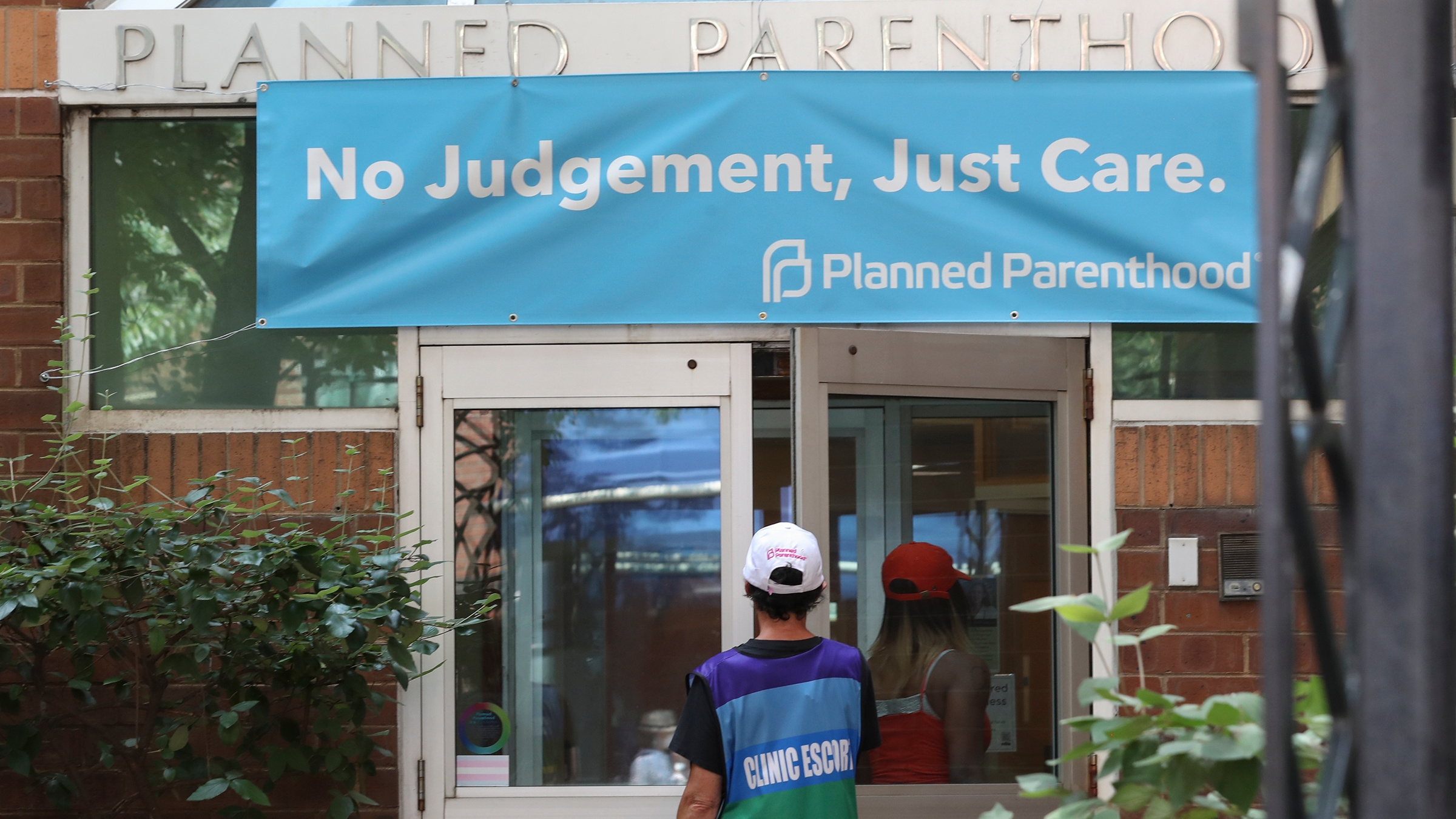
Planned Parenthood clinics around the region are now offering menopause hormone replacement therapy and perimenopause care and will begin providing vasectomies next year, in an effort to reach more patients and diversify services at a time when the nonprofit’s federal funding remains under fire because it is the nation’s largest abortion provider.
Local Planned Parenthood clinics lost millions of dollars this year when Republicans prevented the organization from billing Medicaid for services, and some were forced to stop accepting patients with the publicly funded insurance coverage. Medicaid access was restored in July, but conservatives who oppose abortion have vowed to pursue more funding cuts after the midterm elections this fall.
One way clinics have responded to ongoing financial and political attacks is by adding services that attract new patients who can pay out-of-pocket or with private insurance.
New patients accounted for nearly a third of the 350 patients who came to Planned Parenthood Southeastern Pennsylvania clinics for menopause treatment last year, when the service was rolled out.
The program has been popular in part because patients can typically get appointments within a week, said Dayle Steinberg, CEO of the Southeastern Pennsylvania affiliate, which operates clinics in Chester, Delaware, Montgomery, and Philadelphia Counties.
Planned Parenthood Keystone began offering menopause and perimenopause care at its clinics in Allentown, Bensalem, Harrisburg, Lancaster, Reading, Wilkes-Barre, and York earlier this month.
The Keystone affiliate plans to begin offering vasectomies at its Allentown location next year.
“When we look at ways to be resilient, looking at service opportunities that speak to people of a variety of ages, sexual orientation and gender is going to be vital,” said Melissa Reed, CEO of the Keystone affiliate.
Expanding reproductive health services
With roughly 600 health centers nationally, Planned Parenthood is the largest abortion provider in the country. It is also a leading resource for family planning, sexual health education, and gynecological care, often operating in underserved communities where patients are more likely to be uninsured or covered by government insurance.
At the Southeastern Pennsylvania network, eight out of 10 patients come for routine exams, tests for sexually transmitted diseases, contraception, family planning guidance, or other reproductive healthcare.
The clinics serve women and men and provide gender-affirming care.
Local Planned Parenthood leaders said the new menopause services are a natural extension of the organization’s reproductive healthcare.
“For so long, women’s symptoms in menopause have been dismissed or ignored,” Reed said. “This is an important part of a woman’s reproductive health journey.”
The organization is also capitalizing on surging interest in menopause and perimenopause in recent years, as high-profile public figures speak out about a midlife challenge long considered taboo. Revised health guidance now underscores the safety and benefits of treatment options.
As a result, doctors often have long waitlists for appointments. And pharmacies struggle to keep in stock the hormone medications that have gained popularity as a way to control side effects, such as hot flashes, disrupted sleep, and bone degeneration.
Planned Parenthood providers can counsel patients on hormonal and emotional changes associated with menopause and perimenopause, and write prescriptions for hormone therapy or other medications.
Ongoing federal threats
Planned Parenthood faced a financial crisis when President Donald Trump’s 2025 signature spending plan included new rules that prevented the organization from billing Medicaid for services.
The two Philadelphia-area affiliates estimated they would lose about $3 million in revenue. The Keystone clinics temporarily stopped accepting Medicaid patients.
They resumed seeing Medicaid patients in July, when the ban was lifted at the end of the fiscal year.
The Southeastern Pennsylvania affiliate relied on fundraising and donations to continue caring for Medicaid patients who were no longer able to pay.
But leaders acknowledged the approach was unsustainable.
“This isn’t something you can fundraise your way out of,” Signe Espinoza, vice president of public policy and advocacy at the Southeastern Pennsylvania affiliate told The Inquirer in March. “We don’t want to turn patients away, but we know that eating the cost is not a sustainable model.”
The organization has since begun offering more advanced OB-GYN services and expanded clinic hours. Leaders routinely survey community members to learn more about what other services they would like to see at Planned Parenthood.
Some of the ideas patients and community members have suggested include postpartum and prenatal care, and fertility services.
The organization isn’t ready to expand to include those types of services yet, but “we’re feeling much more optimistic in our ability to move forward,” Steinberg said.
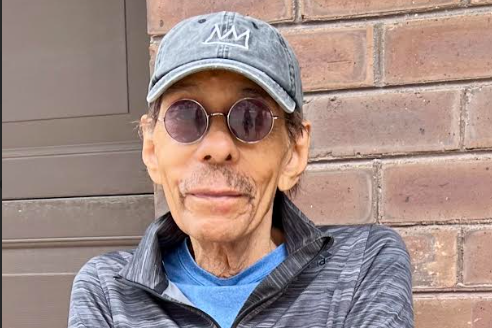
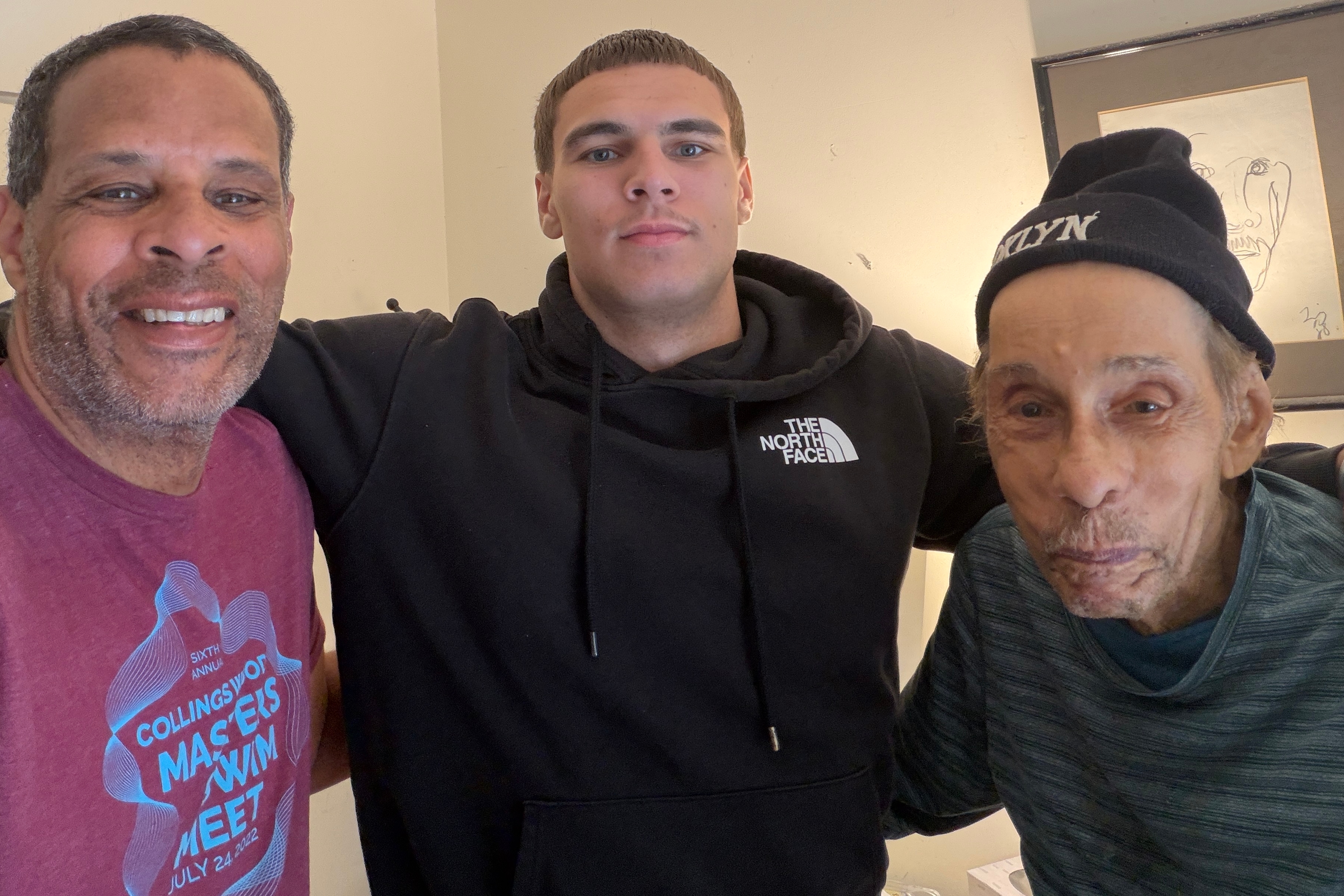
William Johnson Jr., 95, of Philadelphia, a former Army dentist in France who later practiced for more than 40 years in Northwest Philadelphia, and a star distance runner at Norristown Area High School, the Penn Relays, and elsewhere, died Wednesday, Aug. 26, of congestive heart failure at his home near the Philadelphia Museum of Art.
Dr. Johnson grew up in Norristown, was part of his high school’s meet-winning mile and two-mile relay teams, and enlisted in the Army after graduating from New York University in the 1950s. His mother, Mary, wanted him to be a doctor. So, after she died when he was 6, he went on to earn a dental degree at Meharry Medical College in Nashville.
He spent five years as an Army dentist in France in the 1960s, reveled in the sophisticated social and cultural atmosphere in Paris at the time, and set up his own practice in the 1970s for what he saw were underserved communities around Chew Avenue and Slocum Street. He and his family lived above the first-floor office, and his son, Bill, and daughter, Jacqueline, both worked with him for a time.
“When we were young, he would tell us to stop running when he had patients,” his daughter said. His son processed X-rays and did other chores in the back room. “On Saturdays,” he said, “the office would be full of people of color. That’s how much he was needed.”
Dr. Johnson was an Army dentist in France. Courtesy of the family
Dr. Johnson finally retired in 2014, at 83. Even then, his wife, Liz, said, “his loyal patients were reluctant to see him retire.”
Away from his patients, Dr. Johnson was a dedicated runner who rarely missed a daily workout. Wednesdays were half days at the office, so he saved his most grueling runs of the week for then.
“He wore a ski mask sometimes when it was cold,” his son said, “and when he was done it would be covered with ice.”
He won mile relay, two-mile relay, and other long distance races in high school in the 1940s, ran for the college team at NYU, and later finished first in masters division races at the Penn Relays. He was a longtime member of the Freedom Striders running club and most often ran in the lead pack in the Broad Street Run and other big road races.
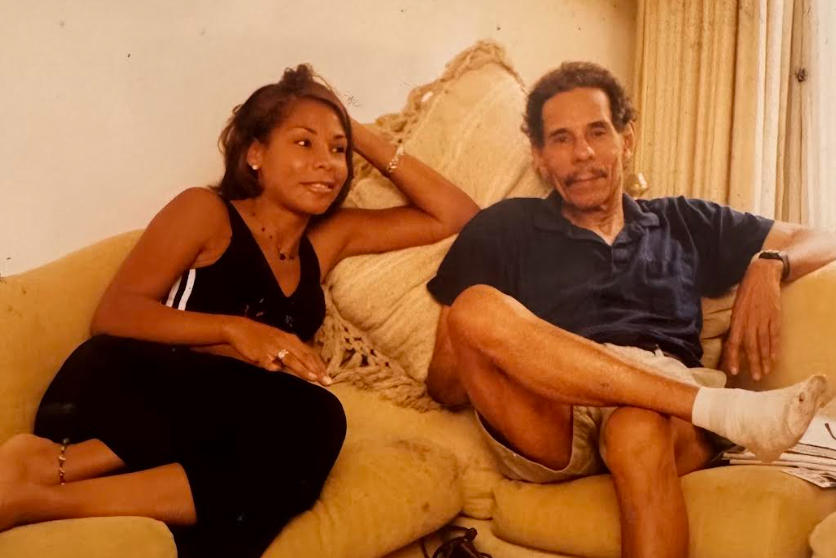
Dr. Johnson (right) doted on his daughter, Jacqueline, and son, Bill.Courtesy of the family
He was also an amateur historian who loved to hash over stories about the old days in Philadelphia and Norristown. “He was analytical and liked to laugh,” his son said. “He was a model for me about the value of hard work and being humble.”
William Johnson Jr. was born Feb. 24, 1931, in Norristown. He lived with his father, William Sr., sister Jean, and brother Eddie after his mother died, and developed what his children called a “deep sense of family, independence, and faith.”
He played football as well as track in high school, joined the Alpha Phi Alpha fraternity at NYU, and worked in the New York garment district to make money. He enlisted in the Army after graduation to attend dental school.
He met Susie Jeffries in Tennessee while at Meharry, and they married, lived in Orléans, France, and moved to Philadelphia after he left the Army. They had two children. They divorced later.
Dr. Johnson and his wife, Liz, were both dedicated runners. Courtesy of the family
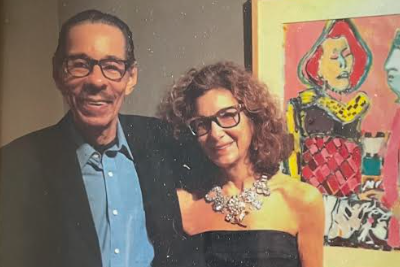
In the 1990s, Dr. Johnson moved to the Art Museum area and married Liz Goldberg, also a dedicated runner. He and his wife traveled the world together, and she called him “an exuberant and colorful spirit” who “brought energy and joy to those around him.”
Dr. Johnson was interested in fashion, especially Ralph Lauren, and he and his daughter shopped together frequently. He liked music, French food, art shows, and gardening.
His son said: “A lot of people have told me: ‘Your dad was the best.’”
In addition to his wife, children, and former wife, Dr. Johnson is survived by four grandchildren and other relatives. His sister and brother died earlier.
Private services were held earlier.
Donations in his name may be made to Meharry Medical College, 1005 Dr. D.B. Todd Jr. Blvd., Nashville, Tenn. 37208.
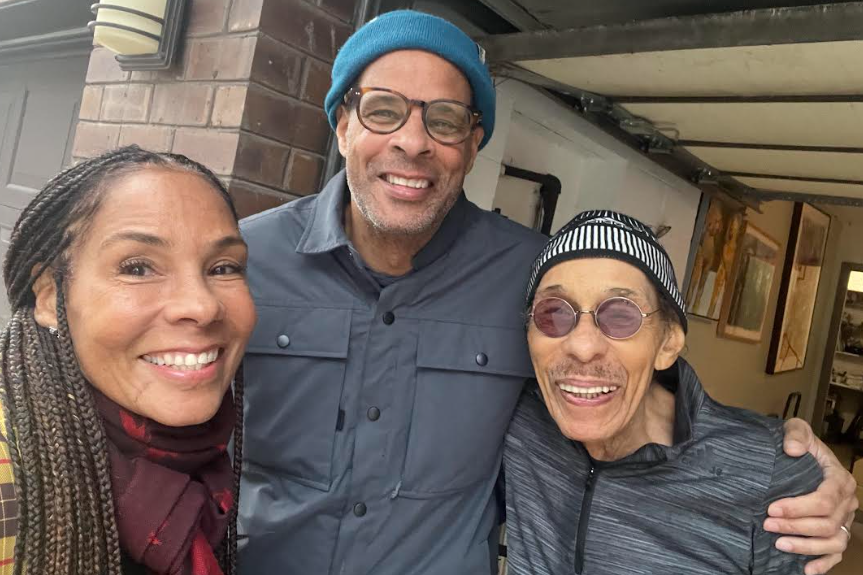
Dr. Johnson, right above and below, enjoyed time with his family. Courtesy of the family
Many people have a cartoonish idea of narcolepsy, perhaps picturing someone falling asleep standing up.
What people don’t understand is that sleepiness can infiltrate every aspect of daily life, said Julie Flygare, 42, who was diagnosed with the sleep disorder in 2007, during her second year of law school. It interferes with memory, attention, and weighs down everyday existence like a “heaviness on the skull,” she said.
While taking her current medications, Flygare has four to six precious hours of wakefulness a day, and still needs a nap. Positive feelings, like, say, the joy of hitting a volley in tennis, trigger episodes of cataplexy; her muscles go slack and her grip on the racket loosens. She, like many other patients, struggled for years to be correctly diagnosed and to find the right combination of stimulants or other drugs to ease her symptoms.
Since then, Flygare has been waiting, and pushing for, a drug aimed not just at alleviating sleepiness, but at replacing a crucial missing brain chemical. Last month, she saw it happen. A first-of-its-kind drug for the sleep disorder narcolepsy was approved by the Food and Drug Administration, offering a new treatment for people who live with the debilitating fog of sleepiness.
The new drug developed by Takeda Pharmaceutical Co., called Orzeyful, marks a long-sought success in the quest to mimic an essential brain peptide called orexin, which is missing in people with type 1 narcolepsy. About 120,000 people in the United States suffer from this type of narcolepsy, which causes pervasive sleepiness and episodes of cataplexy. Other companies, including Alkermes and Eli Lilly, are chasing close behind.
To test narcolepsy treatments, doctors use a “maintenance of wakefulness test” in which a person sits in a dim room for 40 minutes.
“You have to stay awake. You cannot read, you cannot watch TV, you cannot talk,” said Emmanuel Mignot, a sleep researcher at Stanford University and one of the leaders of the trial testing Orzeyful. “For a normal person, it’s already tough; for a person with narcolepsy, it’s impossible.”
Before treatment, patients fell asleep within four to five minutes, according to a study published Wednesday in the New England Journal of Medicine. In two late-stage trials, nearly 300 patients between the ages of 16 and 70 received either Orzeyful or a placebo for 12 weeks. On Orzeyful, they could stay awake for more than 20 minutes — about twice as long as currently available medications, according to Thomas Scammell, a sleep researcher at Beth Israel Deaconess Medical Center in Boston.
Scammell, who was not involved in the study, said he thought that the drug could be “transformative.” Patients taking the drug have reported developing hobbies for the first time; dancing, playing ice hockey or spontaneously socializing.
Flygare participated in one of the trials testing Orzeyful and recalled that when she was dropped off at the site for her first visit, she had been unable to think clearly and could barely walk because she was off her medications. (It is necessary to have a “blank slate” to test the effects of a new drug.)
Later, when the same driver picked her up after she’d started the medication, she remembers making a joke. It’s the kind of casual, offhand human interaction that would typically have triggered her cataplexy and made her knees buckle.
“The wakefulness had a different tone to it; it felt sunnier” compared to her experience with stimulants, said Flygare, who founded a nonprofit called Project Sleep that raises awareness of sleep disorders. The nonprofit receives funding from drug companies, including Takeda, and last year, Flygare served as a consultant to the company on patient perspectives in clinical trials.
Orzeyful is a pill taken twice a day. It will not be available until the Drug Enforcement Administration determines its classification as a controlled substance, which is expected to occur by November.
Physicians are thrilled to have a new tool, but there remain many unknowns: How well will it work long-term? Will a drug that activates orexin receptors alter people’s risk for other neurological diseases?
The long road to the new drug began more than two decades ago, when scientists first discovered that people with narcolepsy lacked orexin.
Orexins are produced by brain cells and work like a key fitting into a lock, by binding to two different receptors on the surface of cells in a region of the brain called the hypothalamus. Blocking the lock, like sticking a piece of tape over it, was a straightforward drug development problem and several insomnia treatments based on this idea have been approved. But designing a key that opened the lock required more finesse.
“It’s hard,” said Andrew Plump, president of research and development at Takeda. The drug is an “agonist” that must activate the receptor by binding to it, imitating what naturally occurring orexin does.
The second problem was that narcolepsy is rare.
“They said our science is very interesting and exciting, but narcolepsy, after all, is one in several thousands — not very rare, but not very common,” said Masashi Yanagisawa, a molecular biologist at University of Tsukuba in Japan who led one of the teams that discovered orexin in 1998.
A Takeda scientist who had a friend with narcolepsy initiated the project by screening a vast library of molecules for promising hits. “We got one,” Plump said. “And nobody in their right mind would ever start a drug discovery program with a single hit.”
The scientist was so passionate that the work began, but it wasn’t a slam dunk. An early version needed to be administered by IV. Another candidate caused liver injury.
Other companies are following close behind. Beyond sleep, the approval sets off a race to develop a new class of medicines that show early hints of promise in a host of ailments, from ADHD to neurodegenerative diseases.
Alkermes has a similar drug in late-stage testing against narcolepsy. Blair Jackson, CEO of the Dublin-based company, said it has identified 19 areas within neuroscience where such drugs could have potential. Eli Lilly recently agreed to pay up to $7.8 billion for Centessa Pharmaceuticals, a biotech company with similar drugs in the pipeline.
“Sleep is the low-hanging fruit,” said Luis de Lecea, a molecular biologist at Stanford and part of the team that also discovered orexin — though they called it hypocretin — in 1998. Narcolepsy patients lack orexin, but it also declines with Alzheimer’s disease, Parkinson’s disease, PTSD, and even normal aging.
Wall Street analysts have drawn hopeful comparisons to the GLP-1 drugs, which started out as diabetes treatments, then expanded into weight loss and are now being tested against a slew of diseases.
Flygare is hopeful, too. She began organizing sleep awareness walks with just a few friends, at a time when drug companies had little interest in the field.
“This has been feeling like such a full circle moment for me,” she said.
Studies have long suggested that helping others can make us feel happier, and this extends to caring about animals too — as anyone who volunteers can attest.
But a new study about compassion offers a window into how it relates to mental health, and it turns out that one type of compassion has more impact than you might think: How we care about and treat ourselves.
“What came out of the study is that if someone reported high compassion for others but low compassion for themselves, they tended to have anxiety, depression and low well-being,” said Bassam Khoury, lead researcher in the study and clinical psychologist and professor at McGill University in Canada.
People who struggle with self-compassion, Khoury said, tend to describe themselves in harsh terms.
“I have many patients saying, ‘I hate myself,’” he said.
He offered an example of a daughter who takes her aging parent to every appointment but tells herself she’s not doing enough. Or a nurse who covers others’ shifts but misses her own doctor’s appointment.
“It’s inhuman to care for everyone and not yourself,” Khoury said. “It will fail at some point.”
Khoury said he sees this pattern often in his practice — and his latest study suggests that having compassion for others while having low compassion for yourself can harm your mental health.
In the study, published last month in the journal Personality and Individual Differences, Khoury and colleagues surveyed more than 1,200 Canadians online. Participants answered detailed questionnaires about their sense of compassion — how considerate and caring they are toward themselves, toward others and toward animals — as well as their stress, anxiety and depression, emotional regulation, and overall well-being.
A group of about 200 participants repeated the self-reported survey a few months later, so researchers could determine whether people’s compassion levels remained consistent over time.
Khoury said self-compassion has four main components: thinking about yourself without judgment, actively taking care of yourself, feeling love and respect for yourself, and accepting comfort or help from others when you need it.
Paul Gilbert, a clinical psychologist who created the Compassion Focused Therapy method, said compassion is about being considerate of someone’s suffering — including your own — and hoping to ease it. Gilbert was not a part of Khoury’s study.
“Compassion really is the courage and wisdom to address suffering, whether it’s within you or other people,” Gilbert said. “Compassion is the way we deal with the mutual suffering of all of us.”
On difficult days, Khoury said, someone with low self-compassion is far more likely to do something harmful to themselves than something kind.
“This is a population that is much more at risk for mental health challenges,” he said.
In Khoury’s study, the researchers sorted respondents into six groups based on their answers. Some groups had high compassion for people and animals, or only for animals, but also had low self-compassion. Despite their kindness and consideration toward others, these two groups reported more stress, anxiety and depression than the other groups.
“If you do things for others but you still don’t take care of yourself, it doesn’t protect you,” Khoury said, noting that those who don’t practice self-compassion are more susceptible to compassion fatigue or burnout. “You can be the best caregiver, but at the end of the day, if you don’t love yourself, you will start resenting others.”
Another group that had both high self-compassion and high compassion for others and animals reported the least anxiety and depression and the highest sense of well-being of any of the six groups.
“It’s about balancing; being able to have self-compassion while having compassion for others,” Khoury said.
Christopher Germer, a clinical psychologist and lecturer at Harvard Medical School who was not involved in Khoury’s study, said the pattern Khoury found is in line with other research on self-compassion. Germer, who studies self-compassion, recently wrote the book Self-Compassion for Shame.
“Self-compassion is associated with just about every measure of psychological well-being that’s been studied so far,” Germer said. “To grow our compassion for others, it’s important to grow our compassion for ourselves.”
Khoury cautioned that his study has several limitations, including that the sample skewed heavily female, and most participants were English-speaking Canadians. Khoury said he hopes to expand his research to larger, more diverse samples across different countries. Still, he said he’s confident the core findings will remain.
One obstacle to self-compassion, he said, is the misconception that it is selfish or self-indulgent.
“It’s actually the opposite,” he said. “There’s no ego in it. You’re taking care of yourself so you can be an even more loving person.”
Germer said the simplest way to practice self-compassion is to actually put a hand over your heart (some research suggests it may help reduce the stress hormone cortisol) “as a reminder that we, too, matter; we, too, are in the room; and we, too are suffering,” he said.
He recommended asking yourself: “What do I need right now? That could be physically, emotionally, relationally, spiritually,” he said. “Then do it for yourself.”
For those looking to build self-compassion, Khoury suggested a few starting points:
Carve out time each day that belongs to only you. Take a walk, watch television, have a bath — anything that is done for you and not for someone else.
Try meditation. Khoury said loving-kindness meditation is one of the most effective tools for cultivating self-compassion.
Accept help from others. This is what people struggle with the most, Khoury said, but letting others take care of you is part of taking care of yourself.
Consider therapy. If someone is holding negative beliefs about themselves, talking things through with a professional, Khoury said, is itself an act of self-compassion.
“Anyone can get better at it,” Khoury said. “You just need to put some work in.”
Building self-compassion doesn’t require you to sacrifice compassion for others. If anything, Khoury said, they are connected.
“If you take more time for yourself, you are also helping others in a way,” he said.
But self-compassion isn’t a quick fix. It takes practice.
“We are all like a flower,” Khoury said. “If you water it every day, it will be much better than if you do nothing and hope it survives.”
In the summer of 2024, Emilie and Justin Solomon found themselves on a top-secret mission in Greece.
Their family and friends thought the adventure-loving couple was on another jet-setting vacation, but they were keeping something else under wraps: They had turned off their phone locations to hide visits to a Greek clinic where they were trying to get pregnant.
The Solomons are among the growing numbers of Americans looking abroad, particularly to Greece and Spain, to escape the high cost of fertility treatments in the U.S., where such procedures are often not covered by insurance. The treatments include in vitro fertilization, which involves ovulation stimulation, retrieving the eggs, fertilizing them in a lab, and transferring the embryos into the uterus. Other less intensive medical therapies also address infertility.
President Donald Trump has made fertility, and IVF in particular, a focus of his administration’s agenda after he promised total coverage for women during his 2024 campaign. His administration proposed a rule in May intended to make it easier for employers to offer fertility coverage, although it has yet to be finalized. So far, the most concrete result has been lower costs for some IVF medications through TrumpRx, a site where cash-paying patients can find some discounted medicines through participating pharmacies. The White House projected that patients could save up to $2,200 per IVF cycle.
While significant, those savings are up against a 90% rise in IVF medication costs since 2014, according to GoodRx, a prescription discount service. A study of insured Americans released in July by Axene Health Partners and the Women’s Reproductive Health Foundation found that the overall cost for a cycle of IVF was over $29,000 — or 35% of the median annual household income in the U.S. Genetic testing, embryo storage, pregnancy care, and delivery costs can push the total over $54,000 per IVF-conceived birth, according to the study. An average patient needs two to three cycles to successfully have a child, so the costs for many patients would be even higher.
Infertility affects nearly 7 million people in the U.S., but only an estimated 24% of treatment needs are met, because of those high costs and limited insurance coverage, according to the American Society for Reproductive Medicine. The condition is believed to be rising partly because of people having children later, as well as environmental factors such as pollution.
Still, more than 100,000 babies were born via IVF in the U.S. in 2024 — a record, according to the Society for Assisted Reproductive Technology. An increasing share of people hoping to be parents are seeking help in Europe: The number of Americans choosing European clinics grew by more than 37% last year, according to Jakub Dejewski, the chair of the European Fertility Society, a group that tracks data on fertility treatment in Europe.
In Greece, the Solomons were able to get a round of the IVF treatment for about $12,000, not including their travel expenses. Emilie Solomon
The Solomons knew IVF was their only chance to have children together biologically, because Justin had testicular cancer in his late teens. What the college sweethearts had not expected was the cost — and they learned early in their IVF journey that their insurance would not cover their treatment. While some states have passed laws to require insurers to pay for some fertility care, the coverage varies widely.
When the couple first explored IVF in Florida, where they live, they were quoted $40,000 for one round of treatment. The price shocked them, and Emilie said the clinic’s offer of a spring discount for an embryo transfer felt “off-putting.”
“They just kind of prey upon your hopes and dreams to be parents,” Emilie said.
Treatment plus island-hopping tours
The price of IVF and uncertainty around proposed personhood legislation in Florida, which the Solomons feared could jeopardize their control over their embryos, sent them to the Pelargos IVF Medical Group in Athens. There, in the first of two trips, Emilie underwent ovulation stimulation and egg retrieval.
Including medication, fertilization, storage, and the ultimate embryo insertion, the total treatment cost about $12,000, not including travel, according to the Solomons, a fraction of what they might have spent in America. That affordability drew the couple abroad, but so did the allure of sightseeing and experiencing a new country.
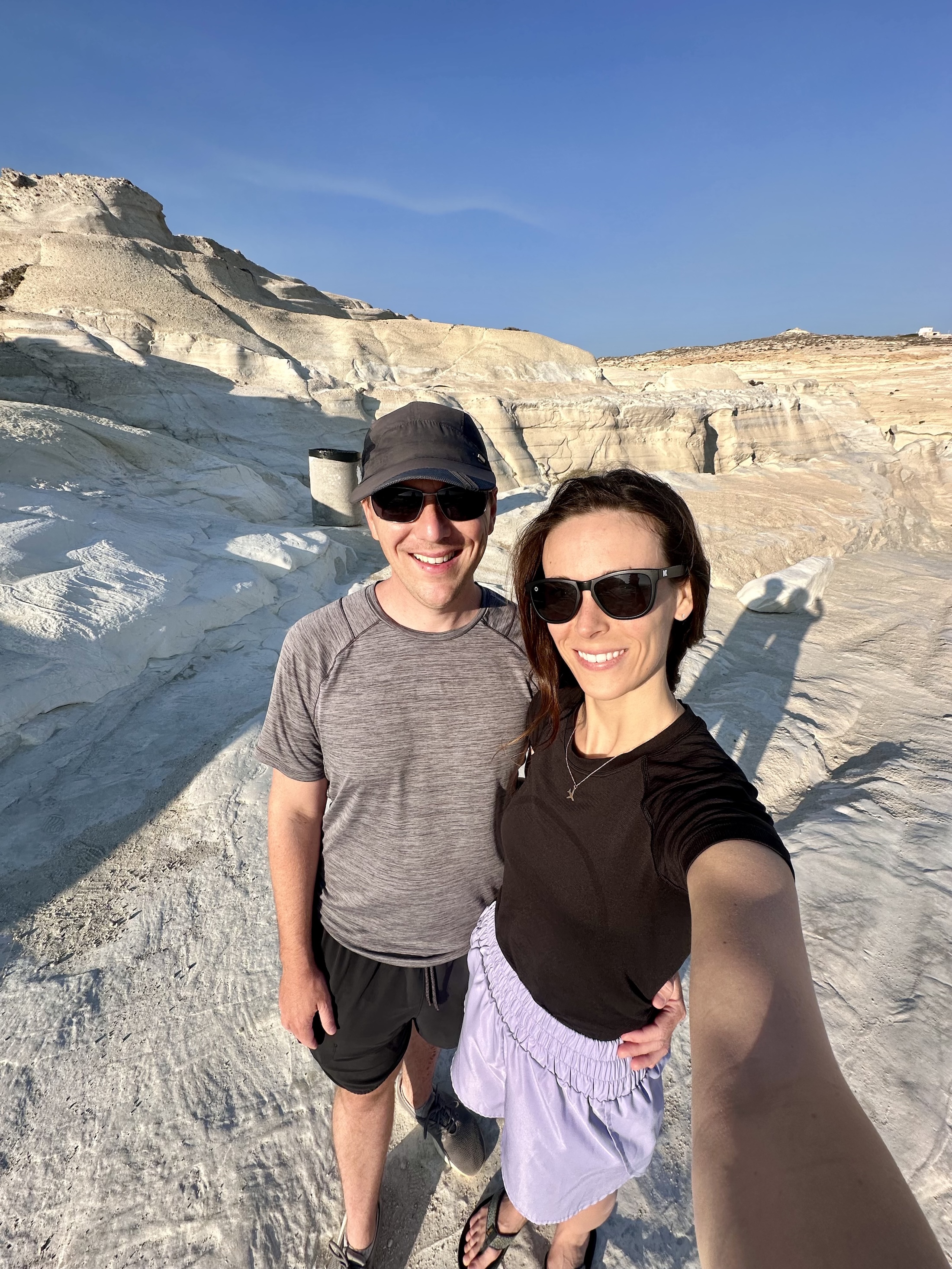
On that first trip, they spent a weekend between doctor appointments exploring the Greek island of Milos. Between Emilie’s hormonal injections, they rented a boat to explore the island. Their video from the trip shows them climbing the island’s striking white volcanic cliffs, and Emilie floating in the turquoise water of the Aegean Sea. Despite the emotional and physical toll of the IVF process, the couple remembers being in a little bubble, away from everyone, exploring a beautiful place.
“It was one of the best summers that we’ve had,” Emilie said.
Emilie and Justin Solomon visited Greece in 2024 after they were quoted $40,000 for one round of in vitro fertilization treatment in Florida.Emilie Solomon
When they traveled back to Greece for their embryo transfer in October 2025, they spent two days in Croatia.
IVF in Greece using a patient’s own eggs typically costs around $3,000 to $4,000, not including medication, so even with travel, it is often a fraction of what patients pay in the U.S.
“Americans choose Greece because they can access treatment that is more affordable, faster to begin, and well supported for international patients,” Dejewski said.
Jakub Dejewski, the chair of the European Fertility Society, which tracks data on fertility treatment in Europe, says the number of Americans choosing European IVF clinics grew by more than 37% in 2025 from the year before.Dawid Linkowski
Patients in Greece do face some legal restrictions: Embryo storage is time-limited, donor anonymity is standard, sex selection and embryo-transfer numbers are restricted, surrogacy access is limited for nonresidents, and patients must carefully consider documentation requirements if they plan to move embryos between Greece and the U.S.
Penny Ampatzi said she is clear about these legal differences when Americans consult with her clinic in Athens. Serum IVF offers to schedule airport pickup for patients, as well as island-hopping tours. Ampatzi, the cofounder and clinic director at Serum IVF, said the main draw for the dozen or so American patients her clinic sees each month is the personalized fertility treatment plans. Affordability is close behind. A cycle at her clinic costs just under $6,000, not including embryo freezing. Almost all of Serum’s patients are foreigners, according to Ampatzi.
“You consider that you have a good possibility of success, plus you don’t pay that high amount of money, and you also have combined the treatment with holidays — so it’s a ‘Why not?’” she said.
Not without risks
IVF costs in the U.S. have been driven up by a mix of inflation, a shortage of embryologists, a surge in demand after pandemic backlogs, and private equity ownership, Dejewski said.
William Kiltz, vice president of marketing and business development at U.S.-based CNY Fertility, said that the costs are becoming too far out of reach. “IVF is almost a treatment that only the top 1% can afford reasonably,” he said.
Kiltz said CNY’s model — offering IVF for around $8,000, not including embryo storage, at its 18 locations across the country — brings just enough profit to “keep the lights on” and open new locations while keeping its costs lower. “We’re trying to deliver this care at the absolute bare-minimum cost,” he said.
More than half of CNY’s patients travel from out of state in search of those lower-cost options, Kiltz said.
He said he hopes the IVF market will eventually settle out, as happens with many new technologies. But nearly five decades in, that normalization hasn’t come. Kiltz believes that’s because the market is so emotionally driven.
“People will do just about anything,” Kiltz said. “There’s certainly some risk in something like that, where the demand and the desire from a single individual is so strong that they could be taken advantage of.”
Tarita Pakrashi, the head fertility doctor at the CNY location in Norfolk, Va., pointed to the difficulties of trying to vet a clinic overseas when one doesn’t speak the language or understand the local IVF regulations. It also can be challenging to transport temperature-sensitive medication back home.
“It’s almost like a full-time job trying to play regulatory expert and inspector all at the same time, while you’re a patient,” Pakrashi said.
She said she also has had patients who sought treatment abroad return to her clinic struggling to transfer records or understand a diagnosis they received overseas. They often have to repeat tests.
And going abroad for IVF is still out of reach financially for many Americans.
The Solomons said seeking treatment overseas takes a certain type of adventurous spirit, too. But for them, all the logistics and travel were worth it. Their one cycle of IVF and two trips to Greece allowed them to welcome a healthy baby boy this summer.
KFF Health News is a national newsroom that produces in-depth journalism about health issues and is one of the core operating programs at KFF — the independent source for health policy research, polling, and journalism.