Category: Health

  • The nor’easter may foreshadow a busy and challenging season for forecasters and computers

    The nor’easter may foreshadow a busy and challenging season for forecasters and computers

    That erratically behaving nor’easter that really, finally, is done with the Philly region, not only was a spoiler for the last weekend of September, it may well have foreshadowed what’s to come — perhaps even in the very short term.

    Along with being a possible prelude to the future of storm traffic, it also underscored the limitations of computer models that were late to latch on to the concept that the storm center improbably would make a left turn and wander onto the shores of New Jersey.

    “There was a lot of evolution with this nor’easter,” said Allison Santorelli, meteorologist with the federal Weather Prediction Center, in College Park, Md., which, like Philadelphia, became a late addition to the roster of areas that would be affected by the storm.

    And on the subject of improbability, in a season where not single a hurricane has formed in the Atlantic, the region may be affected by the remnants of a tropical storm this weekend — from the Pacific.

    Santorelli said that some moisture from Hurricane Polo, due to make landfall in Baja California, could get picked up by a front and make it to the Mid-Atlantic during the weekend.

    While October typically is one of the driest month of the year — and no rain fell in Philly during the month two years ago — another dousing would have to be considered “ill-timed,” said Ray Martin, a lead meteorologist in the National Weather Service office in Mount Holly.

    In the last two months, 14 inches of rain officially have fallen on Philly, about double normal.

    Forecast for the week

    No rain is expected during what is forecast to be a splendid workweek with the sun (yes, coming soon to a horizon near you) due to return. Temperatures are expected to rise into the 70s and perhaps to 80 by Thursday and the low 80s Friday, without so much as a coastal flood advisory.

    Incidentally, conditions will be similar in Atlanta — only with highs well into the 80s — where the Phillies play the Braves in the wild-card round.

    At least in the early going, Saturday also was looking decent, but rains might return Saturday night and continue Sunday as the aforementioned front stalls near the region and a storm develops.

    Given the possible entrainment of Polo’s leftovers, “It could bring another slug of rain and gusty winds to areas impacted by this nor’easter,” said Carl Erickson, meteorologist with AccuWeather Inc.

    For now, it doesn’t look “overly impactful,” said Santorelli. But she cautioned the threat was still several days away, and last weekend’s nor’easter looked very different in the middle of last week.

    The nor’easter bedeviled computer models

    The nor’easter was deteriorating Monday afternoon near Long Island and was poised to call it a career. And what a strange one it was.

    Computer models had foreseen that a coastal storm would develop and its low pressure, or lighter air, would interact with the heavier air of potent high pressure to the north to generate beach-eroding winds and flooding tides.

    In its Wednesday night discussion, the weather service said the storm “now overall looks to remain far enough offshore to keep heavy rains away from the region.”

    Said Santorelli, “A lot of models had it as a classic nor’easter off the coast, with a lot of the Mid-Atlantic, including Philly … spared. Then all of sudden the models were like, ‘We’ll just stall off the East Coast for a day or two.’”

    It wasn’t until Friday morning that the model consensus shifted to a track that would have the storm make a left turn and cross the Jersey Shore, inciting coastal flooding; gusty, erosional winds; and heavy rains throughout the Philadelphia region.

    Totals of 3 to 5 inches were common, with more than 7 inches in Ocean County. Streets and bridges were closed in the beach towns.

    Winds gusted past 60 mph at the Shore, and 50 mph across the region.

    The computer modeling had caught on to storm potential early last week, and the weather service began sending out briefings to emergency managers Monday.

    But, as usual, the details were elusive. The computers, said Erickson, constitute a “tool. Even if they get better and better with time there’s still a tool,”

    That may be worth keeping in mind in the weeks ahead, particularly during the winter, said Santorelli.

    Was the nor’easter a practice run?

    The El Niño warming in the equatorial Pacific, which may reach record levels, almost certainly will have major impacts on the Philadelphia winter as the west-to-east upper level winds it generates persists for months.

    That could lead to more nor’easters than typical, said Santorelli.

    The quiet Atlantic tropical-storm season also may come into play, as it has resulted in quieter waters that have allowed sea-surface temperatures to warm, said AccuWeather’s Erickson. Warm waters would help provide sharp contrasts to cold air migrating off the coast, aiding winter-storm development.

    Said Santorelli, “It’s still early to tell when they’re going to happen, where they’re going to happen, and who they’re going to impact, but certainly the potential is out there.”

    And so is the potential for uncertainty, as the region just learned.
  • Pennsylvania tops 900 measles cases, as its largest outbreak in 30 years spreads

    Pennsylvania tops 900 measles cases, as its largest outbreak in 30 years spreads

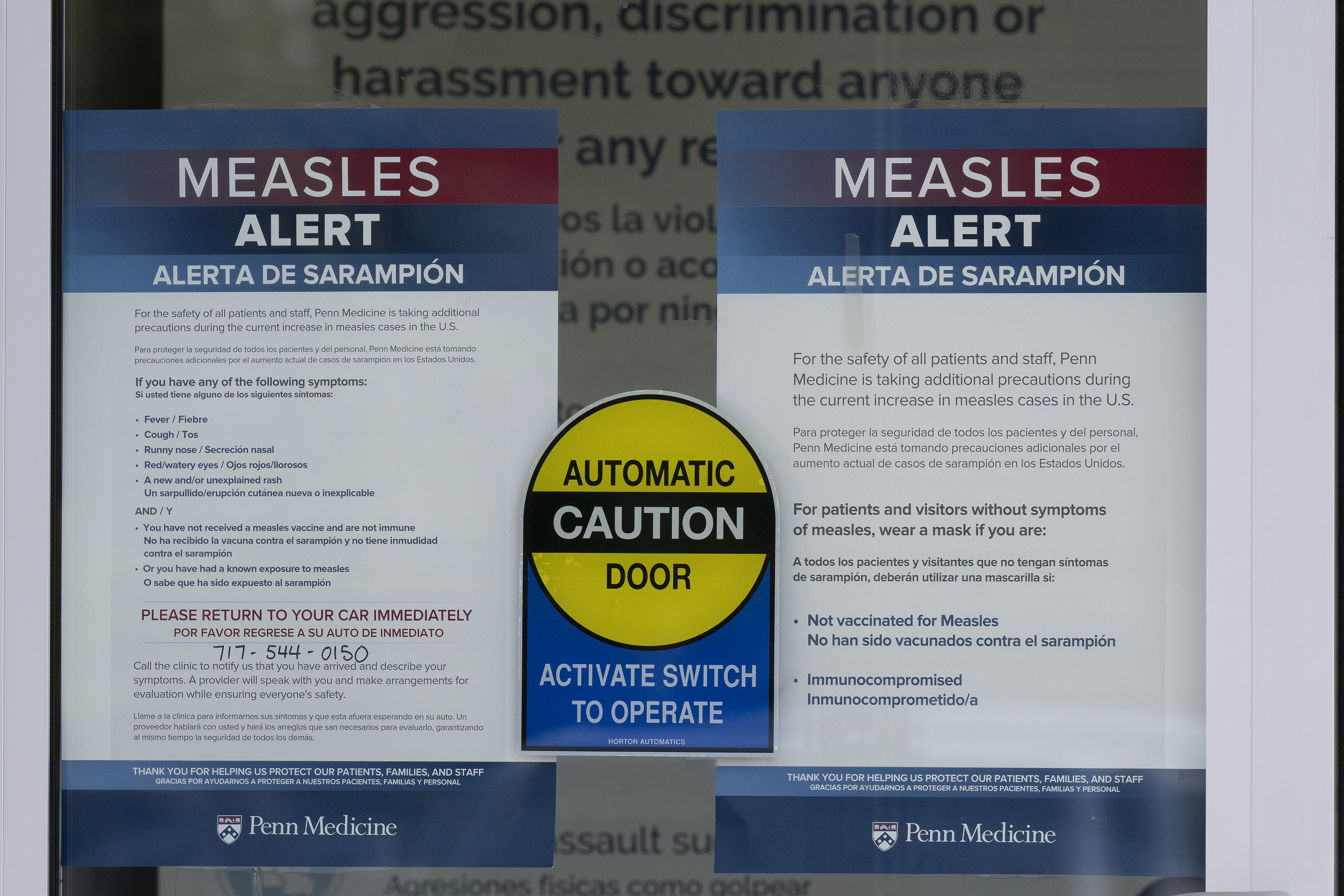
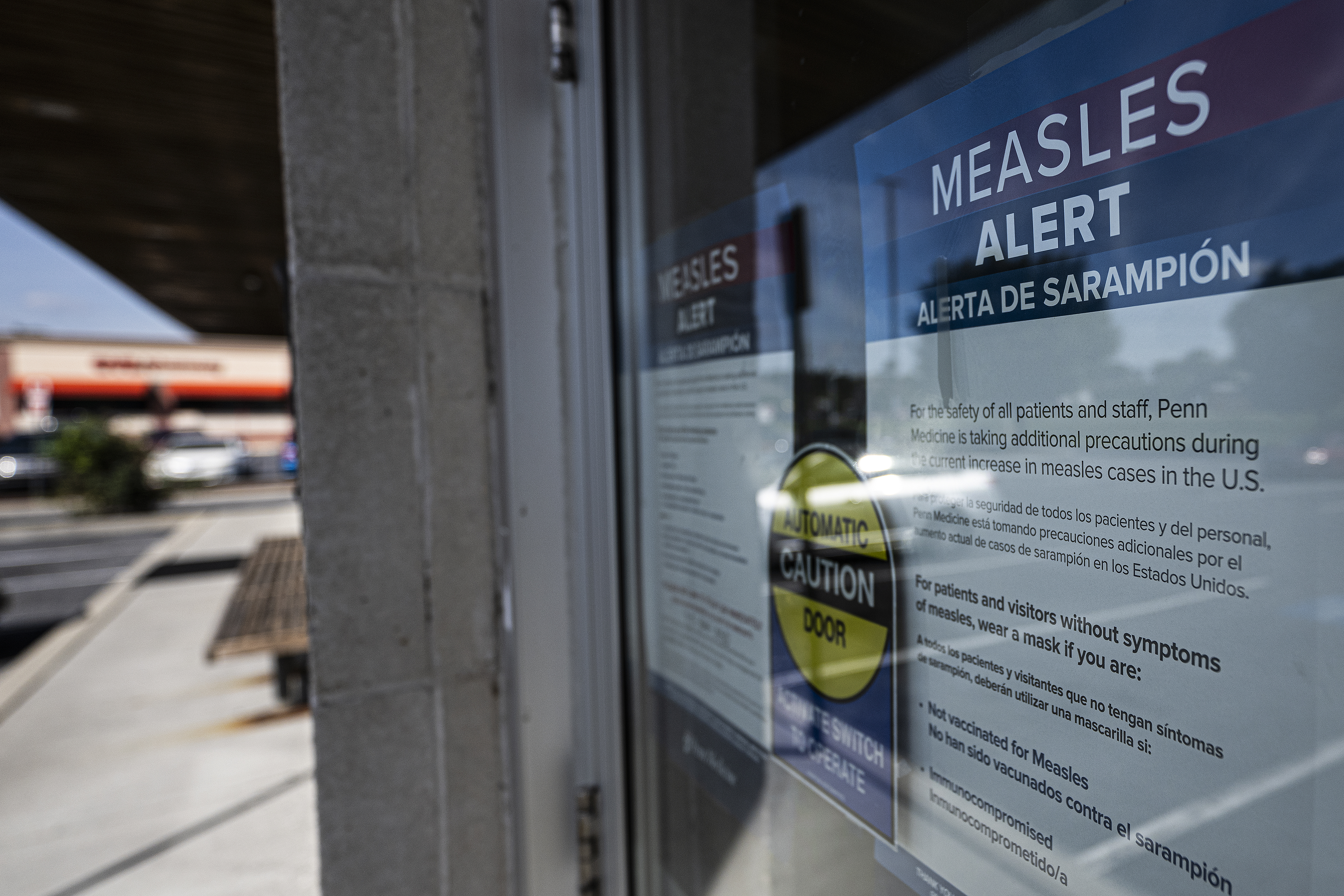
    Measles cases in Pennsylvania topped 900 this week, as the state’s largest outbreak in three decades continues to spread from rural Lancaster County communities into Philadelphia’s suburbs.

    The Pennsylvania Department of Health reported 114 new cases in the last week, reaching a total of 903 cases this year as of Monday. That includes 83 cases in Chester County, the only county in the Philadelphia region where the virus is actively spreading in an outbreak that is also the nation’s largest currently.

    Chester County’s outbreak has emerged as the third largest in the state, having more than tripled in size since early August.

    Physicians and local health officials say the current case count is likely an undercount, with many cases going unreported.

    Cases in Chester County have largely been concentrated along its western border with Lancaster County. But health experts expect the virus to continue to spread statewide. More than half of Pennsylvania’s counties already are affected, as vaccination rates have declined in many communities.

    Overall, Chester County has a 94.5% measles vaccination rate among kindergarten students, just below the 95% of people scientists say need to be vaccinated to prevent the virus from spreading within a community.

    The so-called herd immunity threshold for measles is high because the virus is so contagious: Nine out of 10 unvaccinated people who come into contact with measles will get sick.

    In response to the outbreak, the county’s health department has ramped up communications and outreach, sent nurses into schools and close-knit communities, and held pop-up clinics. The overarching goal of all these efforts: Get more people vaccinated.

    Two doses of the measles vaccine offer 97% protection against the virus.

    “We are working all the time with organizations, businesses, community leaders — whoever we can get the attention of in the communities impacted,” Jeanne Franklin, the county’s health director, said in an interview last week.

    The county has administered 538 measles, mumps, and rubella (MMR) vaccines this year, most of them since the outbreak began in April, she said.

    (function(){function e(){window.addEventListener(`message`,function(e){if(e.data[`datawrapper-height`]!==void 0){var t=document.querySelectorAll(`iframe`);for(var n in e.data[`datawrapper-height`])for(var r=0,i;i=t[r];r++)if(i.contentWindow===e.source){var a=e.data[`datawrapper-height`][n]+`px`;i.style.height=a}}})}e()})();

    Measles spreading in Pennsylvania

    Across Pennsylvania, at least one measles case has been reported in 39 of 67 counties.

    Almost all have been among unvaccinated individuals. The state reported four rare “breakthrough” cases of measles in vaccinated people earlier this month.

    The virus’ most common symptoms include a fever, cough, runny nose, watery eyes, and a telltale splotchy red rash.

    Most people recover, but rare complications can be deadly.

    (function(){function e(){window.addEventListener(`message`,function(e){if(e.data[`datawrapper-height`]!==void 0){var t=document.querySelectorAll(`iframe`);for(var n in e.data[`datawrapper-height`])for(var r=0,i;i=t[r];r++)if(i.contentWindow===e.source){var a=e.data[`datawrapper-height`][n]+`px`;i.style.height=a}}})}e()})();

    Pennsylvania has reported four measles-associated deaths, all affecting people who were unvaccinated and confirmed to have measles infections.

    The deceased include two infants from Amish families in Lancaster County, an 18-year-old in Mifflin County who died from a serious neurological complication of measles, and a 40-year-old woman in Jefferson County with severe respiratory conditions.

    As of Monday, Lancaster County had the largest outbreak, with 363 cases. There have been 106 cases in Mifflin County.

  • A Philly woman won a NASA contest to design a food system for astronauts on Mars

    A Philly woman won a NASA contest to design a food system for astronauts on Mars

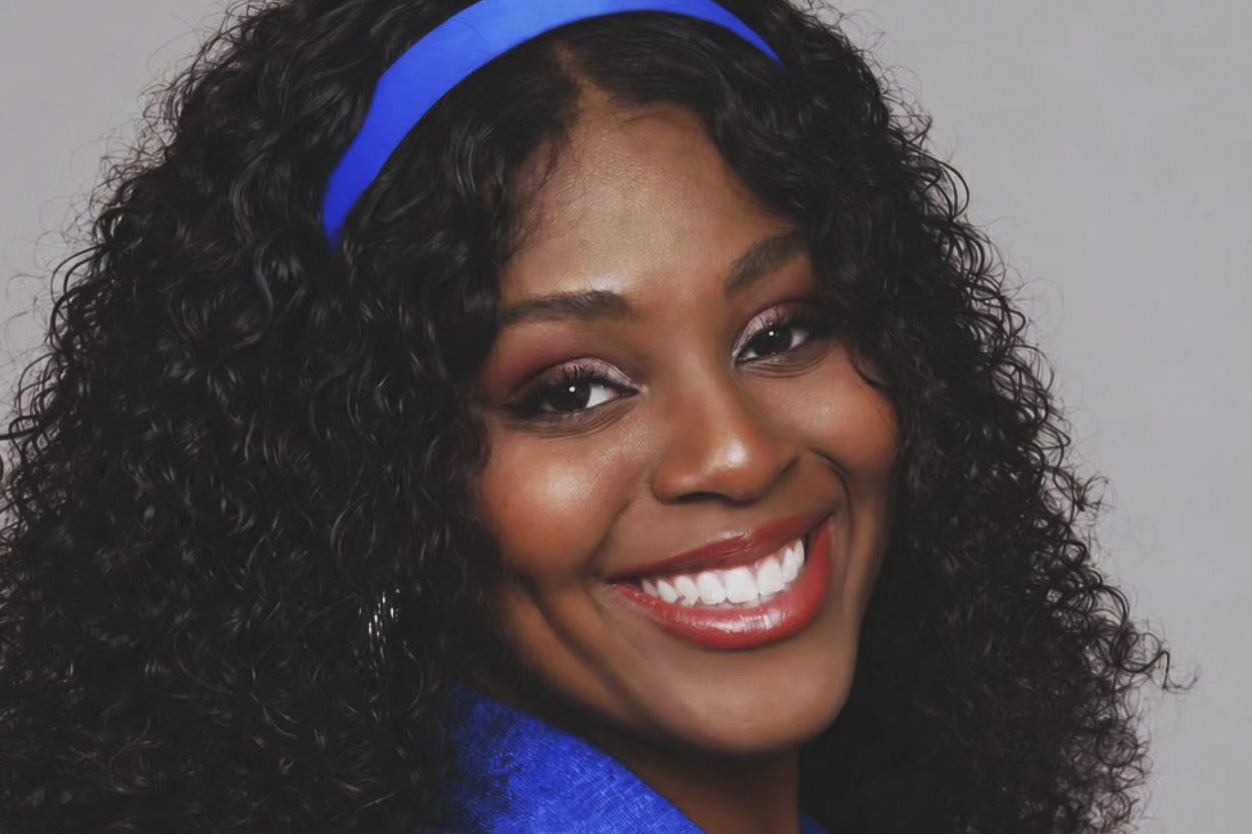
    A 25-year-old Philadelphia woman won the $300,000 first prize in a NASA competition to design food systems to improve how astronauts eat in space, and eventually how they will eat on Mars, the space agency announced Thursday.

    Chinyere “Chichi” Ukeje, a native of Bowie, Md., now living with her husband in Northeast Philadelphia, submitted a proposal called Adaptive Nourishment Infrastructure, or ANI, which is named after the Nigerian Earth goddess of harvest and fertility.

    Ukeje said in a phone interview Friday night that her family has roots in Nigeria and with the Igbo people, a major ethnic group in that country.

    With the Deep Space Food Challenge: Mars to Table competition, NASA asked participants to “explore innovative solutions for integrated space food systems that would provide safe, nutritious meals to astronauts living and working in space,” the agency said.

    NASA launched Mars to Table in January 2026 as a follow-up to the Deep Space Food Challenge, which NASA ran from 2014 to 2021 in collaboration with the Canadian Space Agency.

    The updated competition included entries from teams in 28 U.S. states and from a total of 33 countries. The total prize pool was $650,000 for five winning teams.

    Jennifer Edmunson, program manager for Centennial Challenges at NASA’s Marshall Space Flight Center in Huntsville, Ala., said in a statement: “The future of human space exploration will rely on innovative food systems, and it is amazing how much ingenuity this challenge has helped us identify from participants near and far.”

    The challenge was created to find ways to feed astronauts without having to send prepackaged foods, which would not be possible because of the sheer bulk for the many months a Mars mission would take.

    The core of the challenge was to create a working system for a 15-person astronaut crew for 500 Martian sols, which is the equivalent of around 513 Earth days.

    “The problem of feeding astronauts on Mars is more than just growing crops,” said Ukeje, who is studying for a master’s degree in computer science at Johns Hopkins University.

    After spending most of her childhood in Maryland, Ukeje went to Nigeria during high school. She then returned to the U.S. to earn her bachelor’s degree in computer science at the University of Maryland, Baltimore County, before moving to Philadelphia.

    NASA described Ukeje’s “ANI” as “a modular food ecosystem combining controlled-environment agriculture, fermentation and fungi cultivation, and closed-loop nutrient recycling through bioreactors with limited Earth-provisioned foods to produce 50% of the food away from Earth.”

    Ukeje’s complex winning entry included having astronauts heating food with portable electric lunch boxes. The astronauts would take cubes of nutritious food and prepare them into recognizable meals, and then they could have “taco night” or “Italian pasta night.”

    “You want them to feel at home when they are millions of miles from home,” she said.

    She was surprised she won first place, but not surprised that she did well.

    “I completely poured myself into this project,” she said.

    There are no restrictions on what she can spend her prize money on, but Ukeje said she expects some of it will go into further food technology research.

    Correction: A previous version of this article incorrectly spelled Chinyere Ukeje’s first name in a sub-headline and photo caption.

  • New doula directory will help Delaware County families find support

    New doula directory will help Delaware County families find support

    Family and friends cooked, cleaned, and took care of Alejandra McBride after she gave birth to her first child in Ecuador, so that the young mother could focus all her energy on her newborn.

    She felt much more alone when she gave birth to her second child 14 years later, in Delaware County.

    “I have friends who would come for a few minutes to see the baby – and then go,” said McBride, who lives in Springfield. “It was hard to recover.”

    Now she is training to be a doula through a new initiative in Delaware County to provide other women with support during and after pregnancy.

    McBride is among 30 doulas trained through the Delco Doula Collaborative, designed to build the maternity care workforce and expand patient resources in Philadelphia suburbs where prenatal care options have dwindled since last year’s closure of Crozer Health, which operated the county’s largest birth center.

    Earlier this month, an online directory launched where families can access doula services — which are covered by Medicaid and some private health insurance plans. Delaware County spearheaded the initiative with Family Village, an initiative of the Foundation for Delaware County that brings together support services for families and parents-to-be.

    “Every family deserves to feel supported, informed, and empowered throughout pregnancy, childbirth, and the postpartum period,” Lora Werner, director of the Delaware County Health Department, said in a statement. “By expanding access to this trusted support, we are advancing health equity and helping to build a healthier future for parents, babies and families across Delaware County.”

    Doulas are not medical professionals, but rather provide emotional support around pregnancy, and can serve as an advocate for patients.

    Research has found that parents who work with a doula experience lower rates of cesarean section births, reduced anxiety, and higher rates of breastfeeding, in part because they are more empowered to advocate for their wishes and feel heard by their medical providers.

    Doula training in Delaware County

    With part of a $600,000 grant from the U.S. Department of Labor’s Employment and Training Administration, the Delco Doula Collaborative provided free training and licensing assistance to 30 county residents.

    Participants work alongside certified doulas to learn about patient advocacy, childbirth education, and how to interact with patients.

    Family Village also helped participants apply for certification through CAPPA, a leading international doula certification organization, and a Pennsylvania license.

    Participants worked with a Medicaid billing consultant to help them establish their own Medicaid contract or join the organization’s contract. In Pennsylvania, doula services are covered by Medicaid. The government-funded health program covers about one-third of births statewide. Some private health plans also pay for doulas.

    The organization hopes to provide scholarships to support more certification training in the future.

    In the meantime, doulas who are already certified can join the collaborative for networking and additional training opportunities, and to be part of the online directory.

    Individuals interested in self-funding their initial doula training should visit the national CAPPA Website, or other doula organizations in Philadelphia or surrounding areas.

    For expectant parents, a doula can be a valuable resource, said Erica Loizos, the doula program coordinator for Family Village. They can talk to first-time parents about the stages of labor, postpartum care, and breastfeeding.

    Doulas play the critical role of advocating for the person who is giving birth at a time when medical attention often shifts to the baby.

    During labor and maternal medical appointments, some patients may struggle to speak up for what they want, or may not know what questions to ask. Doulas can coach them on how to advocate for themselves, or be the advocate, voicing their client’s wishes when they are unable to. Doulas often attend the birth to help advocate for the birthing person.

    “The most important thing is getting to know their family,” Loizos said of the service doulas provide.

    Zainab Waites, who works as a daycare teacher in Chester, embraced that mission. She has worked with eight families since beginning her training last year, many of whom were “really alone,” she said.

    “I always see myself as coming in to be a family member,” Waites said. “Whatever it is, even if you just want to complain about something, I’m here.”

    Learning from personal experience

    McBride said she was surprised how different pregnancy is treated in the United States, compared to where she grew up in Ecuador. Parents are faced with many more decisions and choices, which can be especially hard to navigate if they come from a different culture or do not speak English as their first language.

    “With my third birth, I was pretty much saying yes to whatever the doctor said,” McBride recalled. She didn’t know doulas existed, or that it was possible to push back against a doctor’s initial recommendation.

    McBride had a C-section because she didn’t know she could ask to wait a little longer to see if she would go into labor naturally.

    “Every woman is different,” she said. “My job is to advocate for these families and make sure they are delivering in a safe and warm place.”

  • Gov. Josh Shapiro’s administration will rescind Pa. disease-tracking proposal that reignited pandemic-era outrage

    Gov. Josh Shapiro’s administration will rescind Pa. disease-tracking proposal that reignited pandemic-era outrage

    Gov. Josh Shapiro’s administration will rescind a series of proposed vaccination and disease-tracking regulations that reignited public outrage toward restrictive pandemic-era policies in Pennsylvania — a decision made after receiving more than 10,000 comments opposing the changes, the Pennsylvania Department of Health said Friday.

    The department will withdraw the regulations, incorporate feedback, and resubmit the public health rules “once Pennsylvanians’ feedback has been adequately incorporated,” Neil Ruhland, a spokesperson for the department, said in a statement.

    Shapiro’s administration earlier this year submitted the proposed regulations aimed at combating infectious diseases to the Independent Regulatory Review Commission, a little-known board that assesses and approves new state regulations, requiring public input before they can be implemented. These regulations had been in progress for years, but were not introduced to the public until June 4.

    The public comment period coincided with a high-profile clash between Shapiro and U.S. Secretary of Health and Human Services Robert F. Kennedy Jr. over two infant deaths that Pennsylvania attributed to measles — the first deaths from the highly contagious and preventable disease in the state in 35 years. And it quickly refueled public disapproval of government mandates enacted during the COVID-19 pandemic.

    The 502-page proposed regulations would have expanded the state health department’s investigatory powers deemed necessary to track, prevent, contain, or mitigate a contagious disease. Republican state lawmakers and thousands of enraged constituents were especially concerned by a provision that would allow the state health department or local health authorities to enter schools or private properties to investigate alleged outbreaks or review vaccination records. They also criticized the health department’s effort to change references to a “pregnant woman” to a “pregnant individual” throughout the policy, claiming it was an effort to remove women from the state’s public health rules.

    The pushback comes at a time when federal health officials, under Kennedy, who has a history of anti-vaccine activism, have worked to reduce the number of childhood vaccination recommendations — and as childhood vaccination rates hit new lows in Pennsylvania. The effort has prompted Shapiro and other Democratic governors to sign executive orders to protect vaccine access. Setting vaccination mandates for schoolchildren falls to the states, not the federal government.

    The proposals rescinded Friday will not affect federal or state executive orders related to vaccination access.

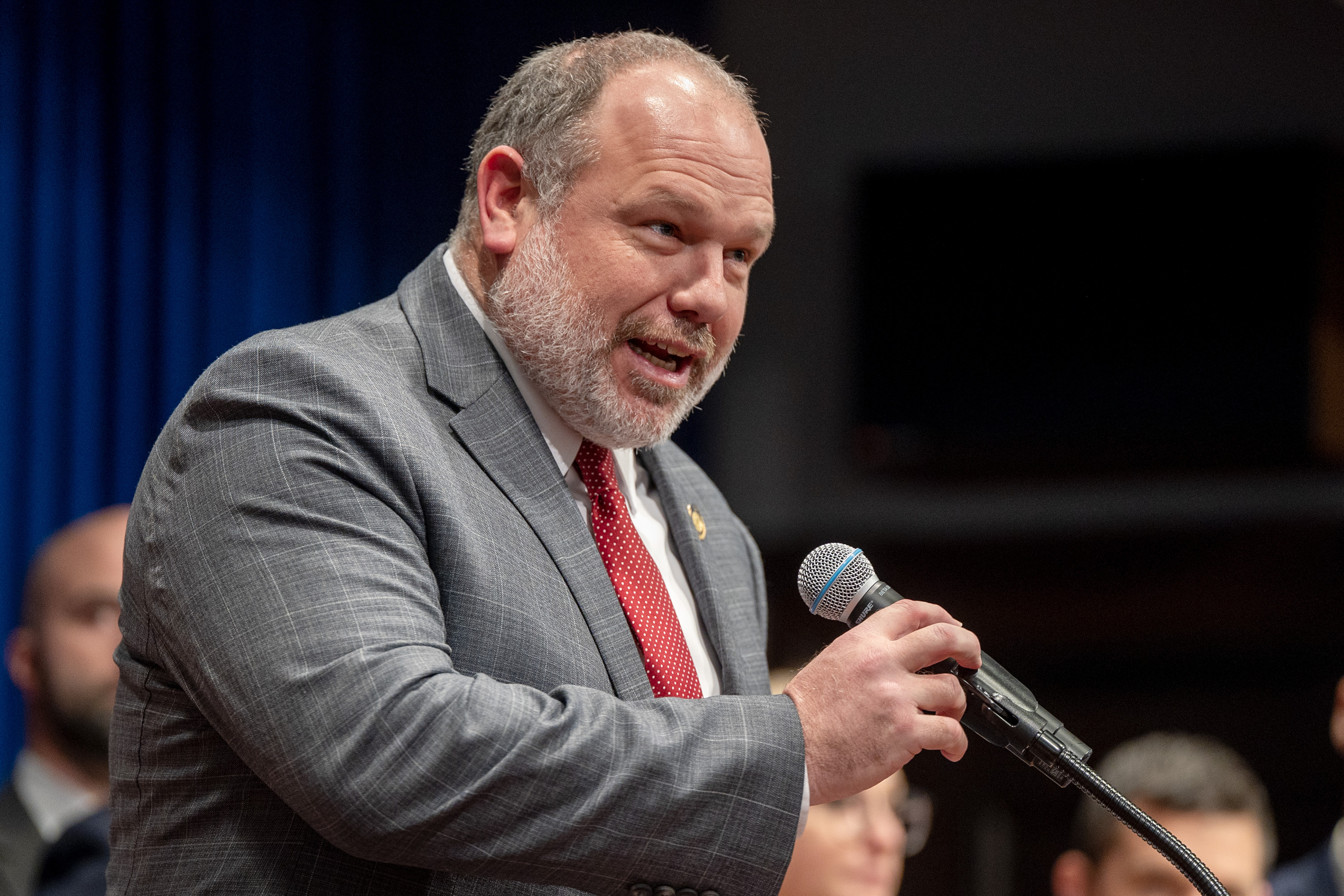
    State House Minority Leader Jesse Topper (R., Bedford) during a news conference at the Capitol in Harrisburg Feb. 3, 2026.Tom Gralish / Staff Photographer

    House Minority Leader Jesse Topper (R., Bedford) was among the first officials last month to raise alarm about the proposed regulations. In a statement Friday, he said it was the “correct and logical conclusion” for the health department, following the outpouring of public opposition.

    Senate Majority Leader Joe Pittman (R., Indiana) called Friday’s announcement “a tremendous victory for the grassroots efforts of Pennsylvanians.”

    ”This is a stark reminder that we must continue to be vigilant when the Executive Branch attempts overreach,” Pittman said in a statement. “We cannot and will not allow actions like we saw taken by the Executive Branch during the height of the COVID-19 pandemic to be put in place again.”

    Nearly all of the members of the Republican caucuses in Pennsylvania’s Senate and House submitted letters in opposition to the proposed regulations, arguing they were more restrictive than the ones enacted during the COVID-19 public health emergency and would infringe on Pennsylvanians’ constitutional rights.

    “The proposed regulations represent executive-branch overreach reminiscent of what we experienced during the COVID-19 pandemic — but this time, the rules would be permanent,” Senate President Pro Tempore Kim Ward (R., Westmoreland) said in a statement last week. “Every Pennsylvanian should understand these regulations and how they could impact their lives.”

    At least one Democrat — State Rep. Dan Frankel (D., Allegheny), who chairs the House Health Committee — submitted his support during the public comment period for updating the state’s existing communicable disease rules. Even so, his remarks recommended several changes to the proposed regulations, including to how the state would evaluate some vaccination exemptions to consider how children will be affected if their parent forgoes the preventive measures.

    Senate Minority Leader Jay Costa (D., Allegheny) said in a statement Friday he was looking forward to continuing the conversation about the regulations, adding that “public trust and buy-in is crucial to effective governance.”

    Beth Rementer, a spokesperson for House Democrats, said Friday that Shapiro’s administration was “acting responsibly” by considering public opinion.

    “After all, that’s how government is supposed to work,” Rementer said.

    Shapiro’s administration has rescinded at least 11 other regulation proposals since taking office in 2023, according to administration officials. But a deluge of feedback is rare, and most proposed regulations receive around five public comment submissions, a Shapiro administration official said.

    Monday was the final day for public comment submissions. As part of their opposition campaign, Republican lawmakers encouraged their constituents to voice their opinion as part of public comment. By the end of the day, the review commission had received more than 10,000 comments opposing the regulations.

    “The Department of Health received a historically high volume of feedback during the public commentary period, and it is clear additional stakeholder input is needed,” Ruhland said in the statement.

    Shapiro, a Democrat, is seeking reelection in November. His GOP challenger, State Treasurer Stacy Garrity, has criticized Shapiro over the proposed regulations, calling them “mandates that would make draconian COVID-era restrictions blush.”

    On Friday, Garrity celebrated the regulation withdrawal, and in a statement called Shapiro “the least transparent governor in America” who “got caught trying to sneak a 502 page invasion of privacy and parental rights through.”

    A spokesperson for Shapiro declined to comment Friday, deferring to the state health department.

  • Penn helped test a promising mRNA cancer vaccine. Here’s what the trial means for the field.

    Penn helped test a promising mRNA cancer vaccine. Here’s what the trial means for the field.

    Denise Fitzsimmons knew that removing the fast-growing lump above her eyebrow in 2024 didn’t eliminate the possibility that her melanoma could return.

    But a clinical trial at Penn Medicine offered the 63-year-old grandmother from Birdsboro, Pa., hope of a more enduring remission. It tested a novel vaccine, based on Penn’s groundbreaking mRNA research, that trains the patient’s immune system to find and kill cancer cells.

    That technology has become the first mRNA cancer vaccine to succeed in a late-stage clinical trial, according to preliminary findings released last month by Merck and Moderna, the pharmaceutical giants developing it.

    The vaccine extended the time a patient survived without their cancer returning or spreading, according to the companies, which announced Monday that they will share the full trial results next month at the 2026 European Society for Medical Oncology meeting in Spain.

    The drugmakers merely said that the results were positive. Without knowing the exact numbers involved, or how long the benefit lasted, it’s still unknown if the results will prove clinically meaningful for patients. The companies also have not announced a commercial price tag for the therapy, called intismeran autogene, though similar immunotherapies can cost hundreds of thousands of dollars.

    The trial could mark a turning point for mRNA technology, which has proven useful against infectious diseases but hadn’t had the same success in cancer.

    Melanomas typically contain thousands of genetic mutations due to sun damage, making them an ideal target for the approach, which teaches the immune system to respond to unique markers on cancer cells.

    “It’s a very big step forward after many negative studies in the last few years,” said Ravi Amaravadi, the lead investigator of the Penn trial site, one of more than 100 around the globe.

    mRNA vaccines gained widespread attention in 2020 when used to develop the first immunizations for COVID-19. These shots used the mRNA platform developed by Nobel Prize winners Katalin Karikó and Drew Weissman, a University of Pennsylvania professor. Since then, mRNA vaccines for RSV and the flu have gained approval.

    “This was kind of the wake-up call that RNA vaccines in cancer have an enormous future,” said Weissman, who was not involved in the trial and has no financial stake in Merck or Moderna.

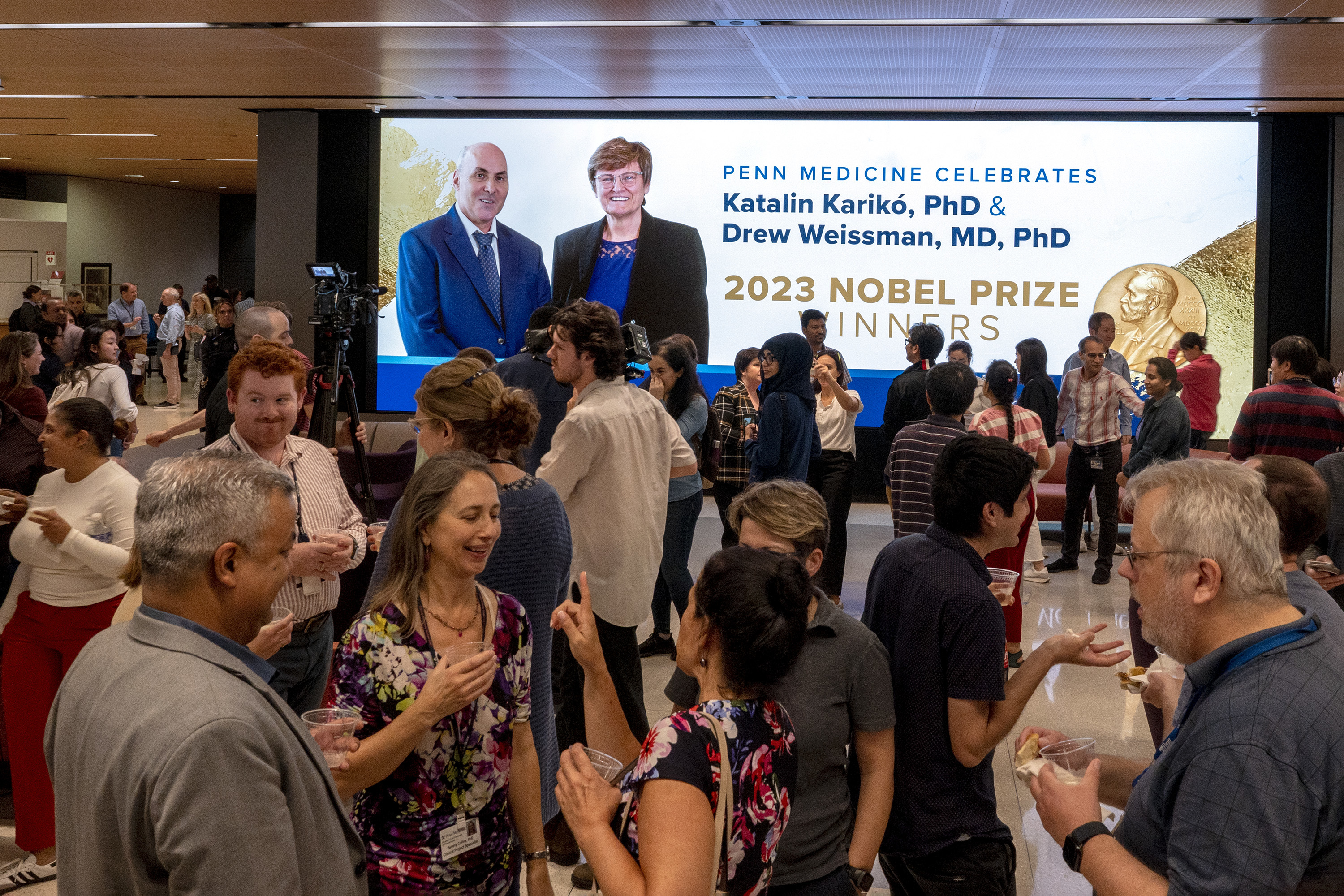
    Katalin Karikó and Drew Weissman were named winners of the 2023 Nobel Prize in Physiology or Medicine. The messenger RNA pioneers worked years to unlock an understanding of how to modify mRNA to make it an effective therapeutic – enabling a platform used to rapidly develop lifesaving vaccines amid the global COVID-19 pandemic.Tom Gralish / Staff Photographer

    How the vaccine works

    Melanoma is a serious type of skin cancer that develops when melanocytes — the cells that give skin its color — grow out of control.

    This trial tested the vaccine in patients whose melanomas had already been removed through surgery. The goal was to destroy any remaining cancer cells and prevent the disease from returning or spreading to other parts of the body.

    “It’s the deadliest form of skin cancer because it can metastasize,” Amaravadi said.

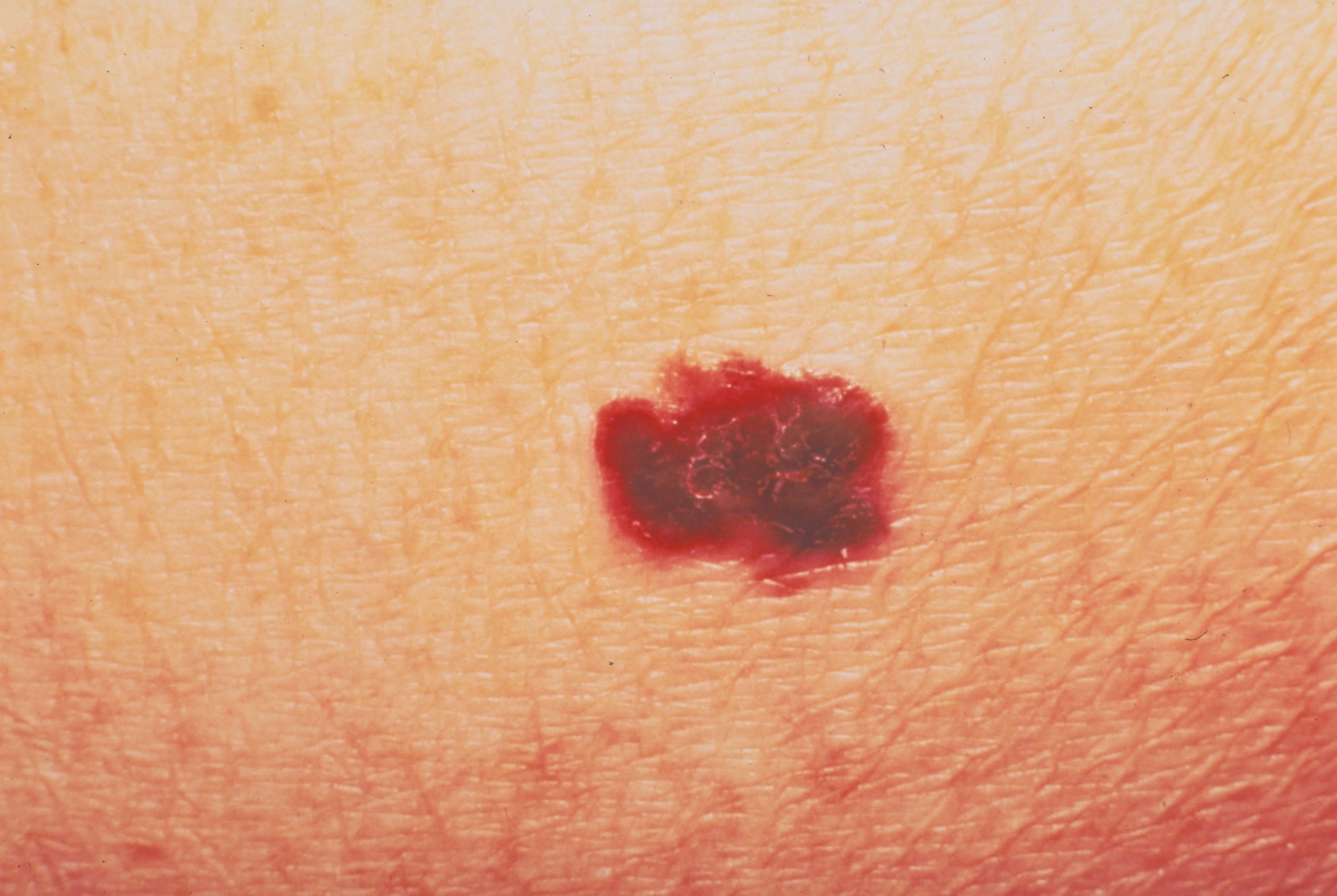
    Detail of a person with a malignant melanoma, which is a malignant skin tumor that involves the skin cells that produce pigment. (American Cancer Society/Getty Images/TNS)Getty Images / MCT

    Penn’s site was one of the first trial locations to open in the United States.

    Scientists personalized the vaccine for each patient by analyzing their tumor samples for unique genetic mutations. That enabled them to design mRNA — a molecule that carries genetic instructions — that would encode bits of protein that look like the tumor.

    When the immune system encounters those proteins, it learns to recognize the cancer and attack it.

    It’s similar to vaccines for the flu or COVID-19, which train the body to identify and fight off specific viruses.

    If the immune system is trained in this way, it could produce a long-lasting memory against the cancer, Amaravadi said.

    “We are now able to train the immune system to look for the tumor, arguably for the first time, in the most effective way,” Amaravadi said, referring to the mRNA platform.

    That mRNA was loaded into a nanoparticle (which acted like a delivery truck hauling cargo) and injected into the arm as a shot.

    Two-thirds of the 1,137 participants were randomly chosen to receive the vaccine in combination with Keytruda, a standard-of-care immunotherapy, while the remaining third received Keytruda alone.

    The trial

    Ravi Amaravadi led the trial site at Penn.Courtesy of Penn Medicine

    Trial participants who received the vaccine had fewer metastases compared to patients who got the immunotherapy alone, Amaravadi said.

    However, the company has only announced that the results were positive. Without knowing the data, it is hard to say whether the results are also clinically meaningful, Amaravadi said.

    “We are hopeful we’re going to see the same absolute benefit when we see the data published,” he said.

    Amaravadi also wants to see whether there were any unexpected side effects that patients should consider before taking the therapy.

    Another data point of interest: How many patients agreed to receive the treatment but ultimately couldn’t receive it. In some cases, patients’ tumor samples were too small, didn’t contain enough usable genetic material, or were of too poor quality to actually make the treatment.

    If this were a consistent problem, the technology used to analyze tumors’ genetic makeup would need to improve.

    “It’s still a little bit of a bottleneck for some patients to get access to the treatment,” he said.

    Denise Fitzsimmons of Birdsboro, Pa., is one of the participants at Penn’s trial site.Courtesy of Denise Fitzsimmons

    Fitzsimmons, a grandmother living in the small Berks County town of Birdsboro, participated through Penn’s site. She doesn’t know whether she received the treatment or a placebo (that information is kept secret from both patients and researchers to avoid bias.)

    But she recalls feeling flulike symptoms the day after each shot — including body aches and sweats — making her speculate that she may have received the vaccine. COVID-19 mRNA shots often prompt similar reactions.

    Fitzsimmons has been cancer-free for the last two years.

    “My fifth granddaughter is on her way,” she said. “So I have a lot to live for.”

    The future of mRNA

    RNA offers a few key advantages as a treatment.

    Its effects are transient and controllable. The material lasts only a couple of days in the body before it degrades and disappears.

    It’s also relatively easy to make.

    “We made billions of doses of the COVID vaccine within a year. No other vaccine or therapeutic can be expanded that quickly,” Weissman said.

    He believes RNA vaccines could benefit people with genetic mutations that put them at higher risk of cancer, such as BRCA carriers.

    If people receive the vaccine before their tumors form, it could kill off any early cancer cells that arise.

    “That way you prevent the cancer from ever forming, instead of trying to treat it after it’s already there,” Weissman said.

    Conversely, he doesn’t think RNA vaccines would work well in someone whose advanced cancer cannot be removed. The immune system has a hard time killing large tumors, he explained.

    This trial tested the vaccine as a follow-up to surgery, targeting leftover tumor cells.

    Other ongoing trials are testing mRNA vaccines in pancreatic, breast, colon, lung, prostate, and other cancer types.

    Outside of cancer, clinical trials are testing mRNA vaccines for herpes viruses, malaria, tuberculosis, Zika, chikungunya, and norovirus. Scientists are also exploring whether mRNA technology could be used to treat allergic and autoimmune diseases.

    This work has continued to advance, even as Health and Human Services Secretary Robert F. Kennedy Jr. last year slashed $500 million designated for mRNA vaccine development.

    “The potential for RNA to treat many different diseases can’t be ignored,” Weissman said.

  • Penn Medicine and IBX form new company to open Philly-area ambulatory surgery centers

    Penn Medicine and IBX form new company to open Philly-area ambulatory surgery centers

    The University of Pennsylvania Health System and Independence Blue Cross, the Philadelphia area’s largest insurer, have formed a new company with plans to open at least 18 regional surgery centers.

    The for-profit company announced Thursday is part of an effort by Penn and IBX to bring lower-cost procedures closer to patients, while maintaining quality and safety, officials said.

    For Penn, the venture represents a financial leap, because it means the nonprofit health system will intentionally accept significantly lower payments for part of its business.

    “We need to work on affordability in healthcare. It’s too expensive. It’s bankrupting families,” Penn health system CEO Kevin Mahoney said.

    Medicare and private insurers like IBX who pay the healthcare bills “want to move to less costly settings,” he said, and Penn needs to be ready to capture that business.

    IBX’s CEO Kelly Munson emphasized the importance of partnerships to tackle rising healthcare costs. She noted that shifting care to ambulatory surgery centers from hospital departments can generate as much as a 50% discount.

    “The healthcare affordability crisis won’t be solved alone,” Munson said.

    A third investor in the company is Regent Surgical, a Tennessee firm with private equity investors that will manage the local centers. Its tasks include forcing efficiency. Regent already manages 40 sites in 15 states. Penn clinicians will provide services.

    Regent’s CEO, Travis Messina, called the new company the first of its kind nationally. “I’ve yet to see one that has involved both a payer, a provider, as well as a management company,” he said.

    Key details — such as the for-profit company’s name, the ownership percentages, and the time frame for opening the anticipated facilities — were not disclosed.

    The first local facility is expected to open next year, but officials did not say where.

    The Penn-IBX initiative doesn’t fit into the typical playbook for ASCs, said Dan Grauman, a healthcare consultant based in the Philadelphia area.

    Usually, physicians are also involved as owners. “They’re part owners of these surgery centers, and they drive the volume,” said Grauman, a managing director at VMG Health, a national healthcare consulting firm.

    Asked if non-Penn doctors could be involved in or be investors in the new centers, Penn and IBX said they are evaluating all options for future growth.

    The case for more ASCs in the Philadelphia region

    Southeastern Pennsylvania already has more than 100 ambulatory surgery centers, many of them specialized in gastroenterology and mainly focused on colonoscopies, state heath department data show.

    Yet the region lags the nation in the shift to lower-cost surgery centers.

    Data provided by Regent show that in 2023 and 2024 only 33% of ASC-eligible procedures in the Philadelphia region had migrated to the ASCs, compared to 56% nationally. Regent uses data from Kythera Labs, a company that analyzes health insurance claims.

    Messina attributed the slower adoption of surgery centers to the concentration of physicians employed by local health systems. “That tends to limit the amount of ASC availability in markets across the country,” he said.

    Historically, Philadelphia-area health systems tended to concentrate services in their hospitals, which have expensive fixed overhead, and in facilities that charge hospital rates. Executives focused on protecting revenue, so they could maintain broad hospital offerings, rather than on offering lower-cost options.

    Healthcare trends now increasingly are pushing care into the community. Mahoney noted that half of Penn’s chemotherapy and infusion services are provided in patients’ homes. Close to two thirds of Penn’s $13.6 billion in revenue is from outpatient care, he said.

    “We’ve been trying to deconstruct away from hospitals for a long time, and this is a natural step on that continuum,” he said.

    Penn previously invested an undisclosed amount of money in the Ambulatory Cardiovascular Center of Pennsylvania near King of Prussia. That facility is a partnership that also includes Cardiology Consultants of Philadelphia, Cardiovascular Logistics, and SCA Health.

    To incentivize more surgery centers and reduce costs for employers, IBX introduced a policy this year that it will only pay for certain procedures if they are done in a low-cost ASC. At the same time, IBX does not force patients to change doctors if their provider does not have privileges at an appropriate ASC.

    How Penn could go about opening centers

    Mahoney called the initial target of 18 locations the start.

    “Eighteen is half of what I want to do. These are not mega hospital buildings,” he said. “They’re going to be convenient. They’re going to be spread throughout the five counties, easy for people to get to, close to their homes.”

    The new centers won’t always require new construction, as is typically the case for Penn’s large outpatient centers, such as the one going up in Montgomeryville.

    The new ASC company could also acquire existing ASCs or change the billing practice at a Penn surgery center that currently charges higher hospital rates, Messina said.

    A surgery center on the campus of Penn’s Doylestown Hospital closed last year. Penn could relaunch it under the new company.

    New Jersey could also see new surgery centers from the Penn expansion.

  • CDC acknowledges one U.S. measles death after omitting Pa. data from its dashboard for weeks

    CDC acknowledges one U.S. measles death after omitting Pa. data from its dashboard for weeks

    The Centers for Disease Control and Prevention confirmed Wednesday that one person died this year in the measles outbreaks it tracks nationally.

    Pennsylvania has reported four measles-associated deaths, but the CDC for weeks omitted them from an online dashboard.

    State officials are “not aware of which death the CDC is citing,” a spokesperson said in a statement Thursday, referring questions to the federal agency.

    Federal health officials did not specify where the death reported on the CDC dashboard occurred. On the dashboard, they said the number was “subject to change” and the agency will update its reporting of deaths “as additional information becomes available and relevant reviews are completed.” The agency did not announce the update.

    The agency also said it is working to develop a standard case definition of measles deaths with the Council of State and Territorial Epidemiologists.

    The update came after the National Center for Health Statistics told the CDC that it had received “a report from a state of a measles-related death,” federal health officials said in a statement late Wednesday.

    “Through its standard process, NCHS verified that the death occurred and that measles was listed as the underlying cause of death. This is now reflected on the CDC website,” the statement said.

    Pennsylvania’s measles outbreak, currently the largest in the nation, has sickened more than 800 people, with state health officials reporting more than 100 new cases in the last week alone.

    Lancaster County, the center of the outbreak, has confirmed more than 300 cases, and nearly 80 people have been diagnosed with measles in Chester County, the only Philadelphia-area county with cases in the current outbreak.

    The four measles-associated deaths reported in the state represent the highest death toll linked to the highly contagious disease in more than three decades.

    Measles-associated deaths in Pennsylvania

    The state announced its first two measles-associated deaths, both in unvaccinated Lancaster County residents, in late August, almost immediately sparking a clash between state and federal officials over how to characterize the deaths.

    Two more deaths were reported this month. One involved an unvaccinated 18-year-old in Mifflin County who died from a serious neurological complication of measles. And measles led to the death of an unvaccinated 40-year-old woman in Jefferson County with severe respiratory conditions.

    Both deaths were confirmed by local coroners, both Republicans.

    The Lancaster deaths, later disclosed as two infants in the Amish community, drew widespread scrutiny.

    The county coroner later said he did not believe measles caused one of the deaths, involving an infant with a lacerated spleen who tested positive for measles, though physicians have noted measles can weaken the organ and make it more likely to rupture.

    The coroner, an elected Republican, said a second death, in another infant with a fatal genetic condition, was caused by measles.

    Pennsylvania defines a “measles-associated death” as one that occurs within 30 days of symptom onset in a person with clinical evidence of infection and a positive laboratory test, and who did not die of another unrelated cause, like a car crash.

    All four deaths recorded in Pennsylvania meet that definition, state officials say.

    Announcing the deaths in Lancaster, Democratic Gov. Josh Shapiro criticized President Donald Trump’s Health and Human Services secretary, Robert F. Kennedy Jr., saying he has spread misinformation about vaccine safety that’s contributed to a decline in measles vaccination rates across Pennsylvania.

    Kennedy, a longtime anti-vaccine activist, said Shapiro was politicizing the issue. Kennedy wrote on social media that the governor’s administration may have “fabricated” the Lancaster County deaths, although he later acknowledged that one death was caused by measles.

    And until Wednesday, the CDC had not acknowledged any 2026 measles deaths on its data dashboard for weeks.

    The agency had briefly noted two measles-associated deaths on the dashboard the weekend after Pennsylvania officials confirmed the two Lancaster County deaths, the Washington Post has reported.

    Then, within a day, the deaths were removed from the website and replaced with an asterisk.

    The CDC initially posted an explanation saying it left the deaths off the dashboard because “available information does not establish whether measles caused or contributed to the deaths or whether the individuals died from other causes while infected with measles.”

    The agency later updated its asterisk explainer to note that the National Center for Health Statistics “does not currently have any death records from 2026 that indicate measles is the underlying cause.”

    Using the NCHS to record deaths from measles is a departure from the CDC’s standard protocol. Former CDC officials say the agency has used a different system, the National Notifiable Diseases Surveillance System, to confirm deaths, and does not typically challenge routine disease surveillance from states.

    It can take weeks for the NCHS system to record a death.

    Delaying death reporting, experts have said, could affect efforts to contain Pennsylvania’s outbreak.

    Staff writer Sarah Gantz contributed to this article.

  • Penn picked first three faculty spinouts for early stage StartUP investments

    The University of Pennsylvania picked the first three faculty-founded companies for early stage investments from its newly established $10 million StartUP fund, the university said Wednesday.

    The three companies are working in maternal health, advanced radio-frequency filtering technology, and AI-powered drug discovery.

    Each is receiving the maximum investment of $250,000 from the fund launched in December to make seed investments in companies founded by university researchers.

    “Penn researchers are developing technologies with the potential to address some of the most important challenges facing society today, and many of these solutions have the potential to create entirely new markets,” John Swartley, Penn’s chief innovation officer, said in an announcement.

    Here are some details on the three companies:

    • Vasowatch is developing a non-invasive monitoring system to predict the risk of maternal postpartum hemorrhage, a leading cause of maternal death. Its cofounders are Penn Nursing adjunct professor Stefanie Modri and former Penn Engineering faculty James Weimer. The company will use the money to fine-tune the product and to pay for a clinical trial anticipated to start next year.
    • OneFiltr, cofounded by Troy Olsson, a professor in the School of Engineering and Applied Science, has a compact device designed to allow a cell phone to isolate and process specific frequencies. The company will use its investment to further development of its device for evaluation by aerospace and defense companies.
    • Peptaris Inc. has an AI platform for evaluating and developing drugs based on peptides, which are building blocks for proteins. Cofounders are César de la Fuente and Marcelo Der Torossian Torres. The StartUP investment is part of a larger seed round that Peptaris is using refine its model and evaluate its first candidates. Peptaris said in an SEC filing June that it raised $4 million from investors.
  • Redeemer Health CEO Greg Wozniak has resigned from the Montgomery County health system

    Redeemer Health CEO Greg Wozniak has resigned from the Montgomery County health system

    Redeemer Health CEO Greg Wozniak has resigned from the financially troubled nonprofit Montgomery County health system after a little more than two years, Redeemer announced Thursday.

    Replacing Wozniak on an interim basis is chief transformation officer Jim Logue, who has held the role since early 2025.

    Redeemer has posted operating losses every fiscal year from 2017 to 2025. It hasn’t yet posted financial results for the fiscal year that ended in June.

    “Jim and his team will work with our financial advisors and counsel to implement a reorganization of the Redeemer system to assure its continued viability and a sustainable business model,” board chair William R. Sasso said in an internal communication obtained by The Inquirer.

    “This reorganization is expected to involve some significant organizational changes which will be announced in the coming weeks as they are finalized,” the note said.

    More than four years ago, Redeemer announced that it was seeking what it called a “strategic partner” for its 239-bed hospital in Meadowbrook, near Abington, but nothing came of that effort.

    Redeemer also operates a home care business, nursing homes, senior apartments.

    Redeemer announced additional personnel changes Thursday in its internal communication, including the departure at the end of this month of chief financial officer Kim Cummings. Former CFO Michael Keen is returning to that position.

    Another returning executive is Donald Friel, a former executive vice president tapped to assist Logue.

    Diane Derr, who has been at Redeemer for 44 years, is being promoted to chief administrative officer from chief nursing officer.

    Editors note: This article has been updated to correct Derr’s history with Redeemer.