Category: Health

  • How to get paid for providing home care services in Philadelphia while vacationing in Jamaica

    How to get paid for providing home care services in Philadelphia while vacationing in Jamaica

    A federal law passed in 2020 required state Medicaid programs to implement electronic verification systems to verify that personal-care services were actually being delivered where they were expected.

    The systems were adopted to prevent the sort of fraud unveiled this week in Philadelphia by federal and state prosecutors, who charged 18 people for allegedly billing Medicaid while they were in prison, working at one of the city’s sports stadiums, relaxing on a cruise, or vacationing in Jamaica.

    Why don’t the electronic visit verification (EVV) systems work better?

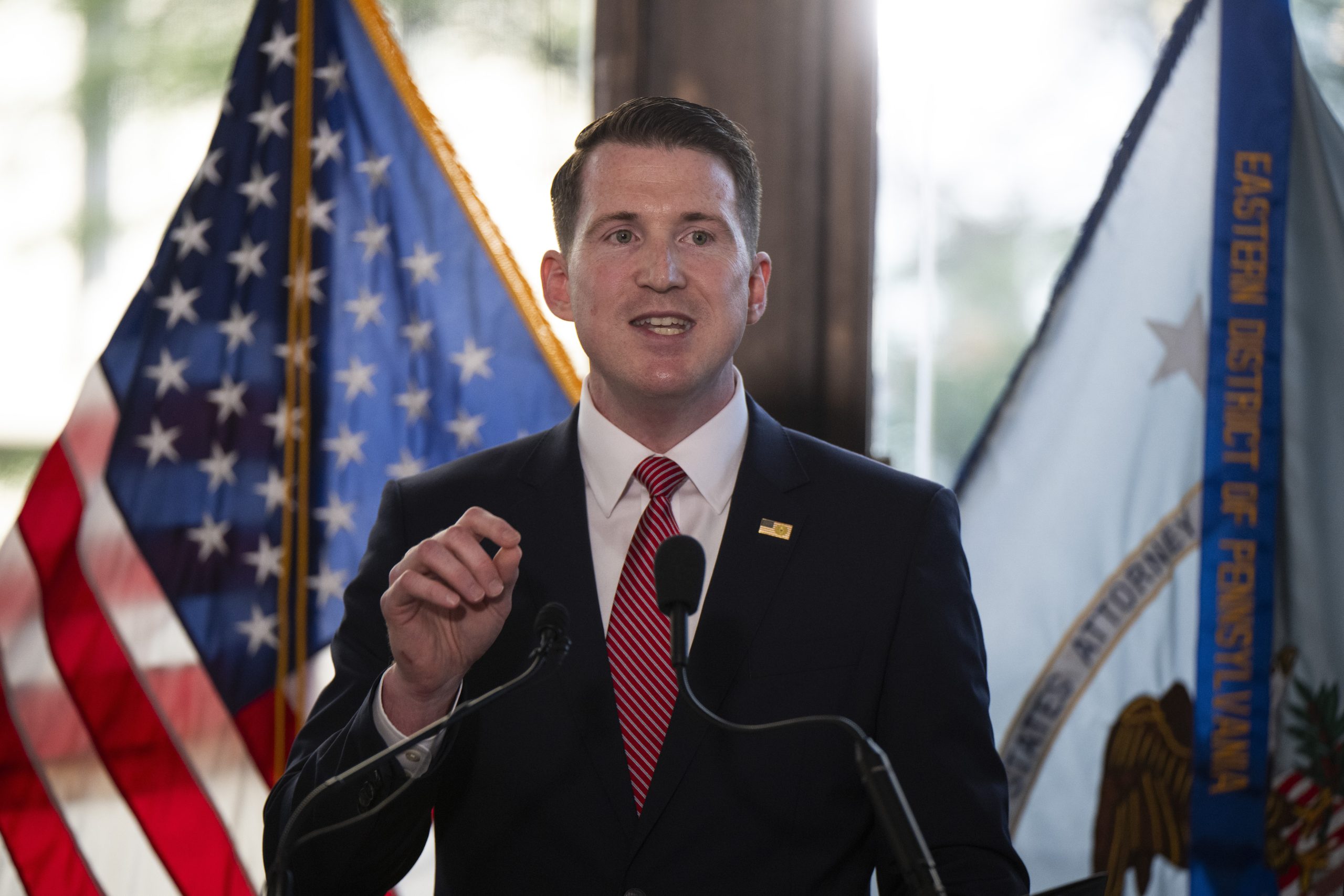
    “It’s tough to verify that the services are actually being rendered,” David Metcalf, the top federal prosecutor in Philadelphia, said Tuesday. “The caregiver or the client behind closed doors simply can tap a button on their smartphone app or call in, and that record doesn’t actually establish that the person was actually there.”

    If location services on the smartphone are turned off, the system does not register where the caregiver is, Metcalf said. When a caregiver calls to check in or out of a shift, the system does not pick up where the caregiver is but, rather, where the phone is registered, he said.

    “EVV was not sufficient to prevent people from scheming the system,” Metcalf said.

    Federal officials from the Department of Justice and the Department of Health and Human Services did not discuss how the system might be improved. But T. March Bell, inspector general for the health and human services agency, said after Tuesday’s news conference that some states have adopted stricter controls.

    The Pennsylvania Medicaid program requires caregivers to submit a location as part of visit verification, but it does not limit services to the client’s home because they sometimes happen elsewhere in the community, according to the Pennsylvania Department of Human Services.

    If the human services department suspects fraud, it refers the matter to the state attorney general’s Medicaid fraud-control section, the agency said.

    National anti-fraud efforts

    The showing of federal officials in Philadelphia on Tuesday was part of a nationwide effort by the administration of President Donald Trump to root out healthcare fraud.

    In May, the administration implemented a temporary moratorium on the enrollment of new home care and hospice companies into Medicare, the federal insurance program for people 65 and up.

    Pennsylvania followed with its own six-month moratorium on enrolling new hospice companies in Medicaid, which is jointly funded by state and federal taxes, “after reviewing the risk levels of Medicaid hospice services in Pennsylvania,” state human services officials said in an email Friday.

    Kimberly Brandt, deputy administrator and chief operating officer at the U.S. Department of Health and Human Services, on Tuesday encouraged Pennsylvania to follow through on home care and “take the action needed to protect beneficiaries and taxpayer dollars.”

    Pennsylvania said it is still determining whether a temporary moratorium on home health providers is needed.

  • To boost literacy, pediatricians are prescribing books to children

    To boost literacy, pediatricians are prescribing books to children

    Pediatrician Daniel Taylor opened a crisp hardcover book and began reading to a 5-year-old patient inside an exam room at the clinic at St. Christopher’s Hospital for Children.

    “I am laughter that falls like —,” Taylor read, pausing.

    “Rain!” the little girl finished, smiling.

    “That was amazing,” Taylor said to the girl’s mother, LaShonda Williams, 35, of East Mount Airy. “That’s nice phonetic awareness.”

    Williams’ daughter, Xylo, already grasped context and recognized some words. Both crucial skills for school readiness as she prepares for kindergarten this fall.

    Xylo and her two siblings — 12-year-old Isaac and 9-month-old Xymia — each got a new book suited for their ages during Wednesday’s checkup. Seated on her mother’s lap, Xymia pointed to a carrot in the First Book of Colors, demonstrating a skill infants ideally master by age 1.

    Taylor is one of a growing number of pediatricians who are using books to measure developmental milestones, bolster literacy, and connect with families.

    LaShonda Williams and her children, 12-year-old Isaac and 9-month-old Xymia, read together during a checkup at the Center for the Urban Child at St. Christopher’s Hospital for Children.Jessica Griffin / Staff Photographer

    The program, “Reach Out and Read,” a national nonprofit literacy group that started in Boston, is celebrating its 25th year at St. Christopher’s in North Philadelphia and its 30th anniversary at the Children’s Hospital of Philadelphia (CHOP) in West Philadelphia.

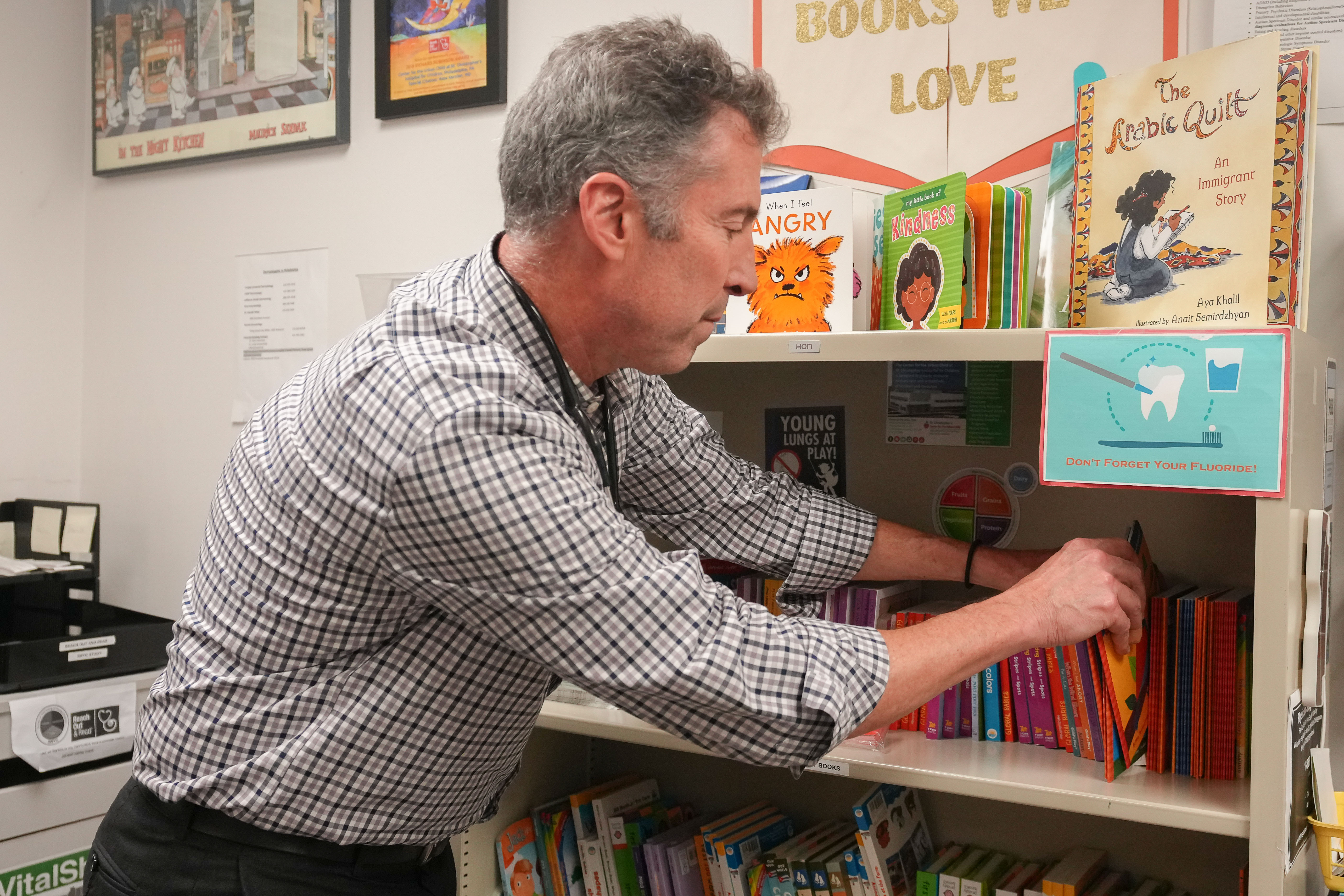
    Participating pediatricians model reading aloud for parents and prescribe reading to children during each well-visit from birth to age 5, although St. Christopher’s program extends into early teens. The children keep the books, building home libraries.

    “North Philadelphia is considered `a book desert,’ where there aren’t a lot of bookstores — i.e., none — and families don’t have a lot of children’s books in their homes,” Taylor said. “Just like food insecurity and trying to feed people food. Here we’re trying to feed people with words and books.”

    Caregivers often don’t have time or don’t feel safe traveling to their local library in city neighborhoods with high crime, Taylor said.

    Taylor helps run “Reach Out and Read” out of the hospital’s Center for the Urban Child, which he described as “an outpatient academic pediatric integrated practice” that sees about 48,000 children a year. There, families can access both medical treatment and social services.

    LaShonda Williams, 35, of East Mount Airy, with three of her four children during a checkup with pediatrician Daniel Taylor. Williams, a special education assistant teacher at Wissahickon Charter School, said she’s a big proponent of reading to her children.
    Jessica Griffin / Staff Photographer

    The burgeoning brain

    The Pennsylvania chapter of “Reach Out and Read” has grown from three clinics at CHOP in 1996 to 264 pediatric practices today, mostly in the Philadelphia region. Now, local organizers say they plan to expand the program statewide by an additional 100 sites within the next few years.

    Pediatrician Trude Haecker, one of the founders of CHOP’s “Reach Out and Read” program, said parents who get a book during a well-visit are two and a half times more likely to read to their child. The research also shows that reading is an important part of the brain development that occurs within the first three years of a child’s life, Haecker said.

    “The brain is burgeoning, so in the first three years of life, 80% of your brain is formed,” Haecker said in an interview last week. “There’s a million neurons a second being formed in that first year of life, which is incredible. So having that ability to engage with that child changes that child’s brain.”

    Reading to your child also helps offset adverse childhood experiences, like divorce or substance use, Haecker said.

    “We’re also really changing that child’s lifetime trajectory,” she added. “It’s really magical.”

    A recipe for school success

    An estimated 46% of children in the Philadelphia school district are not prepared with the skills they need to start kindergarten. Those children lag in vocabulary, language, reading, and listening skills, according to Taylor.

    One of the greatest predictors of whether a teen will graduate from high school is how well they read by third grade, which is directly tied to their speaking skills at age 3, Taylor said.

    “So we’re trying to get as many books in the home as possible so that a 3-year-old is saying three-word sentences and a lot of words,” he said.

    Taylor said St. Christopher’s raised more than $120,000 last year for new books through its annual basketball tournament fundraiser. The program has given out nearly 1 million books, written in English and about a dozen other languages, since 2001, he said.

    “This is one of the most joyous things we do,” Taylor said. “It’s not giving shots; it’s giving immunization against potential future literacy issues.”

    Pediatrician Daniel Taylor, co-director of the “Reach Out and Read” program at St. Christopher’s Hospital, organizes the books he selects for his patients before entering an exam room. He has books in 12 different languages, including Urdu, Hmong, and Arabic. He also gives children culturally diverse books in which they can see themselves. More than 90% of his patients are Black or brown.Jessica Griffin / Staff Photographer
  • Ten months of inspections at St. Luke’s Hospital — Upper Bucks Campus: July 2025 — April 2026

    Ten months of inspections at St. Luke’s Hospital — Upper Bucks Campus: July 2025 — April 2026

    St. Luke’s Hospital — Upper Bucks Campus was not cited by the Pennsylvania Department of Health for any safety problems between July 2025 and May of this year.

    The Quakertown hospital is part of St. Luke’s University Health Network.

    Here’s a look at the publicly available details:

    • Dec. 4, 2025: Inspectors visited for a monitoring survey and found the hospital was in compliance.
    • Dec. 18: Inspectors came to investigate a complaint but found the hospital was in compliance. Complaint details are not made public when inspectors determine it was unfounded.
    • Jan. 21, 2026: Inspectors visited for a mental health survey and found the hospital was in compliance.
  • Testing is underway on vaccines to intercept brewing colon cancer before it takes root

    Testing is underway on vaccines to intercept brewing colon cancer before it takes root

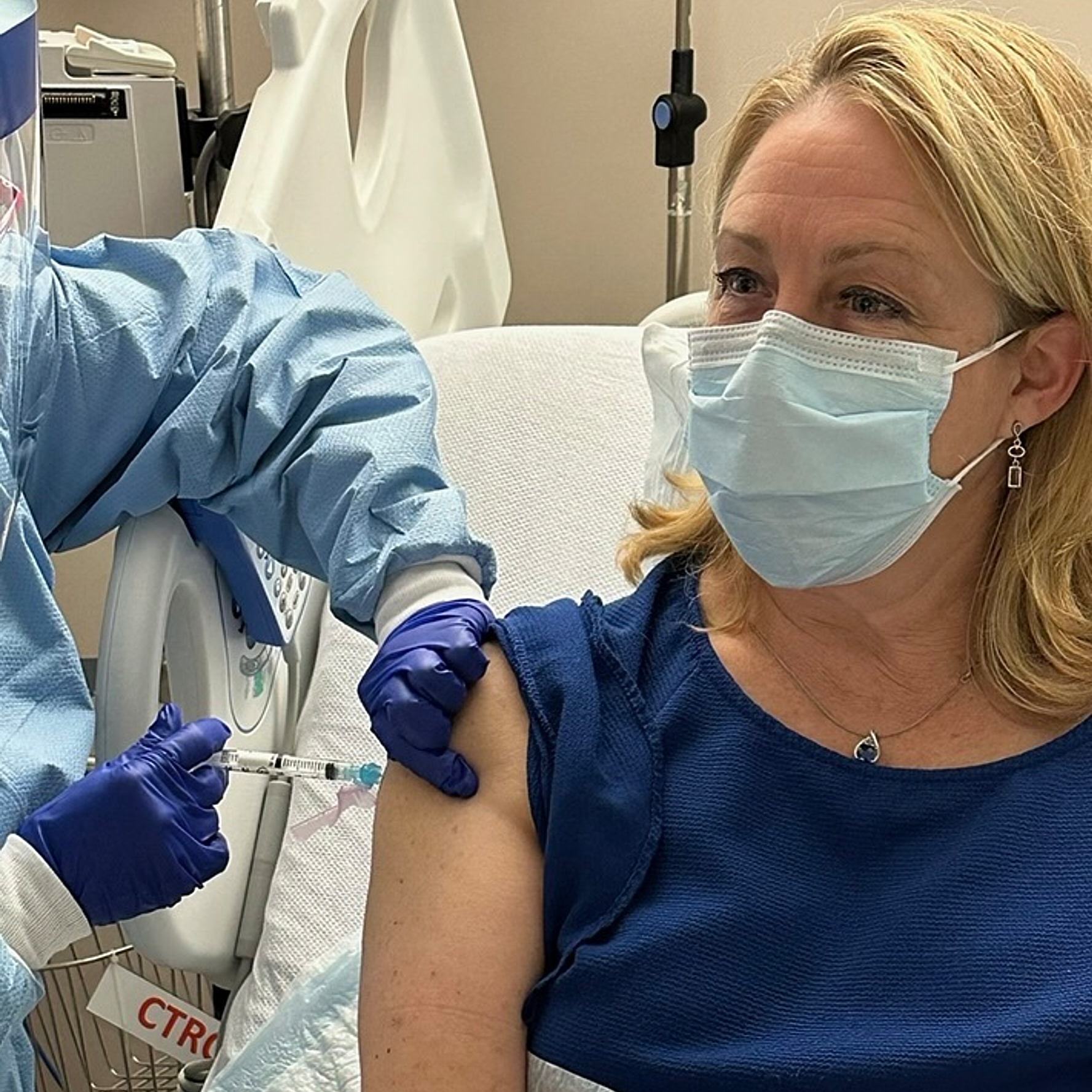
    Dr. Stacy Norton was only 7 years old when her mother died of colon cancer, one of several family members struck by aggressive tumors at unusually young ages. Decades later, Norton rolled up her sleeve to help test if a new kind of vaccine might protect her and her own children from cancer.

    The Houston doctor is among an estimated 1 million Americans who have Lynch syndrome, a faulty gene passed from a parent that puts them at extremely high risk of colorectal cancer and more vulnerable to certain other cancers, too. They’re often urged to get yearly colonoscopies — far more often than usual — that can spot and remove precancerous growths called polyps.

    Now scientists are creating vaccines that aim to go further, teaching the immune system to intercept this type of brewing colon cancer before it turns into a full-fledged tumor. At least three potential Lynch syndrome vaccines are in development, including two in early clinical trials in the U.S. and a third beginning in Britain.

    The shot that Norton helped test appears promising enough that its lead researcher, Dr. Eduardo Vilar-Sanchez of the MD Anderson Cancer Center, expects a larger study to begin early next year.

    “It gives me hope,” said Norton, 59, of Houston Methodist Willowbrook Hospital. She had already survived a different Lynch-caused cancer and has two children in their 20s who inherited her mutation. If a vaccine pans out, “perhaps they won’t have to have a colonoscopy every single year for the rest of their lives.”

    Lynch syndrome is caused by an inherited genetic mutation

    Everyone has what are called mismatch-repair genes, which are essentially spellcheckers to help fix DNA mistakes that can occur when our cells multiply. With Lynch syndrome, one of those genes can’t do its job properly, making it harder for the body to stop a buildup of abnormalities that can lead to tumors, often before age 50.

    Colorectal cancer is the most common consequence. The average person has a 5% risk of developing it during their lifetime. A Lynch carrier’s risk can reach as high as 80% depending on which faulty gene they inherit, Vilar-Sanchez said.

    Another big risk is endometrial, or uterine, cancer. Lynch carriers also are more likely to get other cancers including pancreatic, stomach, ovarian and certain skin cancers — and a kind of brain tumor that killed Norton’s sister at age 25.

    Norton knew some of her mother’s relatives had also experienced colon cancer, but she was in her 40s before a gene test confirmed she has Lynch syndrome. She switched from every-so-often to yearly colonoscopies. As an obstetrician/gynecologist familiar with other Lynch risks, Norton also decided to have a precautionary hysterectomy. Surgeons discovered early-stage cancer in her removed uterus.

    Possible vaccines to stop gene-caused cancer

    Today there are two cancer-preventing vaccines, the HPV and hepatitis B shots that block infection from those tumor-causing viruses. But developing vaccines to prevent gene-caused cancer is more challenging than alerting the body to foreign intruders like a virus.

    Lynch-fueled growths “tend to accumulate hundreds of mutations that are going to generate proteins that are novel, not made by our normal cells,” Vilar-Sanchez said. “You can train the immune system to recognize those proteins.”

    In a first-step study, Norton and 44 other Lynch carriers tested a vaccine made by Swiss biotech Nouscom that teaches the immune system to spot 209 of those abnormalities in Lynch-caused precancers. That revved up tumor-eliminating T cells and a year later, colonoscopies showed fewer precancerous growths and no advanced polyps, the MD Anderson team reported in Nature Medicine.

    “Can we even further stimulate the immune system” to keep up with Lynch syndrome-spurred tumor formation, asked Dr. John Marshall, a Georgetown University oncologist and adviser to the Colorectal Cancer Alliance who wasn’t involved with the study. “This early paper suggests that yeah, maybe we can.”

    For the first time since 2014, Norton’s own colonoscopies one and two years after vaccination were polyp-free. She’s also part of a subset of study participants given a booster shot a year later; more data on that is expected this fall.

    Oxford University researchers are beginning initial testing of a similar approach to attack Lynch-spurred precancers, a vaccine made by Massachusetts-based Moderna using the mRNA technology behind its COVID-19 shot.

    And scientists are awaiting results from a slightly larger study comparing California-based ImmunityBio’s Tri-Ad5 vaccine, which flags some different cancer markers, to a placebo.

    Is Lynch syndrome tied to the rise in young adult colon cancer?

    About 158,000 people are diagnosed with colorectal cancer in the U.S. each year, most of them over 50. Cases in younger adults are increasing, though it isn’t clear why.

    Lynch syndrome affects about 1 in 279 people. While most don’t know it, more may be learning they have the inherited disorder, Vilar-Sanchez said, as genetic testing is increasingly discussed with people with Lynch-related cancer in the family or who get certain tumors at young ages. That in turn can show if close relatives might also be at risk.

    For the average person, U.S. guidelines call for routine colorectal cancer screening — with a colonoscopy or other kinds of tests — to begin at age 45. But at any age, get a checkup for symptoms such as blood in stool or rectal bleeding; changes in bowel habits such as diarrhea, constipation or narrowing of stool that lasts more than a few days; unintended weight loss; and cramps or abdominal pain.

  • Funding was cut to life-saving medical research programs in Philly. Rep. Brendan Boyle demands to know why.

    Funding was cut to life-saving medical research programs in Philly. Rep. Brendan Boyle demands to know why.

    Rep. Brendan Boyle sent a formal letter to the federal government on Wednesday, demanding an explanation for the recent cuts to health care research funding in Philadelphia.

    The Agency for Healthcare Research and Quality last month cut dozens of grants nationwide, totaling hundreds of millions of dollars. The cancellations affected multiple programs at the University of Pennsylvania and Children’s Hospital of Philadelphia, disrupting studies into how healthcare systems can be organized and financed to improve health outcomes.

    That included projects on improving translation services for hospitalized patients and expanding access to hormone therapy for menopausal women.

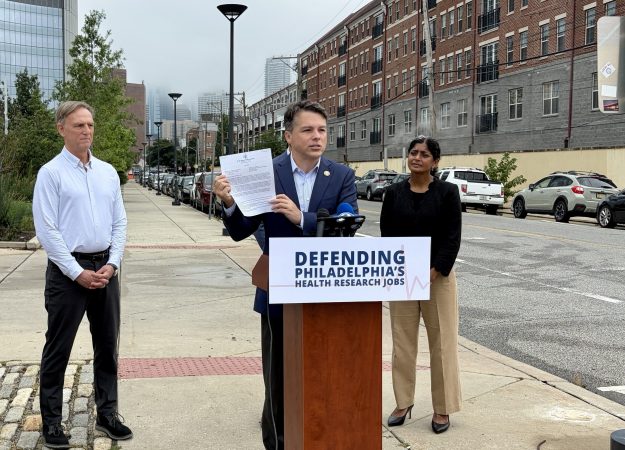
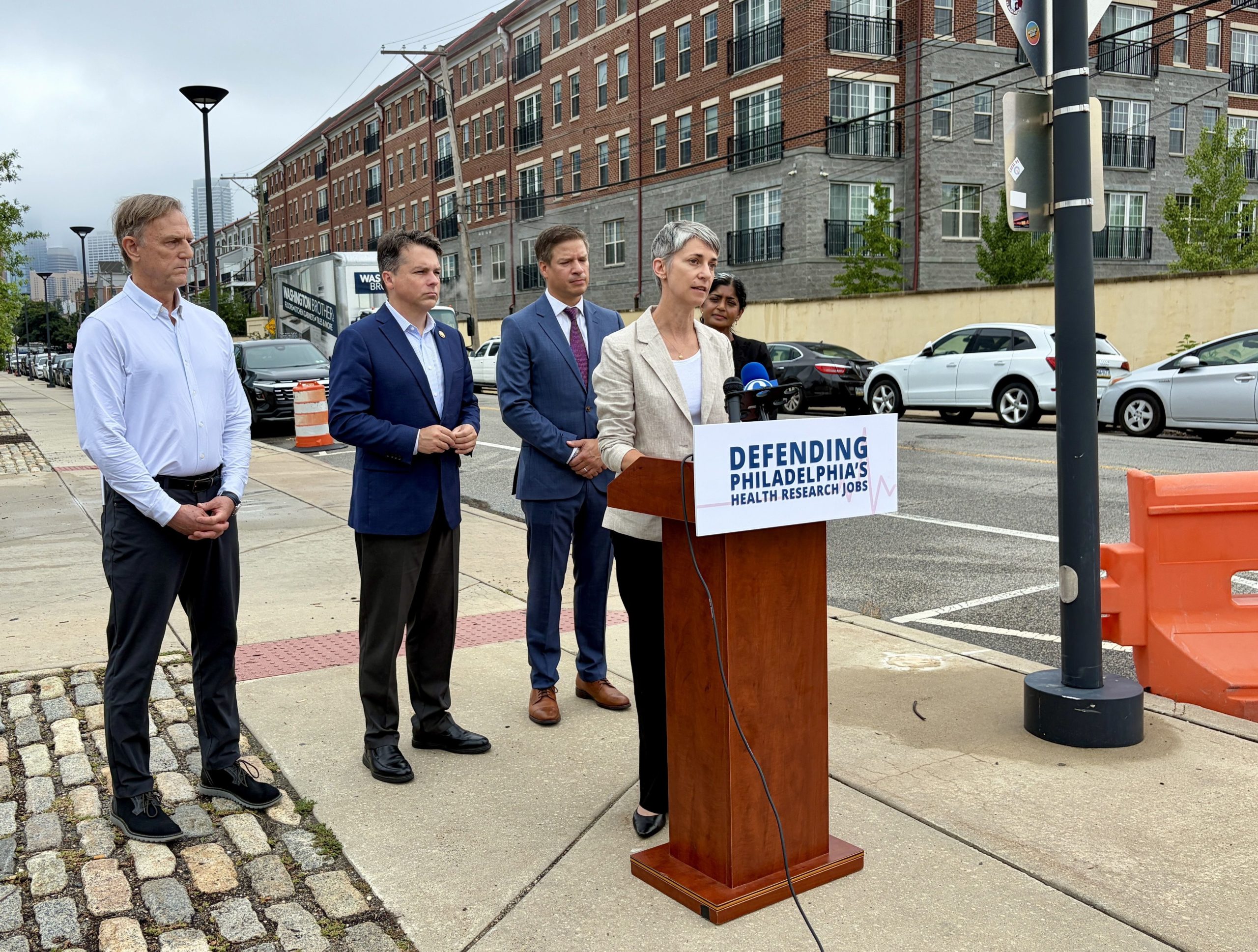
    “Their funding isn’t partisan, nor is it controversial,” Boyle said at a Wednesday press conference on Schuylkill Avenue where he was joined by affected researchers from Penn and CHOP. “It represents exactly what our federal government should be doing, creating jobs and saving lives by funding critical medical research.”

    As the top Democrat on the United States House Committee on the Budget, Boyle asked in his letter to AHRQ and the Office of Management and Budget whether the administration would commit to fully spending the funding that was congressionally appropriated for AHRQ.

    He requested a list of every grant that was cancelled and the justification given. His letter referenced a recent district court ruling in New Jersey v. OMB that found the government “cannot terminate grants based on their inability to effectuate program goals and agency priorities identified after the award was made.”

    The original cancellation notices sent to researchers in mid-July did not list specific reasons, stating only that continuing the grant was not “in the best interest of the Federal Government.”

    Boyle also asked whether AHRQ grants were cancelled based on the political identity of the grant recipient’s state, city, or congressional district.

    He said this information would help determine whether the grants were illegally cut and if Philadelphia was targeted for political reasons.

    “We are here to demand that the Trump administration immediately reverse these cuts and unfreeze the programs sitting in limbo,” Boyle said.

    In a statement on Wednesday, the Department of Health and Human Services said that the AHRQ director determines “whether continuation funding is in the best interest of the federal government.”

    “To be clear, these grants were not terminated – they were not awarded continued funding,” the HHS statement said. “The Trump Administration remains committed to the responsible stewardship of taxpayer dollars.”

    Local researchers speak out

    Rachel Werner, a professor of medicine at the University of Pennsylvania and former executive director of the Leonard Davis Institute of Health Economics, was among the researchers who spoke at the press conference.Kayla Yup / Staff

    CHOP pediatrician Christopher Forrest had to shut down his PEDSnet Scholars program in June after AHRQ cancelled the $5 million grant designated for it.

    For nearly a decade, the program had trained 44 early-career scholars on how to design studies that improve the safety and quality of healthcare for kids.

    One project focused on preventing strokes in children with sickle cell anemia, a rare blood disorder.

    Another project reduced antimicrobial resistance in the intensive care unit by improving providers’ ability to identify which children needed antibiotics.

    A third helped families adapt to a congenital heart disease diagnosis, reducing rates of post-traumatic stress disorder.

    “These are not just abstract academic accomplishments,” said Rachel Werner, a Penn professor who was also affected by grant cuts. “They are real improvements in the practice of medicine that have resulted in thousands of lives being saved.”

    Werner has helped lead the PORTAL program at Penn, an AHRQ-funded research training program that lost millions in funding last month.

    She said the grant cancellations would lead to fewer discoveries, an immediate loss of jobs, and a shrinking pipeline of future scientists.

    “For the sake of the health of all of us, it’s really imperative that that work continues,” Werner said.

  • Scrolling endlessly to unwind? It could be making you feel worse.

    Scrolling endlessly to unwind? It could be making you feel worse.

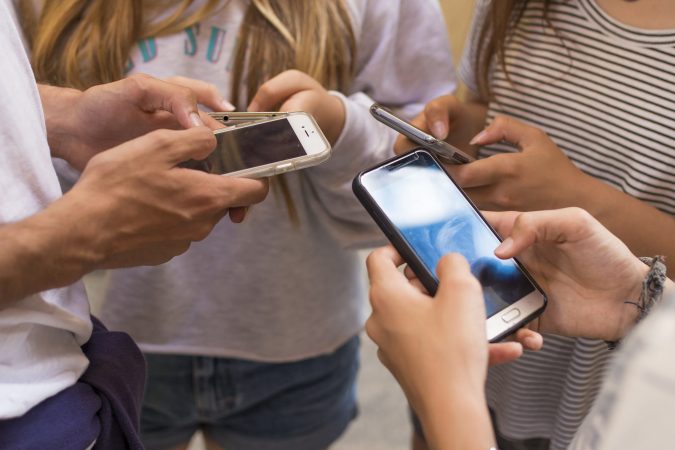
    If you want to tune out and relax after a long day, you might turn to social media, online shopping, or playing games on your phone. But a new study suggests that these activities might actually stress you out more.

    Research published recently in the journal PLOS One finds that “problematic” internet users are more stressed, have lower moods, and are tempted to use the internet more than others. Researchers define problematic internet usage as causing significant distress or leading to “neglecting important areas of life like relationships or work.”

    But are people using the internet more because they’re grumpier, or are they grumpier because they’re online more?

    “It seems like we have a vicious circle,” said Andreas Oelker, a PhD student in psychology at the University of Duisburg-Essen and one of the authors of the study, which was conducted in Germany. “If you’re in a bad mood, you try to lift your mood by using the internet, but it doesn’t help very much. So you use it more and more and more.”

    Why we turn to the internet for stress relief

    The internet is full of temptations, and apps are designed to keep our attention. A Washington Post analysis showed how TikTok hooks its users by delivering an endless stream of personalized video clips. Some of those videos may be entertaining or informative, but users often spend many more hours a day on the app than they would like. And it’s hard to stop because there’s always more content.

    “You might have the expectation that you get a better mood if you watch funny videos or whatever. And that actually helps in the short run,” said Silke Müller, a postdoctoral researcher at the University of Duisburg-Essen and co-author of the study.

    The problem, she said, is there are many other things on social media besides funny videos. You’re likely to also encounter stressful news or posts from acquaintances that lead to painful social comparison.

    Sometimes you might feel relief after looking at your phone, and other times you might feel worse. Researchers also noted that the more time you spend online, the more opportunities you miss for activities like sleep, hobbies, socializing, or work.

    In the study, the researchers interviewed 900 people about their online habits when it came to gaming, watching pornography, shopping, and looking at social media. Their internet use was classified as “nonproblematic,” “risky,” or “pathological.” Those who spent so much time online that they neglected their relationships or other activities had trouble controlling their behavior or kept doing it despite negative consequences were considered to be problematic users.

    Then, over the next 14 days, participants answered surveys every evening about their day, their mood, stress levels, and time online. Nonproblematic users might spend an hour on a social media app or an online gaming site, while problem users could spend two to four hours or even more. But the researchers emphasized that the time spent online wasn’t necessarily a problem if the person felt in control of their behavior and it wasn’t causing them to neglect other activities.

    The researchers found that problematic users had lower moods and that their internet use led to neglecting other activities like work, studies, or even hygiene.

    One limitation of the study is that it relied on self-reported data, which required people to accurately remember how they felt throughout the day and how they used the internet.

    Another notable takeaway is that researchers found the temptation to look at the internet was more powerful than the pleasure gained from time spent online. Sometimes it made people feel better and at other times worse.

    “I wouldn’t recommend that this is the best activity to do to lift the mood,” Oelker said.

    Why it’s hard to stay offline

    Part of what makes online games and social media compelling is that the rewards are inconsistent. Sometimes you win (you see a funny video maybe). Sometimes you don’t (you end up doomscrolling, or seeing images that make you feel worse).

    “Uncertainty is exciting,” said Ayelet Fishbach, a behavioral science professor at the University of Chicago Booth School of Business. In her research, she and her colleagues have found that people find uncertain rewards more motivating. Even though we generally don’t like uncertainty, we want to see the resolution.

    In games, uncertainty is part of the appeal. Social media has uncertainty built in, too, and it capitalizes on our human need to be social.

    “There’s fear of missing out. And there are no cues to stop,” Fishbach said. “Social media is just designed to get us addicted with every feature that is on the screen.”

    If you want to cut back on your internet use

    Fishbach and the researchers on the new study noted that there are effective strategies to try if you want to spend less time online.

    Think about what you’d like to do instead. If you’re spending three or four hours a day on social media or playing online games, decide what you’d rather do with that time. Make a plan to have dinner with a friend or take an exercise class or watch a movie you’ve been meaning to see. Moving toward something you want will be more motivating than just trying not to be on your phone.

    Put distance between you and your device. Literally. Fishbach said we underestimate how much our environment affects our behavior.

    “Checking the phone that’s already on your desk is much more likely than checking the phone that’s in your purse,” Fishbach said. “If the phone is in another room, the cost of going there just increases dramatically than if it’s in my pocket.”

    Try deleting apps or using an app blocker. There are more tools than ever to help people who want to be online less. Some apps require you to input a reason you need to open a locked app. Any excuse will work, but the point is to slow down the automatic temptation to check social media when you’re bored and force yourself to consciously decide whether you want to use it. Other devices, like the Brick, can be used to block yourself from accessing certain apps on your phone.

    “If you don’t have a problem, it’s just a recreational activity you can do like any other hobby and you might enjoy it,” Oelker said. “But if you have problematic use and neglect other activities, you might reconsider.”

  • Federal and state officials highlight Medicaid fraud in Philadelphia

    Federal and state officials highlight Medicaid fraud in Philadelphia

    Federal and state officials including Mehmet Oz, head of the Centers for Medicare and Medicaid Services, and Pennsylvania Attorney General David Sunday were in Philadelphia on Tuesday to highlight efforts to combat the persistent problem of Medicaid billing fraud in home care.

    During a news conference in Center City, officials outlined Pennsylvania cases involving a personal-care assistant who billed Medicaid 1,000 times for more than 24 hours of work in a single day, another who billed for helping his father in South Philadelphia while being arrested in Chester, and an agency that billed Medicaid $225,000 for services provided by an aide who was dead.

    Federal and state prosecutors used the occasion to announce charges against 18 people and one agency in mostly unrelated cases for defrauding Pennsylvania’s Medicaid program of $4 million by billing for home-care services they did not provide. The alleged fraud occurred roughly over the last five years.

    The alleged fraud in these cases filed over the last two weeks is tiny compared with the size of the program. Pennsylvania spent $8.1 billion on home-care services last year, up from $2.3 billion in 2020, when the program expanded and thousands more people started getting paid to provide home care.

    “Used properly by honest citizens, the program allows those with physical ailments to be cared for by those they trust the most,” said Colin McDonald, of the Justice Department’s National Fraud Enforcement Division. “But infiltrated by greedy and deceitful opportunists, this program becomes a money tree, a gravy train for criminal fraudsters.”

    Colin McDonald, Assistant Attorney General, Department of Justice National Fraud Enforcement Division, speaks as federal and state law enforcement officials announce healthcare fraud charges, Tuesday, August 4, 2026 in Philadelphia.Joe Lamberti / For The Inquirer

    The U.S. Department of Justice shared details on six new cases. The Pennsylvania attorney general recently filed five new cases.

    The biggest case involved $1.5 million in billings from a personal-care assistant registered with 13 agencies who more than 1,000 times charged Medicaid for more than 24 hours in a single day, Sunday said. On one occasion, the aide billed for 126 hours in a single day, Sunday said.

    Federal prosecutors charged Benevolent Home Health Care with billing 600 times in 13 months for a personal-care aide who was dead. That case originated during the arrest of the husband of one of its owners on drug-trafficking charges, said David Metcalf, U.S. attorney for the Eastern District of Pennsylvania.

    As the man was being arrested, he told agents from the Drug Enforcement Agency that he had to clock out of his shift as a home-care aide, even though he was not providing services. When asked about it, according to Metcalf, he said: “Everybody is doing this. If that’s a problem, you’d have to arrest the whole city,”

    Attorneys for Khaleelah Williams and Saleemah Davis, Benevolent’s owners, said they had no comment.

    In other cases, defendants billed for providing services while they were in prison, working at one of Philadelphia’s sports stadiums, or vacationing in Saudi Arabia, Jamaica, or Colombia

    This story has been updated to correct the name of the agency Mehmet Oz heads.

  • The antiaging industry has a new target: Your hands

    The antiaging industry has a new target: Your hands

    When Sharlene Velazquez bought a new car, her hands sat a little higher on the wheel than they usually did. Every day while driving to work or running errands, this new view of her hands upset her.

    Velazquez saw volume loss in her hands. Her skin was starting to thin and wrinkles appeared slowly; she wanted to do something about it.

    “My hands weren’t looking the same. My hands were not matching my face,” she said.

    She was one of many women seeking hand rejuvenation treatments to make them look fuller and younger.

    Velazquez, a registered nurse who owns a medical aesthetic practice in California, says hands can be a touchy topic of conversation. Hands can show age quickly because they are exposed to so much, including sunshine, water, and everything people touch throughout the day. As people age, their skin gets thinner, revealing bone structure and wrinkles; they can even develop sunspots or hyperpigmentation around the knuckles.

    But her clients don’t usually come in asking for hand treatments. Instead, it’s almost a ripple effect caused by the new standard of beauty for aging women.

    It starts with Botox and filler on the face, something that is completely normalized today. Studies have shown a 4% increase in neuromodulator injections (like Botox) within one year, according to a 2024 report from the American Society of Plastic Surgeons.

    Many women notice their face no longer matches their neck and chest, and once they fix that inconsistency, they look to other places to close the gaps created by aging. That’s where hand treatments come in.

    “It’s per person, per goal because everybody is so different. It’s typically like a combination [of treatments]. Mostly women come in because of volume loss,” Velazquez said.

    Skin boosters, calcium-based filler, and microneedling are just a few treatments people seek.

    Ewoma Ukeleghe, a cosmetic and medical doctor, says skin boosters, such as hyaluronic acid, give instant results by restoring volume lost in the skin.

    “Skin boosters are a real metaphorical gateway drug to hand rejuvenation. You’re piercing the skin, which is intense. However, you get that instant payback of plump, soft, hydrated-looking skin,” Ukeleghe said.

    Ukeleghe says the conversation surrounding hands has increased over the last year. On TikTok, one of her most popular videos is about topical treatments for “dry, old looking hand girlies.”

    She agreed it’s about looking the same age across areas of the body but also part of a larger trend.

    Psychiatrist David Puder said the antiaging craze was present long before social media. What people are newly using to their advantage is these highly technical procedures, which leave them satisfied on the outside but not always on the inside.

    “You could spend a lot of money on this stuff, and our technologies are only going to get more astounding, but does it lead to lasting happiness or meaning or purpose? That’s where the question mark is,” Puder said.

    The harmful side of these antiaging trends is how it shifts the beauty industry. Some messaging on social media triggers people to think cosmetic surgery gives them value as a human, Puder explains, making treatments less of an individual choice and more a societal pressure.

    Kristin Leite, a master esthetician, said her TikTok audience expresses interest in hand care in the comments section, and the topic comes up more frequently after she posts a video about it.

    “My older gals ask about hands all the time. But once I do a video on it, people think about it, like, ‘Oh wait, let me do that to my hands,’” Leite said.

    Her golden rule for taking care of her hands is treating them like her face. This includes her daily skin care routine and rotating intensive treatment once a week, such as a chemical peel or microneedling, which has been very effective for her.

    For Leite, it’s not about promoting treatments that are specifically about antiaging but expanding awareness of skin care for areas like the arms and legs.

    “Everyone wants to look as good as they possibly can, especially for their age. Some people want to look way younger than [they are], but it’s about looking the best because then you feel your best.”

    To Puder, a social media algorithm of antiaging could be “normal.”

    “Guys will study bodybuilding for hours and watch people squat and dead lift. Some other people might study aesthetics for hours,” he said.

    Some may reach a level of obsession, causing an issue with their body image.

    Gemma Sharp, psychological science professor, sees antiaging swinging on a pendulum of principle. Some utilize antiaging treatments for self-care while others have a more excessive focus on appearance.

    “[This] can become distressing or interfere with quality of life, particularly if it is driven by unrealistic expectations or underlying body image concerns,” Sharp said.

    She said as beauty standards are ever-changing, the cosmetic industry capitalizes on features that were once ignored.

    “Rather than assuming this reflects increased vanity, it’s more accurate to say it illustrates how ideas about appearance continue to broaden and change,” Sharp said.

    So what’s next? Leite and Velazquez predict knee care will be the next trend.

    “With weight fluctuation, especially with GLP-1s, we’re losing volume and muscle, right? So a lot of people are walking around with creepy knees, and there are really no surgeries for knees,” Velazquez said.

    Maybe knees will be the new focus of antiaging cosmetic treatments. Or maybe, at least according to reality mega star Kim Kardashian’s Instagram, it’s feet.

    Kardashian recently posted an Instagram story in honor of her late grandmother, which got the internet talking. She wrote, “And for anyone that knows my grandma knows she had the most young beautiful feet in the world and she would want everyone to know lol,” with a photo of her grandmother’s perfectly pedicured feet side by side with her other famous sisters’ feet.

  • Nurses chase cyclospora with interviews, fast-food receipts, and the messy details

    Nurses chase cyclospora with interviews, fast-food receipts, and the messy details

    More than 900 people in Washtenaw County, Mich., have been sickened with cyclosporiasis since mid-June. Linda Kim, a public health nurse, has called more than 100 of them. Almost everyone has said the same thing: It’s excruciating, and one of the worst illnesses they’ve experienced.

    But on a Wednesday in July, she called one man who said he wouldn’t mind having it again, actually.

    “You’re enjoying the weight loss?” Kim said, laughing as she took notes in a small conference room at the Washtenaw County Health Department building, just outside Ann Arbor. “Well, I’m glad to hear that. At least you got something good out of it!”

    Normally, Kim’s supposed to be working downstairs in the clinic, where families wait in gray plastic chairs in the lobby for free or low-cost immunizations. But she hasn’t been there in months.

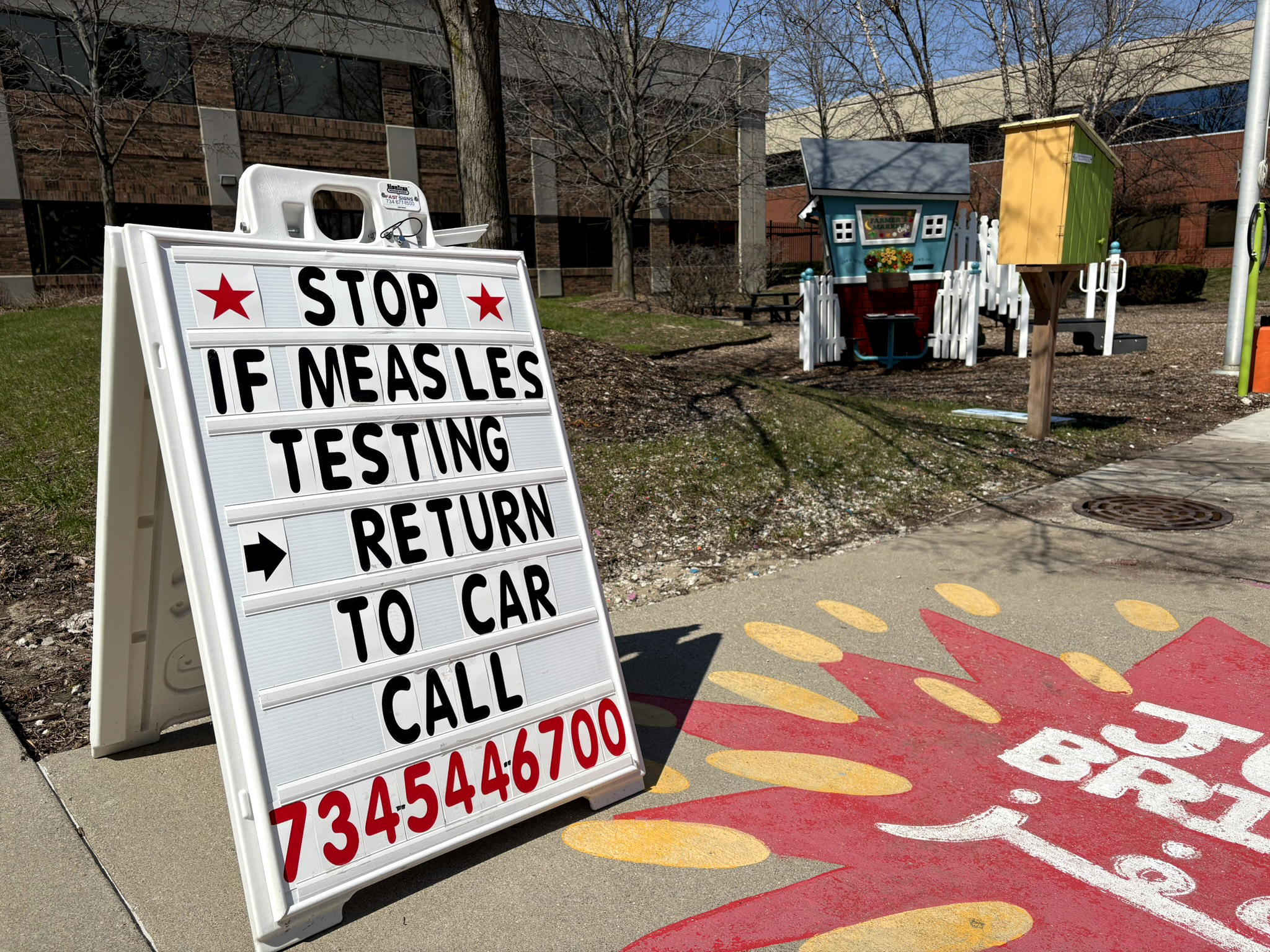
    In March, Kim was transferred to a different department to help deal with a measles outbreak that sickened seven people in the county, five of them children. It was an all-hands-on-deck situation; everyone worked overtime. The state issued an advisory urging families in Washtenaw and surrounding counties to get babies 6 months or older vaccinated ahead of schedule, if possible.

    The contact-tracing calls for measles could be contentious, Kim said. People were suspicious, asking her how she knew they had tested positive, or why they should give her any information.

    “People were like, ‘Oh, you’re just trying to restrict my life,’ or ‘You’re just trying to get information out of me and get me in trouble,’” she said. “It’s like, no, we’re actually not doing that at all.”

    As she tried to explain to them, tracing the spread of the highly contagious virus and publicizing possible exposure sites was an effort to “keep it contained, so it doesn’t become something huge.”

    Before reports of cyclosporiasis cases started pouring in this summer, Washtenaw County Health Department staff in Michigan were working to contain a measles outbreak with contact tracing and testing. The county’s outbreak ended in May.Kate Wells/KFF Health News

    The county’s measles outbreak ended in late May. Then in June, reports of cyclosporiasis cases started pouring in — more than 11,000 so far in Michigan, including two deaths. Both people who died had “significant underlying health conditions that may have been impacted by cyclosporiasis and dehydration,” the state health department said on its website on Monday. Health officials aren’t providing more details, department spokesperson Lynn Sutfin said in an email, but are stressing that cyclosporiasis generally isn’t life-threatening and that deaths from it are uncommon in the U.S.

    Kim said the cyclosporiasis surveillance has been very different from her experience with the measles outbreak. Now, people seem eager to divulge even the most graphic details, such as “pooping their beds, and, like, putting down towels and it’s not enough.”

    Since she’s a nurse, such confessions don’t faze her, she said. Still, staffers have hundreds of these calls to make, so they try to keep each conversation under an hour.

    But foodborne illness investigations are complex. Especially for this parasite, cyclospora. Symptoms can take as long as two weeks to appear after people have eaten contaminated food. And no one remembers what they ate two weeks ago, public health staffers said.

    The interview process can be extremely detailed. Kim and her colleagues ask people to pull up their restaurant receipts, scroll through purchases on their grocery store apps, even try to recall details such as the exact brand of bagged salad mix they bought, or the type of taco they got at Taco Bell.

    “Is that the crunchy one or the soft one?” Kim asked on a recent call, typing on a laptop decorated with cat and vaccine-themed stickers.

    Kim has been working with the health department for two years, a period defined by federal funding cuts.

    Laina Stebbins, a spokesperson for the Michigan Department of Health and Human Services, said the Trump administration’s sweeping cuts to public health grants eliminated a contract between the state health department and 44 of the state’s 45 local departments that funded 123 full-time employees.

    Those cuts also affected the state’s disease surveillance labs, “reducing funding for equipment maintenance contracts, data modernization, and the ability to innovate laboratory processes during emerging disease response,” Stebbins said.

    Some of that funding was restored after Michigan won a temporary restraining order against the Trump administration. But Washtenaw’s health department still had to scale back some disease surveillance and outbreak response work. Currently, employees who leave or retire aren’t replaced, except for those on the nursing team, which is hiring but still understaffed.

    The county’s Health Equity Council, which aims to reduce health disparities, including in mental health, was shuttered suddenly in early 2025. Nearly a year later, it resumed its work, with funding at least through this September.

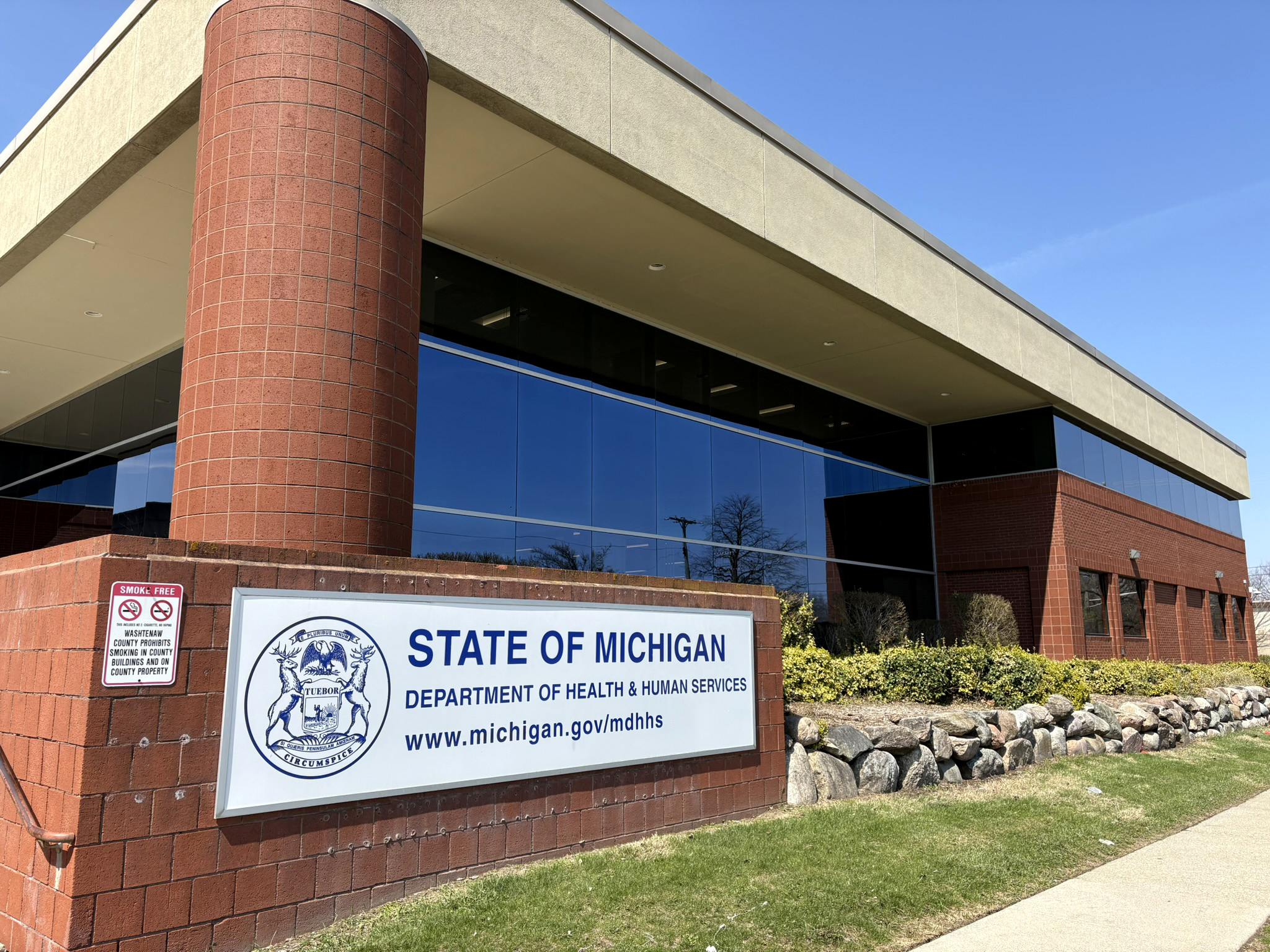
    Staff at the Washtenaw County Health Department in Ypsilanti, Mich., have been working to trace the sources of the recent cyclospora outbreaks by conducting detailed, often lengthy interviews with hundreds of people.Kate Wells/KFF Health News

    An employee from the Centers for Disease Control and Prevention had been stationed at the department. During the funding chaos, the worker was fired, then rehired, then furloughed.

    The federal response to cyclosporiasis has felt frustratingly slow, according to Christina Zilke, a nursing supervisor at the Washtenaw health department.

    “It took them forever to say that this was lettuce, and fast-food restaurants were taking it off the shelves before the CDC ever said what it was,” she said.

    During a July 14 press call, the deputy director of the CDC’s Division of Foodborne, Waterborne, and Environmental Diseases, Gwen Biggerstaff, said it’s not unusual for it to take a long time to identify a specific source for cyclosporiasis — if it’s identified at all. That’s partly due to the lag time between exposure and the appearance of symptoms, and the complexity of tracing this particular parasite.

    Meanwhile, Zilke’s been stocking the coffee station and bringing in pizza, trying to keep up staff morale. It’s not a reward, she said. “It’s more like: ‘Here’s some food for survival. Here’s a break so you don’t quit.’”

    Kim, for her part, remains enthusiastic about the job but said it’s been a surreal introduction to a public health career — first measles, now cyclospora.

    “If nationally they don’t know what’s going on, how are we locally expected to know what’s going on?” she said. “And also just frustrating to be, like, ‘Wow, I don’t think even our government knows how important public health is.’”

    But there’s no time to dwell. She has to move on to the next call, as soon as she can wrap up this one. She gives each person her work number, so people can call or text with any follow-up questions.

    KFF Health News is a national newsroom that produces in-depth journalism about health issues and is one of the core operating programs at KFF — the independent source for health policy research, polling, and journalism.

  • Here’s what happens to your brain when you stop drinking alcohol

    Here’s what happens to your brain when you stop drinking alcohol

    Alcohol is one of the most popular drugs in the world, with millions enjoying the buzz produced by a cocktail of pharmacology and social ingredients.

    The 2024 National Survey on Drug Use and Health found that almost 80% of Americans older than 12 years of age reported that they had had at least some alcohol at some point in their lives.

    But there is “no free ride in the brain,” said George Koob, the director of the National Institute on Alcohol Abuse and Alcoholism at the National Institutes of Health.

    Research shows that over time, alcohol can change the brain, leading to decreases in gray matter volume. And even relatively low levels of alcohol may worsen feelings of anxiety and depression, disrupt sleep, and, over time, increase dementia risk, in addition to upping other health problems, such as breast and colorectal cancer risk.

    But there is now increasing evidence that the brain can recover to an extent when drinking is reduced or stopped.

    “The remarkable thing about the brain is that it is an incredibly plastic organ, and that we see neuroplasticity in the development of addiction and neuroplasticity in the ability to achieve recovery,” said James MacKillop, a clinical psychologist and the Peter Boris chair in addiction research at McMaster University. “And that’s a really important and powerful story that I think isn’t always communicated as widely as it should be.”

    Here’s what alcohol does to the brain, its health effects, and what happens when we reduce and abstain.

    What alcohol does to the brain

    Alcohol causes a “stew of pharmacological effects” that can be first stimulating and then sedating, MacKillop said.

    With the first drinks, alcohol can produce “a euphoric intoxication,” Koob said. Alcohol causes the release of endorphins, which are our brain’s natural opioid molecules, which in turn activate the dopamine neurons in our reward circuitry.

    At the same time, alcohol cranks up neurons that inhibit activity while dampening neurons that activate — which, in the short term, reduces stress and anxiety. But “when the alcohol wears off, those stress systems come back with a vengeance,” Koob said.

    The “brain adapts to the persistent presence of alcohol,” leading to changes in brain chemistry and structure, said MacKillop, who wrote a 2022 review on hazardous drinking and alcohol use disorders.

    As people consume more alcohol over time, they need more of it to get the same level of pleasure as the reward systems become less sensitive to the alcohol. And worse, the stress systems in our brain, including the amygdala, get recruited and become persistently activated, and people experience a chronic negative emotional state, MacKillop said.

    As a result, “people stop drinking as much to feel good and start drinking more to feel less bad,” he said.

    With repeated consumption, temporary changes go from being short-term to long-term to potentially permanent.

    Studies show that people with alcohol use disorder, the preferred clinical term for alcoholism, have reduced gray matter volume in frontal cortical regions important for perception, emotion, and executive functioning. The most severe cases of the disorder, with years or decades of heavy drinking, can cause alcohol-related dementia and an inability to form new memories.

    With prolonged excessive drinking, “you can actually destroy neurons in the frontal cortex,” which is important for higher-order executive functioning, including inhibiting cravings for alcohol, said Koob, who wrote a 2024 review about treatments for alcohol use disorder.

    Even relatively low levels of alcohol consumption had an effect on the brain. One 2022 study of over 25,000 participants found smaller total gray matter volumes for people who had seven or more drinks a week compared with those who consumed fewer drinks. A 2024 systematic review of 27 neuroimaging studies found that low-to-moderate drinking was linked to smaller brain volume and cortical thickness, though to a lesser extent compared with heavy drinking.

    “A fair rule of thumb is that there’s a dose-dependent relationship between the amount of drinking and the amount of brain change,” MacKillop said.

    How reducing alcohol changes the brain

    The good news is “there is increasing evidence that there is restoration of brain function and improvements in each of these domains too,” said MacKillop, whose lab is researching the neuroscience of recovery, a relatively new area of the field.

    Just as alcohol can change the brain, reducing or abstaining from it can as well.

    A 2024 systematic review of 16 studies found that people with alcohol use disorder who abstained from alcohol experienced a recovery in many of their cognitive functions, including attention, memory, and executive function, generally after 6 to 12 months.

    In people with alcohol use disorder who stopped drinking, there was a general recovery in frontal brain regions with increases in gray matter, according to a 2022 review of neuroimaging studies. Greater changes occurred relatively early in abstinence, within the first month.

    Even reducing alcohol consumption to low levels without full abstinence increased cortical brain volume, research shows.

    Whether there can be full recovery from alcohol use disorder is not clear, but there is also evidence that the brain may “develop compensatory strategies and functioning,” MacKillop said. The same brain areas that become dysregulated or dysfunctional because of alcohol appear to be where there is recovery.

    “That’s the good news: The brain is changed by alcohol, but it also can recover,” MacKillop said.

    There is less research on how the brain recovers from light drinking since the harms are not as great, if drinking is done responsibly.

    But people who participate in alcohol abstinence or reduction challenges, such as Dry January or Sober October, report that they feel better after reducing their alcohol consumption. Researchers found that participants reported increases in their overall well-being, including losing weight, sleeping better, saving money, and having heightened energy and concentration.

    How to self-assess and manage alcohol consumption

    Understanding the brain and health consequences of drinking alcohol doesn’t necessarily mean cutting it out completely — both Koob and MacKillop still enjoy a drink on occasion.

    “There are lots of reasons to enjoy the pleasure from drinking alcohol,” including as a social lubricant or a complement to a meal, MacKillop said. “It’s not a vitamin, but that doesn’t mean that people are crazy for drinking.”

    But experts say to check in with yourself on how alcohol is affecting your life — is it getting in the way of school, work, relationships, or your health?

    It can also be valuable to step further back and think about your values and how your drinking relates to them, MacKillop said. “Is it highly compatible with your highest-held values, or is drinking getting in the way of realizing the person that you want to be?”

    If you are wondering about your drinking, “that’s actually a sign that it may be that you’re drinking at a problematic level,” and you should speak with a healthcare provider, MacKillop said.

    The good news is that there are many evidence-based strategies for managing alcohol use across the spectrum of use, including psychological therapies and medications.

    Signing up for Dry January or Sober October, or other manifestations of the “sober curious” movement, can be a way to reduce alcohol consumption and reap health benefits even beyond the challenge month, studies show.

    Alcohol reduction apps like Sunnyside or Reframe can help send daily reminders and connect you with a larger community of people trying to cut back on drinking.

    The National Institute on Alcohol Abuse and Alcoholism has additional resources on its Rethinking Drinking website, and its Alcohol Treatment Navigator can help people find treatment facilities near them.

    “If you stop drinking and you feel better, what I always say is listen to your body, because it’s trying to tell you something,” Koob said.