Category: Health

  • Penn receives $10 million to study new treatment for ‘relentless,’ rare genetic disease with no cure

    Penn receives $10 million to study new treatment for ‘relentless,’ rare genetic disease with no cure

    Lindsay Ward grows more nervous with each passing year, knowing her ultra-rare genetic disease could emerge at any time.

    The 37-year-old schoolteacher from West Deptford, New Jersey, inherited the genetic mutation that causes RVCL — retinal vasculopathy with cerebral leukoencephalopathy — which damages small blood vessels throughout the body and typically shows up between the ages of 35 and 50. It causes premature death as brain, retinal, liver, and kidney damage accumulate.

    Many patients die within five to 10 years of symptom onset.

    “It’s relentless,” said Jonathan Miner, who directs the RVCL Research Center at Penn. “They go from being completely healthy to becoming blind, unable to walk or talk, with kidney failure and other problems.”

    The disease currently has no cure. However, Miner recently received a $10 million gift from the Illinois-based nonprofit Clayco Foundation to develop a potential treatment.

    The idea behind his small-molecule drug is to eliminate the faulty protein driving the disease before it can cause damage. The drug will still need to be tested in animals to evaluate safety before possibly moving into clinical trials.

    Most exploratory scientific efforts do not advance to the point where they are found safe and effective in humans. Even if the results are promising, it could take years before a potential new drug becomes widely available.

    Ward has already seen the disease ripple through her family.

    Her uncle died from RVCL last year. Her mother, Barbara Small, was diagnosed in 2018 after almost four years of symptoms.

    She hopes for a treatment that can help her avoid their fates.

    “I do as many active things as humanly possible because I’m so worried about becoming frail,” Ward said. “I see the weakness that my mom has and I don’t want that.”
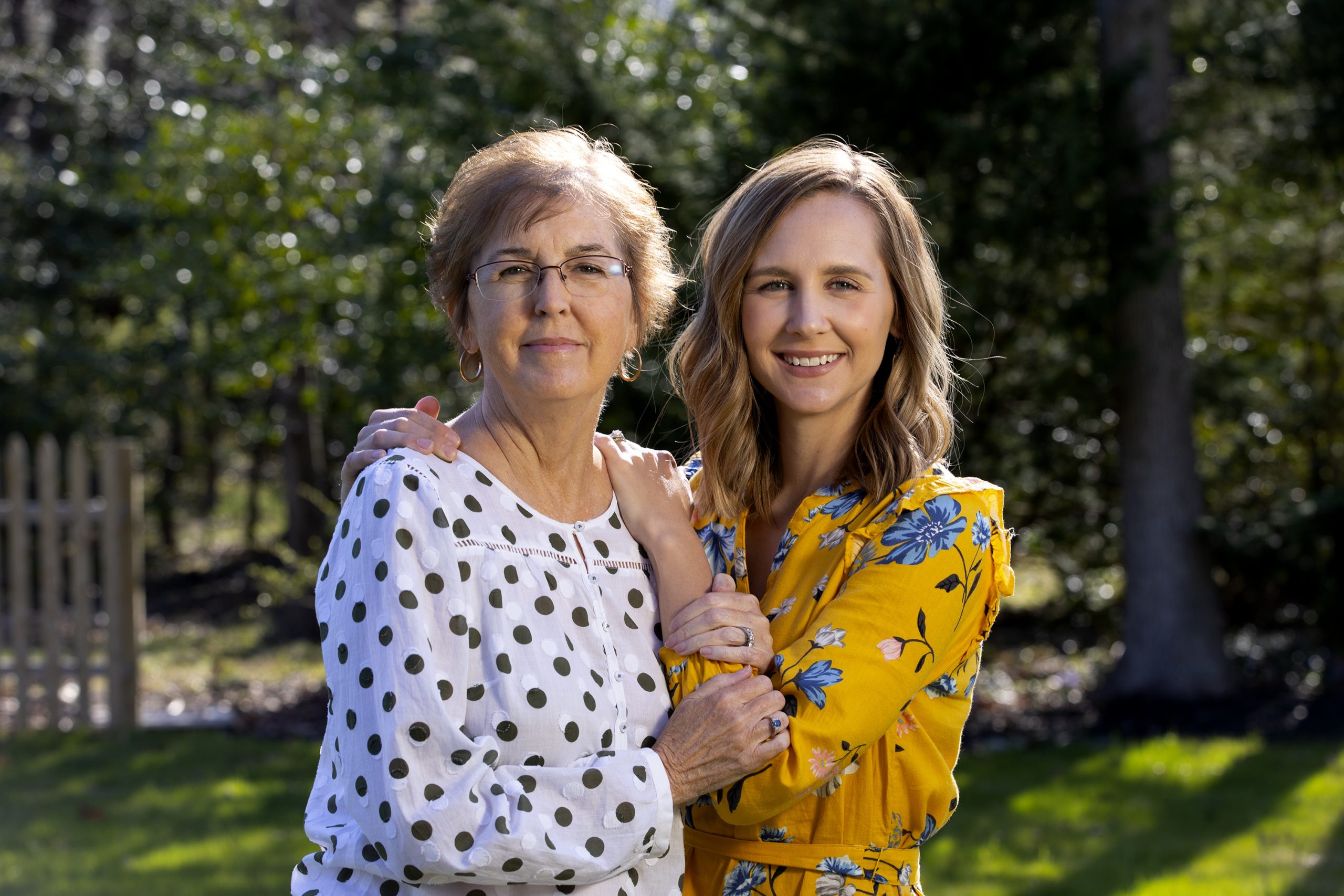
    Lindsay Ward, who inherited the mutation that causes RVCL from her mother, lives an active lifestyle.CHARLES FOX / Staff Photographer

    What is RVCL?

    Fewer than 50 families worldwide are known to have RVCL.

    The rare disease is often misdiagnosed as various autoimmune diseases, including multiple sclerosis and lupus. Only through a genetic test can patients verify an RVCL diagnosis — characterized by a mutation in a gene called TREX1.

    The gene encodes a protein of the same name, TREX1, which, when mutated, becomes misplaced in a cell and damages DNA.

    Over time, this causes small blood vessels to break down and disappear. The loss of blood flow leads to organ damage, including blindness, glaucoma, chronic kidney disease, strokes, and neurological effects.

    When asked how he felt about the donation, Miner reflected on seeing many patients die from the disease and kids lose their parents young.

    “I believe that everybody deserves a chance to live,” he said.

    A potential drug

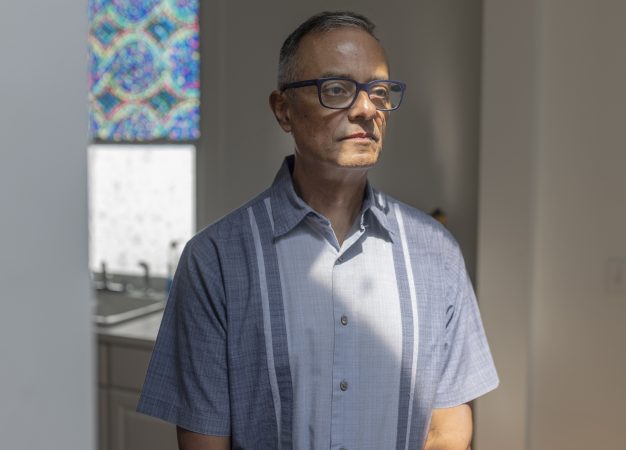
    Jonathan Miner directs the RVCL Research Center at Penn.Credit to StoryTrack Studio

    Miner’s drug candidate belongs to a new class of medicines called a degrader.

    The drug eliminates the mutated TREX1 protein by pairing it with another protein called “E3.” E3’s role is to label other proteins for destruction, much like putting a shipping label on a package to direct it to the right address.

    By labeling TREX1, “it basically tells the cell’s own machinery to eliminate this faulty protein,” Miner said.

    If the drug proves effective, patients would ideally take it before they get sick, to prevent injury to blood vessels and organs.

    When tested in mice with the disease, the drug protected cells from DNA damage and prevented premature death.

    “We haven’t seen side effects in the mice, but we need to do much more extensive studies to prove that there are no side effects in animals before we can move forward,” Miner said.

    The first and only FDA-approved degrader was developed for advanced breast cancer and approved in May. Miner’s TREX1 degrader is one of many variations on the novel technology that have emerged.

    The $10 million donation will fund preclinical safety studies. The goal is to complete this testing over the next year, and, if it proves to be safe, move on to humans.

    If the drug advances to a clinical trial, it would still take years to test the safety and efficacy. Most treatments evaluated in clinical trials do not become standard practice.

    “Nothing has moved the needle yet in terms of delaying death and disability,” Miner said. “This, we think, gives us a real chance.”

    Waiting
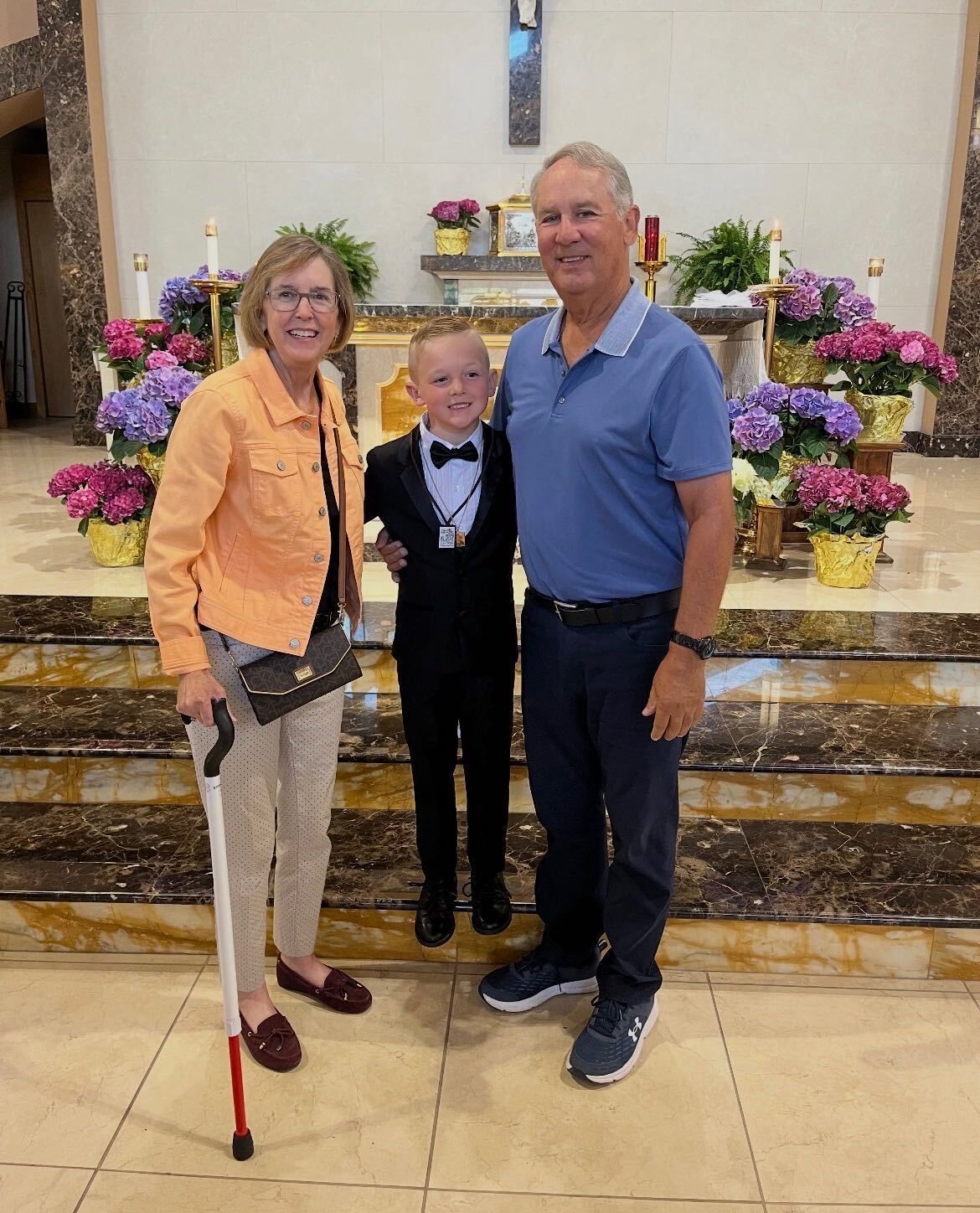
    Barbara Small, her husband Dave, and grandchild Declan.Courtesy of Lindsay Ward

    Ward’s 67-year-old mother, Barbara Small, who lives in Cape May Courthouse, started to show symptoms in her 50s.

    What began as blurry vision and a damaged optic nerve progressed to a stroke. Roughly four years later, in 2018, she was diagnosed with RVCL.

    Today, she is “pretty much blind” in one eye, Ward said, and has had a few strokes. She will frequently have aphasia, a communication disorder that can cause trouble speaking, and memory issues. Small is physically weak overall, and cannot walk very far without having to sit down.

    “It is very challenging to see what your future will be,” said Ward, who helps take care of her mother.

    Ward gets an MRI and diagnostic eye testing every six months to check for symptoms.

    She and her husband, Matt, have three kids, with the youngest being a year and a half old. They don’t know whether their children inherited the mutation (testing is not recommended in children due to the late onset of the disease).

    Lindsay Ward, 37, has three children with her husband, Matt.Courtesy of Lindsay Ward

    However, if a preventive treatment were to come out, she would test them sooner.

    Ward recently attended the International RVCL Symposium at Penn, where Miner presented on his research and potential clinical trial.

    For patients like her mother, the treatment would likely just stabilize her condition and not reverse existing damage, she said. However, Ward is hopeful that the drug, if proven to be safe and effective, could help prevent her and her kids (should they test positive for the mutation) from becoming symptomatic.

    “I would like to live a long, healthy life,” she said. “That would be my goal.”

  • School backpack overload: Heavy bags can strain kids’ bodies

    School backpack overload: Heavy bags can strain kids’ bodies

    Backpacks can be fashionable and functional, but they can also be too heavy — weighed down by digital devices, musical instruments, sports equipment and more. Some kids carry home a laptop or tablet and textbooks, too.

    It’s good to be prepared, but kids who walk to school or participate in extracurricular activities may be lugging more than their bodies can handle. Lockers and classroom storage aren’t available everywhere — and a child carrying too much weight might not be ready to learn.

    As families begin back-to-school shopping, here’s how to know if your child’s backpack is too heavy, and how to lighten their load.

    How heavy is too heavy?

    The modern school backpack has evolved, but it hasn’t necessarily gotten lighter. Whether students have textbooks, digital devices or both, they often are accompanied by notebooks, water bottles, lunch containers, workout clothes and more. Individually, those items may not seem heavy, but together they can add unnecessary strain to children’s bodies.

    According to the American Academy of Pediatrics, signs a backpack may be too heavy include a child leaning forward to support its weight or having difficulty walking. Straps should not dig into shoulders.

    Don’t wait for a child to express discomfort or pain to lighten the load, experts say.

    Dr. Sadika Kendi, a physician who chairs the academy’s injury-prevention efforts, says back injuries are uncommon but possible, particularly if a child falls while carrying a heavy backpack.

    “It’s worse if, for example, they trip and fall and they have a huge, heavy backpack on their back. Then that’s just more weight that could increase the severity of an injury,” she said.

    Although 10% to 15% of a child’s body weight is often cited as a backpack guideline, there isn’t enough evidence to establish a one-size-fits-all approach, Kendi said. Because children vary in size, strength, physical development and daily routines, caregivers should consider their child’s individual needs and, in general, keep backpacks as light as possible.

    Teachers say leave this stuff at home

    After families receive back-to-school checklists for classroom materials, they should take an audit of what a child really must carry every day.

    Samantha Ness, a history teacher in Phoenix, said parents should focus on making sure children have basic supplies rather than getting caught up in trendy, decorative or expensive items. Her students have access to classroom textbooks but are still expected to carry a laptop and charger each day. As technology becomes more central to schoolwork, some students have stopped bringing paper, she said. They rely instead on their devices, which can also become distractions.

    “When considering the things going into their backpacks, how is it going to help them be successful in the classroom?” said Ness, who has been teaching for about 10 years.

    In Fairfax County, Virginia, the school district is bringing back math textbooks after a backlash against technology. That was a win for the group Fairfax County Parents for Intentional Technology, but it also means hard decisions about weight in backpacks.

    Parents should think carefully about whether a child really needs to carry both books and a laptop every day, said mom Alix Fetch, a spokesperson for the parents group. Some elementary schools don’t require students to take computers home, while others allow parents to opt out, she said. Block scheduling can also mean older students don’t need every textbook every day.

    Fetch said her 7-year-old typically carries lunch, a water bottle and occasionally a folder with homework or notes from the teacher. Even that can feel burdensome, she said, particularly when students move between classrooms for activities such as art or music. And the inside of the bag can still be messy.

    “Kids are still kids. There’s food in their backpack and water, and they’re scrunching up papers,” Fetch said.

    As students get older, Ness said, backpacks can become more personal storage than school storage, carrying items such as makeup, nail polish and hair dryers.

    “They’re using their backpacks more as purses and like storage than they are actually using them for school,” she said.

    How to carry the load safely

    Experts recommend choosing a backpack that fits the child and has two broad, padded shoulder straps, a padded back, compartments to distribute weight and a waist or chest strap to redistribute the load. The American Academy of Pediatrics also recommends teaching children to pick up and carry backpacks safely, including bending at the knees rather than the waist when lifting heavier bags to avoid strain.

    Backpacks with wheels can be helpful, especially for children with injuries, but experts say they may be problematic in schools with stairs or crowded walkways, where they can pose a tripping hazard.

    Children should remove their backpacks before riding in a moving vehicle, Kendi said, because wearing one can interfere with how a seat belt works during a crash or sudden stop. Instead, place the backpack beside the child, even if leaving it on seems more convenient during drop-off.

    “Don’t wear it in a car or any form of transportation while that car is moving,” Kendi said. “It’s just incredibly dangerous.”

    Regularly cleaning out backpacks can also help reduce unnecessary weight and keep track of notes, permission slips and assignments. Some teachers recommend doing it weekly to catch missing work, spills from leaky water bottles and accumulating crumbs.

  • Pa. health officials release new data on measles vaccinations, showing slight drops in the Philly area

    Pa. health officials release new data on measles vaccinations, showing slight drops in the Philly area

    Pennsylvania officials on Monday released a new interactive tool where parents can look up vaccination rates at their children’s schools for the 2025-26 academic year.

    The tool’s release comes after months of reporting from The Inquirer and the Pittsburgh Post-Gazette showed falling vaccination rates over the last several years in counties and individual schools around Pennsylvania.

    “At a time when misinformation and conspiracy theories are sowing distrust in longstanding medical guidance, and reversing decades of science-backed progress, it’s more important than ever that [the state health department] provide Pennsylvanians with as much accurate information as possible,” state officials said in a statement.

    The tool was launched amid an ongoing measles outbreak in Pennsylvania. So far this year, the state has seen 176 measles cases in 14 counties, with 35 new cases reported in the last week. Nearly three dozen people have been hospitalized. None were fully vaccinated against the highly contagious virus, which can infect 9 in 10 unvaccinated people exposed to it.

    In all of 2025, the state reported 16 measles cases.

    Philadelphia-area vaccination rates

    The latest data on measles, mumps, and rubella vaccination coverage in the Philadelphia area show that vaccination rates for kindergartners dropped slightly, by less than 1%, in Philadelphia and three of four suburban counties between the 2024 and 2025 school years.

    (function(){function e(){window.addEventListener(`message`,function(e){if(e.data[`datawrapper-height`]!==void 0){var t=document.querySelectorAll(`iframe`);for(var n in e.data[`datawrapper-height`])for(var r=0,i;i=t[r];r++)if(i.contentWindow===e.source){var a=e.data[`datawrapper-height`][n]+`px`;i.style.height=a}}})}e()})();

    On the county level, no Philadelphia-area counties reported vaccination rates at or above 95% for kindergartners.

    That is the “herd immunity” threshold, the rate scientists say is necessary to prevent the spread of the virus.

    Bucks County had the lowest MMR vaccination rate for kindergartners, at 93.7%, down from 94.3% the year before.

    In Chester County, vaccination rates for kindergartners held steady at 94.5% for both 2024 and 2025. Chester has confirmed 20 measles cases this year and is the only Philadelphia-area county to report cases in the current outbreak, which began in April.

    Some counties saw slight rises in vaccination rates for seventh or 12th graders, but Delaware County saw slight drops in vaccination rates across grade levels.

    The newly released data also show more parents are using exemptions to opt out of vaccination. Pennsylvania has among the most permissive vaccination exemption provisions in the country; parents can opt not to vaccinate for religious, philosophical, or medical reasons.

    Medical exemptions decreased by 7% in the Philadelphia region between 2024 and 2025, but religious exemptions jumped by 14% and philosophical exemptions increased by 19%.

    Statewide vaccination rates

    Schools are required by state law to report their vaccination rates for kindergarten, seventh, and 12th grades; more than 90% of schools complied, state officials said.

    According to the new dashboard, schools reported vaccination data from 5,943 grades. The dashboard obscures data from grades with enrollment below 20 students to protect privacy.

    Statewide, more than half of reporting kindergartens had MMR vaccination rates above the herd immunity threshold, state officials said.

    Seventh- and 12th-grade classes were more likely to report vaccination rates at or above 95%, with 74% of seventh-grade classes and 83% of 12th-grade classes reaching herd immunity, officials said.

    Staff writer Sarah Gantz contributed to this article.

  • A Penn psychiatrist is helping shape the field’s guide to diagnosing mental disorders. Here’s what could change.

    A Penn psychiatrist is helping shape the field’s guide to diagnosing mental disorders. Here’s what could change.

    Psychiatry’s leading guide to diagnosing mental health conditions is due for a major update — and a University of Pennsylvania psychiatrist is heading the effort.

    Called the Diagnostic and Statistical Manual of Mental Disorders, the DSM was first published in 1952 and has historically been updated every 10 to 20 years.

    The American Psychiatric Association released the last major update, the DSM-5, in 2013. (A text revision came out in 2022.) There is currently no estimated date of publication for the next edition, given the scale of the project.

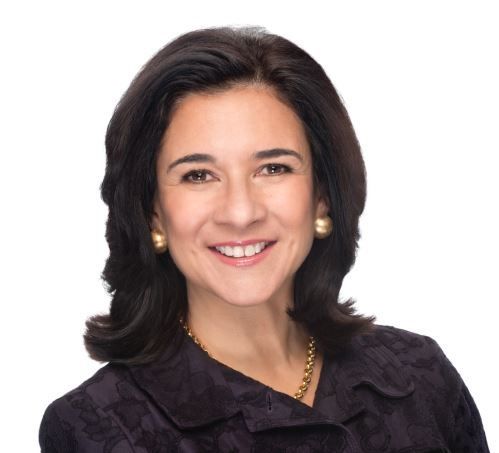
    Maria Oquendo, who chairs Penn’s department of psychiatry, was tapped to lead the strategic committee for the sixth edition. That will entail developing a road map for the future of the DSM, based on more than a decade of advances in research and patient care.

    “I am very honored and also very daunted,” Oquendo said.

    The group has proposed creating a “living DSM,” changing the manual’s name, and making diagnoses more “person-centered.”

    There are subcommittees focused on the socio-economic, cultural, and environmental determinants of health, the biological factors behind mental health conditions, symptoms spanning multiple conditions, and functioning and quality of life.

    Past DSM updates have similarly introduced sweeping changes — including changing how autism is diagnosed and adding “prolonged grief disorder” as a condition.

    The manual is commonly used by mental health professionals, researchers, insurance companies, and the legal system.

    The committee wants to make sure a small change doesn’t cause drastic ripple effects for the public, such as disqualifying people from insurance coverage or altering “the standard for deeming someone not criminally responsible,” Oquendo said.

    “If it has a big impact, then the rationale has to be extremely robust,” she emphasized.

    The Inquirer spoke with Oquendo about what changes could be coming in the next edition of the DSM in a conversation lightly edited for length and clarity.

    Maria Oquendo, who chairs Penn’s department of psychiatry, was tapped to lead the strategic committee for the next edition of the DSM.Courtesy of Penn Medicine
    What is the DSM?

    The DSM is a clinical manual intended to help clinicians make diagnoses.

    It provides not only a list of all of the diagnoses but also descriptions that include some background information like family history. Importantly, it makes sure that when I, as a clinician, am talking about obsessive compulsive disorder, the person who’s listening to me knows exactly what I’m talking about.

    The reach of this book is quite global, and in many places such as Western countries, it’s used as the primary diagnostic tool.

    What changes are you hoping to make with the new edition?

    There are people who refer to the DSM as the Bible. It’s not the Bible. At best, it’s a dictionary. And what we want to do is increase focus on contextual factors that are important for making a diagnosis. Ideally a person-centered explanation is about not only what the disorder is, but what’s contributing to it. We know that socio-economic, cultural, and environmental factors are super important for mental health.

    If you’re assessing someone, knowing about that can be really helpful to understanding that person and where they are coming from.

    As an example, if somebody comes from a culture like my culture (Puerto Rico), where people have very strong connections with the deceased, sometimes they experience the deceased person’s presence or hear them talk, especially at night. That could be construed to be hallucinations, and yet in the context of not only my culture but many cultures, that would be completely normative.

    What other changes are being considered?

    We are very focused on making sure that functioning and quality of life get the attention that they deserve. There are some people who have lots and lots of symptoms, and they’re happy as a clam. The amount of distress that a person feels can vary quite significantly, and it’s very relevant in terms of not only diagnosis but treatment planning. What are the best interventions to help that person get better?

    We also have a section on biomarkers and biological factors. That’s really important because, to date, the DSM has been kind of agnostic about what the contributors to mental disorders are. But we know that there are biological contributors, and we also know that the environment is extremely important, and it’s the interaction of those two things that is critical in terms of whether an individual manifests a mental disorder or not.

    What do you mean by biological factors?

    I don’t necessarily only mean things like genetics and predisposition. Experiences like trauma can change our biology. We know that the stress response system in the brain can change very dramatically after trauma. That’s another biological contributor to a mental disorder that is not innate.

    Another proposed change is to encourage broader diagnoses. Can you elaborate on that?

    Historically, the DSM has encouraged precise diagnosis to the extent that it’s possible. But we think that in most first encounters, it’s very common not to be sure what the diagnosis is. You may know that a person has a mood disorder of some type, but you may not be sure if they really have bipolar disorder or major depression, as an example. Sometimes it takes time for that to become clarified. You need to get collateral information from loved ones to confirm what’s happening in the environment, or it may take time because you just need the symptoms to evolve.

    We’ve looked at data from insurers, and found that people are using more general diagnoses. What we want to do is provide a platform so that people can start from that, and as they get to know the patient better, refine their diagnosis with more data and more information.

    What about the proposal to change the DSM’s name?

    It’s called the Diagnostic and Statistical Manual because, when it was first developed, the goal was to be able to develop estimates of the frequency of diagnosis, so public services could be planned. But now that’s not what it’s used for at all. We actually are planning to change the name to Diagnostic and Scientific Manual because we want to strongly communicate that this is based on science.

    How could this next update make the manual a “living DSM”?

    The American Psychiatric Association really wants to make sure that this next DSM can stay as up to date as possible. The idea is that there would be a book version, but also an electronic version that would be updated on a periodic basis.

    One of the things that’s really tricky about that is that you want to keep things current — we don’t have to wait 13 years for things to be updated. But if you change things too much, you drive people in the field crazy.

  • The Legionnaires’ outbreak in Philly 50 years ago led to months of mystery — and gave the disease its name

    The Legionnaires’ outbreak in Philly 50 years ago led to months of mystery — and gave the disease its name

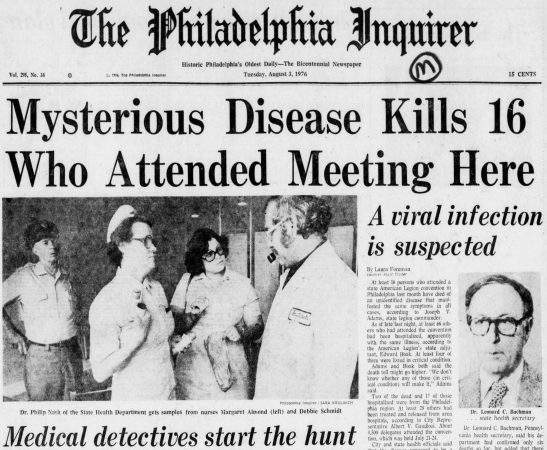
    As Philadelphia wallowed in self-pity over its seemingly botched Bicentennial celebrations 50 years ago, thousands of American Legion members arrived for a late July convention at the Bellevue-Stratford Hotel.

    Weeks later, dozens of them were dead from a mystery ailment, and scores of others were sickened. The victims, authorities said, returned home to develop respiratory infections that in some instances progressed to fatal cases of pneumonia.

    For more than half a year, local and federal health authorities were unable to determine what killed them, resulting in a web of fear, paranoia, and frustration that gripped not only Philadelphia, but also the nation at large.

    This was the infamous Legionnaires’ disease outbreak of 1976, perhaps the blackest of marks on Philadelphia’s record for the year. Today, the disease — known as legionellosis, caused by Legionella pneumophila bacteria — still crops up, most recently in a 50-building outbreak in Manhattan that has so far caused at least seven deaths.

    Philadelphia was not the last, or even the first, city to experience the disease. But that outbreak half a century ago is how it got its name. Here is how The Inquirer and Daily News covered it:

    https://www.newspapers.com/article/philadelphia-daily-news/202696263/

    Article from Aug 3, 1976 Philadelphia Daily News (Philadelphia, Pennsylvania) <!— –>

    The initial outbreak

    About 2,000 American Legion delegates came to town for a convention that ran from July 21 to 24, 1976, at the iconic Bellevue-Stratford Hotel. There were no signs of trouble during the convention, or for several days afterward.

    But by early August, about a week after the convention’s end, 14 Pennsylvania American Legion members were dead of an unclear illness, with their deaths involving “some type of respiratory problem,” reports from the time indicate. Roughly 50 others were reportedly hospitalized.

    Many of the initial victims were from Western Pennsylvania and had traveled to the city, though some Philadelphians were among the sick and dead. All had attended the American Legion convention the month before, officials said.

    https://www.newspapers.com/article/the-philadelphia-inquirer/202696881/

    Article from Jul 17, 1977 The Philadelphia Inquirer (Philadelphia, Pennsylvania) <!— –>

    As officials mounted an investigation that cost the state $25,000 a day, the death toll continued to increase. By mid-August, 29 people were dead and about 200 were sickened, reports indicate.

    The Centers for Disease Control said at the time that the outbreak was “without precedent” in the agency’s 30-year existence, and began conducting laboratory work to determine the cause.

    “We have not seen anything like this take place in such a short period of time,” said Jay Satz, chief virologist with the Pennsylvania Department of Health. “This is something to be quite concerned about.”

    https://www.newspapers.com/article/philadelphia-daily-news/202696483/

    Article from Aug 9, 1976 Philadelphia Daily News (Philadelphia, Pennsylvania) <!— –>

    Conspiracies reign

    Health officials largely expected the cause to be a then-long-awaited epidemic of swine flu, which had killed a soldier at Fort Dix in New Jersey earlier in the year, and focused much of the investigation on identifying that disease, reports indicate. Other possible causes, including toxins such as nickel carbonyl, were also considered.

    But public speculation about the cause, as well as how the disease arrived in the city, ran rampant. Or, as The Inquirer put it at one point, there were more people who had “their own ideas on what is causing the mysterious disease than there are Kennedy assassination conspiracy theories.”

    Inquirer readers wrongly blamed everything from pigeon droppings to contaminated ice. One person claimed the trash piling up on city streets, thanks to a municipal worker slowdown at the time, was the reason. Another contended shellfish was the cause, noting that “mostly men had been stricken because women don’t like shellfish.”

    Others believed the cause was more nefarious. Surely the disease had come from communists from Ecuador or Poland, who intentionally spread it to American Legion members. No, it was a sneak attack staged by the potentially disruptive activist groups Mayor Frank Rizzo had warned about.

    The American Legion, meanwhile, did not believe foul play was involved — nor did investigators, who said no evidence supported any of these theories. The truth, it seemed, was far less salacious.

    The Bellevue closes

    As worry over the illness wore on, the Bellevue-Stratford hotel itself also fell victim to the disease’s impacts, closing in November 1976.

    Though investigators avoided directly implicating the hotel early on, it suffered severe financial damage. Reservations collapsed into single-digit occupancy percentages, resulting in losses of up to $10,000 per day, reports from the time indicate. William G. Chadwick, the hotel’s vice president and general manager, said business had been devastated.

    https://www.newspapers.com/article/philadelphia-daily-news/202696555/

    Article from Nov 10, 1976 Philadelphia Daily News (Philadelphia, Pennsylvania) <!— –>

    “We have found it impossible any longer to withstand the economic impact of the worldwide adverse publicity which has been associated with the Legionnaires’ disease,” he said.

    By then, the Bellevue had operated for more than 70 years and was considered a jewel in the city’s hospitality crown. Its closure, Rizzo said, was a “great loss,” and he vowed the property would host a new, modern hotel to fill the gap. Today, it is a mixed-used development at 200 S. Broad St. that includes a hotel portion.

    Philadelphia’s Bicentennial tourist business also suffered, with several conventions canceling their bookings over fear of the illness, significantly affecting what was expected to be a banner year for visitors. Public perception erred on the side of avoiding the city, which some local officials tried to rebut.

    https://www.newspapers.com/article/philadelphia-daily-news/202696766/

    Article from Aug 19, 1976 Philadelphia Daily News (Philadelphia, Pennsylvania) <!— –>

    “We are still a safe city,” said Eugene Hosmer, director of the Philadelphia Convention and Visitors Bureau, noting the disease struck just as low civic self-esteem seemed to be fading. And then, “we’re hit with this.”

    Robert Jacob, manager of the Penn Center Inn and head of the Greater Philadelphia Hotel Association, put the illness’ impact more dramatically.

    “We’re being crucified,” he said.

    A break in the case

    Investigators searched for months for the disease’s cause to no avail, facing substantial criticism — including a congressional subcommittee hearing during which their efforts were labeled an “embarrassment,” according to reports from the time.

    But in January 1977, after tens of thousands of tests, investigators identified the culprit. The deadly Legionnaires’ disease, the CDC found, was caused not by a toxin or virus, but a bacterium. One so strange and unknown, lab workers and scientists had missed it for months.

    https://www.newspapers.com/article/the-philadelphia-inquirer/202696612/

    Article from Jul 17, 1977 The Philadelphia Inquirer (Philadelphia, Pennsylvania) <!— –>

    Credited with its discovery was Joseph McDade, then a CDC microbiologist in the agency’s leprosy and rickettsia laboratory. On a hunch after receiving a routine report, McDade reexamined slide samples and decided to look for unfamiliar microbe shapes. And he found them — and they appeared not only in samples from Philadelphia, but also in past unsolved outbreaks.

    The disease was found to be present in samples from a 1965 pneumonia outbreak at St. Elizabeth’s Hospital in Washington, in which 18 people died, and a 1968 one that sickened 144 people at a Pontiac, Mich., health department building. Additionally, the illness had struck a 1974 Independent Order of Odd Fellows convention in an outbreak that killed two people — also held at the Bellevue-Stratford.

    https://www.newspapers.com/article/the-philadelphia-inquirer/202696954/

    Article from Jul 17, 1977 The Philadelphia Inquirer (Philadelphia, Pennsylvania) <!— –>

    Investigators later determined the 1976 outbreak had been spread via airborne water mist from the hotel’s air-conditioning cooling towers. The towers allowed the bacteria to grow and be spread to convention attendees, as well as some individuals who had traveled near the hotel, investigators found.

    “We are dealing with a very real phenomenon which has been present in the past but has never been recognized,” said CDC director David Sencer in 1977. “We now know what to look for.”

  • Uninsured but undaunted, a surgical patient searched the globe for a deal

    Uninsured but undaunted, a surgical patient searched the globe for a deal

    Around the end of last year, Ronmel Rangel, 63, began to feel a familiar discomfort in his lower abdomen. Twenty-five years earlier, while living in his native Venezuela, he had undergone surgery to repair a hernia on the right side of his groin.

    Now, the same pain had returned — on the left.

    This time, Rangel was in the U.S. and lacked health insurance. In 2019, he moved to Portland, Maine, where one of his daughters lives.

    As a green-card holder, he qualified to purchase health insurance through the Affordable Care Act marketplace. But he quickly realized that the premiums for someone his age were beyond his budget. He decided to go without insurance, even though it had been a priority for him.

    Instead, Rangel signed up for a plan at a concierge practice where patients pay as little as $70 a month for services, including unlimited office visits and minor procedures such as stitches and biopsies.

    But when Rangel was diagnosed with a hernia, surgery became unavoidable. Ben Hagopian, his primary care physician, helped him compile a list of hospitals and surgical centers to consider. Rangel has a PhD in management, a field he pursued while serving in the navy in Venezuela. Armed with that knowledge and a naturally inquisitive mind, he began researching prices.

    His efforts paid off when the bill came.

    The medical service

    Rangel had what is called an inguinal hernia, which occurs when the contents of the abdomen bulge through a weak spot in the lower abdominal wall. The condition is relatively common, particularly among older adults.

    In most cases, surgery is required to fix the muscle wall and can be performed as an outpatient procedure. There are three main surgical approaches to repair an inguinal hernia: open, laparoscopic, and robot-assisted. Studies have shown that the three approaches have similarly low rates of hernia recurrence and are safe and effective.

    Rangel underwent an open repair, an approach often preferred by physicians for recurrent hernias. He said his operation lasted less than two hours, and he walked out of the surgical center shortly afterward.

    The bill

    $2,900: The flat rate Rangel ultimately paid for his hernia repair at an outpatient surgery center in Maryland, including the surgeon’s fee and anesthesia. He said he also paid around $1,800 to travel to the surgery center from his home in Maine, including airfare, meals, and lodging for him and his wife.

    The billing problem: No insurance — but time to shop

    Because Rangel did not have insurance, he had no protections from high costs — except time and his ability to shop for an acceptable price for his procedure.

    Rangel’s first stop was a nonprofit hospital close to home. He scheduled a consultation with a surgeon with MaineHealth, the state’s largest health system, and received an estimate showing it would cost approximately $23,000 to repair his hernia laparoscopically.

    Laparoscopic procedures generally cost more because surgeons use more advanced tools. Still, the average laparoscopic inguinal hernia repair costs nearly twice as much at a hospital as it does at an ambulatory surgery center for a patient covered by Medicare, which pays $5,280 for the hospital-based option.

    “I wasn’t going to mortgage my life just to have surgery and spend the next 30 years paying off the debt,” said Rangel, now 64.

    So, he kept shopping. He considered a surgical center in Oklahoma that was far cheaper, but he ultimately ruled it out because it was so far away. He also explored traveling to Universidad de los Andes in Santiago, Chile, where another of his daughters lives. There, his hernia repair would have cost about $7,000, but once he added thousands of dollars in travel expenses, that option no longer made financial sense.

    Gerard Anderson, a professor who analyzes healthcare spending at the Johns Hopkins Bloomberg School of Public Health, said patients without health insurance are often the ones hit hardest by wide price variations.

    A closer look at any hospital bill helps explain why. “Every hospital is different,” he said, “but generally about half of the total charge is the facility fee,” a charge added to hospital care to help cover overhead costs.

    Anderson said hospitals often mark up prices far more than smaller facilities do.

    Medical billing researchers say the price gap between hospitals and ambulatory surgery centers partially reflects the higher overhead costs of operating a hospital.

    Hagopian, Rangel’s physician, acknowledged that hospitals have higher administrative expenses. “But that doesn’t explain the high costs.”

    MaineHealth declined to comment to KFF Health News, directing questions about the hospital-based procedure’s cost to Jeffrey Austin, president of the Maine Hospital Association.

    Austin said that, unlike surgery centers, hospitals must absorb the costs of providing “money-losing” services, such as behavioral healthcare and care for Medicaid patients. He added that revenue generated by large hospitals in a health system supports other facilities, improving access to care.

    Hospital prices, which can vary widely, are also driven by negotiations with insurers and market concentration. For uninsured patients, those list prices can become the starting point for negotiations — or the full amount owed.

    Anderson noted that standardized payment rates exist for Medicare and Medicaid but not for most privately priced medical services. “In the private sector, providers can charge whatever they want.”

    The resolution

    Rangel has another daughter in Argentina, a son in Venezuela, and other family in Spain. But he decided to stop looking around the globe for a good price, because he finally found what he was looking for in Maryland.

    In April, he traveled to the Affordable Hernia Surgery center in Rockville, where he said “an efficient, well-coordinated system” guided him through the entire process.

    “I received professional and very human care,” Rangel said. He was fully recovered within two weeks, as his surgeon predicted, he said.

    The surgery center charged Rangel a flat fee for his hernia repair. The added travel expenses for the two-day trip with his wife went toward airline tickets, transportation, meals, and one night in a hotel.

    Rangel said he paid about $4,700 total.

    Alan Kravitz, the surgeon who performed Rangel’s operation, said the price difference uninsured patients face compared with insured patients is far from fair. “In the predatory and strategic world of U.S. healthcare pricing, uninsured patients generally get charged more than providers would accept from Medicare or commercial insurance.”

    Kravitz then pulled out an estimate another patient had received for an inguinal hernia repair from a different large health system. The price: $37,000.

    The takeaway

    Without insurance, many patients are on their own to negotiate.

    “With the help of their primary physicians, patients can dig into prices and compare their options to avoid falling into medical debt,” Rangel said.

    That approach, however, is most feasible for elective procedures with several surgical options offering comparable outcomes.

    Patients facing medical emergencies do not have the luxury of comparing prices before seeking care, though many hospitals offer cash-pay discounts or charity care for those paying without insurance.

    Billing analysts say patients who do have time to shop should look beyond cost alone. They recommend checking the quality of hospitals and surgical centers by reviewing publicly available ratings and patient reviews. Research has found that higher prices do not necessarily translate into a better quality of care, but it’s also important to select a reputable care provider.

    Comparison shopping for medical care can be time-consuming. But for patients facing elective procedures, the effort can pay off — sometimes saving thousands of dollars.

    “This was a learning experience for me,” Rangel said, “and I hope it will be for other people, too.”

    Bill of the Month is a crowdsourced investigation by KFF Health News and The Washington Post’s Well+Being that dissects and explains medical bills.

    KFF Health News is a national newsroom that produces in-depth journalism about health issues and is one of the core operating programs at KFF — the independent source for health policy research, polling, and journalism.

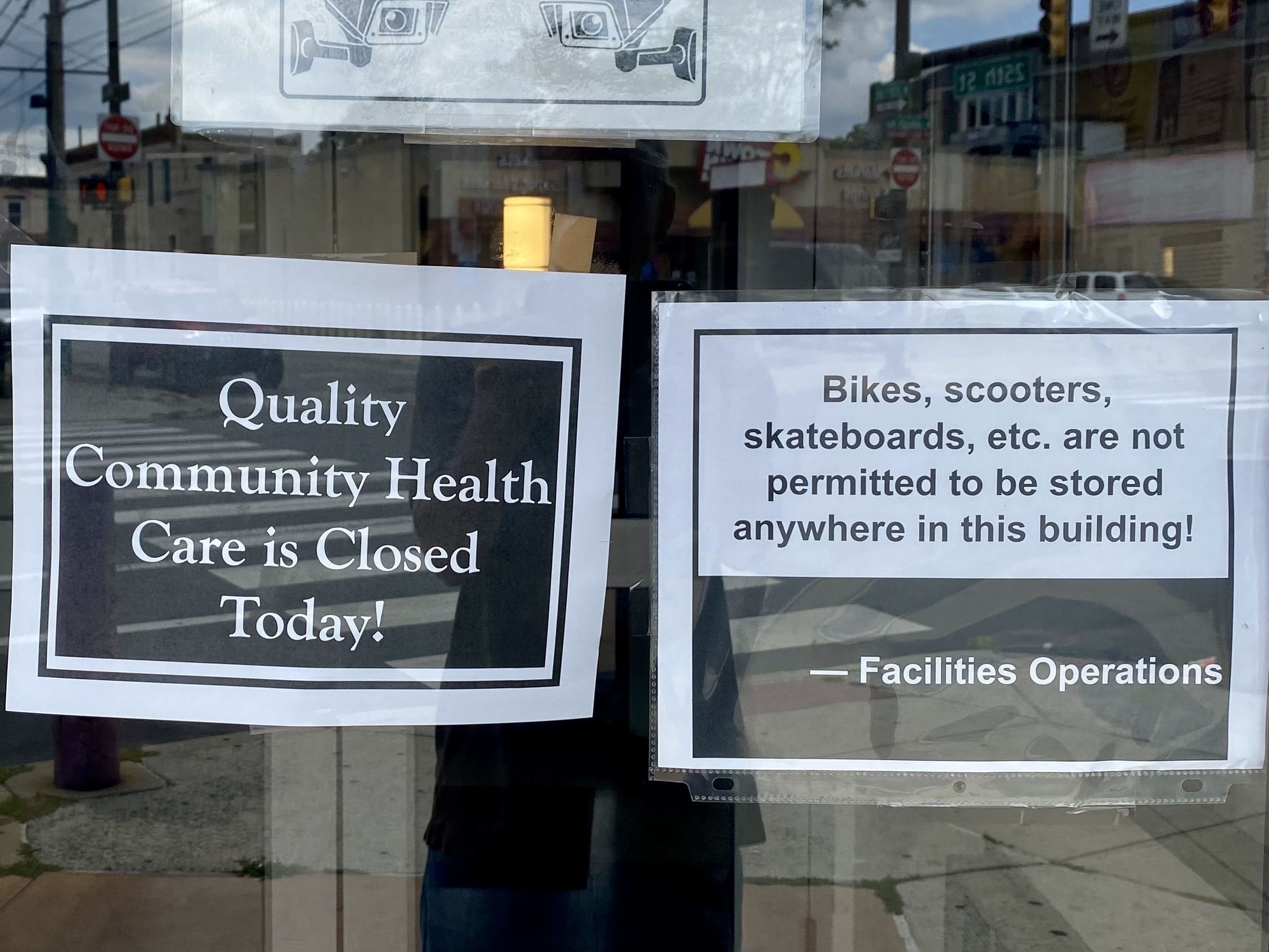
  • Quality Community Health Care’s financial troubles have deepened this summer

    When Pele Lewis arrived at Quality Community Health Care’s clinic in North Philadelphia Wednesday for his 1:30 p.m. appointment, he found the doors locked and a sign saying the clinic was “closed today.”

    Lewis was puzzled. “They called me this morning” with a reminder to come in, he said, as he stared at the door.

    The clinic, known as QCHC, was closed Thursday and Friday, as well, according to its phone message.

    “For many of our patients, QCHC is far more than a medical office,” its CEO, Helen Wilkinson, said in an email. “Members of our community are treated with dignity and respect regardless of their ability to pay.”

    She did not answer specific questions.

    The clinic at 2501 W. Lehigh Ave. began operating in 1981 under a federal program designed to provide medical and dental care in neighborhoods with few other options.

    Its troubles became public in the spring.

    After years of warnings from federal regulators that the clinic was delinquent on its audits, officials took the rare step in March of suspending it from the federally qualified health center program. At that time, audits for the years 2021 to 2024 were overdue. Now, the same is true for 2025. Typically such audits are due nine months after the fiscal year ends.

    Quality Community Health Care Inc., at 2501 W. Lehigh Ave. in North Philadelphia, was closed Wednesday. Management did not respond to emailed questions about the clinic’s status.Harold Brubaker / Staff

    A new audit

    In a small sign of progress, Quality Community Health Care last week posted an audit for the fiscal year that ended July 31, 2021, on a federal audit clearinghouse. Federal regulators had given a May 2 deadline to complete that audit or risk termination.

    The fiscal 2021 audit pointed to significant problems.

    “None of the data in it can be verified by the auditor,” said Steven Balsam, a professor of accounting at Temple University’s Fox School of Business.

    The auditor put it this way in the filing: “Because of inadequacies in QCHC’s accounting records, we were not able to obtain sufficient appropriate audit evidence for the amounts” stated in numerous categories of the financial statements.

    “I don’t know if just filing reports, if they look like this, is going to get them their funding back,” said Balsam, who reviewed the audit at The Inquirer’s request.

    The federal Health Resources and Services Administration, which regulates federally qualified health centers, has not responded to questions about QCHC since the suspension.

    Missed paychecks

    Some employees were not paid on July 10 and July 24, according to an email from the organization’s chief financial officer to staff Monday. This followed the organization not receiving the main federal funding for health centers, known as Section 330 grants, CFO Denise Ingram wrote.

    “QCHC is experiencing significant cash flow constraints following the suspension of 330 grant funding associated with the unresolved FY2021 audit submissions requirements,” Ingram wrote in the email obtained by The Inquirer.

    “QCHC remains committed to paying employees for all wages earned. Leadership continues to pursue funding, financing, and other lawful alternatives to address outstanding payroll obligations and restore normal operation,” the email said.

    Ingram did not respond to an emailed request for comment.

  • Bayada Home Health Care’s new CEO Bryony Winn wants to provide higher levels of care at home

    Bayada Home Health Care’s new CEO Bryony Winn wants to provide higher levels of care at home

    Bryony Winn became the CEO of Pennsauken-based Bayada Home Health Care in March after a career at two big Blue Cross health insurers and at the consulting firm McKinsey & Co.

    Those experiences, she says, prepared her to take the reins at one of the nation’s largest home health companies at a time when Bayada is wants to increase the intensity of its home care offerings — and get insurers to pay for it.

    “Hospitals are full,” and patients want to be at home, said Winn in an interview this month at Bayada’s headquarters in Pennsauken.

    The company, whose founder Mark Baiada converted it to a nonprofit in 2019, operates in 22 states and five additional countries, employs 44,000 people, and had $2.2 billion in revenue last year.

    Winn, Bayada’s first non-family CEO, grew up in Zimbabwe and went to college in South Africa. “Being around so many challenges and so much opportunity every day in the developing world, I always had a sense that I wanted to do things that made lives healthier,” she said.

    When she came to the United States in 2009 to work as a consultant in Chicago, it struck her how specialized and disconnected healthcare is here. “In the developing world, there’s not enough trained people, so it’s a much more connected system around patients and humans,” she said.

    The Inquirer spoke with Winn about the importance of taking care of people at home as the nation’s healthcare providers come under increasing financial strain. Questions and answers have been lightly edited for length and clarity.

    How did your jobs at McKinsey and at Blue Cross of North Carolina and Elevance Health prepare you to lead one of the nation’s largest home healthcare companies?

    I learned a lot about the U.S. healthcare system and became more and more convinced that this lack of connection was driving unsustainable cost, and I still think it’s driving unsustainable cost. Pre-COVID, I used to say affordability is the greatest healthcare crisis of our time. Then COVID really was for a while, and I think we’re back to that now. The quality of care here is amazing if you have a really rare form of cancer. I’d prefer for it to be treated in some of the amazing institutions here than anywhere else in the world. But if you are just a typical person, and especially an aging person here with two or three chronic conditions, you are pushed from pillar to post across a system who doesn’t ever see you as a human being.

    (function(){function e(){window.addEventListener(`message`,function(e){if(e.data[`datawrapper-height`]!==void 0){var t=document.querySelectorAll(`iframe`);for(var n in e.data[`datawrapper-height`])for(var r=0,i;i=t[r];r++)if(i.contentWindow===e.source){var a=e.data[`datawrapper-height`][n]+`px`;i.style.height=a}}})}e()})();

    What do you think you can accomplish at Bayada, which was founded more than 50 years ago, to address that connectivity issue?

    What I can bring to it is really understanding the place of home health in the entire healthcare ecosystem. This is the place where clients and patients want to be; they want to be in their homes. And so the question I’m asking is not what are the kinds of conditions that should be addressed at home, but rather flip that on its head and say, what are the kinds of capabilities you need in the home to be able to address things for clients who want to be there?

    What’s happening now that makes it so important to solve this problem?

    For two decades in healthcare, we’ve been talking about people aging into Medicare. Ten thousand people a day aging into Medicare. Now 10,000 people a day are 20 years older. They’re aging into 85 every day. Because it’s not a change in insurance, it doesn’t generate the same conversation. But it’s a huge change in health status. We now have all of these seniors with two or three chronic conditions, and with a decent chunk of life expectancy still. The delivery system really needs to shift in how we care for these folks.

    What has to change?

    One thing that’s needed is a collection of multiple services in the home. Very rarely do you need just skilled nursing. You need skilled nursing and a home health aide and potentially wound care. That requires care management, a much more connected ecosystem, versus what is today much more a siloed set of services. The second thing is we just need more intense care at home. We have done this quite successfully, and we’re doing it even more now around NICU babies [in partnership with Children’s Hospital of Philadelphia and insurers Highmark and Independence Blue Cross].

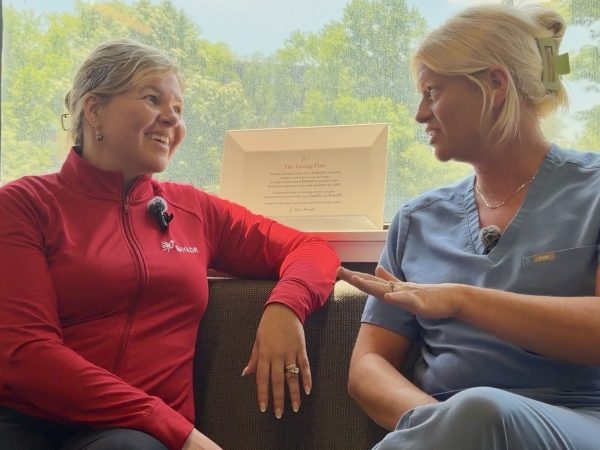
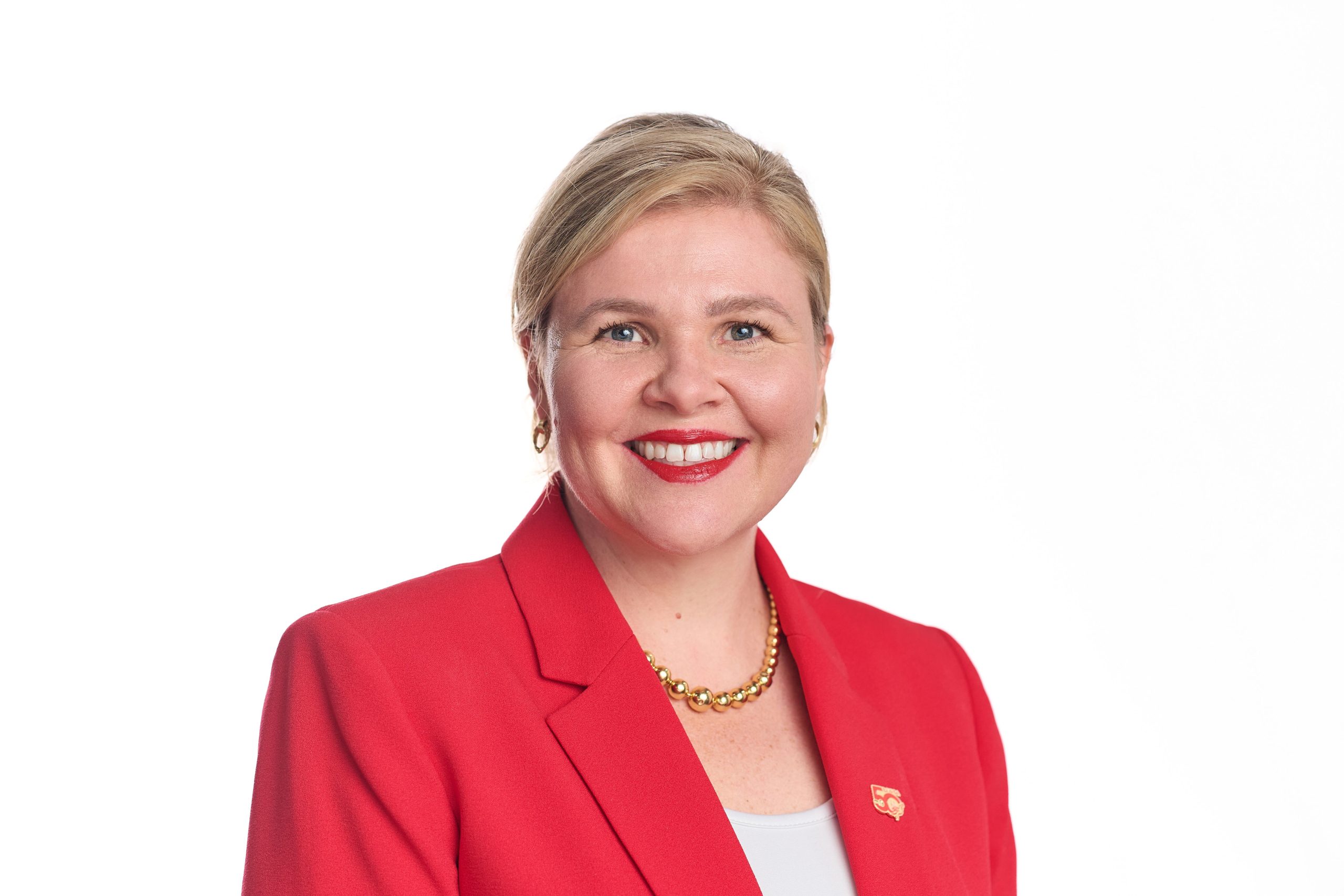
    Bryony Winn, who became Bayada’s CEO in March, said her background in health insurance will help the nonprofit expand by finding ways to get paid for new services.Bayada Home Health Care
    Do you see Bayada playing a broader role in health systems’ hospital at home programs?

    I do. We can serve higher-intensity patients at home with more complex care needs, and we do a lot of this today. We’re just not really paid for it, or it’s not the service that we’re meant to provide. So it’s really, how can we more sustainably do this high-intensity work at home? That’s a shift for us. Our clients want it. Wound care at home is hard. It’s one of the biggest reasons for readmission back into the hospital after post-acute discharge. How we can build really strong clinically evidence-based wound care capabilities is one of the big pieces that we’re looking at in this elderly population.

    Providing more intensive care has higher costs. How do you convince insurers to pay more, especially given the prevalence of Medicare and Medicaid in home health?

    There is not a ton of wiggle room, but this is where my background helps. I’ve worked on the payer side for a long time. They truly care about affordability and quality as well, and so it’s really working together to say how does what we need for our caregivers, clinicians, and ultimately clients map with what you can afford, and how do we build this together? I’m not sure home health has ever had those conversations as intently as we need to have them now. It’s a very fragmented industry. Hospitals have been having these more strategic conversations with health insurers for decades.

    Editor’s note: The caption with the main photograph has been updated to correct the name of the person Winn is speaking with. It’s Lillian Floyd, a nurse with Bayada’s Camden County Visits unit.

  • Ten months of inspections at Nazareth Hospital: July 2025 – April 2026

    Ten months of inspections at Nazareth Hospital: July 2025 – April 2026

    Violations between July 2025 and April of this year.

    The hospital is located in Northeast Philadelphia and is part of Trinity Health Mid-Atlantic.

    Here’s a look at the publicly available details:

    • July 1, 2025: Inspectors came to investigate a complaint but found the hospital was in compliance. Complaint details are not made public when inspectors determine it was unfounded.
    • Feb. 18, 2026: Inspectors came to investigate a complaint but found the hospital was in compliance.
    • April 13: Inspectors visited for a special monitoring survey and found the hospital was in compliance.
  • Federal officials abruptly cut funding for a teen pregnancy prevention program in Philadelphia

    Federal officials abruptly cut funding for a teen pregnancy prevention program in Philadelphia

    Federal health officials last month abruptly cut funding for a teen pregnancy prevention program in Philadelphia — despite approving the program’s curriculum last year, its leaders said.

    AccessMatters, the reproductive health nonprofit that ran the program for more than 1,200 students in charter schools across the city, had a five-year grant, about $1 million per year, to teach students about pregnancy prevention.

    But, in a June letter, federal officials terminated funding two years early, saying the program was “normalizing adolescent sexual activity,” said Ayana Bradshaw, AccessMatters’ president and CEO.

    AccessMatters was one of dozens of organizations around the country that had received funding under a federal teen pregnancy prevention grant program. Nearly all have now been informed that they are losing their funding, Bradshaw said.

    Representatives of the U.S. Department of Health and Human Services did not respond to a request for comment.

    Staff at AccessMatters are still figuring out their next steps in the wake of the funding cuts.

    Federal officials took issue with a portion of the program’s curriculum about using condoms, said India Blunt, AccessMatters’ director of training and capacity building.

    But, she said, that curriculum had already undergone a rigorous approval process from the Trump administration.

    In April 2025, HHS officials had asked AccessMatters to review its curriculum and programming and edit it to align with the new administration’s priorities. The curriculum was approved, AccessMatters staff said, only to have the funding pulled just over a year later.

    “[The cuts were] shocking largely because we were using approved curriculum,” Blunt said. “We made adaptations to the curriculum to be in alignment. We were following the procedures, protocol, and program expectations to a T.”

    Blunt said the program provides students with medically accurate information about HIV and other sexually transmitted infections, good hygiene practices, and puberty. Program staff also discuss healthy relationships, communication, and consent with students.

    The curriculum is aimed at delaying teenagers from having sex, and includes tactics for how to refuse a partner, Blunt said.

    But in Philadelphia, which has a teen pregnancy rate twice that of the state average, it is crucial to provide teenagers with accurate sex education, AccessMatters staff said, including discussion of all options to prevent pregnancy.

    Surveys conducted at 32 Philadelphia public high schools in 2025 showed that just under a third of surveyed students reported that they had had sex. About 40% reported using a condom during their last sexual intercourse. Fewer than one in five reported that they had been tested for sexually transmitted infections.

    “I don’t know how you talk about pregnancy prevention and not talk about condoms. You need to understand what the actions are — there are many, from abstinence to how to use a condom,” Bradshaw said.

    “These are not programs meant to promote sexual activity, but programs that are meant for youth to understand what actions are available for them to prevent pregnancy.”

    The administration is now soliciting new grant proposals for teen pregnancy programming that must emphasize abstinence as the only way to prevent pregnancy, stressing “the importance of marriage and procreation” and “[instructing] young people how to safeguard their fertility,” the New York Times reported earlier this month.

    Several programs that lost funding have filed lawsuits to block the cuts.

    The abrupt funding cuts have put jobs at AccessMatters at stake, officials there say.

    “It has a disastrous impact on AccessMatters program staff, as well as community partners,” Bradshaw said. “Of course, most of all, it’s a devastating loss for adolescents in Philly.”

    President Donald Trump’s administration has targeted funding at AccessMatters in the past. The nonprofit oversees Title X funding in the Philadelphia region, helping people without sufficient health insurance to access contraceptives, sexually transmitted infection testing, cancer screenings, and vaccinations.

    The administration froze funds for four months last year for AccessMatters and hundreds of other organizations while it investigated compliance with the administration’s directives on immigration and diversity, equity, and inclusion.

    Trump has argued that DEI programs discriminate against white people, and his administration has targeted federal grants that support research on health equity and threatened universities with funding cuts based on their DEI policies.

    AccessMatters’ Title X funding was eventually restored late last summer, without the nonprofit having to change its policies. But the clinics it funded were hit hard by the freeze, in some cases laying off staff, shouldering extra costs, and helping patients find affordable medication elsewhere.

    “We’re still assessing the overall impact to the organization,” Bradshaw said of the June funding cuts. “There was no notice, no time to even plan for this.”