
Category: Health

  • What doctors want you to know about ‘catch-up’ sleep

    What doctors want you to know about ‘catch-up’ sleep

    You’ve spent Monday through Friday running on five hours of sleep, working late nights, and waking up early just to do it all over again. On Saturday, you get 12 glorious hours of shut-eye and feel instantly refreshed when you wake up. You’re all caught up on your sleep, right?

    Actually, not quite. The idea that a single morning or weekend spent logging extra hours in bed can wipe away a week’s worth of sleep deprivation is one of the most persistent sleep myths out there.

    Here’s what sleep experts wish everyone understood about how “catch-up” sleep actually works and why your z’s can’t just be topped off like a gas tank.

    Sleep debt explained

    Sleep debt is essentially the difference between how much sleep your body needs and how much it gets, according to Kimberly Fenn, professor of cognition and cognitive neuroscience at Michigan State University. Put another way, it is the cumulative amount of lost sleep an individual has experienced.

    In general, you should aim to get at least seven hours of sleep each night, and most people need between seven and nine hours of sleep to function well the next day, said Ulysses Magalang, board-certified physician and director of the Sleep Medicine Program at Ohio State University. The ideal amount for you is whatever allows you to wake up feeling rested and like you have enough energy to make it through the day, according to Fenn.

    Each night you don’t sleep a sufficient amount, it adds to the “debt,” Fenn explained. For example, if you need eight hours of sleep every night to feel your best and on Sunday night you sleep for only six hours, on Monday, you’ll have a debt of two hours. If this pattern continues all week, then by Saturday, your cumulative amount of sleep debt would be 10 hours.

    Short-term side effects of not getting enough shut-eye include tiredness, trouble concentrating, difficulty paying attention, irritability, and memory impairment, Magalang said. Long-term sleep deprivation is associated with health issues such as a weakened immune system, high blood pressure, heart disease, stroke, increased inflammation, cognitive impairment, and insulin resistance, according to research.

    There’s also some evidence to suggest that people who consistently get fewer than six hours of sleep each night have shorter lifespans than those who get more than six hours of sleep each night.

    Why catching up on sleep isn’t the best strategy

    While you might feel refreshed in the short-term after a morning of sleeping in, changing your bedtime and wake-up time drastically can make you feel even groggier or more fatigued, according to Fenn. “Sleep consistency is important for feeling well rested, and straying too far off course can throw off your internal clock,” she said.

    She emphasized that maintaining the same bedtime is especially important. If you go to bed at your normal time but have accumulated sleep debt, you can let yourself sleep an additional hour or so in the morning.

    “Typically, due to the strength of the circadian rhythm, unless there are other factors involved — like alcohol or other drugs, or extreme sleep loss — most people won’t sleep more than an hour past their habitual wake time,” Fenn said.

    But your health might still be compromised, depending on the severity of your sleep debt, according to Fenn. For instance, a small 2019 study in Current Biology found that a weekend of recovery sleep isn’t a good way to prevent the metabolic damage associated with chronic sleep deprivation.

    “We know that sleep deprivation is associated with high blood pressure, but there’s really no definitive study that says if you have developed high blood pressure [due to chronic lack of sleep], and then you lengthen your sleep, your high blood pressure will be reversed,” Magalang added.

    Additionally, sleep consistency is just as important for your health as the amount of sleep you get, according to Magalang. Sticking roughly to the same bedtime and wake time daily is essential for aligning your body clock, or circadian rhythm, which moderates everything from hormone levels and metabolism to digestion. One large study found that people with the most irregular sleep schedules were 26% more likely to experience a major cardiovascular event, including heart attack and stroke. Another linked irregular sleep to a higher risk of early death compared to those with consistent routines.

    What to do instead

    The best way to combat the health effects of sleep deprivation, according to both experts, is to do your best to aim for that sweet spot of seven to nine hours of shut-eye each night. Prioritizing sleep isn’t always possible though, Fenn acknowledged.

    If you do have a few nights where you can’t get the sleep you need and find yourself craving a sleep-in to make up for it, a 20-minute nap during the day can be an effective way to power through the day and maintain your consistent sleep and wake time, according to Fenn.

    “This length is considered optimal because it’s sufficient to increase energy, mood, and attention, but is typically not long enough to get into deep sleep,” Fenn said. With lengthier naps, there’s a high probability that you’ll wake up in the midst of deep sleep and experience sleep inertia, which is a state of grogginess and reduced cognitive and neuromuscular function, she said.

    “That’s why people say that they awake from a nap more tired than they started,” she said. “Being in a state of sleep debt also increases sleep inertia, so taking a long nap after insufficient sleep is even more problematic.”

    Sleep is like any other biological necessity — if you skimp on it here and there, you’ll probably be fine in the long term, Fenn said. Your body is resilient and will find ways to manage and forge ahead. But being sleep-deprived for months on end is going to do some serious damage, she said, which is what you want to try to avoid as best as you can.

  • Albert James Mamary, attending physician and professor of thoracic medicine and surgery at Temple, has died at 59

    Albert James Mamary, attending physician and professor of thoracic medicine and surgery at Temple, has died at 59

    Albert James Mamary, 59, of Wynnewood, attending physician and professor of thoracic medicine and surgery at Temple University, researcher, writer, mentor, artist, outdoorsman, craftsman, and amateur bicycling champion, died Thursday, July 9, of cholangiocarcinoma at Temple University Hospital.

    A 1999 graduate of Temple’s Lewis Katz School of Medicine, Dr. Mamary spent his career at Temple and affiliated hospitals. He was an expert in pulmonary disease, transplants, and sleep disorders at the Temple Lung Center, and became program director of the Pulmonary and Critical Care Fellowship at Temple Hospital in 2006.

    He earned a master’s degree in anthropology at the College of William and Mary in Virginia and his premedical school credits at the University of Pennsylvania. In a tribute, his family said: “His education in both medicine and anthropology reflected a lifelong belief that caring for a patient required understanding not only the disease but the whole person.”

    Over more than three decades at Temple — as a student, resident, fellow, professor, and physician — Dr. Mamary treated thousands of patients, mentored hundreds of students and doctors, lectured in classrooms and at seminars, and wrote more than 60 scientific papers and textbook chapters. He was named a top doctor by Philadelphia Magazine several times and was featured in The Inquirer and on 6abc TV for his lead role in a successful double-lung transplant in 2015.

    “It’s been 120 to 145 patients, individual patients that we’ve been able to help every year,” Dr. Mamary told CBS News in 2024. “That’s really the aim here, is to add years of life to patients who otherwise wouldn’t have that opportunity.”

    Colleagues called Dr. Mamary a “physician’s physician” and noted his “amazing intelligence and clinical acumen” in tributes. Gerard J. Criner, chair of Temple’s Department of Thoracic Medicine and Surgery, said: “His patients loved him not only for his clinical skills but also for the warmth, compassion, and humanity he brought to every encounter.”

    A former patient said online: “He was a calm in the storm of my end stage disease. … The world has lost a hero.”

    A former student said: “His kindness, thorough and balanced approach to medicine, and quiet, thoughtful approach to even the most stressful emergencies reminded me of a Jedi master.”

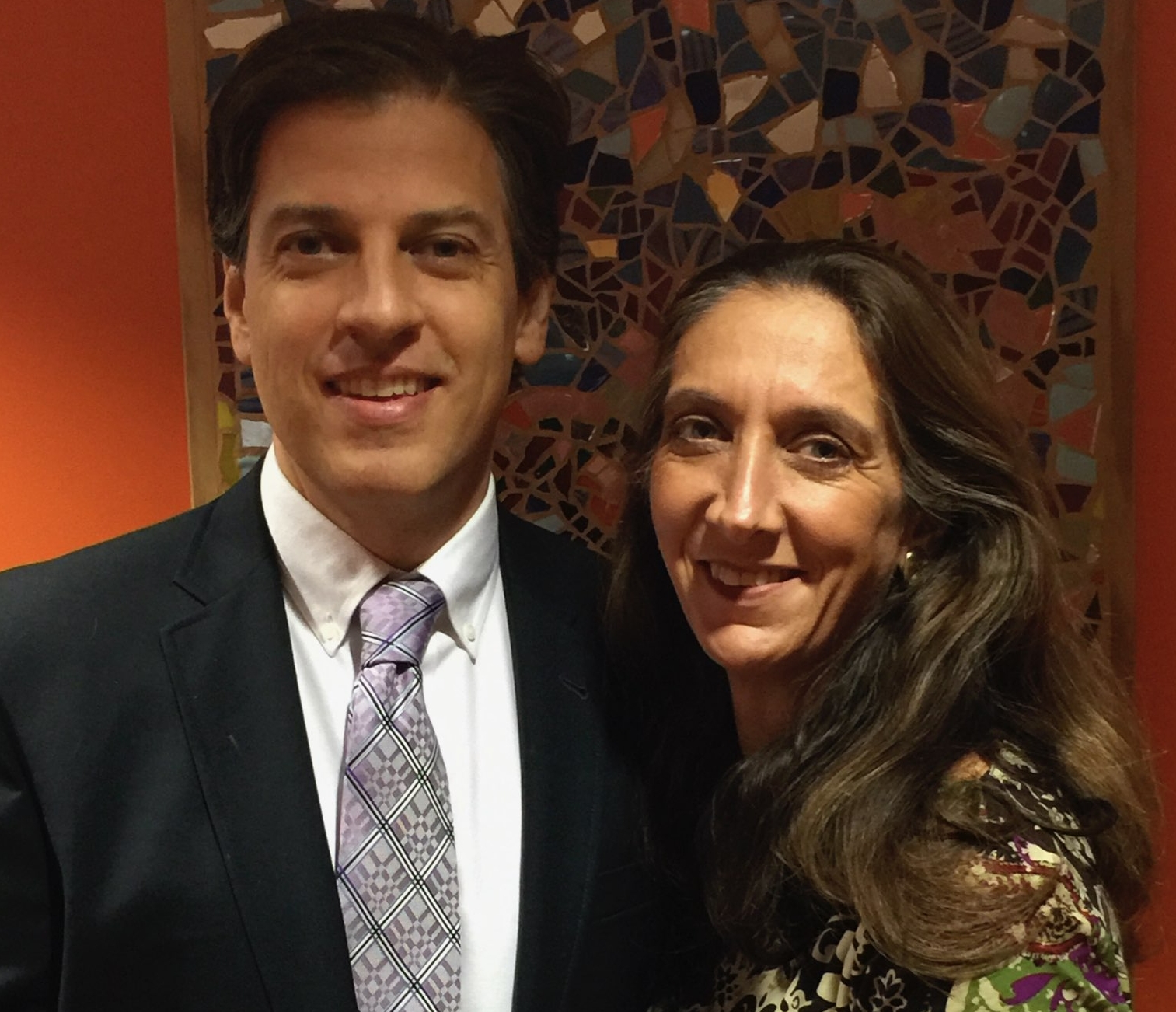
    Dr. Mamary and his wife, CeilaSue, married in 1996.Courtesy of the family

    Away from the hospital, Dr. Mamary liked to bike, hike, and camp. He built his own 18-foot mahogany canoe, walked the entire 272-mile Long Trail in Vermont, and won masters bicycling championship races.

    He also painted and sculpted, and earned a bachelor’s degree in art and psychology at Haverford College. He and his wife, CeliaSue, initiated the Shortridge Memorial Park Arboretum in Wynnewood and earned a 2024 community service award from Narberth and Lower Merion officials.

    “James brought wisdom, kindness, curiosity, and genuine joy to every moment,” his wife said.

    Albert James Mamary was born June 12, 1967, in Hempstead, N.Y. He grew up in Binghamton, N.Y., became an Eagle Scout, and was a wilderness river guide for the Boy Scouts in Maine during his college years.

    Dr. Mamary was an avid bicyclist and won masters championship races. Courtesy of the family

    He met CeliaSue Jaffe in class at Haverford, and they married in 1996 and had daughters HannahRose and LilyRuth. They lived in East Falls and Wynnewood, and he rode his bike from home to Penn and then Temple as often as he could.

    Dr. Mamary enjoyed traveling, baking, cooking, and gardening. “His specialty is fruits and vegetables, and I grow the flowers,” his wife said.

    He followed the Phillies, rescued cats and dogs, and doted on his daughters. Everybody said he was funny and silly.

    “He was curious and always learning or doing something new,” his daughter LilyRuth said. “He took joy in simple things.” His daughter HannahRose said: “Even if he wasn’t my dad I would want him as a friend because he was so interesting and so easy to talk to.”

    Dr. Mamary was a wilderness river guide for the Boy Scouts in Maine during his college years.Courtesy of the family

    Dr. Mamary was diagnosed with cholangiocarcinoma, bile duct cancer, in 2020 and treated by longtime colleagues and friends at Temple, some of whom he had mentored. “It was a profound reflection of the life he lived,” his family said, “that so many of those he had taught ultimately became his caregivers.”

    His wife said: “He was a very vibrant and adventurous person but so thoughtful, steady, and reliable. James was incredible.”

    In addition to his wife and daughters, Dr. Mamary is survived by a sister and other relatives.

    Private services were held earlier.

    Donations in his name may be made to the Albert James Mamary Memorial Fund at the Cholangiocarcinoma Foundation, 5526 West 13400 South, No. 510, Herriman, Utah 84096.

    Dr. Mamary “was a very vibrant and adventurous person but so thoughtful, steady, and reliable,” his wife said. Courtesy of the family
  • A robotic heart surgery specialist was fired by Main Line Health for blowing the whistle on complications, lawsuit says

    A robotic heart surgery specialist was fired by Main Line Health for blowing the whistle on complications, lawsuit says

    A former cardiac thoracic surgeon at one of Main Line Health’s flagship programs says in a federal lawsuit that he was fired after reporting a series of bad patient outcomes.

    Gianluca Torregrossa accuses the nonprofit hospital system in the Philadelphia suburbs of failing to thoroughly investigate a pattern of complications among the patients of another senior surgeon, including one instance that led to a heart transplant.

    The Italian physician attempted to have the cases reviewed multiple times during his tenure, which was just short of five years, but instead Torregrossa was marginalized by hospital leadership, suspended, and eventually terminated before the end of his contract, according to the suit.

    The termination caused issues with the physician’s visa, which required him to return to Italy without his wife and daughter while he got his new visa in order, according to the complaint. Torregrossa, who began working at Cleveland Clinic in June, says he also lost wages during the three-month period and his reputation suffered.

    “Cardiac surgery is a small professional field, and news of his suspension and termination spread nationally and internationally, creating questions about his professional standing despite his clinical outcomes and subsequent employment by Cleveland Clinic,” the suit says.

    Torregrossa’s attorney did not respond to a request for comment.

    The lawsuit, filed July 31 in the U.S. District Court for the Eastern District of Pennsylvania, names only Main Line Health as a defendant. The health system declined to comment on the active litigation.

    “Main Line Health’s Robotic Cardiac Vascularization Program is an important part of our commitment to providing advanced surgical care,” a spokesperson said in a statement. “The program helps ensure patients have access to specialized surgical expertise and innovative, minimally invasive treatment options close to home.”

    Torregrossa was recruited by the Montgomery County hospital system in 2021 to assist in expanding the robotic heart surgery program based at Lankenau Medical Center, the lawsuit says.

    The opportunity to join Main Line Health was lucrative. The surgeon signed a five-year contract starting at $800,000 a year, plus bonus, according to the lawsuit.

    Main Line Health is a national leader in a robotic procedure to replace a clogged artery with a new one, known as coronary artery bypass graft, which is the most commonly performed heart surgery in the United States. But at Main Line it is often performed in an uncommon way.

    The program was led by Francis Sutter, a pioneer of the advanced but controversial technique.

    Shortly after joining Main Line Health, Torregrossa became concerned about the outcomes of patients whom Sutter operated on robotically that the physician believed were preventable, the suit said.

    Torregrossa asked in 2023 for a review of seven of Sutter’s cases, the complaint says, but a team discussed them “only superficially, no meaningful follow-up was initiated, and the pattern of complications involving a single surgeon was not examined.”

    The physician continued to raise concerns over allegedly preventable complications through 2025, as well as ethical breaches in patient assignment at the program, according to the complaint.

    The Inquirer was unable to reach Sutter, who retired in July, based on publicly available records.

    Michael Carboine (left), physician assistant, and Jeff Roman (right), scrub nurse, watches the monitor as lead surgeon Francis Sutter moves the robotic instruments in the patient’s heart on Monday, June 26, 2023. Lankenau Hospital, part of Main Line Health, uses robotic coronary bypass surgeries at a higher percent than other hospitals.Allie Ippolito / Staff Photographer

    Following his internal reports, the suit says, Torregrossa was marginalized by leaders of the program and hospital.

    Human resources opened an investigation into Torregrossa based on a comment he had made in a brief recruitment interview, according to the complaint. The documents do not repeat the comment or provide more context to what was said.

    “That HR event reflected a broader pattern in which routine professional interactions involving Dr. Torregrossa were escalated against him, while more serious concerns involving others, like patient safety, were not meaningfully investigated,” the lawsuit says.

    In November 2025, the hospital system told Torregrossa that his contract would not be renewed past June 30, the suit says.

    Torregrossa continued to push internally for reviews, but his pleas fell on deaf ears, according to the complaint. In January, he submitted an external patient safety report to the Pennsylvania Licensing System and the Joint Commission, a hospital accreditation organization, which conducted a surprise visit to Lankenau shortly after.

    The surgeon also circulated an anonymous letter about the Sutter cases in question, the suit says without saying who were the recipients.

    Sutter’s medical license is active and Pennsylvania Department of State records show no disciplinary history. Lankenau has passed a series of Pennsylvania Department of Health inspections since January that found the hospital in compliance.

    Main Line Health placed Torregrossa on administrative leave in February and barred him from accessing the system’s hospitals and clinics. The system accused him of disparaging the health system during a presentation and engaging in unprofessional conduct.

    The lawsuit says both excuses were false and pretextual, leading to his March termination.

    The complaint accuses Main Line Health of violating the Pennsylvania whistleblower protection law and breaching his employment agreement. It asks for damages in an unspecified amount greater than $75,000.

    “Being removed from practice for approximately three months deprived him of the ability to operate, teach, proctor, maintain case volume, and continue refining a rare and demanding surgical technique,” the lawsuit says.

  • Wildfire smoke is a growing danger to unborn babies, study finds

    Wildfire smoke is a growing danger to unborn babies, study finds

    Amid a summer when wildfire smoke has often filled the skies, a new study is adding to the body of research about the growing impact of fire-fueled air pollution, this time raising the alarm about prenatal health.

    Wildfire pollution has become an increasing proportion of the pollution that pregnant mothers and their unborn babies are exposed to, according to a study published this month.

    The new study by University of Maryland researchers found that out of the air pollution unborn babies are exposed to, the share of exposure to wildfire-generated microscopic air pollution more than doubled between 2003 and 2019.

    The study did not discuss specific health outcomes for the prenatal exposure and births it analyzed, but previous studies have suggested that fine-particulate-matter pollution, known as PM 2.5, caused by wildfires can be more harmful than other forms of air pollution.

    Studies have linked wildfire smoke to poor pregnancy outcomes and a variety of early-childhood health issues. The particles are small enough to enter the lungs and bloodstream, and they have also been linked to lung damage, respiratory disease, and cancers.

    “We know that if we prevent PM 2.5 exposure in the prenatal period, these infants are going to grow to be healthier, more productive adults,” said Michel Boudreaux, an associate professor of health policy and management at the University of Maryland and one of the study’s authors.

    The research also refers to the continued way pollution from wildfires cuts into improvements made in the United States’ air quality in the past two decades.

    Researchers credit the Clean Air Act for reducing pollution from cars and industrial facilities.

    But wildfire smoke has cut into those gains, according to several studies in recent years. A 2023 study found that, since 2016, wildfire smoke has eroded the equivalent of around four years of air quality progress in most of the country.

    Wildfire pollution occurs inconsistently, Boudreaux said, flaring up when mega-fires break out in different regions.

    It remains a small share of the PM 2.5 Americans are exposed to, but annual levels of wildfire smoke stayed consistent as other sources of pollution declined over the past two decades, the new study found.

    Boudreaux’s study modeled air pollution across the country from 2003 to 2019, both including and excluding pollution created by wildfires, and used birth records to estimate the air pollution exposure to prenatal infants over this period. Researchers also analyzed the regions they studied by demographics and access to healthcare services.

    The study found that the proportion of wildfire smoke in annual air pollution has increased by several percentage points from 2003 to 2019.

    The greatest increase was in the Northwest, where around 13% of prenatal PM 2.5 exposure could be attributed to wildfires by the end of the decade. Regions with poor access to hospital facilities and maternal care, which were largely rural, had lower average PM 2.5 levels but faced the largest proportion of pollution from wildfires.

    The new study also found that wildfires accounted for more than 70% of “exceedance days” — days where PM 2.5 levels exceeded 35 micrograms per cubic meter, an Environmental Protection Agency standard — by 2017 and 2018. Wildfire-attributable exceedance days stayed constant over the period studied, while exceedance days from other sources declined sharply.

    “Because we’ve done such a good job of decreasing these non-wildfire sources, the share of ‘exceedance days’ that are due to wildfire smoke has increased,” Boudreaux said. “If we want to continue making progress on this … we have to start thinking about, how do we protect people from wildfire smoke?”

    Academics not involved in the study said the work was limited by its scope and that the 2020s have seen a larger increase in wildfires after the study’s time frame. The five-year period from 2020 to 2025 was the smokiest on record in the United States, a study last year found.

    “The last six years have just looked fundamentally different,” said Marshall Burke, a global environmental policy professor at Stanford University.

    Michael Brauer, a professor at the School of Population and Public Health at the University of British Columbia, said further research is needed on the health risks of wildfire smoke, such as the effect of spikes in wildfire pollution at different stages of a pregnancy.

    Burke said the study’s focus on prenatal exposure highlighted the breadth of air pollution’s impact across the population.

    “We typically think of vulnerability to air pollution in terms of people with respiratory or other preexisting conditions,” Burke said. “But here, this is showing that pregnancy … really widens the lens of who we think as vulnerable.”

  • What does Trump’s executive order on vaccines mean for my kids?

    What does Trump’s executive order on vaccines mean for my kids?

    President Donald Trump issued last week a sweeping executive order aimed at changing how and when American children are vaccinated, defying guidance from major medical groups and sparking confusion among parents.

    The directive calls for reducing the number of recommended childhood vaccines, spacing out the shots, and splitting up the MMR (measles, mumps and rubella) vaccine. The White House says the effort is to align the United States with its peer nations. The potential changes would diverge from long-standing federal guidance around immunizations, which medical experts credit with halting the spread of deadly preventable diseases in the United States.

    But the bottom line is that federal vaccine recommendations have not changed yet.

    Implementing Trump’s directives would require a lengthy administrative process and probably a legal battle, even as Trump has privately urged his deputies to move faster.

    “An executive order is not an automatic change to the schedule, because that’s not the legal way it’s done,” said Dorit Reiss, a professor at the University of California College of the Law at San Francisco whose research focuses on public health law.

    States, not the federal government, generally set vaccination requirements for school attendance.

    The order has drawn opposition from major medical organizations, such as the American Medical Association, the American Academy of Pediatrics, the American Cancer Society Cancer Action Network, and the American College of Obstetricians and Gynecologists.

    In January, federal health officials reduced the number of vaccines recommended for children, but a federal judge halted those changes in March, citing a flawed process.

    Has the childhood vaccine schedule changed since Trump’s executive order?

    No, there have been no changes to the childhood immunization schedule.

    Executive orders are documents guiding federal agencies to pursue policies important to the president.

    The White House is calling for the Department of Health and Human Services’ Task Force on Safer Childhood Vaccines to craft proposed changes within 90 days. The long-defunct panel was revived last year after a push from anti-vaccine activists. That task force makes recommendations to improve vaccine safety, not to recommend what should be the optimal vaccine schedule, Reiss said.

    Legal experts say that’s not how vaccine changes are typically made. Usually, vaccine recommendations come from an independent vaccine advisory panel to the Centers for Disease Control and Prevention. The agency then decides whether to sign off on recommendations from the Advisory Committee on Immunization Practices.

    “The task force isn’t the entity Congress designated to make vaccine recommendations,” said Richard H. Hughes IV, an adjunct professor of law at Georgetown and attorney at Epstein, Becker & Green who also represents plaintiffs suing the administration over previous vaccine changes.

    What should I do about getting my children ready for school?

    Medical experts say parents are likely to be confused by the latest announcement. They should talk to their pediatricians.

    The immunization schedule from the American Academy of Pediatrics, endorsed by major medical organizations, has not changed.

    The timing of shots, and how they are grouped, has been well studied so they are given when the immune system is best able to be trained to recognize and make the body stronger to fight off an infection from a particular disease if it is exposed to one, said Andrew Racine, president of the AAP and a pediatrician who has been treating children for more than 40 years.

    “When parents have questions about vaccines or about any other aspect of their children’s health, we encourage them to speak with their pediatricians because pediatricians are best positioned to give parents sound advice about vaccines or anything else,” he said.

    Will insurers cover the shots?

    Insurers probably would still cover childhood vaccines even if Trump administration officials change the schedule.

    “If this EO were to withstand legal scrutiny, it appears insurers should still cover recommended vaccines for free,” Jennifer Kates, a senior vice president at KFF, a health policy research and news organization, wrote in an email. She added that spacing the shots over multiple visits is already an option for parents.

    Major insurers have also previously indicated they would continue to cover vaccines even in the face of potential changes. White House officials told reporters on Monday that they believed health insurers would continue to cover vaccines currently on the childhood immunization schedule regardless of whether recommendations change.

    What changes does Trump want?

    Taken together, Trump’s proposed changes would mark his most significant attempt to fundamentally alter vaccine policy in the United States.

    Here are some of the order’s main directives:

    • Fewer universally recommended shots: Vaccines against 11 diseases — including measles, mumps, rubella, polio and whooping cough — would remain recommended for all children. Immunizations for other diseases, such as hepatitis A and B, would be recommended for certain high-risk groups or through shared decision-making between parents and doctors. Both the flu and the coronavirus shots would be included in the shared decision-making category.
    • Break up the MMR shot: Trump wants the combined measles, mumps, and rubella vaccine replaced with three individual shots, which are not currently available in the United States. Such a shift would diverge from the practices of several peer nations federal health officials have cited as models for change.
    • Alternative adjuvants to aluminum: The order seeks alternatives to aluminum-containing ingredients used to strengthen the body’s immune response to some vaccines. Some high-level Food and Drug Administration officials believed last year that it would be infeasible to take aluminum adjuvants out of vaccines.
    • Space out immunizations: The order states that “to the maximum extent feasible, all childhood immunizations should be administered at separate medical visits.”

    Should I be getting my child individual shots of the MMR vaccine?

    Individual shots are not available in the U.S., so practically speaking, that is not an option.

    And making them available would not be as simple as splitting the existing MMR vaccine into three shots. Merck, which makes one of the MMR vaccines used in the U.S., said each individual vaccine would essentially be considered a new investigational product and would require development, clinical trials, and FDA review to demonstrate its safety and effectiveness.

    The process could take years — potentially as many as 10 — before the vaccines could be approved and manufacturing and commercialization could begin, a Merck spokesperson said in a statement Tuesday. White House officials said Monday they plan to work with the private sector to make that option available.

    Splitting up the MMR vaccine would also differ from the approach taken by several comparable countries the Trump administration has cited as models for U.S. vaccine policy. Denmark, Australia, and Canada give MMR immunizations in a combination vaccine. Britain this year began replacing the MMR shot with a four-in-one vaccine that also protects against chicken pox.

    Major medical organizations strongly recommend the combination MMR vaccine, the safety and effectiveness of which has been well studied.

    Two doses of the vaccine are 97% effective in preventing measles, which can result in serious complications, including pneumonia, swelling of the brain, and, in rare cases, death from respiratory and neurological complications.

    Medical experts and public health officials have already seen a drop in the percent of parents willing to give the MMR vaccine to their children, and as a consequence, U.S. measles cases are at a 35-year high.

    Merck said there is no published scientific evidence showing a benefit from separating the MMR vaccine into three individual shots. Combination vaccines can also make it easier for children to receive all their recommended vaccines on schedule, the company said; giving the components individually would require more injections and could lead to delayed or missed immunizations.

    Why is this happening now?

    Trump has long questioned whether the number of childhood vaccines can cause autism, in defiance of decades of research finding no link. The president’s musings have become more prominent during his second term with the selection of Robert F. Kennedy Jr. to lead the nation’s health department. Kennedy, the founder of a prominent anti-vaccine group, has a lengthy history of disparaging vaccines and has sought to reshape the nation’s immunization system, to the alarm of public health experts who say he is eroding confidence in long-standing measures.

    Medical and public health groups say there is no new scientific evidence that would justify the changes Trump is seeking. Instead, they say the executive order comes amid a broader push by the administration to overhaul federal vaccine policy.

    “There’s nothing that has changed. The science about vaccines and their efficacy has not changed,” the AAP’s Racine said. “The distribution of viruses and other pathogens in our environment has not changed. The children in this country have not changed in the last 48 hours.”

  • Bonds for sale of South Jersey’s Advantage Behavioral Health failed to attract investors

    The nearly $600 million in tax-free bond issue meant to finance the sale of South Jersey’s Advantage Behavioral Health failed to attract enough investors last week, leading investment bankers to put the transaction on hold, Bond Buyer reported.

    Despite the extremely high investment yield as high as 8.25%, portfolio managers were troubled by the heavy debt load that would have been placed on a company with a short track record and few hard assets backing it up, according to the trade publication.

    Bond Buyer said that KeyBanc Capital Markets is working on restructuring the deal to salvage the sale of Advantage Behavioral by a private equity firm to a nonprofit called QCF Advantage LLC, which was created in April for the acquisition.

    Representatives of the private equity firm, Connecticut-based Clearview Capital, and QCF Advantage, whose parent company is based in Houston, did not respond to requests for comment Tuesday. Officials at Marlton-based Advantage could not be reached for comment.

    Clearview took control of Advantage in April 2025, which means a successful sale would be a quick turnover by private equity standards.

    The proposed sale was notable not just because it would have increased Advantage’s debt by 12 times, according to Bloomberg Law, but also because of the structure that would have left Clearview and current executives as owners of a for-profit entity that would manage Advantage.

    The proposed sale price was about $520 million, according preliminary bond documents. That price included $80 million being held back to see if Advantage hits profit targets after the sale. The company had $141.6 million in revenue in the 12 months that ended May 31.

    Founded in 2017 in Camden County, Advantage also operates in Pennsylvania and six additional states. It offers intensive outpatient therapy through a business called Victory Bay and telehealth services through Harmony Bay. It also operates 17 sober-living houses under its Dignity Hall brand in Blackwood, Laurel Springs, Sicklerville, and several other South Jersey towns.

  • Measles cases in Pennsylvania top 200 as experts worry about back-to-school spread

    Measles cases in Pennsylvania top 200 as experts worry about back-to-school spread

    Before this year, many physicians at Lancaster General Hospital had only read about measles in textbooks.

    But now, as they treat pneumonia and brain swelling in patients infected with measles during Pennsylvania’s worst outbreak in three decades, they’re rapidly becoming experts on a disease once considered eradicated in the United States.

    “It feels surreal,” said physician Jeffrey Martin, the chair of the Department of Family and Community Medicine at Lancaster General Heath, which is affiliated with Penn Medicine. “You’re treating something you probably never saw before.”

    Pennsylvania’s measles outbreak continues to spread across the state, with 18 counties affected as of Monday and 232 cases reported this year, including more than two dozen in the Philadelphia region. Thirty-eight people have been hospitalized. In the last week alone, state health officials recorded 57 cases.

    At the center of the outbreak, Lancaster County has reported 133 measles cases this year — 125 of them since April. At Lancaster General, physicians are treating mostly adults, including pregnant women.

    About 35% of the state’s cases this year have been diagnosed in children, who are among the most vulnerable to serious complications. And many experts fear the risk of infection will rise when schools open beginning at the end of August.

    Lancaster County has among the lowest vaccination rates in the state, with just 87.6% of kindergartners and 83.3% of 7th graders vaccinated against measles, well below the 95% immunization threshold required to prevent community spread of a disease so contagious that up to 90% of unvaccinated people exposed will become ill.

    “I don’t want to be alarmist, but I don’t think we should be minimizing the risk,” said Lancaster County Commissioner Alice Yoder, a nurse who formerly worked as a Lancaster General administrator. “There will be a large number of children coming together every day, and measles is just extraordinarily contagious.”

    Back-to-school this year is “a very scary time,” she said.

    Cases outside Lancaster

    The outbreak increasingly poses a threat outside Lancaster, with several counties in central Pennsylvania reporting their first cases last week.

    Suburban Philadelphia’s Chester County, which borders Lancaster County to the east, has seen 22 cases of measles so far this year. And local cases are higher than reported, officials there say, adding that some residents with measles have refused to cooperate with the health department’s efforts to trace their contacts.

    Lancaster officials, too, say the outbreak has spread more widely than case counts indicate. “Every case we have, we know there’s another 10 or 20 behind it,” Yoder said.

    Pennsylvania health secretary Debra Bogen speaks to the media at a press conference on the state’s measles response earlier this summer in Lancaster.Dana Munro

    New infections may also be coming from other places. Lehigh County reported its first two cases in two siblings last week, according to St. Luke’s University Health Network.

    The children, whose parents had opted against vaccinating them, had recently traveled internationally, St. Luke’s pediatrics chair Jennifer Janco said.

    St. Luke’s doctors first saw the children on video to avoid exposing other patients at a clinic and worked with state health department staff to test them for measles at home.

    “We don’t want someone with measles in a doctor’s office or urgent care waiting room,” Janco said.

    Eventually, one of the children was hospitalized at another area health system after becoming dehydrated, Janco said. “They became weak and sick to the point of dehydration — they couldn’t take enough fluids by mouth,” she said.

    Like Yoder, she is concerned about the threat to Pennsylvania children with the school year about to start.

    “The risk is real. This isn’t measles halfway across the country,” Janco said. “And measles doesn’t care about county lines.”

    ‘Do it for your neighbor’

    State officials for months have recommended accelerating the schedule for routine childhood measles vaccinations, giving infants their first measles, mumps, and rubella shot as early as six months.

    State health officials say their staff have administered more than 2,000 doses of the MMR vaccine this year, with more than 1,300 provided in June and July alone.

    At Lancaster General, Martin says he’s seen increased interest in vaccination from some parents who had previously refused MMR shots for their children.

    “There does seem to be a message that resonates here, and that is, if not for yourself, do it for your neighbor. Get the immunization to protect the most vulnerable,” he said.

    Still, he said, many county residents who are not connected to healthcare settings “vaguely hear there’s something going on with measles, but don’t fully understand we’re in an outbreak status.”

    And information about the measles from county government officials has been scarce.

    Yoder, a Democrat, said she has been unable to convince her fellow county commissioners, both Republicans, to publish more information about the outbreak and the importance of vaccination on the county website.

    Josh Parsons, one of the Republican commissioners, did not return a call for comment on the outbreak.

    Lancaster County Commissioner Alice Yoder has proposed forming a local health department to combat a growing measles outbreak in the area.Tyger Williams / Staff Photographer

    And the county health advisory council, which makes non-binding health recommendations for the county, did not discuss the outbreak at its meeting last month, said Martin, who serves on the council.

    State officials handling the outbreak have done “a fantastic job,” Martin said, but he believes stronger local health leadership could help combat the outbreak with a better understanding of the “complexity and diversity” of the county and its attitudes toward public health.

    Yoder says the county must do more to reach out to residents about the outbreak and has been advocating for Lancaster County to form a local health department.

    “The local government is typically a trusted place for people to go to. It would be so important and beneficial for us to come out stronger about the importance of vaccination,” Yoder said.

  • Should an insurer or a doctor decide where your care takes place?

    Should an insurer or a doctor decide where your care takes place?

    Every day, physicians, patients, and the families who care for them make hundreds of decisions together about where and how care should be delivered. Those choices reflect what matters most to the patient and family, alongside clinical expertise, patient safety, medical complexity, and access to the resources needed to achieve the best possible outcomes.

    Increasingly, however, these collective judgments are being second-guessed — and often overruled — by large insurance companies through policies that prioritize administrative convenience and cost-shifting over clinical judgment and the needs of the people receiving care.

    At Jefferson, where I am chief physician executive, we believe healthcare decisions should be made by patients, their families, and their care teams — not by insurance company policies that create barriers to treatment.

    Pedestrians walk by the entrance of the Gibbon Building at Thomas Jefferson Hospital in Center City in October 2021.TYGER WILLIAMS / Staff Photographer

    That is why we are speaking out against a growing number of managed care policies, including recent actions by Independence Blue Cross, that delay care, increase administrative burden, and interfere with the ability of physicians and patients to determine together the most appropriate setting for treatment.

    Supporters of these policies describe them as efforts to control healthcare costs, but they have the opposite effect — at the expense of patient access, clinical judgment, and safe care delivery. When insurers insert additional layers of authorization, site-of-care reviews, exception requests, and excessive documentation requirements into the care process, the result is not greater value. It is greater friction.

    For patients and families, that friction can mean postponed procedures, unexpected changes in where care will be received, canceled appointments, additional paperwork, and uncertainty at a moment when many are already carrying the weight of a serious diagnosis.

    Families rearrange work schedules, travel plans, childcare, and other responsibilities around a procedure date — and then learn the date has moved for reasons that have nothing to do with the patient’s medical condition. Too often, patients and families are the last to know that a decision about their care is under review, and they are given little explanation of who made it or why.

    That is not information sharing. It is not participation. And it does not reflect the dignity and respect patients and families are owed as full partners in their own care.

    Too often, Edmund Pribitkin writes, patients and families are the last to know that a decision about their care is under review by insurers.manassanant pamai

    For physicians, nurses, and the rest of a care team, it means spending valuable time on administrative requirements rather than at the bedside, answering the questions patients and families actually need answered.

    The IBX Site of Care policy is one example. Under this new rule — which was implemented in June — certain procedures that have long been performed safely in a hospital outpatient setting must now undergo additional review that goes beyond determining whether the care is medically necessary. Physicians may need to prove why a patient cannot receive care in an alternative setting, submit exception requests, supply additional documentation, and navigate new administrative workflows before treatment can proceed.

    These requirements may sound modest on paper, but their cumulative impact is significant. They create new administrative costs that do not improve the quality of care, require additional staffing and resources, slow scheduling, and increase the likelihood of delays and disruptions for patients and families.

    Particularly concerning is the effect on high-volume services such as colonoscopies and other diagnostic procedures that are essential to prevention and early detection — the very care that keeps families healthy and catches disease when it is most treatable.

    This issue extends far beyond a single insurer or policy. Across the healthcare industry, patients, families, and their care teams are confronting an expanding web of insurer-imposed administrative requirements: prior authorizations, repeated documentation requests, portal submissions, denials, appeals, and site-of-care restrictions. Each requirement consumes time, resources, and attention that could otherwise be devoted to care itself.

    The question policymakers, employers, patients, and families should be asking is a simple one: Are these requirements improving care, or are they simply making care harder to access?

    Patients and families deserve a healthcare system that removes barriers to care rather than creating new ones. They deserve to be told, clearly and promptly, when an insurer’s policy is affecting their care, and to have a real voice in decisions about where and how that care is delivered.

    Physicians deserve the ability to exercise clinical judgment, in partnership with patients and families, without unnecessary interference.

    And health systems should be able to devote their resources to caring for patients rather than navigating ever-changing administrative mandates.

    Jefferson supports accountability, transparency, and responsible stewardship of healthcare dollars. But we will continue to challenge policies that place insurance company bureaucracy between patients, families, and the care they need.

    Healthcare works best when decisions are guided by medical expertise, in partnership with patients and families — not by administrative hurdles that add cost, complexity, and delay without improving outcomes.

    Edmund Pribitkin is chief physician executive and executive vice president at Jefferson Health.

  • Should you drink Philly’s tap water?

    Should you drink Philly’s tap water?

    If you live in Philly and want to know information about your tap water quality, start with the latest consumer confidence report, which is required to be produced annually by every community water system in the country. Most people never read them, but the reports provide essential information about drinking water quality.

    Like other large water systems, the Philadelphia Water Department publishes this information online, including the most recent 2025 drinking water quality report. The report provides an overview of Philly’s drinking water from source to tap. It reports that levels of approximately 100 regulated contaminants all meet federal standards.

    As an interdisciplinary scientist and engineer, I study drinking water infrastructure and how science gets translated into policy and decision-making.

    While the Philadelphia Water Department report is a good place to start, knowing what it tells you and where there may be gaps requires some background on how drinking water is regulated.

    How drinking water gets regulated

    In the U.S., drinking water is regulated under the Safe Drinking Water Act, which set limits for just over 20 contaminants when it became law in 1974.

    Subsequent amendments and regulatory processes have brought the total to about 100. That’s still a small number compared to the approximately 700 disinfection byproducts, the tens of thousands of chemicals in commercial use in the U.S. today, or other contaminants of emerging concern.

    While not all of these compounds end up in drinking water in amounts that can harm public health, the U.S. Environmental Protection Agency’s regulatory process is designed to be reactive, not proactive.

    Before setting a limit, the EPA must demonstrate that a contaminant may cause adverse health effects, that it occurs at levels that are a public health concern, and that regulation would meaningfully reduce risk.

    This process is repeated contaminant by contaminant, though a single glass of tap water may contain dozens of trace contaminants at once. The EPA has recently moved partly toward regulating mixtures of contaminants. The 2024 federal PFAS rule set individual limits for six PFAS compounds and also regulated four of them as a mixture. However, proposed changes to the 2024 federal PFAS rule include rescinding the mixture provision.

    Goals versus limits

    Federal drinking water standards involve two numbers for each contaminant. The maximum contaminant level goal, or MCLG, is the concentration at which the contaminant is believed to pose no significant risk to health in people who drink that water every day for 70 years.

    For chemicals classified as possible human carcinogens, MCLGs are typically set at a level where drinking the water daily for 70 years would cause one additional cancer case per 1 million people above the background rate.

    However, MCLGs are nonenforceable. Enforceable drinking water limits, also called maximum contaminant levels, or MCLs, are often higher than MCLGs because they take cost and feasibility into account.

    Levels of forever chemicals

    Two forever chemicals, PFOA and PFOS, deserve attention first. Both are types of perfluoroalkyl and polyfluoroalkyl substances, commonly called PFAS. PFAS are a family of synthetic chemicals widely used in consumer products. They persist in the environment and accumulate in the body.

    The 2025 report from the Philadelphia Water Department shows Philly’s highest reported levels of PFOA at 6.1 parts per trillion, or ppt, and PFOS at 4.6 ppt. Both are above the new federal limit of 4 ppt.

    But Philly remains in compliance. Meeting the federal limit is not required until 2029, and the EPA has proposed extending that deadline to 2031.

    The levels are well below Pennsylvania’s limits of 14 ppt for PFOA and 18 ppt for PFOS.

    Encouragingly, the Philadelphia Water Department is expanding its capacity to remove PFAS systemwide using powdered activated carbon. Small-scale tests have shown that powdered activated carbon can be effective for removing PFOA and PFOS, though effectiveness in real treatment conditions depends on dosing, contact time, and other factors.

    Lead, disinfectants, and sodium

    Lead in drinking water comes from lead leaching into the water from service lines leading from the water main to your house or from plumbing inside your home. Lead can cause serious health problems, and it accumulates in the body.

    As required by the Lead and Copper Rule, the Philadelphia Water Department’s treatment includes corrosion control that forms a protective coating on the inside of pipes. This reduces the amount of lead that leaches into drinking water from lead service lines. Homes built before a 1986 federal ban on lead pipes and solder carry the most risk, as do homes with lead service lines. More recent brass fixtures could legally contain small amounts of lead until 2014.

    The Philadelphia Water Department is required to collect samples from homes in Philly with lead service lines every three years. Testing in 2025 showed 90% of sampled homes were at or below 2 parts per billion, or ppb. That’s well under the 15 ppb EPA action level. But testing results ranged from 0 to 21 ppb, meaning some homes with lead service lines had measurable lead in their water.

    The maximum contaminant level goal for lead is zero because no safe level of childhood lead exposure has been determined.

    Chemical disinfection keeps water safe across Philly’s 3,000 miles of pipe but produces byproducts linked to increased cancer risk. These byproducts form when the disinfectant, in this case sodium hypochlorite, reacts with organic matter remaining in the water after treatment. Levels rise the longer water sits in the pipes.

    The Philadelphia Water Department’s 2025 annual averages were 51 ppb total trihalomethanes and 41 ppb haloacetic acids – both well under federal limits of 80 and 60 ppb, respectively. However, individual samples exceeded those limits. This suggests some homes further out in the distribution system may experience elevated levels.

    Finally, sodium levels are a concern for people with sodium-restricted diets, including those with hypertension, heart failure, or kidney disease. The American Heart Association recommends that people in these groups limit sodium intake to 1,500 milligrams per day. Depending on which plant serves you, Philly tap water carries 4 to 44 milligrams of sodium per 8-ounce glass. Over eight glasses a day, that’s roughly 30 to 350 milligrams, or up to nearly 25% of the recommended daily limit.

    What you can do

    Reducing your household exposure to drinking water contaminants isn’t difficult.

    A carbon filter certified to NSF/ANSI Standard 53 will measurably reduce disinfection byproducts, PFOA and PFOS, and lead. A certified carbon filter for a pitcher, faucet, or refrigerator works well to reduce levels in drinking water; reverse osmosis does more, but it costs more and wastes water.

    In addition, if your home has a lead service line or older plumbing, the Philadelphia Water Department recommends running cold water from the tap for 3-5 minutes when it has been unused for more than six hours before drinking or cooking with it. This flushes out water that has been in contact with plumbing.

    The Philadelphia Water Department offers free lead testing of tap water on request. The Centers for Disease Control and Prevention and EPA recommend that children at risk for lead exposure should have their blood lead levels assessed.

    Sodium is a different case: Standard carbon filters don’t remove it, but an ion-exchange pitcher, such as ZeroWater, or a reverse osmosis system will.

    Christine Kirchhoff is an associate professor of civil and environmental engineering and law, policy, and engineering at Penn State University.

    Reprinted from The Conversation.

  • Sometimes the best medical test is the test of time | Expert Opinion

    The middle-aged patient who came to the office with stomach issues looked more worried than ill. She had experienced bloating and irregular bowel movements for two days, following a family gathering. No others in attendance had similar symptoms.

    I felt reassured that she was not running a fever or bleeding, and her physical examination was normal except for slightly elevated blood pressure. She told me that she feared the symptoms pointed to a problem with her pancreas, a concern supported by conversations with a friend and her own research on ChatGPT.

    “Which tests should I have? Would blood work and abdominal imaging like a CT scan or ultrasound be best?” she asked.

    I acknowledged her worries, but explained that her symptoms and examination were most consistent with stomach flu, formally diagnosed as viral gastroenteritis. We discussed how this differs from pancreas inflammation and other serious ailments that usually cause more severe pain, vomiting, and abdominal tenderness. I validated her research as sensible; it just needed to be considered in the context of her own story and physical exam findings.

    We reviewed the list of tests that she wanted to consider, and together landed on the most useful one in this situation – the test of time. With gastroenteritis, I expected her symptoms to gradually improve over the next two days with a bland diet, extra fluids, and rest. If she was not better by then, or if her symptoms worsened, I would re-evaluate her and order further diagnostic testing.

    Two days later, when one of our nurses called to check on her, she was feeling much better.

    Why did I want to hold off on just doing the tests to be sure nothing else is wrong? Jumping too quickly to blood tests and imaging to “rule out” unlikely diagnoses may cause more confusion. There may be false positives, false negatives, or results right on the border between normal and abnormal. Instead of supporting or excluding a diagnosis, the test results can obscure it.

    Time can be an excellent diagnostic test, since many illnesses have a predictable course. However, clinicians should always look out for exceptions. A notable example is chest pain. Midchest tightness, accompanied by sweating and shortness of breath, are classic symptoms of a heart attack. Here, taking extra time is too risky, since missing a heart attack diagnosis can be catastrophic. Most clinicians have a very low threshold to move right to specific diagnostic testing and emergency care when there is any uncertainty about the cause of chest symptoms in middle-aged or older adults.

    The diagnostic test of time is powerful but comes with an important caveat: it requires a trusting clinician-patient partnership. My patient and I have known each other for years. I trust that she will reach out if her condition worsens, and she trusts that I will listen, apply clinical judgment in her best interest, and be reachable for follow up. I consider this relationship the special chemistry of primary care.

    When your doctor recommends “give it time,” this can be a sensible diagnostic strategy. Yet don’t take it at face value. Make sure you understand the rationale, and that all of your concerns are addressed. Most importantly, ask what to look out for and have a reliable way to contact the office if your condition changes or worsens. If you are in severe distress, go to the emergency room. Trust your doctor, along with your own instincts.

    Jeffrey Millstein is an internist and regional medical director for Penn Primary and Specialty Care.