Category: Education

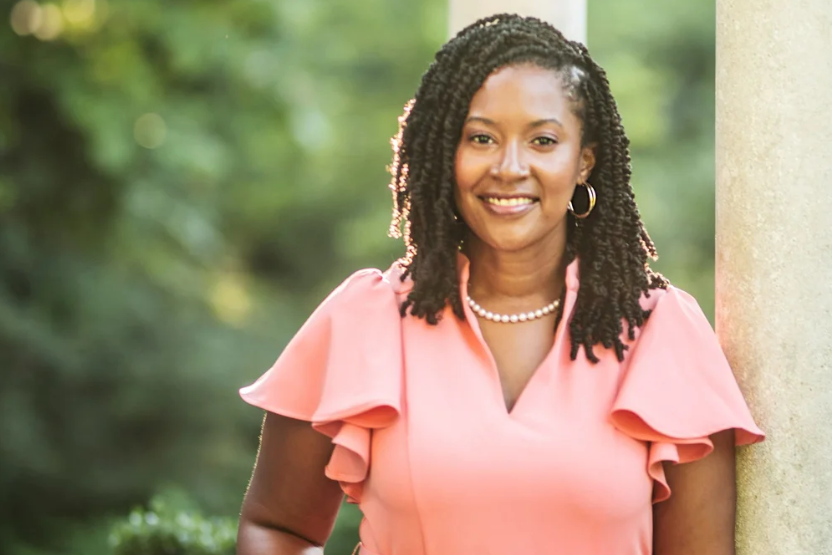
  • Kelly N. Moore, award-winning clinical psychologist, Rutgers professor, and mental health activist, has died at 46

    Kelly N. Moore, award-winning clinical psychologist, Rutgers professor, and mental health activist, has died at 46

    Kelly N. Moore, 46, of Burlington Township, award-winning clinical psychologist, founder of Moore Wellness LLC, director of the Center for Psychological Services at Rutgers University, graduate school clinical associate professor, former fellow at the University of Pennsylvania’s Center for the Treatment and Study of Anxiety, mentor, author, mental health activist, volunteer, and 2026 Willingboro High School Hall of Fame inductee, died Thursday, Aug. 20, of kidney cancer at Virtua Voorhees Hospital.

    Adept at treating anxiety, depression, trauma, and perinatal disorders, Dr. Moore became director of the Rutgers Center for Psychological Services and a clinical associate professor in the Graduate School of Applied and Professional Psychology in 2020. As CPS director, she mentored hundreds of doctoral students regarding academic requirements and clinical procedures, and supervised the center’s community mental health clinic.

    She significantly expanded the center’s services and outreach, Rutgers colleagues said in a Facebook tribute, and forged important partnerships on campus and in the community. Colleagues said: “Her warm demeanor, melodic voice, vibrant spirit, and calming presence made all who met, and were fortunate enough to know her, feel seen, welcomed, and heard.”

    Earlier, Dr. Moore was program manager for the Rutgers Children’s Center for Resilience and Trauma Recovery. She also taught in the school’s juvenile justice and youth development programs.

    She spent two years as a fellow at Penn’s Center for the Treatment and Study of Anxiety after earning her doctorate in clinical psychology at Rutgers in 2011. During the COVID-19 pandemic, she founded Moore Wellness LLC and focused on helping women, children, and clients of color.

    “Wellness does not mean you will never experience challenges,” Dr. Moore said in an online profile for Psychology Today magazine. “Rather, it means having the tools to manage the challenges when faced with them.”

    Dr. Moore was an outspoken activist for mental health education and services. She spoke with groups often, organized workshops, and was featured in newspapers and magazines and on TV and podcasts. “Just trying to get people to understand as much as they can about the impact their mental health and well being have on their day-to-day lives,” she said in a 2026 podcast interview with the Multicultural Counseling Institute.

    She blogged about mental health on her website, moorewellnessllc.com, and contributed pages to academic texts. In 2025, she cowrote Racial Trauma in Black Clients: Effective Practice for Clinicians.

    She belonged to the American Psychological Association and the New Jersey chapter of the Association of Black Psychologists. She was active with the Therapy for Black Girls podcast and the Leadership Institute for Women in Psychology.

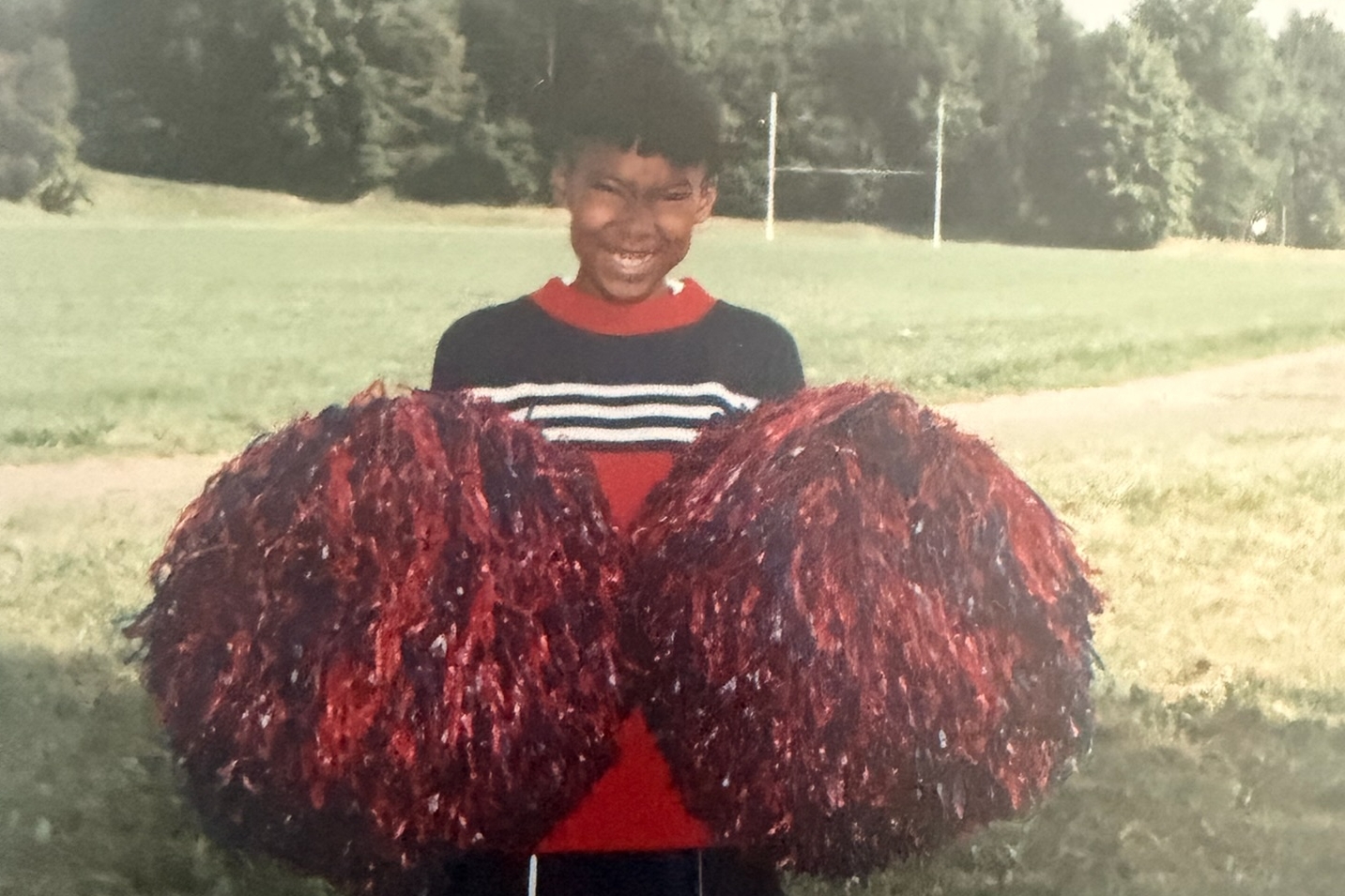
    Dr. Moore was a cheerleader and lacrosse player, and graduated from Cornell University in 2002.Courtesy of the family

    She earned leadership and achievement awards from the New Jersey Psychological Association, the National Council of Schools and Programs of Professional Psychology, and other groups. She was president and a board member of the Burlington County chapter of Jack and Jill of America Inc. Colleagues there called her “a beautiful example of leadership, service, grace, and love.”

    Kelly Nicole Walker was born Aug. 20, 1980, in Philadelphia. Her family moved to Willingboro when she was 2, and she graduated from Willingboro High School in 1998.

    She was a cheerleader and played lacrosse and viola as a teenager. Her mother, Diana, was a social worker, and she showed Dr. Moore up close how one person could impact their community.

    “I was just fascinated by this concept,” Dr. Moore told the Multicultural Counseling Institute in the podcast interview. “It was already set at a young age that this was the kind of work I should be doing.”

    She earned a bachelor’s degree in human development at Cornell University in 2002 and a master’s degree in education at Penn in 2003.

    She met Melvin Moore through friends, and they married in 2004 and had sons Miles, Mason, and Matthew. They lived in Marlton and Delanco, and, since 2015, in Burlington Township.

    Dr. Moore was a longtime member and dance choreographer at the Gospel Tabernacle Church. She joined Alpha Kappa Alpha Sorority Inc. at Cornell in 2000 and was on the executive board of its Pi Mu Omega chapter in Willingboro.

    Friends noted her “warmth, generosity, and kindness,” and called her “genuine” and “quietly brilliant” in online tributes. One friend said: “She sure made me proud to be from Willingboro.”

    Dr. Moore and her husband, Melvin, married in 2004 and had three sons. Courtesy of the family

    Dr. Moore doted on her sons and called them her “M & M’s.” She was an avid reader and led several book clubs.

    She liked to garden, play piano, take photos, cook, and crochet. She was diagnosed with renal medullary carcinoma about a year ago and was determined, her husband said, to reach her 46th birthday. She did it.

    “She always led with purpose and intention,” her sister, Kim Hayes, said. “She was such an amazing person.”

    Dr. Moore’s husband said: “Kelly exemplified unmatched strength in how she lived, how she loved, and how she led. She loved helping other people.”

    In addition to her husband, sons, and sister, Dr. Moore is survived by her father, Michael, her brother, Ahmeen, and other relatives.

    A celebration of her life was held earlier.

    Donations in her name may be made to the Chris “CJ” Johnson Foundation, Box 292, Sugar Land, Texas 77487.

    Dr. Moore (left above) was close with her sister, Kim. Below, she celebrated when her book was published in 2025.Courtesy of the family
  • Home from college, 2 weeks later

    Home from college, 2 weeks later

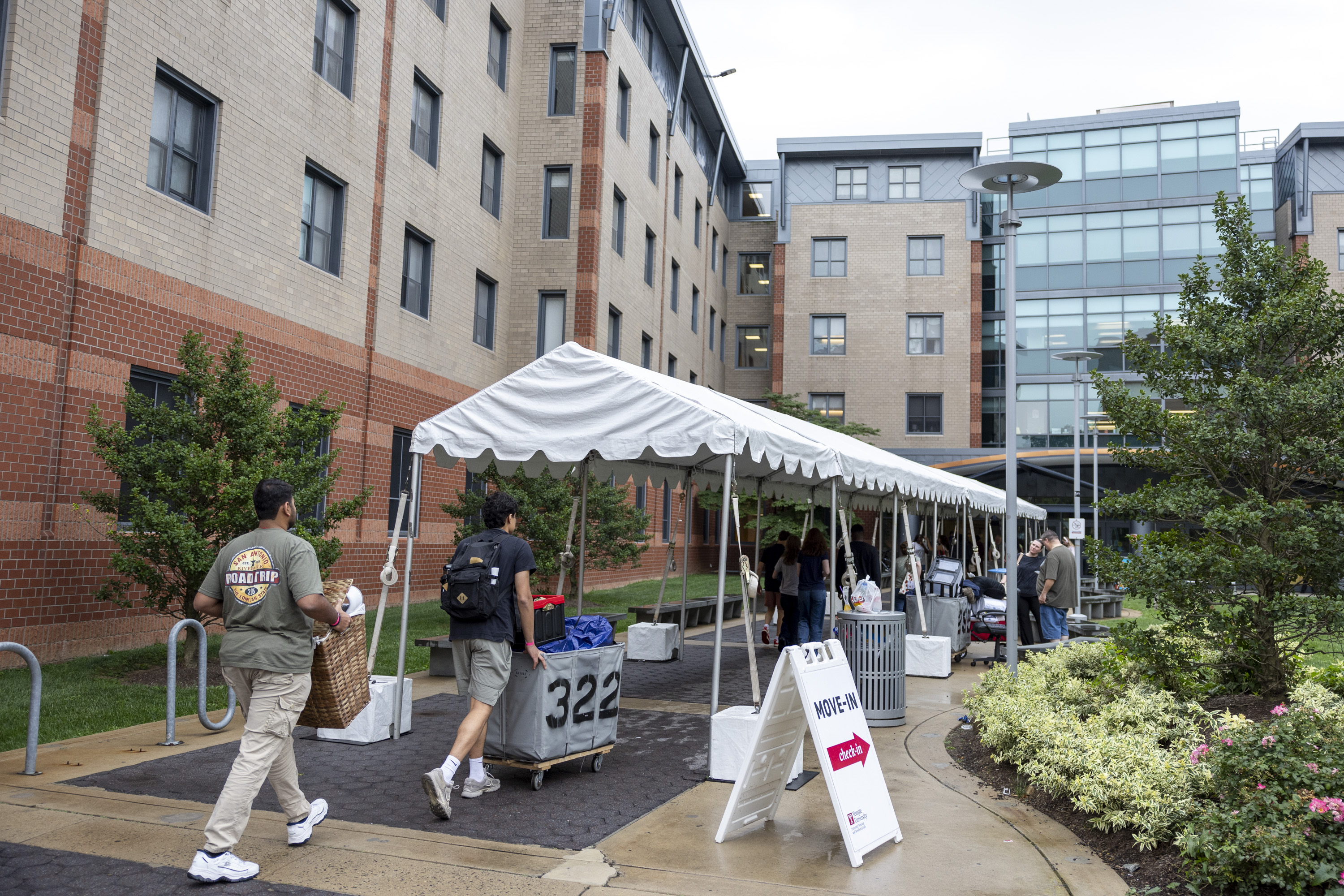
    Last month, Daii’yaHnna Fleming posted a video of her move-in day at Southern University in Louisiana. As a bleary-eyed rising freshman, she lugged a half-dozen candy-hued suitcases on her trip from Las Vegas to Baton Rouge. After arriving, she began to settle into her new life on campus, stocking up on school supplies and setting up a side business doing makeup from her dorm room.

    Then the trouble began. The ample walking across campus aggravated her health issues, and Fleming didn’t feel safe commuting to her job near campus. One night, she decided to join friends for an off-campus party. “I had never really been to a party, and I really just did not like it at all,” Fleming, 17, said. “I got really fed up with everything.”

    On the way back to her dorm, Fleming texted her mother and told her she was coming home for good. She had been in college for two weeks.

    In a TikTok video about her decision to switch to her university’s online program, Fleming panned over her dorm room. “I’m not gonna force myself to be uncomfortable and unsafe, ’cause randos think I should be,” she wrote in the caption, adding, “I don’t care about the college experience. I just want my degree.”

    In the thousands of comments underneath her post, as well as under similar viral videos of other students moving out or dropping out and sharing it online, a firestorm of debate has been playing out: Are Generation Z students too unwilling to face discomfort, to the point of missing out on a formative experience? Or are older generations valorizing struggle?

    Though leaving campus early is nothing new — and the rate of college dropouts has declined slightly in recent years — social media has put a magnifying glass on students’ struggles and prompted a wider discussion about generational differences. As they face shrinking federal financial aid and a tough job market with no guarantees, some say they are reconsidering whether college is worth the staggering tuition fees. Others say they are switching to online school or becoming commuter students.

    Many of the videos, like Fleming’s, focus on the mental health impacts, saying they feel anxious and overwhelmed. One student mentioned a towed car and more homework than they expected. Another expressed concern about wasting tuition money on an experience they disliked that affected their mental health.

    The debate touched a nerve.

    In response videos, millennials and Gen Xers have been pleading with students to hold on and tough it out.

    “Everything worth having is not easy,” said Ebony Simpson, a mother of a college sophomore who posted one of those videos.

    She said that students needed to put themselves out there. “It’s for you to sit up and say, ‘Oh, they’re having a cookout, let me go,’” Simpson said.

    Her daughter, Adrianna Bankston, said she struggled as a freshman last year at a Georgia university. The idea of leaving “was a thought that we all had when we first got here,” Bankston, 19, said. She didn’t leave her room much during that first week, she said. But she had a realization: “I need a friend group. I need to go out and do stuff.”

    She pushed herself to meet people at parties and campus events, and she’s learned a lot. “I did have fun,” she said. “I found out not everybody is your cup of tea.” She said she now had a busy social life and great people around her.

    Rates of college dropouts have declined: According to a report from the Education Data Initiative, 22.9% of all students who entered college as freshmen in fall 2024 did not return in fall 2025, down from a prepandemic average of around 24%.

    Yet the videos highlight real issues for those working to fight college attrition. “Kids are not weak,” said Sarah Manville, an assistant dean and adviser at Case Western Reserve University in Cleveland. “They’re extremely resilient — but there’s something about this phenomenon that they cannot persist through.”

    Feeling homesick in the first few weeks is normal, but Manville said she noticed some younger students were reluctant to seek help. “My concern is students are not giving themselves enough of a chance to be successful,” she said, “and that’s where I think that fear-based decision making comes in.”

    Michael Williams, a New York City-based college access and success professional, said, “I’ve noticed a definite dip this year and last year, compared to prior years, in how socially adjusted and how much, like, social emotional competency this set has compared to the prior classes.”

    Students also face grim job prospects, amid worries of artificial intelligence encroaching on entry-level jobs, and steep tuition. “The barriers to entry just keep compounding in this particular moment,” Williams said.

    The costs of dropping out or moving home will vary from school to school, but student loans are generally easier to cancel in the first two weeks.

    Fleming said she had not yet paid the fee for room and board for this year. Another student who posted a video on TikTok said in a comment that she had received a refund from her university after leaving.

    Back home in Las Vegas, Fleming said she felt good about her decision: “If I would have stayed longer, it would have made everything harder.”

    She’s doing well in online business management classes and has dreams of law school. But she hasn’t discounted the idea of returning to Southern: She’d like to spend more time with her suite mate, who’s now a close friend, and other classmates she met from her stint in Baton Rouge. But if she returns, perhaps next year, she plans to live off campus.

    This article originally appeared in The New York Times.

  • Cheltenham will pay more than $266,000 to the superintendent who resigned amid football scandal

    Cheltenham will pay more than $266,000 to the superintendent who resigned amid football scandal

    The Cheltenham School District will pay more than $265,000, plus compensation for sick and vacation time, to former Superintendent Brian Scriven, who resigned last month amid outcry over the district’s handling of alleged assaults in a football locker room.

    Under a settlement agreement the Cheltenham school board unanimously approved Tuesday night, Scriven will get $266,884.60 — a little less than the $270,000 annual salary the district had agreed to pay him under a five-year contract that took effect July 1.

    He will also receive payment for “earned but unused vacation leave, sick leave and personal leave,” according to the agreement.

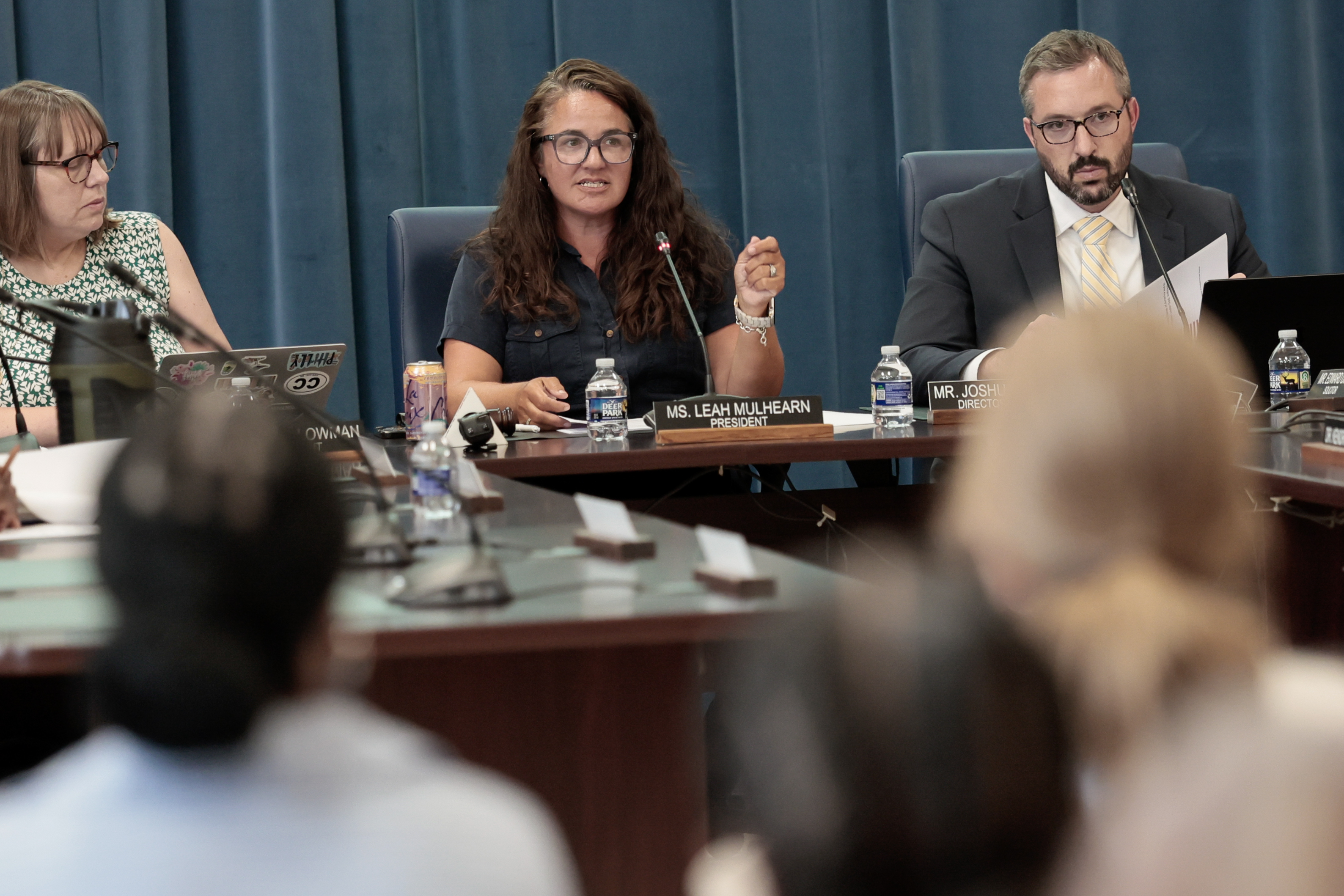
    Asked what the amount of that payment would be, school board president Leah Mulhearn said in a statement earlier Tuesday that Scriven’s “separation agreement and general release follows Pennsylvania Public School Code, and the settlement is standard.”

    “We appreciate Dr. Scriven’s service to Cheltenham schools, and we look forward to the coming year with Dr. Christopher McGinley now in place as interim superintendent,” Mulhearn said.

    Scriven resigned Aug. 6, a week after Montgomery County prosecutors announced charges against four Cheltenham football coaches and six players in connection with two assaults the year before on a teammate in a high school locker room.

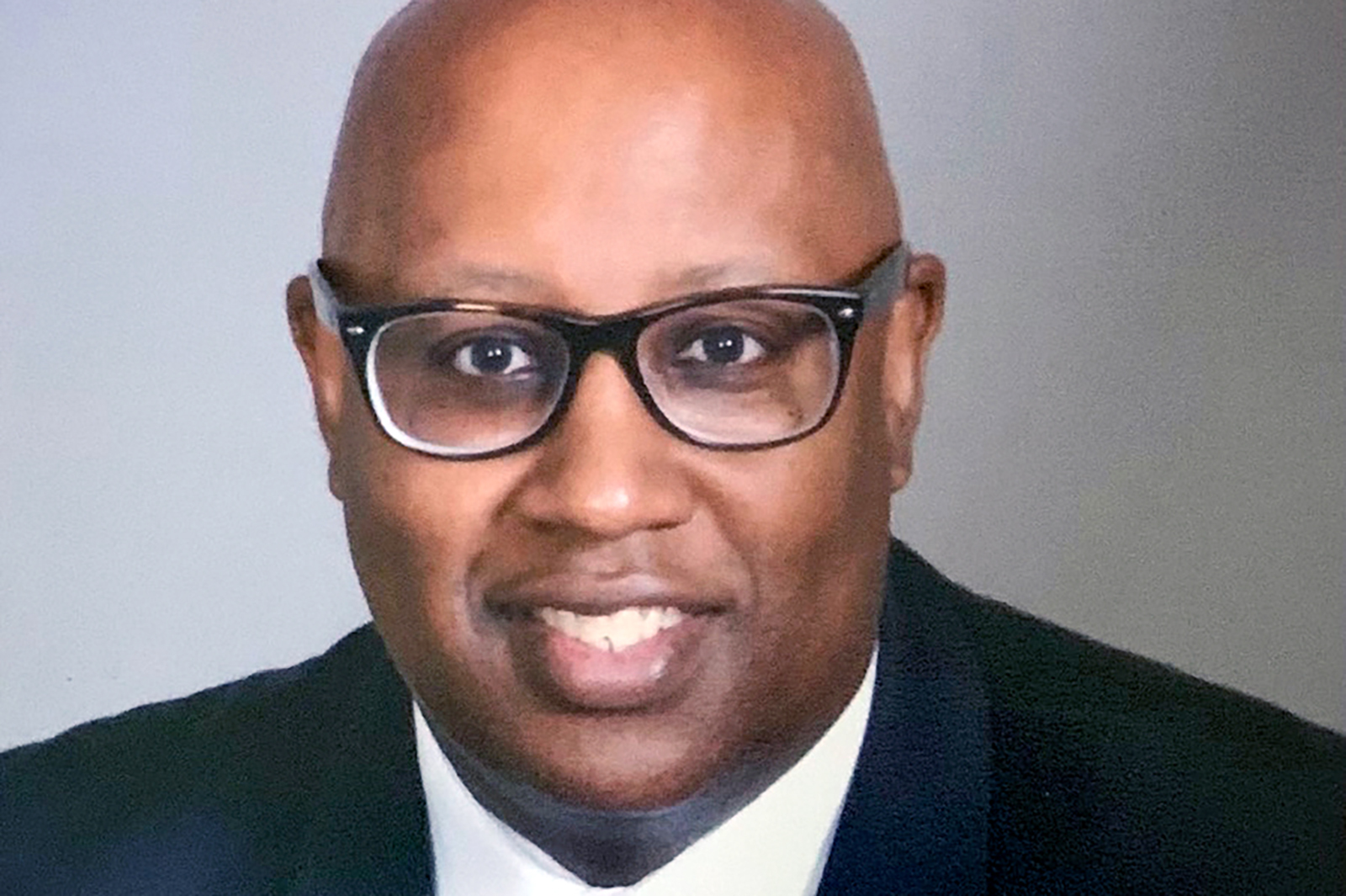
    Former Cheltenham superintendent Brian Scriven

    Prosecutors said the players had stomped on and poked a broomstick toward the buttocks of their 15-year-old teammate during the August and September 2025 assaults, while coaches later instructed the teen not to tell his parents what had happened.

    But prosecutors also faulted the district, describing its investigation into the incidents — one of which was filmed and circulated in the school community — as flawed from the start. The district, which canceled last year’s football season in October, also came under fire from other parents with safety concerns, including at Cheltenham Elementary School, where parents said the district had failed to adequately respond to assaults by students.

    Scriven, a 1983 Cheltenham graduate, was tapped as Cheltenham’s superintendent in fall 2021 after working in Baltimore County Public Schools.

    He had received a new five-year contract in December, and the school board had voiced support for his leadership in May.

    In resigning last month, Scriven said that the last year had “tested our community in ways none of us anticipated,” and that he had “come to believe that the district is best served by a fresh start under new leadership.”

    Before the board vote Tuesday, Daniel Schultz, a school board member, said the settlement with Scriven followed “a lot of thought and discussion around what the options were and what the trade-offs were.”

    “A severance agreement is not a performance evaluation,” Schultz said. He called the agreement “necessary to allow our district to move forward, heal and rebuild.”

    The school board last month hired McGinley, a veteran administrator and former Cheltenham superintendent, to serve as interim superintendent this year. It also commissioned an outside lawyer to review its policies and the grand jury’s findings.

    Changes ‘ensuring students are safe’

    In a report at the start of Tuesday’s meeting, McGinley said the district had made “some important changes in practice” as the new school year began, “all focused on ensuring students are safe, supported, and inspired academically.”

    Among other changes, he said the district had been “revising the overall administration of high school athletics,” and training coaches on “new protocols for locker room monitoring.” The district also “enhanced” training for coaches on policies for mandated reporting of suspected child abuse, as well as student discipline, McGinley said.

    Football coaches were not supervising players in the high school locker room last year, according to the grand jury report, which also said that five coaches lacked clearances related to mandated reporting requirements.

    McGinley said the district had also installed new building access management systems, reorganized its reporting and supervision structure for school security personnel, and added a new dean of students position “for enhanced supervision and follow-up.”

    But, McGinley noted, there are “many issues that still require attention.” The outside review of district policies is ongoing, and the district is still working to implement recommendations from the Center for Safe Schools for improving building security, he said.

    Interim Superintendent Chris McGinley listens as speakers address the crowd after a community march at Cheltenham High School Aug. 29, before the new school year began.William Thomas Cain / For The Inquirer

    The proposed settlement agreement with Scriven specifies that the former superintendent would make himself available to consult with the district on legal matters, and would be paid if the time spent exceeds 40 hours. If Scriven is named as a defendant and legal representation is provided by the district, however, he would not be compensated for time spent, the agreement says.

  • A former Philly principal must repay $31k in school book fair, trip, and class dues money

    A former Philly principal must repay $31k in school book fair, trip, and class dues money

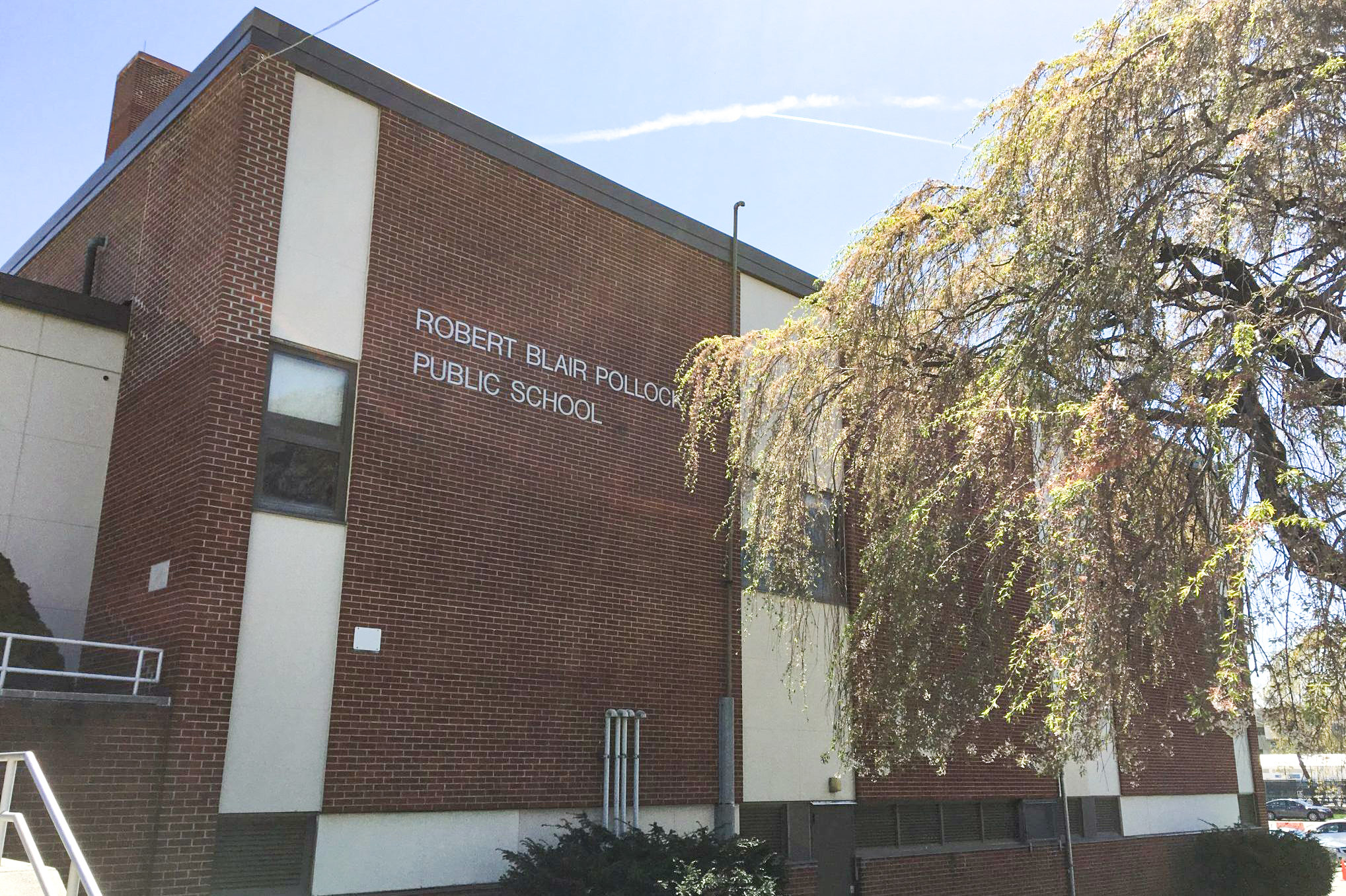
    The former principal of a Northeast Philadelphia elementary is on the hook for $31,000 paid to the school by students but never deposited into its bank account.

    According to the Philadelphia School District’s inspector general, the former principal of Robert Pollock Elementary, Yvette Jackson, received the money from events including book fairs, holiday bazaars, and class trips — plus dues for graduating eighth graders — but “failed to deposit proceeds.” Jackson has since retired.

    Multiple vendors, including Scholastic Books Inc., were not paid for goods delivered under Jackson’s watch, according to Pollock sources and documents reviewed by The Inquirer. The inspector general’s report confirmed the lack of payments.

    Jackson’s actions violated the district’s policies, “eroded the public’s trust and violated the district’s ethical standards required by the [Employee Code of Ethics] mandating honesty and forthrightness and avoiding falsification, misrepresentations and deceptions in records the former principal kept while managing and administering” school activities funds, wrote Sha S. Brown, the inspector general.

    The report stopped short of accusing Jackson of taking the funds, but said she was liable for all losses “resulting from administrative negligence and failure to exercise proper oversight and accounting” of student funds.

    At Brown’s recommendation, the district is withholding $31,576.24 from Jackson’s final termination pay. Jackson did not respond to a request for comment, but, according to the inspector general’s report, “the former principal acknowledged receipt of the memo and did not object to the proposed withholding.”

    Pollock, a K-8 school on Welsh Road, educates 900 students, 77% of whom are considered economically disadvantaged.

    Missing money, missing records

    The possible financial improprieties came to light during a reconciliation of school accounts after Jackson retired from Pollock at the end of the 2024-25 school year.

    When district personnel attempted to balance the books, money from trips, bake sales, class dues, and the holiday bazaar was missing, according to sources. Scholastic Books was not paid for either its fall 2024 or spring 2025 book sales.

    Ultimately, the district’s office of general accounting filed a complaint with the inspector general’s office “pertaining to the mismanagement of the Robert Pollock School Student Activity Fund (SAF) by the retiring principal,” according to documents reviewed by The Inquirer.

    The inspector general’s probe concluded that Jackson failed to keep adequate records and that over the course of the 2023-24 and 2024-25 school years, she made only five bank deposits, despite cash having been received for various school events through the year.

    District policy requires cash received for student activities be deposited into the bank “as soon as possible, ideally daily unless this would cause an undue hardship.”

    None of the deposits Jackson made came with required documentation, such as the dates and descriptions of the activities, number of students who participated, cost of participation, and more, the report said.

    “The former principal failed to account for, and deposit, the proceeds of several fundraising activities including book fairs and class dues (graduation fees) … the OIG could only partially match one bank deposit pertaining to the school’s 2023 fall book fair sales over this two-year period. Further, records indicate the former principal failed to pay invoices of SAF-related vendors,” Brown said.

    Brown found that Jackson collected the $31,576.24 but never deposited it. She also told a staffer managing the book fair that there was “no need for receipts,” the investigation found, despite district policy explicitly stating that receipts were required.

    In some instances, vendors were stiffed. Both Scholastic and a business that provided goods for the holiday bazaar were not paid, the report said.

    Book fair money is typically used to purchase books for classroom libraries and for students to take home. Other activities, like the bake sale, fund things like classroom pizza parties and assorted celebrations.

    “According to an administrator of the school, the holiday bazaar vendor said the former principal kept telling the vendor they were ‘… good for the money,’” the report said. “In total, the OIG found that three invoices remained unpaid and totaled $16,840.49.”

    Going forward, Brown said, the district must require student activities fund money be deposited into a bank account weekly.

    “Accounting and Financial Reporting staff will continue to work with school leaders to make timely deposits,” chief financial officer Mike Herbstman said in the district’s response to the report.

    The school district had no immediate comment Tuesday on the inspector general filing.

  • Temple terminates $55 million gift from school’s largest donor amid federal investigation into his company

    Temple terminates $55 million gift from school’s largest donor amid federal investigation into his company

    Temple University will terminate a $55 million gift — the largest donation in the school’s history — from alumnus Christopher M. Barnett, whose company is under federal criminal investigation over allegations of money laundering, wire fraud, and other crimes.

    Barnett, a behavioral healthcare business leader whose company, ABA Centers of America, provides services to children with autism, has resigned from Temple’s board of trustees, Temple president John Fry said Tuesday.

    The gift, largely intended for Temple’s College of Public Health, was announced with much fanfare last October, but none of the payments had yet been made to Temple under the gift agreement schedule, Fry said.

    The decision to terminate the gift was mutual, Fry said, and came as Barnett is “recovering from a life-threatening medical event.” Particularly difficult was that the federal allegations concern healthcare fraud and the gift was intended for the public health college, the president said.

    “We have to think about our values,” Fry said in an interview Tuesday. “We have to think about our reputation. Given the nature of the allegations, we felt that the best thing to do was to separate ourselves from this … as painful as that is.”

    Fry said that he became aware of the allegations Thursday from recently unsealed court documents in the case and that Temple reached out to Barnett, who resigned from the board Saturday. Temple decided to announce its intention to terminate the gift after the board of trustees got a briefing on Monday, Fry said.

    The College of Public Health will no longer bear Barnett’s name, nor will the dean’s title in the College of Liberal Arts or an “essential needs hub” that Temple recently opened on campus to help improve student success, Fry said.

    Barnett has not been charged. He “strenuously denies” the allegations and intends to “vigorously defend” against them, Fry and Mitchell L. Morgan, chair of the board of trustees, said in a message to the campus community, but the university “believes the actions outlined here are necessary.”

    “After careful deliberation we believe that moving forward with the gift would not be in the best interest of Temple,” Fry and Morgan said.

    Barnett’s company did not immediately respond to a request for comment Tuesday.

    What federal investigators are looking at

    Federal investigators in December obtained a search warrant for Barnett’s Microsoft accounts, as well as those of other company executives, court records show. The warrant application, unsealed in July in federal court in New Hampshire, says evidence suggests ABA Centers of America billed insurance companies for unnecessary treatments and falsified records to justify the higher reimbursement.

    The federal investigation and documents were reported last week by Behavioral Health Business, an industry publication.

    The warrant was the second a federal judge in New Hampshire approved last year as part of the investigation by the Department of Health and Human Services’ Office of Inspector General.

    Investigators allege that Barnett executed the scheme through a web of interlinked companies he founded, including ABA Centers of America, ICBD Holdings, and Exact Billing Solutions. His archived biography on ICBD Holdings’ website, which was removed in recent days, said Barnett is “actively involved” in the companies and served as the chairman of ABA Centers of America.

    The company misrepresented the location in which services took place to get the higher reimbursement costs, investigators said, and “billed for services that did not qualify as legitimate medical treatment, such as when a client is napping or watching television,” according to the affidavit accompanying the warrant request.

    ABA Centers of America was a “giant billing mill,” one former employee told federal investigators, according to court records. ABA has affiliated companies providing services in Pennsylvania, including in the Philadelphia area, and New Jersey.

    Barnett, who has no medical training, personally set minimum hours of treatment for patients and gave bonuses to employees who billed according to those goals, emails obtained by investigators show.

    The fraudulently obtained payments funded Barnett’s “lavish lifestyle,” which included a fleet of rare cars, a lease for a $20 million waterfront home in Fort Lauderdale, Fla., and a $9.95 million private jet decked out with Hermès goods, according to court records.

    A brochure for the private jet Christopher Barnett purchased using funds ABA Centers of America fraudulently obtained, according to federal investigators.Court records

    The autism-services provider also faces multiple civil lawsuits, including a suit over allegations of inflated billing practices in Florida. A federal judge overseeing that case said last month that if evidence produced in the litigation corroborates the allegations, “ABA Centers have engaged in criminal conduct.”

    Historic contribution and its impact on Temple

    Barnett’s historic contribution to Temple was announced last October, less than a year after Fry became president of the university. Barnett met with Fry before Fry took the helm at Temple in November 2024, the president said, and Barnett joined the Temple board in May 2025.

    About $20 million of Barnett’s gift was targeted for an autism center at the public health college. Fry said Tuesday that initiative now would have to be “rethought.” The essential needs hub will continue, and Fry said he will seek another donor to support it.

    Barnett had made other, smaller gifts previously, Fry said, and Temple will be reviewing those. He did not elaborate.

    When announcing the gift, Barnett told The Inquirer how he initially had been rejected by Temple but bought a plane ticket and showed up unannounced at the office of the director of transfer admissions, waiting hours until she finally agreed to see him.

    “I said I need you to take a chance on me, and if you do that, I promise you I will graduate with a 4.0 and I’ll be a prominent alum and I’ll give back to the university,” Barnett said in an interview last October.

    Barnett’s gift surpassed the $27.5 million given by philanthropists Sidney and Caroline Kimmel earlier that year. That gift now stands again as Temple’s official record.

    “I believe in Temple University,” Barnett, who has homes in Fort Lauderdale and Philadelphia, said in October. “Temple took a chance on me when the odds were uncertain. And it helped shape who I am and what I’ve been able to do for my communities.”

    Temple officials on Tuesday indicated Barnett was continuing to think about Temple.

    “Mr. Barnett has expressed a desire to avoid any negative impact on Temple and, in keeping with such desire, has cooperated with the university through this difficult process,” Fry and Morgan said.

    Fry acknowledged the loss of the gift would be disappointing to students, faculty, staff, and alumni at the public health college. And it is a gut punch to the university at a time when the school has been making cuts to close a budget deficit and dealing with enrollment declines.

    “This is clearly a setback,” Fry said.

    But he noted that even without Barnett’s gift, the university experienced the biggest fundraising year in its history in fiscal 2026, taking in $159 million.

    “This action does not diminish the philanthropic momentum and strength of Temple,” Fry and Morgan wrote in the campus message.

    The university will look at its practices for accepting gifts, Fry said.

    “We will go back and we’ll scrutinize ourselves over this, and, if there are practices we need to tighten up, we’ll tighten up those practices,” he said.

  • Teaching in Philly can be tough. At some schools, so is finding a place to park.

    Teaching in Philly can be tough. At some schools, so is finding a place to park.

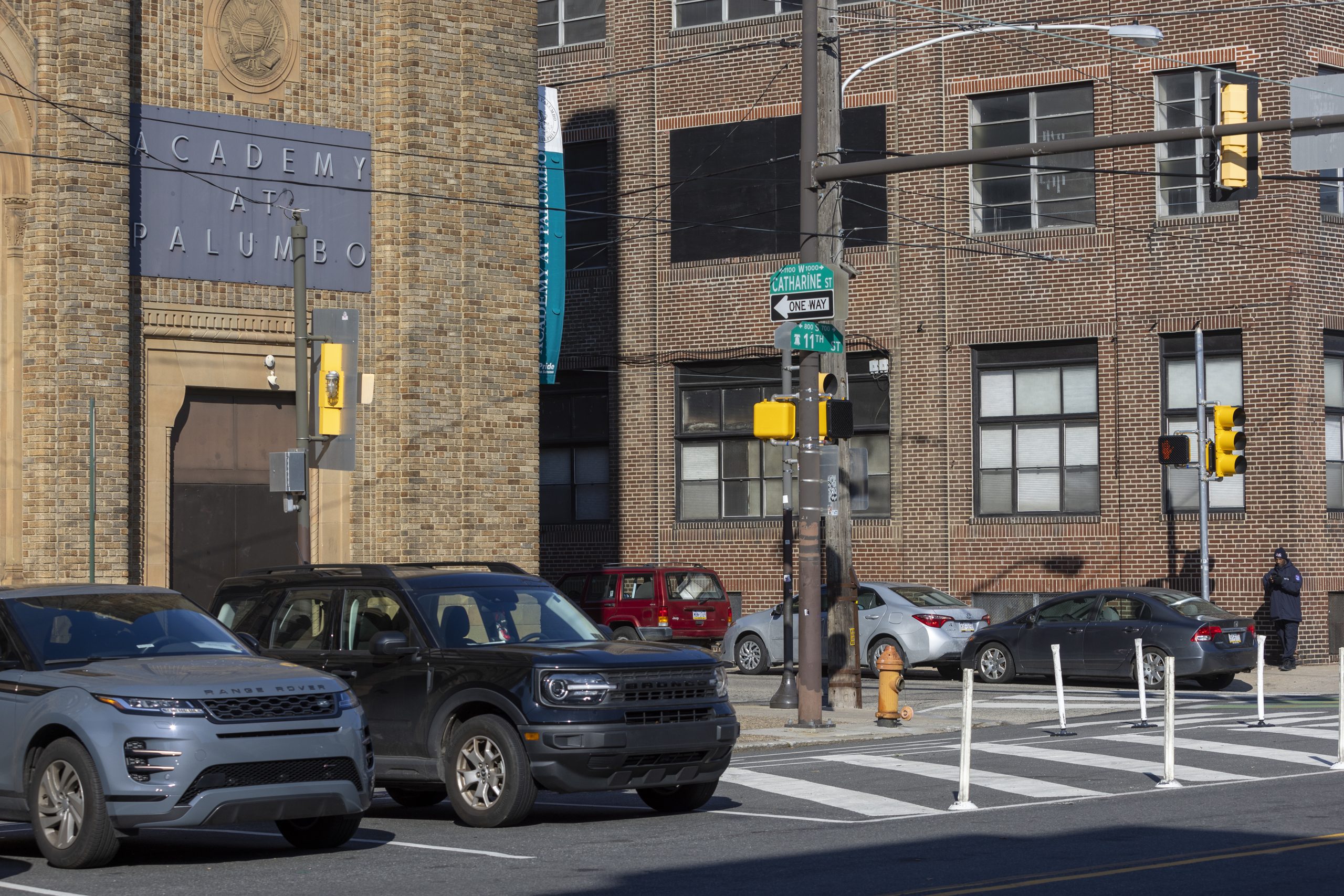
    The math is simple: There are 11 parking spots reserved for Academy at Palumbo teachers and 107 teachers and staff at the South Philadelphia school.

    There’s no parking lot and people who work at the acclaimed magnet school tend to drive, teachers say.

    Though public transportation is an option for some school staff, many teachers live outside the city, with fewer transit options nearby. And while some schools in the Philadelphia School District are close to bus, train, or trolley stops, others are farther afield, making them tougher to access via public transit.

    “Before I even walk in the doors of the school, I am already overwhelmed with stress every single day,” Palumbo teacher Sheila Fisher said. She and other Palumbo staff might circle for 30 minutes or more hunting for a space and often have to park in two-hour spots, they said — meaning they have to dash out during the school day to move their cars.

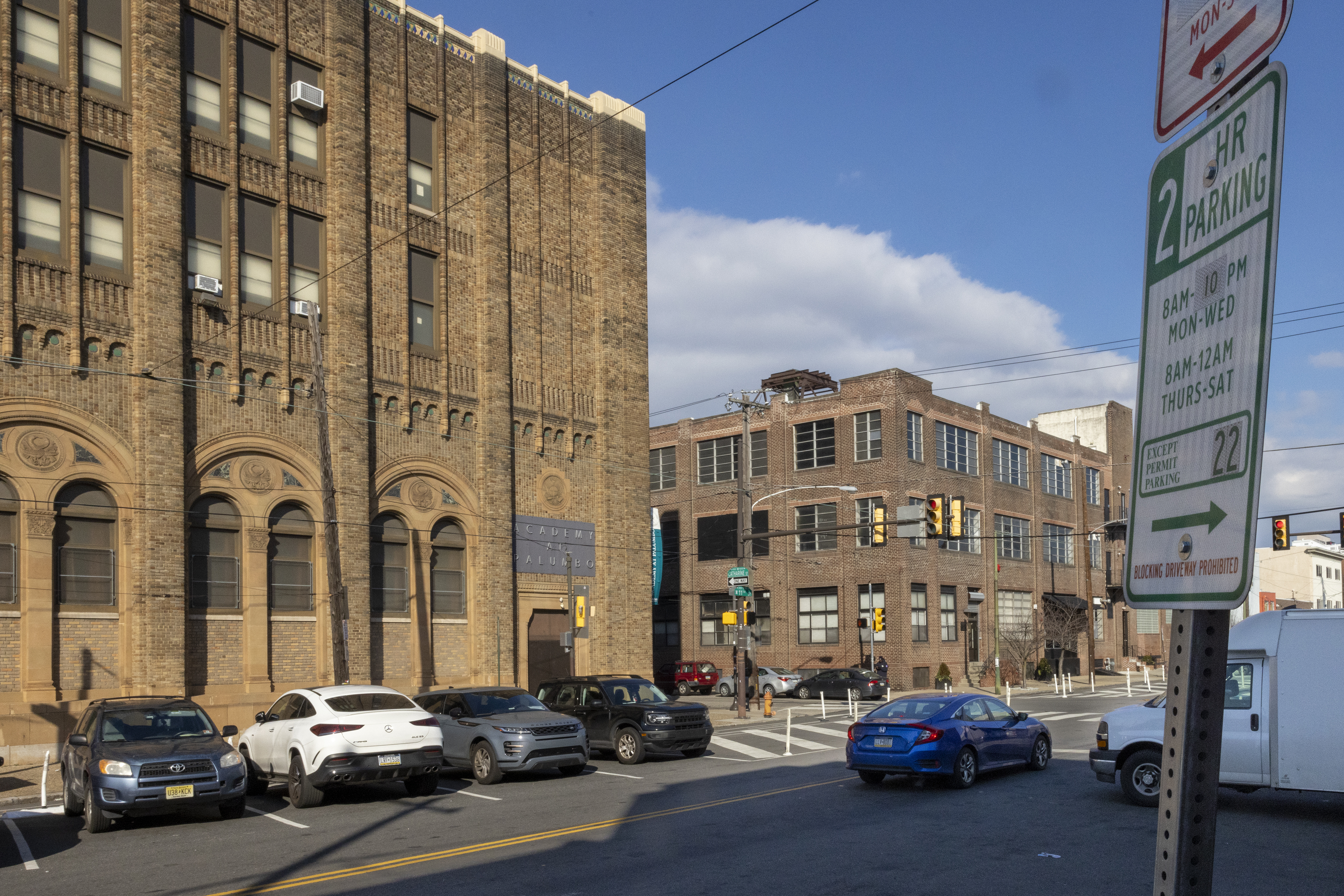
    Parking is at a premium at The Academy at Palumbo, at 11th and Catharine Streets, shown in this 2023 file photo. The school has over 100 staffers, no staff parking lot, and just 11 dedicated spaces.Alejandro A. Alvarez / Staff Photographer

    It’s a common problem at many Philadelphia School District schools that lack dedicated parking lots, or those that have lots too small to fit all employees’ cars. Amid a continuing teacher shortage, in an underfunded school system that offers lower pay and tougher working conditions than many neighboring districts, it’s a quality-of-life problem with a real effect.

    Bridget Mason, a Palumbo teacher, said neighbors have threatened to slash her tires if she parks in front of the public spaces in front of their houses.

    Fisher estimates she’s gotten 150 or more tickets in the three years she’s worked at Palumbo and said she has paid close to $5,000 in tickets and lot fees on the days she just can’t find any spot.

    Fisher loves teaching at Palumbo and hopes it will be her last job before retirement, years from now. But that’s not a given, she said.

    “The stress has come to the point where my husband has mentioned the option of me leaving Palumbo to work elsewhere, because parking has become such a challenge,” Fisher said.

    ‘It’s a nightmare’

    To park at Penn Treaty High School in Fishtown, you can’t arrive too early, because neighbors won’t have moved their cars yet. But you can’t arrive too late, or you’ll miss your window, get locked out of a spot, and be late to work because you have to “circle and circle” for a space, said Kerri Todd, a longtime Penn Treaty teacher.

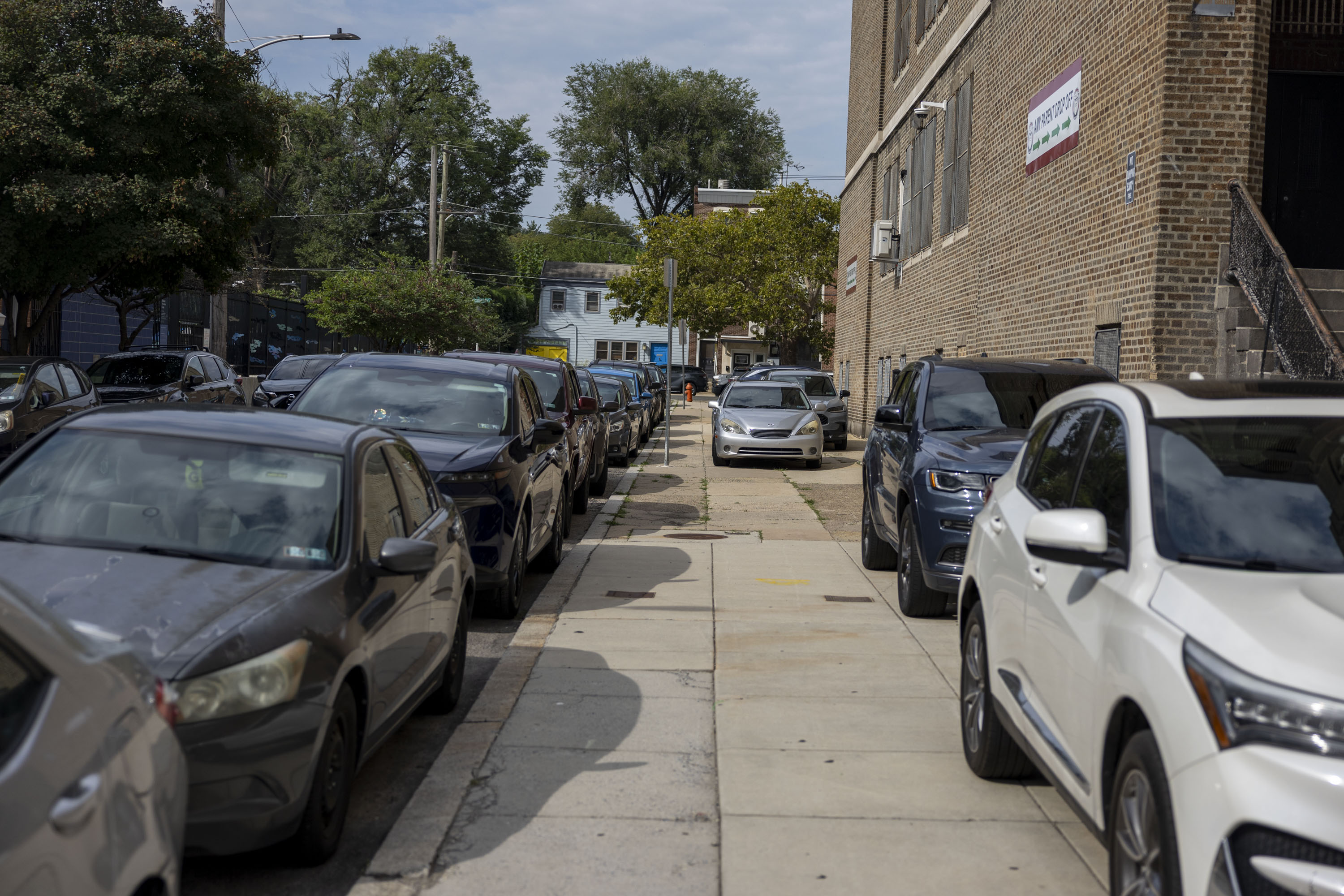
    Cars fill the streets and sidewalks outside Penn Treaty High School on Tuesday.Tyger Williams / Staff Photographer

    “It’s a nightmare — parking is so scarce,” Todd said. Some cars park on the sidewalk around the perimeter of the building.

    Todd knows exactly when she has to arrive for the best chance at a parking spot. And if she ends up having to settle for a two-hour space, it’s not as tough as it would be for other teachers, because Todd’s free periods make convenient times for car moving.

    But it’s still difficult, Todd said. (Penn Treaty teachers have the extra headache of knowing their school is closing for good in 2030 — the fifth- through 12th-grade school is one of 17 the district plans to close permanently.)

    Even Todd’s principal gets into the act. If she’s working in her office, Wajibah Thompson might hang her head out the window and help.

    “She’s like, ‘Yo, Kerri, move over, I think another car can squeeze in there.’ She’ll ask neighbors, ‘Can you move your car up a little more? We can get another car in,’” Todd said.

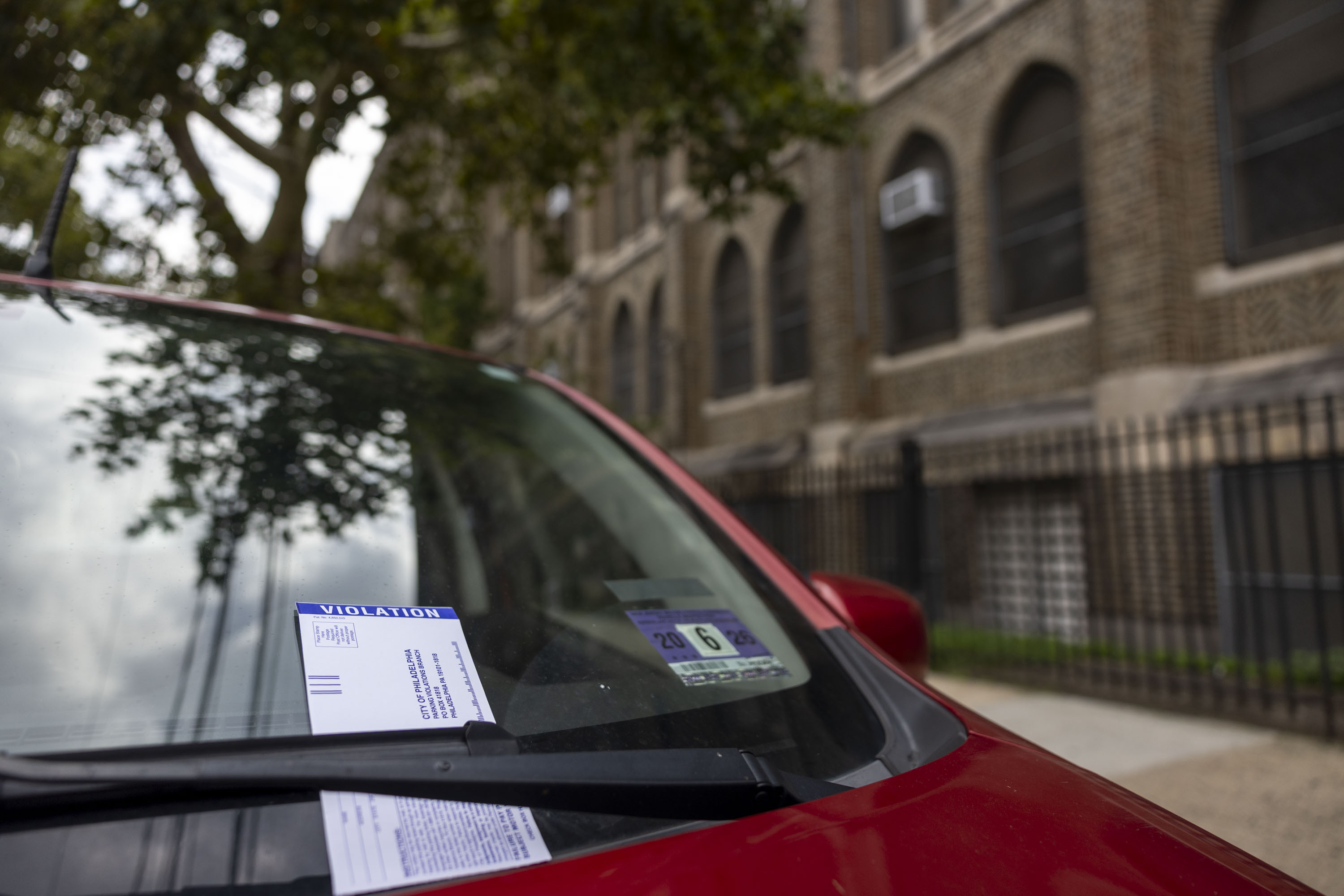
    A car with a parking ticket outside of Penn Treaty High School on Tuesday.Tyger Williams / Staff Photographer

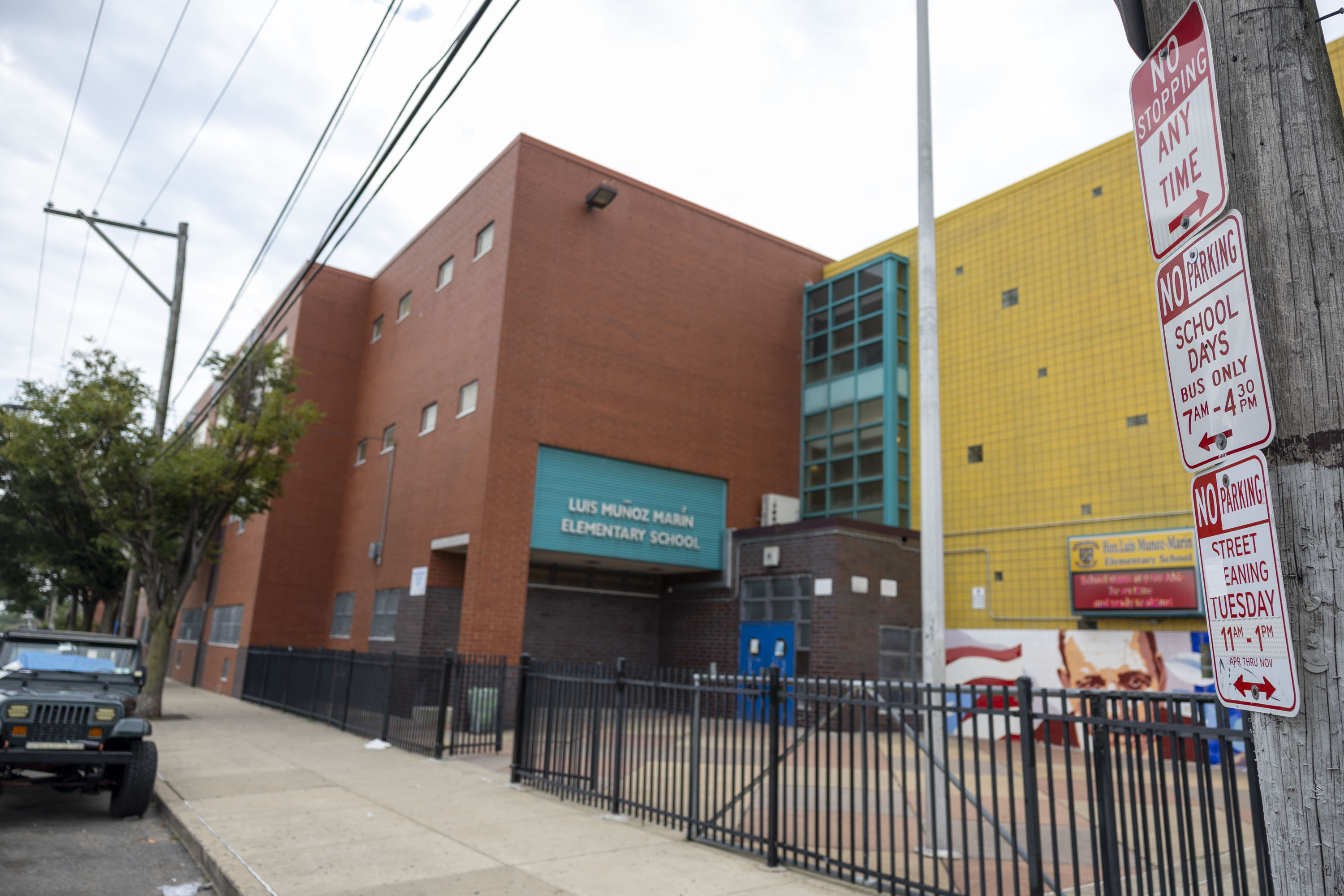
    Parking is also a perpetual worry at Muñoz-Marín Elementary at Third and Ontario Streets in North Philadelphia, said Jennifer Goldman, a veteran teacher there. Muñoz-Marín has a lot, but it’s not nearly large enough for all staff at the 500-student school.

    Compounding the problem, Goldman said, is a vacant parcel adjacent to Muñoz-Marín’s parking lot — people dump trash there, and it’s smelly and not usable.

    “It’s awful parking around here,” Goldman said. “We just have to circle — it’s a race to find a spot, and sometimes people are late. Residents have started [putting cones in] their spots.”

    Educators working in neighborhoods around the city struggle with parking, with teachers at schools including Bache-Martin in Fairmount, Fanny Jackson Coppin and Southwark in South Philadelphia, and Robert Morris in North Philadelphia raising the issues to an Inquirer reporter.

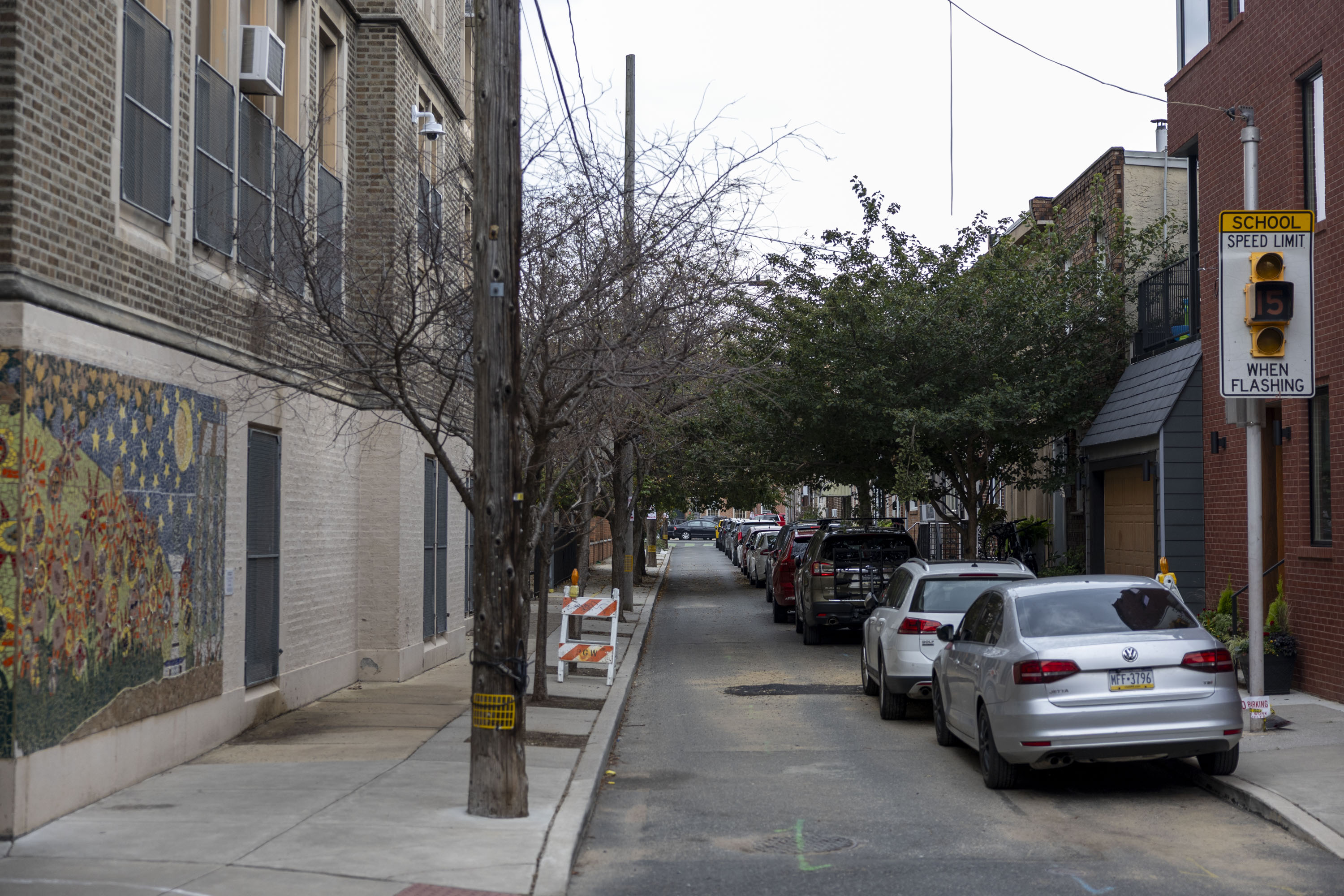
    Cars parked all along a side street outside of Fanny Jackson Coppin School on Tuesday.Tyger Williams / Staff Photographer

    ‘It should not be this difficult’

    There’s some precedent for school parking help.

    Councilmember Jamie Gauthier paved a way for special parking permits for teachers at Powel Elementary in West Philadelphia. (The same permits are not available to Science Leadership Academy Middle School staffers, who work in the same building.)

    The permits are not free: The cost is roughly similar to the price of a monthly transit pass.

    Palumbo’s parent group wants a similar option for their teachers and staff, but three years of efforts have yielded only frustration, its leaders said. They’ve been shuffled from bureaucrat to bureaucrat, and ultimately have been told the person who can make it happen is City Council President Kenyatta Johnson, whose district includes Palumbo.

    Vincent Thompson, Johnson’s spokesperson, said Johnson understands parent and staff concerns but “at the same time, any discussion of changes to parking policy must consider the impact on the broader community” — the Philadelphia Parking Authority, neighbors, and residents who would be affected by turning some spaces into school staff permit parking during school hours.

    “Council President Johnson and his district office are willing to work with the Philadelphia Federation of Teachers to find thoughtful, practical solutions to parking challenges around our schools in the Second Councilmanic District,” Thompson said in a statement.

    The Philadelphia School District did not respond to a request for comment.

    Academy at Palumbo Liberal Arts High School, located at the corner of Catherine and S. 11th Streets. The teachers at school need to move their cars during work day because of timed street parking.Alejandro A. Alvarez / Staff Photographer

    Martin O’Rourke, a spokesperson for the PPA, said it “does its best to assist whenever possible, recognizing the delicate balance that exists among residents, businesses, visitors and teachers necessary to manage and share the limited curb space available for parking in many neighborhoods near local schools.”

    It’s frustrating to Julie Kaeli, the former Palumbo HSA president, that three years of “begging and nagging” Johnson’s office and others on behalf of students and teachers has led nowhere, she said.

    “They’re giving us lip service,” Kaeli said. “It’s so clear to us that they are no interested in addressing this issue. Our school is highly ranked, our teachers are amazing and so dedicated. We know what little resources and support they have. This is such an easy fix; it should not be this difficult.”

    ‘Parking was a must have’

    The lack of adequate parking for staff has consequences, according to educators and those who support them.

    “For me, parking was a must have when deciding on a school,” said Cathy Provenzano, who recently retired from teaching at Hill-Freedman World Academy in East Mount Airy. Hill-Freedman has a large lot.

    Parking problems have scared off teachers who were otherwise interested in coming to Palumbo, too.

    “Each year when interviewing potential new staff, the school may be interested in offering a position to a candidate, but candidates turn down offers because of the lack of parking,” the school HSA said in a statement. “With the teacher shortages the district has had, this is not ideal.”

    The parking lot full with teachers and staff’s cars at Luis Muñoz-Marín Elementary School on Tuesday.Tyger Williams / Staff Photographer

    A teacher at a Kensington school has dealt with a lack of parking lot for years. But it’s gotten tougher to park in the neighborhood, and she’s at her wit’s end, she said. The teacher requested her name be withheld because she feared reprisal.

    “I’ve been at my school for over 10 years and have never considered leaving until the first day of school this year,” the teacher said. “I drove around for about 35 minutes, trying to find parking.”

    She ended up clocking in late.

    “Our students deserve high-quality educators, but us not having a parking lot is a huge deterrent for many people,” she said. “While we are lucky to have several staff members at our school that have been there for five or more years, we also have had a higher turnover in the years since street cleaning became a thing. Teachers don’t want to spend extra time driving around to find parking. That time is meant to be preparing for our student, to make sure that they’re getting the education they deserve.”

  • Ursinus College starts its first graduate program

    Ursinus College starts its first graduate program

    For its 157-year-history, Ursinus College has educated only undergraduates. But that will change next year when the school starts its first graduate program.

    About 85% of faculty voted in favor of the move into graduate education on Thursday, and the small liberal arts college, which enrolls about 1,370 undergraduates and is based in Collegeville, will start a master’s in exercise and sport science next May.

    The move comes as colleges around the country are coping with a drop in the available pool of high school students, and consequently undergraduates and increasing financial pressures. As part of an ongoing effort to close a budget deficit, Ursinus in June eliminated 26 full-time and 10 part-time employees, representing 15% of the school’s nonfaculty staff. And last December, the school announced it would cut 29 full-time faculty positions — nearly a quarter.

    Most four-year colleges in the region already offer graduate programs, with few exceptions such as Haverford and Swarthmore Colleges, both small, highly selective liberal arts schools.

    “This is an important moment in the history of Ursinus College and a natural next step in our evolution as an applied liberal arts institution,” Ursinus President Gundolf Graml said in a statement. “Our first graduate program builds on the strength of our health sciences programs and, importantly, extends the applied, professional and experiential approach at the heart of an Ursinus education to graduate study.”

    Graml said the college is planning to eventually offer more graduate programs and that a second one already is in the works, but he declined to provide further details. The college has appointed a new director of graduate studies.

    Ursinus’ new master’s will be a 30-credit, 15-month online program, costing about $600 per credit for a total of $18,000, the school said. That is below the new annual federal cap on loans for graduate programs, Graml noted.

    The college said it will give students currently enrolled in its undergraduate program in that field a direct path into a graduate program.

    From 2020 to 2024, the college’s health sciences department awarded 188 undergraduate degrees, and more than half of those graduates pursued a graduate degree or certification at other colleges, the school said.

    “We know that there’s student demand,” Graml said. “We see our students going out after graduation and continuing, and so we want to offer them an opportunity to continue that path at Ursinus.”

    Serving as a potential enticement to stay at Ursinus, the program will allow undergraduates to take up to two graduate courses if they are preliminarily accepted into the program, the school said.

    That means Ursinus undergraduates who enroll in the program might be able to finish more quickly than 15 months, said Kyle Beyer, associate professor of health sciences.

    “We recognize this is something we could offer that would enhance our students’ learning and make them more competitive in the job market,” Beyer said.

    An alum already emailed him, he said, asking how to enroll in the program.

    The move into graduate programming will not require an increase in faculty, Graml said. Over time, it could boost revenue.

    Ursinus has been running total operating losses for most of the last nine years, reaching $13.4 million in 2024 but falling to $4 million in 2025, financial records show.

    Ursinus experienced a 10% decline in first-year enrollment last fall and a 6.4% decline in overall enrollment.

    Graml said this year’s overall and freshman enrollment numbers won’t be available until after census later this month.

  • A Philly charter and its former CEO will pay $4 million to resolve claims they discriminated against Black students

    A Philly charter and its former CEO will pay $4 million to resolve claims they discriminated against Black students

    A Philadelphia charter and its former CEO have agreed to pay nearly $4 million to resolve claims they discriminated against Black students in the school’s admissions lottery.

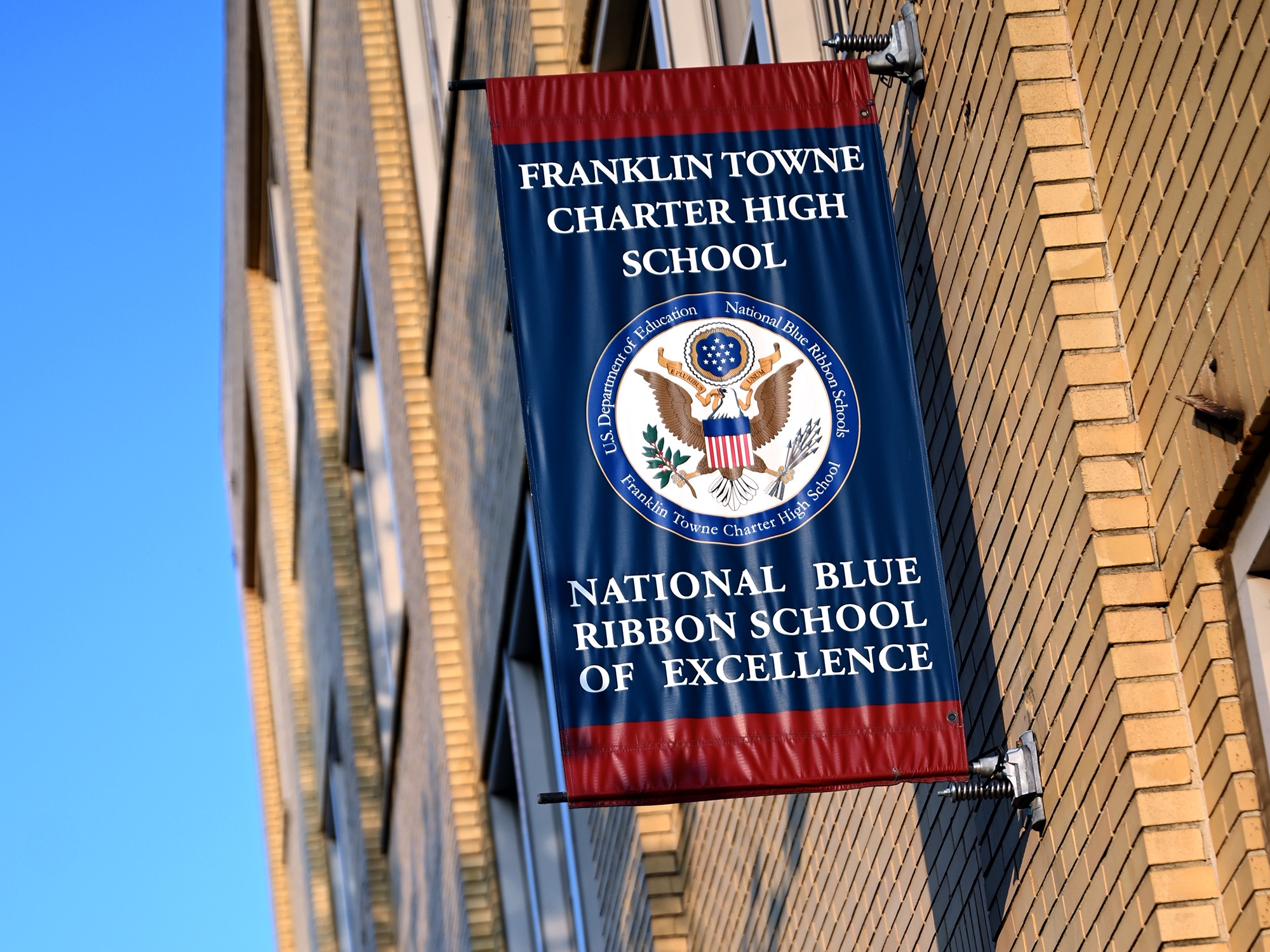
    Franklin Towne Charter High School, in the Northeast, deliberately fixed its 2023 lottery to exclude students from certain majority-Black ZIP codes, Franklin Towne administrator Patrick Field told The Inquirer that year. The order to shut out those students came from Joseph Venditti, a longtime Franklin Towne CEO, who has since left the school, Field said.

    Field sued the school and Venditti in federal court later in 2023, alleging Franklin Towne retaliated against him after he came forward about the lottery manipulation.

    The U.S. Department of Justice brought the case against Franklin Towne and Venditti after Field’s allegations surfaced.

    U.S. Attorney David Metcalf announced the settlement Friday.

    “Racial discrimination has no place in school admissions,” Metcalf said in a statement. “Selecting or excluding students because of their race is illegal and violates the agreements schools sign when they accept federal grant money.”

    Despite signing off on the settlement, neither Franklin Towne nor Venditti admitted wrongdoing.

    “Defendants deny the United States’ allegations,” court documents read.

    Public schools are prohibited by federal law from discriminating against students based on race or national origin; Franklin Towne violated the federal False Claims Act by its actions, Metcalf’s office said Friday.

    Franklin Towne — a public charter school funded by taxpayer dollars — must pay $3.6 million, and Venditti $275,000 from his private funds, as part of the settlement.

    Part of the money will go to the U.S. government, and part to Field, whose suit raised the issue of the improprieties.

    Field and Venditti could not immediately be reached for comment.

    Franklin Towne’s CEO, Brianna O’Donnell, said in a statement that the school had settled allegations about past enrollment practices that “do not reflect how the school is being led or operated today.”

    “We have taken the necessary steps to address this matter while maintaining our full commitment to serving our students, families, faculty and staff,” O’Donnell said, noting that the school’s operations were “continuing as normal.”

    Federal officials said the school “has made significant governance changes, including replacing the Chief Executive Officer and hiring an independent third party to conduct all future admissions lotteries at the school.”

    Franklin Towne remains a top academic performer, but the Philadelphia school board moved to revoke its charter over the lottery manipulation allegations.

    The revocation hearing’s goal, the board said at the time of the vote, was not necessarily to close Franklin Towne, but to effect change. Board officials said the only tool they possess under Pennsylvania law to trigger a public accounting of serious allegations of impropriety is a revocation hearing, which includes witnesses and evidence before an independent hearing officer.

    Franklin Towne filed suit against the board, objecting to its choice of hearing officer for the revocation proceedings, which have not yet begun.

    Reginald Streater, the school board president, said in a statement that the charter school’s office’s “serious concerns” about Franklin Towne admissions data over several years led to the revocation notice of the school. It’s still pending, Streater noted.

    “The board is committed to striving for fair and equitable access to public education for all Philadelphia students,” Streater said in a statement. “We will continue to uphold the standards and requirements that apply to all public schools and to take action when there are concerns about compliance with those requirements.”

    Staff writer Abraham Gutman contributed to this article.

  • College loans were late due to new federal rules. Students are paying the price.

    College loans were late due to new federal rules. Students are paying the price.

    Mikiah Roberson expected to receive her federal $6,700 student loan disbursement sometime between May 27 and June 3, just in time to make her rent and car payments. Instead, June 3 came and went. Days, weeks and finally over a month passed.

    Roberson, a graduate student in University of Maryland Global Campus’s digital forensics and cyber investigation program, said the stress only compounded as her eight-week summer semester continued without any of her expected financial aid. As a disabled veteran, Roberson’s tuition is covered, but she relies on federal student loans to pay for living expenses while in school.

    “It had a major impact on my mental and emotional health,” Roberson said, as she struggled to get clear answers on when or if she might receive the money. “Just constantly stressing out whether an eviction notice would be coming, if my lights would be turned off, if my car would be repossessed.”

    Federal student loan disbursements for many students, like Roberson, were delayed over the summer session after new federal rules kicked in on July 1 that required major updates to the systems colleges use to administer aid. While no one is tracking the full scale of the problem, experts are worried about whether delays will persist into the fall semester that is underway. That could have severe impacts for the nearly 60 percent of students who already experience some form of housing or food insecurity.

    When loan money gets held up, students have no recourse against either their school or the federal government. Instead they must find ways to temporarily cover personal budget gaps of thousands of dollars — at a time when the cost of housing and other basic needs are rising rapidly.

    Delayed student loan disbursements are “incredibly significant in terms of whether a student is able to remain enrolled and remain housed and cover their own basic needs,” said Aissa Canchola Bañez, policy director at Protect Borrowers, a nonprofit that advocates for student loan borrowers. “Everything is more expensive, and so that just makes financial aid and the loans that these students are eligible for and entitled to even more consequential.”

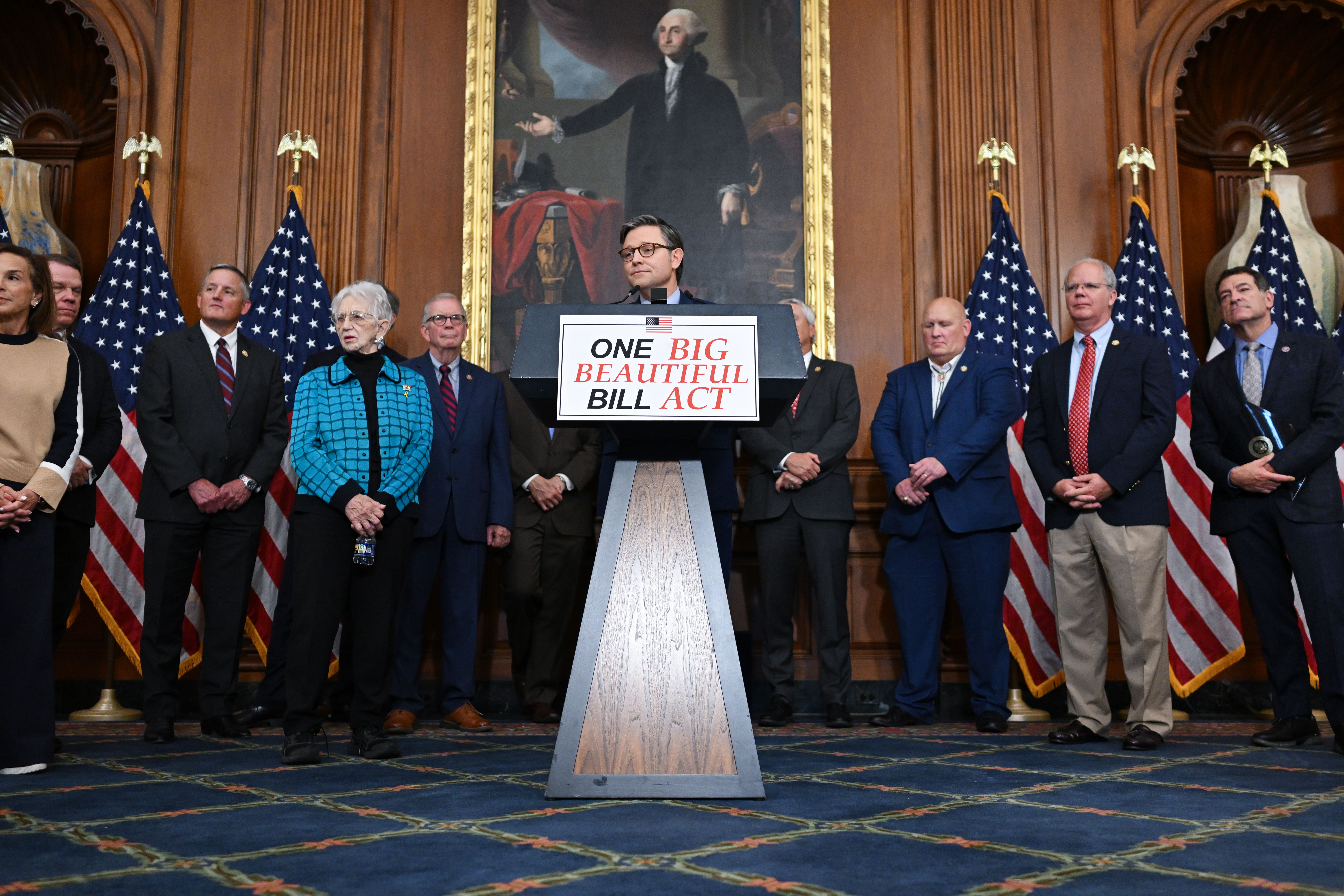
    Experts, advocates and financial aid administrators place the blame on atypical planning from Congress when it passed the One Big Beautiful Beautiful Bill Act. The legislation didn’t give the Education Department enough time to issue full guidance on new student loan regulations, leaving many colleges struggling to adapt. In some cases they are waiting on third-party software vendors to make needed changes or are calculating and administrating aid by hand.

    Ellen Keast, a spokesperson for the Education Department, said in an email that the department worked within the deadlines set by the One Big Beautiful Bill Act, which required the changes to take effect on July 1, 2026.

    “Congress gave the Department less than a year to implement these changes,” Keast said.

    She noted that the agency released the final rules in May, which she said provided “time for schools to prepare.”

    Rep. Tim Walberg (R-Michigan), chairman of the House Committee on Education and Workforce, said in an emailed statement that the legislation significantly overhauled a “broken system” and praised the work the Education Department had done.

    “Delaying needed reforms would have negative consequences for students and taxpayers,” he said.

    The One Big Beautiful Bill Act, signed by President Donald Trump on July 4, 2025, includes a number of provisions that reshape federal student loans, including a new lifetime borrowing limit and lowered limits on outstanding aggregate debt for graduate students. The bill also placed new limits on Parent PLUS loans and eliminated the Graduate PLUS loan program. Another provision, starting the 2026-27 school year, requires schools to prorate loan amounts based on how many credits a student is taking. Altogether, the changes are expected to impact a significant number of the roughly 13 million students annually who rely on federal financial aid.

    When students don’t receive their money on time, the delays set off an avalanche of financial problems.

    One student in National University’s graduate program in marriage and family therapy told The Hechinger Report she expected a $5,000 disbursement sometime around June 1. The student (whose name is being withheld out of concern of retaliation from her university) relies on these disbursements every three months to cover two months of rent, as she slowly saves up to pay the third month’s rent through her part-time job as a nanny.

    “I had to reach out to family members and get help, and that was also really stressful for them because I was hoping to be able to pay them back with my refund, and nobody knew when the refund was coming,” she said. “And so that just kind of created a cascade of tough situations.”

    She didn’t receive her funds until mid-July. By that point, she’d paid rent late in June and July, with a $100 late fee each time.

    National University did not respond to requests for comment.

    When it comes to disbursing financial aid, the relationship between the federal government and higher education institutions is complex. To help mitigate that, the Higher Education Act lays out a “master calendar,” which outlines formal dates and deadlines the Education Department must follow.

    Under the master calendar, the department has to start the rulemaking process a full year and a half before the academic school year starts. After negotiations, months of public comment and department review, a final rule needs to be issued in November of the preceding year. But because the One Big Beautiful Bill Act was signed in July 2025 with an effective date of July 1, the department couldn’t follow this timeline. And that gave colleges less time to adjust.

    Colleges normally spend the months between November and the start of the next academic year understanding any new regulations, getting clarifying questions answered by the Education Department, and making sure their software vendors have what they need to update their systems, according to Sarah Austin, a policy analyst at the National Association of Student Financial Aid Administrators.

    “Just having enough time to get the information, make sure the software vendors have the information, make sure they can then reprogram everything, getting the specs that they need — all of that takes time,” Austin said. “What we’ve seen here is a condensed version of that.” As of August, some of the major software vendors used by colleges still weren’t caught up, she noted.

    The National Association of Student Financial Aid Administrators and over 40 other higher education organizations had previously called on the Education Department to delay implementation until July 1, 2027, to allow the process to follow the normal timeline.

    “That is not a minor inconvenience. It is a fundamental breakdown in the infrastructure that supports federal student aid delivery,” wrote Kenneth Ferreira, then-president of the Eastern Association of Student Financial Aid Administrators, in an April op-ed.

    Institutions also say that the federal government has been slow to roll out guidance and clarifications about some of these changes, and some details are still up in the air, said Austin. The Department released formal guidance on prorating loans for students who aren’t enrolled full-time, for instance, in early August, just a couple of weeks before classes began at many institutions.

    Some of the guidance has also been conflicting, with differing information across some of the Education Department’s written materials and webinars, according to the National Association of Student Financial Aid Administrators. On Aug. 20, a group of 16 congressional Democrats sent a letter calling on the Education Department to issue additional guidance clarifying how schools should prorate loans.

    “We ended up seeing a lot of last-minute changes, and not enough guidance. And the reason why we have a master calendar provision is it is difficult for colleges to adapt to new regulations when there’s not enough time,” said Mark Kantrowitz, a student loan and financial aid expert.

    To Keast, though, the final rule should not have come as a surprise to any colleges. She noted that last November, the department reached consensus on the proposed rules, an early stage in the process.

    “If institutions waited until the final rule was issued to start preparing, that was their decision,” Keast said. She also pointed to available published guidance, Q&As, webinars and other resources from the department.

    This rift between the department and many of the major organizations representing colleges and financial aid administrators is trickling down to students like Roberson.

    “There was a whole lot of passing the buck,” Roberson said on her attempts to get answers on what happened to her financial aid. University of Maryland Global Campus directed her to the Education Department’s Federal Student Aid office. Employees there told her to contact her school.

    “Nobody had answers for when the funds would be released,” said Roberson, who said she often received conflicting information.

    In an emailed statement, Kaitlin O’Connor, vice president of University Communications at the University of Maryland Global Campus, said the university has been working on the federally required processing changes.

    “The university has continued processing and awarding aid, reviewing individual student cases and working closely with federal and higher education partners to ensure compliance with applicable requirements while supporting students throughout the process,” the statement said.

    Roberson negotiated partial payments with her landlord and entered payment arrangements for other bills. But the wait stretched into its second month. “You’re telling them, ‘Hey, the money’s coming,’ but weeks are passing and nothing changes,” she said. “I kept pushing out the dates and saying next month I’ll be good, and then here we are at month two, and it’s like now things are getting very detrimental.”

    Roberson continued, “You have to start to decide between do I pay a bill or do I get groceries? Do I get gas or do I get food?”

    Meanwhile, the stress took a toll on her studies. “I knew that I didn’t want to fail, but it was very, very hard,” she said. “Me and a lot of my classmates were expressing to each other how difficult it is to focus on schoolwork when you have bills piling up and all these things you need to pay.”

    Experts predict the crunch will continue into the fall semester as schools try to catch up with the new rules.

    Nick Prewett, executive director of financial aid and scholarship services at Stony Brook University and the president of the Eastern Association of Financial Aid Administrators, said so far the delayed disbursement has mostly impacted the school’s medical students, who start in the summer.

    But with fall semester underway at most schools, he said, “I think we’re going to see some delays in aid getting out to students. And I think you’re going to hear that kind of message across the country that students, particularly graduate students, are waiting,” Prewett said.

    Prewett added that for students enrolled part-time, Stony Brook plans on waiting until the end of the add/drop period (a couple of weeks after school starts) to adjust student loans based on the number of units students end up with. “And I think that’s going to cause a little bit of confusion and maybe a little bit of panic on behalf of the student,” he said.

    Roberson eventually received her summer disbursement in mid-July, about six weeks late into an eight-week summer program. She’s supposed to receive another $6,700 disbursement in early September, but she’s no longer counting on getting those funds on time. She’s taking on work as a delivery driver for Amazon — a challenge with her back pain from her disability.

    “I’m nervous because I don’t know if we’re going to hit this situation again,” Roberson said. “It’s very nerve-racking just trying to prepare ahead of time for if an issue arises, which is unfair when you’re trying to focus on class.”

    This story about student loan changes was produced by The Hechinger Report, a nonprofit, independent news organization focused on inequality and innovation in education.
  • Penn State cocaine trafficking co-defendants testified against the alleged orchestrator

    Penn State cocaine trafficking co-defendants testified against the alleged orchestrator

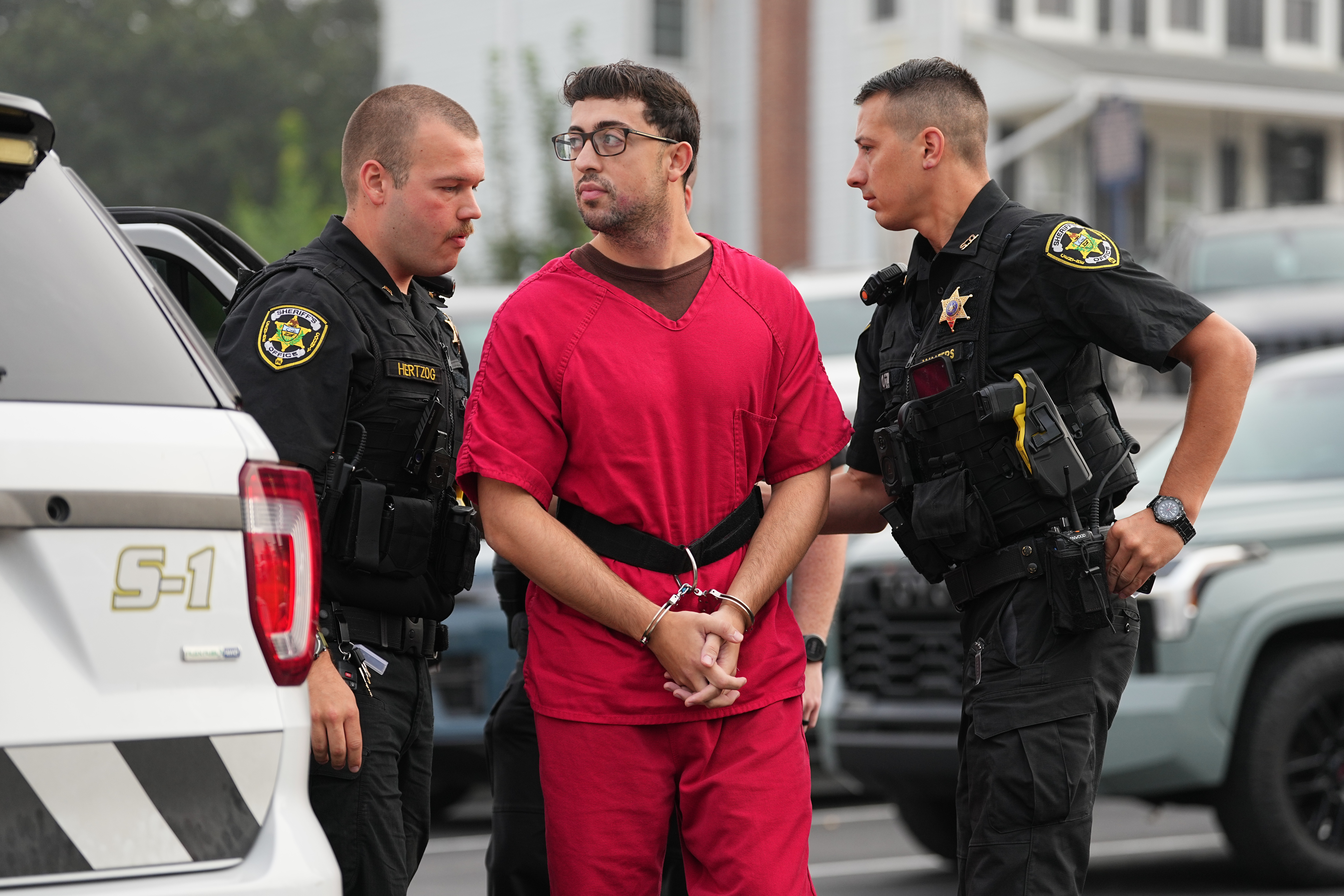
    The former Pennsylvania State University student accused of orchestrating a cocaine-trafficking ring has been released on bail, after a preliminary hearing Wednesday where three of his co-defendants testified against him.

    Agostino Abbatiello, 24, eventually came to be known as the main cocaine supplier on campus, according to a criminal complaint. He and other co-defendants allegedly made regular trips to New York City and Philadelphia to acquire large quantities of cocaine, and distributed the drugs out of the Delta Upsilon and Sigma Chi fraternity houses from 2023 to 2024, prosecutors say.

    A judge ordered Abbatiello be held for trial on all charges, which include felony counts of possession with intent to deliver cocaine, conspiracy, and other related offenses. Fourteen people have been charged, and all but one are current or former Penn State students.

    At Wednesday’s hearing, State College Police Department Detective Donald Paul said after Thomas Robinson, 23, was arrested in 2024, he began cooperating with investigators and pegged Abbatiello as the head of the operation, as reported by the Centre Daily Times.

    Robinson testified about the roughly 10 cocaine purchases he made from Abbatiello, which grew in size and price to as much as a kilogram of cocaine for $22,000, the news outlet reported. According to Robinson, the cocaine was typically ground down and repackaged in half-gram bags that were sold for about $80 apiece.

    Two other co-defendants provided more details in their testimonies. One said some fraternity pledges were directed to package the cocaine for sale, while another testified that Abbatiello flaunted the money he was making, and was gambling thousands of it at a time, the Centre Daily Times reported. Senior deputy attorney general Megan McGoron said Abbatiello was making hundreds of thousands of dollars.

    Abbatiello, of Long Island, N.Y., was denied bail when he was arraigned last month, and spent about two weeks in jail. At Wednesday’s hearing, prosecutors requested a $5 million bail, but Abbatiello’s attorneys successfully argued for his bail to be set at $250,000. Abbatiello posted bail and is now home with his family, his lawyer Philip M. Masorti said in a statement.

    Agostino Abbatiello, who is facing charges including possession with intent to deliver and conspiracy, arrives to an appearance at Centre County Courthouse in Bellefonte, Pa., on Wednesday.AP Photo/Matt Rourke

    “We have maintained that holding Agostino without bail was neither necessary nor justified. He is not accused of committing an act of violence. He did not flee. When he learned of the charges, he left his job in Florida, traveled to Pennsylvania, and surrendered himself to authorities,” he said.

    Robinson and three other defendants also charged with felonies waived their preliminary hearings. The case against Robinson’s father, who also faces felony charges for concealing and tampering with evidence, will move forward, a judge ruled.

    Abbatiello’s next court date is set for Sept. 30.