Category: Education

  • Meldoria Miles, award-winning cosmetologist and retired salon owner, has died at 88

    Meldoria Miles, award-winning cosmetologist and retired salon owner, has died at 88

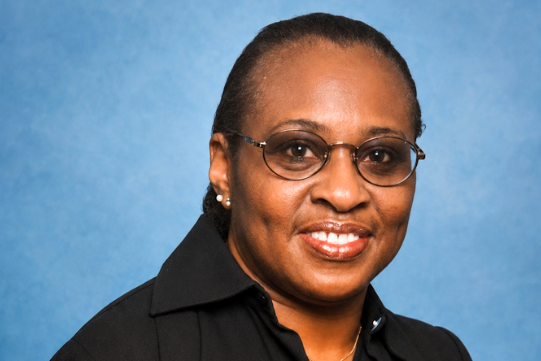
    Meldoria Miles, 88, of Philadelphia, award-winning cosmetologist, longtime beauty school instructor, retired salon owner, mentor, and big sister extraordinaire, died Wednesday, Aug. 26, of heart and lung disease at Jefferson Abington Hospital.

    The oldest of 11 children, Ms. Miles grew up in a two-room farm house in rural Mercer County, Kentucky. Naturally affable and supportive, she not only helped her mother with the household chores, she mentored her younger siblings, giving good advice, styling their hair, and generally making life more pleasant.

    “She always helped people,” her sister, Maureen Meaux, said. “She listened to people. She was beautiful inside and out.”

    After high school, Ms. Miles moved to Louisville, went to beauty school, and styled hair for clients at a salon and privately in her home. She left for Philadelphia in 1971 to work for Luster Products Inc. and became so proficient at developing, testing, selling, and demonstrating personal care products that Luster sent her to workshops, demonstrations, competitions, trade shows, and conventions across the country and around the world.

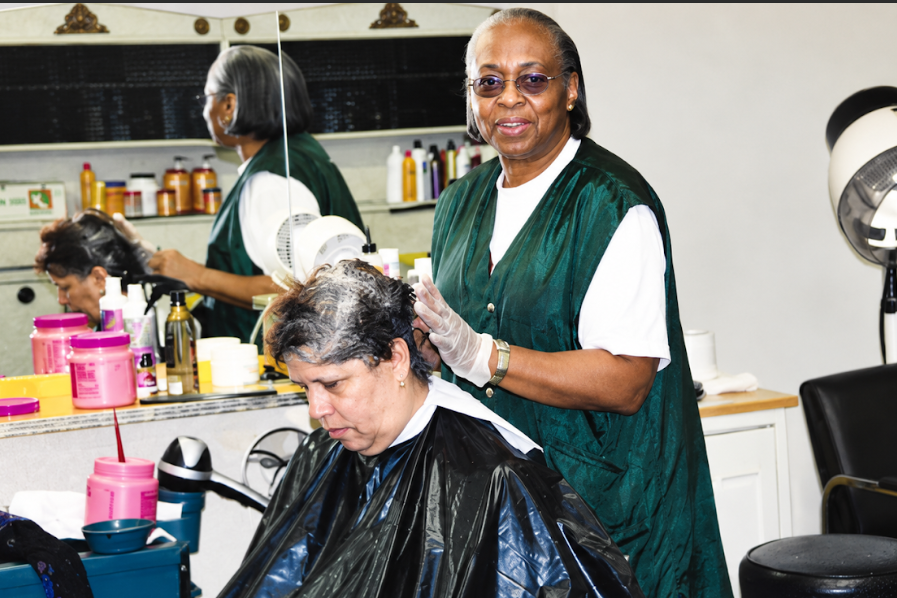
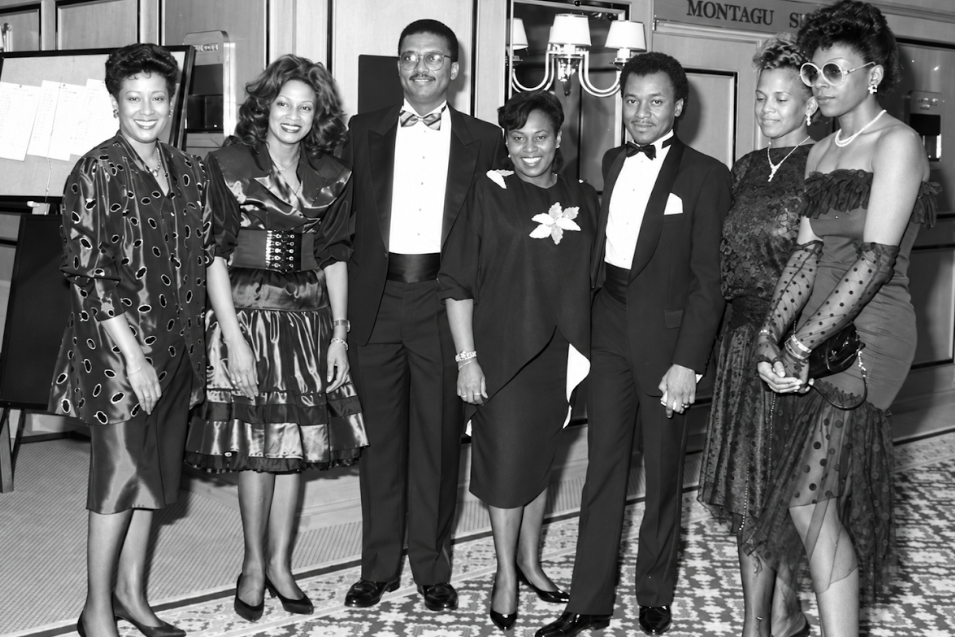
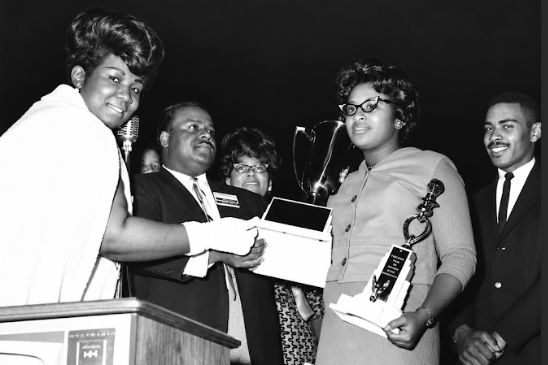
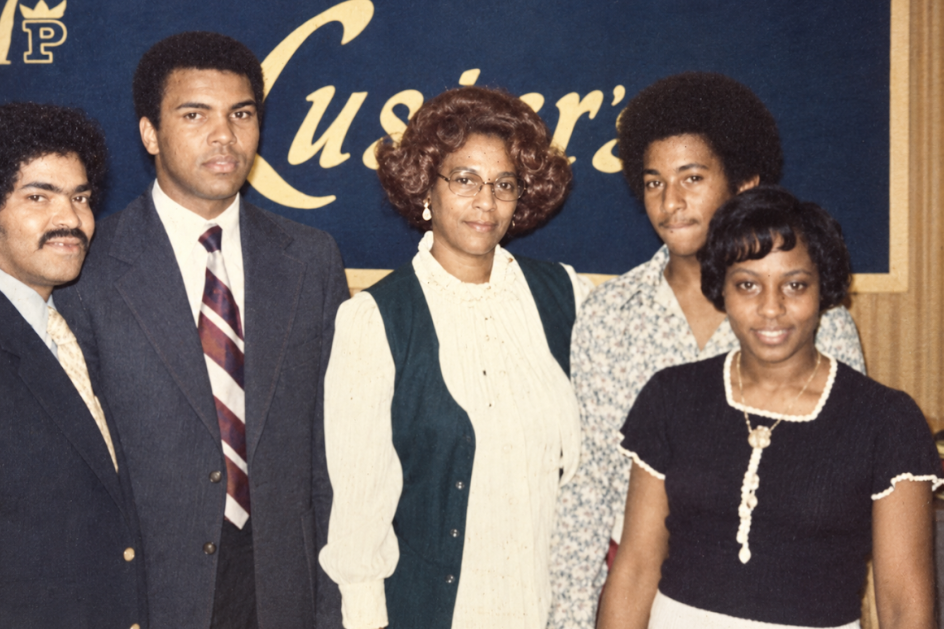
    Ms. Miles was at home in her shop, El Salon, (above) and at personal care product events (center below).Courtesy of the family

    She was especially skilled at matching colors with style, and anticipating ever-changing cosmetic trends. In 1971, she was named dean of technicians at Luster. She helped develop its groundbreaking hair relaxing formula in the 1980s and was named educational director in 1991.

    For decades, Ms. Miles, often with her sister Maureen along as her model, traveled to cosmetology events in Canada, Europe, the Caribbean, Africa, and elsewhere. She was dynamic in front of crowds, her family said, and won competitions for her use of cosmetics and wigs, and awards for her innovation.

    In 1996, she was named Philadelphia’s hair dresser of the year by the Affirm hair care line.

    Ms. Miles opened her own five-seat shop, El Salon, in 1973 on East Washington Lane in West Oak Lane and managed it for 37 years. Before Philadelphia, she worked in sales and product development for two companies in Louisville.

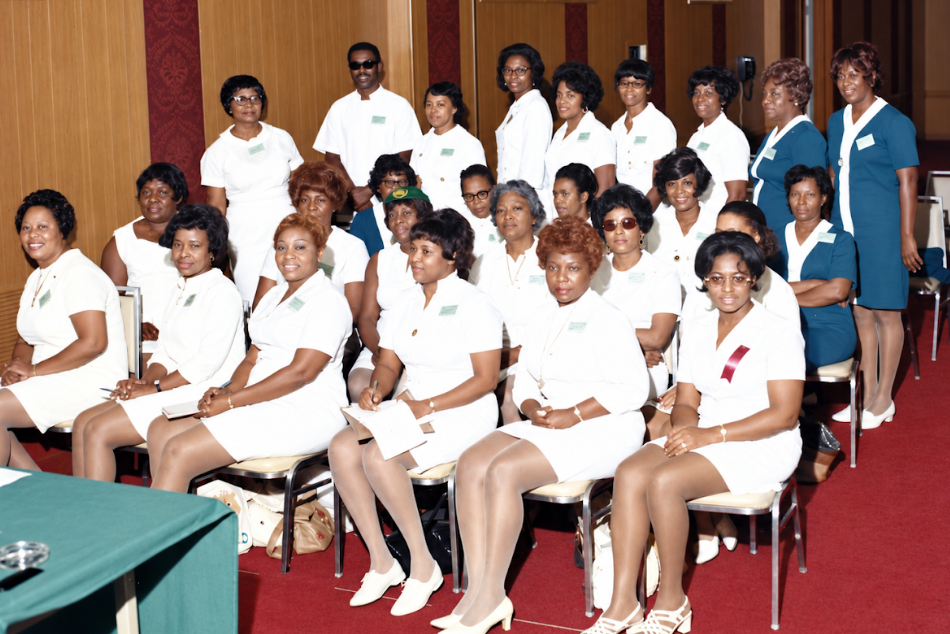
    Above, Ms. Miles (front right) attended several beauty schools. Below, she (right) won several competitions for personal care skills.Courtesy of the family

    In 1974, Ms. Miles earned her teaching certification at the old Wilfred Academy of Hair and Beauty in Philadelphia. She went on to teach chemical hair relaxing, manicuring, and other personal care skills for decades at Wilfred, Devine, Pearson VUE, and Gordon Phillips beauty schools in Philadelphia, the National Beauty Culture League in Washington D.C., Clairol in New York, and Pivot Point Academy in Chicago.

    In addition to Wilfred, she studied at the National Beauty Culture League, Pivot Point, and Vidal Sassoon in Paris. In 1980, she took business management classes at the University of Colorado.

    She was good at everything, her sister said, but “she dedicated herself to hair.”

    Meldoria Louise Meaux was born Sept. 12, 1937. She moved to Louisville after high school and spent a year at the old Tucker’s Beauty & Barber School.

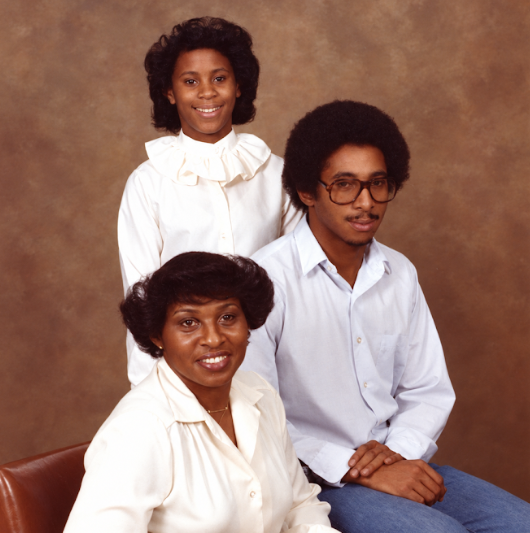
    Above, Ms. Miles sits with her children. Below, she (right) stands with Muhammad Ali (second from left) and others. Courtesy of the family

    She married James Miles, and they had a daughter, Lamarr, and a son, Gary. She and her husband divorced later. She married Jerome Wortham, and they divorced later.

    Ms. Miles lived in West Philadelphia and Mount Airy. She was active at church, taught Sunday School, and doted on her family. “She built a life of purpose, service, and faith,” her family said in a tribute.

    A friend said: “Mel was my teacher, mentor, friend, and I will miss our monthly visits and conversations.” Her daughter said: “She was the most caring, giving, positive, beautiful soul. She was effervescent. Her smile lit up the room.”

    In addition to her children, Ms. Miles is survived by four grandchildren, six siblings, and other relatives. Her first husband died earlier.

    Memorial services were held earlier.

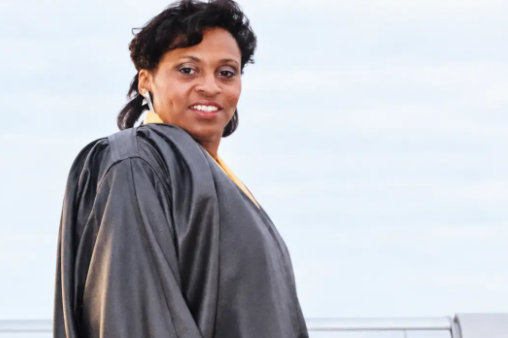
    Ms. Miles “built a life of purpose, service, and faith,” her family said in a tribute.Courtesy of the family
  • Alliance for Progress Charter School’s CEO is out

    Alliance for Progress Charter School’s CEO is out

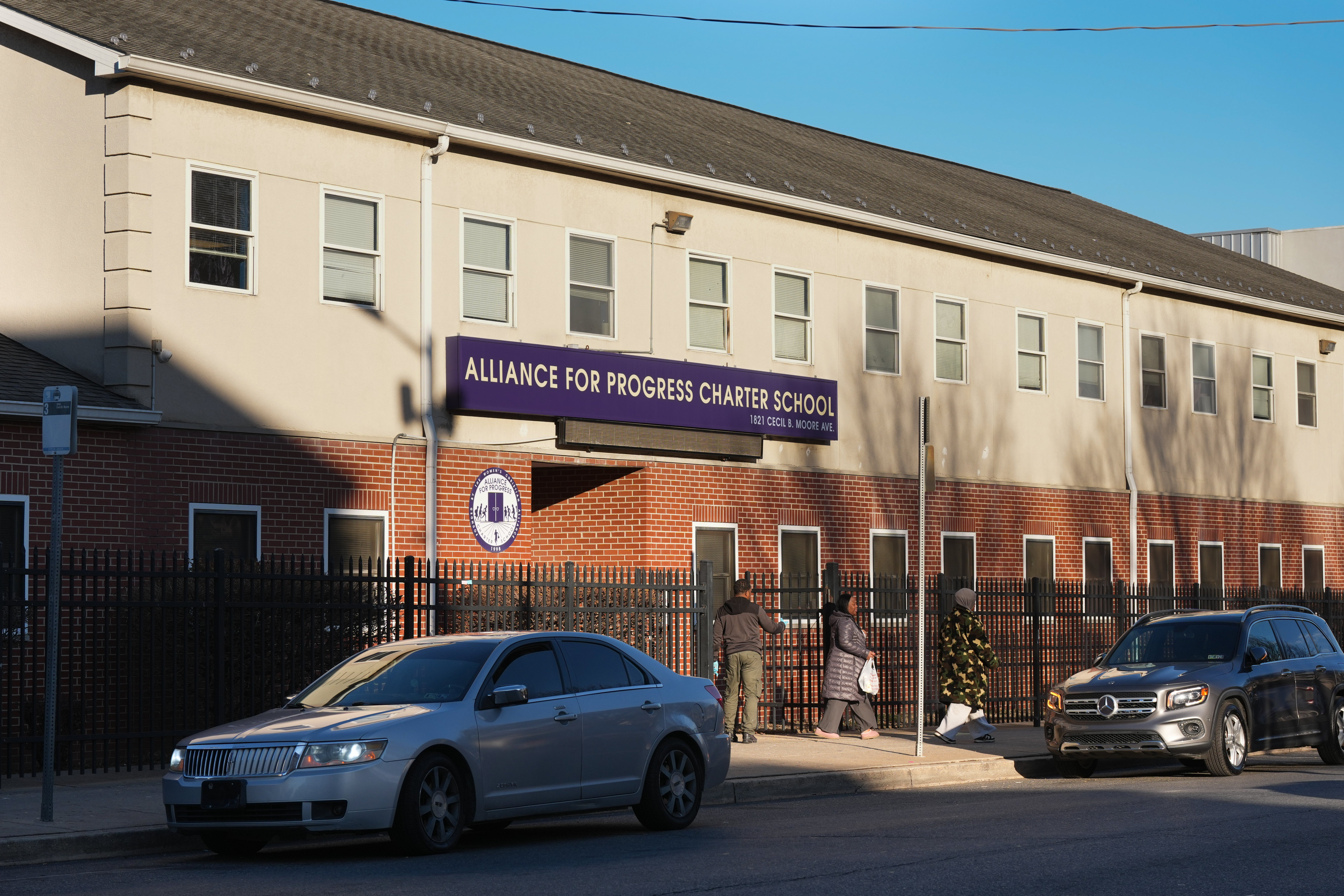
    Alliance for Progress Charter School, a North Philadelphia charter roiled by turmoil, has a new leader.

    Emmanuel George is now interim chief executive officer, the school’s board of directors chair said in an “important leadership update” recently sent to families. He replaces Stacey Scott, who served as Alliance’s CEO for several years.

    George hails from New York City, where he spent 16 years as an educator and administrator in the charter sector. He describes himself as a consultant and school turnaround specialist.

    It was not clear whether Scott was fired or voluntarily left. Larry Griffin, the board chair, did not address the circumstances surrounding Scott’s departure in his letter; he did say that Scott “will work with Mr. George to ensure a smooth and orderly transition.”

    Alliance for Progress’ charter is up for renewal by the Philadelphia school board this school year.

    Alliance, on Cecil B. Moore Avenue, has churned through staff in recent years. Paraprofessionals without college degrees or educational licenses are providing instruction, according to multiple people inside the school. Alliance also kept students on its rolls who did not attend, leading to state payments for children it did not educate, according to people inside the school.

    Scott had been working remotely after an Aug. 25 incident in which she stormed into a meeting at the school and began cursing at Eric Langston, the new principal.

    George began his job on Sept. 26. It’s not clear exactly when Scott left her CEO role.

    “You can’t trust this snake! Motherf—!” Scott allegedly said when she interrupted Langston’s meeting, according to people with firsthand knowledge. She then walked out of the room, shouting “F— this school,” and left the building.

    Langston, who started working at Alliance this summer, had sent an August email to the board outlining concerns about the school, and Scott’s leadership in particular.

    Langston spelled out issues around “Scott’s leadership and decision-making, including questions about whether decisions are consistently being made in the best interest of the school,” according to the email, which was obtained by The Inquirer.

    Langston said his concerns “have reached a level that gives me significant pause regarding leadership practices, organizational culture, transparency, and the long-term health of Alliance.”

    Griffin, in a statement Thursday, said, “Alliance continues our review of matters identified by” the Inquirer story. “Given that, we still have no comment at this time.”

    Continued worries

    An Alliance staff member said the year is still concerningly chaotic.

    On one recent day, a lockdown was called around lunchtime because a student could not be located, said the staffer, who asked to remain anonymous for fear of reprisal.

    Ten minutes into the lockdown, it was discovered that the student didn’t actually attend Alliance.

    “You aren’t aware that you may be missing a student until noon, and someone didn’t even know that student wasn’t in their class,” the staffer said.

    “The staff are all great, but we’re all in the same mode of frustration, where we don’t know what’s going on. There’s a lack of communication from higher up. We’re frustrated and worried for the kids.”

    Administration seems most focused on the school’s charter renewal, the staffer said.

    The staffer said some Alliance students, especially the older ones at the 600-student K-8 school, have picked up on the problems.

    “The kids know there’s such a turnover rate, and they can push teachers out. And there’s no consequences for them. They understand the dysfunction, they see teachers leaving all the time. They see their test scores — they’re aware that they’re really behind in reading. Not one grade, the entire school.”

    Griffin, in his letter to families, said he knew transitions brought questions, and vowed the board would “remain actively engaged in supporting Mr. George, our faculty and staff and the school community. Our responsibility is to provide the leadership, oversight and stability Alliance needs to continue moving forward.”

    The school’s direction must remain clear, Griffin wrote.

    “Alliance for Progress exists to create opportunity for our students and help every child learn, grow and succeed,” Griffin said. “That means keeping students at the center of our decisions, supporting the people who serve them every day and strengthening the systems and practices that allow our school to deliver on its mission.”

  • After an identity hoax, one Philly educators’ group dissolves and another goes on hiatus

    After an identity hoax, one Philly educators’ group dissolves and another goes on hiatus

    After being duped by Hannah Gann, one organization closely affiliated with the Philadelphia School District teacher and activist is dissolving, and another is on a two-month hiatus pending a decision about its future.

    The moves come after Gann admitted she lied for years about her identity, claiming at times to be Palestinian, Tunisian, and Black — devastating both groups and drawing national attention to her deception. Gann recently admitted to being a white, Jewish woman, with relatives who she said were Israeli settlers.

    “After much reflection, Philly Educators for Palestine has made the decision to dissolve,” a statement read. “We are deeply grateful to everyone who participated, supported, organized, learned, taught, and stood alongside us. We are proud of what we accomplished together and of the community that was built through this work.”

    The group, which was not affiliated with the Philadelphia School District but whose members taught in the district, began in early 2024, after charter members, including Gann, organized a “teach-in” about Palestinian history and the conflict in Gaza.

    The Racial Justice Organizing Committee, established as an independent group in 2020, is “taking a two-month hiatus to rest, process, and decompress,” the joint statement said. “A decision regarding its future and next steps will be shared by the end of the year.”

    Gann’s deception was publicized by both groups earlier this month. The organizations’ members were “stunned, saddened, and angered by this betrayal,” they said at the time.

    Gann, in a 10-minute video released after the groups revealed her yearslong hoax, said that she “allowed half-truths and obfuscations to grow into outright lies,” but that she “genuinely wanted to commit to the work I was doing in spite of those lies.”

    She has said in a social media post that she was “so, so sorry. It’s so far from being enough, but I don’t know what else to say.”

    ‘Cosplaying Black’

    Most of the teachers and activists who organized with Gann have asked for privacy as they sort through the complicated “why” around her deception.

    But one organizer, furious at the damage done by Gann, shared details around Gann’s deception with The Inquirer. The activist asked that her name not be used because she feared reprisal from the community.

    Gann sought her out, deliberately befriending her, the organizer said.

    At times, the organizer said, Gann was “a little ambiguous” about her background.

    “She has moments when she tries to act extra Black, like cosplaying Black,” the organizer said. Gann often wore African print clothing and large earrings, and used African American Vernacular English. “She told people she was mixed. She told someone she was Lebanese.”

    But Gann seemed to act differently around different people, slipping on different identities as they suited her.

    Gann once talked about having attended an international school in Virginia, the organizer recalled. When the organizer asked Gann how her family, who Gann said had few resources, managed that, “she said, ‘I just used my grandmother’s address; you know how we do.’”

    And though it was not a secret that Gann attended the University of Pennsylvania, “she never ever talked about that stuff with me,” the organizer said. “She would always gloss over the Ivy League.”

    In some ways, Gann “was such a good friend; she’d do anything for you,” the organizer said — cook a dish, do a favor, show up when you needed her.

    But Gann also did things that, in hindsight, give the organizer pause.

    “She is intricately involved in teenagers’ lives, and that is very, very concerning to me,” the organizer said. “I’ve seen kids stay at her house because they got kicked out. I’ve seen her going to kids’ parties as a chaperone.”

    Members of the Racial Justice Organizing Coalition and the former Philly Educators for Palestine said in a statement they believed Gann, who teaches at the Workshop School, a project-based district high school, deserved consequences from her employer for her actions.

    A school district spokesperson said that the district cannot comment on personnel matters, but that support is being provided for any Workshop student or adult who needs it.

    The organizer agrees with the call from the Racial Justice Organizing Coalition and former Philly Educators for Palestine group for consequences.

    “I think Hannah should get fired,” the organizer said. “This has got to be so traumatizing for those kids. This is a group of kids that don’t trust adults anyway, living in Philly at this time. And they had an adult they thought they could trust, and she was lying about something so fundamental.”

    The organizer feels deeply personally duped, too.

    “She was trying to get my perspective as a Black woman, and she was white that whole time,” the organizer said. “It was disgusting. The emotional labor that she has utilized from me is so unbelievable — I can never get that time back, I can never get that trust back. I will never speak to her again in my life.”

    Further questions

    Gann’s actions had troubled some Jewish families in the district long before her deception came to light.

    Jason Holtzman, chief of the Jewish Community Relations Council of the Jewish Federation of Greater Philadelphia, said families in the district began raising concerns about Gann to the organization three years ago.

    “The communities whose identities and experiences she misrepresented were wronged by that deception and deserve honesty and respect,” Holtzman said in a statement.

    Gann’s admission that she lied about her identity “also raises serious questions about her conduct as a teacher,” Holtzman said.

    “Ms. Gann taught and spoke publicly about Israel and Palestinians while invoking a personal identity and lived experience she now acknowledges were not her own. She testified before the Board of Education as a Palestinian teacher, speaking about ‘our homeland’ and ‘my family living in a war zone.’”

    Black, Palestinian, and Tunisian communities “deserve to have their identities and experiences treated with honesty and respect,” Holtzman said. “Jewish students also deserve a classroom where they can be fully themselves, without feeling singled out or ashamed of their Jewish identity or their personal or familial connection to Israel.”

    The Jewish Federation of Greater Philadelphia in 2024 filed a complaint against Keziah Ridgeway, another Philadelphia teacher, accusing Ridgeway of injecting antisemitism into the curriculum and using her personal social media posts to threaten some Jewish parents.

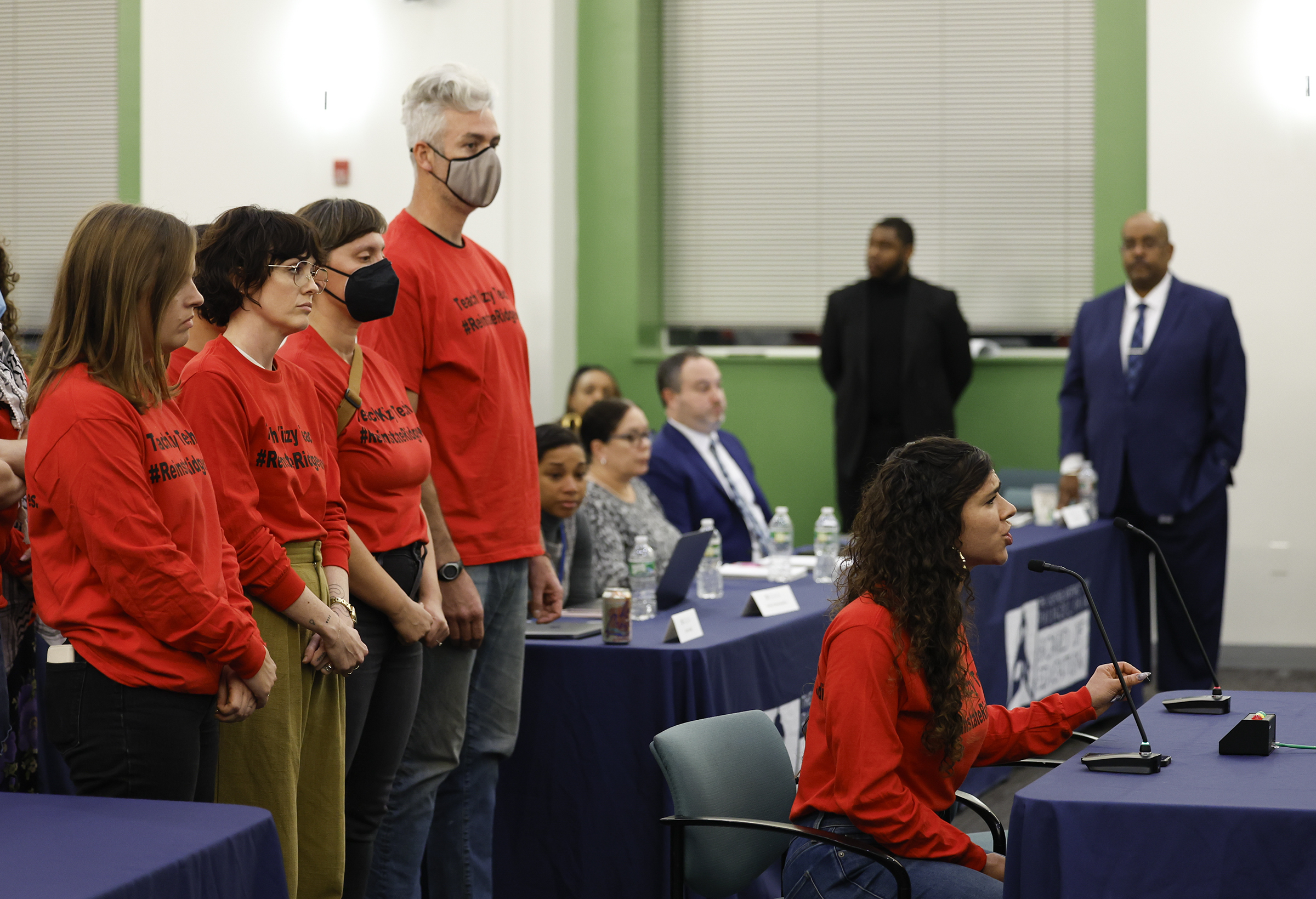
    Ridgeway was ultimately kept out of the classroom for a year before she was reassigned to a new school. She has sued the district, alleging anti-Islamic bias. The suit is still pending.

    Gann was a staunch defender of Ridgeway, who posted on social media that she confronted Gann when her lies came to light.

    “I can no longer be in community with someone who caused so much harm,” Ridgeway wrote. “I hope that she gets the help that she needs.”

    This article has been updated to include the name of Jewish Community Relations Council chief Jason Holtzman.

  • Bipartisan bill seeks to ban cellphones in schools nationwide

    Bipartisan bill seeks to ban cellphones in schools nationwide

    A new bipartisan effort could create a national ban on cellphones during the school day, the most sweeping attempt yet to keep screens out of classrooms.

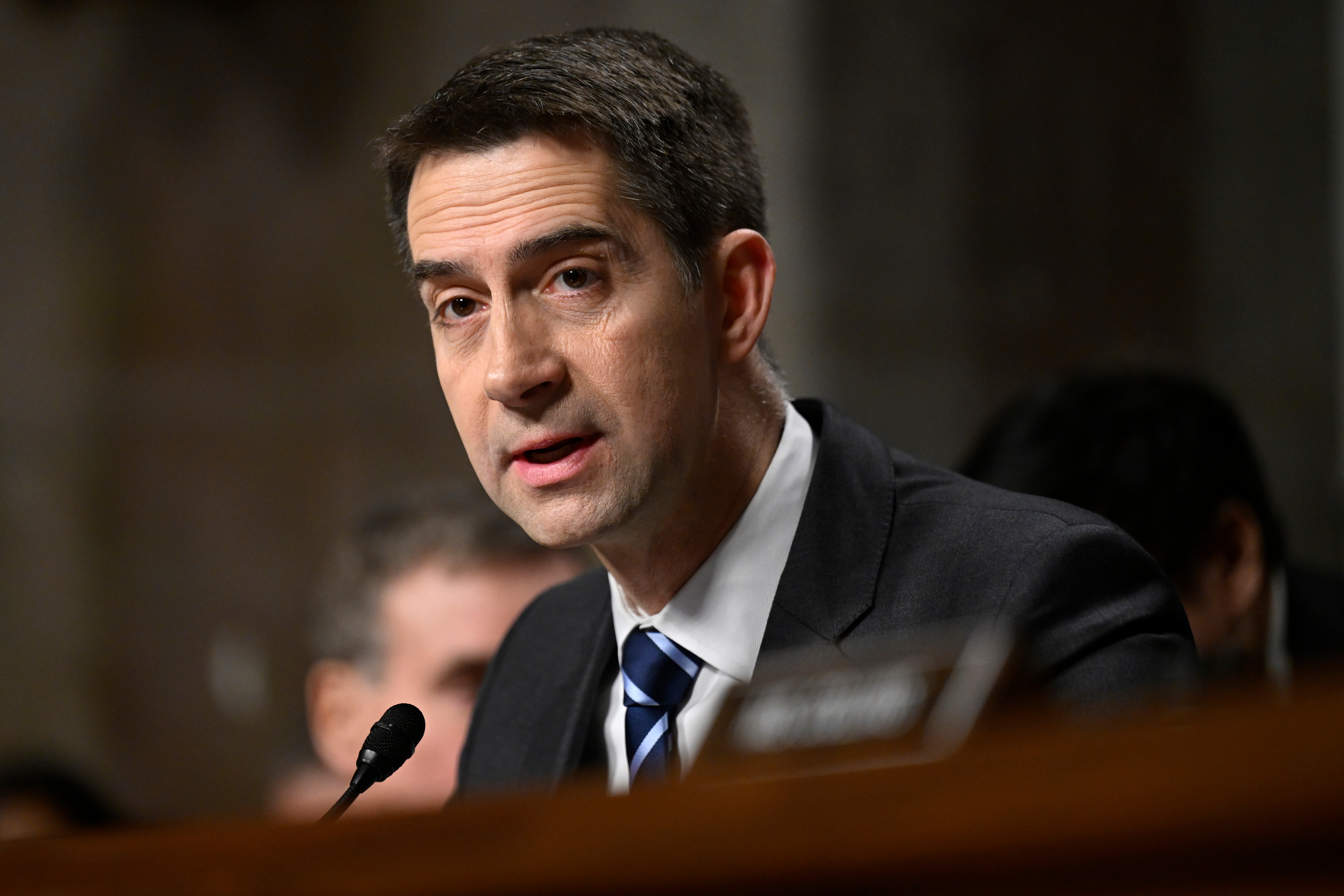
    The bill, filed Wednesday by Sen. Mark Kelly (D-Arizona) and Sen. Tom Cotton (R-Arkansas), would send money to states that adopt policies barring students from using personal devices – including cellphones, smartwatches, tablets and similar technology – during the school day.

    If the legislation is approved by lawmakers, states would be able to use the funding to enforce device bans, including paying for lockers, lockboxes or pouches for students to store their devices. The legislation makes exceptions for children who need devices for special education or medical needs.

    “Arkansas kids deserve classrooms free of distractions,” Cotton said in a statement. “This bill would support Arkansas public schools that choose to tailor their classroom cellphone guidance to ensure students have the most productive school days possible.”

    Cellphone bans have become popular in recent years, with most states enacting policies designed to restrict cellphone use in schools. Students are often required to stow their devices in lockers or locked pouches during the school day.

    Supporters of these rules hoped keeping phones out of the classroom would help students focus, boost test scores and improve mental health. But the results have been mixed.

    While cellphone bans have reduced unauthorized usage in schools, there has been little academic benefit, according to research by the National Bureau of Economic Research.

    “There is clearly justifiable enthusiasm for school phone bans, but it’s important to recognize that building effective, phone-free learning environments does not appear to be a simple or quick fix,” according to Thomas Dee, a Stanford University professor and one of the authors of the report.

    “The very early experience schools have with phone bans is sobering, but there are also indicators that as schools adjust to phone-free policies, the benefits of these bans may be realized,” he said in an interview posted on a Stanford website.

    And, in some cases, teens reported using their phones more often at school, particularly at schools with lax enforcement, according to a Brookings Institution survey. Students in that survey also said cellphone bans had no impact on their happiness, stress or relationships with teachers.

    A spokesperson for Kelly said the measure is intended to give schools the resources to make phone bans work and enforce them consistently. While no single policy will solve every challenge in the classroom, reducing distractions can help, the spokesperson said.

    “Phones in schools have been a disaster for learning,” the senator said in a statement emailed to The Post. “Getting phones out of classrooms will mean fewer distractions and more time for kids to focus on their teachers and lessons. We’re giving schools the tools to make that happen.”

    Some advocates continue to link cellphone use with grades. Amid declining math and reading scores among teenagers, more than half of public school leaders say cellphone usage hurts a student’s academic performance, federal survey results show.

    The U.S. Surgeon General’s office has also warned that excessive screen use can lead to anxiety, depression, lower grades and weakened interpersonal relationships.

  • A timeline of the Cornell University assault case

    A timeline of the Cornell University assault case

    Prosecutors in upstate New York this week reopened an investigation into a former Cornell University student’s claims that several men raped her at a campus fraternity house two years ago while forcing her to take drugs.

    The move came after the woman, who was a third-year Cornell student when the alleged attacks occurred and who is identified in court filings as Jane Doe, sued the university, the fraternity, her sorority and seven men who she says assaulted her.

    The woman reported the assault to Cornell police three weeks after she said it happened. The police opened an investigation into her accusations, and asked the Tompkins County, New York, district attorney’s office to review her statement. The district attorney closed the case after determining that there was not enough evidence to bring criminal charges.

    The lawsuit has raised questions about how Cornell administrators and local law enforcement authorities have handled the woman’s accusations to this point.

    Here is a timeline of the events so far.

    Oct. 19, 2024

    Jane Doe leaves Lot 10, an Ithaca, New York, bar at around 11 p.m. She walks about a mile to the Chi Phi house to meet a male Cornell student who is a friend. After arriving, she claims in her lawsuit, she was forced to take ketamine and was sexually assaulted by several men.

    Nov. 8

    Jane Doe reports her accusations of sexual assault and forced drug use to the Cornell police. In a statement to police, parts of which were publicly released by Tompkins County District Attorney Matthew Van Houten on Monday, she indicated that she had voluntarily participated in some drug use and sexual activity that night.

    Nov. 8

    The university suspends the fraternity temporarily while it investigates the accusations as potential violations of Cornell’s Student Code of Conduct. The university also suspends the students Jane Doe accuses of attacking her.

    November

    Cornell police notify Van Houten’s office that they are investigating the accusations, and then ask the office to review the woman’s claims to determine whether they constitute allegations of crimes. Van Houten decides that there is not enough evidence to support the filing of criminal charges.

    Nov. 26

    Cornell University President Michael I. Kotlikoff issues a statement saying that the university is investigating the accusations and noting the suspensions of the fraternity and the students.

    Jan. 14, 2025

    Jane Doe files a complaint with the university Title IX coordinator, who is responsible for investigating internal accusations of discrimination and harassment of so-called protected classes of people. A Title IX inquiry is opened.

    May

    Cornell’s Title IX committee holds at least 12 hearings involving the accusations.

    Nov. 4

    Cornell releases a statement on the results of its 2025 survey of sexual assault and related misconduct. The survey, taken by both students and staff members, notes an increase in sexual misconduct and says alcohol has a role in more than half of reported cases.

    Sept. 16, 2026

    Jane Doe, in a detailed complaint, sues Cornell, university leaders, the fraternity and seven men who she says assaulted her. Also named in the suit is her sorority, Delta Delta Delta, which she accuses of failing to protect her.

    Sept. 21

    The student newspaper, The Cornell Daily Sun, publishes an editorial identifying the seven men and criticizing university leaders for their handling of the case.

    Sept. 28

    Van Houten says his office is reopening the case and preparing to bring it to a grand jury.

  • The student journalists who never let the Cornell assault case go

    The student journalists who never let the Cornell assault case go

    ITHACA, N.Y. — Editors of The Cornell Daily Sun clustered around their computers late Monday night, getting ready to send out a letter from the editor. They looked bleary-eyed, and one reporter confessed she had skipped her class on Nietzsche that day.

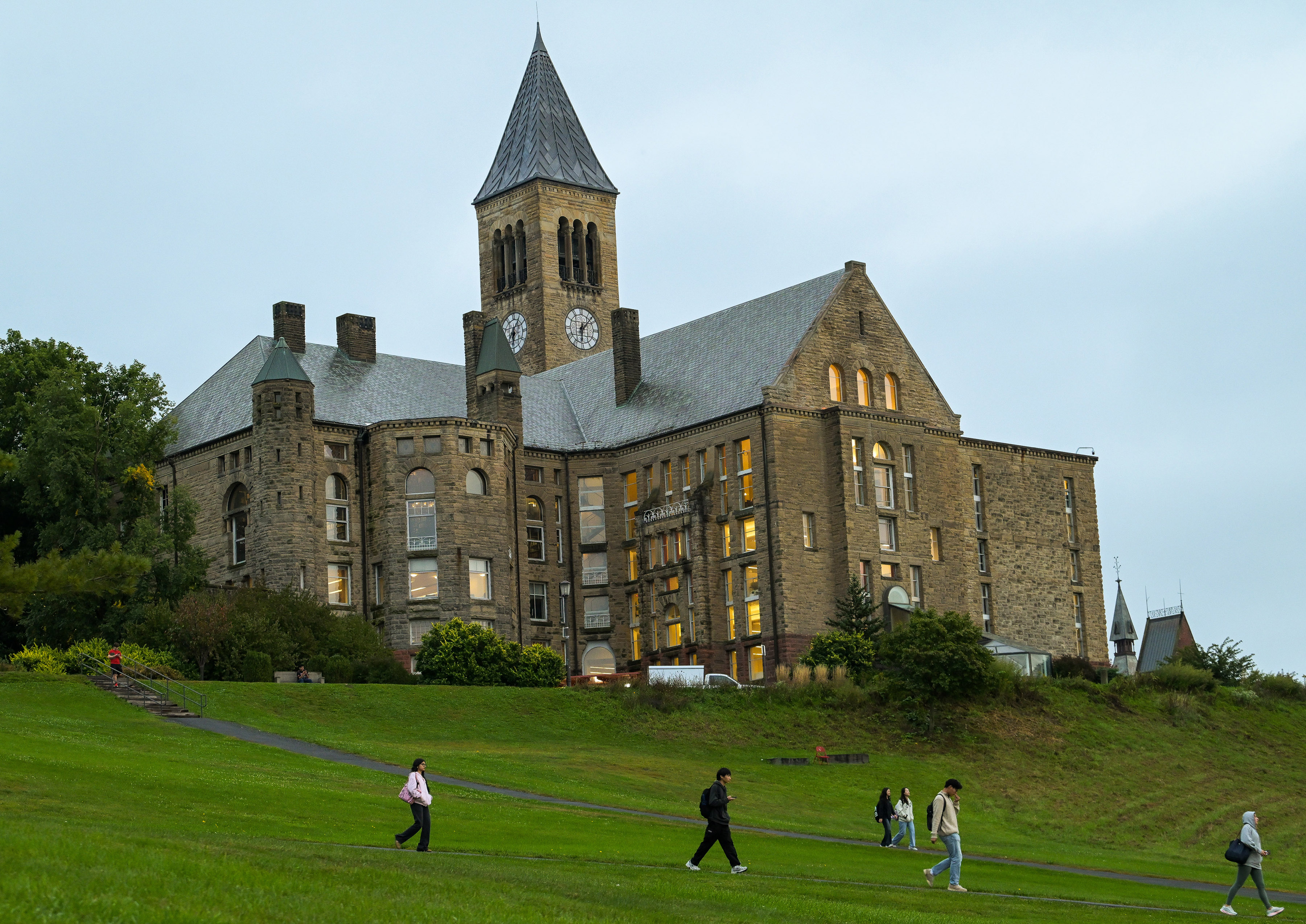
    These student journalists at Cornell University were pressing through a dizzying two weeks following the story of a student’s allegation that she was raped on campus in 2024.

    The case had long had their attention; now it had burst into the national spotlight, and their high-risk decision to publish the names of the accused was being discussed not only in Cornell’s libraries and walkways but in the national media.

    Back in November 2024, students at Cornell were shaken by an alert they received over email: “Crime ALERT: Sexual Assault,” the email read, referring to the case of a woman who told Cornell police she had been assaulted at a fraternity house.

    There was outrage on campus. Students threw eggs at the fraternity house, Chi Phi, that the woman named. The university convened a sexual assault task force, which compiled a series of recommendations for teaching students about consent and the processes for reporting assault. Then much of the campus attention moved on.

    But Cereese Qusba, 22, a senior and reporter for the Sun, couldn’t shake her concerned curiosity about the case. She got in contact with Jane Doe, the plaintiff, and built a relationship with her and her lawyer. Qusba interviewed university administrators about their approach to disciplining students accused of assault.

    Qusba made her obsessive dedication known to the student paper’s higher-ups. When a new editor-in-chief, Sophia Dasser, 20, took over the paper in early 2026, she immediately received a phone call from Qusba, who was studying abroad in Sydney.

    “Sophia, I’m working on this story — I want it to be a focus of the Sun,” Dasser recalled hearing over the phone. She added, “The Sun never really let go.”

    This month, when Jane Doe filed a lawsuit against the university, the fraternity and her sorority, Qusba was ready to hit publish on her investigation, which was 23 months in the making. “Cornell, Chi Phi Sued by Victim of Alleged Gang Rape, Drugging in 2024,” read the headline on her Sept. 18 story, which traced Jane Doe’s allegations in detail throughout the night that she said she was assaulted.

    The Sun is the oldest continuously independent college daily paper in the country. Dasser, who speaks with a cool and quick precision, was adamant that she wanted the paper to dominate the story not just in its reporting, but in its editorial response. Why be financially independent, she wondered, if not to publish sharp-edged views of the biggest campus issues?

    This was the sensibility that emboldened her, days later, when she decided to publish the names of the seven fraternity men named in the lawsuit on the paper’s front page and in a fiery editorial. It was a sensitive decision, she knew, given that the men were named in the suit but had not been criminally charged.

    Dasser said she decided to publish the names to display the transparency that some students felt was lacking from university leadership. On Saturday night, Sept. 19, she was at the Sun’s office in downtown Ithaca celebrating the paper’s 146th birthday. Over cake, she turned to her fellow editors and asked: “Can we just put the names on the front page of the paper?”

    “We called up our lawyer, and we were like, ‘Can we do this?’” she recalled. “He was like, ‘I mean, it’s kind of a risk.’ And we were like, ‘OK, I guess that’s how we’re going to start the editorial.’”

    Dasser and her co-editors got to work designing a print page, with Qusba’s investigative story on top and the list of men’s names underneath in a box colored the Sun’s official shade of red.

    “First it was just a line of the names, and I was like, ‘Wait — this looks like a byline,’” Dasser recalled. She was sitting in her constitutional law class when the headline came to her: “Cornell Won’t, We Will.”

    The Sun has set up a tip line, and Dasser and Qusba said their inboxes have been flooded with emails from students who say they have also been the victim of assaults on campus, or experienced frustrations filing Title IX complaints alleging sexual misconduct or discrimination.

    Dasser gestured around her office — a dimly lit room cluttered with piles of papers and books, including a style manual — and emphasized how seriously the Sun takes its independence from the university administration.

    “The office that you sit in is obviously off campus, and that’s for a reason,” she said. “Our main obligation is accountability. Whether that looks like something that many people do not want to hear, or something that many people do want to hear, it’s our obligation to report on it.”

  • Alumni, students call on Haverford College to protect speech, academic freedom following antisemitism legal settlement

    Alumni, students call on Haverford College to protect speech, academic freedom following antisemitism legal settlement

    A group of alumni and students called on Haverford College to “preserve the rights to free speech and academic freedom” after the college settled a lawsuit alleging it allowed antisemitic speech on campus and failed to support Jewish students amid a rising tide of anti-Israel rhetoric.

    In an open letter, nearly 340 alumni and students of Haverford, Swarthmore, and Bryn Mawr Colleges voiced opposition to the settlement, writing it would ”abrogate the rights of all Haverford community members to academic freedom, free speech, and the thoughtful exchange of ideas.”

    Concerned Jewish Faculty and Staff, a Massachusetts-based membership organization of Jewish university employees, published the Sept. 14 letter, which states that its signatories “affirm the necessity of combating antisemitism and all other forms of prejudice” while being “particularly mindful of the safety and rights of Palestinian students.” The letter references an act of violence against a Palestinian student in 2023. Kinnan Abdalhamid, a West Bank-born Haverford College student, was shot in Vermont that year.

    The letter comes as the Trump administration has threatened sanctions and launched investigations into antisemitism on college campuses in the wake of the Israel-Hamas war and ensuing campus protests, actions that some advocacy groups say have suppressed pro-Palestinian speech on campus.

    Haverford was sued in 2024 by a group of Jewish students, faculty, parents, and alumni represented by the Deborah Project, a pro-Israel legal group based in Merion Station that has filed suits against a number of schools and universities since the start of the war in 2023.

    The lawsuit, filed in U.S. District Court for the Eastern District of Pennsylvania, said Haverford students faced discrimination for supporting Israel, including not being allowed to speak during campus-wide gatherings and being disrupted by bullhorns and cowbells during a meeting about antisemitism.

    Ally Landau, a plaintiff and a student at the time of the lawsuit, alleged she was pressured to cancel an event promoting antisemitism awareness as it would prove “too antagonistic to the pro-Palestinian students on campus.”

    After the lawsuit was initially dismissed by a federal judge, the students filed an updated complaint, and the college settled with the Deborah Project in August. Under the settlement terms, Haverford College president Wendy Raymond released a public letter affirming the college’s support of Jewish, Israeli, and Zionist students. The college confirmed that campus events hosted by Jewish or Israeli students would receive the same security as other campus programs and agreed to form an antisemitism committee and require annual antisemitism awareness training for students, faculty, and staff.

    The alumni and students who signed the Sept. 14 letter say the settlement designates supporters of one particular political belief, Zionism, as a protected class, a move they describe as stifling legitimate political debate and misrepresenting the beliefs of many Jewish people. The group wrote that the settlement follows a larger trend “in which organizations like the Deborah Project, together with politically-motivated operatives in the Trump administration, have weaponized accusations of antisemitism in order to silence criticism of Israel on campus.”

    Lori Lowenthal Marcus, the Deborah Project’s legal director, said in an email that accusing the organization of weaponizing antisemitism “evokes the rank racism of the pre-Civil Rights era when racists demanded the law not be used to shield Black Americans from harassment and other harms.”

    The student and alumni group has no legal standing to make demands regarding the settlement, Lowenthal Marcus wrote. She added that they “could be subject to legal action if they insist on continuing on their path of tortious interference.”

    “Thank them for supplying their names and affiliations, so we know how to reach them,” Lowenthal Marcus wrote.

    Dominic Mercier, a spokesperson for Haverford College, wrote in an email that the college understands “that the settlement has evoked strong feelings from many community members, both positive and negative,” and that it is unable to share the settlement in its entirety.

    The settlement did not change the college’s civil rights policy, nor did it change its official list of protected classes, which does not list Zionism, according to Mercier’s email. Community members are not prohibited from criticizing Israel or Zionist beliefs, but the college “prohibits conduct that crosses the line from protected speech into discrimination or harassment on the basis of a protected class,” Mercier wrote.

    Academic freedom and freedom of expression “remain central to our shared experience and community expectations, and are not in tension with our continued commitment to be a campus free from acts of harassment and discrimination against any community members,” Mercier wrote.

    Raymond, in her August letter, wrote that all students, including those who support Zionism, are “welcome and enjoy equal access to the College and all of its educational programs and activities” and that acts of discrimination against Jewish, Israeli, and Zionist students “violate College policy and are antithetical to Haverford’s mission, values, and standards.”

    The alumni and student letter called on Haverford to declare that the college’s nondiscrimination and anti-harassment policies extend to Palestinian students. It also included demands that the college include material related to Islamophobia and anti-Palestinian racism in its annual Title VI training and ensure that antisemitism training does not “equate Jewishness with support for Israel, nor erase the existence of Palestinians.”

    The letter also asked Haverford to affirm that members of a newly established antisemitism committee would not include individuals unaffiliated with the college.

    The committee, whose members were announced the same day the letter was published, includes two Haverford professors; a member of the college’s board of managers; a student; the college’s director of interfaith life and practice; the director of the Rohr Center for Jewish Life; and a Haverford alumnus.

    It will also include two members not directly affiliated with Haverford: Michael Balaban, president and CEO of the Jewish Federation of Greater Philadelphia, and Jeremy Winaker, a rabbi and the executive director of the Greater Philly Hillel Network, which serves Haverford’s Jewish Student Union.

    Clarification: This story has been updated to clarify that Haverford College and The Deborah Project settled an updated complaint after an initial complaint was dismissed.
  • Central Bucks engaged in a ‘concerted cover-up’ of abuse at elementary school, lawsuit says

    Central Bucks engaged in a ‘concerted cover-up’ of abuse at elementary school, lawsuit says

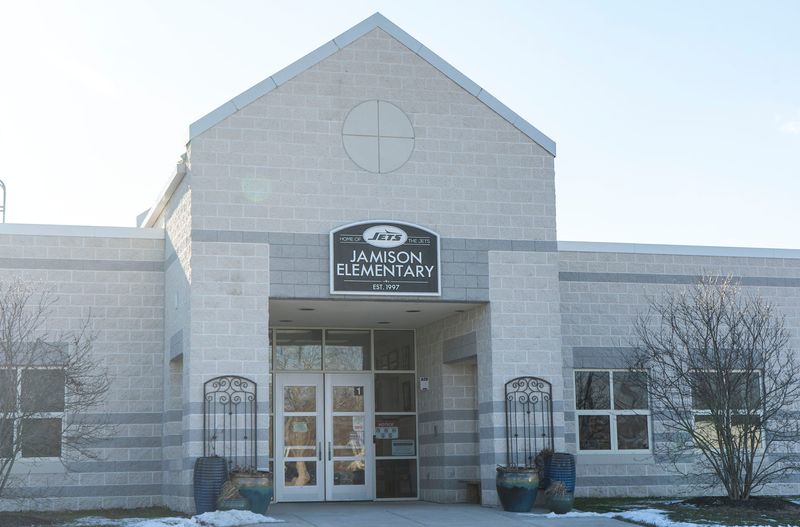
    The parents of a nonverbal autistic 10-year-old who was among the students the Central Bucks School District has said were abused in an elementary school classroom in 2024 have filed a lawsuit against the district and nearly a dozen former and current employees.

    James Pepper, a former school board member, and his wife, Lisa Pepper, say their son’s “horrific abuses” at Jamison Elementary School amounted to a “calculated pattern of debasement” that district and school leadership failed to report as part of a “concerted cover-up.”

    The bulk of the 92-page complaint, filed Tuesday in federal court in Philadelphia, outlines events that began in fall 2024, when a special education aide reported the abuse. Her allegations rocked Pennsylvania’s third-largest district, spurring an investigation by a disability rights watchdog, a public outcry, and a series of terminations that included the district’s superintendent.

    Now, the Peppers are suing Central Bucks, as well as former Superintendent Steven Yanni, former Jamison principal David Heineman, other former district administrators, the special education teacher and educational assistant accused of misconduct, and teachers union representatives.

    The district continued to endanger the child after learning about the abuse, and the alleged “cover-up” was motivated by James Pepper’s position as a board member and history of advocacy, the suit says.

    “This case involves an extraordinary betrayal of a child who depended entirely on the adults around him for his safety, education, and care,” M. Stewart Ryan, the attorney representing the parents, said in a statement.

    Central Bucks spokesperson Michael Petitti said in a statement that the district “has acknowledged what occurred” in that classroom.

    Petitti said the district “took the actions within its power” to discipline employees, including firing Yanni, Heineman, and the former special education director, Alyssa Wright. It also “fully litigated” terminations of the teacher and educational assistant, Petitti said, and “implemented significant changes at Jamison Elementary School to make sure that nothing like this ever happens again.”

    “The district understands that none of these actions can change what happened,” Petitti said.

    The allegations

    District officials learned about the allegations in November 2024 from Alyssa Kline, who was assigned as the one-on-one aide for the Peppers’ child.

    Kline said special education teacher Gabrielle McDaniel and educational assistant Rachel Aussprung had improperly restrained and punished the Peppers’ child, among other forms of abuse.

    The abuse included “nearly 3,000 illegal restraints … water restriction, corporal punishment, forced exposure to nudity and sexual self-stimulation, screaming, mocking, belittling, and concealment of a head injury in a series of events that were intended to, and indeed did, dehumanize” the boy, the lawsuit says.

    The nonverbal child could not share his experience in school, and his parents were not initially informed of the accusations, the suit says. The district reassigned Kline days after she made the allegations, telling the Peppers the reason for the change was a “personal conflict” between the aide and classroom staff, according to the complaint.

    The Peppers learned about the allegations of abuse only in December, when Kline reached out to share what she had reported with the parents, the suit says. But in an official letter that month, the district said its investigation found “no evidence of abuse.”

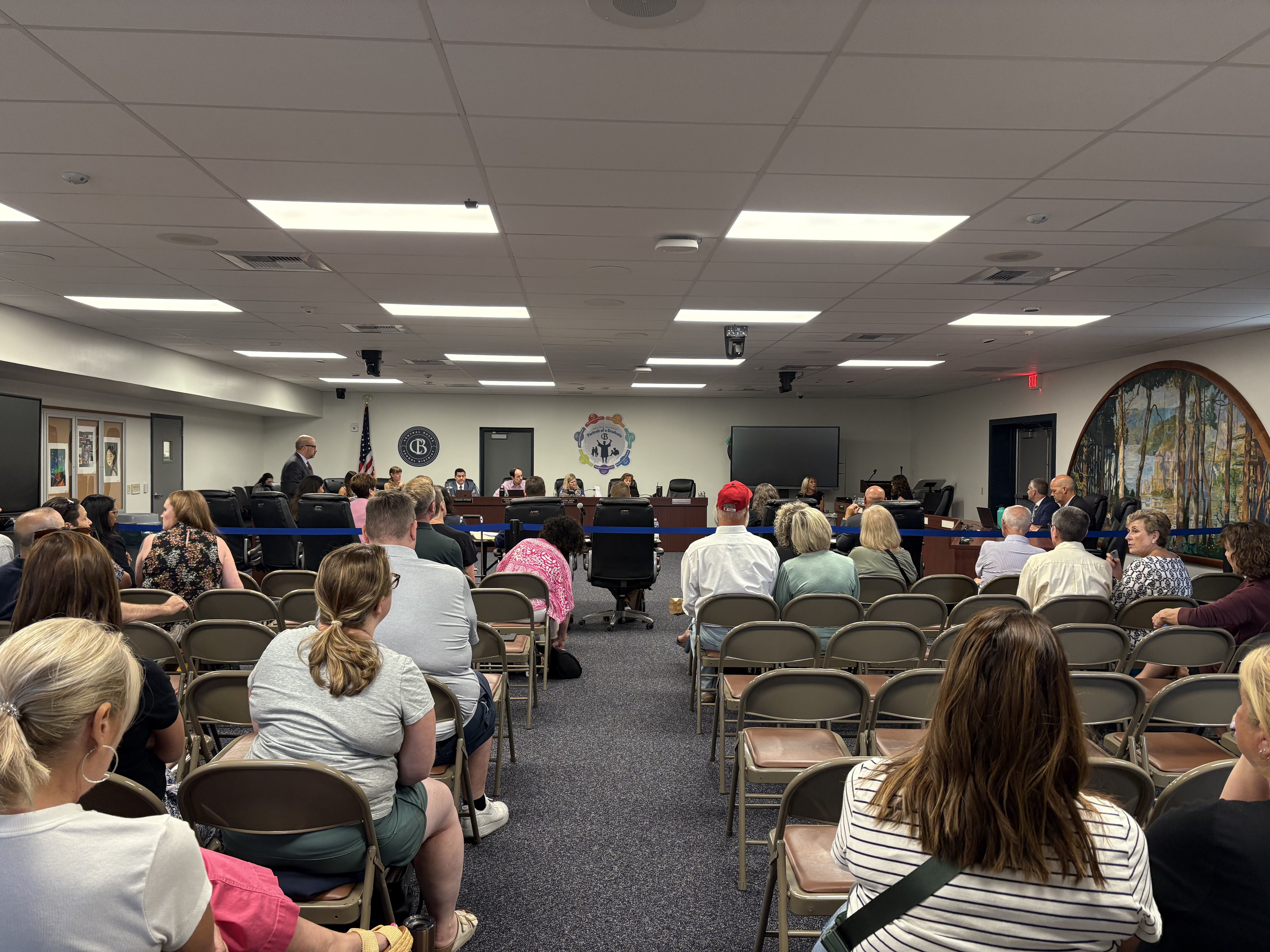
    Members of the public watch the joint termination hearing of Central Bucks Superintendent Steven Yanni and Jamison Elementary School Principal David Heineman in August 2025.Fallon Roth / Staff

    School board members initially stood by district officials, who noted police had not found any abuse. But that changed in April 2025, when a report from the watchdog group Disability Rights Pennsylvania found that the teacher and assistant had illegally restrained students, creating a “reasonable likelihood of bodily injury” and likely interfering with their breathing, among other abusive behaviors.

    It also faulted Yanni and other administrators for failing to adequately investigate the allegations, and accused Yanni of withholding information from police.

    The school board terminated Yanni and Heineman in October. Pepper recused himself from the vote and the termination hearings that preceded it.

    Yanni, now the CEO of Northwood Charter School in Philadelphia, did not respond to a request for comment.

    A lawyer for Heineman did not return a request for comment. Neither did a lawyer for McDaniel and Aussprung, who have sued the district since their terminations. Wright, whose lawyer did not return a request for comment, has also sued the district, saying she was scapegoated.

    The Peppers’ lawsuit says district and teachers union officials, whom Kline also informed, failed to report the abuse.

    Cara Alderfer, the union president, declined to comment Tuesday.

    The ‘cover-up’

    The Peppers’ lawsuit alleges a sprawling cover-up that started the moment Kline made the allegations.

    The accused teacher and assistant were not removed from the classroom, and the district recommended that McDaniel or Aussprung take the Peppers’ child to therapy sessions after Kline was reassigned, according to the complaint.

    The district did not turn over an email outlining Kline’s allegations to Disability Rights Pennsylvania, the suit says.

    Yanni and other officials “were actively engaged in a conspiracy to bury the reports of child abuse they had received,” the complaint says.

    The complaint blames a few factors as motivating the alleged “cover-up.”

    Yanni, who took over the deeply divided district after a bitter and highly publicized school board election won by Democrats, said one of his goals was to keep the school system “out of the newspaper,” the suit says.

    And the district was motivated to retaliate against Pepper — then the only Republican on the board — for stances he had previously taken against the district, the suit says.

    The actions of the school district and its employees deprived the Peppers’ son of “safety, liberty, and bodily integrity,” the complaint says.

    “It is devastating to learn that our son was treated this way by the very people we trusted to care for and protect him,” the Pepper family said in a statement. “Our son and entire family have been changed forever. This can never happen again to another child.”

  • State reps ask Pa. attorney general to investigate the Philly schools for alleged discrimination of Jewish students

    State reps ask Pa. attorney general to investigate the Philly schools for alleged discrimination of Jewish students

    A group of state representatives asked Pennsylvania Attorney General Dave Sunday to investigate whether a “systemic pattern of discrimination” against Jewish students occurs in the Philadelphia School District.

    Citing a congressional investigation into Philadelphia and other districts, and reports of antisemitic incidents against city students, members of the Pennsylvania House Republican leadership and Martina White, a Republican representing Philadelphia, wrote to the attorney general urging a probe.

    “The Office of Attorney General must ensure that Jewish students have a safe learning environment that is free from discrimination within the SDP,” the representatives wrote in the letter, which was sent Monday. “We ask you to investigate this matter to determine if any criminal activity occurred and take the appropriate action your office deems necessary.”

    Monique Braxton, district spokesperson, said the school system “strives to create welcoming and inclusive environments that allow our students to feel safe and heard” and has “taken steps to protect and educate students and staff against antisemitism and other forms of hate and remains committed to fostering learning environments where all students and staff feel safe and supported.”

    Sunday’s office did not immediately respond to a request for comment.

    The state representatives, in their letter, brought up allegations that some district educators “promote antisemitic content in their classrooms.”

    In 2024, the district agreed to a settlement with the U.S. Department of Education’s Office for Civil Rights after an investigation found it had not adequately investigated repeated claims of antisemitism, taken appropriate steps to respond to the claims, or maintained necessary records around the alleged acts.

    The incidents that prompted that settlement included a swastika drawn on a door, antisemitic slurs, and allegations of social media-based harassment by district teachers and administrators after Hamas’ Oct. 7, 2023, attack on Israel, and Israel’s subsequent military operation in Gaza.

    “Local parents have repeatedly indicated that these behaviors and this antisemitic atmosphere continue to persist throughout the SDP,” the representatives wrote. “Jewish students, like all students, should be able to learn in an environment that is free from discrimination.”

  • Philly schools are missing thousands of students. District employees are knocking on doors to get them back.

    Philly schools are missing thousands of students. District employees are knocking on doors to get them back.

    The Philadelphia School District is thousands of students under its enrollment projections this school year — and with an important funding deadline looming, Superintendent Tony B. Watlington Sr. is sending officials knocking on doors to drum up business.

    Central office staff and school workers have been asked to fast-track “Enrollment Acceleration,” a new, district-specific program directly engaging families that have left the Philadelphia school system, The Inquirer has learned.

    District staff — up to and including chiefs and assistant superintendents — are fanning out across the city, pounding the pavement to try to connect with reluctant families face-to-face. The door knocking began in the last two weeks.

    The effort is driven by a shrinking student body in district schools and an Oct. 1 deadline to report enrollment — which drives district funding — to the Pennsylvania Department of Education.

    District schools were 4,236 students under their projected enrollment as of Sept. 17, according to internal documents obtained by The Inquirer. District-run alternative programs had 1,051 fewer students than planned.

    The school system had projected 116,898 in district schools by Sept. 17, and 2,757 in alternative schools. Instead, its enrollment was 112,662 in district schools and 1,706 in alternative schools.

    Asked to comment on the enrollment decline, a district spokesperson said it was too early to estimate annual enrollment because the state’s verification process does not conclude until Oct. 30. But, Monique Braxton said, it’s part of a nationwide trend of dwindling public school enrollment.

    “The district’s goal is to get district operated schools as close as possible to that of last year’s number of approximately 116,898 students, such that we can grow our enrollment next school year,” Braxton said in a statement.

    Enrollment is down virtually everywhere in the city.

    Just two of 15 networks did not lose students, according to the Sept. 17 figures — Learning Network 9, a geographic network of elementary and middle schools in Kensington, Bridesburg, Port Richmond, and Frankford, and Learning Network 15, a network of magnet schools across the city.

    Voting with their feet

    Once the 2026-27 school year began Aug. 24, it became quickly clear that there were fewer district students in seats than expected.

    Many factors likely play into the enrollment decline.

    Though academics have generally been improving in the school system — Philadelphia was tops in the nation in its learning rate post-pandemic, according to research out of Harvard and Stanford — the district still struggles, with most students unable to read (33%) or do math (25%) at grade level.

    (Philadelphia charter schools’ performance is slightly worse in reading, 31%, and slightly worse in math, 20%.)

    Also a likely factor is the effect of the school board voting recently to close 17 schools in the next several years. Officials have said they are doing so to improve academic outcomes for all students, amid 70,000 empty seats citywide, a stock of aging buildings and decades of underfunding, and emphasized that in addition to the closings, they plan to spend billions on renovating 169 of the buildings they’re keeping open — though most of that plan is unfunded.

    There are other reasons, too: Some staff say the current political climate has fears of ICE keeping some students out of school. And cyber charter enrollment is growing, with some Philadelphia families choosing the virtual option because of safety fears for their children as the city grapples with a gun violence epidemic.

    “The district is a hard sell for some families,” said one central-office employee who was not authorized to speak about the enrollment decline. “You have a lot of families who have just unfortunately lost faith in a lot of the offerings that we have, and they’re voting with their feet.”

    A full-court press

    Since the surprise decline became apparent when school started, “we’ve been working hard to close the gap,” the employee said.

    At first, schools were directed to reach out themselves via calls and emails to students they expected to enroll but who never showed up. Soon, almost-daily briefings on closing the enrollment gap began, and have continued.

    Next, the administration moved to canvassing events, asking central office employees and school staff to volunteer to go out in pairs into neighborhoods to reach families. Canvassing also includes trips to neighborhood barbershops, laundromats, and corner stores “trying to convince students to return back to the district, rather than remain in whatever other option they decided on.”

    About 75 employees volunteered for the effort, the employee said. It is still ongoing.

    Some schools and departments pushed back against the call to directly appeal to students, with officials they didn’t feel comfortable sending staff into neighborhoods. Others are going out, the employee said.

    The campaign is an extraordinary step, said the employee.

    “I’ve never known an assistant superintendent or anyone going so far as this, being part of canvassing,” said the employee source.

    Much is at stake.

    “Our funding is based on numbers,” the employee said. (Both state and federal funding are tied to enrollment.)

    And the district has generally been shrinking for decades.

    In 1999, just after the first charter schools opened in Pennsylvania, the district enrolled 205,199 students in its schools. By 2025, that number was 113,735. (An additional 64,469 students were enrolled in charters.)

    The district’s enrollment rose once in the last decade: in 2024-25, jumping by 1,841 students to 117,956. Watlington said he believed the next year’s drop happened because of large-scale SEPTA bus route changes at the start of the school year.

    ‘Warm conversations’

    A second employee involved in the recent recruitment efforts said the call to canvass came with surprising urgency.

    “They said, ‘It needs to be done in the next two weeks, because our numbers have to go to the state Oct. 1,’” said the employee, who also asked to not be identified because they were not authorized to speak about the enrollment push.

    The second employee was paired with another volunteer. They received a several-page handout with instructions about how to conduct the visits, and a suggested script.

    “We’re reaching out because we want to make sure your child has a clear plan for school and see how we can support you,” the second employee said.

    Canvassers were told to ask if the family planned to return their children to the district, to begin a “warm conversation” and to help families with information about how to register for district schools. They were told to help address any barriers to registration.

    Teams were told their safety is paramount, asked to not enter homes, and reminded to end a visit if either team member feels unsafe.

    “Remember,” one handout said, “you are there to understand, inform, support and connect — not to convince.”

    The second employee wasn’t especially enthusiastic about canvassing, but felt pressure to do so.

    “What can I say on somebody’s doorstep to get them registered in the school district? Nothing,” the employee said.

    The first employee said they were not having success with families.

    “The houses I’ve been to haven’t been very responsive,” the employee said. “But I’ve been having very cool conversations with neighbors.”

    Many families aren’t home or don’t answer the door, and the employee doesn’t blame them. They could be mistrustful of authorities or people they don’t know or worry about their safety.

    Four people involved in the “come-back-to-the-district” effort said they were skeptical it would help the school system reach its projections.

    “It’s going to yield something, but it’s not going to yield enough to cover up the fact that we’re several thousand away from meeting our projection of 116,000,” the employee said.