Joan E. Lynaugh, 90, of Gwynedd, Montgomery County, pioneering primary care nurse practitioner, award-winning professor emerita of nursing at the University of Pennsylvania, historian, mentor, author, birdwatcher, and “living legend,” died Friday, July 10, of age-associated decline at Foulkeways at Gwynedd retirement community.
Reared on a dairy farm in the Finger Lakes region of upstate New York, Dr. Lynaugh became a pioneering international expert on primary care nursing and nurse practitioner policies, education, and history. For decades, from the early 1960s through her retirement in the late 1990s, she treated patients, taught students, researched history, and joined colleagues in defining and expanding the role of nurses in modern healthcare.
During her career, the benefits of home care, the importance of critical care, and the need for nursing history education were hot topics in healthcare. “As a historian,” she told The Inquirer in 1997, “I take great interest in this shift from the intense emphasis on hospitals to the more balanced emphasis on other kinds of care.”
Dr. Lynaugh joined Penn’s School of Nursing in 1980. She took charge of the school’s new primary care nursing unit and went on to be director of the Robert Wood Johnson Foundation primary care nurse practitioner program and associate director of the foundation’s teaching nursing home project.
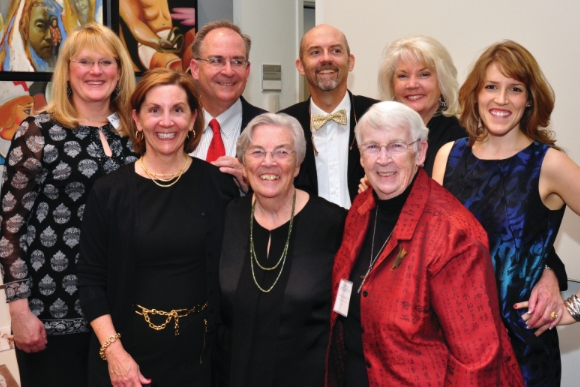
Dr. Lynaugh (front center) and her family celebrate her 2005 award as a “living legend.”Courtesy of the family
She was also the nursing school’s associate dean and director of graduate studies from 1993 to 1996, and chair of the nursing, history, and healthcare department from 1994 to 2000. In a tribute, colleagues at Penn Nursing said: “Dr. Lynaugh was a visionary leader, a prolific scholar, and a dedicated mentor whose extraordinary career left an indelible mark on Penn Nursing and the global nursing profession.”
In 2000, she told writer Suzanne Gordon: “We know we can’t get into the hospital without a doctor. That’s no surprise. We are, however, surprised to discover that we can’t get out of the hospital without a nurse.”
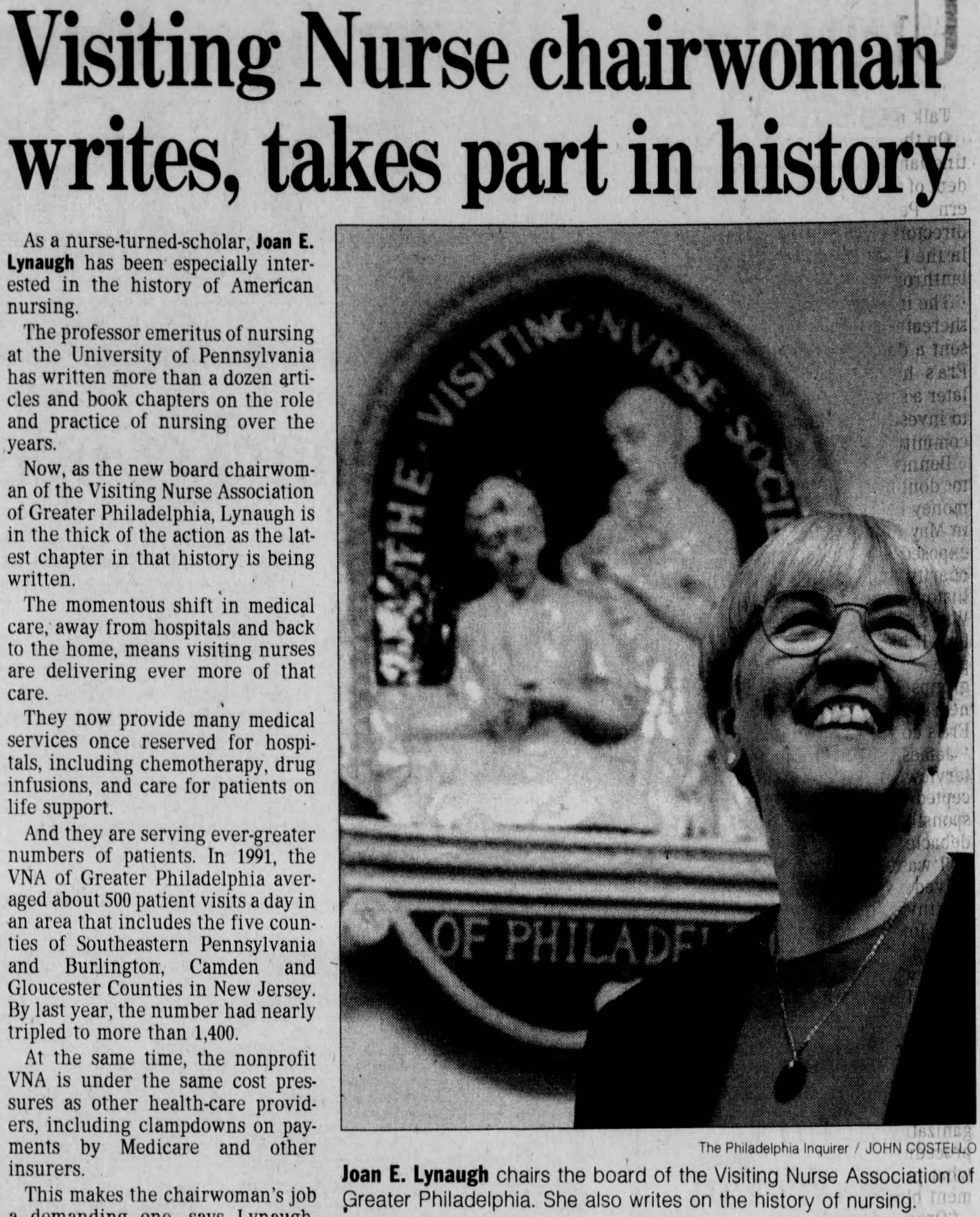
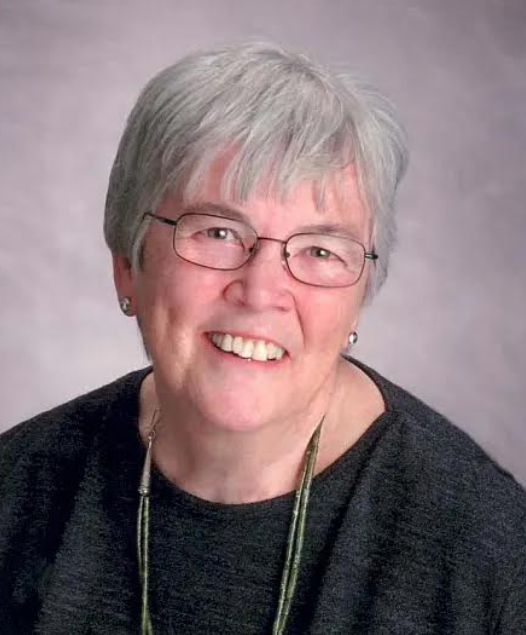
This story and photo of Dr. Lynaugh appeared in The Inquirer in 1997.Newspapers.com
In 2018, the center named its archives the Joan E. Lynaugh Archives and Special Collections. Before Penn, Dr. Lynaugh practiced and taught nursing at the University of Rochester and the old Providence Hospital in Washington, D.C.
She was a fellow at the American Academy of Nursing, board chair of the Visiting Nurse Association of Greater Philadelphia, and active with the College of Physicians of Philadelphia, the American Association of Critical Care Nurses, and other groups. She cowrote Critical Care Nursing: A History with Penn colleague Julie Fairman in 1998, and coedited the award-winning textbook Enduring Issues in American Nursing in 2000.
Colleagues at the American Association for the History of Nursing said in a tribute: “Joan’s intellectual curiosity, generosity as a mentor, commitment to excellence, and passion for nursing history left an indelible mark on the nursing profession worldwide.”
A friend on Facebook called her “one of the smartest, kindest scholars I ever had the honor and pleasure to be mentored by.”
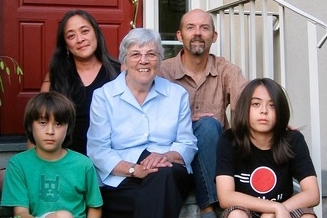
Dr. Lynaugh (center) enjoyed time with her family.Courtesy of the family
Joan Estelle Lynaugh was born Aug. 30, 1935, in Canandaigua, N.Y., about 28 miles southeast of Rochester. She studied nursing at St. Mary’s Hospital School of Nursing in Rochester and earned bachelor’s and master’s degrees in nursing at the University of Rochester, and a doctorate in history at the University of Kansas in 1982.
Her whole life, she enjoyed traveling, bird-watching, camping, and hiking. She was an engaging host and liked to read mysteries and newspapers.
She was a longtime colleague and personal partner of fellow medical professional Barbara Bates, and they lived in Bryn Mawr for years. Bates died in 2002, and Dr. Lynaugh moved to Gwynedd a few years later.
“Joan will always be remembered for her generous spirit, wonderful sense of humor, persistent intellectual curiosity, and a sincere commitment to making the world a better place,” her family said in a tribute.
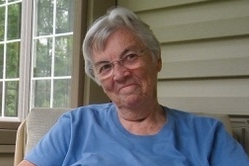
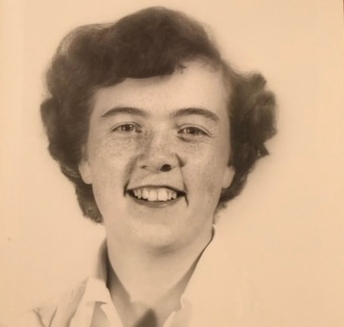
Dr. Lynaugh grew up in the Finger Lakes region of upstate New York.Courtesy of the family
Her niece Mary Clare Hamlin said: “She was understated, humble, practical, and scientifically minded. She always wanted to help others.”
In addition to her niece, Dr. Lynaugh is survived by other relatives. Two brothers and a sister died earlier.
A celebration of her life is to be held at 1 p.m. Friday, Oct. 23, at Penn’s Claire M. Fagin Hall, Room 316, Third Floor front, 418 Curie Blvd., Philadelphia, Pa. 19104.
Donations in her name may be made to the Joan Lynaugh Founders Fund at Penn’s Barbara Bates Center for the Study of the History of Nursing, Office of Institutional Advancement, Claire M. Fagin Hall, 418 Curie Blvd., Suite 445, Philadelphia, Pa. 19104.
Dr. Lynaugh “was understated, humble, practical, and scientifically minded,” her niece said. Courtesy of the family
After the threat of a possible split, the Academy of Natural Sciences and Drexel University reached a tentative agreement that will continue their affiliation and maintain Drexel’s financial support of the Academy, multiple sources confirmed Wednesday. It will also give the university control over its major decision-making.
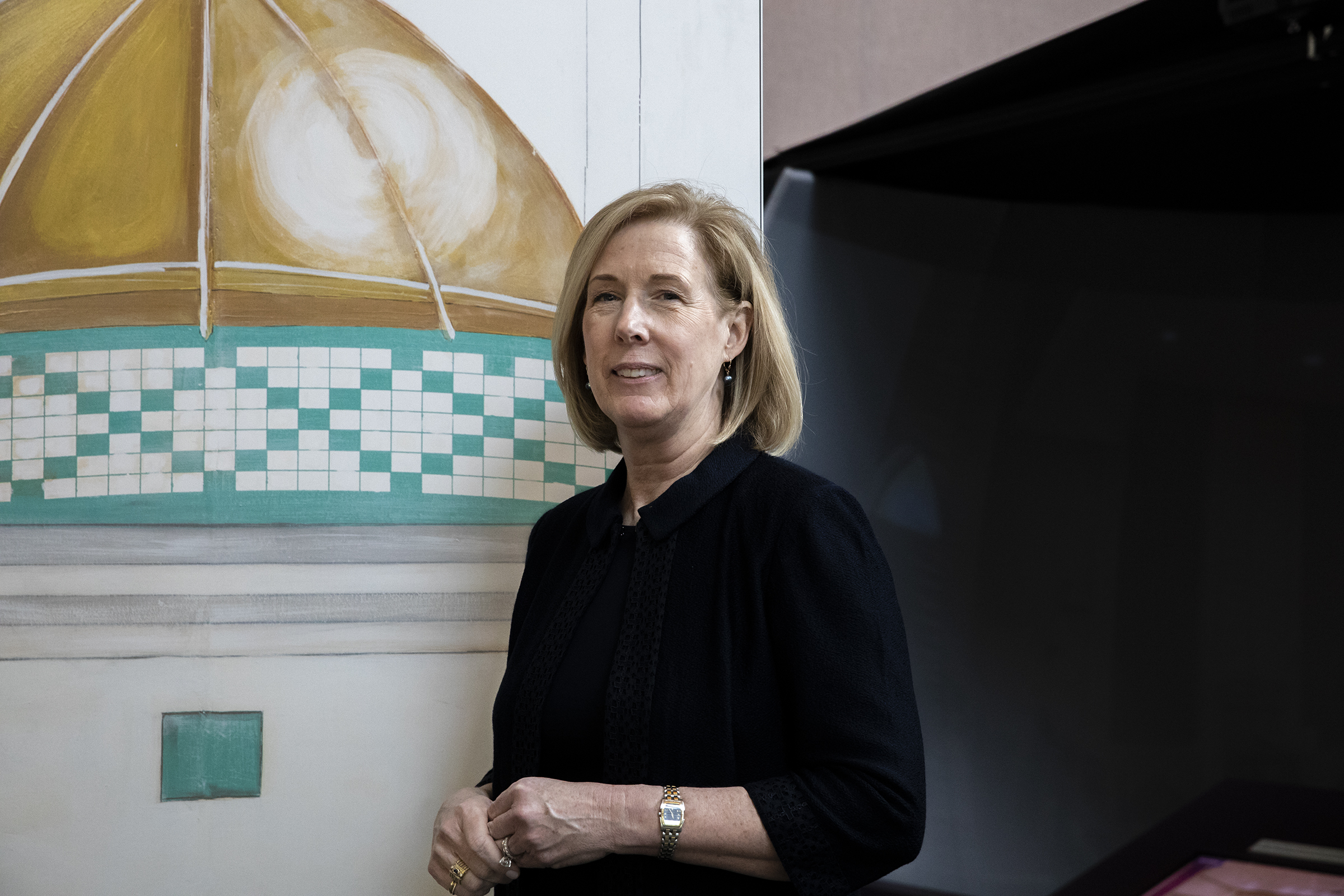
Also on Wednesday, Drexel and the Academy appointed Patricia “Trish” Wellenbach to temporarily lead the Academy, serving as its senior adviser. She is deputy mayor to Philadelphia Mayor Cherelle L. Parker’s administration and previously president and CEO of the Please Touch Museum. Wellenbach is on loan from the city and will not receive any compensation from Drexel or the Academy for her new role.
Drexel holds the reins
The announcement comes one day after Drexel and the Academy said they would close the Academy’s museum effective Sept. 30 and that Academy CEO Scott Cooper would be stepping down immediately. Sept. 27 will be the last day the museum will be open to the public.
Though not part of the new terms, the goal now is to relocate the Academy’s collections and sell its 1876 building at 19th and the Benjamin Franklin Parkway, which has numerous deferred maintenance needs, said a source close to the talks between Drexel and the Academy who asked not to be identified.
The new “nonbinding” terms of the letter of intent maintain Drexel’s financial support of the Academy, modify the governance structure, and preserve the right of the Academy board to de-affiliate from Drexel and find a new partner or partners for its collections should it wish to do so.
The terms cover issues such as selection of an interim leader and a permanent leader of the Academy and budgeting, according to a source close to the talks. While Drexel and the Academy will engage in a collaborative process to find a new leader, the final decision will rest with Drexel, the source said.
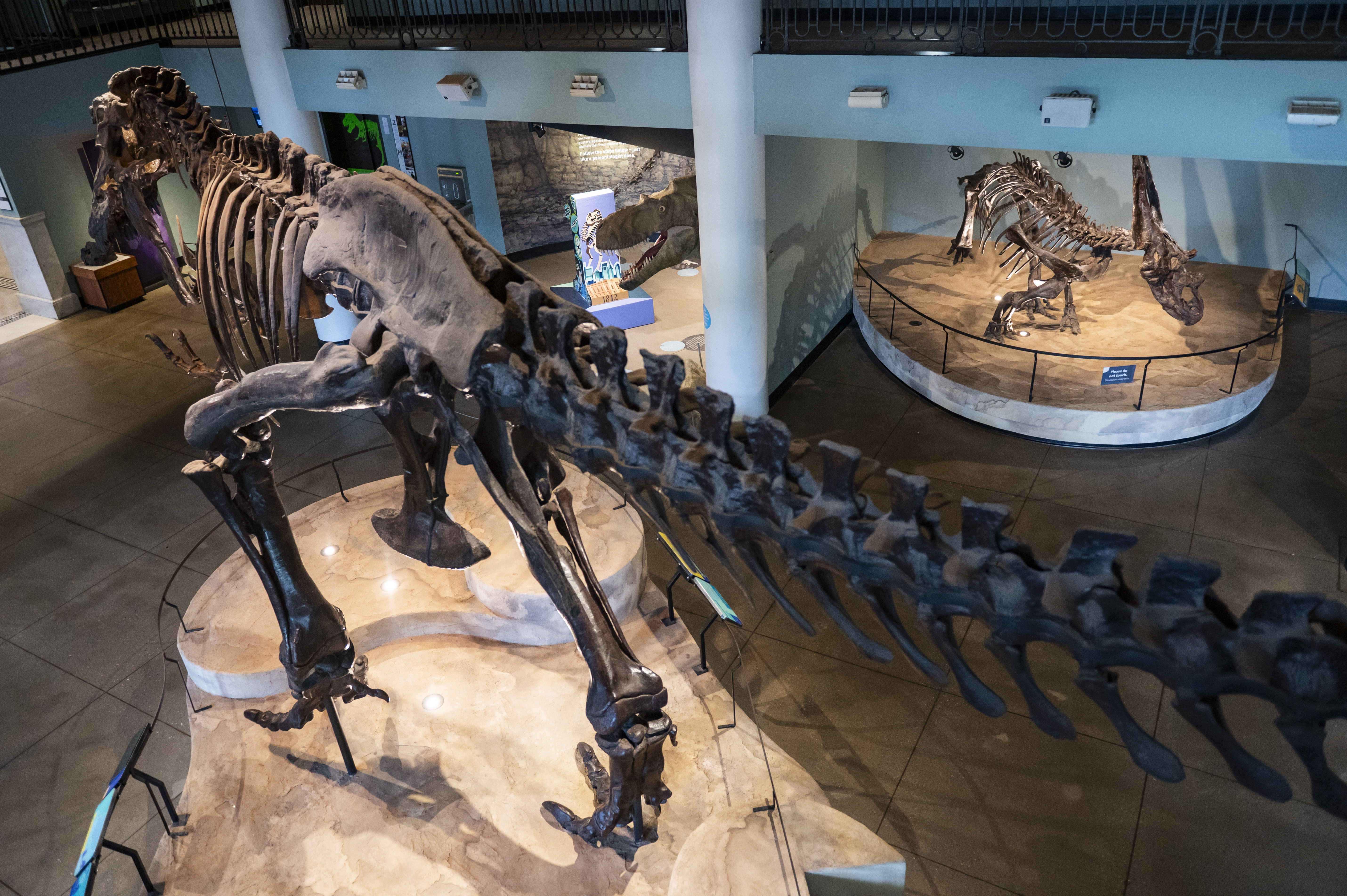
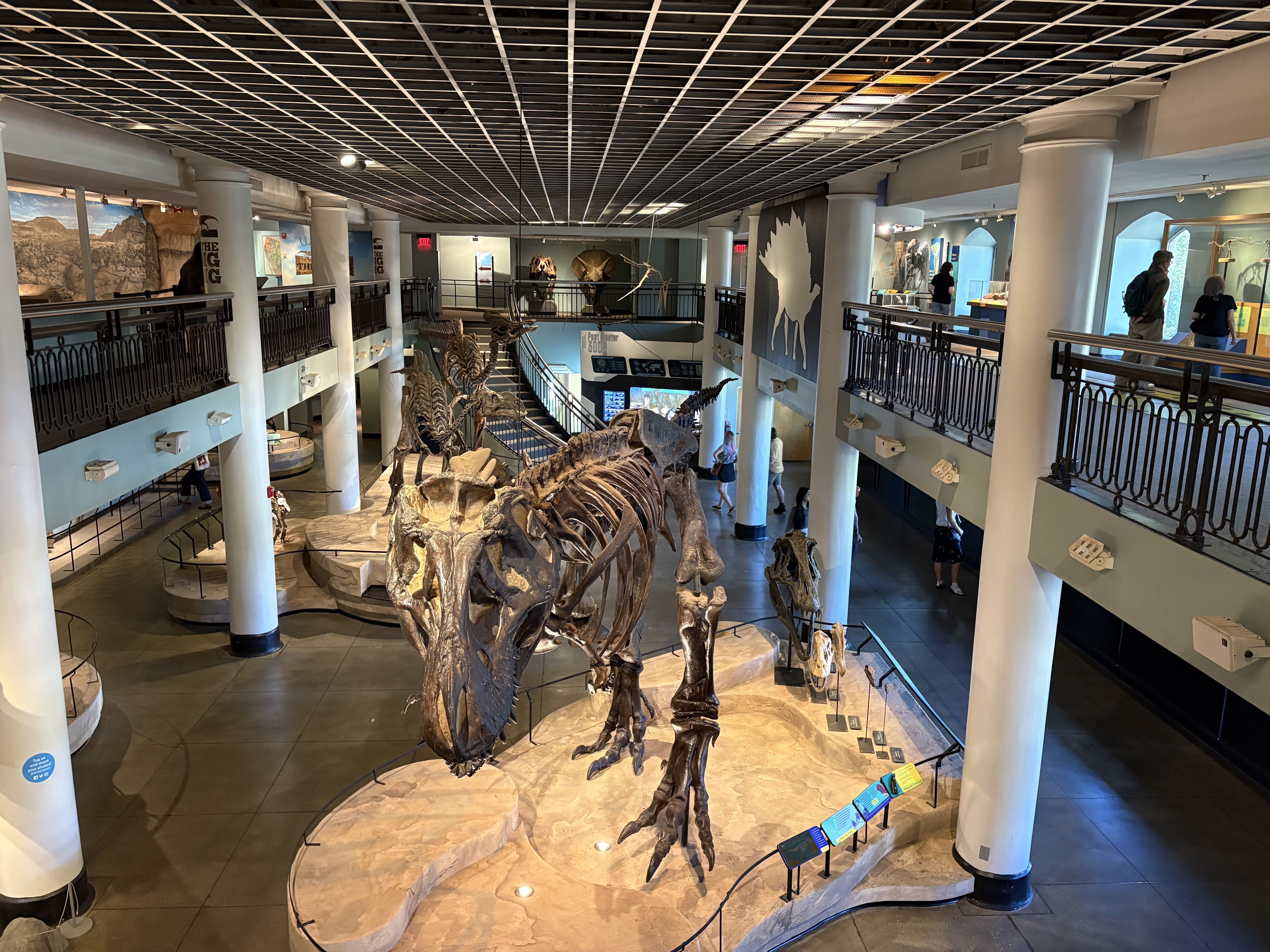
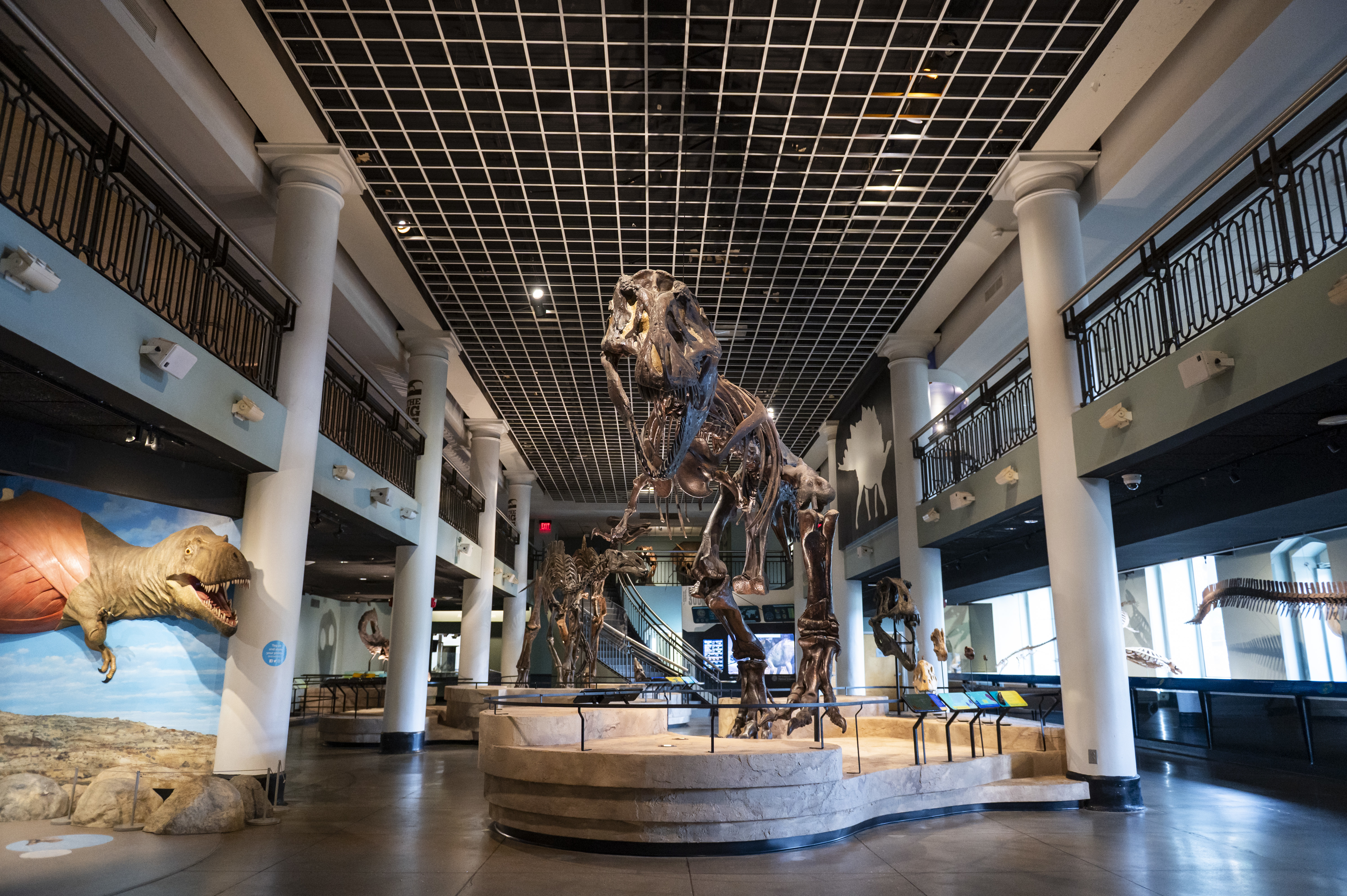
Dinosaur Hall at the Academy of Natural Sciences on Wednesday, Aug. 5, 2026.Allie Ippolito / For The Inquirer
“It’s fair to say all decisions of importance have to be approved by Drexel,” the source said, including the budget, which is about $25 million annually.
Under the affiliation agreement in 2011, Drexel provided substantial financial support to the Academy and covered its deficits.That will continue, and Drexel also will cover the costs of relocation of the collection and other transition expenses, the source said.
Academy board chair Suzanne Biemiller did not respond to messages seeking comment.
A ‘solid’ but nonbinding resolution
Of the new terms, another Academy board member said:
“I’m hopeful that something positive will come of it. The goal is to find a way to keep the Academy in existence and achieve its mission, so I think it’s a solid resolution,” said the board member, who asked that their name not be used.
Like most letters of intent, the agreement is nonbinding until the two sides come to a complete binding agreement, the source said.
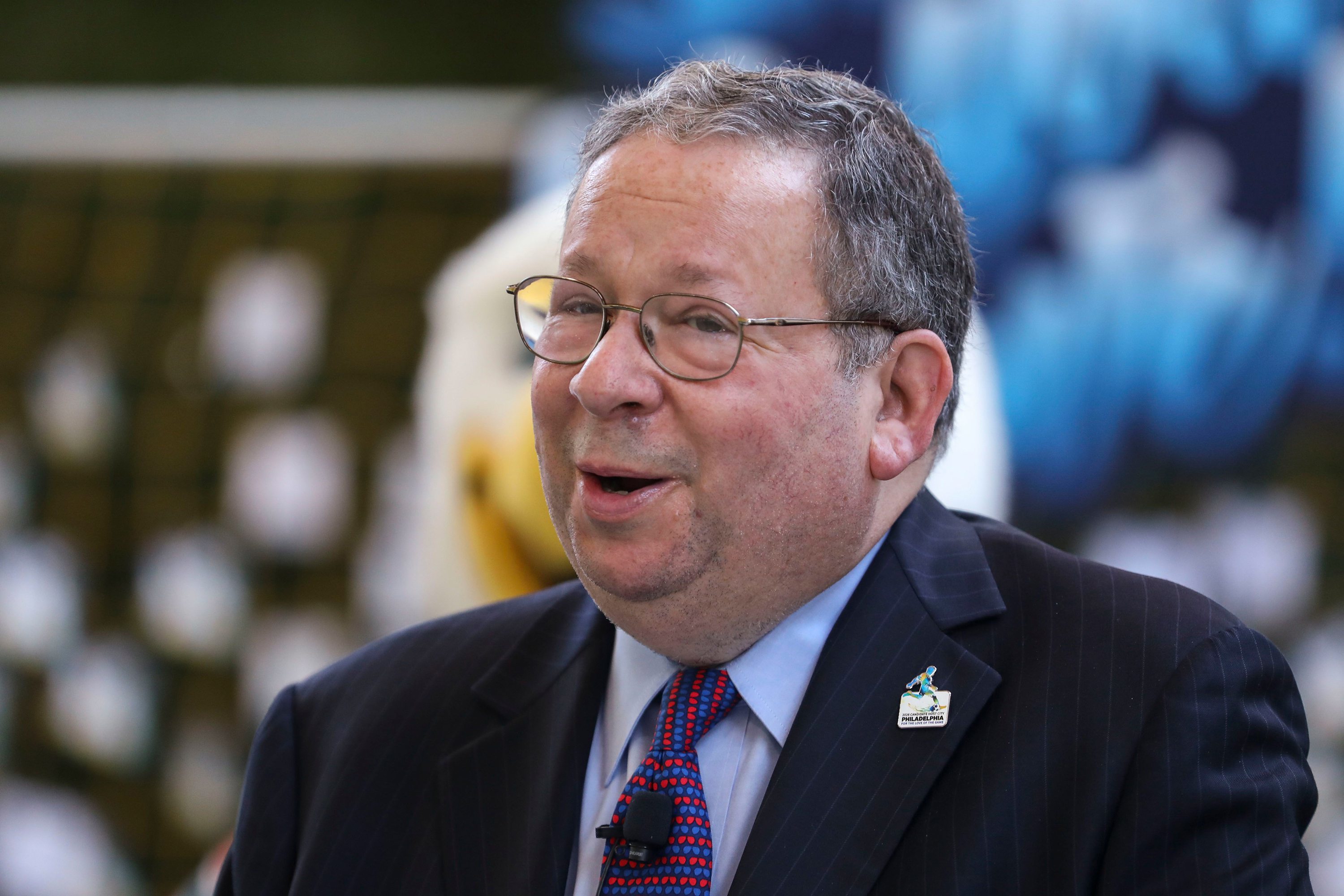
The Inquirer reported in April that Drexel was seeking to totally take over the Academy or end the partnership. The terms signed Tuesday were brokered by former Comcast executive and U.S. Ambassador to Canada David L. Cohen at the behest of Gov. Josh Shapiro.
Sept. 27 is the last day the Academy of Natural Sciences of Drexel University will be open to the public.Elizabeth Robertson / Staff Photographer
The leaders of Drexel and the Academy signed the terms sheet on Tuesday, Cohen said. But there are significant ongoing issues for the Academy and Drexel to work through, he added.
“They include the responsible move of the collections, and a variety of other transition activities,” he said. “The Academy needs a senior representative, a senior voice in these ongoing discussions both to communicate internally at the Academy and with other stakeholders including Drexel.”
She will have a voice in discussions on finding another location to display some of the collections, now that the museum will be closed, Cohen said.
Patricia Wellenbach, former president and CEO of the Please Touch Museum.Heather Khalifa / Staff Photographer
A temporary leader
Wellenbach will be based at the Academy part of the week while also continuing in her city role. She will lead temporarily while Drexel and the Academy search for an interimleader.
“Ms. Wellenbach has had a distinguished career spanning nonprofit leadership, healthcare, governance and public service,” said the announcement from Drexel president Antonio Merlo and Biemiller.
Mayor Parker in a statement called the Academy “a critical, longstanding part of Philadelphia’s cultural and educational landscape” and said she was pleased to loan Wellenbach to the effort.
“We are working collaboratively with Gov. Shapiro, Ambassador Cohen, the Academy and toward the outcome we all seek for the City of Philadelphia,” Parker said.
The Academy museum is ending operations after nearly two centuries because of declining visitorship and rising expenses, according to the Academy and Drexel.
“Over time, it became clear that these were not temporary pressures, but fundamental changes in the economics of the Academy’s operational model, costs that have imperiled the Academy’s ability to discharge its overall mission and preserve its legacy,” the two institutions said in a joint statement Tuesday.
Biemiller and others have pledged to not abandon the Academy’s role in educating the broader public about the natural world.
While it was “incumbent upon us to find places and ways” for the museum to continue, she said earlier this week, the exact form it would take has not been determined.
While Drexel has the major decision-making power, the Academy board will continue to be the fiduciary board and decision-maker for the Academy’s endowment, though management of it has been delegated to Drexel’s investment office, according to the source close to talks.
After more than two decades in the same district, veteran educator Neil Burti is starting a new job: Mount Laurel Schools superintendent.
Burti spent nearly his entire career in nearby Cherry Hill schools, rising from teacher and coach to principal and most recently director of secondary education. His stint included taking over as principal at Cherry Hill East for several months, after a shake-up stemming from a lawsuit alleging a former assistant principal was subjected to discrimination and retaliation by the board and top administrators.
He is beginning a new chapter when the school year begins Wednesday for about 4,500 students as schools chief in Mount Laurel, a pre-K through eighth-grade district in Burlington County.
Burti, 50, succeeds George Rafferty, who retired this summer after leading the district for a decade. He took over Aug. 1 under a three-year contract.
In the first few weeks on the job, Burti said he has focused primarily on meeting as many stakeholders as possible — mostly staff — and getting ready to welcome students.
For his first year, Burti, who lives in neighboring Marlton with his wife, Jessy — his college sweetheart — and their four children, plans to visit every school to meet with more students and teachers and embark on a tour “to listen, learn, and lead.”
We talked to Burti about his decision to leave Cherry Hill, his priorities for Mount Laurel, the financial challenges facing all districts amid declining state aid, and the kind of superintendent he wants to become.
Thisinterview has been edited for length and clarity.
Why was this the right time to leave Cherry Hill?
Cherry Hill provided me tremendous opportunities as a young teacher, a young administrator, and then as a seasoned veteran. Twenty-four years is a long time.
I also recognize that change is healthy. I was at a point in my career where I was looking for some type of change, some type of new challenge, I wasn’t actively seeking a job, but when this opportunity presented itself, I knew this would be a dream position. The reality is that Mount Laurel is a destination district.
It became obvious to me that this was the right opportunity, the right choice, and Mount Laurel was the right place. I’ll always miss the connection to so many former students, families, faculty, and staff.
What did your special assignment at Cherry Hill East as principal teach you that you will bring to the superintendent’s job?
I felt privileged to be able to serve as principal at Cherry Hill High School East on special assignment.
What it reinforced for me is exactly what I already know about this business: There are things that are predictable, and there are things that are unpredictable.
As leaders, we have to be ready to handle both. Whether it’s something you see coming and can prepare for or something you’re dealing with reactively, you have to be ready. You have to be confident and competent enough to address both the predictable and the unpredictable.
What are your priorities for the first year?
My goal is to listen, learn, and lead, and I feel like I need to do it in that order.
That listening and learning will ultimately guide me as I move into the leading phase of my plan. It will have everything to do with stakeholder input and the data I collect during year one as we determine together the vision for the district.
The district is focused on academic achievement, partnering with families and the notion of belonging. That’s critical to me because we know in education, there’s a big difference between fitting in and belonging.
There are also clear goals around pre-K expansion, early literacy, and algebra readiness.
New Jersey school districts are struggling to operate with reduced state aid. What are Mount Laurel’s biggest budget challenges?
The challenges in Mount Laurel are no different than the challenges in other districts in Burlington County, across the state, and really across the country.
Those challenges have everything to do with an inadequate funding formula, the rising cost of health and energy, and a national teacher shortage.
With the uncertainty of the state budget, there’s no way to predict what will happen financially if the state funding formula doesn’t adequately fund districts. At this point, I’m not aware of staffing reductions, program cuts, or larger class sizes on the horizon here in Mount Laurel. We expect to be fully staffed for all certificated positions.
A year from now, what will tell you that your first year was successful?
The great thing about Mount Laurel is that substantive work has already been done. I view my role as building on that past success while keeping an eye on future improvement.
When you’re starting the role, you’re not necessarily beginning with your legacy in mind. It will really be about long-range planning for the district.
At the end of my first year, I want to be able to say that we have looked deeply at Mount Laurel, not just in terms of our organizational structure and processes, but through the lens of the challenges facing us.
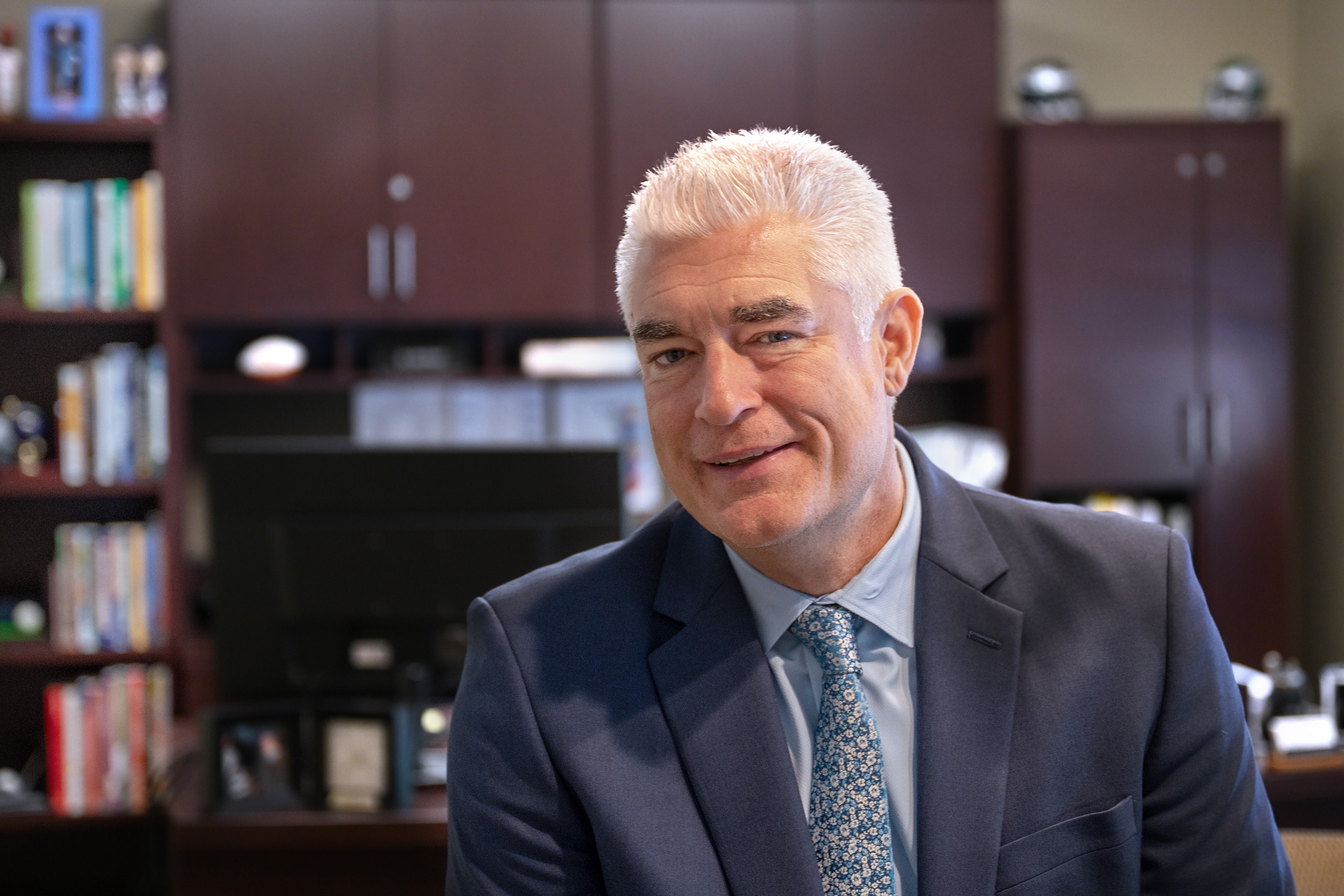
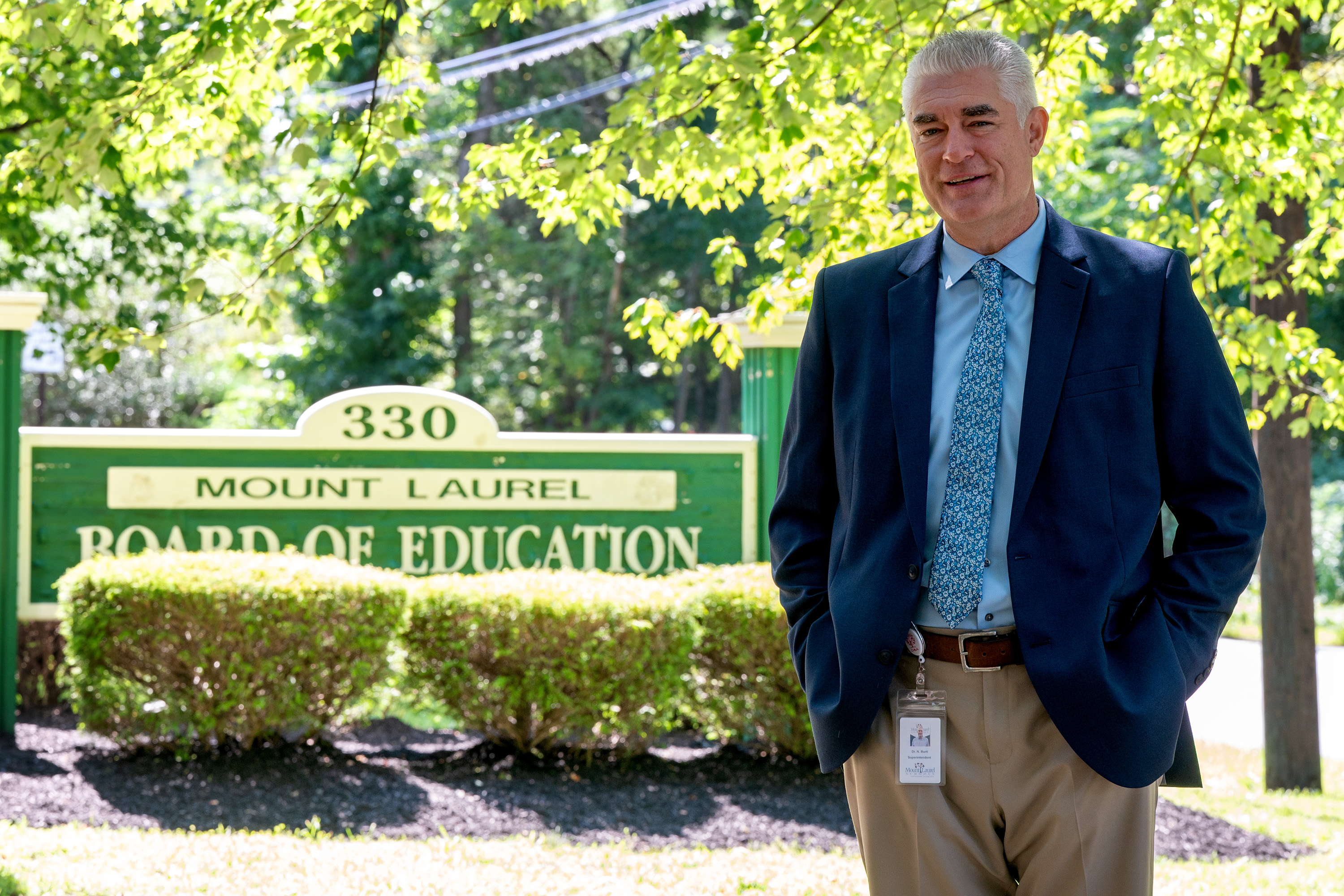
Neil Burti, new superintendent of Mount Laurel Public Schools, at Board of Education headquarters on Aug. 26. He previously was a teacher and administrator in Cherry Hill.Tom Gralish / Staff Photographer
The museum opened in 1828, and moved to its current location on the Benjamin Franklin Parkway in 1876. Its last day with regular hours for the public will be Sunday, Sept. 27.
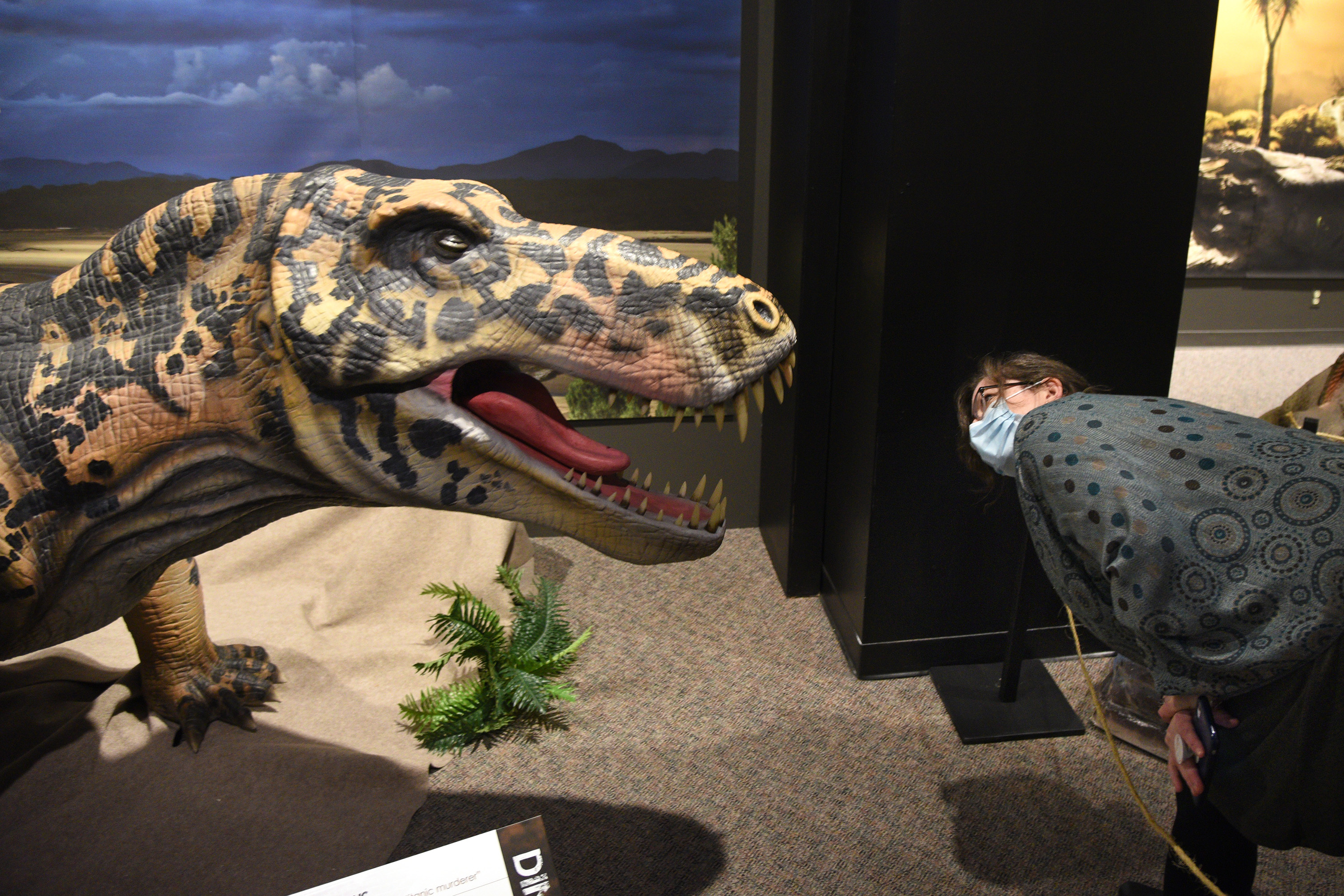
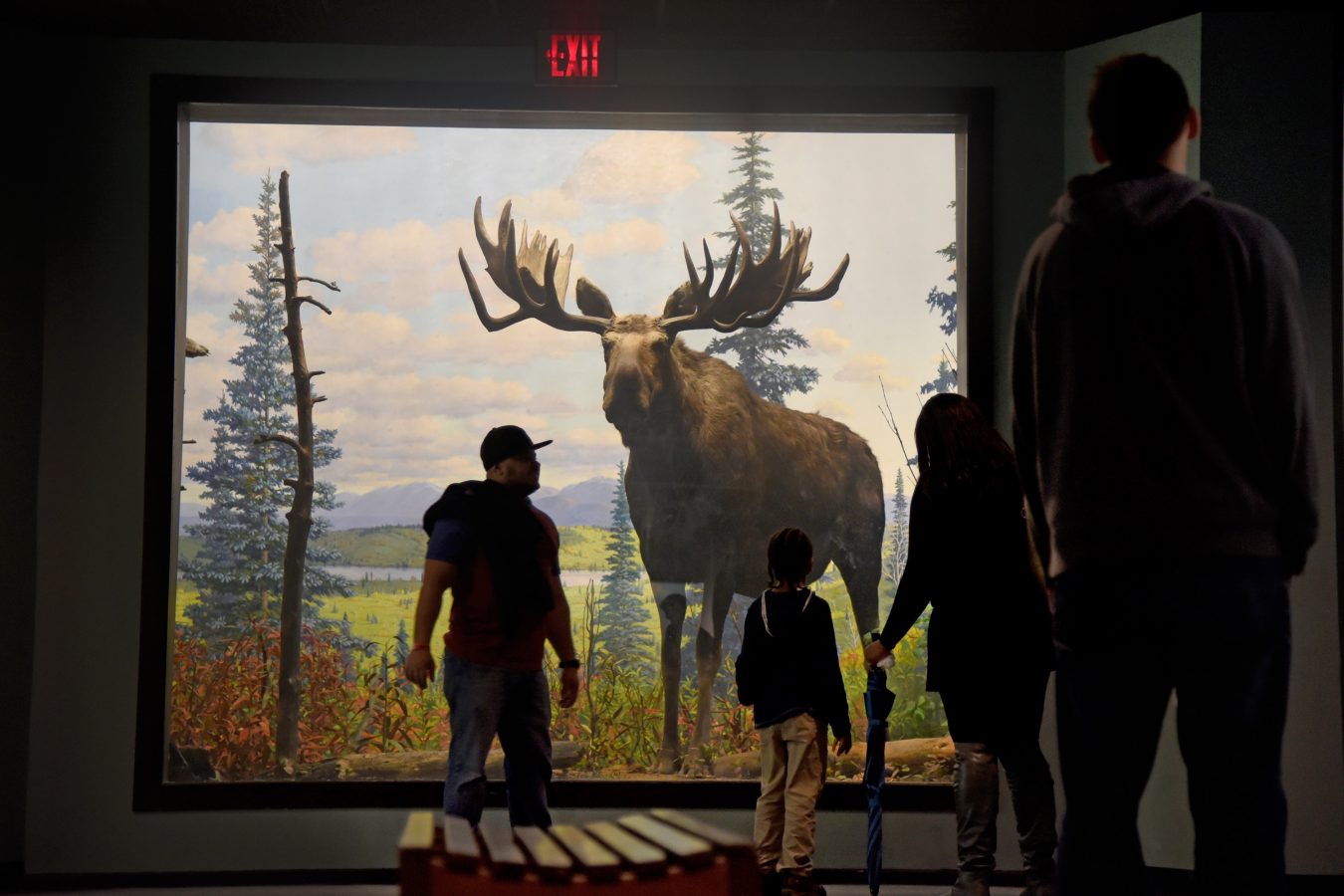
For some, the greatest loss was the sense of wonder children get when they peruse the museum, see bugs squirm, explore enormous nest displays and dioramas and, of course, lay eyes on the gigantic dinosaur skeleton.
“I’ll always remember the first time I went to the museum and I saw the dinosaur bones,” said Sakura Okuri, a 53-year-old retired FBI special agent who grew up in Germantown. “I’m just sorry that young kids aren’t going to be able to have that memory.”
Okuri, who now lives outside Pittsburgh, took comfort in knowing that if he missed something in one of the rich, expansive exhibits he’d have another chance because “it would always be there for me,” he said. “Apparently that’s not the case.”
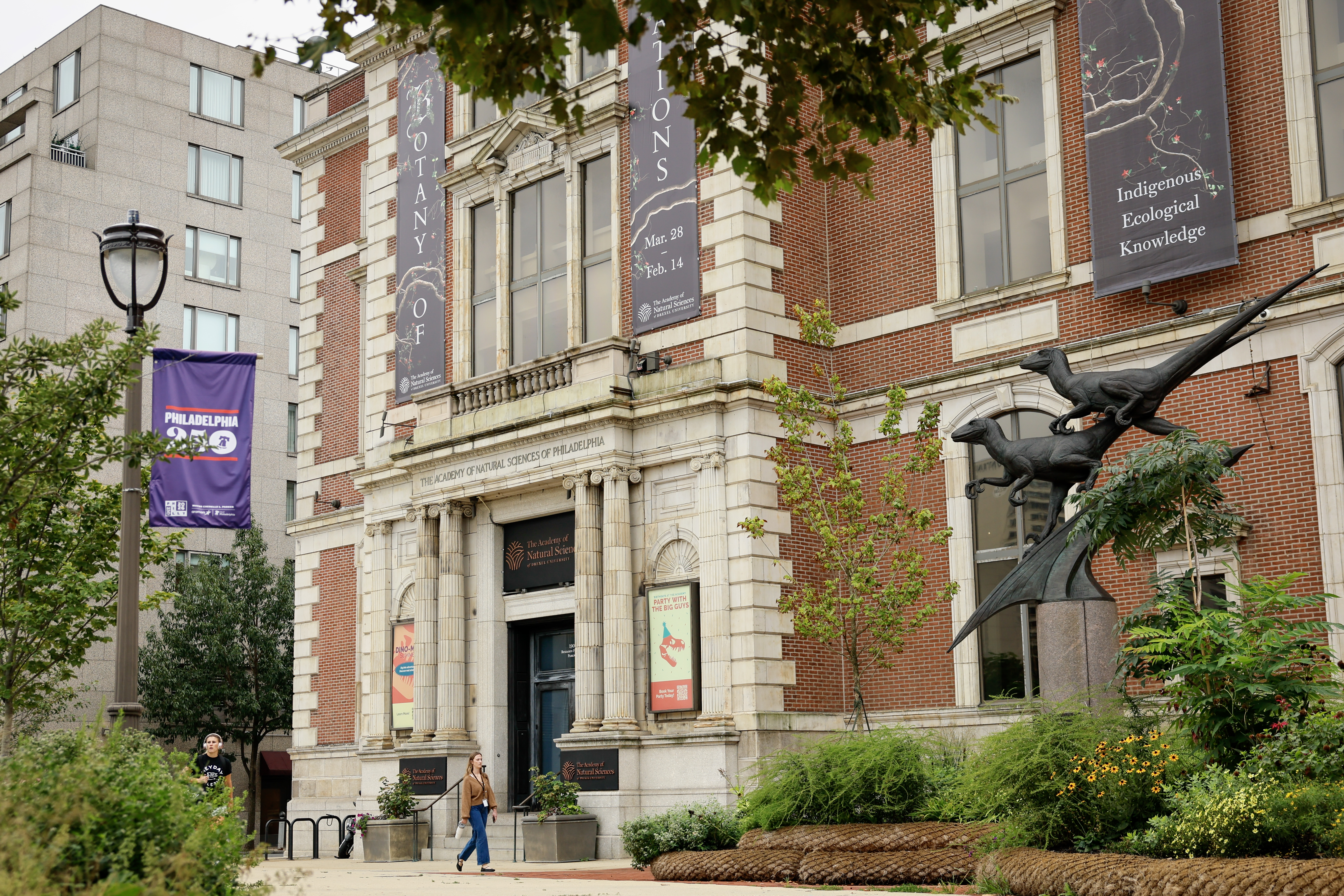
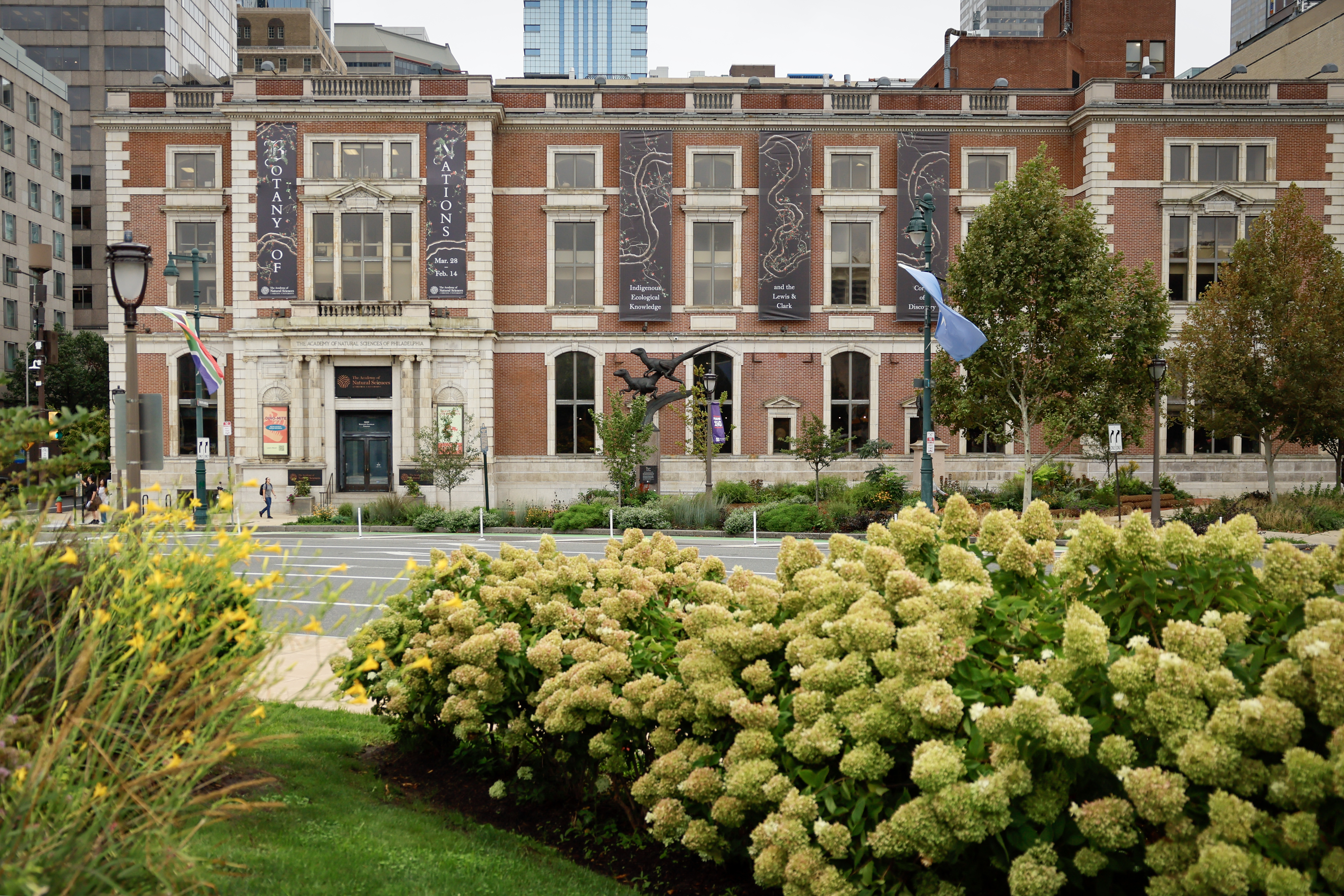
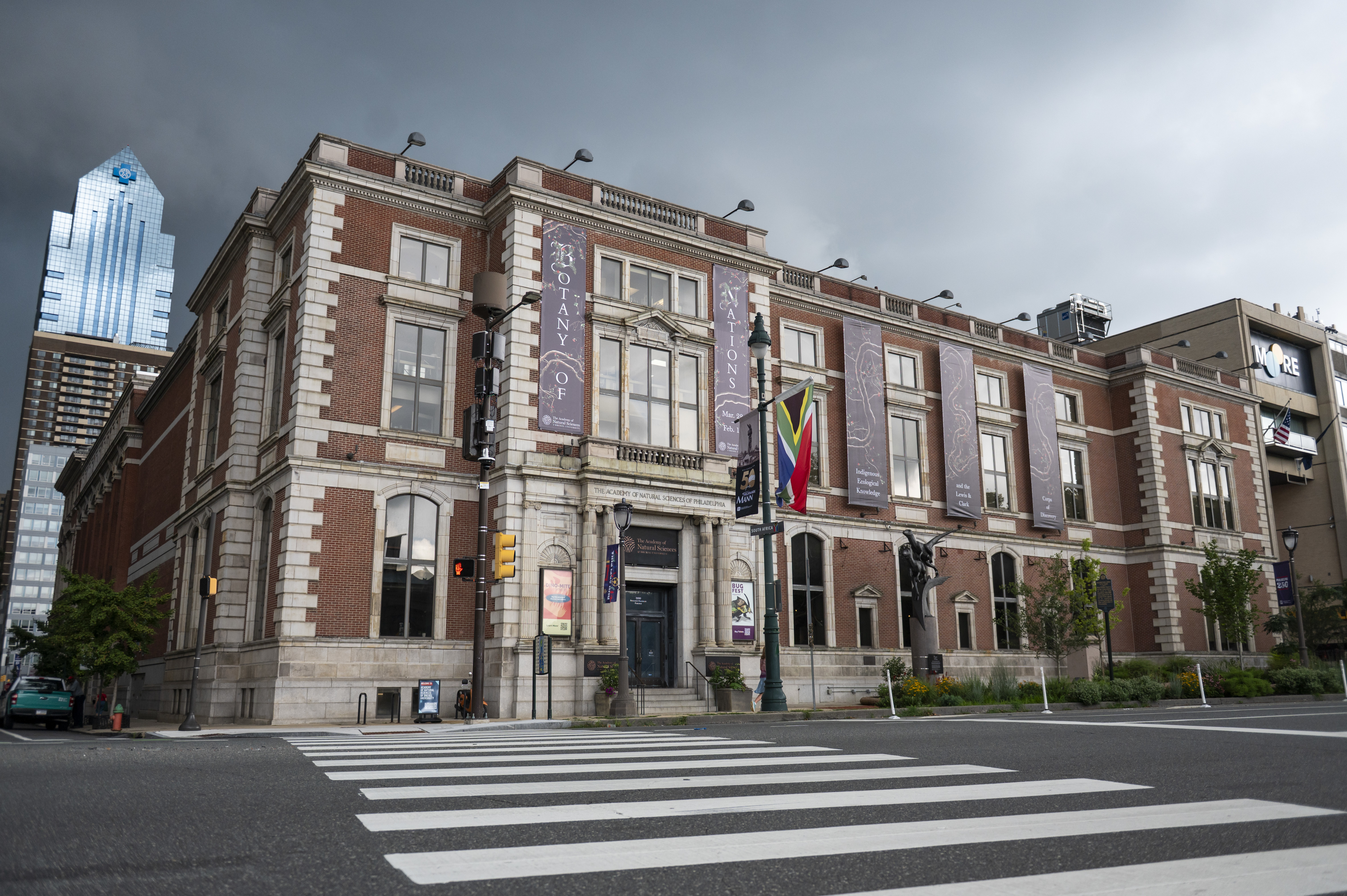
The exterior of the Academy of Natural Sciences on Aug. 5.Allie Ippolito / For The Inquirer
The news landed hard for 9-year-old Mira Thompson, who was leaving the Free Library of Philadelphia’s Parkway Central branch with her dad Tuesday afternoon when she got word. She’d gone to the Academy museum on multiple school field trips recently and was looking forward to more visits.
“That’s where I learned about pH testing last year,” Thompson said. “I didn’t know how to do that before going. I’m going to miss just being there.”
For many, it was a site of family bonding. Temple University senior Sean McClendon recalled fond memories there with his Opa, his grandfather, who worked at the museum taking care of owls and birds. Michael Ginsberg, a 60-year-old Northeast Philly native, remembers zealously volunteering to hold a hissing cockroach during a presentation at the museum to “get a rise out of my daughter.”
“My wife was not a fan of that,” he recalled. “‘Go wash your hands,’” she instructed.
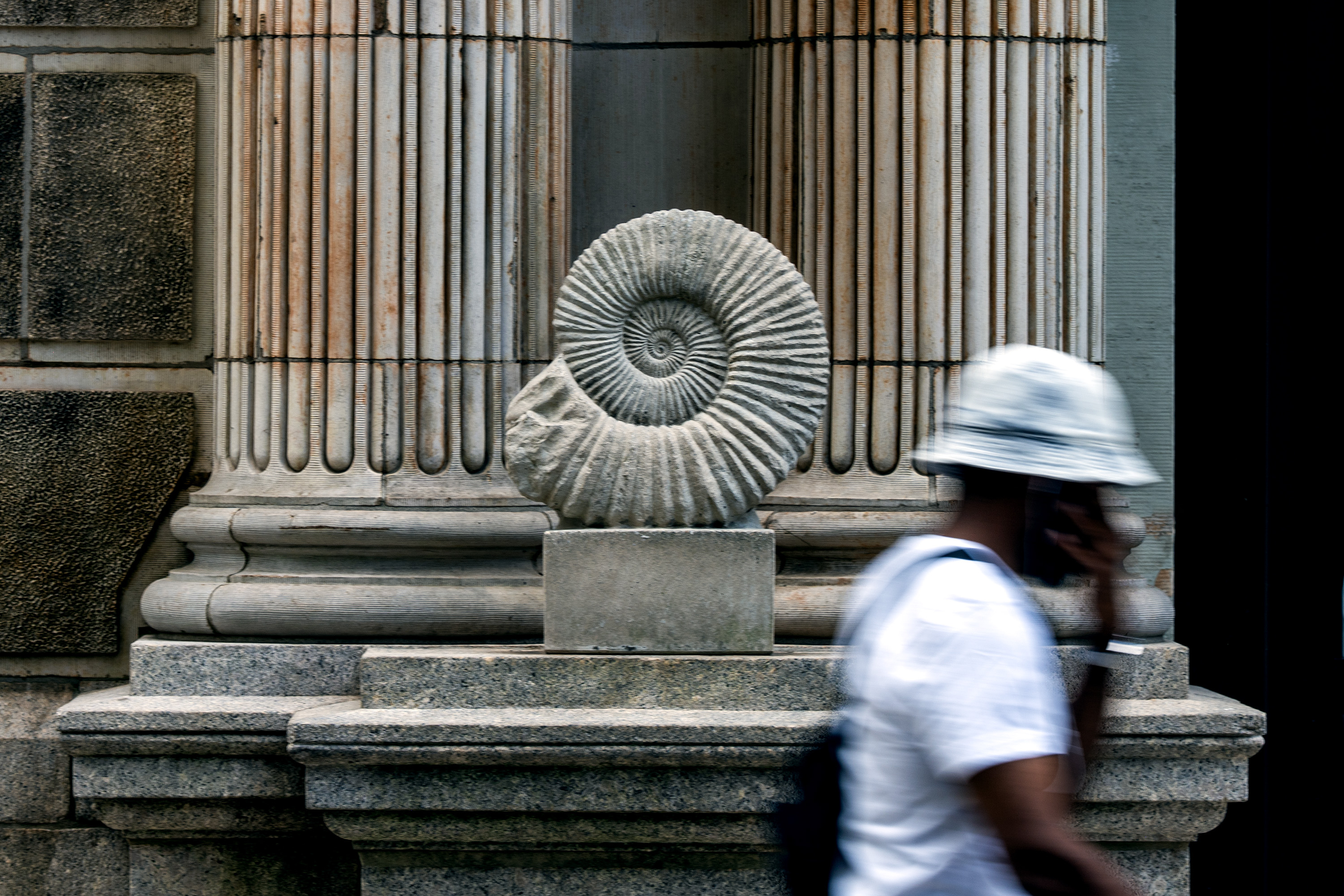
One of two shell sculptures placed on either side of the entrance on the 19th Street entrance to the Academy of Natural Sciences of Drexel University.Tom Gralish / Staff Photographer
Ginsberg’s dad took him there when he was in first grade. Seeing the dinosaur bones in real life was a thrill after only knowing them on the pages of library books. He was shocked to see they were brown and not white like in renderings.
When he became a dad, himself, he started bringing his daughter.
“Dad, why are all the animals dead?” he remembered his then-toddler asking.
“They’re stuffed, hon,” he explained to her. “It’s a really cool art. It’s a way to get you closer. Just trust me, this is really cool stuff.”
The aim , ultimately, is to relocate the Academy’s collections and sell the building, which has a lot of deferred maintenance needs, said a source close to the talks between Drexel and the Academy, who asked not to be identified.
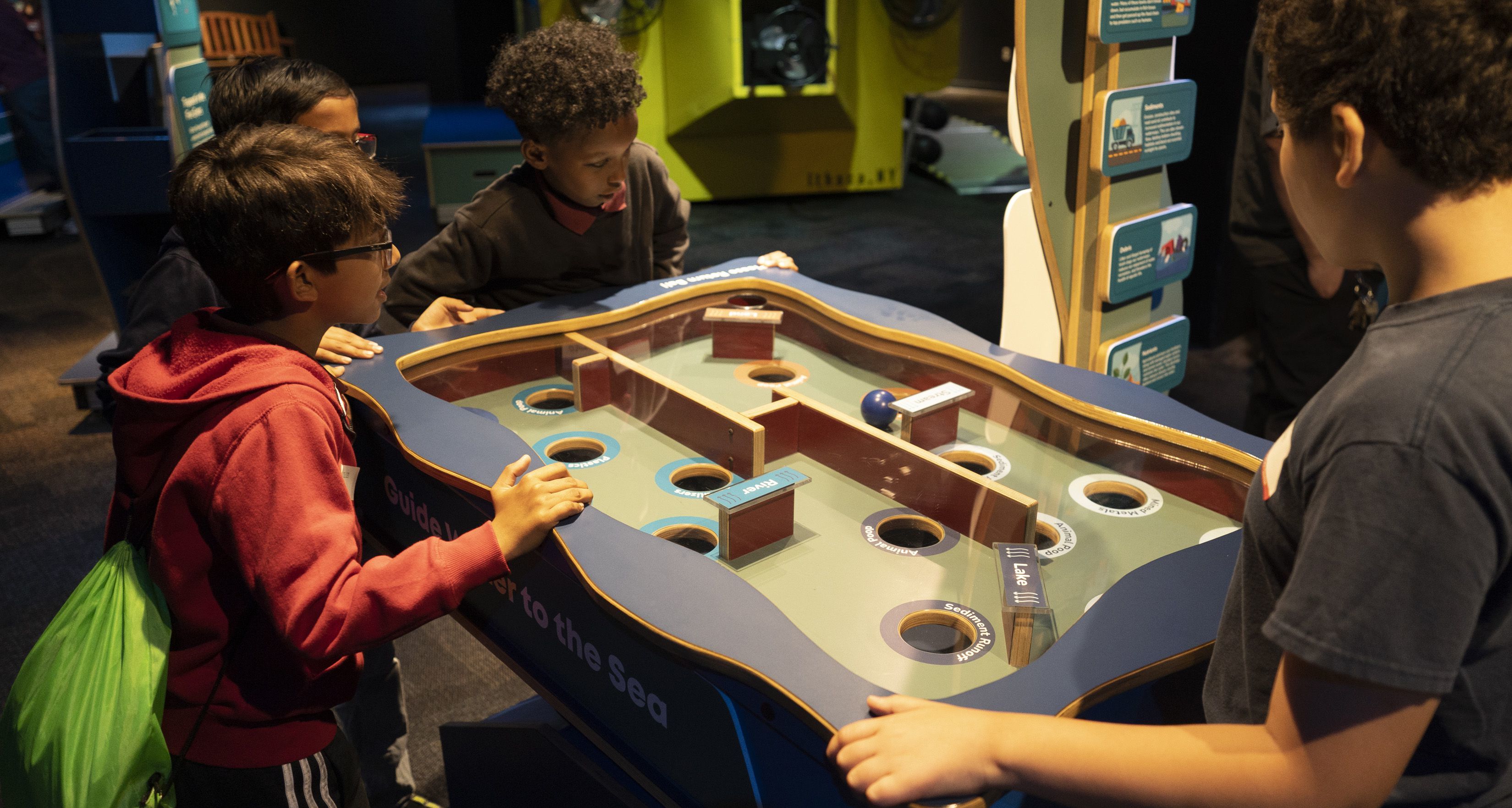
The interactive “Ocean Bound” exhibit at Academy of Natural Sciences in 2023.Courtesy of the Academy of Natural Sciences of Drexel University
Online, tributes poured in. Some said the museum inspired them to study museum education, others brought their kids there when they learned to walk, they said, or when the air-conditioning in their homes broke in the summer. Some parents considered it a seminal part of parenthood in Philadelphia; others relayed fond memories of bringing their kids with disabilities to the sensory friendly hour.
Kim Lynne, from Drexel Hill, often brought her 18-year-old son, Ethan, who is on the autism spectrum, to the museum starting around age 3. He appreciated the dinosaurs and bugs; she appreciated the discount Ethan’s medical needs access card granted them on the admission fee.
“He loved the third floor where they had the children’s area, the insects,” Lynne said. “He was into it early on.”
Colleen Hall, 45, often marveled at the museum when she passed by it during her years at Community College of Philadelphia. She then ventured in for social events and was wowed by the dinosaurs, butterflies, and polar bears. She enrolled at St. Joseph’s Museum and Cultural Heritage education graduate program in hopes of working there one day.
It’s hard to wrap her mind around the notion that the museum is really closing.
“My brain just isn’t going there yet,” she said when asked how she felt about the closure.
“It’s not the 11th hour yet,” she added.
For longtime Philadelphians, the loss of the museum marks another step in the city losing its character as shiny new facades slowly replace the old and storied institutions closing their doors.
“We are losing some of the things that make us a historic city,” said McClendon, the Temple senior. “I think that’s really something that’s part of Philly’s brand or image, not just cheesesteaks, and I think people might forget how much history there is because it’s so modernized.”
To those who’ve gone with parents and kids like Ginsberg, the facility is a generational treasure and one of the few places that Philadelphians of all ages, races, and socio-economic classes can enjoy.
“Our city is losing abig part of its heart,” he said.
Drexel University and the Academy of Natural Sciences announced Tuesday that the museum would close for good on Sept. 30. Its last day open to the public with regular hours will be Sunday, Sept. 27.
While the Academy’s research and collections will be unaffected by this closure, here’s how things will change for the museum’s members and its events.
Will museum members get refunds?
Most recently, memberships for the Academy museum cost $65 for individuals. $135 for families.
“Members will receive direct communication in the coming days with information about their memberships, including benefits, expiration dates, and transition options,” Drexel said in a statement.
The Franklin Institute, the university said, will honor Scademy memberships through their expiration dates, so members can visit the institute situated only about a block away from the Academy.
Members could also “adjust the tax-deductible portion of their membership or request a prorated refund for the remaining membership period,” the university said.
The university said it will provide information to members and also post it on the Academy’s website when it becomes available.
What will happen to events scheduled at the museum?
“All programs and events scheduled to take place before the closure will continue as planned,” the university said. The university did not respond to what will happen to events that are rescheduled after Sept. 30 or if there are any.
What happens to the interns and students currently working in co-ops at the museum?
“Five Drexel students are currently working at the Academy in co-op positions. Their roles support the Academy’s research and collections’ activities and are not affected by the closure of the museum,” the university statement said.
Will hours be expanded if the closure announcement drives a high turnout?
The university said visitors should come to the museum through Sept. 27 “and participate in programs and events offering opportunities to experience and celebrate the museum during its final weeks.”
The Academy of Natural Sciences of Drexel University, 1900 Benjamin Franklin Parkway, is open Friday to Sunday 10 a.m. to 5 p.m. ansp.org
David L. Cohen, the former U.S. ambassador to Canada and Comcast executive, said the governor asked him to be his “agent” in helping to broker a deal between Drexel University and the Academy of Natural Sciences.
No one, he said, wanted to see another University of the Arts, which abruptly closed in June 2024, leaving a hole in the city’s arts landscape and sending students and staff scrambling.
“I don’t want to lose the Academy on my watch, and neither does the mayor,” Gov. Josh Shapiro told Cohen, Cohen said. “Can you figure out if there’s a solution here? If there’s a solution, can you help convince the Academy and Drexel to pursue that solution.”
That’s what Cohen said he has been doing, holding 40 or 50 meetings over the last several months in search of an agreement and producing a draft proposal for the future of the Academy.
The two entities, he said, are close to agreeing to terms on governance and finances. While the museum is closing, as Drexel and the Academy announced Tuesday, the larger agreement would allow for the continued operation and growth of the Academy in Philadelphia, without jeopardizing Drexel, which is facing its own financial challenges.
“We want to preserve the Academy,” he said, “but we also don’t want to jeopardize Drexel.”
“Drexel and the Academy are working with my office, with Gov. Shapiro’s office, and with Ambassador David L. Cohen, as the governor’s representative, to preserve the essential mission of the Academy. We are working collaboratively toward the outcome we all seek for the City of Philadelphia,” Mayor Cherelle L. Parker said in a statement.
The governor’s press office did not responded to requests for comment.
The exterior of the Academy of Natural Sciences on Wednesday, Aug. 5, 2026.Allie Ippolito / For The Inquirer
Cohen has long been a negotiator in many major city issues, formerly serving as chief of staff to former Philadelphia Mayor Ed Rendell and leading the board of trustees of the University of Pennsylvania.
Shapiro, he said, was clear about the objectives.
“The goal that the governor articulated to me and the mayor was to preserve the essential mission of the Academy, all three legs on the stool,” he said citing research, education and public engagement with the collection. “Some of the legs might be a little shorter. They might be a little skinnier. But the goal is that the Academy survives and has a foundation to thrive and grow in Philadelphia. This is a matter of civic importance.”
Drexel and the Academy are exploring establishing another museum, maybe a smaller one, in another location through a third partner, Cohen said.
“That’s a work in process,” he said. “I had an hour and a half meeting yesterday with one of the potential institutions that could serve that function for the Academy and for Drexel.”
Cohen said he hopes ultimately the community rallies around the Academy and helps to support it.
“We don’t need a single savior here,” he said. “This can be a community effort. I know the Philadelphia nonprofit and foundation community, and time and again this community has stepped up, and I have every hope that we, and it’s a we, will step up again.”
Cohen credited both Drexel and the Academy for their cooperation and willingness to “focus on a common need for the community as a whole. They really deserve the credit for doing this.”
The mayor, too, commended Drexel University and the Academy of Natural Sciences “for its significant, ongoing work to preserve the Academy’s educational mission and extraordinary two-century legacy as a natural history institution, including its world-renowned collections.”
Cohen said he first got involved in the matter about a year ago when he was home recovering from back surgery and got a call from two members of the Academy board about the issues they were having with their partner, Drexel.
The Academy was looking at possibly leaving the city, though it really didn’t want to do that, he said. He suggested they talk to the mayor and the governor. The board members told him they had been trying to do that but were unable to get attention.
Cohen texted the governor and mayor on the spot from his living room, he said. Meetings were convened, and that led to the governor seeking Cohen’s help.
“My wife says to me ‘why in the world did you take this on,” Cohen recalled. “Let me tell you, this legacy, this mission, this institution is worth fighting for. There is real history here, real value.”
Philadelphia’s Academy of Natural Sciences of Drexel University is closing its museum after nearly two centuries in existence, citing financial pressures and dwindling attendance.
The museum, which opened to the public in 1828, will cease operations at the end of the business day Sept. 30. Its last day open to the public with regular hours will be Sunday, Sept. 27, staff were notified on Tuesday.
Visitorship at the museum had slipped in recent years, according to a statement signed by Drexel president Antonio Merlo and Academy board chair Suzanne Biemiller. Though the Academy had worked to rebuild attendance after the pandemic, “patterns of visitation and audience behavior changed in lasting ways, while the costs of operating the museum continued to rise,” the statement said.
“Over time, it became clear that these were not temporary pressures, but fundamental changes in the economics of the Academy’s operational model, costs that have imperiled the Academy’s ability to discharge its overall mission and preserve its legacy.”
Closing the current Parkway museum, was, therefore, “a difficult decision taken to concentrate resources on the Academy’s enduring scientific assets and research,” said the statement.
The aim is ultimately to relocate the Academy’s collections and sell the building, which, is owned by the Academy, and has a lot of deferred maintenance needs, said a source close to the talks between Drexel and the Academy, who asked not to be identified.
The Academy building on the Benjamin Franklin Parkway at 19th Street, “will continue to house collections and laboratories while we consider possible pathways forward that place the utmost priority on preservation and support of the collections, library, archives, and research initiatives,” a Drexel spokesperson said.
Biemiller declined to comment on the potential relocation of the collections.
The museum cut back its hours of operation from five days a week to three — Friday through Sunday — as of last Oct. 1 (though it added back Thursdays in July and August for its Dino-Mite Summer program).
One of two shell sculptures placed on either side of the 19th Street entrance to the Academy of Natural Sciences of Drexel University on Aug. 17.Tom Gralish / Staff Photographer
Drexel said 27 of the Academy’s 80 employees — about a third — will be “impacted” by the closure. The university did not say whether that meant they would be laid off or transferred, and did not respond to a question on how much money the move will save.
Simultaneously Tuesday, the university and science institute announced that Scott Cooper, Academy of Natural Sciences president and CEO for nearly nine years, is stepping down immediately.
The Drexel and the Academy boards will “continue working together to identify an appropriate governance structure and interim and permanent leadership for the Academy,” the statement said.
Former Comcast executive and U.S. Ambassador to Canada David L. Cohen, who has been helping to broker an agreement between Drexel and the Academy, said the two institutions are close to striking a deal on a “term sheet” on governance and finances.He has been tapped by Gov. Josh Shapiro to serve as a third-party facilitator in the process, the university said in its message.
“We want to preserve the Academy,” he said, “but we also don’t want to jeopardize Drexel.”
Collections and research will remain unaffected
The Academy, which became affiliated with Drexel in 2011, is known to the general public for its museum that features a Dinosaur Hall with dinosaur bones and full-scale replicas. Its exhibitions have explored environmental issues and centered on the Academy’s collection of approximately 19 million specimens, as well as historically significant items associated with Thomas Jefferson and Lewis and Clark.
It offers hands-on science experiences, like a “big-dig” fossil exhibit, and old-school dioramas of bison, bears, tigers, and other animals in their ecosystems. The museum’s current “Botany of Nations” show “reshape[s] the historic tale of Lewis & Clark through Indigenous perspectives,” says an exhibition description.
Closure of the museum does not affect the rest of the institution, which builds and maintains the collections and conducts research through departments such as the Patrick Center for Environmental Research, all housed in the Parkway structure. All of that will remain there, the university said.
Biemiller said that “the trustees of the Academy know that this news about the closure of the museum is going to be a blow to Philadelphians, and I would love for them to know we share their feelings of loss about this beloved space and place. And we also know that work remains to develop and fund a new strategic and operating model that will ensure that the Academy’s important centuries-long mission to understand the world and inspire us to care for it continues.”
Asked whether the intent was to reopen a museum, Biemiller said: “I would hope so. That’s the goal. I think we have not given up on that part of our mission. The Academy is research, it is [specimens and library] collections, and it is public engagement.”
While she said it was “incumbent upon us to find places and ways” for the museum to continue, what form it would take has not been determined.
“It could be at the current location in a different configuration, it could be a new location, it could be imagined in different ways.”
What’s important, she said, was the “fundamental goal to ensure that people have access to the natural world, can see these birds from North American or dinosaur bones and fossils the Academy scientists have collected and understand how they connect to the world.”
“It’s a sad day to see it close,” said Franklin Institute president and CEO Larry Dubinski of the Academy museum, which is about a block from the institute. “It’s a profound loss for the community and for the city and the region. And it’s one of those days that I hope the community takes stock in. This is a city driven by arts and culture. We have a phenomenal city of arts and culture, unlike almost any other in the United States.”
However, Dubinski said, the arts here are “underresourced and underfunded, and that does continue to challenge the ability to have a sustainable arts and culture community. I think today’s another wake-up call to that issue.”
Dinosaur Hall at the Academy of Natural Sciences Aug. 5, 2026.Allie Ippolito / For The Inquirer
Ongoing financial challenges at Drexel
The museum closure comes amid financial challenges at Drexel University, which has been seeking to overcome a budget deficit, overhaul academic programs, change from a quarter-based calendar to semesters by fall 2027, and cope with another national dip in high school students beginning this year.
Over about the last decade, the West Philadelphia university has lost about 20% of its enrollment. Last fall, Drexel saw a 19% drop in freshmen; numbers for this fall aren’t yet available, though the school is projecting a 16% jump in first-year students. And the school, which enrolled 20,868 undergraduate and graduate students in 2025-26, is projected to continue to run deficits through fiscal year 2028, according to a report from Moody’s, a global financial services company that releases credit ratings.
Merlo, Drexel’s president, told The Inquirer in April that the school projected ending the year with a $20 million deficit, down from almost $40 million last year and $63 million in 2024. In May, the school said it had implemented $93 million of “permanent strategies” to deal with the “structural imbalance” and had identified $11 million more.
The Academy has become a drain on the university, a source familiar with the situation, who was not authorized to speak about the matter and asked not to be identified, told The Inquirer in April.
The university has provided the Academy with substantial support — $8,288,000 and $8,914,000 for operations in fiscal years 2025 and 2024, respectively, according to financial statements posted on the Academy website. These numbers include in-kind support that Drexel is providing to the Academy.
Friction between the Academy and Drexel became public in April, The Inquirer reported, revealing Drexel’s wish to totally take over the Academy, or end the partnership.
Uncertain long-term future for the Academy
Talks are continuing between the two institutions, with the offices of Gov. Shapiro and Mayor Cherelle L. Parker involved, underscoring the importance of the Academy to both the city and the state.
“I don’t want to lose the Academy on my watch, and neither does the mayor,” Shapiro told Cohen, according to Cohen, who has led dozens of meetings over the last eight months and created a draft proposal for an agreement between Drexel and the Academy.
“Drexel and the Academy are working with my office, with Governor Shapiro’s office, and with Ambassador David L. Cohen, as the governor’s representative, to preserve the essential mission of the Academy,” Parker said in a statement.
“We are working collaboratively toward the outcome we all seek for the City of Philadelphia.”
The governor’s press office did not respond to The Inquirer’s request for comment.
Cohen has long been a negotiator in many major city issues, formerly serving as chief of staff to former Philadelphia Mayor Ed Rendell and leading the board of trustees at the University of Pennsylvania.
“Together, we are advancing discussions focused on the Academy’s long-term future and identifying new opportunities to strengthen its scientific mission, ensure access to its world-renowned collections, expand public engagement in the natural sciences, and maintain the Academy’s enduring presence in Philadelphia,” the statement said.
The Academy of Natural Sciences on the Parkway, Aug. 5, 2026.Allie Ippolito / For The Inquirer
The Academy’s affiliation with Drexel is 15 years old. It announced a partnership agreement with Drexel in 2011 that blended the two organizations somewhat, but stopped short of being a full merger. The two groups maintain separate boards.
According to a 2013 Drexel audit, the 2011 affiliation agreement between the two institutions stated that the Academy would retain its status as separate nonprofit organization, but that as of September 2012 it would become a Drexel subsidiary owned 100% by the university.
A Drexel spokesperson said in April that the school had “invested a substantial amount annually in the Academy to maintain access to the Academy’s collections while we worked with the Academy and the community to identify a sustainable path to keep this resource in Philadelphia.”
Cooper was named the Academy’s leader in 2017 after serving as vice president of collections, knowledge and engagement at the Royal British Columbia Museum in Victoria, Canada. Before that, he was director of museums at the Qatar Foundation in Doha, Qatar.
Under his leadership, the Academy “renewed its public and scientific mission,” Tuesday’s joint statement from Drexel and the Academy said. “It revitalized galleries, developed original exhibitions showcasing its collections and research, and advanced co-curatorial approaches that brought new voices into programs and interpretation.”
Cooper, who will remain for a time as a consultant to the Academy, was not available for comment, a spokesperson said.
“We’re sorry he’s leaving, but understand his decision,” said Biemiller.
“It’s a competitive world that museums inhabit, and people make choices every single day,” Cooper told the Inquirer after his 2017 announcement. “We need to ensure that when they come to the Academy they are getting a reward for their investment of time.”
The people who drive Philadelphia School District buses and clean and maintain its buildings have a tentative contract.
The district and negotiating team from 32BJ SEIU District 1201, which represents 2,000 workers, reached a deal right at the wire: 32BJ’s old contract was set to expired Monday at 11:59 p.m.
Officials declined to disclose the terms of the deal, but 32BJ was making no secret of its asks. The big one was more money for its workers, who are among the lowest paid in the district.
Members’ current pay scale ranges from bus attendants, who are paid $30,762 annually under the existing contract, to building engineers, whose pay rate starts at $51,155 and tops out at $77,832. The union’s best-paid employees are building construction workers, whose salary maxes out at $77,832.
Tradespeople — bricklayers, HVAC mechanics, electrical mechanics, plumbers, and roofers — are paid $62,899 at the top of the pay scale.
“We went into this looking for an agreement that reflects the hard work, dedication, and importance of our 2000 members covered under this agreement, and we believe this deal does that,” Tim Finucan, 32BJ SEIU state director, said in a statement. “We appreciate the strong relationship we have with the Philadelphia School District, and our shared commitment to providing family-sustaining wages, healthcare, and a ladder of opportunity within the district.”
Union officials said membership will meet in the next two weeks to learn about and vote on the deal.
In addition to higher pay, 32BJ was asking for a clearer path to job advancement, and ways to work with the school system to fill vacant jobs. The district often struggles to find qualified engineers and trades workers.
Superintendent Tony B. Watlington Sr. said in a statement that he was “pleased to have reached a tentative agreement with our 32BJ SEIU Philadelphia school workers that recognizes the essential contributions of these dedicated professionals. Every day, our staff helps to safely transport our students and create the safe, welcoming, and supportive environments our students need to learn and thrive.”
The Philadelphia School District has pushed back the application window for its 37 magnet schools.
The news hinges on PSSA scores, which have not been released to the public by the Pennsylvania Department of Education.
Instead of students submitting applications for the 2027-28 school year between Sept. 8 and Oct. 30, as originally announced, the application window will now open Oct. 5 and close Nov. 24, officials announced Monday night.
Students will use both their 2024-25 PSSA results and the yet-to-be-released 2026 scores.
“This adjustment ensures families have access to official, verified 2026 assessment data when making their school choices,” officials said in a letter to families.
The PSSAs remain a question mark for the district.
Harrisburg officials released preliminary data to districts in the late spring, as they typically do, but Philadelphia has shared only limited student PSSA scores with select staff. Most Philly principals and teachers have not seen the scores, though other districts and schools have not withheld the data.
State education officials notified districts last week that statewide results, typically available to districts in late August or early September, would be delayed, though the release of the data to parents and the public does not typically happen until the fall.
Philadelphia officials then suggested the state holdup was the reason for their own delay.
A district spokesperson said the system expects scores in adequate time to make admissions decisions.
“Once the verified 2026 PSSA and Keystone results are released by PDE later this fall, district staff will contact all applicants to assist them with submitting their scores,” officials said in the letter to parents. “Families do not need to take any action regarding their 2026 assessment scores at this time.”
A school selection town hall is scheduled for Wednesday at Powel Elementary, 3610 Warren St., from 5:30 to 7:30 p.m. Another town hall will be held virtually on Thursday from 1:30 to 3:30 p.m.
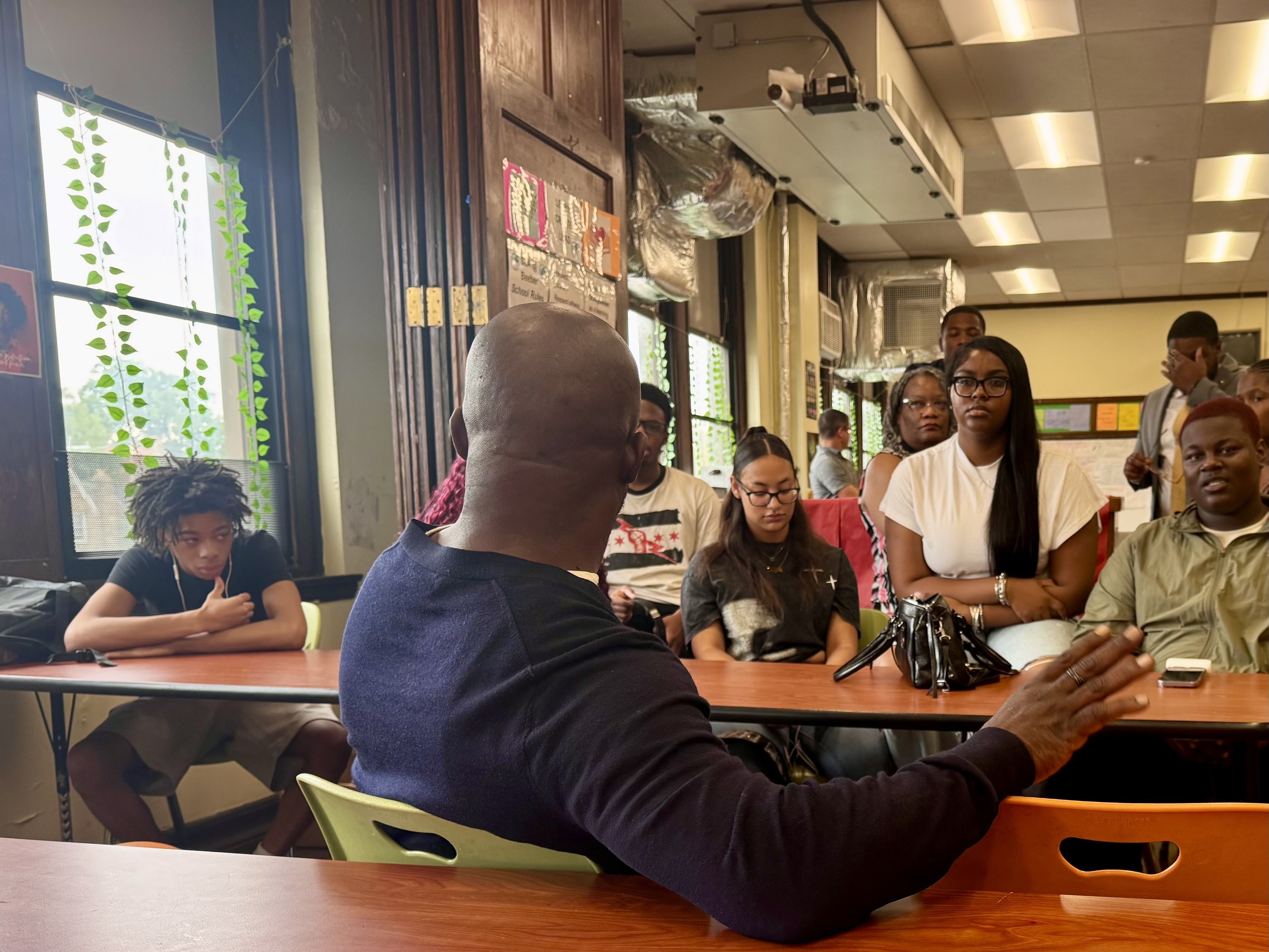
Chris Johnson, principal of Science Leadership Academy at Beeber, looked at the students in front of him — 10th and 11th graders at Parkway West, a school that’s closing in June.
“What’s coming up for you?” Johnson asked them.
“Division,” one student said plainly.
SLA Beeber won’t be doing that, Johnson said. On the first day of school last week, Johnson told his students if they were going tohave issuesaccepting the Parkway West kids coming next year, they could leave.
“We don’t do stepbrothers, stepsisters. We do family. Ain’t no division. We’re family,” said Johnson.
The conversation came as Philadelphia School District officials toured SLA Beeber to tout a new process for managing school closings.
Applications opened Monday for transition teams that will affect how changes will happen at 50 schools that will be closed or beginning phaseouts at the end of the 2026-27 school year, and those receiving students from those schools in 2027-28.
Ten Parkway West students traveled to SLA Beeber Monday to get a preview: tours of the school, a sit-down with Johnson, shaking hands with Superintendent Tony B. Watlington Sr., school board members, and others.
“We’ve got to do some things differently in Philadelphia to address the fact that we have a 65% occupancy rate across the district, which means 35% of our seats in our buildings in the district-operated schools are empty,” Watlington said at a news conference in a third-floor classroom.
“We understand that for some communities this is very hard, but we want to make sure that we are hearing them and we’re providing as much support as we can,” Warthen-Canty said. “The red carpet, white-glove treatment Dr. Watlington talked about, that’s what we want to make sure our principals, our staff, our students, and our families have.”
Each transition committee will have about 20 members. Applications, available through the district’s website, will be open through Sept. 18. Those who are selected to sit on committees will be notified by Oct. 1, with work expected to begin the week of Oct. 12.
‘There’s a lot of uncertainty’
When Parkway West first showed up on the list of possible school closings, principal William Brown and Johnson of SLA Beeber began meeting regularly, they said.
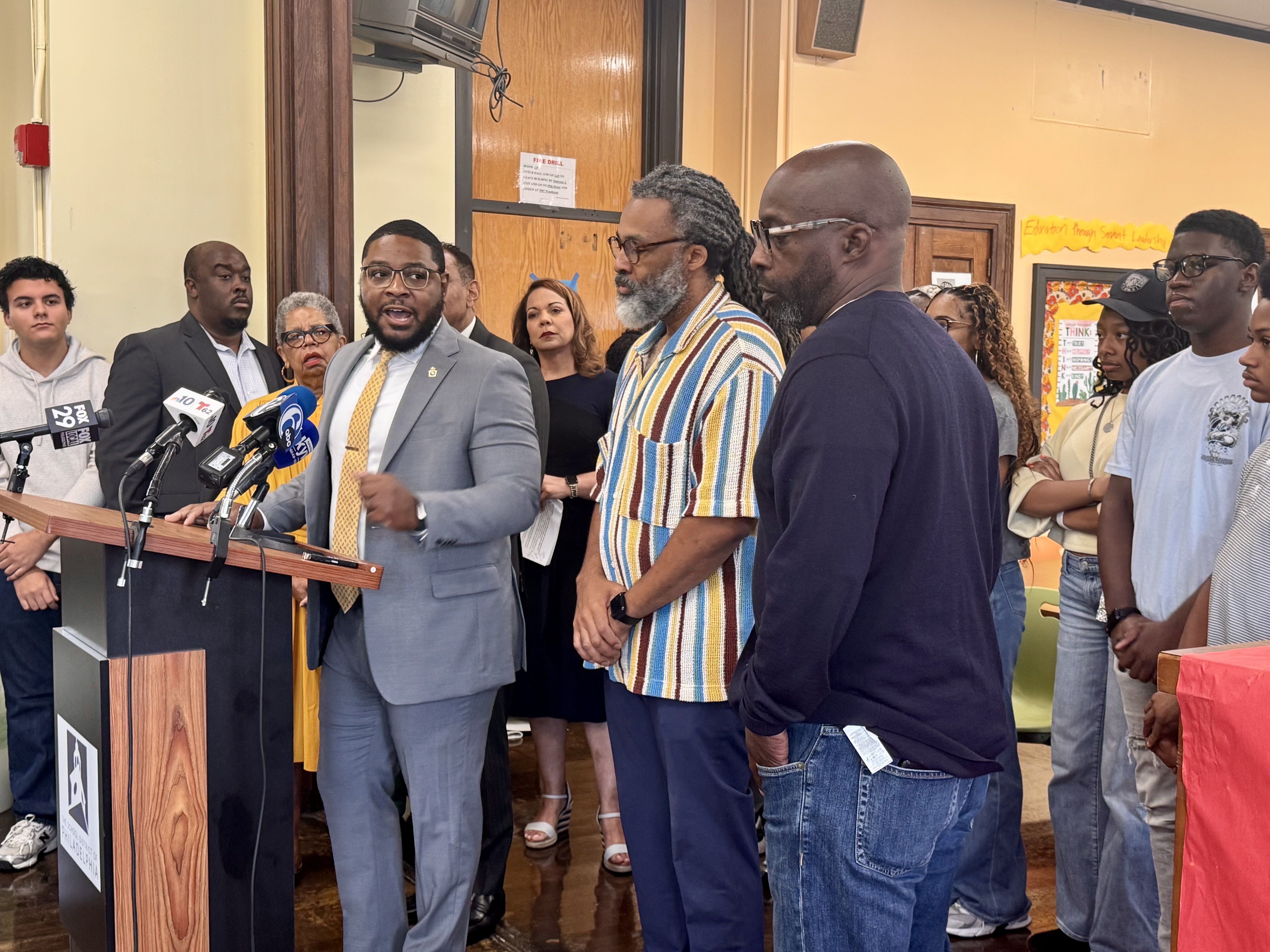
William Brown (center, speaking at podium), principal of Parkway West, speaks at a news conference at SLA Beeber. Brown’s school is closing at the end of the school year, and its students will be sent to SLA Beeber.Kristen A. Graham / Staff
“I’d be lying if I said this was an easy time for the Parkway West community,” Brown said Monday. “There’s a lot of uncertainty out there for the people involved.”
SLA Beeber enrolled 533 students in grades 5 through 12 last year; Parkway West had 151 students in grades 9 through 12.
While Parkway West students will have the opportunity to go to SLA Beeber, most staff will be force transferred to other schools, without a chance to follow their students. Still, Brown said, the focus is on children.
“These are our young people, we really have to make sure they’re OK,” said Brown, who said the SLA Beeber and Parkway West communities “are united” around that goal.
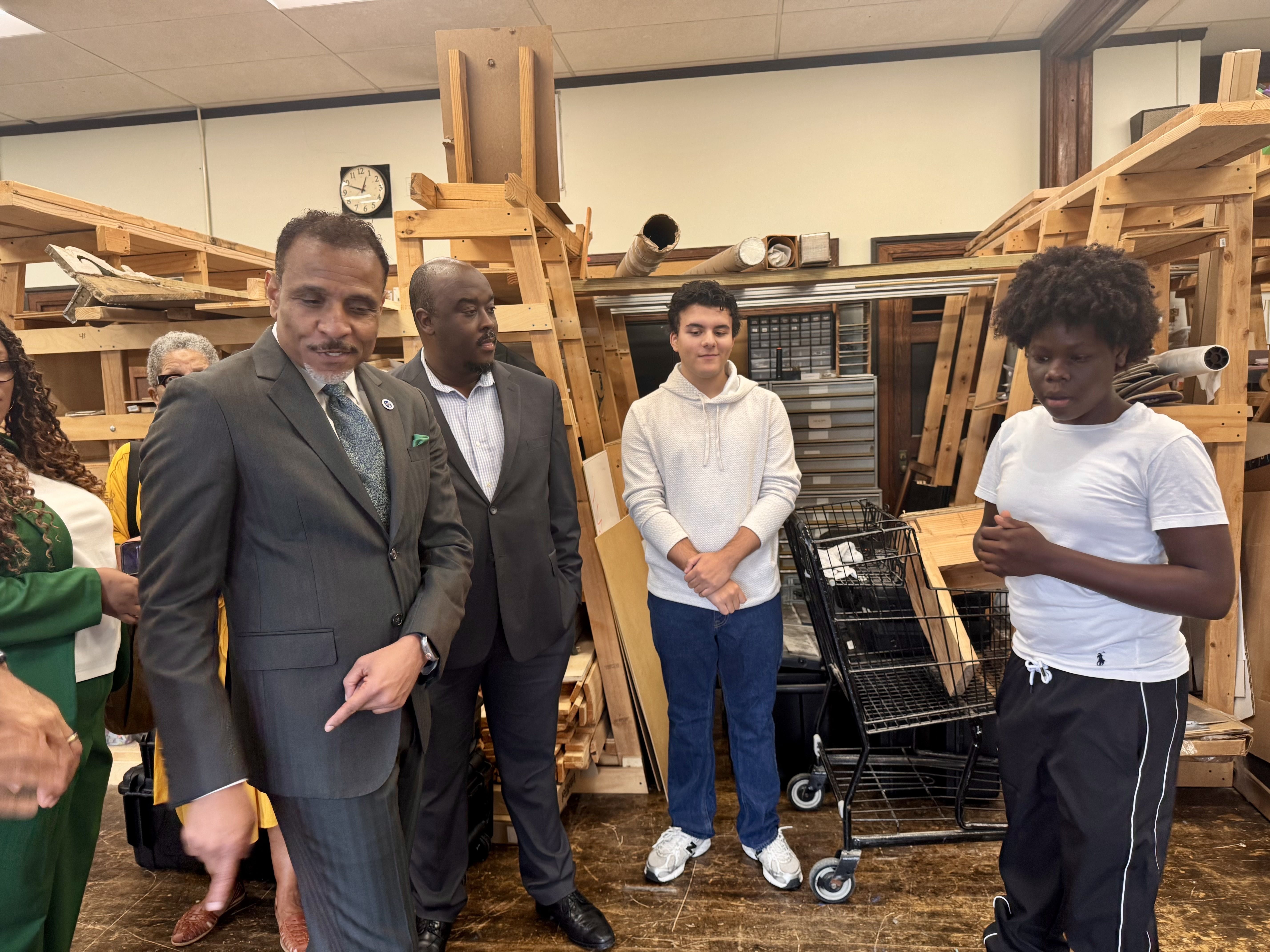
Later, SLA Beeber students Mohamed Ali, 15, and Sebastian Delgado-Colón, 16, showed Watlington, board president Reginald Streater, board member Whitney Jones, and others around their school. Other SLA Beeber classmates took Parkway West students on a tour.
What do you think of the coming changes, the dignitaries asked Ali and Delgado-Colón.
“I can’t imagine what they’re feeling, going into a completely new environment,” said Delgado-Colón.
At first, Ali said, he thought about what the change would mean for SLA Beeber students.
“Our teachers are very one-on-one with us. Is this going to change that? But we’re going to make the best of it,” said Ali.
“We were looking at it in more of a tense way — now we’re looking at it as a net positive,” said Delgado-Colón.
“It can build on community,” Ali added.
Philadelphia Superintendent Tony B. Watlington Sr., school board member Whitney Jones, and Science Leadership Academy at Beeber students Sebastian Delgado-Colon and Mohamed Ali look at SLA Beeber’s engineering lab. Delgado-Colon and Ali gave Philadelphia School District officials a tour of the school, which will receive students from Parkway West after Parkway West closes at the end of the school year.Kristen A. Graham / Staff
District officials have stressed that closing schools will enhance resources citywide.
The cooperation between Parkway West and SLA Beeber, Watlington said, is a hopeful one.
“It shows that we can make tough decisions and we can do it in a way that all of us absolutely can become winners and not losers,” the superintendent said. “Our gain doesn’t have to necessarily come at anybody’s expense.”