And while the other driver was trapped, Samuel Marquez, 40, got out of the U-Haul truck he was driving, punched the man in the face multiple times, and eventually stabbed him in the abdomen with a box cutter when he got out of the vehicle, authorities said.
The attack came because Marquez was upset that the man brake-checked him for driving too closely behind him, police said.
Marquez has been charged with aggravated assault, terroristic threats, and related crimes. He remained in custody Wednesday, in lieu of $1 million bail. It was unclear if he had an attorney.
The U-Haul Marquez was driving was part of a caravan of vehicles, including a Toyota Sienna minivan and an Acura SUV, whose drivers were heading to Philadelphia to help Marquez move to the city from Reading, according to the affidavit of probable cause for his arrest.
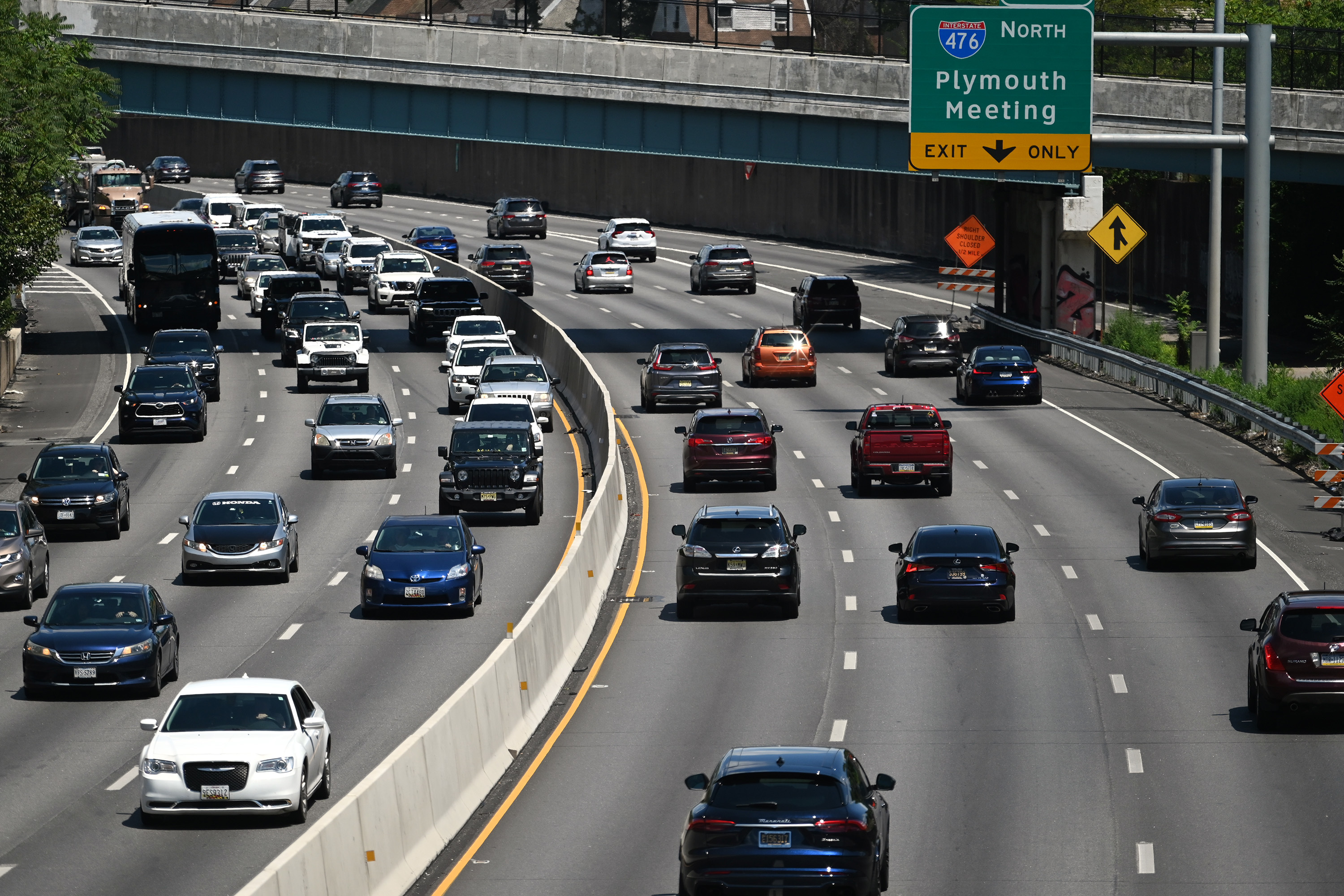
While driving on I-76 in Upper Merion, the minivan, driven by Marquez’s girlfriend, had engine trouble, and she had to pull over. When the car was repaired and the vehicles attempted to merge back onto the highway, they cut closely in front of a Mercedes-Benz, the affidavit said.
The driver of the Mercedes told police he honked his horn and drove around the group. Moments later, the U-Haul had sped up behind him, driving aggressively, and was practically touching his bumper, according to the affidavit.
The man said he brake-checked the truck to get it to back off, and then took the exit onto a ramp connecting the highway with the Blue Route. As he took the exit, the U-Haul intentionally rammed his vehicle, while the minivan and SUV drove past and stopped in front of him, boxing him in, the affidavit said.
The impact from the collision with the U-Haul spun his car and pushed it about 20 feet, the man told police. Afterward, Marquez and another man ran up to his open window and began punching him in the face, the affidavit said.
The driver heard Marquez tell the other man that he was “going to grab his knife,” the affidavit said.
The driver ran onto the median of the Blue Route, and then back toward the U-Haul, to photograph its license plate. Marquez’s girlfriend got out of her minivan and prevented him from taking a picture of her van’s license plate.
As the man argued with the woman, he felt a sharp pain in his side, the affidavit said. He told authorities that he looked down, saw blood, and realized Marquez had stabbed him.
Medics arrived and took the man to Lankenau Medical Center, where he was treated for his stab wound.
Marquez and the other cars’ drivers fled. Villanova University’s campus was briefly under a lockdown as police searched for the stabbing suspect. Lower Merion police located the U-Haul at a Sunoco gas station not long after and took its passenger into custody.
Marquez, meanwhile, ran away and was later arrested while sitting on a park bench at Memorial Park in Bryn Mawr. He had a silver box cutter in his pocket.
In 2023, Upper Chichester police said that Marquez was wanted in connection with a 2022 armed robbery at a convenience store in the township.
Marquez is scheduled to appear before a district judge for a preliminary hearing on Sept. 22.
Staff writer Robert Moran contributed to this article.
The 2026 NFL season kicks off this week, with the Eagles’ Week 1 meeting against the Commanders highlighting a slate that also includes Seahawks/Patriots on Wednesday and a 49ers/Rams showdown in Australia on Thursday.
With that in mind, The Inquirer’s NFL reporting team of Jeff McLane, Olivia Reiner, Jeff Neiburg, and Ryan Novozinsky offered their predictions not only for the Eagles season but also how they see the entire league shaking out, including playoff brackets and major awards.
Eagles game-by-game predictions
Week
Opponent
McLane
Reiner
Neiburg
Novozinsky
1
Commanders
W
W
W
W
2
@ Titans
W
W
W
W
3
@ Bears (MNF)
L
L
W
W
4
Rams
L
L
L
L
5
Jaguars (London)
L
W
W
W
6
Panthers
W
W
W
W
7
Cowboys (MNF)
W
W
W
L
8
@ Commanders (SNF)
W
W
L
W
9
Giants
W
W
W
W
11
Steelers
W
W
W
W
12
@ Cowboys (T-giving)
L
L
L
W
13
@ Cardinals
W
W
W
W
14
Colts
W
W
W
W
15
Seahawks (Sat.)
L
L
L
W
16
Texans (Thur.)
L
L
W
L
17
@ 49ers (SNF)
L
W
L
L
18
@ Giants
W
L
W
W
10-7
11-6
12-5
13-4
Inside our picks
Which pick were you most on the fence about?
McLane: London game vs. the Jaguars (loss). I was at the Eagles’ last trip over the Atlantic when they beat a then-good Jacksonville team in 2018. Only a couple of players remain from the squad — tackle Lane Johnson and kicker Jake Elliott — but traveling to other countries has become the norm for every team in the NFL. So it’s not like the Jaguars, who play in London the most, have a distinct advantage.
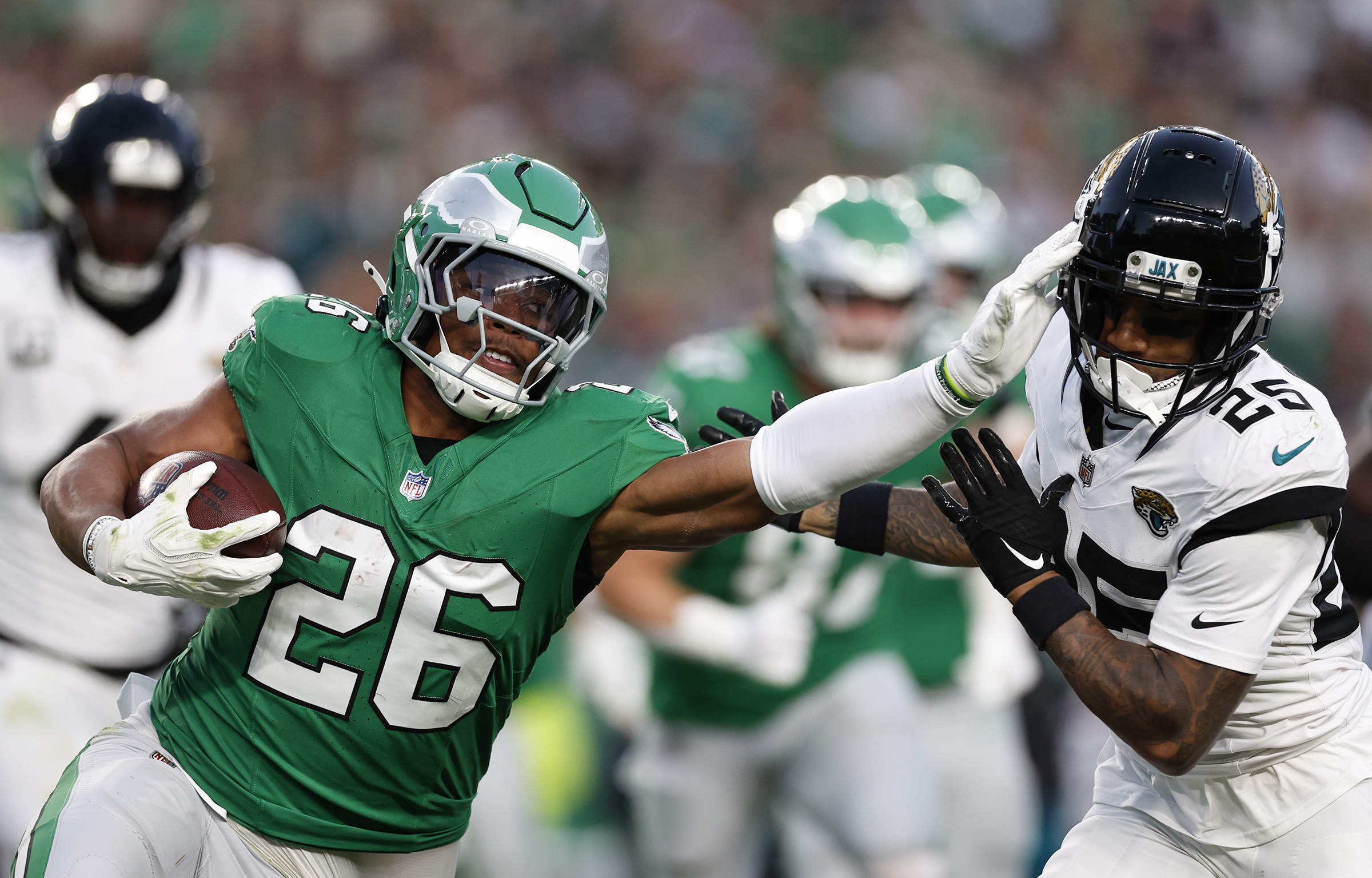
The Jaguars will be a much tougher opponent than the Jacksonville team the Eagles faced in 2024. Yong Kim / Staff Photographer
But coach Liam Cohen returns a squad that won the AFC South with a 13-4 record as he enters his second season in charge. There will likely be regression with a first-place schedule. I see a lot of prognosticators picking them to fall to the middle of the pack. But I like their roster. And I think the Eagles are going to hit a rough patch from Weeks 3-5 after opposing defenses get film on Sean Mannion’s new offense. Still, it’s difficult to see Vic Fangio’s defense allowing a three-game losing steak. So I was divided about this pick. Ultimately, I just felt the Jags matched up well against the Birds.
Reiner: The 49ers road game (win). There should be plenty of juice going into that game, as the Eagles fell to the 49ers in the wild-card round. Looking back, it seemed like a lot of the Eagles’ shortcomings in that game were self-inflicted. The following week, the 49ers were exposed by the Super Bowl champion Seahawks in their 41-6 divisional-round drubbing. That late-season three-game stretch against the Seahawks, Texans, and 49ers should be tricky, but it seems unlikely that the Eagles will lose three straight games. I think the 49ers could be the lesser team of that trio, especially if their poor injury luck persists into 2026. Given they have one of the oldest rosters in the league, perhaps that isn’t too far-fetched.
Neiburg: The Texans game on Christmas Eve (win). I think 12-5 is the right record, and because it’s impossible to know what’s going to go on later in the season, guessing the spots for the losses is tough. On my first spin through I had them losing three straight to Seattle, Houston, and San Francisco. I can’t see this team losing three consecutive games. I also don’t see them losing to Washington, but 13-4 seems a bit off, and I needed a fifth loss, so I went with the NFC East opponent on the road rather than a random loss at home to a team like Pittsburgh. You see? This is an exact science. Houston is really good. That three-game stretch could be a turning point.
Novozinsky: The Seahawks game (win). Yes, they’re the defending champs. Yes, their defense is great. Yes, Sam Darnold just completed a masterful career 180. But after watching the Eagles defense all summer, I just think the Birds have the deeper unit — which will be the clear difference maker in this game. This’ll be a true rock fight, but I say the Eagles come out on top thanks to their secondary clamping down Jaxon Smith-Njigba.
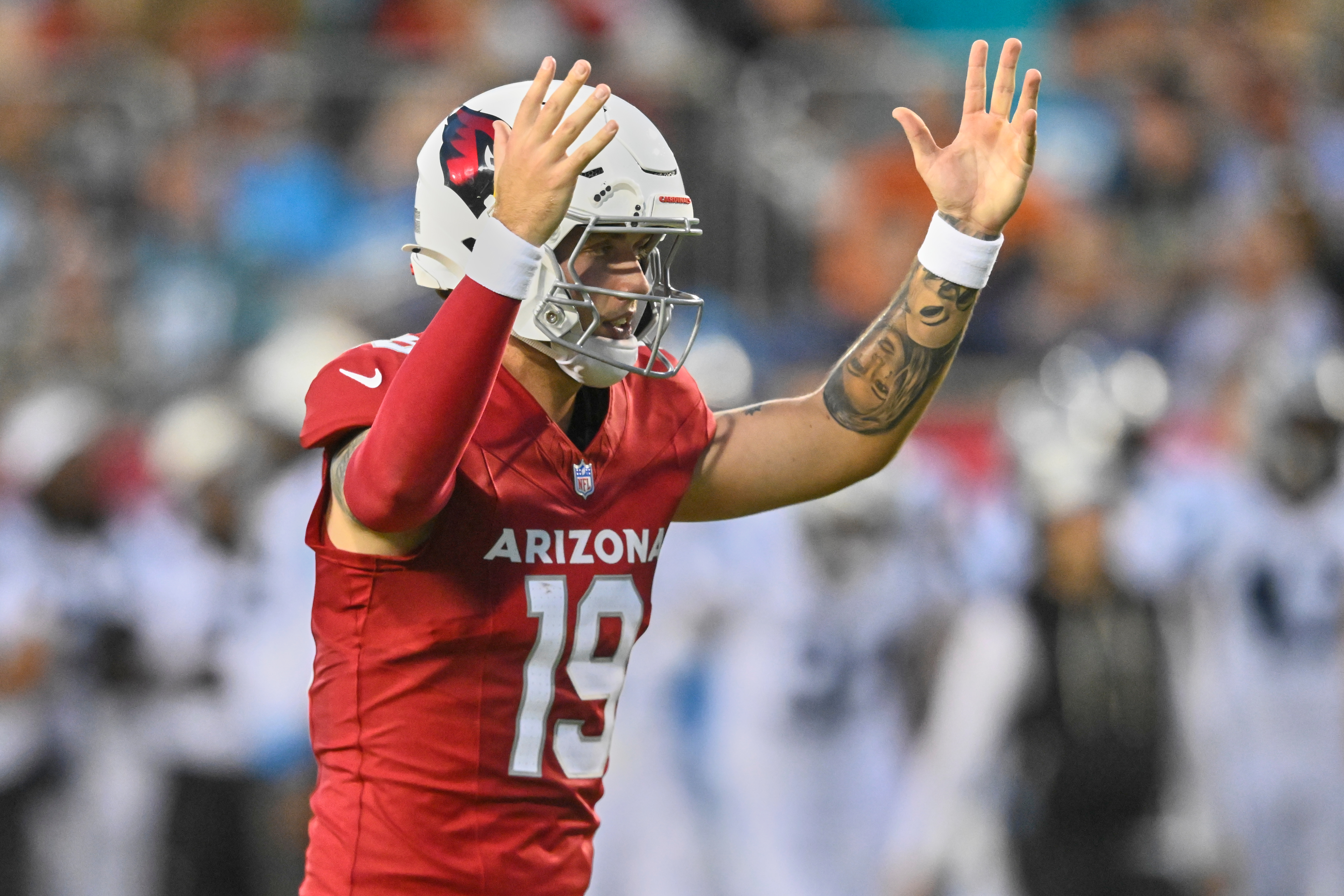
Rookie Carson Beck could be the Cardinals QB by the time the Eagles face them in December. David Richard
Which game do you most consider a lock?
McLane: The opener vs. the Commanders. If there was one non-quarterback Washington couldn’t afford to lose to injury, it was Laremy Tunsil. The left tackle’s season ended when he tore his triceps early in training camp. Not only was Tunsil arguably the most established player on the team, but he was the No. 1 piece standing between Jayden Daniels and more injuries.
But there are a host of other reasons to think Dan Quinn’s unit will be just as bad as it was last season. The offensive skill position group is lacking in top-end talent. The defensive front seven will look significantly different than it did during last season’s wretched campaign. But it’s young and will have to carry the load if the secondary continues to be porous. The Eagles may have some early hiccups with a first-time play caller in Mannion, but the offense should benefit from the early element of surprise. The defense, meanwhile, could dominate.
Reiner: The game against the Cardinals. Congratulations – you have the chance to start for the Cardinals at quarterback this season! The Jacoby Brissett-Gardner Minshew-Carson Beck quarterback depth chart isn’t exactly fear-inducing for defensive coordinators. Rookie running back Jeremiyah Love, who is already injured, could be challenged to reach his potential behind an average offensive line. If things aren’t going well for the Cardinals by Week 13, Josh Sweat might sneak back to Philadelphia on the team plane after the game.
Neiburg: Dec. 6 in Arizona. The Cardinals are dreadful. There’s a real chance they go winless. They could be touchdown underdogs in every one of their divisional contests and they’re also matched up with an AFC West division that could produce three playoff teams. Eagles fans always travel well, but an early December trip to the southwest is enticing, and this one might feel like a home game.
Novozinsky: Week 2 at the Titans. The Titans will probably be marginally better in 2026, but let’s face it: If your team is picking up the scraps from the Giants/Jets of the past five years, you’re probably not going to be a very good team. They’re a true dumpster fire franchise — and I’m still not sold on quarterback Cam Ward. The Eagles will win this game and Broadway will be flooded with chants of “Go Birds!”
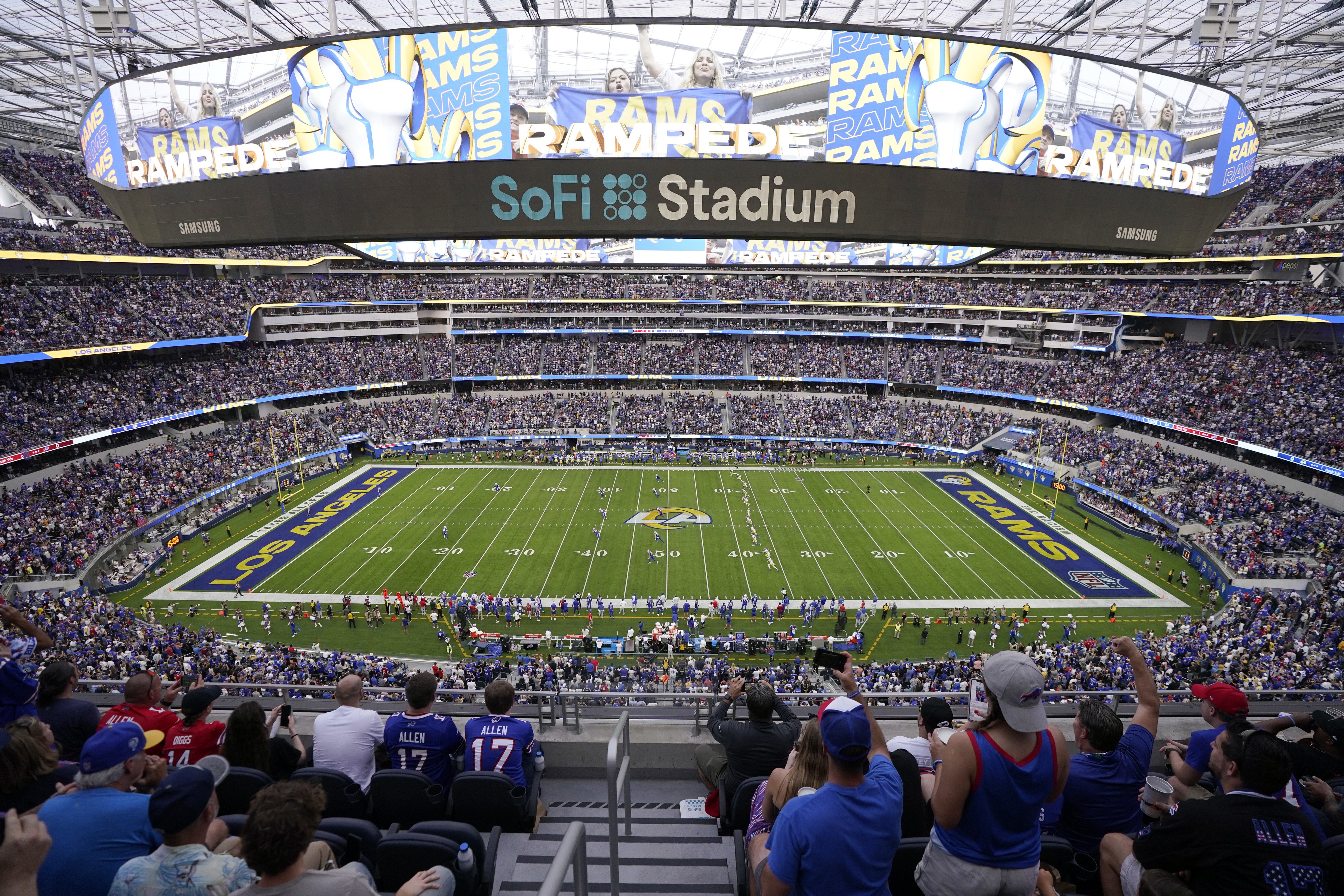
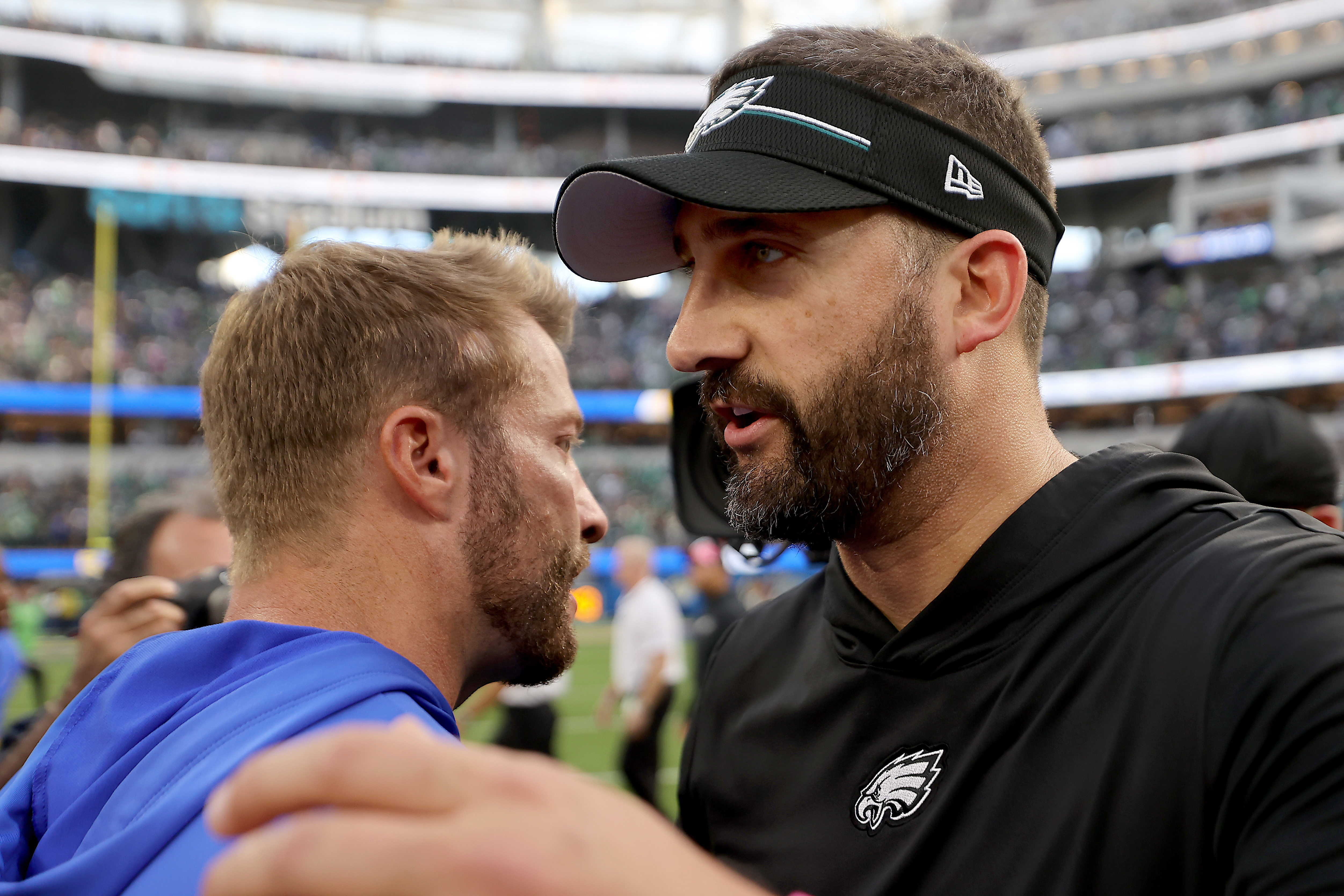
Another Eagles-Rams classic could be in store when Nick Sirianni and the Birds host Sean McVay and L.A. David Maialetti / Staff Photographer
Which contest screams “statement game” to you
McLane: Dec. 19 vs. the Seahawks. After a shaky start to the season, I can see the Eagles settling into a groove, especially with some expected easier opponents in the middle portion of the season. I have them 9-4 by the time they host the defending-champion Seahawks on Dec. 19. It’s difficult to repeat, of course, and while Mike Macdonald returns one of the best defenses in the league, and has elite players like Smith-Njigba on offense, I could see Seattle falling back to earth in a tough NFC West. Does anyone really think that Darnold will be as good as he was during a sun-kissed 2025? But a win here for the Eagles would be impressive and maybe catapult them into a stretch run and another NFC East crown.
Reiner: The Seahawks game in Week 15, especially if both teams are competing for playoff spots at that point in the season. Seattle is defending its Super Bowl title and the Eagles are looking to contend once again. If they can come up with a win against the league’s leading defense in 2025 and the Offensive Player of the Year in Smith-Njigba, they should feel good about themselves heading into the final stretch of the season. If not, a loss could be a sign of bad things to come for the Eagles in the postseason.
Neiburg: Well, the Rams game could be a preview of the NFC title game, so, for better or worse, that is kind of a measuring stick game. The Eagles will match up with a few shaky defenses early in the season before welcoming Myles Garrett, Aaron Donald, and perhaps the best defensive front ever assembled to Lincoln Financial Field. It’s just a shame it’s a 1 p.m. game, because it’s one of the best games on the NFL calendar this season.
Novozinsky: Christmas Eve in Houston. What the Texans lack on offense, they make up for — in a huge way — with an unrelenting defensive front. They’re my Super Bowl pick this year and they’re a perfect measuring stick for the Birds in front of a primetime holiday audience. The schedule makers sure didn’t do the Eagles any favors, sandwiching this game between the Seahawks and 49ers.
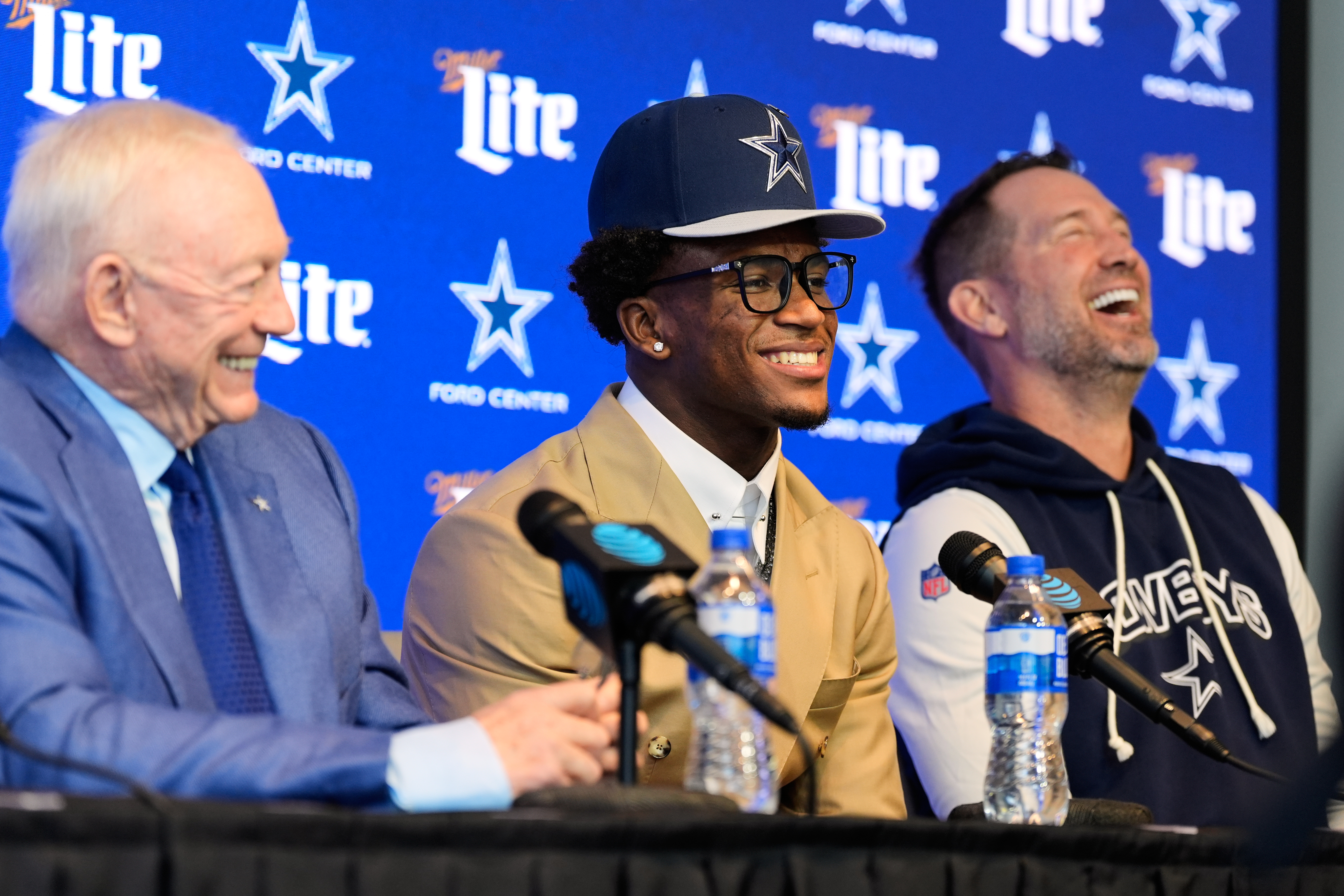
Rookie Caleb Downs (center) is one reason why Jerry Jones (left), Brian Schottenheimer and the Cowboys are optimistic about getting off the mat in 2026. Tony Gutierrez
Who’s the biggest threat to an Eagles’ NFC East three-peat?
McLane: It’s got to be the Cowboys. The Commanders, as noted above, could be a hot mess, while the New York Giants are likely a year away from contending. But Dallas has the offensive firepower to match the Eagles’ potent defense. Dak Prescott has an aerial attack that can expose a weakness at safety and even some of the best cornerbacks in the NFL. We saw it last season. The Cowboys couldn’t compete in 2025 because, ultimately, they were dreadful on defense. They made significant changes. They snatched Christian Parker from Philly to helm the unit. And they added six new starters, including edge Rashan Gary and first-round safety Caleb Downs.
I’m not saying it’ll transform them into a top unit. Parker is as much of an unknown as Mannion. But it’s hard to see Dallas not finishing with a winning record. I think the Eagles will be right there with them. Heck, they’re still the odds-on favorite to win the division. But I think defenses will still be able to corral Saquon Barkley and the run game because the passing offense will not improve enough with too many question marks at receiver and tight end.
Reiner: The Cowboys. They made upgrades to their defense, which ranked last in the league in points allowed in 2026, and hired Parker. Combine an improved defense with an offense that ranked in the top 10 in 2025 and one of the best kickers in the NFL in Brandon Aubrey and the Cowboys could threaten the Eagles for the NFC East crown.
Neiburg: Dallas. The Cowboys should have an improved defense, and there’s plenty of talent on offense to get to double-digit wins. The Giants could be a sneaky wild-card team with an exciting offense, but I don’t think they’re ready to take that step yet. Washington, meanwhile, didn’t do a whole lot of improving in the offseason and its defense just isn’t good enough. The Eagles-Cowboys game on Thanksgiving could end up being a turning point of sorts in the NFC East standings.
Novozinsky: It’s the Cowboys and it’s not even close. The Commanders are going to stink. I’d be stunned if the Eagles didn’t sweep them this year. The Giants should be better under Harbaugh, but I’m just not sold on Jaxson Dart. Dallas, for all its faults, has a good offense and a capable defense led by a sharp defensive mind in Parker.
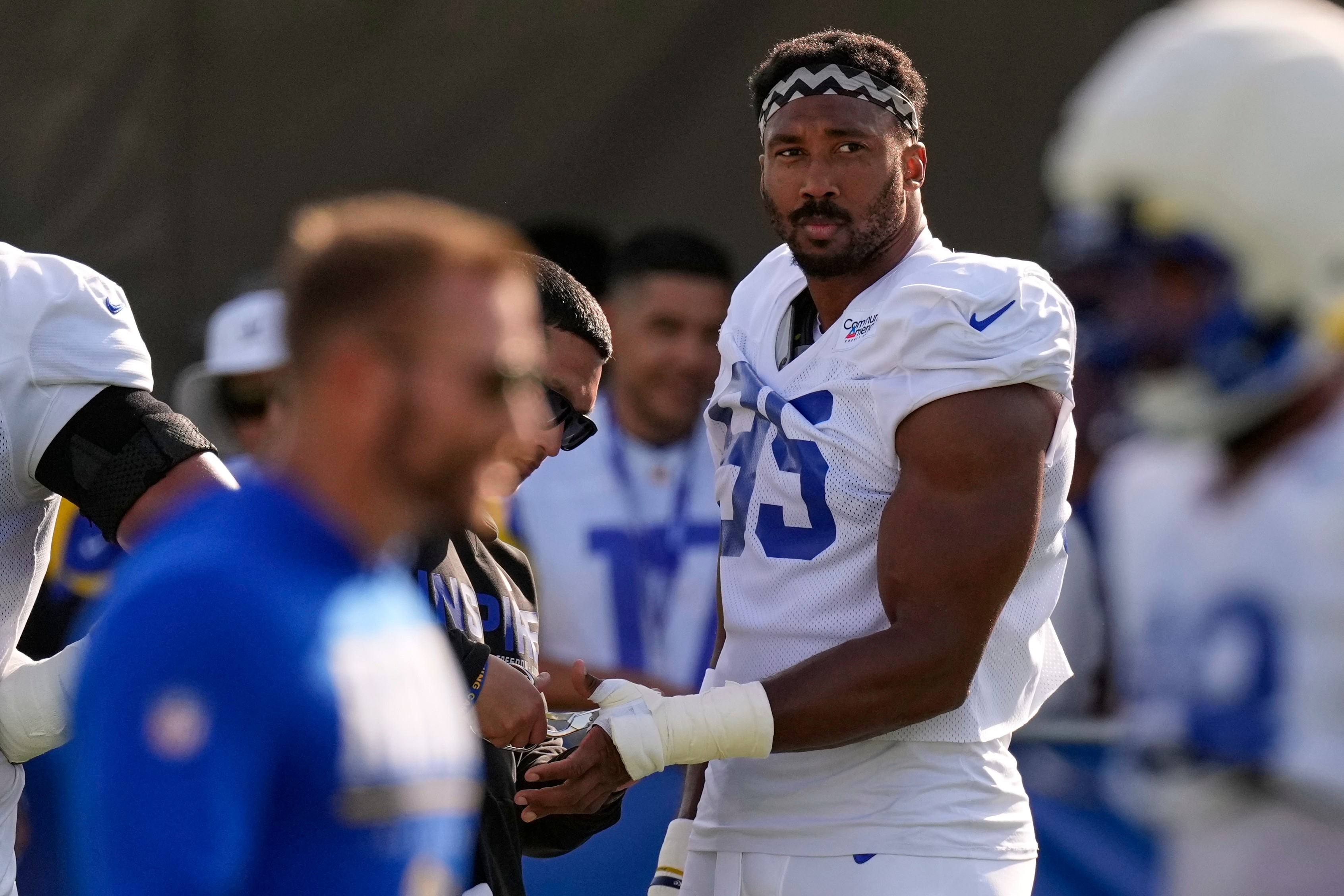
The presence of Myles Garrett (95) is helping to make the Rams a trendy Super Bowl pick. Mark J. Terrill
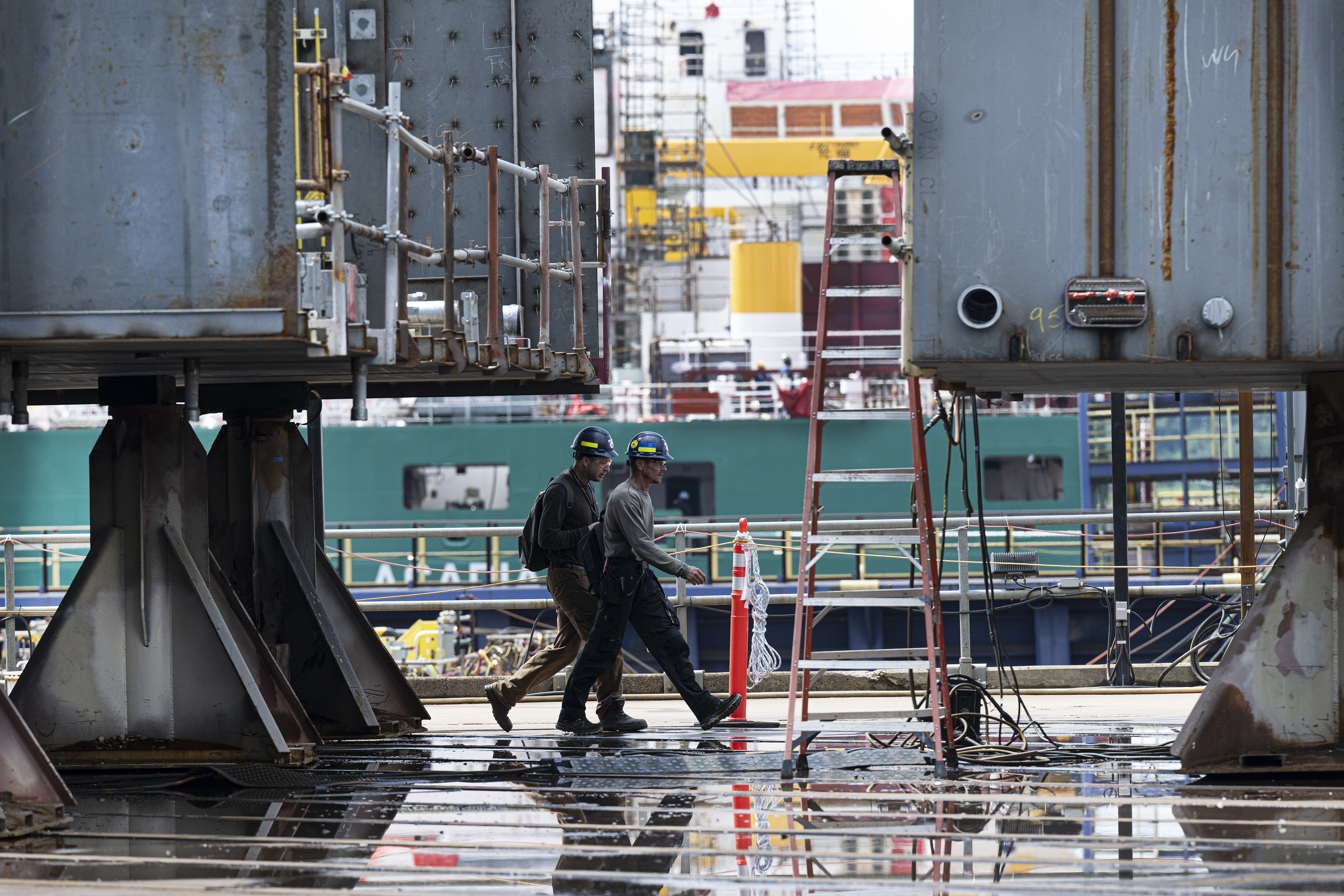
“You have to work the parents,” Michael Cadenazzi, assistant secretary of war for industrial base policy, told contractors assembled by Trump and U.S. Sen. Dave McCormick (R., Pa.) at the U.S. Army War College in Carlisle in July. “Mom and Dad need to understand their kid is succeeding,” even if they skip college for “AI-proof jobs” as “the wizards behind the warriors — shipfitters, welders, pipe fitters.”
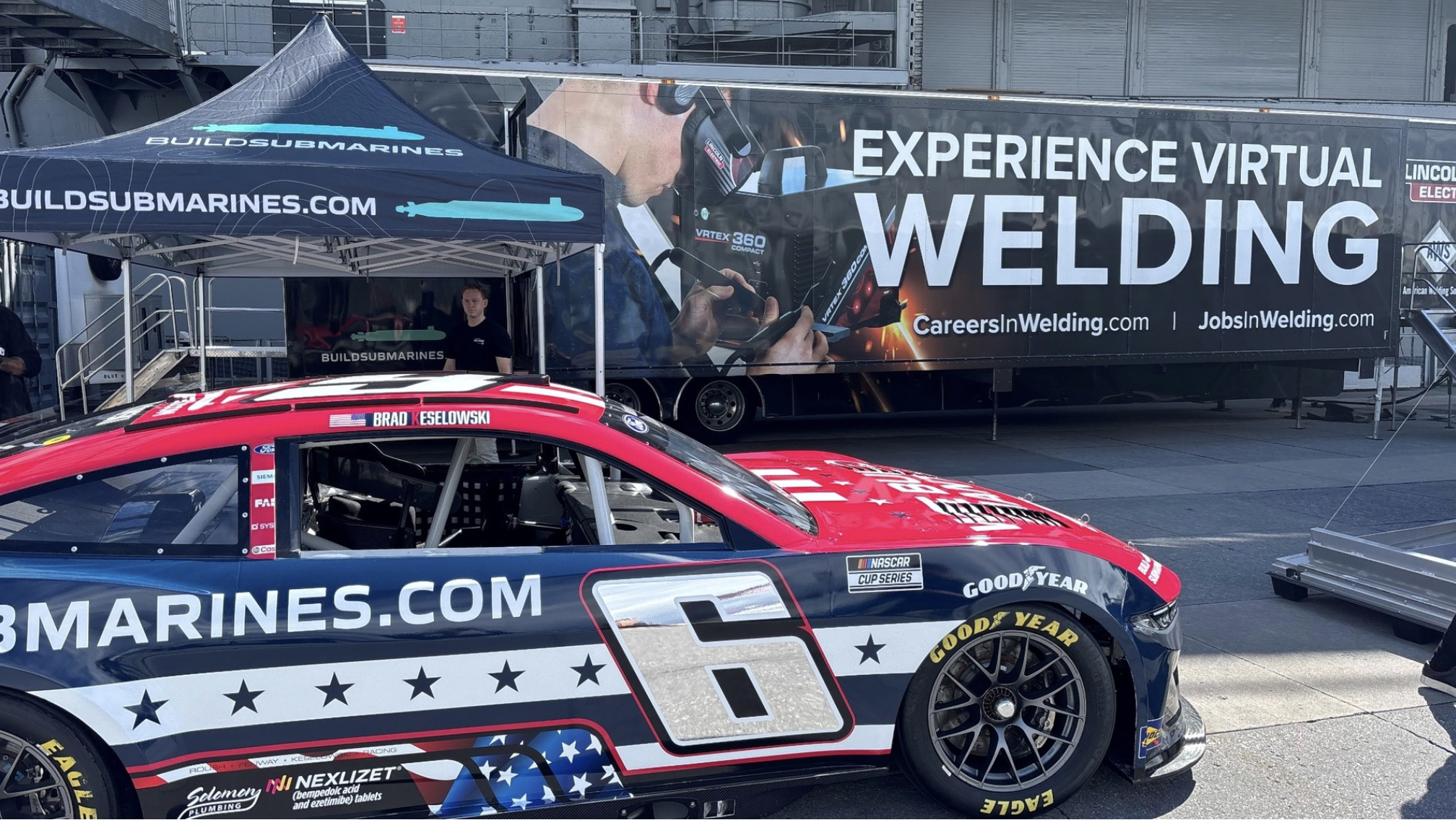
BuildSubmarines.com, a U.S. government-funded marketing effort, is trying to recruit workers for shipyards through public-transit and social-media ads. It also sponsors a Nascar team.U.S. Navy
If would-be college students prove a tough sell, there’s an even larger population of American workers who have what it takes to build ships but don’t want to, said Gary Kim, a Wharton School graduate student who has studied U.S., Chinese, Japanese, and Korean shipyards.
In essays for the U.S. Naval Institute and a series of papers titled The Brutal Realities of Building Ships, Kim, formerly a junior officer with U.S. Navy construction units in Asia and a Detroit manufacturing manager, has detailed rough conditions and skilled-labor shortages and suggested what shipyards have to do to realistically fill those jobs.
You’ve written that shipbuilding is heavy construction work — more dangerous than putting up buildings, less comfortable than modern factories, but not better paid.
Shipyards are great for everyone except the people who work there. The economic boom is paid for in blood.
The question we should be answering isn’t ‘Why can’t we convince 150,000 more kids to build ships?’ but ‘Why are the 30 million Americans already in the industrial workforce — construction, manufacturing, transportation — refusing shipyard jobs?’
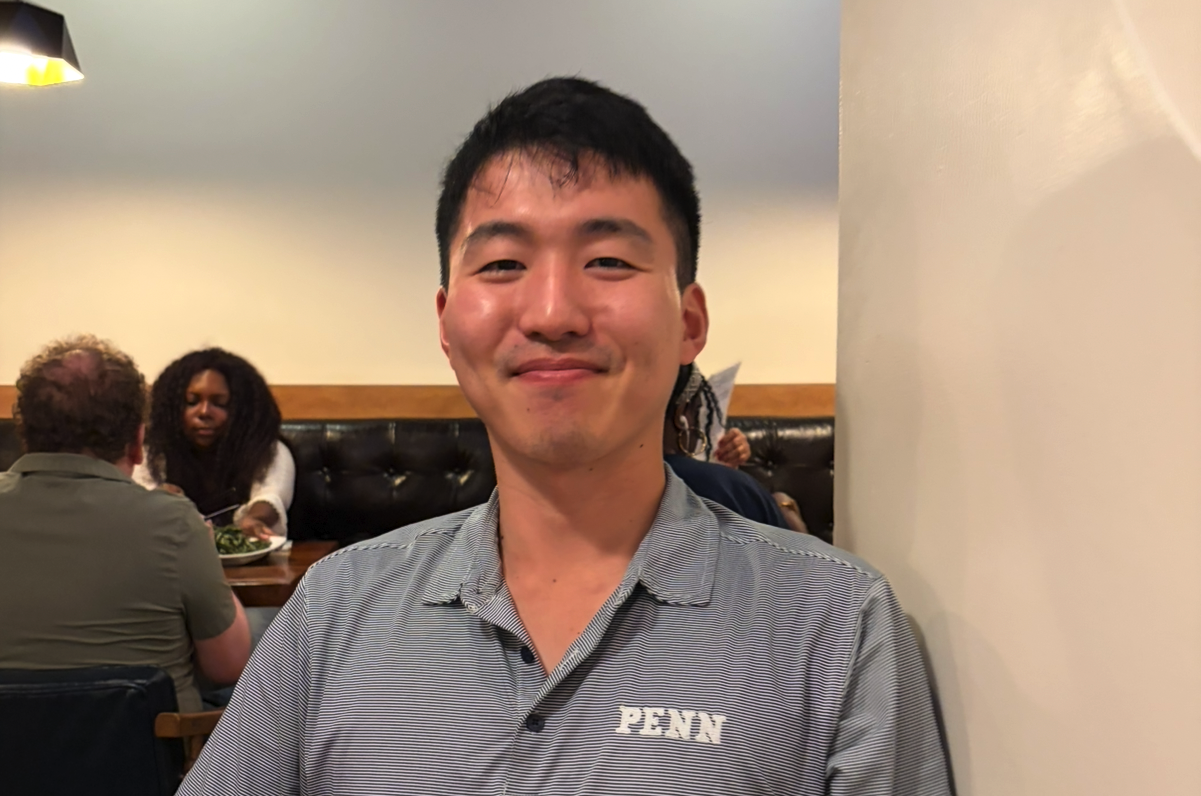
Gary Kim in Philadelphia in August 2026. Kim is a Wharton School graduate student and naval reserve officer who has studied U.S., Chinese, Japanese, and Korean shipyards.Joseph N. DiStefano
Shipyard work is an agglomeration of tasks done in the wider industrial economy: welding, plumbing, truck driving. Why does most of that workforce turn away from building ships? Because it’s dark work in dangerous corners. And it doesn’t pay much.
Companies have invested a lot in improving factory conditions over the past 30 years. Manufacturing became gentler on your body.
But it’s also less unionized than before. In the new factories, adjusting for inflation, the pay is less. Factory workers and warehouse workers accept repetitive labor in air-conditioned facilities, in exchange for lower pay.
Construction is a rough trade, but it pays better. The economic rewards have increased. Not only there’s better pay, but it’s a way men and women can become entrepreneurial. Some become contractors. It’s just as hard as shipbuilding, but the payoff is better.
In shipbuilding, the pay in real terms has declined, but the workplace is only transforming recently with advanced robotics. Sometimes shipyard apprenticeship programs that teach industrial skills see [their graduates] leave for other industrial jobs.
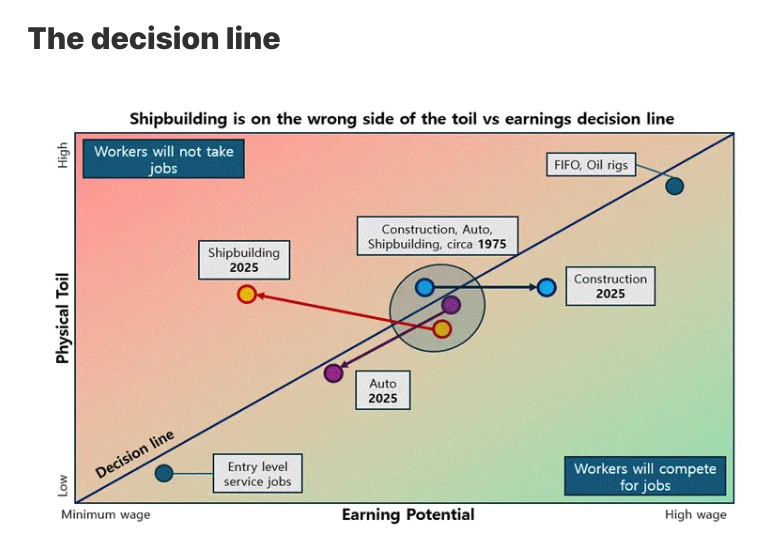
Comparison of construction, shipbuilding, factory, energy, and entry-level service jobs, pay vs. relative danger, 1975-2025, from data compiled by Gary Kim and posted in his series “The Brutal Realities of Shipbuilding.”Gary Kim
Could Philadelphia double the ship workforces, as Hanwha Philly Shipyard and Rhoads Industries say they hope to do in the next few years?
Philly is going to struggle to recruit an industrial workforce. There is a rhyme and rhythm to an industrial city.
You have industrial accidents. You have elevated rates of chronic conditions years afterward.
Look at the reactions to the Canada wildfires. Detroit had the worst air quality in the world for a day, but nothing shut down. Everyone from the UAW director to the people in the city government knows the four or five closest auto plants each generate tens of millions of dollars in economic activity daily. Even if city health officials say it’s too much risk, nobody needs to be told what you are taking out of the city if you close.
Industrial work brings prosperity and less economic inequalities, with [personal and environmental] costs. Manufacturing requires higher risk and having your citizens accept that risk. You have that in the Gulf [home to the U.S. oil industry] and in the Mississippi Valley [where the U.S. steel industry has moved], and in Michigan [auto plants].
The economy here has been running on services and logistics for so long thatI don’t think Philadelphia any longer has that intestinal fortitude to accept what shipyards really are.
Do U.S. shippers really want more U.S. commercial ships at U.S. prices?
If the Jones Act [requiring U.S. ships for cargoes between U.S. ports, suspended by Trump] is waived indefinitely, companies are not going to need more ships built here.
And you need more orders. If a shipyard does not lay out several a ships a year, you can’t develop a career. You start laying a keel; you need a lot of welders. Then cutters. Then plumbers. Then there’s a surge of need for electricians. You can’t sustain that workforce unless you can stage crews across different jobs in the time it takes to build a ship.
Rhoads in Philadelphia fabricates nuclear-submarine modules for General Dynamics. Can this region eventually build subs?
Nuclear reactors, spaceships, and American submarines are the most stringent things to build in the world. If Philadelphia wants a more meaningful part of the submarine value chain, we need to build with spaceshiplike tolerances.
The Navy is putting out the correct messaging that the industrial base needs a diversity of jobs. An amazingly large part of the maritime industrial base doesn’t come from port cities but from inland operations. The most critical part of submarines is the gearboxes, built in California.
The government has ordered two missile and satellite tracking ships from Hanwha Philly Shipyard. Will Philadelphia-area defense contractors likely do the electronics?
[The Lockheed Martin-run Navy electronics facility in Moorestown] is the technology center of that industry. But I think the biggest reason Philadelphia landed the tracking ships here was that the yard needed a win. And backlogs in other shipyards are now 10 years and more.
Hanwha wants to buy Austal’s Alabama shipyards and submarine module works and its California ship repair facility. What does that leave for Philly Shipyard?
Hanwha wants to be a globally competitive defense prime contractor. Buying Austal would make Hanwha a solid #3 shipyard operator in the U.S., plus their megayard in Korea.
I expect the Austal yard would focus on smaller warships. Philly would focus on surface auxiliary vessels.
Most yards lose more money the more ships they build. Hanwha thinks they can do better, and I seriously hope they are right.
Editor’s note: This article wrongly identified the role of Philadelphia Gear in Navy ship construction. It has been updated.
Tom Schafer was a hulking man when he played one preseason game with the Eagles in the summer of 1984. The undrafted free agent center stood at 6-foot-2 and 270 pounds, with a booming voice and an unabashed confidence to match.
By the fall of 2009, his broad frame had hollowed out. His voice had been reduced to a rasp. Schafer could walk, but only gingerly, and for short distances.
Yet here he was, sitting in a West Chester University parking lot, handing out fundraising pamphlets and preaching to tailgaters about his long-lost teammate.
It was not the way most people battling cancer would have chosen to spend their time. But Schafer was not most people.
When Schafer was told the disease he’d battled two decades prior had returned in 2008, he had already made a commitment and was determined to see it through, no matter how many rounds of treatment he would have to endure.
“He still had that fire about the statue,” said former West Chester center Joe Walsh. “He was talking then about everything we see now.”
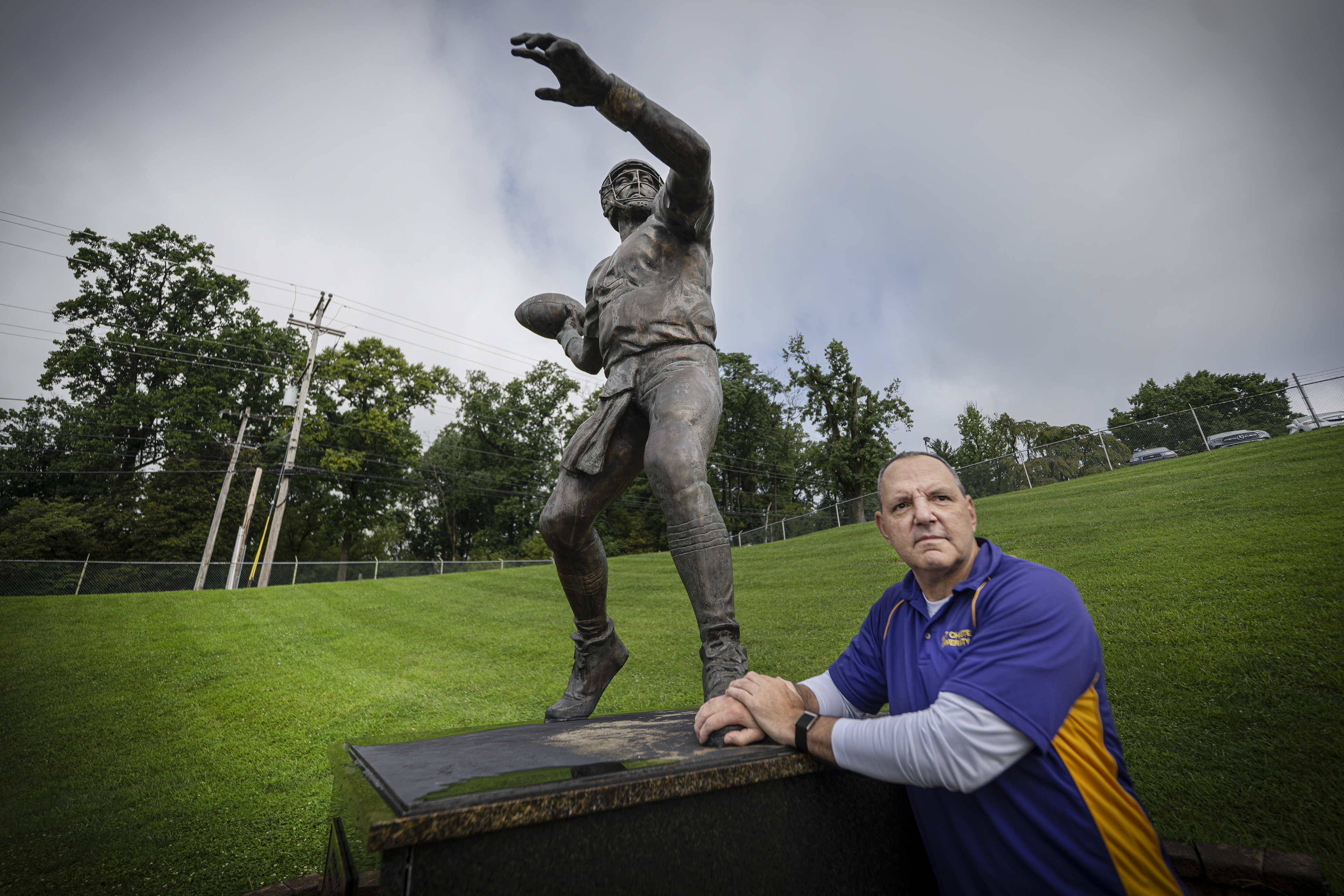
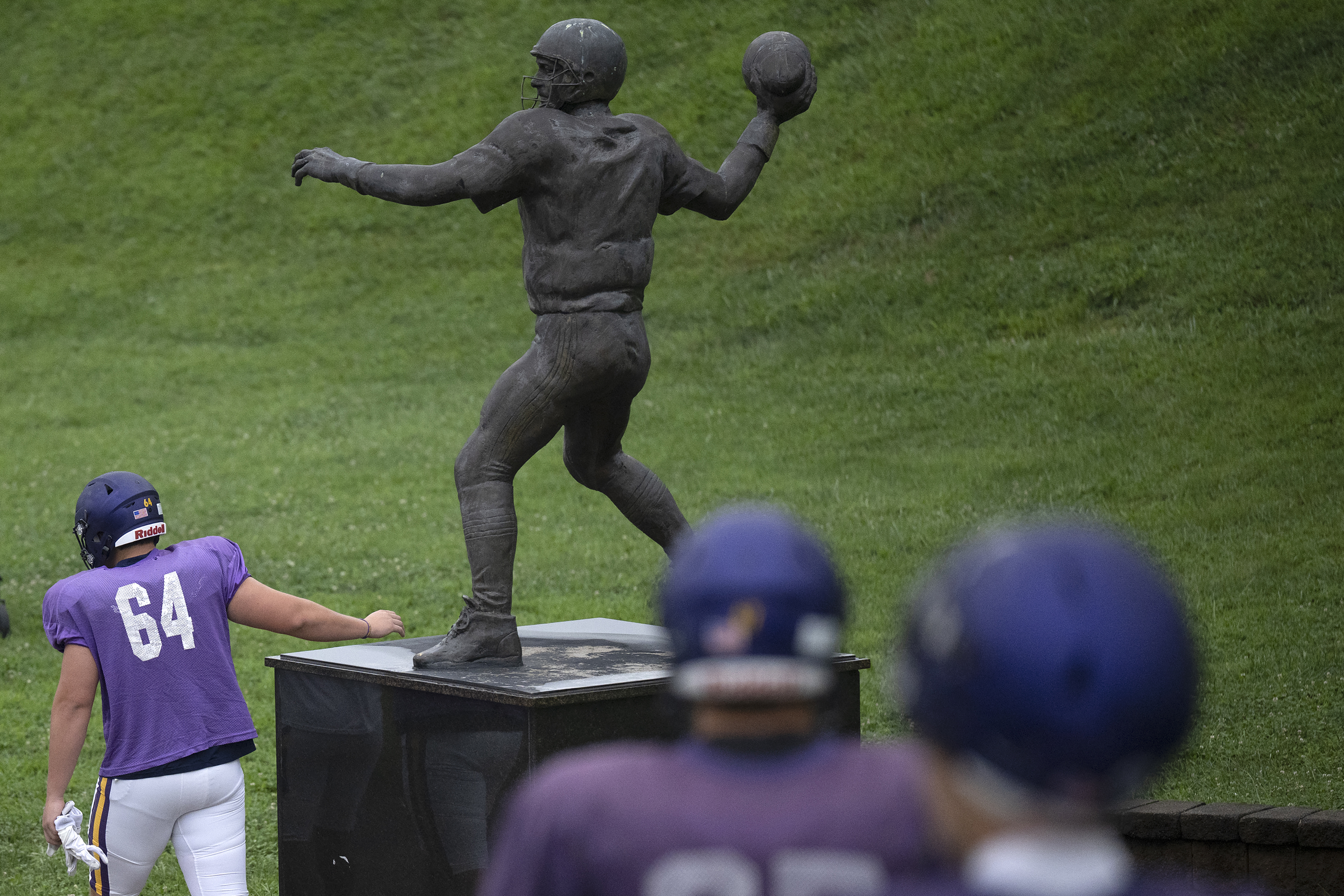
Walsh motioned to the northwest corner of Farrell Stadium. There, at the base of a hill, stood a bronze likeness of a quarterback, his left foot firmly planted, his right arm cocked, ready to uncork a spiral.
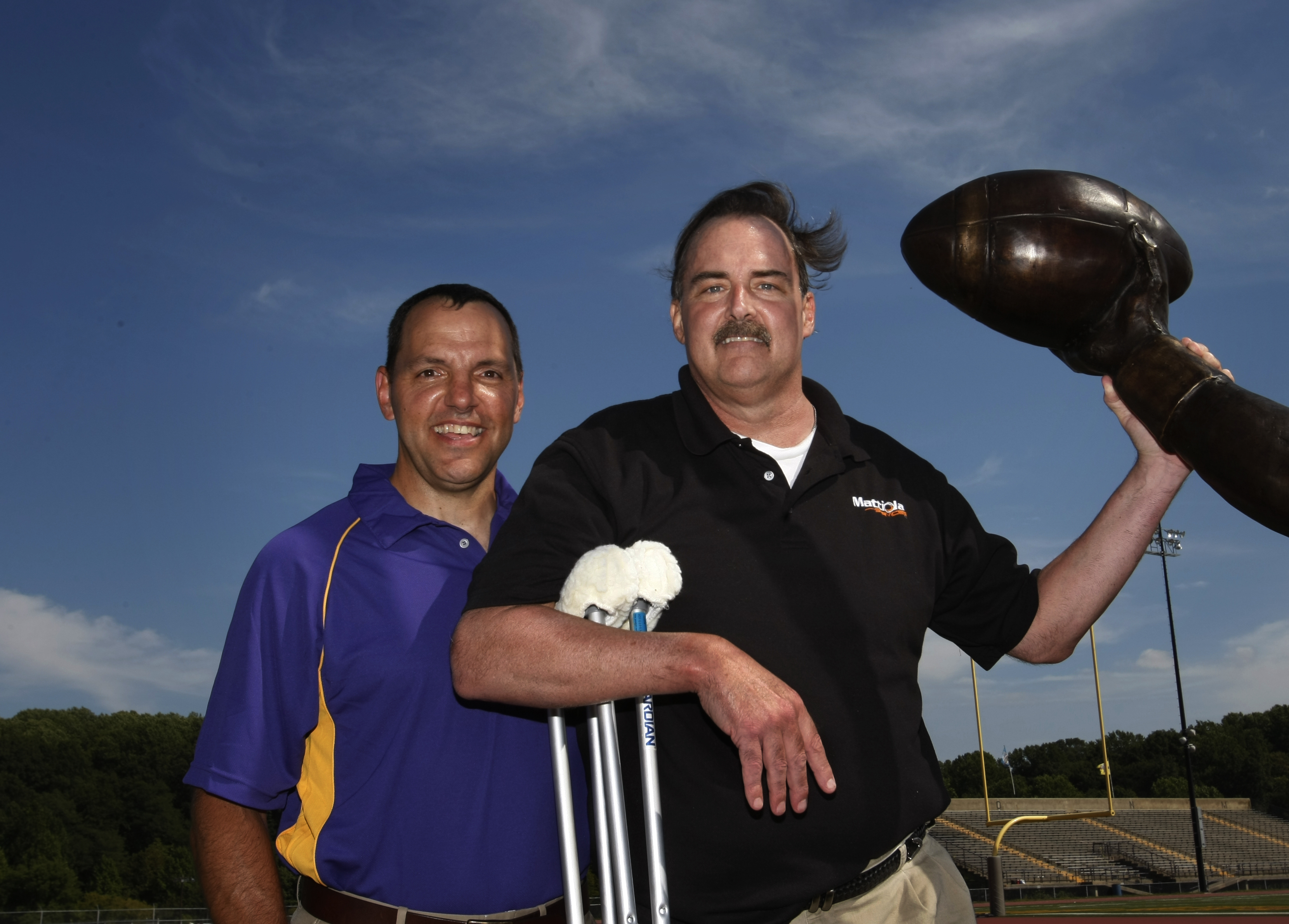
Former teammates John Mininno (left) and Tom Schafer (right) visit the statue of Michael Horrocks which was unveiled Sept. 11, 2010. Michael S. Wirtz / Staff Photographer
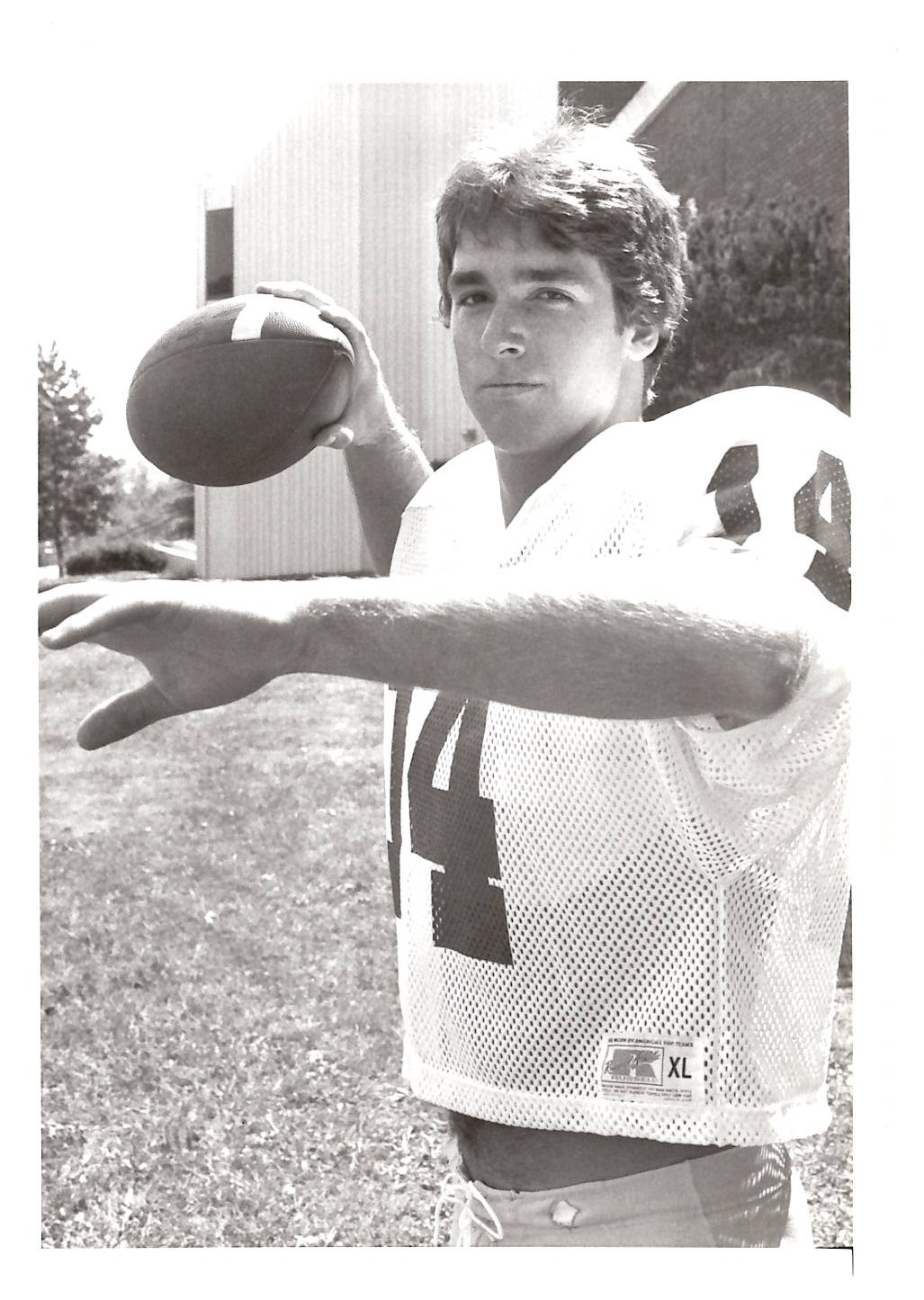
The man was Michael Horrocks, Class of 1985. He and Schafer overlapped on the football team for twoseasons, but Schafer took a liking to the sophomore’s goofy personality.
And when he found out that that same sophomore had been a copilot of Flight 175, the plane that hit the South Tower on Sept. 11, 2001, he was distraught.
Years passed, and Schafer began to coach high school football throughout the region. Some of his players joined West Chester’s program. None knew of Michael Horrocks. Not of his tragic place in history, or of his greatest moment on the field, when he led the Golden Rams to a 35-27 upset win over Delaware in 1983.
They didn’t know of his service in the Marines, or his devotion to his kids, and his wife, and his friends. They didn’t know his name at all. And Schafer desperately wanted them to.
So he and his teammates came up with a plan to ensure Horrocks’ presence would be felt for years to come. From 2008 to 2010, the West Chester alums raised $150,000 for a scholarship endowment and a statue to commemorate the late quarterback.
They faced all sorts of challenges, some of them logistical. West Chester had never built a statue on campus before, and had no clear guidelines on the process to have one erected.
Former West Chester University football player John Mininno is photographed near a statue honoring his former teammate, quarterback Michael Horrocks.Jose F. Moreno / Staff Photographer
In an initial conference call with Horrocks’ teammates, school officials tried to persuade them to build something smaller, like a plaque or a bench. They warned the former players of the money they would need, and the bureaucratic hurdles they would face.
But Schafer was undeterred.
“Tom went in there and said, ‘F— you, we’re not doing a plaque. We’re doing a statue,’” said Class of 1988 linebacker John Mininno. “And he was not to be denied.”
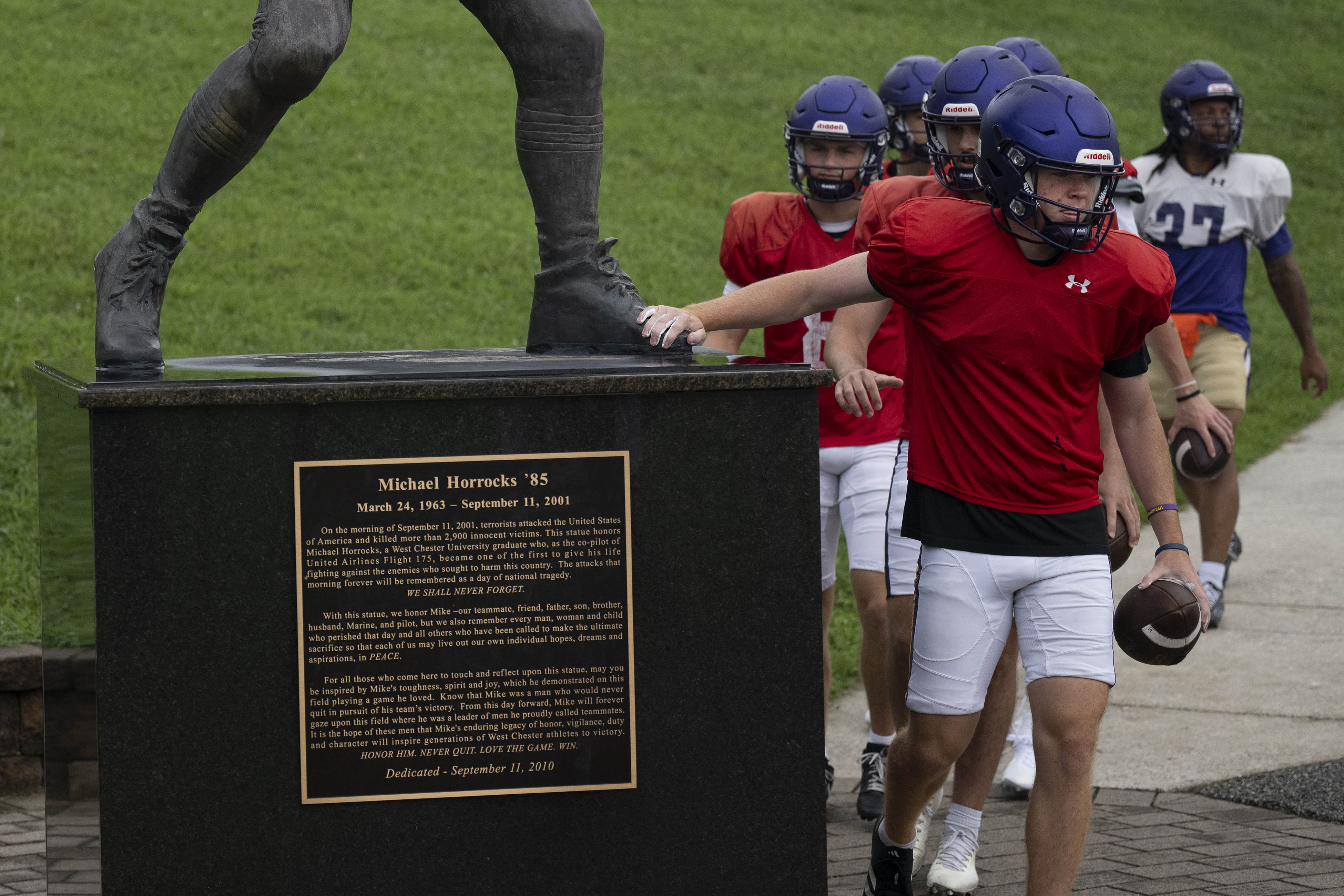
The result was not just a statue, but a tradition. Since it was unveiled in 2010, West Chester’s players have tapped Horrocks’ left foot before every practice and game.
They have done this so often that you can see scuffs of gold peeking out from beneath the bronze. Horrocks is not here in the physical sense, but this version of him — fearlessly driving down the field, leading his men — is now preserved.
And his teammates intend for it to stay that way.
“We want this to be a legacy,” Mininno said. “We want this to be here for much longer than we’re going to be around.”
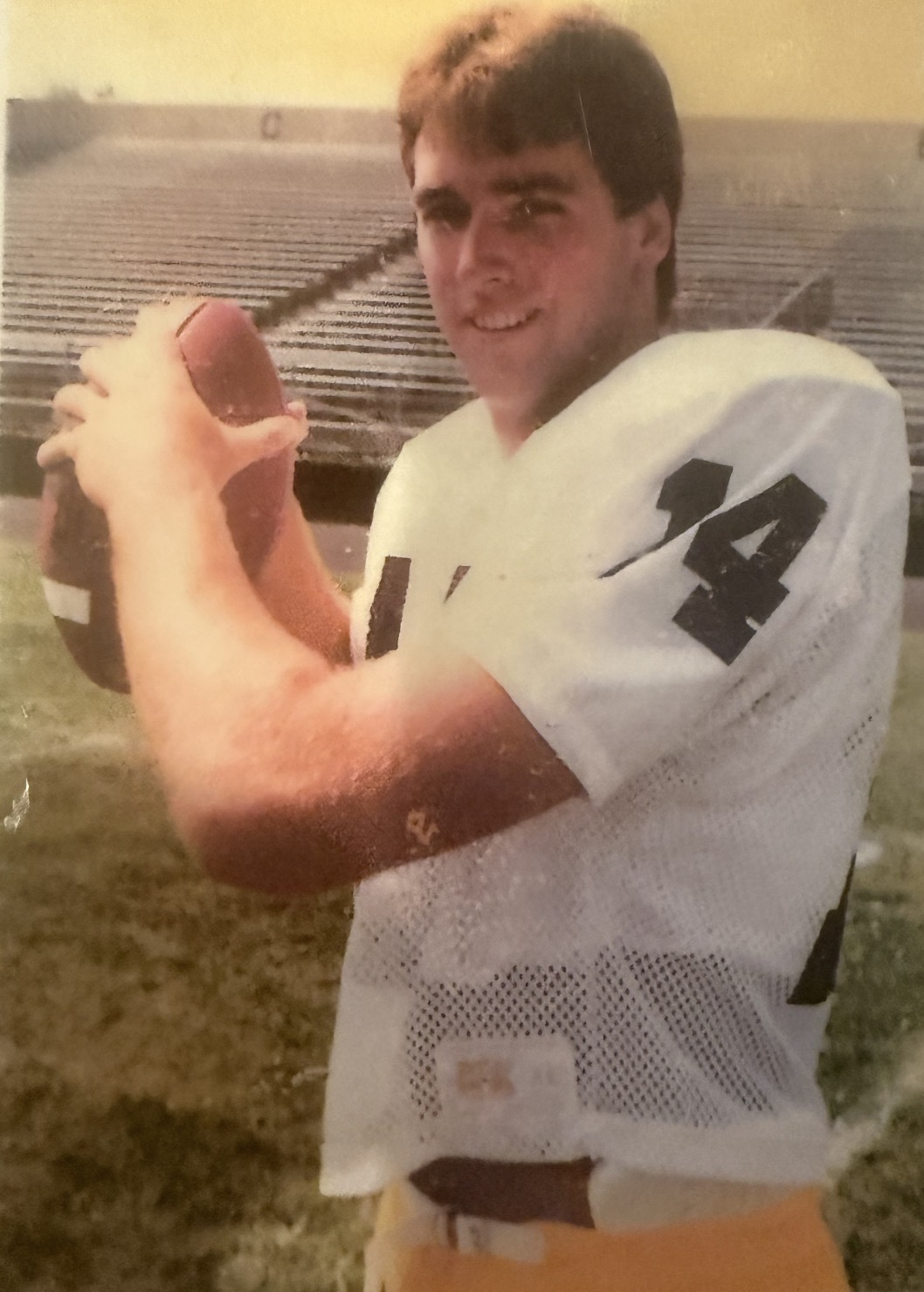
Michael Horrocks emerged as a starting quarterback and a trusted leader at West Chester.provided by Mark Gosik
‘A pilot the entire time’
Horrocks was born and raised about 70 miles west of West Chester, in Hershey, Pa. He attended Hershey High School, where he played varsity football under head coach Robert “Gump” May.
May was tougher than most coaches. His team did three-a-days throughout the summer: an unusually heavy workload, which had the intended effect of whittling unreceptive players from the roster.
The coach would start camp with 75 kids. Two weeks later, he would be left with 30.
One kid, in particular, was always in that lattergroup.
“Mike stayed,” May said.
Horrocks was fighting for playing time with Scott Campbell, a quarterback who would go on to have a six-year career in the NFL. Locals were skeptical that the backup would perform in the opportunities he did get, but he quickly proved them wrong.
Over his one season as a starter at Hershey, and in limited appearances before that, Horrocks led his team to a litany of come-from-behind wins, including one against rival Palmyra High School, which took a 21-point lead in the first quarter.
“After Scott Campbell graduated, everybody thought, ‘Well, they lost their big gun,’” May recalled. “Well, Mike jumped in and he was just as big a gun.”
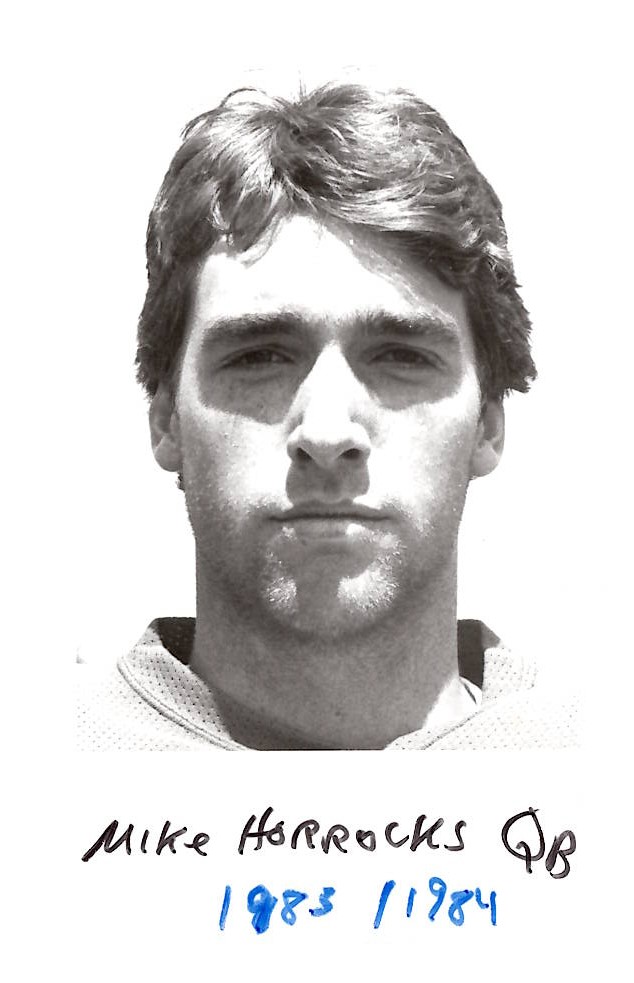
Michael HorrocksSpecial Collections, West Chester University
Gump reached out to a friend, Rick Daniels, a part-time assistant who later became West Chester’s head coach, and sent him some film of Horrocks. In the spring of 1981, the quarterback drove to campus for a visit.
Daniels was already impressed by what he saw on film. Horrocks didn’t just have a strong arm; he was also quick on his feet, and he had an air of unflappability about him. He joined West Chester’s team that fall as a backup quarterback.
Once again, Horrocks found himself in the unenviable position of filling in for an NFL-caliber player in Ron Gaynor, who later bounced around training camps with the Seahawks, Eagles, and Bills.
Nevertheless, the aspiring starter worked with the intensity of a seasoned veteran. Horrocks and tight end Al DePippo would regularly put in extra hours, throwing after practice and then heading to the weight room. If it was locked, they would use the neck machine beneath the stands.
Horrocks coupled his drive with a lighthearted composure that allowed him to thrive in intense situations. The first time he interacted with Schafer was in 1982,when Horrocks was a sophomore.
Gaynor had gotten hurt; Horrocks was asked to fill in.
“He crouched down in the middle of the huddle, looked up at us, and said, ‘Ah, the big boys,’” Schafer recalled to The Inquirer in 2010. “I said, ‘Shut up and call the play.’”
It was a precursor of huddles to come. Some players got stiff when they first entered regular season games. Horrocks was the opposite. He would walk onto the field with a toothy grin and a laugh, confident in the hours of prep behind him.
Michael Horrocks led West Chester to a rare win over rival Delaware in 1983. Special Collections, West Chester University
This continued even after he was named the starting quarterback in 1983. Horrocks was known to play pranks, like tying teammates’ shoelaces together, or putting slices of cheese in a friend’s textbook.
West Chester had some of its greatest moments under Horrocks and his playful persona. In his first game as a starter, Sept. 10, 1983, the Golden Rams faced the University of Delaware on the road.
It was a harrowing matchup. West Chester played in Division II, while Delaware played at what was then known as the Division I-AA level. The Blue Hens had won their last 15 games against the Golden Rams, a streak that dated back to 1957.
But West Chester was unafraid. After a scoreless first quarter, the Golden Rams jumped to a 21-3 lead in the second. They upped it to 35-3 in the third and held on for the win.
Horrocks finished the day 10-of-18 for 129 passing yards and two touchdowns.
West Chester’s campus erupted into a giant party, as if the team had won the national championship. But the quarterback at the center of it all was already focused on his next game.
When he returned home that night, he recapped different plays and passes to his housemates on Magnolia Street.
“He would talk about even some of the plays that he missed,” said his friend Chris Conner. “He never got too big. Even though he had just beaten Delaware, he was still the same guy.”
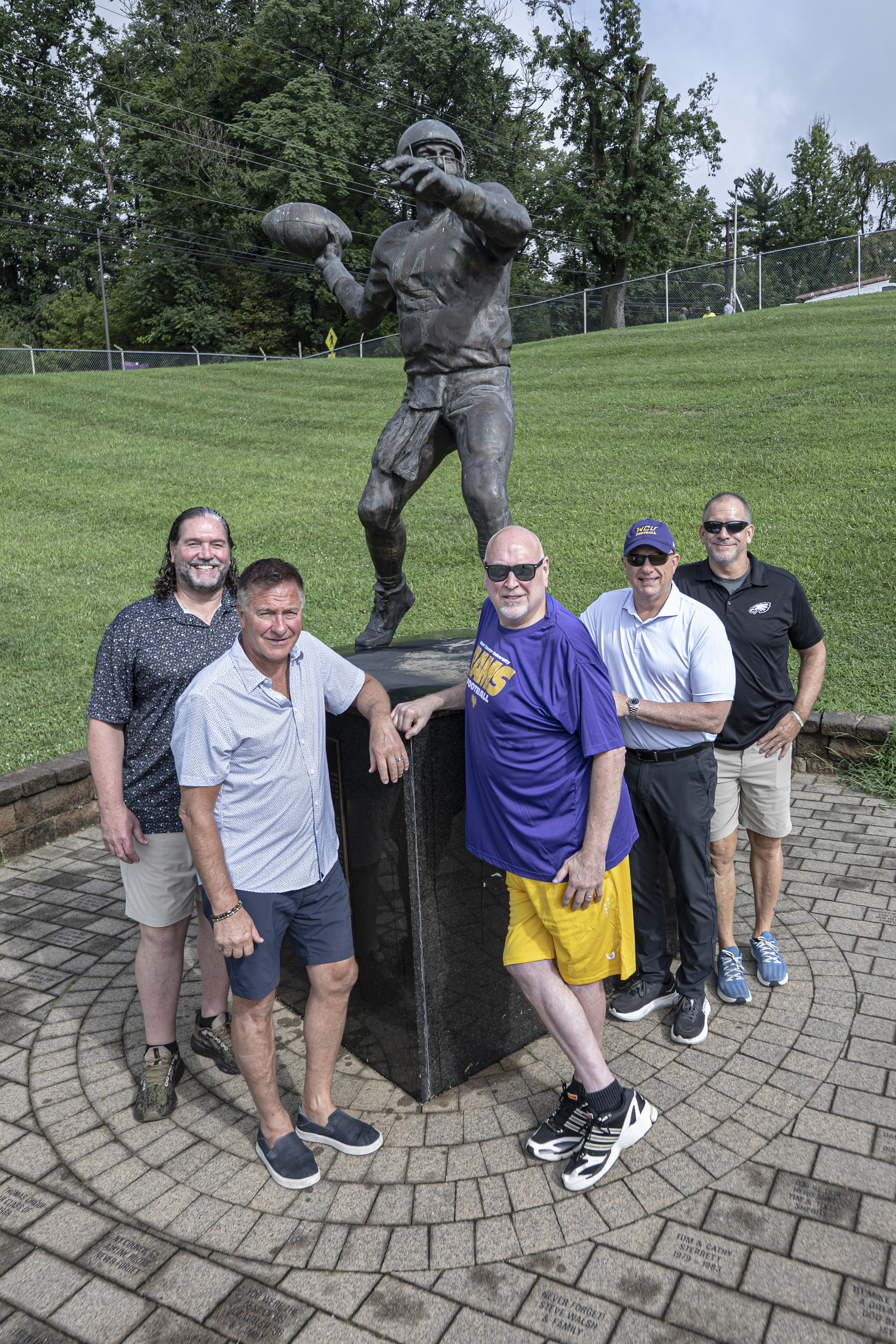
From left, West Chester University football alumni Tom Weaver, Mike Esposito, Bob Campbell, Mike Hudson and Dean DiPasquale pose for a photo with a statue honoring their former teammate Michael Horrocks last month. Jose F. Moreno / Staff Photographer
In 1984, West Chester hired a new head coach, Danny Hale, who brought in a new I-formation attack that incorporated elements of the West Coast offense. This system was different from what the team was accustomed to running (a split-back veer offense), and Hale, who was hired late, had limited time to teach it.
He and quarterbacks coach Bill Hart met with Horrocks every day in the football office on campus. They would draw up plays on the chalkboard and quiz their pupil about different coverages and fronts he would face.
Hale’s system allowed Horrocks the ability to audible if the situation called for it, and the head coach wanted him to be well-prepared. But Hale and Hart soon learned that that wouldn’t be a concern.
The Golden Rams went 7-3 in 1984, and 5-1 in their conference, falling just shy of winning the Pennsylvania State Athletic Conference’s Eastern Division title.
When DePippo looks back, he realizes that the same qualities that served Horrocks in the air were those that made him a good quarterback: a natural leader, a hard worker, a man who could balance an easygoing nature with intense focus.
“It comes back to what kind of pilot do you want?” DePippo said. “Do you want somebody that’s going to panic when the s— hits the fan, or do you want a guy that’s going to be confident?
“And Mike was that confident guy; a pilot the entire time. We just didn’t know it.”
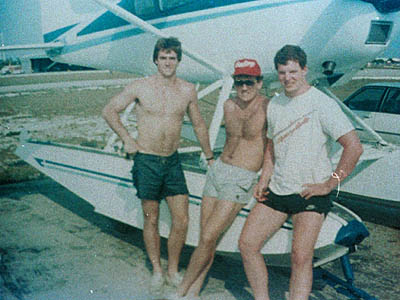
Pilot Michael Horrocks (left) was introduced to flying in the 1980s. (Photo provided by Mark Gosik)INQ WILLIAMS
From football to flight
The first time Horrocks flew a plane was in 1983. He was in Fort Lauderdale, Fla., for spring break with two friends, Mark Gosik, a former guard for West Chester, and Rob Jeffries, a tight end at Lehigh.
They were visiting a family friend of Horrocks’, Bill Blauer, who worked for a commercial airline. One afternoon, Blauer invited them aboard his four-seat aircraft.
Gosik and Jeffries sat in the back, with headgear on, as Horrocks rode up front. About halfway through the two-hour ride, Blauer turned to Horrocks and told him to grab the controls.
Horrocks obliged and cruised the plane down, close enough to see the beachgoers below. As he flew over the ocean, with waves rippling beneath him, he realized he had found his calling.
The former quarterback felt that his best route to commercial flight would be through the Marines. Horrocks knew he would get the best training there, and he liked the idea of a new challenge. So, after graduating West Chester in 1985, he enrolledin Officer Candidates School.
He got his wings at a naval air station in Corpus Christi, Texas, and was stationed in the early 1990s at Marine Corps Air Station Cherry Point in North Carolina, where he joined a marine aerial refueler transport squadron.
Horrocks flew KC-130 turboprop aircraft, which were used to refuel helicopters and jets, but also to transfer cargo, passengers, ammunition — anything that needed to be moved. It was a daunting transition, one that many young pilots struggled with.
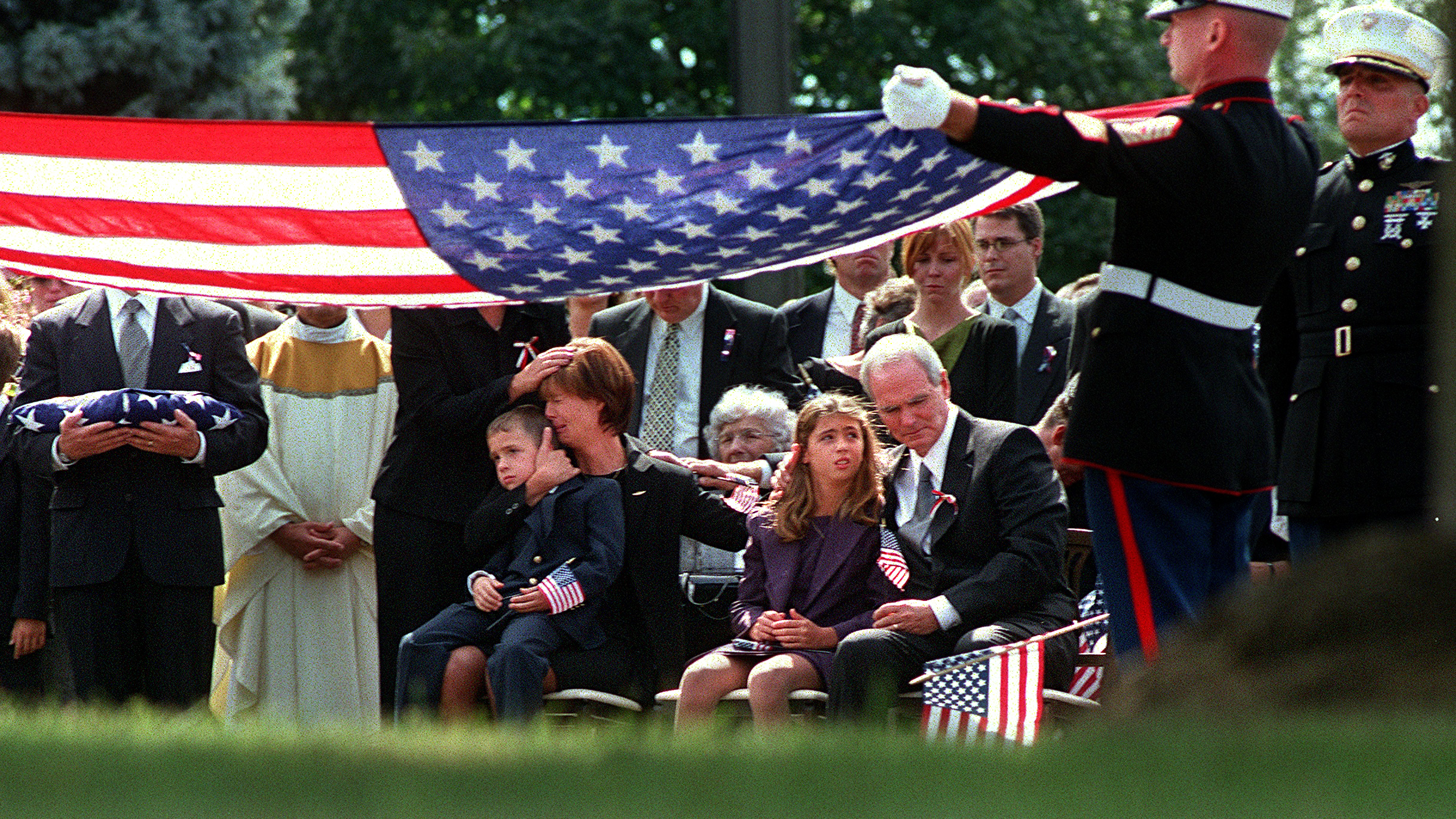
Miriam Horrocks (center, left) cradles her son Mick, 6, as her father-in-law William Horrocks (center, right) sits with her daughter Christa Horrocks, 9, as a US Marine Corps Honor Guard folds up the American flag following a memorial mass and service for her husband Michael Horrocks on Sept. 17, 2001.Tom Gralish / Staff Photographer
In training, they would be flying a single-engine plane, which stretched maybe 18 to 20 feet long. Now, as lieutenants, they were manning a plane five times as big, with three more engines, moving whatever needed to be moved at 30,000 feet in the air.
It was anything but a routine job. Horrocks’ operations officer, now-retired Lt. Col. Bill Franchi, said that when his squadron deployed to Bahrain during the Gulf War, they did so knowing that there was a good chance they would be targeted heavily.
But Horrocks was a natural, and quickly proved he could be relied upon. He went on a number of deployments, to the Middle East throughout the Gulf War, to Europe, to Central America, and became Franchi’s “go-to guy.”
Once, during a three-week detachment to Norway, a panel in the squadron’s KC-130 caught fire. As Franchi tried to put the fire out, he asked Horrocks to redirect the plane back to the local airport.
This was not a scenario that the young pilot had practiced in a simulator. Horrocks would be landing downwind, without flaps on his wings, which helped the plane maintain lift while slowing it down.
With a full-face oxygen mask on, and vapor from a fire extinguisher filling the cockpit, Horrocks guided the aircraft onto the runway, preventing what surely would have been a disaster.
“I told him, ‘I credit you with having saved about six people,’” Franchi said. “Because I didn’t have to do a thing. He had it. And that was sort of typical of Mike. You know?”
Horrocks spent his last few years in the military instructing Marine, Navy, and Coast Guard pilots in Florida. In 1997, his active duty came to an end. He enrolled in new-hire pilot training at United Airlines that summer.
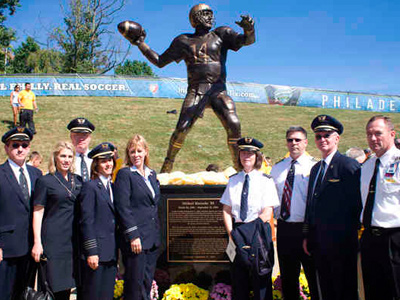
United and Continental Airlines pilots and crew, all friends of Michael Horrocks, stand by his statue at Farrell Stadium in 2010. (Ed Hille / Staff Photographer)
He soon was flying commercial airplanes full-time and living in Glen Mills with his wife, Miriam, and their two young children, Christa and Mick.
Now that Horrocks was local again, he was able to reconnect with old teammates like Bob Rafferty, a former West Chester halfback and quarterback.
They would often see each other in Media, running errands at the Granite Run Mall. In December 2000, while shopping for Christmas gifts, they crossed paths one last time.
Horrocks was walking out of the mall, and Rafferty was walking in. They chatted about family. Horrocks mentioned that he had recently started working transatlantic flights for United.
The two men said goodbye and went their respective ways. Nine months later, Horrocks boarded a Boeing 767 at Logan International Airport in Boston.
Rafferty watched as it hit the South Tower of the World Trade Center. Few, if any, of his teammates knew that Horrocks was piloting commercial aircraft. The idea of him being on that plane didn’t even occur to them.
But Rafferty had a feeling.
“He was the first person I thought of,” he said.
West Chester University quarterback Colin O’Sullivan taps a statue honoring former quarterback Michael Horrocks before practice last month. Jose F. Moreno / Staff Photographer
‘Think of Mike’
Without social media, news of Horrocks’ death at age 38 spread slowly.Some West Chester football alumni found out when they saw Miriam Horrocks on the front page of The Inquirer, at her husband’s funeral in Upper Providence Township.
Others heard through teammates. DePippo was working on Wall Street and lost about 40 or 50 colleagues in the attack. He couldn’t process that Horrocks was gone, too.
In late September, Gosik and two friends, Tim and Patrick Dever, took a train to New York. They spent the day at ground zero, walking through rubble, picking up pieces of people’s lives off the ground: photos, notebooks, newspapers.
Gosik still remembers how dust and soot filled the air. So did the sound of car alarms, blaring for their owners. A few days earlier, a neighbor had made Gosik a lapel pin to commemorate Horrocks, with his No. 14 written on a felt football.
Gosik wore it on his jacket as he traversed the site where his teammate perished.
“We just felt like we needed to be there,” Gosik said. “We just wanted to go.”
Years went by, and the West Chester alums began to wonder why no tribute to their quarterback existed on campus. They were worried that Horrocks would be forgotten, and realized that their fears were well-founded.
West Chester University football players tap a statue honoring former quarterback Michael Horrocks before practice last month. Jose F. Moreno / Staff Photographer
“I don’t recall any of us even being aware of it beforehand,” said Tim Keyser, a wide receiver who graduated in 2013. “That wasn’t something I knew when I was a true freshman on campus or anything.”
The former players began to meet with the school about the prospect of a statue in 2008. Bill Zwaan Sr., who was head coach of the football program at the time, sat and listened as an official from the foundation tried to convey how complicated, and costly, it would be to build such a structure.
Horrocks’ teammates ended the meeting emphatically: by standing up and reiterating, for the umpteenth time, that they were going to move forward with the statue. After they left, the foundation official turned to Zwaan.
“And he said, ‘Do you think they really understood what we were talking about?’” Zwaan recalled. “And I said, ‘They do. And they’re going to do a statue. And you guys have got to be prepared for that.’”
It was a slow, arduous process. The former players not only would have to raise $50,000 for the statue itself, but also would donate $100,000toward a scholarship endowment, which DePippo and another teammate, Bruce Blake, started in 2004.
At this point, most of them had full-time jobs and families of their own, and carving out time was not easy. But they made it happen.
DePippo oversaw the money. Mininno began a letter-writing campaign to raise funds. Walsh served as a liaison between the alumni and the current coaching staff.
Schafer worked as a partner of a local concrete cutting company. He and another West Chester alumnus, Paul Vanscovich, donated their construction crews and equipment for free.
Other teammates chipped in through a team banquet and a Super Bowl pool. A few local businesses, and the pilots union, contributed as well.
The statue of Mike Horrocks at West Chester.MICHAEL S. WIRTZ / Staff Photographer
“I’d kick in $1,000, John would kick in $1,000, Jim O’Donnell would kick in $1,000,” DePippo said. “And then we would get on a text chain, and berate each other in team fashion. Like, ‘You’ve got to do this.’
“We raised money basically only through grassroots. I was specific about that. I didn’t want any corporate sponsorship.You know, ‘CBS Sports presents the Mike Horrocks statue.’ I didn’t want that.”
In the months before construction of the statue was finished, former players would visit West Chester to share stories of their late teammate with the current roster.
Walsh, DePippo, and Blake visited them the day before the dedication. Wearing purple and yellow practice jerseys, the team took a knee as Walsh began to speak.
He explained that one day, Horrocks’ teammates wouldn’t be able to share his story, and that it would be up to the next generation of players to do so.
Then he asked them to close their eyes, and think of a loved one: a sibling, a friend, a parent.
“And when you go down that hill tomorrow, and you touch [the statue of] Mike, think of Mike,” Walsh said. “Say his name. And think of someone else who is special in your life. And thank God that you have them with you today.”
Nine years after their father’s death, Christa Horrocks comforts her brother, Mick, at the unveiling of the statue of Michael Horrocks at West Chester University in 2010.
The statue was unveiled at 10:30 a.m. on Sept. 11, 2010, a perfect autumn day in Chester County. The school arranged a ceremony beforehand, with bagpipes, a marching band, and a flyover.
Miriam Horrocks and the children, now teenagers, were in attendance; Christa gave a speech about her father.
Sitting next to the podium, with crutches by his side, was Schafer. He was unable to speak to a large crowd, but sat throughout the entire ceremony with a smile on his face, shaking hands with football men young and old.
He died of cancer just over a month later, at his home in Phoenixville.
Last August, during a team reunion in West Chester, a thought occurred to Walsh. He pointed to the bricks surrounding Horrocks’ memorial, which contained inscriptions honoring the late quarterback.
He suggested adding a small stone, maybe toward the back, with the number 52 on it; a nod to a teammate who put another above himself, even when his body was failing.
“Tom just believed in his heart that it needed to be a statue,” Walsh said. “And he was right. He was right.”
This fall’s restaurant openings reflect an industry hedging its bets: established operators expanding into the suburbs and repurposing familiar spaces, and newcomers pursuing narrowly drawn concepts built around omakase, caviar, Korean barbecue, cocktails, and live-fire cooking.
I count about five dozen restaurants in the region’s pipeline, with Italian concepts (no surprise), all-day service, and experience-driven dining recurring throughout the list. In addition to 60 restaurants opening between now and late December, two other restaurants are expanding: Lovat Square in Chestnut Hill is adding dinners and Palm Vintage across from City Hall is adding nighttime sushi service.
By comparison, last year’s fall roundup covered 53 restaurants. All of those opened except for three that are now a full year behind schedule: Adda in Fishtown is shooting for October, Ayat near Rittenhouse Square is aiming for November, and Brunch Bulls in Point Breeze is targeted for December. (Although this year has seen its share of closings, especially among longstanding restaurants, each of last fall’s restaurants is still open.)
Brand new and notable
Aogami (4343 Main St.): Underground sushi is coming to Manayunk as chef Tom LoMonte joins chef Moon Krapukthong to offer a 16-course omakase in a 20-seat BYOB setting beneath Krapukthong’s Yanako and neighboring Chabaa Thai Bistro, starting Sept. 25. LoMonte — a veteran of Zama, Izakaya by Yanaga, Pod, and Yanaga Kappo Izakaya — will lead the omakases at 6 p.m. Fridays and Saturdays; reserved sushi-bar seatings will run Wednesdays, Thursdays, and Sundays alongside hand rolls and à la carte service. LoMonte describes the atmosphere as energetic and less formal than typical omakase counters. Upstairs, Yanako will continue serving rolls, sushi platters, udon, tempura, and yakitori.
The Buttery (1099 Germantown Ave.): Malvern-based bakery and cafe the Buttery is preparing a Philadelphia location at Piazza Alta in Northern Liberties, near Scusi and Terra Grill. It recently opened a Bryn Mawr location and expanded its original Malvern operation into dinner service with Neapolitan pizza and shareable plates. An opening date has not yet been shared.
Nick & Nora’s Oyster Dive (560 Stokes Rd., Medford): Michael and Jeniphur Pasquarello (La Chinesca, Piccolina) are bringing a raw bar and American kitchen to a corner space with a large deck at Ironstone Village. The broader menu will include steak frites, burgers, fish, vegetables, and small plates, says Michael Pasquarello, who hopes to open in 60 to 90 days.
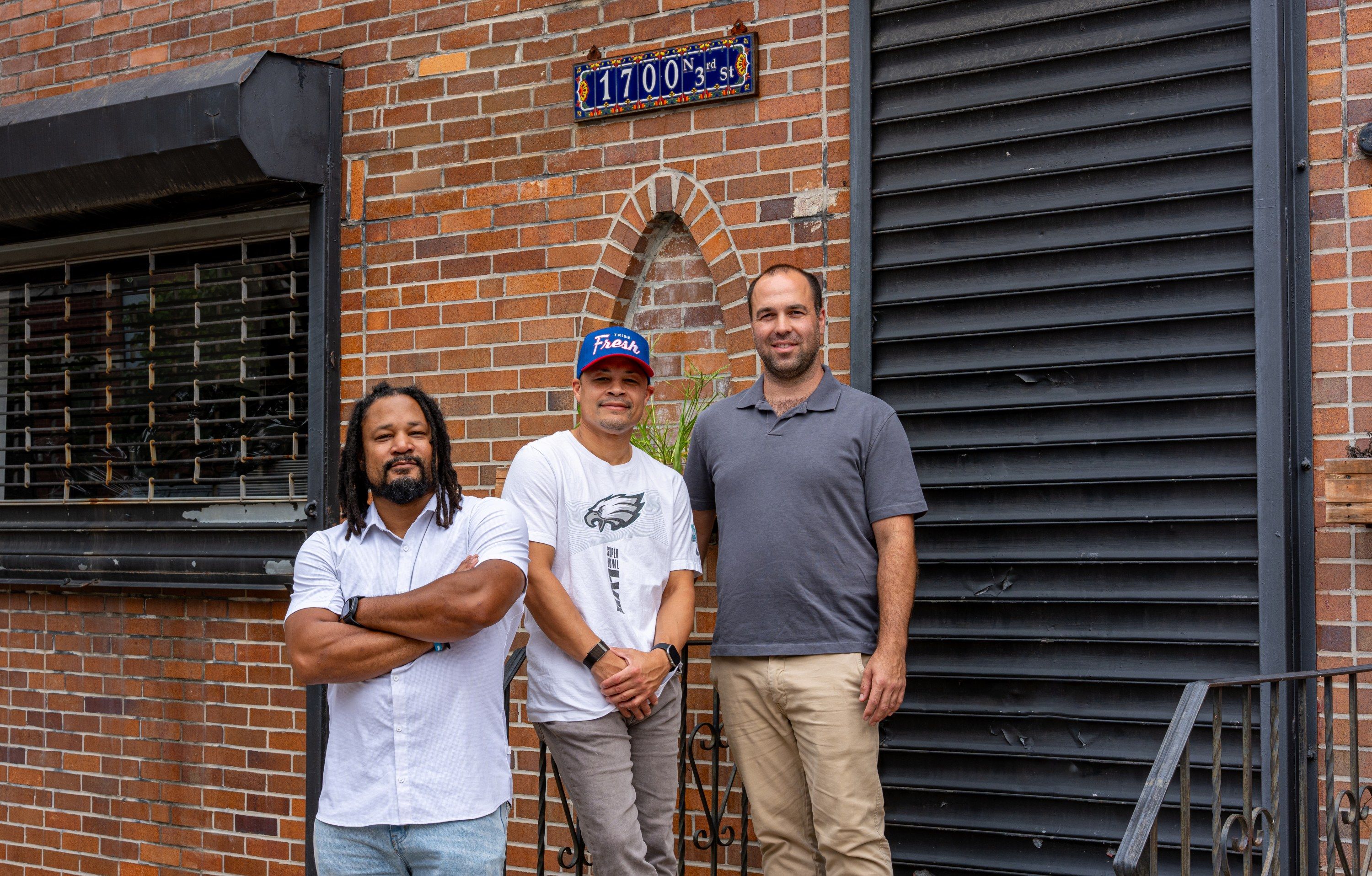
Chef Chaz Brown (left) is partnered with his brother Clifford Brown (center) and John Skeele in Rumblefish, 1700 N. Third St.Mike Prince
Rumblefish(1700 N. Third St.): Chef Chaz Brown is targeting November for this 900-square-foot, fast-casual Caribbean fish-fry restaurant at Third Street and Cecil B. Moore Avenue. Brown — a Trinidadian American chef whose resumé includes Nobu, Le Bec-Fin, Fatty Crab, and television’s Top Chef — will focus on invasive species such as lionfish, snakehead, green crab, and Chesapeake Bay blue catfish when available. (The catfish turned heads at the recent Oxtail Exchange at Forman Arts Initiative.) Brown uses gluten-free corn flour with Trinidadian spice blends and serves the fish on po’boy-style rolls baked by Angelo’s Bakery in Conshohocken. The mostly takeout operation will have counter seating, a 25-seat covered patio, slaws, fries, sea-moss drinks, and Solo Kola Champagne.
Pennsylvania suburbs
Alessandro’s Enoteca (915 W. Lancaster Ave., Bryn Mawr): Alex Fiorello’s third restaurant will bring a bar-focused Italian concept to the former Enoteca Tredici space in Bryn Mawr Village in mid-to-late October. Fiorello and culinary director Matt Arcomone, whose resumé includes Osteria, Vetri, and Palladino’s, are planning house-made pastas, wood-fired pizzas, live-fire cooking, and dry-aged meats. It’s intended to have a stronger evening and bar scene than Fiorello’s Wayne restaurants.
Bruzi (281 Montgomery Ave., Bala Cynwyd): Two couples with Calabrian roots plan to open this Southern Italian restaurant in the former Aldar Bistro in late fall. Expect house-made pastas and Calabrian dishes such as fusilli with slow-cooked meat sauce, baked lamb, and grilled tuna, plus cocktails and an opening list of about 100 Italian wines.
Capperini (137 S. Easton Rd., Glenside): Eastern Montco will get an upscale Italian-Mediterranean destination with a liquor license from Ilya Vorobey and partners including members of the team behind Capri in Queen Village. Vorobey is aiming for October or November.
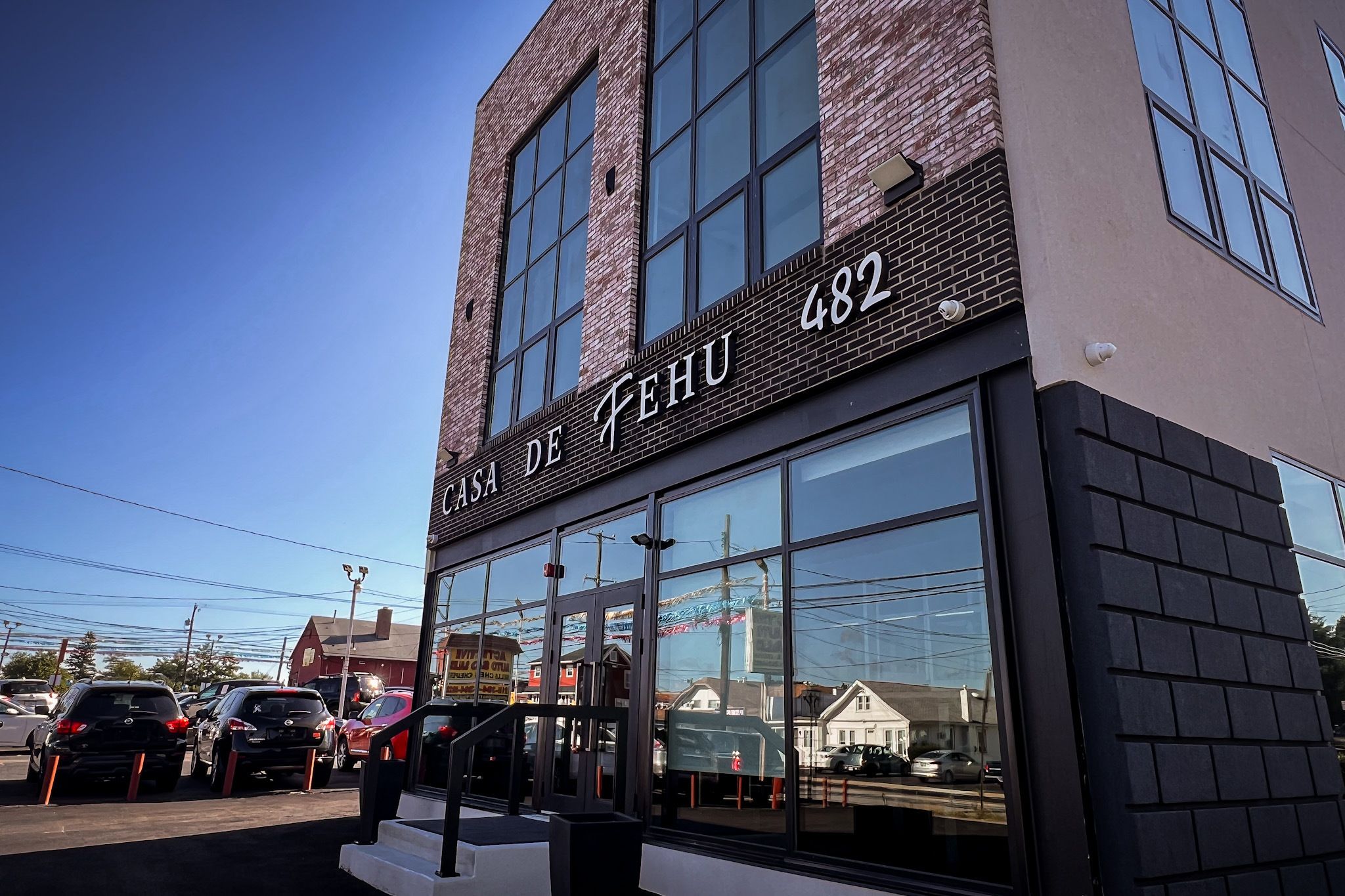
Casa de Fehu, 482 Jacksonville Rd., Hatboro.Michael Klein / Staff
Casa de Fehu (482 Jacksonville Rd., Hatboro): Hatboro couple Anthony Shalamov and Anastasia De Roy are developing this polished restaurant with European-inspired cooking and an upscale atmosphere, possibly with a tie-in to a local brewery that would allow alcoholic drinks. Shalamov is targeting an October soft opening.
Cecilia (266 E. Fourth St., Bridgeport): The team behind Blue Bell Inn and the Copper Crow is just about ready to open this contemporary American bar-restaurant in the extensively renovated former Taphouse 23. The roomy property includes a large patio and a wood-burning oven. The menu emphasizes familiar American dishes, positioning this as an all-purpose neighborhood destination.
Donatelli’s (1 Washington Ave., Newtown): Restaurateur Habib Troudi, who owns Panache and Ristorante Castelloin Blue Bell, is behind a top-to-bottom overhaul of the former Rocco’s at the Brick in downtown Newtown. He said he is hoping to open the Italian steakhouse in October.
Rendering of the Garden by Pieri Winery, 127 E. Elm St., in Conshohocken.Courtesy of Christina Pieri
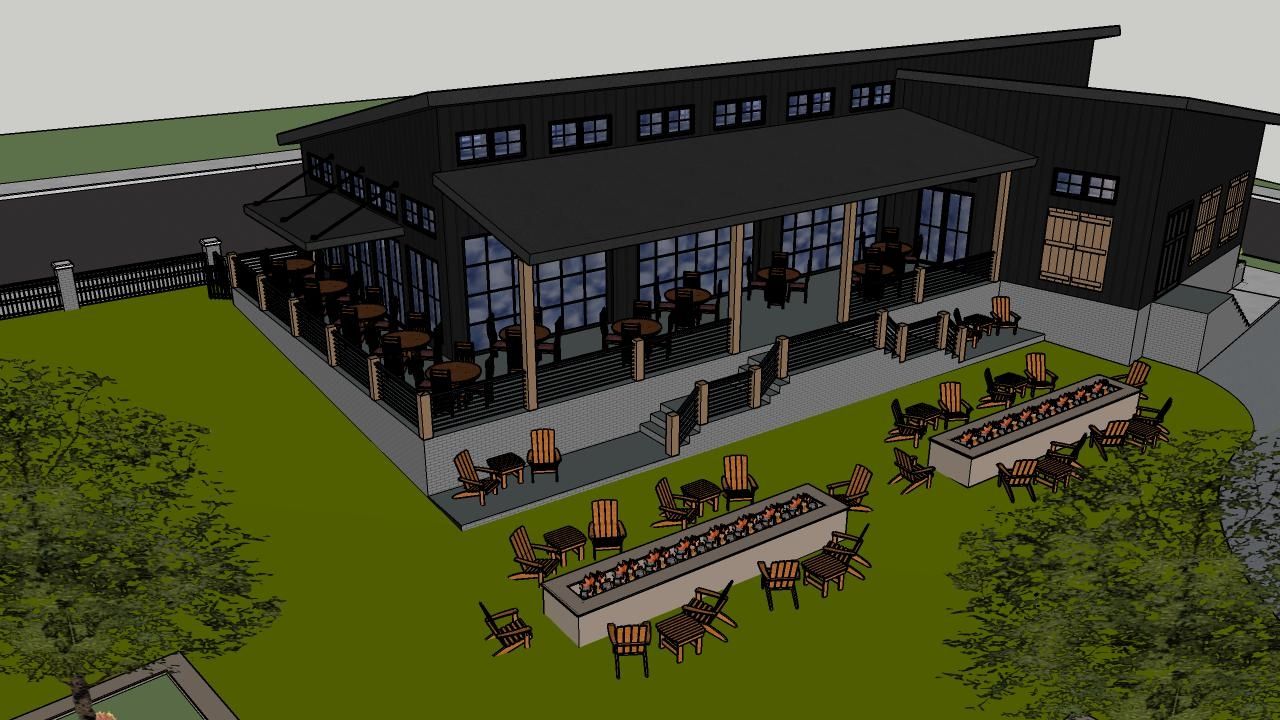
The Garden by Pieri Winery (127 E. Elm St., Conshohocken): Winery owner Christina Pieri and restaurateur Brian Pieri (StoneRose, Bar Lucca, Cerdo) are targeting a mid-October opening of their year-round indoor-outdoor restaurant beside the Schuylkill River Trail, an offshoot of Christina’s Coopersburg winery. A wood-fired kitchen will serve seasonal American food, including brick-oven pizzas, focaccia sandwiches, salads, steaks, and fish, at lunch and dinner Tuesday through Sunday. The property will include a covered patio, fire tables, a turf area, and pickleball and bocce courts.
The Hungry Hub (11 S. Orange St., Media): Media native Cassidy Moretti and her mother, Glenda, are taking over the former Rivalry Cafe with a family-run breakfast and lunch operation. The Hungry Hub also plans later hours and a late-night menu, broadening its role beyond that of a conventional daytime cafe. An Oct. 1 opening has been announced.
The Iron Oven (58 S. York Rd., Hatboro): Alex Nalbandian’s Southampton bar-restaurant — known for an expansive American menu, cocktails, craft beer, brunch, and dishes ranging from wings and burgers to flatbreads and entrees — is adding a second location in eastern Montco: the former Ross & Co. He’s aiming at November.
Lazy Dog(160 N. Gulph Rd., King of Prussia): The California-based bar, known for Rocky Mountain lodge imagery and a broad American menu, is targeting late 2026 at the King of Prussia Mall.
Luna (129 E. Butler Ave., Ambler): FineLine Hospitality, which recently opened Academy Grill in Fort Washington, is behind a stylish revamp of Dettera in downtown Ambler. Chef Marie Lavizzo-Mourey will base her menu on the 20-plus countries bordering the Mediterranean. The project is on track for fall.
Martini & Roz(523 W. Lancaster Ave., Wayne): Fearless Restaurants is turning Wayne’s former Bertucci’s into an ambitious, 300-seat Southern Italian restaurant named for founder Marty Grims’ parents, Martin and Roslyn. Menu will include crudo, oysters, steaks and chops, wood-fired pizzas, house-made pastas, and charcuterie. It will feature two open kitchens, a cheese cave, a tasting counter, and extensive outdoor seating.
Maru (2922 Conestoga Rd., Glenmoore): David Backhus and the team behind the former Oori restaurants are in the early days of a fast-casual Korean-inspired restaurant at their former Collective Coffee & Bakery. Think Korean fried chicken sandwiches, wings, and tenders, supplemented by mochi doughnuts and specialty Collective coffee.
Nudy’s Cafe (122 Park Ave., Willow Grove): Prolific suburban breakfast-and-lunch operator Ray Nudy hopes for late September for his latest diner, across from Marshalls in Willow Grove.
Old Friend (166 E. Lancaster Ave., Wayne): Childhood friends Larry Kagan and Chas McFeely are behind this contemporary American grill, with former Fork executive chef Sam Henzy leading the kitchen. The 86-seat restaurant will center on live-fire cooking in a Josper oven, with dry-aged fish, poultry, and larger proteins intended for sharing. Its compact wine list will be closely tied to the food. A late-fall opening is planned in the Apartments at Wayne Station.
Opus (201 Birch St., Kennett Square): Square Roots Collective will open this 125-seat New American restaurant Sept. 11 in the former temporary home of Hank’s Place, next to the Artelo hotel. Executive chef Matthew Anderson, formerly of Longwood Gardens and Winterthur, plans seasonal dishes, such as Kennett Square mushroom bisque, butternut squash agnolotti, herb gnocchi, and dayboat scallops. The two-story space includes a cocktail lounge, terraces, and work by local artists. Profits will support community projects and nonprofits.
Salt (840 W. Lancaster Ave., Devon): Rich Kim of North Wales’ acclaimed Salt predicts late December for his redevelopment of Devon’s former La Jonquille and Shiraz property into a second Korean barbecue concept, followed in 2027 by Yugo, a carousel sushi restaurant, upstairs.
The Still on State (18 W. State St., Doylestown): Only days open at the Doylestown Inn, this Irish pub-inspired bar/restaurant fills the former Hattery Stove & Still space; it’s paired with an on-site microdistillery called the Tilted Brim.
Taco Heart (120 Coulter Ave., Ardmore): Nano Wheedan is bringing his South Philadelphia breakfast-taco shop to the Ardmore Farmers Market, its first expansion beyond its East Passyunk-area home. Expect Austin-style flour tortillas and breakfast tacos built around eggs, potatoes, beans, bacon, brisket, and house salsas. Opening is set for Oct. 5.
Top Dog Cocktails (110 E. State St., Kennett Square, and 2012 Frankford Ave., Fishtown): Ken Smuckler’s cocktail company plans two vinyl listening rooms this fall inspired by Japanese jazz kissas. Kennett Square’s 750-square-foot space partners with local music venue Kennett Flash, while Fishtown’s 350-square-foot flagship — arguably the neighborhood’s smallest bar — will feature a 15-seat bar, two-turntable DJ station, and retail.
Tusk (50 N. Main St., Doylestown): Mike and Joy Grafenstine, owners of Roberts Block in Glenside and Bonnet Lane Family Restaurant in Abington, are taking over the former Water’s Edge wine bar, combining the martini-and-wine-bar airs of Roberts Block with approachable upscale American comfort food. Target is October.
Vintner’s Table (24 Cricket Ave., Ardmore): Andrea and Marco Folino, behind Kutztown’s Folino Estate Winery, are opening a third location of their Italian-inspired wine bar, salumeria, and lifestyle boutique in downtown Ardmore in October.
New Jersey suburbs
Akira 70 Omakase (249 Marlton Pike, Cherry Hill): Ming “Frank” Zheng is expanding his Japanese holdings — he owns Akira Sushi in Voorhees and Moorestown — with an omakase experience in a former fur salon.
Banjara Indian Bistro (687-689 Berlin-Cross Keys Rd., Sicklerville): Vaneet Chopra, whose family operates Cross Culture in Haddonfield and previously ran Banjara in Chestnut Hill, is bringing the Banjara name to Sicklerville; its dine-in starts Thursday.
Freckled Jawn Brewing(1003 N. Evergreen Ave., Woodbury): Woodbury residents John Wagner and Colleen Gibson are taking over the former Eight & Sand Beer Co., which closed in June after 10 years. Targeting the first week of October, the brewery will introduce new branding and a fresh lineup of approachable beers, emphasizing natural and locally sourced ingredients when possible.
Irishtown Steaks (155 S. Burlington St., Gloucester City): Donkey’s Placealumnus Dave Murphy is targeting Halloween for his steak shop, joining recent Gloucester City entries Lillo’s and Pudge’s Pub. Murphy will use rolls from Boaggio’s, which has a bakery in town.
Penny’s Bagels (212 Kings Highway East, Haddonfield): Chris Fetfatzes and the Happy Monday Hospitality Group (Wine Dive, Grace & Proper) are developing this long-delayed bagel shop in downtown Haddonfield, now with an October target.
Pizzeria Cusumano (872 Haddon Ave., Collingswood): Announced back in September 2021, this passion project from South Jersey’s Sal Cusumano is finally about to start offering his Roman-inspired squares and neo-New York rounds, but “I don’t want to box myself into a certain style.” Cusumano, a third-generation pizzaiolo, is planning a small shop with limited seating. This week, he said it will open in October for sure.
Philadelphia
Adda (1700 Frankford Ave.): New York’s Unapologetic Foods — behind Dhamaka, Semma, and the original Adda — is bringing its energetic Indian cooking to Fishtown, across from the 19125 post office. Expect regional dishes in an informal setting, continuing the restaurant group’s practice of pushing beyond familiar Indian American standards. Originally expected in fall 2025, the Philadelphia location is now targeting an October opening.
Ayat (2021 Sansom St.): Abdul Elenani’s New York-based Palestinian restaurant — first announced in spring 2024 — is looking at a November opening in the former Roxy Theater near Rittenhouse Square. Ayat is known for generous portions of mansaf, maklouba, mezze, grilled meats, and other homestyle Palestinian dishes.
The bar at Bar Caviar, 256 S. 16th St.Kenneth Schutz
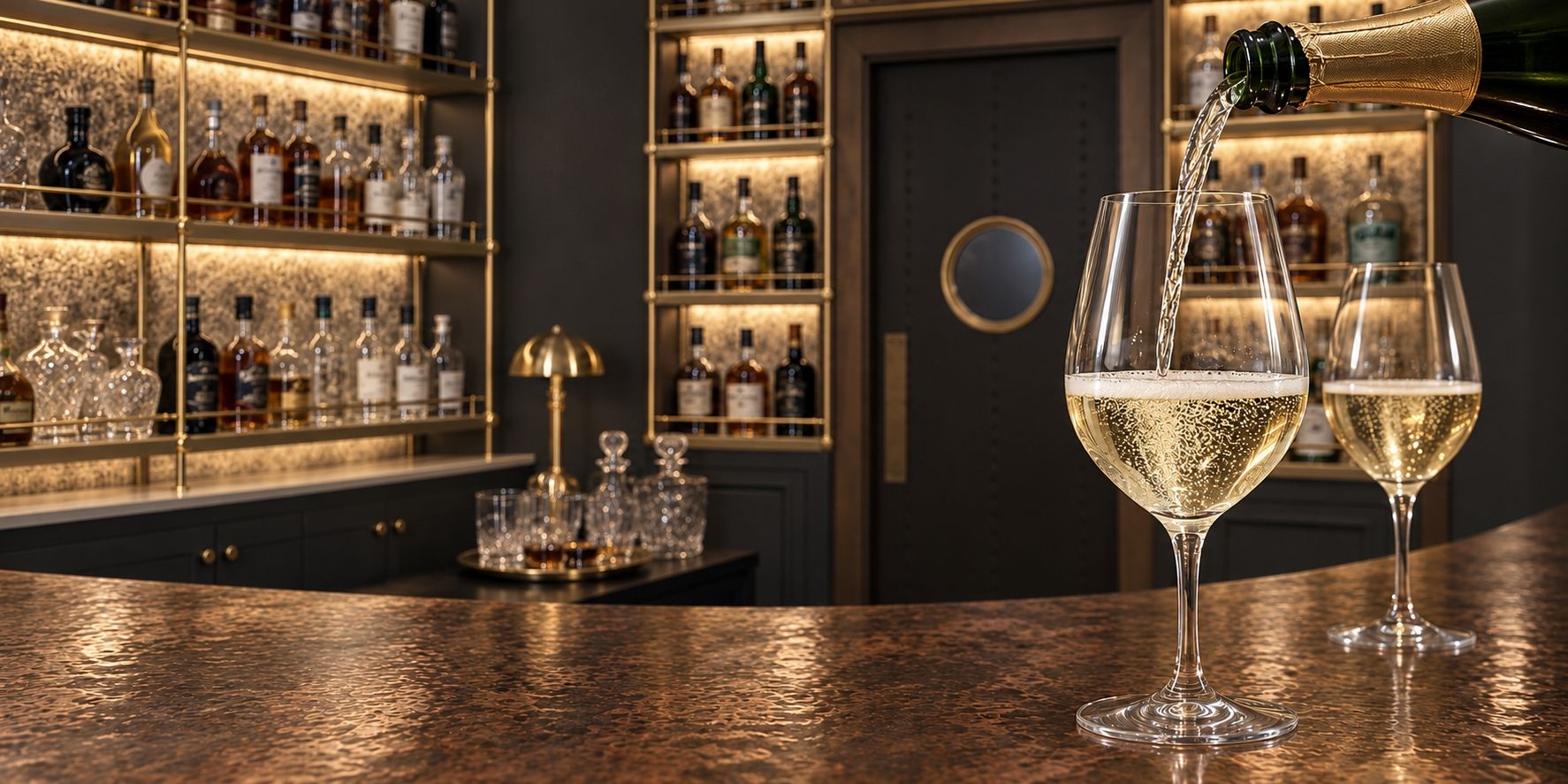
Bar Caviar (256 S. 16th St.): Opening in early October in the Dwight D Hotel in Rittenhouse, this bar will pair caviar and seafood with 50 varieties of Champagne and a full wine program in a setting that’s more neighborhood than hushed luxury lounge. Executive chef Greg Vassos’ contemporary American menu, informed by classical French technique and Japanese precision, will feature raw-bar selections, caviar-focused dishes, and seasonal small plates. The restaurant also will operate Parallel, a caviar program emphasizing careful sourcing and extended maturation. In 2027, Vassos plans to follow with Fall Line, a Mid-Atlantic-focused tasting-menu restaurant.
Brunch Bulls (1638 W. Passyunk Ave.): Brothers Derrick “Dee” Long and Jarrick “Jakk” Long are behind this all-day brunch/dinner/dessert restaurant in Point Breeze. They say they’ll be open by December.
Call Your Mother (262 S. 19th St., 1500 Frankford Ave., 12th and Sansom Streets): The lively, Washington-based “Jew-ish” bagel chain is making a three-location push into Philadelphia, starting this week with its Fishtown debut. Menu includes bagel sandwiches, schmears, latkes, coffee, and deli-inspired specials.
Carolyn’s Modern Vietnamese (2015 Walnut St.): This week, chef Carolyn Nguyen opens her deeply personal successor to Revolution Taco, which she co-owned in the space for a decade. Her menu brings together her family’s Vietnamese cooking, the seafood boils and Southern food of her Louisiana childhood, French culinary technique, and the freewheeling flavor combinations that defined her earlier ventures. The 33-seat restaurant serves dinner, and alcohol, in a spare, contemporary dining room.
Corte (1175 Ludlow St.):Corio partners Ryan Mulholland, chef David Feola, and James Smith are taking over the former Mulherin’s Pizzeria at East Market, between Iron Hill Brewery and Mi Vida. Feola will lead a menu built around house-made pastas plus proteins, vegetables, and small plates cooked in the large Mugnaini wood-burning oven. Mulholland will oversee daily operations and oversee an Old World-leaning wine list and cocktails inspired partly by forgotten recipes from century-old books. The dark-wood, earth-toned restaurant is targeting a fall opening.
DiDi (3748 Lancaster Ave.): DanDan owners Kevin and Catherina “Cat” Huang say they are “within a month or two” of opening their fast-casual pan-Asian concept at the Triad apartment building in Powelton Village. DiDi will join Kabobeesh, Karak Cha House, Shibam Coffee, Two Locals Brewing, and other businesses in the growing complex at 38th and Lancaster.
Divers Club (733 S. Fourth St.): Queen Village is in line to get a neighborhood wine bar from Susan Freeman, Chris Fetfatzes, and Heather Annechiarico (Grace & Proper, Wine Dive) in a former hair salon that sits on the same stretch as Famous 4th Street, Southwark, Ambra, and Fitz on 4th. Fetfatzes describes the mood as “dark, scrappy, and European — somewhere between a Paris backstreet wine bar and a graffitied Berlin hangout.”
Eggcetera Haus (625 S. Sixth St.): Husband-and-wife team Rey Tamaka and Vina Kencana soon will turn the former Redcrest Kitchen into an all-day bar-restaurant. Tamaka, previously the chef at an Old City brunch restaurant, plans breakfast, lunch, and dinner, moving from specialty coffee and morning dishes into pastas, steaks, cocktails, and comfort food at night. The couple expects daily service, giving the Queen Village-Bella Vista border another full-day neighborhood option.
Field Day (923 N. Second St.): James Beard Award-winning bartender and author Danny Childs and his wife, Katie, have a fall opening targeted for their casual regional cocktail bar in Northern Liberties, next to Cescaphe Ballroom. Childs’ drinks will use locally farmed, foraged, and fermented ingredients. Executive chef Melissa McGrath, known for her work at the idled Sweet Amalia Market & Kitchen, will offer Pennsylvania Dutch-inspired snacks, sandwiches, and tomato pies. Highballs, house-made sodas, boozy gelati, and walk-in seating will help keep the mood informal.
Habibi Supper Club (1515 E. Passyunk Ave.): Miled Finianos is giving his itinerant Lebanese dinner series a permanent home on East Passyunk — possibly by the end of year — serving late breakfast and lunch before he offers ticketed, multicourse suppers.
HYO (1222 Walnut St.): Nightlife veteran Justin Jordan plans an October opening for this Korean tabletop barbecue restaurant behind Hearsay, his indoor-outdoor sidewalk bar and listening lounge. Guests will enter HYO through a phone booth inside Hearsay. The restaurant is part of Jordan’s multilevel entertainment complex, which also includes Celine and the forthcoming Chancellor Room event space and karaoke lounge.
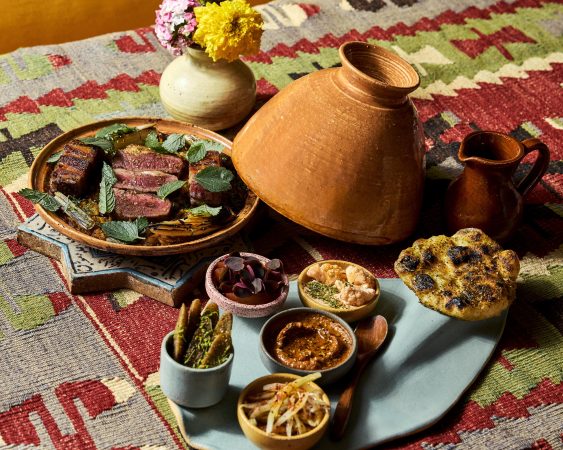
Jean (161 W. Girard Ave.): Emmett chef Evan Snyder and partner Julian van der Tak are going upstairs with a 15-seat tasting menu restaurant opening this fall. Snyder and chef de cuisine Antonio Pizzo will prepare a 12-course menu centered on a 7-foot wood-burning hearth, drawing on Algeria, Tunisia, coastal Morocco, and the southern Mediterranean for culinary influences. A tagine will roast throughout dinner before being served family-style.
Kato (1832 Frankford Ave.): Mei Meichef-owner Jay Ho is taking over the former Izakaya Fishtown space for a restaurant inspired by his Taiwanese father and the food Ho grew up eating. Influences from Korean, Thai, and Vietnamese cooking will broaden the menu. Ho, who hopes to open in late fall, plans to retain the front bar while replacing the rear sushi counter with additional seating that can double as a private dining area.
Lovat Square(184 E. Evergreen Ave.): Former Four Seasons sommelier Damien Graef and journalist Robyn Semien opened this Chestnut Hill wine shop and tasting room in February, offering small-production bottles, wines by the glass, and light fare. The couple, who also own Brooklyn’s Bibber & Bell wine shop, will debut a full dinner menu by the end of September.
Macaluso’s (3101 S. 13th St.): Realtor Joel Gruenke and restaurateur Mark D’Andrea, long-ago roommates at Valley Forge Military Academy, are looking at an early October opening of this white-tablecloth Italian restaurant at 13th Street and Packer Avenue, near the sports complex. D’Andrea’s family owns RoadHouse in Staten Island, N.Y. Gruenke says the moderately priced menu will stick to traditional Italian cooking and offer a full bar. Parking will be available across the street.
Mylar Bar (1636-38 S. Ninth St.): Hospitality veterans Liv Arterbridge and Gina Piccari are turning the former Dino’s Party Center into a festive neighborhood bar inspired by the building’s history. They promise something nostalgic, playful, and deliberately unserious. Drinks will include martinis, punches, classics, and draft beer. Chef Colin White, formerly of Sally and Emmett, will oversee shareable “party snacks,” larger plates, and desserts available late.
Nippy’s on South (1312 South St.): Nurse and first-time restaurateur Nikia Peterson has purchased the former Ms. Tootsie’s building for an ambitious restaurant and bar. Peterson plans a polished setting with seafood towers, steaks, Asian and Caribbean influences, a substantial happy hour, and weekend brunch. The project will revive a prominent South Street property that had remained closed since restaurateur KeVen Parker’s death in 2021.
O’Morrey’s (1720 Sansom St.): Chefs Biff Gottehrer and Kenjiro Omori are developing a cocktail bar on the former site of Genji, the Japanese restaurant created by Omori’s father. The name is a cheeky rendering of the Omori family name. Plans call for a comfortable neighborhood bar in the spirit of the Ripplewood, where both chefs work, with cocktails and a serious food component. Their second joint project, Tako Taco, is months away at the former Bing Bing Dim Sum in South Philadelphia.
Palm Vintage (1414 S. Penn Square): Houston Yang and Mike Beja, who opened this day-to-night cafe and cocktail bar across from City Hall in the Residences at the Ritz-Carlton, are close to expanding into a nighttime scene with cocktails, sushi, oysters, caviar, and light food in a lush, tropical-inspired room meant to offer an escape from Center City.
Panco (2300 S. Croskey St.): Chef Ryo Igarashi, whose background includes Tokio Global and Maru Global (noted for its takoyaki balls), is behind a corner shop in West Passyunk whose menu will focus on Japanese cutlets. He says it’s opening soon.
Philly Curio (2240 Frankford Ave.): Tattoo Arts Convention founder Troy Timpel is creating an intimate Kensington restaurant-bar around his private collection of curiosities (think tribal masks, skeletal displays, taxidermy, and glass-topped tables containing preserved animals). Inspired partly by Savannah’s Alligator Soul, Timpel has discussed a Cajun-Creole menu with small plates and unconventional proteins such as rattlesnake. Drinks are expected to include cocktails, wine, bottled beer, and limited drafts. Target is November.
Philly Po’Boy (102 W. Berks St.): Brothers Chris and Greg Lynch are bringing a taste of New Orleans to the storefront beneath the Berks station of the Market-Frankford Line. Chris spent years cooking in New Orleans, while Greg’s Philadelphia background includes Starr Restaurants and LMNO. Plans call for classic powdered-sugar-dusted beignets, gumbo, and a mix of classic and specialty po’boys like fried shrimp, oysters and roast beef “debris,” plus fries, Creole potato salad, and café au lait from coffee roasted by Applied Arts in New Orleans.
Santé Social(1546 E. Passyunk Ave.): Sommelier Daniel Solway is giving his roving dinner series a permanent home across from the Singing Fountain. The approximately 30-seat space will function less like a conventional restaurant than a flexible hospitality venue, hosting wine dinners, tastings, classes, collaborations, private events, and some walk-in service. Cocktails are being developed with Danny Childs of Slow Drinks and Field Day, while changing chefs and collaborators may shape the food programming.
Somedays Bakery (1601 Walnut St.): Hand-laminated croissants are the foundation of this Queens-rooted bakery, which deals in sandwiches, salads, soft serve, and coffee. It’s targeting the end of the month.
Thalassa (918 N. 28th St.): Matt Maltepes is looking at late October or early November for his Greek-inspired cafe in Fairmount that will serve baklava, croissants, and house-made ice cream in flavors that change weekly. Savory offerings will include small plates such as feta grilled cheese with honey, avocado toast, and bagels with cream cheese. The drinks menu will feature European-style coffee preparations, including frappes and Freddo espresso.
Looking ahead
Two major projects are now on the docket for January, as the owners don’t want to compete with the holiday-season madness:the Pelican Club, Stephen Starr’s flashy Greek-themed restaurant taking shape in the former Devon Seafood Grill on Rittenhouse Square, and the yet-to-be-named “punk French” restaurantthat chefs Justin Bogle and Arthur Cavaliere are creating at the former Winnie’s Manayunk.
The long-closed Mermaid Bar in Mount Airy will retain its name under the new ownership of pizzaiolo Dan Gutter and business partner Alex Carbonell of Circles & Squares and Pizza Plus. The project, announced earlier this year, is aiming at a summer 2027 rollout.
Shania Bennett was the director of youth engagement in Mayor Cherelle L. Parker’s administration until she resigned in May. The mayor, she said, once treated her as a protégé.
Now, Bennett, 26, says she plans to run against Parker next year — the first candidate to publicly announce an intention to challenge the mayor’s reelection bid in next May’s Democratic primary.
“Sometimes, you have to be willing to hold people you love accountable,” Bennett said in an interview Tuesday. “To be honest, I’m the change that I want to see. I think a lot of Philadelphians [are] waiting on it.”
She released a video on social media Tuesday announcing her campaign with the slogan, “Leadership you can trust.”
A Parker campaign spokesperson declined to comment.
Bennett, who lives in her native South Philadelphia and graduated from Pennsylvania State University in 2020, said she resigned from Parker’s cabinet in May after realizing the administration would not give her office the budget or authority it needed to accomplish its mission.
“My hands were tied. I couldn’t do anything on behalf of young people,” she said. “It was an opportunity for me to put all of my passion into something I really believed in, just to end up disappointed.”
In July, she posted on social media that working for the administration was “the worst experience of [her] life” and that she had quit after “unprofessional harassment.”
No Philadelphia mayor has lost reelection since the city’s Home Rule Charter was adopted in 1951, and Bennett has her work cut out for her if she wants to break that streak in her first run for office.
Parker, 54, has spent 21 years in elected office, and her campaign had more than $1.4 million in the bank as of May 4, according to her most recent campaign finance report.
Bennett said she has not yet put together a campaign team and is still ironing out her policy platform. She said she plans to conduct listening sessions so she can craft proposals that address Philadelphians’ needs.
“Let me see the things you want me to talk about as a candidate,” she said. “I haven’t seen a candidate that really reflects the people’s choice in Philadelphia.”
Bennett said she was alarmed by last weekend’s “teen takeovers,” when police officers arrested three people after confrontations erupted between large groups of teenagers who congregated near City Hall on consecutive nights.
“It’s just young people acting out, and we have to get to the root cause,” Bennett said. “Is what we’re funding effective, and is it giving us the outcome that we want?”
Parker, a moderate Democrat with strong support among the local party establishment, is seen by some as potentially vulnerable to a challenge from a progressive politician such as District Attorney Larry Krasner.
Bennett said her platform will reflect the problems facing the city, not ideology.
“Some of it might be progressive, but some of it might be: You have to put your foot down,” said Bennett, who founded the anti-violence nonprofit Reach4Peace as a teenager. “Philly has some unique challenges. It is not one party or one ideology that can fix them.”
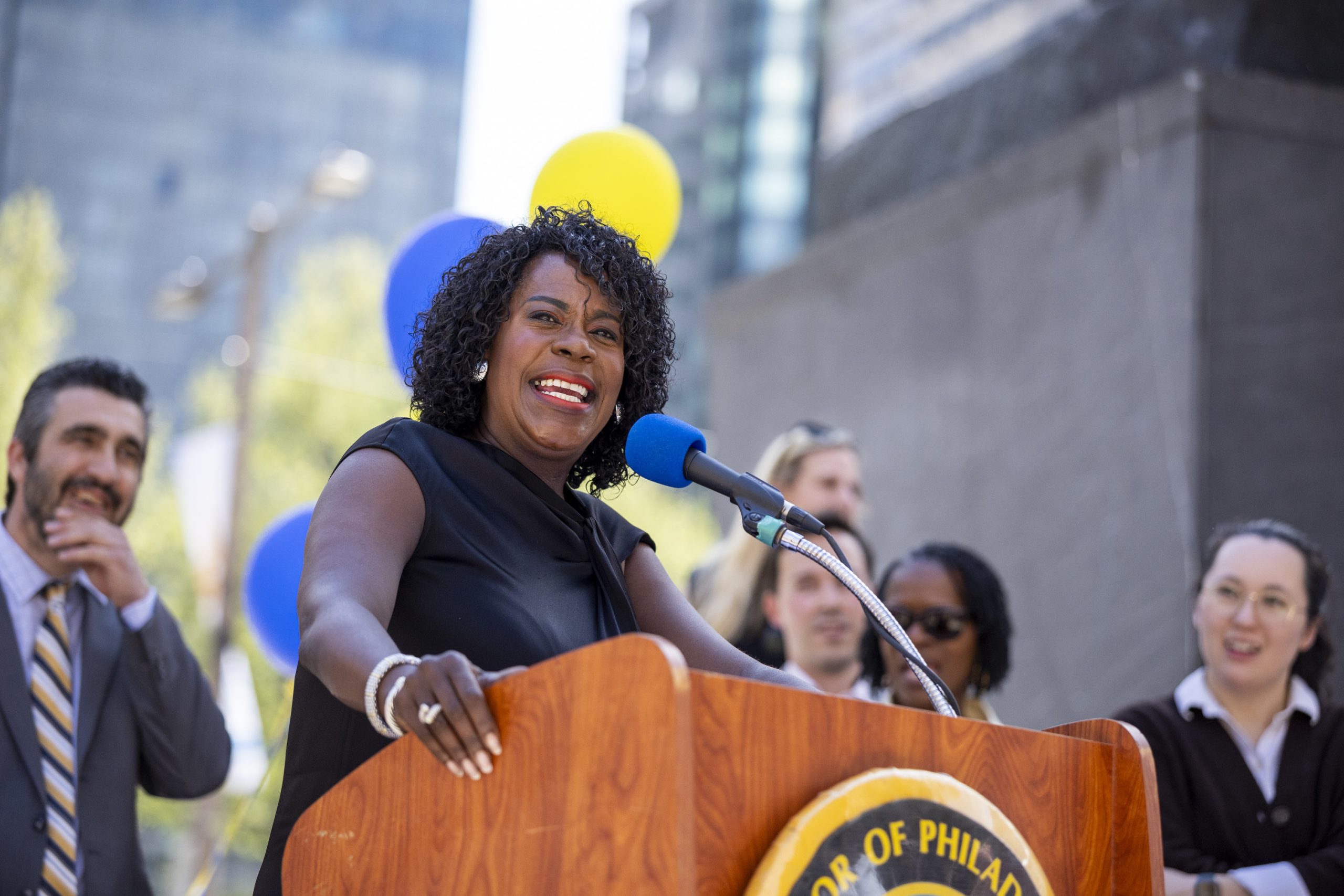
Mayor Cherelle L. Parker, speaks at the ribbon cutting for the newly renovated skate plaza at the Municipal Services Building in Philadelphia, Pa., on Friday, April. 17, 2026.Tyger Williams / Staff Photographer
Bennett said she understands that many powerful politicians and deep-pocketed groups like labor unions are unlikely to endorse her challenge to Parker. But she is holding a launch event on Sept. 26 and hopes to gain momentum from there.
“It’s still extremely early, but I’m hoping to announce early to do the hard work of fundraising and listening sessions,” she said.
Parker took Bennett under her wing during the 2023 mayor’s race.
Bennett had previously worked for State Rep. Jordan Harris and State Sen. Nikil Saval, both Philadelphia Democrats, but had no previous ties to Parker before showing up at a campaign office offering to help, she said.
Bennett stood out as a hardworking volunteer as she knocked on doors and organized neighborhood canvasses, and she caught Parker’s eye.
“Every time I saw her, she was hard at work,” Parker said when she appointed Bennett to lead the Mayor’s Office of Youth Engagement in early 2024.
After leaving the administration, Bennett briefly worked for the Pennsylvania Democratic Party as a regional organizing director before resigning to launch her mayoral bid.
“When you leave somewhere with your integrity intact, it’s like, ‘OK, you can do something about it,’” Bennett said. “I was just like, ‘Know what? I’mma press play.’”
Temple University will terminate a $55 million gift — the largest donation in the school’s history — from alumnus Christopher M. Barnett, whose company is under federal criminal investigation over allegations of money laundering, wire fraud, and other crimes.
Barnett, a behavioral healthcare business leader whose company, ABA Centers of America, provides services to children with autism, has resigned from Temple’s board of trustees, Temple president John Fry said Tuesday.
The gift, largely intended for Temple’s College of Public Health, was announced with much fanfare last October, but none of the payments had yet been made to Temple under the gift agreement schedule, Fry said.
The decision to terminate the gift was mutual, Fry said, and came as Barnett is “recovering from a life-threatening medical event.” Particularly difficult was that the federal allegations concern healthcare fraud and the gift was intended for the public health college, the president said.
“We have to think about our values,” Fry said in an interview Tuesday. “We have to think about our reputation. Given the nature of the allegations, we felt that the best thing to do was to separate ourselves from this … as painful as that is.”
Fry said that he became aware of the allegations Thursday from recently unsealed court documentsin the case and that Temple reached out to Barnett, who resigned from the board Saturday. Temple decided to announce its intention to terminate the gift after the board of trustees got a briefing on Monday, Fry said.
The College of Public Health will no longer bear Barnett’s name, nor will the dean’s title in the College of Liberal Arts or an “essential needs hub” that Temple recently opened on campusto help improve student success, Fry said.
Barnett has not been charged. He “strenuously denies” the allegations and intends to “vigorously defend” against them, Fry and Mitchell L. Morgan, chair of the board of trustees, said in a message to the campus community, but the university “believes the actions outlined here are necessary.”
“After careful deliberation we believe that moving forward with the gift would not be in the best interest of Temple,” Fry and Morgan said.
Barnett’s company did not immediately respond to a request for comment Tuesday.
What federal investigators are looking at
Federal investigators in December obtained a search warrant for Barnett’s Microsoft accounts, as well as those of other company executives, court records show. The warrant application, unsealed in July in federal court in New Hampshire, says evidence suggests ABA Centers of America billed insurance companies for unnecessary treatments and falsified records to justify the higher reimbursement.
The federal investigation and documents were reported last week by Behavioral Health Business, an industry publication.
The warrant was the second a federal judge in New Hampshire approved last year as part of the investigation by the Department of Health and Human Services’ Office of Inspector General.
Investigators allege that Barnett executed the scheme through a web of interlinked companies he founded, including ABA Centers of America, ICBD Holdings, and Exact Billing Solutions. His archived biography on ICBD Holdings’ website, which was removed in recent days, said Barnett is “actively involved” in the companies and served as the chairman of ABA Centers of America.
The company misrepresented the location in which services took place to get the higher reimbursement costs, investigators said, and “billed for services that did not qualify as legitimate medical treatment, such as when a client is napping or watching television,” according to the affidavit accompanying the warrant request.
ABA Centers of America was a “giant billing mill,” one former employee told federal investigators, according to court records. ABA has affiliated companies providing services in Pennsylvania, including in the Philadelphia area, and New Jersey.
Barnett, who has no medical training, personally set minimum hours of treatment for patients and gave bonuses to employees who billed according to those goals, emails obtained by investigators show.
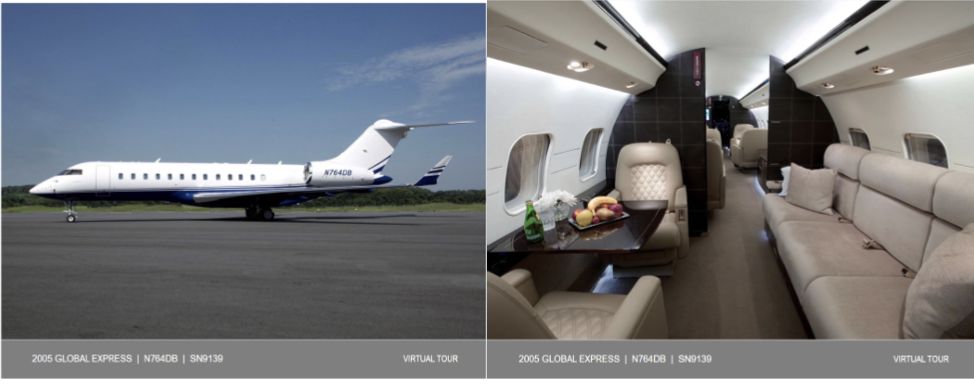
The fraudulently obtained payments funded Barnett’s “lavish lifestyle,” which included a fleet of rare cars, a lease for a $20 million waterfront home in Fort Lauderdale, Fla., and a $9.95 million private jet decked out with Hermès goods, according to court records.
A brochure for the private jet Christopher Barnett purchased using funds ABA Centers of America fraudulently obtained, according to federal investigators.Court records
The autism-services provider also faces multiple civil lawsuits, including a suit over allegations of inflated billing practices in Florida. A federal judge overseeing that case said last month that if evidence produced in the litigation corroborates the allegations, “ABA Centers have engaged in criminal conduct.”
Historic contribution and its impact on Temple
Barnett’s historic contribution to Temple was announced last October, less than a year after Fry became president of the university. Barnett met with Fry before Fry took the helm at Temple in November 2024, the president said, and Barnett joined the Temple board in May 2025.
About $20 million of Barnett’s gift was targeted for an autism center at the public health college. Fry said Tuesday that initiative now would have to be “rethought.” The essential needs hub will continue, and Fry said he will seek another donor to support it.
Barnett had made other, smaller gifts previously, Fry said, and Temple will be reviewing those. He did not elaborate.
When announcing the gift, Barnett told The Inquirer how he initially had been rejected by Temple but bought a plane ticket and showed up unannounced at the office of the director of transfer admissions, waiting hours until she finally agreed to see him.
“I said I need you to take a chance on me, and if you do that, I promise you I will graduate with a 4.0 and I’ll be a prominent alum and I’ll give back to the university,” Barnett said in an interview last October.
Barnett’s gift surpassed the $27.5 million given by philanthropists Sidney and Caroline Kimmel earlier that year. That gift now stands again as Temple’s official record.
“I believe in Temple University,” Barnett, who has homes in Fort Lauderdale and Philadelphia, said in October. “Temple took a chance on me when the odds were uncertain. And it helped shape who I am and what I’ve been able to do for my communities.”
Temple officials on Tuesday indicated Barnett was continuing to think about Temple.
“Mr. Barnett has expressed a desire to avoid any negative impact on Temple and, in keeping with such desire, has cooperated with the university through this difficult process,” Fry and Morgan said.
Fry acknowledged the loss of the gift would be disappointing to students, faculty, staff, and alumni at the public health college. And it is a gut punch to the university at a time when the school has been making cuts to close a budget deficit and dealing with enrollment declines.
“This is clearly a setback,” Fry said.
But he noted that even without Barnett’s gift, the university experienced the biggest fundraising year in its history in fiscal 2026, taking in $159 million.
“This action does not diminish the philanthropic momentum and strength of Temple,” Fry and Morgan wrote in the campus message.
The university will look at its practices for accepting gifts, Fry said.
“We will go back and we’ll scrutinize ourselves over this, and, if there are practices we need to tighten up, we’ll tighten up those practices,” he said.
A new home for the 76ers and Flyers is scheduled to open in 2030, and now we have our first glimpse of what the new arena might look like.
The teams released the first renderings of the privately funded arena Tuesday that will be built at the former site of the Spectrum, next to where Xfinity Mobile Arena sits.
The new design features inspiration from the Spectrum, the former home of both teams from 1967 to 1996. The renderings show the facade will be composed of three stacked and cantilevered “bands,” a nod to the Spectrum’s exterior.
The Spectrum was home of the Sixers and Flyers until 1996. It was demolished in 2010.
“To build our future where Ed Snider and the Spectrum made history makes this project truly special,” Comcast chairman Brian Roberts said in a statement.
A plaza outside the arena will feature over a half-acre of outdoor space. The renderings show an expansive footprint that includes food and beverage pavilions, along with a giant screen outside the stadium.
“The first-look renderings reflect fan feedback and stakeholder input on the arena experience, public spaces and amenities,” the teams said in a statement. “Fan surveys, focus groups, community engagement, and public review will continue throughout the design and approval process.”
Stateside Live!, previously known as Xfinity! Live, sits near the new stadium site on 11th Street and just underwent a $15 million expansion. It is expected to remain open.
The location of the yet-to-be-named new arena. Steve Madden
In addition to the Sixers and Flyers, the arena will also be home to the yet-to-be named WNBA team slated to begin playing in Philly in 2030.
The stadium will be co-owned by Comcast and Harris Blitzer Sports & Entertainment, which owns the Sixers. Comcast owns the naming rights of the new arena but hasn’t announced a name. It’s unclear how much the new arena will cost, but it will be the largest fully privately funded project in the city’s history, according to a Comcast spokesperson.
“Philly fans deserve the best arena in the world, and we are excited to partner with Comcast to deliver just that,” 76ers managing partner Josh Harris said in a statement.
The new arena is scheduled to open in 2030. Courtesy of the Philadelphia 76ers and FlyersHow the new arena might look for Flyers fans arriving for a game. Courtesy of the Philadelphia 76ers and Flyers
The Sixers’ original plan was to build a new $1.3 billion stadium on Market Street in Center City, a contentious idea backed by Mayor Cherelle L. Parker that secured legislative approval in 2024.
Weeks later, the project was canceled after the Sixers struck a deal with Comcast to build a new arena in South Philly.
The new arena still needs regulatory and legislative approval before the start of construction, which is scheduled to begin in the first half of 2027.
Parker’s office did not respond to a request for comment, but the city shared the renderings on social media along with the comment, “Get excited Philly fans!”
Ryan Boyer, the head of the Philadelphia Building and Construction Trades Council praised the project’s job creations. “Beyond the construction jobs themselves, this is the kind of investment that opens doors for new contractors, suppliers, and small businesses throughout the city of Philadelphia.”
That announcement came before the Sixers abandoned their Center City stadium idea and decided to remain in South Philly. For now, the focus is on the new arena.
“We see [this location] as a unique opportunity to connect the retail affiliated with the arena, to the retail that we have in Stateside Live! and the expansion of that effort,” Comcast Spectacor chairman and CEO Dan Hilferty told The Inquirer in April.
Beyond the new retail, restaurant, and outdoor activation space included in the new arena’s plan, there is an opportunity for the four teams (five once the WNBA comes to town) to work together to further develop the sports complex, according to Phillies CEO and managing partner John Middleton.
“Having four major professional sports teams together in one destination creates an energy and sense of community that is unmatched anywhere in the country,” Middleton said, adding the new arena “represents an exciting next chapter for South Philadelphia and creates important opportunities” to realize the potential of the sports comlex space.
The arena is expected to feature an outdoor plaza with food pavillions. Courtesy of the Philadelphia 76ers and FlyersThe new arena will sit in the South Philly sports complex at the former site of The Spectrum. Courtesy of the Philadelphia 76ers and FlyersA renderings also show a giant screen outside the arena. Courtesy of the Philadelphia 76ers and Flyers
Over the summer, Comcast and Harris Blitzer Sports & Entertainment upgraded and donated storefronts for use as pop-up retail stores and other temporary activations to take advantage of the city’s busy calendar.
Last month, the companies extended the leases of four pop-up retail stores along Market Street, and both continue to work with the mayor’s Market East Advisory Committee on a master plan for the corridor, according to a Comcast spokesperson.
He homered, he flapped, he Euro’ed, he curtain called. It was quite the weekend for Ronald Acuña Jr., the Braves’ right fielder and newest Philly villain.
Acuña is a five-time All-Star, the 2023 National League MVP, and, in many respects, Atlanta’s version of Phillies superstar Bryce Harper, from his sense of style to his sense of swagger. That was amplified during the four-game series against the Braves that began Friday, with supremacy in the NL East at stake.
When he took the field Friday, Acuña was disliked, perhaps because of his general excellence while playing for a rival team, perhaps more so specifically stemming from a leisurely home-run trot in Philadelphia in 2021.
By the time he departed Philadelphia on Monday he had two homers, two wins, and a target on his back. He was hitting .308 with 20 homers and 64 RBIs in 97 career games vs. the Phillies, among his best numbers against any opponent. Further, he gloated in his success and mocked Phillies fans.
It. Was. Awesome.
Can’t wait for more.
The Phillies visit the Braves this weekend but they don’t host Atlanta again until next season unless the teams meet in the playoffs. We pray for that sort of theater. It has always been worth the price of admission.
Not since Phillies killers Mike Piazza and Chipper Jones have Phillies fans had such a legitimate object for their derision, and neither of them had the gall to taunt the most passionate fan base in sports.
For years, the Phillies lacked a great player from another team they could legitimately loathe. Acuña is now that guy.
Fresh meat
Acuña left town with seven hits, among them two doubles and, most significant, two homers.
After the first homer, a 450-foot bomb off Zack Wheeler in the third inning Saturday, Acuña took his time getting around the bases. He’d cut the lead to 3-1, but he acted like he’d flipped the lead. He beat his chest at first base, flapped his arms at second base, Euro-stepped at third base, then sauntered home. That’s his home-run trot routine this season, but that didn’t make it any less deplorable. It took 29.51 seconds. Wheeler glared at him.
The second homer, a three-run blast off reliever Alex McFarlane on Sunday, was crushing. It tied the game, 4-4, in the eighth inning. Fully aware of the uproar his trot caused Saturday, Acuña poured it on Sunday. He stared into the Phillies’ dugout before beginning the journey. This time, he took 32.36 seconds to round the bases, his slowest of 16 trips this season and the third-slowest of his career 202 trips.
Ronald Acuña Jr. homered twice this weekend against the Phillies.Yong Kim / Staff Photographer
“I love the fans from Philly because they boo me,” Acuña told reporters Sunday.
Acuña also had three hits in Friday’s win.
The two Braves wins assured that the Phillies, who trailed them by four games entering the series, could not make up ground in the NL East. Monday, his one-out walk in the ninth inning put the tying run on first base in a 1-0 game. Phillies starter Jesús Luzardo stranded him, to the delight of the 41,820 at Citizens Bank Park. Tragedy averted.
Luzardo logged the first complete game of his career, a shutout no less, but he did so with disaster just 270 feet from home plate.
The fans were delighted by the feat two outs later … but just imagine their angst if Acuña started another comeback and the Phillies had blown a second straight win.
Acuña’s trot Sunday led to questions before Monday’s game regarding how to approach the outfielder, whose hot bat had become a real threat again, and whose cocky attitude had rankled traditionalists.
“What are you going to do? Are we going to knock him down three times and that’s going to make him uncomfortable?” Phillies interim manager Don Mattingly said before the game. “That’s just not part of the game now.”
Saturday night, Mattingly, who is 65, acknowledged that baseball had long since legislated intentionally hitting batters who showboated.
“Today’s game, you see it all the time,” Mattingly said. “It’s more commonplace. Let the kids play, right? We started that.”
Ronald Acuña Jr. celebrates with teammates after helping the Braves beat the Phillies on Sunday.Monica Herndon / Staff Photographer
That doesn’t mean everyone likes it … especially star pitchers.
“Our guy just rounds the bases that hits 50 here,” said Wheeler.
That might be true of the guy in question, Kyle Schwarber. He homered Saturday, and brushed off questions about Acuña’s home-run trot. He homered again Monday, but pointedly declined to become part of the Acuña narrative. He followed his shot in the eighth with a brisk scoot around the bags, and afterward scoffed at the notion that his home-run trots were now being scrutinized.
It most definitely is not true of the more significant guy, Bryce Harper.
Philly’s own
Harper made an art of the home run celebration since he entered pro ball as a teenager; he got into trot-trouble in the minors.
And nobody milks the moment like the guy they call “The Showman.”
After Harper made a baserunning error in Game 2 of the 2023 NL Division Series, Braves second baseman Orlando Arcia mocked him. So, when Harper hit two homers in Game 3, Harper stared down Arcia each time. Later that fall, in Game 5 of the NL Championship Series in Arizona, after he homered, Harper stared down Michael Phelps, who lives in the area and had thrown out the first pitch. Phelps is a 23-time Olympic gold medalist as a swimmer — and Harper’s buddy.
In March, Harper took 35.63 seconds to round the bases after his 432-foot home run for Team USA against Venezuela in the World Baseball Classic. It took him 5 seconds to even leave the batter’s box. He literally threw his bat 30 feet back toward the Team USA dugout. At third base, he paused to salute. As Harper approached home plate, he screamed into the camera and patted the American flag on his left sleeve. It wasn’t even a big-league game and it wasn’t a game-winner. It just tied the game, 2-2, and Harper and the Americans eventually lost.
If Harper is the Prince of Petty, he doesn’t own the most obnoxious trot in Phillies history, but he was there for it. In 2019, after the Mets hit J.T. Realmuto in what appeared to be a retaliation plunking, Rhys Hoskins took 34.22 seconds to circumnavigate the diamond, at that point the longest trot since trots began to be measured, and it was utterly provocative. It was the ninth inning, and it made the score 6-0. Harper had a front-row seat for that one, because it was Harper that Hoskins drove in.
How about the moment that turbocharged the recent Phillies playoff runs?
That was Hoskins’ third-inning, three-run, bat-slam dinger in Game 3 of the 2022 NLDS against … you guessed it — the Braves. Acuña watched that one from right field at the Bank.
💥 BAT ̶F̶L̶I̶P̶ SLAM 💥
The Phillies take a 4-0 lead thanks to this three-run home run BOMB from Rhys Hoskins.
So, yeah, the Phillies and their fans live in glass houses when it comes to criticizing somebody else’s home-run behavior.
And then …
If the Phillies sought revenge, Acuña barely gave them the chance to knock him down Monday. He occupied the designated hitter spot (perhaps protected from Phillies fans in right field), batted first in the order, and swung at the first pitch in his first two at-bats.
Not much drama. Not much satisfaction. Satisfaction arrived in the sixth.
Luzardo struck out Acuña on three pitches, and it was the moment the fans had been waiting for. After he flailed at a sweeper and jogged back to the dugout, fans erupted in cheers and mocked his failure by flapping their arms.
Flapping their arms?
A fans tries to get the attention of Phillies Jonathan Bowlan before the game against the Atlanta Braves.David Maialetti / Staff PhotographerPhiladelphia Phillies starting pitcher Jesus Luzardo delivers a pitch in the first inning.David Maialetti / Staff PhotographerPhiladelphia Phillies Bryce Harper waits for a pitch against the Atlanta Braves.David Maialetti / Staff PhotographerPhiladelphia Phillies Luis Arraez reacts to flying out to end the sixth inning.David Maialetti / Staff PhotographerPhiladelphia Phillies starting pitcher Jesus Luzardo faces the Atlanta Braves.David Maialetti / Staff PhotographerPhiladelphia Phillies Kyle Schwarber hits a solo home run in the eighth inning.David Maialetti / Staff PhotographerPhiladelphia Phillies Kyle Schwarber watches his solo home run in the eighth inning.David Maialetti / Staff PhotographerPhiladelphia Phillies Kyle Schwarber flips his bat as he reacts to hitting a solo home run in the eighth inning.David Maialetti / Staff PhotographerPhiladelphia Phillies catcher J.T. Realmuto (left) and Philadelphia Phillies starting pitcher Jesus Luzardo (right) embrace after the game.David Maialetti / Staff PhotographerPhiladelphia Phillies Kyle Schwarber (center) and Philadelphia Phillies starting pitcher Jesus Luzardo (right) embrace after the game.David Maialetti / Staff PhotographerPhiladelphia Phillies starting pitcher Jesus Luzardo reacts as he is showered with water after finishing the game.David Maialetti / Staff Photographer
Yes.
Philly fans lost their minds Friday when Acuña flapped his arms as he rounded second base, assuming he was mocking their assumed Eagle fandom. Not so.
Most Braves players make that motion when they homer, just as most Phillies raise the index and pinky finger of their right hand as they round second during a home-run trot. Acuña also typically pantomimes a Euro-step basketball move near third base, and he did this, too — though in Philly this weekend, he performed the Euro less at Russell Westbrook speed than at Luka Dončić speed.
As for other historical villains in Phillies history, this sort of animosity is different from the hometown hatred directed at Scott Rolen, who declined a big contract extension and forced a trade to St. Louis, or Dick Allen, whose situation was complicated by racial tensions and his contrarian nature. J.D. Drew also is unique in that it was the Phillies’ hubris and obstinacy that cast him as spoiled and petulant in the late 1990s, when, in fact, he simply was greedy and anti-establishment.
Piazza, meanwhile, was a homegrown talent who represented the Dodgers’ and Mets’ superiority during a fallow Phillies era. His 44 home runs and 130 RBIs against the Phillies are the most he accrued against any team.
Similarly, Jones was the face of the best NL franchise for 20 years. He hit 49 homers against both the Phillies and the Mets, and his 1.036 OPS and .331 batting average are his best against any team that was in the NL his entire career (the Brewers switched in 1998).
For two decades, Jones was assaulted by chants of, “Laaaaaaa-ry,” his given name. For years, Piazza got straight-up boos. From now on, so will Acuña.
Before the Eagles won two Super Bowls, before they established themselves as a franchise that expects and is expected to compete for a championship every year, before they built the defense they have now — a defense that might be the best in the NFL this season — there was a moment that scarred everyone who cheered for or cared about them.
It has been 35 years since that fateful 1991 Week 1 game at Lambeau Field, since Randall Cunningham threw an incomplete pass on the first play of the second quarter, since a low and late hit from the Packers’ Bryce Paup crumpled Cunningham’s left knee and tore two ligaments in it. The Eagles won that day, 20-3, but everyone knew: Randall was done for the season, and so was his team.
The sadness and frustration in the aftermath of Cunningham’s injury weren’t just for him but for the hopes and dreams of a fan base that hadn’t celebrated a Super Bowl yet and believed it would. That’s how spectacular Cunningham could be. More importantly, that’s how good that Eagles’ defense — with Reggie White, Jerome Brown, Seth Joyner, Clyde Simmons, Wes Hopkins, et. al. — was. Sure enough, the next 15 games were one long exercise in what-might-have-been.
Coached by defensive coordinator Bud Carson, its members hand-picked by Buddy Ryan, that ‘91 unit remains mythological here. It led the NFL in rushing defense and passing defense. It turned every opposing quarterback into Napoleon Dynamite’s Uncle Rico. It ranked first in sacks, first in completion percentage (44.7%!), third in interceptions, and fifth in points allowed.
Now, will the 2026 Eagles’ defense be as great as the 1991 Eagles’?
No.
Will it have to be?
Probably not.
The Eagles’ 1991 defense led by Reggie White (92) and Jerome Brown (99) was forced to carry a team that trotted out a makeshift offense.
First things first: The comparison isn’t as crazy as it might first sound. Yes, that ‘91 defense had White, who was one of the five best defensive players in league history, and was overflowing with talent and ferocity at every level of its alignment: defensive line, linebackers, secondary. Plus, those guys could play with a brutality that, in the modern NFL, would result in most of them being suspended before halftime of the regular-season opener.
In Cunningham’s absence, Jim McMahon, Jeff Kemp, Pat Ryan, and Brad Goebel all were, at one time or another, the team’s No. 1 quarterback. The Eagles didn’t have a running back who rushed for more than 450 yards or a skill-position player with more than 950 receiving yards, and there could be no more compelling evidence for that defense’s dominance than the Eagles’ record that season. Somehow, they went 10-6.
Keep in mind, though: It was just two years ago, in Vic Fangio’s first season as their coordinator, that the Eagles had the league’s best defense for the first time since ‘91: first in total yardage, first in passing yardage, 10th in rushing yardage, second in points. That group saved its best performance of that season for the 40-22 romp over the Chiefs in Super Bowl LIX, when the Eagles intercepted Patrick Mahomes twice, sacked him six times, and didn’t allow Andy Reid’s offense to cross midfield until less than three minutes remained in the third quarter.
Zoom out, too, and consider the prime three years of that Ryan/Carson defense, 1990 through 1992, and these two seasons the Eagles have had under Fangio.
YEAR
POINTS
TOTAL YDS
PASS
RUSH
1990
12th
12th
25th
1st
1991
5th
1st
1st
1st
1992
6th
6th
12th
5th
2024
2nd
1st
1st
10th
2025
5th
13th
8th
22nd
Those comps aren’t far off, and they will be even closer if this season’s defense turns out to be better than 2024’s. It’s not a stretch to think it will be.
The secondary already has two All-Pros in Quinyon Mitchell and Cooper DeJean — both rookies in ‘24 — and now has an outside corner, in Riq Woolen, who has the size and talent to deliver the quality of coverage that Darius Slay provided. At linebacker, Zack Baun is also an All-Pro. Jihaad Campbell was a first-round pick. Based on those who have observed him during training camp, edge rusher Jalyx Hunt, who led the team in both sacks and interceptions last season, looks like the product of an experiment that spliced the genes of Hugh Douglas and Brian Dawkins. (An overstatement, to be sure, but Hunt is an intriguing and improving player.)
The defensive tackle rotation — Jalen Carter (with two healthy shoulders), Jordan Davis, and Moro Ojomo — is so deep and so good that it will create one-on-one matchups for anyone the Eagles line up on the outside. And if Jonathan Greenard and Nolan Smith Jr. are on the field, the Eagles should win those matchups most of the time.
The greatness of this Eagles defense will begin in the trenches with Jordan Davis (90) and Jalen Carter (98). David Maialetti / Staff Photographer
The most important questions the Eagles have to answer this season don’t have much to do with their defense, if any of them have anything to do with the defense at all. They will have a new offensive coordinator, Sean Mannion, who will be calling plays in the NFL for the first time. Jalen Hurts will have to adjust to playing in a system with which he was completely unfamiliar, and there’s no way to know how he’ll fare in it. The offensive line should be better than it was last season, but it’s hard to see yet how the Eagles won’t be worse at wide receiver and tight end.
Again, questions, lots of them. And while we’re doing the then-vs-now thing, it is fitting that the quality of Hurts’ backups — Tanner McKee and Andy Dalton — have become a popular discussion topic and cause for concern. But none of those potential issues presents the same complications that arose all those years ago once Cunningham went down and stayed down.
Part of the reason that the ‘91 defense was so great was that it had to be just for that team to have a chance each week. Everyone remembers the “House of Pain” game, a 13-6 victory over the Houston Oilers on Monday Night Football in which Reggie & Co. pretty much left bodies strewn about the Astrodome, as if they’d fought off a zombie apocalypse. Not everyone remembers that the Eagles actually gained fewer yards that night (240) than the Oilers did (247). As awesome as that defense was, that offense was just about as bad.
This defense shouldn’t have to meet that same skyscraper-high standard. Barring a worst-case outcome, it will just have to be what it can be. It will just have to be great enough.