Tag: Weekend Subscribers

  • Villanova U. spent more than $100 million on renovations of the former Cabrini campus. Students will begin living and learning there this fall.

    Villanova U. spent more than $100 million on renovations of the former Cabrini campus. Students will begin living and learning there this fall.

    The former Cabrini University campus has undergone a more than $100 million, Villanova-fueled rebirth, and students will begin attending classes and living there this month.

    Large signature blue and white V’s for Villanova University are everywhere. “Ignite Change. Go Nova,” says a wall in the student recreation center. Beds in the residence halls now have navy blue sheets, and many of the buildings have been renamed to honor Villanova’s Augustinian heritage.

    The Radnor campus once in dire need of maintenance sports a fresh look, including new light poles, landscaping, painting, furniture, boilers, roof repairs, a running fountain, pickleball courts, and restored architectural flourishes, in addition to upgraded educational technology for classrooms.

    The university removed dead trees, installed firepits on the campus green, and connected the two campuses’ phone and internet systems.
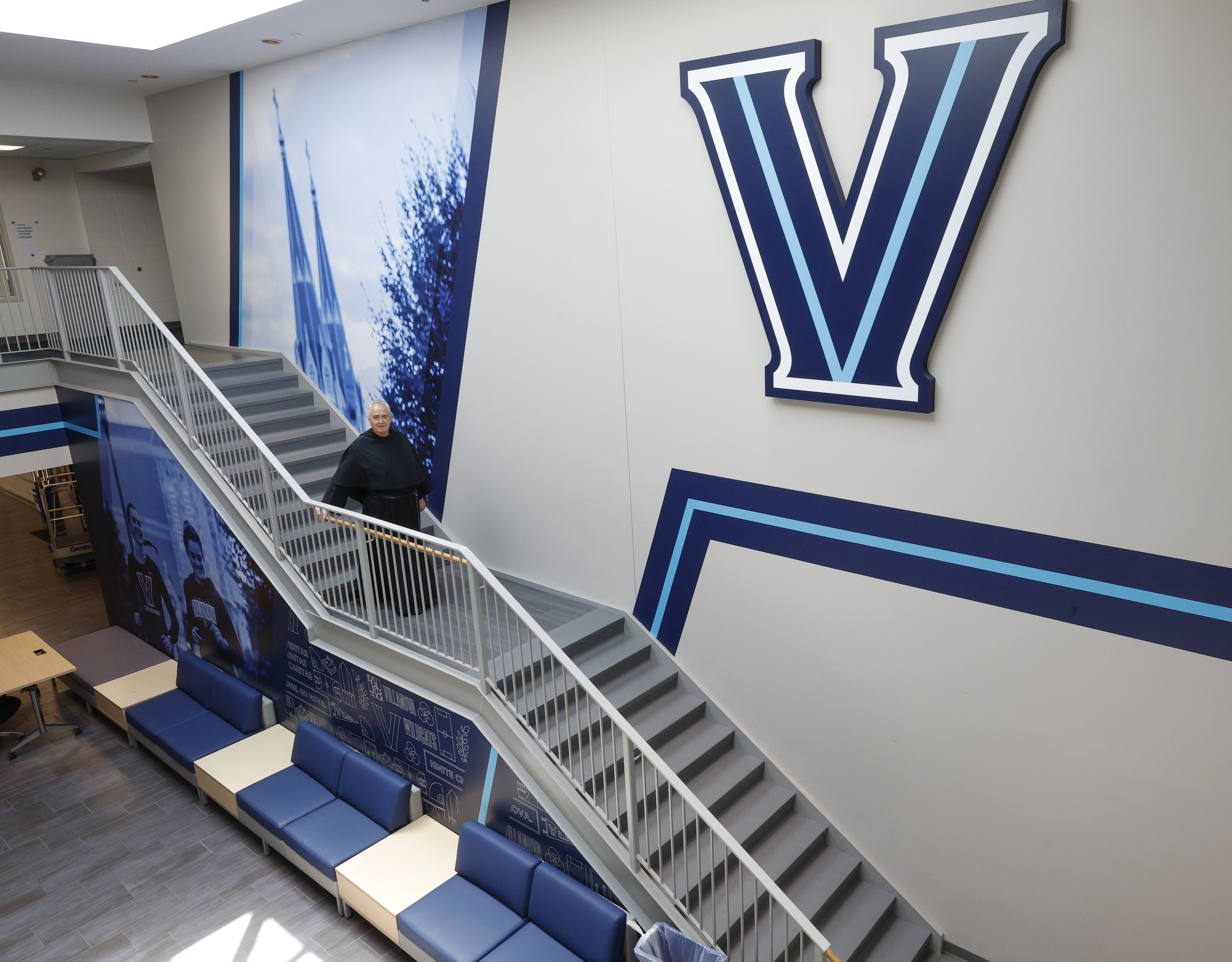
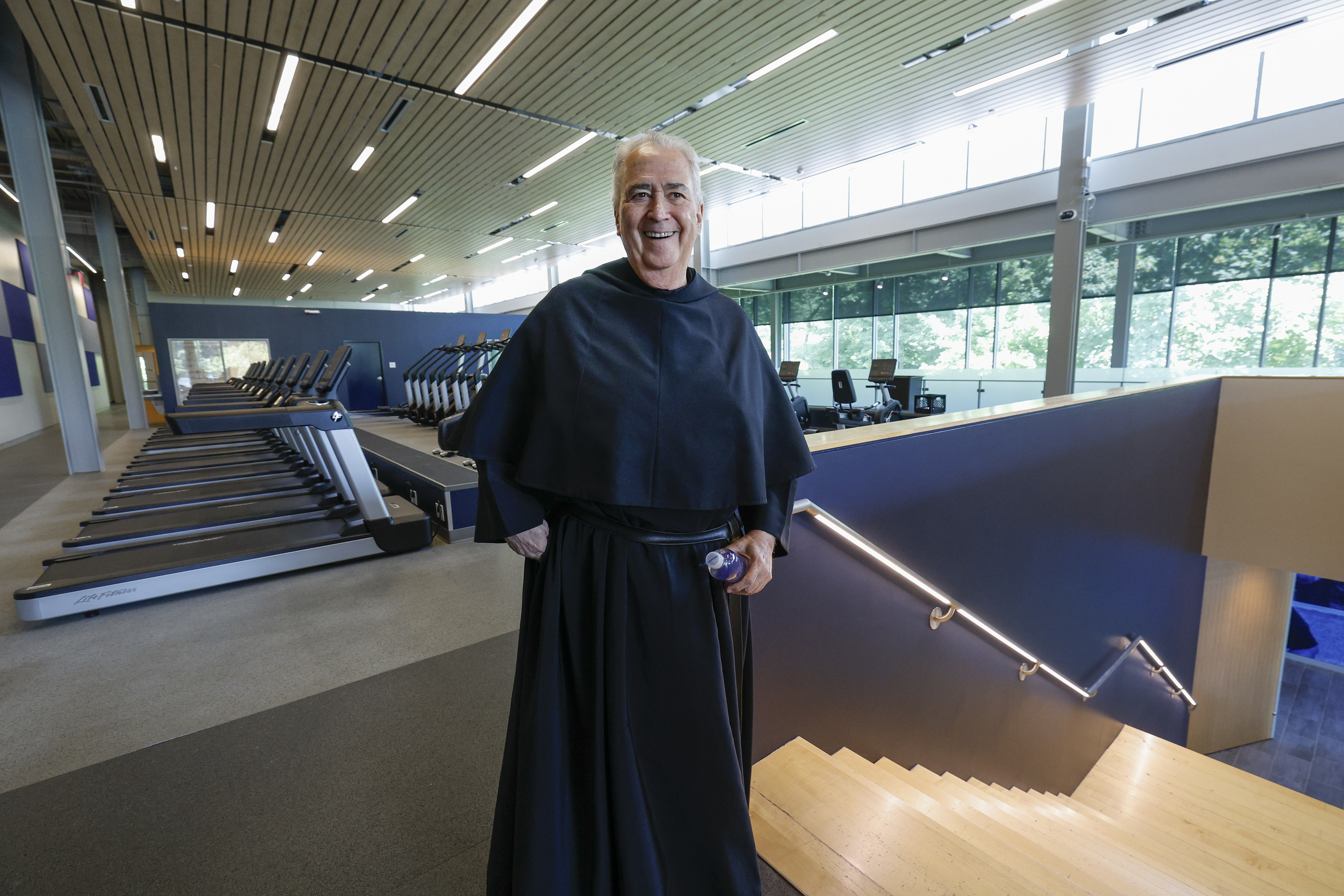
    Villanova President Rev. Peter M. Donohue walks down the stairs at the Dixon Center, which has been covered in Villanova signage and colors. Steven M. Falk / For The Inquirer

    It is all part of Villanova’s effort to make the 112-acre campus that it acquired from the shuttered Cabrini look and feel decidedly Villanovan. The campus has been closed for the last two years as the planning and upgrades took place.

    “It’s always been a beautiful campus, but it looks very Villanova now,” said Kelly Tuzio, assistant director of Villanova’s graduate nursing program, who worked at Cabrini from 2005 to 2011.

    “You can feel the change,” she said, helping to ready the Iadarola Center, the building she works in, for the opening. “Everything is just done to perfection.”

    Some things remain largely untouched, like the signature statue of Mother Cabrini on the green and the Mansion, Cabrini’s former administrative building, which is on the National Historic Register. It was renamed Montefalco Hall. Masses will continue to be celebrated in the chapel: Cabrini was a Catholic university, as is Villanova.
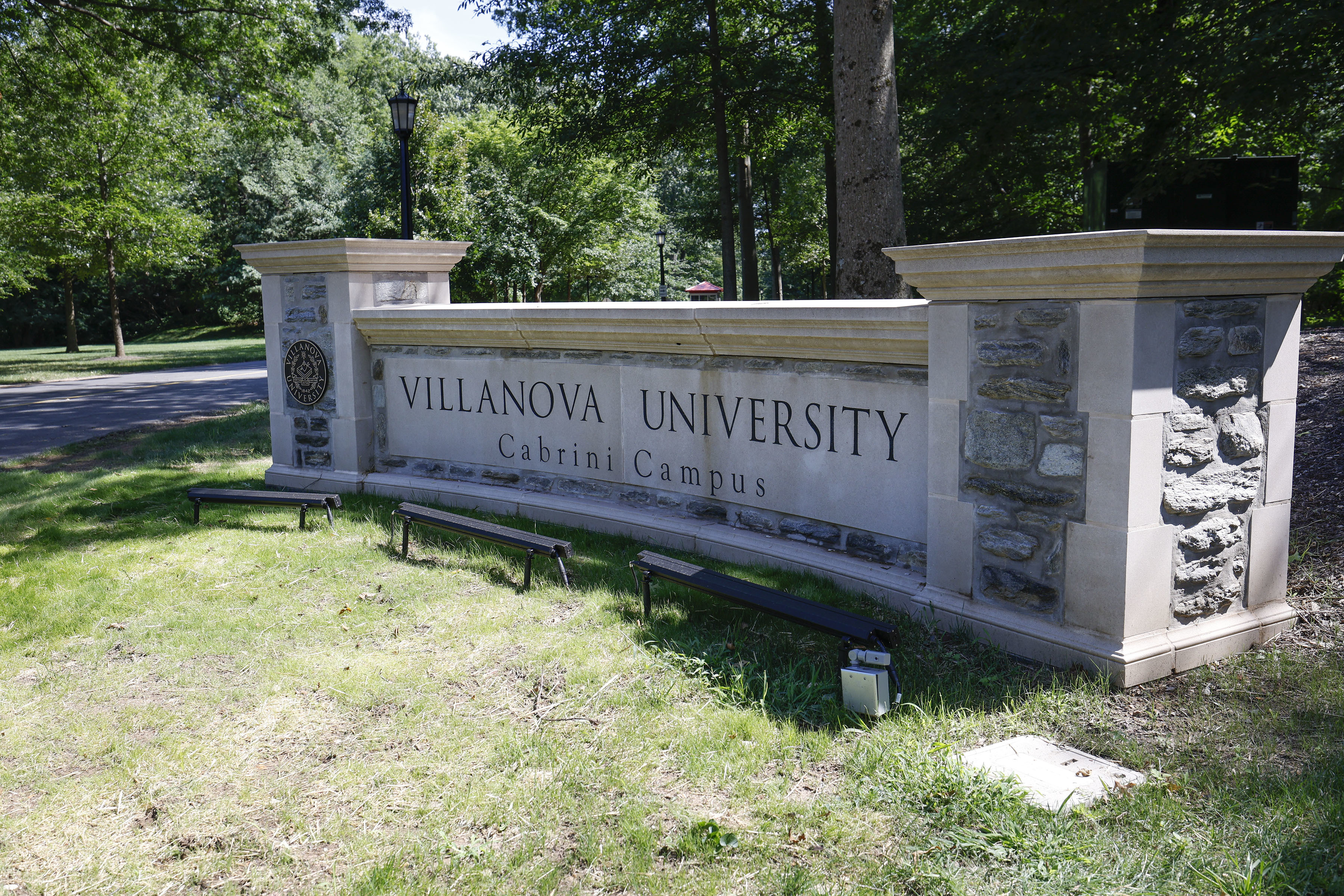
    Villanova University purchased the nearby campus of the now shuttered Cabrini University two years ago and has had the site closed for remodeling. But this fall, students will live and study there. Steven M. Falk / For The Inquirer

    And signs at the entrance to campus say: Villanova University, Cabrini Campus — a nod to Villanova’s larger promise to retain Cabrini’s legacy.

    A new era of growth

    The acquisition of the campus, which officially opens for fall classes Aug. 24, marks an era of new growth for Villanova.

    As many other colleges have lost enrollment in recent years, Villanova plans to grow its undergraduate student body, now at about 7,000, to 8,000 over the next four years, said the Rev. Peter M. Donohue, Villanova’s president. That growth started this year with about 250 additional freshmen. And the school plans to maintain its selectivity; it admitted just 29% of applicants for this fall’s class and saw more than a 10% surge in applications over the last year.

    Villanova, which has a 260-acre main campus, will expand 43% in size with the addition of Cabrini. The university’s acquisition of Rosemont College — which will be complete in 2028 — will add 58 acres, increasing Villanova’s total to 430 acres.

    The Cabrini campus will house five academic departments: psychological and brain sciences, graduate nursing, education and counseling, ethics, and part of communication. About 75 faculty — 10% of the total — will be based there.
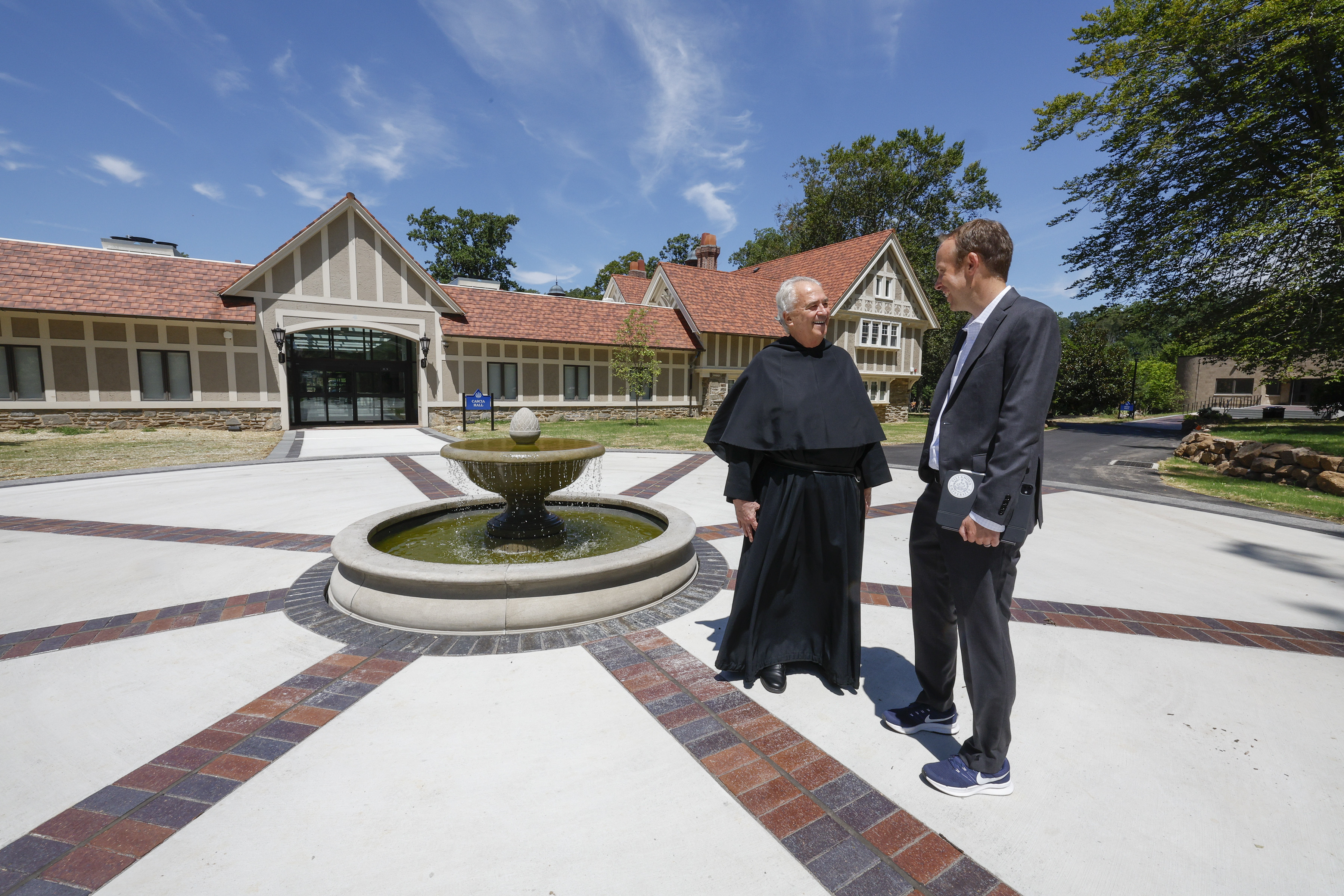
    Villanova University President the Rev. Peter M. Donohue left, and Timothy Hoffman, vice provost for finance and administration, stand in front of a newly installed fountain outside Cascia Hall, which received a lot of renovations inside and out. It houses the student center. Steven M. Falk / For The Inquirer

    About 900 sophomores — roughly half of those enrolled at Villanova — will live on the campus, expanding the percentage of undergraduates who live on Villanova’s campuses to more than 80%.

    In addition, more than 2,000 undergraduate and graduate students — about a fifth of Villanova’s overall student population — will take classes at the Cabrini campus in the fall, said Timothy Hoffman, vice provost for finance and administration.

    “I’m just excited to see life again on the campus,” said Michelle Filling-Brown, formerly dean of academic affairs at Cabrini and now associate vice provost for the integrated student experience at Villanova.

    She has been designing themed living and learning communities for the new Cabrini campus.
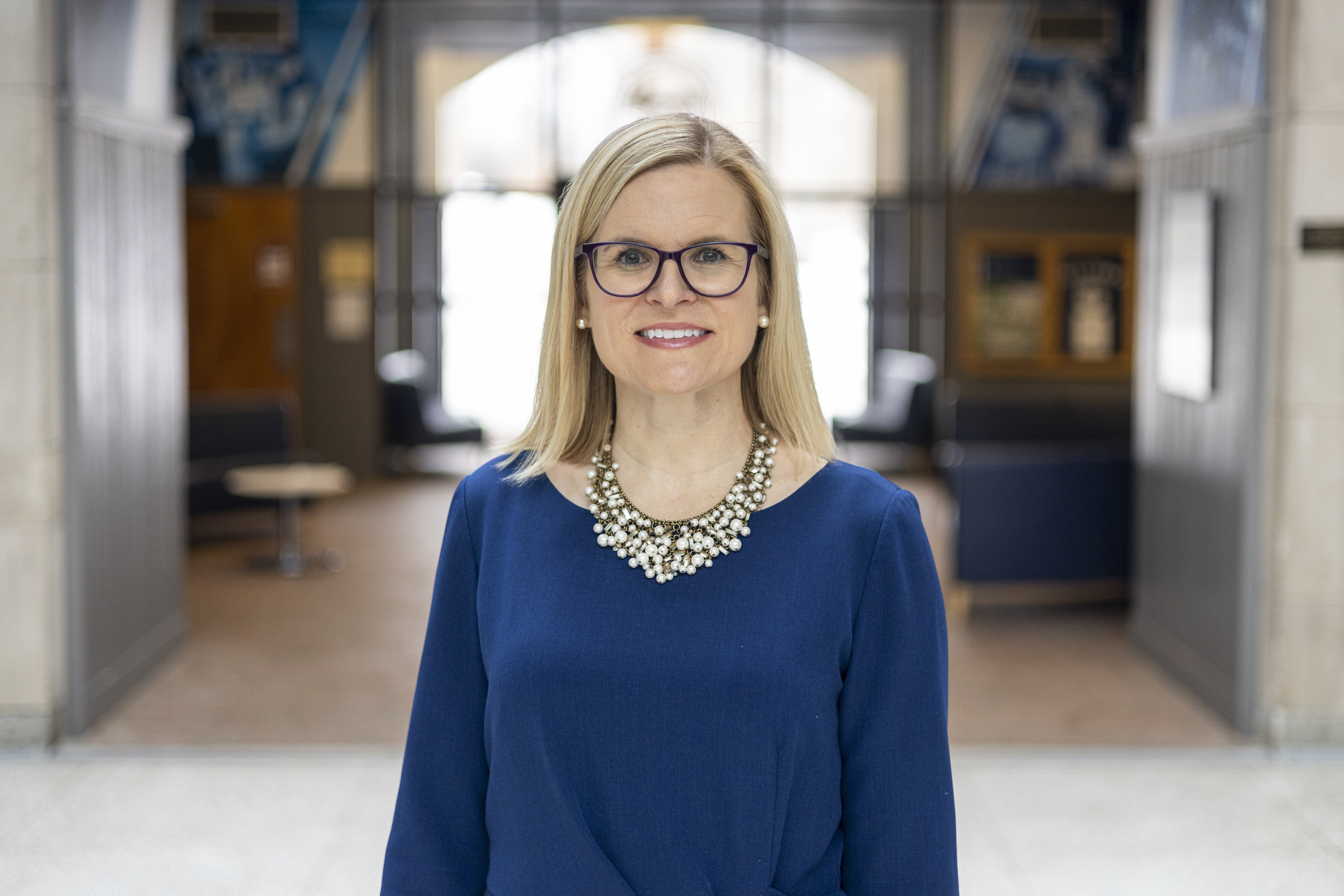
    Michelle Filling-Brown, a former top administrator at Cabrini, now works at Villanova.Tyger Williams / Staff Photographer

    Started in 1957, Cabrini was the only college founded by Sister Francesca Cabrini’s Missionary Sisters of the Sacred Heart. The university announced in 2023 it would shut the next year and Villanova would take it over, giving students and employees a year to find a new runway. The decision came as enrollment plummeted, finances tightened, and deferred campus maintenance mounted.

    In spring 2024, the 67-year-old school marked a series of lasts, including its final commencement.

    Cabrini became one of a growing number of shuttered colleges in the region whose campuses have been acquired by others. St. Joseph’s University bought the University of the Sciences campus, Thomas Jefferson University the former Philadelphia University campus, Drexel the former Salus University, and Lackawanna College the former Peirce College. Various entities, including Temple University, bought pieces of the former University of the Arts. Plans for the soon-to-close University of Valley Forge have not been announced.

    Donohue said Villanova has not yet made specific plans for Rosemont.
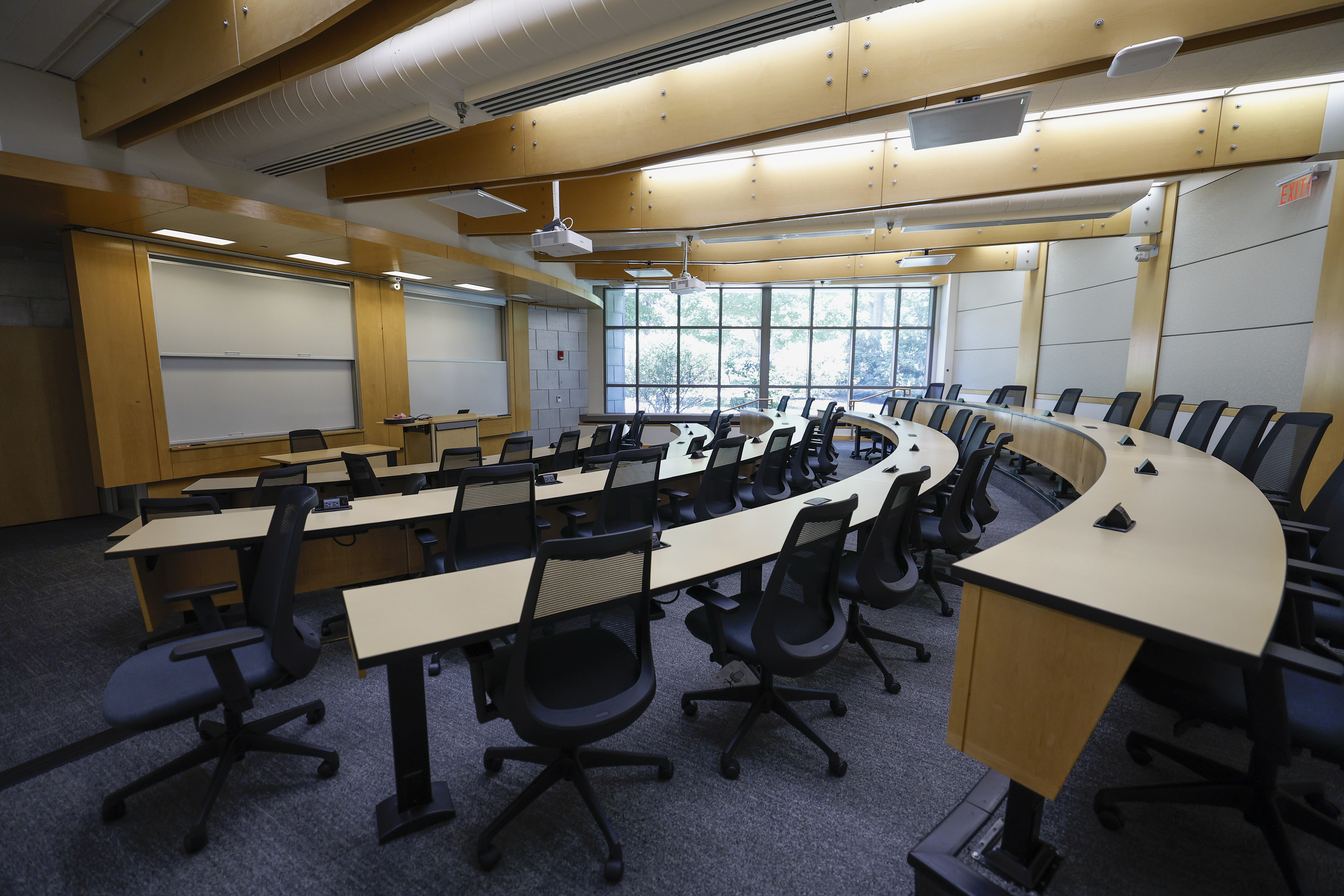
    A classroom with new educational technology at the Iadorala CenterSteven M. Falk / For The Inquirer

    Before beginning renovations, Villanova invited Cabrini alumni to collect memorabilia, Donohue said. The school also donated truckloads of old furniture and materials that it did not plan to use to nonprofits.

    A $170 million-plus investment

    The university has invested more than $170 million into the Cabrini purchase, including the $70 million it paid to close out Cabrini’s debt and acquire its land, buildings, and assets, and more than $100 million on renovations. Donohue said it will take just four years for the school to recover that money through the operation of the campus.

    The university was able to keep $15 million of Cabrini’s $42 million endowment, the school said.

    Though the campus has not officially opened yet, a few students have begun to move in. Last Tuesday, a group of young staff members huddled in a room, planning grand-opening activities. Others unpacked and organized nursing equipment.
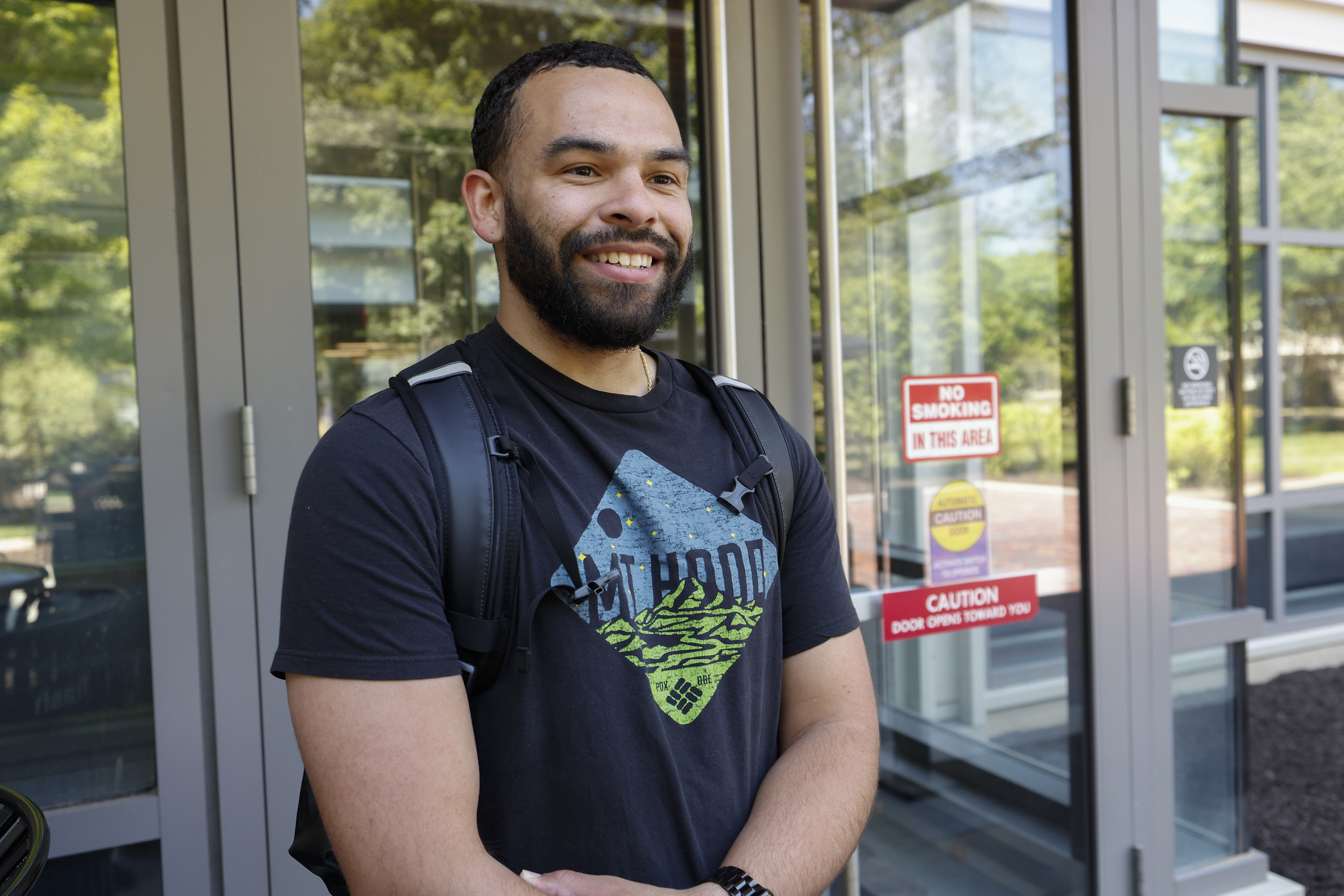
    Graduate student Curtis Wesley stops by the Iadarola Center where he will study this fall.Steven M. Falk / For The Inquirer

    Curtis Wesley, 26, an incoming graduate student in the nurse anesthesia program, strolled out of the building where his classes will be.

    “I just wanted to come and check it out,” said Wesley, who is from Kansas. “I was excited to see all the new technology.”
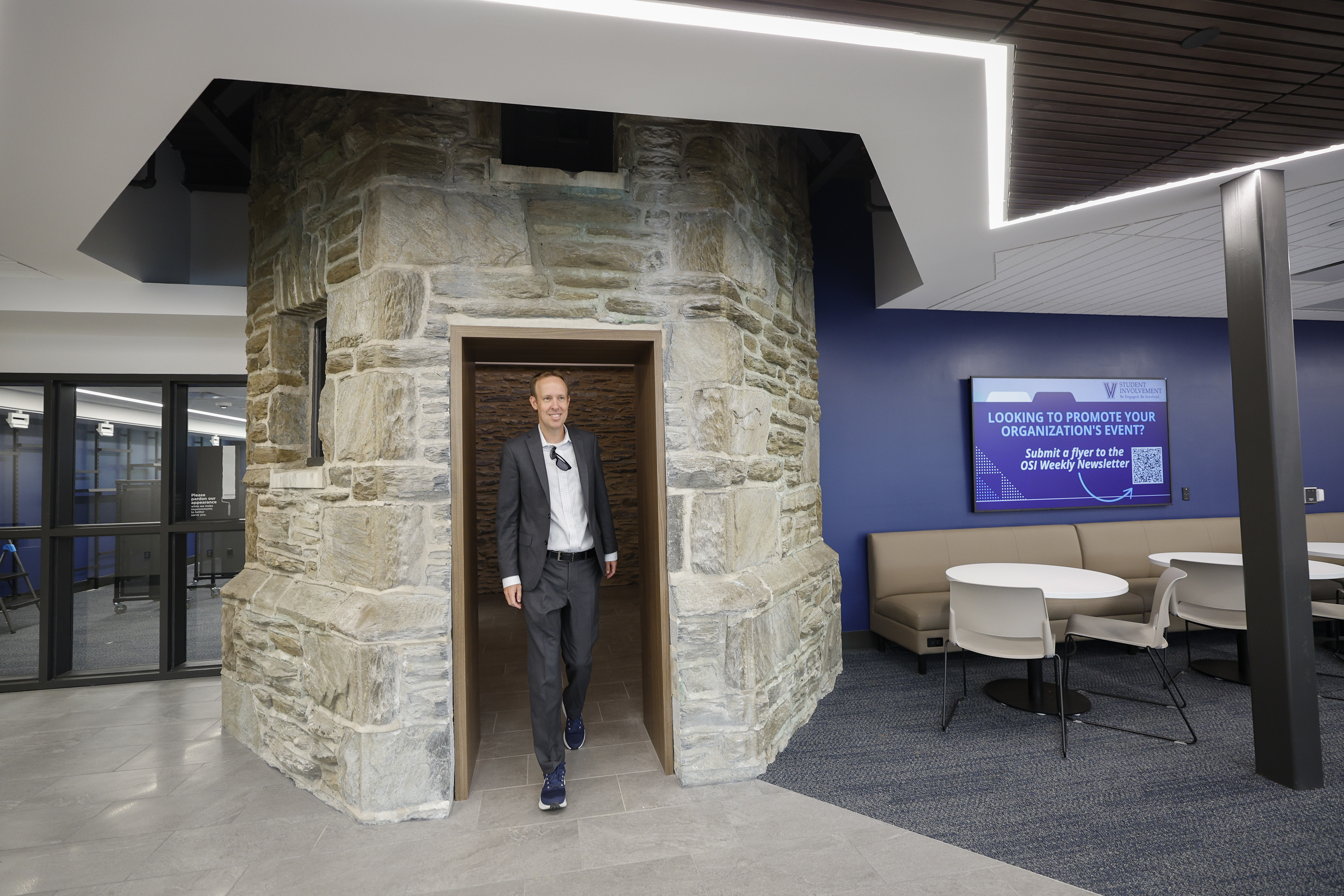
    Timothy Hoffman, vice provost for finance and administration, emerges from the stone-walled turret leading to what will be a Villanova apparel shop. The turret was uncovered during remodeling at Cascia Hall. Steven M. Falk / For The Inquirer

    One of the buildings that received the most renovation was the former Grace Hall, now Cascia Hall, home to the student center. The building used to be a stable house for the Woodcrest Mansion. Over the years, Cabrini put up drywall and turned much of it into office space.

    Villanova knocked those walls down and uncovered architectural flourishes including gargoyle-like stone carvings and a cavernous, stone-walled turret with a wooden-framed doorway, leading to what will be a Villanova apparel shop.
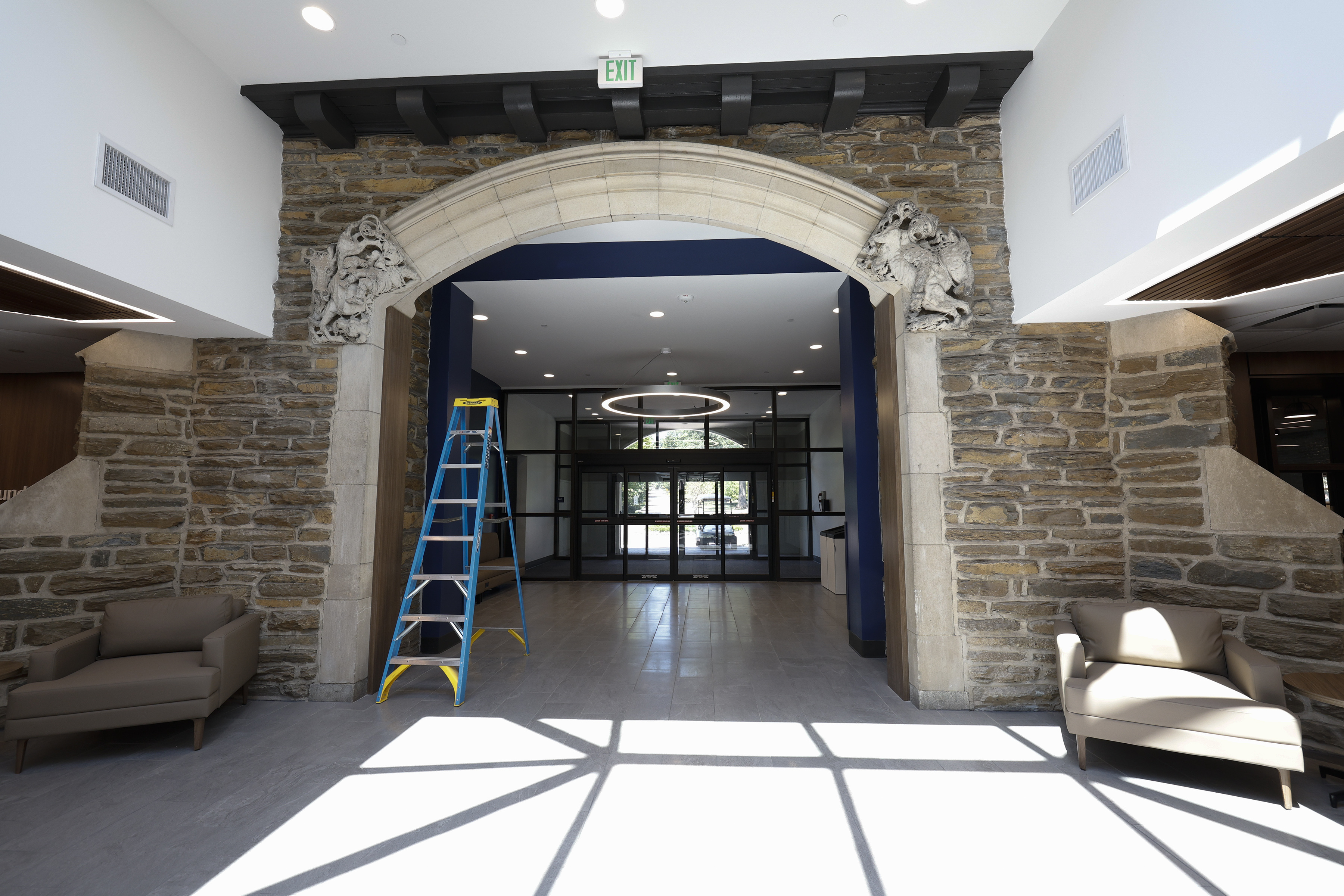
    Renovations at Cascia Hall uncovered some architectural flourishes, including these stone carved gargoyles. Steven M. Falk / For The Inquirer

    The Dixon Center will remain an athletic facility, but now the basketball court has a large V in the center and the smoothie bar will offer treats such as the Brunson, named after Villanova Wildcats basketball star-turned-New York Knicks standout Jalen Brunson, and the Father Peter Power, honoring the university president.

    Donohue couldn’t name the ingredients in his new signature drink.

    “I didn’t know it existed,” he said.

    The facility, which also got new cardio equipment and reupholstered weight benches, will be used for non-varsity sports recreation.
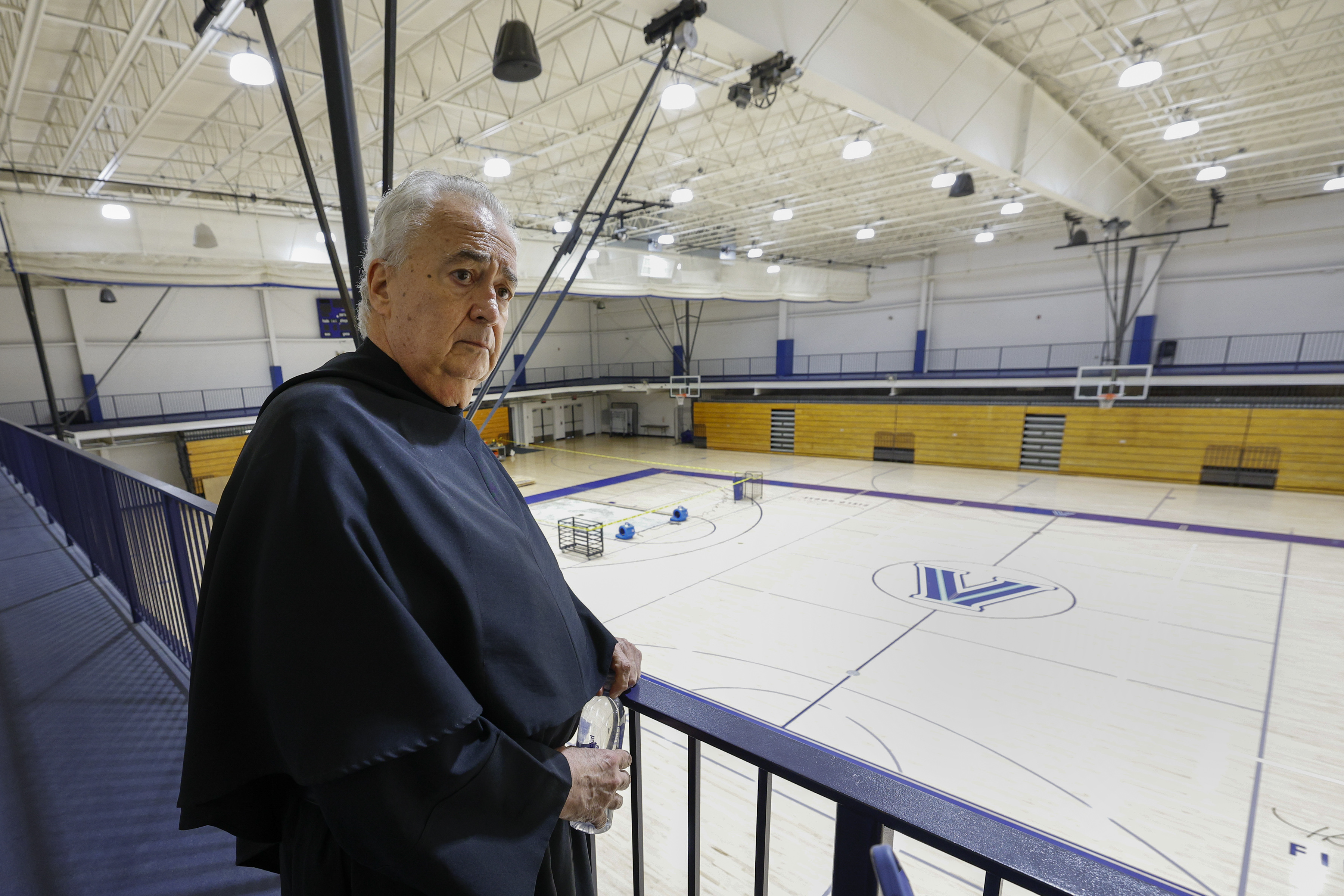
    Villanova President the Rev. Peter M. Donohue overlooks the basketball court at the Dixon Center. Steven M. Falk / For The Inquirer

    “Our intramural basketball activity goes into the wee hours because we’re limited in our number of courts, so we are delighted to have this space,” Hoffman said.

    The Iadarola Center, Cabrini’s former science building, includes a new nursing simulation facility that Cabrini had recently finished. But Villanova added upgrades, including a vivarium for psychology department research and more space for the brain science program. The former Cabrini library has been converted into student study space.

    ‘Many more dorm options’

    Seven residence halls will house students, including two that had been closed amid Cabrini’s enrollment decline. One of them had a malfunctioning boiler — not anymore.

    Sophomores were given the choice of living at Cabrini. Villanova ran tours of the campus for students last academic year. Those who chose Cabrini said they were attracted to the renovated dorms and larger room configurations that allow them to live with several roommates and share a bathroom. Options on main campus for sophomores are largely limited to doubles with a large bathroom shared by an entire floor or wing.
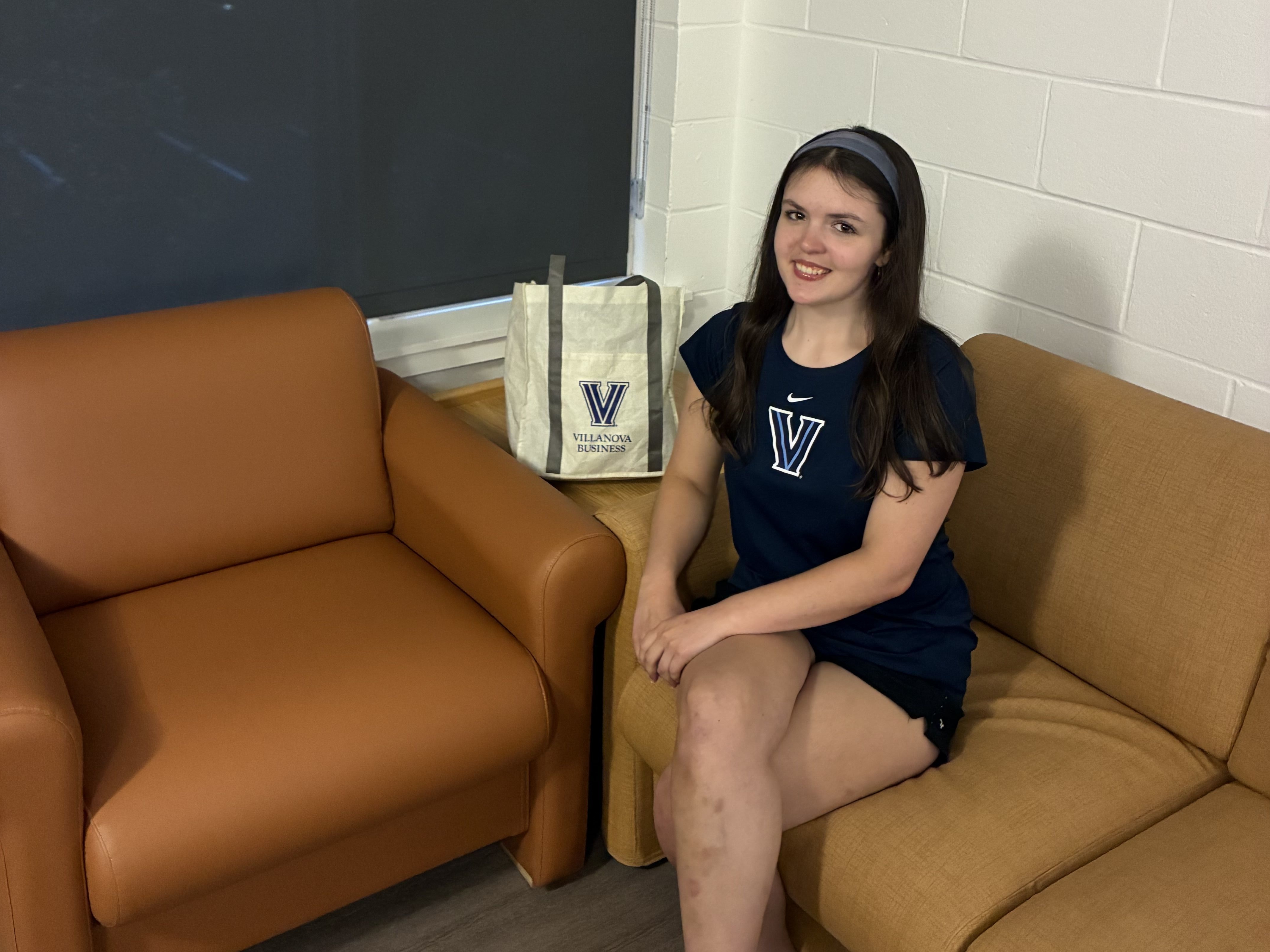
    Villanova University sophomore Molly Dunphy-Culp has moved into her new apartment on the Cabrini campus.Courtesy of Molly Dunphy-Culp

    “With Cabrini, there are so many more dorm options,” said Molly Dunphy-Culp, 19, a sophomore who was born in Boston and grew up in Abington.

    She will be sharing an apartment in Lecceto Hall with three classmates.

    She acknowledged that she will have to take the shuttle to main campus for classes, but said the short ride will be worth it. Dunphy-Culp also has a job on Cabrini as a recreation center supervisor — another plus for living there.

    About half the students on campus will be allowed to have cars. Sophomores do not have that option on main campus.

    “Two of my close friends are both going to have cars on campus,” said Ella Hayman, 19, a sophomore from just outside Boston. “This will give us a little more freedom we didn’t have last year. That was a big motivation.”
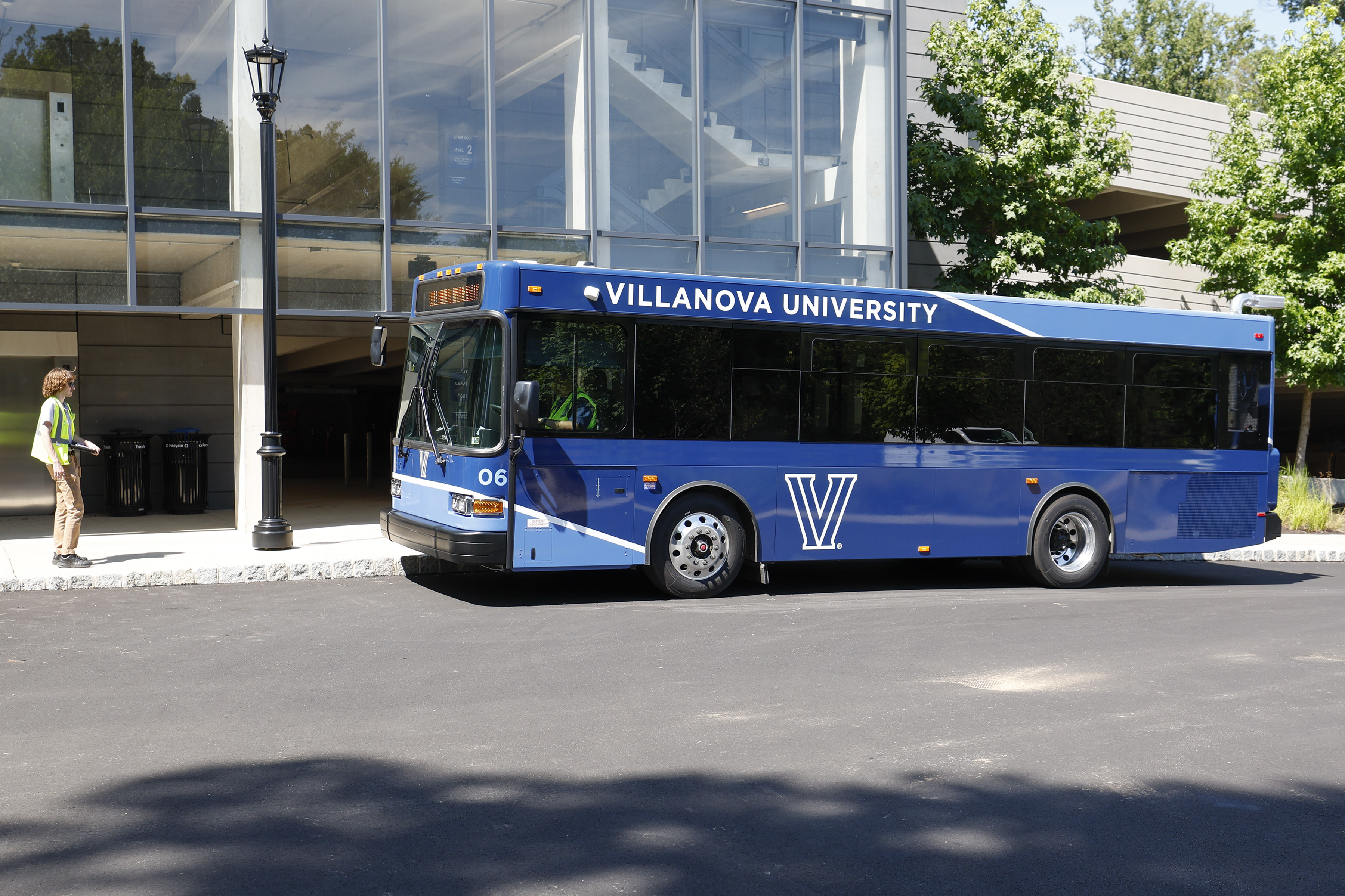
    Shuttle buses including this one will transport students between Villanova’s main campus and the Cabrini campus 1.9 miles away. Steven M. Falk / For The Inquirer

    Thirteen shuttle buses will transport students between the two campuses, which are 1.9 miles apart — a seven- to 12-minute ride, Hoffman said. A team of Villanova employees over the last couple of years visited five universities with multiple campuses, including Lehigh and George Washington, to learn how best to integrate them. They looked closely at models for a shuttle system that would keep students informed of where and when buses would be arriving and departing, Hoffman said.

    Among new dining options on the campus is the restaurant-style Table 1842, named for Villanova’s founding year, where students can order off a menu. It is located in the former Founder’s Hall, now Bellesini Hall, which also was heavily renovated, including the installation of a new entrance that leads directly into dining facilities so people do not have to climb as many steps.

    Bellesini has become the third-largest classroom building at Villanova. Some of the nearly 30 classrooms on the Cabrini campus had to be expanded to accommodate slightly larger class sizes, Hoffman said. Cabrini’s classes were 12 to 14, and Villanova starts at 16, Hoffman said.
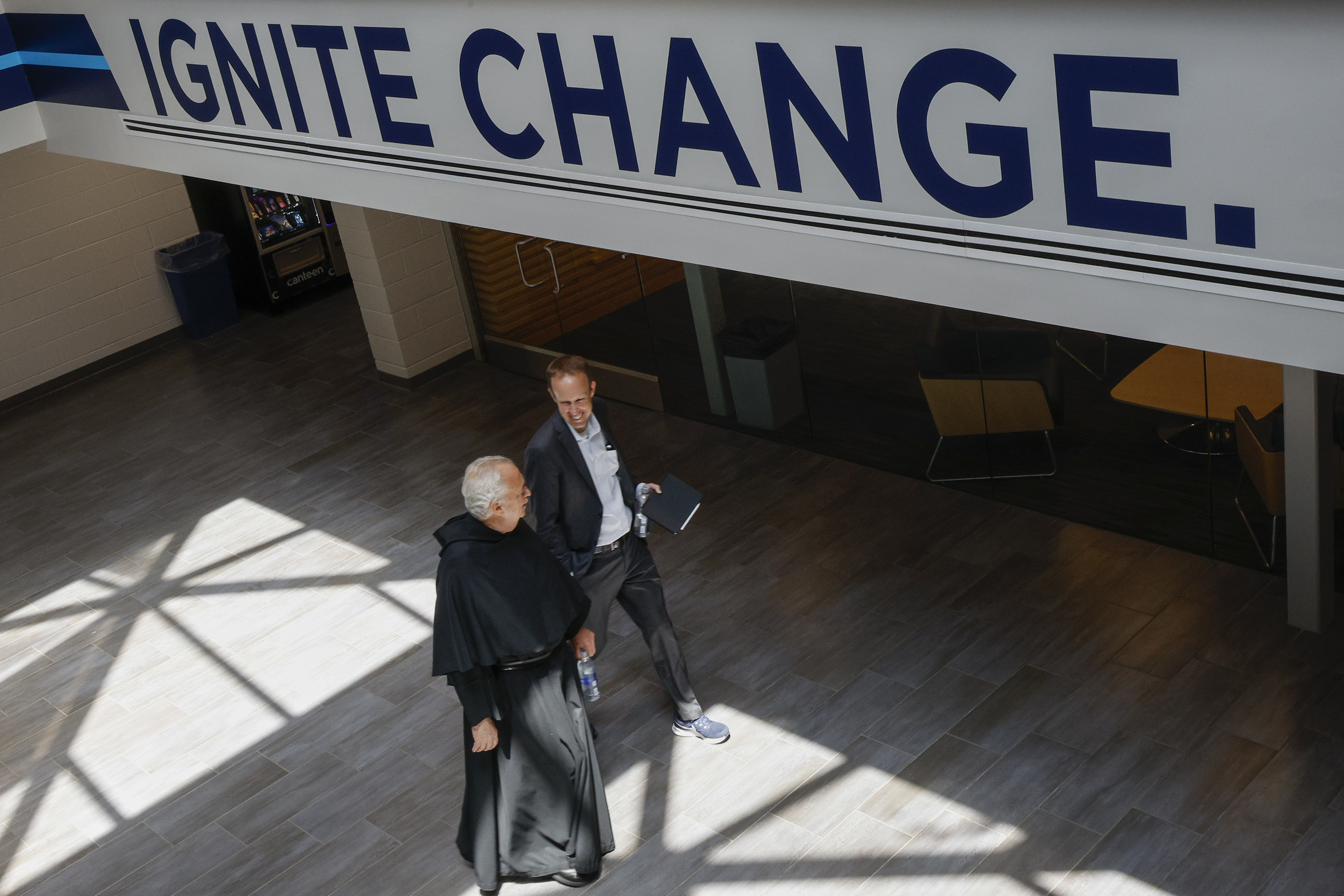
    Villanova University President the Rev. Peter M. Donohue left, and Timothy Hoffman, vice provost for finance and administration, walk through the Dixon Center. Steven M. Falk / For The Inquirer

    Some improvements are still to come, including renovations to the former Mansion, which will be costly, and a nature trail, Donohue said.

    Villanova named Francesca and Xavier Halls for Mother Cabrini and is continuing Cabrini’s Center for Immigration; Villanova converted it to the Mother Cabrini Institute on Immigration. Villanova also launched an elementary education major in honor of Cabrini’s former program.

    Preserving a legacy

    “They had a strong desire to make sure some of their legacy lasted, and we wanted to protect that,” Donohue said.
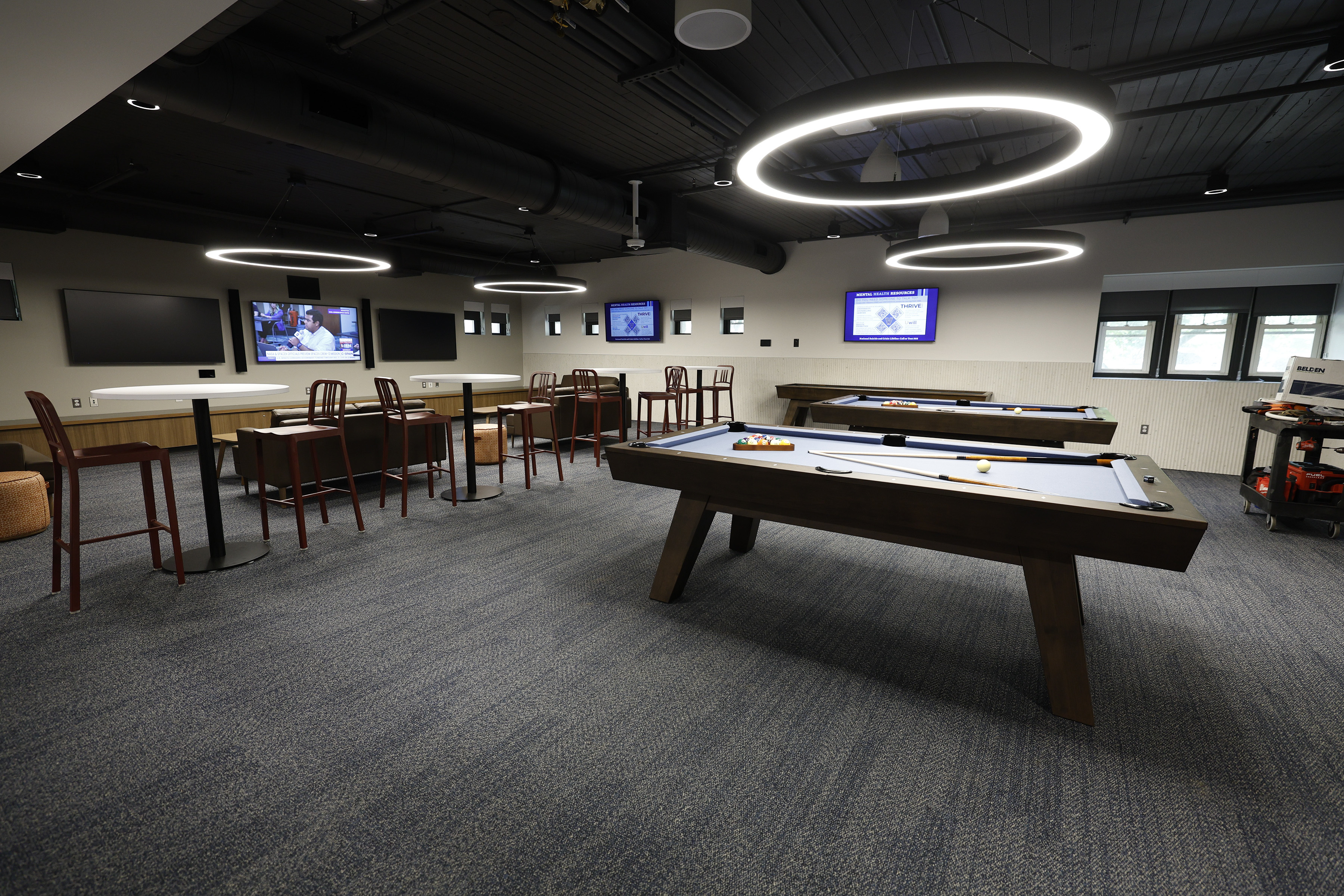
    The game room at Cascia HallSteven M. Falk / For The Inquirer

    Coincidentally, there is a stained glass window of St. Augustine — namesake of Villanova’s founding order — in Cabrini’s chapel and a stained glass window of Mother Cabrini in Villanova’s Corr Hall chapel.

    Filling-Brown, the former Cabrini administrator now at Villanova, said it seems meant to be.

    “It’s beyond my wildest dreams for the campus,” Filling-Brown said. “It’s the best outcome to see Catholic higher education continue on that campus.”
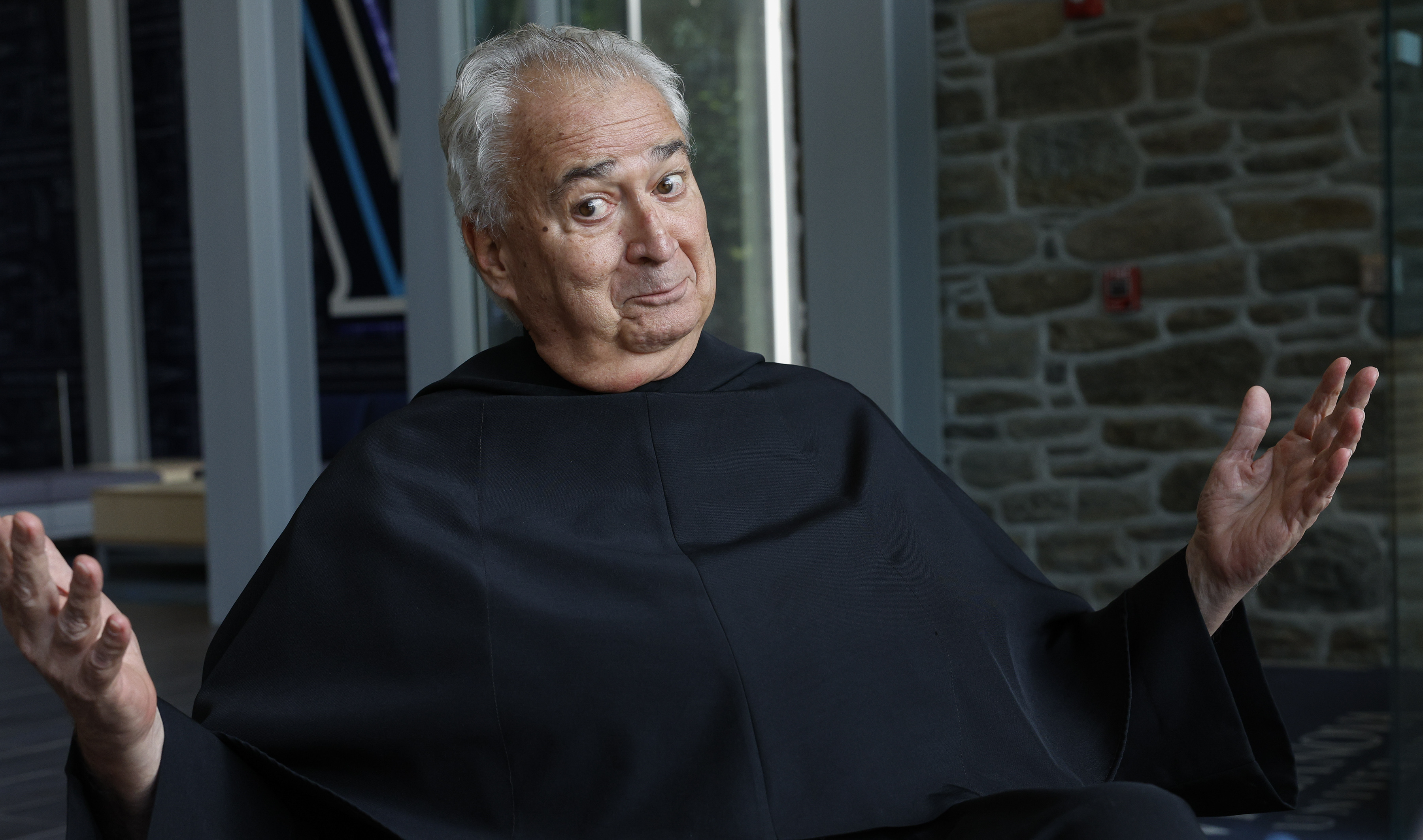
    Villanova President the Rev. Peter M. Donohue discusses all it took to remodel the Cabrini campus. Steven M. Falk / For The Inquirer
  • A father is searching for answers after lawyers say a police pursuit of an ATV ended in his son’s death

    A father is searching for answers after lawyers say a police pursuit of an ATV ended in his son’s death

    The father of a Philadelphia man who was killed in an ATV crash this spring said police officers pursued his son moments before he drove the wrong way down a one-way street, ran a red light, and collided with a sedan.

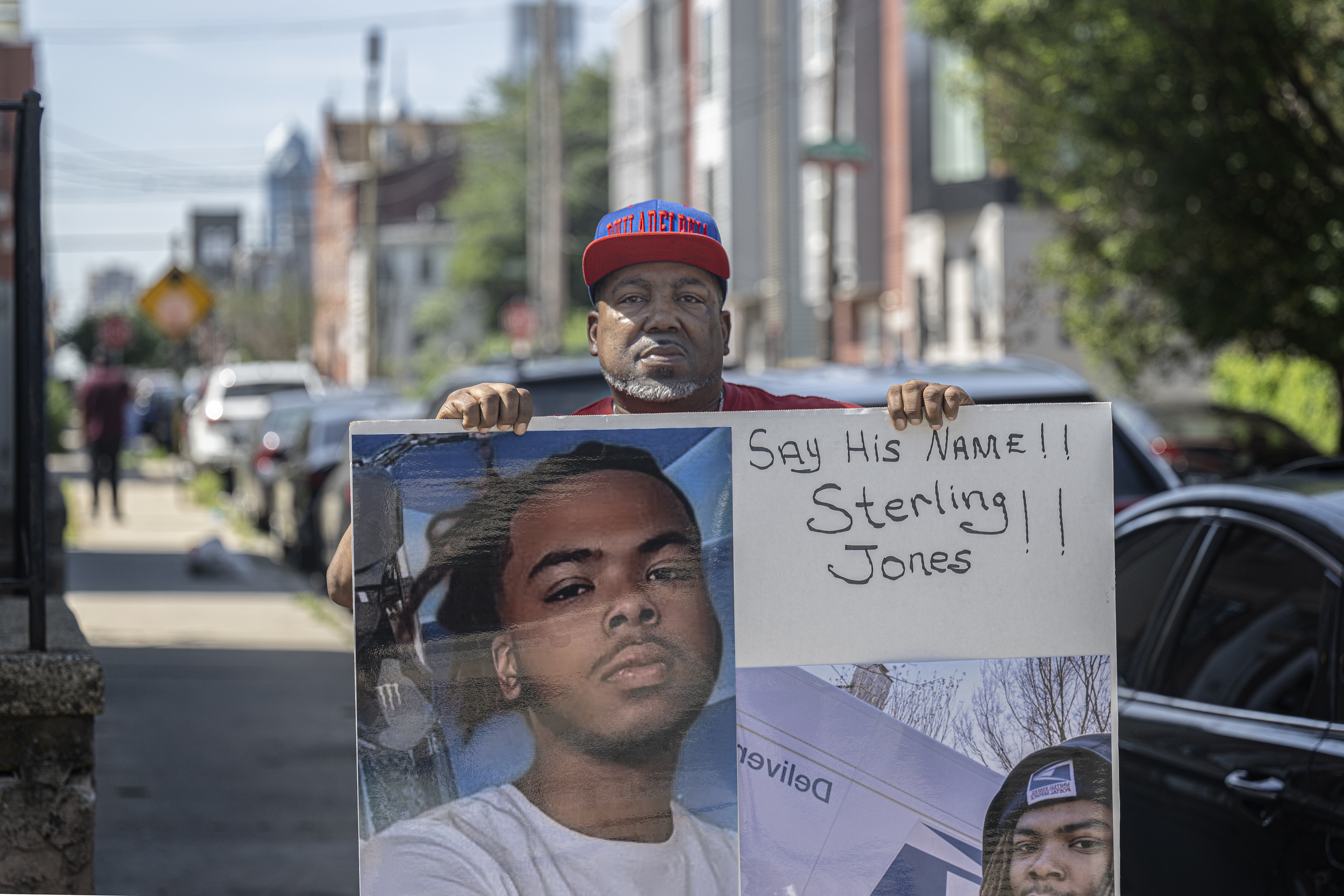
    Sterling Jones, 22, was killed on May 9 after the crash in North Philadelphia, according to police.

    Lawyers for Jones’ father, Sterling Lamont Jones Sr., said his son and a group of friends had been riding off-road vehicles near Broad Street and Fairmount Avenue when officers from the police ATV and dirt bike detail spotted the young men popping wheelies and began a pursuit.

    They followed Jones up Broad Street to West Thompson Street, the attorneys said. There he briefly sped in the wrong direction down the one-way street and ran a red light before striking an Uber driver’s Toyota sedan at the intersection as it turned onto 15th Street.

    He was taken to Temple University Hospital and pronounced dead shortly after his arrival.

    Sterling Jones Sr., 57, has since hired a team of attorneys to investigate the incident. Late last month, they filed a notice of intent to sue the city, alleging that the officers and the department violated Jones’ constitutional rights when they chased him and caused his fatal injuries.

    Sterling Jones, a 22-year-old who lawyers say was killed in an ATV crash after being chased by police officers.Courtesy of Sterling Lamont Jones Sr.

    Riding ATVs and dirt bikes on public streets in Philadelphia is against the law, and police have increased efforts to crack down on that behavior in recent years.

    But the incident raises questions about whether the officers followed a department directive barring vehicular pursuits for all but the most serious offenses — a policy enacted because of the public safety risks posed by such chases, particularly in densely populated areas.

    The initial police account of the incident did not mention that officers had been pursuing Jones before the crash. It could not be learned whether the department had since concluded that officers were engaged in a pursuit and whether it was conducted a high rate of speed, as the lawyers contend.

    Sgt. Eric Gripp, a police spokesperson, said the incident is under investigation by the department’s internal affairs bureau. He declined to comment further, referring questions to the city’s law department.

    A spokesperson for the law department said the city does not comment on pending litigation.

    Surveillance footage gathered by lawyers for Jones’ father and viewed by The Inquirer showed at least eight police officers on dirt bikes, a squad car, and a tow vehicle tailing Jones that evening.

    Around 9:23 p.m., Jones was seen cutting through a Sunoco gas station and speeding down West Thompson Street with dirt bike officers close behind. Within seconds, his ATV careened into the driver’s side of the sedan.

    Under police department policy, vehicular chases are allowed only in situations in which officers believe they can prevent imminent danger to others, or if a suspect is either fleeing after committing a violent felony or in possession of a deadly weapon used in a crime.

    As complaints mounted over off-road riders on city streets, officials have sought alternative methods to curb illegal ridership, such as stopping or seizing vehicles, arresting riders when they are stopped, and destroying vehicles when riders cannot prove ownership.

    And while riding off-road vehicles violates city code, attorneys for Sterling Jones Sr. say that type of infraction still should not trigger a police chase.

    “The police department’s policy is, in our view, clearly violated,” said Thomas Kline of Kline & Specter, which is handling the case alongside the firm Hill & Associates.

    A 2025 Inquirer investigation found police in Philadelphia and across Pennsylvania were conducting hazardous and unnecessary chases, disproportionately endangering young people. Roughly half of all reported pursuits conducted by city police were not justified under department policy, the investigation found.

    A police department spokesperson attributed the increase in chases to the COVID-era surge in violent crime, and said the department investigates every crash for policy violations.

    Between 2020 and last year, records show, the city had paid out $20 million in crash- or chase-related settlements as a result of such chases.

    In 2017, a 6-year-old girl and her great-aunt were seriously injured when they were struck by a dirt bike rider who was being chased by Philadelphia police into Upper Darby Township. The city settled a lawsuit with their attorneys for nearly $3 million last year.

    Sterling Jones Sr. said that while he was planning to sue, no amount of money could make up for the loss of his son.

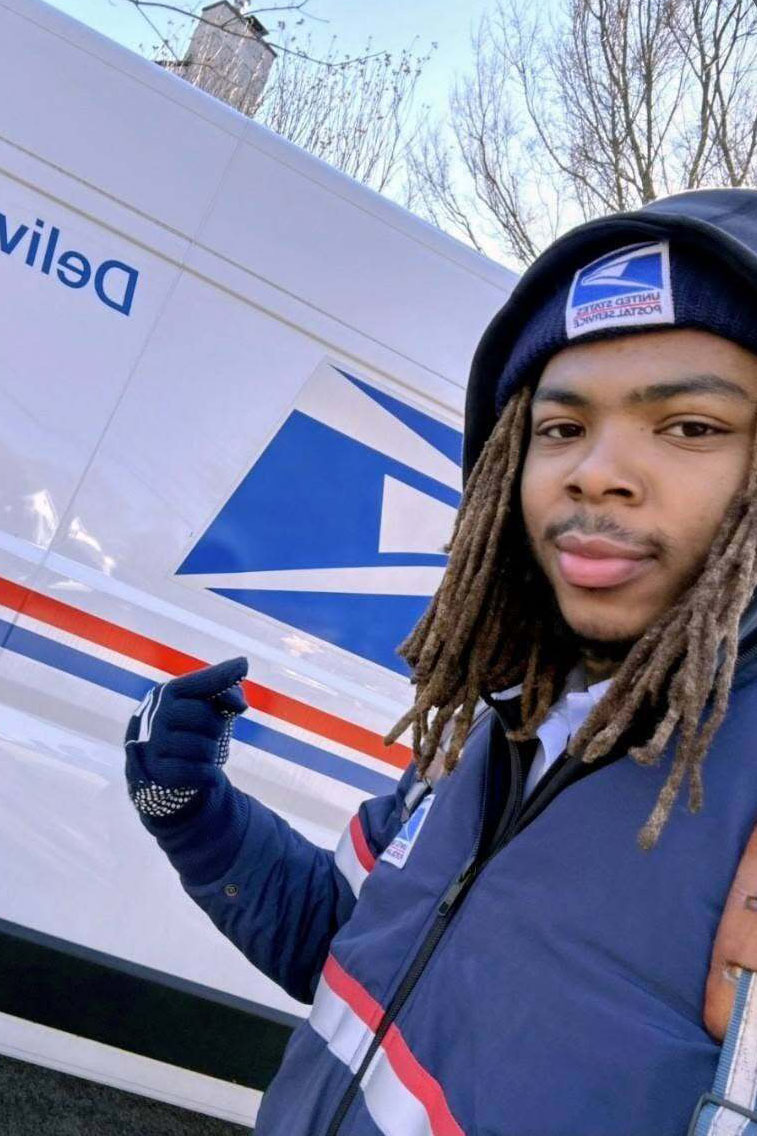
    The young man was a graduate of Hunting Park Christian Academy and had been working for two years as a delivery driver for the U.S. Postal Service before his death. He had bought the ATV with money from that job, his father said.

    “He wasn’t a criminal. He had a license,” he said.

    Jones Sr. learned of the crash in the early morning of Mother’s Day, when his son’s mother came to his house to tell him Jones was dead.

    He said he hired lawyers with the aim of ensuring that the officers who pursued his son would be reprimanded and removed from the beat.

    “They killed my only son,” he said. “I just want justice.”

  • Trump struggles to tell the truth about the economy as Americans struggle to make ends meet | Editorial

    Trump struggles to tell the truth about the economy as Americans struggle to make ends meet | Editorial

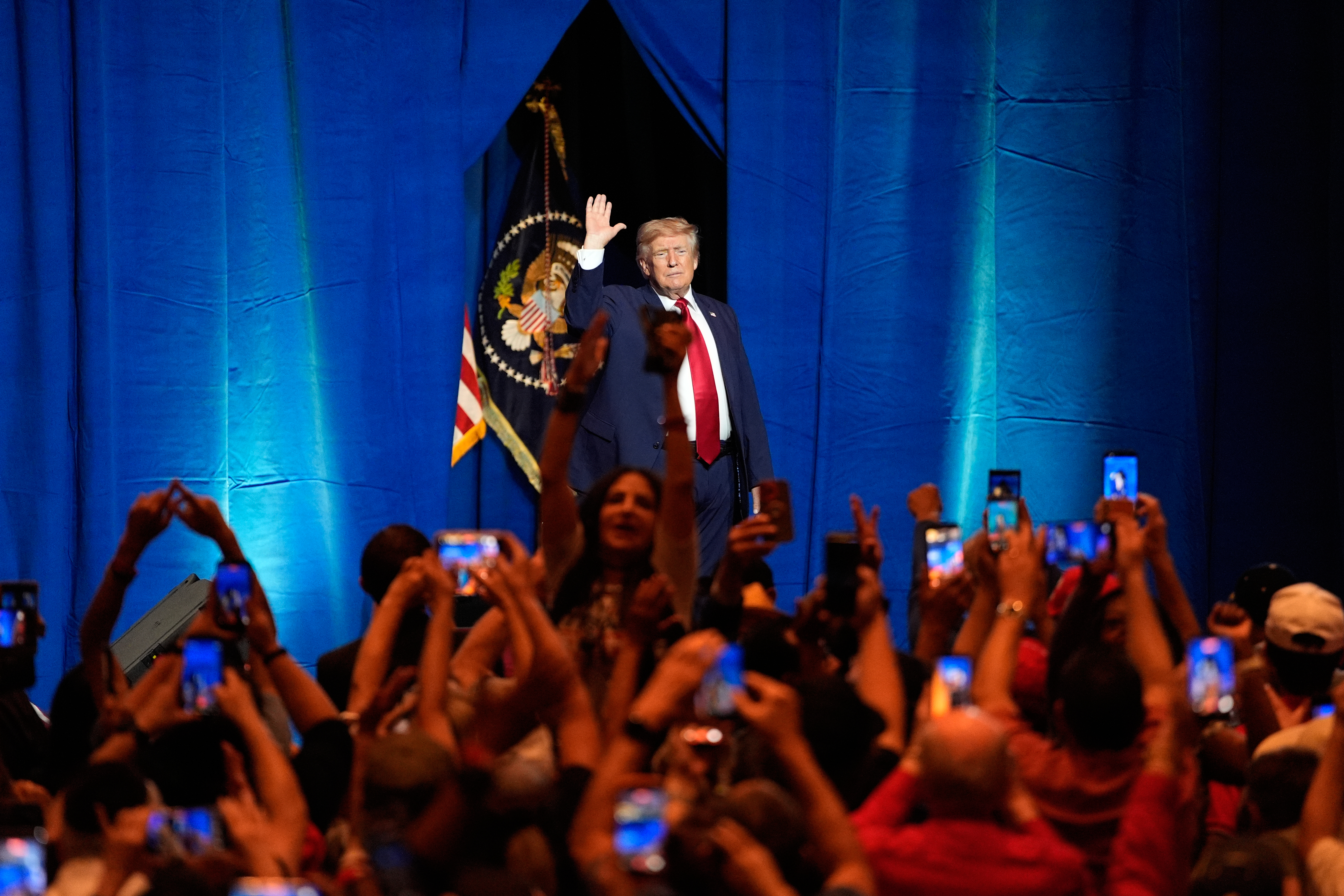
    With his approval ratings hovering at near record lows, President Donald Trump took a rare trip to the West Coast to convince voters not to trust their own wallets, because the economy is better than ever.

    Never mind that since he took office last year, Americans have been forced to spend more on food and rent. That utility prices are soaring while Trump slashed renewable energy alternatives. Or that thanks to his tariffs, the average price of a new car jumped 10%, while his failed war in Iran boosted gas prices by more than 30%.

    To borrow a phrase from the last inept White House occupant who tried to buck up the masses amid a calamity: “Trumpie, you’re doing a heck of a job.”

    To show hardworking Americans that the billionaire president feels their pain, Trump first attended a GOP fundraiser at a golf resort he owns in Rancho Palos Verdes, an affluent coastal city near Los Angeles, where a round of golf on the weekends can cost $800 or more. Tickets to the fundraiser ranged from $15,000 to $150,000.

    From there, Trump headed to a casino in Las Vegas, where he gave a speech on the economy aimed at working families.

    Nothing signals economic prosperity like the backdrop of folks mindlessly pumping money into a slot machine, or hoping to dig out of debt with the next roll of the dice — especially coming from a guy who made millions while bankrupting his now-defunct casinos in Atlantic City.

    Trump’s Vegas speech was a yawning rehash of rhetoric touting the stock market (when only about half the country owns equities) and tax cuts in his costly Big Beautiful Bill, while mixing in the usual mistruths and dismissing the high prices squeezing many Americans struggling to make ends meet.

    “We’re having some fake inflation because of the fuel,” he told the casino crowd.

    But it was in between the two stops where Trump provided a more revealing window into how he really thinks and talks, previewing his economic message in a friendly Fox News interview rife with non sequiturs, sentence fragments, and illeisms.

    “In the economy, Trump is at 42%, I shouldn’t be at, we have the greatest economy maybe in the history of the world for any country,” he said.

    Fox News personality Trace Gallagher pointed out that gas prices were up 30%, and that he recently paid $6.27 for a gallon of gas in California.

    Even amid the muddle, Trump had a ready response for that: shift the blame. “It’s a little different thing — because they charge taxes on gas. Every time, every time it goes down, they take taxes. I mean, they’ve done a terrible job in California.”

    Trump then promised gas prices would soon be under $3 a gallon once the three major oil companies — which have been making roughly $400 million a day since the Iran war began — lowered prices.

    “I think we’re going to have it coming down,” he said. “The oil companies have to start going. You know, they’re making too much money, and they’ve got to start lowering it. But we’re going to be down into the threes and maybe the twos pretty soon, per gallon.”

    Gallagher then teed up a softball question so Trump could address the reason he schlepped across the country in the first place: “You’re here to talk about the economy. What’s your big message?”

    “So, tariffs have been incredible. We’ve taken in hundreds of billions of dollars,” Trump said, ignoring the fact the government has had to refund most of the duties, which the U.S. Supreme Court determined were improperly collected. “I think if there’s anything, I’d say our country is rocking and rolling. We’ve never been this successful.”

    Well, one person in America has definitely never been this successful. As a public servant, Trump made more than $2 billion last year on a lot of murky deals.

    No wonder then that by the president’s grading curve, the economy is fine. Just ask him.

    “The food, groceries, it’s all coming down. We’ve done a great job,” he said. “I think we should be given an A+ on the economy.”

    Voters can submit their own midterm grades on Election Day.

  • Philly jazz educator Lovett Hines, who taught the likes of Questlove and Christian McBride, is getting some much-deserved flowers

    Philly jazz educator Lovett Hines, who taught the likes of Questlove and Christian McBride, is getting some much-deserved flowers

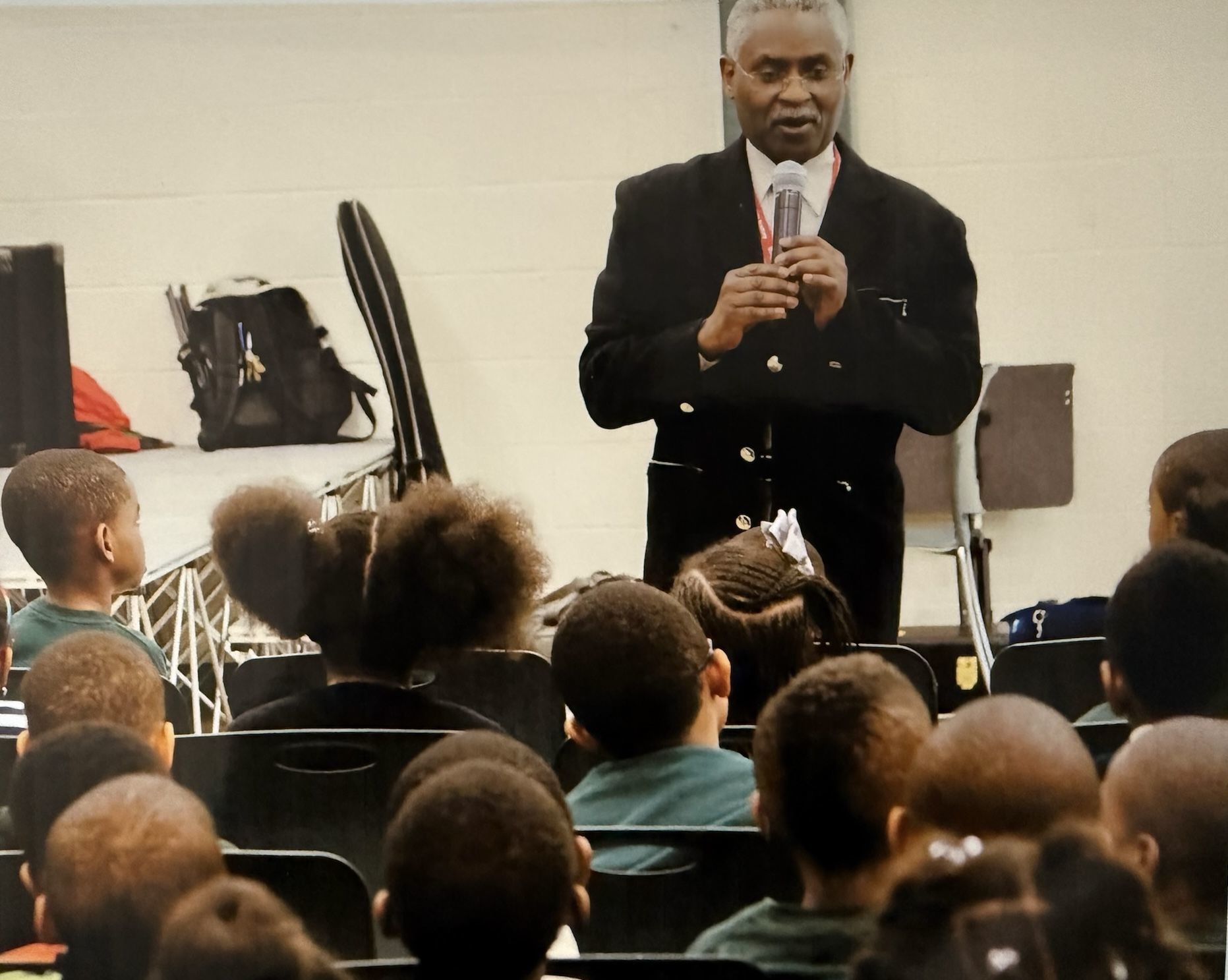
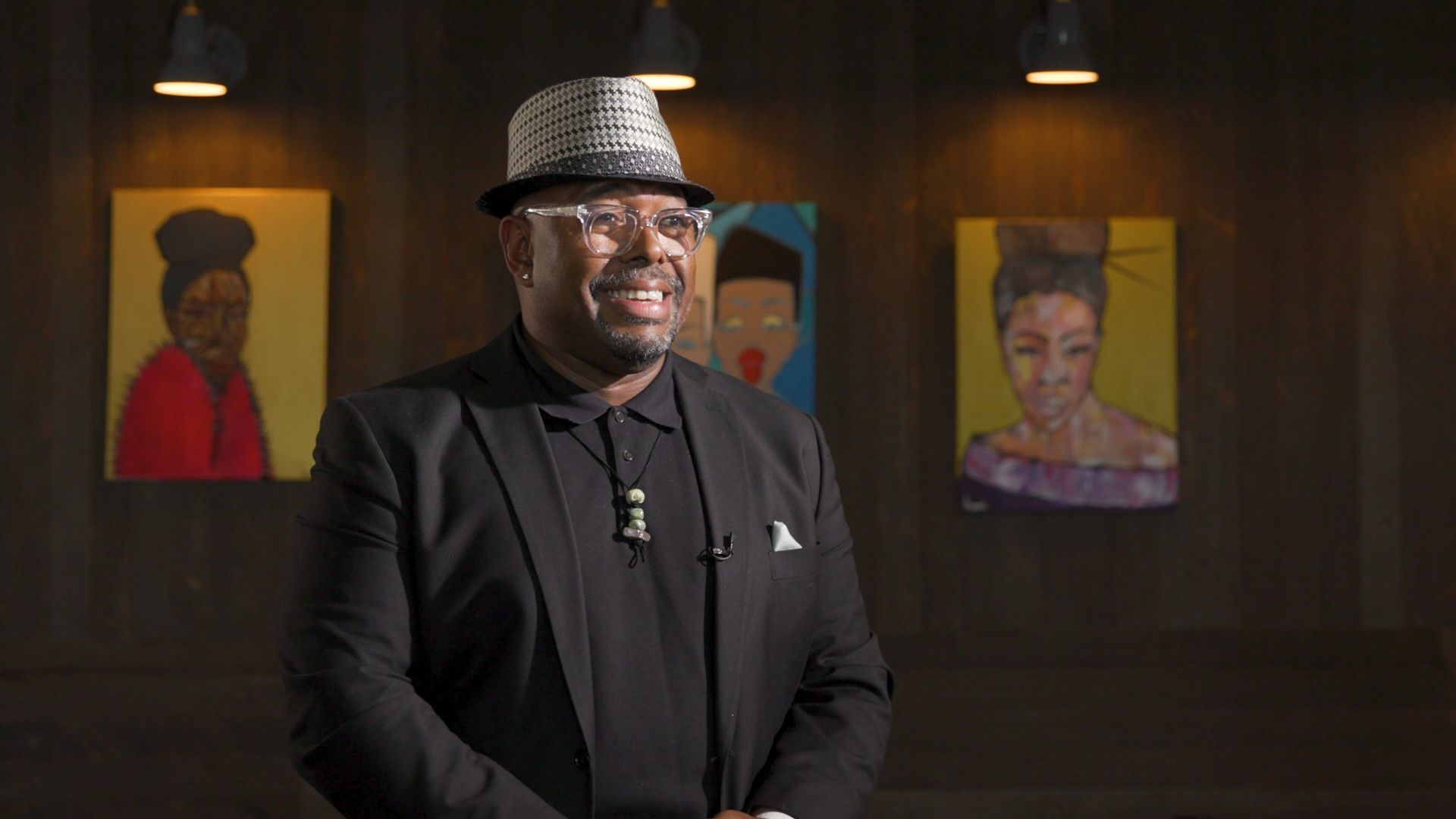
    An educator who has been a behind-the-scenes mentor to many of Philadelphia’s most prominent musicians, gets his just due in a new film premiering at the BlackStar Film Festival this weekend.

    Lovett Hines: Philadelphia Sensei, the directorial debut of Donn Thompson Morelli, spotlights the founder of the Philadelphia Clef Club of Jazz & Performing Arts’ education program.

    The list of Hines’ mentees include highly regarded Philly musicians, such as Christian McBride, Immanuel Wilkins, Justin Faulkner, Bilal Oliver, Derrick Hodge, the late Joey DeFrancesco, and Ahmir “Questlove” Thompson of The Roots, who is Morelli’s brother.

    The film begins with a poem, written and soothingly spoken by Morelli.

    “Flower and seed, orchard from tree / Like a stream of golden sun and urban sky you shined through … the Philadelphia Sensei is Lovett Hines.”

    Many of the most prominent mentees of Hines, 83, who also taught at the Settlement Music School, give testimonials in the short documentary, praising him for his loving way of nurturing talent, rather than acting like a disciplinarian obsessed with technique.

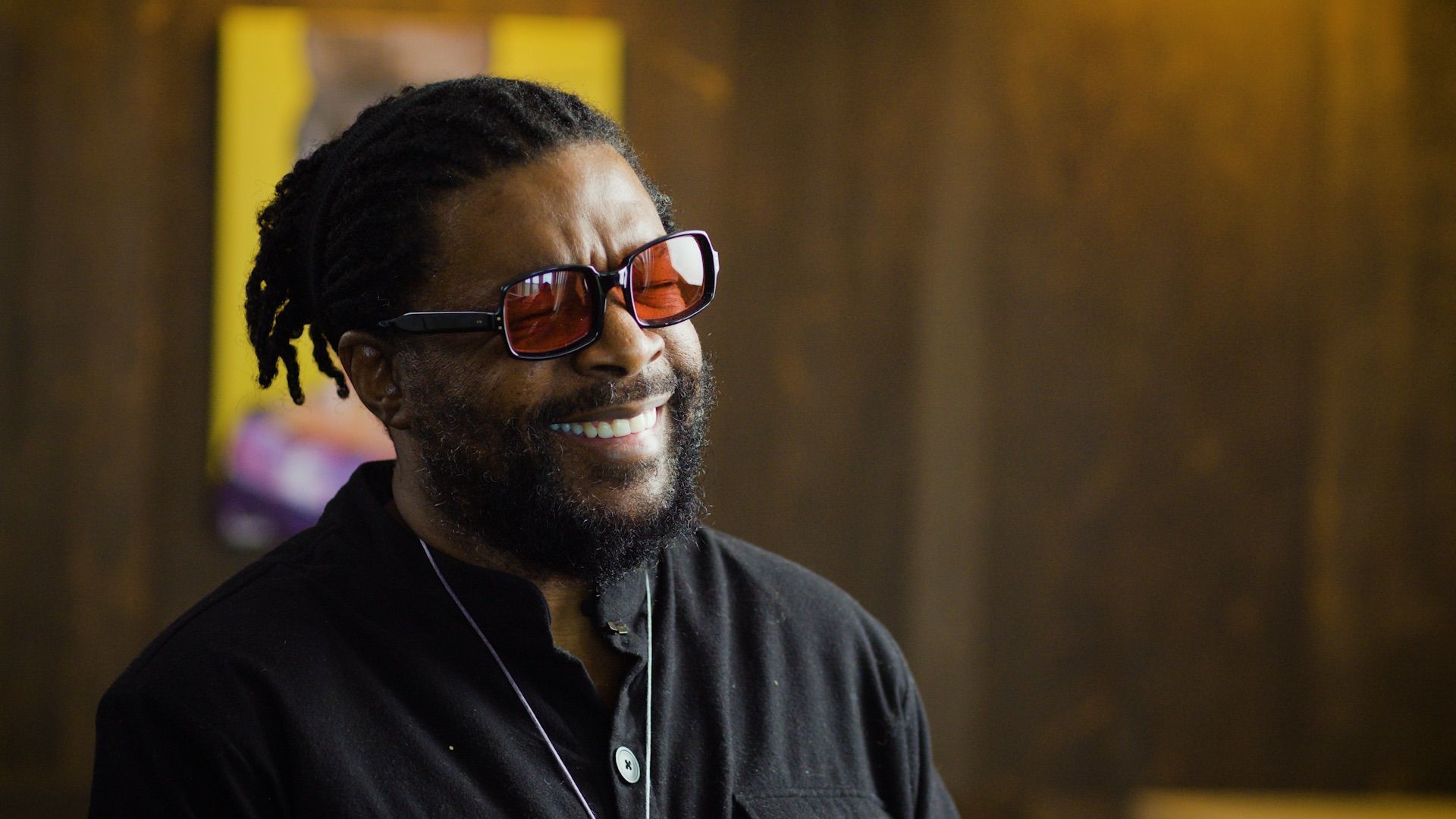
    “The first thing is, he finds your strength,” Roots drummer Questlove says in the film. “He describes the importance of listening and absorbing. Really, he was just super encouraging.”

    Ahmir “Questlove” Thompson in “Philadelphia Sensei: Lovett Hines.” Donn Thompson Morelli / Philadelphia Sensei

    “I always think of him as the most perfectly balanced teacher that I’ve ever had in music,” says McBride, bassist and host of NPR’s Jazz Night in America. “He always gave us room to make our own mistakes. He never said, ‘You have to do it this way, you must do it the way it says on the paper.’ He would let us find our own personality.”

    When McBride attended South Philly High School for the Creative and Performing Arts in the late 1980s in an illustrious period when DeFrancesco, The Roots, and Boyz II Men were also students. When he was starting out, McBride realized he needed to follow the path of Philly heroes like McCoy Tyner and Benny Golson and move to New York to make a name for himself.

    “Mr. Hines was like, ‘Cool, you wanna go to New York. Let’s make sure you have what you need, so when you go to the Big Apple you’ll be straight.’”

    In the film, Hines talks about growing up in North Philly, and how he learned from his mother, who was a community builder who encouraged appreciation of the arts and history. She often gathered up neighborhood children on weekends and took them to the Philadelphia Museum of Art or Independence Hall.

    His family worshipped at the United House of Prayer for All People near 12th and Poplar Streets.

    “Of course, it had music,” Hines, an alto saxophonist who also plays bass clarinet and piano, tells Morelli. “They had the piano player, they had the choir. But they also had the band. And that was my first introduction to instrumental music.”

    Christian McBride in “Philadelphia Sensei: Lovett Hines,” which premiered Sunday at the BlackStar Film Festival.Donn Thompson Morelli / Philadelphia Sensei

    In addition to showing Philadelphia Sensei at BlackStar, Morelli, who makes her own music as Donn T and teamed with Philly rapper Chill Moody in the hip-hop/R&B duo & More, will also show the film at the Martha’s Vineyard African American Film Festival on Wednesday.

    Her brother’s latest music doc, Earth, Wind & Fire (To Be Celestial vs. That’s the Weight of the World) will also show at that festival.

    “Lovett Hines: Philadelphia Sensei” screens at 4:30 p.m. Sunday at the Perelman Theater at the Kimmel Center, 300 S. Broad St., blackstarprojects.org.

  • Fauci contempt vote reflects the enduring politics of COVID

    Fauci contempt vote reflects the enduring politics of COVID

    NEW YORK — Dr. Anthony Fauci is sitting before Congress, Robert F. Kennedy Jr. is on TV debating COVID lockdowns, and Americans can’t agree on what science to trust.

    You might think it’s 2020 again.

    Six years after COVID-19 thrust the world into the fear and uncertainty of a global pandemic, Republicans in power aren’t leaving it in the past. Instead, they’ve returned its familiar political arguments to center stage for new scrutiny, demanding accountability for the scientists and media figures whom they feel deceived and mistreated Americans years ago.

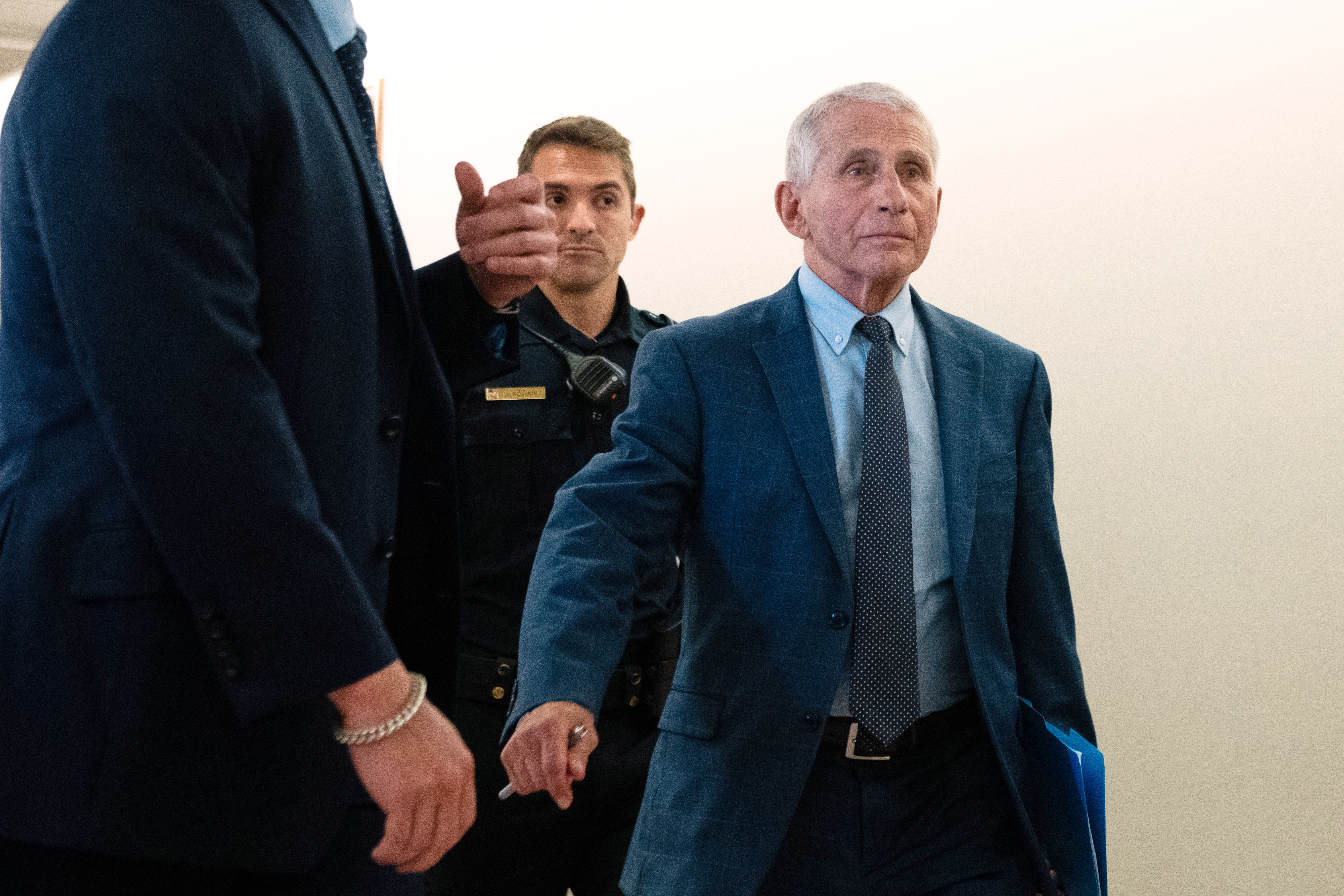
    The efforts ramped up last week, when a Republican-led Senate committee chaired by Kentucky Sen. Rand Paul subpoenaed the now-retired, 85-year-old Fauci to testify about his handling of the COVID-19 pandemic.

    The former National Institutes of Health immunologist repeatedly invoked the Fifth Amendment, after accusing the lawmakers of trying to coerce him to perjure himself to justify criminal charges. In response to his choice, on Thursday, the committee passed a vote to hold Fauci in contempt, a stunning move that could motivate the Justice Department to initiate an investigation.

    Separately, Kennedy, a politically independent former anti-vaccine activist who now serves as the Republican President Donald Trump’s health secretary, spent part of his weekend in a combative live debate with CNN host Dana Bash about the pandemic’s management and the media’s role.

    Political scientists and historians say the focus on COVID grievances half a decade after the virus’ peak demonstrates how some wounds it opened have never been closed. Democrats, meanwhile, have slammed the federal government’s blaming of Fauci as a performative distraction that’s not based in facts.

    While both Paul and Kennedy have spent years airing their frustrations about COVID, the Republican takeover of Congress and the White House last year created a new platform for them to steer how America remembers the pandemic, and who is held responsible for it, according to Matt Dallek, a political scientist at George Washington University.

    It’s also allowed them to use the administration’s resources to surface new information.

    “The response to COVID has become a touchstone for Trump’s Republican Party,” Dallek said. “They’re using their power now to argue they were right all along.”

    Pandemic grievances have simmered for years

    When the coronavirus began spreading widely in 2020, under Trump’s first administration, groups of Americans revolted against requirements imposed by local authorities and businesses telling people to wear masks and stay at home to control the spread of the virus.

    Vaccines supercharged those sentiments. Figures like Kennedy, then a leader of the anti-vaccine movement, accused the federal government of trampling on personal liberties by supporting vaccine mandates and social media takedowns of dissenting ideas.

    While Trump has long expressed pride in his first-term Operation Warp Speed effort to disseminate COVID-19 vaccines quickly, saving millions of lives, his second administration has taken a different tone.

    Under Kennedy’s leadership, U.S. regulators have limited the availability of COVID-19 vaccines for Americans. Kennedy on CNN on Sunday questioned whether the COVID-19 vaccines protected children, even as the Centers for Disease Control and Prevention says on its website that they “help keep children from getting really sick from COVID-19.”

    Frances Lee, a Princeton University political scientist, said debates over COVID-19 have erupted on the fringes for years. Now that some of the leaders of those debates are in power, they’re hashing it out on the national stage — something she said needed to happen eventually.

    “There are aggrieved parties, people who have a sense that they were done wrong during the pandemic and that there’s never been an accounting for that,” Lee said. “Most people don’t want to think about this topic, but nevertheless there are constituencies – so Congress is speaking to those constituencies.”

    Lee said Kennedy’s decision to surface numerous diary entries that Fauci had made on a government computer – and Paul’s decision to publicize them last week – created an opening for “the first real showdown” in years around the pandemic’s handling.

    While some of the entries – including Fauci’s uncertainty in the pandemic’s earliest days about how best to curb the virus — already were reflected in a 2024 memoir and in interviews at the time, they have nonetheless drawn attention from people who blame Fauci for policies they believe infringed on their rights as hundreds of thousands of people were dying.

    Also discussed at Fauci’s hearing last week was whether NIH-funded research in China played a role in how the pandemic started. The day of the hearing, Trump’s White House also directed social media followers to a federal website that used to feature information on COVID vaccines, testing and treatment that now promotes the theory that the pandemic originated with a lab leak.

    Many scientists believe the virus most likely emerged in nature and jumped from animals to people, coming to light when it spread at a wildlife market in the Chinese city of Wuhan. There’s no new scientific evidence supporting the theory that the virus might instead have leaked from a laboratory, a theory Paul champions. A GOP-led subcommittee that studied the question in 2024 found no evidence linking Fauci to wrongdoing.

    Fauci has long said publicly that he was open to both theories but that there’s more evidence supporting COVID-19’s natural origins.

    Republican lawmakers aren’t stopping at the contempt vote. Sen. Ron Johnson said Thursday that Kennedy’s department had given a subcommittee he chairs a copy of Fauci’s cellphone from his time in government. Johnson indicated he intended to investigate it.

    “Hopefully, this device will address many of the questions he refused to answer at last week’s hearing,” he wrote on social media.

    Many doubt that Republicans’ COVID fact-finding is genuine

    As Republicans hold up scrutiny of Fauci as important accountability, Democrats have called it disingenuous. Paul said Thursday he’d invited Fauci to appear for a private, transcribed interview, but Democrats accused him of not allowing the full, bipartisan committee to be present for it.

    Paul also referred the committee’s contempt vote directly to the Justice Department, instead of to the full Senate. He said he did not “want to waste time” with that route, while Democrats insisted all senators should get a chance to vote.

    Last week’s hearing, at which Fauci pleaded the Fifth, came after the immunologist had repeatedly appeared before Congress over the years and talked about his thinking in the beginning of the pandemic and how it changed over time. Critics have raised concerns that the ordeal surrounding him will deter scientists from taking government jobs for fear of being similarly targeted.

    Paul has long argued that Fauci should be criminally investigated, based on his belief that the scientist has been dishonest to Congress about National Institutes of Health-funded research and COVID’s origins. Fauci’s attorney last week called Paul’s accusations about the scientist “false and disgraceful.” More than 150 infectious-disease experts also came to Fauci’s defense, writing that “no credible evidence has been produced to support these absurd charges.”

    Norm Ornstein of the American Enterprise Institute said the hearing didn’t represent legitimate truth seeking.

    “They were looking for a platform in which they could attack him, and he would not respond, and he would say ‘plead the Fifth’ over and over again,” Ornstein said.

    He said while some Republicans are likely true believers that Fauci committed crimes, bringing him to the forefront serves a dual purpose in a midterm election year — distracting voters from less favorable headlines, including on the economy and foreign conflicts.

    Michael Osterholm, an epidemiologist at the University of Minnesota, said there are real lessons to learn from the pandemic, including more deeply examining which efforts to contain the virus worked and didn’t work. But he said Republicans in Congress aren’t chasing those.

    “A review of revisionist history will accomplish nothing,” he said. “We won’t be any better prepared for the next pandemic.”

  • Was the World Cup good for Philly’s economy? The early signs are in

    Was the World Cup good for Philly’s economy? The early signs are in

    Prior to the kickoff of the World Cup, the organizers of the city’s events projected the soccer tournament would bring $770 million to Pennsylvania in gross revenue.

    Yet, George Diemer, a sports economist at Temple University, said those in his field tend to be skeptical of pre-event projections. Organizers “have an incentive to blow the numbers up,” he said.

    Midway through the tournament, the Economy League of Greater Philadelphia estimated that $30 million to $90 million would actually stay in the city. The economists factored in metrics such as leakage, when a share of money spent goes to national organizations instead of staying local. The current analysis, done after the tourists have left, leans “toward the lower end of that range,” said Saloni Tandon, director of research and analytics at the Economy League, the region’s independent civic think tank.

    “Even if it goes up, it feels like our estimation is likely to stay in the tens of millions, rather than cross into the range of hundreds of millions,” said Tandon.

    The cleat-kicked dirt is still settling, and Tandon said conclusions will continue to change as more data comes to light. The city is looking for a consultant to craft a postmortem analysis on the year’s largest events’ economic impact.

    Here is what we know so far.

    Hotels and short-term rentals made more money

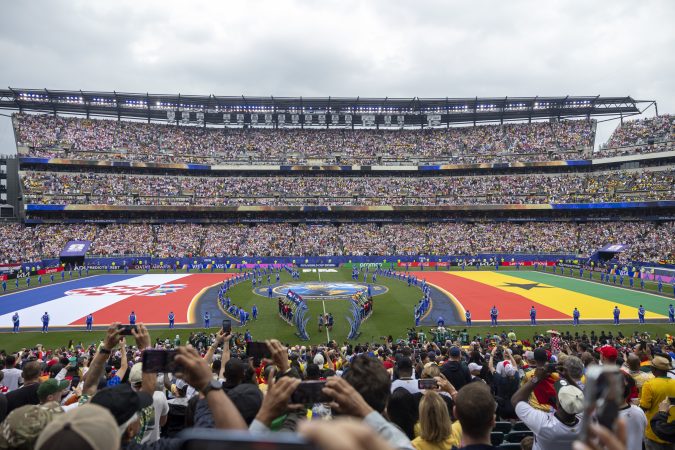
    Center City hotels made out well, as almost 410,000 fans from more than 190 countries flocked to Philadelphia to watch the six matches at Lincoln Financial Field.

    The Philadelphia Convention & Visitors Bureau data say on the dates of the six soccer Philadelphia matches, hotels saw a 50.3% increase in revenue compared to those same dates in 2025.

    Using that data, however, Tandon calculated that Center City hotel occupancy on the game days increased around 3% — modest gains. Much of that revenue increase was thanks to higher per-night pricing by the hotels due to the special event.

    A 3% occupancy increase doesn’t validate “a massive spike in terms of tourism,” Tandon said.

    Ethan Conner-Ross, executive vice president of consultancy firm Econsult Solutions Inc., noted that hotels may have lost some business to short-term rentals, with “people finding a different way to stay based on their needs,” he said.

    An Airbnb spokesperson said the World Cup was the biggest hosting event in the company’s history in all host cities.

    For short-term rentals in Philadelphia, revenue reached $38.3 million over the tournament window — up 25% from the same period last year, according to AirDNA, a research company that tracks the short-term rental market.

    But that gain was almost purely pricing — with $7.5 million of the $7.8 million increase coming from higher rates. Translation: hosts drove revenue by increasing prices rather than filling more nights. Occupancy dropped in 12 out of 16 host cities compared to the same period last year, including Philadelphia, as supply outpaced demand.

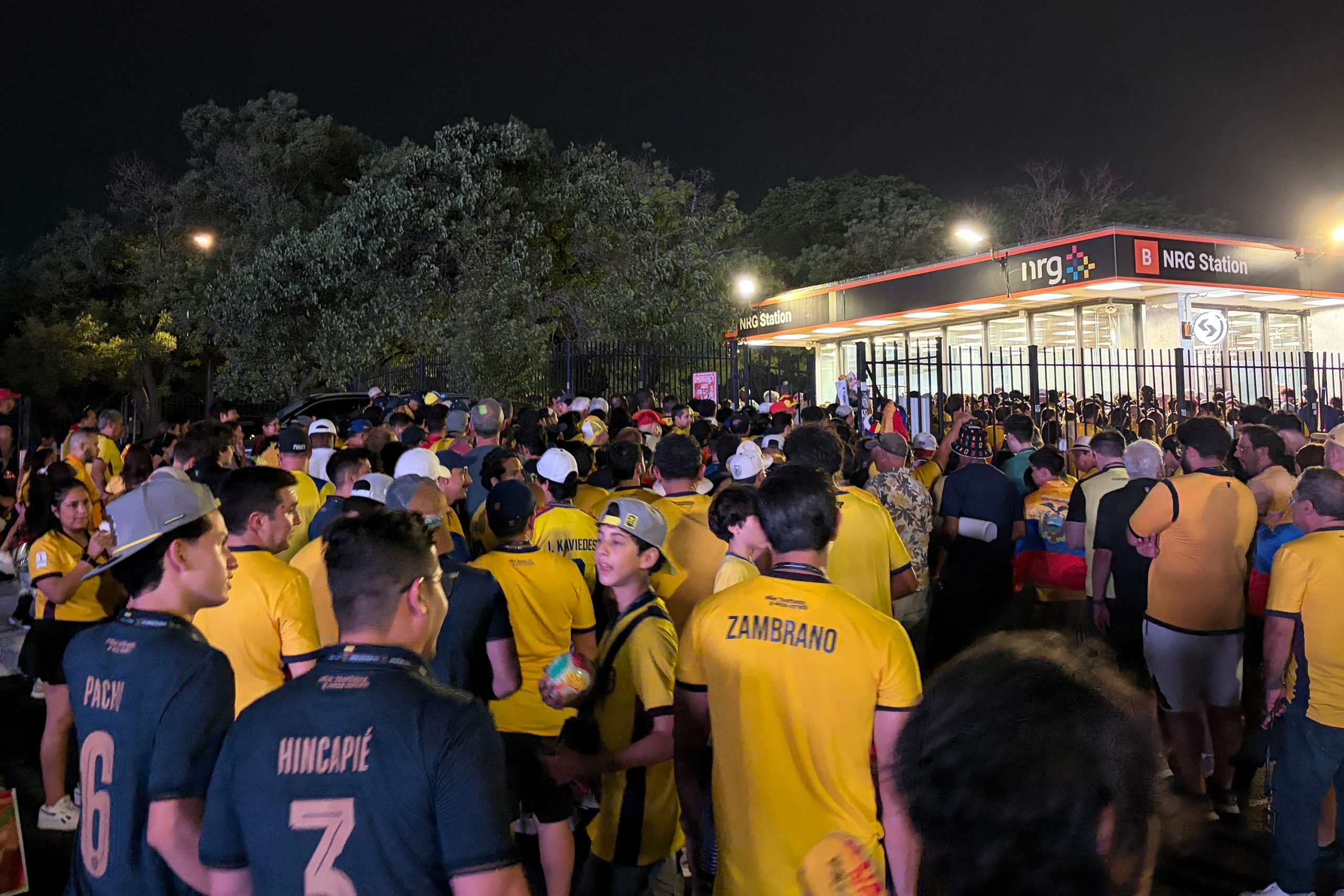
    Fans wait outside SEPTA’s NRG Station near the stadium following Ivory Coast’s victory over Ecuador on Sunday, June 14, 2026.Michelle Myers

    How SEPTA, PHL, and rideshare handled more travelers

    Hosting a large sports event can strain local infrastructure as tourists crowd public transit and other services, leaving high costs of building infrastructure or congestion for locals.

    Diemer pointed out that it took Montreal 30 years to pay off its debt from hosting the 1976 Olympics.

    Since the six World Cup matches in Philly were spaced out over June and July, Diemer said that helped diffuse the costs.

    “I think it was successful,” said Diemer of the decision to ”spread out the games so it won’t be overloading the local infrastructure.”

    SEPTA, for example, saw manageable bumps in ridership over the summer. On June 19, the day of the Brazil vs. Haiti match, SEPTA recorded the second-highest event ridership ever on the B line. (The first was after the Eagles won the NFC Championship in January 2025.)

    Travelers took advantage of public transit to get to and from the airport, as well. On the two days sandwiching a match, ridership on the Airport Regional Rail line typically increased at least 20%.

    At Philadelphia International Airport (PHL), international arrivals were up 8.3% in June year-over-year.

    Spokesperson Heather Redfern said that in a usual summer, PHL is typically a big outbound and connecting market to other destinations. This summer, there were more inbound passengers coming to Philadelphia from countries playing games in the city. In addition, many travelers, notably Scottish fans and Czech fans, took advantage of unique nonstop routes through PHL on the way to games in other cities.

    “We focused on delivering an experience for those passengers that made them fond of Philadelphia and want to come back and visit,” said Redfern, “From this perspective, we are very happy.”

    Despite some rideshare restrictions surrounding the FIFA Fan Festival in Lemon Hill, Uber drivers transported tens of thousands of fans to and from the festival and the stadium complex, according to Jazmin Kay, head of public affairs for Pennsylvania at Uber.

    Prior to the tournament, Uber onboarded more drivers and maximized earning opportunities for them: one way was creating an event-rider surcharge near venues, with 100% of those surcharges paid directly to drivers.

    For Lyft, on days when Philadelphia hosted a World Cup game, rides to bars increased by 18% compared to their typical average on the same day of the week. On June 19, rides to bars were 49% above average.

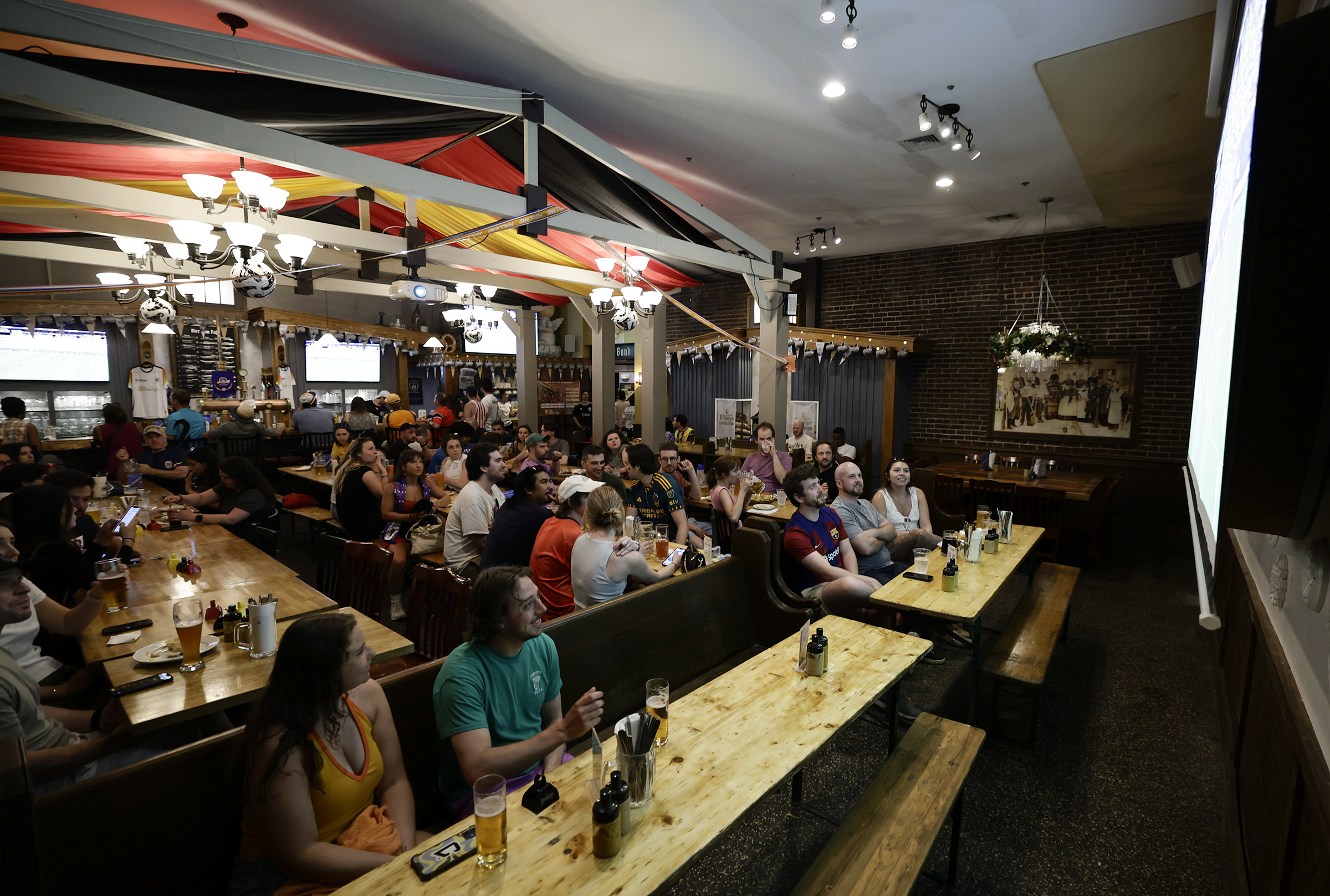
    Soccer fans watch Ecuador take on the Ivory Coast during a World Cup soccer watch party at Brauhaus Schmitz on Sunday, June 14, 2026.Yong Kim / Staff Photographer

    Where soccer fans ate and drank

    Philly’s fan festival saw 575,304 attendees, and bars nearby, like the Black Taxi, saw greater foot traffic and a boost in sales.

    For other Philadelphia restaurants, outcomes seem more mixed.

    On four of the six World Cup game dates, local restaurants that use reservation site OpenTable saw an increase in seated diners, according to OpenTable data. The biggest gain was 22% on June 25, and of the two dates when reservations decreased, June 14 was the worst with a 44% decline.

    At Reading Terminal Market, soccer fans helped drive a 13% year-over-year increase in June foot traffic. On June 19, the market saw more than 30,000 customers, setting a five-year record for Friday visitation.

    “Our prepared food merchants — especially if you are in the pretzel, cheesesteak, pizza, or burger business — had a great month,” said Annie Allman, CEO of Reading Terminal Market.

    Still, Allman noted that there was a drop in the number of loyal local customers that shopped at the market’s butchers, fishmongers, and grocers, “as they chose to stay home to avoid the crowds.”

    A longer-term reputation boost for Philly?

    It’s tricky to untangle the effects of the World Cup from tourism spending driven by other coinciding large events, such as the July Fourth celebrations for America’s 250th birthday.

    Additionally, not all impacts will be observed within the short period of the tournament. Some benefits, like an improvement of Philly’s reputation or publicity on an international stage, could be realized later on.

    “But it’s definitely in a mix of assets that affect how people think about Philadelphia,” Conner-Ross said, “and that contributes to those decisions that happen down the line.”

  • Chris DiJulia was known for his wit, loyalty, and perseverance — not his wheelchair. Philly will always remember him that way

    Chris DiJulia was known for his wit, loyalty, and perseverance — not his wheelchair. Philly will always remember him that way

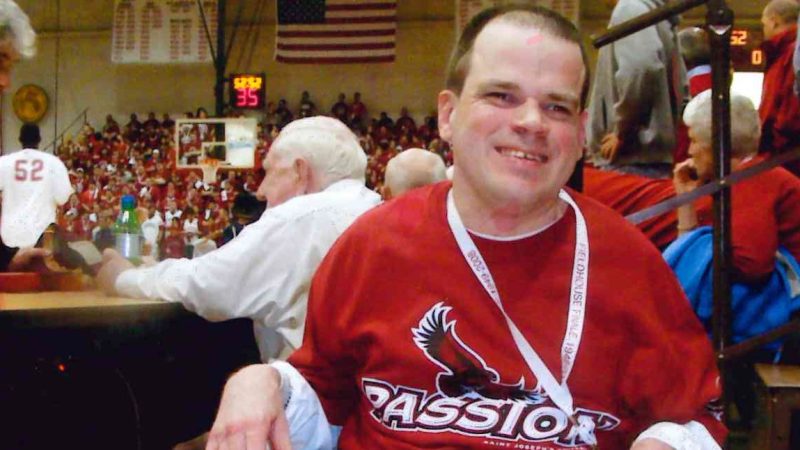
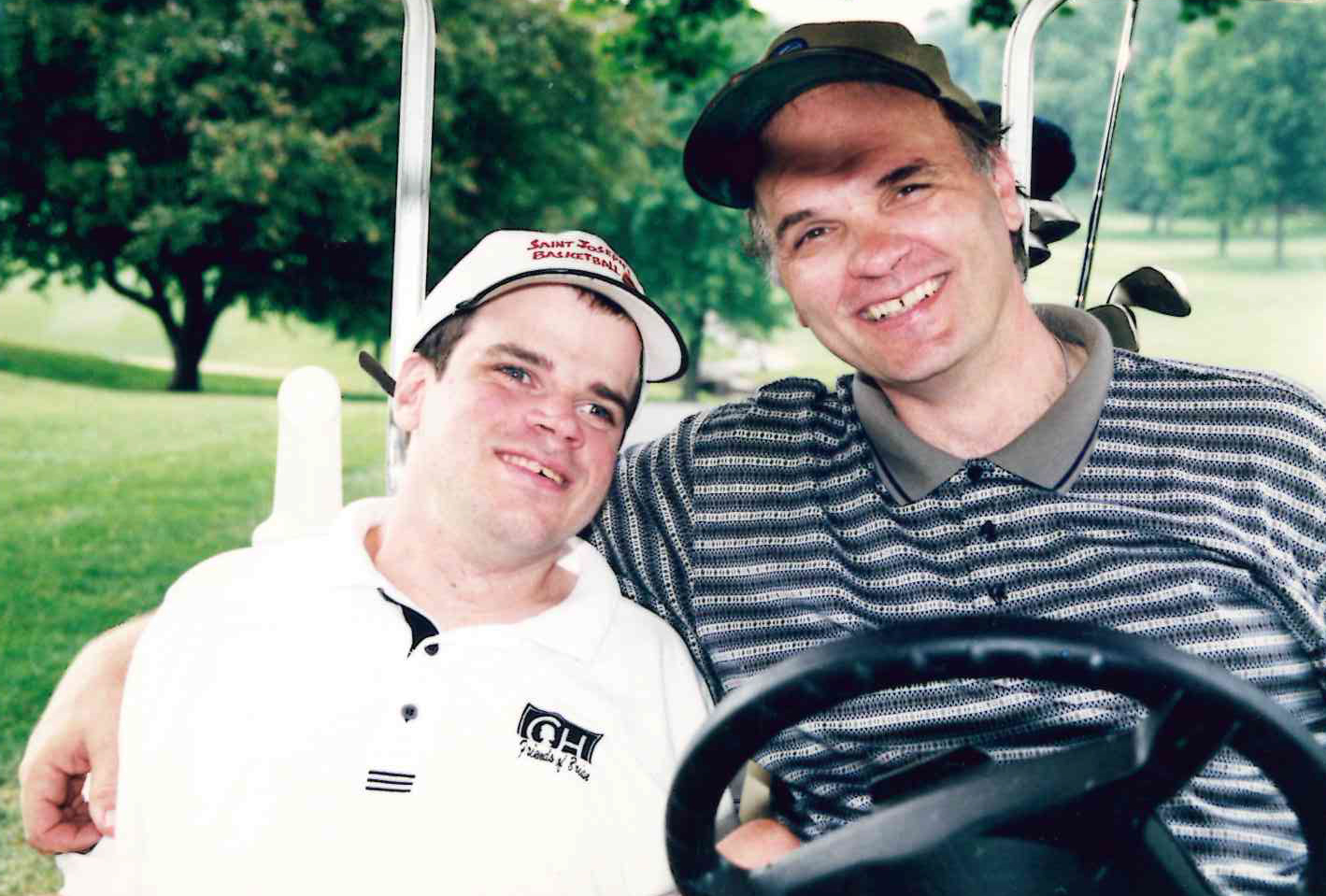
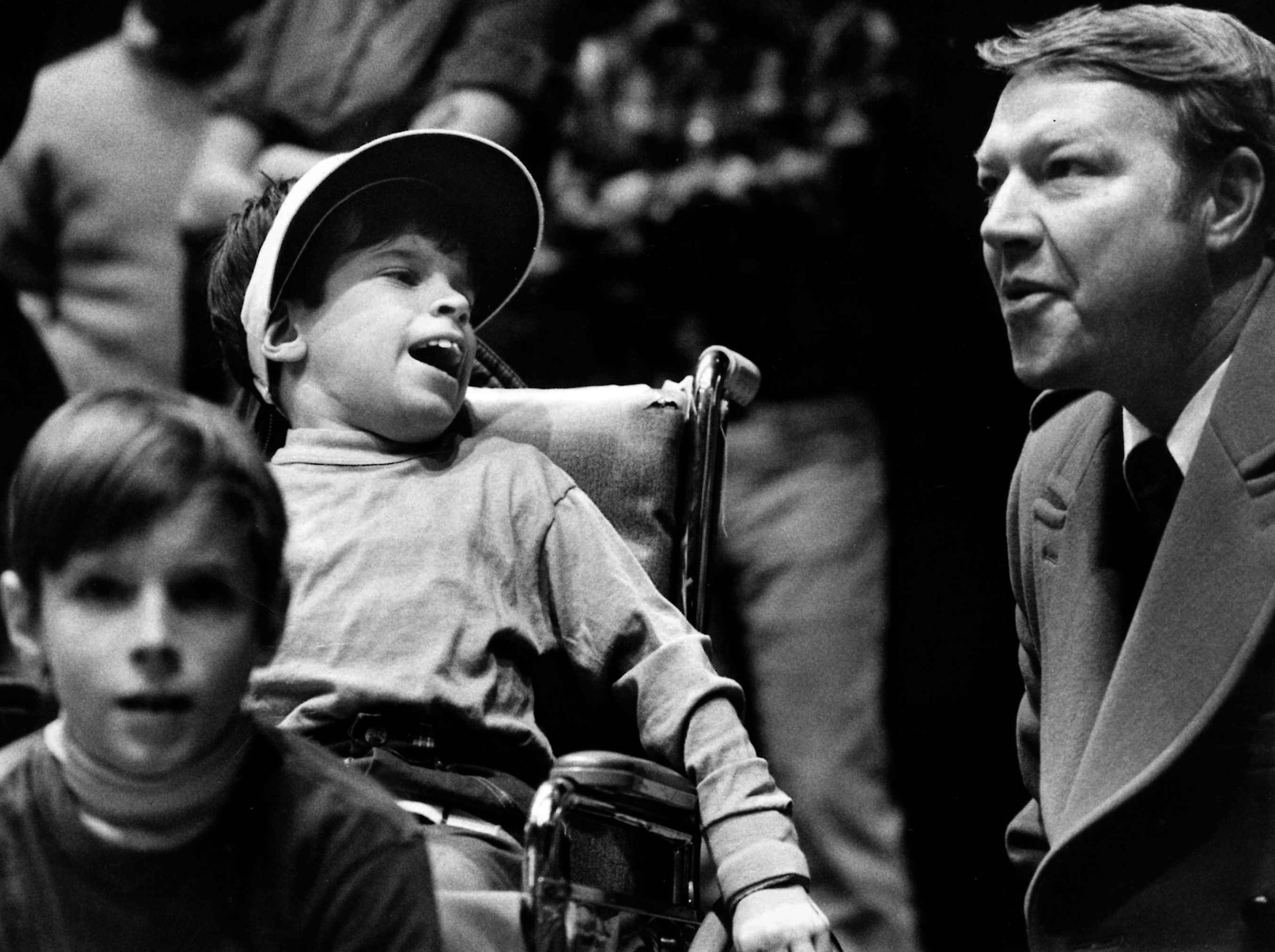
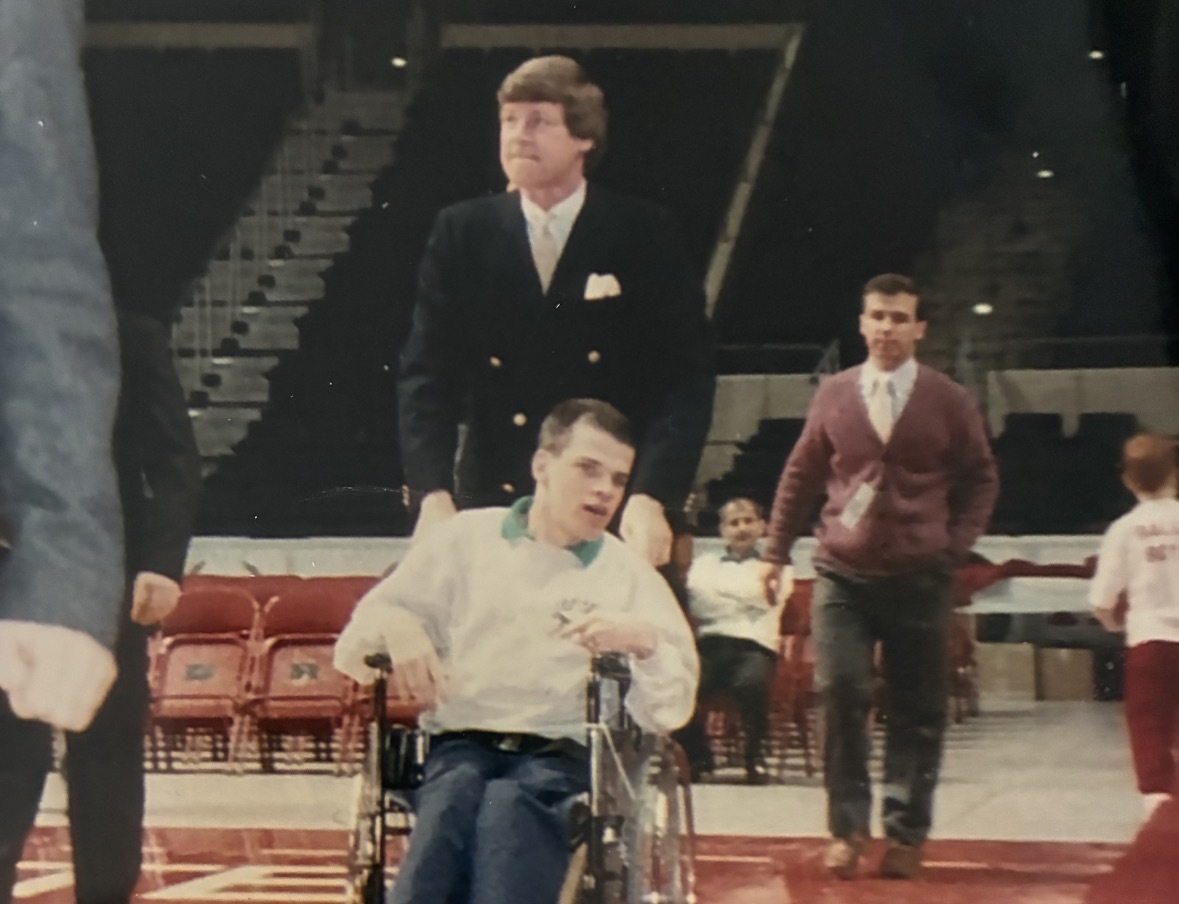
    Chris DiJulia spent 56 years living as if he didn’t have cerebral palsy. He’d take “walks” in his wheelchair, down the block from his Havertown home. He was a regular passenger on SEPTA long before paratransit came to the suburbs in 1994.

    The avid St. Joseph’s basketball fan would often go to Hawk Hill to visit his father, Don, the longtime athletic director, or to watch men’s and women’s basketball practice.

    But he’d also venture to Eagles training camp in West Chester, games at the Palestra, Villanova, Temple, all on his own, boldly traversing a city unequipped to take him anywhere.

    Of course, this came with its challenges. A broken elevator or an unexpected flight of stairs could derail an entire trip. Sometimes, a bus driver would pretend not to see DiJulia waiting at his stop because they didn’t want the hassle.

    But DiJulia was no fool, and certainly no pushover. He’d scribble down the license plate, call SEPTA’s customer service line, and report the vehicle.

    “And probably said a thing or two about them as they drove by,” his father added.

    This spirit was what made DiJulia special. His limbs were short and stiff, his speech was slow and slurred, but between the ears, he was just like anybody else, and expected to be treated as such.

    He frequently signaled this through his humor. If the St. Joe’s fan was among a group of coaches trading barbs, he’d join in. DiJulia was not above yelling “brick” when a player missed a shot, or expanding that sentiment to, “you’re building a whole house!”

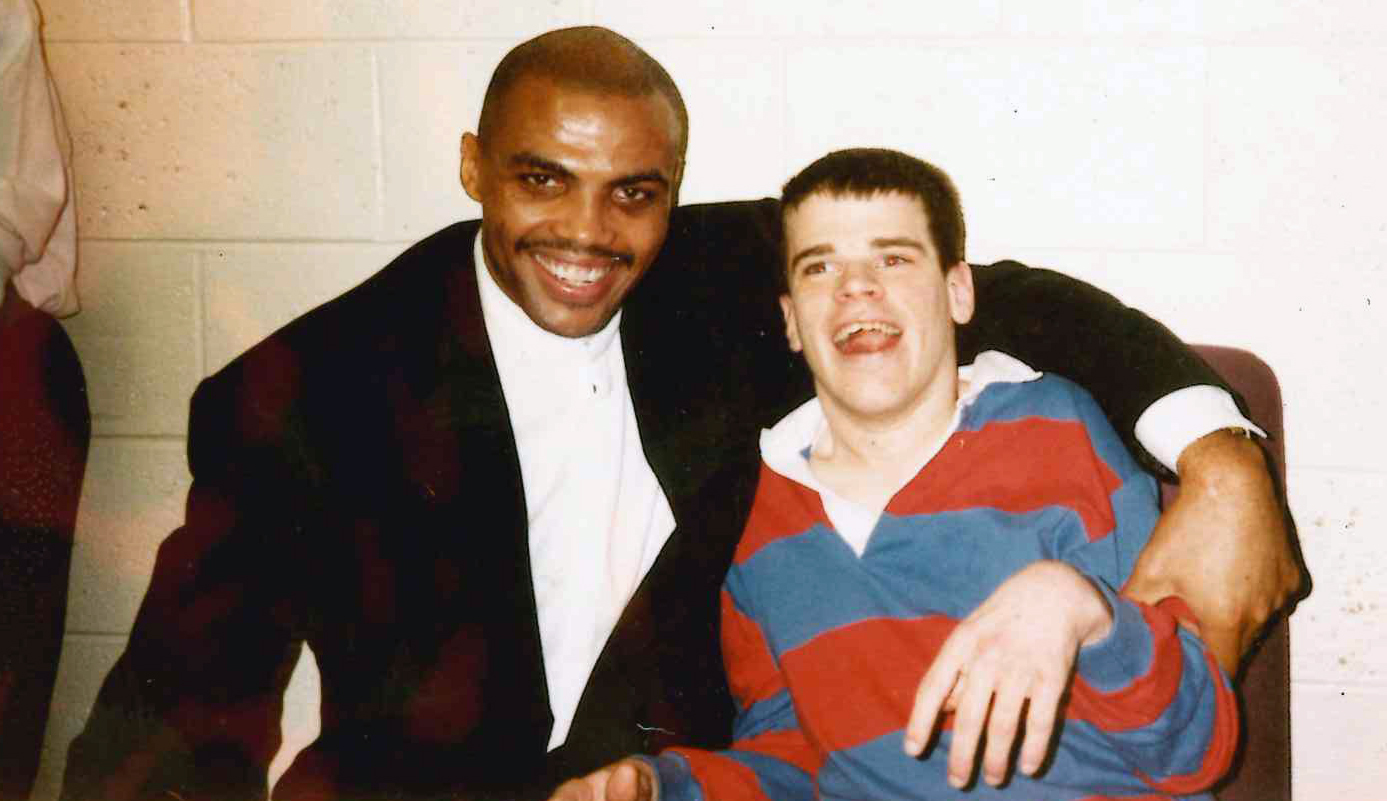
    Charles Barkley (left) and Chris DiJulia became friends in the 1980s.provided by Saint Joseph's University

    No one was exempt, not even NBA stars. Charles Barkley first met DiJulia in the late 1980s, at the start of his professional career. The Sixers practiced in the morning at St. Joe’s, and the teenager in the wheelchair was always there.

    If Barkley had a poor showing, DiJulia would be quick to point it out.

    “When I had hair, you never played bad and [went] to a Black barbershop,” Barkley said last week. “You never played bad and [went to] see Chris DiJulia the next morning. You know something bad is going to happen.”

    DiJulia could’ve lived a smaller, less-adventurous life in Havertown, and no would have blamed him. But he chose to immerse himself in the world of Philadelphia sports, with all its eccentricities and quirks, and fit right in.

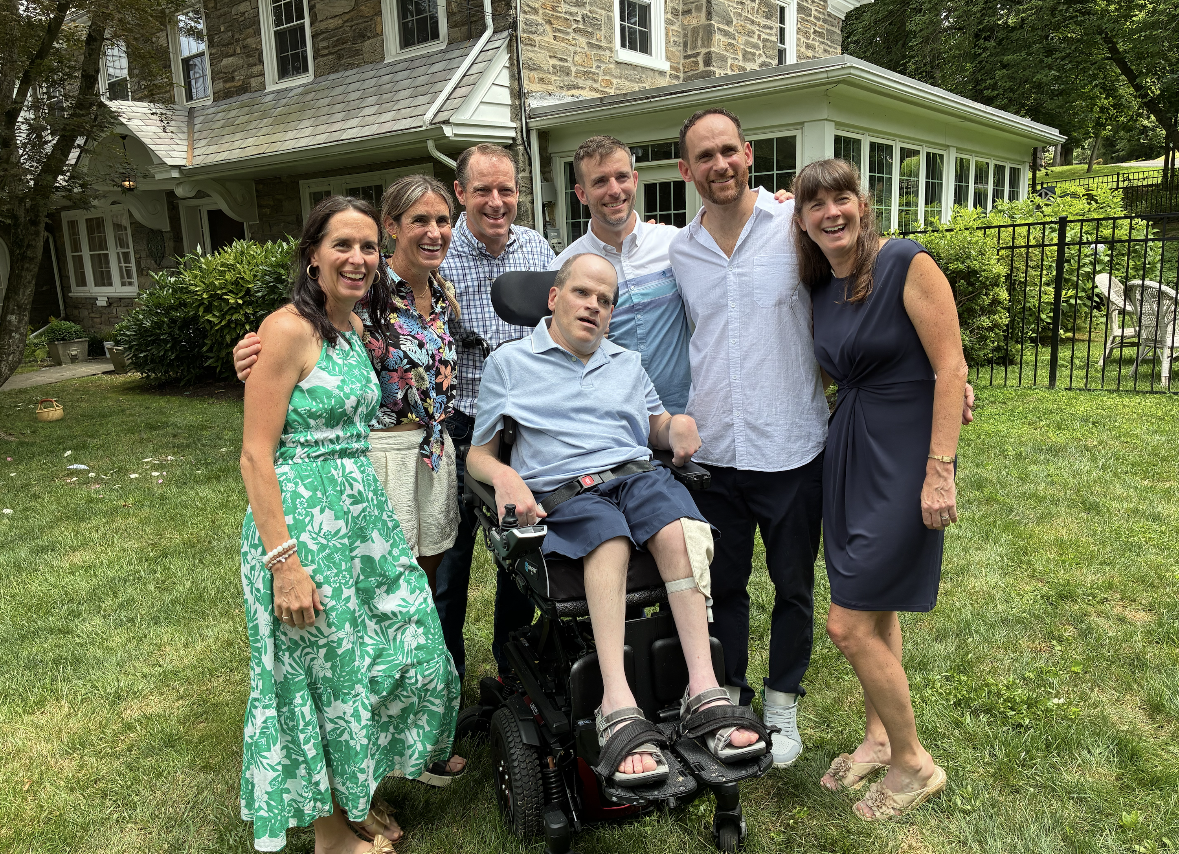
    Now, that world is mourning his absence. On July 27, DiJulia died of natural causes stemming from cerebral palsy. The outpouring of support has been immense and wide-ranging.

    The DiJulia family has heard from former St. Joe’s basketball players, softball players, field hockey players. Broadcasters and coaches have reached out, many of whom are no longer in the Philadelphia market.

    On Thursday morning, Phil Martelli, another close friend of DiJulia’s, texted Delonte West. The former Hawks guard has long struggled with substance abuse and homelessness, but has been sober for the past 190 days.

    Phil Martelli (right) was among those on Hawk Hill who drew endless inspiration from Chris DiJulia.provided by Saint Joseph's University

    He asked Martelli to relay a message.

    “Please send my condolences for Chris,” West said. “[He] was my brother, I carry him in spirit, he used to always have the right words and smile for me.”

    A public funeral will be held on Aug. 12. The family is expecting a big crowd. Some will travel hundreds of miles, all to support a man who would do anything to support them.

    Pushing through the pain

    DiJulia was born in Connecticut in 1969. At first, his parents thought he was healthy; it wasn’t until the baby was baptized that a family member with a medical background noticed his head was oversized.

    Doctors diagnosed him with cerebral palsy, and he underwent surgery at three weeks old (the first of over 20 surgeries throughout his lifetime).

    Even as an infant, Chris radiated joy, with a big smile and bright blue eyes. Pat DiJulia knew her son had obstacles ahead, but when she’d look at his face, full of expression, she could tell he understood what she was saying.

    Don was an assistant college basketball coach at Fairfield at the time. A few years later, when he was hired by George Washington, the family moved to Virginia.

    Chris DiJulia (center, with longtime Phillies broadcaster Harry Kalas) developed a love of sports at a young age.provided by Saint Joseph's University

    In 1973, he accepted an assistant coaching job at American. Chris was approaching pre-school age, but local options were limited.

    The boy would need physical, occupational and speech therapy. The Americans with Disabilities Act was 17 years from becoming law, and most schools didn’t provide those kinds of services yet.

    So, the DiJulias were directed to three boarding schools on the East Coast. The one closest to them, in Virginia, was more like an institution; instead of catering to a specific population, it housed students with a number of physical and mental disabilities.

    They chose to send Chris to Philadelphia instead, to the HMS School for Children with Cerebral Palsy. Both parents had family in the area who could visit him. Don started looking for work there, which is how he ended up becoming the St. Joe’s athletic director in 1976.

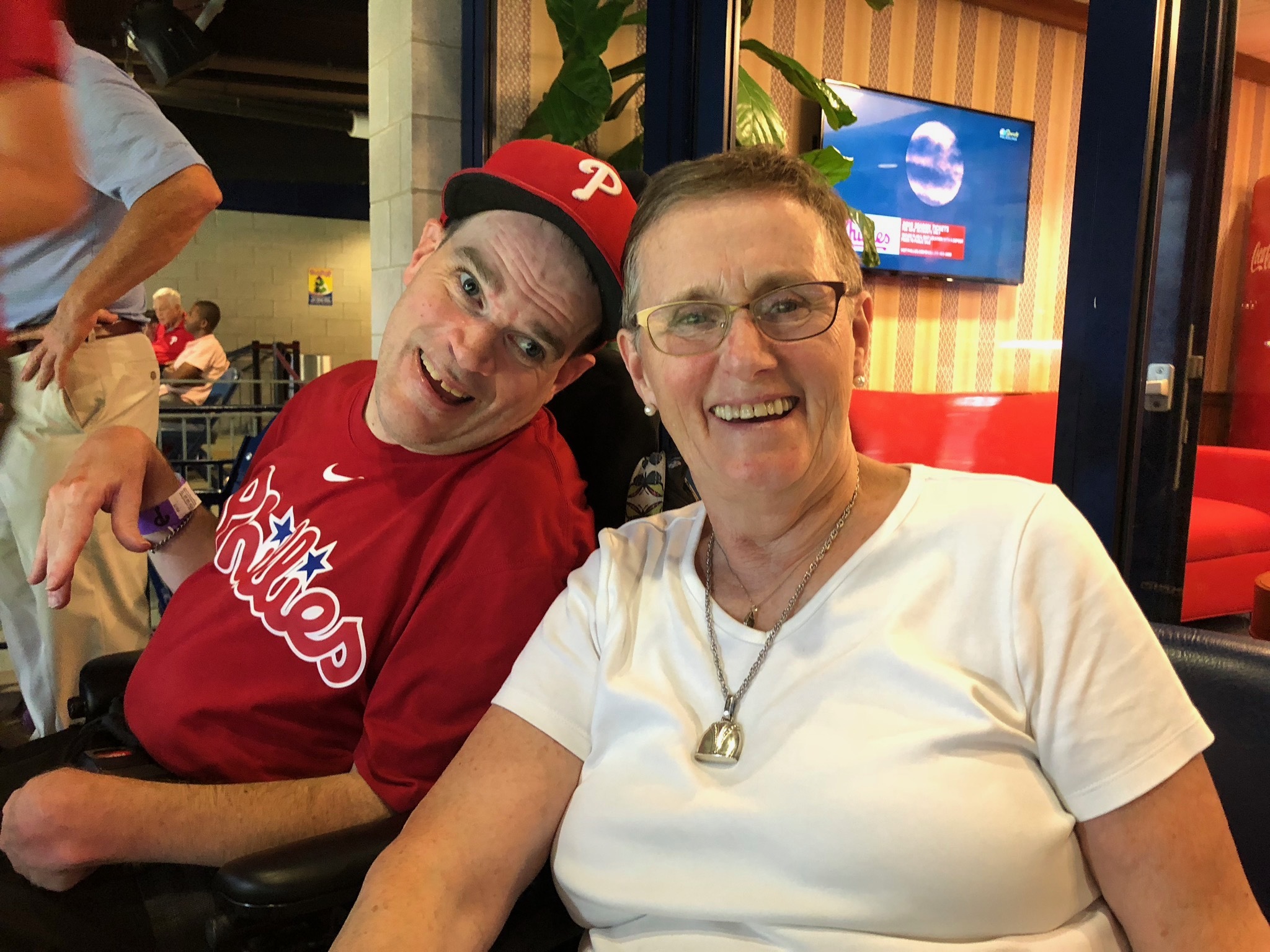
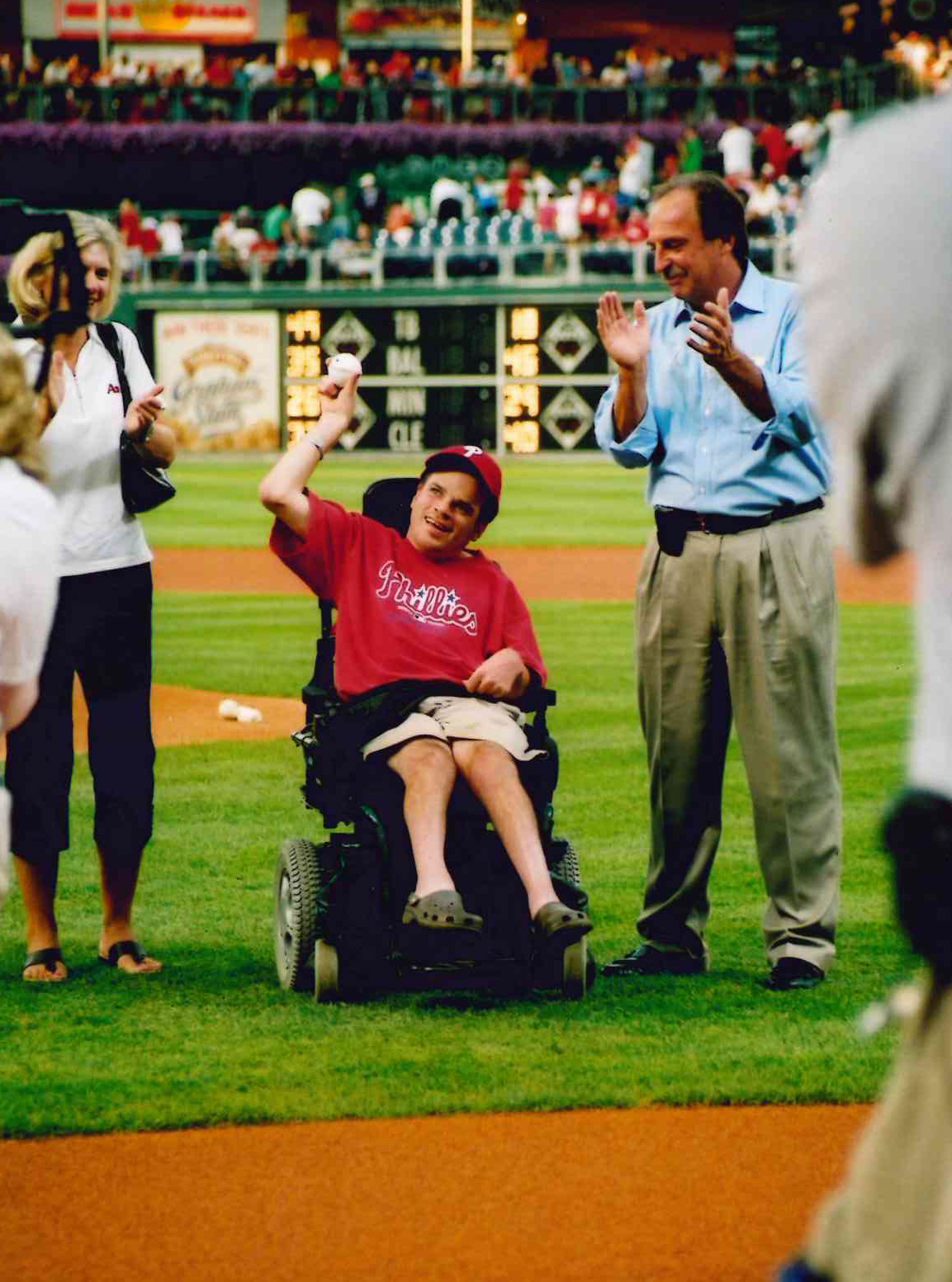
    It was at HMS that Chris found his love for Philadelphia sports. Many staff members were Phillies fans and began to watch games with him. He quickly developed a talent for critiquing the local ball club (one that would serve him for the rest of his life).

    The younger DiJulia would spend his weekends at Alumni Memorial Fieldhouse and the St. Joe’s athletic offices. He did not do so quietly. Women’s basketball coach Jim Foster said the 9-year-old would routinely bust into his office, so much so that he joked he was going to “need a new doorway.”

    The family returned to Connecticut in 1984, when Don was named commissioner of the Metro Atlantic Athletic Conference. But they couldn’t stay away from Hawk Hill, and came back in 1988, after Don was re-hired as athletic director, a job he’d keep for the next 30 years before retiring.

    The DiJulia siblings were raised by their parents, Don and Pat, to stick together.provided by Kath DiJulia Cloran

    By this point, Chris was a young man, brimming with confidence. This was due in large part to his upbringing. He was one of seven children, and Pat and Don treated him no different than the others.

    The family would help Chris where he needed it, but always encouraged him to be independent. If he could lift his arms and put his shirt on with some minor assistance, then he would do it.

    If he could shuffle his feet from the wheelchair to the bed, as someone hoisted him up, then he would do that, too.

    “He was one of the seven,” his sister, Kath Cloran, said. “And yes, he needed extra care, but he was held to the same standards as all of us.

    “He never wanted to be special. He just wanted to fit in and do what all of us did, really, and just live as regular a life as he possibly could.”

    Transportation was integral to this. Don and Pat would map out a route for their son before each trip, making sure he was familiar with every curb and stair.

    Some of these trips were laborious. To get to his technical school in Norristown, for example, Chris would travel a half mile on Haverford Road, to a platform for a high-speed rail.

    Chris DiJulia (with his mother Pat) would stop at nothing to be close to the Philly sports scene.provided by The DiJulia Family

    When he arrived at Norristown Transit Center, he’d take an elevator to the street level (if the elevator was working, which was a big if) and “walk” a few more blocks to school.

    Despite any setbacks, the process was empowering. And paratransit made it even easier. Before long, Chris could travel all over the city, which meant ample trips to St. Joe’s and elsewhere.

    Jim Lynam, the Sixers’ former head coach and DiJulia’s uncle, said it wouldn’t be unusual for his nephew to attend Sixers practice in the morning, St. Joe’s men’s basketball practice in the afternoon, and women’s basketball practice at night.

    This was how he met Barkley.

    The NBA star quickly realized DiJulia was able — and willing — to spar. So, Barkley and a few of his teammates, Rick Mahorn and Manute Bol, started going back and forth with him.

    “Some fans, they’re just a-holes,” Barkley said. “They’re just mean. But the way he said something and just started laughing immediately, it took all the sting away.”

    He added: “I literally met this guy 1,000 times, because he was always at practice. And I think it gave him joy. It gave us joy, but I think it really gave him joy, too.”

    ‘People just loved him’

    DiJulia became omnipresent in Philadelphia basketball circles. When he wasn’t at St. Joe’s, he’d be at home, on the phone, usually with a coach.

    In the late 1980s, Foster invited him to sit on the bench during women’s basketball games (a tradition that continued after Cindy Griffin took over the program).

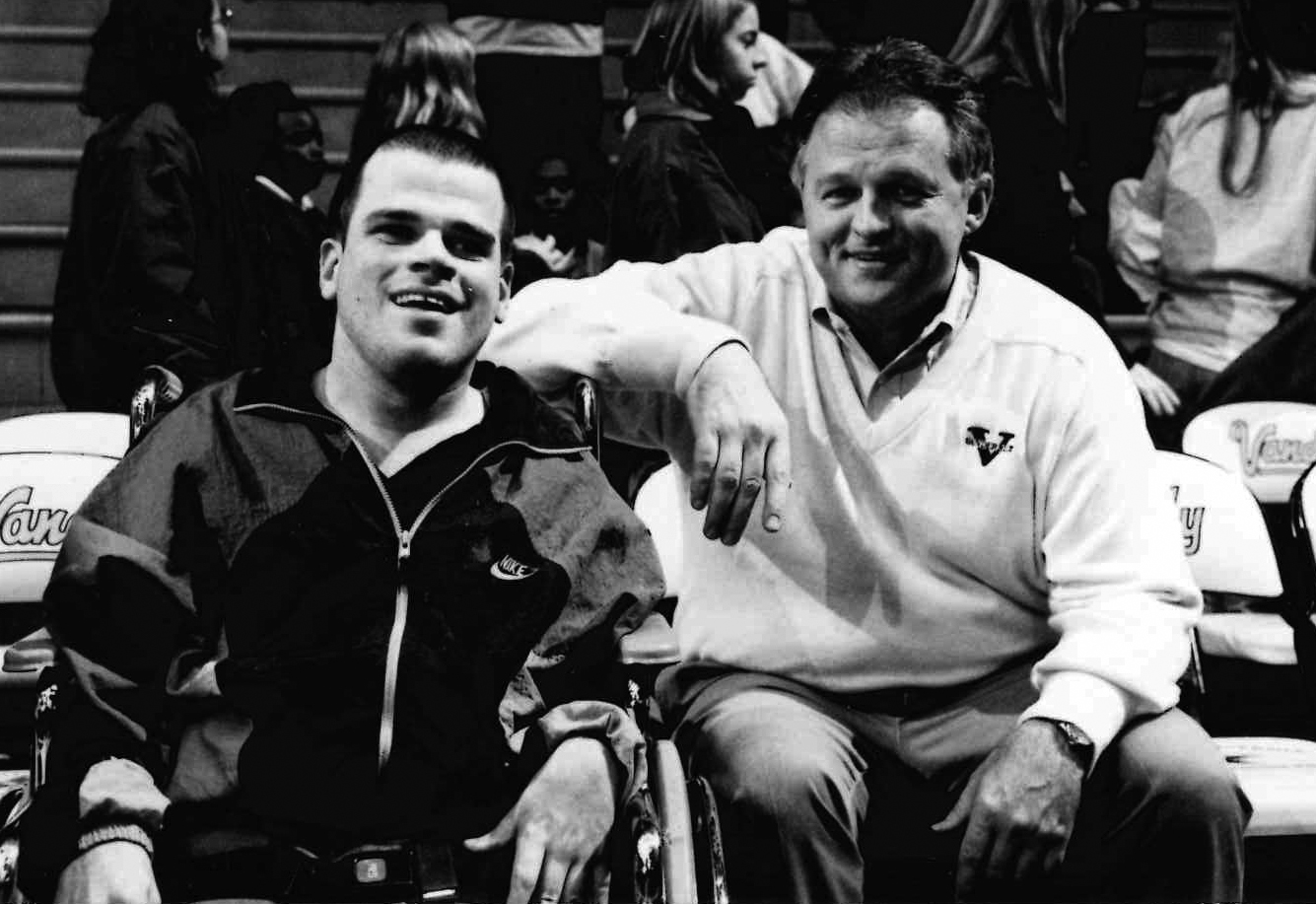
    Chris DiJulia’s friendship with St. Joe’s women’s basketball coach Jim Foster (right) continued after Foster moved on to Vanderbilt.provided by Saint Joseph's University

    The coach and his de facto assistant created a pre-game routine. After Foster gave his initial speech, he’d turn to DiJulia, who would share a few words.

    “And then he would say, ‘But what it really comes down to,’ and he’d point to his heart,” St. Joe’s Hall of Famer Katie Gardler said. “And then he would point to his head.

    “And you looked at all your teammates, and you’re like, ‘We’re doing this for him. Because he can’t get out there. We’re doing this for him.’”

    DiJulia soon expanded his network beyond Hawk Hill, attending the NCAA and Atlantic 10 tournaments, among other events. If a coach left Philadelphia, he’d follow their careers, often traveling to go see them.

    From the 1990s to the 2020s, DiJulia flew to Vanderbilt, Ohio State and Chattanooga to visit Foster, and drove to Michigan with his father to visit Martelli. Every year, he’d trek to Burlington to see Tom Brennan, the men’s basketball coach at the University of Vermont.

    Brennan was among his closest friends. They first met in the 1970s, when the coach was assisting Rollie Massimino at Villanova. Brennan was hired by Yale in 1982, overlapping with DiJulia in Connecticut, which brought them even closer.

    The two men discovered that they had a similar sense of humor; or as Pat put it, were “both crazy.” Games at Yale eventually led to daily phone calls, which led to trips to Vermont. In late November 2001, DiJulia visited Brennan when Cleveland State was in town, led by Massimino.

    After the game, they got dinner with a few other coaches and family members. At one point, DiJulia asked Massimino a question that silenced the entire room.

    “He said, ‘Rollie,’” Brennan recalled. “And back then, nobody called him Rollie. It was ‘Coach Mass.’”

    The head coach turned to DiJulia, with an air of incredulity.

    “Rollie?” Massimino said. “Rollie???”

    The St. Joe’s fan grinned.

    “That’s your name, ain’t it?”

    DiJulia was a fixture at the University of Vermont. Every time he visited, he’d sit on the bench, right next to Brennan, tasked with keeping track of timeouts. This didn’t always go according to plan.

    In February 1991, Vermont played at Delaware. It was a close game in the final minutes. Vermont was down three with the ball. Brennan turned to DiJulia and asked if they had any timeouts.

    He said yes, but had counted incorrectly. Vermont got a technical foul. Delaware made one of two free throws, took possession of the ball, and won the game.

    “The fun they’ve had with that over the years…” said Don.

    Chris DiJulia and one of his best friends, Tom Brennan.Provided by the DiJulia family

    Chris was also a regular on Brennan’s sports talk radio show on WCPV-FM. One time, he got the coach out of a parking ticket, because a police officer recognized DiJulia, and decided not to “mess up DeJules’ weekend.”

    He was so beloved that in 2005, when Vermont was playing to reach the NCAA tournament, a booster chartered a plane to fly DiJulia to Burlington for the America East final. A gaggle of reporters met him at the airport.

    After DiJulia returned home, Brennan checked in with his friend.

    “I said, “Are you going to see St. Joe’s [in the NIT]?” Brennan recalled. “And he said, ‘Yeah… commercial.’ You got some balls. Commercial!

    “But people just loved him. They loved him.”

    DiJulia’s unflinching honesty was a big reason why. In the mid 1990s, amid a stretch of below-.500 seasons, he penned an angry letter to Phillies team president Dave Montgomery.

    Chris DiJulia (with former Big 5 coach Fran Dunphy on the right and St. Joe’s women’s basketball coach Cindy Griffin on the left) was a massive Phillies fan.provided by Saint Joseph's University

    Montgomery invited him to his box, with Brennan and Don DiJulia. The executive asked what he could do for the frustrated fan.

    “And he said, ‘The first thing is to stop our team from sucking,’” Brennan recalled.

    (Montgomery and DiJulia went on to have a very close relationship, one that improved when the Phillies ended their World Series drought in 2008.)

    “He was always ready,” Brennan said. “You couldn’t throw him off his game, man.”

    A spirit worth celebrating

    DiJulia’s health declined over the past two years. He could no longer feed himself or travel. Sitting on the bench at St. Joe’s was not possible; neither was attending games at Citizens Bank Park.

    But DiJulia adjusted, as he always did. He continued to work the phones, keeping in touch with coaches. He’d follow his favorite teams remotely, either on TV or an internet stream, rather than in person.

    And through it all, he never lost his spirit. Last Easter, DiJulia’s sister, Tyl Sadoff, gifted him a T-shirt. On the front was a message he thought was hilarious: “Just call me Jesus, I keep coming back.”

    Perhaps that is the lesson. Even in the darkest of moments, Chris DiJulia was able to laugh. And since his passing, loved ones have found that is the best way to honor him. To share their favorite stories, of their favorite guy, with a tinge of sadness, but a bellyful of joy.

  • Eagles practice observations: Dontayvion Wicks likely WR2; Truth-telling Vic Fangio; Eli Stowers’ education

    Eagles practice observations: Dontayvion Wicks likely WR2; Truth-telling Vic Fangio; Eli Stowers’ education

    The Eagles held the sixth practice of their 2026 training camp on Wednesday at the Jefferson Health Training Complex. Here were my observations from Day 6 (and links to Days 1, 2, 3, 4 and 5):

    Roll call

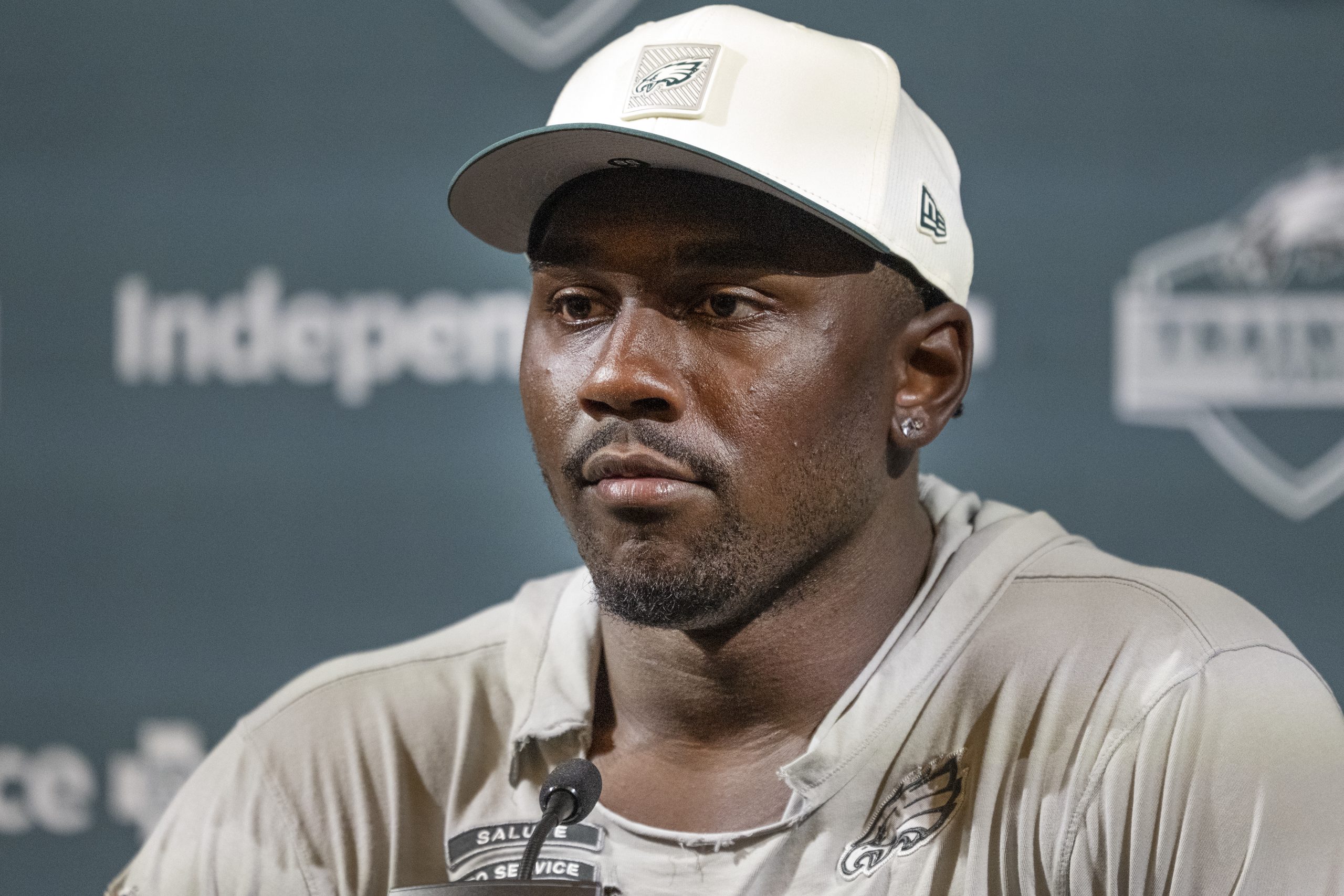
    Tackle Lane Johnson missed a fourth straight practice for an excused noninjury related reason. He’s expected to return soon, from what I understand. Landon Dickerson took a non-injury-related rest day. The Eagles will be careful with their oft-injured left guard. Dickerson was spotted jogging midway through practice with a sleeve on his left leg.

    Wide receiver Britain Covey was a new addition to the injury list. He left Tuesday’s practice with a hamstring injury. The following remained injured and out: receiver DeVonta Smith (hamstring), receiver Makai Lemon (hamstring), edge Keyshawn James-Newby (ankle) and safety Cole Wisniewski (hamstring).

    Rookie guards Micah Morris (shoulder) and Jaeden Roberts (calf contusion) returned to practice, but were limited.

    Vic Fangio noted that defense has traditionally had the upper hand early in Eagles training camp. Jose F. Moreno / Staff Photographer

    Vic’s secret

    After two straight days in full pads, coach Nick Sirianni dialed the intensity back. Players wore only shells for a 75-minute session — the shortest of camp thus far. Sean Mannion’s offense, overall, executed better after a difficult Tuesday vs. Vic Fangio’s defense.

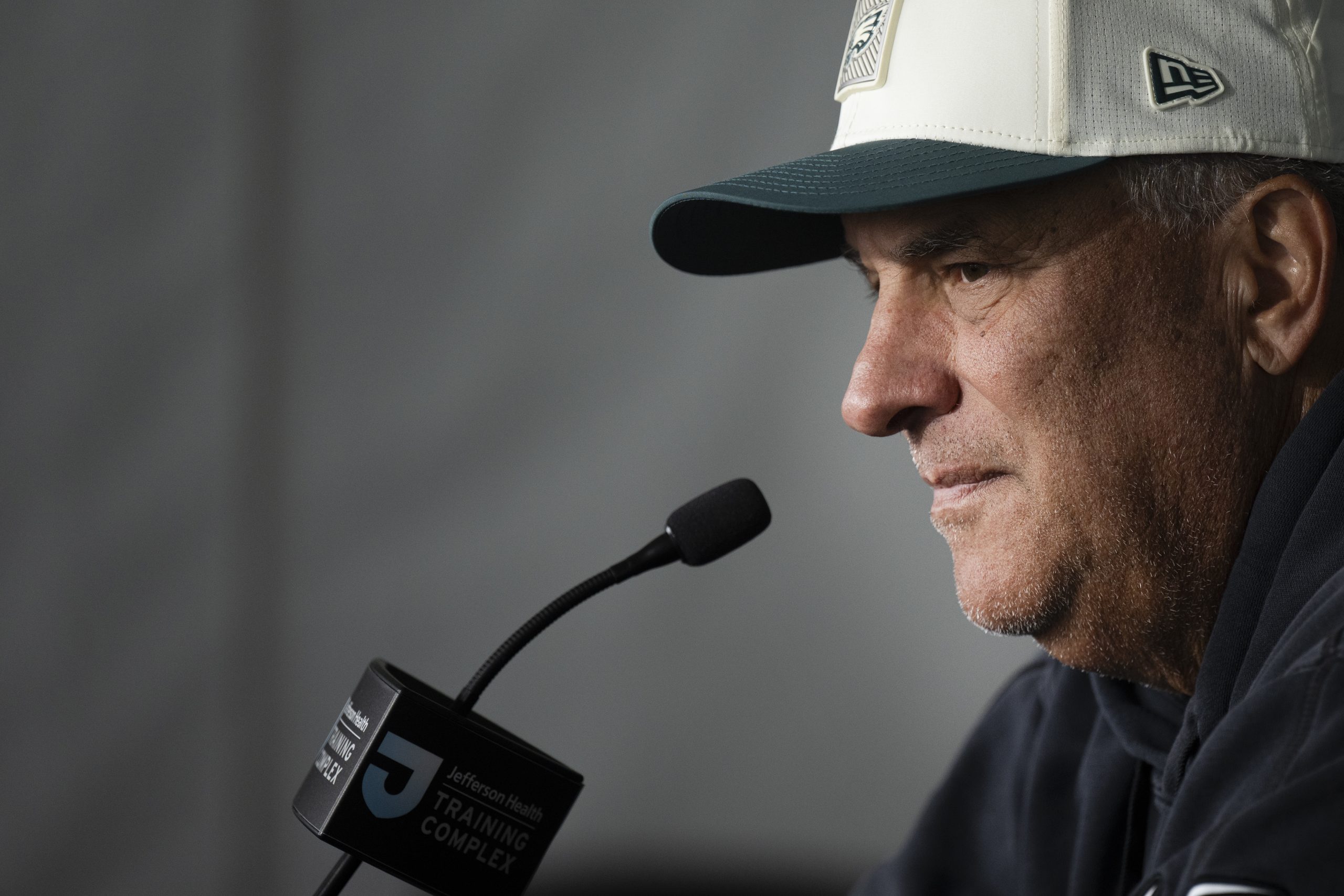
    “I told him, we obviously got the best of yesterday’s practice by a long shot,” Fangio said when asked about Mannion’s play-calling. “But that’s the way it’s been the last two years in training camp. The defense has gotten the best of the offense. So, not to be too concerned.”

    I don’t think Fangio was puffing his chest out or anything. He was just being the truth teller that he can often be. He was also adding context. Defenses are traditionally ahead early in camp, especially when the offense is new. But I’m not so sure about his last comment. I’d be concerned if there were any similarities to last year’s offense.

    Michael Carter II got some run with the first unit on Wednesday. Tyger Williams / Staff Photographer

    Cast and crew

    Mannion’s first unit likely benefitted from four key defensive starters — linebacker Zack Baun, defensive back Cooper DeJean and cornerbacks Quinyon Mitchell and Riq Woolen — being held out of team drills. Jeremiah Trotter Jr., Michael Carter II, Jonathan Jones and Kelee Ringo played in their spots.

    With the offense down three starters, it might have made sense to even the playing field. Rookie Markel Bell and second-year offensive lineman Drew Kendall filled in for Johnson and Dickerson at right tackle and left guard, respectively.

    Receiving race

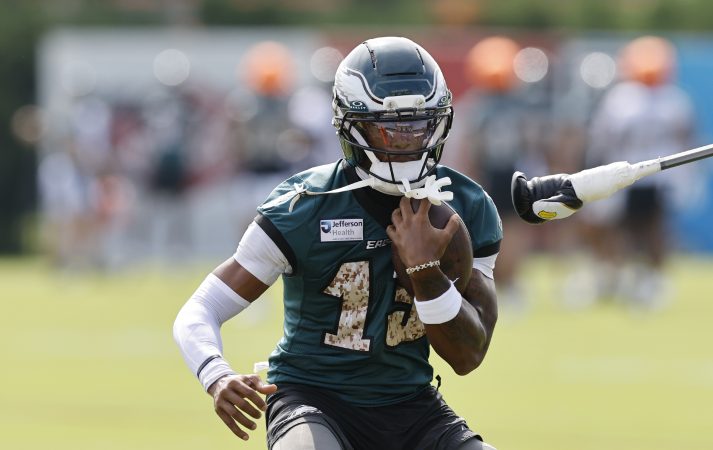
    It’s been a by-committee approach at receiver, especially with the bona fide No. 1 sidelined. Dontayvion Wicks has thus far made the best case to be Smith’s No. 2. He may have a leg up on the others, having played in the Kyle Shanahan-style scheme Mannion brought with him from Green Bay. But there has also been obvious rapport between quarterback Jalen Hurts and the former Packers receiver. Hurts delivered a 20-yardish strike to Wicks just ahead of arriving safety Andre’ Sam in seven-on-sevens on Wednesday.

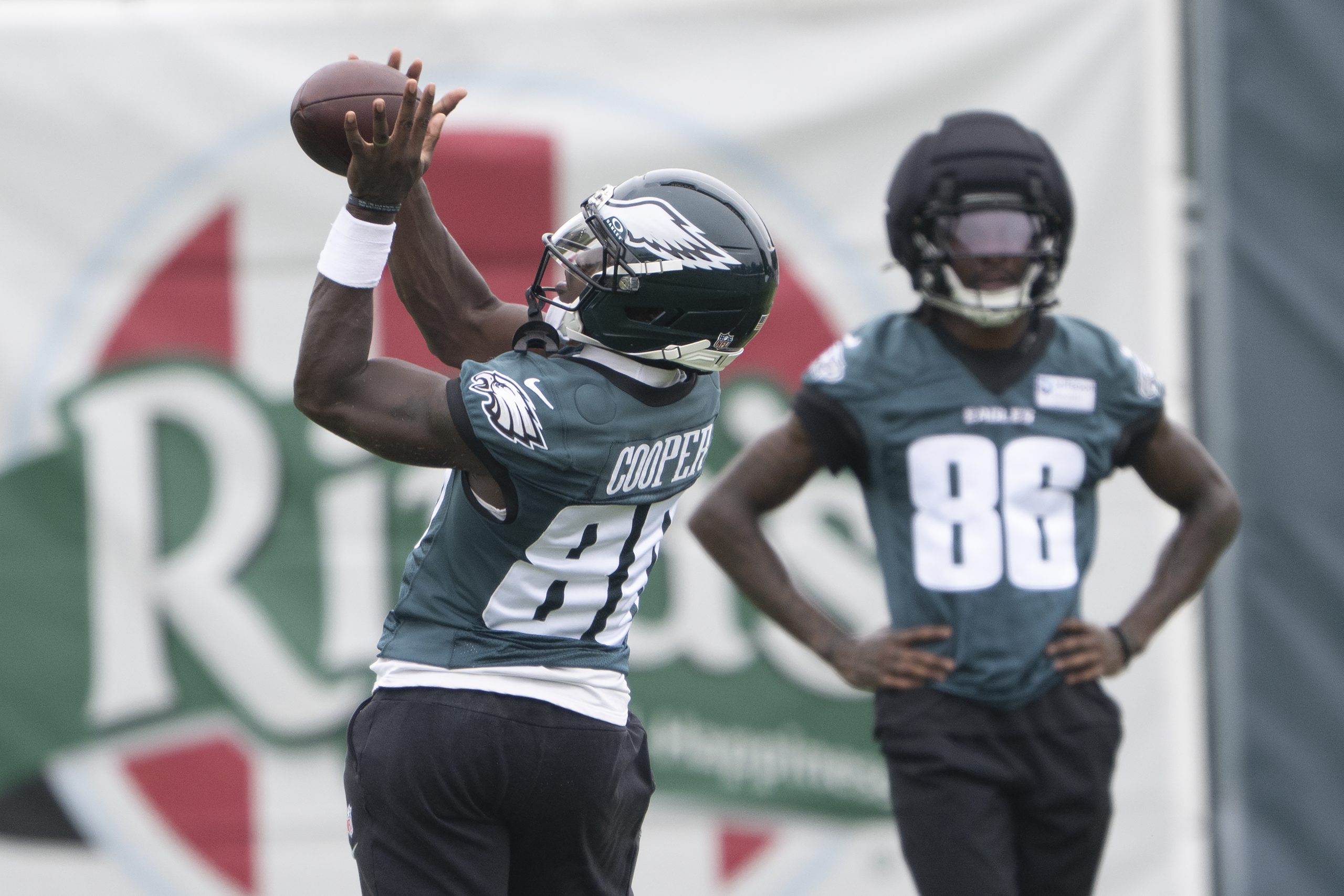
    Darius Cooper has looked good early in camp. Jose F. Moreno / Staff Photographer

    If the receiver competition was based on the first week alone, Darius Cooper would have the edge on the other combatants. I said this to someone the other day: “If Lemon was having the camp Cooper was having, every reporter would be hyping the first-round rookie.” The Eagles have to take everything into account, of course. Veterans Hollywood Brown and Elijah Moore have been unspectacular in camp, but also have proven track records, even if both have seen their numbers decline in recent years.

    Cooper should be a lock for the roster, though. I know some have viewed the fifth receiver spot as a toss-up between him and Johnny Wilson. But Cooper has more upside, despite Wilson’s size and Sirianni’s appreciation for his blocking. Cooper didn’t make any splash catches on Wednesday. Hurts dropped a beauty to him in the back corner of the end zone, but the receiver couldn’t stick the landing after he dove for the ball.

    Dallas Goedert and the tight ends were heavily featured on Wednesday. Jose F. Moreno / Staff Photographer

    Tighter ends

    On cue, Dallas Goedert and the tight ends were featured in the passing game a day after I noted that they’ve been relatively quiet in that regard. Hurts went to tight ends on his first two dropbacks in seven-on-sevens. Goedert hauled in the first on a slant, while E.J. Jenkins couldn’t on a similar route from the other side of the formation.

    Goedert caught another pass during the period on a short buttonhook and he was again Hurts’ first target in team drills. The tight end hung on despite linebacker Jihaad Campbell being in close quarters. Campbell later reached out and broke up a pass to receiver Samori Toure.

    With Johnny Mundt often the second blocking tight end in under-center scenarios, Grant Calcaterra has gotten receiving opportunities on third downs. He appeared to short-arm a toss from Hurts with Ringo in the vicinity.

    Stowers hour

    Even Cam Latu has seen more passes thrown his way than rookie tight end Eli Stowers. The Eagles are clearly not rushing their second-round draft pick. He’s low on the depth chart and has mostly run with the third offense. Stowers is a relative newcomer to the position. He switched from quarterback to tight end just three years ago and he wasn’t asked to block a ton at Vanderbilt.

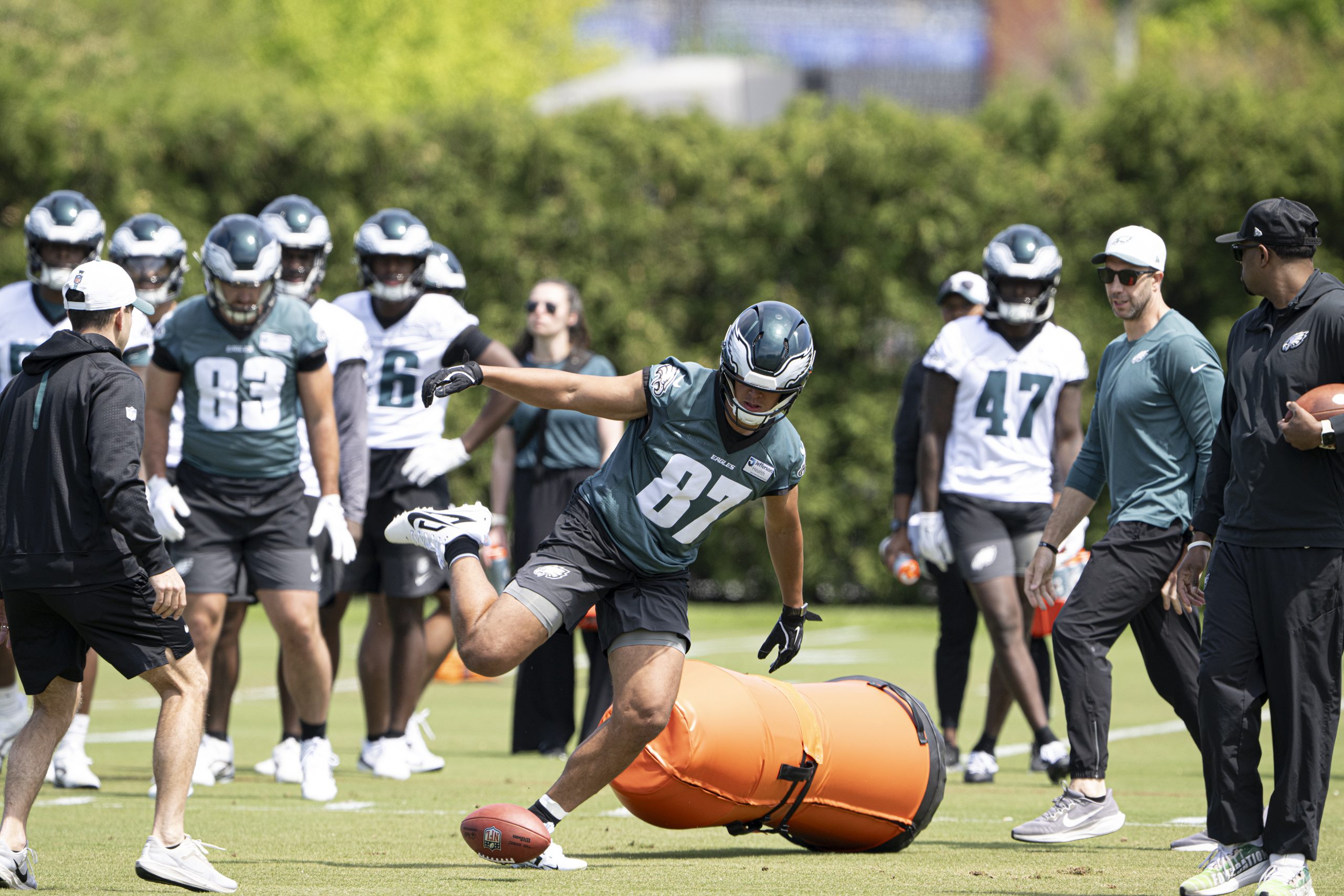
    Eli Stowers’ (87) acclimation to NFL-style blocking technique has been slow. Jose F. Moreno / Staff Photographer

    So he has a lot to digest, beyond just the Xs and Os of a new scheme. Stowers is on the smaller side so learning the proper technique in blocking will be crucial. It could be some time before he’s placed in those circumstances. But he could get on the field on obvious passing downs. I found it interesting that he was split wide in the development period. The ball came his way, but cornerback Tariq Castro-Fields was on his hip and broke up a pass that was thrown slightly behind.

    Running on empty

    There was a fair amount of run game activity. Saquon Barkley didn’t have much room to operate on his carries. Defensive tackle Moro Ojomo knifed past Kendall on one Barkley carry. Outside linebacker Jalyx Hunt set the edge and helped contain the running back on an outside zone run. Nose tackle Jordan Davis easily defeated center Cam Jurgens one-on-one and picked up a tackle for loss.

    Linebacker Jalyx Hunt defended the run well on Wednesday. Jose F. Moreno / Staff Photographer

    I hesitate to mention Jurgens in the negative because he’s otherwise had a strong start to camp. He’s poised to bounce back from last season’s setback. Tank Bigsby had a few touches out of the backfield, as well, but he’s been featured more as a receiver than Barkley. He got Campbell to commit pass interference with a double move in the open field.

    Running back Will Shipley had a shaky start to camp, but I thought he showed up on Day 6, particularly in the run game. He had two strong rushes up the middle when he got skinny through his blocks. He also picked up Trotter’s blitz later on.

    On the bubble

    Michael Carter II got a strong endorsement from Fangio before practice. I’m not sure if he’ll beat out Marcus Epps for the nickel safety spot, but he could have the sixth defensive back role in dime personnel locked down. Speaking of locking down, he ran step for step with receiver Danny Gray on a corner route into the end zone. When he ball sailed out of reach, Carter popped up and gave Gray a double thumbs-down.

    Fangio said not to sleep on linebacker Chance Campbell’s chances of making the 53-man roster. Tackle Cam Williams took Campbell out at the second level on the run play and that was the last I saw the linebacker until he was walking with a trainer to the medical tent. He seemed fine later on, but didn’t return to play.

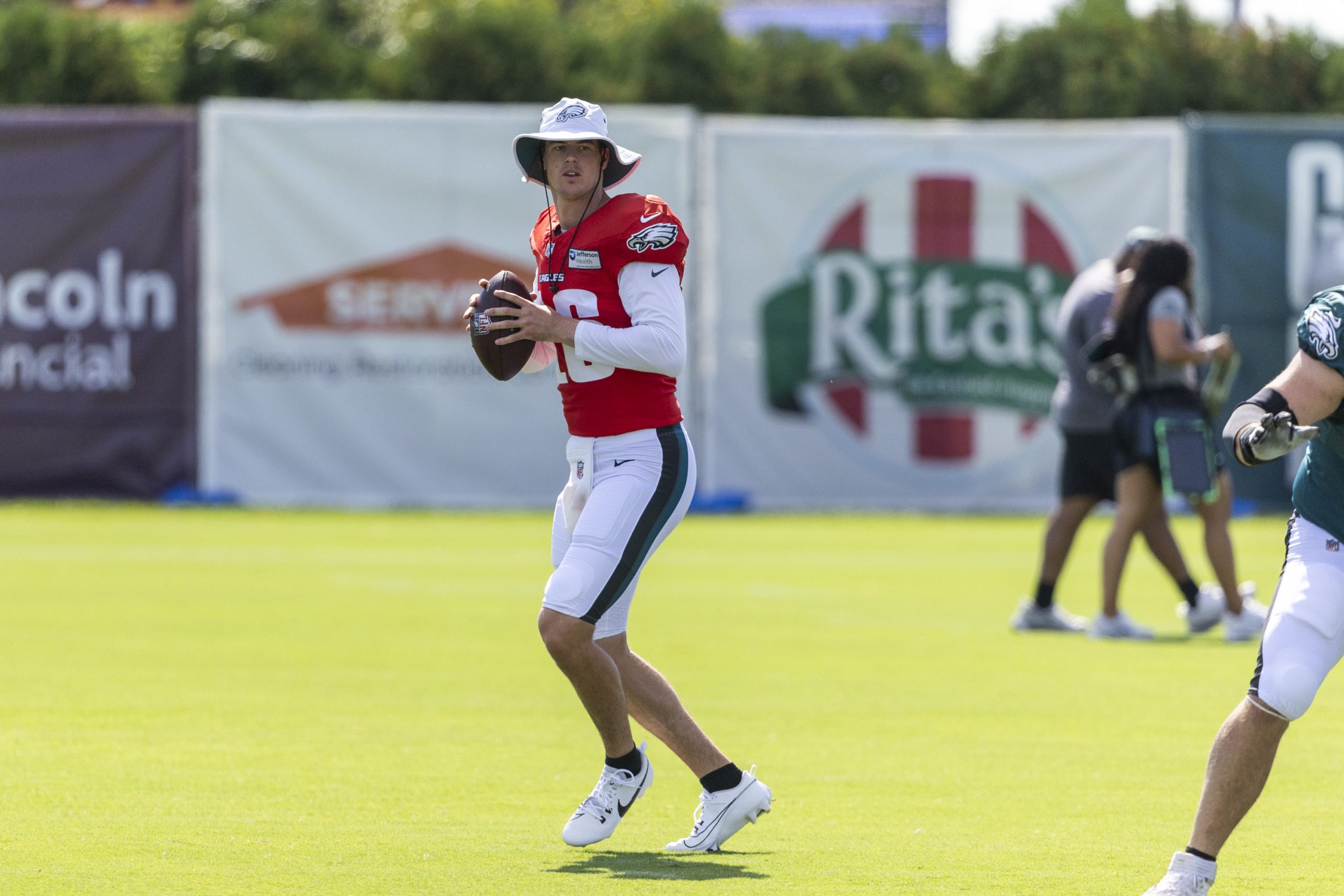
    Tanner McKee (16) has not looked sharp at times while working in the new offense. Tyger Williams / Staff Photographer

    Quarterbacking up

    Tanner McKee was first up with the second unit offense in seven-on-sevens, but Andy Dalton took more team repetitions. The quarterbacks continue to slug it out for the backup spot. Dalton found Wilson open on a crossing route. He hit Quez Watkins on a short pass and the receiver hit the afterburners when cornerback Ambry Thomas took a bad angle. Defensive tackle Ty Robinson pressured Dalton into a throwaway.

    McKee just hasn’t looked as sharp as he did last camp. He doesn’t have the luxury of working with the same unit as he did a year ago. That’s no excuse, but he has struggled to throw the ball downfield, especially with the third unit. He finally found an open man down the seam, but tight end Stone Smartt dropped the ball like he had hands of brick.

    Extra points

    Hurts had a couple dashes into space on the ground — once when he kept the ball on a run-pass option and another on a scramble when his receivers were tied up in man coverage. … Tempers flared for a second straight day. Linebacker Smael Mondon and tackle John Ojukwu got into a brief altercation, as did tackle Fred Johnson and edge A.J. Epenesa. … Gunslinger Cole Payton tossed another interception when he heaved a pass into a crowded area and the ball deflected to Castro-Fields. … Former Eagles receiver Jeremy Maclin attended camp. He said it was the first time he’s been back at the practice facility since he was a player. … The Eagles have a closed walkthrough on Thursday before returning to practice on Friday.

  • Barstool Sports’ Dave Portnoy hit at least 5 Philly-area pizzerias yesterday for ‘One Bite Pizza Reviews’

    Barstool Sports’ Dave Portnoy hit at least 5 Philly-area pizzerias yesterday for ‘One Bite Pizza Reviews’

    For more than a year, Giuseppe Tosco tried to get Dave Portnoy’s attention with a giant roadside sign outside his Montgomery County pizzeria that read, “We Want Dave Portnoy.”

    Two months ago, Tosco finally took it down to replace it with a sign advertising the new patio at Italian Delite in Trappe.

    On Tuesday, Portnoy walked in anyway. “The first thing he asked was, ‘Where’s the sign?’” Tosco said. “I told him we’d taken it down. He said, ‘Oh my God, it’s been that long?’”

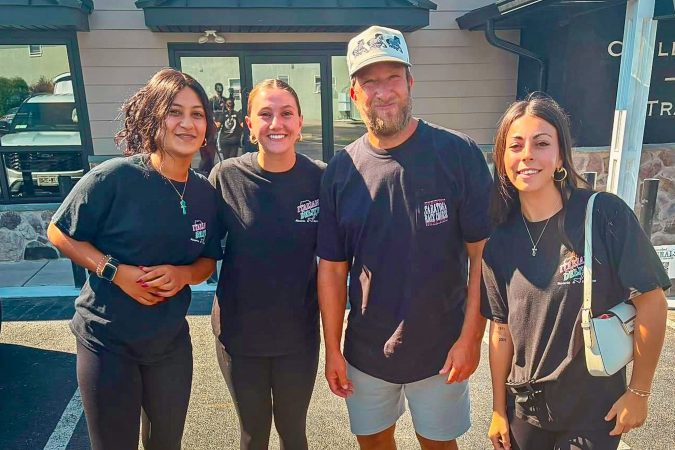
    The surprise visit was one of at least five stops Portnoy made across Philadelphia and its suburbs Tuesday as the Barstool Sports founder filmed new installments of his influential “One Bite Pizza Reviews,” whose scores can transform the fortunes of a neighborhood pizzeria.

    Besides Italian Delite, the confirmed stops included Johnny’s Pizza in Bryn Mawr, Marina’s Pizza in Fishtown, Liguria Pizzeria in Kensington, and Pizza Di Vita in Fairless Hills.

    In each review, Portnoy samples a plain cheese slice — often taking much more than one bite — and assigns it a score on a 10-point scale. His ratings have become one of the pizza world’s most sought-after endorsements, often drawing long lines and national attention for top-scoring shops.

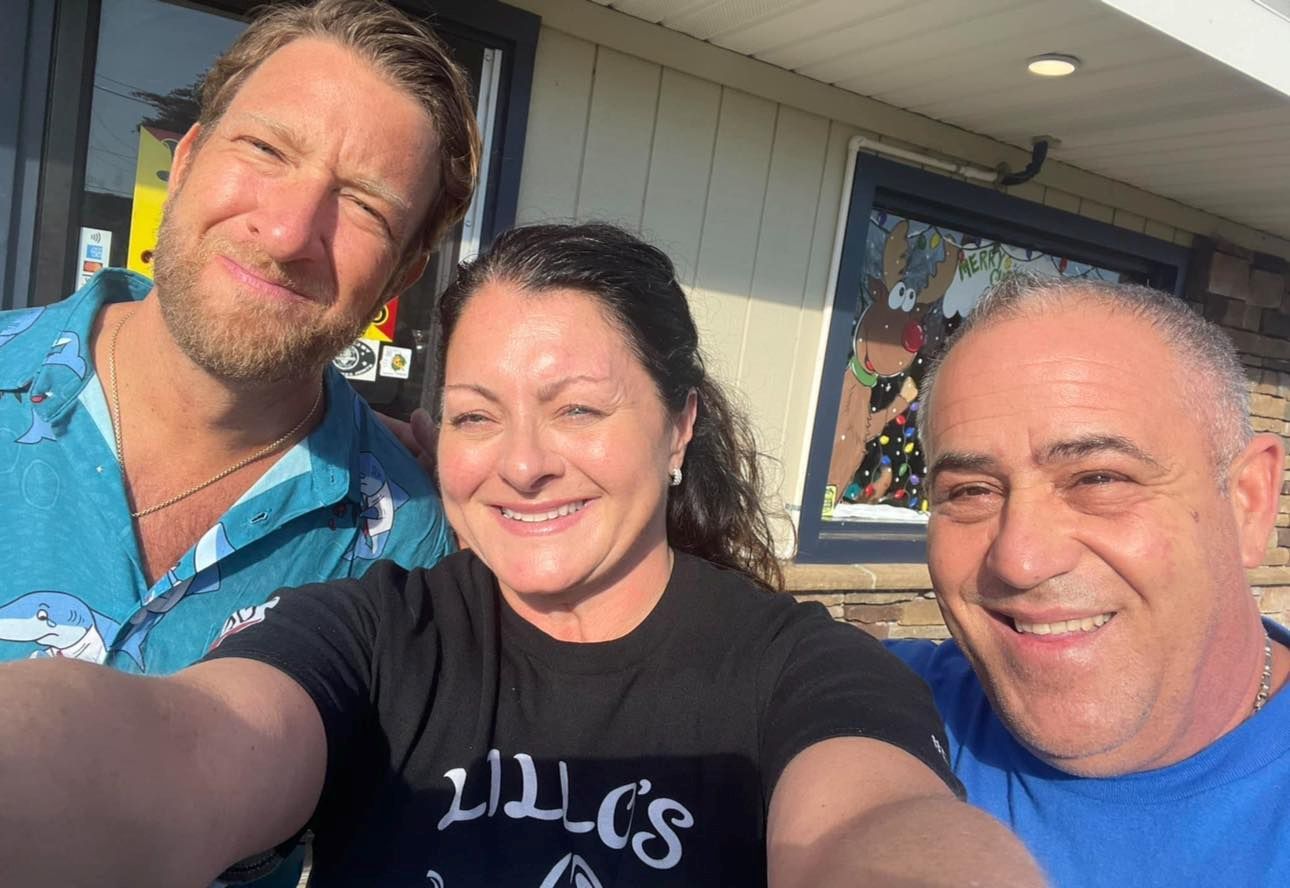
    In 2019, Angelo’s Pizzeria in South Philadelphia scored a 9.1 — the highest score ever in the region. Del Rossi’s notched an 8.6 in 2024. In 2022, Pizza West Chester and Lillo’s Tomato Pies in Hainesport each got an 8.4.

    Three of Tuesday’s scores became known almost immediately, as onlookers shared them. Johnny’s received an 8.3, Liguria an 8.2, and Marina’s a 7.9. The owners of Pizza Di Vita and Italian Delite said they never heard their scores before Portnoy moved on; they are waiting for the videos to be released.

    Lisa and John Paxia of Lillo’s Tomato Pies in Hainesport with Barstool Sports’ Dave Portnoy (left) in November 2022.Courtesy of Lillo Paxia

    If Tosco spent more than a year trying to lure Portnoy to the Collegeville suburbs, John Bisceglie initially refused to believe the reviewer was coming to Johnny’s Pizzeria (which has a spot on The Inquirer’s 76 list).

    “Somebody texted me, ‘Dave’s in Philly. Heads up,’” Bisceglie said. “I just laughed it off. I’ve heard that before.”

    Still, he was working at his shop in Wayne when he sent a photo of Portnoy to his employees at Johnny’s Bryn Mawr, just in case.

    Then, manager Jaison Velásquez called.

    “He said, ‘I just got an order for Barstool,’” Bisceglie recalled. “I said, ‘Oh my God. It’s happening.’”

    Bisceglie stayed on the phone coaching his staff. “I told them, ‘Wait about 10 minutes so the pizza comes right out of the oven. Make it crispy. Well done.’”

    He credited Velásquez and manager Dan Bisceglie, his cousin, with staying calm. “He kept telling me, ‘I got this. Relax. I got this,’” Bisceglie said of Velásquez.

    When Portnoy awarded the pie an 8.3 on camera, Bisceglie knew it was significant.

    “Those pizza guys don’t hand out scores like that very often,” he said. “An 8.3 is a big deal.”

    For Tosco, at Italian Delite in Trappe, the visit was memorable before the review even began.

    Tosco said he had tagged Portnoy incessantly on social media. “I told him, ‘If you came, you came. If you didn’t, you didn’t. I just didn’t want to keep bothering you,’” Tosco said.

    The day became even stranger when Portnoy reviewed the wrong pizza.

    Tosco had been away at a catering meeting when his cousin called to say Portnoy had arrived after placing an order under the name “Austin.” By coincidence, the restaurant’s social media team was filming, and Tosco’s cousin had made workers prepare a practice pizza for the camera. That pie came out of the oven before Portnoy’s order.

    “My cousin said, ‘That’s not your pie,’” Tosco recalled. “Dave said, ‘I don’t care. I want that one.’”

    As Tosco pulled into the parking lot, Portnoy was already recording the review.

    Afterward, Tosco asked Portnoy to hang for five minutes. “I told him, ‘I just want to make you a Philly cheesesteak,’” Tosco said. “He said, ‘You seem like a good dude. I’ll come back in for you.’”

    Tosco still doesn’t know what score Portnoy awarded his pizza. “I ended up getting a cheesesteak review, too, which was really cool,” Tosco said.

  • Jon Stewart presses John Fetterman on Israel and playing into ‘Republican caricatures’ when he attacks Democrats

    Jon Stewart presses John Fetterman on Israel and playing into ‘Republican caricatures’ when he attacks Democrats

    U.S. Sen. John Fetterman, in perhaps the most in-depth and toughest interview he has faced in recent memory, defended his unwavering support for Israel and his harsh criticisms of fellow Democrats when pressed by Jon Stewart in a podcast episode released Wednesday.

    The liberal comedian and political commentator repeatedly accused Fetterman (D., Pa.) of “caricaturing” the left wing of his party and the debate around Israel’s handling of the war in Gaza.

    “Jewish community and Israel are not the same thing, brother man. They’re not — that is not the same thing,” Stewart, who is Jewish, said at one point as Fetterman described his full-throated support for the war as being because of “the Jewish community.”

    Asked repeatedly about the United States’ moral obligations about backing the Israeli strikes that have led to the deaths of tens of thousands of Palestinian civilians, Fetterman stood firm.

    He said — as he often has since the Oct. 7, 2023, attack by Hamas that sparked the conflict — that it was necessary to go after Hamas leaders. The killing of civilians was “terrible” and “collateral” damage but not a genocide, Fetterman said.

    Stewart continued to press — questioning why Fetterman was standing so firmly behind a foreign ally that was “dehumanizing” and slowly killing another population.

    “I don’t understand how you have no criticisms over their actions, over their increasingly messianic, ultra-right-wing government that seems to think relentless war is, like, that you can bomb people out of resistance,” Stewart said.

    The roughly 75-minute interview, on The Weekly Show with Jon Stewart, came a week after Fetterman once again met with Israeli Prime Minister Benjamin Netanyahu in Washington.

    Many other elected Democrats have distanced themselves from the Israeli government and criticized its tactics. Fetterman has acknowledged his position has hurt him politically. In the interview with Stewart, he echoed previous comments — which have also become evident in public polls — that he has lost the support of his former Democratic base as his and his party’s stances diverged.

    “I’m aware that if I happen to disagree with the party line, there’s a price to pay,” Fetterman said. “There’s a lot of stories of how I’ve become increasingly more unpopular with Democrats in my state. And I’m aware of it. But these were all very specific choices. … I would rather have people know what I happen to believe.”

    Stewart asked Fetterman several times about how he has voiced those disagreements.

    He said the senator has focused far more on arguing with his own party in a way that has further hurt its brand. And he has broken from the party’s ranks as Democrats try to use even an inkling of leverage that could impact Republicans’ agenda as the GOP controls both Congress and the White House, Stewart said. He pointed to issues like immigration enforcement reforms, which Democrats tried to enact by holding out support for a spending bill earlier this year. Fetterman said he supported the reforms but would not go along with letting part of the government shut down as a strategic move.

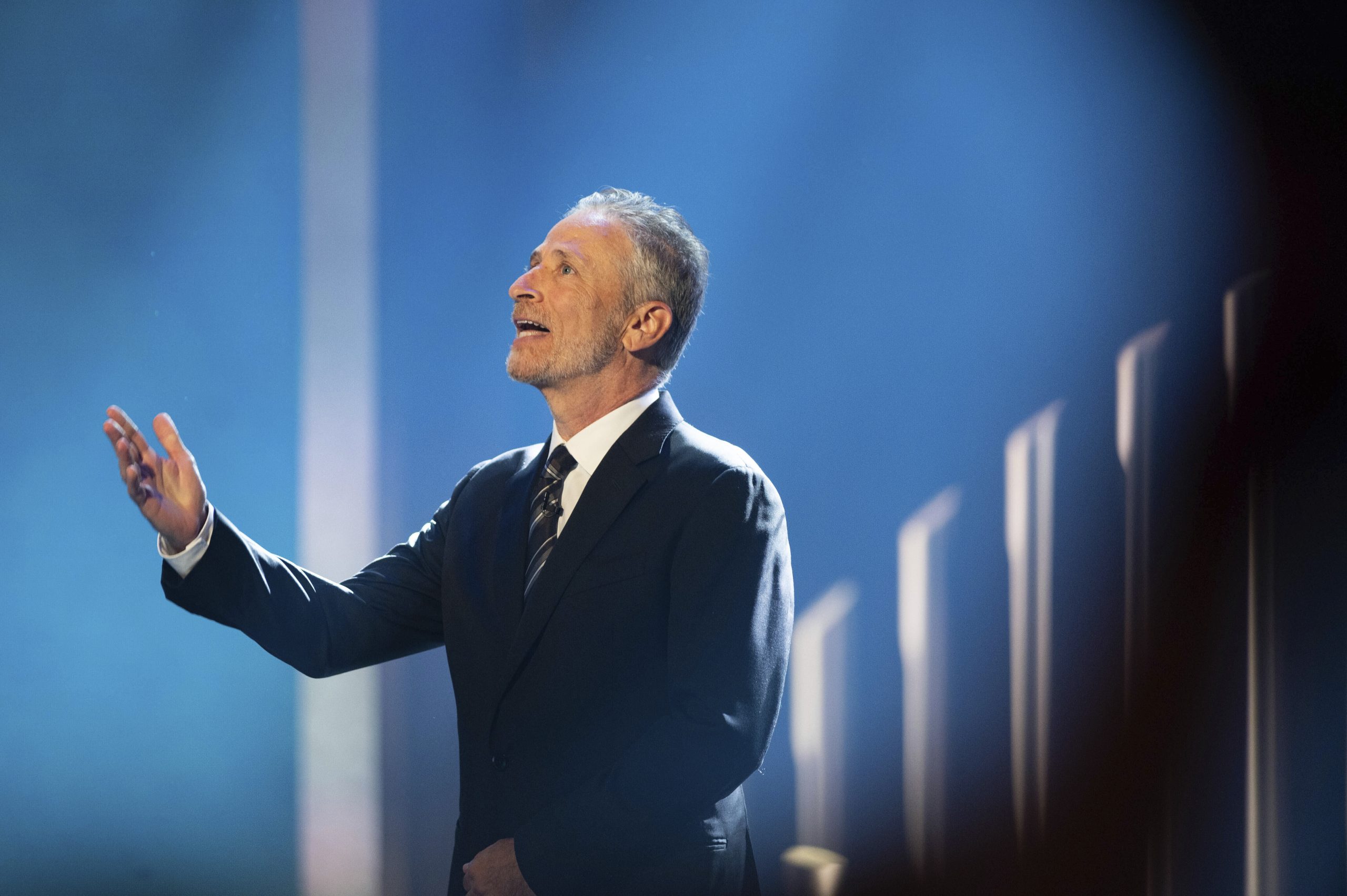
    Mark Twain Prize recipient Jon Stewart is introduced at the start of the 23rd annual Mark Twain Prize for American Humor at the Kennedy Center for the Performing Arts, in Washington, April 24, 2022. (AP Photo/Kevin Wolf, File)Kevin Wolf

    Stewart also pressed Fetterman on how his approach to President Donald Trump has softened as he has ramped up his criticism of his own party.

    “You called President Donald Trump a jagoff in 2016,” Stewart said, prompting Fetterman to say that he put the phrase on shirts and sold them.

    “You put it on a shirt. And now you’ve been very complimentary to him. And if your concern with Graham Platner is you didn’t think he was very nice to women, you’re ignoring an awful lot of evidence for the current president about his relationship with women,” Stewart said, referencing Fetterman’s attacks on the Maine Democrat who dropped out after facing allegations of sexual assault. “So my point is, there seems like there’s a way to go about this that embraces, as you said, the 90% of things that you agree with, and try and utilize that energy to reform a party that has a worse public image than herpes in terms of getting things done. This feels like it’s playing into the hands of Republican caricatures.”

    Fetterman pushed back, saying he was trying to stop “extreme” elements of his party in a way that would lead to better success in battleground elections — like in Pennsylvania — after Democratic losses in 2024.

    “We keep losing, and now we keep returning back to some of the extreme things,” Fetterman said. “That’s not a caricature. That is a fair assessment of where we are with these kind of things.”

    Stewart, noting that Vice President Kamala Harris was not the most progressive Democratic option in 2024, rejected the idea that the party lost because of far-left views. In an extended conversation about capitalism and socialism, he also encouraged Fetterman to embrace new ideas presented by democratic socialist candidates who Fetterman, like many Republicans, refers to as communists.

    Fetterman, who frequently appears on Fox News but has not appeared on more liberal programs like Stewart’s Daily Show, described himself as a longtime fan of Stewart and said he believed the interview was “very fair.”

    At the end of the podcast, after Fetterman left, Stewart said he “wasn’t sure what to think” and was “weirdly thrown off right now.”

    “I feel like we all just got out of one of those movies. Do you know those movies where it’s like … there was a weirdly traumatizing scene in the movie,” Stewart said. “And now we’re all just, like, ‘Do you guys, um, do you want to go get something? I guess I’m just going to go get a slice and maybe go home.’”