Tag: Weekend Reads

  • How ‘skill games’ exploded across Pennsylvania — and sparked a multimillion-dollar political fight

    How ‘skill games’ exploded across Pennsylvania — and sparked a multimillion-dollar political fight

    Shortly after the Pennsylvania Supreme Court dealt a legal blow to so-called skill games in June, the CEO of Parx Casino celebrated the decision and blamed the unregulated slot machine-like devices for attracting “rampant crime, money laundering, compulsive gambling and underage gambling.”

    Days later, hundreds of small-business owners, veterans, and other supporters of skill games had a very different message at a state Capitol rally. They had signs reading “SUPPORT SKILL GAMES, SUPPORT SMALL BUSINESSES” and others declaring that the machines help generate revenue for American Legion and Veterans of Foreign Wars posts.

    “Don’t Hurt the Little Guy,” read one sign in a scene captured by television cameras.

    Some supporters arrived on buses paid for by Pace-O-Matic, the out-of-state game developer that in recent years has become a political heavyweight in Pennsylvania, spending millions on lobbying and electoral campaigns, and growing an unregulated market that swept across corner stores, bars, gas stations, and other locations.

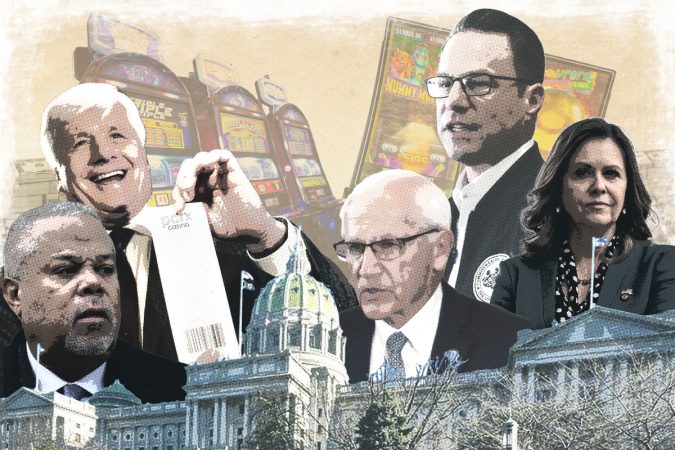
    The dueling messages marked the latest clash between Parx and Pace-O-Matic in a yearslong political, legal, and public relations fight over the games, which has featured accusations of conflicts of interest and attempts to influence legislators, law enforcement authorities, and other government officials.

    An Inquirer review of hundreds of pages of court records and interviews with key players offer an inside look at the behind-the-scenes battle to shape public policy in Harrisburg between Georgia-based Pace-O-Matic — a leading developer of software for the video game machines — and Bensalem’s Parx Casino, which reported the most gross slot machine revenue, $375 million, of any Pennsylvania casino operator last year.
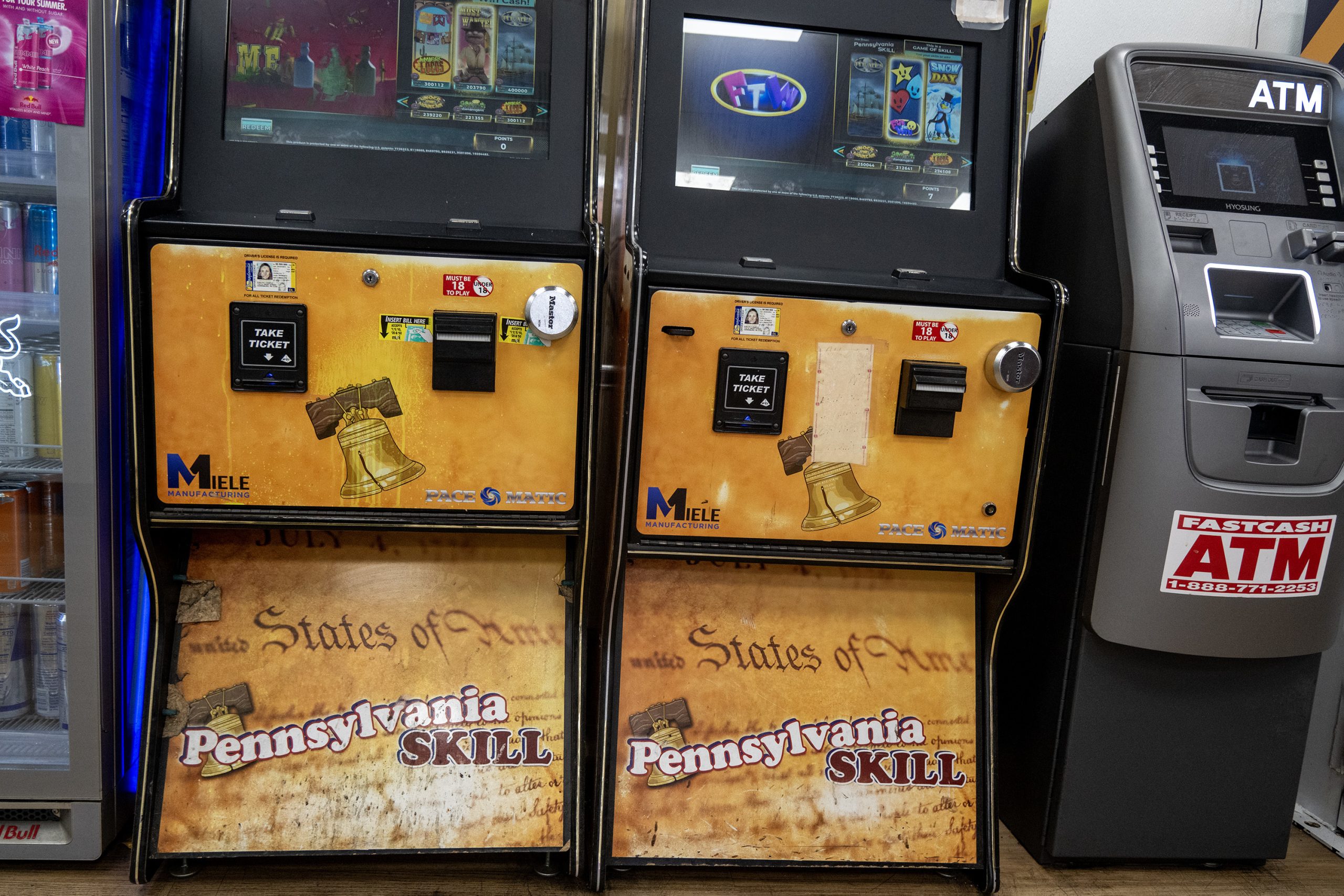
    Pace-O-Matic’s “Pennsylvania Skill” game seen in a gas station convenience store in Philadelphia.Tom Gralish / Staff Photographer

    In the last decade, skill game developers and manufacturers seized on a huge business opportunity, which casinos and other gambling interests say cost them market share. And some politicians were salivating over a new potential source of tax revenue, while others saw an unacceptable expansion of the vice economy.

    That debate has reached a turning point, as the high court found that unregulated skill games are unlawful. But the court paused its order, giving lawmakers a window until October to legalize, tax, and regulate the games — or leave owners and operators vulnerable to prosecution.

    Pennsylvania made a bet on gambling two decades ago, legalizing slot machines in casinos in 2004 as lawmakers sought a new stream of tax revenue. The legislature has since authorized more games such as poker and blackjack, sports betting, and video game terminals at truck stops.

    Gambling outside casinos and other licensed establishments remains illegal. But corner store skill games managed to take off — in part because of a 2014 court decision that found Pace-O-Matic’s game was not a “gambling device” under the state crimes code.

    There are now an estimated 70,000 machines across the state, according to the Pennsylvania Attorney General’s Office, not subject to the taxes or regulations on casino slot machines.

    In his February budget address, Democratic Gov. Josh Shapiro proposed a 52% tax on gross skill game revenues — roughly in line with the rate that applies to casino slot machines — which the administration projects could generate almost $800 million in the first year of implementation.

    Under his proposal, Shapiro would authorize 40,000 skill game machines and video game terminals — which are already legal — statewide. That means tens of thousands of skill machines currently operating would be considered unlawful.
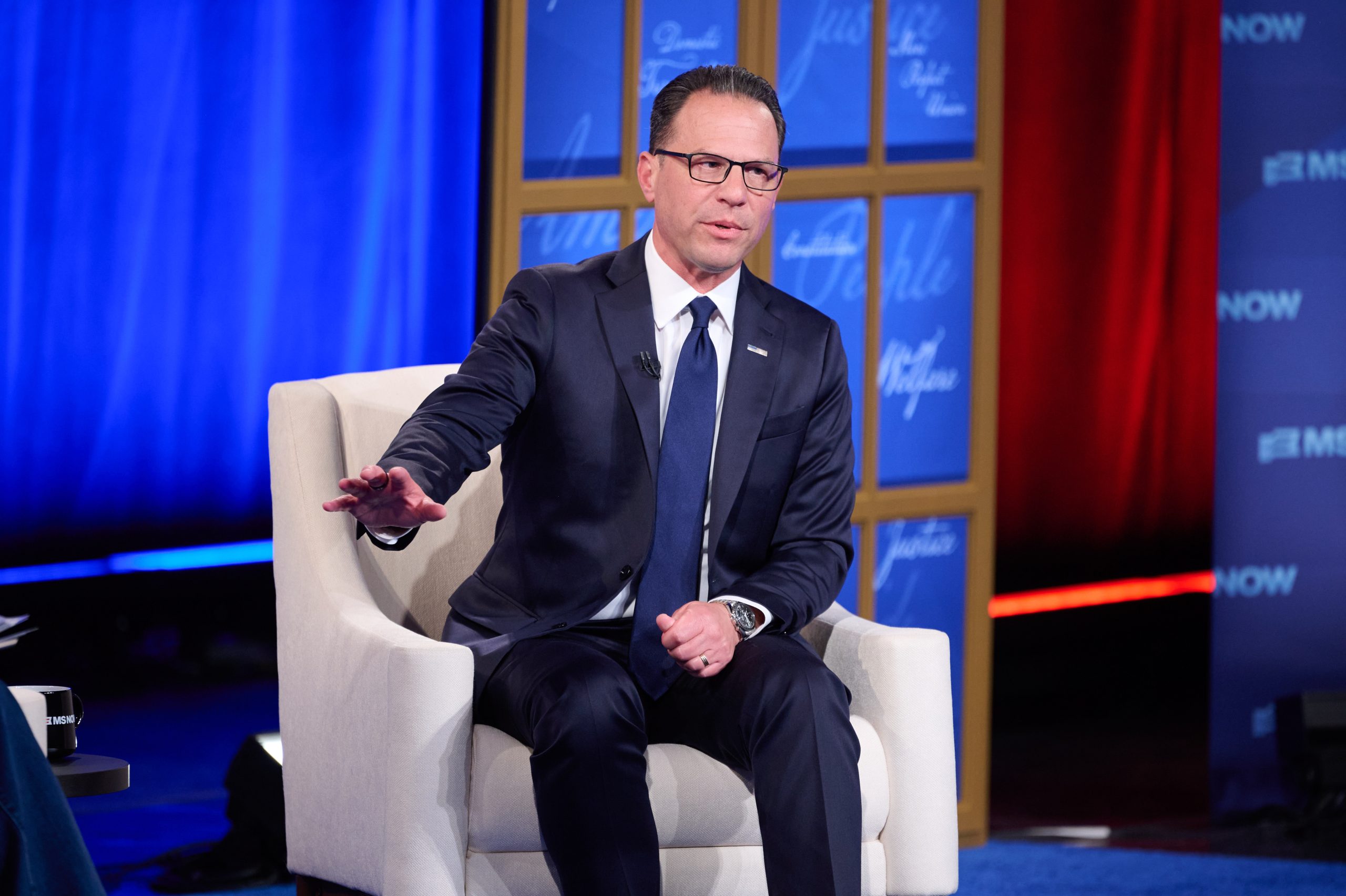
    Pennsylvania Gov. Josh Shapiro in June.Courtesy of MS NOW / Scott Gries

    Separately, a bill supported by the skill game industry would impose a $500 monthly fee on each machine, cap the number of total machines at 50,000, and raise an estimated $300 million in tax dollars in the first year. The games are “a small, lifeline raft to help mom-and-pop business owners,” said State Rep. Danilo Burgos (D., Philadelphia), a sponsor of the bill.

    Casinos and other gaming interests are trying to protect a $6.8 billion market in Pennsylvania. Pace-O-Matic’s machines across the state generated about $525 million in gross revenue in 2024, with the company receiving 20% of that, minus certain discounts, and the rest going to operators that scout locations and stores that house the machines, according to court documents.

    But, come October, if its skill game machines ultimately are not legalized by the state legislature, Pace-O-Matic will pull out of Pennsylvania, said Mike Barley, the company’s chief public affairs officer. “We’ll always abide by the law.”

    Millions in lobbying

    Pace-O-Matic has spent $8.4 million on lobbying in Harrisburg over the last five years, records show, the most by any single gaming company. In contrast, the operators of more than a dozen Pennsylvania casinos spent $7.6 million combined on lobbying during that time period, according to an Inquirer review of disclosures.

    Lobbyists help draft legislation, communicate their clients’ interests to policymakers, and wine and dine government officials.

    And Pace-O-Matic has recruited Harrisburg insiders with close ties to state lawmakers for the job: a former member of the Republican National Committee, a former state senator, a onetime top aide to House and Senate Republicans, and a former chief of staff to then-Gov. Tom Wolf, a Democrat.

    (function(){function e(){window.addEventListener(`message`,function(e){if(e.data[`datawrapper-height`]!==void 0){var t=document.querySelectorAll(`iframe`);for(var n in e.data[`datawrapper-height`])for(var r=0,i;i=t[r];r++)if(i.contentWindow===e.source){var a=e.data[`datawrapper-height`][n]+`px`;i.style.height=a}}})}e()})();

    Since 2021, a political action committee affiliated with the company has reported spending more than $9 million in Pennsylvania, with about two-thirds of that coming this year.

    Part of that war chest was aimed at unseating three incumbent Republican state senators in primary elections this spring, as Pace-O-Matic took exception to a proposed skill games tax backed by Senate GOP leaders last year. More than $3 million went toward loan repayments to donors.

    Pace-O-Matic has also devoted resources to fighting with its competitor, Parx Casino, in court.

    Pace-O-Matic has filed numerous lawsuits, including several that accuse Parx’s lobbyists of going beyond lawful advocacy and wrongfully interfering with its business relationships.

    Parx has fought Pace-O-Matic’s growth by privately drafting legislation to ban skill games, filing briefs opposing skill games to the state Supreme Court, and accusing Pace-O-Matic in a lawsuit of leading a criminal enterprise.

    Parx spent almost $1.3 million on lobbying during the last five years, the most of any casino. Among its lobbyists is a former state senator who sponsored Parx-backed legislation to ban skill games. Parx’s affiliated PAC, 2999 Group, has reported almost $1 million in expenditures since 2021.

    A row of slot machines on the gaming floor of Parx Casino in Bensalem in 2018.James Blocker / Staff Photographer

    “It’s a scorched-earth campaign that nobody in town who I know has ever seen anything quite like it,” said Pete Shelly, one of the Harrisburg lobbyists for Parx who was personally sued by Pace-O-Matic. “The amount of money they were able to spend, and the resources they threw at protecting their franchise, was astounding. And their tactics speak for themselves.”

    In response, Pace-O-Matic’s Barley responded simply: “Ditto.”

    Drafting a bill

    Founded in 2000 by Michael Pace — a pioneer of countertop video games — Pace-O-Matic expanded to Pennsylvania in 2014. The company took its game straight to the cops.

    Pace-O-Matic says it asked the Pennsylvania State Police whether its coin-operated tabletop machine qualified as a legal game of skill — or as an illegal gambling device. In an effort to test this legal question, the company and the Pennsylvania Bureau of Liquor Control Enforcement in November 2013 arranged for a “friendly” seizure of its game at the American Italian Club in Aliquippa, Beaver County, according to court records.

    The judge sided with Pace-O-Matic.

    Whereas in a game of chance like a slot machine, the outcome is decided predominantly “on the basis of probability,” the Pace-O-Matic game featured a level of interactivity that required skill, the judge wrote. That meant the state had failed to prove it was a gambling device.

    Skill games in a barber shop in Hazelton.Tom Gralish / Staff Photographer

    The opinion gave the skill industry a boost, leading to a boom in machines across the state. Within a few years, Parx went on the offensive.

    In 2019, representatives for Parx privately drafted legislation, at the request of then-State Sen. Tommy Tomlinson (R., Bucks), to ban skill games, Spotlight PA reported.

    In a March 2019 memo to colleagues about his legislation, Tomlinson cited a lack of consumer protections to prevent minors from playing skill games and pointed to testimony from Pennsylvania Lottery officials that the machines divert funds from programs for seniors.

    ‘Coordinated litigation strike’

    Later that year, in July 2019, Parx outside attorney Mark Stewart e-mailed lawyers representing other casinos, proposing they join together to “launch a coordinated litigation strike on the same day against a large number” of stores that hosted Pace-O-Matic games, according to court papers.

    The strike would put “PA Skill” — a reference to Pace-O-Matic’s Pennsylvania Skill games — “on the defensive, having to run around, spend money, and dedicate time and personnel resources to defending the numerous suits,” Stewart wrote.

    He added that this would also “draw public and political attention to the illegality of the machines,” according to a lawsuit Pace-O-Matic later filed against Stewart and his firm, Eckert Seamans Cherin & Mellott.

    A few months later, Eckert filed dozens of lawsuits on behalf of Parx against retail locations that had skill games, including many that hosted Pace-O-Matic machines, the lawsuit said.

    The law firm’s involvement caught Pace-O-Matic’s attention, the company says, because Eckert had represented the company in Virginia even as Stewart advocated against its interests in Pennsylvania.

    Pace-O-Matic in 2020 filed a lawsuit accusing Eckert of violating the firm’s fiduciary duties. In court filings, Eckert has denied the allegations, saying that the company knew about the firm’s representation of gaming clients in Pennsylvania. A judge in 2022 signed an order prohibiting Eckert from advocating against the legality of Pace-O-Matic’s skill games. The litigation is ongoing.

    Stewart — now an executive vice president at the Cordish Cos., a Baltimore real estate and entertainment company whose properties include two Pennsylvania casinos — did not respond to a request for comment. A spokesperson for Eckert did not return a message.

    That litigation unearthed emails showing coordination between Parx representatives and Tomlinson’s office on the proposed legislative ban.

    In the two years after he proposed that legislation, Tomlinson’s campaigns received $20,000 in contributions from 2999 Group, the PAC led by Parx founder and chairman Robert W. Green. The PAC formed in 2020 after federal courts struck down a Pennsylvania law banning political contributions from people involved in the gaming industry.

    Tomlinson retired in 2022. He registered a lobbying firm, RMT Legislative Consulting, in October 2024. He started lobbying for Parx the following month, records show.

    Tomlinson did not respond to requests for comment.

    ‘STOP THESE MACHINES’

    While Tomlinson’s legislation to ban skill games failed to advance, casinos pursued other avenues to protect their interests as the unregulated and untaxed games continued to proliferate throughout the state.

    Ahead of a planned meeting with the office of then-Pennsylvania Attorney General Josh Shapiro in July 2021, Parx representatives drafted a PowerPoint presentation depicting a child playing a skill game under the heading “STOP THESE MACHINES,” according to emails reviewed by The Inquirer.

    The presentation argued that skill games were illegal, undercut revenue for the Pennsylvania Lottery and the programs it funds for seniors, and failed to comply with anti-money laundering rules that “guard against organized crime and terrorist groups.”

    Parx lobbyists wanted to meet with the attorney general’s office, emails show, because they believed prosecutors were preventing the state police from seizing skill games. The attorney general’s office had said in a statement that while the office maintained that skill games were illegal, it would not “actively seize machines” until the state Commonwealth Court provided guidance on whether they were legal.

    Reached by The Inquirer, the Pennsylvania Attorney General’s Office — now led by Republican Dave Sunday — said it was unable to confirm if that meeting took place. A spokesperson said the office maintained the posture reflected in its public statement and “successfully advocated for that position leading to the Supreme Court’s decisive ruling.”
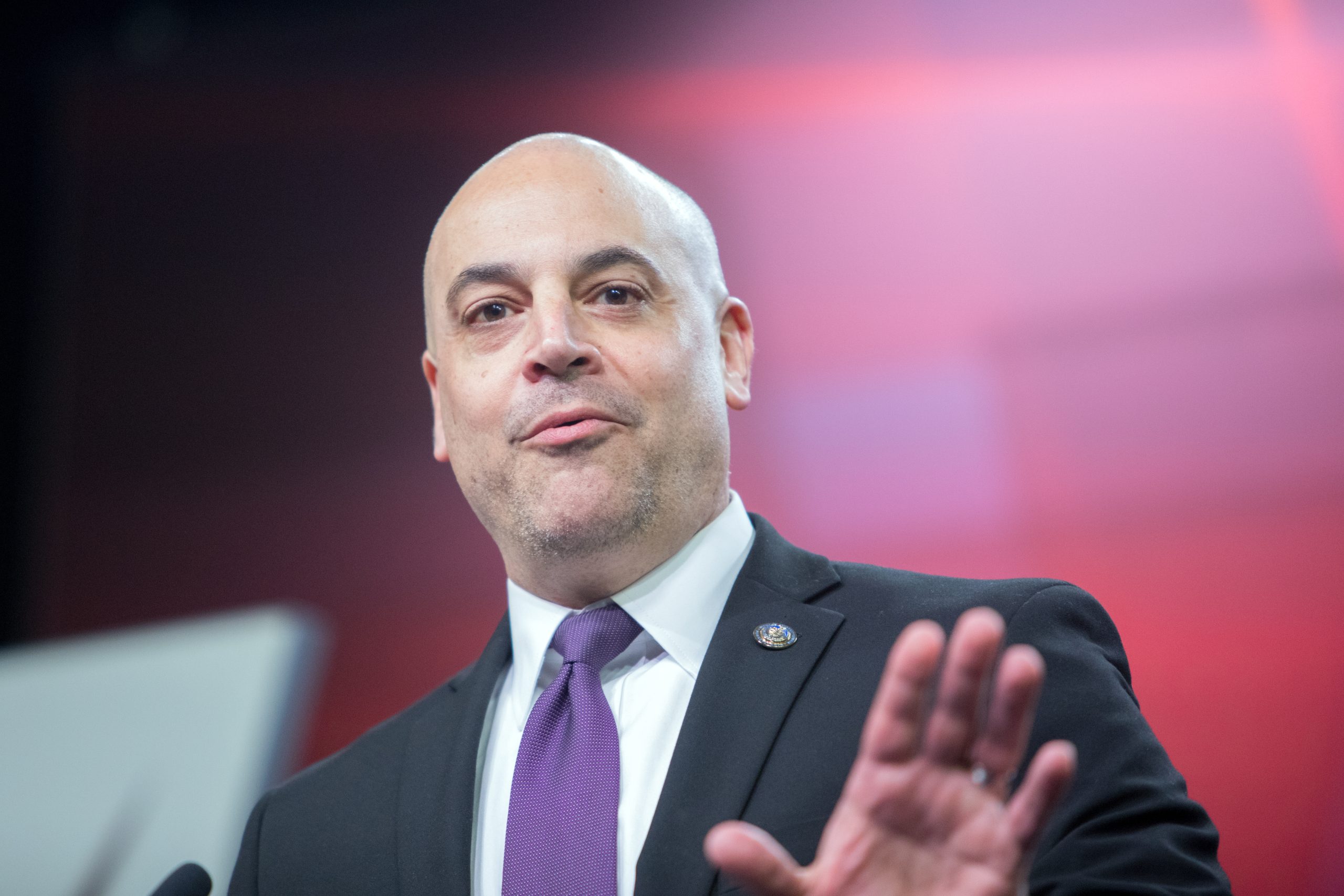
    Pennsylvania Attorney General Dave Sunday in 2025.Kalim A. Bhatti / For The Inquirer

    Pace-O-Matic’s Barley said that around this time, there was a “notable shift in the way the OAG’s office treated our games.” Prosecutors started working with counties to coordinate seizures of games, he said, but Pace-O-Matic successfully challenged those actions and its property was returned.

    Casino interests reached out to local law enforcement authorities as well.

    When an executive at Mohegan Pennsylvania casino in Wilkes-Barre spotted a new coffee shop in nearby Kingston that advertised Pace-O-Matic games, he contacted his lobbying team, including Stewart and Shelly, the lobbyist who was later sued by Pace-O-Matic, emails show.

    “Maybe instead of [Pennsylvania State Police] or local police, we send letter to Luzerne County DA,” Shelly wrote in a March 2021 email to colleagues.

    “Seems good idea,” Stewart responded, noting that they had previously sent a letter to the district attorney in Monroe County about skill games.

    An alleged conflict of interest

    Soon after, the fight over skill games became personal.

    Pace-O-Matic in 2022 filed lawsuits against three Parx lobbyists — Shelly, Richard Gmerek, and Sean Schafer — accusing them of attempting to sabotage Pace-O-Matic’s business. In court papers, attorneys for the lobbyists have denied the allegations. The case is ongoing.

    In an interview, Parx CEO Eric Hausler said Pace-O-Matic’s lawsuits aimed to “shut our people up, and shut us up, by trying to intimidate our people into being silent about what we believed and continue to believe was a form of illegal gambling.”

    He said the firm’s lobbying was appropriate. “We reached out to anybody that would listen to us, whether it was regulators or the attorney general’s office or the legislature, to say, ‘These are slot machines,’” Hausler said.

    The Parx CEO noted that the law firm representing Pace-O-Matic in those cases, the McCormick Law Firm, employs State Sen. Gene Yaw (R., Lycoming), a proponent of legislation favored by the skill games industry. Yaw’s wife, Ann S. Pepperman, is a partner at Williamsport-based McCormick. The CEO described Yaw’s association with the firm as a “clear conflict of interest.”
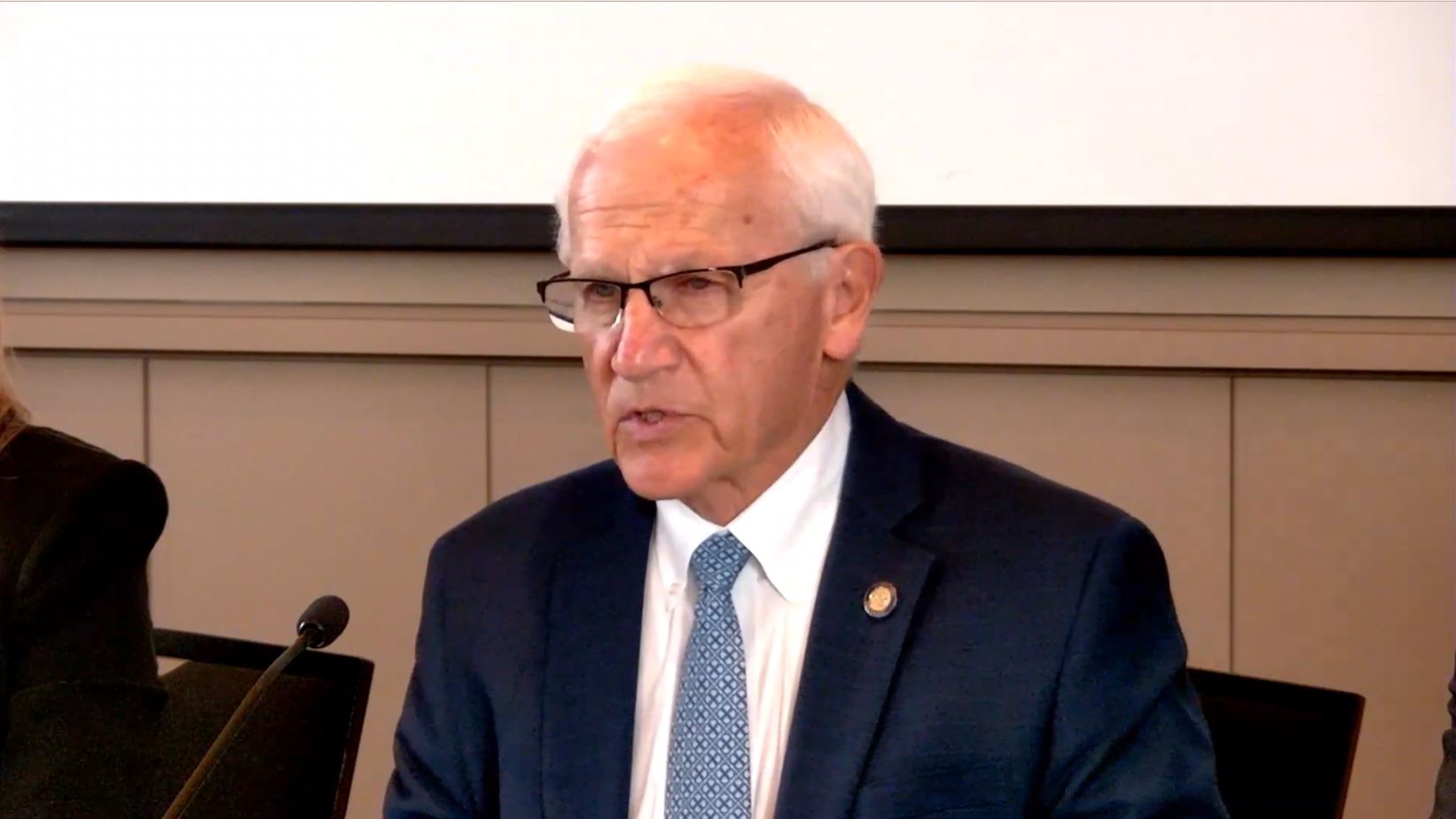
    Pa. State Sen. Gene Yaw in August 2023.Frank Kummer / Pa. House of Representatives

    Yaw told the Pennsylvania Capital-Star in 2023 that he does not consult with anyone at his firm about Pace-O-Matic.

    Yaw has benefited from Pace-O-Matic’s political giving. Operators for Skill, a PAC led and funded in part by Pace-O-Matic executives, has contributed $47,500 to Yaw’s campaigns since 2021, records show.

    His district is home to Miele Manufacturing, a company that makes and distributes Pace-O-Matic’s Pennsylvania Skill machines.

    In response to written questions about whether Yaw or his wife has benefited financially from McCormick’s representation of Pace-O-Matic, a spokesperson said the senator had no comment.

    Pace-O-Matic representatives have said the company’s leaders and PAC donate to many candidates in both parties.

    Targeting incumbent senators

    Beyond Yaw, Pace-O-Matic has cultivated plenty of allies in Harrisburg, contributing millions to politicians’ campaigns and inviting lawmakers to an outdoor rodeo festival in Wyoming — and helping pay for some members’ travel. The company has said the purpose of the 2022 trip was to help lawmakers learn from Wyoming legislators about that state’s regulated skill game industry.

    But Pace-O-Matic has also alienated some lawmakers, who have described its tactics as overly aggressive.

    Last year, the company contributed hundreds of thousands of dollars to a federal super PAC called Citizens Alliance Political Action Committee Inc., which in turn donated to an Ohio-based PAC called Defeating Communism.

    Defeating Communism distributed flyers attacking Pennsylvania Republican state senators who had taken positions at odds with the skill game industry. “Tell Senator Farry to stop targeting PA Firefighters + Veterans!” read one flyer targeting State Sen. Frank Farry, a Bucks County Republican and longtime volunteer firefighter who had introduced legislation to tax skill games at the same rate as casinos.
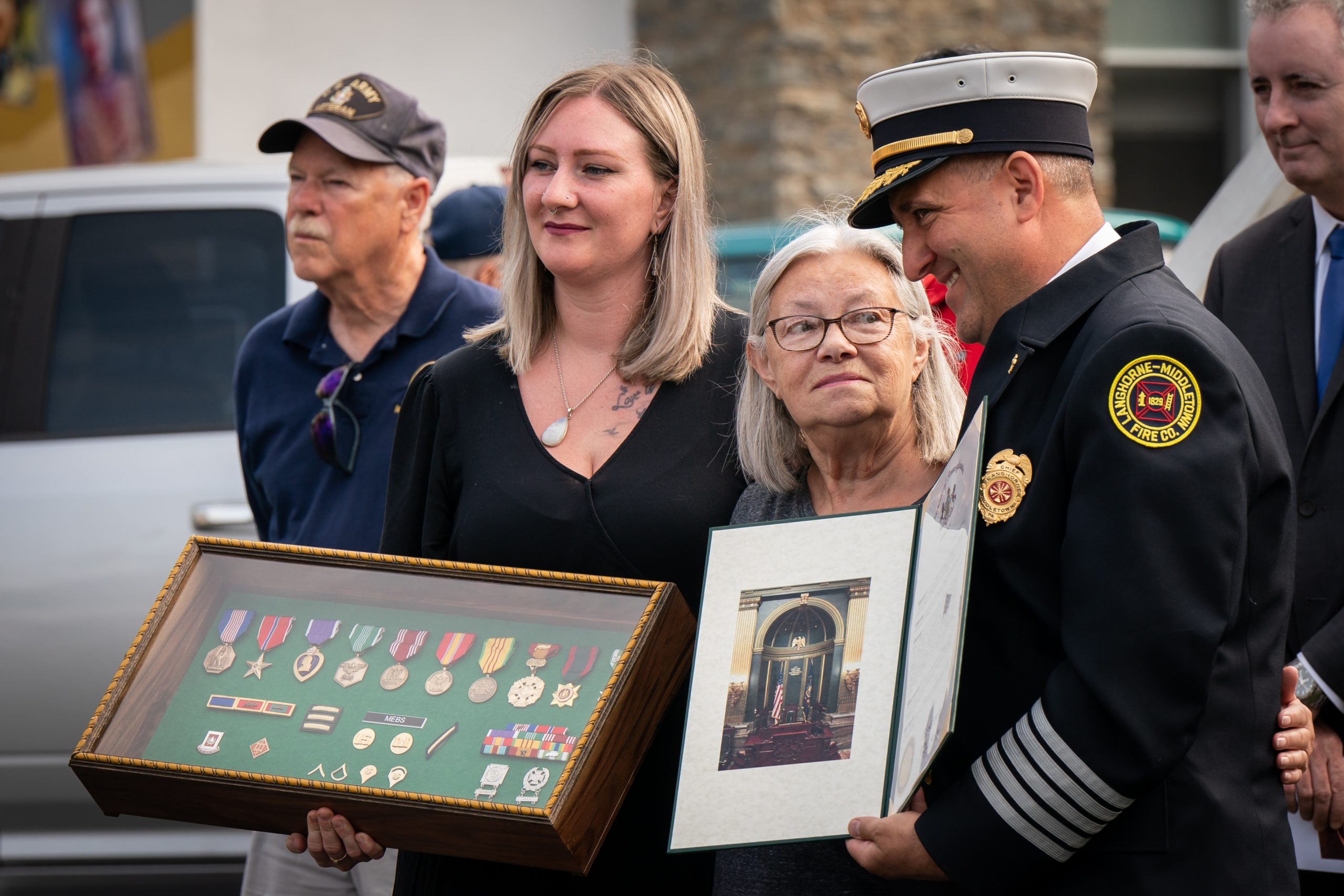
    Sen. Frank Farry (R., Bucks), right, has been the Langhorne-Middletown Fire Company fire chief for more than two decades.Jessica Griffin / Staff Photographer

    The skill games industry says many volunteer fire departments and Veterans of Foreign Wars posts generate income from their machines.

    Pace-O-Matic upped the ante this year, targeting three sitting Republican senators who were facing primary campaigns this spring. A company affiliate contributed $1 million this year to the Citizens Alliance super PAC, which contributed $2.8 million to a state PAC of the same name.

    The state PAC spent that money in part on TV ads and mail literature against incumbent Sens. Lisa Baker (R., Luzerne), Camera Bartolotta (R., Washington) — both of whom are members of GOP leadership — and Chris Gebhard (R., Lebanon). Gebhard wrote a bill last year that proposed taxing skill games at a rate the industry argued was too high.

    Operators for Skill, the Pace-O-Matic-affiliated PAC, gave $950,000 this year to Citizens Alliance of Pennsylvania PAC, a separate state group that also invested in campaigns against the three senators.

    Citizens Alliance is a national organization with chapters in several states, including Pennsylvania. Citizens Alliance CEO Cliff Maloney said his group opposes net increases in taxes and fees, and it works “with partners who agree and want to advance our principles.”

    In Bartolotta’s race, voters were getting upward of six mailers each day about her that she described as filled with “every ridiculous lie and smear.”

    She remains confused why she was targeted by Pace-O-Matic, arguing that she has always supported fraternal organizations and other small businesses using the machines as an additional revenue source.

    “Clearly Pace-O-Matic was making money hand over fist and they didn’t want to be regulated and they didn’t want to be taxed,” Bartolotta said. “They wanted it to be the wild, wild west.”

    The outside money prompted Senate Republicans’ campaign arm to spend hundreds of thousands of dollars protecting the incumbents, who ultimately prevailed. The senators also got a boost from sports betting interests, which spent millions backing their campaigns, Spotlight PA reported. That intervention came after a coalition of online sports betting sites helped stave off a last-minute effort to tax sports bets last year.

    Asked about Pace-O-Matic’s decision to invest in those races, Barley said, “There’s a part of us that doesn’t feel like our positions were being heard fairly.”

    Political skill

    Despite the electoral setbacks, Pace-O-Matic has maintained support among a broad cross-section of lawmakers — from State Sen. Anthony H. Williams, a Philadelphia Democrat, to Yaw, the Lycoming County Republican — who point to the revenue skill games generate for small businesses.

    “We signed up to protect the small-business owner, and in this time when everybody talks about affordability, I can’t afford a 52% tax,” Williams said at the recent rally, referring to the governor’s proposal.

    He and Yaw have sponsored legislation backed by the industry that would impose the $500 monthly fees on game terminals. In an interview, Williams said the bill would reduce the number of skill games operators in his community “significantly” and ensure proper regulation, adding that he was concerned about locations that offer games in addition to selling liquor by the drink and loose cigarettes.
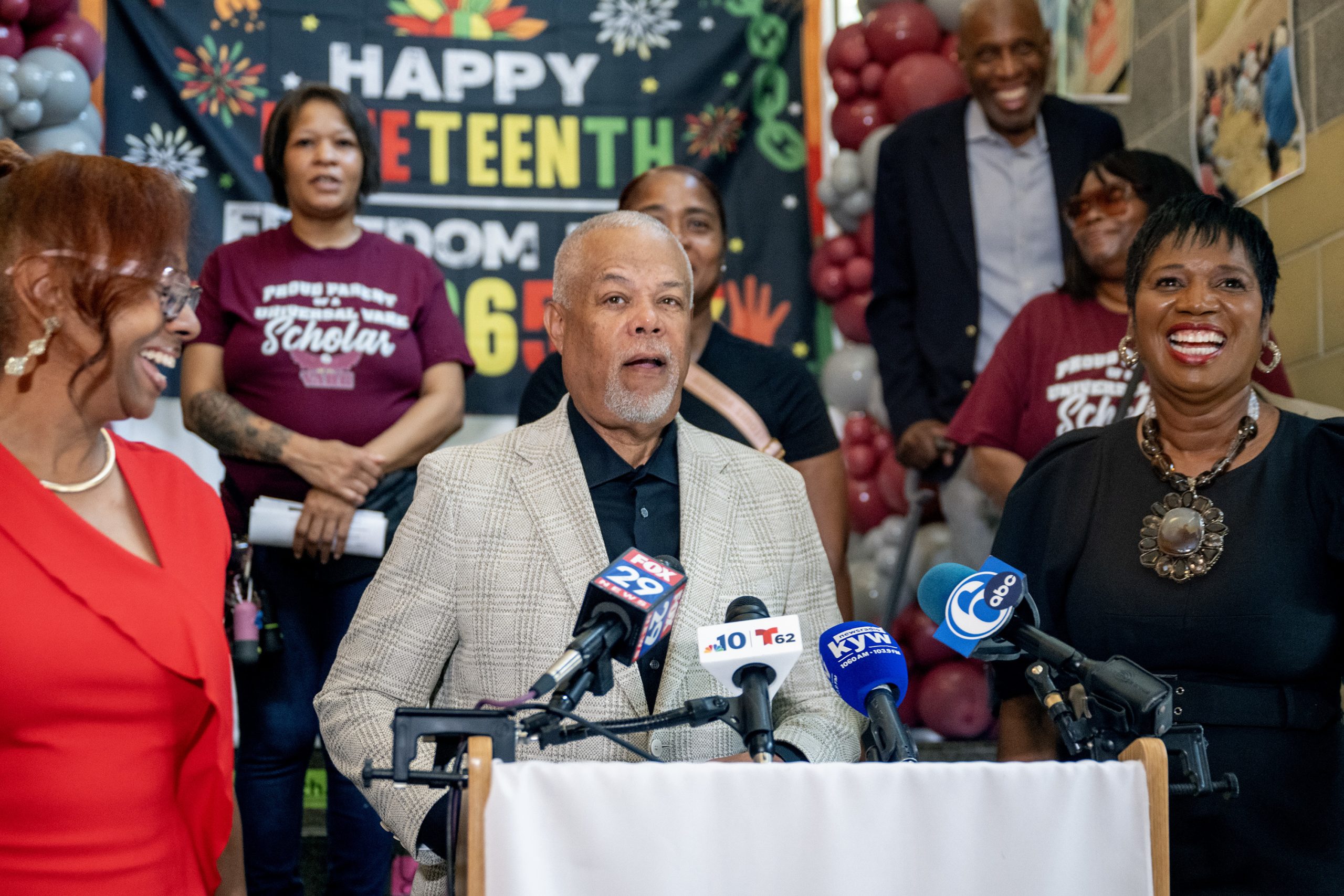
    State. Sen. Anthony H. Williams in 2025.Tom Gralish / Staff Photographer

    The political committee aligned with Pace-O-Matic, Operators for Skill, has contributed $70,000 to Williams’ campaign account since last year, records show. Williams, the top Democrat on a Senate panel that oversees gambling, said he developed his policy position before receiving that campaign money. He noted he has also received contributions from casino interests.

    “I don’t get a contribution and then decide to support something,” he said. “I’ve never done that.”

    Parx CEO Hausler said he is sympathetic to small businesses that host the machines but argued regulation will improve the quality of the games and reduce the number of locations competing with them.

    But he argued that skill games should face the same tax rate as casino slot machines, and called the Yaw-Williams bill a “sweetheart deal.”

    “I think of it like, ‘I was making $20 an hour in cash off the books. And now I gotta pay taxes,’” he said.

    Hausler said Pennsylvania’s casino industry employs 15,000 people and pays more than $2 billion annually in gaming taxes that fund property tax relief, horse racing, and local government grants.

    How legislators will balance those interests — and address a perennial budget deficit — is still taking shape. Under Shapiro’s proposed $53 billion budget, the state would spend $4.8 billion more than it is projected to take in over the next fiscal year.

    “It’s important that lawmakers act. We don’t want something that’s rushed. We want something that grows the foundation for our future,” Doug Sprankle, a Western Pennsylvania grocery store owner who runs a skill games advocacy group, said during the Capitol rally.

    There are signs that at least some lawmakers are not ready to cut ties with Pace-O-Matic or the skill game industry.

    Pennsylvania House Republican leaders have invited prospective donors to a July 27 outing at the Aronimink Golf Club in Newtown Square, with a reception and dinner to follow the tournament, according to a fundraising solicitation obtained by The Inquirer.

    Listed alongside the event’s sponsors was Operators for Skill, the Pace-O-Matic PAC.

    Staff writer Gillian McGoldrick contributed to this article.
  • Phillies star Bryce Harper declines to comment on FanDuel video to bettor who had addiction

    Phillies star Bryce Harper declines to comment on FanDuel video to bettor who had addiction

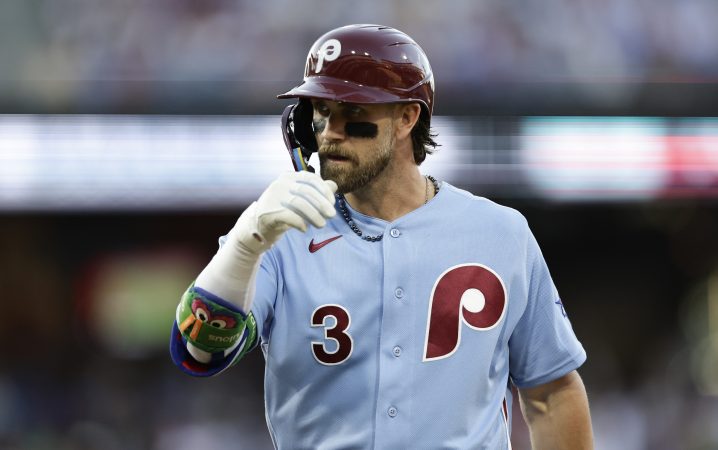
    Bryce Harper on Thursday declined to discuss an Inquirer report about a personalized video of the Philadelphia Phillies star that FanDuel Sportsbook sent in November 2024 to a VIP bettor who had a gambling addiction.

    The Inquirer obtained a copy of the 21-second video, which is marked with a blue FanDuel logo and shows Harper offering a greeting to the bettor, Terry Thompson, and Thompson’s son.

    Harper is not wearing FanDuel merchandise but mentions that he was reaching out at the request of Thompson’s VIP manager — “your host Bryttanni at FanDuel” — who wanted to ensure that he had an “extra special Thanksgiving.”

    There is no evidence that Harper had a partnership with FanDuel, nor that he had any indication that Thompson was suffering from an addiction.

    FanDuel on Thursday released the following statement:

    “FanDuel is committed to fostering a culture of responsible gaming and protecting our customers. Unlike illegal offshore sportsbooks, FanDuel employees are trained to recognize and flag signs of problem gambling and offer resources and tools, and we continue to review and strengthen our policies to ensure we have the industry’s strongest consumer protection initiatives.”

    The Inquirer previously shared the video of Harper with his agent, Scott Boras, as well as the Phillies and Major League Baseball.

    Each declined to comment.

    The Phillies were in Cincinnati on Thursday, preparing to play the Reds. It was there that Harper declined through the team to address the video before a reporter could directly ask him about it. Later in the day, Harper announced on Instagram that he had decided to participate in the All-Star Home Run Derby, which will be held Monday at Citizens Bank Park.

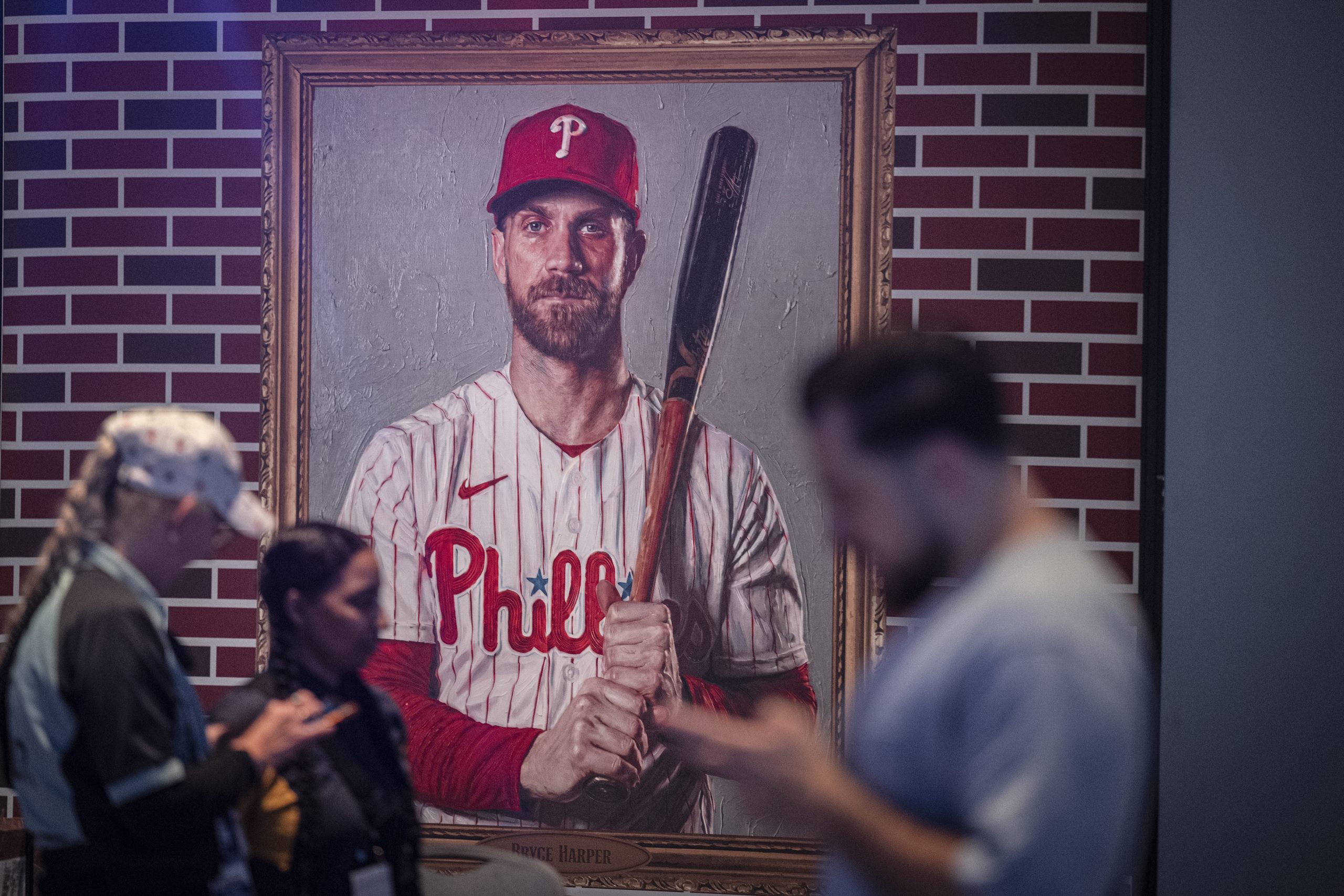
    A portrait of Bryce Harper is on display at the 2026 MLB All-Star Village inside the Pennsylvania Convention Center in Philadelphia. The All-Star Game will be held next week at Citizens Bank Park. Jose F. Moreno / Staff Photographer

    Independent experts said the FanDuel video does not appear to be a violation of MLB’s current collective bargaining agreement, which allows athletes to appear in advertisements or make personal appearances for casinos, racetracks, or sportsbook companies, so long as the ballplayers do not encourage betting on baseball.

    The current policy, which is scheduled to expire in December, does not specifically addresses interactions with VIP programs or bettors.

    Still, the episode raises ethical questions about the league’s relationship with gambling companies, whose business practices are facing increasing scrutiny from state and federal lawmakers, said Jodi Balsam, a former NFL attorney who now works as the director of the Sports Law Clinic at Brooklyn Law School.

    “Is this the kind of activity that either the union or the league want their players to be associated with,” Balsam said, “if it leads to addictive and self-destructive behaviors by a fan?”

    Beginning in 2020, Thompson wagered $18.5 million with FanDuel and lost $1.5 million, according to a lawsuit that the Public Health Advocacy Institute filed in March in Common Pleas Court in Philadelphia on behalf of Thompson and against FanDuel and DraftKings, to which Thompson also lost money.

    Harper is not named as a defendant in the lawsuit.

    Thompson’s attorneys allege that he became addicted to placing microbets — in-game wagers on something as minor as the speed of a pitch during a baseball game — until he gambled away his final $10,000 on a DraftKings parlay bet in February.

    Broke and afraid of disclosing the scope of his losses to his family, Thompson contacted his therapist and indicated that he planned to take his life.

    Police reached Thompson before he harmed himself.

    Harper, meanwhile, is one of baseball’s most marketable players, and was recently named to his ninth All-Star team.

    He typically announces new endorsement deals, which in the past have included companies such as Under Armour, Gatorade, and Dairy Queen.

    The circumstances of how Harper came to appear in the video for Thompson, and whether he received any compensation, remain unclear.

    Staff writer Lochlahn March contributed to this article.

    The Inquirer will continue to report on issues related to the growth of gambling addiction — among teens and adults — across Pennsylvania. If you, or someone you know, would like to speak with a reporter, please contact David Gambacorta or William Bender at dgambacorta@inquirer.com or wbender@inquirer.com

  • Philadelphia firefighters blast new contract with the city that leaves them behind police on pay

    Philadelphia firefighters blast new contract with the city that leaves them behind police on pay

    The union that represents more than 2,000 Philadelphia firefighters and paramedics says its members will, for the first time in two decades, receive a wage increase lower than police officers did — a contract provision they see as the end of years of pay parity among the city’s first responders.

    Mayor Cherelle L. Parker’s administration announced Wednesday that a panel of arbitrators had issued a two-year contract award for Local 22 of the International Association of Fire Fighters after its members had gone more than a year without a contract.

    Local 22 was the last of the city’s four major municipal unions to reach a multiyear agreement with the Parker administration. The other unions agreed to their contracts last year.

    Parker said in a statement that the contract award recognizes the contributions of the city’s firefighters and emergency medical personnel “while supporting the city’s efforts to remain fiscally responsible.”

    The contract award was issued by a three-member arbitration panel, a process governed by state law because emergency workers do not have the right to strike. The deal includes 3% raises annually for the next two years, plus a 1% wage increase in recognition of mandatory physical evaluations that members must receive biannually.

    Those raises total a 7% pay increase over two years for union firefighters, paramedics, and emergency medical personnel. In the city’s contract with police inked about a year ago, members of the Fraternal Order of Police Lodge 5 received a 9% wage increase in total over the same time period, plus a $3,000 signing bonus.

    Local 22 president Mike Bresnan said Parker’s administration did not adequately advocate for pay parity between police and firefighters. He said he is lobbying members of City Council to consider legislation that would require Council approval for the mayor to appeal firefighters’ contracts in the future.

    “Mayor Parker likes to run around putting her one index finger up as ‘we’re all one,’” Bresnan said. “Well, she just put her middle finger up to every firefighter and paramedic in the city.”

    He added: “If there’s somebody out there that’s thinking about running for mayor, we’d like to have a conversation with them.”

    The firefighters union has historically played a relatively minimal role in city elections compared with more politically active labor groups like those that represent construction workers. The union did not back a candidate in the 2023 mayor’s race, which Parker won.

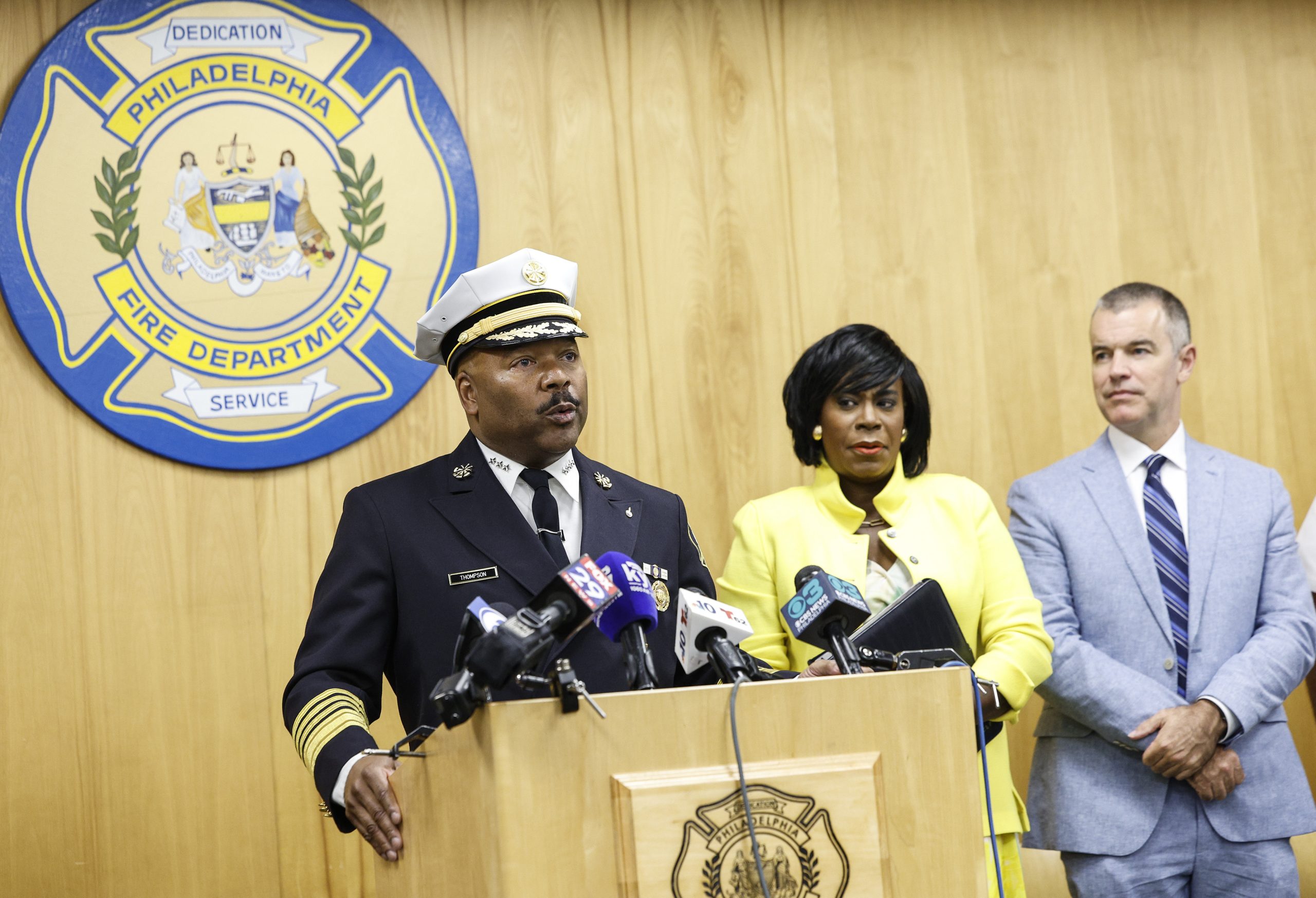
    In this 2024 file photo, Fire Commissioner Jeffrey W. Thompson stands, at left, with Mayor Cherelle L. Parker with Managing Director Adam Thiel at the fire administration building in Spring Garden.Steven M. Falk / Staff Photographer

    The FOP contract, similar to the firefighters’, included 3% annual raises. The difference was that police received an additional 1.5% annual wage increase because their union agreed to a process called “civilianization,” meaning some roles held by uniformed officers would be transitioned to ones held by civilians.

    The raise, according to the contract, was in recognition of the “operational flexibility” that the civilianization process would achieve. It did not identify the number of positions that would be civilianized or if the effort would save the city money.

    The arbitration panel that drafted the firefighters’ contract is made up of one appointee each from the city and the union, plus a neutral arbitrator. The panel wrote that while there has, in general, been pay parity in raises for police and firefighters, that “has never meant identical awards.”

    In this case, the panel reasoned, the civilianization-related raise was unique to the police department and the city did not need to match it for the firefighters.

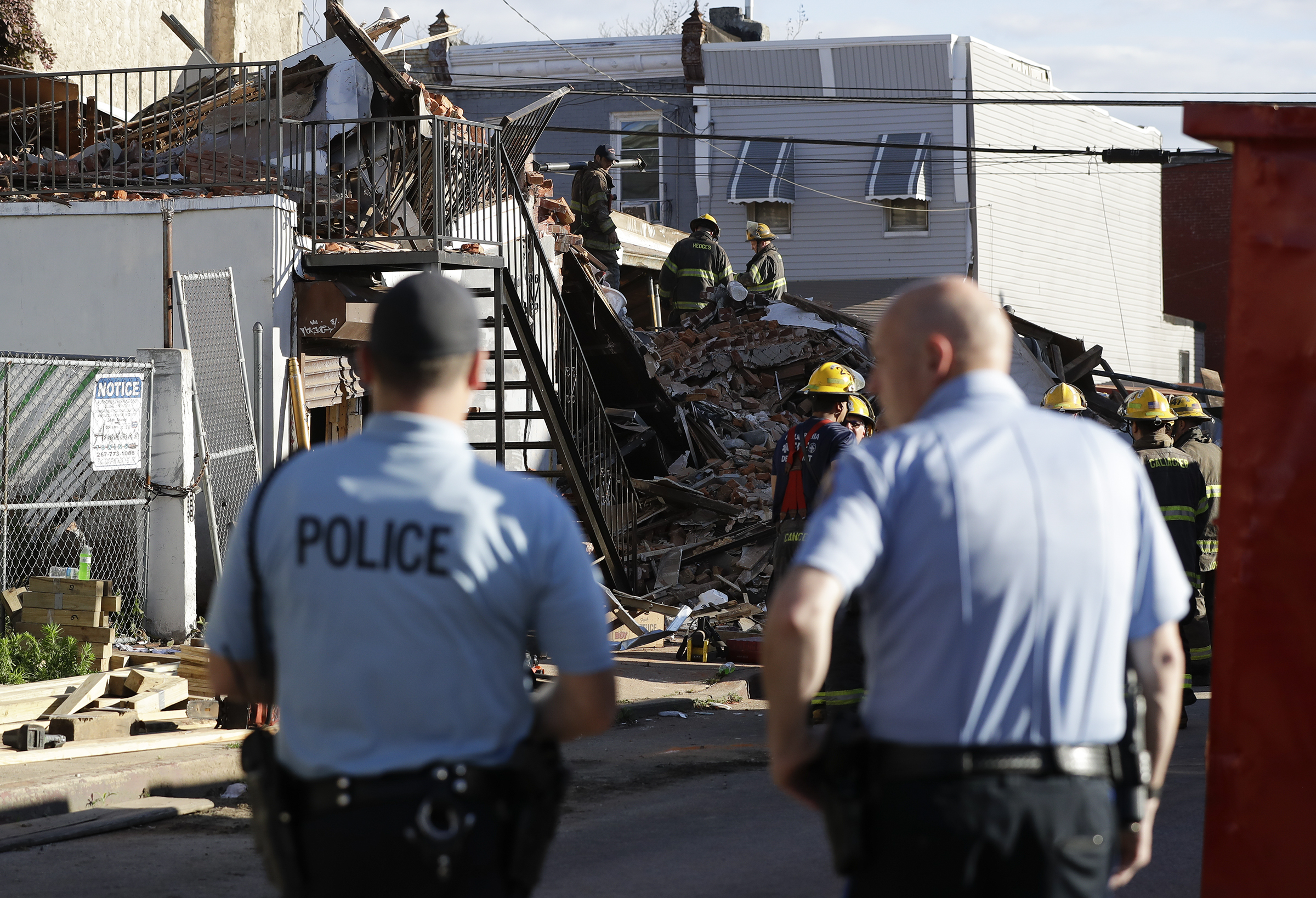
    In this 2022 file photo, Philadelphia firefighters examine the remains of a collapsed building along the 300 block of West Indiana Street in the Fairhill section of Philadelphia as Philadelphia police officers look on.YONG KIM / Staff Photographer

    Marc Gelman, the union’s appointed arbitrator, issued a scathing dissent, writing that the contract award was ultimately a “rubber-stamp to the city’s desired economic wishlist” and provided firefighters with “a dramatically lower wage increase than the police.”

    He argued that the city could afford a higher wage increase for firefighters because it is operating from a place of fiscal strength, citing its substantial surplus in this year’s budget.

    However, the city will have to tap into reserves or make adjustments to its existing five-year budget plan to cover the firefighters’ contract. That is because the administration already exhausted its $550 million labor reserve to cover contracts with the city’s other major municipal unions.

    The Parker administration did not estimate how much money the firefighters’ contract award will cost.

    Gelman wrote that the labor reserve was exhausted through the city’s “mismanagement and inability to plan.”

    “The city now cries poor,” he wrote, “and expects the members of Local 22 to suffer for its ineptitude.”

    Bresnan said pay parity is critical because the police and firefighters unions are unique in that “members can leave for work in the morning and not come home at night to their family.”

    “We’re out there shoulder-to-shoulder on these emergencies in the city,” he said. “Every mayor prior recognized this and kept the peace. Now they’ve created a fracture between the first responders in the city.”

  • Philly stores routinely violate the plastic and paper bag law, environmental group says

    Philly stores routinely violate the plastic and paper bag law, environmental group says

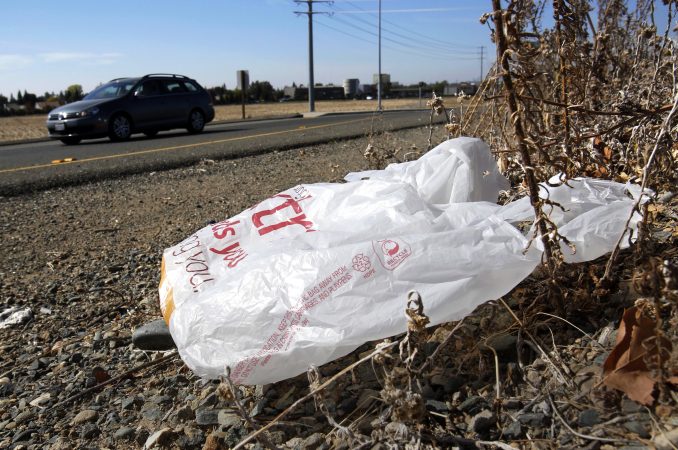
    A sampling of retailers, takeout businesses, pharmacies, convenience stores, and food stores shows half are violating Philadelphia’s ordinance that bans plastic bags and requires a fee on paper bags.

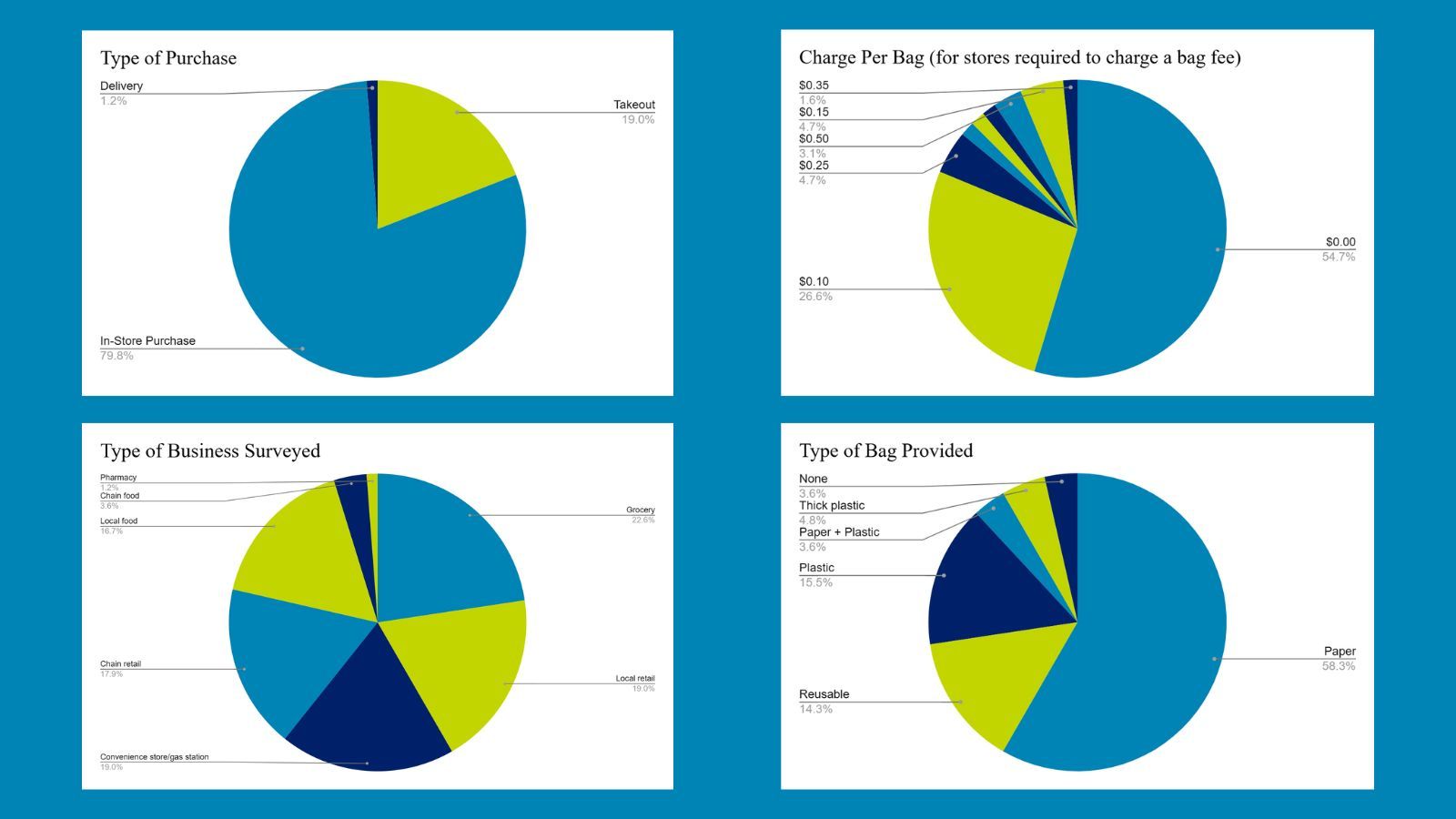
    That’s according to the PennEnvironment Research & Policy Center, which sent members to purchase items in 80 stores across the city and in neighborhoods with varying demographics.

    The nonprofit advocacy group’s survey found:

    • 55% of businesses violated at least one key provision of the law.
    • 50% of businesses failed to charge a 10-cent fee on paper or reusable bags.
    • 20% of businesses provided plastic bags that have been illegal for years. 

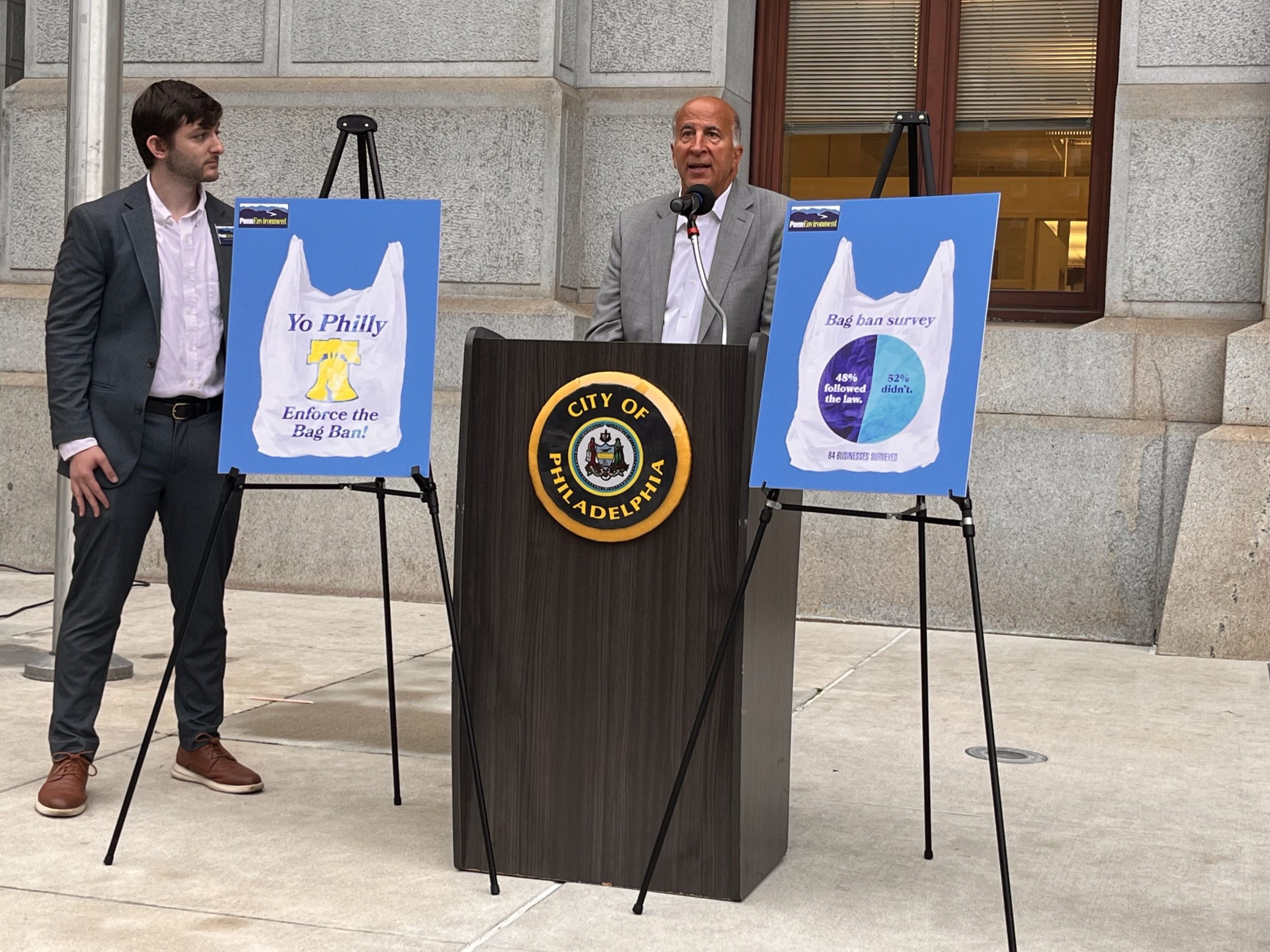
    Faran Savitz, a zero-waste advocate for PennEnvironment, said during a news conference Thursday outside City Hall that the group didn’t just scrutinize chain stores like Wawa, although those larger operations were generally compliant.

    He said the 80 stores surveyed were chosen to represent multiple types in all neighborhoods, although they amount to only a fraction of businesses in the city,

    “We wanted to look at as many different types of businesses and hit as many different neighborhoods in the city as possible, so we could get a sense of is this concentrated on one neighborhood or is it spread geographically everywhere,” Savitz said. “We found that this is a pretty widespread problem.”

    Charts from a survey of stores conducted by the nonprofit advocacy group PennEnvironment show what the report calls widespread noncompliance of Philadelphia’s revised plastic bag law that went into effect in January 2026.PennEnvironment

    Savitz said that chain stores tend to know the law and its requirements. Many small businesses remain unaware.

    However, the survey did highlight some positive momentum. Currently, three-quarters of surveyed businesses no longer distribute plastic bags. That’s a significant improvement from the group’s previous investigations that caught half of all stores providing them.

    The city’s updated bag ordinance

    Philadelphia’s original plastic bag law, introduced by Councilmember Mark Squilla, was passed in 2019 but was phased in slowly. It went into full effect in 2021.

    After that, paper bag usage skyrocketed, said Squilla, who represents the 1st District, including parts of South Philadelphia, Center City, and the River Wards. Although paper bags are biodegradable, they require more energy to produce and the cutting down of trees.

    Squilla introduced an updated bag ordinance last year, which was approved by City Council, and went into effect in January. It required a 10-cent fee on paper bags.

    The goal of the fee, Squilla said, is to change shoppers’ behavior and get them to bring reusable bags to the store.

    Squilla called the violations found by PennEnvironment “disappointing,” but said he knew compliance would be a challenge.

    “Our goal is to end single-use plastic bags in our waste stream and in the city of Philadelphia,” Squilla said.

    To close the compliance gap, PennEnvironment is urging Licenses and Inspections to improve education and enforcement, and asking residents to report noncompliant businesses to the city’s 311 system.

    Faran Savitz (left) of PennEnvironment Research & Policy Center and Philadelphia Councilmember Mark Squilla, at lectern, discuss PennEnvironment’s findings outside City Hall on July 9. Frank Kummer

    Plastic bags

    Ryan Rabenold, environmental program coordinator at the Pennsylvania Resources Council, said the city’s law is key to reducing waste, noting that most reusable plastic bags do not get recycled.

    Plastic bags contribute to litter, require fossil fuels to produce, and become microplastics in the environment when they break down.

    “They either get lost in the system, are contaminated with food or grease, which makes them unrecyclable, or they simply get blown away when we’re trying to collect them,” Rabenold said. “When they do end up in our recycling system … they contaminate materials that are recyclable and force them to be removed from the system.”

    Rabenold noted that microplastics have been detected in human blood and tissue.

    “We are feeling the impacts of something that we may not be able to see, Rabenold said.

    “It’s better for our health and the environment to use one thing 1,000 times,” Rabenold said of reusable bags, “rather than use 1,000 things once.”

  • The state system that runs West Chester and 9 other Pa. colleges votes to raise tuition 4.3%

    The state system that runs West Chester and 9 other Pa. colleges votes to raise tuition 4.3%

    Students in the Pennsylvania State System of Higher Education will face a 4.3% tuition hike — the largest percentage increase in a decade — if the system does not get a boost in state funding.

    PASSHE’s board of governors voted unanimously Thursday on the plan, which would enact the tuition increase if the system does not receive a 5%, or $31 million, increase in its state appropriation, which currently stands at $625 million. Gov. Shapiro has proposed flat funding for the system, and budget negotiations are continuing.

    Tuition would rise to $8,338 annually, up $344 from $7,994.

    “We’re all disappointed to … have to make this motion,” board chair Cynthia Shapira said. “We hope we do get the increase.”

    The 10 universities in the system are Cheyney, West Chester, Commonwealth, East Stroudsburg, Indiana, Kutztown, Lock Haven, Millersville, Penn West, and Shippensburg. Collectively, they enrolled 83,005 students last academic year, when the system experienced its first enrollment increase in 15 years. About 90% of students are Pennsylvania residents.

    The vote to increase tuition came one day after Temple University approved a budget that increased tuition an average of 3.4% for next year.

    Rutgers University also on Thursday voted to increase tuition 3% for in-state and out-of-state students, which the school touted as its lowest increase in four years. Tuition for a typical in-state, full-time arts and sciences undergraduate will increase on average $448 for the year, rising from $14,933 to $15,381, the school said. Meals and housing on average will rise 4%, from $15,332 to $15,945.

    Earlier this year, the University of Pennsylvania increased its total costs by 3.8% for 2026-27. Pennsylvania State University, which approves tuition increases a year in advance, hiked tuition 2% for in-state students at University Park for 2026-27 and froze it for those attending Commonwealth campuses.

    The resolution approved by the PASSHE board calls for the increase to be rolled back “if sufficient funding in state appropriation is received.”

    System chancellor Christopher Fiorentino said the tuition increase would cover the $31 million gap if the system does not get the increase. The board of governors took the same action last year and did not roll back a 3.6% tuition hike because the state held its funding flat.

    “We’re still really the most affordable four-year option that’s out there,” Fiorentino said in an interview before the meeting, comparing PASSHE schools to state-related universities like Temple and Penn State where tuition is more than twice that amount.

    Until 2025, the system had kept tuition at the same rate for seven years; if it had enacted inflationary increases, tuition would be $1,800 higher now, Fiorentino said. Preceding the freeze, tuition hikes were 2.5% in 2016-17, 3.5% in 2017-18, and 3% in 2018-19.

    Fiorentino said he continues to make the system’s case to legislators for more funding.

    “Our graduates earn 65% more over their careers than people without college degrees, which is about a million dollars in lifetime earnings,” he said. “Ninety percent of our students are from Pennsylvania, and 80% of them take their first job in Pennsylvania after they graduate. Investing in the PASSHE system … is truly an investment in the workforce of the Commonwealth of Pennsylvania.”

    System to launch new ‘last dollar’ scholarships

    The system also announced that beginning in fall 2027, it would provide “last dollar” scholarships to all Pennsylvania students who receive federal Pell and state Pennsylvania Higher Education Assistance Agency grants. For many students from the lowest-income families, the grants cover full tuition, but some families in the middle range who receive smaller amounts of aid are still on the hook for part of the cost, the chancellor said.

    “They’re the ones that tend to get caught in a bind, and they’re the ones that we’ve been worried about,” he said. “We’re going to cover the balance of their tuition” and make sure they are not affected by future tuition increases.

    Fiorentino said he hopes that donors will want to contribute to the effort so the level of aid can be expanded.

    The new scholarship program, called the PASSHE Pledge, will not cover room and board or fees.

    He did not have an estimate of how many students would qualify, but said system officials have been worried about losing them. And that would add to the enrollment decline at a time when the system, like other colleges, already is challenged by a shrinking pool of available high school students.

    “We’re hoping this is going to increase our enrollment numbers,” Fiorentino said.

    It is too early to predict fall enrollment, he said, but some of the system’s 10 universities are doing better with deposits than last year, some the same, and some a little worse.

    “We’re cautiously optimistic that we’re going to be stable,” he said.

    The system is partnering with community colleges to streamline the transfer process and concentrating on bringing students with some college credits and no degree back into the system, he said.

    “We will continue to work hard to maintain and grow our enrollments,” he said.

  • Long vilified graffiti art finds an unlikely gallery in Suburban Station

    Long vilified graffiti art finds an unlikely gallery in Suburban Station

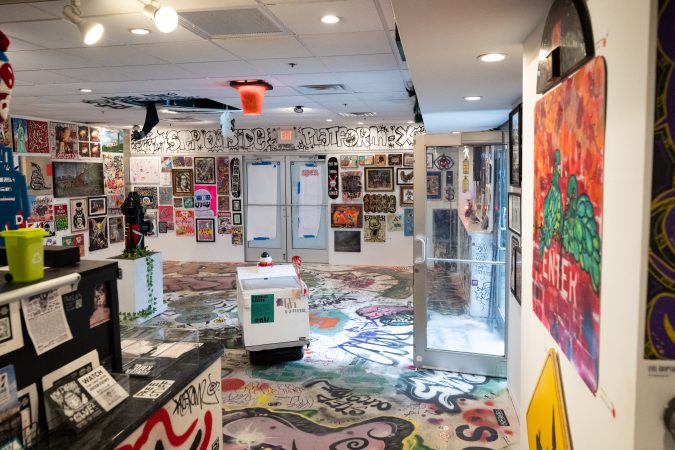
    On entering Suburban Station from the 16th Street entrance, one is welcomed by a vast, bare-walled concourse punctuated by empty retail spaces.

    And then you turn right.

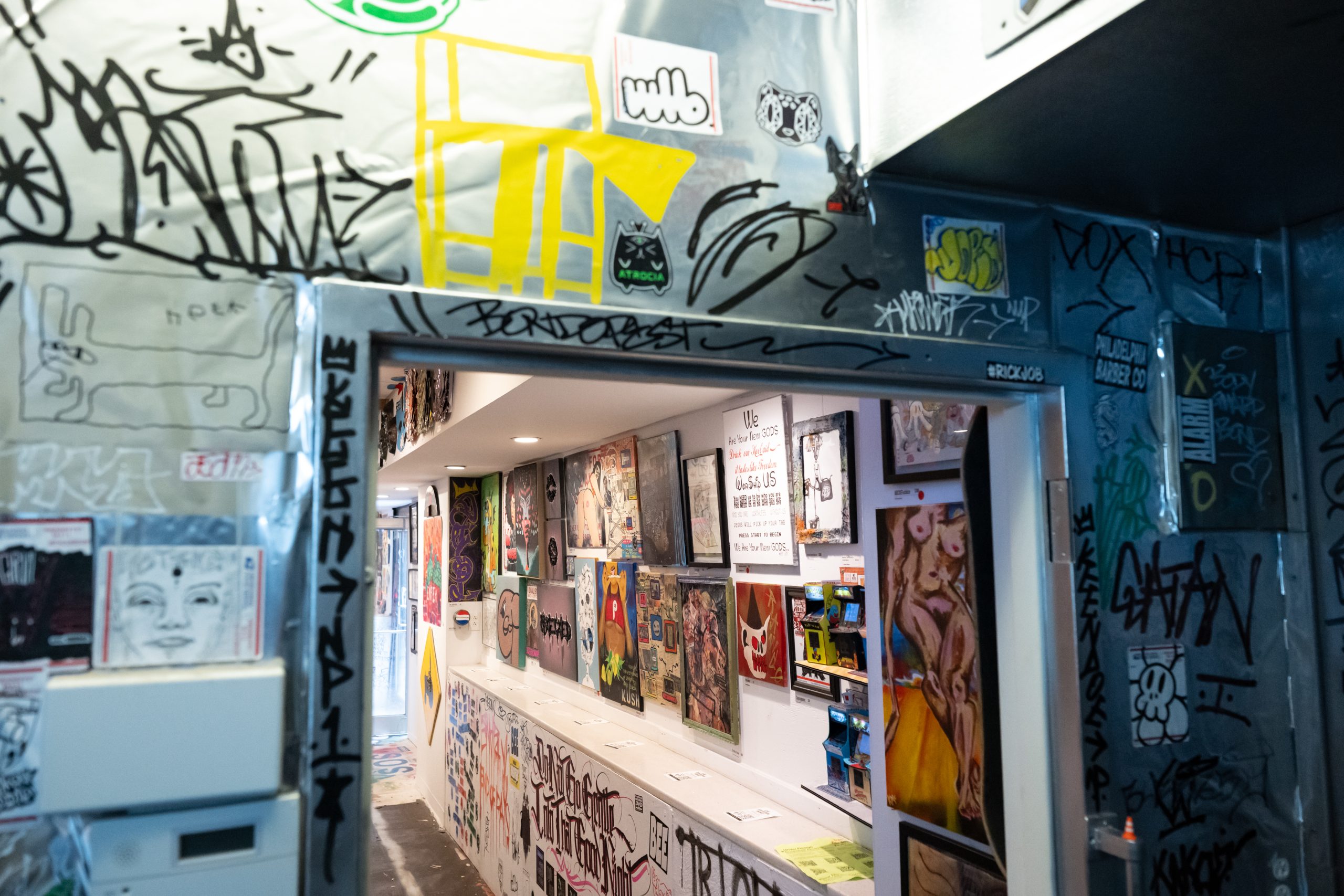
    A painting made to look like a subway car stands out against the blank concourse. The inside is entirely covered in graffiti, along with paintings, drawings, and mosaics. Not an inch of space is bare.

    Organizers and artists greet people as they come in and share stories about their street art journey.

    A room in the exhibit looks like the inside of a SEPTA BSL train car, orange seats and all.

    This is “Platform X,” a new era of graffiti art, organized by Step Outside, an artist-led program that transforms existing spaces into graffiti havens.

    Exhibition curator and fashion designer Zucati Zuce poses for a photo at Platform X.Erin Blewett / For The Inquirer

    “We’re all street artists and we care about this more than anything,” said the artist who goes by the name Doomed Future. “There’s not much opportunity in galleries to showcase graffiti and street art here in Philly. We want to have our own thing here.”

    Doomed Future works alongside Step Outside organizers Philmadelphia, Inphltrate, Zucati Zuce, Raw G Zero, Ianismymiddlename, and RoboQ4. Because graffiti is considered criminal mischief under Pennsylvania law, the artists did not want to share their real names for this article.
    SEPTA representatives reached out to Doomed Future in January and asked them to take a look at the vacant spaces for rent in Suburban Station for a potential exhibit. The artist decided to rent a space from a real estate agent.

    Artwork showcased in the Platform X art exhibition, in which the back room was made to look like a subway car.Erin Blewett / For The Inquirer

    “Street art’s grimy — it’s real, gritty, dirty,” Doomed Future said, “and so is the subway.”

    A more rebellious Semiquincentennial

    “USA 250″ is the theme around which 250 artists imagined their graffiti art.

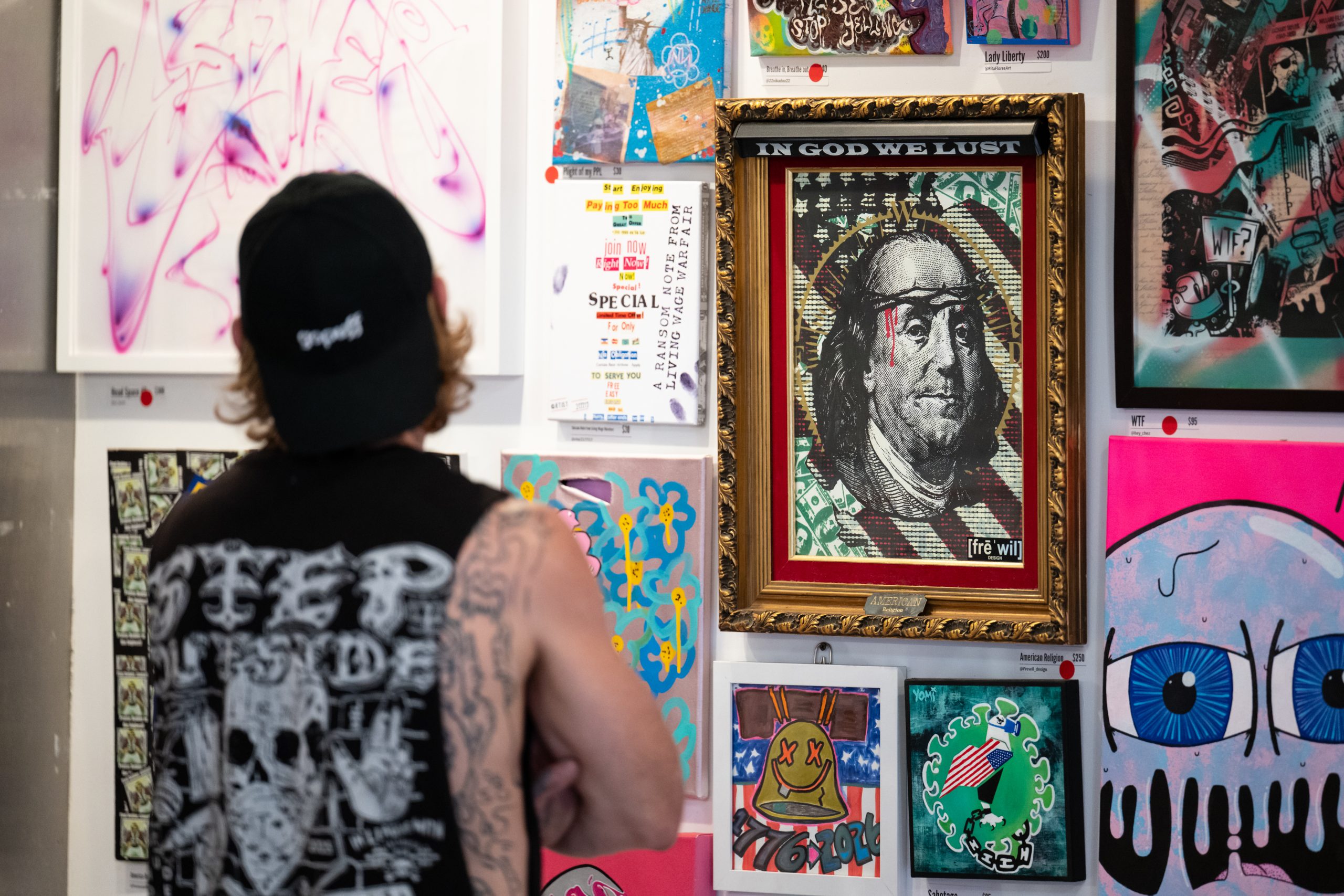
    One piece, American Religion, depicts Benjamin Franklin with a crown of thorns and the words “In God We Lust” above his head, certainly a switch from the patriotic depictions of the Founding Father we’ve seen for the Semiquincentennial.

    Exhibition organizer Ianismymiddlename looks at artwork at Platform X, including “American Religion” by @Frewil_design.Erin Blewett / For The Inquirer

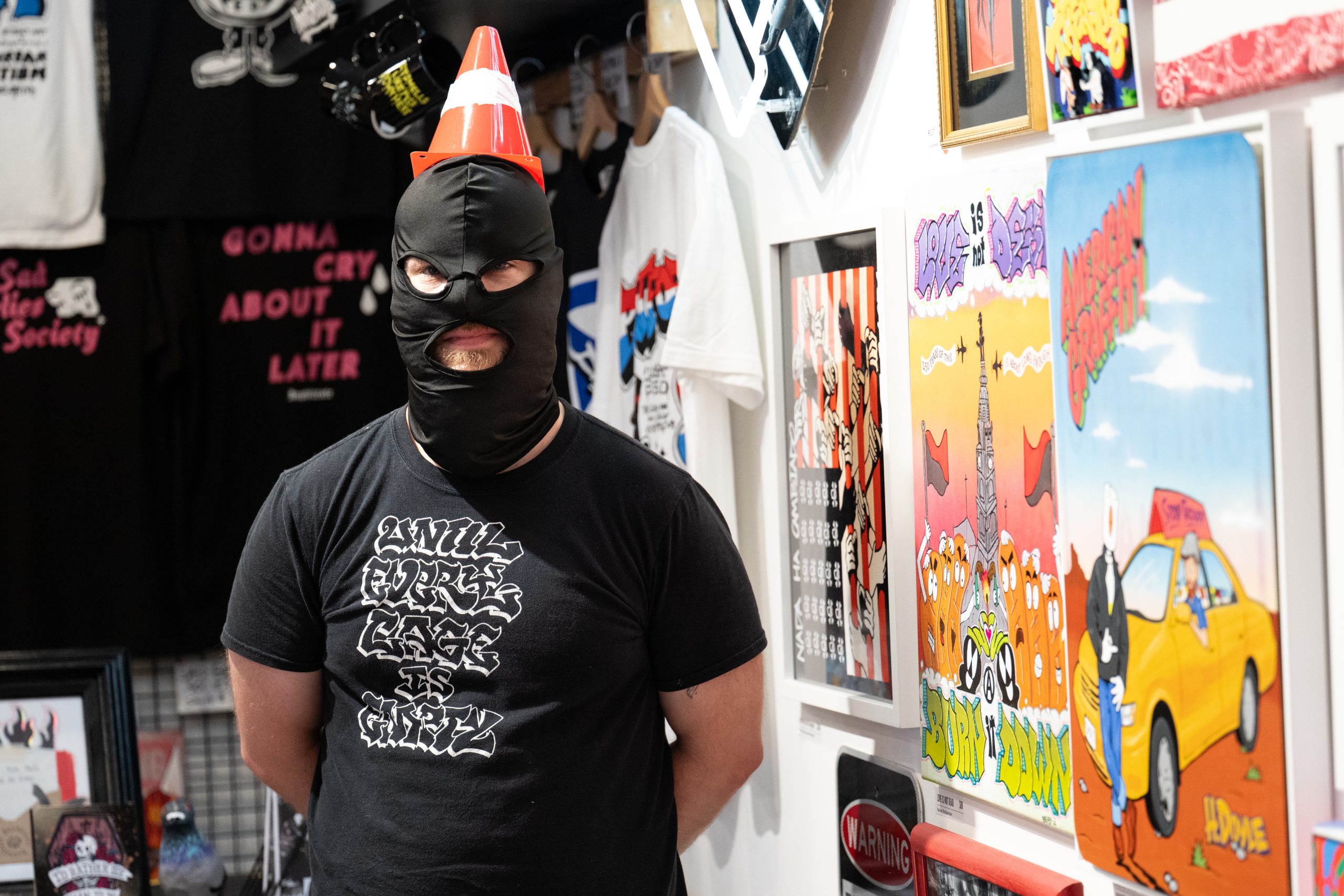
    Other pieces present a more rebellious yet optimistic view. Love Is Not Dead by Banjax the Balaclava depicts a bunch of angry figures holding anarchist flags in front of City Hall, with a match burning between two traffic cones at the center.

    “The thinking behind it was that there’s been a lot of burnout and frustration, particularly with folks that have been active in the street, fighting against injustices,” said Banjax. “I think it’s important to bring the message of love into these spaces as much as there is rage. As things get harder, continue to heat up, I want to remind people of that love is at the core of what we do.”

    Artist Banjax the Balaclava poses with “Love Is Not Dead” at Platform X.Erin Blewett / For The Inquirer

    “Platform X” is Step Outside’s fourth showcase after a year of operation, with this one put on in collaboration with the nonprofit United Street Art (USA). United Street Art is dedicated to advancing and highlighting street art and graffiti. Most of the artwork is for sale, with all profits going directly to the artists.

    “Supporting the artists is our main mission. We’ve been doing free shows before, and this is our biggest one,” said RoboQ4 aka Robb Quattro, executive director of USA. “This is a big, long-term investment for us and we’re ready to continue doing more shows beyond this one.”

    Establishment vs. antiestablishment

    Graffiti, as an art form, is inherently antiestablishment, and the establishment still does not receive it well.

    At the start of the year, the city announced the Gateways to Philadelphia project. In collaboration with Mural Arts and Pennsylvania Horticultural Society, it invests $11.5 million toward beautification initiatives, including landscaping, new murals, and graffiti removal.

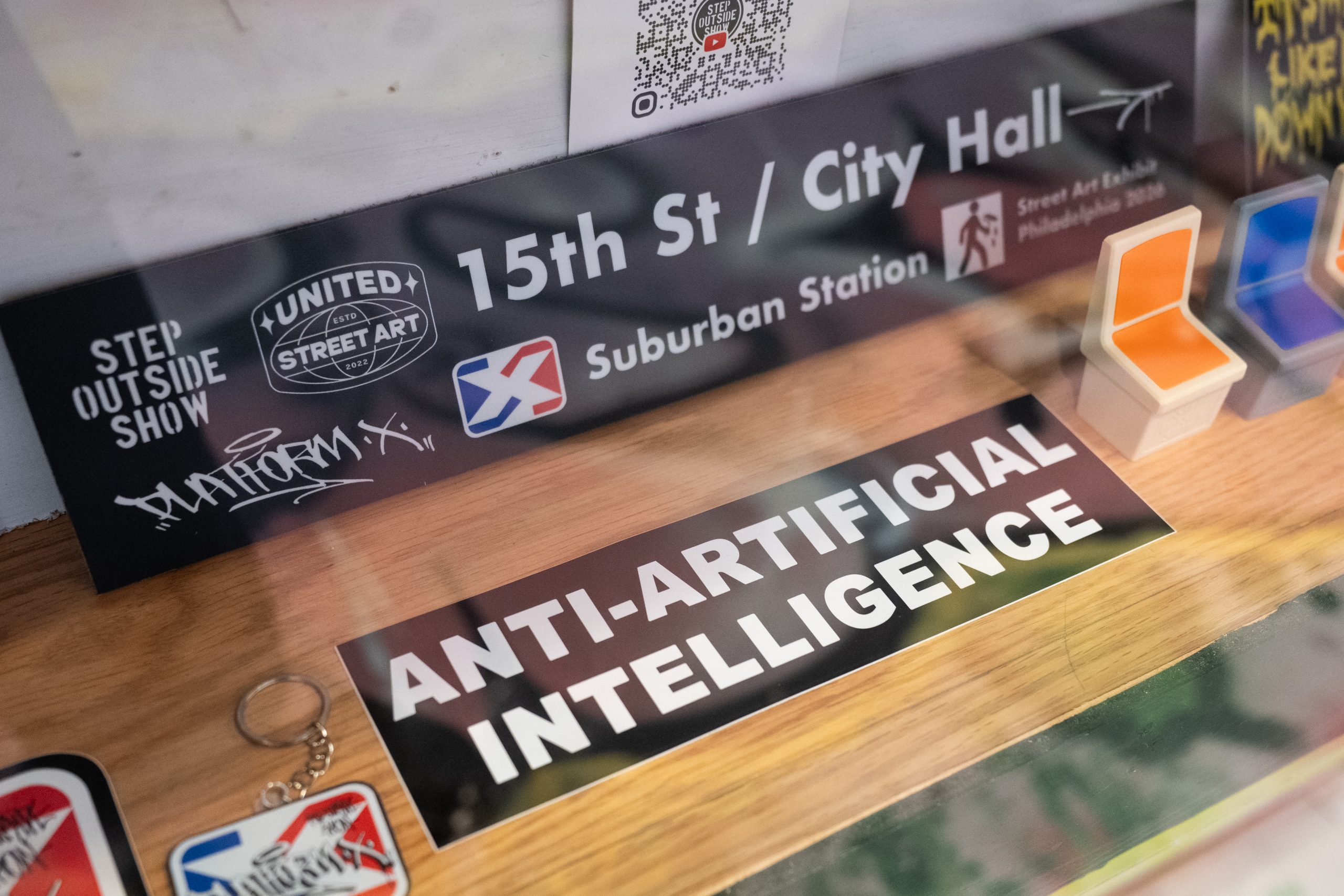
    A sign for the Step Outside art exhibition with a sticker that says “Anti-Artificial Intelligence.”Erin Blewett / For The Inquirer

    “I can understand some people saying some graffiti is an eyesore, but there’s a lot that’s not,” said contributing artist Satan, who has been making graffiti art for over 40 years. “This is helping me as an artist grow.”

    The show has been received glowingly by visitors, who have been invited to add to the art themselves. People have drawn on the walls with chalk, spray painted their own tags, and left stickers anywhere there was room.

    On Father’s Day, there was a father-son duo putting their own graffiti on the wall, said artist and organizer Inphltrate. “That was really cool to see,” she said. “This is a safe haven for not only street art and graffiti, but for any person who is creative who needs an outlet. You are safe and accepted here.”

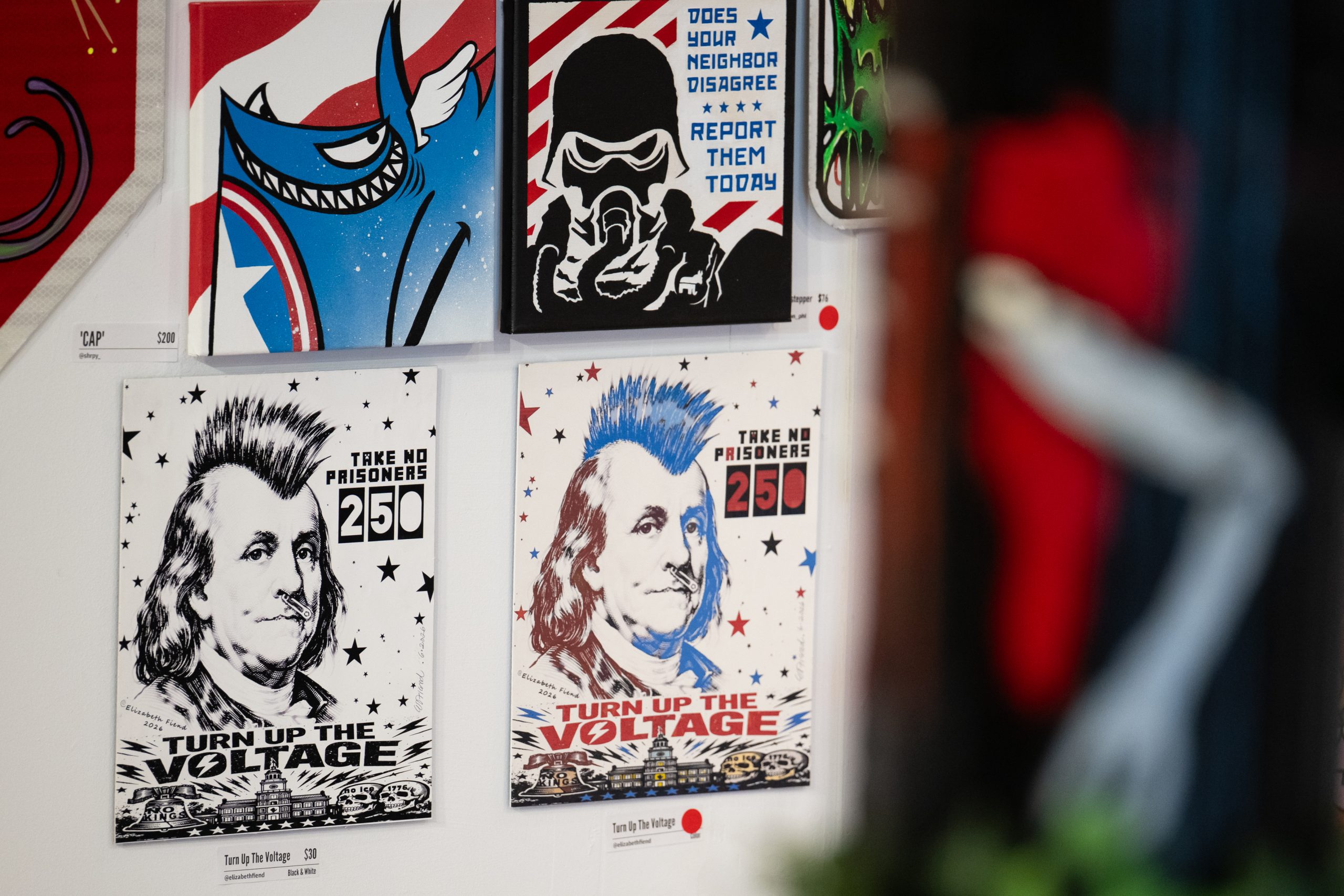
    Artwork by the artist, who wishes to be identified with their Instagram username, @shrpy_ (top), and Elizabeth Fiend (bottom) is pictured at Platform X.Erin Blewett / For The Inquirer

    “Writing our names, I didn’t look at it as art. We were vilified,” said wallwriter Lewis Pittman, also known as Lewis or King Lewis in the street art scene. “I’m glad I’m still above ground to see the evolution of this culture. I’m glad it’s accepted as an art form.”

    Pittman is one of Philadelphia’s original “wallwriters,” which is what graffiti artists called themselves in the 1970s. Pittman, along with wallwriters like Cool Cone and Cornbread, helped popularize the now iconic Philadelphia “gangster” handstyle, defined by tall, condensed letters.

    “I remember Sunday nights going to Fern Rock, writing on all the buses and trains,” Cone, aka Cone ICP, said. “On Monday morning, nothing but my name came down Broad Street.”

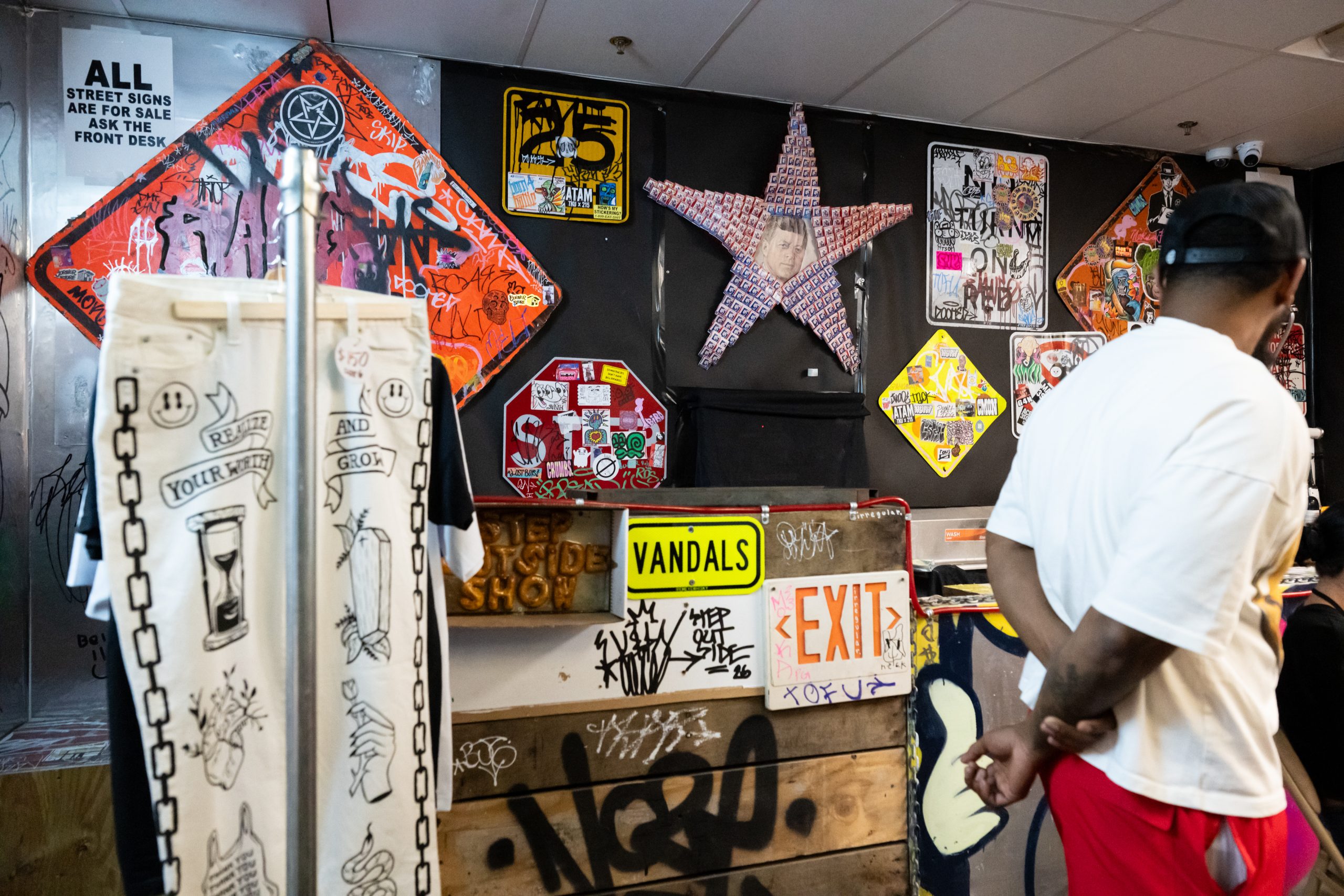
    Curator and fashion designer Zucati Zuce stands in front of street signs with graffiti, all of which are for sale.Erin Blewett / For The Inquirer

    After the USA 250 show closes, Step Outside plans to put on a Then and Now-themed showcase in August at Platform X, showing the evolution of street art. Incorporating and paying respect to the OGs who popularized the art form is a necessity for their exhibits.

    The deep history of Philly graffiti

    As a teenager, Cone founded Imperial Casanova Persuaders (ICP), one of the country’s original graffiti clubs, known for tagging public transportation. They helped originate the “wicked” variant of the Philly gangster handstyle, which puts a more wild, energetic spin on the lettering.

    “They could look at us as being the start of murals, too, since a lot of stuff started in Philly. But we don’t get the recognition because a lot of people don’t speak on it,” he said. “In American history, we’re one of the best kept secrets.”

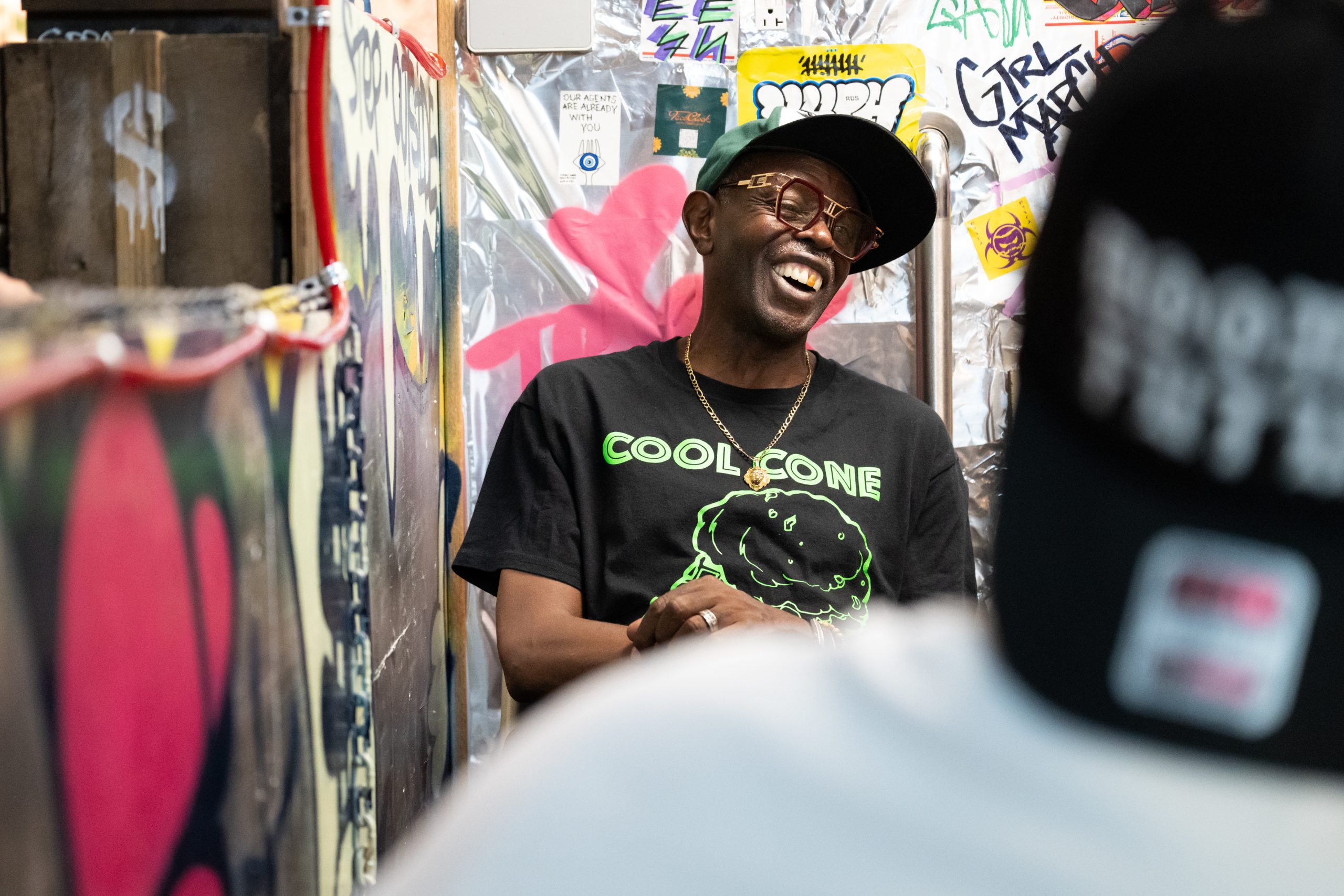
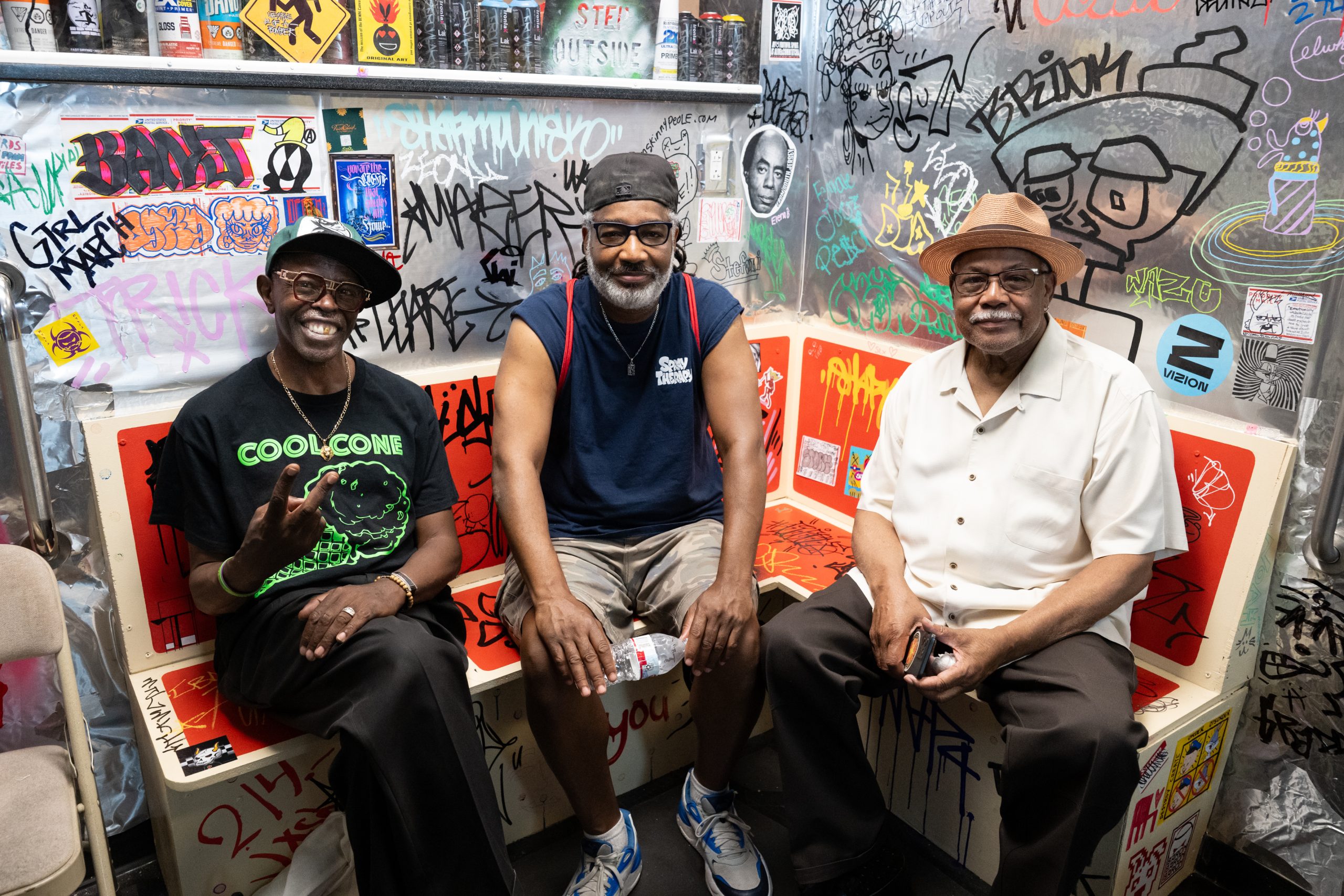
    Contributing artist and self-styled wallwriter, who wishes to be identified as Cool Cone, is interviewed by a reporter. As a teenager, he founded graffiti club ICP. Erin Blewett / For The Inquirer

    Philadelphia, with its thousands of murals, is billed as the “Mural Capital of the World.” Mural Arts Philadelphia, the country’s largest public arts program, started off being a part of Philadelphia Anti-Graffiti Network in 1984.

    Cone, like many graffiti artists, had several run-ins with police officers in the 1970s, getting targeted for wallwriting. Today, he travels the nation, speaking at museums and various art events, recognized as a trailblazer in street art history.

    From left: Artists Cool Cone, Satan, and Lewis Pittman pose for a portrait at Platform X. The three are trailblazers in Philadelphia’s street art scene, going back to the 1970s and 1980s.Erin Blewett / For The Inquirer

    ICP’s symbol, a capital “I” with two dots on the side, can still be seen tagged around the city and even in Platform X.

    “You’re not going to stop the wallwriters,” Pittman said.

    Closing receptions for the “Platform X” USA 250 show are Friday, July 10, from 5 to 10 p.m. and Saturday, July 11, from 1 to 10 p.m. The exhibit will stay open for the rest of the summer.

    Platform X is located in Suburban Station down the steps on 16th Street between Market Street and JFK Boulevard in Center City, Philadelphia. More information on stepoutsideshow.com and @stepoutsideshow.

  • The first week of July is typically Philly’s most violent. This year, the holiday weekend was markedly calmer.

    The first week of July is typically Philly’s most violent. This year, the holiday weekend was markedly calmer.

    The first week of July has typically been one of Philadelphia’s most violent, with recent Independence Day weekends marked by mass shootings, police officers shot, and bursts of violence that left a dozen dead.

    But this year, amid a dramatic decline in violence and a flood of visitors to the city, the holiday weekend was noticeably calmer than in years past, offering another encouraging sign that the dramatic decline in shootings held through one of its toughest tests.

    Twenty-three people were shot from July 1 through July 7 — a slightly higher total than most weeks in 2026, but nearly half the average number of shooting victims during the same period over the last decade, according to city data. In 2021, at the height of the city’s gun violence crisis, more than 70 people were shot in that week alone.

    If the current pace continues, Philadelphia is on track to record fewer than 200 homicides for the first time since the 1960s, a remarkable turnaround from just five years ago, when nearly three times as many people were killed.

    (function(){function e(){window.addEventListener(`message`,function(e){if(e.data[`datawrapper-height`]!==void 0){var t=document.querySelectorAll(`iframe`);for(var n in e.data[`datawrapper-height`])for(var r=0,i;i=t[r];r++)if(i.contentWindow===e.source){var a=e.data[`datawrapper-height`][n]+`px`;i.style.height=a}}})}e()})();

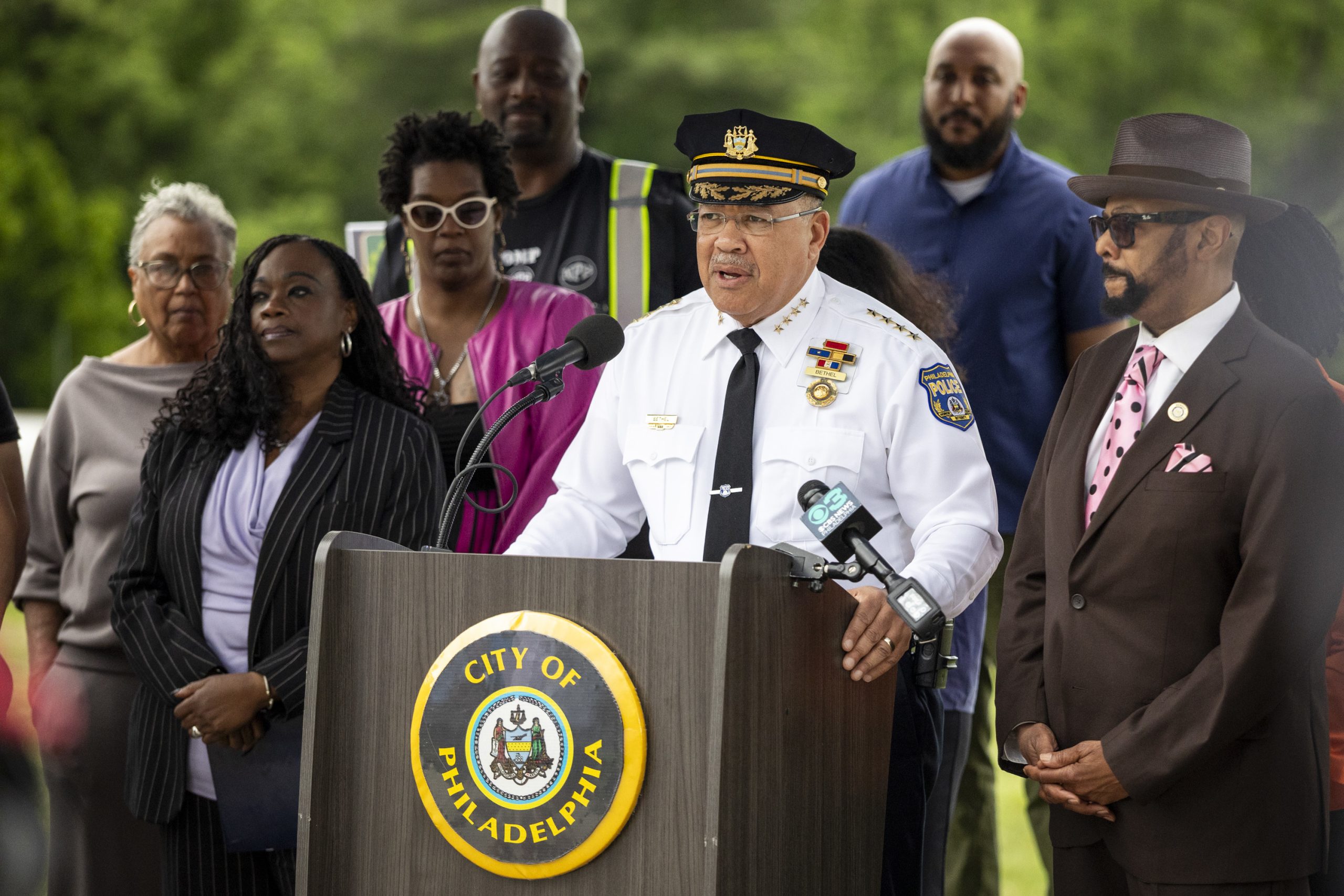
    Philadelphia Police Commissioner Kevin Bethel said in an interview that the July Fourth weekend is historically one of the most challenging for urban police departments.

    In each of the last four years, Philadelphia’s celebrations were overshadowed by violence: Last year, 13 people were shot in South Philadelphia; nine people were struck by bullets at a teen party in Southwest Philadelphia in 2024; five people were killed at random by an armored gunman in Kingsessing the year before; and in 2022, two officers were grazed by bullets on the Benjamin Franklin Parkway, sparking a stampede of fireworks spectators.

    Bethel said he and other city, state, and federal law enforcement officials spent about two years planning for this holiday weekend, preparing for potential crises that never came.

    Anticipating hundreds of thousands of visitors for FIFA Club World Cup events and the nation’s 250th birthday celebrations, the department canceled many officers’ vacation requests over the last month and, on the Fourth, deployed more than 2,000 members of local and state law enforcement across the city, he said.

    Philadelphia Police Commissioner Kevin J. Bethel, speaks at a press conference on the details for the Roots Picnic in May 2026.Tyger Williams / Staff Photographer

    Reinforcements from the Pennsylvania State Police and neighboring municipalities helped the city maintain staffing levels in neighborhoods that have historically seen more violence, Bethel said. Officers worked in the record-breaking heat, he said, with some starting their shifts at 7 a.m. and clocking out only after the concert on the Parkway ended at 3 a.m.

    The FBI took the lead on monitoring the skies, Bethel said, intercepting several drones that were flying illegally. (None of the drones, he said, was flying with “nefarious” intent.)

    He called the weekend a validation of the city’s planning and broader work that has contributed to the decline in gun violence.

    “I can’t tell you how many people grabbed me and said they felt welcomed and felt safe,” he said of the events over the last month. “Let’s own the win. Let’s not hide from it.”

    Bethel also said there had been no acts of violence around the approximately two dozen bars that were approved to stay open until 4 a.m. from June 11 to July 19 to accommodate crowds attending the FIFA, July Fourth, and MLB All-Star celebrations.

    “We’re seeing zero issues,” he said.

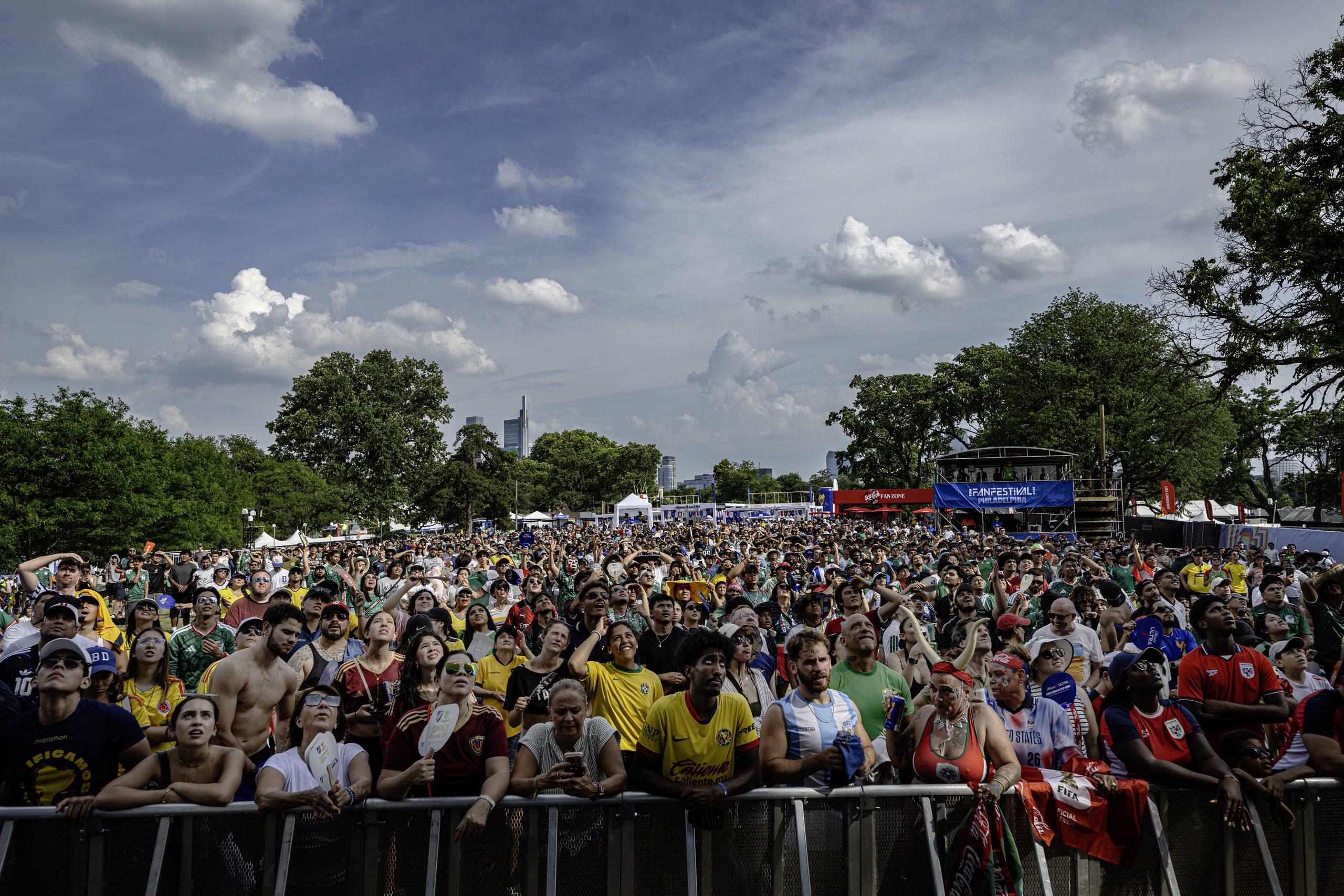
    Soccer fans gather to watch Mexico play South Africa on a giant screen during the opening day of the FIFA Fan Festival at Lemon Hill on Thursday, June 11, 2026, in Philadelphia.Jose F. Moreno / Staff Photographer

    The reduction in violence over the holiday weekend fits a broader pattern. Shootings and homicides in the city began to decline in 2023, mirroring a national trend, and have continued to fall. So far this year, 90 people have been killed in homicides — less than a third of the number recorded at the same time three years ago, according to police data.

    Just as there was no clear explanation for the spike in crime that began in 2019, criminologists and law enforcement officials say, it is similarly difficult to pinpoint the reasons for its decline. But there are theories: an overall return to normal life after the pandemic, expanded community-based violence prevention programs, more arrests in shootings and homicides, and targeted prosecutions of some of the city’s most violent gangs.

    One measurable change has been the police department’s improved clearance rates, which researchers have long viewed as a potential deterrent to future violence.

    The homicide clearance rate — the share of killings solved, including arrests made this year in both new and older cases — has climbed to nearly 99%, up from about 47% in 2022. The clearance rate for nonfatal shootings has risen to about 41%, roughly double what it was in 2021.

    Bethel said those arrests take would-be shooters and victims off the streets and interrupt cycles of violence.

    “We’re impacting retaliation, we’re impacting somebody being shot again, we’re impacting someone who may shoot and kill somebody,” he said.

    Jeff Asher, a New Orleans-based national crime analyst, said because the decline is likely driven by many programs and societal changes, it is hard to know what will sustain the progress.

    “I keep expecting [the crime rate] to stop falling, and it’s just not,” he said in an interview. “So, maybe this is the new normal. We just can’t say with a ton of confidence.”

    Still, the quieter weekend was not wholly peaceful.

    Three men were killed between Friday and Monday morning, leaving families and neighbors to mourn loved ones even as the city showed signs of sustained progress.

    On Monday morning, Shawn Caddell, 32, was killed during a robbery inside a Logan beer deli, police said. And on Sunday, two men were slain in areas that have long been hot spots for shootings: Emanuel Aguirre, 27, was fatally shot in the Hunting Park section of North Philadelphia, and Donald McPhaul, 51, was gunned down on Salford Street in West Philadelphia.

    A 16-year-old in South Philadelphia was among more than a dozen people who were shot and survived.

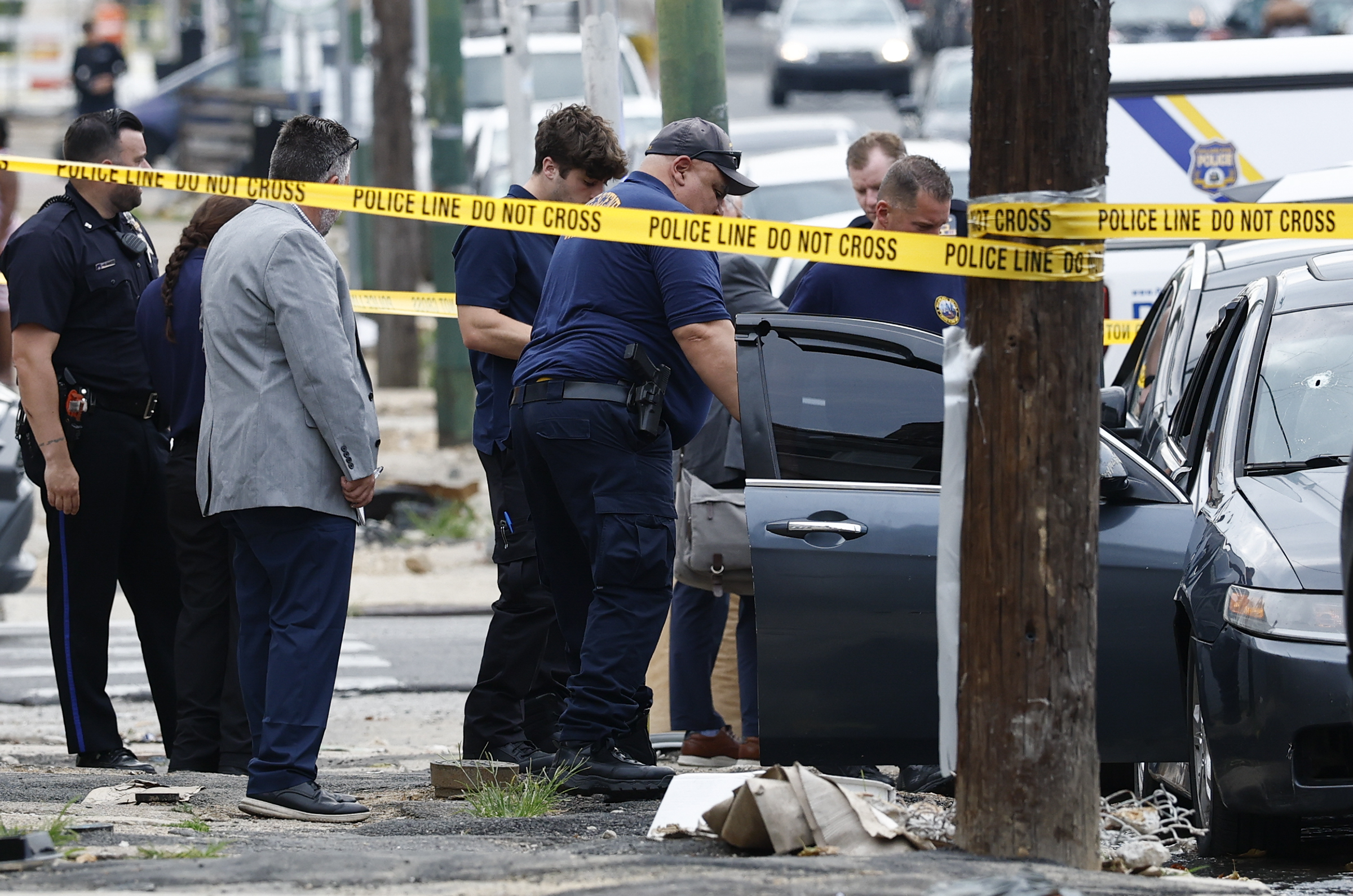
    Philadelphia police examine a car with a bullet hole after a man was fatally shot along the 500 block of East Wyoming Avenue on July 5, 2026.Yong Kim / Staff Photographer

    Bethel said the pockets of the city that have long experienced higher rates of violence — and that continue to see shootings, albeit fewer, today — remain a priority.

    “We are never going to give up in those communities,” he said. “We are going to keep working in those areas.”

    Recent polls have found that a majority of Philadelphians have noticed the decline and feel safer. But for residents on blocks where shootings remain a recurring threat, a citywide trend line can feel distant from daily life.

    Chantay Love, president of the victim-advocacy organization EMIR Healing Center, said the communities seeing recurring violence are still grappling with “the trauma and collateral damage that is left behind” from the last six years.

    Along the stretch of Market Street near where McPhaul was killed, more than 100 bullets were fired into a party on July 4, 2021, leaving two men dead. Earlier this year, 20-year-old Imani Ringgold was walking down the block with a slice of pizza when she was caught in the crossfire of an escalating gang feud and killed.

    Linda Days, 72, who lives in the area, said the shooting that killed McPhaul was another reminder of the violence she has come to expect since moving there seven years ago from Olney.

    Standing in her doorway on Tuesday, Days said it feels as if gunfire has become part of the soundtrack outside her home. But during the Fourth of July weekend, she said, she is especially careful to stay inside.

    “I don’t even come out to watch the fireworks,” she said.

  • Trump’s DOJ said Pa. election officials could be criminally charged if they let noncitizens vote

    Trump’s DOJ said Pa. election officials could be criminally charged if they let noncitizens vote

    The Justice Department sent a letter this week threatening criminal charges against Pennsylvania’s top election officials if they allow votes by noncitizens to be counted in forthcoming elections — a largely nonexistent phenomenon that is already prohibited by law.

    The letter, addressed to Pennsylvania Secretary of State Al Schmidt and obtained by The Inquirer, was part of a nationwide effort by the Justice Department to say it is cracking down on what President Donald Trump has inaccurately described as a variety of problems with how ballots are cast and counted across the country. Similar letters were sent to election officials in all 50 states this week, the Justice Department said in a statement.

    An agency spokesperson said the letters were “asking for voluntary compliance in a timely manner with [officials’] obligations under federal law to ensure only citizens vote in federal elections.”

    The outreach came after Trump’s administration, during his second term, took other steps to target states’ election practices or voter rolls.

    A spokesperson for the Pennsylvania Department of State said in a statement that the state “is in compliance with federal and state election law.”

    “We will continue our nonpartisan work to ensure elections in the commonwealth remain free, fair, safe, and secure,” said Geoff Morrow, the department’s deputy communications director.

    Last month, a federal judge in Pittsburgh dismissed a Justice Department lawsuit that sought to obtain Pennsylvania’s entire unredacted voter database. Federal judges have rejected similar efforts by the Trump administration in at least 10 other states, although the Justice Department recently filed an appeal of the decision in Pennsylvania.

    The FBI, meanwhile, is reportedly assisting with a sweeping investigation into alleged irregularities in the 2020 election in Fulton County, Ga. — a key jurisdiction that contributed to Trump’s loss in that year’s presidential contest.

    Trump has repeatedly refused to acknowledge his defeat to Joe Biden that year, and he has long fueled evidence-free conspiracy theories about widespread and brazen fraud in elections, particularly in jurisdictions that tend to vote for his opponents. Experts generally agree that although voter fraud does happen, it has not historically occurred at rates that would tip the scales in high-profile contests.

    The effort also comes as Trump has been again pressuring congressional Republicans to pass the so-called SAVE America Act, a controversial bill that could require voters to provide proof of citizenship when registering or to show approved forms of identification when voting. Prior efforts to pass the bill into law have failed amid bipartisan resistance.

    As for the subject of the Justice Department’s most recent letter — which was signed by Assistant Attorney General Harmeet K. Dhillon — noncitizens are already barred from voting in federal and state elections under a law passed by Congress 30 years ago.

    Studies in a variety of states since then have found some instances of noncitizens being registered to vote or voting, but almost no evidence that the issue is widespread or common. In Utah, for example, officials said earlier this year that they had reviewed records of the state’s more than 2 million voters and found one person who was confirmed as a noncitizen.

    And in 2024, the director of U.S. Citizenship and Immigration Services wrote in a letter to Ohio’s secretary of state that “it is extremely uncommon for noncitizens to vote in Federal elections,” and that many of those who do are identified by authorities and prosecuted.

    Dhillon, in her letter, acknowledged that noncitizen voting is already illegal. But she nonetheless listed several provisions under which election officials could be criminally charged if it occurred.

    And she said Schmidt should reply within five days to describe “how the state of Pennsylvania intends to ensure it is complying with these federal laws,” a deadline the Pennsylvania Department of State said it intends to meet.

    Schmidt, a Republican who was chosen by Democratic Gov. Josh Shapiro to serve as the state’s top election official, has been at the forefront of addressing noncitizen voting dating back to his time as a Philadelphia city commissioner.

    In 2017, when he worked for the city, Schmidt discovered that the Pennsylvania Department of Transportation’s so-called motor voter system, which allows eligible citizens to register to vote when they get or renew a driver’s license, had a glitch dating back to the 1990s and was allowing legal residents who were noncitizens to register to vote, too.

    Schmidt found that the glitch had allowed at least 168 noncitizens in Philadelphia to register to vote. And he found that an additional 52 noncitizens in the city had registered by other means.

    Collectively, that group of people cast a total of more than 225 ballots in Philadelphia during the years they were registered, Schmidt’s office reported at the time. Schmidt said it was critical to rectify the issue, and all of the improper registrations were canceled. PennDot fixed the glitch in 2017.

    Still, the largest number of votes cast by noncitizens in the city during the affected time period occurred in the 2008 general election, when 47 such people submitted ballots — representing about .0065% of the city’s vote tally that year.

    “One thing that became very clear through that research and all evidence suggests that noncitizens voting in elections in the United States occurs very rarely,” Schmidt told Votebeat earlier this year. “It doesn’t mean that it’s not important. Like I said before, every vote is precious, and we want to make sure that we do everything we can to safeguard and strengthen election integrity. But there’s no evidence to suggest that it happens in any widespread way whatsoever.”

    Lauren Cristella, president of the Committee of Seventy, a Philadelphia-based nonprofit that advocates for good governance, said the Justice Department’s letter “represents another attempt to undermine faith in our elections without presenting any evidence or even allegations of wrongdoing.”

    The country’s elections have routinely been shown to have been conducted freely and fairly, Cristella said. And in Pennsylvania, she said, Schmidt has been “the person who’s been leading the charge to clean up our voter rolls.”

    State Auditor General Tim DeFoor, a Republican, found in an audit released earlier this year that the reforms made to the motor voter system after Schmidt’s exposures of PennDot’s systemic failures had been largely successful.

    The Justice Department’s effort to threaten election officials not only clouds that reality, Cristella said, but it “completely lacks integrity and is part of the distrust that is leading to the erosion of our democracy.”

  • Holiday lessons about ‘patriotic values’ from Folarin Balogun, Pope Leo XIV, and JD Vance

    I never thought I’d be writing a column that led off with an analysis of soccer.

    I’d planned to write about the lessons our nation’s 250th birthday party provided for Americans about the real meaning of “patriotic values.” But as it turns out, an examination of the scandal that ensued after President Donald Trump’s shameful World Cup intervention provides the perfect example of what those values are and what they are not.

    Before getting to the game, it’s important to revisit what Thomas Jefferson meant in 1776 when he wrote in the Declaration of Independence that the Creator had endowed all men equally with “the right to life, liberty and the pursuit of happiness.” Although honored in the breach when it came to slavery and women’s rights, these ideals have been the goal toward which America has gradually, but consistently, aspired — until now.

    Many probably assume that “pursuit of happiness” means material success or personal pleasure. But for the Founding Fathers, educated in the philosophy of ancient Greece and Rome, the phrase reflected the classical emphasis on civic duty and character development. In other words, the concept of patriotism was tied to the pursuit of an honorable and civic-minded life.

    Now back to soccer.

    Until the July Fourth weekend, the World Cup matches had provided a brilliant exhibition of the best of America, with cities across the land and fans in every stadium effusively welcoming teams of every race and color. In an incredible burst of U.S. soft power, the global image of Trump’s America as overtly racist, corrupt, and violent gave way before the warmth of ordinary Americans.

    But Trump could not refrain from popping that wonderful bubble. After America’s star striker, Folarin Balogun, received a red penalty card during the team’s 2-0 win over Bosnia and Herzegovina — which would force him to sit out a critical match against Belgium — POTUS phoned FIFA’s president, Gianni Infantino.

    A Trump sycophant who had previously awarded him FIFA’s first medal of peace, Infantino gave the president what he wanted: a reversal of a red card ban during a World Cup game (for the first time since 1962).

    In one move — based on his philosophy that only winners count — Trump cast a pall over the World Cup. He reversed all the goodwill the matches had generated for America at a time when his erratic behavior had sunk global attitudes toward the U.S. to astonishing new lows.

    Yes, Balogun’s violation was accidental, and the red card undeserved, but how many times have we all witnessed wrong calls by referees or umpires that drove us insane? However, under FIFA rules, there is no appeal after a game is over. Imagine if every world leader copied Trump’s utter disdain for rules in sports as well as domestic and international laws, a disdain which is already causing global chaos.

    On Monday, the U.S. team lost 4-1 to Belgium. But Trump’s interference made that defeat more painful by precipitating a wave of global scorn that poured down on an undeserving team. Nor has Trump had one word of praise for this terrific team after their loss.

    However, the lesson from Trump’s soccer debacle is not all negative. Americans should take pride in the achievements of the U.S. team and be inspired by the overall atmosphere of the games before Trump’s ugly intervention.

    And the country should unite in praise for the patriotic virtue displayed by Balogun.

    A day after receiving his red card, the star striker told an interviewer: “It’s been surreal, to be honest. But for me, I think it was just important to stay calm. I never want to react out of anger and out of emotion.

    “There’s still lots of people we’re inspiring, little kids, boys and girls who are watching, and we have to show them the correct way to handle things, even when you think it’s unjust.”

    What a hero! And what an example of patriotic virtue by someone who, under Trump’s attack on birthright citizenship, wouldn’t even qualify to play for Team USA, being born in Brooklyn to Nigerian parents visiting from London.

    Furthermore, the president’s negative example over the holiday — turning the Semiquincentennial into a celebration of himself, even as news broke of the incredible billions POTUS and his family have raked in off his presidency, and even as he upped his efforts to rig the midterm elections — should goad us all to revisit the meaning of “pursuit of happiness” in civic terms.

    Two critiques of Trump over the weekend — one indirect, one powerfully direct — can serve as further inspiration.

    The first comes from Pope Leo XIV, in his powerful livestreamed speech on July 3 at Philadelphia’s National Constitution Center while accepting the prestigious Liberty Medal. “The principles that inspired America’s founders,” he said, “brought them together in … a common dream. Unity lent strength to that dream … E pluribus unum — out of many, one. In order for a nation to flourish, it must be truly united, not by goals bound to momentary endeavors, but by ideals that do not fade with the passing of time.”

    These words need to be taken to heart, to my thinking, especially by progressive Democrats. Their anger is understandable, but in the final instance, they must work together with all those who appreciate the need to curb Trump’s desecration of the founders’ values. That includes all Democrats as well as independents and moderate Republicans who appreciate the need for checks and balances on presidential power.

    As Benjamin Franklin famously said at the signing of the declaration, “We must all hang together, or assuredly we will all hang separately.”

    And finally, some inspiring words from Vice President JD Vance, written in 2016 for the Atlantic before he turned against the values of the founders, and republished by the site on July 4.

    The title of the essay: “Opioid of the Masses.”

    “What Trump offers is an easy escape from the pain,” he wrote. “To every complex problem, he promises a simple solution. He never offers details for how these plans will work, because he can’t. Trump’s promises are the needle in America’s collective vein.

    “The great tragedy is that many of the problems Trump identifies are real … Yet so long as people rely on that quick high … the nation delays a necessary reckoning. There is no self-reflection in the midst of a false euphoria.

    “Trump is cultural heroin. He makes some feel better for a bit. But he cannot fix what ails them, and one day they’ll realize it. And then, perhaps the nation will trade the quick high of ‘Make America Great Again’ for real medicine.”

    In memory of the Founding Fathers, who pursued their principles when the struggle seemed impossible, let us hope such a realization starts this fall.

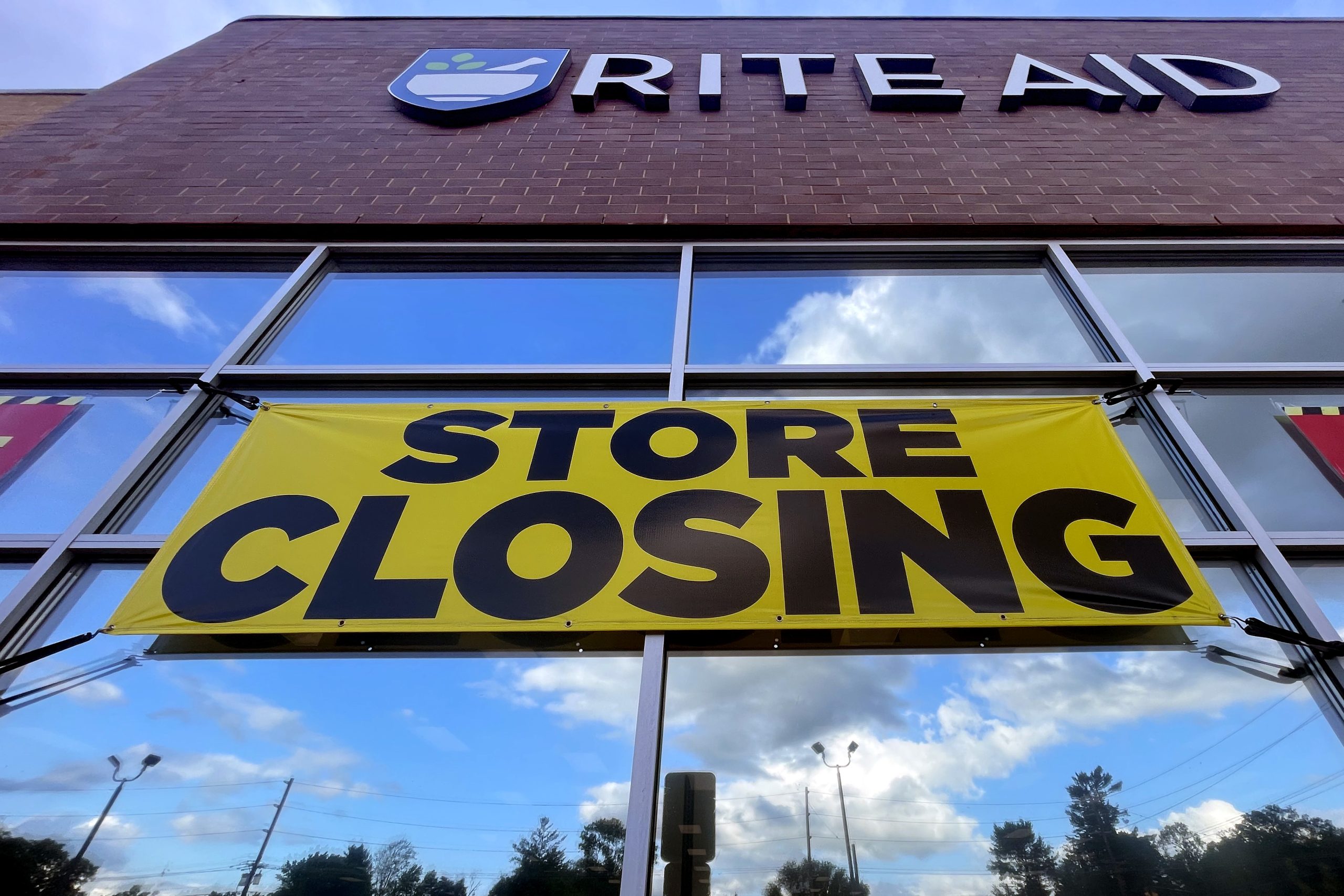
  • Rite Aid is gone. Its shells remain, with some becoming gyms and car washes.

    Rite Aid is gone. Its shells remain, with some becoming gyms and car washes.

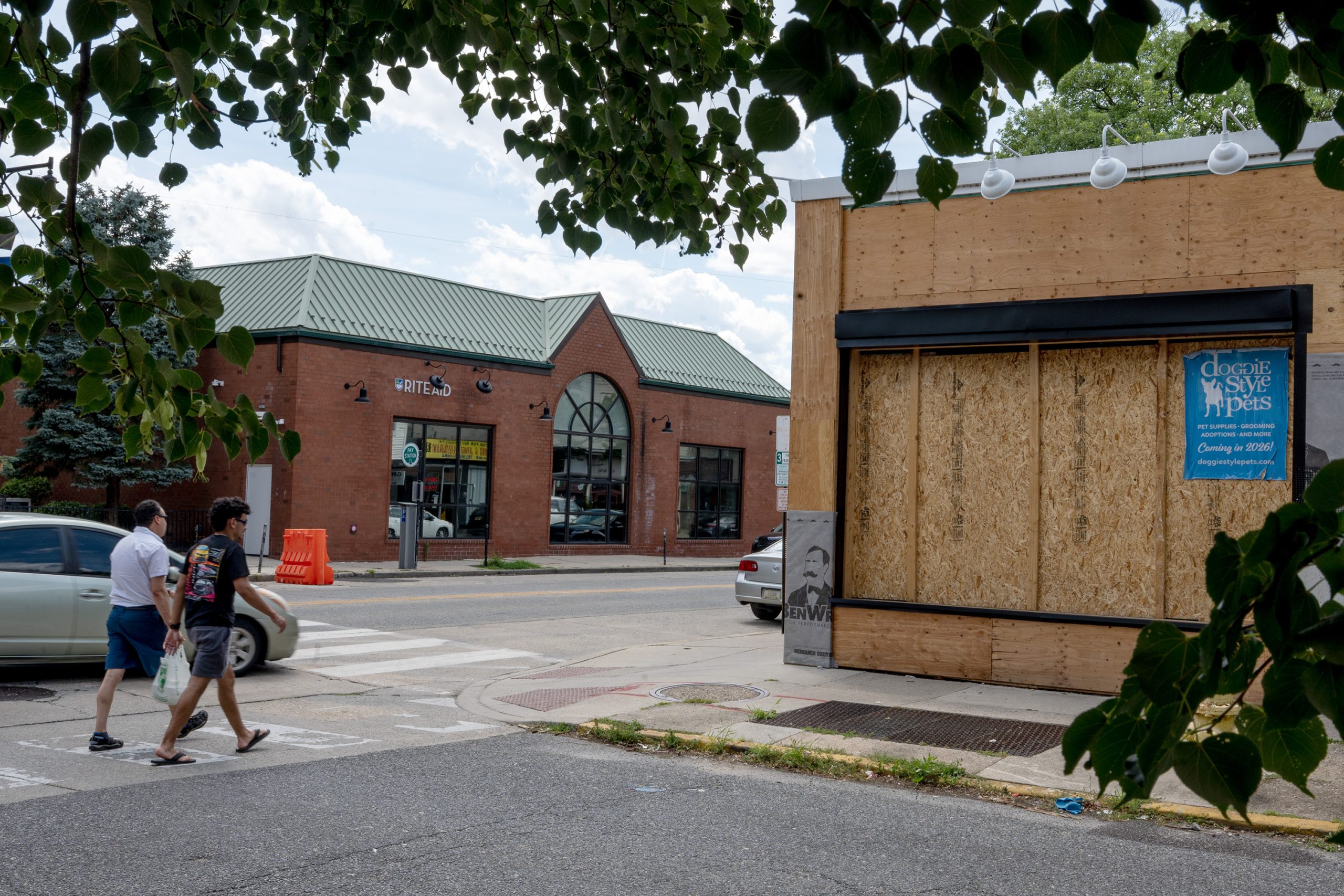
    It’s been almost a year since the last Philly-area Rite Aids closed their doors for good after years of financial trouble.

    But the pharmacy chain’s distinct facade still dots the landscape — in suburban shopping centers, on the corners of congested intersections, sometimes even smack dab in the middle of city blocks.

    Some of these buildings are still vacant, surrounded by overgrown grass and empty parking lots. Others are getting new life as dollar stores, medical clinics, daycares, Spirit Halloweens, and a Rally House sports retailer.

    A former Rite Aid (left, rear) and former Wawa (right) sat empty in Collingswood in June. Tom Gralish / Staff Photographer

    The 8,000- to 16,000-square-foot shells are ideal for only so many tenants, real estate experts have said, and it is not unusual for these kinds of properties to take several months or more to lease.

    Here is a look at what’s happening at a few local zombie Rite Aids:

    South Jersey Rite Aids are becoming fitness centers

    A former Rite Aid in Blackwood, Camden County, has been a gym for more than a year, and its owners soon plan to open a second location at another old Rite Aid in Cherry Hill.

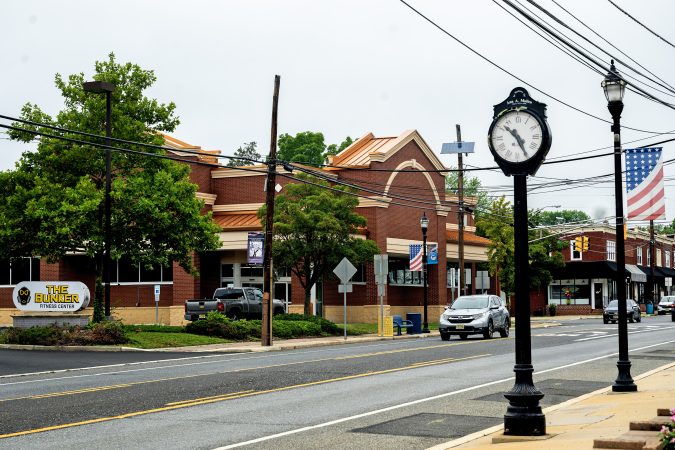
    Nick Bennett, CEO of the Bunker Fitness Center, said the owner of the Blackwood Rite Aid building approached him after seeing the gym’s content on TikTok. At the time, Bennett said, the gym was outgrowing its 3,000-square-foot space in Franklinville, Gloucester County.

    When he went to see the 13,000-square-foot former Rite Aid in Blackwood, he said, it had already been demolished inside.

    “It was just wide open,” Bennett said. “That floor plan works for our business model because gyms are open. You don’t really need to put up walls.”

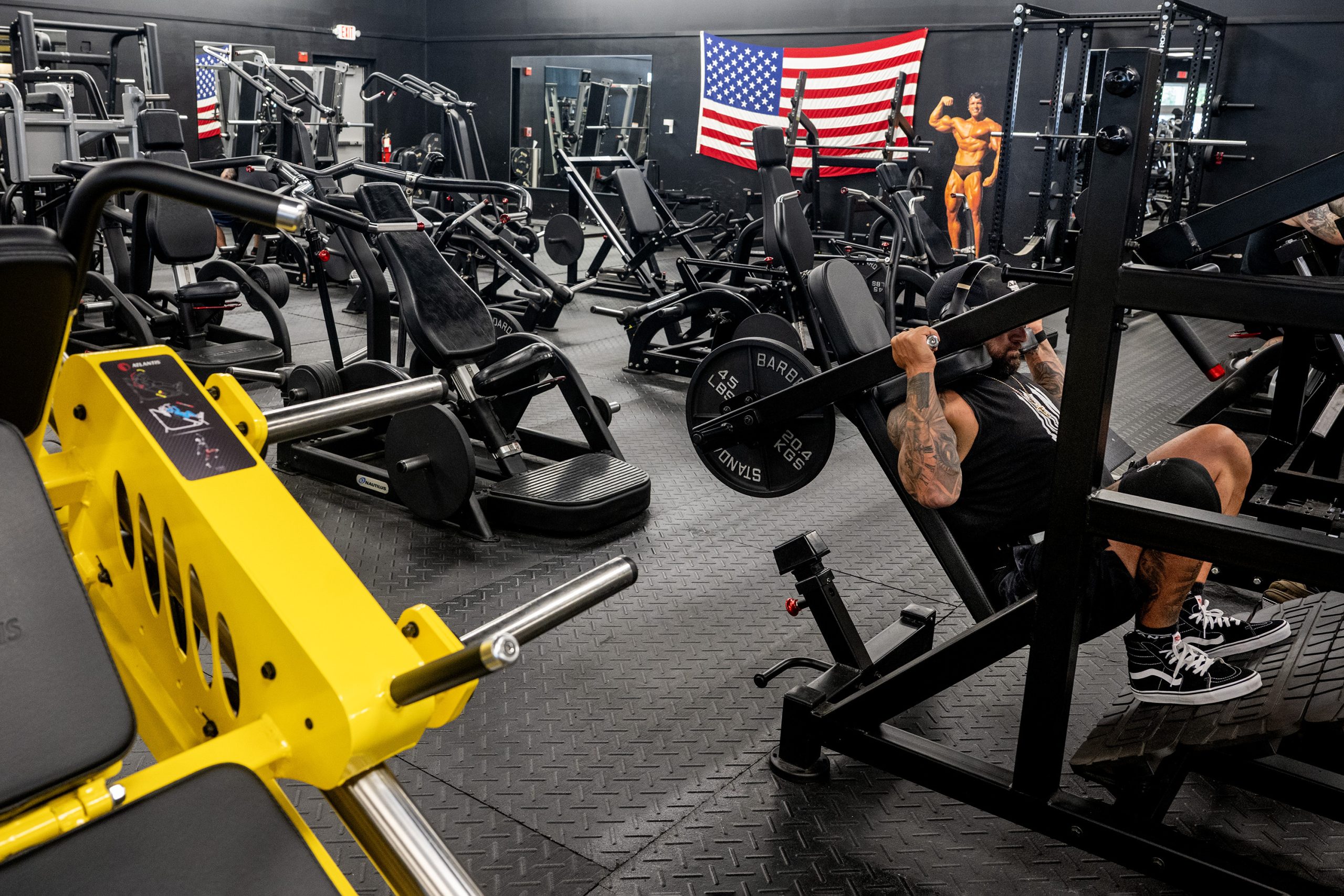
    Steve Cristelli works out at the Bunker Fitness Center in Blackwood. Tom Gralish / Staff Photographer

    Another plus, he said: Pharmacies have rows of refrigerators, which require electrical outlets, and the Bunker crew could use those outlets to plug in workout equipment.

    The old Rite Aid on Black Horse Pike needed “very little” work, just paint and rubber floors, Bennett said, and was easily transformed into the exercise and recovery space he had envisioned. The gym opened in 2025.

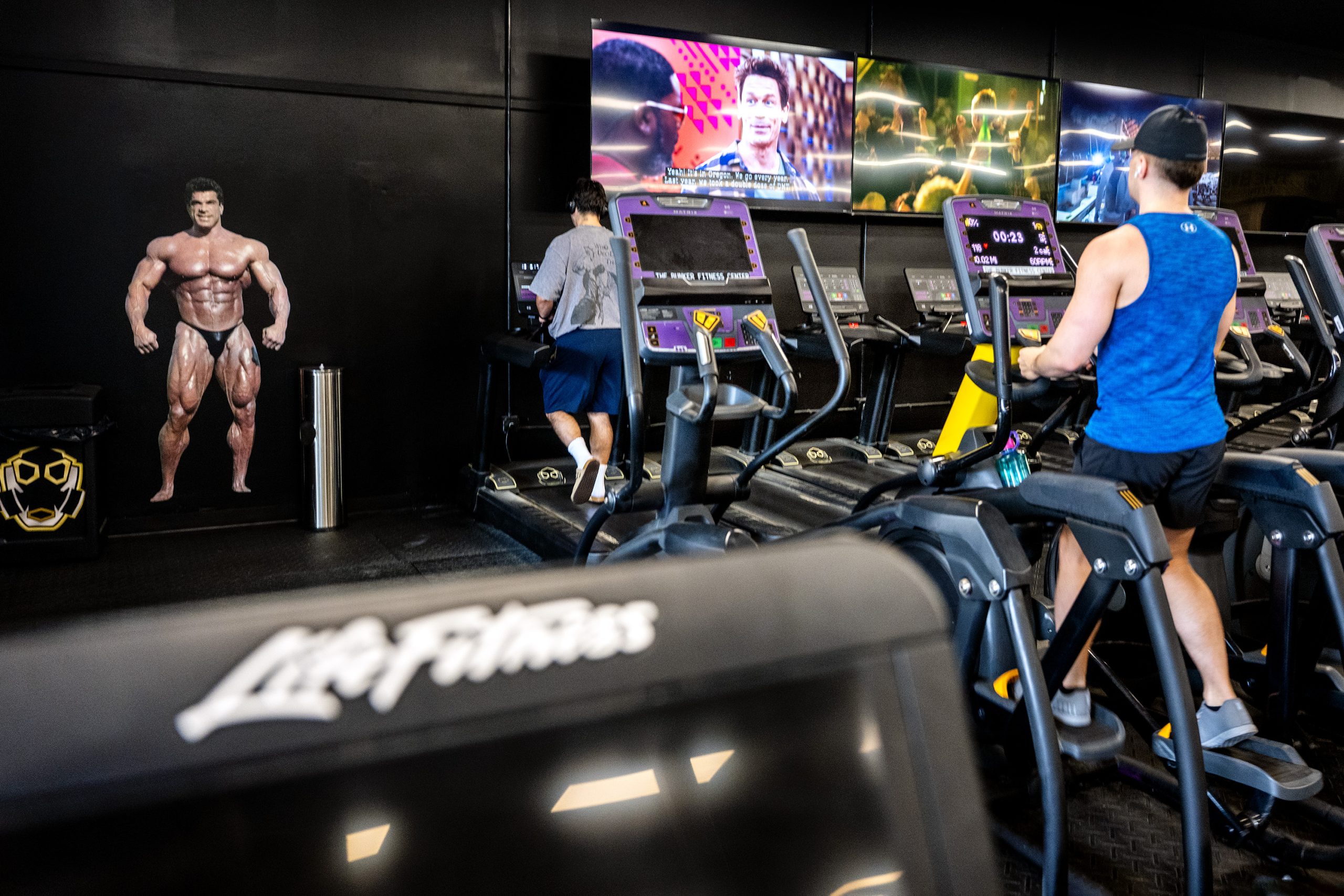
    “We’re smashing it,” Bennett said, with thousands of members who pay between $49 and $59 a month for the 24/7 gym, which has cardio and strength machines, weights, a sauna, and a cold plunge. He declined to provide specific sales or membership figures for competitive reasons.

    The Bunker Fitness Center operates inside a former Rite Aid in Blackwood.Tom Gralish / Staff Photographer

    But Bennett said the business is doing so well that it is expanding into another former Rite Aid, 12 miles away in Cherry Hill with franchisee Jack Prendergast.

    That 10,000-square-foot pharmacy shell at Brace and Kresson Roads closed more recently and needs a bit more work inside, Bennett said. When they signed the lease, he said, it “looked like a Rite Aid.”

    Bennett said he and Prendergast are demolishing the interior, aiming for a September opening.

    In Delco, a Rite Aid could become a township’s first car wash

    The former Rite Aid in Newtown Square may get new life as a car wash.

    The store at West Chester Pike and St. Alban’s Circle closed last year. In February El Car Wash, a Florida-based chain looking to expand into Pennsylvania, New Jersey, and Maryland, applied to open there, said Newtown Township Solicitor Rich Sokorai.

    On its website, El Car Wash lists several other Philly-area locations as “coming soon,” including Cherry Hill, Drexel Hill, Feasterville, and Maple Shade.

    The Newtown Square Rite Aid operated a drive-through, Sokorai said, and drive-throughs are permitted in that commercial zone. After a June meeting, the township zoning hearing board is considering whether to permit the car wash, with a decision expected in the coming weeks.

    A Rite Aid with a “store closing” sign last summer.Tom Gralish / Staff Photographer

    If approved, it would be the only car wash in Newtown Township, the solicitor said.

    Residents of the neighborhood behind the old Rite Aid have expressed concerns to local officials, Sokorai said, “because they fear traffic.”

    Others have said they are looking forward to a new business moving into the vacant space on a prime corner, Sokorai said. Even before the Rite Aid closed last summer, its shelves were often empty, the solicitor said, and “it was dying a slow death.”

    Temple University buys another old Rite Aid

    Temple “T” flags fly on North Broad Street.Tom Gralish / Staff Photographer

    Temple University recently bought a second former Rite Aid on North Broad Street.

    The school recently closed on the old Rite Aid building on the 2100 block of North Broad for $9.25 million, according to spokesperson Stephen Orbanek. He said ArchWell Health, which operates a primary-care clinic for seniors there, will remain the tenant.

    “This property’s location, directly across the street from James S. White Residence Hall, supports the priorities of our campus safety and physical environment plan,” Orbanek said.

    This latest Rite Aid acquisition comes two years after Temple bought a Rite Aid and its surrounding shopping center near Temple University Hospital for $8.2 million. The Rite Aid is being converted into Temple Health neurology offices.

    The moves are part of a broader expansion of the university’s footprint on Broad Street, which includes the January acquisition of a vacant property at the site of a former McDonald’s for $8 million.

    Editor’s Note: This story has been updated to indicate that Temple Health plans to open neurology offices at the previously acquired Rite Aid building.