Tag: Weekend Reads

  • The Catto Baseball League has found success. Now, it wants to spark even more opportunities

    The Catto Baseball League has found success. Now, it wants to spark even more opportunities

    Julian Montgomery corralled his rowdy players into a circle by the dugout at the end of a youth baseball game at Lee Cultural Center in West Philadelphia.

    “You guys started off a little bit slow, right, that’s just fine, but you guys turned it around, you guys finished strong,” Montgomery told his players. “Ultimately everybody’s a winner today, but I think you guys might’ve won that game.”

    On the field, Montgomery looked like a natural, pitching the ball to his young players, but less than two months earlier, he hadn’t so much as even played baseball, let alone coached.

    Montgomery and 19 other coaches took part in an entry-level, city-funded baseball league focused on introducing the sport to areas in North and West Philadelphia.

    The Octavius Catto League, named for the 19th-century civil rights leader and baseball player, taught more than 150 young kids to play quickball, a variant of baseball, and has since served as the model for how other upstart sports leagues can operate through the Department of Parks and Recreation.

    Parks and Recreation has provided the league with not only training, but also equipment and infrastructure provided by nonprofit and private partners.

    The city partnered with the Philadelphia Youth Sports Collaborative (PYSC), a nonprofit consortium of youth sports organizations, other nonprofits, and the Philadelphia Phillies to expand the league to ten sites in its second year. The league’s model — which relies on training rec leaders to coach new sports — has already been replicated in tennis in partnership with the U.S. Tennis Association and soccer with the U.S. Soccer Foundation.

    “We’re trying to support [Parks and Recreation] in building a sustainable model for safe, entry-level user programming at rec centers across the city,” said Josh Throckmorton, the program development director at PYSC. “We’re targeting these pockets of the city where there just hasn’t been a ton of programming for use at their local rec center.”

    Philadelphia’s youth sports landscape reflects the same racial and economic inequalities that define the city’s geography. A 2025 PYSC and Temple University study of public sports facilities found neighborhoods with more white residents had more fields, amenities that were in better shape, and more youth sports programs than other areas.

    The disparities are especially pronounced in baseball. The Phillies’ RBI program, among the area’s largest, mostly serves Philadelphia’s predominantly white, middle-class neighborhoods in the Northeast. From 2012 to 2025, Parks and Recreation saw 31 of 51 community baseball teams in its league cease to exist or provide baseball at the same level they once did, said Mike Barsotti, the director of youth sports for Parks and Recreation.

    Kids aged 7 to 12 played in the inaugural season of the Catto Youth Baseball League, an offshoot of Phillies RBI aimed at bringing baseball to youth in North and West Philadelphia in 2025.Courtesy of Josh Throckmorton

    The Catto League, in contrast, operates in areas that don’t have much robust programming already. Three of the sites are in Fairmount, Francisville and Brewerytown; four in West Philadelphia; and one each in Yorktown, Germantown and Oxford Circle. The league operates on a pay-what-you-can model with an encouraged donation of $40 per family — though two rec centers found local sponsors to cover the entire cost, Throckmorton said — whereas other youth baseball programs can often cost hundreds of dollars.

    The league intentionally focused on young kids. Research shows early childhood is an optimal starting age to keep children playing sports into their teens.

    “Our goal here is to catch those 6- to 9-year-olds, those kids before they’re ready for Little League, give them those core skills in an accessible way, in their neighborhood, focused on their development, and have them be ready to take that next step,” Barsotti said.
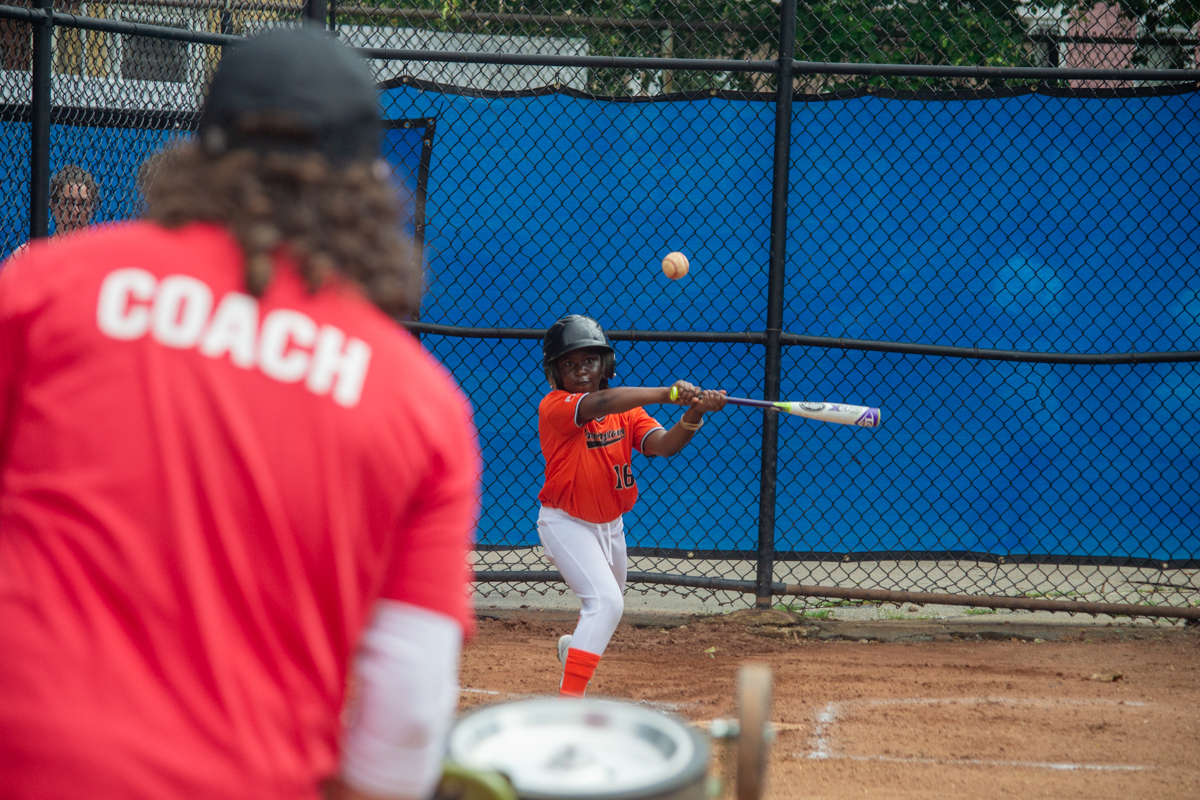
    The Octavius Catto Baseball League was founded in 2025 to provide entry-level baseball opportunities for youth ages 6-12.Courtesy/PYSC

    Expanding access to youth baseball could have effects reaching beyond the sport. Community coaches who work in poorer areas of the city say their work has the potential to save lives by keeping kids out of trouble. The 2025 study of sports facilities and youth programs found lower crime rates in the blocks surrounding them. The city, for its part, has invested dollars in youth sports programs as violence prevention measures through the mayor and district attorney’s offices.

    “I think sports is one of the main things that used to keep our streets safe and we just got away from it for a long time,” said Louis McCrea, a dad watching his son practice in Brewerytown. “Kids go to school for eight hours a day, the teachers tell them to sit down all day, and these kids have nowhere to express their energy.”

    But among the challenges facing community teams are lack of quality coaches and the difficulty of reaching kids who have never played an organized sport. Those two issues are what the Catto League, and its spinoffs, are trying to solve.

    “We need people who are willing to take the time to ensure that kids have a great experience playing this game,” Barsotti said.

    Teaching the teachers

    The whirring of loud fans consumed the basketball gym at Gustine Recreation Center on an unusually warm March day as rec leaders gathered to learn baseball for the first time.

    Sitting on red bleachers, the adults listened attentively to Throckmorton, who stood by an illustrated flipchart as he gave a brief lecture on the development of children’s brains as they age.

    “We’re setting expectations for what the kids will be able to do,” Throckmorton said to the group.

    Throckmorton asked the coaches, armed with pens and sticky notes, to write down ways that they might act differently toward the kids they coach based on the information they were learning. He said young children look to adults for cues on how to interpret the world around them. In response, a coach wrote on their sticky note that they would try to be more patient with their players.

    The Catto League was purposely placed in sections of North and West Philly where opportunities are scarce. Courtesy / PYSC

    The Catto League faced the challenge of training 20 rec leaders, the vast majority of whom never played or coached baseball, to be able to teach it at their rec centers.

    Community baseball coaches in North Philadelphia have cited a lack of quality coaches as one of the main challenges in running their programs. The path toward becoming one is not easy: On top of the time commitment, coaches may need to secure background checks, buy insurance, market their programs, and manage registration, among other administrative tasks.

    By training existing rec staff in new sports, the Catto League represents one part of the city’s approach in bolstering the pipeline of future coaches. Parks and Recreation is also training youth to become coaches through its summer and after-school career readiness program in the hopes they pursue careers with the department, and PYSC partnered with the city and AmeriCorps’ Coach Across America to teach a cohort of a dozen coaches trauma-informed youth development practices through working at recreation centers last year.

    The Catto League’s coach training was modeled to teach the adults in the same way they would teach the kids. Coaches were given kid-friendly analogies — to field a ground ball, extend the hand like Spiderman — played through drills and scrimmages, and received positive reinforcement, including prize stickers when they did something right.

    “It was awesome to see because many of them became kids,” said Shannon Gunby, the executive director and founder of the On Deck Circle, which partnered with the Catto League. “One of the coaches said, ‘This was fun.’ And he walked out of here with a big smile on his face.”

    In an effort to keep the love of baseball among kids in sections of North and West Philly, the Catto League has plans to return next spring. Courtesy / PYSC

    The future of the league

    The Catto League will be back next year, though its structure will look different.

    Parks and Recreation will run the league as PYSC’s contract with the city has ended, Throckmorton said. The department will try to support the Tustin and Athletic recreational centers — which had comparatively larger participation this year — in developing their own in-house recreational leagues. The cost of this year’s program to the city was just shy of $37,000, Throckmorton said.

    As far as the Catto League’s offshoots, the city has received more than 300 signups for One Philly Soccer Club, which has brought entry-level programming to more than 20 rec centers this fall, Throckmorton said.

    Back at Lee Cultural Center, Dominique Sampson watched her son Dallas step up to the plate. She said playing in the Catto League has been life-changing for the 6-year-old, as he’s made friends and learned to be comfortable and trusting with his teammates.

    “He’s psyched up and ready to play baseball,” Sampson said. “So now I have to find something else for him to do after this.”

    With his eyes on the ball, in his signature white sports glasses, Dallas sent a grounder to third base and made his way safely to first, earning thunderous applause from parents in both dugouts.
  • Phillies prospect Dante Nori’s biggest fan is an NBA coach, who also happens to be his father

    Phillies prospect Dante Nori’s biggest fan is an NBA coach, who also happens to be his father

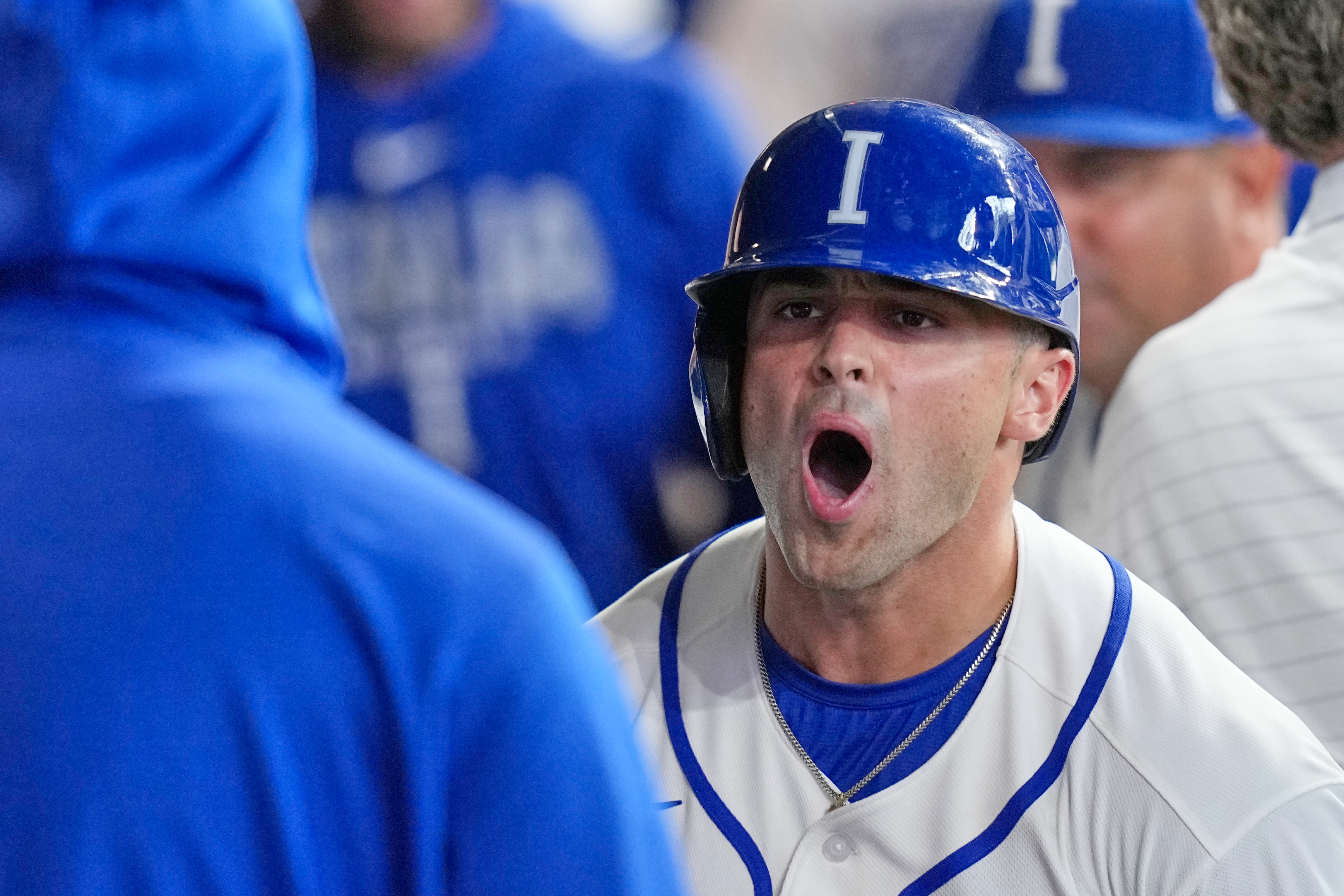
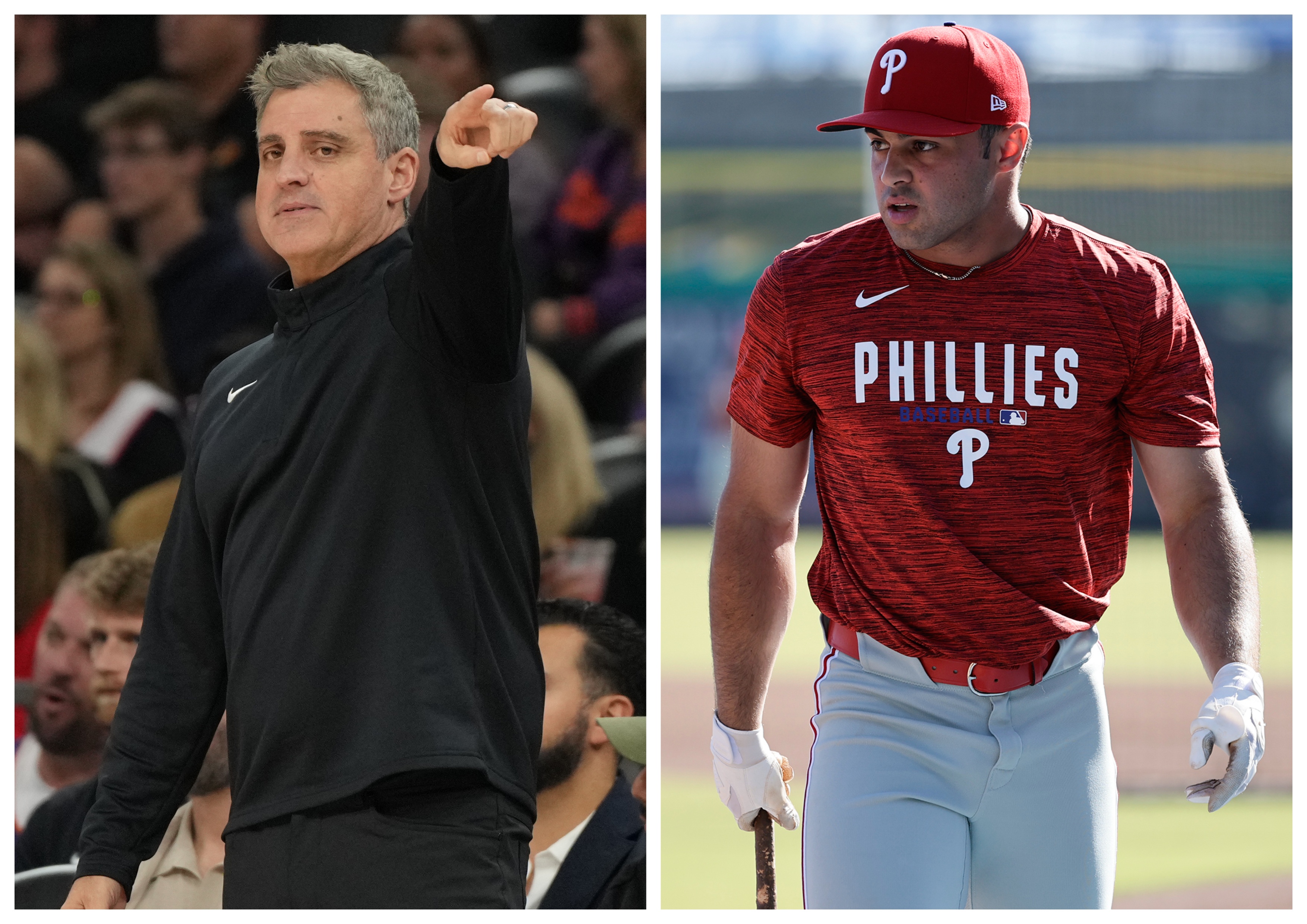
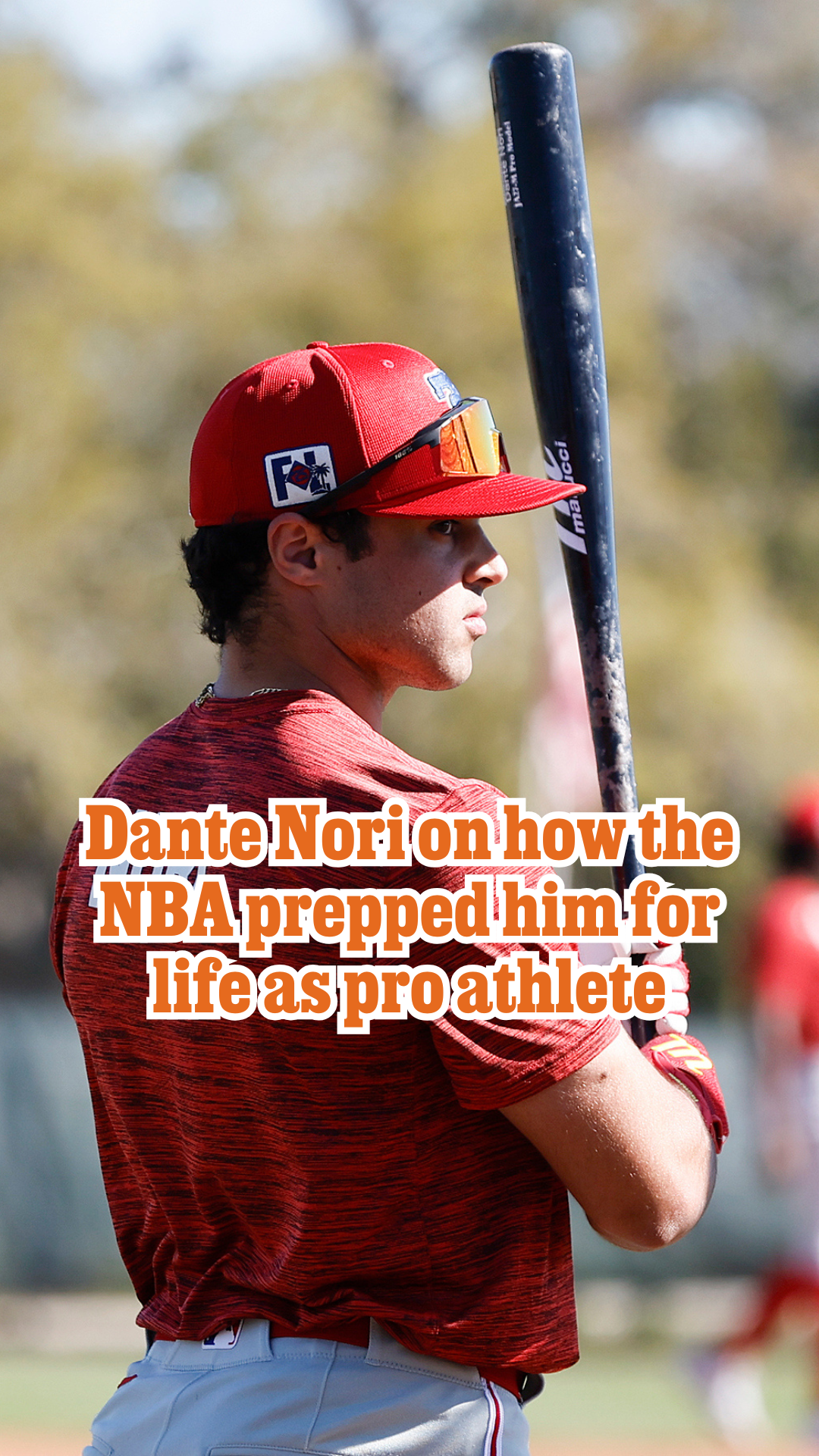
    SCOTTSDALE, Ariz. — Phillies outfield prospect Dante Nori took the field at Scottsdale Stadium in what appeared to be just another game in the Arizona Fall League on Nov. 3.

    But among the 371 spectators spread across the ballpark was his biggest fan.

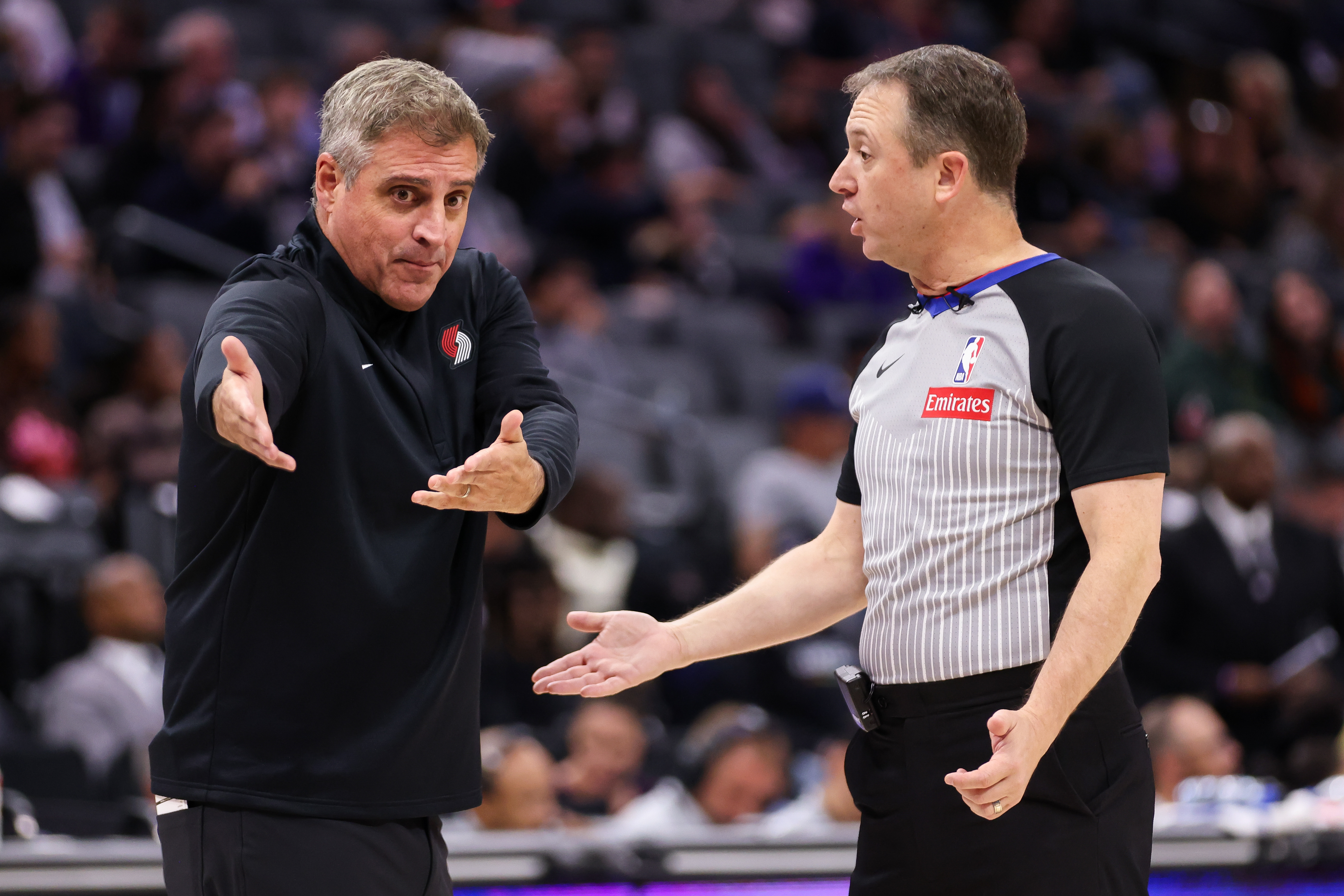
    Micah Nori wasn’t passing on the rare opportunity to watch his son play live. Hired as the Portland Trail Blazers coach over the summer — his first head coaching job after nearly three decades in the NBA — Micah, 52, and the Blazers were in town to play the Phoenix Suns.

    “I saw he landed and he actually beat me to Scottsdale, so it was pretty cool, walking onto the field and just seeing him waiting for me,” said Dante, a first-round pick of the Phillies in the 2024 draft. “So that was actually really cool. First time it’s ever lined up like that. It was neat.”

    They met each other behind home plate and shared a warm embrace before the game. Dante, 22, slashed .308/.386/.436 over 12 games in the AFL last season, but Micah — then an assistant with the Minnesota Timberwolves — was unable to fit a trip to Arizona into his itinerary.

    “It was really cool,” Micah said of his first Arizona Fall League experience. “Any time that I can get to watch him in person is special, [especially with] the way that my career has taken me away from him a little bit.”

    Dante Nori on his NBA coach father, and how he prepared him for life as a pro athlete
    Video: Dante Nori on his NBA coach father, and how he prepared him for life as a pro athlete

    Dante went 1-for-4 with a second-inning double in the Surprise Saguaros’ 8-0 drubbing of the Scottsdale Scorpions.

    “There’s nothing like watching your son or daughter do something in person, and watching them do what they love,” Micah said. “The nerves are crazy. We played Denver the other night, and it’s a nail-biter, and I had no nerves, but last night in the Arizona Fall League game, every time he comes up to bat, you feel nervous because you have no control, because you want him to do so well.”

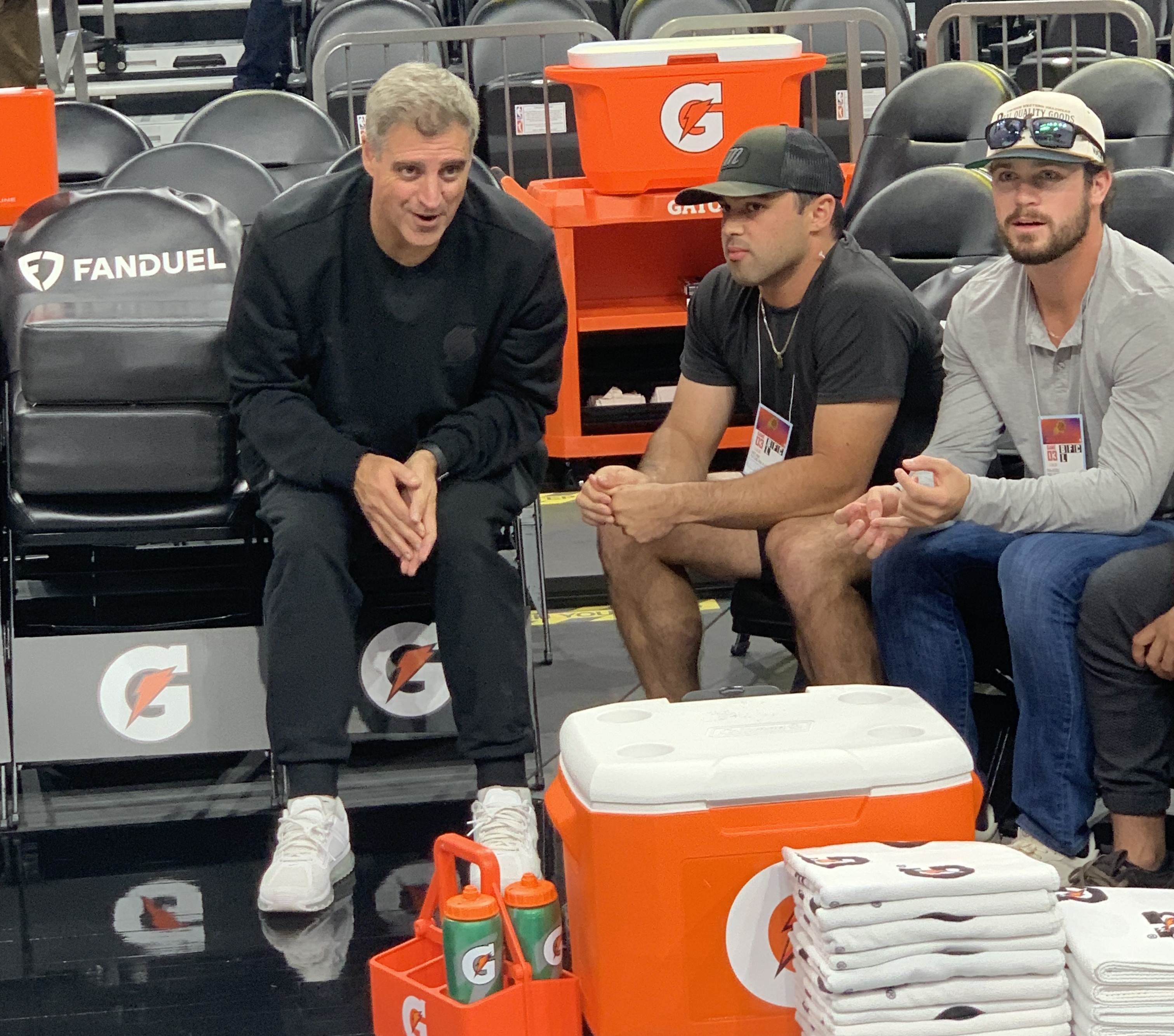
    Blazers coach Micah Nori (left) talks with his son, Phillies outfield prospect Dante Nori (middle) before a Nov. 4 game against the Suns in Phoenix.Jack Vita

    Cheering on dad

    The next day, it was Dante’s turn to cheerlead and support his father, in his first opportunity to watch Micah in his new role leading the Blazers.

    Dante spent Nov. 4 with his dad, joining the Blazers for morning shootaround, as well as pregame festivities that evening on the court and in the locker room. Micah’s Blazers handled the Suns with ease, picking up a 132-119 win.

    “It was great, just getting to see him for the first time coaching on the baseline being a head coach,” Dante said. “It was cool. He worked his butt off to get to that point, and to see him do it, and watch a big win, it’s great.”

    The opportunities to support each other have become scarce with both constantly on the road. Still, they watch each other’s games and chat on the phone often.

    “I could show you my call log and it’s almost all, ‘Dad, Dad, Dad, Dad, Dad,’” Dante said. “I almost call him too much. Sometimes, I forget they’re playing and I call him and he’s like, ‘Hey, I’m about to head out. What do you need?’ We stay in touch. After a rough game, I talk to him.”

    Micah lettered in baseball, basketball, and football at Middletown High School in Middletown, Ohio — the same school that produced Phillies slugger Kyle Schwarber nearly 20 years later. Micah’s father, Fred, played a critical role in recruiting Schwarber to play in college at Indiana.

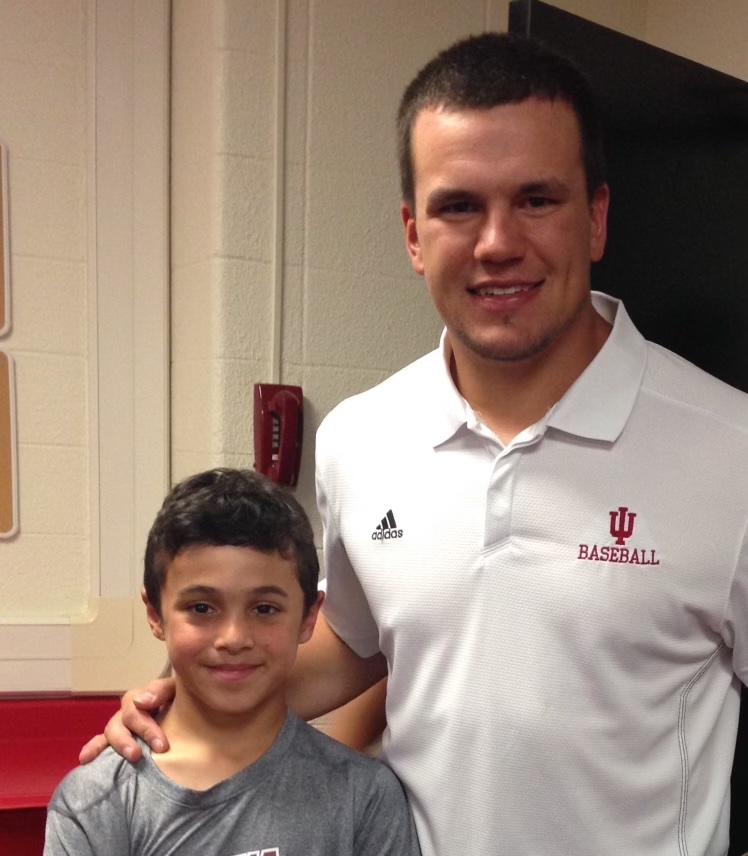
    A 9-year-old Dante Nori with Kyle Schwarber when Schwarber was at Indiana in 2014.Courtesy Micah Nori

    “My father knew Kyle growing up,” Micah said. “He was in Middletown. And then he was at Indiana with [Hoosiers baseball coach] Tracy Smith, and he talked Tracy Smith into recruiting Kyle. Kyle went there, and my dad was able to coach Kyle for two years while he was at Indiana.

    “There [are] pictures of Dante and Kyle playing catch out in the outfield at Indiana. Dante had an oversized jersey that was way too big for him and probably, gosh, he might have only been 9 or 10 years old.”

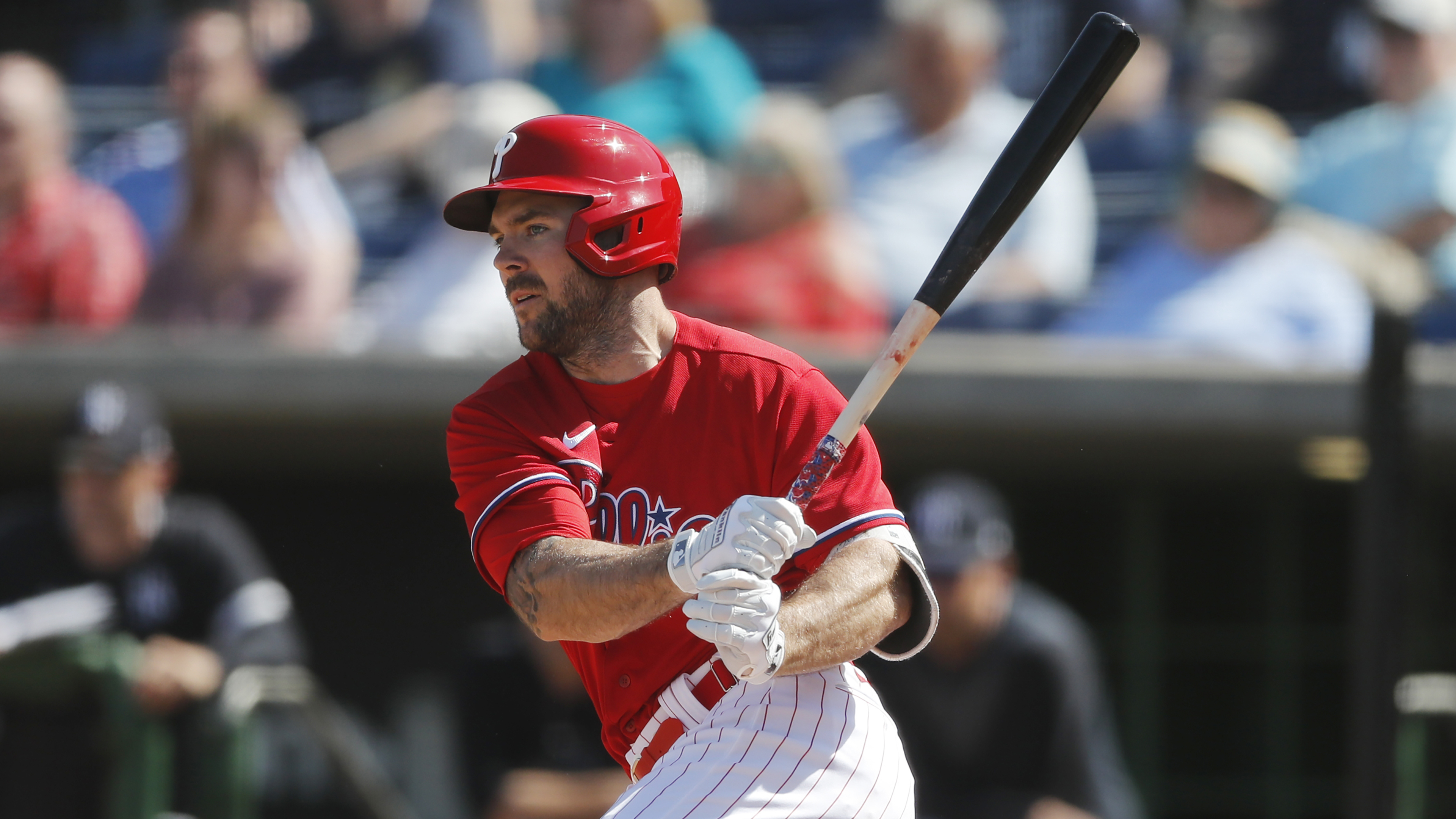
    Fast forward to Dante’s first big league spring training game on March 19, 2025, and who does he pinch-run for? Schwarber, the same slugger he played catch with in the Bloomington outfield a decade earlier.

    After 17 seasons as an NBA assistant coach, Micah Nori got his chance to lead a team when the Blazers hired him this summer.Scott Marshall

    Learning from the stars

    Micah, who played baseball at Indiana from 1994-97, was a graduate assistant and hitting coach at Miami (Ohio) when a phone call from then-Toronto Raptors head coach Butch Carter changed the trajectory of his career.

    “I was sitting on my couch in the summer and Butch Carter called and asked me to come up and intern,” Micah said. “That was 29 years ago, and I’ve been fortunate enough to be in the NBA those last 29 years.”

    Dante spent his formative years in the NBA locker rooms his father coached in, developing friendships with superstar players like DeMar DeRozan, Kyle Lowry, and Anthony Edwards.

    “He’s been very fortunate to be able to grow up in NBA locker rooms, so he’s never in awe of anybody or anything,” Micah said. “And then the access to the people he can talk to, when he was little, I mean, Vince Carter’s in the locker room, and all these guys, he’s not in awe of them. And I think that’s what lets him get into any situation, and the moment’s not too big.”

    That included during the World Baseball Classic in March. After slashing .261/.361/.372 with 52 stolen bases across three levels in his first full minor league season in 2025, Nori played for Team Italy during the WBC. He was a breakout star, batting .400 with two home runs in their run to the semifinals.

    “[It was] probably the most fun I’ve ever had playing baseball in my life,” Dante said. “You can’t beat that atmosphere. Each game got more packed. I was just overall excited, I didn’t know what to expect, and it beat every expectation that I had.”

    Dante Nori had a breakout showing in the World Baseball Classic with Team Italy.David J. Phillip

    Lesson for 2027 and beyond

    Dante was riding high from the WBC and his first big league camp invite until he sustained a stress fracture in his hip early in the minor league season.

    “First week, I felt a little something in my butt, my pelvis area, and I was like, ‘All right, that didn’t feel too good,” Dante said. “And then it was one of those things where I tried to play through it as much as I could until I realized ‘Hey, I’m hurting the team more than helping, so it’s time to get this checked out.’ Good thing we did. MRI came back with a stress fracture, and I’ve never missed time. First time in my life, and that was eleven weeks.”

    He rehabbed in Clearwater for nearly three months and was limited to 67 games at double-A Reading. He batted .244 in 306 plate appearances with 17 stolen bases and returned in time to be a part of Reading’s run to the Eastern League championship.

    As Dante looks to next season with a looming labor stoppage, he anticipates starting in double A. Regardless of where next season takes him, he will continue to find solace in the words of wisdom his father imparted on him from a very young age.

    “The best piece [of advice my dad gave me] is, ‘Have no what-ifs,” Dante said. “He’s hounded on me about that ever since I was 5 years old. Have no what-ifs, meaning, when it’s said and done and your baseball career is over, don’t ever sit there and say, ‘Hey, what if I lifted more? What if I hit the cages more? What if I took ground balls?’ At the end of the day, you gave it all you got, and you can be satisfied with it.”

  • Pennsylvania’s measles outbreak has cost taxpayers an estimated $16 million so far

    Pennsylvania’s measles outbreak has cost taxpayers an estimated $16 million so far

    Pennsylvania’s measles outbreak has cost taxpayers $16 million so far, economists estimate, as state and federal health agencies scramble to contain the largest outbreak the nation has seen in three decades.

    The Pennsylvania Department of Health has not released official cost estimates for the outbreak, but is in the process of analyzing expenses with a Centers for Disease Control and Prevention cost estimator tool.

    The state has received $2.4 million in new funding from the CDC to expand lab capacity for measles testing and response, and immunization efforts. The CDC also authorized the health department to repurpose $1.1 million earmarked for avian flu toward its measles response.

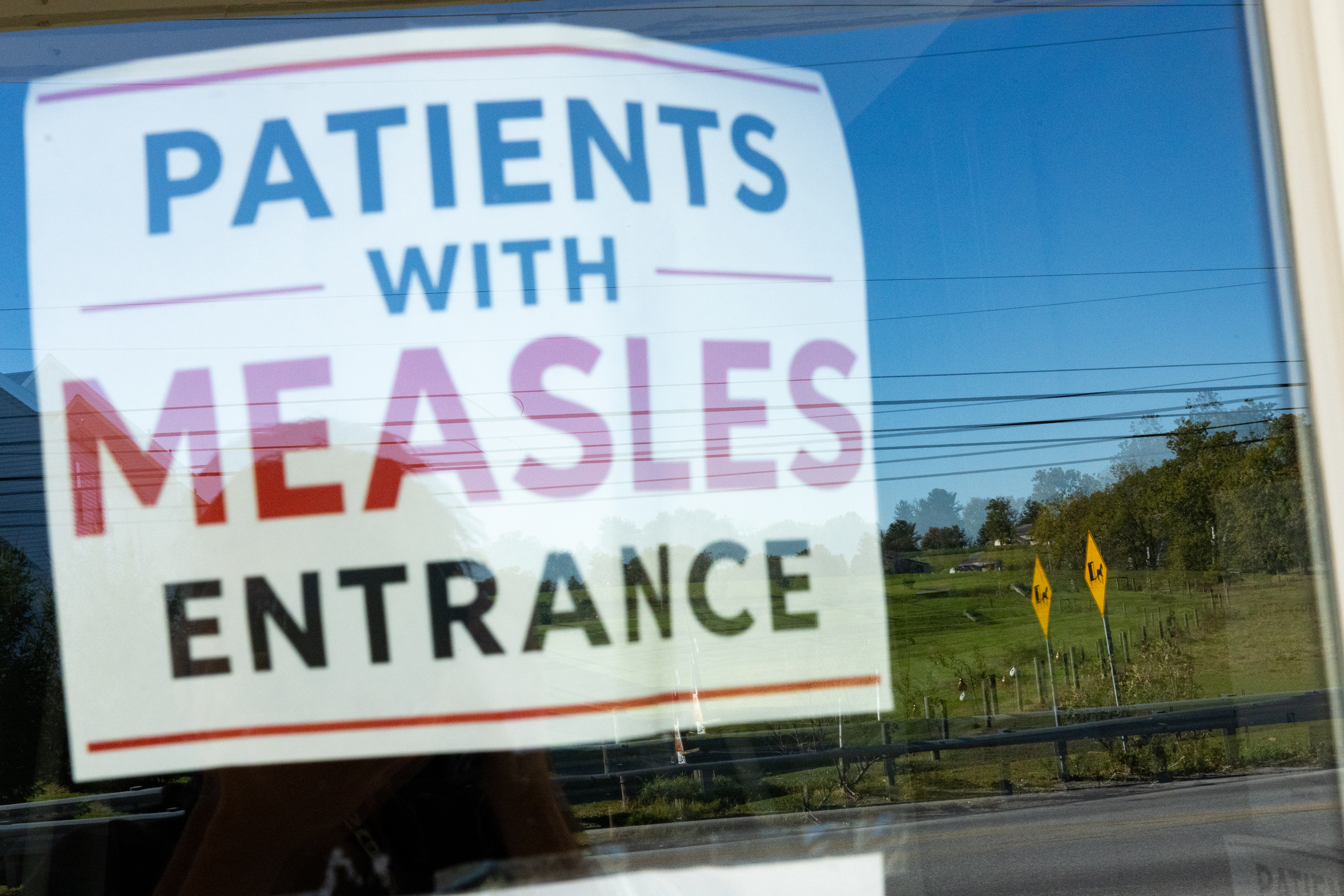
    A tool developed by Johns Hopkins University experts to estimate the full costs of a measles outbreak shows that Pennsylvania, the federal government, and counties have likely spent at least $16 million trying to contain the most contagious virus known to humans. The measles response in Pennsylvania has required hundreds of additional staff to track down people exposed to the virus, calls urging those who are sick or exposed to isolate, thousands of extra vaccine doses, and new pop-up clinics to administer them.

    And the outbreak could be driving millions more in lost productivity and medical costs.

    The extraordinary cost of an infectious disease outbreak may once have been considered a rare, emergency expenditure. But with vaccination rates declining and measles cases rising nationally, a regional division of the World Health Organization has reportedly revoked the United States’ measles elimination status, which it had held since 2000.

    The Pan American Health Organization, which met last week, based its decision on epidemiological data from across the U.S. that showed outbreaks growing in size and scope, community spread (as opposed to cases among visitors), and waning protection afforded through vaccination rates. Media outlets citing sources familiar with the matter broke the news late Friday, and the international health agency said it would hold a briefing Tuesday.

    Nationally this year, 5,412 measles cases had been reported as of Thursday — more than twice the total for all of 2025, according to the CDC.

    Losing the largely symbolic label signifies that measles is once again endemic in the United States — spreading from one community to the next, surging in outbreaks when it reaches under-vaccinated groups, and racking up expenses society has avoided for decades by maintaining strong vaccination.

    “The ability for states to have unlimited funds to respond to this is unrealistic,” said Bryan Patenaude, an associate professor of economic evaluation and health economics at Johns Hopkins University Bloomberg School of Public Health.

    Eventually, lawmakers will need to decide if they can divert money from somewhere else, if they should raise taxes, “or if we stop responding,” he said.

    Cost of measles in Pennsylvania

    Through an online measles tracker updated three times a week, the Pennsylvania Department of Health discloses every reported case and hospitalization, though the tally is largely believed to be an undercount.

    No public ledger exists to give the public a detailed view of the accumulating expense of managing the outbreak. The health department said it has 300 staffers dedicated to the measles outbreak and has administered about 11,400 doses of the measles, mumps, and rubella (MMR) vaccine this year.

    The agency said it was unable to provide information about how much money the state has spent on its efforts.

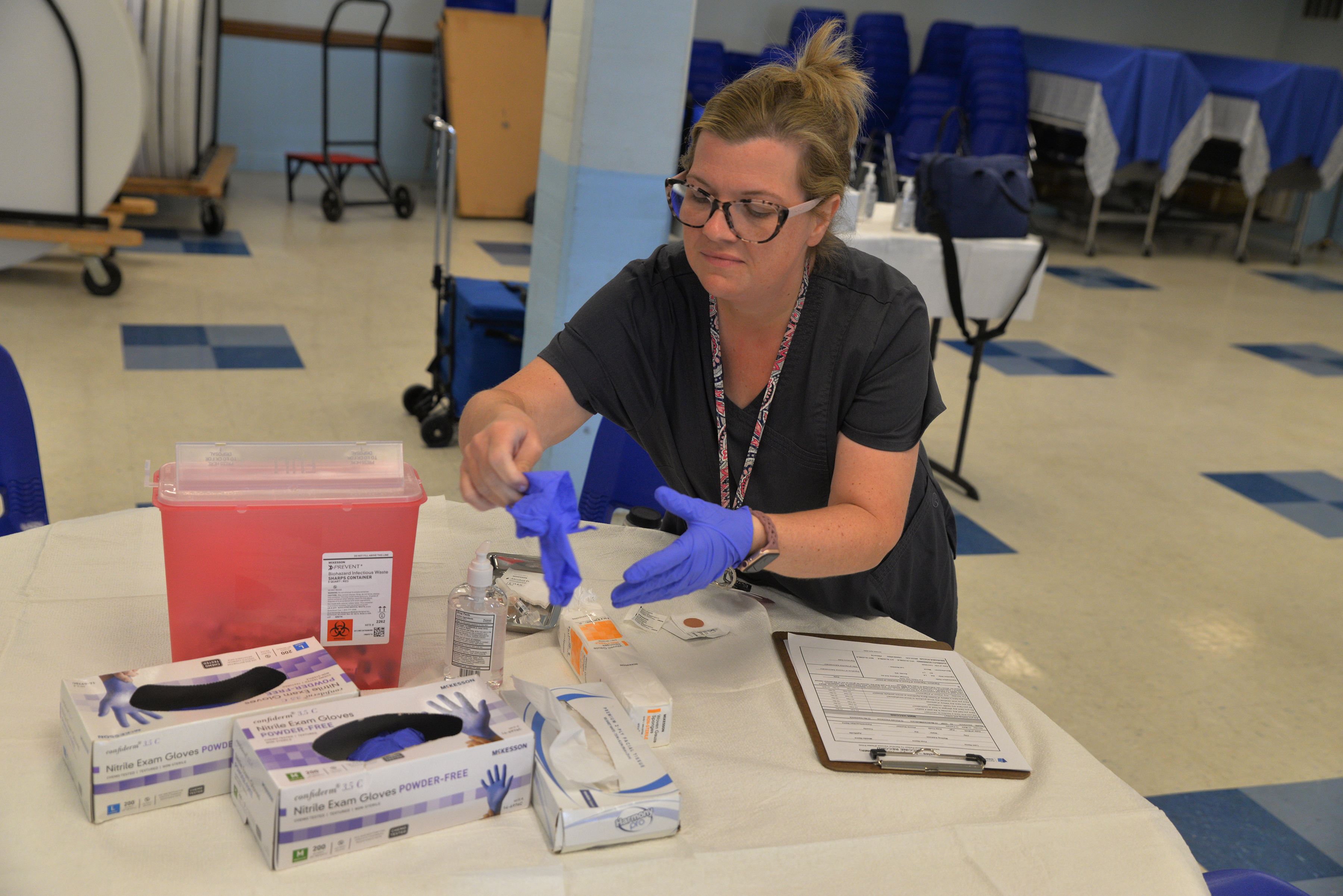
    A nurse with the Pennsylvania Department of Health prepares for a measles vaccine clinic in Lancaster County in October.Bob Williams / For The Inquirer

    To map out what costs look like as an outbreak spreads, the International Vaccine Access Center at Johns Hopkins Bloomberg School of Public Health developed a cost estimator tool.

    The tool uses data from past national outbreaks, as well as state-level population, socioeconomic, and hospital data to crunch custom estimates, all based on the number of cases fed into the prompt, said Patenaude, who helped develop the cost estimator.

    Plug in Pennsylvania’s roughly 1,500 cases, and the Hopkins tool draws up a roughly $16 million public health tab: About $9.7 million would come from federal programs such as the CDC’s Vaccines for Children immunization initiative and a dedicated public health fund created under the Affordable Care Act.

    State and local health departments would pay the remaining $6.5 million.

    In addition to the $16 million expense to the county, state, and federal governments, the outbreak has also cost Pennsylvania residents an additional $7 million in lost productivity, such as missed work and school, the tool estimates. Direct medical expenses add $500,000 to the estimated costs.

    Those expenses are harder to predict, and exactly who pays the bill is less clear.

    For instance, when calculating direct medical costs, the tool assumes that roughly two in three people sickened have private health insurance, with an additional 16% covered by Medicare or Medicaid.

    But the state’s outbreak has been especially widespread in under-vaccinated Amish and Mennonite communities, which typically do not participate in the government-funded Medicare or Medicaid health coverage programs, and may not have private insurance.

    Pennsylvania has reported unusually high levels of illness among adults. About one in five Pennsylvania cases has required hospitalization, a higher rate than in the past national outbreaks that helped inform the Hopkins estimator tool.

    Estimating outbreak costs

    In South Carolina, a measles outbreak sickened 997 people, primarily children, and sent 21 to the hospital between October 2025 and April of this year.

    After declaring the outbreak over, the state health department estimated that South Carolina had spent $2.1 million on its response efforts, which included working with 33 affected schools, more than 1,600 case investigator phone calls, and nearly 14,800 additional doses of the MMR vaccine.

    “Ending this outbreak was a monumental effort,” Brannon Traxler, who currently serves as acting director of the South Carolina Department of Public Health, said in a call with reporters in April.

    The state’s estimated cost did not include federal or county spending, medical expenses, or the wages sacrificed by families to care for the sick.

    Responding to a measles outbreak has a startup cost of about a half-million dollars when the first case is confirmed, according to Hopkins estimates. Each additional case may cost between $10,000 and $16,000.

    Two doses of the MMR vaccine provide 97% protection against measles. Kriston Jae Bethel / For the Inquirer

    In 2019, officials estimated that a much smaller outbreak of 71 people in a county in southern Washington state outside Portland, Ore., had cost about $2.3 million in local, state, and federal public health response spending. Neighboring counties and nearby states also sent assistance.

    “It was all hands on deck,” said Alan Melnick, who served as Clark County’s health officer at the time.

    The United States reported a total of about 1,200 measles cases in 2019, the highest rate since the nationwide outbreak in 1991-92. But large outbreaks were still rare.

    Now, Melnick worries how local health leaders would manage if they were all stretched thin responding to the same threat.

    “There isn’t going to be that kind of help to do this intensive work when the burden gets high,” he said.

    Ongoing outbreak expenses

    Regardless of the exact cost of each individual outbreak, economists say that responding to outbreaks more frequently could quickly become unaffordable.

    In response to rising measles cases, the CDC earlier this year issued $100 million in grants to states, including $1.2 million for Pennsylvania.

    The cash injection will help, but is not enough to provide a sustained outbreak response, experts say.

    “It’s hard to plan a comprehensive response with one-time funding,” said Brent Ewig, chief policy and government relations officer for the Association of Immunization Managers, a nonprofit organization that represents state and city vaccination programs.

    The CDC’s $682 million immunization program is a leading source of funding for outbreak response efforts, which typically include getting out thousands of extra doses of the MMR vaccine.

    Public health advocates are pushing Congress to nearly double the immunization program’s budget, from the $682 million allocated for years to $1.1 billion.

    Vaccination alone cannot halt an outbreak, but it can prevent one — and preventing an outbreak is more cost-effective than responding to even a single measles case, Ewig said.

    “People are dying in America for things that are preventable,” he said. “That’s going to continue unless we get our vaccination rates back up to where they were.”

  • Pa.’s Boyle maps filibuster-proof bill to unlock Democrats’ affordability agenda

    Pa.’s Boyle maps filibuster-proof bill to unlock Democrats’ affordability agenda

    WASHINGTON — A top House Democrat mapping out how to leverage his party’s vast majorities in Congress next year to push through a sweeping economic agenda is considering using a filibuster-proof bill to muscle it through both chambers and to President Donald Trump’s desk.

    The approach, outlined by Rep. Brendan Boyle, the Pennsylvania Democrat in line to be chair of the House Budget Committee in January, would be one way of forcing Trump to either embrace or veto broadly popular measures to lower living costs.

    Triumphant after electoral victories delivered them more than 255 seats in the House and at least 55 seats in the Senate, Democrats are weighing the best strategy for quickly delivering the affordability agenda they promised voters, including tackling the soaring costs of healthcare, childcare, and housing.

    Boyle, 49, the son of a janitor for Pennsylvania’s transportation authority and a school crossing guard, is now positioned to lead the way from his perch at the helm of the House panel that handles budget matters and sets spending priorities.

    In an interview, Boyle said it was “worth exploring” using budget reconciliation — a tool that allows the party in power to bypass opposition from the minority and push through fiscal legislation on majority votes — to unlock the affordability agenda Democrats ran on, including reversing Medicaid cuts Republicans enacted unilaterally in 2025.

    “I think any time we can pass good, popular, meaningful legislation, that only strengthens our hand in any ultimate negotiation with the White House,” Boyle said.

    He also said he would like Democrats to forge a deal with Trump on the statutory limit on the national debt, ending what has become a perennial cycle of high-stakes fiscal clashes between the president and Congress that have repeatedly brought the country dangerously close to a federal default. Boyle has long pushed for legislation that would allow the Treasury Department to suspend the debt limit, subject to congressional override, rather than requiring an affirmative vote by Congress to increase it.

    “He wants it raised,” he said of Trump. “We never again want to see a Democratic president have to have this held like a gun against their head, the same way it happened to Joe Biden and to Barack Obama.”

    A sharp but sociable communicator, Boyle is part of a younger vanguard of House Democrats rising to the top echelons of the party. He said that no final decisions had been made, but outlined a scenario in which Democrats early next year would first try to pass their economic agenda with some Republican backing, which they would need to steer around a filibuster in the Senate. He suggested Democrats could then move to a partisan reconciliation package if they failed to win over GOP supporters.

    “It’s worth exploring reconciliation now that we have both the House and the Senate; however, I think it’s also worth exploring the fact that we’re 56,” Boyle said, referring to the number of Senate seats Democrats would control if they won a seat in Alaska, where their candidate was leading. “Are there four Senate Republicans who we could work with on issue X, on issue Y, to get things passed in a more expeditious manner?”

    That strategy would be in step with what Senate Minority Leader Chuck Schumer (D., N.Y.) has privately outlined to his caucus. He has said he is prepared to move to a filibuster-proof effort if Republicans will not back Democratic legislation meant to address cost-of-living issues.

    Boyle said he would defer to Rep. Hakeem Jeffries (D., N.Y.), who is expected to become speaker, on whether the costs of an economic package would need to be offset by new taxes.

    Democrats could try to pay for the cost of such a plan by rolling back tax cuts for the “megawealthy” that Republicans enacted during the first and second Trump administrations, he said.

    Or they could not pay for them at all. Boyle said Democrats could argue: “Look, those folks passed a massive, $5 trillion bill and only paid for a fraction of it; we certainly shouldn’t be held to a different standard.”

    In 2021, when Democrats used their governing trifecta in Congress under President Joe Biden to advance a legislative package through reconciliation, feuding broke out between the moderate and progressive flanks of the party over the scope and cost of the bill.

    The House eventually passed a $2.2 trillion measure known as “Build Back Better.” But in the months of debate, centrists in the Senate pushed to narrow the measure substantially, outraging progressives, who then threatened to withhold their support for a separate $1 trillion bipartisan infrastructure bill.

    Not yet at the helm of the budget panel, Boyle still vividly remembers the internal party churn that threatened to tank both bills and the multiday slogs he endured to pass them out of committee.

    “When it got to the Senate, because of the math of 50-50, where every Senate Democrat could be king or queen, the bill got slimmed down considerably, about half of the size,” he said. “The name changed, and a lot of the things that I felt the best about in that bill were stripped out.”

    “The biggest difference now,” Boyle said, “is 56 is a lot easier than 50.”

    This article originally appeared in the New York Times.

  • Transportation head vows to find ‘root cause’ of ground stop as Trump breaks his silence

    Transportation head vows to find ‘root cause’ of ground stop as Trump breaks his silence

    WASHINGTON — The government wants to be certain it determines the “root cause” of the problems that led to the grounding of planes across the United States before making broad fixes to air traffic control, the nation’s transportation chief said Sunday. President Donald Trump broke his silence about the extraordinary disruption that snarled airline travel and raised troubling questions about how a system so integral to the country could be so vulnerable.

    Officials are analyzing two routers installed in recent weeks at Federal Aviation Administration facilities in Arkansas and Texas, according to Transportation Secretary Sean Duffy, who during appearances on five television news shows stepped up his push for Congress to provide billions more to upgrade a system he said had been neglected for decades.

    He was the administration’s public face in seeking to assure travelers that it was safe to fly as airports and airlines worked to restore normal operations after Friday’s nationwide ground stop.

    “We’re going to figure out what was the root cause and then move forward from there,” he said.

    Trump was conspicuously quiet for 2 days

    Trump had not commented publicly or on social media about the ground stop ordered Friday afternoon. He had issued statements on social media about unrelated matters while frustrated passengers were left stranded and his team and airlines scrambled for a return to normal travel operations.

    Trump weighed in Sunday morning in a post on Truth Social, saying that his administration has begun upgrading the air traffic control system, but that task should not be done in “drips and drabs.” The Republican-controlled Congress approved $12.5 billion for the FAA as part of the party’s sweeping tax cut package last year, but Duffy has characterized that money as a down payment on a broader overhaul of the aging system.

    “If Congress approves the desperately needed money for Air Traffic Control, we can get it built quickly and efficiently,” Trump wrote. “It will be the BEST SYSTEM anywhere in the World. Much of our current air control system is 50 years old — RIDICULOUS!”

    In another post, he accused Democratic President Joe Biden’s administration of making an “old and broken system worse than when they began.”

    Biden signed a massive infrastructure bill into law in the first year of his presidency, setting aside $25 billion for the FAA to improve airports and its traffic control towers, redevelop airport terminals and “upgrade the foundation” of the air traffic control system, according to the agency.

    At PHL, airlines try to connect travelers, bags

    Flight disruptions continued at Philadelphia International Airport Sunday, two days after the nationwide ground stop — the longest in 25 years.

    By 4 p.m. Sunday, 153 flights were delayed and 58 were canceled, according to FlightAware, a digital aviation company that operates a flight tracking and data platform.

    “Yesterday at the airport — the lines for airline customer support were very long for customers needing assistance rebooking flights. They tapered down toward the end of the day,” airport spokesperson Christine Ottow said in a statement. “Airlines are now faced with trying to reconnect travelers with their bags — travelers are asked to continue being patient as the airlines work through reconnecting bags with their owners.”

    Duffy said that “as we look to the end of the day and into tomorrow, we should be running at full capacity.”

    He added: “We’re well on our way.”

    Duffy said the administration feels “pretty good” that the breakdown did not result from a hacking event. He said various intelligence agencies have said they were not finding the “chatter or the footprints that we would normally see if this was a cyberattack.”

    Duffy says upgrades ready to roll out ‘tomorrow’ if he gets the money

    “I can’t apologize for what was passed on to us. And I can’t blame Republicans or Democrats, because it’s all of them. It goes back, 20, 25, 30 years of a lack of investment,” Duffy said in one of his interviews.

    In a post on X, Duffy said contractor L3Harris Technologies Inc. had secured routers from the two FAA sites and was conducting “deep diagnostics” on the equipment; other engineers were involved, too. He has said the problem began when the federal contractor was replacing a section of old copper wire with new fiber wire, somehow causing the system to overload.

    After the wire was replaced at the site in El Dorado, Ark., and the router was turned on, a problem then cropped up at a facility in Amarillo, Texas, cascading into the ground stop. “We didn’t think that should or would happen,” he said.

    Billions are needed, he said, to build a “brand new architecture” for the network, and he said companies including AT&T, Verizon, and Lumen are ready to deploy it “tomorrow” if the money is there.

    Duffy says Trump was engaged

    Trump, despite making no public comments on the ground stop until Sunday, has been “fully engaged,” Duffy said.

    “I was in constant contact. He was fully engaged because this is important to him and it’s important to America,” the Cabinet member said.

    Duffy appeared on CBS’ Face the Nation, CNN’s State of the Union, Fox News Sunday, NBC’s Meet the Press, and ABC’s This Week.

    Maggie Prosser and Dana Munro contributed to this article.

  • Big corporations dodge taxes as Pennsylvania families pick up the tab

    Big corporations dodge taxes as Pennsylvania families pick up the tab

    This article was produced by Capital & Main. It is published here with permission.

    From the steps of the Pennsylvania Capitol, looking out toward the Susquehanna River, North Street runs off to the right — quieter than the avenues that feed the statehouse, more suburb than seat of power.

    That is where Andrea Grove built Elementary Coffee, the shop she opened at Harrisburg’s Broad Street Market in 2014, when she was 26.

    Grove pays her taxes. What she doesn’t have is what the coffee giants have. “We don’t have accountants that will tell us about loopholes and these ways to get around these things,” she said. “The expectations for small businesses, particularly in coffee, is to live up to what these big corporations are producing but with way less resources — so you’re hustling harder than ever.”

    Just a few miles from her counter are several Starbucks, with which she competes for customers — but Starbucks has a huge advantage since its multinational parent company takes advantage of the so-called Delaware loophole, which allows it to avoid paying Pennsylvania income taxes by having its parent company in Delaware and shifting its profits to overseas subsidiaries.

    Within walking distance of Grove’s counter, lawmakers have spent more than two decades deciding whether to close the mechanism that lets those corporations do exactly that. So far, lawmakers have balked.

    The voluntary victim state

    The Delaware loophole works like this: A multistate corporation sets up a subsidiary — often one that exists on paper only — in Delaware, which does not tax royalty income. The Pennsylvania operation pays that subsidiary a royalty for use of its own trademark and deducts it as an expense. Profits earned in Harrisburg or York are logged in Delaware, untaxed. Most states have closed the loophole through “combined reporting,” which taxes a company and its subsidiaries as the single business they present to shareholders. Pennsylvania is one of 18 states that still have the loophole, costing taxpayers in those states $2.85 billion annually in total lost revenue, according to the Institute on Taxation and Economic Policy.

    Don Griswold spent nearly 40 years on the other side. He built a 600-person state tax minimization group at accounting giant KPMG — “We weren’t hiding what we’re doing,” he told Capital & Main. “It’s all legal loopholes” — and finished his corporate career as Warren Buffett’s executive tax counsel before joining the Center on Budget and Policy Priorities. At KPMG, he said, states that were easy to shift profits out of were called “voluntary victim states.” The company referred to Pennsylvania, Griswold said, as “the Rip Van Winkle of states in terms of tax policy.”

    The strategies he designed, he said, “pulled hundreds and hundreds of millions of dollars out of state coffers.”

    “Think about the food stamps that were cut by the One Big Beautiful Bill. Think about school lunches,” Griswold said. “How many kids did without their only meal of the day at school because of stuff I was doing?”

    The Keystone Research Center found that corporations’ share of Pennsylvania’s general fund tax revenue fell from 30% in 1972 to 12% in 2023-24, and that more than two-thirds of corporations operating in the state pay no corporate net income tax. (The percentage paying up increased slightly in 2025-2026, a bump attributed by fiscal watchdogs largely to surging corporate profits and federal tariff refunds.) The Pennsylvania Policy Center estimated that the state collects $2.21 billion to $2.99 billion less each year in corporate income tax than it would have, had it kept pace with national collections — with no evidence the cuts delivered stronger economic growth.

    Worldwide combined reporting — treating a company and all of its global subsidiaries as one entity for tax purposes — would, the center and the Institute on Taxation and Economic Policy calculated, raise $1.537 billion in Pennsylvania corporate tax revenue annually.

    Working families pay the difference. The nonpartisan tax policy organization ITEP ranks Pennsylvania’s tax structure the fourth most regressive in the nation: the lower a household’s income, the larger the share that goes to sales, property, and income taxes.

    “I think of the woman who has incredibly limited income and a little kid,” Griswold said. “That sales tax may be the difference between choosing food or diapers.”

    The bill in the drawer

    In June 2025, Rep. Elizabeth Fiedler, a Philadelphia Democrat, pushed HB 1610 — a combined reporting bill — through the state House, 104 to 99. It has now been sitting in the Republican-controlled Senate Finance Committee since September 2025. When Democrats tried to force a vote, said Felicity Williams, executive director of the Pennsylvania Policy Center, the Senate refused to take one.

    “Right now the tax system in Pennsylvania is really upside down,” Fiedler told Capital & Main. “The people who are benefiting from that are billionaires, for-profit corporations, all sorts of people who are really not paying their fair share, and the people who are suffering as a result are working- and middle-class Pennsylvanians who are just doing their best to get by.”

    She added: “It’s always been outrageous, but especially right now during this affordability crisis.”

    “Year after year this idea pops up,” said Fiedler, who has served since 2019. “It’s been an intractable problem.”

    The opposition to eliminating the loophole is well financed. The Pennsylvania Chamber of Business and Industry, which represents nearly 10,000 companies, warned House members in a memo that the bill would make the state less competitive, add complexity for employers, and create revenue volatility. Republican senators echoed it.

    “Combined reporting is double taxation,” state Sen. Greg Rothman, a Cumberland County Republican, told ABC affiliate WHTM. “It’s going to drive companies out of Pennsylvania, and it’s not fair.” Rothman did not return calls from Capital & Main for comment.

    “If businesses weren’t paying their fair share, you’d have more businesses moving into Pennsylvania,” Rep. Aaron Bernstein, an Ellwood City Republican, told WHTM. “Instead, businesses have been challenged and have moved out of Pennsylvania because of our high tax structure, because of the complications with it. We need to make our tax structure more competitive. This bill does not do that.” Bernstein did not return calls from Capital & Main for comment.

    Williams, the Pennsylvania Policy Center director, offered three reasons the loophole survives: a Senate majority ideologically opposed to revenue measures, a broader “misbelief” that lower corporate taxes generate growth, and “the amount of corporate money in the political process.” The Chamber’s political arm, ChamberPAC, endorsed Rep. Scott Perry, a Hanover Republican, and steers its money primarily to the Senate and House Republican campaign committees — funds that push millions into competitive districts. “The system is kind of rigged in favor of the bigger corporate giants,” said Williams.

    The bill comes due

    Perry’s district is where the two halves of the story meet. One of the state’s top congressional fundraisers this cycle, Perry voted for the One Big Beautiful Bill, which imposed what Feeding Pennsylvania CEO Julie Bancroft called “the deepest cuts to SNAP and Medicaid in history.” Perry told FOX43 in May 2025 that the cuts targeted waste: “Everybody that applies, whether they’re eligible or not, can get the benefit, and again, it becomes unaffordable.”

    Perry’s spokesperson did not return calls for comment from Capital & Main.

    In York, Jennifer Brillhart counts the cost. The York County Food Bank she leads — 13 staffers, more than 100 volunteers — served about 30,000 people a month two years ago. Now it’s up to 40,000, she noted. Its twice-monthly drive-throughs are drawing record numbers of people, many of them first-time visitors.

    “We truly are serving the working families,” she said. Federal shipments come sporadically — “Every other month we hear about another cancellation of loads” — and a box that once held two weeks’ worth of groceries now holds less. “Our goal is to never turn anyone away,” Brillhart said, “but in terms of the quantity of food that we’re providing, we have had to decrease that.”

    The state sent emergency money, she said, but the Pennsylvania Agricultural Surplus System, the State Food Purchase Program, and the Fresh Food Financing Initiative were flat-funded this year. “Effectively a cut with rising costs,” Williams said. The state balanced its budget “on paper,” she said, by moving bills that will still come due, and it remains $3.3 billion short of adequately funding its public schools, and some groups speak of an adequacy gap of $4.8 billion.

    Closing the Delaware loophole alone, estimated to be worth hundreds of millions of dollars, “won’t even cover” the new SNAP costs the state is about to absorb, Williams said. “Money is fungible, so it has to come from somewhere.”

    In Hanover, in Perry’s district, it comes from parents. The South Western School District tentatively approved a roughly $3.4 million budget increase requiring a nearly 5% tax hike — and still halted a long-planned renovation of Park Hills Elementary, last renovated in 2001. “The [heating and air-conditioning] is going down. Electrical is not great. The intercom system is back and forth,” said Erin Keefer, whose third grader attends the school. “They don’t have the money to do it.”

    Nearby, York City and West York cut full-time classroom aides to part-time hours; West York also raised taxes 4.6%. “All of a sudden, we’ve turned into this,” Keefer told Capital & Main. “We’re out of money, and we’re deep in debt. And how did this happen?”

    Griswold has an answer. Pennsylvania law, he said, “discriminates against its own small-business community and in favor of these abusive global giants” — small corporations don’t have shell companies in Singapore or the Cayman Islands, or the million-dollar fees to set them up. When people learn the system is rigged against them and their government does nothing, he said, “citizen confidence in this democracy goes down.”

    On North Street in Harrisburg, confidence is in short supply.

    “After year 12 of running a business, you should feel somewhat settled — have a little bit of stability,” said Grove, the coffee shop owner. Instead she is running on far less profit, unable to raise prices as fast as costs climb.

    “People and the average consumer don’t know or understand that is what’s going on,” she said. “I wish people would be a little bit more conscious if they learned that Starbucks is doing this. But at the end of the day, people are still gonna stop at Starbucks, because they have all the locations.”

    Copyright Capital & Main 2026

  • Two Temple football teammates had different ‘Love Is Blind’ experiences. Their time in Philly helped them navigate it.

    Two Temple football teammates had different ‘Love Is Blind’ experiences. Their time in Philly helped them navigate it.

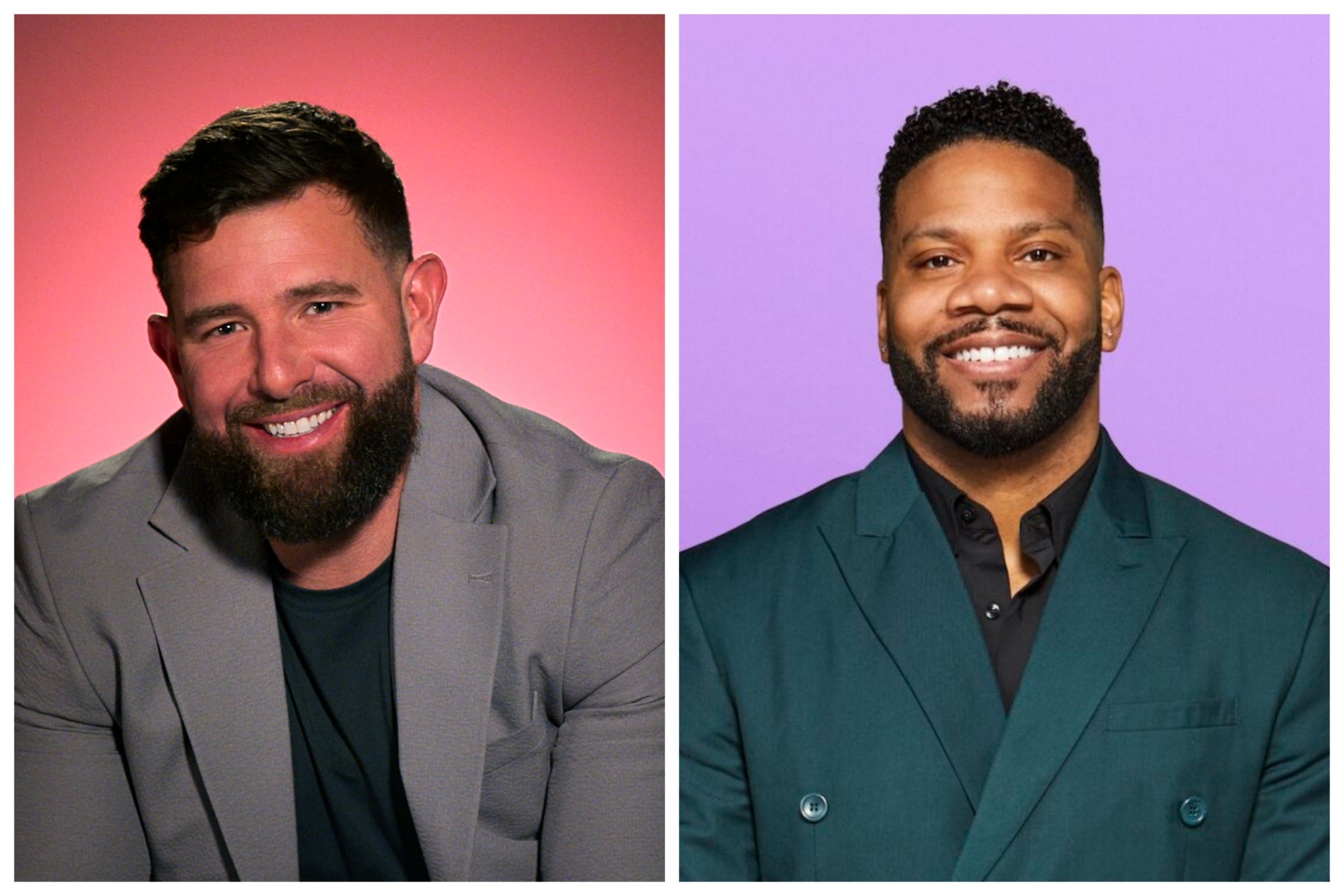
    When Michael Neal got a call from a former teammate at Temple, he thought they were just going to catch up. But Rob Feeley had lots of “very in-depth” questions about Neal’s experience on Season 9 of Netflix’s hit reality TV show, Love Is Blind.

    “He was asking me all these questions, and I thought, ‘Oh wow, man, I didn’t know you were such a reality TV fan,’” Neal said with a laugh.

    Turns out, Feeley was not a superfan of Love Is Blind. Instead, he was preparing for his own season on the show, on which contestants blindly couple up with the goal of getting married by the end of 10 days. Though neither former Owl left the show with a ring on their finger, both used lessons they learned on the gridiron as they took their turn in the spotlight.

    Feeley began filming for Love Is Blind over a year ago. Now 40 years old, the Bostonian and former fullback says he hoped that the leap of faith to join the show would pay off in finding the love of his life.

    “I’ve always been kind of brave in my own way,” Feeley said. “This was an opportunity to do something different, find love in a way that was not traditional. I’ve been called vain by my friends in the past. They’re like, ‘Hey, you don’t need to always go after the shiny.’ But I was like, ‘You know what, maybe this will work.’”

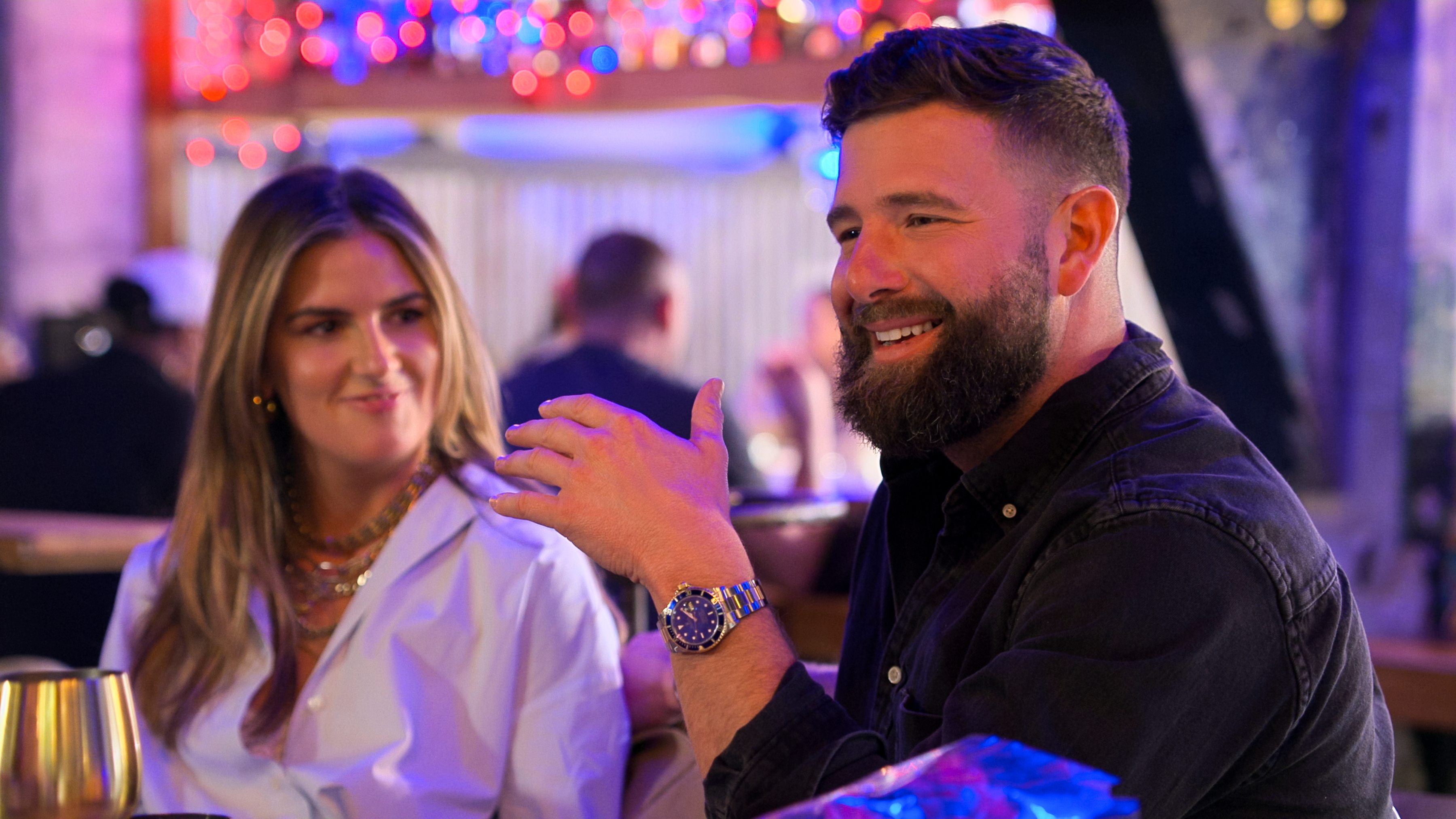
    Michaella Giorgio (left) and former Temple football player Rob Feeley (right) got engaged on Season 11 of “Love is Blind” but didn’t make it to the altar.Netflix

    After a proposal behind a wall, a dramatic reveal, and public outbursts, Feeley’s engagement to Michaella Giorgio was called off following a fight in a bar. The fallout was difficult to navigate, he says.

    “I’d much rather run down Lincoln Financial Field full speed and have to go hit somebody than go on this show again because it’s been intense,” Feeley said. “There were a couple moments in the show that I probably didn’t handle the best. I think I’m looking forward to this chapter being closed and moving on because it’s been a long chapter.”

    To handle “the internet trolls,” Feeley said, he drew on his years at Temple, where he played from 2006 to 2010.

    “For me, it was one of the most intense times of my life,” Feeley said. “You’re trying to balance playing, doing well academically, being away from home, and all this stuff was crazy. It just taught me that you had to be tough to play at Temple … I feel like if I could do that, I can handle the show.”

    Neal, a running back who’s also from Boston, called Feeley his “little brother on the team.” He committed to Temple in 2003, but suffered a neck injury in practice that curtailed his football career.

    “When you’re playing D-I, the mindset shifts. When you’re around the best, you can’t really slack,” Neal said. “You become brothers. Like, me and Rob became so close. I saw him almost die. He saw me almost die. So when you see that, and then you go to dinner after, you’re like, ‘Yo, bro.’ You’re amazed.”

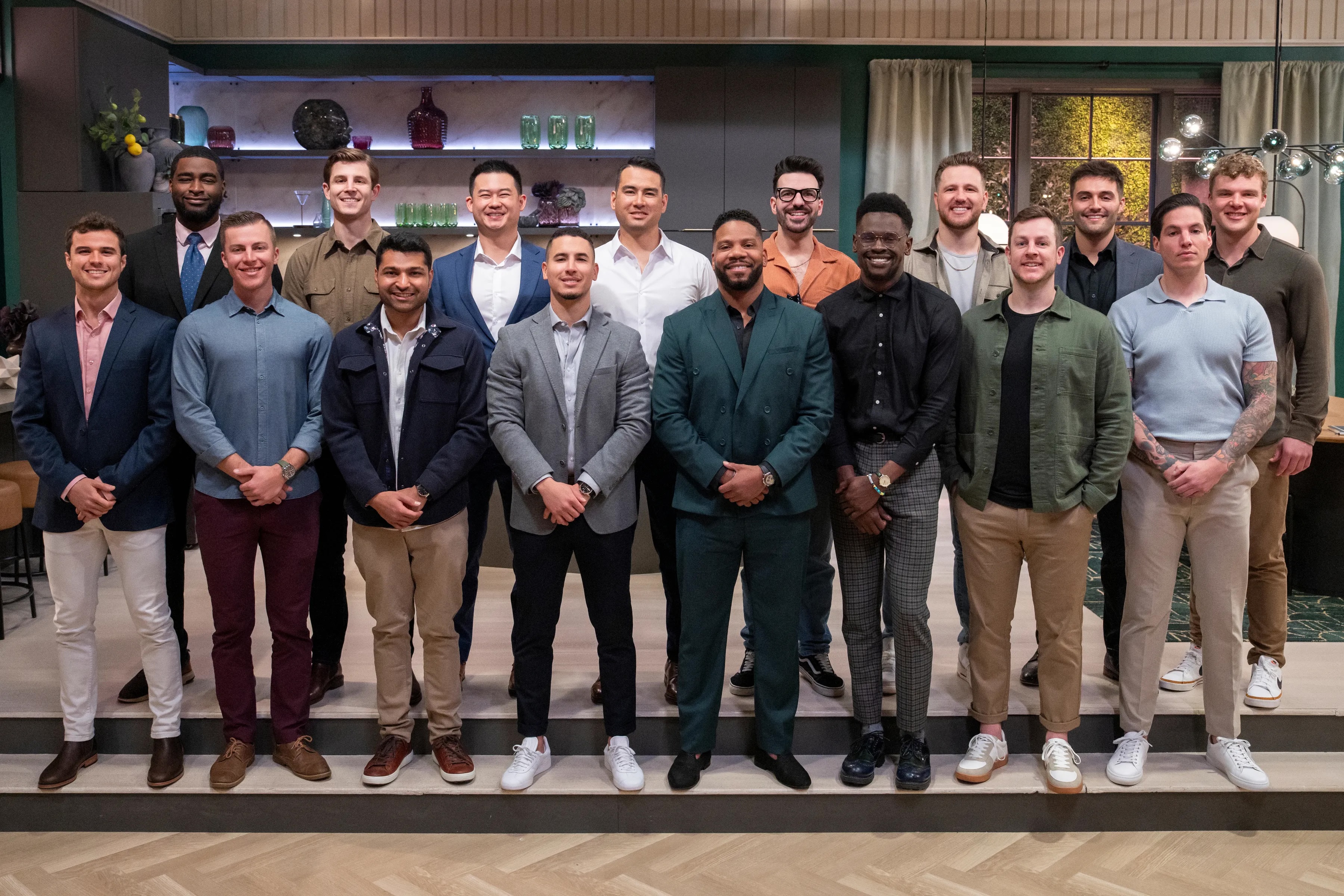
    Former Temple football player Michael Neal (front, fourth from right) was on Season 9 of Netflix’s “Love is Blind.”Greg Gayne / Netflix

    Neal and Feeley also spoke to the Philadelphia spirit that shaped them during their time at Temple.

    “Philly’s grit is unapologetic,” Neal said. “We say Broad Street Bully, but it’s really not a bully. It’s a standard. They should just say Broad Street Standard.”

    Added Feeley: “Philadelphia always holds a special place in my heart, with that Philly grit.”

    The city also will get its time in the Netflix reality spotlight soon. A future season of Love is Blind recently was filmed in Philly.

    For future contestants and Temple football players — or perhaps both — Feeley had similar advice.

    “Go in with an open heart, an open mind, and good intentions,” Feeley said. “Trust the process, and just try to enjoy it. Because it is a very unique and challenging experience that only certain people go through. Unless you do it, it’s very hard for people on the outside to understand — and that goes for Love Is Blind and playing football, honestly.”

  • Kalshi cofounder Luana Lopes Lara discusses the prediction market’s rise, Sixers partnership, and affiliation with Donald Trump Jr.

    Kalshi cofounder Luana Lopes Lara discusses the prediction market’s rise, Sixers partnership, and affiliation with Donald Trump Jr.

    How and where Americans could wager their money was forever changed in 2018. That spring, the U.S. Supreme Court overturned a federal law that had long limited legal sports betting to four states, and the sports gambling industry subsequently ballooned into a $166 billion behemoth. And 450 miles from Washington, D.C., the seeds of another seismic shift were quietly planted at the Massachusetts Institute of Technology, where Luana Lopes Lara met a fellow student, Tarek Mansour.

    Lopes Lara and Mansour had each worked for Wall Street financial firms. The duo discussed creating something new — a platform where investors could trade on the predicted outcomes of specific events.

    In 2020, the federal Commodity Futures Trading Commission approved their application to operate the prediction market Kalshi, and Lara and Mansour recruited investors to their fledgling enterprise.

    “We took four years working with the federal government and figuring out how to launch this legally and in a regulated way,” Lopes Lara, a 30-year-old native of Brazil who holds the distinction of reportedly being the world’s youngest female self-made billionaire, said in a recent interview with The Inquirer.

    In 2023, Kalshi sought permission from the CFTC to offer contracts on which political party would control Congress. The agency denied the request, arguing such wagering would be “contrary to the public interest.”

    Kalshi cofounder Luana Lopes Lara said election markets are the “holy grail” for prediction markets. Olga Fedorova

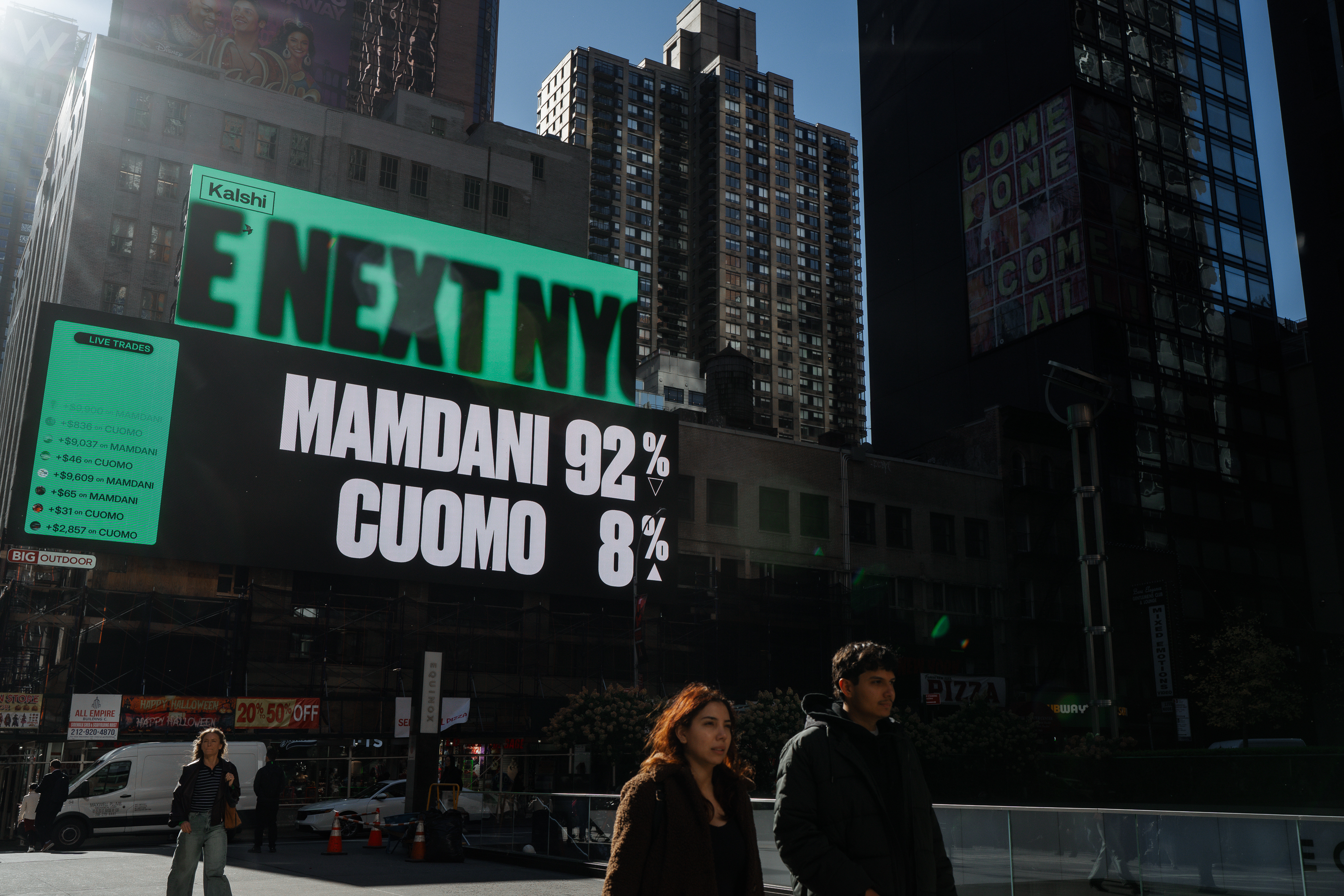
    Kalshi sued the CFTC and prevailed, clearing a path for the company to accept wagers on political elections. Its customers went on to spend $1.3 billion trying to predict election outcomes in 2024, including the presidential contest between Donald Trump and Kamala Harris. (The recent midterms attracted $3 billion worth of wagers on the prediction market.)

    Beyond elections, Kalshi offers a dizzying array of potential outcomes that anyone over 18 can stake their money upon: cryptocurrency values, oil futures, Rotten Tomatoes scores of new movies, words an Airbnb executive might mention during an earnings call, the weather in Philadelphia.

    Sports contracts, though, have lifted the company into another stratosphere. During the 2026 FIFA World Cup, Kalshi collected about $27 billion in wagers. The company’s value subsequently soared from $22 billion to $40 billion, CNBC reported.

    The NBA recently named Kalshi and its competitor, Polymarket, its preferred prediction markets. And the Philadelphia 76ers in late October became the first NBA team to enter into a separate multiyear partnership deal with Kalshi. The prediction market covered the cost of postgame rides on SEPTA’s Broad Street Subway line for fans who attended an Oct. 30 matchup between the Sixers and New York Knicks at Xfinity Mobile Arena.

    Kalshi’s leaders insist that prediction market trading is different than gambling with a sportsbook operator. For example, Kalshi recently contacted Philadelphia restaurant and bakery owners to see if they’d wager on a Nov. 8 Eagles game against the New York Giants to cover the cost of giveaways, like free meals for customers.

    Yet there is a growing backlash to each industry’s growing omnipresence in daily life.

    In March, Arizona’s attorney general filed criminal charges against the New York-based prediction market, accusing it of running an unlicensed online gambling operation. A federal judge later blocked the case from proceeding, ruling that prediction markets are solely regulated by the CFTC, News From The States reported.

    That didn’t deter Utah’s attorney general in October from filing felony charges against Kalshi, Lopes Lara, and Mansour for allegedly violating the state’s gambling prohibition.

    The company accused the state of “playing politics” and said it would put “a stop to this in court, just like we did in Arizona.”

    Kalshi is also facing litigation in New York and other states over whether its business practices violate local gambling laws. Prediction markets are available in 50 states, but not taxed as steeply as sportsbooks, which have been legalized in 39 states and Washington, D.C. “We comply with all corporate tax laws and believe in responsible state taxation, even as a federally regulated derivatives exchange,” Lopes Lara said.

    In early September, New Jersey Attorney General Jennifer Davenport petitioned the Supreme Court to decide whether states should have the authority to regulate prediction markets as they do gambling, an effort that has been supported by a bipartisan coalition of law enforcement officials, including Pennsylvania Attorney General Dave Sunday and the National Football League.

    This interview has been edited and condensed for clarity.

    Tell me about Kalshi’s early days.

    Tarek and I both worked on Wall Street. We realized that most trading happens when people have some view about the future, some thesis about what’s going to happen.

    And what we wanted to do is [create] a financial exchange, where instead of trading all these other assets, you just trade contracts, and buy and sell. Contracts are what’s going to happen in the future. Prediction markets are so much better at forecasting the future because of the wisdom of the crowds, and people putting their money where their mouth is.

    When do you feel that this idea was actually viable?

    After we won the lawsuit against the CFTC [which allowed Kalshi to offer contracts on the 2024 election], we realized how big it was going to be. Election markets are the holy grail of prediction markets. At the end of the day, it’s the thing that proves to people how important these markets are. You can see our data for 2028 [elections] are being used already on TV.

    Luana Lopes Lara said prediction markets Kalshi and Polymarket caught the attention of the Trump family during the 2024 presidential election. While many traditional polls showed that the race between Trump and Democrat Kamala Harris was close, Lopes Lara said, Kalshi and Polymarket showed that a majority of investors believed Trump would prevail.KARSTEN MORAN

    Former New Jersey Gov. Chris Christie and other critics have said that prediction markets are just another version of sports betting. Christie also said that companies like Kalshi market themselves to teens.

    Chris Christie — who is paying him at the end of the day? He’s doing the work for the casino [industry], so obviously he’s going to say that, because they want to protect their monopolies.

    With a sportsbook, the house always wins. The house will give you odds that they want to give you. There’s no transparency, no competition on whatever that odd is. And they make money when people lose. The more they get users to lose money, that’s exactly the amount of money they start making. And also, if you start winning, they cut you off.

    Exchanges like Kalshi, we function like the New York Stock Exchange. What we do is we match buyers and sellers of contracts of what’s going to happen in the future.

    In terms of advertising to minors, that’s completely false.

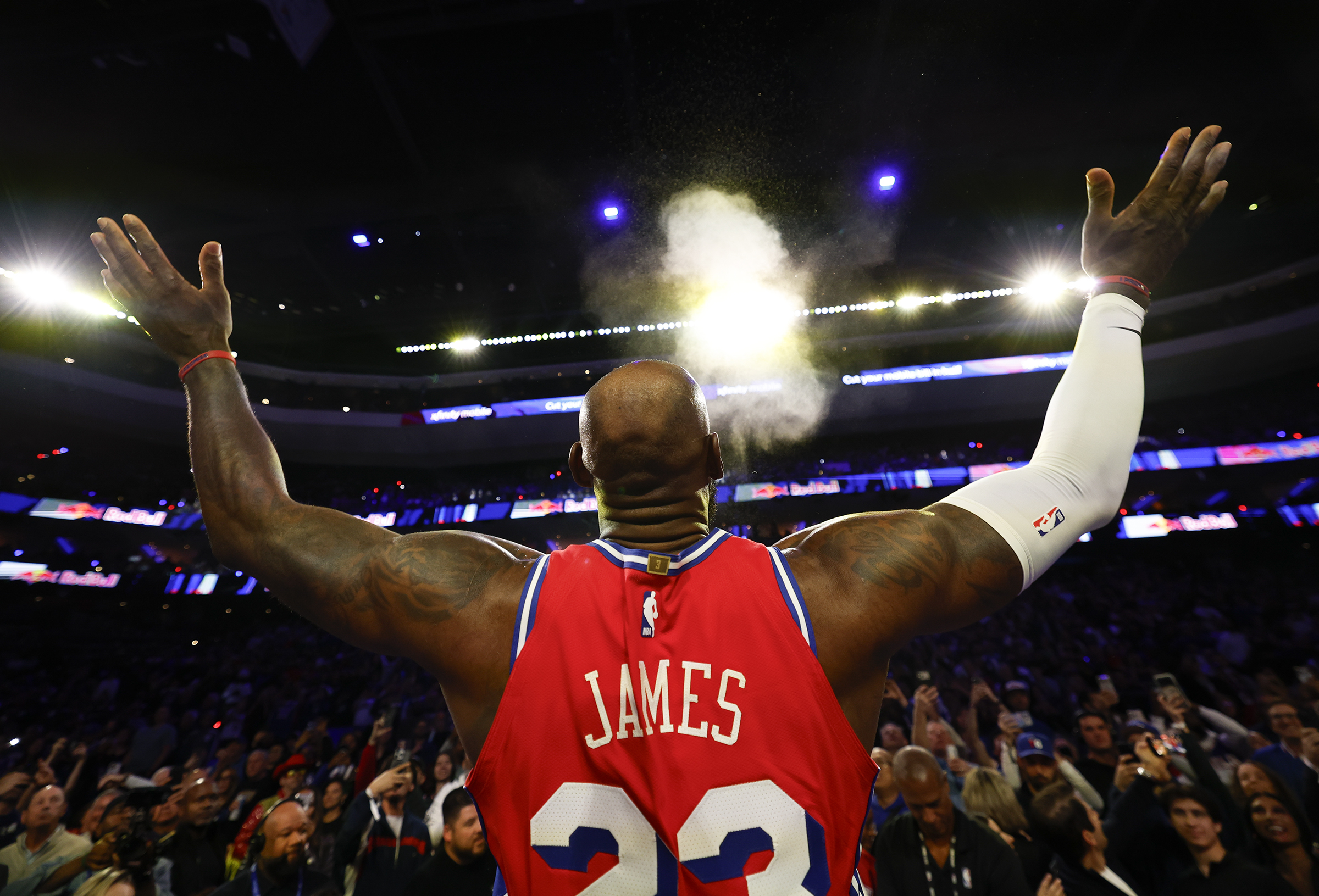
    Sixers star LeBron James recently entered into a partnership with the prediction market Polymarket, which will reportedly pay him $15 million a year. Yong Kim / Staff Photographer

    Advertising for sportsbooks and prediction markets have become inescapable at professional sports stadiums and during broadcasts of games. Leagues, franchises, and stars like LeBron James have entered into lucrative partnerships with those industries. But many fans — and even some athletes — are unhappy about this overlap. What’s your message to them?

    People are entitled to their opinions. We think prediction markets are another way fans can engage with their teams.

    (In a follow-up email, Kalshi declined to specify the value of its deal with the Sixers. A Sixers spokesperson also declined to provide those details.)

    Donald Trump Jr. is a Kalshi adviser. What is his role?

    (Note: Kalshi and Trump Jr. ended their affiliation on Thursday, with Kalshi citing his extensive investments in their rival, Polymarket.)

    During the 2024 election [between Trump and Harris], all the polls were saying it was 50/50, who was going to win. Kalshi and Polymarket were saying that there was around a 65% chance that Trump was going to win. And I think with that, Don Jr., and the [Trump] family, and a lot of Republican leadership started seeing the value of these markets. [Trump Jr.] was such a big believer in the industry, and he wanted to get involved.

    We always believed we wanted to be a bipartisan kind of company. We didn’t see it as any issue at the time — we’re just getting his help on marketing and all that. We never ask for anything, any favor, regulatory-wise. Nothing like that, whatsoever.

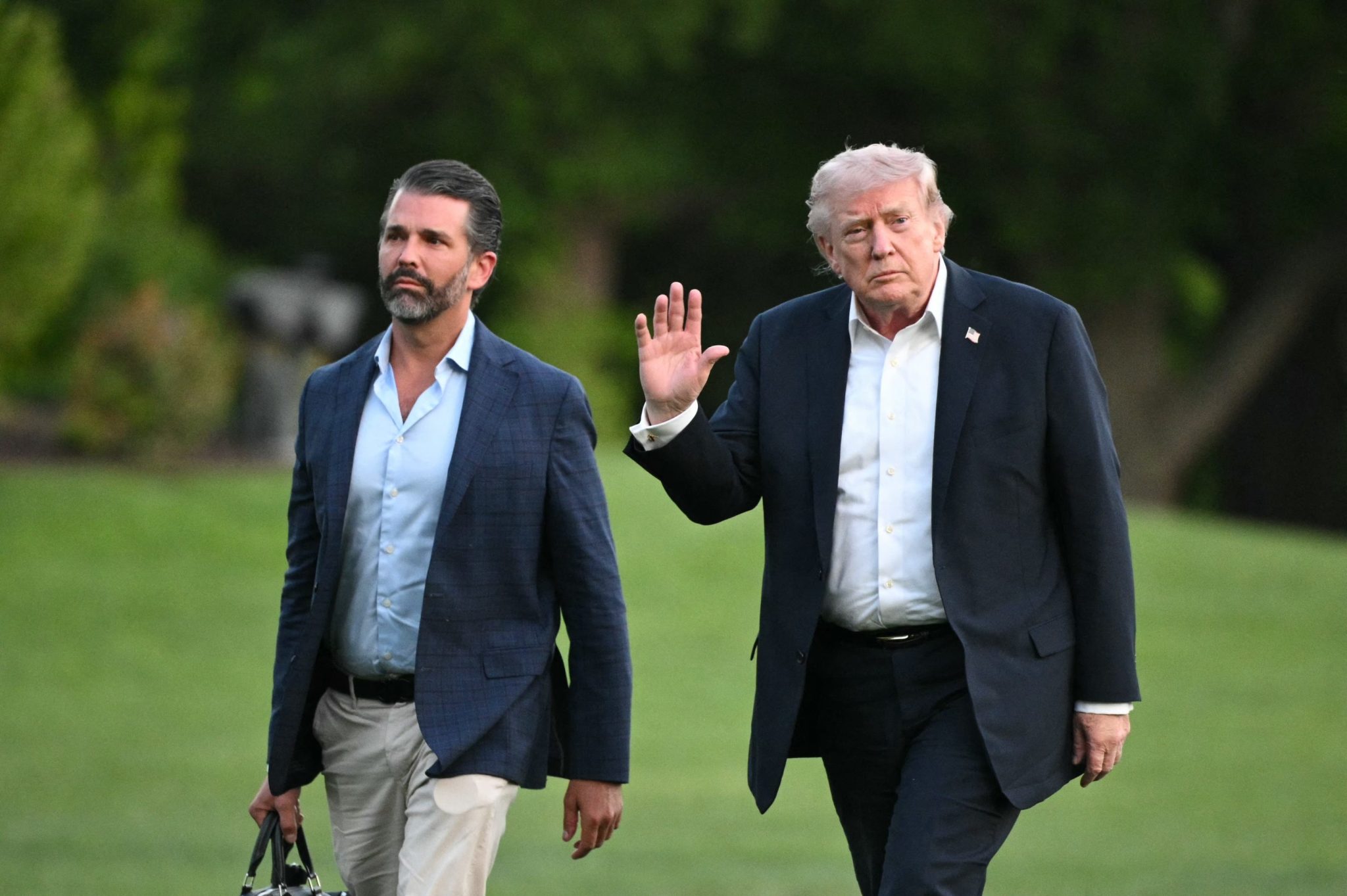
    Donald Trump Jr. is an adviser to Kalshi and has shares of the company, and his venture capital firm has invested in Polymarket.Mandel Ngan

    A White House teleprompter operator was caught earlier this year wagering about words that President Trump might mention in speeches, and a U.S. soldier was arrested for betting on military action in Venezuela. How do you address insider trading, or people trying to deliberately affect outcomes on prediction markets?

    The second example you gave actually did not happen on Kalshi [it took place on Polymarket]. Because we’re federally regulated, we’re also prohibited from offering markets on war, terrorism, or assassination. So that specific incident was on an offshore platform that offer those.

    Insider trading is prohibited on Kalshi, the same way that the New York Stock Exchange prohibits insider trading. It’s a hard problem to surveil for. We’re not claiming that this will never happen. What we’re claiming is that we have very, very good systems to detect and deter this.

    Congress members have accused sportsbook companies of using VIP rewards — like personalized video greetings from athletes — to encourage customers to continue gambling. What customer loyalty rewards does Kalshi offer, and are they any different from the VIP benefits that sportsbooks offer?

    Our VIP benefits are not based in any way on wins or losses. Kalshi has never sent videos from players [to customers].

    While sportsbook companies like FanDuel have faced Congressional scrutiny for sending personalized videos of professional athletes to VIP bettors, Lopes Lara said that Kalshi does not send videos to its VIP members.Jeff Chiu

    We’ve done extensive reporting this year about sportsbook users who have developed gambling addictions. Don’t prediction markets have the same potential to be addictive or harmful?

    I totally hear your concern. It’s something we take very seriously. I think there are a lot of customer protection rules, in the CFTC and SEC, that we apply to us. And we do all of the customer protection mechanisms that the traditional sportsbooks or casinos do, including self-exclusion, even mental health support, deposit limits, screen time limits. We’re actually pro-more regulation.

    I think the biggest difference is our incentives are aligned with our users. For us, someone coming and losing — we don’t make more money if people lose more. I think that we as a company don’t have an incentive to have people addicted to Kalshi, where sportsbooks and casinos, they have that incentive.

    The Inquirer will continue to report on issues related to the growth of gambling addiction — among teens and adults — across Pennsylvania. If you or someone you know wants to speak with a reporter, please contact David Gambacorta or William Bender at dgambacorta@inquirer.com and wbender@inquirer.com

  • Some pro athletes struggle to find a second chapter. Matt Szczur retired and became an artist.

    Some pro athletes struggle to find a second chapter. Matt Szczur retired and became an artist.

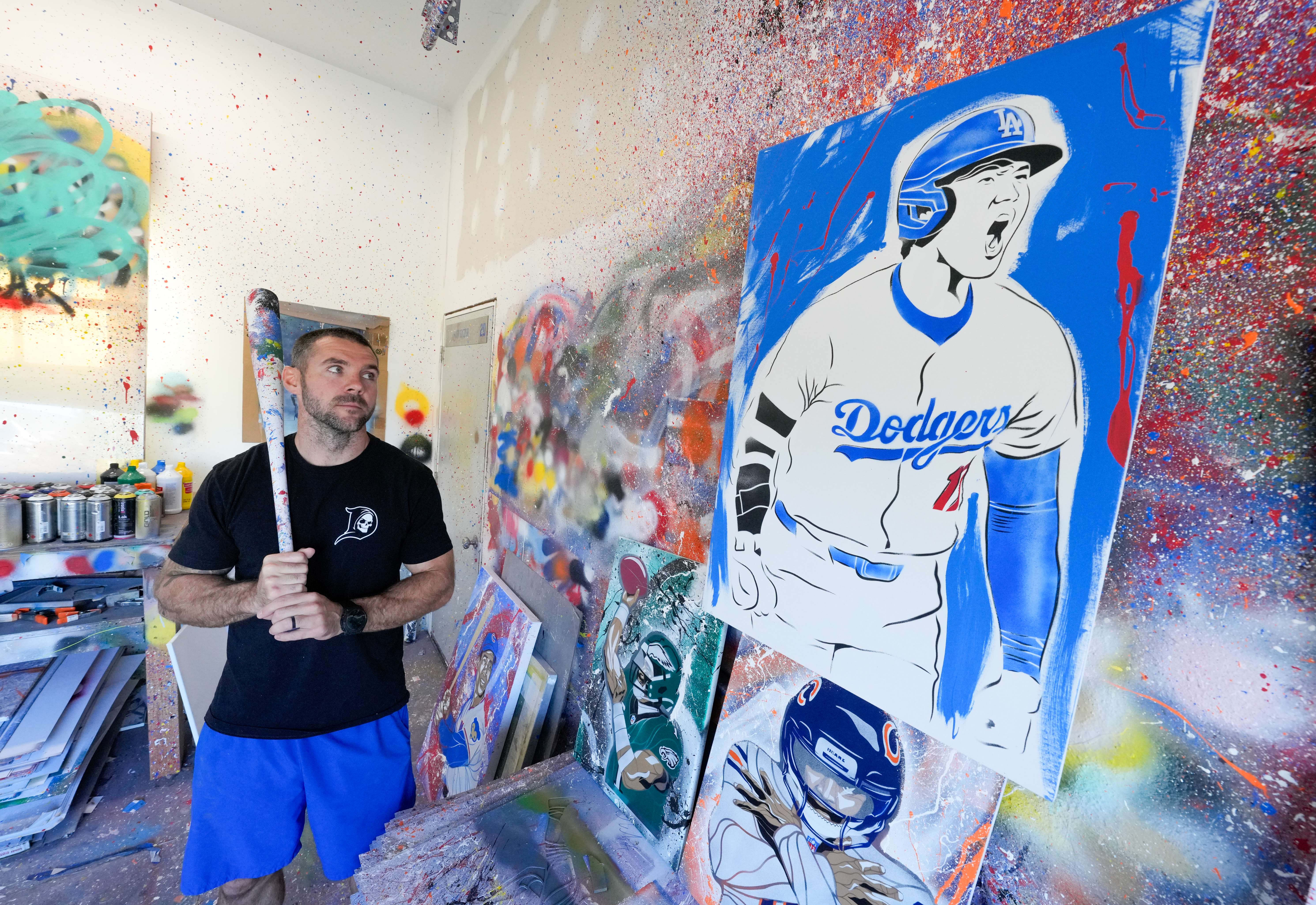
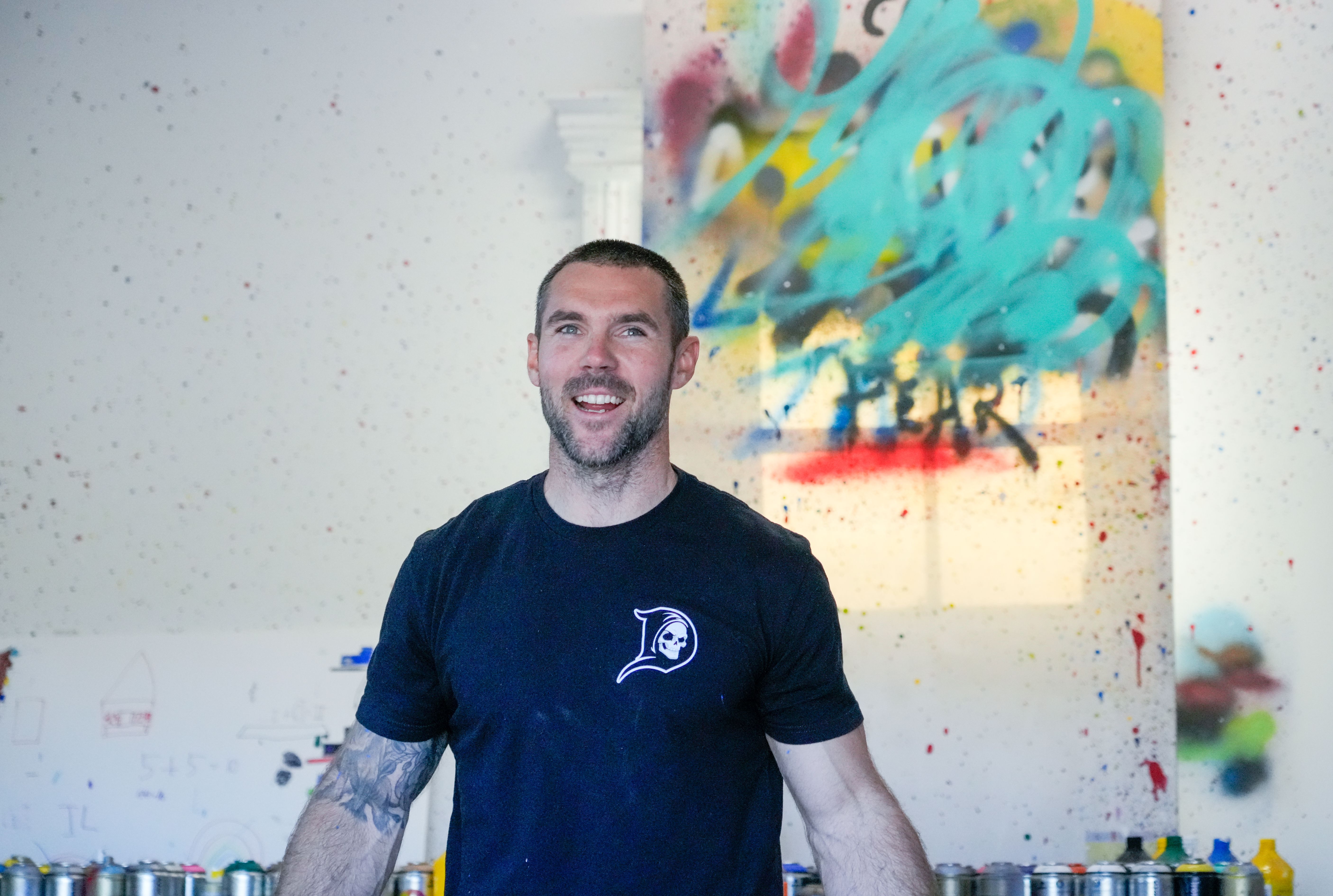
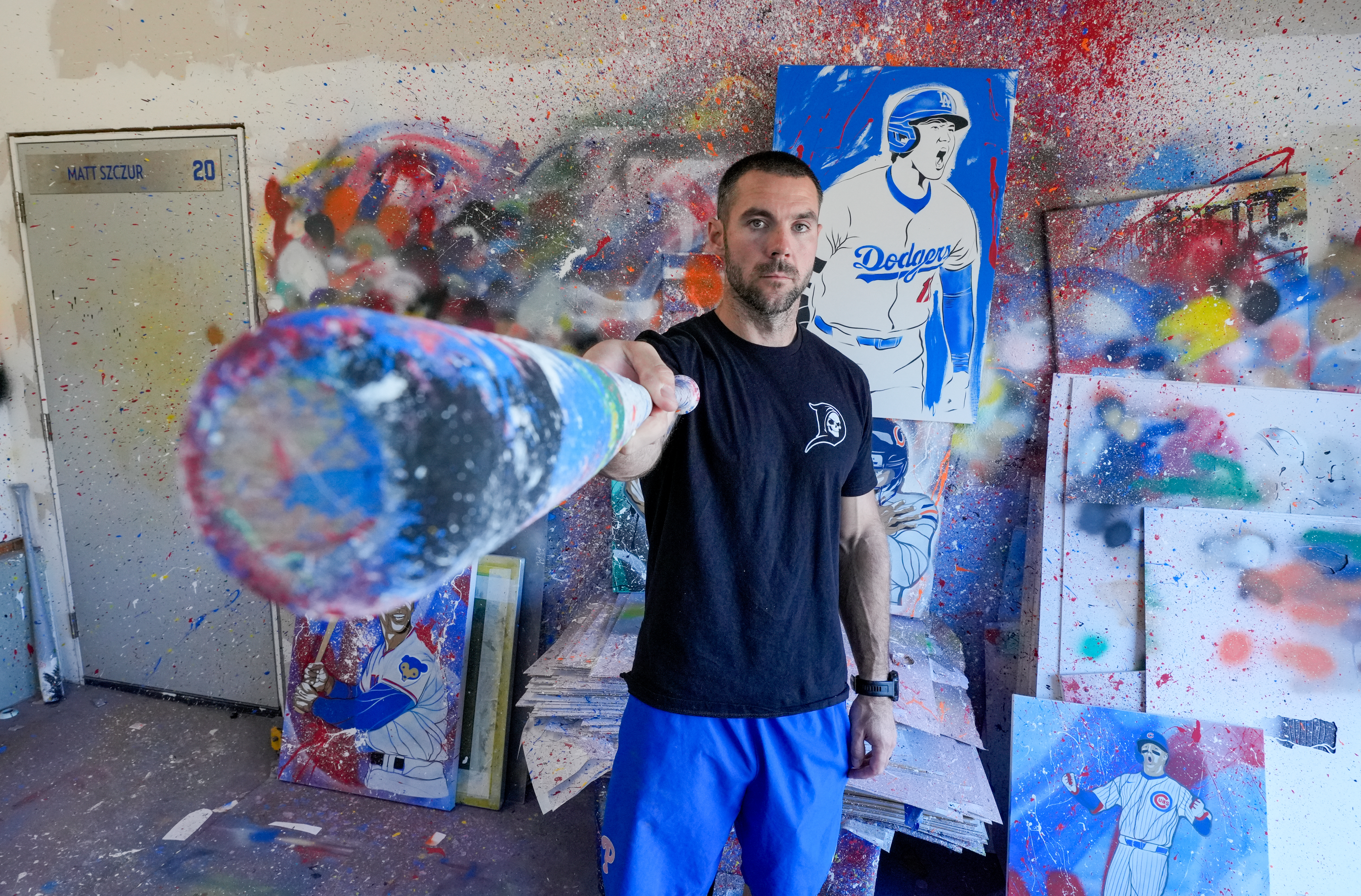
    Matt Szczur stood in his garage last month, knees bent with a baseball bat raised in his hands. He played parts of five seasons in the majors and won a World Series in 2016 with the Cubs. But Szczur — a former football and baseball star at Villanova — retired from baseball to do this: hit cups of paint off a batting tee in his Cape May home.

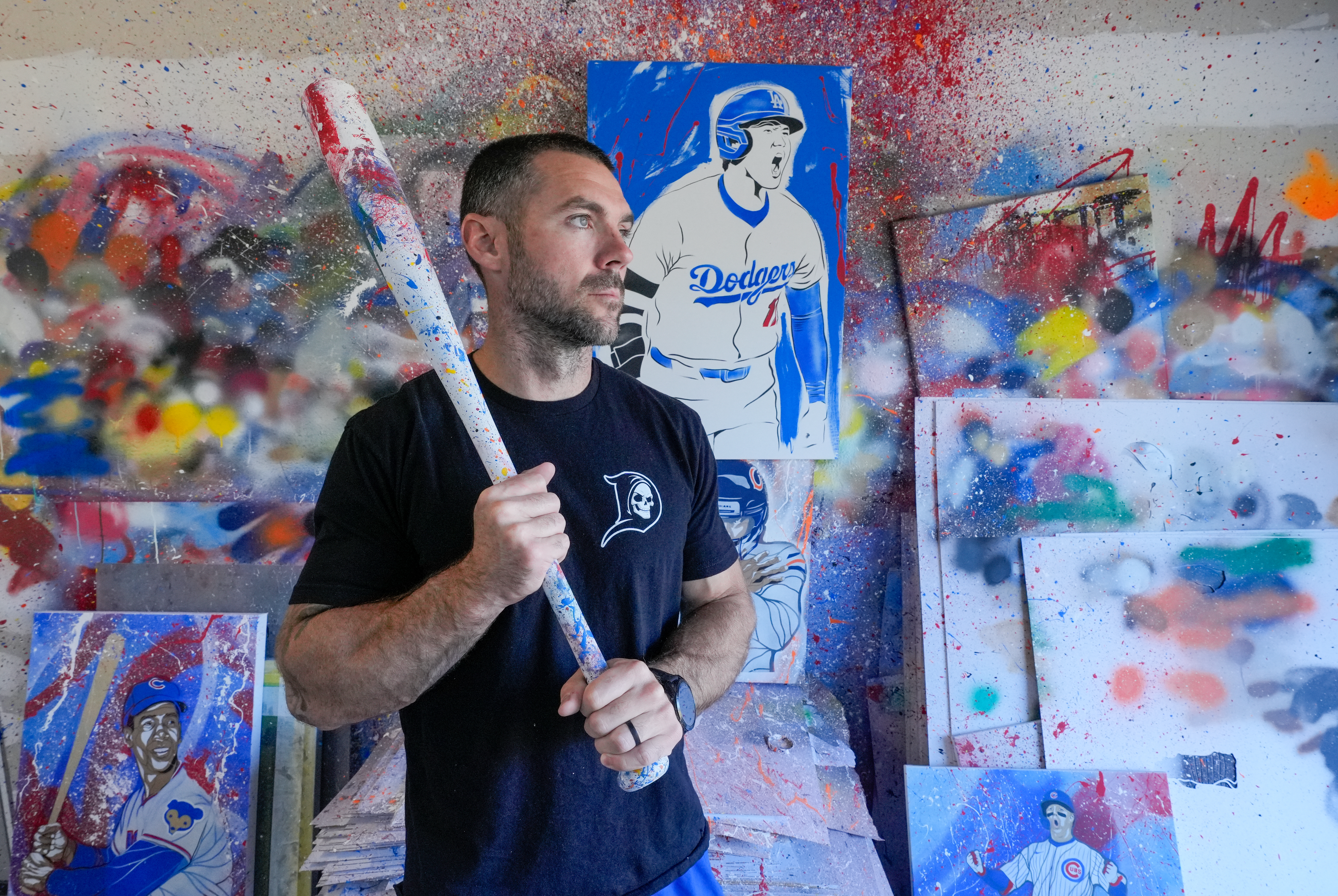
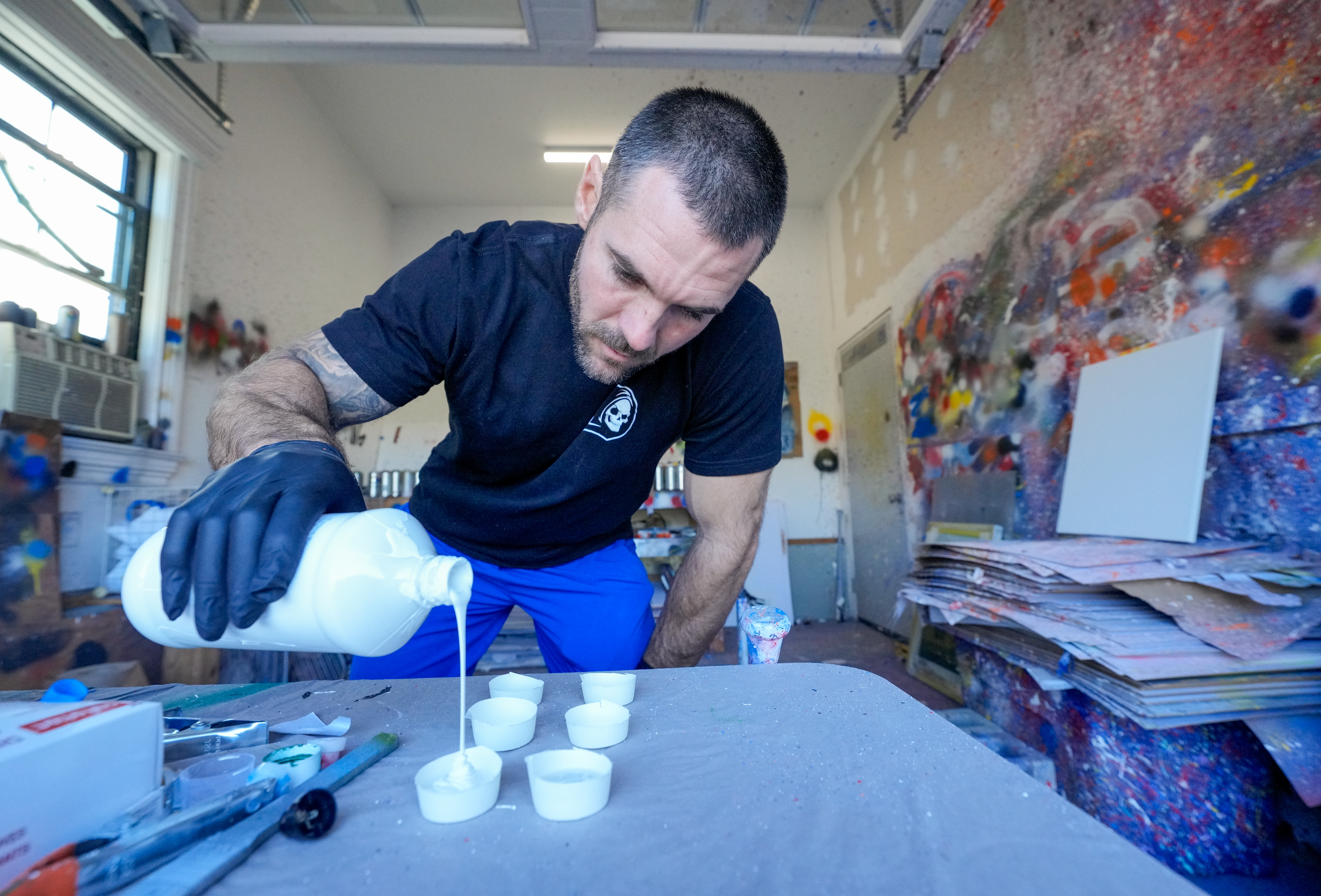
    The former big leaguer became an artist. He found a second career, helping to ease a transition that proves difficult for so many professional athletes once they leave the game. He pours paint into cups, places the cups on a tee, and then crushes the cups like they were a grooved fastball. The paint splatters in his garage studio and sprays onto a canvas, which Szczur then uses as the backdrop for his next portrait. He turns batting practice into a masterpiece.

    Szczur was briefly a Phillie and was a World Series champion with the Cubs. He still gets in some tee work, but now it involves hitting a paper cup full of paint at canvases to create his art.Tim Hawk / For The Inquirer
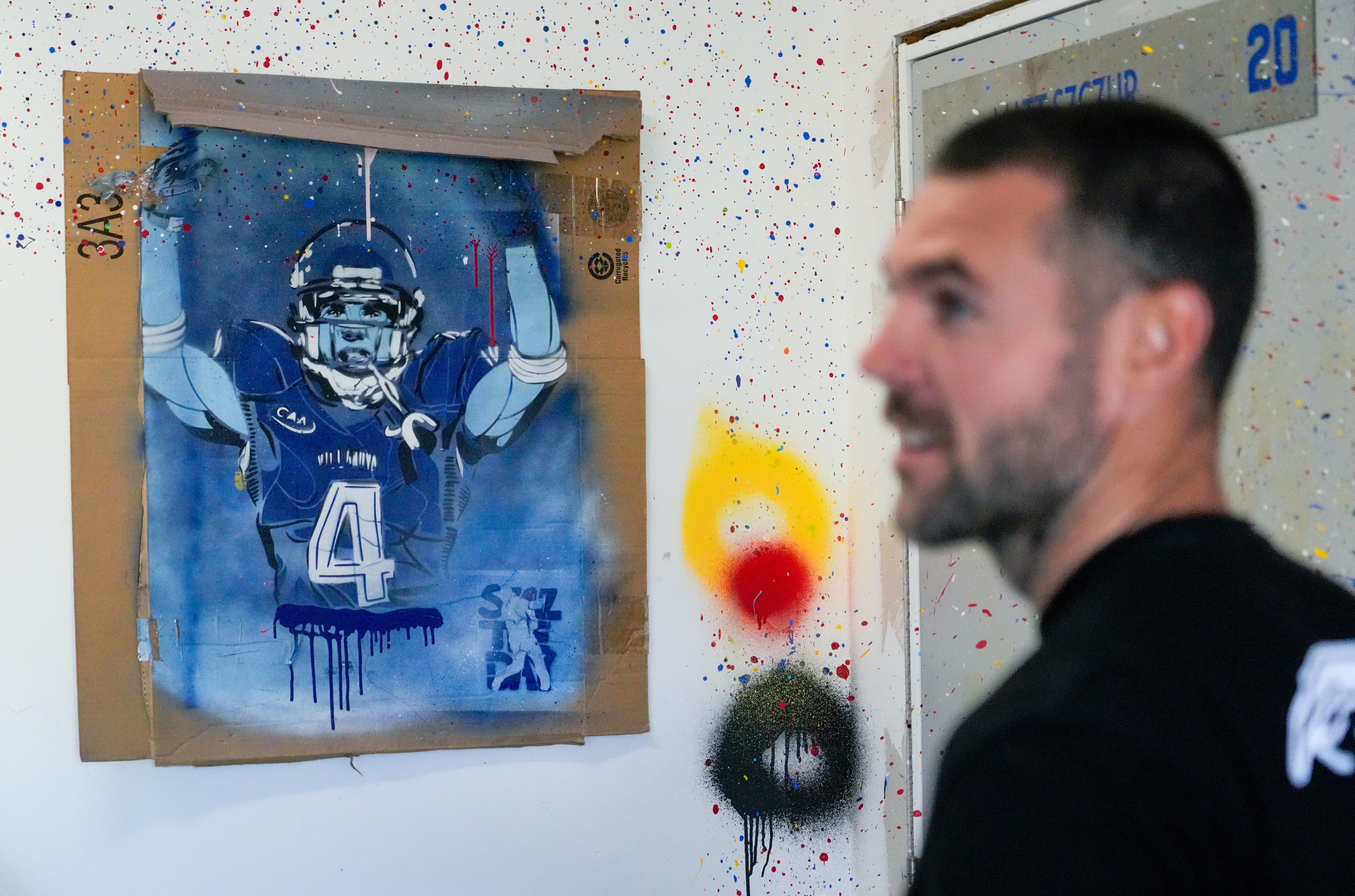
    A painting of Mark McGwire and Sammy Sosa, featuring Szczur’s signature paint splatter, hangs in his Cape May studio.Tim Hawk / For The Inquirer

    Szczur, 37, knew he had something five years ago when he was making more money selling art than he was playing triple-A baseball. He sells his art on his website, stays busy with commissions, has a partnership with Fanatics, and Topps recently turned his creations — the ones he makes in the garage with a bat — into baseball cards that are prized by collectors and resold for thousands on the internet.

    As a kid, Szczur watched his dad come home from his construction job, sit in his recliner with a cup of coffee and sketch. It was how Marc Szczur relieved stress.

    Years later, the son found himself doing the same when he reached the majors in 2014 and pressure mounted. Szczur sketched on his iPad, drawing anything that came to mind. Sometimes he just drew his hand in different positions to practice. Art became Szczur’s escape. And now it’s his career.

    Pro athletes spend decades obsessively dedicated to their craft, which leaves a void once they walk away. Some say they lose their identity. Szczur found a new one.

    “I didn’t want to be the guy who’s 33 years old in triple A trying to fight his way back to the big leagues to come off the bench,” Szczur said. “I’m not interested in that. I didn’t want to be that guy. I’m cool moving on. A lot of those guys have to stay in baseball. They have nothing else afterward. I’m so lucky to be able to do this. Because when guys finish playing, they’re like, ‘What next?’

    “If it wasn’t for this, I would’ve kept playing. I would’ve had nothing else. And it could’ve been good. I could’ve made it back to the big leagues and signed a $100 million deal. Maybe? Probably not. But you never know. But I’m happy here. I’m happy working hard every day at my house with my family.”

    The wall in Szczur’s studio is covered in paint thanks to the bat that he uses as his paintbrush.Tim Hawk / For The Inquirer

    Leaving the game

    In 2015, Tommy La Stella, Szczur’s teammate with the Cubs, saw some of the sketches Szczur did and asked him if he could create something for him. It was Szczur’s first commission.

    “I had no idea what to charge,” Szczur said. “I just had no idea.”

    La Stella wanted a piece featuring Jesus, Buddha, and Lao Tzu. Szczur used spray paint and stencils to create something. He did a first draft of cardboard — “I’m cheap,” Szczur said — and showed La Stella. He liked it. So Szczur went to work, filling a Wildwood Crest apartment with paint fumes.

    It was a humble start, but Szczur figured it out. Szczur took art classes in high school and college, as he always loved creating.

    “My friends used to make fun of me because they’d be studying and I’d be painting. ‘Well, you could’ve picked my class,’” he said.

    Szczur gave the finished painting to La Stella in the Cubs clubhouse, which allowed other teammates to see it. He was soon getting more work, and the Cubs asked Szczur to paint something for their charity event after the 2016 World Series. It sold for $40,000.

    “I remember looking at my wife [Natalie] and saying, ‘I have to do more of this in the offseason,’” Szczur said.

    Matt Szczur was with the Phillies in Clearwater during 2020 spring training.Carlos Osorio

    Szczur signed with the Phillies before the 2020 season, hoping to return to the majors with the team he grew up rooting for after spending the previous year rehabbing an injury in triple A. Then, he tore an oblique muscle in spring training before the pandemic paused the season.

    Szczur returned home to Cape May during the shutdown and started painting again. He spent hours in his garage, painting athletes, superheroes, and anything else he thought of. Szczur loved it. He wanted to share his work on social media but felt strange posting about it.

    “One of the things I was nervous about was other people’s opinions,” he said. “I asked my wife, ‘Should I post this?’ She said, ‘Yeah, who cares?’”

    Szczur smiles in his studio. He made national news in 2009 when he donated bone marrow to save the life of a 15-month old in Ukraine shortly before the MLB draft.Tim Hawk / For The Inquirer
    A self portrait of Szczur during his Villanova football days hangs as he talks about his paintings.Tim Hawk / For The Inquirer

    His business took off during the pandemic, and he missed the 2020 season after undergoing surgery to repair his oblique. He signed in 2021 with St. Louis but struggled in triple A after missing the previous year.

    The team took a 12-hour bus trip from Memphis, Tenn., to Toledo, Ohio, for a series in June. He was 0-for-4 in the final game of the series when the manager asked him in the eighth inning if he wanted his last at-bat of the game.

    “I was like ‘Yeah, I don’t know when it’s going to be my last at-bat so I’m going to take it,’” Szczur said. “I hit a double off the wall.”

    The team bused back to Memphis, and the manager told Szczur that the Cardinals were releasing him. Couldn’t that have happened in Toledo? Szczur said. He flew home and told Natalie he was finished. Other teams checked in, but Szczur was content with his career.

    He won a national championship in football at Villanova and signed with the Cubs as a fifth-round draft pick in 2010 instead of entering the NFL draft. He played professional baseball for 12 seasons, played with All-Stars, and earned a World Series ring. Szczur was 31 years old and ready to try something new.

    “I’ve never been someone who continues to beat a dead horse. I can move on pretty fast,” Szczur said. “There was light at the end of the tunnel.”

    Szczur pours paint into paper cups before hitting them off a tee with a baseball bat.Tim Hawk / For The Inquirer

    Figuring it out

    Szczur was driving to Penn State to watch Villanova play football in September 2021 when Fanatics called. They already commissioned him to do a painting of Tom Brady and wanted to see if he could paint portraits onto jerseys.

    “I was like, ‘Yeah, send them to me. I’ll see if I can figure it out,’” Szczur said. “I had no experience.”

    He painted onto a Ronald Acuña Jr. jersey, and it looked terrible. Szczur wasn’t sure if he could do it. The representative from Fanatics told Szczur to reach out to some other artists who paint jerseys. Szczur bugged artists he found on Instagram — “usually people don’t respond,” Szczur said — and found someone to help. He told him what paint to use, and Szczur finally had the secret.

    “It took like six months to figure things out, which is fine,” Szczur said. “There was a point where I wanted to quit because I couldn’t figure it out, but I was like, ‘These guys have to respond to me.’ I hated trying to figure things out. But I always tell people I leave my ego at the door. I know that I need help. I’m the first guy pulling over at the gas station asking how to get to the next stop. I’m not going to try to figure it out by myself. It just takes so much longer. Find someone who has done it before, who knows where they’re going, and they’re going to tell you. If they don’t, then go to the next person.”

    Szczur has created artwork on the jerseys of basketball stars for Fanatics.Tim Hawk / For The Inquirer
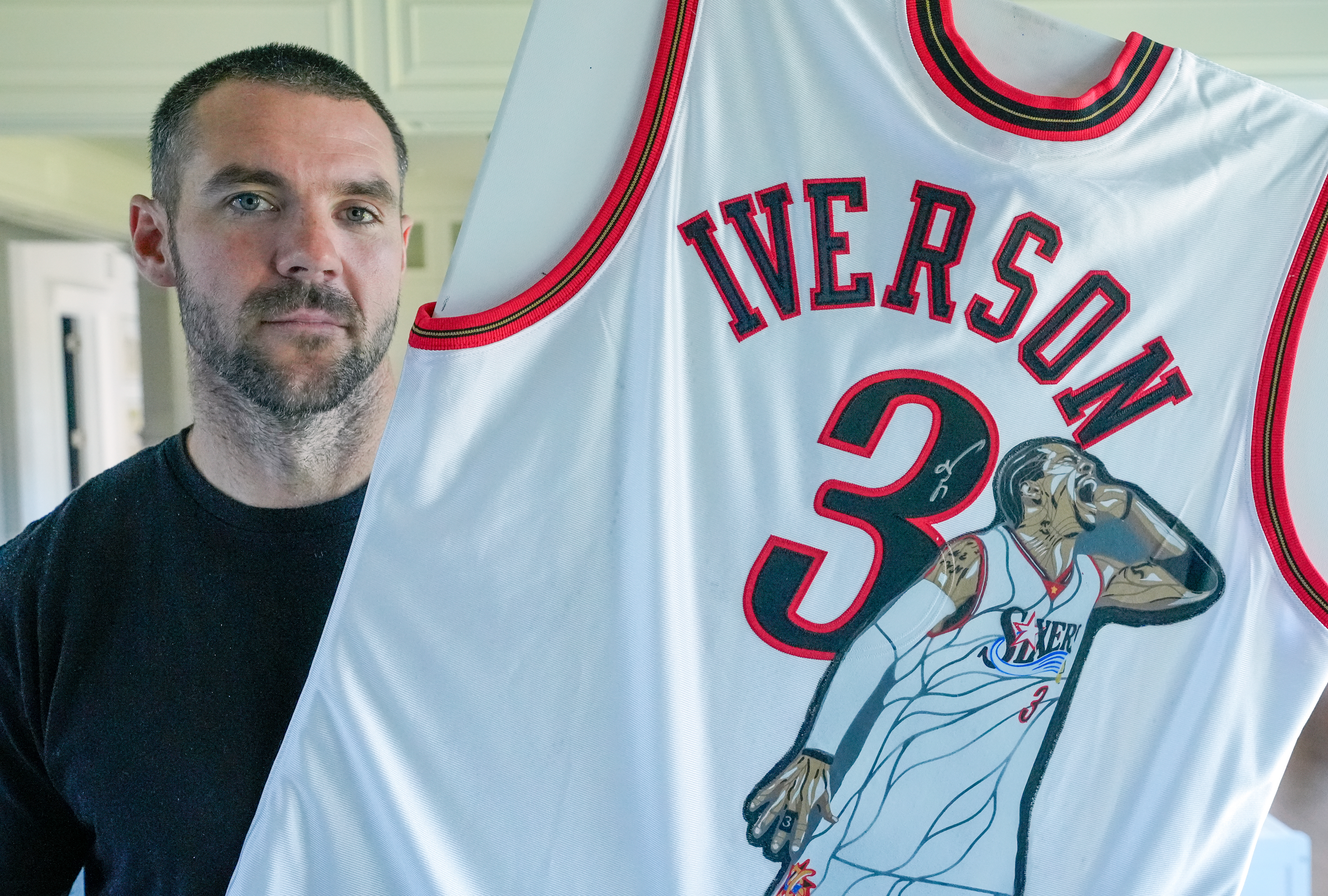
    One of those jerseys belongs to former Sixers star Allen Iverson.Tim Hawk / For The Inquirer

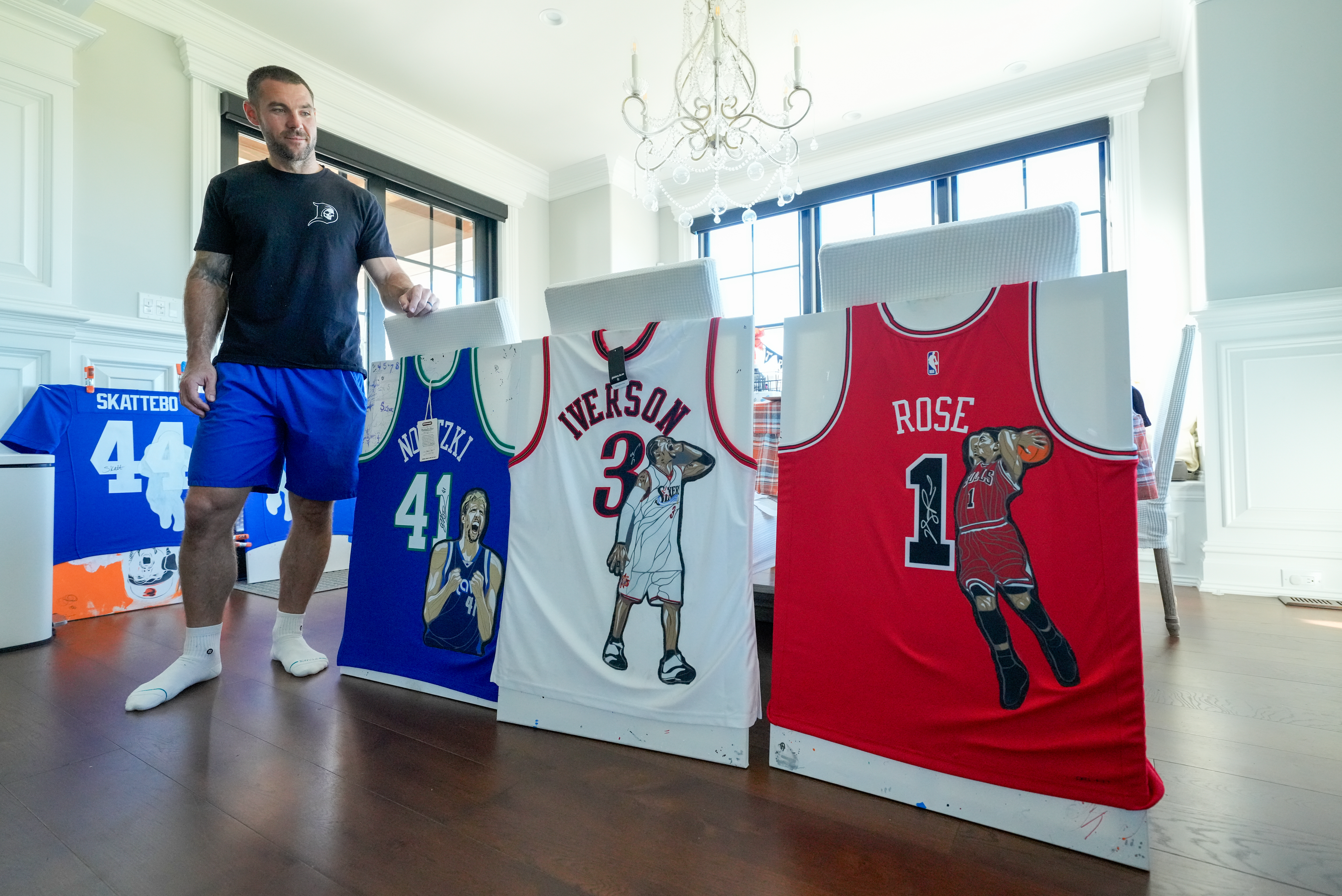
    Fanatics sends Szczur signed jerseys of players like Allen Iverson, Emmitt Smith, and Dominique Wilkins. He then paints a portrait of the player onto the jersey and sends it back to Fanatics. Szczur used to spend hours locked in his office or in his basement while he painted the jerseys. But then he realized his second career was taking him away from his two kids. So he paints now in his dining room, turning the table off the kitchen into an art studio. His son, Matthew, builds Legos while Szczur paints another Hall of Famer.

    “They get to see dad doing something he enjoys doing,” Szczur said.

    Szczur saw someone on social media hitting paint with a golf club, which gave him the idea to use a baseball bat. He figured it out — Szczur shattered plastic cups before trying Dixie cups — and made it his thing.

    “Do I need to hit paint with a baseball bat? No. Do I need to throw paint with a glove on? No,” Szczur said. “But it adds to it. And with the stencils and the uniqueness of it, people can tell that’s my art. That’s Andy Warhol, LeRoy Neiman, Banksy, all the top guys. You know that’s a Warhol. That’s a LeRoy Neiman. That’s how my mind thought. When someone sees my art now, they know it’s me. Because no one else does it like me.”

    Szczur sold a portrait of Shohei Ohtani at auction for nearly $50,000 and negotiates his own deals and partnerships. He would love to have a manager who could secure him business so he can just paint. For now, Szczur does it all. The former big leaguer moved on. His batter’s box is now in his garage.

    “I pinch myself every day,” Szczur said. “I didn’t grow up with a lot of money. And everything I have, I feel like I’ve earned by myself. Yes, I’ve had help along the way. Coaches, parents, family. But it’s weird to say it, but I’m proud of myself. Never in a million years did I think I would have a second profession.”

    Szczur’s artwork has sold to former teammates and private collectors, as well as in auctions.Tim Hawk / For The Inquirer
  • Comedian Shane Gillis responds to backlash over ‘Saturday Night Live’ monologue

    Comedian Shane Gillis told Saturday Night Live there would be “no controversy” with his opening monologue — a performance that was ultimately slammed by viewers who called his jokes misogynistic.

    During his third time hosting the sketch-comedy show on Oct. 10, Gillis said in his seven-minute monologue that women dress like “whores” when they go to the gym.

    “Look, I’m sorry there’s no other way to describe it,” the Mechanicsburg, Pa. native said.

    Many took to social media to denounce Gillis’ language as tone deaf amid a national reckoning with sexual violence in the wake of the Cornell 7 case. Feminist author Jessica Valenti said on Instagram, “when you demean and denigrate and dehumanize women … What do you think rape culture is?”; actor and former SNL host Dan Levy said in a reel, “I’m speechless that something like that can exist on live national television.”

    On an episode of Joe Rogan’s podcast released Friday, Gillis said the online backlash “had a lot to do with the climate.”

    The Tires star also said SNL didn’t provide feedback or approval on his monologue beforehand.

    “They were like, ‘What’s going on with the monologue?’ And I was like, ‘It’s not great, but I don’t say anything bad,’” Gillis said on the podcast. “The whole time, I was like, ‘Fellas, I’m giving you a solid C minus of a monologue, but I promise there’s no controversy.”

    Critics also admonished Gillis for a bad-word blunder: During a Dr. Seuss-themed skit, he dropped an f-bomb. The flub wasn’t censored on the live broadcast, and the comedian apologized.

    Gillis, who graduated from West Chester University and cut his teeth in Philadelphia’s comedy scene, was announced as an SNL cast member in 2019 then fired before the season premiere for having made homophobic and racist jokes on his podcast. He has maintained that the remarks were taken out of context and said he would apologize to anyone who was offended.

    In the years since, Gillis’ brash style and edgy jokes have launched him into stardom. In July, his one-night-only comedy special at Lincoln Financial Field broke Guinness World Records for attendance and tickets sold.

    Staff writer Emily Bloch contributed to this report.