Tag: Weekend Reads

  • Jaylen Brown insists ‘winning is the agenda’ as he joins star-studded Sixers

    Jaylen Brown insists ‘winning is the agenda’ as he joins star-studded Sixers

    Jaylen Brown sat immersed in his new basketball community Thursday afternoon, ready to move forward.

    The All-NBA wing had stepped inside the Francis J. Myers Recreation Center’s gymnasium in Southwest Philly. An absence of air-conditioning in early August did not prevent kids wearing blue T-shirt jerseys — with Brown and the No. 7 on the back — from creating a human tunnel to welcome the 76ers’ star. Mike Gansey, the Sixers’ president of basketball operations, marveled at the scene, saying, “This is Jaylen Brown right there, man. … This is a special, special day to be a Seventy-Sixer.”

    It was Brown’s official introduction to Philly after last month’s blockbuster trade from the rival Boston Celtics, part of the Sixers’ stunning and swift roster revamp that also lured the legendary LeBron James and fortified the bench.

    Brown proclaimed that, “on paper,” these new-look Sixers boast “excellent” talent but cautioned that those names “don’t really mean nothing” when it comes to future on-court success. The 29-year-old also shrugged off a question about if there are enough touches to go around on a roster now full of high-usage stars, and acknowledged he is “not sure completely yet” what these Sixers will need most from him.

    So his initial focus is on winning — and to “just be myself.”

    “That’s one thing that I can promise this city, the organization, and the coaching staff,” Brown said during his news conference, “that I’m going to come in every single day and be myself. Put my best foot forward. Lead with my integrity, lead with my mentality, and lead with my capacity and my will to win.

    “We’ll figure out the Xs and Os and the ins and outs. But winning is the agenda, so that’s the first thing that’s on my mind.”

    Inquiries are valid about where Brown envisions his fit on a roster that also features All-NBA guard Tyrese Maxey, former NBA Most Valuable Player Joel Embiid, and second-year standout guard VJ Edgecombe.

    Brown is coming off the best individual season of his career, when he averaged 28.7 points, 6.9 rebounds, and 5.1 assists and finished sixth in MVP voting. Brown also publicly called it his “favorite season” on more than one occasion, because he was the unquestioned top offensive option while fellow superstar wing Jayson Tatum recovered from Achilles surgery and helped a Celtics team that many outsiders had written off finish second in the Eastern Conference’s regular-season standings.

    That will not be the case on these Sixers now expected to legitimately chase a title in a deep Eastern Conference headlined by the defending-champion New York Knicks. Sacrifice, transparency, and communication between those stars will be critical, Brown said Thursday.

    In turn, Brown vowed to earn the “trust and respect” of his new teammates. He is excited to learn from James, an all-time great and four-time champion. Those two premier newcomers are already in multiple group chats with the established Sixers, which Brown said are active “damn near every day.” Reserve forwards Dominick Barlow and Jabari Walker were in attendance at Thursday’s news conference.

    “I don’t care about the MVP award or the Finals MVP,” Brown said. “None of that stuff really moves me. It’s nice, but the only thing that’s going to move me is doing something collectively, so a championship.

    “That’s what I’m looking forward to, trying to start that journey and building toward [it].”

    Brown reflected fondly on his 10 seasons in Boston, where he spent one-third of his life and became a five-time All-Star and Finals MVP. He declined to fully rehash his messy and public departure — when his game and personality were heavily scrutinized by professional and social-media pundits — though acknowledged he is still processing “to some degree” the emotions of such a jarring professional and personal change.

    “It’s been a crazy transition,” Brown said. “ … It has been a lot.”

    But now Brown has officially begun immersing himself in his new basketball community. After his afternoon rec center visit, he headed to Citizens Bank Park to throw out the first pitch of the Phillies-Nationals game. Sixers training camp begins in less than eight weeks.

    Sixers forward Jaylen Brown throws the ceremonial first pitch before the Phillies played the Washington Nationals on Thursday.Yong Kim / Staff Photographer

    He sees the same impressive roster that has vaulted his new team into contender status. He also recognizes that a list of names and past individual accomplishments are not guaranteed to translate to the court.

    So he will start his Sixers tenure by prioritizing winning, and being himself.

    “Obviously, on paper, we look great,” Brown said. “But let’s all slow down. It takes real work every single day in order to make something like this happen. …

    “I’m looking forward to doing whatever it is I need to do, whoever I need to talk to, to make sure that we’re on the same page and everybody’s focused on the same thing. If we do that, then we’ll be where we want to be.”

  • Philly watchdog says city’s property tax crackdown may have missed thousands of fraudsters — and $30 million more in revenue

    Philly watchdog says city’s property tax crackdown may have missed thousands of fraudsters — and $30 million more in revenue

    Philadelphia’s fiscal watchdog said this week that a recent city review identifying thousands of property owners cashing in on tax relief programs they are ineligible for may have only scratched the surface of the problem.

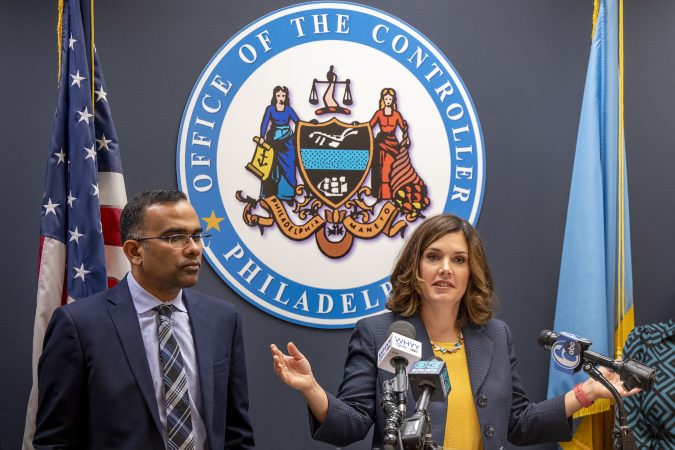
    In a report released Wednesday, City Controller Christy Brady said investigators in her office had identified about 58,000 properties that are receiving the city’s popular homestead exemption tax break and may not be eligible.

    That is far more than the 22,000 properties that Mayor Cherelle L. Parker’s administration reviewed in a two-year probe that officials said last week led to more than 13,000 property owners being kicked off tax relief programs in which they were fraudulently enrolled. The Philadelphia Department of Revenue said those owners will be charged back taxes totaling about $30 million in additional property tax revenue for the city and the cash-strapped Philadelphia School District.

    But Brady’s report suggests the city could recover millions more in owed tax revenue. Her report says the city should review an additional 36,000 properties, an investigation that could double the money the city is owed annually to $60 million.

    “Over a five-year budget, that’s a remarkable $300 million for our schools and vital city services,” Brady said in a news release.

    Christian Crespo, a spokesperson for the revenue department, said in a statement that the agency’s tax benefit review unit conducts continuous compliance reviews to identify potentially ineligible properties.

    Crespo cautioned that the controller identified thousands of properties with “potential risk factors,” which do not alone establish that a homeowner does not qualify for a tax exemption.

    He said more than 8,000 exemptions in the administration’s initial review were deemed legitimate, meaning “a homeowner can have an indicator of potential fraud and still be eligible.”

    “Revenue appreciates the Controller’s continued focus on program integrity and welcomes the opportunity to review the findings presented in the report,” he said.

    The city’s homestead exemption is by far the most popular tax break offered. The free program allows for property owners who live in their homes to deduct the first $100,000 from their property’s assessed value, saving homeowners up to $1,400 a year.

    About 250,000 property owners receive the exemption, for which residents must enroll to take part. Investigators in the city controller’s office found that more than one in five participants may not be eligible, including some with mailing addresses differing from the address of the property receiving the tax break.

    The review identified properties with other red flags, including more than 8,000 property owners receiving the exemption whose mailing addresses are listed as outside Philadelphia.

    Some were even more brazen: For example, 67 properties legally deemed vacant were receiving the exemption, totaling nearly $100,000 in annual lost revenue, Brady’s office said. In another case, one business owner received an exemption on 15 different residential properties.

    James Aros, Jr. (left), Chief Assessment Officer at the Office of Property Assessment, and Revenue Commissioner Kathleen McColgan (right) attend a Mayor Cherelle L. Parker press conference at City Hall on Monday Aug. 5, 2024, as her office prepares to release the first citywide real estate reassessment in two years.Tom Gralish / Staff Photographer

    Parker administration officials have said that recovering lost revenue is a priority, especially given the school district’s financial position. The public school system is facing a $300 million structural deficit and the school board recently voted to close 17 schools.

    The district is the only one in Pennsylvania that cannot legally increase taxes to generate revenue. Property tax revenue in the city is split, with 56% going to the school district and the remainder into the city’s accounts.

    The current property tax rate is 1.3998% of assessed value.

    Homeowners who were removed from the homestead exemption program as part of the city’s review were mailed two notices and provided an opportunity to produce evidence of their eligibility. They may still appeal the decision.

  • Delco police chief sues town officials, saying her monthslong leave is racial discrimination

    Delco police chief sues town officials, saying her monthslong leave is racial discrimination

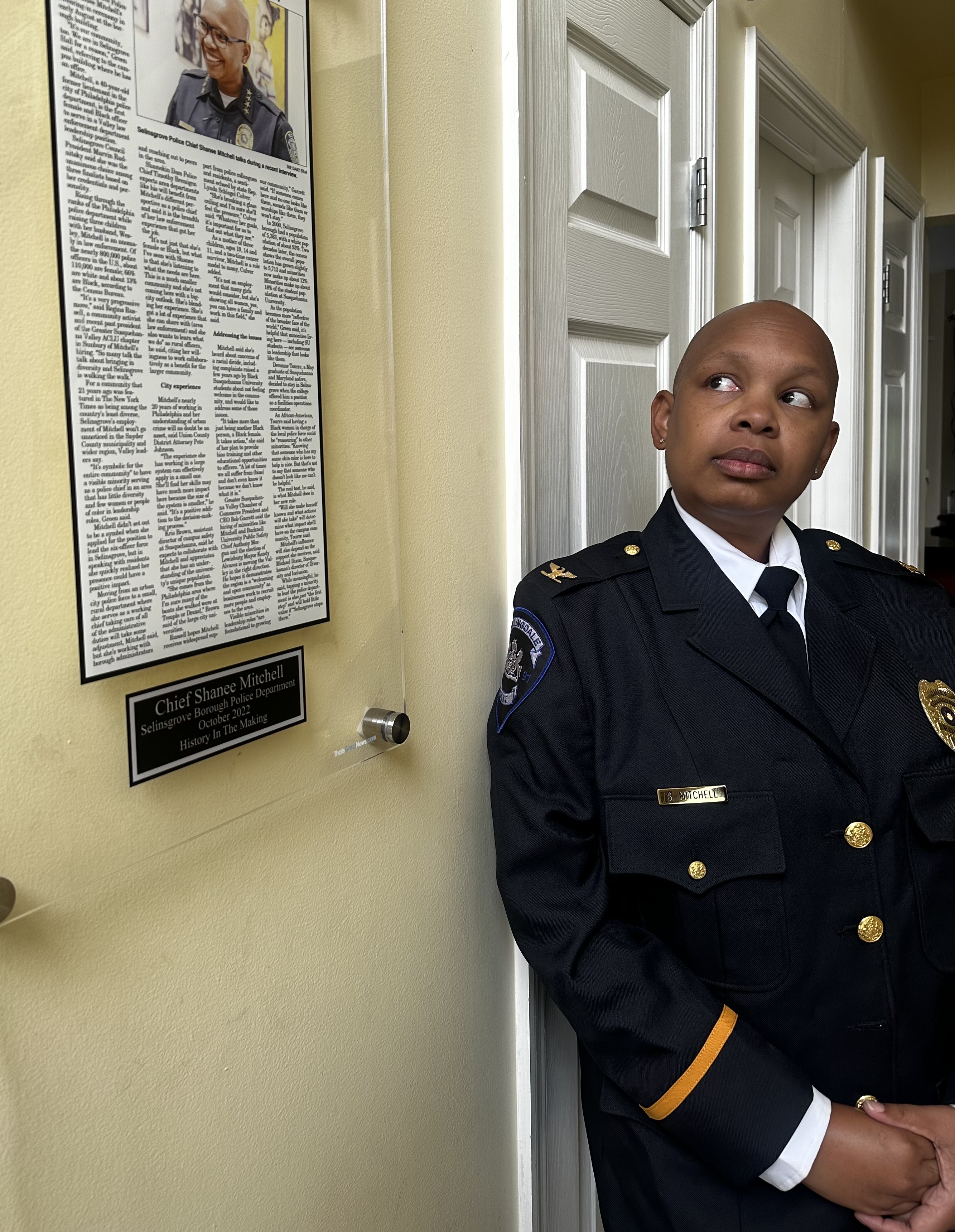
    Collingdale’s police chief had her duties of office stripped away by officials in the Delaware County borough in what her lawyer described in a federal civil rights lawsuit as a racist, sexist plot to force her out of her position.

    Shanee Mitchell, 44, has been on administrative leave since January, according to the lawsuit, filed this week in U.S. District Court. Officially, Mitchell has been placed on leave because of borough officials’ concerns over her not showing up for her scheduled 8 a.m.-to-4 p.m. shifts.

    But her attorney, Mark Schwartz, said the reasoning for her leave is bogus: He contends his client, a Black woman, is being discriminated against because of her race and gender, sidelined by Collingdale’s borough council and mayor until her contract ends in September.

    “Borough Council, the Mayor, and senior borough officials were aware of [Mitchell’s] complaints,” Schwartz wrote in the filing. “Rather than stop the interference or protect her from retaliation, borough officials, including but not limited to those named, permitted the hostile course of conduct to continue.”

    In his filing, Schwartz said that Mitchell’s contract allowed her to set flexible hours, given the expectation that, as chief, she would be attending meetings and other events outside of normal business hours.

    Mitchell’s lawsuit names Collingdale Mayor Donna Matteo-Spadea, as well as borough council president Felecia Coffee, borough council members Stephen Zane and Shannon Murphy, and borough manager Joseph G. Papaleo.

    Collingdale solicitor Deanna Williams declined to comment on the lawsuit.

    Mitchell’s leave was extended in April after borough officials told her she was the subject of a criminal investigation, but she said she was never interviewed by police and received no further details. Borough officials declined to comment on the alleged investigation for this article, and Mitchell has not been charged with any crimes.

    Mitchell filed complaints about the discrimination she allegedly experienced with the federal Equal Employment Opportunity Commission and the Pennsylvania Human Relations Commission in November 2024, early in her tenure. Those reports went unanswered, Schwartz said, and Mitchell believes she was placed on leave in retaliation for them.

    Schwartz said Mitchell “inherited a police department in crisis,” modernized its technology, and improved community relations in the borough of 9,000 people that has struggled with officer shortages. In 2024, shortly before Mitchell took over, Pennsylvania State Police troopers were called in to help bolster overnight patrols.

    However, some local law enforcement officials have been critical of Mitchell’s tenure, particularly a public controversy that erupted over a part-time officer she chose to hire as he was being investigated for a violent road-rage incident.

    Mitchell was placed on administrative leave Jan. 6, the day after the defendants named in the lawsuit took control of borough council, replacing the council members who had voted to hire her.

    But the lawsuit asserts Matteo-Spadea had long wanted to terminate Mitchell, and had made offhand comments for months about how she “can’t wait until January.”

    Matteo-Spadea did not return a request for comment about the allegations in the filing.

    Matteo-Spadea, the lawsuit said, tried to suspend Mitchell on her first day for violating departmental policy. Among those violations was Mitchell’s refusal to wear a reflective vest and act as a crossing guard, something she felt was not her responsibility and was a deliberate attempt to demean her.

    In correspondence with Mitchell, obtained by The Inquirer, Matteo-Spadea defended the crossing-guard duty, saying she had Mitchell’s predecessor, Patrick Kilroy, fill in during the officer shortage. Matteo-Spadea, in issuing Mitchell a formal reprimand for having another officer serve as crossing guard instead, said that, as mayor, she has “full charge and control of the chief and the police department.”

    Matteo-Spadea also directed white, male officers not to listen to Mitchell’s orders and stymied her attempts to fill vacancies in the department’s ranks, the lawsuit said. Two officers Mitchell hired, who are Black, were fired in June during their probationary period with the department.

    The officers, Jerry Christian and Terrell Howard, both wrote in complaints to the EEOC that they believed they were being retaliated against for associating with Mitchell.

    But as Mitchell feuded with the mayor behind closed doors, she faced public scrutiny over one of the officers she hired. In January 2025, Kevon Darden, a part-time officer, was arrested by Pennsylvania State Police just days after joining the department for his alleged role in a road-rage incident.

    Darden, 30, was charged with terroristic threats, simple assault, and related crimes for pointing a gun at a dump truck driver on April 5, 2023, while driving on the Blue Route in Ridley Township, according to the affidavit of probable cause for his arrest. His case is pending in county court.

    Mitchell defended Darden’s hiring in a statement to The Inquirer. But, privately, a top law enforcement official in the county chastised her in an email, accusing her of ignoring warnings not to hire Darden because of the pending criminal charges, according to a copy of that email obtained by The Inquirer.

    Law enforcement sources, who spoke on condition of anonymity to discuss personnel matters, said the controversy over Darden only deepened concerns about Mitchell’s hiring, given the manner in which she had left her previous job.

    Before being hired by Collingdale, Mitchell served as the police chief in Selinsgrove, a central Pennsylvania borough about an hour north of Harrisburg. She resigned there after two years, amid what the Daily Item, a local newspaper, reported as concerns over her living situation: At the time, Mitchell lived in Pottstown, more than 100 miles away, and reported for her shifts only “sporadically,” according to the newspaper.

    Schwartz, Mitchell’s attorney, called those concerns in Selinsgrove overblown, unlike the treatment he said she has received in Delaware County.

  • Philly Haitians and allies march to demand protections as TPS expires

    Philly Haitians and allies march to demand protections as TPS expires

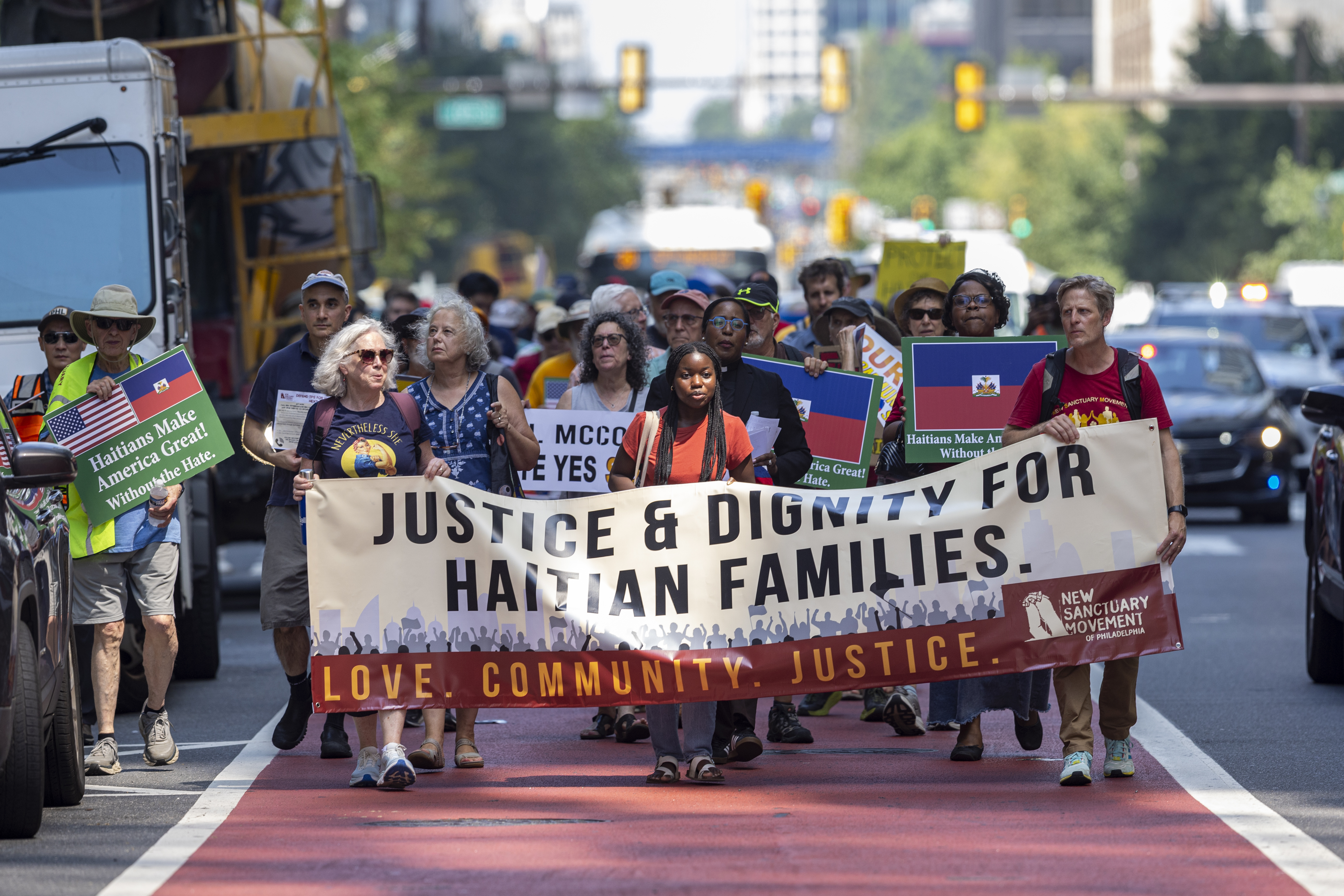
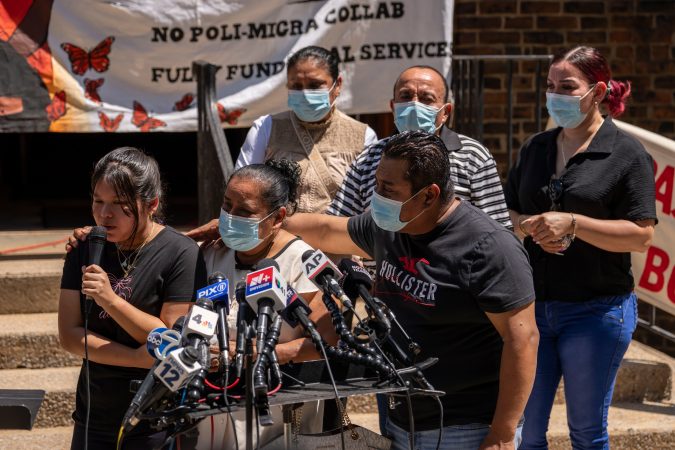
    Dozens of Haitians, allies, and supporters rallied in Center City on Thursday, demanding that Pennsylvania’s U.S. senators help restore temporary protected status (TPS) for thousands now in danger of being deported to the shattered Caribbean nation.

    They gathered outside the office of Republican U.S. Sen. Dave McCormick near 20th and Market Streets, then marched to the office of U.S. Sen. John Fetterman, a Democrat, near Second and Chestnut Streets.

    People held up signs that said, “Our Haitian community is here to stay,” even as protections and work permits have ended for about 350,000 Haitians in the U.S. The Haitian community numbers about 11,000 in Philadelphia, and leaders say it seems everyone knows someone who had TPS or has it themselves.

    Speakers said that TPS is more than an immigration status, that it is what allows neighbors, friends, and family members to live here, to work, pay taxes, and help build the country.

    They called on the senators to help pass Senate Bill 4814, which would require the secretary of the Department of Homeland Security to designate Haiti for TPS through April 2029.

    A spokesperson for McCormick said: “We respect everyone’s right to come together and voice their opinion. We appreciate the input.”

    Efforts to reach a spokesperson for Fetterman were not immediately successful.

    Pastor Kenel Stevenson said he knows of no local Haitians who have been taken into custody by U.S. Immigration and Customs Enforcement, or fitted with ankle monitors, as the ACLU says is happening elsewhere.

    But the mood among his fellow Haitians is grim, he said.

    “There is fear, fear of repatriation, of being returned to a place where there is no safety,” Stevenson said.

    Nearly 100 people gathered before moving east toward Fetterman’s office shortly before noon, filling the breadth of Chestnut Street as police officers stopped traffic for the group to pass. Oppressive heat and humidity caused some older people to lag.

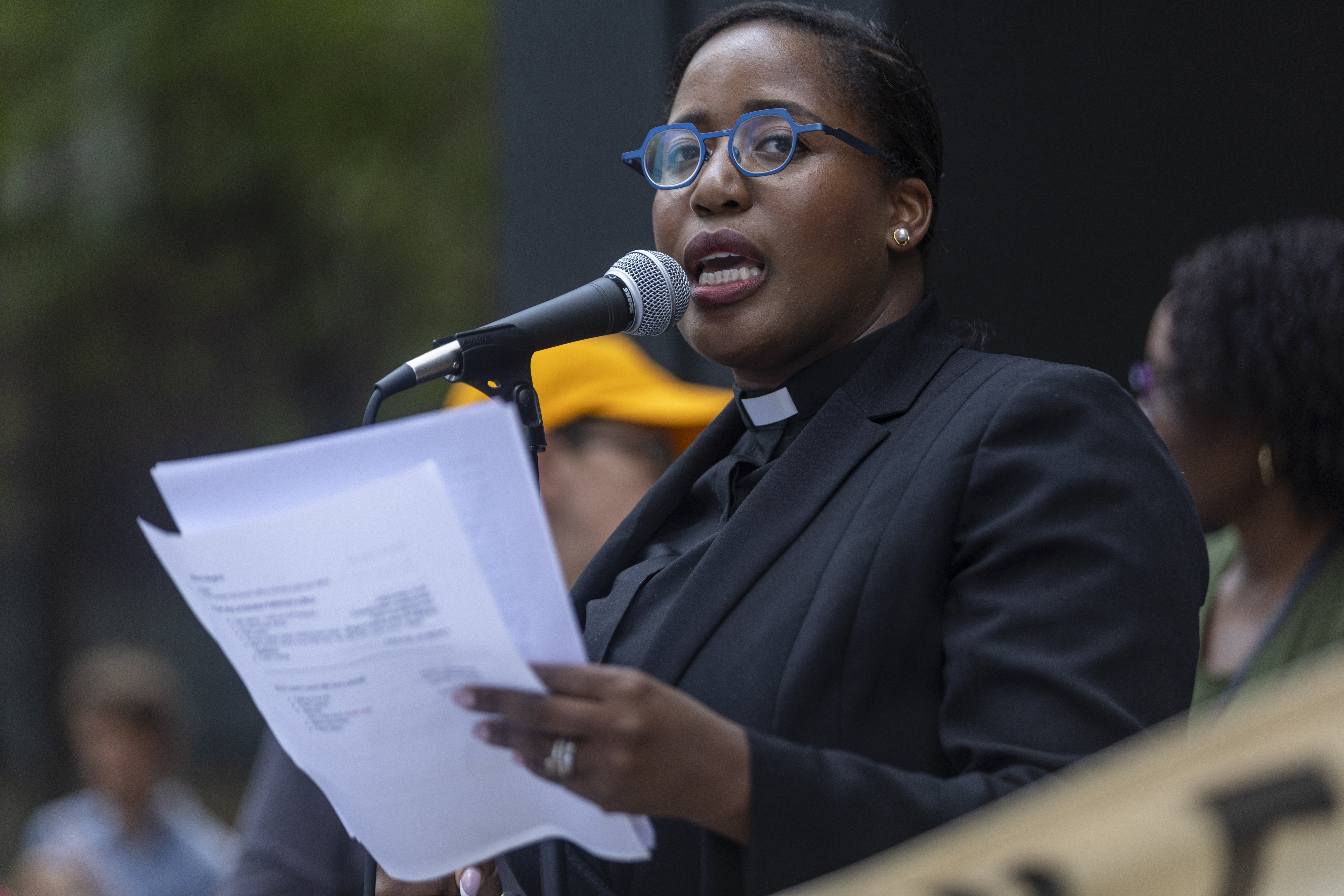
    Reverend Jennifer Joseph of Zion Community Church in Delaware County addresses the crowd outside of U.S. Senator Dave McCormick’s office in Philadelphia on Thursday.Aidan T. Gallo / Staff Photographer

    TPS has expired for an estimated 350,000 Haitians, ending their ability to legally work in this country and putting them at risk of deportation to a homeland riven by natural disaster and violent crime.

    The Rev. Frantz Ulysse, pastor of the First Haitian Church of God of Prophecy in Olney, said fear and uncertainty are not things he expected his parishioners to feel on American soil.

    He searches himself to offer hope at a moment when people are desperate for some sense of tranquility.

    “I had a mother called me the other day and asked if I could take custody of her child if she’s taken away,” Ulysse said.

    Community leaders fear mass family separation, as Haitian nationals have married U.S. citizens and are raising American-born children.

    “We are not criminals,” he said. “We have engineers, doctors, professors,” people who are eager to help and contribute.

    “If people go back to Haiti, they will die, and if they stay as things are, they are in hiding, scared, and can’t leave their house,” he said, joining others outside Fetterman’s office.

    Still, he said, he has not given up hope.

    “America is a country of immigrants, and I believe they will stand with us,” Ulysse said. “Help us fight until the end!”

    Hundreds of Haitian nationals have been told by immigration officials to appear at ICE offices to be fitted with ankle monitors, according to the ACLU.

    Temporary protected status provides permission to live and work in the United States for people whose homelands are riven by war, natural disasters, epidemics, or other extraordinary circumstances.

    Haiti suffered a massive earthquake in 2010 that led the Obama administration to announce that undocumented Haitian immigrants in the U.S. would be eligible for TPS. Thousands more would be welcomed over time under humanitarian programs and become eligible as Haiti grew mired in crisis ― a deadly cholera epidemic, hurricanes, the collapse of basic government functions, and the rise of armed gangs.

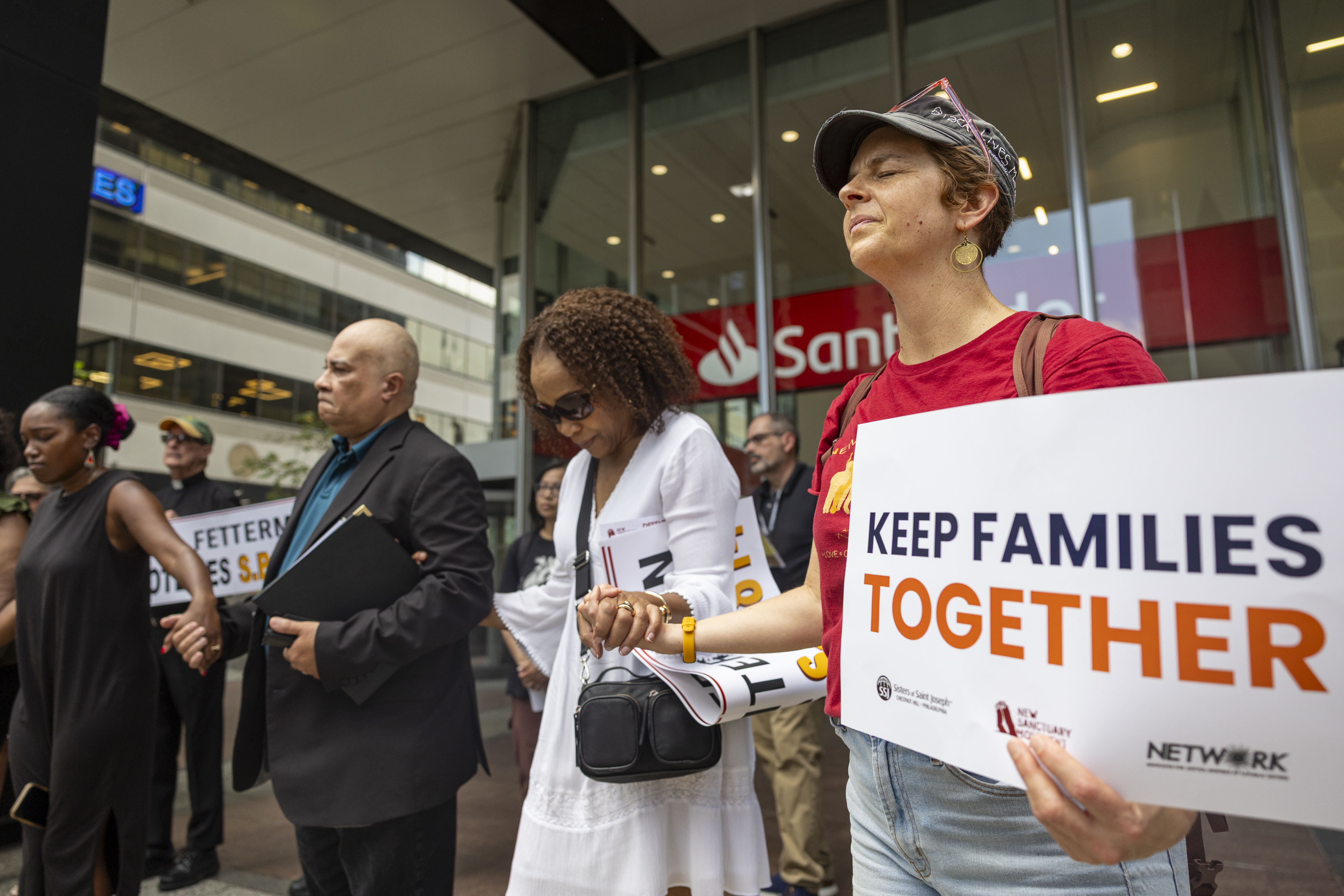
    Reverend Katie Aikins, of West Philadelphia, prays for the Haitian people alongside faith leaders and community members before the march begins outside of U.S. Senator Dave McCormick’s office on Thursday.Aidan T. Gallo / Staff Photographer

    Haitian American pastor Ketty Pointe-Jour said Thursday that her immigrant parents would not believe what is happening today.

    They fled Haiti for their lives, she said, and “the U.S. opened its arms for them. The America they knew in the ’60s and ’80s is completely different from what we are seeing now.”

    The Trump administration has sought to end TPS for Haiti and other nations. In June, the Supreme Court ruled that the administration could terminate temporary protected status for countries like Haiti and Syria.

    More broadly, the ruling appears to make Department of Homeland Security decisions about TPS unreviewable by lower courts, creating deep uncertainty for the future. The White House has pledged to deport people who lose legal status, including those who had TPS.

    Haitians are not the only population affected.

    TPS is set to lapse for more than 170,000 people from El Salvador in September, and in October 100,000 from Ukraine face the same termination.

    Advocates say the Trump administration’s promise of deportations will hurt families that include spouses and children who are American citizens.

    What is more, immigration researchers and organizations say, the country will pay a financial price ― in lost taxes, wages, spending, and services, as large numbers of workers and dollars exit the U.S. economy.

    The nation’s 1.3 million TPS holders work at higher proportions than the country as a whole, pay billions of dollars each year in federal and local taxes, and contribute to the solvency of a Social Security system from which they are unlikely to ever draw benefits.

    Outside Fetterman’s office, Dottie Baumgarten said she came from her Cheltenham home to support the Haitian community. She hoped the presence of supporters helped immigrants feel less alone.

    “The Haitian challenge is not just Haitians,” she said, “it’s immigrants in general, and we have to support them. We are destroying their families.”

  • The Cheltenham High hazing incident is another failure of adult leadership. When does this stop?

    The Cheltenham High hazing incident is another failure of adult leadership. When does this stop?

    The questions that cut to the heart of the horrible hazing incidents within Cheltenham High School’s football program are the same questions that everyone always asks in these situations: Where were the adults? Who allowed this behavior to happen? How did the chop-busting and rites of passage that have long been intrinsic to sports escalate to the point that four coaches, including former head coach Terence Tolbert, and six players have been indicted for two alleged assaults that took place in the team’s locker room?

    Even a glance at the details is enough to turn your stomach. Players — as many as 19 of them — allegedly held down a 15-year-old sophomore member of the team, stepped on his chest and groin with their cleats-clad feet, and tried to poke a broomstick into his butt. The coaches traded inculpating texts about it, according to Montgomery County District Attorney Kevin Steele. The Cheltenham School District canceled the football team’s season last year and again this year. Parents, many of whom reportedly had warned the district against hiring Tolbert in the first place, are angry. And everyone, inside the program and out, is left wondering how in the hell we got here.

    A less egregious incident, in the Central Bucks High School West football program in 2014, is instructive here. In that situation, a preseason initiation ritual progressed each year from giving players haircuts — sometimes in the shape of male or female genitalia — to licking mayonnaise off teammates’ nipples and groins to simulating sex with a stuffed toy pig to playing “Slap/Lick/Fondle,” a game that ended with underclassmen touching other players’ private parts.

    The Central Bucks School District canceled West’s football season and removed its head coach, but what matters most is that the district acted before the hazing reached the same severity as what allegedly happened at Cheltenham. You’d think such an episode would have been a warning siren for coaches and athletic administrators throughout the region. But after a while, the siren goes silent or the people who need to hear it most go deaf, and vigilance wanes, and the pattern repeats itself.

    Something to lose

    It is easy and of course correct to lament that youth and high school sports too often have taken on an outsized and inappropriate importance for too many coaches and parents and athletes. But one of sports’ greatest benefits to young people is that it gives them a stake in something bigger than themselves, a stake in something that matters to them, and they learn to develop and modify actions and habits to preserve sports’ place in their lives.

    Amid the C.B. West hazing story, for instance, Phil DiGiacomo, who was a star running back on two of the school’s state-championship teams in the late 1990s, told me that, when he played, the Bucks’ success served as an effective deterrent against bad behavior. Yes, Mike Pettine, the program’s legendary head coach, and his staff ruled with a measure of iron-fist discipline that likely wouldn’t fly today, and even those old-school coaching techniques and West’s on-field dominance didn’t prevent every instance of player misconduct. Still, DiGiacomo said, the athletes themselves knew that, just by suiting up for West, they were continuing a special tradition, and they stood to lose a chance to call themselves champions if they did something stupid or malicious. So most of them didn’t.

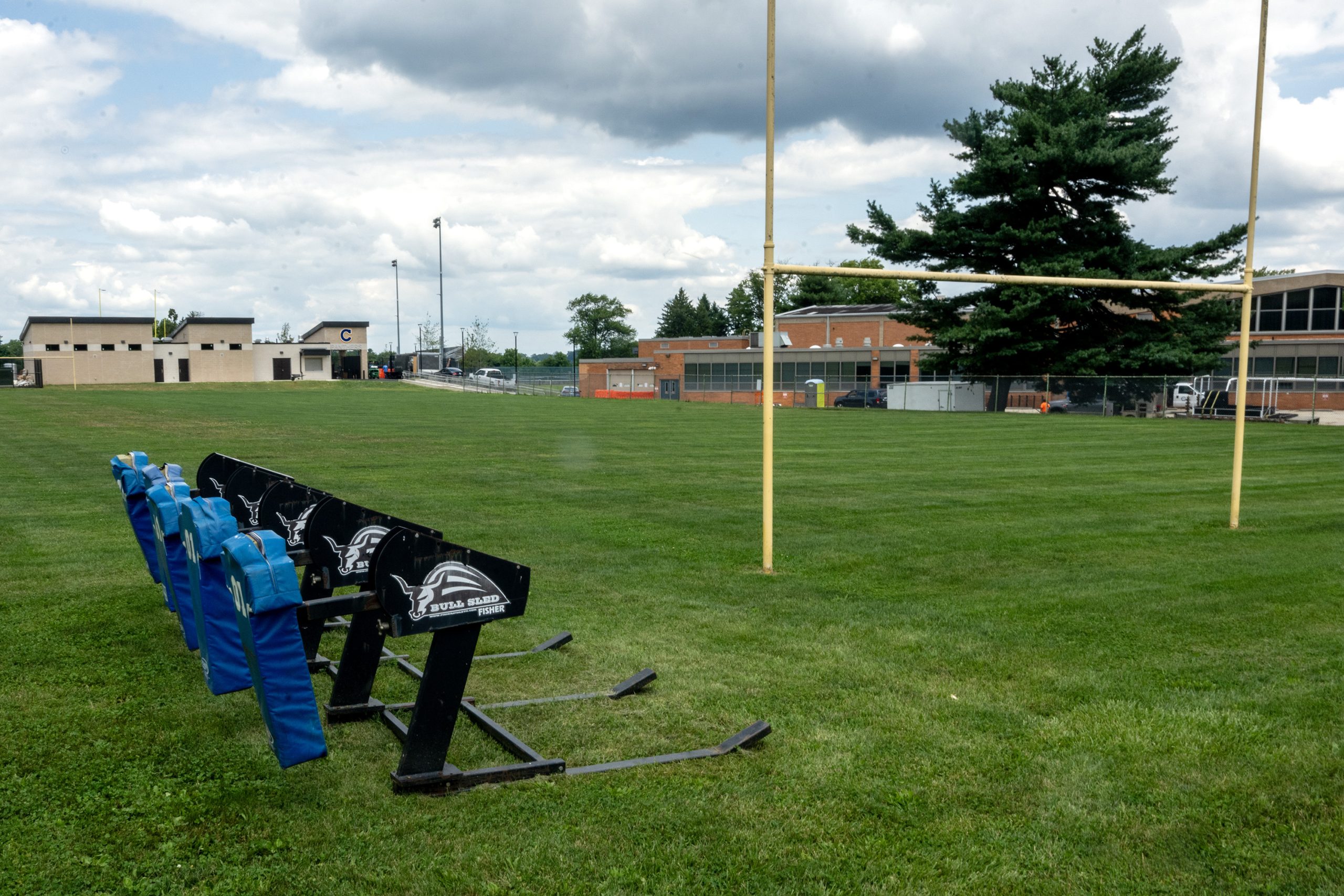
    Cheltenham’s practice field photographed on July 29. The program hasn’t had a winning season since 2022.Tom Gralish / Staff Photographer

    “When we were there, there was no hazing,” DiGiacomo said. “It’s kind of funny because if anyone ever got picked on, it got straightened out by an older guy real quick, mostly because we feared Pettine — that, and we were too damn tired to do anything else.”

    A high school team doesn’t have to win 59 straight games and three consecutive state titles, as those West teams did, to be a point of pride for its players. It just has to provide them a rewarding experience, and they — and their coaches — have to feel that they have something to lose if it doesn’t. That element appears to have been missing entirely from the Cheltenham football program in recent years. In fact, it seems not to have been even a consideration for the school’s administration.

    In his previous stint as a head coach, for Abington in 2023, Tolbert had won just one game. The school district decided not to renew him as coach, and sources have told The Inquirer that Tolbert’s toleration of a toxic atmosphere within and around the Abington program, including bullying by players and the use of slurs by coaches, were the driving forces behind his departure.

    Cheltenham’s leadership either was unaware of these red flags or was willing to look past them, and for what? The program hasn’t had a winning season since 2022, but come on. Was Tolbert thought to be such a great coach that only he could restore the program to respectability? What qualities did he have that the people who hired him considered so essential? It’s obvious now that he and his assistants weren’t capable of doing the one thing any adult working in a school should put first: Keeping students safe.

    The courage to take the right steps

    The most infuriating aspect of stories such as this is the excuse that coaches can’t be held responsible for all their players’ mistakes. That’s true as far as it goes, but there are steps coaches can take to establish the right kind of culture, to model good behavior, to let the athletes in their care know what will be tolerated and what won’t.

    One longtime area football coach told me Wednesday morning that he was fortunate to have two assistant coaches who were special-education teachers, who spent a lot of time around kids who had been the objects of ridicule. These coaches brought students from the school’s autism-support classes to be managers and statisticians and scorekeepers, and they let everyone know: These kids are part of this program. These kids are accepted members of this team. Treat them with respect.

    Those are the kinds of gestures that seem small but can make a major difference, that mitigate the risks that coaches have accepted for decades. Coaching high school sports is a damn hard job, and it’s difficult because, at its best, it requires a measure of moral courage: To say no, to explain why, to stand by that decision. In this Cheltenham ugliness, we see once again what happens when that strength is lacking. The necessary guardrails fall away, if they were ever installed at all, and only after the damage comes to light does it become clear that a school and its students have been saddled with coaches and educators who aren’t willing to do the right thing or, worse, don’t even know what the right thing is.

  • At 20, BlackStar founder Maori Karmael Holmes’ documentary on the women of Philly hip-hop remains a cultural touchstone

    At 20, BlackStar founder Maori Karmael Holmes’ documentary on the women of Philly hip-hop remains a cultural touchstone

    Watching Maori Karmael Holmes’ 2006 documentary Scene Not Heard: Women in Philadelphia Hip Hop is a sweet throwback to the era of Questlove and Mike Nyce on the Tastytreats turntables at Fluid Nightclub.

    It’s remembering what it was like seeing Jill Scott, Floetry, Kindred the Family Soul, and the Jazzyfatnastees at Black Lily.

    It calls to mind open mic poetry at Crimson Moon coffee shop, the simplicity of Razr cellphones, and the ubiquity of the Honda Accord. Before there were Instagram stories and Facebook feeds, Megan Thee Stallion and Cardi B, Holmes made Scene, an authentically Philly exploration of the life of the lady emcee.

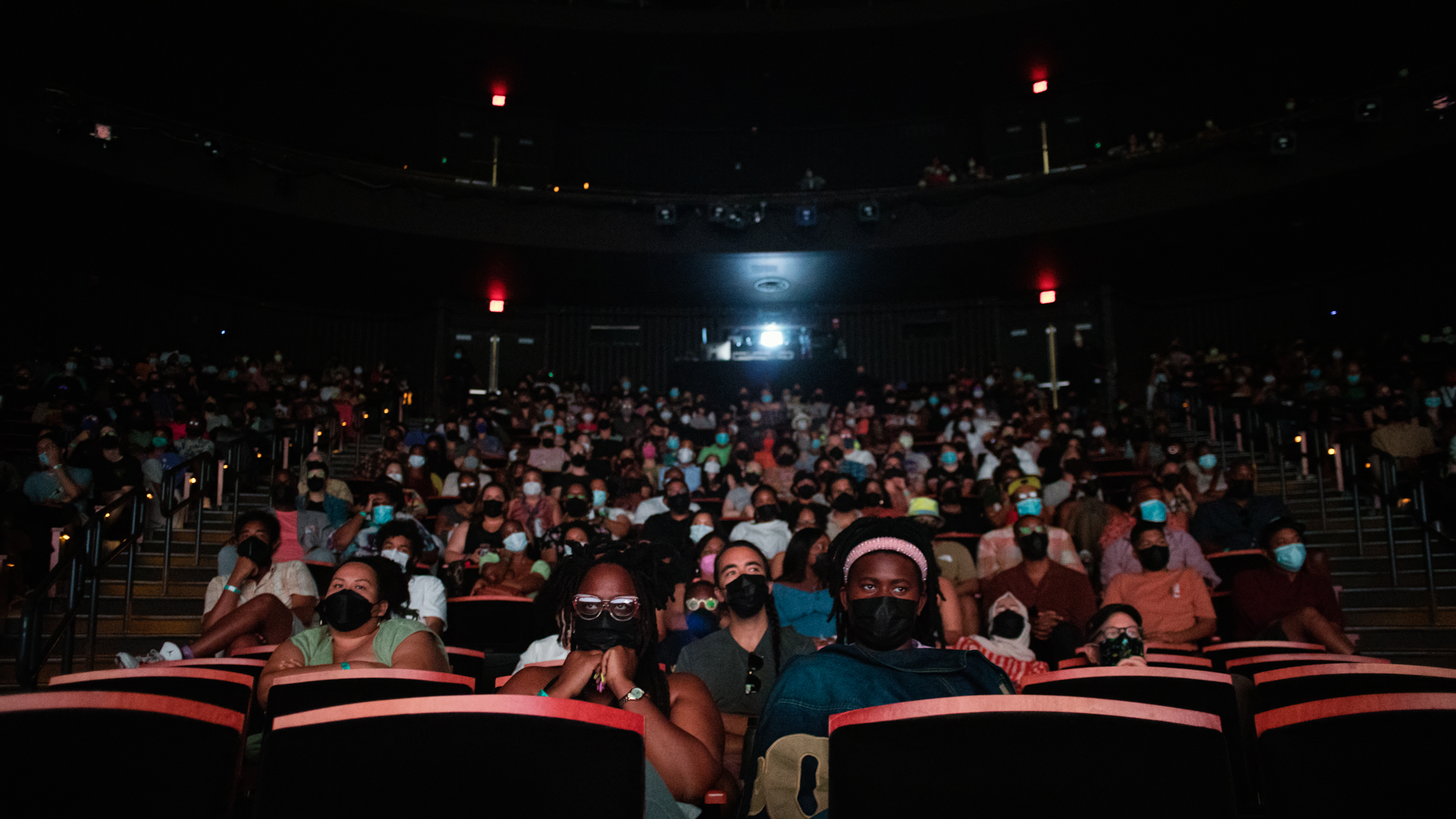
    The 44-minute documentary, featuring legendary rappers Bahamadia and Monie Love, deejays Lady B and Dyana Williams, and poets Ursula Rucker and Lady Alma will screen again Friday afternoon at 4:30 p.m. during the 15th BlackStar Film Festival at the Suzanne Roberts Theatre.

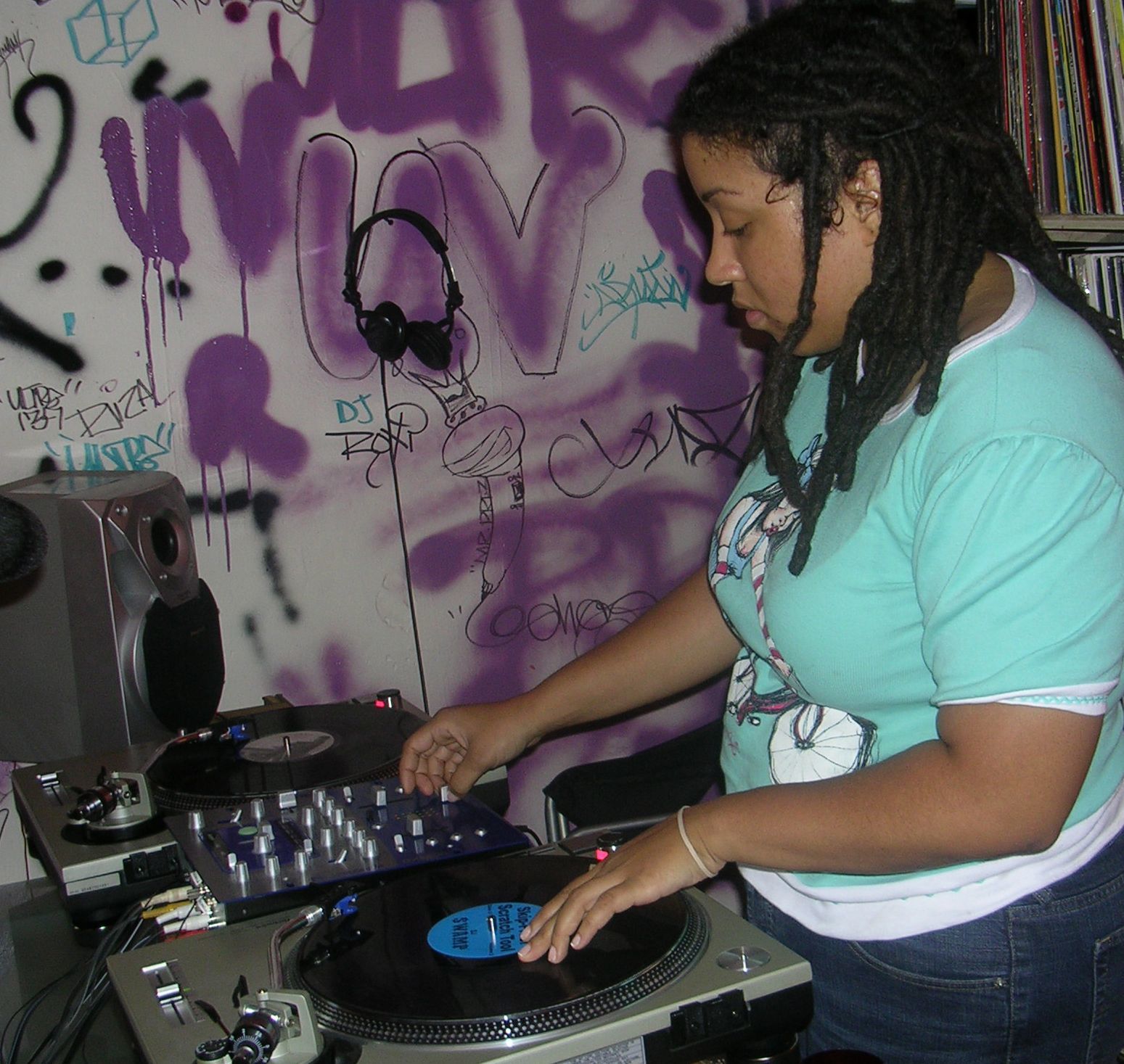
    A still from Maori Karmael Holmes’ 2006 documentary “Scene Not Heard” centering the experiences of lady emcees in hip-hop. Pictured here is DJ Ultra Violet.Maori Karmael Holmes

    “Scene Not Heard is a part of the BlackStar origin story,” Holmes said in a video call last week. She didn’t know it back then but Scene — her thesis project for her Temple University MFA — would become BlackStar’s foundation.

    It feels like a lifetime ago.

    “There are so many people who identify me with BlackStar, but they have no idea that I’m a filmmaker. They see me as an arts worker,” said Holmes, who has since released several documentaries and directed the music video for India Arie’s 2018 single That Magic.

    Friday’s screening is the first time Scene will be shown at BlackStar. Holmes is a little nervous about rereleasing Scene to a new generation of film festivalgoers, but she’s also curious about what they’ll think about watching the film she made when the festival itself was a distant dream.

    For Scene, Holmes masters the art of being the silent observer. She gets more than a dozen women in Philly hip-hop to talk candidly about what it feels like to assume roughneck personas or be pressured to dress scantily to be seen on the scene. That couldn’t have been easy when the male gatekeepers at the time were as vindictive as they were entitled. The women talk about their love of hip-hop but don’t deny how the culture marginalized them.

    The flyer for the afterparty to the 2006 screening of Maori Karmael Holmes’ “Scene Not Heard” at the International House.Courtesy of Maori Karmael Holmes

    Bahamadia cries, recalling how hard it was to break through and how in 2005 she was fighting to remain relevant.

    That was 20 years ago. I wondered aloud how she felt now. Holmes wasn’t sure.

    Bahamadia is invited to the screening but hasn’t RSVP’d yet. By the end of Scene, it’s clear that Philly B-girls of the late ’90s and early aughts made a way for Cardi, Megan, Tierra Whack, Latto, and Doechii to find their footing in the industry.

    “There is so much more visibility for women in hip-hop now,” Holmes said. “It used to be you got one at a time. Nicki Minaj was the last of that era.”

    The old and the new at the 15th BlackStar

    Scene is one of 91 films from 43 countries featured in the 2026 BlackStar Film Festival, more than double the number of films shown at the first fest in 2012. The festival runs Thursday through Sunday.

    This year’s standouts include The Keeper, a horror film by Tananarive Due and her husband, Steven Barnes, scheduled for Saturday, 8:30 p.m., at the Perelman Theater.

    Ethiopian filmmaker Haile Gerima’s five-part documentary Black Lions – Roman Wolves: The Children of Adwa will be screened throughout the four-day fest, culminating into a closing-night showing.

    “It is the corrective story of the Ethiopian resistance to Italian occupation in Ethiopia,” explained festival director Nehad Khader.

    The Daily Jawn Morning Show will return to the Kimmel. BlackStar’s health and wellness program has grown more robust over the years, featuring daily yoga, acupuncture, and breathing sessions.

    The Daily Jawn stage at the 2023 BlackStar Film Festival.Daniel Jackson for BlackStar Projects

    Earlier this year, Scene went through a 2K restoration and was transferred to a digital file. It is one of two retrospective films featured at the festival this year. Showing throwbacks, Khader says, pays homage to the independent filmmakers from previous generations.

    The second is A Different Image, a 1982 film by Alile Sharon Larkin, exploring Black women’s beauty standards. It will be screened Sunday, Aug. 9, at the Wilma Theater. Like Scene, it speaks to how today’s generation of Black women’s mothers and grandmothers demanded to be seen on their own terms, setting the stage for their agency in this millennium.

    “We have so many newcomers to BlackStar,” Khader said. “People of this generation may not know these stories. Scene Not Heard is a revival of Philly history, but it’s also Maori’s backstory.”

    ‘When people went to the culture’

    Holmes, who is from Los Angeles, moved to Philadelphia from Washington, DC in the early aughts, completed an MFA program at Temple in 2005. Scene debuted in 2006 at the International House to a standing-room-only audience of more than 400 people. The film cost $16,000 to make.

    After its Philly run, Holmes screened the film at more than 40 hip-hop, women’s, music, and movie festivals between 2006 and 2007. It won best documentary at the Denver Pan African Film Festival and best short documentary at the Trenton Film Festival, among other awards.

    The BlackStar Film Festival in Philadelphia puts Black, brown, and Indigenous artists center stage. Image is from 2022.Daniel Jackson for BlackStar Projects.

    Scene, however, didn’t launch Holmes’ film career. She instead began building platforms for other artists to show their work. In 2007 and 2008, Holmes partnered with the Jazzyfatnastees Mercedes Martinez and Tracey Moore to create the Black Lily Film &Music Festival. It ran for two years.

    BlackStar kicked off in 2012. Philadelphia scholar Yaba Blay named the fest after Marcus Garvey’s early 20th-century shipping line Black Star.

    “We launched with 40 films, from four continents over four days,” Holmes said.

    BlackStar Film Festival founder Maori Karmael Holmes in 2021.Daniel Jackson

    Today, BlackStar is the crown jewel under the BlackStar Projects umbrella. It operates with a $4 million budget and a staff of 15. It publishes the biannual film journal Seen and hosts the William and Louis Greaves Filmmaker Seminar at Stanford University. BlackStar is a curation partner for programs at the Barnes Foundation and the Philadelphia Museum of Art.

    Currently “Freedom Dreams,” a film exhibit Holmes cocurated at the Barnes with its Fleischner Family vice president for engagement of community engagement James Claiborne, is on view.

    “The through line for me is curiosity,” Holmes said. “Everything I’ve done, from my exhibitions to my films, is because I’m curious about things. I want to figure out how to make things happen. Sometimes I’m teaching myself along the way. But that curiosity is what fuels me.”

    Yesterday’s curiosity leads to today’s conversations.

    DJs Sonny James, Lee Jones, Matthew Law, Rich Medina, Ultraviolet, and Mike Nyce at a 2014 party at Fluid Nightclub ( Tim Blackwell / Philly.com )

    Friday afternoon’s screening will be followed up Saturday with a panel featuring Holmes, Martinez, and filmmaker Tina Morton. The conversation is to be moderated by Deesha Dyer, Barack and Michelle Obama’s Philly-born former social secretary and author of Undiplomatic. Dyer was a mover and shaker in the scene back in the day, too.

    Thanks to the screening of Scene, BlackStar promises to be a reunion of Philly’s hip-hop greats. There will be reminiscing. The scene has changed so much.

    The Black Lily is no more. Tastytreats is over. Crimson Moon is closed.

    “That film represents a time, the ending of a time, when people went to the culture,” Holmes said. “Now, culture comes to us on YouTube.”

    This weekend, we can see the culture for ourselves at BlackStar.

    The BlackStar Film Festival 2026 will screen movies throughout Philadelphia from Thursday, Aug. 6, through Sunday, Aug. 9. For a complete schedule, visit BlackStarProjects.org.

  • Cheltenham High’s hazing case exposes a loophole in Pennsylvania law. Harrisburg should close it. | Editorial

    Cheltenham High’s hazing case exposes a loophole in Pennsylvania law. Harrisburg should close it. | Editorial

    As they prepared a list of charges in connection with a pair of hazing incidents involving Cheltenham High School’s football team, the members of a Montgomery County grand jury closely scrutinized the figures and institutions that often place vulnerable young people in positions where they can be victimized in the first place.

    There were the players themselves — as many as 19 of them took part in one of the assaults — who, on two separate occasions last summer, the grand jury found, beat a 15-year-old teammate and attempted to insert a broomstick into his anus.

    There were the coaches, whom the jurors said allowed a hazing culture to flourish, discouraged the victim from reporting his injuries, and engaged in a cover-up that was remarkable both for its clumsy execution and brazen audacity.

    Finally, there were school administrators, who, despite conducting three separate inquiries, were so inept that they were still unclear about how many times the student was attacked, and took no steps to exclude the head football coach (who would eventually be charged with leading the cover-up) from taking part in their investigations.

    “This level of incompetence didn’t just fail one child,” the jury wrote. “It put every young man on the football team at risk.”

    Notably, though, the jury found, the victim may not have been helped by another factor: the law itself.

    In Pennsylvania and practically every other state, the so-called mandatory reporting guidelines — rules that require teachers, coaches, school administrators, and others who work with youths to inform the authorities of suspected harm — do not include hazing in their definition of what constitutes child abuse.

    As horrifically illustrated by the case in Cheltenham — and so many other high-profile hazing incidents involving adolescents — this must change.

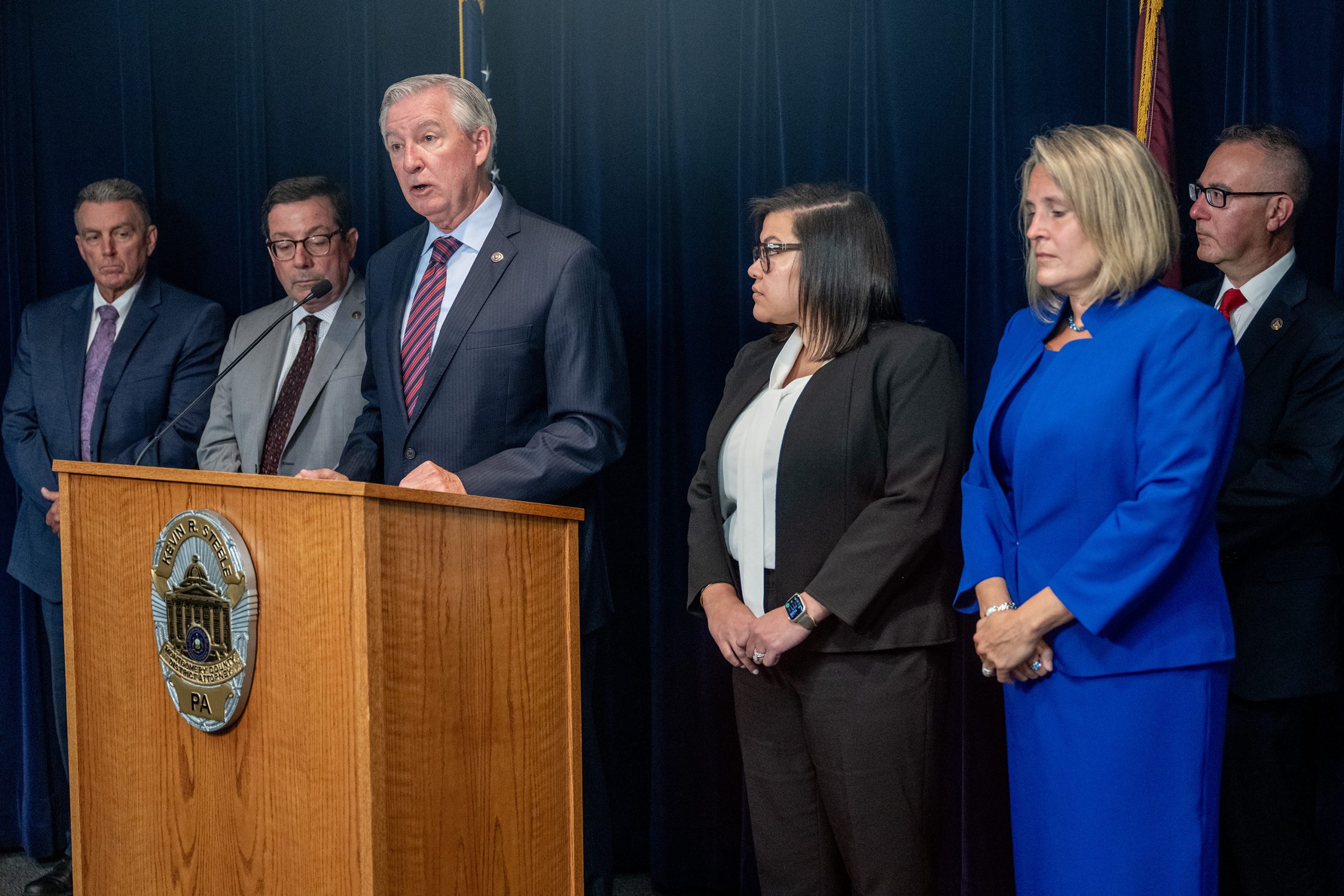
    Montgomery County District Attorney Kevin Steele addresses reporters at a July 29 news conference to announce multiple charges in connection with a pair of hazing incidents at Cheltenham High School.Tom Gralish / Staff Photographer

    As the grand jury noted, allegations of child abuse generally must be reported when the accused are adults or “certain juveniles” — such as caregivers, family members, and those living in the same household — or when the accusation involves crimes such as rape, sexual assault, or indecent exposure.

    “Hazing should be considered a form of reportable child abuse to protect children,” the grand jury wrote. “If hazing was a reportable offense, the Cheltenham High School administration would not have had the opportunity to mishandle the juvenile victim’s disclosure and the ensuing investigation as poorly as they did.”

    The failures at Cheltenham High School come less than a decade after legislators in Harrisburg enacted a sweeping overhaul of the commonwealth’s anti-hazing laws. That change was largely prompted by the alcohol-related fraternity hazing death of Timothy J. Piazza, a 19-year-old sophomore at Penn State, in 2017.

    The measure, known as the Timothy J. Piazza Antihazing Law, was signed by Gov. Tom Wolf in 2018. It increased the range of penalties for hazing and required both secondary schools and higher education institutions to adopt anti-hazing policies and publicly report violations. (Lawmakers in Trenton — Piazza was a native of Hunterdon County, N.J. — authored their own version of the legislation in the Garden State; it took effect in 2021.)

    Despite the adoption of new laws, the cycle of hazing persists.

    Set against the painful legacy of Piazza’s death in University Park, hazing continues to be a problem at Penn State. In May, administrators suspended a chapter of the Lambda Chi Alpha fraternity; it is the ninth Greek organization currently serving a suspension for hazing violations on the university’s flagship campus.

    Earlier this month, prosecutors filed felony hazing charges against a strength coach at Bucknell University in connection with the death of a player in 2024. And in April, former Eagles player DeSean Jackson, now the head football coach at Delaware State University, was sued by a player after a hazing incident.

    While some of the most high-profile hazing cases involve colleges and universities, researchers say that the seeds of mistreatment are often planted in high school — or earlier. (A 17-year-old Cheltenham student, who witnessed last summer’s locker room attacks, told the Montgomery County grand jurors that he had seen that kind of child-on-child violence on other teams “multiple times”; he’s been playing since he was 5.)

    According to one study, 47% of college students said they experienced hazing before they ever set foot on a college campus. “There’s a bit of a normalization that happens when they’re already experiencing — and perhaps expecting — that type of behavior, if they’ve already gone through that in high school,” Meredith Stewart, of the advocacy group Stop Hazing, said in an interview with members of this board.

    To end the grim experience and bleak expectations of adolescents being harmed in sports teams, youth clubs, and other organizations, lawmakers should craft legislation to reclassify hazing as a form of reportable child abuse.

    Unless Harrisburg takes action to close this perilous gap in the state’s anti-hazing protections, the cycle of violence will keep churning — and more of Pennsylvania’s young people will continue to be placed at risk.

  • LeBron James-Michael Jordan comps can get tiresome. But here’s one that should matter to the Sixers.

    LeBron James-Michael Jordan comps can get tiresome. But here’s one that should matter to the Sixers.

    There is no perfect historical analogy for what LeBron James is attempting with the 76ers or for what the Sixers are attempting with him. He will turn 42 in late December. He has appeared in more NBA games than anyone. He will soon begin his 24th season in the league without a pause — no temporary retirements, no full seasons missed because of injury. And he has joined a team that has not won a championship since 1983, was already capable of competing for one next season, and because of his arrival will be expected to win one.

    The figure to whom James is most often compared, of course, is Michael Jordan: for records and achievements accumulated, for championships won, for the aesthetics of their styles of play. Now they have another point of relative similarity. Jordan was 38 when he ended his second break from the game and played two seasons with the Washington Wizards. If the collective stakes of his return weren’t nearly so high as James’ decision to sign with the Sixers — the 2001-03 Wizards went 74-90, missed the playoffs both years, and even with an in-his-prime Jordan wouldn’t have had a prayer of winning a title — Jordan still provided a useful precedent for how the daily drama of James’ time with the Sixers might unfold.

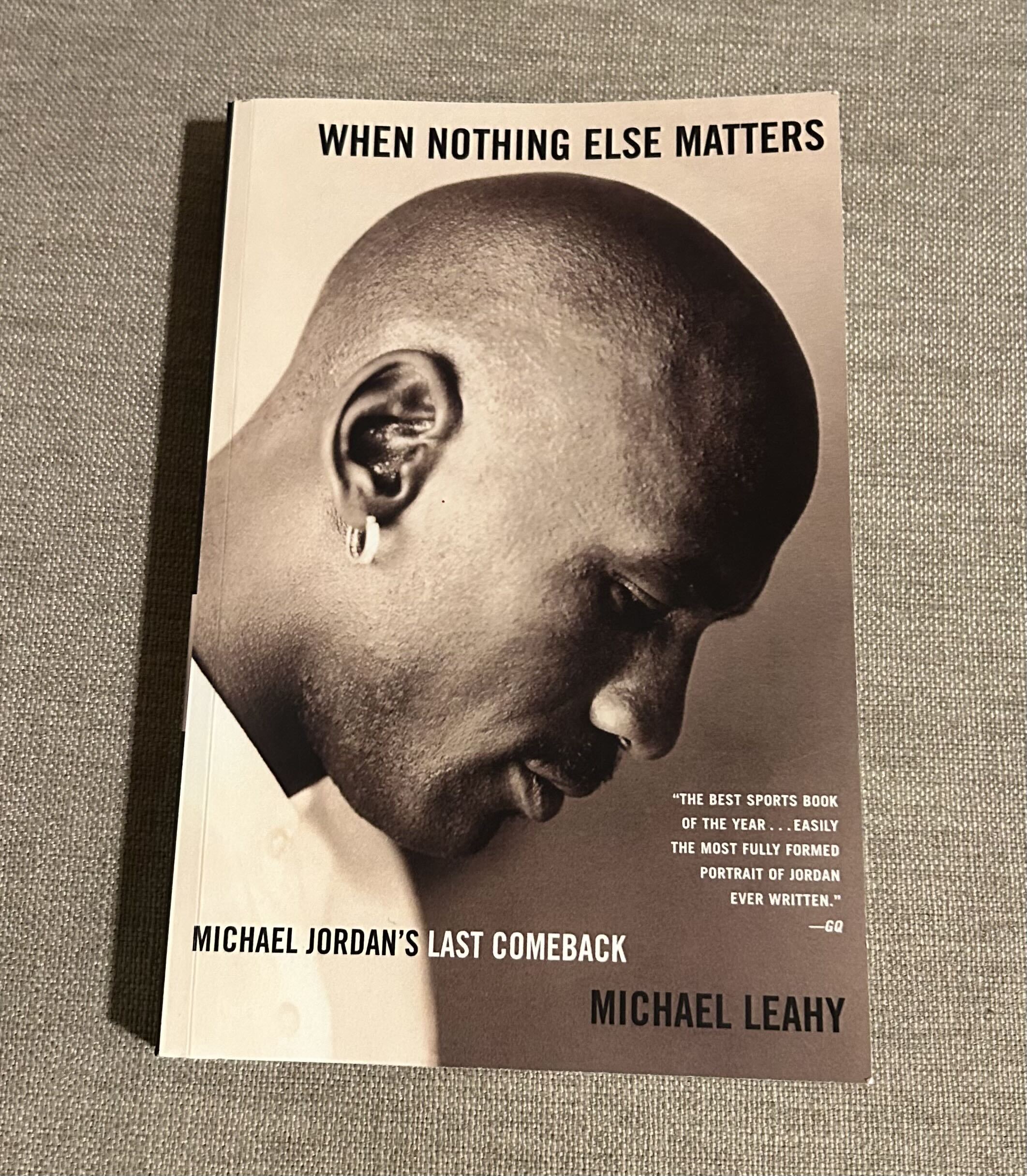
    The details of that story were preserved in a book, When Nothing Else Matters: Michael Jordan’s Last Comeback by Michael Leahy, that is as good as anything ever written about any topic related to basketball. Leahy was a staff writer for the Washington Post at the time he immersed himself in Jordan’s world, but he was not a sportswriter; he had nothing to lose, no sources to burn or fans to alienate, by documenting Jordan’s tenure in Washington with remarkable depth and unsparing honesty.

    Michael Leahy’s 2004 book “When Nothing Else Matters: Michael Jordan’s Last Comeback” which chronicled Jordan’s return to the NBA with the Wizards in 2001.Mike Sielski

    Published in 2004, When Nothing Else Matters has been memory-holed for more than two decades. It didn’t refresh and amplify the mythology around Jordan in the way The Jordan Rules or The Last Dance did, so it doesn’t resonate in the public consciousness much anymore. But it does serve as a cautionary tale about the nature of superstardom — the kind that only the chosen few, Jordan and James among them, enjoy — and its lessons apply just as well to the Sixers and Philadelphia as they did to the Wizards and Washington. Here are five important ones:

    Lesson 1: The Wizards’ leadership kowtowed to Jordan. The Sixers’ leadership can acquiesce to James only so much.

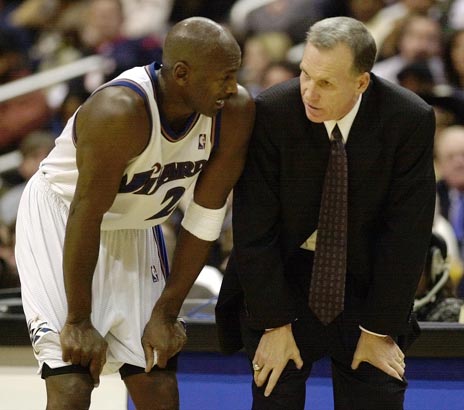
    One of the recurring themes of When Nothing Else Matters is the control Jordan exerted over the Wizards’ entire organization, starting with his friend and handpicked head coach, Doug Collins.

    “Whenever an issue critical to the team’s well-being arose,” Leahy wrote, “Jordan bent Collins to his will — whether it was over Jordan’s playing time, or who among his teammates deserved to start or not start, or what kind of offense or defense to deploy. Collins’s lack of power illustrated the dangers in allowing any team’s Zeus to rule over a coach and franchise.”

    Michael Jordan (left) picked Doug Collins (right), his former coach with the Bulls, to be his coach in Washington.

    Bob Myers has gravitas and four championship rings from his years with the Golden State Warriors. Mike Gansey has a good relationship with James from their time together with the Cleveland Cavaliers. Nick Nurse won a championship in 2019 with the Toronto Raptors — and with a superstar, Kawhi Leonard, who can be a challenge to manage. They have to assert and maintain their authority, or at least some semblance of it, in the face of James’s esteem and power. James won’t necessarily be as controlling and demanding as Jordan, but he can be controlling and demanding enough. He’s accustomed to getting his way all the time, and it would be a lot to expect him to be just along for the ride now.

    Among LeBron James’ challenges: Meshing with the Sixers’ existing star players, Vj Edgecombe (left), Joel Embiid (center), and Tyrese Maxey (right).Monica Herndon / Staff Photographer

    Lesson 2: Expect tension among the players, especially the best ones.

    Jordan’s verbal abuse of rookie Kwame Brown, including calling him a “f—g flaming f—t” during practice, was among the salacious revelations in Leahy’s book. But Jordan’s relationship with Coatesville native Richard “Rip” Hamilton throughout the 2001-02 season is the more relevant one for the 2026-27 Sixers. “There was a lingering tension” between Jordan and Hamilton all season, according to Leahy, in part because Hamilton, in his third season and just emerging as one of the league’s better perimeter scorers, believed it was time for him to assert himself as the team’s centerpiece and that Jordan was holding him back.

    Just because Jordan and Hamilton clashed doesn’t mean James, Joel Embiid, Jaylen Brown, Tyrese Maxey, and VJ Edgecombe won’t get along. But the Sixers have to prepare for the possibility, even the likelihood, that this team won’t be a smooth-running, ego-free machine. Brown is 29, was the MVP of the 2024 NBA Finals, and — despite the debate around whether he is an analytically efficient player — is regarded as a star. Embiid is a former league MVP. Maxey is approaching his peak years, as is Edgecombe. And James, like Jordan, hasn’t deferred often to anyone in his career.

    Lesson 3: Time will take its toll on an older player, even one as great as Jordan or James.

    Jordan, remarkably, played all 82 games in his final NBA season, but he struggled with tendinitis throughout 2001-02, missing 22 games. James hasn’t appeared in more than 71 games in any of his last eight seasons; in five of those seasons, he played 60 games or fewer. Never forget: Father Time is Rocky Marciano.

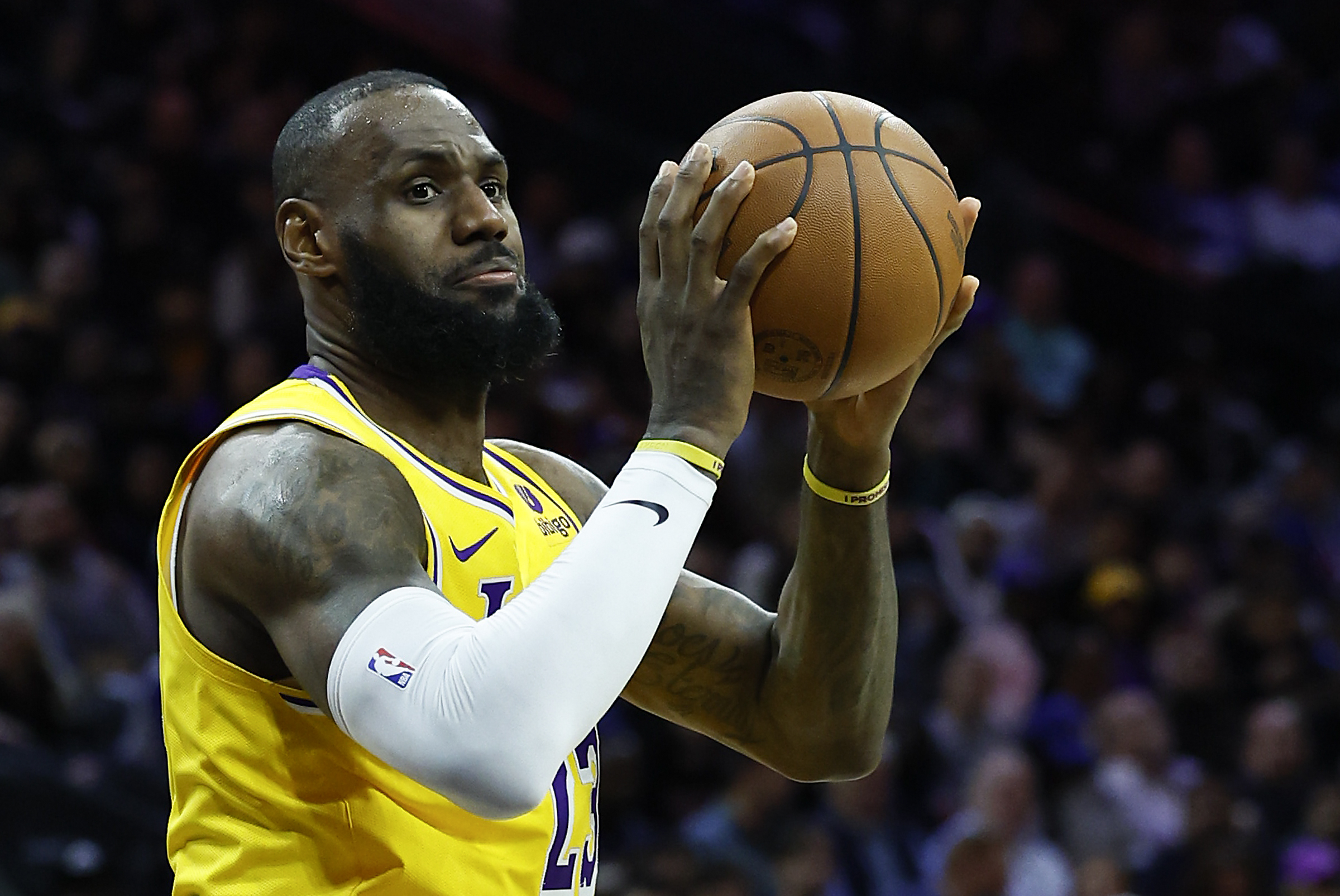
    LeBron James, who will be 42 in December, hasn’t appeared in more than 71 games in any of his last eight seasons.Yong Kim / Staff Photographer

    Lesson 4: The honeymoon will end, and victories had better follow.

    Jordan’s two years in Washington are not remembered as a great and glorious portion of his career, for the simple reason that the Wizards still stunk with him. The Sixers aren’t likely to fall on their faces with James. But the pressure on them will be immense, and patience with a losing streak or a stretch of subpar play will be thin, if any patience exists at all.

    “Sports fans can be a cruel, monomaniacal breed,” Leahy wrote. “Only games and standings matter to the most rabid, which, depending upon how you want to look at it, evinces either an endearing, childlike intensity or a severe case of arrested development.”

    Michael Jordan averaged 21.2 points on .431 shooting in his two seasons with the Wizards. Their record? 74-90.
    MILES KENNEDY / AP

    Lesson 5: There was more to Jordan’s comeback — and more to James’ joining the Sixers — than winning.

    “The truth was this: A sporting god enjoys supreme power only as long as he plays, earns and fills seats,” Leahy wrote. “The moment he ceases to be a team’s principal revenue stream is the moment his dominion ends.”

    James said that he considered retiring, that he changed his mind because he still wants “to work … to grind … to compete,” that his desire to win another championship was the reason he came here. Here’s a safe bet: It wasn’t the only one. He will fill more seats in Philadelphia than he might have anywhere else, and you’re naive to think that intoxicating sensation wasn’t on his mind when he made this decision. LeBron James is as much a sporting god as Michael Jordan was, and to be treated as such is the most powerful drug on earth. He doesn’t want to exit the stage as anything less.

  • Federal and state officials highlight Medicaid fraud in Philadelphia

    Federal and state officials highlight Medicaid fraud in Philadelphia

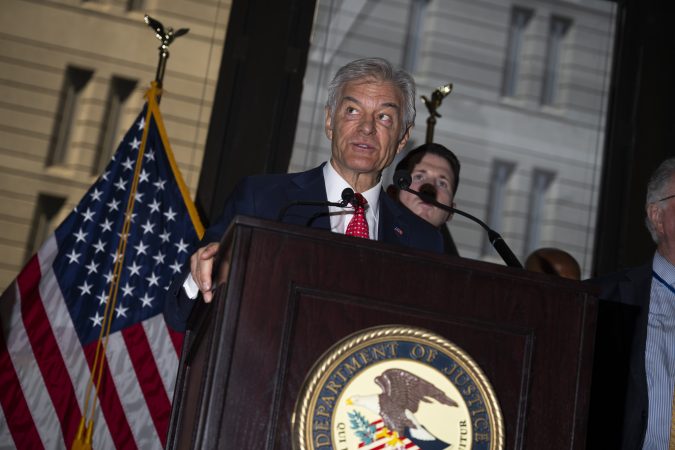
    Federal and state officials including Mehmet Oz, head of the Centers for Medicare and Medicaid Services, and Pennsylvania Attorney General David Sunday were in Philadelphia on Tuesday to highlight efforts to combat the persistent problem of Medicaid billing fraud in home care.

    During a news conference in Center City, officials outlined Pennsylvania cases involving a personal-care assistant who billed Medicaid 1,000 times for more than 24 hours of work in a single day, another who billed for helping his father in South Philadelphia while being arrested in Chester, and an agency that billed Medicaid $225,000 for services provided by an aide who was dead.

    Federal and state prosecutors used the occasion to announce charges against 18 people and one agency in mostly unrelated cases for defrauding Pennsylvania’s Medicaid program of $4 million by billing for home-care services they did not provide. The alleged fraud occurred roughly over the last five years.

    The alleged fraud in these cases filed over the last two weeks is tiny compared with the size of the program. Pennsylvania spent $8.1 billion on home-care services last year, up from $2.3 billion in 2020, when the program expanded and thousands more people started getting paid to provide home care.

    “Used properly by honest citizens, the program allows those with physical ailments to be cared for by those they trust the most,” said Colin McDonald, of the Justice Department’s National Fraud Enforcement Division. “But infiltrated by greedy and deceitful opportunists, this program becomes a money tree, a gravy train for criminal fraudsters.”

    Colin McDonald, Assistant Attorney General, Department of Justice National Fraud Enforcement Division, speaks as federal and state law enforcement officials announce healthcare fraud charges, Tuesday, August 4, 2026 in Philadelphia.Joe Lamberti / For The Inquirer

    The U.S. Department of Justice shared details on six new cases. The Pennsylvania attorney general recently filed five new cases.

    The biggest case involved $1.5 million in billings from a personal-care assistant registered with 13 agencies who more than 1,000 times charged Medicaid for more than 24 hours in a single day, Sunday said. On one occasion, the aide billed for 126 hours in a single day, Sunday said.

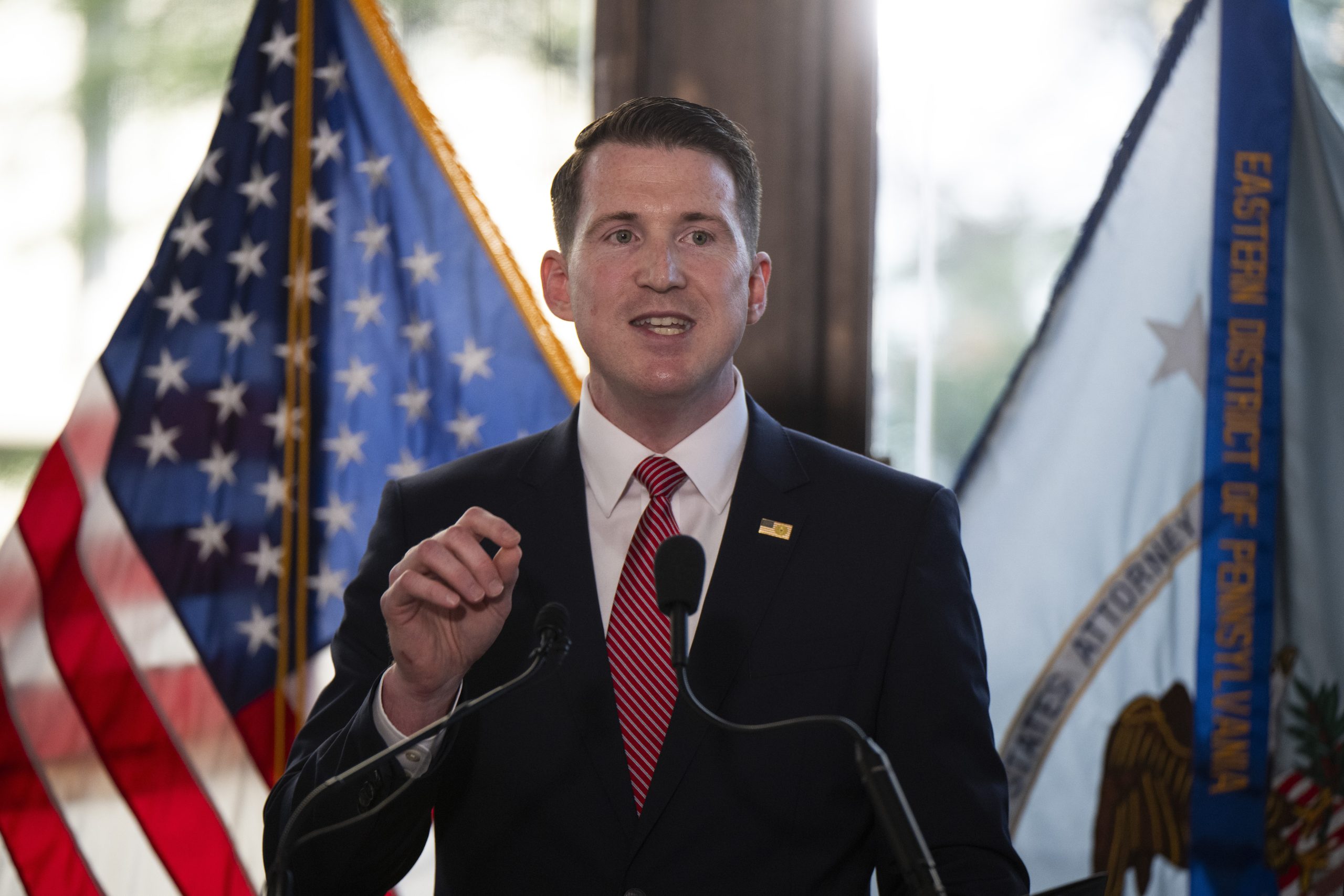
    Federal prosecutors charged Benevolent Home Health Care with billing 600 times in 13 months for a personal-care aide who was dead. That case originated during the arrest of the husband of one of its owners on drug-trafficking charges, said David Metcalf, U.S. attorney for the Eastern District of Pennsylvania.

    As the man was being arrested, he told agents from the Drug Enforcement Agency that he had to clock out of his shift as a home-care aide, even though he was not providing services. When asked about it, according to Metcalf, he said: “Everybody is doing this. If that’s a problem, you’d have to arrest the whole city,”

    Attorneys for Khaleelah Williams and Saleemah Davis, Benevolent’s owners, said they had no comment.

    In other cases, defendants billed for providing services while they were in prison, working at one of Philadelphia’s sports stadiums, or vacationing in Saudi Arabia, Jamaica, or Colombia

    This story has been updated to correct the name of the agency Mehmet Oz heads.

  • Family of the man who died in ICE custody in N.J. calls for release of medical records and closure of Delaney Hall

    Family of the man who died in ICE custody in N.J. calls for release of medical records and closure of Delaney Hall

    The family of an immigrant from El Salvador who died in ICE custody in New Jersey on Tuesday outlined a list of demands for state and federal officials that they said would bring justice after his death.

    Edwin Jeovanny López Cornejo, 41, whose family said he had been living in the U.S. for two decades, died in ICE custody on Saturday after having a medical episode at Delaney Hall in Newark. The privately run ICE facility has been the subject of complaints of poor conditions, ongoing protests, and the site of clashes between federal officials and elected Democrats.

    “On the same day, we were both dead, the only difference was his heart stopped beating,” his 12-year-old daughter Ashley López said at a news conference held outside the Reformed Church of Highland Park on Tuesday streamed by Cosecha New Jersey, an immigrant-rights group. “I am going to grow up without a father. They did not even let me see him one last time before he died.”

    “We had so many plans, we will never do them, because they are heartless monsters,” she added.

    López Cornejo’s family members have accused ICE of neglecting to provide proper medical care to him, an accusation the federal agency denies. His mother María Cornejo questioned whether ICE gave her son his medicine for high blood pressure, diabetes, and seizures. He was detained in Plainfield in North Jersey on June 18.

    ICE said Monday evening that López Cornejo’s cause of death was pending further medical review, but Sen. Andy Kim shared later that night that he died of a heart attack and cardiac arrest. Kim said López Cornejo already had a habeas corpus case calling for his release due to his medical issues.

    (function(){function e(){window.addEventListener(`message`,function(e){if(e.data[`datawrapper-height`]!==void 0){var t=document.querySelectorAll(`iframe`);for(var n in e.data[`datawrapper-height`])for(var r=0,i;i=t[r];r++)if(i.contentWindow===e.source){var a=e.data[`datawrapper-height`][n]+`px`;i.style.height=a}}})}e()})();

    While speaking at the news conference, Danilo López, the brother of López Cornejo, called for an independent investigation of the incident by New Jersey Attorney General Jennifer Davenport, a release of his brother’s medical records by the facility’s owner GEO Group and ICE, the closure of the detention center and the release of all those detained. He also asked Gov. Mikie Sherrill to open an investigation into health protocols at the center.

    “I know that there’s nothing that will bring my brother back but if we feel our pain now maybe we can avoid other deaths,” Danilo López said in Spanish.

    Davenport’s office said Tuesday it “can neither confirm or deny an investigation at this time.”

    Sherrill has called for the shuttering of Delaney Hall amid a broader battle over President Donald Trump’s immigration crackdown. Her administration is in various court fights with Trump’s administration, including one attempting to gain access to Delaney Hall for a full state health inspection.

    Activists have repeatedly called for Delaney Hall to shut its doors but the Trump administration has made clear it’s not closing the facility anytime soon as it holds a crucial role in the president’s mass deportation operation.

    U.S. Rep. Analilia Mejia, a progressive Democrat who represents a North Jersey district, said at the news conference that she’s spoken to people inside Delaney Hall during oversight visits who say they’re being denied their medication and proper medical care.

    “We must all use this moment to lift our voices and say not one more,” said Mejia, whose opposition to ICE was a key part of her platform to succeed Sherrill in Congress.

    A spokesperson for U.S. Rep. Bonnie Watson Coleman, a Central Jersey Democrat, said her office gets calls from families saying their loved ones aren’t receiving their medication and are getting moldy food inside the facility.

    Trump officials and allies have denied there are issues inside Delaney Hall, including U.S. Rep. Jeff Van Drew, a South Jersey Republican who, prior to this incident, visited the facility and called it clean and “well-run” with “medical care, recreation, and other basic services.”

    ICE said it provides “comprehensive medical care” to people in the facility, including 24 hour emergency care.

    “While in custody, Lopez-Cornejo received proper medical care and was seen by medical professionals,” the federal agency said in a statement.

    Danilo López said that his brother had told him over the phone that he had to fill out a form to just get Tylenol at Delaney Hall and it could be days before he received it.

    María Cornejo accused ICE of lying about giving her son proper medical attention.

    “I just want justice for my son and for my granddaughter who is going to grow without a father,” she said in Spanish.

    Danilo López said Tuesday he didn’t know why his brother was detained because he had a valid work permit, but ICE said López Cornejo was arrested by the U.S. Border Patrol “for illegally entering the United States without inspection” in August 2006 and was sent back to El Salvador that October before returning without permission.

    López Cornejo’s daughter, Ashley, said Tuesday that “no one is illegal on stolen land,” a common refrain from immigrant rights activists.

    Her mother, who was not named, called the incident the result of a systemic failure.

    “From the bottom of my heart I feel the system failed Edwin,” she said in Spanish. “Failed my daughter, failed me as a mom, and failed all those other kids who are suffering like my daughter is.”