Tag: Weekend Reads

  • Could GLP-1s help with alcohol use disorder? A Philly VA doctor is leading a national trial to find out.

    Could GLP-1s help with alcohol use disorder? A Philly VA doctor is leading a national trial to find out.

    A Philadelphia Veterans Affairs doctor is leading a national trial testing whether GLP-1 drugs could help patients with alcohol use disorder.

    The treatments, which work by mimicking a natural hormone in the body, have skyrocketed in popularity in recent years for diabetes and weight loss. People have also reported unexpected benefits for other conditions, from heart issues to kidney disease. GLP-1s may even help reduce cravings for addictive substances, including alcohol, opioids, and nicotine, early studies suggest.

    While some of the additional health effects have been well-studied, others, like alcohol use disorder, still need a robust trial to assess safety and efficacy.

    The upcoming trial will take place at 18 VA sites around the country, including Philadelphia, with the goal of recruiting 622 participants.

    “The driving force has been really the groundswell of anecdotal and observational data from folks,” said David Oslin, the psychiatrist leading the national trial.

    Recruitment for the trial starts this week and will likely take two years. Half of participants will be randomly selected to receive the treatment for six months, while the other half will receive a placebo with no active drug.

    Participants will not know whether they received the intervention — a study design that’s considered the gold standard for medical research.

    Alcohol use disorder affects roughly 28 million people nationwide. While there are many options to treat it — including psychosocial treatment, peer support groups, and medications — uptake is low.

    Fewer than 10% of people with alcohol use disorder receive any treatment in a given year. Oslin hopes GLP-1s, should they prove safe and effective, could improve that statistic.

    “The impact is potentially very big in the sense that this is a drug that people seem comfortable prescribing and using,” he said.

    He anticipates publishing the results in about three years.

    The Inquirer spoke with Oslin, who also serves as the chief of behavioral health at the Philadelphia VA, about the trial in an interview lightly edited for length and clarity.
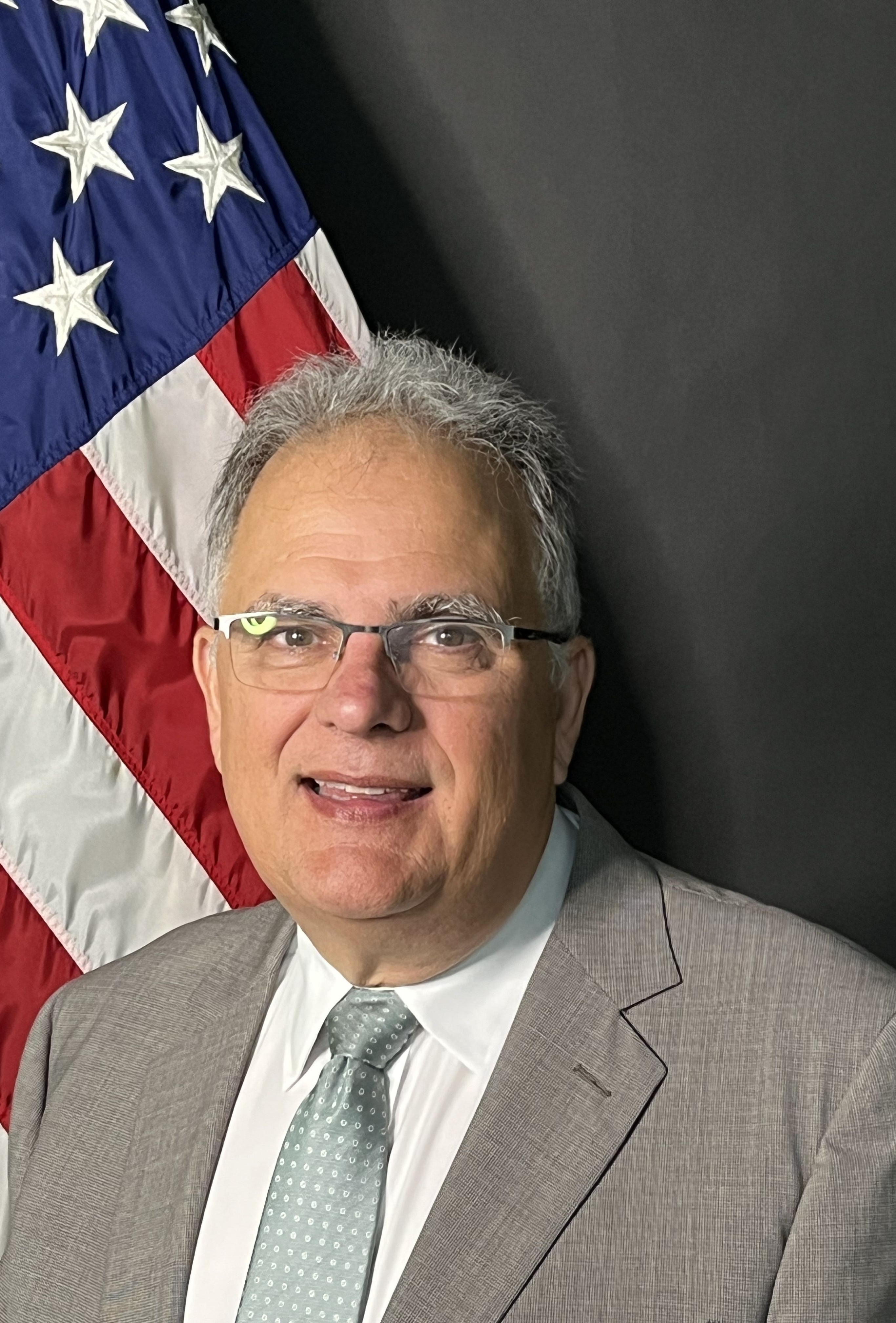
    David Oslin serves as the chief of behavioral health at the Philadelphia VA Medical Center and a professor of psychiatry at the University of Pennsylvania. He is leading the national trial.Courtesy of the VA
    What inspired the trial?

    Anecdotally, folks that have been receiving the GLP-1s for something else — diabetes or weight loss — had noticed a decline in use of alcohol.

    There have subsequently been three small clinical trials in the U.S. that have been published. They wouldn’t be sufficient to define efficacy from an FDA perspective, but they’re certainly encouraging.

    Each of them have their own little pitfalls. One of them is small — 40 subjects — so we wouldn’t want to change clinical practice based on that. But they certainly point us in the direction that we need a large trial, and this trial was designed specifically with FDA requirements in mind.

    How is this trial different?

    Semaglutide is already FDA-approved. What you would want to be able to do is change the existing label to add the indication of alcohol use disorder.

    The FDA has a number of requirements for trials in this domain for alcohol use disorder. One is that the duration be a minimum of six months, and we are doing that. The other is that it be a sufficient sample size to test a hypothesis. For our trial, we are hoping to enroll 622 veterans over the course of the next couple of years. That would be sufficient to answer the question of, ‘Is there efficacy and is there safety?’

    What is the theory behind how GLP-1s could treat alcohol use disorder?

    We know that GLP-1s have three main effects on the body.

    One effect is to induce the pancreas to release more insulin. The second effect is that it slows down the stomach’s emptying when you eat. The third effect is on GLP-1 receptors in our brain. Those receptors actually respond to reward, and the natural effect of GLP-1s is to indicate that you’re full or that you don’t need any more to eat or drink.

    These medicines will have the effect of reducing your desire to want to drink more. They don’t take away your pleasure or your ability to enjoy life, but they will reduce excessive eating and excessive drinking — that’s the hypothesis that is driving the study.

    (function() { var l = function() { new pym.Parent( ‘he1ozempic__graphic’, ‘https://media.inquirer.com/storage/inquirer/ai2html/he1ozempic/index.html’); }; if(typeof(pym) === ‘undefined’) { var h = document.getElementsByTagName(‘head’)[0], s = document.createElement(‘script’); s.type = ‘text/javascript’; s.src = ‘https://pym.nprapps.org/pym.v1.min.js’; s.onload = l; h.appendChild(s); } else { l(); } })();

    Who can participate in the study?

    They have to be a veteran getting their healthcare through the VA. They have to be between 18 and 80. They have to be drinking sufficiently enough to meet criteria for moderate to severe alcohol use disorder. You also can’t be on insulin and can’t be taking another medication for diabetes.

    The 18 sites would take any veteran and screen them, and if they’re not appropriate for the trial, we would get them into the right care for their needs.

    How could having a GLP-1 as an option improve uptake?

    A lot of folks that have alcohol use disorder will not seek treatment in a specialty care setting. They don’t think of their symptoms as being that severe. So they’ll talk to their primary care doctor.

    We need treatments that primary care providers are comfortable delivering. The current medicines are not medicines that they often prescribe, so they’re not used to using them. Meanwhile, they’re prescribing GLP-1s for diabetes and weight loss, so they clearly are comfortable prescribing them.

    There’s a lot of potential here that this could become a front-line treatment for folks, and we could reach many more people to get them in treatment. We need to establish the safety and efficacy first.

    How big of an impact could that have?

    The early clinical trials show that the effect of the treatment is actually larger than our current treatments, which would be really great if that’s replicated. It really could shepherd in a new era of being able to treat more people than we’ve been able to treat in the past.

    Is there anything else you would like to share?

    We want to really make sure that these compounds are safe in this population. I know that you can get these compounds pretty much anywhere these days, and I would discourage people from doing that when we don’t know that they’re safe and efficacious.

    Alcohol use disorder is a devastating illness, and people should feel comfortable reaching out for help. Even if they can’t get into the study, the VA is here to assist them in that journey and try to find them a path to sobriety and a better life.

    Veterans who need support can contact the Veterans Crisis Line 24/7. You don’t need to be in immediate crisis or enrolled in VA care to reach out. Dial 988 and press 1, visit VeteransCrisisLine.net/Chat, or text 838255 to connect with trained responders who can help with next steps.

    Those interested in participating in the clinical trial in Philadelphia can call: 215-823-5800 extension 203404.

  • In a major shift, Gov. Josh Shapiro restricts data center development in Pennsylvania

    In a major shift, Gov. Josh Shapiro restricts data center development in Pennsylvania

    HARRISBURG — Gov. Josh Shapiro signed a sweeping executive order on Tuesday dramatically restricting data center development in Pennsylvania, marking a major shift from his initial embrace of the increasingly unpopular projects.

    Shapiro, a first-term Democrat running for reelection and a rumored 2028 presidential contender, had been an early champion of data center development in the state, including a $20 billion commitment from Amazon to build at least two data centers in Bucks and Luzerne Counties.

    Now he is taking a hard-line stance against the burgeoning data center industry he once courted, as proposed projects draw increasing bipartisan backlash across Pennsylvania.

    The far-reaching executive order does not include a moratorium on data center development. However, the order requires local approval for projects to receive state permits, which in effect may block many developments from moving forward.

    Shapiro used his executive powers Tuesday to push through his previously proposed Governor’s Responsible Infrastructure Development standards, which were initially pitched as voluntary incentives for data center developers to receive tax breaks, but failed to receive support from the GOP-controlled state Senate. All projects will be required to follow GRID’s environmental, economic, and transparency requirements in order to move forward.

    “I have no other choice than but to take this executive action to protect the good people of Pennsylvania from these predatory developers and from these projects that would negatively impact our communities,” Shapiro said after signing the order.

    Shapiro’s order also:

    • Removes all data center developments, including those by Amazon, from the fast-track permitting program, and no data centers will be considered for the program moving forward.
    • Requires data center projects to sign legally binding agreements to certain transparency and environmental requirements in GRID, such as water conservation standards and early and transparent public notification of proposed projects ahead of key local approvals. Companies must follow GRID guidelines to access the state’s existing sales tax break for data centers.
    • Prohibits any state agency from signing a nondisclosure agreement related to a data center project.
    • Instructs the Pennsylvania Department of Environmental Protection to publish a publicly accessible map of current permitting information for all proposed data center projects.
    • Mandates that the projects bring their own electricity generation and pay all costs associated with increased energy usage.
    • Requires a community-benefit agreement that includes promises to hire and train local employees, as well as developer investments in schools or infrastructure.
    • Underscores Pennsylvania’s unique state constitutional rights to clean air, pure water, and environmental preservation — a focus of many residents who oppose data center projects.

    ‘On notice’

    Pennsylvania has become a top target for data center projects, due to its key placement near some of the nation’s largest metropolitan areas, its energy production potential, and its vast rural areas.

    But data centers have become increasingly unpopular in the year since Shapiro championed the Amazon deal as one promising that the future of artificial intelligence “is going to run right here through the Commonwealth of Pennsylvania.”

    In a June poll conducted by Quinnipiac University, 76% of registered Pennsylvania voters said they would oppose a data center in their communities. Only 24% of voters said they approve how Shapiro is handling data centers in Pennsylvania, including 40% of Democrats — a drop from his 51% overall favorability in the same poll.

    His past support for data centers emerged as a potential liability to his reelection campaign and his 2028 prospects.

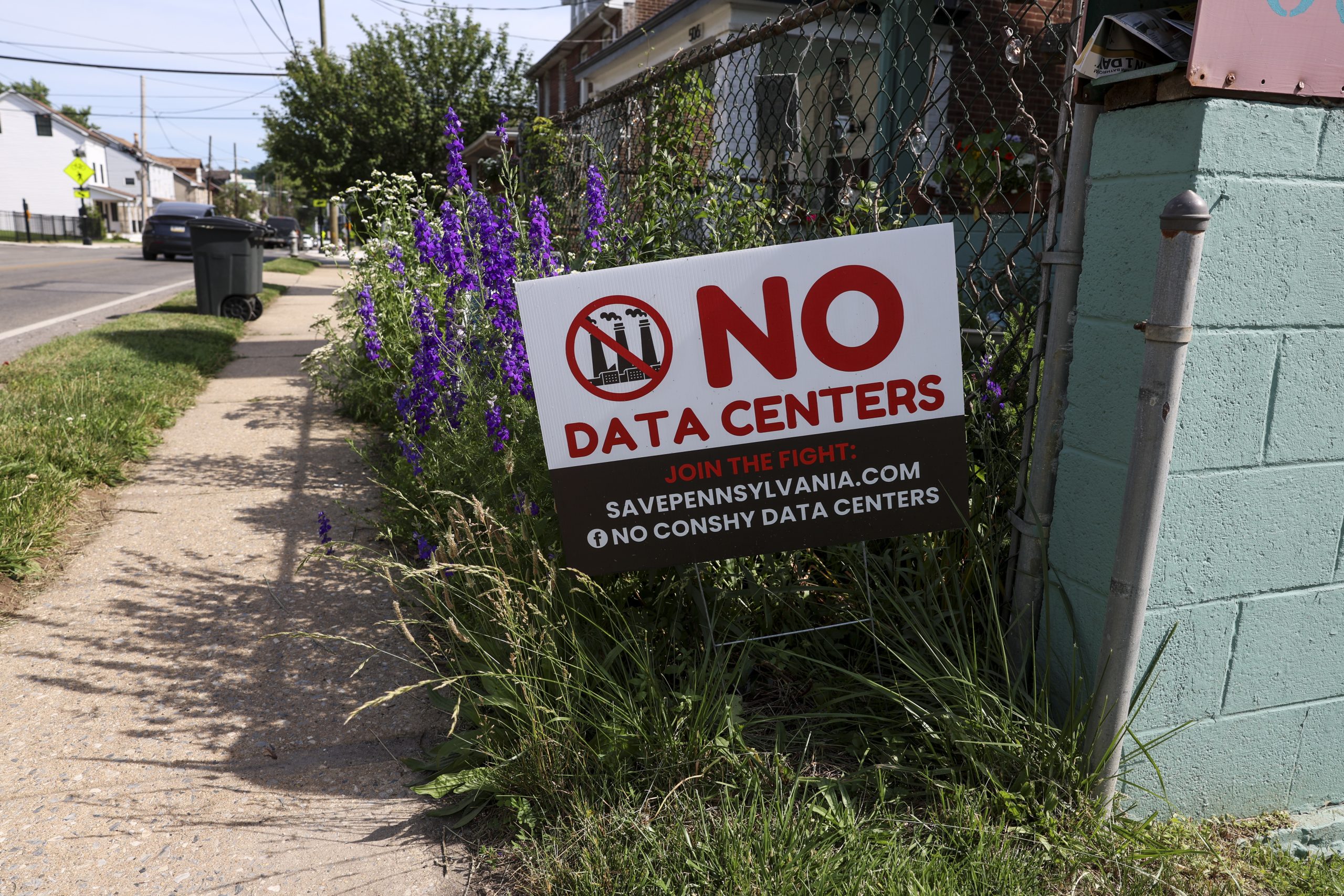
    A yard sign protests the proposed data center on New Elm Street near the Closed Cleveland-Cliffs steel mill photographed on Thursday, June 4, 2026 in Conshohocken, Pa.Monica Herndon / Staff Photographer

    Shapiro delivered remarks in Harrisburg before signing the order, touching on his visit to Archbald, a rural town in Northeastern Pennsylvania set for widespread data center development. The governor also outlined his opposition to controversial projects in Shapiro’s home county, Montgomery County, that he had recently denounced.

    “Archbald and Montco are just two examples of dozens of communities being overrun and overwhelmed by developers who don’t give a damn about us and think they can have their way,” Shapiro said. “Today, I’m formally putting them on notice.”

    Shapiro took specific issue with the more than 100 speculative projects across the state, which include some from real estate developers who are seeking building approvals without determining or disclosing the company for which they would be storing the data.

    The Data Center Coalition — the leading data center group representing Amazon, Microsoft, and other top developers — said in a statement that distinguishing between real, company-led projects and proposals is important and that rules should not be “changed midstream” for “verified and responsible data center projects.”

    “Companies have made plans, communities have prepared for economic opportunities, and workers are ready to build the next generation of digital infrastructure right here in Pennsylvania,” said Dan Diorio, the executive vice president for state policy and government affairs at the Data Center Coalition.

    Diorio previously told The Inquirer that Shapiro’s GRID standards were “extensive” compared with the 37 other states that offer sales tax exemptions.

    Shapiro’s administration appeared prepared to face legal challenges from the deep pockets of the data center industry or property developers. The order includes a severability clause, something not traditionally used in executive orders, that says if any parts of the order are “held to be invalid,” the rest of the order still stands.

    Shapiro has previously said his position on data centers has evolved. But his order Tuesday is perhaps his most dramatic shift: He has gone from consulting Amazon and the data center industry on his GRID principles earlier this year to pulling the tech giant and others from the state’s fast-track permitting program and requiring community-benefits agreements for the projects to move forward.

    Gov. Josh Shapiro signs an executive order restricting data centers in Pennsylvania during a ceremony in the Capitol in Harrisburg, Pa., Tuesday August 18, 2026.Kalim A. Bhatti / For The Inquirer

    The Amazon projects currently underway in Pennsylvania have already passed through the first phase of permitting, and will be required like all other projects to follow the requirements moving forward, a spokesperson for Shapiro said.

    An Amazon spokesperson did not respond to a request for comment Tuesday.

    There are six data center projects under construction in Pennsylvania, and 10 have received at least one state-level permit approval, Shapiro’s office previously told The Inquirer.

    Shapiro and the General Assembly have been under pressure by anti-data center activists to enact guardrails on the massive projects, with many arguing that Pennsylvania moved too quickly and sacrificed the state’s safety in favor of Big Tech. Pennsylvania lawmakers nearly unanimously supported ending the sales tax exemption for the projects, but failed to implement a measure during the spring legislative session.

    At the news conference Tuesday, Shapiro invited representatives from the Pennsylvania Association of Township Supervisors — the main group representing the local governments at the forefront of pushing for data center restrictions — in addition to advocacy groups including the Pennsylvania Utility Law Project and the National Resources Defense Council. The groups praised Shapiro’s plan.

    Though Shapiro’s order was widely lauded by Democratic state lawmakers and environmental groups, it was met with criticism from some of his detractors, including his Republican challenger for governor in November, Treasurer Stacy Garrity.

    Garrity’s first TV ad featured Shapiro’s support for data centers, and on Tuesday she said in a statement that Shapiro is “trying to gaslight the people of Pennsylvania into not believing what they’ve seen with their own eyes for the past 13 months.” (Garrity’s position on data centers has also changed since the June 2025 announcement, which she lauded at the time; she has since said Pennsylvania needs to put a “pause” on all data center development.)

    Megan McDonough, the state director for advocacy organization Food and Water Watch, said in a statement that “Shapiro knows that he’s been acting out of accordance with what Pennsylvanians actually need,” but that the order falls short.

    “Shapiro is feeling our heat because Pennsylvanians have made it impossible for him to ignore us,” she said. “The only solution to addressing AI data centers’ many woes is by placing a mandatory moratorium on all new data center development.”

  • Westtown Township fired its entire historical commission. All six members just started their own society.

    Westtown Township fired its entire historical commission. All six members just started their own society.

    Members who were fired from Westtown Township’s historical commission after disagreements with local officials over the future of a historic inn have launched an independent historical society with a mission to protect buildings and history in the area.

    The six former members of the township commission now constitute the board of the Westtown-Brandywine Historical Society, which they started within weeks of the Chester County township’s three elected supervisors’ July vote to remove all members from the commission.

    “Although it’s very disappointing to see the township operate the way that they did, it was perhaps an opportunity for us to build something even better,” said Stephen Wahrhaftig, one of the society’s founders.

    Wahrhaftig, who served on the township’s commission for four years, had been involved with other historical organizations. One, which was privately run, seemed to operate more efficiently and effectively without political oversight, he said.

    Within the new society’s first two meetings, the group had already sketched out a long list of potential events and activities, Wahrhaftig said.

    “I was crushed when we were all dismissed, sad and angry. But within two weeks, we all came back together and said, ‘OK, let’s try something new and different,’” said Christine Gunsaullus, who served on the township’s historical commission for more than a year. “I feel like we’ve continued without missing a beat.”

    The newly formed society has already teed up four events in the coming months. They plan to host a hike and historical tour of Crebilly Preserve, the 204-acre preserved open space in Westtown that was purchased by the township in 2024 to fend off residential development. Also in the works is a historical book club. In October, the society will have a table at Westtown Day — an event the commission helped found — and will give historical tours of Oakbourne Mansion and Park, where festivities are held, and have activities for children.

    And they’ll host a presentation about the Darlington Inn, the 19th century property on the Crebilly tract that the township also purchased when it sought to preserve the farm. At that talk, they’ll show “what a gem we have and why it’s important to save,” Gunsaullus said.

    That stance is the very thing that the commission members believe led to their dismissal.

    The township’s officials have said that it wasn’t the conflict over the inn that led to the members’ removal from the commission, which sits on a two-acre parcel at the corner of State Routes 202 and 926. But the dismissal came as the commission had been advocating for the township to preserve the inn, while officials have sought to offload it.

    The inn was acquired in 2024 as part of a larger battle to preserve Crebilly. It was purchased with taxpayer money separately, and the township plans to sell it off to recoup the funds it used to buy it, and to prevent ongoing maintenance costs of the property.

    The members of the now-fired historical commission had argued that the inn was worth preserving, and asked officials to include a facade easement to protect the property from being demolished for commercial construction. The supervisors declined to do so at the time, but nothing precludes them from adding it in the future.

    The historical commission was composed of volunteers, appointed by the board of supervisors, and acted as an advisory body, with no governing power. The supervisors said in July they would be reexamining the goals of the commission, and invited the fired members to reapply once that process was complete.

    Even with the abrupt parting, the new society doesn’t foresee any tension blossoming between their new organization and the township they once served. They received the OK to represent the new group at the annual Westtown Day, which they think “bodes well” for working together. The township did not immediately respond to a request for comment on the group.

    The society will offer free membership to those who want to join, and the intent broadly is to do what they accomplished with the township “but do even more and do it better and do it faster,” Gunsaullus said. That includes a newsletter, lectures, and historical tours. They’ll also be able to look broaden the scope beyond Westtown and welcome members from outside the municipality.

    Without being under the restraints of the township government, they envision they’ll be able to offer more and varied events. But like the commission, the group is made up of volunteers with the leadership composed of working architects, engineers, an author, and people with marketing expertise. Only one member is retired, making the society a labor of love, Gunsaullus said.

    “We’re very pumped up about what we’re able to accomplish now,” Wahrhaftig said.

    And they’ve seen an outpouring of support, they said.

    “The response we’ve gotten from the community, from other historical societies and commissions — everyone is supporting us, wants to know how they can help, wants to provide venues for us to continue giving talks,” Gunsaullus said. “We’re very grateful for the support we’re getting from other historical geeks in the area.”

    There are no plans to make the society a nonprofit at the moment, they said, but they aren’t sure what the future holds. They’re operating with no funding (but that’s not exactly unfamiliar; their finances were already “hilariously abysmal” under the township, Wahrhaftig noted), and may consider donations.

    But aside from money, “It takes time, passion, and creativity, and we’ve got plenty of that,” Gunsaullus said.

    This suburban content is produced with support from the Leslie Miller and Richard Worley Foundation and The Lenfest Institute for Journalism. Editorial content is created independently of the project donors. Gifts to support The Inquirer’s high-impact journalism can be made at inquirer.com/donate. A list of Lenfest Institute donors can be found at lenfestinstitute.org/supporters.

  • Two men convicted of first-degree murder in 2020 killing of Philadelphia teen rapper

    Two men convicted of first-degree murder in 2020 killing of Philadelphia teen rapper

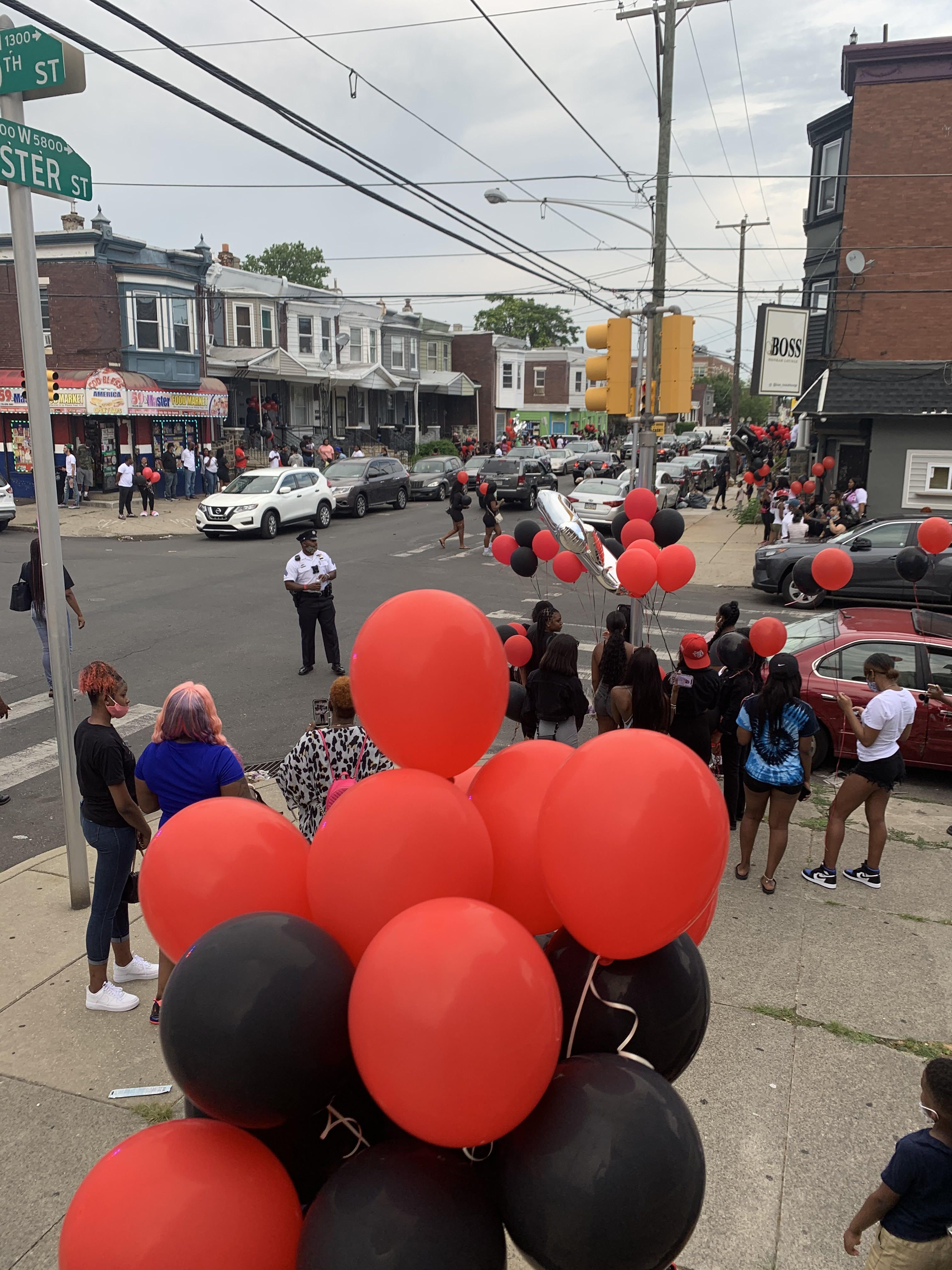
    Six years after an up-and-coming teenage rapper was shot to death outside a West Philadelphia home, two of his killers have been convicted and sentenced, prosecutors said.

    Donovan Williams, 24, was found guilty last week of first-degree murder in the killing of Aamir Johnson-Daye, known as D4M Skiano, and of the attempted murder of a man who was with him, the Philadelphia District Attorney’s Office announced Tuesday.

    A judge on Friday sentenced Williams to life in prison without the possibility of parole, plus 46 to 92 years, court records show.

    Williams’ codefendant, Bahij Dini, 28, pleaded guilty earlier this month to third-degree murder, conspiracy, and firearms offenses, and was sentenced to 13½ to 42 years, prosecutors said.

    But the two convictions have not closed the case. Prosecutors said that three gunmen climbed from a car on July 5, 2020, and opened fire on the family’s home, but that the third shooter has not yet been identified. Nor was a possible fourth participant, they said, who may have stayed in the vehicle.

    “We don’t have all the answers here,” District Attorney Larry Krasner said, appealing for the public’s help.

    Johnson-Daye’s parents stood with prosecutors at the news conference, just days before what would have been their son’s 25th birthday, they said.

    His mother, Latoya, thanked investigators, saying: “This is a perfect happy birthday for him.”

    But she also pressed the public for information on the people being sought who have not yet been identified. “Please just come forward,” she said. “We’re still not done yet.”

    One night, two killings

    Johnson-Daye was part of a West Philadelphia rap collective whose videos drew hundreds of thousands of views online. His songs were also played on the radio.

    Prosecutors said it was possible that his killing on the 1400 block of North 61st Street grew out of an earlier death the same night. A 15-year-old football player, Angelo Walker, was fatally shot nearby on Nassau Road, said Assistant District Attorney Jeff Hojnowski, who helps lead the office’s homicide unit and prosecuted the case against Williams and Dini.

    Walker was affiliated with Williams and Dini, and word of his death spread quickly, Hojnowski said. He said a long-running feud between two neighborhood groups — one Williams belonged to and a rival that Johnson-Daye rapped with — may have also played a role in the fatal shootings.

    About two hours after Walker was killed, he said, Williams, Dini, and a third gunman drove to the North 61st Street house. Johnson-Daye was on the front porch with another man when the gunmen approached and opened fire, killing him, Hojnowski said. No one else at the home was hit, he said.

    Detectives recovered 14 spent casings, Hojnowski said, and determined three guns were used — one for each shooter.

    The case against Williams and Dini was built almost entirely from surveillance video, cell phone location data, and digital records rather than eyewitnesses, Hojnowski said. Cameras captured a tinted Buick registered to Williams parking on the block with its lights off, then three figures walking toward the porch and the flashes of discharged bullets.

    Prosecutors said the gunman they identified as Williams fired with his left hand — Williams is left-handed — and wore clothing later recovered from his home and car. Cell phone records placed him and Dini at the scene, and tracked them afterward to a hotel near Philadelphia International Airport.

    Williams’ attorney did not immediately return a phone call Tuesday.

    Dini had initially been charged with first-degree murder. Coley Reynolds, Dini’s attorney, called the plea to third-degree murder “an extremely competitive offer that resolved the case without looking at a possible life sentence.” Cooperation with the ongoing investigation, Reynolds said, was not part of Dini’s deal with prosecutors.

    ‘We can get these things done’

    Johnson-Daye’s 2020 killing came in a year of increasing violence in the city. The conviction of his killers, Krasner said, comes during one where homicides are down about 18% from last year — when such killings reached a decades-long low.

    “We can get these things done,” he said. “But we can’t do anything without the support of the public.”

    Anyone with information is encouraged to contact the Philadelphia police tip line at 215-686-TIPS (8477).

  • New technology policy at Lower Merion will scale back, keeping iPads out of kindergartners’ hands

    New technology policy at Lower Merion will scale back, keeping iPads out of kindergartners’ hands

    Kindergartners, first graders, and second graders in Lower Merion schools will no longer receive personal iPads and laptops, under a policy passed by the school board Monday scaling back on students’ technology use.

    The policy — which also specifies that third and fourth graders will not bring computers home and limits fifth and sixth graders’ use of computers at lunch and between classes — follows backlash from parents who have been confronting the board since spring about the use of screens in schools. These parents fault the district for providing their kids with devices they say distract them in the classroom, expose them to dangerous content, and fail to help them learn.

    “We heard legitimate concerns and undertook an unusually significant amount of time to really make substantial change,” Anna Shurak, the board’s policy committee chair, said at Monday’s meeting, noting that the district will also give teachers and parents new tools to monitor what kids are doing on their laptops.

    “What we actually will see will be much different when students walk into school this fall,” Shurak said.

    The changes come amid increasingly heated debate in the affluent Montgomery County district, as parents nationally demand more say in how their kids interact with technology in schools. A Lower Merion parent group that petitioned this spring for the ability to reject one-to-one devices — a request refused by the district’s superintendent — had urged the board not to adopt the new policy, arguing it did not go far enough.

    After parents shouted at the board during a meeting earlier this month, it went into recess and moved the meeting online — and announced late last week that Monday’s meeting would be online only, citing disruptions and “threatening comments posted on social media pages.” The district has banned two parents from school board meetings for a year.

    “Over the past several months, Lower Merion school board members and our school district superintendent have been subject to threats, our meetings have sustained disruption over and over, and we have witnessed harassment during our public meetings,” board president Kerry Sautner said at the start of Monday’s meeting, adding that “our school team has had their home and families harassed.”

    “This is unacceptable,” Sautner said.

    District spokesperson Amy Buckman said that comments posted on the Facebook page for Pencils Over Pixels, the parent group pushing for less technology use, “included calls for both death and doxing of Lower Merion School District leadership.”

    The comments “were viewable for approximately 48 hours (and maybe longer),” Buckman said in an email.

    In a statement Monday, Pencils Over Pixels said it was “horrified by threatening, violent, or hateful comments directed at board members and district employees.” The group, which has enlisted a public relations firm to help promote its message and has gained national attention, said it did not believe the comments came from its members, and once it became aware of them, “we deleted and reported them.”

    The controversy, it said, reflected why the parents have been pushing back on screens in school.

    “What chance do children and teenagers have in this toxic digital environment while their brains, judgment, and emotional regulation are still developing?” the group said.

    The district is strengthening its filtering system to block kids from inappropriate sites, and parents will be able to restrict what kids can access on their school-issued devices in their homes, Shurak said.

    The new technology policy makes clear that “teachers and relationships are central to learning,” Shurak said. “Technology is a tool, not a substitute for instruction.”

    Tech changes by grade level

    The new policy ends Lower Merion’s practice of giving personal devices to kindergartners, first graders, and second graders.

    In the classroom, any use of devices at those grade levels “shall be minimal, highly structured, and limited to specific educational purposes such as diagnostic testing, whole-class demonstration, visual display, or, if applicable, state testing preparation,” the policy says. (Pennsylvania’s standardized tests, which start in third grade, are required to be done online.)

    In third and fourth grades, students will have “teacher-directed” access to devices that remain in the classroom, while starting in fifth and sixth grades, kids will be issued individual devices. But they will stay in classrooms unless parents want their kids to bring them home, according to the policy.

    By seventh and eighth grades, kids may take their devices to and from school under the policy, though they will not be penalized for not completing any computer-based homework, district officials have said.

    The policy describes giving students increased independence with devices to form “responsible digital habits,” preparing high schoolers for college and careers.

    Theresa Doggett, a parent of three children in district elementary, middle, and high schools, said the district was making substantial changes.

    Because of pushback from parents, “public narrative is making it sound like nothing’s being done,” said Doggett, an administrator at a charter school network in Philadelphia. With help from another parent, she wrote and circulated an open letter to support the board and administrators that read in part: “Enough is enough.”

    “We cannot continue creating conditions in which talented educators and leaders spend disproportionate amounts of their time responding to conflict, personal attacks, and the demands of whichever voices are loudest rather than leading our schools,” the letter says, noting high turnover in Lower Merion’s superintendent job.

    Questions about implementation

    But in comments submitted via chat and read aloud by the district’s solicitor during Monday’s meeting, parents continued to question how the policy would play out in practice.

    Some noted the lack of strict limits on screen time. Administrative rules accompanying the policy list guidelines for how much time students should “typically” spend on devices each day: less than 30 minutes for third and fourth grades, 60 minutes for fifth and sixth grades, 90 minutes for seventh and eighth grades, and 120 minutes for high school.

    The rules also describe “allowing reasonable flexibility based on educational purpose.”

    The policy “leaves devices in my 7-year-old’s classroom and sets no enforceable limit on how long she uses them,” said Akshaya Kumar, a lawyer who teaches at Columbia Law School. She also questioned a separate technology safety policy passed by the board Monday, noting it does not require the district to tell parents what it sees while monitoring student devices.

    Michael Post, a physician with two children in the district, said he had “never seen a group of people so adamantly disregard what is happening in front of them.”

    “The amount of research and data showing educational technology harms to our children are astronomical,” Post said. He called on the district to form an expert panel to advise it on technology use and “eliminate all technology for elementary and middle school.”

    One parent expressed an opposite concern — wondering if children would still be able to take home Chromebooks to do accelerated math, and if her fourth grader would have the same chance to learn how to create PowerPoint presentations as her seventh-grade son.

    “Our community does not have one perspective on technology,” Shurak said.

  • Hospital staff aren’t explaining medication side effects to one in three Philly patients, survey says

    Hospital staff aren’t explaining medication side effects to one in three Philly patients, survey says

    Philadelphia-area patients say they are often being left in the dark about side effects that could result from new medications given during hospitalizations, even though hospitals are required to explain the potential risks.

    One in three patients at Philadelphia-area hospitals claimed that staff did not consistently explain possible side effects of medication, according to a leading patient satisfaction survey conducted annually by the Centers for Medicare and Medicaid Services.

    To gauge the patient experience, the Hospital Consumer Assessment of Healthcare Providers and Systems (HCAHPS) survey asks questions about the hospital environment and how staff treated them during their stay. These quality indicators are less tangible than closely watched rates of infections or falls but still can offer meaningful insight into hospital culture and help administrators identify gaps in care.

    The regional hospitals where large portions of patients surveyed reported not being told about medication side effects included three operated by the Virtua health system in New Jersey. About 40% of patients at Our Lady of Lourdes, Mount Holly, and Willingboro said staff had “never” or only “sometimes” explained side effects.

    “These survey results reinforce that it is not enough for patients to receive clear information most of the time,” Jen Khelil, executive vice president and chief clinical officer at Virtua, said in a statement.

    (function(){function e(){window.addEventListener(`message`,function(e){if(e.data[`datawrapper-height`]!==void 0){var t=document.querySelectorAll(`iframe`);for(var n in e.data[`datawrapper-height`])for(var r=0,i;i=t[r];r++)if(i.contentWindow===e.source){var a=e.data[`datawrapper-height`][n]+`px`;i.style.height=a}}})}e()})();

    “Our goal is for every patient to feel fully informed about new medications, including their potential side effects, every time,” Khelil said.

    Medication safety

    The most recent HCAHPS report, released in June, includes responses from about 2.3 million patients across the country, including nearly 32,000 from Philadelphia-area hospitals, between July 2024 and June 2025.

    The survey covers topics such as noise levels, room cleanliness, staff friendliness, and whether they would overall recommend the hospital.

    Among the questions: Before giving you any new medicine, how often did hospital staff tell you what the medicine was for?

    Patients can answer “never,” “sometimes,” “usually,” or “always.” The survey results published by CMS combine “never” and “sometimes” answers.

    These multiple-choice answers are subjective. But generally speaking, doctors and nurses should strive to always explain side effects, said Jeffrey Millstein, an internist and regional medical director for Penn Primary Care who regularly writes about the doctor-patient relationship as an Inquirer contributor.

    Patients who do not fully understand potential side effects may disregard a dangerous complication as “normal.” Alternatively, a common, harmless side effect could be alarming to a patient who wasn’t educated about what to expect when taking a new medication, he said.

    “They need to know the real red flags, and to not discontinue their medicine for the wrong reason,” he said.

    In busy medical settings, staff may focus on other aspects of medication adherence, such as explaining what the medication does, instructions for when and how to take it, and whether it will negatively mix with a patient’s other medications. Side effects may be mentioned last, quickly, or by telling patients to refer to a manufacturer’s pamphlet with warnings.

    “That’s really useless,” Millstein said. “It doesn’t put anything in context.”

    Doctors and nurses should open a conversation about side effects by asking patients what they know about a drug, or what concerns they have, which can allow staff to dispel inaccurate information, he said.

    Philadelphia-area hospitals respond

    Across the Philadelphia region, three Penn Medicine hospitals scored the highest marks for explaining medication side effects.

    More than half of survey respondents who stayed at Chester County Hospital, Penn Presbyterian Medical Center, and Hospital of the University of Pennsylvania said staff “always” explained side effects. About a quarter of respondents said they had received such information “sometimes” or “never” during their stay at the Penn hospitals.

    (function(){function e(){window.addEventListener(`message`,function(e){if(e.data[`datawrapper-height`]!==void 0){var t=document.querySelectorAll(`iframe`);for(var n in e.data[`datawrapper-height`])for(var r=0,i;i=t[r];r++)if(i.contentWindow===e.source){var a=e.data[`datawrapper-height`][n]+`px`;i.style.height=a}}})}e()})();

    Lower Bucks Hospital and Roxborough Memorial Hospital — both owned by California-based Prime Healthcare Foundation — received the region’s lowest marks for explaining side effects.

    Forty-five percent of survey respondents said Lower Bucks staff had “never” or only “sometimes” explained side effects, while 34% said they had “always” received such information during their stay.

    Michelle Aliprantis, a spokesperson for Prime, said the 2024-2025 data in the CMS survey does not reflect more recent efforts at the hospitals to improve bedside medication education and postdischarge follow-up. The health system has also expanded pharmacy consultation to ensure patients understand medications.

    “We are always focused on continued improvement,” Aliprantis said in a statement.

    Virtua’s chief medical officer said the health system closely monitors results from the CMS survey, which includes responses from about 2,000 patients across the New Jersey hospital system.

    Administrators review feedback from a total of some 300,000 consumers a year from satisfaction surveys, Google ratings, and other ratings systems.

    Virtua has been working to improve consistency and patient communication.

    “We remain committed to listening, learning, and improving so that every patient receives clear, compassionate, and consistent communication,” she said.

    (function(){function e(){window.addEventListener(`message`,function(e){if(e.data[`datawrapper-height`]!==void 0){var t=document.querySelectorAll(`iframe`);for(var n in e.data[`datawrapper-height`])for(var r=0,i;i=t[r];r++)if(i.contentWindow===e.source){var a=e.data[`datawrapper-height`][n]+`px`;i.style.height=a}}})}e()})();

  • More than two years later, no good answers about woman who went missing in the Pine Barrens

    More than two years later, no good answers about woman who went missing in the Pine Barrens

    Pine after pine rolls by on a windy winter day, until the road becomes sand and snakes its way through this wild stretch of New Jersey.

    For millions of visitors, these Pine Barrens are a magical, mysterious place, full of folklore. For Sue Quackenbush, the pines feel ominous, a place to fear ever since her daughter, Danielle Lopez, disappeared there in April 2024.

    “This isn’t grief, yet. This is terror,” Quackenbush said on a January afternoon there.

    Sue Quackenbush is on Lost Lane Road in Woodland Township on Jan. 12. In April, 2024 her daughter Danielle Lopez disappeared farther up the dirt road while camping with her boyfriend in New Jersey’s Brendan T. Byrne State Forest. She is offering a $25,000 reward for information leading to solving the case.Tom Gralish / Staff Photographer

    Vanished from camp

    Lopez was 37 at the time of her disappearance and staying with a boyfriend, James Scott Dunn, at a campground in Brendan T. Byrne State Forest, about 16 miles north of Lost Lane, in April 2024.

    Just after 9 a.m. on April 13, 2024, Lopez was captured on surveillance buying coffee at a Burlington County Wawa, not far from the campground.

    Later on April 13, around 6 p.m., witnesses saw her walking alone on Lost Lane, a desolate, sandy road pocked with muddy puddles deep in the Pine Barrens.

    She was never seen again.

    Quackenbush reported Lopez missing 11 days later on April 24. Dunn went to see the police a week later, at Quackenbush’s urging, and was arrested on unrelated drug charges. According to the New Jersey Department of Corrections, Dunn was sentenced to five years in prison on Oct. 25, 2025, on those charges, along with a theft by deception charge. He is currently incarcerated at South Woods State Prison.

    Lopez’s car, a 2008 Hyundai Accent, was not discovered until May 1, 2024, disabled and abandoned on Lost Lane, in one of the many muddy holes that dot the road.

    Quackenbush, whom the Inquirer has been speaking to since January, said her daughter, known as “D-Lo,” was vivacious and loud. She also had some issues with alcohol, and had sought help for it in the past.

    “There’s no denying Danielle had alcohol issues. I’ve never tried to mislead or cover that up. There’s no denying that most people don’t go camping in April … in New Jersey,” she said.

    The investigation

    The New Jersey State Police are investigating Lopez’s disappearance and have declined to comment to The Inquirer on the case.

    In a social media post on the two-year anniversary of her disappearance, police said they were still “seeking the public’s assistance in locating Danielle and gathering any information related to her disappearance.”

    In 2024, investigators told NBC’s Dateline that witnesses who saw Lopez walking on Lost Lane that evening on April 13 were filming with a GoPro camera. Based on the footage, investigators told Dateline that Lopez was alone and “did not appear to be in distress” in the video, which has not been released. Lopez allegedly asked those witnesses to help push her car out, but they didn’t.

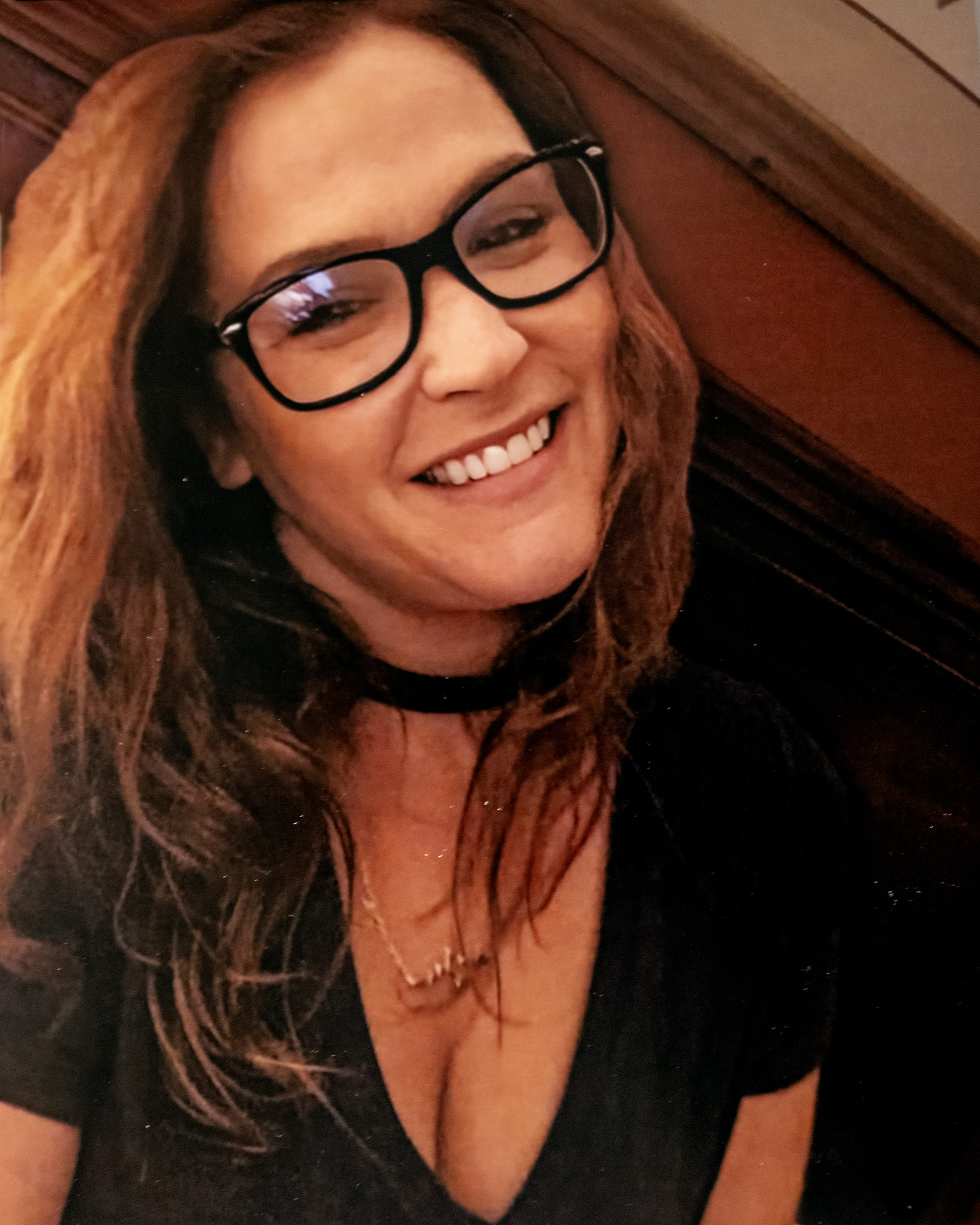
    A family photo of Danielle Lopez, who disappeared in April 2024 while camping with her boyfriend in New Jersey’s Brendan T. Byrne State Forest.Courtesy of Sue Quackenbush

    Investigators told Dateline they found “multiple items” belonging to Lopez in her car, but not her phone. Police told Dateline there were no signs of suspicious activity associated with the abandoned car.

    In an interview with The Inquirer in prison, Dunn said he and Lopez were “homeless” and living in and out of hotels before moving to the campground, which has a 14-day camping limit.

    He discussed a handful of alibis that kept him away from the campground for several days: He said he picked up a motorcycle, visited friends, hotels, and a truck stop. When he returned to the campground after April 13, 2024, he said it was in “disarray.”

    “And I was wondering where Danielle was,” he said.

    (A New Jersey Department of Corrections spokesman sat in on The Inquirer’s interview with Dunn and recorded it for “recordkeeping.” NJSP investigators later shared the recording with Quackenbush. The NJSP did not return a request for comment on why they shared the interview with Quackenbush.)

    A mother’s grief

    Quackenbush now brings pepper spray when she drives to Lost Lane from Pennsylvania, and her voice trembles a bit as she gets closer to the desolate road where her daughter was last seen alive. On a January afternoon, a large puddle stopped Quackenbush and The Inquirer from visiting the memorial she erected near the site. The water was too murky, and there was no way to tell how deep it was.

    Quackenbush suspects her daughter wanted to see Lake Oswego near Lost Lane when the car got stuck, and believes she could have walked the 16 or so miles back to the Brendan Byrne campground, if she knew the way.

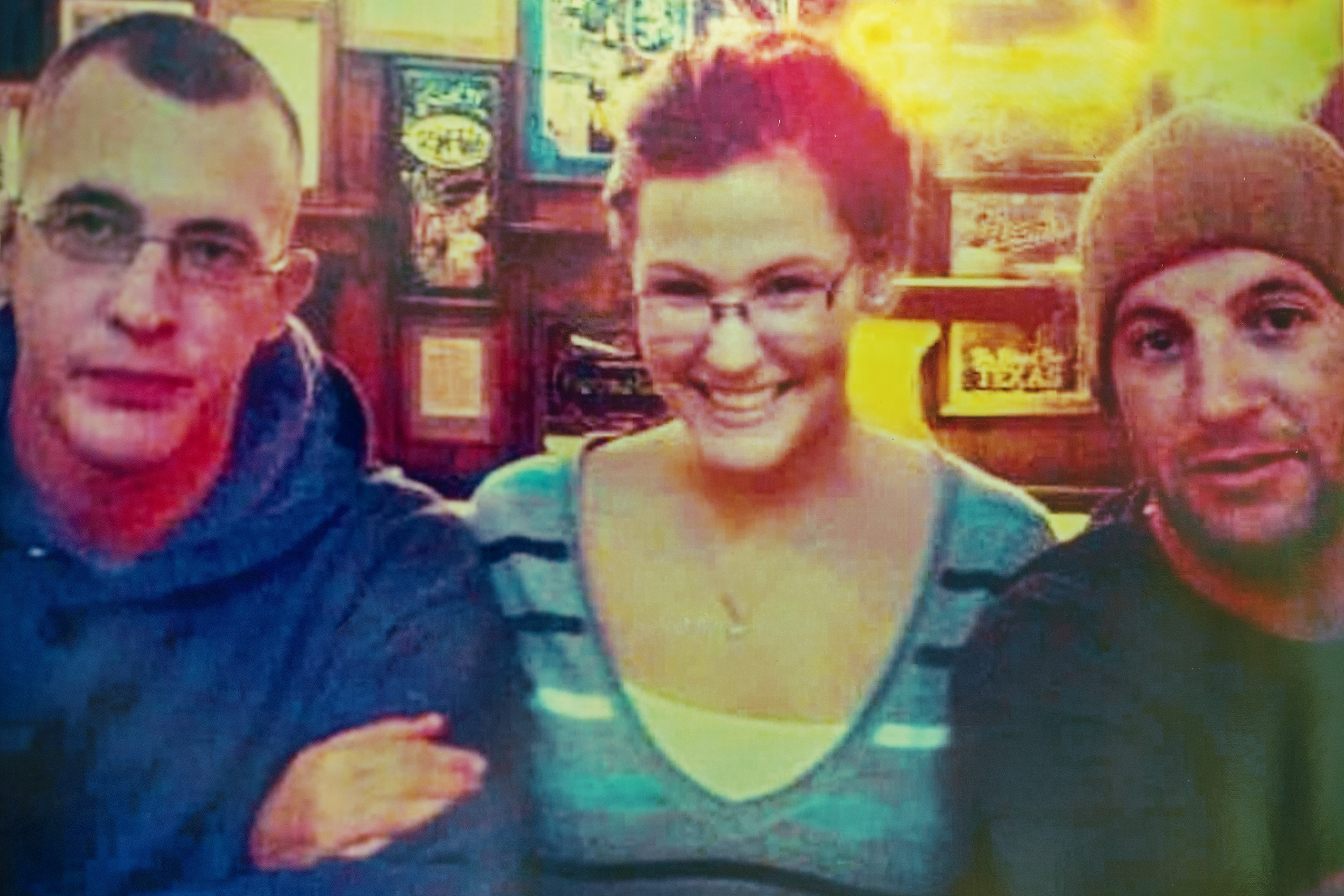
    A family photo of Danielle Lopez with her two brothers. She disappeared in April 2024 while camping with her boyfriend in New Jersey’s Brendan T. Byrne State Forest.Courtesy of Sue Quackenbush

    Quackenbush holds on to hope, the belief that her daughter is alive, because she suffered so deeply in the past.

    “More than most,” she said.

    Quackenbush lost her eldest son, Eric, to suicide in 2015. Her younger son, Michael, a Marine who served in Afghanistan, died in a Florida car crash in 2016.

    Lopez struggled with loss as well, Quackenbush said, including the deaths of her grandfather in May 2020 and her father a month later. Roscoe, Lopez’s beloved rescue dog, had to be euthanized a few months before her disappearance.

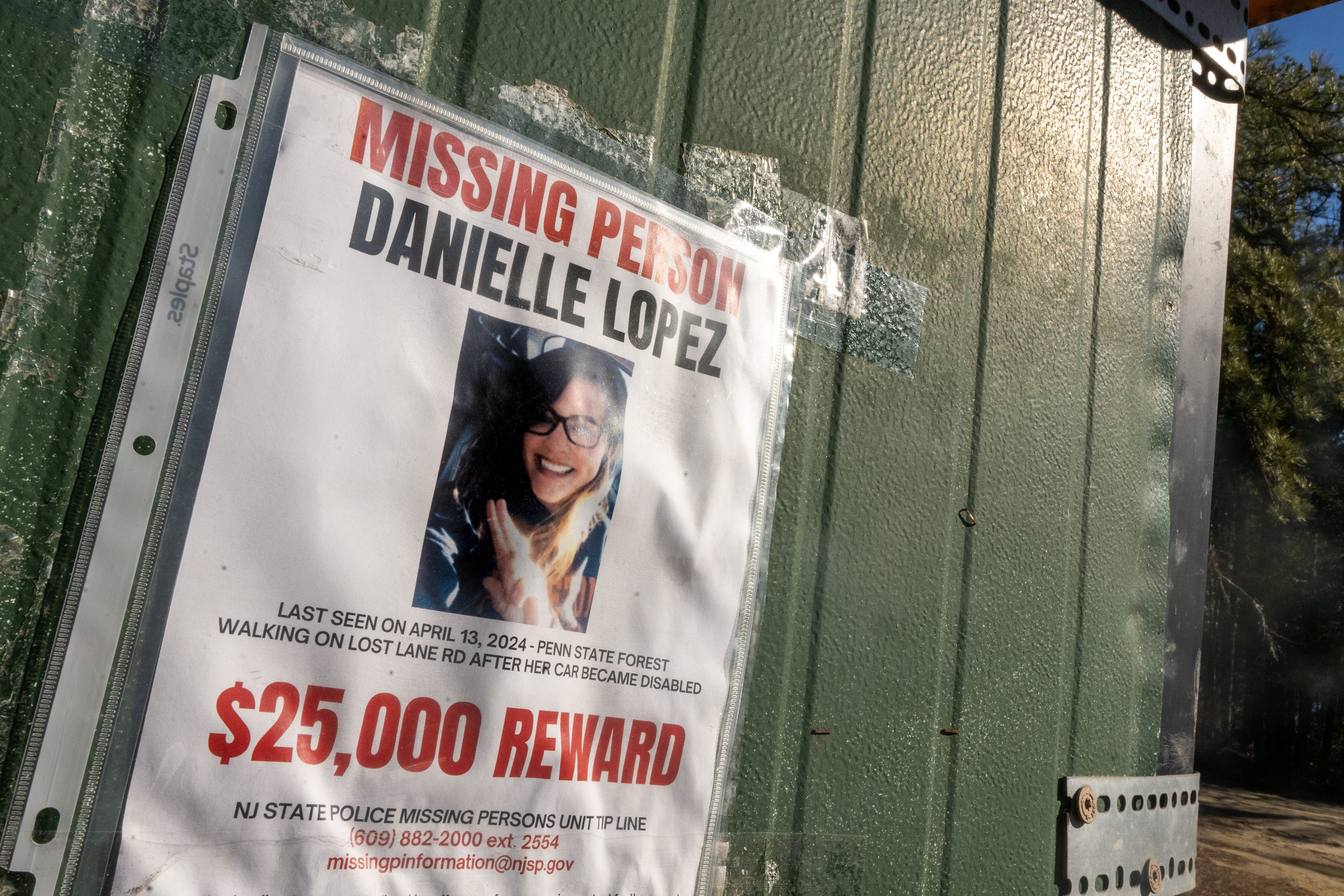
    A reward poster on a parking lot restroom on Lost Lane Road in Woodland Township. In April, 2024 Sue Quackenbush’s daughter Danielle Lopez disappeared farther up the dirt road while camping with her boyfriend in New Jersey’s Brendan T. Byrne State Forest.Tom Gralish / Staff Photographer

    Quackenbush is offering a $25,000 reward to anyone with information that could solve the case. In January, she said many tips have come in as a result. She’s also been on podcasts and is an administrator of a Facebook group dedicated to the case that has over 1,500 followers.

    “Danielle, no day shall erase you from the memory of time,” she wrote on Facebook on the second anniversary of her disappearance.

    Sue Quackenbush holds a collage of photos of her daughter Danielle Lopez.Tom Gralish / Staff Photographer

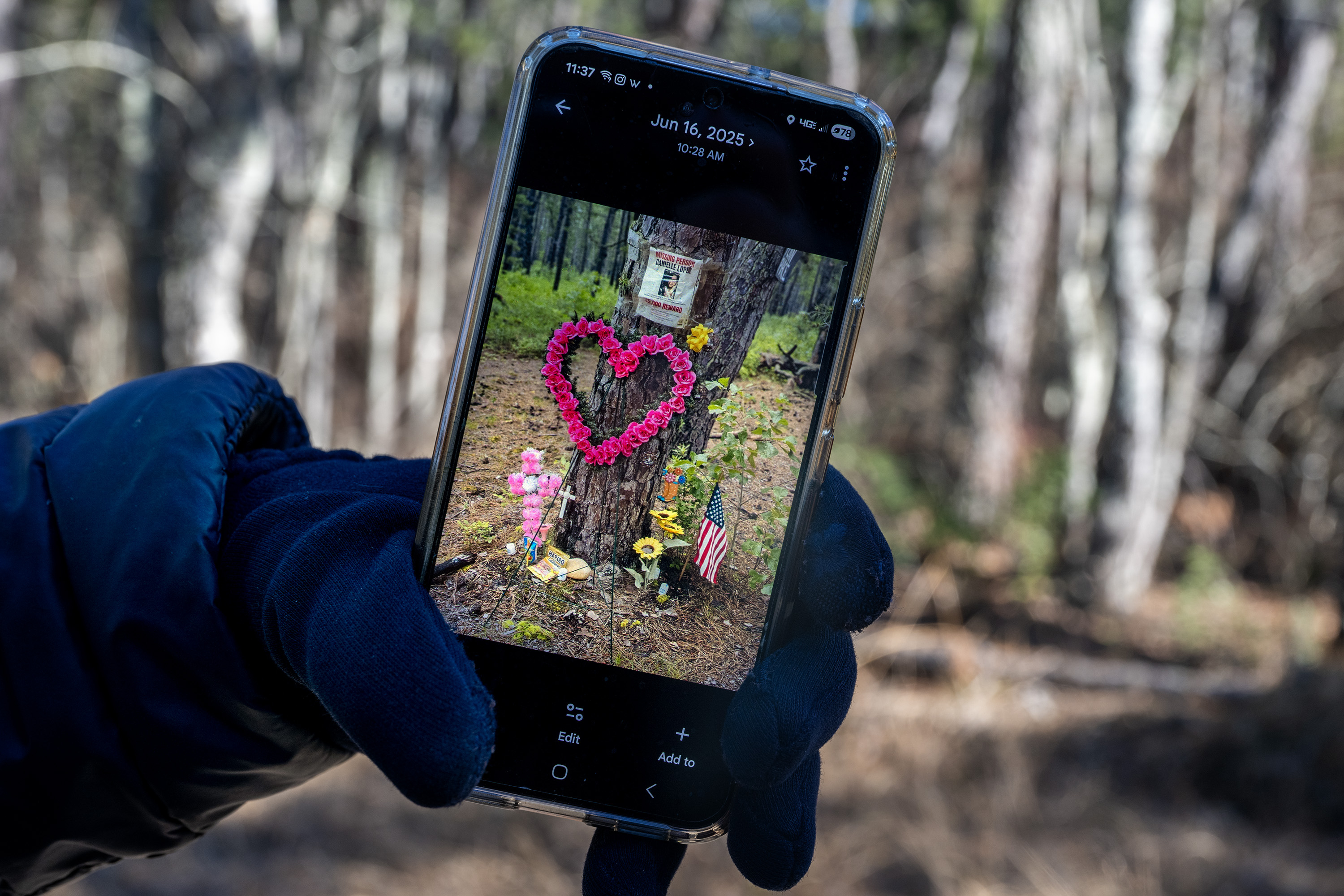
    In January, Quackenbush cried during her visit to the Pine Barrens as she clutched photos of her daughter and sons. The memorial for Lopez was still a 20-minute walk beyond the puddle, on Lost Lane.

    “It’s my goal to get the name of this road changed,” she said.

    Sue Quackenbush holds a photo she took last summer of the memorial she created for her daughter.Tom Gralish / Staff Photographer

    Anyone with information is urged to contact the New Jersey State Police Missing Persons Unit at (609) 882-2000 ext. 2554 or email missingpinformation@njsp.gov.

  • A South Philly hotel was part of a $100 million Ponzi scheme, a Justice Dept. lawsuit says

    A South Philly hotel was part of a $100 million Ponzi scheme, a Justice Dept. lawsuit says

    All publicity is good publicity, the adage goes, but the Penrose Hotel had a rough reputation before closing its doors in March 2020.

    Online reviews paint a vivid picture of the establishment to the north of FDR Park before its post-pandemic renovation and rebrands: Bedbugs, fossilized vomit, blood splatters, gang tags, and mold encompassed with the aroma of urine, cigarettes, and weed.

    “At least I wasn’t alone through this and the bedbugs keep me company,” a Yelp review from 2018 says. ”I guess you can say I am survivor but I wouldn’t recommend this to the faint of heart.”

    The hotel might have been a “tower of terror,” as another reviewer dubbed it, but it served a key role in a $100 million Ponzi scheme that lasted more than three decades, according to a lawsuit filed by the U.S. Department of Justice last week.

    The Justice Department accuses a New Jersey-based father-son duo, Pankaj Sheth and Rajan Sheth, among other family members, of using chronically understaffed and underfunded hotels in a state of gross disrepair, and a revolving door of business entities, to fraudulently obtain government-secured loans.

    The sprawling 332-page, 133-count federal complaint, filed Friday in the U.S. District Court of the Eastern District of Pennsylvania, names as defendants seven members of the Sheth family, 21 business entities, and eight of the family’s business associates.

    It asks a federal judge to order the defendants to return “all funds paid by the United States by which the defendants were unjustly enriched.”

    A spokesperson for the U.S. Attorney’s Office declined to comment.

    Rajan Sheth, the son, denied the Justice Department’s claims against him, his family, and their businesses.

    “The business we’re in is buying distressed properties and we turn them around,” Sheth said. “There is no scheme here.”

    The U.S. Attorney’s Office has been investigating the operation for more than two years, Rajan Sheth said, and the family complied with requests for documents. “Every penny” the family borrowed was paid back and they continue to operate and invest in the hotels, he said.

    The family intends to fight the allegations and file a countersuit, Rajan Sheth said.

    Repeated cycle

    The lawsuit alleges the Sheth family and its associates obtained government-backed loans they were not eligible for because of their financial history — past defaults, bankruptcies, fraud judgments, and overwhelming debt — by transferring the ownership of over a dozen hotels in the Mid-Atlantic to straw companies.

    These companies, typically limited-liability corporations, would lie to obtain a loan for a property, the suit says. The funds would go to pay old loans and enrich the Sheth family, according to the complaint, while defaulting on the new loan. The Sheths would then use delay tactics in court to prevent foreclosure until another straw company obtained a new fraudulent loan.

    “The Sheths repeated this cycle many times,” the complaint says.

    The family owned the hotel on Penrose Avenue since 1999, according to the complaint, and defaulted on the loan it obtained to purchase the property shortly thereafter.

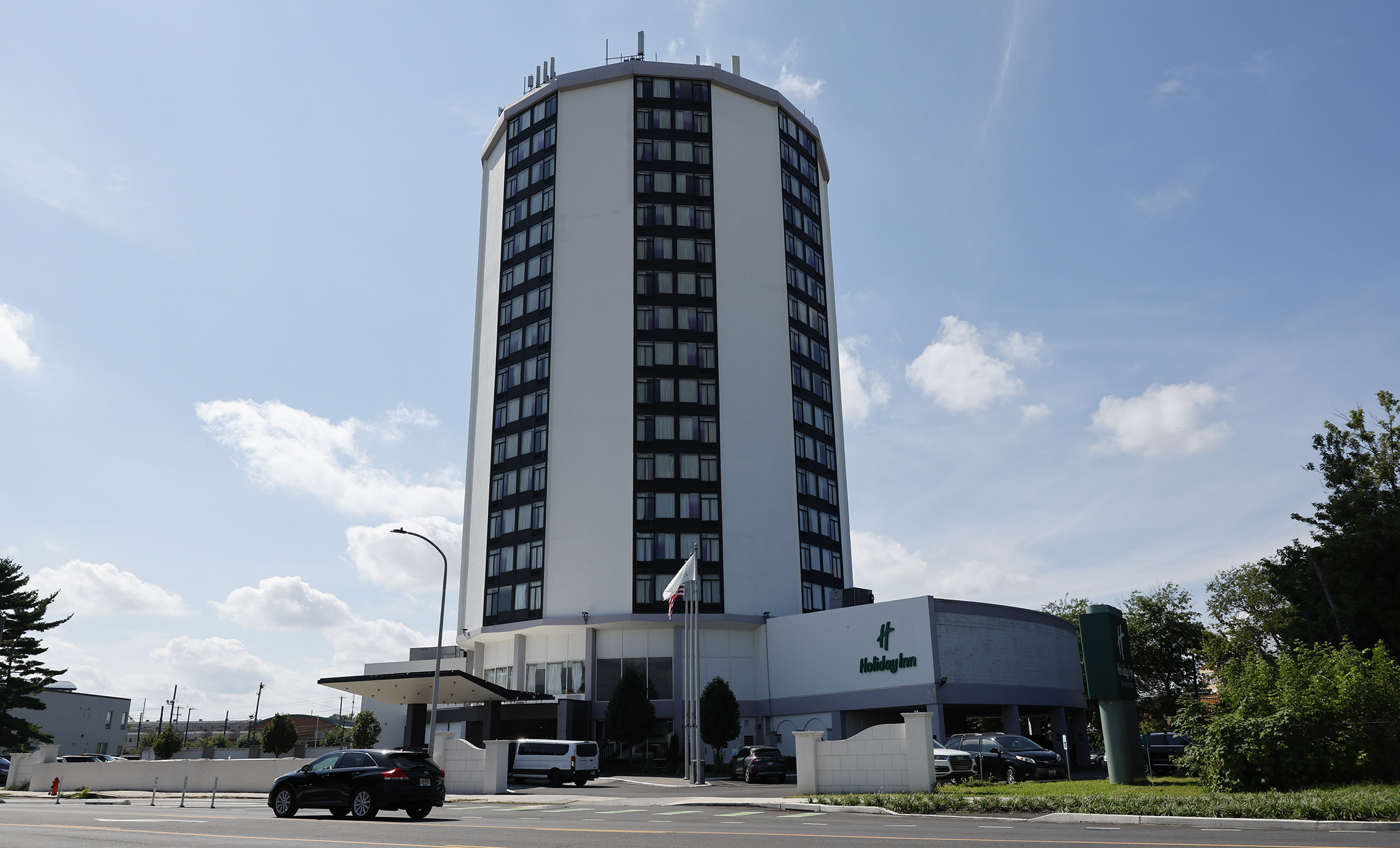
    The hotel has changed names multiple times in the years since, from Skyview Plaza to Penrose, Radisson, and most recently Holiday Inn Philadelphia Airport-Stadium Area. During that time, the Sheths transferred ownership and created new shell businesses that claimed to run the operations of the hotel. That was to prevent banks and the federal government from knowing about past defaults, according to the suit.

    For example, in 2018, the family used a company called Penn Hospitality Management LLC to take a $5 million loan from the Small Business Administration and a $3.1 million loan from a commercial lender. The Sheths pocketed $1.8 million, the suit says, which was intended to renovate the hotel before rebranding as the Radisson.

    The hotel defaulted on the 2018 loan at the end of 2020, the suit says, and the Sheths used a new straw company, 2015 Hospitality Management LLC to secure a fresh $12 million loan, which allowed them to keep control of the property.

    The family also took advantage of federal COVID-19 recovery efforts, such as the CARES Act business loans and Payment Protection Program.

    All told, the Sheths used the Penrose property as collateral to obtain loans worth more than $45 million, the suit says, and like at other hotels, nearly every new, larger loan was used to back pay the previous default. In other words, according to the government, a Ponzi scheme of $100 million across the various properties.

    The federal complaint focuses on Penrose in the period between 2016 to 2022 but Philadelphia property records show that the hotel is still owned by Vraj Brig PA LLC, one of the business entities named as a defendant.

    The Penrose hotel closed in March 2020, reopened in 2022 as the Radisson Hotel Philadelphia after $10 million renovation, and became a Holiday Inn in 2023.

    IHG, which owns the Holiday Inn brand, did not respond to a request for comment. The international hospitality company is not named as a defendant.

    Rajan Sheth said the transformation of the hotel from the notorious Penrose to a Holiday Inn is an example that the family business is legitimate.

    “Look at the place now,” he said.

  • As Philly-area construction has slowed, builders are shifting to data centers and military projects

    As Philly-area construction has slowed, builders are shifting to data centers and military projects

    This summer showed signs of a regional construction slowdown: projects downsized or canceled, contractors suing developers for nonpayment, partners suing each other as their bankers close in.

    “Confidence is shaky in the construction industry,” said Ed DeAngelis, founder and head of Bensalem-based EDA Contractors Inc., whose 450 union workers do outdoor construction — roofs, walls, sides, masonry, glass, waterproofing.

    “First, we saw the architects starting to slow down,” he said. “Then we started to see developers financing, not from banks, but private credit, names we don’t know.” A few stopped payment as they waited for financing.

    The Philadelphia region needs more towering cranes building homes and big office projects, he said. “But our margins are not high enough to afford your default. Even if you can still pay 50 cents on the dollar, it takes years for us to make up for that loss.”

    In past years, a commercial slowdown meant falling back on “eds and meds” — college, hospital, and drug-company jobs.

    But Trump administration funding cuts to medical and research universities like Penn and Princeton “hurt us,” DeAngelis said. Some projects were announced this summer after a lull but “even a six-month lag sets us back.”

    Public agencies, though slow and bureaucratic, are generally reliable payers. But the federal government’s reversal on Diversity, Equity, Inclusion requirements has created “a lot of confusion” for contractors and delayed bids, DeAngelis said.

    Add it up and “what industry right now is doing great?” DeAngelis said, noting only the “tremendous amount of money going into AI,” with Philadelphia general contractors busy in parts of Pennsylvania and South Jersey.

    The majority of the action this summer is industrial with Pennsylvania lenders and investors backing strategic metals, minerals, and manufacturing projects, of all sizes, including military contractors, said Dan Fitzpatrick, head of the Mid-Atlantic and Midwest regions for Citizens Bank, which operates the Philadelphia area’s largest branch network.

    Dan Fitzpatrick, head of Mid-Atlantic and Midwest regions for Citizens Bank, shown at Citizen’s Bank Park in 2013.Photographer: CHARLES FOX

    In residential development, “we are going through an adjustment period,” he said. Higher interest rates and higher fuel, materials, and labor prices have pushed up new home costs.

    While “there’s now a bit of a glut of luxury homes, we have a shortage of more modest, $200,000 to $500,000 homes,” Fitzpatrick said. “But it’s tough for developers to build those right now with a reasonable return.”

    Citizens has been funding more apartment construction since 2020, but there, too, “developers are hitting a pause.”

    Turning to D.C.

    Mike Lloyd, CEO and owner of IMC Construction, at his Malvern headquarters.Steven M. Falk / For The Inquirer

    One of the Philadelphia area’s largest builders, Malvern-based IMC Construction, is adding a Washington-area office because data and military contractors, anticipating next year’s record military budget, are hiring and growing there.

    “Northern Virginia has been the data-center capital,” said Mike Lloyd, IMC’s CEO and owner. So much is going up — not just data centers, but commercial development that follows big capital investments — that some of the largest, multibillion-dollar national general contractors are overstretched.

    A $100 million project used to be very attractive to big national firms, but “now it’s not large enough to put their best teams on,“ he said. ”And some of the traditional defense contractors are now busy with data center work. That has created a niche for firms like ours in the D.C. market.”

    “With respect to the Philadelphia market more broadly, I’d say the only projects that can get financed right now are data centers, multifamily, and senior living,” Lloyd said.

    He pointed to a Philadelphia-area life-sciences project he said has collected tenant commitments but still can’t attract financing. “You are seeing a crowding-out of other commercial sectors by the data-center hyperscalers.”

    Philadelphia Mayor Cherelle L. Parker’s “Lower South Philly” program of speeding permits for defense, port, and industrial contractors acknowledges that capital is flowing into industrial development and jobs, he added.

    “She’s understanding our competitive strengths and leaning into them,” Lloyd said. ”There are entire supply chains centered around defense projects, and contractors here are ramping up investment.” There’s still demand for Class A office space, but firms are still moving to smaller quarters.

    To Lloyd, “the big question is, why does Pennsylvania still lag in data centers?” He was among the builders who went to Harrisburg in 2019 to testify in favor of a data-center sales-tax exemption, which passed.

    Pennsylvania ranks with Texas as a source of natural gas for cheap power. Lloyd said that in his native Louisiana, communities are prospering from data center-funded job training and road improvements, but in much of Pennsylvania, residents have mobilized against the projects.

    “There are ways to facilitate that growth in an equitable fashion that benefits all parties,” he said.

    On the roads

    Unlike colleges or healthcare, spending for federal transportation didn’t change with the Trump administration, said James Bilella, new CEO of Philadelphia-based Urban Engineers, which designs and advises cities and states on large public projects.

    “We have not seen a drop off in federal transportation spending, especially in the rail and transit industry,” he said. “This administration is trying to be sharper, with quicker turnaround, more efficiency.”

    Bilella said the Parker administration has pledged ongoing support for heavy industry, biotech, and military industries, while continuing to back popular infrastructure safety upgrades like the “Great Streets” project, which Urban helped design.

    Bilella said he is excited by the prospects for Lower South. “It’s rare in a well-established city to have an opportunity to rededicate such a large area [two square miles] to industry and create jobs that can improve lives and attract new people.”

    He added, “We still need to decide about the infrastructure that get people to work there easily. Can people walk in safety? Can they drive, bike, use the river? It’s the kind of project we hope to get involved with.”

    Long-term investments

    “Industrial, logistics, data center, and defense-related projects” are attracting capital because lenders and investors believe they’ll be in demand a long time, said Abe Ibrahim, regional president for the Philadelphia area at Dauphin County-based Mid Penn Bank, whose largest investor is the family of Cooper University Health Care board chairman George Norcross.

    “It’s not that lenders are walking away from office or multifamily, as much as we’re seeing a return to disciplined underwriting,” Ibrahim said. “There are still plenty of opportunities for well-conceived projects to move forward.”

    This story has been updated to correct the location of IMC Construction’s headquarters.

  • Pennsylvania ended automatic life sentences for felony murder. Here’s what happens next.

    Pennsylvania ended automatic life sentences for felony murder. Here’s what happens next.

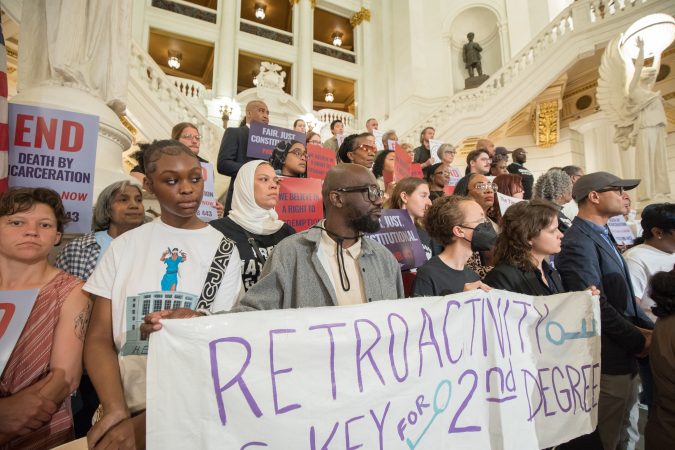
    For decades, a second-degree murder conviction in Pennsylvania meant an automatic sentence of life in prison — even for people who did not kill anyone.

    But in March, the Pennsylvania Supreme Court ruled that punishment unconstitutional in the case of Derek Lee, a Pittsburgh man who argued the mandatory nature of the sentence violated constitutional prohibitions against cruel punishment.

    The high court gave the state legislature 120 days to devise an alternative and decide whether to apply it to those already serving the sentence.

    That deadline passed without a resolution on July 24. And in early August, the high court rejected a bid by several district attorneys to give lawmakers more time.

    So what happens now? Here’s what to know.

    What was the maximum sentence for second-degree murder — and what is it now?

    Before the ruling, the punishment was life without parole. Now there is no clear answer.

    Setting criminal penalties is the legislature’s job, and lawmakers have not put in place a replacement.

    The high court’s ruling did not abolish life without parole for felony murder; it only barred making the punishment automatic. A judge may still impose such a sentence, but only after weighing a defendant’s role in the crime.

    The justices declined to say whether the ruling applies retroactively to people already serving those sentences, leaving that question to lawmakers, too.

    How will judges sentence second-degree murder now that there’s no mandatory penalty?

    With no law to guide them, judges are left to their own decisions. And without statewide guidelines, similar cases could end differently depending on the county in which a defendant is tried and on the judge who hears the case.

    Philadelphia District Attorney Larry Krasner has expressed little concern about the lack of guidelines.

    In an interview this week, Krasner, a Democrat who has forged a path as a progressive prosecutor, said “there’s nothing unusual” about asking judges to weigh the facts and use their discretion. “I’ve always believed that mandatory sentencing is problematic at best, usually a terrible idea, and that individual justice is what the system is supposed to be about,” he said.

    But at a joint GOP policy committee meeting in Hazleton last week, several Republican prosecutors and lawmakers voiced concern about the lack of uniformity across the state.

    Luzerne County District Attorney Sam Sanguedolce pointed to a case in which a defendant recently asked to plead guilty to second-degree murder.

    “I can’t properly advise the defendant what the consequence might be,” Sanguedolce said. “Second [-degree murder] sounds like it’s better than first, but is it? We don’t even know.”

    What happens to the people already serving life in prison?

    For the nearly 1,100 people serving life for second-degree murder, nothing changes automatically.

    The ruling made only one person eligible for resentencing: Lee. And even he could again receive life without parole, if a judge finds his role warrants it.

    Others who wish to have their life sentences reconsidered have to go to court and ask to be resentenced. Bret Grote, a lawyer with the Abolitionist Law Center who represented Lee, said such petitions are likely to be denied by trial courts until retroactivity is settled.

    Hundreds are expected to try anyway.

    That flood could overwhelm courts and public defenders. Statewide, handling the cases could cost more than $34 million, the Public Defender Association of Pennsylvania estimates. In Philadelphia — home to more than 500 people currently serving such sentences — Chief Defender Keisha Hudson puts her office’s share at $40,000 per defendant, or $24 million total.

    “We are going to need substantial funding,” she said last week, adding that she hopes to meet soon with city officials about how to pay for it.

    Legal experts expect the question of retroactivity to reach the state Supreme Court again, either through an appeal of a lower court’s denial or a so-called King’s Bench petition asking the justices to take up the issue directly.

    Lawmakers could also provide a quicker alternative by writing legislation that allows people serving second-degree murder sentences to seek parole, rather than requiring individual resentencing.

    Can lawmakers still pass a fix, and what might that look like?

    Lawmakers say negotiations will resume when they return in September. Each chamber has passed its own bill, but the two are far apart, with no compromise in sight.

    The bill in the Republican-controlled Senate would set a 35-year mandatory minimum for most second-degree murder convictions, while keeping life without parole as an option. Current lifers would become eligible for parole after 35 years — or 20 years, if they are at least 70.

    The measure in the Democratic-led House sets no mandatory minimum, instead directing the Pennsylvania Commission on Sentencing to write guidelines while keeping life without parole available. It would make current lifers parole-eligible after 30 years and add a medical parole option for the terminally ill.

    Sen. Lisa Baker (R., Luzerne), who wrote the Senate proposal, said she is still hopeful that her caucus and House Democrats will reach a deal. But the parties remain far apart, she said.

    “It’s difficult when you’ve got people whose priorities are no mandatory minimums for any crime,” she said. “I understand that we want to keep nonviolent first-time offenders [out of prison], give people second chances. But there needs to be accountability for these crimes.”

    Few expect action before November’s midterm elections. “We can’t, unfortunately, make Harrisburg move any more quickly than they already are,” said Hudson, of the Defender Association. “And in the meantime, there are a lot of questions.”

    What does all this mean for victims’ families?

    Victims’ families are caught in a limbo of their own, said Melany Nelson, executive director of Northwest Victim Services, a Philadelphia nonprofit that assists crime victims.

    Those whose loved ones’ killers have not been sentenced are now waiting to learn what punishment will come, and whether it will feel like justice. Those whose cases closed long ago face now the prospect of being summoned back — to a courtroom or a parole hearing — to confront the killer again and potentially watch them set free.

    Nelson urged families to contact prosecutors’ offices and victim-advocate services now, rather than be caught off guard, and to weigh in with their state lawmakers.

    “We do not want them to be blindsided by anything,” she said.

    Correction: A previous version of this article incorrectly described what could happen to people who wish to appeal their sentences. Bret Grote, a lawyer with the Abolitionist Law Center, said such petitions are likely to be denied by trial courts until the question of whether a recent Pennsylvania Supreme Court ruling applies retroactively is settled.