Tag: Weekend Reads

  • Philly’s progressive left is plotting a City Council takeover in 2027

    Philly’s progressive left is plotting a City Council takeover in 2027

    For more than a decade, members of Philadelphia’s progressive left have slowly grown their influence in City Hall by individually picking off establishment-aligned Democrats.

    But months ahead of the May municipal primary election — when ballots will list every Council seat, the city row offices, and the mayor — Philadelphia’s left-leaning organizations are no longer going after a seat here or there. This time, they are going all-out in an attempt to win a progressive majority on City Council and fundamentally change who holds the power in local government.

    Seth Anderson-Oberman — a leader in the city’s progressive circles who is expected to soon launch a campaign to represent Council’s 8th District, based in North and Northwest Philadelphia — said the groups that powered democratic socialist Chris Rabb’s win in the spring congressional primary are already organizing behind Council candidates.

    This week, the Philadelphia chapter of the Democratic Socialists of America announced endorsements of three Council candidates, planting an early flag more than six months before the election.

    Winning those seats could be part of the path toward progressives securing a majority on Council for the first time.

    “We are ready to win governing power in 2027,” said Anderson-Oberman, the former executive director of the progressive group Reclaim Philadelphia. “We’re in a better position to do this than we’ve ever been, and I think the mood of the electorate is ready for change.”
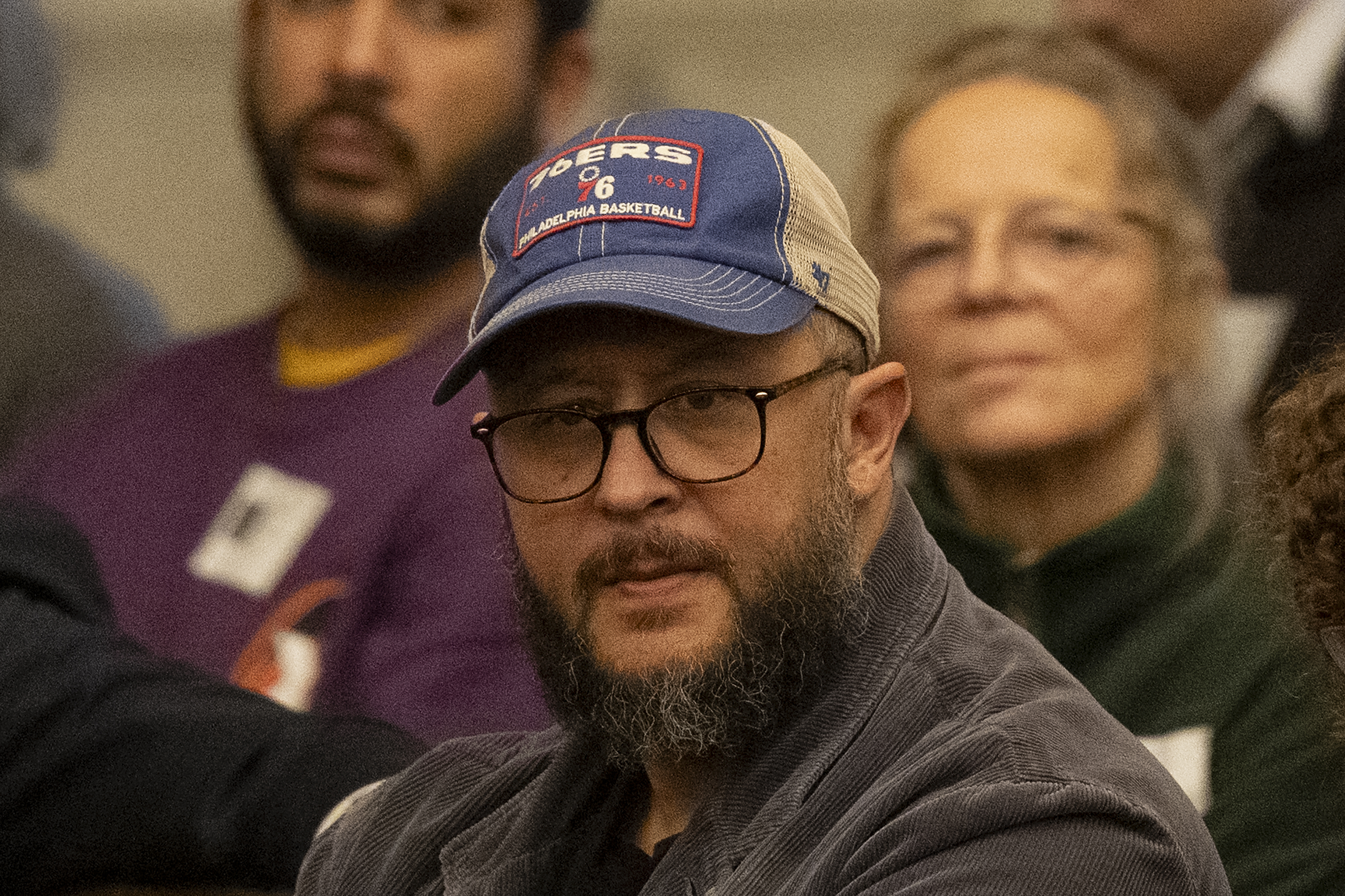
    Seth Anderson-Oberman, who is expected to soon launch a campaign for City Council, attends a Council hearing this week about medical care in the city’s prisons.Jose F. Moreno / Staff Photographer

    It’s an outcome that could reshape Philadelphia politics and put centrist Democrat Mayor Cherelle L. Parker, if she wins reelection, increasingly at odds with Council.

    It would also require a series of electoral victories to break their way. All of Council’s 17 members have said they are running for reelection next year. Currently, four sitting members — Kendra Brooks, Nicolas O’Rourke, Rue Landau, and Jamie Gauthier — reliably vote as a progressive bloc. To win a majority, progressives would have to retain those seats and take five more.

    The left-leaning slate for Council is shaping up to include at least five challengers, according to sources who lead the organizations:

    • Will Gross, a labor organizer and the owner of OX Coffee in Queen Village who is planning to run to represent the 1st Council District, which stretches along the Delaware River from South Philadelphia to Port Richmond. The seat has been held since 2012 by Mark Squilla, who has said he is running for reelection. However, The Inquirer has reported that Squilla is also a finalist for the top job at the Philadelphia Parking Authority, which could reshape the race.
    • Celeste Trusty, a criminal justice reform advocate who is said to be considering a run in Council’s 4th District, which includes parts of West and Northwest Philadelphia. That seat is currently held by Curtis Jones Jr., another longtime Council member. Jones is running for reelection; however, some Democrats have questioned whether he should, and at least four other candidates are eyeing his seat.
    • Anderson-Oberman, who ran against incumbent Councilmember Cindy Bass four years ago and narrowly lost. Bass is running for reelection, and has said that she is ready to win the potential rematch.
    • Vik Patel, a former housing and public utilities attorney at Community Legal Services who is seeking a seat representing the city at-large.
    • Shawn Moss, an affordable housing activist and organizer who is also running for one of Council’s seven at-large seats.

    Progressives are hopeful that their slate will also include a mayoral candidate, but that remains an open question.

    The Inquirer has reported that Brooks, who made history as the first member of the Working Families Party to win a seat on Council and represents the city at-large, is considering a run for mayor against Parker. Brooks has not spoken publicly about the prospect.
    Councilmember Kendra Brooks speaks during a rally outside of the School District of Philadelphia headquarters building on Thursday, May 28, 2026 in Philadelphia.Monica Herndon / Staff Photographer

    The city’s leftist faction is made up of more than a half-dozen organizations and unions with progressive leadership, each with its own endorsement processes and priorities. It also includes some Democratic wards that are led by leftists who have coordinated progressive takeovers of parts of the traditional party apparatus.

    But the Democratic City Committee is still controlled by the establishment, and ward leaders close to the party’s leadership tend to back Council’s incumbents. In addition, Philly developers are already planning a $1.5 million campaign to protect several Council incumbents from leftist challengers whom they see as unfriendly to business.

    Progressives’ strategy is to organize early. That coalescence gives candidates more time to tap into the groups’ robust canvassing and fundraising operations.

    In past elections, One PA, a racial and economic justice advocacy group that often organizes around issues related to tenants’ rights, has waited until January or later to make endorsements.
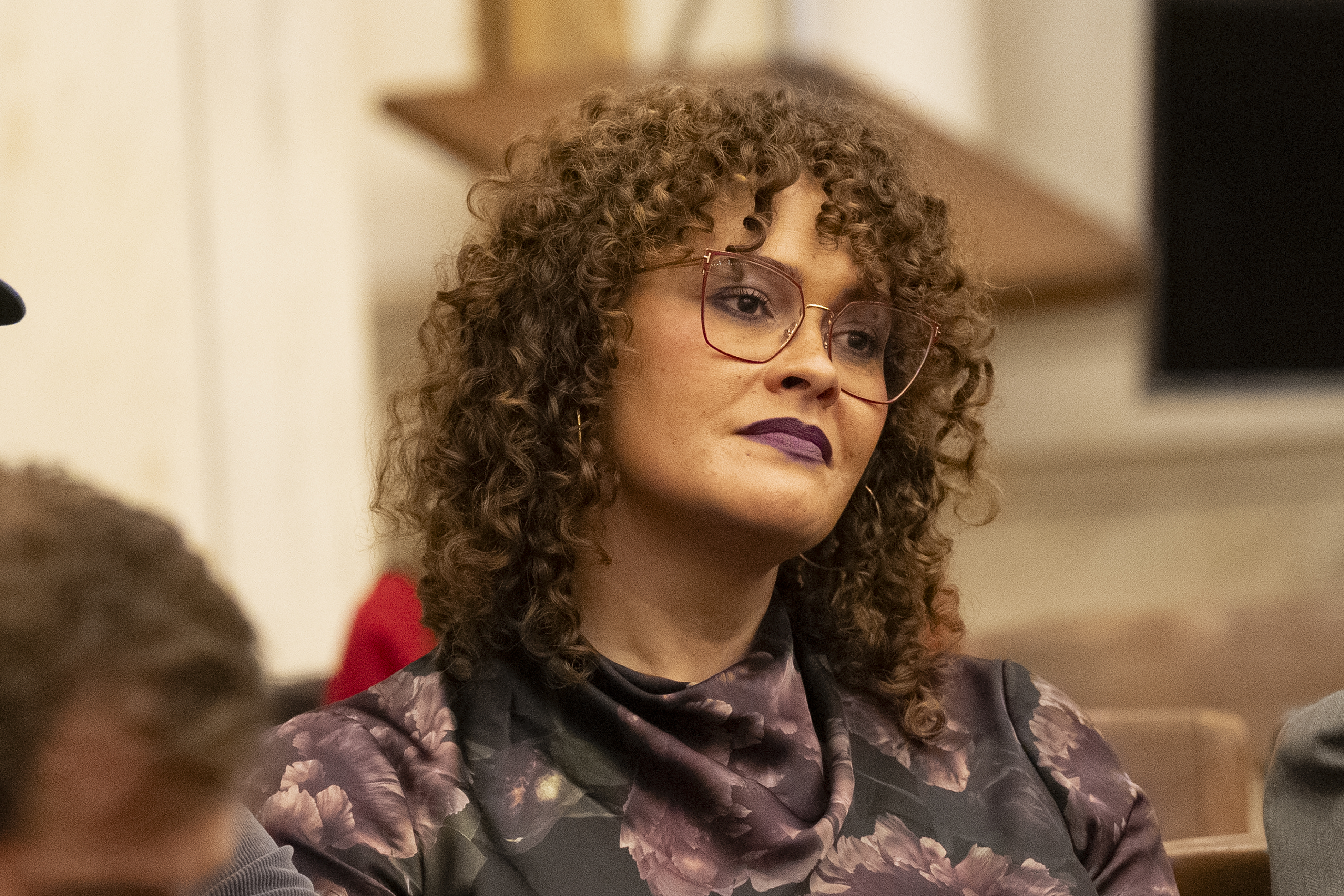
    Celeste Trusty, whom The Inquirer has reported is considering a run for City Council, attends a Council hearing this week about medical care in city jails.Jose F. Moreno / Staff Photographer

    But One PA executive director Steve Paul said the group will likely run its endorsement process earlier this cycle to begin campaigning for its left-leaning candidates sooner.

    “At the chapter meetings, members are saying, ‘We want to start to get engaged in the municipal elections,’” Paul said. “Because of that energy, we see an opportunity.”

    DSA’s local chapter announced this week that it has already endorsed Gross, Moss, and Patel. The organization will likely consider making additional endorsements later this year.

    “The best path to winning in May is starting to talk to voters as early as possible about candidates and the vision,” said Deborah Rose, the cochair of the Philadelphia chapter.

    Rose said DSA members knocked on more than 70,000 doors to support Rabb’s run for Congress, and Council candidates who have the organization’s backing can expect a similarly robust ground campaign.

    “We have almost 3,000 dues-paying members,” Rose said, “and that operation can be turned around very fast and put toward winning.”
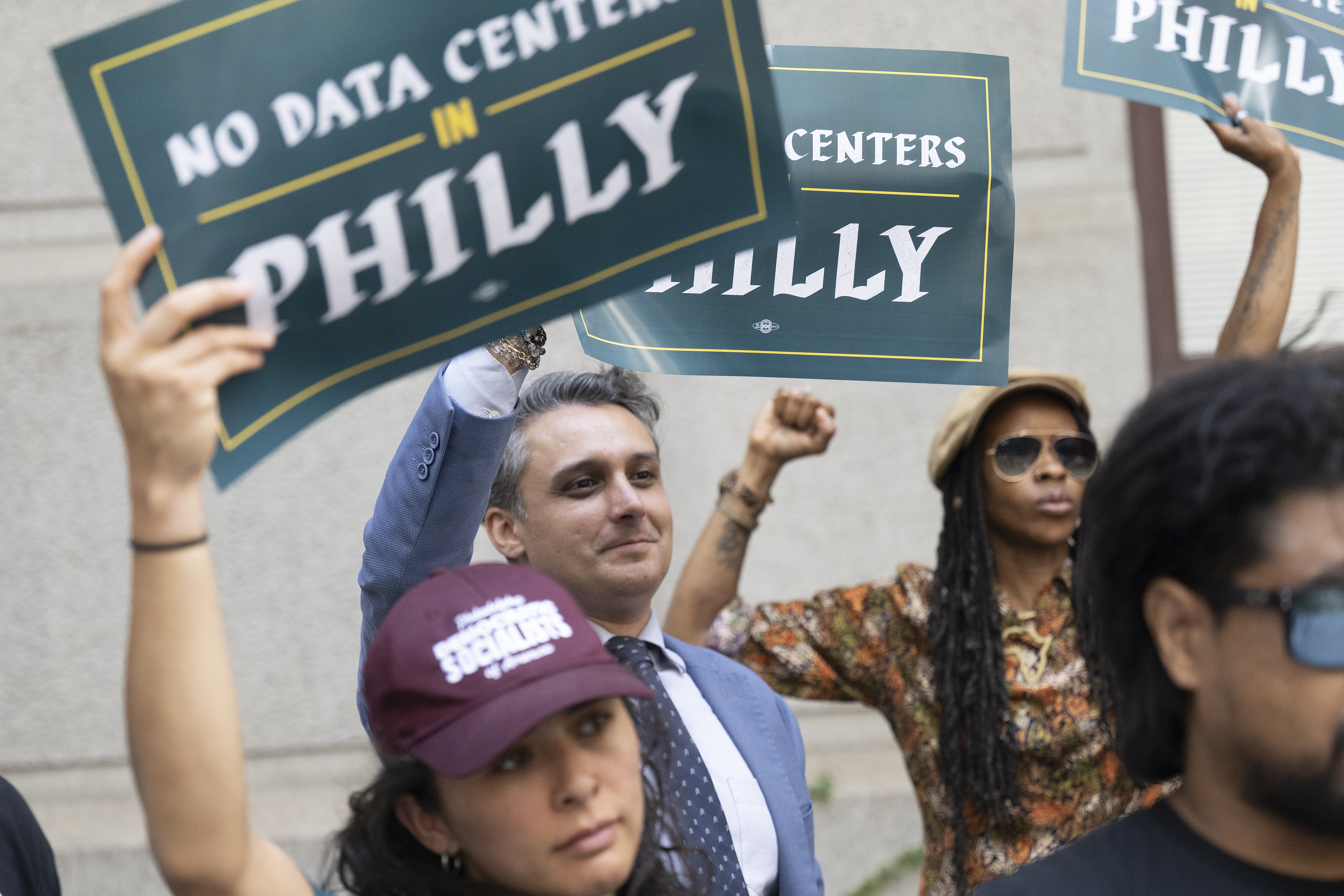
    Vik Patel is shown during a rally at Philadelphia City Hall on Monday, Sept. 14, 2026, calling on City Council to pass a citywide data center moratorium and kicking off the No Data Centers in Philly campaign.Jose F. Moreno / Staff Photographer

    The candidates plan to center their campaigns on issues like housing, affordability, and a relentless focus on the working class that have proved successful in lifting other democratic socialists into high office. Anderson-Oberman said Philadelphia’s progressives are looking at Zohran Mamdani’s successful campaign for mayor of New York City as a potential blueprint to victory.

    “Right now, we’re in an incredibly vulnerable time for people,” Patel said. “We have increasing costs, increasing utility costs — we need to do that work now. So regardless of what else is going on in the world, now is the time to focus on making sure that we have the programs, the services, the protections for working Philadelphians.”

    Moss, who works in higher education, said that the current makeup of City Council is not doing enough to uplift poor and working-class Philadelphians, and that he sees voters as hungry for change.

    “The electorate wants more than they’ve been getting,” Moss said. “I’m 30. All my life it’s been same old, same old, ‘vote for us and we promise we’ll do these things,’ but that’s never happened. That has never happened for as long as I’ve been alive.”
  • The polar vortex may have record-early impacts, including on Philly’s weather in November

    The polar vortex may have record-early impacts, including on Philly’s weather in November

    The mega-El Niño event unfolding in the equatorial tropical Pacific has been dominating the stage in the weather, but evidently it is about to get some competition from a radically different source.

    The polar vortex, the powerful west-to-east winds that lock in frigid air in the Arctic, is showing signs of weakening, and that could result in cold air and even stray snowflakes spilling into lower latitudes in the next three weeks, perhaps as far south as the Mid-Atlantic region.

    “We’re already seeing the polar vortex become distorted and stretched out,” said Laura Ciasto, meteorologist with the National Weather Service’s Extended Prediction Division. That usually doesn’t happen until deep into winter.

    Talk about seasonal creep.

    This would be “unprecedentedly early,” said Judah Cohen, research scientist with the Massachusetts Institute of Technology, a specialist in polar meteorology.

    Hold the panic: The locations and intensities of any impacts would be uncertain. However, they could be evident before Thanksgiving as high drama unfolds in the atmosphere over the Arctic that could result in a so-called stratospheric warming event.

    What is a sudden stratospheric warming event?

    The stratosphere over the Arctic region, 10 to 30 miles above the surface where the air is truly rare, is the domain of the polar vortex, whose cold-imprisoning winds can swirl at 100 mph.

    On occasion, the jouncing action of upward-moving waves can disrupt the circulation of the vortex, compromising it and at times resulting in the winds reversing — the official threshold for a sudden stratospheric warming event.

    That could happen in the next week to 10 days, Ciasto said,

    The weakening of the vortex would allow warmer air to invade the Arctic, and Arctic air to ooze southward, with impacts in the lower latitudes possible in the second or third week of November.

    The warming events on average have occurred about six times a decade in the period of record, dating to 1958 — but never this early.

    Two others occurred in November, but later in the month, Ciasto said.

    “Because there have been so few in November, there’s some uncertainty about what the surface impacts might look like.”

    Or how long they might last, or whether other disruptions will follow.

    How much for Philly?

    The warming events “lead to increased probabilities of below-normal temperatures across the Eastern United States,” said Ciasto.

    The Philly region has experienced some serious winter weather following stratospheric warming events. After an uneventful start to the winter of 2020-21, Philadelphia ended up with one of its snowier Februaries, with some places outside the city receiving up to 50 inches that winter.

    A warming event occurred two Februaries later, and the seasonal snow total was all of 0.3 inches in Philly.

    While a warming may “load the dice” for cold and snow in the East, “other factors can affect our weather,” Ciasto said.

    “We can’t forget the other big player that’s unfolding this winter,” she said. That would be the record-challenging El Niño brewing in the equatorial Pacific.

    “How these two phenomena work together or compete will definitely influence what we feel at the surface,” Ciasto said.

    El Niño, the polar vortex, and winter

    Sea surface temperatures over a vast area of the Pacific are about 4.5 degrees above normal, according to the federal Climate Prediction Center, and the warm waters are due to persist through the winter.

    Interacting with the overlying air, the waters are generating upper-air winds from the west that are going to affect U.S. weather into March.

    The consensus among forecasters is for above-normal temperatures for Philly and much of the nation this winter.

    For its part, AccuWeather Inc. is not particularly alarmed by the potential early visit from the polar vortex. “We’ve heard the chatter,” said Tom Kines, a senior AccuWeather meteorologist. This early in the season, cold air is wanting, and if anything, Philly might get a few November days with below-normal temperatures, but “nothing unusual,” he said.

    AccuWeather is sticking with its call for a mild and snow-deprived winter in Philly and other places along I-95, he said.

    Not everyone is on board with the low-snow idea, however, given the potential for El Niño-energized coastal storms. Paul Dorian, meteorologist with Arcfield Weather, said conditions are favorable for more polar vortex intrusions. He was predicting 30 to 40 inches of snow for Philly.

    Figuring out how this winter is going to play out has been especially challenging, Cohen said, “and the uncertainty in the forecast only looks larger.”

  • Even with skill games money in the governor’s race, Stacy Garrity will not hit the jackpot | Shackamaxon

    Even with skill games money in the governor’s race, Stacy Garrity will not hit the jackpot | Shackamaxon

    This week’s edition of Shackamaxon reflects on the closure of the Academy of Natural Sciences museum, City Council’s misguided efforts to restrict Philadelphia Gas Works, a last-minute cash infusion in the governor’s race, and how people argue when they know they are wrong.

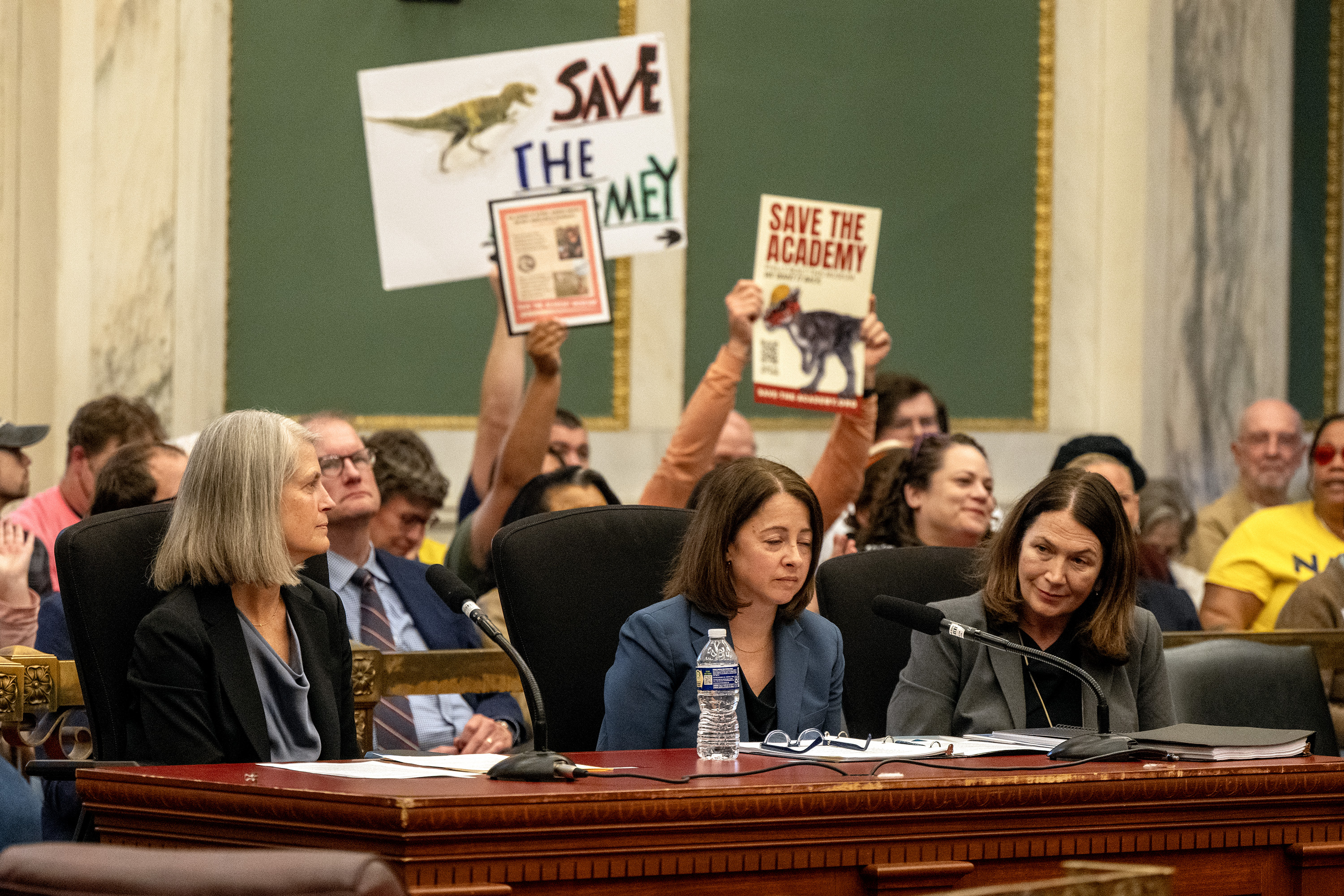
    Melissa Richman (center), executive director of operations in the Office of the President of Drexel University, testifies as City Council holds a hearing Monday on the closure of the museum at the Academy of Natural Sciences.Tom Gralish / Staff Photographer

    Confusing closure

    On Monday, City Council held its long-awaited hearing into the closure of the Academy of Natural Sciences museum on the Parkway. Throughout the discussion, one question kept popping into my brain: “Why is this building closed?”

    Nothing in the proceedings provided a satisfactory answer.

    Yes, it is true that the building needs significant work, that both Drexel and the Academy are struggling financially, and that shutting down the public-facing side would save millions of dollars. It is just as true that for the average Philadelphian, the museum is the Academy of Natural Sciences. Without the ability to see the collections ourselves — where they belong in the historic building on the Parkway — the benefits of hosting the Academy are much less clear.

    Unfortunately, city and state leaders do not seem to understand this sentiment. Deputy Mayor Trish Wellenbach, who has been appointed to advise the Academy, did not attend the hearing. The Parker administration issued a statement saying that “the critical work to preserve the Academy’s educational mission is ongoing.” Of course, to most of us, opening the building to the public is at the core of that mission.

    Even more mystifying is the failure to accept the help offered by the William Penn Foundation to keep the museum open while options are explored, or to notify the wider public of the institution’s fiscal needs before insisting on a quick closure. This left many museum fans unable to visit before the doors shut on Sept. 27.

    Many speakers cited the influence of Academy CEO Scott Cooper as a negative for the institution. Former employees said Cooper did not appreciate the museum’s charms, echoing reporting in Philadelphia Magazine and my own conversations with sources on the matter.

    Cooper apparently preferred talking about art and architecture to dinosaurs and dioramas, and moved the museum away from its core audience of children and families. In a particularly bizarre decision for an institution with millions of dollars’ worth of deferred maintenance, Cooper spent $3 million on an art gallery no one had ever asked for. It replaced the museum’s reading room, which had actually brought visitors, and their money, to the museum.

    Additionally, simply moving the collections to a new location is not a panacea. As many panelists testified, these are delicate artifacts that require specialized transportation and storage. This means moving itself would likely cost many millions of dollars.

    Council members also seemed mystified by the lack of clarity from Drexel and the Academy. The hearing represented a strong reminder of how important their oversight role can be.

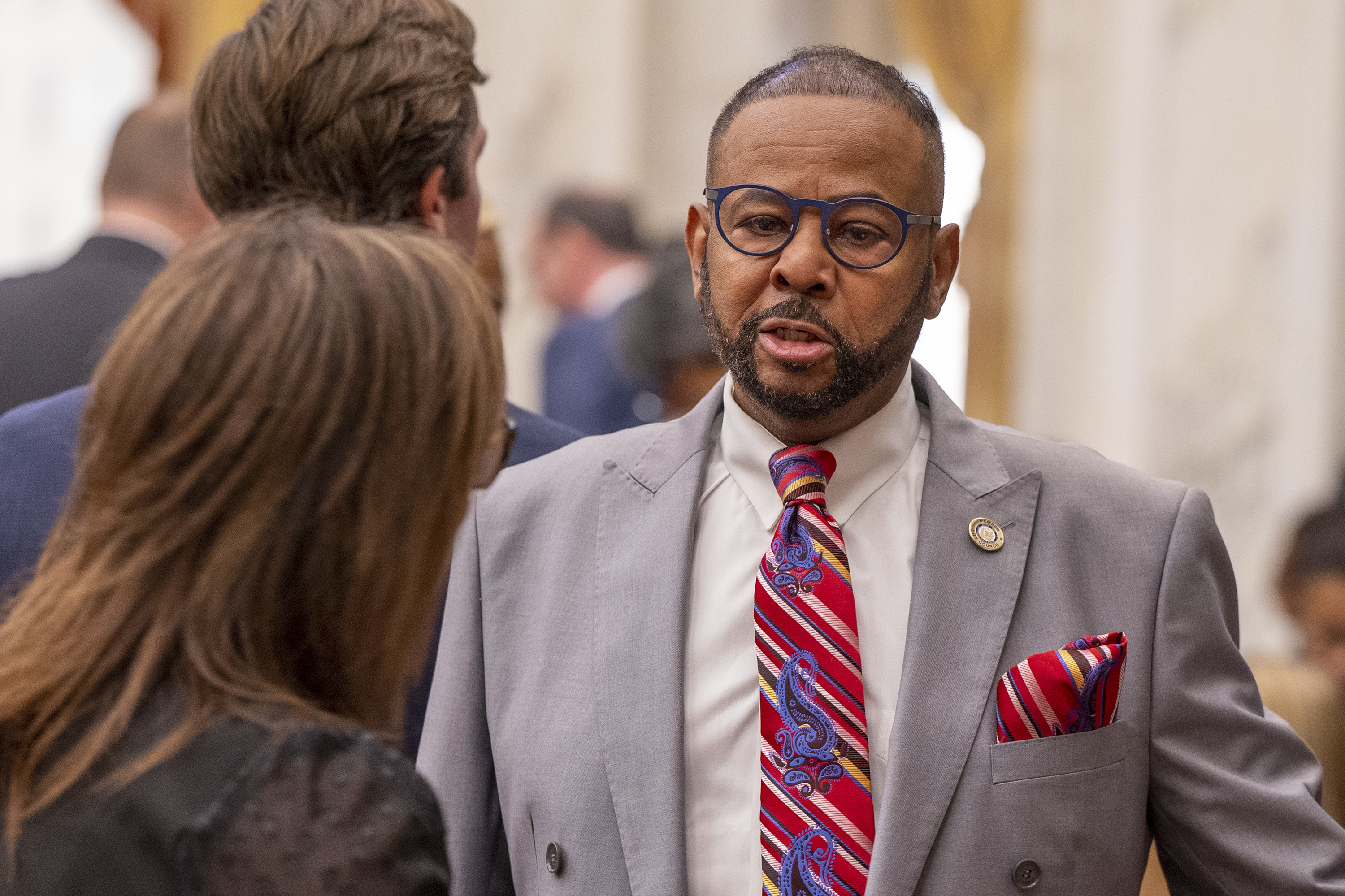
    Councilmember Curtis Jones Jr. inside City Hall in 2023.Tom Gralish / Staff Photographer

    Running on fumes

    But while Council giveth, it also taketh away. Members are working to prevent Philadelphia Gas Works, the city-owned gas utility, from shutting off heat for residents. Citing a 39% rise in shutoffs, 4th District Councilmember Curtis Jones Jr. introduced a resolution that calls for hearings into PGW’s shutoff procedures.

    Jones, who will likely face a reelection challenge next year, cast the move as a way to combat affordability concerns. But there’s a big problem with his logic: restricting shutoffs could lead to higher costs for paying customers.

    A city-owned utility, PGW does not earn a profit. It also cannot shut off anyone’s heat during the winter. There are no shareholders hoping for dividends. There’s also an existing pathway to protect access to heating. Ratepayers already contribute roughly $100 million per year to cover the heating needs of the neediest Philadelphians, which is around $150 to $200 per year per paying household. According to PGW sources, covering the cost of the shutoffs would add approximately $43 million to the total, a 40% increase in subsidy costs.

    I’m all for helping our neediest neighbors stay warm, but eligibility for this assistance should remain tied to incomes, not payment status.

    State Treasurer and Republican candidate for governor Stacy Garrity sits down for an interview with Inquirer reporters at the newspaper’s offices in September.Tom Gralish / Staff Photographer

    All in

    Throughout this year’s gubernatorial race, Republican nominee Stacy Garrity has been noticeably outspent by incumbent Gov. Josh Shapiro. However, reporting from Spotlight PA indicates that this has changed during the last weeks of the election.

    Stephen Caruso and Jaxon White write that “Republican Stacy Garrity raised more money in the past five weeks than she did during the rest of her campaign for governor, much of it tied to the skill games industry.” She’s still being outraised by Shapiro, but between Sept. 15 and Oct. 19, Garrity brought in almost $5.4 million.

    Coincidentally, Garrity’s allies in the Pennsylvania Senate rejected a proposed compromise over the devices, which are currently illegal under state law, during this same period. While Shapiro has also received money from the skill games lobby, more than 80% of Garrity’s recent fundraising has come from groups that advocate for the extractive machines.

    The additional money has enabled Garrity to run some TV ads. Although it remains to be seen whether the AI-generated takedowns of Shapiro will get her back in a race she’s been consistently losing by double digits in the polls.

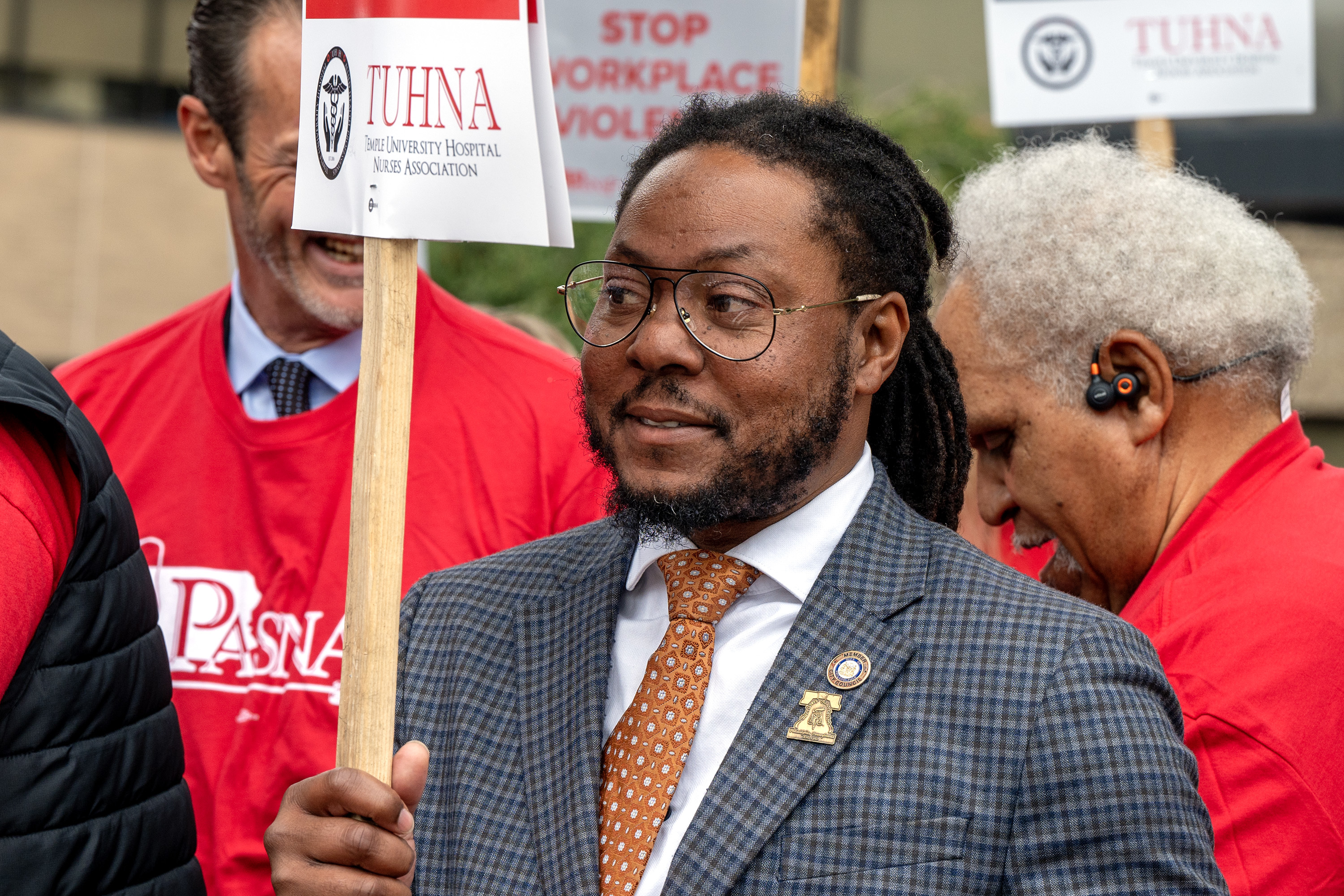
    City Councilmember Jeffery Young Jr. at a union protest outside Temple University Hospital on North Broad Street in 2025.Tom Gralish / Staff Photographer

    Much ado about tickets

    When a political official receives a tough question from yours truly, there are many ways they could choose to proceed. They can ignore the question altogether. They can tell me they have nothing to say. Or they can speak with me and defend their position (I’m always open to changing my mind).

    Councilmember Jeffery “Jay” Young Jr., however, chose a different option.

    He went on a tirade at the end of last week’s Council hearing, alleging that the media is out to get him, and that criticism of his plan to forgive parking ticket debt was somehow anti-Philadelphia.

    On social media, Young’s staff piled on. “This is how these new ‘Philadelphians’ feel about natives,” wrote Young’s legislative director. Of course, as Young well knows, this column is written by a lifelong resident. I also doubt that sentiment about parking enforcement varies significantly across demographic fault lines. Plenty of “new Philadelphia” social media influencers have made resentment of the city’s parking authority a major part of their content.

    The reason Young gets so much negative media coverage isn’t a mystery: It’s because he makes bad decisions. His colleague Anthony Phillips entered Council at roughly the same time, and I’ve yet to write a bad word about him. That’s because he makes responsible choices, chooses his words carefully, and treats all his constituents with respect.

    Young, so far, has not done these things. Instead, a remarkably wide assortment of residents, from grandmothers in Strawberry Mansion to young professionals in Logan Square and everyone in between, has reached out to say he’s nonresponsive and disrespectful.

    Whenever people’s arguments veer away from facts and evidence and into the territory of smears, misrepresentations, and insinuations, it is a reminder of how limited their ideas are.

  • Former Franklin Mills is no longer for sale. What comes next for the Northeast Philly mall?

    Former Franklin Mills is no longer for sale. What comes next for the Northeast Philly mall?

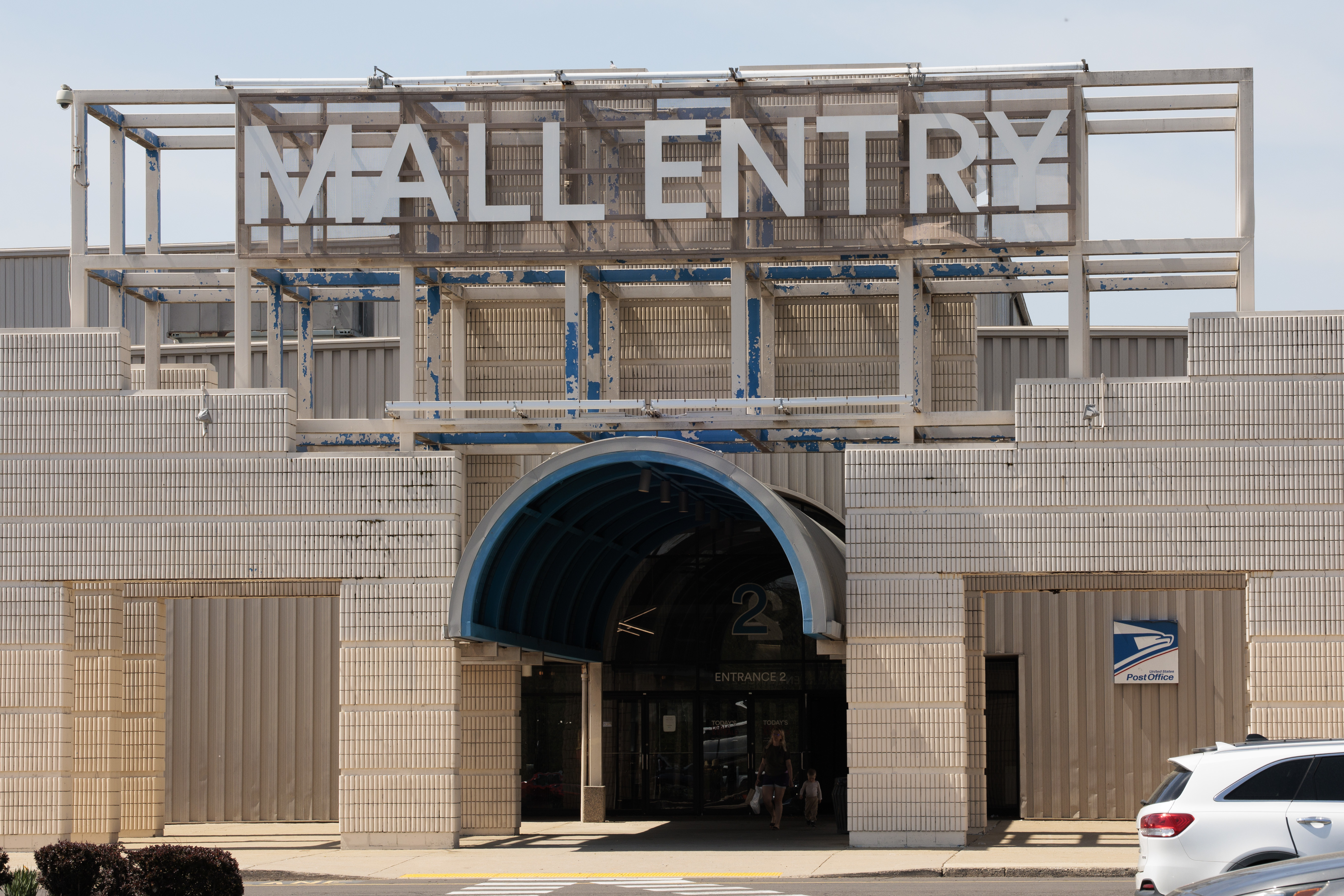
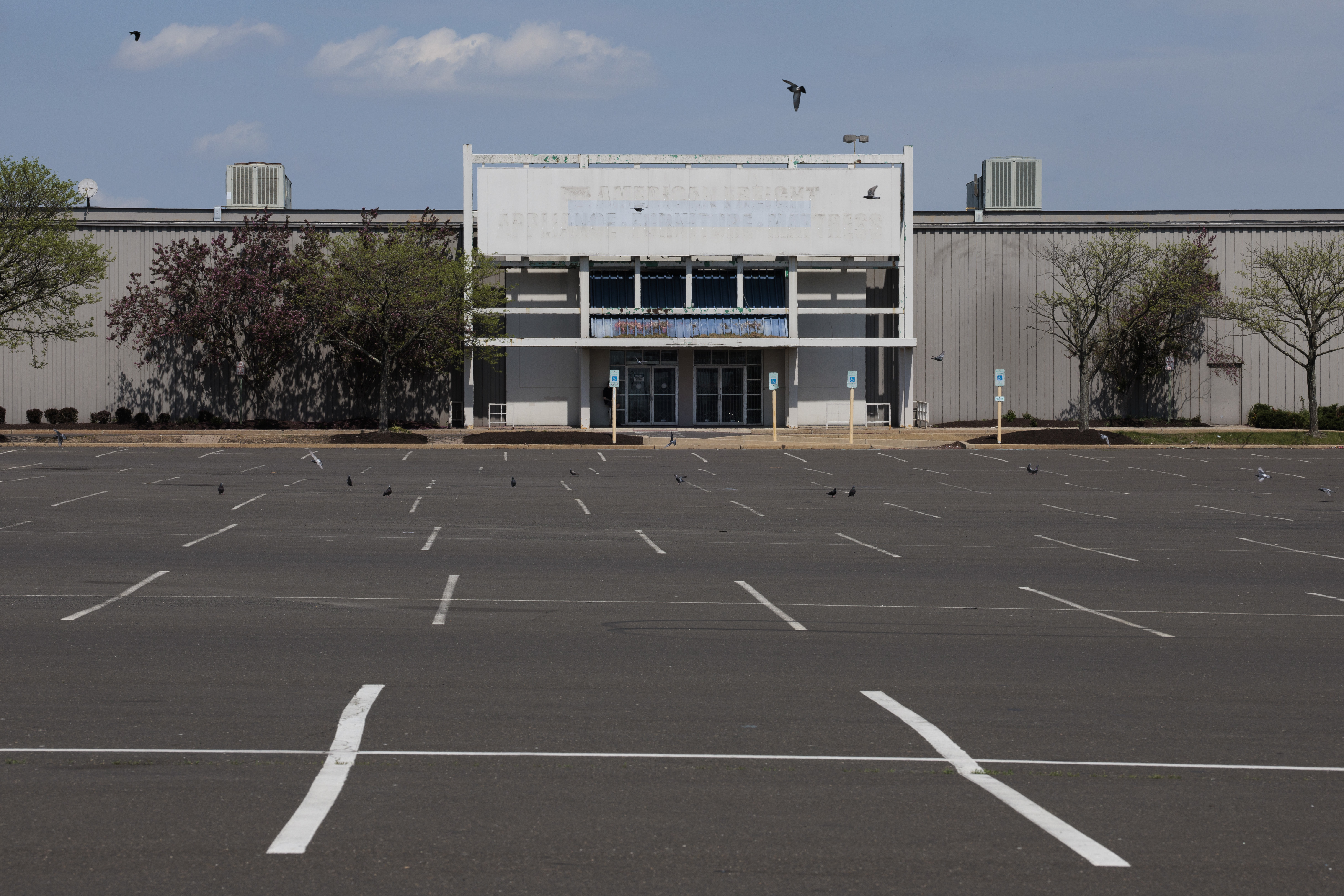
    Less than a year after Northeast Philadelphia’s sprawling Franklin Mall was put on the market, the court-appointed receiver of the distressed property said this week that it is no longer for sale.

    In April, local real estate magnate Dean Adler made headlines with his bid to purchase the property formerly known as Franklin Mills for over $60 million, with plans to redevelop it as a mixed-use site with housing, athletic fields, a hotel, and a water park.

    It became clear over the summer that Adler would not be completing the purchase, but the receiver found that the April news still dominated AI and web results for the property making it hard to attract new tenants.

    “We wanted to make sure that the tenants, as well as their customers, know … we’re investing in the mall,” said Brenton Hutchinson, CEO of OPEX CRE Management.

    The deal with Adler, “never got anywhere near a transaction, so we thought it was a disservice for that messaging to still be out there,” said Hutchinson.

    Hutchinson is serving as a receiver because the previous owner, Simon Property Group — the country’s most successful mall operator — relinquished control of the distressed mall to OPEX as its appraisal fell from $370 million in 2007 to $76 million in 2024, according to Morningstar Credit.

    At the end of last year, shortly after Franklin Mall was put on the market, it was 65% occupied Morningstar’s data show. Today, Hutchinson says occupancy is 40%.

    Still, Hutchinson says he believes that Franklin Mall can be a contender again.

    “I don’t think there’s one magic answer here,” said Hutchinson. “Even though Mr. Adler had said that he was going to be redeveloping and knocking it down, people still wanted to sign two, three, and even five-year deals here.”

    Putting the property back on the market — which OPEX has no plans to do — would be difficult too. A mall with 40% occupancy is hard to demolish, but also hard to fill.

    Franklin Mall on Wednesday, April 15, 2026, in Philadelphia.Monica Herndon / Staff Photographer

    Other real estate industry observers are skeptical. The mall has been struggling since long before the COVID-19 pandemic, so bringing it back to its former glory will be a challenge.

    “The current ownership of the mall wants to try to fill it up, but they have to face the negative perceptions out there,” said Larry Steinberg, a senior vice president at Colliers, a real estate services company. “The perception is it’s a mall that failed. How do you bring it back without a whole new strategy?”

    A residential future?

    The most obvious way to repurpose the Franklin Mills site would be to build housing across its sprawling sea of parking lots.

    The property is surrounded by residential neighborhoods.

    Adding more single-family housing would both match the character of surrounding neighborhoods and likely sell briskly considering the current demand for homes.

    The site is so huge that it could sustain thousands of properties, including apartments, says Mohamed “Mo” Rushdy, an influential residential developer in the Philadelphia area. (Rushdy says the lot could also be subdivided and sold to different developers.)

    “They might need 30 to 40 units an acre, with some areas more dense and some less,” said Rushdy. “You’re talking about a 3,000- or 4,000-unit plan, with retail. A very inclusive plan where there’s something for everyone. Apartments, single-family homes, senior housing.”

    But the obstacles to such a plan are considerable. The cost would be huge, especially in the current difficult development environment — and demolition of the mall would add to the price.

    But almost anything else is even less likely.

    A hotel would only be part of a redevelopment plan for the site, and no one is investing in new office construction in Center City, let alone Far Northeast Philadelphia.

    “Apartment development’s down, no one’s built an office building, no one’s built a lab building,” said Bill Hankowsky, former president and CEO of Liberty Property Trust, a once prominent developer of commercial and then industrial buildings.

    “The cost of steel is way up, copper’s up, and it’s because of data centers consuming so much of the supply chain,” said Hankowsky. “Then the cost of diesel is way up, and you’ve got to bring every piece of material to a construction site. Then throw interest rates on top of it.”

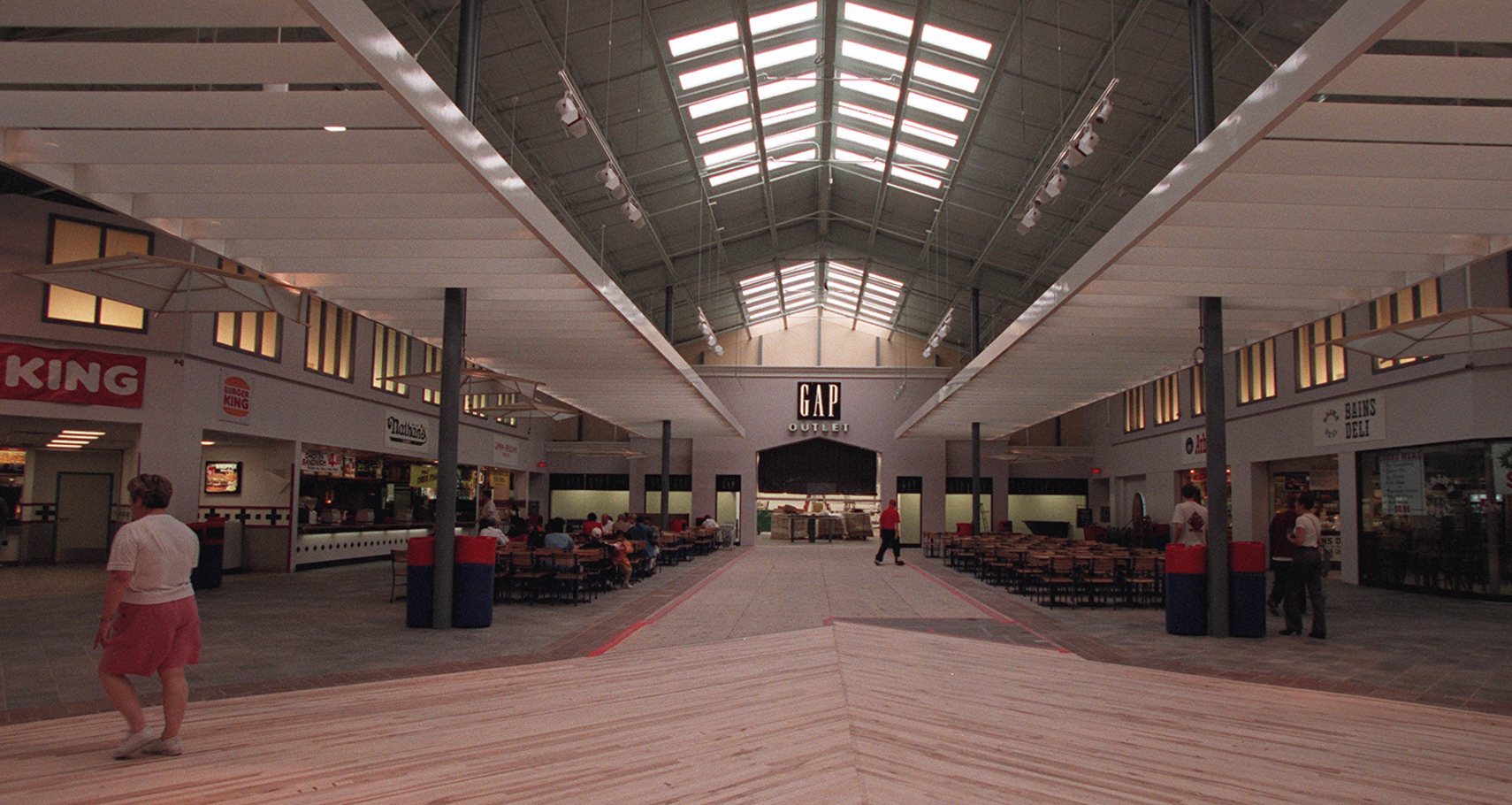
    In this 1997 photo, a new GAP outlet store is placed next to the food court at what was then called the Franklin Mills Mall.Yong Kim / Staff Photographer

    Hankowsky says that data centers themselves are still profitable to build, and the site is large enough to sustain one in a city with few other options.

    But the backlash against such a project would almost certainly be immense. Data centers have become profoundly unpopular in the Philadelphia area and nationwide.

    The zoning politics

    Any redevelopment of the Franklin Mall will require a zoning change from City Council, which would likely be challenging to achieve.

    According to two real estate sources who have discussed the property with Councilmember Brian J. O’Neill, he has made it clear he is not interested in seeing either residential or industrial development at the site. He has a long track record of opposing new residential density in his district.

    Without his support, a project would have to take the lengthy and uncertain path through the Zoning Board of Adjustment — which is particularly arduous during a period of rising construction costs and interest rates.

    “Any of these ideas that you could kick around would require some level of rezoning,” said Hankowsky. That makes Franklin Malls’ future “both an economic challenge and a zoning and development rights challenge.”

    O’Neill, who has represented the area since 1979, did not respond to a request for comment. He is up for reelection next year and faces no known challengers.

    “Without a zoning change, you have a 100-acre hole in the middle of the Northeast that might be there for years and years and years,” said Rushdy.

    This story has been updated to credit Morningstar Credit for occupancy data.

  • There isn’t a WPBL team in Philly, but the league provides a path for area girls’ baseball players

    There isn’t a WPBL team in Philly, but the league provides a path for area girls’ baseball players

    Growing up, Sabrina Robinson wanted to play Major League Baseball.

    Robinson, a northern New Jersey native who started playing baseball at age 5, followed in her older brother‘s footsteps and played on the same team as him. Her father’s philosophy was that if her brother didn’t have to eventually switch to softball to see a future in the sport, she shouldn’t, either.

    “He never did see a difference between us, and I just like baseball better,” Robinson said.

    But despite not wanting to switch to softball, there was no clear path forward for Robinson in baseball.

    That was, until this year.

    Robinson now plays for the Boston Hunters, one of the four teams in the Women’s Pro Baseball League. The WPBL’s inaugural season, which began Aug. 1, ran until Sept. 22, when the Los Angeles Queens beat the San Francisco Firebells, 2-0, to win the league’s first championship. Little League World Series legend and Philly native Mo’ne Davis was on the winning team.

    And just as the WPBL provided a path in the sport for Robinson, it also provided a previously unthinkable future for girls like the ones Robinson coaches at Philly Girls Baseball in her spare time.

    “These girls have a whole new path, and people literally can’t tell them that women can’t play baseball because there’s really a whole professional league now,” Robinson said. “Just pull up ESPN if you want to tell them they’re wrong.”

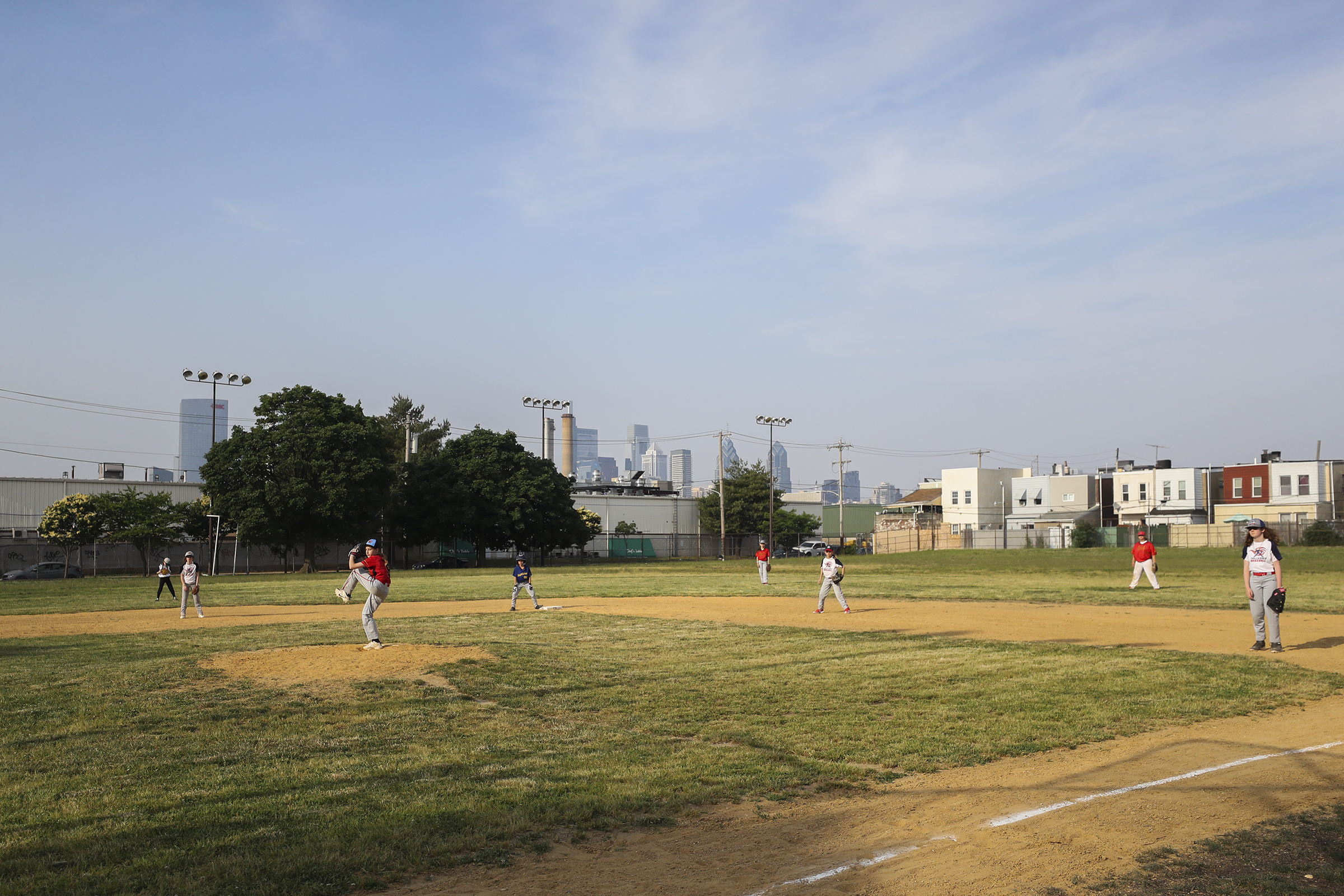
    Philly Girls Baseball is a nonprofit that began in 2019 and now draws girls from as young as 8 years old from Philadelphia and the surrounding areas to play baseball on all-girls teams.

    Erin Nunes Cooper, the founder of Philly Girls Baseball and a coach, said the WPBL has caused an uptick in interest, which she expects to have a “trickle effect” as the league grows. But the main difference, she said, is in how the girls see a future in the sport.

    Joey Eckstein, another Philly Girls Baseball coach, said that the presence of the league even changes the discussions she can have with parents.

    In the past, parents expressed concerns about wanting their daughters to focus on soccer, basketball, or other sports that could provide a direct path for their children in college and beyond. Now, Eckstein said, she can remind them that the WPBL is an option, especially as the league continues to create new opportunities as the girls grow up.

    “The league is growing, and if they’re 12U right now, who knows what it’s going to look like in like eight to 10 years when they’re graduating from college,” Eckstein said. “The opportunities are there, and they’re only growing.”

    Having someone like Robinson as a living example and coach for the girls only adds to that. In July, Philly Girls Baseball took five teams of girls to the Baseball For All national tournament in Rockford, Ill., where the WPBL is based. Cooper rotated the coaches to make sure each team had a game learning under Robinson.

    “Every single one of our girls had the opportunity to learn from a WPBL coach and have this relationship with her,” Cooper said. “So now, when they go to the games, and we have had several players make the trip out there to watch in person, they literally know players on the field, which is so awesome. They make them signs, they sign autographs, and then I think there’s another really special thing that WPBL is doing, which is that the players and the coaches are all there to welcome girls as spectators, and they’re so gracious with their time and what they’re doing to talk to the girls about baseball is just really special.”

    That’s what Robinson tries to continue while coaching these girls as well.

    Though Robinson admits it might not be the best thing to admit as a coach, when she’s working with these groups of young girls, she said she’s “not super focused on the baseball.” There’s not much she can change in a weekend, she said. She’s focused, rather, on the mindset she can help them develop.

    “Especially with girls, I see them getting in their heads a lot, and I know exactly how that feels,” Robinson said. “I could see a bunch of the girls doing stuff that I would do, and I had to talk myself out of. So it’s nice to be able to understand them fully and be able to help them.”

    But the biggest thing, Robinson said, is just giving them something to believe in, which was difficult in the past when there were no professional women’s baseball players for them to look up to.

    Robinson herself said when she was growing up, she had WNBA players or golfers to look up to as far as female athletes. Now, Robinson gets to be the role model she never had in her sport.

    “I feel like the girls actually can believe it and see it now when we tell them, you can keep going in the sport,” Robinson said.

  • Women are CEO at 8 of the Philadelphia area’s top 92 public companies

    Women are CEO at 8 of the Philadelphia area’s top 92 public companies

    Madeline Bell didn’t expect to become a CEO.

    “I was really happy as a nurse,” said Bell, who stepped down this month from her role as CEO of Children’s Hospital of Philadelphia. “If somebody had given me a letter back when I was a nurse to say you’re going to be a CEO someday, I would have said they had the wrong person.”

    Bell was CHOP’s first female CEO. Throughout her career, she was many times the only woman in the room, she said. While she tried not to focus on that, others made her aware of it at times, which “automatically makes you feel different, and feel a little less comfortable.”

    She often turned to a small group of women leaders in healthcare who shared personal and professional support. When she was preparing for an interview to become a Comcast board member, women in the group coached her on what to expect.

    Madeline Bell, the first female CEO of Children’s Hospital of Philadelphia, stepped down from her role this month. Jessica Griffin / Staff Photographer

    For women CEO hopefuls, only a few role models exist at Philadelphia’s public companies.

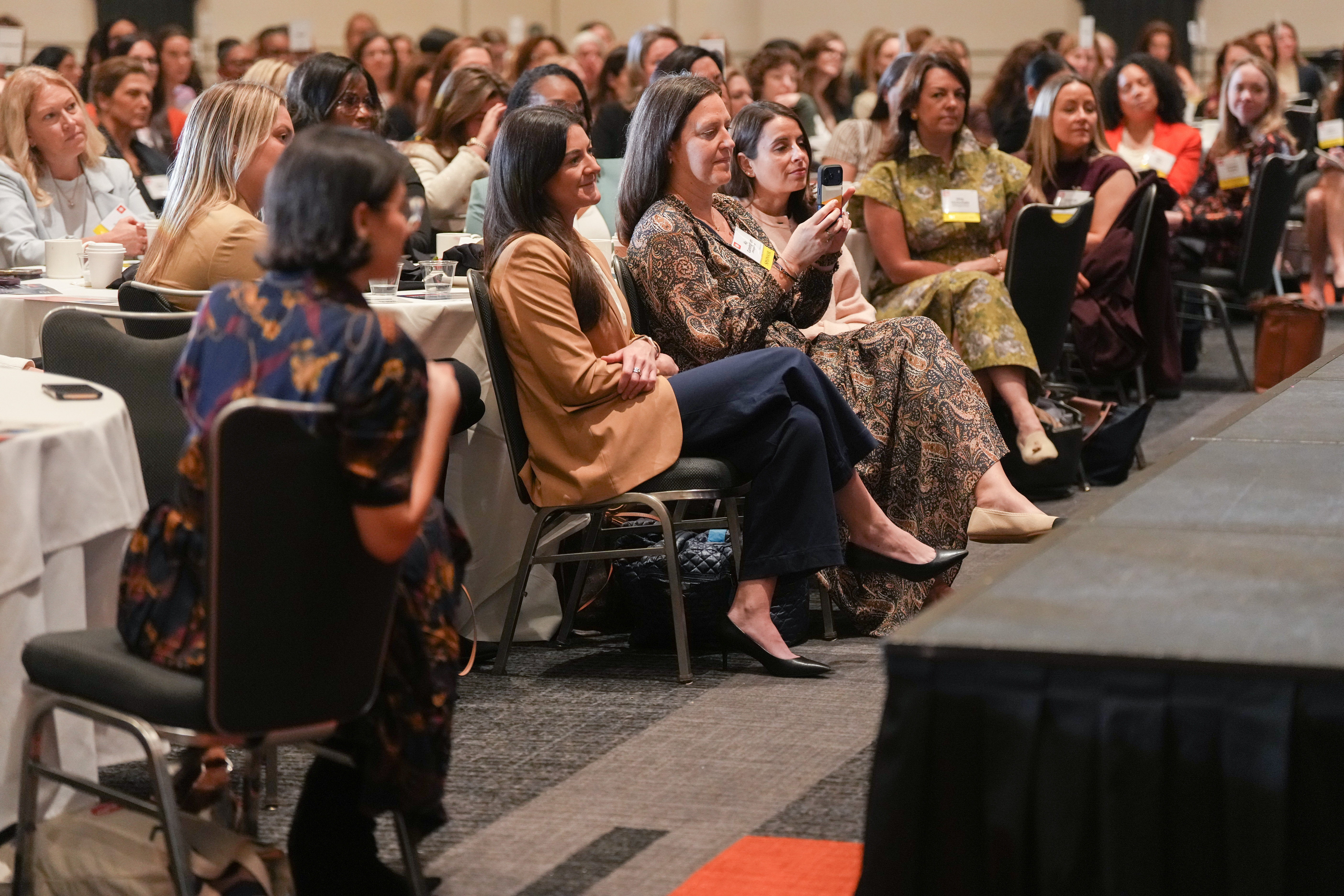
    A woman is CEO at just eight of the largest 92 public companies in Philadelphia by revenue, according to an annual report released Friday by the Forum of Executive Women. Female representation on the boards of directors at those companies has also stalled.

    “We’ve made significant gains over the past decade,” Forum CEO Meghan Pierce said. “But women remain underrepresented in the places where the most important decisions are made.”

    Who are the women CEOs in Philadelphia?

    The number of CEOs who are women has seen some movement in recent years. There were nine last year, when the report covered 100 public companies instead of 92. There were four in 2024, and just one woman CEO in 2022.

    Still, progress has been slow.

    “Progress doesn’t happen automatically, and it requires intentional leadership and a commitment to the next generation of women leaders if we’re really going to see these numbers change and not plateau year over year,” said Pierce.

    Newcomers to the list are:

    • Lindsay Androski of Arbutus Biopharma
    • Lauren Ranalli of First Resource Bank

    Women CEOs who reappeared on the list this year are:

    • Ellen Cooper of Lincoln National Corp.
    • Lori D. Koch of DuPont de Nemours Inc.
    • Denise Dignam of Chemours Co.
    • Winnie Park of Five Below
    • Suzanne Foster of AdaptHealth Corp.
    • Nicholle Taylor of Artesian Resources Corp.

    Women held 28% of board seats at the top 92 companies in the most recent report, down from 30% the prior year.

    At these companies, 22% of all executives were women, unchanged for the past two years.

    Each year’s report is based on data from the prior year.

    “It takes a long time for those limited C-suite positions to turn over, so if you’re not planning intentionally to create more diversity in your succession planning, these numbers are not going to change,” said Pierce.

    Meghan Pierce, CEO of The Forum of Executive Women, in Philadelphia on Friday during an event marking the launch of the forum’s annual report. Jessica Griffin / Staff Photographer

    Corinne Low, an economist and professor at the Wharton School is studying what helps women advance in the workplace.

    “I want the firms [in this year’s report] to take a hard look in the mirror and say, not ‘Where did women fail,’ but ‘Where did we fail, and how can we support them better?’” said Low.

    This month, Wharton announced that Low will lead the school’s new Workforce Futures Lab, which is being launched with a $2.5 million grant. Those funds are part of a total $60 million the nonprofit Aspen Institute is disbursing, with funding from a group of organizations founded by Melinda French Gates. Low’s initiative is one of 18 chosen among 900 proposals for funding that are intended to help women succeed in the workplace.

    Low aims to partner with companies to experiment with benefits like on-site childcare, meal service vouchers, or household management help to be used during work travel.

    Companies shouldn’t just say, “Well, that’s their personal lives, and we can’t do anything to support that,” said Low. “I actually think that firms can get creative with that.”

    Companies can support women by showing them that they can advance in their careers while maintaining some boundaries at work, said Low. That can look like sharing work among colleagues to allow someone to take time off when needed, or protecting some weekends from work. It also helps if bosses model taking vacation or male higher-ups use parental leave, she said.

    Corinne Low will lead the Wharton School’s new Workforce Futures Lab. Melissa Lyttle / For The Inquirer

    For high-level corporate women who are on the verge of becoming CEOs, Low recommends they look at how male CEOs spend their time.

    “You need to think about what’s on your plate compared to them,” and eliminate some of that, said Low. That could mean outsourcing housework, for example.

    “If you want to climb that corporate ladder, if you want to be a CEO, your time is too expensive for that,” she said. “We need to be willing to invest in ourselves, not just by taking out the loan to go to an MBA, but actually by hiring help and support.”

    Choosing a partner is an important career choice too, said Low, adding that a CEO level career is “a joint venture.”

    “You don’t meet people who are CEOs married to other CEOs,” said Low. “If there is somebody in the family who has a CEO-level career, it is typically not that the other person is having that career at the same time, because those careers are greedy.”

  • What to know about the forthcoming One Philly Mortgage program: How it works, criticism, and more

    What to know about the forthcoming One Philly Mortgage program: How it works, criticism, and more

    Mayor Cherelle L. Parker hopes to debut a new city program by the end of the year that is designed to offer affordable mortgages for city residents.

    Parker discussed the program, known as “One Philly Mortgage,” at an Axios Live event this week, saying it would be the first of its kind for a major U.S. city. Once launched, it would provide 30-year fixed-rate mortgages for local first-time home buyers with credit scores of 620 or more with no private mortgage insurance.

    “We want the lending industry, banking industry, to say, ‘Hey, we’ll take this risk,’” Parker said at the Tuesday event. “But the city of Philadelphia proper shoulders it.”

    Parker added that the city has been working with Citizens Bank to serve as its first lending partner, and is in discussions with other financial institutions. The effort is part of Parker’s Housing Opportunities Made Easy initiative, which she proposed in February 2025.

    Here is what you need to know:

    What is the One Philly Mortgage program?

    The One Philly Mortgage program aims to help “low- and moderate-income Philadelphians” buy their first homes, according to the Philadelphia Housing Development Corporation website. Some of the interest for the required loans will be paid for using public funds, and no mortgage insurance is slated to be paid as part of mortgages secured under the program.

    Down payments of “no more than 3%” will be required, according to a city flier detailing the program. It would be open to households that make up to 120% of the area median income, which would be about $100,000 for single-person households, or $143,000 for four-person households, The Inquirer previously reported.

    “There is an affordability and housing crisis across the nation. Philadelphia is not unique,” Parker said Tuesday. “Imagine getting a mortgage, a 30-year commitment, with no [private mortgage insurance], and we have in essence brought down the interest rates.”

    The program is similar to one launched in Massachusetts known as the ONE Mortgage Program. That effort also offers 30-year fixed-rate loans with 3% down payments and waived mortgage insurance for first-time homebuyers with lower credit scores. It has assisted about 22,000 households, according to the Massachusetts state government website.

    Parker’s H.O.M.E. initiative

    The effort is being touted as part of Parker’s H.O.M.E. efforts, for which City Council previously approved $278 million in its first phase. So far, Parker’s administration has spent only $38 million of that allotted budget, according to a recent Inquirer report, and plans to spend the remaining $240 million by the end of the fiscal year in June.

    One of the initiative’s goals is to preserve 30,000 housing units, and it is largely funded with $800 million in city bonds approved by Council in June 2025. However, it has faced some delays caused by negotiations with lawmakers over how those bond proceeds would be spent, The Inquirer previously reported.

    In total, 29 housing programs are included under the H.O.M.E. umbrella, but as of Sept. 30, only four have reportedly received funding. Many efforts tied to the initiative have yet to launch.

    Program receives some criticism

    Despite not yet being launched, the One Philly Mortgage program has faced some criticism in the media following Parker’s discussion of it this week. Fox Business’ The Big Money Show, for example, discussed the effort Wednesday, with one host calling it “insanity.”

    “It’s offering an on-ramp to ownership for people that can’t qualify for a mortgage,” said co-host Lou Basenese, adding that it would give “more people an opportunity to lose their home because the lenders get bailed out, the homeowner doesn’t.”

    Others on the show Wednesday compared the effort to the 2008 subprime mortgage crisis, which resulted in a serious economic recession. That year, the U.S. housing market collapsed due in large part to subprime mortgage lending. Subprime borrowers, who are usually defined as having credit scores below 620, are seen as high credit risks by lenders.

    Drexel University economist Kevin Gillen likewise cautioned in an interview with Axios that the program could face difficulties, saying that increasing homeownership levels was not desirable if the practice “just increases the foreclosure rate in the long term.”

  • LeBron James has handshakes with Sixers stars, role players and arena staff. He wants to make ‘everyone feel important’

    LeBron James has handshakes with Sixers stars, role players and arena staff. He wants to make ‘everyone feel important’

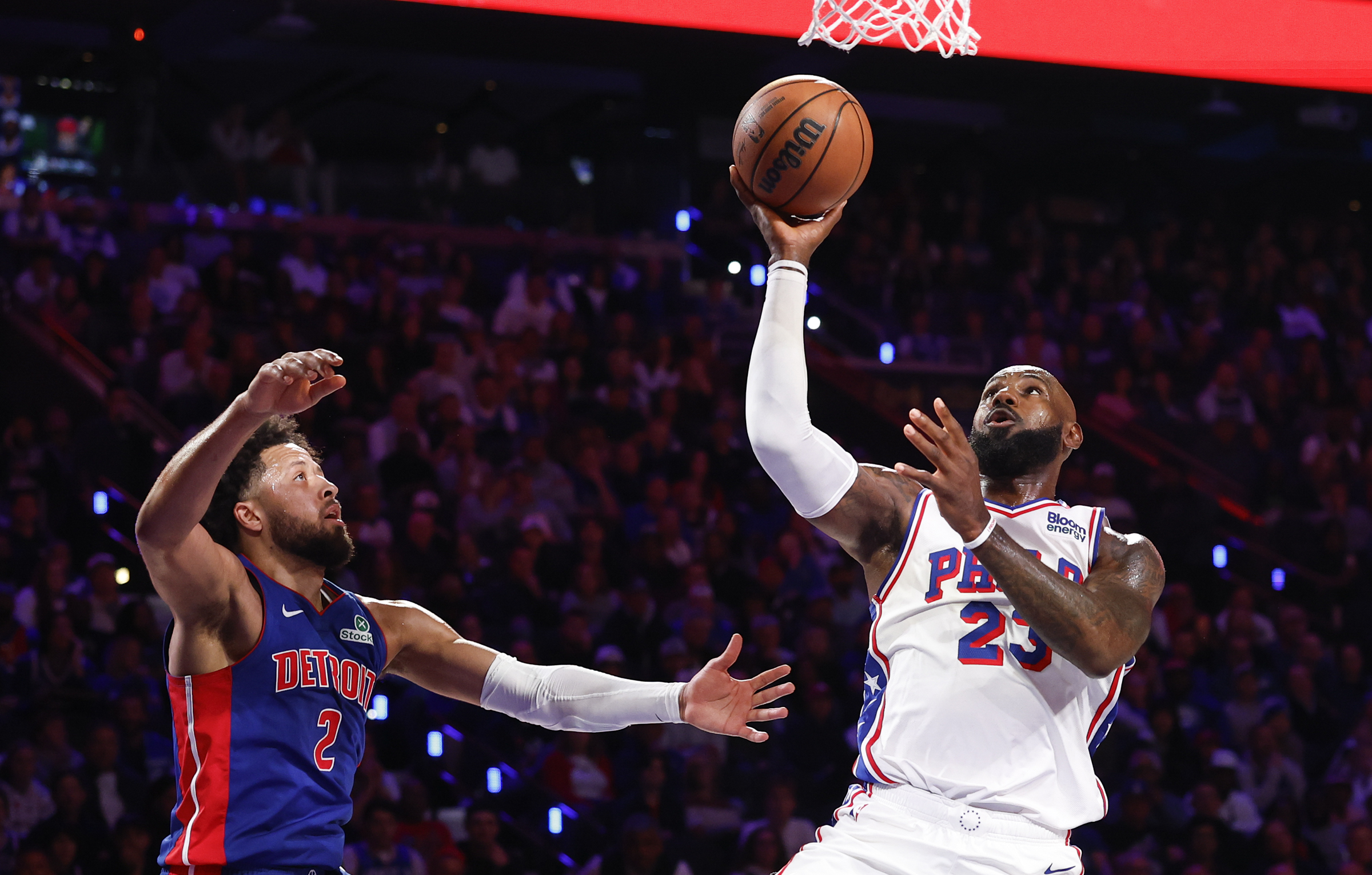
    Not long ago, Dru Joyce was watching the Sixers at home in Pittsburgh when he saw something that brought him back to his childhood. The game was about to start, and players were jogging onto the court, high-fiving their Philadelphia teammates.

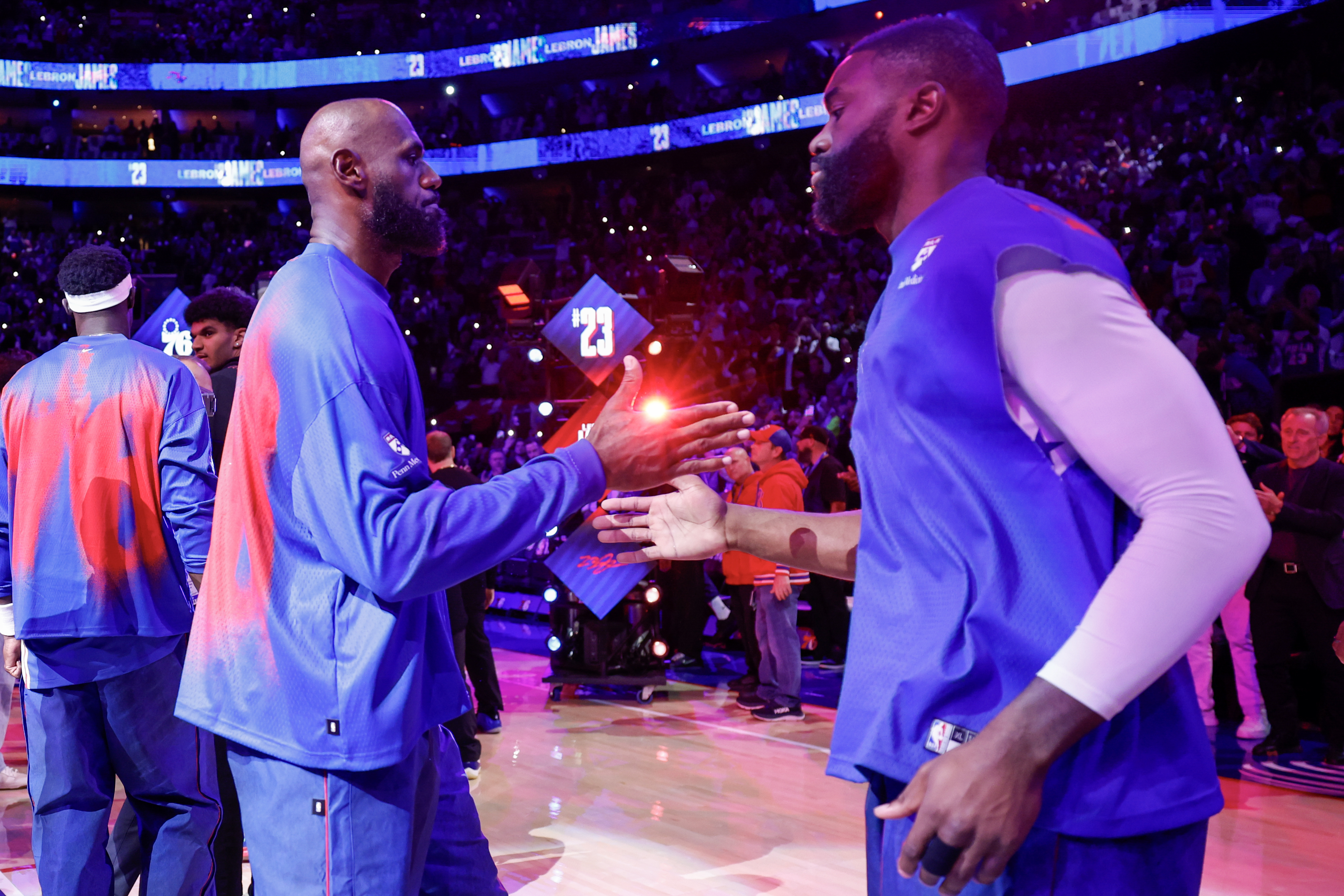
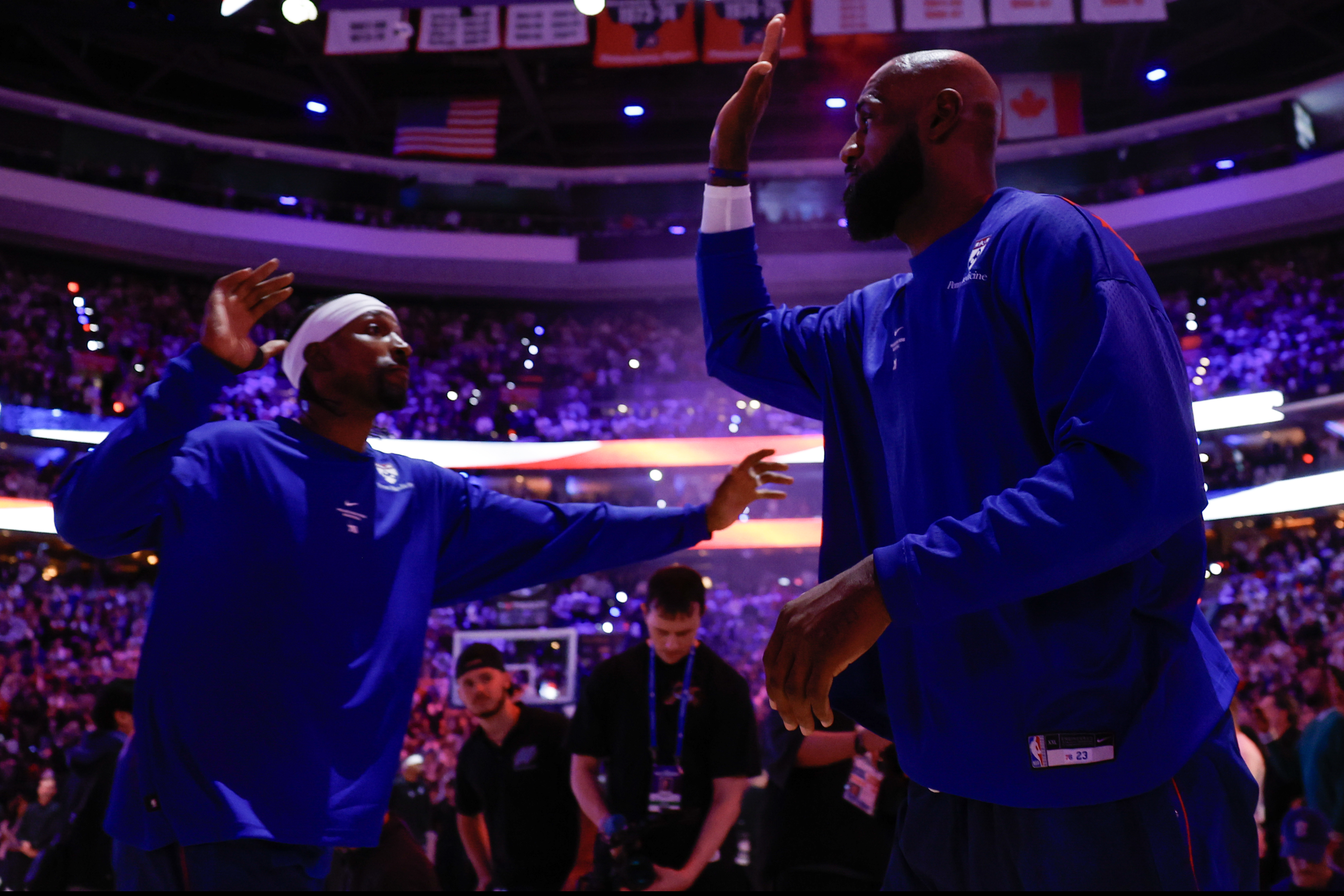
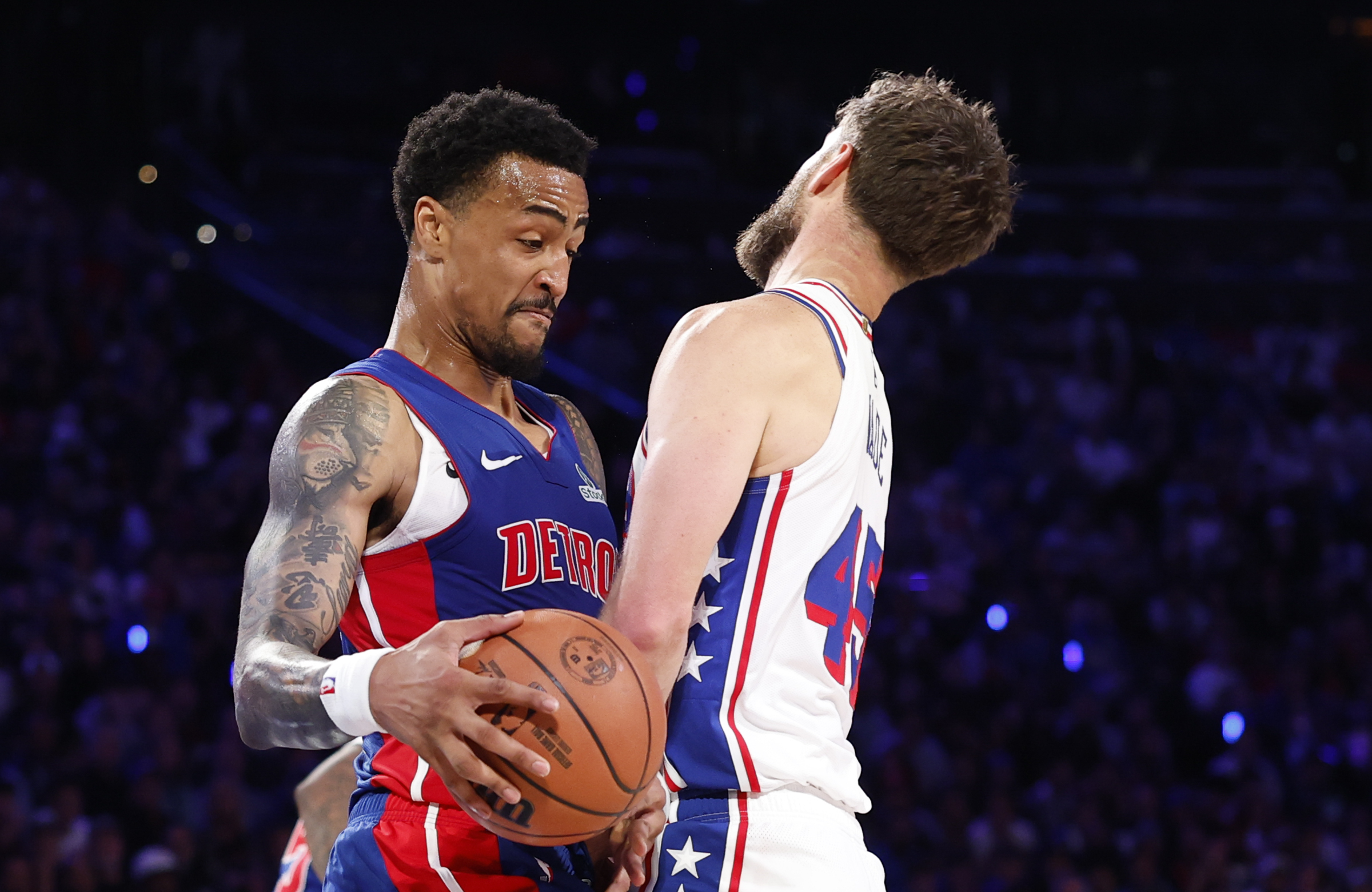
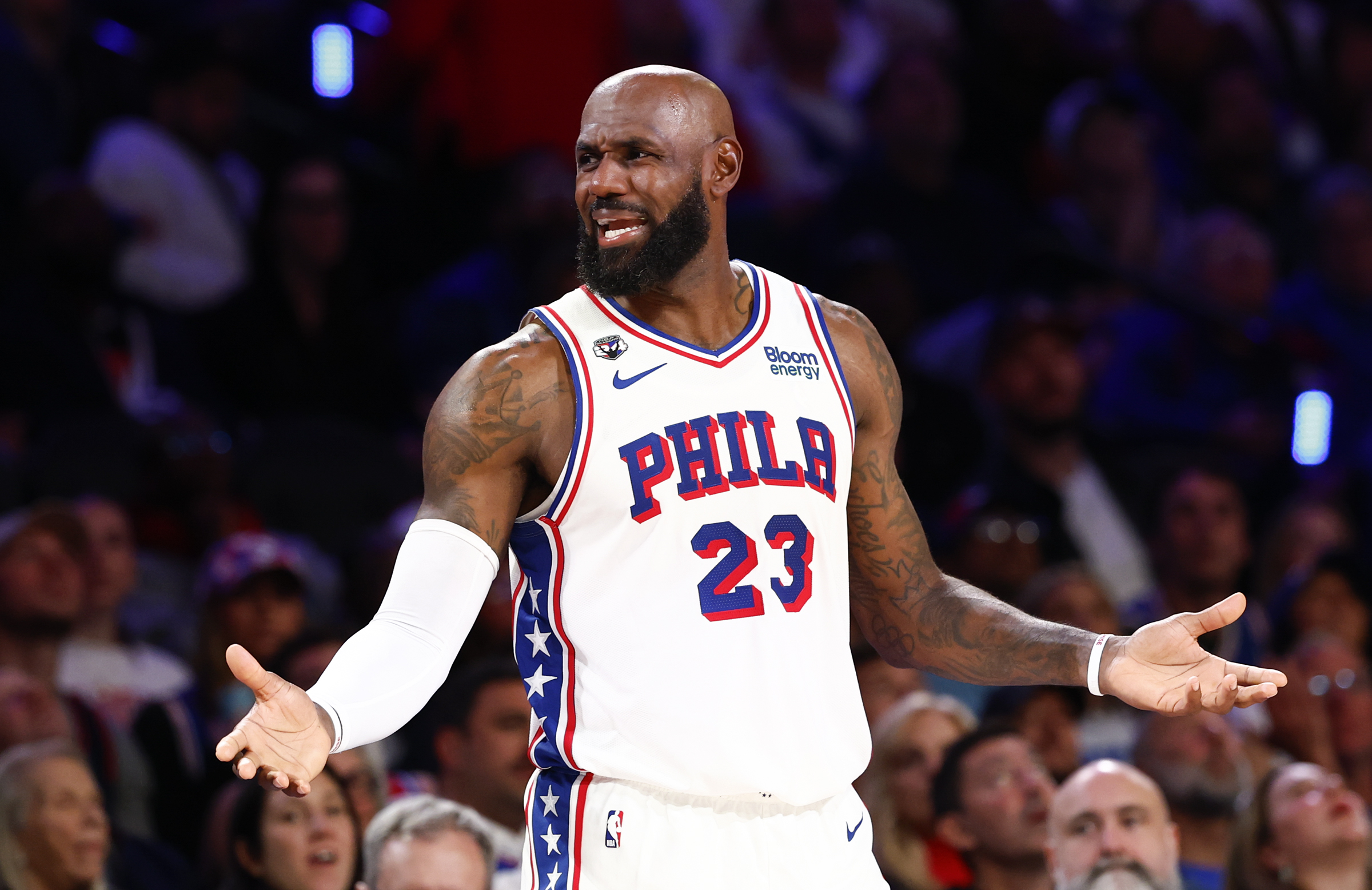
    Amid the slapping palms and bumping fists, a 6-foot-9, 250 pound showman emerged, armed with his own choreography. As LeBron James traveled down the line, he paused at almost every Sixer, stuck out his hand, and proceeded to reveal new, tailor-made handshakes.

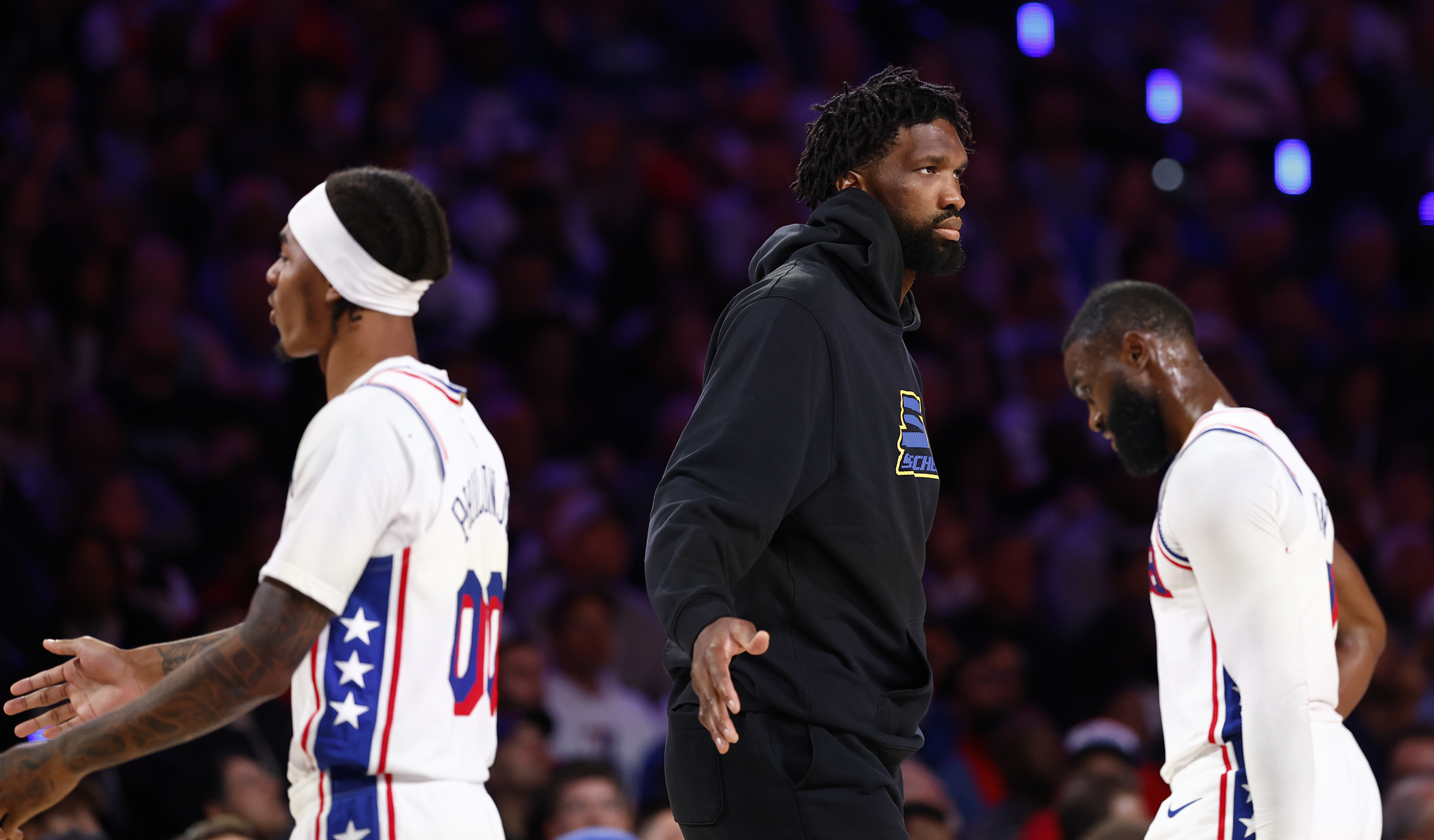
    Each gesture was distinct. There was the finger-twirl with Tyrese Maxey; the imaginary mask with Jaylen Brown; the hip thrusts with Joel Embiid.

    For Kentavious Caldwell-Pope, a former teammate of James’ with the Lakers, the four-time MVP pretended to load a clip. For VJ Edgecombe, the future Hall of Famer tapped his head twice and powerfully shrugged his shoulders.

    And of course, James couldn’t leave out Dean Wade, the lone Caucasian on the roster.

    “I just have the simple, ‘Hire me’ handshake,” Wade said. “I try to stay out of it because I can’t do this stuff.”

    Joyce’s family was mesmerized. His wife and son asked about the Sixers star’s near-photographic memory. The head coach of Duquesne’s men’s basketball team had little insight to provide.

    “You see him have new handshakes with new guys, and it’s like, ‘Man, another set of guys, another set of handshakes,’” Joyce said. “Like, why? Why and how?”

    He might not have answers to these questions, but Joyce certainly has the context. He first met James when they were nine years old, competing against each other in the same Akron, Ohio, rec league.

    One day, his father, also named Dru Joyce, knocked on James’ door in the Elizabeth Park projects to see if the hardcourt wunderkind would join his son’s AAU team.

    Gloria James cautiously peeked behind the curtain with young LeBron by her side. He locked eyes with the young Joyce and before long, they were teammates, through their senior year at St. Vincent-St. Mary High School; a bond that endures to this day.

    Joyce recalls the handshakes starting in ninth grade. They were far less elaborate back then — maybe one step instead of four — but James and his friends made them part of their pre-game routine, forging muscle memories that would last a lifetime.

    And the King is still preserving the practice today. At every stop of his NBA career, from Cleveland to Miami to Los Angeles, and now, to Philadelphia, he’s created handshakes. They are all intentional; often with some sort of underlying theme.

    What’s more remarkable, though, is the sheer breadth of these gestures. James doesn’t just shake hands with stars. He’s expanded his repertoire to include role players, two-way players, and rookies.

    He has custom greetings with coaches, team attendants, locker room managers and photographers; inviting them all into his Hall of Fame orbit, if only for a few seconds.

    While this tradition might seem paltry compared to James’ other accomplishments, those who know him say it’s anything but.

    “He’s an incredible athlete, an incredible man,” said James’ former teammate, Quinn Cook. “But I think for him, his superpower isn’t his talent. His superpower is making everybody feel important.

    “Anybody that’s around him, he’s going to make them feel like the biggest person in the world.”

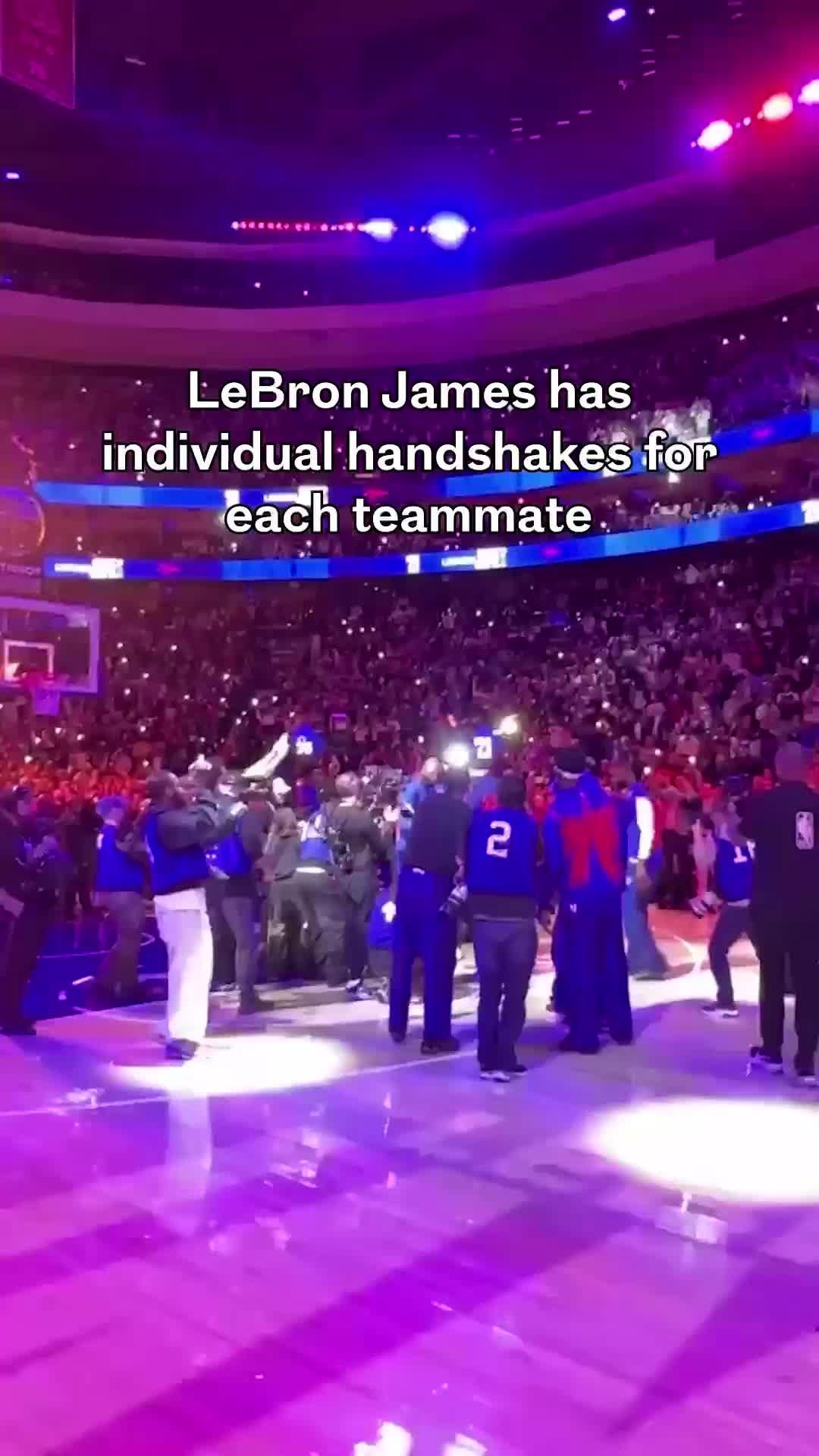
    LeBron James has individual handshakes for each teammate
    Video: LeBron James has individual handshakes for each teammate

    ‘He just ripped it’

    Before James signed with the Sixers in July, he talked to Maxey about the scrutiny his presence would bring. There would be more cameras, more media, more pressure.

    There would be outside noise in both the figurative and literal sense; players would have to get used to the sound of his helicopter, for example, soaring over the team’s practice facility in Camden.

    James, the league’s all-time leading scorer, was used to this. The Sixers were not. But for all of his far-reaching fame, he’s also shown an unlikely ability to relate. Cook experienced it firsthand when he was a rookie in training camp with Cleveland in 2015.

    He and the future Hall of Famer weren’t strangers. Cook and James are mutual friends with Kevin Durant, and Cook attended James’ basketball camps growing up. But they’d never gotten to know each other well, and upon joining the Cavs, James immediately gravitated to the undrafted point guard.

    As Cook tried to earn a roster spot, he became James’ and J.R. Smith’s designated rookie. This status involved menial tasks like carrying around a bag of playing cards and gum when the veterans were in need, and picking up Krispy Kreme donuts in the morning.

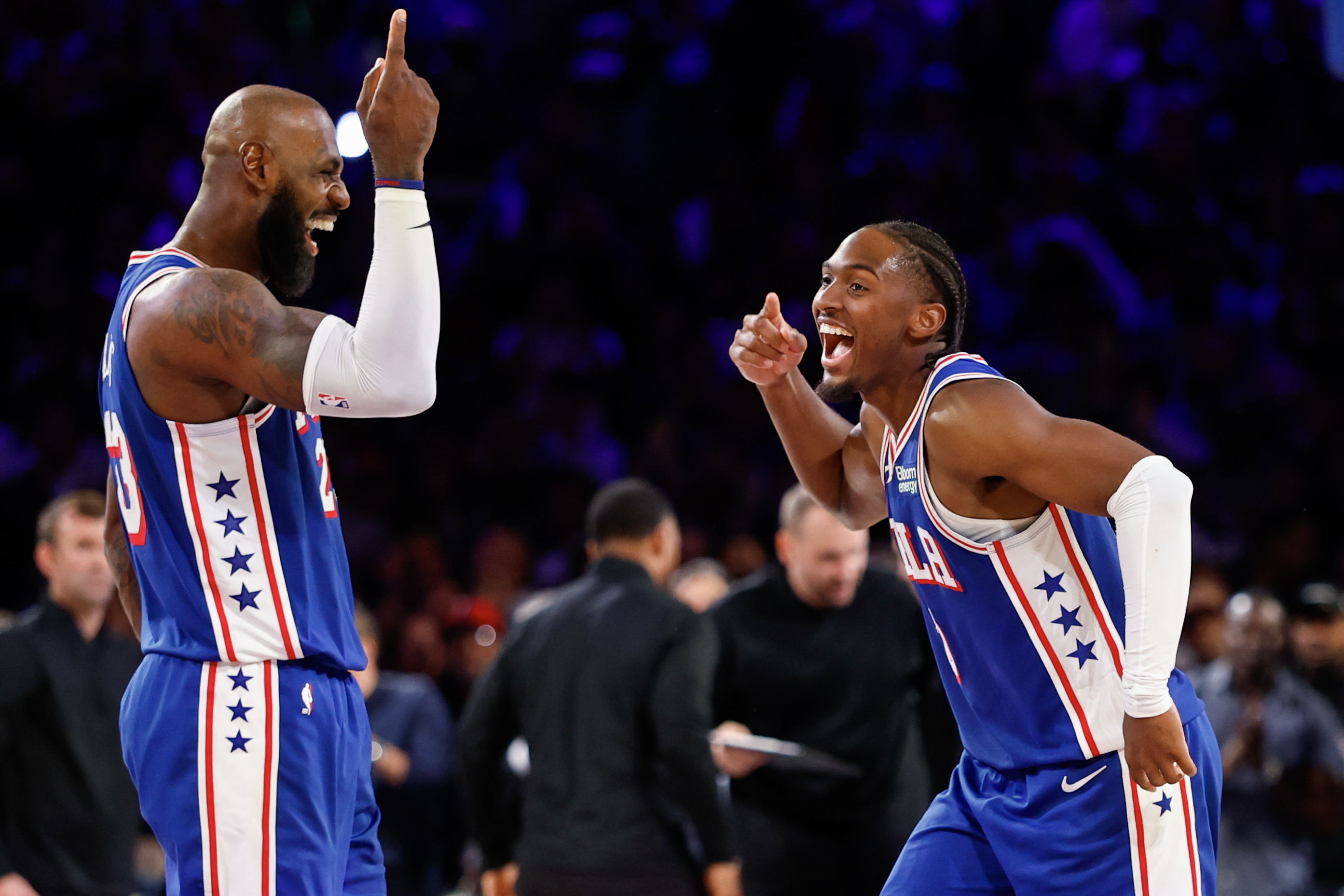
    Sixers forward LeBron James and guard Tyrese Maxey celebrate a stop late during the fourth quarter against the Cavaliers.Yong Kim / Staff Photographer

    But the payoff was worth it. On road trips, Cook would sit alongside his vets. They’d always pay for meals, donating their per diems to the cause. Even after the rookie was sent to the G League, James continued to attend his games, driving 60 miles from Cleveland to Canton.

    Cook had been going through some challenges at home. His grandfather had recently died, and his aunt, who suffered a stroke earlier in her life, was having health problems.

    James could tell it was weighing on him. So, he began to check in.

    “Any time I had an hour, two hours, or they were off, Bron’s like, ‘Man, meet me at the house,’” Cook recalled. “‘Let’s go to the facility and just talk.’

    “At this time, I’m fully in the G League. I’m not even with the Cavs anymore. I’m with the minor league team. And Bron, literally, anytime they were in town, and he had an hour, two hours: ‘Hey, come here, let’s play Madden.’”

    To Cook, the handshakes are an extension of this side of James. The NBA star doesn’t discriminate; he’s crafted greetings with everyone from Dwyane Wade to Jarred Vanderbilt; from Jayson Tatum to Zydrunas Ilgauskas.

    This extends to arena staff, too. Cook has seen James exchange handshakes with janitors and social media managers. In 2011, when the forward joined the Miami Heat, he developed a rapport with one of the team attendants, Marvin Ulysse.

    He’d often compliment Ulysse on his sneakers, which invariably led to other topics: where they grew up, how they grew up, their love for the game. One time, during the preseason, James walked into the Kaseya Center, and guided Ulysse through a five-step process.

    The team attendant was stunned. While Ulysse knew James had a long history of custom hand-shaking, he figured he’d be the last person to ever receive one.

    But there he was, later that night; standing in front of a mirror, practicing each twist and turn and arm bump, to make sure he didn’t forget.

    “I was a team attendant,” Ulysse said. “I’m not thinking I’m gonna get a handshake like the players are. But then he made a handshake with every team attendant in that locker room.”

    James continued his hand-shaking ways when he signed with the Lakers in 2018. Caldwell-Pope saw his role change that year, to more of a three-and-D player; James began to call him “sniper.”

    The following season, the four-time MVP approached him at practice with a phrase any of his current (or former) teammates would be familiar with.

    “He was like, ‘I got a handshake,’” Caldwell-Pope recalled. “And we just did it. Mine, specifically, is being locked and loaded. Basically, we just loading the clip. Just getting ready to g—damn play, and shoot the ball at all times.”

    Sixers forward LeBron James and teammate Kentavious Caldwell-Pope shake hands before a game against the Cavaliers.Yong Kim / Staff Photographer

    For Rui Hachimura, it was a respectful bow, like they do in his native Japan. For D’Angelo Russell, it was a nod to the ice in his veins. For Anthony Davis, it was a flurry of high-fives, followed by an interlocking-finger finale. For Dalton Knecht, it was a raised bow-and-arrow aimed toward the sky.

    Drew Timme was on the Lakers’ G League team when he was introduced to James in 2025. The future Sixer was on a rehab assignment, and they started joking about the time James sported a mustache with the Cavs about a decade ago.

    Timme — who still has his signature handlebar — was signed to a two-way contract last November. One night, before a Lakers game, he was standing in the tunnel when James turned to him.

    The Akron native dapped Timme up, and then lifted his hands, tracing an imaginary mustache above his mouth.

    “I was like, ‘I can f— with it,’” Timme said. “He just ripped it. I was like, ‘That’s why you’re the GOAT, man.’”

    A small gesture with a big impact

    It didn’t take long for James to get to work in Philadelphia. By the second day of camp, he’d already concocted a greeting with Maxey: slapping the back of their hands, raising them for a high-five, and then twirling their fingers in the air.

    Rookie Labaron Philon Jr. and second-year shooting guard Edgecombe noticed the veteran teaching his new handshakes in practice. The one with Caldwell-Pope, in particular, stood out; the two first-round picks were in awe of the intricate routine after seeing it at a team dinner.

    They decided to patiently wait their turn.

    “Me and Labaron were like, ‘Maybe one day,’” Edgecombe said with a laugh.

    That day came sooner than Edgecombe expected. A couple of weeks ago, before the Sixers’ season opener in New York, James walked up to the guard with a message: “V, I got one for us.”

    He started tapping his head — “like when you dunk on somebody” — and shrugging his shoulders, like a boxer ready to fight.

    The future Hall of Famer provided no explanation, but somehow, it fit Edgecombe perfectly. Maxey says this isn’t by accident. For as spontaneous as James’ handshakes might appear, he does put thought into them.

    And just like they did in Akron, and Cleveland, and Miami, and Los Angeles, the gestures still make an impact. A few seconds of daps and twists and bumps, to remind a teammate that they matter — even to one of the all-time greats.

    “You got a handshake with LeBron James, man,” Maxey said. “Especially for guys that don’t play as much… that’s a memory.”

  • Philadelphia is once again the poorest big city in the United States

    Philadelphia is once again the poorest big city in the United States

    Unfortunately, Philadelphia is back on top.

    Philly has reclaimed its unwanted title of the poorest big city in the United States, according to data released Thursday by the U.S. Census Bureau. In 2025, 20.4% of Philadelphians lived in poverty, the percentage rising a year after the city’s poverty rate fell below 20% for the first time since at least 1979. The figure also marked Philadelphia’s first increase in the poverty rate since 2011.

    The Census Bureau’s American Community Survey, which measures a trove of population data, found the closest large cities to be New York and Houston, each with a 17.7% poverty rate.

    The Census Bureau measures the poverty rate by determining whether an individual’s or a household’s income is below a certain threshold that makes it difficult to afford basic needs. That threshold depends upon the number of people in a household — in 2025, the poverty line for a family of four was an income of roughly $32,750.

    “A rate of 20.4 percent is too high and unacceptable to me as mayor. Affordability is a very real issue, and basic staples like food, fuel and clothing cost too much for too many Philadelphians … we will not rest until every Philadelphia resident can realize the economic opportunities they need to improve their lives for themselves and their families,” Mayor Cherelle L. Parker said in an emailed statement.

    (function(){function e(){window.addEventListener(`message`,function(e){if(e.data[`datawrapper-height`]!==void 0){var t=document.querySelectorAll(`iframe`);for(var n in e.data[`datawrapper-height`])for(var r=0,i;i=t[r];r++)if(i.contentWindow===e.source){var a=e.data[`datawrapper-height`][n]+`px`;i.style.height=a}}})}e()})();

    The median income in Philadelphia last year was $67,400, according to the census figures.

    In 2024, Houston’s poverty rate edged ahead of Philly’s to lead the nation at 21.2%, compared with 19.7% in Philadelphia. However, Houston’s lead over Philadelphia was within the survey’s margin of error.

    This time, though, Philadelphia’s edge was outside the margin of error. But the year-to-year differences could be explained by sampling issues, according to poverty data experts.

    Immigrant communities may also be more reluctant than ever to answer census surveys given heightened Immigration and Customs Enforcement activity and deportations, making results less representative, the experts said.

    Analysts said the city’s largely stagnant poverty trend was more concerning than specific year-to-year numbers. After steadily dropping for years from its height of 28.4% in 2011, Philadelphia’s poverty rate has held near 20% since 2023.

    “Each tenth of a decimal point one way or another isn’t the thing that matters. The thing that matters is, what is the trend you’re seeing over time. … This is basically flat for the last three years,” said Katie Martin, project director for Philadelphia research and policy at the Pew Charitable Trusts.

    The affordability puzzle

    While Philadelphia’s poverty rate puts it atop the nation’s largest cities, among other comparable Northeast and Mid-Atlantic cities, Philly fits somewhere in the middle.

    Even with significant declines in the poverty rate for Detroit and Cleveland last year, their poverty rates remained above Philly’s, at 30.4% and 24.1%, respectively. Philadelphia was close to Pittsburgh’s 19% and Baltimore’s 20.9% rates, and can aim for Washington’s 15.9% and Boston’s 16.4% figures.

    But reported poverty rates are only one data point reflecting the financial burdens for residents, according to Emily Dowdall, president of policy solutions at Reinvestment Fund, a financial nonprofit based in Philadelphia.

    (function(){function e(){window.addEventListener(`message`,function(e){if(e.data[`datawrapper-height`]!==void 0){var t=document.querySelectorAll(`iframe`);for(var n in e.data[`datawrapper-height`])for(var r=0,i;i=t[r];r++)if(i.contentWindow===e.source){var a=e.data[`datawrapper-height`][n]+`px`;i.style.height=a}}})}e()})();

    Dowdall said she was more concerned with past and future federal cuts to programs like food stamps, Medicaid, and housing assistance that are “literally a lifeline for low-income families.” Those programs have been cut at the same time that prices for essentials like groceries and gas have increased during President Donald Trump’s administration.

    The city and state have been left to fill some of those funding gaps. Beginning in October, the states have taken on a greater share of Supplemental Nutrition Assistance Program funding, while more than 200,000 Pennsylvanians have lost their eligibility since the summer. Parker’s $800 million H.O.M.E. initiative has been slow to dole out its funding but is meant to increase the city’s housing stock. Parker recently announced new details for the city’s One Philly Mortgage program, slated to launch by the end of the year, which is meant to make housing more accessible for first-time homebuyers who have poor credit.

    While poverty itself is certainly worth the attention of policymakers and elected officials, addressing other pieces of Philadelphia’s larger affordability problem is just as vital, Dowdall said.

    “Moving people out of poverty is an important policy goal. But there is no upward mobility in a scenario where people can’t meet their basic needs for food and shelter, which we’re going to be facing with these other cuts,” she said.

  • Jalen Carter doesn’t care that Eagles fans think he’s dogging it. That’s the root problem for Nick Sirianni.

    Jalen Carter doesn’t care that Eagles fans think he’s dogging it. That’s the root problem for Nick Sirianni.

    Jalen Carter, presumably under threat of an NFL fine for ignoring mandatory availability rules, ended his three-week media boycott Wednesday. In his responses to questions regarding his execution and his heart, he deflected, condescended, and insulted the people who pay him, i.e., the fans.

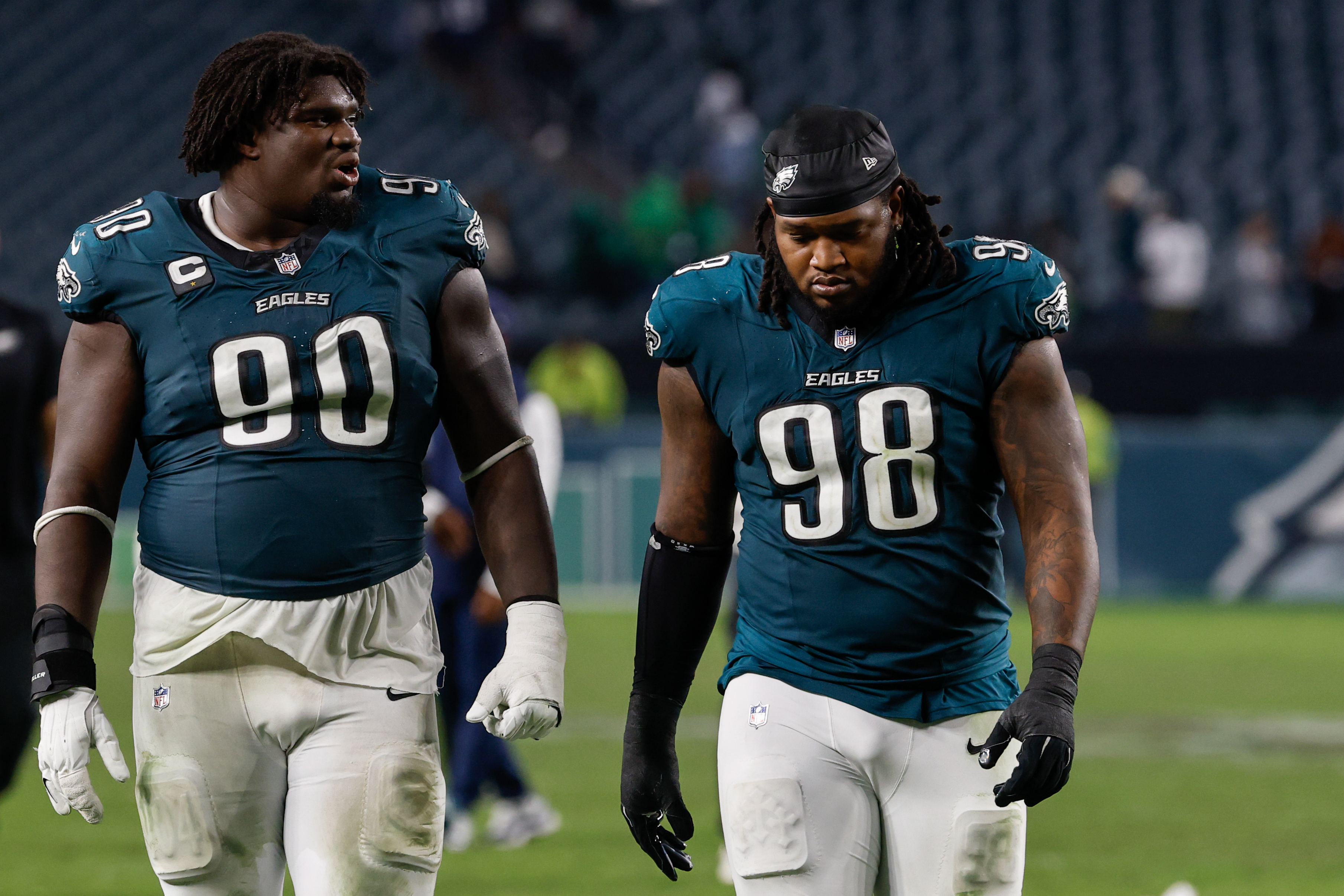
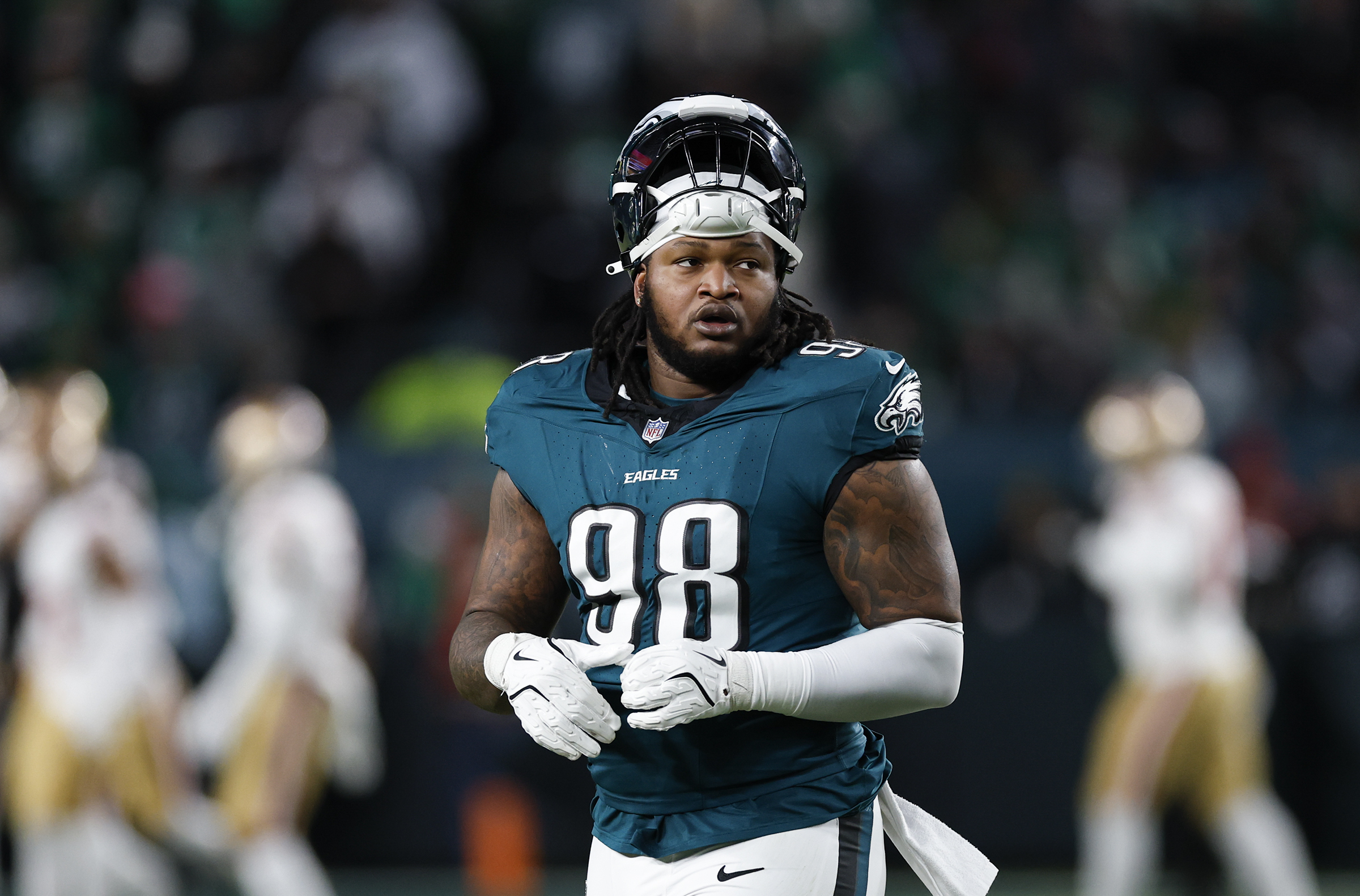
    Grading on a $152 million curve, the amount of his summertime contract extension, Carter, an elite defensive tackle, has been the worst player on a 2-5 disaster of a team. After Monday night’s weak exhibition during a home blowout loss to the Cowboys, in which Carter was manhandled and seemed uninterested, Carter has become the poster child for the Eagles’ underwhelming effort.

    “Trash,” Carter said when asked of his play this season, which sounded genuinely self-critical … but he then turned snarky: “I think you asked me this last year and the year before and I gave you the same answer: ‘Trash.’”

    That isn’t accountability. That’s passive aggression.

    He then dug the hole deeper.

    “Not to my expectations and, well, I guess not to what the fans want. Don’t really matter what they want.”

    Really? Where do you think that $152 million is coming from, big guy? It’s coming from the folks who pay for cable TV and tickets and parking and beer and cheesesteaks and those $200 No. 98 jerseys in midnight green that say “Carter” on the back.

    Eagles coach Nick Sirianni, hopeful of retaining his $17 million job, insists he doesn’t have problems with his locker room.

    Well, Jalen Carter is a problem in his locker room. He’s not the only problem, but he’s the biggest problem.

    Former Eagles think so, and don’t think just because they’re former Eagles they aren’t still connected.

    Nick Foles, the Eagles’ Super Bowl LII MVP, said Tuesday on his podcast that, in his view from afar, the Eagles have “culture” problems.

    The guy who gave the greatest celebration speech in history after Super Bowl LII, former Eagles center Jason Kelce, essentially agreed with Foles during Kelce’s weekly Thursday morning radio stint on 94 WIP.

    Jalen Carter’s lack of effort on Monday night was apparent to many. Yong Kim / Staff Photographer

    The Eagles gave up a season-high 204 rushing yards to the Cowboys on Monday night.

    “A big part of fixing it on defense, especially stopping the run, is going harder than the guy across from you,” Kelce said.

    His bigger issue was with Carter blaming the rest of the defense for his own poor performance: “This is not a single [person] sport, game, where I’m out there doing everything myself. It’s a team sport where we need all 11 on the field or whatever the case may be for that week.”

    If Kelce had been drinking one of his Garage Beers, he’d have spit it out.

    “That’s a deferral,” Kelce said. “Is he being accountable? When you’re making $100 million and you’re the top dog … it ain’t ever on anybody else. [It’s] ‘I’m gonna go out there and dominate.’ … At defensive tackle? There ain’t a lot of variable there, brother. In one moment he’s taking accountability. In the next, he’s putting it on somebody else.”

    Yep.

    Carter is not a cornerback or a linebacker. He is the highest-paid defensive player in franchise history, and he blamed the rest of the defense for his poor results while playing a position that demands immediate one-on-one wins at the point of attack.

    Then, he complained about having to take responsibility for it.

    “I don’t think I’m a public spokesperson,” Carter said Wednesday. “I think y’all just want to talk to me because we’re losing.”

    Yes. That is a fact.

    That also is his responsibility.

    Left tackle Jordan Mailata has become the team spokesman since Kelce retired after 2023. He used the word “accountability” four times in the first four minutes of his postgame interview Monday. Perhaps someone should define that word for Carter.

    To be clear: He doesn’t need to be accountable to the press. He needs to be accountable to the people who pay him. The people he doesn’t care about. Fans pay players. Players damn well better care if the fans think they’re not earning their paychecks.

    That’s doubly true if the player’s boss thinks he isn’t earning it, either.

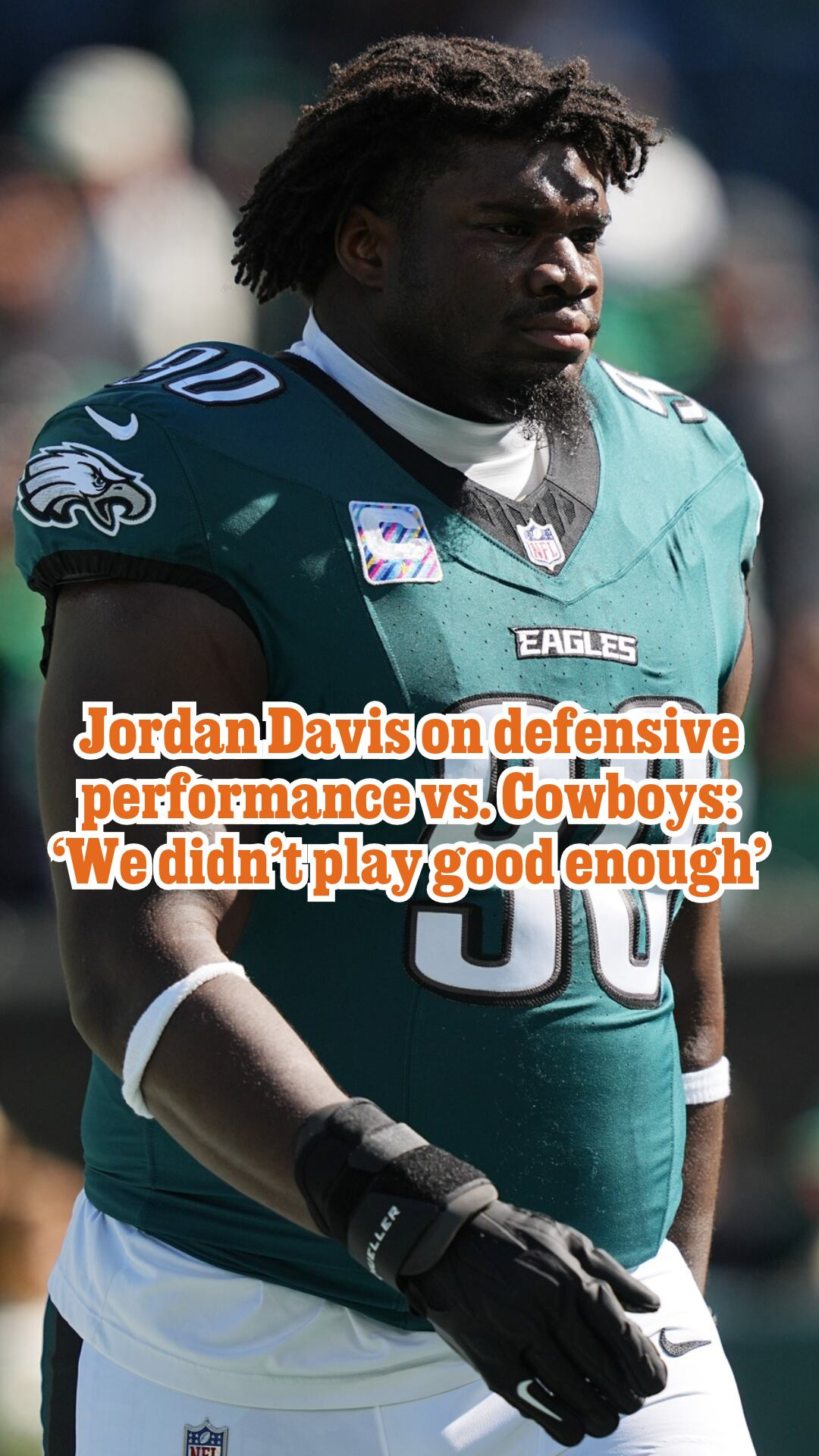
    Jordan Davis on defensive performance vs. Cowboys: 'We didn't play good enough'
    Video: Jordan Davis on defensive performance vs. Cowboys: ‘We didn’t play good enough’

    Carter got paid because, when he feels like it, he can be as dominant as Fletcher Cox, or Jerome Brown, or any defensive tackle in Eagles history.

    Defensive coordinator Vic Fangio agrees. He also agrees that Carter isn’t playing to his potential.

    “He’s just got to get the mindset to where he’ll be consistent all the time,” Fangio said.

    Pressed, Fangio doubled down:

    “You just need to have the right mindset.”

    Mindset equals character.

    Character always has been the biggest issue with Carter.

    Character was why Carter fell from top five to No. 9 in the 2023 draft. He was sentenced to 12 months of probation, a $1,000 fine and 80 hours of community service for his involvement in a fatal car crash after Georgia’s national championship parade. His college coaches were reluctant to endorse him to NFL scouts, because those coaches knew that endorsing a questionable player would haunt them if that player busted out of the league.

    Character is why Carter keeps showing up like Retro Joel Embiid. According to Fangio — not according to anonymous sources, or according to our own eyeballs, but according to the DC — Carter was way out of shape to start the 2025 season, and was slightly out of shape to start the 2026 season. When you’re hoping to make $152 million, and after you’re making $152 million, here are the number of days you should be out of shape:

    0.

    Character is why Carter was suspended for a game last season when he spat on Cowboys quarterback Dak Prescott before the first snap of the 2025 season.

    Character is why Carter refused to play on an injured heel on the MetLife turf last October against the Giants. Sure, his teammates could play with their various maladies and boo-boos, but not Carter, who was angling to stay healthy for that lucrative extension the following summer.

    It’s no secret that the Eagles entertained trade offers for Carter all spring before finally extending him in July, just before he would have likely held out of training camp. League sources now say they were worried that, once paid, Carter would cease to play hard.

    Those worries clearly have manifested themselves.

    Carter is the axis of the vortex of issues that have brought the Eagles to the fifth-worst record in football. The team has dealt with an injury epidemic, including blood clots that likely ended quarterback Jalen Hurts’ season. Underqualified first-time offensive coordinator Sean Mannion has no answers for an attack that stalled in 2025. Right tackle Lane Johnson, the team’s best player since 2013, retired after Game 3.

    Still, effort is effort, and some Eagles clearly aren’t efforting.

    The situation has Sirianni flummoxed, and, entertainingly, speaking out of both sides of his mouth.

    “Do you bat 100% on effort? No, you don’t play a perfect football game. … Anytime there’s one that we feel like there was a loaf, we point that out and show that to the team,” Sirianni said Wednesday.

    Good start.

    Then this, from the other side of his mouth:

    “I didn’t think that we had — I didn’t look at the tape and say, ‘Hey, this was an effort issue, and this is why this play happened or that play happened.’ ”

    If that’s true, then Sirianni didn’t look at Carter not get into his three-point stance several times Monday. He didn’t look at Carter & Co. decline to engage on the clinching touchdown run.

    Maybe Sirianni was giddy over getting 21 points of offense in the first 36 minutes and forgot to look at defensive tape at all.

    Kelce made sure to point out that all is not lost. The Eagles might show some pride and respond to the criticism. The Giants lead the division at 4-2-1. The season isn’t over.

    The Eagles play another division rival Sunday, the Washington Commanders, again in prime time. They laid down the last time they were in this position.

    Kelce’s question: Will Carter & Co. lay down again?