Tag: UniversalPremium

  • Phillies’ bullpen desperation sets up a perilous trade deadline

    Phillies’ bullpen desperation sets up a perilous trade deadline

    Few things are more toxic than a bullpen that has no good answers.

    The Phillies are treading perilously close to that boundary line.

    Can they actually fix it?

    They can try, sure. They have no choice. With two weeks remaining before Major League Baseball’s trade deadline, the Phillies have exactly one reliever whom Don Mattingly would feel comfortable calling upon in a critical postseason moment. They have one who seems to be earning more of his trust but who would profile more as a dependable middle reliever in a legitimate championship bullpen. After Jonathan Bowlan, they have a couple of arms who are basically a coin flip. After Orion Kerkering and Jose Alvarado, Mattingly can do little more but pray for the best while expecting the worst.

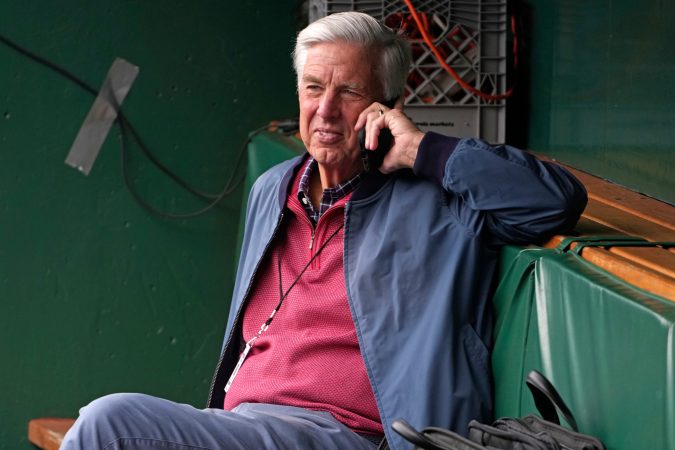
    Dave Dombrowski was up against it even before he learned that high-priced free agent set-up man Brad Keller would miss the rest of this season and likely the next one with a UCL tear. Keller’s signing is ironic in the sense that the Phillies will be paying him the same money they would have been paying to Jeff Hoffman had they not allowed the righty to leave for Toronto, in part out of fear of the health of his arm. Further irony: Hoffman is one of the names that has been tossed around for teams in need of bullpen health, with the Blue Jays currently out of contention.
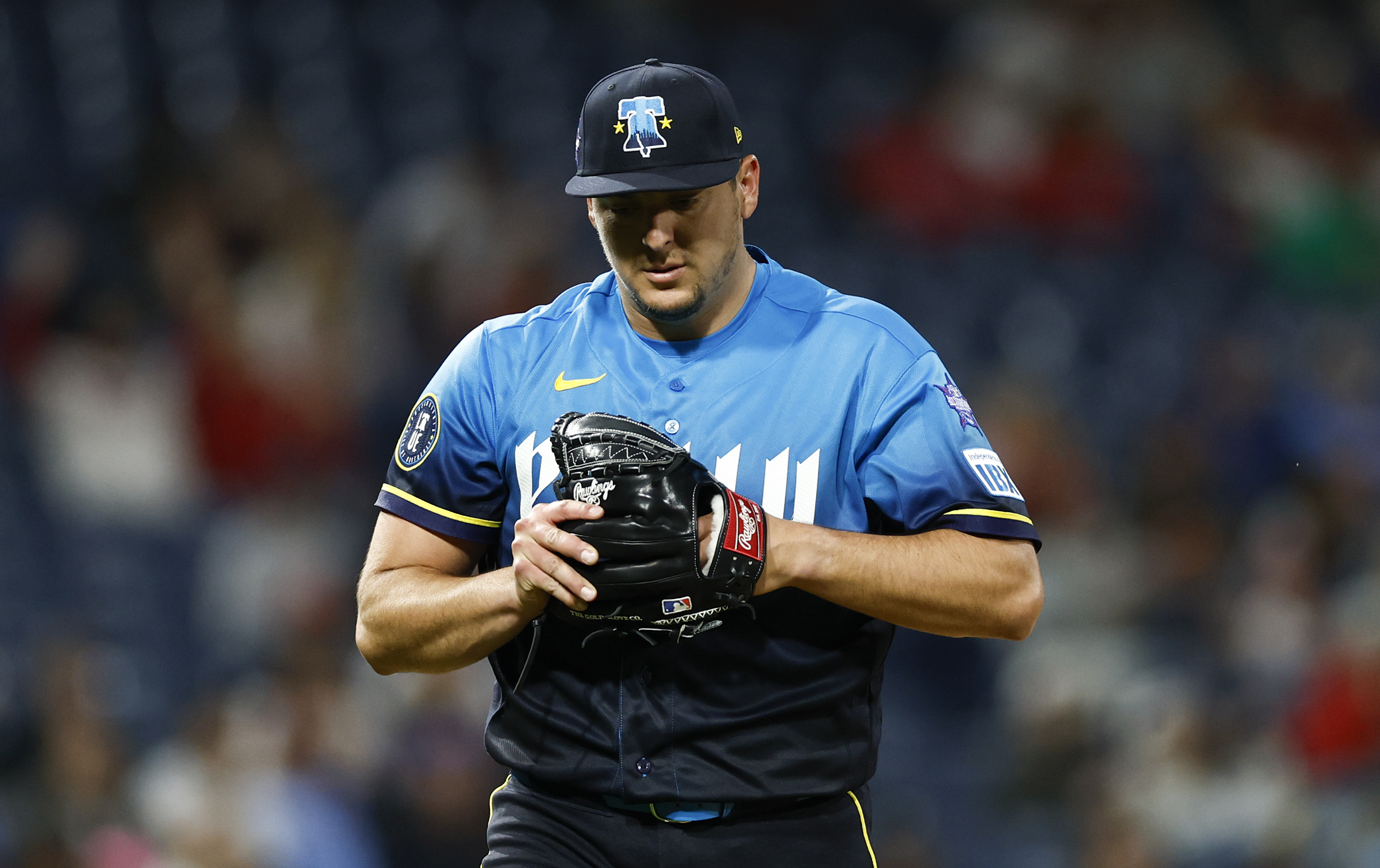
    Brad Keller is no longer a bullpen option for the Phillies. Yong Kim / Staff Photographer

    The most important thing to know about the trade deadline is that it isn’t as important as everyone would like to believe. Rare is the team that manages to fundamentally alter its outlook or identity midseason. In the best of cases, it is like the magic mushroom in a game of Mario Kart: a decisive boost deployed at exactly the right time while also eminently finite. The Phillies saw the best of cases back in 2009 with the acquisition of Cliff Lee. The next year brought Roy Oswalt, the year after that, Hunter Pence. They have yet to recapture the glory of 2008.

    The question is not binary, in other words. It is not, “Go for broke or stand pat?” The midseason trade market is, first and foremost, a market. All you can do is take what it gives you.

    From a decision-making perspective, the second-most important thing at the trade deadline is to stick to your principles. The first-most important thing is to figure out what those principles are.

    The biggest question right now:

    How confident are the Phillies that they will make the playoffs with the current roster?

    A better way to put it: How sure are the Phillies that the Marlins, Nationals, Cardinals, Pirates, and/or Diamondbacks will ultimately fade?

    Sounds crazy to ask, given that the Phillies have been one of the best teams in baseball since the beginning of May. But these are strange times in the National League. Nine teams are at 50+ wins. Two more are within two games of .500. The Phillies may only be two games behind Atlanta, but the Braves are playing on a different tier. Consider them booked for the postseason, along with the Dodgers and Brewers. The Cubs and the Phillies are alone in the next tier at 10+ games above .500. Problem is, that next tier is closer and more populous than usual. The Marlins, Cardinals, Pirates, and Diamondbacks all entered Sunday within four games in the loss column. That’s nine teams for seven postseason spots. A sudden losing streak could dramatically change the Phillies’ outlook.

    The bullpen would be an issue even if the circumstances were different. But the Phillies could at least be planning for the postseason. As things stand right now, Dombrowski first must decide if he has enough pitching to get him to October.

    Something else to ponder: If Gage Wood and Andrew Painter aren’t immediate solutions, are they potential trade chips?
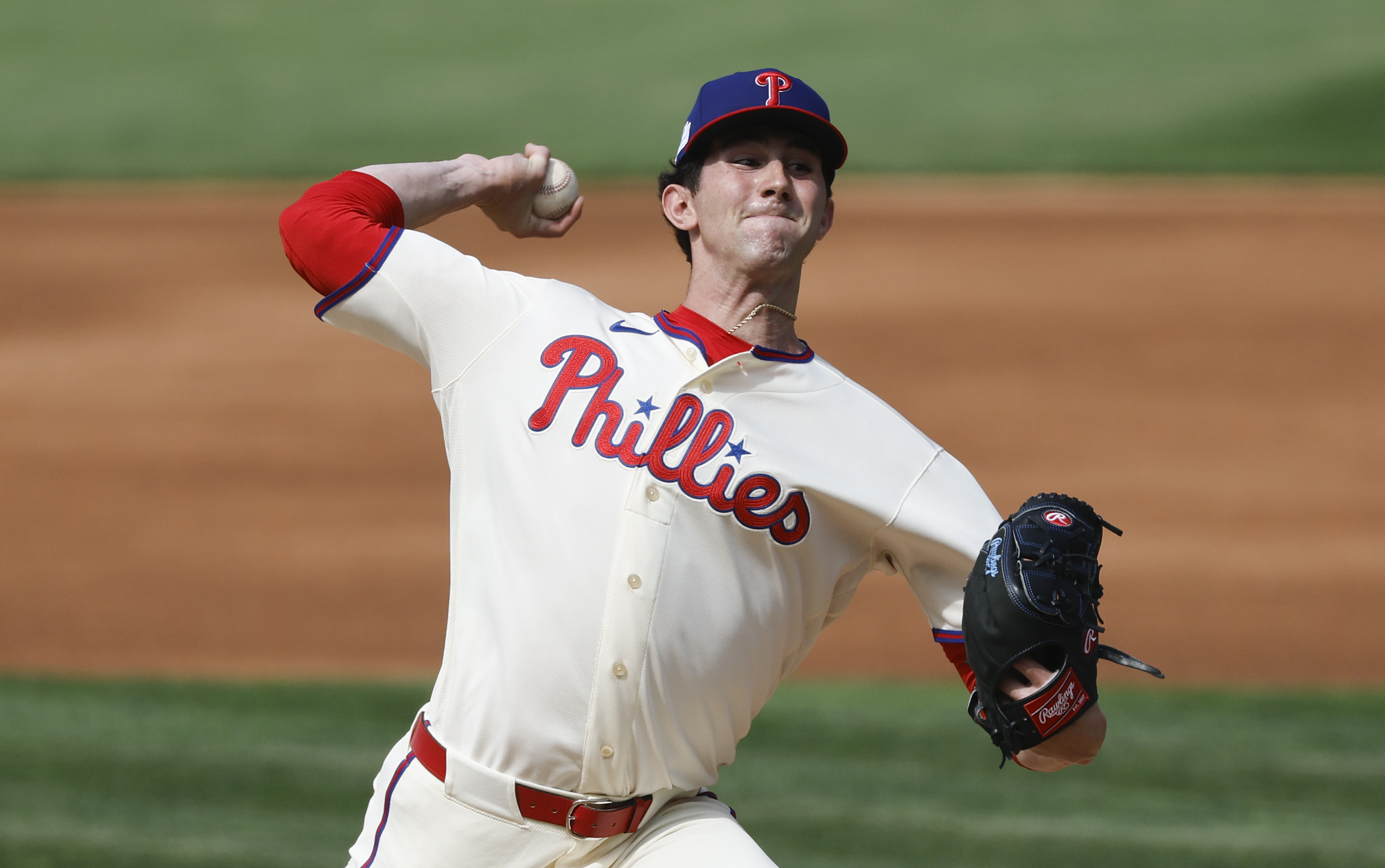
    Andrew Painter posted a 7.06 ERA while with the Phillies.Yong Kim / Staff Photographer

    It is a double-edged question. The first edge: Are the Phillies willing to trade their two high-level pitching prospects for short-term help? The second edge: How do other teams value them?

    Painter is pretty clearly a lost cause for 2026. His most recent start at triple-A Lehigh Valley: seven runs, one strikeout, four walks, 2 ⅔ innings. In the two starts prior, he allowed just two runs in 10 innings while striking out 10 on three walks. All three outings came on five-plus days rest.

    Wood? We’ll see. The numbers look about as good as the Phillies could have hoped when they selected him at No. 26 overall last June. He has 39 strikeouts and nine walks in 28 ⅔ innings since being promoted to double-A Reading. He has also allowed six home runs. The fastball is crispy, but not to the extent that he can get away without locating it in the strike zone. Hard to believe that Dombrowski or anybody else is thinking of him as a potential answer in high-leverage situations.
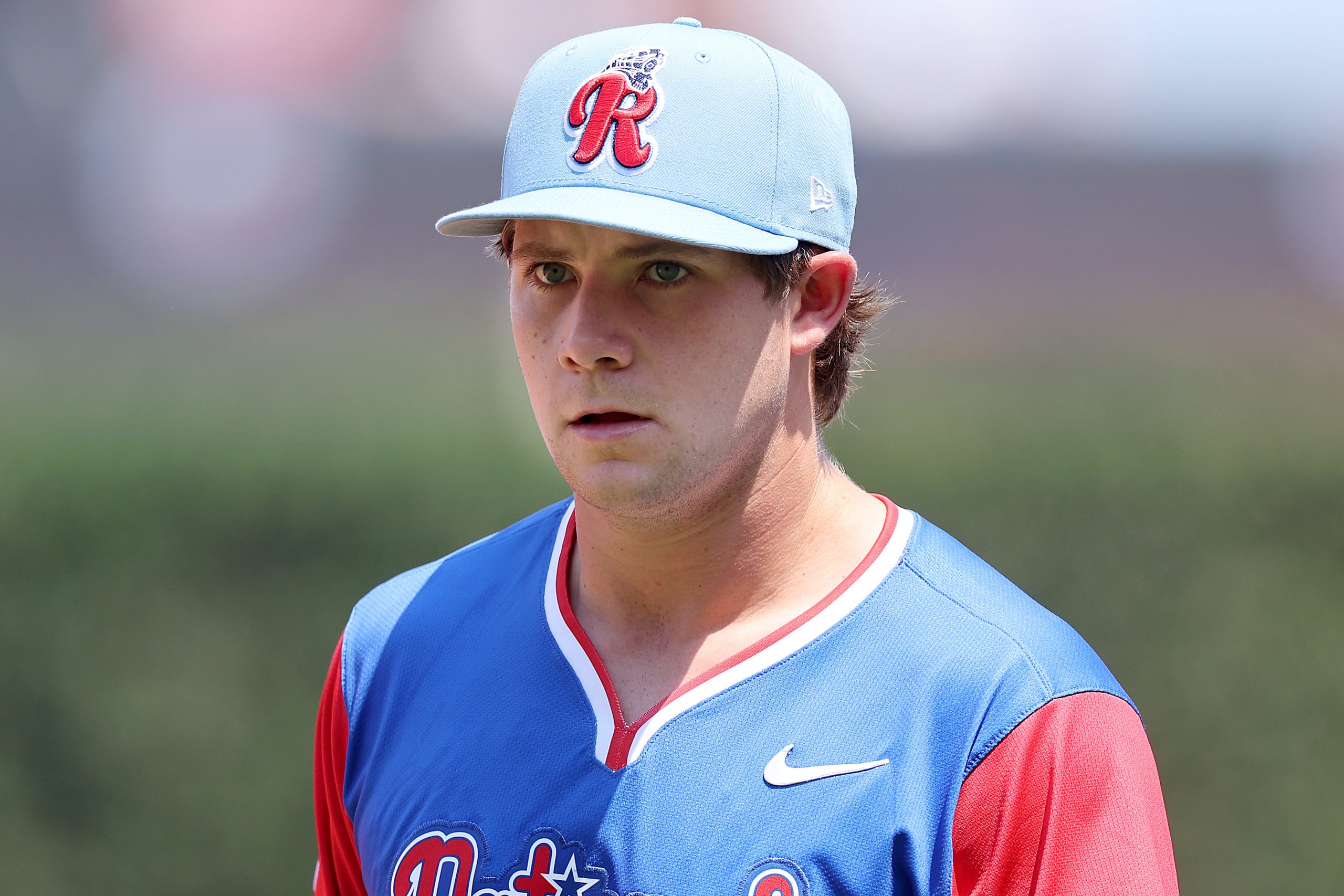
    Gage Wood has posted a 3.51 ERA so far in 2026.David Maialetti / Staff Photographer

    Speaking of leverage …

    It isn’t in Dombrowski’s favor right now. The idea of buyers and sellers is a false choice. There is a price for everything. The more plausible a team’s denial of having to sell, the higher the price they can sell for. The more teams that could potentially buy at the right price, the higher the price for everyone.

    The Phillies enter the trade deadline with a farm system that Baseball America ranked as the 29th best in baseball. Their one no-doubt-about-it, blue-chip prospect has yet to take the field this season. Painter has gone from untouchable to would-anybody-touch-him. Once upon a time, the Phillies traded Spencer Howard for Kyle Gibson and Ian Kennedy.

    Are we there yet?

    Rather than buyers and sellers, the trade deadline’s real hierarchy is an order of desperation.

    How desperate are the Phillies? How desperate should they be?

    These are usually losing questions.
  • The Eagles and Phillies boost business more than the World Cup did, Philly bar owners say

    The Eagles and Phillies boost business more than the World Cup did, Philly bar owners say

    Philadelphia has been flush with tourists flocking here for the World Cup and the nation’s 250th, patronizing local restaurants, bars, and stadiums.

    And in the aftermath, bar owners are weighing the exact size of any World Cup sales boom, how it compares to an Eagles’ Super Bowl run, and whether Philadelphia truly is a 4 a.m. bar town as the state allowed some establishments to stay open later.

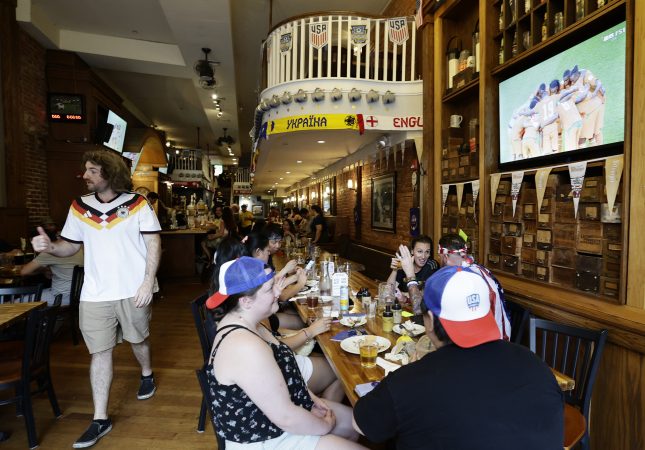
    One thing is clear: If the bar had TVs playing World Cup games, it had a chance at cashing in on fans eager to experience the game with others.

    Sports bars and tourism hot spots made out well

    Jason Evenchik’s Garage bars in Fishtown, Passyunk, and Rittenhouse saw “a nice bump in sales” throughout the World Cup, driving business up 30% to 40%, he said. Evenchik said the TV bars fared better than usual during what’s typically a summertime lull — and much better than when World Cup games were being broadcast from Qatar in 2022.

    Lucy’s Rittenhouse, a sports bar from FCM Hospitality’s Avram Hornik, also did well during the afternoon and evening games, especially when Team USA played, Hornik said. And it attracted patrons during its 2 a.m. to 4 a.m. shift, thanks to a Philadelphia 250 Permit, a temporary license that allows eligible bars to serve alcohol two hours past the city’s usual 2 a.m. closing time.

    “I don’t think it could have gone better,” Hornik said. FCM also operates the Center City nightclub Concourse, the family-friendly taproom Craft Hall, and riverside deck Morgan’s Pier, among other bars.

    “It was a mix of tourists. A lot of South Americans stayed out later because they’re used to places open late. Europeans we found like to camp out at a bar and stay for a while. There was also just a lot of Philadelphians who were happy to have some place to go and experience this moment,” Hornik said.

    Even bars without TVs like the decades-old Fergie’s Pub, nestled smack dab in Center City’s bar scene, saw a tourism boom, said owner Fergie Carey, attracting tourists to its authentic Irish experience. Carey even decided to open for the Fourth of July, when the bar usually closes, because there was so much foot traffic. But having no TVs can have repercussions.

    “The most people I’ve ever seen leave our pub because there are no TVs was on the Fourth of July,” Carey quipped.

    Evenchik and Hornik also saw lower engagement at some of their bars with little to no TVs or sports vibe, such as Evenchik’s Vintage wine bar, which he said suffered a 30% decline in sales during World Cup weeks. Hornik’s neighborhood restaurant and bars like Rosy’s Taco Bar or Harper’s Garden didn’t necessarily take a sales hit, but their private dinner party business “almost disappeared during the time of World Cup,” he said.

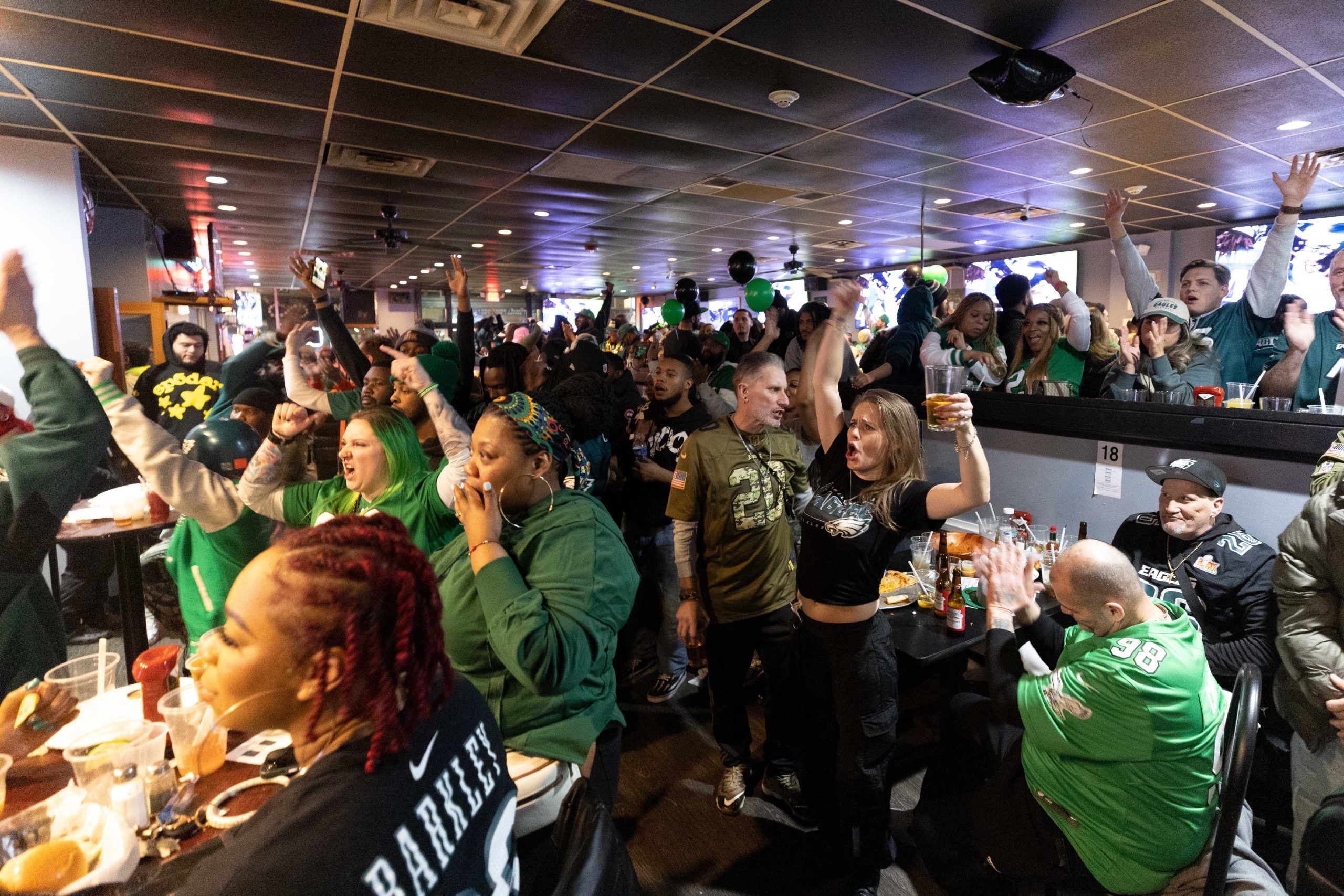
    Fans react to the Eagles play the Chiefs in the NFL Super Bowl LIX, in a bar near Frankford and Cottman Aves., Saturday, Feb. 8, 2025, in Philadelphia.Tyger Willliams / Staff Photographer

    The World Cup pales in comparison to a Super Bowl at Philly bars

    While the sports bars and hotter tourism areas saw a World Cup sales bump, bar owners say it was nothing compared to the revenue brought in from the Eagles going on a playoff-to-Super Bowl run, or the Phillies in the World Series.

    “I don’t think there’s anything that compares to Philly sports fans and their loyalty to our Philadelphia teams when they do well,” Hornik said.

    When a Philly sports team is doing well, Evenchik said, people seem more willing to go out and celebrate on the town.

    “In those times we see a bump in the sports bars, but also everywhere else, including restaurants, because everyone’s so joyous,” Evenchik said. “The World Cup doesn’t really get close to the Super Bowl madness.”

    At Philly’s oldest craft and woman-owned brewery, Dock Street, bartender Jessica Head and assistant general manager Abby Stover said they’ve been relishing the fervor of World Cup fans for every game, regardless of who is playing.

    “The World Cup finals are truly similar to us Philadelphia sports fans in their passion and how much they are willing to ride for their teams, but nothing can beat a good Eagles playoff run,” Stover said.

    “With an Eagles playoff run, we get the bursts during the games once a week, and the energy is undeniable. But the World Cup is really something so special,” Head said. “We’re so lucky we get to see that excitement every single day during the tournament.”

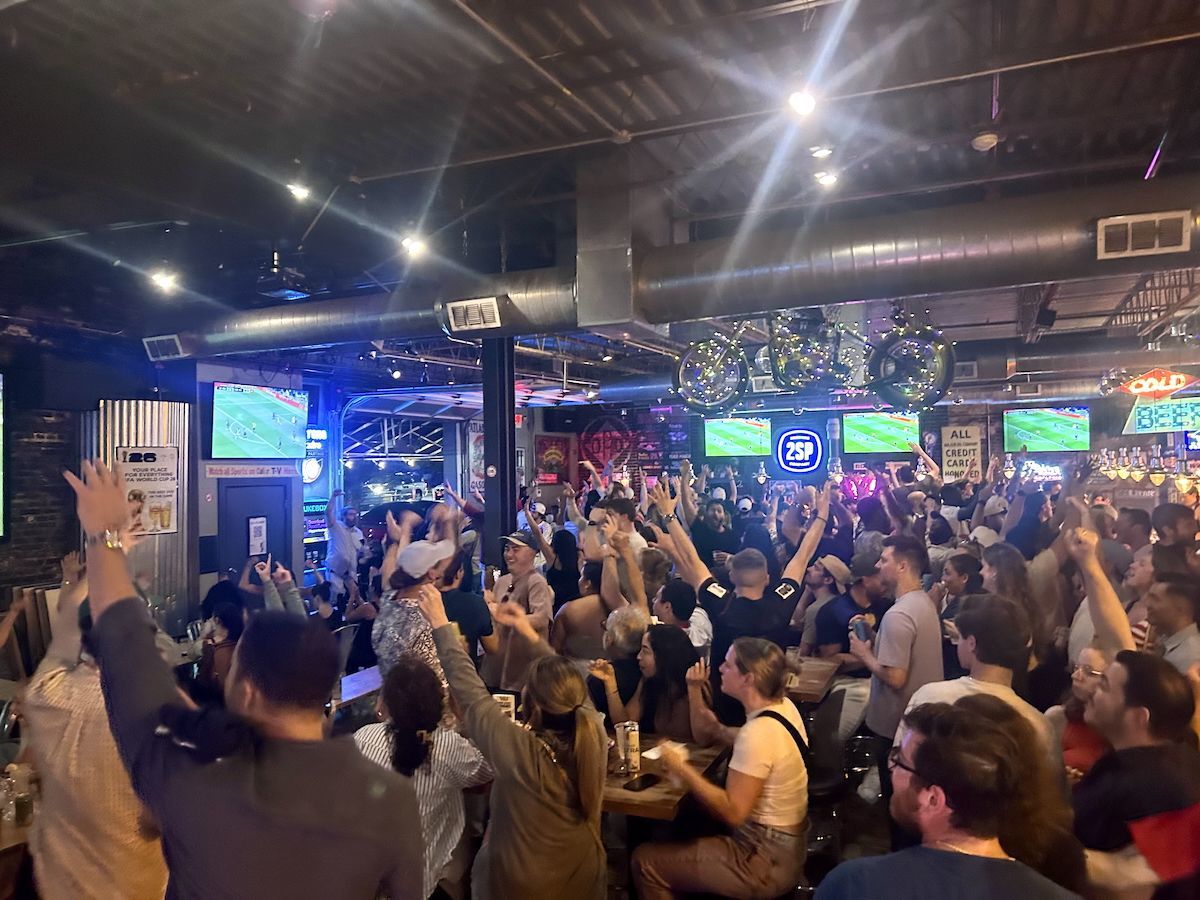
    Fans watch a Team USA match at the Fishtown sports bar, Garage, during the 2026 World Cup.(Courtesy of Jason Evenchik)

    4 a.m. bars in Philly aren’t as popular as believed

    Hornik applied for the Philadelphia 250 Permit at several of his bars.

    But only Lucy’s really enjoyed the benefits of 4 a.m. closing times. FCM’s other nightlife-oriented locations generally didn’t take advantage of their permits, Hornik said.

    While Hornik found success at Lucy’s, others have said the 4 a.m. party culture in Philadelphia just didn’t materialize.

    “I’ve spoken to a couple people who are involved in some of the bars that had a 4 a.m. license, and everyone kind of universally agreed that it cost a bit more than it was worth,” Evenchik said.

    The permit itself cost $500 to apply for, and another $250 for safety training from the city.

    Additionally, only a handful of the 104 World Cup matches were broadcast close to times near Philadelphia’s usual 2 a.m. closing time. “It didn’t really make sense because none of the games were really that late,” Evenchik said.

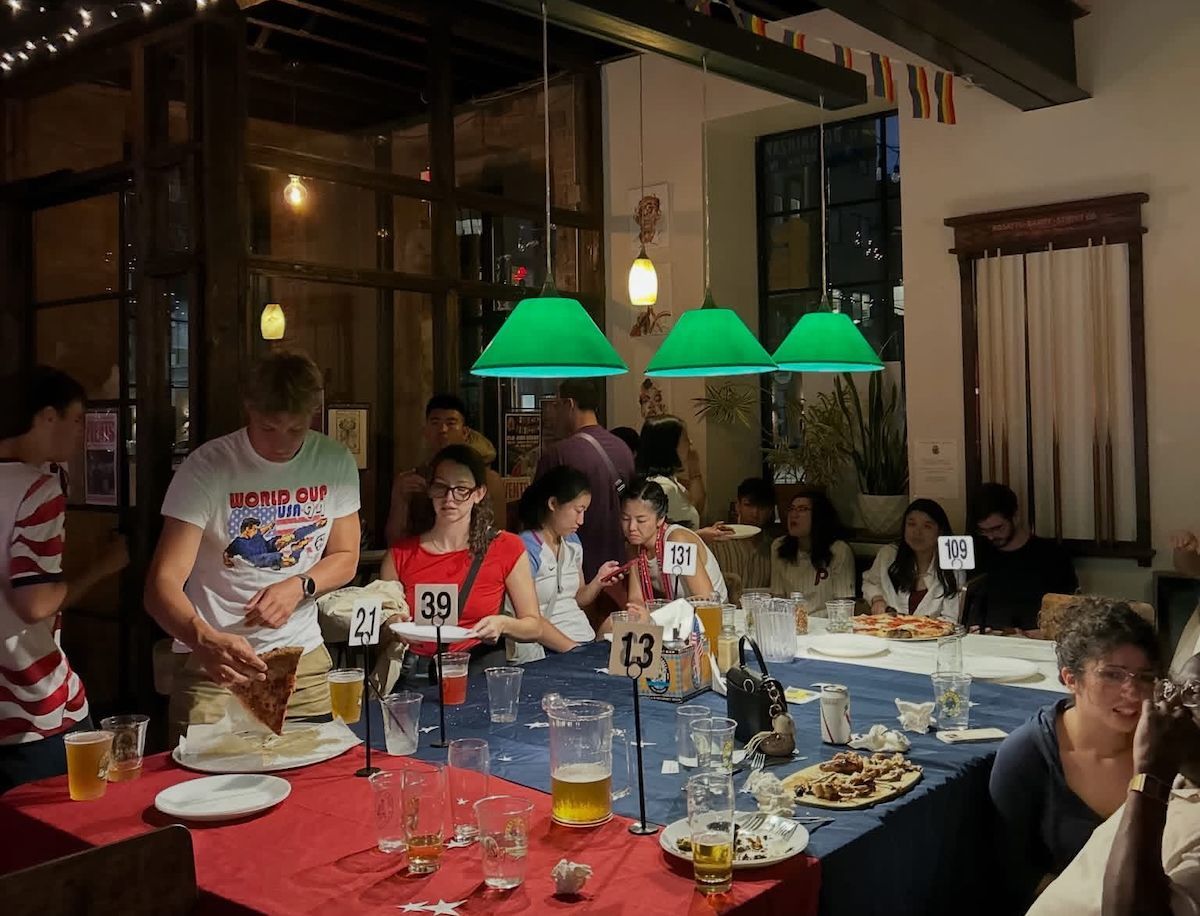
    World Cup fans share pizza and beer while watching matches at Dock Street South on Washington Avenue in South Philadelphia during the 2026 World Cup.(Courtesy of Renata Vesey)

    What lasts is the cultural exchange

    Neighborhood bars largely didn’t see a boom like Center City and established sports bars, but the World Cup did bring more business and, occasionally, international tourists, said Renata Vesey, creative director at Dock Street, which operates a brewery along Washington Avenue and a taproom in Fishtown.

    “When Côte d’Ivoire played, we got a big crew of Ivorians of all ages,” Vesey said. “It happened to be on a Sunday that we were also hosting a line-dancing event, so it was just such a random, cool mix of people and interests and vibes.”

    Bars were livelier and more crowded than usual, and Dock Street opened for a few games on Mondays, when it is normally closed, she said.

    Hornik’s neighborhood bars and restaurants like Rosy’s continued to draw their usual crowds as well. But what stands out to him is the role that Philadelphia bars and restaurants played in making the city one of the more memorable places to watch the World Cup, he said.

    “It’s not just our job to entertain them for one night, but to make them want to come back here,” Hornik said. “I think that Philadelphia did a great job of showing how great a city Philadelphia is.”

  • Before Mike Gansey became a Sixers executive, he was a hard-nosed high school player who earned LeBron James’ respect

    Before Mike Gansey became a Sixers executive, he was a hard-nosed high school player who earned LeBron James’ respect

    Steve Gansey was playing with his son a few weeks ago, as ESPN hummed in the background, when he heard something unusual. It was Kendrick Perkins, talking to his NBA Today cohosts, about a photo that recently went viral.

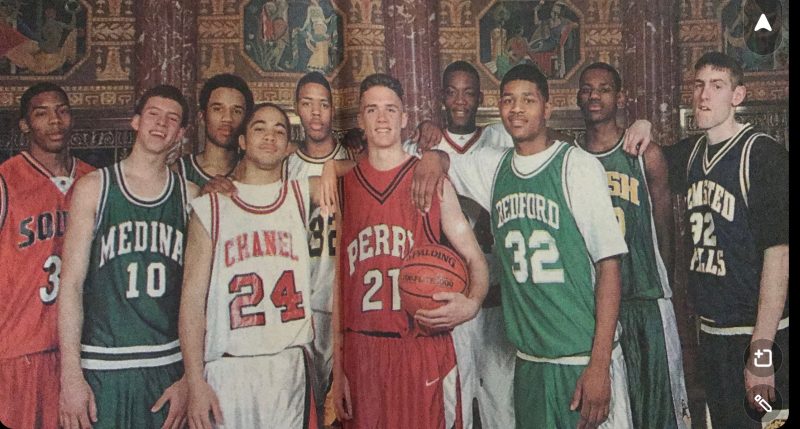
    It was taken in 2000, and was on the front page of the Cleveland Plain Dealer’s sports section. Ten high school basketball players from Northeast Ohio stood side by side, in their respective jerseys.

    The group had been voted by coaches and athletics directors as the best players in the region. There was Maverick Carter and Chester Mason (“Chet the Jet”) toward the left. Brian Swift was closer to the middle, alongside Mike Patrick.

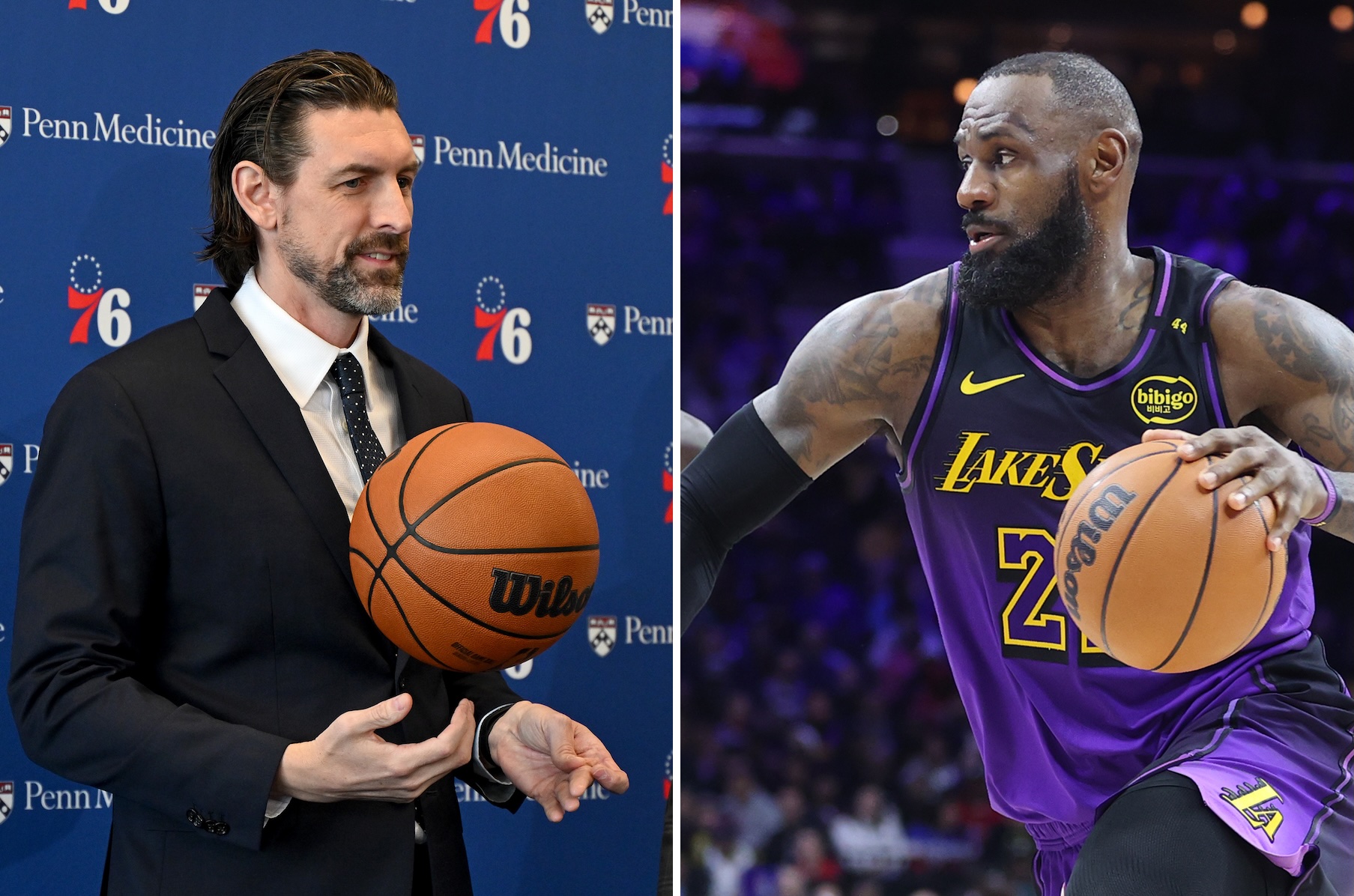
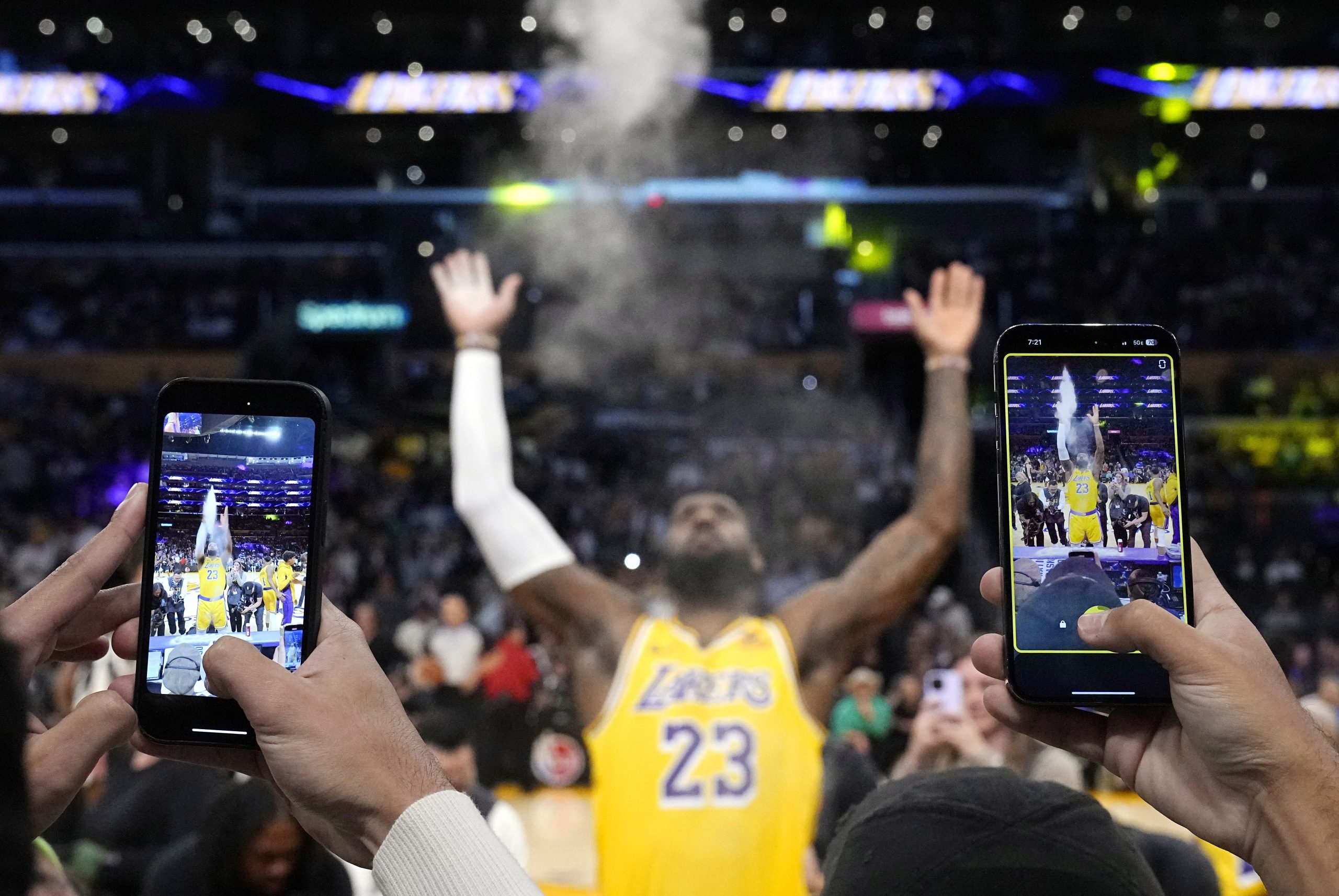
    But what caught the commentators’ attention was to the far right: future Sixers president of basketball operations Mike Gansey, of Olmsted Falls High School, alongside future Hall of Famer LeBron James, of St. Vincent-St. Mary.

    Gansey was a junior at the time; James was a freshman. Steve Gansey, Mike’s younger brother, posted the photo on X on July 1, with an eyeball emoji, promptly setting the Sixers fan base ablaze with speculation.

    Before long, it received hundreds of retweets. Sixers fans sent Gansey direct messages asking if he had any information on whether James would consider coming to Philadelphia.

    He says he didn’t.

    “I’m getting DMs like ‘Hey if you make this happen, free cheesesteaks,’” Steve said. “And I’m like, ‘OK, alright, cool!’”

    The post eventually reached the NBA Today crew. As the younger Gansey held a Sheriff Woody doll in one hand, and a Buzz Lightyear doll in the other, he overheard the panel referring to him.

    “Perk goes, ‘Gansey’s little brother posted this picture,’” Gansey said. “And I’m like, ‘Uh oh. Mike’s going to be [ticked].’”

    Mike was not upset. The younger Gansey, who coached for 14 years (seven as head coach) in the NBA G League, asked if his brother wanted him to delete the photo. The Sixers executive said, “No dude, it’s cool.” But he certainly wasn’t as enthusiastic as Sixers fans.

    “Mike is a very humble person,” Steve said. “He doesn’t like attention and all that. I just think it’s one of the coolest pictures, and it’s not just Mike and LeBron.

    “There are some unbelievable basketball players in that Cleveland, Akron, northeast Ohio area. I’m glad they’re getting some love, too.”

    Sixers president Mike Gansey (left) and NBA star LeBron James both played high school basketball in Ohio, where James beat out Gansey for Mr. Basketball Ohio in 2001.Tom Gralish and Charles Fox / Staff Photographers

    Steve has long teased his brother about his run-in with the future Hall of Famer. When Mike was working in the Cleveland Cavaliers’ front office, his brother would joke that he’d make T-shirts with the photo printed on the front.

    Mike’s response: “No. Do not do that.”

    Steve also sent the photo to Koby Altman, Cleveland’s president of basketball operations, who worked closely with Gansey in the Cavaliers’ front office.

    “Koby loved it,” Steve said. “He laughed. He said, ‘Oh I know, we’ve talked about it a couple times.’”

    The truth is that James and Gansey never competed against each other on their high school teams. Olmsted Falls and St. Vincent-St. Mary were in different regions.

    Olmsted Falls, which is on the west side of Cleveland, was grouped with schools in northwest Ohio, closer to Toledo. St. Vincent-St. Mary’s is south of Cleveland, and often played schools in the Akron-Canton area.

    It is possible they overlapped playing AAU ball, but if they did, Steve didn’t hear about it. Coincidentally, the elder Gansey also played AAU ball against former Eagles and current Green Bay defensive coordinator Jonathan Gannon, who is also from the Cleveland area.

    “He went to St. Ignatius,” Steve said. “Mike battled him.”

    Despite their lack of competitive overlap, James and Mike Gansey shared a mutual respect. Over the years, Gansey frequently referred to the future Hall of Famer as the “greatest of all time.”

    And James thought highly of the future executive, too. One time, when Gansey was playing in Europe, and James was in the midst of his first stint with the Cavaliers, the two brothers went to a game at Quicken Loans Arena (now Rocket Arena).

    Gansey knew some of Cleveland’s players, from training with them during the summer, and went down to the tunnel to say hello.

    “And we were probably 100 feet from where LeBron and his people were talking,” Steve recalled. “Someone said, ‘Ganz is over there.’ And LeBron totally walked the opposite way of where he was going, and went to dap up Mike, to say, ‘What’s up, hey man, how you doing?’ Just a quick hello.

    “It just shows you the respect. And I was like, ‘Man, Mike, he really walked 100 feet over here, and just dapped you, and walked directly right back. That’s pretty cool.’ And Mike’s like, ‘Yeah, yeah, he’s a great guy,’ and that was it. I’ll always remember that.”

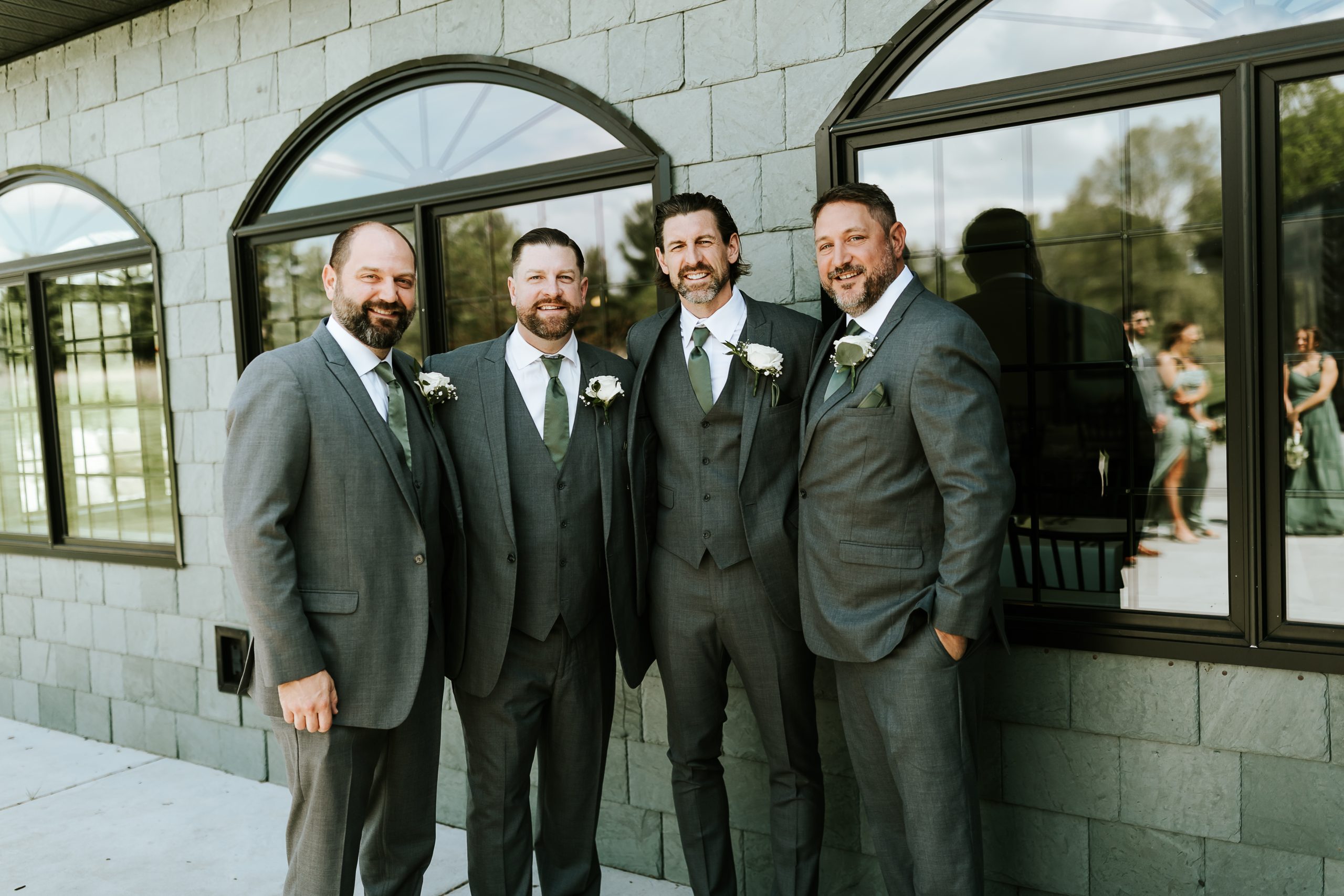
    Steve Gansey (left center) is the younger brother of Sixers executive Mike Gansey (right center).Courtesy of Steve Gansey

    The Sixers president of basketball operations isn’t the type to brag about any of this, or even mention it. He has never been one for the limelight. His high school coach, Pat Donahue, described him as a team player, almost to a “fault.”

    Gansey was one of the best players in the state (he came in second in Mr. Basketball voting in the state of Ohio in 2001, behind none other than James) but wasn’t a ball hog.

    If anything, he was the opposite. There were times when Donahue would have to talk to Gansey, midgame, to encourage him to take more shots. Even in AAU, competing with players who were trying to get the attention of college schools, he was very much team-first.

    “He very rarely came out and said, ‘OK, I’m gonna hit five threes in this game to try to get the coach from Duke to pay attention to me,’” said Donahue. “He was more, ‘Hey, I’ll pass to this guy,’ or ‘I’ll do this, I’ll get some rebounds and help the team win.’ And he’s always been that way.”

    Despite the future executive’s selfless style of play, he finished his high school career with 1,909 points, which is still the boys’ basketball all-time record at Olmsted Falls. Donahue felt bad that his pupil wasn’t able to reach 2,000, and mentioned this to him after his senior season.

    “I walked up to him and I said, ‘Mike, I’m sorry, 90 more points, or whatever it was,’” Donahue said. “‘I could have gotten you that by doing stuff for you.’ And he goes, ‘Coach. I don’t care. That doesn’t mean anything.’ And that’s just the way he is. It didn’t mean anything to him.”

    Gansey’s professional basketball career was short-lived. He had a short stint in the D-League (now the G League) and played in Germany, Italy, and Spain for a few years. But that experience was not for naught.

    Those who know Gansey best say he was quietly studying the players around him, through an entirely different lens. As his teammates thought about how to attack opponents, the future executive was pondering roster construction and player makeup.

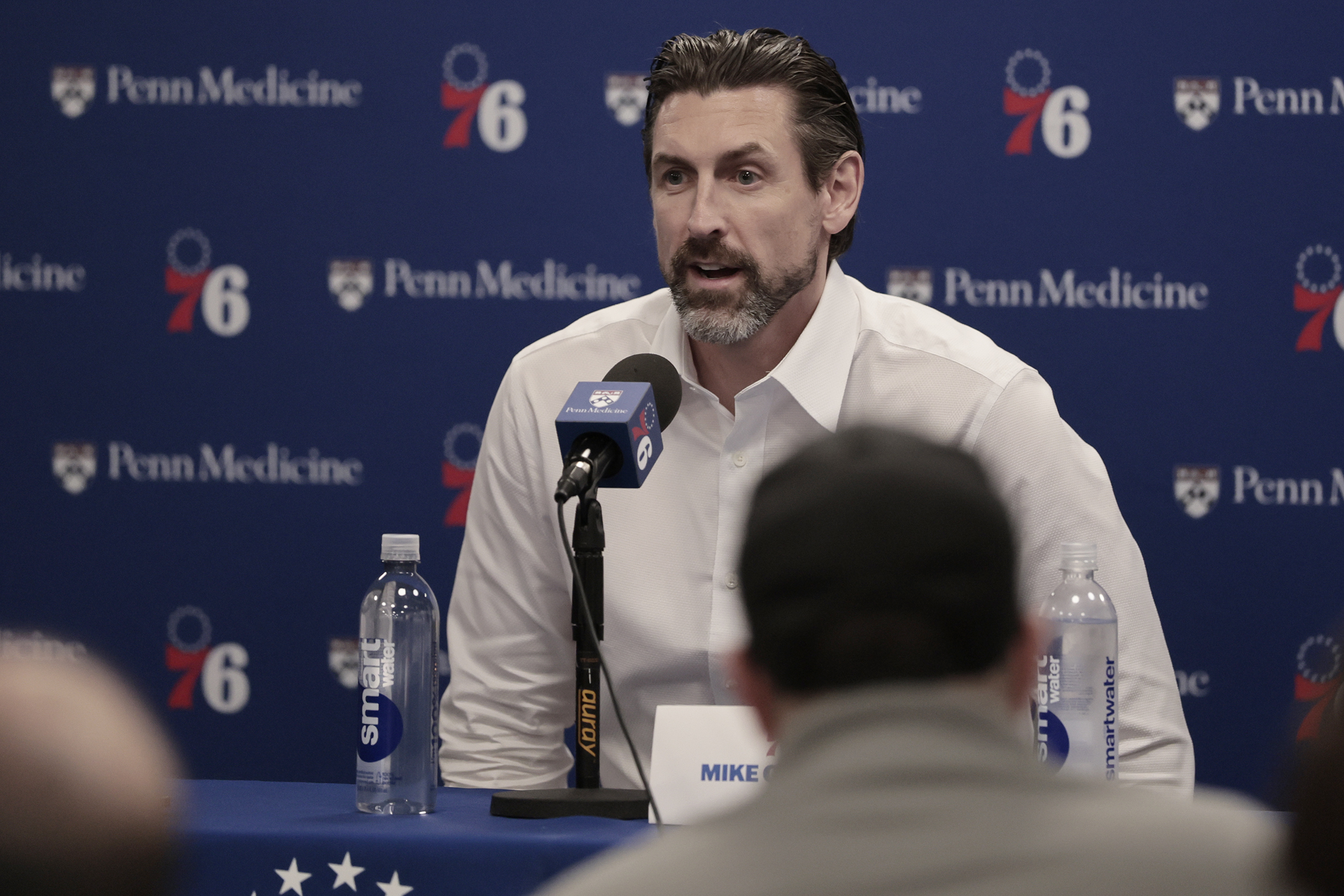
    Mike Gansey was hired as the Sixers’ president of basketball operations last month.Elizabeth Robertson / Staff Photographer

    When he reached the Cavaliers’ front office, he was well acquainted with the NBA. But that didn’t keep Gansey from his meticulous preparation. He would attend Summer League games with Donahue in Las Vegas, bringing a big notepad to scribble down thoughts during games.

    “He’d be at every Summer League game, and he would sit there,” Donahue said, “and this is before he was the [general manager] of the Canton [G League] team. He would watch every summer league game. Every one.

    “And he would sit there with his notebook, and he would just take notes about the players. I don’t even know how much say he had in what the Cavs did. He just wanted to be prepared.”

    His little brother and the former Olmsted Falls coach say that in Gansey, the Sixers are getting a hardworking executive who keeps his head down but is aggressive, just like he was as a player.

    And so far, his Philadelphia tenure is off to a promising start (with the exception of a Phillies mishap in June).

    “Oh, he loves it,” Steve said. “He loves it. He loves the city, loves everyone embracing him. Mike felt really bad about that no-hitter he jinxed, but I joked with him, ‘I think you made up for it a little bit.’

    “I mean, time will tell, but you got them off your back at least. So, that’s pretty impressive, even though you haven’t played any games yet.”

  • Philly’s Summer of Sports: No ICE arrests, unruly fans, or scary scenes at World Cup, PGA, All-Star Game

    Philly’s Summer of Sports: No ICE arrests, unruly fans, or scary scenes at World Cup, PGA, All-Star Game

    Well done, Philadelphia.

    The World Cup, the PGA Championship, and the Major League Baseball All-Star Game, the most daunting events in this Summer of Sports Celebration, are finished here.

    Philly is undefeated.

    “This summer proved what we have always known: Philadelphia is built to host world-class events,” said Mayor Cherelle L. Parker. “Our city shined on the national and international stage.”

    It was hot, and it was rainy, but hey, that’s Philly in July. At least the big three events didn’t have to deal with the current wildfire smog.

    Think about it. So many things could have gone wrong.

    There could have been embarrassing incidents involving the Department of Homeland Security, ICE, and other complications involving our suddenly inhospitable visitation policies in the United States.

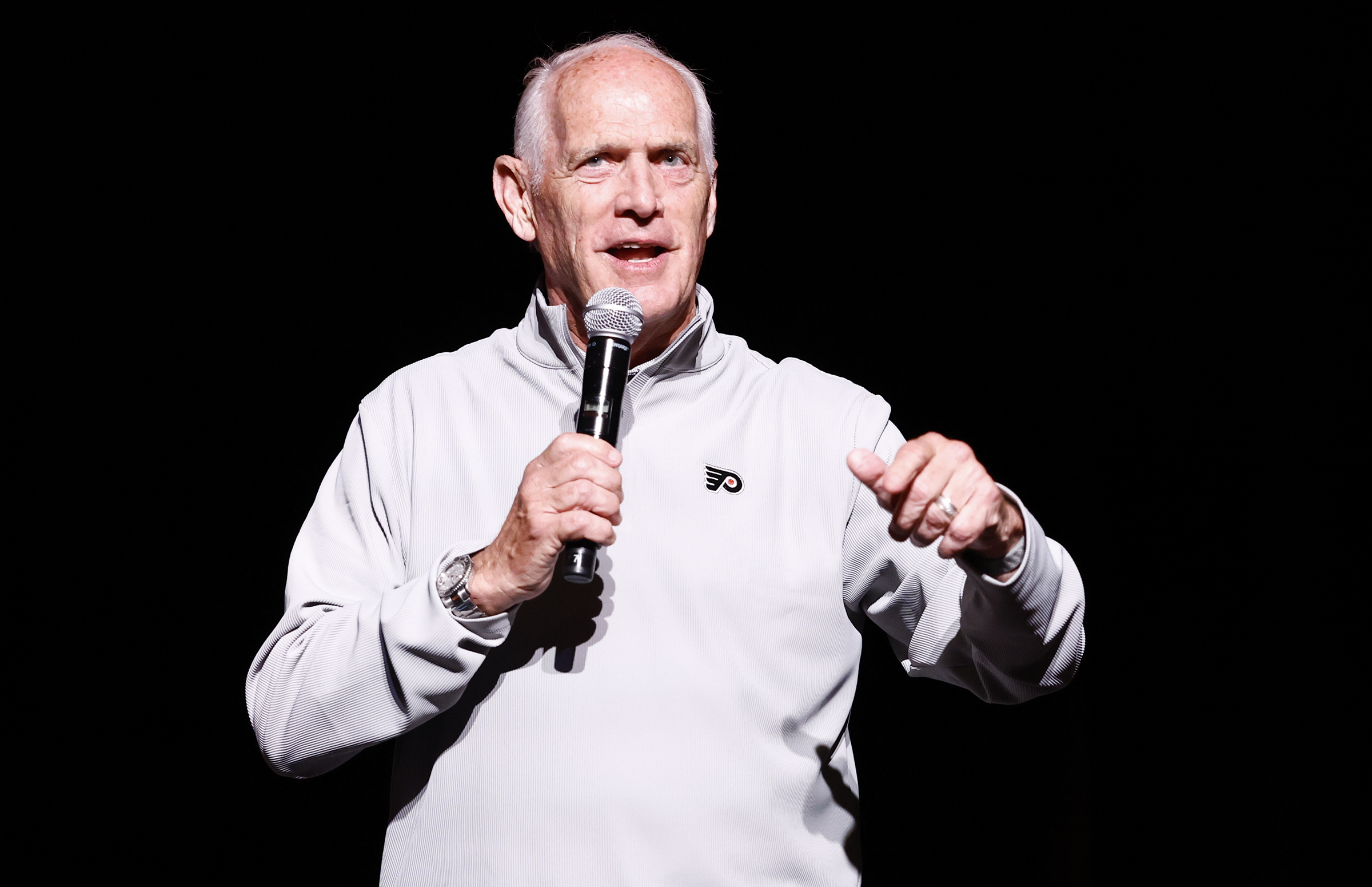
    “Worry number one was, with the influx of all of these people from all over the world into the city, making sure it was a peaceful experience for them,” said Dan Hilferty, the Flyers’ governor and CEO of Comcast Spectacor, who also served as co-chair of Philadelphia Soccer 2026 and is a Philly-area native.

    Chairman & CEO of Comcast Spectacor and Governor of the Flyers Dan Hilferty said this summer’s local events gave him “real hope” in troubled times. Yong Kim / Staff Photographer

    It was peaceful, Hilferty said, relieved.

    “We live in troubled times, not only in America but around the world. Sports can be a soft diplomacy effort,” he said. “To see people come to our city and us, as Philadelphians, welcome them with open arms — people of different faiths, different races, different nationalities — commingling in a peaceful and exciting environment … I witnessed that. It gave me a real hope for a more friendly future.”

    There could have been incidents on the streets of Philadelphia — crime or intimidation or boorishness — that would further entrench stereotypes about American cities, especially East Coast cities, and especially Philly. Nope.

    There could have been incidents in the golf crowds, the soccer crowds, and the baseball crowds. Nope. Local cops, state police, and private security kept cool and kept everyone in line.

    There could have been massive traffic problems, vociferous price gouging, public transportation disasters. On the whole, however, there was none of it. Hotels and short-term rental agencies offered reasonable options, some of them including public transportation vouchers in the rental price. Smart routing and parking rules kept cars at the sites flowing. And Philly subway rides stayed at $2.90 a pop while New York and New Jersey charged almost 10 times their normal fares. It might have taken a while to get onto the Broad Street Line after matches, but fans were patient, and the trains ran on time.

    “SEPTA really stepped up big,” Hilferty said.

    Philadelphia and its surrounding area, on the 250th anniversary of the signing of the Declaration of Independence, was glorious.

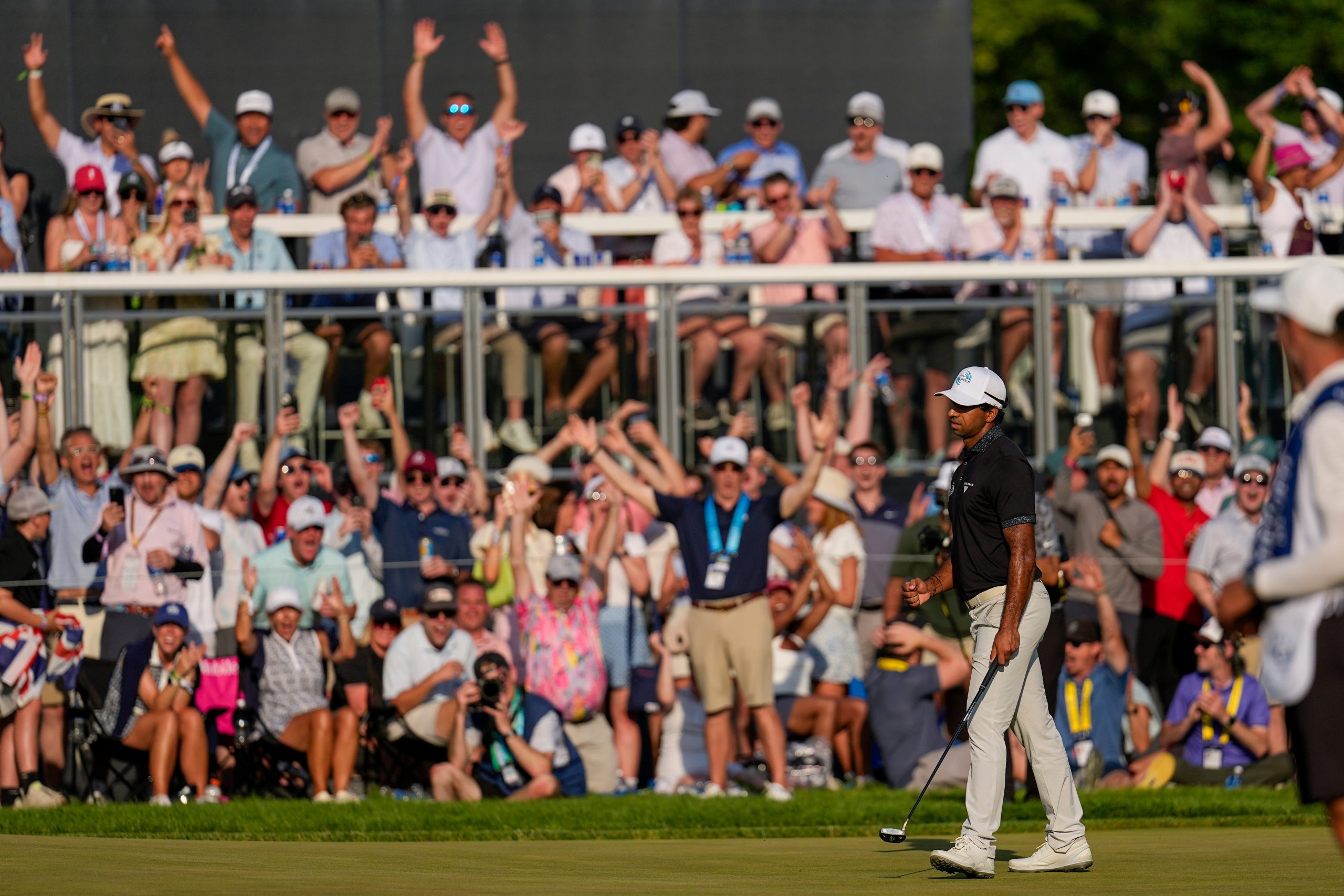
    Aaron Rai’s PGA Championship triumph at Aronimink was worthy of celebration, as was the success of the event itself. Carolyn Kaster

    Aronimink Golf Club stood strong as a major-championship venue, and, just as critically, Philly golf fans made the obnoxious New Yorkers at Shinnecock and Bethpage Black look bestial by comparison. Actually, there was no comparison: Philly golf fans once again proved to be the best in the country.

    “The crowd had great energy.” That was from Scottie Scheffler, Texas native and Cowboys fan, who had been heckled mercilessly in his opening round. “It was all in good fun.”

    The World Cup, the biggest event in Philly since the Sesquicentennial Exposition held 100 years ago, in which 10 teams played six games in a span of 21 days — including Iraq, a country with which the U.S. has a recent war history — held the largest possibility of calamity. There was none.

    Philadelphia, its law enforcement, its public transport, its politicians, and, more than anything else, its businesses and residents, literally could not have acquitted themselves better. From the specially installed pitch at Lincoln Financial Field (renamed Philadelphia Stadium for the World Cup), to the neighborhood restaurants and bars, to the sites at the South Philly sports complex that accommodated visitors, to the Lemon Hill Fan Festival that sometimes had crowds of 50,000, all you heard were stories of camaraderie and welcome.

    And, finally, this past week, MLB and the Phillies collaborated on five days of celebration capped by two nights of baseball magic that not only went off without a hitch but, really, incorporating the pomp and pageantry, were without compare. The key moment: The Sandlot interlude.

    For five minutes after the fourth inning Tuesday, 10 kids joined 10 players on the field as fireworks exploded and Ray Charles sang “America the Beautiful” from the scoreboard screen, a tribute to a scene from the 1993 kids’ baseball movie The Sandlot. It even got to me, and I don’t like the movie or fireworks.

    The game itself wasn’t great, but the Home Run Derby on Monday was superb. It was almost everything the Phillies could have wished for.

    “Together, these were not simply successful events,” said Phillies CEO John Middleton, also a Philly-area native. “They were defining moments that elevated both Major League Baseball and the City of Philadelphia, leaving a legacy that will endure for years to come.”

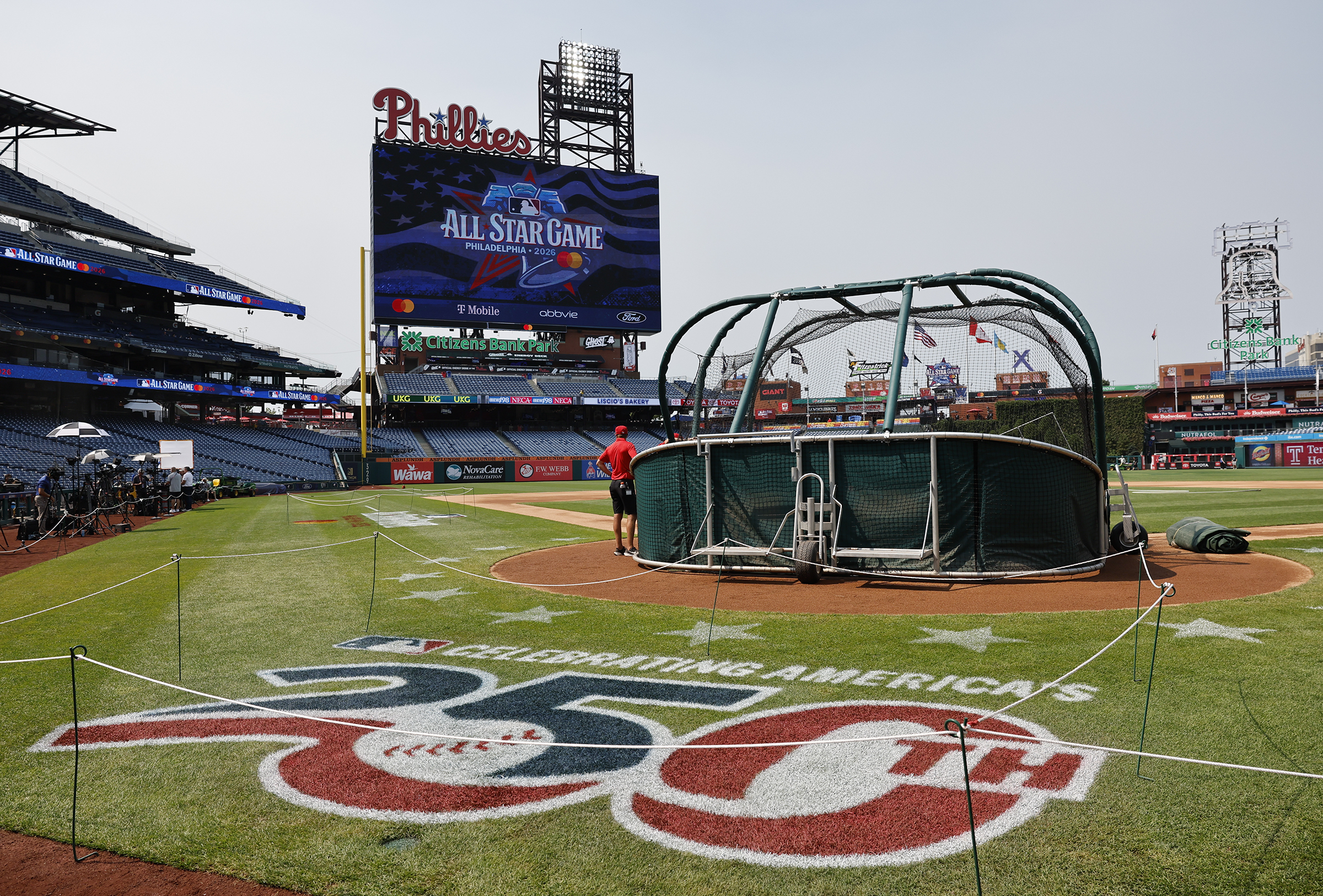
    The MLB All-Star Game was a culmination of the city’s summer of big events. Yong Kim / Staff Photographer

    David Montgomery, the late Phillies CEO who dreamed of having Citizens Bank Park host the midsummer classic in the middle of this special summer, surely is smiling down from above.

    It’s hard to overstate how unlikely it was that all of these events went off without an appreciable glitch. I’ve worked with the PGA of America, with FIFA, and with MLB. They are not particularly streamlined, seamless organizations. Combine the balkiness of those organizations and the history of glitches and missteps in Philadelphia’s past, there always was a chance that things might go haywire here this summer.

    But between Pennsylvania’s state government, local municipalities and city governments — more than 40 entities in all — and the golf course, the baseball team, and the guy who runs the Flyers, anyone who watched or attended the big three events should know that the efforts on a local level cannot be credited too much.

    “People came from across Philadelphia, our region, the nation, and the world, and, by every measure, they experienced the very best our city has to offer,” Mayor Parker said.

    Now, as the World Cup final in North Jersey closes down these 10 weeks of spotlight — there will be one more watch party at Lemon Hill in Fairmount Park, 2 p.m. to 8 p.m. Sunday for the Spain-Argentina final — the folks in charge and the folks they represent can breathe sighs of relief and stick their chests out, proud of the concept, the planning, and the execution of a summertime run such as the region has never seen.

    To be fair, incidents and accidents at other World Cup sites in the U.S., Canada, and Mexico were virtually nonexistent. But few venues faced the unique logistical and cultural challenges you get in Philadelphia.

    The bigwigs made sure to monitor the situation.

    Pennsylvania Governor Josh Shapiro and Philadelphia Mayor Cherelle L. Parker celebrated the city’s big events along with their constituents and visitors from all over the world. Yong Kim / Staff Photographer

    Mayor Parker went to Lemon Hill and commingled with Mexico soccer fans. She, Gov. Josh Shapiro (a Montco native), and the owners kept running into each other at the various events, their attendance less choreographed appearances than invested fandom and stewardship. They wanted to make sure everything was OK.

    Before the first World Cup match in Philadelphia, Hilferty and his wife, Joan, walked across the parking lot from his office at the Xfinity Mobile Arena to the Stateside Live! open-air bar. There, they saw Ecuador fans in yellow jerseys exchanging partisan chants with orange-clad Ivory Coast supporters — then exchanging cellphones so they could take pictures for each other.

    Ivory Coast won the match. The fans shared drinks in the parking lot and subway rides home.

    “After the first match,” Hilferty said, “I felt really good.”

    That feeling remains.

  • LeBron to the Sixers would be bigger than we seem to understand

    LeBron to the Sixers would be bigger than we seem to understand

    On Oct. 28, 2003, the 76ers opened their regular season at home — the arena was called the Wachovia Center then — with an 89-74 victory over the Miami Heat. It was the first game of Randy Ayers’ head coaching career, a career that would last just 52 games before he was fired. The Sixers’ starting lineup that night would make for a trivia question that would stump even the most obsessive hoops historian. Can you name the five? Don’t bother trying. They were Allen Iverson, Eric Snow, Derrick Coleman, Kenny Thomas, and John Salmons. It was, to put it mildly, a long time ago.

    The next night, LeBron James played his first game in the NBA.

    It is not enough to say that James has been with us ever since, for more than 22 years. It is not enough, now that the 76ers are reportedly one of the few franchises for whom James might choose to play this season, to say that he would be a nice, snug fit with Tyrese Maxey, Jaylen Brown, VJ Edgecombe, and Joel Embiid (when Embiid is healthy enough to suit up). For much of those two decades-plus, he has been the dominant figure in professional basketball and, at times, in all of sports. If your primary thought about a James-Sixers union is, He’d be the perfect power forward for this team, you’re shrinking him to a ridiculous size.

    Immediately upon his arrival, he would be the biggest sports star in this city, beyond any of his teammates, beyond anyone on the Eagles or Phillies. A talk-radio debate about Jalen Hurts would be a literary salon next to the daily LeBron discourse.

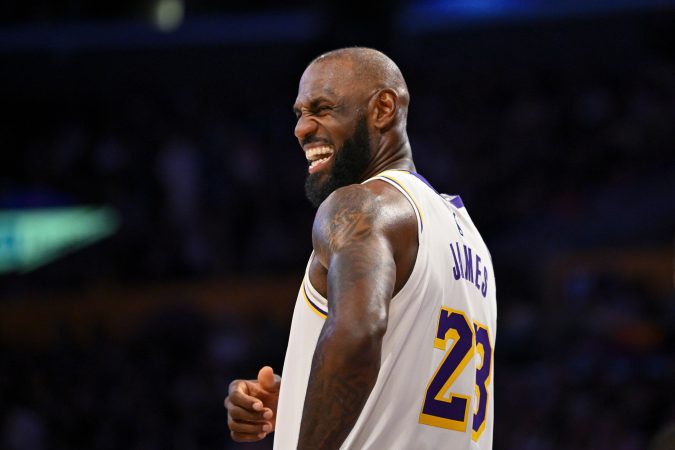
    LeBron James’ arrival would dwarf that of Bryce Harper and other superstars.Mark J. Terrill

    Steph Curry changed the way basketball was played and the way boys and girls around the world wanted to play it, and among the fraternity of NBA players themselves, Kobe Bryant was more respected and feared, for his preparation and cutthroat competitiveness, than James. But James has been greater longer than any other player in the sport (with the possible exception of Kareem Abdul-Jabbar, if you count his Lew Alcindor/UCLA years).

    Set aside, if possible, the four NBA championships and the 10 Finals appearances and the league’s career scoring record and the three Olympic gold medals and the other records he has set. His choreographed announcement in 2010 that he was leaving the Cleveland Cavaliers for the Miami Heat was the 21st century’s answer to the revelation that Kristin Shepard had pumped two bullets into J.R. Ewing’s belly. It changed everything about the power that elite players held over their respective teams because it showed elite players that they held power over their respective teams. Pro sports hasn’t been the same.

    Finding an athlete comparable to James in popularity and influence is difficult enough, let alone one who arrived in Philadelphia during the middle stage or latter half of his career, after he had established his galactic superstardom. Wilt Chamberlain already had been a high school phenom here when the Warriors made him a territorial pick in the 1959 NBA draft. Julius Erving was the “Babe Ruth of basketball” — at least, that’s how Sixers general manager Pat Williams described him in trying to persuade owner Fitz Dixon to cough up the money to acquire Dr. J. But Erving had spent six years in the relative obscurity of the ABA; telling someone you had seen him play for the Virginia Squires or New York Nets, whether in person or on TV, was akin to claiming you had spotted a Sasquatch.

    Allen Iverson was a pop-culture revolutionary with the Sixers for introducing hip-hop style and fashion into the mainstream; his on-court accomplishments, though, don’t stack up to James’. Bryce Harper was as well known as any player in Major League Baseball when he signed with the Phillies in 2019, but he didn’t and still doesn’t have anywhere near the global recognition and cachet that James does. We’re talking an all-timer among all-timers here.

    None of this context and history means that James will sign with the Sixers, and none of it means that they’ll win a championship for the first time since 1983 if he does. But it does provide a good counterbalance to the muted public reaction to the prospect that James could become a Sixer any day now. Yeah, he’s 41. Yeah, he has his coterie of agents and handlers and podcasters and supplicants. Yeah, he could turn out to be a handful or worse, especially if he wants to be the alpha on a team of younger, talented players who believe their time is now and aren’t interested in taking a backseat to anyone, even to one of the five best players ever.

    Cool. I’ll believe LeBron will sign with the Sixers when I see it; if I had to guess, I’d say he opts for a charming third go-round with the Cavaliers. But if he does come here … bring it on. Bring on the hope and expectations and the potential chaos. LeBron James in Philadelphia could be a coup, and it could be a disaster, and that volatility would be the fun and fascinating part of it. When Michael Jordan came out of retirement and joined the Wizards in 2001, just two years before James’ debut, The Washington Post assigned a writer, Michael Leahy, to cover Jordan and Jordan alone — a reporter whose beat wasn’t the cops or the courthouse or the ‘burbs or the basketball team, but one man. To my editors: Sign me up.

  • One year of inspections at Nazareth Hospital: April 2025 – March 2026

    One year of inspections at Nazareth Hospital: April 2025 – March 2026

    Nazareth Hospital was not cited by the Pennsylvania Department of Health for any safety violations between April 2025 and March of this year.

    Located in northeast Philadelphia, the hospital is part of Trinity Health Mid-Atlantic.

    Here’s a look at the publicly available details:

    • July 1, 2025: Inspectors came to investigate a complaint but found the hospital was in compliance. Complaint details are not made public when inspectors determine it was unfounded.
    • Feb. 18, 2026: Inspectors came to investigate a complaint but found the hospital was in compliance.
  • Should Division I men’s soccer become a two-semester season? Here’s where Philly coaches stand.

    Should Division I men’s soccer become a two-semester season? Here’s where Philly coaches stand.

    A change to Division I men’s soccer looks to be on the horizon.

    After years of discussion and debate, the NCAA Men’s Soccer Oversight Committee adopted legislation to shift the sport’s season from the fall to a two-semester schedule. The change was set to go into effect before the 2027 season. But on June 24, the NCAA announced that the Division I Cabinet remanded the proposal for additional review.

    Twenty conferences opposed the measure, according to the NCAA’s release, taking issue with “the duration of the season” and “the lack of clarity about related rules.” Additionally, the Cabinet noted issues relating to how the change could impact the “student-athlete academic experience.”

    Philadelphia has six Division I men’s soccer programs: Penn, La Salle, Drexel, Villanova, Temple, and St. Joseph’s. The head coaches of each program reacted to the possible change. Some supported it, while others pointed out a variety of flaws.

    Player development

    Critics of the one-semester season have long lamented that the current setup impacts player development. Villanova head coach Mark Fetrow, who noted his program has been “big supporters” of the new legislation, believes a two-semester format will accelerate development and may be a necessity for college programs.

    “When you space the games out, and now you’re saying we’ve got a year of competition, we can now periodize our training in a way where we’re getting more out of our training sessions from a week-to-week basis,” Fetrow said. “We’re really maximizing performance because guys are just healthier on game days. If we want to stay relevant, if we want to evolve, because the game has evolved a lot in the United States in the past 10 years, then we have got to be willing to make some changes as well.”

    A main competitor for colleges, in terms of acquiring and developing talent on a path to the professional ranks, has been Major League Soccer Next Pro, MLS’s path to pro league. But a longer season could put college soccer on par with the emerging professional league, says Taylor Thames, La Salle’s head coach.

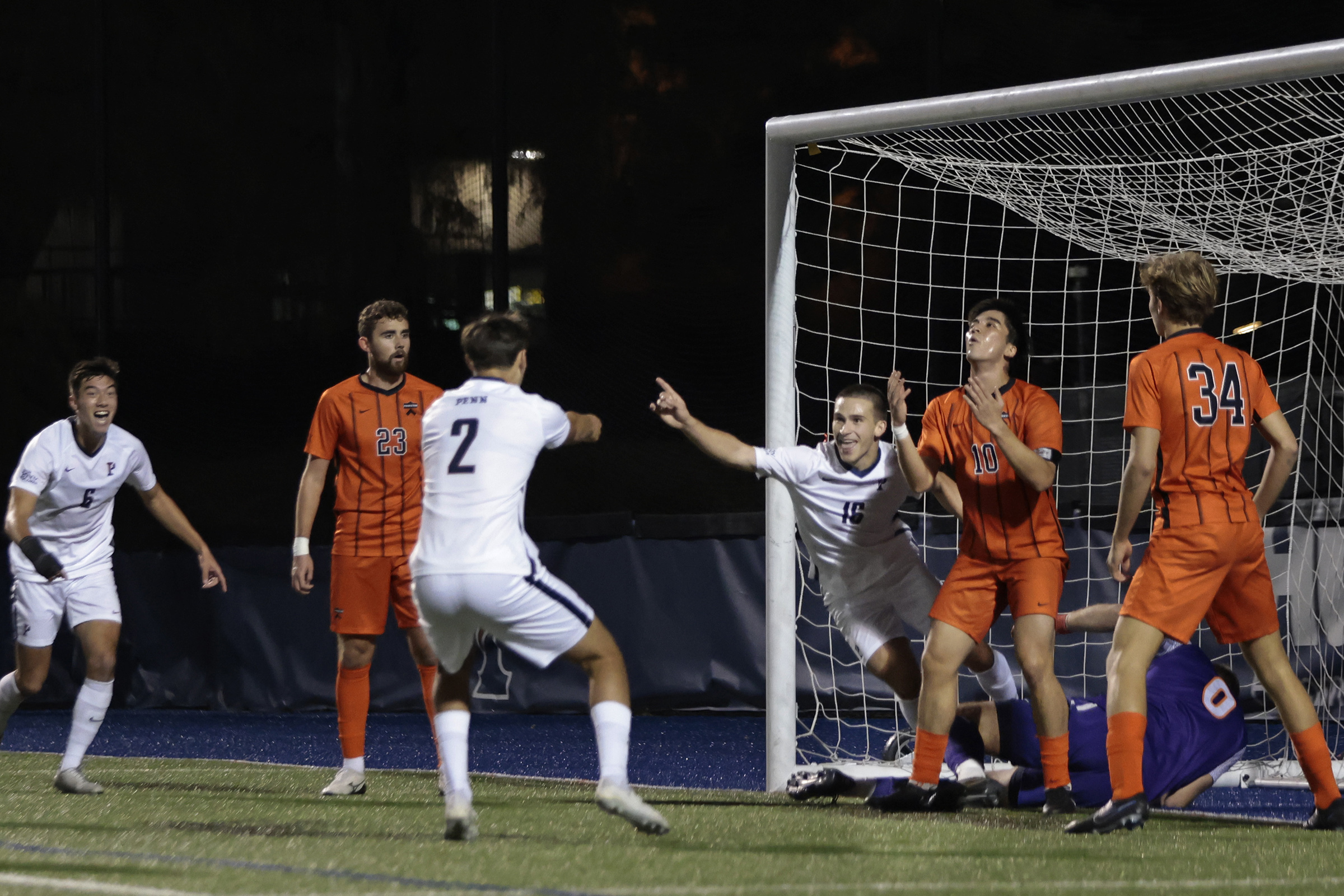
    Oliver Pratt (No. 16) played four years at Penn before signing a pro contract.Elizabeth Robertson / Staff Photographer

    “I think it makes us much more competitive in relation to MLS Next Pro, and some of these USL One contracts that are starting to take some high-level players from the college landscape, and it helps us develop them for longer spells,” Thames said. “There’s a bigger development cycle.”

    Oliver Pratt, a 22-year old defender for MLS Next Pro’s Union II, played four years at Penn. He had to graduate a semester early to sign with an MLS team in time for the season. Having now experienced a full year of training in the pros, Pratt better understands the upside to shifting the college format.

    “I definitely would have been able to maximize [training] more, and I would say be able to significantly improve within one season,” Pratt said. “It’s a different transition for me now. I’m dealing with a 10-month season, and my body’s definitely taking a toll.”

    However, the majority of college players are not going pro, St. Joe’s coach Tim Mulqueen pointed out. He also noted that increased development would benefit the “top 1% or 2%,” but argued “that would happen for the top players anyway.” Mulqueen has seen premier development firsthand. He served in multiple roles with U.S. Soccer, including as an assistant coach for the 2008 U.S. men’s Olympic team.

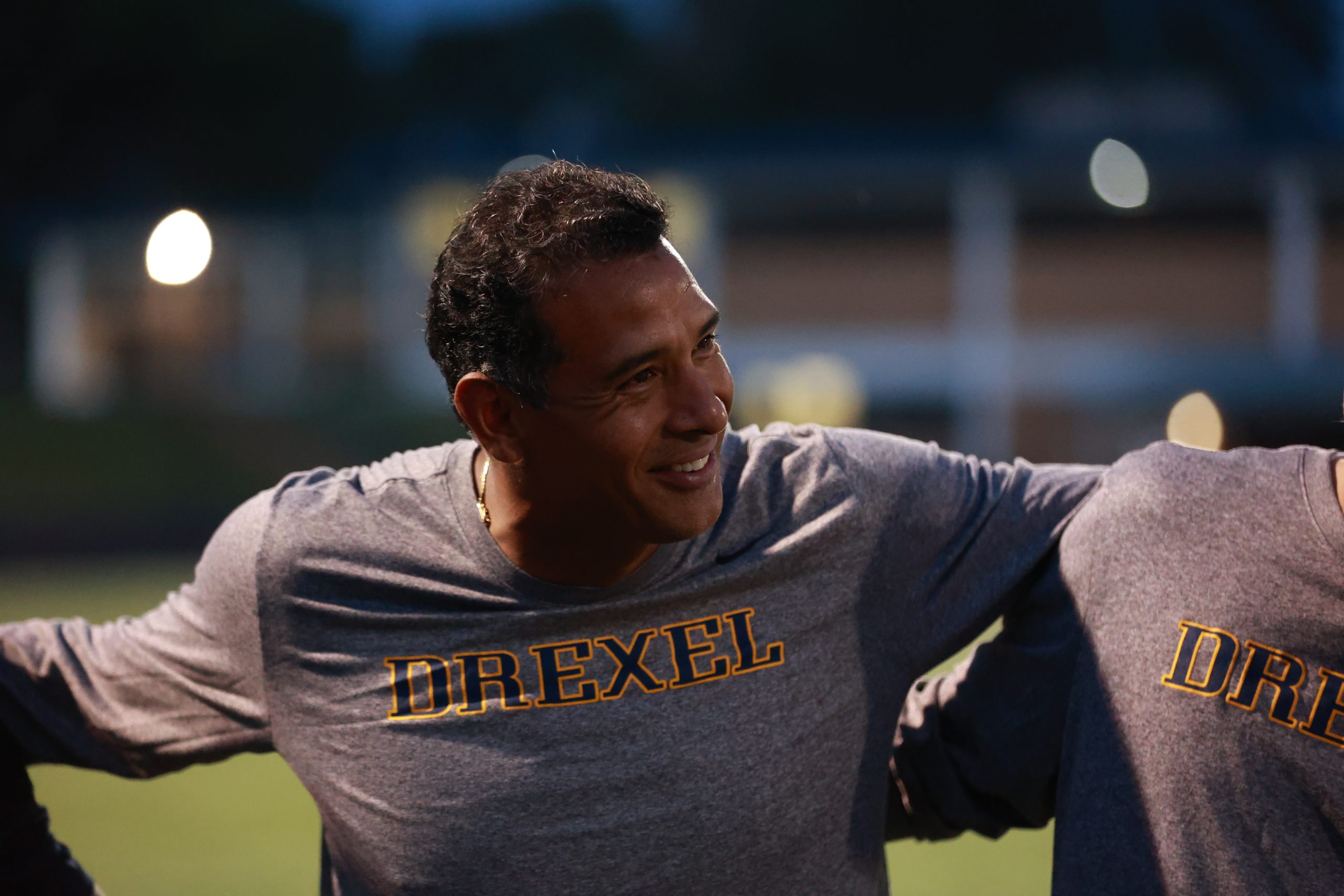
    Meanwhile, Drexel coach David Castellanos believes the current system is yielding strong results and a “drastic change” would not be necessary. He said that the old model has produced “national team guys in the 1990 World Cup” and “MLS head coaches.”

    Scheduling games, shifting operations

    In a two-semester season, programs would have to adjust how and where games are scheduled.

    Under the new format, the maximum match limit for each team would stay at the current cap of 25, meaning no additional games would be added in the 2027 season. With this, programs are required to schedule at least seven games or at most 10 games in the spring season. A team cannot opt to play all of its games in the fall.

    Having to schedule games and additional practices in the spring could create issues for teams that share their facilities with other programs. For example, St. Joe’s shares Sean Sweeney Field with both of the school’s lacrosse teams and the women’s soccer program.

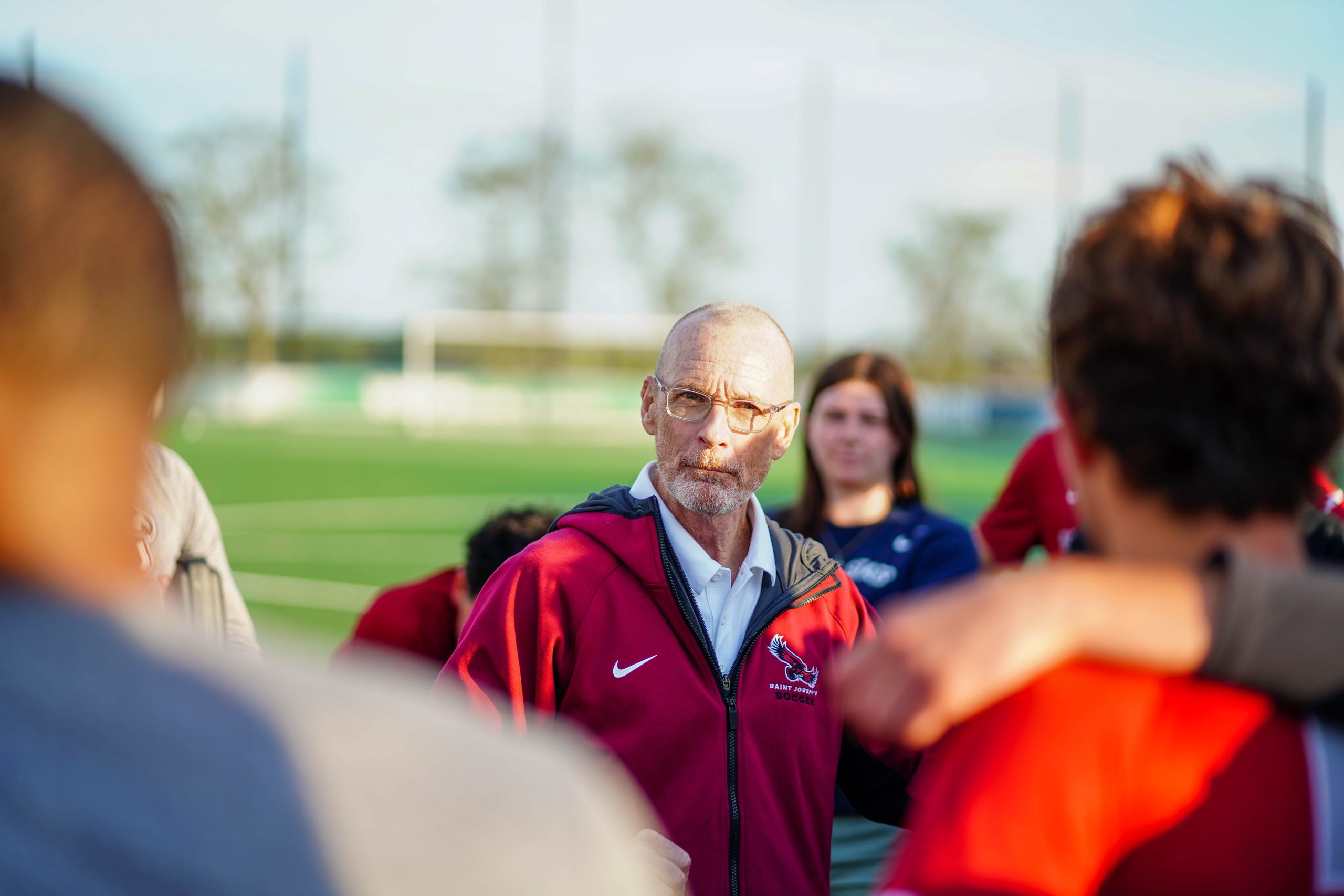
    Tim Mulqueen has served in multiple roles with U.S. Soccer, including as an assistant coach for the 2008 U.S. men’s Olympic team. St. Joseph's Athletics

    “When you’re sharing [facilities] with lacrosse or field hockey, that’s going to stress training times,” Mulqueen said. “It’s going to stress the [operations] people, it’s going to stress our trainers, who in small schools do multiple teams.”

    Penn and Villanova are the only two local Division I programs that boast soccer-specific facilities, meaning that intra-program scheduling conflicts are unlikely to occur. Still, Quakers coach Brian Gill expressed concern with how the change may affect the other resources that his program relies on.

    “Your infrastructure gets shared, so if that’s the actual facility or some of the people: trainers and strength coaches, sports information,” Gill said. “There’s a lot of shared overlap there, so that’s probably one of the biggest challenges. … How do you make this all feasible when it comes down to that stuff?”

    Then, there’s the case of weather. Philadelphia boasts relatively cold Februaries, when spring play is slated to resume. From 1992 to 2021, the city’s average temperature in the month was 36 degrees — a cause of concern for a few of the City 6 coaches.

    “It’s going to be brutal,” said Castellanos. “If you take, for example, the winter that we just had this year and then you’re telling me our playing season is going to be in the spring. You need January, February for preseason to ramp these guys up.”

    Added Thames: “I think any coach should be concerned about competitive advantages — how to protect their program and fight for their program. That’s one concern that I would imagine for teams that don’t have an [indoor] bubble. [La Salle], for example.”

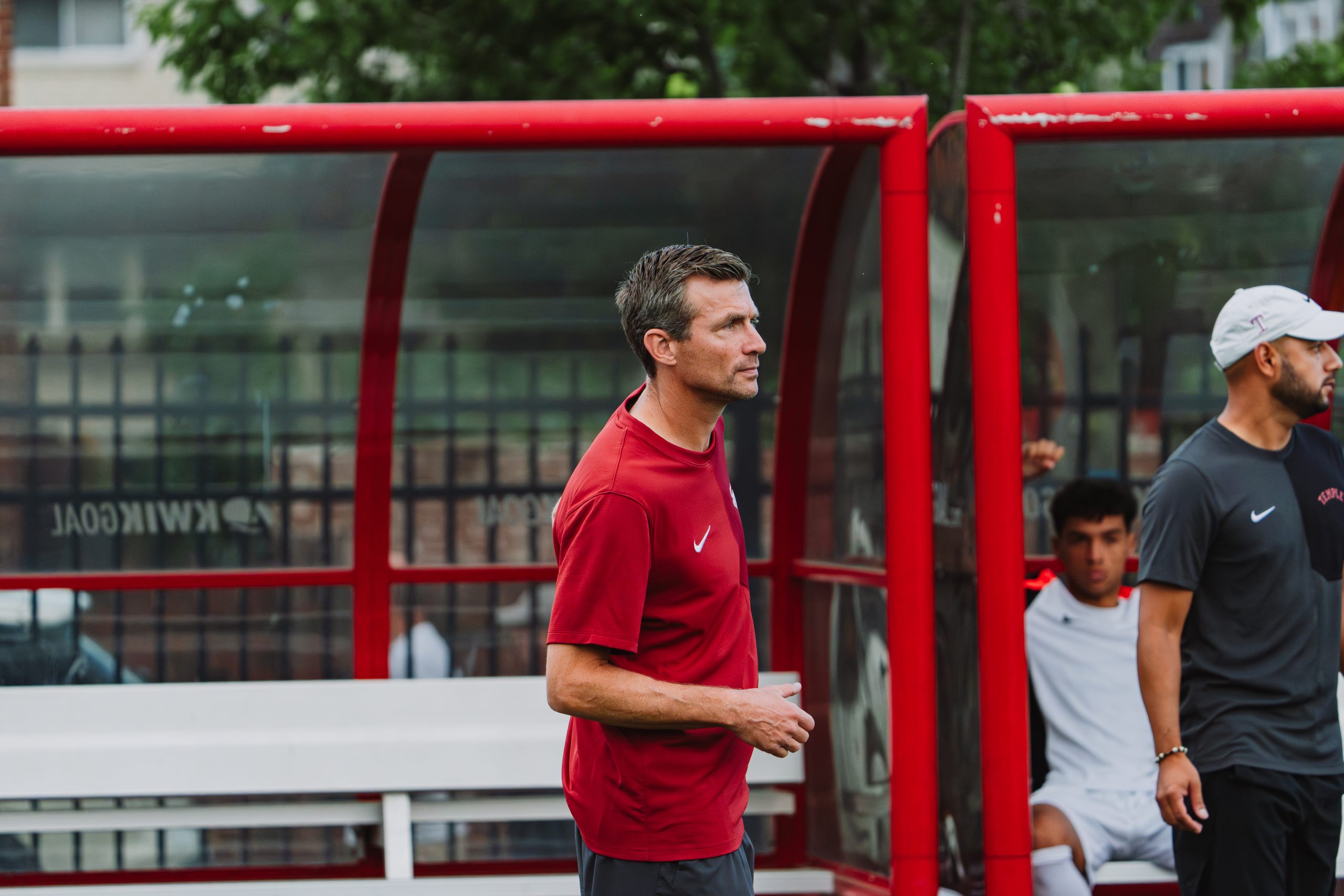
    However, Temple head coach Bryan Green did not feel Philadelphia’s climate was a cause for concern.

    “All the leagues in Europe, like Germany, have a pretty similar climate to us,” he said. “They play in December and January. It’s part of the sport to play outdoors and play in different environments and conditions”

    David Castellanos believes college soccer’s current system is yielding strong results and a “drastic change” would not be necessary.Drexel Athletics

    One way to escape the cold is to schedule early spring matches down South, which is what most of the area’s college baseball teams do. Fetrow noted that he has been in conversation with Villanova to “try to go down to a place like North Carolina” to start the second half of the season. Thames, Mulqueen, and Castellanos all shared similar interest.

    Like anything, though, that will come with additional costs.

    “Those are going to be travel expenses. I don’t see how you can get around it,” Mulqueen said. “We’ve gotten to the stage where the smaller schools, we have to adapt to what’s being done at an NCAA level that we really don’t have much say in.”

    Player health

    A leading factor in the new format’s adaption was the idea that spacing out games would result in fewer total matches missed due to injuries. The NCAA, in its formal announcement, wrote that increased recovery time “could support injury prevention and return-to-play protocol.”

    For the most part, the area’s coaches agreed with the reasoning.

    “Say a kid needs two and a half weeks to get back [from an injury], there’s a good chance that the player missed five or six games through one injury,” Gill said. “Versus [in the new format], the player maybe misses two to three games. You’re sort of giving some space for guys to naturally come back.”

    While Castellanos agrees that total games missed will be cut down due to the new format, he believes that a longer season may bring more “wear and tear” injuries.

    “When we think about these injuries, we think about some of the major ones, but we’re not talking about the soft tissue ones,” Castellanos said. “Now that you go 10 months, you’re on it every single day, right? I think that you know these things can linger. It’s going to put a lot more pressure on the training staff to maintain these guys to be healthy for 10 months.”

    Bryan Green has led the Owls as head coach since 2022.Temple Athletics

    Mulqueen is also concerned about new injuries sprouting due to the format.

    “In my experiences, when you have more time, you do more things,” Mulqueen said. “No one’s going to sit idly by and say, ‘Right, we have 10 months now, or we’re going to give guys time off.’ Well [if] you get bad results, you’re going to do more.”

    Now, Philadelphia’s coaches are in a waiting game to see when the proposal will make its way back to the NCAA’s desk. In the meantime, they will continue to prepare for what feels like the inevitable.

    “There’s all kinds of different challenges every season, no matter what,” Green said. “I think that’s the one thing that college athletics does really well, is they’re nimble and adaptable, and this is just one more thing that we can prove that we can do.”

  • Does Mike Trout actually want to play in Philly? Better question: Do we actually want to see it?

    Does Mike Trout actually want to play in Philly? Better question: Do we actually want to see it?

    One of the keenest pieces of life advice is to never meet your heroes.

    Also, never trade for them when they are 34 years old and have $150 million remaining on their contract.

    It’s as simple as that, a big part of me thinks.

    I wouldn’t be surprised if a part of Mike Trout thinks it, too.

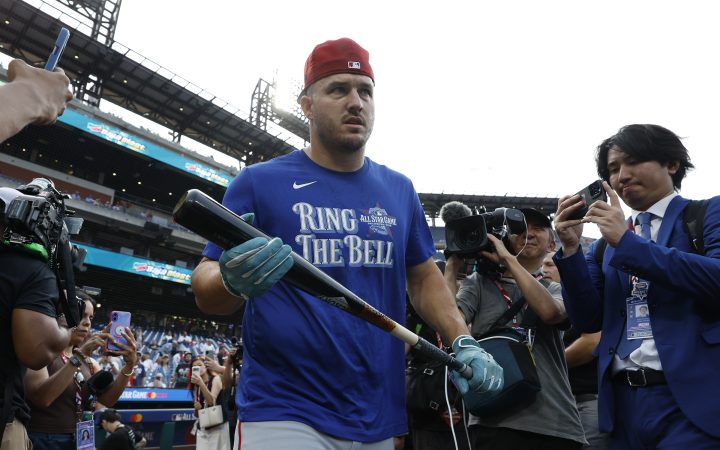
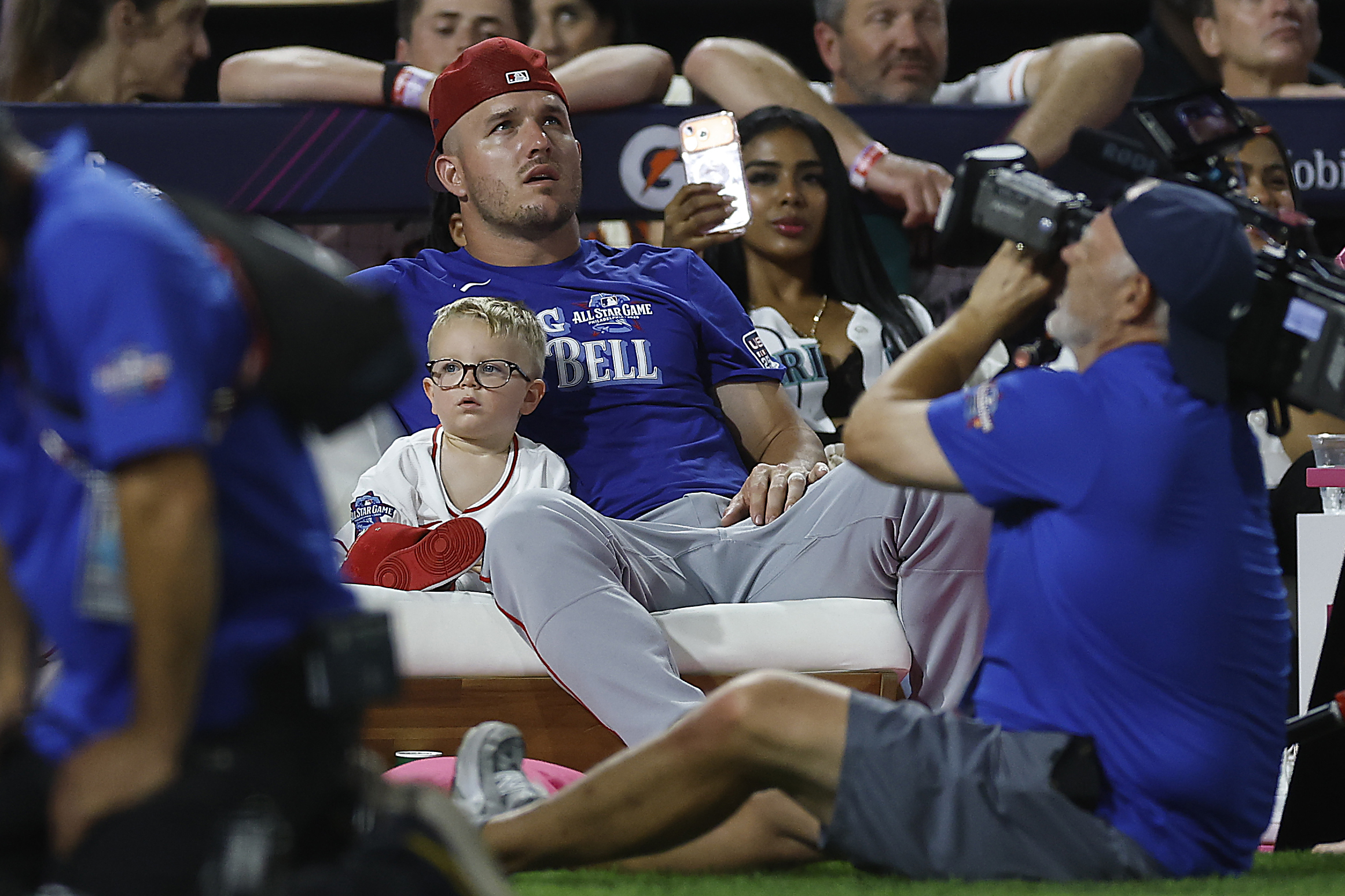
    It would certainly explain the vague but consistent discomfort that the Angels superstar projected throughout his All-Star weekend at Citizens Bank Park. From the obligatory arrival-day media free-for-all to a small postgame scrum that included some folks who’d covered him since high school, Trout politely but steadfastly declined to don the homecoming crown.

    “It’s been great,” the Millville native said after Tuesday night’s All-Star Game. “Being out there with the guys, seeing my family, friends, it was a special night, special couple days.”

    A questioner wanted to know where it ranked. He’d played at Citizens Bank Park in high school, after all. He routinely attends Eagles games across the street. He was applauded wildly during pregame introductions.

    “It’s up there,” was all Trout would allow.

    Philly loves nothing more than when someone loves it back. Trout surely knows this. Yet his responses were the ones you’d expect if somebody had asked if he enjoyed the meal.

    Virtually every year since Trout’s MVP runner-up rookie season, the idea of him in a Phillies uniform has surfaced like a white whale. From the trade-deadline fan fiction to the free-agent fantasy, nobody ever bothered to consider a fundamental question.

    Would Trout actually want to play here?

    In a lot of ways, Millville is as far away from the insanity of Philadelphia as Anaheim itself is. Trout has seen that insanity close enough at Lincoln Financial Field. Surely, he can imagine all that would await him and his family were he suddenly to become the potential savior of the Phillies.

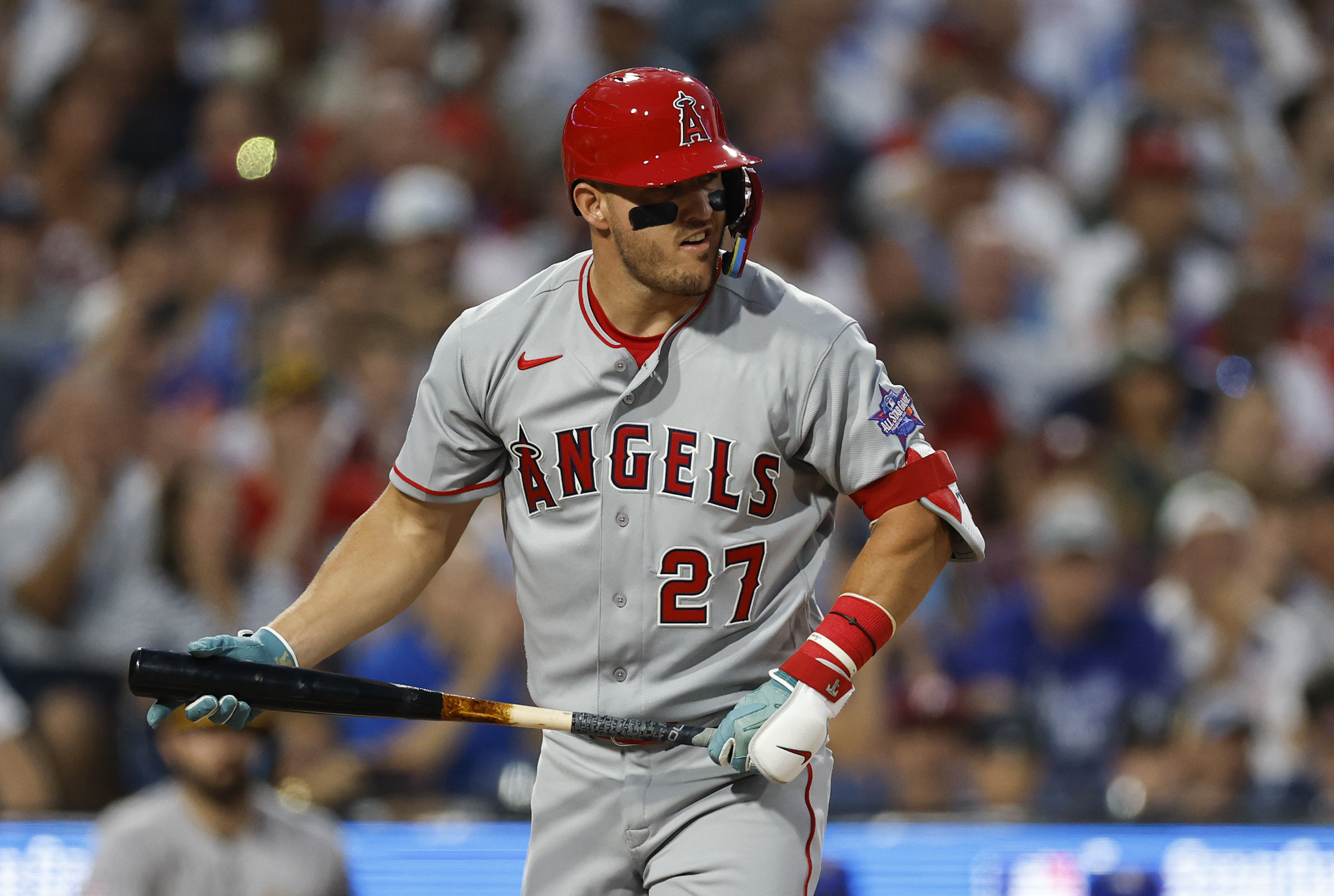
    Mike Trout, a Millville native, went 0-for-3 in Tuesday’s All-Star Game at Citizens Bank Park.Yong Kim / Staff Photographer

    “I hear this a lot,” Trout told reporters on Monday before the Home Run Derby. “I enjoy coming to Philly. I’m an Angel, obviously. I got a no-trade clause, so it’s ultimately my decision. But, like I said, I love Philly.”

    Even if Trout wants to be here, which he has given no indication he does …

    Even if the Angels are willing to accommodate it on the Phillies’ terms, which they have given no indication they do …

    Even if the Phillies would dramatically increase their World Series odds by adding Trout’s stout right-handed bat to a lineup that leans further left than the DSA. Which is debatable at best …

    Even if all that is true — which, again, it very likely isn’t — the Phillies would need to think long and hard about whether such a move makes sense for them.

    The rest of us would need to ask ourselves if we really want to see it.

    Instead of focusing on the fairy-tale beginning, let’s start with how the thing is most likely to end. That is, poorly. Very, very poorly.

    Frankly, the strongest argument for Trout in a Phillies uniform is that the world as we know it may have ceased to exist by the time his contract is off the books in 2030. You only die once, right? Might as well have lived.

    Other than that, let’s make sure we think about the likely reality of 2030.

    Think about how Trout’s last days, maybe years, in a Phillies uniform would likely look. Think about how the Phillies would likely look as a whole.

    Trout is one of the greatest athletes to ever play baseball. He is unquestionably the greatest to do it while holding Eagles season tickets (sorry, Kevin Mench). But Trout’s civic legacy has greatly benefited from the insulation of 2,700 miles. The injuries, the missed postseasons, the diminished production. Thus far, they’ve been the burden of Angels fans, whoever they are.

    Mike Trout had a .739 OPS with a .326 OBP in his last 20 games before the All-Star break.Yong Kim / Staff Photographer

    There will be no insulation when he is 38 years old and being paid $37 million to limp into the last year of his contract alongside a 37-year-old Bryce Harper and a 37-year-old Kyle Schwarber and a 37-year-old Aaron Nola and a 37-year-old Trea Turner and a Phillies team that needs to get its development house in order to be anything other than a soul-sucking disappointment when the year of our lord 2030 arrives.

    Sure, maybe this time will be different. But there are very few scenarios where Trout in a Phillies uniform is sensible for the organization and something other than cringeworthy to watch at the end.

    From the Phillies’ perspective, the depreciation calculus would be complex enough to jeopardize a deal even if both sides were open to one. Health is a significant variable. That’s true for most 34-year-old players. It is especially true for Trout, who has played 85+ games just twice in his previous six seasons and hasn’t played more than 140 since 2016, when he was 24. He is barely a week removed from returning from a hamstring strain that sidelined him for three weeks. He missed a month last season after reinjuring a knee that had previously cost him most of 2024. The 2021-23 seasons saw him deal with a calf strain, a back injury, and a fractured hamate bone. The actuarial work will require more than a cocktail napkin just to calculate Trout’s likely availability from now through October. Even more complicated is figuring out how to price the risk/reward of the rest of Trout’s contract, which will pay him about $150 million through 2030, when he will be 38 years old.

    That would be true even if the short-term payoff were as decisive as many envision. It isn’t. Trout’s production has cooled off considerably since a sizzling start. He had a .739 OPS with a .326 OBP in his last 20 games before the All-Star break and a .750 OPS with a .349 OBP in his last 42. Those numbers are better than they may sound, particularly compared with what the Phillies’ overall numbers have been in the outfield alongside Brandon Marsh. But they are far from vintage Trout, which is what he was in his first 36 games, reaching base at a .436 clip with a 1.000 OPS and 11 home runs in 126 at-bats.

    In the meantime, the Phillies are dealing with the reality that they have exactly one proven late-innings bullpen arm. Their trade deadline focus crystallized on Thursday with the news that setup man Brad Keller will miss the rest of the season — and presumably 2027 — with a torn UCL.

    It’s pretty easy to envision how October will end if the Phillies sink resources into Trout instead of allocating them for the bullpen.

    Nobody should want to see it.

  • BalletX’s return to ‘The Little Prince’ is every bit as enchanting as before

    BalletX’s return to ‘The Little Prince’ is every bit as enchanting as before

    At 20, BalletX has developed into a contemporary company of strong dancers that consistently brings Philadelphia audiences something new. While most dance companies commission new work, BalletX leans heavily into the world premieres.

    This approach is largely a win for both the dancers and audiences. But when a standout work comes along, it can be a long wait before it returns.

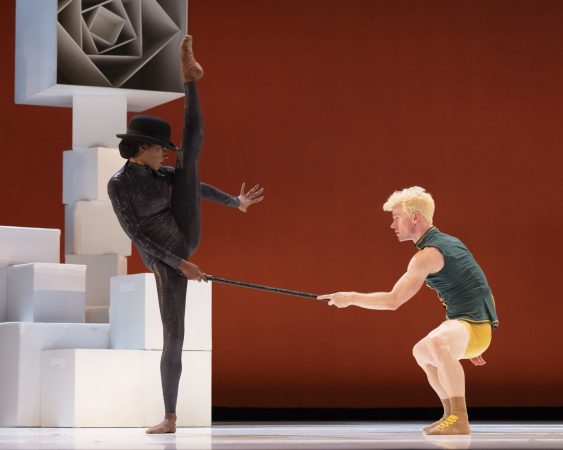
    BalletX premiered Annabelle Lopez Ochoa’s The Little Prince in 2019 and brought it on tour, giving the company ample time to deepen its relationship with this delightful piece. But Wednesday’s opening night of the summer season at the Suzanne Roberts Theatre marked the first opportunity for Philly audiences to see it again in seven years.

    Nearly all of the dancers are new since 2016, and many of the costumes have been refreshed. Even so, assembling the finished product turned out to be a struggle. Three dancers were injured, artistic and executive director Christine Cox said in a pre-show introduction.

    The finished product was as charming as it was when it premiered.

    The story on stage is clear, though reading the novella — or at least the program synopsis — beforehand adds helpful context. It is about a pilot who crashes his plane on an asteroid and meets a little prince who tells him a story about meeting wacky characters on various planets. The prince wants to get to earth to save his precious rose, but later discovers that she is not the only rose in the universe.

    BalletX dancers Eli Alford, left, as the little prince, and Eileen Kim, as the geographer, in Annabelle Lopez Ochoa’s “The Little Prince.”Vikki Sloviter / BalletX

    Meanwhile, death — in the former of a snake — slithers through the story, tempting both characters at every turn.

    For both the little prince and the pilot, the story is a journey toward returning home, giving it echoes of The Wizard of Oz. It also recalls BalletX’s other signature evening-length work, company co-founder Matthew Neenan’s Sunset, o639 Hours, which likewise centers on a plane crash and features live music performed onstage.

    In 2019, the role of the snake was so alluringly danced by former BalletX dancer Stanley Glover that it was hard to imagine it performed by anyone else. But Lopez Ochoa designed the role to be performed alternatively by a man and a woman, and Wednesday night it was performed by Ashley Simpson.

    Simpson doesn’t have Glover’s impossibly long limbs, but her technique is stellar and she made the role her own. She commands the stage, her fellow dancers, composer Peter Salem (who performs live on stage), and even the audience. Simpson has excelled in many BalletX roles, but this performance showcases her unmistakeable star quality.

    Eli Alford is a charming little prince who takes us through the story (Nancy Meckler was the librettist and dramaturgist) and interacts with all the characters.

    Jonathan Montepara is another who got his moment in this unexpectedly smaller cast. Dancing the role of the pilot, he showed a range of emotion and movie-star good looks.

    BalletX dancer Jonathan Montepara as the pilot in Annabelle Lopez Ochoa’s “The Little Prince.”Vikki Sloviter / BalletX

    Though the story explores weighty themes of fear, despair and death, Lopez Ochoa balances them with a sense of wonder. Matt Saunders’ set — built from dozens of white boxes that suggest the limitless possibilities of a child’s imagination — and dancers darting across the stage carrying whimsical props keep the production visually playful.

    The Little Prince closes BalletX’s 20th anniversary season, which largely revisited works from the company’s repertory. The ballet runs through Sunday before returning to the archives.

    BalletX in “The Little Prince”

    Through Sunday, July 19. Suzanne Roberts Theatre. $50-$90, 215-225-5389 ext. 250 or boxoffice@balletx.org

  • Zack Wheeler and Bryce Harper are acting weird. Is it the pressure for the Phillies to win, or is it just us?

    Zack Wheeler and Bryce Harper are acting weird. Is it the pressure for the Phillies to win, or is it just us?

    For the record, I like Zack Wheeler and Bryce Harper. They’re principled, they’re authentic, they’re candid, they’re generous to their teammates, and I respect them for both their professionalism and their competitiveness.

    That doesn’t mean they’re not weird.

    Wheeler kept the rib that he had removed last year to address his thoracic outlet syndrome. Who saves the relic from a surgery that robbed you of 5% of your career? Apparently, a lot of athletes do that. That doesn’t make it not weird.

    Harper tries not to put anything in or on his body that isn’t all-natural and/or organic, from shampoo to lotion to coffee. He flushes and cleans his blood like his circulatory system is a car radiator.

    Again, a lot of athletes participate in these behaviors.

    That doesn’t make it not weird.

    Recently, though, both Wheeler and Harper tipped the weirdness scale beyond its normal scope.

    Hey there, you’re an All-Star

    First, Wheeler and his All-Star snubbery.

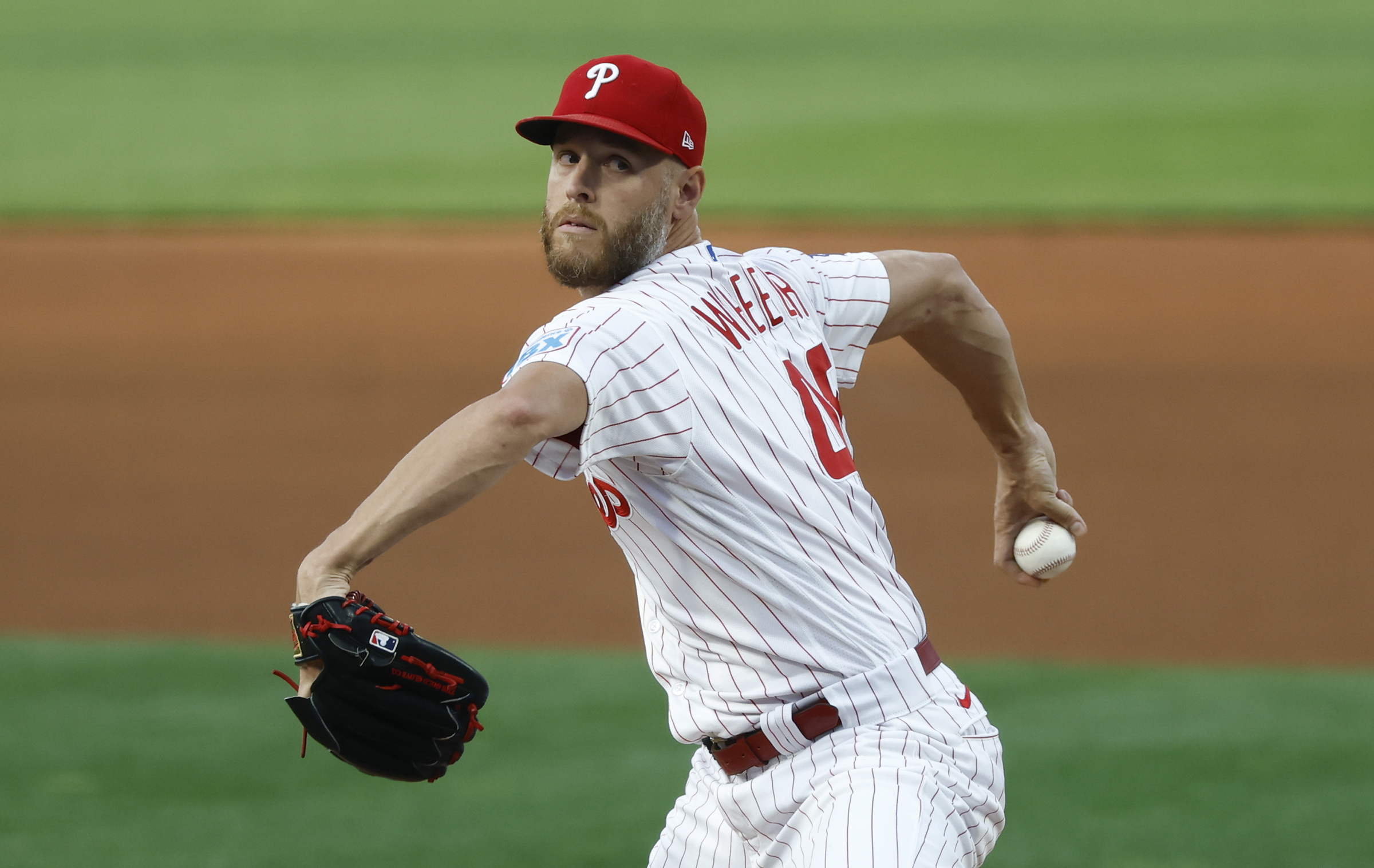
    Wheeler missed the first month due to the surgery but then went 8-1 with a 2.36 ERA in his first 13 starts. He was disappointed when he was not selected to the NL All-Star team via either the player ballot or as one of Major League Baseball’s six supplemental selections, announced July 4. Wheeler has said All-Star appointments are significant for him and his Hall of Fame legacy, but then, he declined to attend the game the last two times he was selected.

    Nevertheless, Wheeler was doubly chapped when, three days after the initial All-Star rosters were announced, he was not selected by MLB to replace one of the three pitchers who, like Wheeler, were scheduled to pitch Sunday, two days before the All-Star Game in Philadelphia; Sunday starters were not eligible to pitch. Wheeler pitched on the day of the announcement, and pitched dominantly. He improved to 9-1 with a 2.28 ERA, after which he said, “It [ticks] me off, and it’s kind of B.S.”

    Zack Wheeler didn’t want to be a fifth option and opted to sit out the All-Star Game. Yong Kim / Staff Photographer

    His point: He, like the other three Sunday starters, could have been named, could have declined, and would have had the All-Star honor on his resumé. Last Tuesday he said that, before the three replacements were named, he told MLB that he’d even be willing to throw an inning in the All-Star Game, since his bullpen day usually comes two days after a start.

    Cool.

    What made this a little weird is that one of Wheeler’s teammates, Jesús Luzardo, was one of the pitchers chosen as a replacement. It kind of sounded like Wheeler was promoting himself not just over the other two pitchers but also over his own teammate.

    But wait.

    Lo and behold, MLB relented. MLB offered Wheels the next spot in the game … but they did so too late for Wheeler’s taste. It wasn’t until Friday that they asked him to replace Reds pitcher Chase Burns, who backed out with a tight groin. That would have made Wheeler the fifth replacement.

    Wheeler said, “I’m not gonna be the fifth option.”

    What? So, being the fourth option was OK?

    Wheeler has a right to feel however he wants.

    That doesn’t make it not weird.

    FanDuel? What FanDuel?

    For the record, I don’t think Harper should face disciplinary action for recording a message on Cameo that FanDuel in 2024 used as a vehicle to pander to a client who either was, or who became, a gambling addict, and who now is suing FanDuel (and also DraftKings). The Inquirer reported this story last week.

    The policy of Major League Baseball in relation to players promoting gambling sites is, like most policies in Major League Baseball, vague and open to interpretation. Harper clearly had no idea the gambler had a problem, if only because Harper wouldn’t risk his reputation over an $899 Cameo fee. Hence, I believe nothing should come of this. MLB commissioner Rob Manfred said Harper didn’t violate the collective bargaining agreement. The players association remains mum. The Pennsylvania Gaming Control Board says it is investigating, but with what authority it is investigating and to what end this might affect Harper remains unknown.

    Still, it’s kind of weird that Harper, a straight-and-narrow kind of guy, would get in bed with FanDuel at all.

    It’s super weird that Harper would deny knowledge that he was doing so.

    In a statement posted Monday on Instagram, Harper said, “Contrary to the Inquirer’s suggestion, I did not know that the Cameo video would be used for a FanDuel VIP promotion.”

    However, in the video to the gambler, Harper refers to “your host Bryttanni from FanDuel.”

    So, yeah. Deny saying something you actually said? Super weird.

    Then again, Harper advocated for using aluminum bats in the Home Run Derby (his suggestion was dismissed). They might as well have cruise missiles in the Home Run Derby. Kyle Schwarber with an aluminum bat? He’d have killed someone.

    This is just the latest. As the kids say, Harper’s been on one.

    The day after Christmas, in response to Phillies president Dave Dombrowski saying in October that Harper might no longer be elite (which was unwise), Harper, on Dec. 26., posted a TikTok video with him hitting in a batting cage wearing a shirt that said “NOT ELITE.”

    When Harper arrived at spring training, in response to the Phillies having added only Adolis García as a candidate to bolster the No. 4 spot behind him, he said, “I think the numbers in the four spot weren’t very good last year for our whole team. Whoever is in that four spot is going to have a big job to do.”

    After the Phillies fired manager Rob Thomson in April, Harper’s comment indicated that the Phillies were stuck in the mud because of the manager’s likely dismissal: “I think we were all just waiting for that ball to drop, waiting for something to happen. If Topper was going to get fired or he wasn’t, it was just kind of, ‘We need to get over this hump and get through this,’ whatever that looked like.”

    Since Thomson’s firing, Harper also has supported less platoon play for second baseman Bryson Stott and outfielder Brandon Marsh. Harper cited Marsh’s everyday inclusion as the major reason Marsh was an All-Star — again, an admission of disagreement if not an outright criticism of his bosses. Thomson, with input from Dombrowski and the front office, was more likely to platoon those left-handed hitters, while interim replacement Don Mattingly has played them more to Harper’s liking.

    I agree with Harper’s assertion that everyday play is usually smarter, and, as always, I applaud his candor.

    That doesn’t make it not weird.

    Maybe it’s Philly

    Maybe it’s the heat.

    With all due respect to Joel Embiid, who might be the weirdest of them all, and new Sixers teammate Jaylen Brown, who just called most athletes dummies, no one has faced or now faces more pressure to win in Philadelphia than Wheeler and Harper.

    Wheeler, at $42 million a year, is the highest-paid non-hitting pitcher in baseball. Harper signed a 13-year, $330 million contract in 2019, which was then a record. They’ve been worth every penny, and more. Wheeler has been the best pitcher in baseball since he initially signed with Philadelphia in 2020. Harper has sold more tickets than Taylor Swift.

    However, Wheeler has not won a Cy Young Award. Harper won a second career MVP in 2021, but he’s battled injuries. They’re the best Phillies duo since Mike Schmidt and Steve Carlton, and both of them have been magnificent in the postseason, but Harper’s on his fourth manager. Wheeler’s on his third. The Phillies have been to one World Series since they became teammates, and their last three trips to the playoffs have ended in bitter disappointment and, arguably, underachievement.

    It’s not just them.

    Maybe it’s us.

    Philadelphia is a place that can love its own and can eat its own, sometimes in the same game.

    Don’t get me wrong. I love a weird athlete or coach or executive.

    Jalen Hurts and his aphorisms and his crazy work ethic, riding a VersaClimber at midnight. Jason Kelce and his berserker persona. A.J. Brown reading a book on the sideline during a game.

    Ben Simmons with his training camp holdout scrimmaging with his iPhone in his pocket. James Harden, with his training camp holdout and his crazy fashions and that tiny mouth inside that massive beard.

    Former Phillies manager Gabe Kapler and the Seasons of Coconut Oil; stiff-collared Sixers president Bryan Colangelo and his burner accounts; former Sixers GM Sam Hinkie and the 13-page Resignation Manifesto; former Flyers goalie Ilya Bryzgalov and his fear of bears and his awe at the humongous-ness of the universe; and, of course, Terrell Owens doing biceps curls and situps in his driveway.

    I love that Wheeler’s warmup song, “Rooster,” came out when he was 2 years old, commemorating a war that began more than 60 years ago. I love that Harper, from cleats to headbands to suit-coat liners, has more Phillie Phanatic gear than any 8-year-old Phillies fan.

    I’m there for all of it.

    But that doesn’t make it not weird.