Tag: School District of Philadelphia

  • Philly students head back to school

    Philly students head back to school

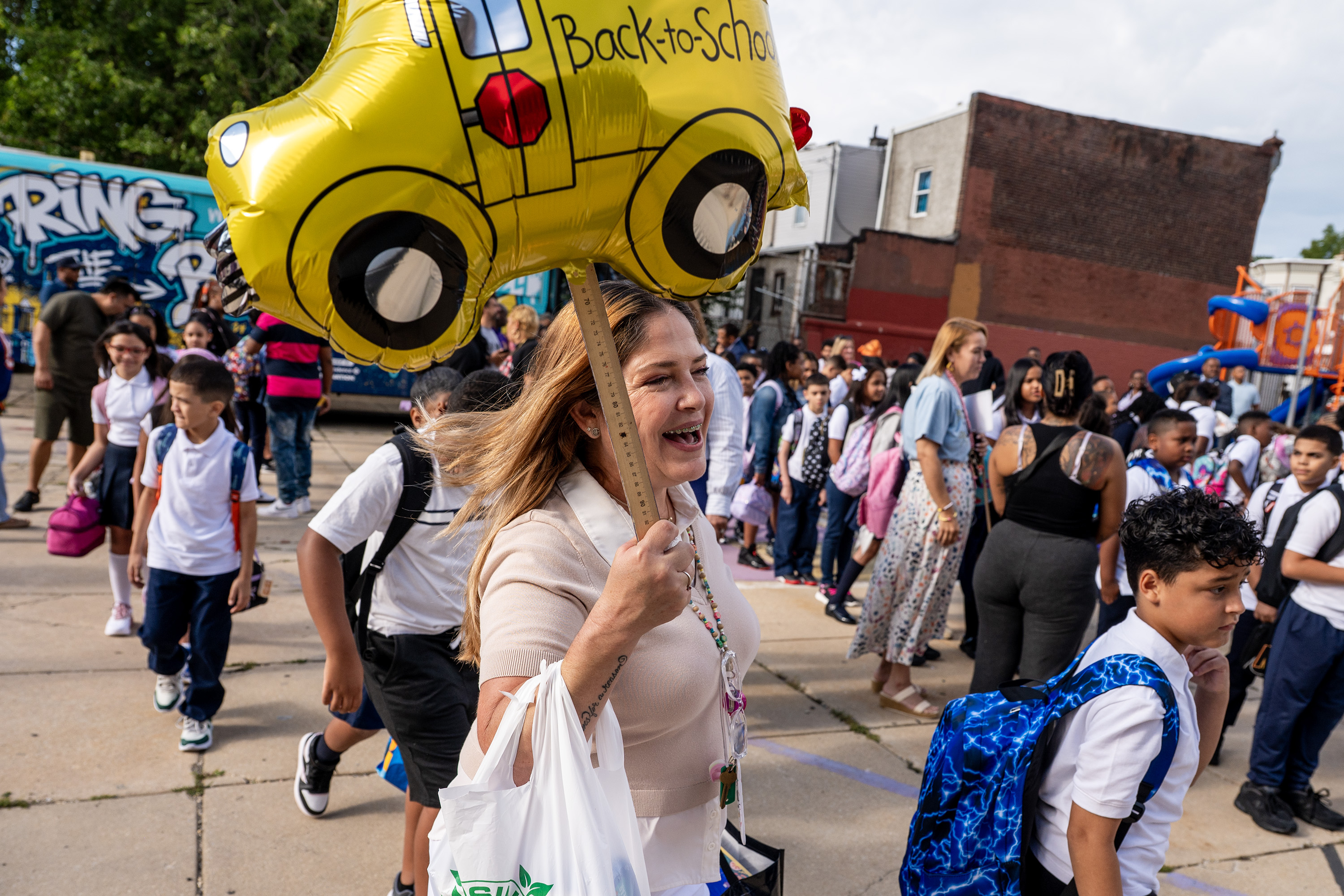
    Eighth graders tossed a football across the concrete schoolyard. A fourth grader broke into a dead run, intent on catching up with friends she hadn’t seen all summer. A teacher hugged a first grader with a shy smile and a giant pink backpack crammed with school supplies.

    The scene at Overbrook Elementary played out across the city Monday morning as most of the Philadelphia School District’s 113,000 students returned to class for the start of the 2026-27 school year. Kindergartners are due to begin classes Thursday.

    At McClure Elementary in Hunting Park, Superintendent Tony B. Watlington Sr. repeated at a news conference his overarching goal: for Philadelphia to become the fastest-improving big-city school district in the U.S.
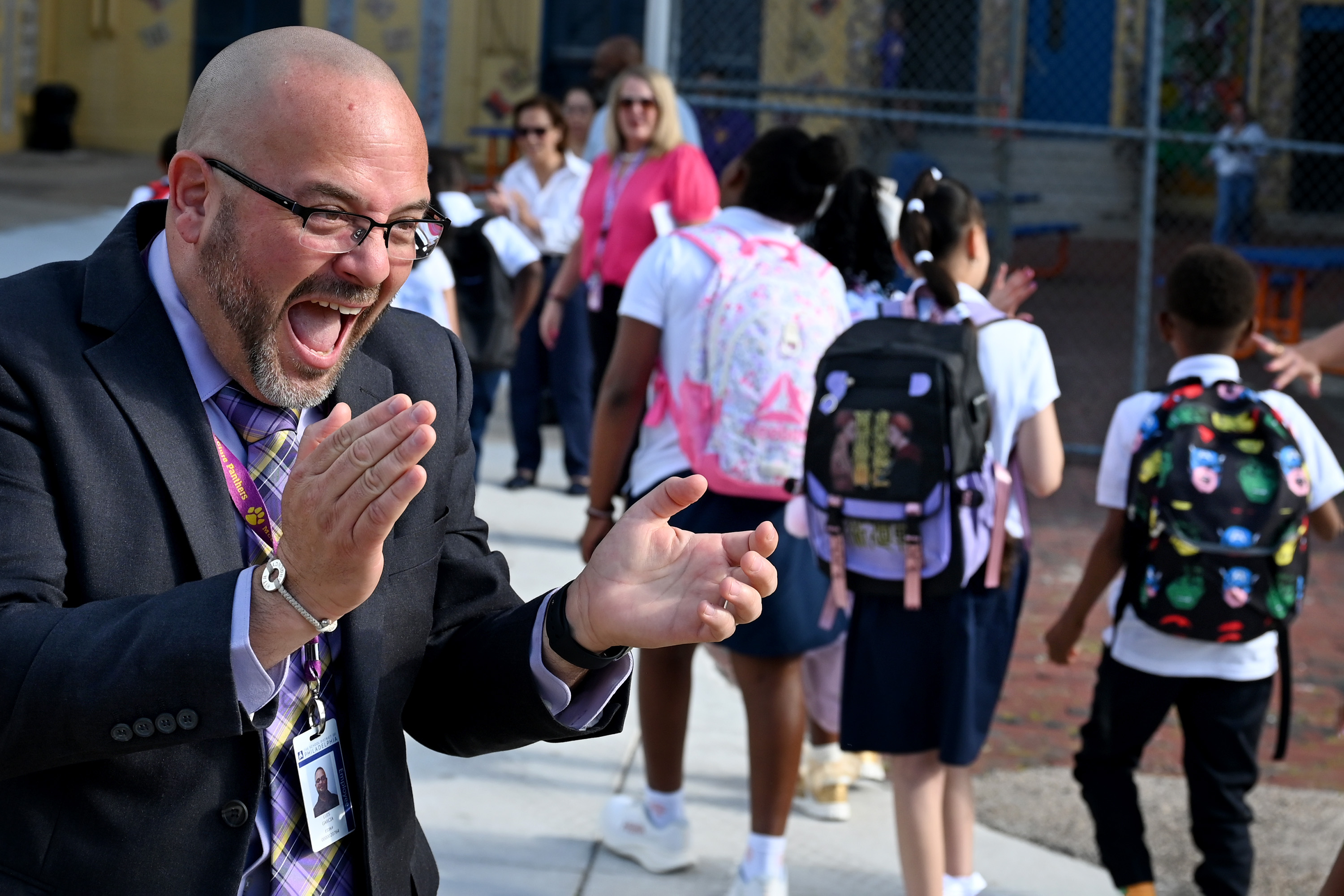
    McClure Elementary principal Luis Garcia greets students Monday, Aug. 24, 2026 before they head into class on the first day of school in the Philadelphia School District.Tom Gralish / Staff Photographer

    The district will “double down this year to continue to drive this fast improvement, and we won’t rest until all of our children are at grade level in reading and math,” Watlington said. According to 2024-25 state data, 34% of district students meet state standards in reading, and 23% in math. (More recent PSSAs, typically available to teachers and principals by now, have not been shared by Philadelphia leaders.)

    Reginald Streater, the school board president, said improving educational outcomes is also about creating generational value.

    “A student can walk through the doors, irrespective of their race, creed, class, gender, or shared ancestry, in our schools with a world of possibilities in front of them and leave those same doors with the knowledge, confidence, and opportunity to pursue the future they envision for themselves,” said Streater, father of two children in district schools, “armed with the tools to break the bonds of generational curses and barriers designed to keep them and their ancestors and their progeny in a perpetual state of servitude and second-class citizens.”

    Mayor Cherelle L. Parker was not present at the district’s first-day festivities, a rarity, but Debora Carrera, her chief education officer, touted Parker’s $48 million agreement that restored some of the 340 positions that otherwise would have been axed because of budget cuts.

    That was good news for Johnny Beauchamp, a single father and truck driver, who was dropping off his son for his first day at McClure.

    While Beauchamp said he is confident the city has addressed its budgetary concerns regarding staffing and school openings, he hopes to see some initiatives on school safety.

    “I’m actually more excited than he is. It’s his first day … and his bright future starts today,” Beauchamp said. “But my main concern nowadays is the safety, especially with guns and stuff like that. Also, making sure our schools are clean and sidewalks are clear of glass and other dangerous stuff where our kids are playing.”

    ‘Leave Overbrook alone’

    The first-day tone was upbeat, but a bit different, at Overbrook, one of the 17 buildings the school board voted in April to close as part of its $3 billion, 10-year facilities plan. Overbrook is set to shut its doors permanently in June.

    Overbrook is a small, high-performing school in a very old building: The school is celebrating its 120th anniversary this year. Its tight-knit community wraps its arms around Overbrook and has mounted a fierce fight to keep it open.

    “Leave Overbrook alone,” said Fahmee Shabazz, dad of an Overbrook fourth grader. “Please, somebody help us.”

    Teachers union and elected officials were on hand at Overbrook for a news conference to pledge continuing efforts to try. Multiple politicians have said they will keep the pressure up to remove Overbrook Elementary, Robeson High, and Lankenau High from the district’s closing list.
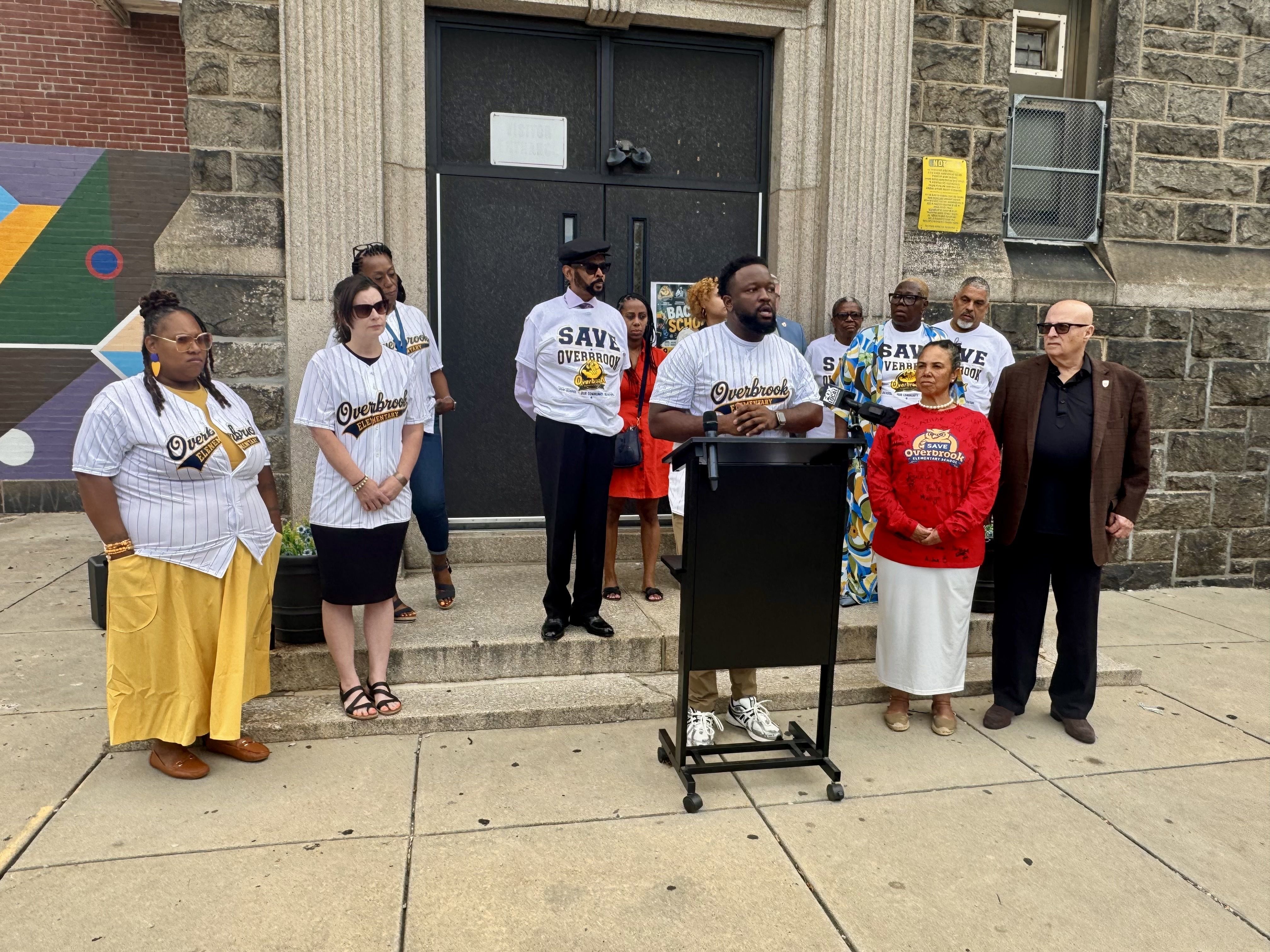
    Teachers, politicians and Philadelphia Federation of Teachers officials listen to Kenneth Glover, principal of Overbrook Elementary School, speak on the first day of the 2026-27 school year. Glover said the school, which is one of 17 Philadelphia schools slated to close, will focus on academics this year and let adults fight a battle to stave off closure.Kristen A. Graham / Staff

    “We cannot disrupt the good things that are happening here,” said State Sen. Vincent Hughes (D., Philadelphia), chair of the Senate Appropriations Committee.

    Hughes said action needs to happen in Harrisburg to help better fund schools. But he added: “We’re still going to fight for Overbrook Elementary and the schools like it, [which] deserve to stay open.”

    Last year, many Overbrook Elementary teachers used news of the school’s closing as an object lesson — in civics and the world around them — said Kenneth Glover, the school’s principal.

    “I’m so happy that it’s day one,” he said. “Like I tell my students all the time, each day is a fresh start, and this year is a fresh start. Last year, a lot of the focus was on adult issues, right, fighting to keep the school open. This year, I really want students to focus on academics … for us to just have a beautiful school year.”
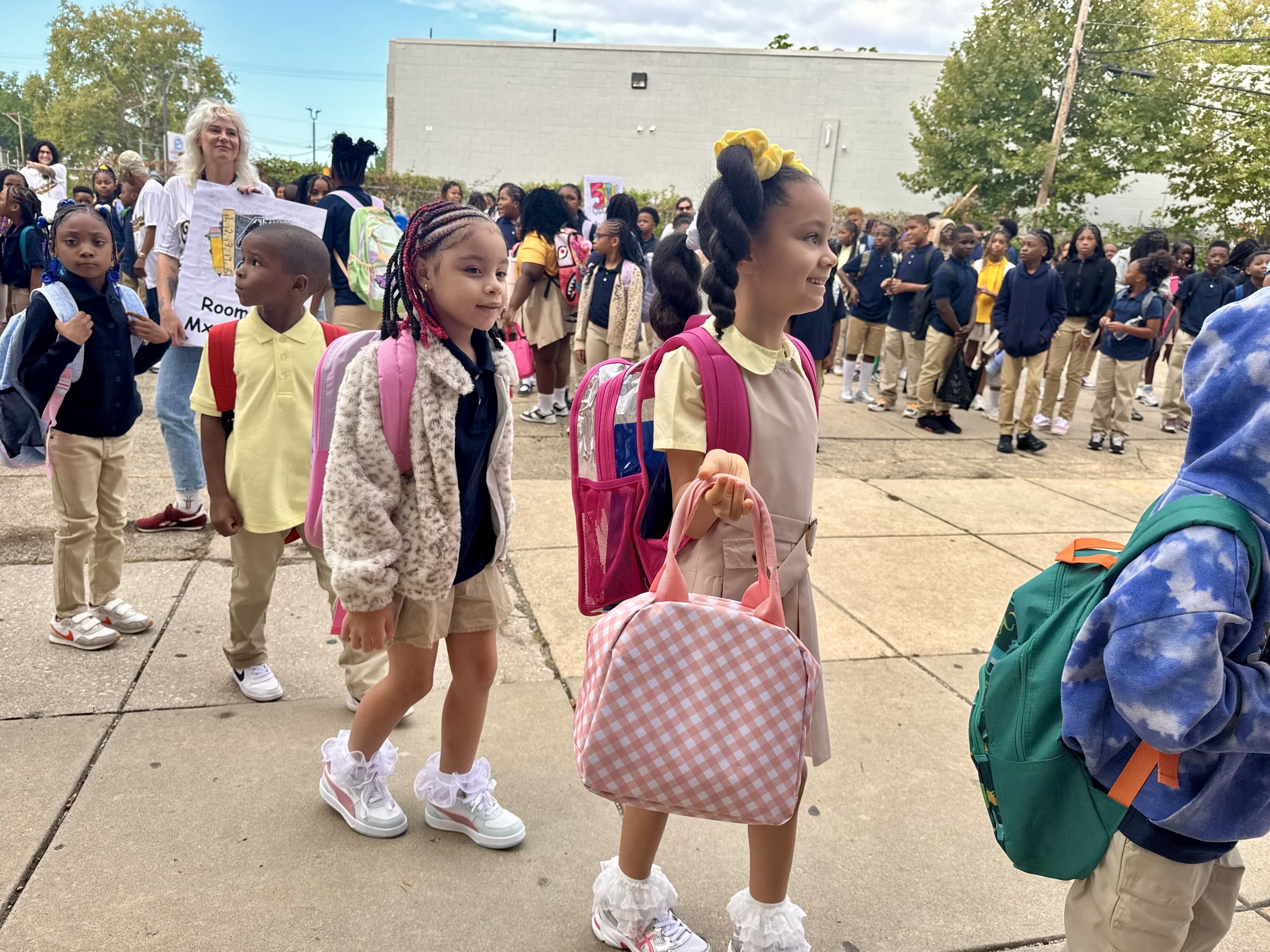
    Overbrook Elementary School students get ready to enter the building for the first day of the 2026-27 school year. It could be the 120-year-old school’s last first day, as it’s one of 17 schools the Philadelphia School District has slated to close.Kristen A. Graham / Staff

    While Glover said he still hoped the school could be kept open, he has begun to work with the district’s newly created transition office to plan for what comes next.

    Still, said Kathryn McQuade, Overbrook Elementary’s art teacher, the closure and the fight to prevent it are overshadowing the year for many.

    McQuade expressed frustration that the school board just spent $7 million on a four-year Center City lease for Constitution High when Overbrook and other schools have been tagged for closure.

    “Seven million could easily go towards … modernizing this building for the future,” McQuade said. “And that wouldn’t be a lease, that would be a one-time price tag.”

    Arthur Steinberg, president of the Philadelphia Federation of Teachers, said he “was hoping that when I came here today I’d be able to say, ‘Well, we saved Overbrook from the chopping block.’ Unfortunately, that is not the case. However, we have not given up the fight to keep Overbrook and every other school in the city open.”

    Steinberg said the PFT would release a plan this week that would give the district a path to keep all 17 schools open.

    Robin P. Cooper (upper right) watches as school and city official gather for a group photo outside the district bus. Cooper is president of Commonwealth Association of School Administrators (CASA). At far left is Superintendent Tony B. Watlington Sr. The bus, part of Mayor Cherelle L. Parker’s Neighborhood Community Action Centers, was to visit and rally at schools in every city council district.Tom Gralish / Staff Photographer
  • Thousands of Philly homeowners are facing property tax increases of 50% or more after this year’s reassessment

    Thousands of Philly homeowners are facing property tax increases of 50% or more after this year’s reassessment

    Most Philadelphia homeowners will see slightly higher property tax bills next year after the city conducted a mass reassessment process that resulted in a modest uptick in home values.

    But for thousands of residents, many of whom live in North Philadelphia, next year’s tax bills are expected to soar.

    Nearly 6,000 homeowners in Philadelphia saw their property assessments this year climb by more than 50% compared with two years ago, the last time the city conducted a mass revaluation, according to an Inquirer analysis of city property assessment data released in June.

    Of those homeowners, more than 2,200 saw their assessments more than double.

    That is likely to result in sticker shock come tax time next year, because property tax bills in the city are calculated based on home values. The revenue is split between the city and the Philadelphia School District.

    Homeowners across the city saw a median 3% increase in their property assessments this year compared with the 2025 tax year. Jumps were higher in neighborhoods that border gentrifying areas, such as in parts of Kensington and West Philadelphia.

    But this year, two other areas of the city had the densest concentrations of homes where property assessments increased by 50% or more, according to The Inquirer’s analysis.

    The steep rises are clustered in the southern end of Strawberry Mansion, the historically Black neighborhood along the Schuylkill, and in the tiny Hartranft neighborhood north of Temple University and east of Broad Street, where residents are predominately Latino.

    (function() {
    var l2 = function() {
    new pym.Parent(‘html_sandwich_2026_property4’,
    ‘https://media.inquirer.com/storage/inquirer/projects/innovation/arcgis_iframe/html_sandwich_2026_property4.html’);
    };
    if (typeof(pym) === ‘undefined’) {
    var h = document.getElementsByTagName(‘head’)[0],
    s = document.createElement(‘script’);
    s.type = ‘text/javascript’;
    s.src = ‘https://pym.nprapps.org/pym.v1.min.js’;
    s.onload = l2;
    h.appendChild(s);
    } else {
    l2();
    }
    })();

    Housing experts and advocates for low-income homeowners have long criticized the city’s assessment system as systemically biased, leaving Black and brown homeowners to pay disproportionately high property taxes. Mayor Cherelle L. Parker convened a task force in 2024 to study the city’s revaluation system, and that group’s recommendations are expected to be released later this year.

    Monty Wilson, a senior attorney at Community Legal Services who sits on the task force, said the Philadelphia Office of Property Assessment is the best in the state and has “worked really hard to become more and more accurate.”

    But he said bias persists in part because of the unique challenges that assessors face in low-income neighborhoods that can cause volatility in home values, such as higher rates of vacant lots, foreclosures, and other factors.

    A 2024 CLS report found that errors were clustered in lower-value neighborhoods where a majority of residents are people of color.

    “That means when a property is overassessed,” Wilson said, ”it tends to occur in a Black and brown neighborhood.”

    (function(){function e(){window.addEventListener(`message`,function(e){if(e.data[`datawrapper-height`]!==void 0){var t=document.querySelectorAll(`iframe`);for(var n in e.data[`datawrapper-height`])for(var r=0,i;i=t[r];r++)if(i.contentWindow===e.source){var a=e.data[`datawrapper-height`][n]+`px`;i.style.height=a}}})}e()})();

    The Parker administration did not respond to requests for comment.

    In response to a previous article about this year’s property reassessments, city officials emphasized that some lower-income homeowners pay relatively low tax bills because of the popular homestead exemption tax break. The program, which any homeowners can apply for and obtain if they live in their house as their primary residence, exempts the first $100,000 from a home’s taxable value.

    That means that some homeowners in working-class neighborhoods previously paid little to no property taxes. A sudden increase in valuation, like the ones seen this year in pockets of North Philadelphia, could require they pay bills next year that are several hundred dollars more than in the past.

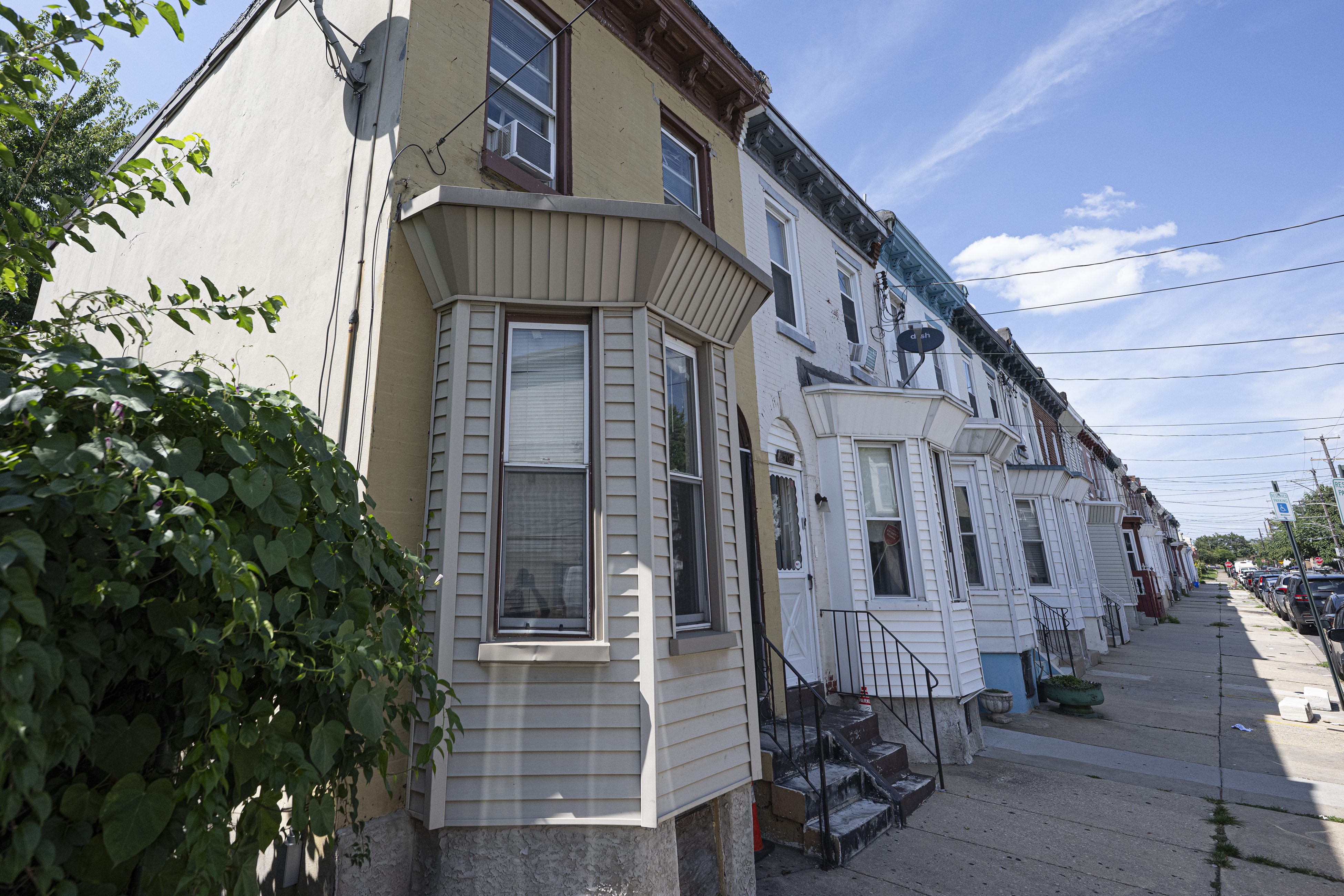
    Take the 2500 block of North Marshall Street. The residential North Philly street sits between West Kensington and Broad Street, and nearly every home saw its assessment increase by 60% or more, according to The Inquirer’s analysis.

    Most of the homes there had previously been valued at less than $100,000, meaning owners with the homestead exemption owed no property taxes. Now, many of the homes on the block are valued at about $140,000, an amount that would next year yield more than $500 in yearly tax bills for owners with the homestead exemption.

    More than 40% of the Hartranft neighborhood’s residents are below the federal poverty level, which is $33,000 a year for a family of four, according to U.S. Census data.

    At Left a property on 2500 N. Marshall St., Philadelphia, PA 19133 is shown Wednesday, Aug. 19, 2026, in Philadelphia.Jose F. Moreno / Staff Photographer

    City Councilmember Quetcy Lozada, whose district includes parts of Kensington and North Philadelphia, said the Hartranft area is not like sections of Kensington that have seen an influx of development in recent years and where increases in property assessments may be expected.

    It is possible, she said, that lower-income residents who have been displaced from parts of Kensington looked to move west of the neighborhood, increasing demand in the Fairhill and Hartranft areas.

    Lozada — who has held workshops in the neighborhood to connect residents with property tax relief programs — said she fears her constituents are being asked to pay disproportionately high taxes and not seeing better city services and stronger public schools.

    “How is it possible that someone in Fairhill is paying a higher tax for a property that has not had any investment, in a neighborhood that is not as safe, whose school system is not as great, as somebody that lives in Chestnut Hill, for instance?” she said, referring to the upscale Northwest Philadelphia neighborhood with a $109,000 median household income. “There has to be a better way of doing a more accurate evaluation in every neighborhood.”

    City Council is expected to hold a hearing this fall to probe the assessment process.

    In Strawberry Mansion, community leaders said that increased assessments are likely a result of market pressure from Brewerytown to its south, a comparatively whiter and higher-income neighborhood.

    “The city has to be super transparent about this assessment system so people can better understand it and not feel that sticker stock,” said Tonnetta Graham, president of the Strawberry Mansion Community Development Corp. “If we know how they came to their number, it’s easier to chew.”

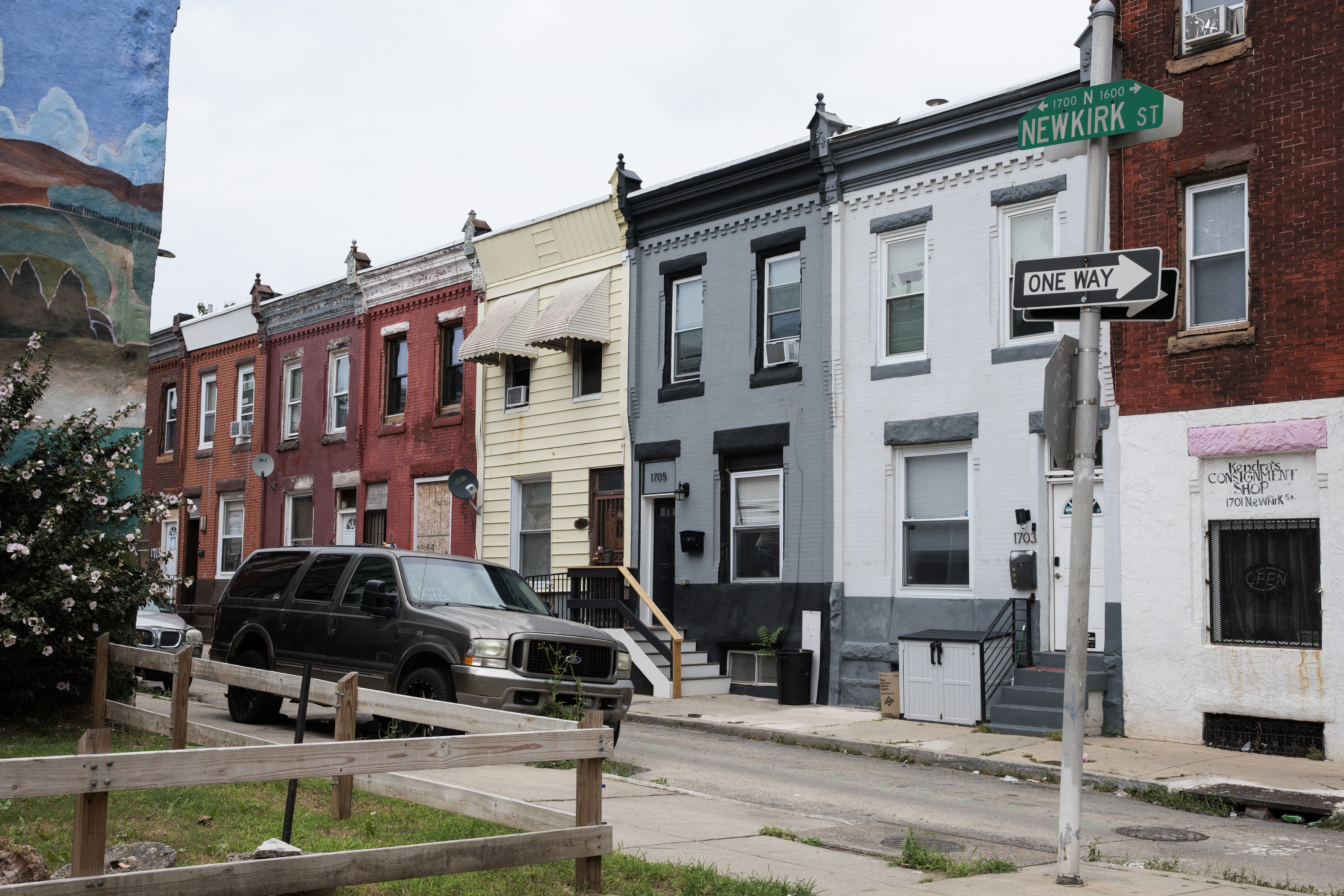
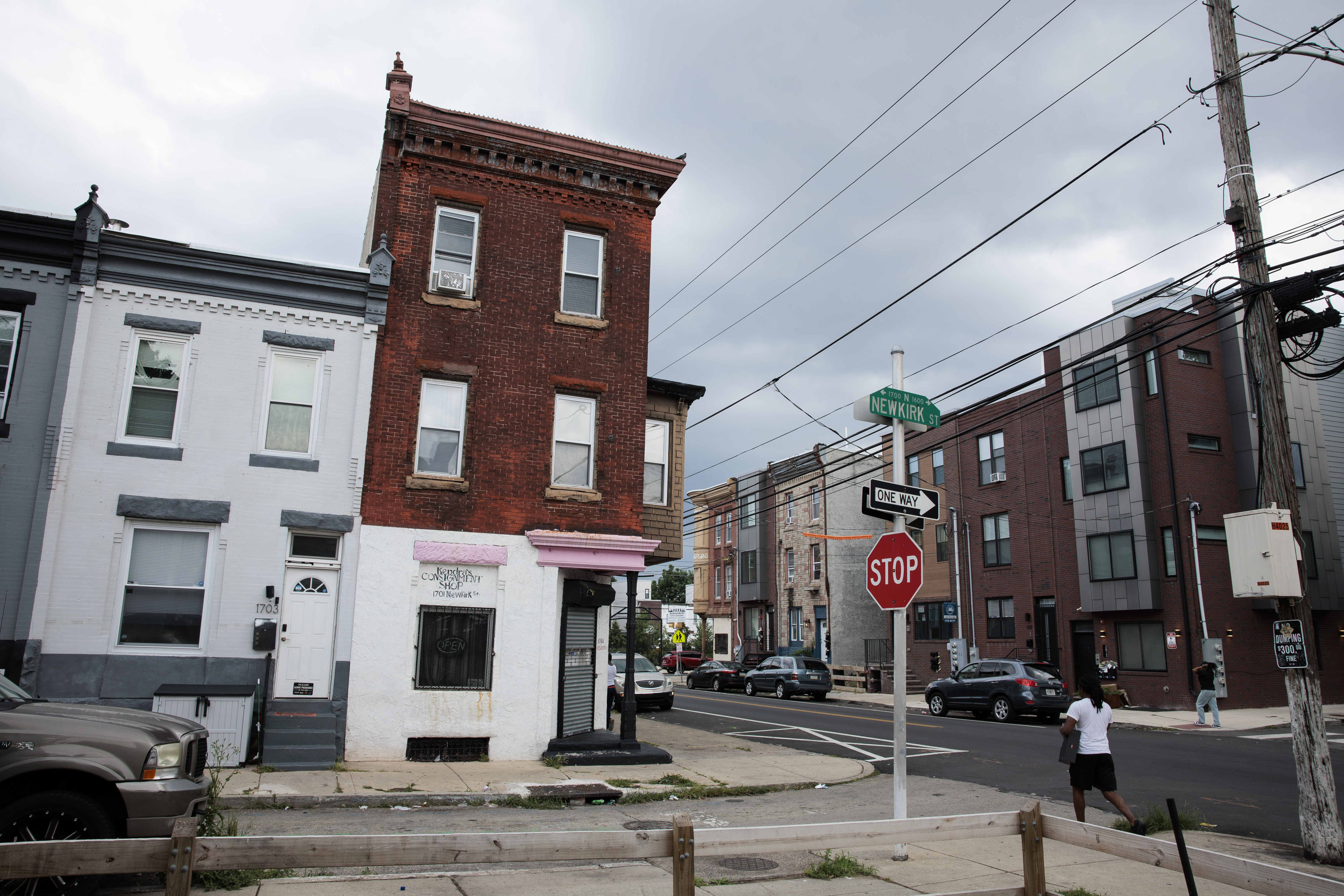
    The 1700 block of North Newkirk Street on Thursday, Aug. 20, 2026 in Philadelphia.Monica Herndon / Staff Photographer

    Councilmember Jeffery Young Jr., whose district includes both Strawberry Mansion and parts of Hartranft, did not respond to requests for comment.

    Jalon Alexander, a Strawberry Mansion native who this month launched a campaign to challenge Young for his Council seat next year, said he was recently at a block party in the neighborhood where he heard repeatedly from older homeowners who were concerned about their increased assessments.

    “They feel taken advantage of, and they feel like it’s coming out of nowhere,” Alexander said. “This is an area where there’s high levels of poverty, and there is not a lot of political or government attention in this area. I’ve spoken with many people whose rates have almost doubled. It’s the biggest issue in the neighborhood.”

    Staff writer Michaelle Bond contributed to this article.

  • What Philly got out of the World Cup, the nation’s 250th, and the MLB All-Star Game

    What Philly got out of the World Cup, the nation’s 250th, and the MLB All-Star Game

    As the afterglow of the world’s largest sports tournament and the country’s formal 250th birthday party in Philadelphia fades, the city is returning to its regularly scheduled programming.

    But those months of celebrations came with significant investments into the city: building up the Benjamin Franklin Parkway, hosting Grammy Award-winning stars, renovating Lemon Hill to welcome half a million people, and, of course, the cleaning and maintenance work that made Philadelphia look fresher than it has in years.

    SEPTA and the city partnered to landscape and beautify major traffic intersections, sometimes with a new mural provided by Mural Arts Philadelphia. SEPTA stations also received a much-needed deep clean and graffiti removal, all before and during the summer celebrations.

    PHLASH buses got an extra stop to get to Lemon Hill; fans got free rides on the Broad Street Line after World Cup games. And, just as the international fans packed up their bags to head home, it’s time for many of those features to go, too.

    But Philadelphia has taken steps to keep things looking pretty for the long term, beginning with the city’s $11.5 million landscaping and anti-graffiti project focused on transportation “gateways” that it has pledged to continue and expand beyond the summer. The city also added 250 cherry blossom trees throughout Fairmount Park and elsewhere, in a project led by the Japan Society of Greater Philadelphia that honored the original 1,600 cherry blossoms Japan gifted Philly for the Sesquicentennial in 1926.

    But what about all the things staying in Philly? The city is not getting just generational memories and a summer party out of the deal. Here are some of the major legacy projects remaining in Philadelphia for years to come, perhaps even until the tercentennial celebration in 2076.

    (function(){function e(){window.addEventListener(`message`,function(e){if(e.data[`datawrapper-height`]!==void 0){var t=document.querySelectorAll(`iframe`);for(var n in e.data[`datawrapper-height`])for(var r=0,i;i=t[r];r++)if(i.contentWindow===e.source){var a=e.data[`datawrapper-height`][n]+`px`;i.style.height=a}}})}e()})();

    New mini soccer pitches across Pennsylvania

    Location: Throughout Pennsylvania.

    The project: How does the United States grow the next crop of elite soccer players? By making it easier to play soccer starting at a young age. At least 13 mini soccer pitches are being installed at schools, recreation centers, and parks across Pennsylvania.

    The U.S. Soccer Foundation has committed $2 million to install mini-soccer fields like this one in Northeast Philadelphia ahead of the 2026 FIFA World Cup.Kerith Gabriel

    Who is behind it: The city and several nonprofits and private companies are backing this initiative, mostly through a $2 million investment from Philadelphia Soccer 2026, the city’s host committee for the 2026 men’s World Cup. Additional backers include the Philadelphia School District, Independence Blue Cross, and Comcast, among others. The U.S. Soccer Foundation is administering the funds and overseeing the installation of the pitches.

    Bank of America Visa Street Soccer Park

    Location: 1036 N. Front St.

    The project: The transformation of Fishtown’s TipTop Playground into two mini, enclosed turf soccer pitches, with additional event space and field lighting for night play. The pitches are now open for kids and adults.

    • Fishtown’s street soccer park will host leagues, free training clinics, and youth soccer programs. Casual pickup soccer is available outside of scheduled programming, led by Street Soccer USA, the organization that helps run such soccer parks across the country.
    • Keep up to date on programming at instagram.com/streetsoccerphila.

    Who is behind it: You guessed it: Bank of America and Visa. Street Soccer USA will run programming at the park in collaboration with local groups.

    Lemon Hill Park

    FIFA President Gianni Infantino, center, will visit Lemon Hill Park on Thursday, April 10 for an operational planning tour of Philadelphia Soccer 2026’s FIFA Fan Festival siteJose F. Moreno / Staff Photographer

    Location: Sedgley Drive and North Lemon Hill Drive.

    The project: Lemon Hill Park received some updates ahead of hosting the official FIFA Fan Festival, and is now getting a much-needed makeover after 39 days of World Cup festivities. The restoration of the grass is underway, with more permanent amenities soon to be constructed.

    • Some upgrades are complete:
    • Other upgrades are coming soon:

    Who is behind it: Philadelphia Soccer 2026 is committing $4 million to park upgrades, with help from the city, to repair the grass fields, bring new modern amenities to parts of the park, and outfit the space with new electrical service, provided by Peco, to prepare for future large events.

    FDR Park’s Ashburn Field

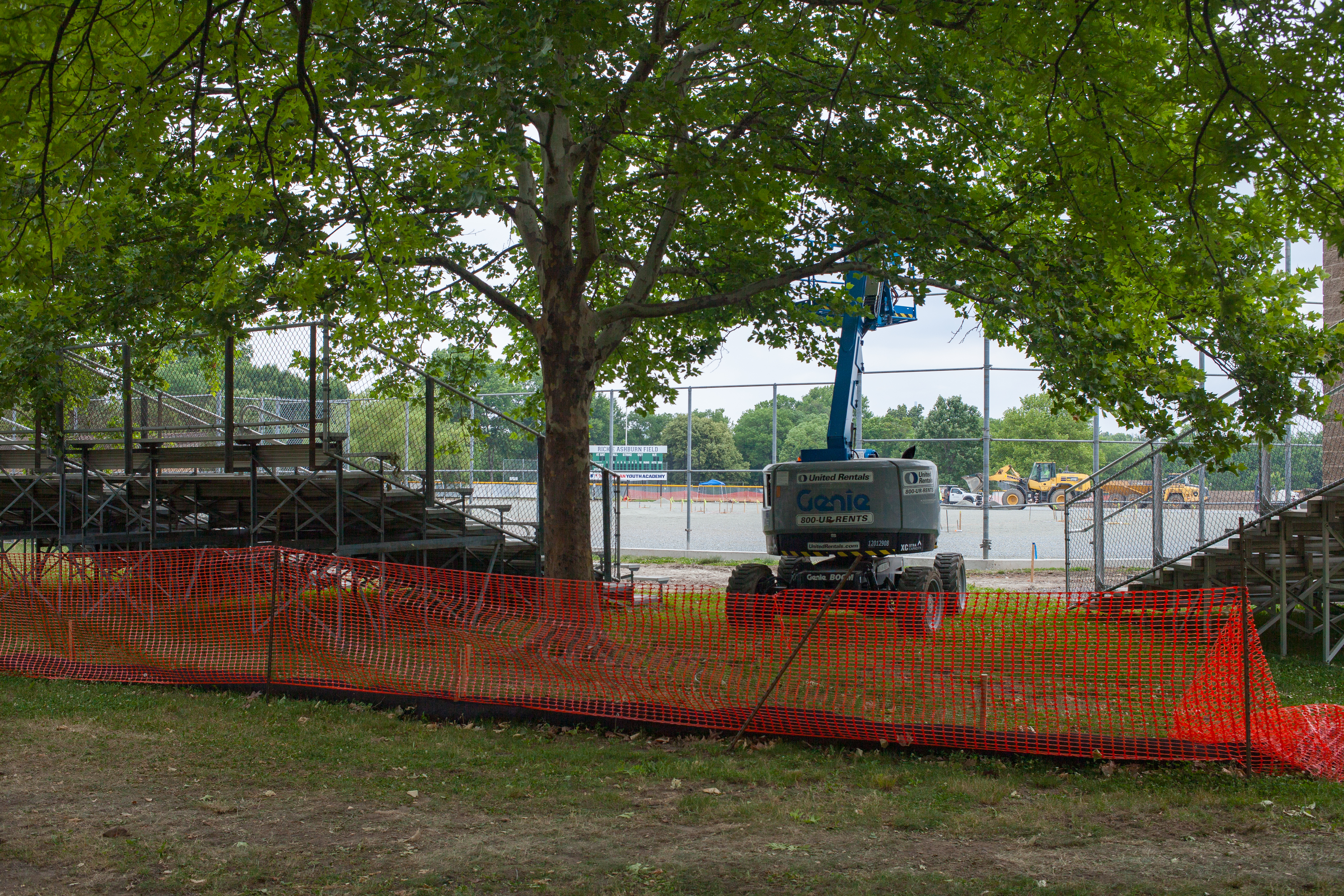
    The MLB is renovating Ashburn Field in FDR Park, a city field managed and maintained by the Phillies that hosts a variety of youth baseball programs.Colin Evans / For The Inquirer

    Location: 1500 Pattison Ave.

    The project: Ashburn Field at FDR Park has been resurfaced with a new turf field, meant to better handle wet weather conditions. The 135,000-square-foot field was built in 1998, using funds generated from the 1996 MLB All-Star Game in Philadelphia.

    Who is behind it: Major League Baseball and the Phillies, as part of a combined investment of more than $5 million in various projects tied to the 2026 MLB All-Star Game, including revitalizing the Negro Leagues Memorial Park and mural at 44th Street and Parkside Avenue in West Philly.

    Independence National Historical Park

    The rotunda inside the First Bank of the United States is pictured on Monday, June 29, 2026 in Philadelphia.Erin Blewett / For The Inquirer

    Location: 599 Market St.

    The project: Several improvements have already come to Independence National Historical Park and Independence Mall to commemorate the nation’s Semiquincentennial, and more are on the way. They include:

    • A $3.9 million “Join or Die” sculpture on Independence Mall, inspired by the truncated snake in Benjamin Franklin’s cartoon of the same name. The 46-foot-long granite work is expected to be unveiled this fall.
    • Beautification and horticultural work. This includes work at the Benjamin Rush Garden at Third and Walnut Streets, which showcases the 1976 Bicentennial Bell, a 10-ton Liberty Bell replica gifted by Queen Elizabeth II.
    • The reopening of the First Bank of the United States, on Third Street between Walnut and Chestnut Streets. The bank had been closed for 50 years but is now open for visitors thanks to a $43 million renovation.

    Who is behind it: Independence Historical Trust, the city, the state, private foundations, philanthropists, and legacy groups.

    Germantown Historical Society Visitor Center

    Location: 5501 Germantown Ave.

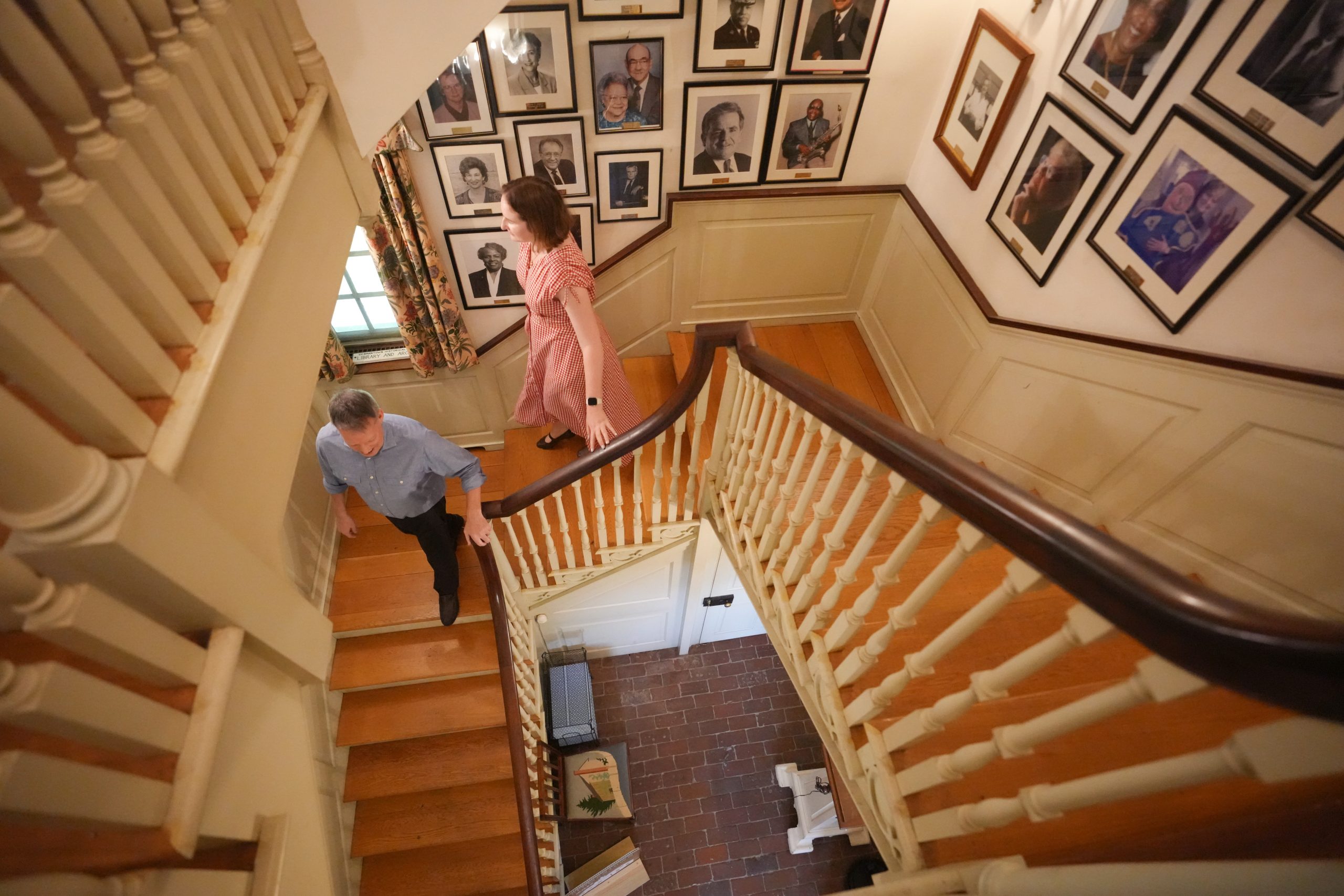
    Tuomi Forrest, executive director at the Germantown Historical Society, and Kaila Temple, curator of collections at GHS, at the Germantown Historical Society building located at 5501 Germantown Ave. in Philadelphia, July 21, 2026.Jessica Griffin / Staff Photographer

    The project: The Germantown Historical Society has its first visitors center, thanks to a $100,000 renovation of a section of its headquarters. It is modest but will host rotating exhibits, maps and pamphlets, and a gift shop.

    Historic Germantown consists of various landmarks and attractions in Northwest Philly, including the Aces Veterans Museum, Awbury Arboretum, and the Germantown White House, where George Washington once lived.

    Who is behind it: The Funder Collaborative for the Semiquincentennial, a philanthropic group organized by the Connelly Foundation that donated to many initiatives and projects related to the 250th anniversary celebration.

  • The Philly School District, with 70,000 empty seats, will spend $7M for a lease for a single school

    The Philly School District, with 70,000 empty seats, will spend $7M for a lease for a single school

    The Philadelphia school board voted Thursday night to spend up to $7 million on rental space to house a district high school in Center City.

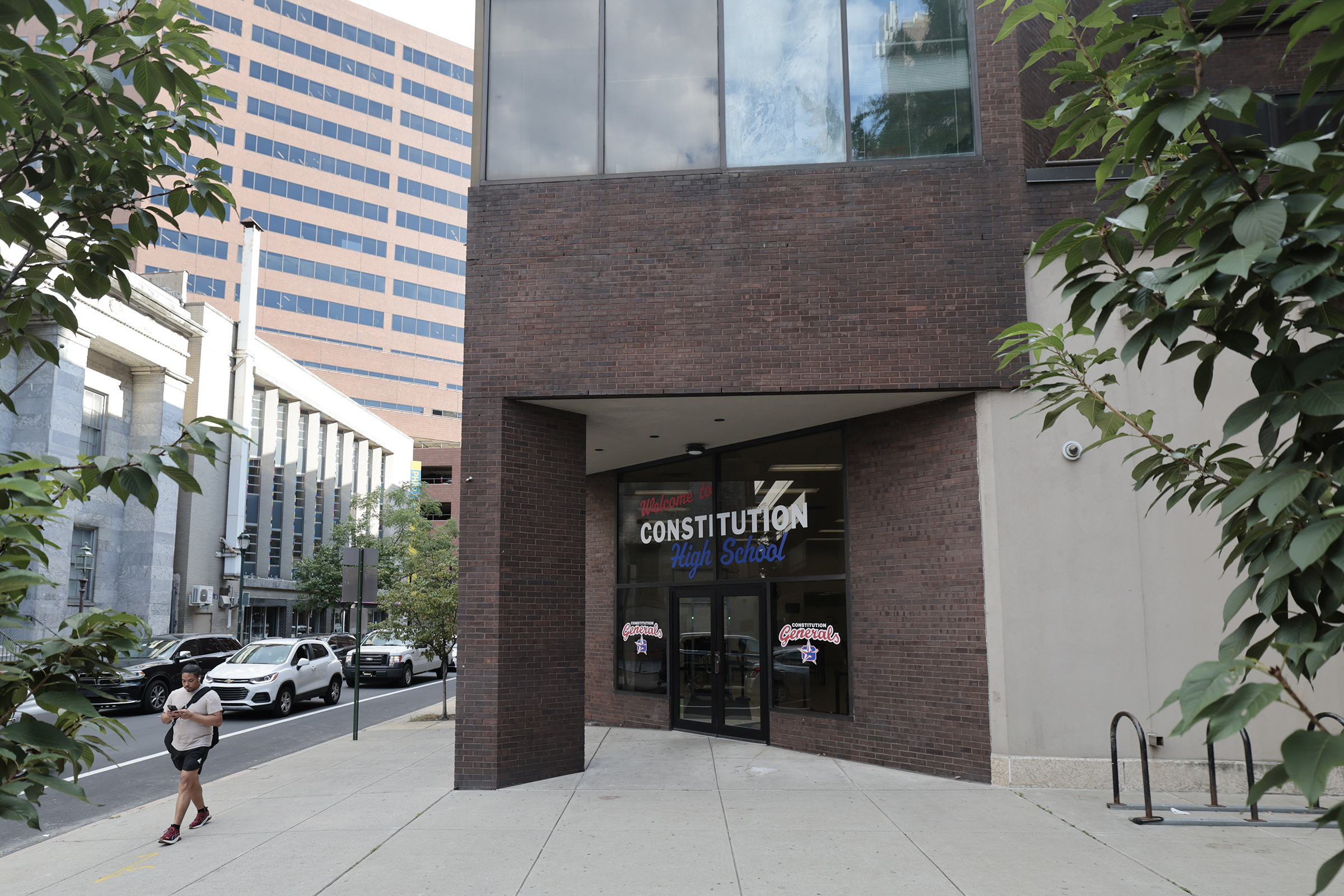
    The four-year agreement — the district will pay $1.7 million annually for two years, then $1.8 million and $1.9 million in the final two years — covers classrooms and related spaces at 18 S. Seventh St., the longtime home of Constitution High School.

    The move comes months after the district voted to close 17 schools, in part because it has 70,000 empty seats in schools across the city. The school system will also merge some schools — like Overbrook High and the Workshop School — as part of its $3 billion facilities master plan, to be enacted over the next decade, but it opted not to move Constitution High into any school with empty space.

    Board members voted unanimously to pass the resolution, which noted the district “continues to work through the completion of the Facilities Master Plan to properly identify appropriate space for our students.”

    Officials will “review the opportunities that may exist in the coming years that would cause us to re-evaluate the current necessary decision to remain at this location, which accommodates the needs of the students within this program. If the opportunity arises for the school district to consider relocation, the community and stakeholders will become aware and involved in this process.”

    The facilities plan calls for Constitution to move in 2035-36 into the current Bodine High building in Northern Liberties. Bodine will eventually expand and move into the current Penn Treaty building, in Fishtown, and Constitution will then occupy the Bodine space.

    Constitution, a citywide admissions school, has been located at its current building since the school opened in 2006 as part of Philadelphia’s small-schools boom. The school was designed with a civics focus, and deliberately located near the National Constitution Center.

    The district has moved other schools out of rental properties. It relocated Science Leadership Academy, which had been in rental space near the Franklin Institute, into Benjamin Franklin High. District officials have pointed to that colocation as a model.

    Charter renewals, but no mention of missing PSSAs or Kensington asbestos relocation

    The board also voted Thursday night to renew two charters: YouthBuild Philadelphia Charter, on North Broad Street in North Philadelphia, and Inquiry Charter, on Belmont Avenue in West Philadelphia.

    Both schools received five-year renewals.

    YouthBuild’s renewal came with conditions: agreeing to submit a student attendance plan, tracking students’ daily attendance, and divulging supports offered; and promising to ensure the school’s suspension rate is at or below the district’s suspension rate.

    No district official addressed two brewing matters: either the asbestos-related relocation of Kensington High students to the former Meehan Middle School building in the Northeast, more than seven miles away, or the district’s missing PSSA scores.

    Earlier on Thursday, a Lincoln High parent and a Mayfair resident were attempting to block Kensington’s move to Meehan, a closed district school currently used as swing space to house school populations that need a temporary home.

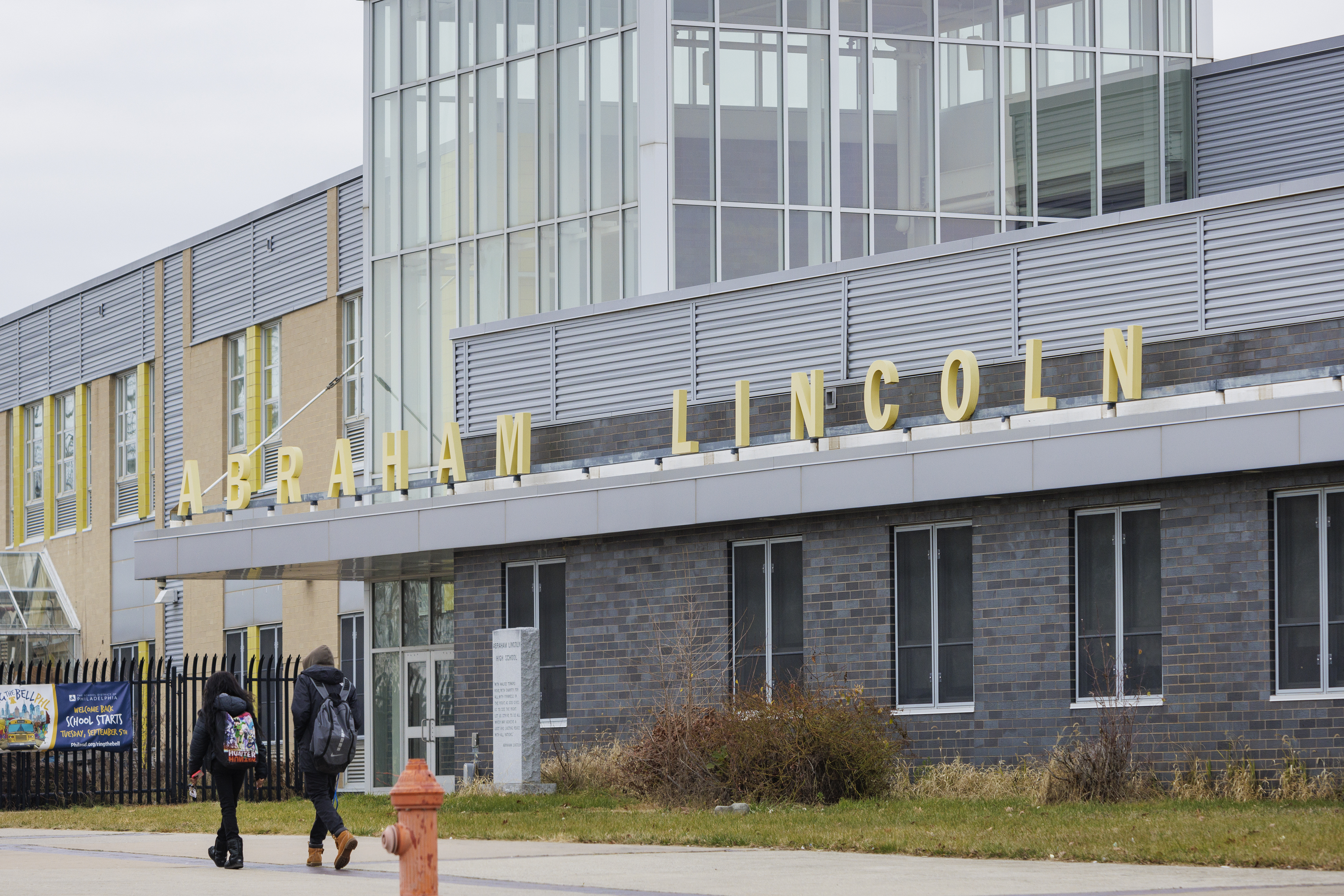
    Meehan shares a campus with Lincoln and Northeast Community Propel Academy, both of which are overcrowded. Parent Harold Brown and Peter McDermott, a former Philadelphia teacher who’s active in Mayfair civic life and city Democratic politics, say moving Kensington onto the campus will harm students.

    They also say placing 400 Kensington students and 90 staff at Meehan violates a Community Benefits Agreement signed in 2019, when neighbors OK’d building Propel to ease overcrowding at other Northeast schools.

    No mention was made, either, of the lack of data around Philadelphia students’ PSSA and Keystone exams.

    District officials said they won’t release the scores of students’ spring tests — which district officials have access to — because of a delay in Harrisburg.

    Though the district did receive preliminary student-level scores, and released limited data to some teachers and administrators in order to correctly roster a limited number of students, they have walled off the data from the vast majority of educators.

    A district spokesperson said this week that they won’t be using PSSA scores for the school selection process that admits students to 37 magnet schools. Instead, students can take an alternate assessment the district declined to name or detail.

    The scores are consequential in a district where officials frequently state their goal to become the fastest-improving large urban school system in the country. Philadelphia has posted academic gains during Superintendent Tony B. Watlington Sr.’s tenure and earned national attention for its post-pandemic improvement, but its students still generally struggle.

    Citywide, 34% of students score at grade level in English and 23% in math, as judged by 2024-25 standardized tests.

    Administration of this year’s PSSAs, given to students in third through eighth grades, was snarled by some technical glitches. It was the first year Pennsylvania required students to take the exams online.

    Research shows that scores usually dip when tests move online.

    Kristin Luebbert, a retired district teacher, urged the board and the district to release the scores.

    “Obviously, the administration must have strong feelings about what they show,” Luebbert said of the scores. “At this point, we all know they’re out there, so you might as well release them.”

  • What happens next for Philly schools that are closing or receiving closing schools? Here’s how to weigh in.

    What happens next for Philly schools that are closing or receiving closing schools? Here’s how to weigh in.

    The Philadelphia School District will soon offer a new way to have a say in how Philadelphia school closings, mergers, and other transitions happen.

    The district announced Thursday that it will soon open applications for 50 transition teams to help manage what comes next for a host of schools — those closing or beginning phaseouts at the end of the 2026-27 school year, and those receiving students from those schools in 2027-28.

    The school board voted in April to close 17 Philadelphia schools, some as soon as the end of the 2026-27 school year. It’s also ordering mergers and other changes. The $3 billion plan, the funding for which is not assured, also plans for 169 renovation projects at schools around the city.

    The plan remains unpopular, with several City Council members still pressuring the district to change course on some closures.

    The aim for the transition committees, officials said, it to “bring together students, families, educators, staff, and community partners to provide input, help identify priorities, and support the development of transition plans that reflect the needs of each school community.”

    A new school transition office, led by Shakeera Warthen-Canty, will coordinate the work.

    “We know that successful school transitions require more than a plan — they require meaningful partnership with the students, families, staff, and communities who will experience these changes,” Superintendent Tony B. Watlington Sr. said in a statement. “This next phase gives communities a clear opportunity to help shape the transition process and ensure that we are planning thoughtfully, collaboratively, and with students at the center.”

    The applications will open Aug. 31 and can be filled out through Sept. 18.

    Transition committees, made up of up to roughly 20 members, may include teachers and staff, parents and families, community members, and students.

    Officials said the committees won’t be the only way for people to have their say. School-specific feedback opportunities will be announced later, they said.

    Which 50 schools are forming transition teams?

    The schools closing in 2027-28 are:

    Blankenburg

    Fitler

    Lankenau High School

    Robert Morris

    Overbrook Elementary

    Parkway Northwest

    Parkway West

    Pennypacker Elementary

    Paul Robeson High School

    John Welsh Elementary

    The schools beginning phase-outs in 2027-28 are:

    AMY Northwest

    Penn Treaty

    Harding Middle School

    Stetson Middle School

    Tilden Middle School

    Wagner Middle School

    The schools receiving students starting in 2027-28 are:

    Bache-Martin Elementary

    Barry Elementary

    Bluford Elementary

    Carnell Elementary

    Cassidy Elementary

    Catherine Elementary

    Cramp Elementary

    A.B. Day Elementary

    F.S. Edmonds Elementary

    Ellwood Elementary

    Hackett Elementary

    Hartranft Elementary

    Heston Elementary

    Howe Elementary

    W.D. Kelley Elementary

    Kensington Health Sciences Academy

    Kensington High School

    King High School

    Lawton Elementary School

    Ludlow Elementary School

    John Marshall Elementary

    Morton Elementary

    Motivation High School

    Patterson Elementary

    Pennell Elementary

    Prince Hall Elementary

    James Rhoads Elementary

    Rowen Elementary

    Science Leadership Academy at Beeber

    Sullivan Elementary

    Martha Washington Elementary

  • A Lincoln High parent and Mayfair resident want a judge to halt the move of Kensington HS students to a Northeast Philly school

    A Lincoln High parent and Mayfair resident want a judge to halt the move of Kensington HS students to a Northeast Philly school

    A Lincoln High parent and a Mayfair resident are attempting to block the planned relocation of Kensington High School students to the former Austin Meehan Middle School in the Northeast.

    Harold Brown, a Lincoln parent, and Peter McDermott, who is active in Mayfair civic life and Democratic politics, filed suit Thursday against the Philadelphia School District, Superintendent Tony B. Watlington Sr., and the city itself in Common Pleas Court.

    While the former middle school has been used as a swing space since it closed in 2022, Brown and McDermott say that moving 400 Kensington High students and 90 staff there will create student safety concerns because the campus is already overpopulated. Meehan is adjacent to Lincoln High and Northeast Community Propel Academy, both of which are overcrowded, with student bodies that exceed the capacity of their respective buildings.

    The relocation, they argue, also violates the terms of a 2018 community benefits agreement that allowed the school district to build Propel.

    Brown and McDermott want a judge to halt the move before school begins for students on Monday.

    The district ordered Kensington relocated to the former Meehan site, more than seven miles away on Ryan Avenue, over asbestos concerns. A contractor working on a new HVAC system for Kensington this summer disturbed asbestos, then tracked it throughout the school, officials said.

    District administrators initially believed they could fix the asbestos issues in time for school to start; after urging from the Philadelphia Federation of Teachers, they decided to relocate staff and students through the end of the calendar year.

    The district last year spent $11 million to place trailers at Lincoln, which houses over 2,000 students in a school built for 1,200.

    City Councilmember Mike Driscoll last week raised worries about adding students from another high school to the Lincoln-Propel campus, and the district said it would prepare and share a school safety plan before classes began.

    “The absence of a disclosed and tested plan prevents families from evaluating whether defendants can safely supervise two separate high-school populations and a K-8 population in the same immediate campus area,” the suit says.

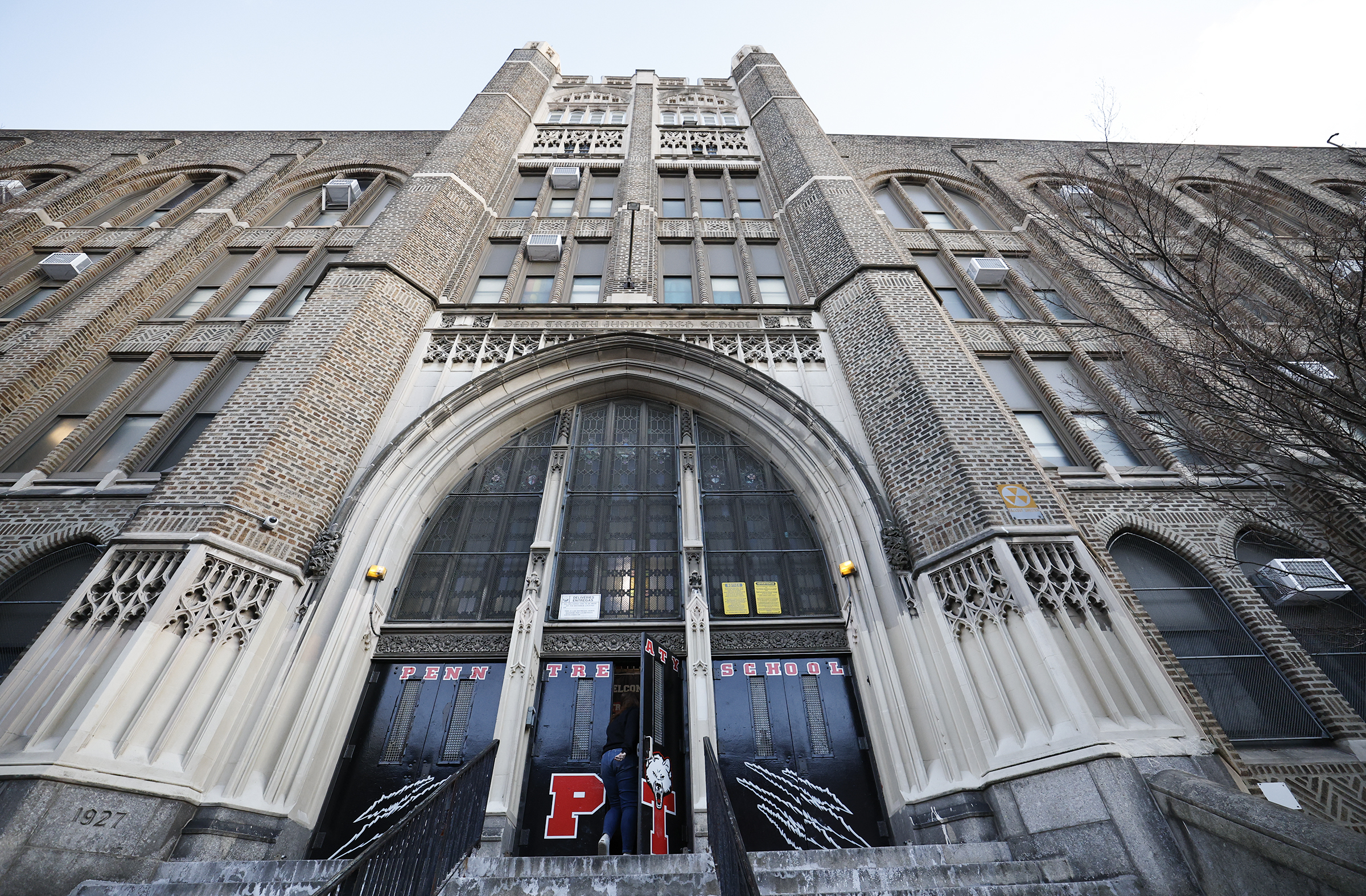
    The suit suggests students be moved instead to Penn Treaty High or Roberto Clemente Middle School. (The district had initially planned to move Kensington students and staff into Clemente, then judged that building did not have enough room.)

    Moving Kensington to Meehan will overtax the campus on multiple levels, the suit said, from congestion and personnel to security and transportation.

    “For Plaintiff Brown’s son and the existing Lincoln student body, adding another complete high-school population to an already over-capacity campus will predictably diminish teacher access, disrupt orderly transitions and arrival and dismissal, reduce access to shared services and activities, and materially impair the quality and continuity of the students’ daily learning and overall school experience,” the suit said.

    Brown and McDermott also say the district has failed to live up to several promises made in the community benefits agreement — including demolishing Meehan, sprucing up fields, and replacing fencing. Those things have not been done, the suit says.

    Philadelphia School District officials could not immediately be reached for comment.

  • A PSSA delay means Philly kids may have to take an alternative test to get into special admission schools. Here’s why.

    A PSSA delay means Philly kids may have to take an alternative test to get into special admission schools. Here’s why.

    Call it the mystery of the test scores.

    Philadelphia School District officials said this week that because of a delay in Harrisburg, they cannot use the latest state test scores to judge whether the school system’s academics are improving.

    The apparent bureaucratic delay could have real-world consequences for Philadelphia students who rely on the state test scores for admittance into selective magnet schools. And because the 2025-26 PSSA and Keystone results now will not be part of the closely watched school selection process, district officials said, some kids may need to take an alternate assessment if they want a chance to attend a magnet school.

    But the situation seems murky, with Philadelphia walling off its data in ways that other districts have not.

    Districts across Pennsylvania — including Philadelphia — received preliminary school-level scores from the Pennsylvania Department of Education in the spring, as is typical, sources confirmed to The Inquirer. And though some Philadelphia principals and teachers did see limited data for some incoming students for rostering purposes in August, most of the student- and school-level data remain hidden.

    Here is what we know, and what we don’t know, about the score release.

    PSSA administration was online, and glitchy, this year

    Pennsylvania moved in the spring to fully online administration of the Pennsylvania System of School Assessment, the state’s standardized test for third through eighth graders. Research shows that a shift from paper tests to online exams typically yields drops in student test scores.

    Many districts experienced technical glitches early in the PSSA assessment window, with some students unable to log in to complete their exams. Some canceled testing for a day, shifting assessment schedules because of the problems with the online system.

    PDE just weighed in

    The Pennsylvania Department of Education usually releases preliminary statewide results to districts in August or September, to give educational leaders time to crunch the numbers and prepare for a fall public release of the data.

    But PDE officials, in a letter sent to districts on Tuesday, said there would be a delay because a “review of the preliminary data is still underway.”

    No reasons for the shift were given, and no information was shared about whether the public release, which usually happens in the late fall, will be pushed back.

    Philly took a different tack

    While other districts and charters still have access to school- and student-level data from the 2025-26 PSSAs and Keystones, Philadelphia kept the vast majority of its data hidden from principals and teachers.

    Though some other data, like the results of periodic benchmark tests, are still available, PSSA and Keystone figures are often used to help pinpoint student needs.

    The Philadelphia School District Office of Evaluation, Research and Accountability told principals in June that “state test data are embargoed and not available until they are verified by the Pennsylvania Department of Education,” district spokesperson Monique Braxton said in a statement Wednesday.

    That review was expected to be completed by Tuesday, Braxton said, but has been pushed back.

    “Until this process is complete, assessment data will not be released,” Braxton said. “Additional information will be shared after PDE completes its review and the official statewide results are released.”

    It remains unclear why most Philadelphia data are still inaccessible to school staff.

    Questions around school selection and more

    Philadelphia’s school selection window, when students can apply to the city’s 37 sought-after criteria-based schools, opens Sept. 8.

    But the questions around the state data mean that the district “cannot use the 2025-26 assessment results to evaluate year-over-year student achievement or as the required criterion for school selection,” Braxton said. “In the interim, students will have the opportunity to take an alternative assessment in the fall and submit those results instead.”

    The district did not address questions about what assessment will be given, when it will be offered, whether it will be mandatory for school selection, or what will happen if students want to apply for criteria-based schools but not take the alternative assessment. It also did not answer questions about whether there will be an additional cost for the new assessment.

    Fastest-improving large urban district?

    Superintendent Tony B. Watlington Sr. has staked his reputation on Philadelphia being the “fastest-improving large urban district in the country,” and the district has posted promising, if incremental, gains during his tenure. Philadelphia students’ learning post-pandemic was best in the nation, according to recent research out of Harvard and Stanford Universities, though district students still perform 2.46 grade levels below the pre-pandemic national average.

    District-wide, 34% of students score at grade level in English and 23% in math, as judged by 2024-25 standardized tests.

    Braxton said in the statement that after consulting with PDE, “the district cannot use the 2025-26 assessment results to evaluate year-over-year student achievement.”

    More information will be shared, Braxton said, “as it is received from the PDE.”

  • Kensington High School students will be relocated after asbestos ‘concern’ during HVAC project

    Kensington High School students will be relocated after asbestos ‘concern’ during HVAC project

    Kensington High School students and staff are being relocated to the vacant Austin Meehan school building through the end of the calendar year, after an asbestos “concern” arose during an HVAC project, Philadelphia school district officials said.

    While workers were installing a new heating and cooling system, “an asbestos inspector identified a concern about the demolition of the old system,” Oz Hill, the district’s deputy superintendent of operations, said in a letter to the high school community Thursday — a little more than a week before the new school year begins Aug. 24.

    Hill said the district “immediately stopped the project and has been working cooperatively with the city’s Air Management Services and the Philadelphia Federation of Teachers while the building is thoroughly cleaned and air quality tests are conducted to show the space meets standards to be reopened.”

    Arthur Steinberg, president of the PFT, said he was told that “a contractor broke into some space … disturbed some asbestos, and tracked it all over the building.”

    “That essentially contaminated the entire building, by them moving around after the asbestos material was disturbed,” Steinberg said in an interview Friday.

    Steinberg said the relocation to Austin Meehan, a vacant middle school in Northeast Philadelphia, would mean “turmoil.”

    Austin Meehan, which closed in 2022, is more than seven miles away from Kensington High School.

    In the message, Hill said the district had considered closer options, but they “did not meet the space or accessibility needs for Kensington’s more than 400 students and 90 staff.” He said “details about the schedule, transportation, and all logistics will be forthcoming.”

    A district spokesperson did not immediately respond to a request for comment Friday.

    Steinberg said the relocation “creates logistical nightmares for everybody,” with new commutes for staff and families.

    “But it’s better than trying to make them occupy a building that’s contaminated with damaged asbestos,” Steinberg said. He said the PFT will be on site as Kensington staff report to Austin Meehan Monday to hear and address concerns.

    The PFT also has an occupational hygienist at Kensington High School supervising the district’s work, to ensure the asbestos is properly cleaned up and tested, Steinberg said.

    The union “will ensure that building is suitable for occupancy, or our members will not go back in,” he said.

    Asbestos has been a recurring issue in the Philadelphia School District’s aging buildings. In recent years, some schools have temporarily closed after the discovery of damaged asbestos.

    Hill said the district “will also work to address other Kensington building needs, including maintenance repairs and the continued proactive removal of asbestos materials where we can minimize future risk of damage.”

    “When Kensington students and staff return to the building in January, they will be welcomed back to a healthy, more comfortable space for learning,” Hill said.

  • Philly just shifted its rules for how kids with disabilities can get into special admissions schools. A lawsuit threat prompted the change.

    Philly just shifted its rules for how kids with disabilities can get into special admissions schools. A lawsuit threat prompted the change.

    The Philadelphia School District is changing a policy that effectively barred some qualified students with disabilities from gaining admission into certain magnet schools.

    But it did so only after a Philadelphia family — whose child with disabilities was not admitted to a school for which they met academic criteria — notified the district that it intended to sue over the old policy under the Americans with Disabilities Act.

    The school system’s policy has traditionally worked this way: Students are eligible to apply for admission to up to five of the 37 district schools for which they meet academic, behavioral, and attendance criteria.

    Because of a long-ago agreement resulting from another legal challenge, students with disabilities who meet two of the three criteria for a certain school could request an individualized review, known in the system as the LeGare process, to determine if they could succeed at that school if provided with reasonable accommodations.

    If a review panel judged the child eligible, the child entered the lottery for that school, but was required to waive their rights to enter lotteries for any schools where they met all three criteria.

    That is: If a student meets entry requirements for the Philadelphia High School for Girls but only two out of three requirements for Masterman, they could opt for an individualized review for their Masterman application — but only if they gave up the right to be considered for Girls’ High.

    If their Masterman application failed, Girls’ High was off the table.

    Dan Urevick-Ackesberg, an attorney with the Public Interest Law Center, which represented the family that threatened to sue the district this year, in a statement, called it the “double bind,” and said the district for years punished children with disabilities for asking for accommodations they were legally guaranteed.

    Exact numbers are not known, but it’s expected the change will affect hundreds of Philadelphia students annually. The application process for the 2027-28 school year is expected to open sometime this fall, though the district has not yet announced a date.

    Far-reaching impact

    The parent who threatened the lawsuit said when they heard about the policy, they thought they must be an oversight.

    “But the district doubled down” when they inquired about it, the parent said in a statement. The Inquirer is not naming the parent, child, or school to keep the child’s identity private. “It felt punitive.”

    With no other option, the child moved through the admissions process for the school to which they met two out of three academic criteria, but was denied admission in the review process.

    Because they had to forego applications to other criteria-based schools for which they did meet requirements, the student was out of luck.

    “The painful either-or of the policy effectively ruined my child’s eighth-grade year and has far-reaching impacts on their academic confidence, self-esteem, and social experience,” the parent said.

    When the Law Center notified the district of its intent to sue, the district asked to enter settlement negotiations, and agreed to change the policy.

    Going forward, students who are English learners or those with disabilities — either those with individualized education plans or 504 plans — will be able to apply for magnet schools for which they meet criteria and those for which they meet two out of three criteria.

    There will be no penalty for asking for an individualized review. Students will not need to waive their applications to schools for which they meet criteria.

    “I am beyond relieved that this awful policy has been ended,” said the parent whose lawsuit threat prompted the change. “The district should want to have engaged and talented students with disabilities in our top schools, not push them out.”

    Urevick-Acklesberg said the policy change means that “one small barrier is down” to students receiving the free, appropriate public education that’s their right under federal law.

    The district can still change its school selection process

    The new individualized review policy is an appeal process, not a first-line application, and does not guarantee students’ admission into any school.

    The agreement “does not prevent the district from modifying its school selection process, including individualized reviews, or eligibility criteria, nor does it require the district to maintain its current processes for any set period of time,” it reads. “However, to the extent the district’s school selection process continues to allow students to apply to more than one school, the district will provide a mechanism for the subject students to apply to a school where they meet the then applicable criteria, and to additionally seek review of their eligibility where they do not.”

    The district also announced other changes to the process earlier last week, including:

    • Changing the zip codes for preferential admission to Masterman, Central, Carver High School for Engineering and Science, and the Academy at Palumbo: 19132, 19133, 19135, 19138, 19140, or 19141. New to the list are 19138 — Germantown — and 19141 — sections of North Philadelphia including Logan and East Oak Lane. No longer on the preference list are 19121 — parts of North Philadelphia including Brewerytown and Sharswood — and 19136, Holmesburg and Torresdale. The zip codes chosen for preference are the most underserved at the four magnet schools.
    • Limiting the grades that count toward a student’s GPA for admission to magnets. Now, just English, math, and science grades are counted. Social studies grades also used to count.
    • Granting preference for kindergarten admission to students who attend prekindergarten at the school to which they’re applying.
    • Granting preference for career and technical education program admissions to students who participate in a district CTE summer program.
  • Philly school principals were asked about their jobs. Here’s what they had to say.

    Philly school principals were asked about their jobs. Here’s what they had to say.

    Most Philadelphia principals believe the city’s district and charter schools are moving in the right direction, though they are also frustrated with punishing workloads and inadequate access to resources.

    And while the majority of principals are satisfied with their leadership roles, Philadelphia School District school leaders are less likely to feel positive about their levels of support and autonomy. Only about half of district principals reported feeling backed by central administration, and about the same number said felt they had the authority to make decisions about school policies and practices.

    Two-thirds of principals citywide have considered leaving their jobs, with most contemplating K-12 jobs outside Philadelphia or in the education sector but not in a school or district.

    The results come via a new survey commissioned by the Philadelphia Citywide Talent Coalition, a group asked by the Philadelphia Mayor’s Office of Education to design and implement strategies to hire and retain more effective teachers and teachers of color.

    Elevate 215, a Philadelphia-based education nonprofit, commissioned the study on the talent coalition’s behalf, surveying 135 district and charter school principals this spring.

    Here are some takeaways from the recently released report:

    There are some reasons to be optimistic

    Most principals have spent more than a decade in Philadelphia schools, district or charter.

    Both charter and district principals said they think Philadelphia schools are going in the right direction — 64% of charter principals and 55% of district principals. (In all, 36% and 45%, respectively, believe the sectors are going in the wrong direction.)

    Charter and district principals report a satisfaction gap in some areas

    While charter and district principals report similar levels of satisfaction in areas like relationships with students (95% for district principals and 96% for charter principals), there were areas of disparity.

    More than three-quarters, 80%, of charter principals felt they had access to adequate funding, supplies, and support staff. Just 23% of district principals were satisfied with their level of resources.

    Facilities satisfaction was a key area of difference, too — 83% of charter principals said they were satisfied with their access to adequate facilities, while 34% of district principals did.

    Only 32% of district principals said they were satisfied with their workload; 54% of charter principals reported workload satisfaction.

    In all, 51% of district principals said they felt supported by their central office administrators, while 88% of charter principals did. The same percentage of district principals said they felt they had autonomy to make decisions regarding school policies and practices; 81% of charter principals did.

    Principals’ top challenges are consistent

    Principals across sectors reported that staff shortages, workload, inadequately prepared teachers, and expectations around student achievement are top challenges.

    Principals sound off

    Asked what policymakers should know, the principals — who were not identified in the report by name or school — had much to say.

    “One piece of advice I would give policymakers is to listen directly to school leaders who are doing the work every day,” one principal wrote. “Retention will improve when leaders are not expected to carry the weight of academics, culture, staffing, family engagement, safety, and community concerns without adequate support.”

    Another principal was succinct, writing: “do not micromanage!”

    “People need to be paid more, especially teachers. We also need to be able to enforce truancy policies. It’s frustrating for all involved,” another principal said.

    “Attract, support, and help retain high-quality educators,” wrote another principal. “We can’t [hire large numbers of teachers without permanent certification] and expect miracles. Hold parents more accountable for school attendance — other states do.”

    Another principal focused on a lack of experienced educators: “Offer veteran teachers a higher salary to commit to working at schools such as mine in Kensington where the only applicants are just out of college with no experience. The children continue to fall further behind even with [academic coaches] in our building.”

    “Schools in hard to fill locations require veteran teachers with heart who understand their skills are needed desperately,” the principal said.